Artwork
The Four Philosophers
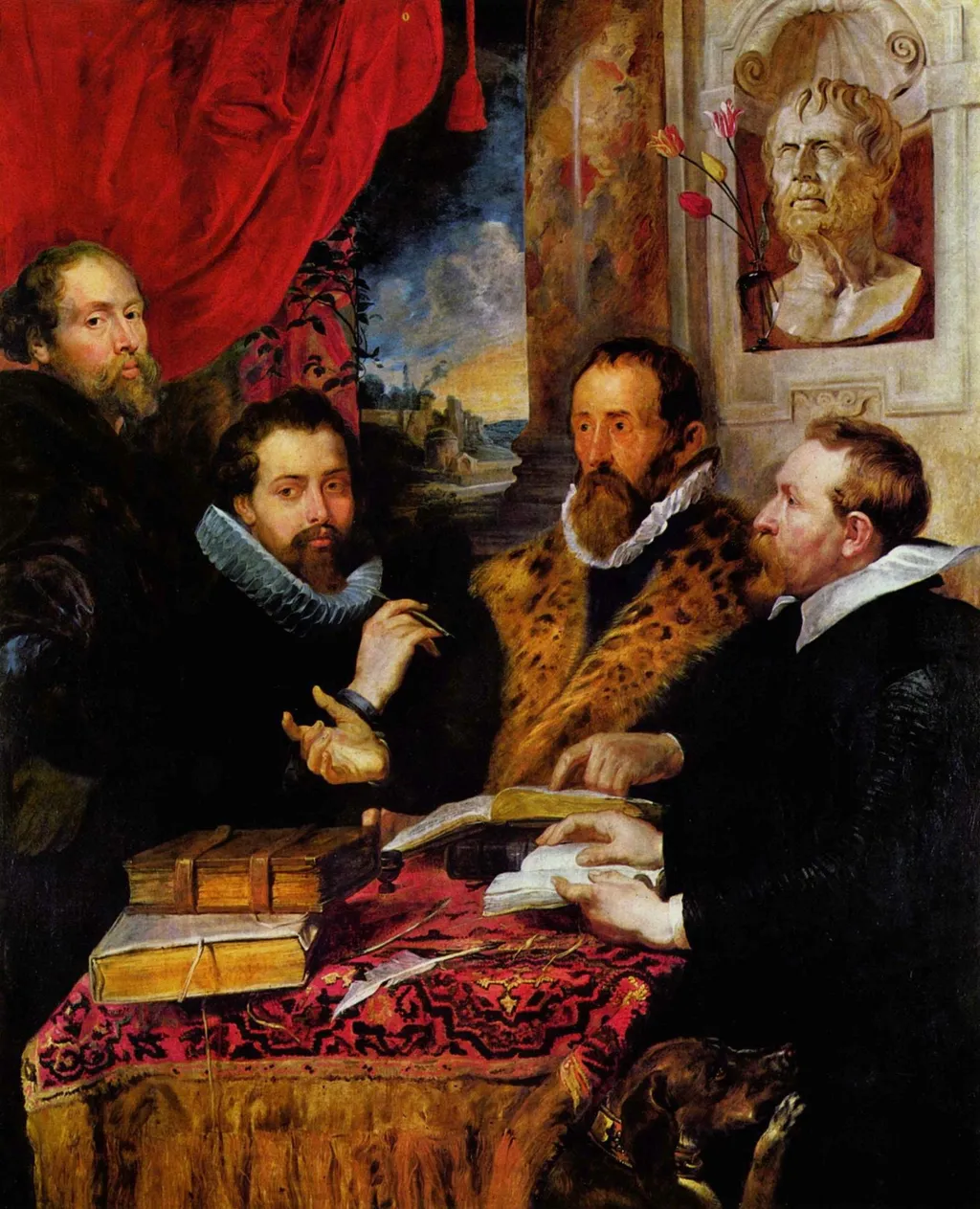
The Four Philosophers is an oil painting by the Flemish Baroque painting artist Peter Paul Rubens. It dates from 1611 and is held in the collection of the Galleria Palatina.
About this work
Subject & Meaning
The Four Philosophers depicts Peter Paul Rubens alongside three of his intellectual companions: his brother Philip Rubens, the humanist Justus Lipsius, and the scholar Joannes Woverius. The painting functions as a memorial to Philip, who died in 1611, and to Lipsius, who had recently retired, marking a moment of personal and philosophical transition for Rubens. Central to the composition is a bust of Seneca in the background, symbolizing Stoic authority, while emblems such as tulips in a glass vase and dog motifs convey themes of transience and enduring friendship.
The arrangement of figures, Rubens standing, gazing directly at the viewer, and the others seated around a table laden with books and ink, reinforces the work’s significance as both a self-portrait and a tribute to Stoic thought. The painting’s provenance includes acquisition by the Galleria Palatina in Florence and later relocation within the Palazzo Pitti, with documented history involving French confiscation in 1799 and return to Florence in 1816.
Technique & Style
The Four Philosophers is an oil painting on panel measuring 167 cm in height and 143 cm in width, created by Peter Paul Rubens in 1611–1612.
The Four Philosophers is an oil painting on panel measuring 167 cm in height and 143 cm in width, created by Peter Paul Rubens in 1611–1612. Executed in oil paint, the work functions as both a portrait and a self-portrait, depicting the artist alongside his brother Philip Rubens, the humanist Justus Lipsius, and his pupil Jan Woverius. The composition features a richly varied pictorial surface that emphasizes the textures of clothing, books, and decorative objects, reflecting Rubens' mastery of material handling.
A bust of Seneca occupies a niche in the background, symbolically presiding over the gathering of intellectuals, while symbolic elements such as dried tulips and grapevines allude to mortality and enduring friendship. The painting demonstrates a high level of formal sophistication through its dynamic gestures, conversational glances, and intricate spatial arrangement, characteristic of Baroque portraiture and neostoic thematic emphasis.
History & Provenance
The Four Philosophers was painted by Peter Paul Rubens in 1611–1612, likely as a commemorative response to the deaths of his brother Philip in 1611 and his mentor Justus Lipsius in 1606. The work remained in the Medici grand ducal collection at Palazzo Pitti by the late 17th century, first recorded in an inventory of that period. It was taken to Paris in 1799 during French occupation and returned to Florence in 1816 after Napoleon’s fall.
The painting entered the Galleria Palatina (now the Galleria degli Uffizi) by 2023, where it is displayed among the self-portraits.
The Four Philosophers is held in the Galleria Palatina of the Palazzo Pitti in Florence, with inventory accession recorded in the Palatine collection archives. It has been exhibited in the 1772 painting The Tribuna of the Uffizi by Johan Zoffany, which features the work among Medici holdings. The painting was confiscated by the French in 1799, taken to Paris, and returned to Florence in 1816 following Napoleon's fall. It was described in a restitution document by Canova and Karcher, noting its condition and visual details.
The work was created circa 1611–1612, likely in response to the death of Rubens' brother Philip and his mentor Justus Lipsius. It is documented in early 17th-century inventories of the Medici collection and was later referenced in 18th-century sources including Zoffany's Tribuna depiction. The painting has been reproduced in multiple copies, including versions in the Musée des Beaux-Arts de Nancy and a private Belgian collection reproduced in 1942. No other institutional holdings or exhibition records are supported by the provided sources.
Context
The Four Philosophers is closely tied to the neostoic movement founded by Justus Lipsius, who is depicted in the painting with three of his students, situating the work within the intellectual milieu of early seventeenth-century humanist circles. According to the Dutch source, the post-mortem title is somewhat misleading, since only Lipsius was strictly a philosopher; the others are better described as humanists who also adhered to Stoicism, with Rubens himself present merely as an observer among the group.
The painting's occasion is generally linked to the deaths of Rubens's brother Philip in 1611 and of Lipsius in 1606, which is why it is usually dated 1611–1612. Its fame led to numerous copies, including a version in a Belgian private collection published by P. Fierens in 1942, one by Rémy Cogghe at the Royal Museums of Fine Arts of Belgium, an anonymous copy at Antwerp's Museum Plantin-Moretus, and two at the Musée des Beaux-Arts in Nancy. The work also appears copied within Johan Zoffany's 1772 view of The Tribuna of the Uffizi, documenting its early prominence among the Medici collections.
Scholarly attention includes Ullrich Heinen's study on Stoic portraiture and Marco Chiarini's catalogue of the Galleria Palatina.
Legacy
The Four Philosophers achieved early recognition, appearing in Johan Zoffany's 1772 depiction of the Uffizi Tribuna, which recorded its presence among the Medici collections. The work's fame prompted the creation of numerous copies, including versions held by the Royal Museums of Fine Arts of Belgium, the Museum Plantin-Moretus in Antwerp, and the Musée des Beaux-Arts in Nancy. Its historical trajectory further cemented its reputation; confiscated by French forces in 1799 and taken to Paris, the painting was returned to Florence in 1816 following Napoleon's defeat.
This restitution was documented by Antonio Canova and Karcher, who noted the panel's condition, describing the colors as raised and the black garments as cracked. The composition's influence extended to Rubens's own later works, as the background landscape of the Palatine Hill was redeveloped for the altarpiece of Santa Maria in Vallicella and a separate landscape now in the Louvre.
Overview
Peter Paul Rubens created The Four Philosophers between 1611 and 1612, executing the work in oil on a wooden panel. Today the painting belongs to the collection of the Galleria Palatina in Florence’s Palazzo Pitti. It portrays a small group of bearded men gathered around a table strewn with books and papers, illuminated by a soft, directional light that emphasizes their faces and gestures.
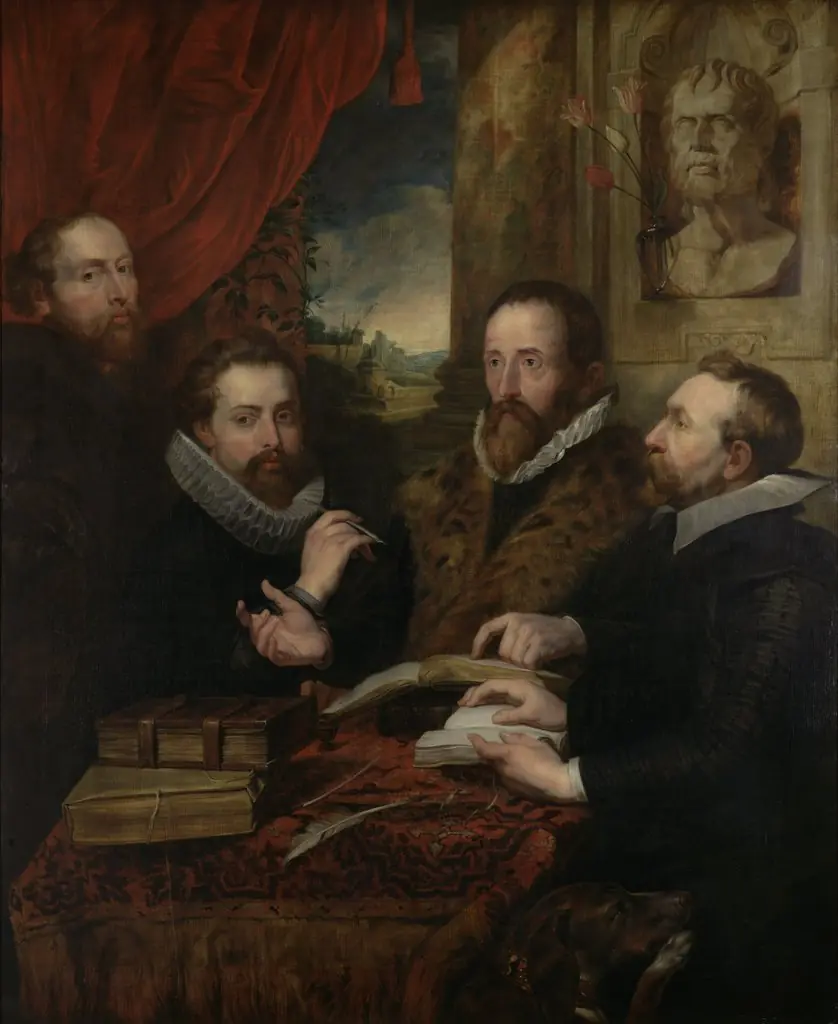
Own this work as a print
Artist & collection
Artist
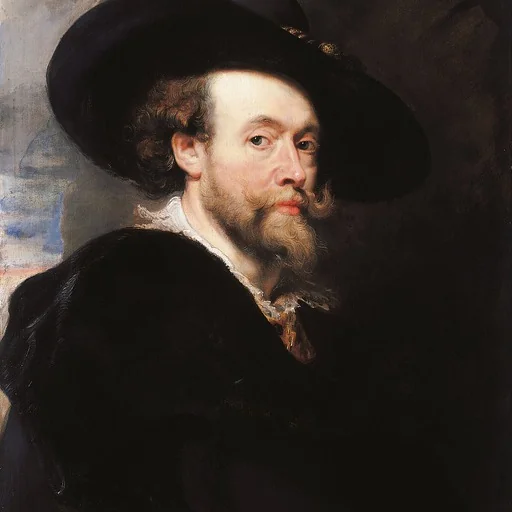
Sir Peter Paul Rubens ( ROO-bənz; Dutch:; 28 June 1577 – 30 May 1640) was a Flemish artist and diplomat.

 Four Regents and the ‘House Father’ of the Amsterdam Lepers’ Asylum
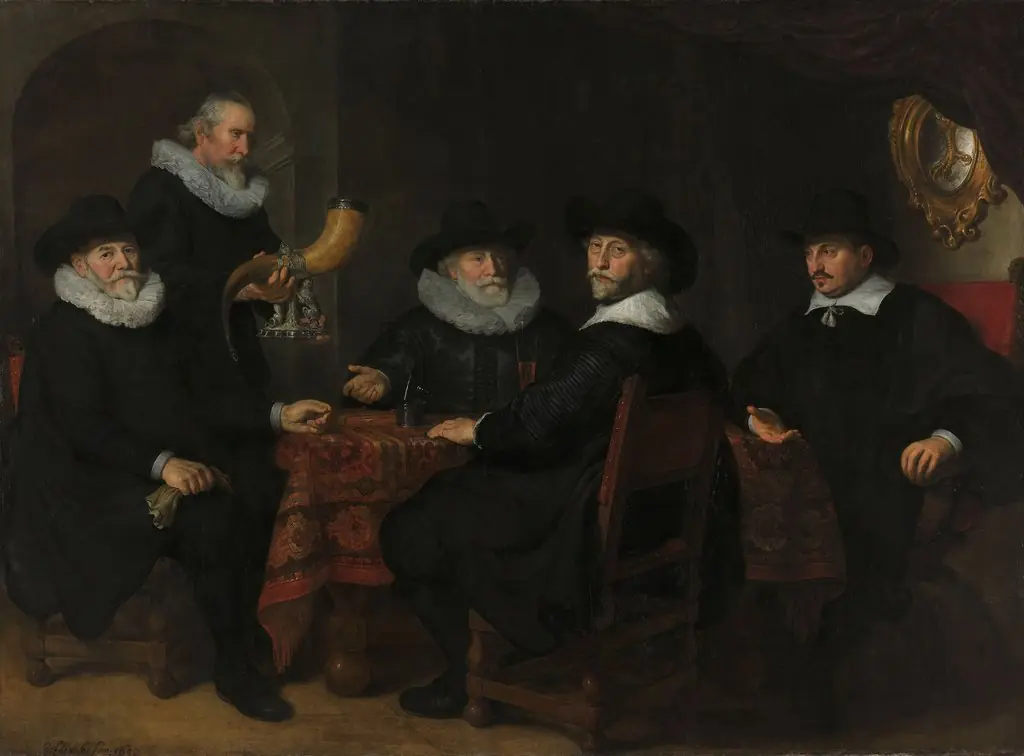 Four directors of the arquebusier's guild, Amsterdam, 1642
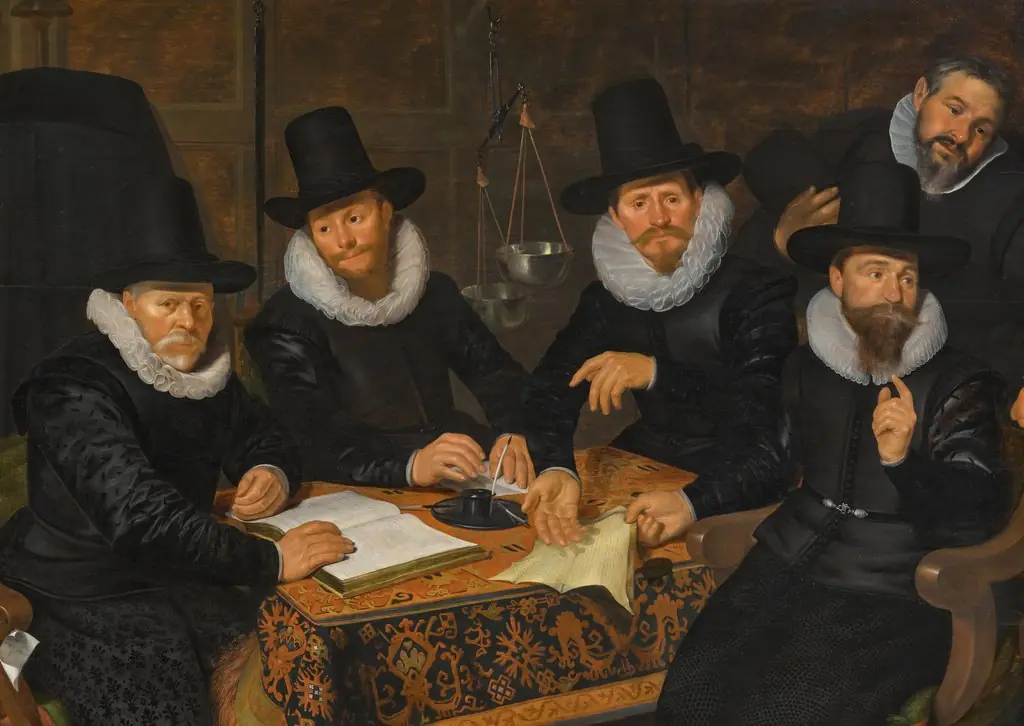 Four Regents of the Groot-Kramergild
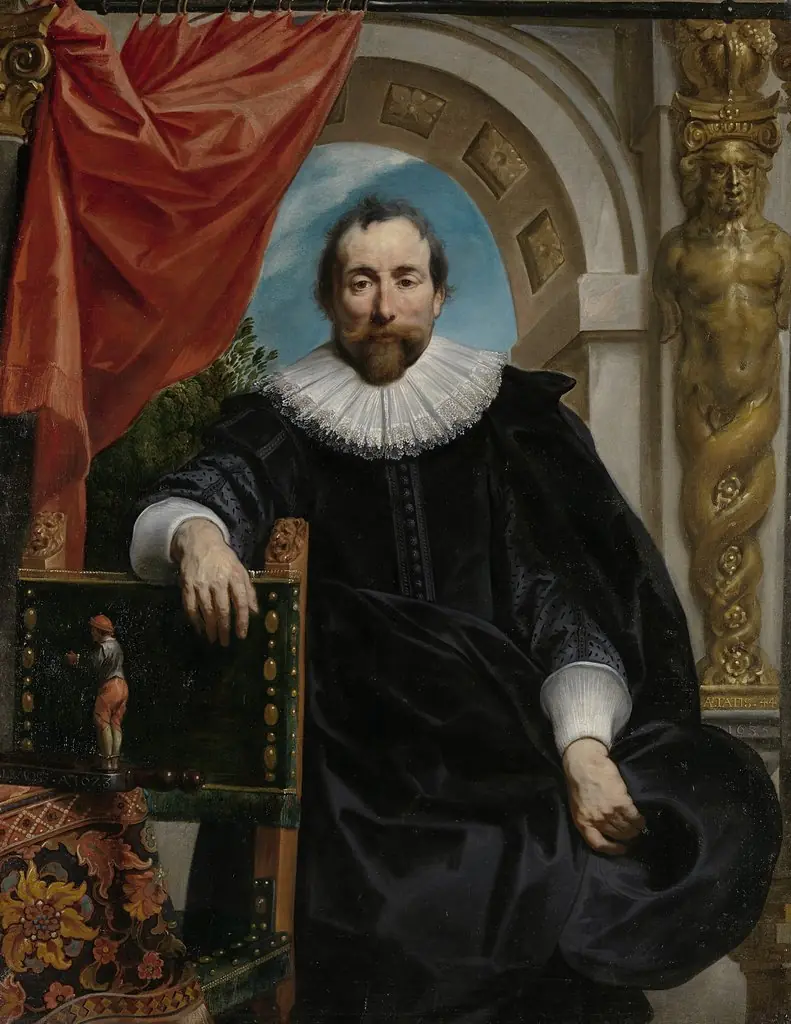 Portrait of Rogier Le Witer (1591-1678), Merchant in Antwerp
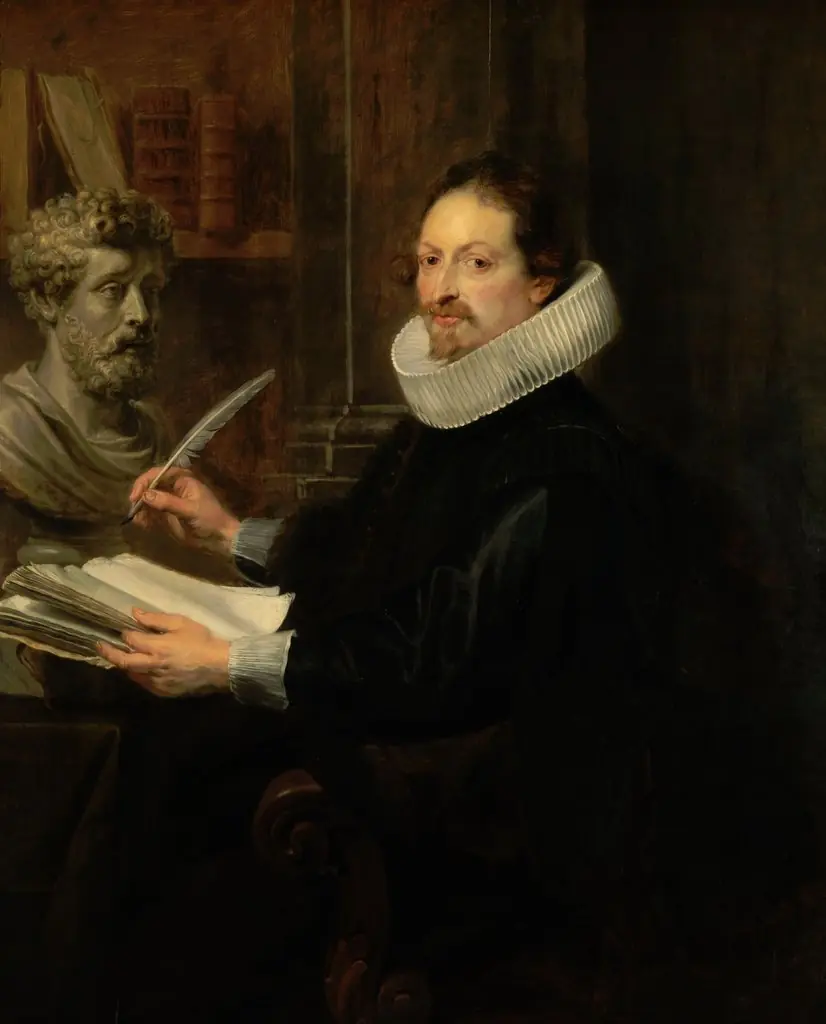 Joannes Gaspard Gevartius, (1593-1666)
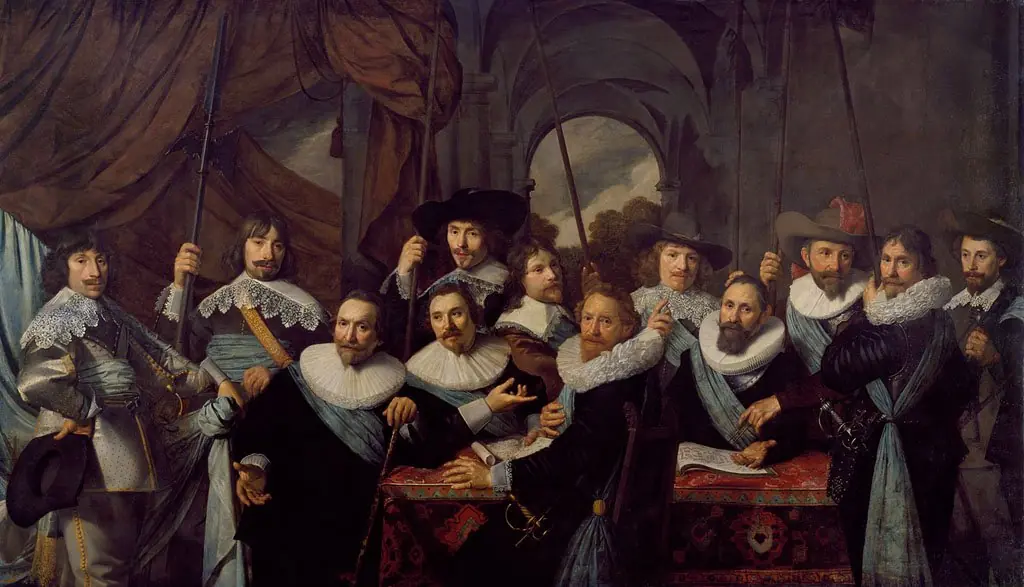 Members of the civic guard company of Captain Dirck Tholinx and Lieutenant Pieter Adriaenszn Raep
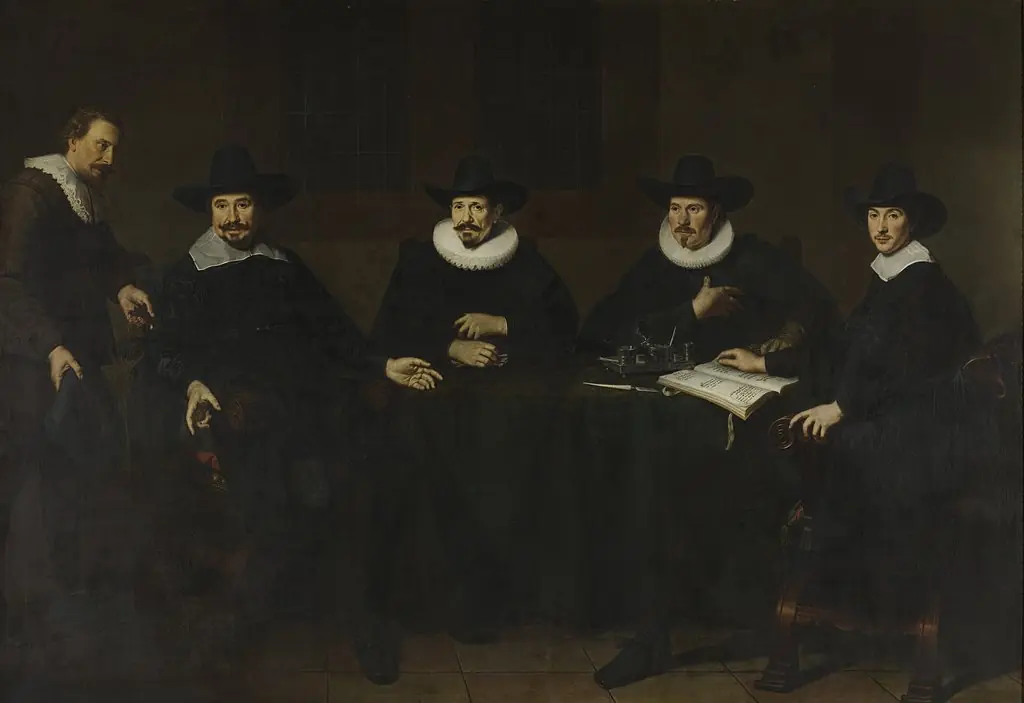 The directors of the serge cloth industry, Amsterdam, 1643
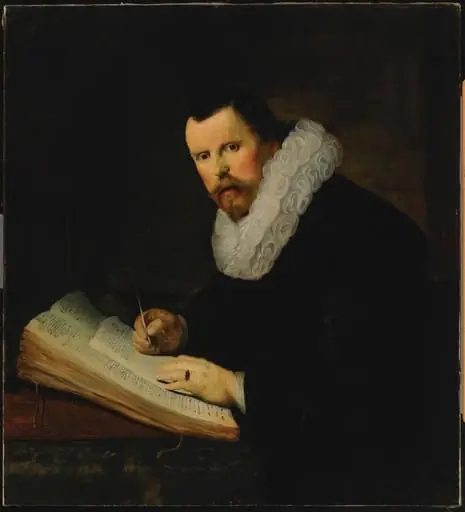 Kalligrafi Lieven Willemsz van Coppenol, kopio Rembrandtin mukaan
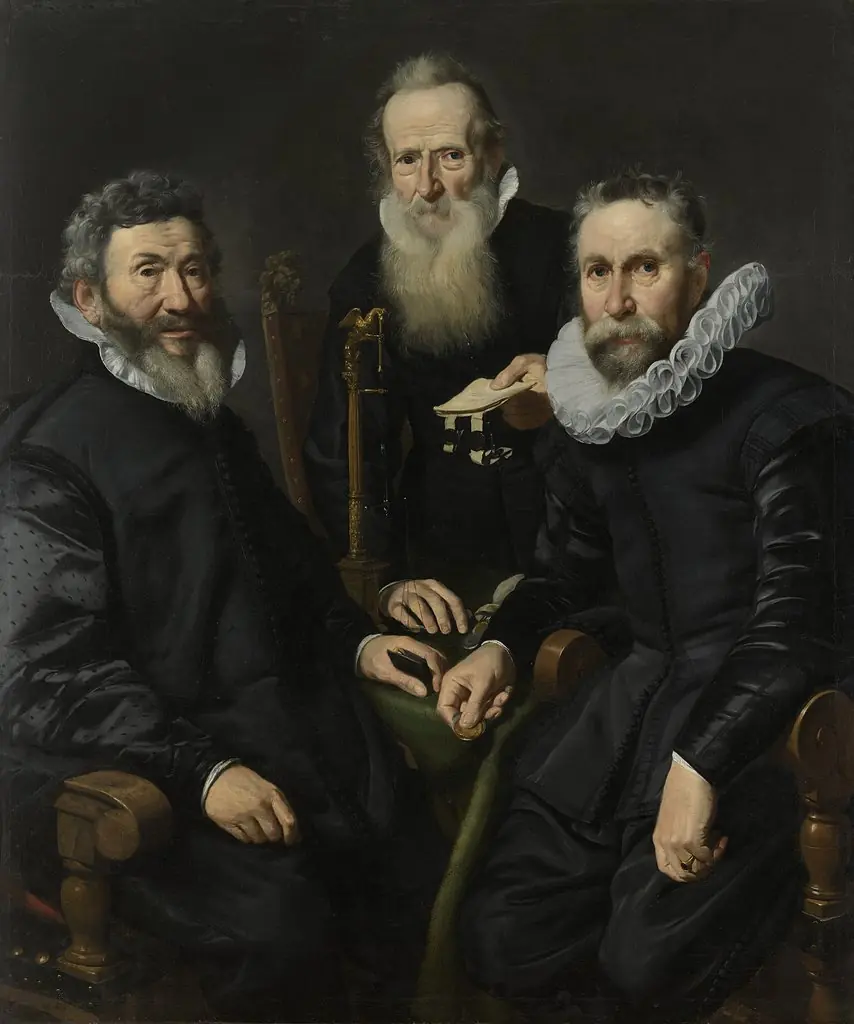 Group Portrait of an unidentified Board of Governors
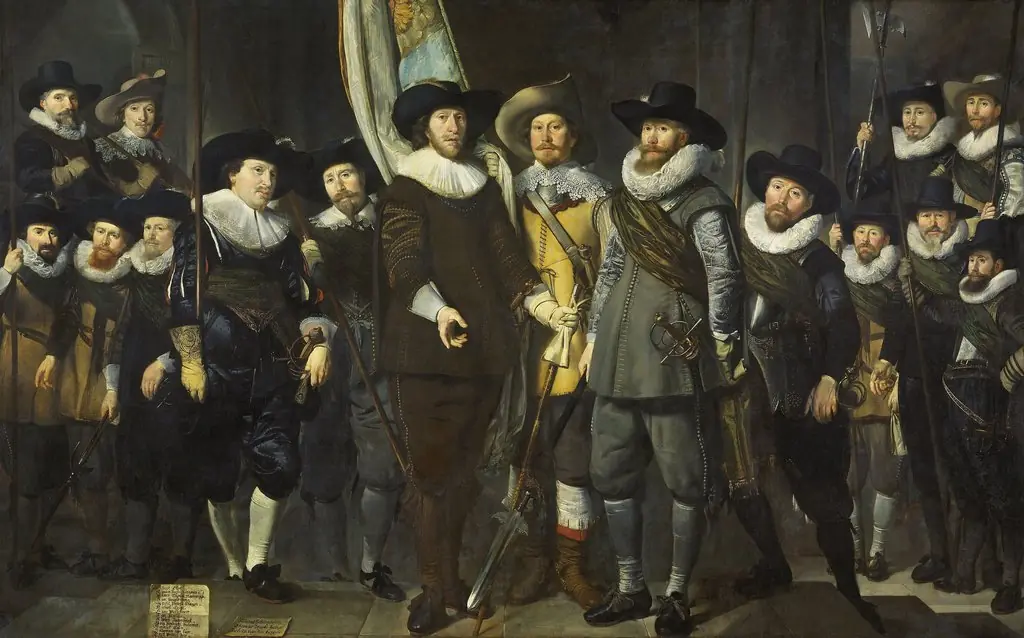 Officers and other civic guardsmen of the IIIrd District of Amsterdam, under the command of Captain Allaert Cloeck and Lieutenant Lucas Jacobsz Rotgans
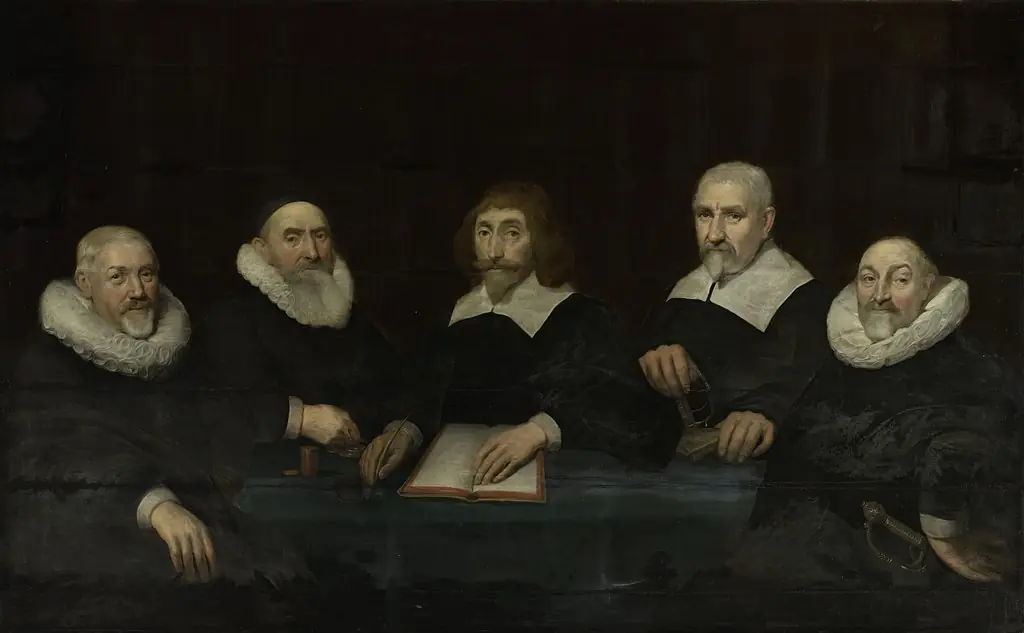 The regents of the Tuchthuis (house of correction) in Middelburg, 1643
- Four Philosophers