Artwork
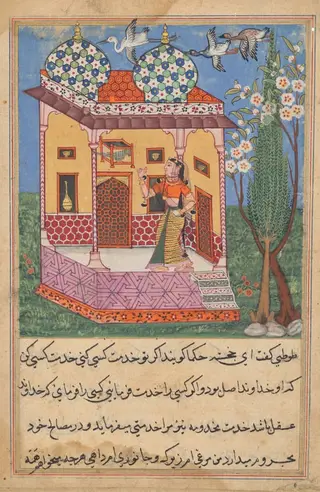
The queen of Rum watches the peahen prefer to burn rather than abandon her eggs while the peacock flees the nest, from a Tuti-nama (Tales of a Parrot): Thirty-ninth Night
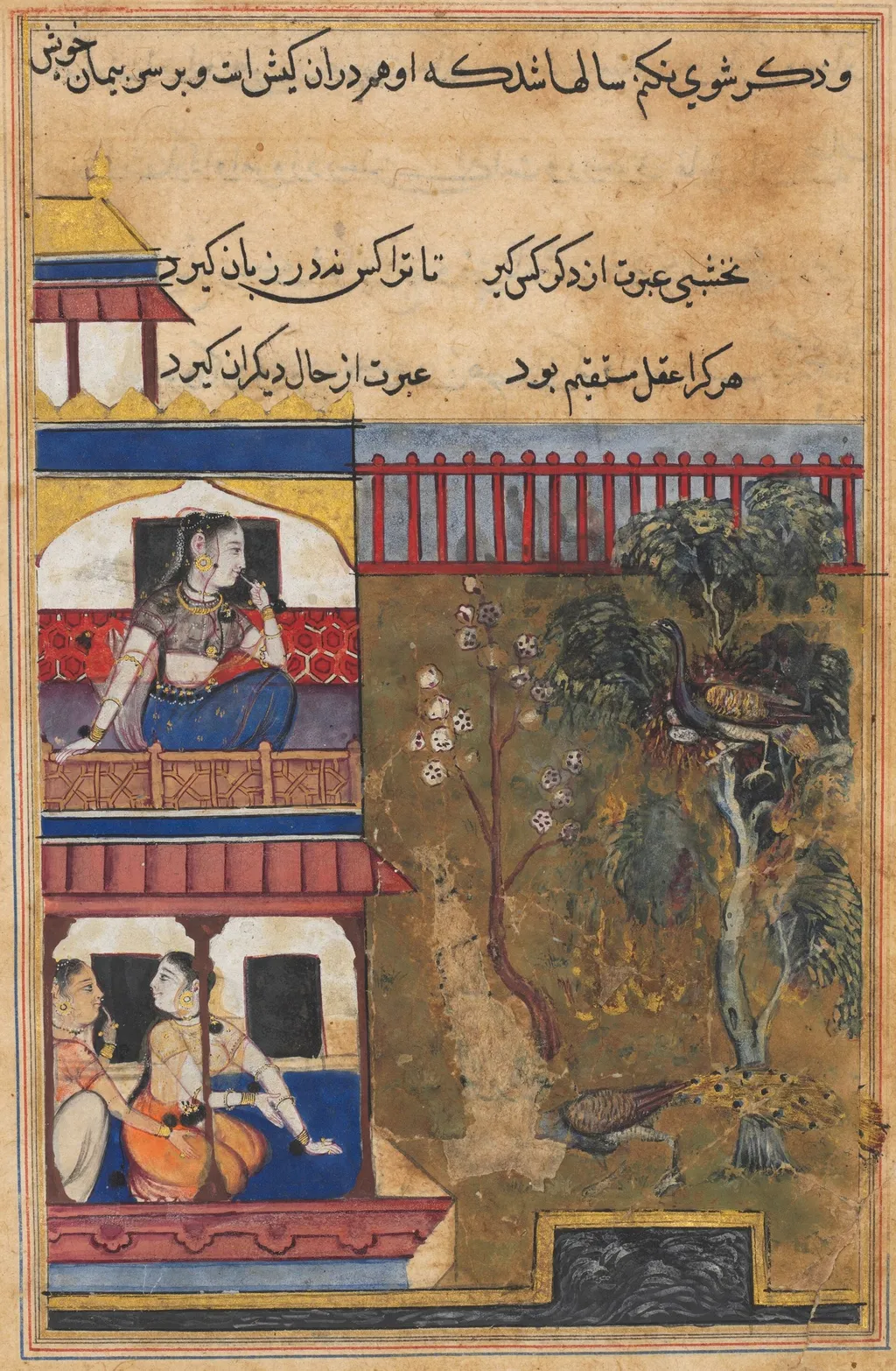
The queen of Rum watches the peahen prefer to burn rather than abandon her eggs while the peacock flees the nest, from a Tuti-nama (Tales of a Parrot): Thirty-ninth Night is an unspecified painting. It dates from 1560 and is held in the collection of the Cleveland Museum of Art.
About this work
Subject & Meaning
The visual composition captures the dramatic moment of the queen's observation, grounding the moral lesson of the text in a vivid, naturalistic setting.
The painting illustrates the thirty-ninth night of the Tuti-nama (Tales of a Parrot), depicting a scene from the Mughal Empire circa 1560. The narrative centers on the queen of Rum observing a peahen who chooses to perish in a fire rather than abandon her eggs, while the peacock abandons the nest to flee. This specific episode serves as an allegory within the manuscript tradition, using the contrasting behaviors of the birds to explore themes of maternal devotion, sacrifice, and cowardice.
The visual composition captures the dramatic moment of the queen's observation, grounding the moral lesson of the text in a vivid, naturalistic setting.
Technique & Style
The painting is executed in tempera and ink on paper within the Mughal Empire tradition, depicting a narrative scene from the Tuti-nama with flattened perspective and intricate patterning characteristic of 16th-century Persianate illustration. The composition balances flattened spatial depth with dense decorative detail, employing a restrained palette of ochres and blues to emphasize symbolic storytelling over naturalism. The work demonstrates careful handling of line and surface, preserving its structural integrity despite minor surface abrasions consistent with its age.
History & Provenance
This painting was produced circa 1560 within the Mughal Empire, as indicated by its formal and stylistic features characteristic of the period’s courtly manuscript tradition. The work entered the Cleveland Museum of Art in 1962 as part of a larger acquisition, where it is currently held under the accession number 1962.279.254.b. Its origin is tied to the Tuti-nama (Tales of a Parrot), a well-known Persian-language manuscript that was adapted and illustrated in Mughal ateliers during the mid-16th century, reflecting the empire’s engagement with Persian literary and artistic traditions.
This painting from the Tuti-nama is held in the collection of the Cleveland Museum of Art in Cleveland. The work is cataloged under the accession number 1962.279.254.b. Created in 1560 during the Mughal Empire, the manuscript leaf depicts the narrative of the Thirty-ninth Night where a queen observes a peahen's devotion. The Cleveland Museum of Art acquired this specific folio as part of its holdings of Mughal art.
Context
The painting titled The queen of Rum watches the peahen prefer to burn rather than abandon her eggs while the peacock flees the nest, from a Tuti-nama (Tales of a Parrot): Thirty-ninth Night, created circa 1560 in the Mughal Empire, depicts a symbolic moment from the Tuti-nama narrative where a queen observes a peahen choosing to protect her eggs over loyalty, reflecting themes of maternal devotion and moral choice. It is part of the Cleveland Museum of Art's collection (accession 1962.279.254.b) and exemplifies Mughal miniature painting traditions of the 16th century, combining narrative depth with intricate compositional detail characteristic of Persian-influenced Indian court art.
Scholarship emphasizes its significance within the broader context of Indo-Persian manuscript illumination, where narrative miniatures served didactic and moral purposes, and this work contributes to understanding the transmission of Persian literary themes into Mughal visual culture. Its stylistic elements, including flattened perspective and ornamental patterning, align with known characteristics of 16th-century Mughal book arts, situating it within a pivotal period of artistic synthesis between Persianate traditions and local Indian aesthetics.
Overview
This miniature painting, part of a Persian illustrated manuscript titled Tuti‑nama (Tales of a Parrot), depicts a narrative scene on a red‑tiled balcony. The composition is divided into two interior vignettes and an exterior landscape, each rendered in delicate brushwork and vivid pigments typical of courtly book art.
Artist & collection

- The queen of Rum watches the peahen prefer to burn rather than abandon her eggs while the peacock flees the nest, from a Tuti-nama (Tales of a Parrot): Thirty-ninth Night
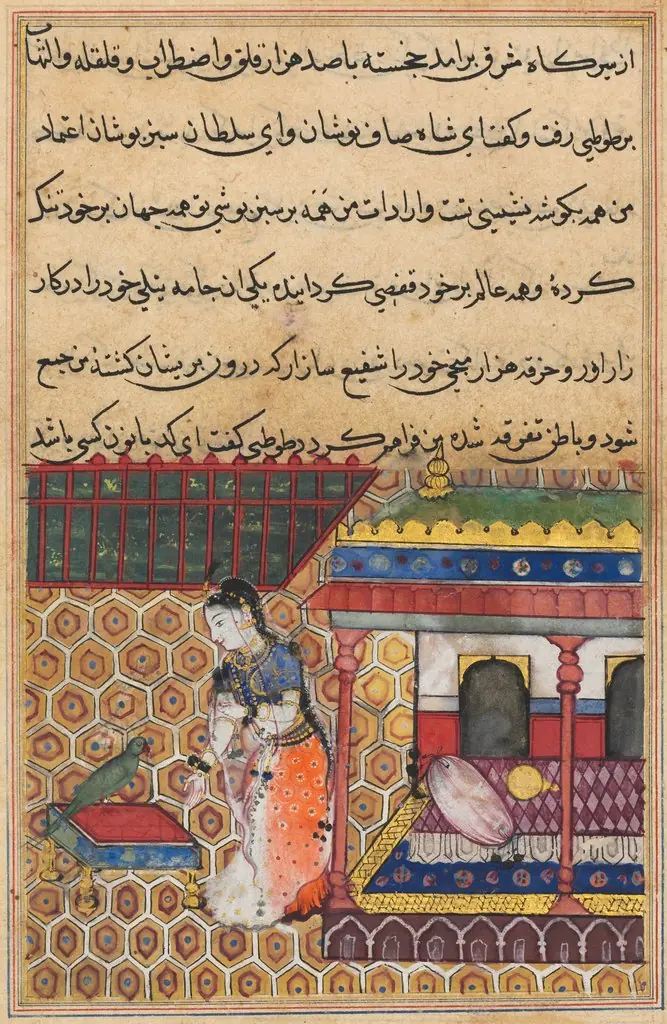 The parrot addresses Khujasta at the beginning of the thirty-eighth night, from a Tuti-nama (Tales of a Parrot)
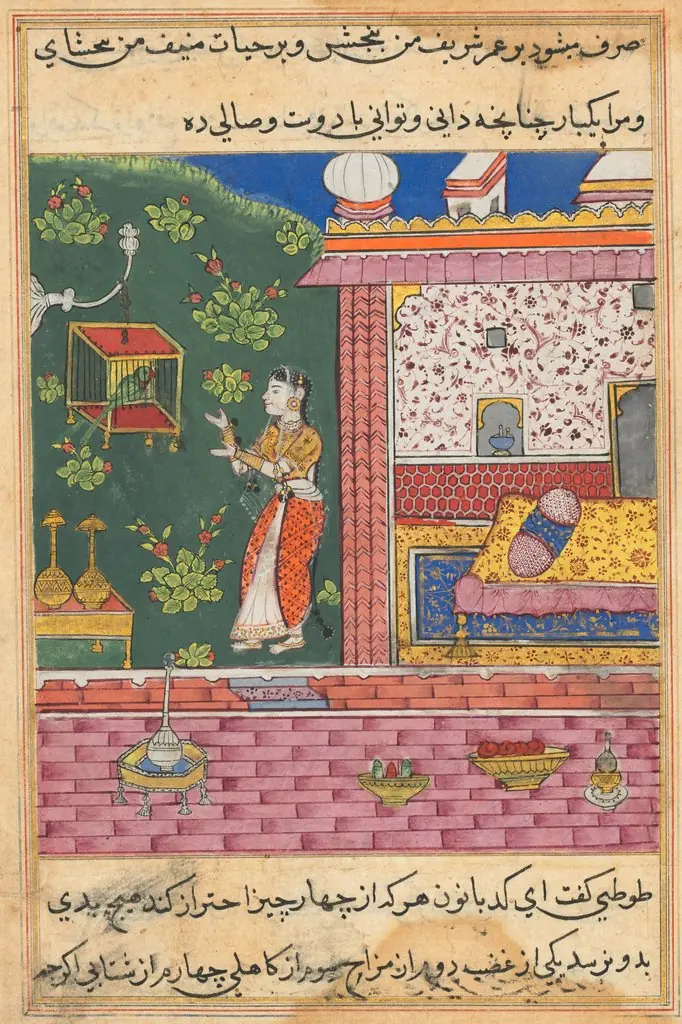 The Parrot Addresses Khujasta at the Beginning of the Thirtieth Night, from a Tuti-nama (Tales of a Parrot)
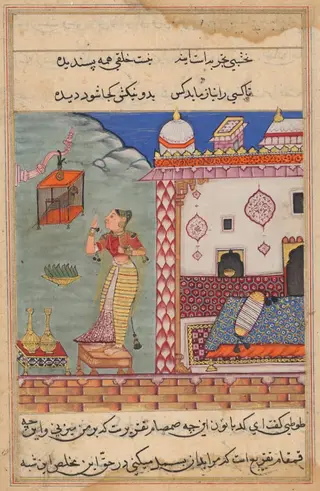 The Parrot Addresses Khujasta at the Beginning of the Twenty-seventh Night, form a Tuti-nama (Tales of a Parrot)
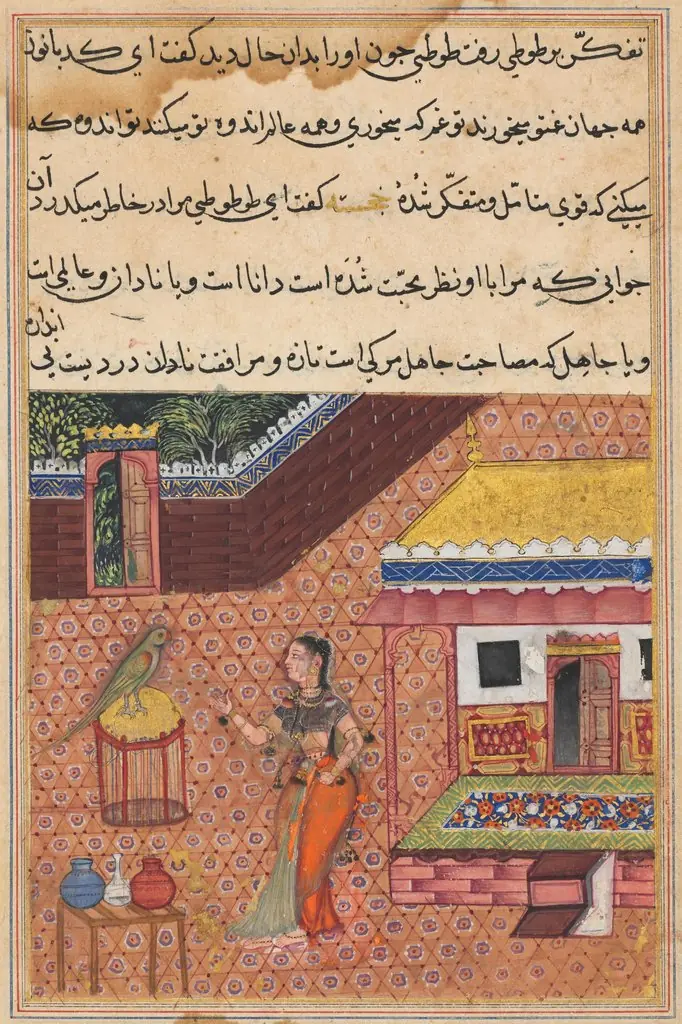 The parrot addresses Khujasta at the beginning of the thirty-fourth night, from a Tuti-nama (Tales of a Parrot)
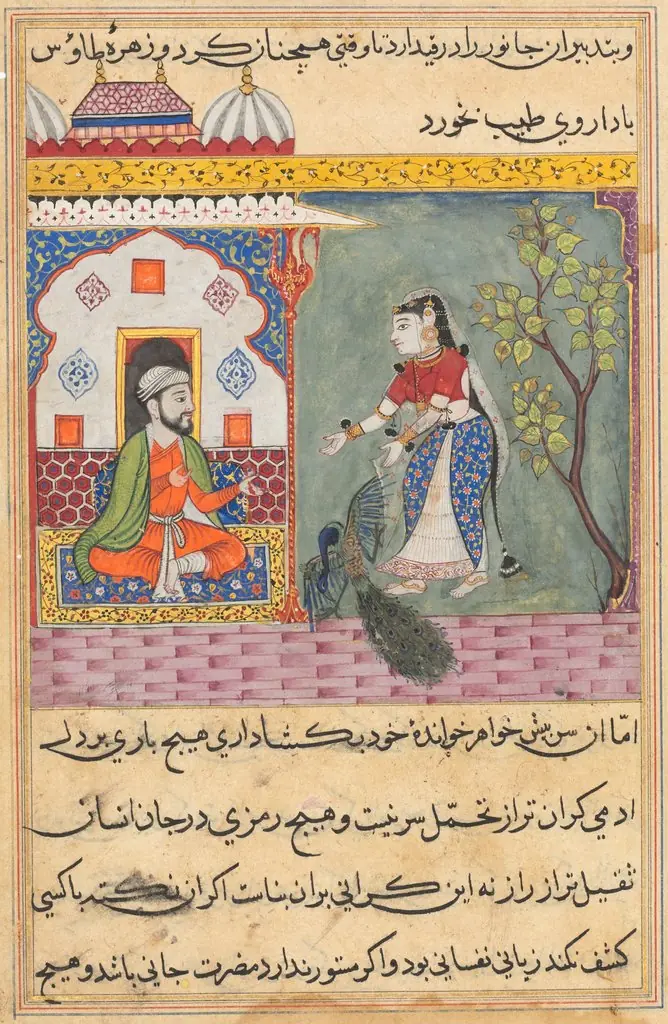 The Brahman’s wife who killed a peacock and ate its gallbladder on the physician’s advice, from a Tuti-nama (Tales of a Parrot): Nineteenth Night
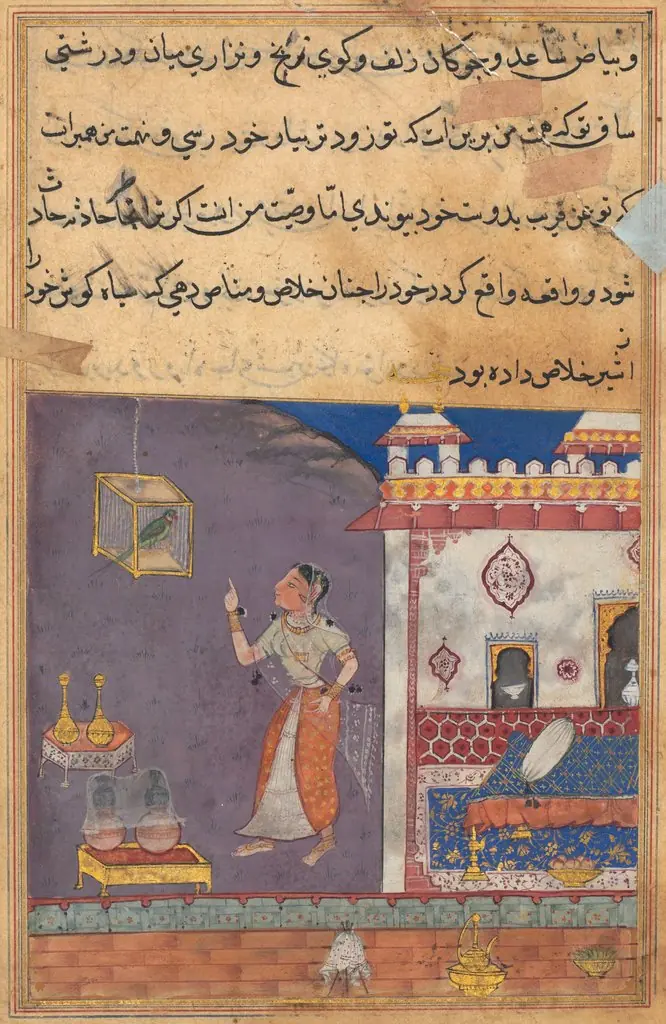 The Parrot Addresses Khujasta at the Beginning of the Twenty-ninth Night, from a Tuti-nama (Tales of a Parrot)
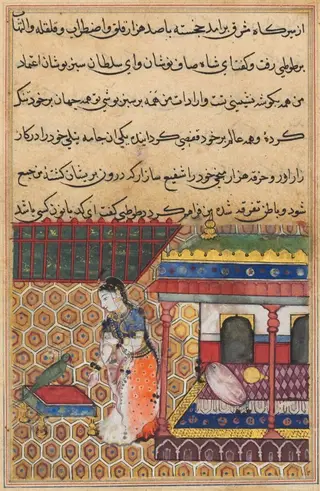 The parrot addresses Khujasta at the beginning of the thirty-eighth night, from a Tuti-nama (Tales of a Parrot)
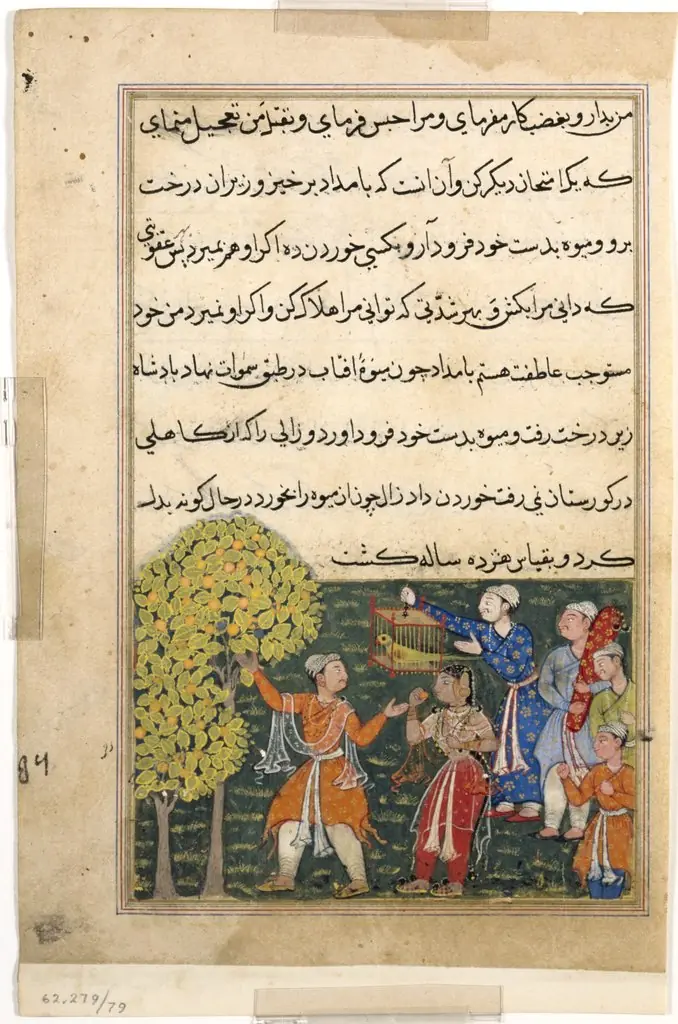 The king plucks fruit from the Tree of Life with his own hands and feeds it to a lady, from a Tuti-nama (Tales of a Parrot): Ninth Night
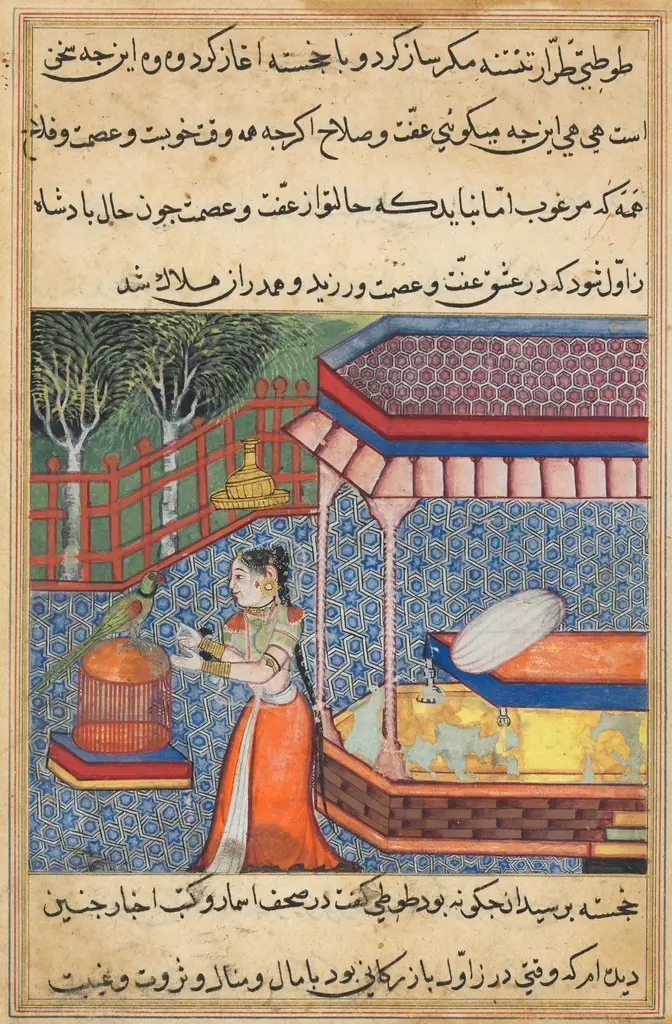 The parrot addresses Khujasta at the beginning of the thirty-sixth night, from a Tuti-nama (Tales of a Parrot)
 The parrot addresses Khujasta at the beginning of the thirty-sixth night, from a Tuti-nama (Tales of a Parrot)
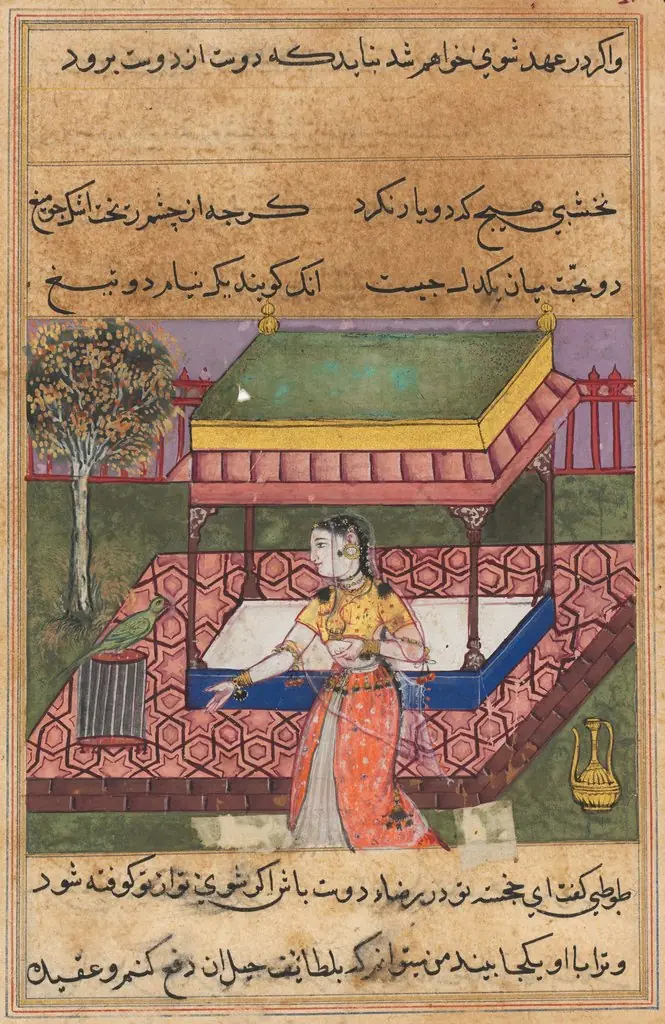 The parrot addresses Khujasta at the beginning of the fortieth night, from a Tuti-nama (Tales of a Parrot)
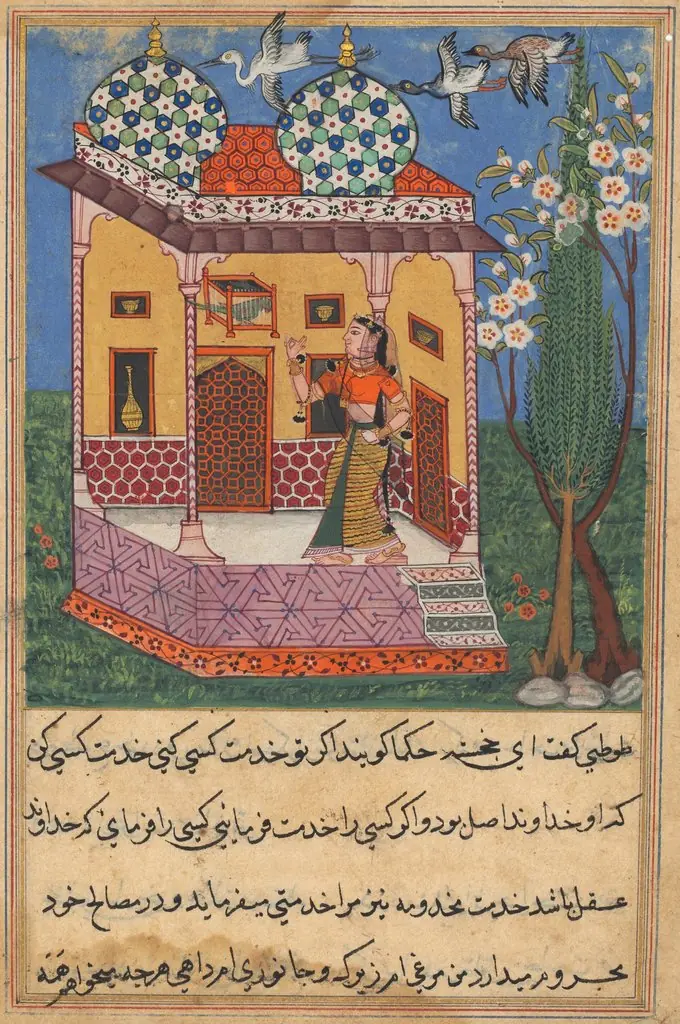 The Parrot Addresses Khujasta at the Beginning of the Twenty-sixth Night, from a Tuti-nama (Tales of a Parrot)
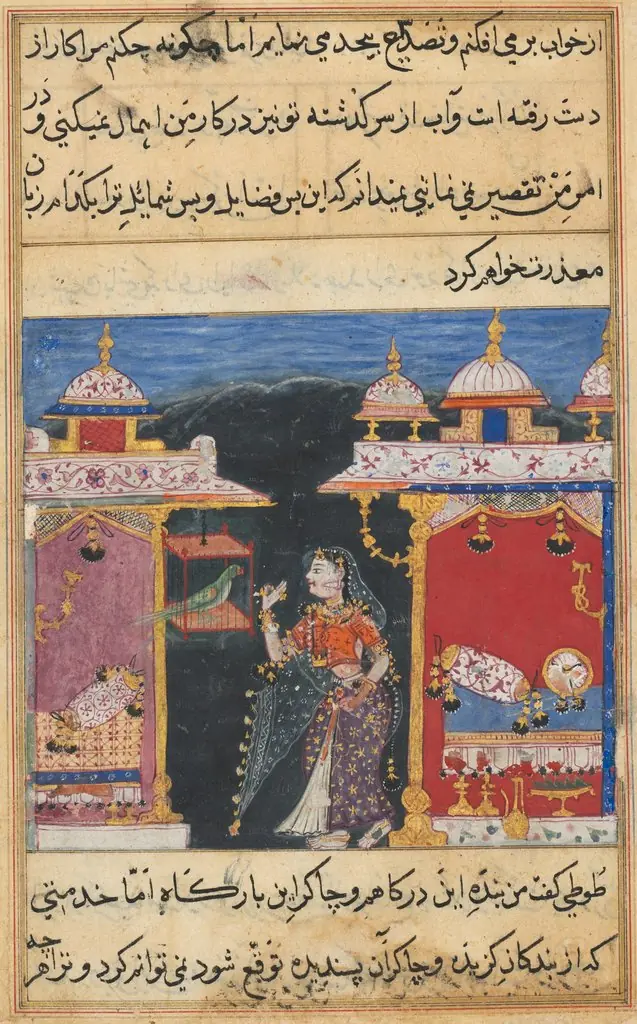 The Parrot Addresses Khujasta at the Beginning of the Seventh Night, from a Tuti-nama (Tales of a Parrot)
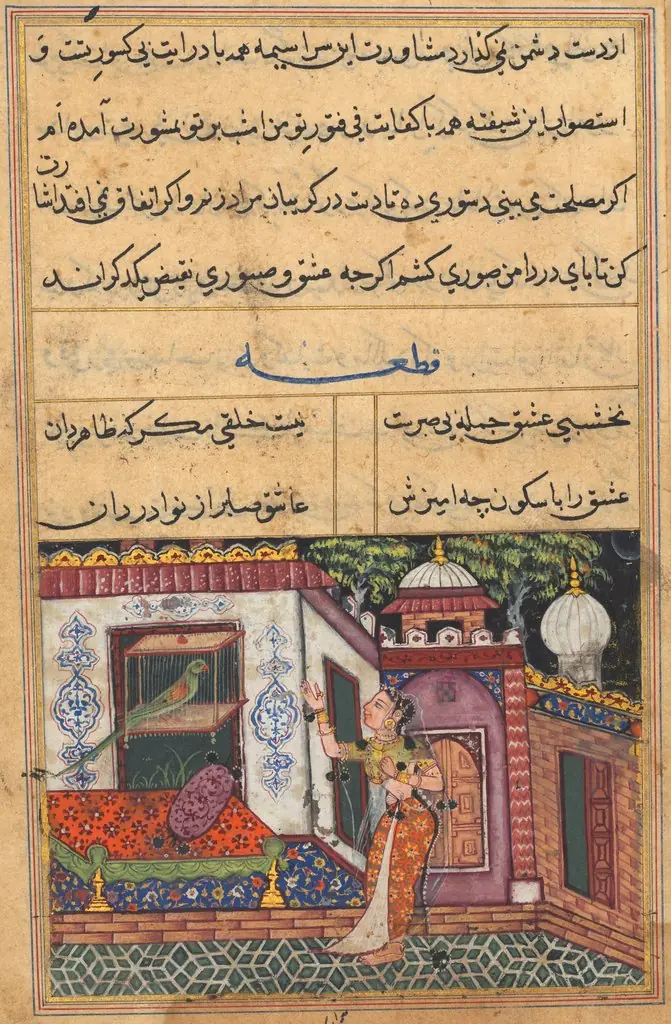 The Parrot Addresses Khujasta at the Beginning of the Eleventh Night, from a Tuti-nama (Tales of a Parrot)
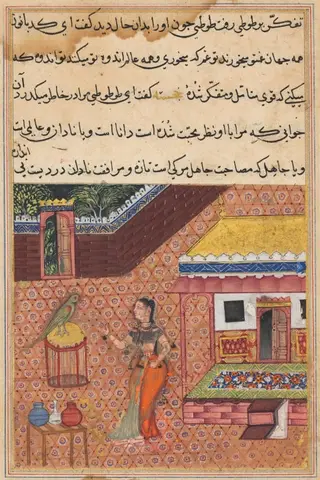 The parrot addresses Khujasta at the beginning of the thirty-fourth night, from a Tuti-nama (Tales of a Parrot)
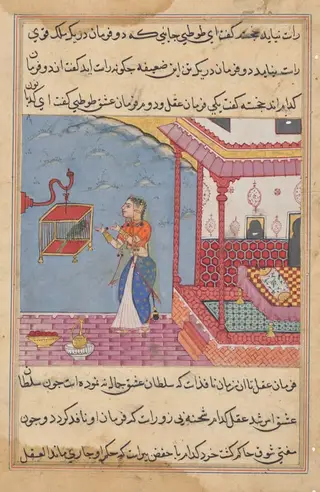 The Parrot Addresses Khujasta at the Beginning of the Twenty-Fourth Night, from a Tuti-nama (Tales of a Parrot)
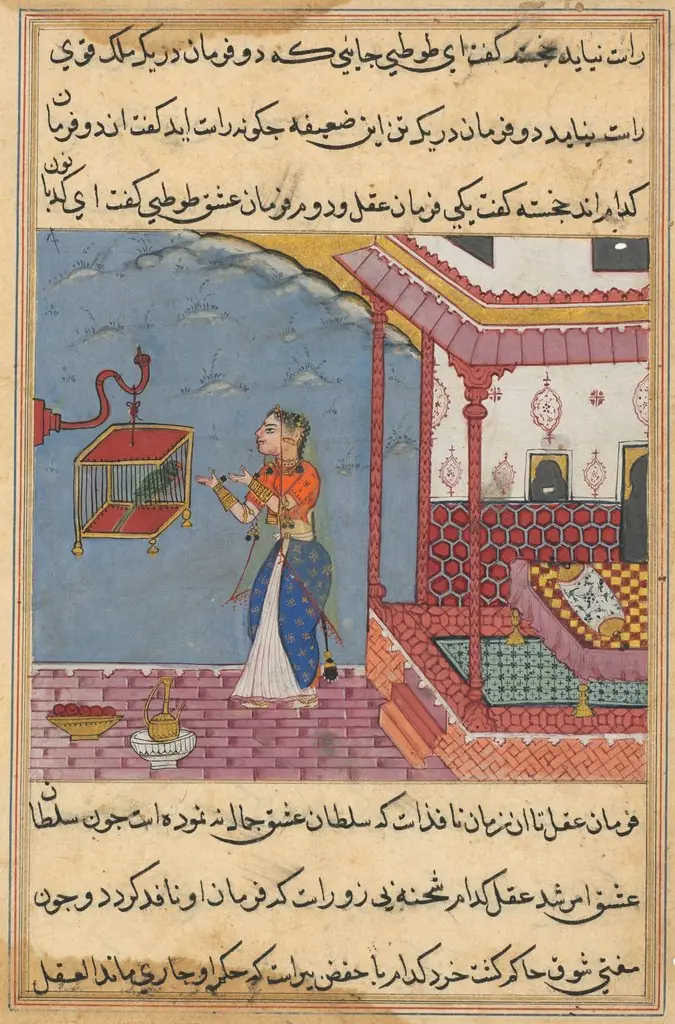 The Parrot Addresses Khujasta at the Beginning of the Twenty-Fourth Night, from a Tuti-nama (Tales of a Parrot)
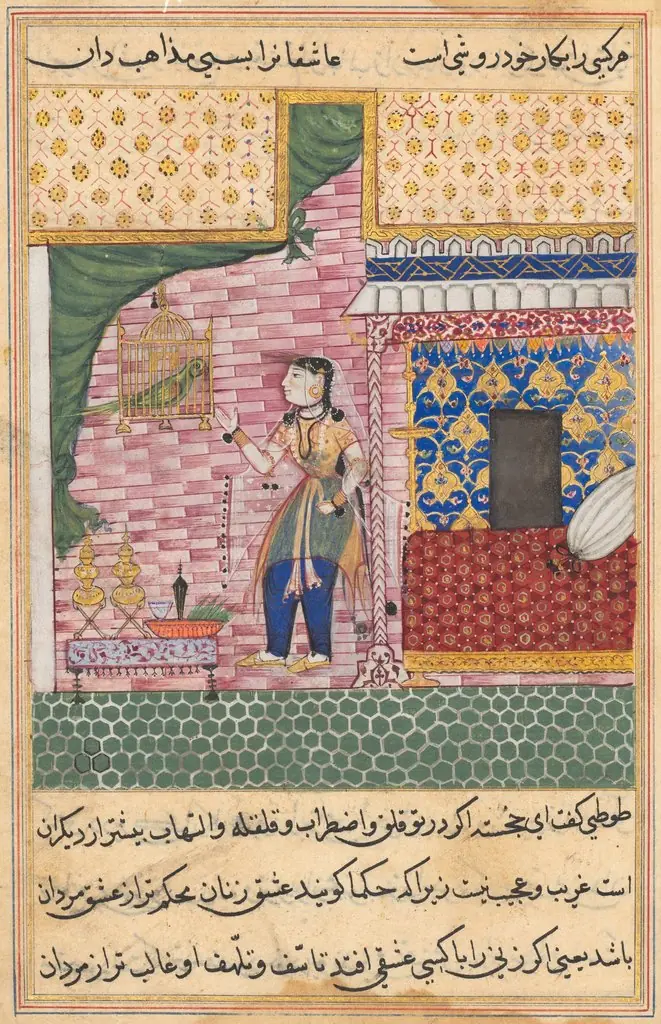 The Parrot Addresses Khujasta at the Beginning of the Seventeenth Night, from a Tuti-nama (Tales of a Parrot)
 The Parrot Addresses Khujasta at the Beginning of the Twenty-sixth Night, from a Tuti-nama (Tales of a Parrot)