Artwork
The Parrot Addresses Khujasta at the Beginning of the Seventeenth Night, from a Tuti-nama (Tales of a Parrot)
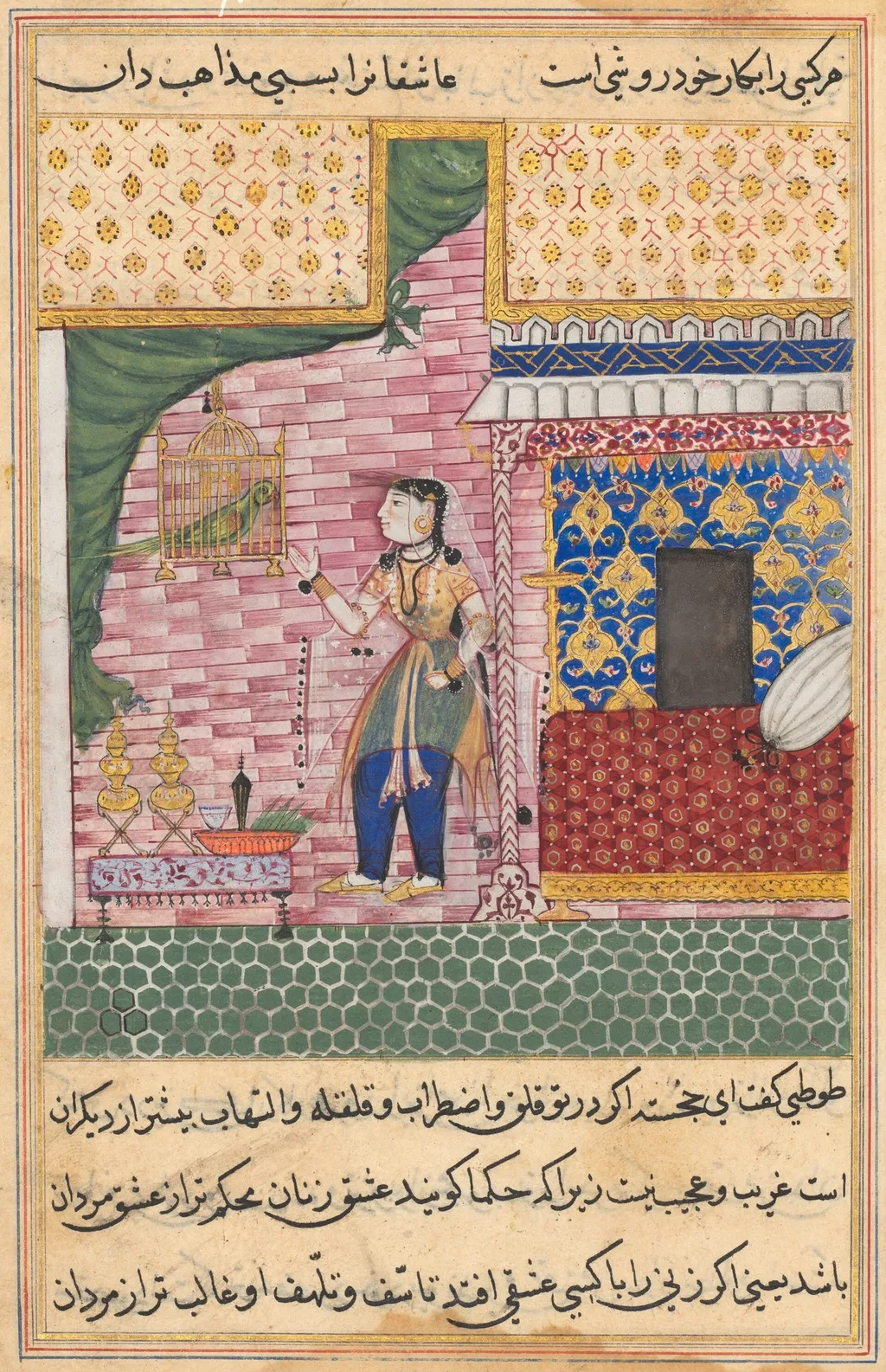
The Parrot Addresses Khujasta at the Beginning of the Seventeenth Night, from a Tuti-nama (Tales of a Parrot) is an unspecified painting. It dates from 1560 and is held in the collection of the Cleveland Museum of Art. The work portrays a woman in a richly colored costume standing before an elaborately patterned wall.
About this work
History & Provenance
The piece is currently held in the collection of the Cleveland Museum of Art, where it is cataloged under the accession number 1962.
Created in 1560 within the Mughal Empire, this painting illustrates a scene from the Tuti-nama (Tales of a Parrot). The work depicts the moment the parrot addresses Khujasta at the beginning of the seventeenth night. The specific artist responsible for the creation remains unidentified in available records.
The piece is currently held in the collection of the Cleveland Museum of Art, where it is cataloged under the accession number 1962.279.124.a.
The painting is held in the collection of the Cleveland Museum of Art. It is cataloged under the accession number 1962.279.124.a. The work dates to 1560 and was created within the Mughal Empire. No specific exhibition history for this piece is provided in the available sources.
Overview
The work portrays a woman in a richly colored costume standing before an elaborately patterned wall. A caged parrot hangs from the wall, and the woman raises her hand as if addressing the bird. A low table with a bowl and assorted objects occupies the foreground, contributing to an atmosphere of cultivated elegance. The painting belongs to a larger group of works in the Cleveland Museum of Art’s collection.
Subject & Meaning
The scene illustrates a moment from a Tuti‑nama, a Persian narrative collection titled “Tales of a Parrot.” The woman appears to be speaking to the parrot, a device often used in Persian literature to convey moral or didactic dialogue. The interaction suggests a didactic exchange, with the bird serving as a listener or commentator on the story’s moral lesson.
Technique & Style
Executed in a detailed, flat decorative manner, the painting combines precise line work with vivid coloration typical of Persian miniature traditions. Intricate geometric and floral motifs decorate the background wall, while the figures are rendered with careful attention to costume and gesture. The composition balances narrative focus with ornamental richness, reflecting the aesthetic priorities of courtly manuscript illustration.
Context
During the early modern era in Persia, illustrated books served both educational and entertainment purposes, often commissioned by elite patrons. The inclusion of a parrot, symbolic of eloquence and wisdom, reflects contemporary literary motifs. The painting’s decorative wall and refined attire situate the scene within an aristocratic domestic setting, aligning with the cultural values of the period.
Artist & collection

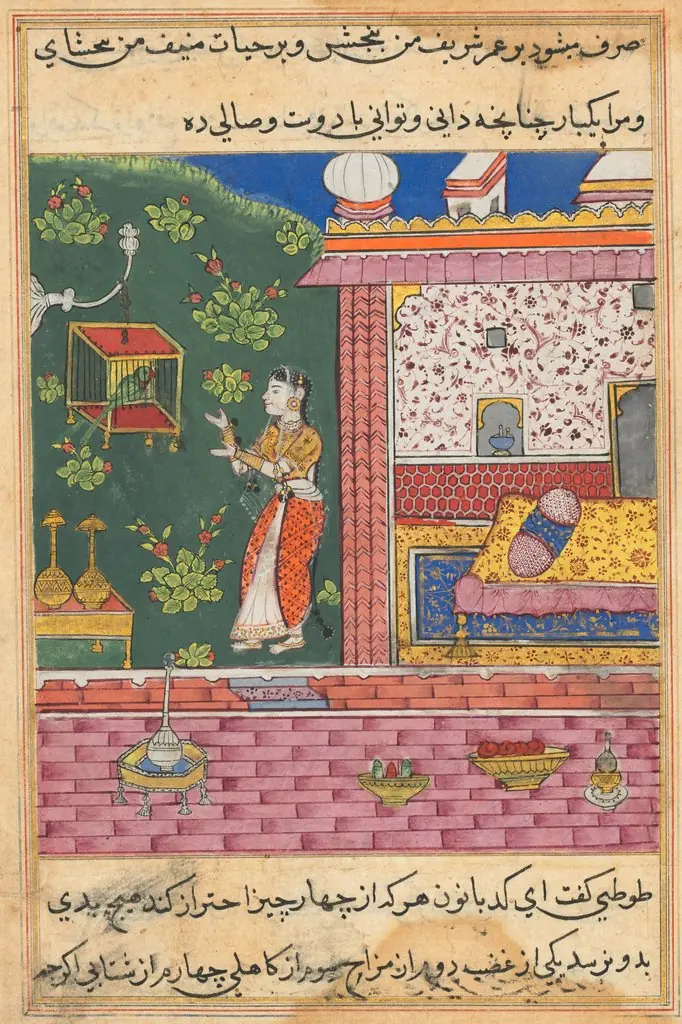
- The Parrot Addresses Khujasta at the Beginning of the Thirtieth Night, from a Tuti-nama (Tales of a Parrot)
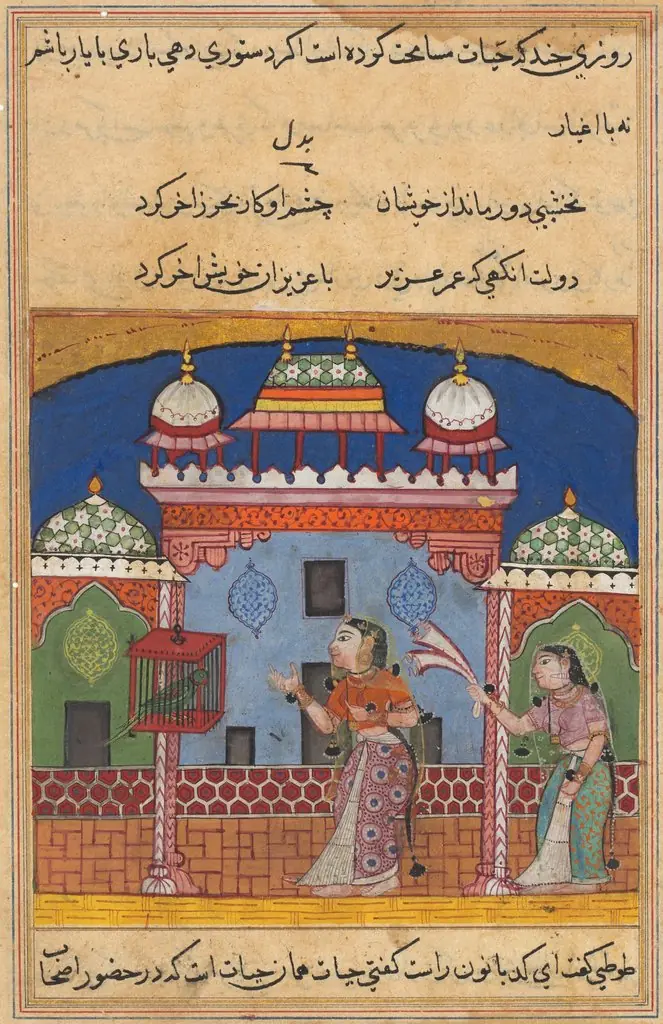 The Parrot Addresses Khujasta at the Beginning of the Twenty-second Night, from a Tuti-nama (Tales of a Parrot)
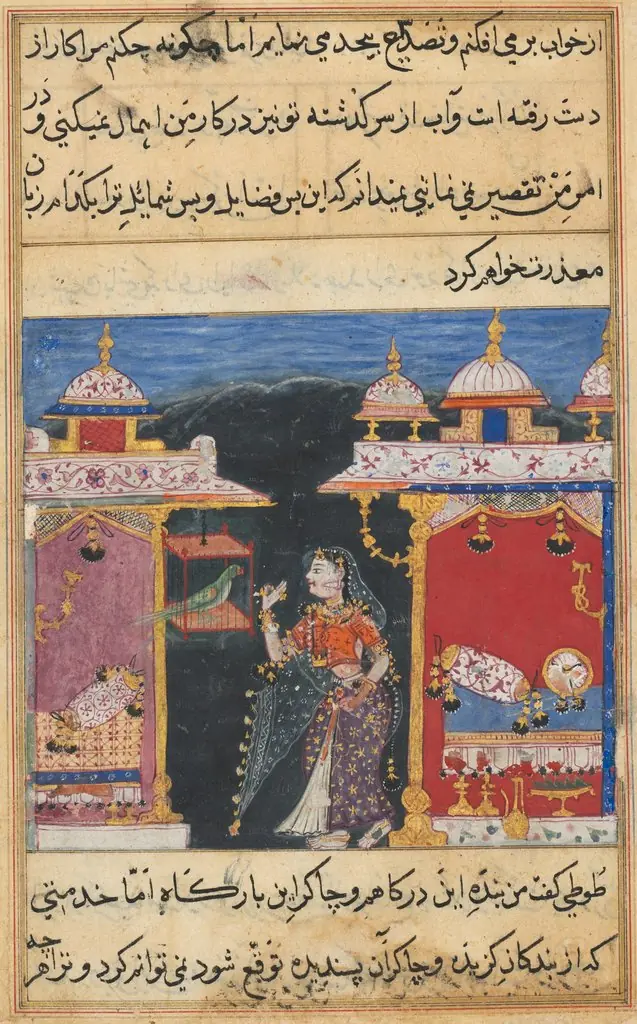 The Parrot Addresses Khujasta at the Beginning of the Seventh Night, from a Tuti-nama (Tales of a Parrot)
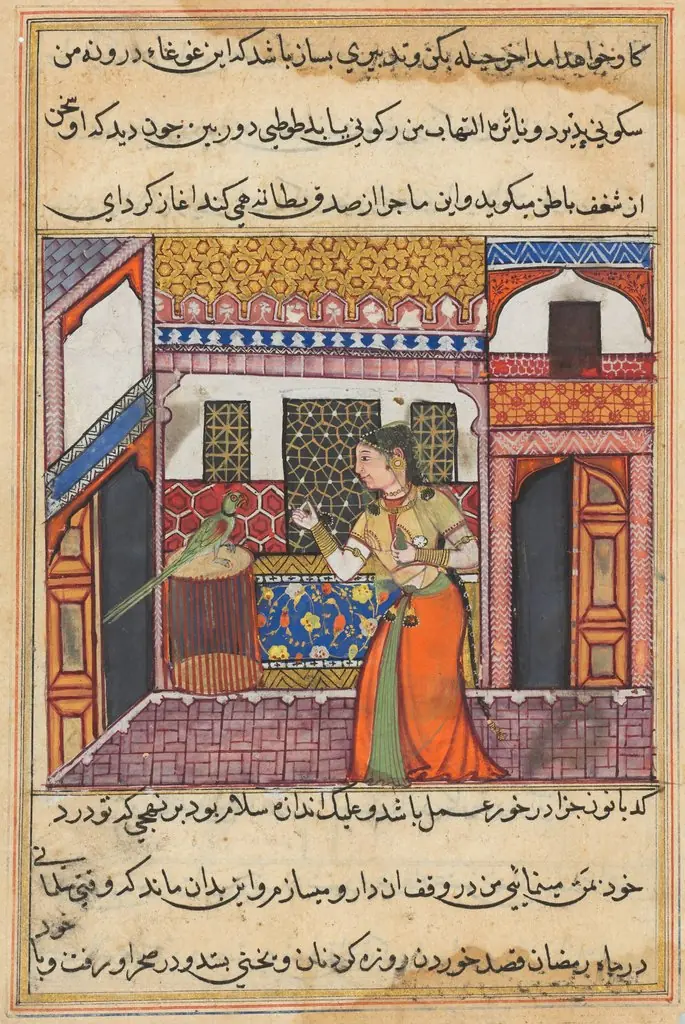 The parrot addresses Khujasta at the beginning of the forty-third night, from a Tuti-nama (Tales of a Parrot)
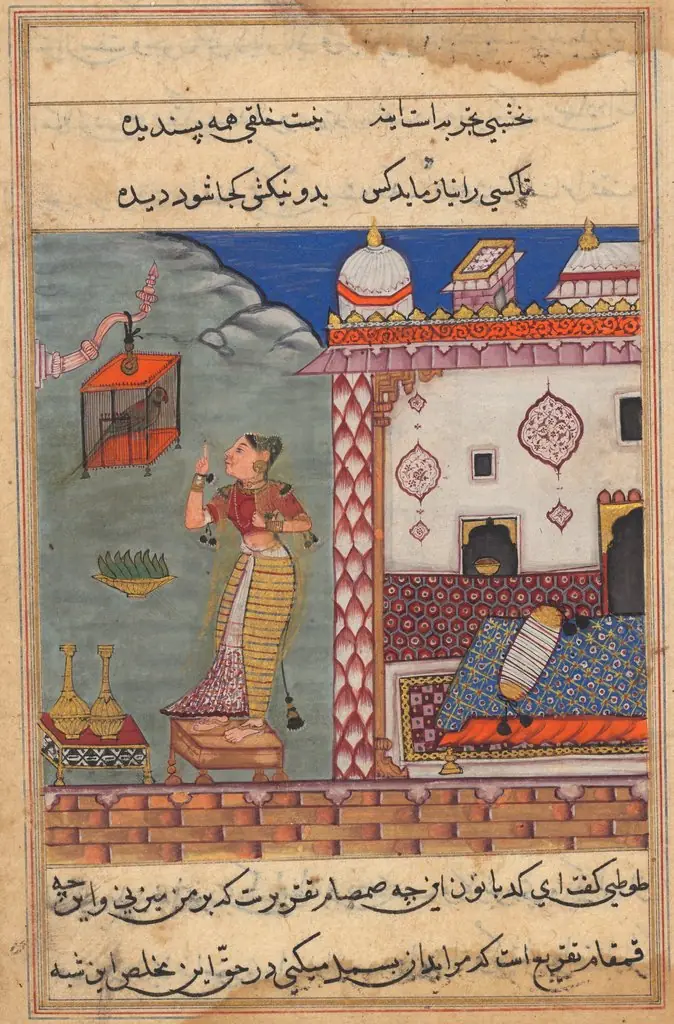 The Parrot Addresses Khujasta at the Beginning of the Twenty-seventh Night, form a Tuti-nama (Tales of a Parrot)
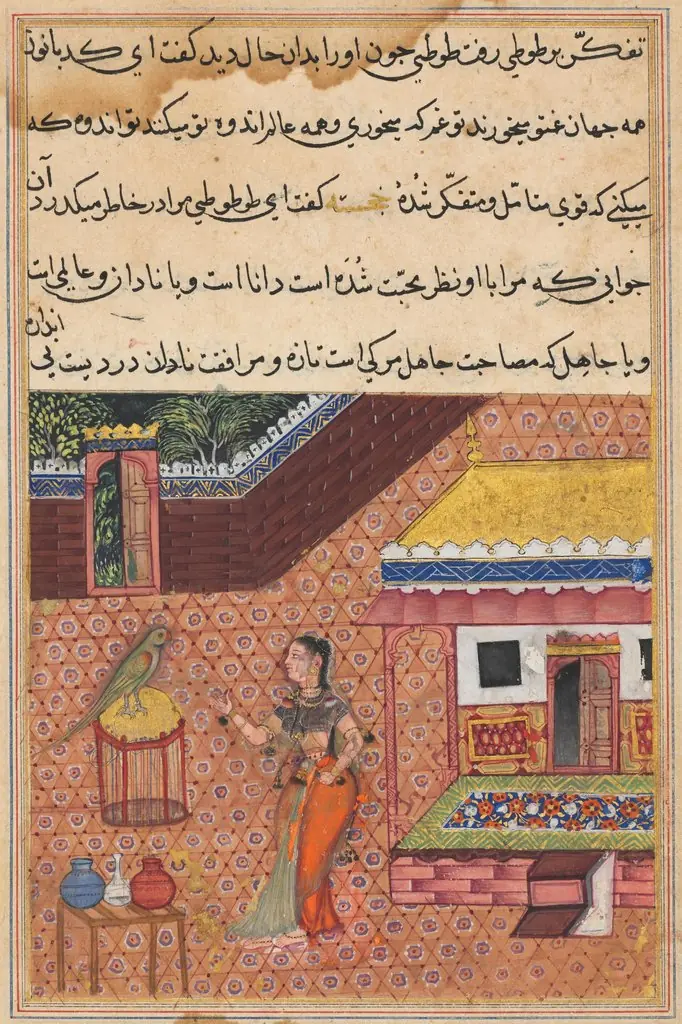 The parrot addresses Khujasta at the beginning of the thirty-fourth night, from a Tuti-nama (Tales of a Parrot)
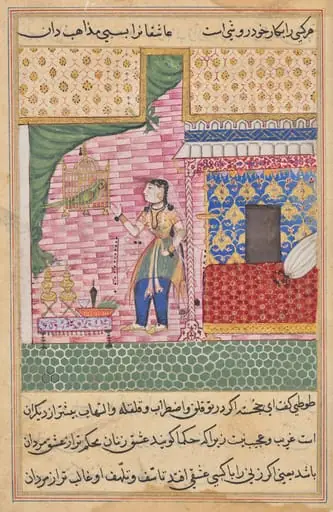 The Parrot Addresses Khujasta at the Beginning of the Seventeenth Night, from a Tuti-nama (Tales of a Parrot)
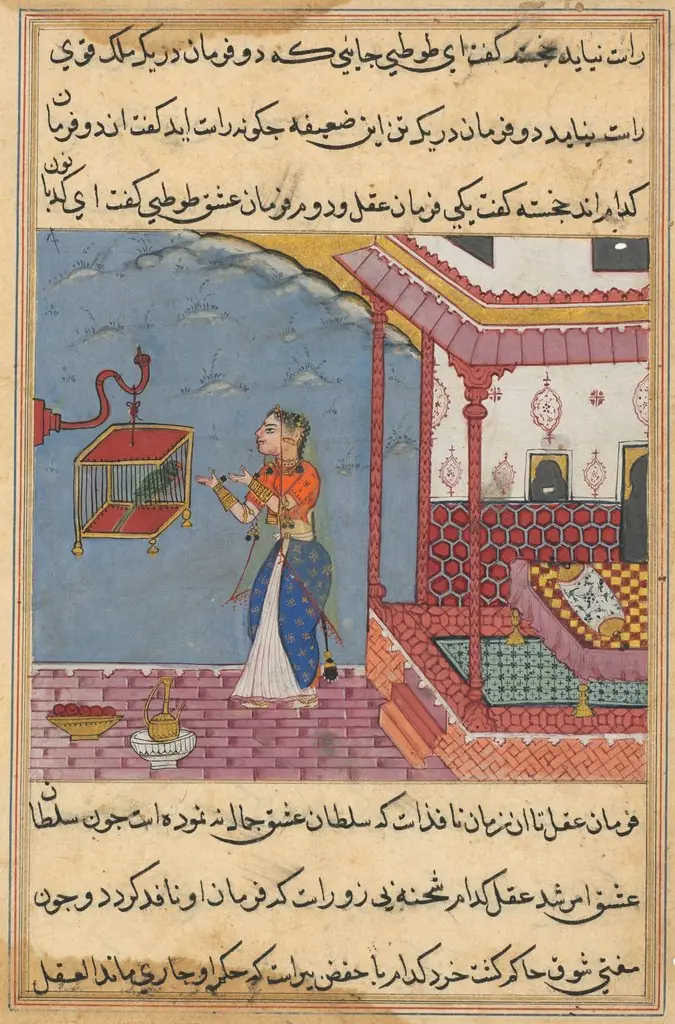 The Parrot Addresses Khujasta at the Beginning of the Twenty-Fourth Night, from a Tuti-nama (Tales of a Parrot)
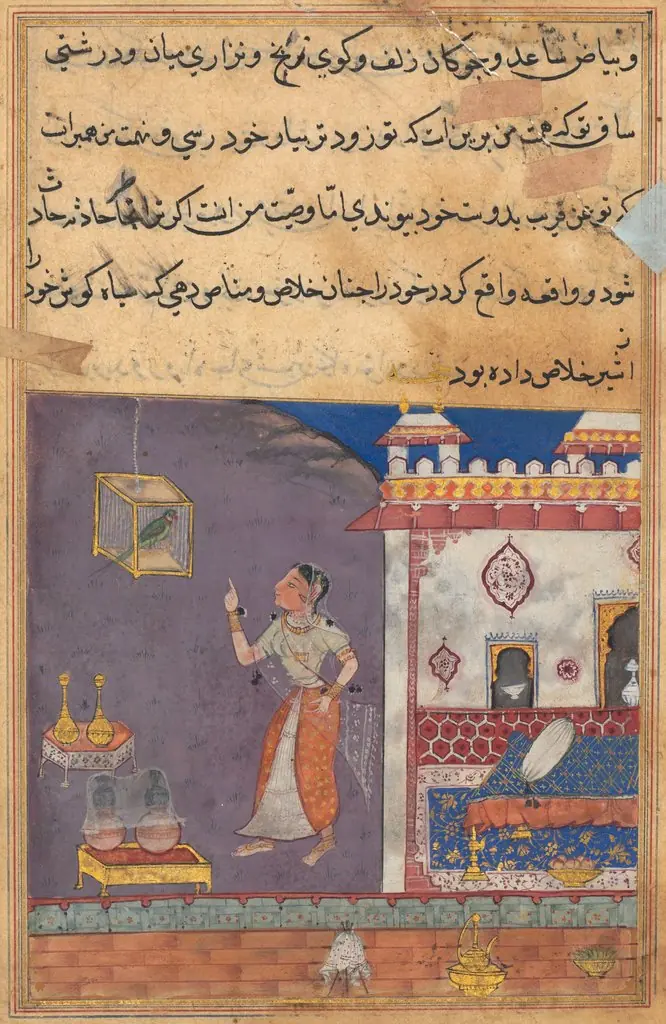 The Parrot Addresses Khujasta at the Beginning of the Twenty-ninth Night, from a Tuti-nama (Tales of a Parrot)
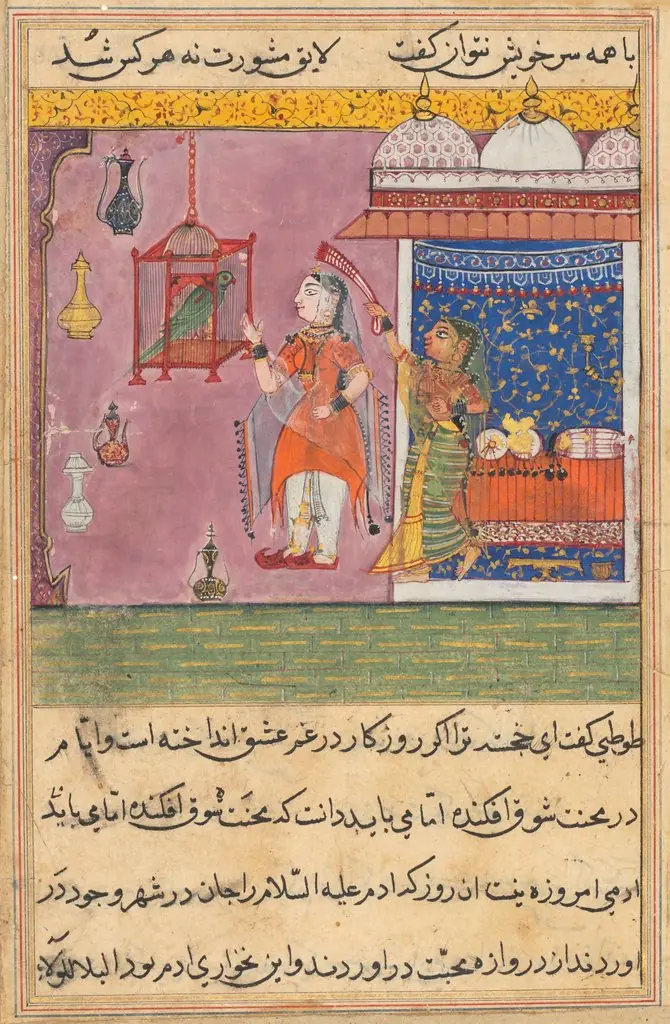 The Parrot Addresses Khujasta at the Beginning of the Nineteenth Night, from a Tuti-nama (Tales of a Parrot)
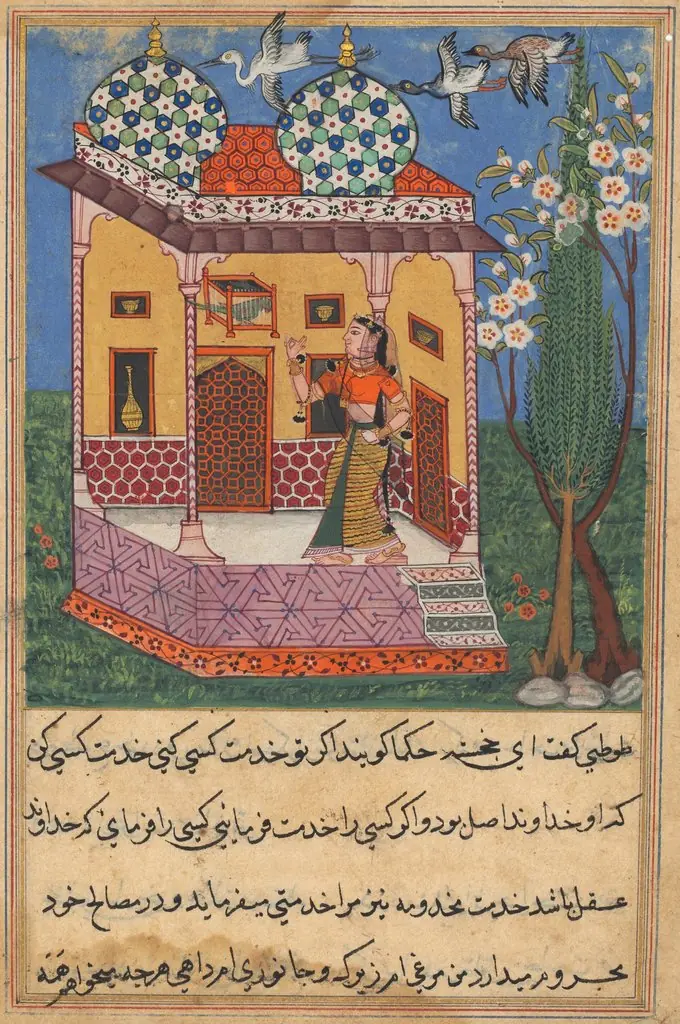 The Parrot Addresses Khujasta at the Beginning of the Twenty-sixth Night, from a Tuti-nama (Tales of a Parrot)
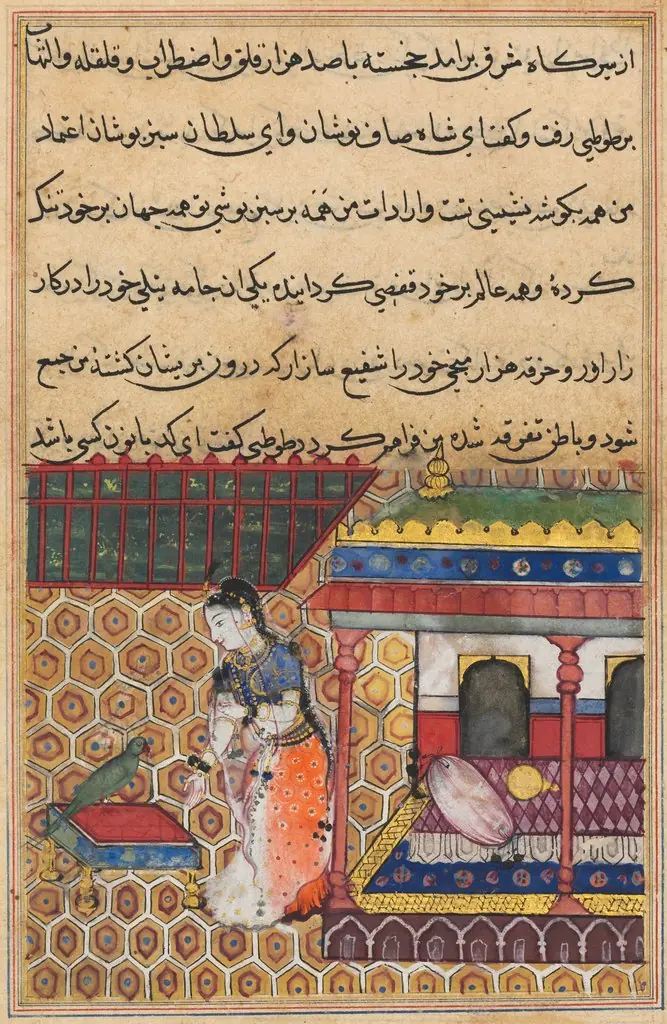 The parrot addresses Khujasta at the beginning of the thirty-eighth night, from a Tuti-nama (Tales of a Parrot)
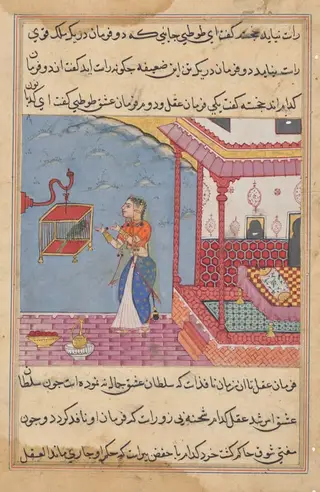 The Parrot Addresses Khujasta at the Beginning of the Twenty-Fourth Night, from a Tuti-nama (Tales of a Parrot)
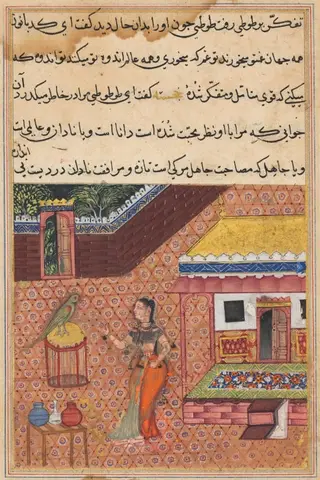 The parrot addresses Khujasta at the beginning of the thirty-fourth night, from a Tuti-nama (Tales of a Parrot)
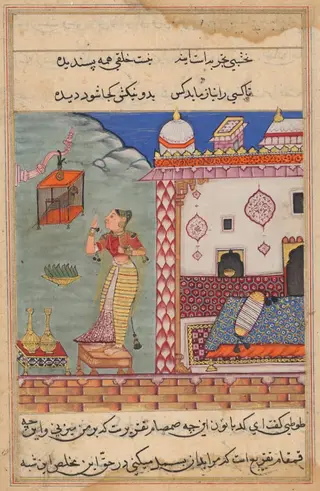 The Parrot Addresses Khujasta at the Beginning of the Twenty-seventh Night, form a Tuti-nama (Tales of a Parrot)