Artwork
The Marriage of Rukmini [Mangal]
![The Marriage of Rukmini [Mangal], by Unknown, unspecified, 1775](https://artifactworldgallery.com/img/unknown--the-marriage-of-rukmini-mangal--7178947364f7bdb5-w1024.webp)
The Marriage of Rukmini [Mangal] is an unspecified painting by the Pahari Painting artist Unknown. It dates from 1775 and is held in the collection of the Cleveland Museum of Art. The work titled The Marriage of Rukmini portrays a vibrant courtyard scene populated by three male figures.
- Accession no.
- 2011.138
- Credit line
- Gift of Maxeen and John Flower in honor of Dr. Stanislaw Czuma
About this work
Overview
Behind them, a building with arched windows and a tiled roof is rendered in warm yellows, reds, and blues, suggesting a palace or important residence.
The work titled The Marriage of Rukmini portrays a vibrant courtyard scene populated by three male figures. A crowned individual in yellow robes occupies a raised platform on the left, while a kneeling figure in pink and yellow holds a fan before him. A standing figure on the right, also dressed in pink, carries a staff.
Behind them, a building with arched windows and a tiled roof is rendered in warm yellows, reds, and blues, suggesting a palace or important residence.
Subject & Meaning
The composition appears to depict a ceremonial moment linked to the mythological marriage of Rukmini, though the narrative focus is placed on the attendants rather than the bride herself. The presence of regal attire, a crown, and ceremonial objects such as the fan and staff underscores themes of status, ritual, and the formalities surrounding a royal union.
Technique & Style
The painting is characterized by meticulous line work that defines every fold of fabric and architectural detail. Rich, saturated colors are applied in flat, decorative planes, creating a decorative surface typical of the Pahari hill, Garhwal school. The careful rendering of patterns on clothing and the precise depiction of the building’s arches reflect a refined, courtly aesthetic.
Context
The piece belongs to the Pahari hill tradition of northern India, specifically the Garhwal school, which flourished in the 18th and 19th centuries. Artists of this region combined local courtly tastes with broader Indian miniature conventions, producing works that emphasize narrative clarity, vivid coloration, and intricate ornamentation.
Legacy
Works such as this illustrate the visual vocabulary of regional Indian painting that documented mythological events through a courtly lens. The painting contributes to the understanding of how the Garhwal school interpreted pan‑Indian stories, influencing later regional artists who continued to emphasize detailed patterning and vibrant palettes.
![The Marriage of Rukmini [Mangal]](https://artifactworldgallery.com/img/unknown--the-marriage-of-rukmini-mangal--60723f5d8b6d4a1d-w320.webp)
Artist & collection









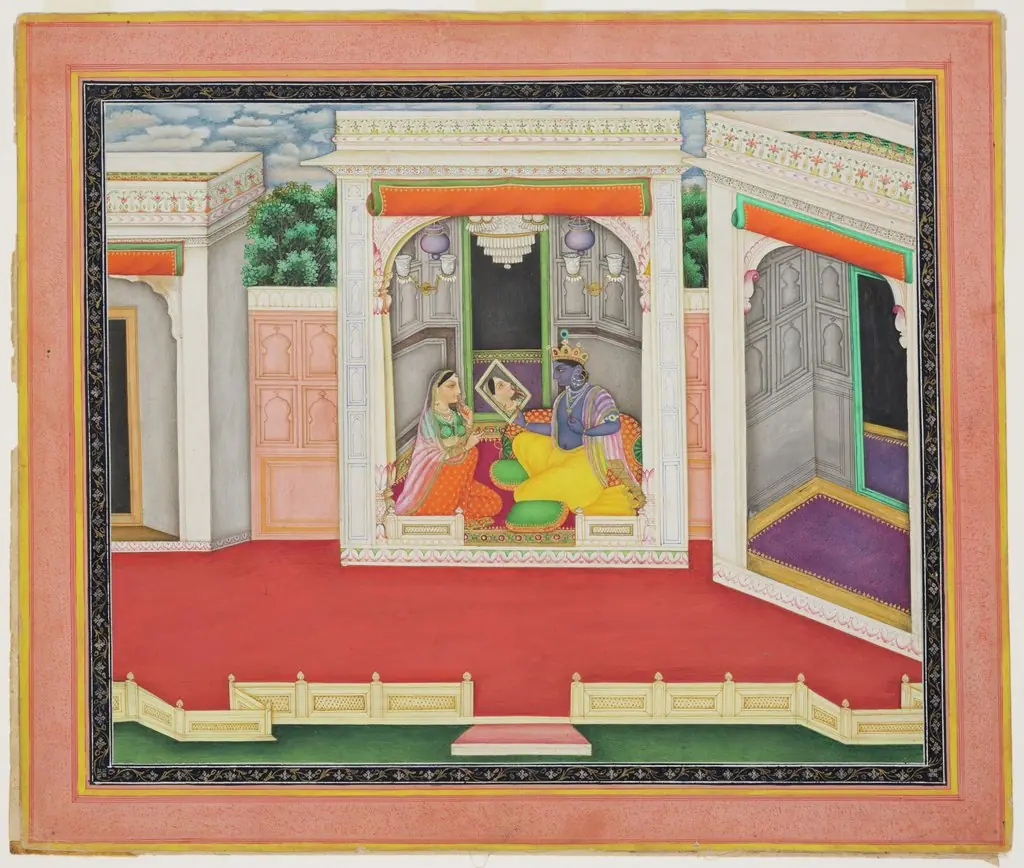 Story of Krishna and Radha
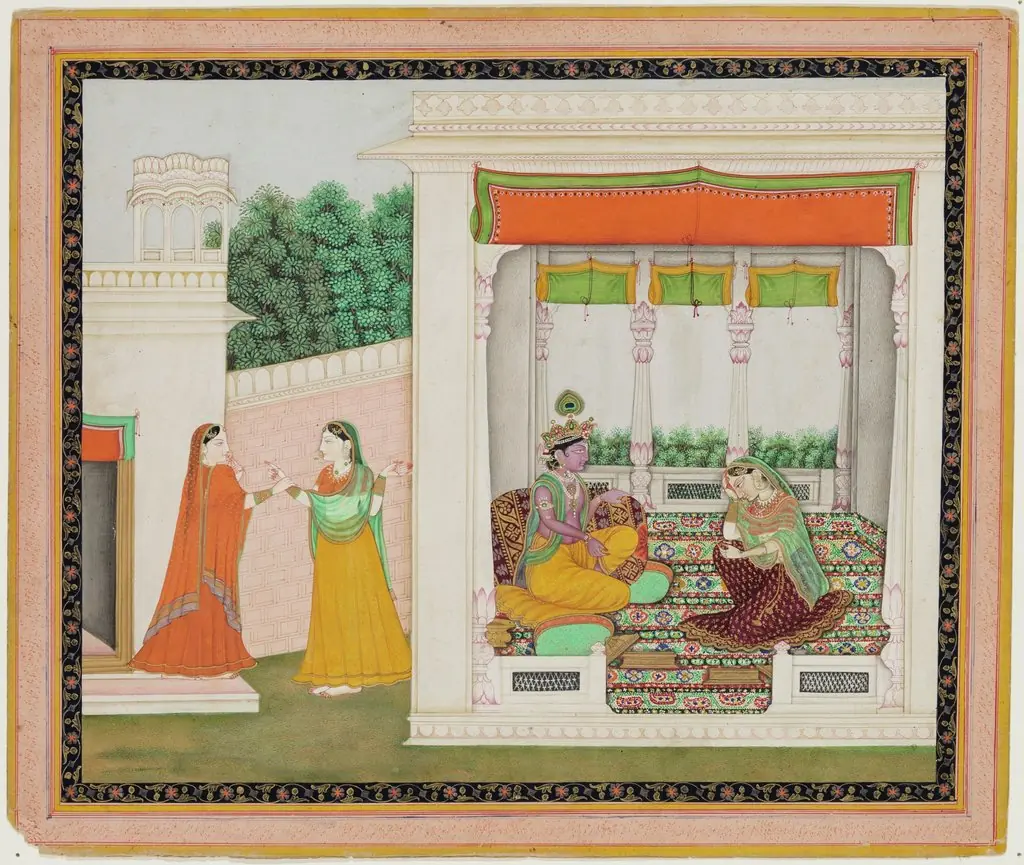 Story of Krishna and Radha
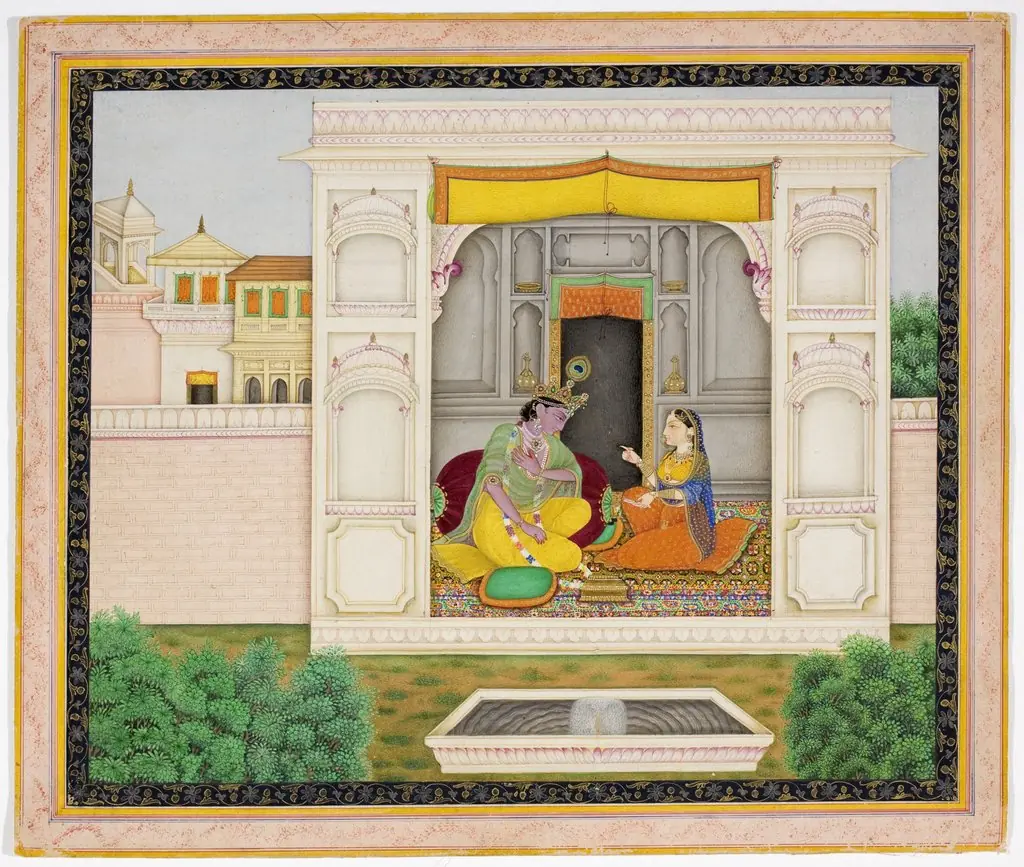 Krishna and Radha in Palace Scene
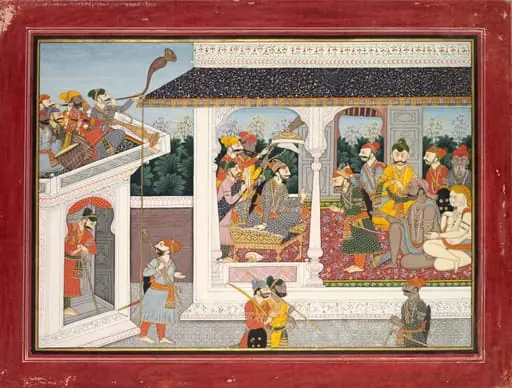 Kamsa deploys Akrura and Keshi to Braj, from a Bhagavata Purana
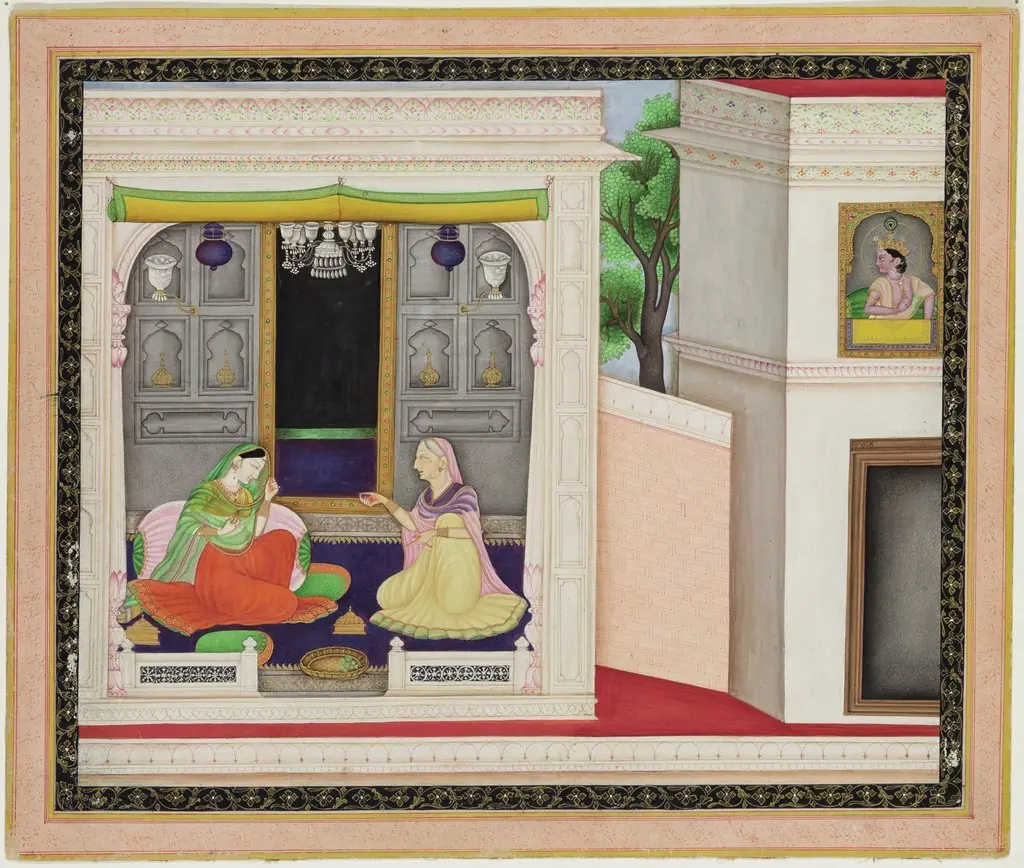 Story of Krishna and Radha
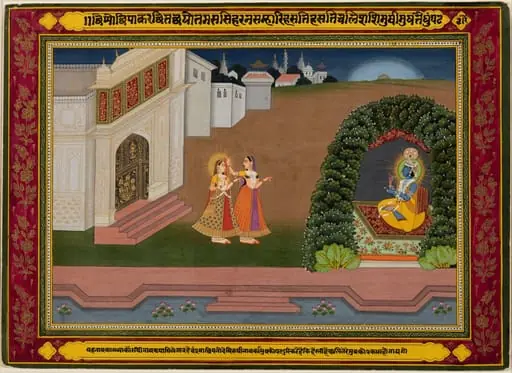 Radha’s Confidante Brings Her to Krishna, based on poetry of Bihari (Indian, 1595–1663)
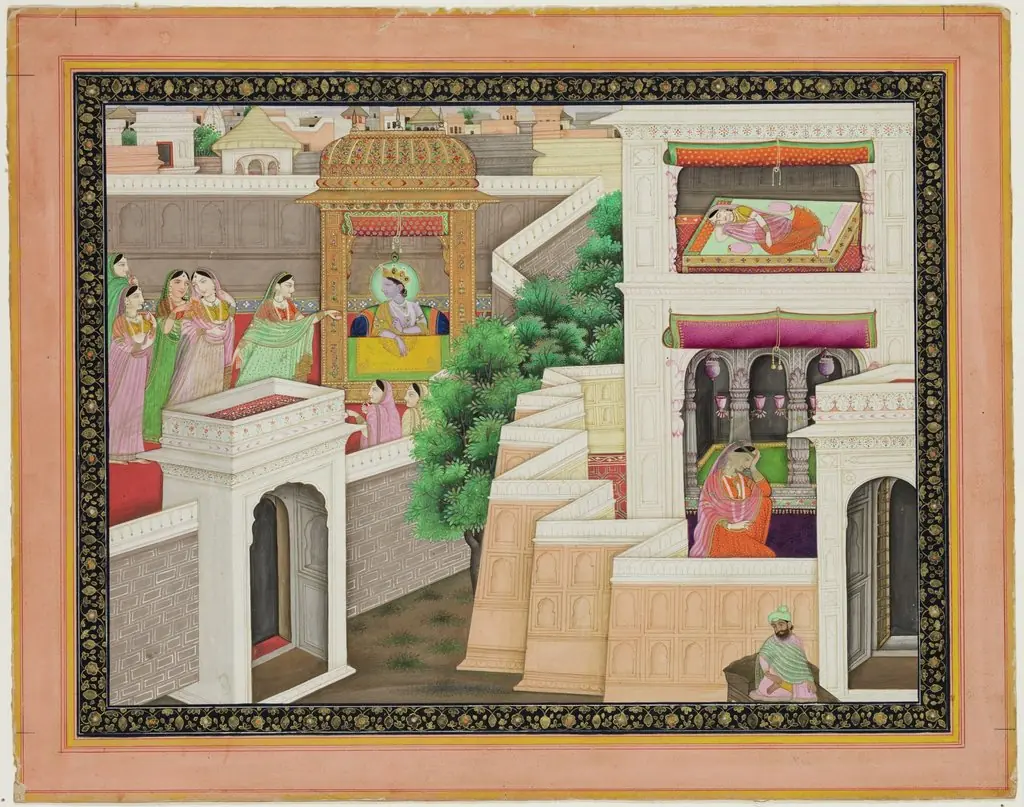 Story of Krishna and Radha
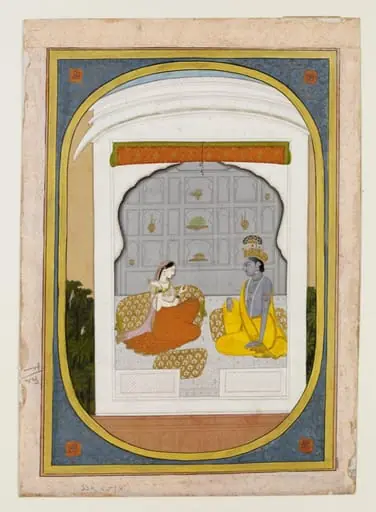 Radha and Krishna
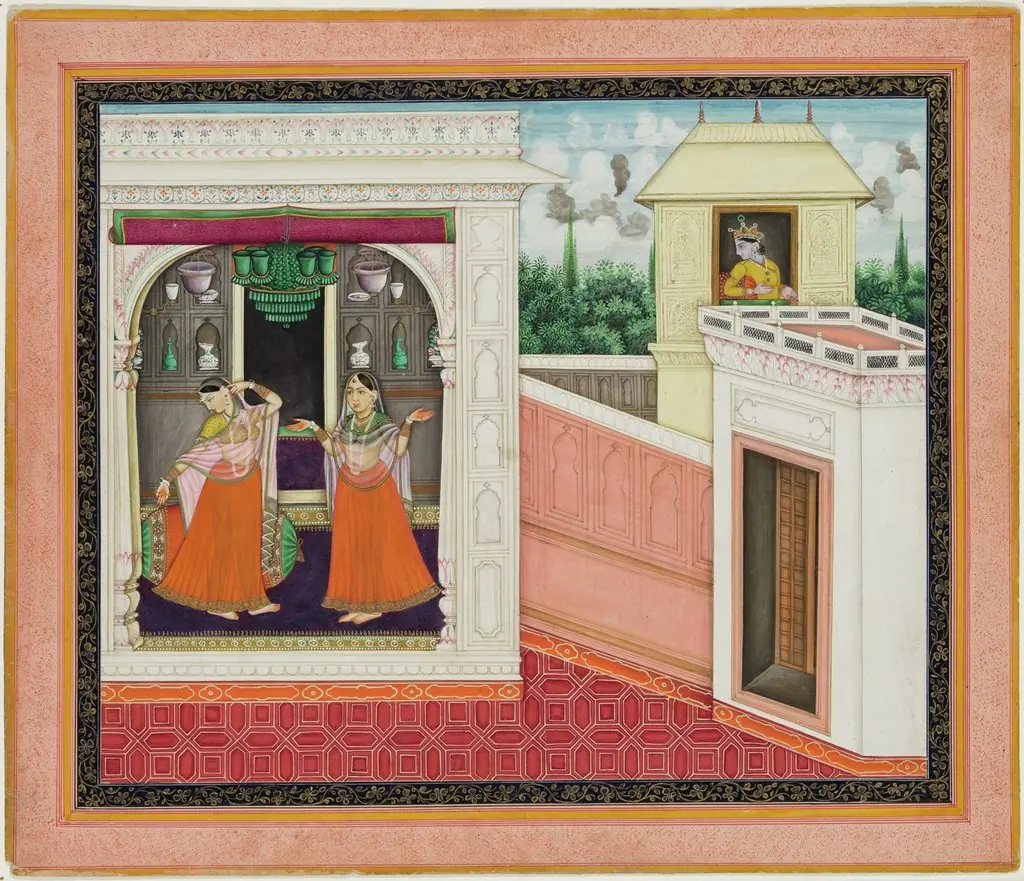 Story of Krishna and Radha
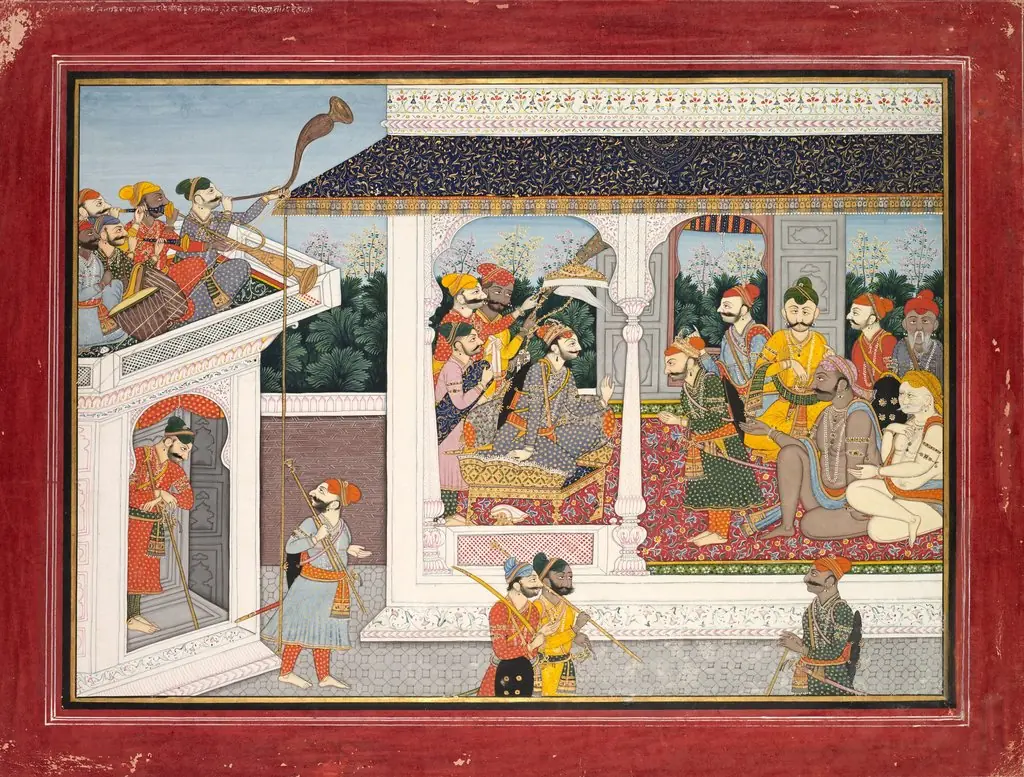 Kamsa deploys Akrura and Keshi to Braj, from a Bhagavata Purana
 Untitled
- The Marriage of Rukmini [Mangal]