Artwork
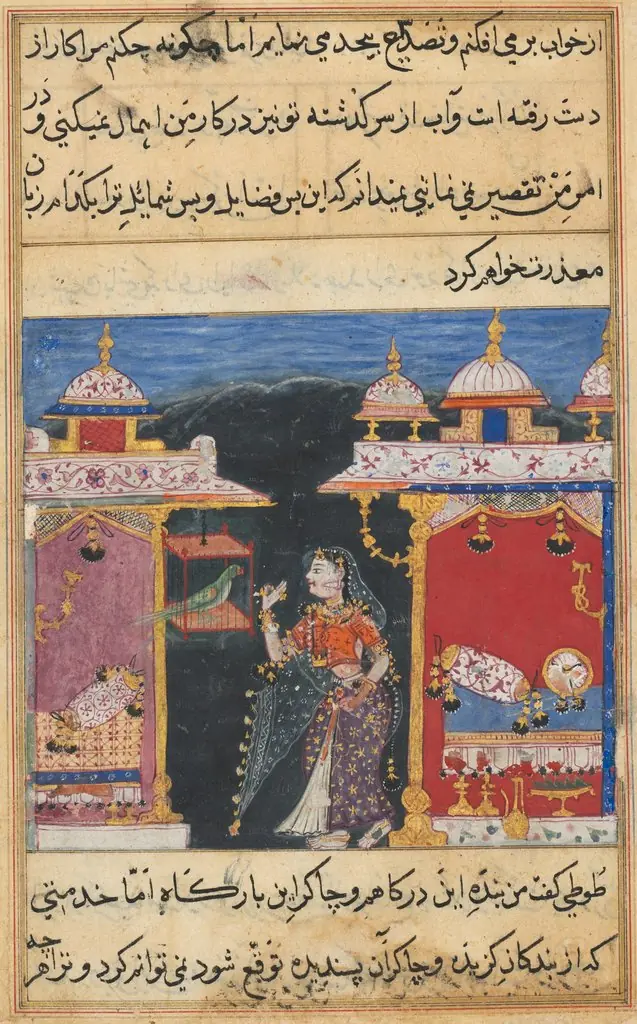
The Parrot Addresses Khujasta at the Beginning of the Nineteenth Night, from a Tuti-nama (Tales of a Parrot)
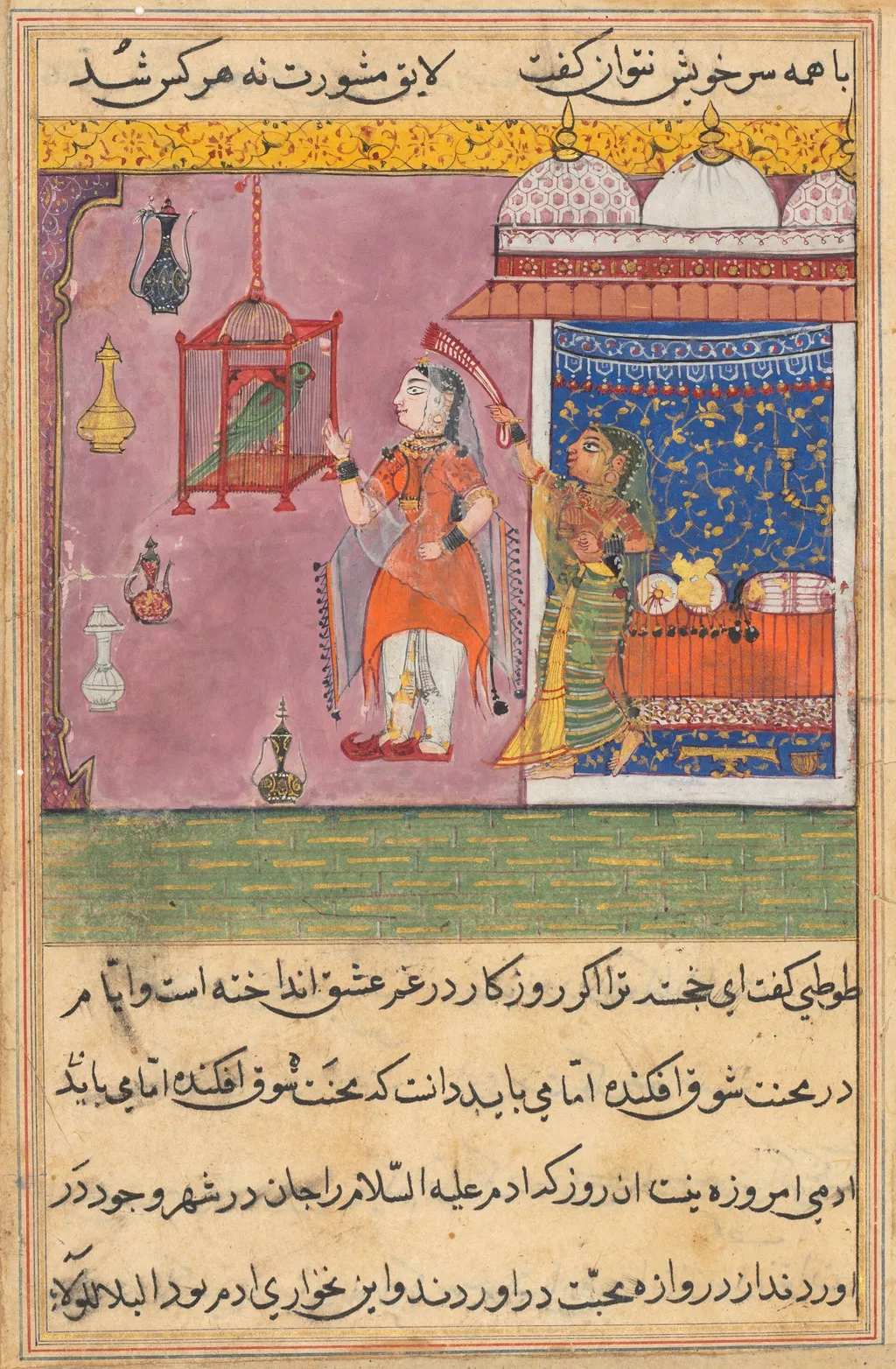
The Parrot Addresses Khujasta at the Beginning of the Nineteenth Night, from a Tuti-nama (Tales of a Parrot) is an unspecified painting. It dates from 1560 and is held in the collection of the Cleveland Museum of Art. The work depicts an interior scene populated by two elegantly dressed figures amid a richly patterned setting.
About this work
Technique & Style
The work is a miniature painting in opaque watercolor and gold on a paper support, characteristic of Mughal book illustration from the mid-sixteenth century.
The work is a miniature painting in opaque watercolor and gold on a paper support, characteristic of Mughal book illustration from the mid-sixteenth century. The composition depicts the parrot addressing Khujasta at the start of the nineteenth night, employing a flattened spatial depth and intricate ornamental patterning typical of Persianate manuscript painting. Fine brushwork delineates the bird's plumage and the figure's gestures, while richly saturated pigments and delicate contour lines emphasize the narrative.
History & Provenance
This folio comes from a Mughal manuscript of the Tuti-nama (Tales of a Parrot), produced around 1560 under imperial patronage. It is held by the Cleveland Museum of Art in Cleveland, Ohio, under accession number 1962.279.138.a, having entered the collection in 1962. No further details regarding intermediate ownership, commission, or earlier provenance are documented in the available sources.
Overview
The work depicts an interior scene populated by two elegantly dressed figures amid a richly patterned setting. A man in red and white garments holds a fan, while a woman in green and gold leans against a blue‑and‑gold screen. A red cage containing a parrot is positioned behind the male figure, and the walls are painted pink and adorned with assorted objects such as vases and a teapot. Gold Arabic calligraphy frames the composition along the upper and lower borders.
Subject & Meaning
The composition illustrates a moment from the Persian narrative collection known as the Tuti‑nama (Tales of a Parrot), in which a talking parrot delivers a message to the character Khujasta. The presence of the caged bird and the attentive posture of the figures suggest a scene of communication or counsel, reflecting the literary theme of the parrot as a messenger.
Context
Narrative miniatures such as this were traditionally used to illustrate literary texts, providing visual accompaniment to stories that blended moral instruction with entertainment. The Tuti‑nama itself belongs to a genre of didactic tales featuring a wise parrot, a motif that appears across Persian, Ottoman, and South Asian artistic traditions.
Artist & collection

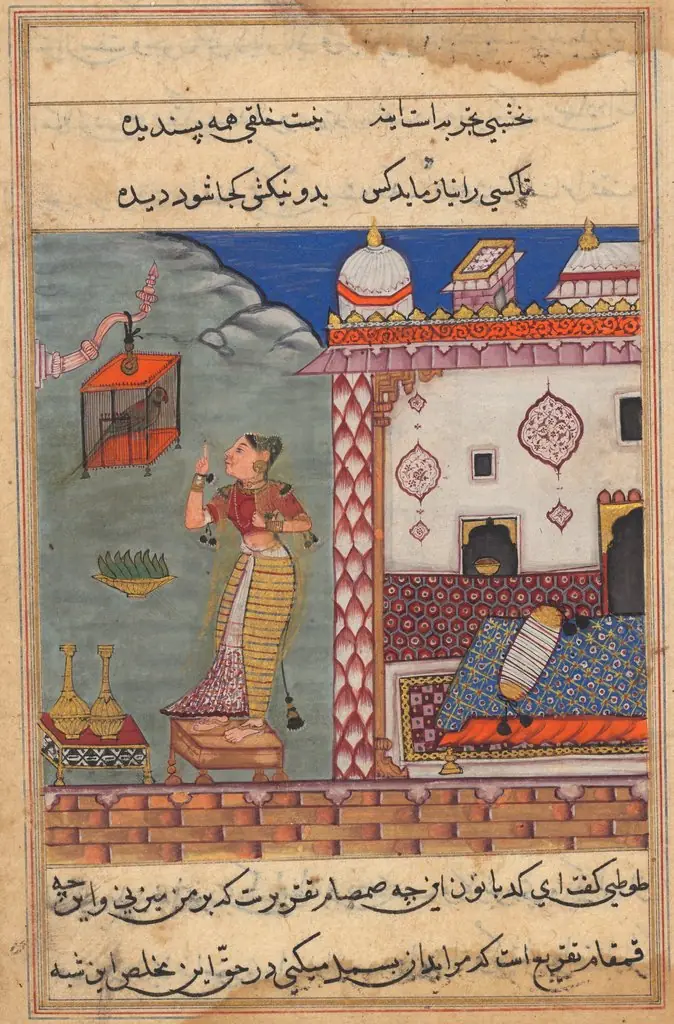
- The Parrot Addresses Khujasta at the Beginning of the Twenty-seventh Night, form a Tuti-nama (Tales of a Parrot)
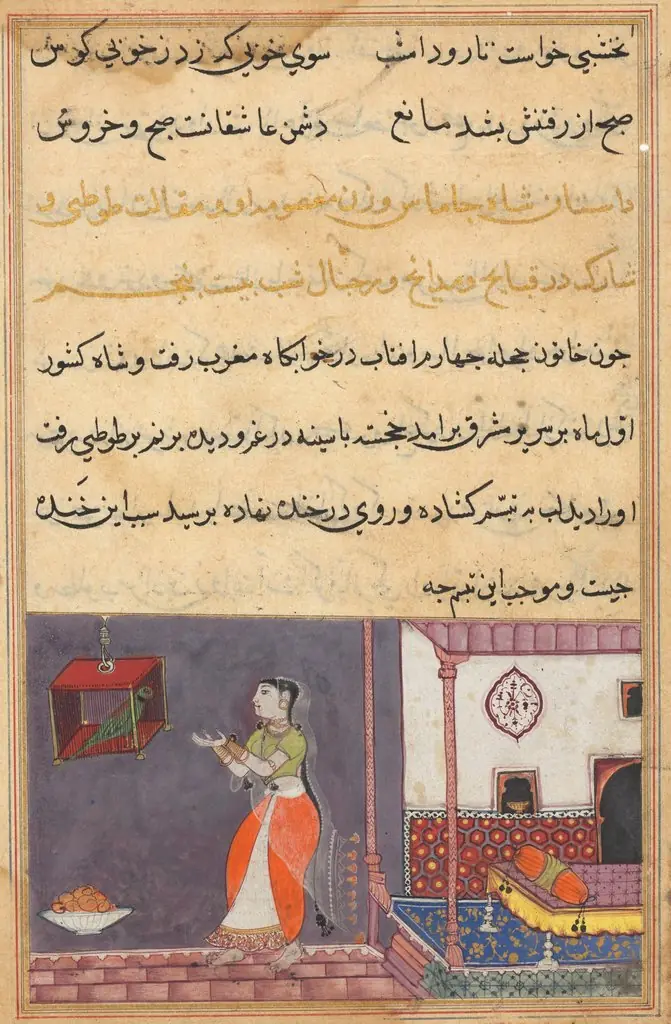 The Parrot Addresses Khujasta at the Beginning of the Twenty-fifth Night, from a Tuti-nama (Tales of a Parrot)
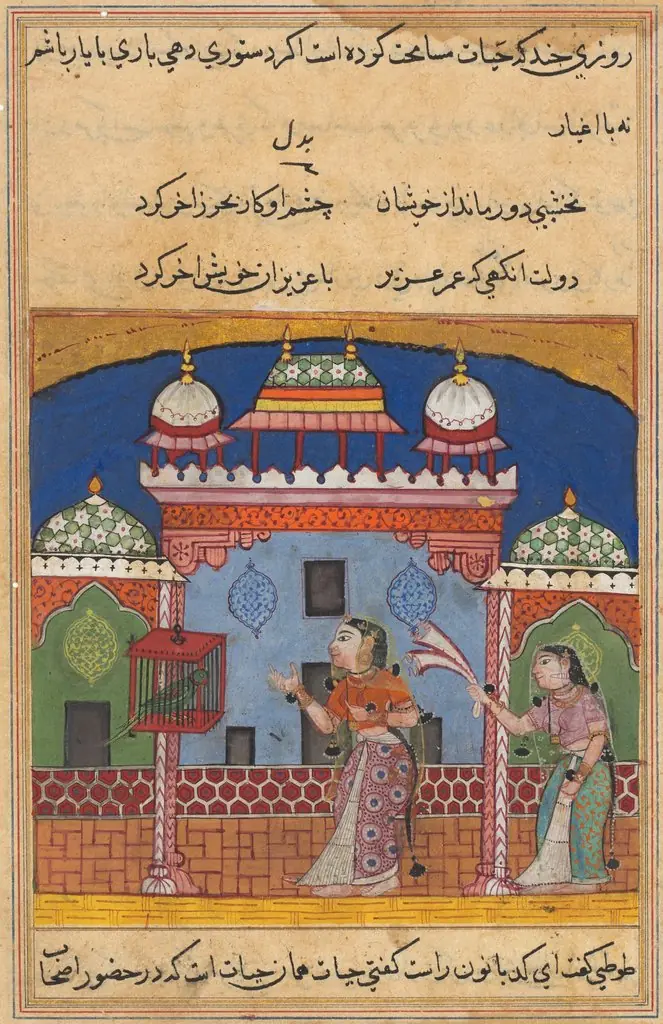 The Parrot Addresses Khujasta at the Beginning of the Twenty-second Night, from a Tuti-nama (Tales of a Parrot)
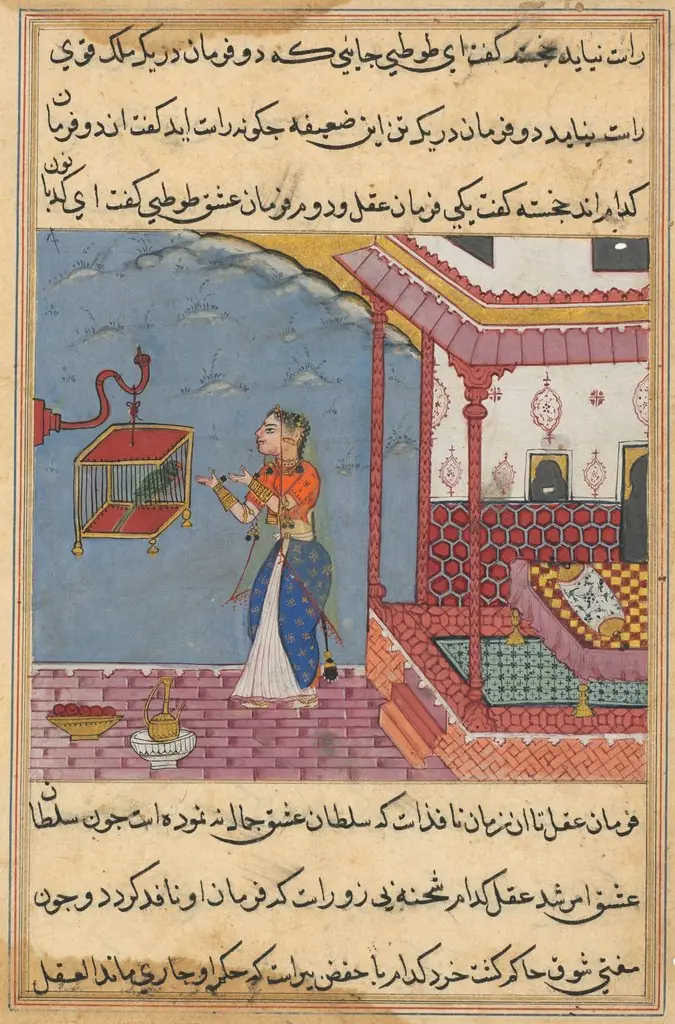 The Parrot Addresses Khujasta at the Beginning of the Twenty-Fourth Night, from a Tuti-nama (Tales of a Parrot)
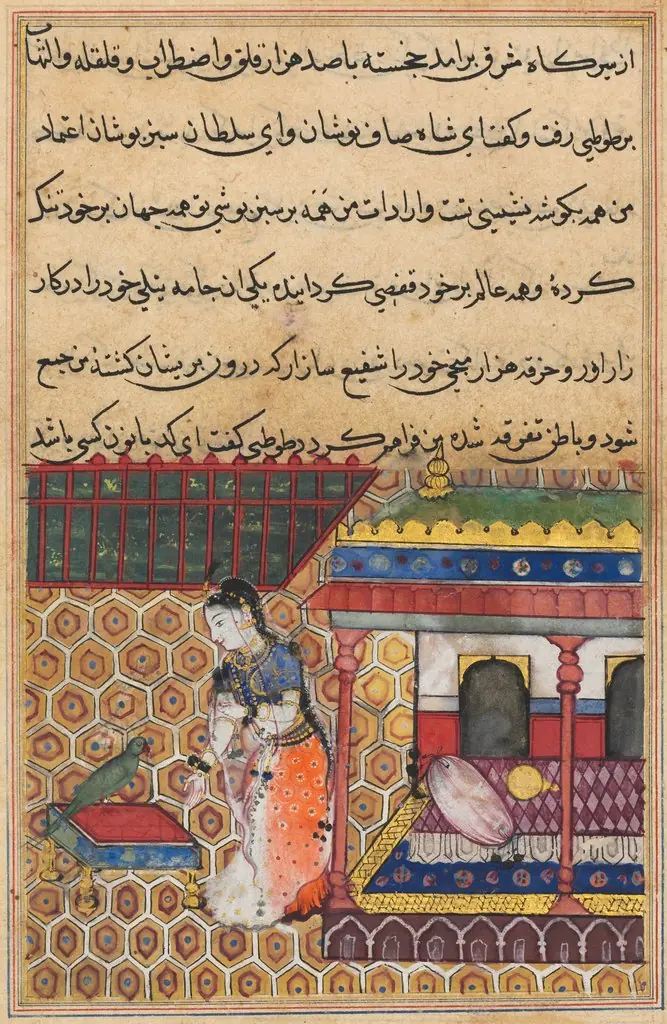 The parrot addresses Khujasta at the beginning of the thirty-eighth night, from a Tuti-nama (Tales of a Parrot)
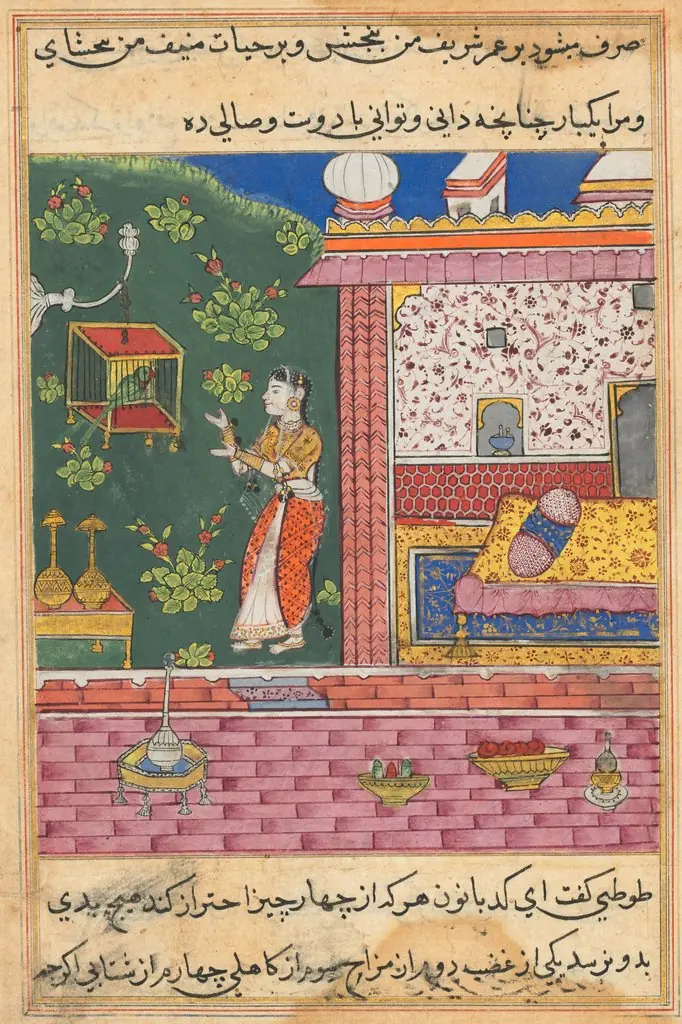 The Parrot Addresses Khujasta at the Beginning of the Thirtieth Night, from a Tuti-nama (Tales of a Parrot)
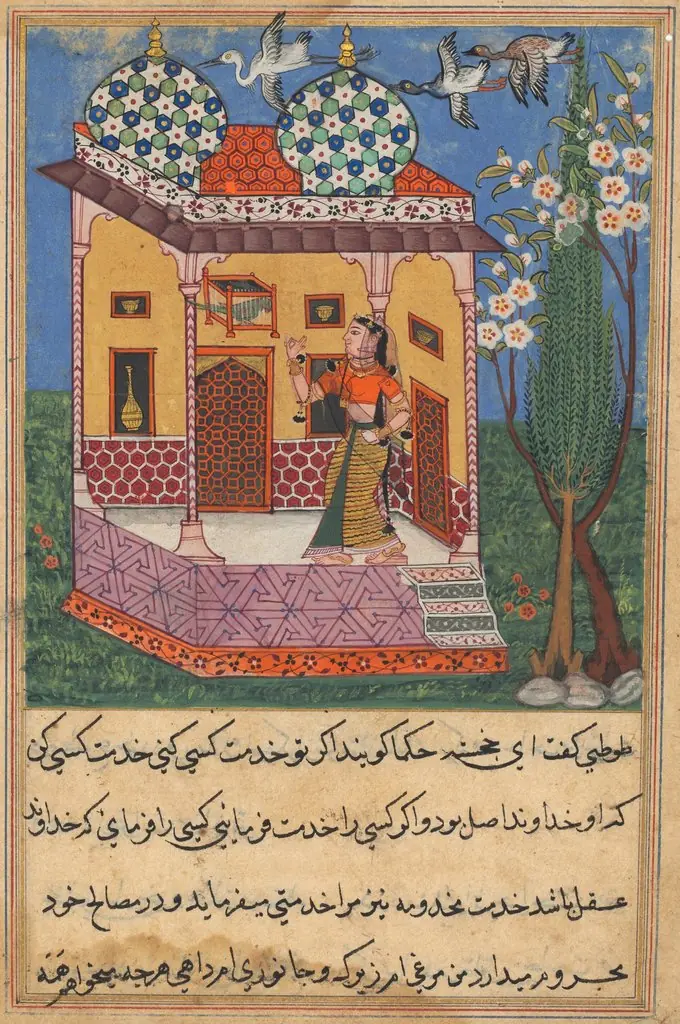 The Parrot Addresses Khujasta at the Beginning of the Twenty-sixth Night, from a Tuti-nama (Tales of a Parrot)
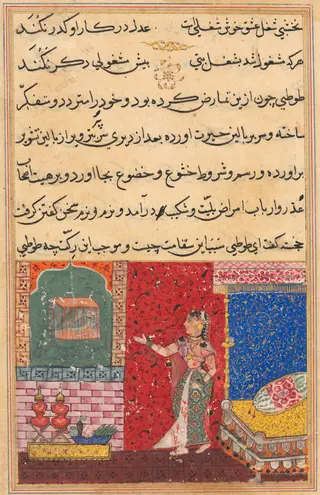 The Parrot Addresses Khujasta at the Beginning of the Fifteenth Night, from a Tuti-nama (Tales of a Parrot)
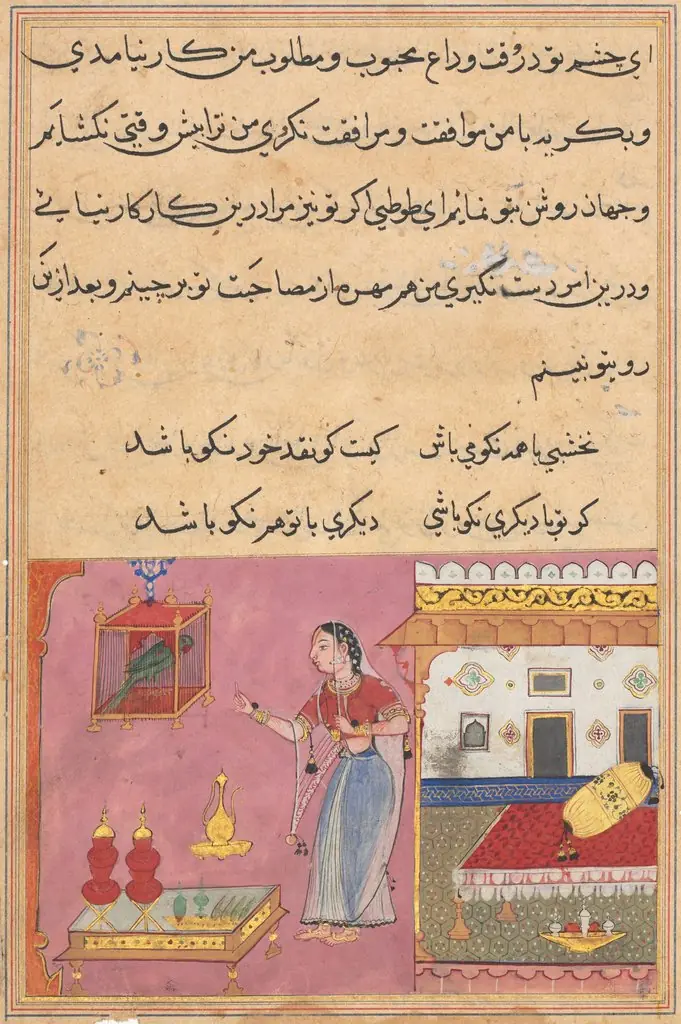 The Parrot Addresses Khujasta at the Beginning of the Twentieth Night, from a Tuti-nama (Tales of a Parrot)
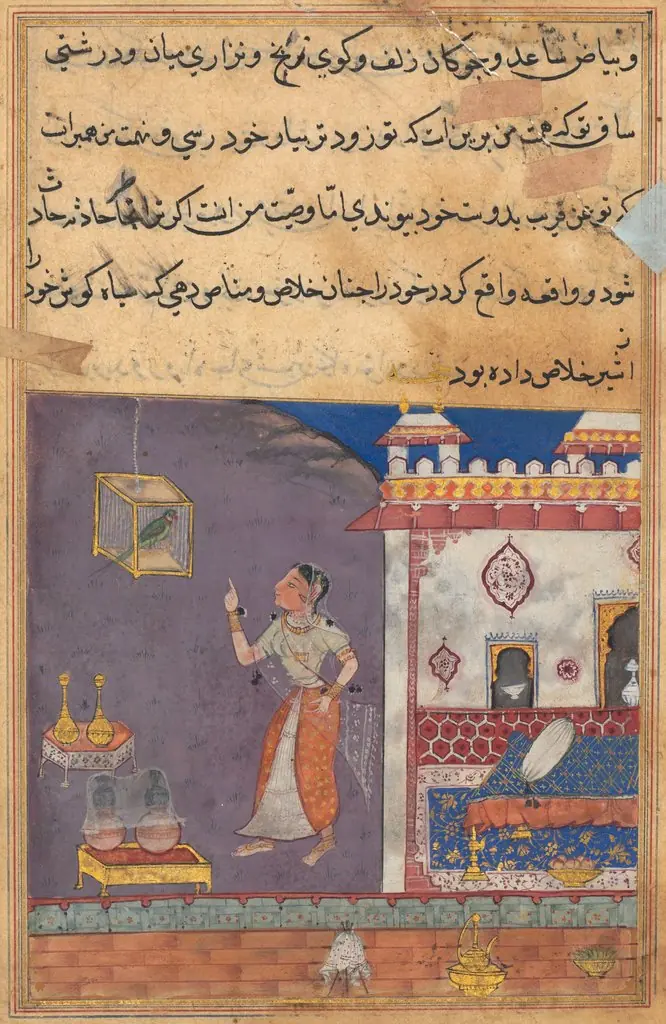 The Parrot Addresses Khujasta at the Beginning of the Twenty-ninth Night, from a Tuti-nama (Tales of a Parrot)
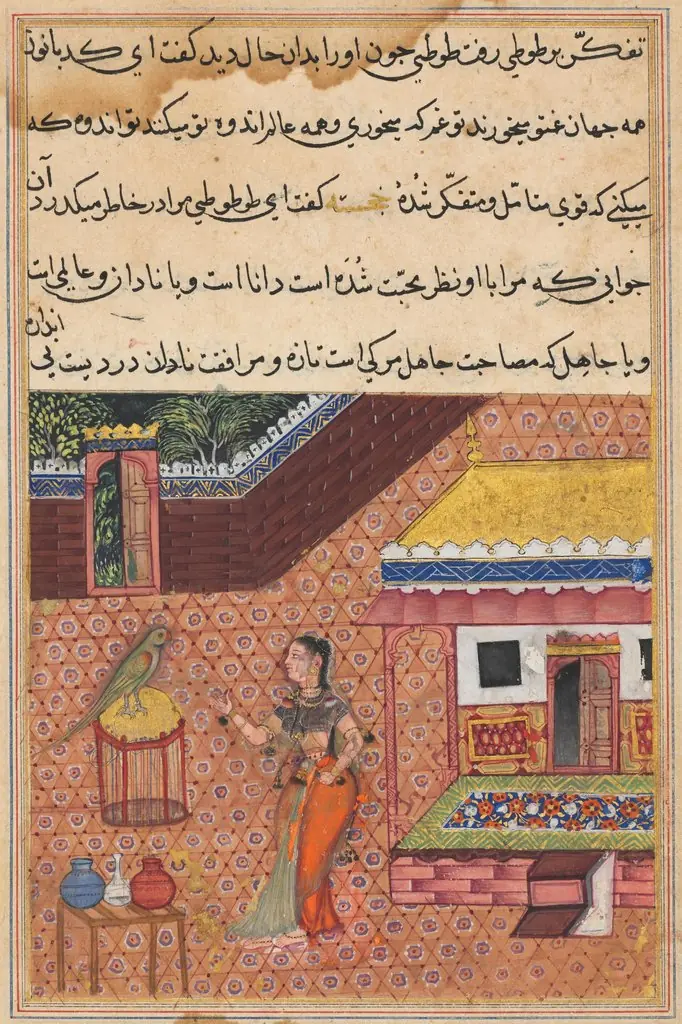 The parrot addresses Khujasta at the beginning of the thirty-fourth night, from a Tuti-nama (Tales of a Parrot)
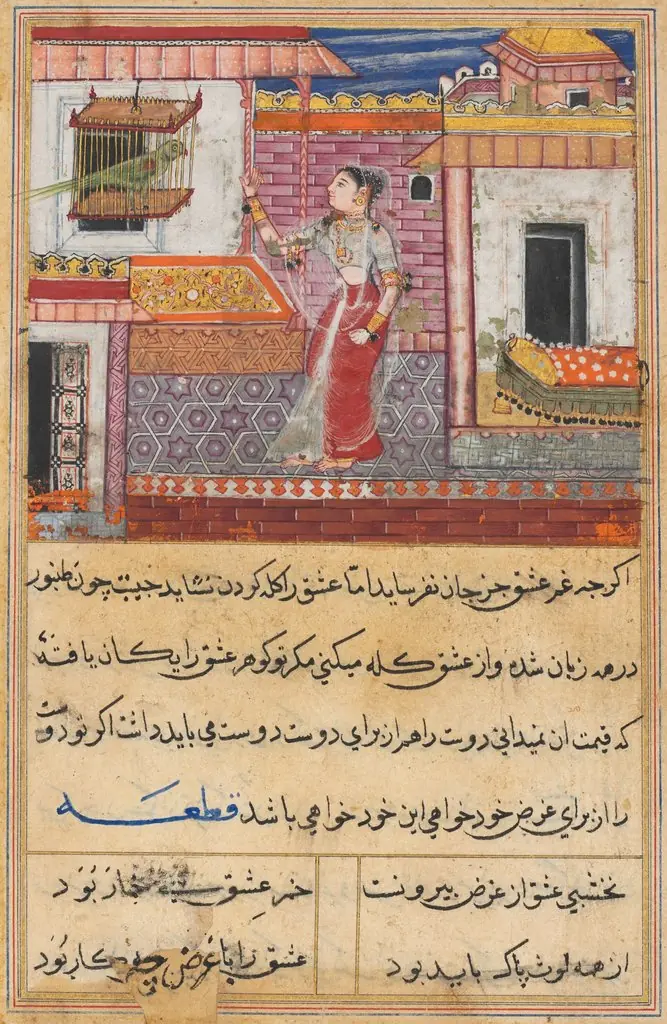 The Parrot Addresses Khujasta at the Beginning of the Thirteenth Night, from a Tuti-nama (Tales of a Parrot)
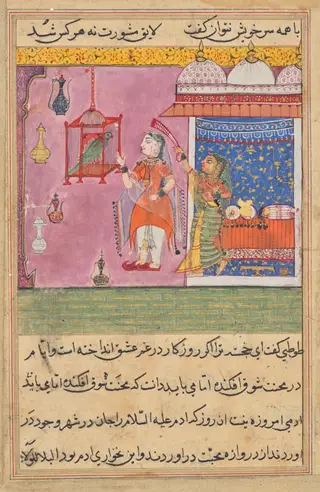 The Parrot Addresses Khujasta at the Beginning of the Nineteenth Night, from a Tuti-nama (Tales of a Parrot)
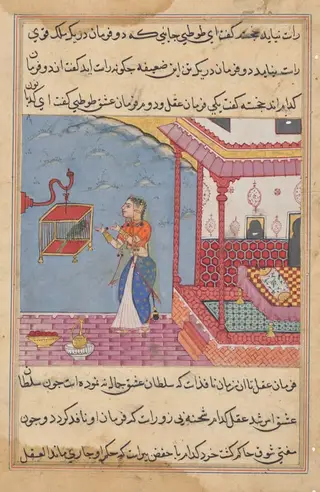 The Parrot Addresses Khujasta at the Beginning of the Twenty-Fourth Night, from a Tuti-nama (Tales of a Parrot)
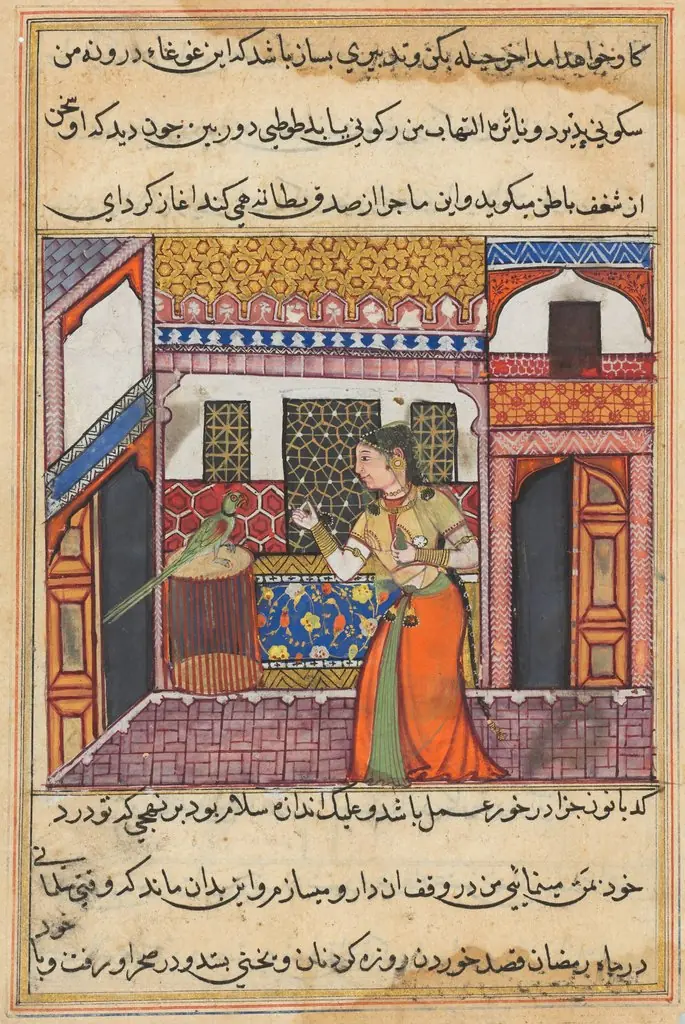 The parrot addresses Khujasta at the beginning of the forty-third night, from a Tuti-nama (Tales of a Parrot)
 The Parrot Addresses Khujasta at the Beginning of the Seventh Night, from a Tuti-nama (Tales of a Parrot)