Subject
Ariadne
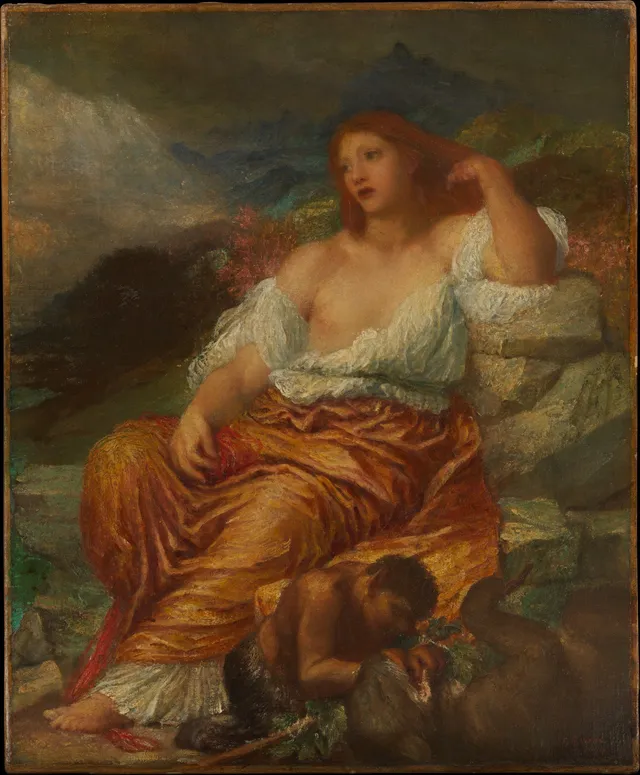
Ariadne is a subject in art. The gallery holds 24 works in this subject in art, including works by Henry Bone, Jacopo Tintoretto and Asher Brown Durand.
Ariadne is a genus of nymphalid butterflies, commonly called castors, found from Sub-Saharan Africa to South-East Asia. It was erected by Thomas Horsfield in 1829.
Key artists

Overview
Ariadne is a genus of nymphalid butterflies, commonly called castors, whose range extends from Sub-Saharan Africa to South-East Asia. The genus was erected by the American naturalist Thomas Horsfield in 1829 and named after Ariadne, the daughter of Minos, king of Crete, from Greek mythology. This naming reflects a broader tradition in natural history of drawing on classical mythology for taxonomic nomenclature. The genus belongs to the family Nymphalidae, specifically the subfamily Biblidinae, and encompasses numerous species adapted to tropical and subtropical habitats across two continents.
Iconography & meaning
The name Ariadne carries rich mythological associations that have influenced its use beyond entomology. In Greek mythology, Ariadne helped Theseus navigate the labyrinth using a thread, a narrative of guidance and transformation. The application of this name to a butterfly genus evokes themes of metamorphosis and navigation that resonate with the insect's life cycle and migratory behavior. The common name "castor" applied to these butterflies derives from characteristics of their appearance or behavior, though the specific etymology remains tied to scientific convention rather than mythological narrative. The classical reference serves to embed these organisms within a broader cultural framework of Western scientific tradition.
Across movements & periods
The treatment of Ariadne in visual art has varied considerably across movements and periods, though the sources provided focus primarily on the biological classification of the butterfly genus rather than artistic production. The mythological Ariadne received extensive treatment from antiquity through the Renaissance and into modern periods, with particular flourishing during the Baroque era when the dramatic narrative of her abandonment by Theseus and rescue by Dionysus appealed to painters exploring emotional intensity. The butterfly genus Ariadne, described scientifically in 1829, emerged during a period of intensive taxonomic activity in the nineteenth century, coinciding with expanded European colonial presence in Africa and Asia that facilitated collection and classification of tropical species. The Dutch, French, and Spanish Wikipedia sources indicate sustained international scientific interest in the genus across linguistic and national boundaries.
Legacy
The legacy of the name Ariadne demonstrates the enduring interplay between classical culture and scientific nomenclature. Horsfield's choice to name this butterfly genus after the Cretan princess in 1829 established a pattern of mythological reference that continues in contemporary taxonomy. The genus has proven scientifically significant for studies of biodiversity and biogeography, given its distribution across Africa and South-East Asia, regions connected by historical landmass configurations and contemporary conservation concerns. Modern resources including the Consortium for the Barcode of Life and the Encyclopedia of Life maintain visual and genetic records of Ariadne species, reflecting ongoing research interest. The synonym Ergolis, proposed by Boisduval in 1836, indicates early taxonomic debate that has since stabilized around Horsfield's original designation. The genus remains an active subject of entomological research, with GBIF and other biodiversity databases tracking species distributions and taxonomic revisions into the present century.
Works
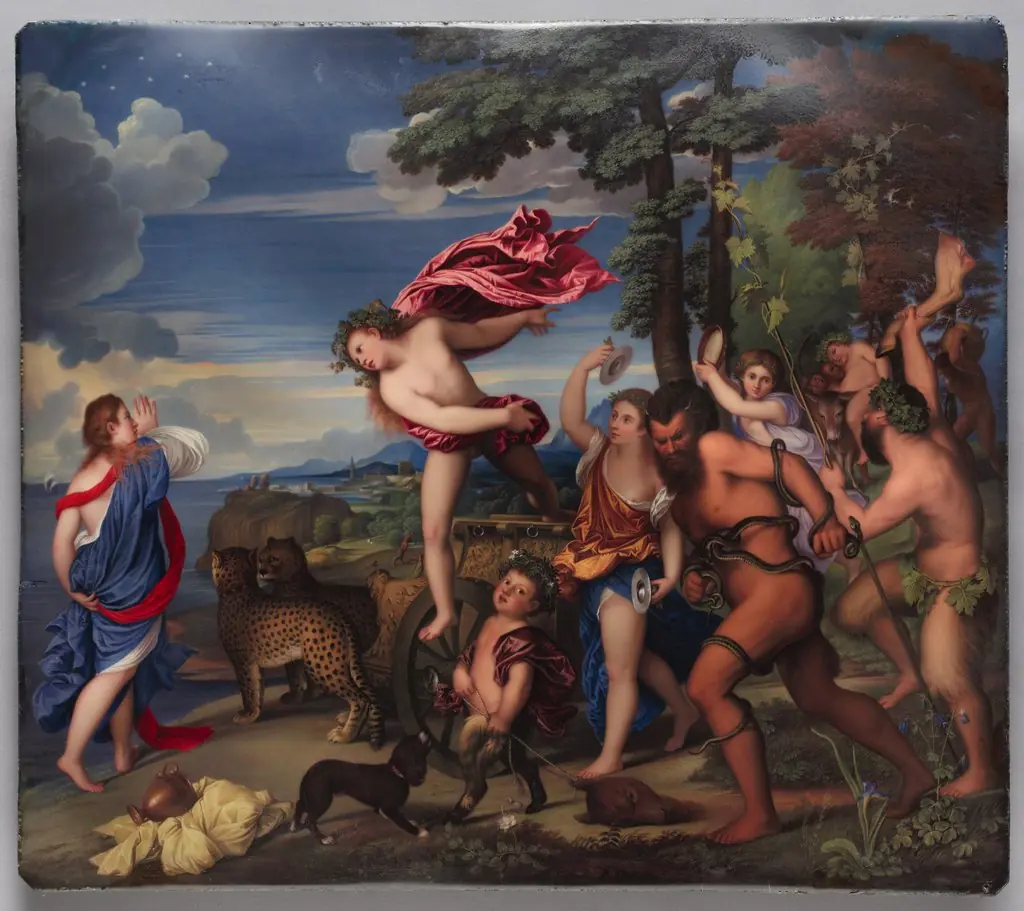 Bacchus and Ariadne
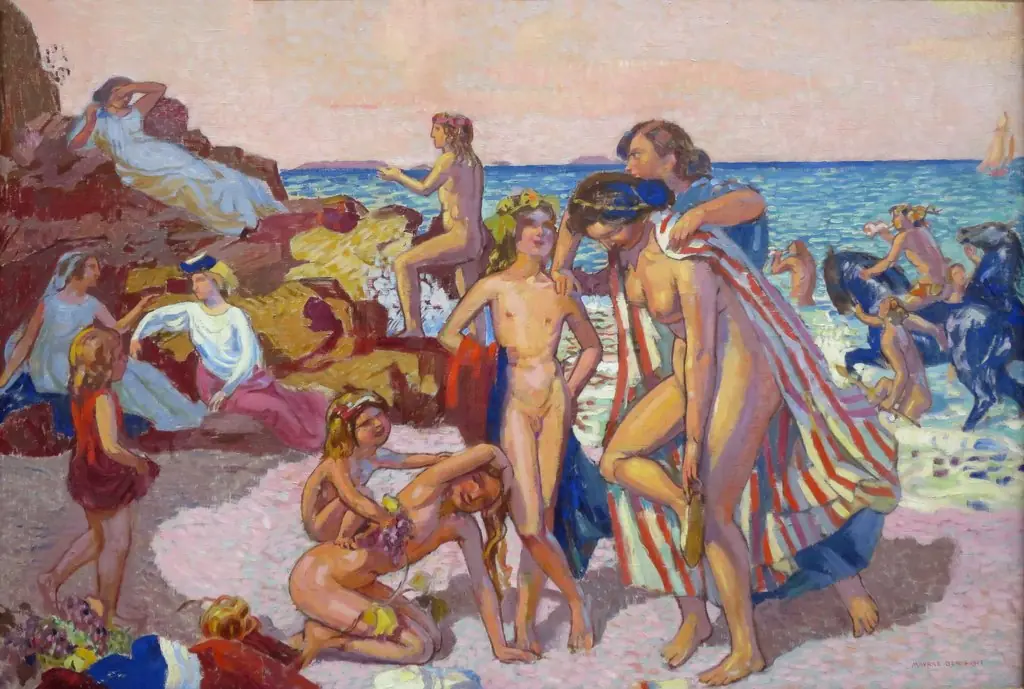 Bacchus and Ariadne
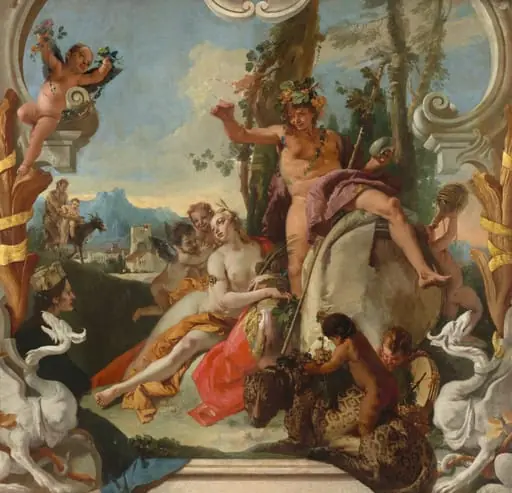 Bacchus and Ariadne
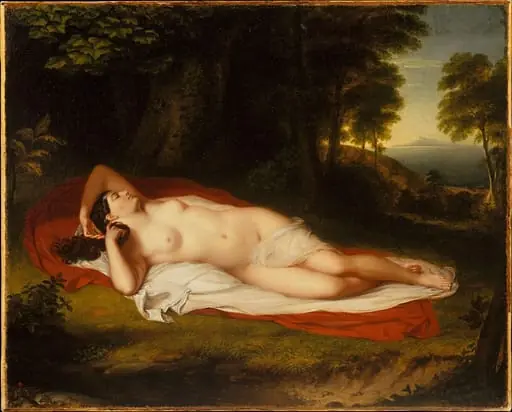 Ariadne
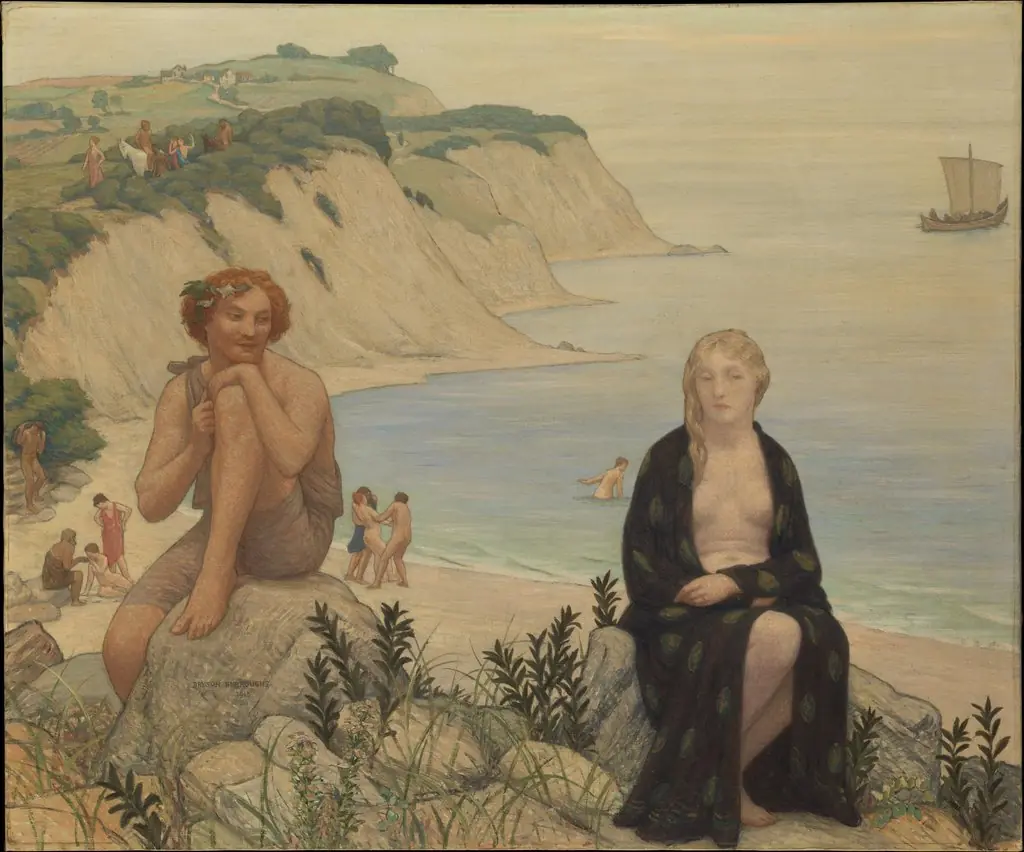 Consolation of Ariadne
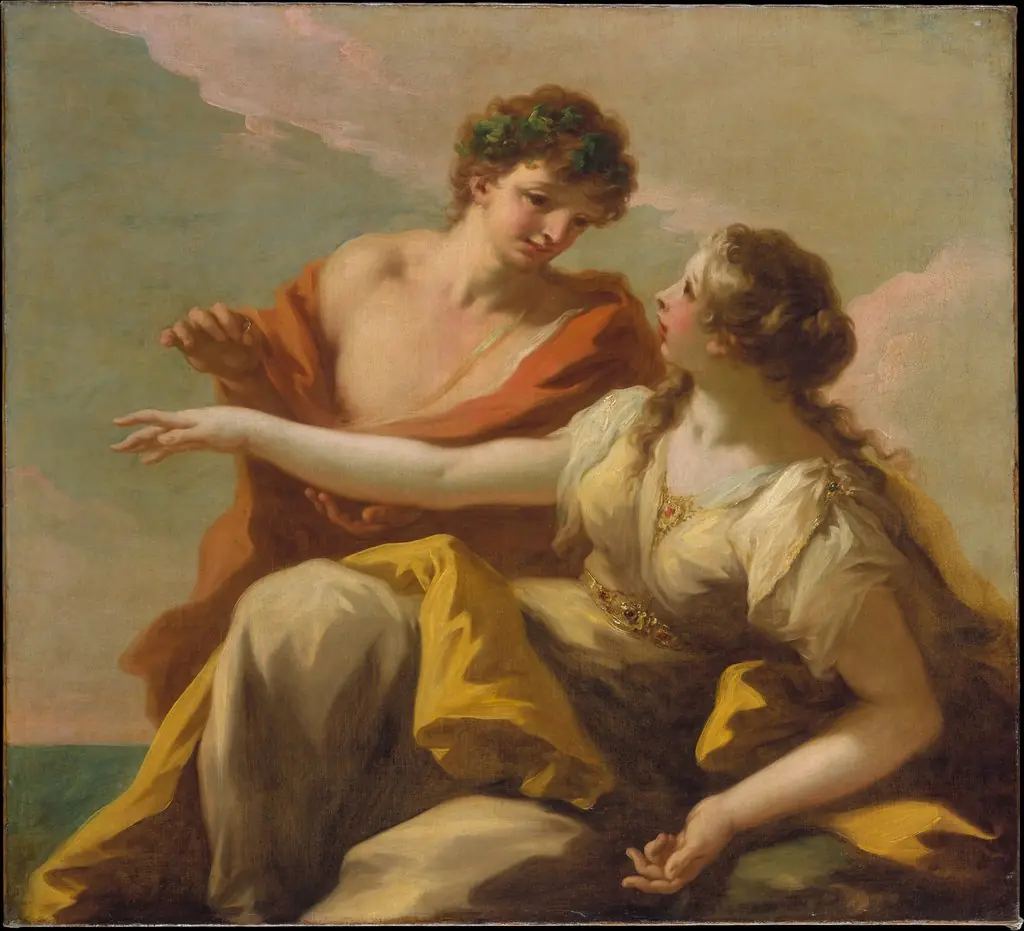 Bacchus and Ariadne
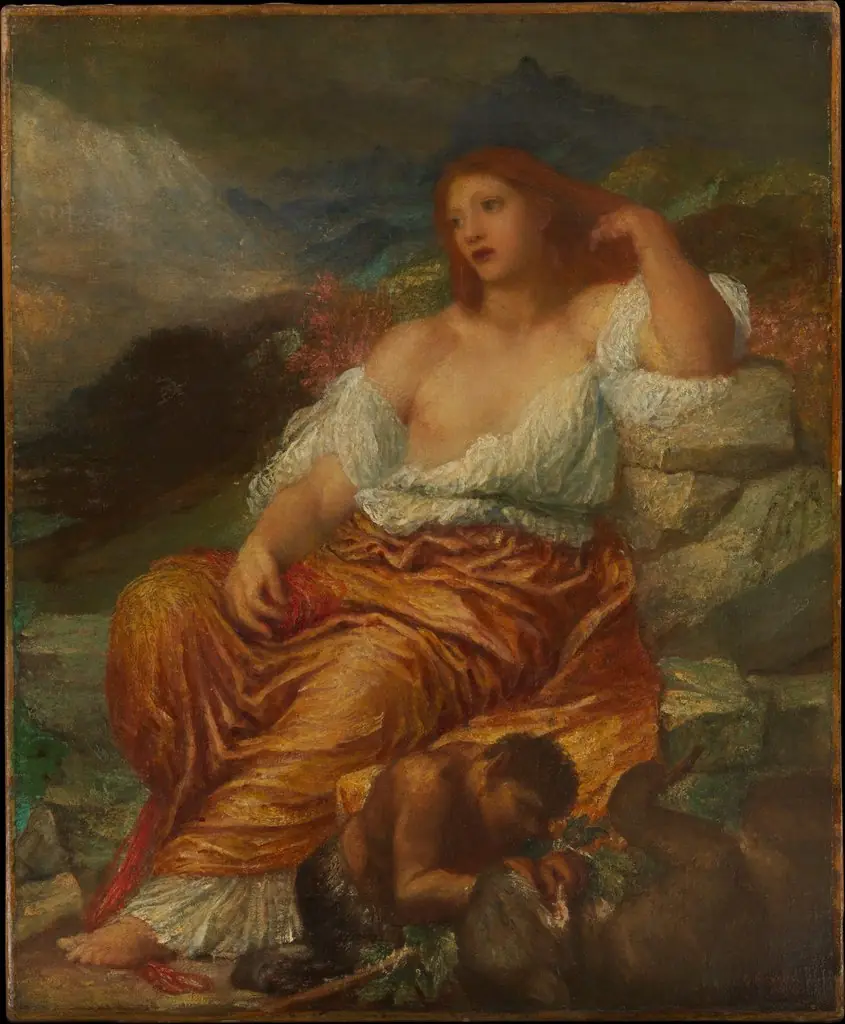 Ariadne
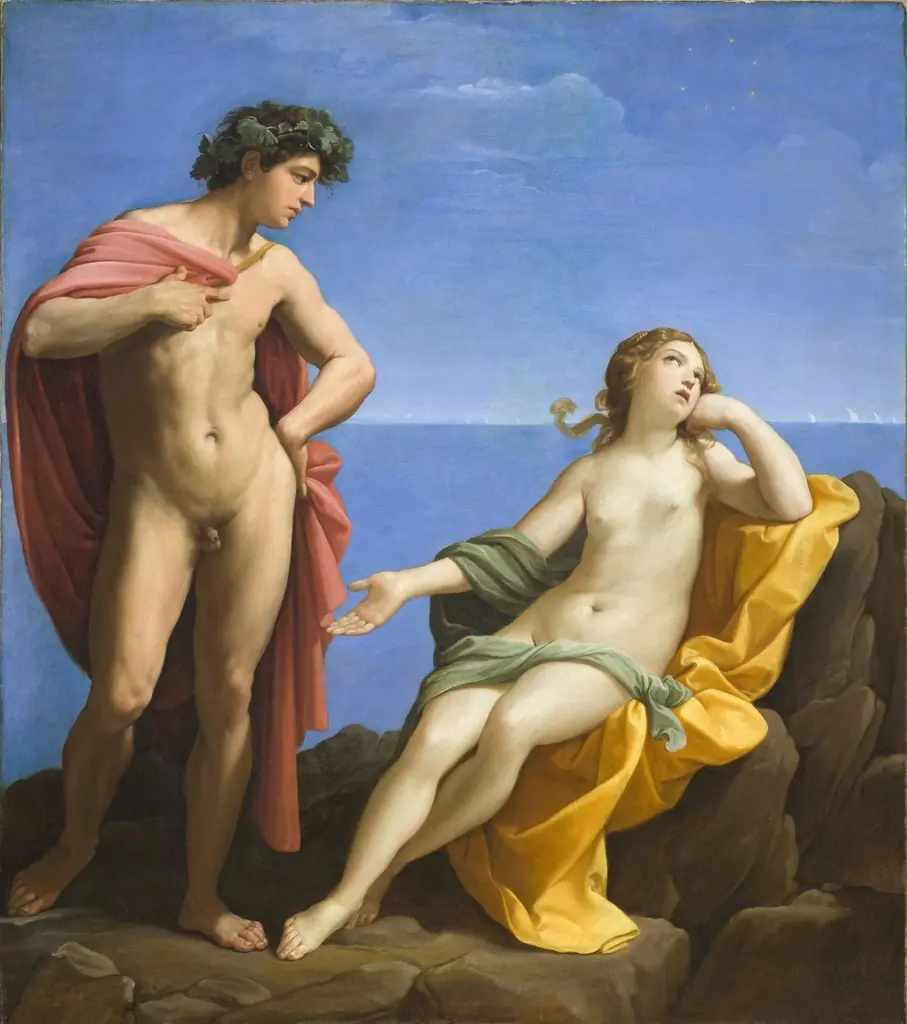 Bacchus and Ariadne
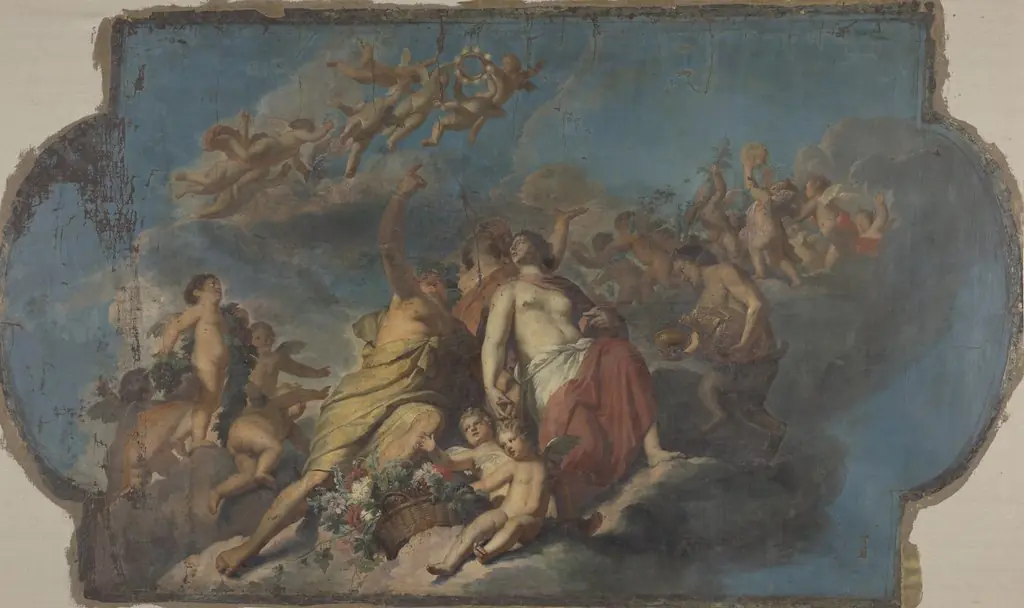 The Marriage of Bacchus and Ariadne
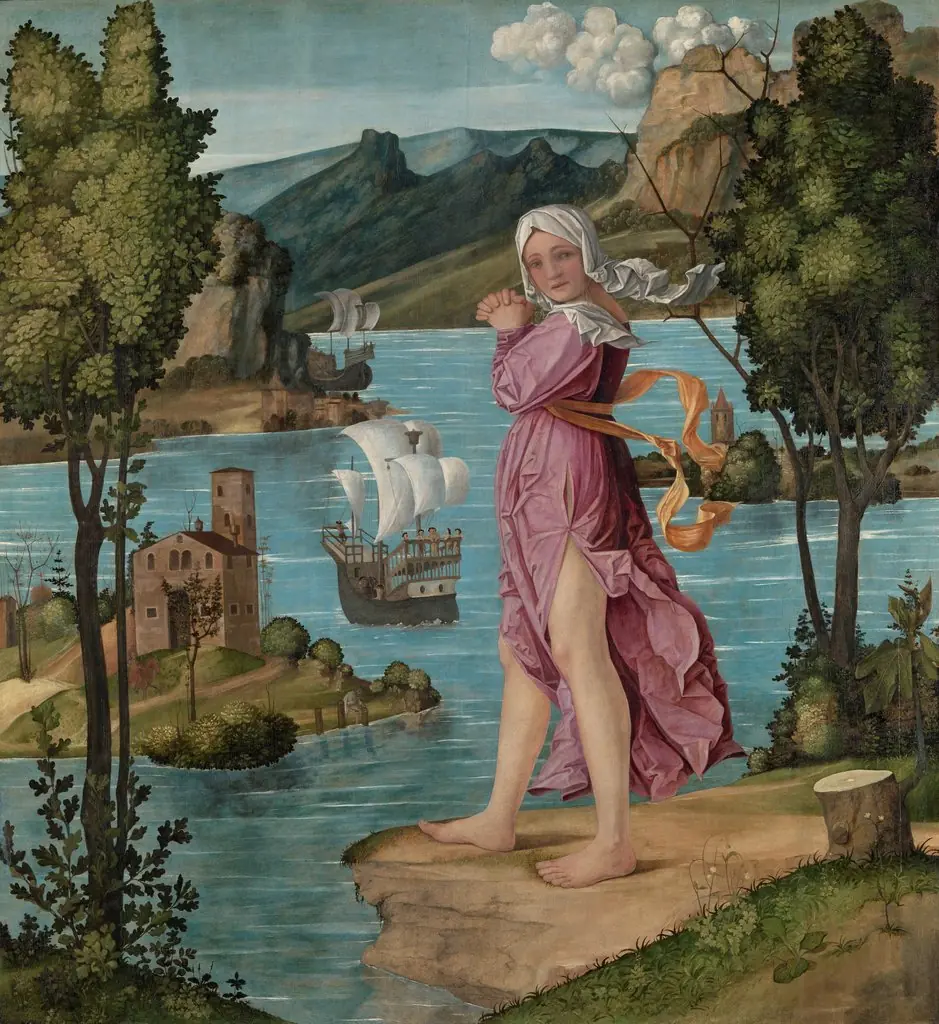 Ariadne on Naxos
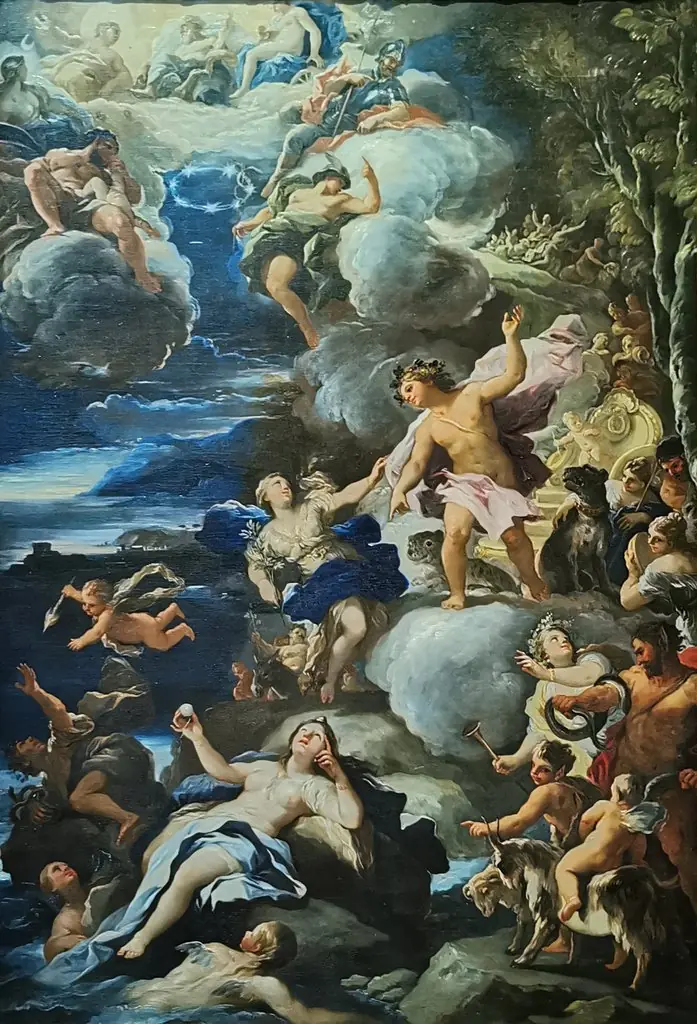 Bacchus and Ariadne
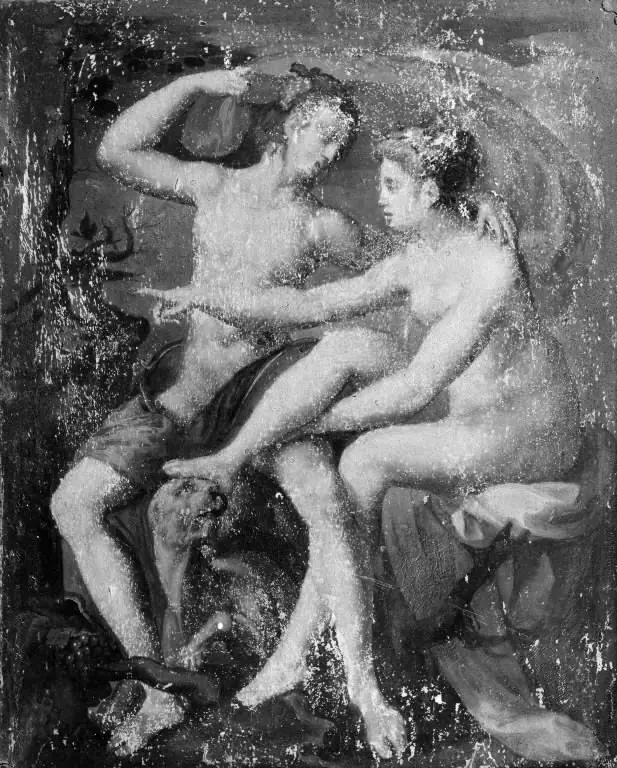 Bacchus and Ariadne
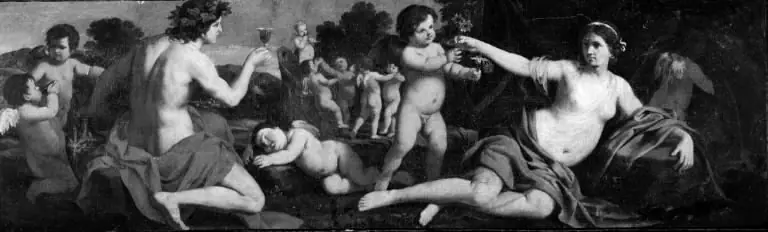 Bacchus and Ariadne
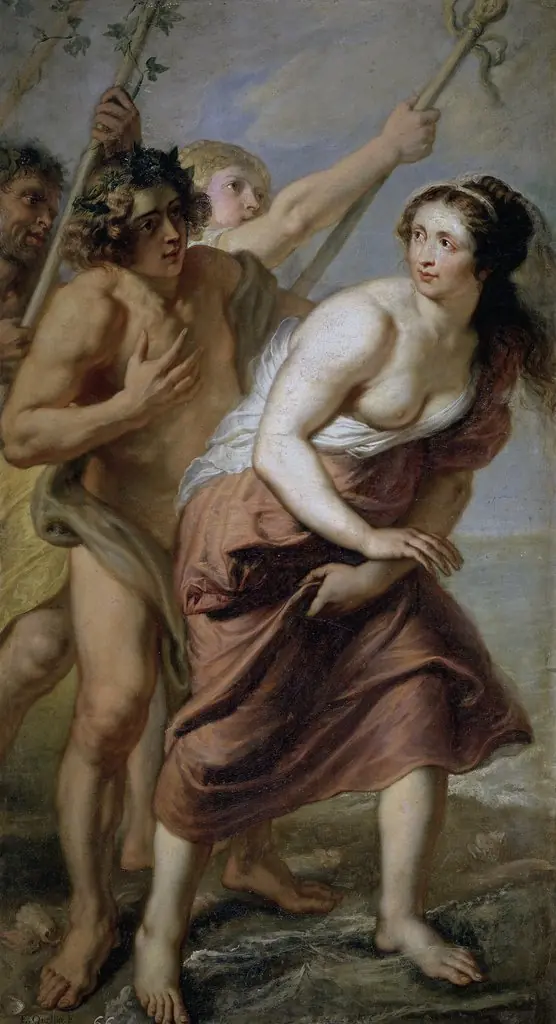 Bacchus and Ariadne
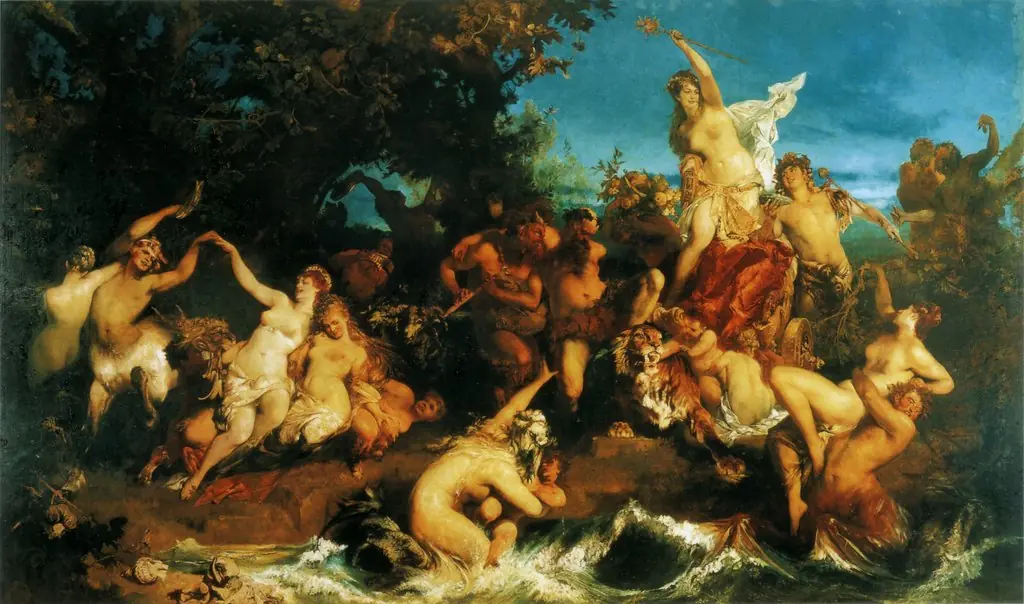 Bacchus and Ariadne
 Bacchus and Ariadne
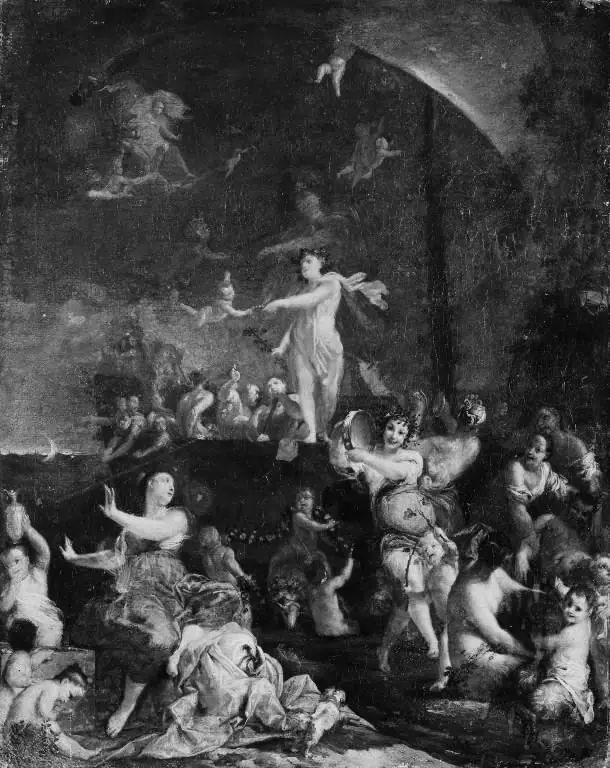 Ariadne on Naxos
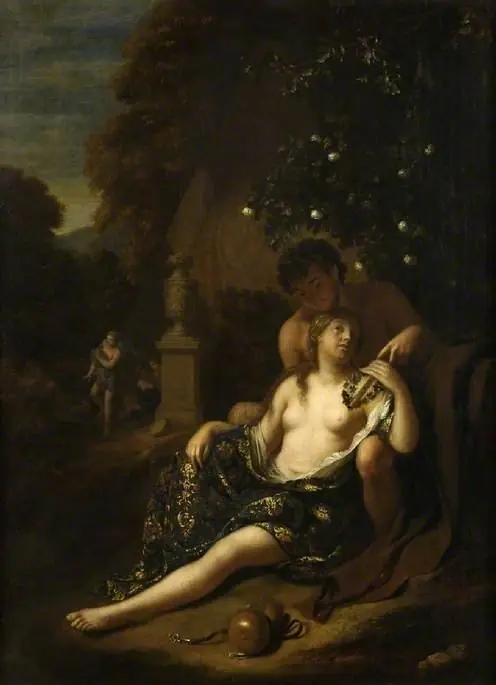 Bacchus and Ariadne
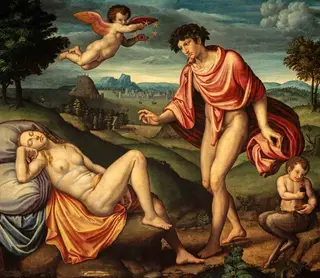 Bacchus and Ariadne
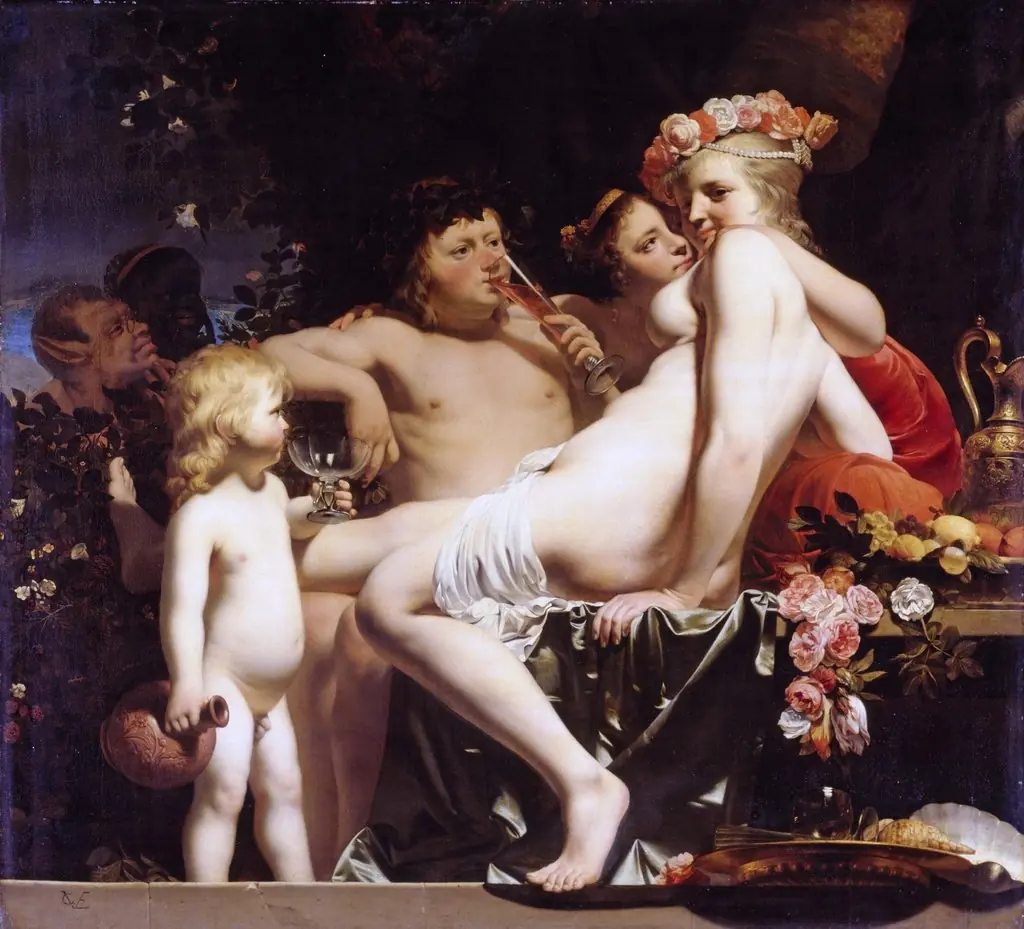 Bacchus and Ariadne
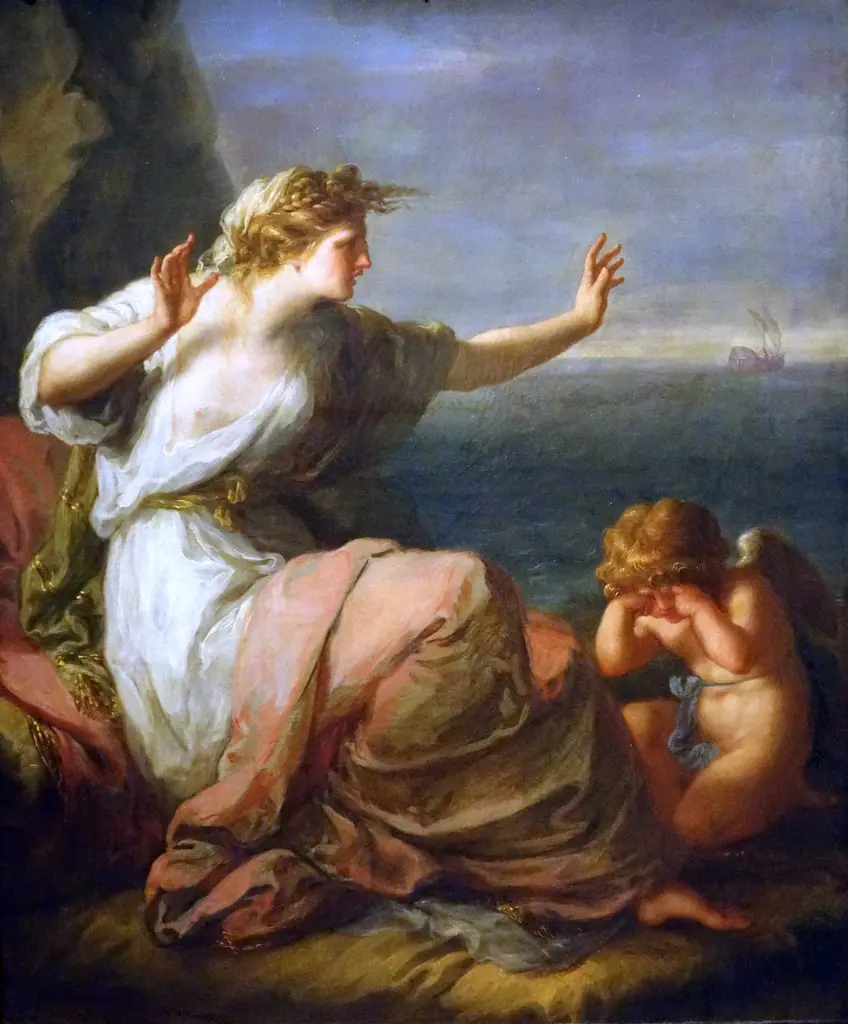 Ariadne Abandoned by Theseus
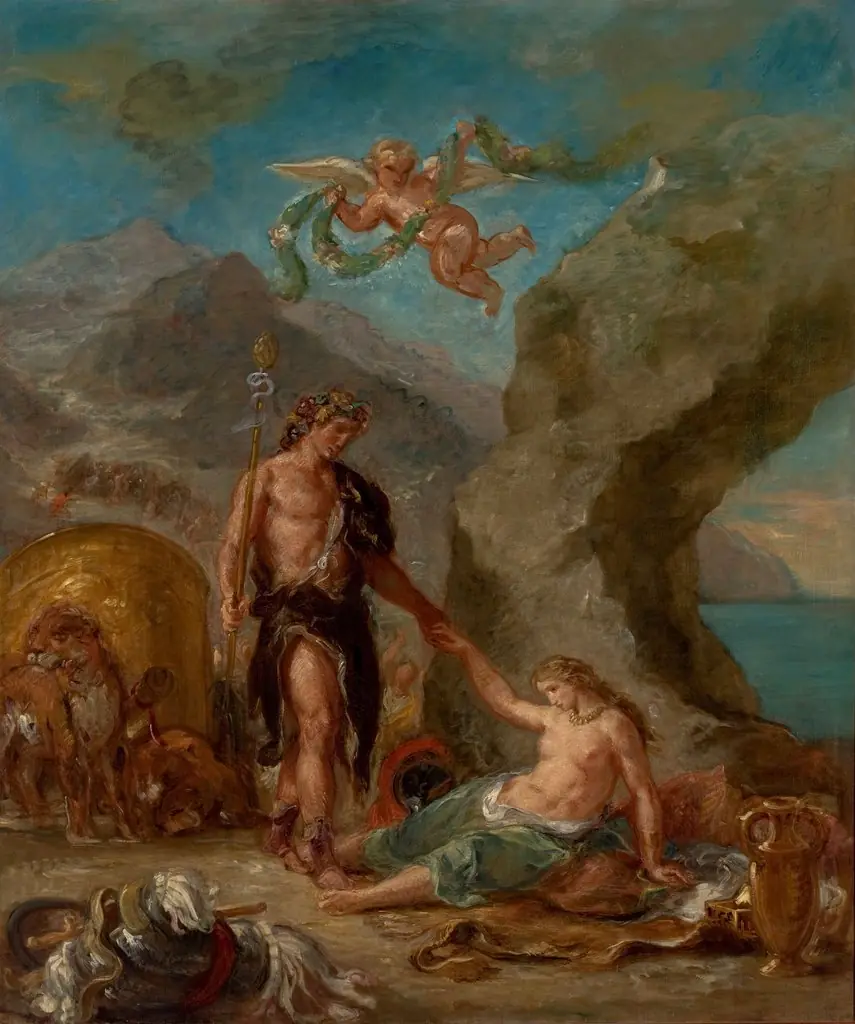 The Autumn - Baccus and Ariadne
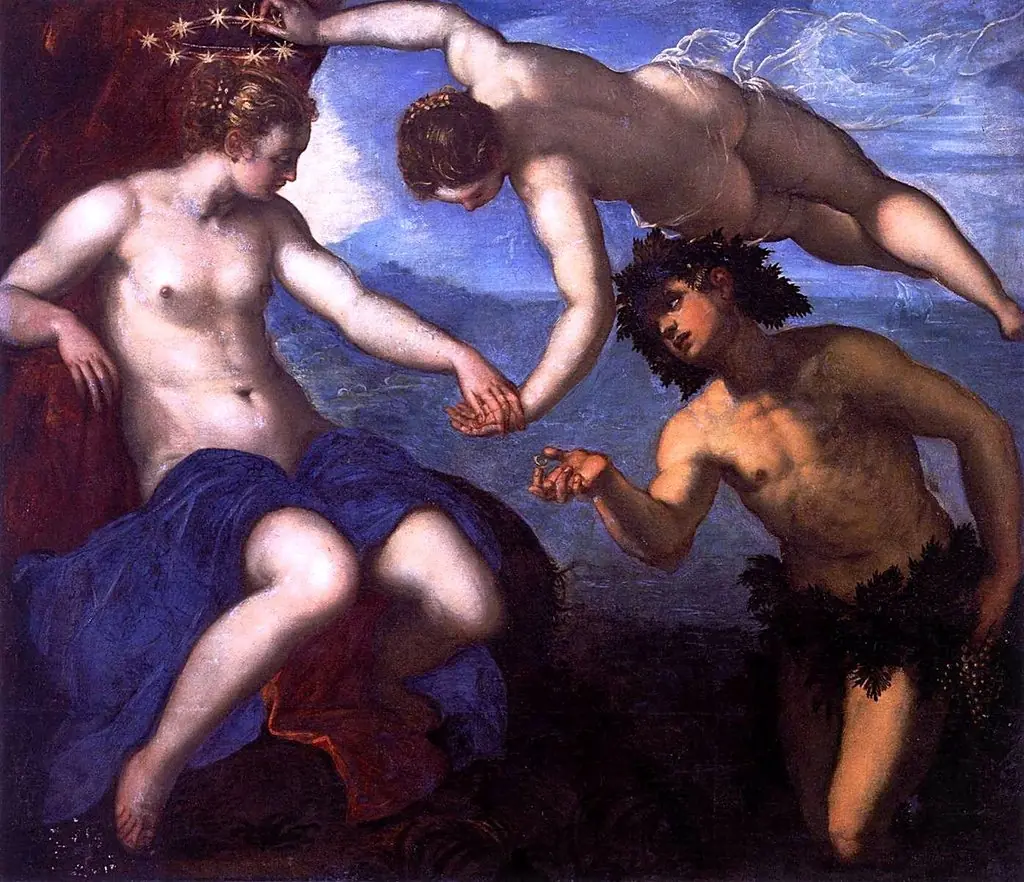 Bacchus, Venus and Ariadne
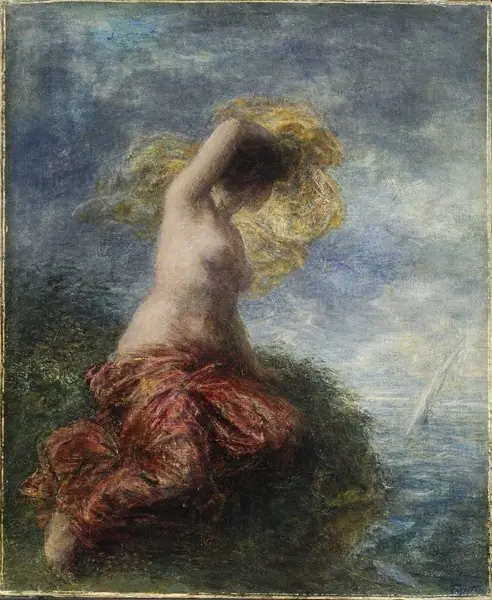 Ariane abandonnée
Frequently asked questions
What is Ariadne?
Ariadne is a genus of nymphalid butterflies, commonly called castors, found from Sub-Saharan Africa to South-East Asia.
How many Ariadne works does Artifact World Gallery have?
Artifact World Gallery holds 24 public-domain Ariadne works, all free to view and download.
Who are the key Ariadne artists?
Key Ariadne artists in the collection include Henry Bone, Jacopo Tintoretto and Asher Brown Durand.
Where can I see Ariadne works?
Ariadne works in the collection are held by Statens Museum for Kunst, Metropolitan Museum of Art and Staatliche Kunstsammlungen Dresden.