Subject
Fichu
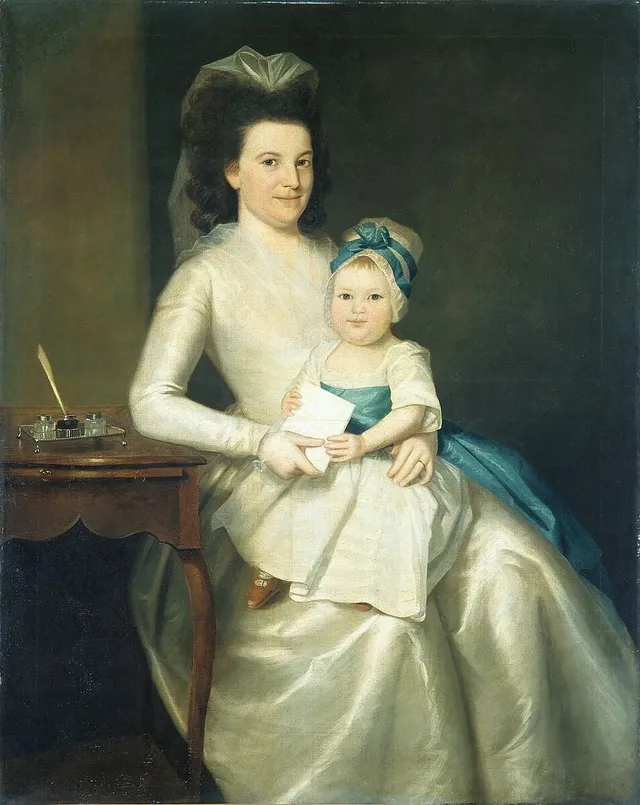
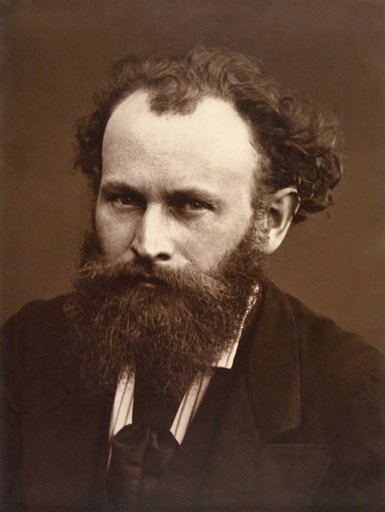
Fichu is a subject in art. The gallery holds 47 works in this subject in art, including works by Ralph Earl, Édouard Manet and Marie-Denise Villers.
A fichu (, from the French "thrown over") is a large, square kerchief worn by women to fill in the low neckline of a bodice. Similar to a pelerine.
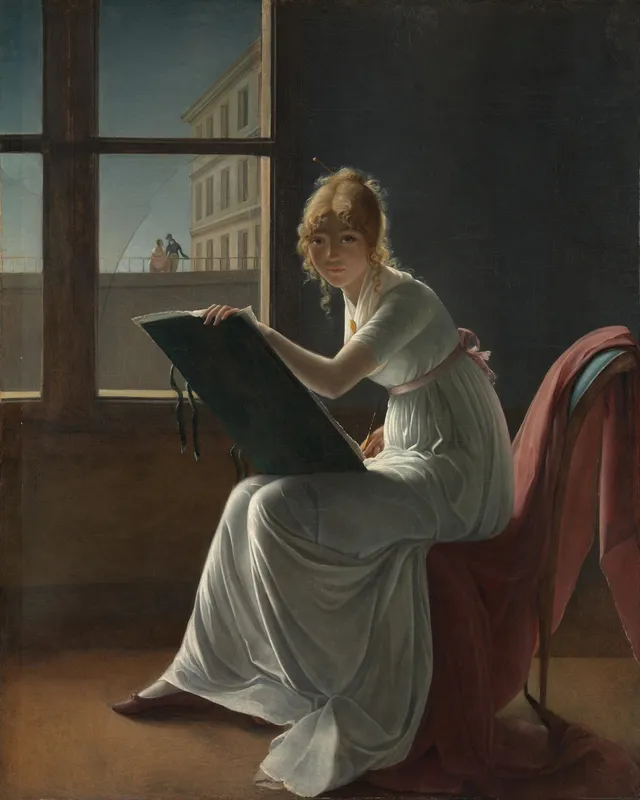
Key artists

Overview
A fichu, a term derived from the French for thrown over, is a large, often sheer square kerchief or scarf worn by women. Folded diagonally into a triangle, it is tied, pinned, or tucked into the front of a bodice to fill in a low neckline, similar to a pelerine. Originating in the United Kingdom in the 18th century, the fichu remained popular there, in France, and in the United States throughout the 19th century. It was typically made of linen or cotton fabric, though later examples and those in traditional costumes utilized silk, sometimes with fringe or embroidery, and 18th century variations also employed printed cotton fabric.
Iconography & meaning
In visual representations, the fichu carries a dual iconographic function rooted in modesty and fashion. It served the practical and moral requirement of covering the décolleté neckline, adhering to contemporary standards of decency, particularly for women of the lower and middle classes. Conversely, it could also project an erotic meaning depending on its arrangement. When draped in a revealing manner, or deliberately puffed over the chest as was fashionable in the 1780s to create an illusion of greater volume, the fichu operated as a tool of seduction rather than concealment. A brooch was sometimes used to fasten the fichu at the front, concealing the closure of the décolleté while adding a decorative element.
Across movements & periods
The treatment and material of the fichu evolved significantly from the 17th century onward. Initially a garment primarily for lower and middle class women, it fulfilled a warming function necessitated by the era's deep necklines. During the 18th century, printed cotton versions expanded its visual presence in art. By the 1780s, the styling of the fichu shifted toward deliberate exaggeration, with wearers puffing it out over the chest. In the 19th century, the fichu transitioned into a component of most traditional folk costumes, at which point silk became a common material alongside the standard white linen or cotton. The cross-over fichu, which sometimes extended all the way to the back or included a large over-the-shoulders back piece, resembles a poncho that covers only the shoulders and chest, a silhouette found in several traditional cultures.
Legacy
The fichu left a lasting legacy as it transitioned from a ubiquitous fashion accessory into a defining component of regional folk costumes. While it faded from mainstream high fashion by the end of the 19th century, its structural influence persisted in later neckwear and shoulder coverings. Art historical studies of 18th century portraiture and costume continue to rely on the fichu as a key indicator of social class, regional identity, and the subtle visual cues of modesty and allure in historical dress.
Works
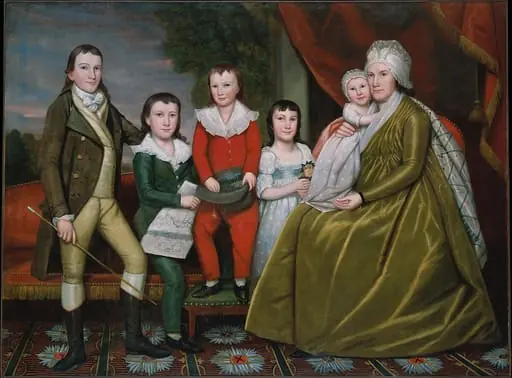 Mrs. Noah Smith and Her Children
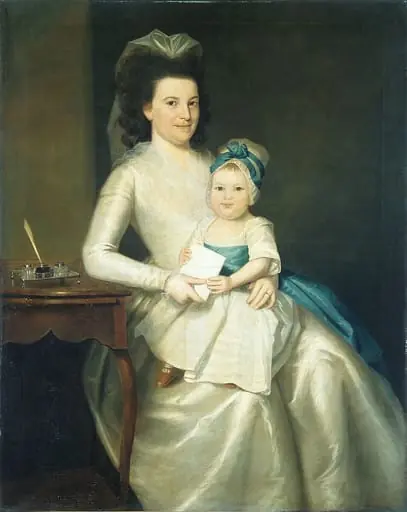 Lady Williams and Child
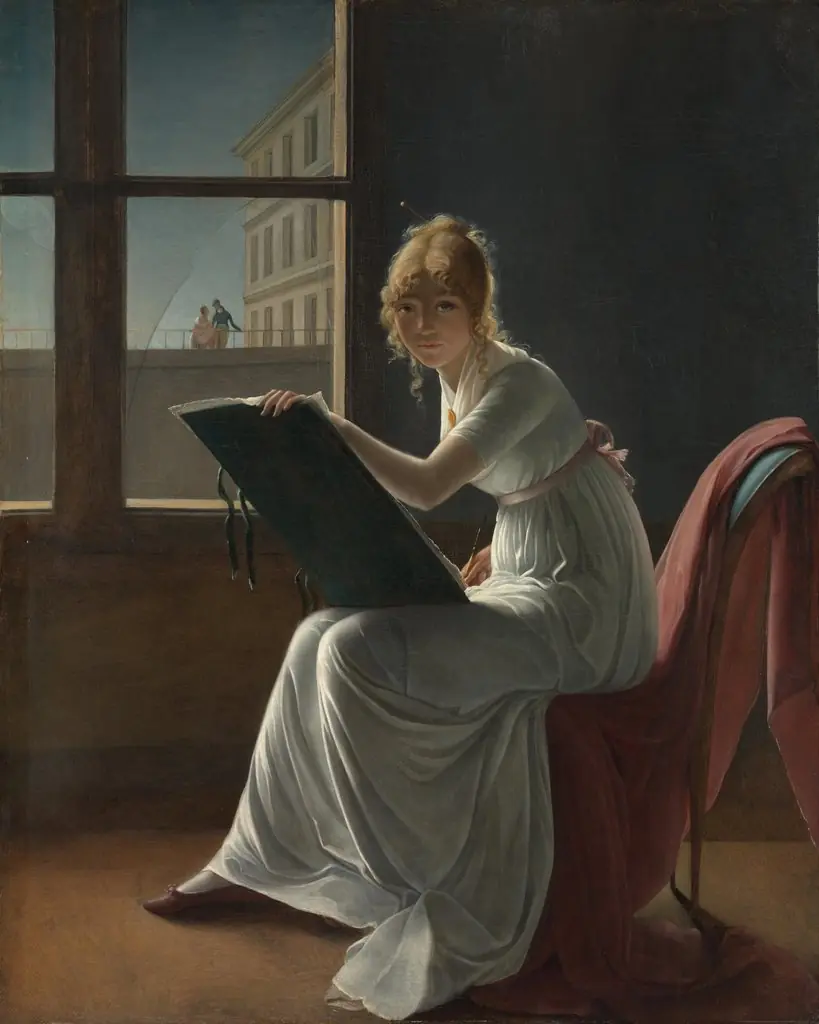 Portrait of Charlotte du Val d'Ognes
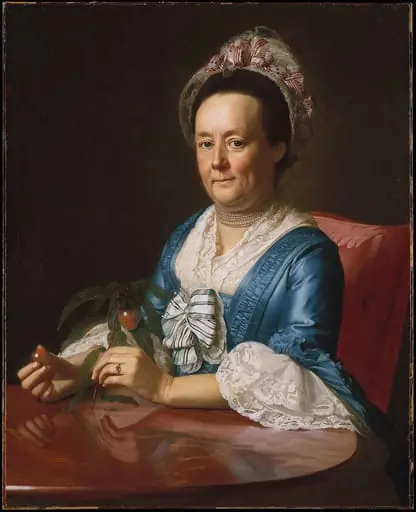 Mrs. John Winthrop
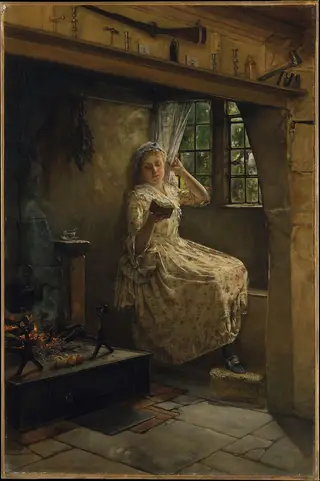 A Cosey Corner
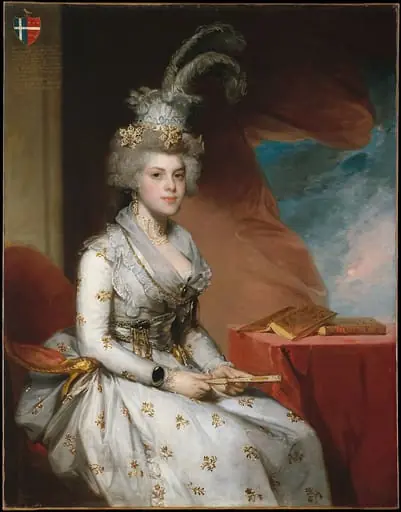 Matilda Stoughton de Jaudenes
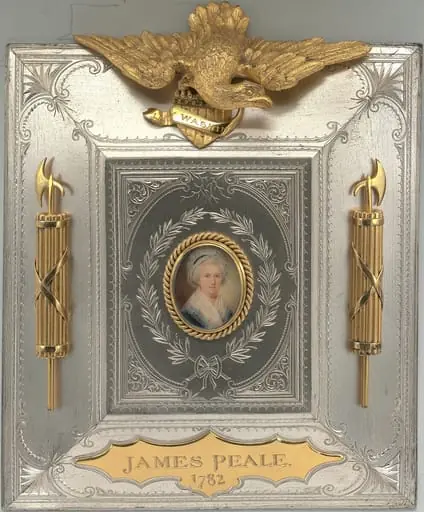 Martha Washington
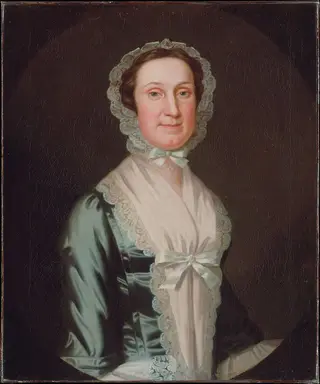 Mrs. Joseph Reade
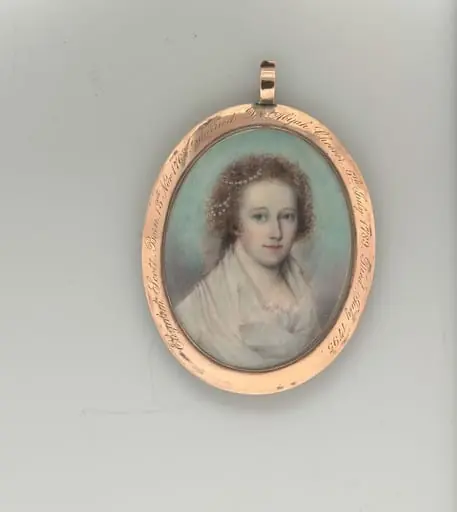 Mrs. Abijah Cheever (Elizabeth Scott)
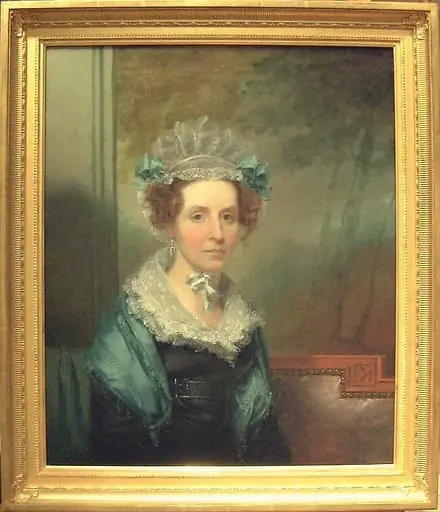 Mrs. Charles Cummings (Rebecca Pittard)
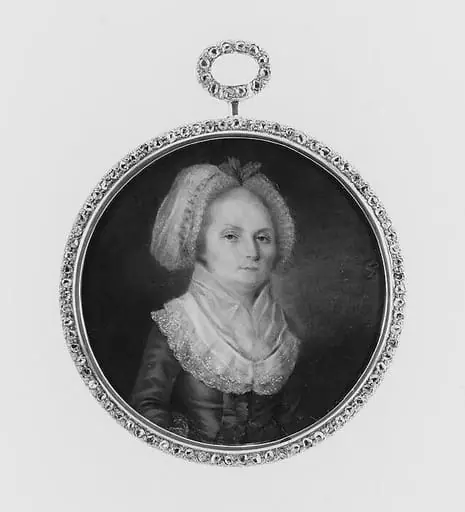 Portrait of a Lady
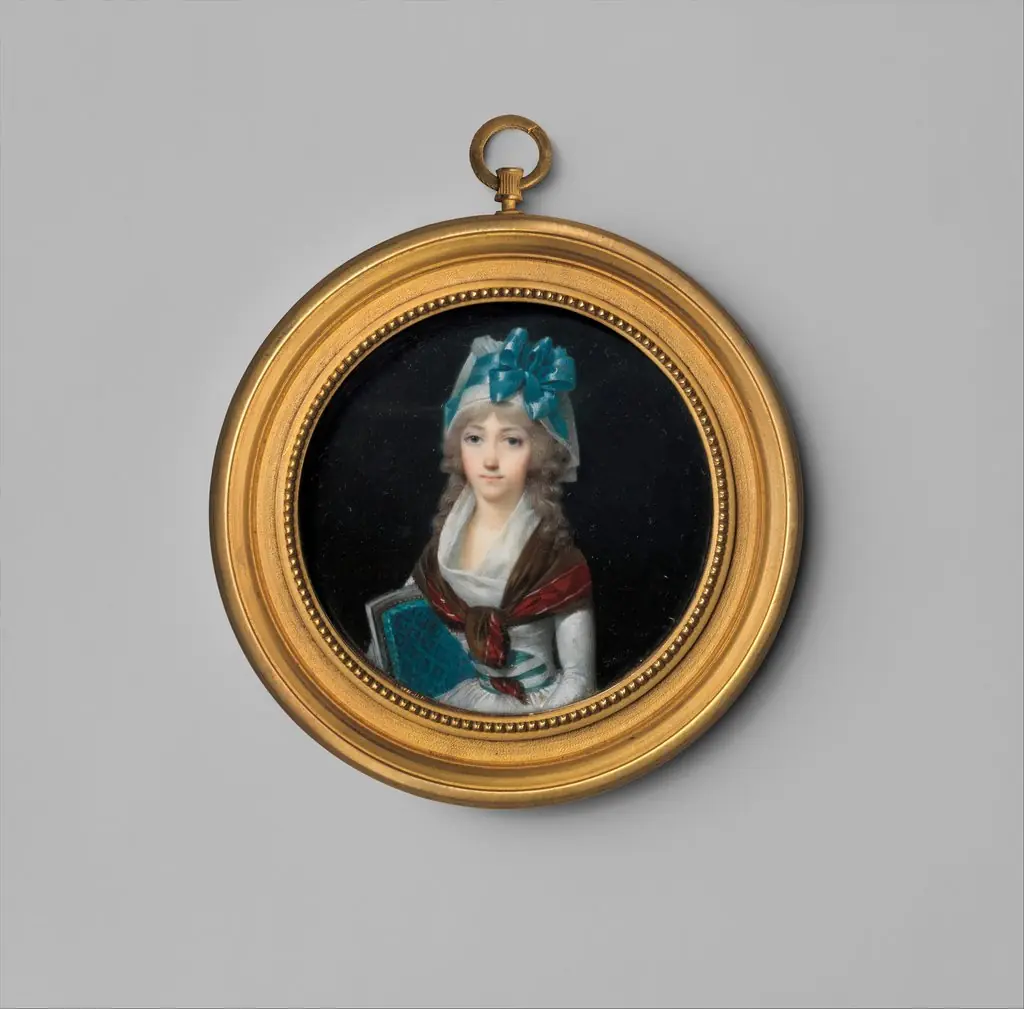 Portrait of a Woman
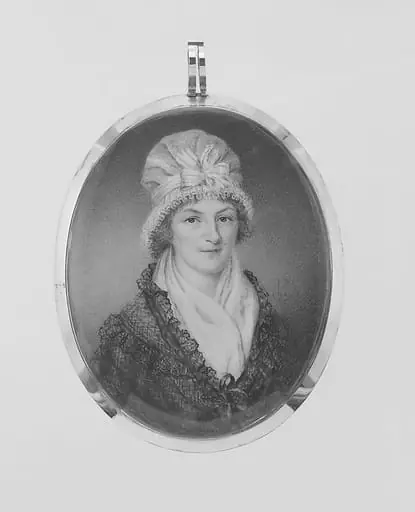 Mrs. Joseph Cooper (Mary Justice)
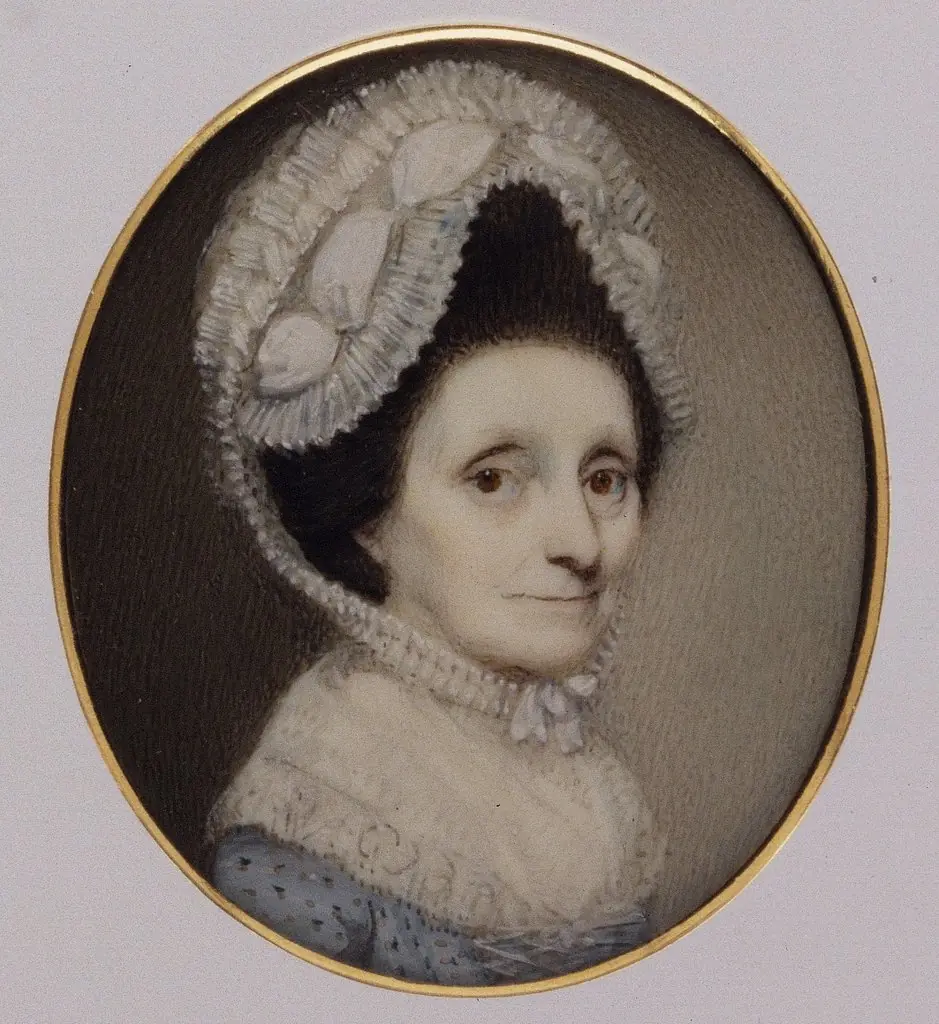 Mrs. Peter De Lancey (Elizabeth Colden, 1720–1784)
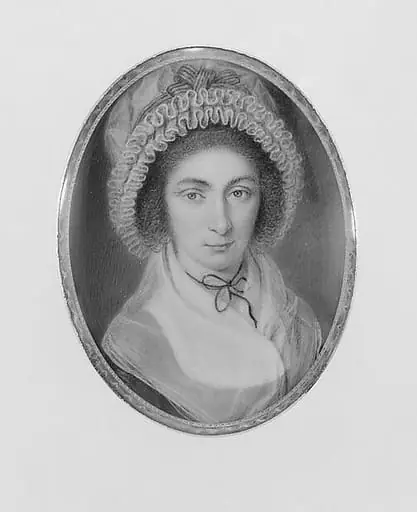 Mrs. John McAllister (Frances Wardale)
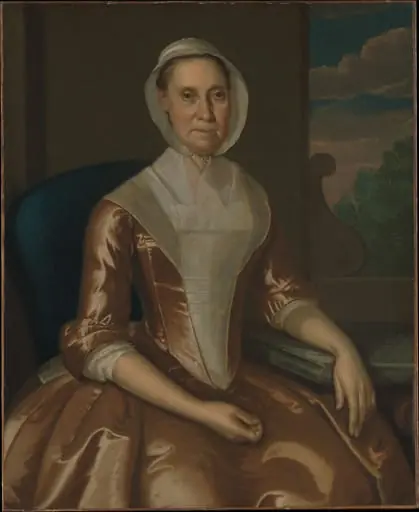 Mrs. Richard Galloway
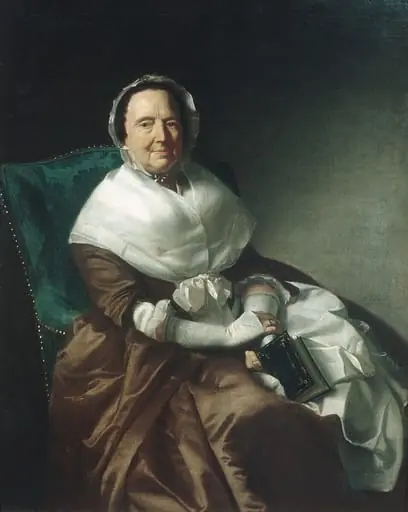 Mrs. Sylvanus Bourne
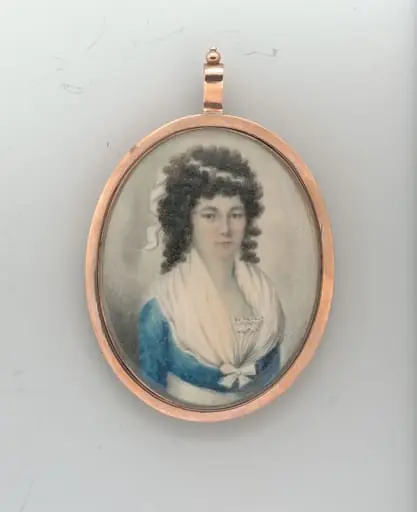 Portrait of a Lady
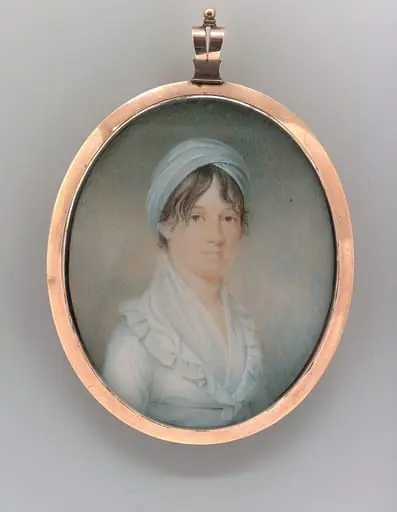 Mrs. Jonathan Pinkney, Jr. (Elizabeth Munroe)
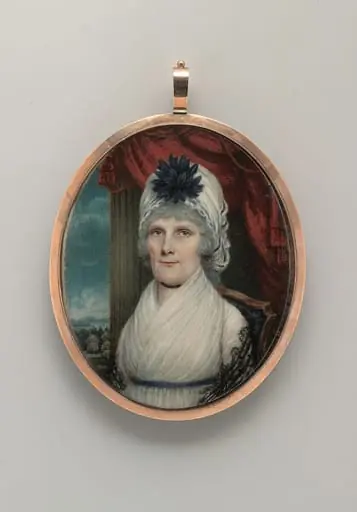 Portrait of a Lady
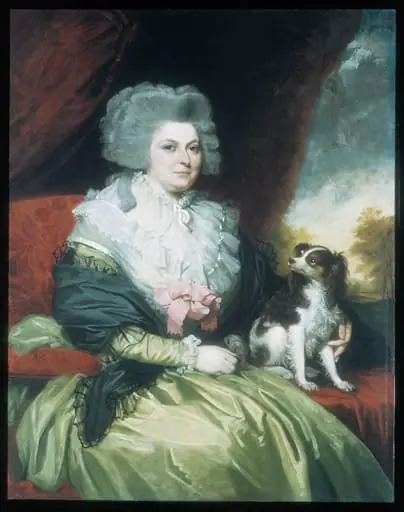 Lady with a Dog
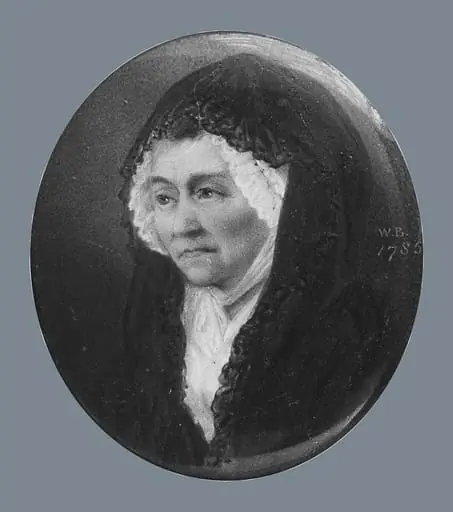 Mary Birch
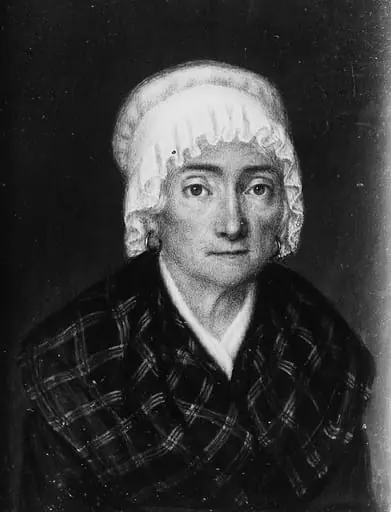 Mrs. Daniel Strobel Jr. (Anna Church)
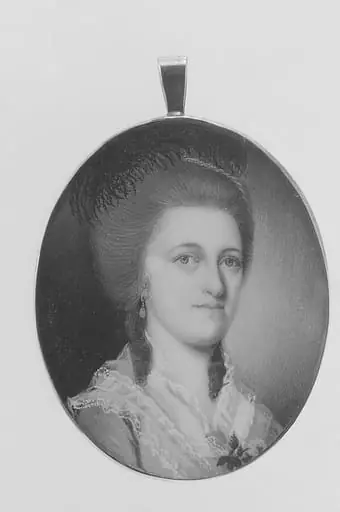 Portrait of a Lady
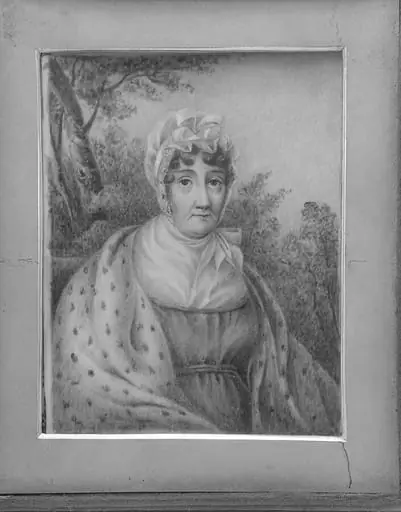 Mrs. Teakes
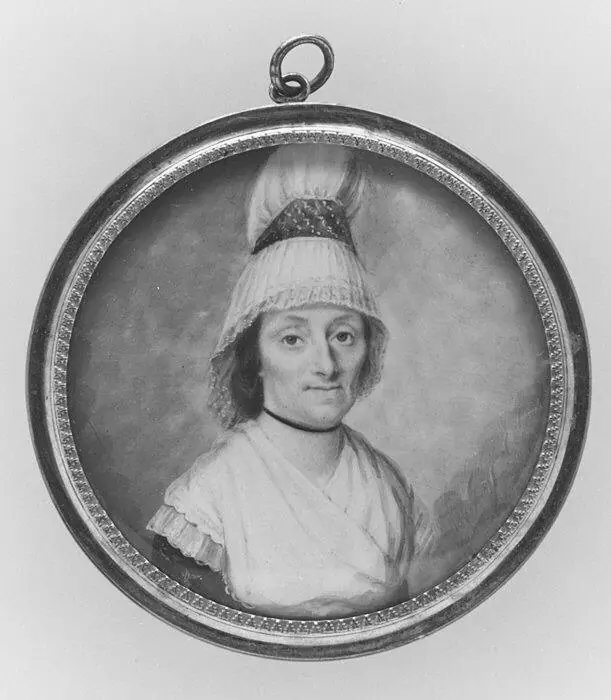 Portrait of a Woman
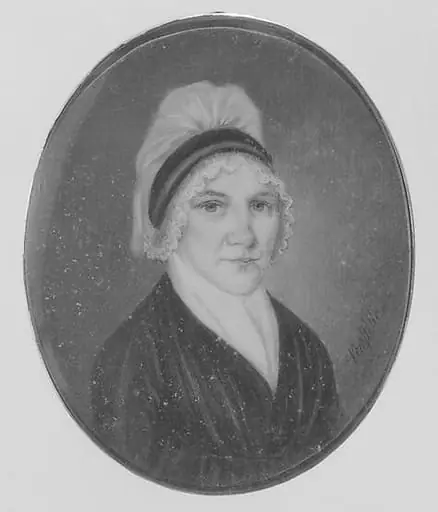 Mrs. Anstis Stone
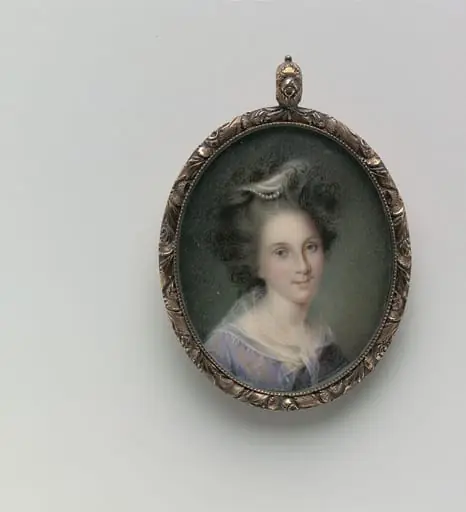 Mrs. Charles Willson Peale (Rachel Brewer)
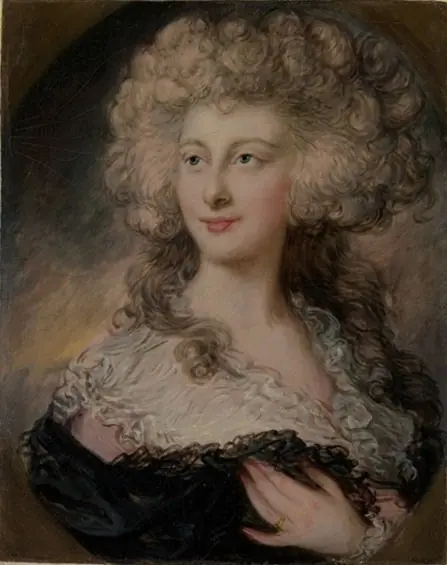 Anne Elizabeth Cholmley (1769–1788), Later Lady Mulgrave
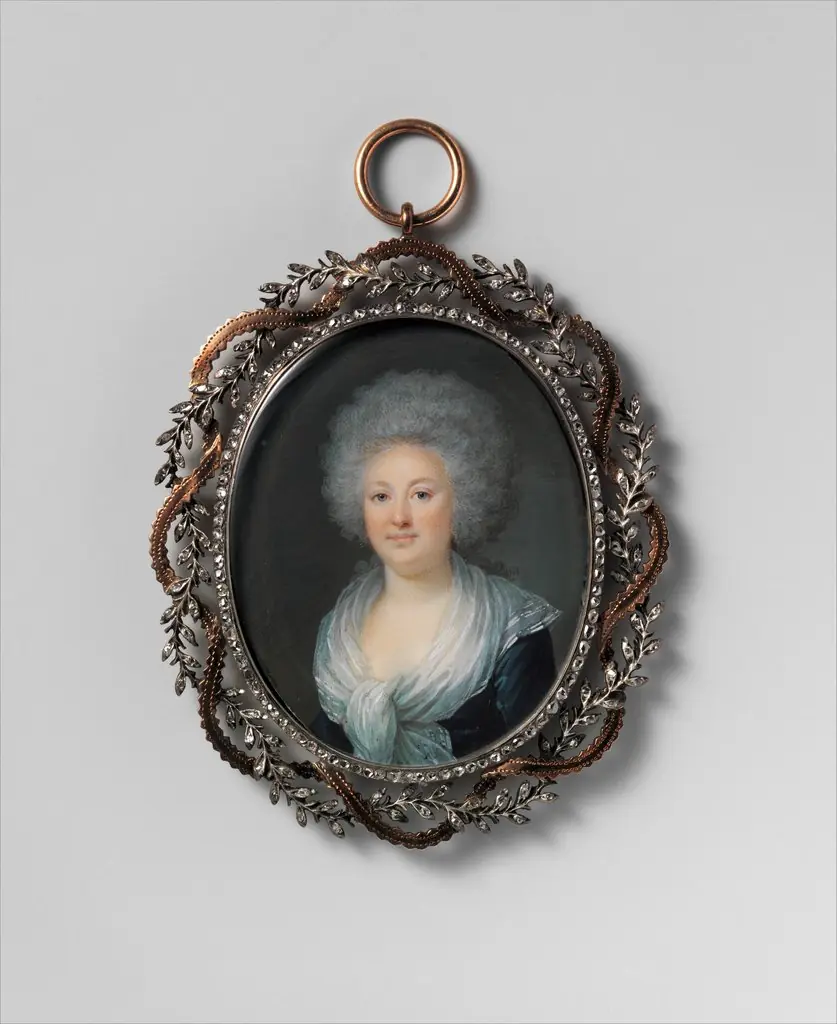 Portrait of a Woman
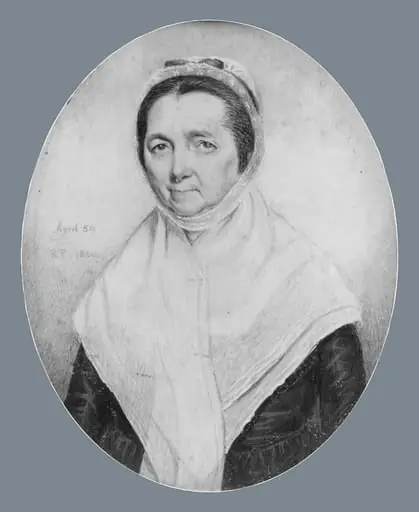 Mrs. John Montgomery (Sarah Diemer)
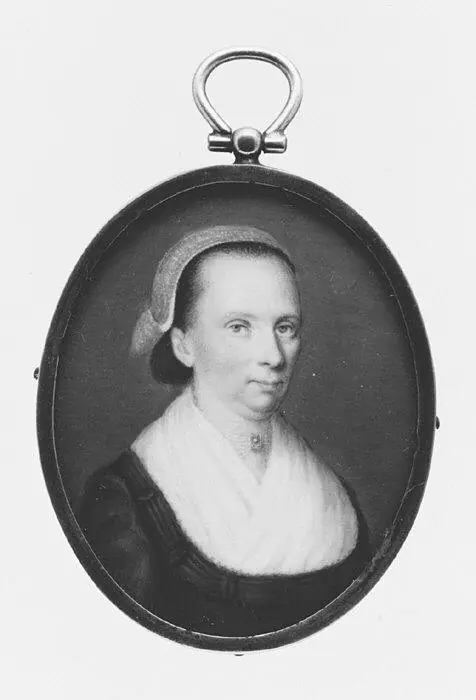 Portrait of a Woman
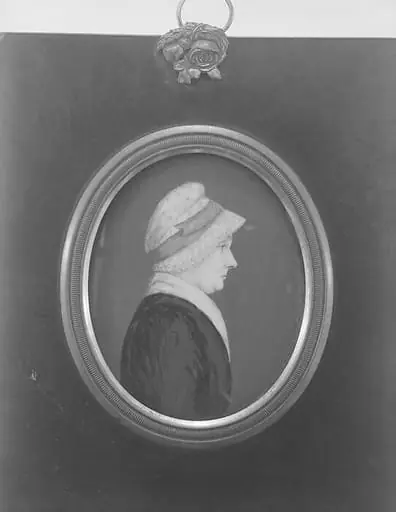 Mrs. David Howe (Sarah Whitney)
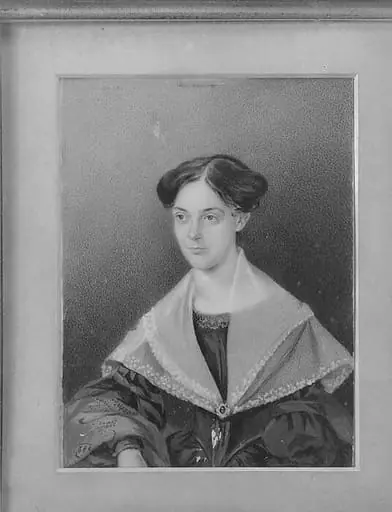 Aunt Rhoda
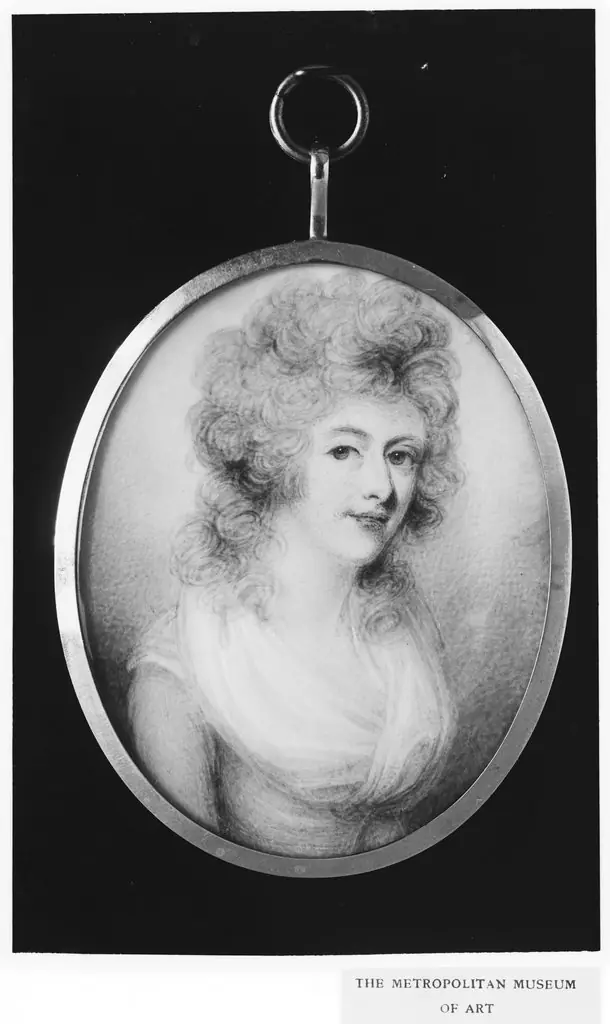 Portrait of a Woman, Said to Be Lady Sophia Boyle
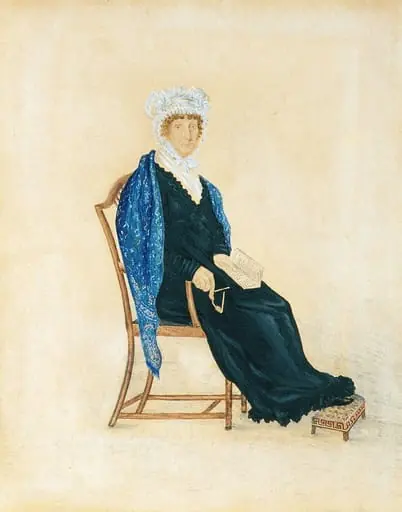 Portrait of Mrs. Crofts
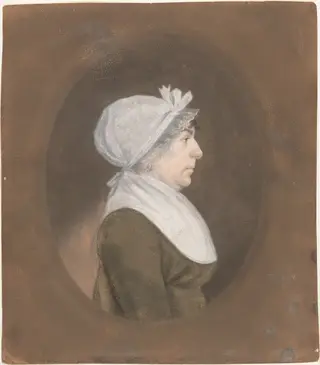 Dorothea Hart
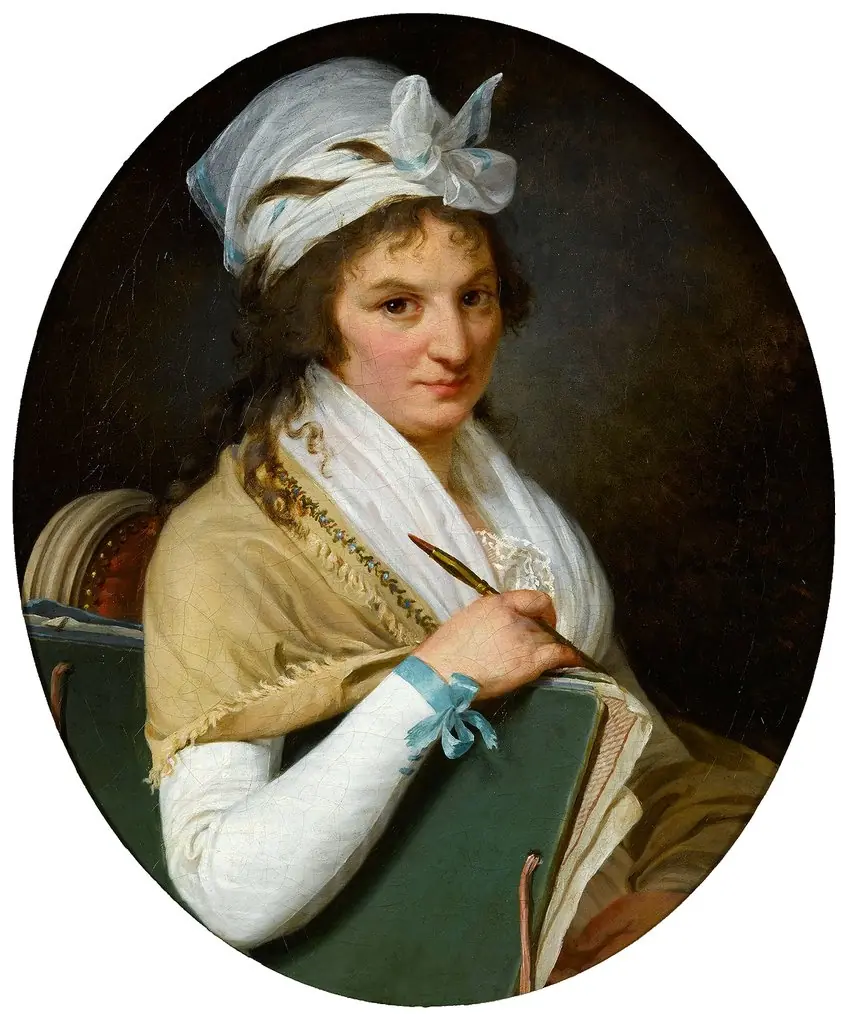 Self-portrait
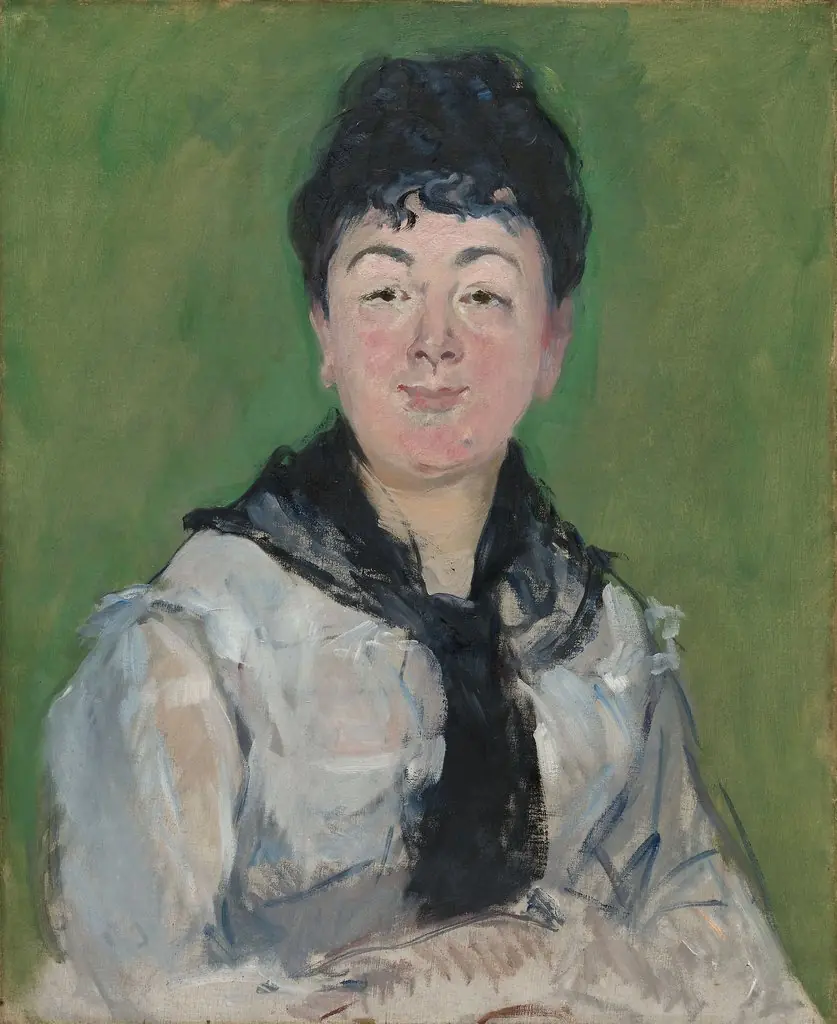 Portrait of a Woman with a Black Fichu
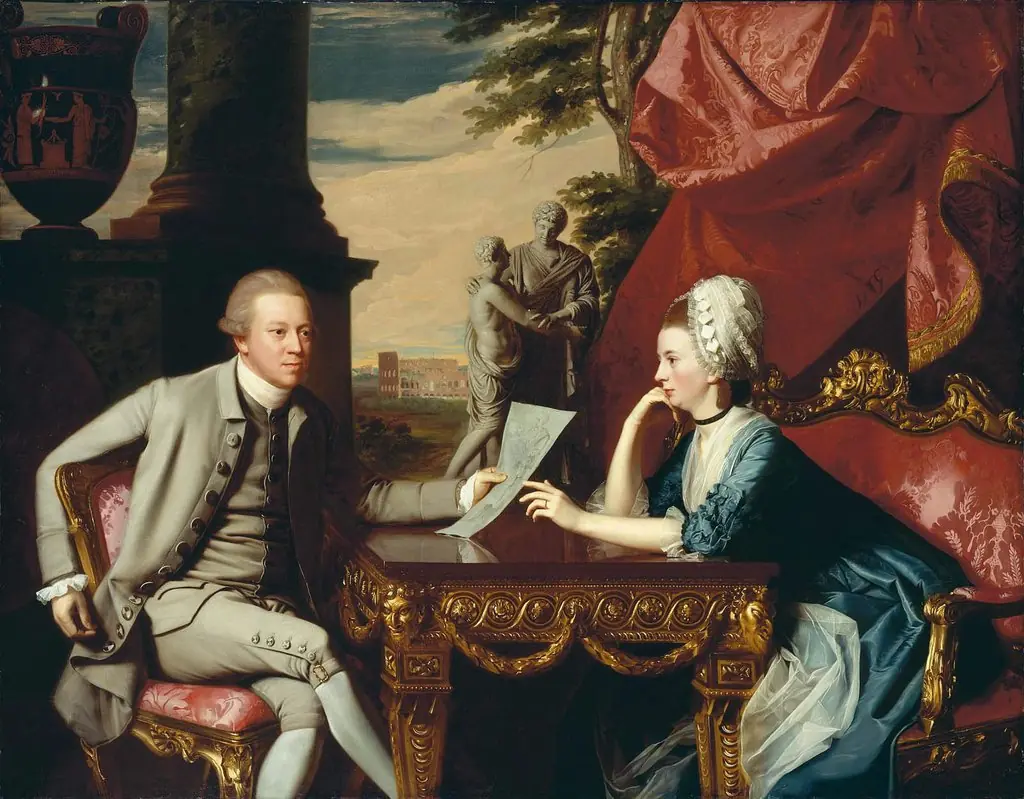 Mr. and Mrs. Ralph Izard (Alice Delancey)
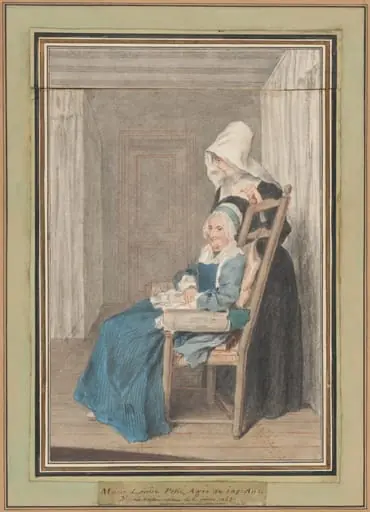 Marie Louise Petit at the Age of 105, with Her Young Nurse
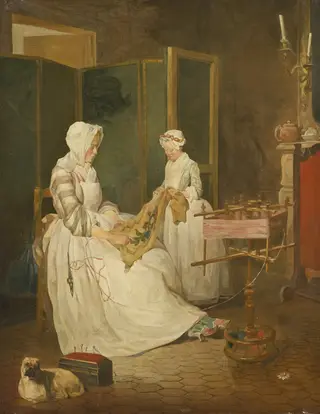 The Diligent Mother
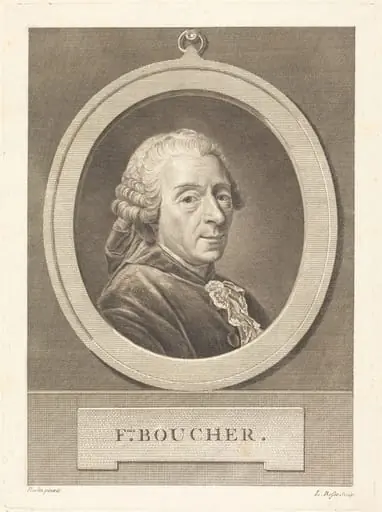 Francois Boucher
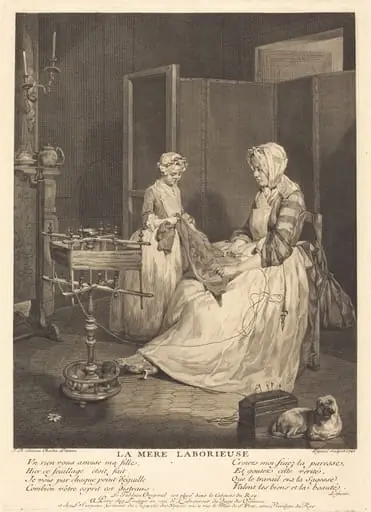 La Mere laborieuse
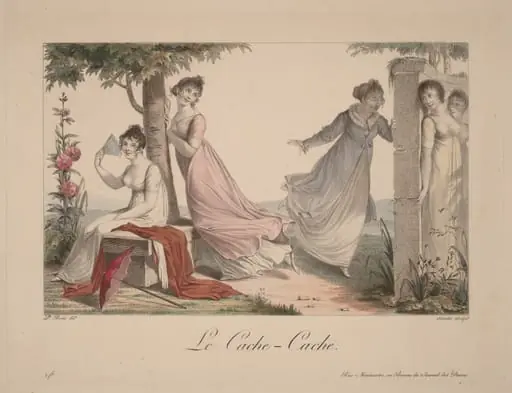 La cache-cache
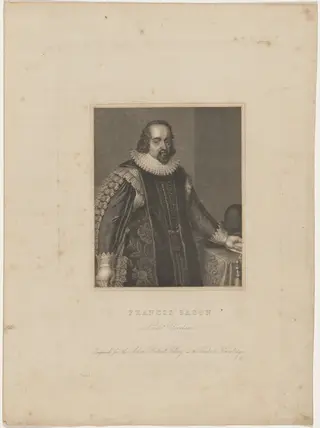 Francis Bacon, Lord Verulam
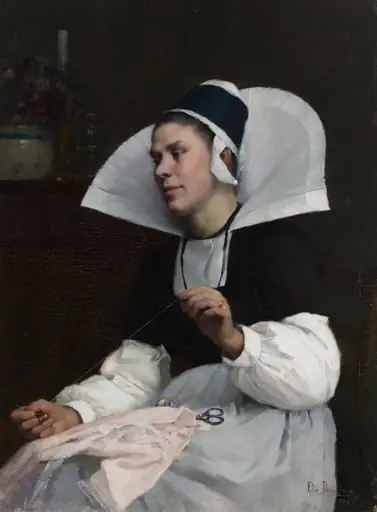 Nuori äiti
Frequently asked questions
What is Fichu?
Fichu is a subject in art. A fichu (, from the French "thrown over") is a large, square kerchief worn by women to fill in the low neckline of a bodice.
How many Fichu works does Artifact World Gallery have?
Artifact World Gallery holds 47 public-domain Fichu works, all free to view and download.
Who are the key Fichu artists?
Key Fichu artists in the collection include Ralph Earl, Édouard Manet and Marie-Denise Villers.
Where can I see Fichu works?
Fichu works in the collection are held by Metropolitan Museum of Art, National Gallery of Art and Nationalmuseum.