
Subject
Adonis
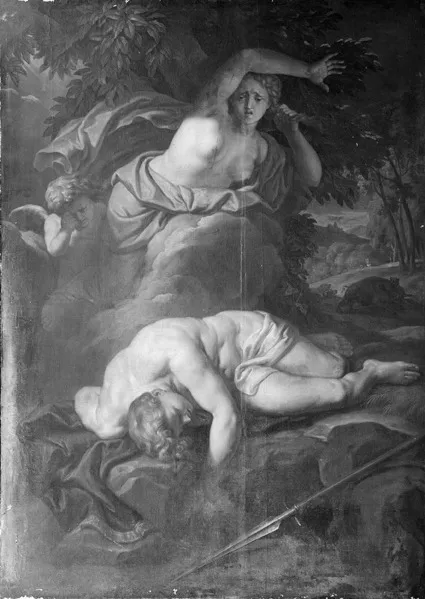
Adonis is a subject in art. The gallery holds 43 works in this subject in art, including works by Titian, Paolo Veronese and Ferdinand Bol.
Adonis is a genus of about 20–30 species of flowering plants in the buttercup family, Ranunculaceae, native to Europe and Asia. The species grow to 10–40 centimetres (3.9–15.7 in) in height, with feathery, finely divided leaves.
Key artists

Overview
Adonis is a figure from Greek mythology whose story has served as a durable subject in Western art from the Renaissance through the Baroque and beyond. The beautiful youth, beloved of the goddess Aphrodite (Venus in Roman tradition), became a favored motif for painters exploring themes of desire, mortality, and the tension between love and death. His myth offered artists a narrative of erotic pursuit, divine passion, and tragic loss that could be rendered with both sensual appeal and moral weight. The subject's persistence in art is inseparable from its treatment by Titian in the sixteenth century, whose compositions established the visual vocabulary that subsequent generations of artists would emulate and transform.
Iconography & meaning
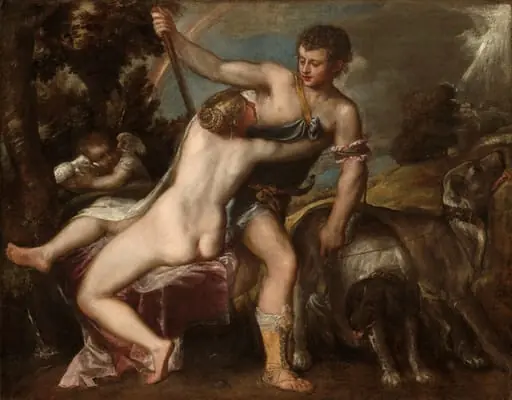
The iconography of Adonis centers on several recurring episodes from his myth. Artists most commonly depicted the moment of separation between Venus and Adonis, when the youth, eager for the hunt, pulls away from the goddess's embrace. This scene, not found in classical literary sources, was Titian's invention and became the dominant pictorial convention. Attributes in these works typically include Adonis's hunting gear, his hounds, and Cupid sleeping or present as witness. The sleeping Cupid signifies that this is not a time for love, while the chariot in the sky, variously interpreted as Venus's own vehicle, Apollo, or Sol, signals the dawn and the urgency of departure. The boar that will kill Adonis may appear in the distance, prefiguring the tragedy. Other scenes from Adonis's life include his birth from the myrrh tree, his beauty as a youth, and his death with anemones springing from his blood. Symbolically, the subject carries multiple layers: the fragility of beauty, the inevitability of fate, the conflict between erotic love and masculine duty, and the cyclical nature of life and death. The red anemone or Adonis flower, said to have grown from his blood, became a botanical emblem of resurrection and mourning.
Across movements & periods
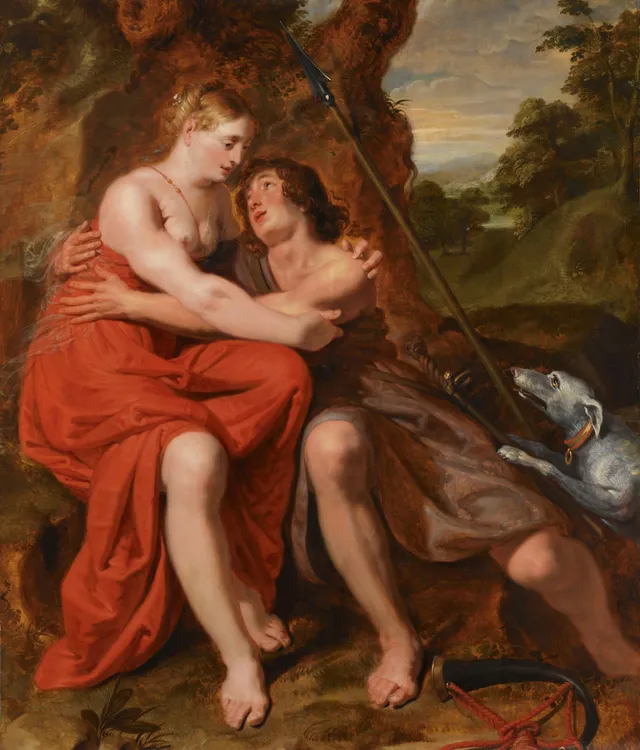
The treatment of Adonis evolved significantly across periods. In the High Renaissance, Titian established the subject as a vehicle for exploring the female nude from multiple viewpoints and for asserting painting's capacity to rival sculpture. His poesie for Philip II of Spain, including Venus and Adonis (1554), represented a new genre of mythological painting conceived as a poetic equivalent rather than mere illustration. The Venetian tradition emphasized color, atmosphere, and sensual immediacy. By the Baroque period, artists such as Rubens reinterpreted the theme with greater physical dynamism and emotional intensity. Rubens's Venus and Adonis, painted in the mid-1630s, shows the influence of his study of Titian's work during his 1628 visit to Madrid, where he made a copy of Titian's composition. Rubens's version, however, shifts emphasis: Adonis appears more focused on the hunt than on Venus, his muscular body and bright red garment asserting masculine agency against the goddess's desperate plea. The lighting becomes more dramatic, with tenebristic contrasts that heighten the emotional tension. Later sculptural treatments, such as Giuseppe Mazzuoli's The Death of Adonis (c. 1680-1709), returned to the tragic climax of the narrative, rendering the mortal wound in marble with Baroque theatricality. The subject's appeal persisted because it allowed artists to negotiate between classical restraint and emotional expressiveness, between ideal beauty and narrative drama.
Notable depictions
The most influential depiction of Adonis is Titian's Venus and Adonis, of which approximately thirty versions from the sixteenth century survive, testifying to its extraordinary popularity. The earliest surviving version, now in the Museo del Prado, Madrid, was dispatched to Philip II in 1554 and measures roughly 160 by 200 cm. A later version in the Metropolitan Museum of Art, New York, from the 1550s (42 x 52.5 inches), entered the Jules Bache Collection in 1949. The Prado version's quality of execution surpasses other versions, with infrared reflectography revealing that Titian transferred the composition from an earlier Moscow painting (1542-1546) by tracing, then made adjustments. Peter Paul Rubens's Venus and Adonis, now in the Metropolitan Museum accessioned as object number 37.162, was painted in the mid-1630s and measures 77 3/4 x 95 5/8 inches with added strips. It was given to the Met in 1937 by Harry Payne Bingham, who had loaned it since 1920. The painting's provenance includes the Elector of Bavaria, Joseph I, Holy Roman Emperor, and the Dukes of Marlborough at Blenheim Palace. Rubens's work underwent significant restoration at the Met, where removal of discolored varnish revealed its original brilliance and allowed more precise dating. Giuseppe Mazzuoli's marble sculpture The Death of Adonis (c. 1680-1709), 193 cm in height, is held at the State Hermitage Museum, St. Petersburg.
Legacy
The legacy of the Adonis subject in art extends beyond individual masterpieces to encompass broader cultural patterns. Titian's invention of the departure scene, criticized by contemporaries such as Raffaello Borghini for departing from Ovid, nonetheless established a new pictorial tradition that writers in turn drew upon. The mutual influence between visual and literary arts is exemplified by the possible connections between Titian's compositions and works by Diego Hurtado de Mendoza and Ludovico Dolce, though scholars now debate whether these writers inspired or were inspired by the painter. The subject's erotic charge, particularly the novel presentation of Venus's buttocks and her active attempt to restrain Adonis, provoked strong contemporary responses, the Spanish ambassador to Venice judging Titian's work demasiado lascivo. This quality ensured the theme's commercial reproduction while also raising sleeper Cupid and other details became standardized iconographic elements. The poesie as a series, including Venus and Adonis, demonstrated that mythological painting could achieve the status of poetry, influencing subsequent patronage of such cycles. In botanical and medical contexts, the name Adonis transferred to the flowering plant genus, with Adonis vernalis entering American eclectic medicine collections by the 1920s as part of a distinctively American materia medica. The Adonis Museum in Koili, Cyprus, near the mythologically associated Adonis Baths Waterfalls, preserves this cultural heritage for contemporary visitors.
Works
 Venus and Adonis
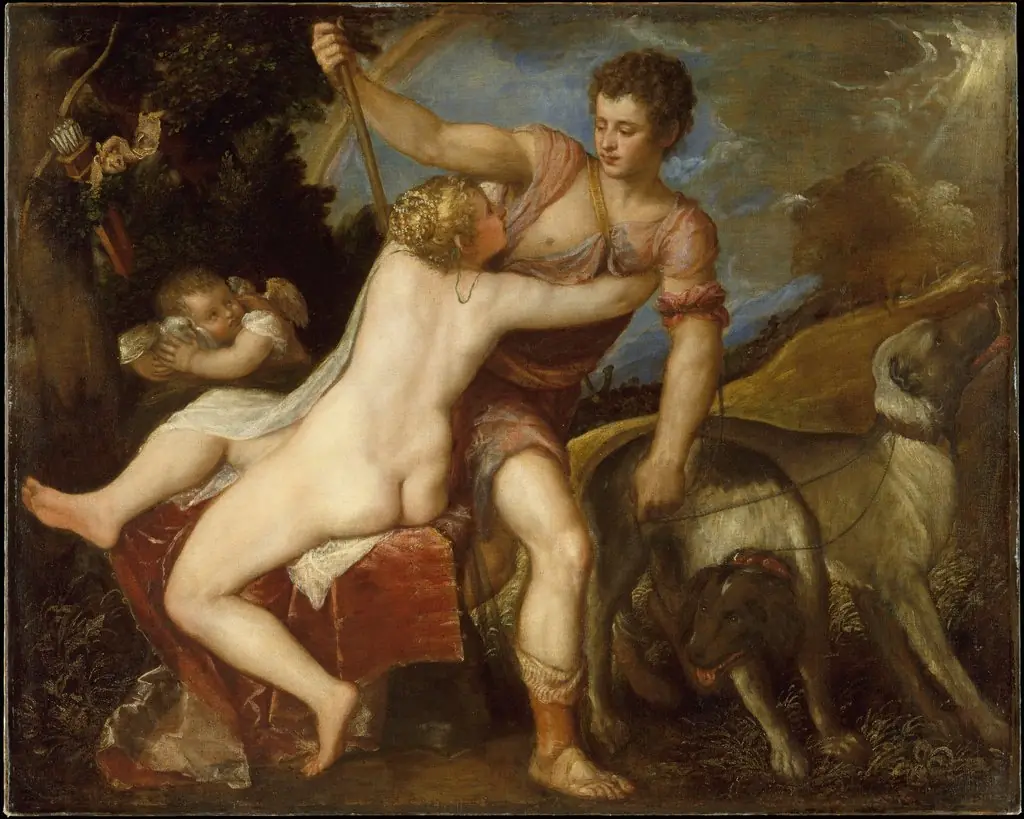 Venus and Adonis
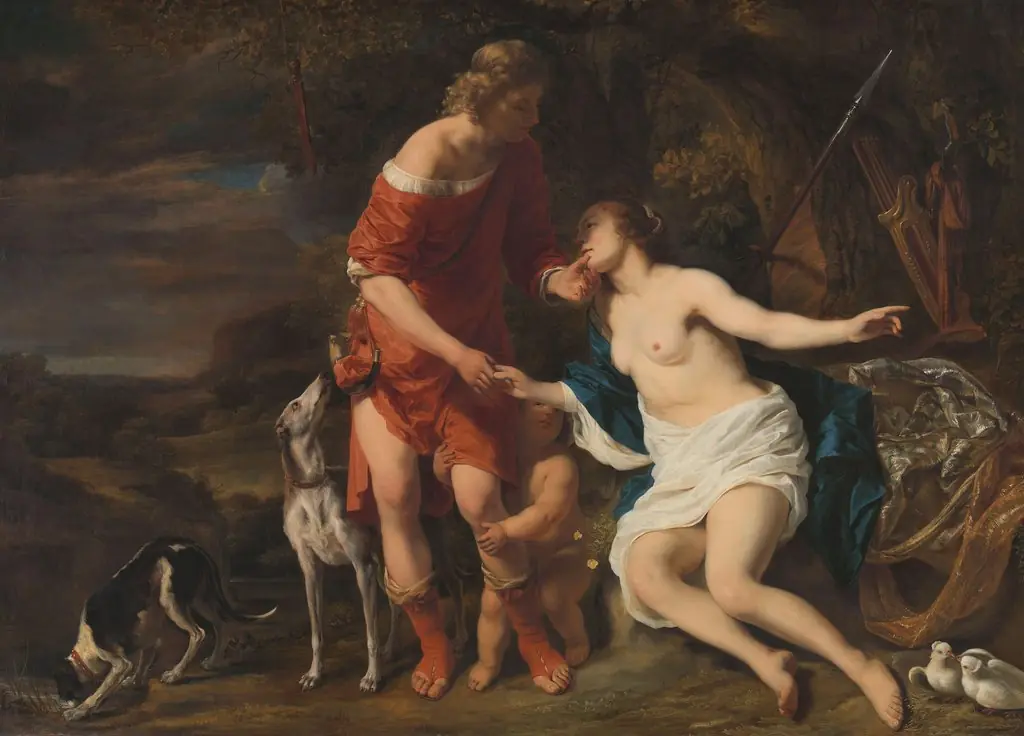 Venus and Adonis
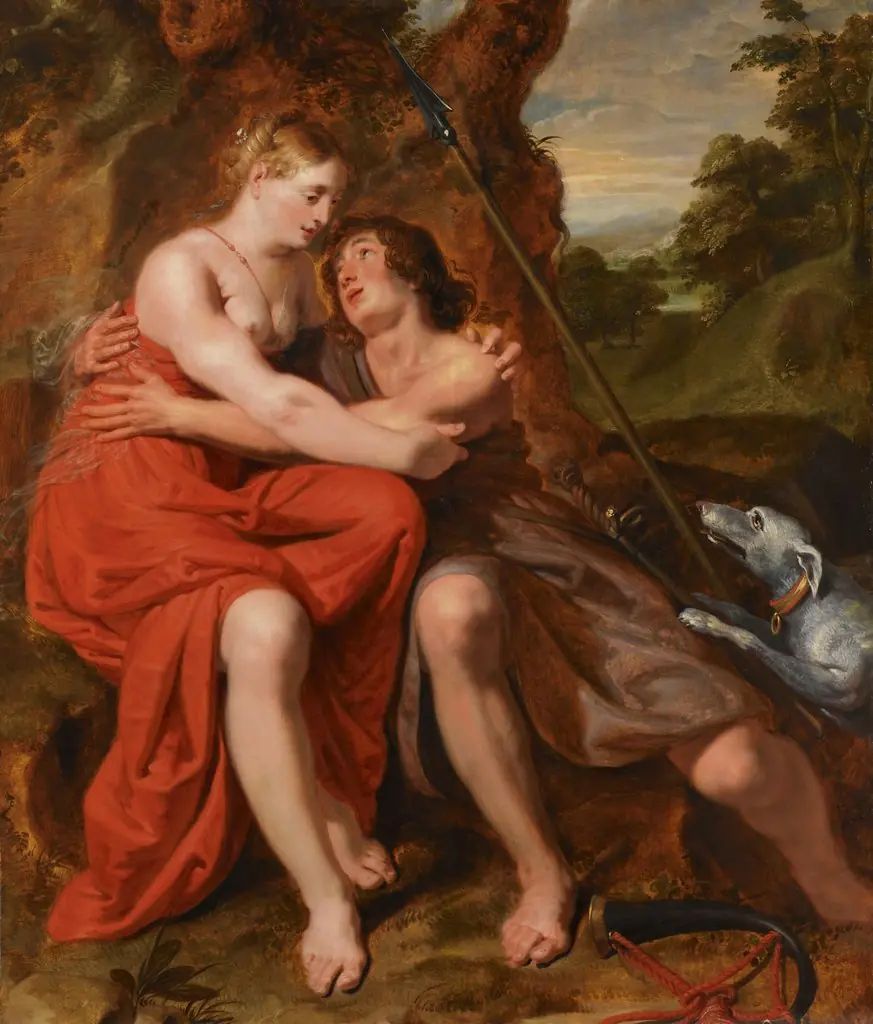 Venus and Adonis
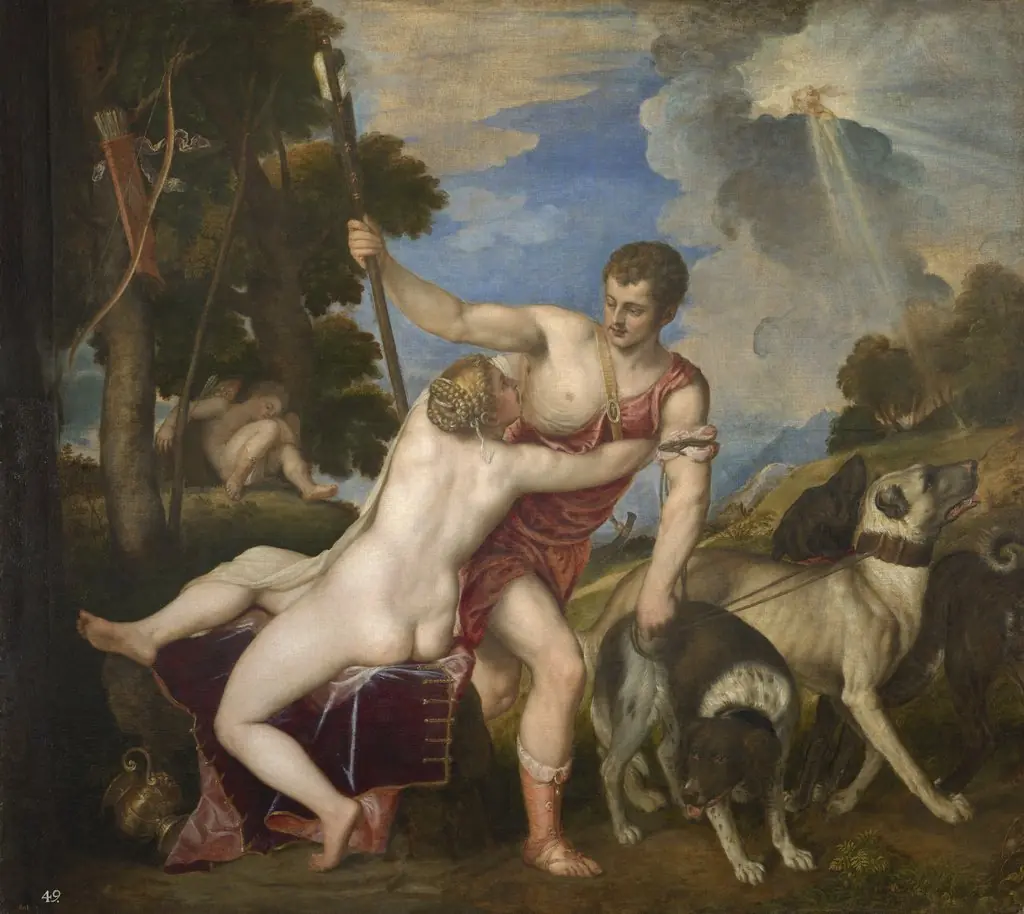 Venus and Adonis
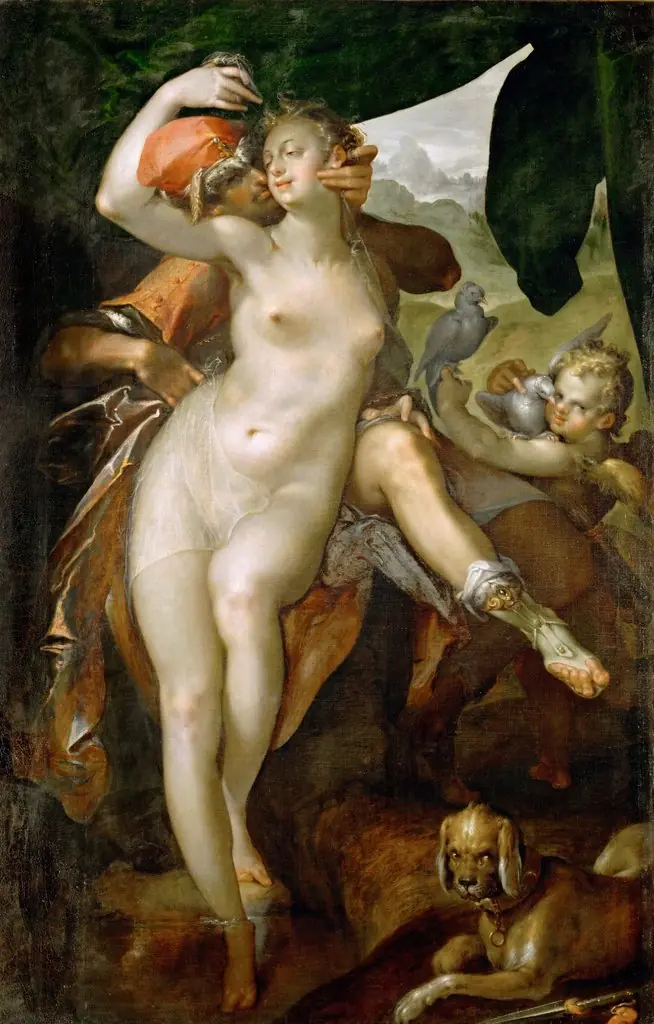 Venus and Adonis
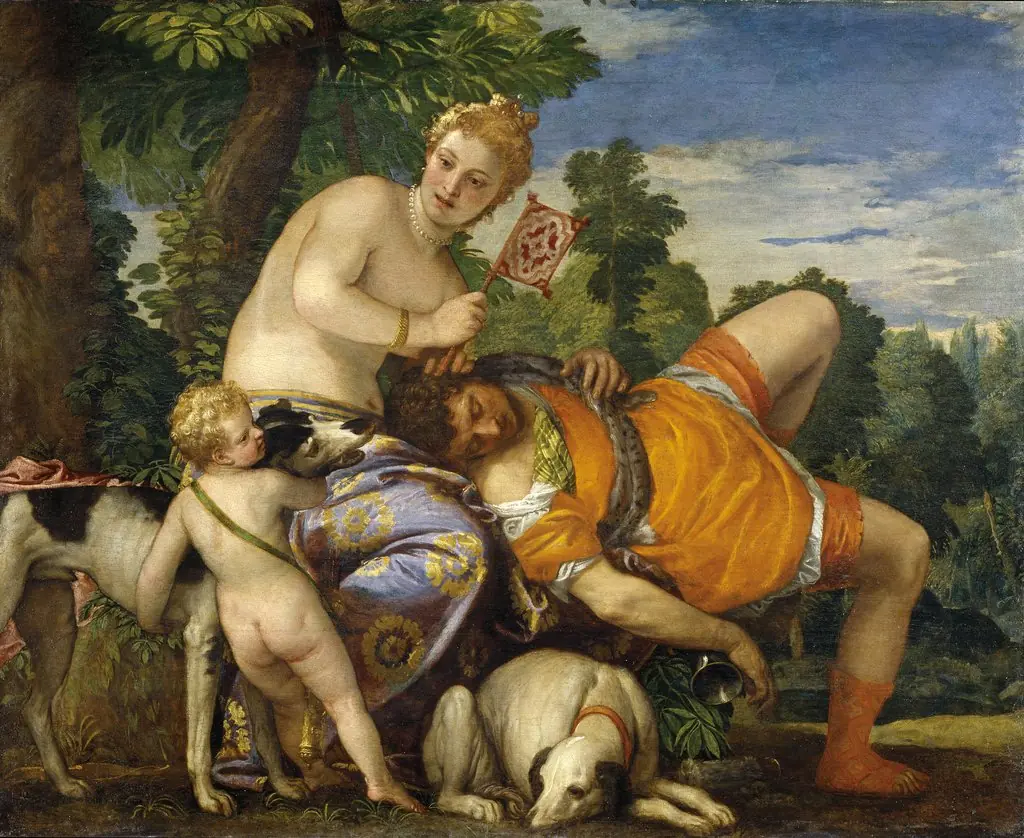 Venus and Adonis
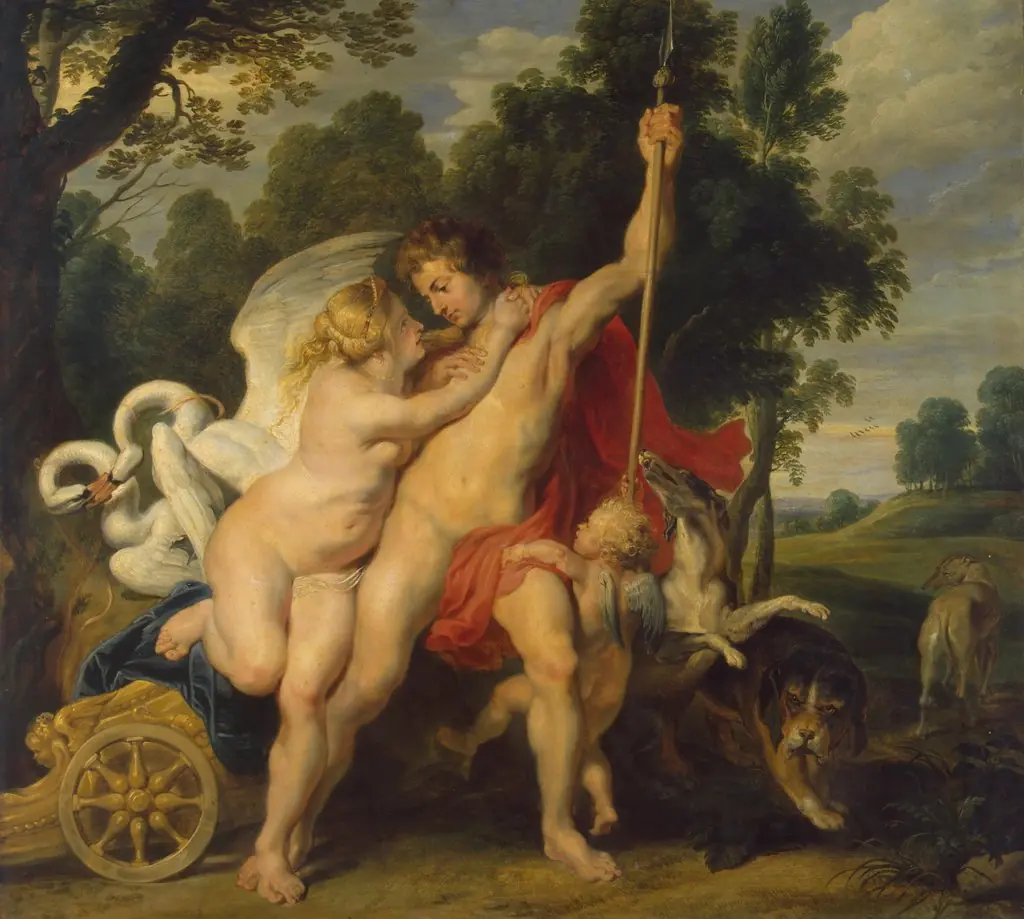 Venus and Adonis (Rubens, 1614)
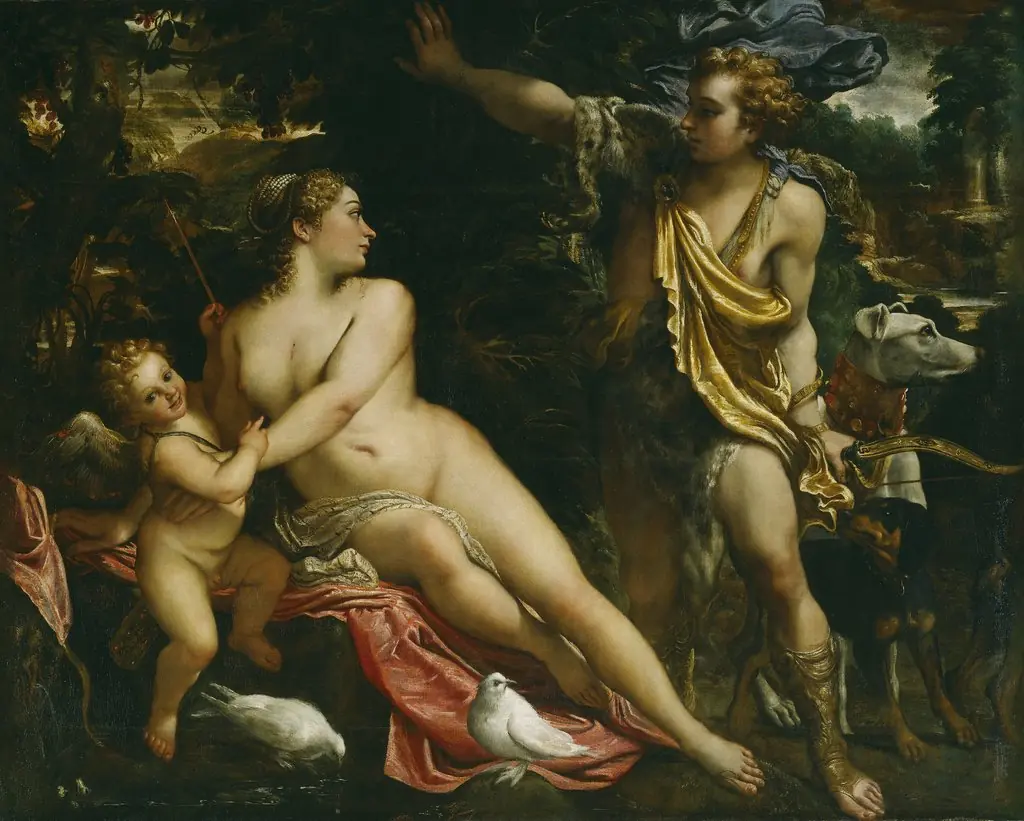 Venus, Adonis and Cupid
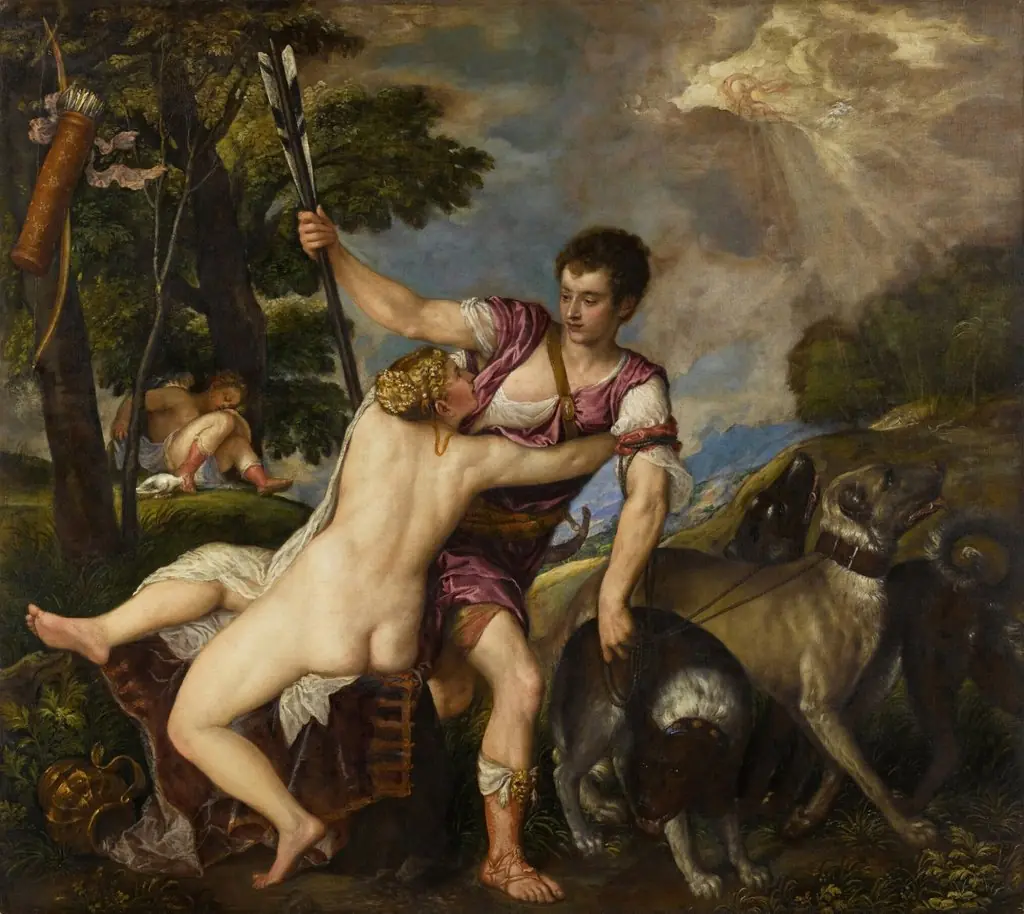 Venus and Adonis
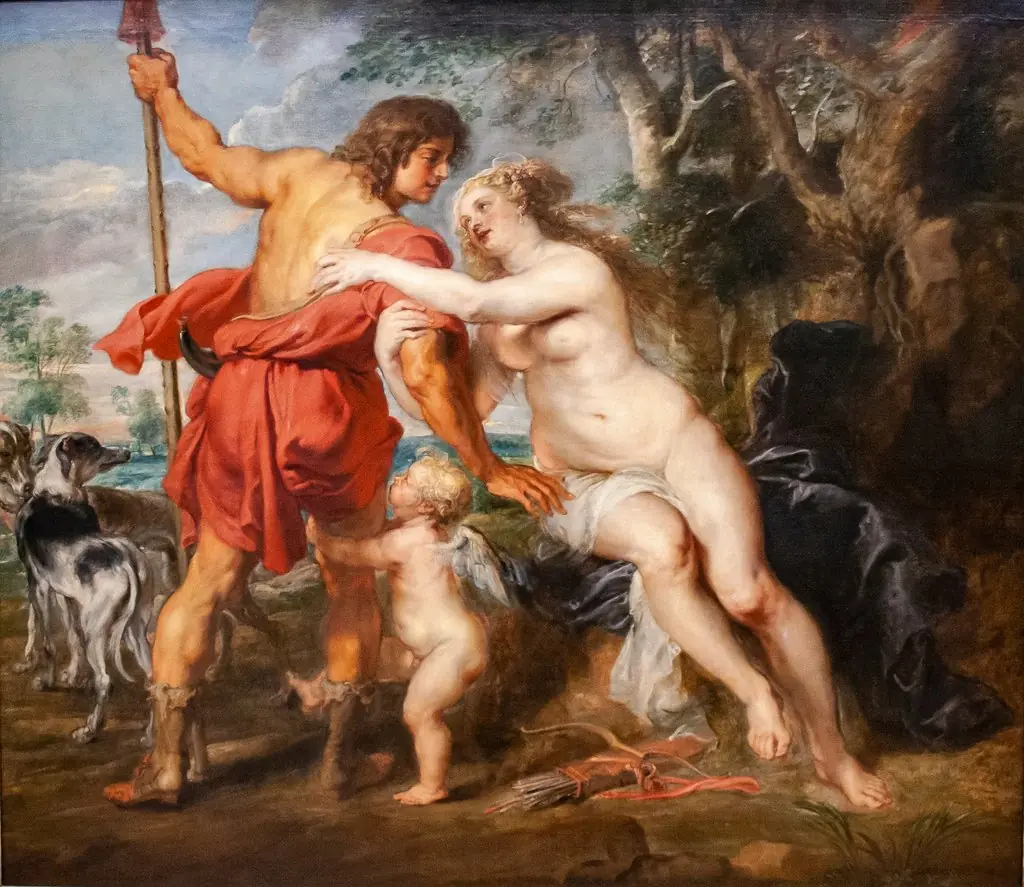 Venus and Adonis
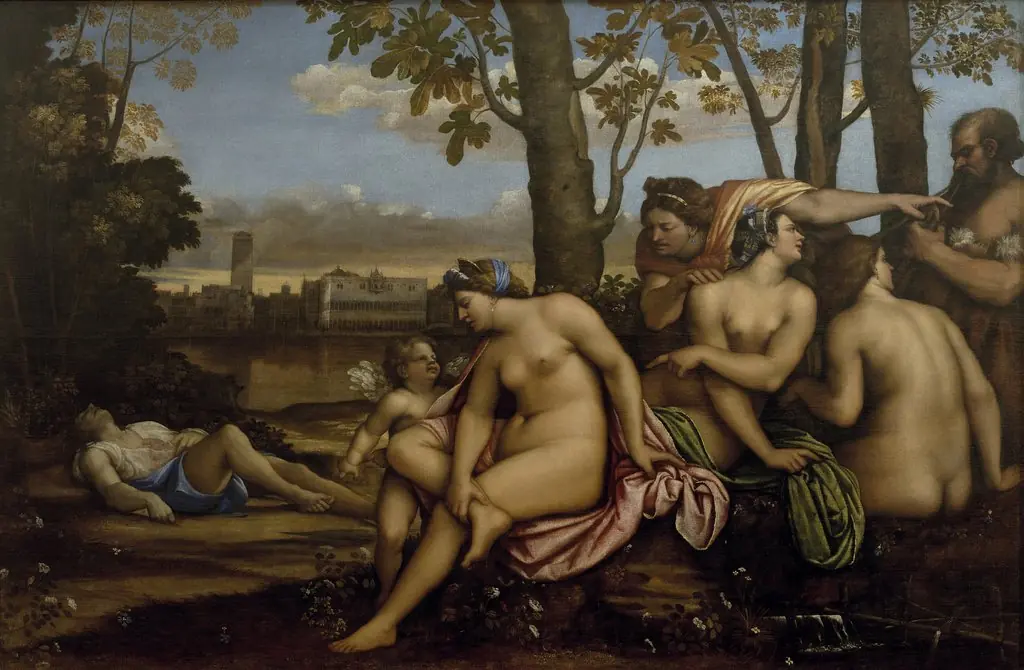 Death of Adonis
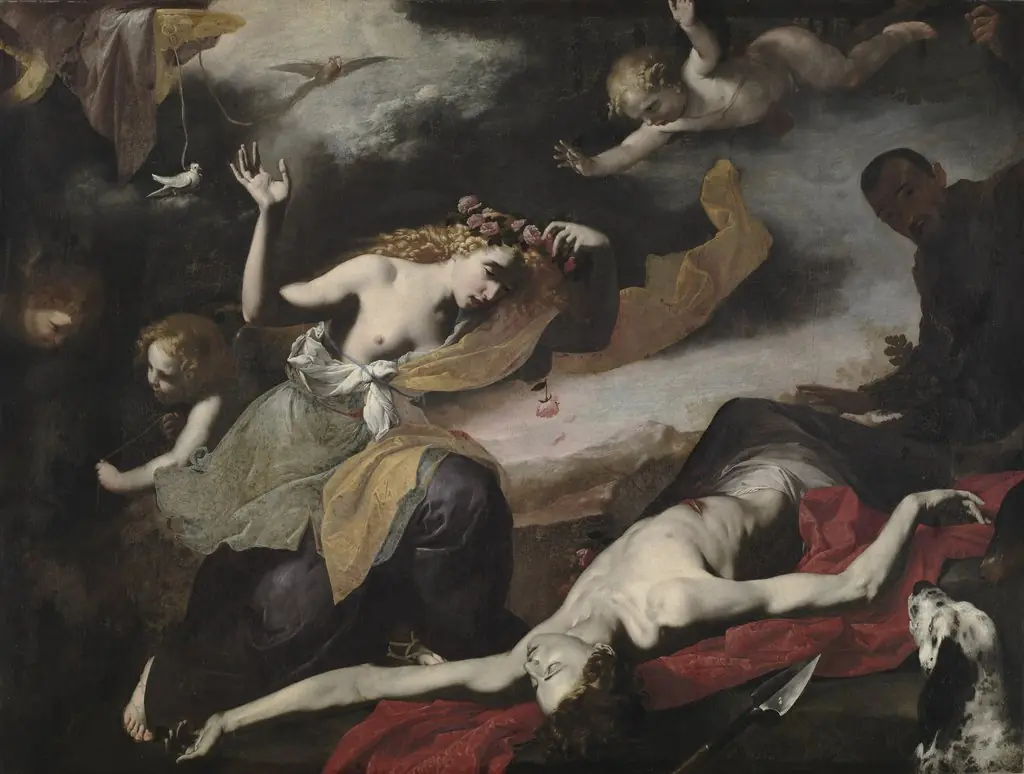 Venus Discovering the Dead Adonis
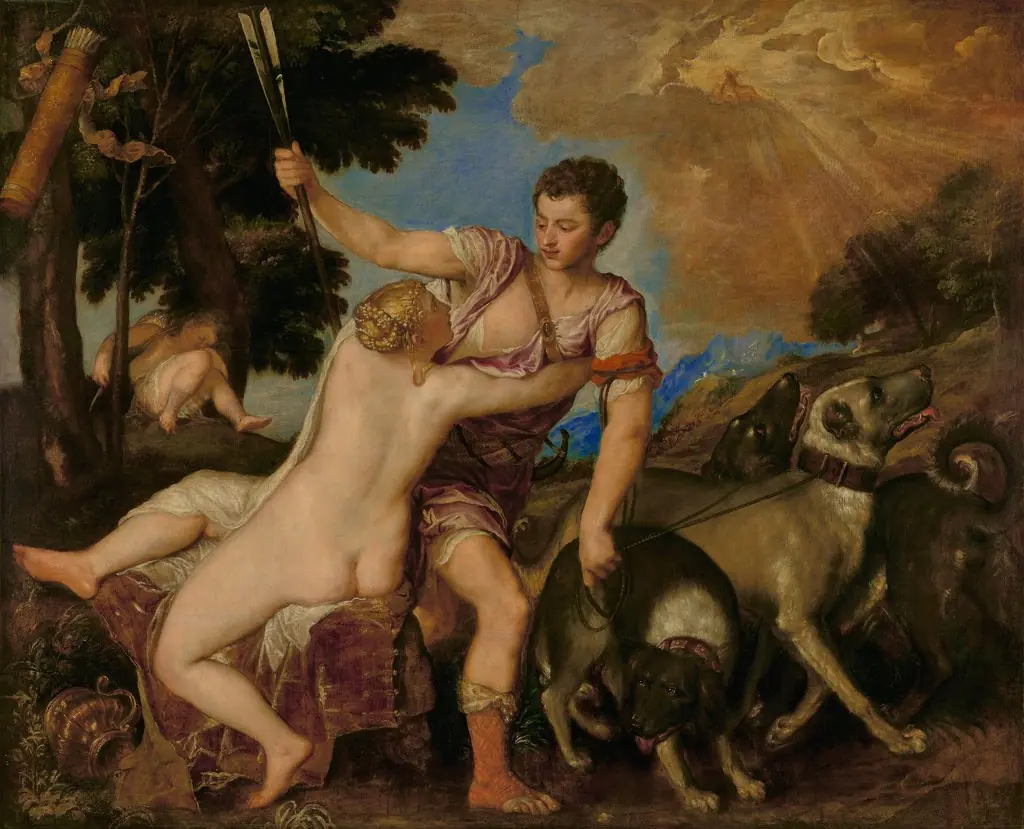 Venus and Adonis
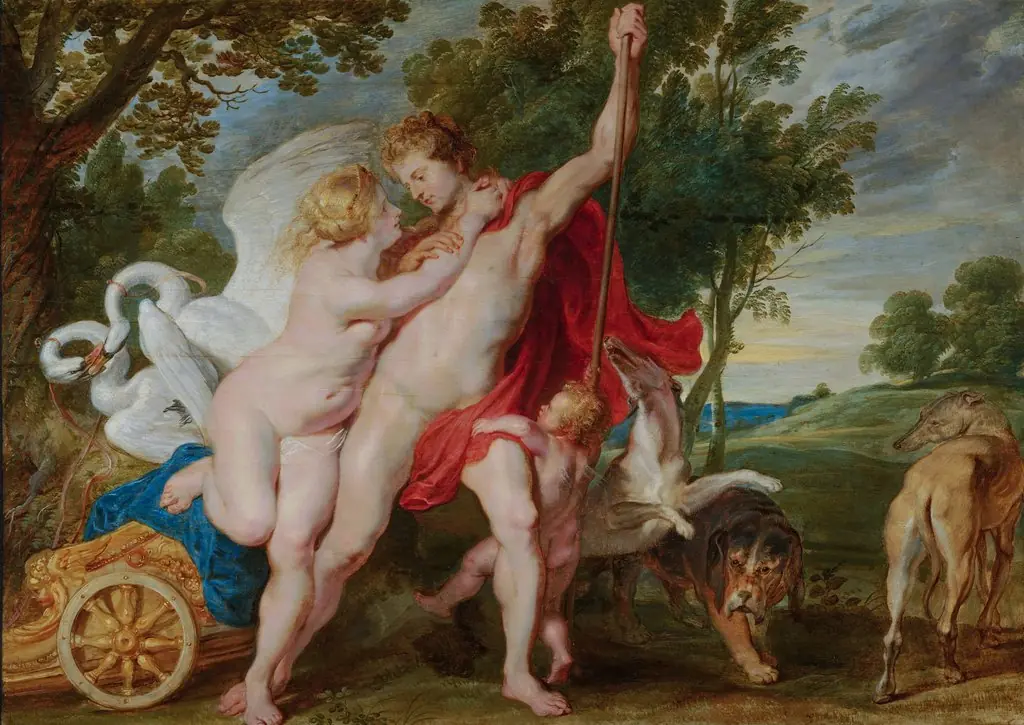 Venus trying to prevent Adonis from going hunting
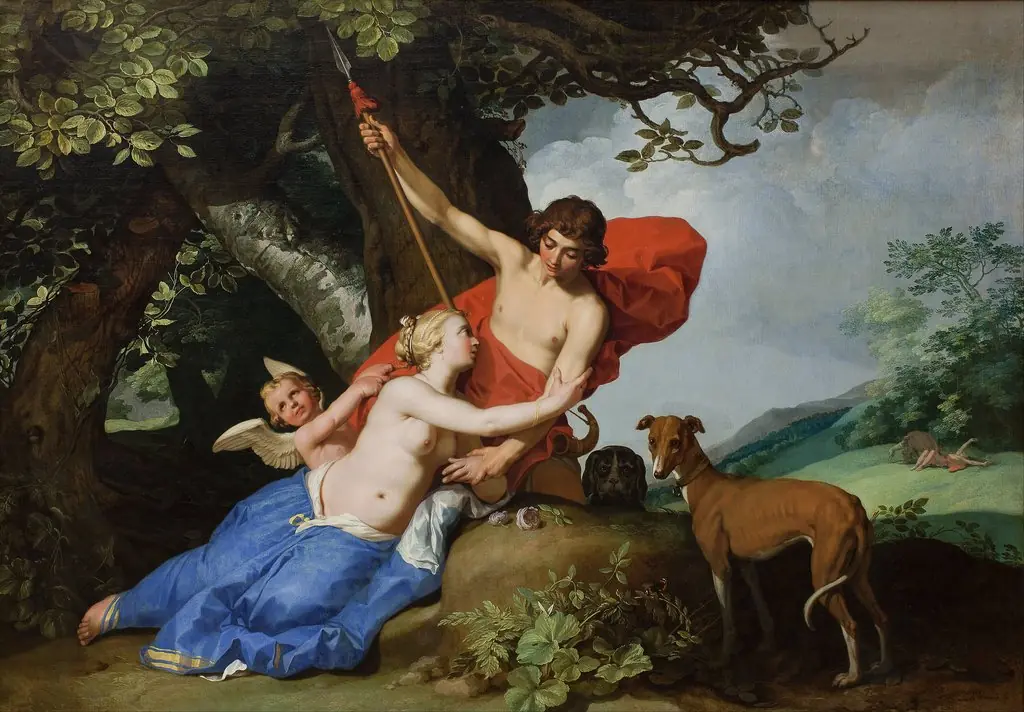 Venus and Adonis
 Venus Bewailing the Slain Adonis
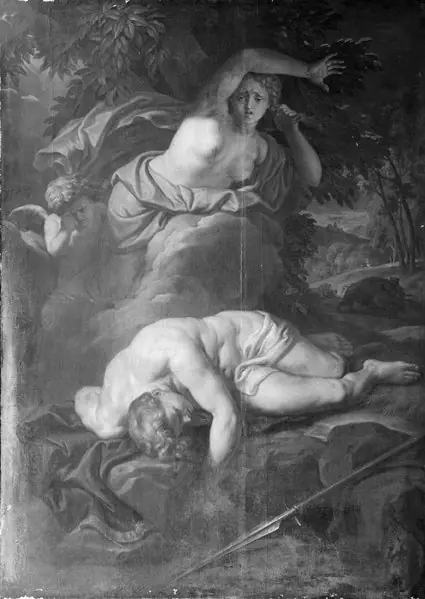 Venus Weeping over the Slain Adonis
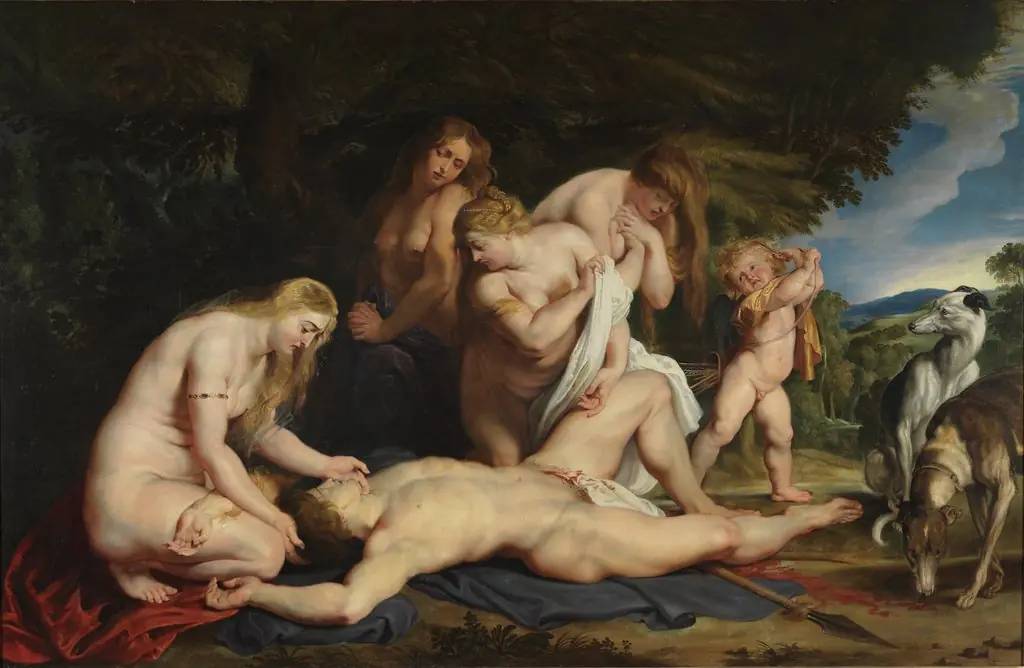 The Death of Adonis
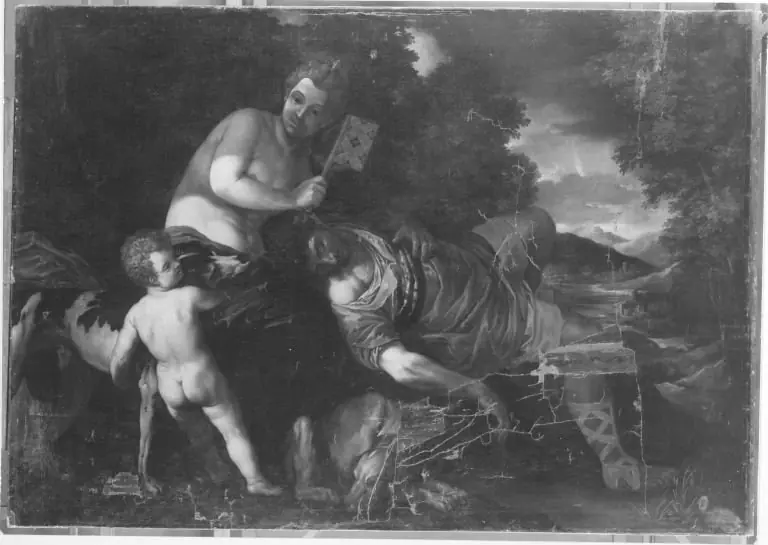 Venus with the sleeping Adonis
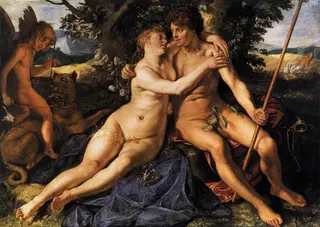 Venus and Adonis
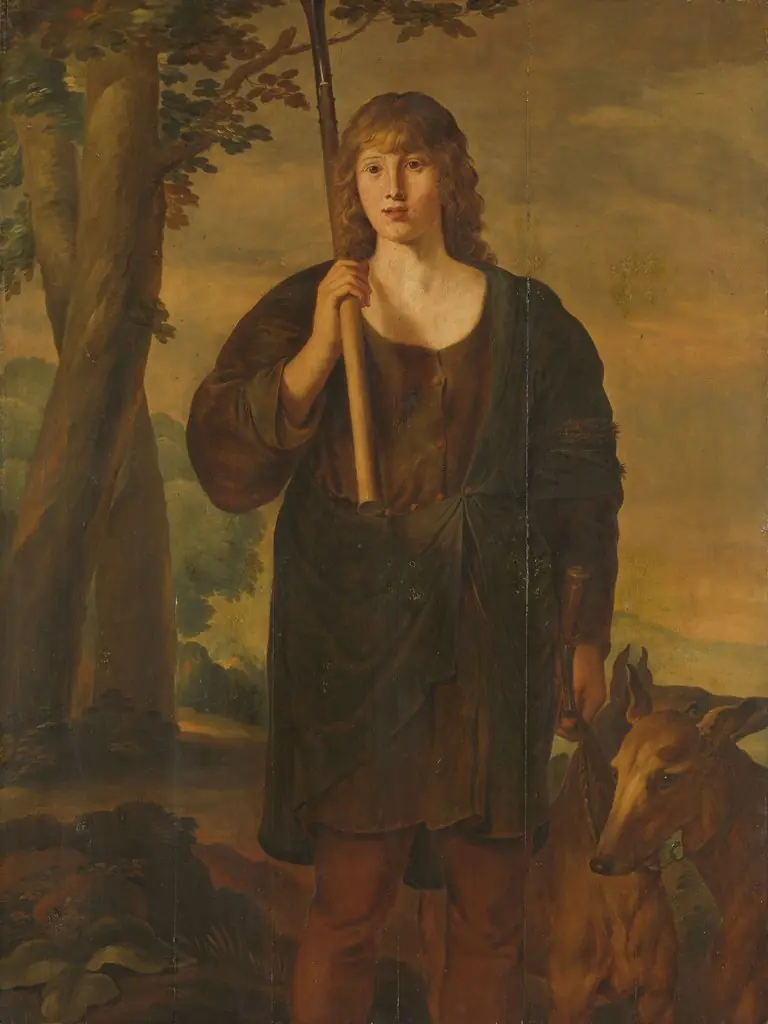 Adonis
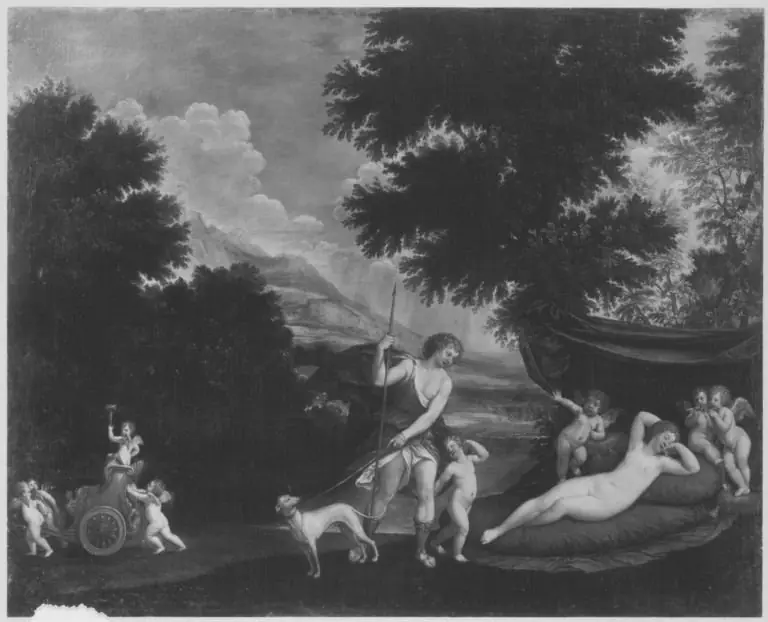 Venus and Adonis
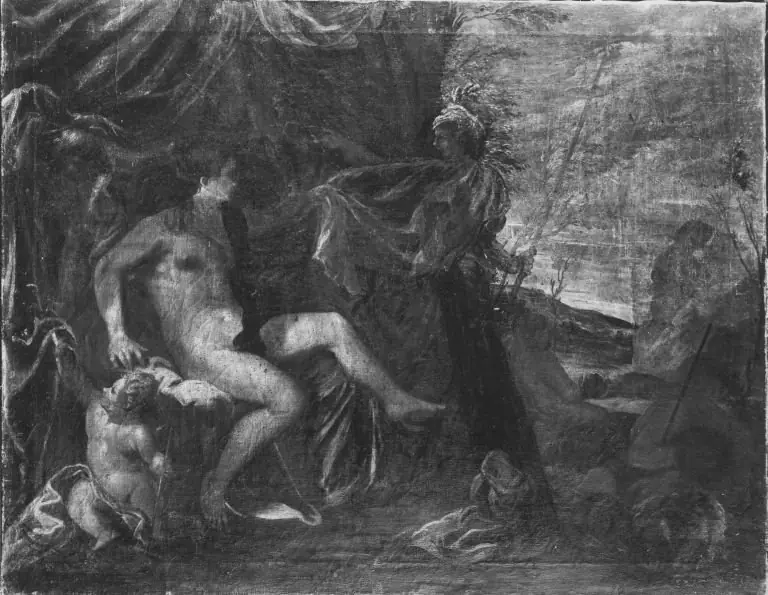 Venus und Adonis (zugeschrieben)
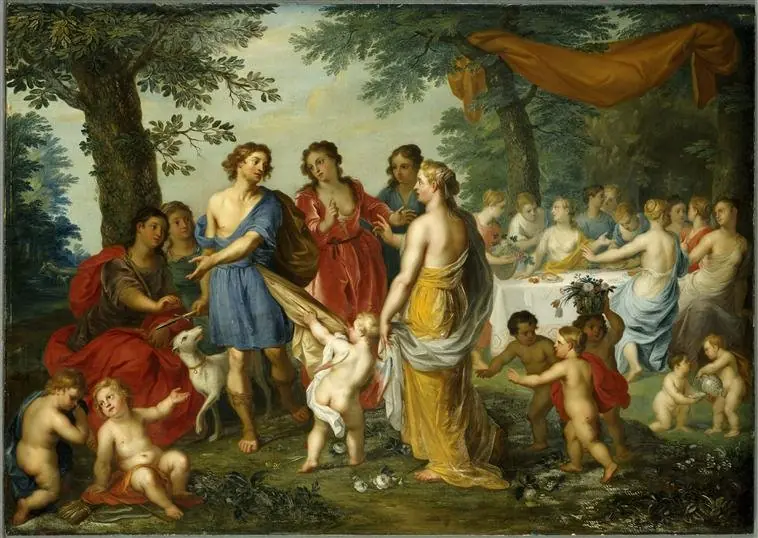 Venus und Adonis
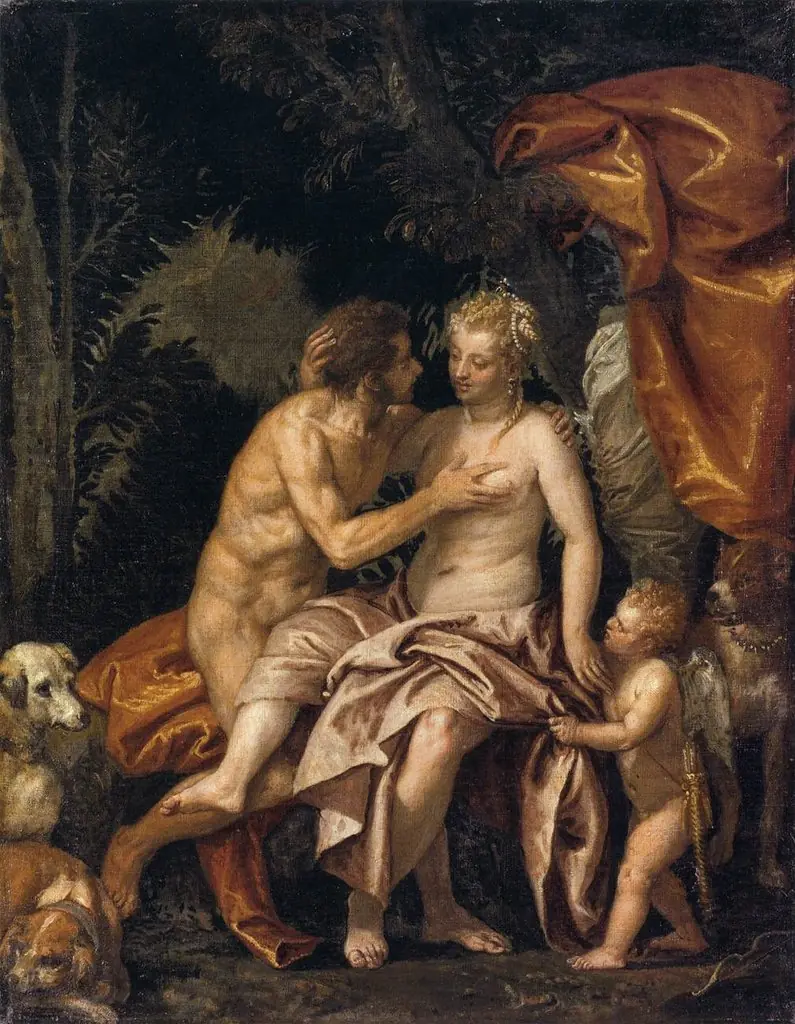 Venus and Adonis
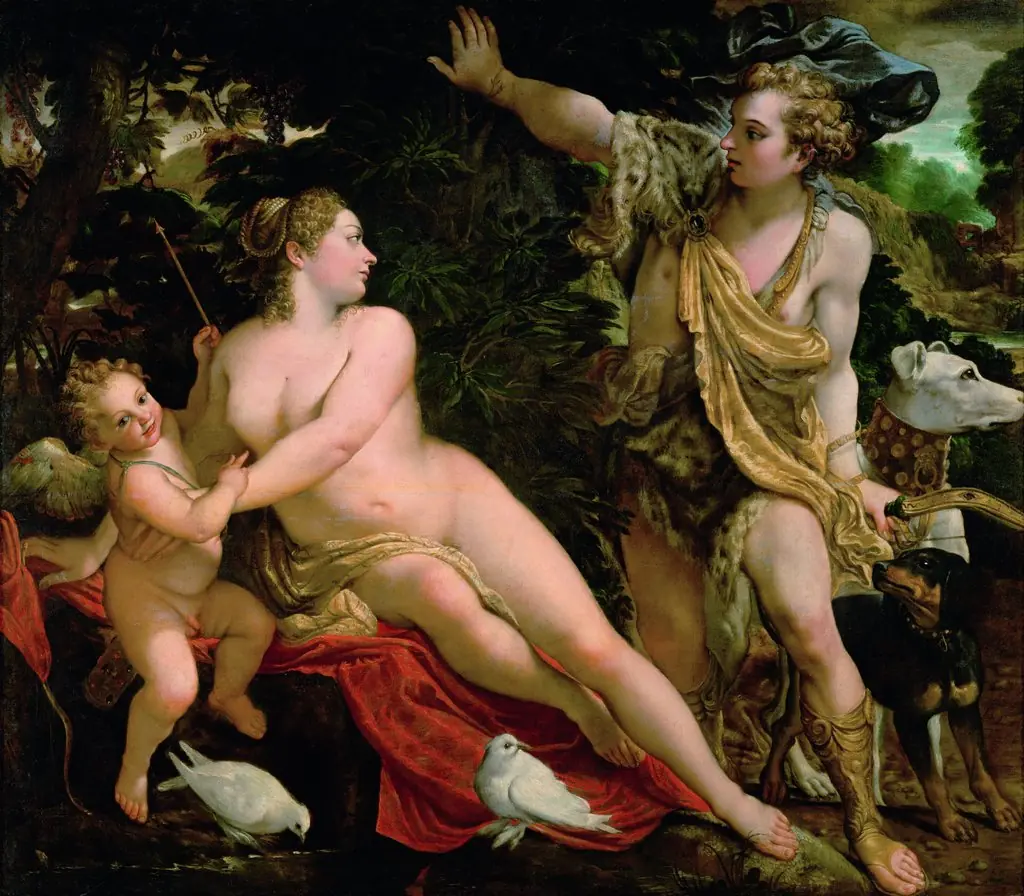 Venus, Adonis and Cupid
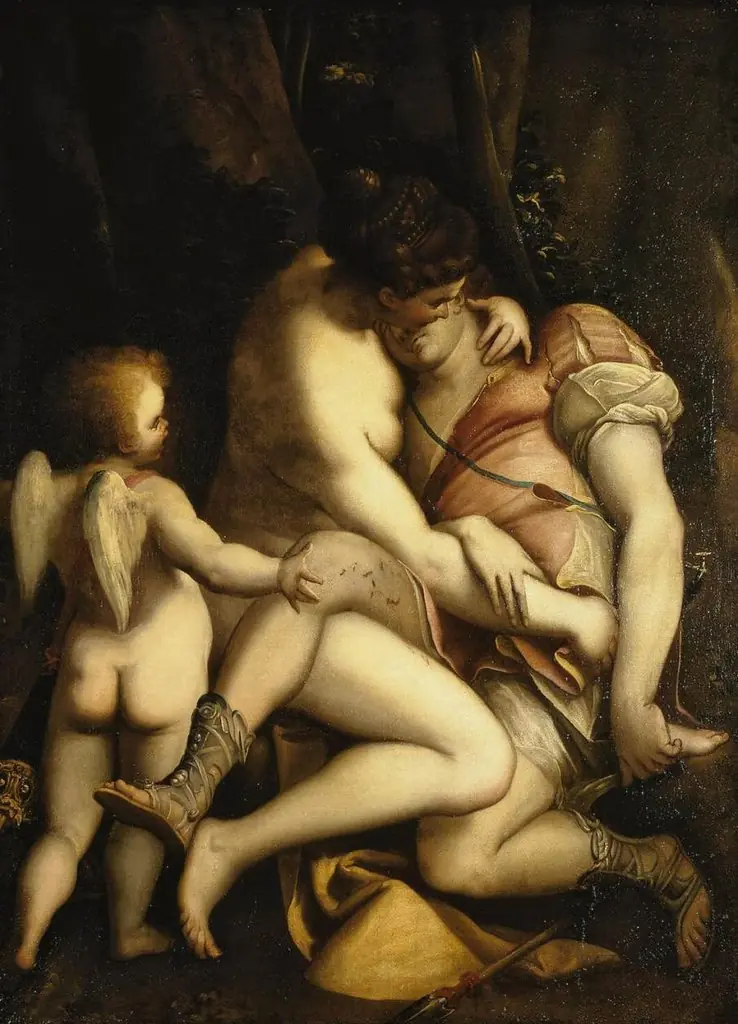 Venus and Adonis
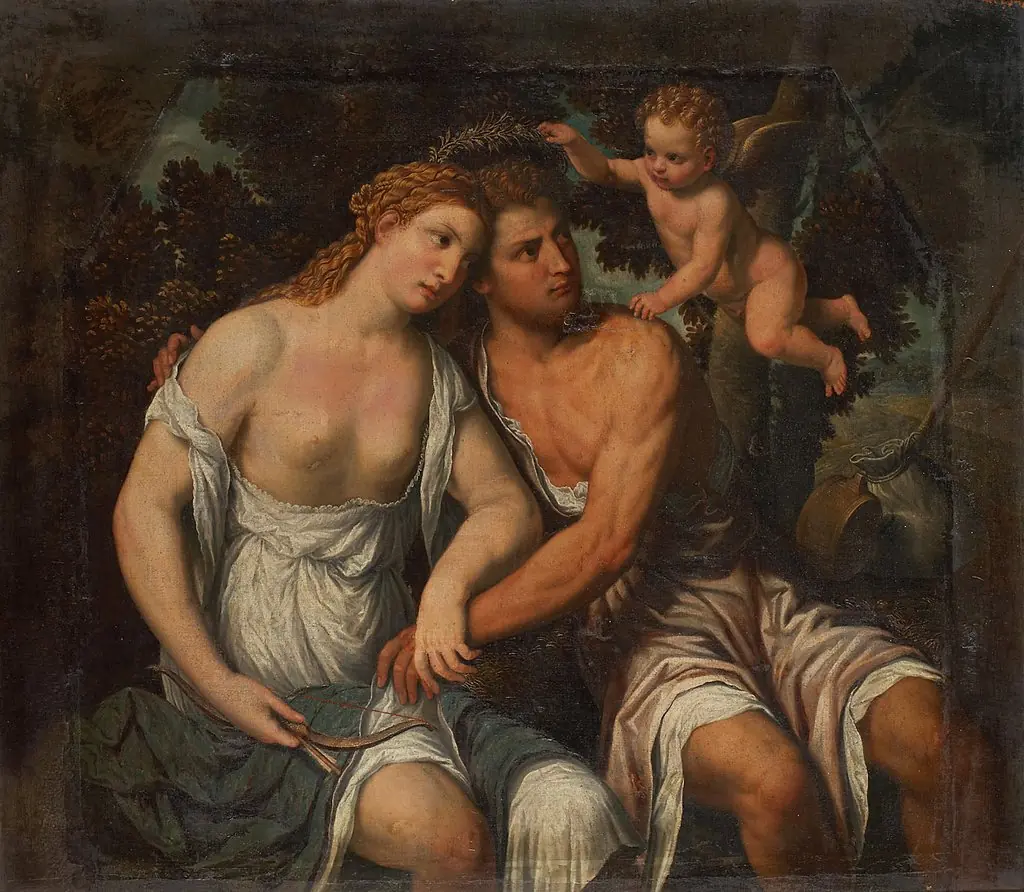 Venus and Adonis
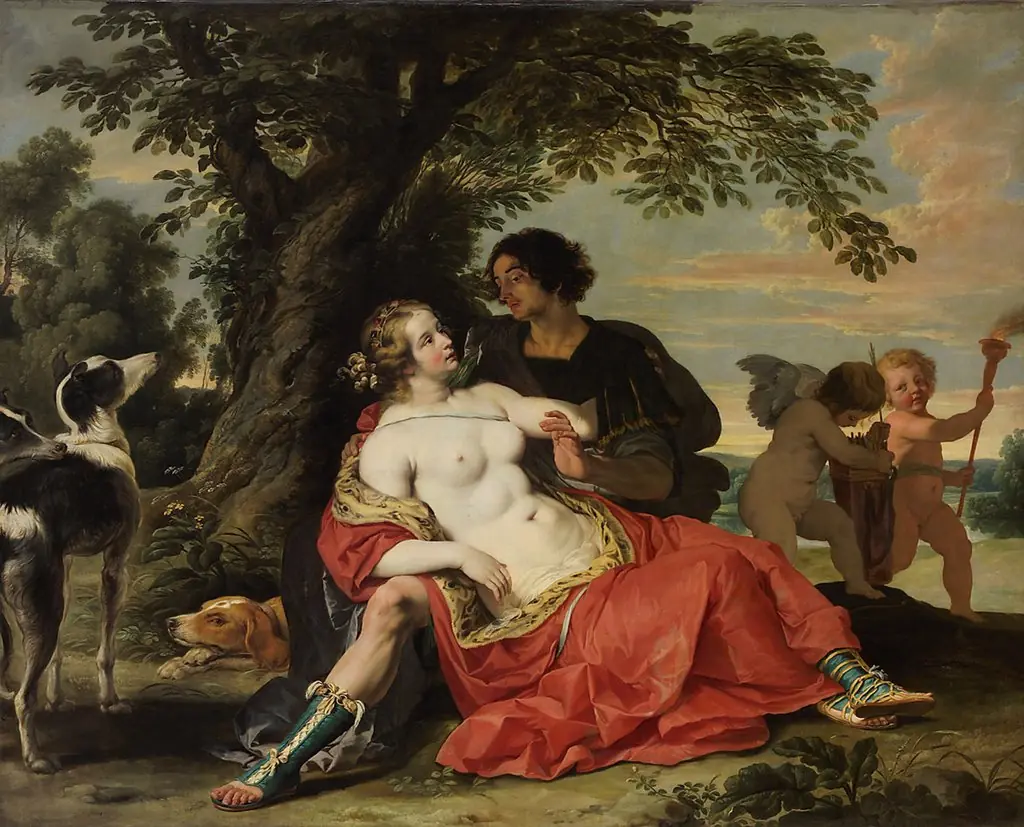 Venus   and  Adonis
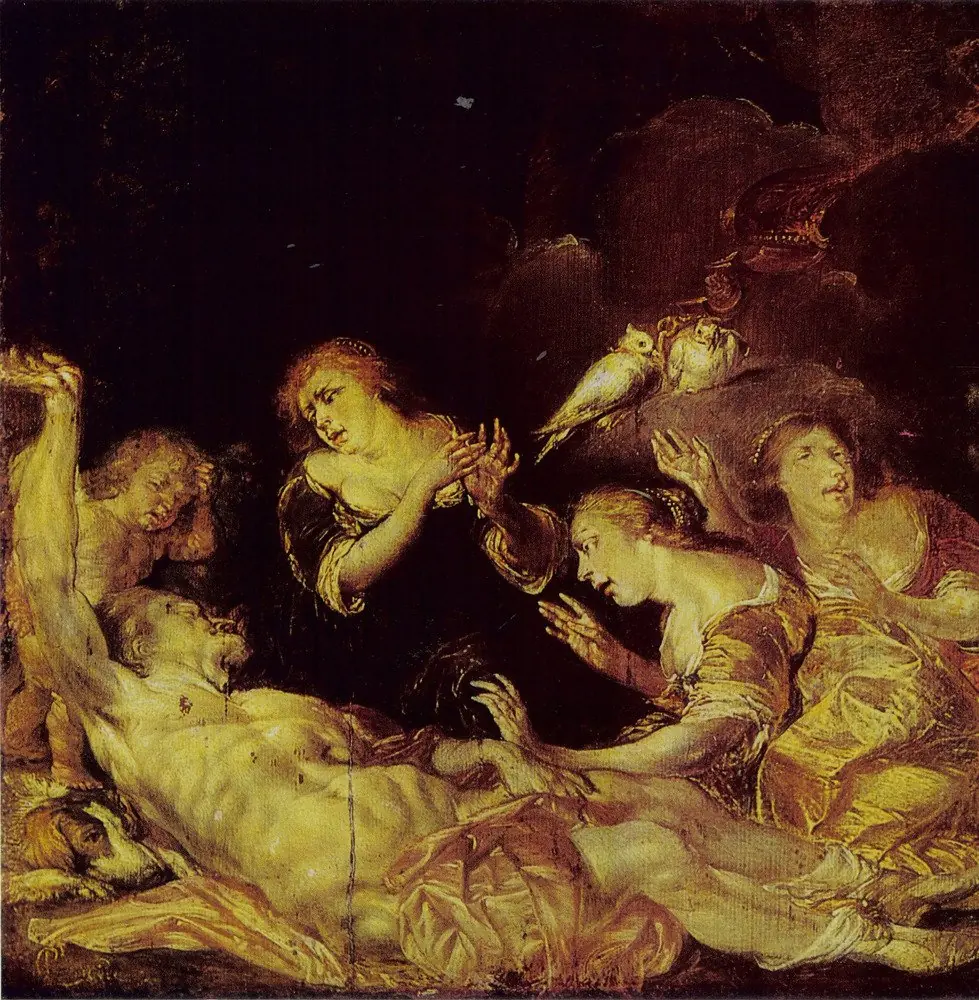 Venus Mourning over Adonis
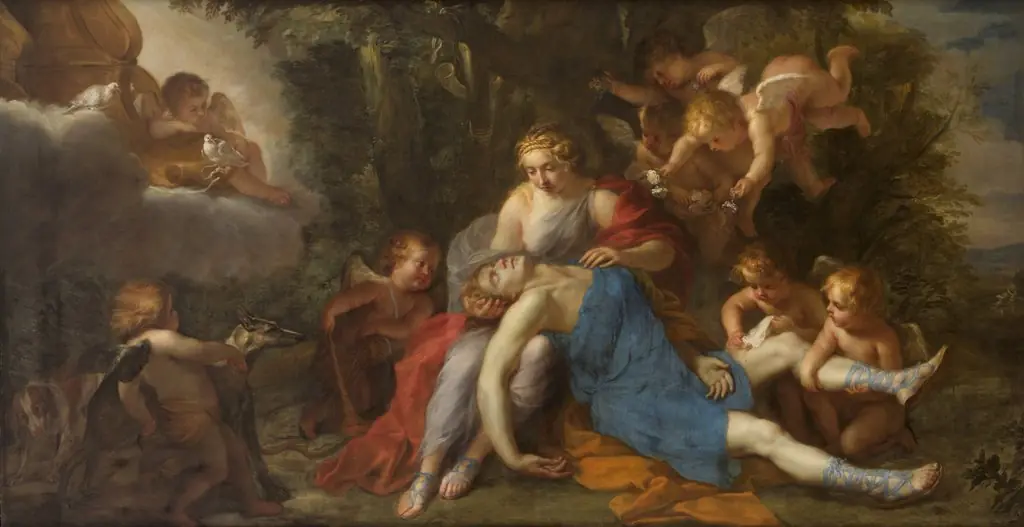 Venus beweint den toten Adonis
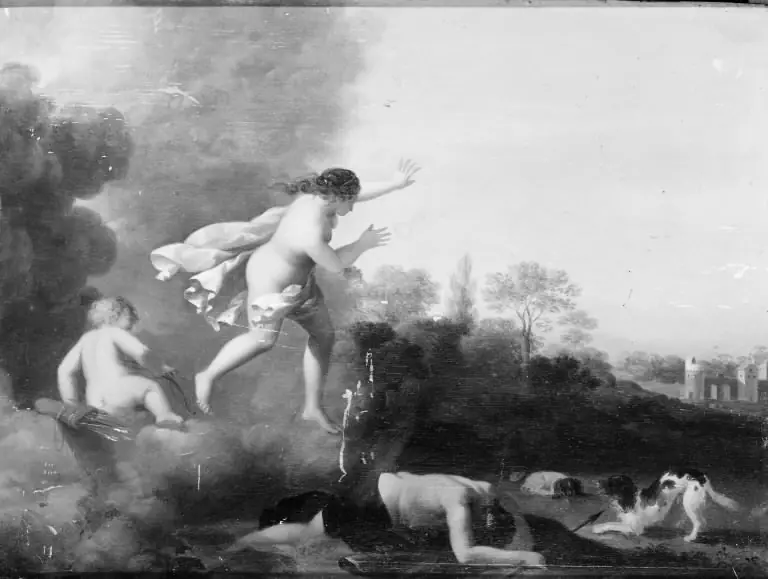 Adonis Slain
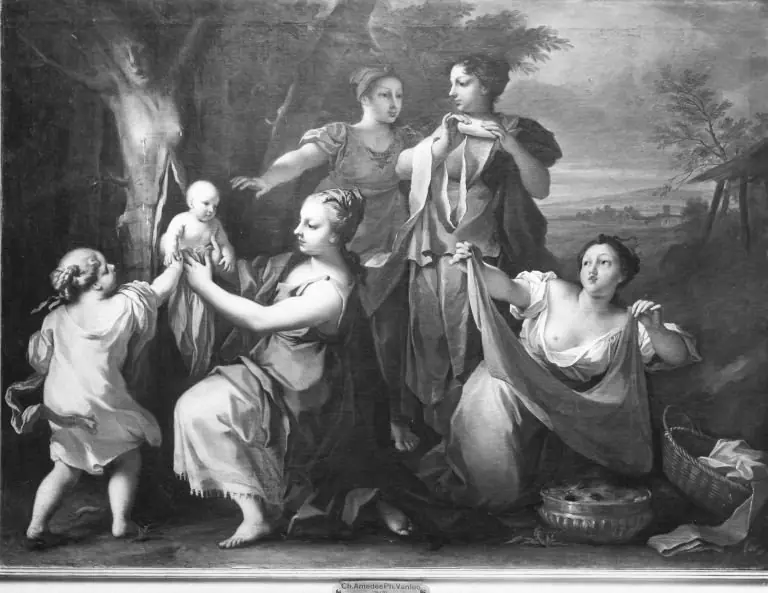 Die Geburt des Adonis
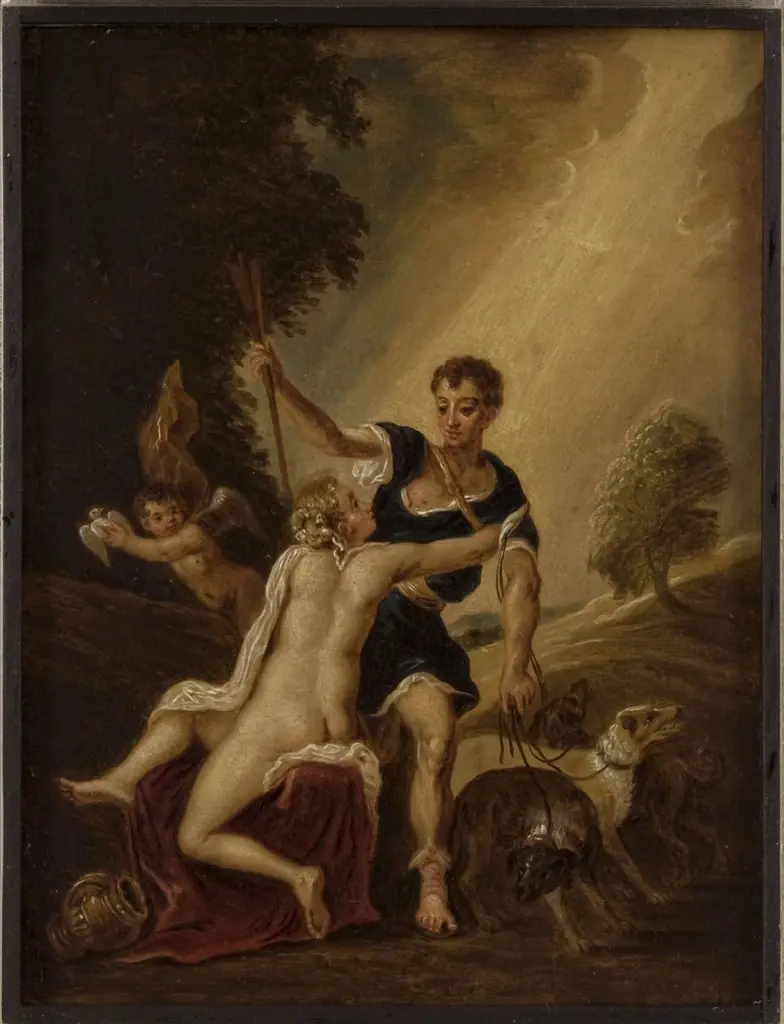 Venus and Adonis
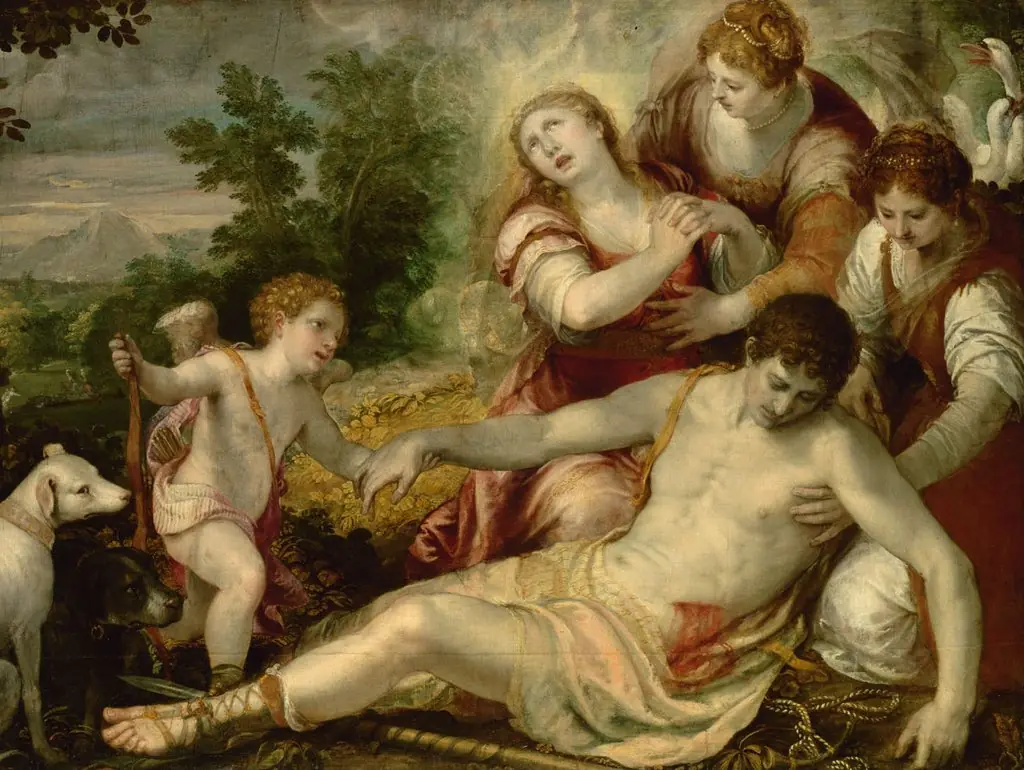 Tod des Adonis
 Venus and Adonis
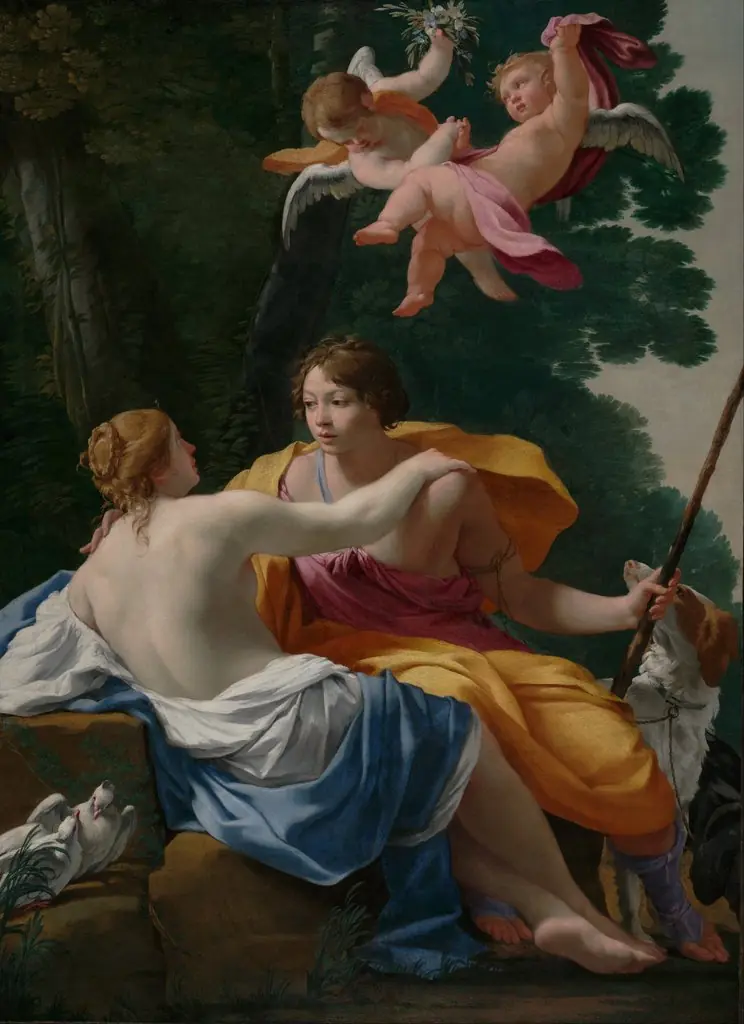 Venus and Adonis
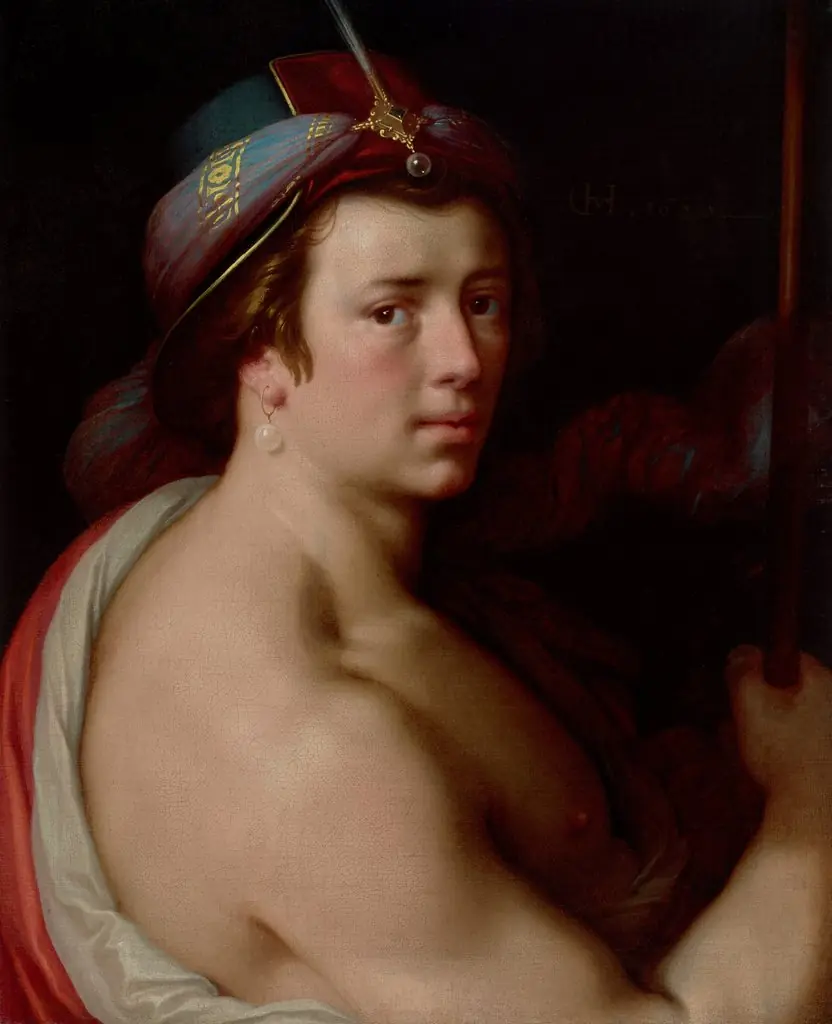 Adonis
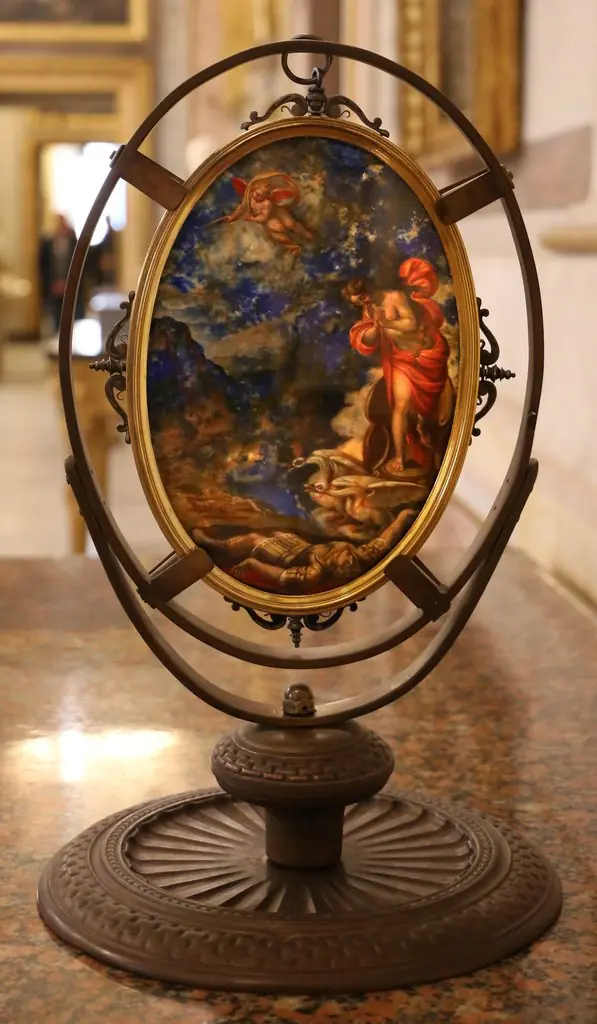 Perseus and Andromeda and Venus and Adonis
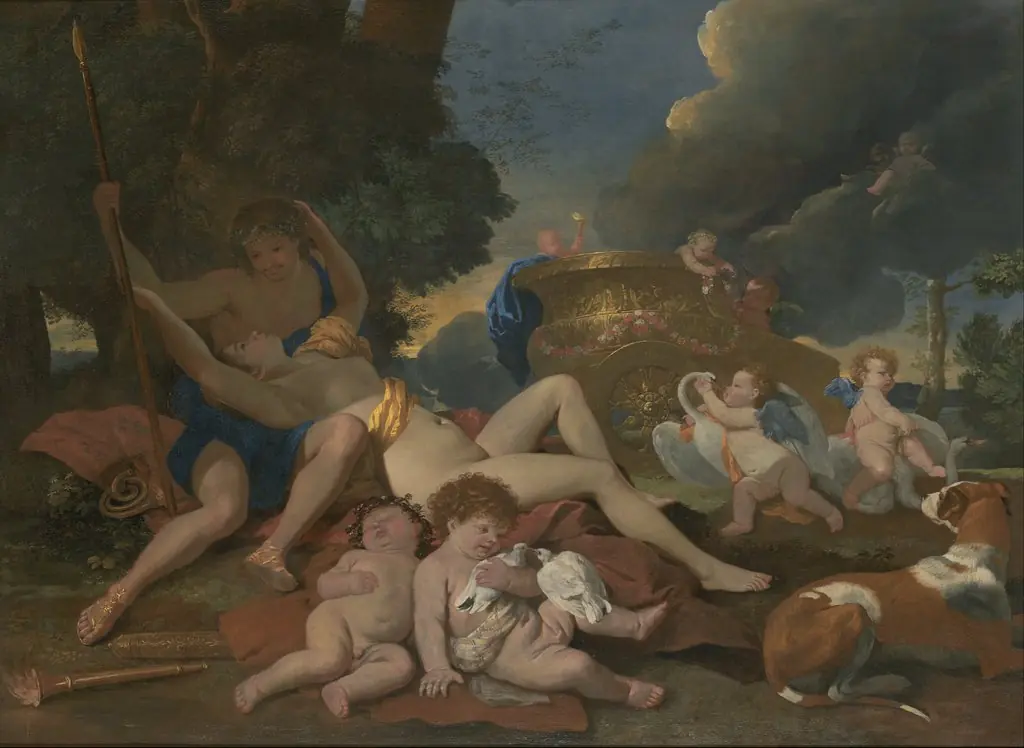 Venus and Adonis
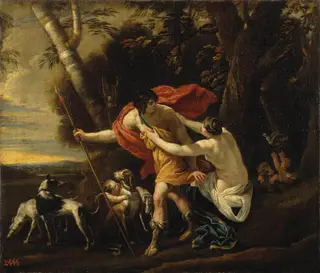 Venus and Adonis
 H Beard Print Collection
Frequently asked questions
What is Adonis?
Adonis is a genus of about 20–30 species of flowering plants in the buttercup family, Ranunculaceae, native to Europe and Asia.
How many Adonis works does Artifact World Gallery have?
Artifact World Gallery holds 43 public-domain Adonis works, all free to view and download.
Who are the key Adonis artists?
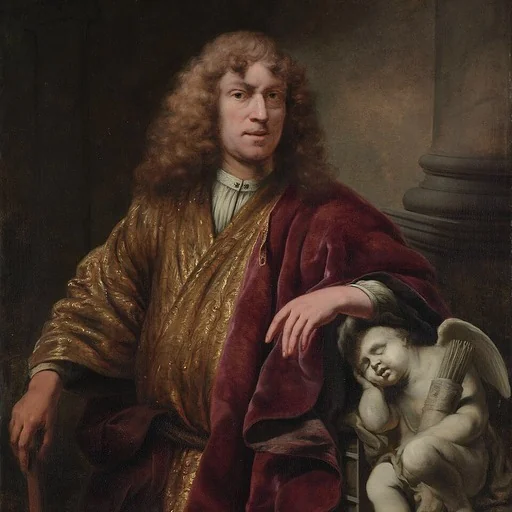
Key Adonis artists in the collection include Titian, Paolo Veronese and Ferdinand Bol.
Where can I see Adonis works?
Adonis works in the collection are held by Kunsthistorisches Museum, Bavarian State Painting Collections and Statens Museum for Kunst.