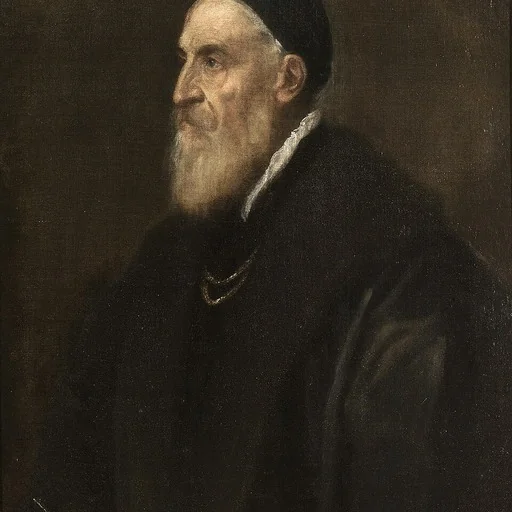
Subject
Child Saint John
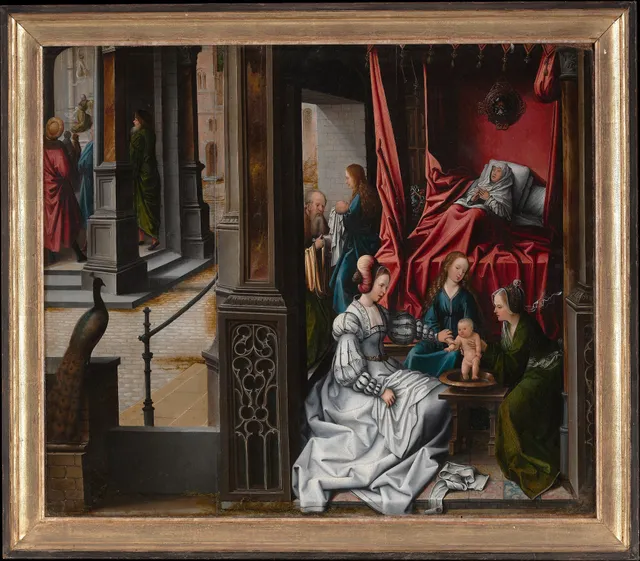
Child Saint John is a subject in art. The gallery holds 156 works in this subject in art, including works by Titian, Paolo Veronese and Raphael.
The child Saint John the Baptist emerged as a distinct subject in Italian art during the Renaissance, when painters increasingly portrayed the Baptist not as the gaunt desert preacher of the Gospels but as a small boy keeping company with the Holy Family. The motif had little scriptural warrant—the canonical Gospels record that John first met Jesus at the river Jordan when both were about thirty—but apocryphal legends and popular devotion supplied a shared childhood, allowing artists to dramatize the kinship between the two cousins. The theme flourished above all in Florence, whose cathedral is dedicated to the Virgin and whose patron saint is John the Baptist, making images of the Virgin and Child with the young Baptist both devotional objects and expressions of civic pride.
Visually, the child Baptist is identified by a small repertory of attributes that telescope his adult mission into infancy: a rough camel-hair tunic recalling his life in the wilderness, a slender reed cross, and a coiled scroll inscribed "Ecce Agnus Dei" ("Behold the Lamb of God"), often accompanied by a lamb symbolizing Christ's sacrifice. In Holy Family compositions he typically kneels in adoration or offers the Christ Child an object—a goldfinch, a reed cross, a globe—that foreshadows the Passion. A parallel tradition, the "Saint John in the Wilderness," set the boy alone in a rocky landscape, drawing on Luke's note that "the child grew and was in the deserts."
The greatest Florentine masters shaped the type. Botticelli produced numerous tondi of the Virgin, Christ Child, and infant Baptist in worship; Leonardo's design of two embracing holy children influenced a generation. Raphael distilled the theme in his Florentine-period Madonna of the Goldfinch (c. 1505–06) and the later Alba Madonna (c. 1510), where John offers the reed cross. Andrea del Sarto contributed both intimate group scenes and his heroic Saint John the Baptist as a Boy (c. 1525, Palazzo Pitti), a half-length figure that anticipates Caravaggio.
The subject spread across Europe and persisted into the Baroque. Caravaggio repeatedly painted John as a solitary youth in shadow, while in Spain Bartolomé Esteban Murillo made the smiling infant Baptist with his lamb one of his most beloved and widely copied images. The catalogue holds notable examples including El Greco's Holy Family with Saint Anne and the Infant John the Baptist, Andrea del Sarto's Holy Family with the Young Saint John the Baptist, and works by Perino del Vaga, Francesco Granacci, and Giovanni Baronzio, attesting to the motif's long reach from Trecento narrative cycles to mature Renaissance devotion.
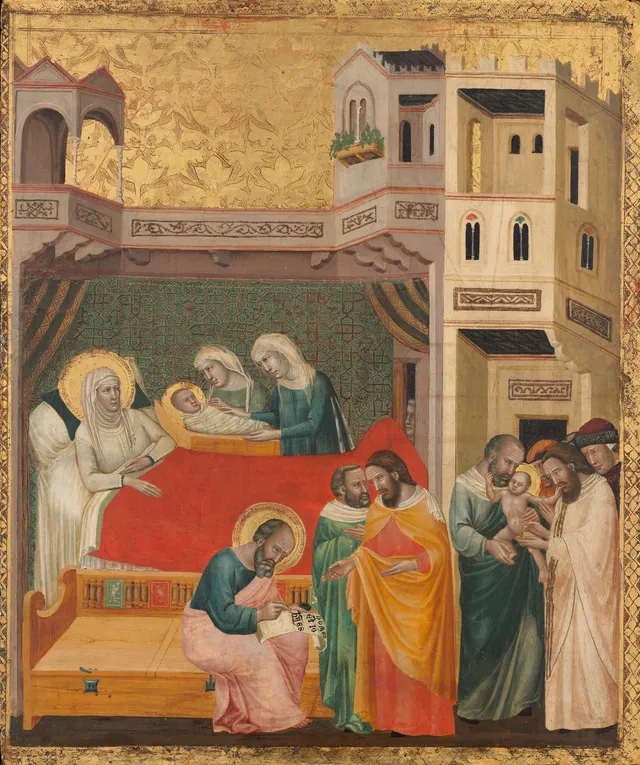
Key artists
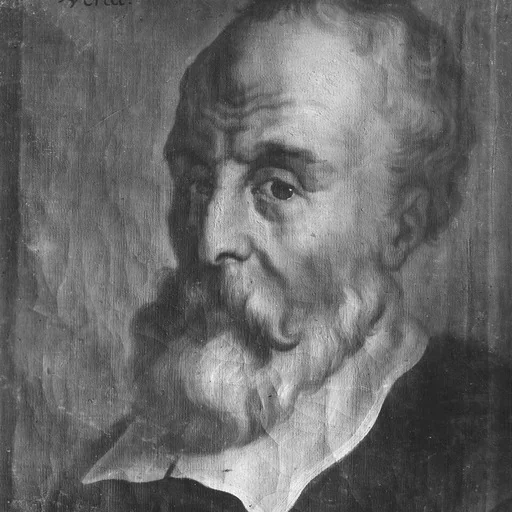
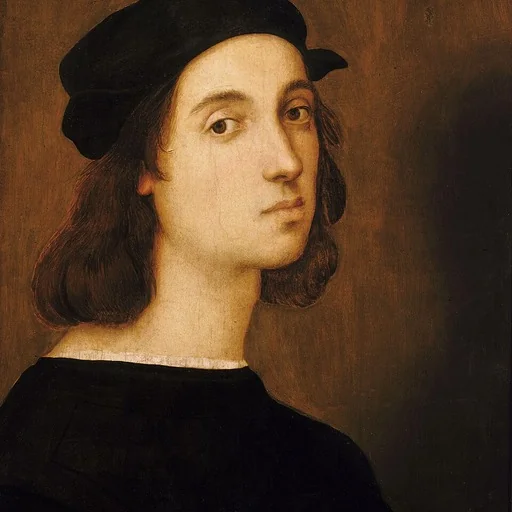
Overview
The Child Saint John, also known as the Johannesknabe in German art historical terminology, denotes the artistic representation of John the Baptist as a boy accompanying the infant Jesus. This motif emerged as a significant subject in European art, particularly from the Renaissance onward, and became a favored theme for devotional images intended for private contemplation. The subject draws upon the biblical narrative of the cousin relationship between Jesus and John, and it allowed artists to explore intimate, humanizing scenes of holy childhood while simultaneously embedding prophetic references to Christ's future Passion. The motif appears across a wide range of media and formats, from small wood panels designed for personal devotion to large altarpieces, and it occupied a central place in the visual culture of Christian Europe for centuries.
Iconography & meaning
The iconography of the Child Saint John is rich with layered symbolism that operates on multiple registers. At its most basic, the young John serves as witness and companion to the Christ Child, establishing a familial and narrative connection between the two figures. Yet the motif consistently carries darker undertones that point toward future sacrifice. John frequently appears holding a reed cross, as seen in Pinturicchio's Virgin and Child with St John the Baptist at the Fitzwilliam Museum, an attribute that alludes directly to Christ's Crucifixion. His rough hair shirt, even when rendered in miniature, evokes the ascetic life he will lead in the wilderness. In some compositions, such as the tondo attributed to the circle of Fra Bartolommeo, John presents Christ with half a pomegranate, whose numerous seeds in a protective casing symbolize the Church and its flock. Other recurring symbols include the goldfinch, representing man's soul and Christ's Passion, and baptismal waters alluding to salvation. The Christ Child's own attributes, such as the buckles on his sandals, have been interpreted as prefiguring the wounds of the cross. Landscape settings, which replaced the gold backgrounds of Byzantine and early Renaissance art, often contain symbolic contrasts, such as bare trees suggesting death set against flourishing vegetation. These multivalent symbols allowed viewers to meditate simultaneously on the innocence of holy childhood and the inevitability of redemptive sacrifice.
Across movements & periods
The treatment of the Child Saint John evolved considerably across artistic movements and periods, reflecting broader shifts in religious art and devotional practice. The German term Johannesknabe explicitly identifies the Renaissance as the period when this motif gained particular favor for Andachtsbildmenter, or devotional images. In the early Renaissance, artists such as Pinturicchio situated the holy group within meticulously detailed yet idealized landscapes, replacing the celestial gold backgrounds of Byzantine tradition with naturalistic settings that still glowed with symbolic gold highlights. By the High Renaissance, artists pursued greater naturalism and emotional depth. Correggio's Madonna and Child with the Infant Saint John the Baptist, painted around 1514-1515 on a poplar-wood panel, exemplifies this development through its palpable humanity, tender gestures, and warm relationships expressed through gazes and touch. Raphael's La Belle Jardinière, begun around 1507-1508, demonstrates the High Renaissance adoption of pyramidal composition, sfumato technique, and unified naturalistic atmosphere, with faint halos that would soon disappear entirely from Renaissance practice. Michelangelo revisited the theme throughout his career, from early marble tondos such as the Pitti Tondo and Taddei Tondo to later drawings in which the children appear more playful and cherubic, with Saint John positioned directly behind Christ rather than at a distance. In the sixteenth century, Santi di Tito continued the tradition in Florence with his Madonna and Child with the Infant Saint John the Baptist from the early 1570s. Northern European artists also engaged with the motif, as evidenced by Bernard van Orley's The Virgin and Child with Singing Angels, painted between 1515 and 1520, which places the figures beneath Renaissance architectural galleries opening onto expansive landscapes.
Notable depictions
Several canonical depictions of the Child Saint John stand out for their artistic significance and influence. Raphael's La Belle Jardinière, also known as Madonna and Child with Saint John the Baptist, measures 122 by 80 centimeters and is housed in the Louvre, Paris. Commissioned around 1507 by the Sienese patrician Fabrizio Sergardi, the painting is considered one of Raphael's most famous Madonna portraits and a peak of his Florentine phase, though he left it unfinished and it was completed by Ridolfo del Ghirlandaio. Correggio's Madonna and Child with the Infant Saint John the Baptist, now at the National Gallery of Victoria in Melbourne, measures 45.5 by 35.8 centimeters and was purchased with funds donated by Andrew S elevation in 2011. This newly discovered work exemplifies the stylistic bridge between the artist's formative years and mature period. Pinturicchio's Virgin and Child with St John the Baptist at the Fitzwilliam Museum represents a smaller panel probably intended for private devotion, possibly for convents of nuns, with the Christ Child fully clothed in a striking yellow garment with brocaded cuffs. Michelangelo's engagement with the theme spans his celebrated early tondos, the Pitti Tondo and Taddei Tondo, and later drawings that revisit the composition with notably lighter treatment. Santi di Tito's Madonna and Child with the Infant Saint John the Baptist at the Metropolitan Museum of Art, dating from the early 1570s and measuring 103.8 by 85.7 centimeters, represents a later Florentine interpretation of the theme. Bernard van Orley's The Virgin and Child with Singing Angels at the Museo del Prado, painted between 1515 and 1520, is notable for its complex history, as a later repainting added a figure of Saint John that covered original singing angels, only revealed during restoration in 2025-2026.
Legacy
The motif of the Child Saint John exerted lasting influence on European art and devotional culture. Raphael's La Belle Jardinière gained particular prominence after King Francis I of France acquired it, leading to numerous copies by other artists and establishing a compositional model that resonated across generations. Pinturicchio's treatments influenced Raphael's own Colonna Altarpiece at the Metropolitan Museum, demonstrating a chain of artistic transmission that linked Umbrian and Florentine traditions. Correggio's intimate devotional works, including his Madonna and Child with the Infant Saint John the Baptist, became virtually mandatory viewing for aspiring artists traveling to Parma, spreading his influence throughout later Italian art. The motif's adaptability allowed it to serve diverse functions, from private domestic devotion to public altarpieces, and its combination of tender human interaction with profound theological symbolism ensured its continued relevance. The restoration history of works such as van Orley's painting at the Prado reveals how later collectors and restorers sometimes altered compositions to conform to changing devotional preferences, adding or modifying figures of Saint John to suit contemporary needs. This ongoing engagement with the Child Saint John across centuries testifies to the enduring capacity of the motif to mediate between human affection and sacred narrative.
Works
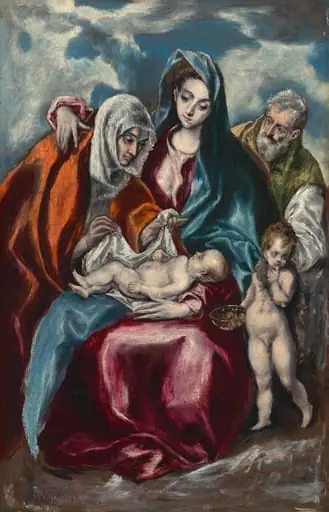 The Holy Family with Saint Anne and the Infant John the Baptist
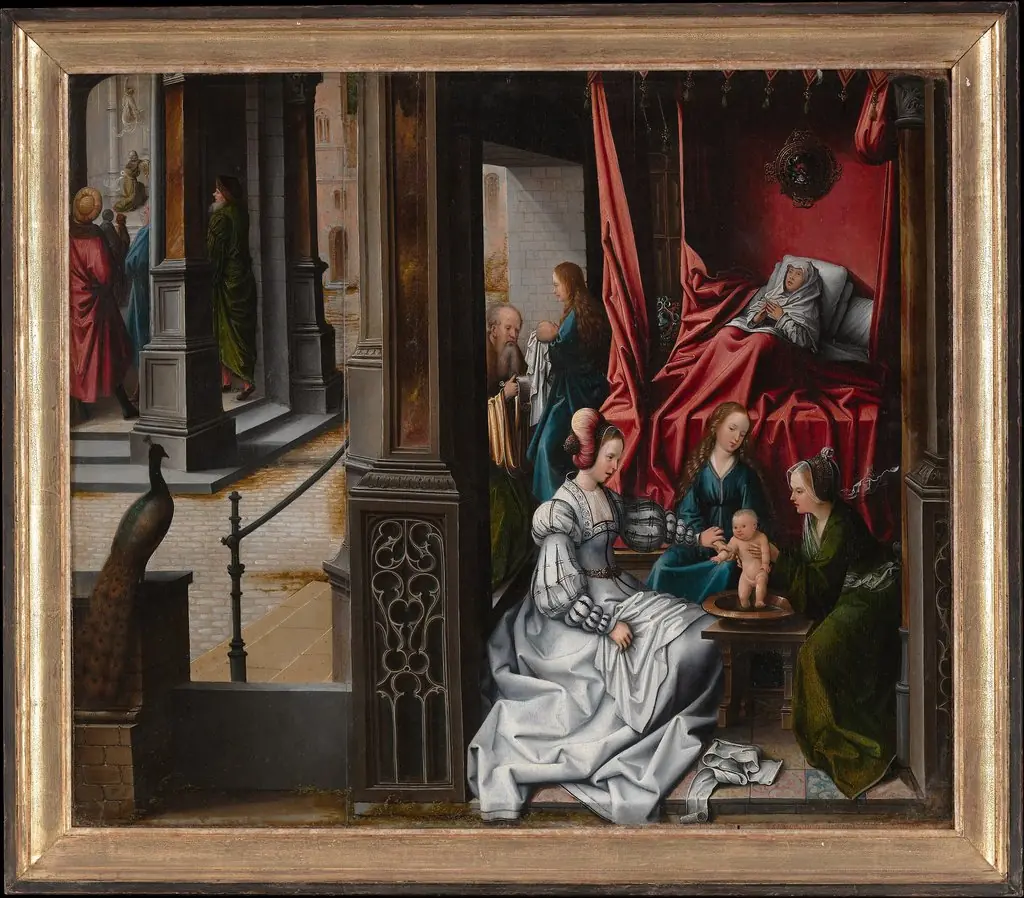 The Birth and Naming of Saint John the Baptist; (reverse) Trompe-l'oeil with Painting of The Man of Sorrows
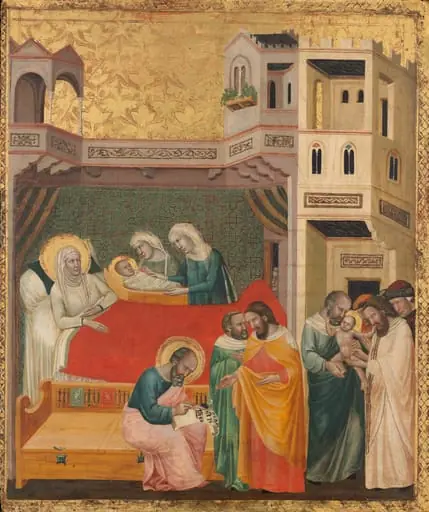 The Birth, Naming, and Circumcision of Saint John the Baptist
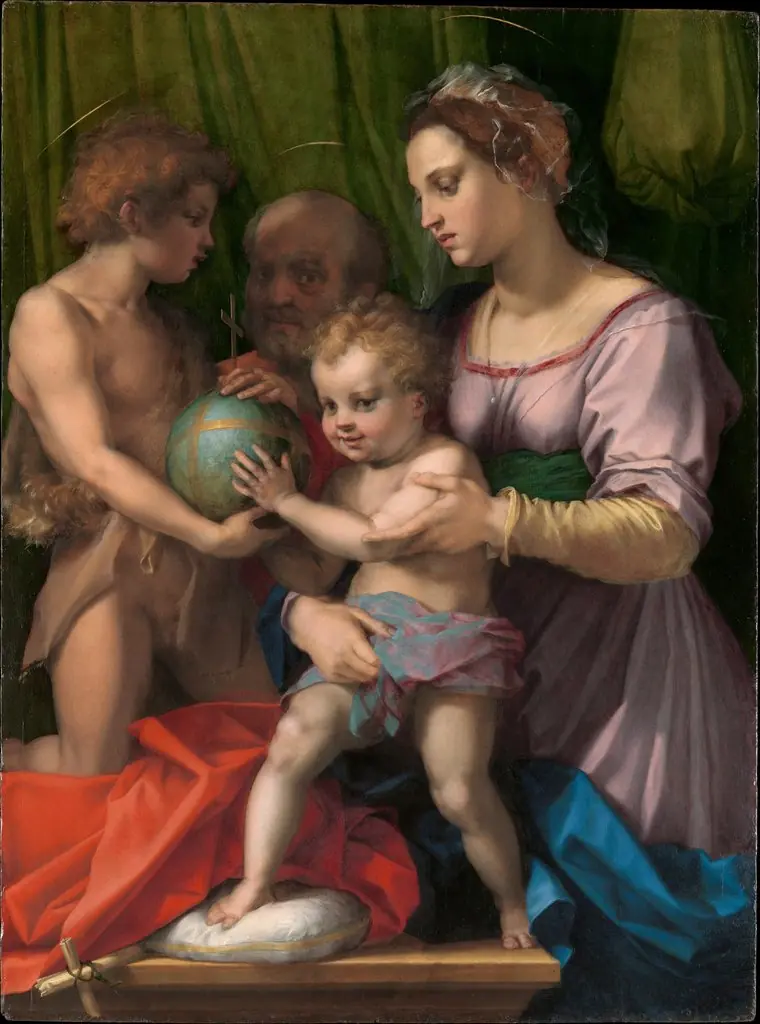 The Holy Family with the Young Saint John the Baptist
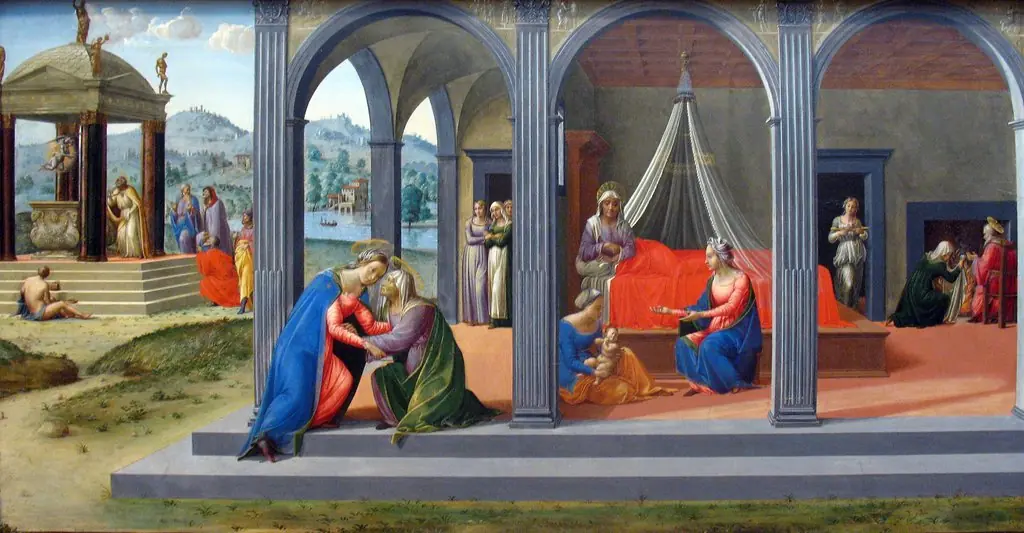 Scenes from the Life of Saint John the Baptist
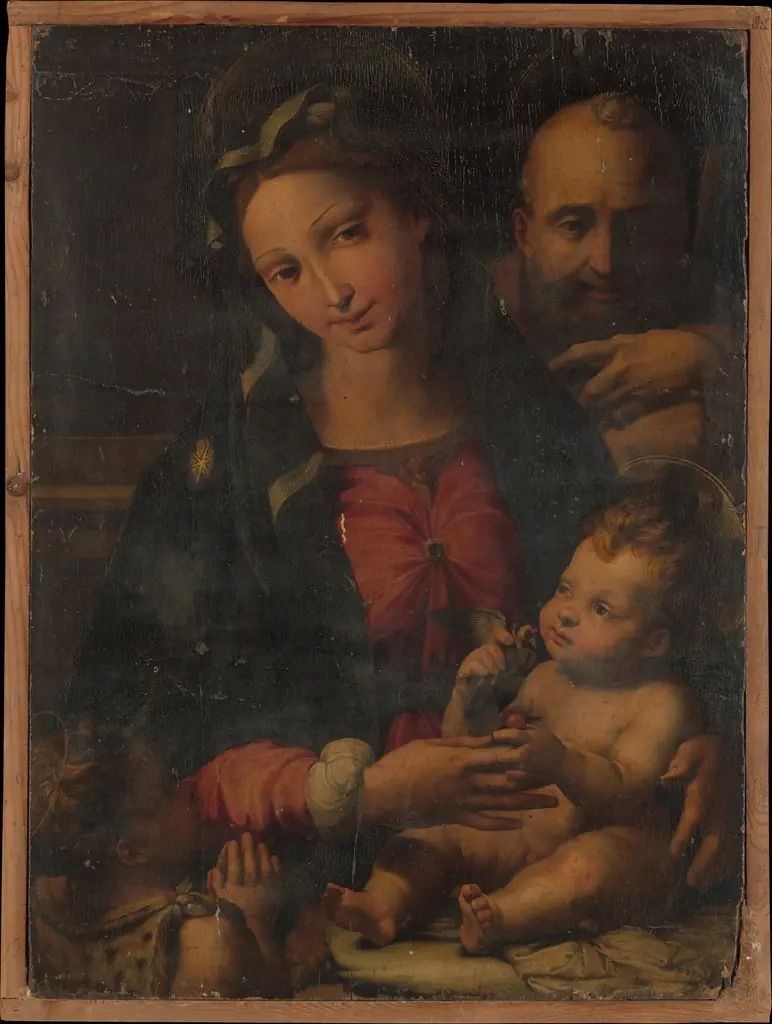 The Holy Family with the Infant Saint John the Baptist
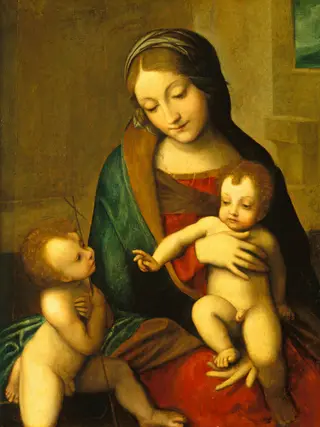 Madonna and Child with the Infant Saint John
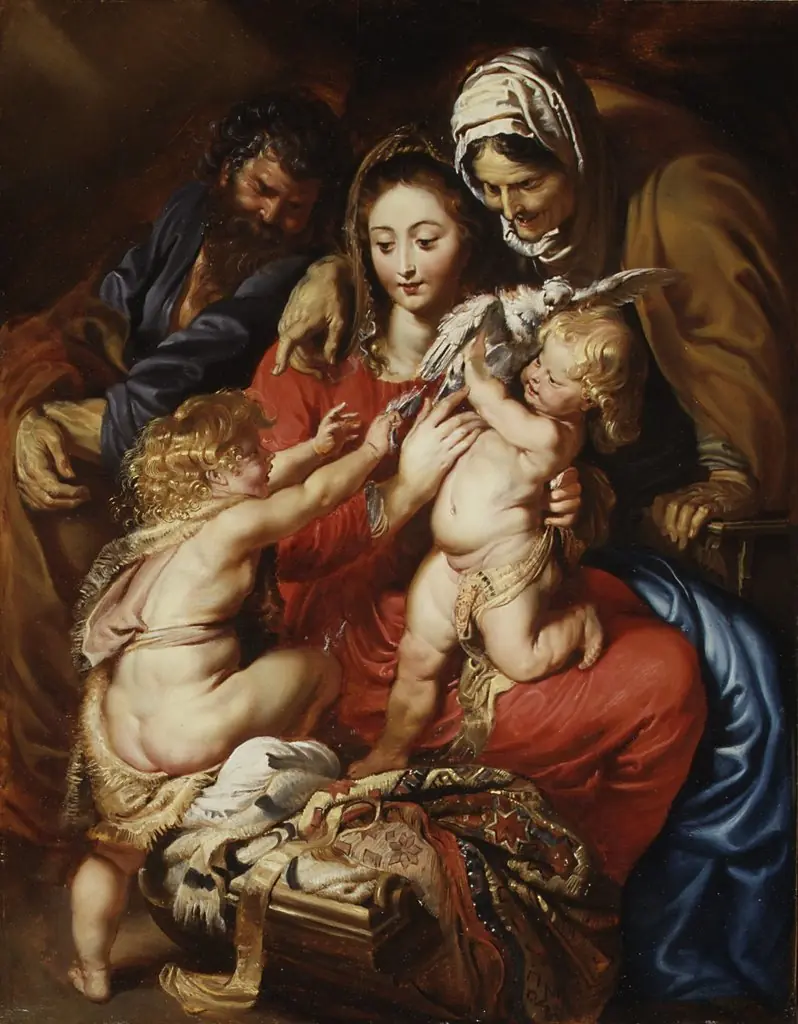 The Holy Family with Saint Elizabeth, Saint John, and a Dove
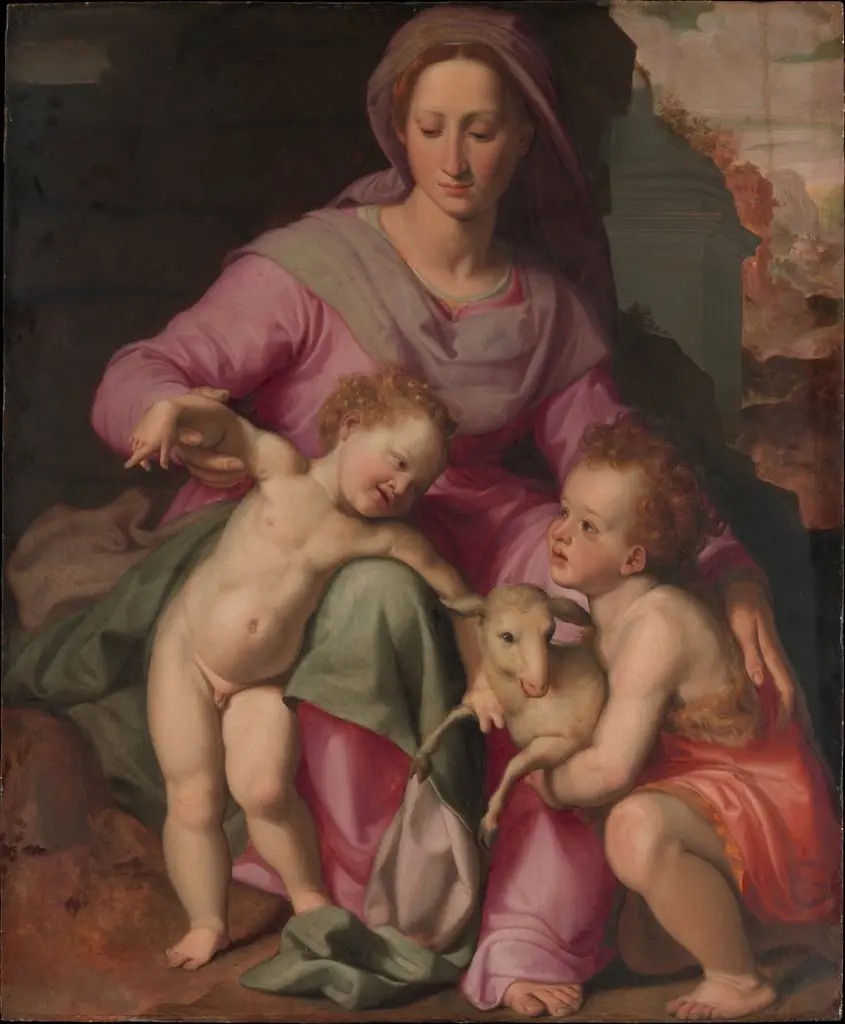 Madonna and Child with the Infant Saint John the Baptist
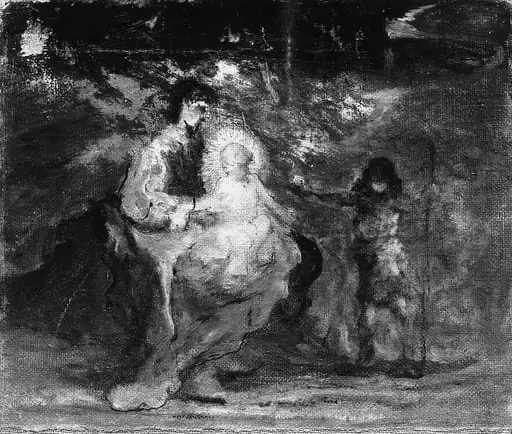 Madonna and Child and Little Saint John
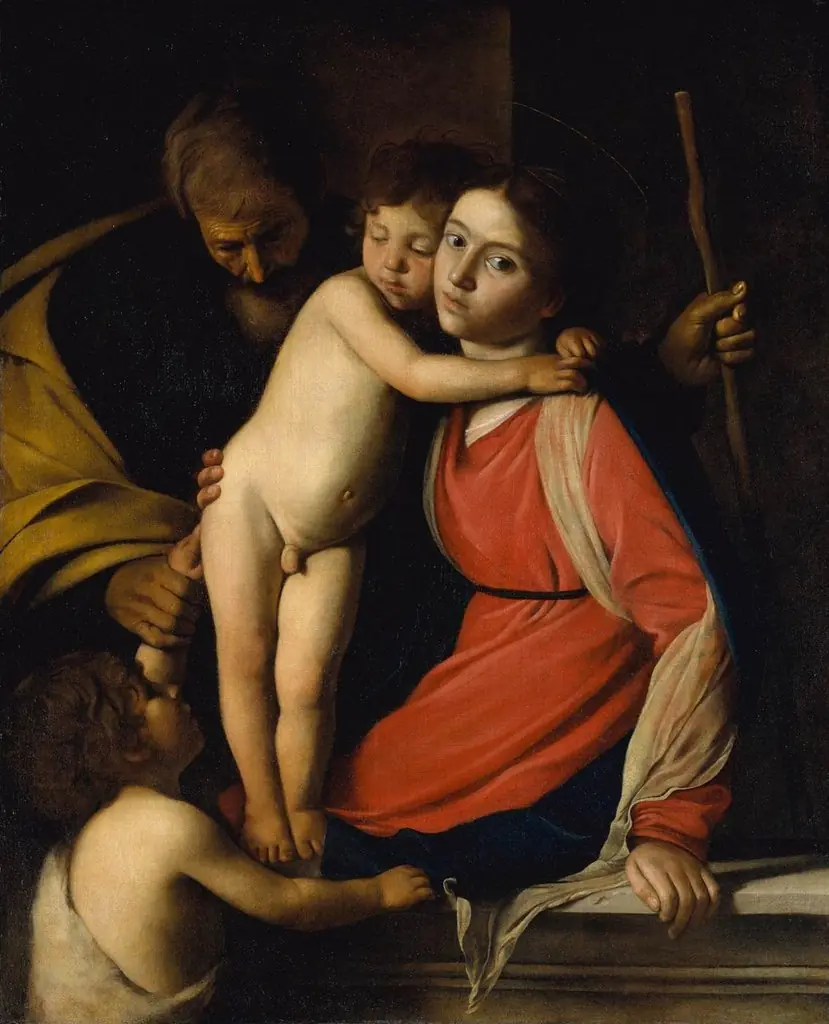 The Holy Family with Saint John the Baptist
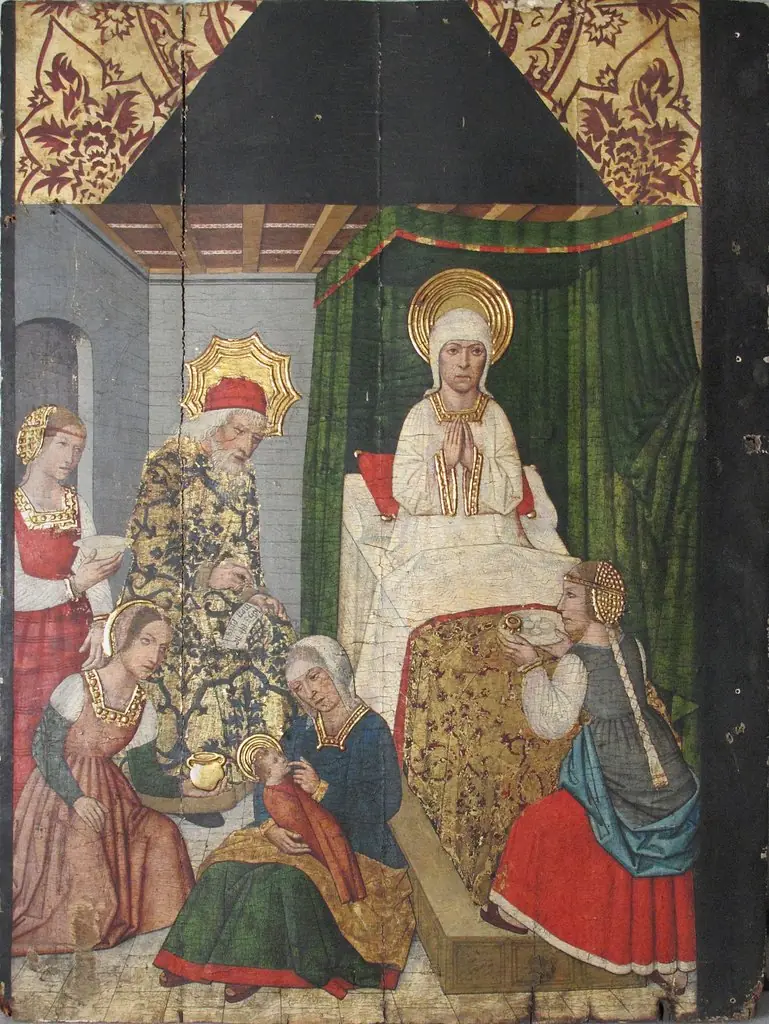 Panel with the Birth of St. John the Baptist from Retable
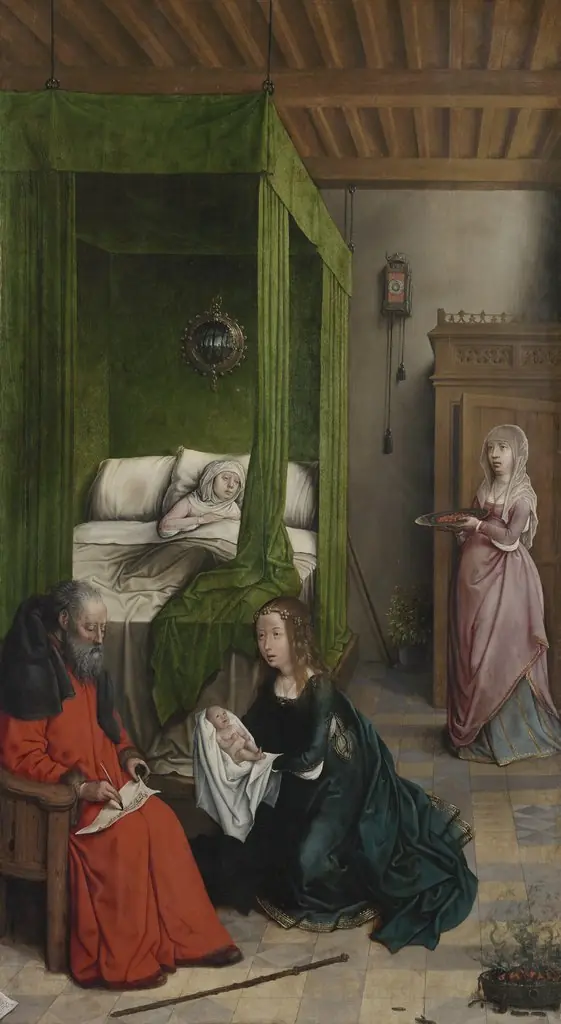 The Birth and Naming of John the Baptist
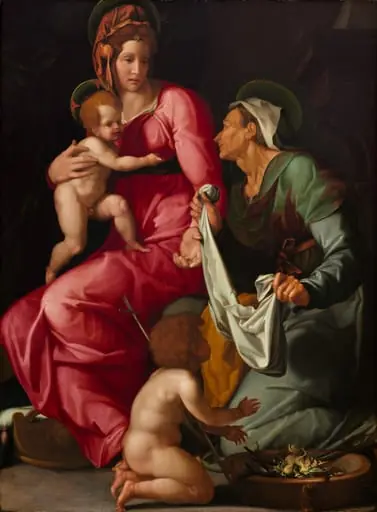 Madonna and Child with Saint Elizabeth and Saint John the Baptist
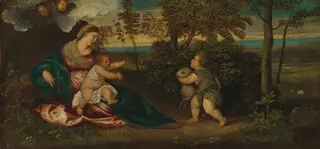 Madonna and Child and the Infant Saint John in a Landscape
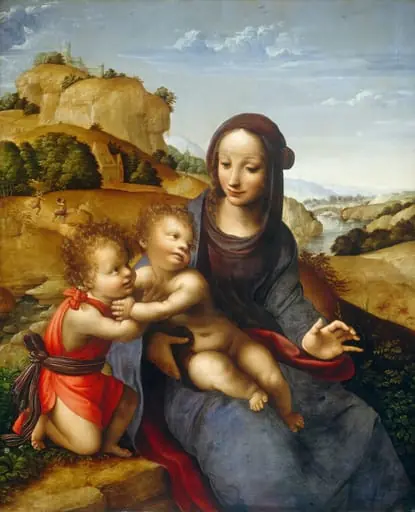 Madonna and Child with the Infant Saint John
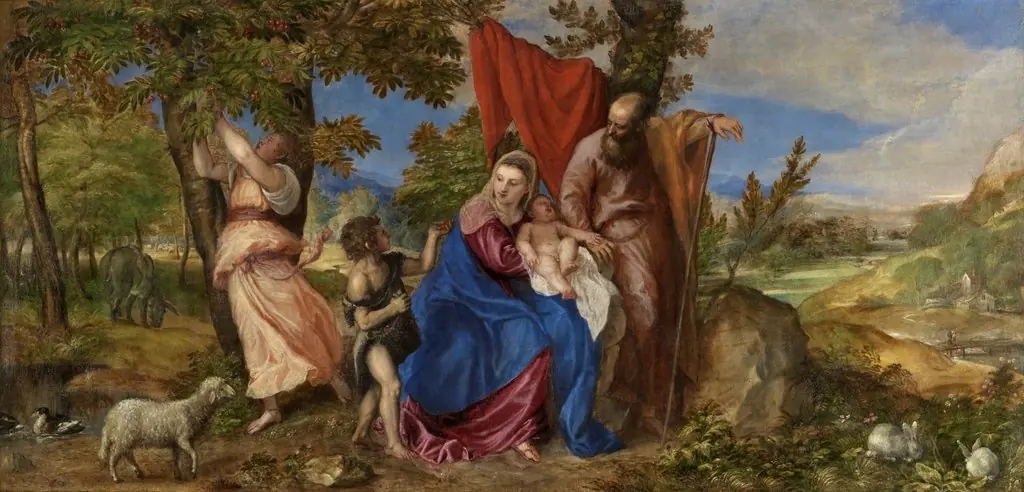 Rest on the Flight into Egypt
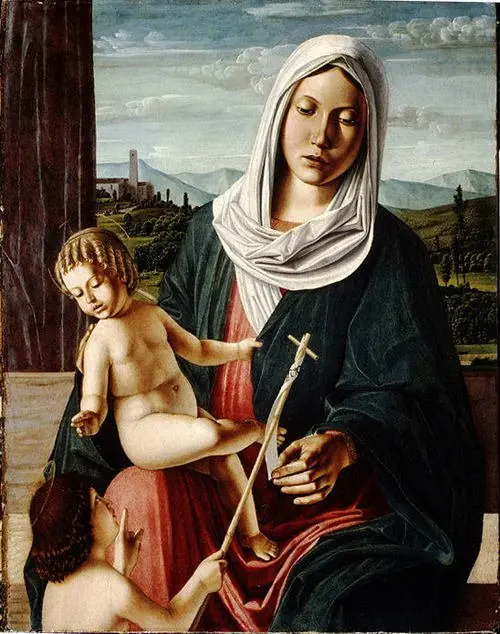 Madonna and Child with the Infant Saint John the Baptist
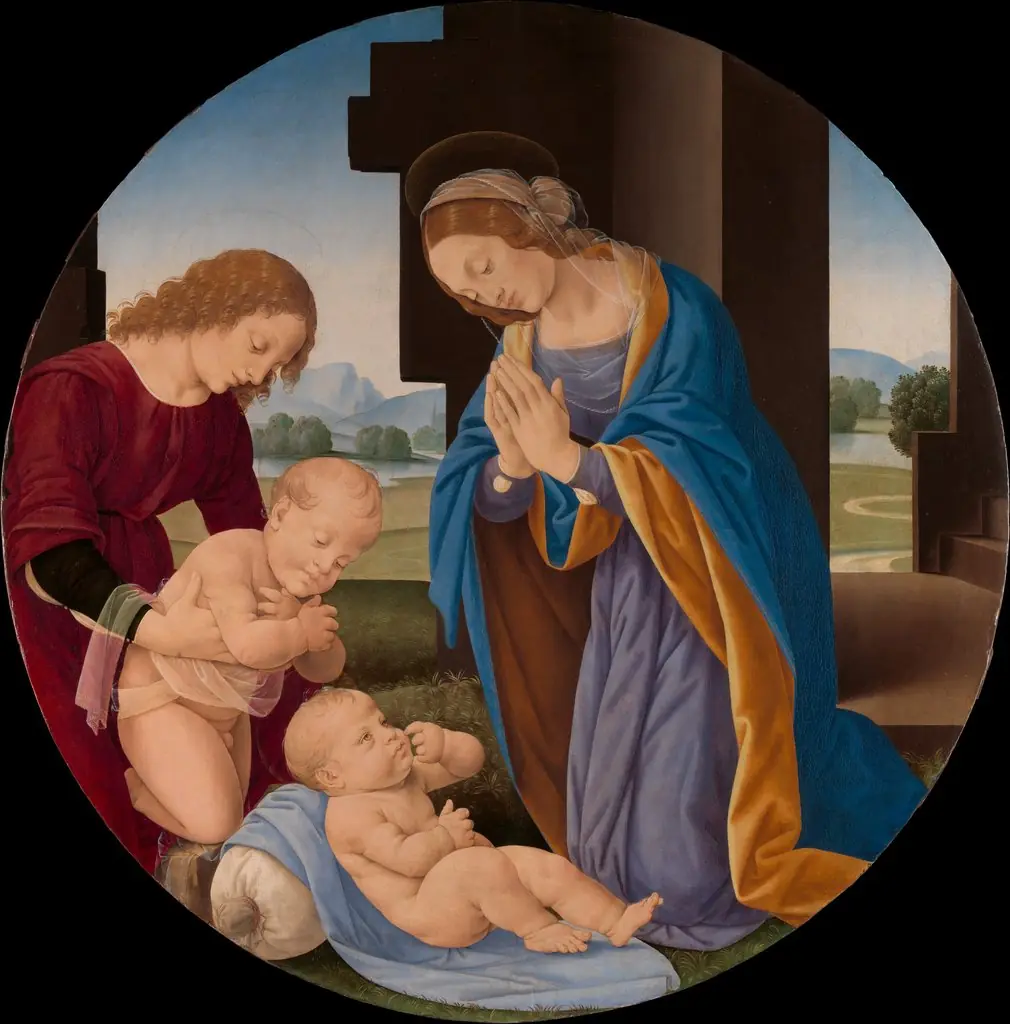 Madonna Adoring the Child with the Infant Saint John the Baptist and an Angel
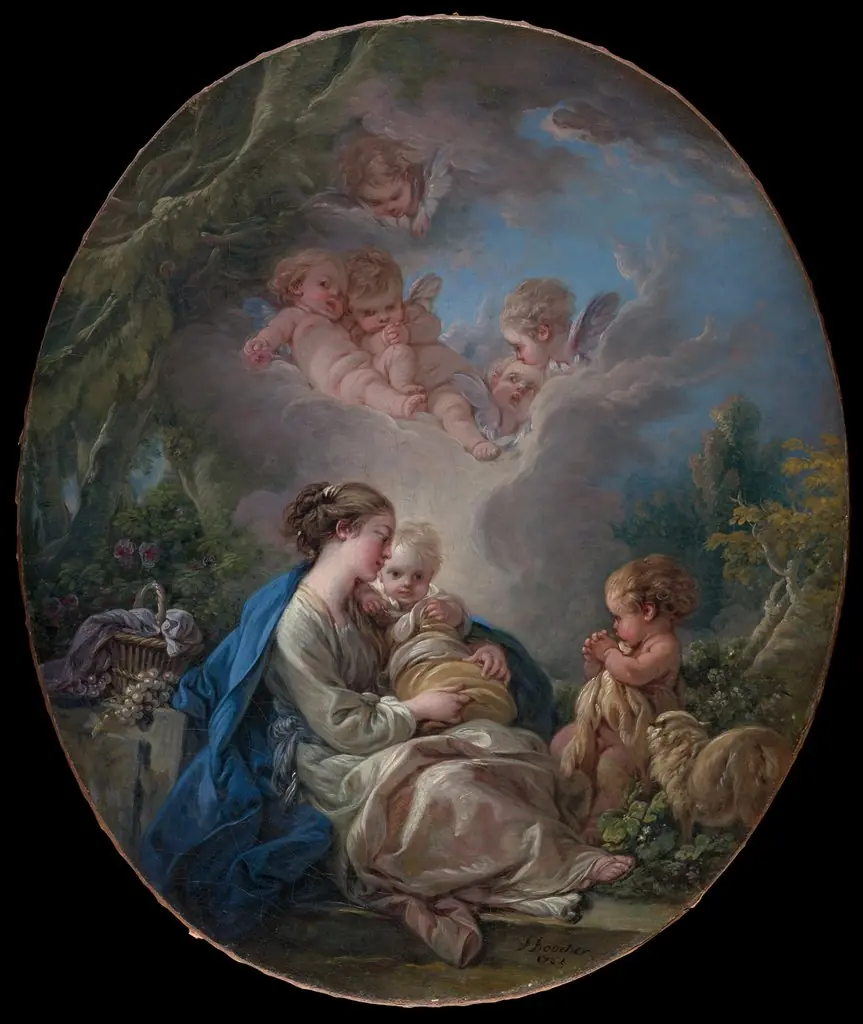 Virgin and Child with the Young Saint John the Baptist and Angels
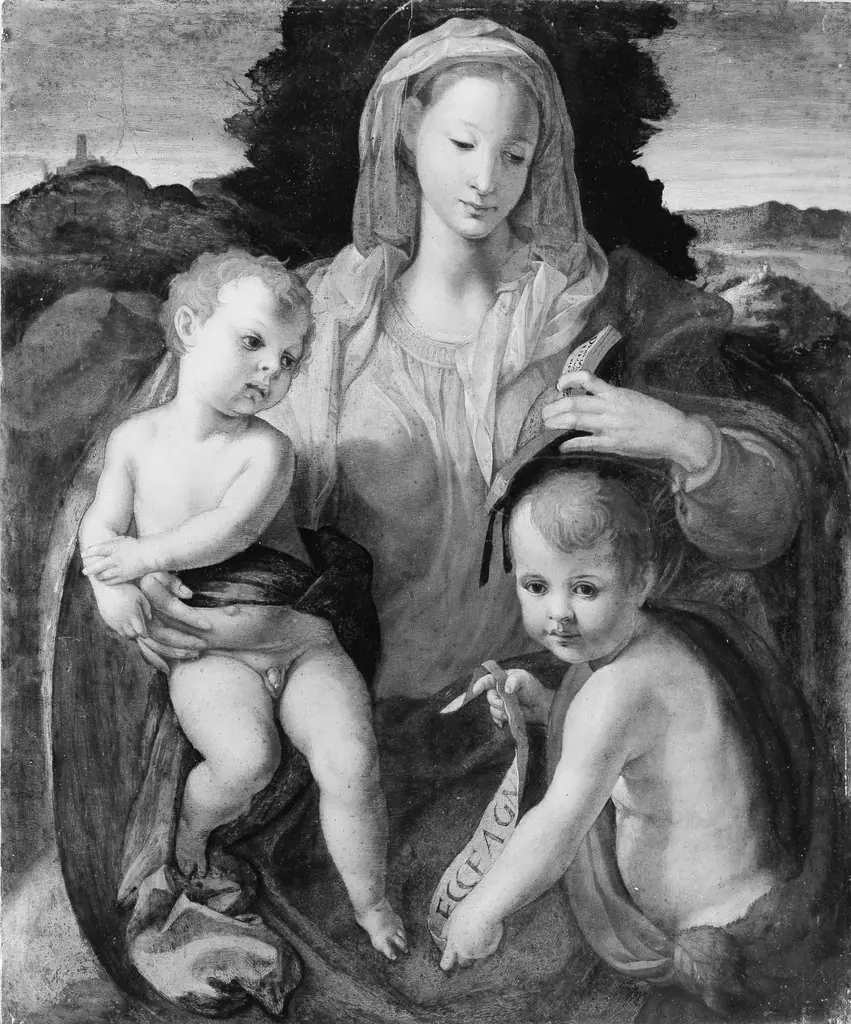 Madonna and Child with the Young Saint John the Baptist
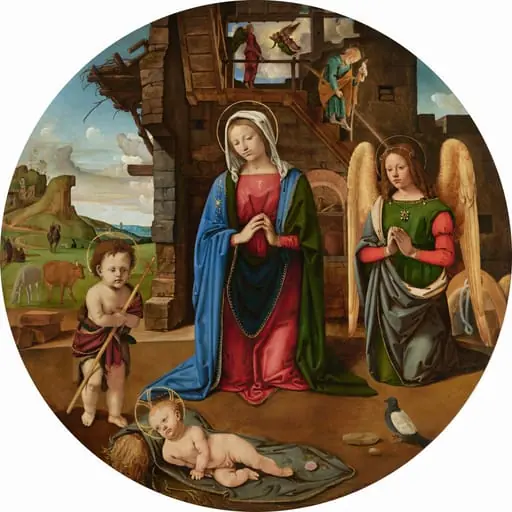 The Nativity with the Infant Saint John
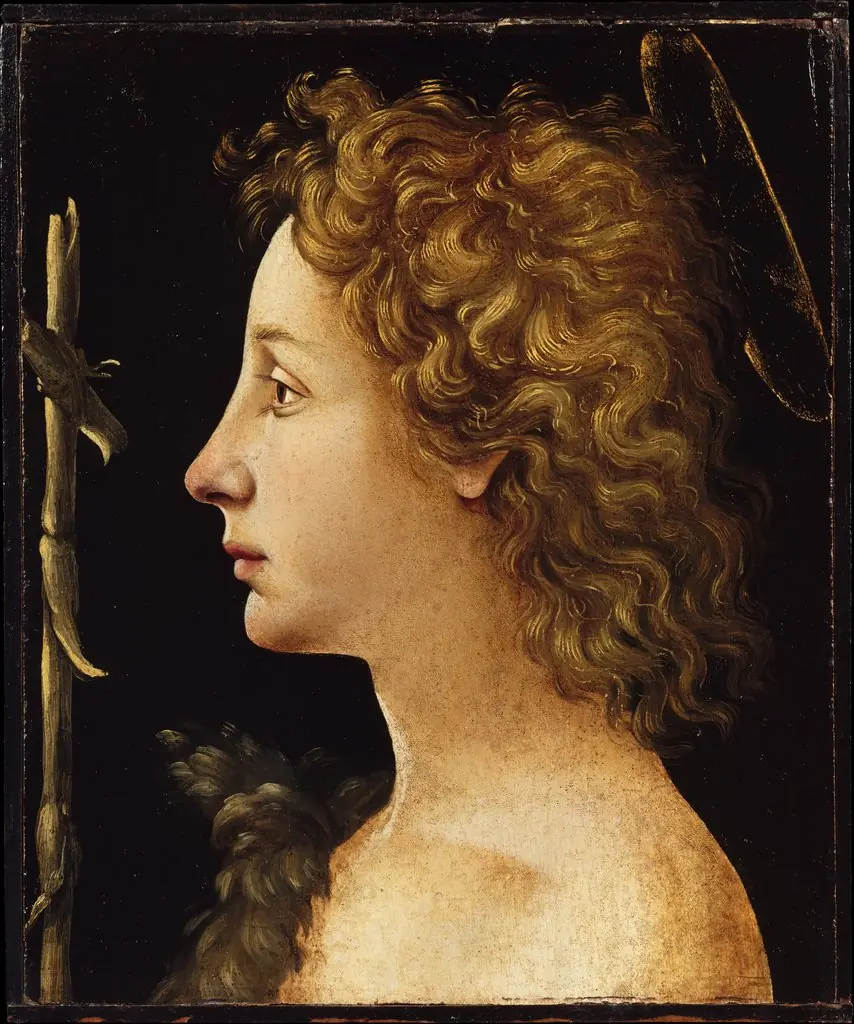 The Young Saint John the Baptist
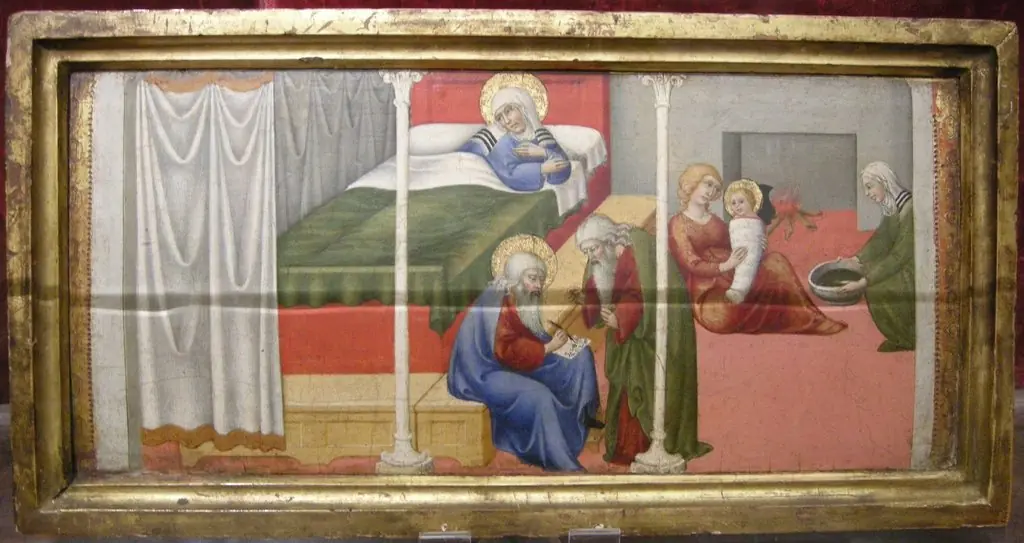 The Birth and Naming of Saint John the Baptist
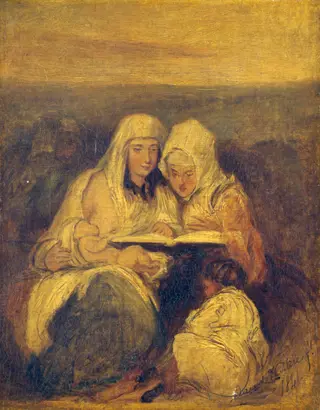 The Holy Family with Saint Elizabeth and Saint John the Baptist
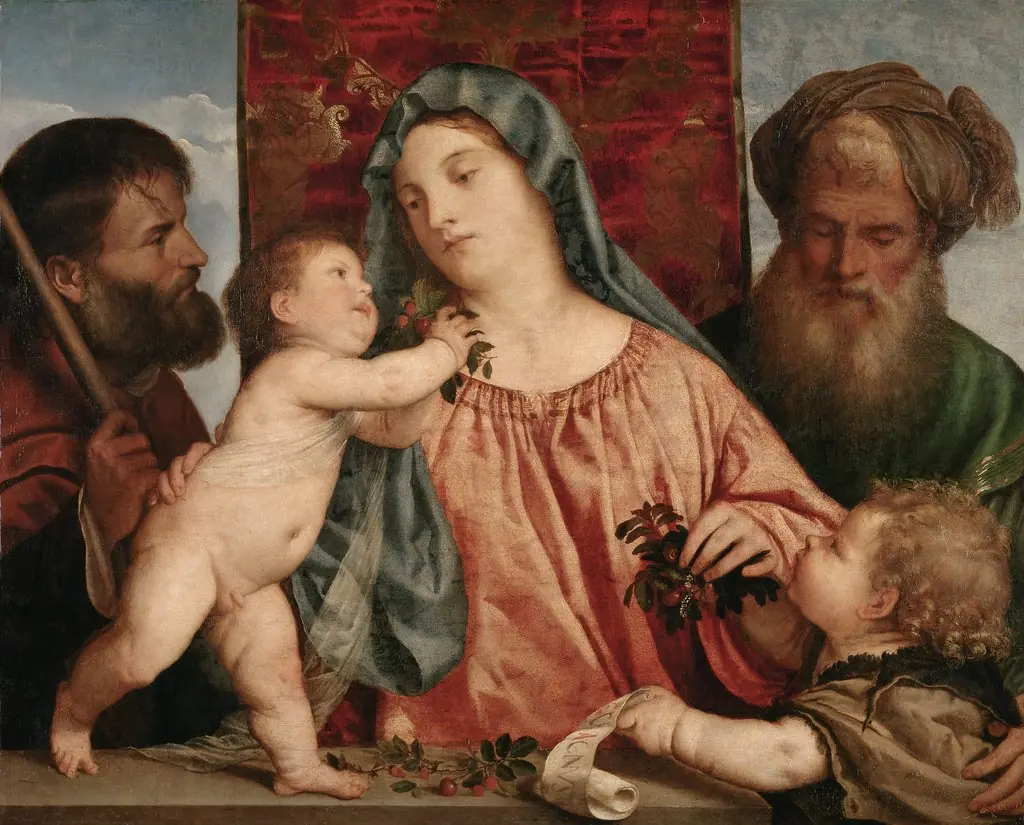 Madonna of the Cherries
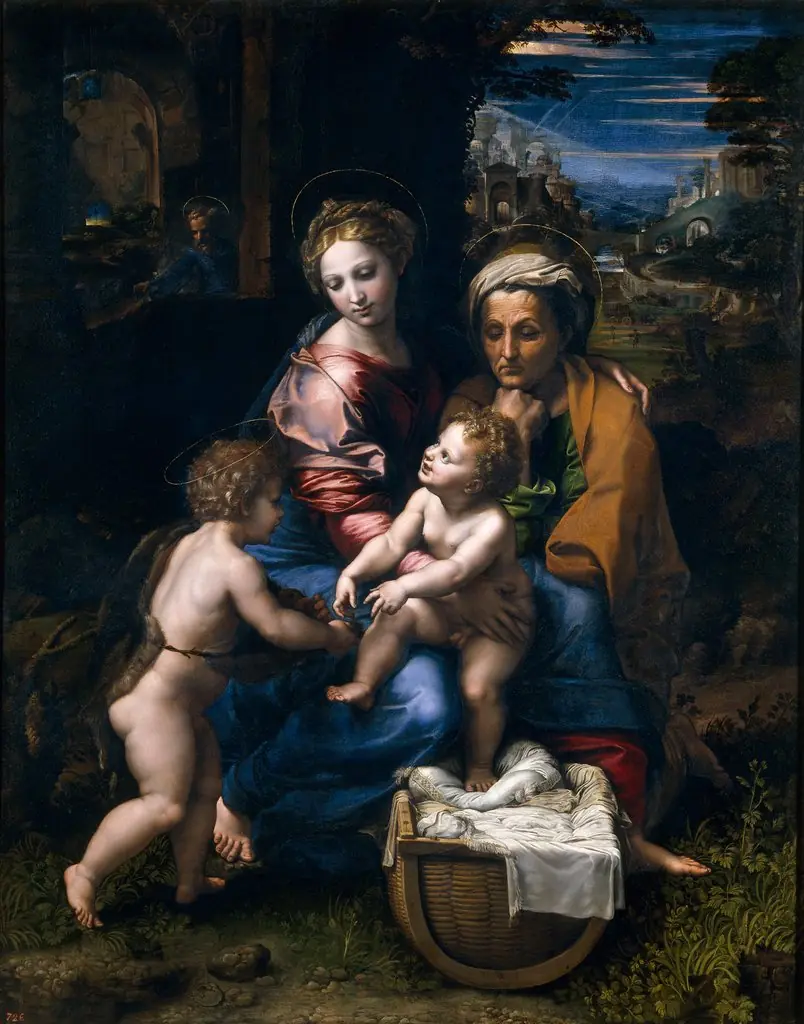 The Holy Family
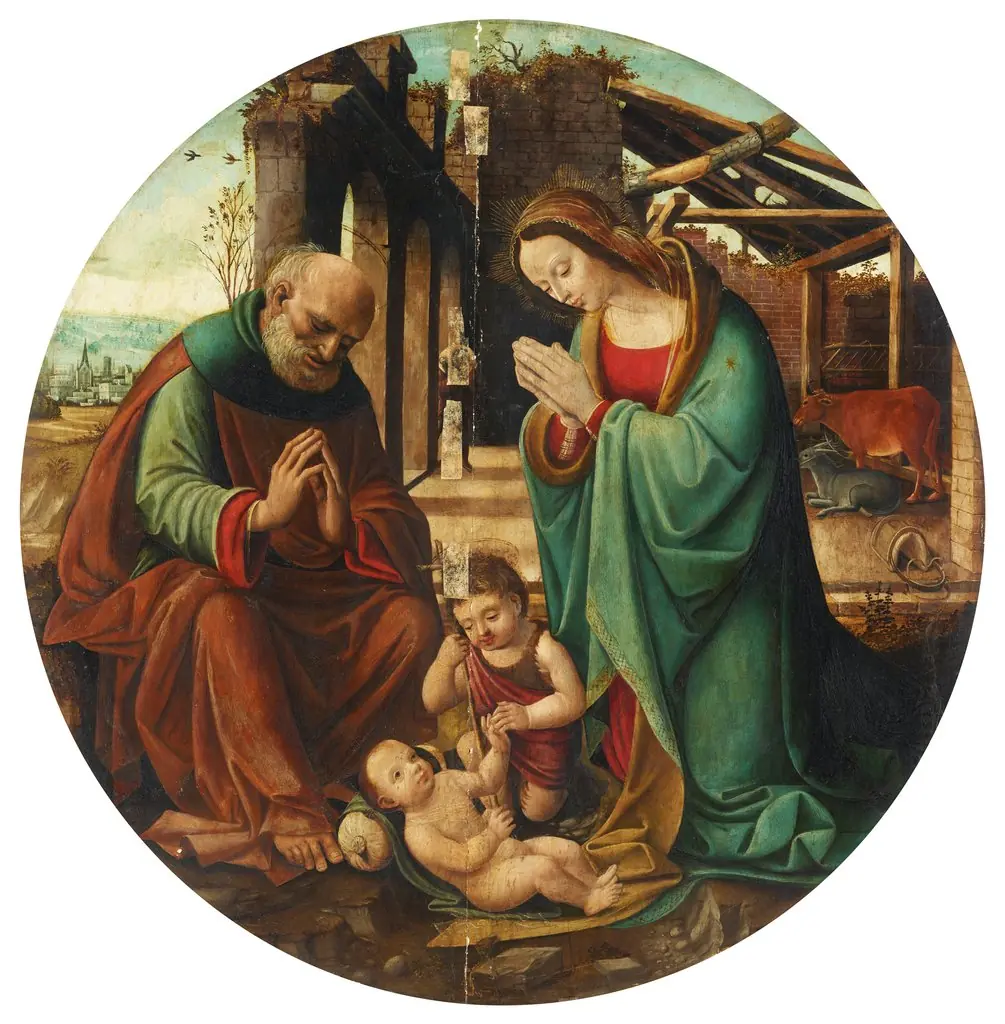 The Holy Family with Young St. John, Adoring the Child
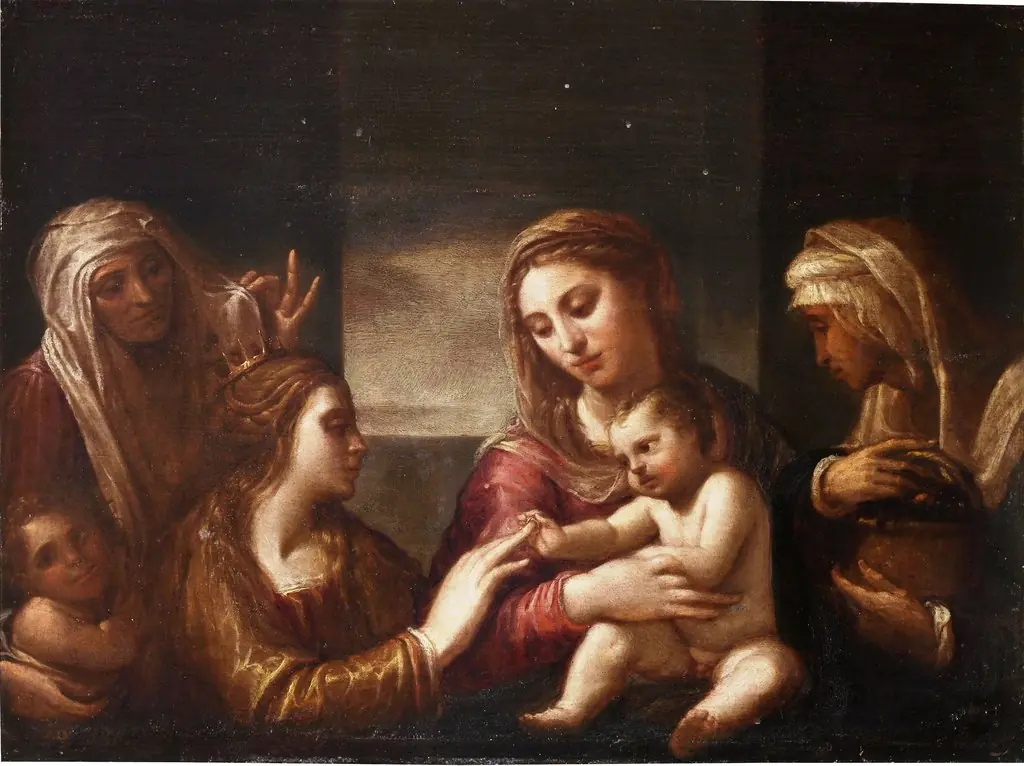 The Mystical Betrothal of Saint Catherine
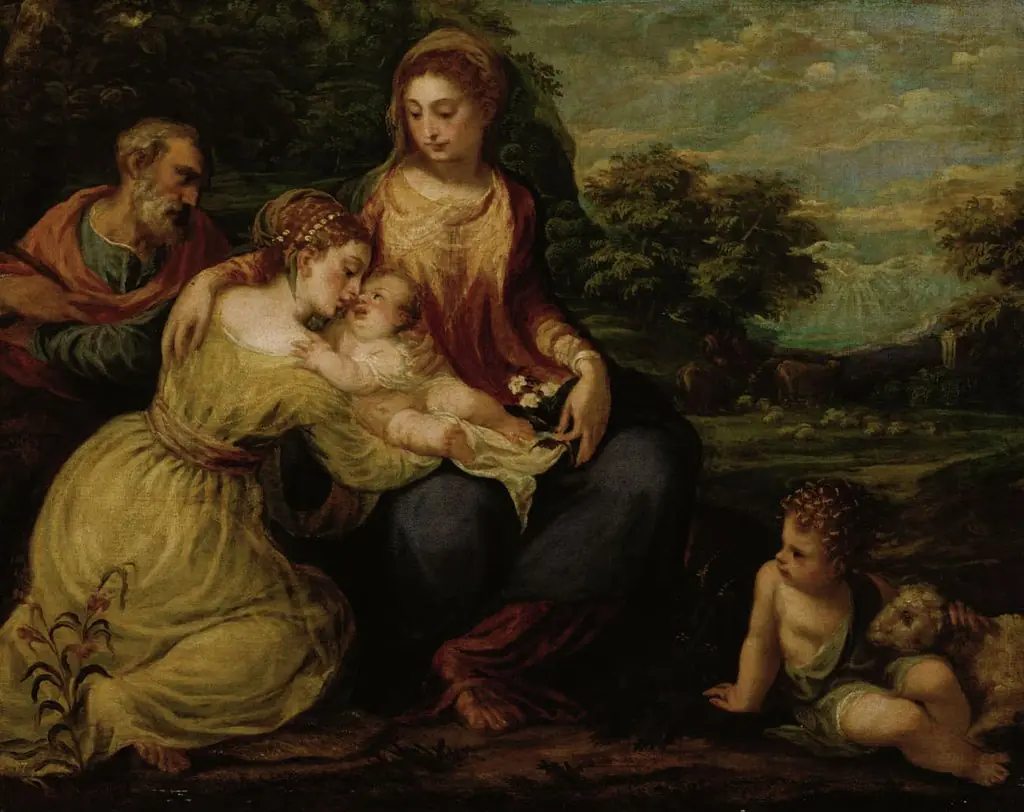 Holy Family with St Catharine and Young John the Baptist
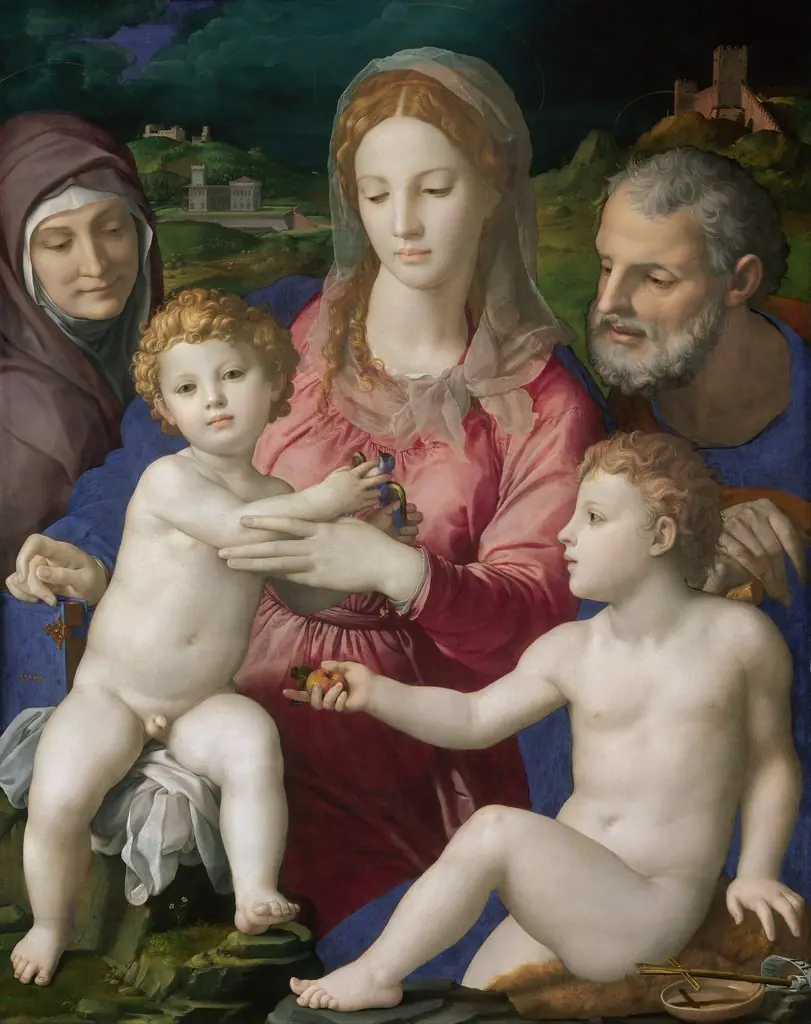 Holy Family with St. Anne and the Infant St. John
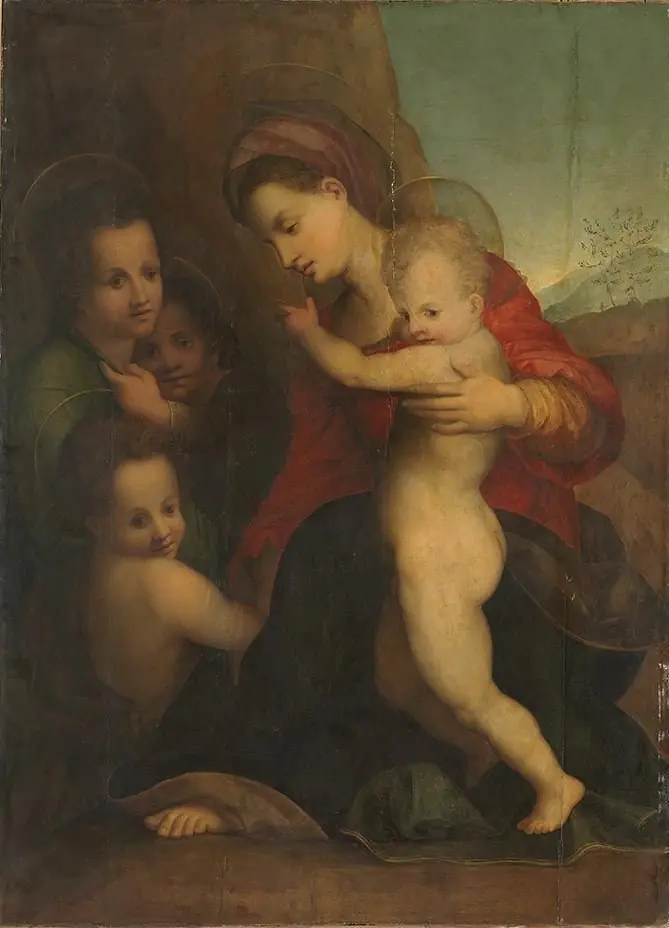 Mary with Child, John the Baptist, and Angels
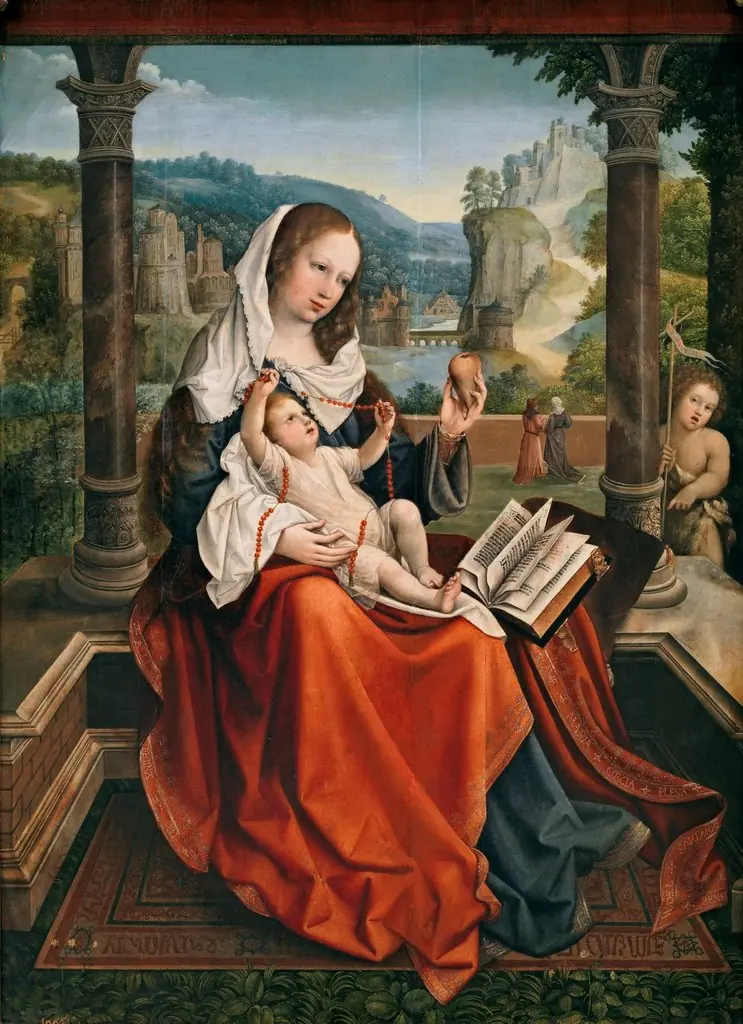 The Virgin and Child with the Infant Saint John the Baptist
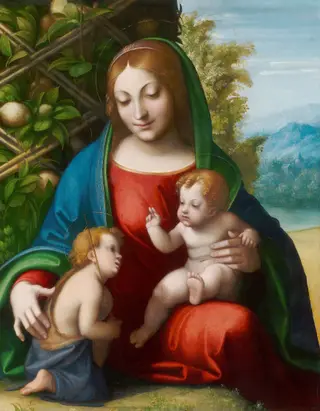 Virgin and Child with the Young Saint John the Baptist
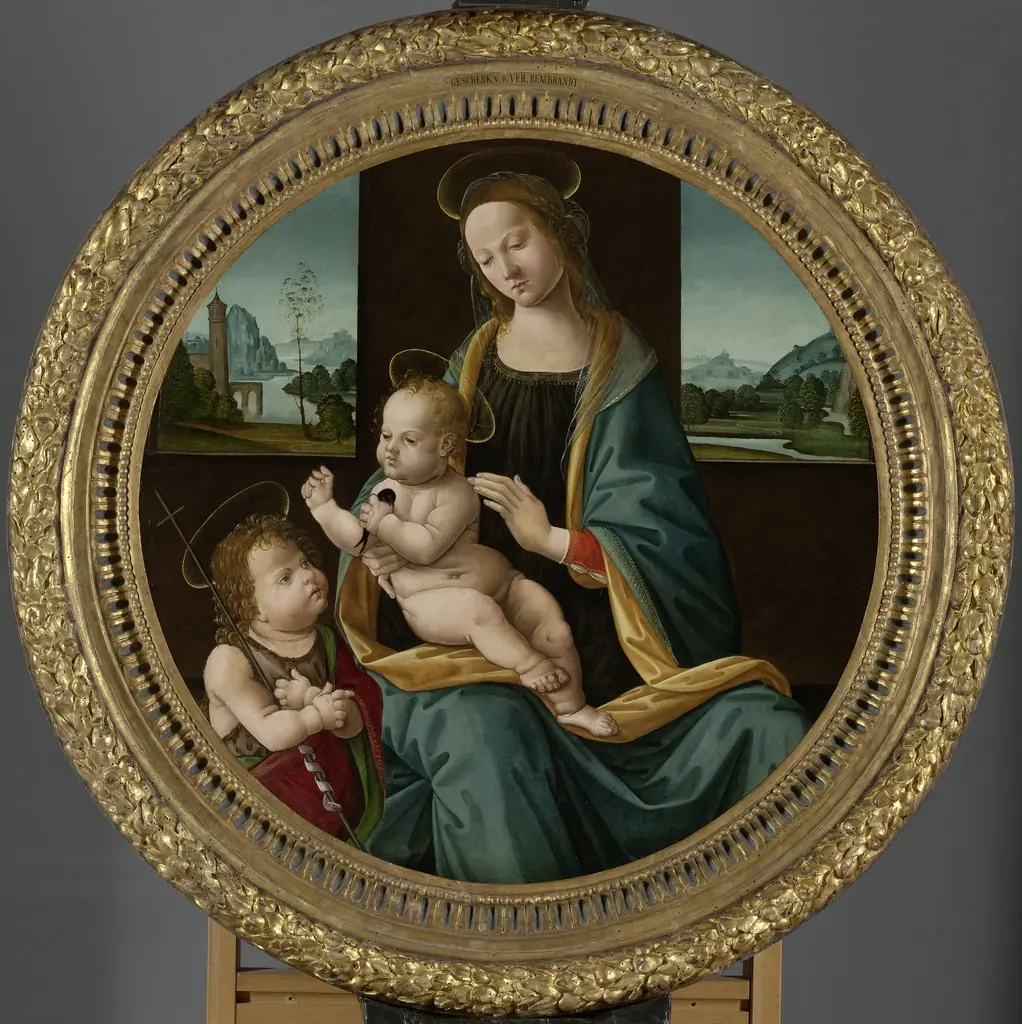 Virgin and Child with the Infant Saint John the Baptist
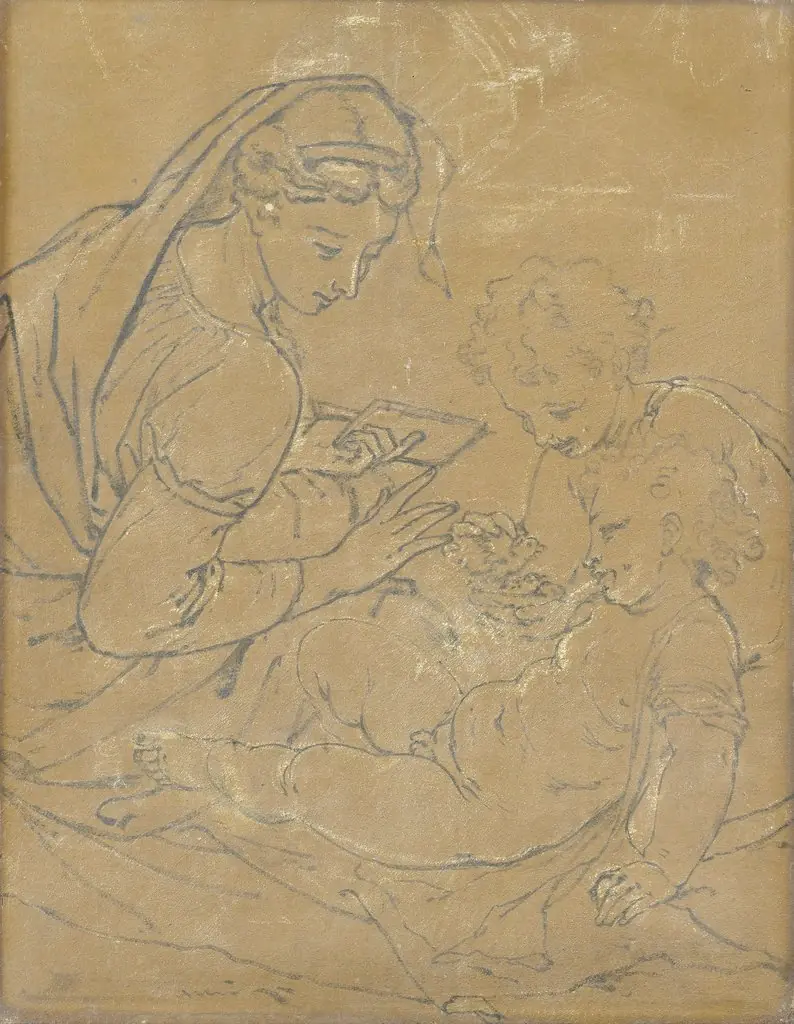 Virgin and Child with Saint John (chalk sketch)
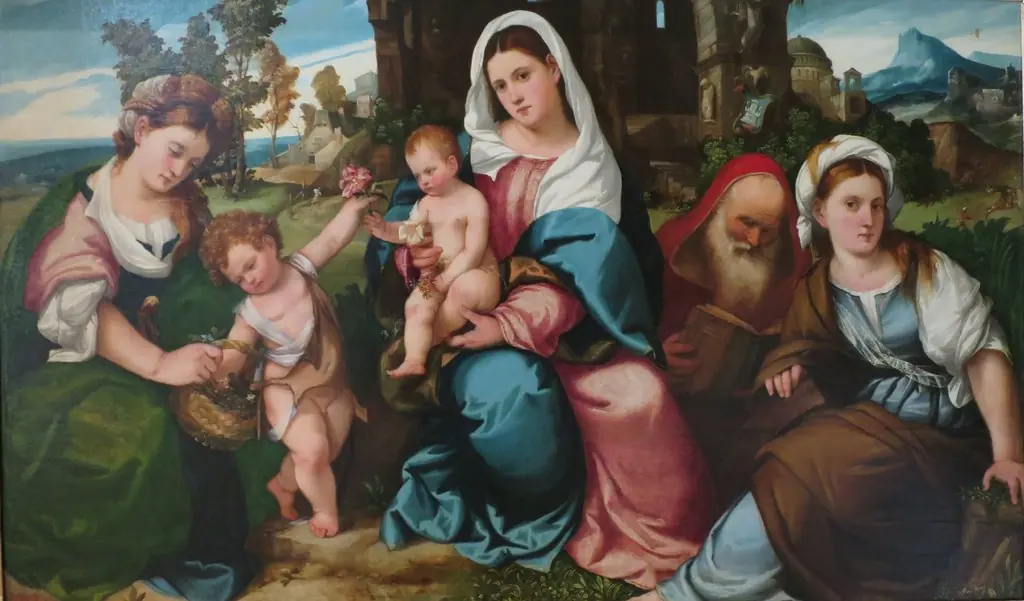 Madonna and Child with St Catherine, St John the Baptist, St Dorotea and St Anthony the Abbot
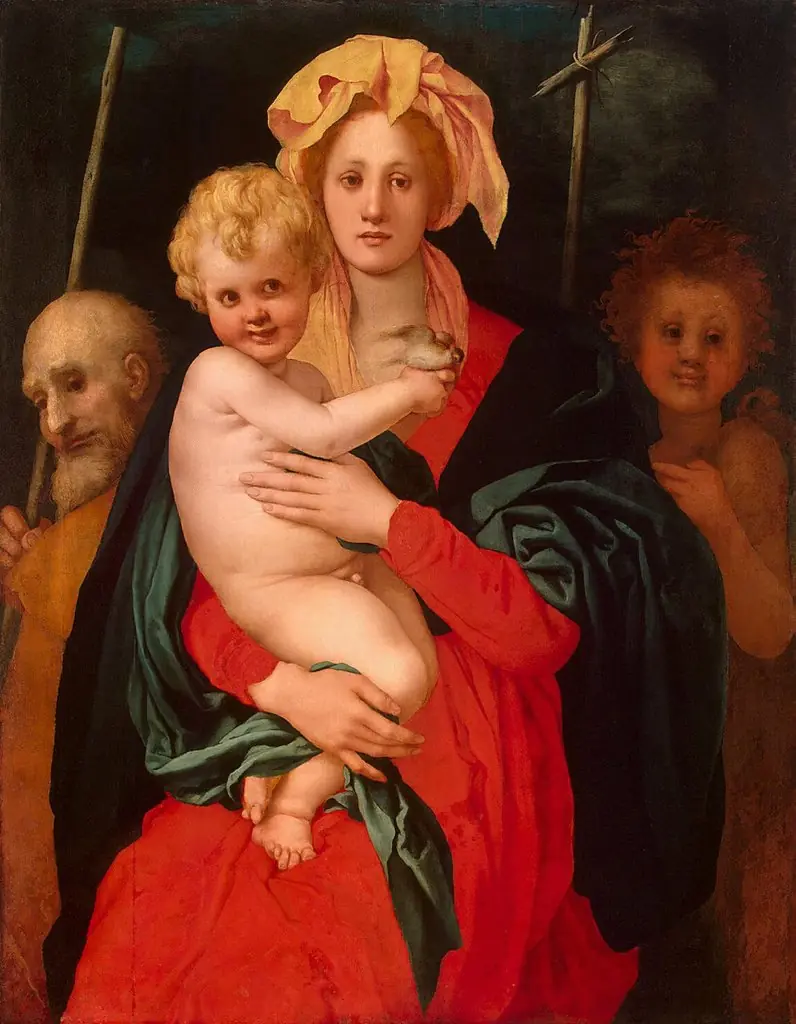 The Virgin and Child with St Joseph and St John the Baptist
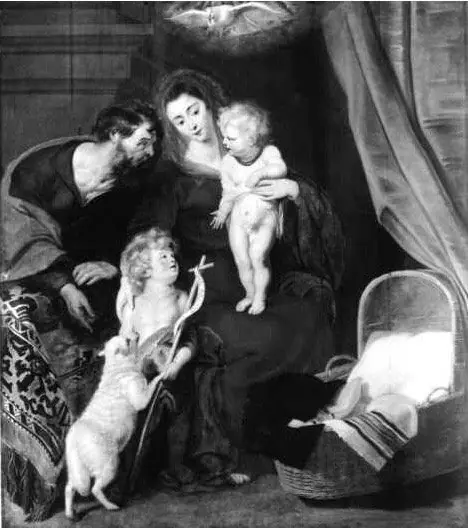 The Holy Family with John the Baptist as child
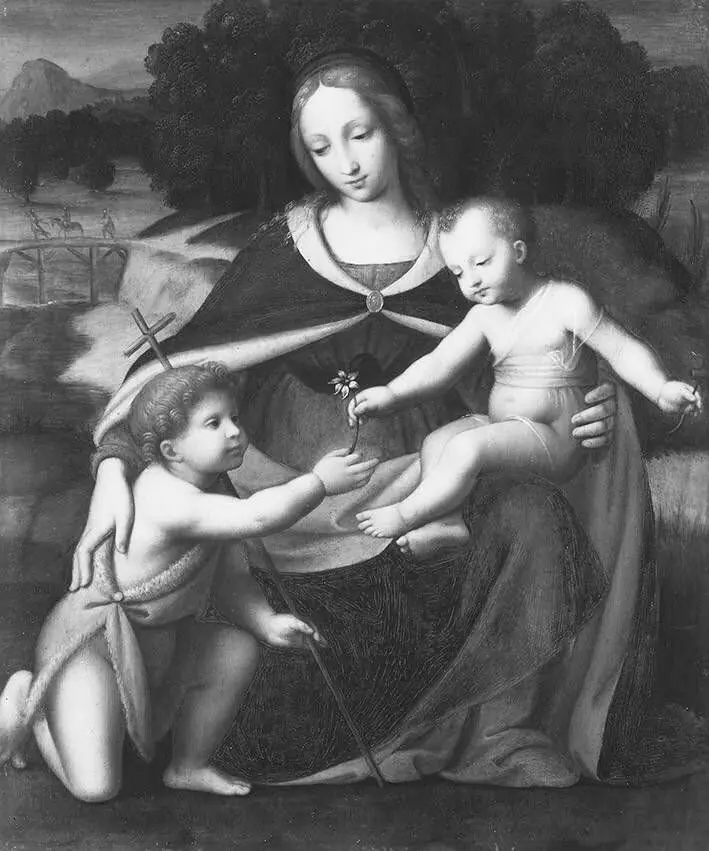 Madonna and Child with St John
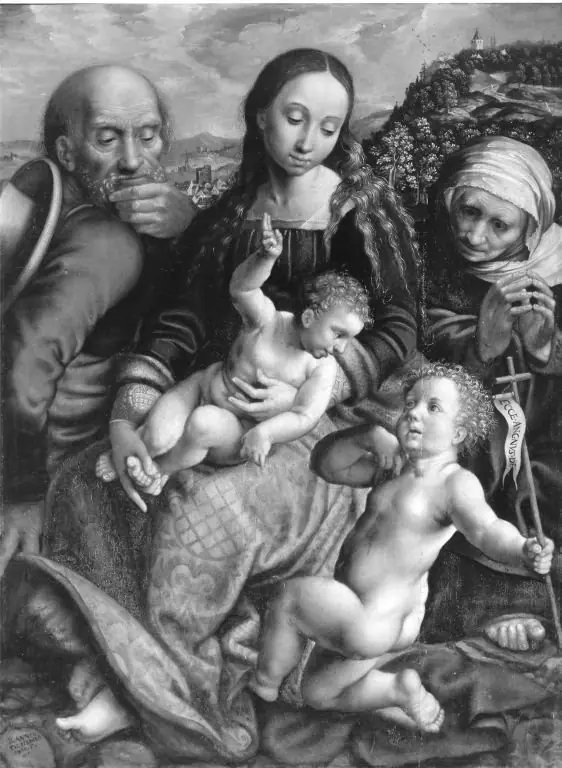 The Holy Family with Saint Elisabeth and the young St. John the Baptist
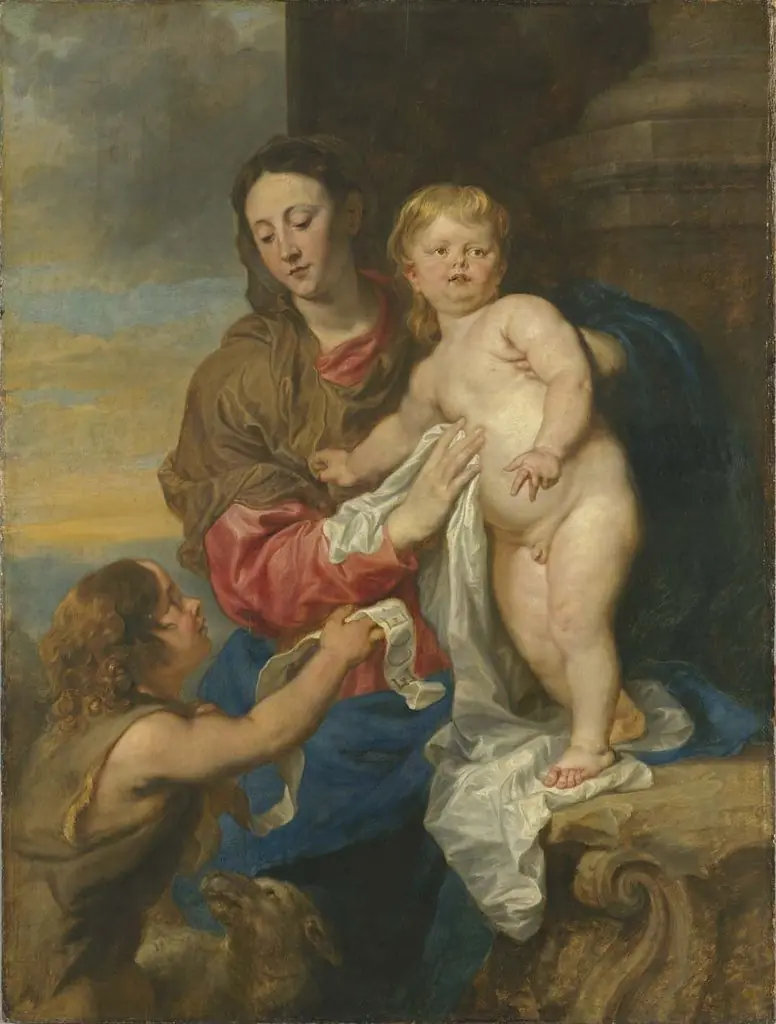 Madonna and Child with Child St John
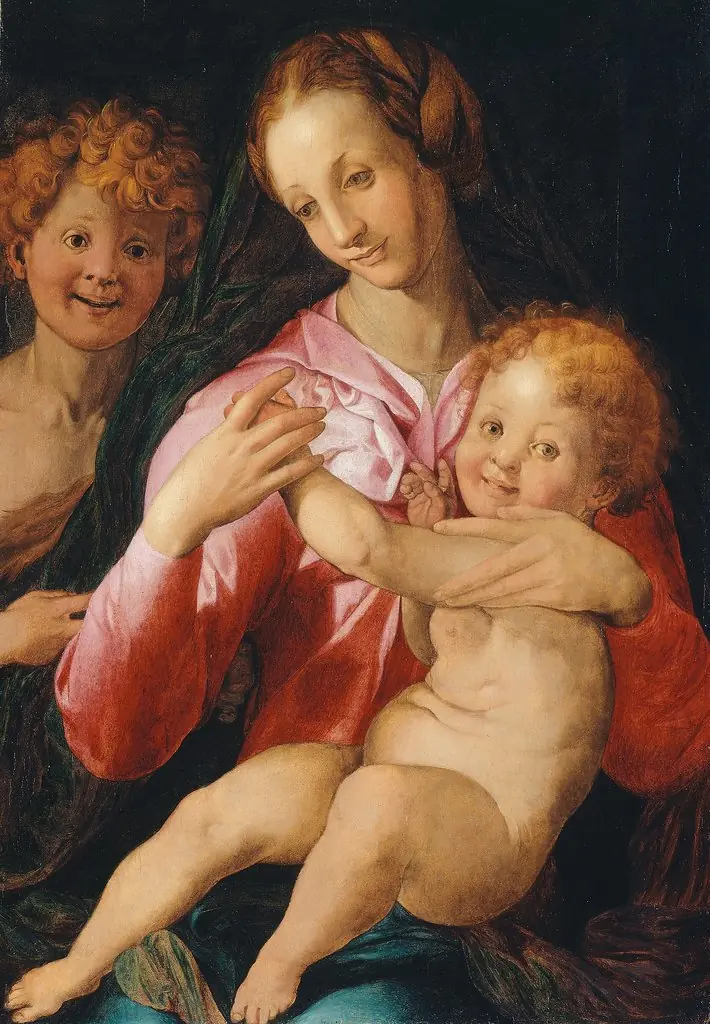 Virgin and Child with the Young Saint John the Baptist
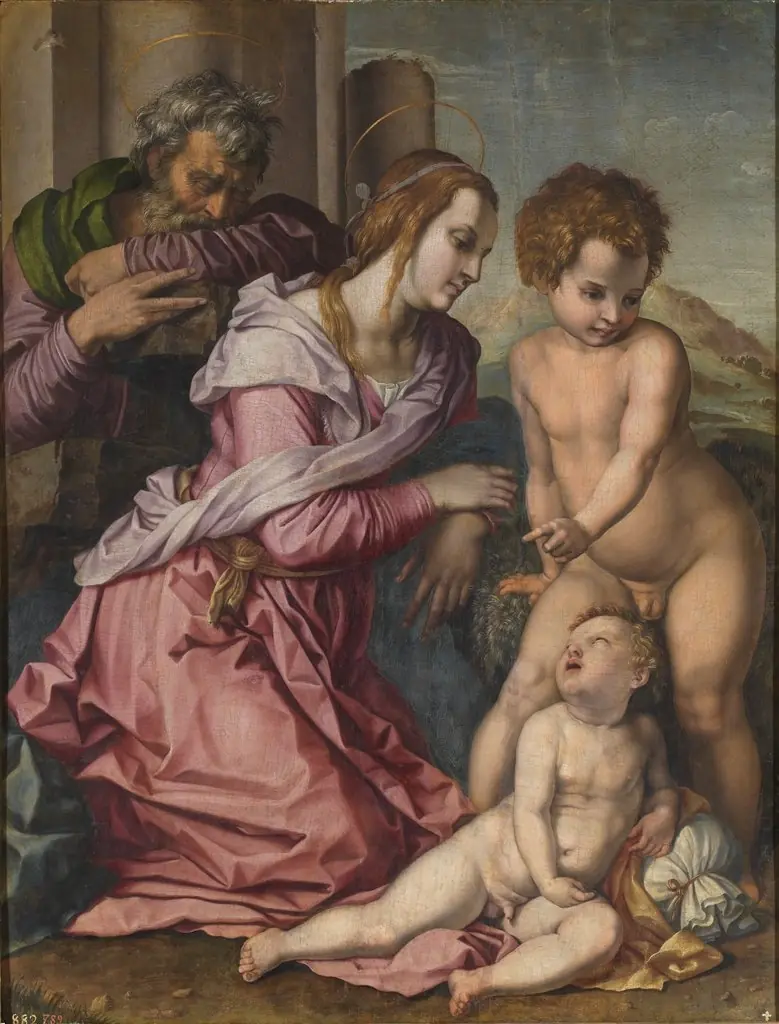 The Holy Family with the Infant Saint John the Baptist
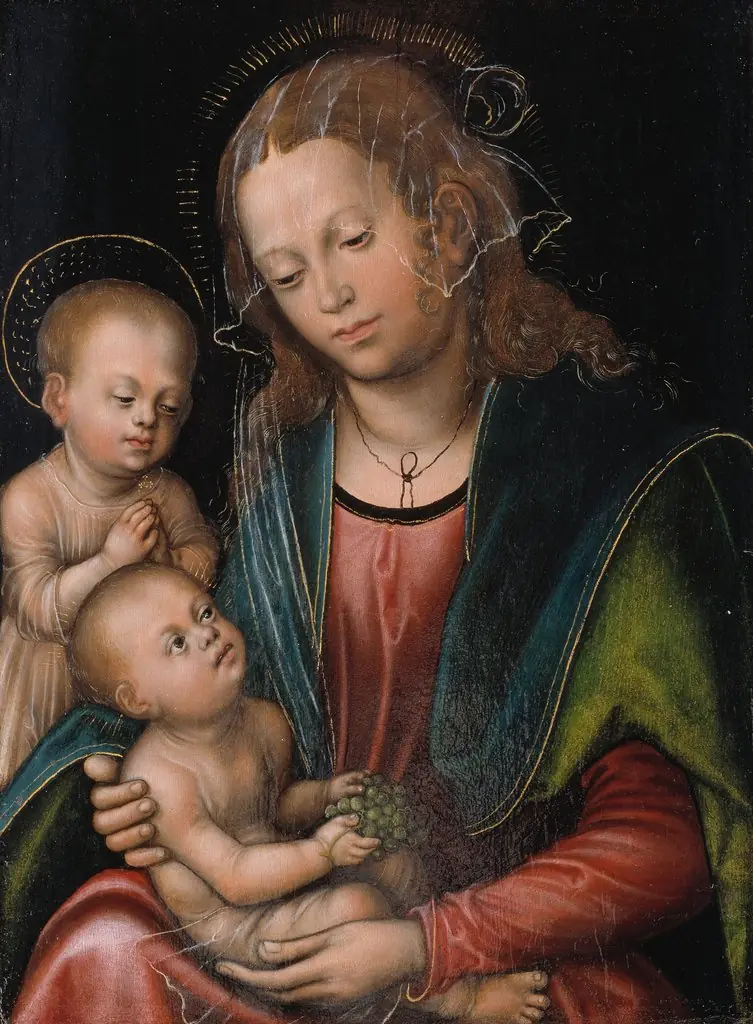 Virgin and Child Adored by the Infant St John
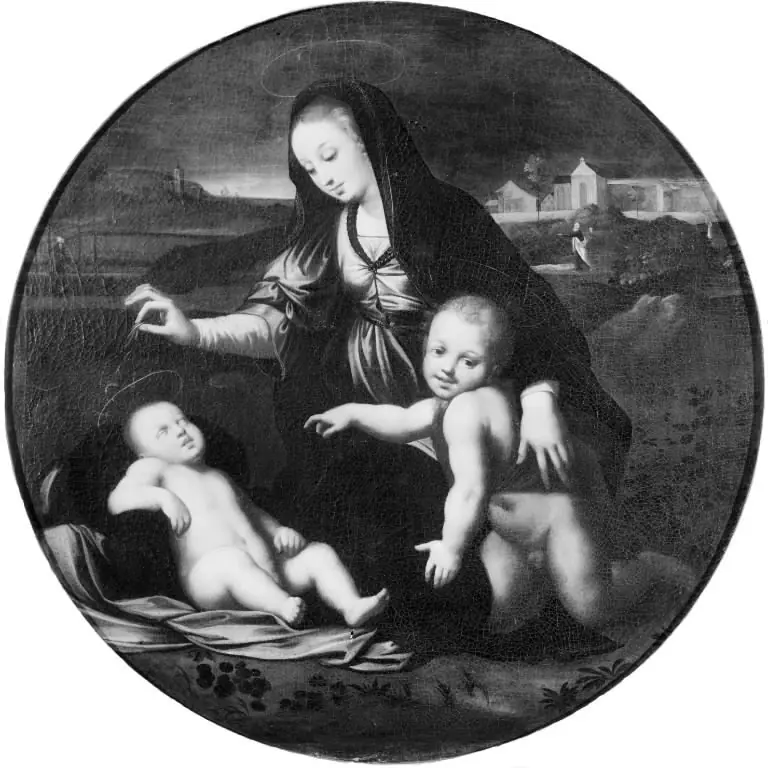 Virgin and Child with the Infant St John
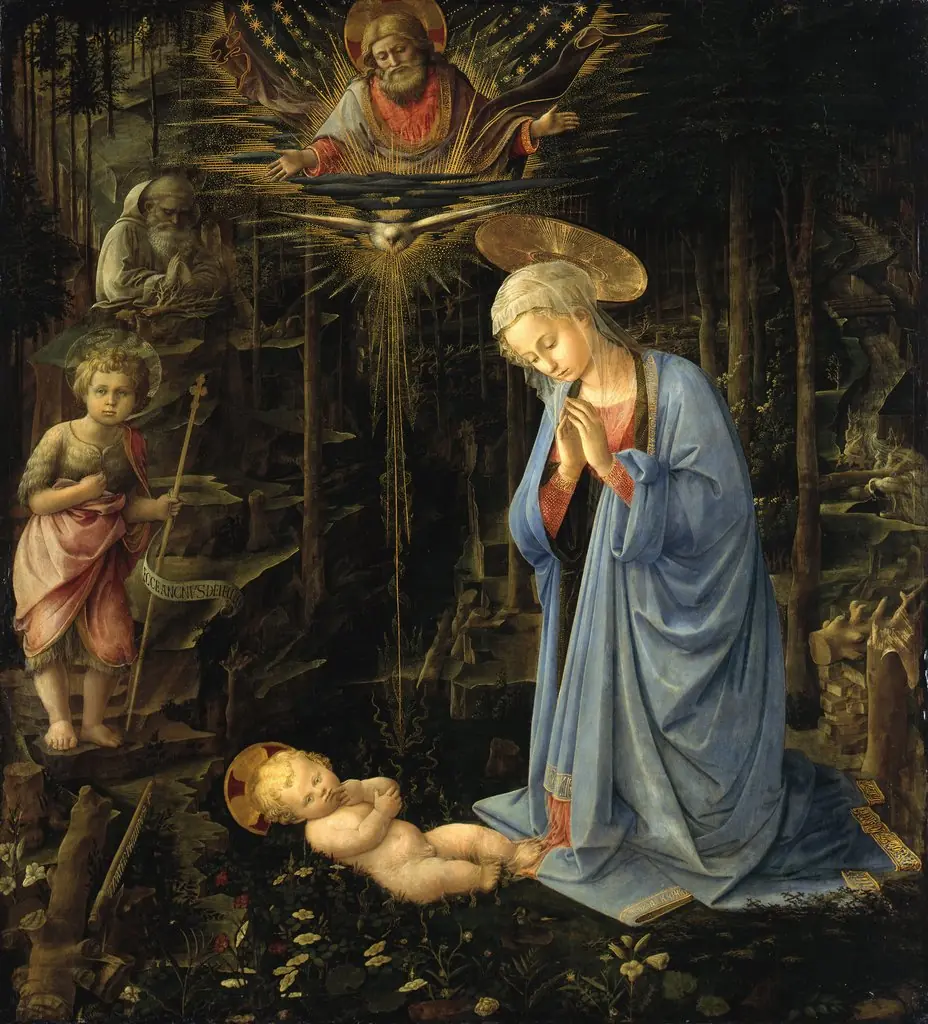 Adoration in the Forest
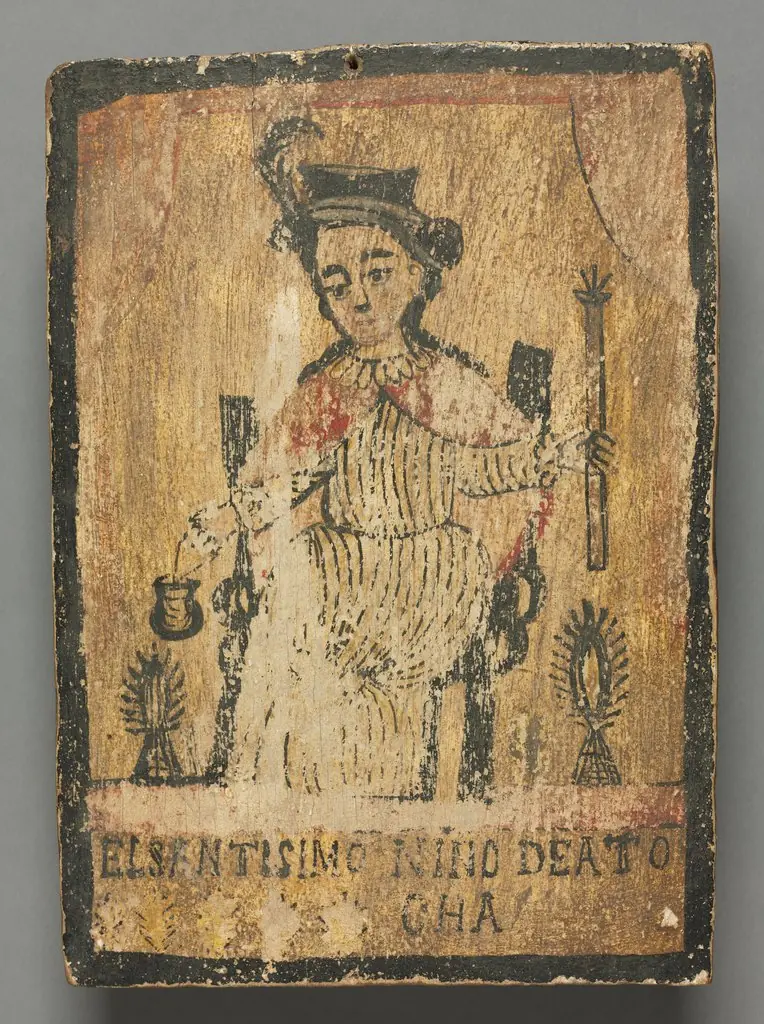 El Santo Nino de Atocha: santo de retablo
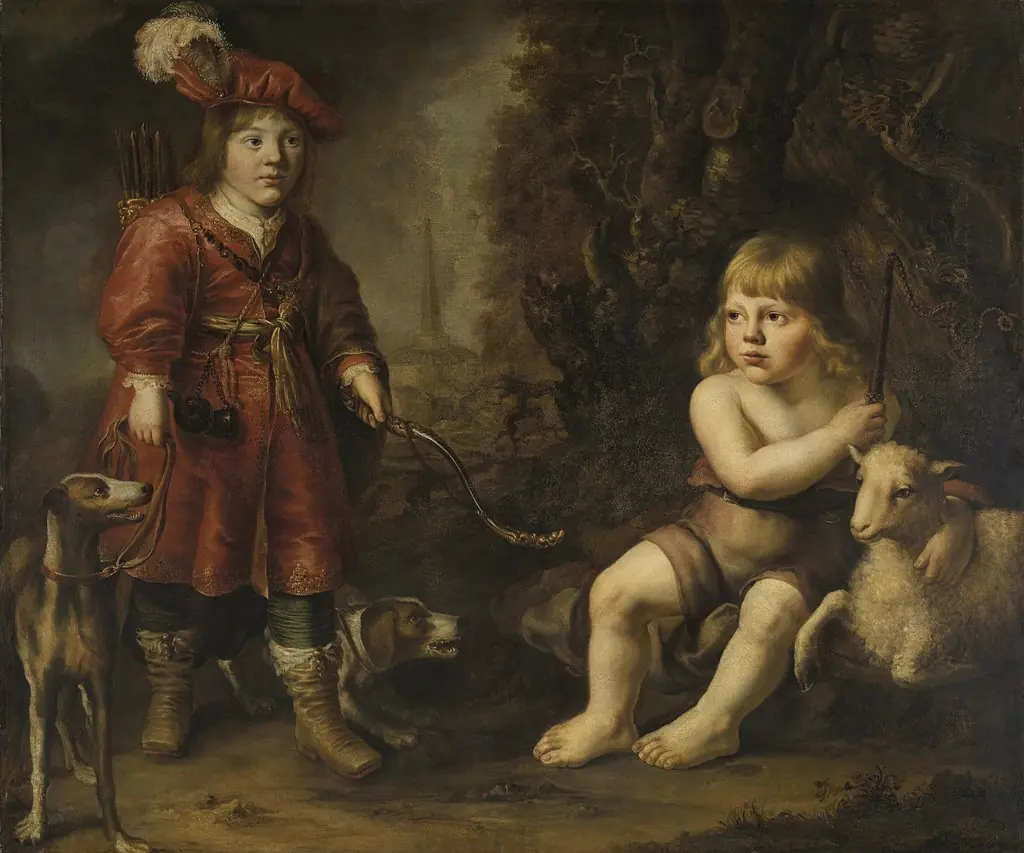 Portraits of two boys in a landscape, one dressed as a hunter, the other as St. John the Baptist
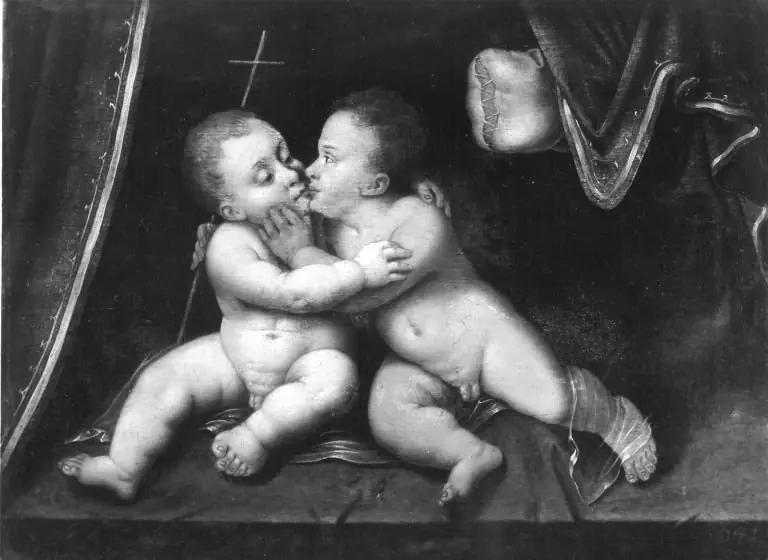 Holy Infants Kissing
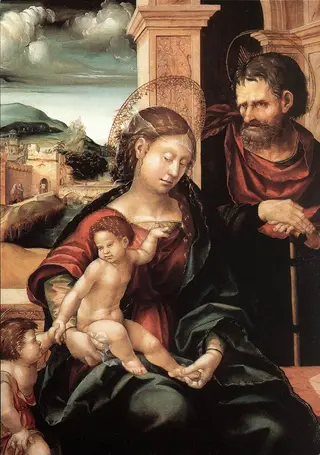 Holy Family with Child St. John
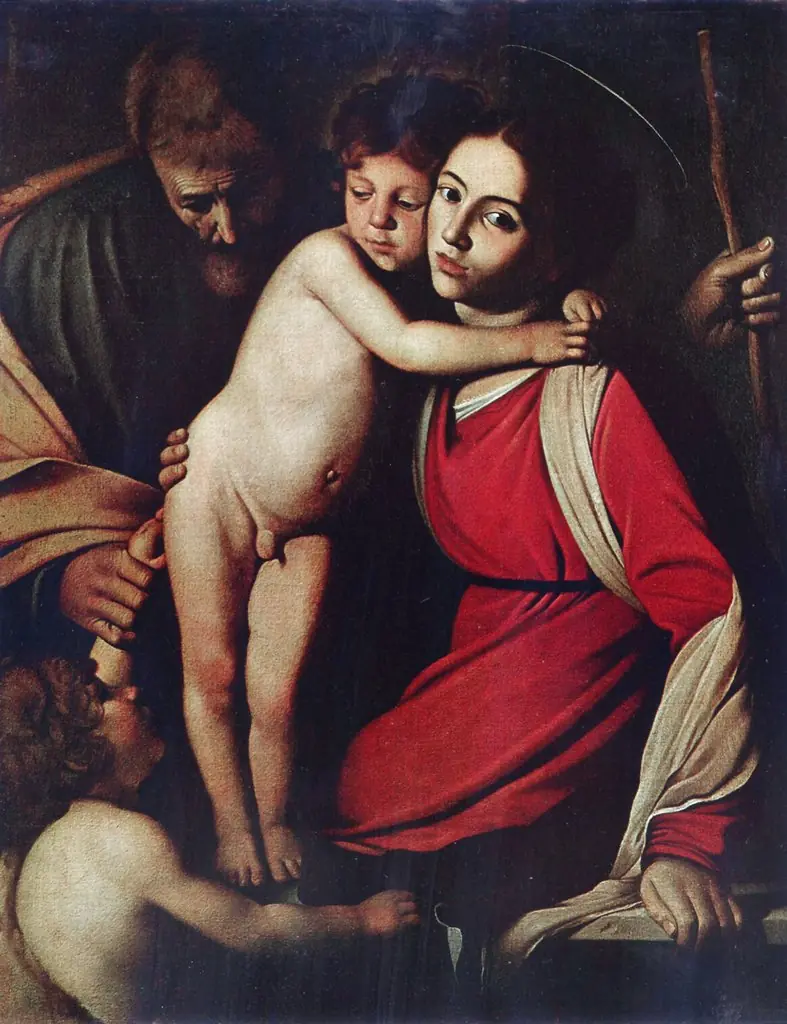 The Holy Family with Child Saint John
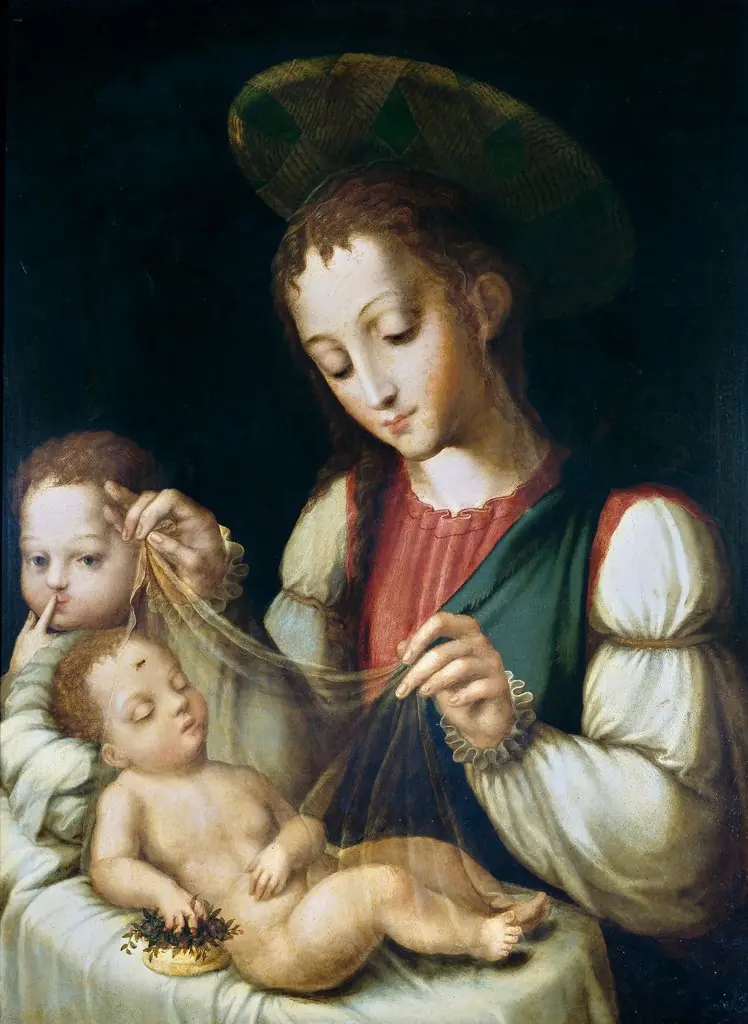 The Virgin and Child with the Infant Saint John the Baptist
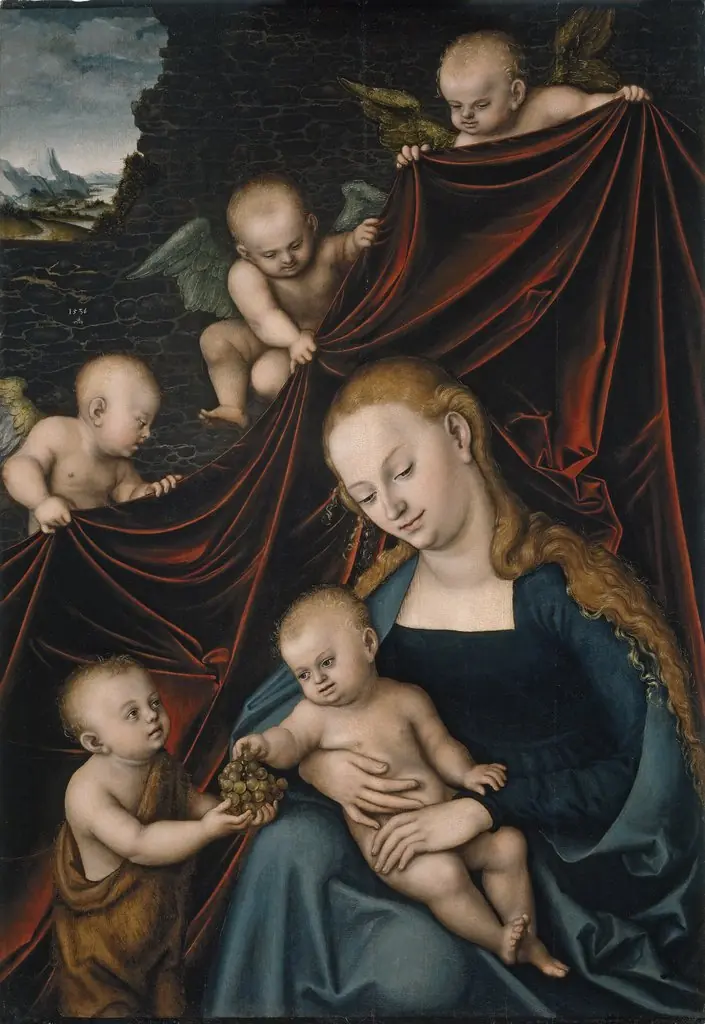 The Virgin and the Child, Saint John and Angels
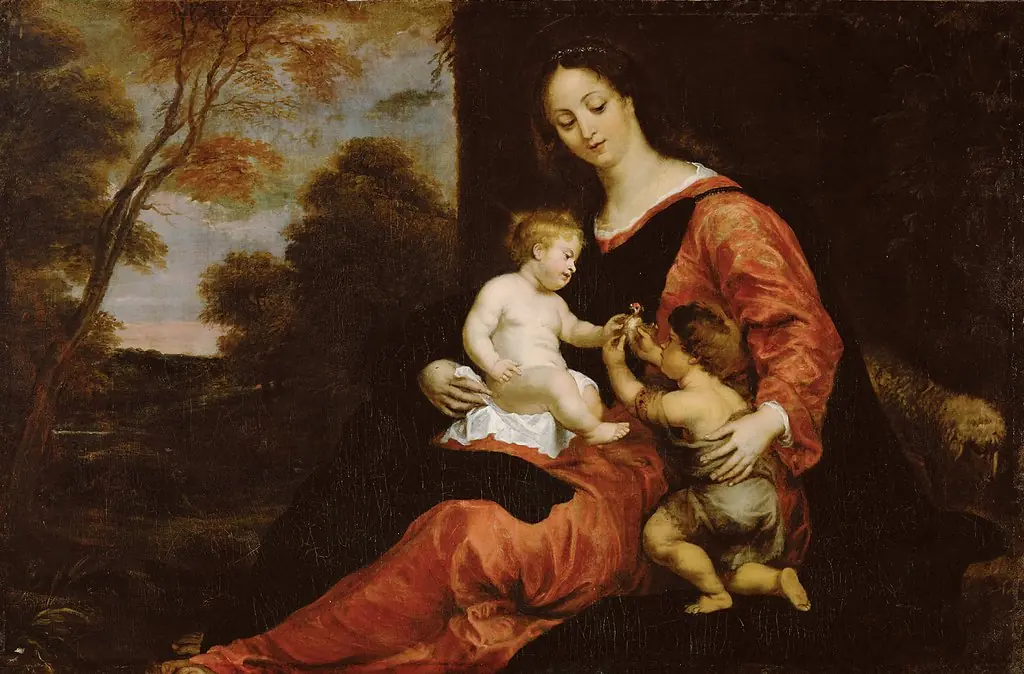 Mary and Child with John the Baptist
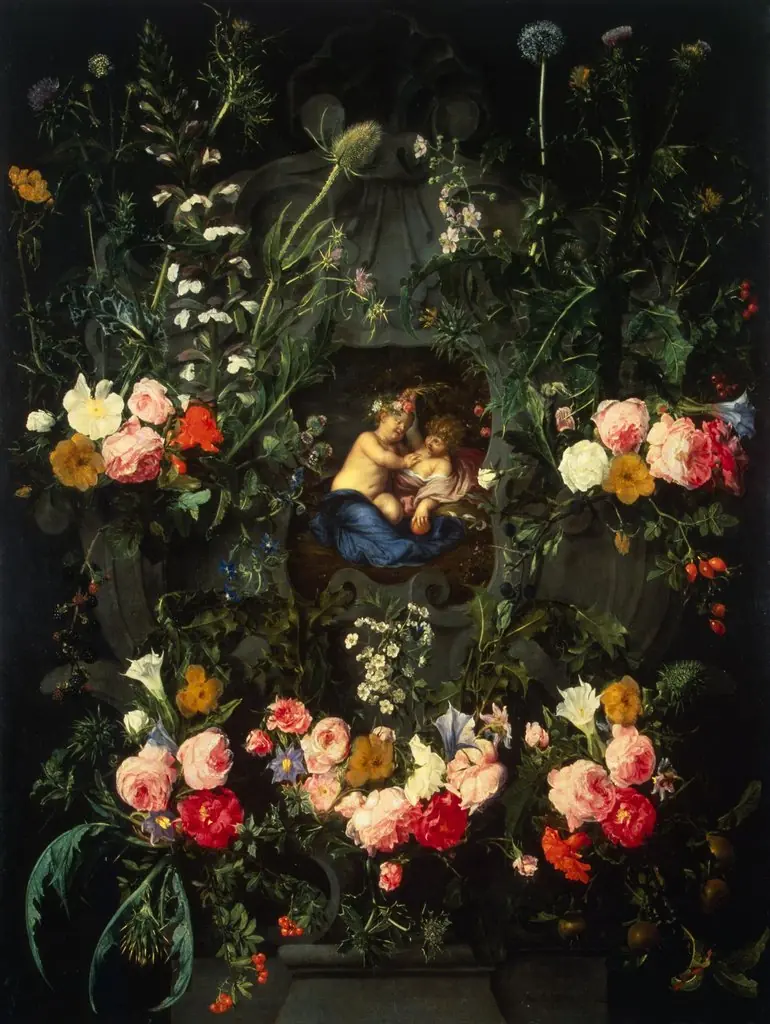 Garland of Flowers Around a Cartouche with Jesus and St John the Baptist as Children
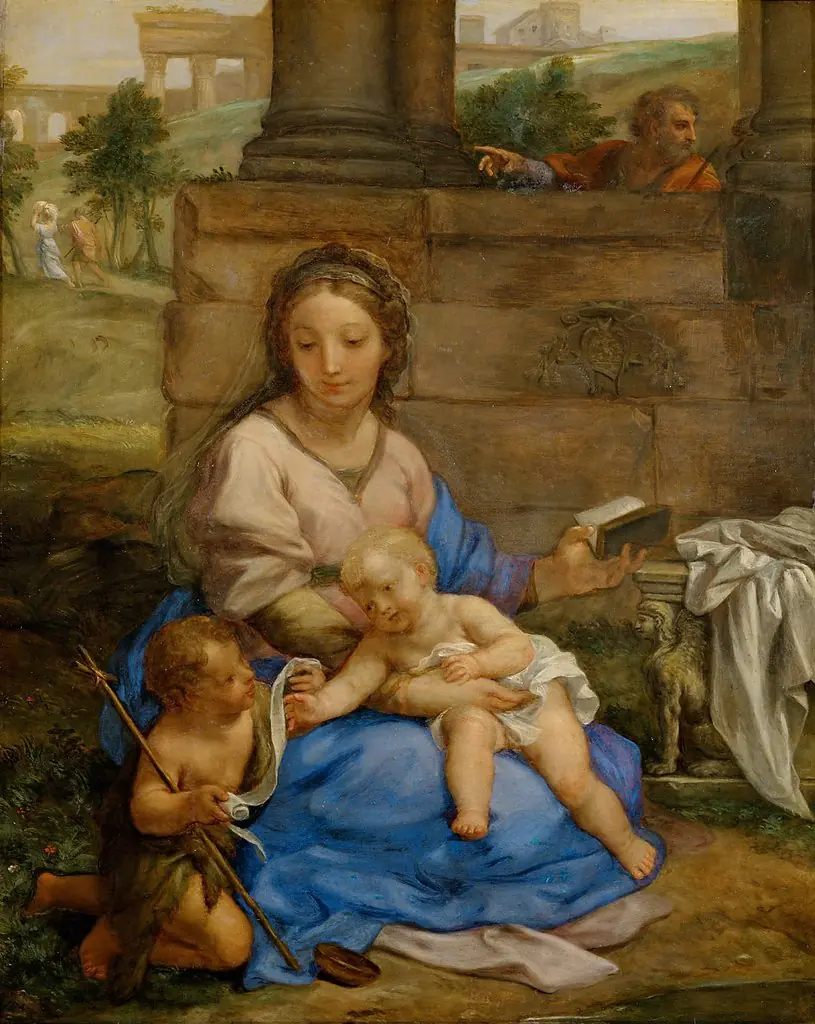 Virgin and Child with St John
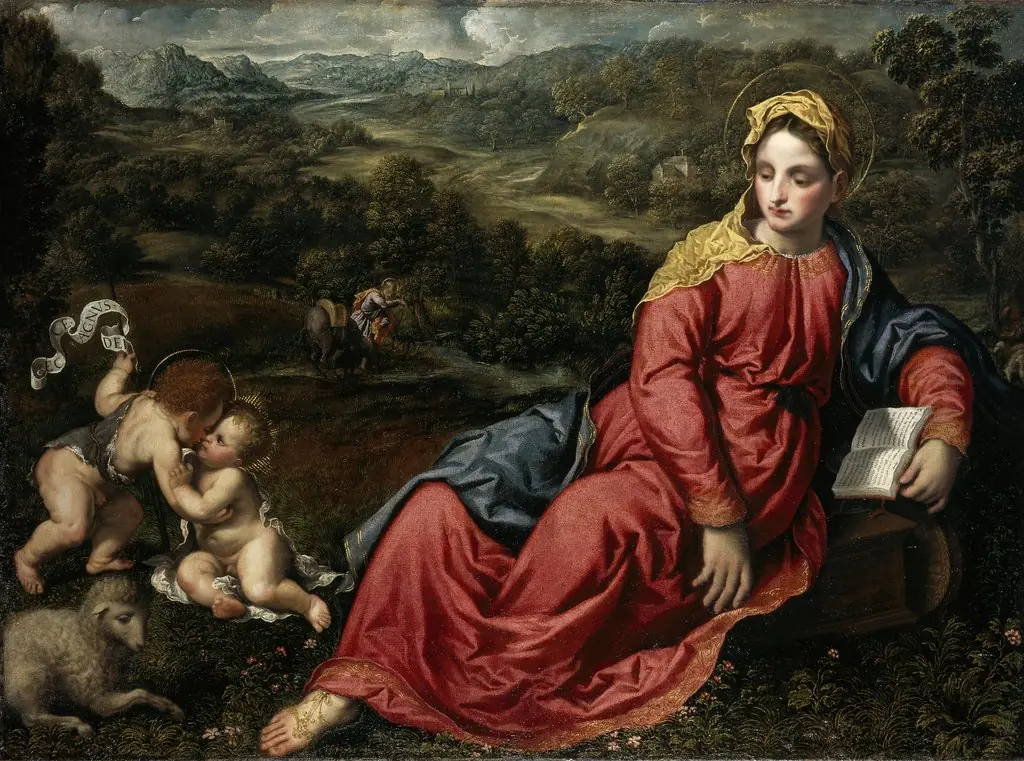 The Rest on the Return from Egypt
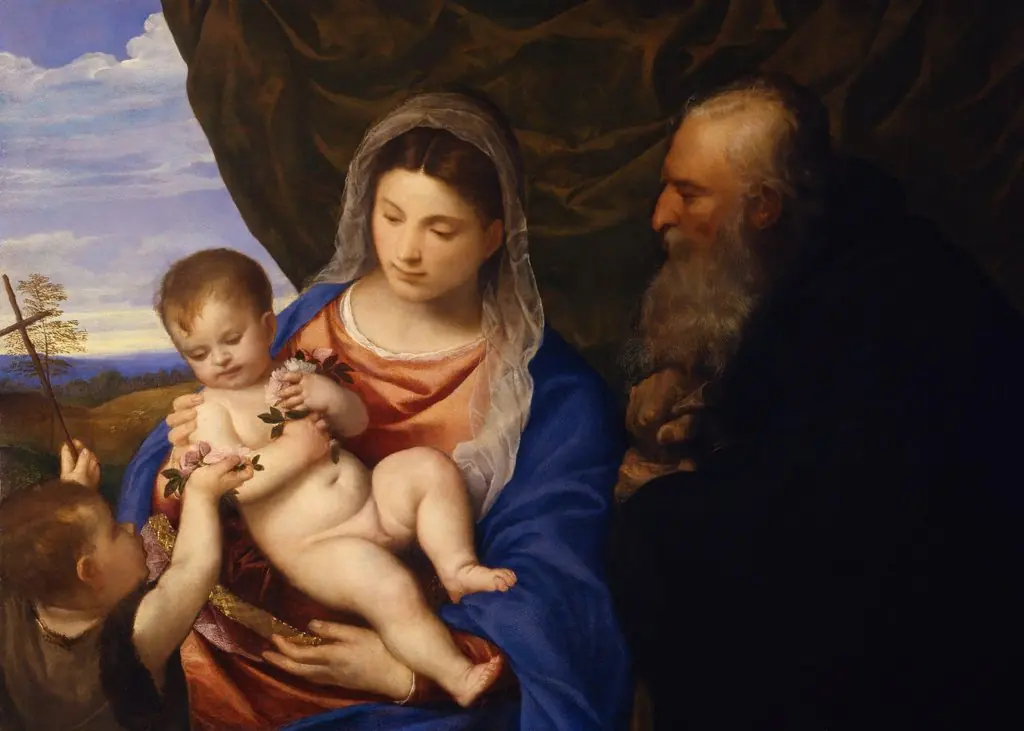 Madonna of the Roses
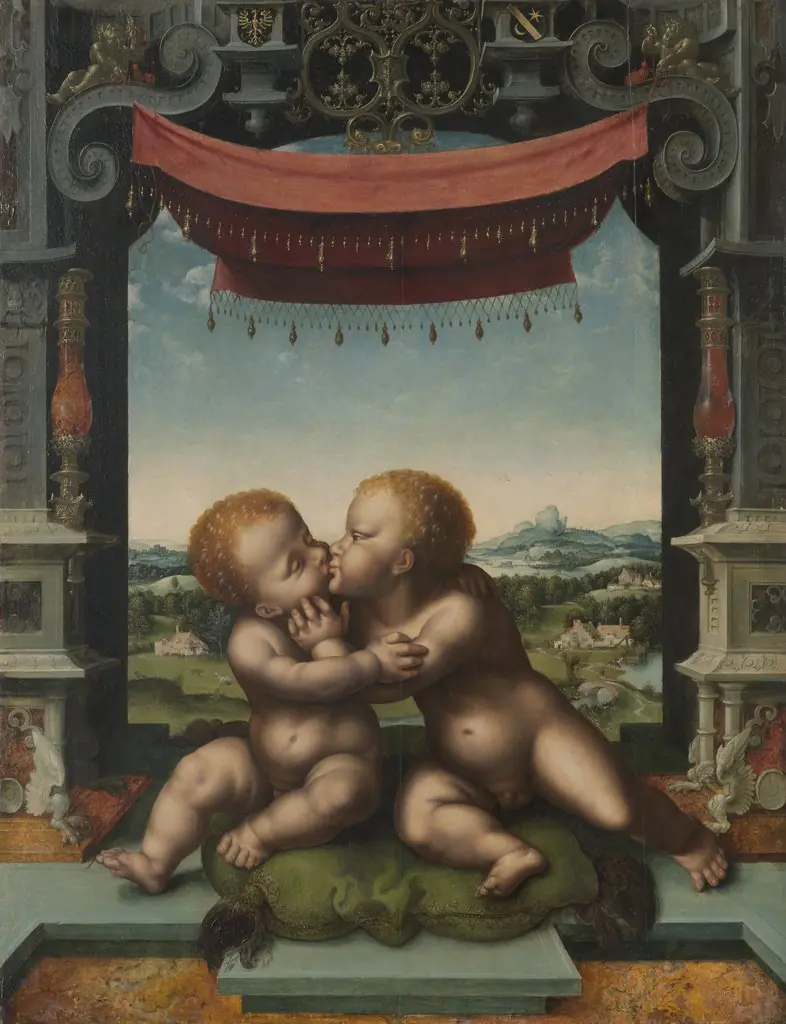 The Infants Christ and Saint John the Baptist Embracing
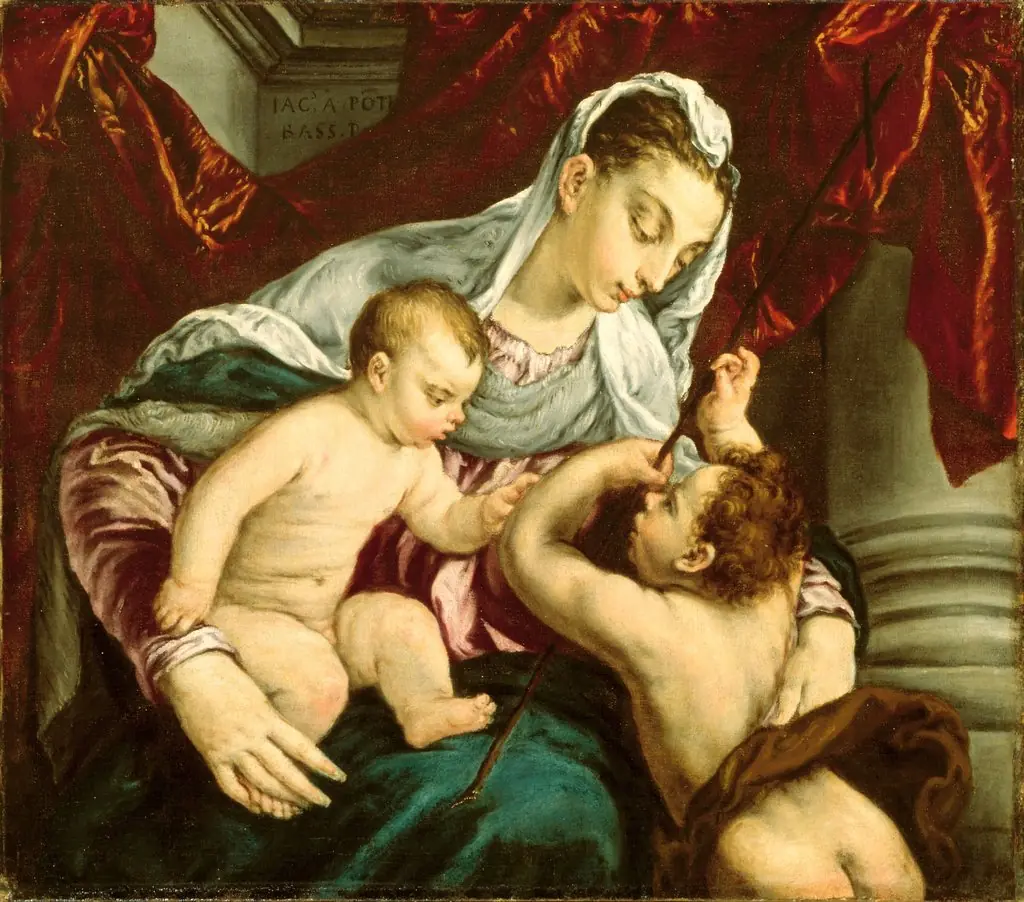 Virgin and Child with the Young Saint John the Baptist
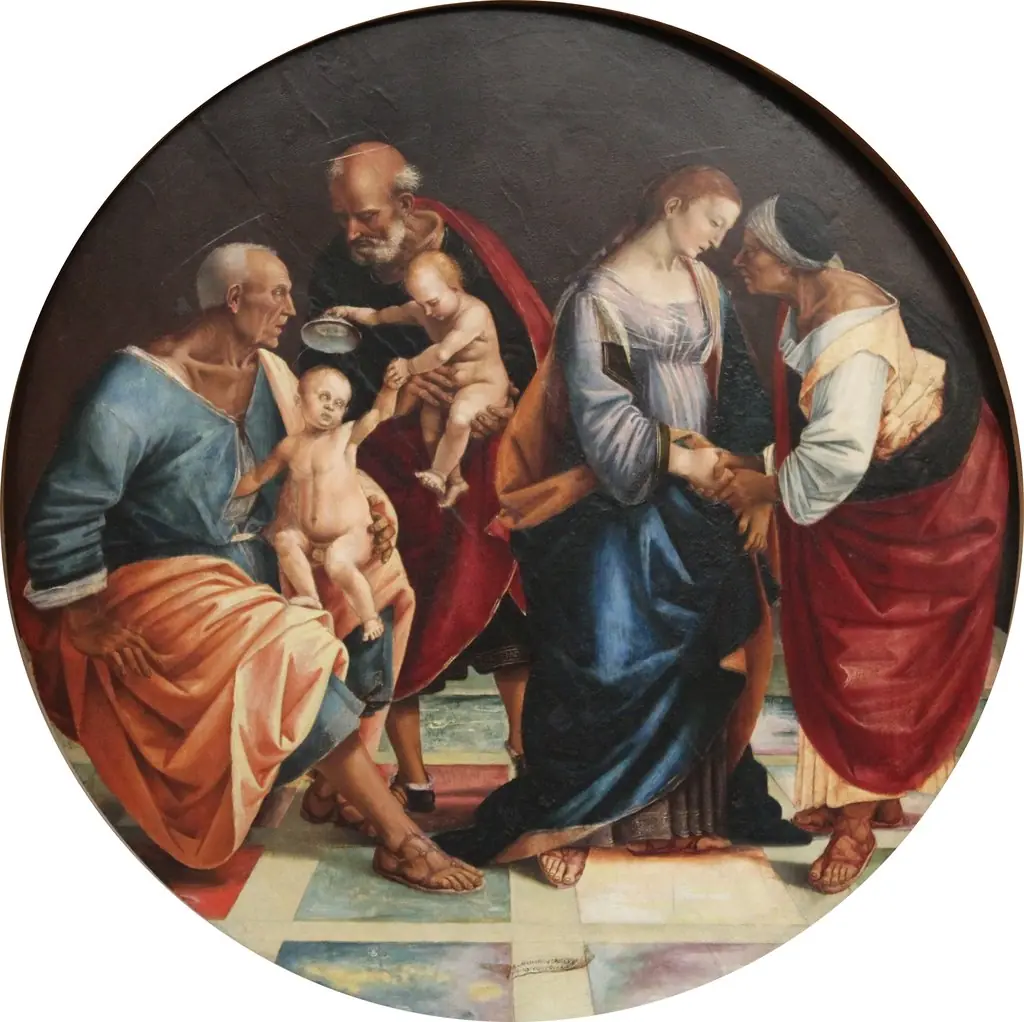 Holy family with saints Zachary, Elizabeth and little John
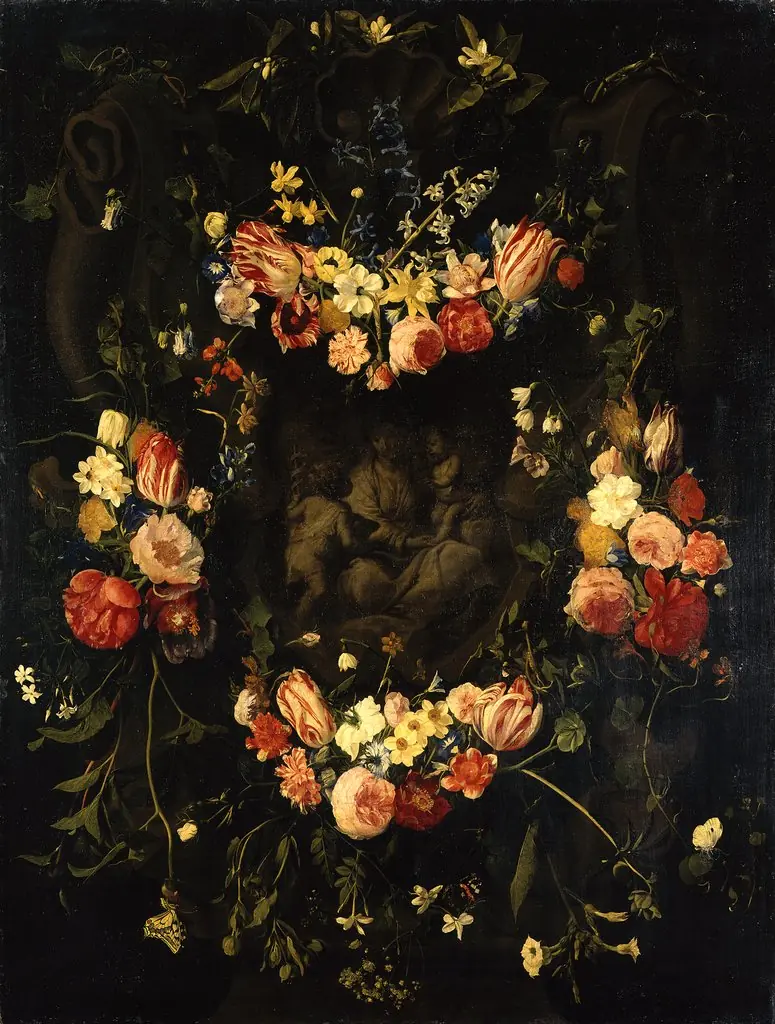 Cartouche addorned with flowergarlands surrounding a depiction of the Holy Family with the infant Saint John the Baptist
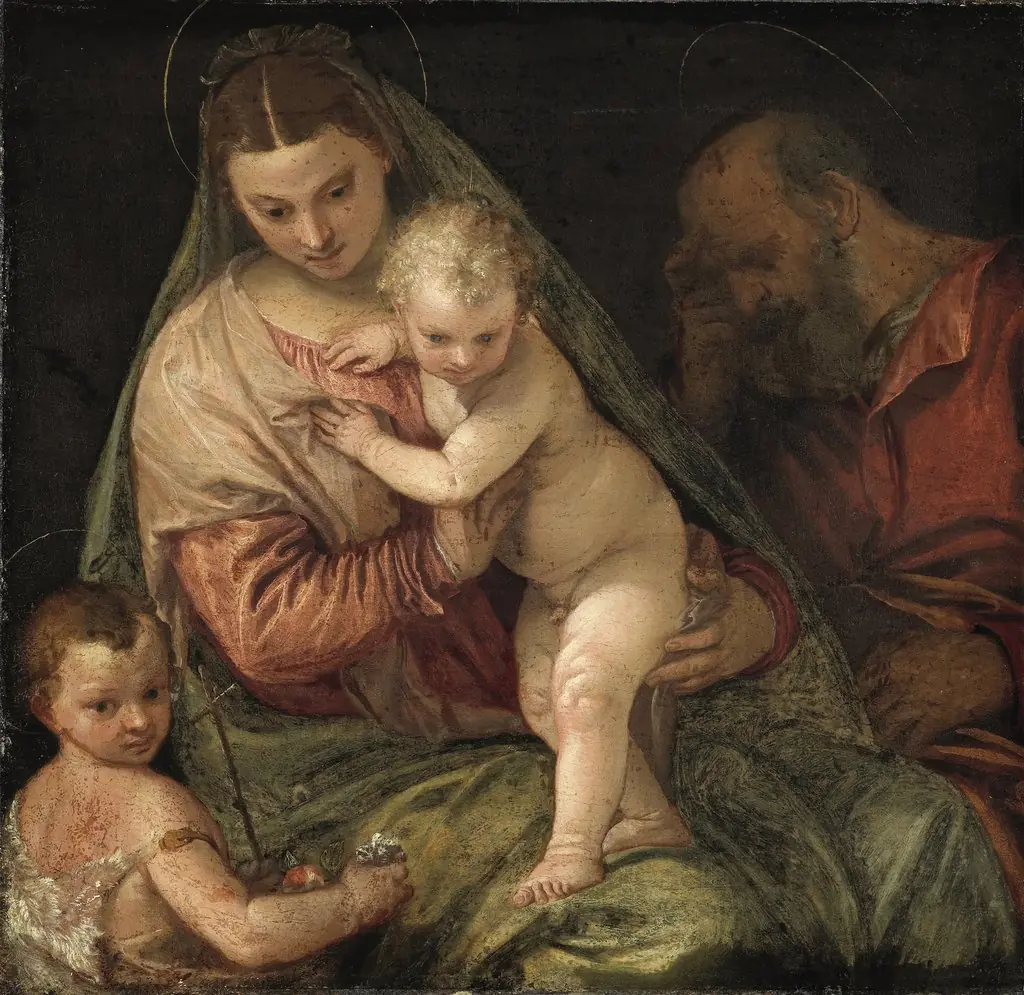 Holy Family with Young Saint John
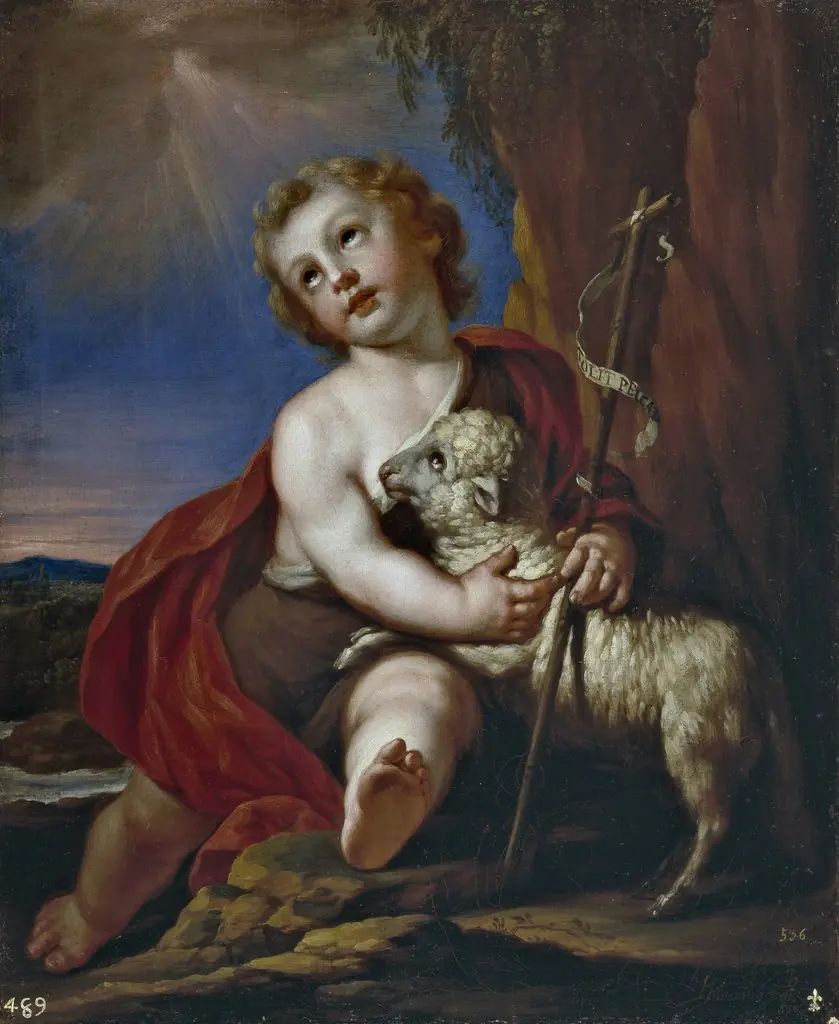 The Infant Saint John the Baptist
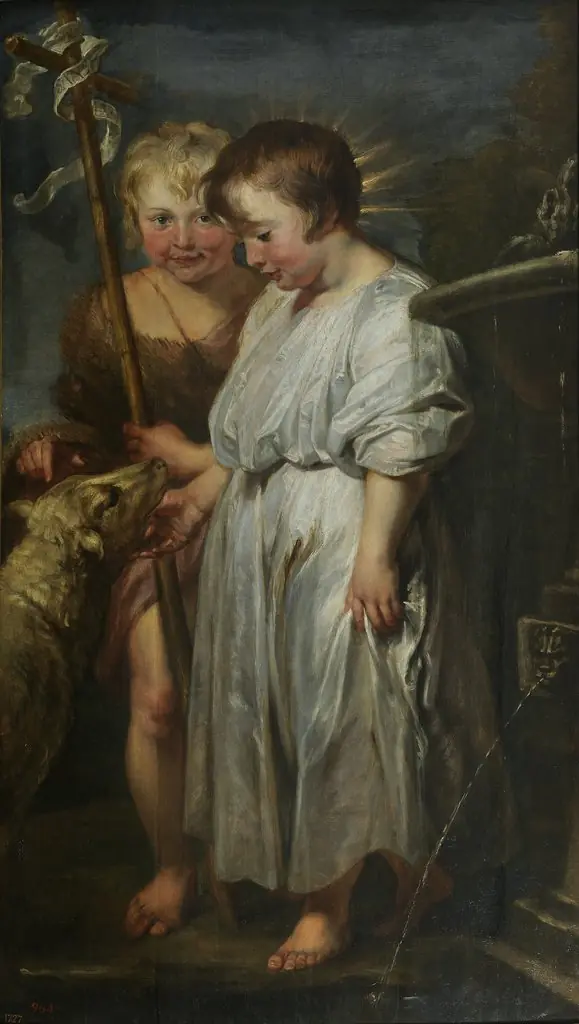 The Christ Child, Saint John and the Lamb
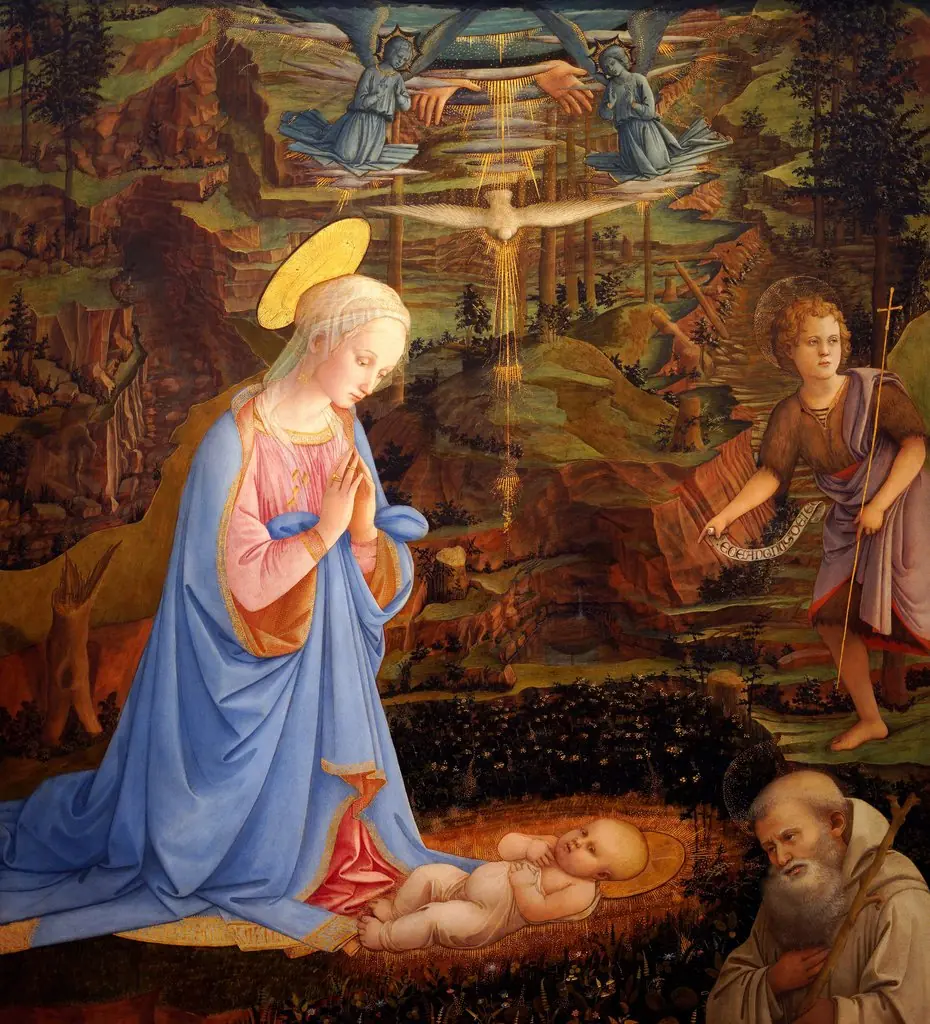 Adoration of Camaldoli
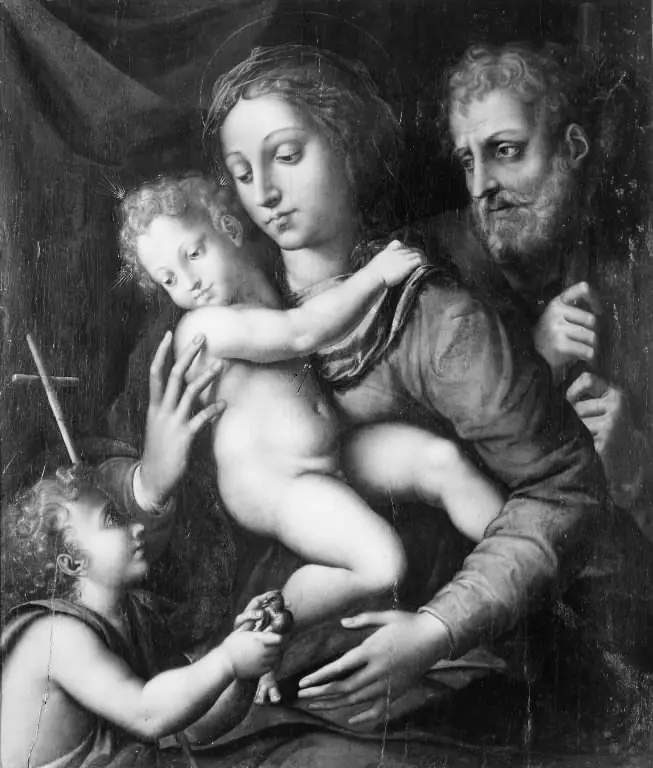 The Holy Family, St John with a small Bird in his Hand
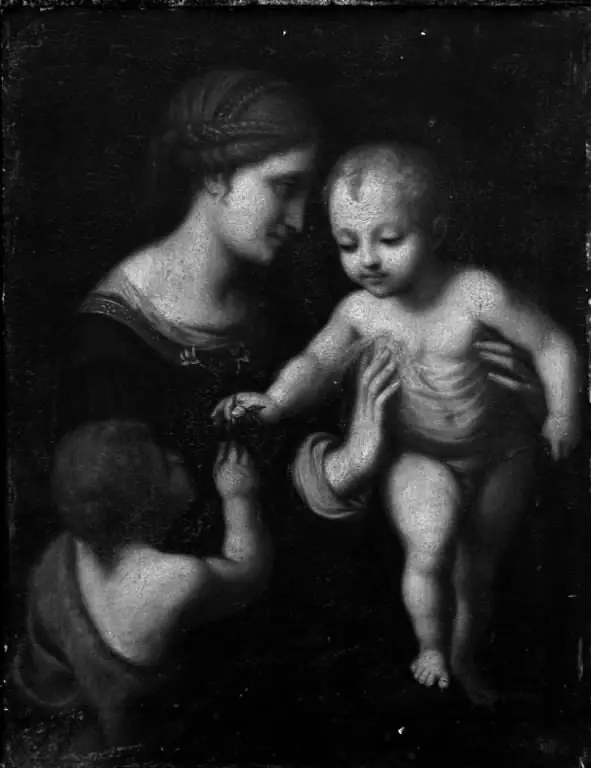 Virgin and Child with St. John
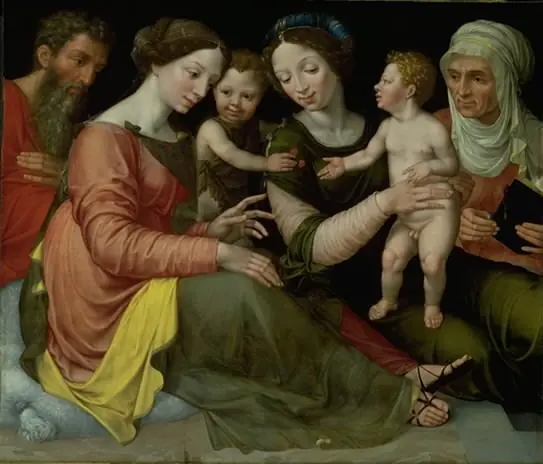 The Holy Family with the Infant St John, St Elizabeth and St Anna
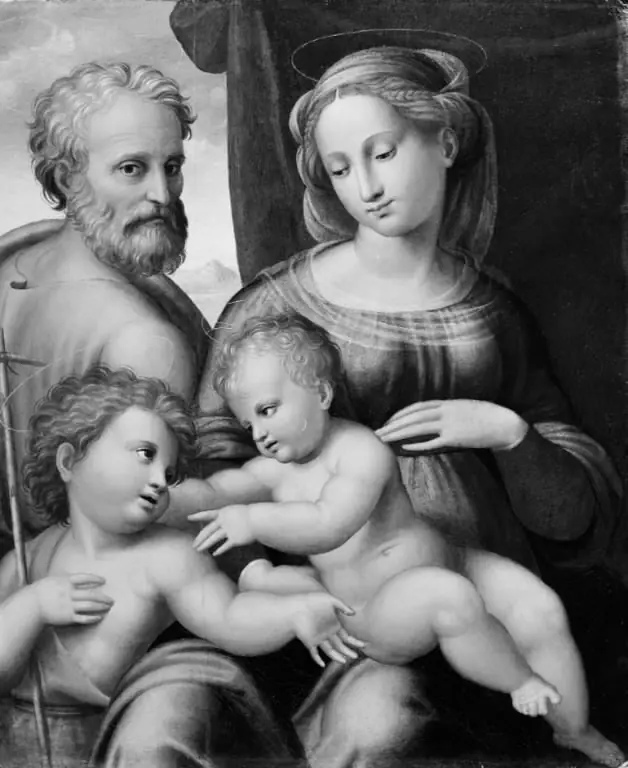 The Holy Family and St John
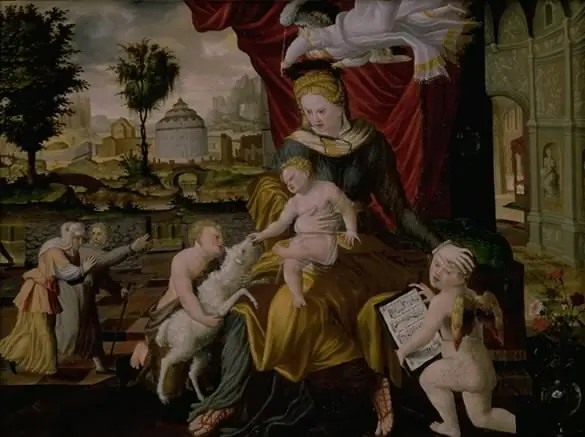 The Virgin Mary and Child, the Infant St.John and two angels
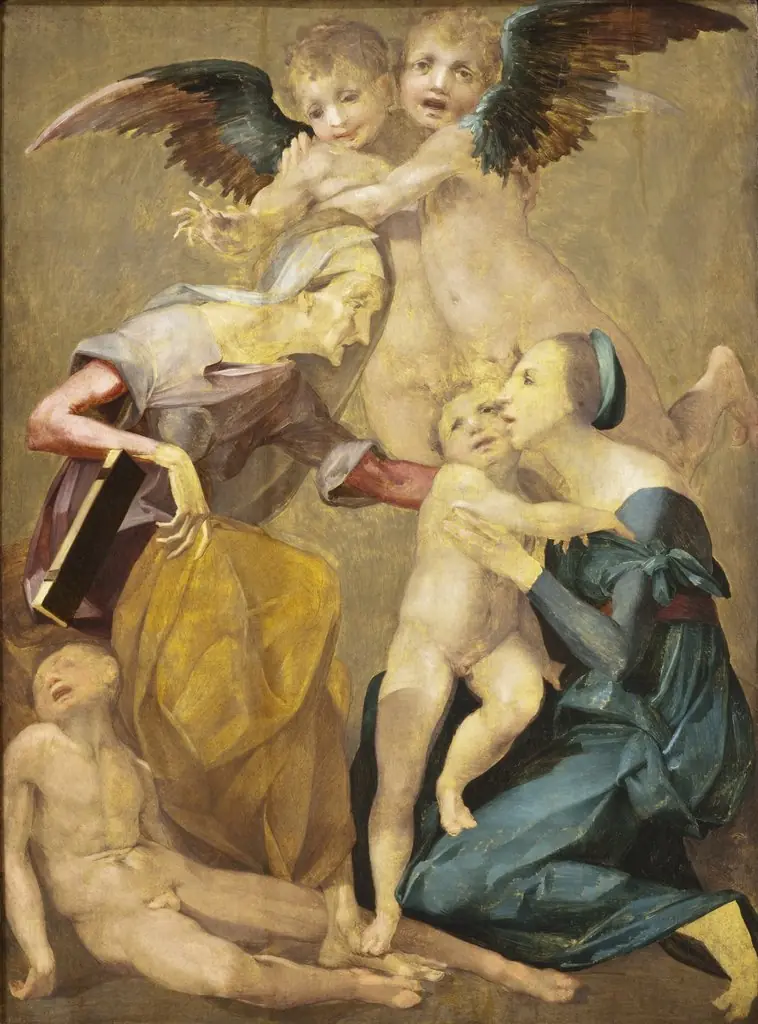 Allegory of Salvation with the Virgin and Christ Child, St. Elizabeth, the Young St. John the Baptist and Two Angels
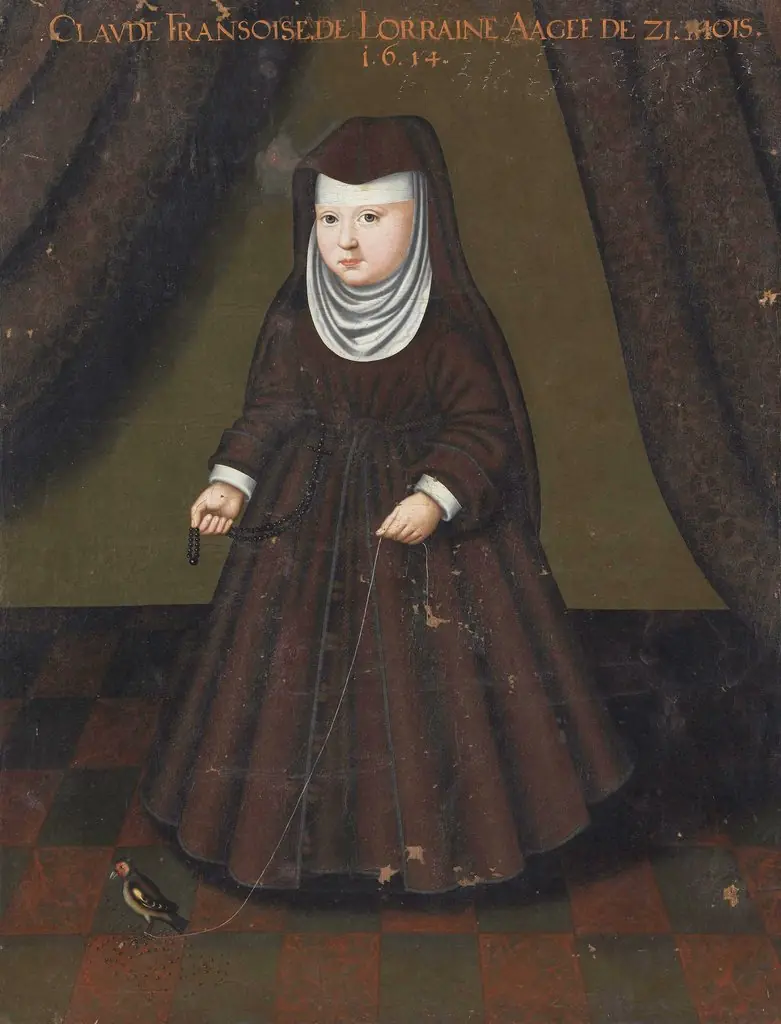 Portrait of Claudia Franziska of Lorraine
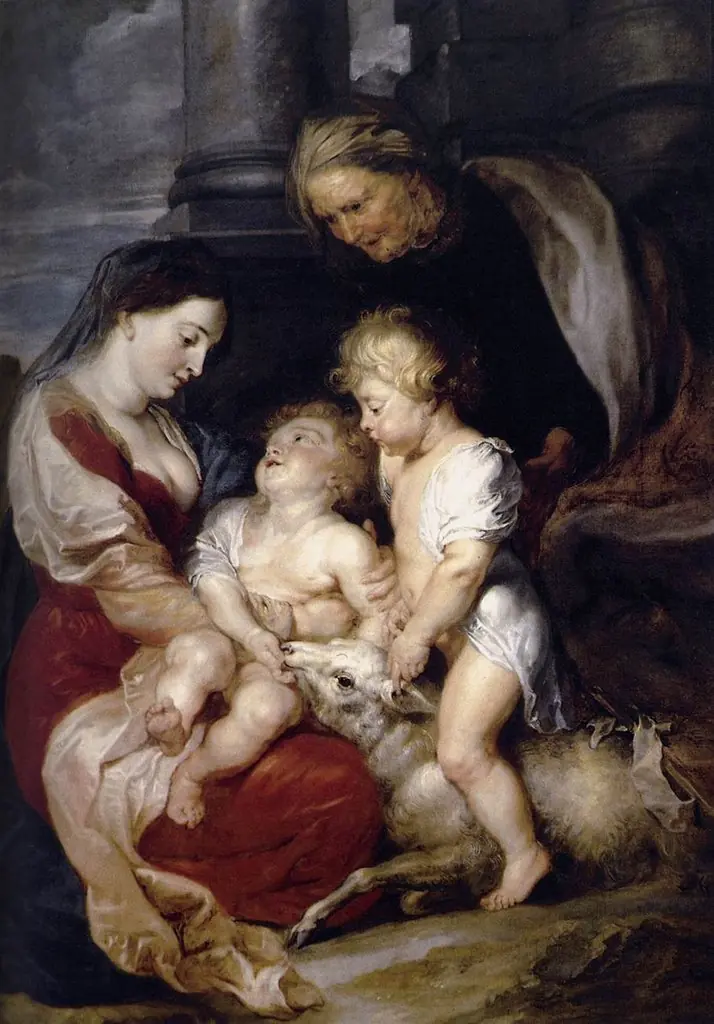 Madonna and Child with Saint Elizabeth and the Young Saint John
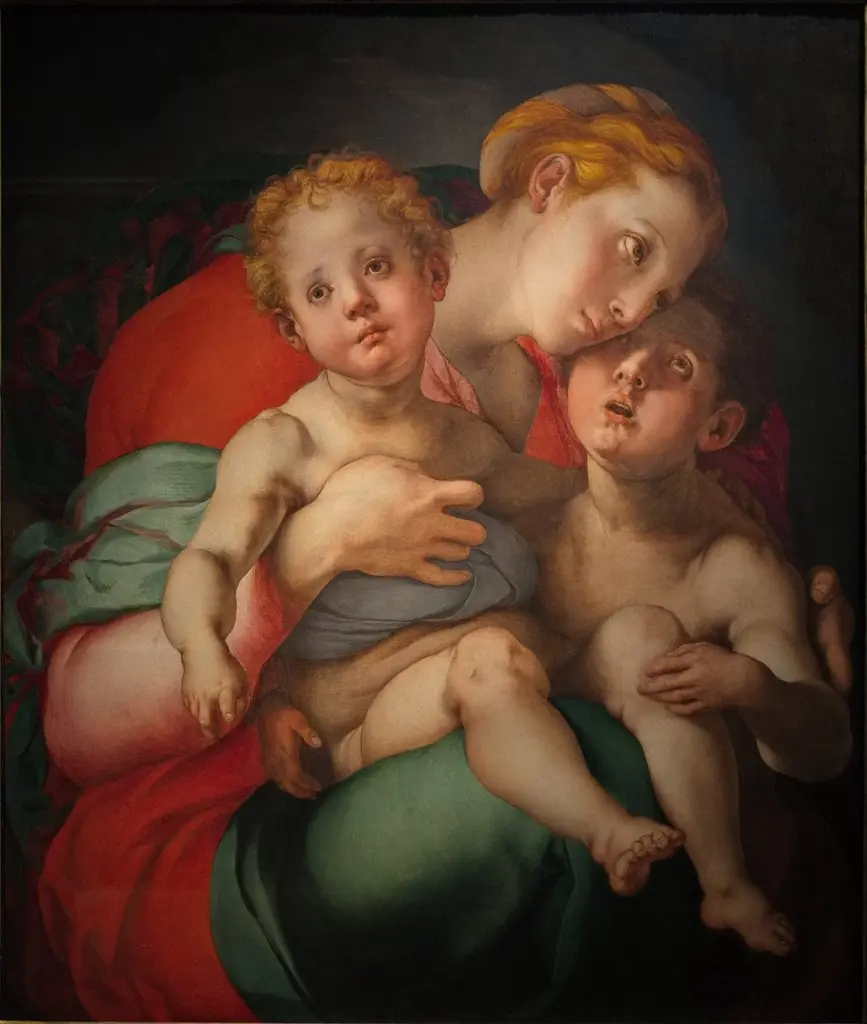 Madonna and Child with Saint John the Baptist
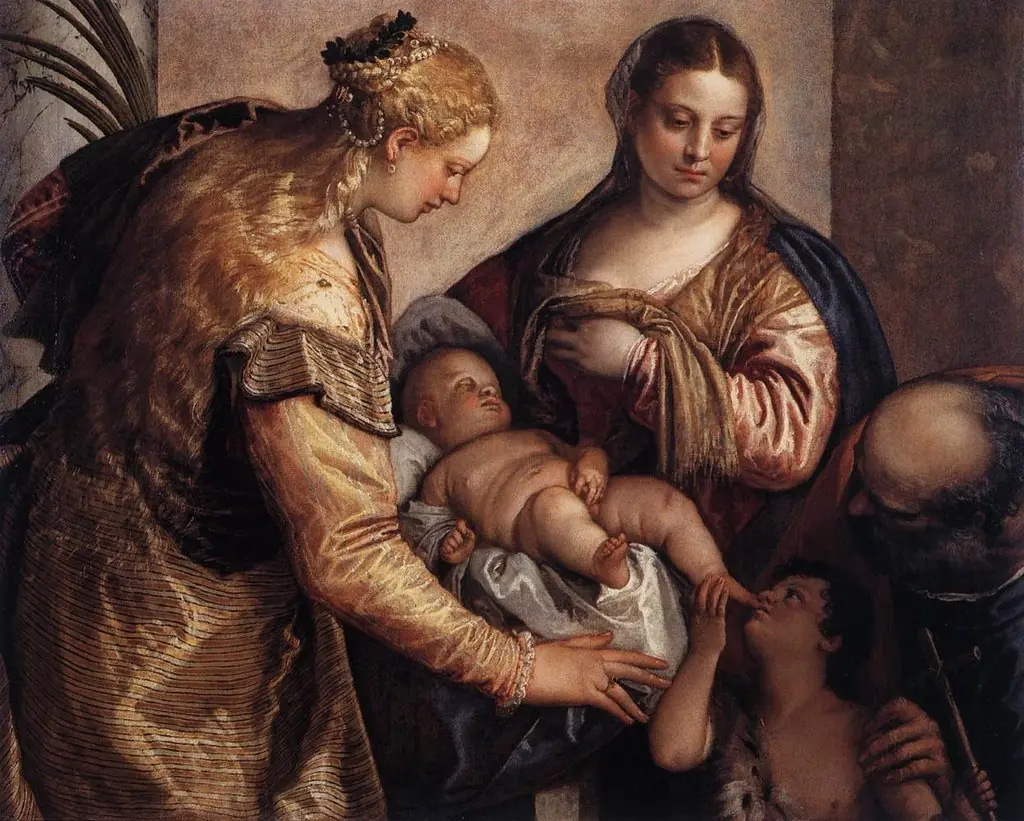 The Holy Family with St Catherine and the Infant St John
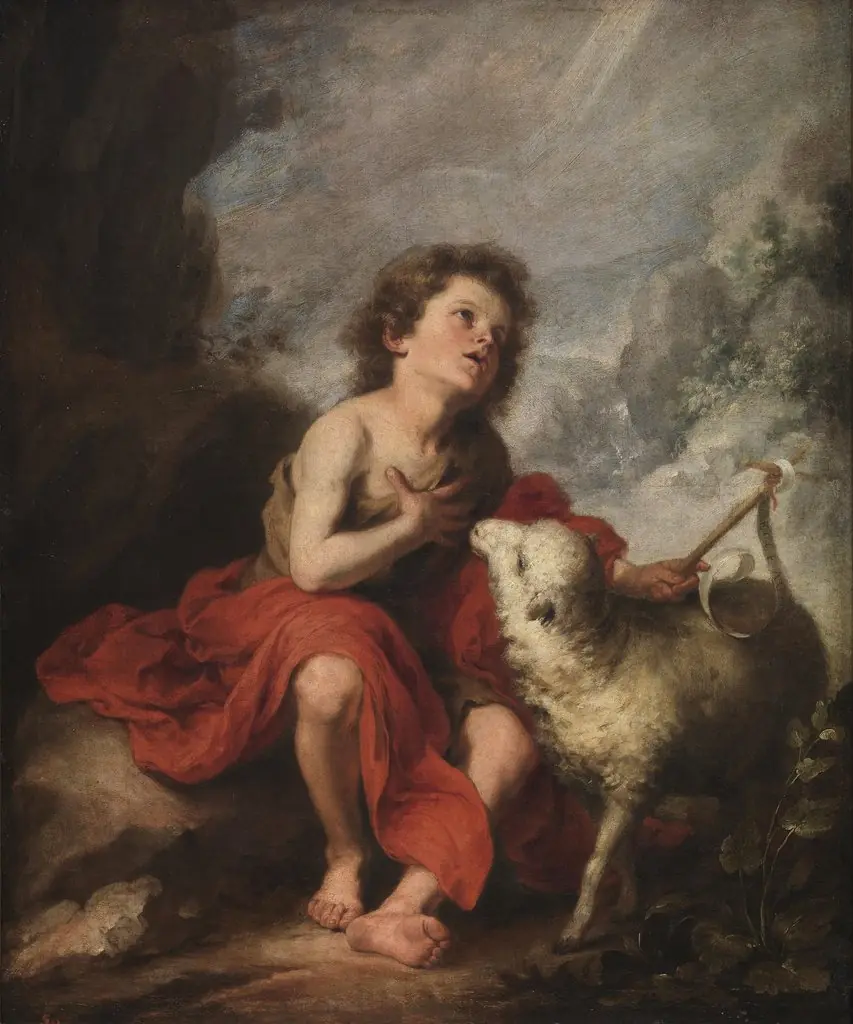 The Infant Saint John the Baptist
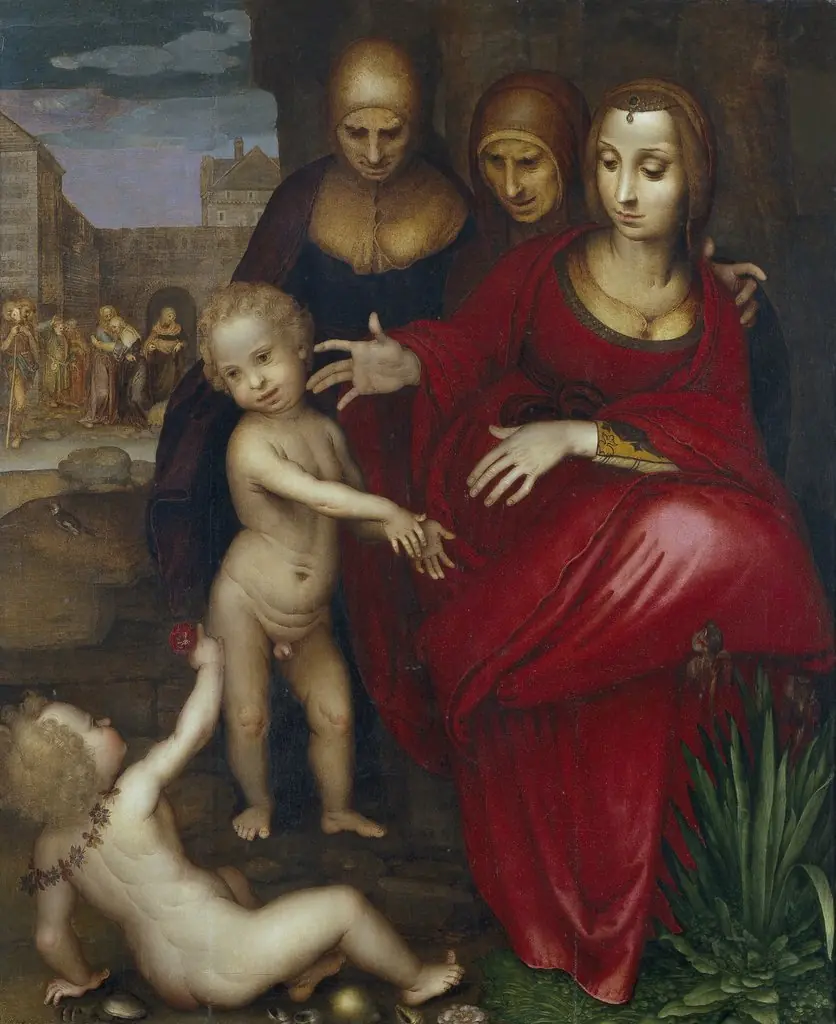 Saint Anne, the Virgin, Saint Elisabeth, Saint John and the Child Jesus
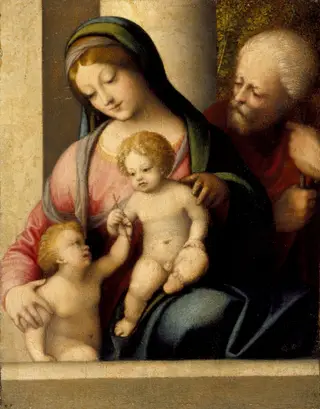 Holy Family with the Infant St. John
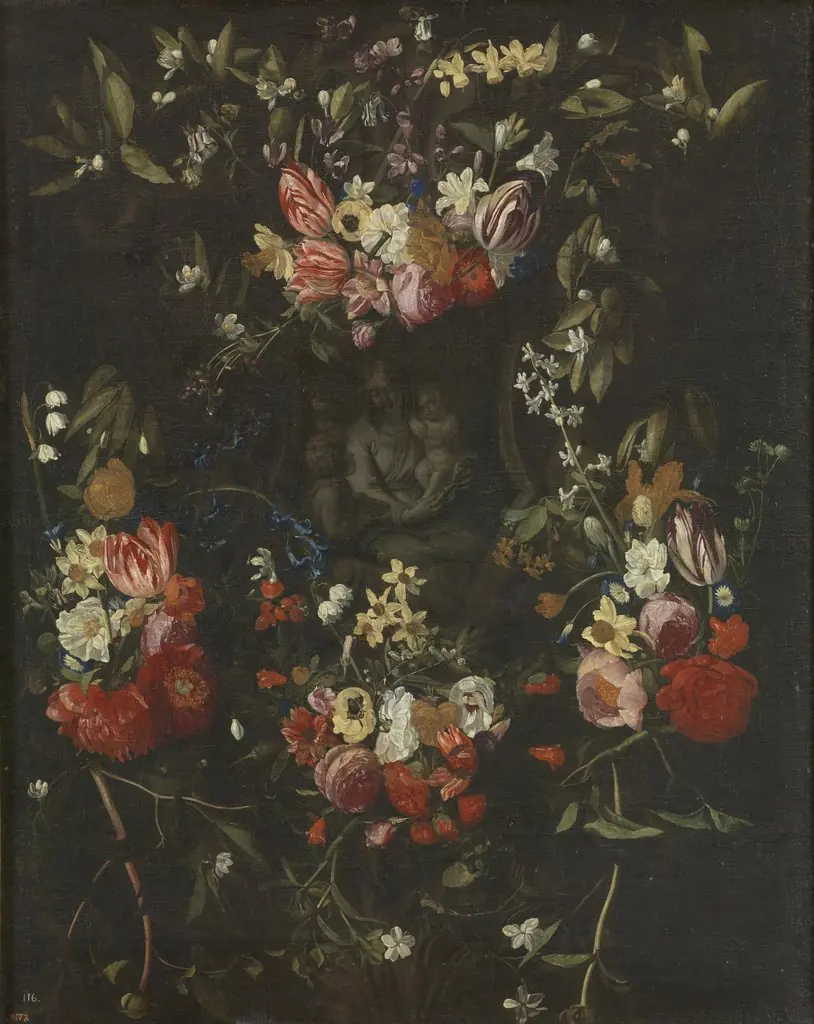 Garland of Flowers with the Virgin, the Christ Child and Saint John
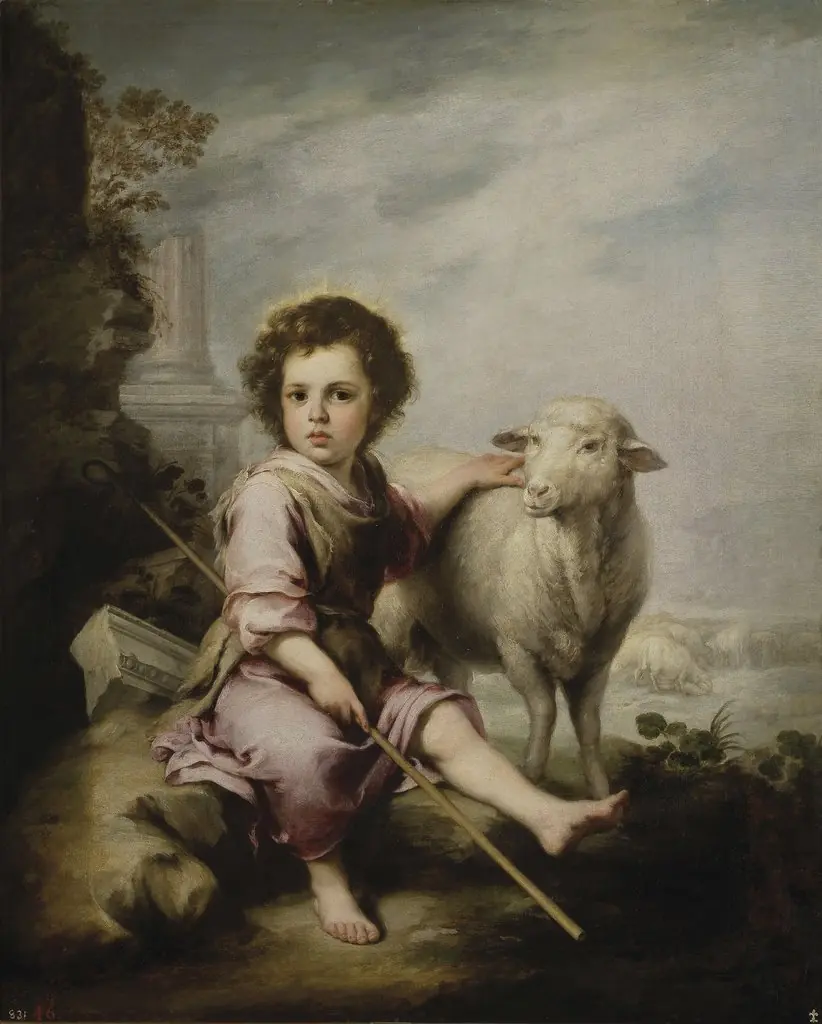 The Good Shepherd
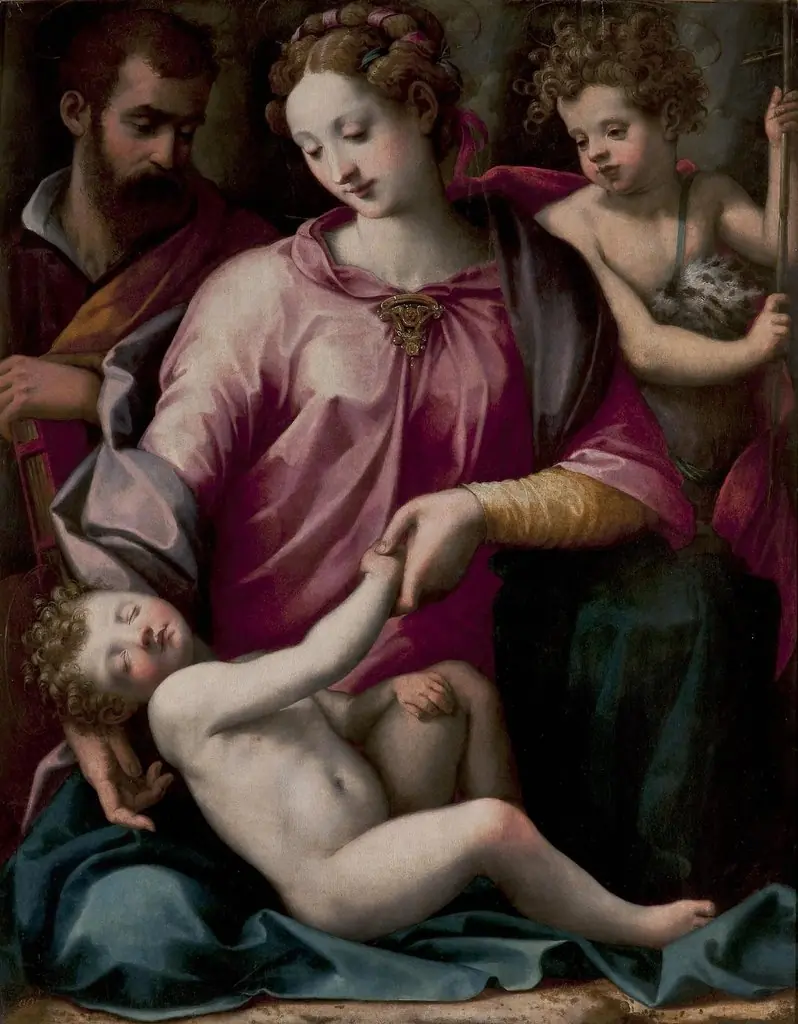 Holy Family with St John the Baptist
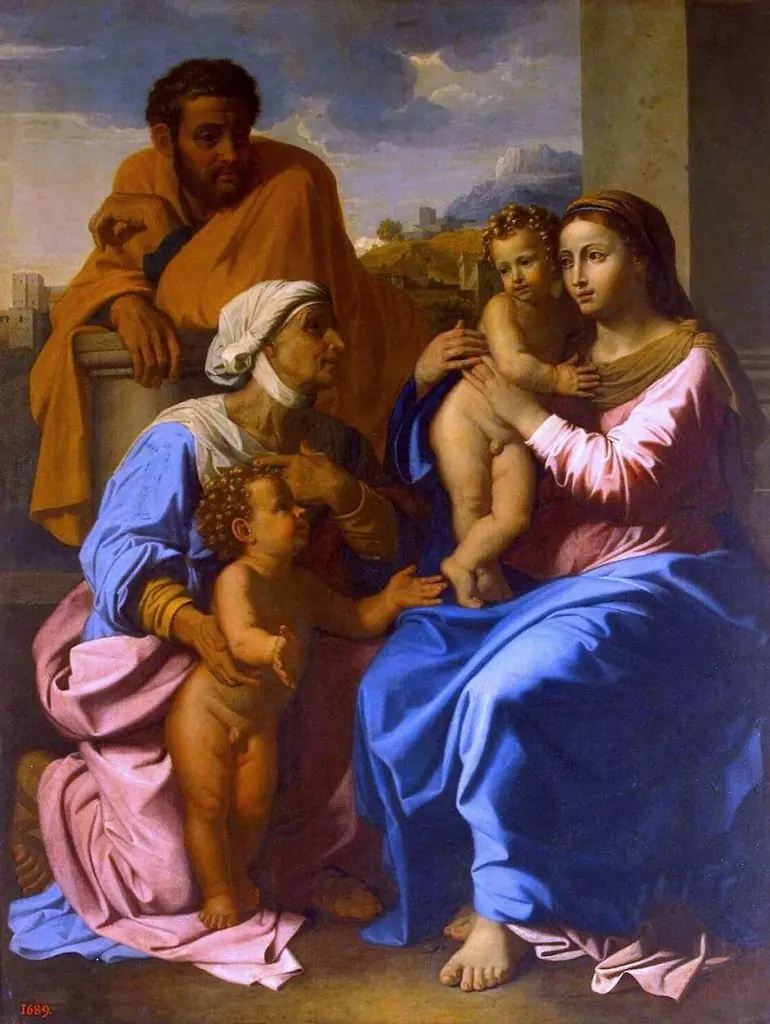 Holy Family with St Elizabeth and St John the Baptist
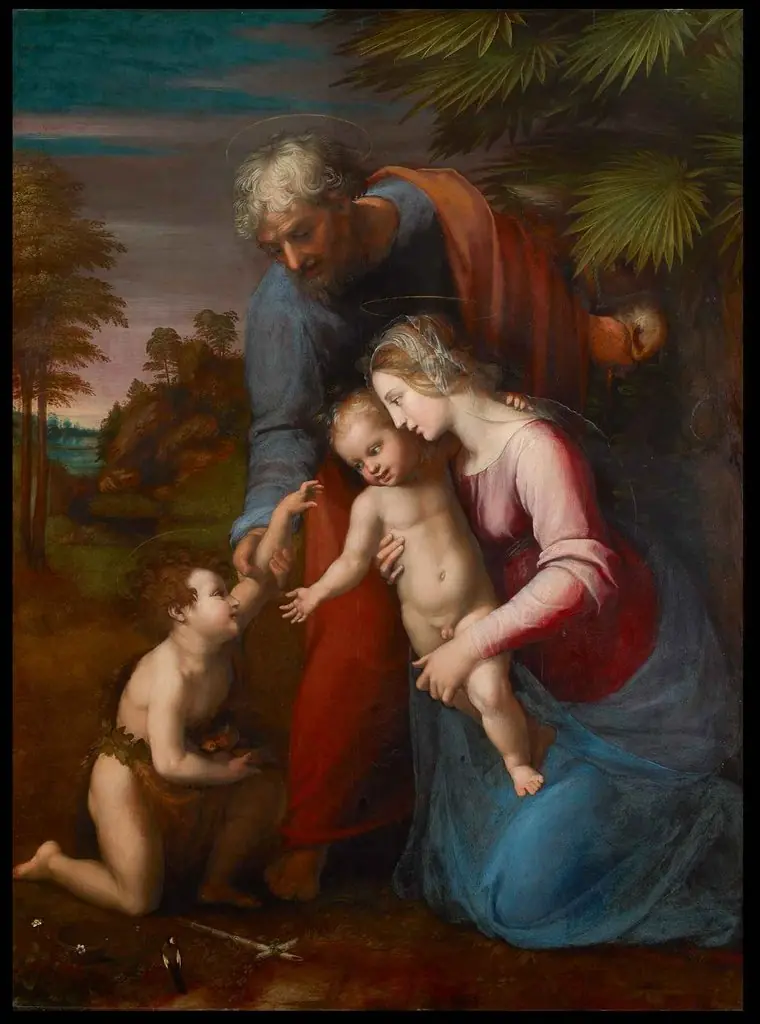 The Holy Family with Saint John the Baptist
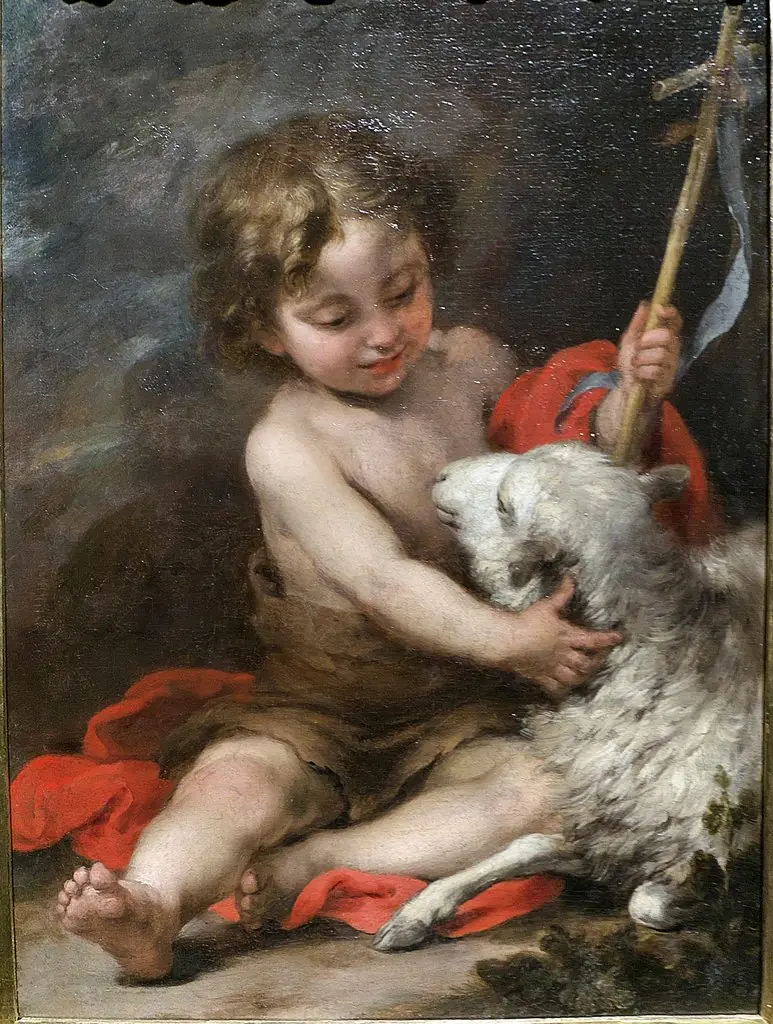 The Infant Saint John Playing with a Lamb
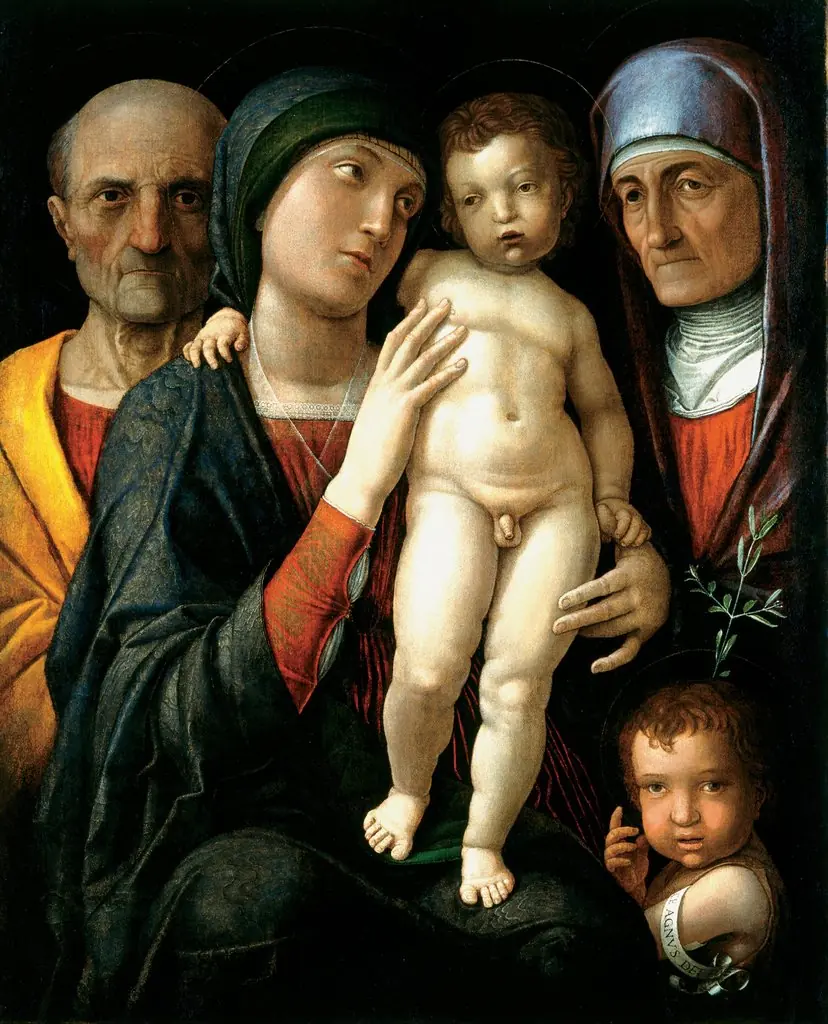 Holy Family with St. Elizabeth and St. John the Baptist as a Child
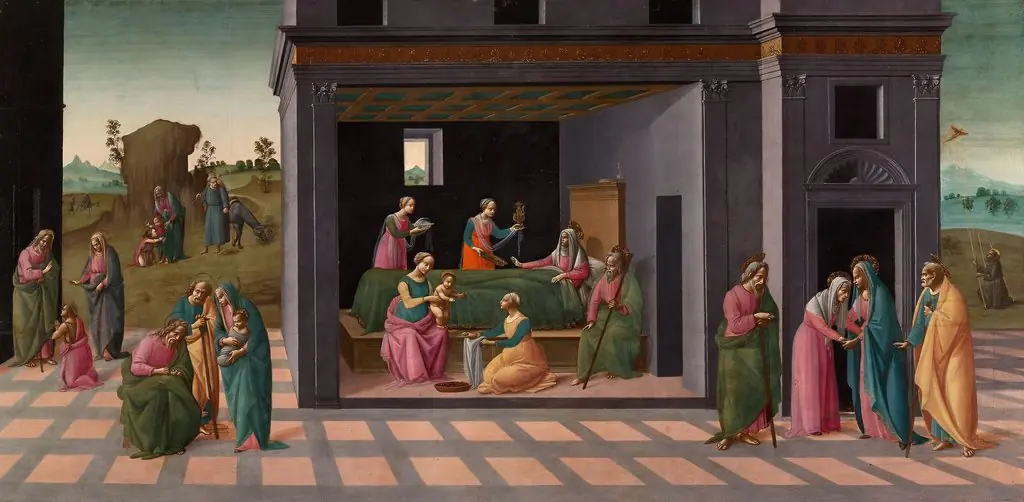 Scenes from the Life of Saint John the Baptist
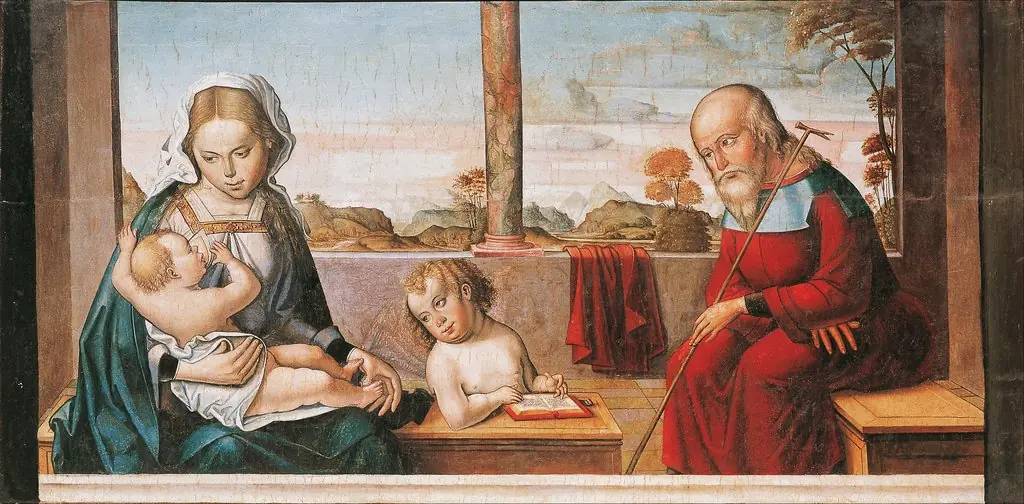 Holy Family with Young Saint John
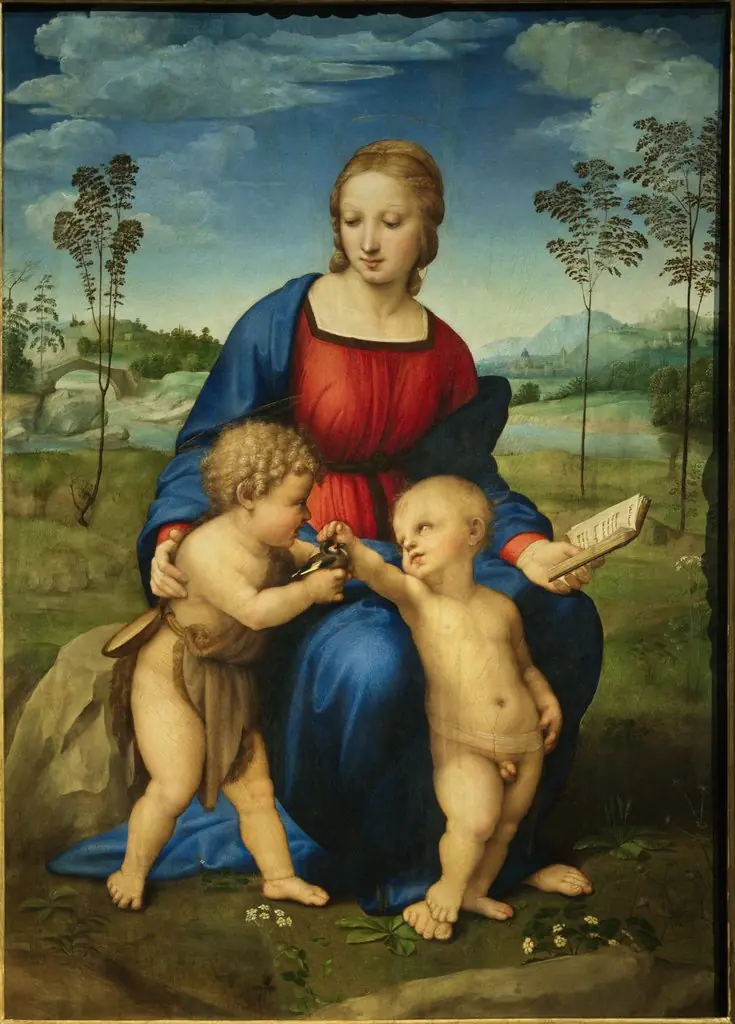 Madonna of the Goldfinch
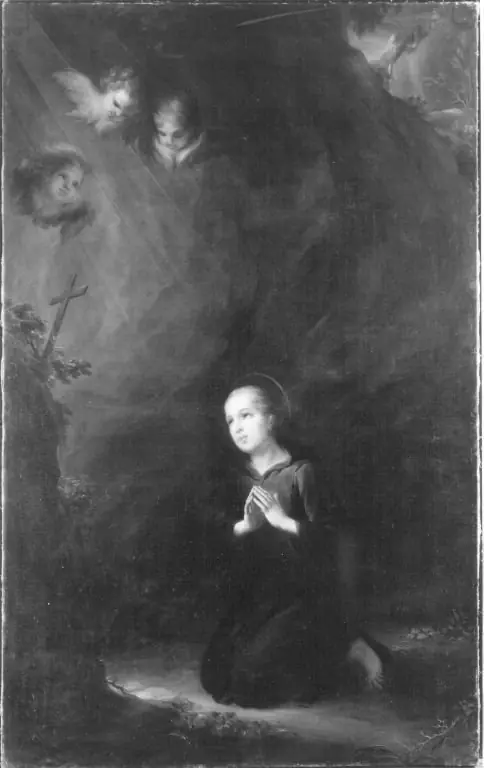 Hl. Benedikt
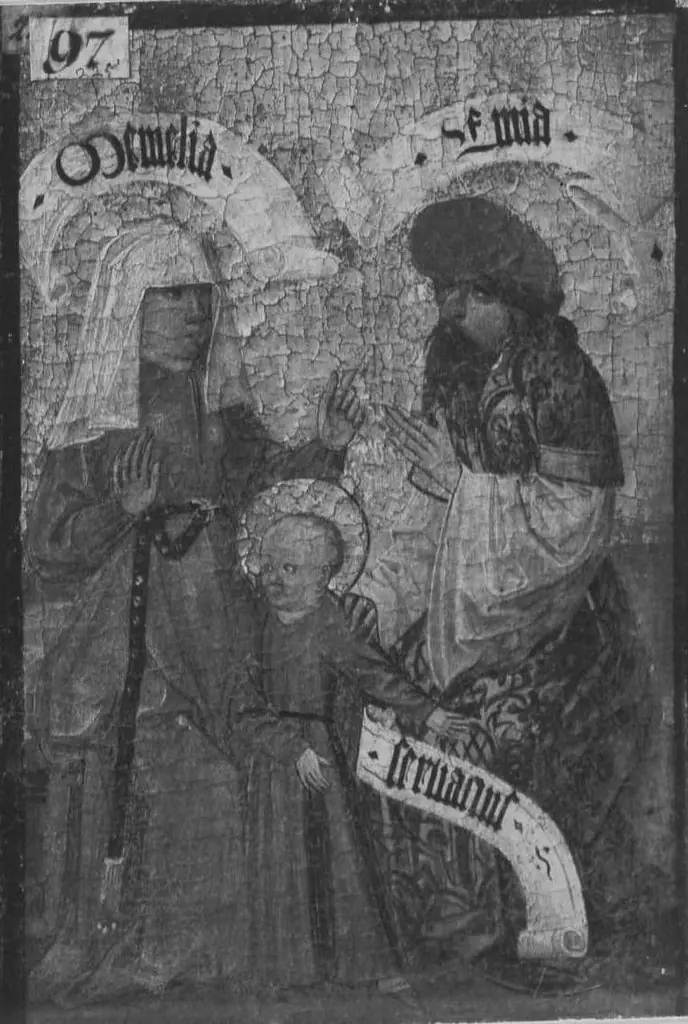 Second Kirchheim clan altar: Memelia and Enim with Servatius
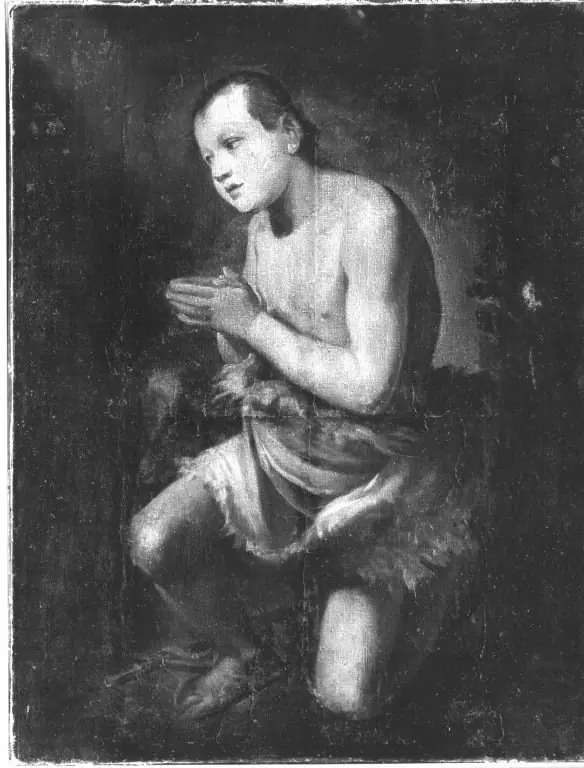 Johannes der Täufer (Kopie nach)
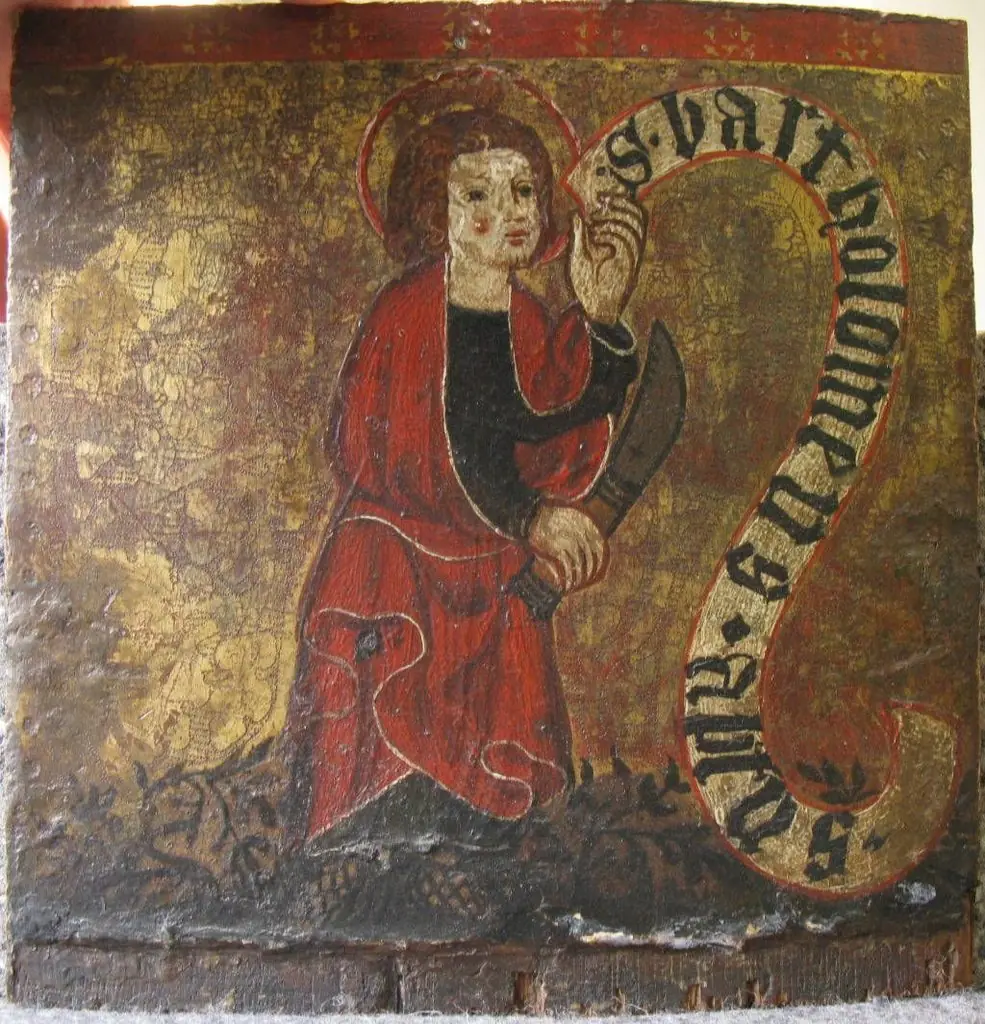 De heilige Bartholomeus
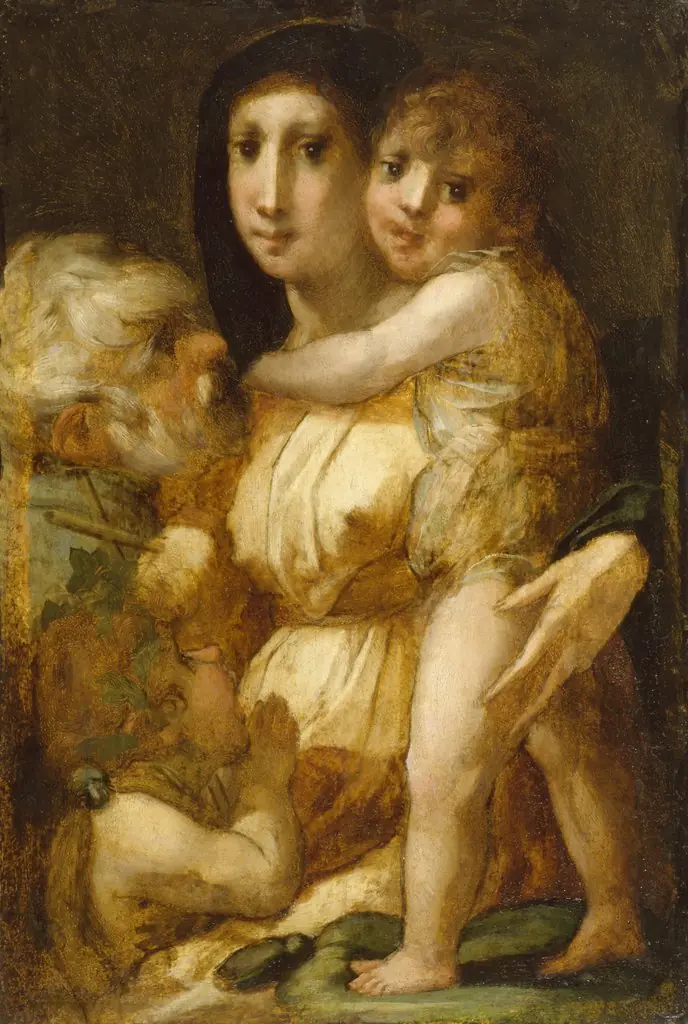 The Holy Family with the Infant Saint John the Baptist
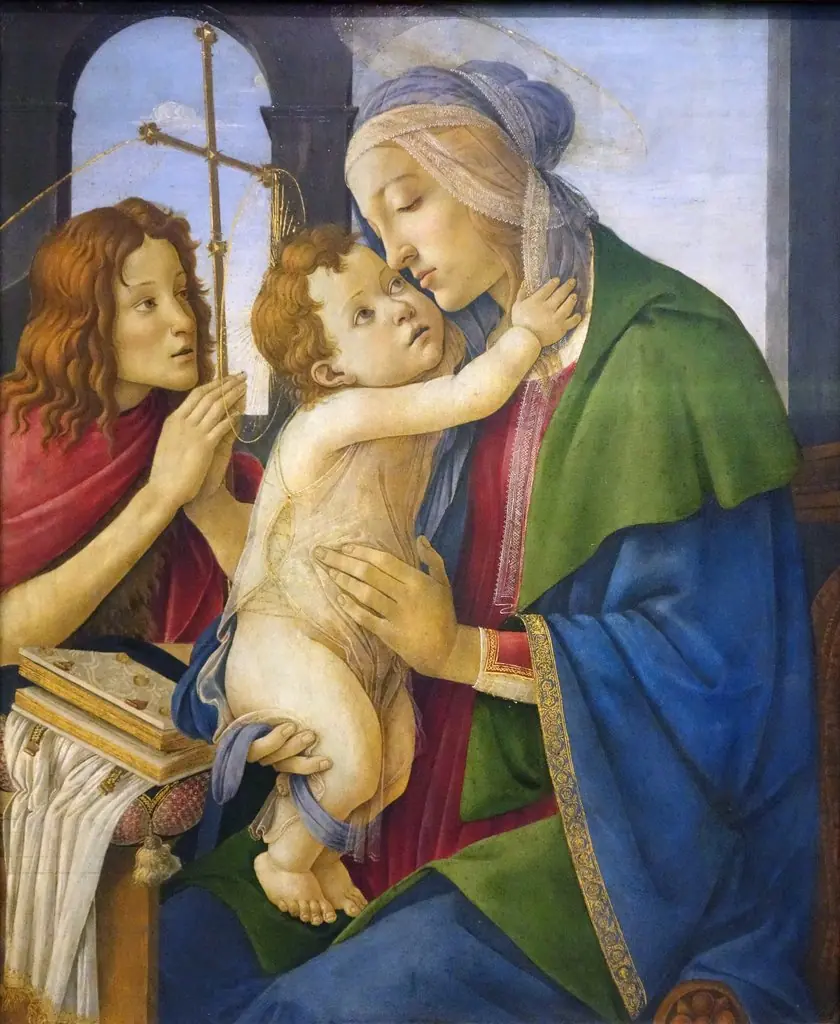 The Virgin and Child with the Young Saint John the Baptist
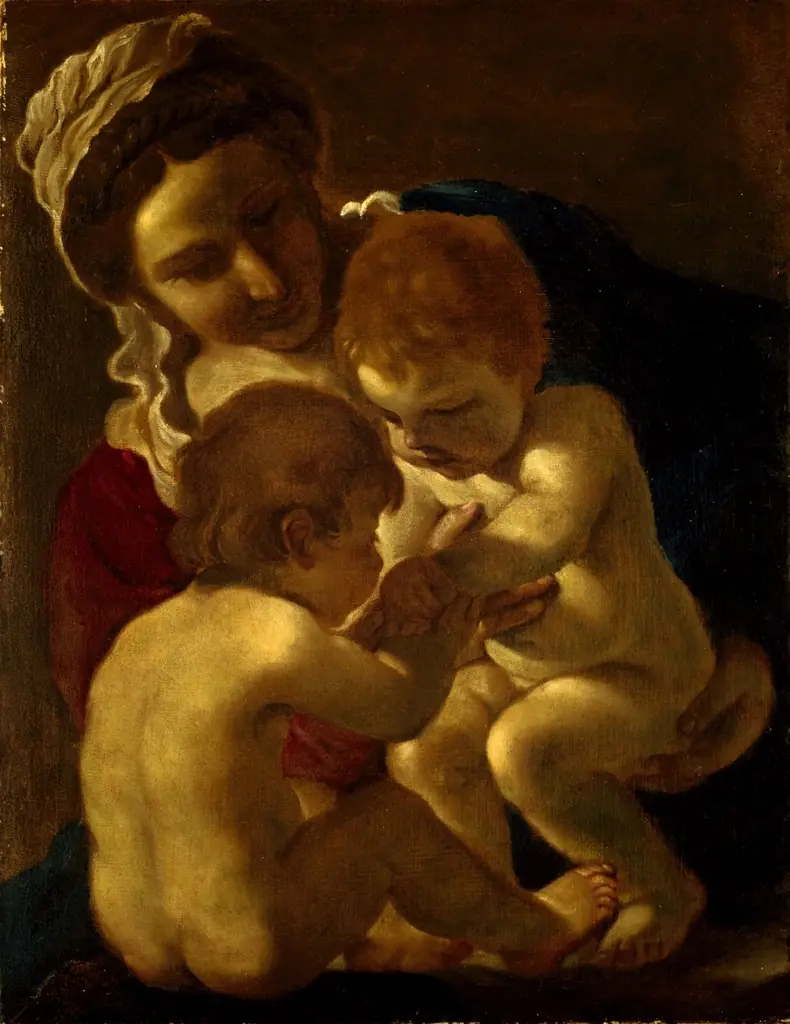 Madonna and Child with Saint John The Baptist
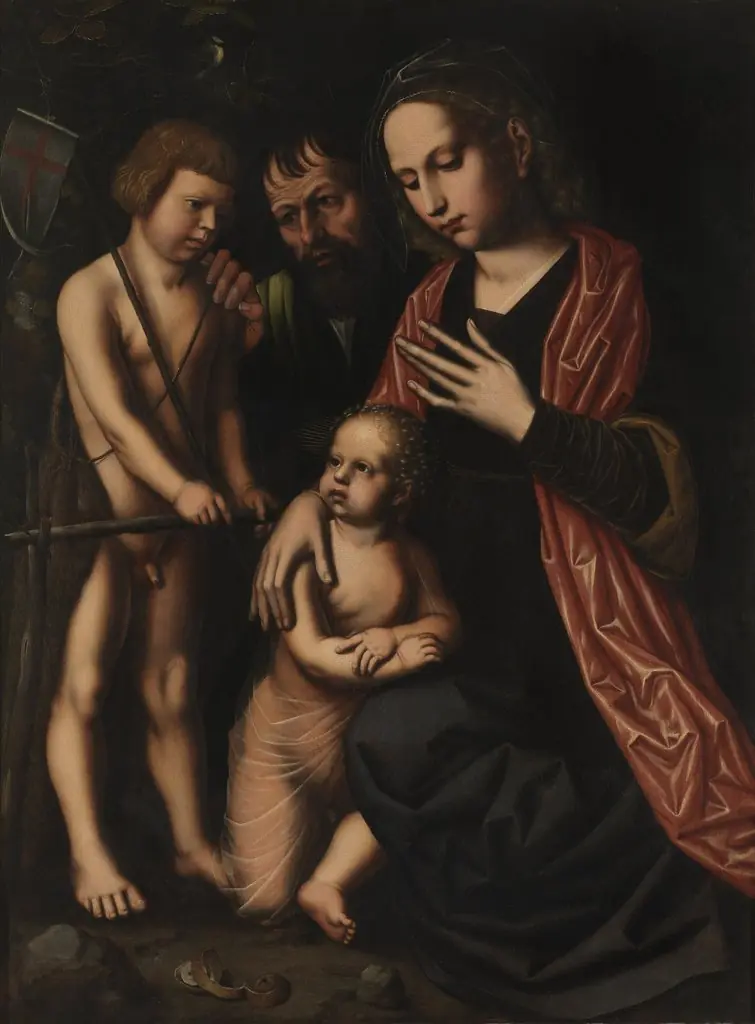 The Holy Family with St. John the Baptist
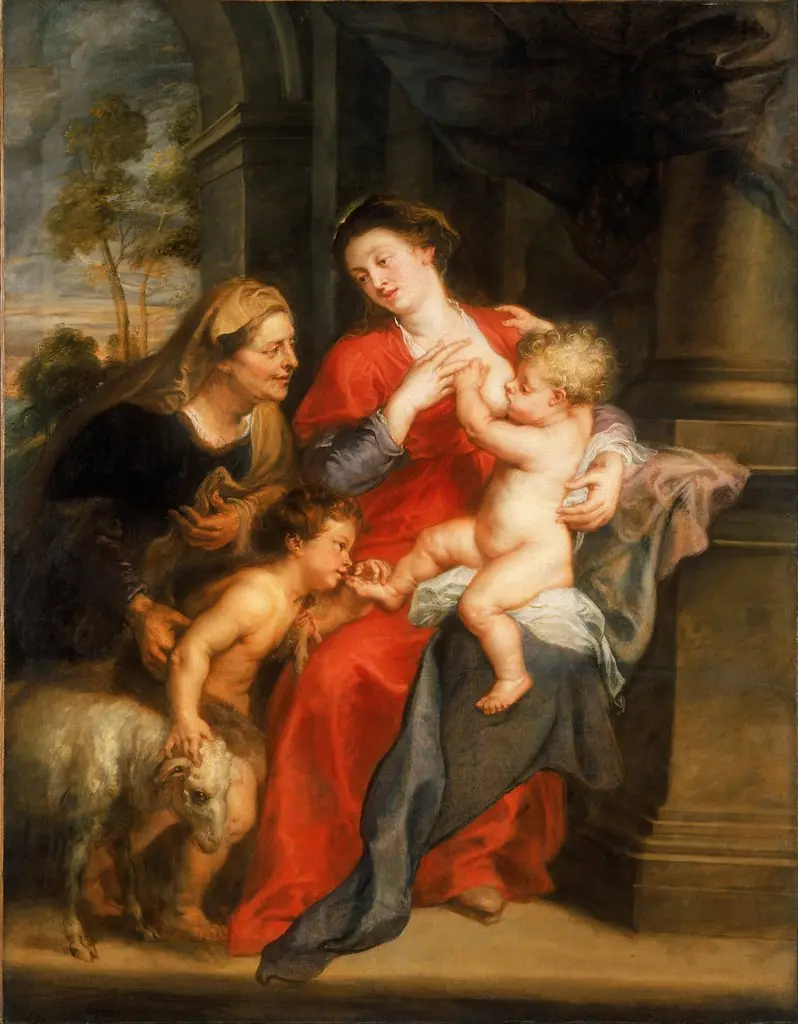 The Virgin and Child with Sts. Elizabeth and John the Baptist
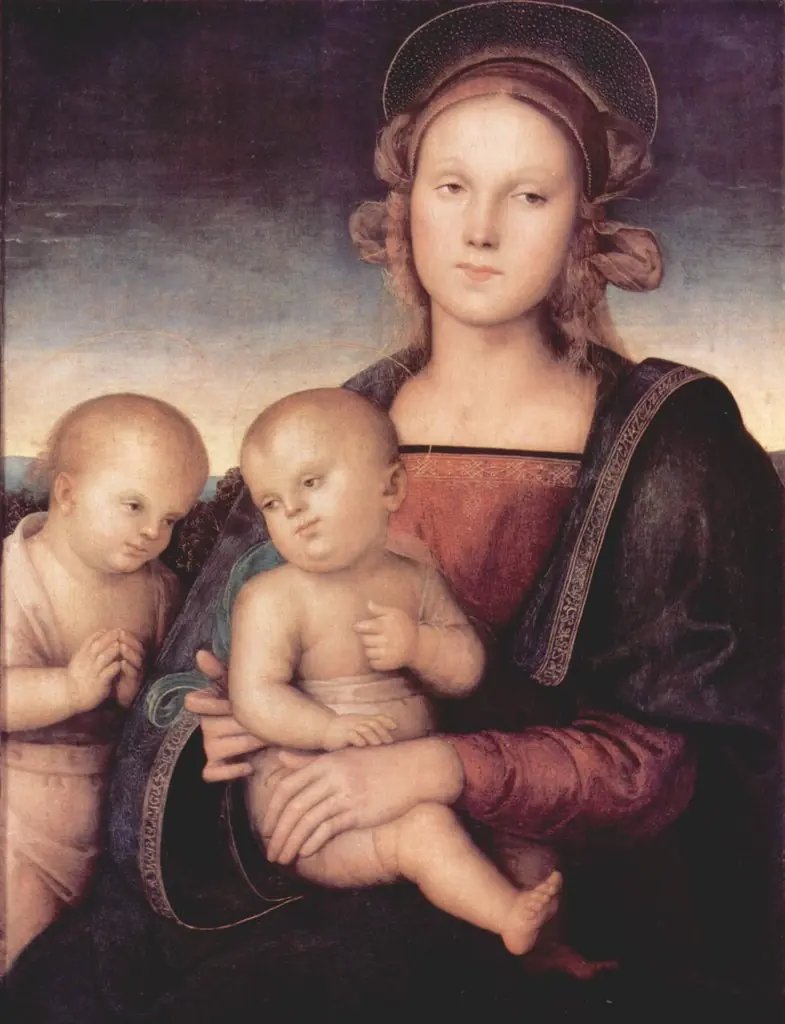 Madonna with child and Saint John the Baptist
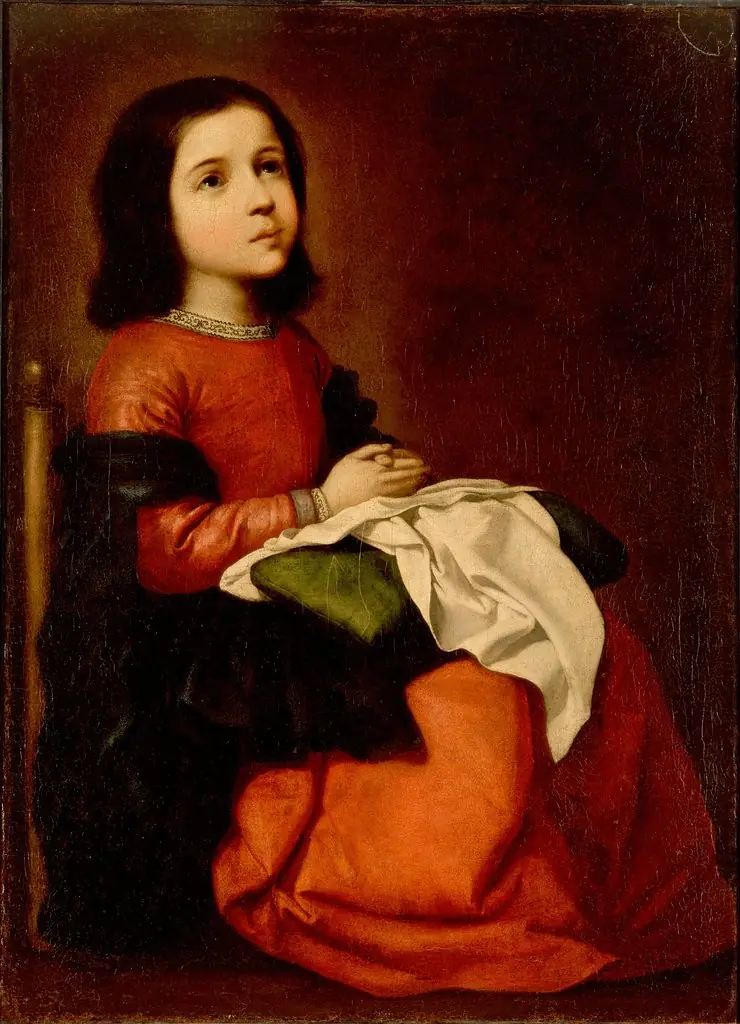 Childhood of the Virgin
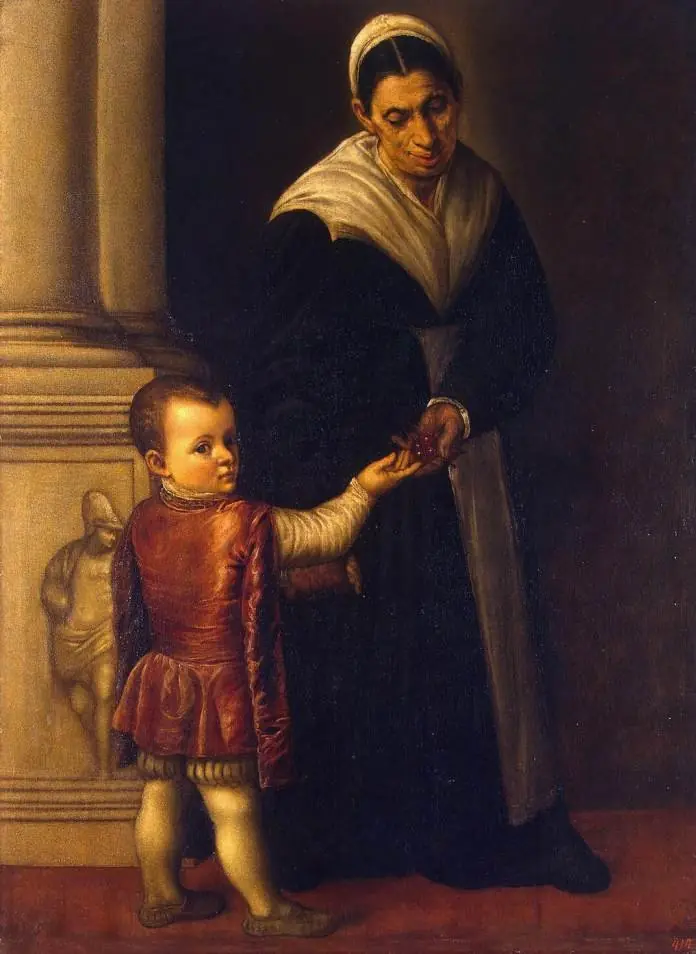 Portrait of a Boy with his Nurse
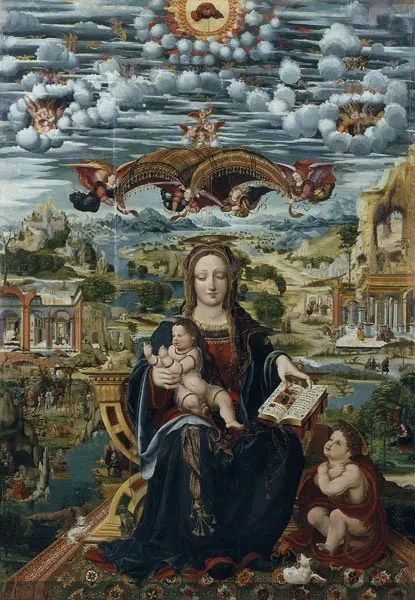 Virgin and Child with the Infant Saint John
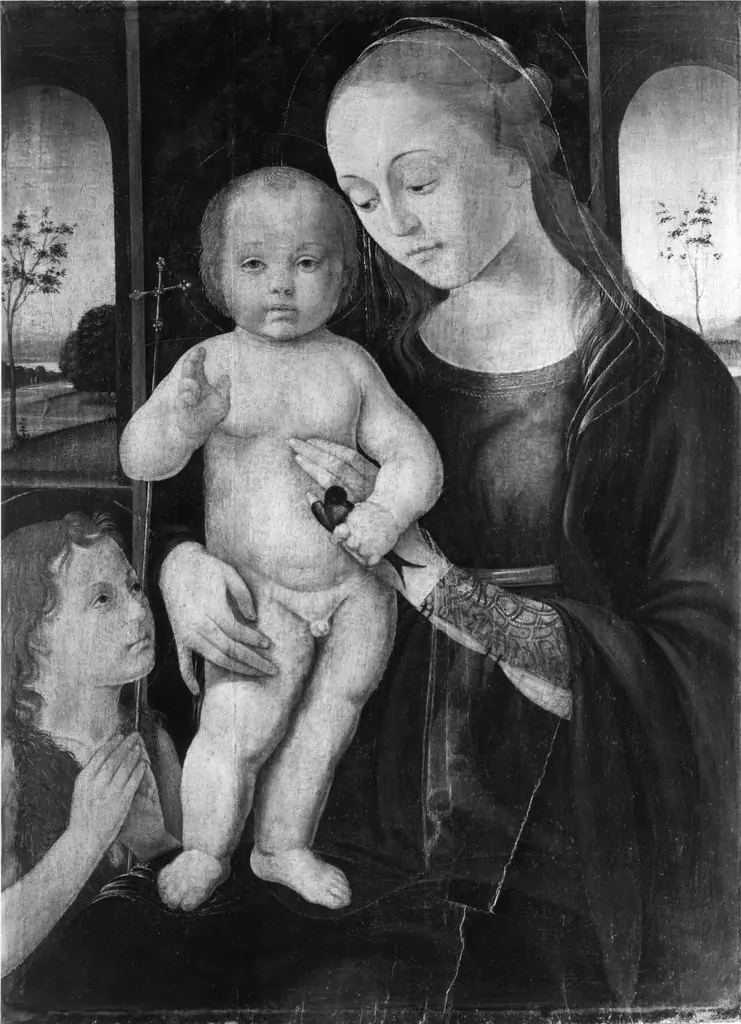 Madonna and Child with the Young St. John the Baptist
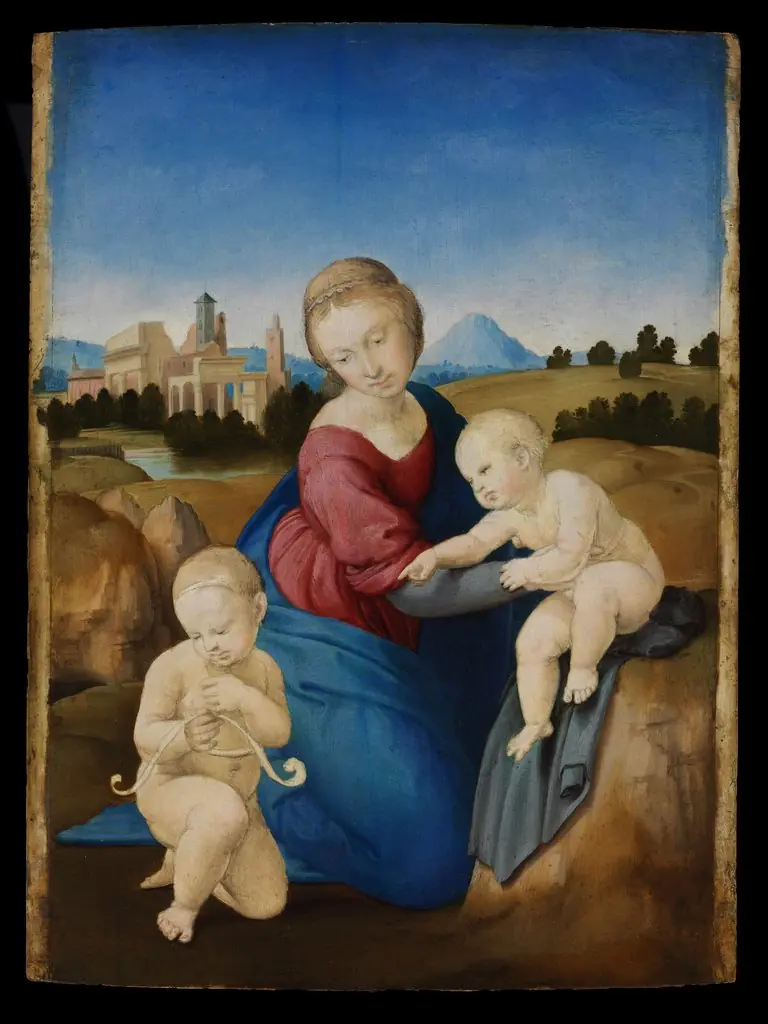 Esterhazy Madonna
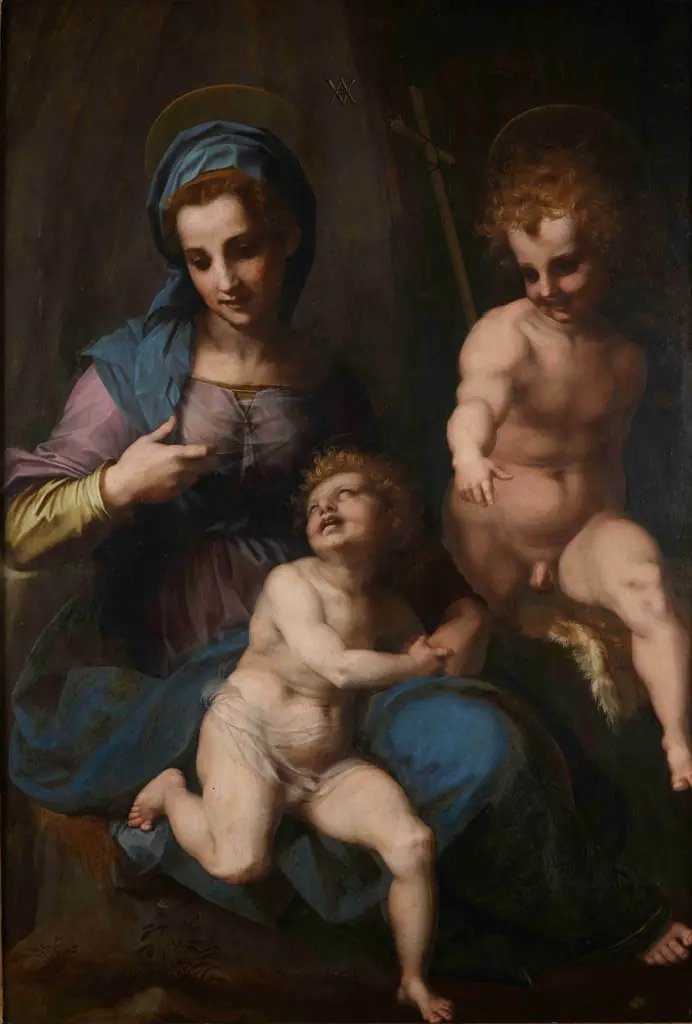 Madonna and Child with Young St John
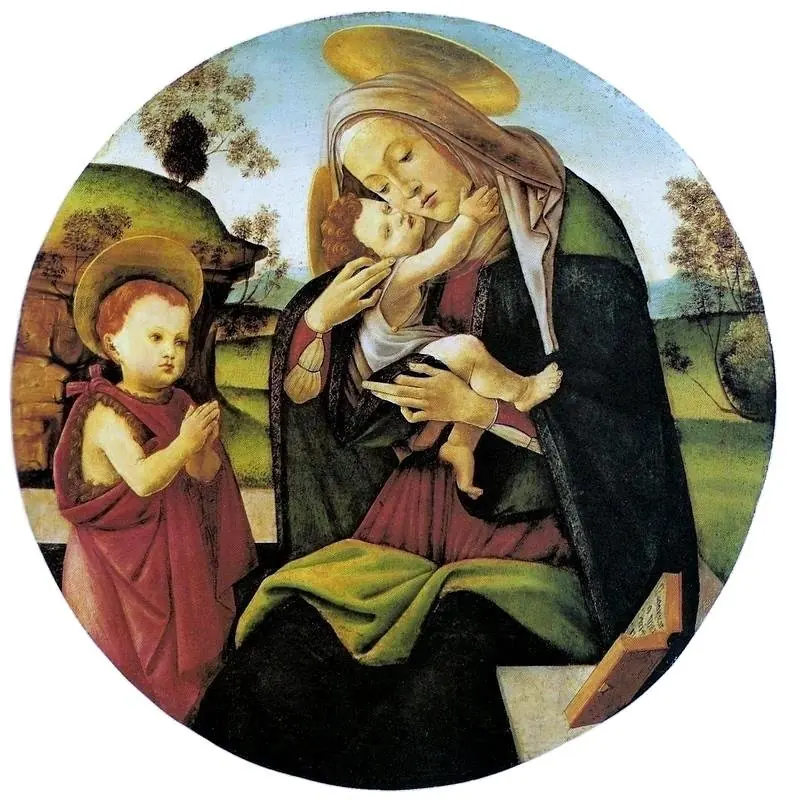 Virgin and Child with the Infant John the Baptist
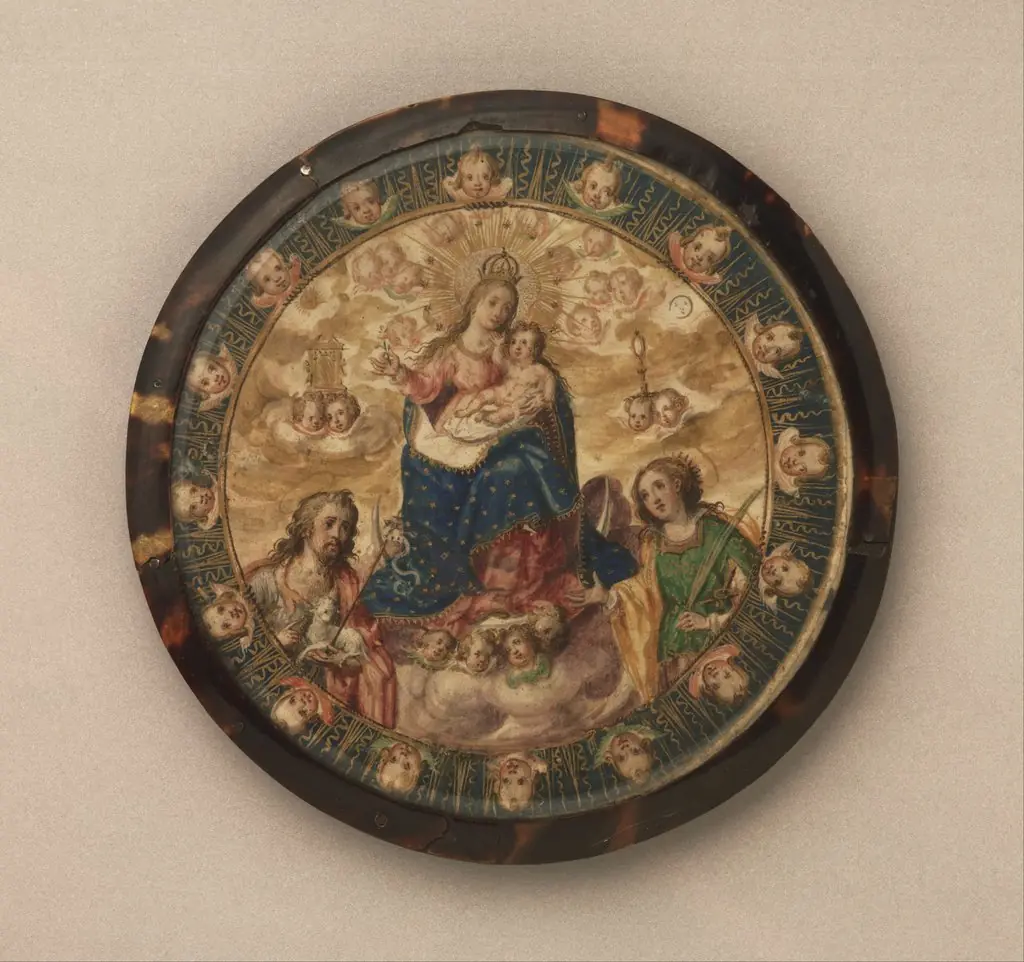 Nun's Shield showing the Virgin and Child with Saints John the Baptist and Catherine of Alexandria
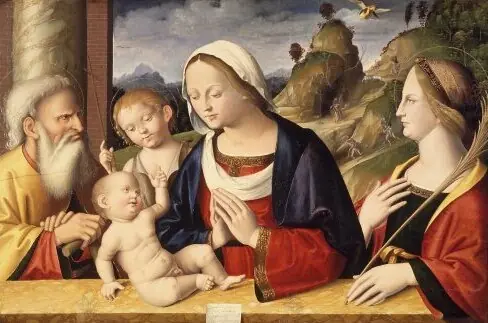 Holy Family with Saints John the Baptist and Catherine of Alexandria
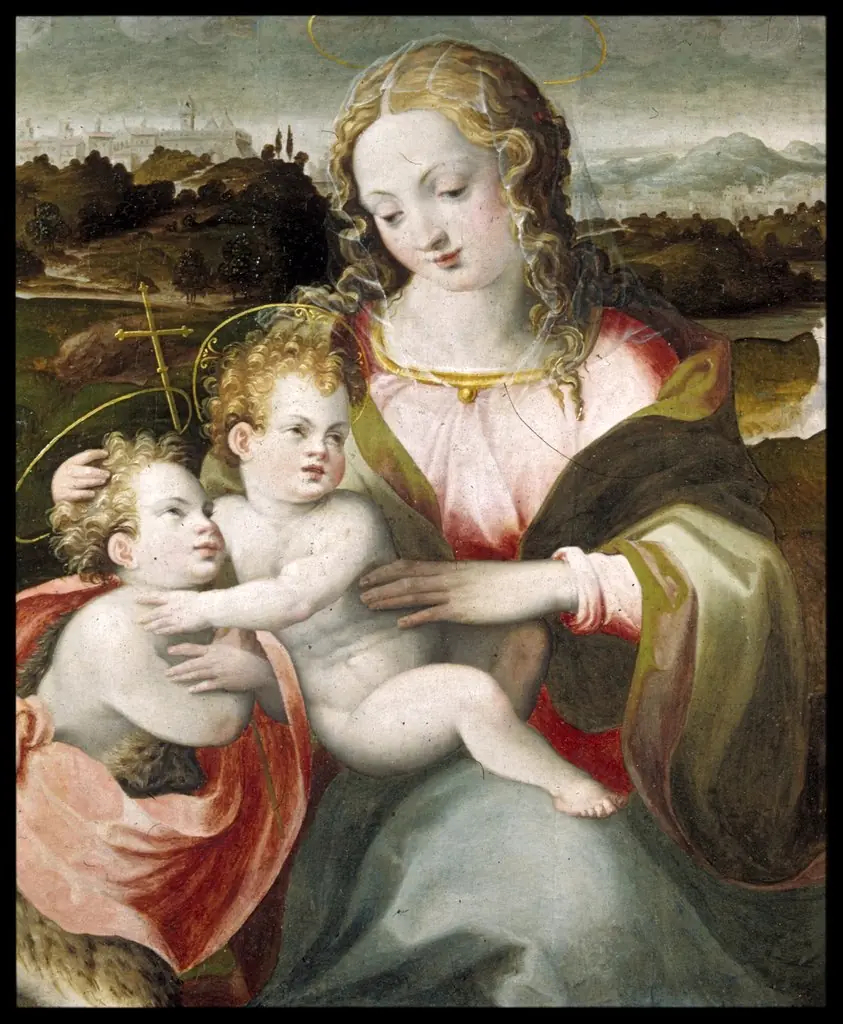 Madonna and Child with the Young Saint John the Baptist
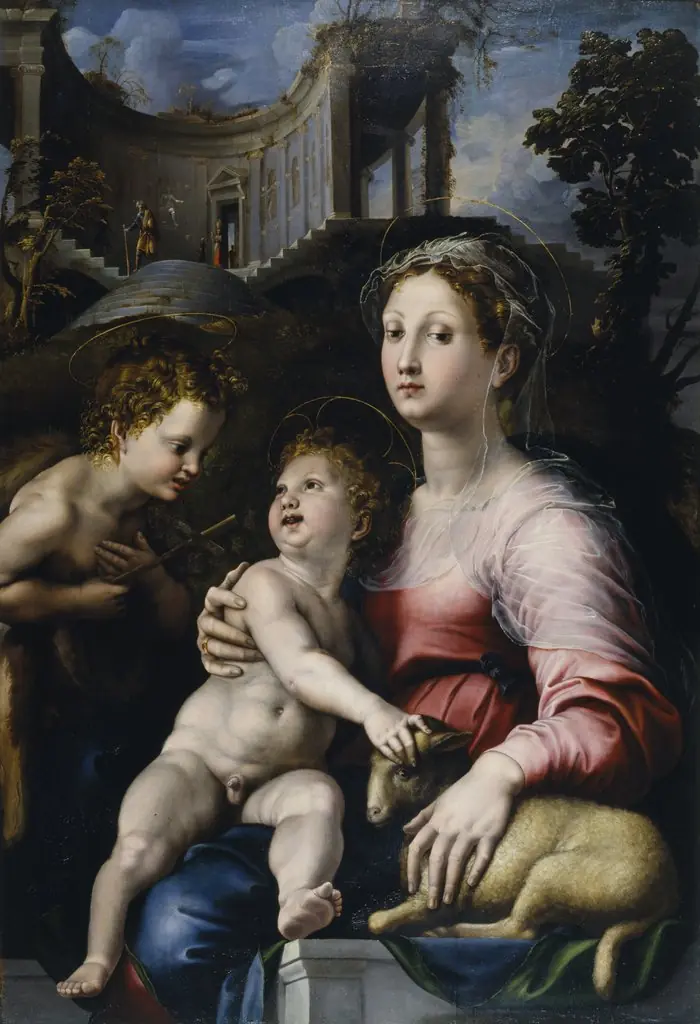 The Madonna and Child with Saint John the Baptist
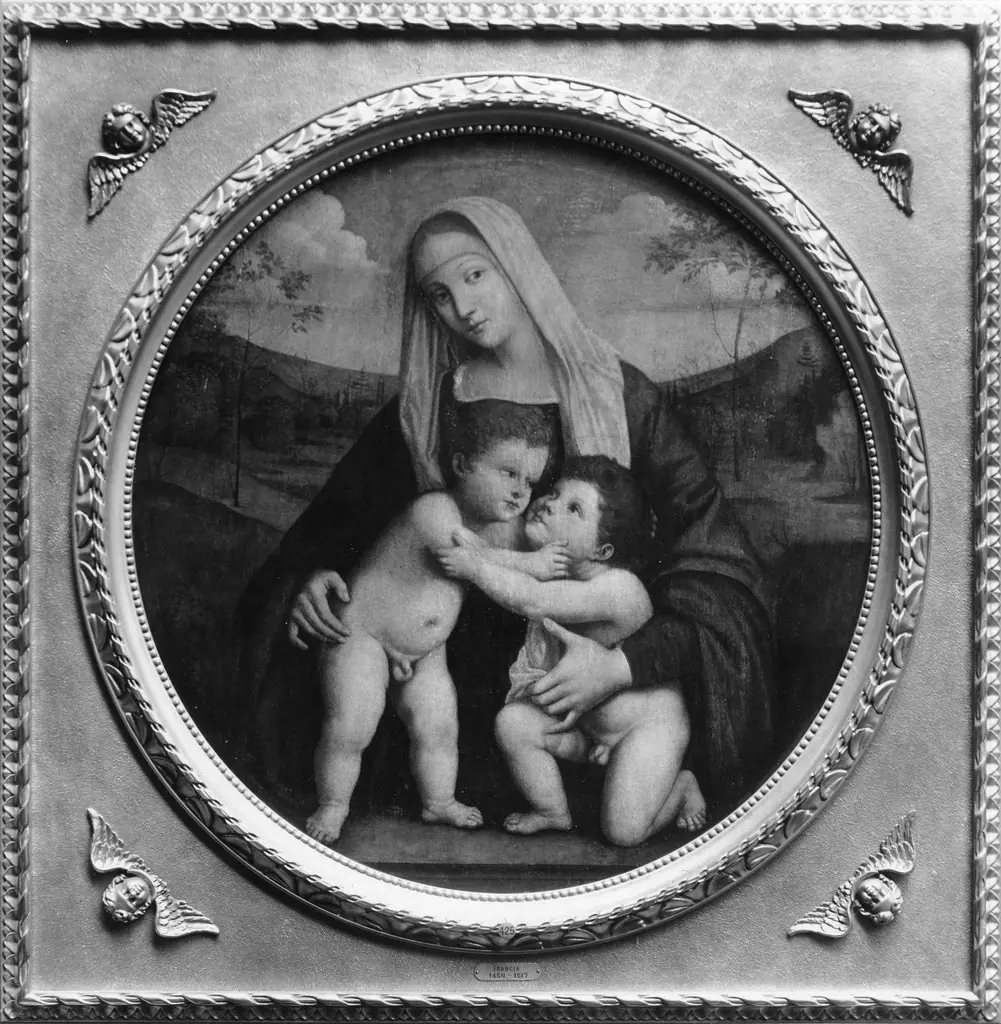 Madonna and Child and St. John the Baptist
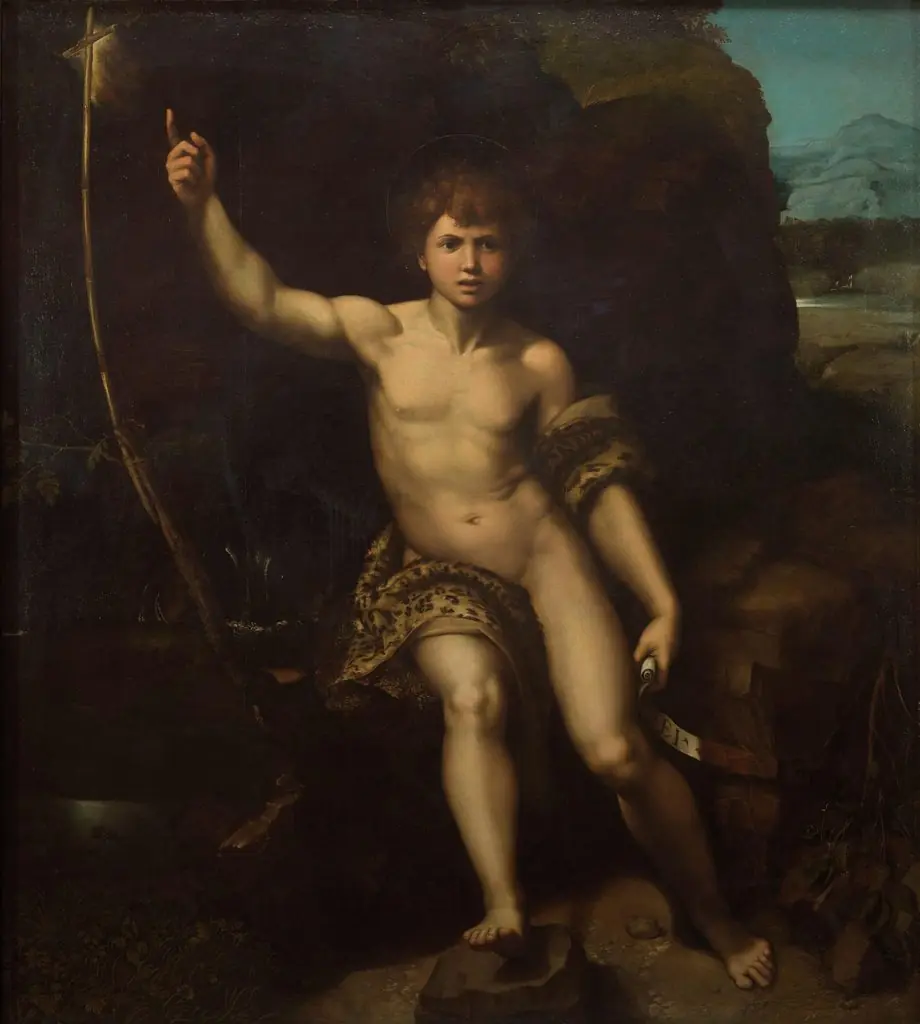 Saint John the Baptist as a Boy
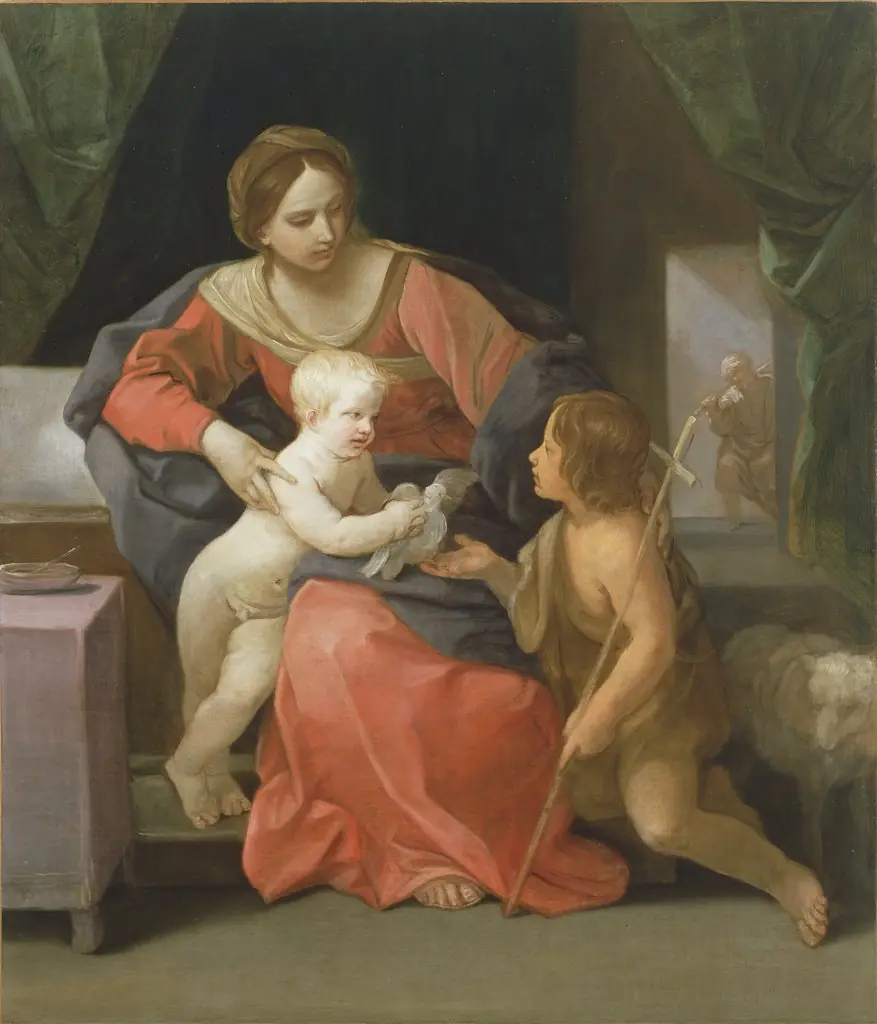 Virgin and Child with Saint John the Baptist
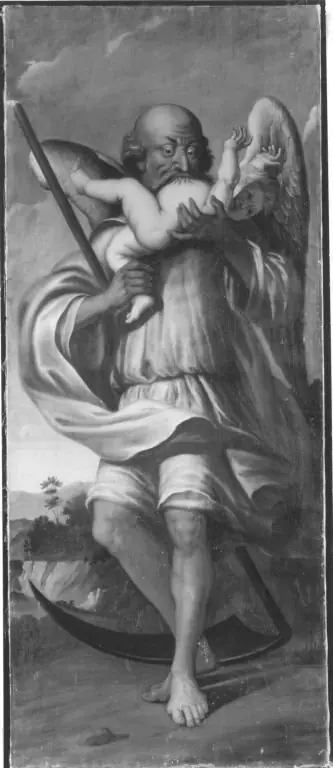 Saturn. the God of Time, devouring his own child
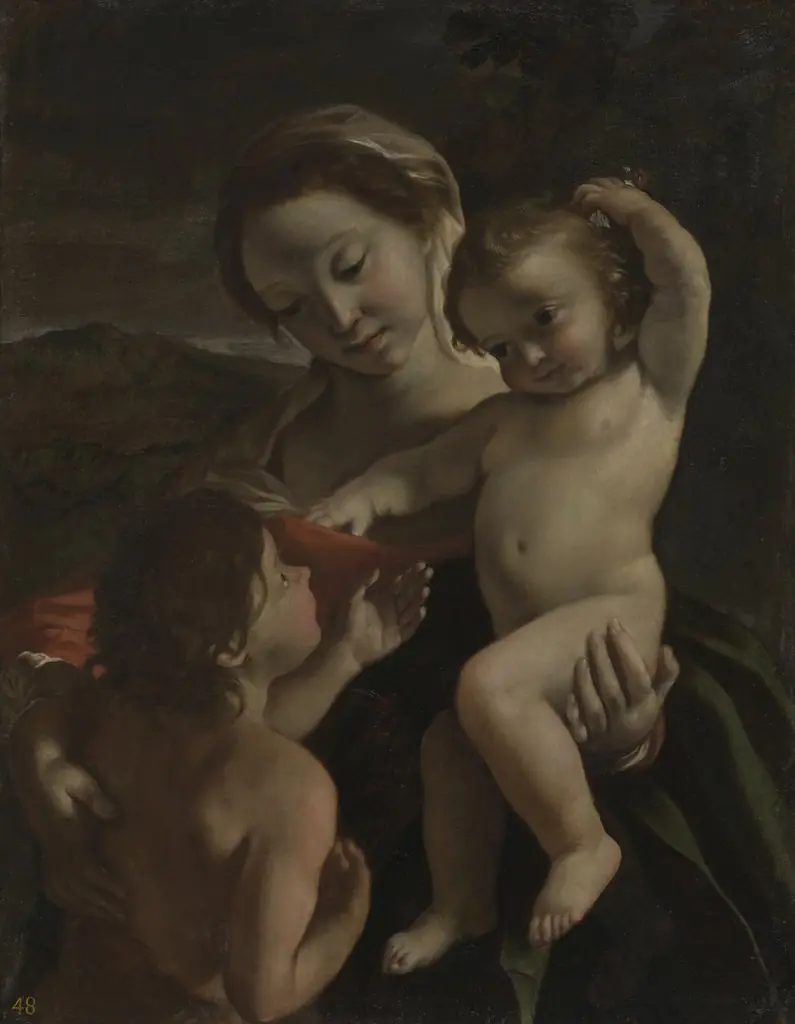 Madonna and Child with the Infant Saint John the Baptist
 Portrait of a Child with a Dog
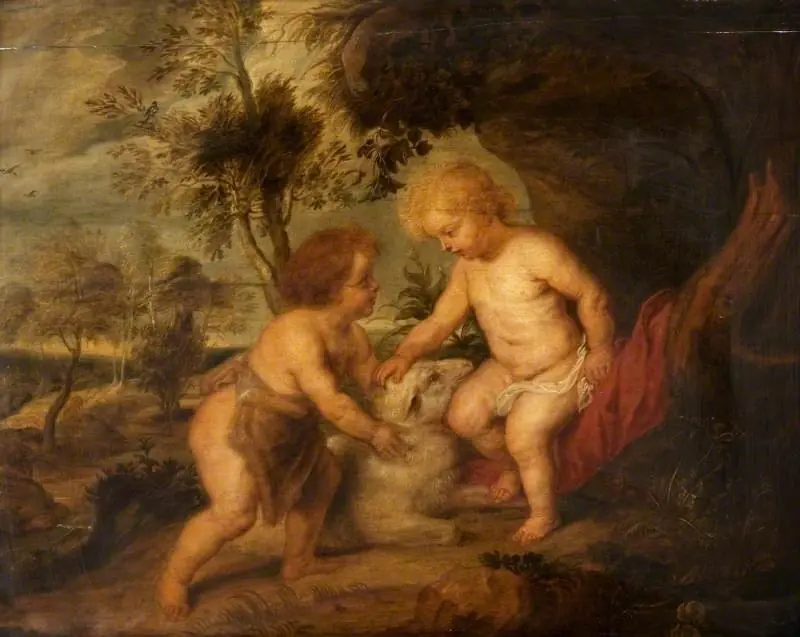 The Infant Christ and Saint John with a Lamb
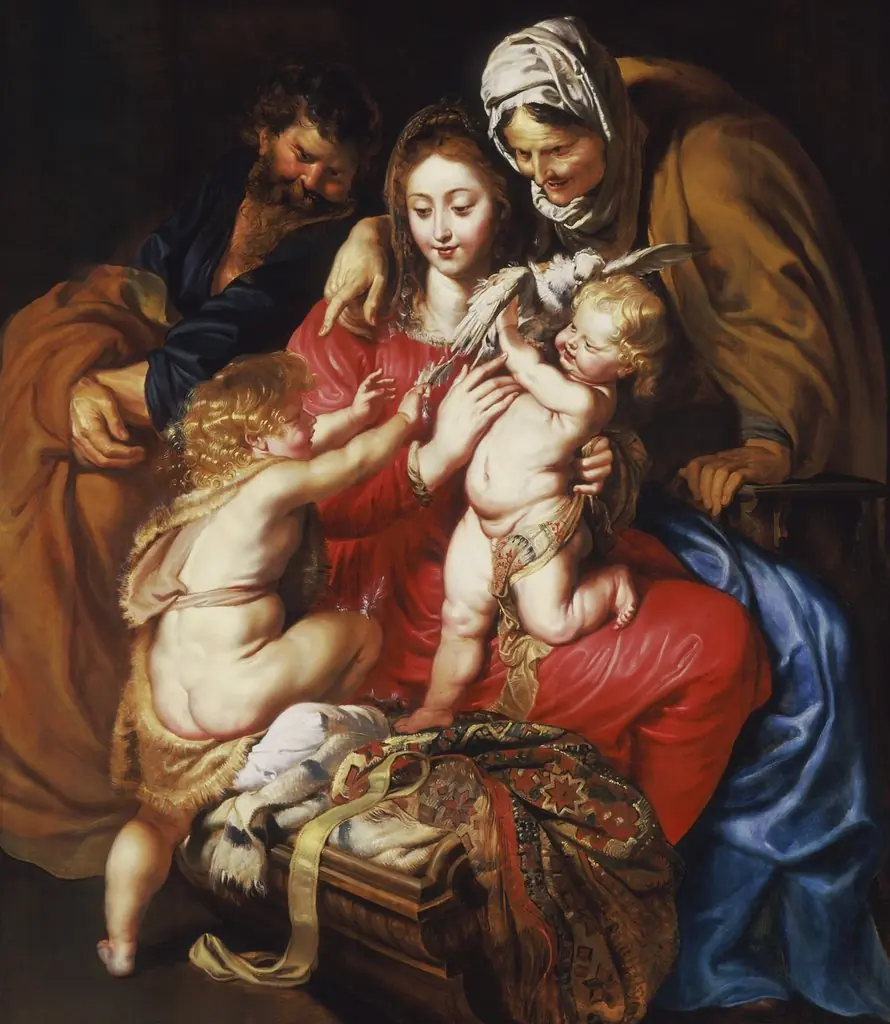 The Holy Family with St. Elizabeth, St. John, and a Dove
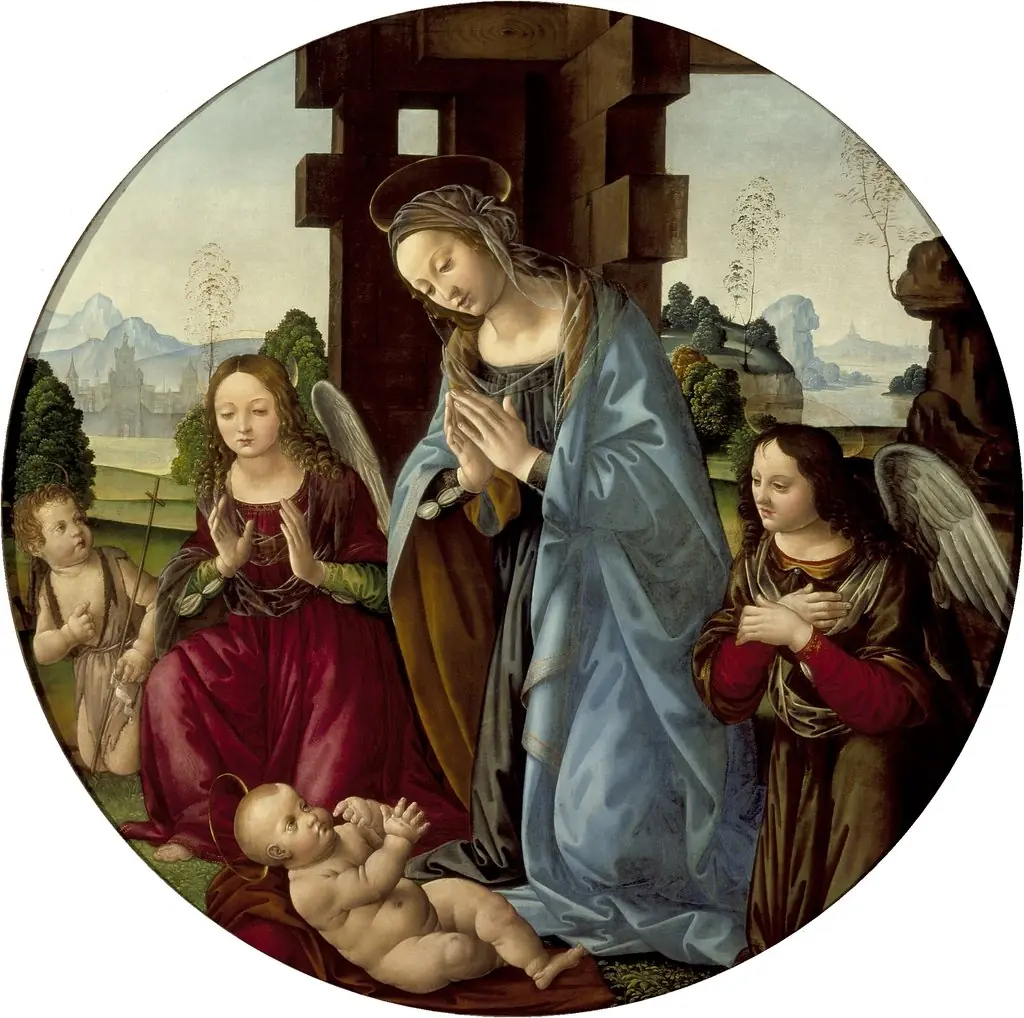 Virgin Adoring the Christ Child with St. John the Baptist and Two Angels
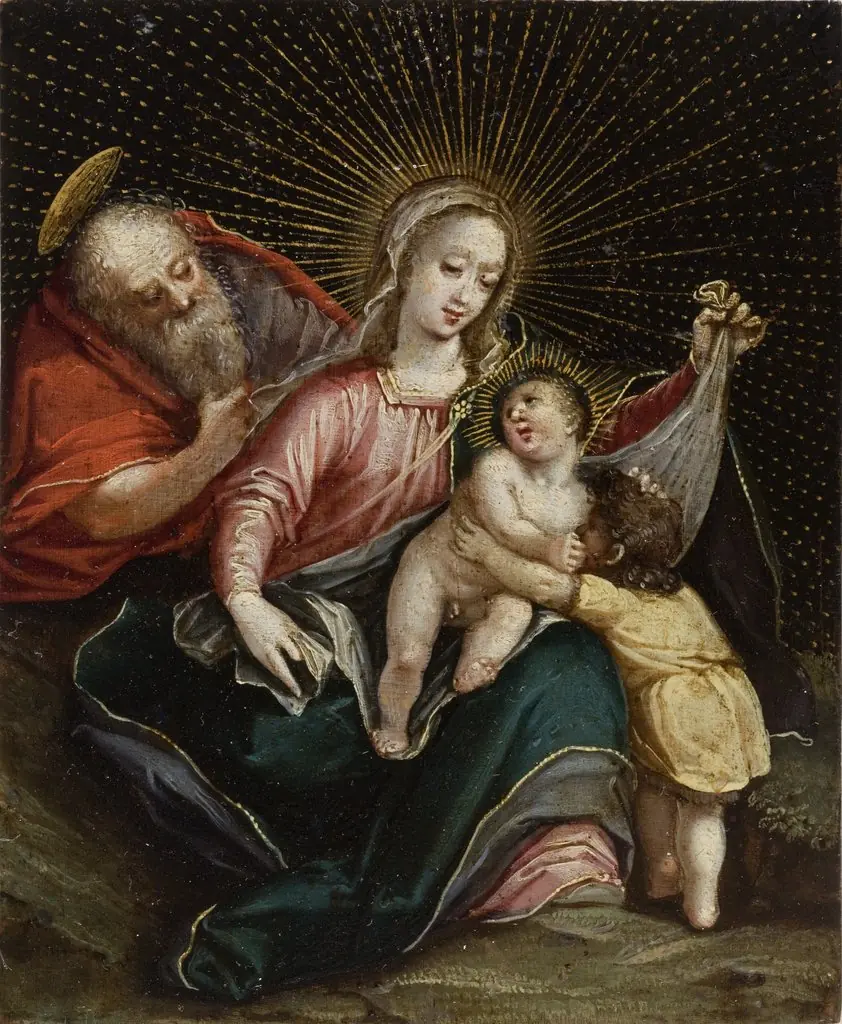 The Holy Family with Saint John the Baptist (La sagrada familia con San Juan Bautista)
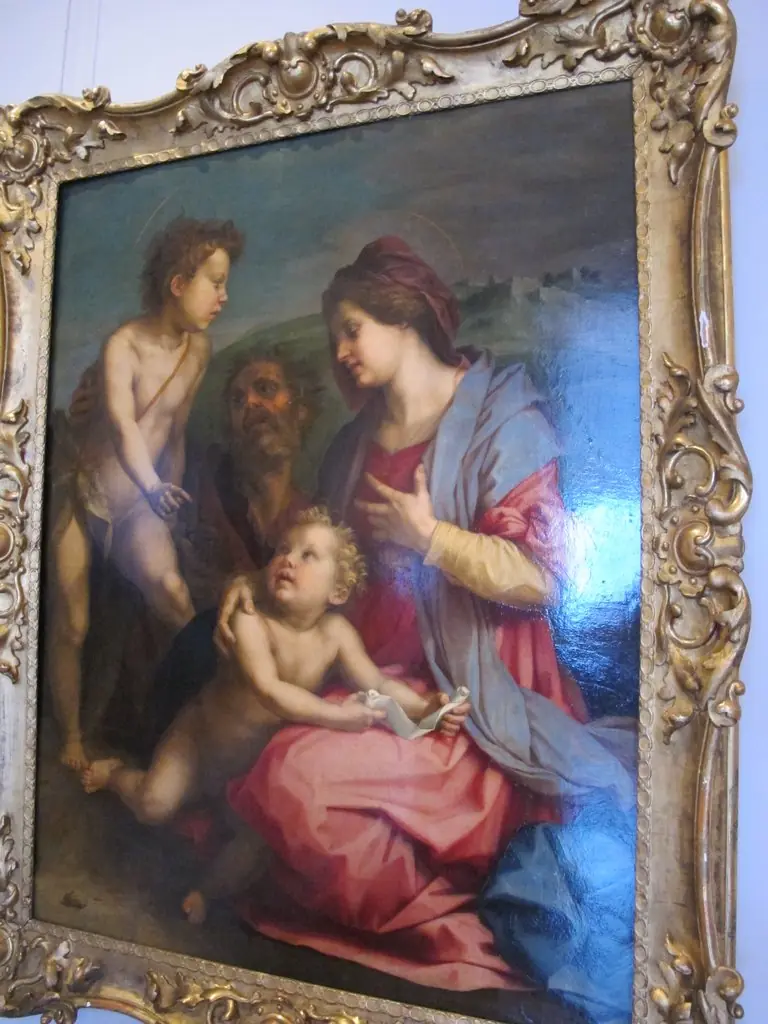 Holy Family with St John the Baptist
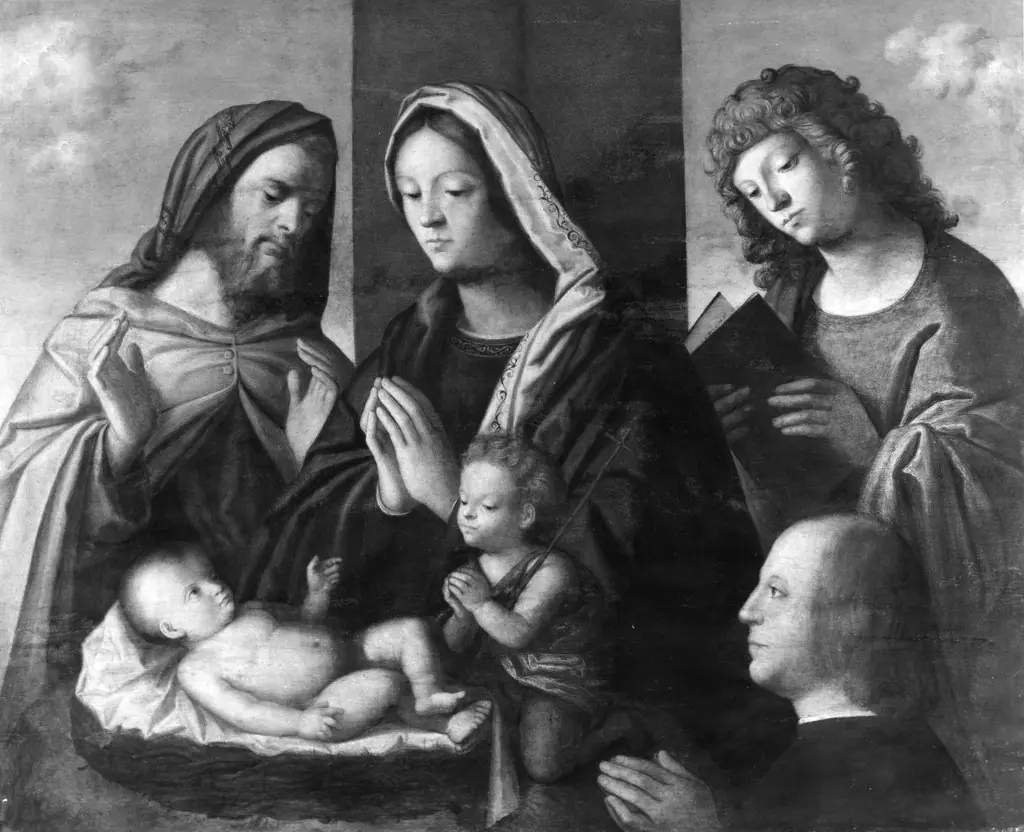 The Holy Family with the Young St. John the Baptist, St. John the Evangelist, and a Donor
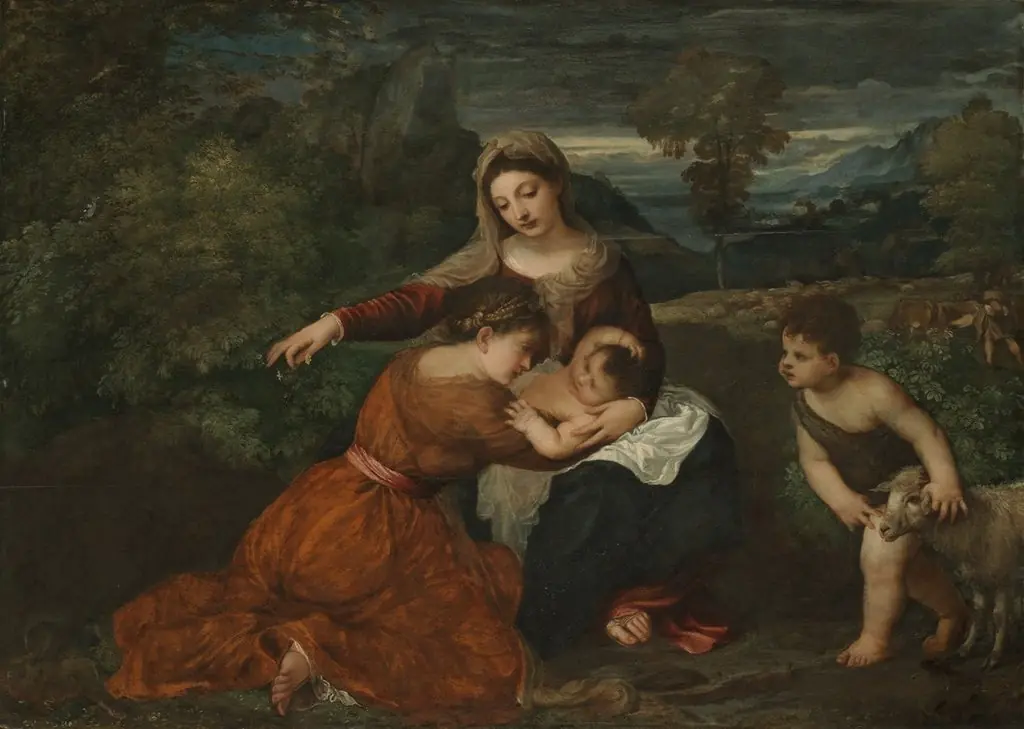 The Madonna and Child with a Female Saint and the Infant Saint John the Baptist
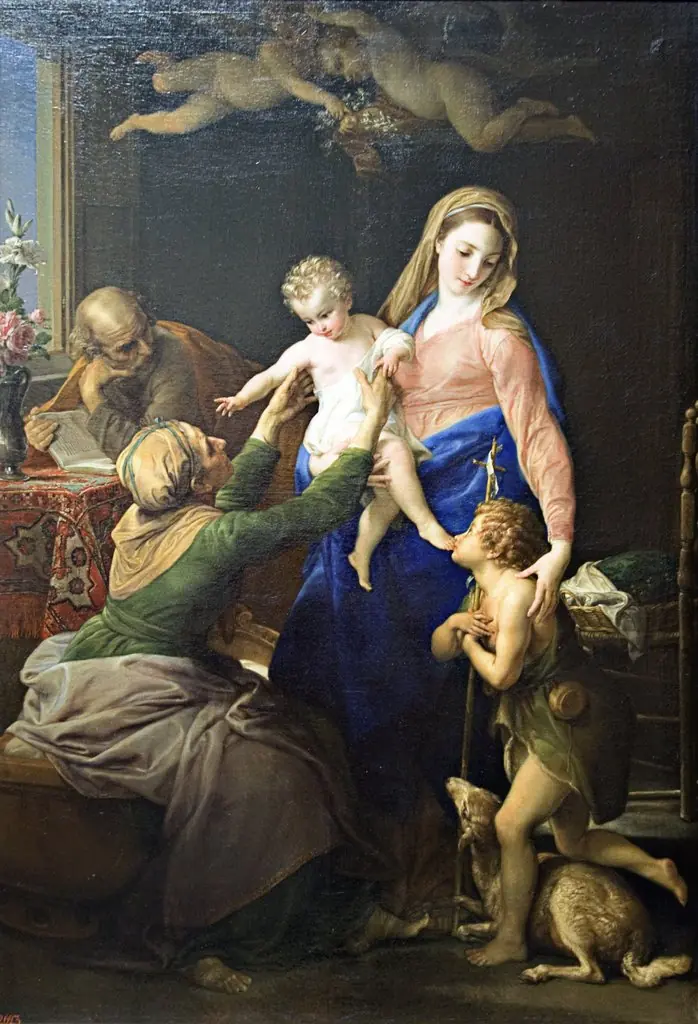 Holy Family with Sts Elizabeth and John the Baptist
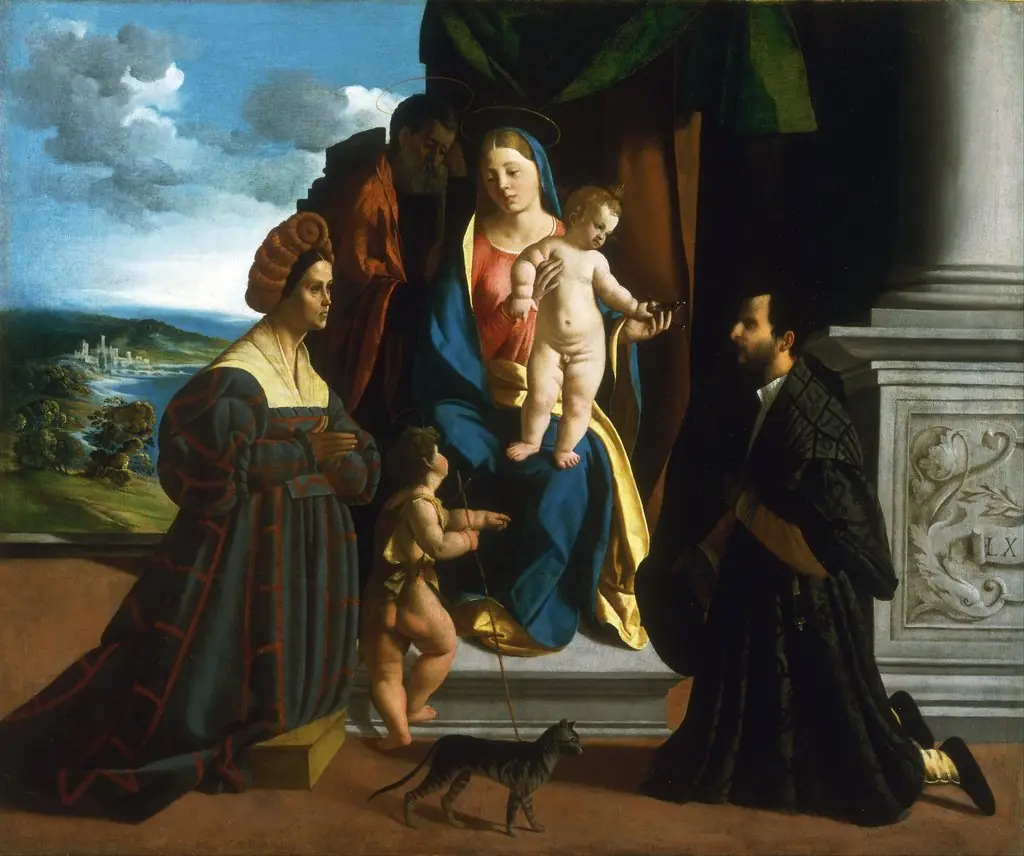 The Holy Family, with the Young Saint John the Baptist, a Cat, and Two Donors
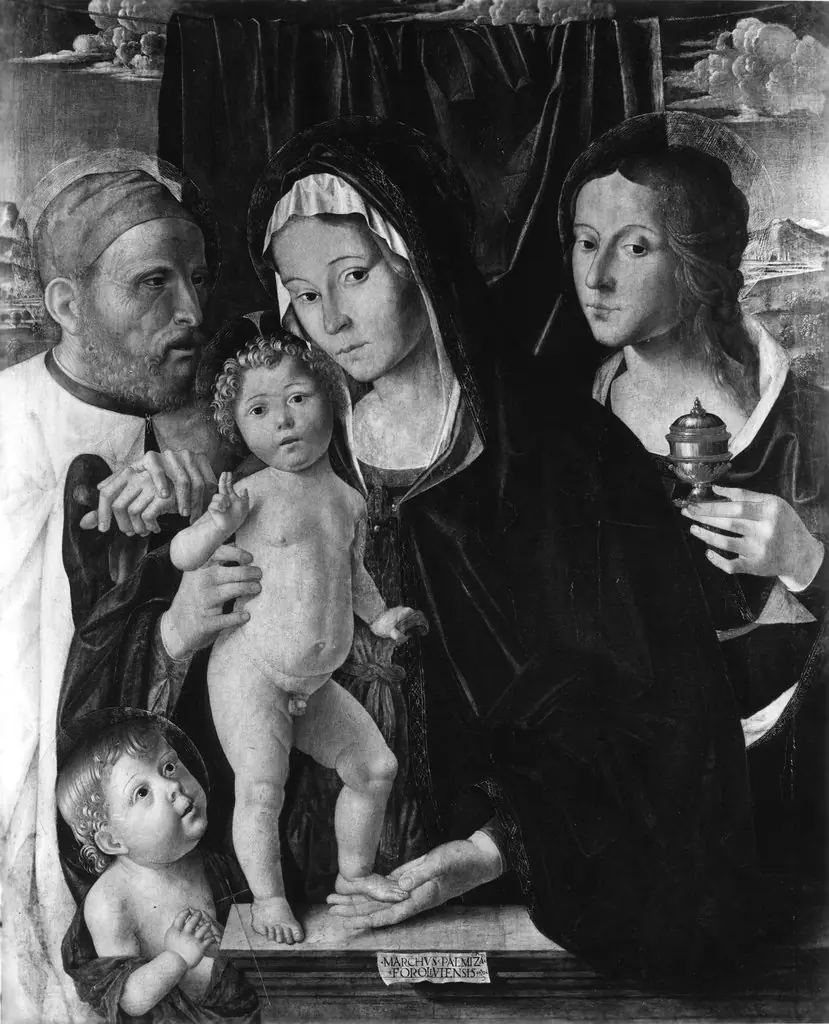 The Holy Family with St John the Baptist and St Mary Magdalen
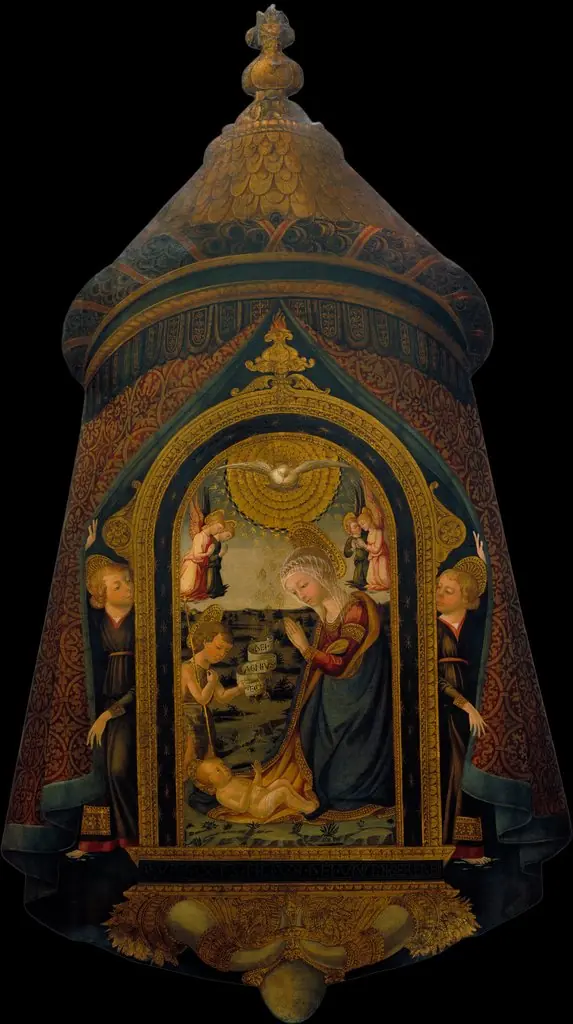 Processional Standard with the Adoration of the Child by the Virgin, Saint John Baptist and Angels
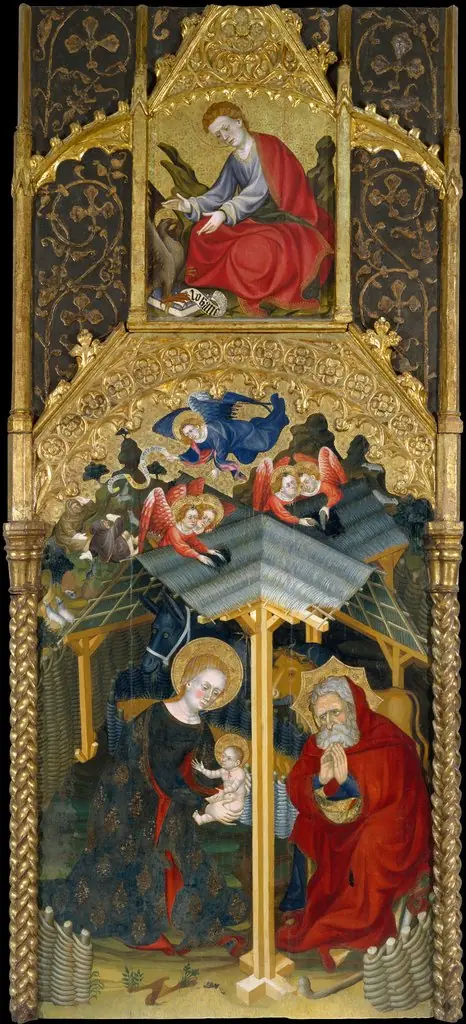 Nativity and Saint John the Evangelist
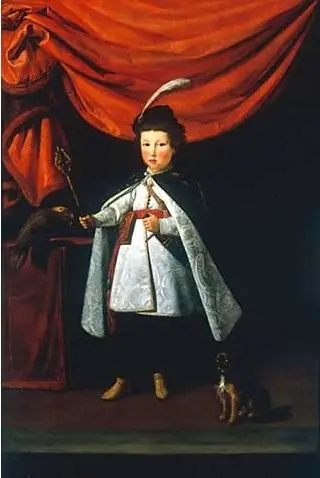 Leopoldo de' Medici in Polish costume
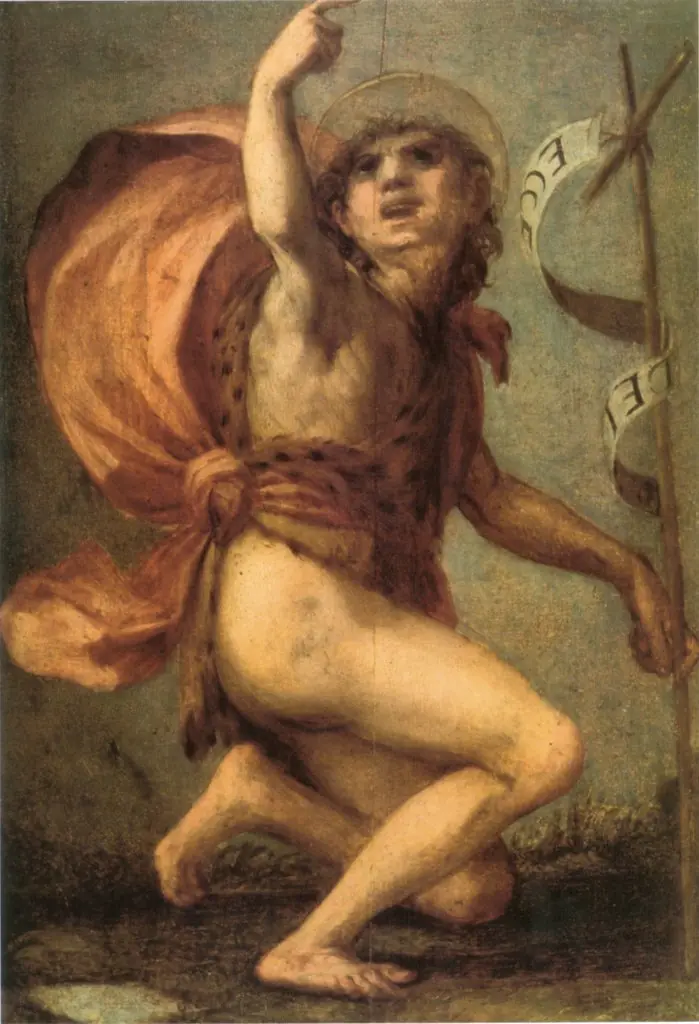 Saint John the Baptist as a Boy
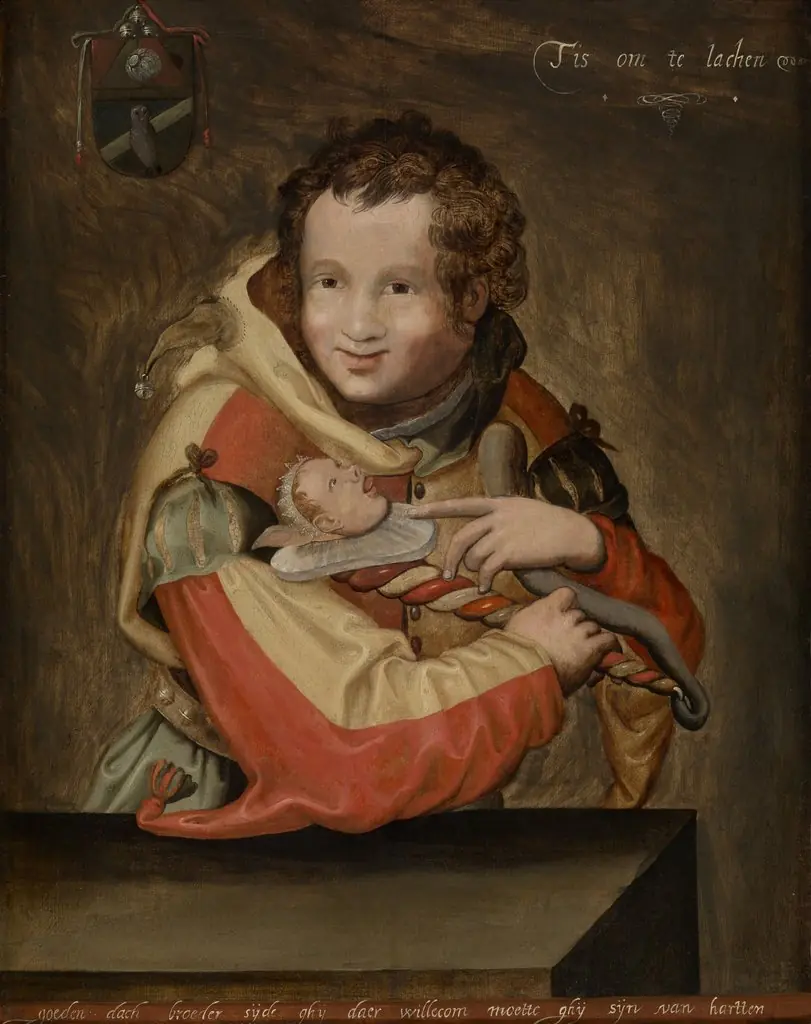 Jester
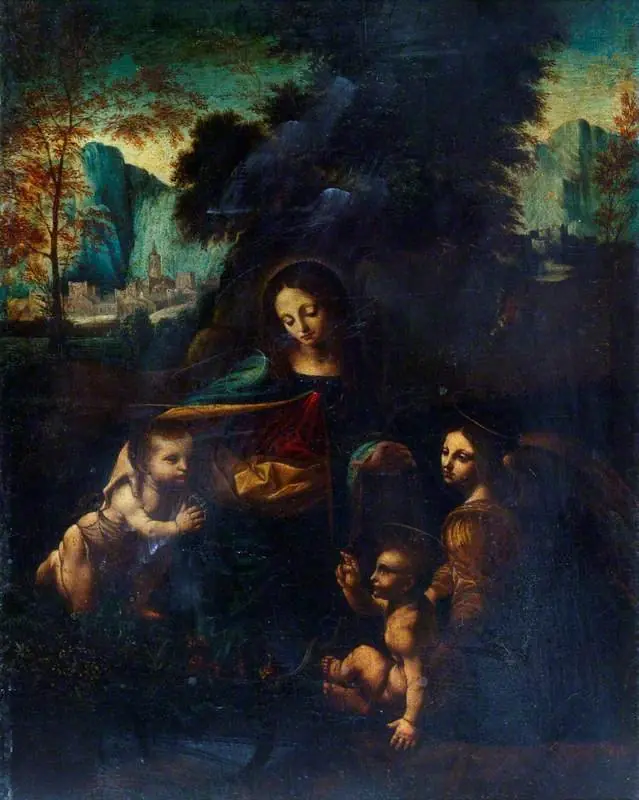 The Virgin of the Rocks
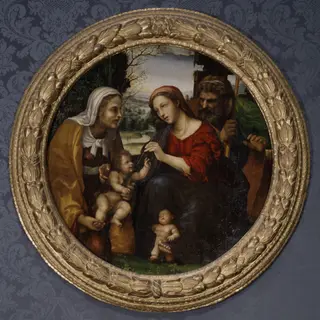 The Holy Family with Saint Elizabeth and the Infant Saint John the Baptist
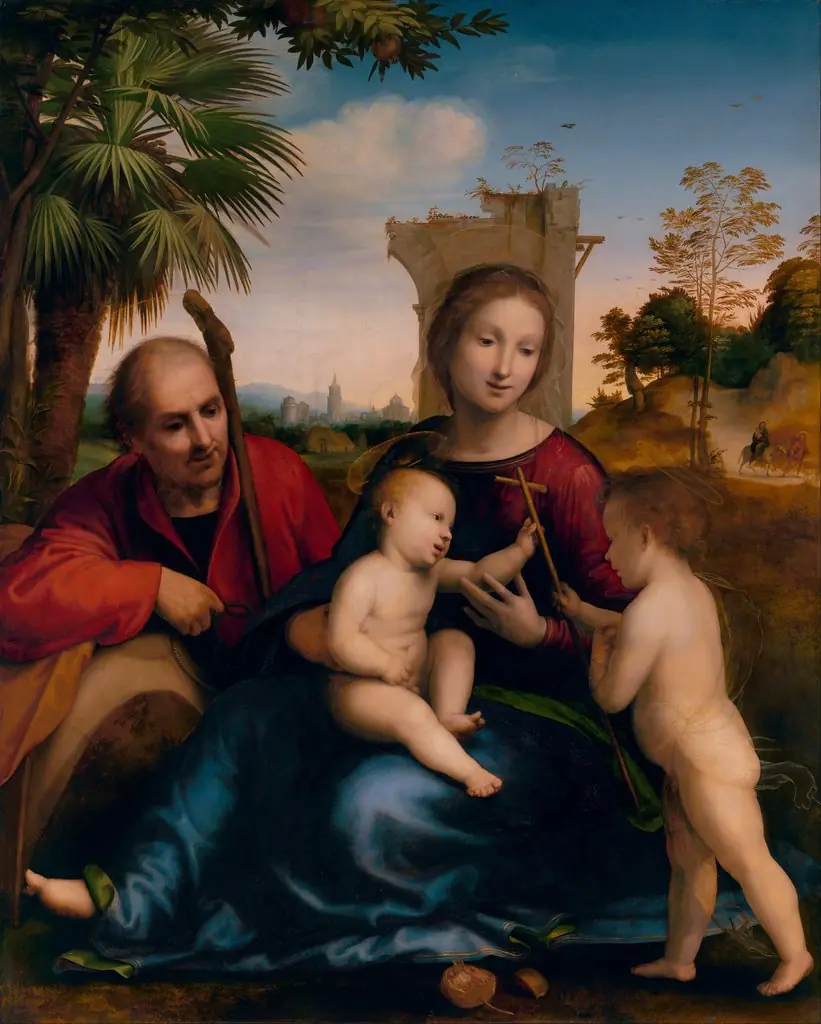 The Rest on the Flight into Egypt with St. John the Baptist
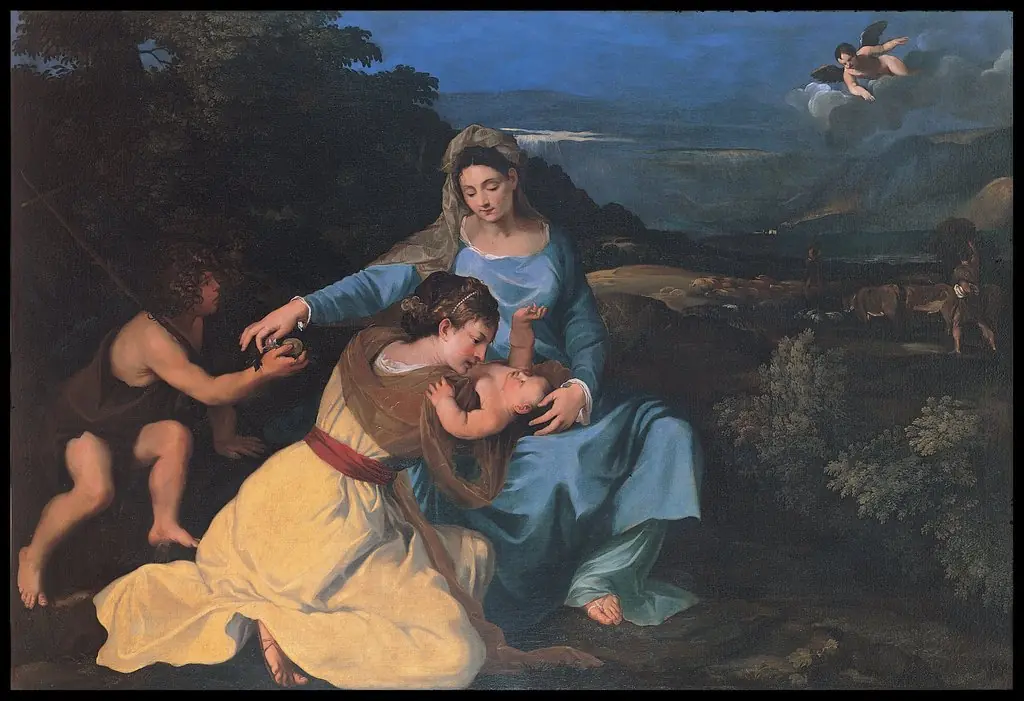 Madonna with the Child, Saint Catherine and Saint John
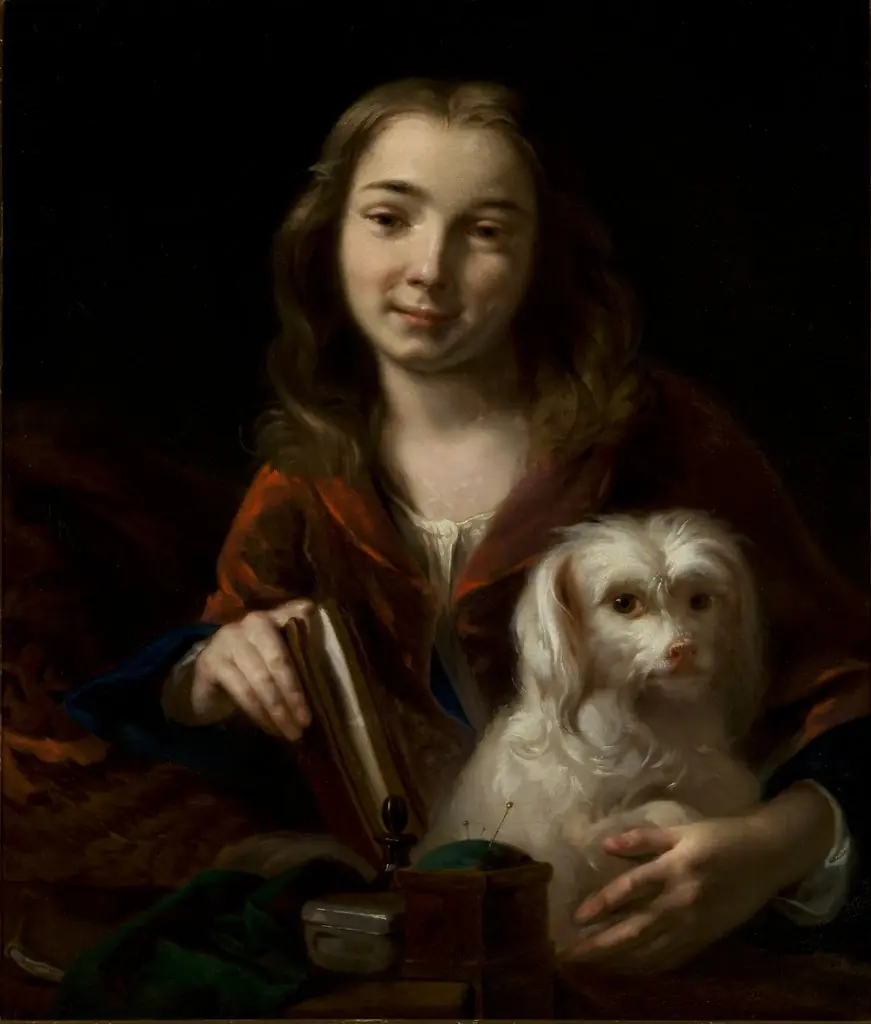 Portrait of Stefania Jarońska née Głowacka
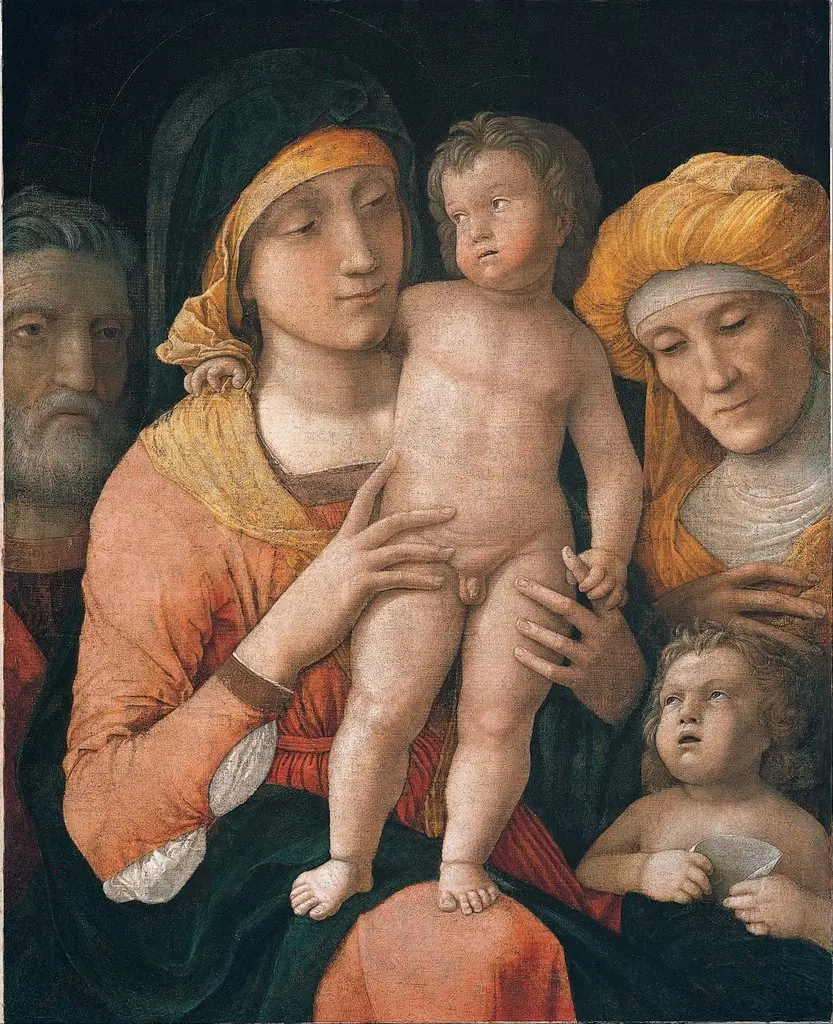 The Madonna and Child with Saints Joseph, Elizabeth, and John the Baptist
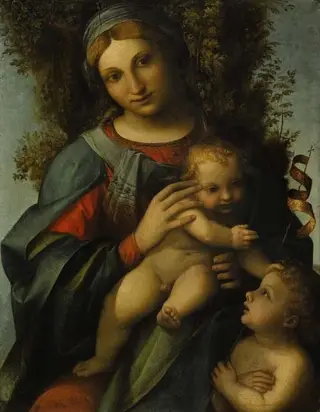 Madonna and Child with infant St John the Baptist
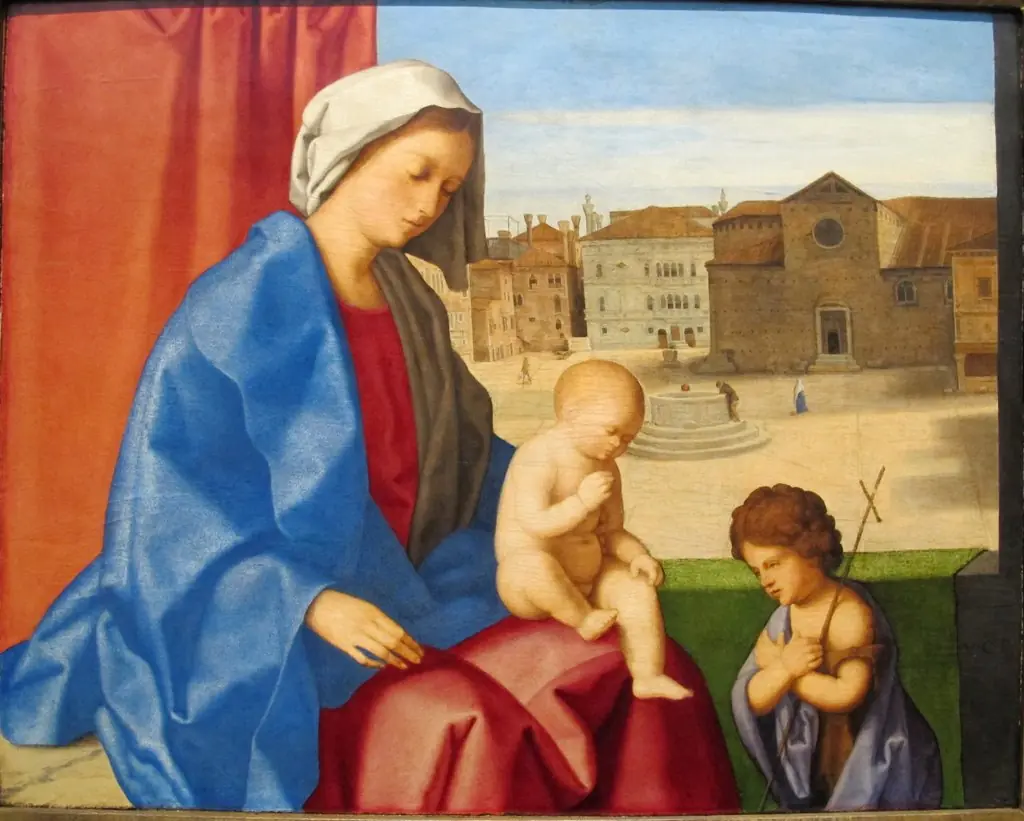 The Madonna and Child with the Infant Saint John the Baptist
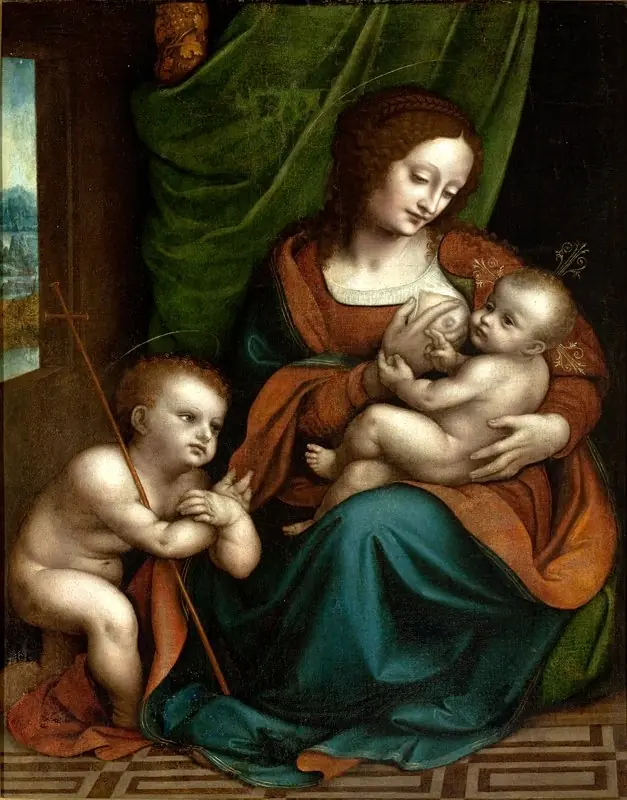 The Virgin Nursing the Child with Saint John the Baptist in Adoration attributed to Giampietrino
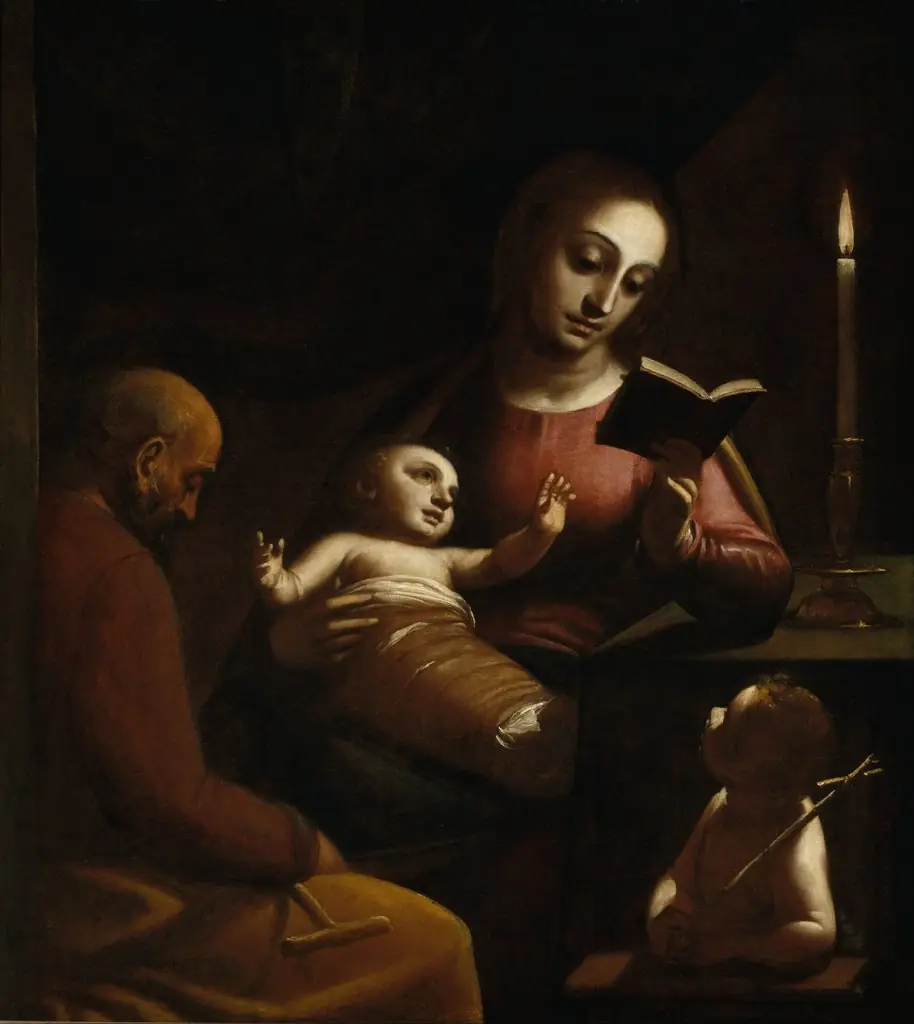 Holy Family with St John the Baptist
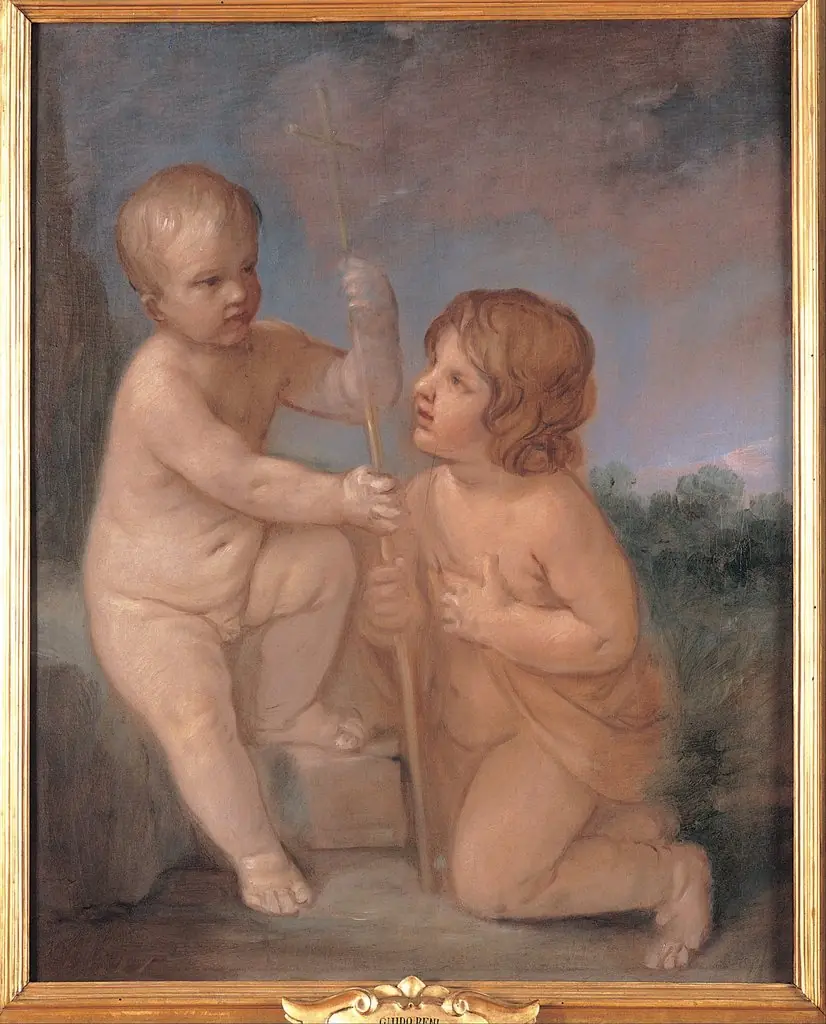 The infant Jesus and St. John
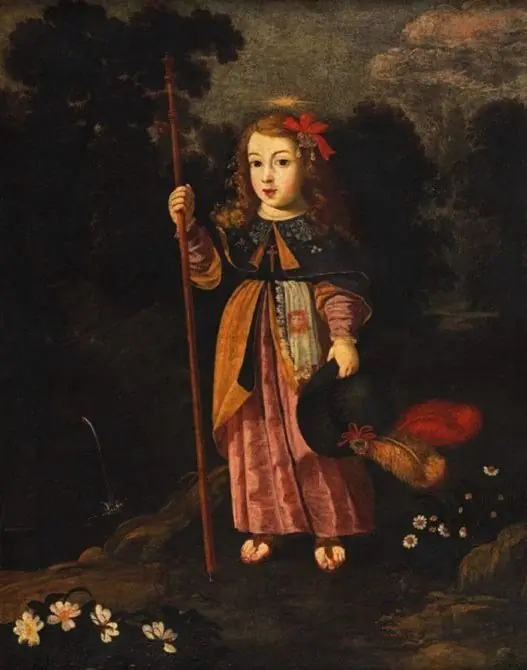 Child Jesus Pilgrim
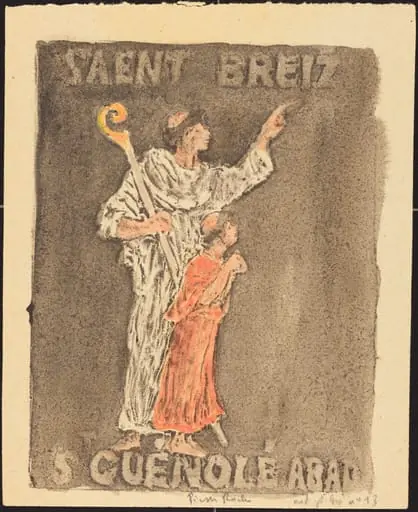 Saint Guenole
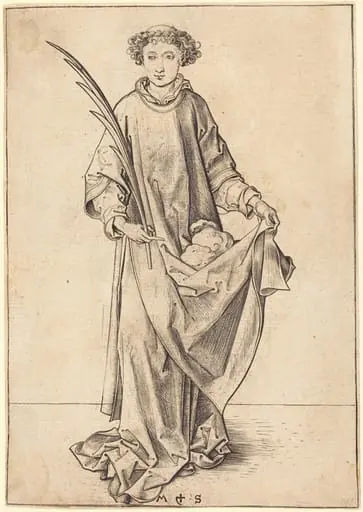 Saint Stephen
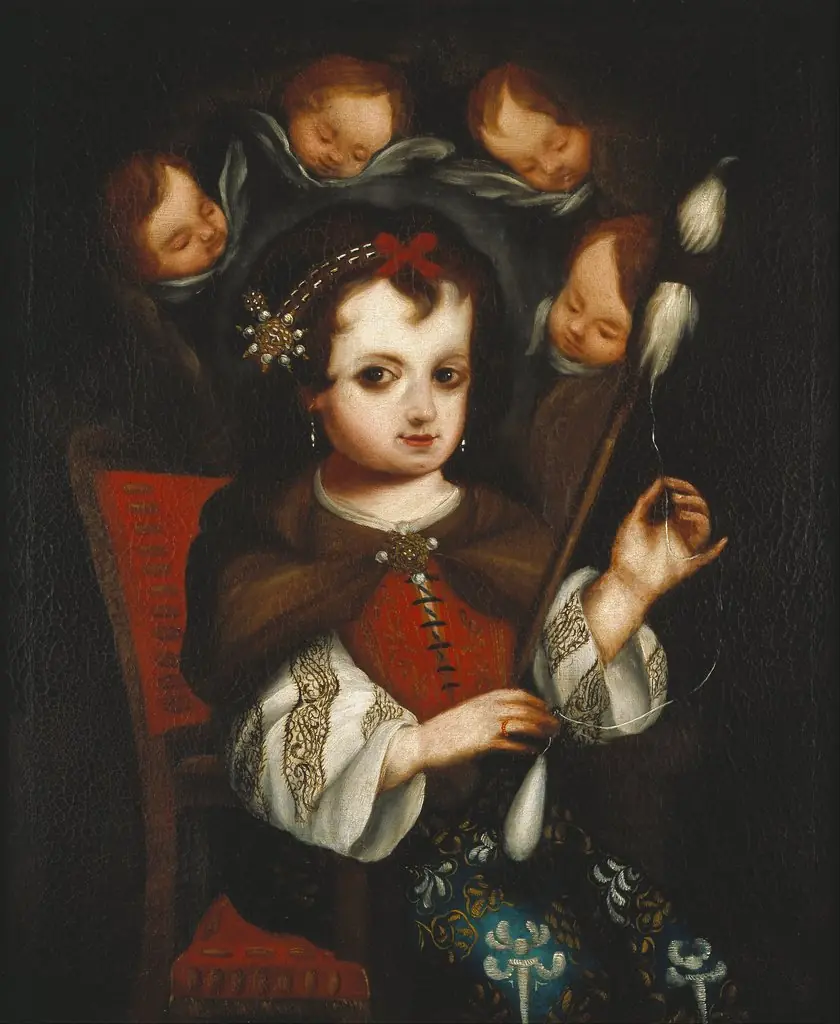 Virgin Mary Spinning
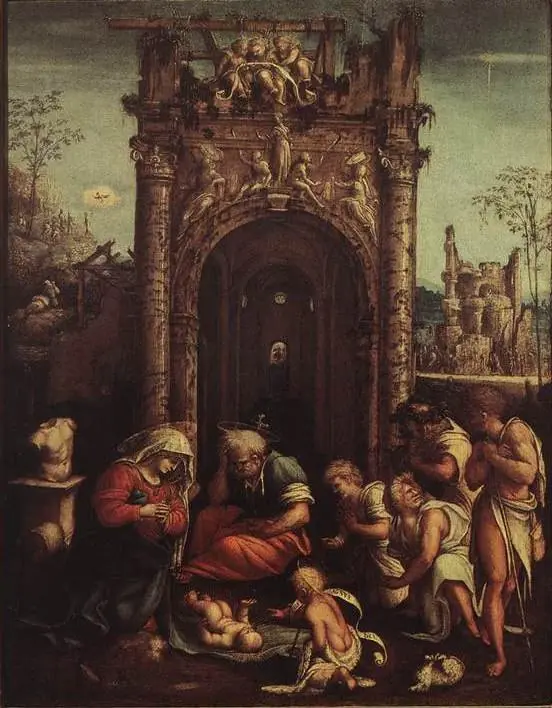 The Adoration of the Shepherds
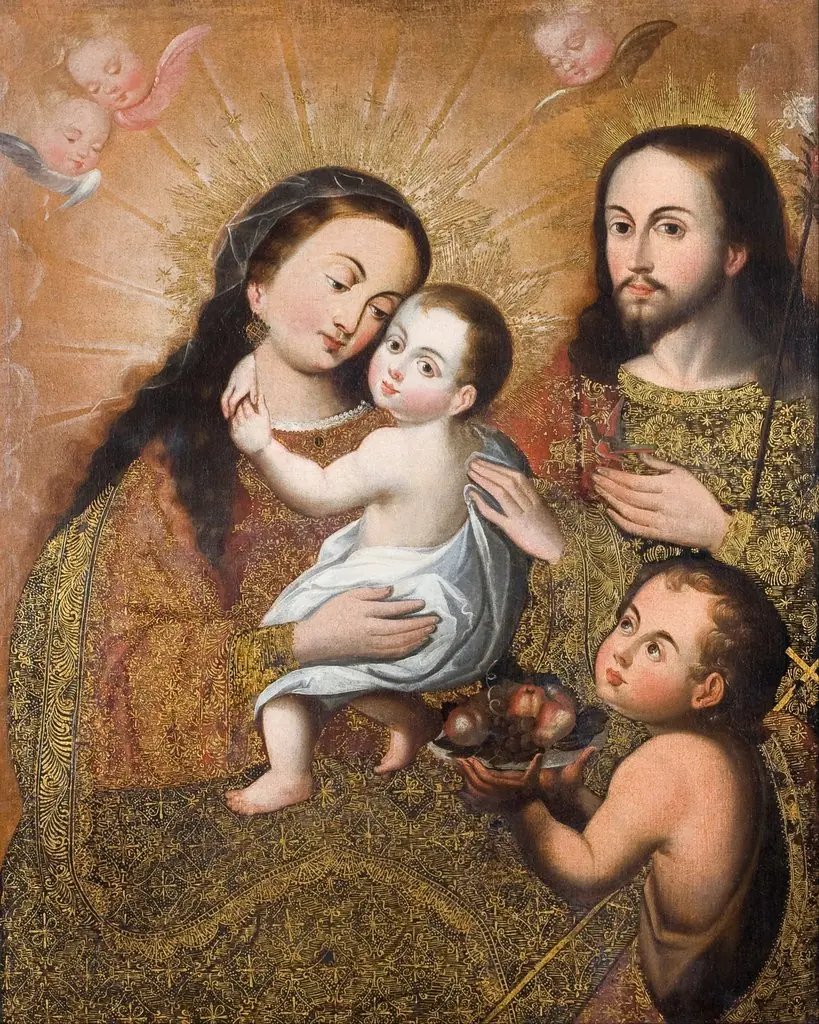 Holy Family with Saint John and a Goldfinch
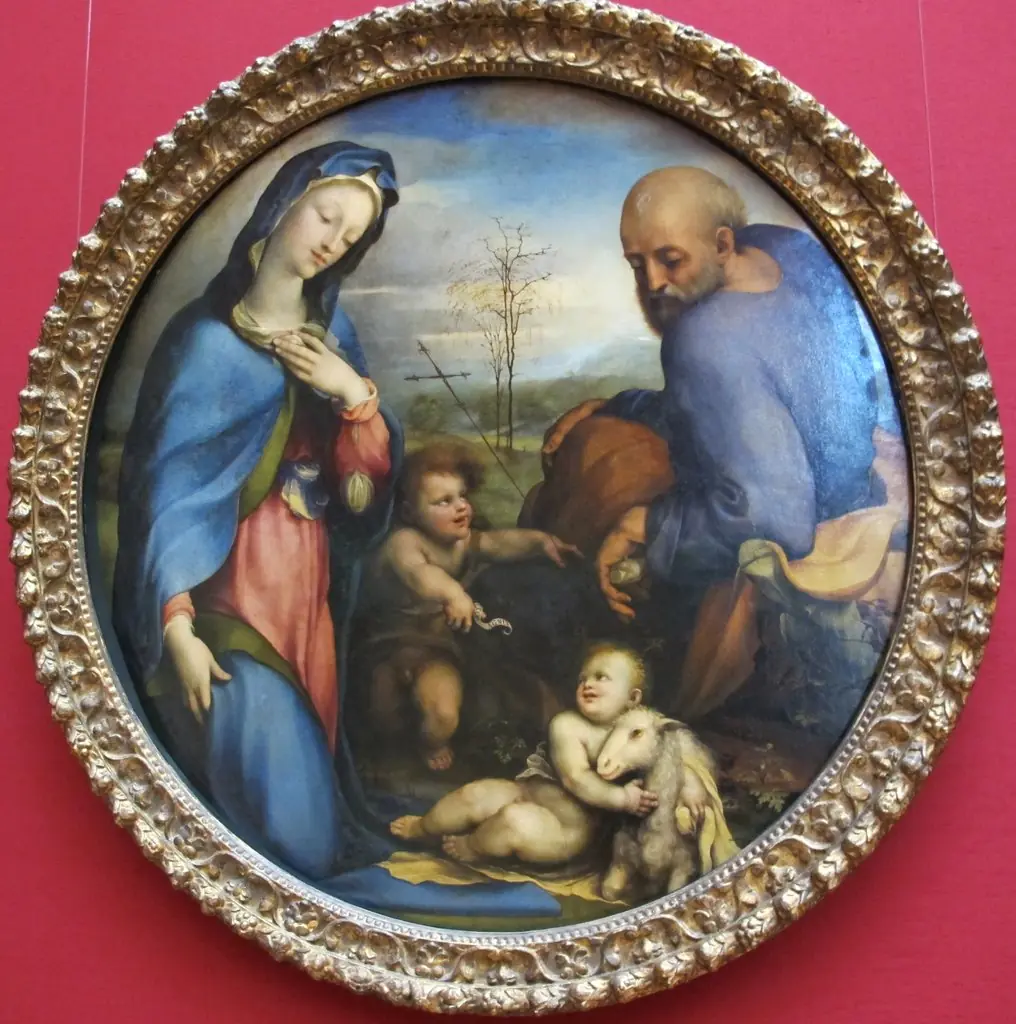 Holy Family with the Infant Saint John the Baptist and a Sheep
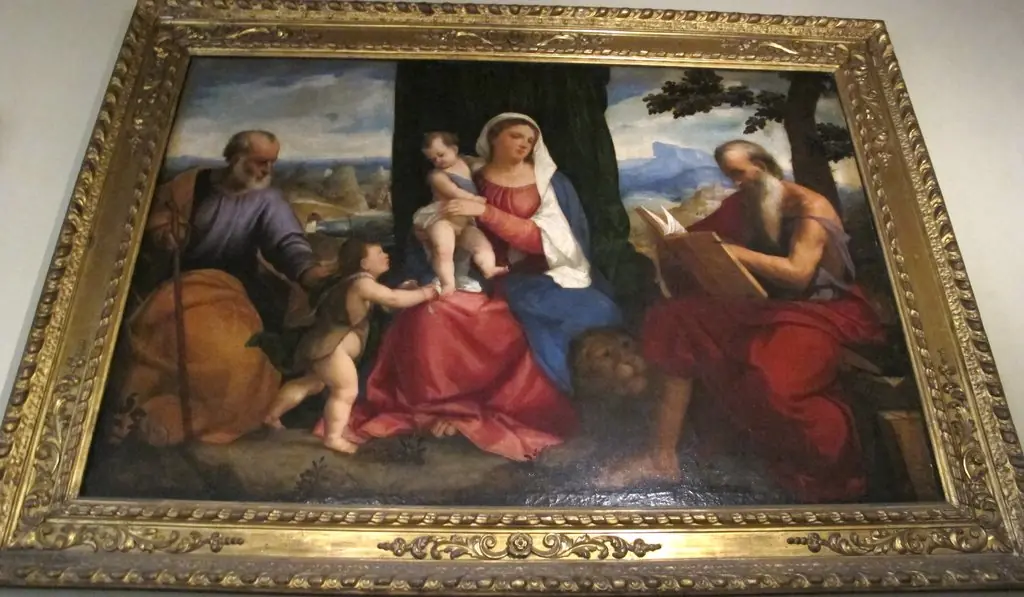 The Holy Family and Infant St. John and St. Jerome
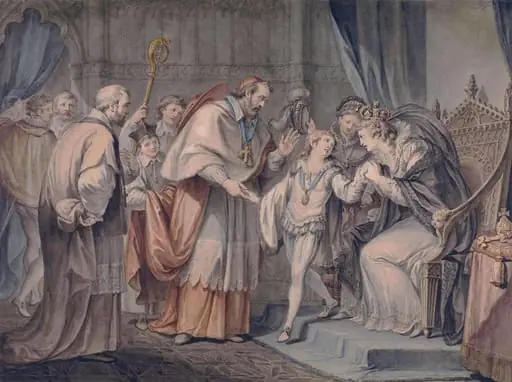 Richard, Duke of York, taking leave of his mother, Elizabeth Woodville, in the Sanctuary, Westminster
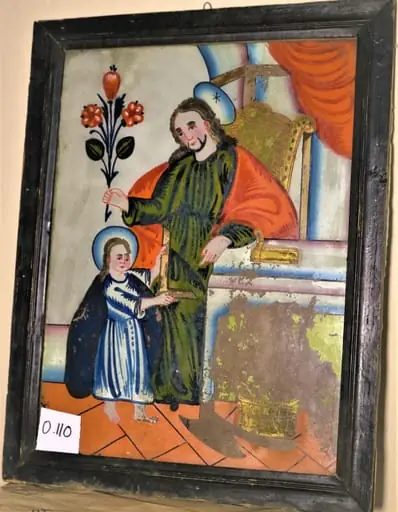 Iosif cu Iisus
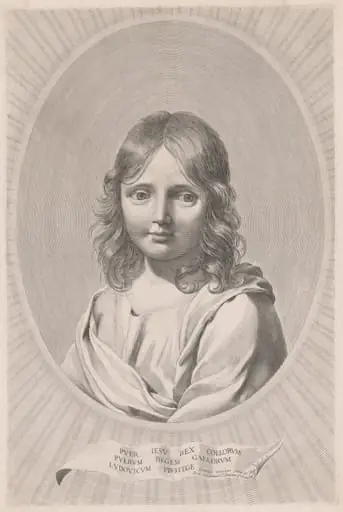 The Child Jesus
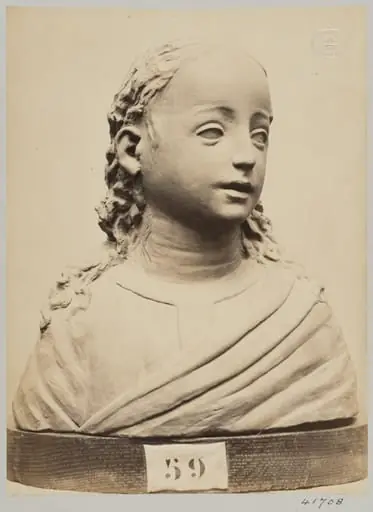 Terra cotta bust of unnamed female
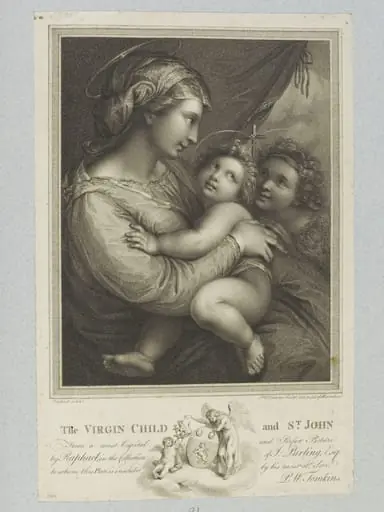 The Virgin Mary, Child and St. John
Frequently asked questions
What is Child Saint John?
Child Saint John is a subject in art. St John the Baptist as a child
How many Child Saint John works does Artifact World Gallery have?
Artifact World Gallery holds 156 public-domain Child Saint John works, all free to view and download.
Who are the key Child Saint John artists?
Key Child Saint John artists in the collection include Titian, Paolo Veronese and Raphael.
Where can I see Child Saint John works?
Child Saint John works in the collection are held by Metropolitan Museum of Art, Museo del Prado and Bavarian State Painting Collections.