Subject
Adam
![The Fall of Man [middle panel]](https://artifactworldgallery.com/img/the-fall-of-man-middle-panel--51048cc74e2325c7-w640.webp)
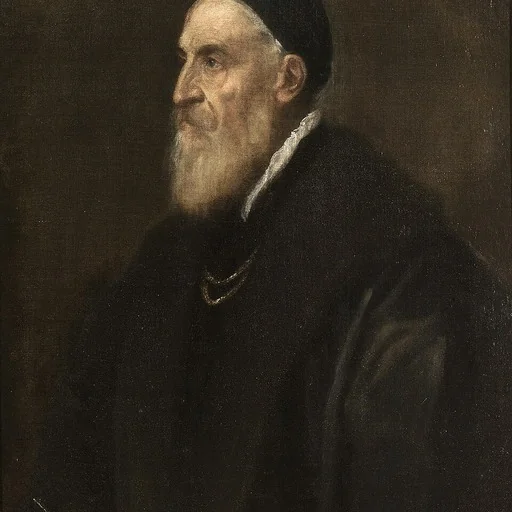
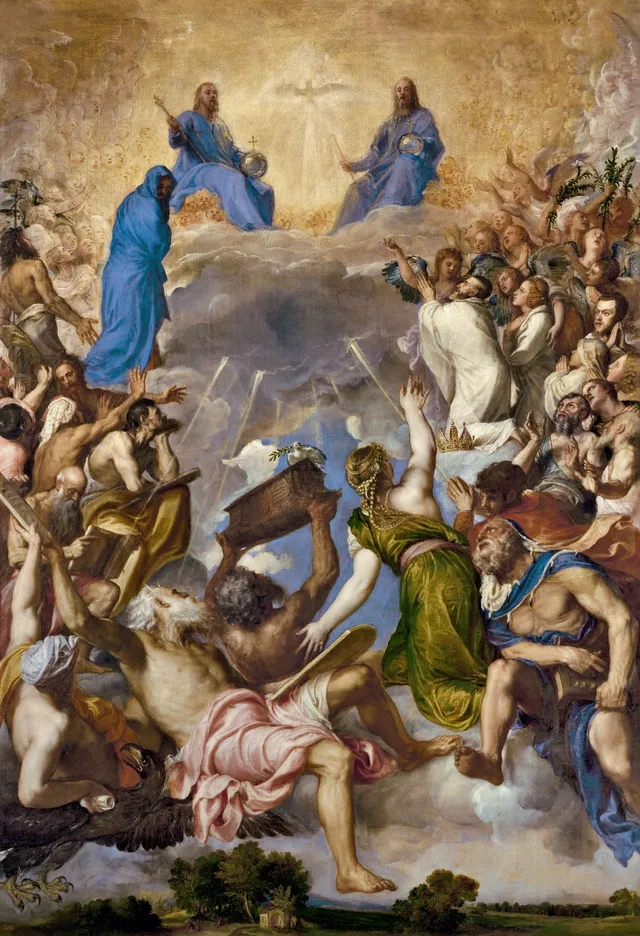
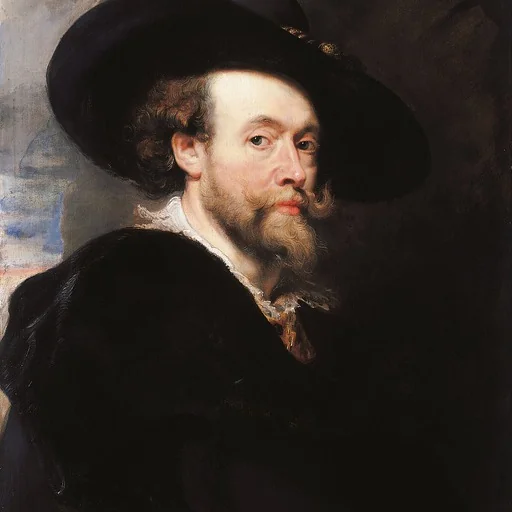
Adam is a subject in art. The gallery holds 42 works in this subject in art, including works by Titian, Fra Bartolomeo and Peter Paul Rubens.
Adam is a common masculine given name in the English language, of Hebrew origin. The name derives from Adam (Hebrew: אָדָם), the first human according to the Hebrew Bible.
Key artists
Overview
Adam, the first human in the Hebrew Bible, stands as one of the most recurrent subjects in Western art history. The figure originates from Genesis 1-5, where he is formed from the dust of the ground and placed in the Garden of Eden alongside Eve. The Hebrew word adam carries dual significance: it serves as a proper name for the first man and as a collective noun meaning humankind or humanity. This linguistic richness, combined with the dramatic narrative of creation, temptation, and expulsion, has made Adam a compelling subject for artists across millennia. The collection under discussion holds 49 works depicting Adam, ranging from narrative scenes of the Fall to individual portrayals of the primordial man, reflecting the figure's enduring hold on the artistic imagination.
Iconography & meaning
The iconography of Adam derives from several pivotal moments in the biblical narrative. In scenes of creation, he is typically shown as a nude male, often reclining or rising from the earth, sometimes with God's finger about to bestow the spark of life. The Fall introduces the fig leaf as a conventional attribute of shame, while the Expulsion adds narrative drama and moral weight. Rodin's late nineteenth-century sculpture Adam exemplifies how artists have used bodily posture to convey meaning: the figure points downward to emphasize earthly bonds rather than divine potential. The muscular torso, inspired by Michelangelo's Sistine Chapel prototype, contrasts with a tormented pose that suggests spiritual crisis. Throughout art history, Adam's nudity has served multiple functions: it signifies prelapsarian innocence, acknowledges classical artistic precedent, and allows artists to demonstrate anatomical mastery. The name's etymological connection to adamah (earth or ground) has also prompted visual emphasis on the figure's material, earthly nature.
Across movements & periods
The treatment of Adam evolved significantly across artistic periods. Medieval artists typically presented Adam within typological schemes, where the Old Testament figure prefigured Christ. The Renaissance witnessed a decisive shift toward naturalistic anatomical study, with Michelangelo's Sistine Chapel Creation of Adam (1508-1512) establishing the definitive visual prototype for the created man. This image directly influenced later sculptors, including Auguste Rodin, whose Adam (conceived 1880-1881) explicitly references Michelangelo's pose while transforming it into an expression of existential torment. The Baroque period intensified emotional engagement with the Expulsion and Fall, while the Neoclassical era, exemplified by Robert Adam's decorative programs, incorporated Adam and Eve into schemes of classical revival that emphasized moral and civic virtue. The nineteenth century saw both academic continuation of traditional treatments and avant-garde reinterpretations. Throughout these changes, Adam remained a vehicle for exploring human origins, physical beauty, moral failure, and redemption.
Notable depictions
Michelangelo's Creation of Adam on the Sistine Chapel ceiling constitutes the most influential single depiction, establishing the reclining nude male as the canonical representation of the first man. Auguste Rodin's Adam, conceived in 1880-81 and cast in bronze at 197 cm height, represents a crucial nineteenth-century response: commissioned by the French Ministry of Fine Arts for placement beside The Gates of Hell, it transforms Michelangelo's receptive figure into an active, anguished presence. The sculpture was exhibited at the Salon of 1881 under the title The Creation of Man, and a cast was produced by Susse in 1972 for the Musée dir Rodin. In the decorative arts, Robert Adam's designs for Lansdowne House (1766-69), now at the Metropolitan Museum of Art, demonstrate how Adam and Eve imagery could be integrated into neoclassical architectural schemes. The dining room's ceiling and decorative program, executed by Joseph Rose and John Gilbert, situated classical references within a framework of enlightened civic virtue. The collection also holds significant works depicting narrative episodes, including treatments of The Fall of Man and The Harrowing of Hell, where Adam appears as the first soul rescued by Christ.
Legacy
The figure of Adam continues to structure fundamental debates about human nature, embodiment, and origins that resonate beyond specifically religious art. Rodin's reinterpretation demonstrates how the subject could be secularized and psychologized in the modern era, while retaining its connection to artistic tradition. The persistence of Adam in contemporary naming practices across Christian and Muslim majority countries, from France and Poland to the United States and Israel, attests to the figure's deep cultural embedding. In Germany alone, the name has been chosen approximately 23,000 times in the last decade, with steady popularity growth since 2005. The collection's sustained acquisition of Adam-related works, from medieval manuscripts to modern sculptures, reflects ongoing institutional commitment to preserving and interpreting this foundational subject. The figure's capacity to embody both ideal beauty and moral failure, divine intention and human limitation, ensures its continued relevance for artists and viewers engaged with questions of what it means to be human.
Works
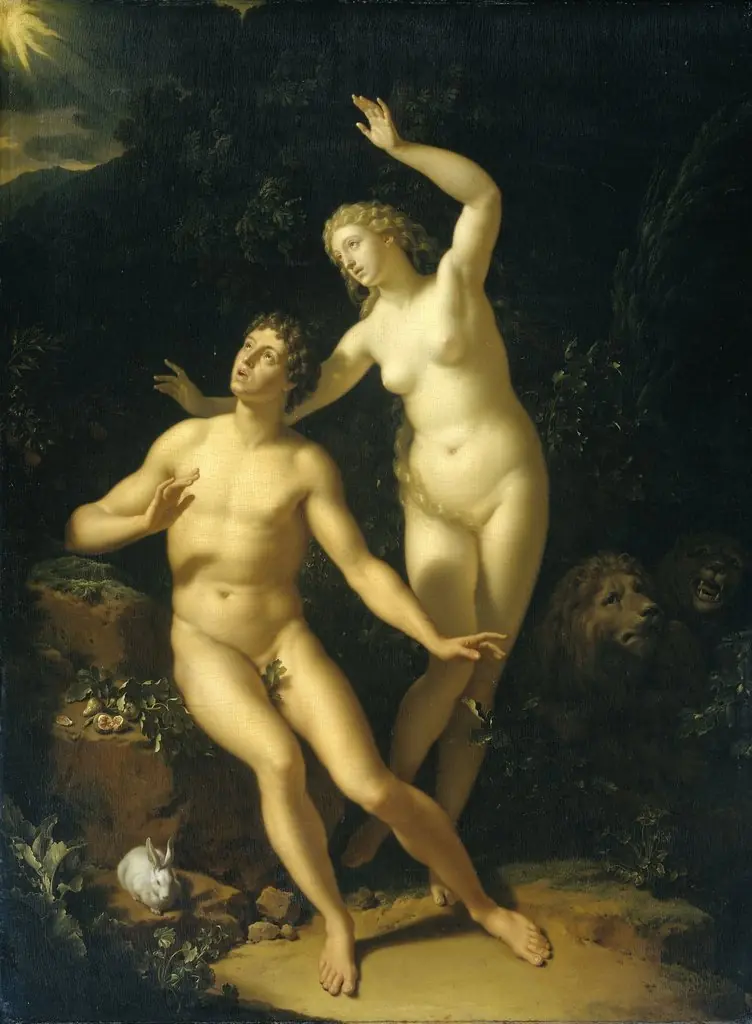 God Holds Adam and Eve Responsible
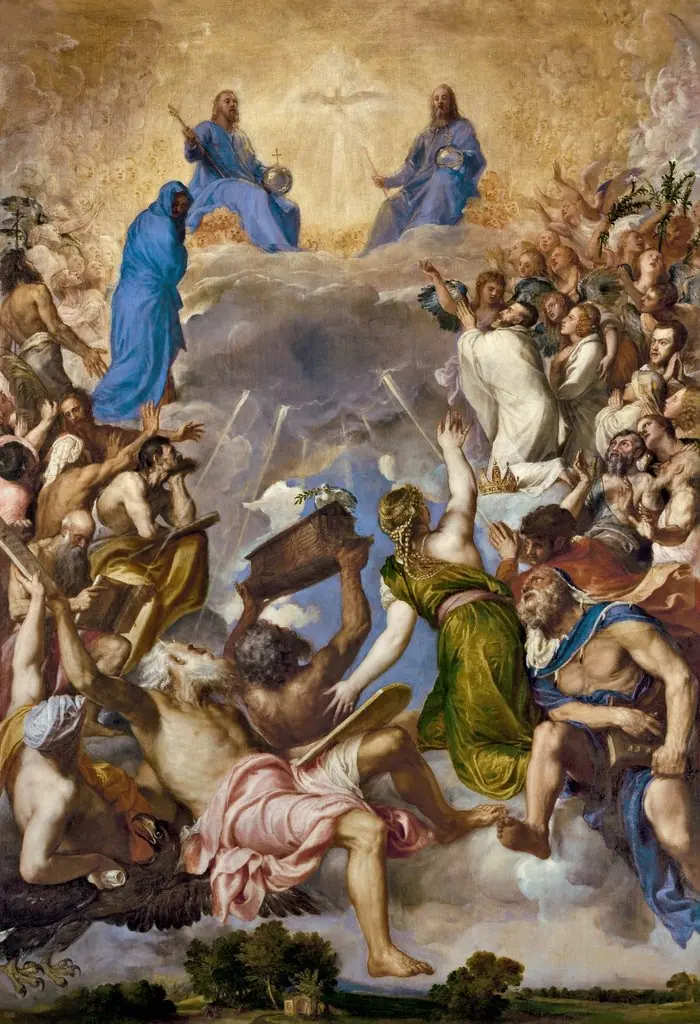 La Gloria
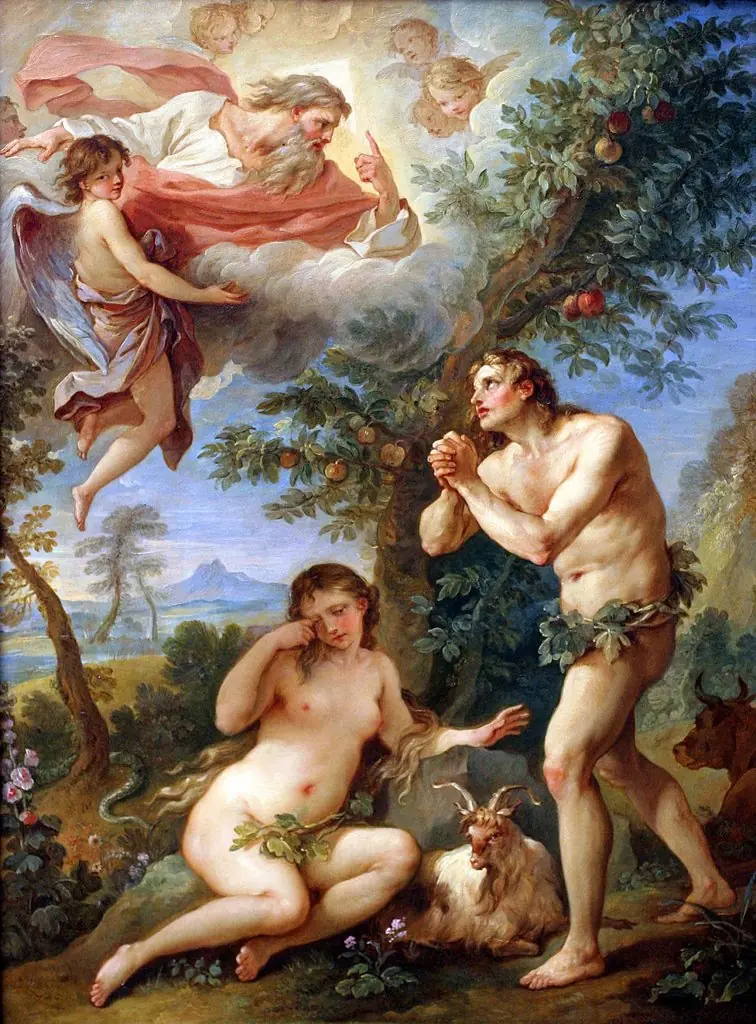 The Rebuke of Adam and Eve
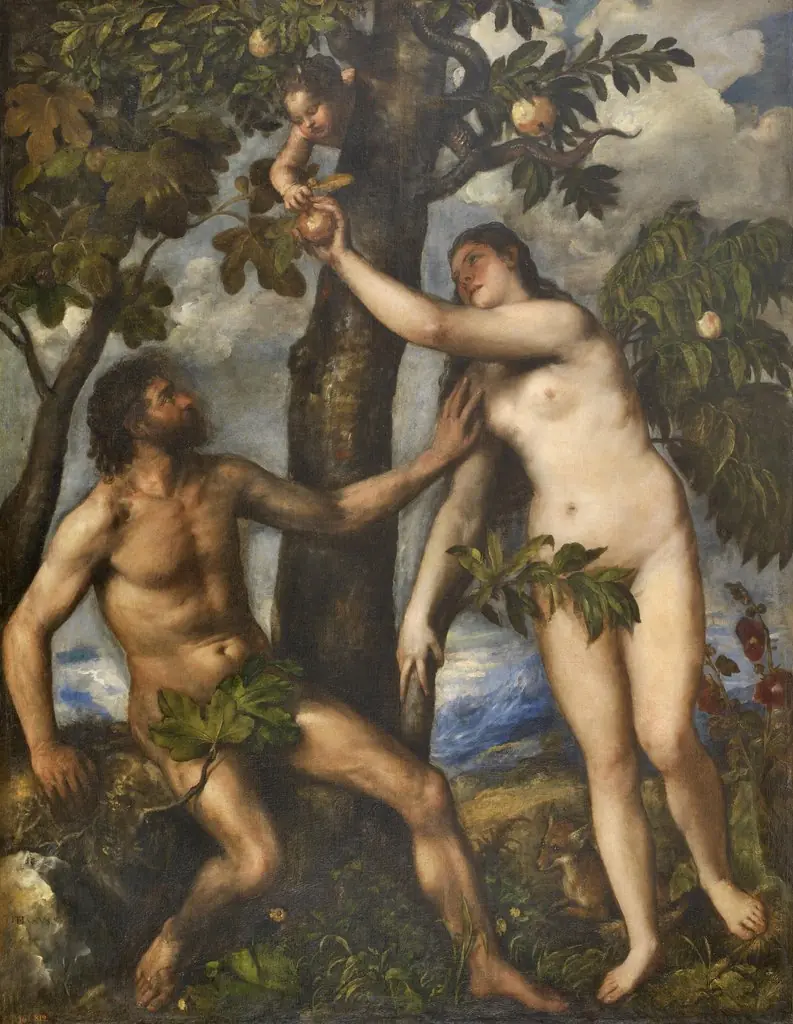 The Fall of Man
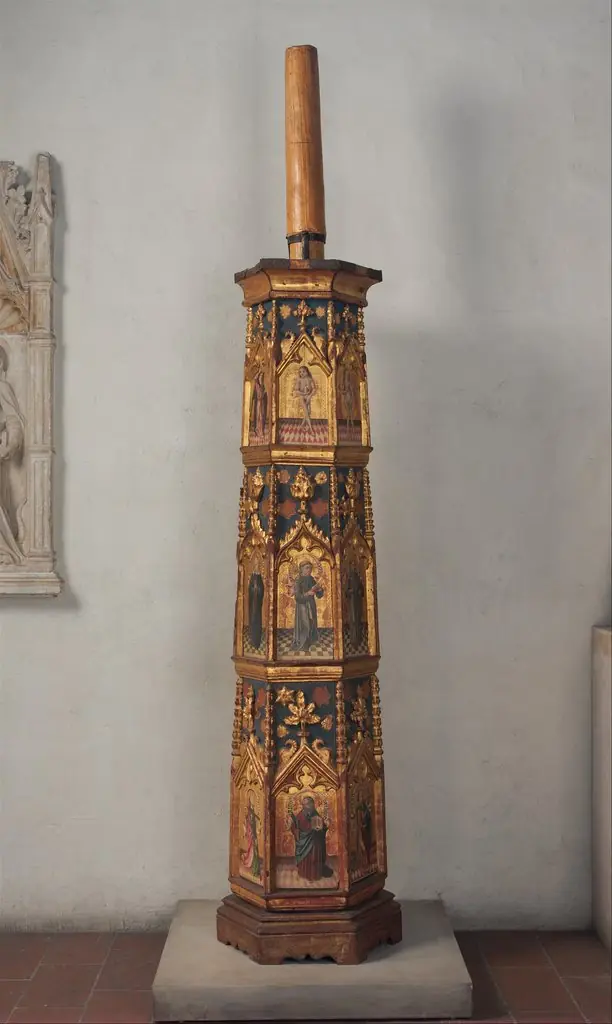 Paschal Candlestick
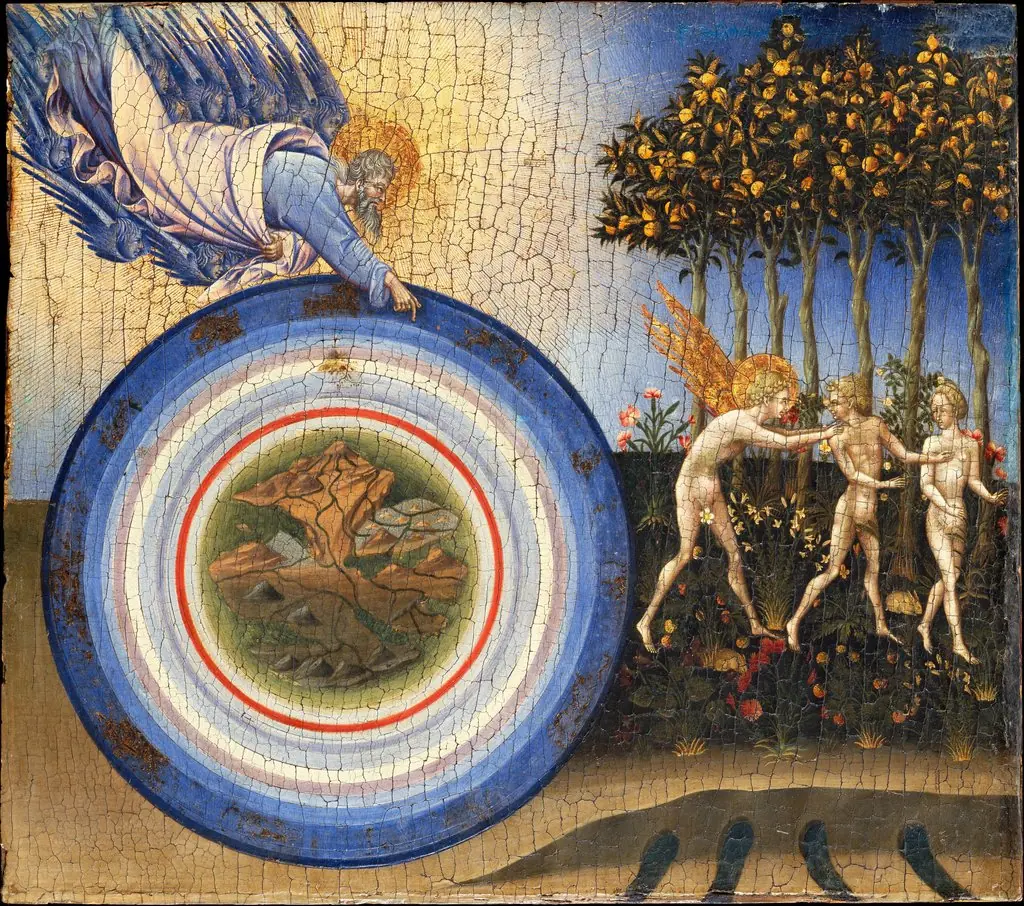 The Creation of the World and the Expulsion from Paradise
![The Fall of Man [middle panel]](https://artifactworldgallery.com/img/the-fall-of-man-middle-panel--51048cc74e2325c7-w320.webp) The Fall of Man [middle panel]
The Fall of Man [middle panel]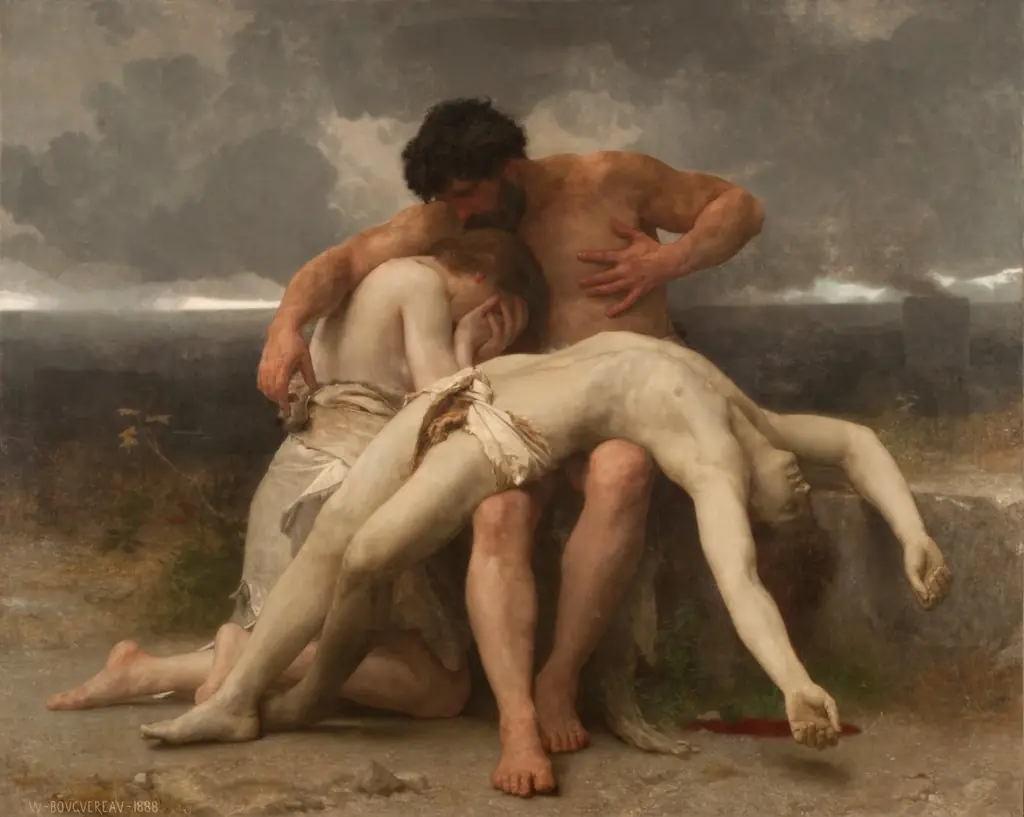 The First Mourning
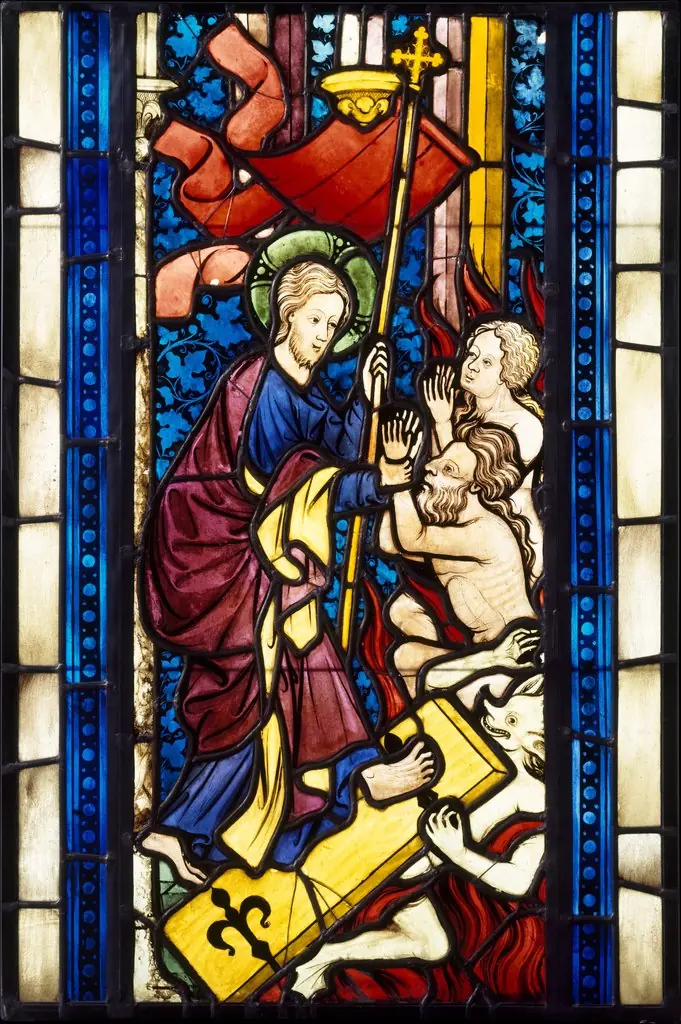 The Harrowing of Hell
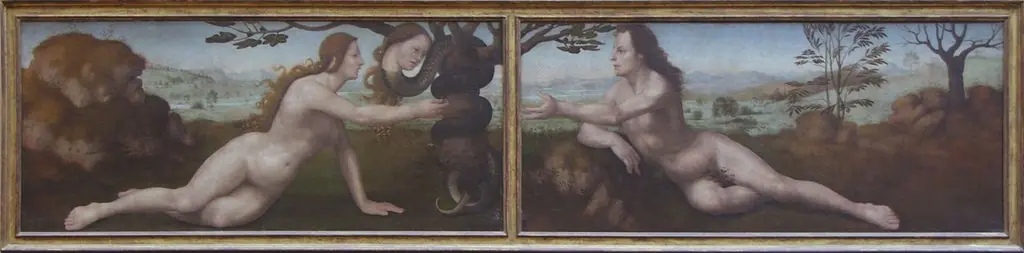 Adam; Eve
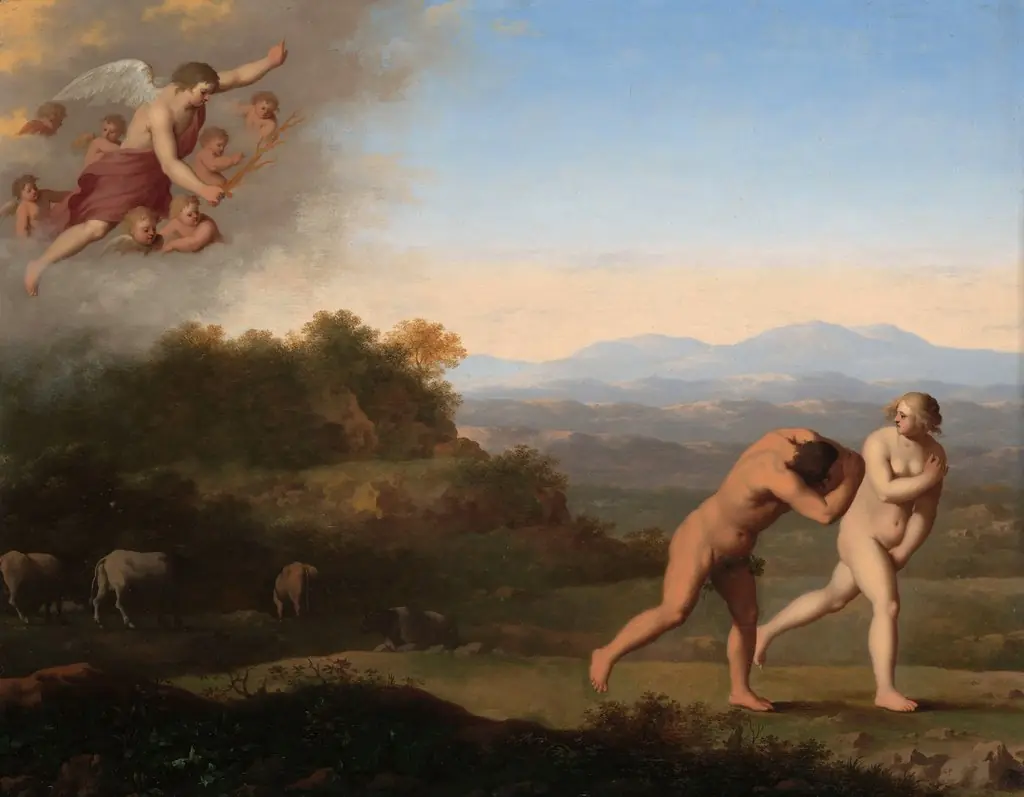 The Expulsion from Paradise
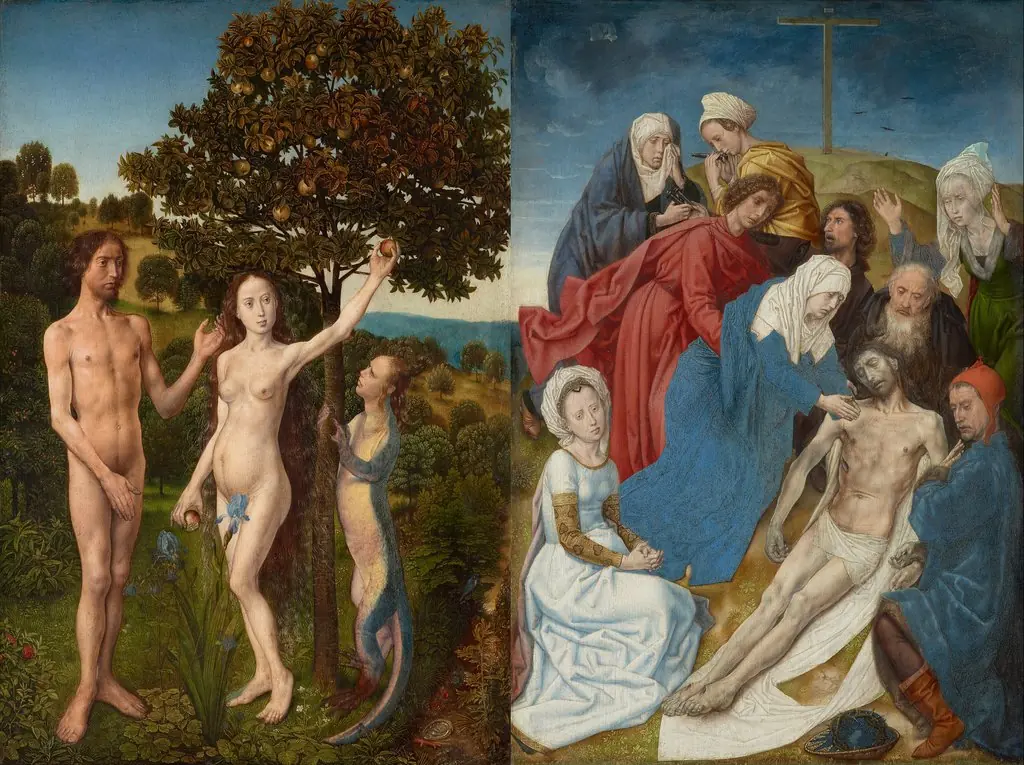 Vienna Diptych
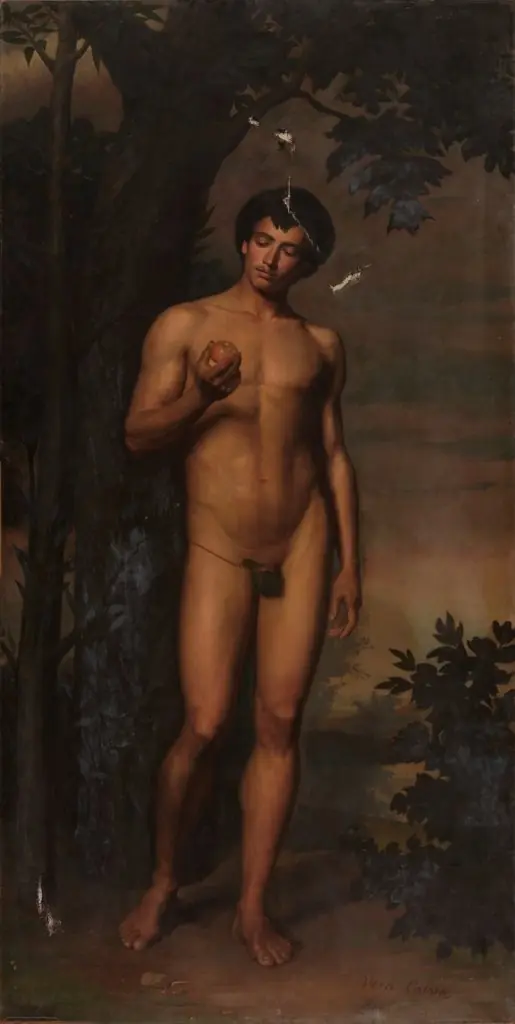 Adán antes de comer el fruto
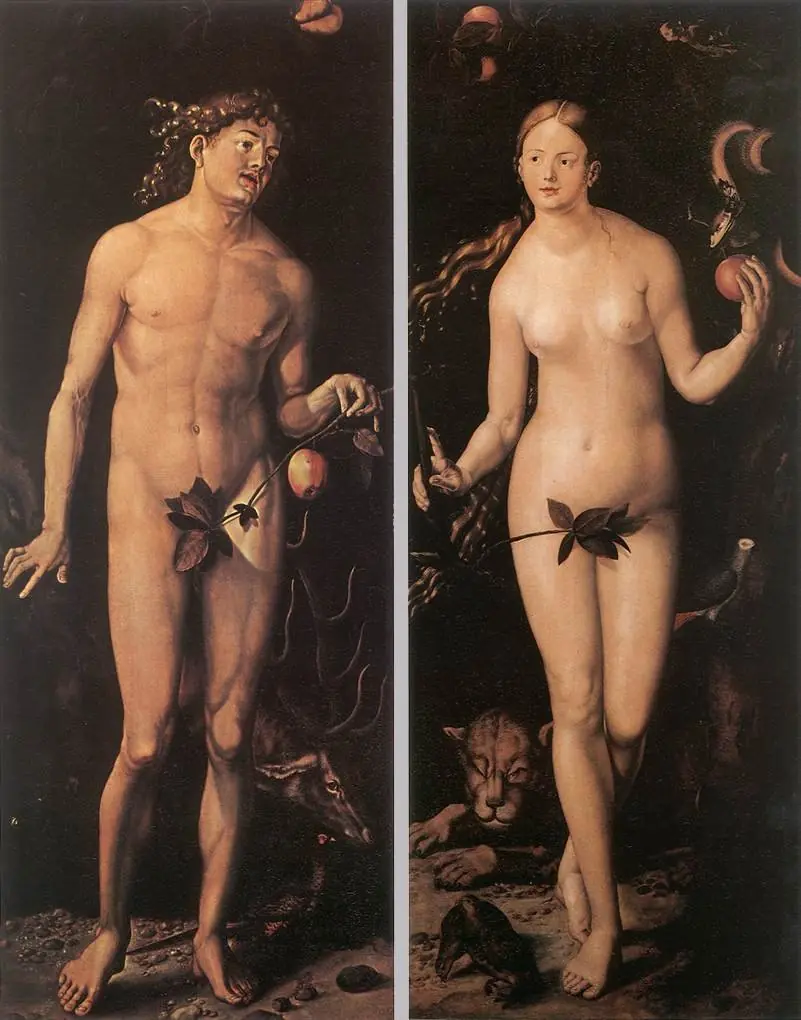 Adam and Eve
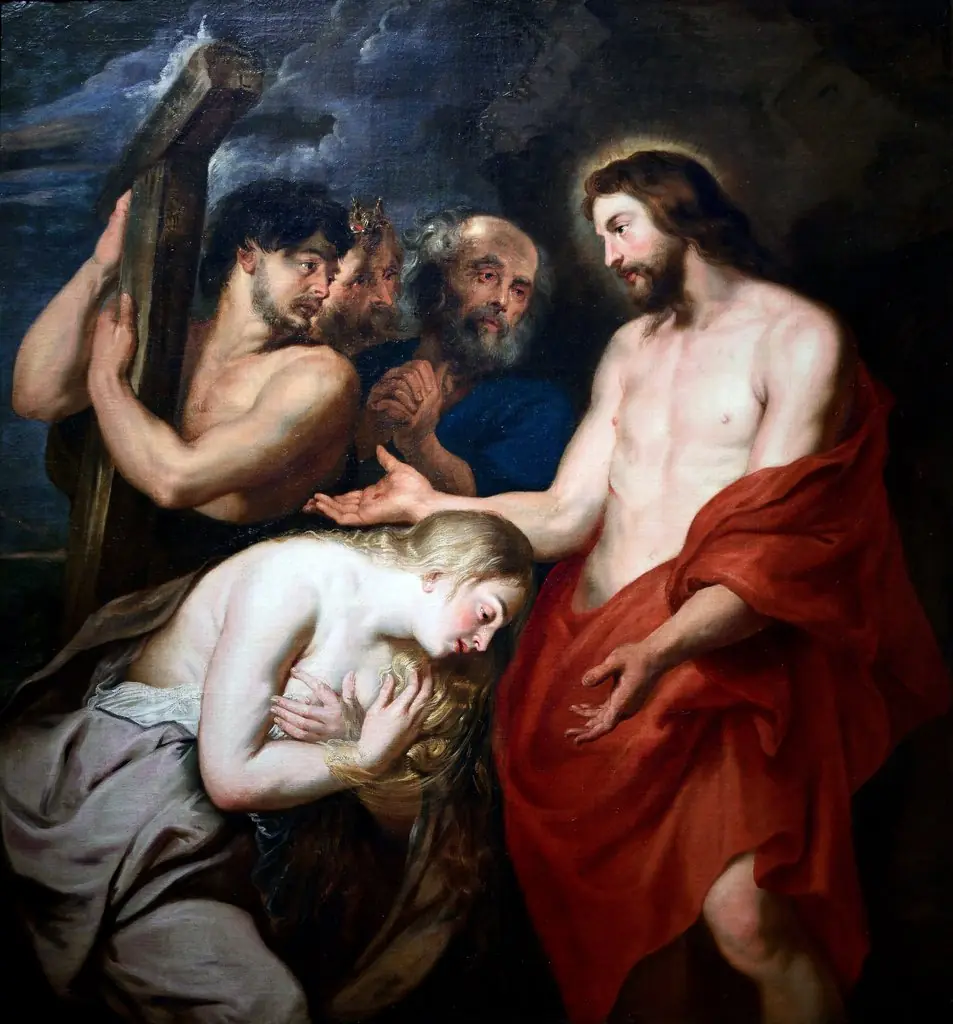 Christ and the Penitent Sinners
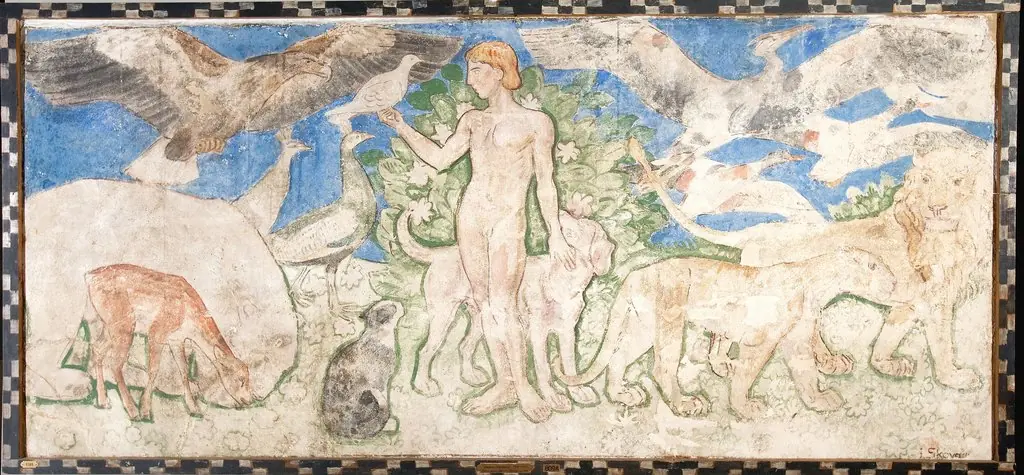 Adam Naming the Animals
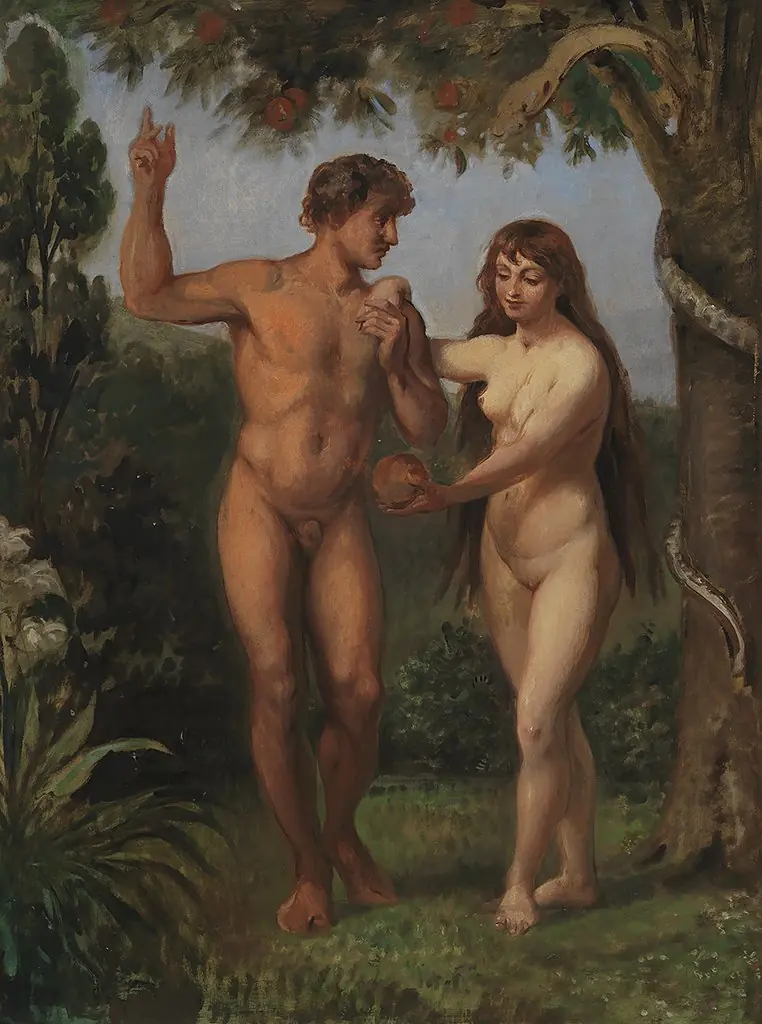 Eve Tempts Adam
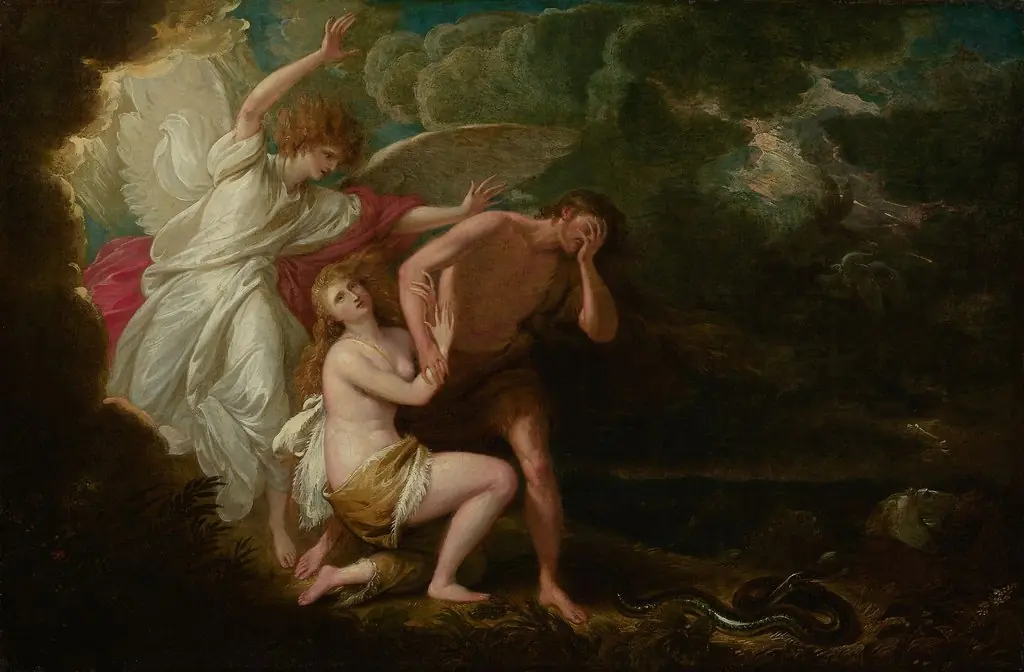 The Expulsion of Adam and Eve from Paradise
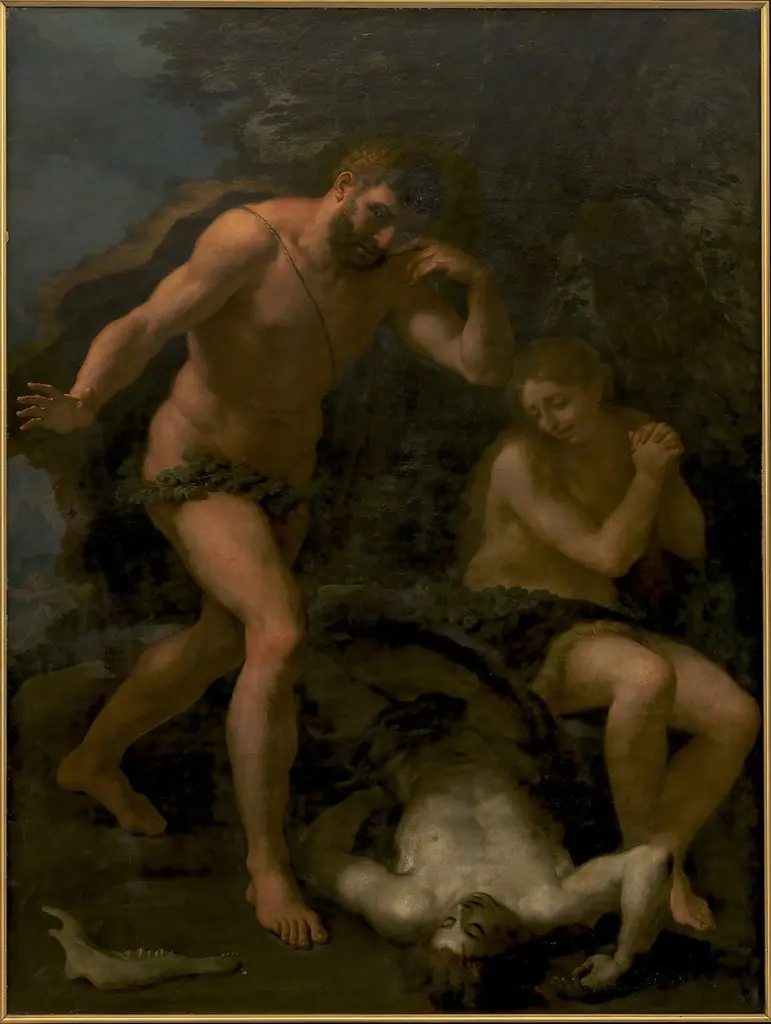 Adam and Eve Lamenting over the Body of Abel
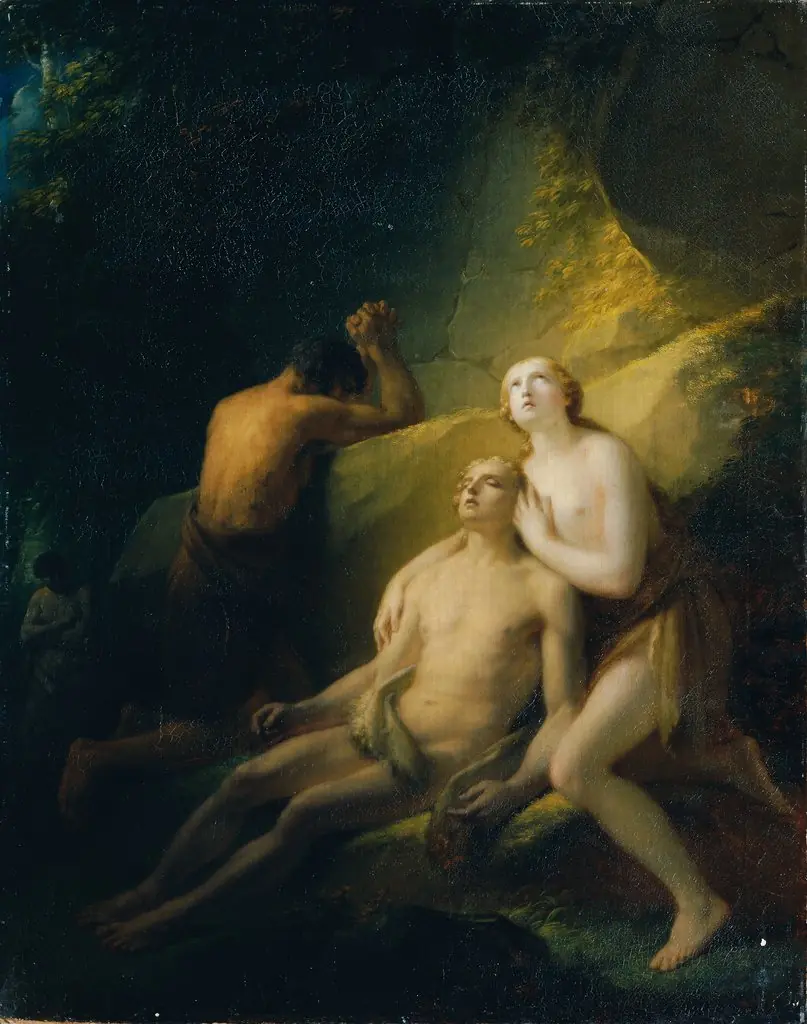 Adam and Eve Mourn the Dead Abel
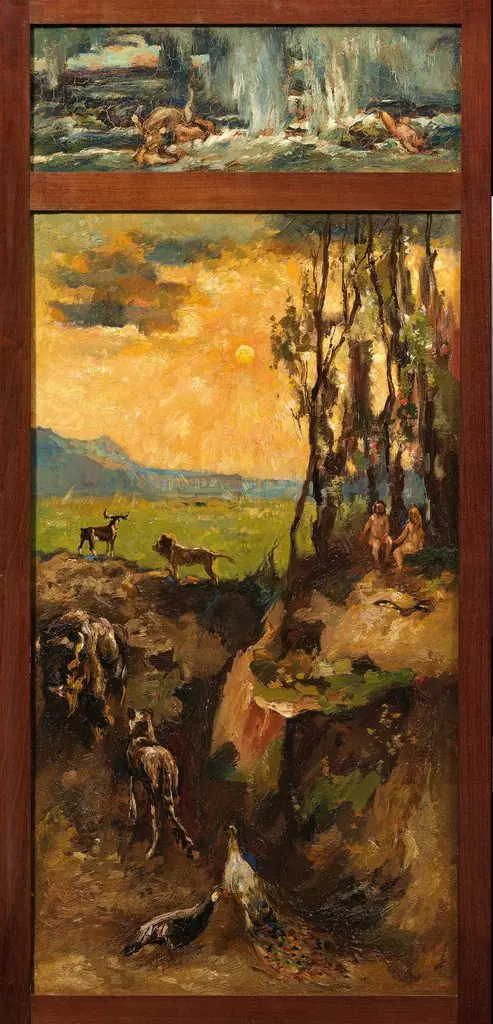 Adam en Eva in het paradijs
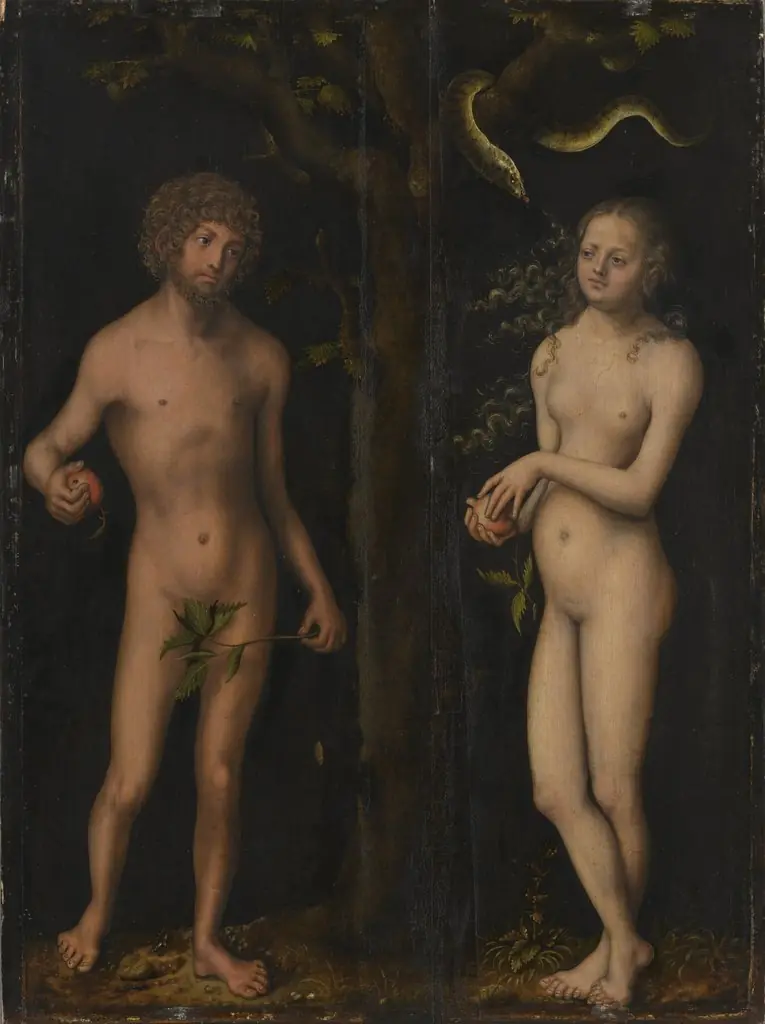 Adam and Eve
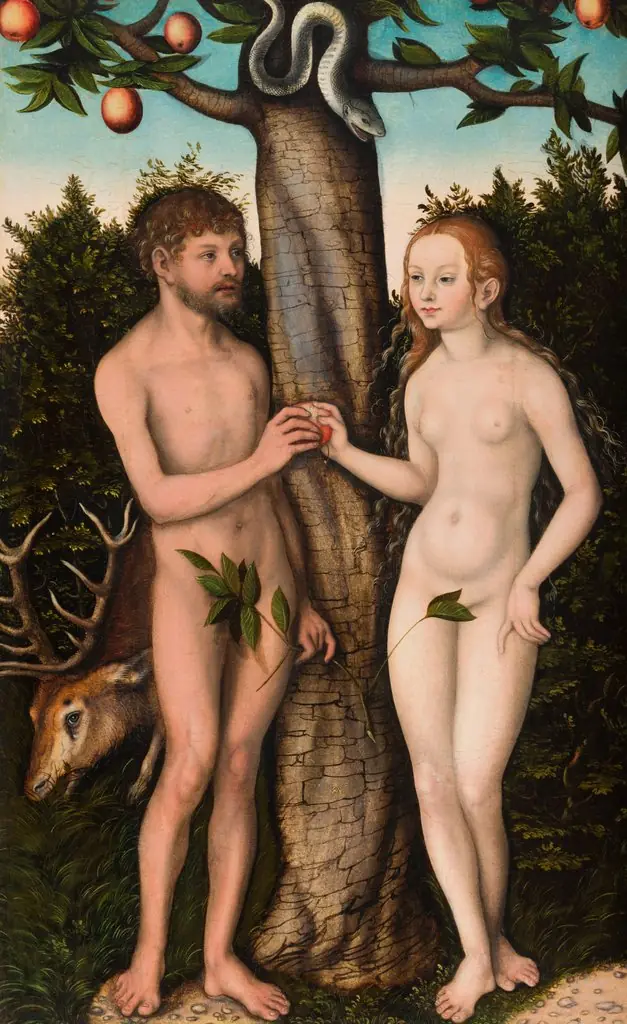 Adam and Eve
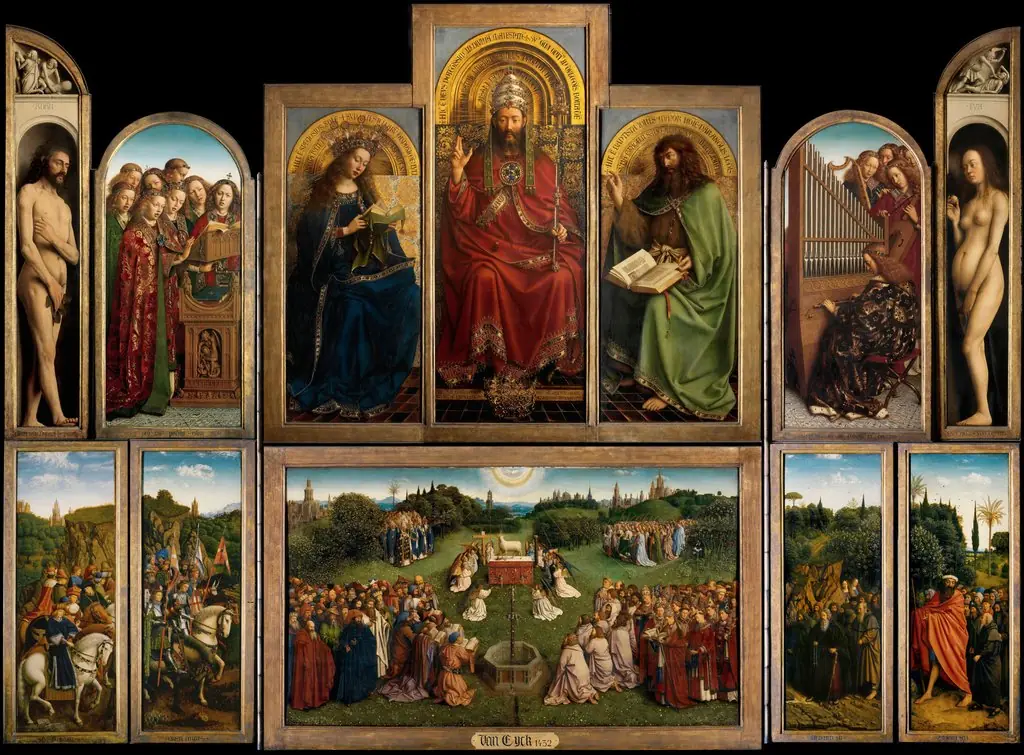 Ghent Altarpiece
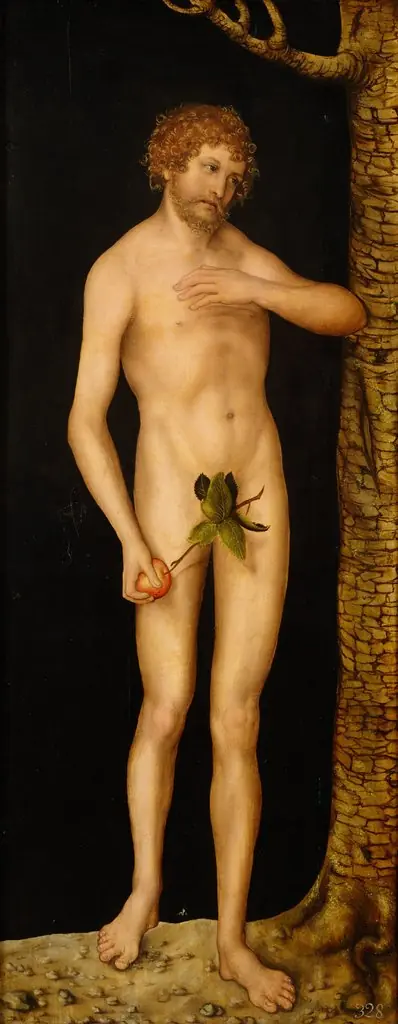 The Fall of Man: Adam
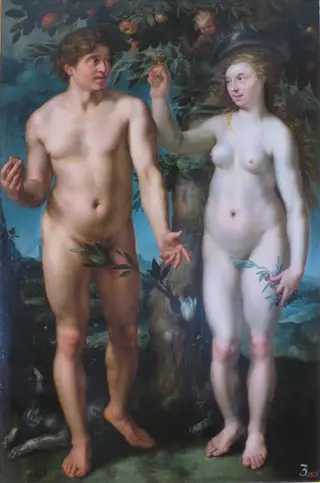 Fall of Man
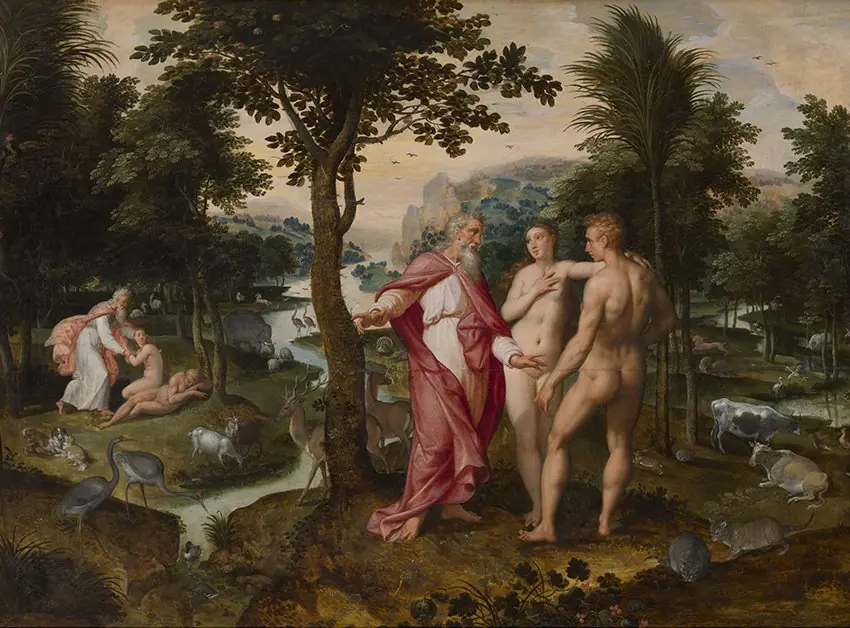 The Garden of Eden
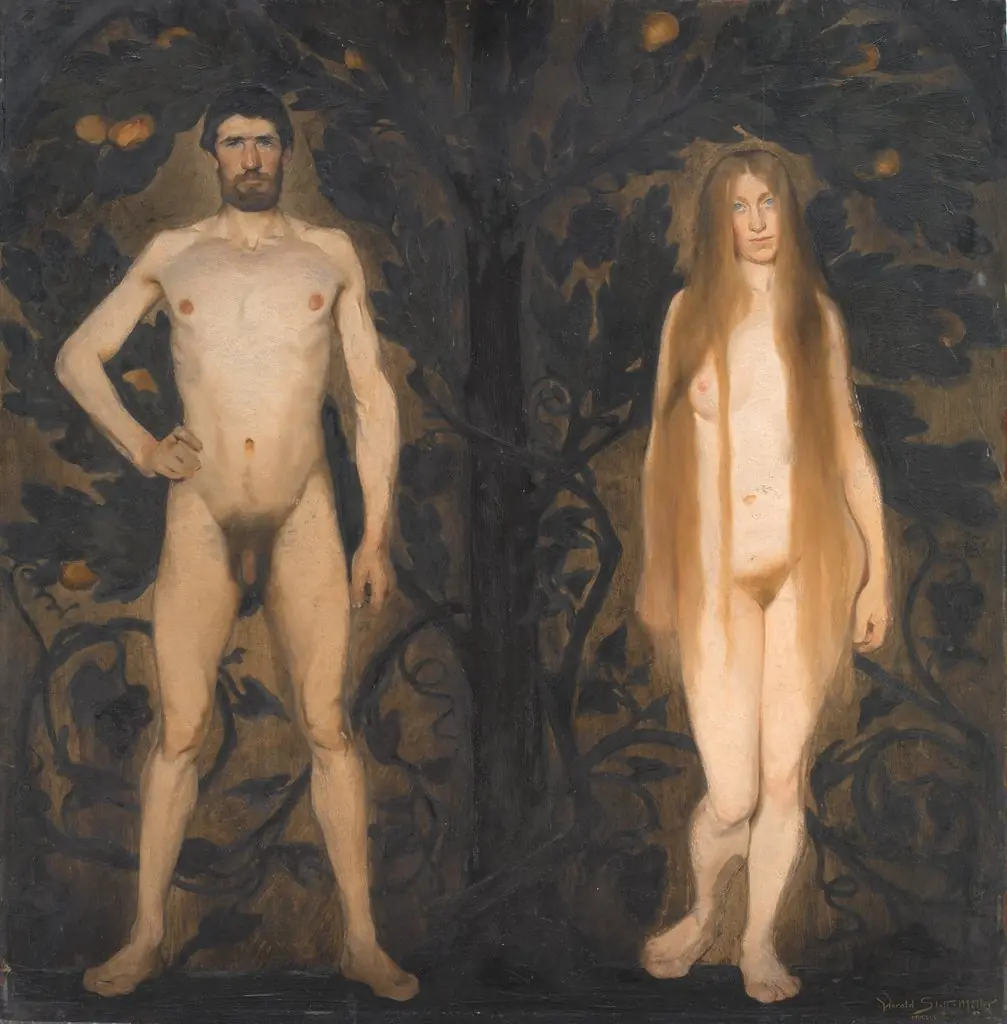 Adam and Eve
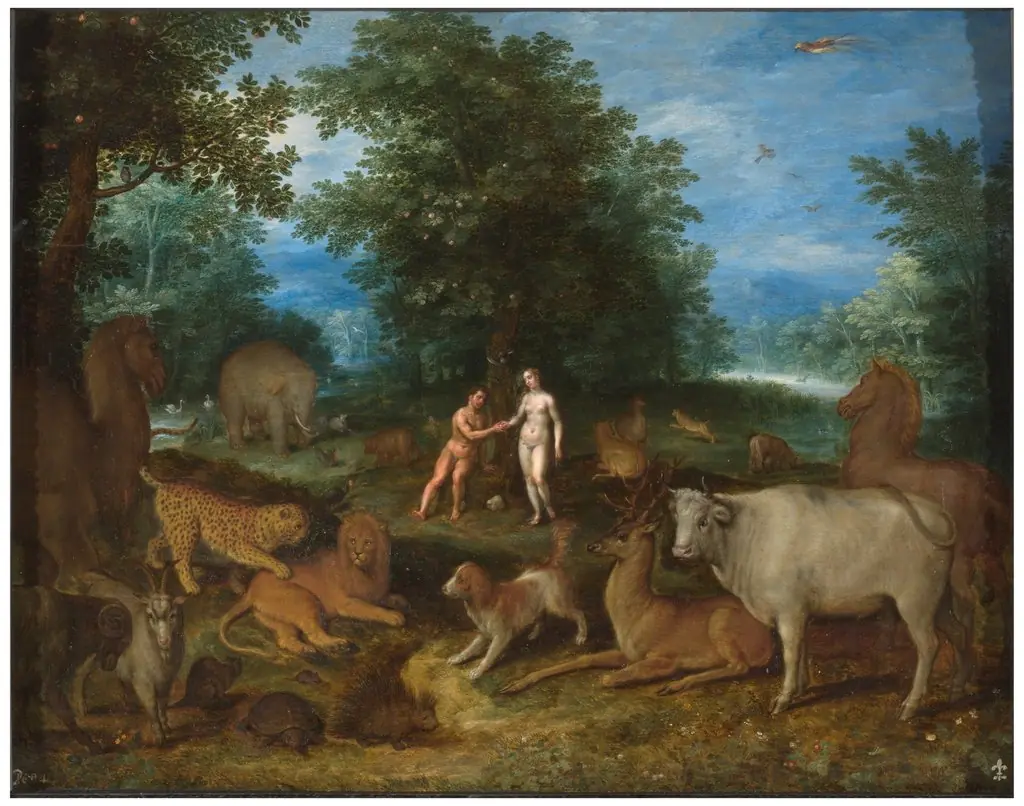 Adam and Eve in Paradise
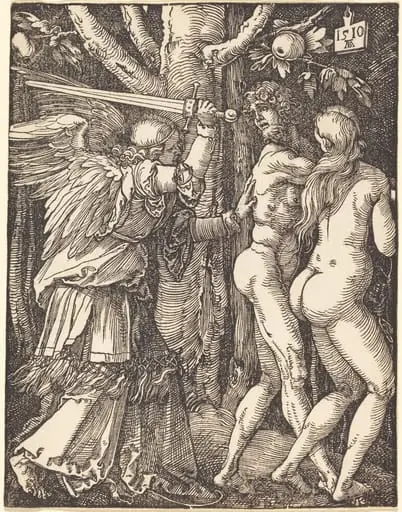 The Expulsion from Paradise
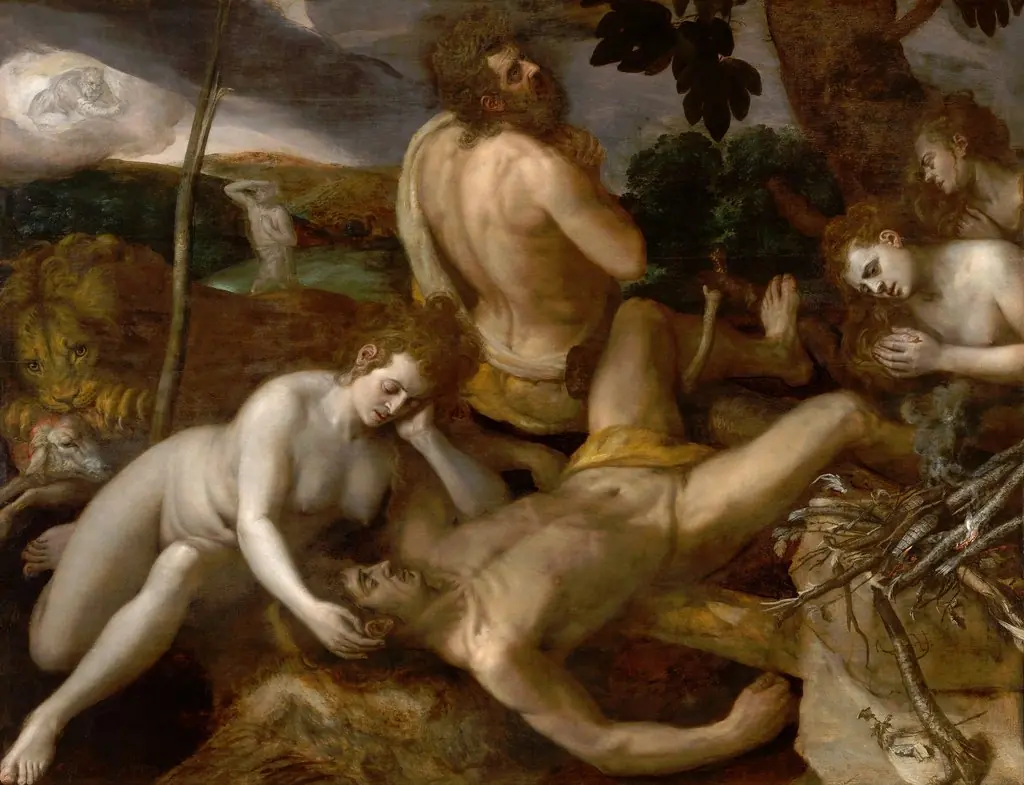 Adam and Eve grieve over the Dead Body of Abel
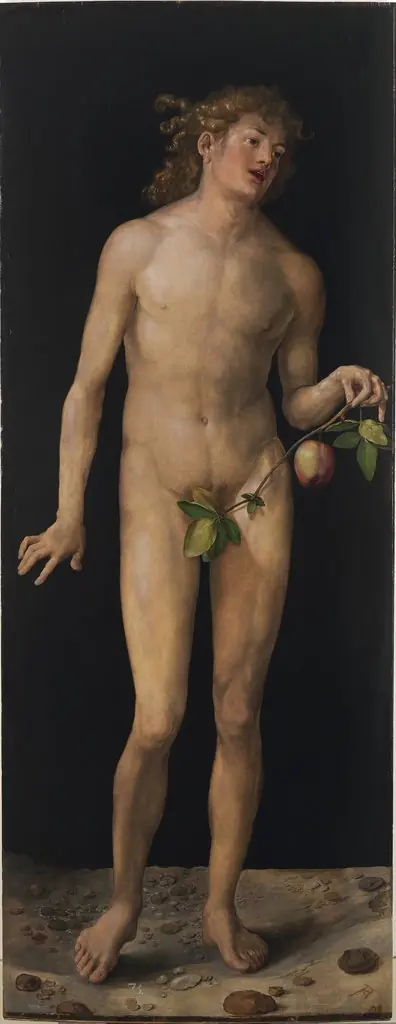 Adam
Adam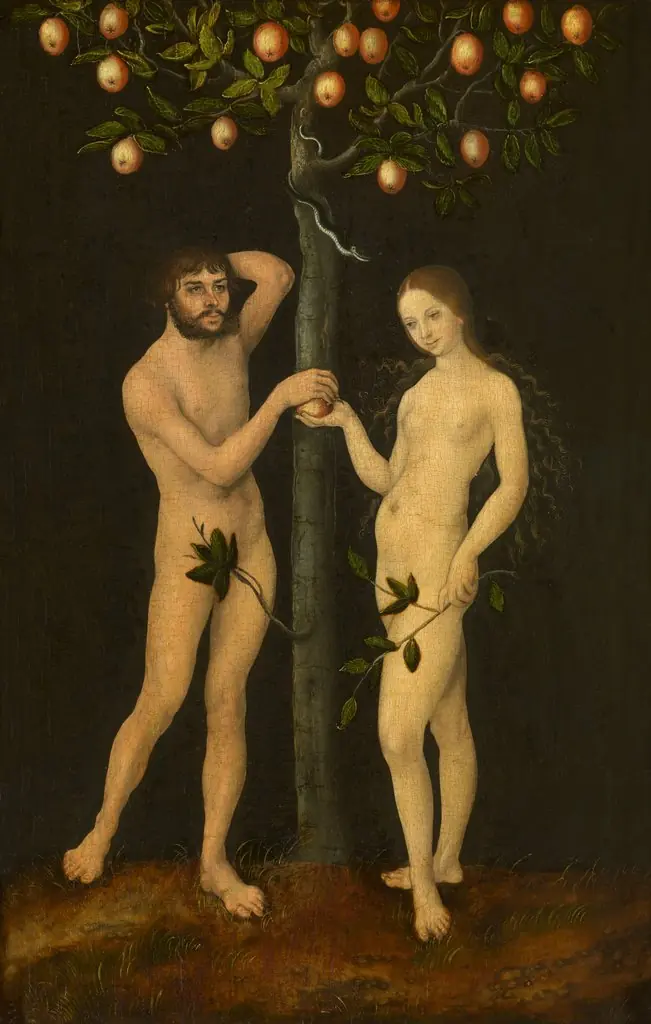 Adam and Eve
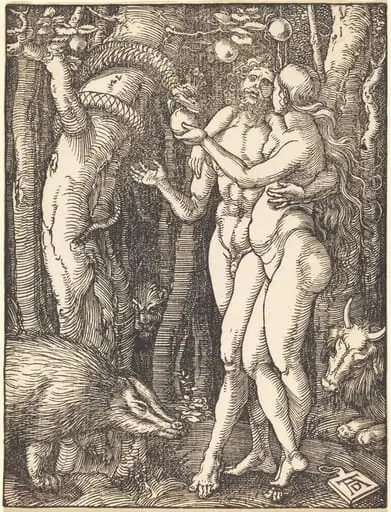 The Fall of Man
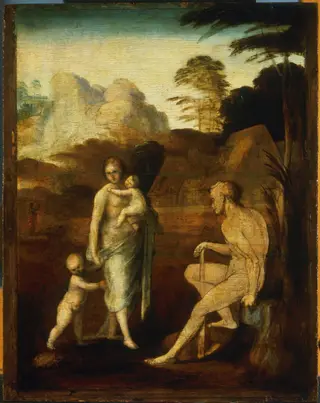 Adam and Eve with Cain and Abel
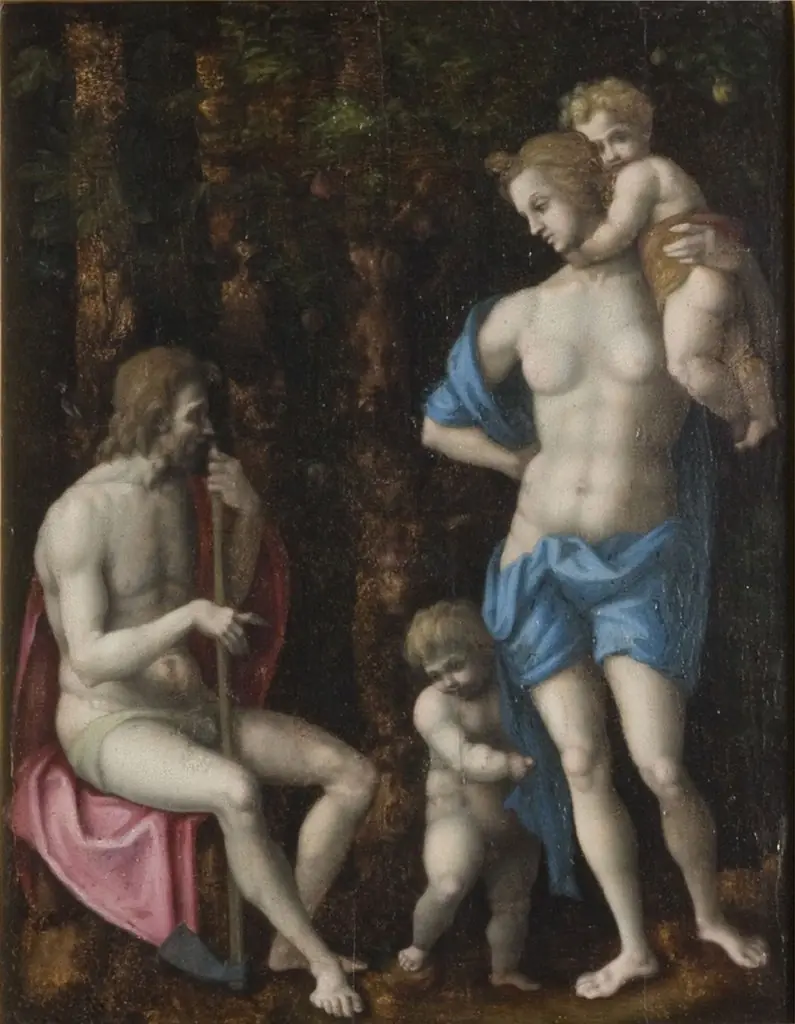 Adam and Eve with Cain and Abel
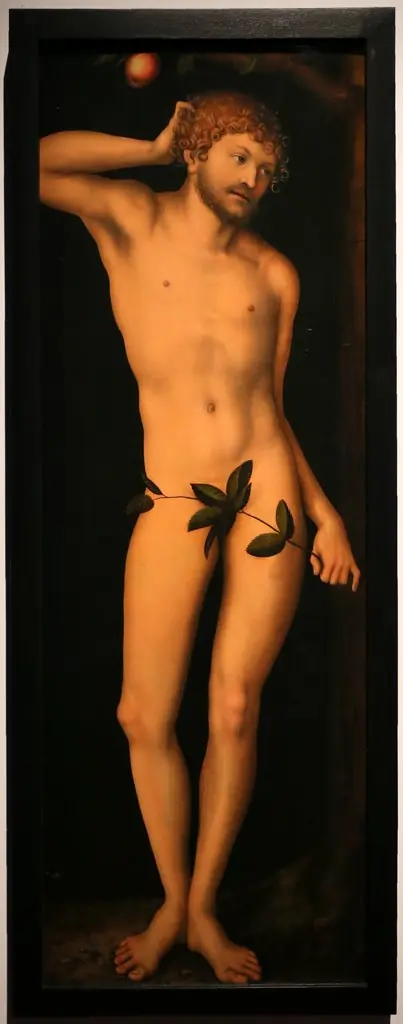 Adam
Adam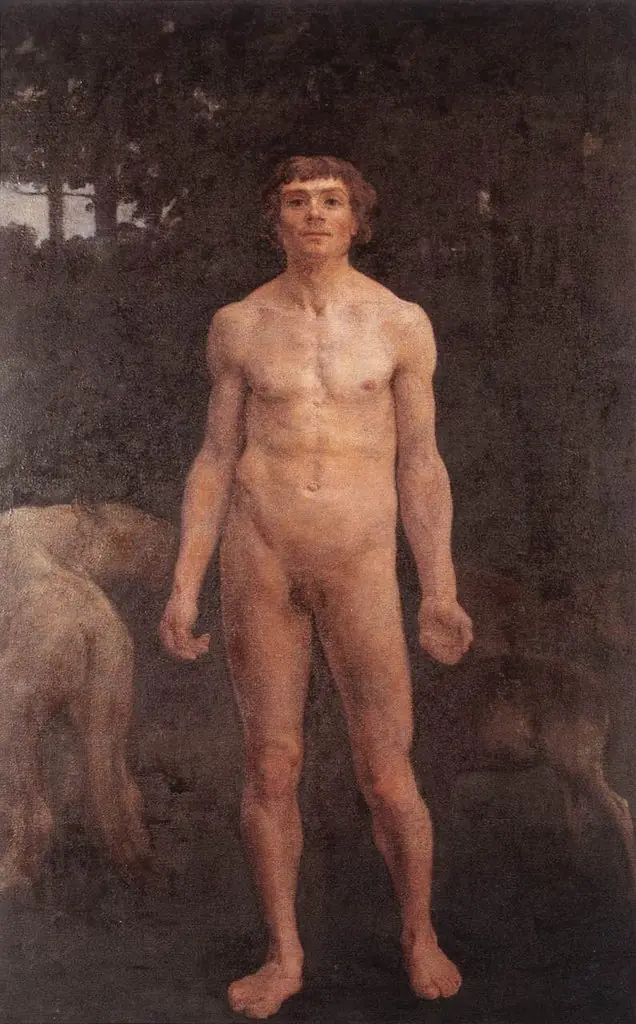 Adam
Adam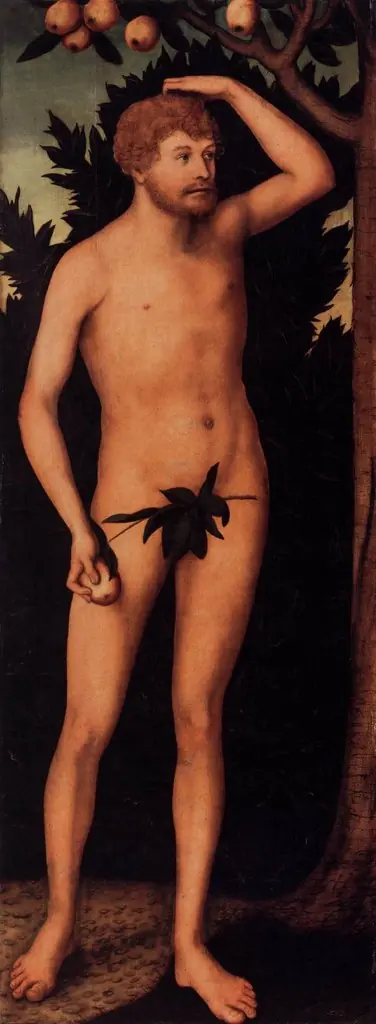 Adam
Adam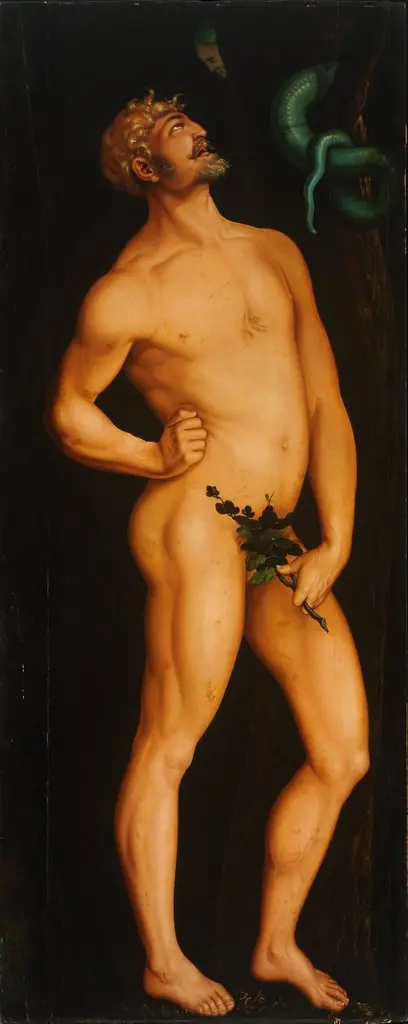 Adam
Adam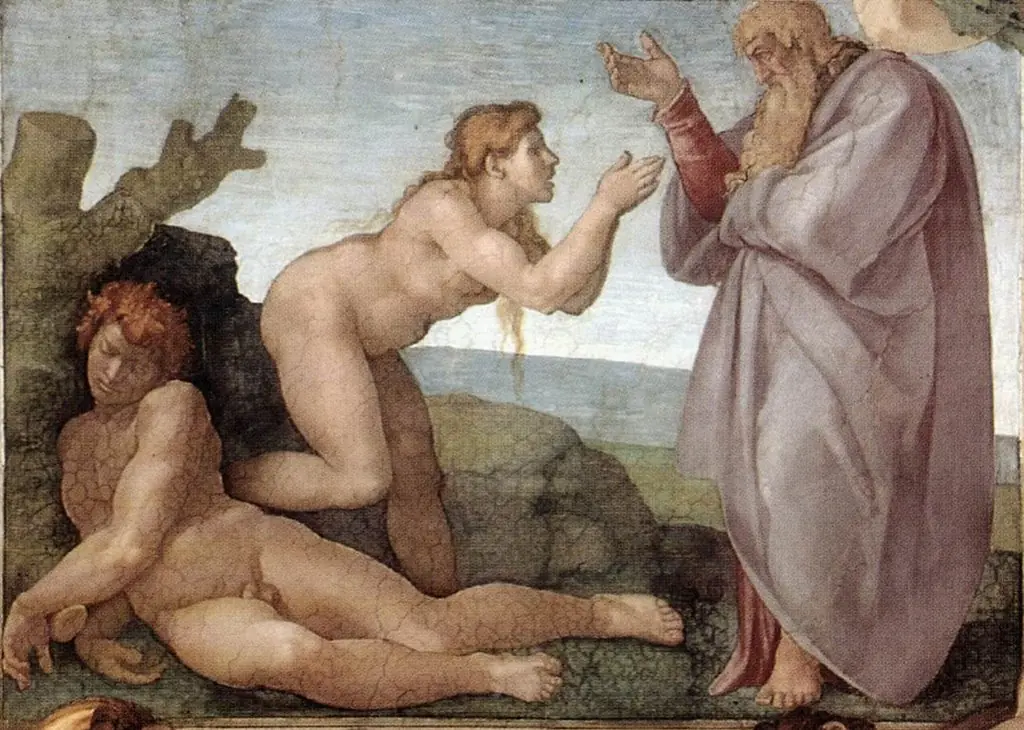 The Creation of Eve
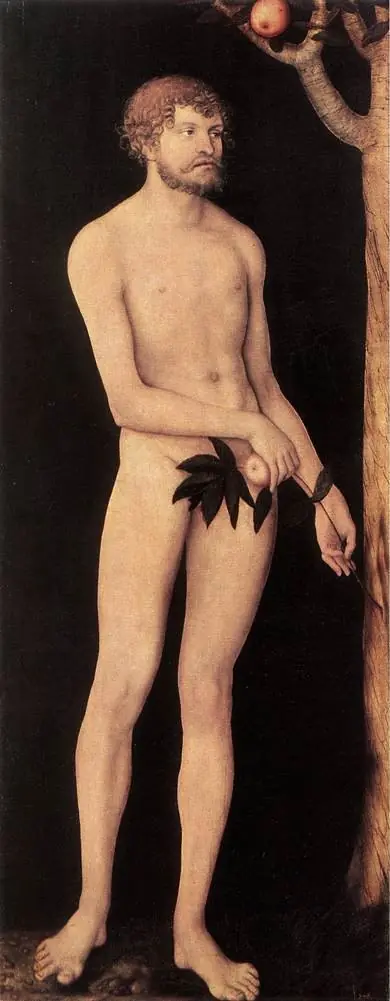 Adam
Adam
Frequently asked questions
What is Adam?
Adam is a common masculine given name in the English language, of Hebrew origin.
How many Adam works does Artifact World Gallery have?
Artifact World Gallery holds 42 public-domain Adam works, all free to view and download.
Who are the key Adam artists?
Key Adam artists in the collection include Titian, Fra Bartolomeo and Peter Paul Rubens.
Where can I see Adam works?
Adam works in the collection are held by Metropolitan Museum of Art, Museo del Prado and Statens Museum for Kunst.