Subject
Moses
Moses is a subject in art. The gallery holds 27 works in this subject in art, including works by Titian, Paolo Veronese and Johannes Vermeer.
Moses (Biblical Greek: Μωυσῆς Mōusês; Koine Greek: Μωσῆς Mōsês),, Moises, Moyses (Koine Greek: Μωϋσῆς Mōüsês), Moishe (Yiddish: משה), Moshe (Hebrew: מֹשֶׁה), Musa (Arabic: موسی), or Movses (Armenian: Մովսես) is a male given name, after the biblical figure Moses. An Egyptian root msy ('child of') has been considered as a possible etymology, arguably an abbreviation of a theophoric name, as for example in Egyptian names like Thutmose ('child of Thoth') and Ramesses ('child of Ra'), with the god's name omitted.
Key artists
Overview
Moses, the biblical prophet and lawgiver who led the Israelites out of Egyptian bondage, stands as one of the most frequently depicted subjects in Western art history. The figure appears in 31 works in the collection under discussion, spanning diverse media, periods, and interpretive approaches. From early synagogue frescoes to modernist interpretations, artistic representations of Moses have served not merely as biblical illustration but as vehicles for exploring themes of leadership, divine encounter, national identity, and the tension between human frailty and sacred obligation. The enduring recurrence of this subject reflects both the centrality of the Exodus narrative to Jewish and Christian traditions and the remarkable flexibility of Moses' story as a framework for addressing contemporary concerns.
Iconography & meaning
The visual attributes associated with Moses carry layered symbolic meanings that evolved significantly across centuries. The earliest and most persistent attribute was his rod or staff, which served as both a practical shepherd's tool and a sign of divine authority. A far more contentious iconographic element emerged in the early 11th century: the horns on Moses' head, introduced in English manuscript illustrations and subsequently spreading throughout the Latin West. This feature originated from St. Jerome's Vulgate translation of Exodus 34:29, where the Hebrew word qeren, describing Moses' radiant face after encountering God on Mount Sinai, was rendered as cornuta, 'horned.' For medieval theologians, horns symbolized power and even divinity in classical iconography; some 12th- and 13th-century scholars interpreted the two horns as representing the two rays of light signifying the Old and New Testaments. The literal horns provoked controversy, notably prompting Molanus in 1570 to quote a bishop at the Council of Trent lamenting that 'The Jews laugh and curse us when they see Moses with a horned visage in our churches.' Thereafter, twin rays of light became the preferred representation of his radiance. Additional attributes include the two tablets of the Decalogue, which became increasingly prominent as a primary identifier, particularly in Byzantine-influenced works. Narrative depictions draw upon a rich repertoire of episodes: the infant Moses in the basket, the burning bush, the parting of the Red Sea, the reception of the Law, and the striking of the rock for water. Each episode carried typological significance in Christian interpretation, with Moses frequently positioned as a prefiguration of Christ, the 'new Moses.'
Across movements & periods
Artistic treatments of Moses reveal shifting cultural ideals and theological emphases across time and geography. The earliest extant depiction, from the mid-3rd century synagogue at Dura Europos in Syria, presents Moses in Hellenistic teacher's robes, reflecting the Talmudic period's scholarly ideal; God appears only as a hand pointing toward the burning bush, while Moses simultaneously experiences and instructs viewers in the vision. The 14th-century Sarajevo Haggadah, created during the height of Kabbalah's influence, offers a starkly different Moses: skinny, introverted, and ascetic, hiding his face in piety yet intensely desiring divine encounter. Domenico Feti's 1613 Renaissance treatment shows Moses openly gazing at the wonder before him, embodying the period's ideal of the curious, educated man. The Jewish Museum holds a gouache on board from circa 1896-1902 titled Moses and Joshua in the Tabernacle, part of an Old Testament series, measuring 7 3/8 by 8 13/16 inches. Modern and contemporary treatments, including Chagall's windows, have frequently depicted Moses with twin rays rather than horns, reflecting post-Enlightenment sensitivities and evolving interfaith dialogue. The transformation from horned to radiant, from narrative episode to symbolic abstraction, traces broader shifts in how sacred figures could be represented and what meanings they were asked to bear.
Notable depictions
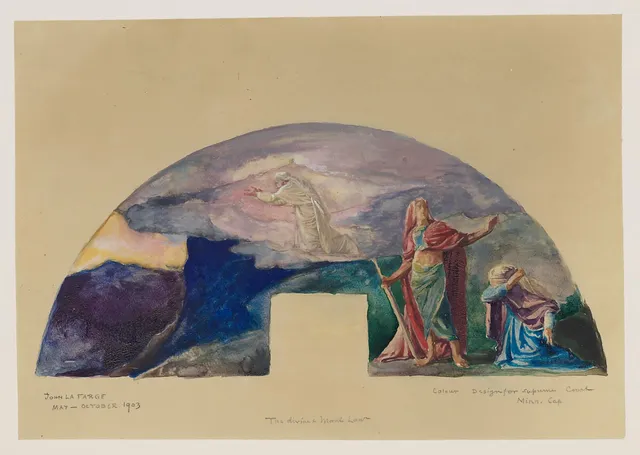
Among the most significant individual works addressing this subject are those preserved in major institutional collections. The Dura Europos synagogue frescoes, though not in the present collection, establish the foundational visual vocabulary for subsequent depictions. The Sarajevo Haggadah's illumination of Moses and the Burning Bush, dating to circa 1314, represents a crucial medieval Jewish interpretation. Domenico Feti's 1613 painting exemplifies Renaissance engagement with the theme. Within the collection itself, the Color Study for Mural, Supreme Court Room, Minnesota State Capitol, Saint Paul stands out for its civic ambition, translating biblical authority into architectural decoration for a secular governmental space. The Jewish Museum's Moses and Joshua in the Tabernacle, a gouache on board from circa 1896-1902 gifted by the heirs of Jacob Schiff, offers a late 19th-century treatment of priestly and prophetic succession. The Smithsonian American Art Museum's 2025-2026 exhibition 'Grandma Moses: A Good Day's Work,' while focused on Anna Mary Robertson Moses rather than the biblical figure, demonstrates how the name itself has become embedded in American cultural consciousness through the folk artist's celebrity. The exhibition, organized by Leslie Umberger and Randall Griffey, presents 88 works including iconic paintings such as Bringing in the Maple Sugar (1939), Black Horses (1942), and Out for Christmas Trees (1946), establishing the museum as a premier repository for studying this namesake's legacy.
Legacy
The figure of Moses has exerted profound and persistent influence beyond strictly religious contexts, shaping legal, political, and cultural discourse across millennia. As lawgiver, Moses provided a foundational model for constitutional thought; his reception of divine law on Mount Sinai has been invoked in contexts from medieval European governance to the architecture of the United States Supreme Court. The Minnesota State Capitol mural study in the collection exemplifies this civic appropriation. The evolution of his visual representation, from the controversial horns to the accepted rays of light, reflects broader transformations in interfaith relations and scholarly understanding of biblical texts. In modern Judaism, explicit figural representation of prophets is generally discouraged, yet Moses appears with twin rays in Marc Chagall's windows and in 19th-century prayer guides, indicating persistent symbolic currency even where literal depiction is avoided. The scholarly attention devoted to reconciling Jerome's translation with Hebrew source texts, and the subsequent artistic adjustments, demonstrates how iconographic debates can illuminate theological and cultural fault lines. Meanwhile, the popularization of 'Moses' as a given name, borne by figures from Maimonides to Grandma Moses, and its variant forms across Jewish, Christian, and Muslim cultures, attest to the figure's remarkable capacity to transcend specific religious boundaries while retaining distinctive meanings within each tradition. The name's etymological debates, whether derived from Egyptian msy or Hebrew msh, continue to engage linguists and biblical scholars, ensuring that even the most fundamental aspect of the figure, his name, remains a site of active inquiry.
Works
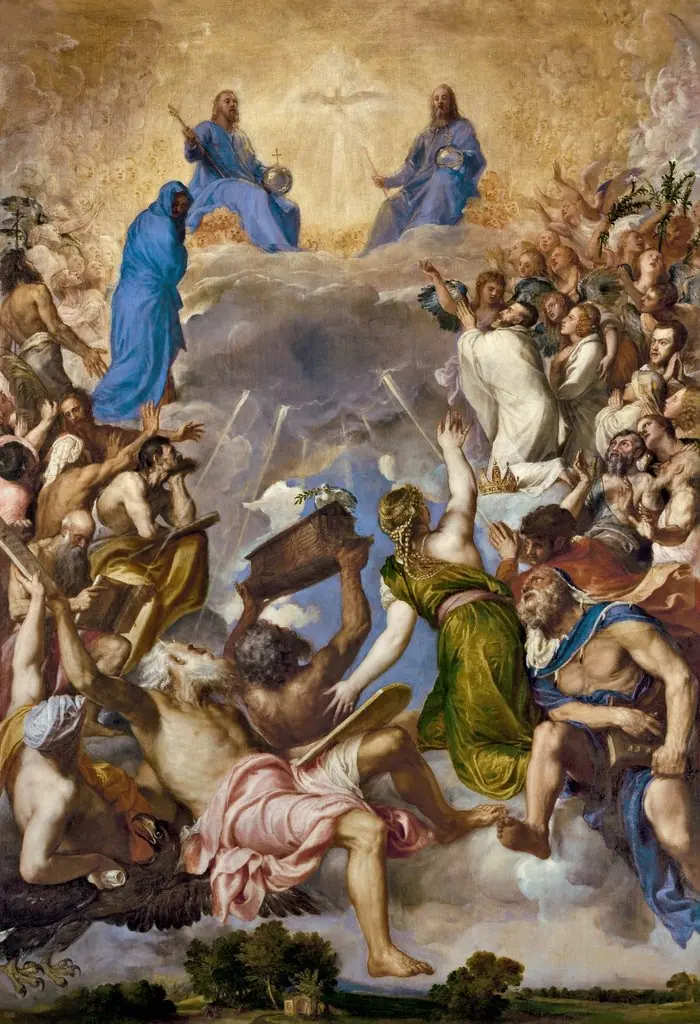 La Gloria
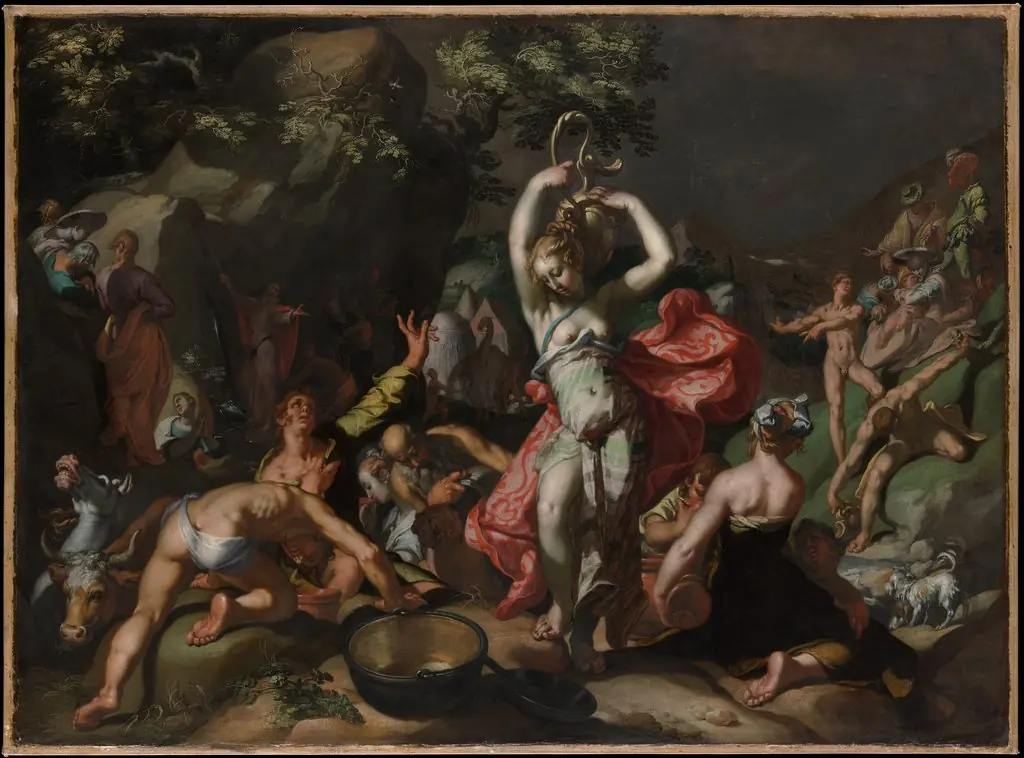 Moses Striking the Rock
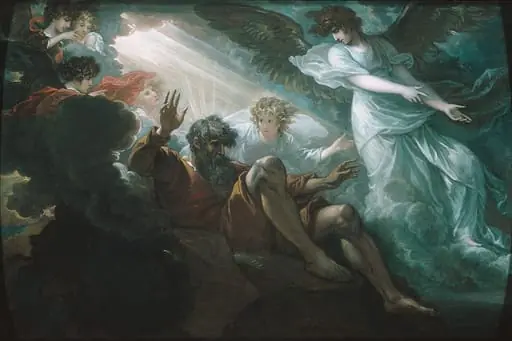 Moses Shown the Promised Land
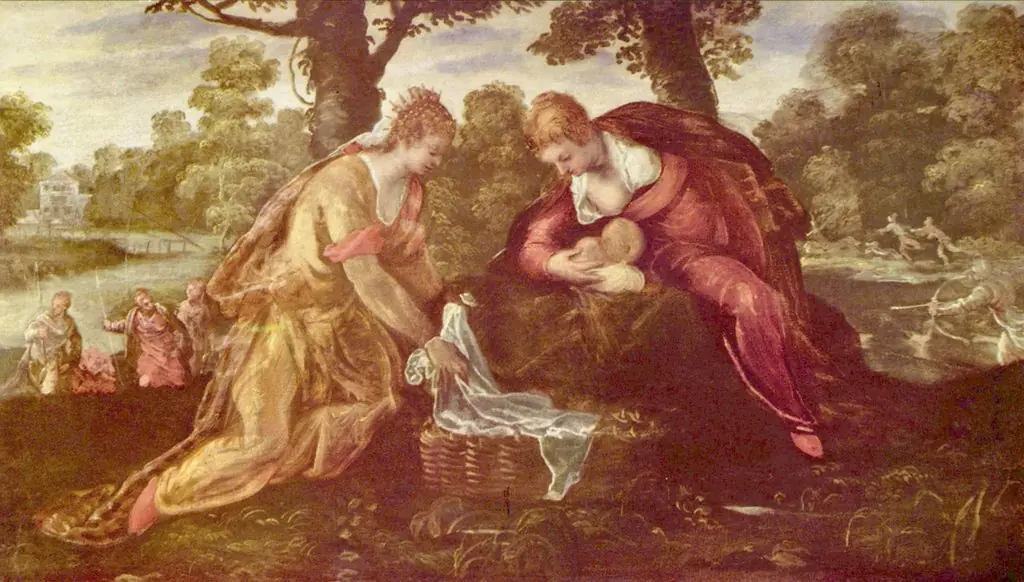 The Finding of Moses
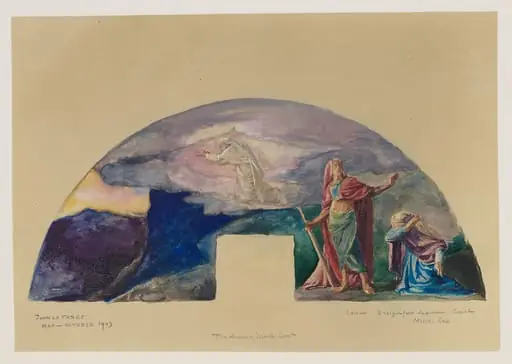 The Moral and Divine Law: Moses Receives the Law on Mount Sinai; Color Study for Mural, Supreme Court Room, Minnesota State Capitol, Saint Paul
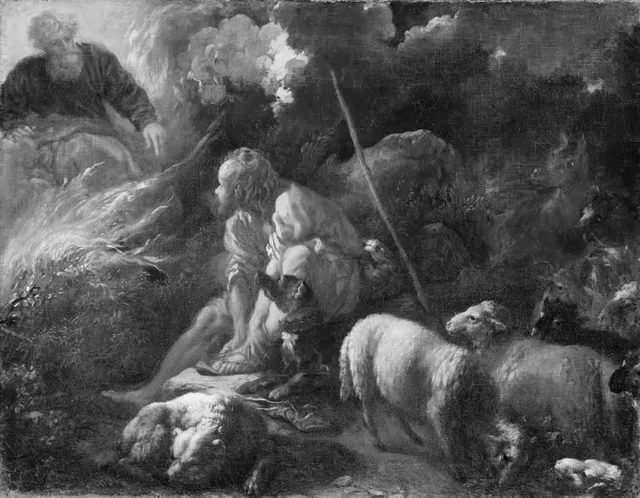
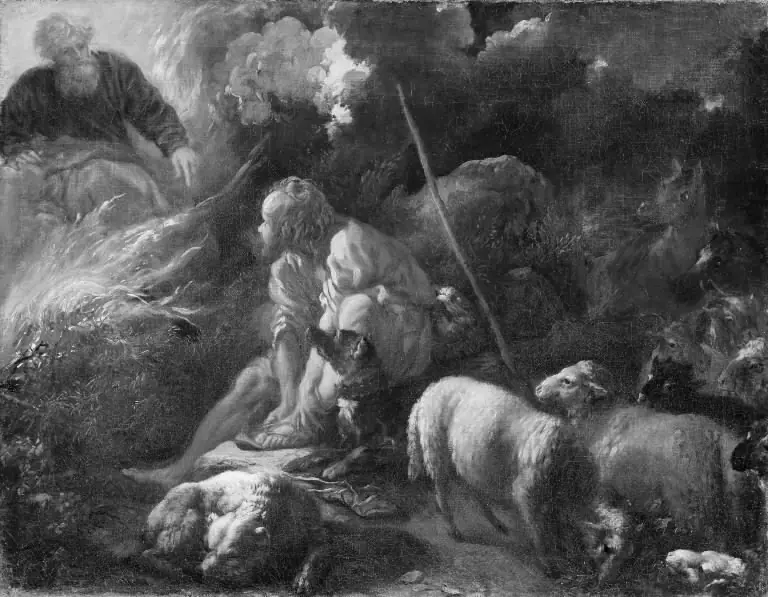 Moses and the Burning Bush
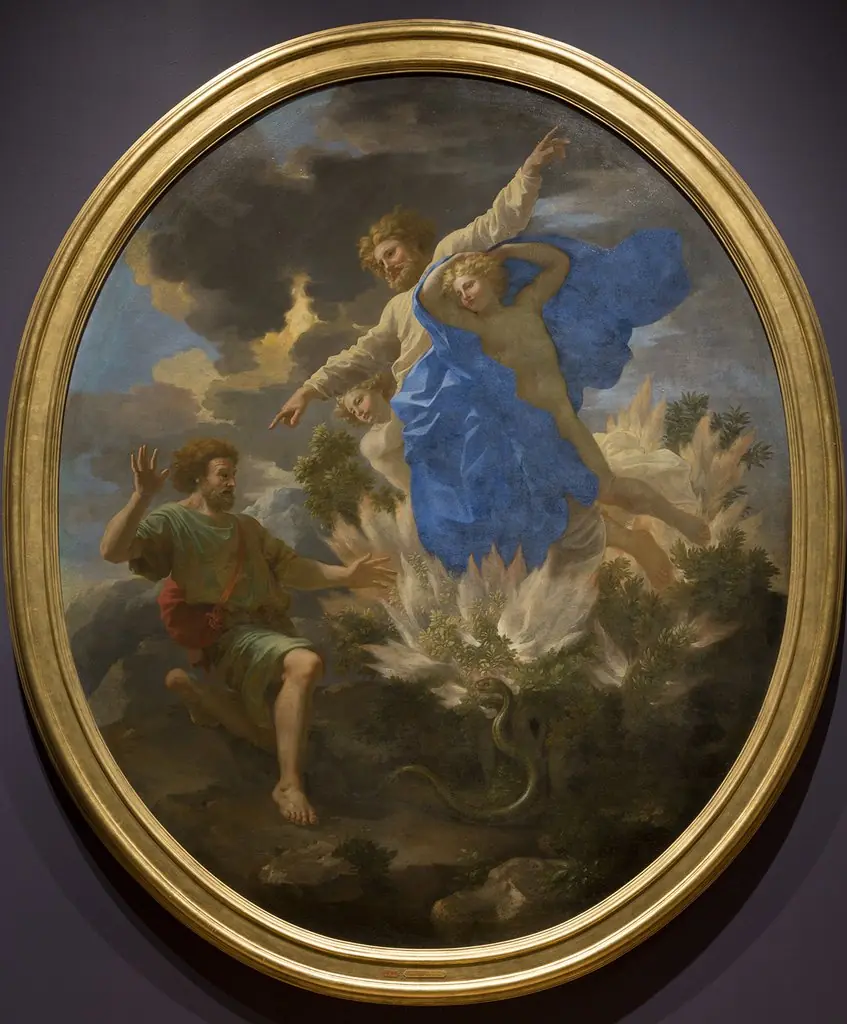 Moses and the Burning Bush
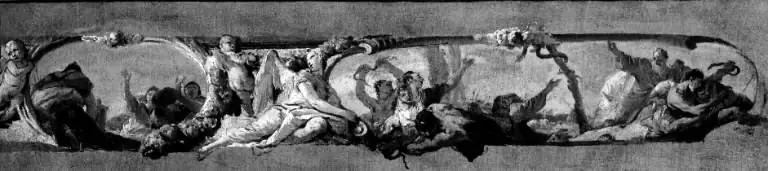 The Brazen Serpent
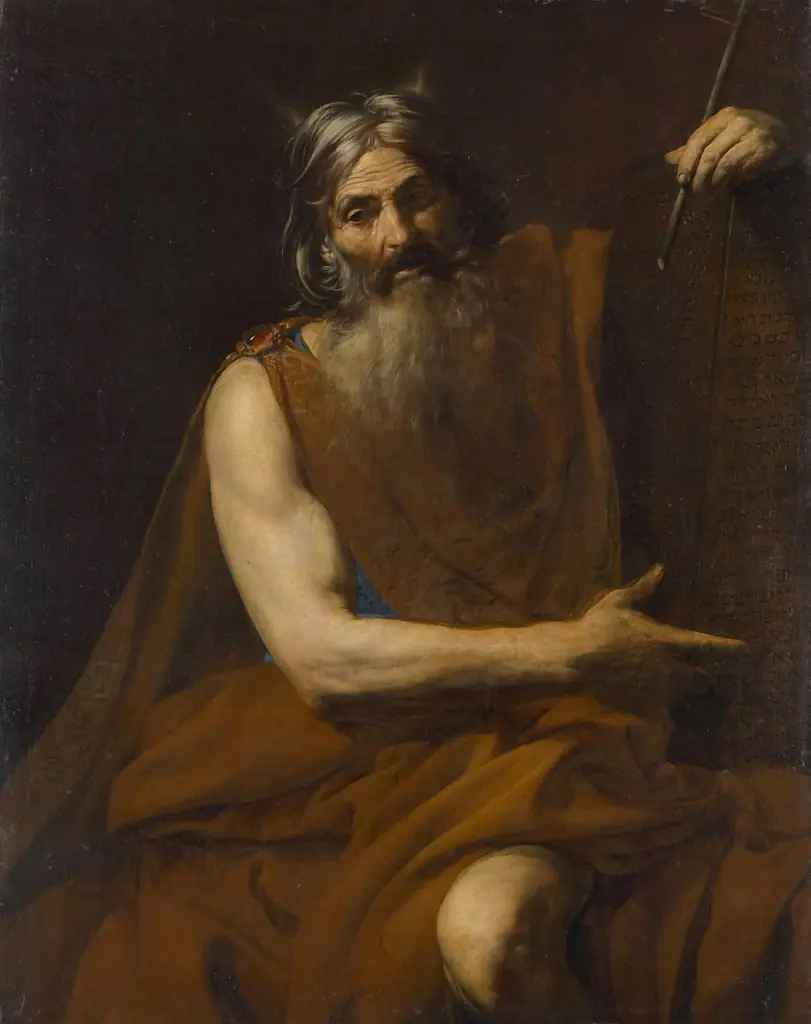 Horned Moses and the Tablets of the Law
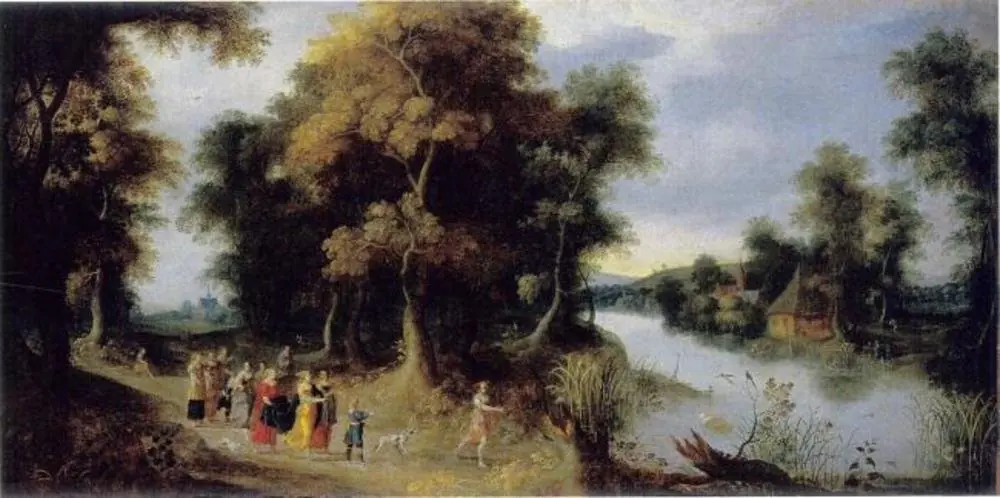 Finding of Moses
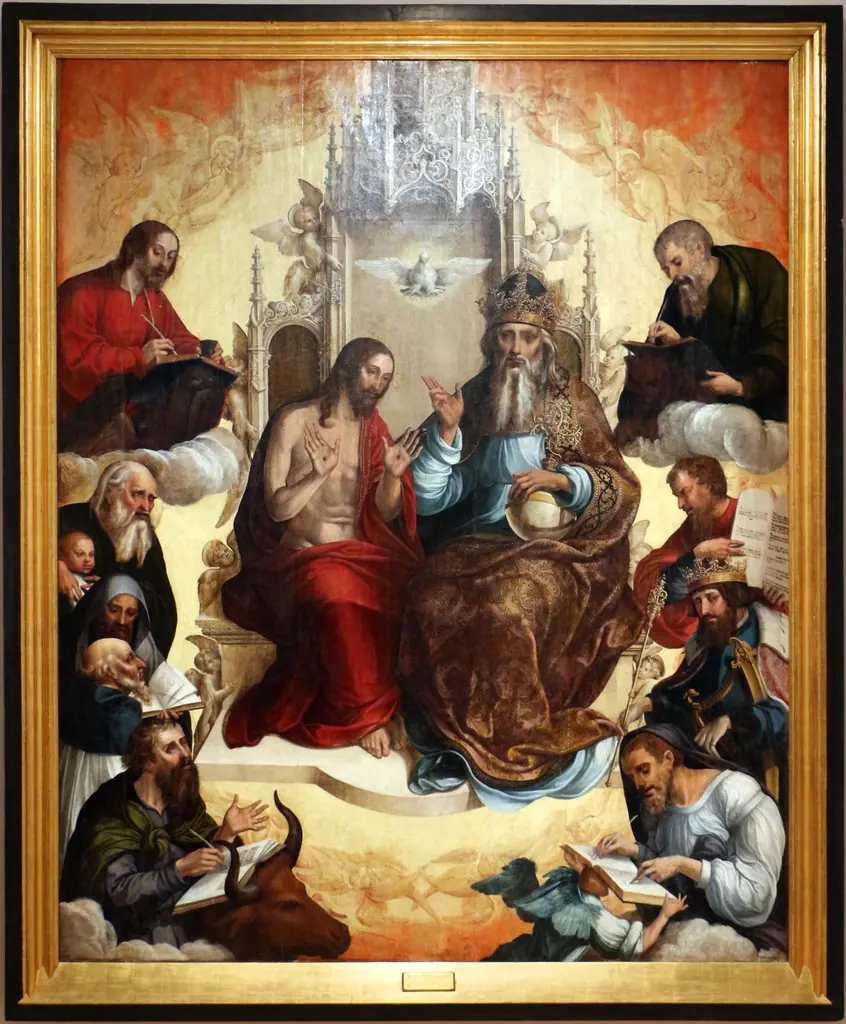 Holy Trinity
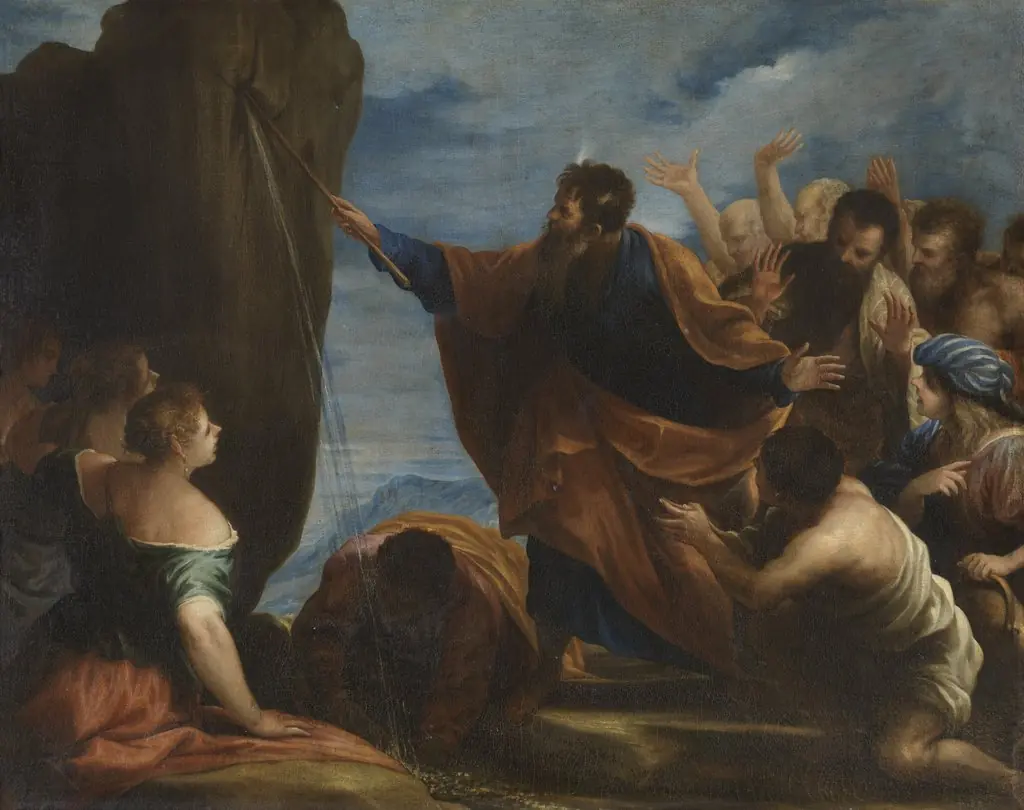 Moisés y el agua de la roca
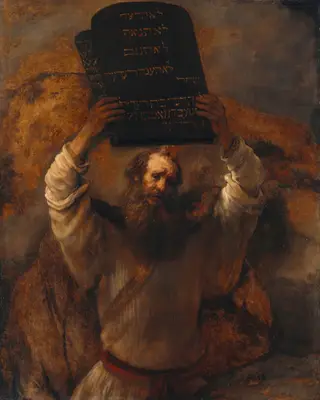 Moses Smashing the Tablets of the Law
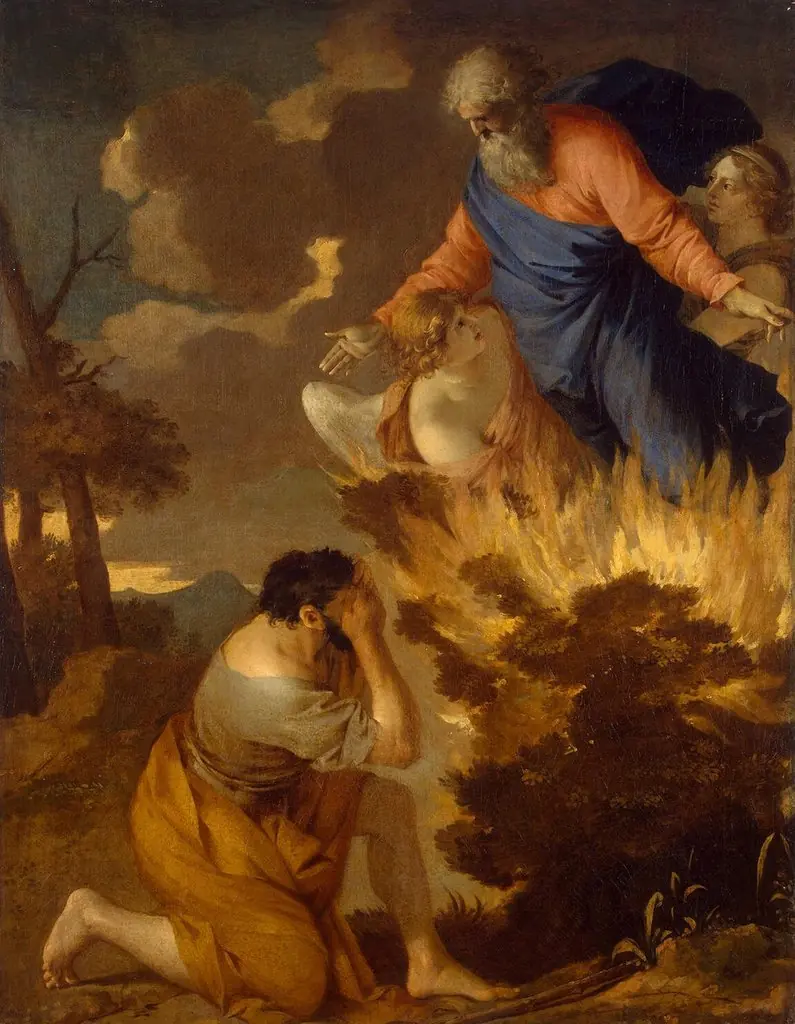 Moses and the Burning Bush
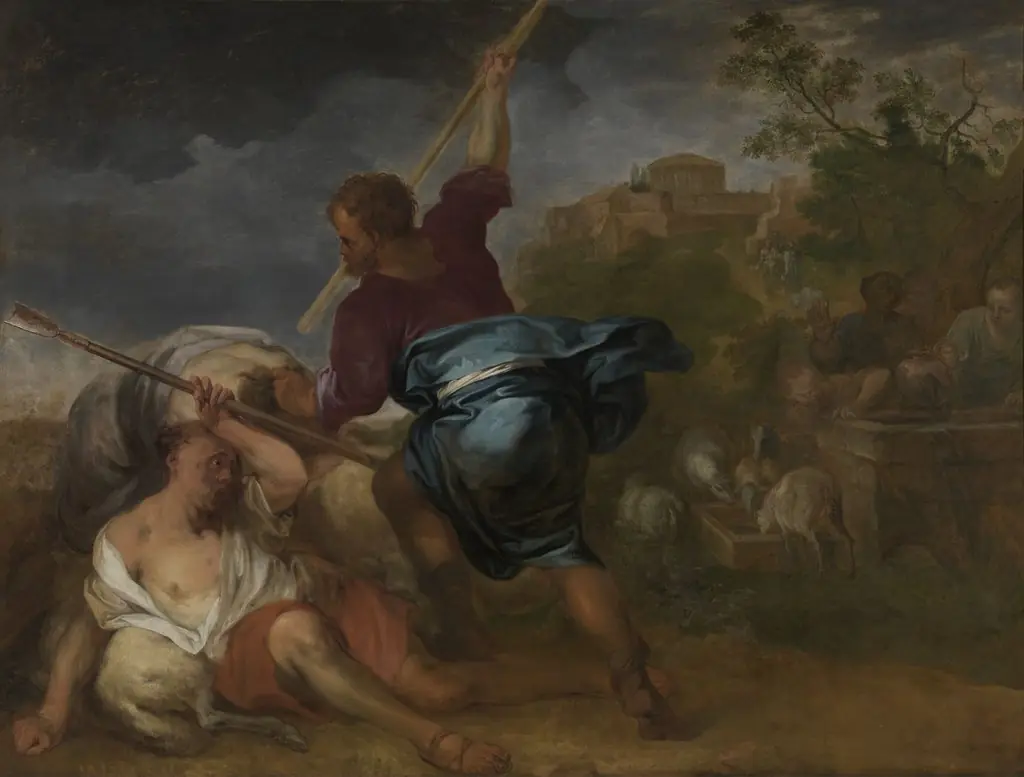 Moses defends the daughters of Jethro
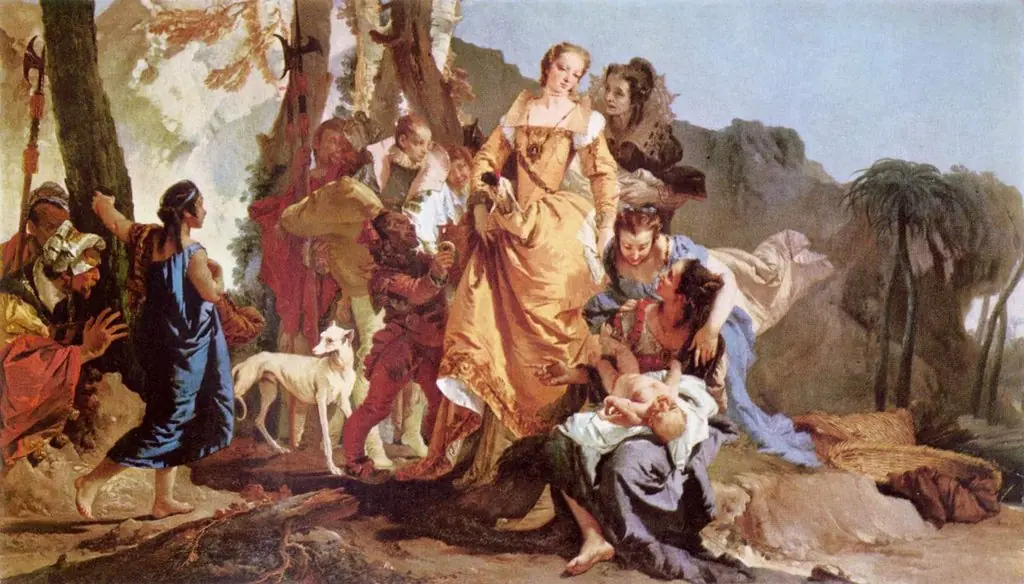 The Finding of Moses
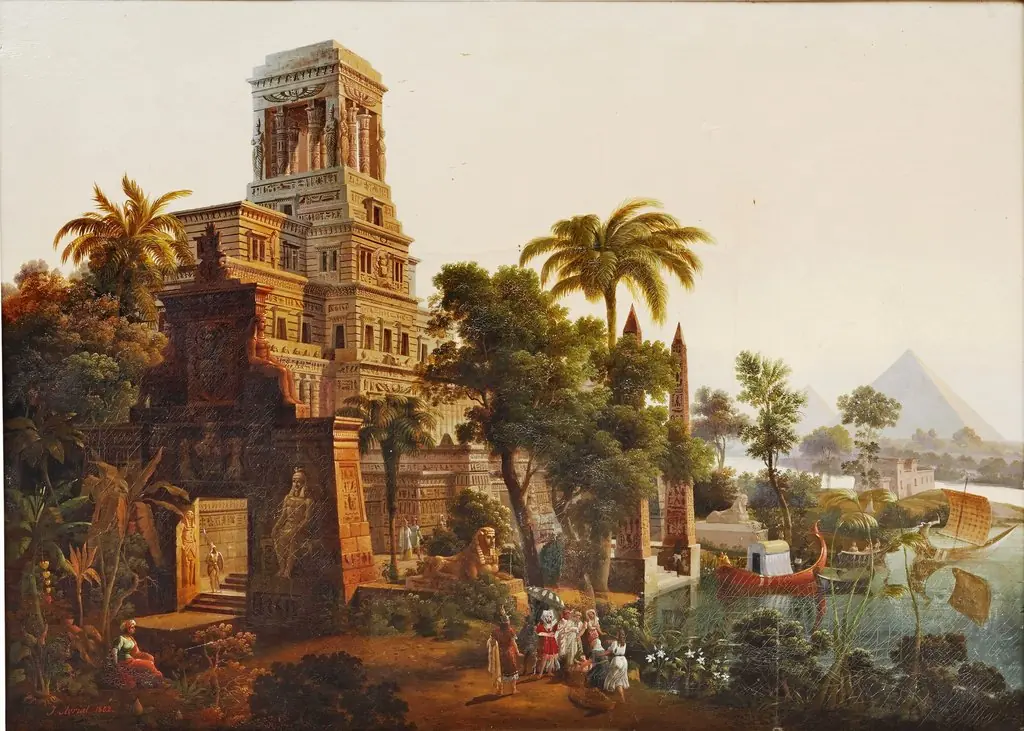 The Pharoah's daughter taking Moses out of the Nile
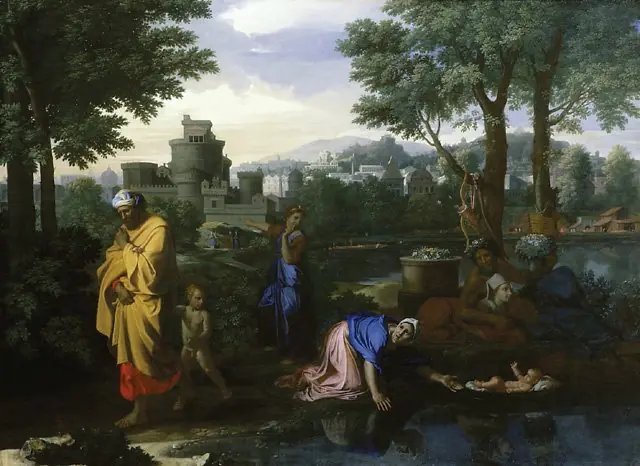 Moses exposed by the river
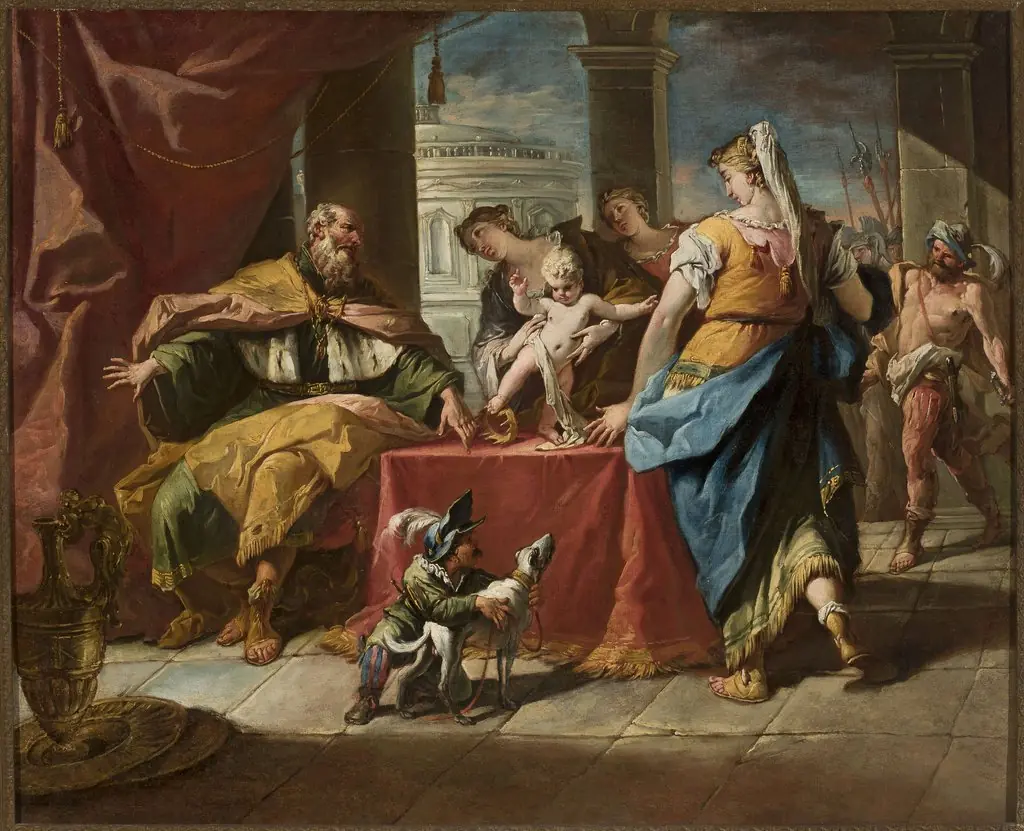 Moses trampling on the Pharaoh’s crown
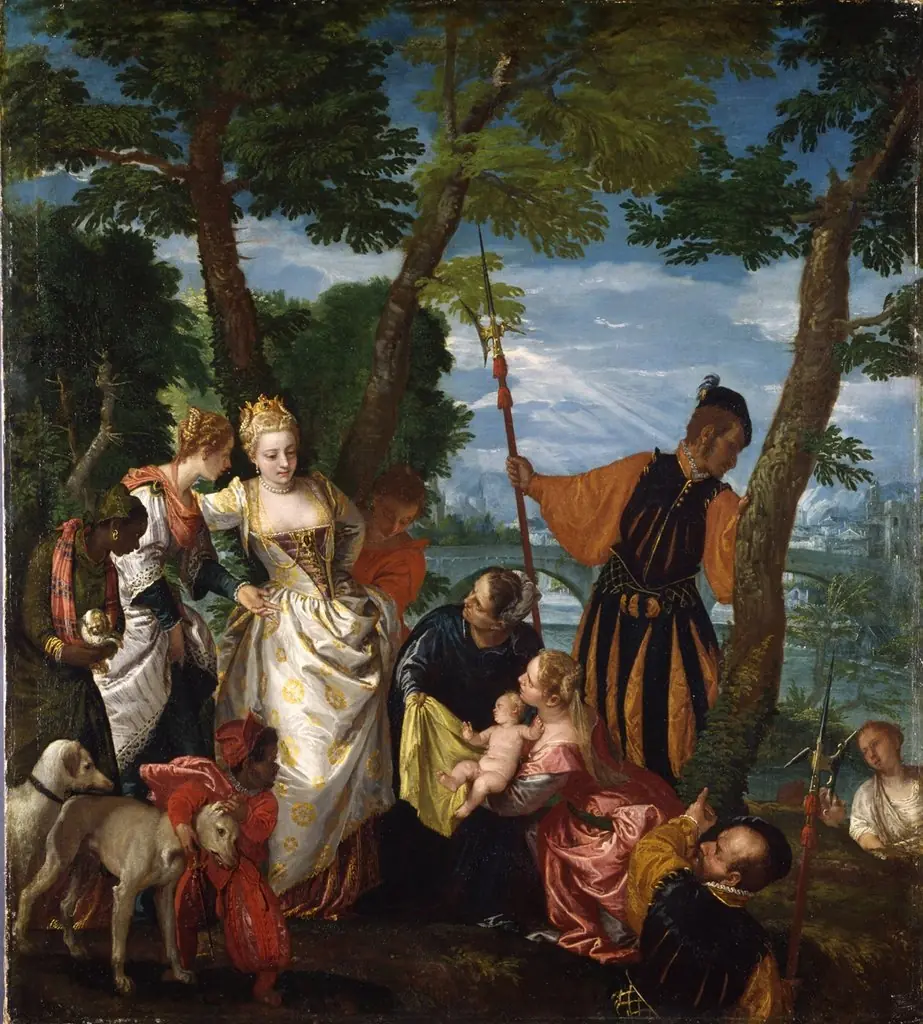 The Finding of Moses
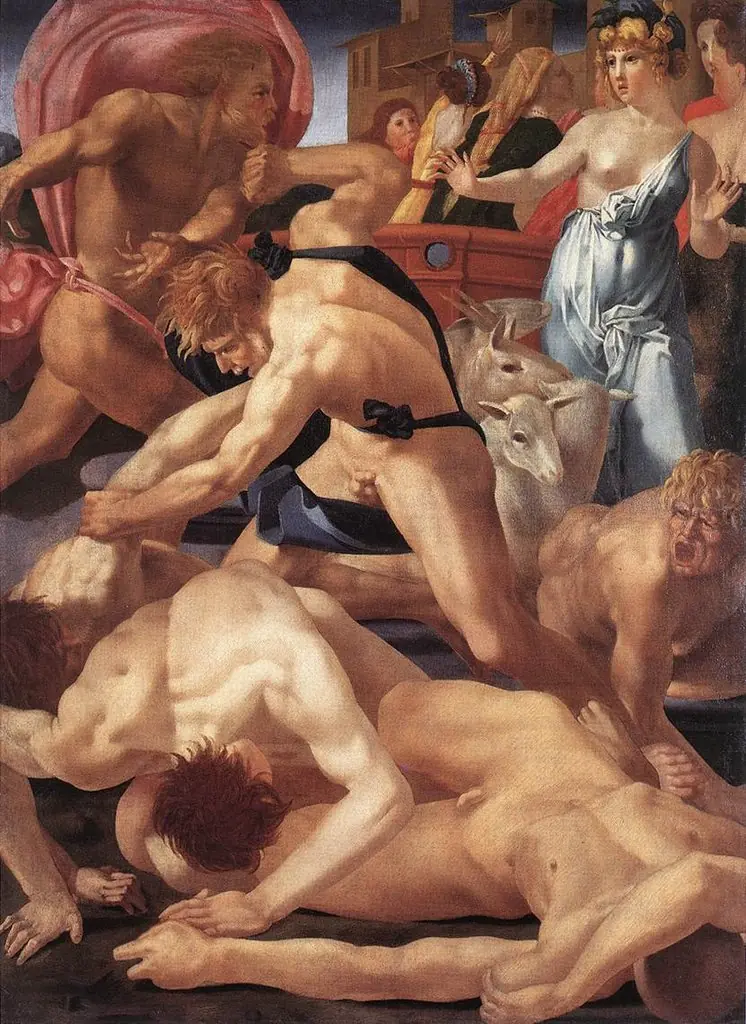 Moses Defending the Daughters of Jethro
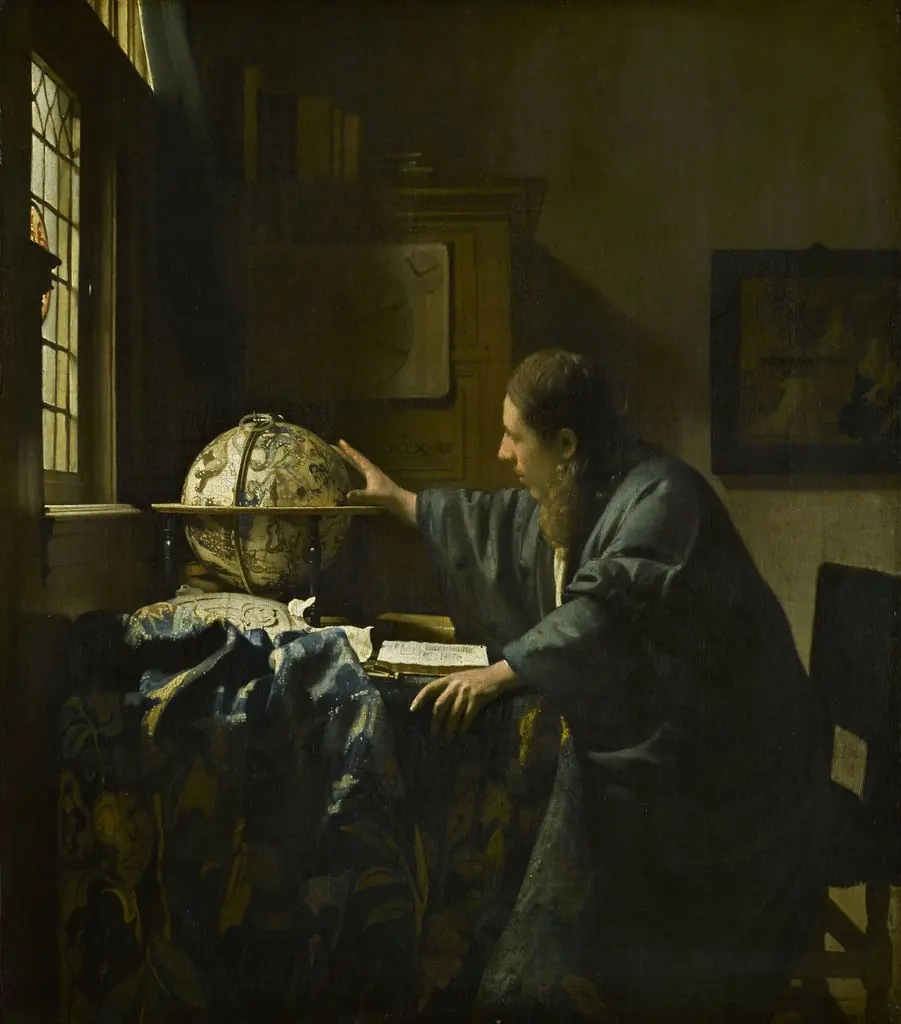 The Astronomer
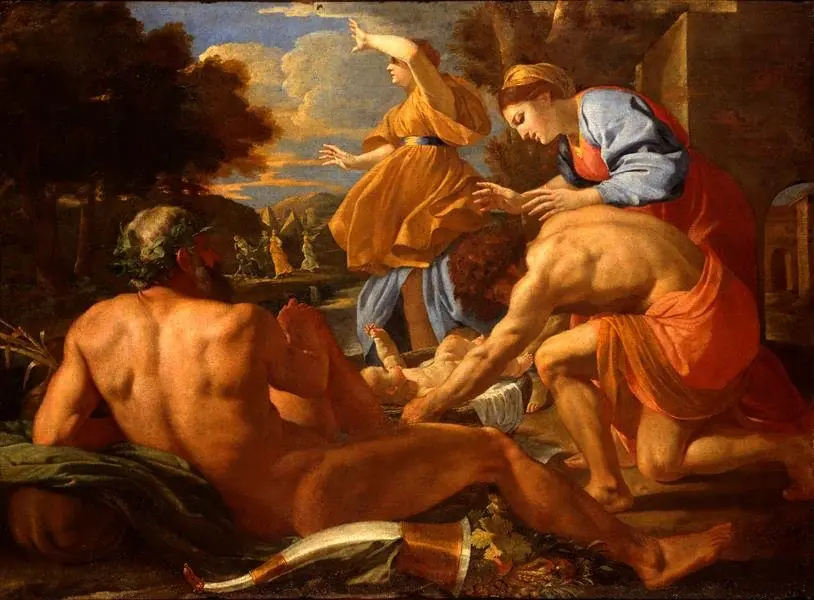 The Exposition of Moses
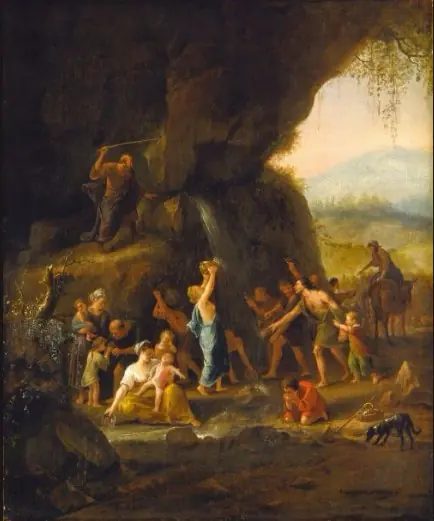 Moses Striking Water from the Rock
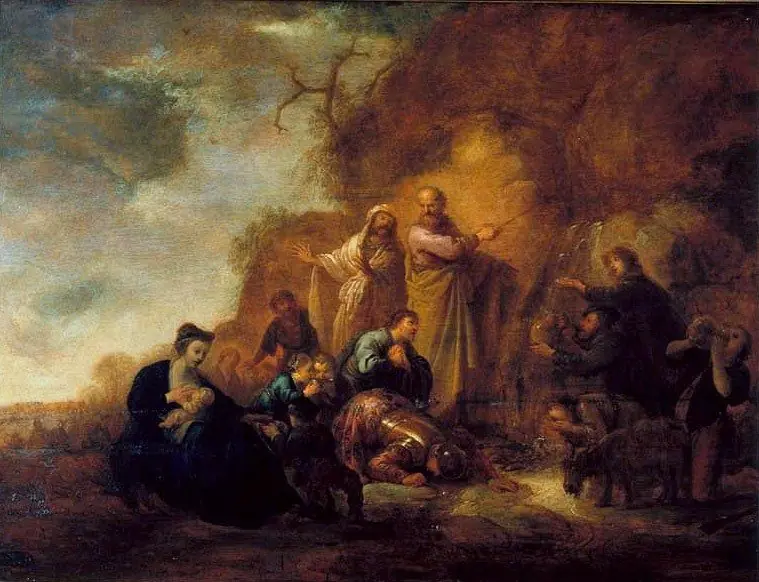 Moisés no Rochedo de Horeb
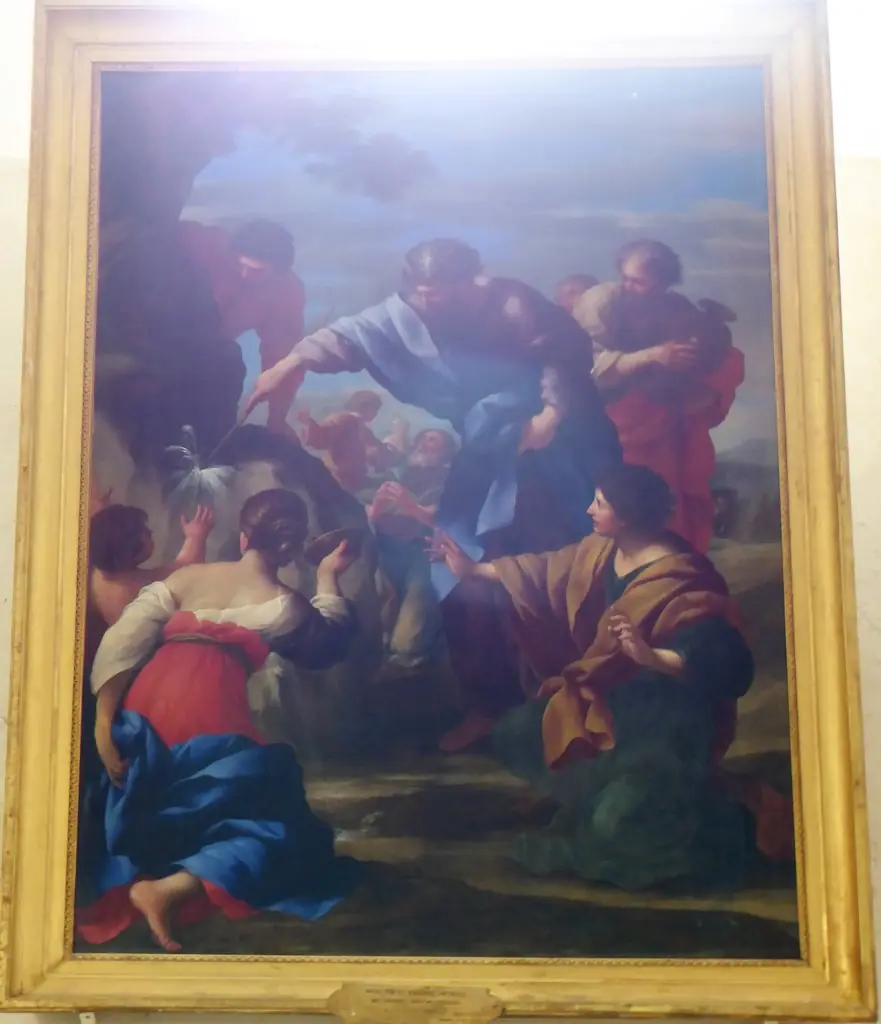 Moses made water gush from the rock
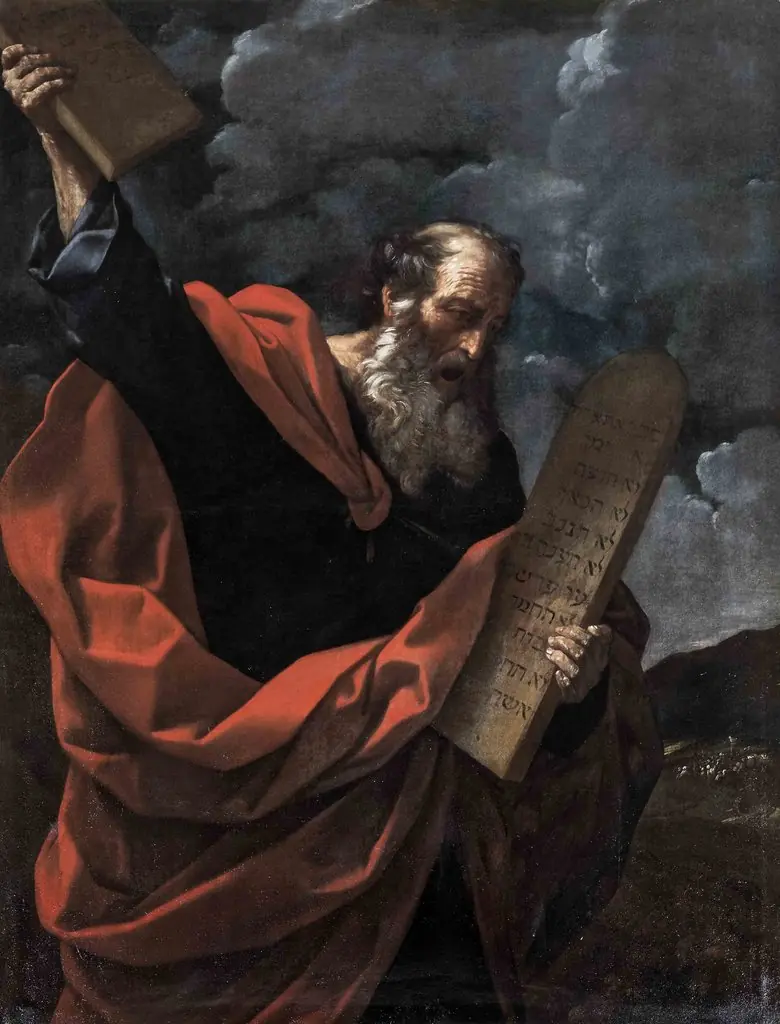 Moïse brisant les Tables de la Loi
Frequently asked questions
What is Moses?
Moses (Biblical Greek: Μωυσῆς Mōusês; Koine Greek: Μωσῆς Mōsês),, Moises, Moyses (Koine Greek: Μωϋσῆς Mōüsês), Moishe (Yiddish: משה), Moshe (Hebrew: מֹשֶׁה), Musa (Arabic: موسی), or Movses (Armenian: Մովսես) is a male given name, after the biblical figure Moses.
How many Moses works does Artifact World Gallery have?
Artifact World Gallery holds 27 public-domain Moses works, all free to view and download.
Who are the key Moses artists?
Key Moses artists in the collection include Titian, Paolo Veronese and Johannes Vermeer.
Where can I see Moses works?
Moses works in the collection are held by Metropolitan Museum of Art, Statens Museum for Kunst and Museo del Prado.