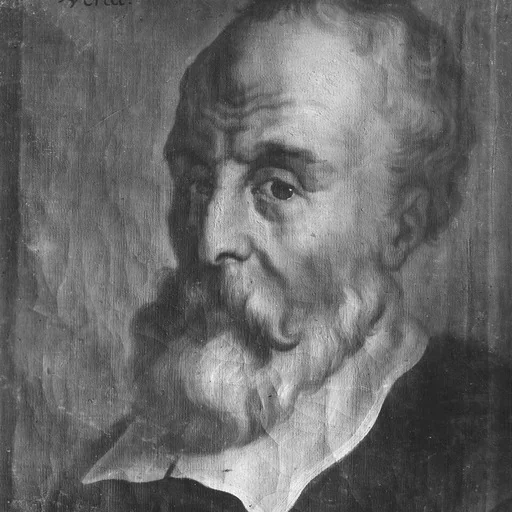
Subject
Abraham
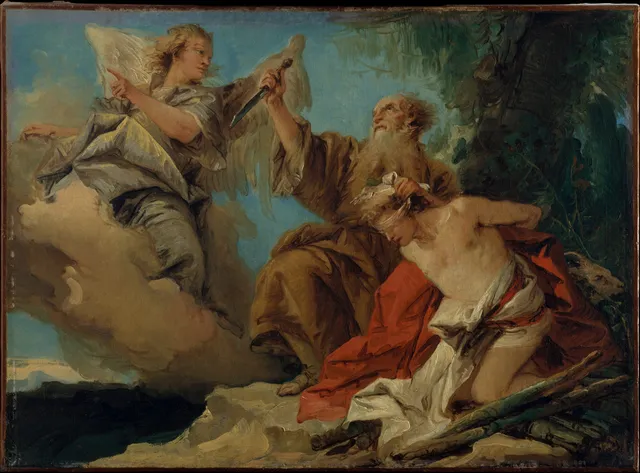
Abraham is a subject in art. The gallery holds 44 works in this subject in art, including works by Paolo Veronese, Caravaggio and Nicolaes Maes.
Abraham is a given name of Hebrew background, originating with the Biblical patriarch (Hebrew: אַבְרָהָם, Modern: Avraham, Tiberian: ʾAḇrāhām Ashkenazi Avrohom or Avruhom); the father of the Abrahamic religions: Judaism, Christianity and Islam. As recounted in the Torah, his name was originally Avram which means "High Father" – "ab" (אב) "father", "ram" (רם) "high" – with the "ha" (ה) added in mark of his covenant with God.
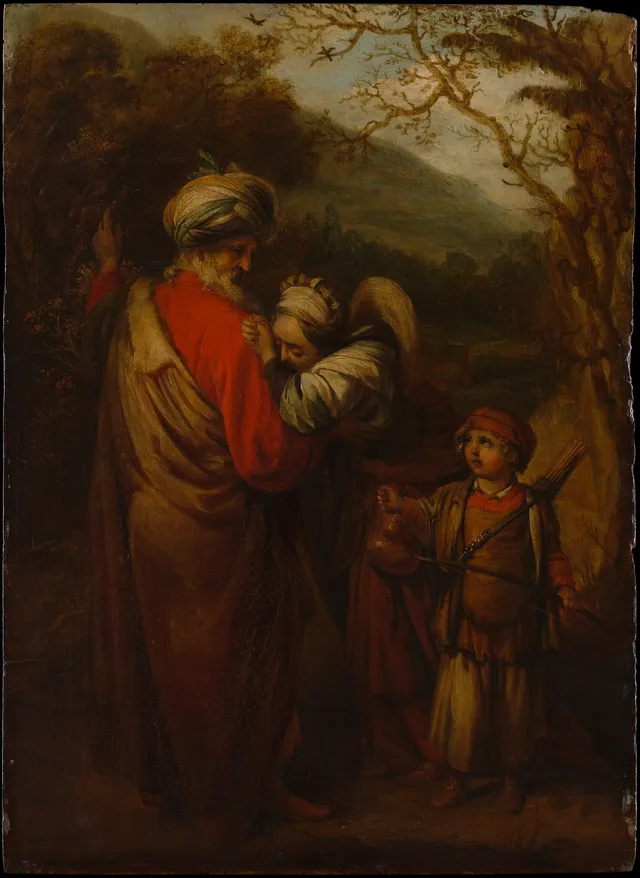
Key artists
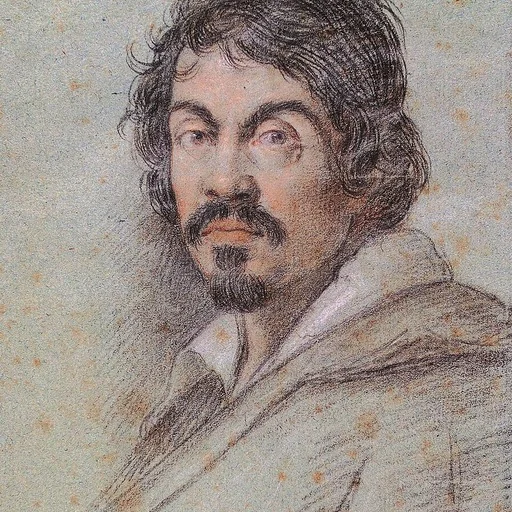
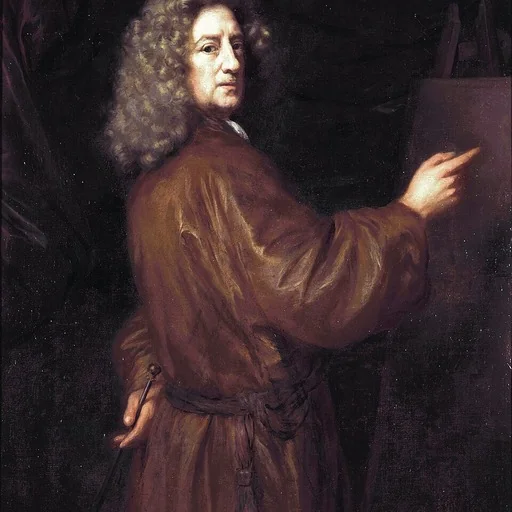
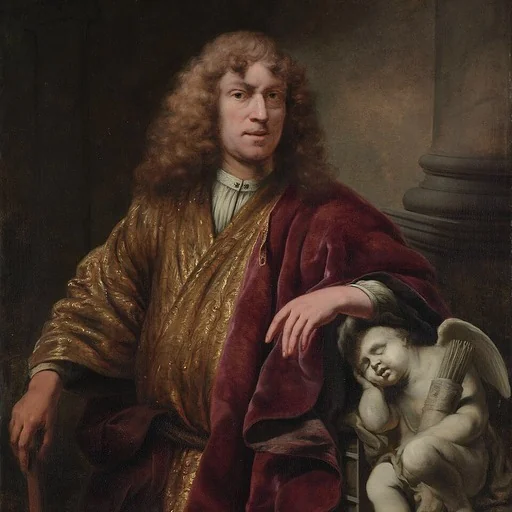
Overview
Abraham is a biblical patriarch and foundational figure revered across Judaism, Christianity, and Islam. Originating as Abram, a name potentially derived from Semitic roots meaning exalted father, his identity shifted to Abraham following a divine covenant, a change denoting his role as the father of a multitude of nations. In art, Abraham recurs as the quintessential model of faith and obedience, depicted leaving his homeland for an unknown destination and submitting to divine will, narratives that established him as a central protagonist in the visual culture of the Abrahamic religions.
Iconography & meaning
The iconography of Abraham is deeply tied to themes of covenant, hospitality, and ultimate devotion. The sacrifice of Isaac is the most frequently depicted episode, valued for its dramatic tension and its prefiguration of divine sacrifice in Christian theology. Other key scenes include the parting from Lot, the meeting with Melchizedek, the entertainment of three angels, and the dismissal of Hagar and Ishmael. The three angels symbolize hospitality and the divine promise of a son, while the expulsion of Hagar addresses themes of strife and divine providence. In early Christian and Byzantine contexts, such as the mosaics at San Vitale in Ravenna, the sacrifice of Isaac specifically functioned as a typological symbol for the Crucifixion.
In the collection
Within this museum's collection, the subject of Abraham is represented in 48 works spanning various media and periods. The holdings include paintings such as Abraham's Parting from the Family of Lot, The Meeting of Abraham and Melchizedek, and The Sacrifice of Isaac. The collection also integrates the patriarch into broader theological compositions, as seen in the Madonna and Child Enthroned with Angels and Prophets. Beyond painting, the motif appears in decorative arts, notably a mid-17th-century British pictorial embroidery on linen worked with silk thread using tent and couching stitches. Measuring 58.4 by 94.6 centimeters, this textile draws its imagery from engravings by Maarten de Vos originally published in Gerard de Jode's 1579 illustrated bible, Thesaurus Sacrarum Historiarum Veteris Testamenti.
Across movements & periods
The treatment of Abraham in visual culture evolved significantly from late antiquity to the modern era. Early depictions, such as the sixth-century mosaics at San Vitale, utilized the narrative for symbolic, typological meaning. The Renaissance introduced a focus on architectural and physical realism, exemplified by Lorenzo Ghiberti's 1401 gilt bronze panel for the Florence Baptistery, which emphasized the dramatic intervention of the angel. Baroque artists like Rembrandt van Rijn and Pieter Lastman explored the psychological depth of the narrative, rendering Abraham's emotional turmoil and the dark, atmospheric journey to Canaan. By the 20th century, modernists such as Marc Chagall reinterpreted the scenes through a lens of existential anxiety and vivid color, moving away from historical realism toward expressive, spiritual abstraction.
Notable depictions
Several depictions of Abraham have become canonical in the history of art. Lorenzo Ghiberti's Sacrifice of Isaac, a gilt bronze relief from 1401 to 1402 now in the Museo Nazionale del Bargello, remains a masterpiece of early Renaissance narrative composition. Rembrandt van Rijn produced multiple notable versions of the subject, including a 1635 oil on canvas in the Hermitage and a 1655 etching and drypoint in the National Gallery of Art. Caravaggio's Sacrifice of Isaac in the Uffizi Gallery offers a stark Baroque interpretation of divine interruption. Dieric Bouts the Elder's 1464 to 1467 oil on wood panel of The Meeting of Abraham and Melchizedek in Leuven provides a key early Netherlandish example. Other significant works include Giovanni Battista Tiepolo's 1726 to 1729 frescoes in the Palazzo Patriarcale in Udine and James Tissot's extensive series of gouaches in the Jewish Museum in New York.
Legacy
The artistic legacy of the Abraham motif extends into contemporary visual culture, where his narrative continues to serve as a vehicle for exploring faith, displacement, and moral trial. Modern and contemporary artists, including David Smira and Boruch Nachson, have re-engaged with the subject, treating the sacrifice and the angelic visitation as ongoing, living dialogues rather than closed historical events. The enduring relevance of the patriarch's story, rooted in his foundational status for three major world religions, ensures that his visual representation remains a potent framework for examining the intersection of the human and the divine, as well as the complexities of covenantal promise and human vulnerability.
Works
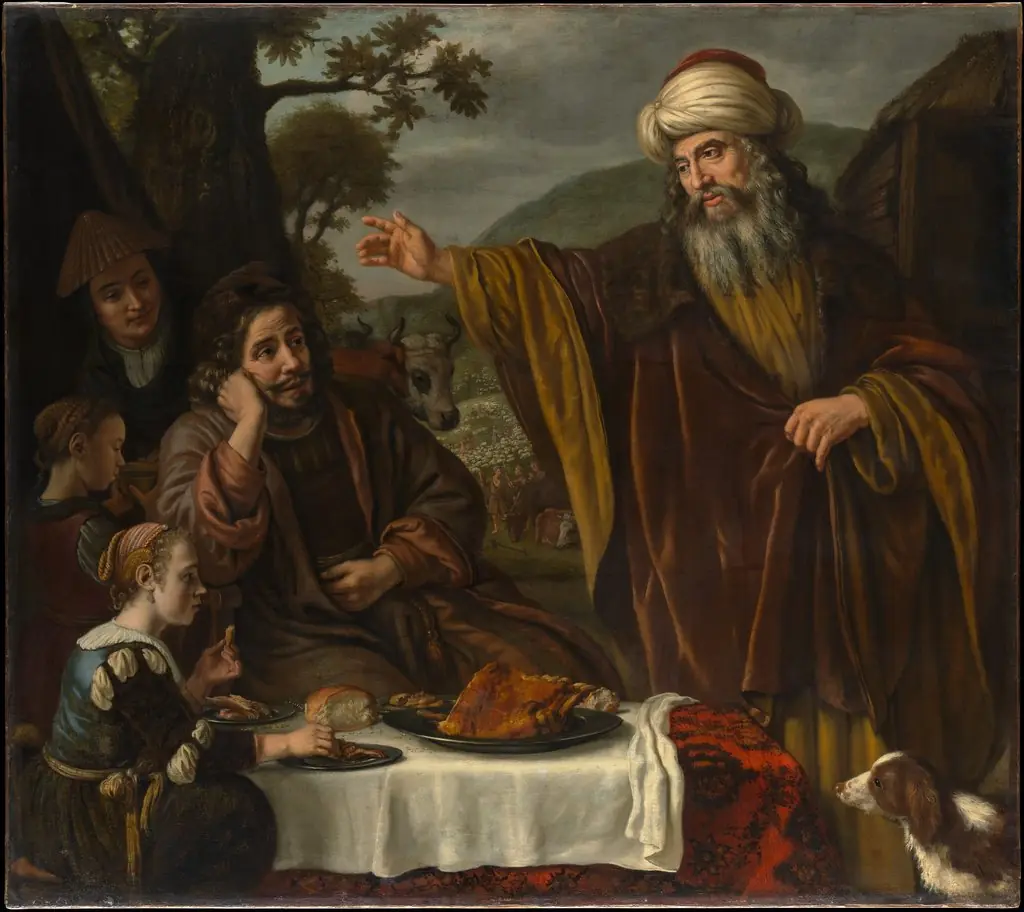 Abraham's Parting from the Family of Lot
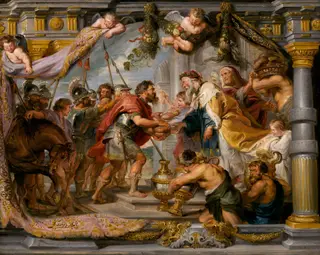 The Meeting of Abraham and Melchizedek
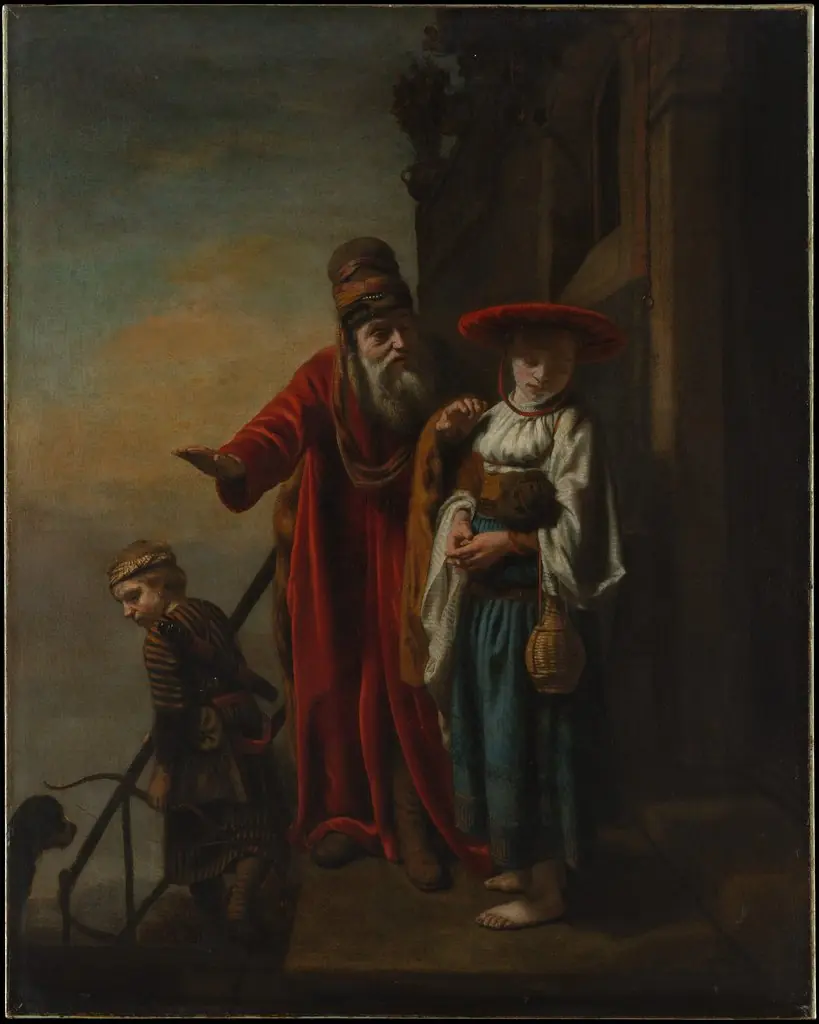 Abraham Dismissing Hagar and Ishmael
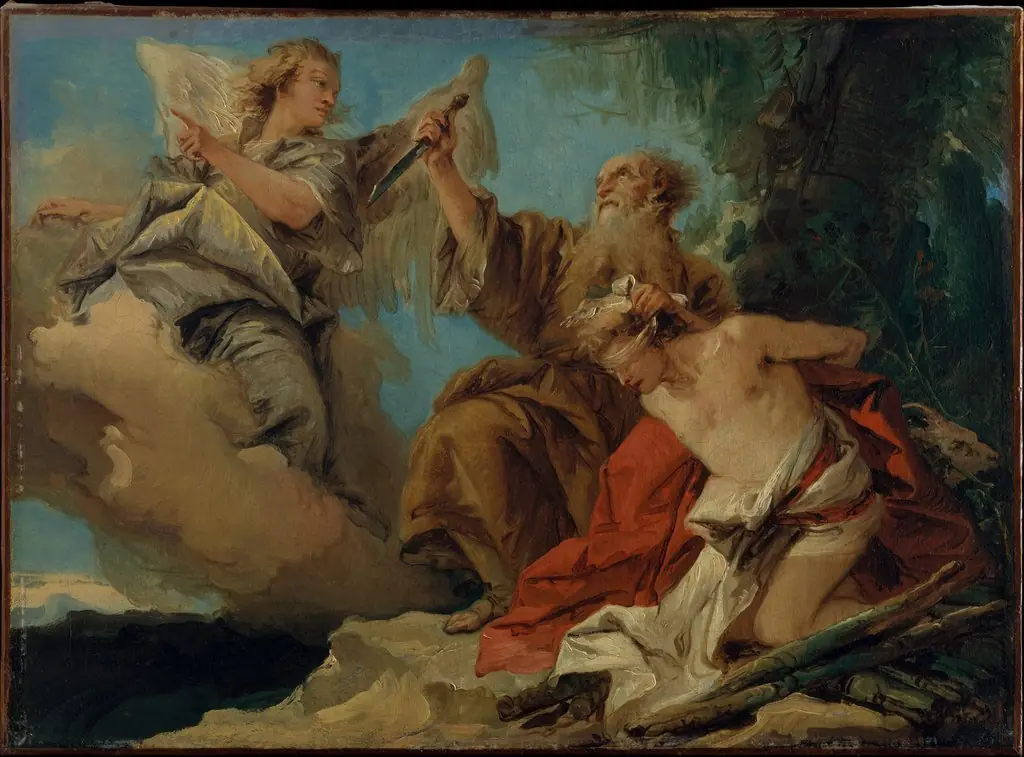 The Sacrifice of Isaac
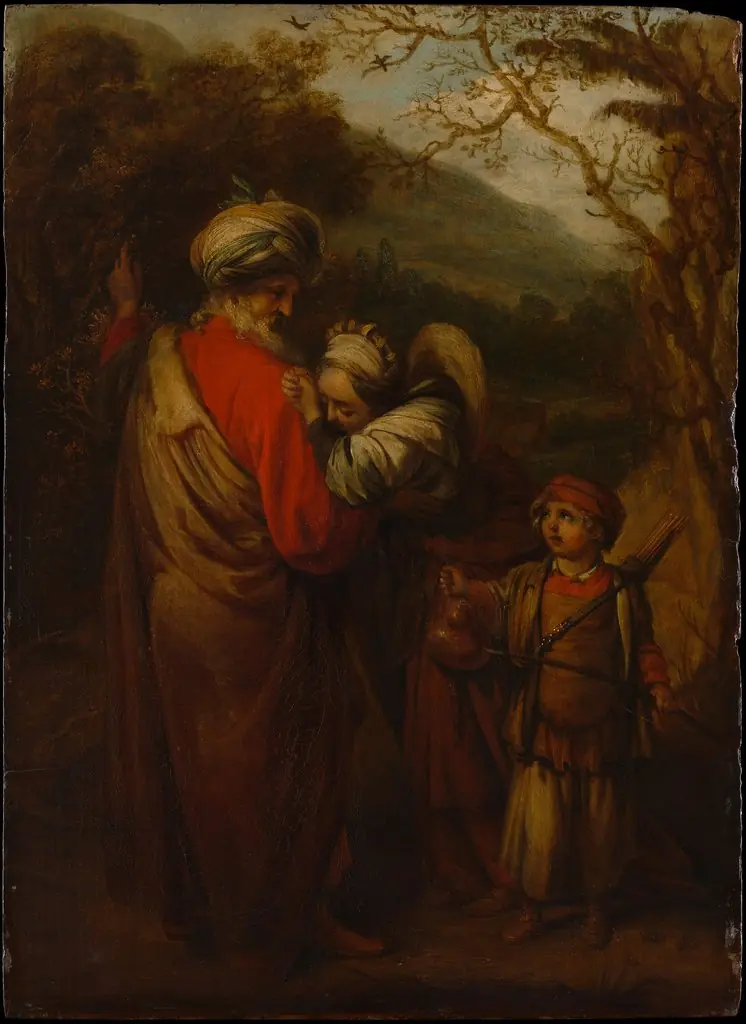 Abraham Dismissing Hagar and Ishmael
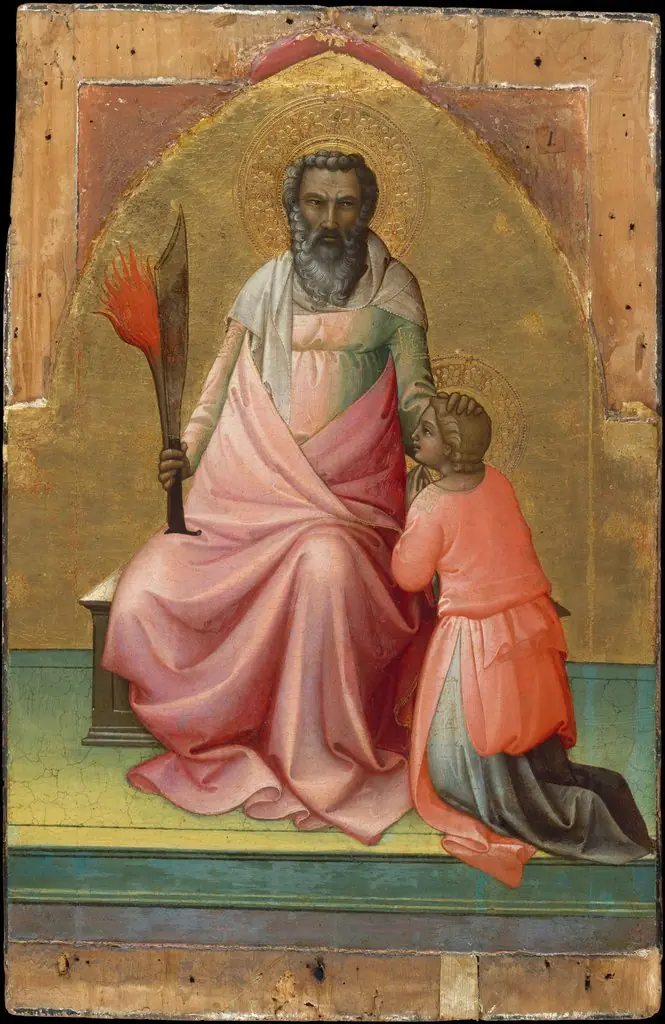 Abraham
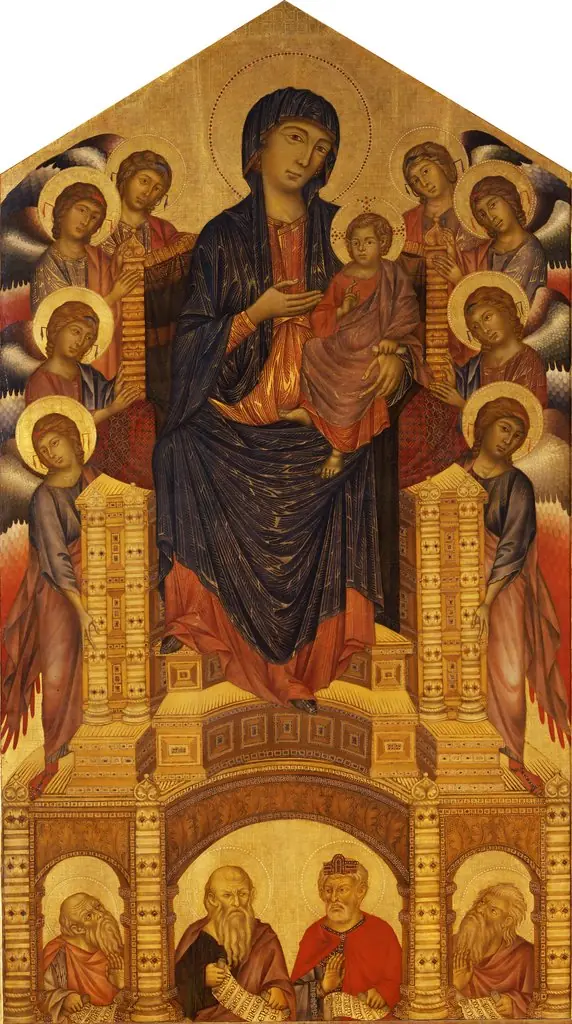 Madonna and Child Enthroned with Angels and Prophets. ˋSanta Trinità Maestà´
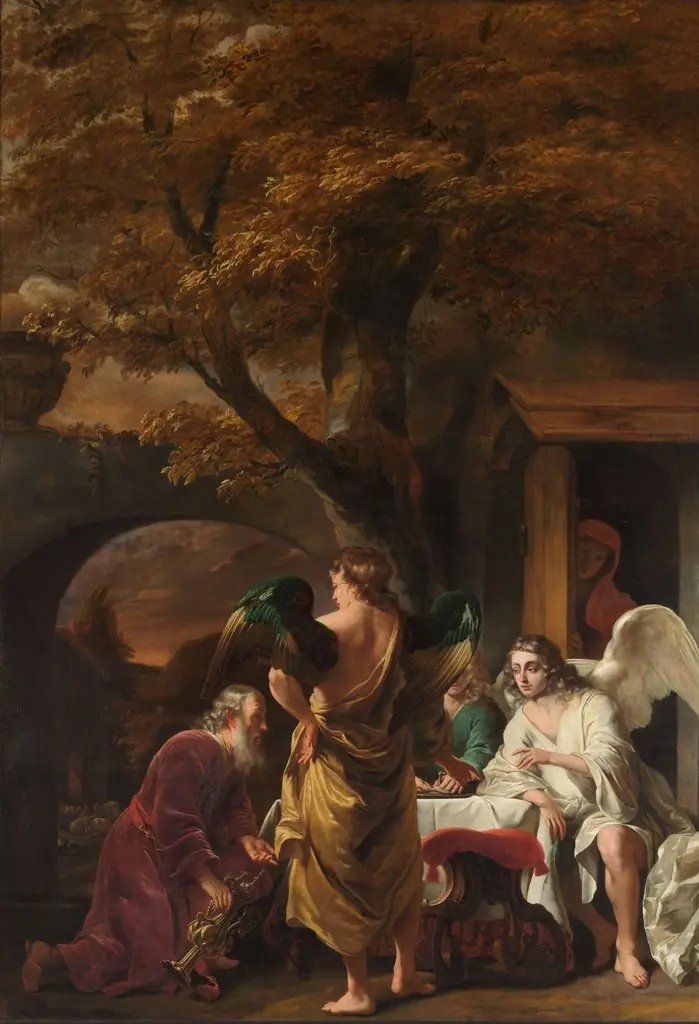 Abraham entertaining the three angels
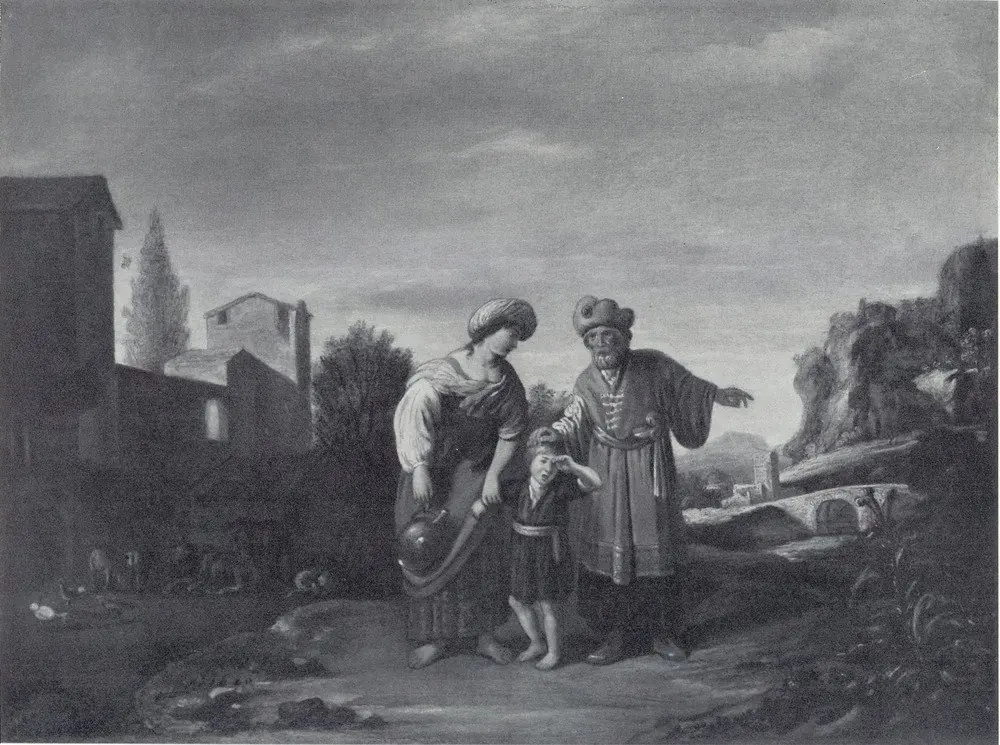 The Expulsion of Hagar
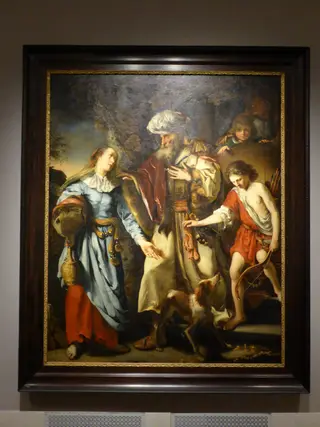 Abraham banishes Hagar and Ishmael
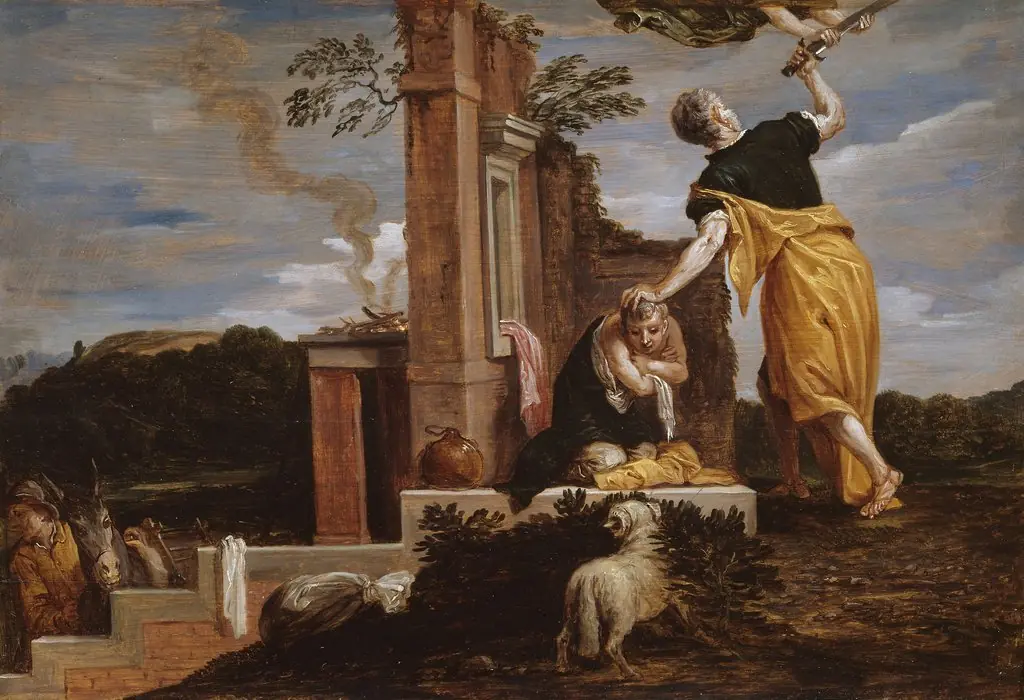 Abraham's Sacrifice of Isaac
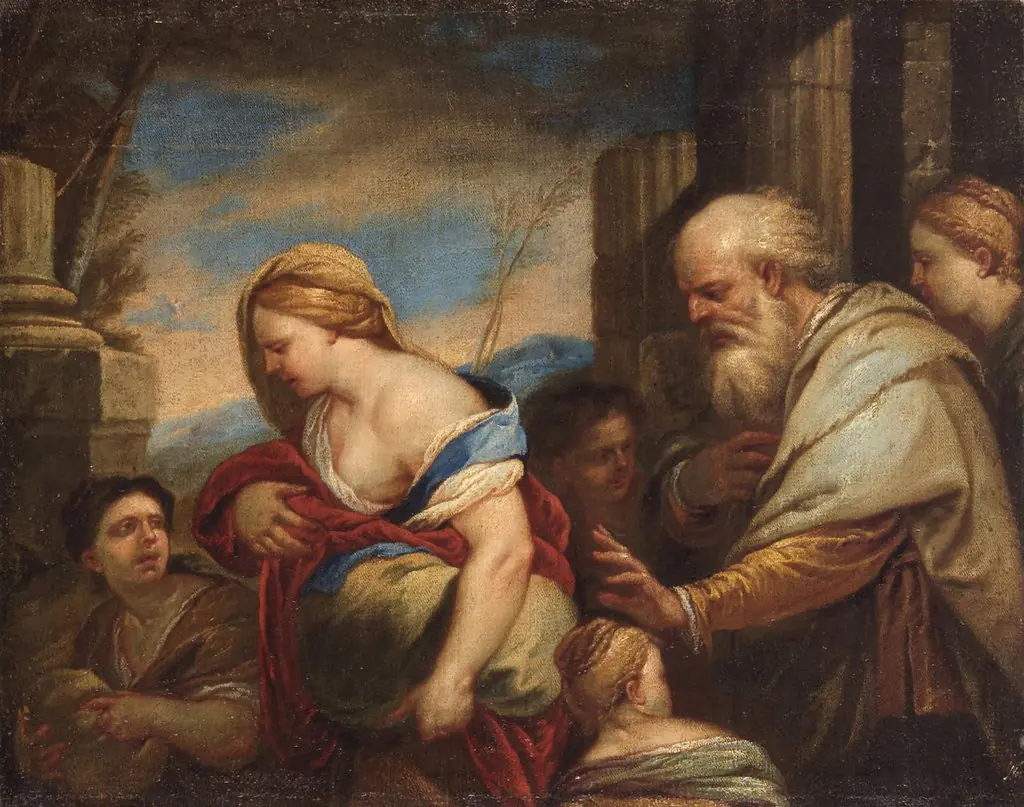 Expulsion of Hagar by Abraham
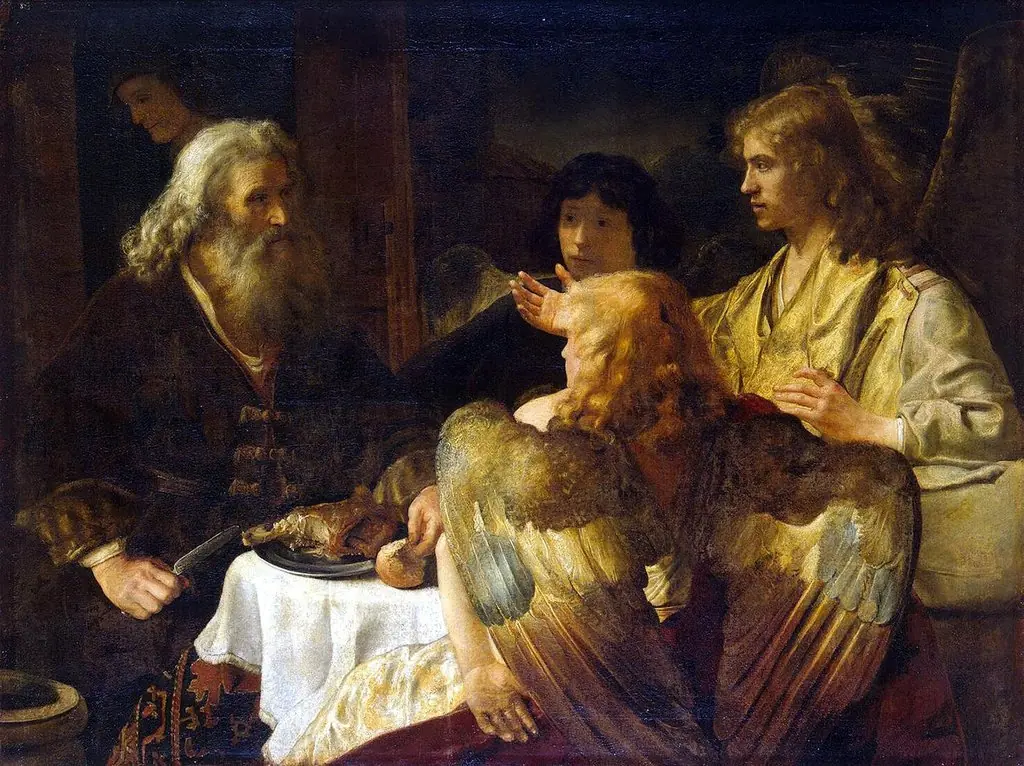 Abraham entertaining the three angels (Genesis 18:9-15)
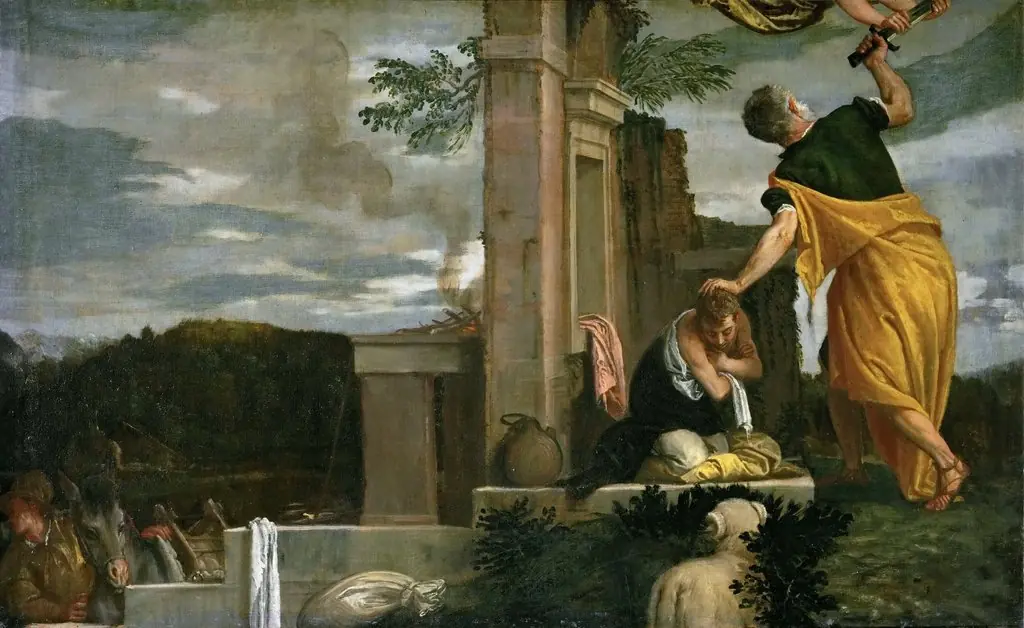 The Sacrifice of Isaac
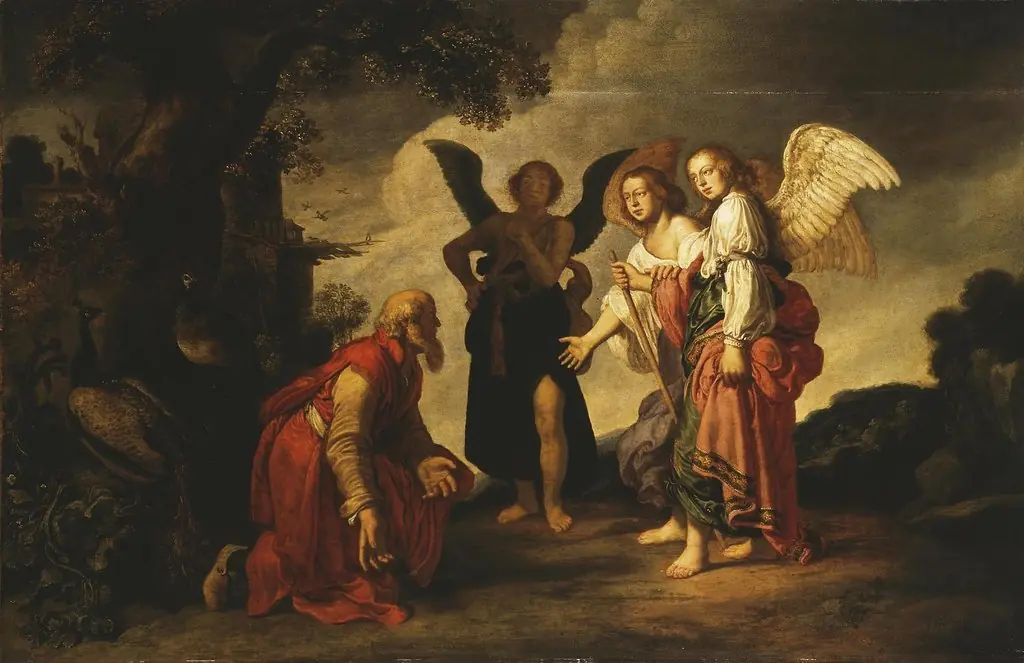 Abraham and the Three Angels
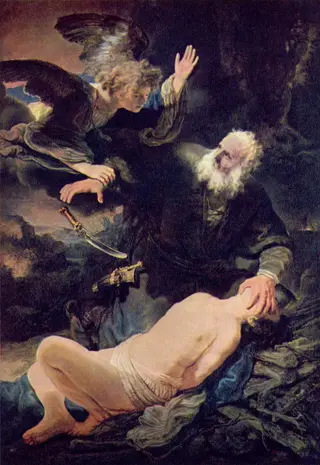 Abraham's Sacrifice
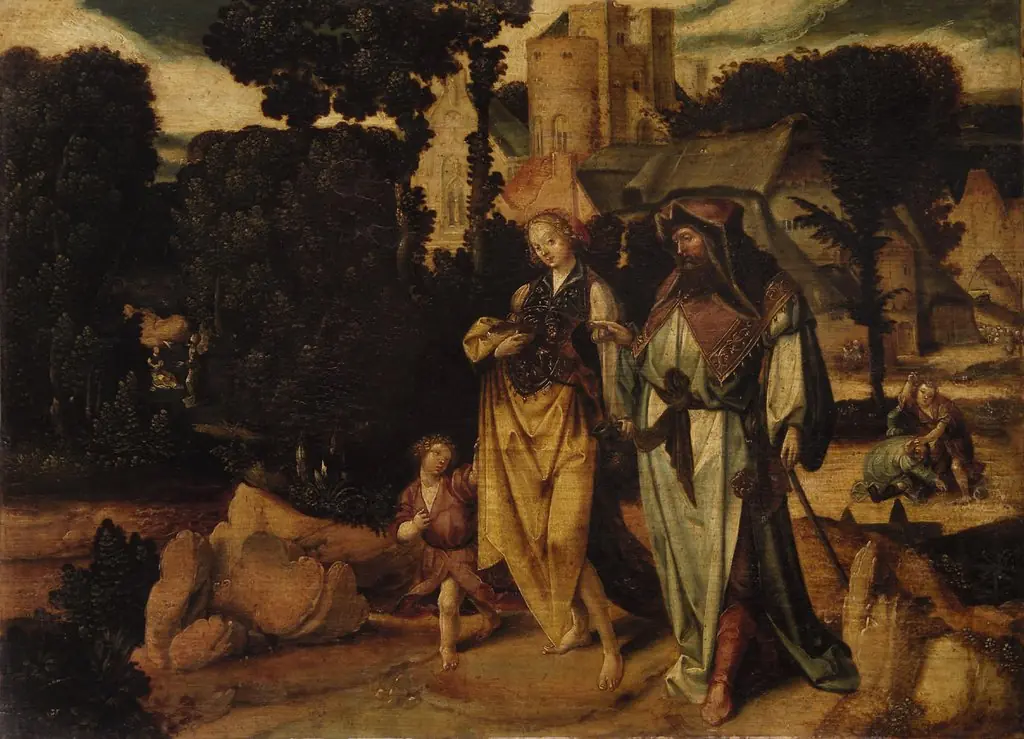 Rejection of Hagar
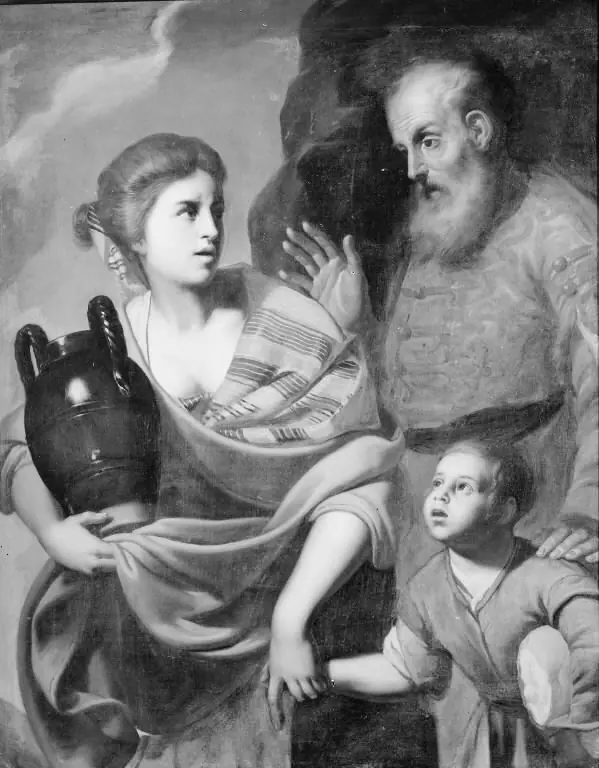 Abraham and Hagar
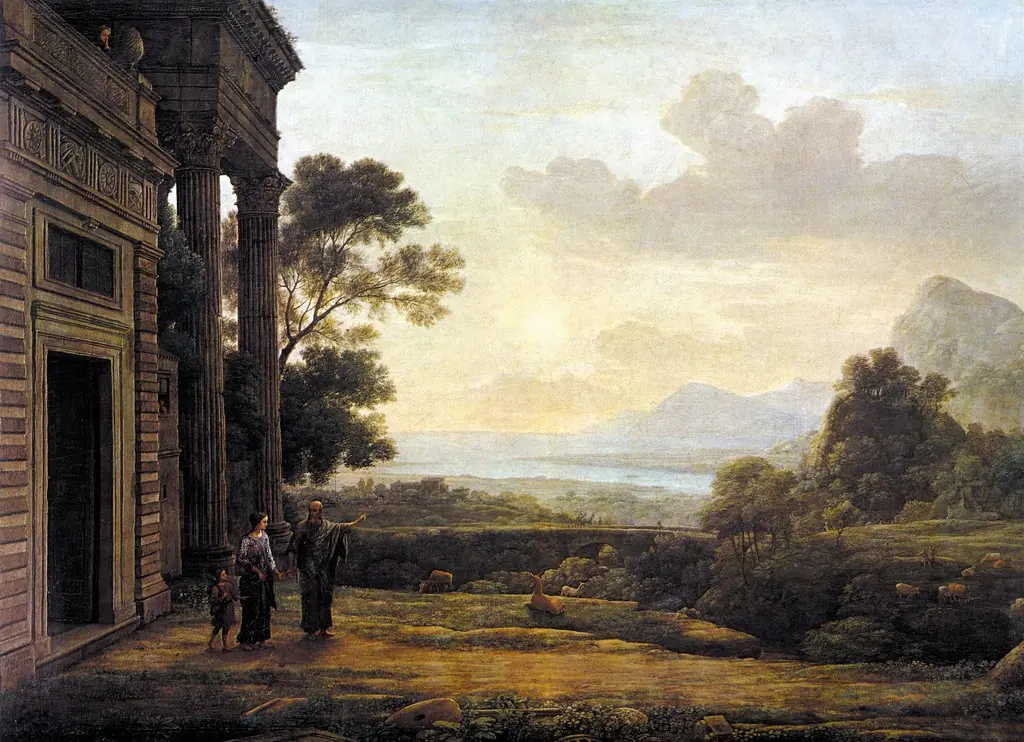 The Banishment of Hagar
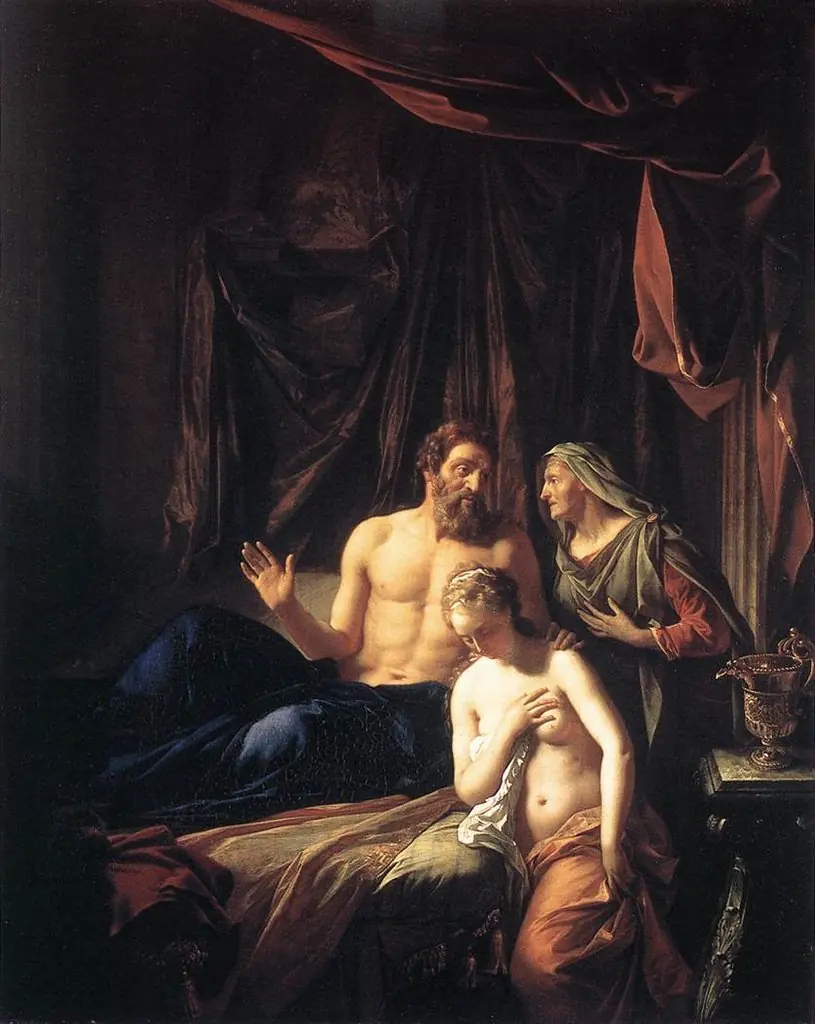 Sarah presenting Hagar to Abraham
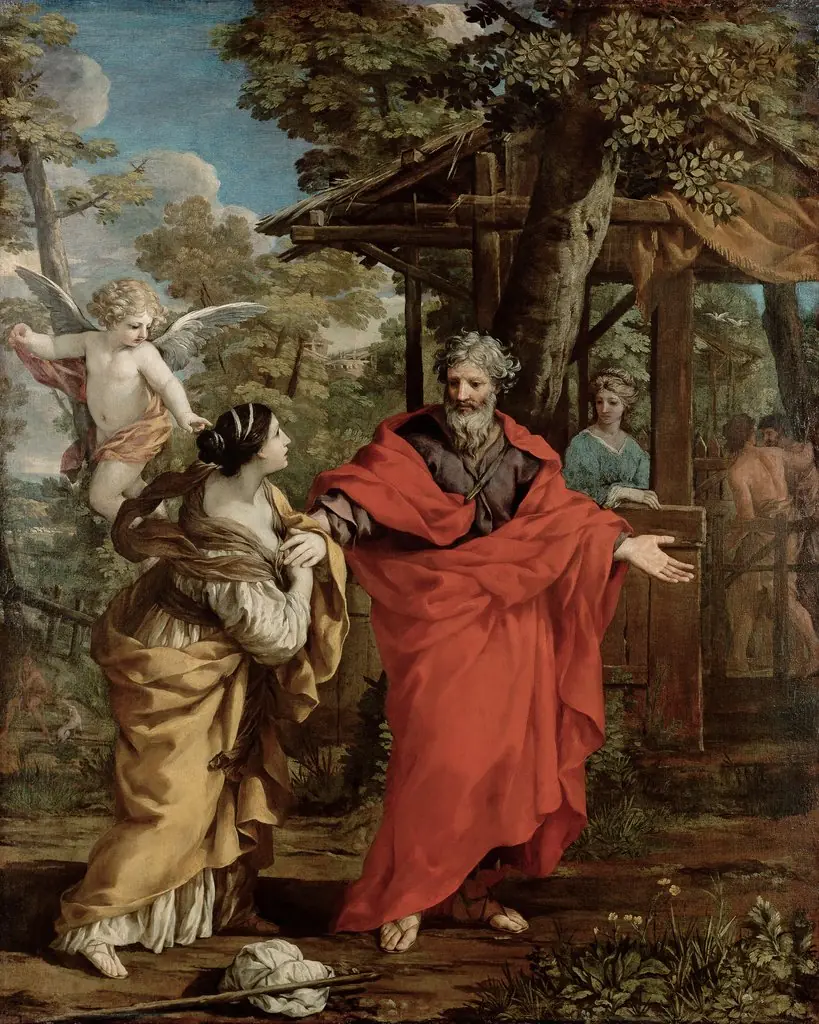 Abraham and Hagar
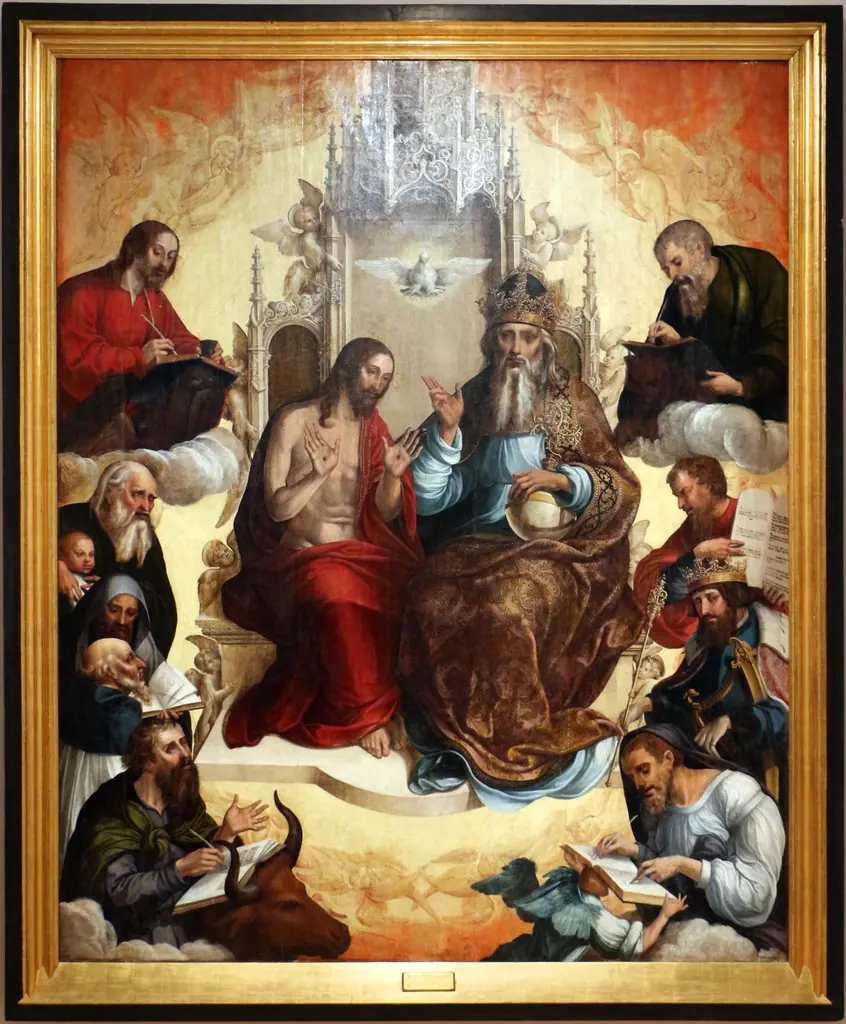 Holy Trinity
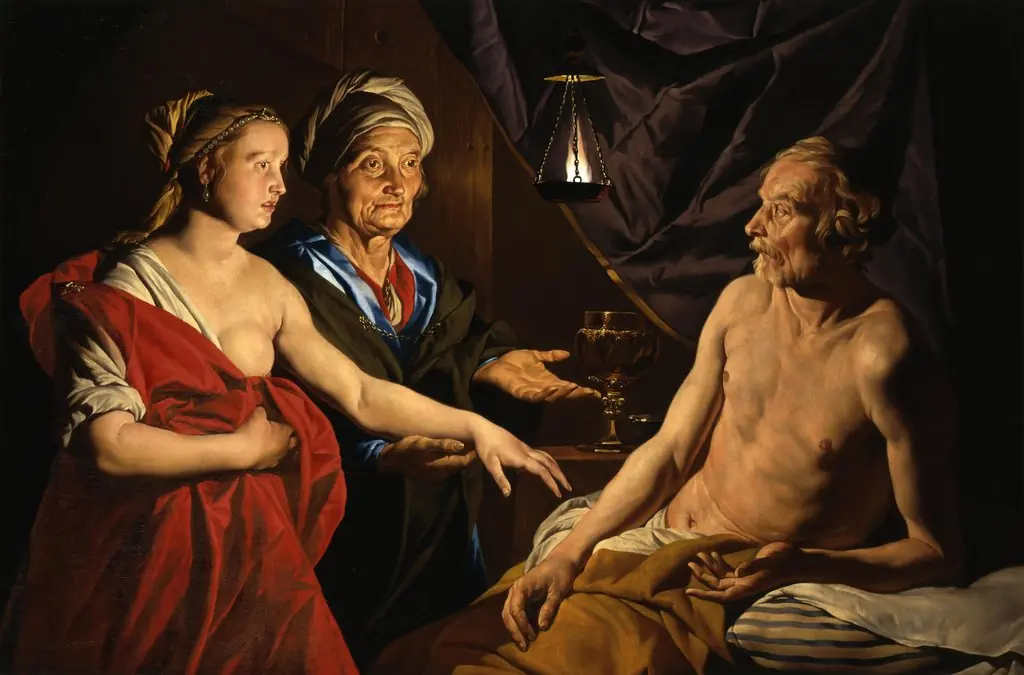 Sarah Leads Abraham to Hagar
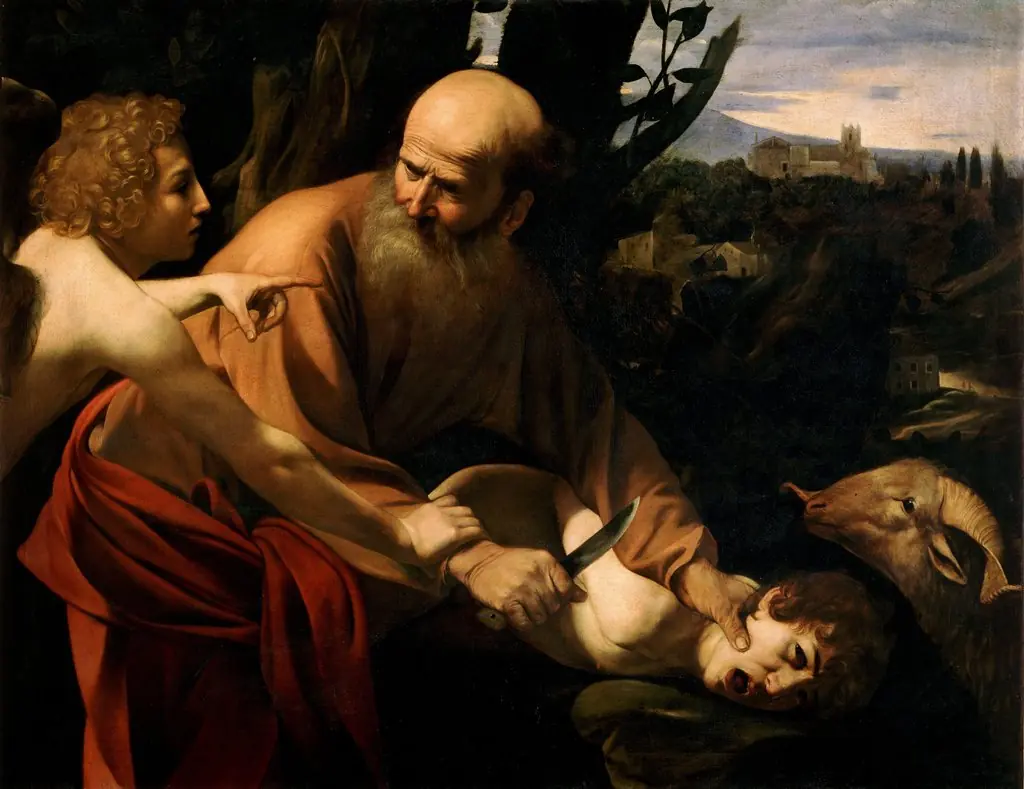 Sacrifice of Isaac
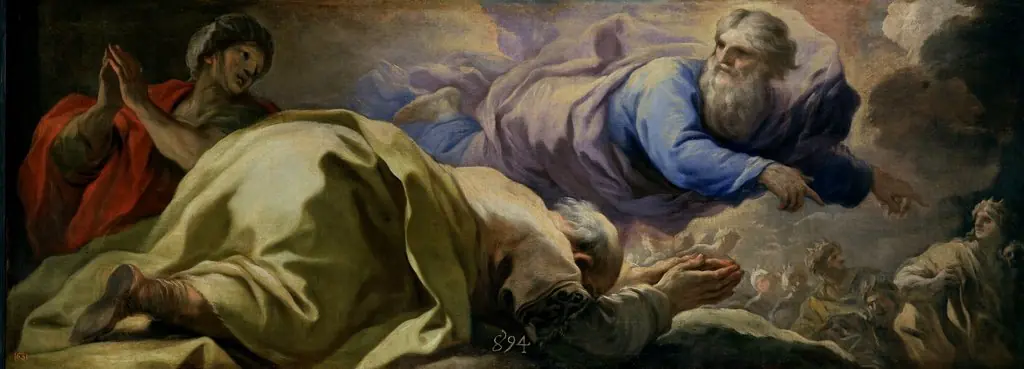 Abraham escucha las promesas del Señor
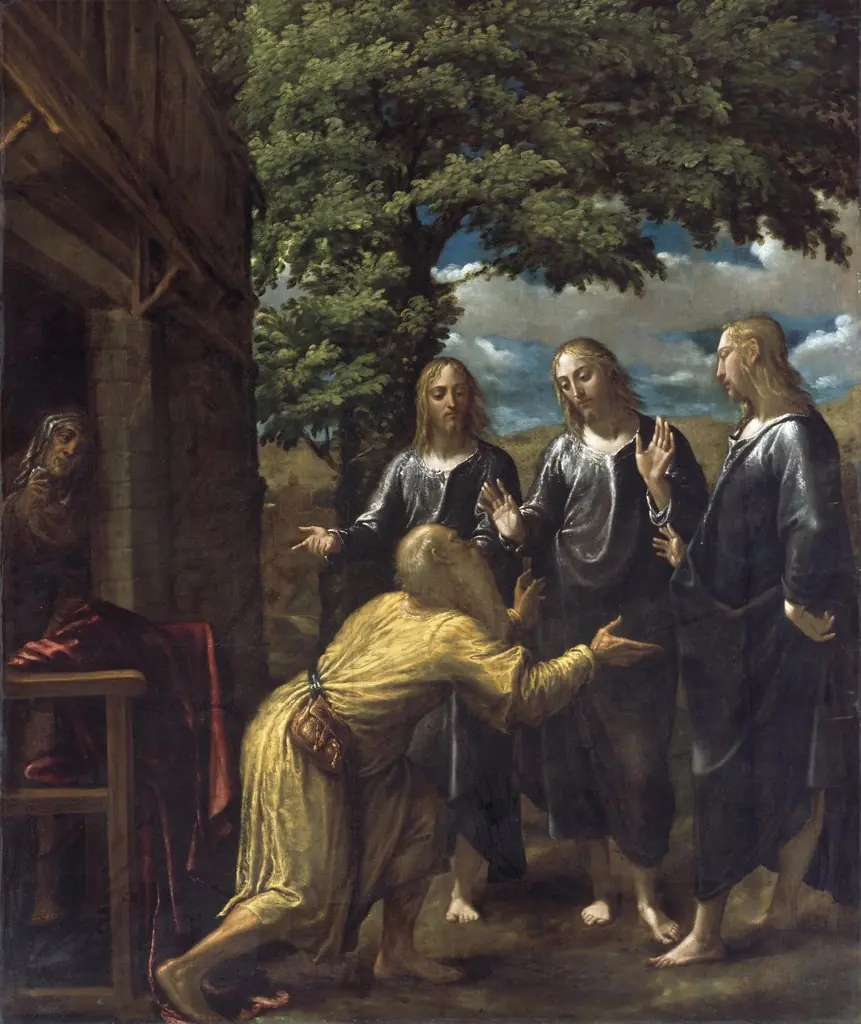 Abraham and the Three Angels
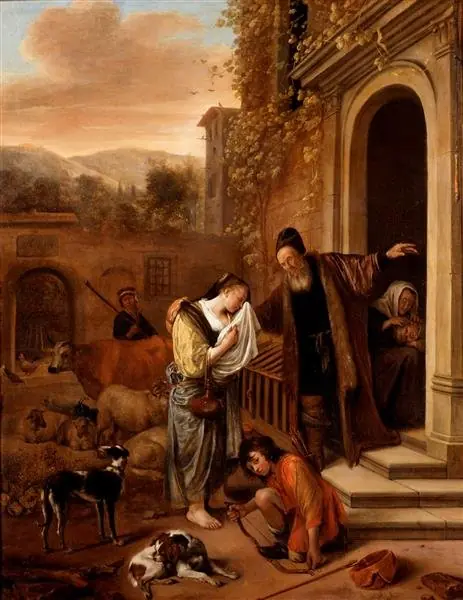 Dismissal of Hagar
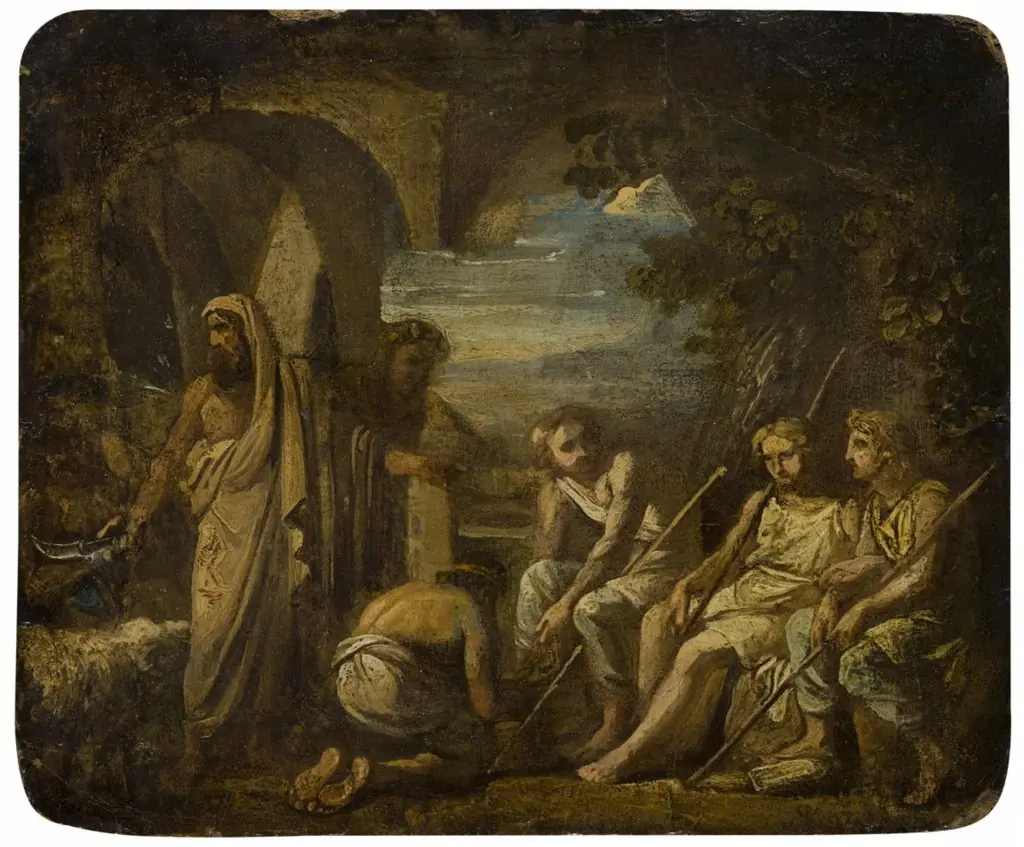 Sketch on the Subject of the Trinity Beneath the Oak of Mambre
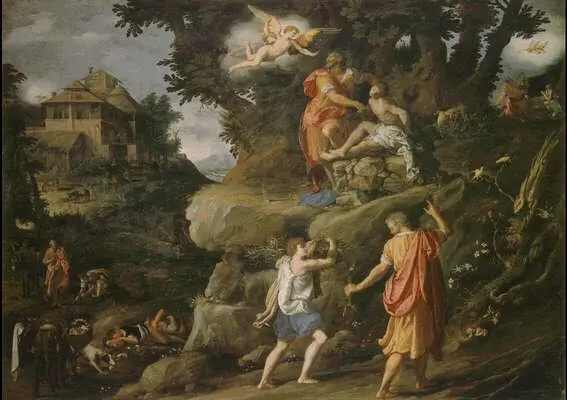 The Sacrifice of Isaac
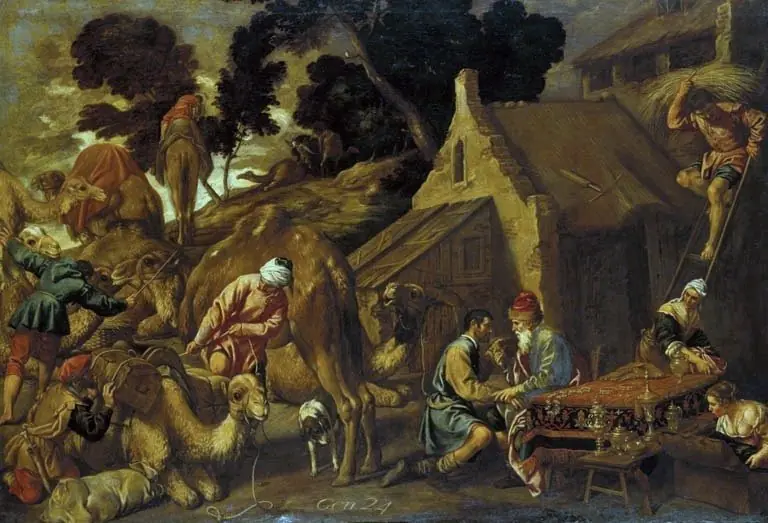 Abraham sends Eliezer to find a wife for Isaac
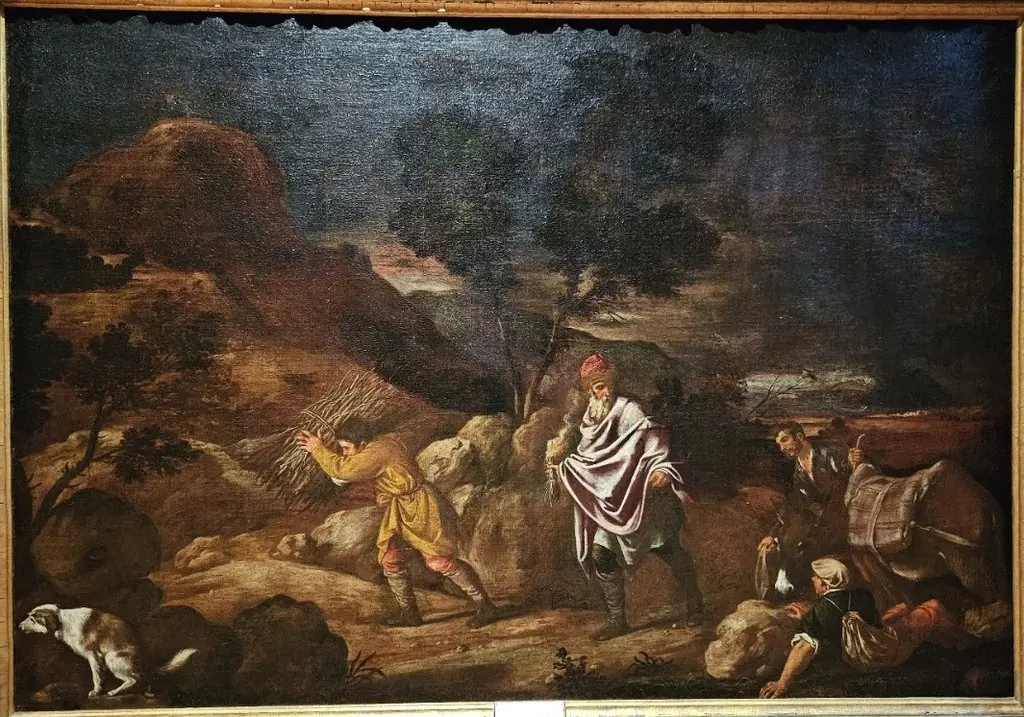 Abraão e Isaac a Caminho do Sacrifício
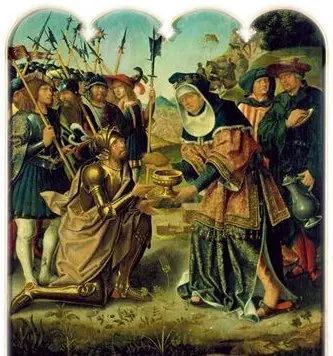 Encontro de Abraão e Melquisedeque
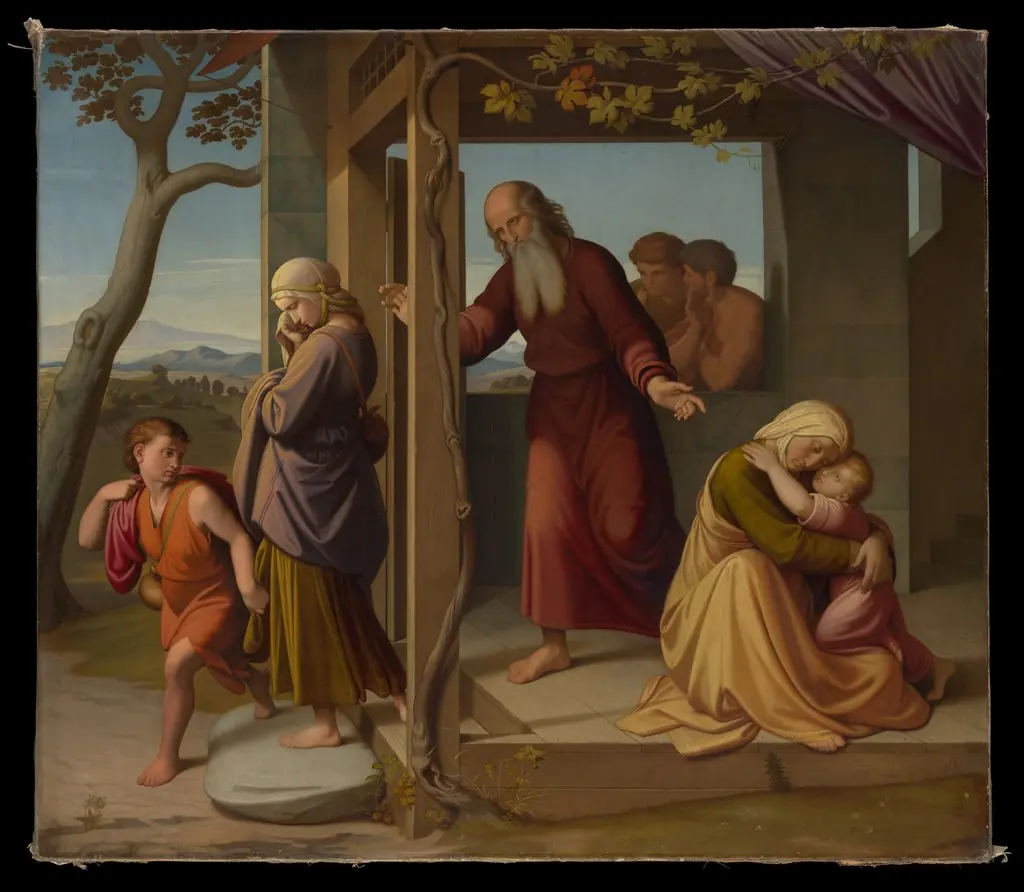 The Banishment of Hagar
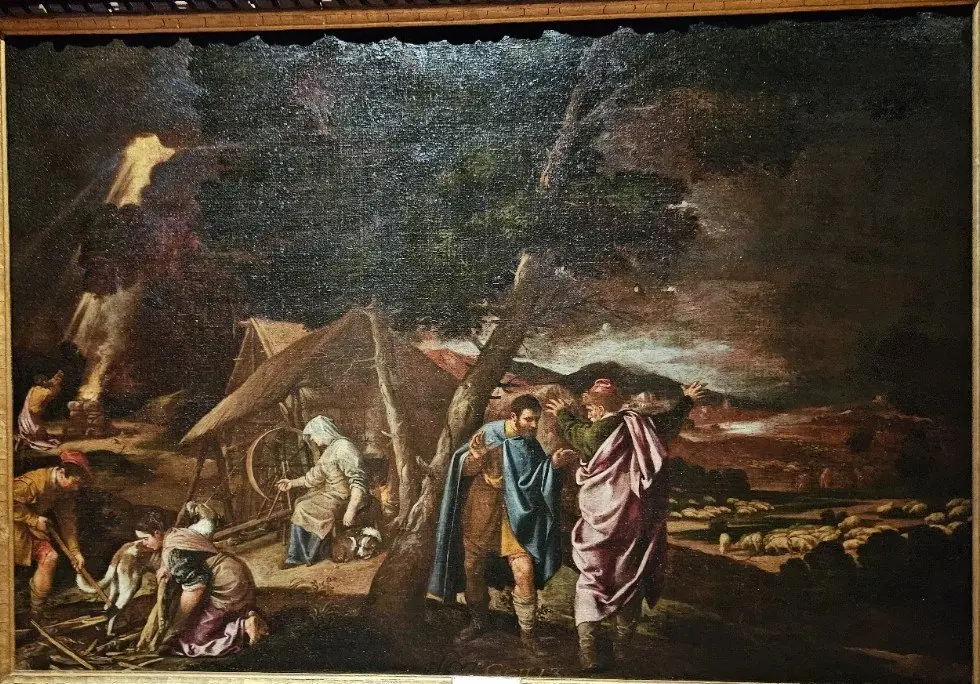 Abraão separa-se de Lot
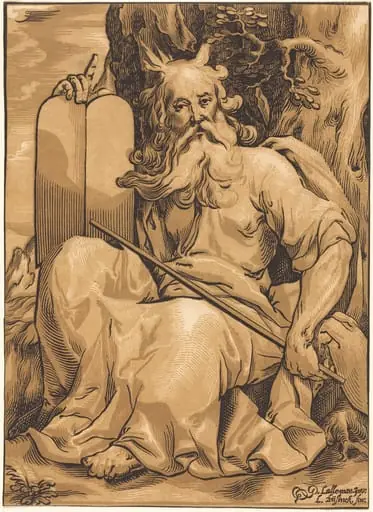 Moses with the Tablets of Law
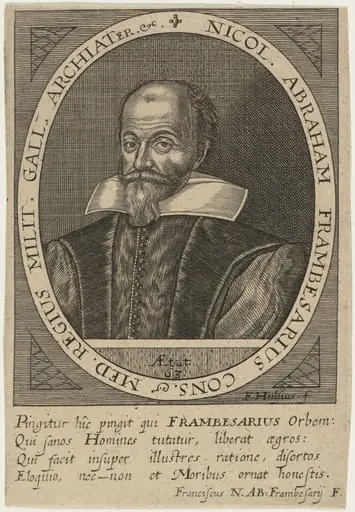 Nicolas Abraham de la Framboisiere
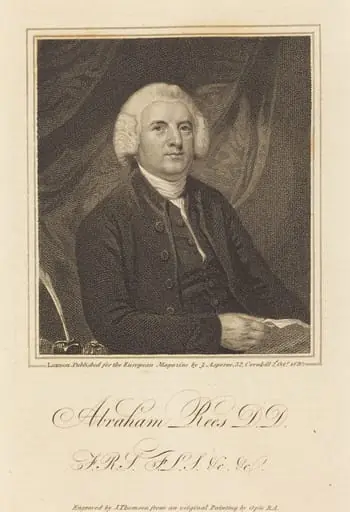 Abraham Rees, D.D.
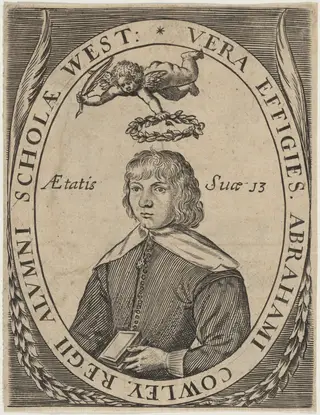 Abraham Cowley
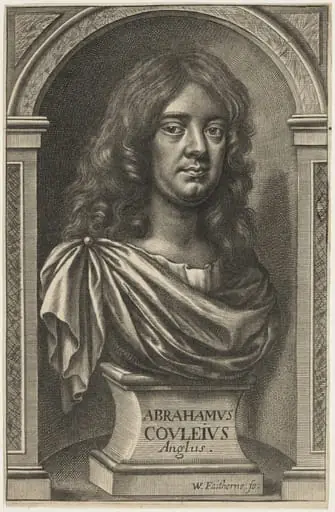 Abraham Cowley
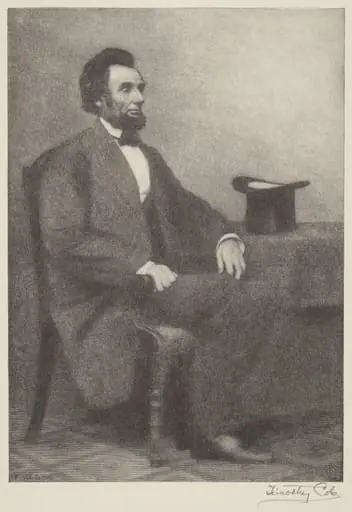 Abraham Lincoln
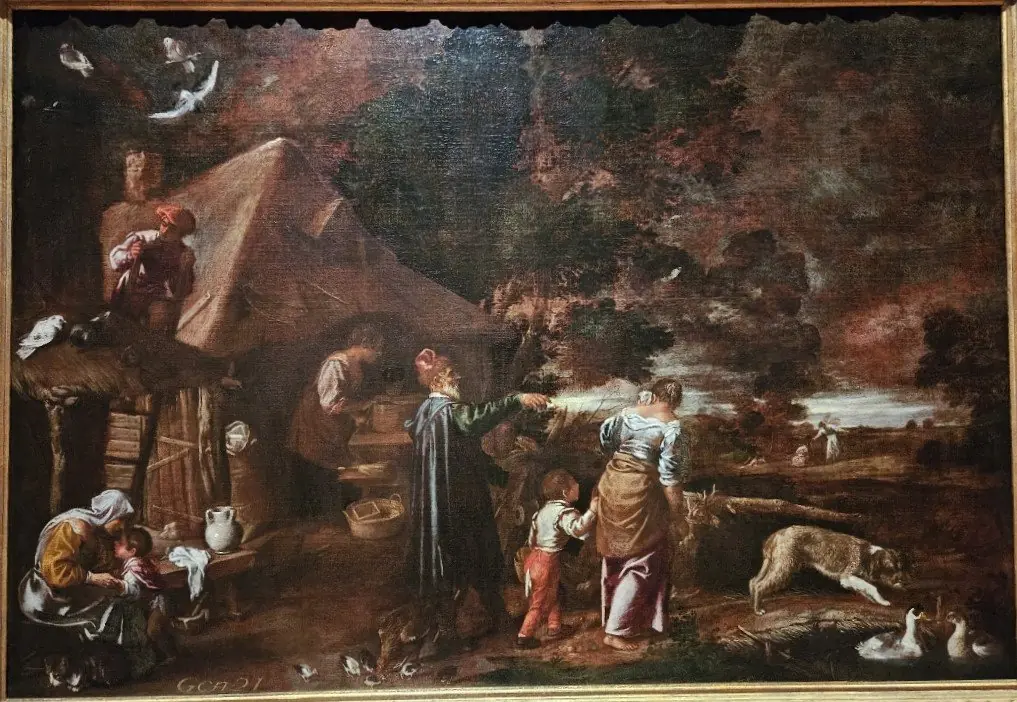 Repúdio de Agar
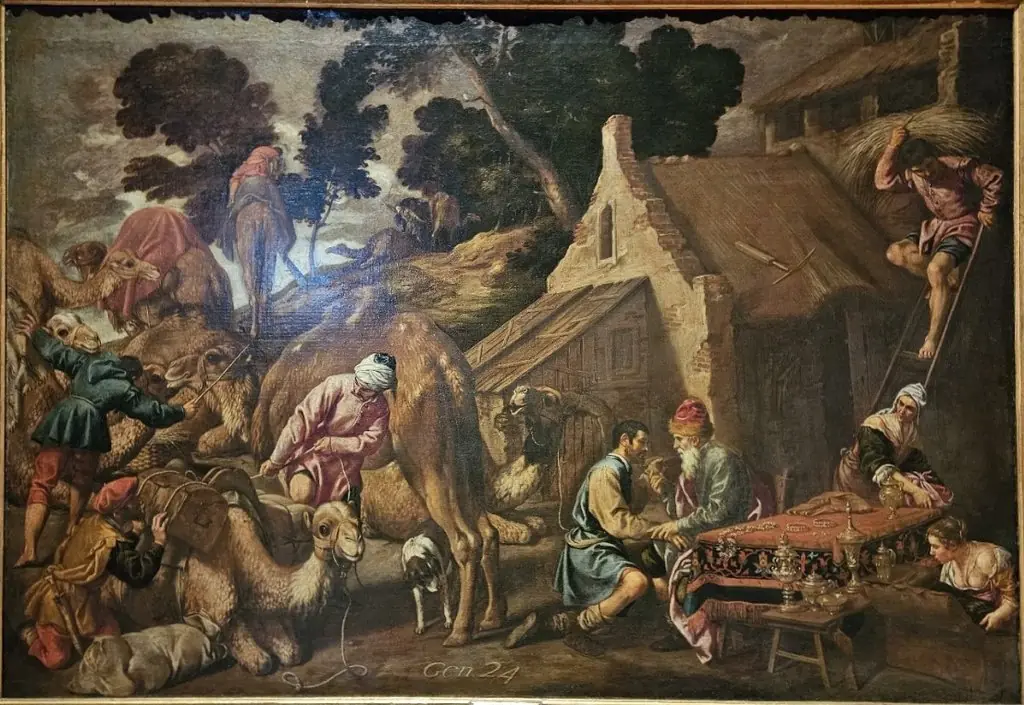 Abraão envia Eliezer a Procurar Esposa para Isaac
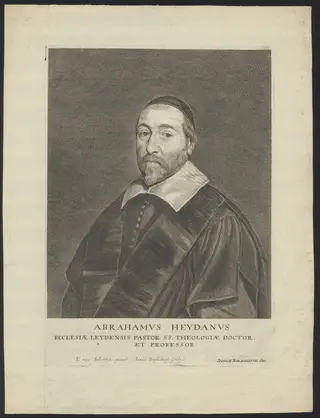 Portrait of Abrahamus Heydanus, pastor and professor of theology in Leiden
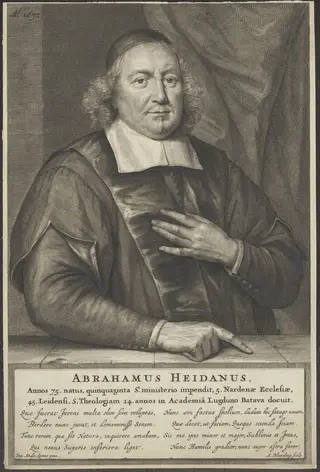 Portrait of Abraham Heidanus, professor of theology at Leiden
Frequently asked questions
What is Abraham?
Abraham is a given name of Hebrew background, originating with the Biblical patriarch (Hebrew: אַבְרָהָם, Modern: Avraham, Tiberian: ʾAḇrāhām Ashkenazi Avrohom or Avruhom); the father of the Abrahamic religions: Judaism, Christianity and Islam.
How many Abraham works does Artifact World Gallery have?
Artifact World Gallery holds 44 public-domain Abraham works, all free to view and download.
Who are the key Abraham artists?
Key Abraham artists in the collection include Paolo Veronese, Caravaggio and Nicolaes Maes.
Where can I see Abraham works?
Abraham works in the collection are held by National Gallery of Art, National Museum of Ancient Art and Metropolitan Museum of Art.