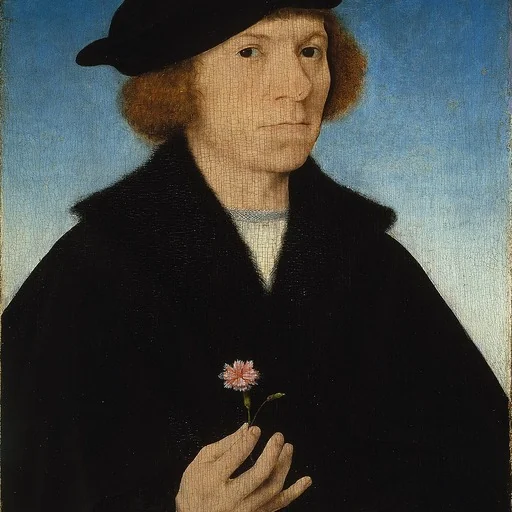
Subject
Nursing Madonna
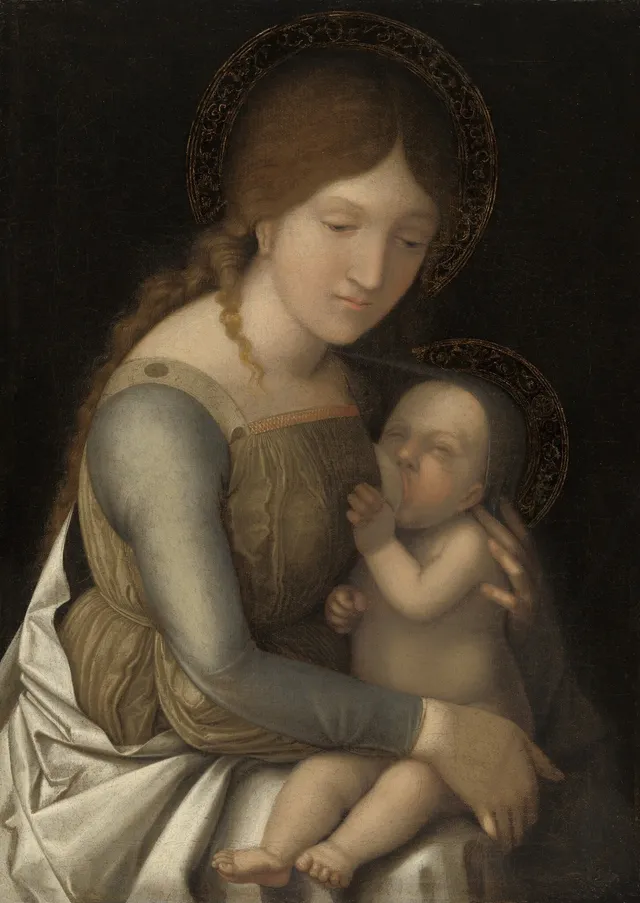
Nursing Madonna is a subject in art. The gallery holds 25 works in this subject in art, including works by Joos van Cleve, Hans Memling and Rembrandt van Rijn.
The Nursing Madonna, Virgo Lactans, or Madonna Lactans, is an iconographic type of the Madonna and Child in which the Virgin Mary is shown breastfeeding the Child Jesus. In Italian, it is called the Madonna del Latte ("Madonna of Milk").
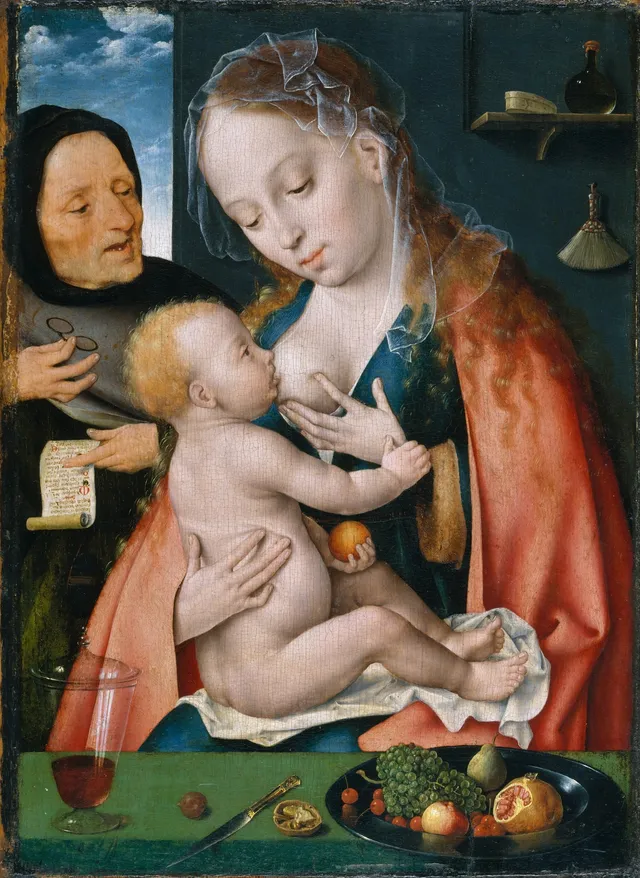
Key artists
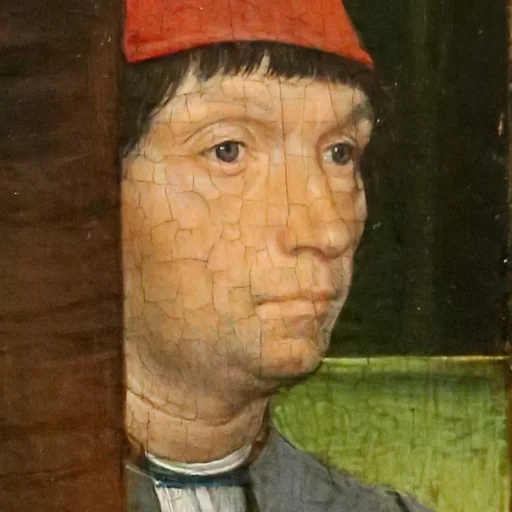


Overview
The Nursing Madonna, known in Latin as the Virgo Lactans or Madonna Lactans, and in Italian as the Madonna del Latte, is an iconographic motif depicting the Virgin Mary breastfeeding the infant Jesus. The motif emphasizes the maternal role of Mary and the humanity of Christ. It appears widely across Christian art, encompassing both Western Catholic and Eastern Orthodox traditions, where it is known in Greek as the Panaghia Galaktotrophousa and in Russian as the Mlekopitatelnitsa. The depiction is rooted in ancient Mediterranean iconography of nursing mother goddesses and evolved through complex theological and social shifts before facing restrictions following the Counter-Reformation.
Iconography & meaning
The iconography carries layered theological and social meanings. In medieval thought, milk was considered processed blood, paralleling the Virgin's milk with the salvific Blood of Christ. The act of nursing also connected to the Madonna of Humility, as Mary is often shown in ordinary clothes seated on the ground, a deliberate contrast to the royal robes of the Queen of Heaven. In Eastern Orthodox theology, the motif signifies the God-Child communicating with humanity through his mother's breast. Beyond the nursing scene itself, the bared breast served as a traditional gesture of female supplication in Deesis or Last Judgement scenes, where Mary displays her breast to Christ to remind him of their maternal bond and beg mercy for sinners. This intercessory concept extends to the Lactatio Bernardi, a vision wherein the Virgin sprinkles milk onto the lips of Saint Bernard of Clairvaux, granting him spiritual wisdom or curing an eye infection, and further to broader popular devotion where the faithful sought access to Mary's divine milk, reflected in milk relics and baroque fountain chapels where water flowed through the breasts of Marian statues.
In the collection
The motif is well represented in museum collections, appearing in at least 26 works in one major collection alone. These works span various formats, including small devotional panels, sculptures, and narrative paintings. Typical titles for these works include Madonna and Child, The Holy Family, Madonna of Humility, The Virgin and Child, The Virgin Nursing the Child, Madonna Litta, and Rest on the Flight into Egypt. Specific historical examples in collections include a 14th-century ivory sculpture and small devotional tondos by followers of Rogier van der Weyden and Hans Memling, the latter intended for private bedrooms to inspire devotion. A limestone and marble Virgo Lactans sculpture by Brioloto de Balneo from around 1200, with polychrome remnants, is held by Museum M in Leuven.
Across movements & periods
The motif's origins lie in ancient Egypt with the goddess Isis nursing Horus, an iconography that conveyed royal legitimacy and divine transmission. This pagan tradition transitioned into Coptic Christian art, where Isis temples like Philae were reinterpreted as Christian spaces, and the nursing motif was adapted for Mary in wall paintings and manuscripts. Early Christian depictions appeared in Roman catacombs as early as the second century, and the subject was mentioned by Pope Gregory the Great, with a probable 12th-century mosaic on the facade of Santa Maria in Trastevere in Rome. The motif revived significantly in the 12th century with the Cistercian Order and the rise of Marian devotion. In the 13th and 14th centuries, the naturalism of the Virgo Lactans offered a visual revolution in Tuscany, moving away from highly formalized Byzantine models. In the Late Middle Ages, smaller devotional panels dominated, though the motif also appeared in sacra conversazione compositions. During the 16th-century Flemish Renaissance, the nursing Virgin was integrated into Holy Family scenes and Rest on the Flight into Egypt landscapes. Following the Council of Trent in the mid-16th century, the Catholic Church discouraged the motif on grounds of propriety, leading to its decline in Western public art, though it survived in Baroque narrative scenes and persisted strongly in Eastern Orthodox icons, particularly in Russia.
Notable depictions
Notable depictions span centuries and regions. Early examples include the fresco in the Catacombs of Priscilla in Rome and Coptic wall paintings in the monasteries of Al-Bawiti and Saqqara. In the Orthodox tradition, the original Galaktotrophousa icon is associated with the monastery of Saint Sabbas in Jerusalem and was later transferred to the Hilandar monastery on Mount Athos in the 13th century. In Russia, the Virgin of Barlovsk, created in 1392, rejected Western naturalism to reassert a sacred meaning. In Western art, Joos van Cleve painted numerous small devotional panels of the Nursing Madonna in the Holy Family, while Gerard David integrated the motif into Rest on the Flight into Egypt scenes. Benozzo Gozzoli painted a notable fresco of the bared-breast intercession at Sant'Agostino in San Gimignano to celebrate the end of the plague. Later treatments include El Greco's Holy Family scenes and Orazio Gentileschi's Baroque Rest on the Flight into Egypt. Raphael approached the theme subtly, depicting the Christ Child grasping the edge of his mother's bodice in anticipation of nursing.
Legacy
The cultural afterlife of the Nursing Madonna extended beyond high art into localized folk practices and enduring regional devotions. In regions experiencing lactation difficulties or mastitis, it became customary to pray before a Maria Lactans depiction and offer wax ex-voto replicas of breasts. The intercessory and nurturing aspects of the motif found architectural expression in baroque fountain chapels at pilgrimage sites, where water channeled through the breasts of Marian sculptures became symbolically accessible divine milk for all pilgrims. The motif also survived in specific localized cults, such as Nossa Senhora da Nazare in Portugal and Nuestra Senora de La Leche in Spain. In the Orthodox world, the iconographic type continued to be venerated, with miraculous copies emerging as late as 1650 in Krestogorsk, modern-day Belarus, demonstrating the motif's persistent spiritual resonance long after its decline in mainstream Western ecclesiastical art.
Works
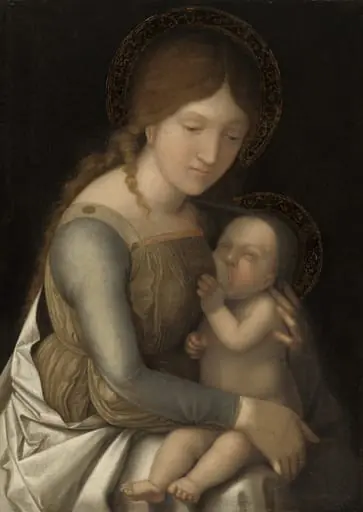 Madonna and Child
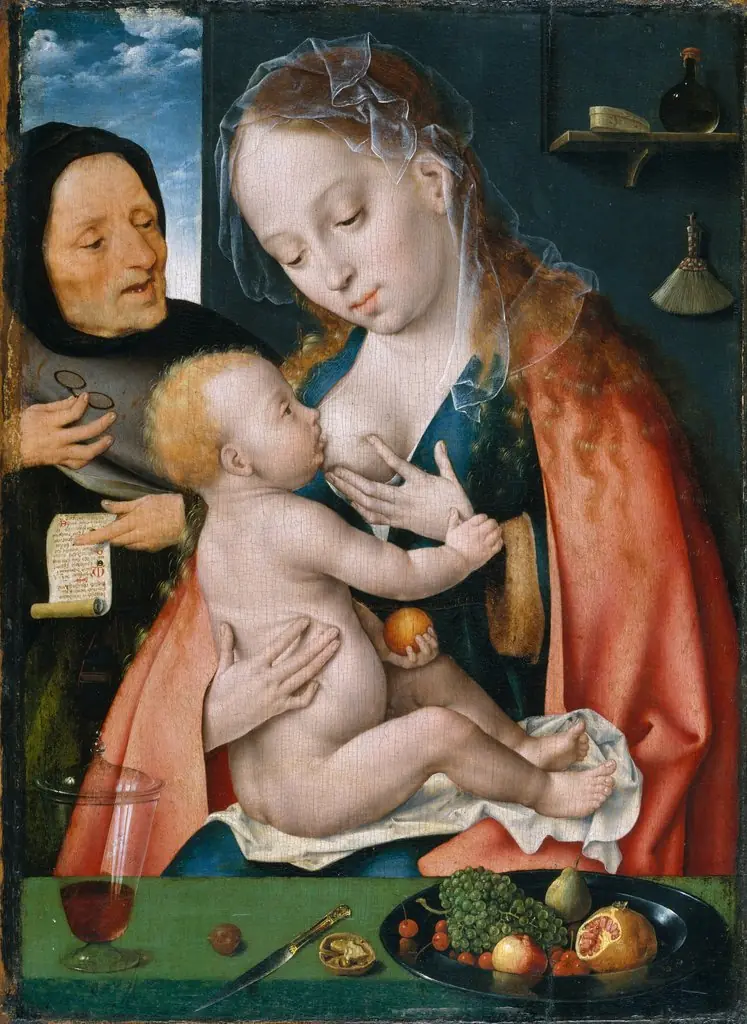 The Holy Family
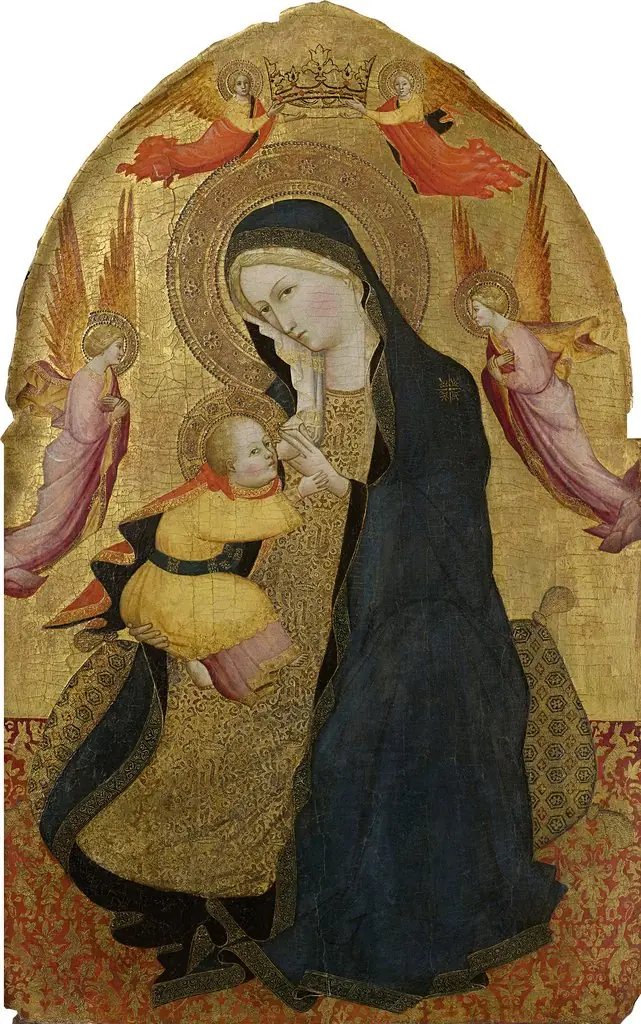 Madonna of Humility (Madonna dell'Umiltà)
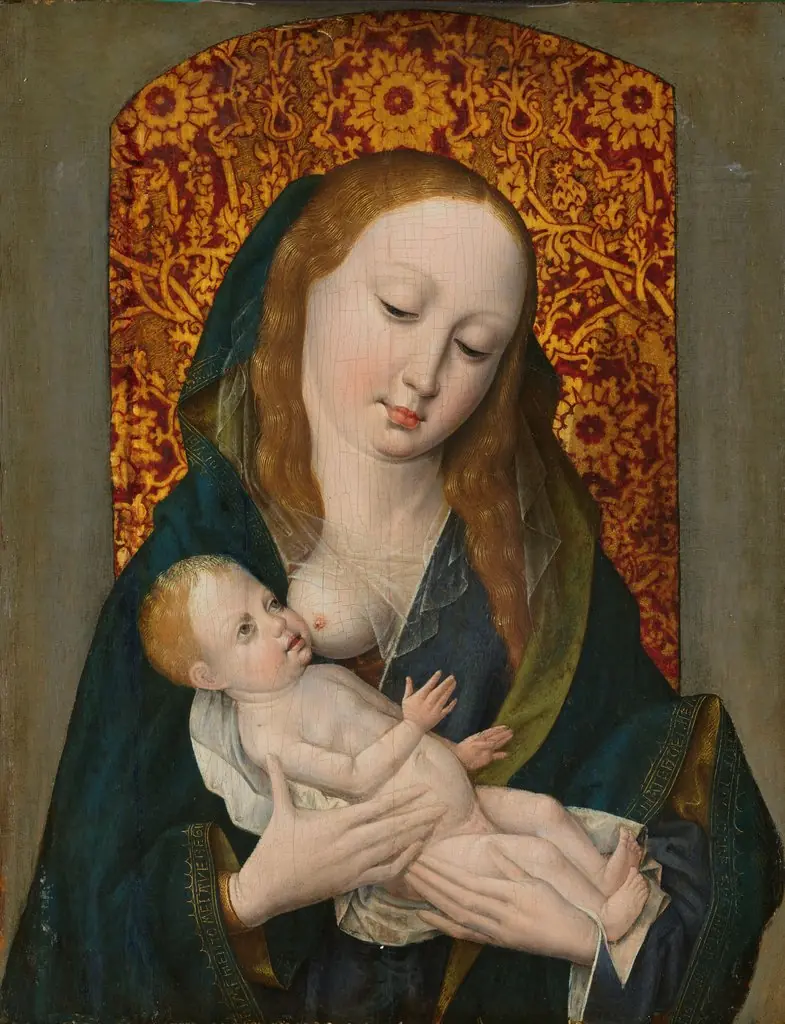 The Virgin and Child
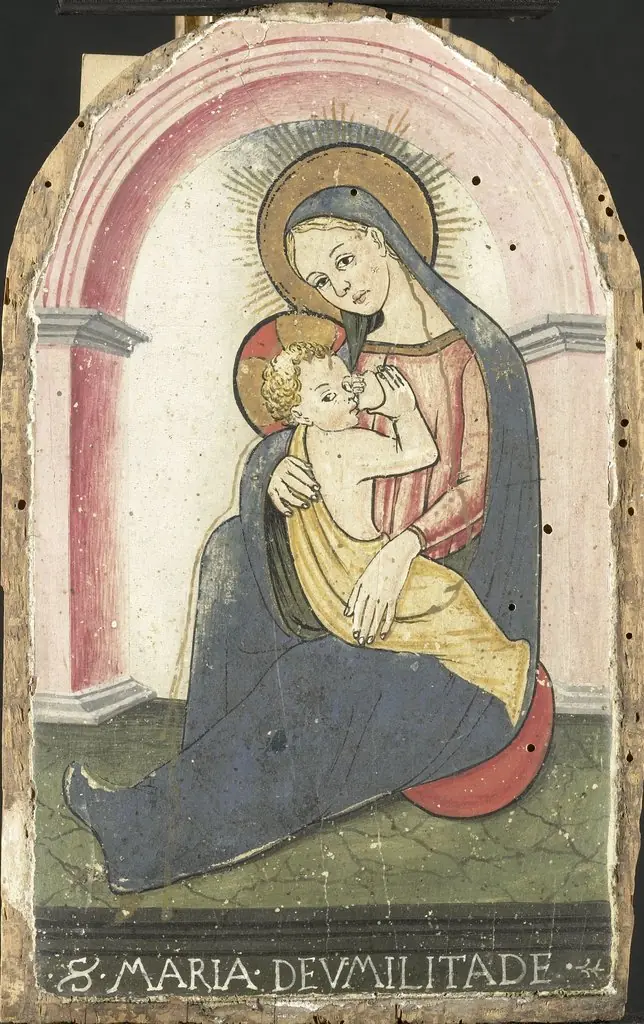 Madonna of Humility
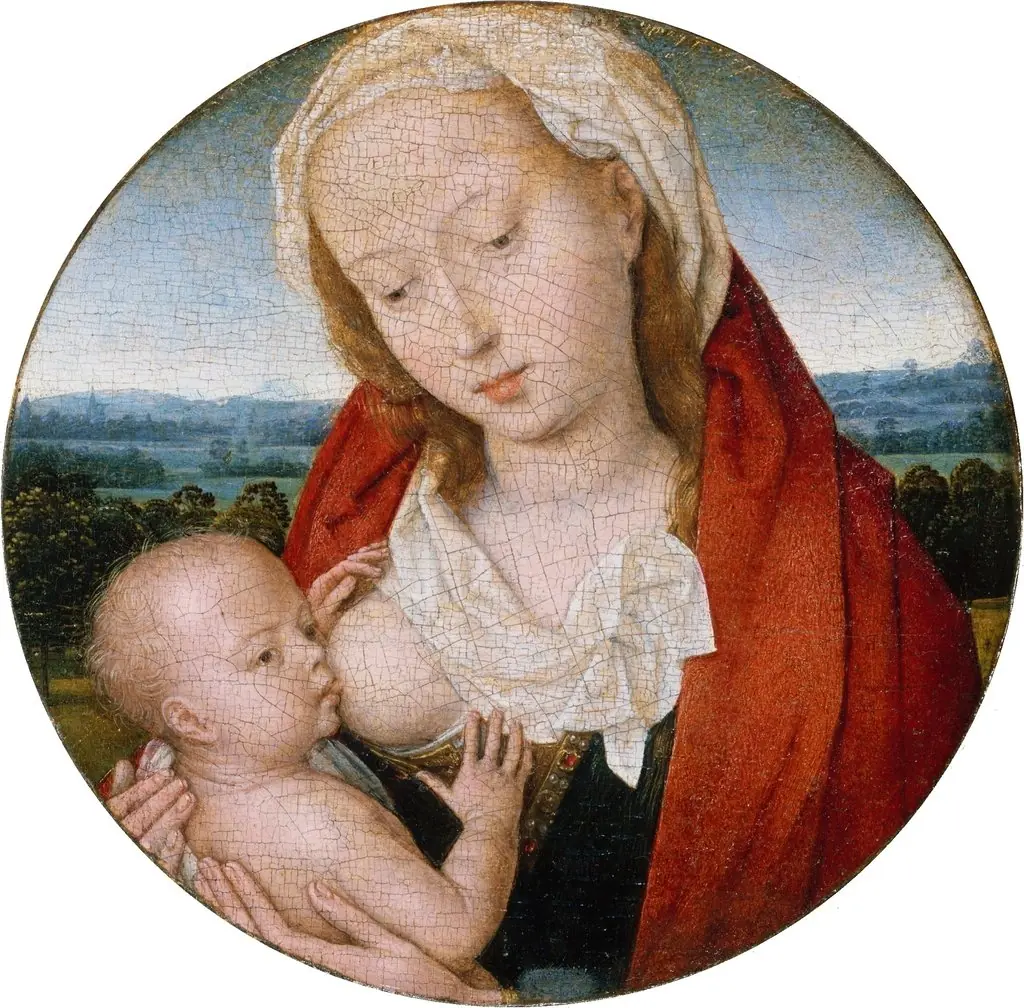 Virgin and Child
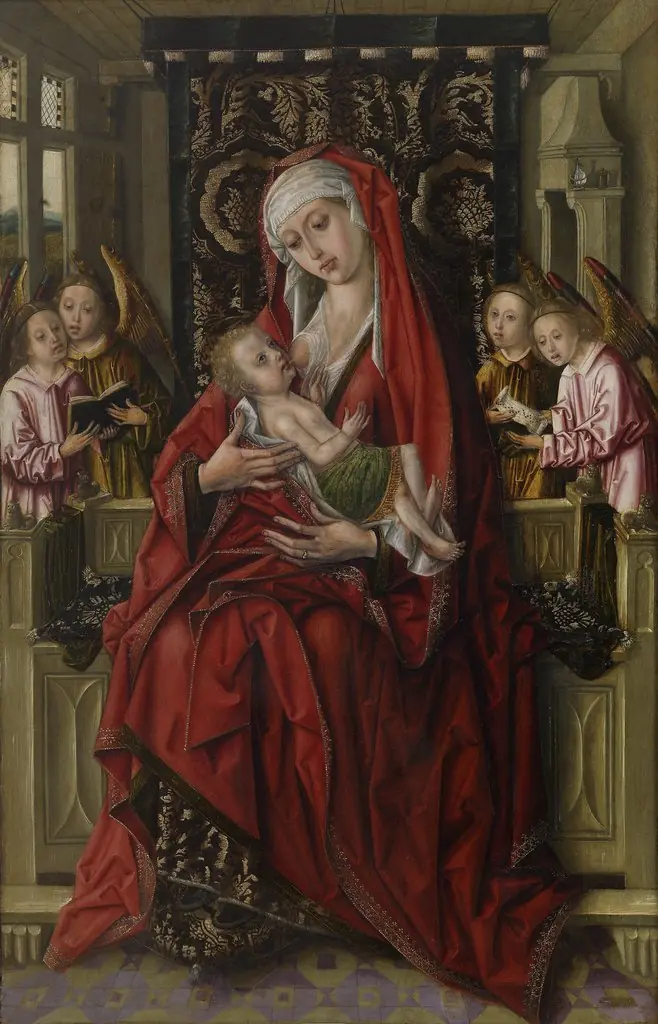 The Virgin Nursing the Child
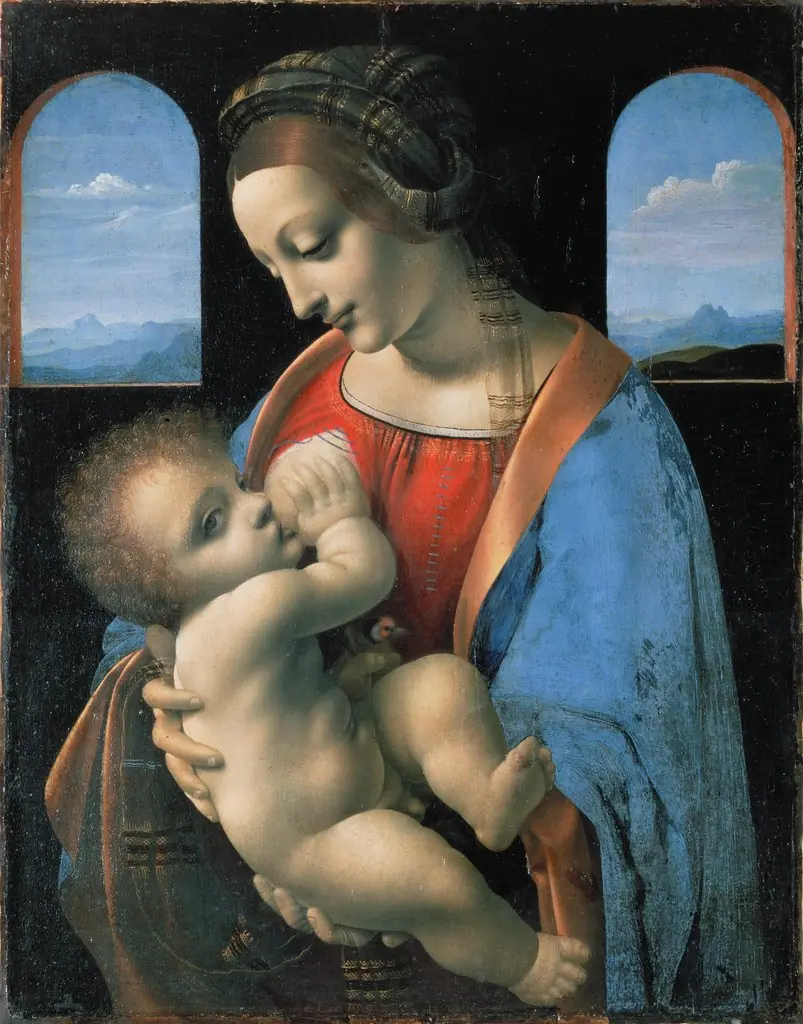 Madonna Litta
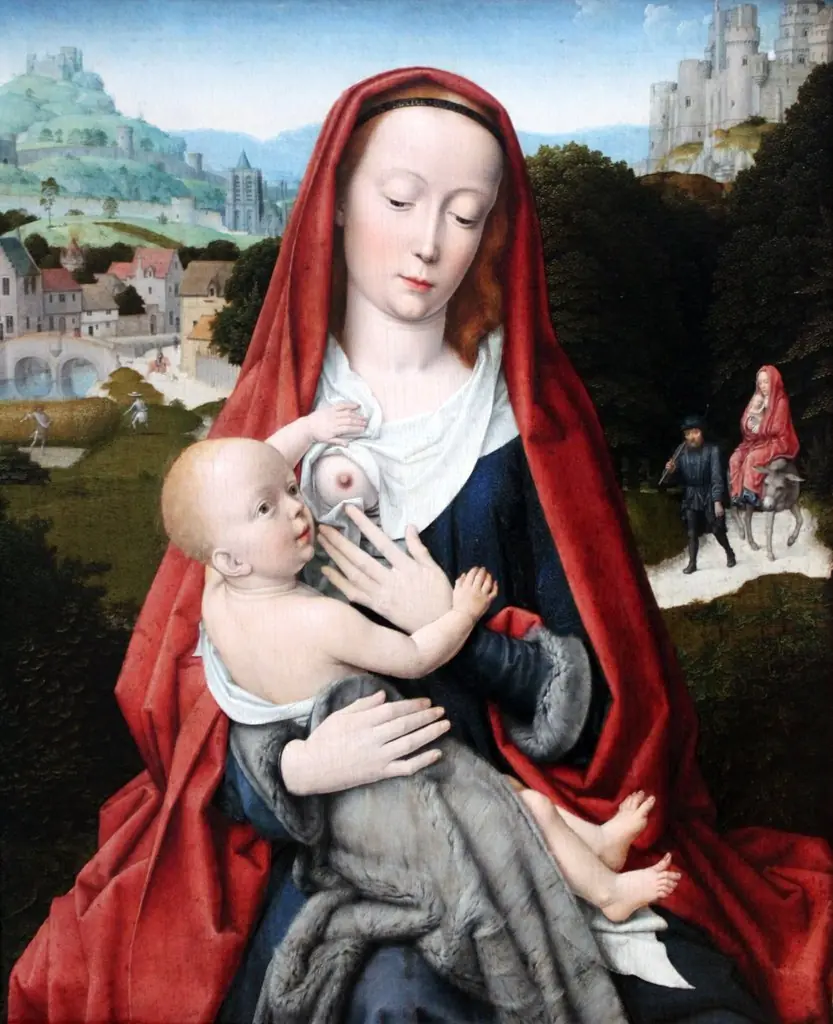 Madonna and Child
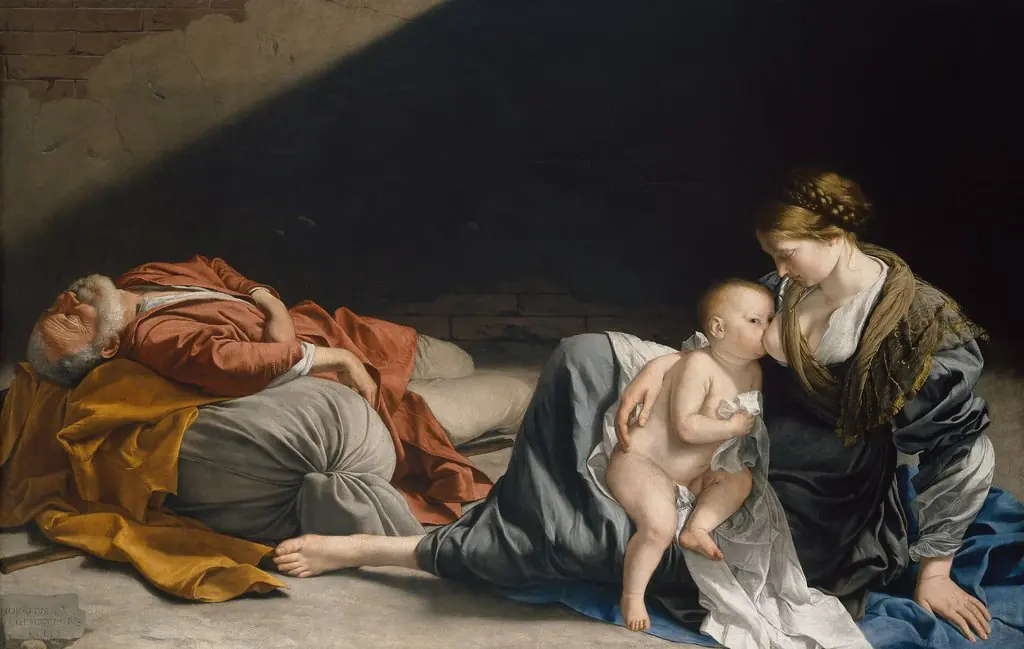 Rest on the Flight into Egypt
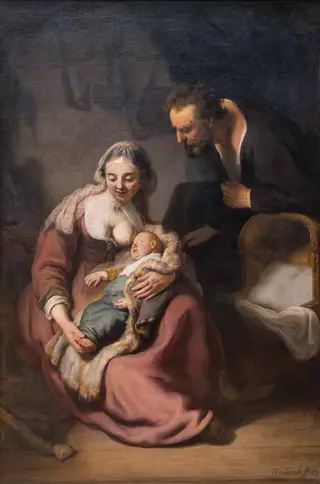 The Holy Family
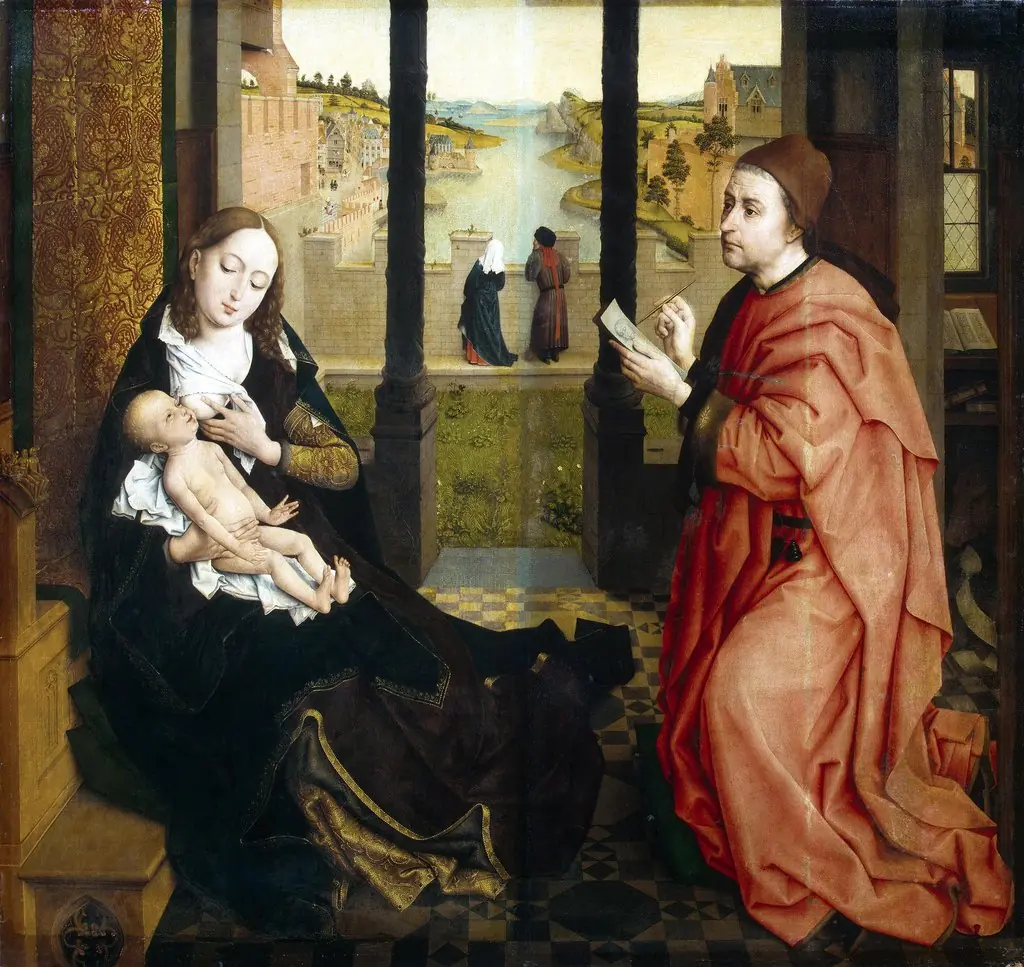 St Luke Drawing the Virgin
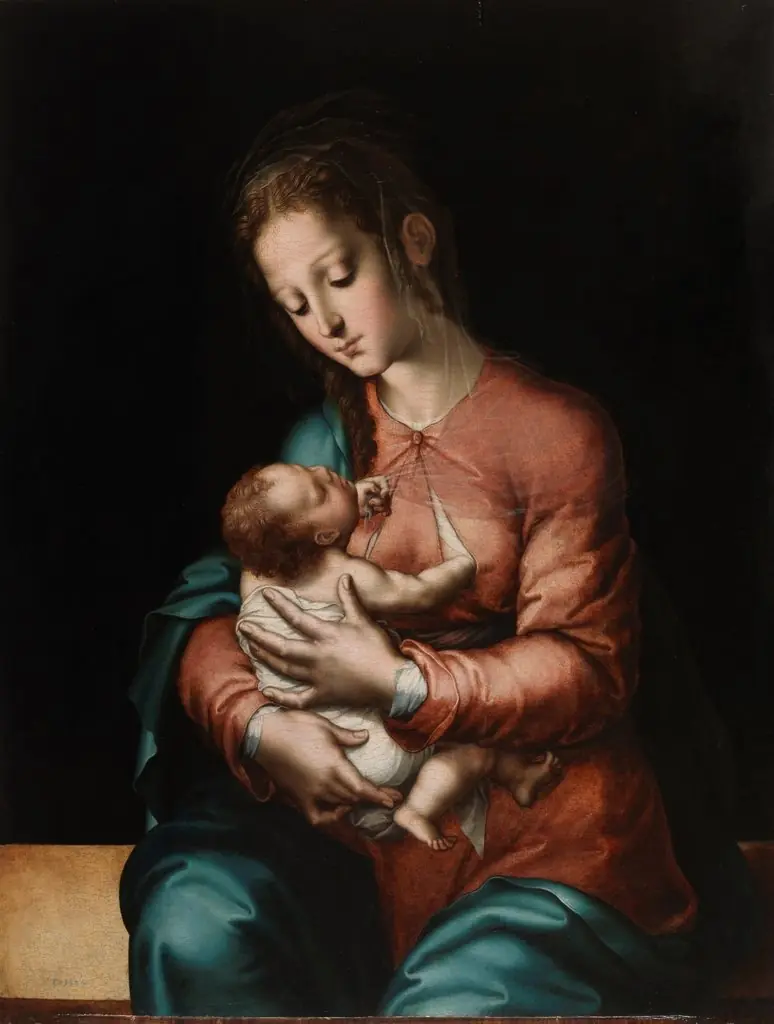 Nursing Madonna
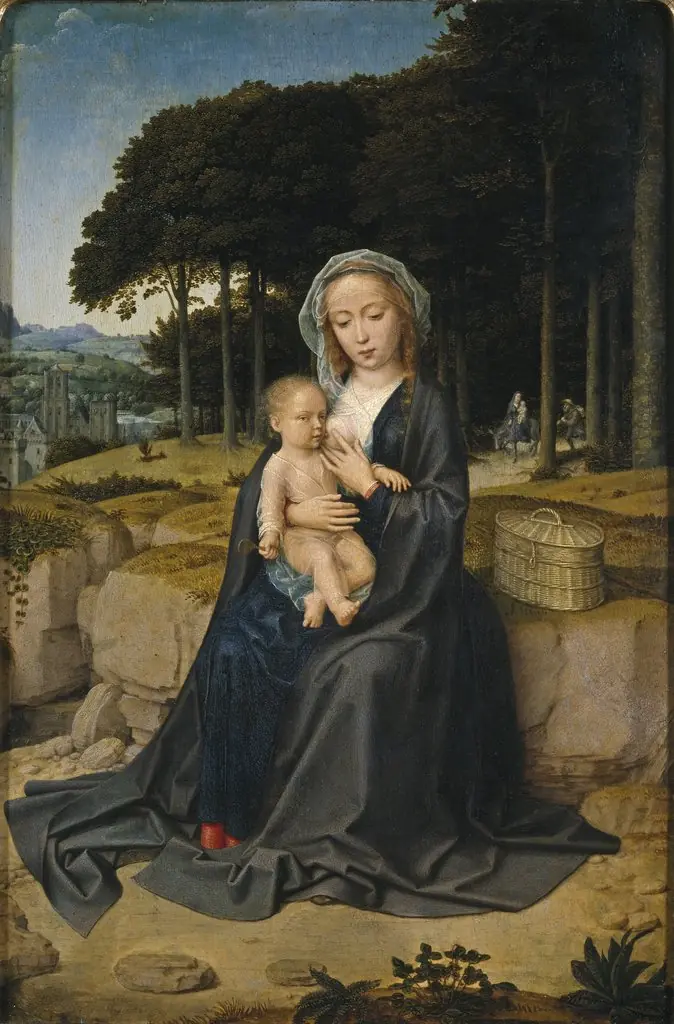 Rest on the Flight into Egypt
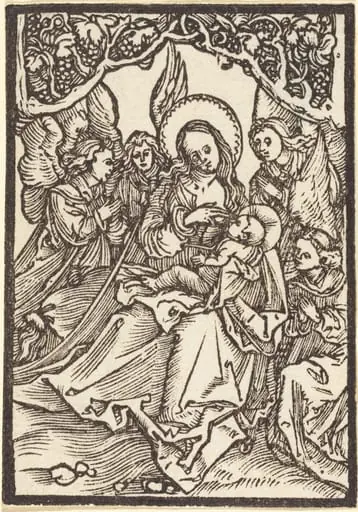 The Virgin Nursing the Christ Child with Four Angels
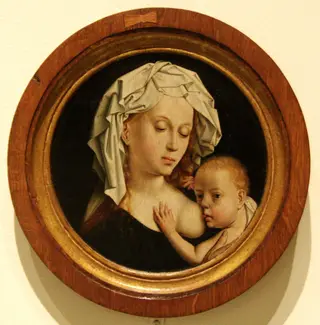 Virgin Suckling the Child
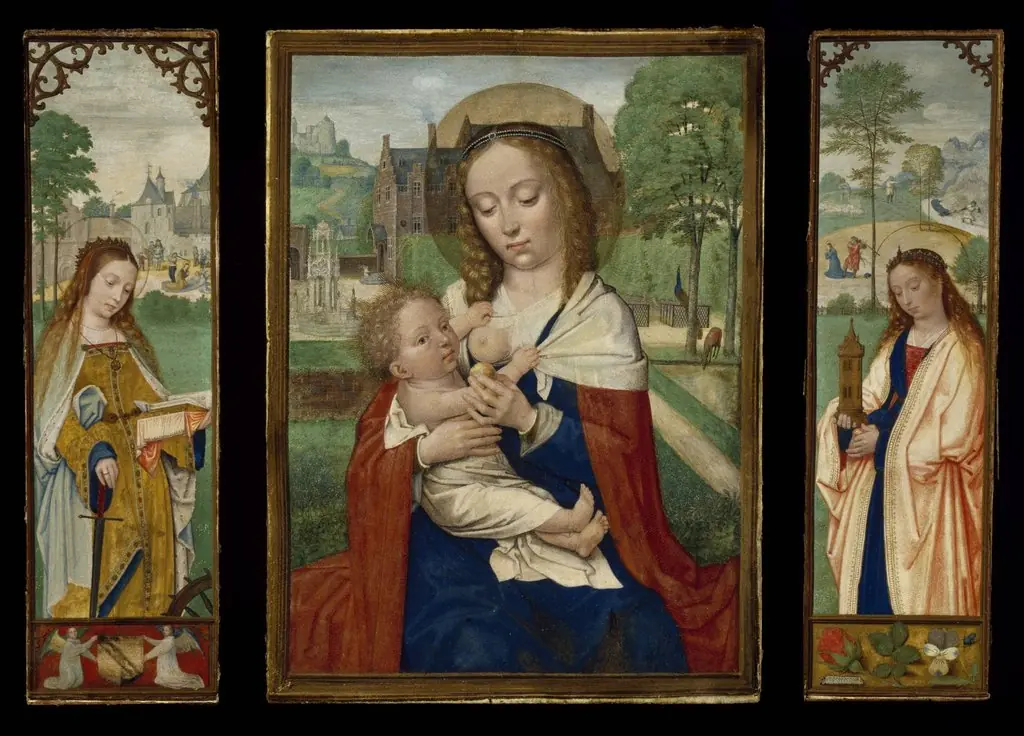 Triptych of Virgin and Child; Saints Catherine and Barbara
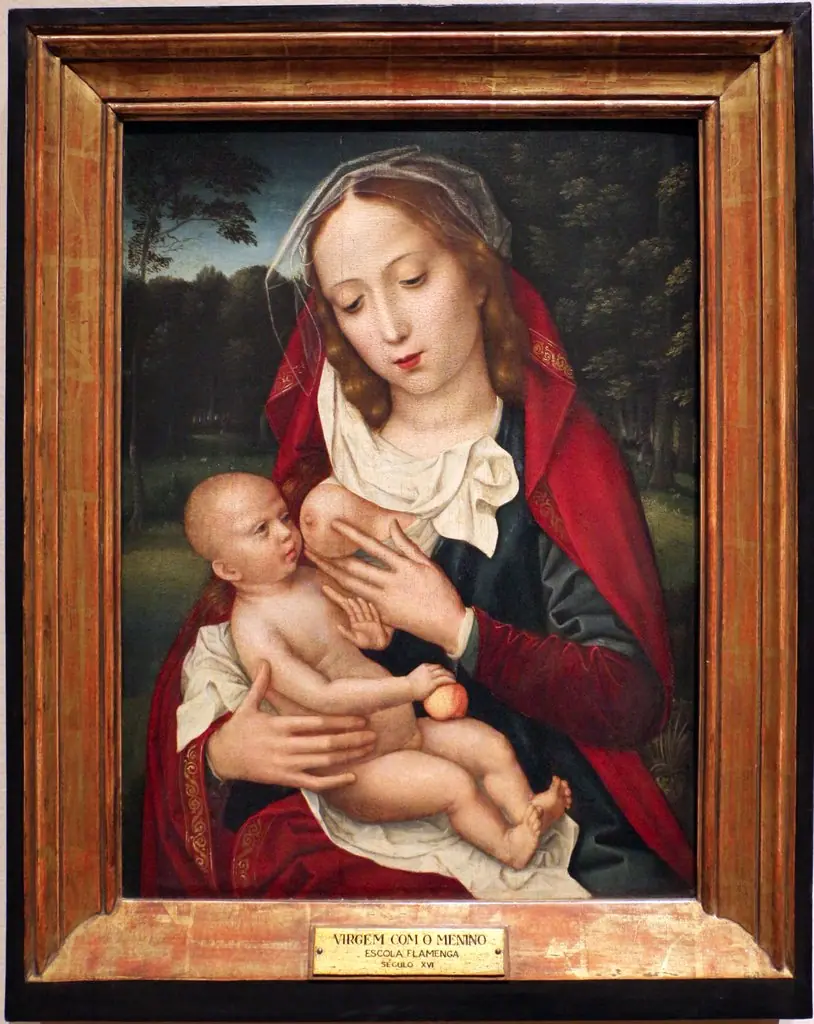 A Virgem do Leite
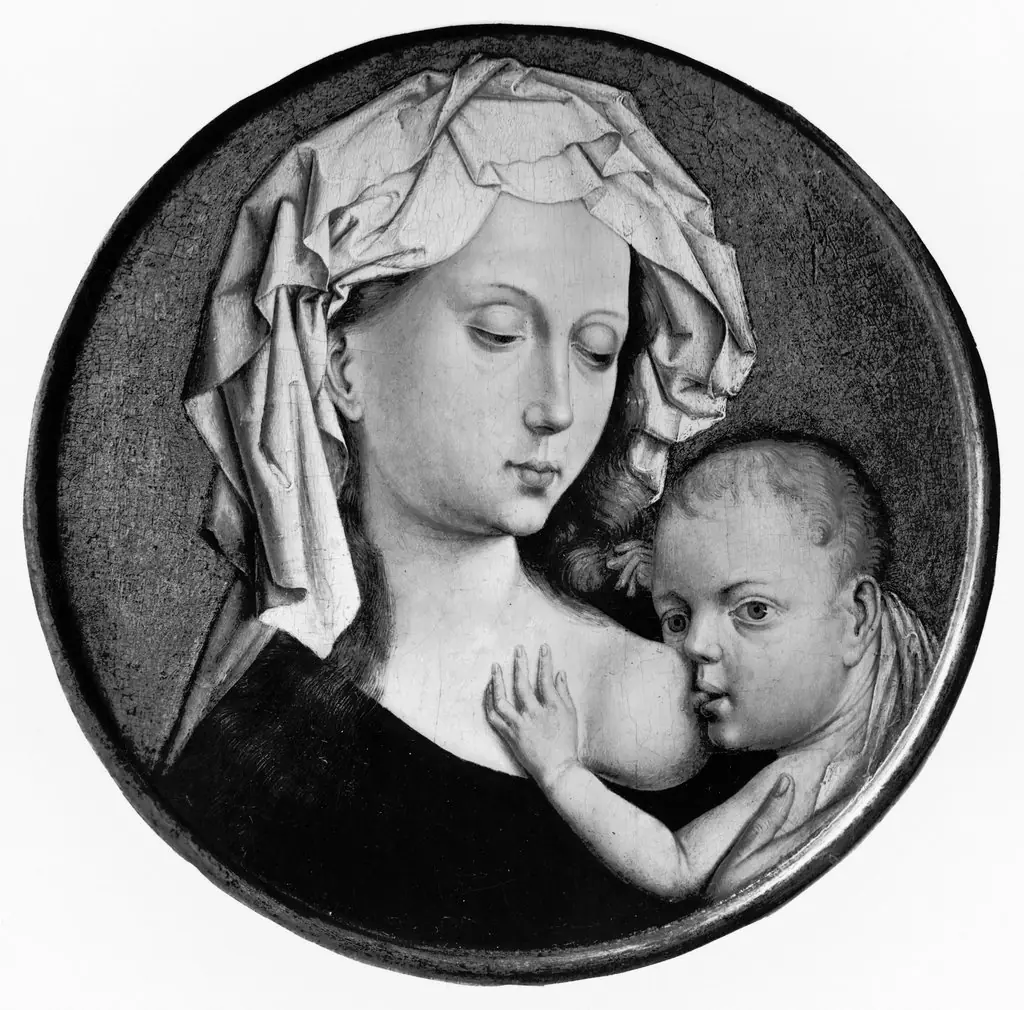 Madonna and Child
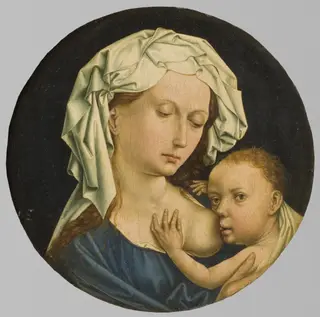 The Virgin Suckling the Christ Child
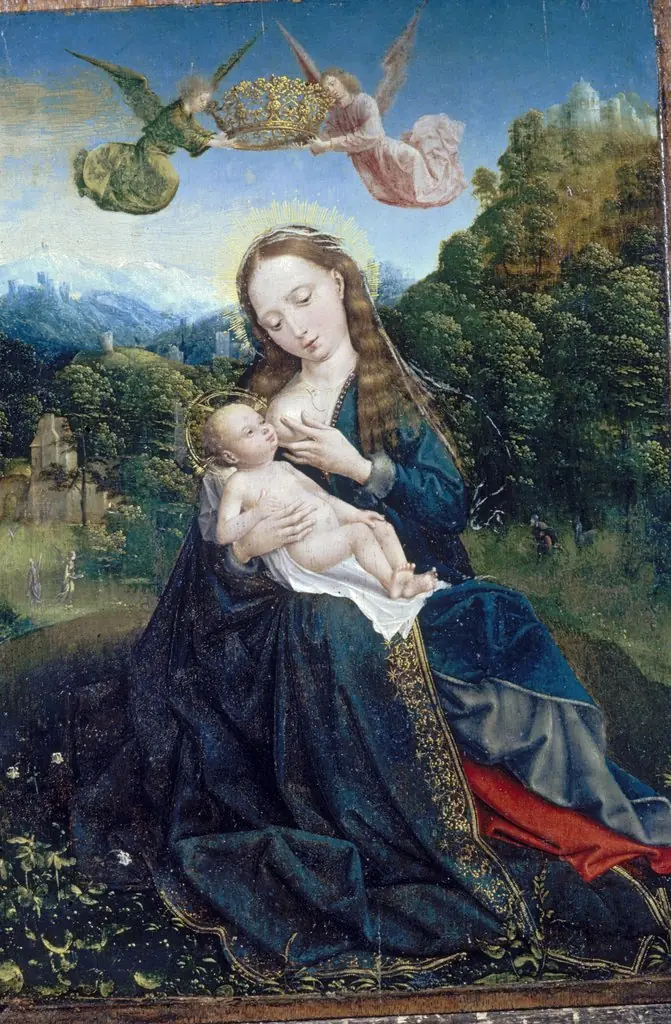 Rest on the Flight into Egypt
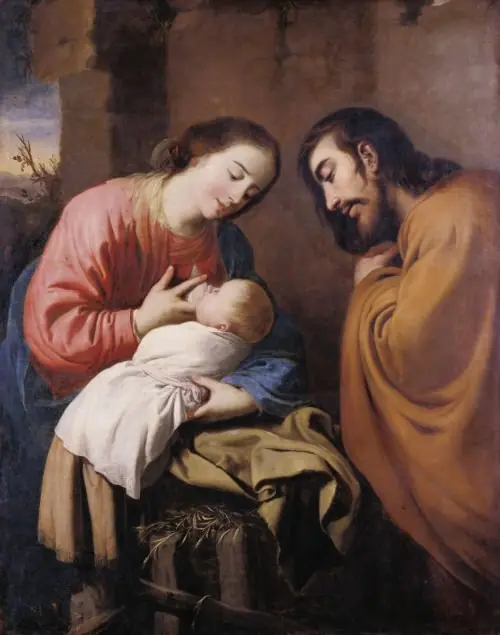 The Holy Family
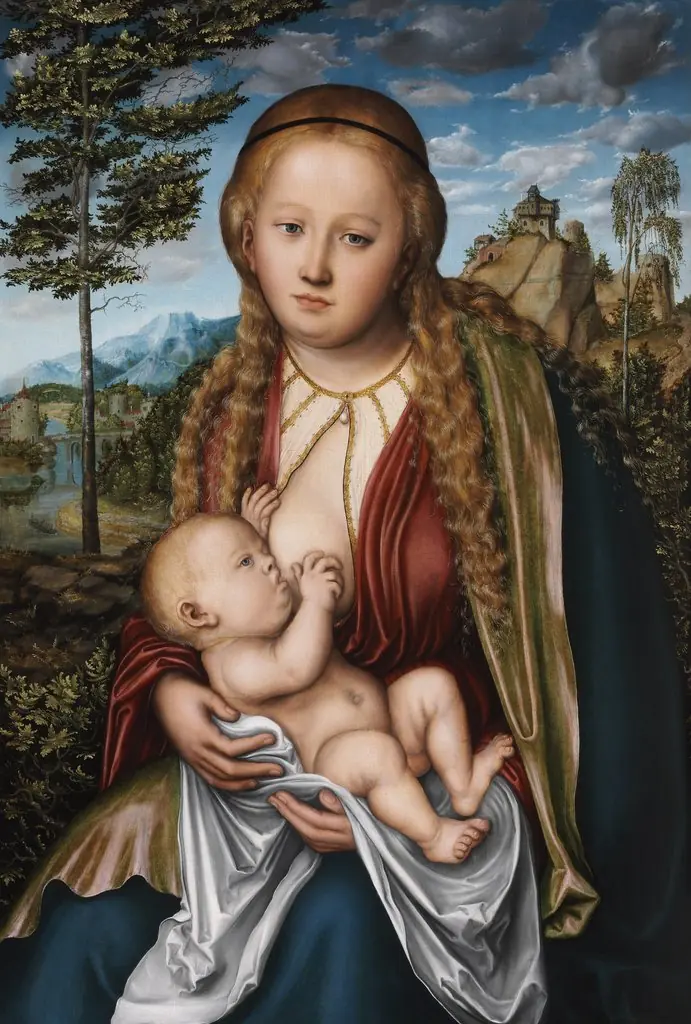 The Virgin Suckling the Child
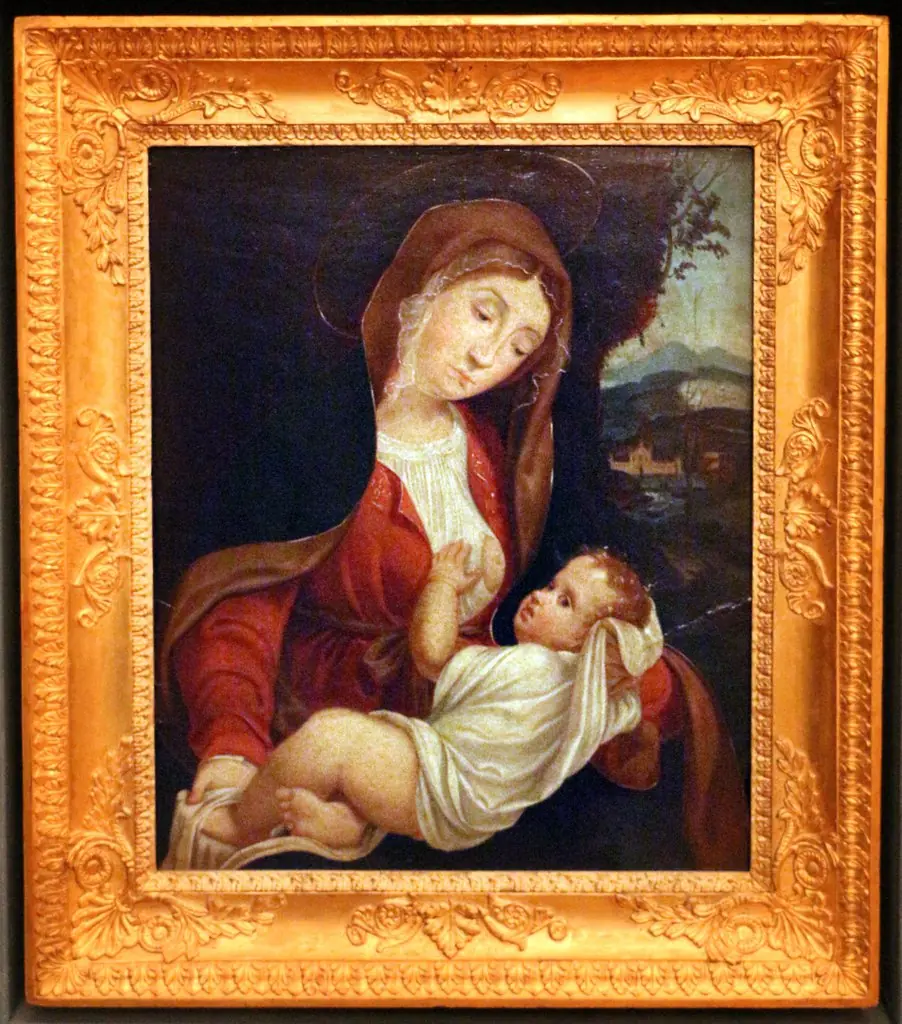 Madonna del latte (Previtali)
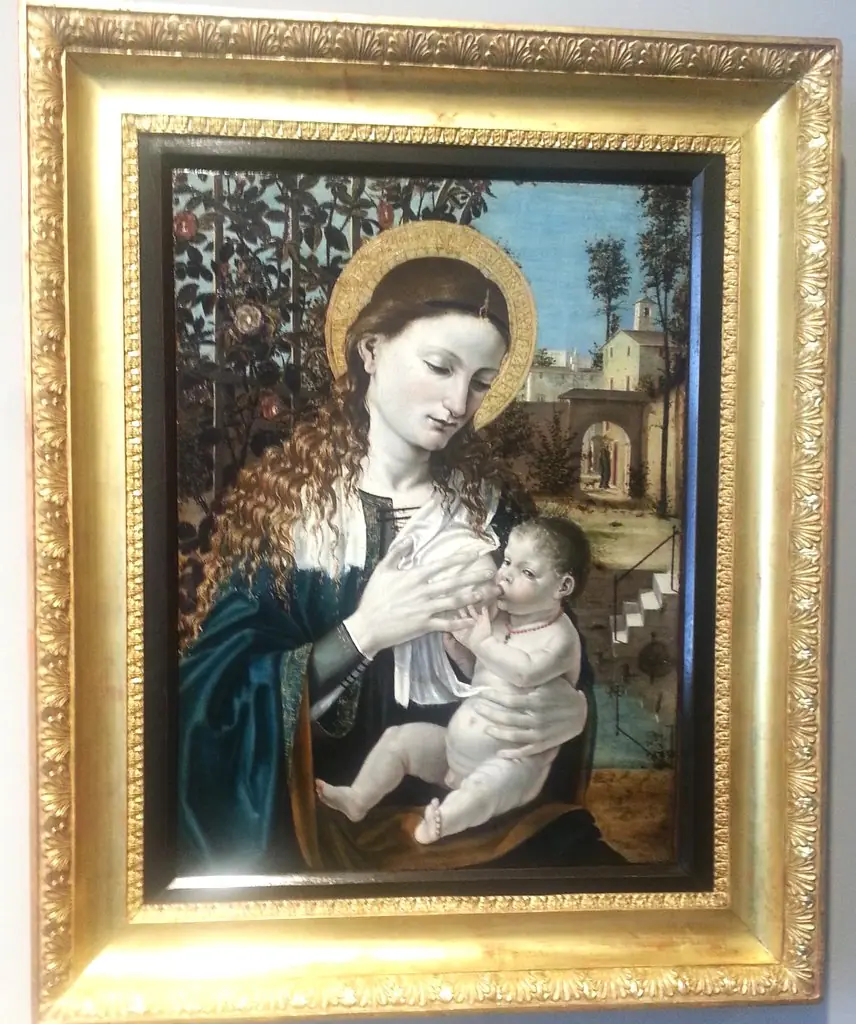 Madonna del Latte (Bergognone, Carrara)
Frequently asked questions
What is Nursing Madonna?
Nursing Madonna is a subject in art. The Nursing Madonna, Virgo Lactans, or Madonna Lactans, is an iconographic type of the Madonna and Child in which the Virgin Mary is shown breastfeeding the Child Jesus.
How many Nursing Madonna works does Artifact World Gallery have?
Artifact World Gallery holds 25 public-domain Nursing Madonna works, all free to view and download.
Who are the key Nursing Madonna artists?
Key Nursing Madonna artists in the collection include Joos van Cleve, Hans Memling and Rembrandt van Rijn.
Where can I see Nursing Madonna works?
Nursing Madonna works in the collection are held by Rijksmuseum, Museo del Prado and Museum of Fine Arts, Budapest.