Curated Theme
The Uncanny
Symbolist dread — the familiar made strange and faintly threatening.
1,036 works in the collection
The uncanny is the unsettling sensation of the familiar turned strange — a room slightly wrong, a face too still, a scene that should be ordinary but is charged with dread. It is the native mood of Symbolism, the late nineteenth-century reaction against realism that sought to paint inner states rather than the visible world. Böcklin's Isle of the Dead, Redon's floating eyes, Khnopff's sphinxes, the deathly stillness of Hammershøi's empty grey rooms — these are pictures that withhold their meaning and make the withholding itself frightening. The technique is often one of suppression: muted colour, frozen movement, an unnatural silence, a light that has no clear source. Watch for what is missing — the room with no people, the figure with no face, the event you have arrived just too late or too early to see. The uncanny picture works on you slowly. It does not show you a monster; it makes the world itself feel haunted, and leaves you to supply the dread that the painter has so carefully prepared.
In this gallery
-
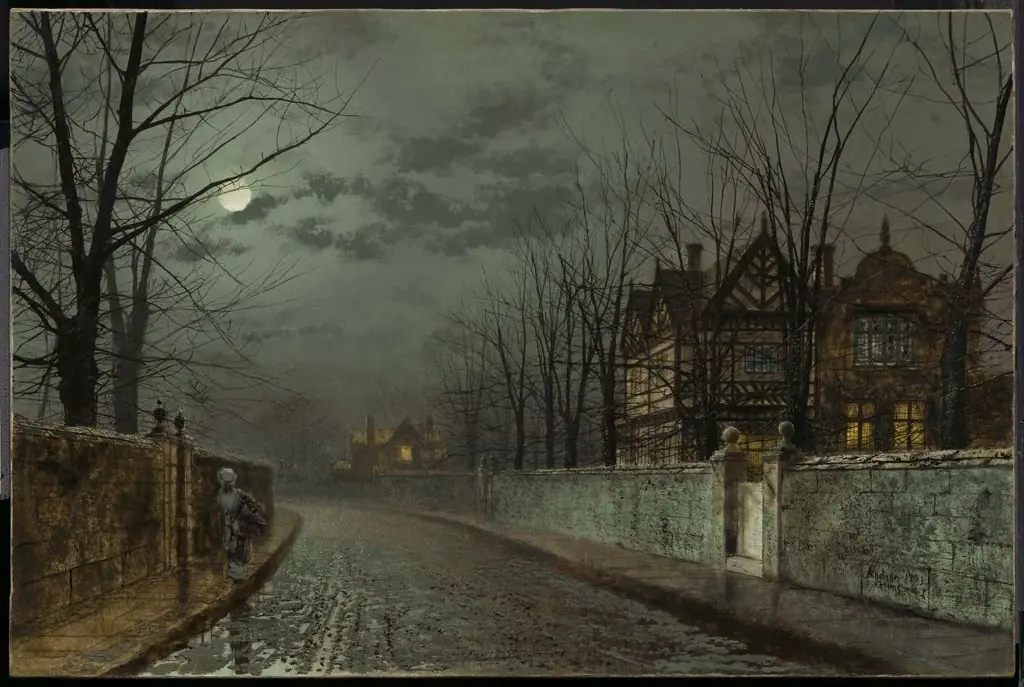 Old English House by Moonlight
 -
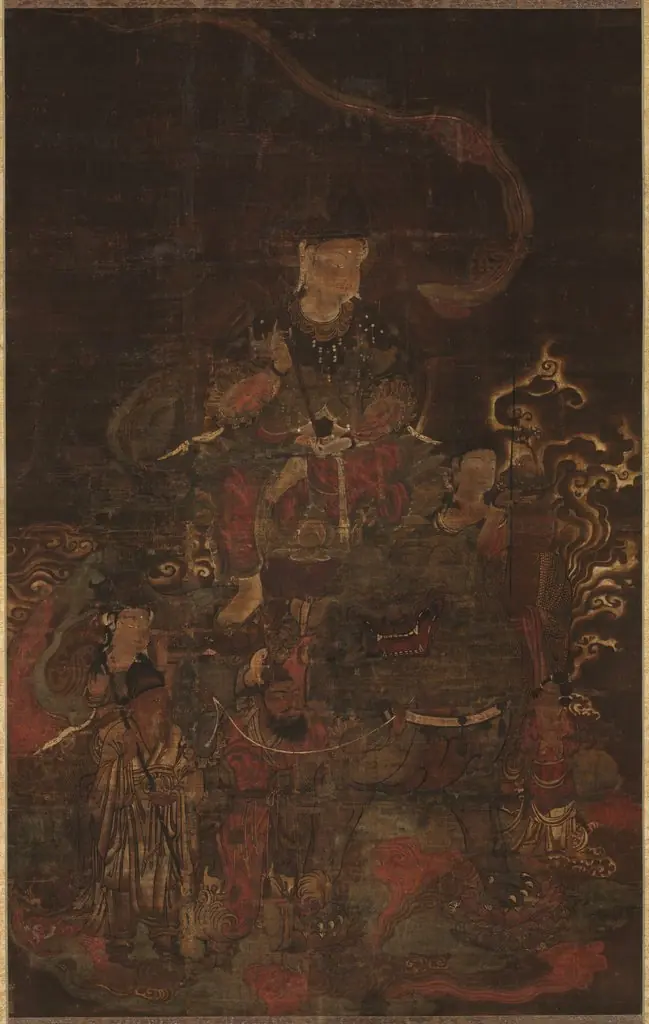 Monju Riding Lion with Attendants
 -
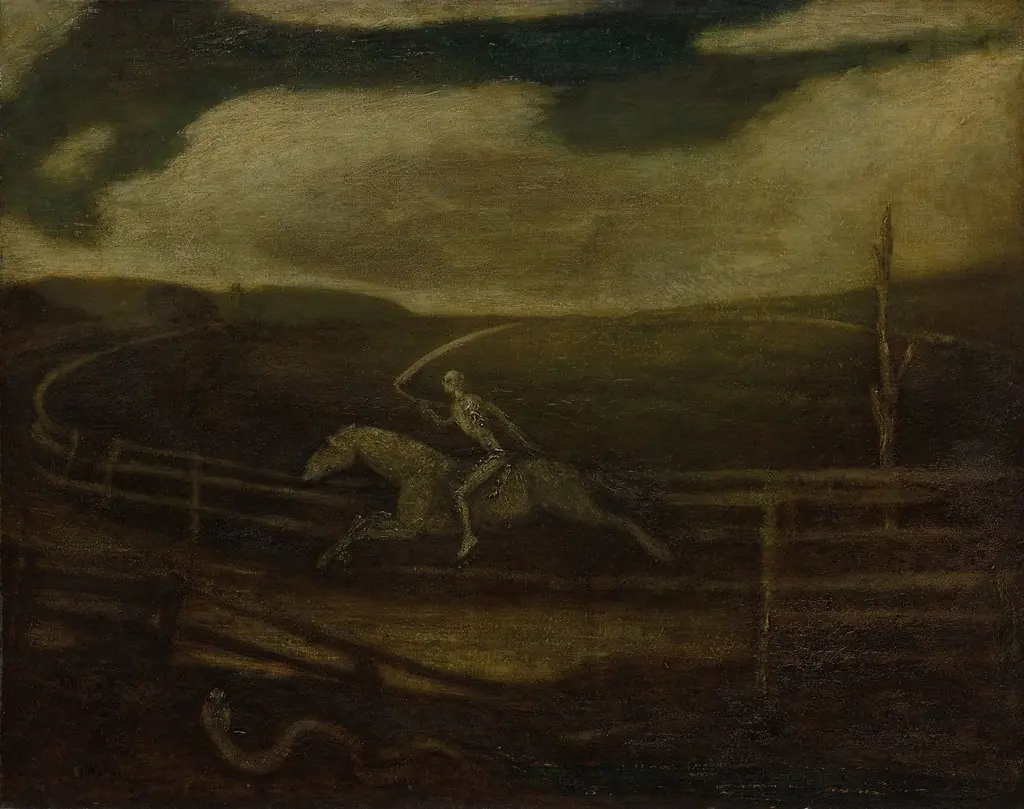 The Race Track (Death on a Pale Horse)
 -
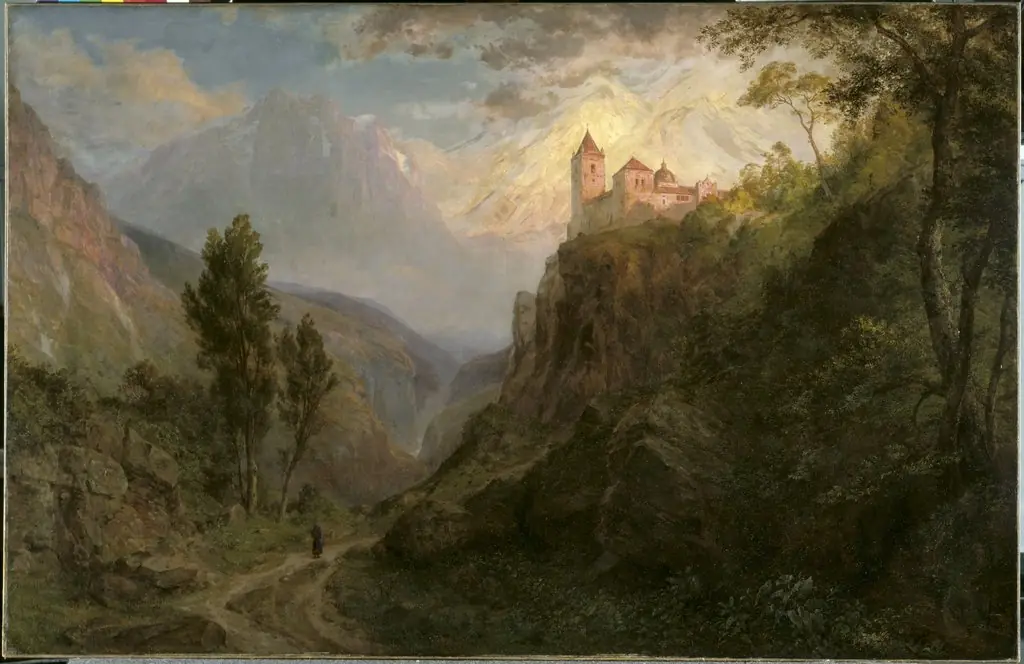 The Monastery of San Pedro (Our Lady of the Snows)
 -
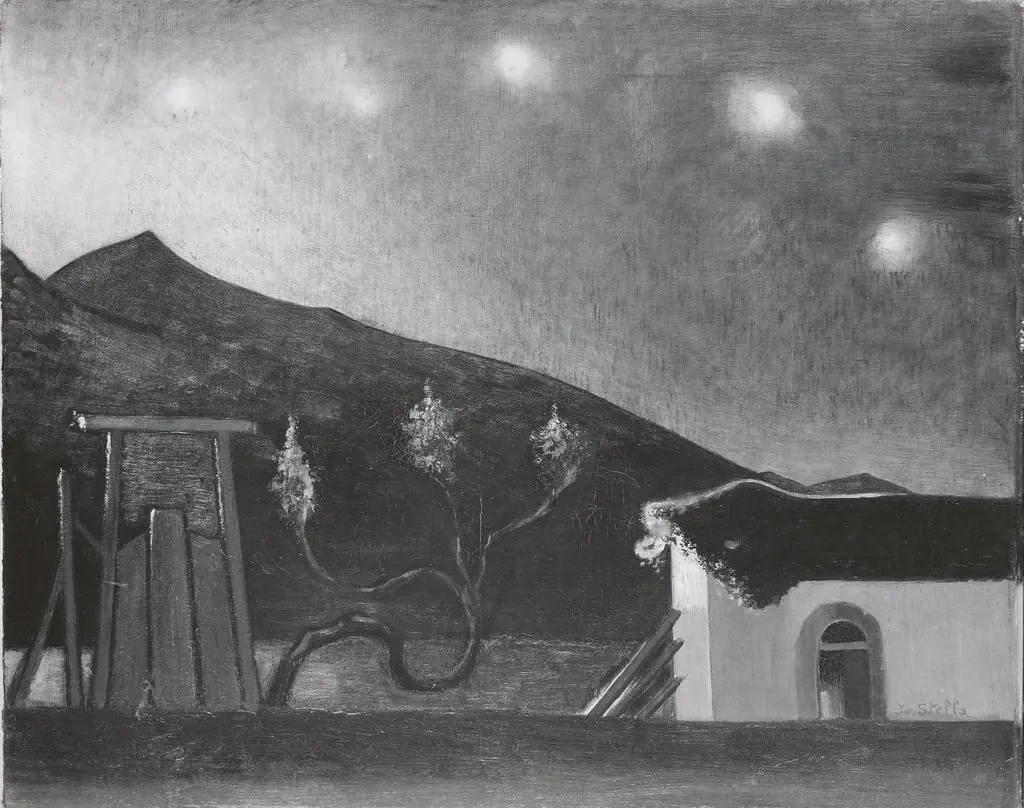 Nocturne
 -
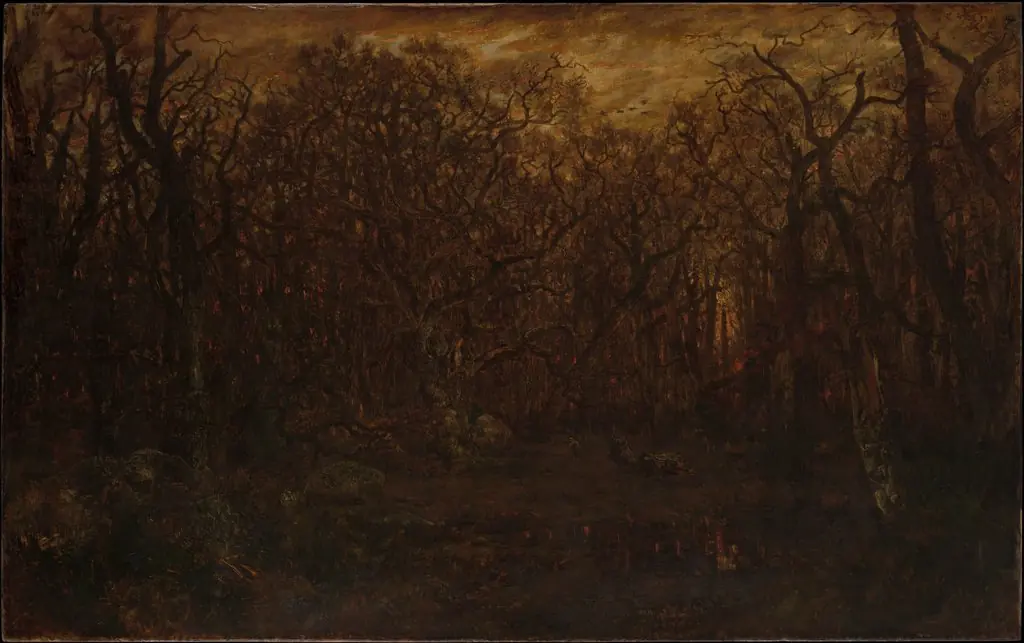 The Forest in Winter at Sunset
 -
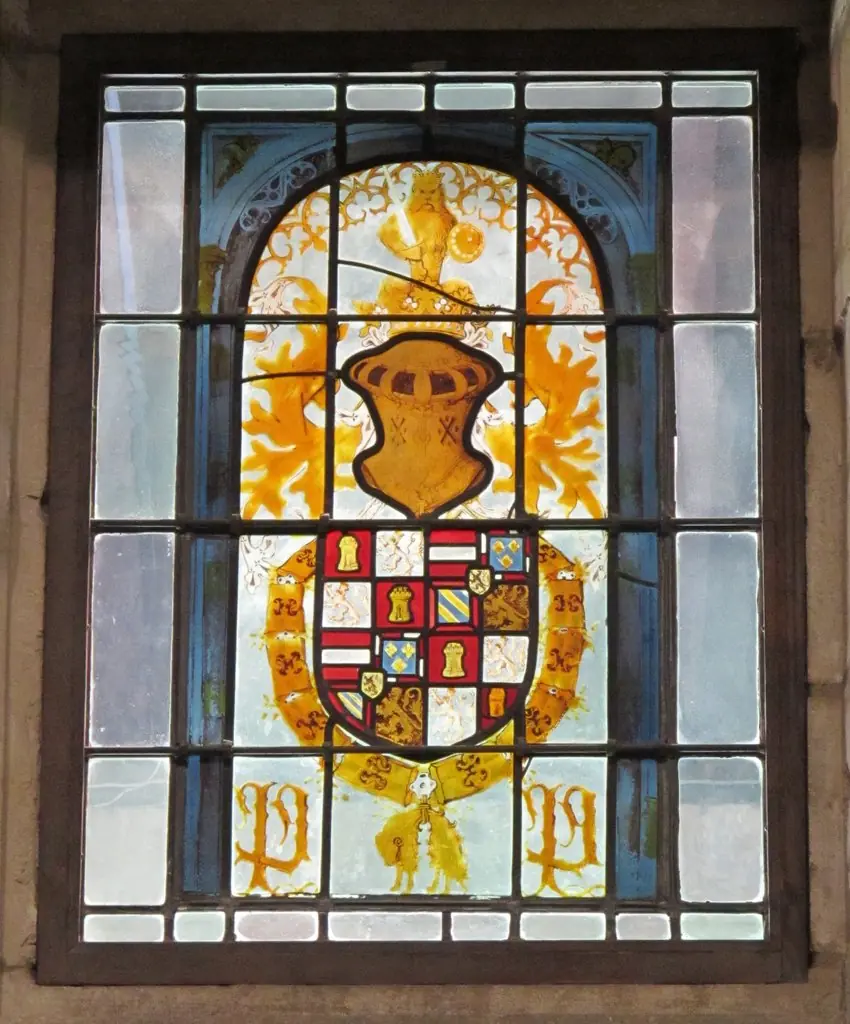 Heraldic Panel with Arms of the House of Hapsburg
 -
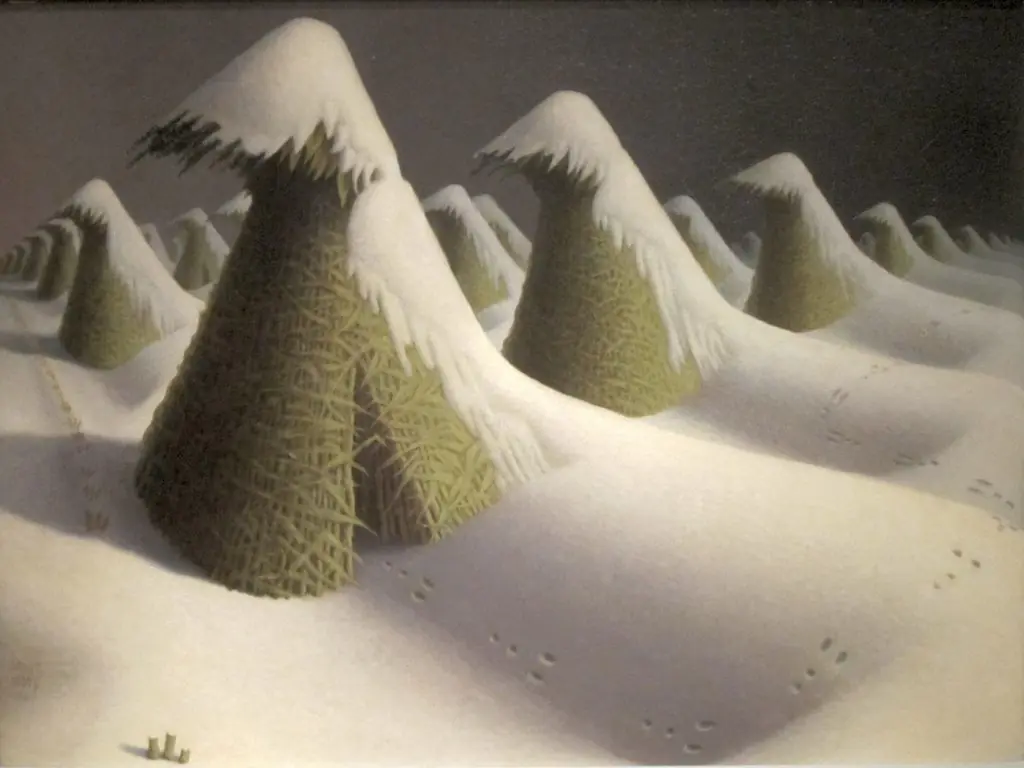 January
 -
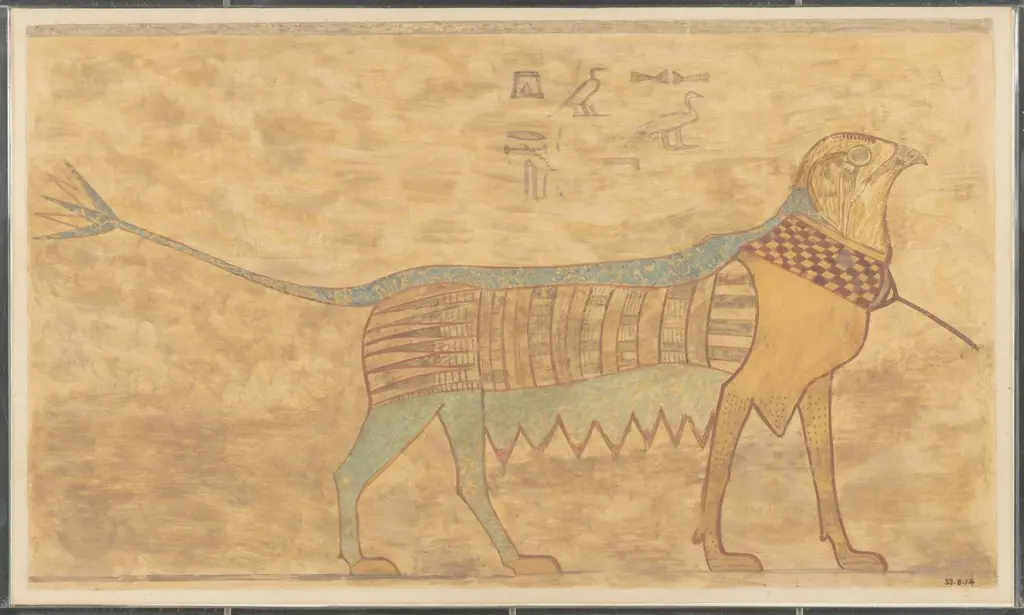 Detail of a Griffin, Tomb of Khety
 -
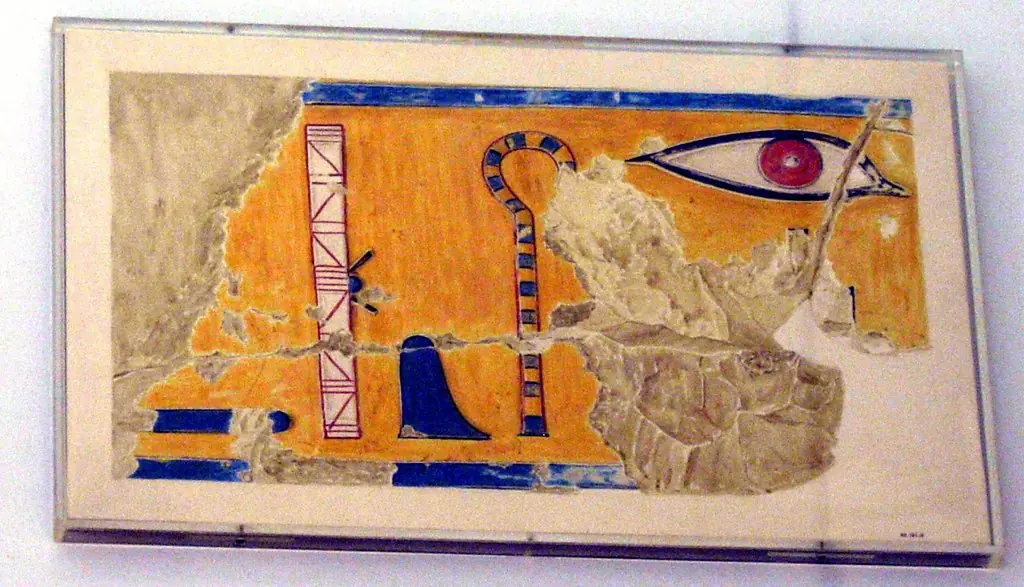 Fragment of an Inscribed Architrave, Tomb of Amenemhat Surer
 -
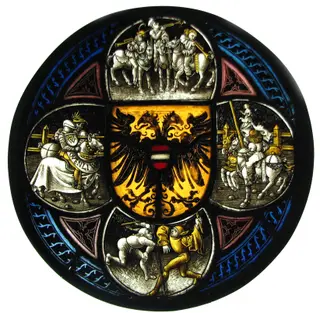 Quatrefoil Roundel with Arms and Secular Scenes
 -
 Adventure
 -
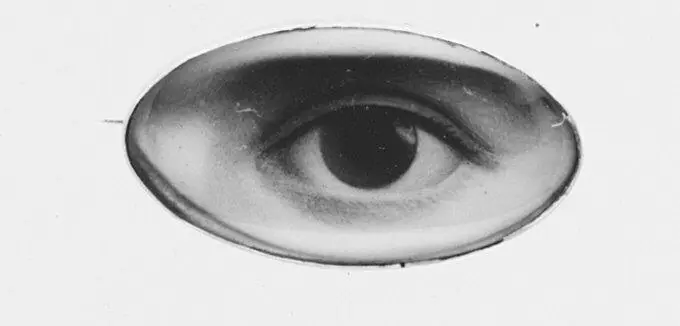 Eye Miniature
 -
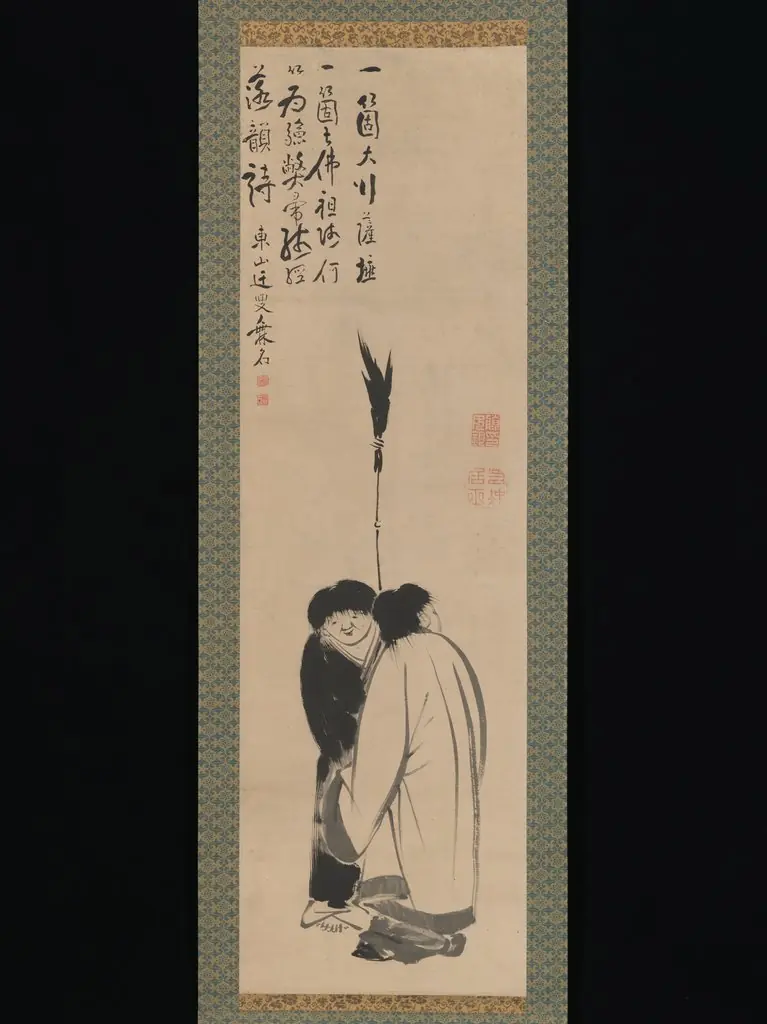 Hanshan and Shide (Japanese: Kanzan and Jittoku)
 -
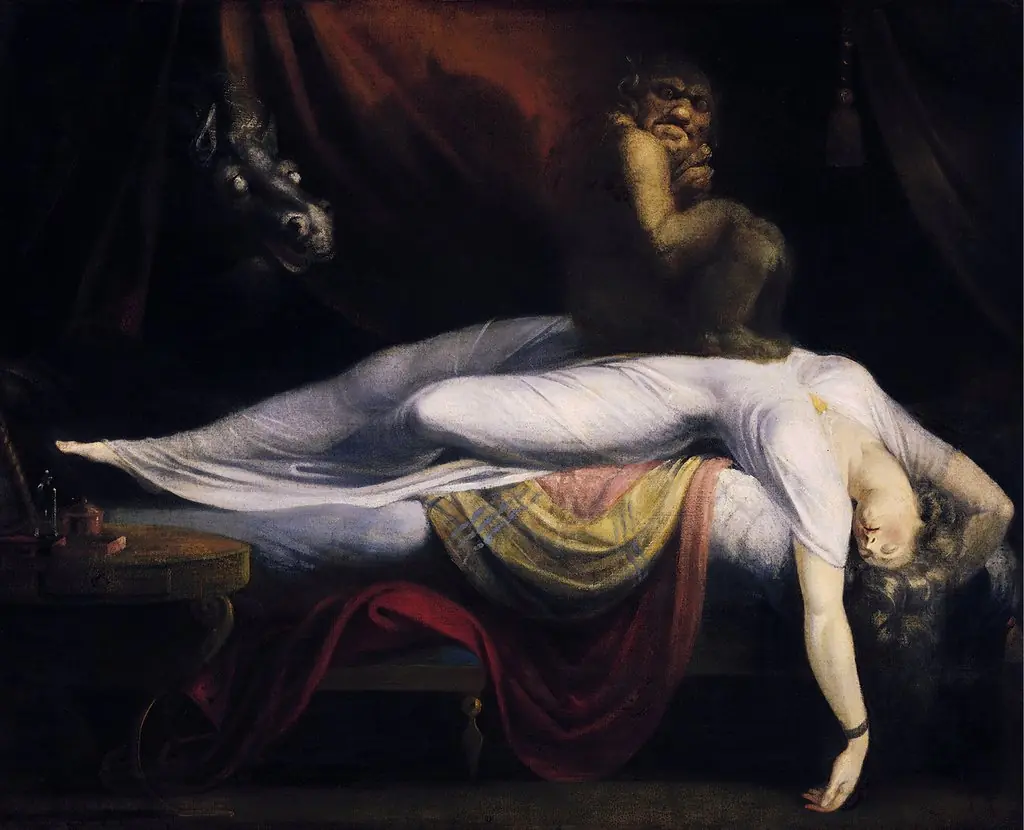 The Nightmare
 -
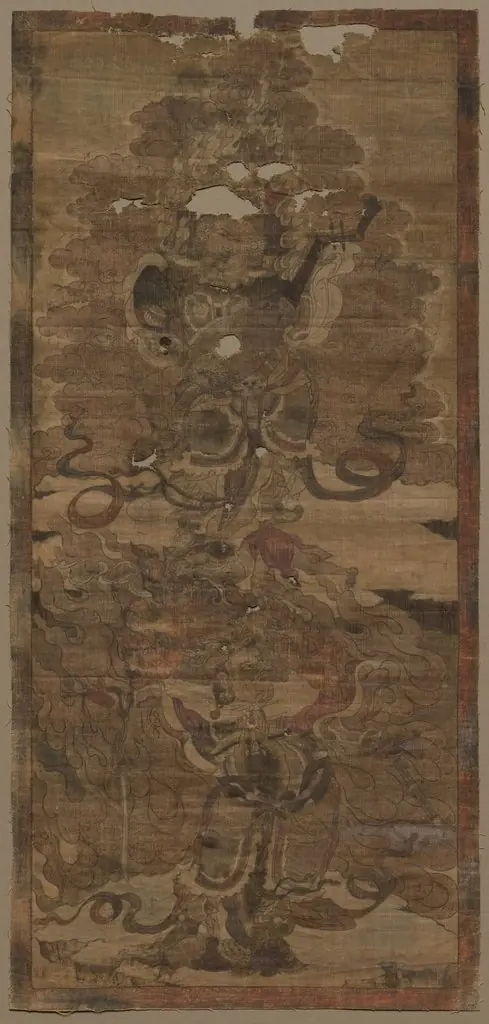 Guardian Kings: Dhrtarastra and Virupaksa
 -
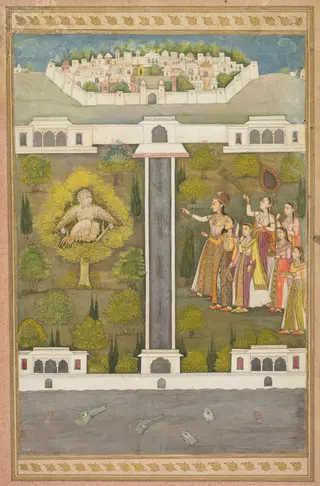 Mahliqa, Daughter of the Emperor of China, Pointing at the Bird-Man Khwaja Mubarak: A Leaf from a Poetical Romance Relating to Shah Alam I (verso); Stenciled Scenes of Lion and Gazelle (verso)
 -
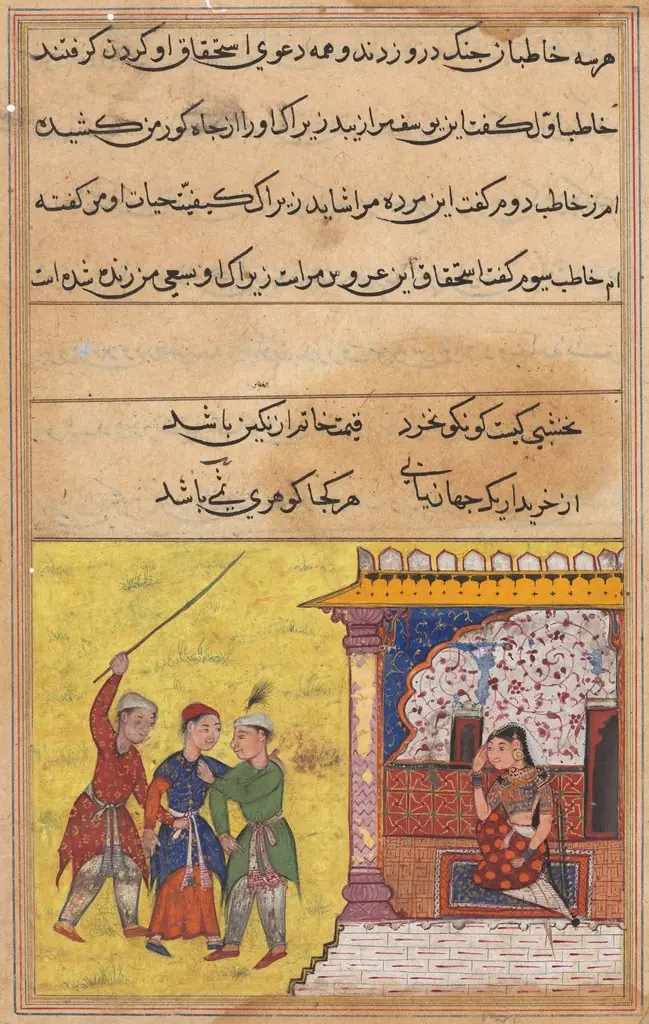 The three suitors again begin to quarrel among themselves for the hand of the devotee’s daughter, from a Tuti-nama (Tales of a Parrot): Twentieth Night
 -
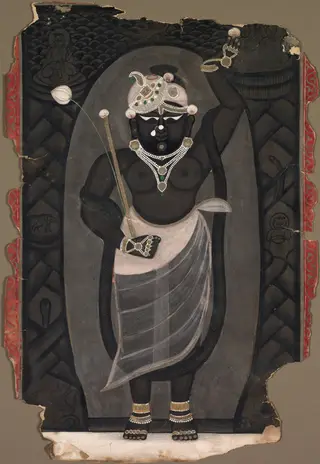 Sri Nathaji
 -
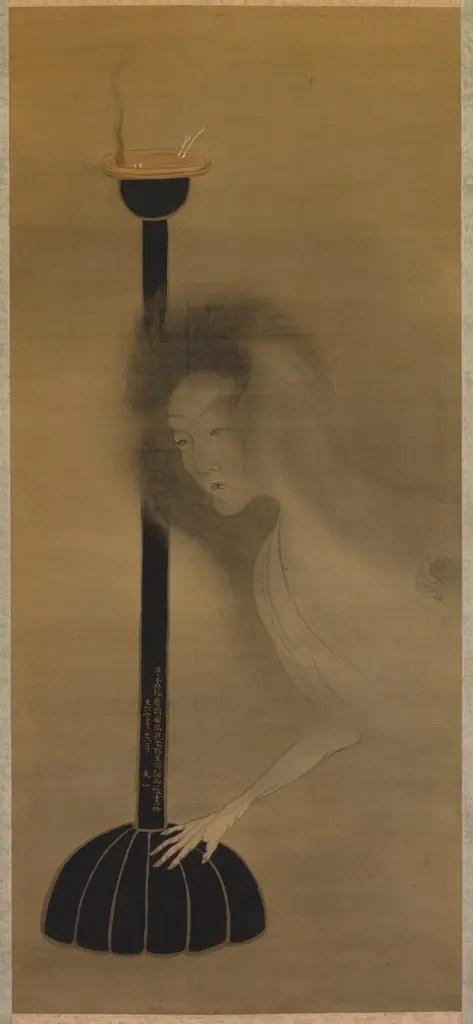 Ghost and Oil Lamp
 -
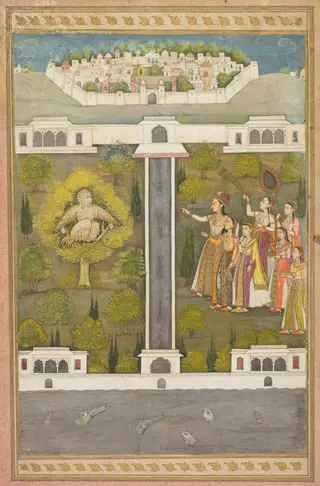 Mahliqa, Daughter of the Emperor of China, Pointing at the Bird-Man Khwaja Mubarak: A Leaf from a Poetical Romance Relating to Shah Alam I (recto)
 -
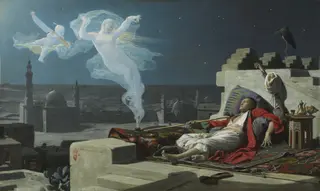 A Eunuch's Dream
 -
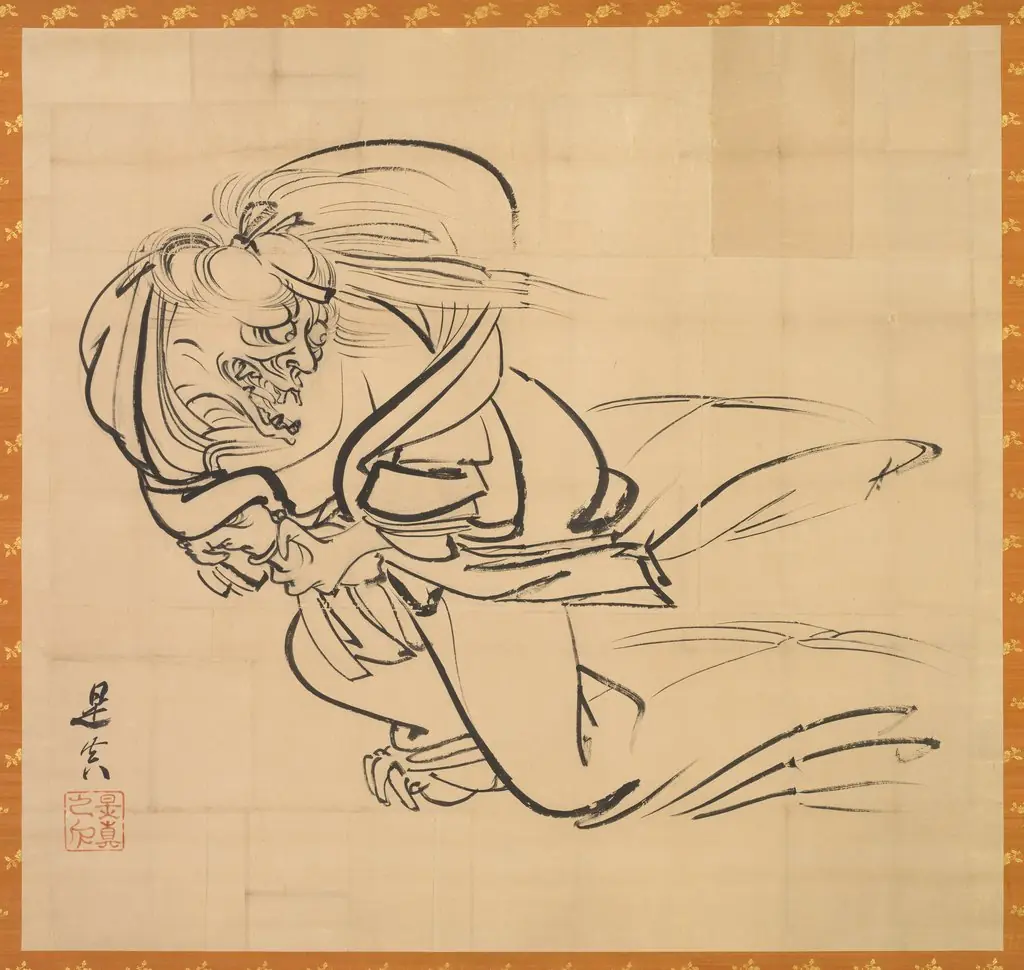 Sketch of Ibaraki-dōji
 -
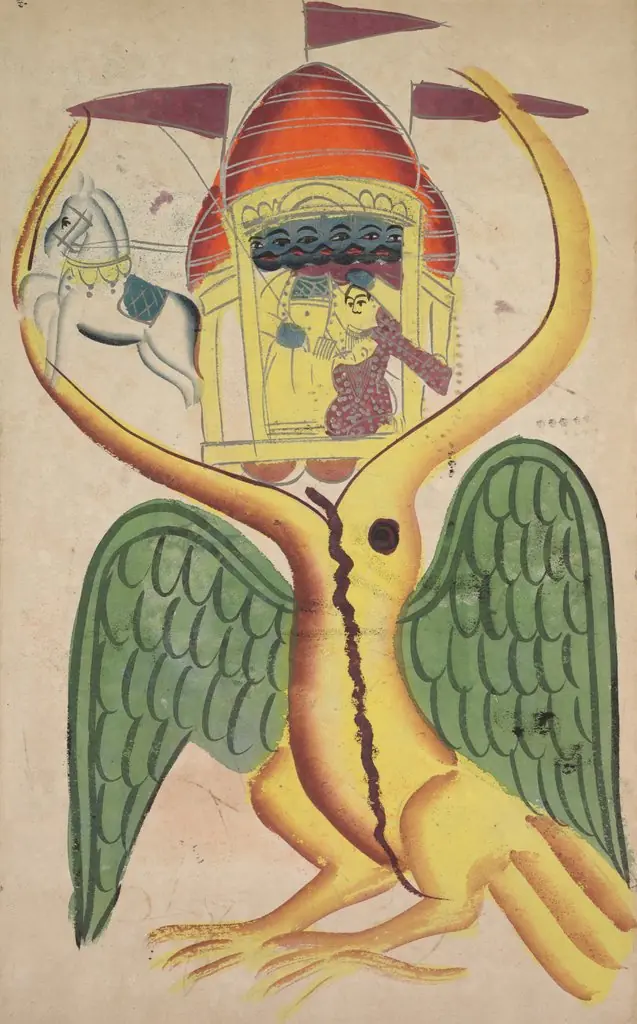 Jatayu hinders Ravana’s chariot, trying to prevent the abduction of Sita (recto), from a Kalighat album
 -
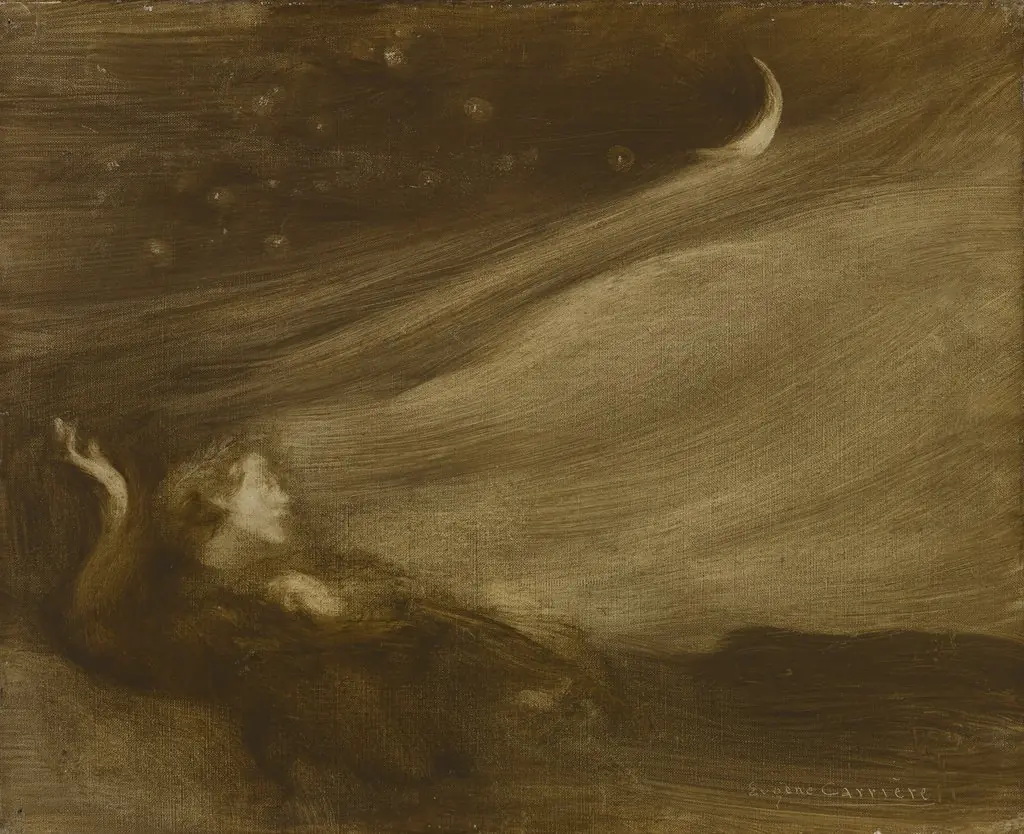 The Contemplator
 -
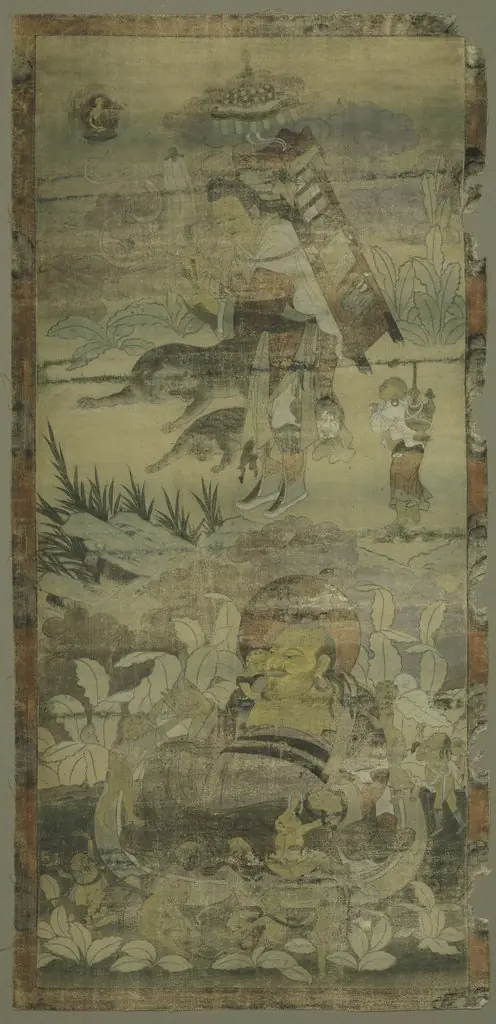 Lohans
 -
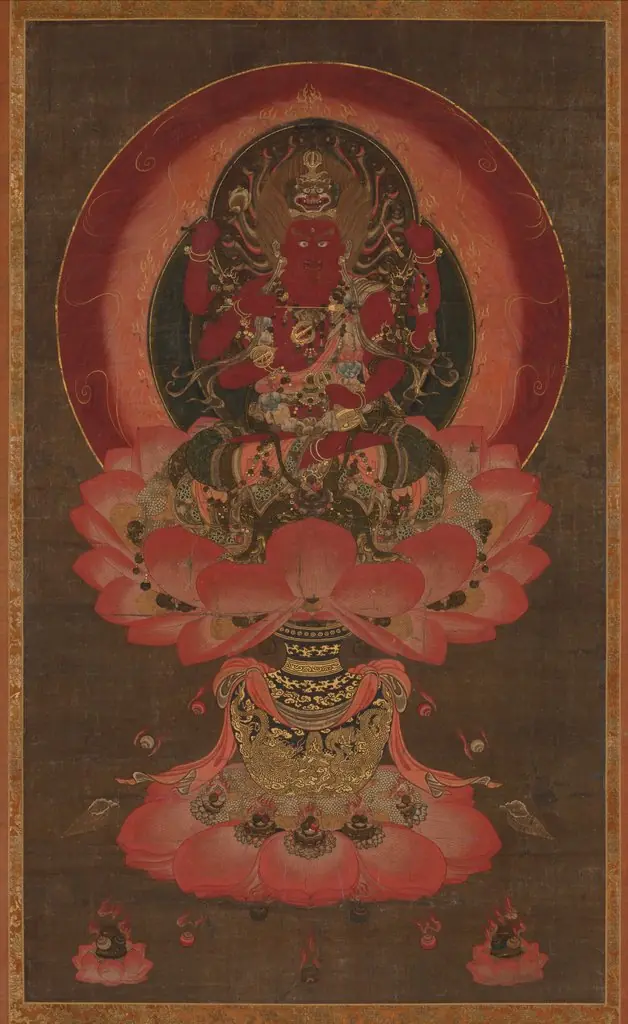 Aizen Myōō
 -
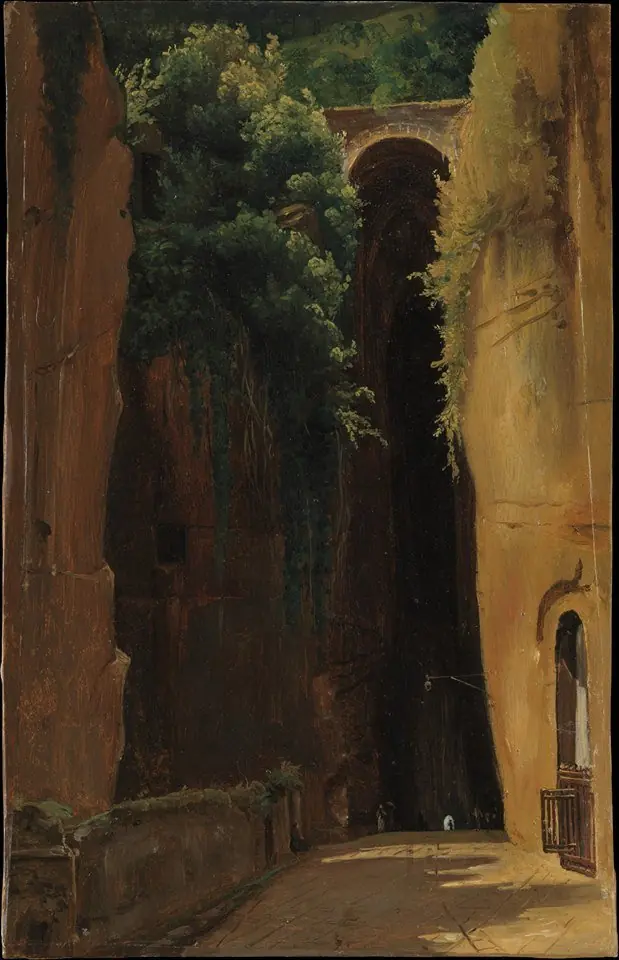 The Grotto of Posillipo, Naples
 -
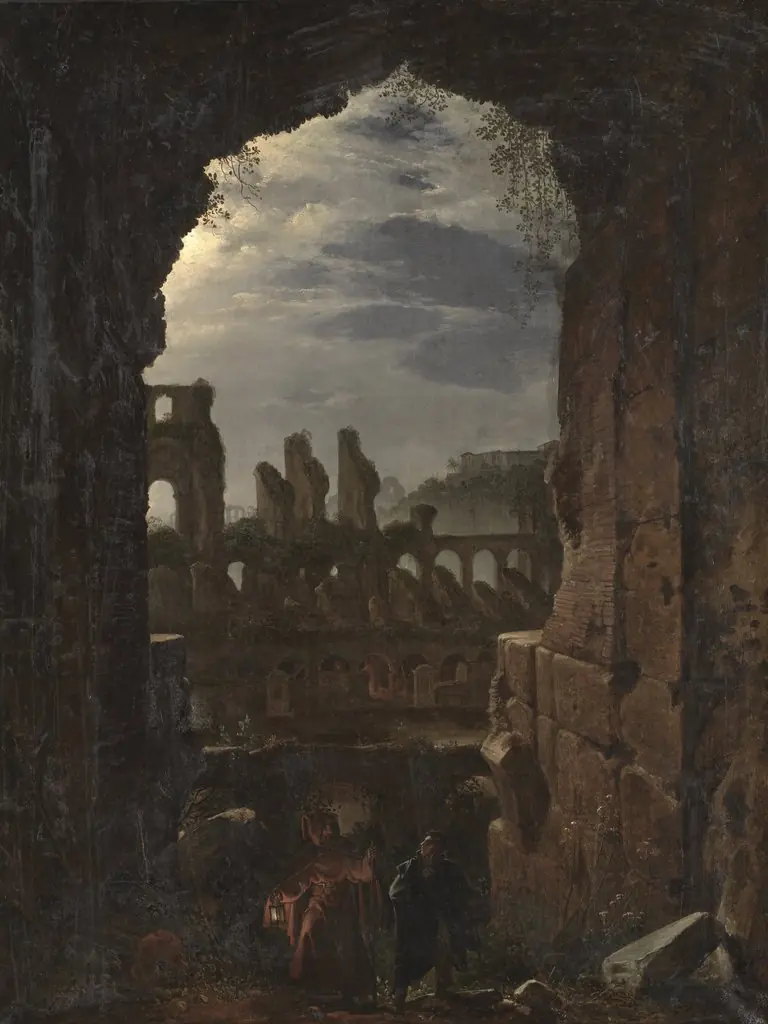 View of the Colosseum in Moonlight
 -
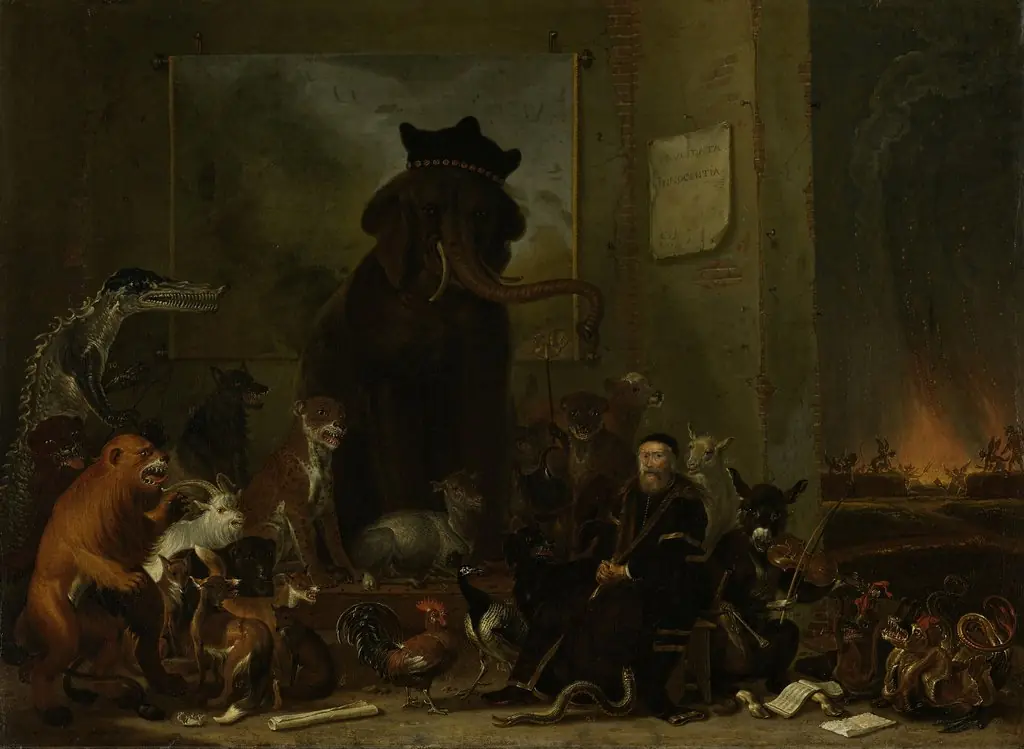 Satire on the trial of Johan van Oldenbarneveldt
 -
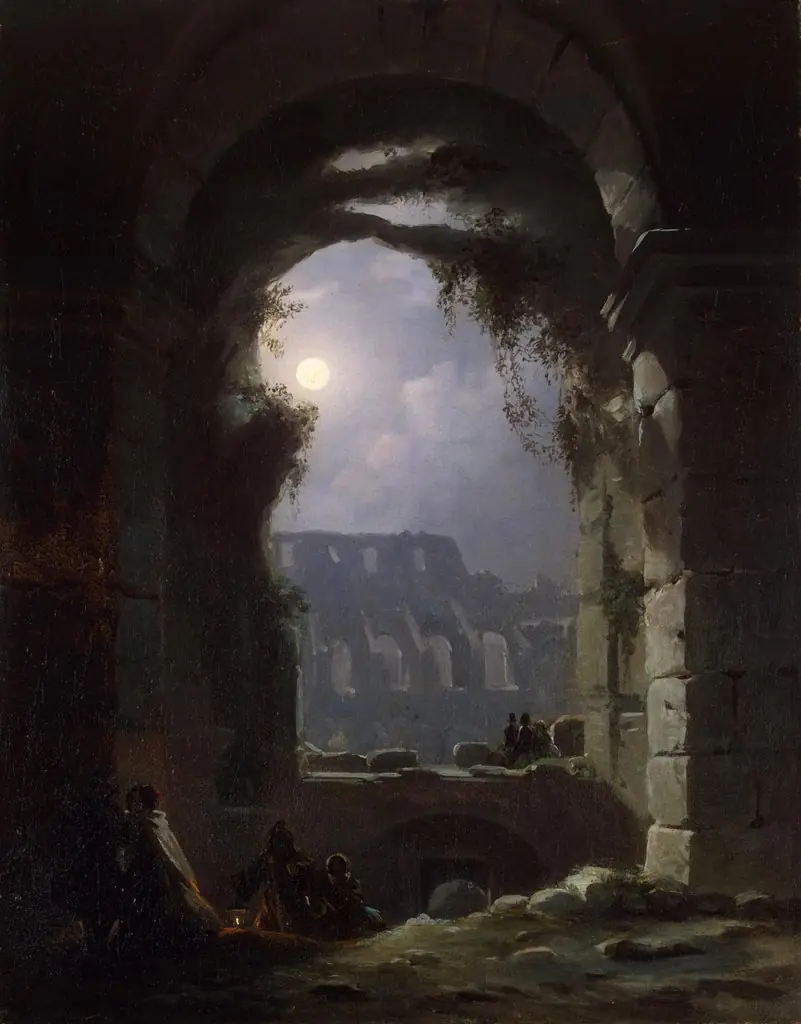 View of the Colosseum by Night
 -
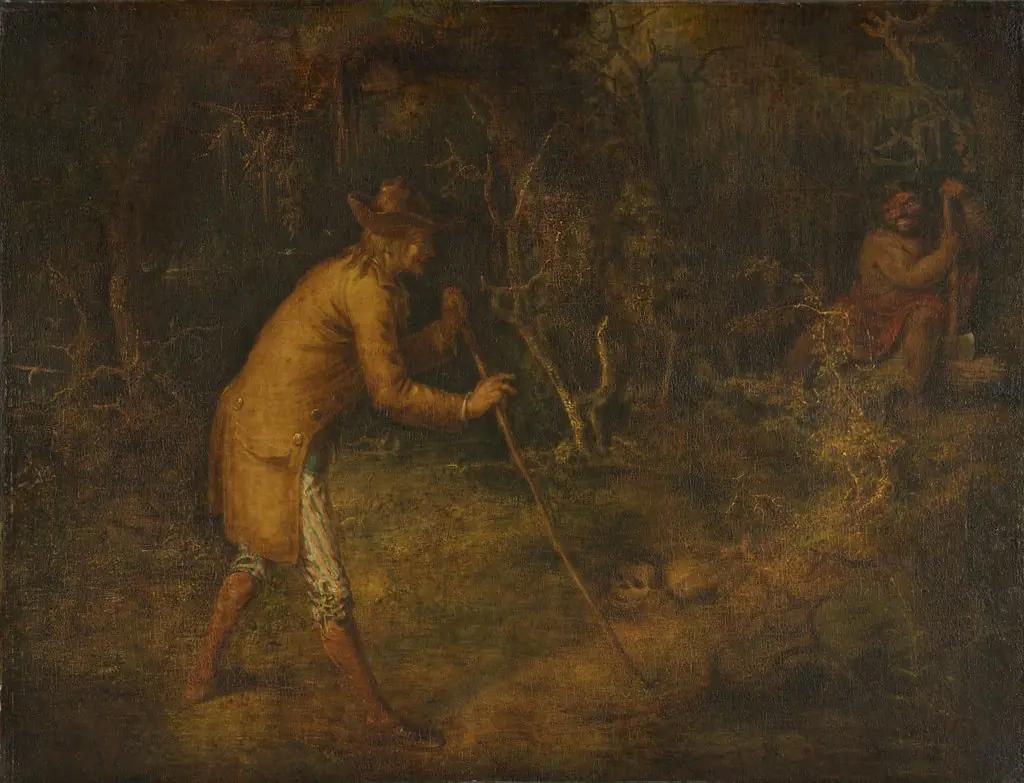 The Devil and Tom Walker
 -
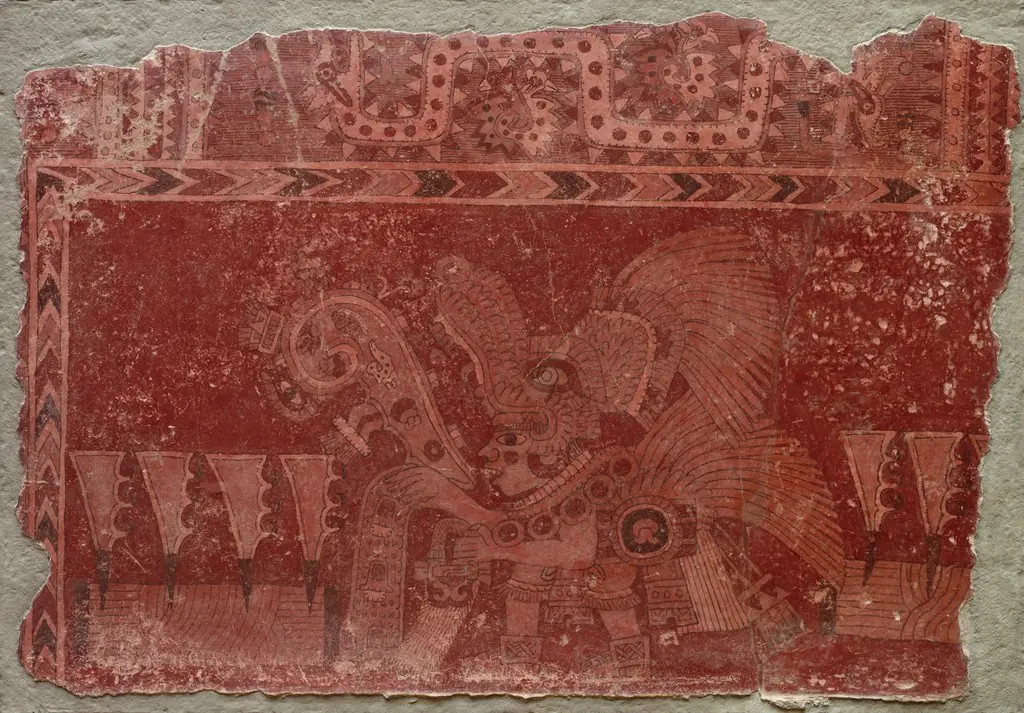 Mural Fragment with Elite Male and Maguey Cactus Leaves
 -
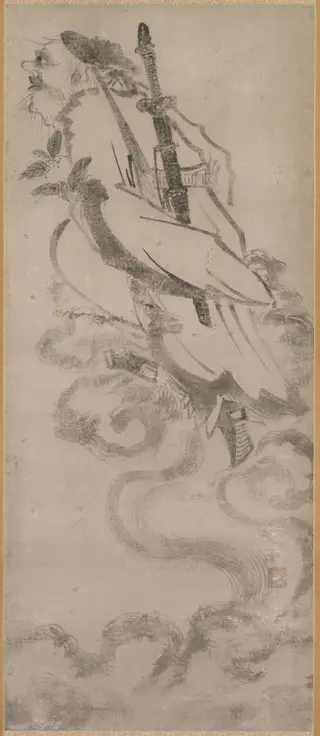 The Ascending Daoist Immortal
 -
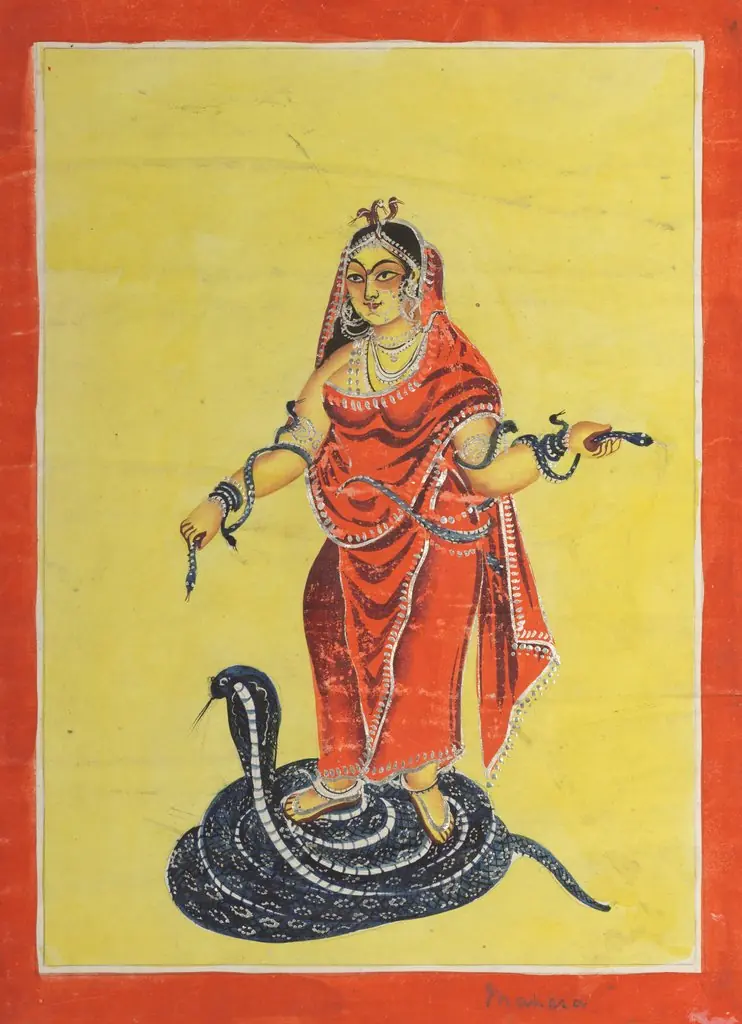 Manasa, The Snake Goddess
 -
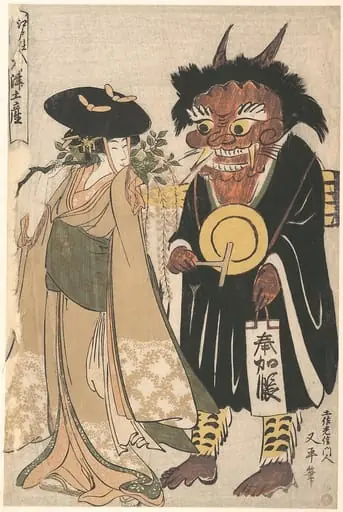 江戸仕入大津土産|Young Woman with an Otsue Demon Dressed as an Itinerant Priest
 -
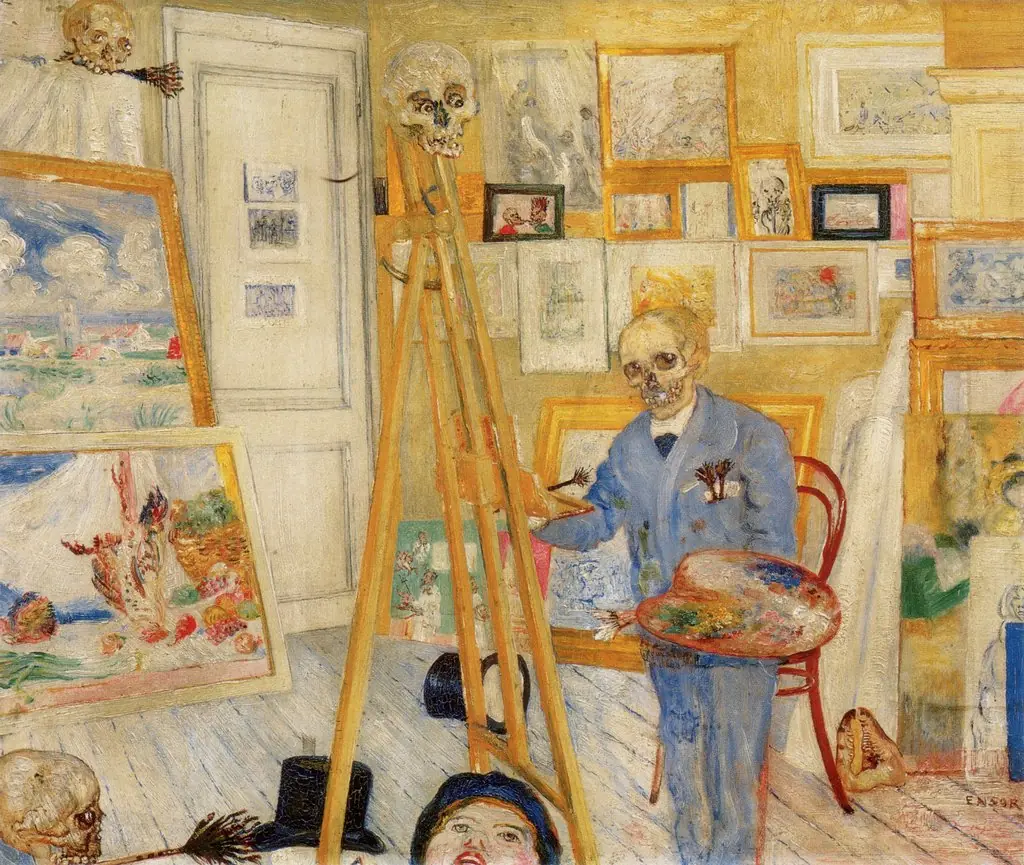 Skeleton Painter in his Studio
 -
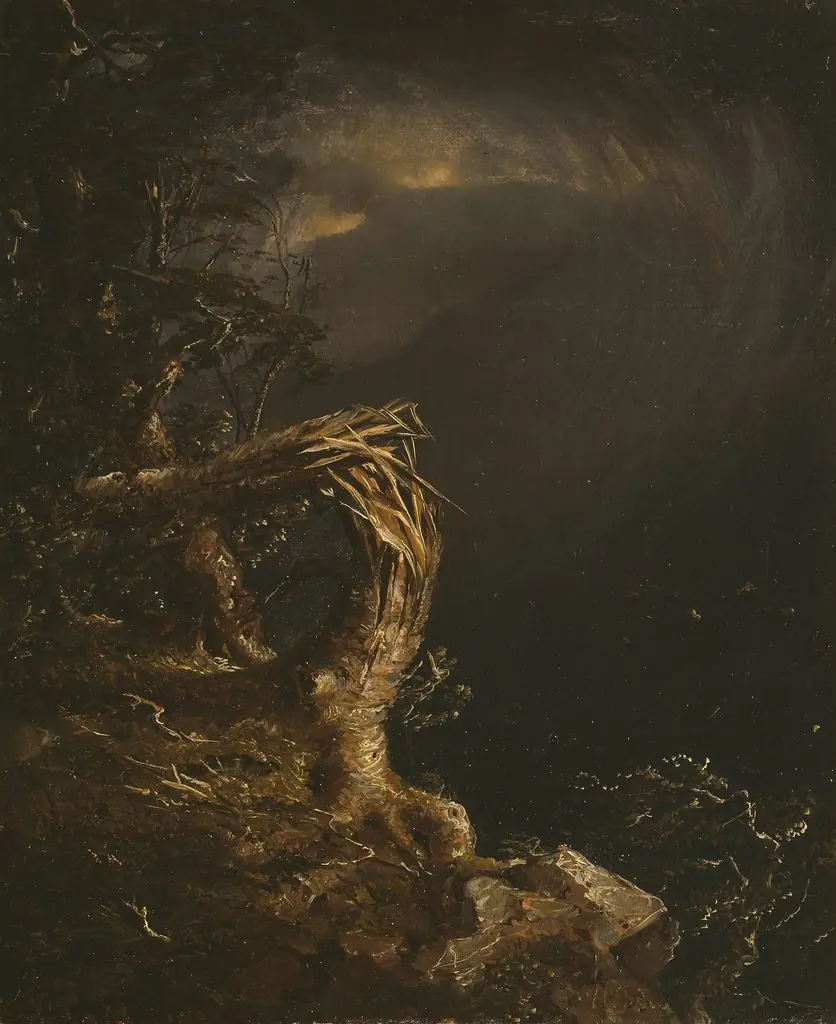 Blasted Tree
 -
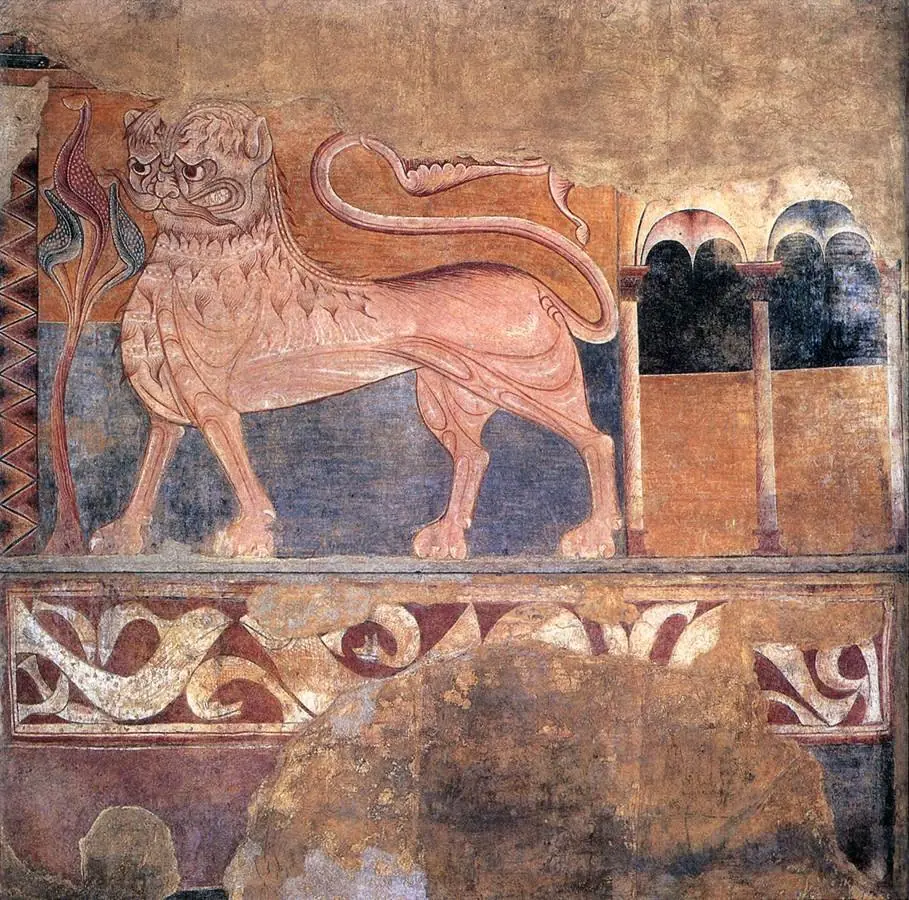 Lion wall painting
 -
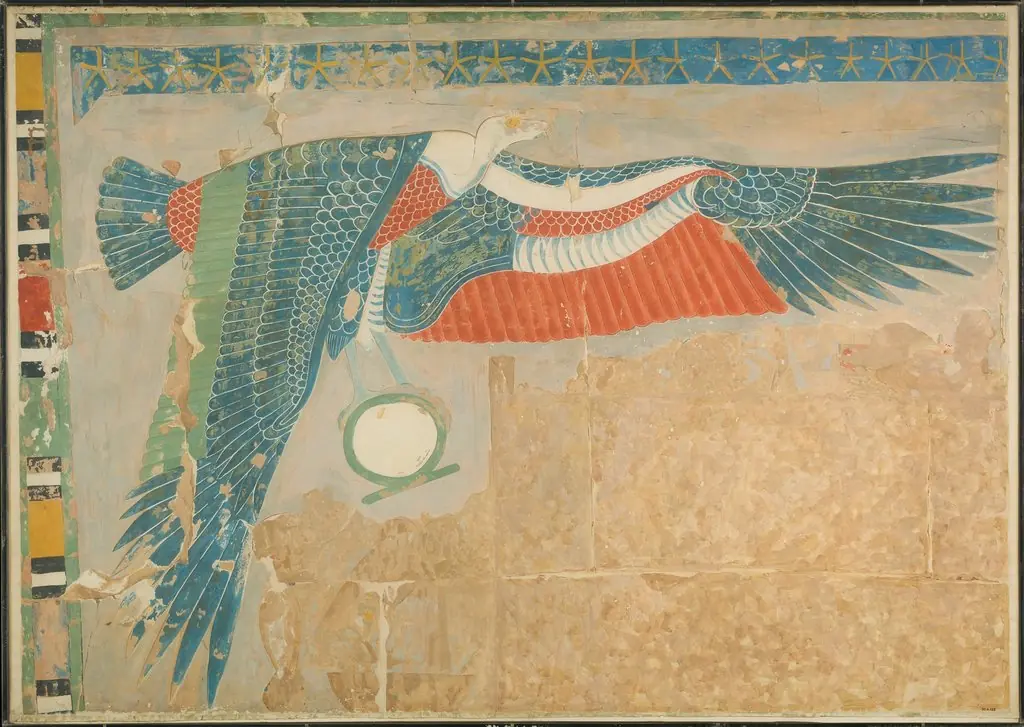 The Goddess Nekhbet, Temple of Hatshepsut
 -
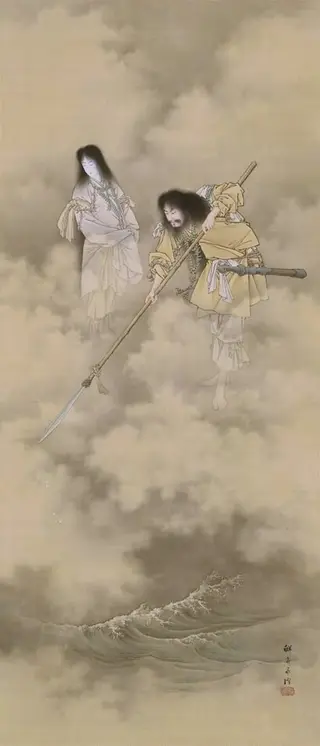 Izanami and Izanagi Creating the Japanese Islands
 -
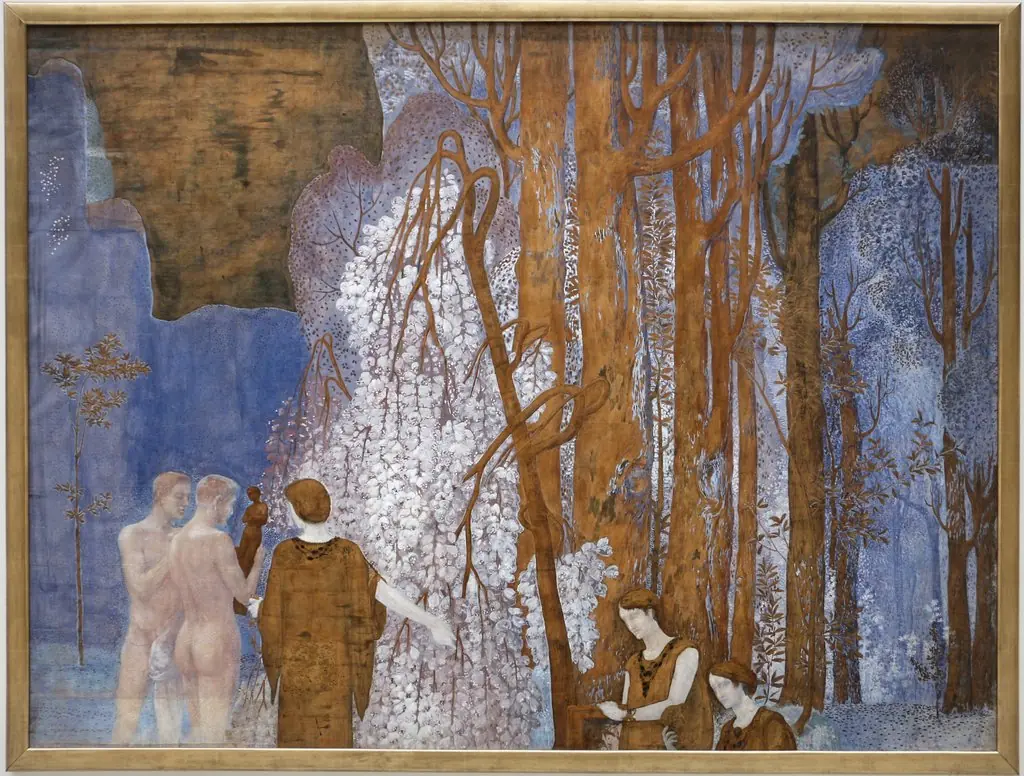 The Boat of the Ideal
 -
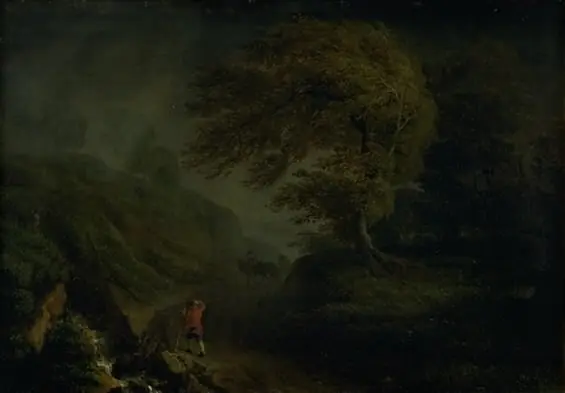 Uvejrslandskab
 -
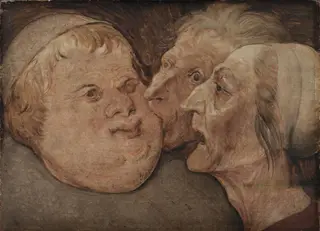 The Strife of Lent with Shrove-Tide
 -
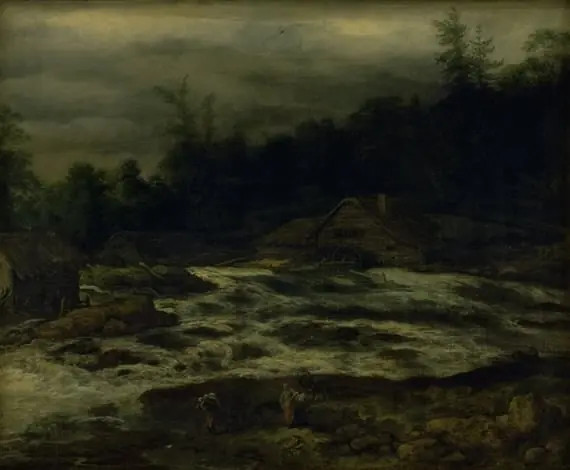 Mountain Scenery with Waterfall
 -
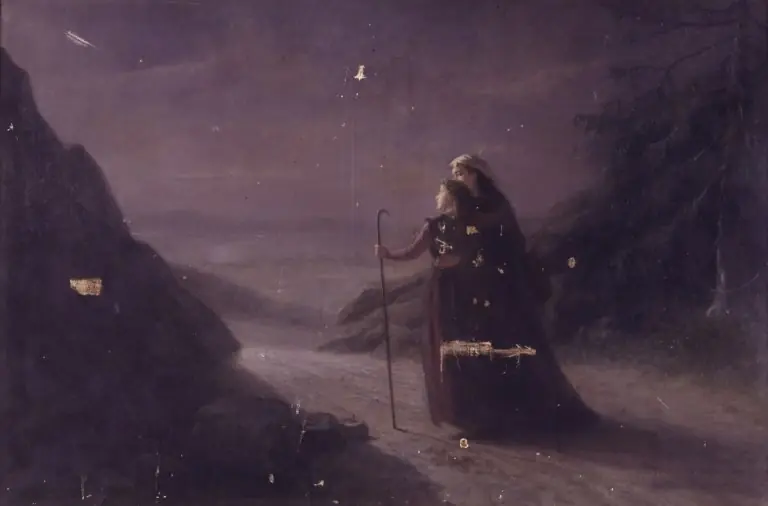 Marsk Stigs døtre
 -
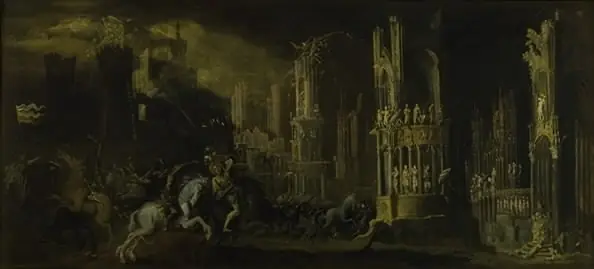 Architectural Fantasy with the Conversion of Saul (Saint Paul)
 -
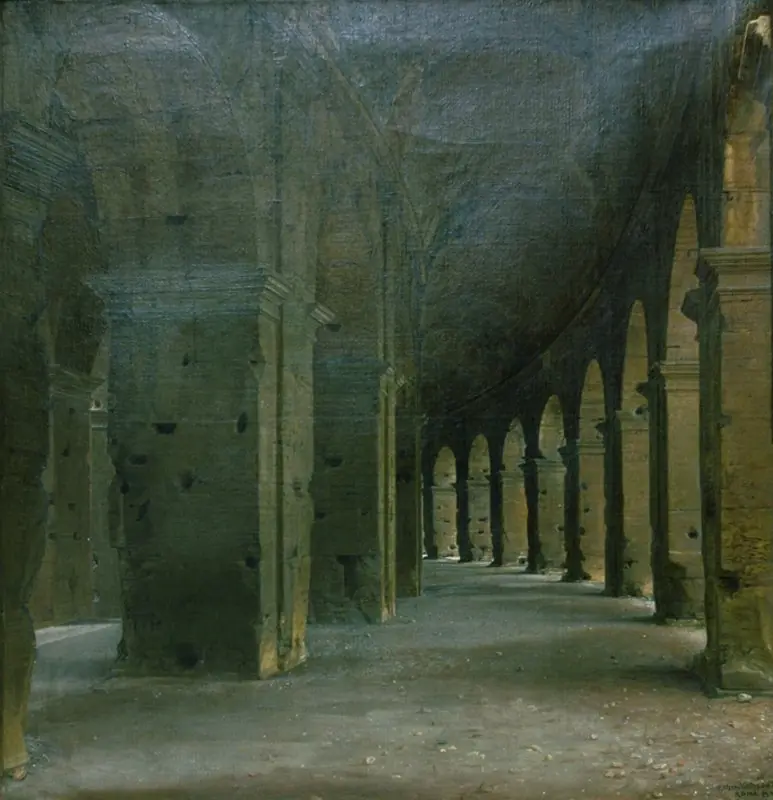 Parti af Colosseum
 -
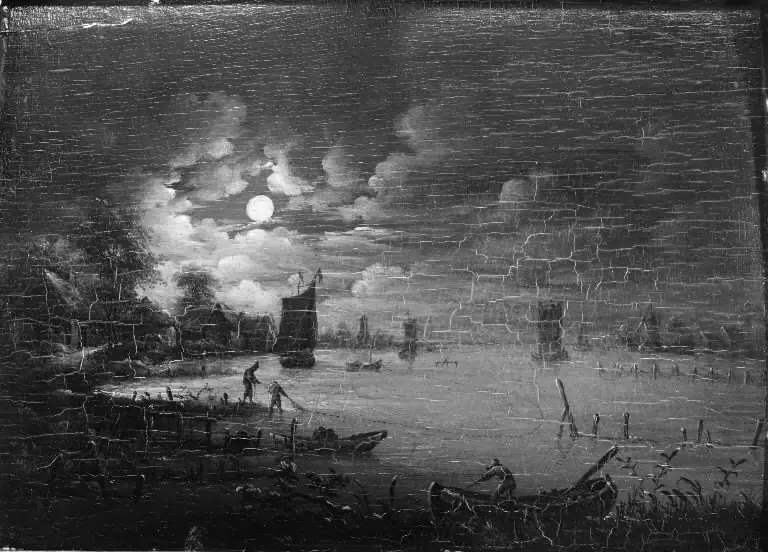 Moonlight
 -
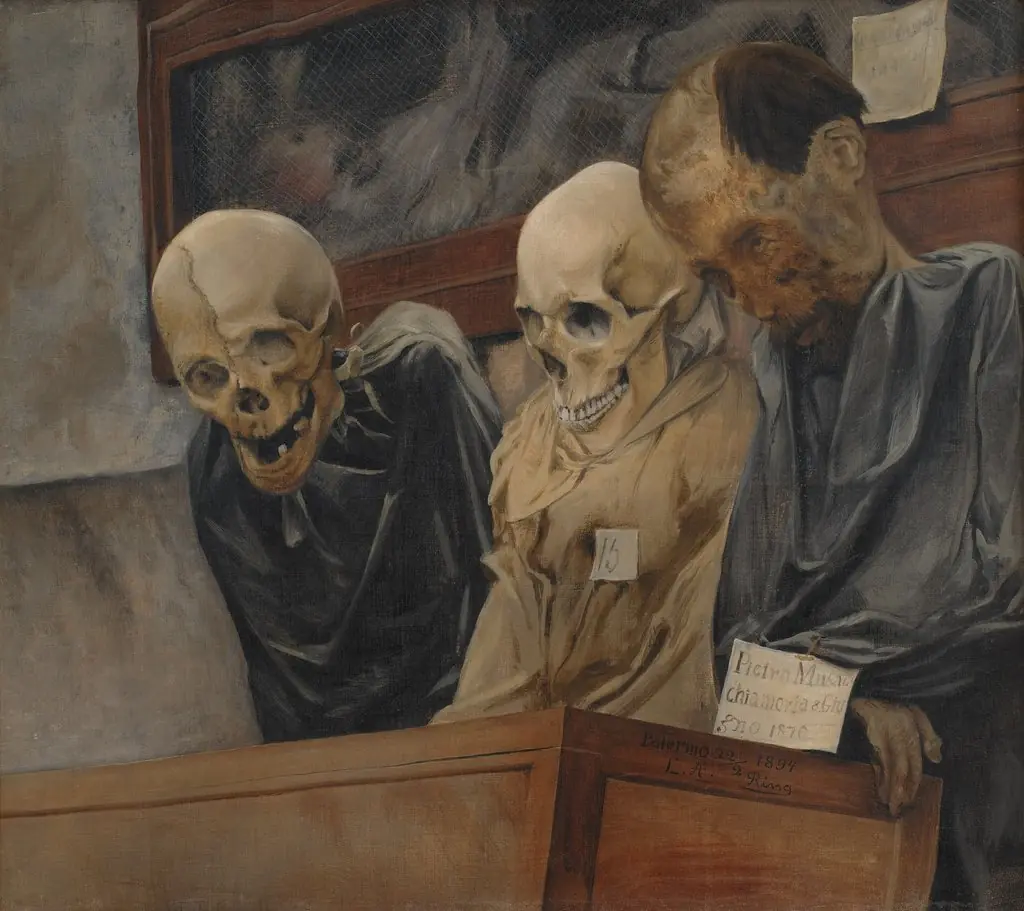 Three Skulls from Convento dei Cappucini at Palermo
 -
 Erstürmung eines Kastells
 -
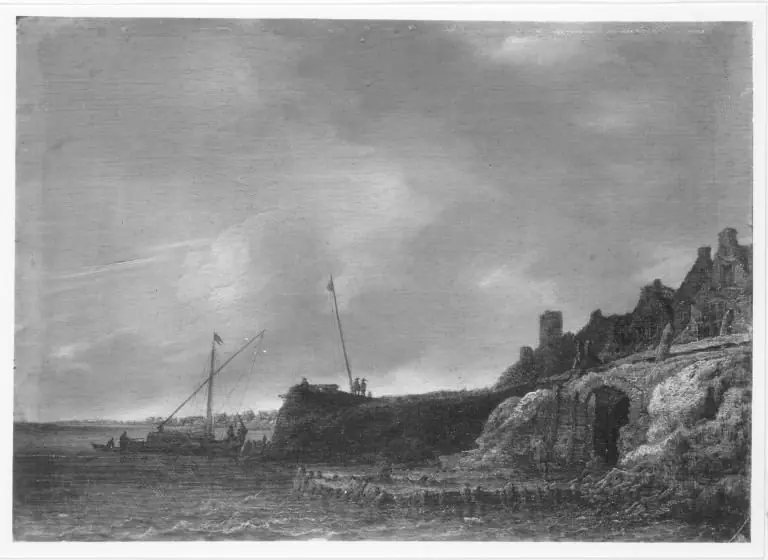 Küste bei ruhiger See
 -
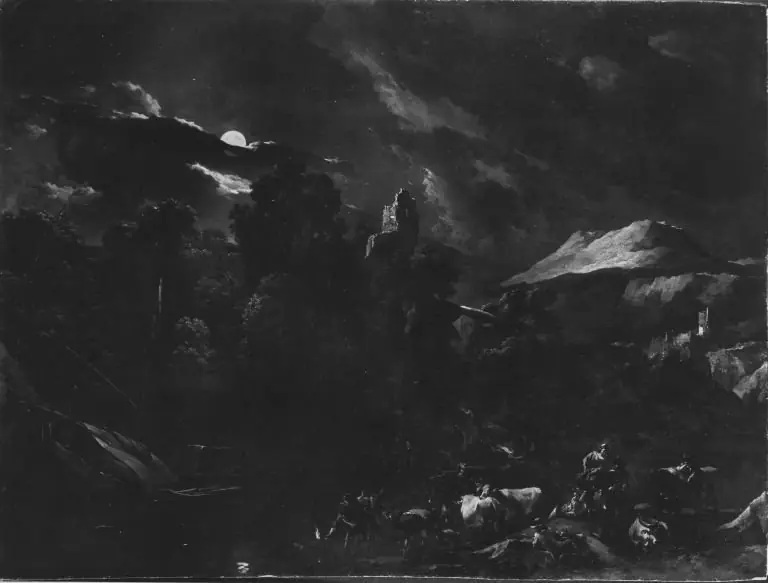 Gebirgslandschaft bei Mondschein mit Viehherde und Hirten
 -
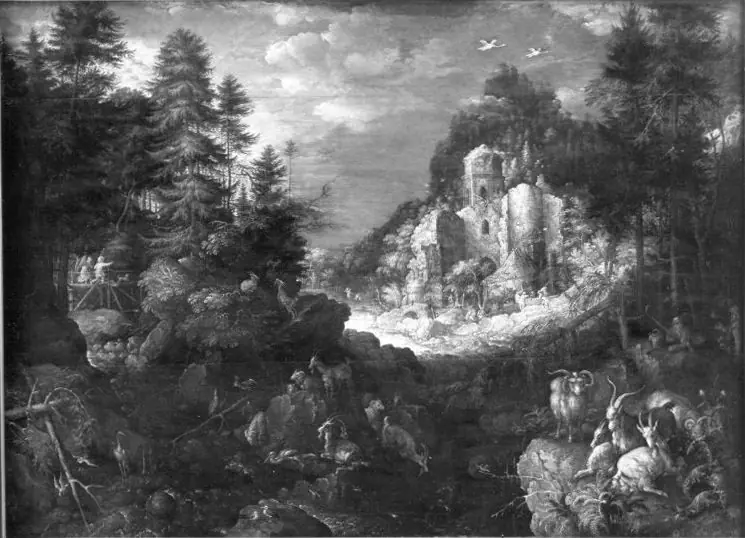 Gebirgslandschaft mit Tobias und dem Engel
 -
 Schlachtenbild (zugeschrieben)
 -
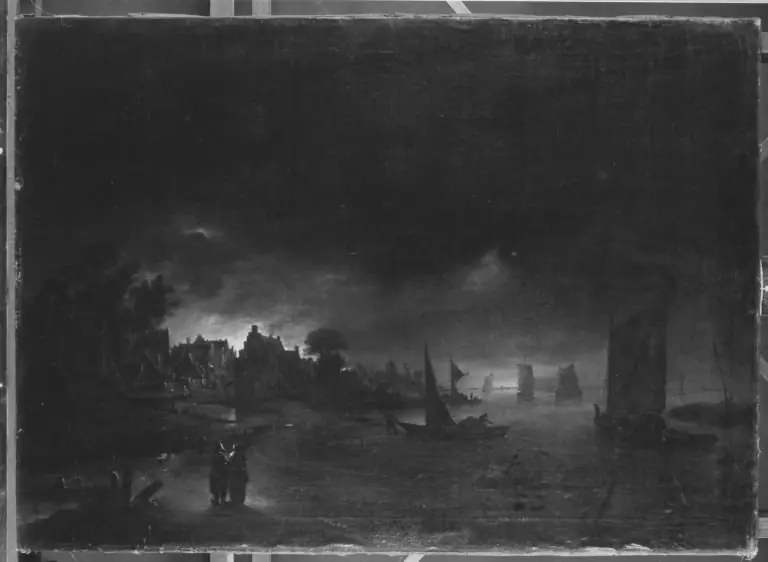 Stadt am Ufer im Mondschein
 -
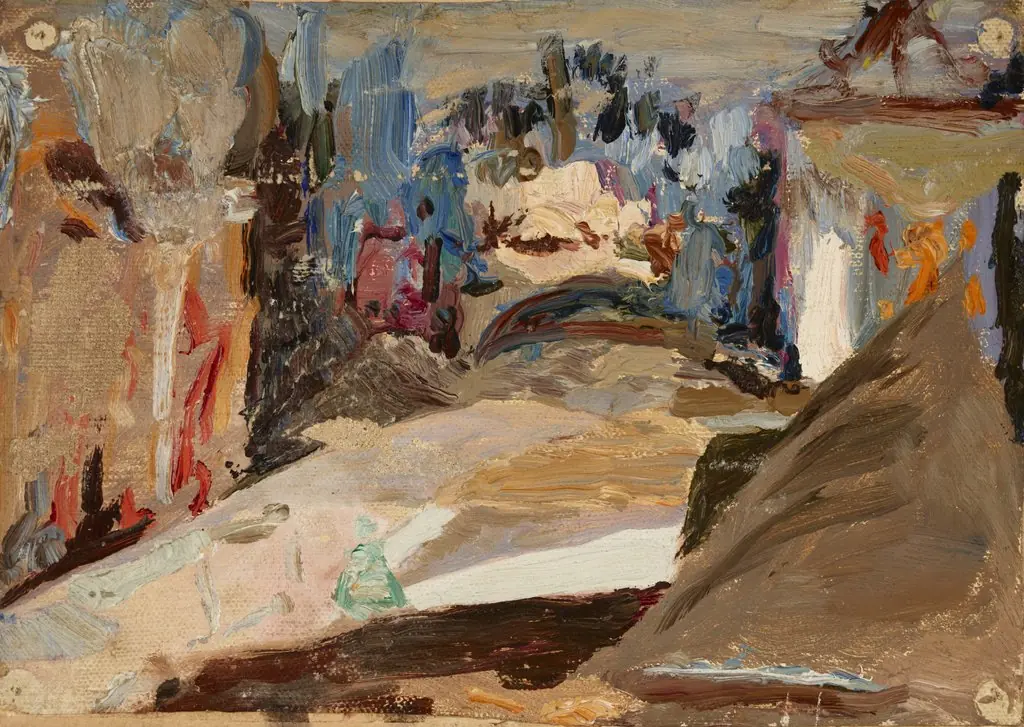 Smyrna (Bazaar)
 -
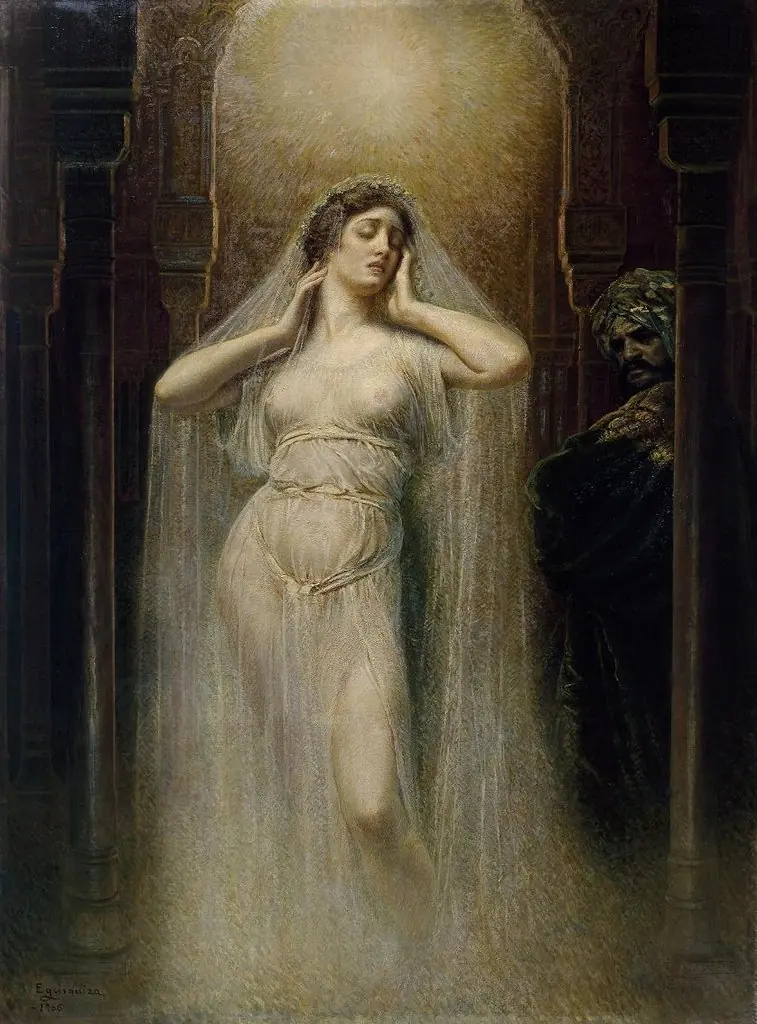 Kundry
 -
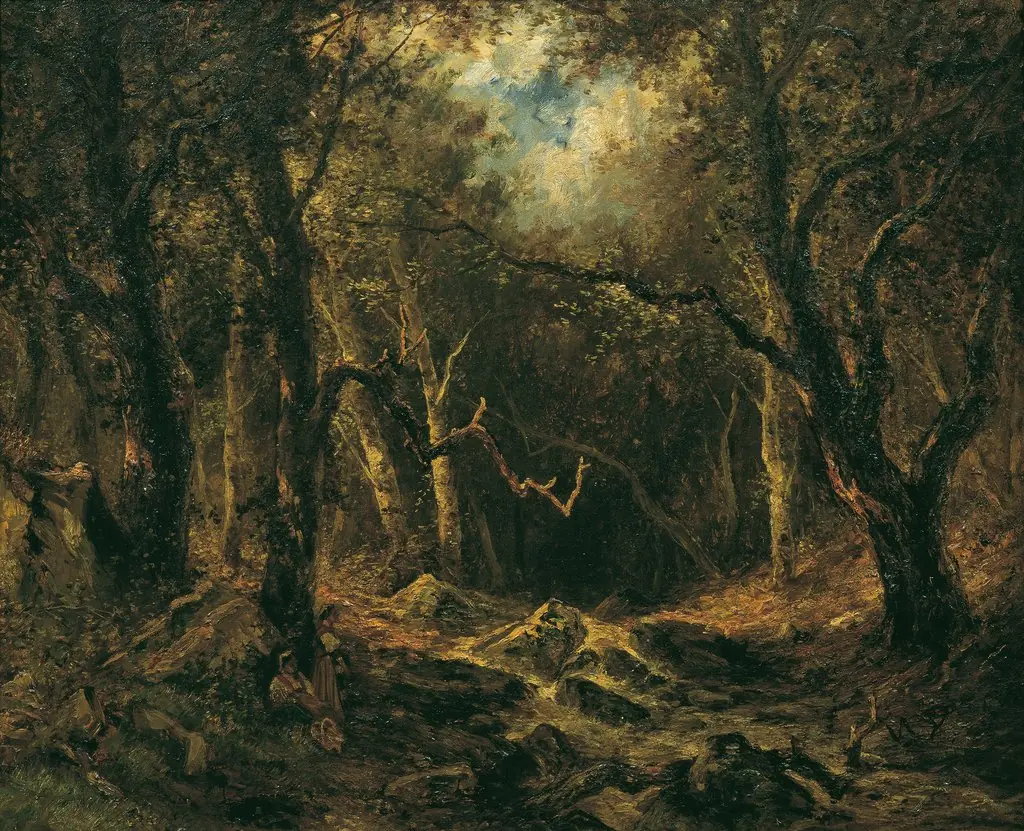 Inside the Forest
 -
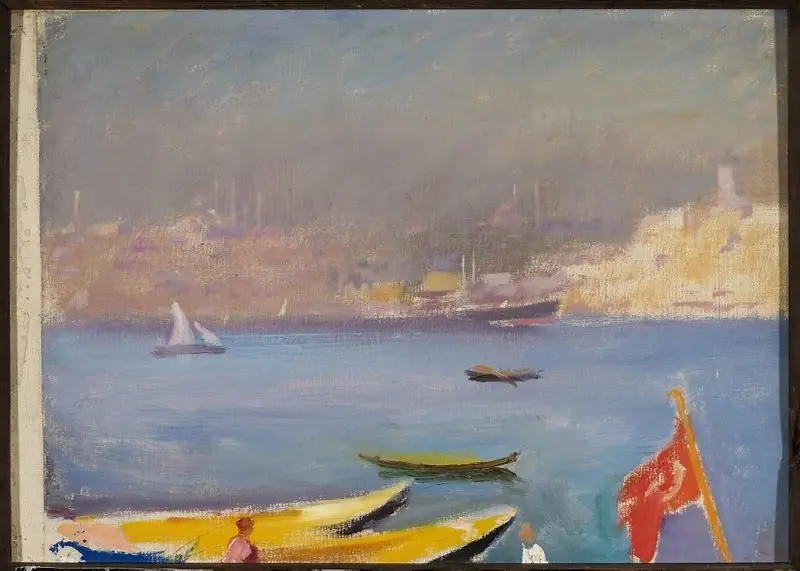 View of Constantinople. From the journey to Constantinople