Curated Theme
Nocturnes
Night as the subject of a painting, not merely its setting.
1,417 works in the collection
When Whistler titled his shadowy river views Nocturnes he borrowed the word from music — from Chopin — to insist that a painting could be a mood before it was a scene. The nocturne is the picture in which night stops being a backdrop and becomes the subject itself. Look at how little is described: a few lamps smeared along a wharf, a tonal wash of blue-grey, a horizon you have to take on faith. The discipline is one of restraint. A daylight painter has every colour available; the painter of night works inside a near-monochrome and must make a handful of values carry the whole feeling. Whistler is the obvious master, but the lineage runs back through Aert van der Neer's moonlit Dutch canals and forward into Tonalism. The thing to watch for is the single point of artificial light — a window, a flame, a reflection — around which the painter organises the dark. It is the eye's only foothold, and the picture's quiet drama.
In this gallery
-
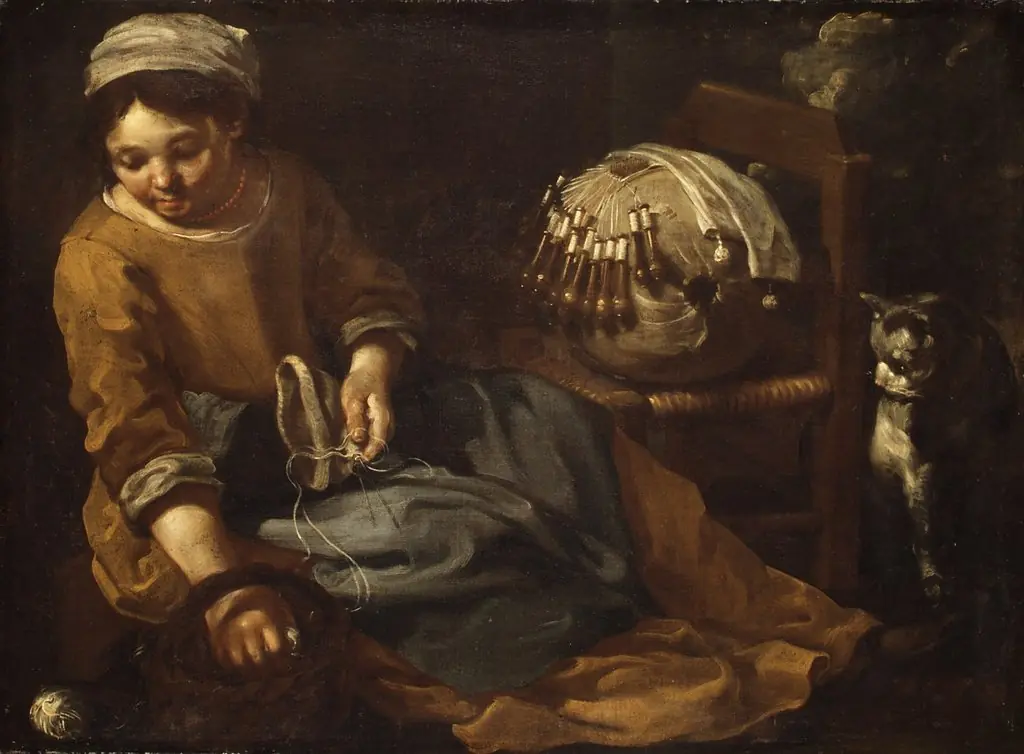 The Lacemaker
 -
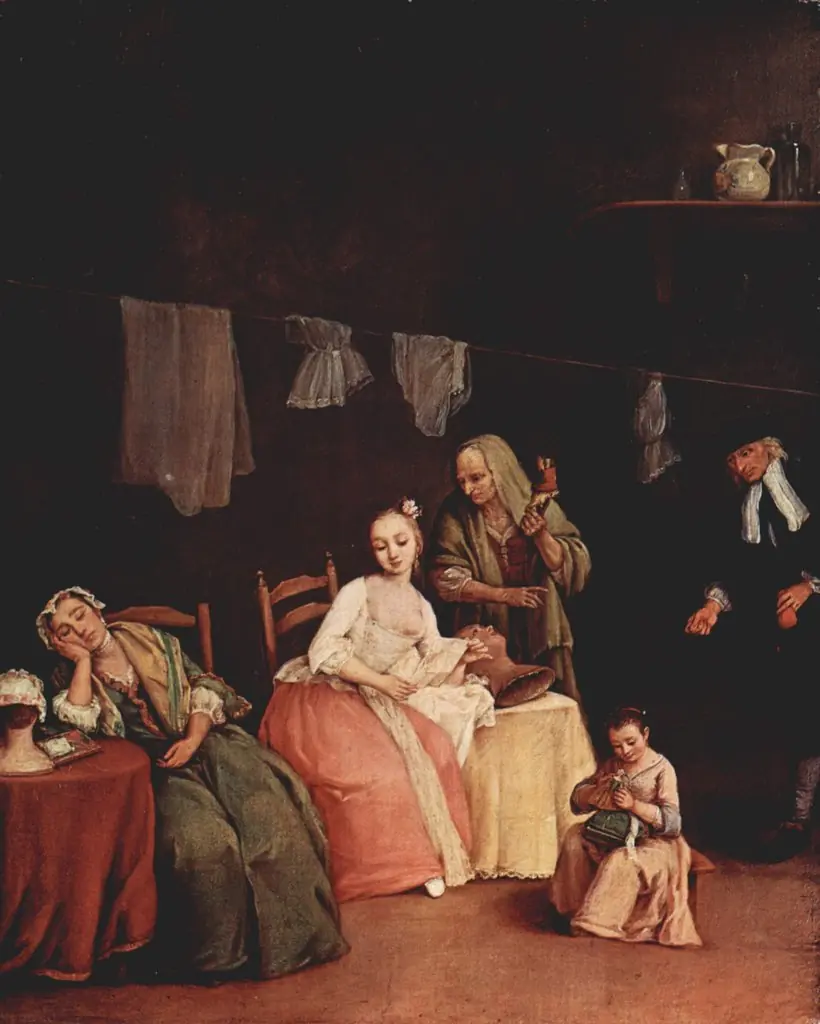 The Letter
 -
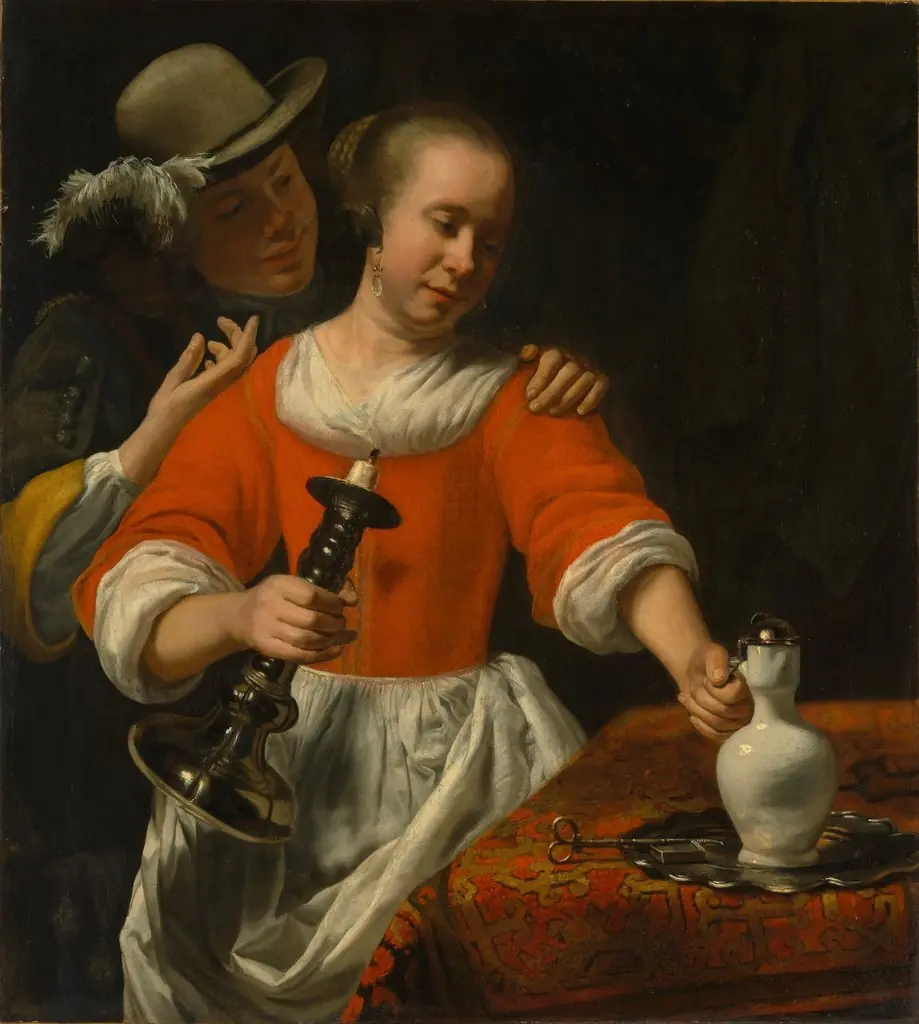 A Young Woman and a Cavalier
 -
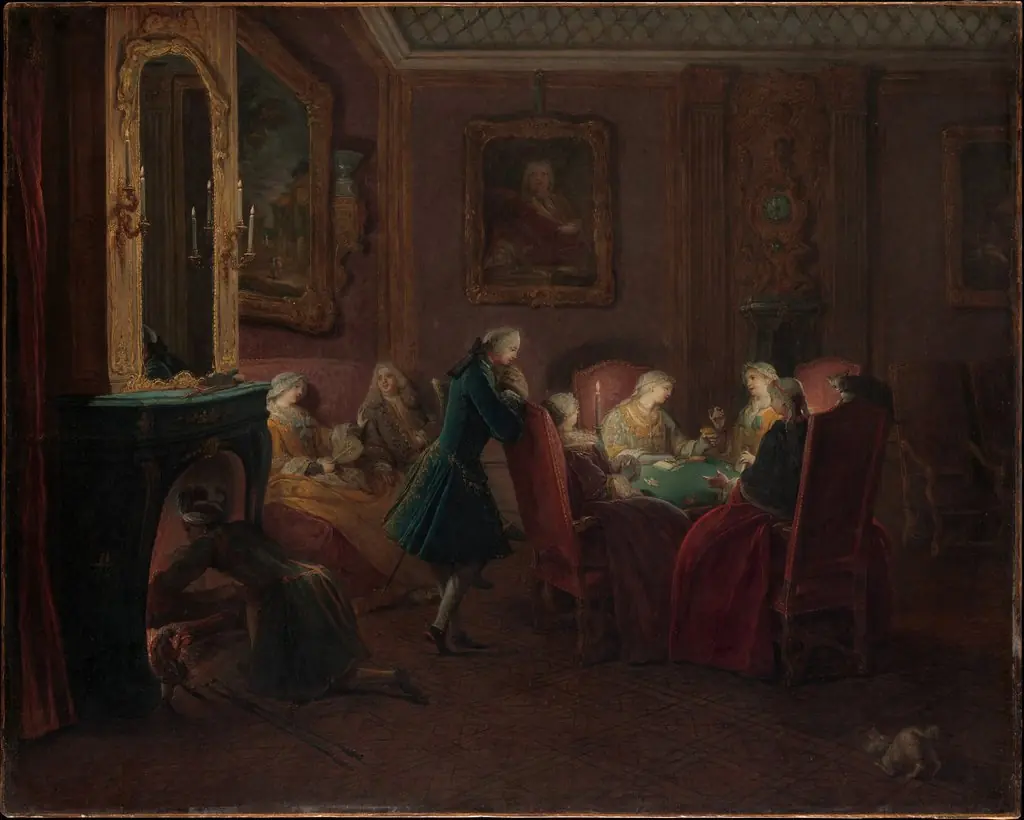 Card Players in a Drawing Room
 -
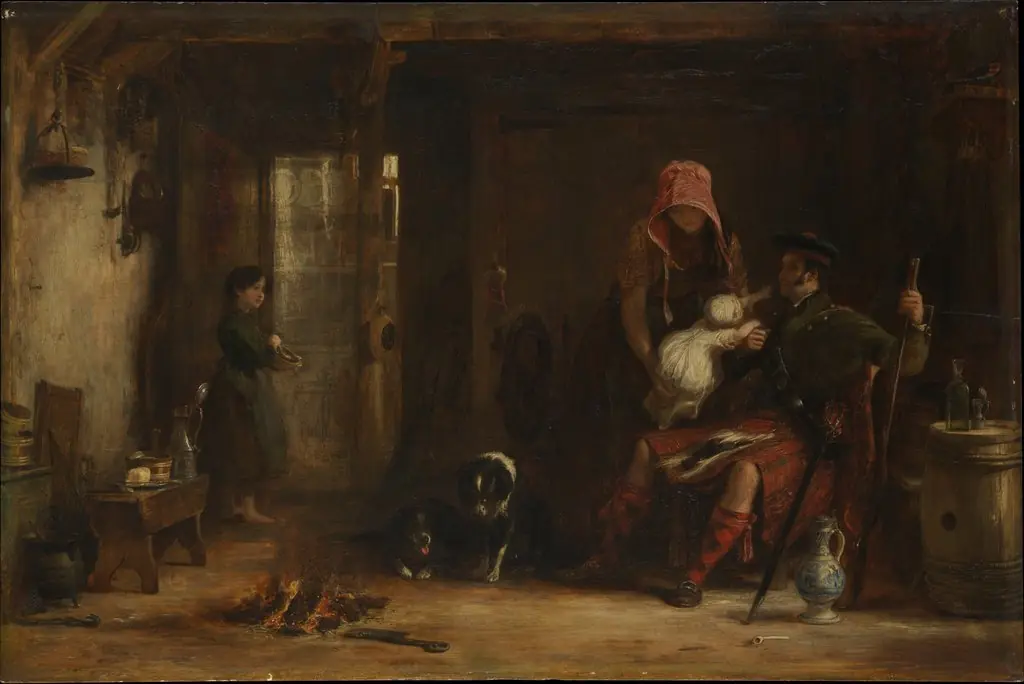 The Highland Family
 -
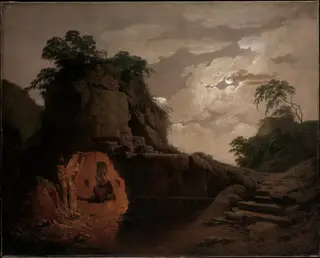 Virgil's Tomb by Moonlight, with Silius Italicus Declaiming
 -
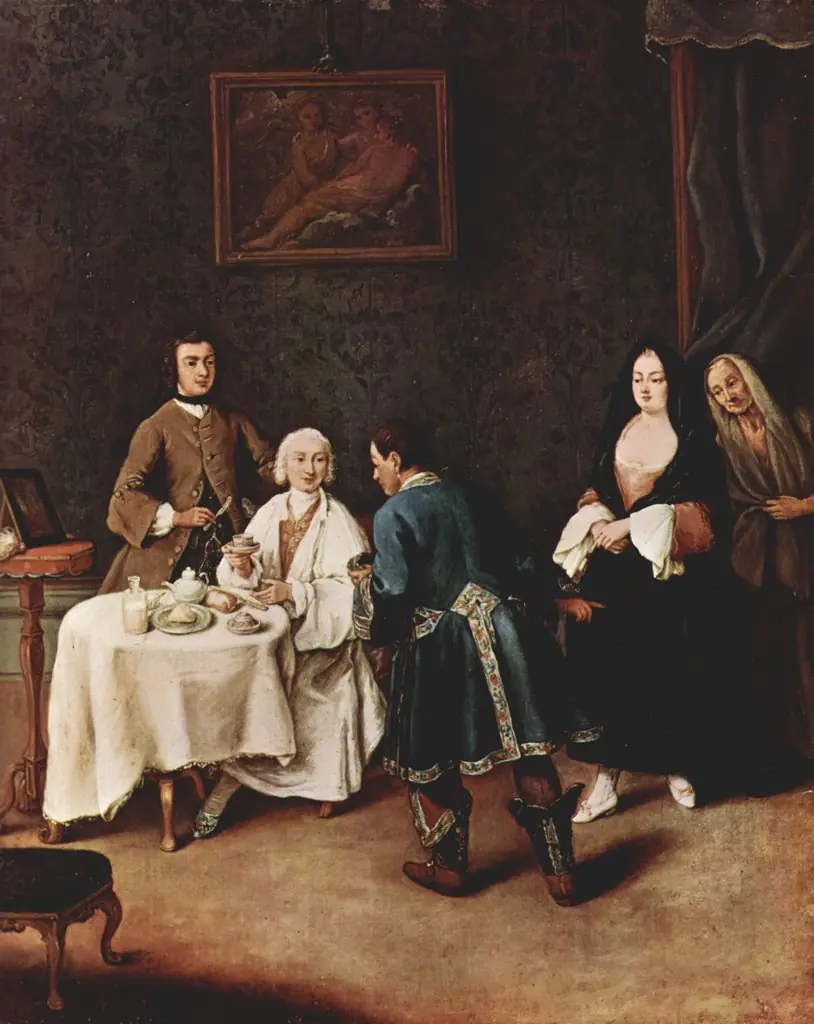 The Temptation
 -
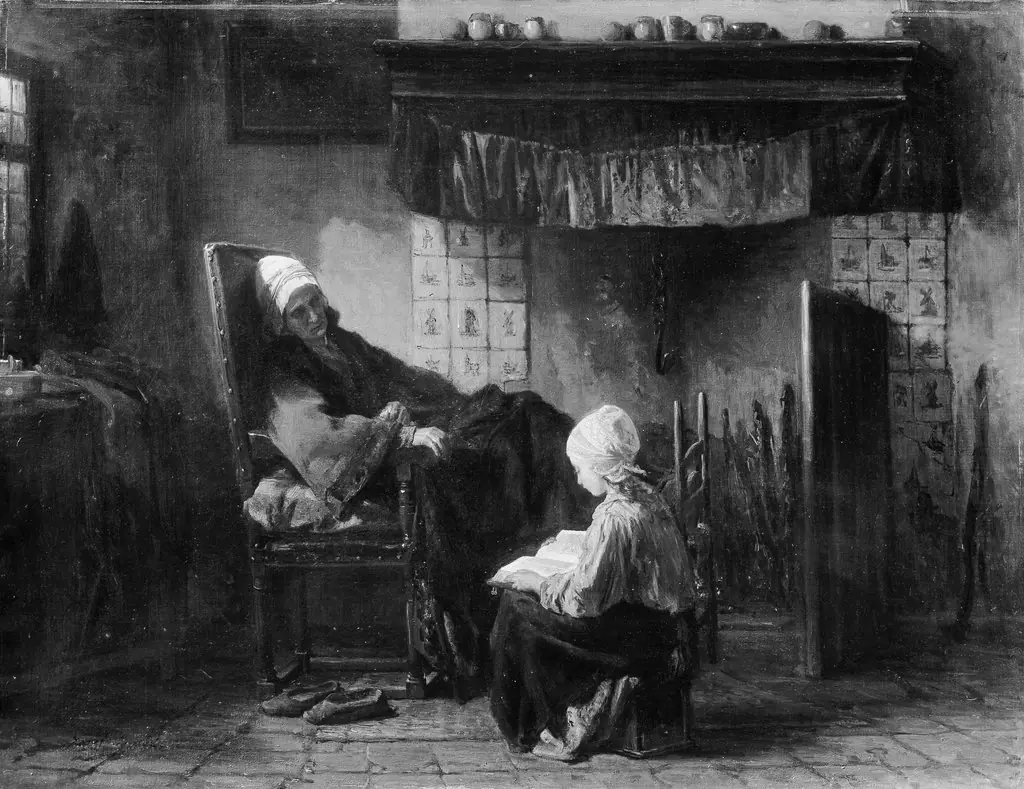 Grandmother's Treasure
 -
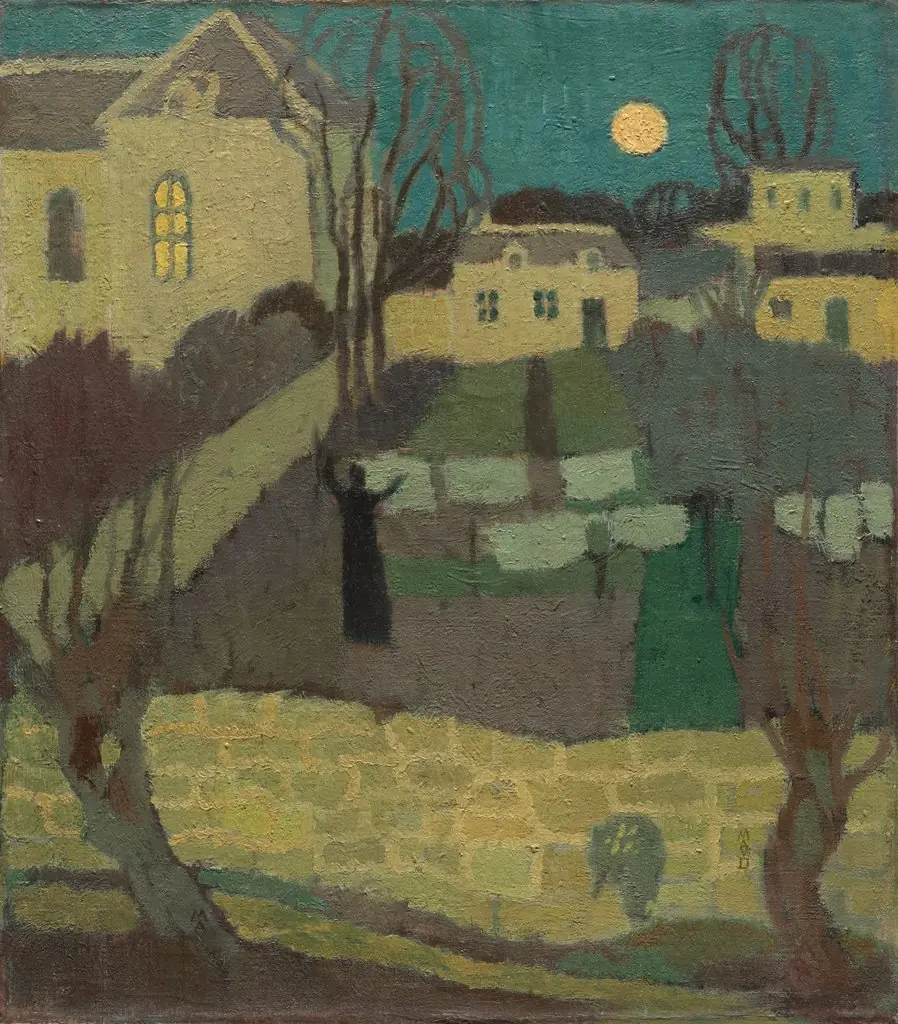 Drying the Linen, or Moonrise at the Priory
 -
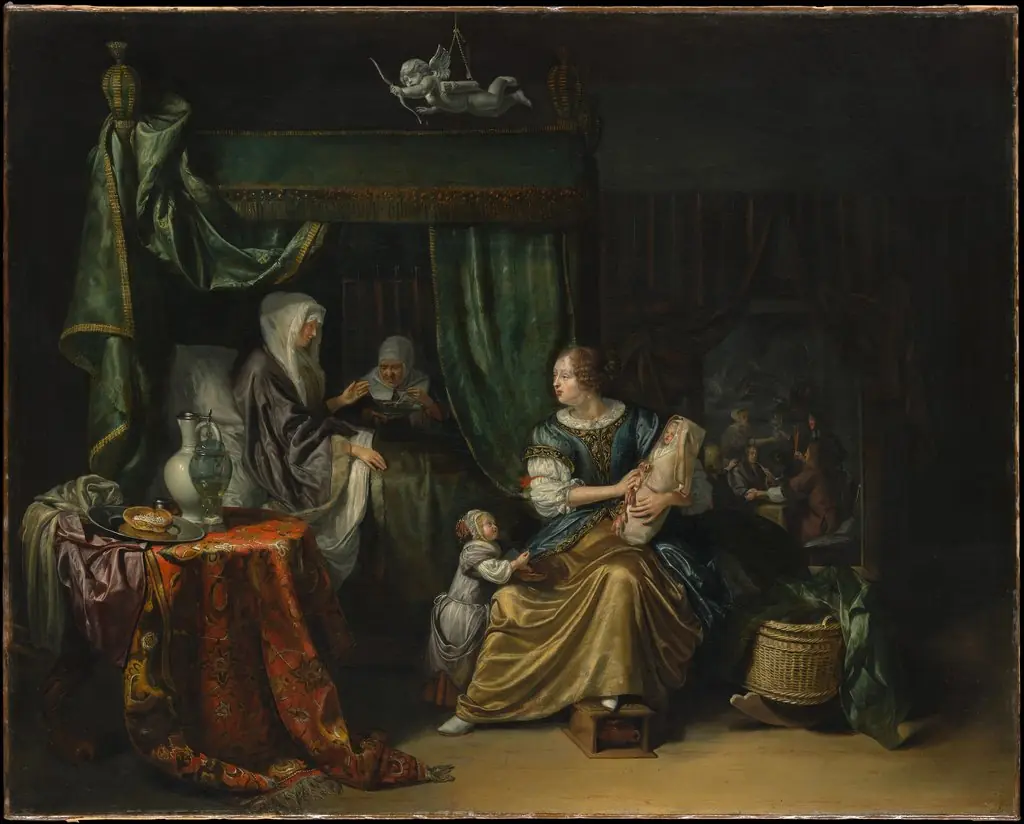 The Newborn Baby
 -
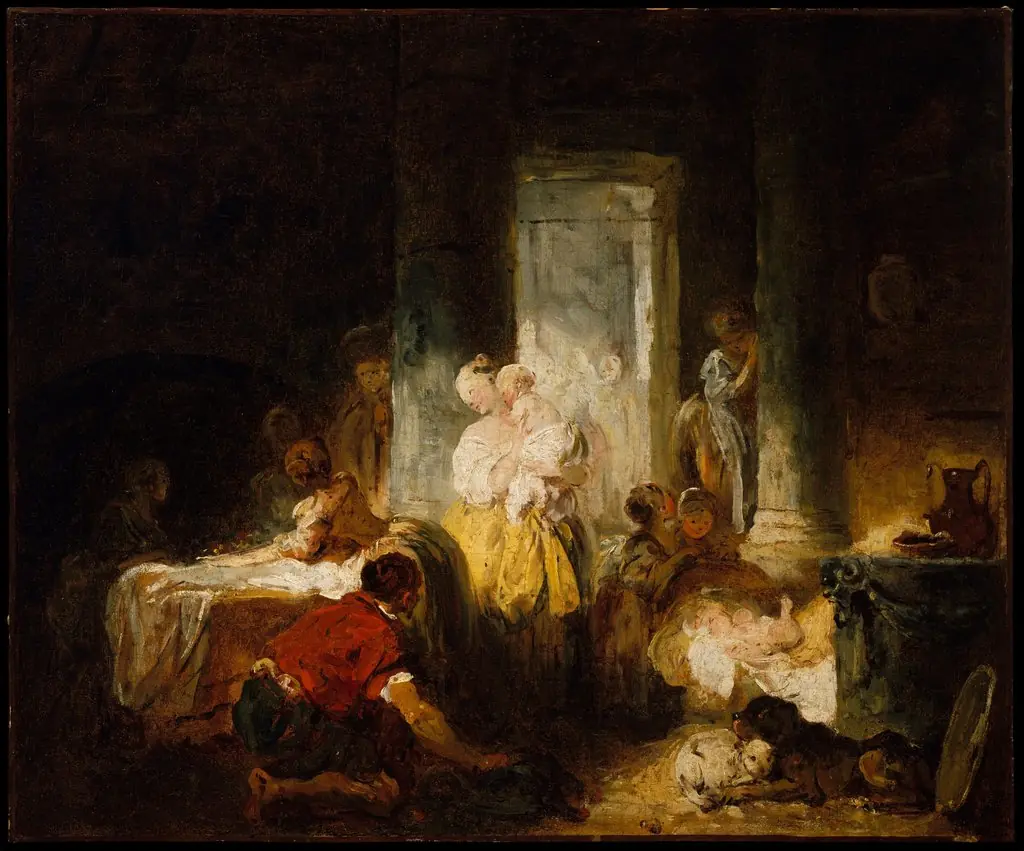 The Happy Mother
 -
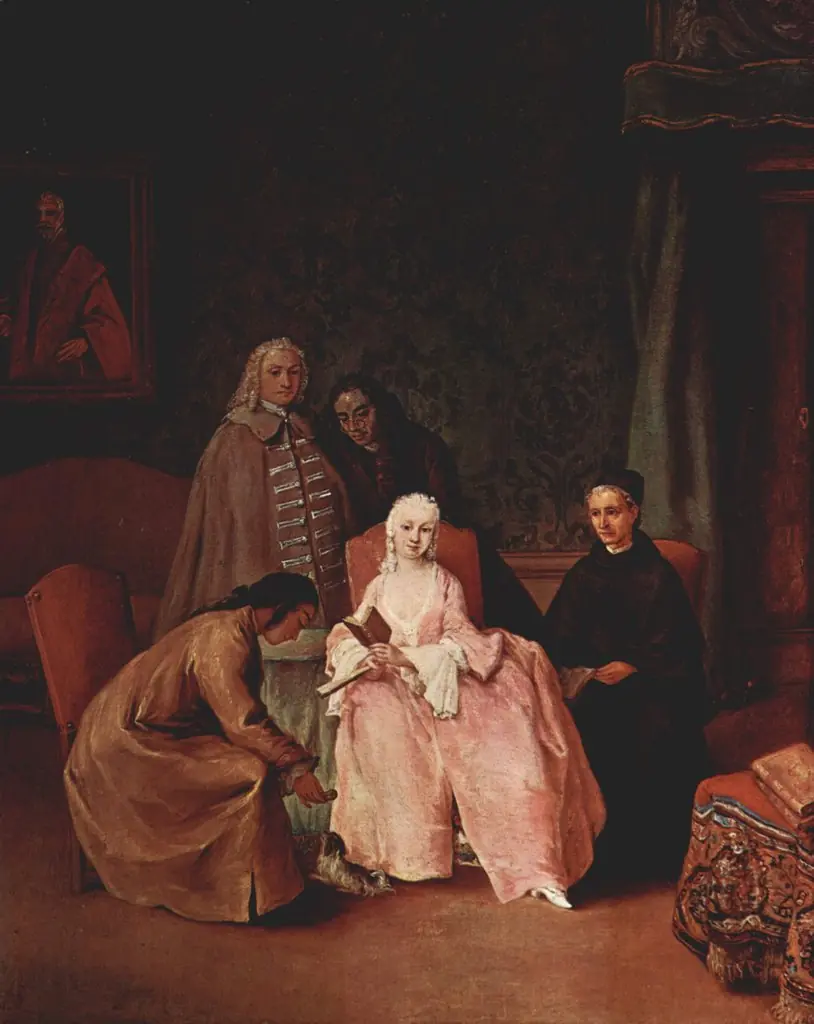 The Visit
 -
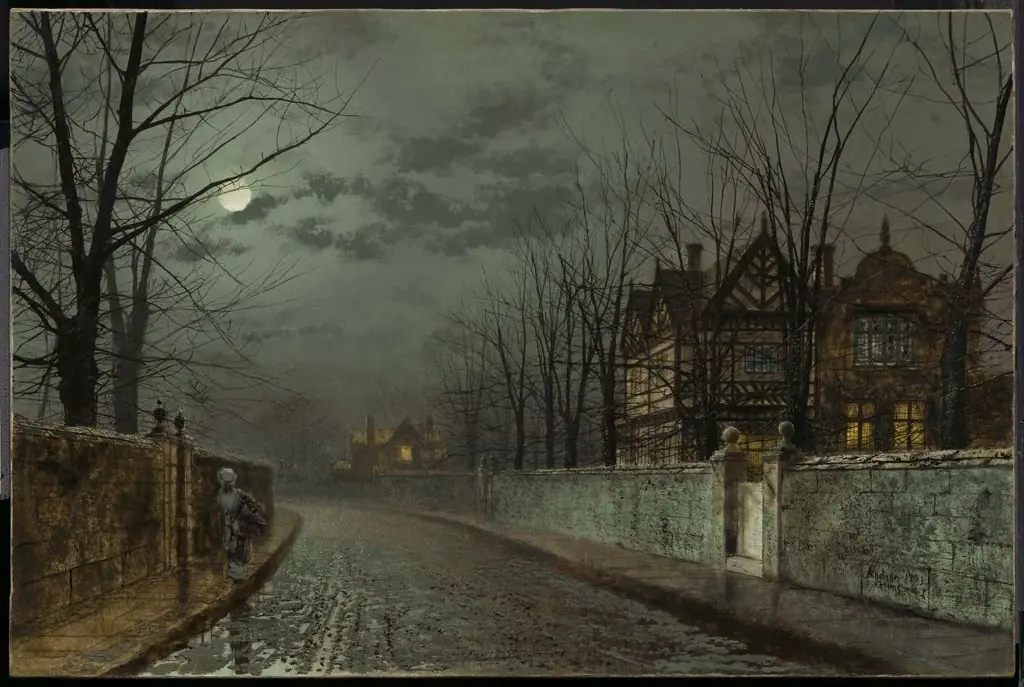 Old English House by Moonlight
 -
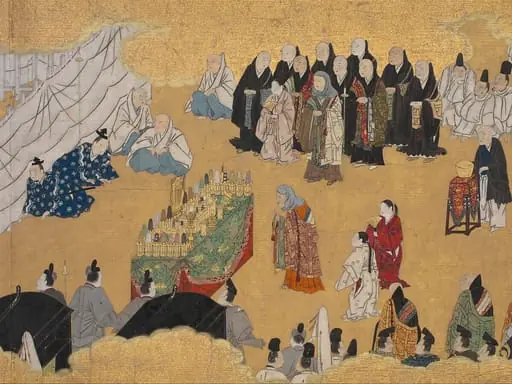 幻の源氏物語絵巻 「葵」|“Leaves of Wild Ginger” (Aoi), from the Phantom Genji Scrolls (Maboroshi no Genji monogatari emaki)
 -
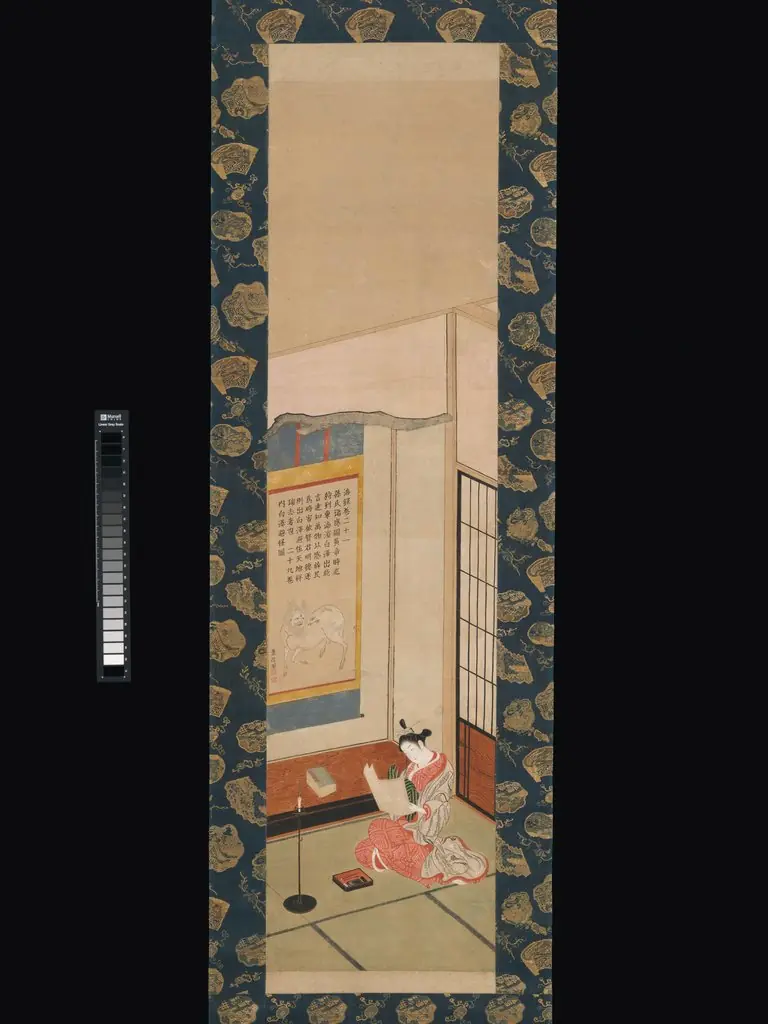 Courtesan Reading a Letter
 -
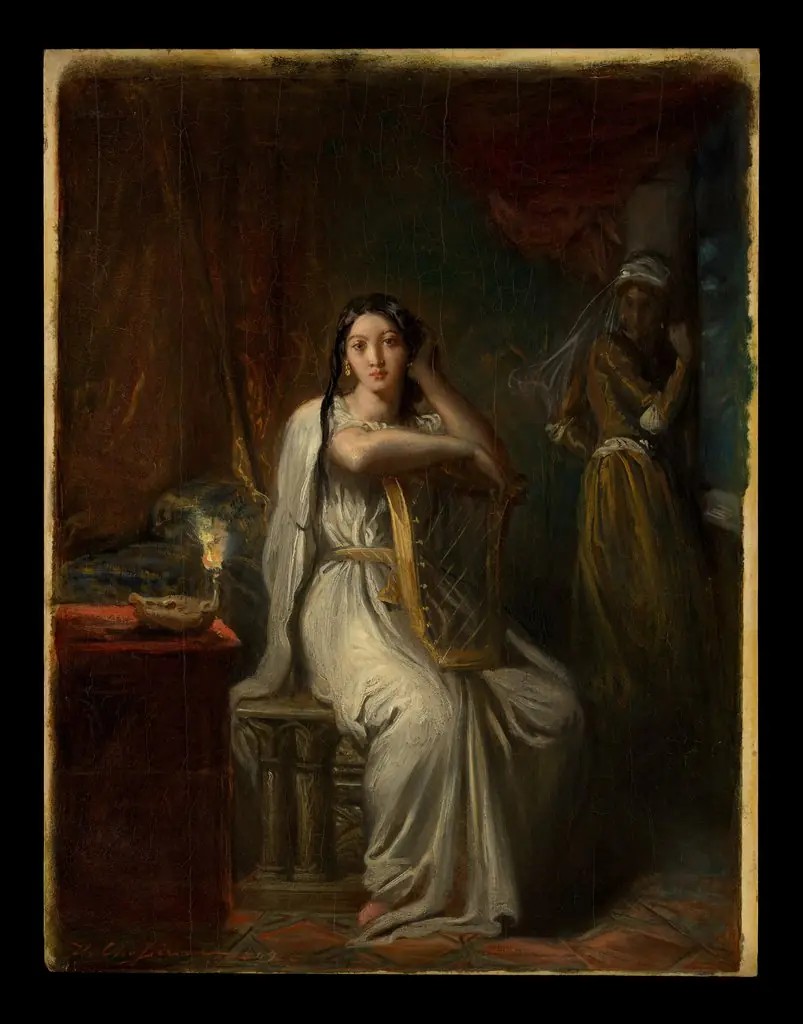 Desdemona (The Song of the Willow)
 -
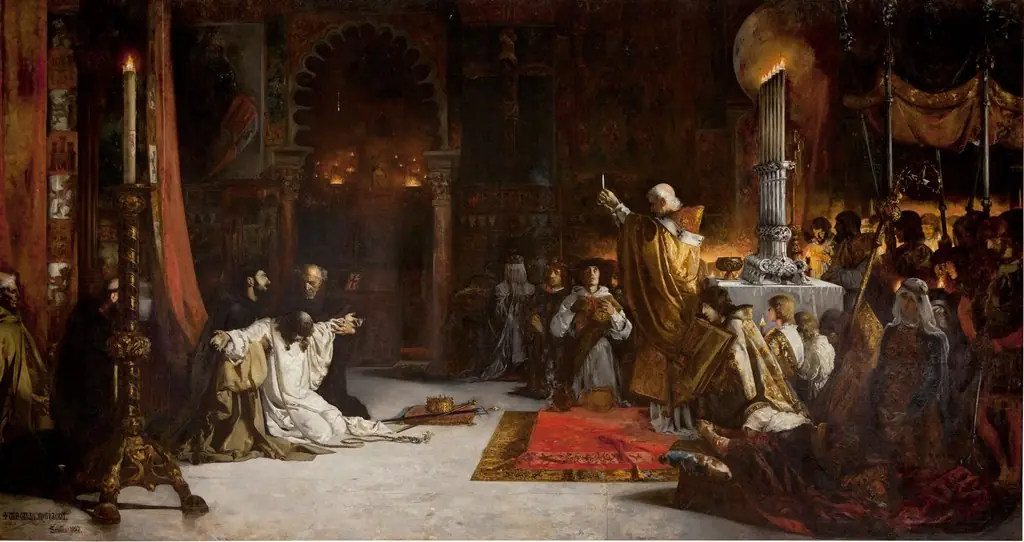 Las postrimerías de Fernando III el Santo
 -
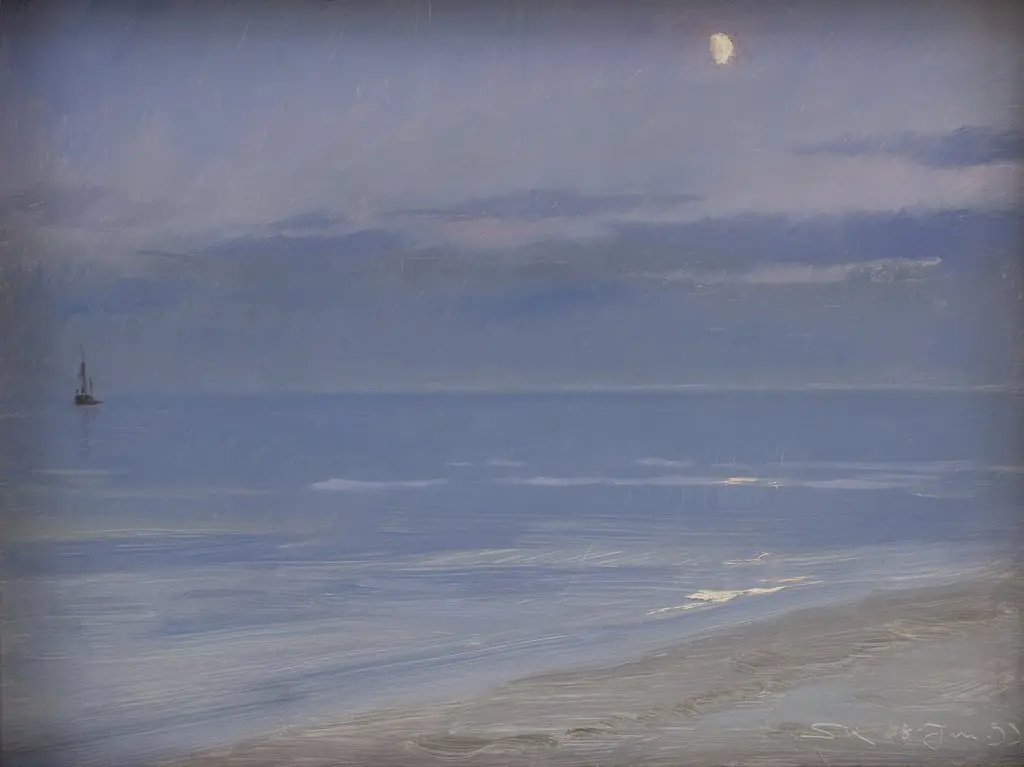 Skagen Beach in Moonlight
 -
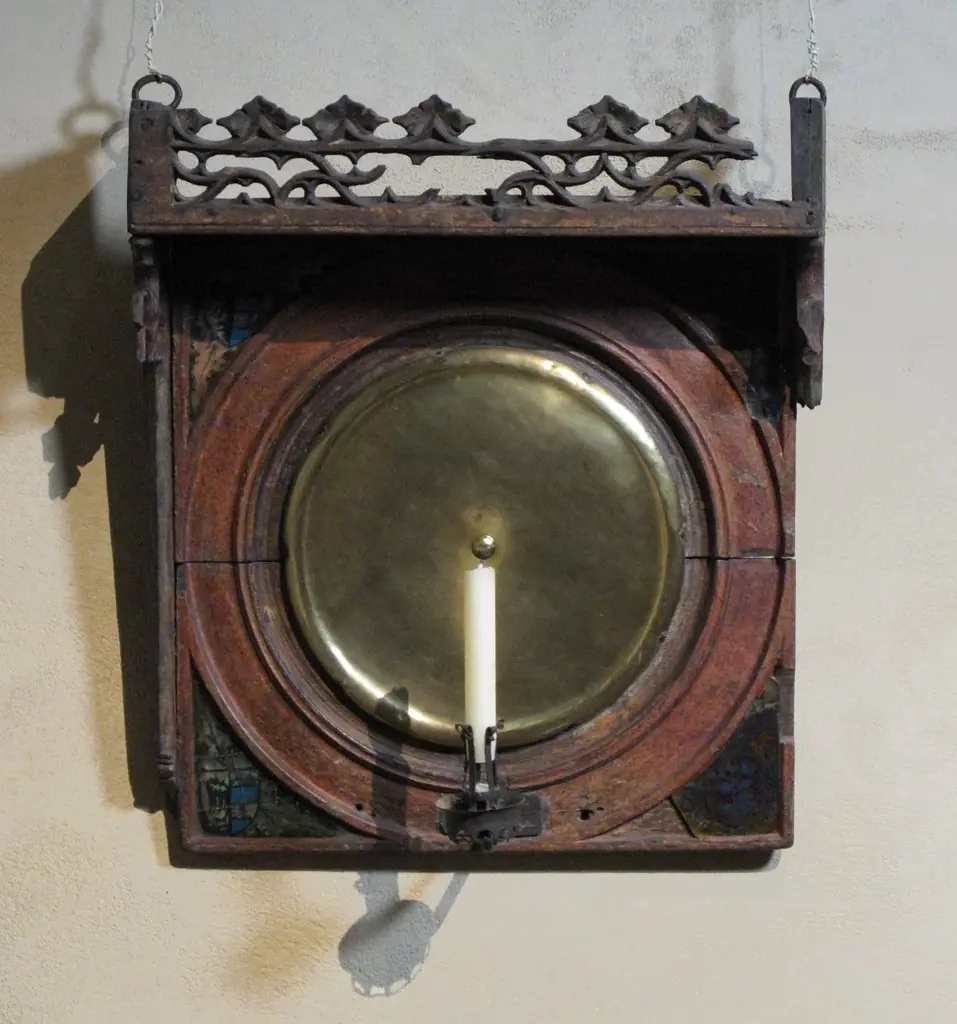 Mirror or Light Reflector
 -
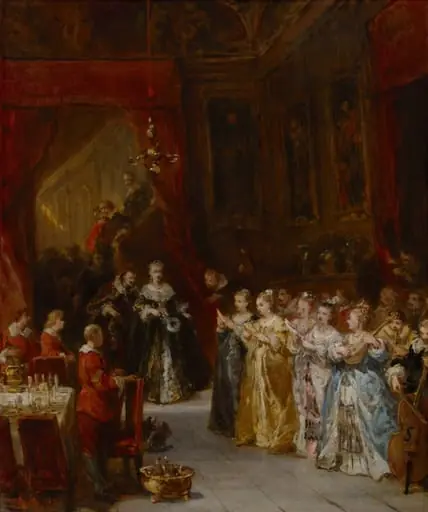 A Celebration
 -
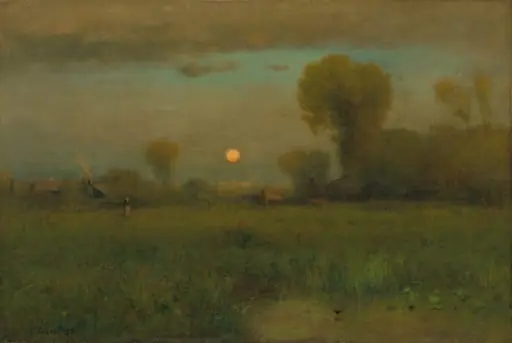 Harvest Moon
 -
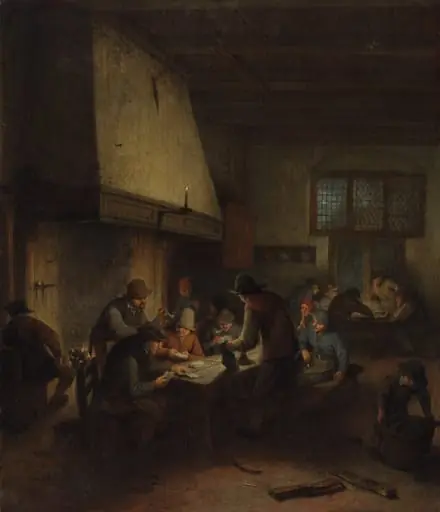 Tavern Scene
 -
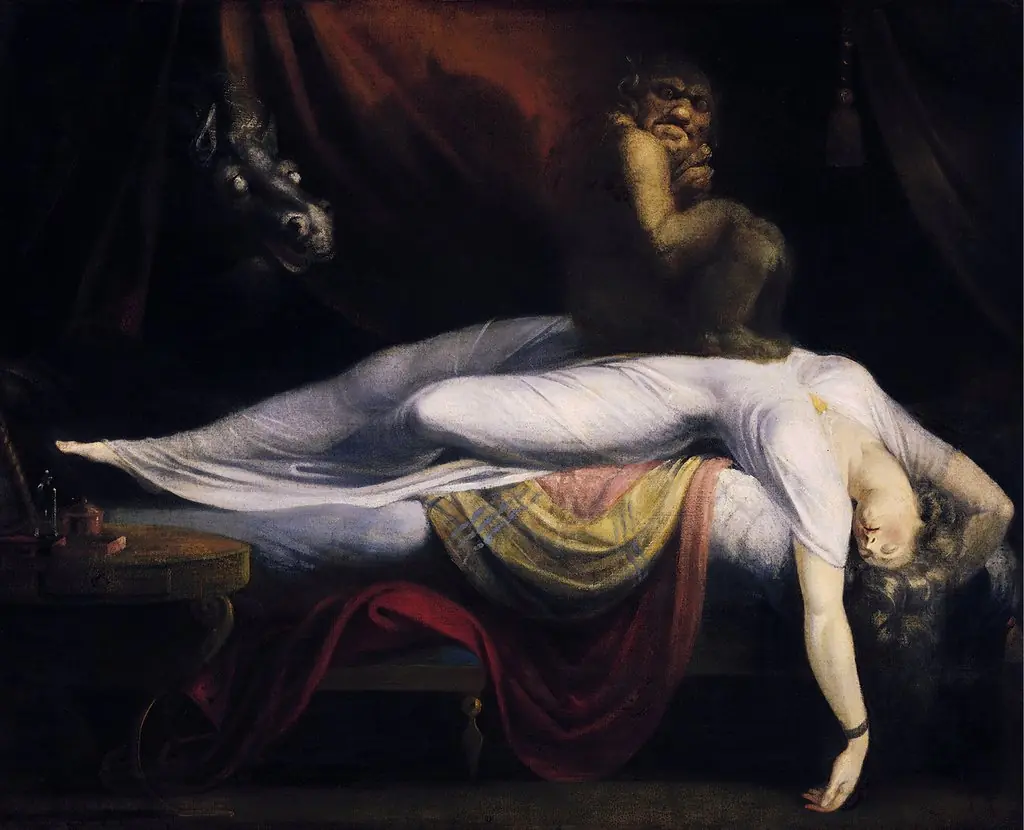 The Nightmare
 -
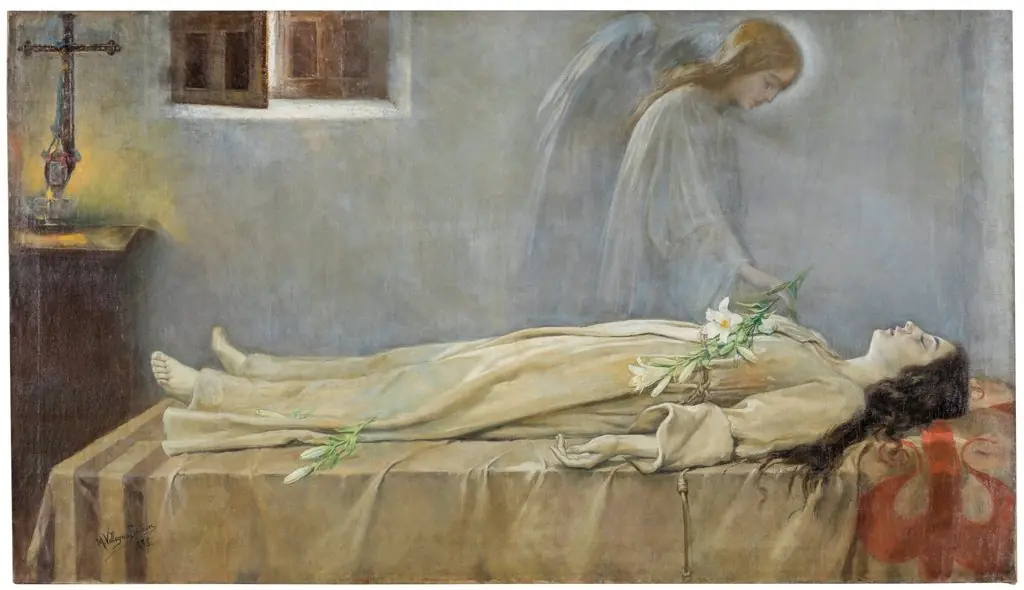 Último sueño de una virgen
 -
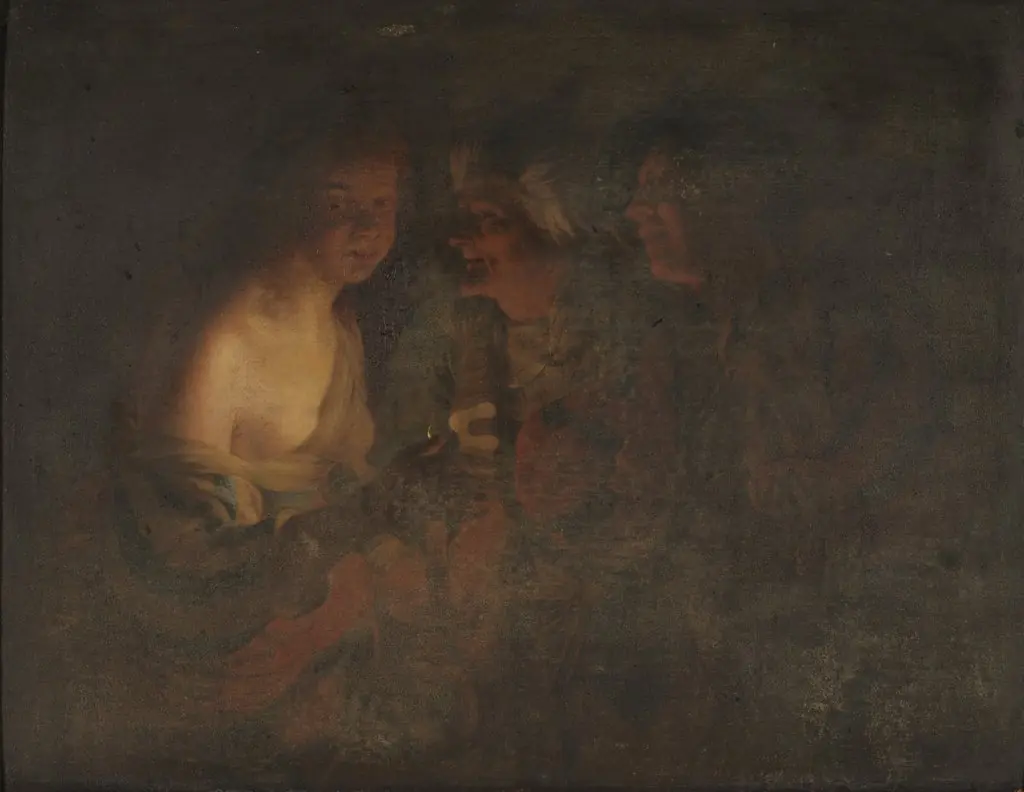 Young Woman with a Candlestick, Old Woman and a Violin Player
 -
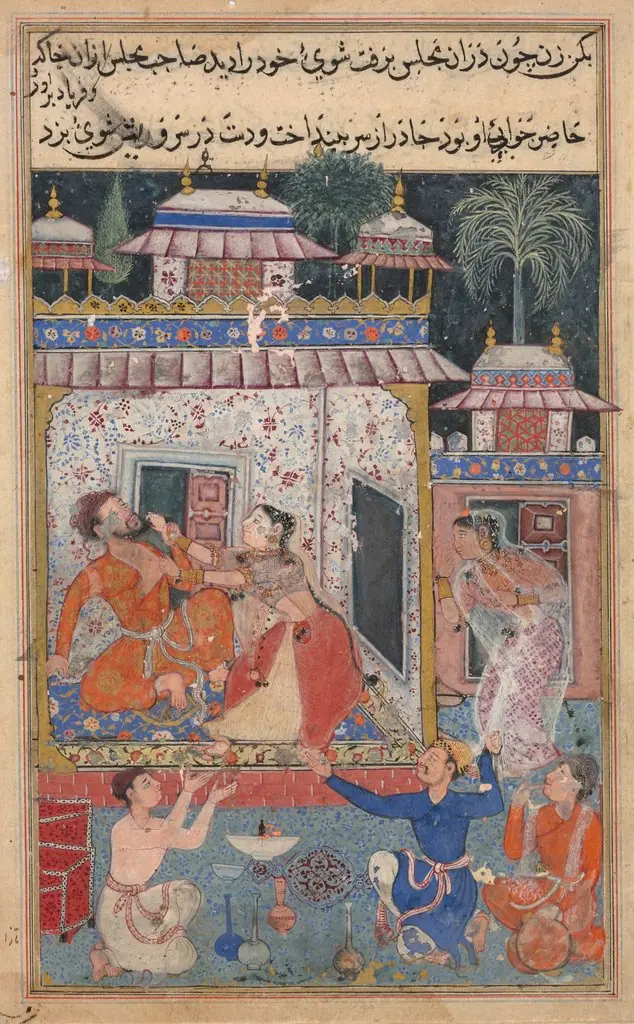 Page from Tales of a Parrot (Tuti-nama): text page
 -
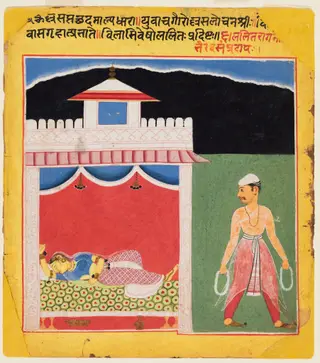 The Lover Leaves Wistfully in the Morning after a Passionate Tryst: Lalit Ragini, from a Ragamala
 -
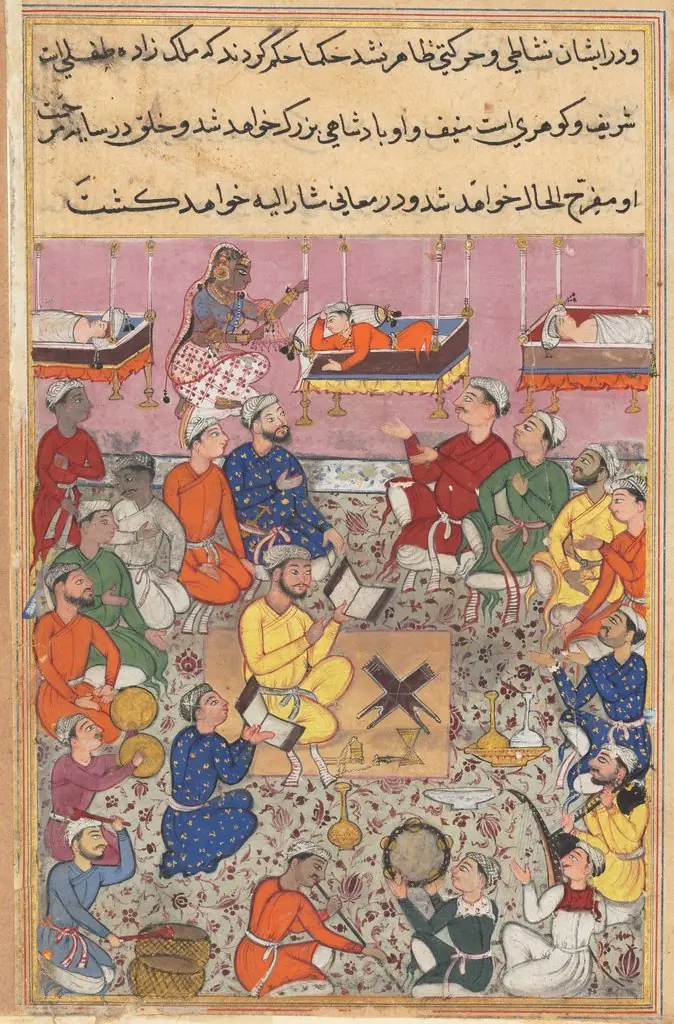 The infant son of the king of Isfahan responds to music, from a Tuti-nama (Tales of a Parrot): Thirteenth Night
 -
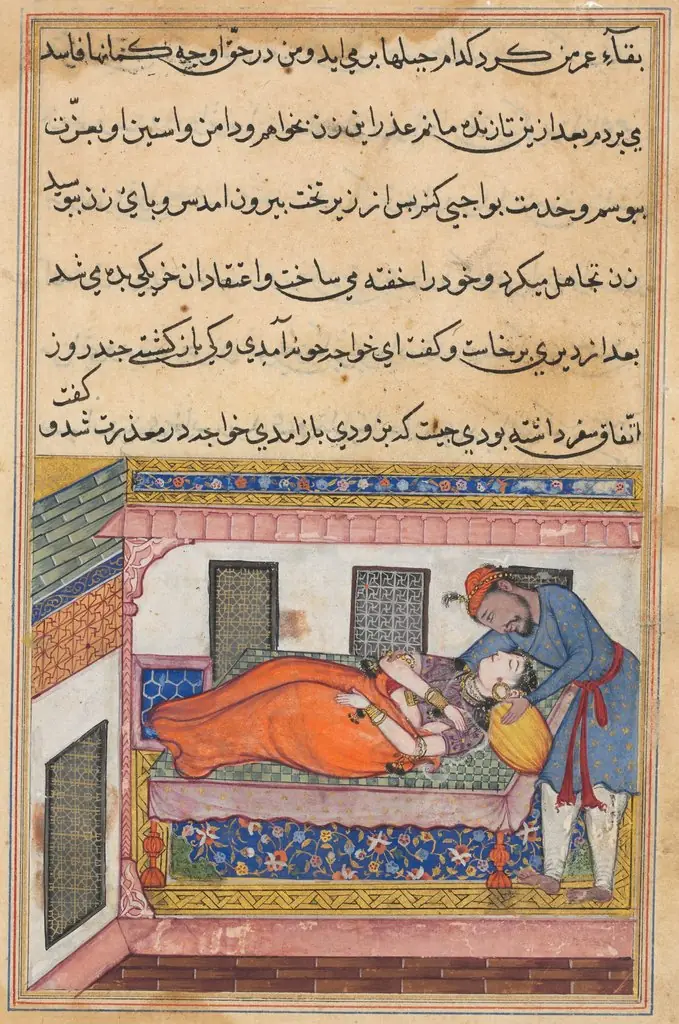 Shahr-Arai’s husband bends to kiss his wife who feigns sleep, from a Tuti-nama (Tales of a Parrot): Fortieth Night
 -
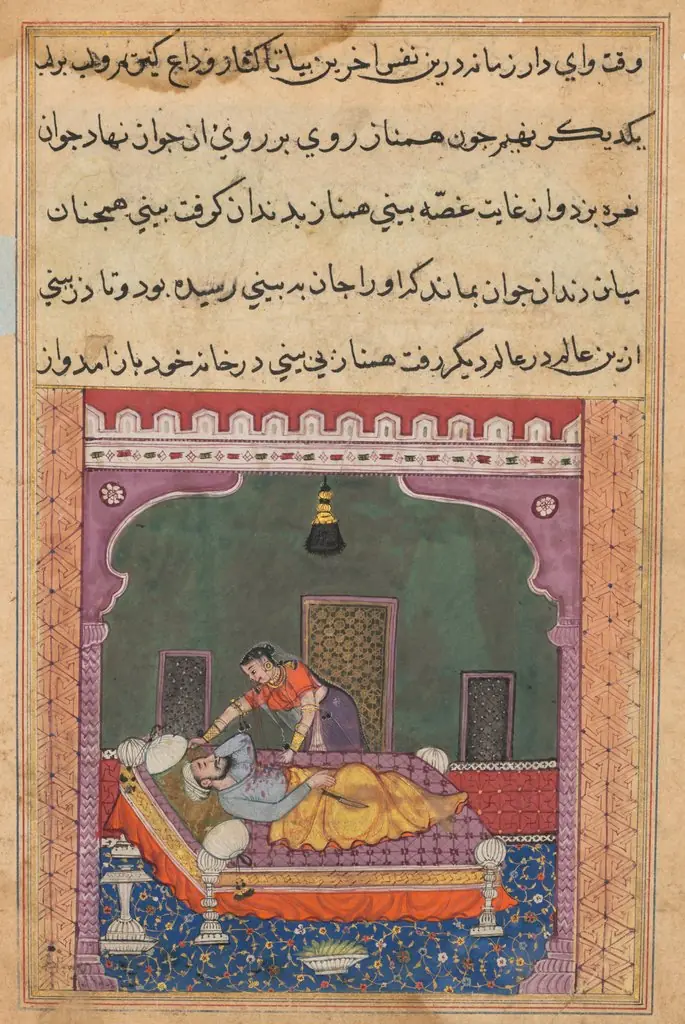 In order to falsely implicate her husband, Hamnaz places a knife by his side and lets the blood dripping from her nose stain his clothes, from a Tuti-nama (Tales of a Parrot): Twenty-fifth Night
 -
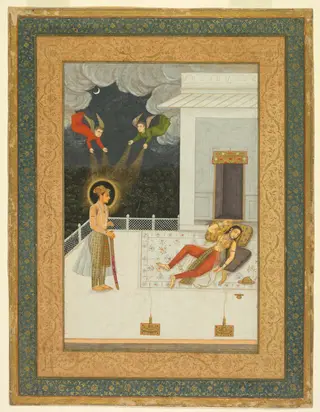 The dream of Zulaykha, from the Amber Album
 -
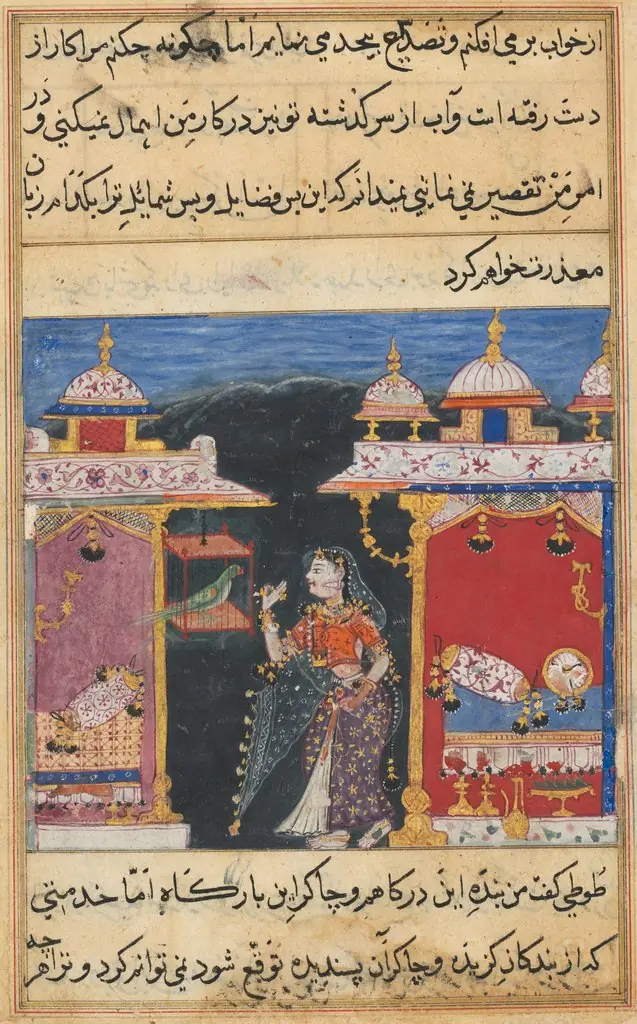 The Parrot Addresses Khujasta at the Beginning of the Seventh Night, from a Tuti-nama (Tales of a Parrot)
 -
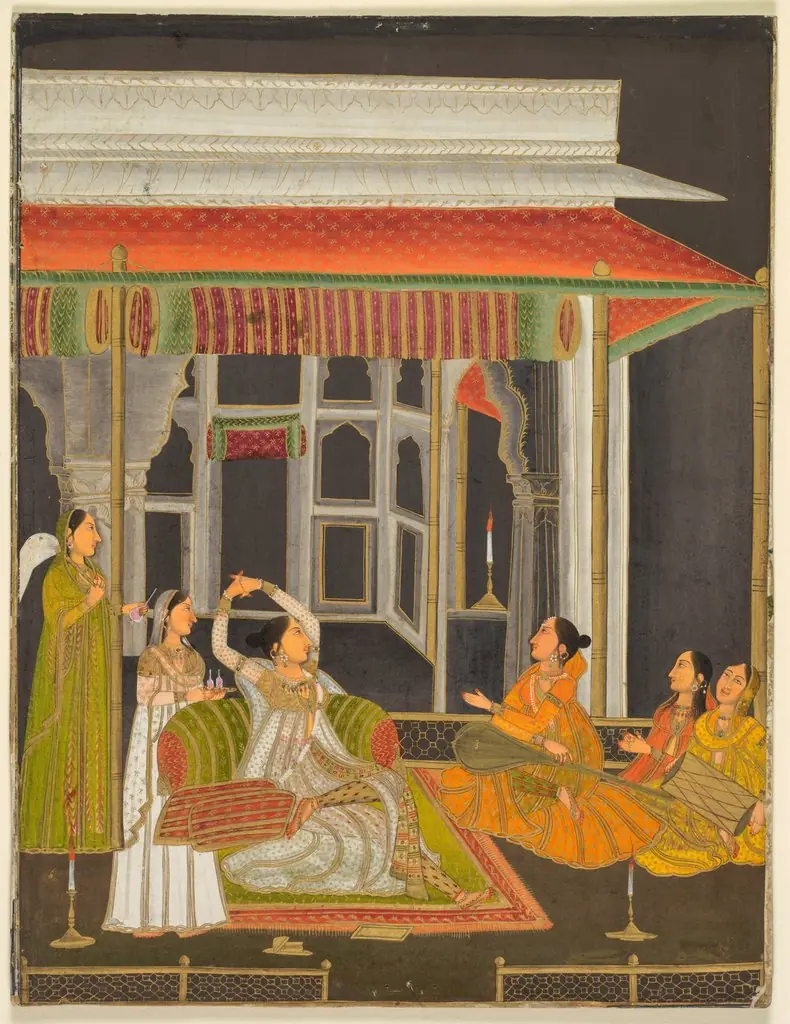 A Princess on a Terrace with Attendants at Night (recto)
 -
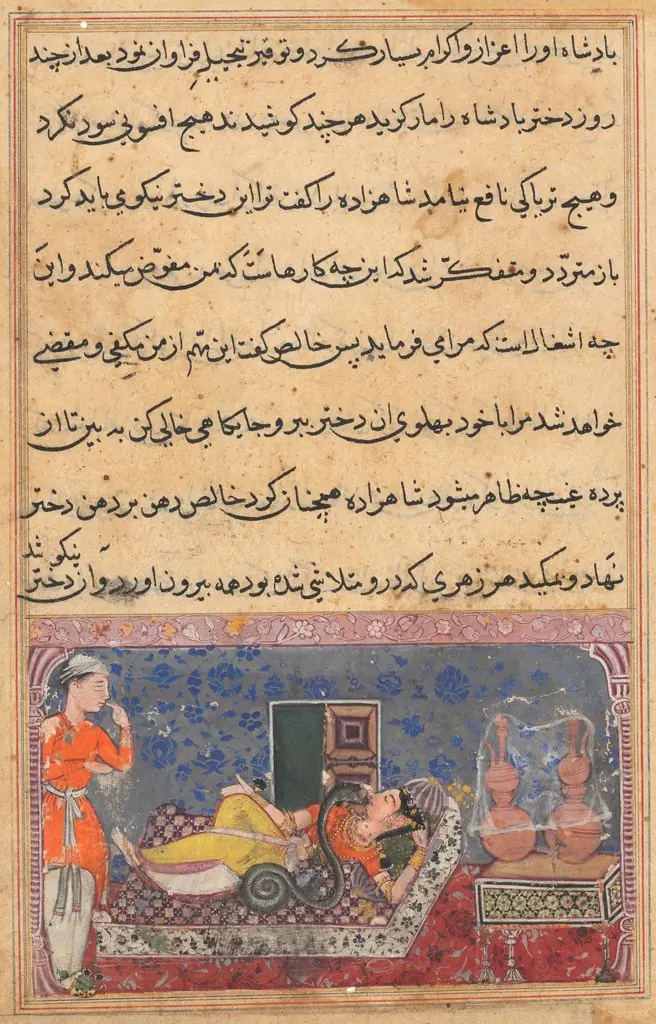 Khalis repays the prince for his kindness by changing into a snake and sucking the poison from the king’s daughter, from a Tuti-nama (Tales of a Parrot): Eighteenth Night
 -
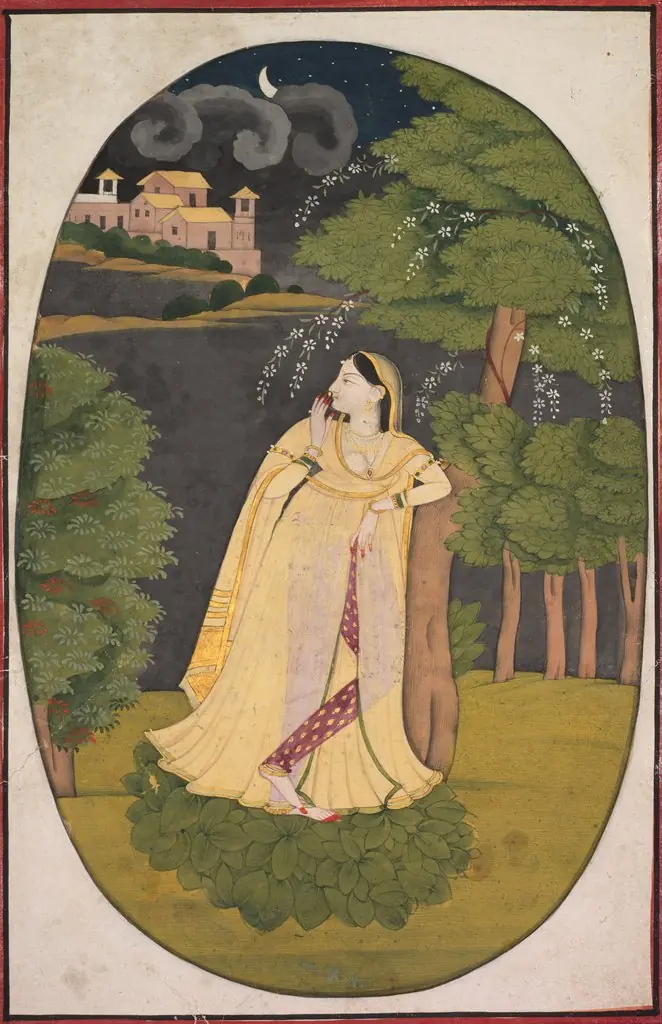 The Heroine Who Waits Anxiously for Her Absent Lover (Utka Nayika)
 -
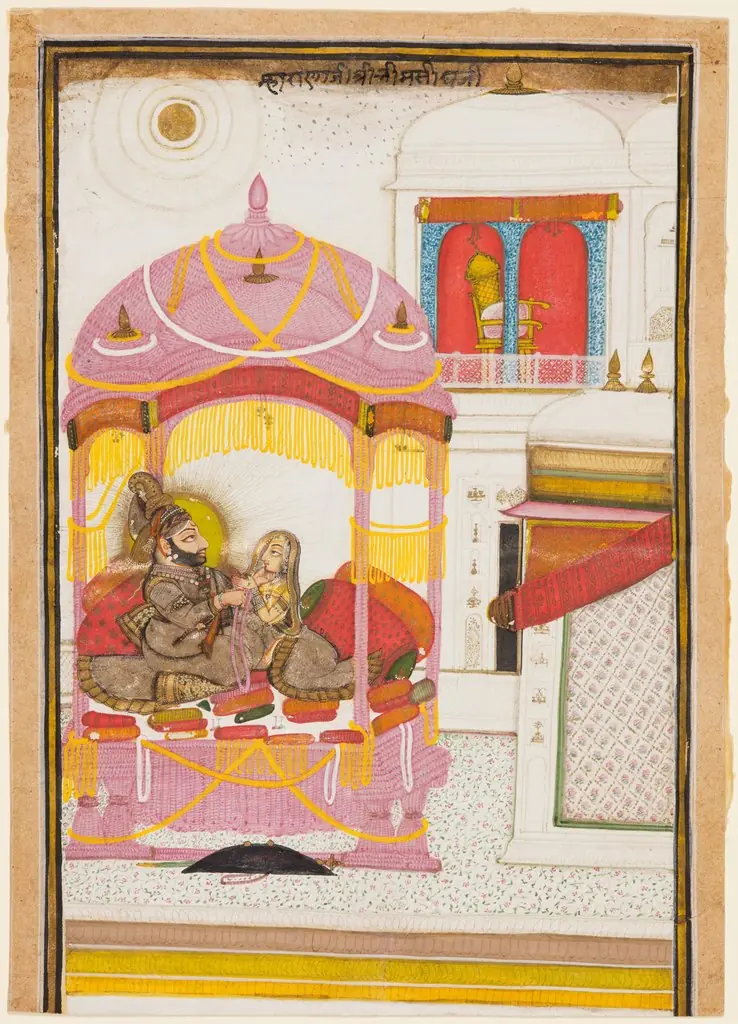 Maharana Bhim Singh of Mewar (r. 1778–1828) with a Consort
 -
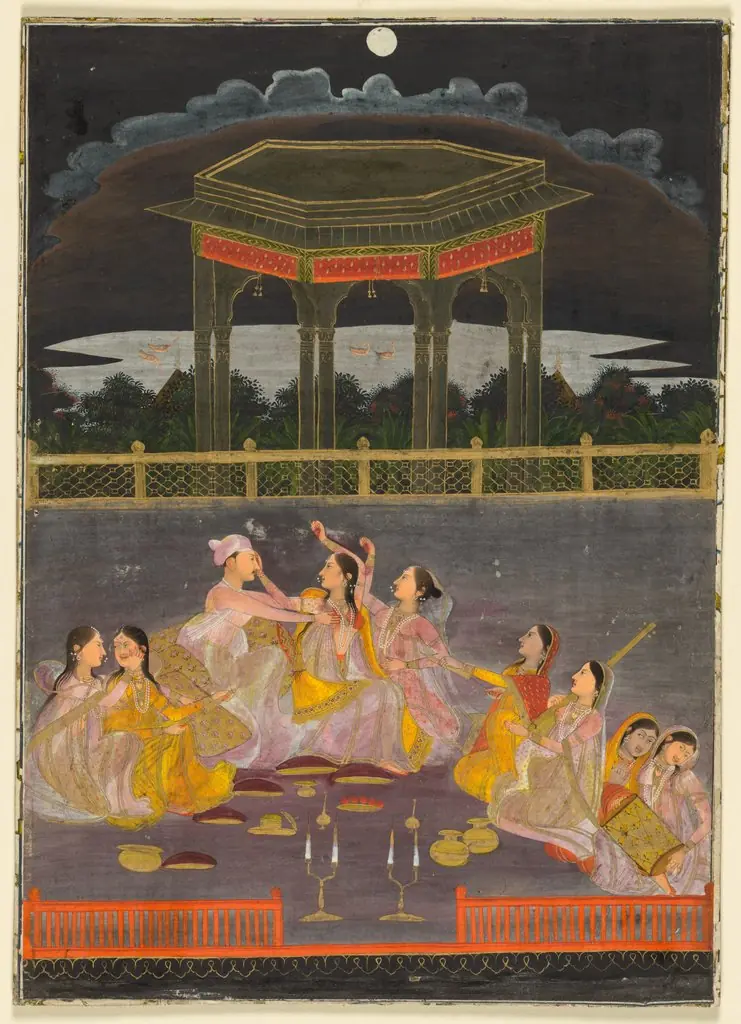 A prince celebrating Holi with palace women on a terrace at night (recto); calligraphy of a quatrain (verso)
 -
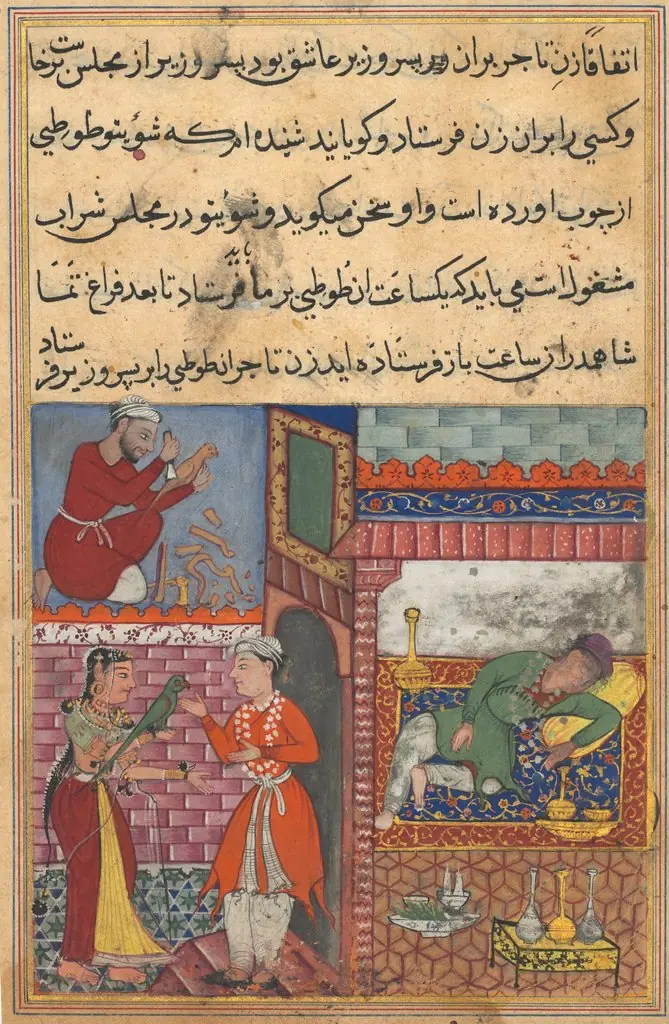 The vizier’s son receives the magic wooden parrot from the wife of the merchant, who is drunk, and has a replica made by a carpenter, from a Tuti-nama (Tales of a Parrot): Tenth Night
 -
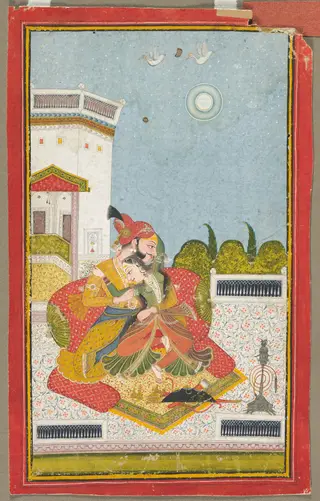 Lovers Embracing (Raga Malkaus)
 -
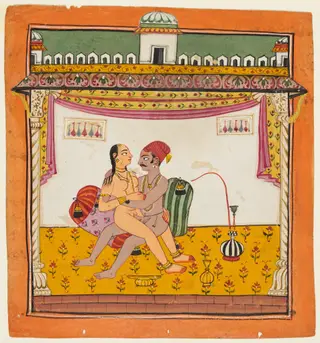 A Couple Seated Against Two Pillows Making Love
 -
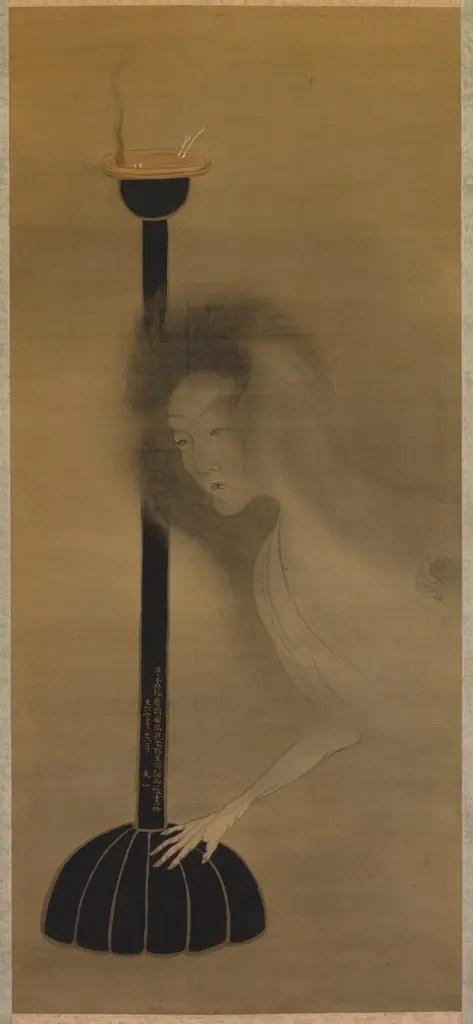 Ghost and Oil Lamp
 -
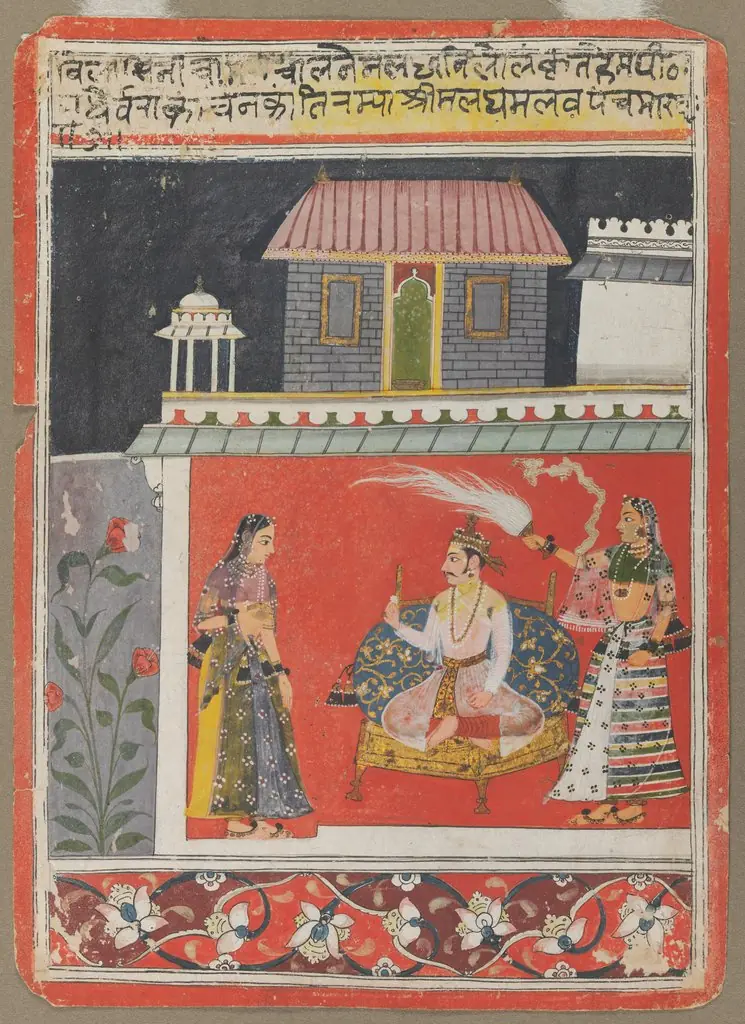 Pancham Raga
 -
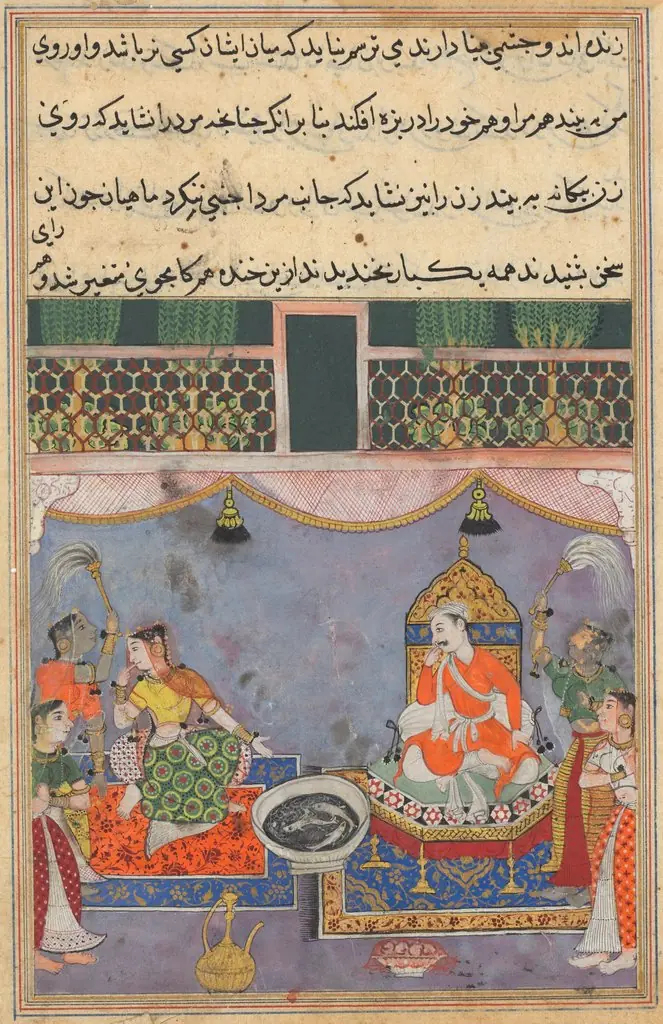 Kamjuy, the wife of the Raja, averts her face from the fishes, from a Tuti-nama (Tales of a Parrot): Twenty-third Night
 -
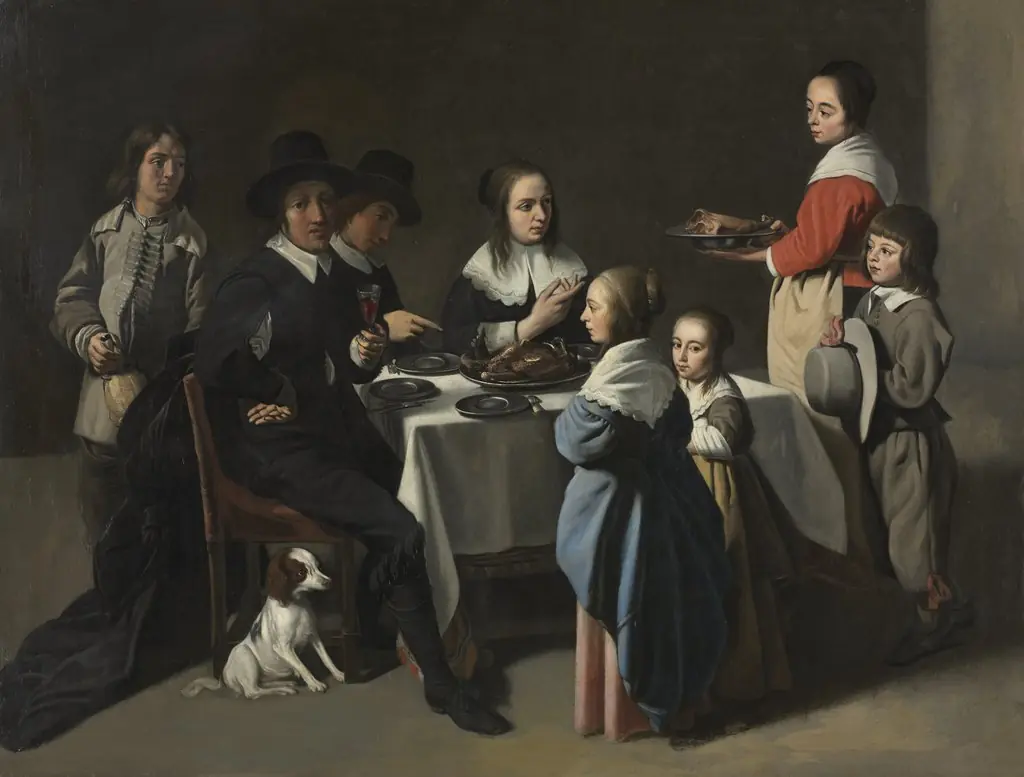 A Family Meal
 -
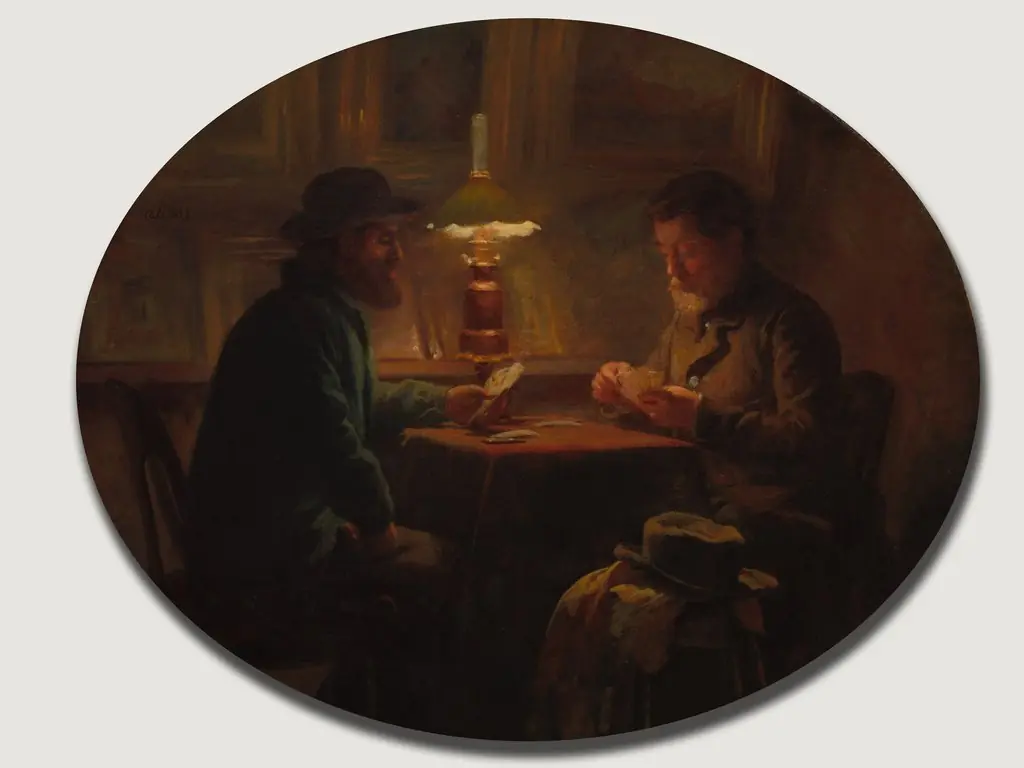 Card Game at "le Père Martin"
 -
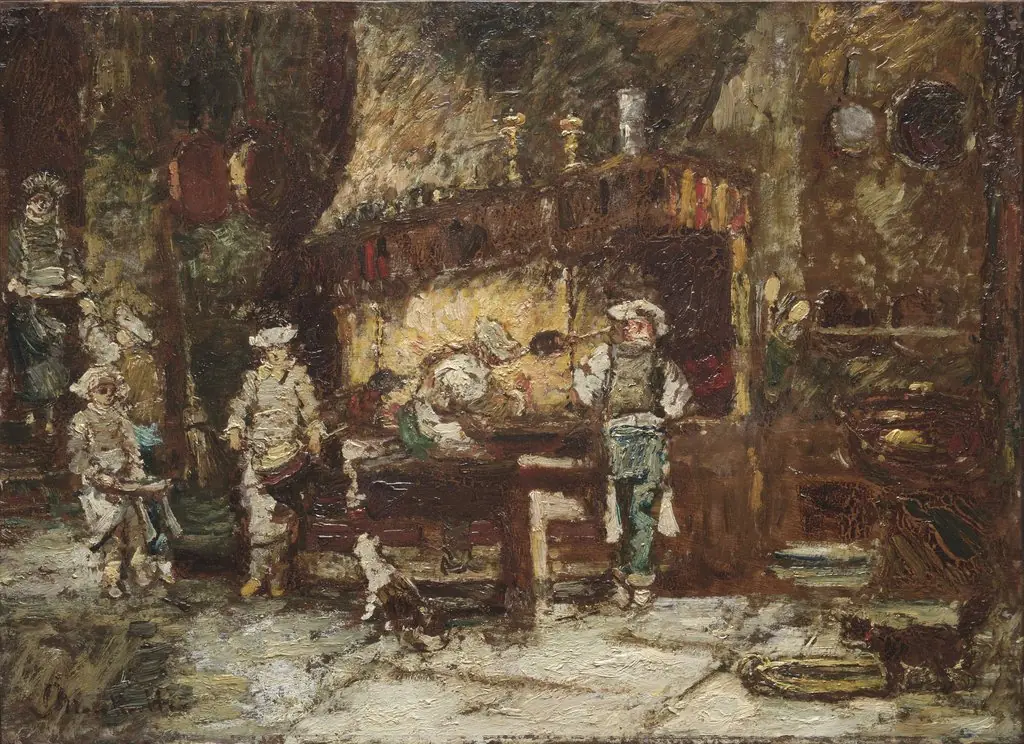 The Kitchen of the Rôtisserie des Deux Paons
 -
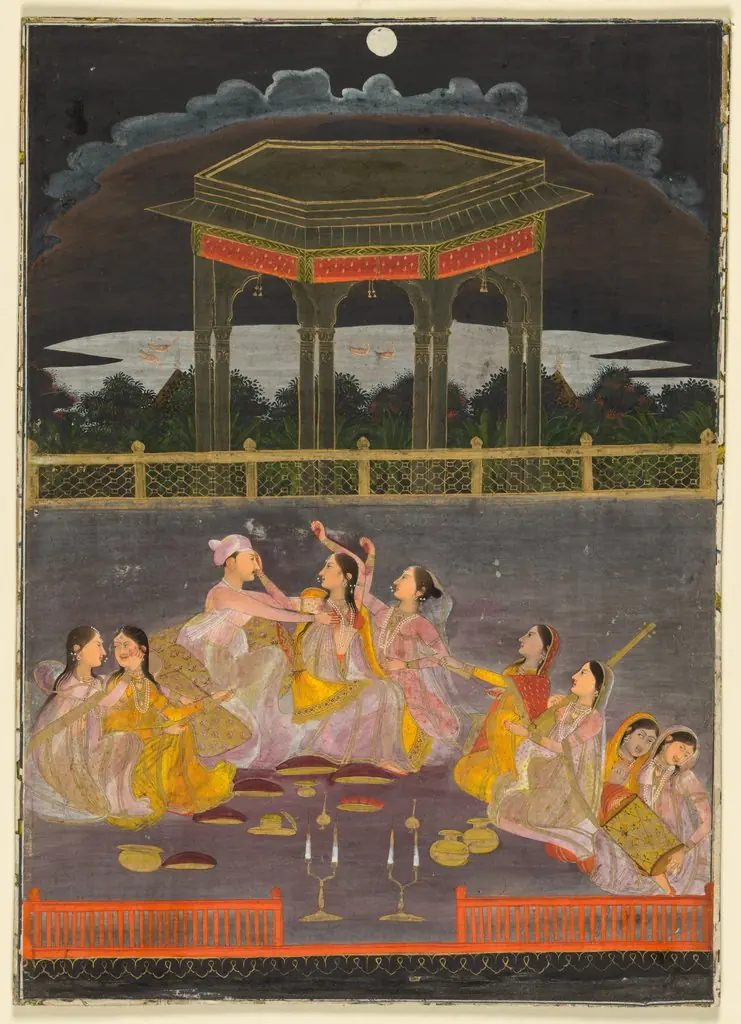 A prince celebrating Holi with palace women on a terrace at night (recto)
 -
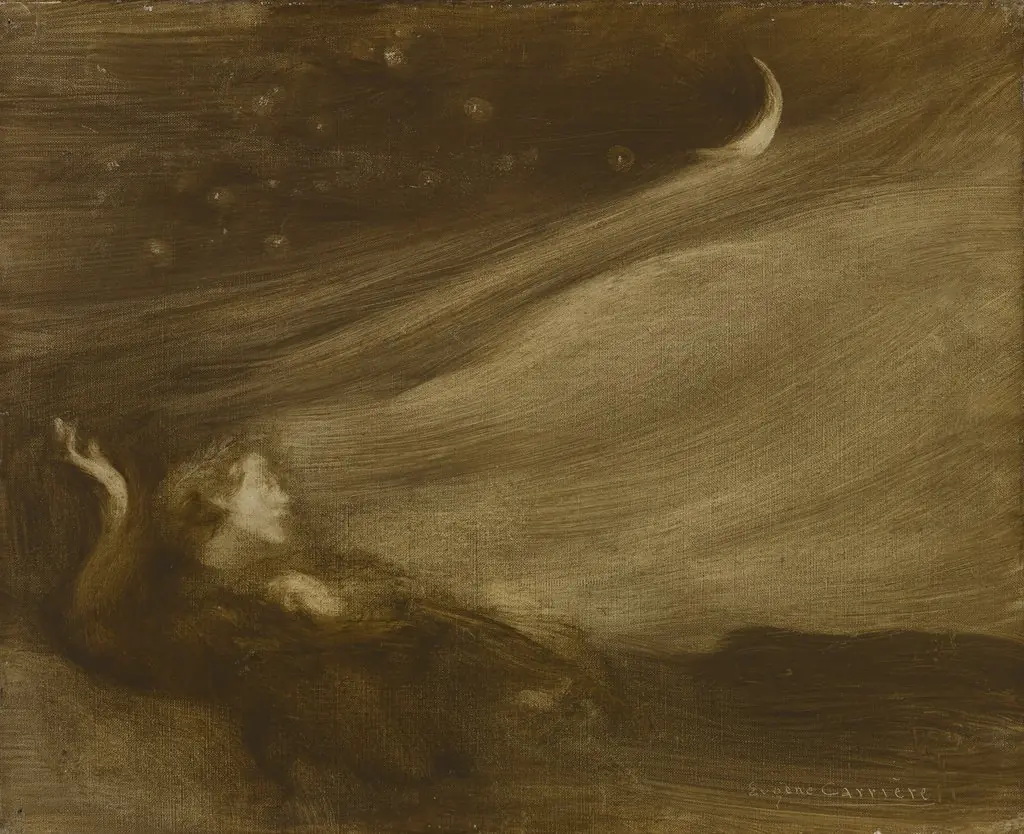 The Contemplator
 -
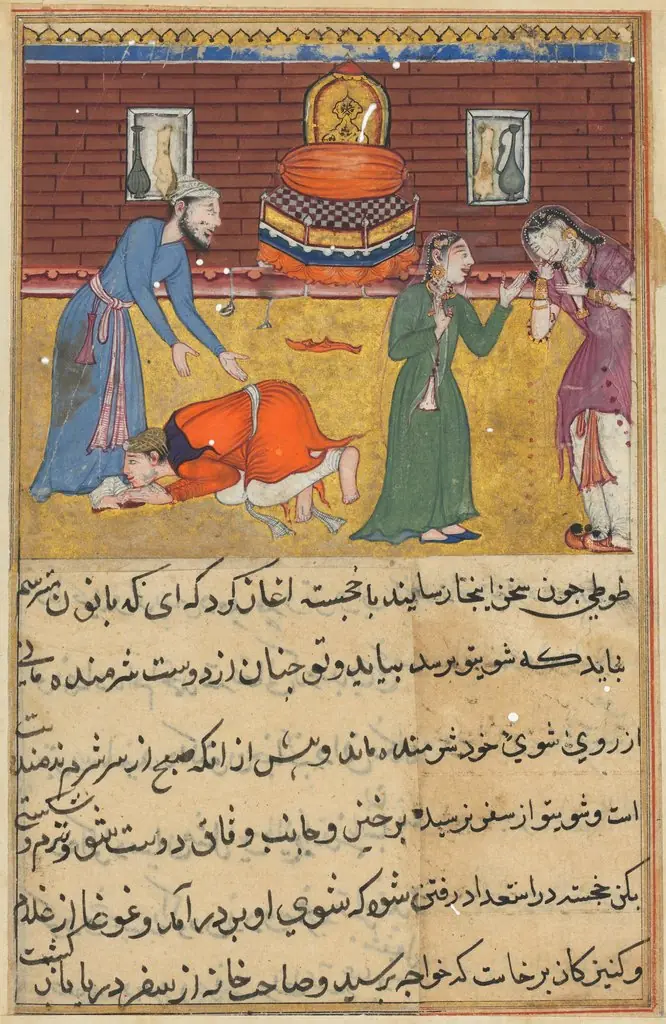 The pious man’s son, now a king, reveals himself to his father; his nurse upbraids his unfaithful mother, from a Tuti-nama (Tales of a Parrot): Fifty-second Night
 -
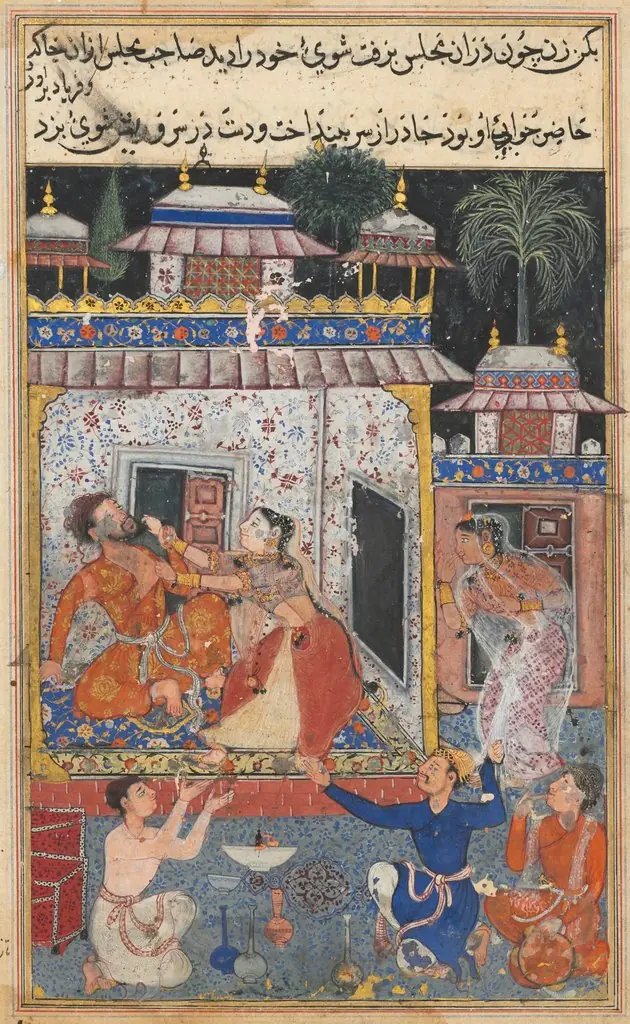 The deceitful wife assaults her erring husband, from a Tuti-nama (Tales of a Parrot): Eighth Night
 -
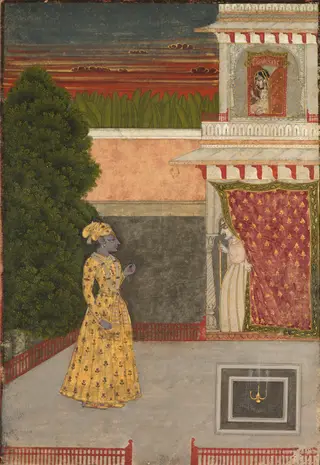 Lovers and an Old Crone
 -
 Page from Tales of a Parrot (Tuti-nama): text page
 -
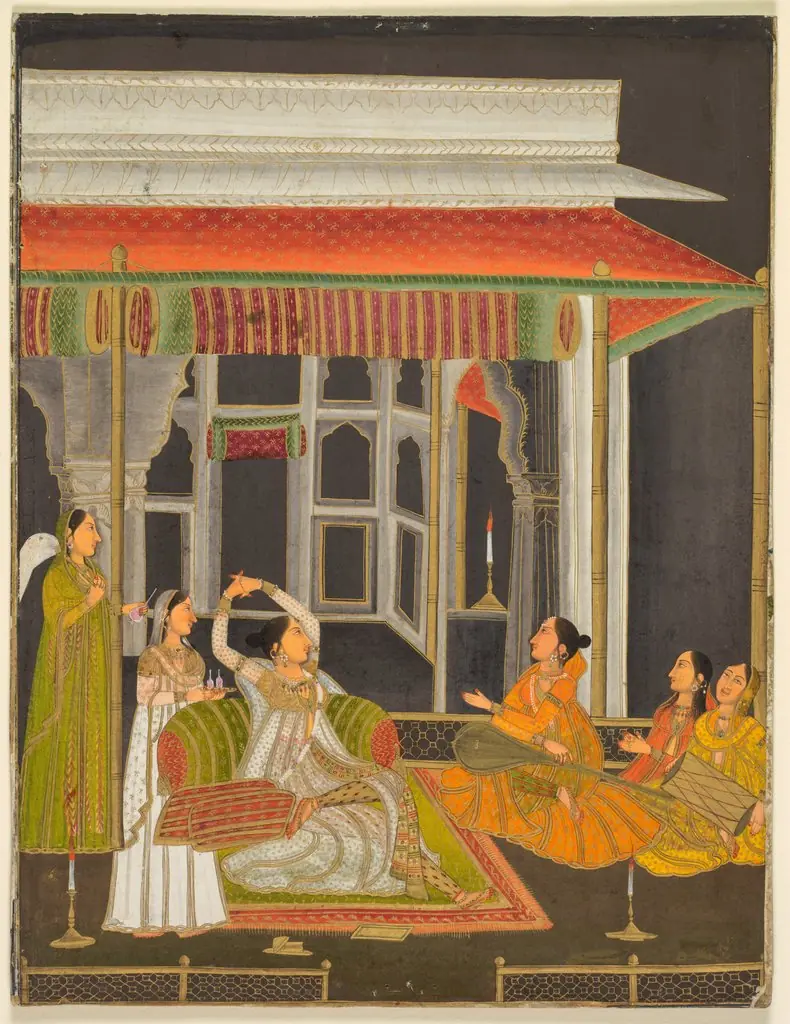 A princess on a terrace with attendants at night (recto); Calligraphy (verso)
 -
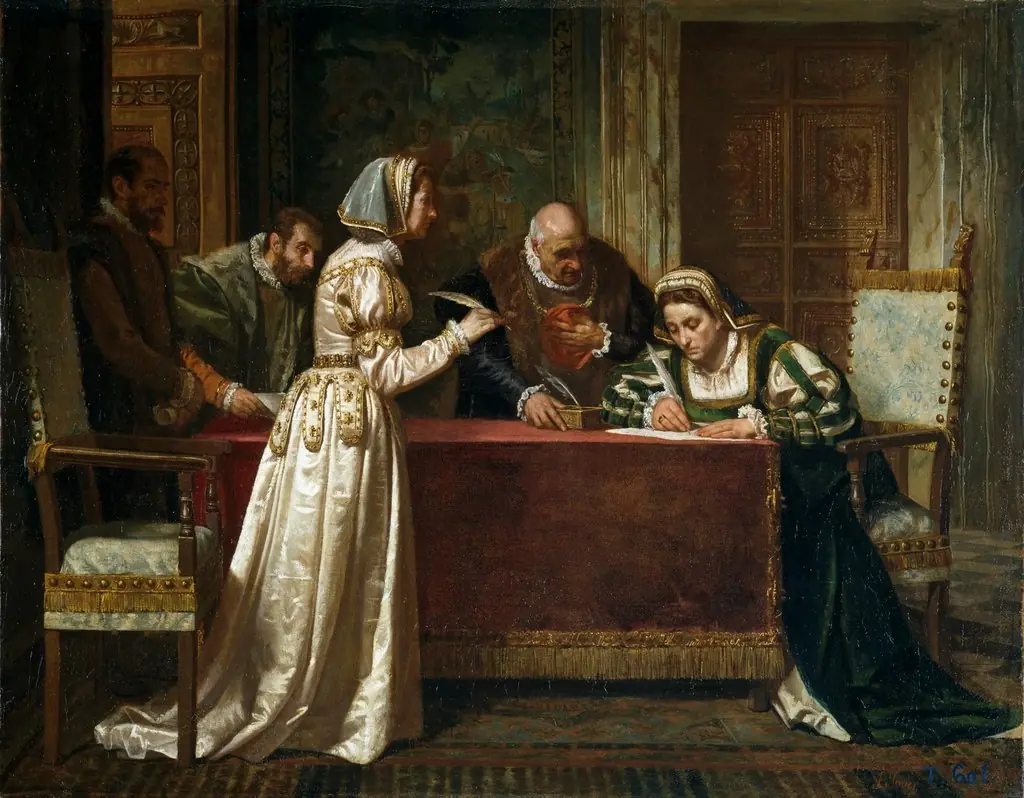 Tratado de Cambray
 -
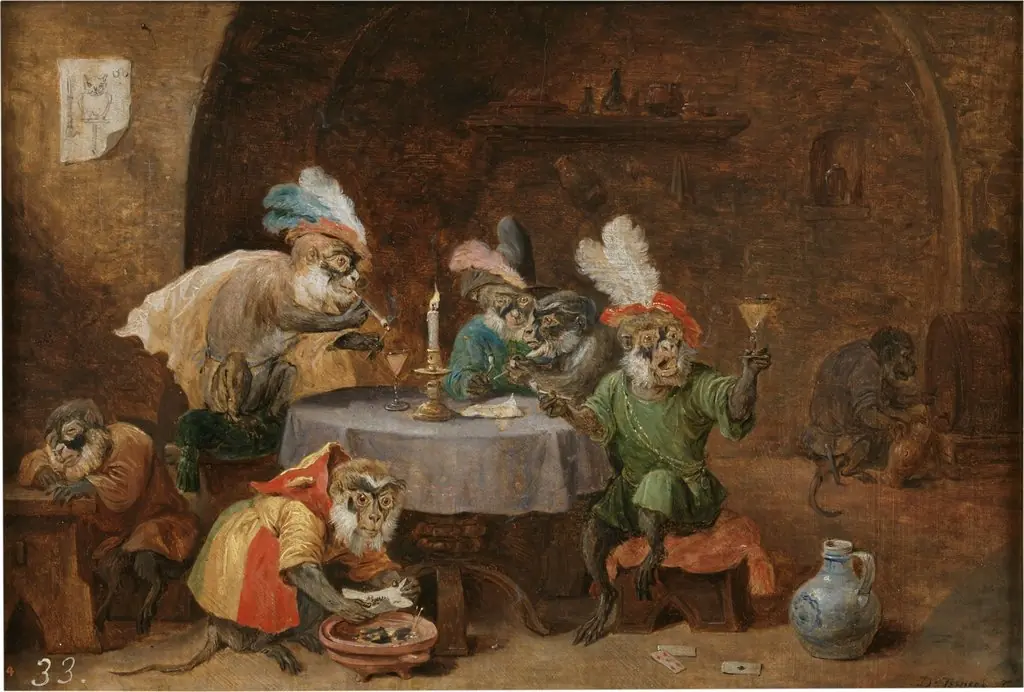 Monkeys smoking and drinking
 -
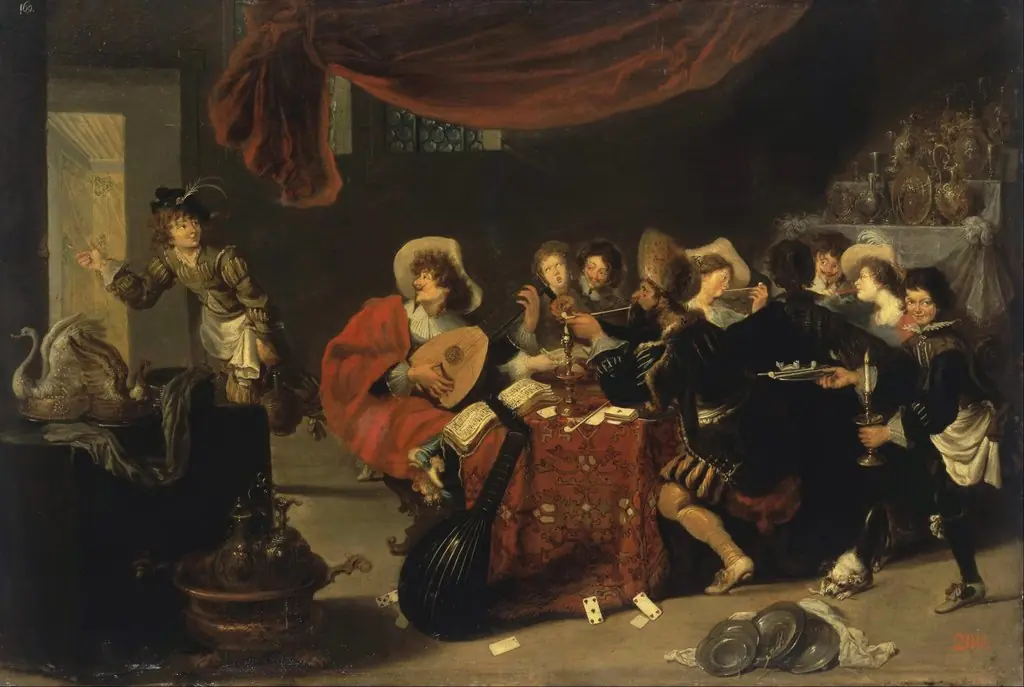 Merry Company
 -
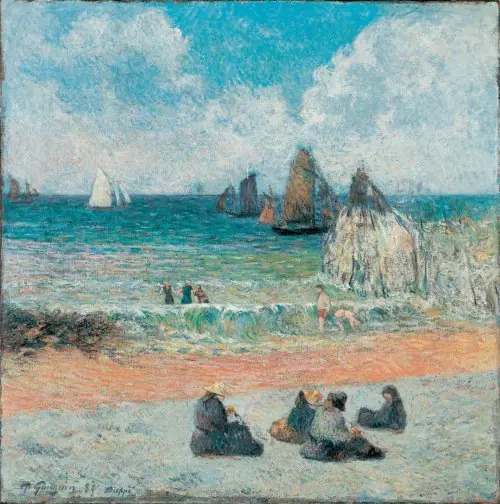 Coast at Dieppe
 -
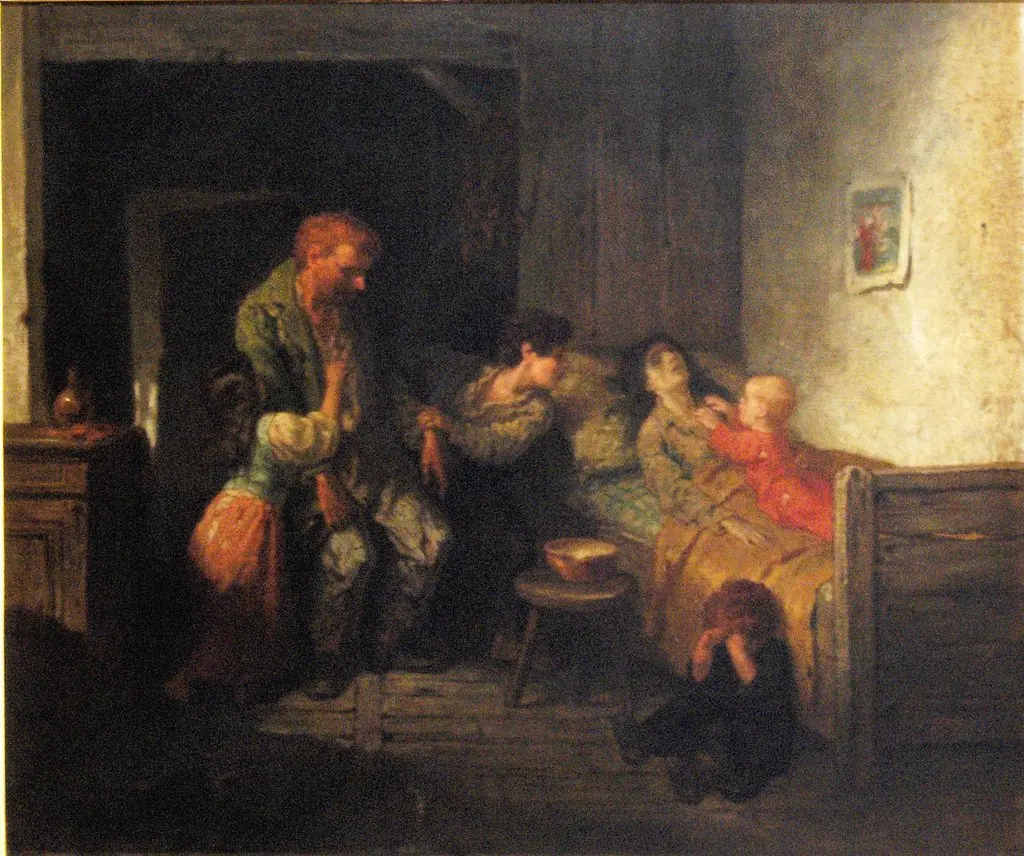 The drunkard
 -
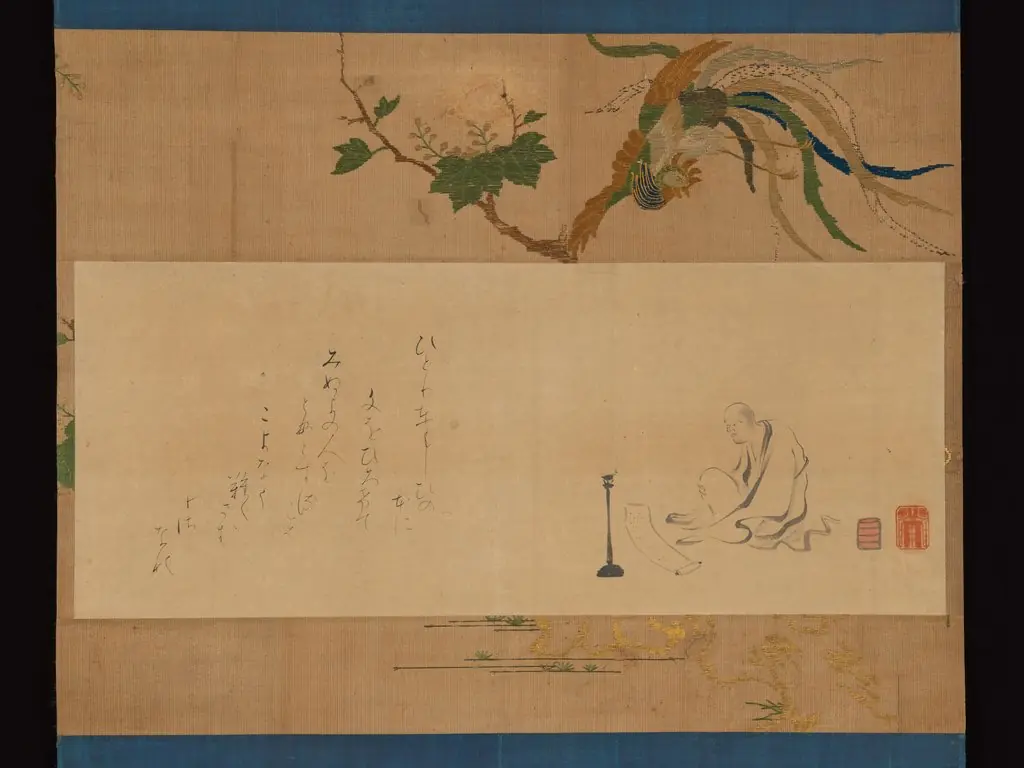 Monk Kenkō Reading by Lamplight
 -
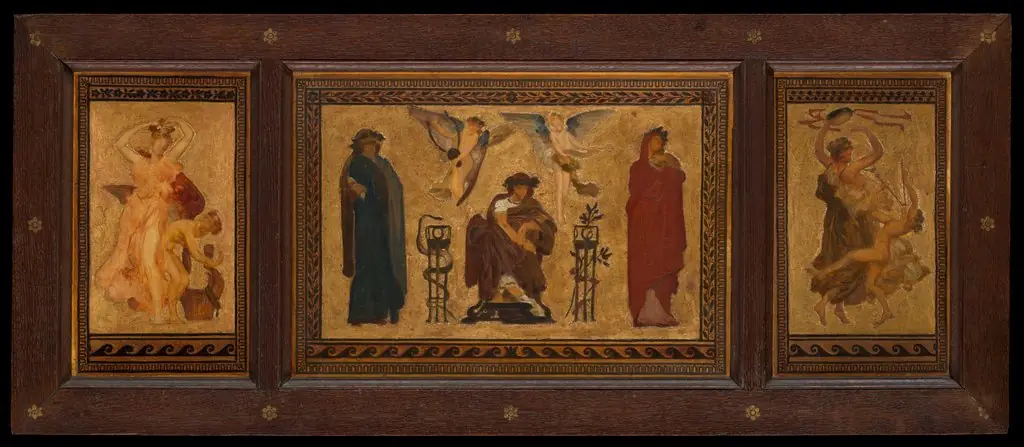 Study for the Ceiling of the Marquand Music Room