Artwork
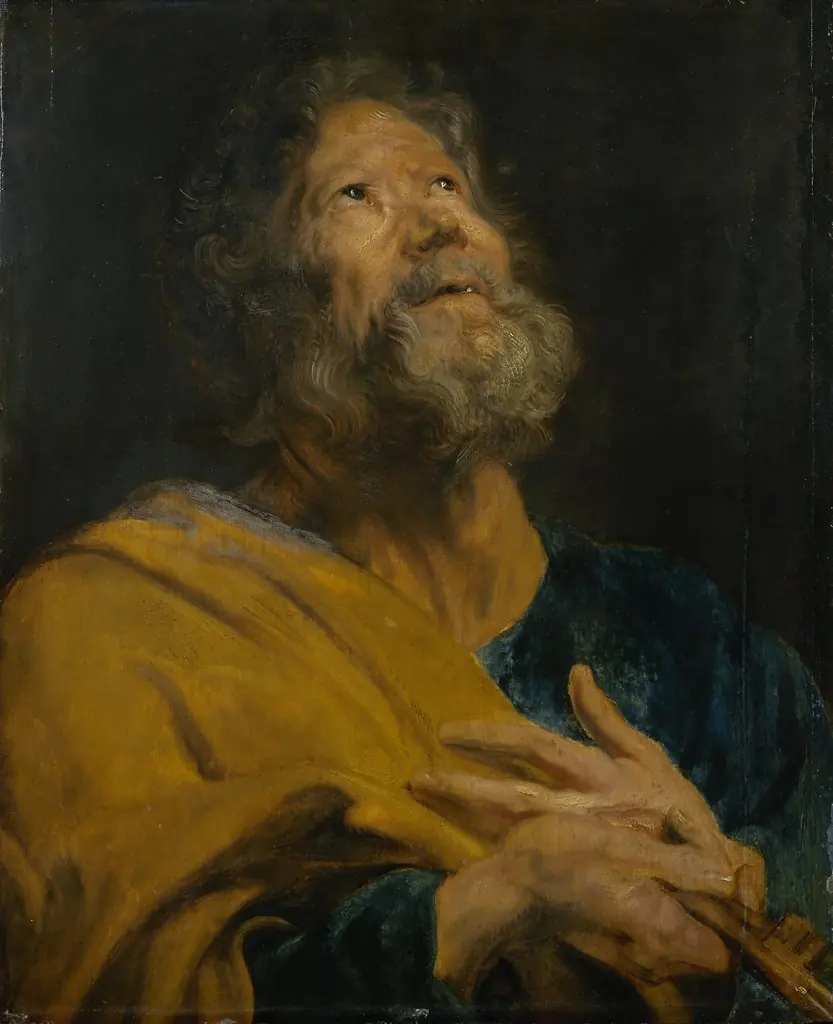
An Apostle with Folded Hands
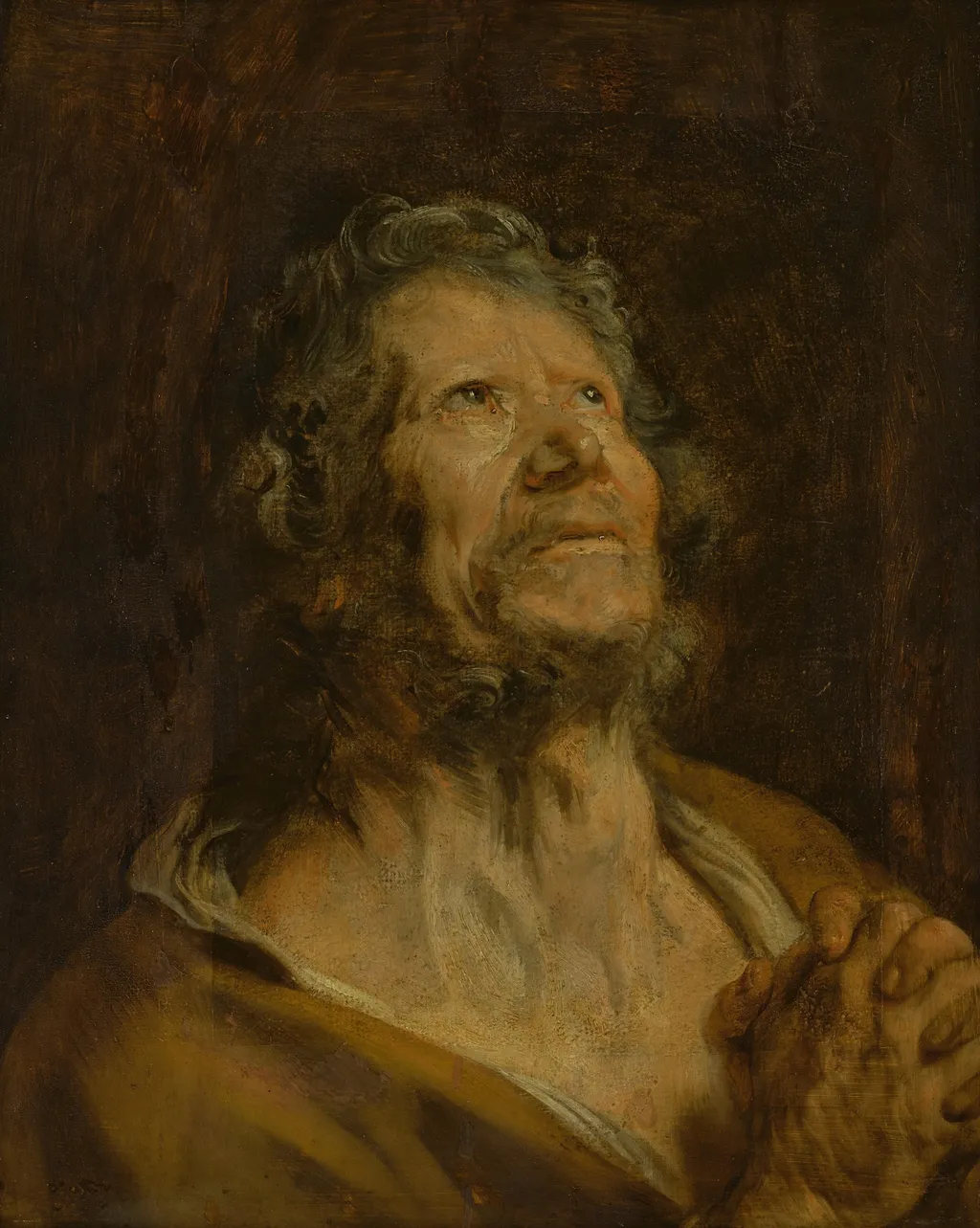
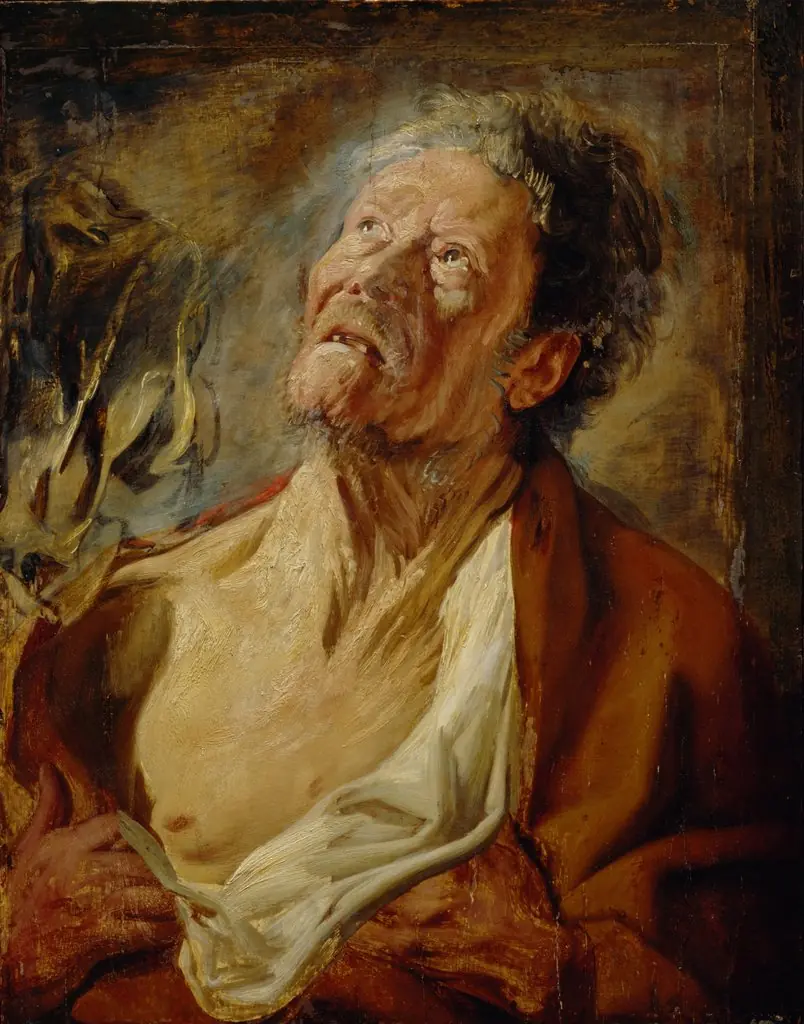
An Apostle with Folded Hands is an oil painting by the Flemish Baroque painting artist Anthony van Dyck. It dates from 1620 and is held in the collection of the Gemäldegalerie Berlin.
About this work
Overview
The work is a significant example of van Dyck's early mastery of emotional depth and dramatic chiaroscuro.
An Apostle with Folded Hands is a religious painting created by Anthony van Dyck around 1618 to 1620. Executed in oil paint on paper mounted on panel, the work measures 57 by 45 centimeters. It belongs to the Baroque period and functions simultaneously as a religious painting and a tronie, a Dutch and Flemish genre depicting an exaggerated facial expression or a costumed character. The painting is currently held by the Staatliche Museen zu Berlin, Gemaldegalerie, in Berlin, Germany, though it has also been associated with the Vlaamse Kunstcollectie. The work is a significant example of van Dyck's early mastery of emotional depth and dramatic chiaroscuro.
Subject & Meaning
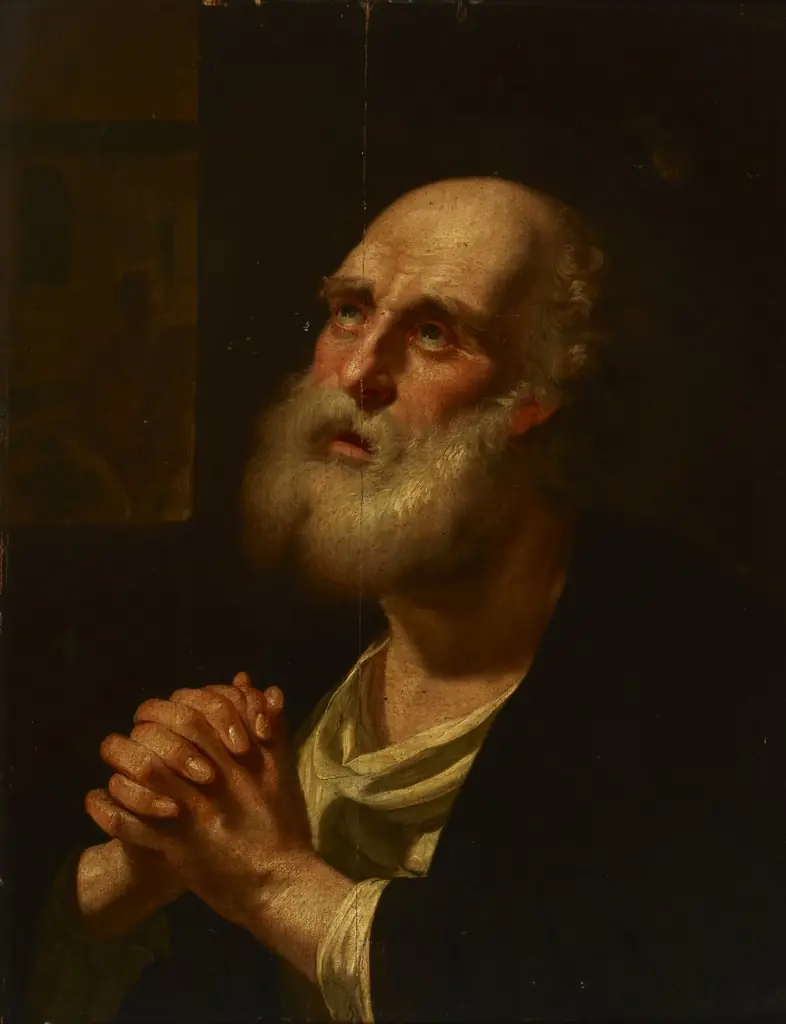
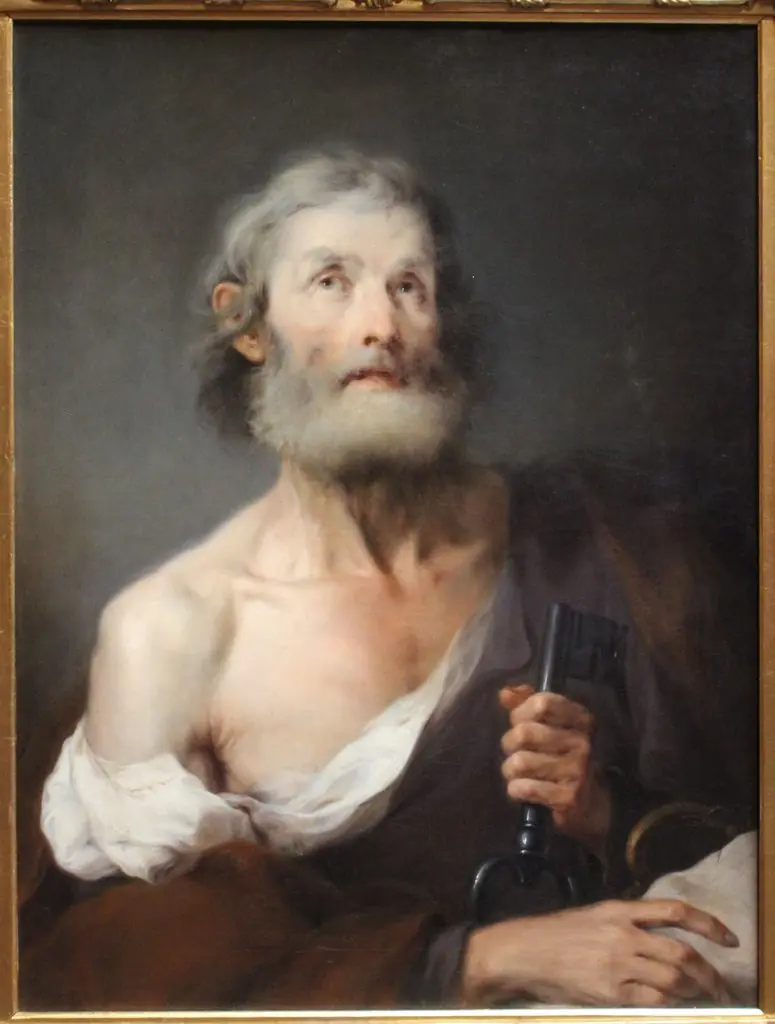
The painting depicts an aged male figure, widely identified as an apostle, with his head tilted upward and his hands devoutly clasped in prayer. The identity of the specific apostle remains debated among art historians, with suggestions ranging from Saint Peter to Saint James. Some sources also propose the figure depicts Abraham Grapheus. Regardless of the specific identity, the image serves as a humanistic exploration of spirituality. The folded hands symbolize prayer, devotion, and submission to divine will, while the upward, searching gaze suggests a moment of spiritual communion, revelation, or internal conflict. This emphasis on personal piety and intense introspection aligns closely with Counter-Reformation ideals that encouraged private devotion and contemplation.
Technique & Style
Van Dyck executed the work in oil on paper laid on panel, employing the Baroque technique of chiaroscuro to create striking dramatic contrasts. Light falls from the upper left, sharply illuminating the apostle's forehead, eyes, nose, and interlaced hands, while the right side of his face and body recedes into deep, indistinct shadows. The palette is dominated by warm browns, ochers, and muted flesh tones, with touches of gray in the figure's curling hair and beard. Van Dyck's brushwork is loose and visible, utilizing thicker impasto for the highlights on the face and hands, and broader, more expressive strokes for the dark background. He built up the paint through layering and glazing, achieving depth, luminosity, and subtle tonal variations in the skin and the loose, golden-brown garment with its white collar.
History & Provenance
Created between 1618 and 1620, the painting traces its provenance back to the 17th century, with records indicating it was part of a private collection in England. Over the following centuries, the work changed hands multiple times, reflecting its desirability among collectors. It has been exhibited in various prestigious institutions, including the National Gallery in London and the Louvre in Paris. Today, the painting is part of the collection of the Staatliche Museen zu Berlin, Gemaldegalerie, and is also recorded in the Vlaamse Kunstcollectie under object number T2023.017-2, where it is listed as being in depot or on loan. The painting has undergone conservation efforts to preserve its structural integrity and visual quality.
Context
Anthony van Dyck was a pivotal figure in the Baroque movement, distinguished from contemporaries like Peter Paul Rubens by his emphasis on elegance, grace, and intimate portrayal of his sitters rather than vibrant color and dynamic movement. Created early in his career, well before his tenure as the principal court painter to King Charles I of England beginning in 1632, An Apostle with Folded Hands demonstrates his ability to convey complex human emotions through structural economy and minimal compositional cues. The work fits within his broader output of religious portraits, which utilized the tronie format to capture character and raw humanity. Rather than focusing on the specific identity of the apostle, van Dyck used the trope to explore the interiority of belief, a hallmark of his religious representations that resonated deeply with the spiritual currents of the 17th century.
Legacy
An Apostle with Folded Hands has served as a benchmark for artists seeking to capture the human experience within religious art. Critics have praised the painting for its emotional resonance and technical brilliance, noting its role in defining Baroque portraiture. Historical reviews emphasize its dramatic intensity, while modern critiques focus on its relevance to contemporary discussions of faith and art. The work exemplifies the Baroque era's artistic achievements through its combination of realism and idealism, securing its place as a vital study for art historians. Van Dyck's techniques and his ability to blend emotional depth with technical skill continue to inspire contemporary artists, ensuring the painting's enduring significance within the history of Western art.
Own this work as a print
Artist & collection
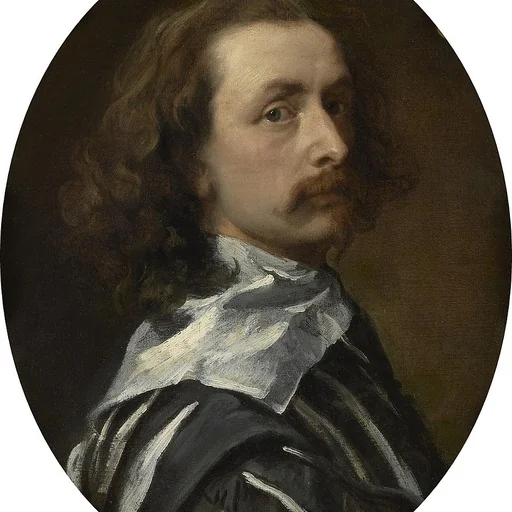
Artist
Sir Anthony van Dyck (; Dutch: Antoon van Dijck; 22 March 1599 – 9 December 1641) was a Flemish Baroque artist, who became the leading court painter in England after success in the Spanish Netherlands and Italy.