Artwork
Virgin and Child
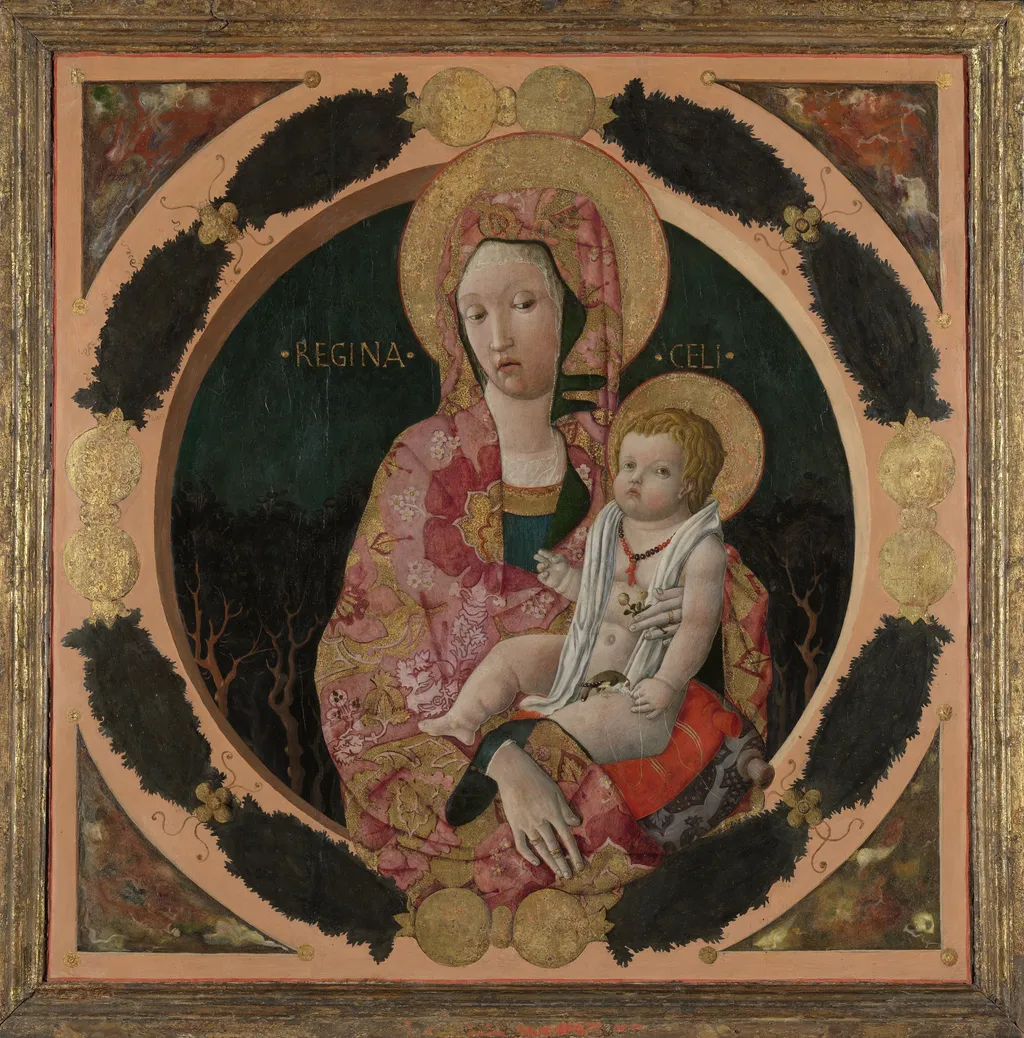
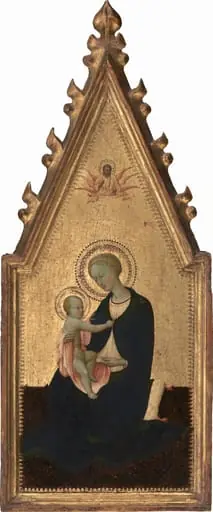
Virgin and Child is an oil painting by the Early Renaissance artist Francesco Squarcione. It dates from 1450 and is held in the collection of the Rijksmuseum.
About this work
Subject & Meaning
As a piece of religious genre painting, the image serves to visualize the theological concept of the Incarnation, where the divine takes human form.
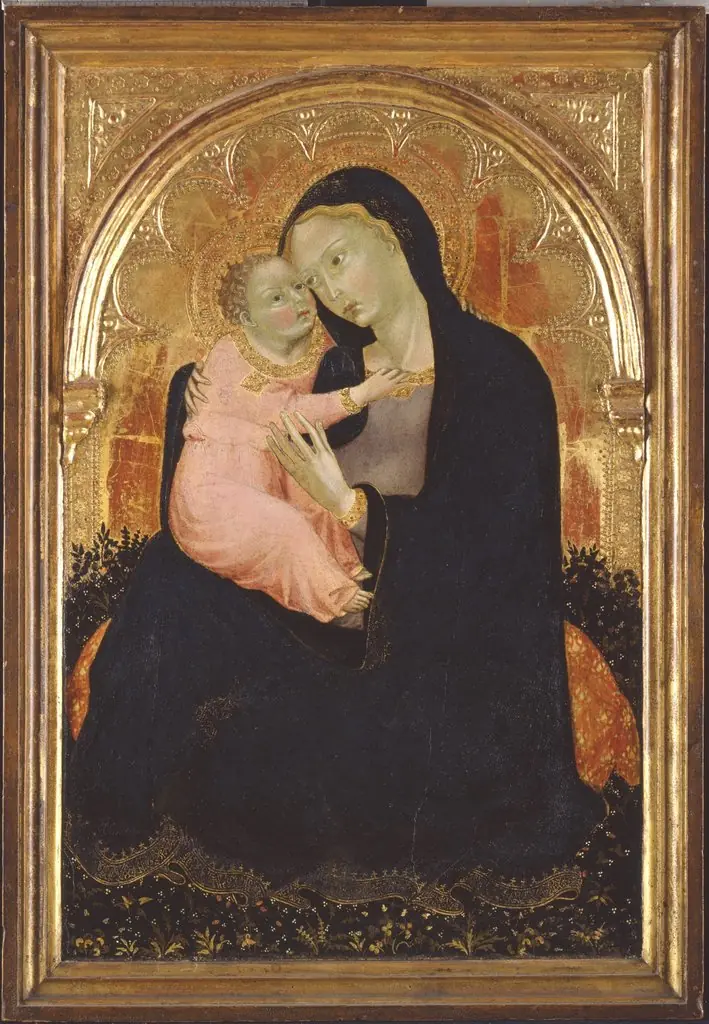
The work depicts the Madonna and Child, a central subject in religious art representing the Virgin Mary with the infant Jesus. The composition features Mary as a mother figure holding the Christ Child, who is portrayed as a young boy. This iconography emphasizes the humanity of the divine figures, focusing on the maternal bond between the woman and her son.
As a piece of religious genre painting, the image serves to visualize the theological concept of the Incarnation, where the divine takes human form. The depiction aligns with traditional representations of Mary and Jesus intended for devotional contemplation.
Technique & Style
Created around 1450, this religious painting depicts the Virgin Mary and the Christ Child. The work is executed in oil paint on a wooden panel support. Attributed primarily to Francesco Squarcione, with some sources also associating Giorgio Schiavone with its creation, the piece measures 103.5 cm in height and 102 cm in width.
The composition focuses on the maternal figure of Mary holding the young boy, adhering to traditional iconography of the Madonna and Child genre.
History & Provenance
The Virgin and Child, painted in 1450 by Francesco Squarcione (with possible collaboration from Giorgio Schiavone), is an oil-on-panel depiction of the Madonna and Child. The work measures 103.5 cm in height and 102 cm in width. It entered the Rijksmuseum collection and has remained in the museum's display, forming part of its religious art holdings.
The dating of 1450 is taken from the artist’s recorded date, while the dimensions and material details come from the museum’s catalog records.
The painting Virgin and Child is held in the collection of the Rijksmuseum. The work, created around 1450, measures 103.5 cm in height and 102 cm in width. It is executed in oil paint on panel.
While the piece is attributed to Francesco Squarcione, some records also associate Giorgio Schiavone with its creation. The provided sources do not list specific inventory numbers or details regarding its exhibition history.
Context
Virgin and Child is a 1450 oil painting on panel by Francesco Squarcione. The work depicts the Virgin Mary with the infant Christ, placing it within the religious genre typical of 15th‑century devotional art. It measures 103.5 cm in height and 102 cm in width and is housed in the Rijksmuseum, where it is recorded as a religious painting.
The composition reflects the stylistic conventions of early Italian altarpieces, combining linear arrangement with rich coloration characteristic of Squarcione’s practice.
Overview
This early Renaissance painting, Virgin and Child, was created by the Italian artist Francesco Squarcione around 1450. Executed in oil paint, the work depicts the traditional Christian subject of Mary holding the infant Christ. Squarcione was active in Padua, and this particular piece is now part of the collection at the Rijksmuseum. It exemplifies the artistic developments of its period.
Own this work as a print
Artist & collection
Artist
Francesco Squarcione (c. 1395 – after May 1468) was an Italian artist from Padua. Squarcione is considered by some to be the head of the first independent school for painters. His pupils included Andrea Mantegna (with…

 Woman with a Parasol - Madame Monet and Her Son
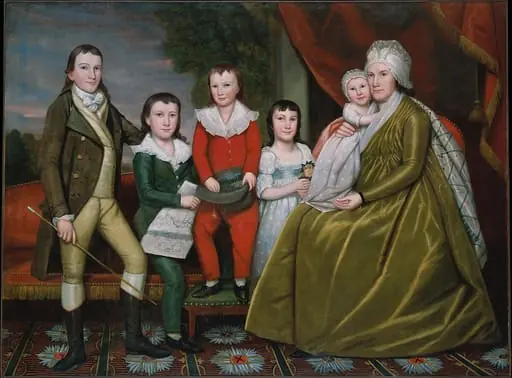 Mrs. Noah Smith and Her Children
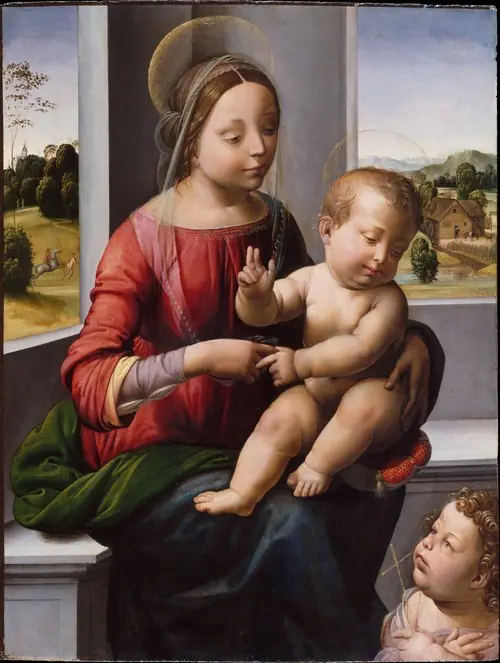 Madonna and Child with the Young Saint John the Baptist
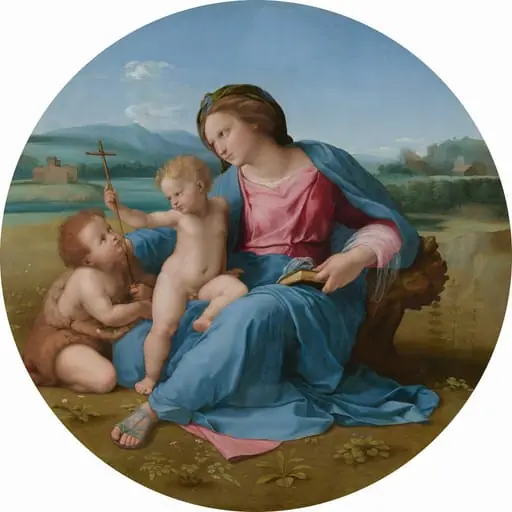 The Alba Madonna
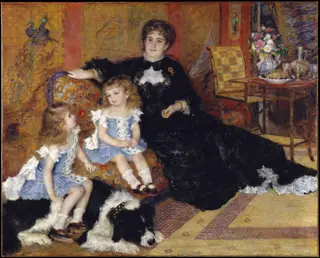 Madame Georges Charpentier and her Children
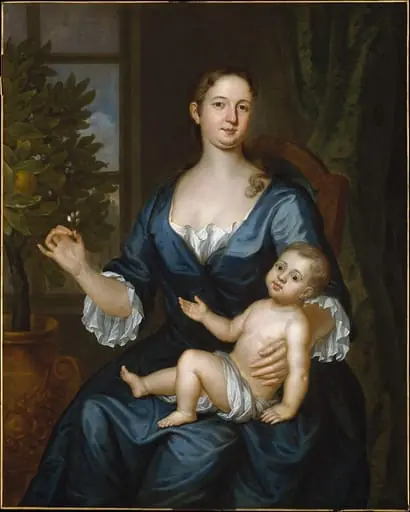 Mrs. Francis Brinley and Her Son Francis
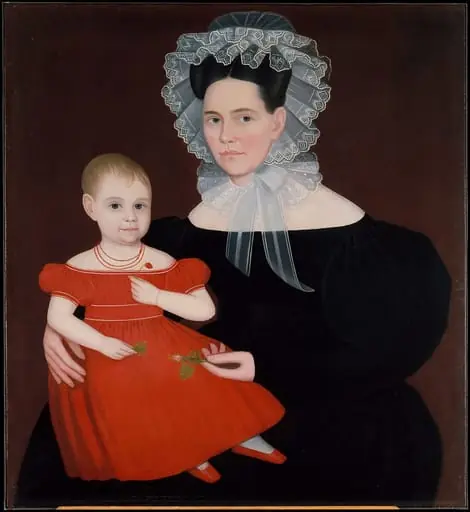 Mrs. Mayer and Daughter
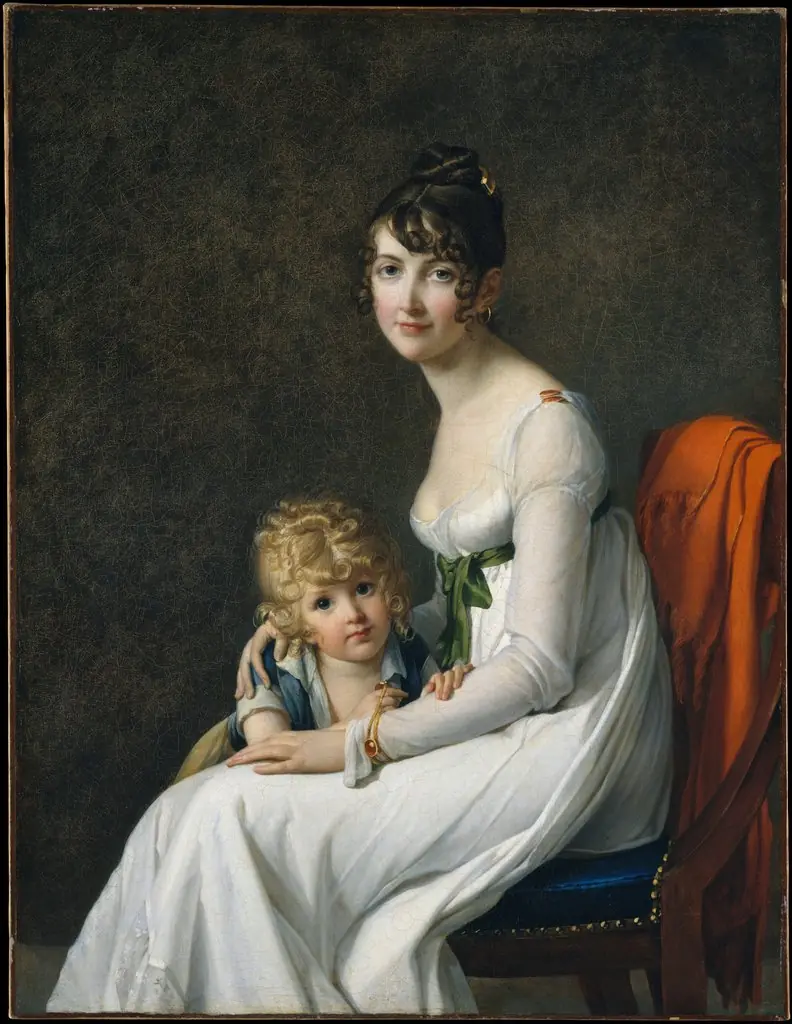 Madame Philippe Panon Desbassayns de Richemont (Jeanne Eglé Mourgue, 1778–1855) and Her Son, Eugène (1800–1859)