Artwork
Cutting the Stone
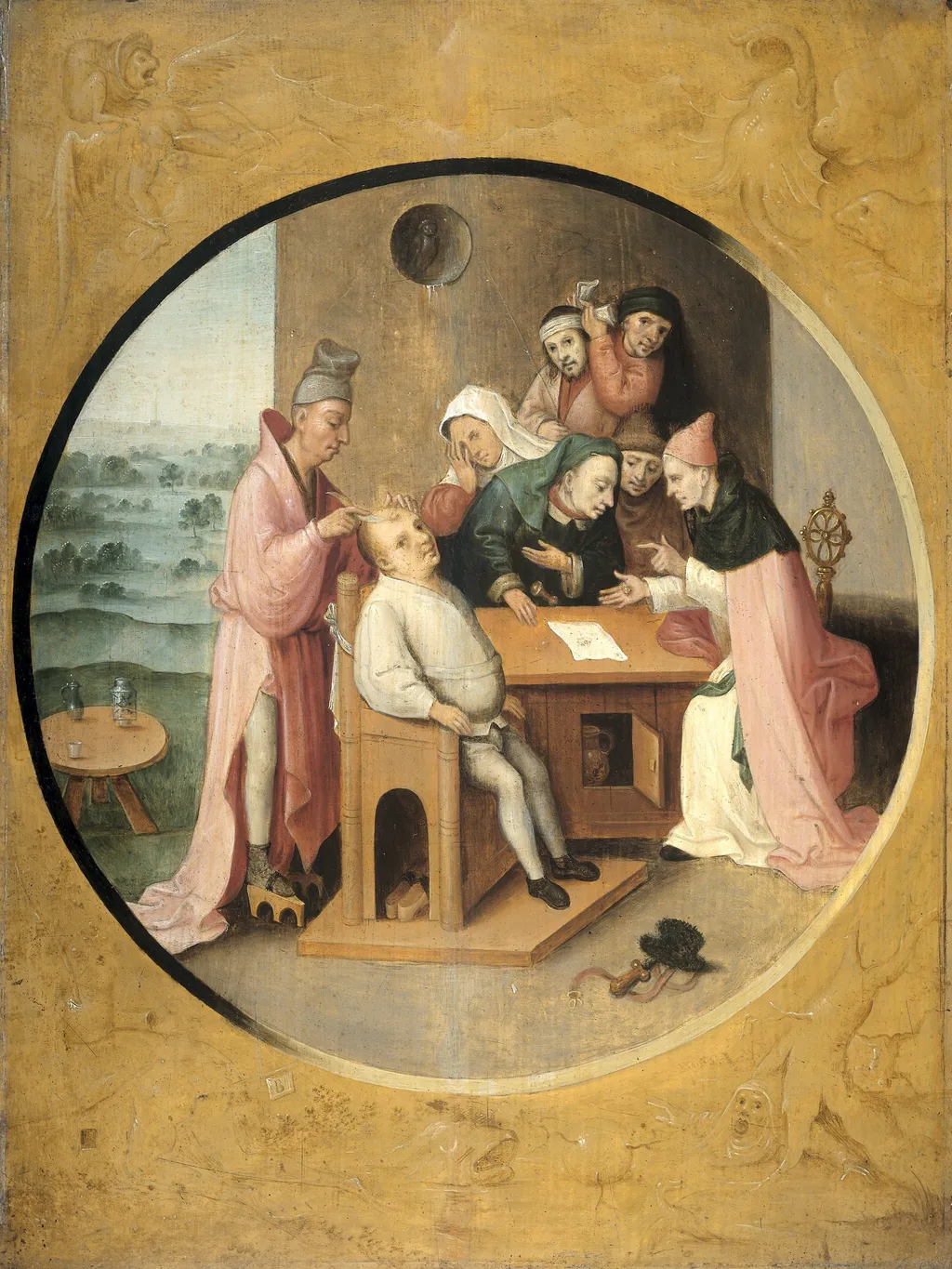
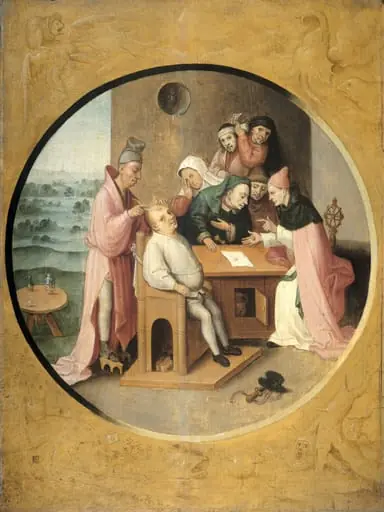
Cutting the Stone is an oil painting by the Northern Renaissance artist Hieronymus Bosch. It is held in the collection of the Rijksmuseum.
About this work
Subject & Meaning
The painting depicts a scene from the medieval fable of the quack doctor extracting a stone from the head of a gullible patient, symbolizing the exploitation of ignorance. Multiple figures are shown in a circular composition, including a doctor demonstrating the procedure to two men and a woman covering her face in shock, alongside a helper linking the heads of former and current patients. The work is interpreted as an allegory of the sanguine temperament and the element of air, though this theory is contested by scholars who argue the figure is literary rather than historical and that the 's-Hertogenbosch version differs significantly from Bosch's Prado prototype in its genre-like details and narrative additions.
Technique & Style
The background features a wall with a niche containing an owl and a glimpse of a landscape, diverging from the symbolic density of the purported original.
Executed in oil paint on a wooden panel, this work measures 41.3 cm in height and 30.9 cm in width. Dendrochronological analysis indicates the panel could not have been created before 1552, supporting the consensus that the piece is a posthumous copy rather than an original by Hieronymus Bosch. Stylistically, the composition adapts the circular format of the artist's famous stone-cutting motif but introduces a more genre-like atmosphere.
Unlike earlier versions, this iteration omits specific allegorical details such as the funnel hat or flowers emerging from the patient's head. Instead, the painter added figures to enhance narrative realism, including a shocked woman covering her face and a secondary doctor displaying a stone. The background features a wall with a niche containing an owl and a glimpse of a landscape, diverging from the symbolic density of the purported original.
History & Provenance
The painting was created as a free copy after Hieronymus Bosch's death, likely around 1552. It is attributed to Marcellus Coffermans based on stylistic analysis and dendrochronological dating. The work entered the collection of W.A. Hopman in London before being purchased by the Rijksmuseum Amsterdam in October 1893 for 530 gulden.
Since July 2003 it has been on long-term loan to the Noordbrabants Museum in 's-Hertogenbosch, where it remains on display.
The painting is held at the Noordbrabants Museum in 's-Hertogenbosch, with inventory accession recorded by the Rijksmuseum Amsterdam. It entered the Rijksmuseum collection in October 1893 after being purchased from W.A. Hopman for 530 gulden, and remained in the museum's custody until 2003 when it was placed on permanent loan to the Noordbrabants Museum.
Exhibition history includes display at the Rijksmuseum Amsterdam prior to 2003, and ongoing presence in the Noordbrabants Museum's collection as part of its permanent holdings. The work is also referenced in scholarly discussions of Bosch copies and genre scenes, including comparisons with the Prado Museum's version of the same subject.
Context
The 's-Hertogenbosch version of Cutting the Stone is generally regarded as a free copy made after Hieronymus Bosch's death, rather than an autograph work. Max Friedländer dated it around 1550 and attributed it to the Antwerp painter Marcellus Coffermans, while Lotte Brand Philip treated it as a faithful copy of Bosch's composition, regarding the Prado painting as a pastiche. Charles de Tolnay, by contrast, held that the Prado version was the original from which the 's-Hertogenbosch panel derived. Dendrochronological research has established that the panel could not have originated earlier than around 1552.
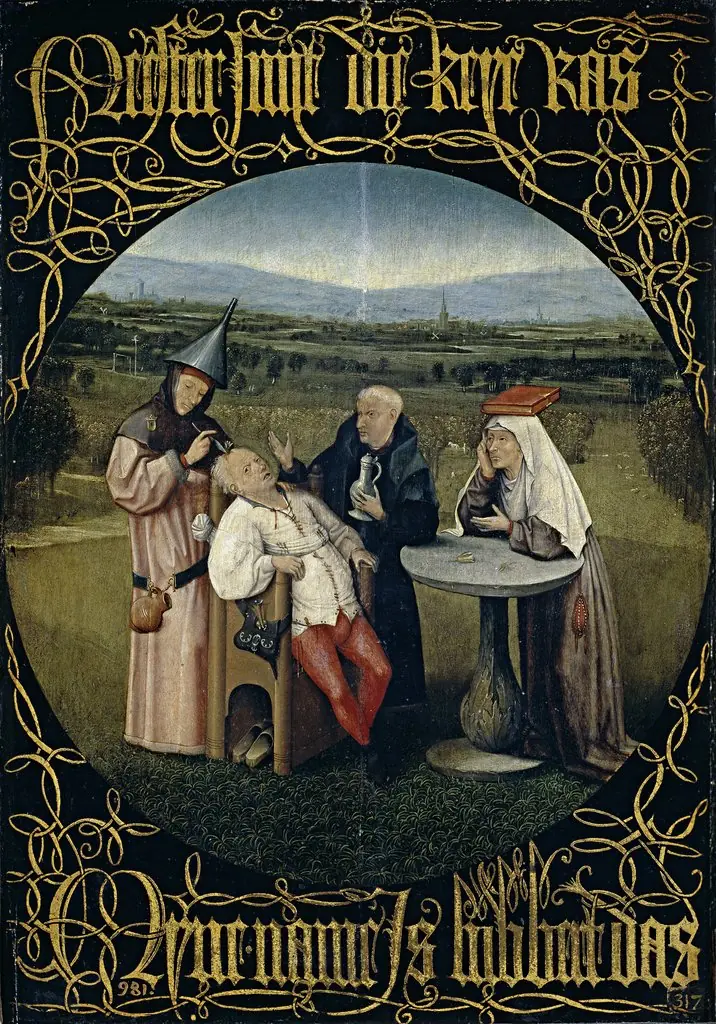
Scholarship has also debated its iconographic relationship to the Prado composition. Compared with Bosch's prototype, the 's-Hertogenbosch version is more genre-like in character: allegorical details such as the funnel on the quack's head, the book on the nun's head, and the flowers emerging from the patient's head are absent, replaced by figures that lend the scene credibility, including a shocked woman, a lecturing colleague, and a bandaging assistant. Dirk Bax linked the bandaging figure to the Dutch expression 'thoot verbinden' (to deceive someone).
Brand Philip situated the work within a series of circular depictions of dishonorable professions, together with a Pedlar, a Conjurer, and a lost Dog-beater, that she believed formed the exterior wings of a triptych representing the four temperaments and elements, identifying Cutting the Stone with the sanguine temperament and the element air. Bax rejected this theory, arguing that the stone-cutter is a purely literary figure and that the Prado version aligns more closely with Bosch's manner of depiction.
Legacy
The work's legacy lies in its role as a later copy of Bosch's motif, influencing interpretations of genre and allegory in Northern Renaissance art. It contributed to scholarly discussions on Bosch's influence and the dissemination of his imagery, particularly through its circular composition and genre-like details that diverge from Bosch's original allegorical focus. The painting's attribution to a follower and its dating around 1552 have been central to debates about Bosch's workshop practices and the authenticity of surviving copies.
Its inclusion in museum collections, such as the Noordbrabants Museum and Rijksmuseum, has ensured continued visibility in studies of Early Netherlandish painting and the symbolic use of medical allegories in 16th-century art.
The work's legacy is further shaped by its provenance and exhibition history, including its acquisition by the Rijksmuseum in 1893 and subsequent loan to the Noordbrabants Museum, which facilitated its study alongside Bosch's original works. Scholars have debated its relationship to Bosch's Prado prototype, with some viewing it as a faithful copy and others as a distinct interpretation reflecting evolving artistic trends. This ongoing scholarly engagement underscores its significance in tracing the transmission of Bosch's imagery beyond his lifetime.
Overview
Cutting the Stone is a 16th-century oil painting created by Hieronymus Bosch in 1552, characteristic of the northern Renaissance. The work depicts a peculiar scene set in a contemporary environment.
Own this work as a print
Artist & collection
Artist
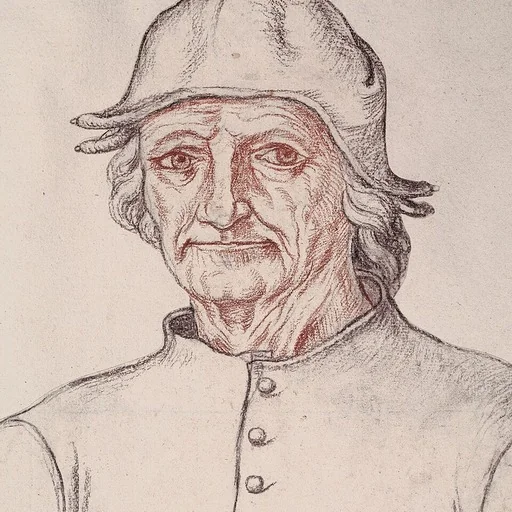
Hieronymus Bosch (; Dutch:; born Jheronimus van Aken; c. 1450 – 9 August 1516) was a Dutch painter from Brabant. He is one of the most notable representatives of the Early Netherlandish painting school. His work,…

 'Removing the Rocks in the Head'
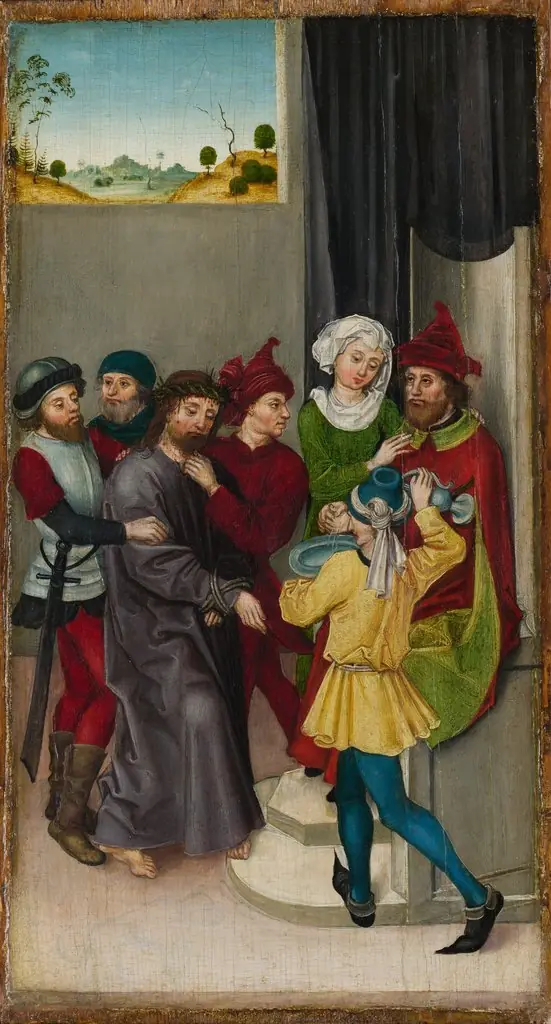 Christ before Pilate; The Resurrection
 To Bury the Dead
 Kaisheimer Altar: Beschneidung Christi
 The Dentist
 Panel of an altarpiece with the Circumcision (inner wing) and the Resurrection (outer wing)
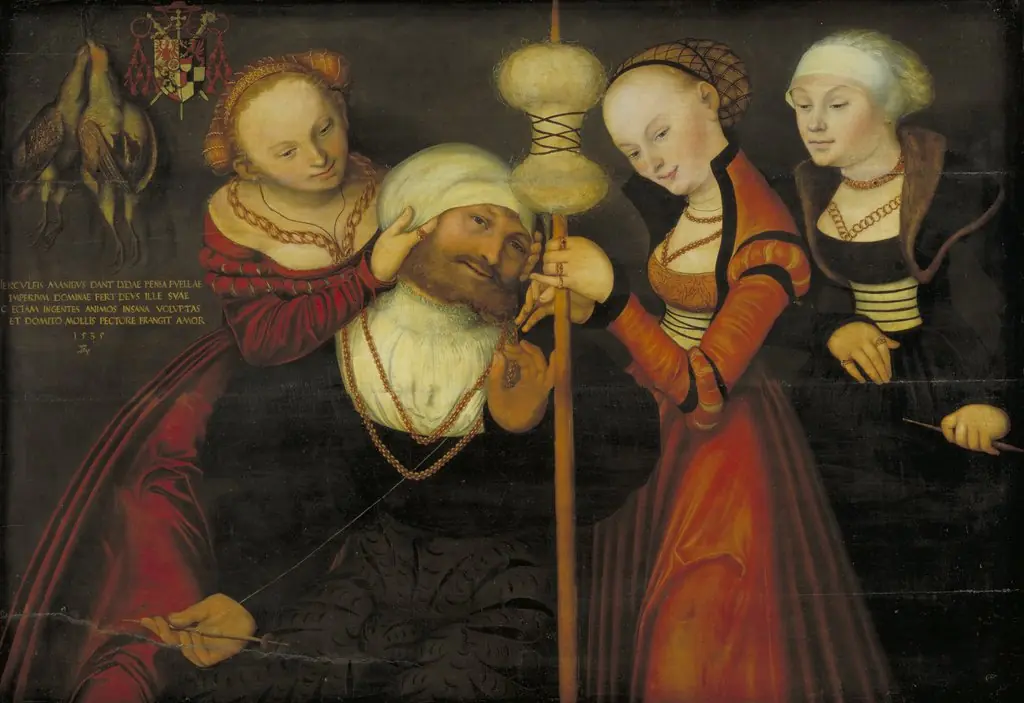 Hercules with Omphale
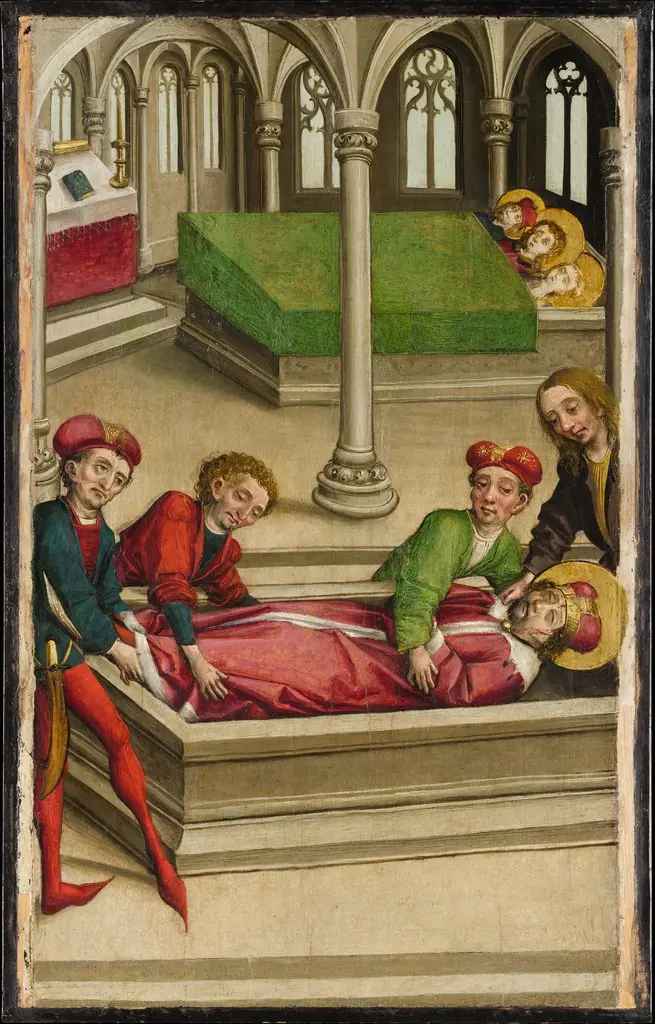 The Burial of Saint Wenceslas
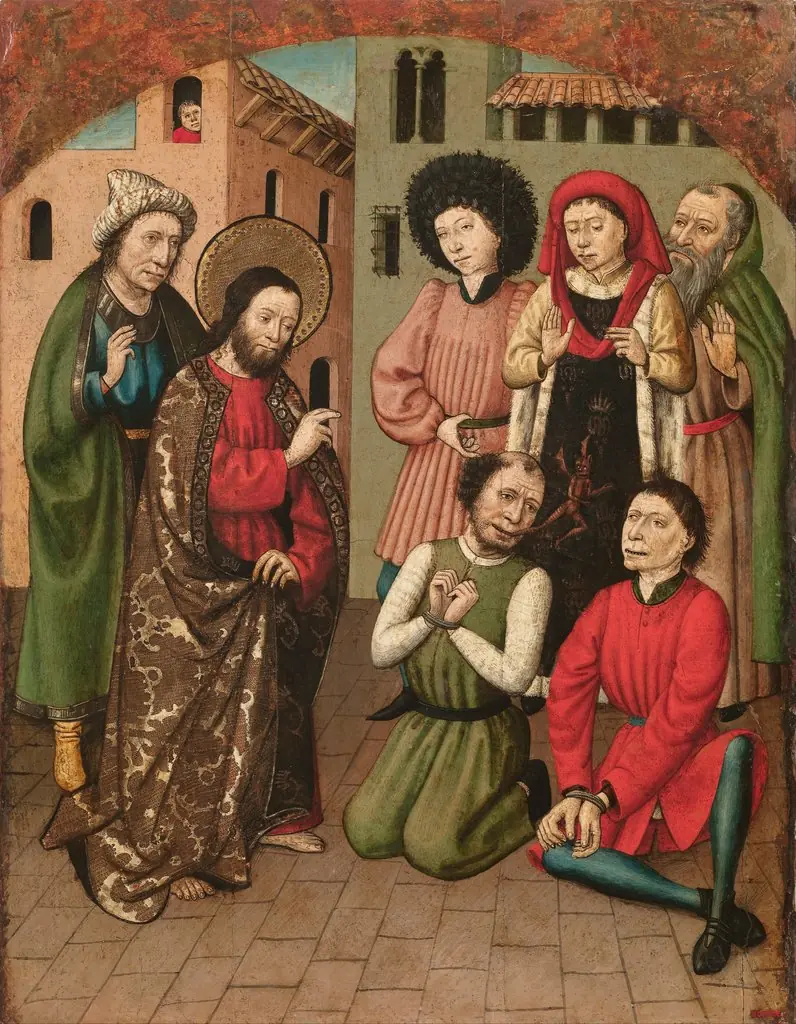 Saint Bartholomew Exorcising
 Joachim's Sacrifice
 Christ before Pilate