Artwork
Narcissus
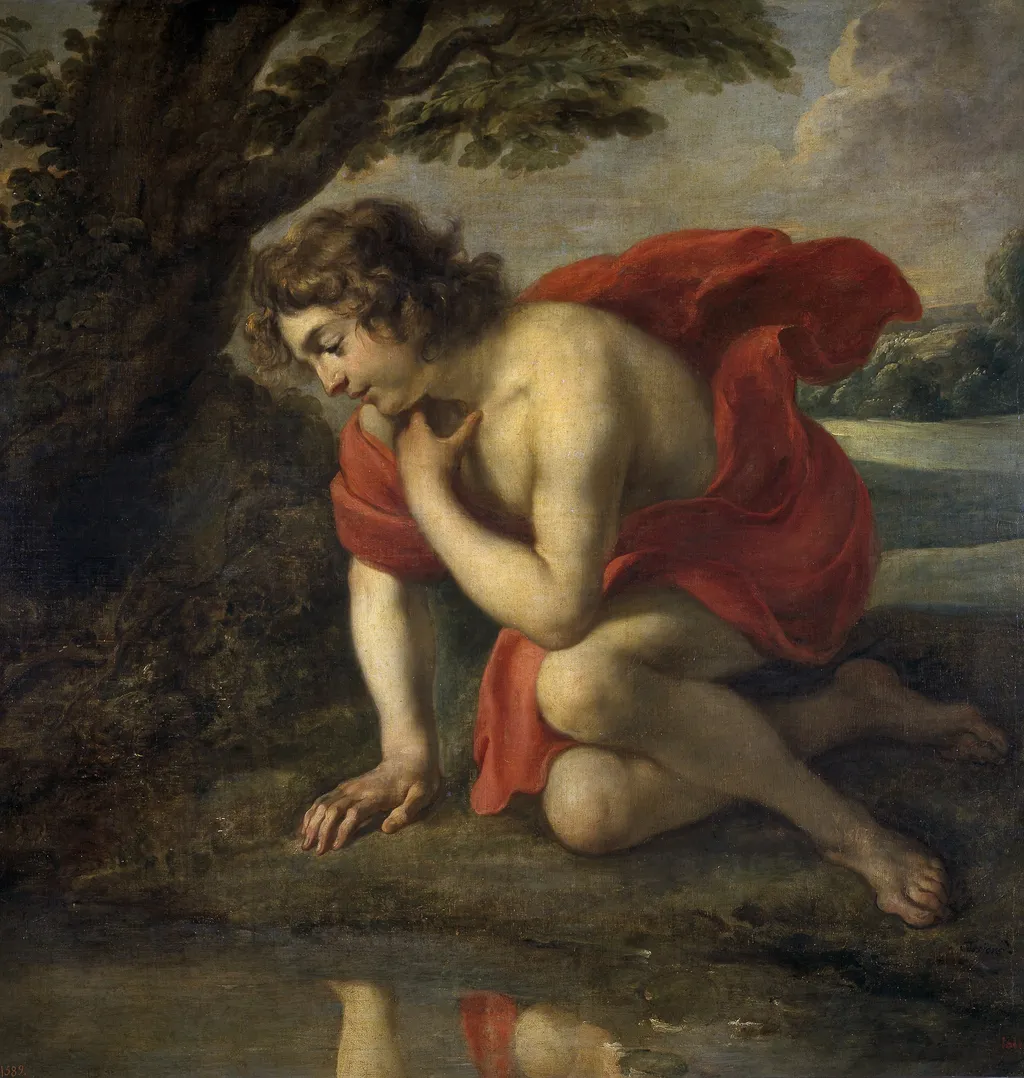
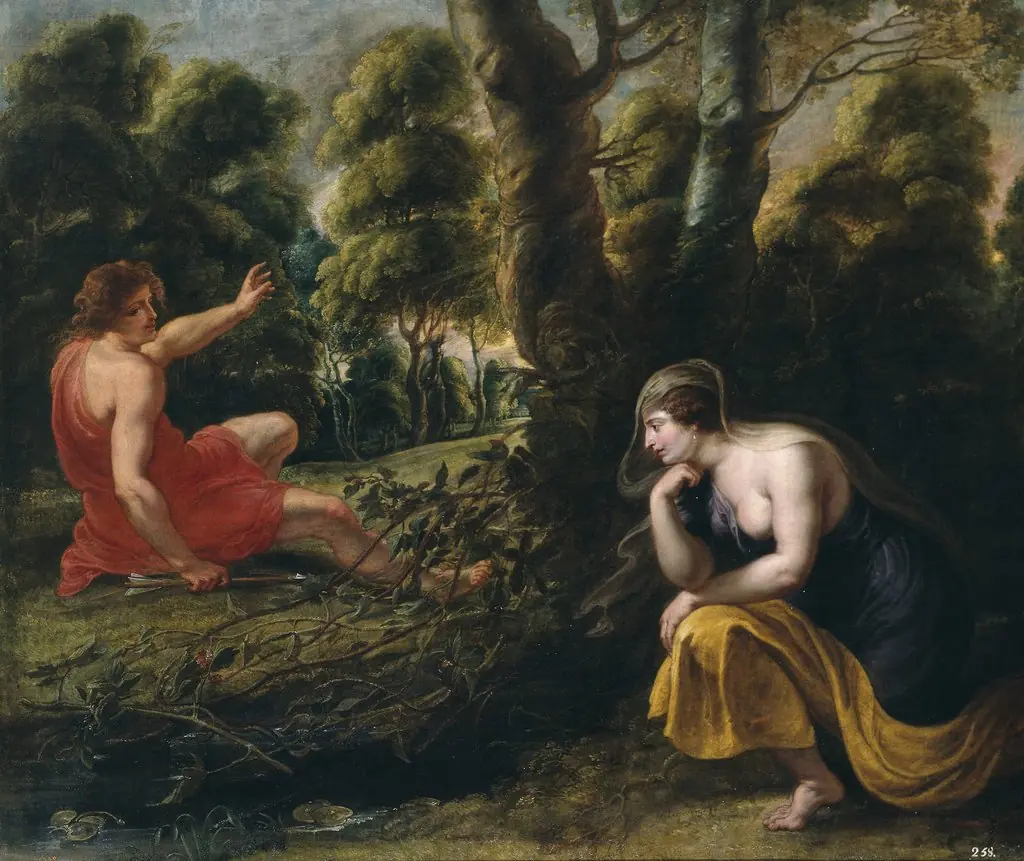
Narcissus is an oil painting by the Flemish Baroque painting artist Peter Paul Rubens. It dates from 1636 and is held in the collection of the Museo del Prado.
About this work
Subject & Meaning
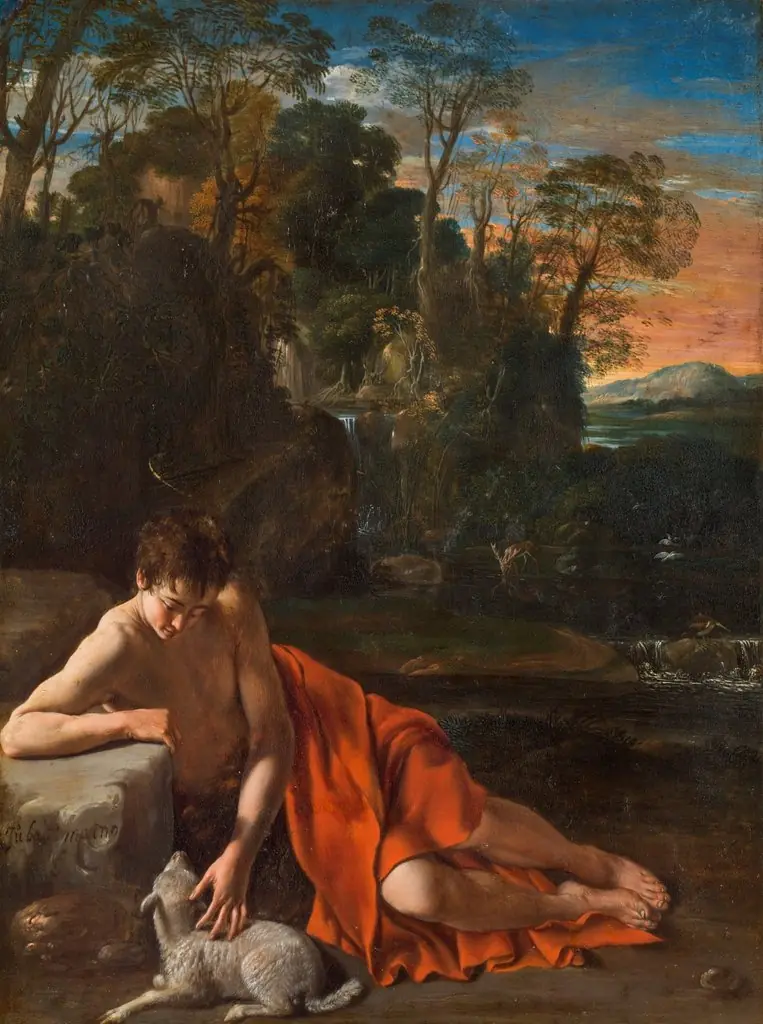
In Cossiers’s later adaptation, the figure kneels by the water’s edge, mirroring the pose and mood of Rubens’s composition.
The painting depicts the classical myth of Narcissus, the youth who falls in love with his own reflection in a pool. Rubens’s version shows the moment of recognition and despair as Narcissus realizes his impossible desire, rendered through a dynamic composition and luminous flesh tones against a dark background.
In Cossiers’s later adaptation, the figure kneels by the water’s edge, mirroring the pose and mood of Rubens’s composition. The mirrored surface functions as both lure and trap, underscoring the vanity and futility central to the story. The scene thus serves as a moral allegory warning against self-absorption and the perils of unchecked desire.
Technique & Style
The painting is executed in oil paint on a canvas support. Created in 1636, the work depicts the mythological figure Narcissus and is classified as a mythological painting. The canvas measures 97 cm in height and 93 cm in width.
While the primary creator is attributed to Jan Cossiers, the work also lists Peter Paul Rubens as a creator.
History & Provenance
The painting Narcissus was created in 1636 through a collaboration between Peter Paul Rubens and Jan Cossiers. Executed in oil on canvas, the work measures 97 cm in height and 93 cm in width. Historical records indicate that the piece entered the collection of Ferdinand VII of Spain.
It is currently held by the Museo del Prado in Madrid, where it remains part of the institution's holdings of mythological art.
The painting is held in the Museo del Prado in Madrid. According to the available record, it forms part of the museum's collection and is also associated with the Royal Palace of Madrid. The work was formerly owned by Ferdinand VII of Spain before entering the Prado's holdings.
No specific inventory or accession number is documented in the sources provided, and no exhibition history is recorded.
Overview
Narcissus is a 1636 oil painting by Peter Paul Rubens, a Flemish artist. It is part of the Museo del Prado's collection.
Context
The painting is associated with the Flemish Baroque movement and the Counter-Reformation, which emphasized dramatic visual impact. Rubens' style and choice of subject matter reflect these influences.
Own this work as a print
Artist & collection
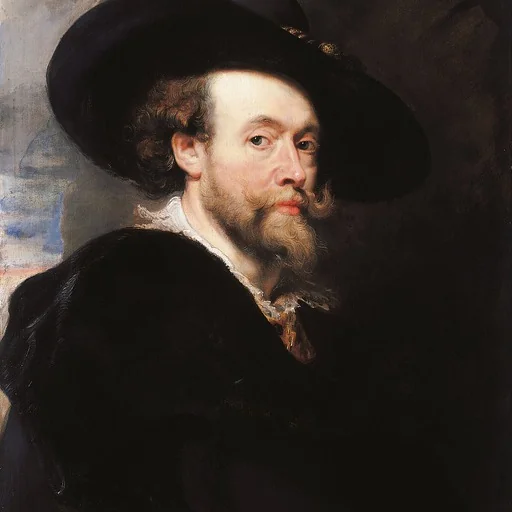
Artist
Sir Peter Paul Rubens ( ROO-bənz; Dutch:; 28 June 1577 – 30 May 1640) was a Flemish artist and diplomat.