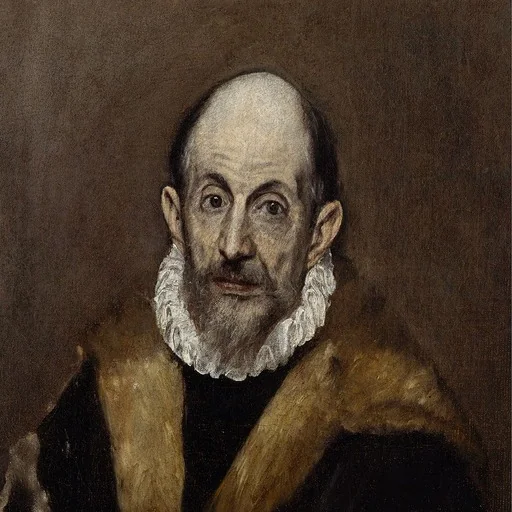
Subject
Bartholomew the Apostle
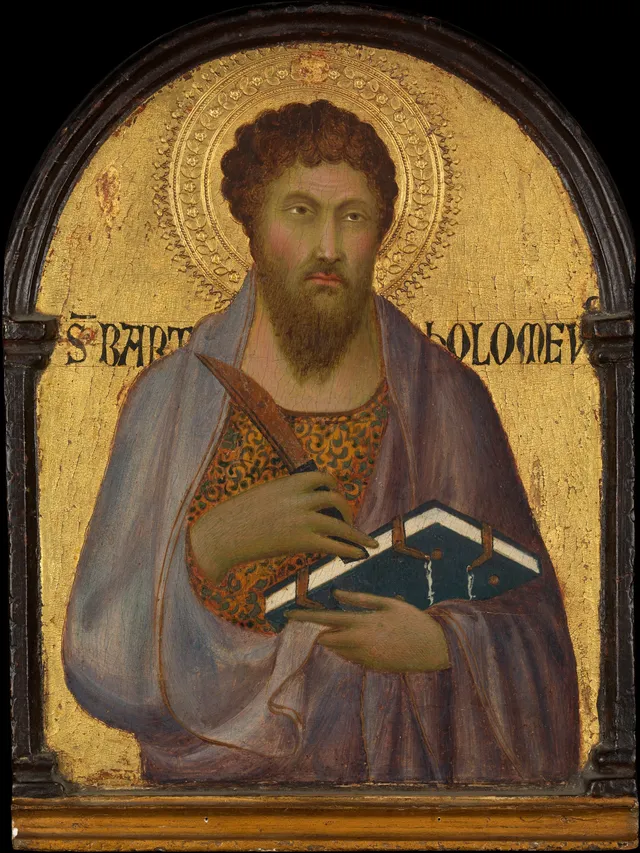
Bartholomew the Apostle is a subject in art. The gallery holds 24 works in this subject in art, including works by El Greco, Rembrandt van Rijn and Peter Paul Rubens.
Bartholomew was one of the twelve apostles of Jesus according to the New Testament. Most scholars today identify Bartholomew as Nathanael, who appears in the Gospel of John (1:45–51; cf. 21:2).
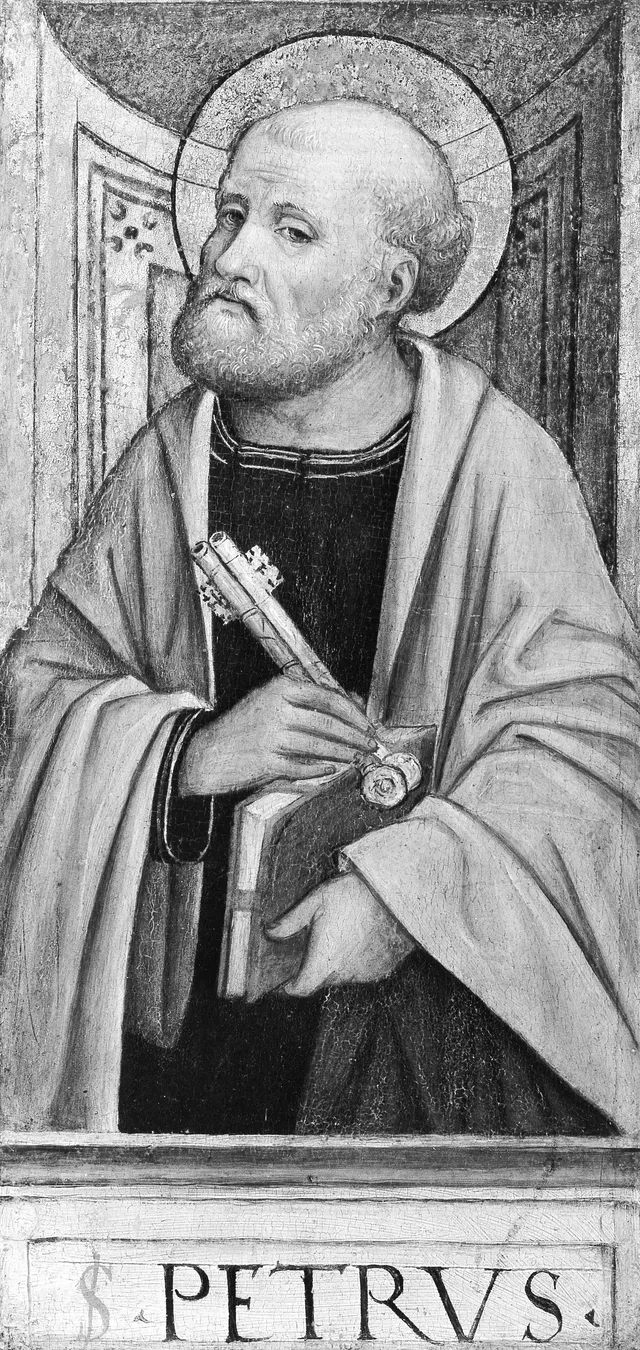
Key artists

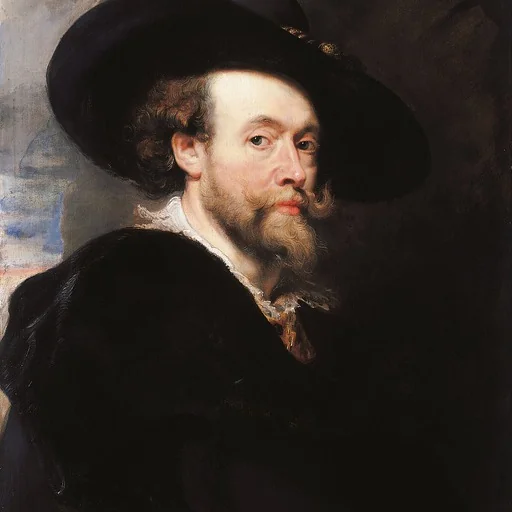
Overview
Bartholomew the Apostle was one of the twelve apostles of Jesus according to the New Testament, appearing in the lists of apostles in the three Synoptic Gospels and the Acts of the Apostles. Most scholars today identify Bartholomew with Nathanael, the disciple mentioned in the Gospel of John (1:45-51; cf. 21:2), though this identification has been debated since the sixth century and remains contested among contemporary exegetes. The name derives from Aramaic bar-Tolmay, meaning "son of Tolmai" or "son of the furrows." After the Ascension, tradition holds that Bartholomew undertook missionary journeys to India, Mesopotamia, Parthia, and especially Armenia, where he is venerated as a founder of the church alongside Jude Thaddeus. He was martyred, most commonly said to have been flayed alive, and his relics were eventually transferred to Rome. In art, Bartholomew is a recurring subject across multiple periods and media, with 24 works depicting him in this collection alone.
Iconography & meaning
The primary and most distinctive attribute of Bartholomew in art is his own flayed skin, which he typically holds in one hand, sometimes accompanied by the knife used for his martyrdom. This imagery emerged from the early thirteenth century onward and became standardized in Western Christian art. The knife represents the instrument of his torture, while the skin serves as a powerful memento mori and testament to his faith unto death. Occasionally he also appears with a book, scroll, or pilgrim's staff, reflecting his missionary role. In some depictions he carries a banner or his severed head. The flayed skin carries particular resonance in the context of Christian martyrdom, transforming the body into a site of spiritual victory. A celebrated instance appears in Michelangelo's Last Judgment in the Sistine Chapel, where the face on Bartholomew's skin is widely interpreted as a self-portrait of the artist. The grotesque nature of this attribute has also made Bartholomew a subject of renewed artistic interest in contemporary practice, where the visceral imagery invites reflection on bodily vulnerability and identity.
Across movements & periods
The representation of Bartholomew evolved significantly across artistic periods, though certain constants remained. Medieval art from the thirteenth century onward established his visual identity through the flayed skin attribute, as seen in Gothic and early Renaissance altarpieces where apostles typically appeared in orderly rows or narrative scenes. The Renaissance maintained and refined this iconography while introducing greater psychological and anatomical naturalism; Michelangelo's treatment in the Last Judgment exemplifies this, using the martyrdom attribute for complex self-referential purposes. Baroque art intensified the dramatic potential of his martyrdom through dynamic composition and emotional engagement. The collection's range of formats, from multi-figure apostolic cycles to isolated devotional images, reflects how Bartholomew's image adapted to changing liturgical needs and private devotion across periods. More recently, contemporary artists have revisited the subject with explicit awareness of its art-historical weight. Damien Hirst's 2006 bronze casting and Aris Kalaizis's large-format oil paintings from 2014-2015, created in dialogue with depictions at Frankfurt's Kaiserdom St. Bartholomäus, demonstrate how the apostle's visceral imagery continues to attract artists interested in themes of corporeality, sacrifice, and institutional critique. A 2015 sculpture in Stubenberg, with marble head and magnesite body containing glittering mica inclusions, further illustrates this contemporary engagement.
Notable depictions
Among the most significant depictions of Bartholomew in art history is Michelangelo's inclusion of the apostle in the Last Judgment in the Sistine Chapel, painted between 1536 and 1541. Here Bartholomew holds his flayed skin, upon which Michelangelo projected what scholars widely regard as a self-portrait, creating a complex meditation on artistic creation, judgment, and bodily sacrifice. The collection's own holdings include several works of interest: The Twelve Apostles grouping, which presents Bartholomew in canonical company; The Martyrdom of Saint Bartholomew, representing the dramatic narrative of his death; and multiple single-figure images of Saint Bartholomew that would have served devotional purposes. The Perugino's Saint Bartholomew, cited in French sources, exemplifies the High Renaissance treatment of the subject with classical balance and clarity. Contemporary notable depictions include Damien Hirst's 2006 bronze sculpture, which translates the traditional iconography into modern materials and conceptual frameworks, and Aris Kalaizis's paintings that explicitly confront historical representations. The 2015 Stubenberg sculpture, with its hybrid marble and magnesite construction, represents a recent municipal commission continuing the tradition of public Bartholomew imagery.
Legacy
Bartholomew's cultural afterlife extends far beyond visual art into patronage, place-naming, and collective memory. He serves as patron saint of numerous cities including Frankfurt am Main, Maastricht, Pilsen, and Baku, as well as of the Lipari Islands near Sicily, where his relics were said to have washed ashore. His patronage extends to diverse professions: butchers, tanners, leatherworkers, saddlers, shoemakers, tailors, bakers, bookbinders, miners, plasterers, farmers, vintners, shepherds, and oil and cheese merchants. This breadth reflects the multivalent symbolism of his martyrdom and the economic structures of medieval and early modern Europe. The transfer of his relics to Rome in 983 under Otto II, and the subsequent establishment of San Bartolomeo all'Isola as their repository, solidified his importance in Western Christianity; his skull's presence in Frankfurt Cathedral from 1238 made him that city's patron. The Saint Bartholomew's Day Massacre of 1572, in which thousands of Huguenots were killed in Paris on his feast day, represents a darker aspect of his legacy, demonstrating how saintly patronage could become implicated in sectarian violence. His commemoration on August 24 in the Roman Catholic Church and June 11 in the Eastern Orthodox Church continues to structure liturgical time. In the Armenian Apostolic Church, he remains co-patron with Thaddeus, honored for bringing Christianity to Armenia. Weather proverbs associated with his feast day, such as the Dutch saying that weather on Bartholomew's day predicts the autumn, show his integration into folk culture. The enduring power of his imagery, from medieval altarpieces through Michelangelo to contemporary sculptural practice, attests to the continuing capacity of his martyrdom to provoke reflection on faith, body, and identity.
Works
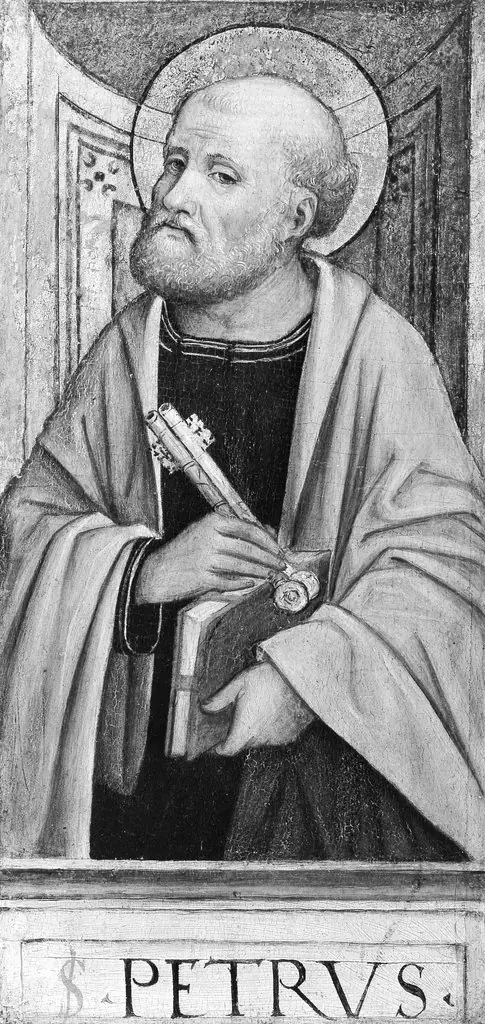 The Twelve Apostles: Saints Bartholomew, Andrew, Matthew, James the Greater, Thaddeus, Philip, James the Lesser, Simon, Peter, Paul, Thomas, and John
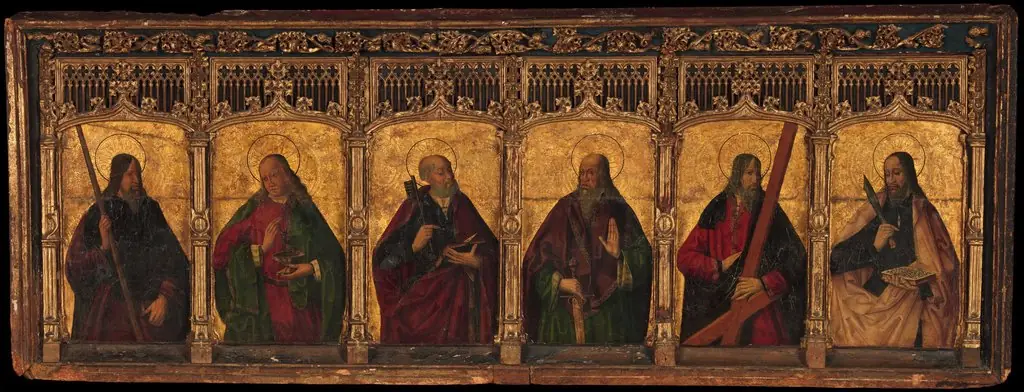 Six Apostles
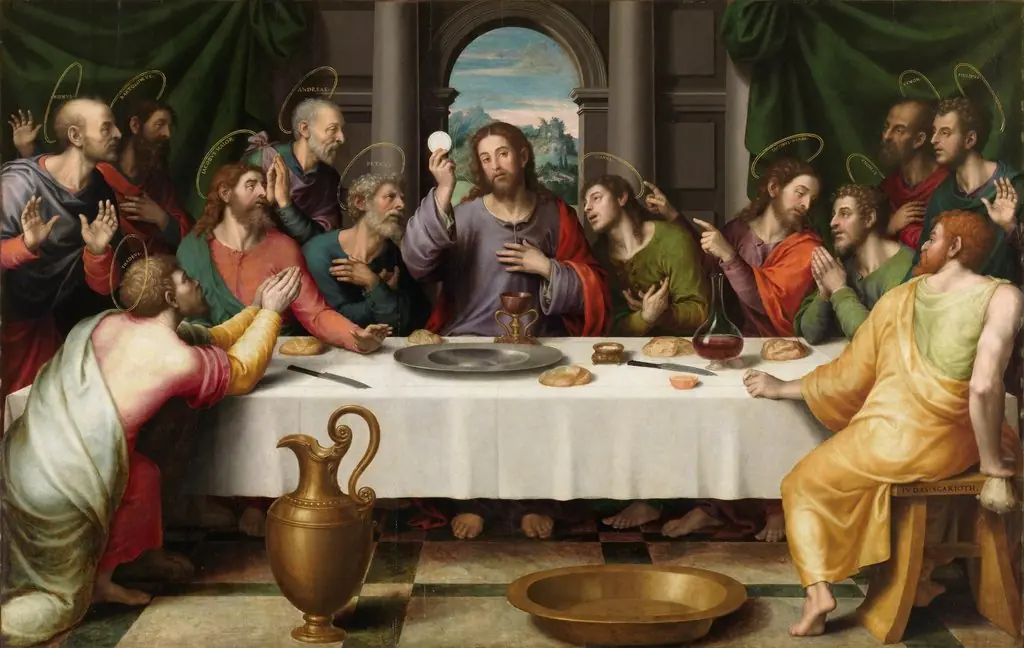 The Last Supper
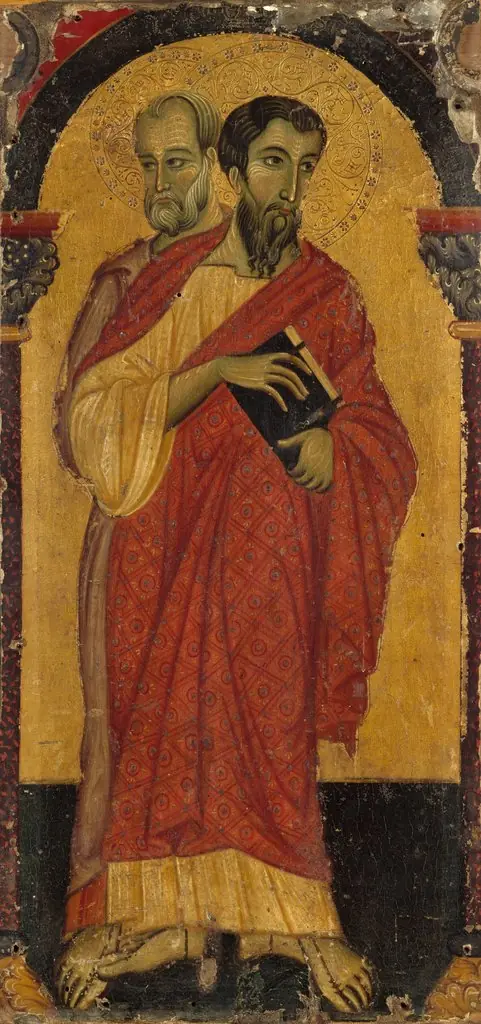 Saints Bartholomew and Simon
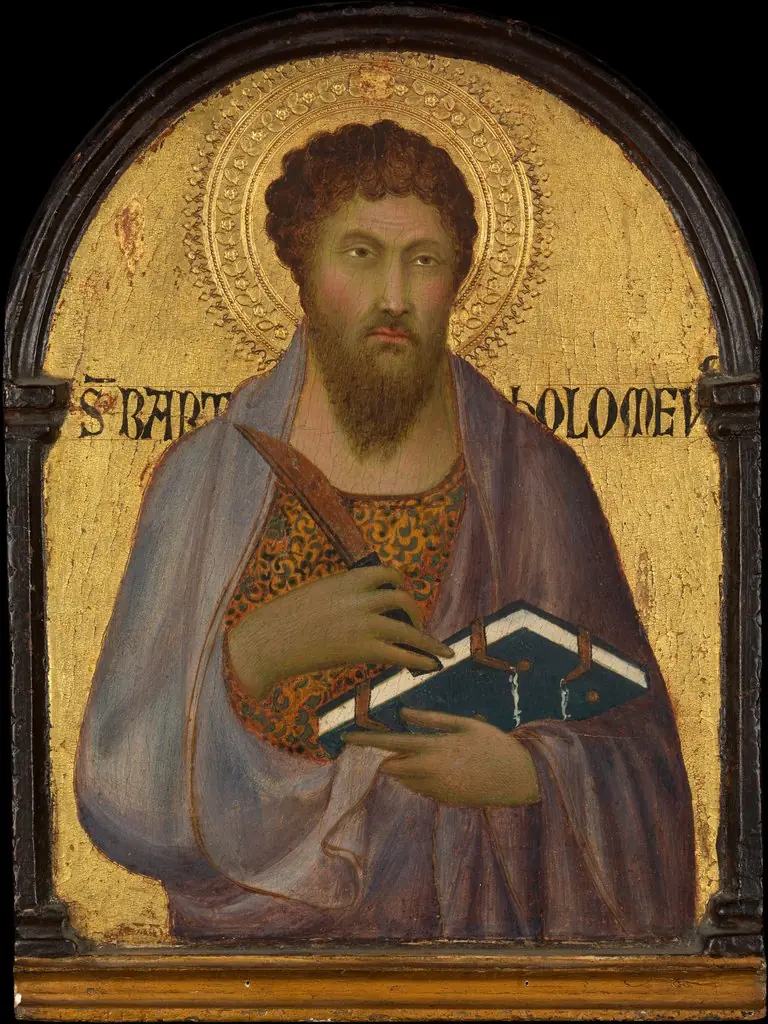 Saint Bartholomew
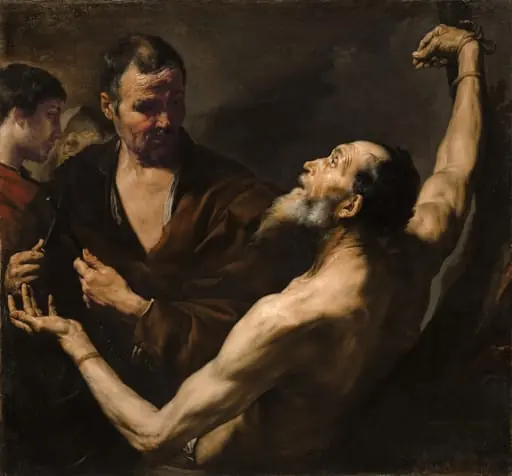 The Martyrdom of Saint Bartholomew
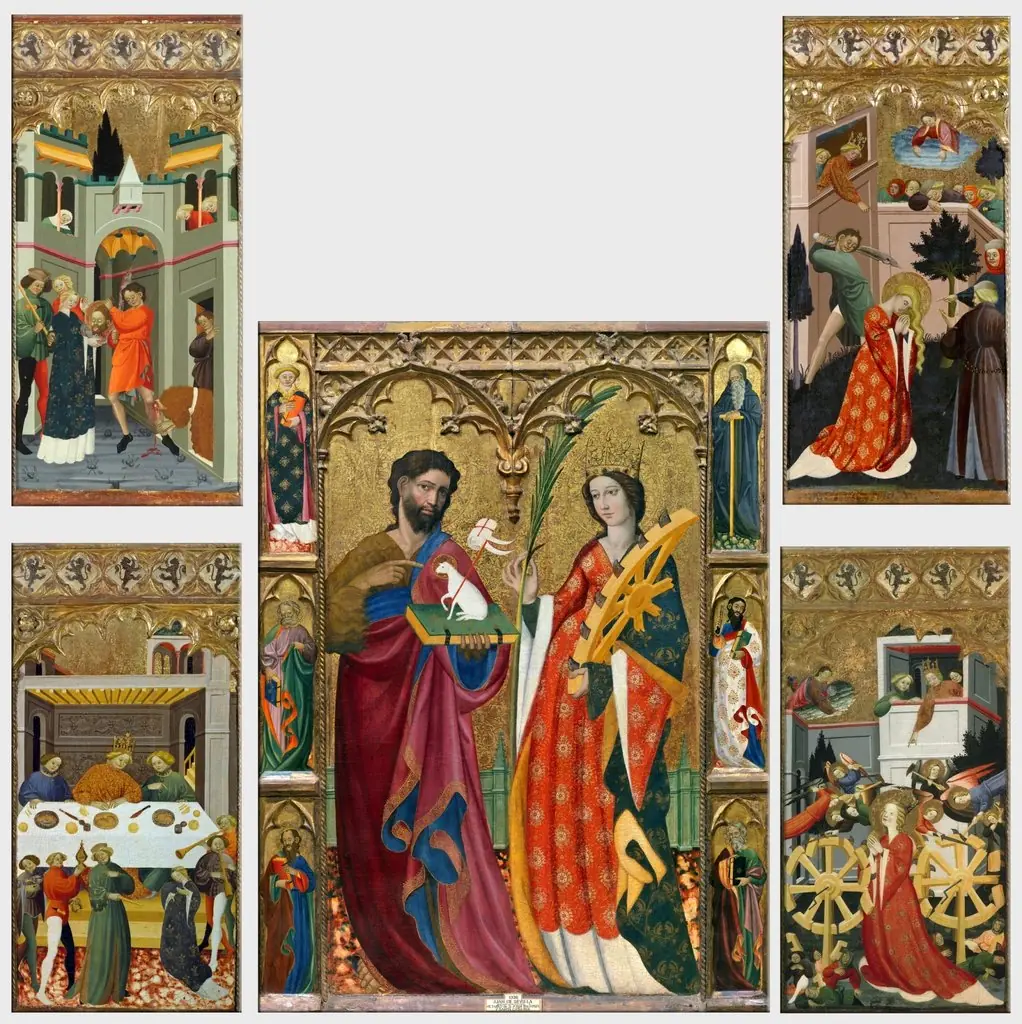 Saint John the Baptist and Saint Catherine Altar Piece
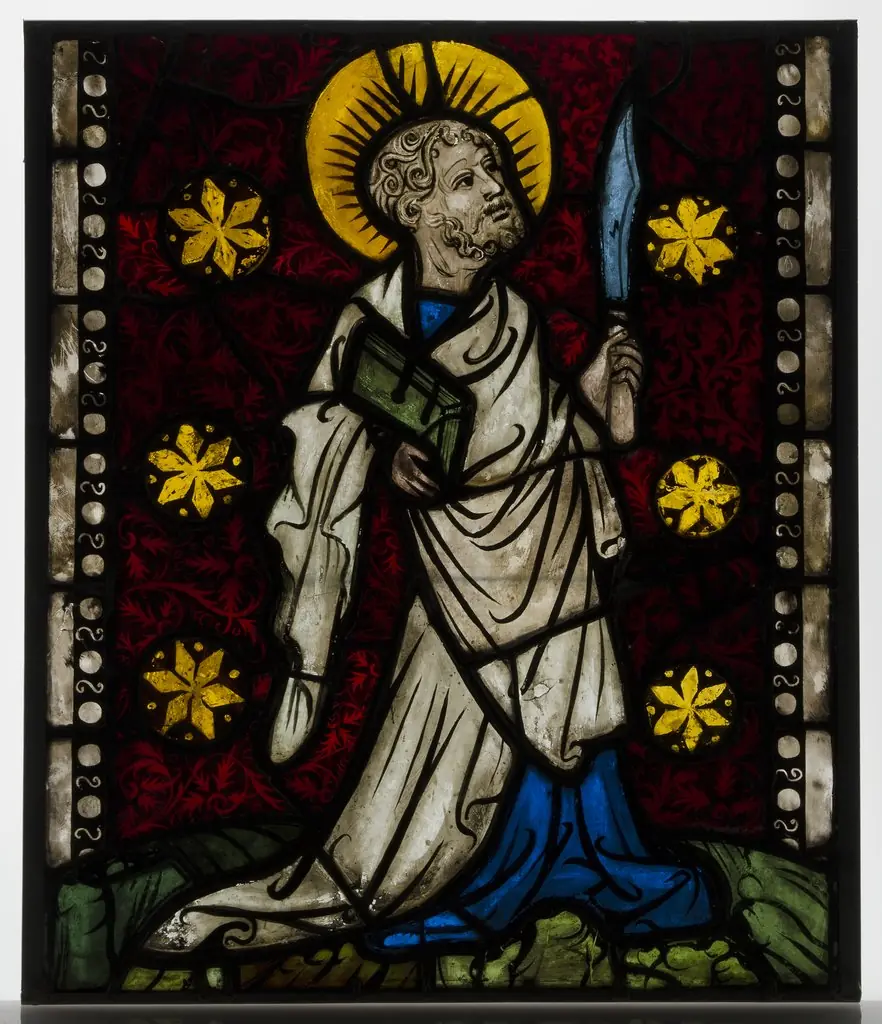 Saint Bartholomew
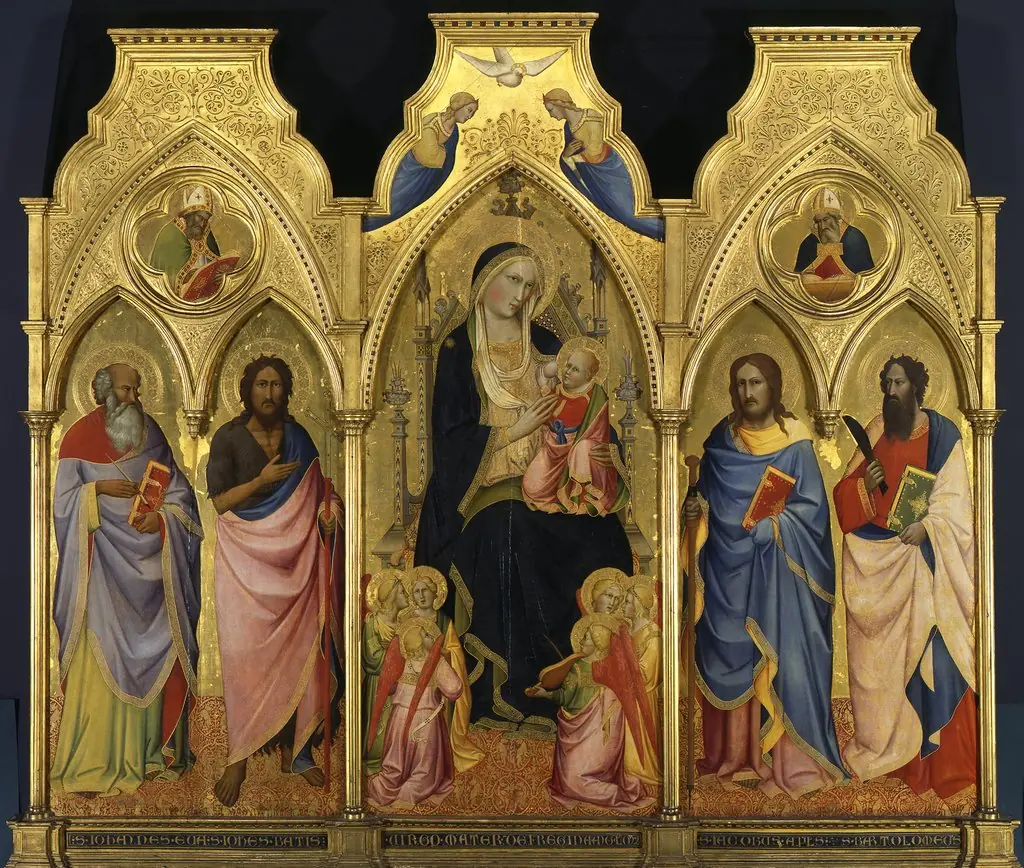 Triptych
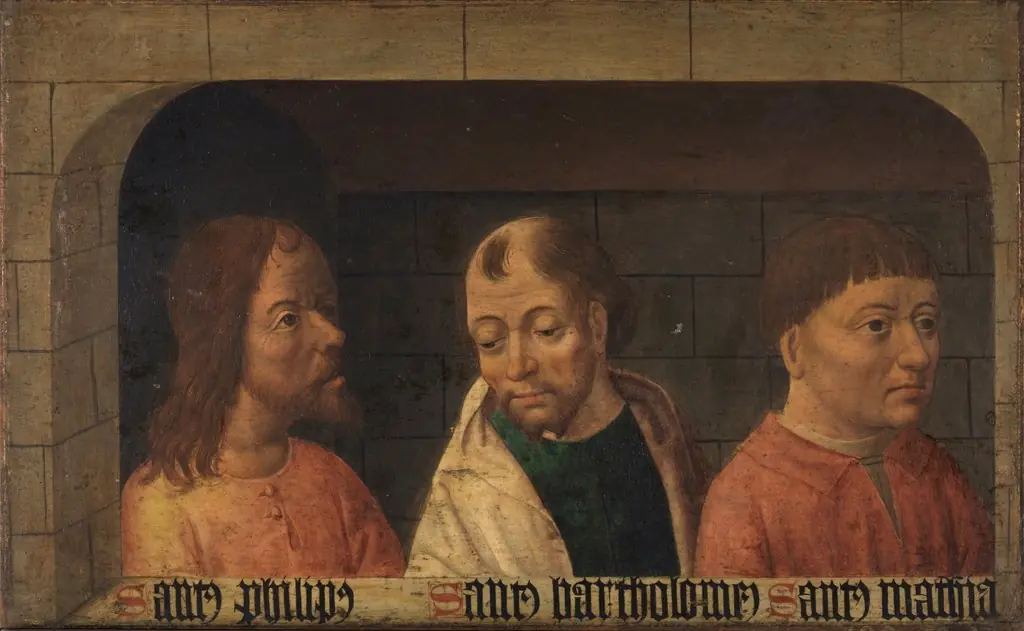 Los Apóstoles Felipe Bartolomé y Matías
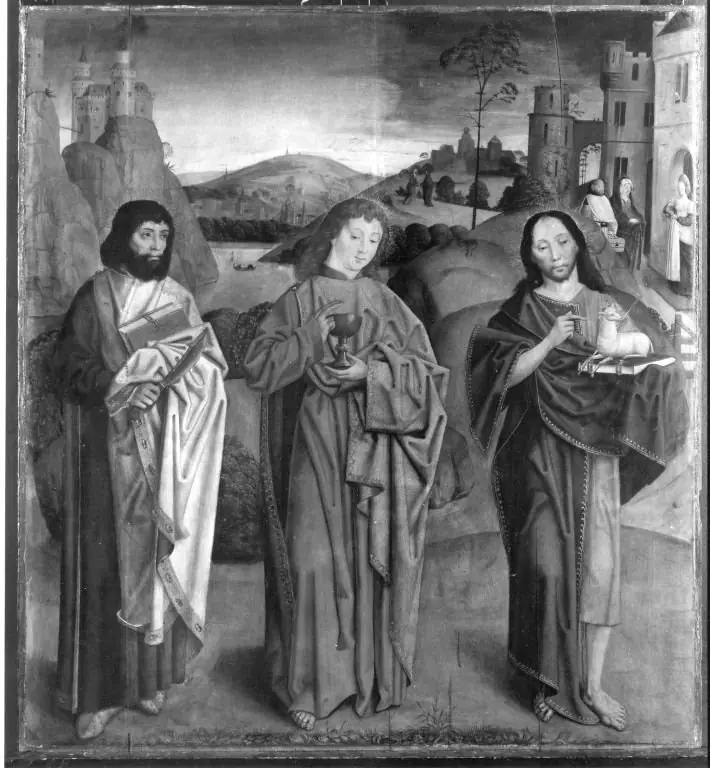 Beschneidungsaltar: Die hll. Bartholomäus, Johannes Ev. und Johannes d. T.
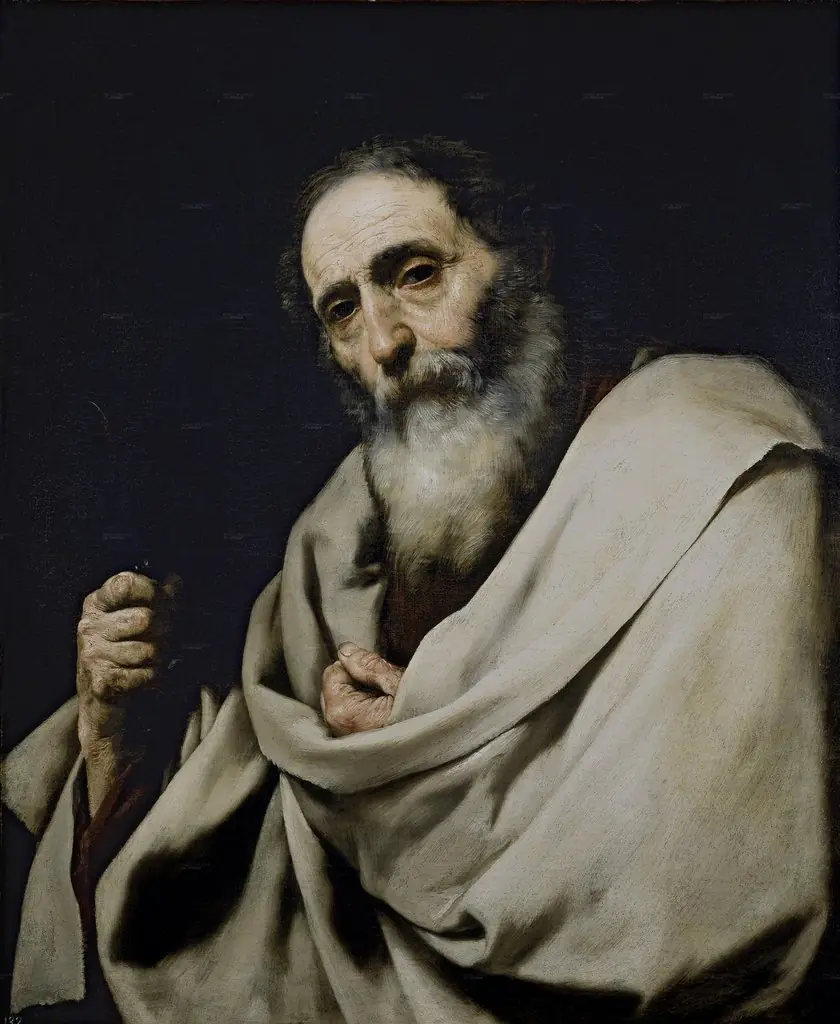 Saint Bartholomew
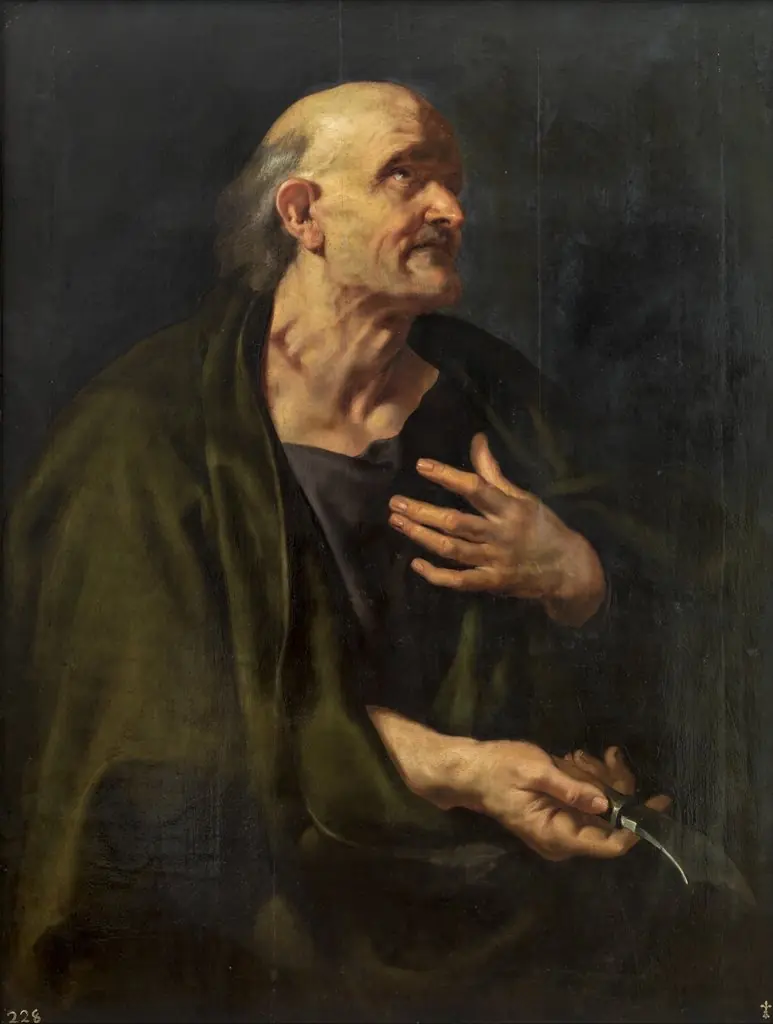 Saint Bartholomew
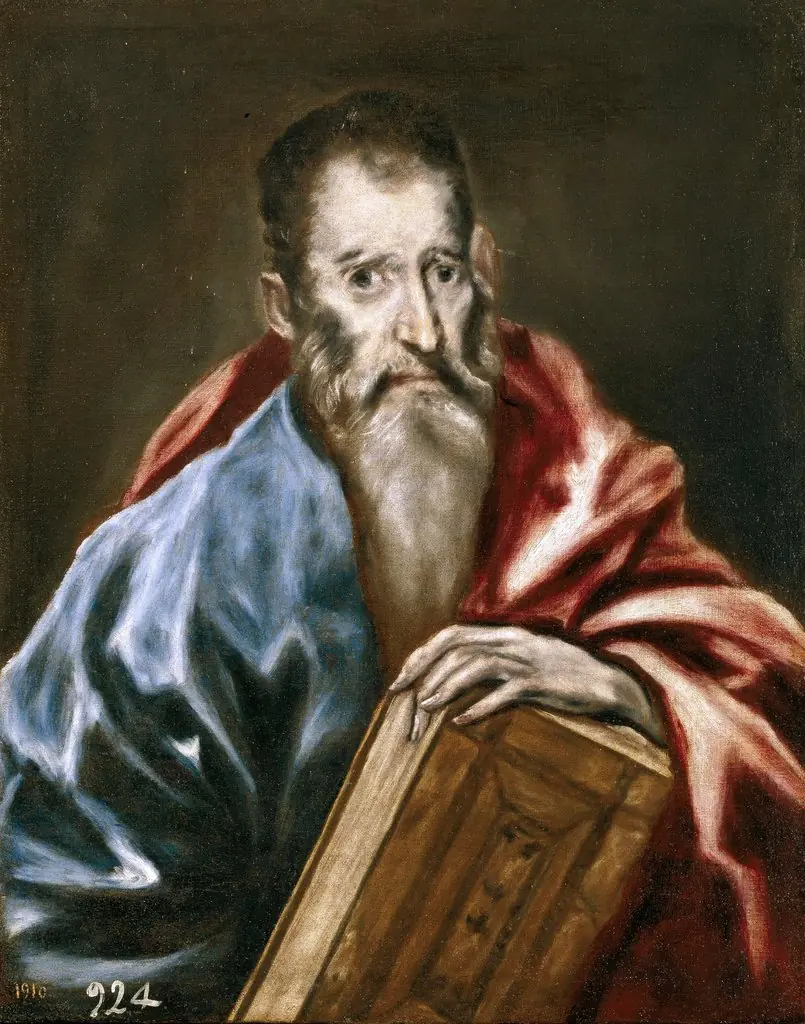 The Apostle Bartholomew (Paul)
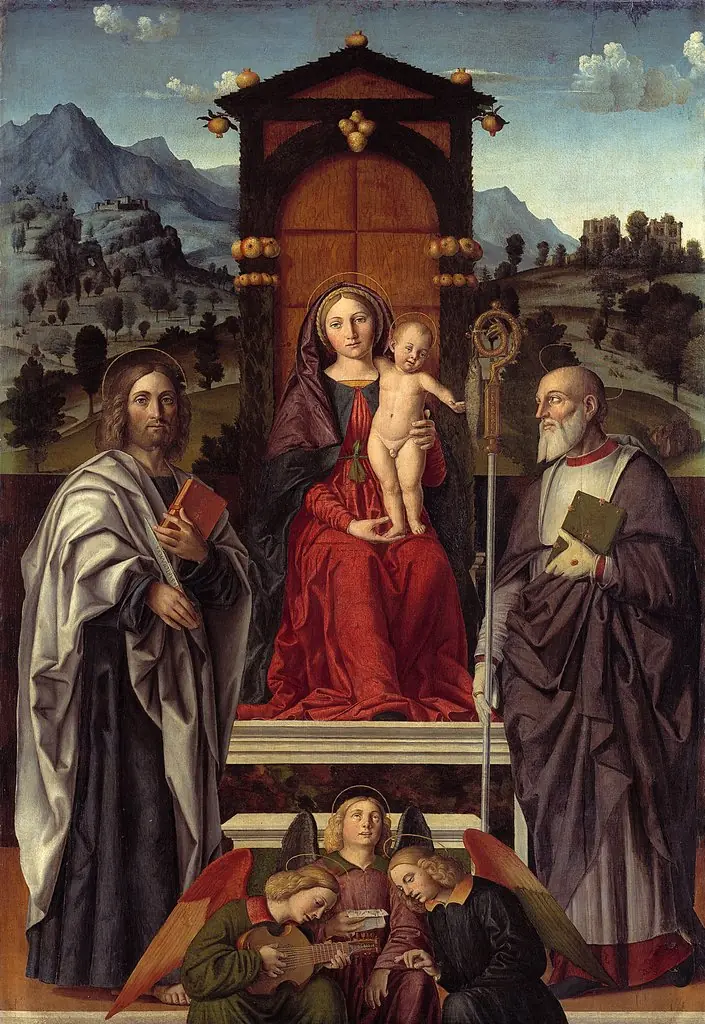 Mary and Child Enthroned with Saints
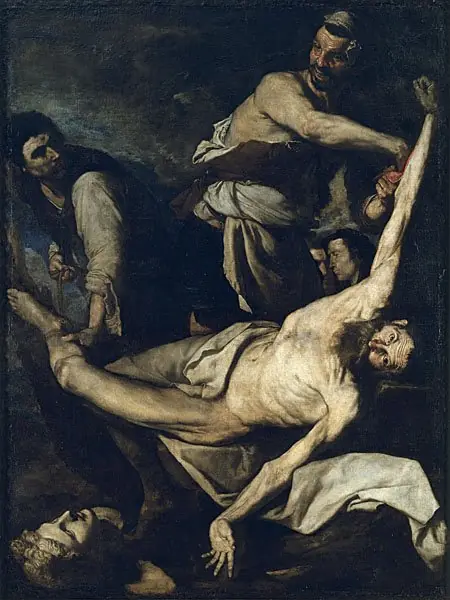 Martyrdom of Saint Bartholomew
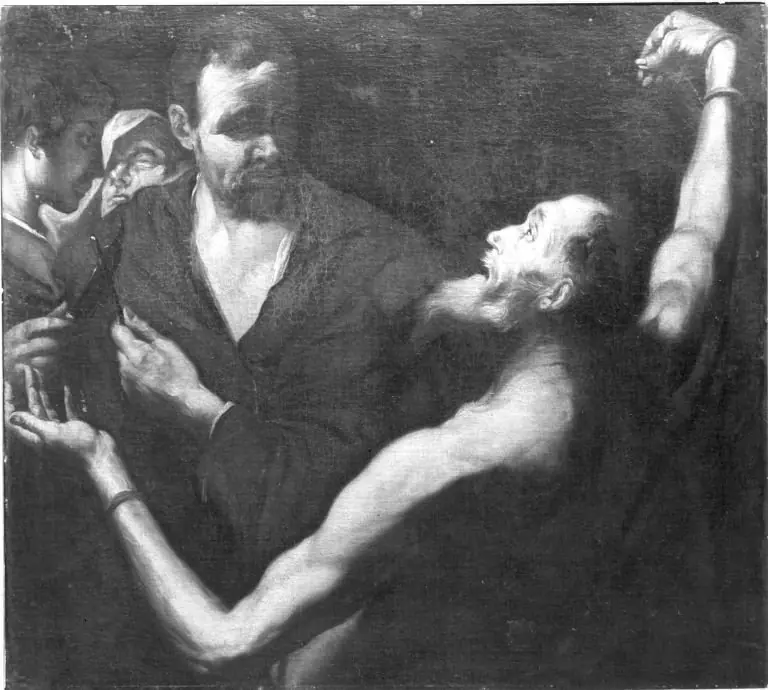 Martyrium des hl. Bartholomäus
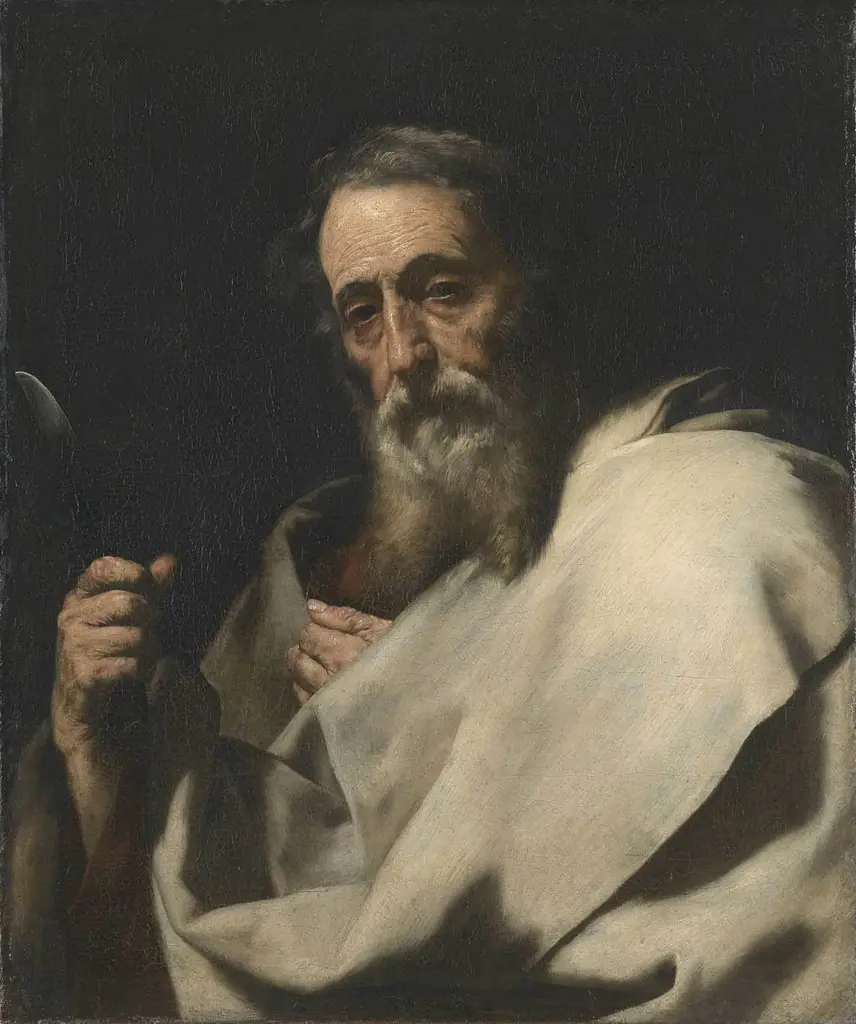 Saint Bartholomew
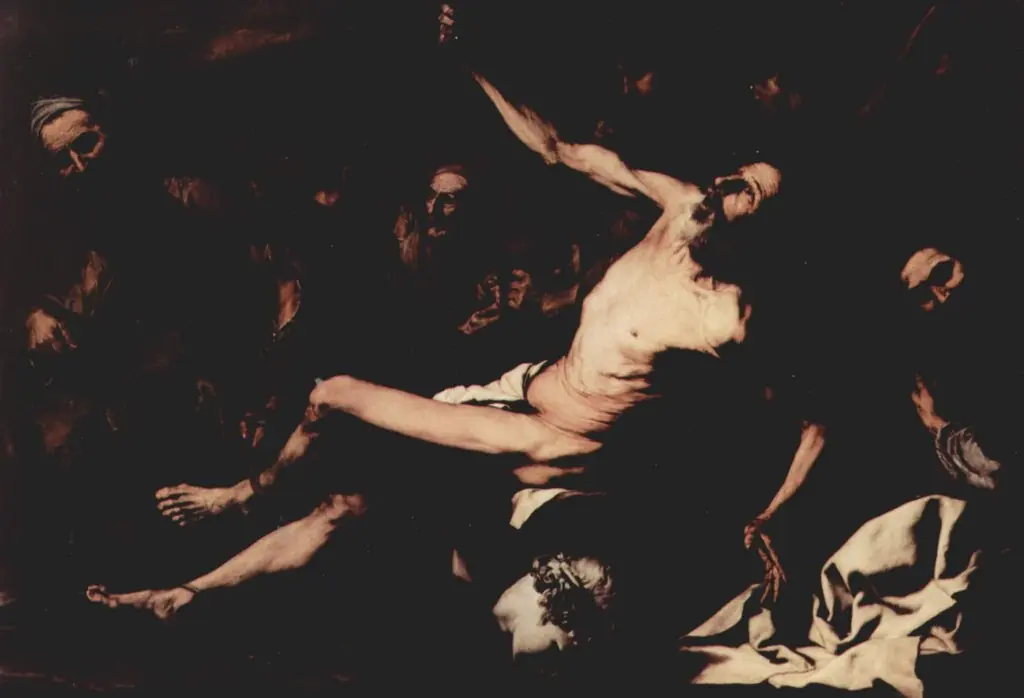 Martyrdom of St. Bartholomew
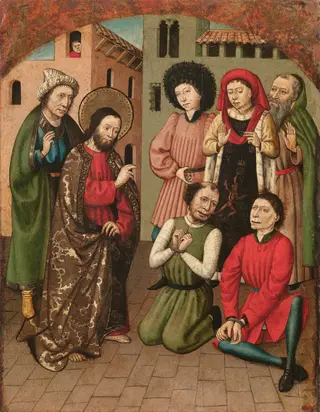 Saint Bartholomew Exorcising
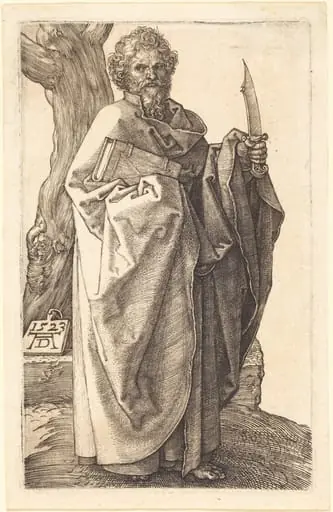 Saint Bartholomew
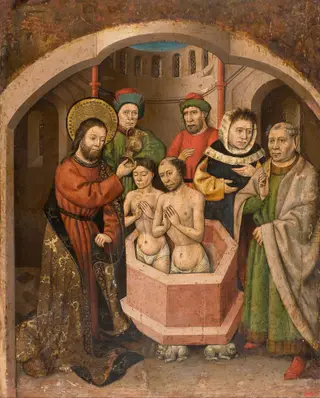 Saint Bartholomew Baptising
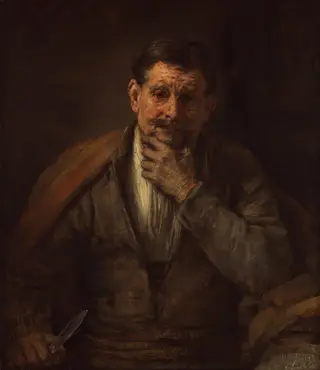 St. Bartholomew
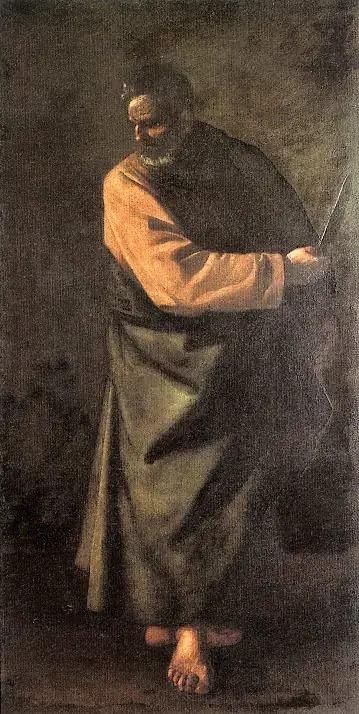 Saint Bartholomew
Frequently asked questions
What is Bartholomew the Apostle?
Bartholomew the Apostle is a subject in art. Bartholomew was one of the twelve apostles of Jesus according to the New Testament.
How many Bartholomew the Apostle works does Artifact World Gallery have?
Artifact World Gallery holds 24 public-domain Bartholomew the Apostle works, all free to view and download.
Who are the key Bartholomew the Apostle artists?
Key Bartholomew the Apostle artists in the collection include El Greco, Rembrandt van Rijn and Peter Paul Rubens.
Where can I see Bartholomew the Apostle works?
Bartholomew the Apostle works in the collection are held by Museo del Prado, Metropolitan Museum of Art and Museu Nacional d'Art de Catalunya.