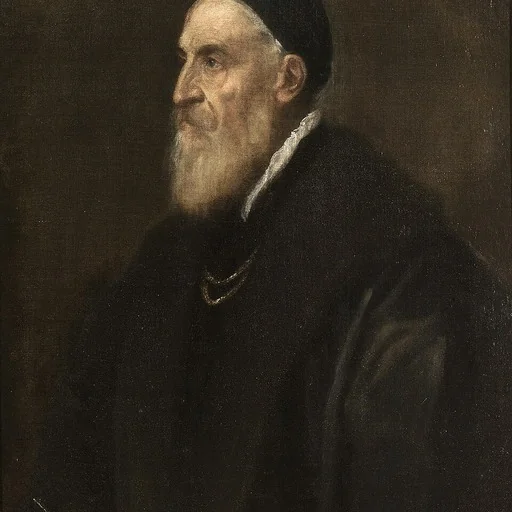
Subject
Catherine of Alexandria
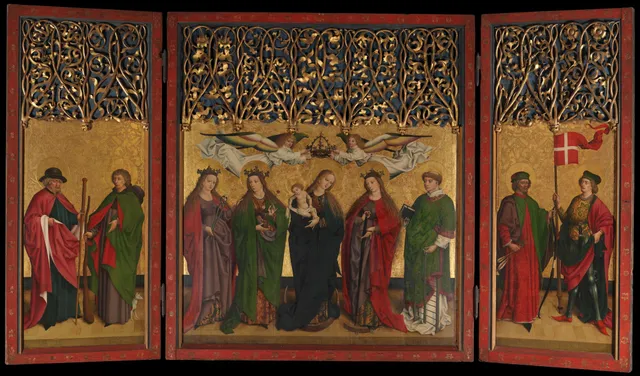
Catherine of Alexandria is a subject in art. The gallery holds 200 works in this subject in art, including works by Titian, Paolo Veronese and Lorenzo Lotto.
Catherine of Alexandria is one of the most frequently depicted of all Christian saints, a figure whose legend made her irresistible to medieval and Renaissance artists. According to tradition she was a learned noblewoman of early fourth-century Alexandria who, having converted to Christianity, denounced the persecutions of the Roman emperor Maxentius (r. 306–312). Summoned to debate fifty pagan philosophers, she is said to have confuted them all and converted many bystanders. Condemned to die on a spiked wheel, she was spared when the device miraculously shattered at her touch, and was instead beheaded; angels were believed to have carried her body to Mount Sinai, where the Emperor Justinian I founded the great Monastery of Saint Catherine in the sixth century. Her feast falls on 25 November, and she was venerated among the Fourteen Holy Helpers and as patroness of scholars, students, and unmarried women.
In art Catherine is identified by a remarkably stable set of attributes: the spiked "Catherine wheel," whole or broken at her feet; the sword of her beheading; a book signalling her learning; a martyr's palm; and the crown and rich robes of her royal birth. A distinct devotional theme, the Mystic Marriage of Saint Catherine, shows the Christ Child placing a ring on her finger in token of her spiritual betrothal—an intimate subject that flourished in the Renaissance.
The greatest names treated her repeatedly. Raphael's serene single figure of c. 1507 hangs in the National Gallery, London; Caravaggio's dramatic, raking-light "Saint Catherine" (c. 1598) is in the Museo Thyssen-Bornemisza, Madrid. The Mystic Marriage was painted by Correggio, Andrea del Sarto, Moretto, and—most tenderly—Lorenzo Lotto. Our own collection reflects this breadth, holding Lotto's "Saint Catherine," Matteo di Giovanni's "Madonna and Child with Saint Jerome, Saint Catherine of Alexandria, and Angels," and altarpieces by Bonifazio Veronese, Francesco Pesellino, and the Master of the Burg Weiler Altarpiece.
Catherine's enduring appeal lay in her rare combination of beauty, intellect, royalty, and martyrdom, which let artists unite courtly elegance with sacred narrative. Dedications such as Santa Caterina, the Renaissance-style church in Urbania in the Marche, attest to a cult that spanned the Latin West and Byzantine East, and that shaped the iconography of the wise virgin-martyr for centuries.
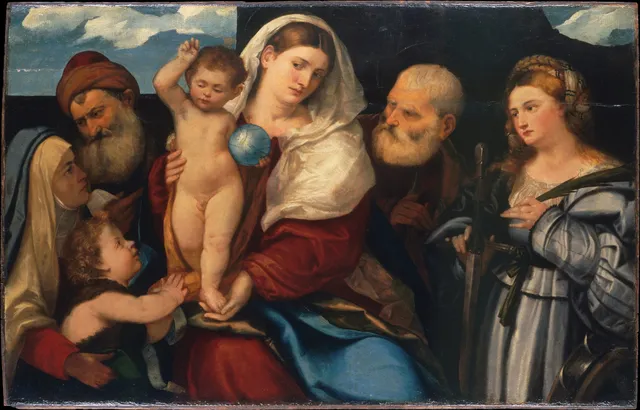
Key artists
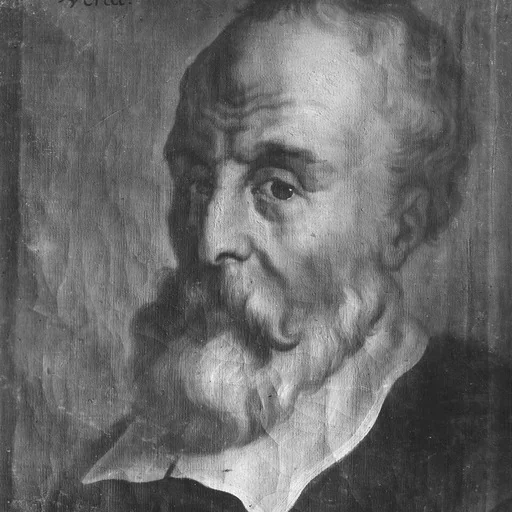
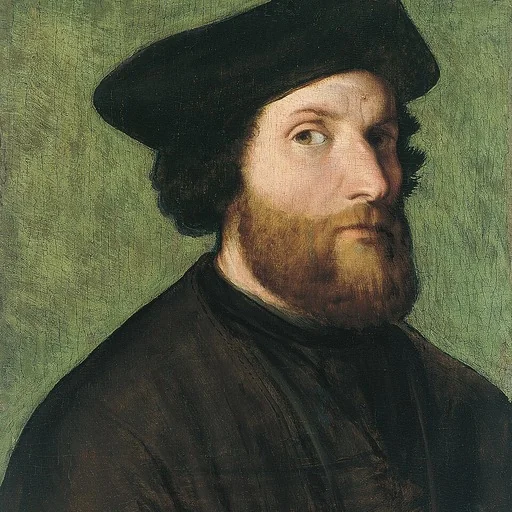
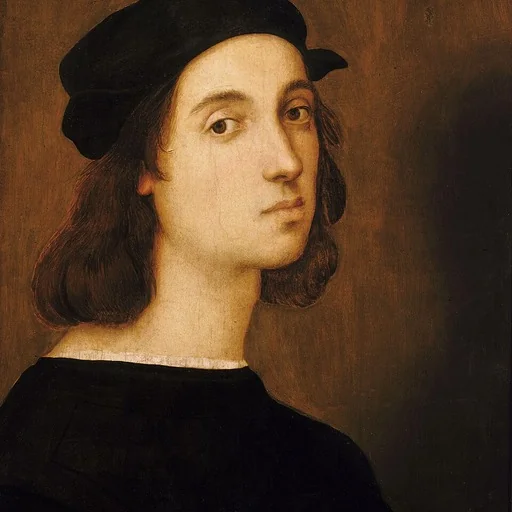
Overview
Catherine of Alexandria is a prominent early Christian martyr and saint venerated in the Roman Catholic tradition. According to legend, she was a learned fourth century princess who protested the persecution of Christians under the Roman emperor Maxentius, defeating the scholars he summoned to oppose her and converting his wife and soldiers before her execution. Although her historicity is doubtful and she is not mentioned before the ninth century, her narrative made her one of the most popular saints of the Middle Ages and one of the Fourteen Holy Helpers. She is the patron saint of philosophers, scholars, preachers, wheelwrights, and mechanics, and is invoked against sudden death. Her story, rooted in spiritual truth and intellectual triumph, made her a recurring subject in Western art.
Iconography & meaning
The iconography of Catherine centers on two primary attributes: the spiked breaking wheel and the crown. The wheel, often called the Catherine wheel, symbolizes her attempted martyrdom, as the instrument shattered upon her touch. The crown denotes both her noble birth as a princess and her posthumous glorification. Another major iconographic motif is the mystical marriage of Saint Catherine, derived from the legend that Christ plighted his troth to her by placing a ring on her finger after her baptism, symbolizing her total dedication and consecrated virginity. Artistic depictions frequently balance her regal, sensual earthly appearance with an ethereal, spiritual expression, presenting her not as a suffering victim but as a triumphant, regal figure.
Across movements & periods
The treatment of Catherine shifted significantly across eras. In the early fifteenth century, French medieval goldsmiths employed ronde bosse enamel techniques to create small, jewel encrusted devotional sculptures of the saint. During the Renaissance, her image was integrated into polyptychs and altarpieces, often alongside the Virgin and Child, reflecting her broad veneration. By the Baroque period, artists emphasized theatricality and sensuality. Bernardo Strozzi, working circa 1615, painted life size representations featuring sharply contrasting dark backdrops, richly detailed pink and indigo garments, and dramatic upward gazes. His Capuchin background infused his work with profound emotion, elevating the saint into an abstract, spiritual realm while underlining her regal appearance through the sheer sensuality of the fabric.
Notable depictions
Notable depictions include a fifteenth century French enamel sculpture in the Metropolitan Museum of Art, made of gold, ronde bosse enamel, and jewels, measuring 3 7/8 by 2 1/8 by 1 1/8 inches without its base. Bernardo Strozzi painted a life size Baroque representation circa 1615, now at the Los Angeles County Museum of Art, which was looted by Nazis from Charles Loeser in 1944 and restituted to his heir in 2014. Titian also painted Saint Catherine of Alexandria, a work documented in the Spanish royal inventories of 1747 and 1772, which appraised it at six thousand reales and attributed it to the Venetian master. Additionally, the Santa Caterina church in Urbania, reconstructed in 1522 by Taddeo Zandrini, houses multiple depictions of her life, including an Entombment of St Catherine from 1592 by Donnino Berti and a Madonna and Child with Saints from 1615 by Giovanni Giacomo Pandolfi.
Legacy
The legacy of Catherine of Alexandria extends far beyond her hagiographic origins. In the Middle Ages, the widespread circulation of her mystical marriage established her as one of the most important virgin martyrs. Her veneration as the patron of the Confraternity of the Artists in Urbania during the fourteenth century cemented her connection to the artistic community. Her voice was claimed by Joan of Arc as one of the heavenly voices that spoke to her before leading the French army during the Hundred Years War. In the modern era, her depictions have intersected with complex histories of provenance and restitution, as seen in the recovery of the Strozzi painting from Nazi plunder. Today, she continues to be invoked as a patroness of students, theologians, librarians, and those seeking clarity and discernment, symbolizing the harmony of faith and reason.
Works
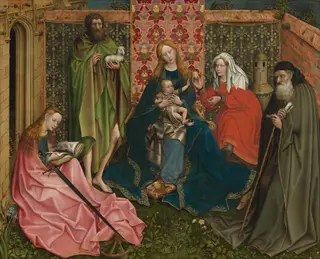 Madonna and Child with Saints in the Enclosed Garden
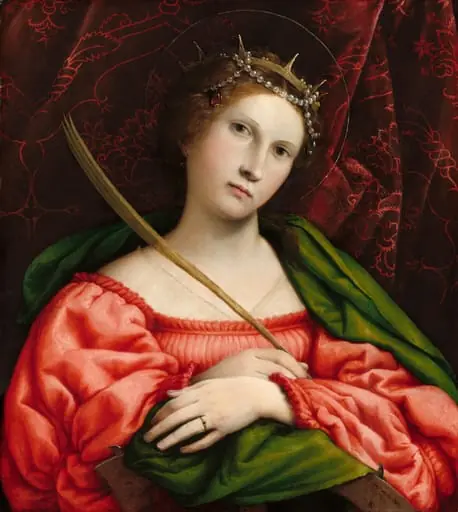 Saint Catherine
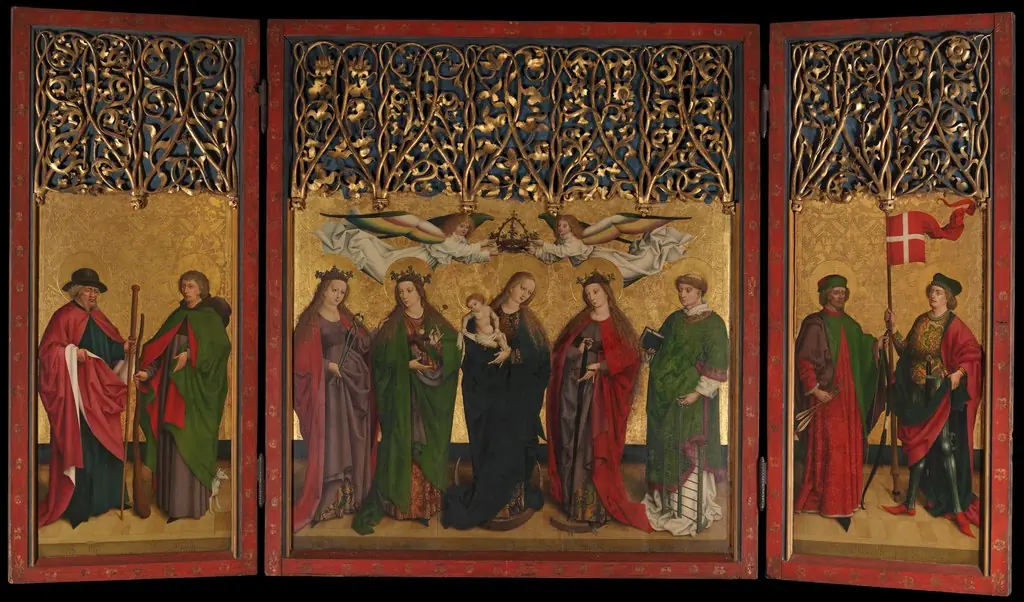 Burg Weiler Altar Triptych
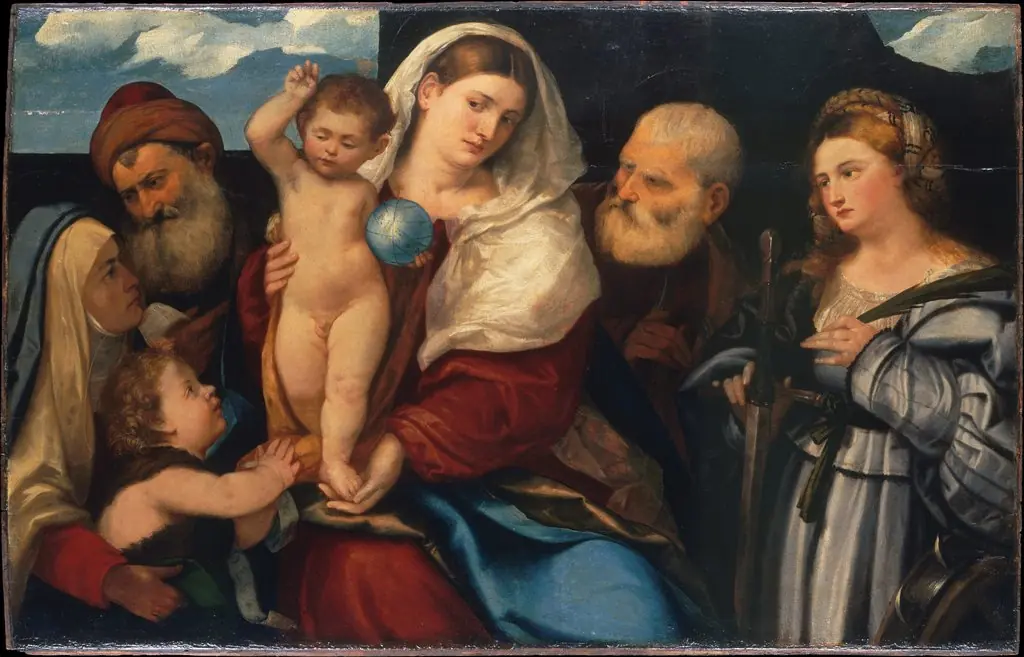 Madonna and Child with Saints
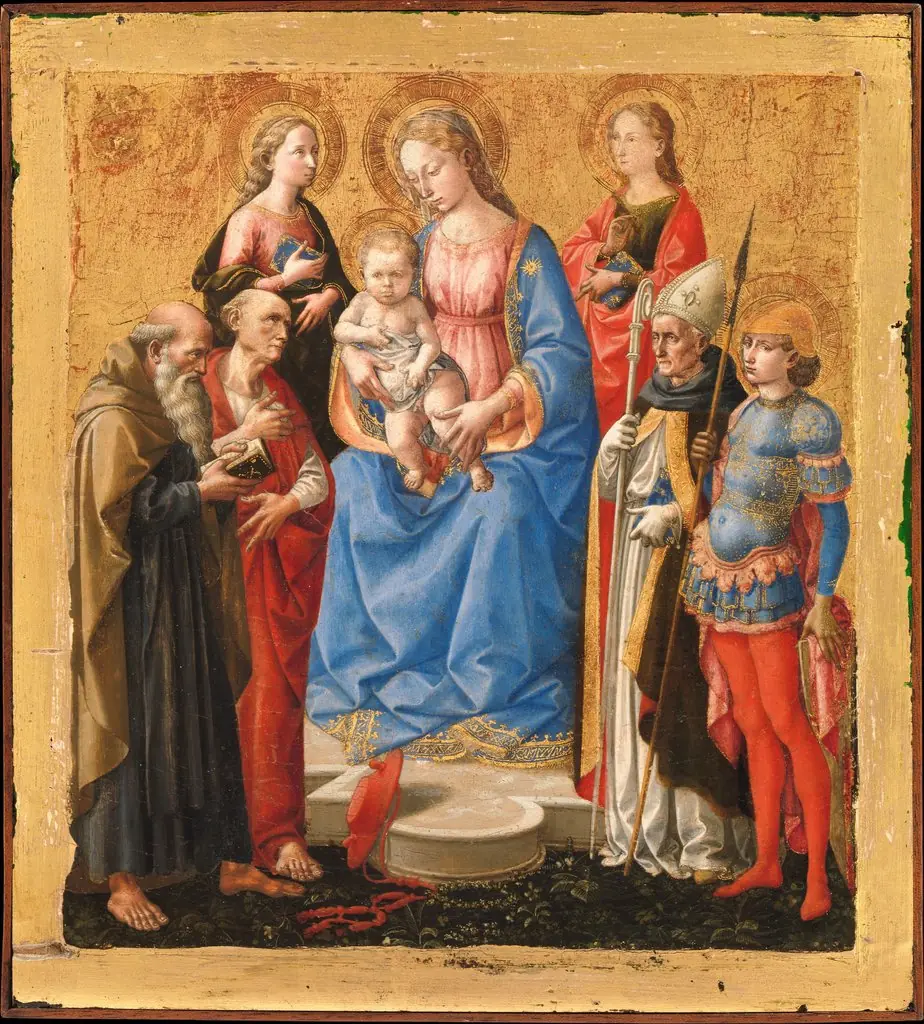 Madonna and Child with Six Saints
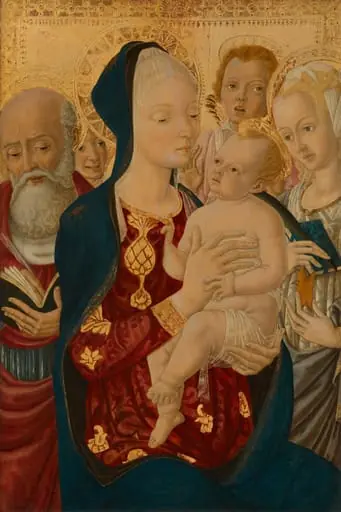 Madonna and Child with Saint Jerome, Saint Catherine of Alexandria, and Angels
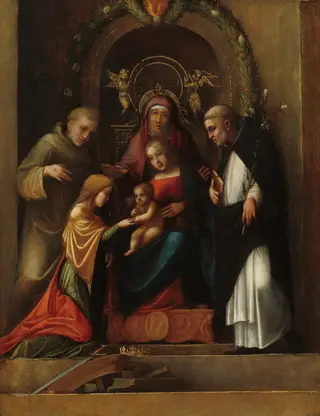 The Mystic Marriage of Saint Catherine
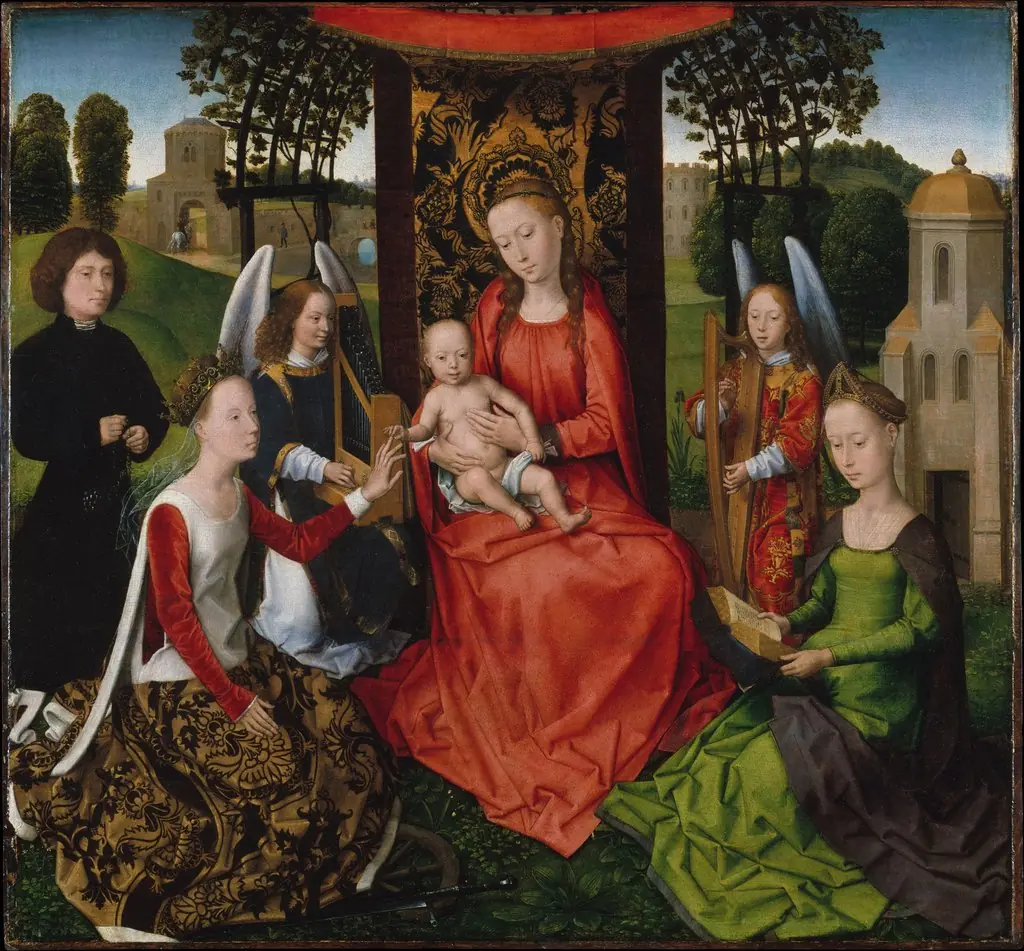 Virgin and Child with Saints Catherine of Alexandria and Barbara
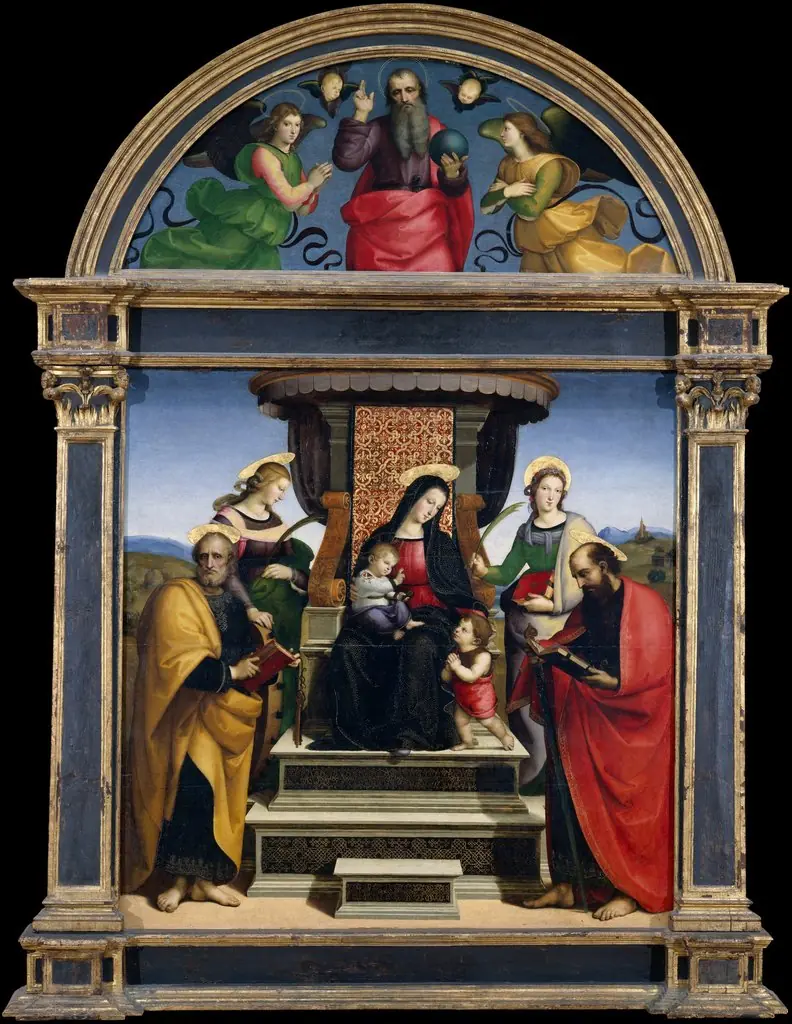 Madonna and Child Enthroned with Saints
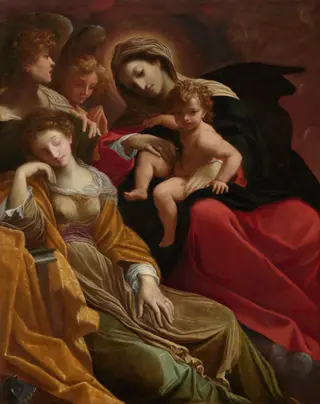 The Dream of Saint Catherine of Alexandria
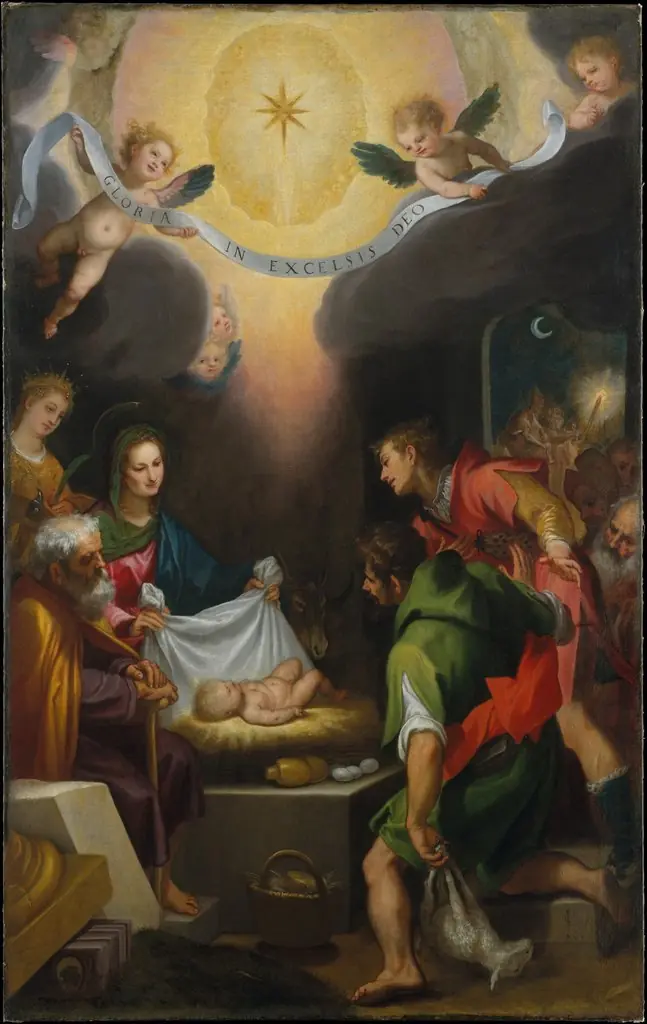 The Adoration of the Shepherds with Saint Catherine of Alexandria
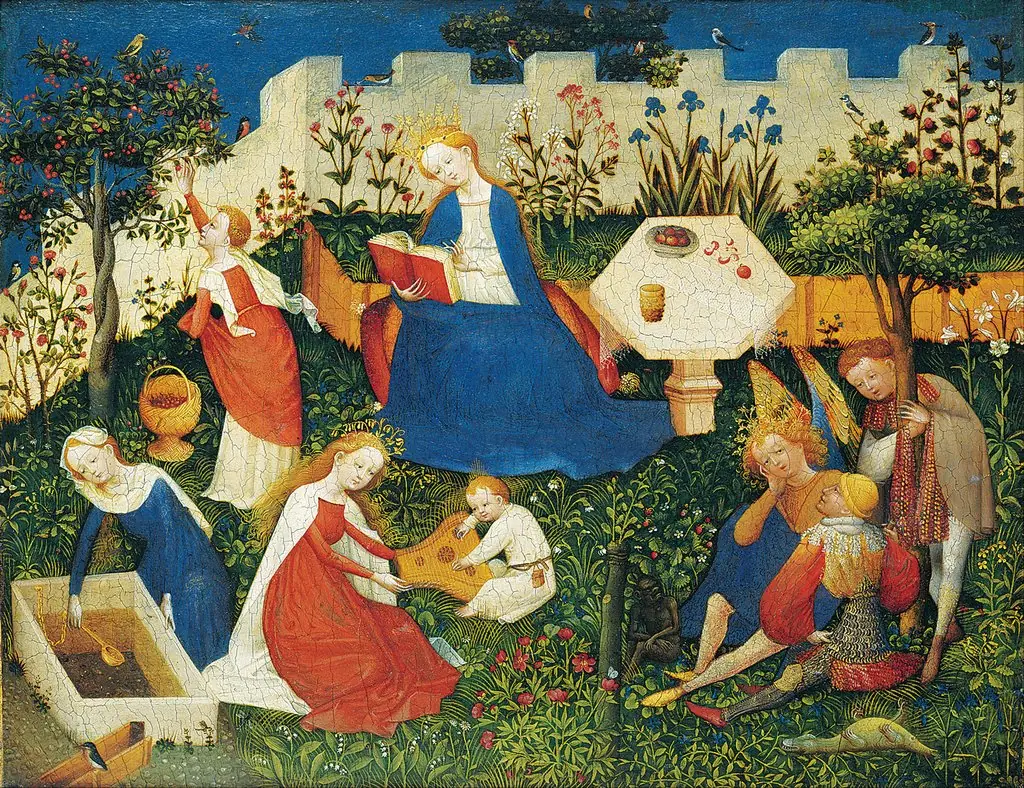 Paradiesgärtlein
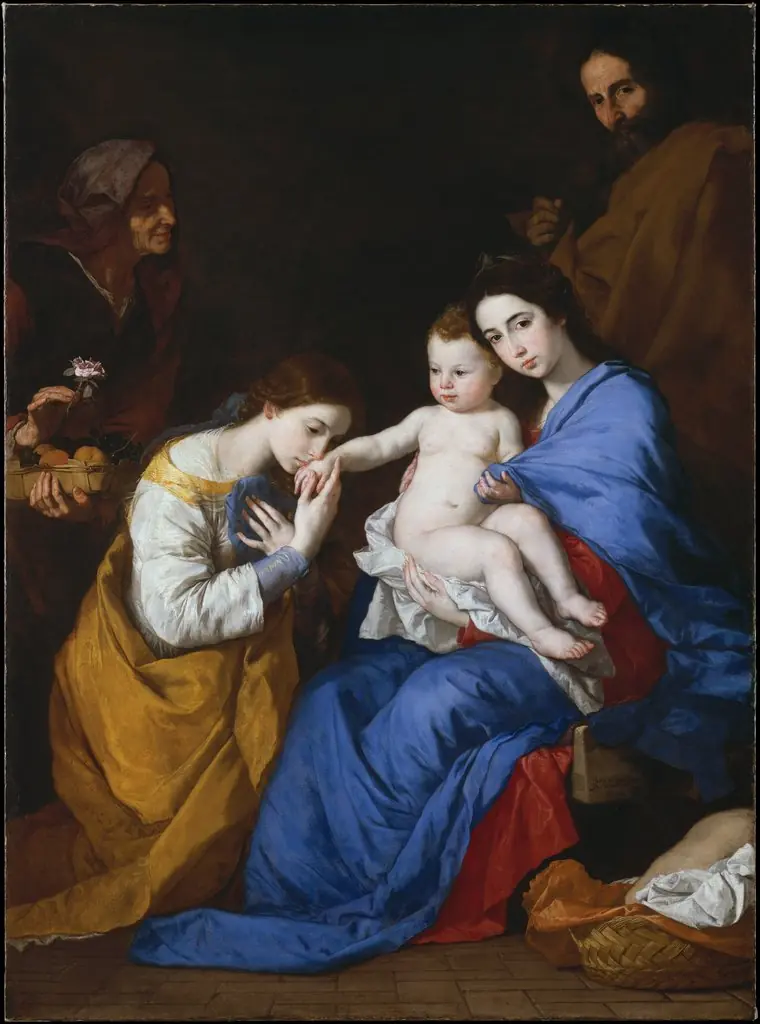 The Holy Family with Saints Anne and Catherine of Alexandria
![Saint Bernard and Saint Catherine of Alexandria with the Virgin of the Annunciation [right panel]](https://artifactworldgallery.com/img/agnolo-gaddi--saint-bernard-and-saint-catherine-of-alexandria-with-the-vir--710fc1ea417a9916-w320.webp) Saint Bernard and Saint Catherine of Alexandria with the Virgin of the Annunciation [right panel]
Saint Bernard and Saint Catherine of Alexandria with the Virgin of the Annunciation [right panel]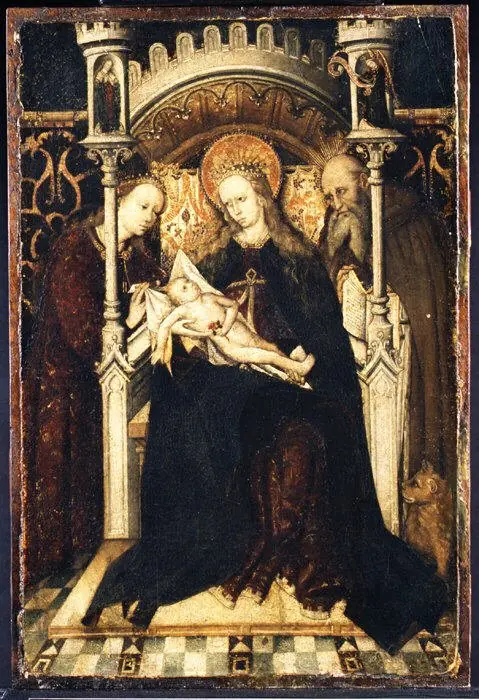 Virgin and Child Enthroned with Saints Catherine and Jerome
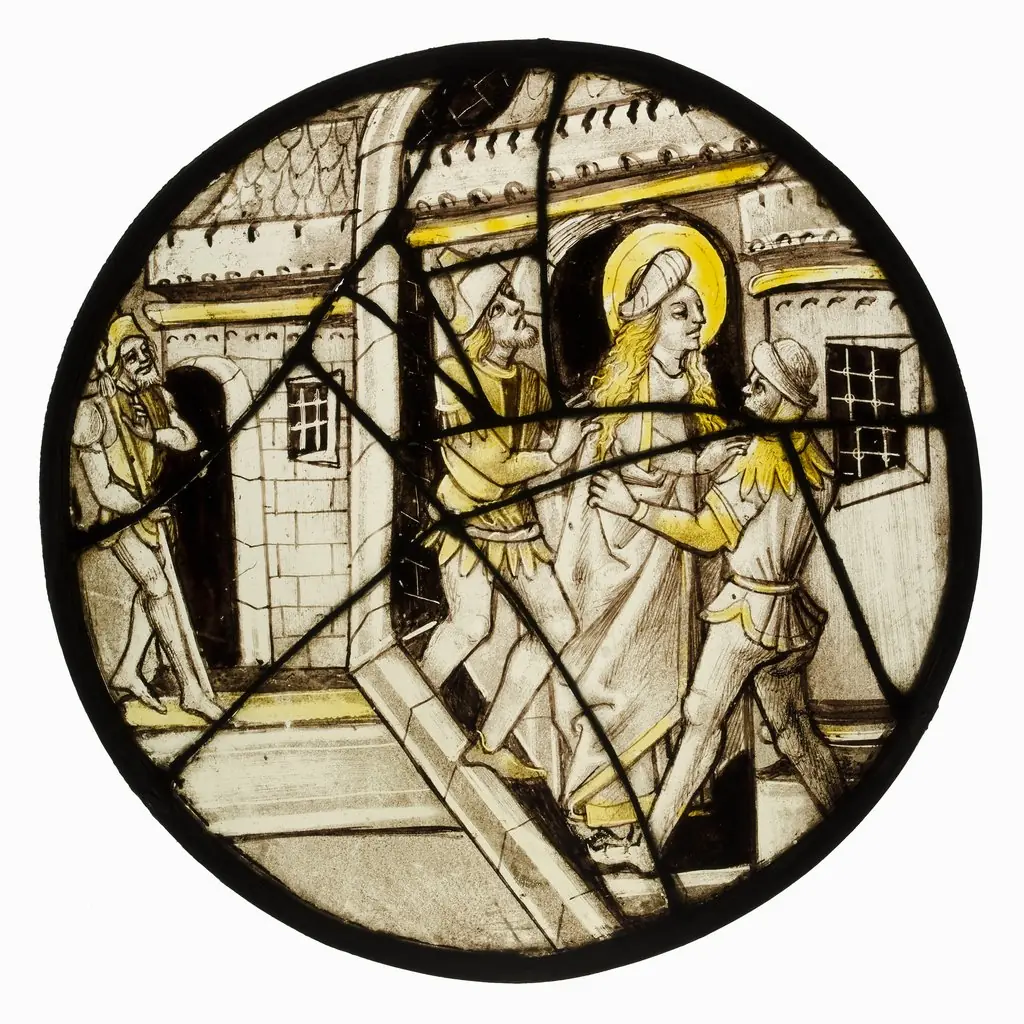 Roundel with Saint Barbara or Saint Catherine Thrown into Prison
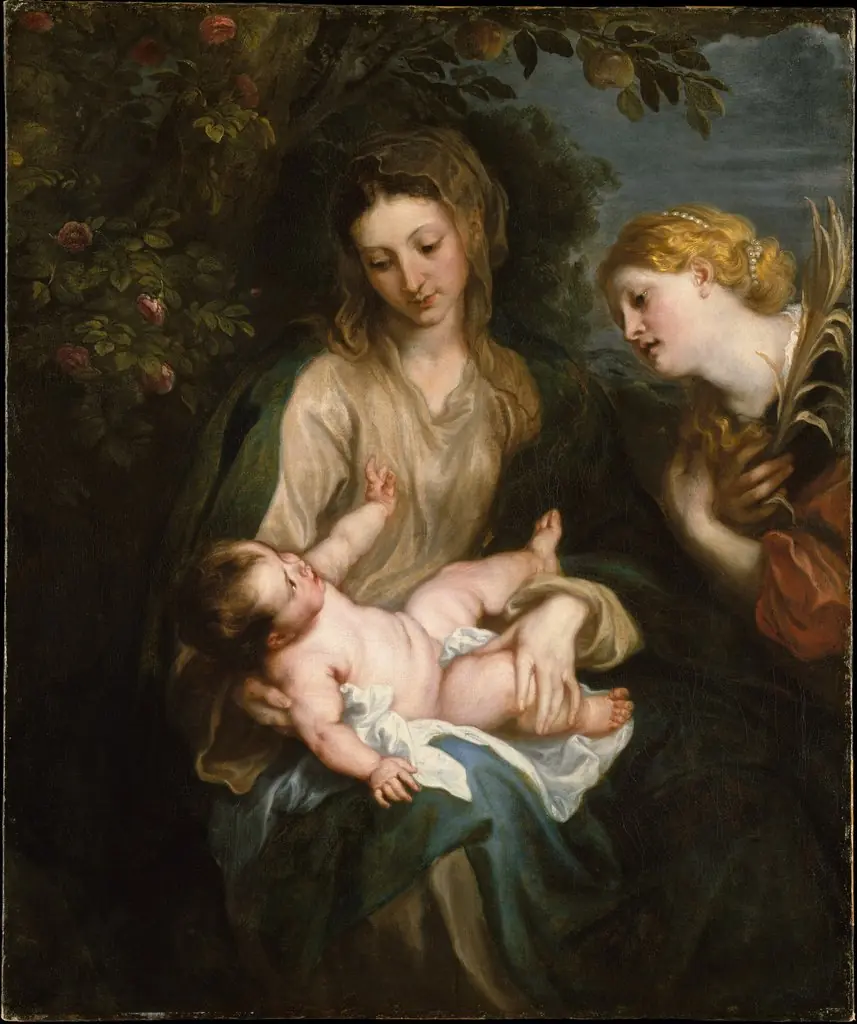 Virgin and Child with Saint Catherine of Alexandria
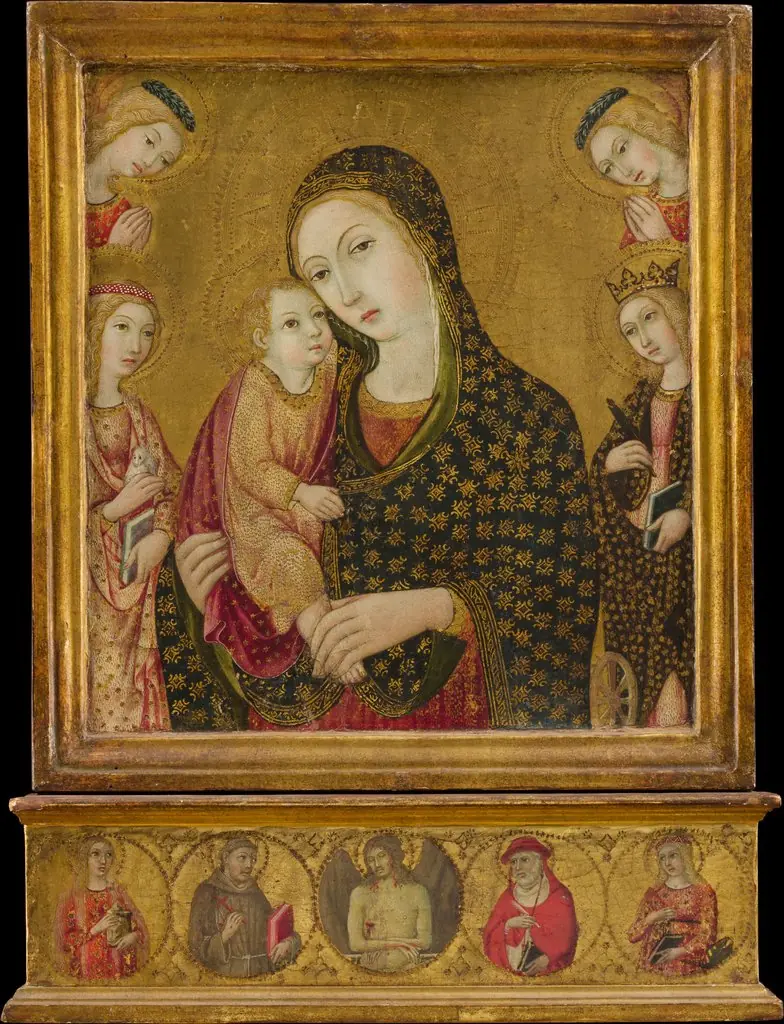 Madonna and Child with the Dead Christ, Saints Agnes and Catherine of Alexandria, and Two Angels
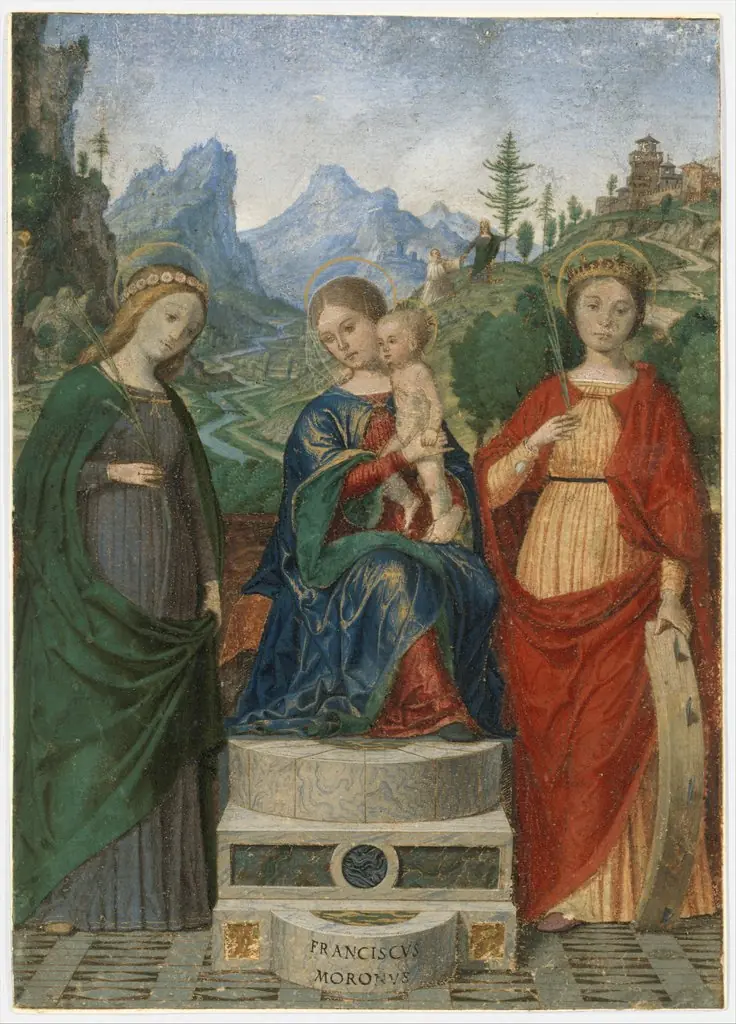 Virgin and Child Enthroned between Saints Cecilia and Catherine of Alexandria
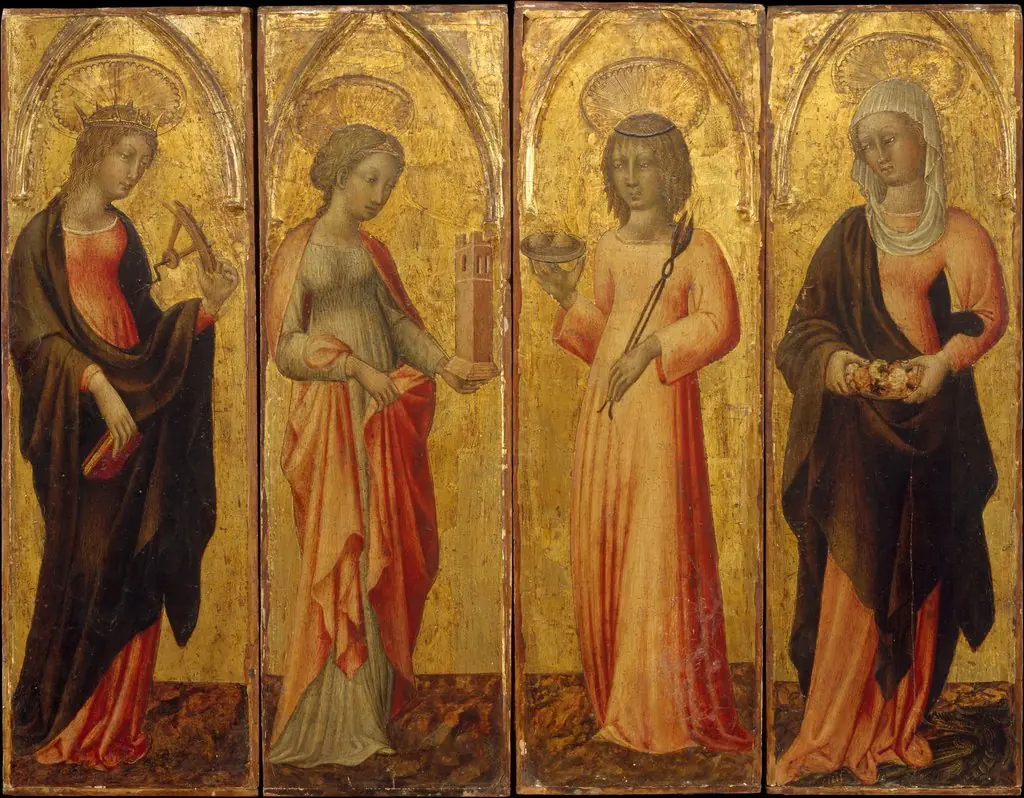 Saints Catherine of Alexandria, Barbara, Agatha, and Margaret
![Saint Catherine of Alexandria, with an Angel [right panel]](https://artifactworldgallery.com/img/pietro-lorenzetti--saint-catherine-of-alexandria-with-an-angel-right-panel--8acb359f1d360041-w320.webp) Saint Catherine of Alexandria, with an Angel [right panel]
Saint Catherine of Alexandria, with an Angel [right panel] The Martyrdom of Saint Catherine
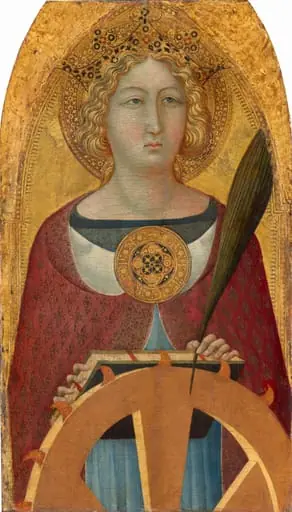 Saint Catherine of Alexandria
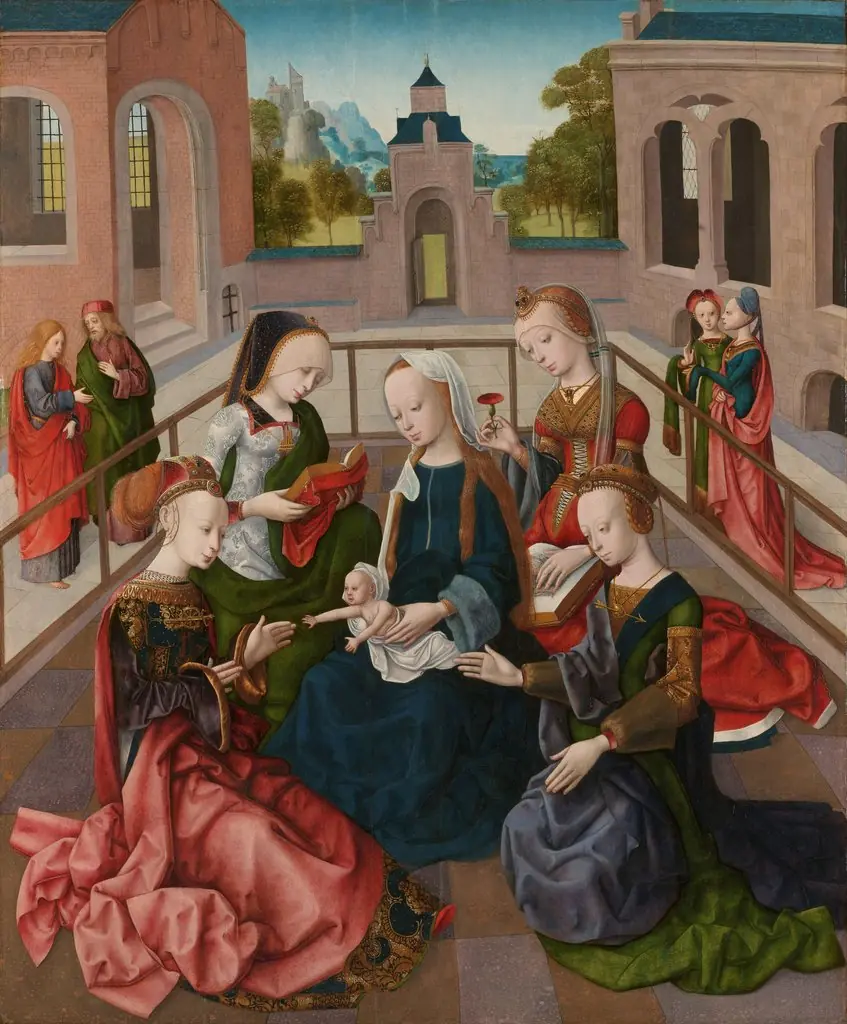 The Virgin and Child with Four Holy Virgins
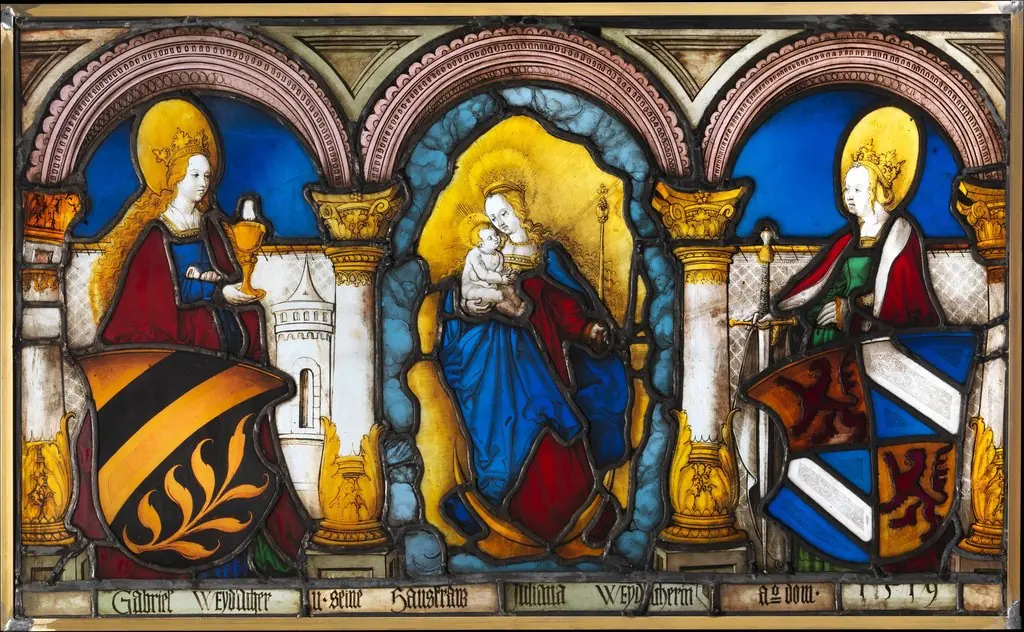 Marriage Panel of Gabriel Weydacher and his wife Juliana Wemis with the Virgin and Child and Saints Barbara and Catherine
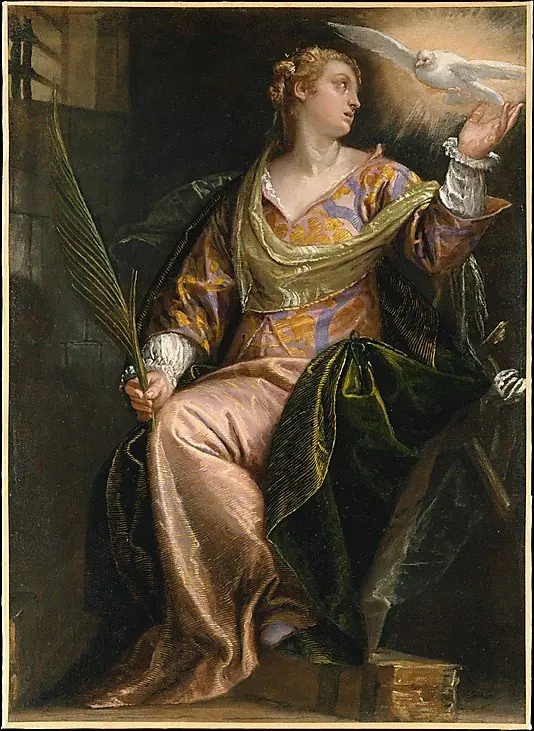 Saint Catherine of Alexandria in Prison
![Saint Catherine [right wing exterior]](https://artifactworldgallery.com/img/master-of-the-starck-triptych--saint-catherine-right-wing-exterior--33943bd5985ff592-w320.webp) Saint Catherine [right wing exterior]
Saint Catherine [right wing exterior]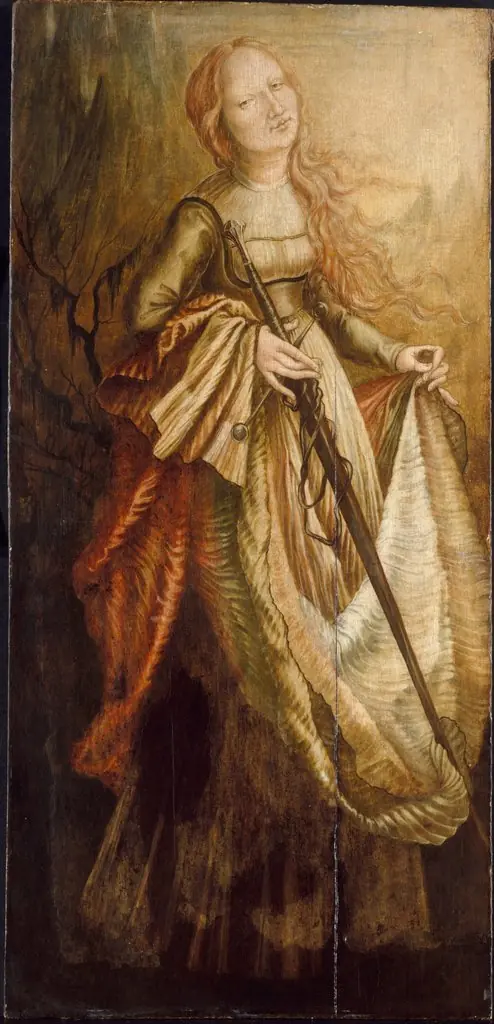 Saint Catherine
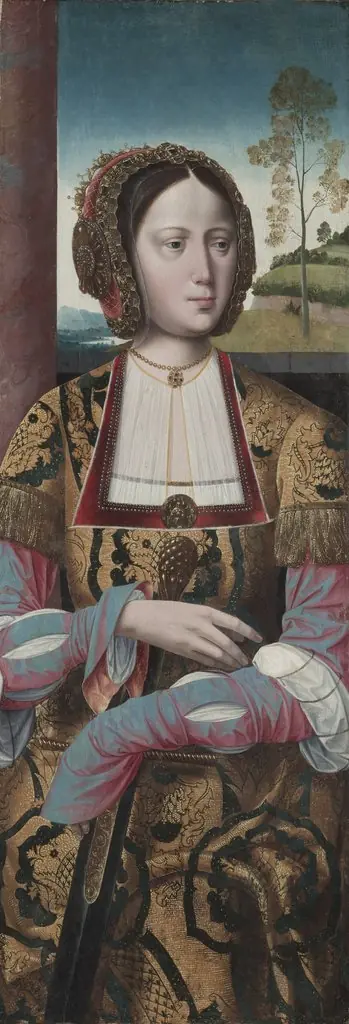 Saint Catherine
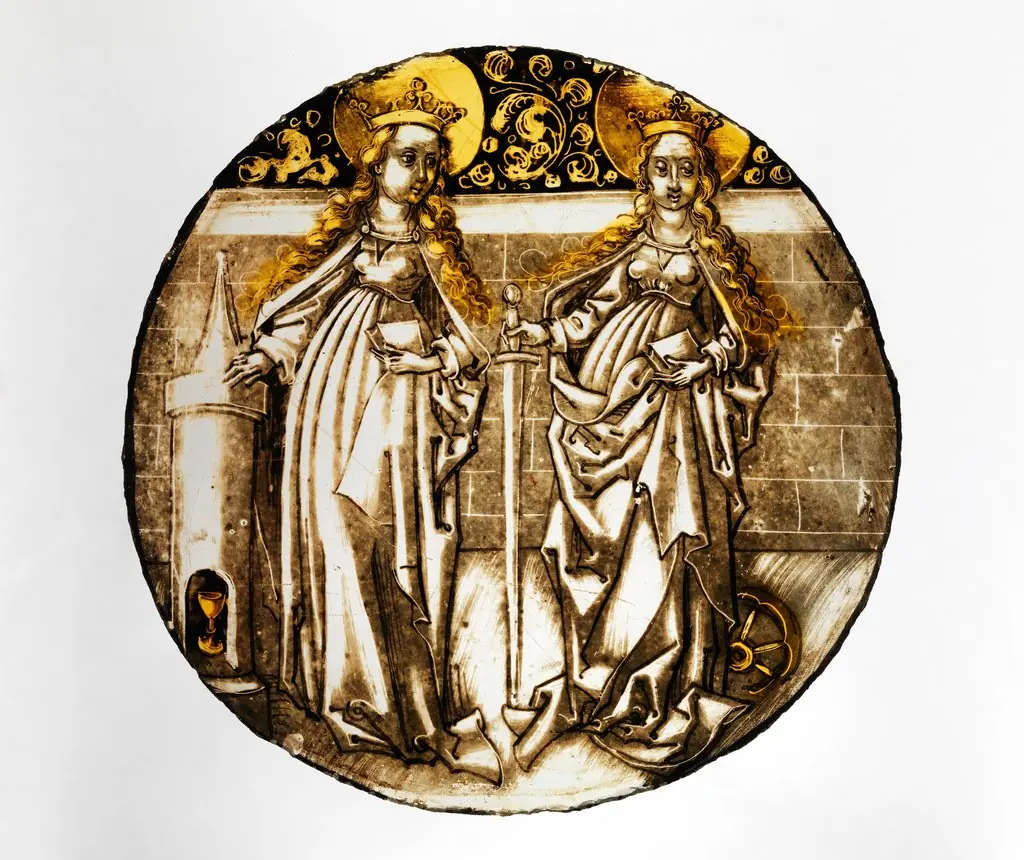 Roundel with Saints Barbara and Catherine
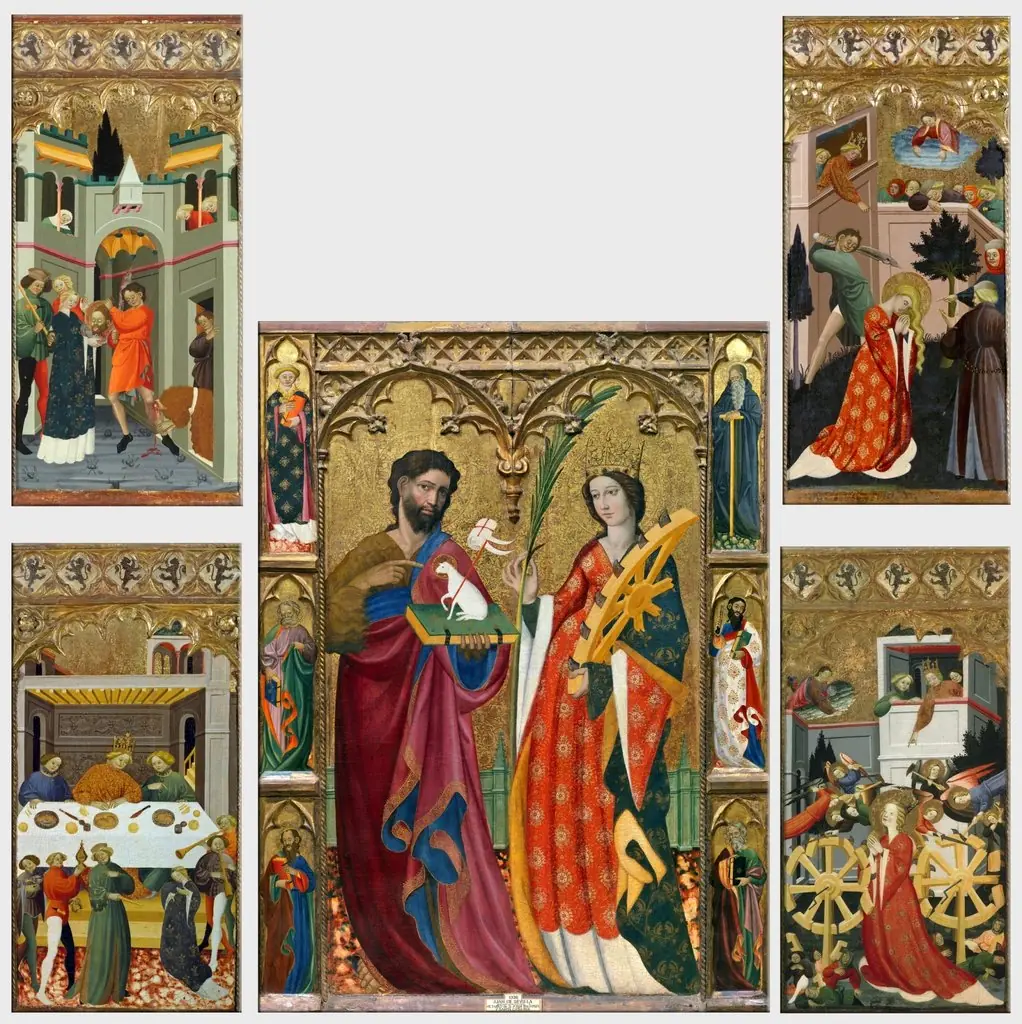 Saint John the Baptist and Saint Catherine Altar Piece
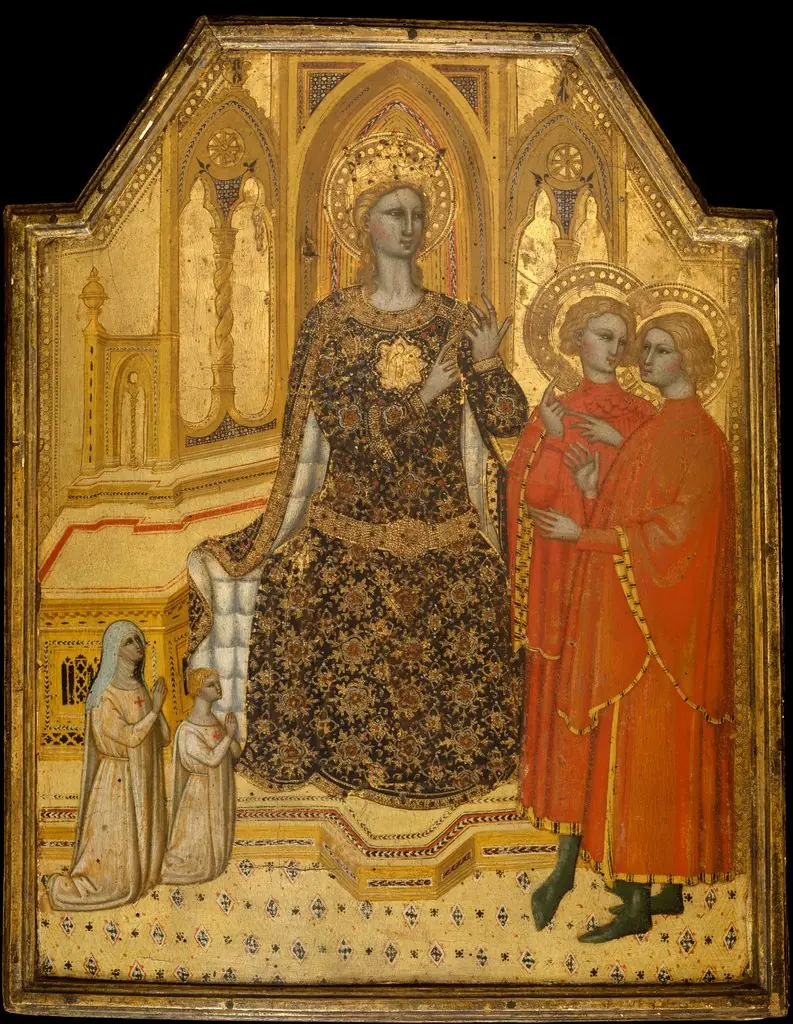 Saint Catherine Disputing and Two Donors
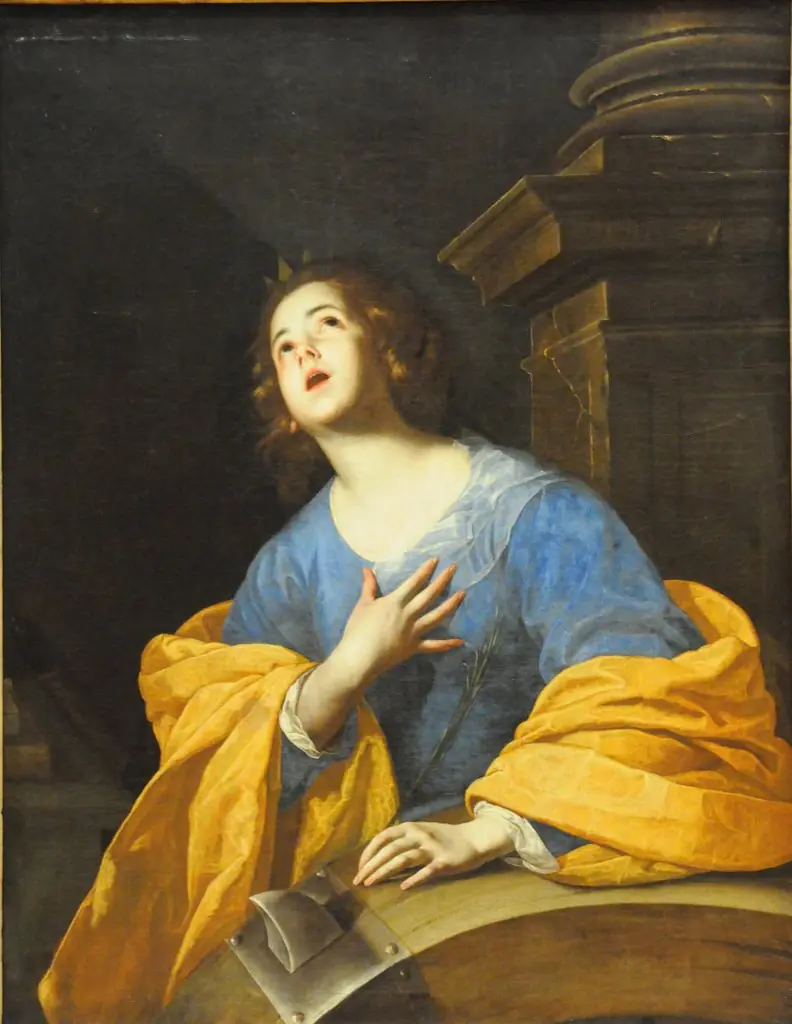 Saint Catherine of Alexandria
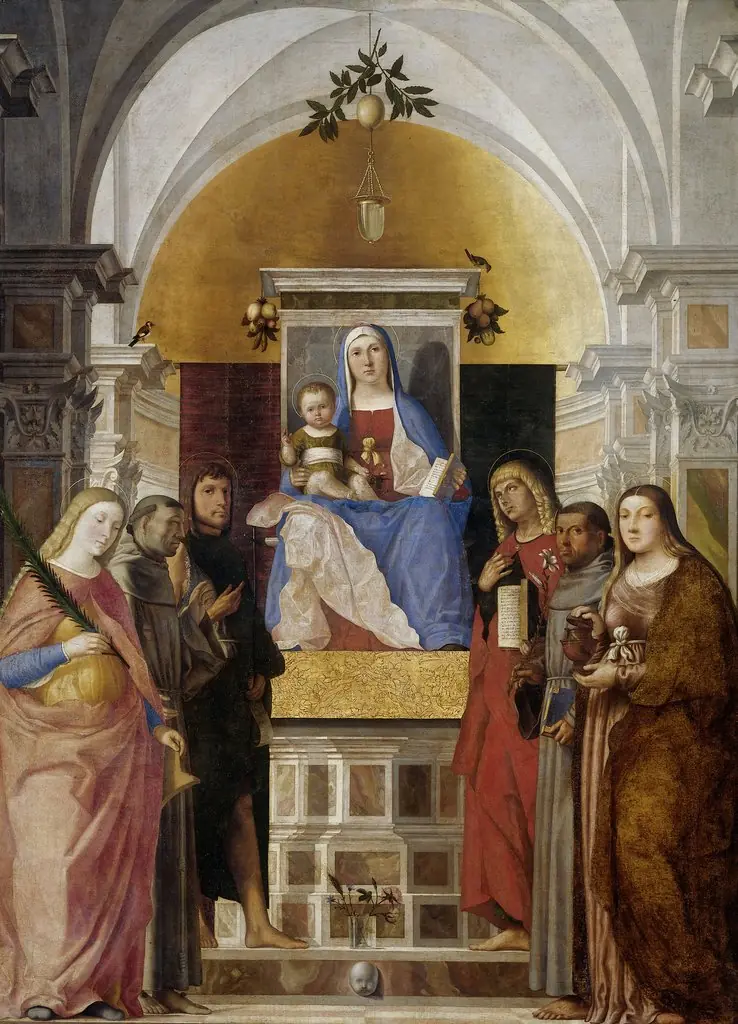 Virgin and Child with Saints Catherine, Francis, John the Baptist, Mary Magdalene, Antony of Padua, John the Evangelist
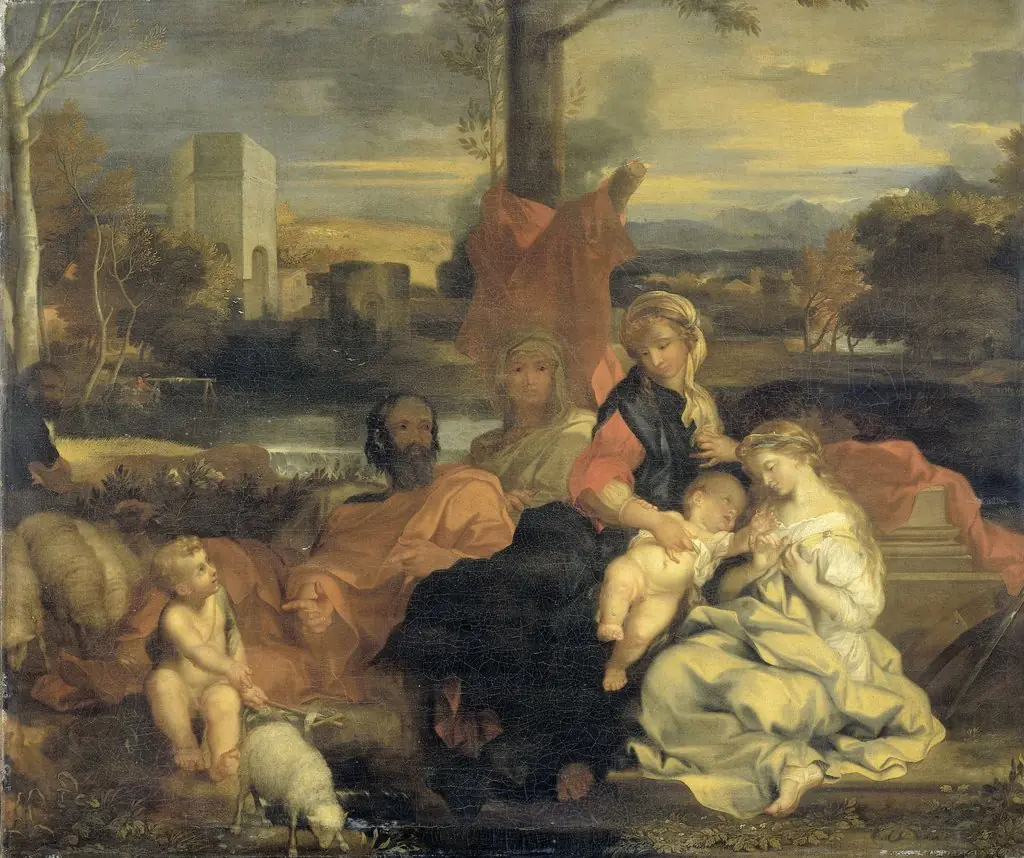 The Mystic Marriage of St Catherine
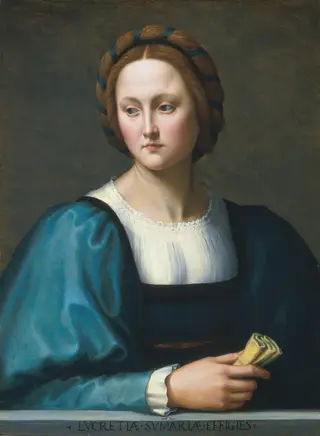 Lucrezia Sommaria
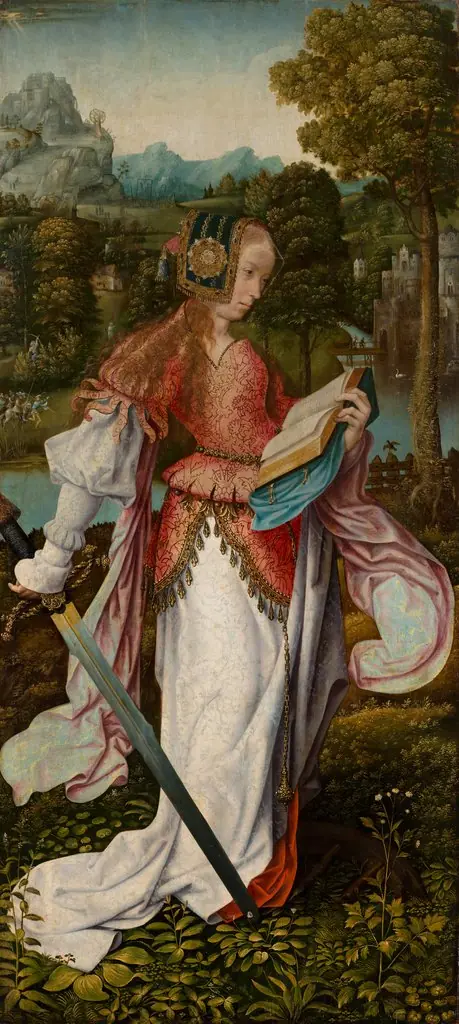 Saint Catherine
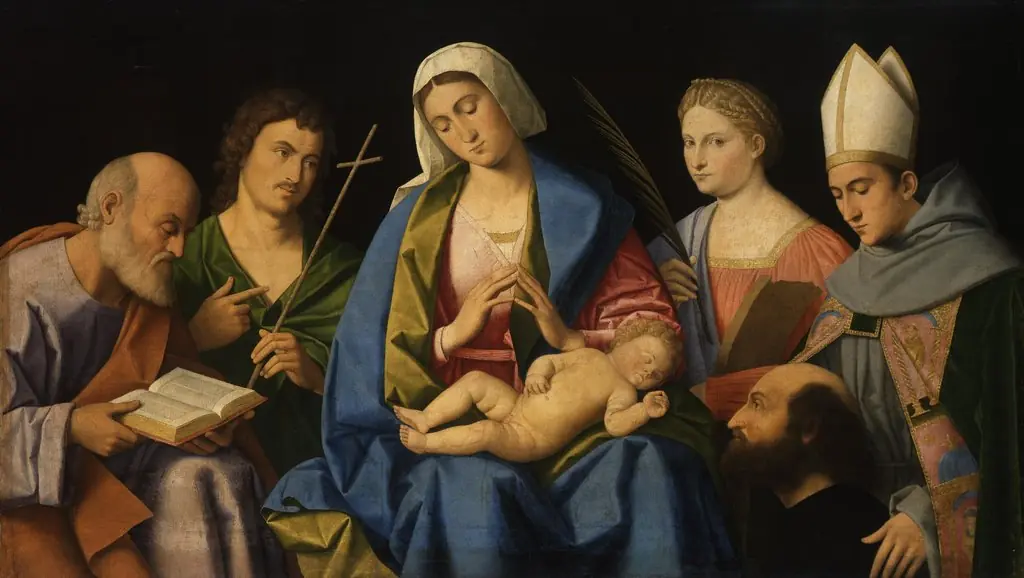 Madonna and Child with Saints and Donor
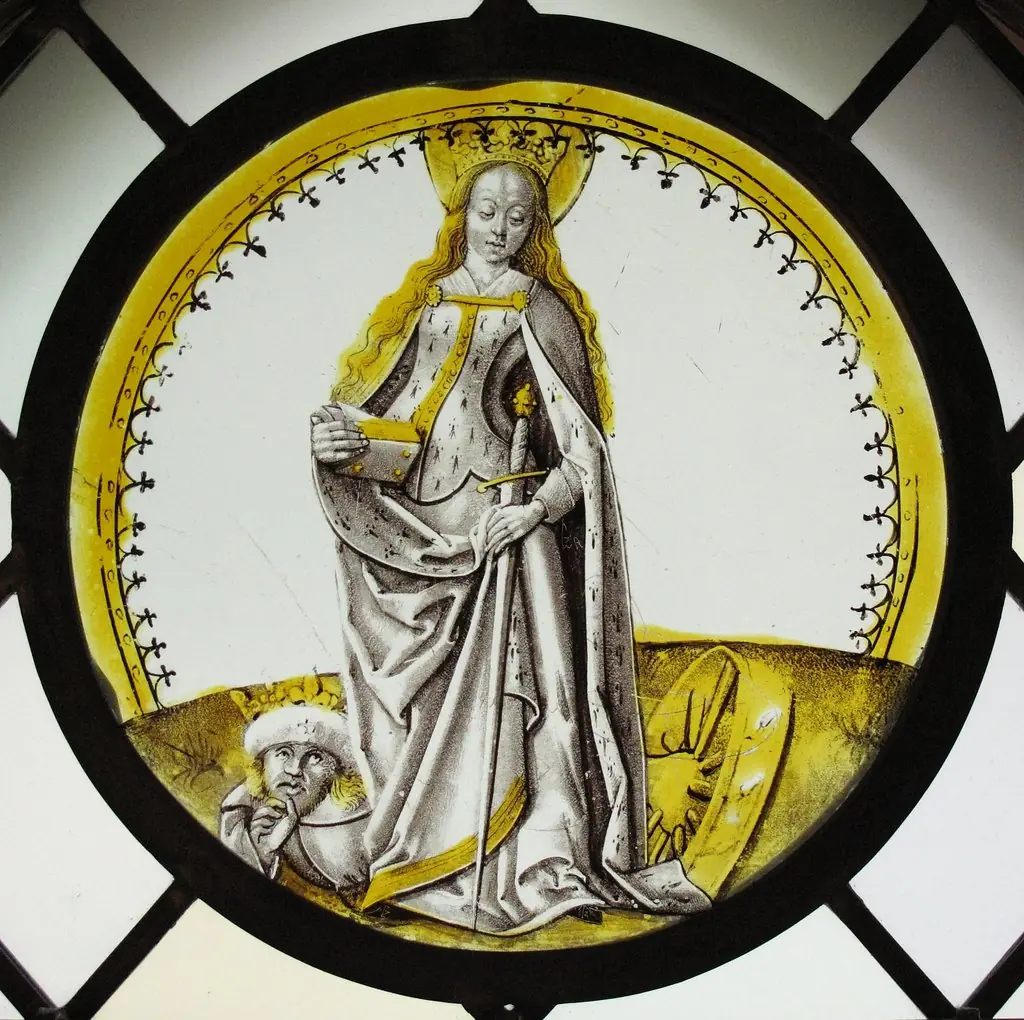 Roundel with Saint Catherine of Alexandria
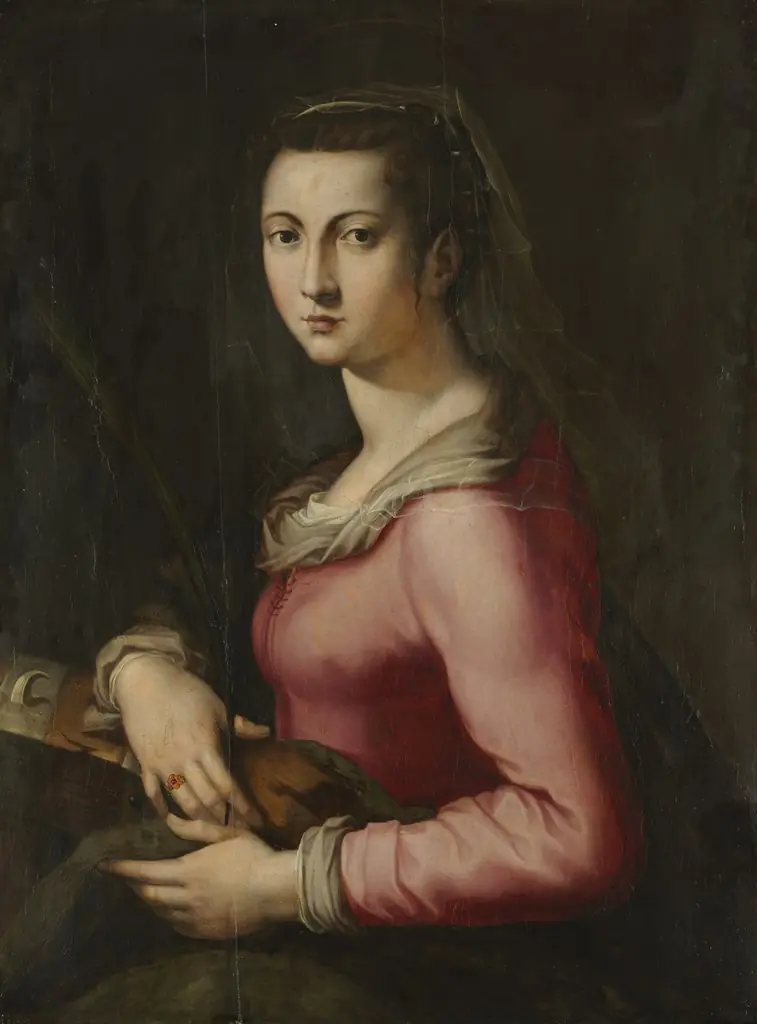 Portrait of a Woman as Saint Catherine
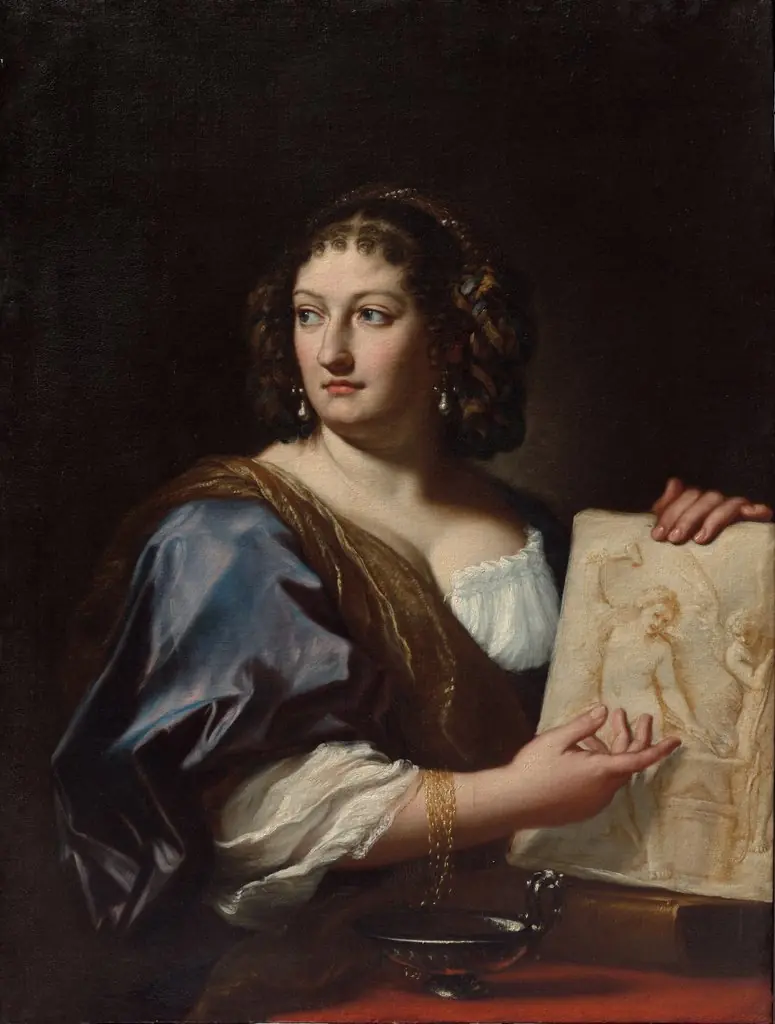 Portrait of Francesca Gommi Maratti
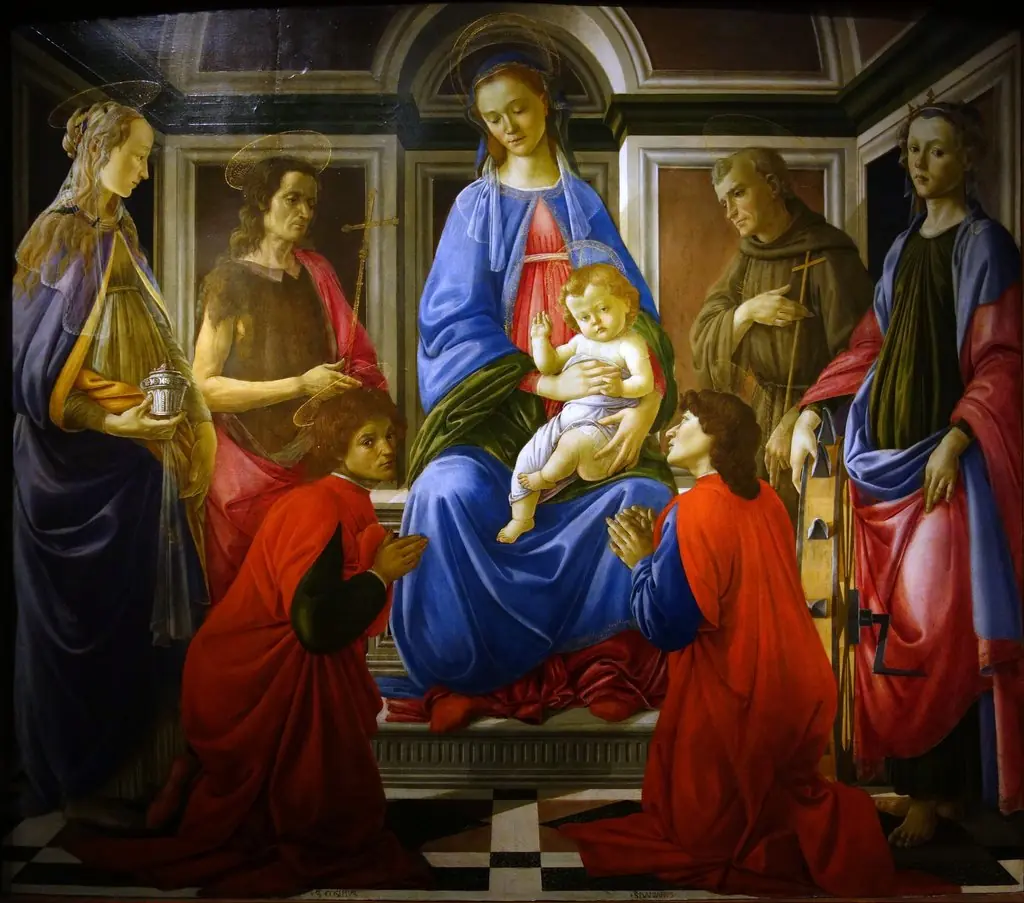 Sant'Ambrogio Altarpiece
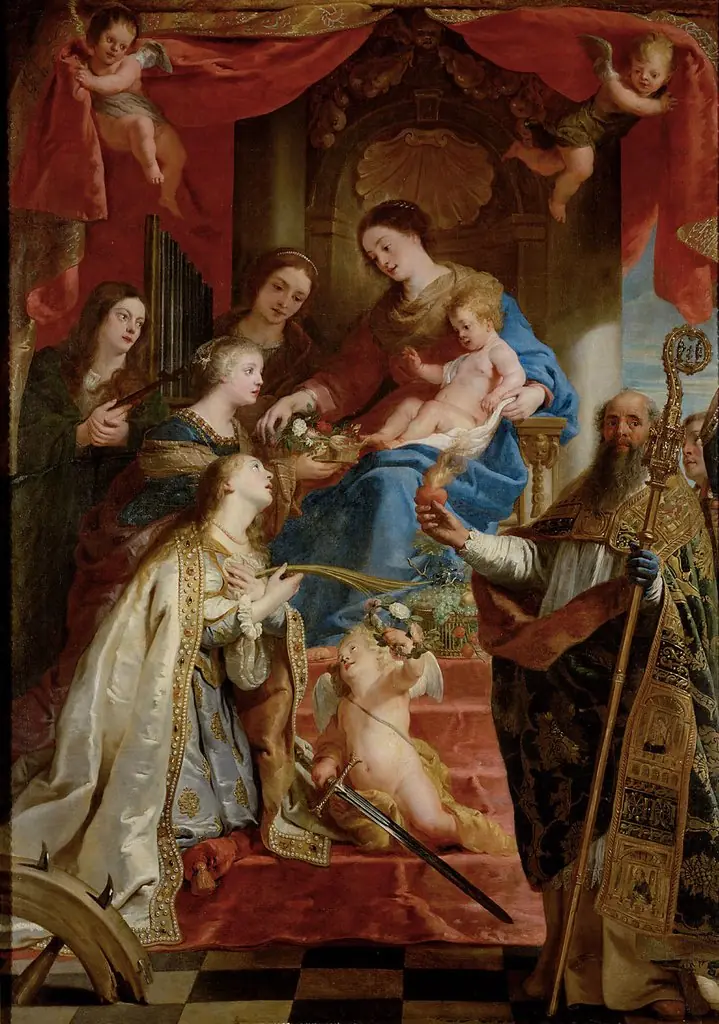 Virgin with child and saints Maria Magdalen, Cecilia, Dorothea, Catharina and Augustine
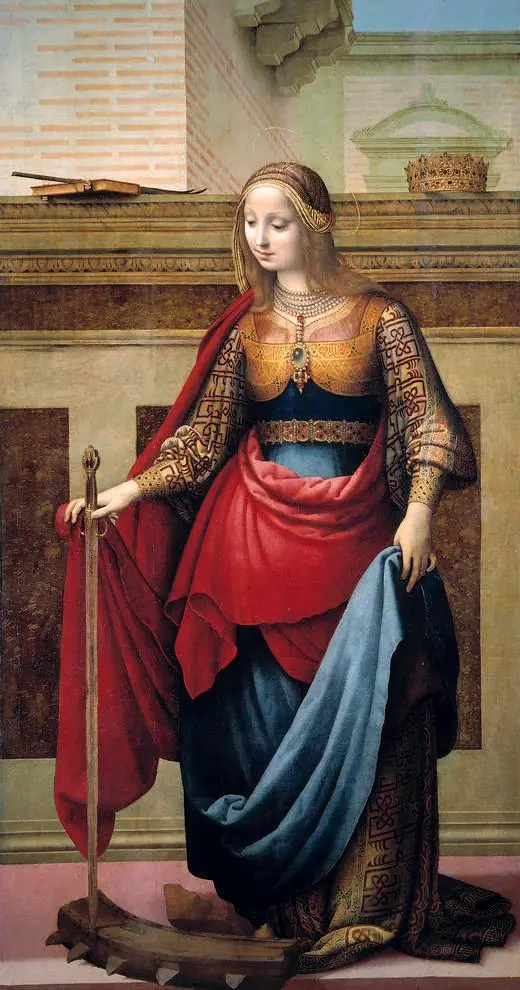 Saint Catherine
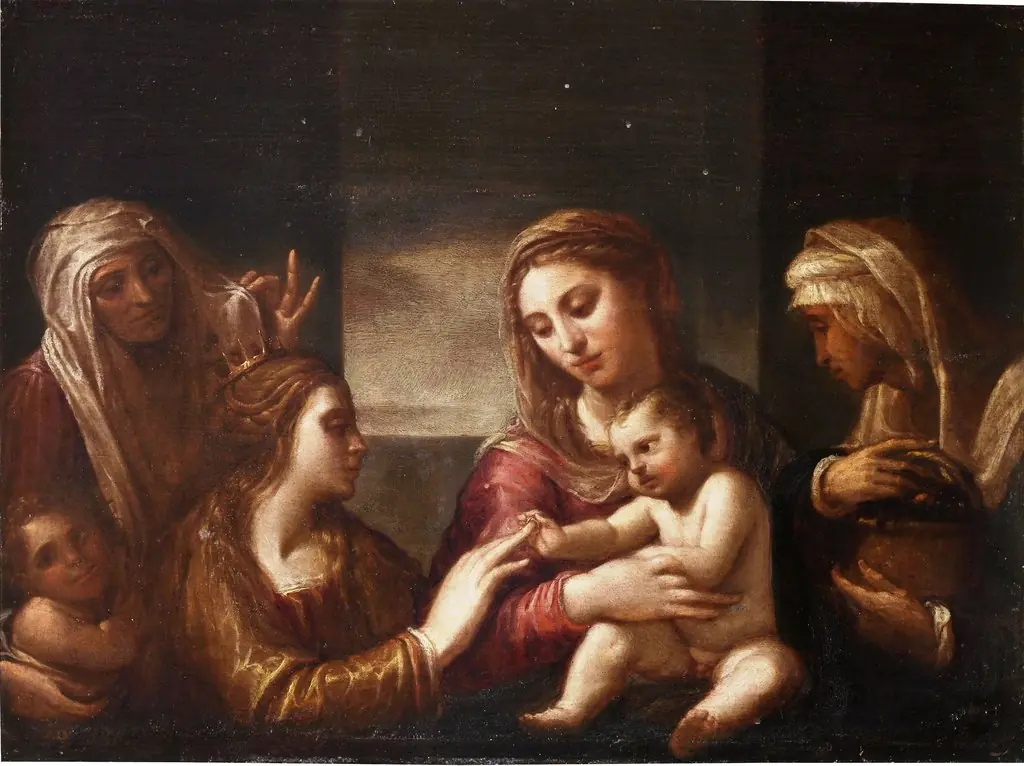 The Mystical Betrothal of Saint Catherine
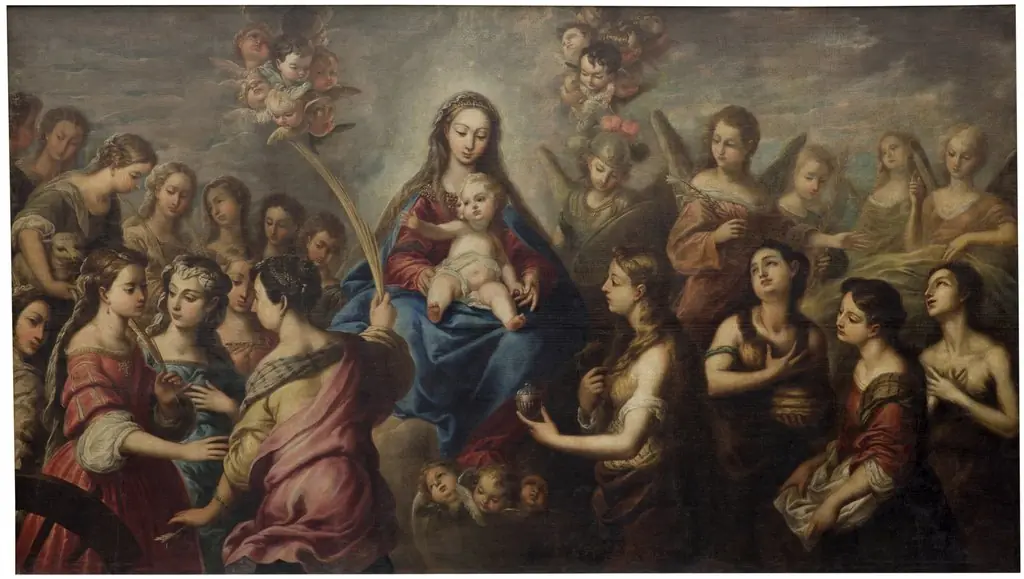 La Virgen con santos y ángeles
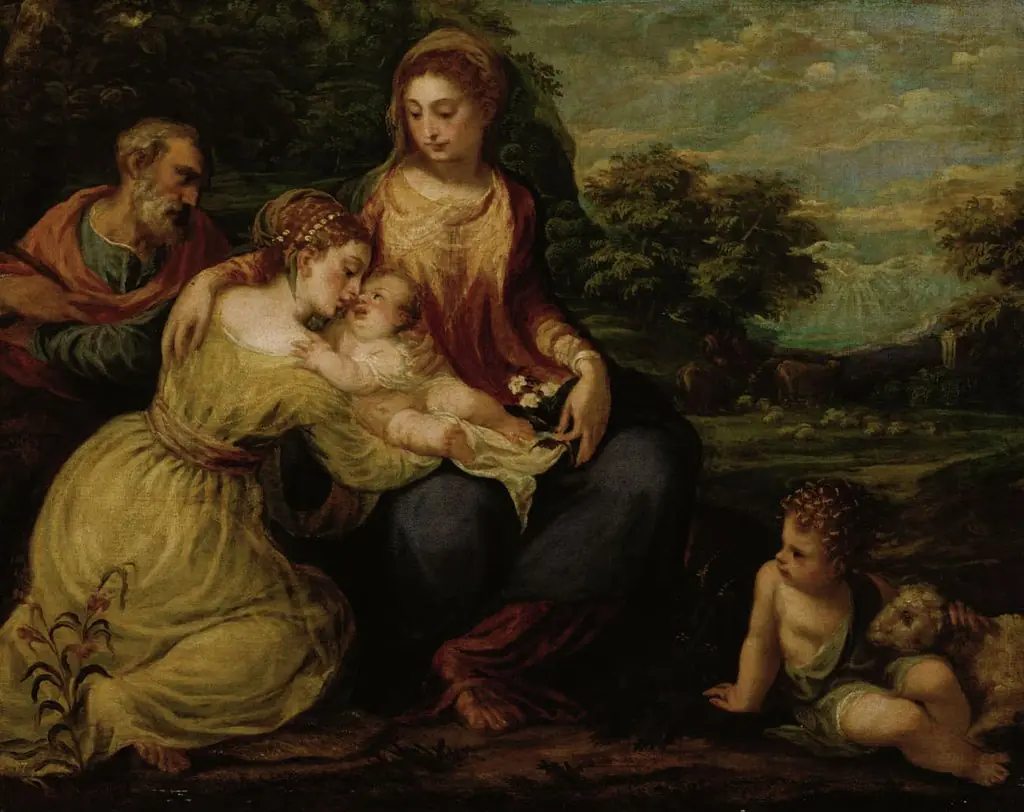 Holy Family with St Catharine and Young John the Baptist
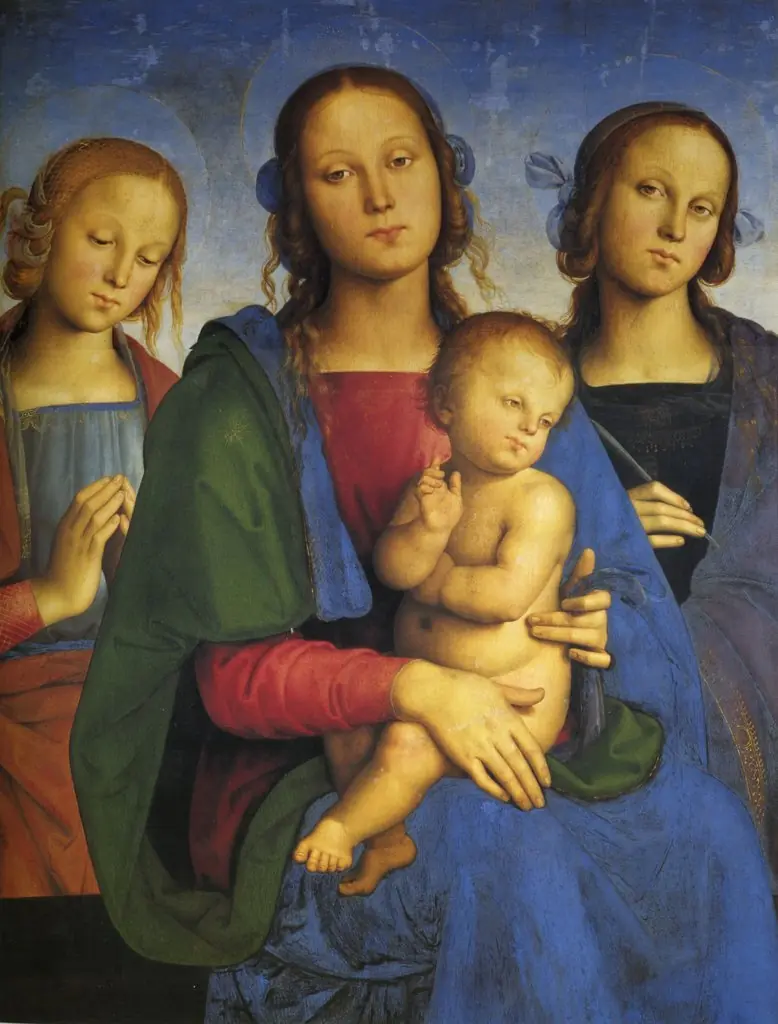 Madonna with child and two female saints
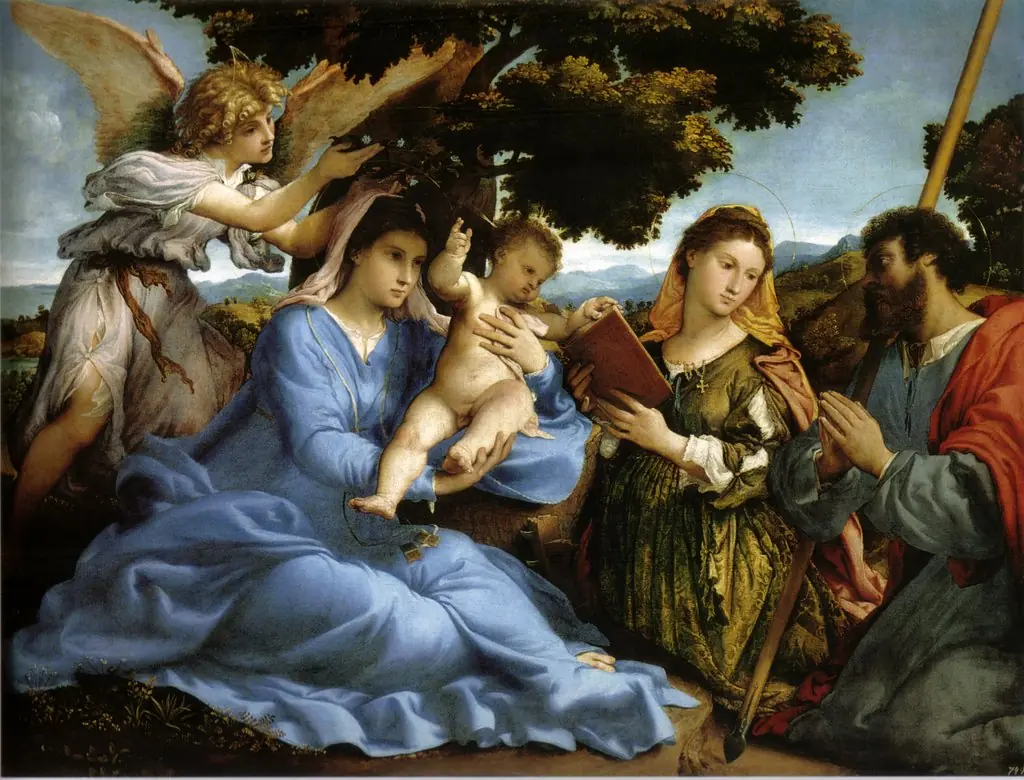 Madonna and child with Saint Catherine, Saint James the Greater, and an angel
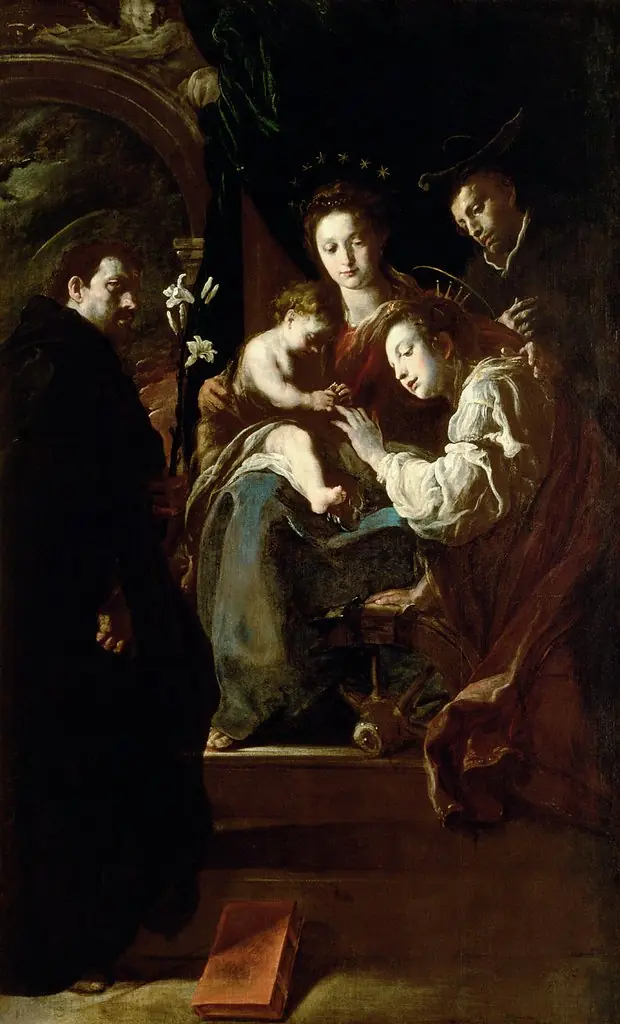 Virgin and Child with Mystical Betrothal of St. Catherine with Saints Dominic and Peter
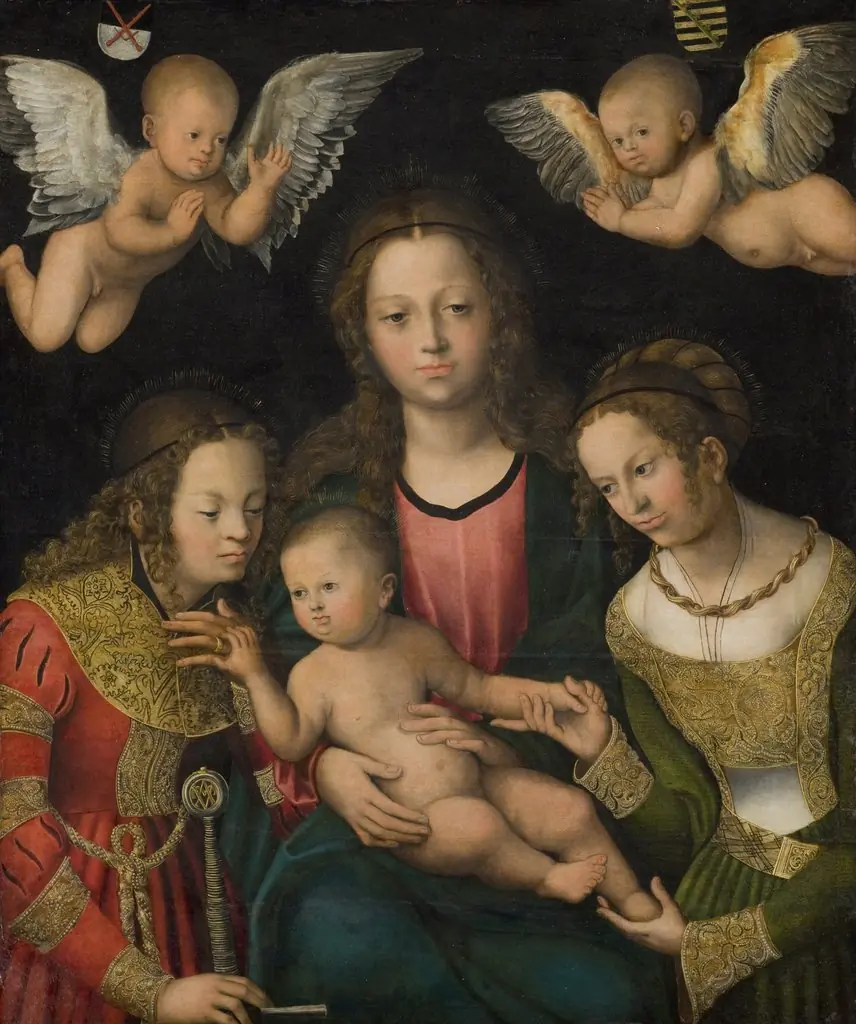 Virgin and Child with the Saints Catherine and Barbara
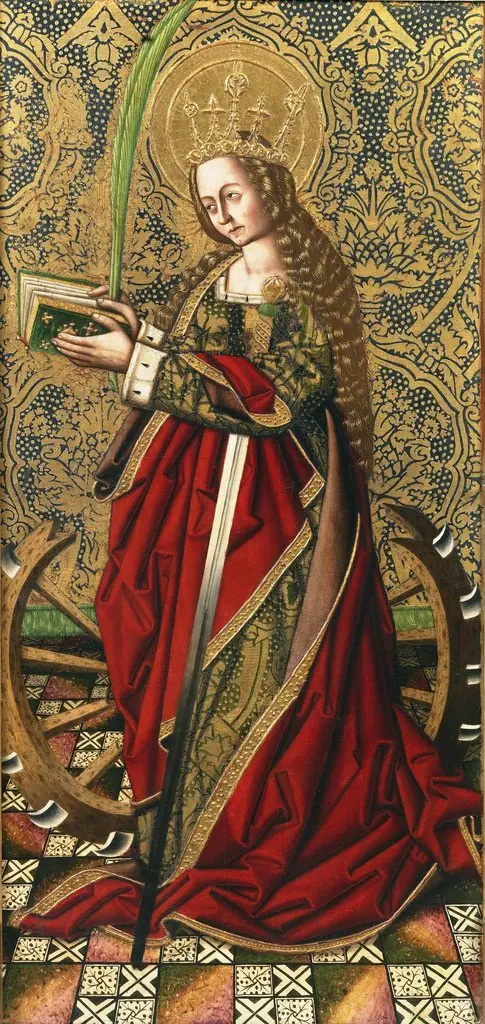 Saint Catherine
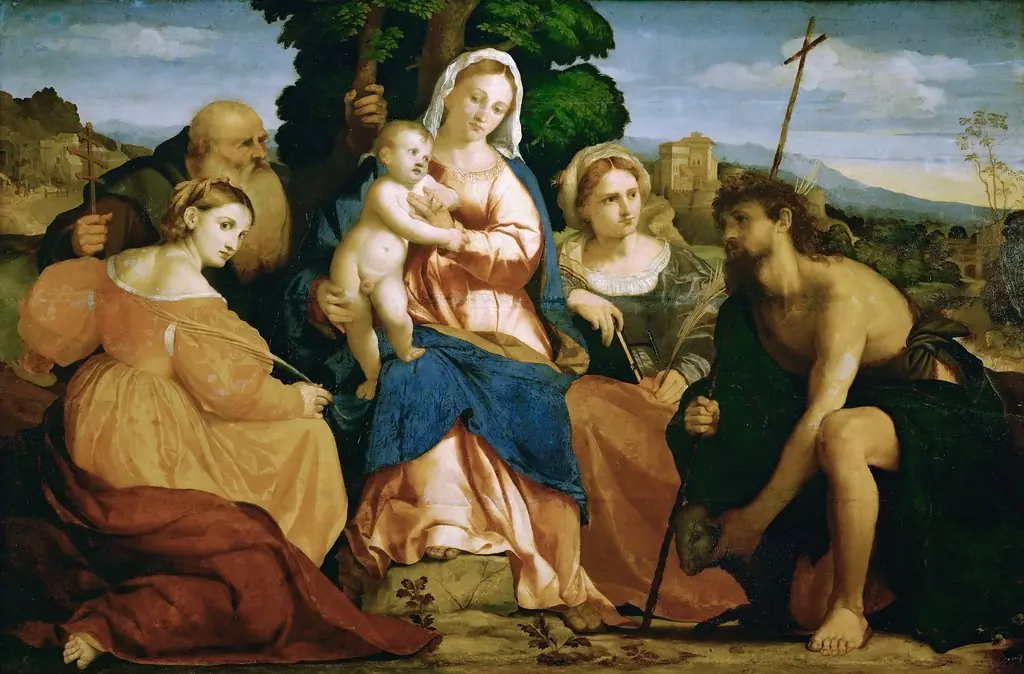 Sacred conversation
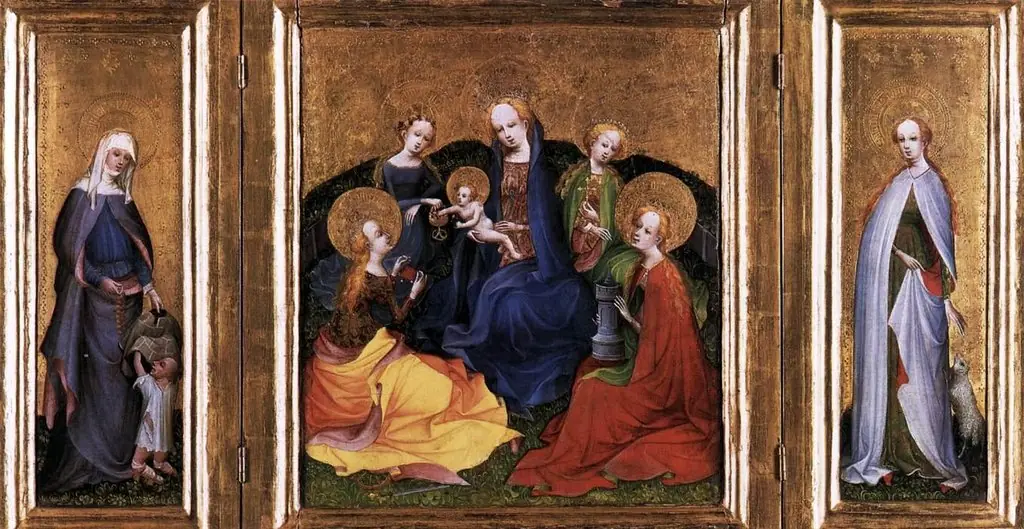 Triptych: Madonna and Child with Saints
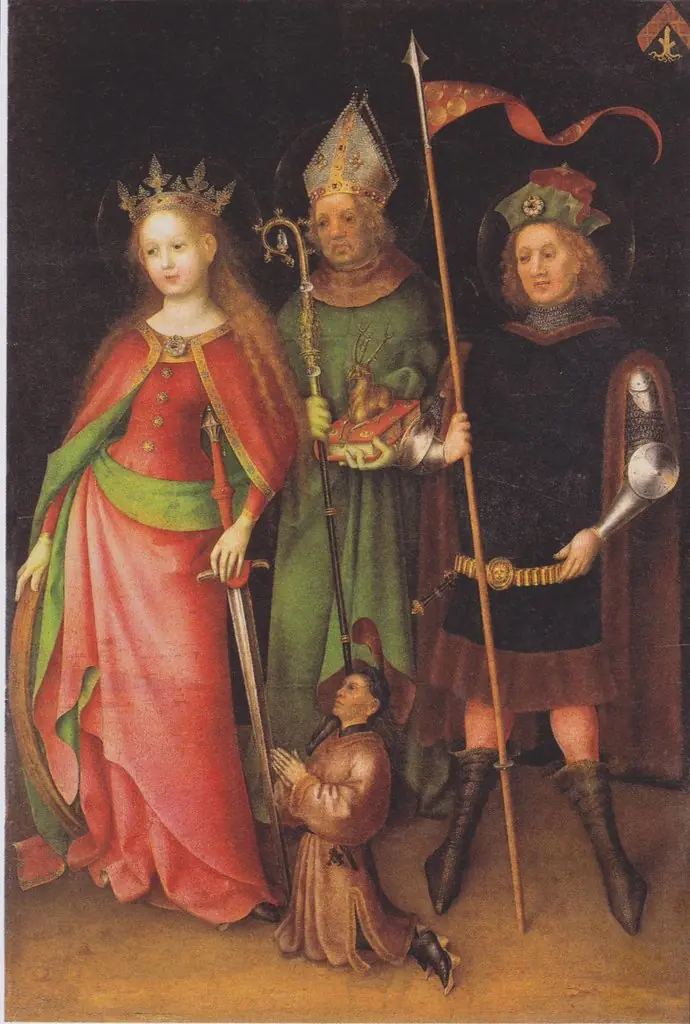 Sts. Catherine, Hubert and Quirinus (Last-Judgement-Altar)
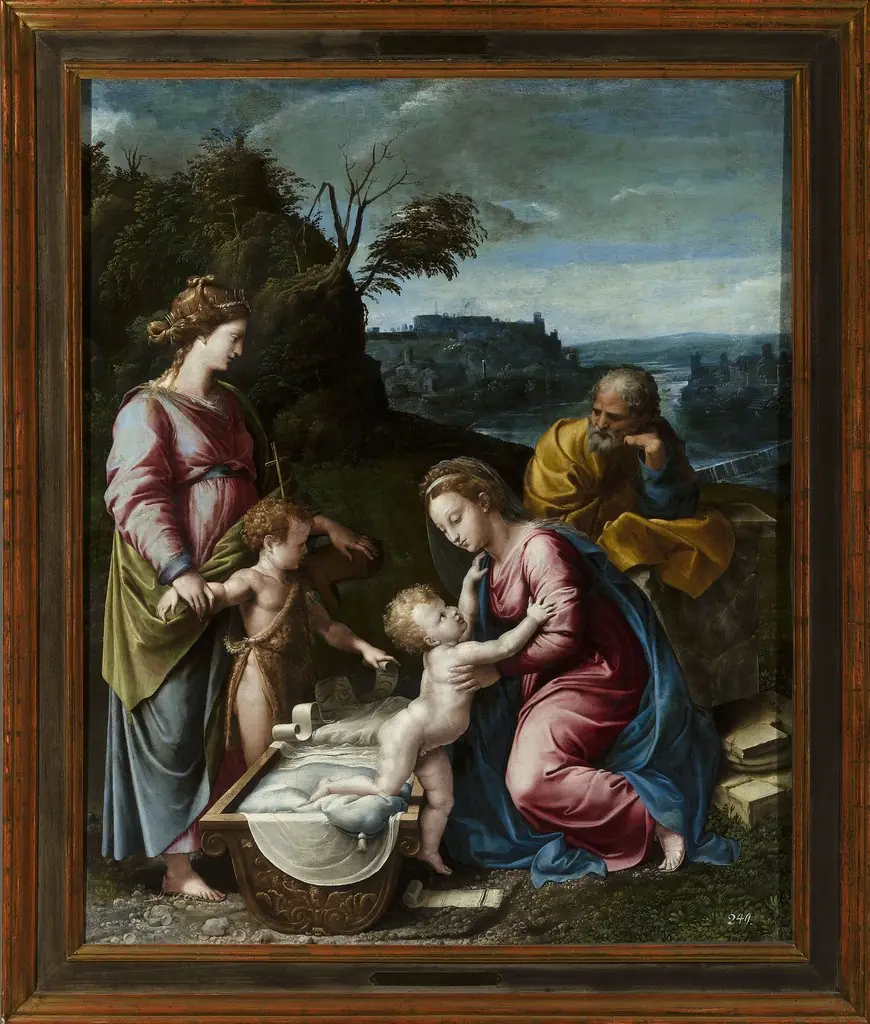 Holy Family with St. John the Baptist and St. Catherine of Alexandria
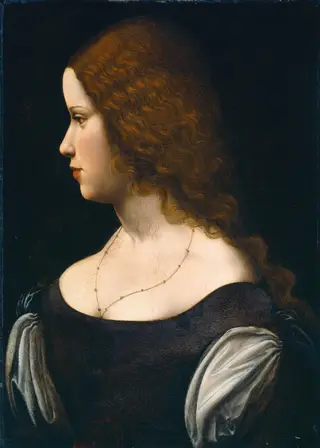 Portrait of a Young Lady
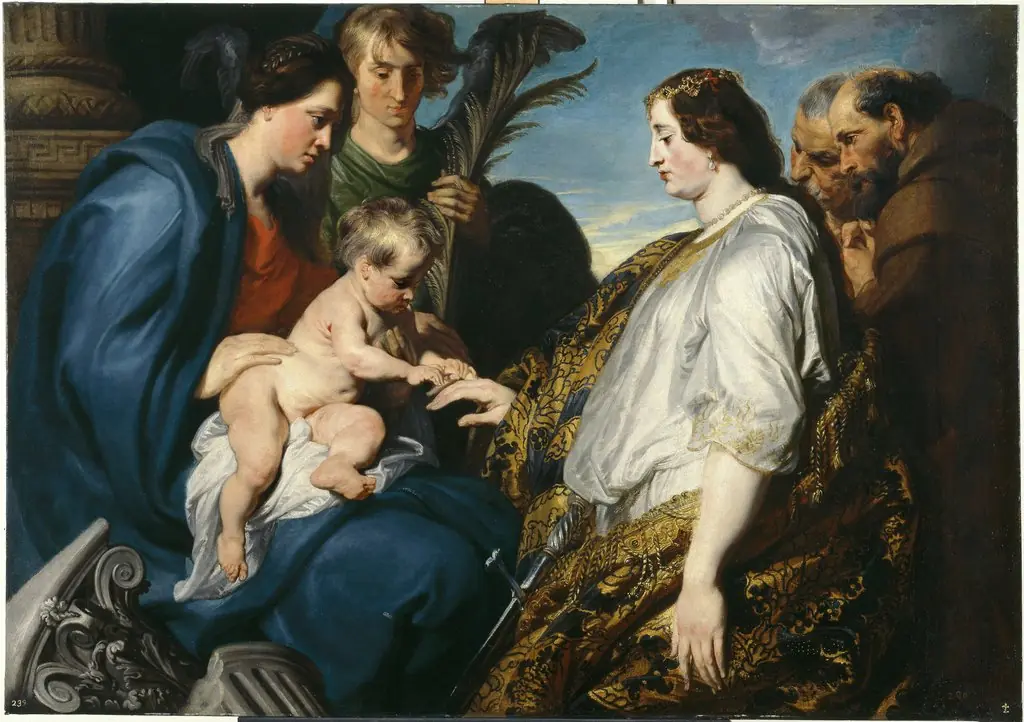 The Mystic Marriage of Saint Catherine
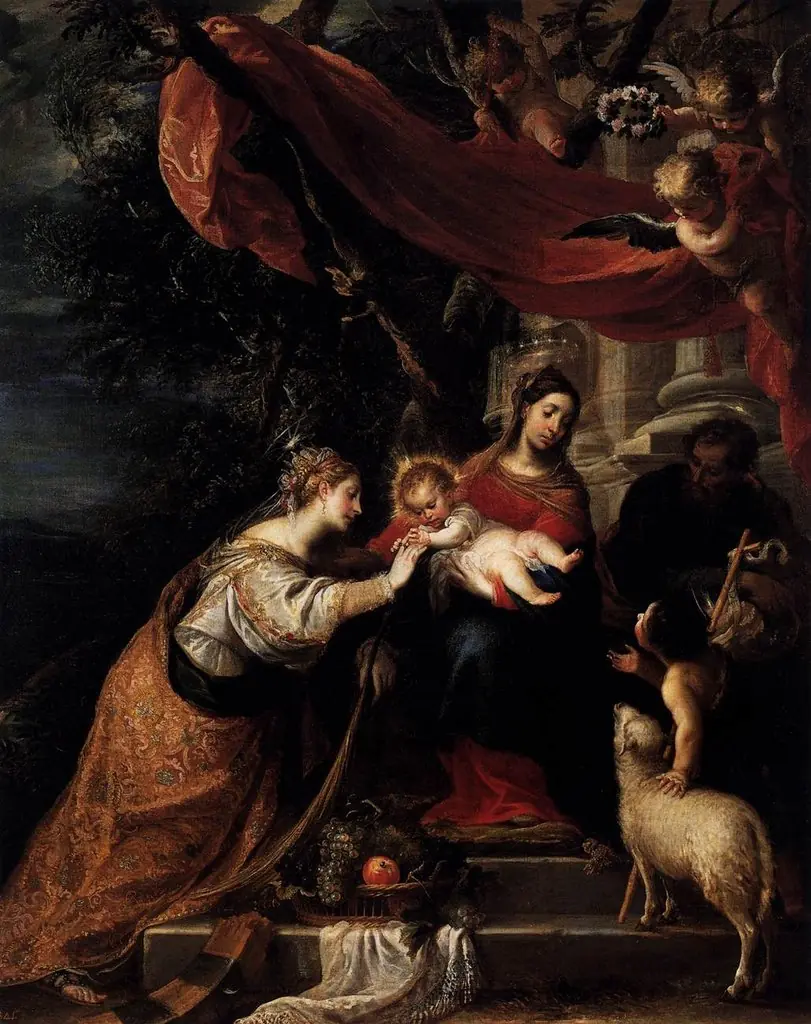 The Mystic Marriage of Saint Catherine
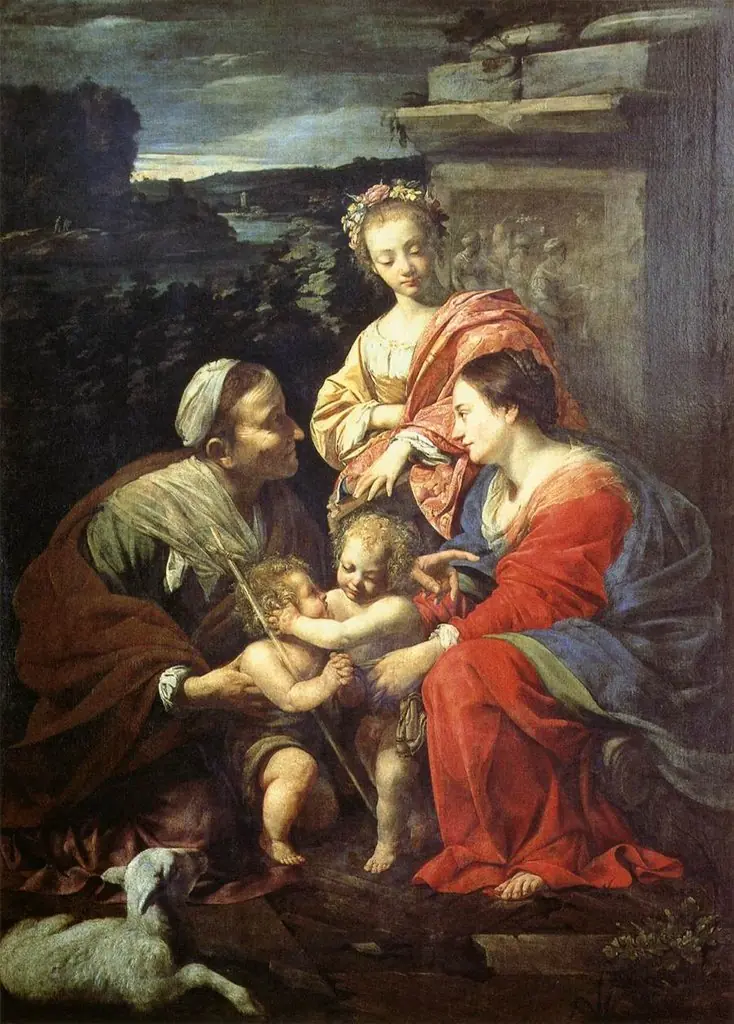 The Virgin and Child with Saint Elizabeth, Saint John the Baptist and Saint Catherine
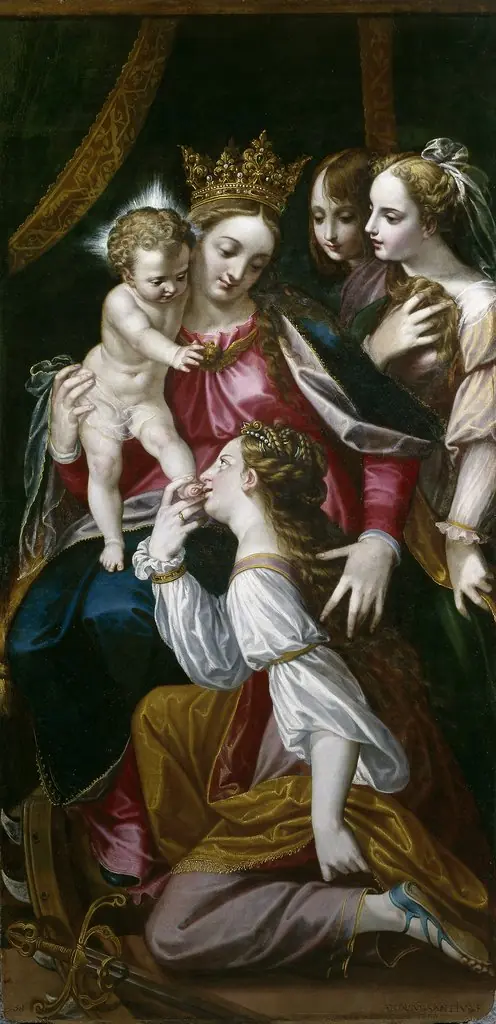 The Mystic Marriage of Saint Catherine
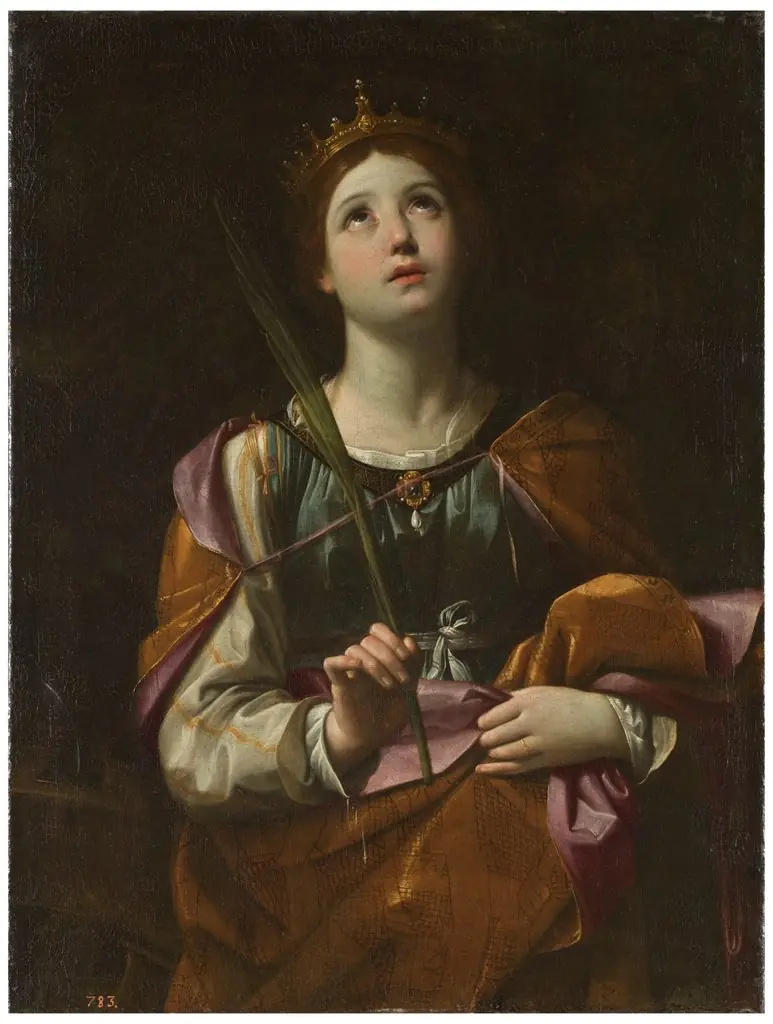 Saint Catherine
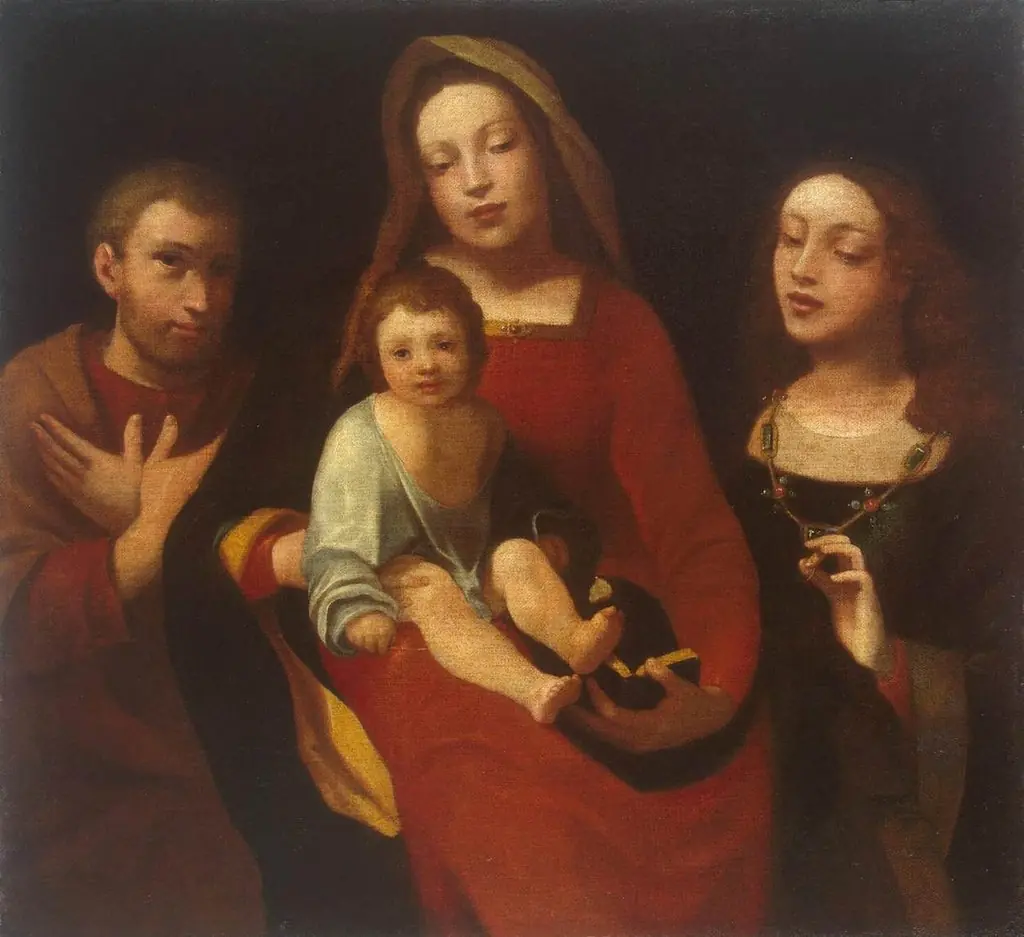 Madonna and Child with St Francis and St Catherine
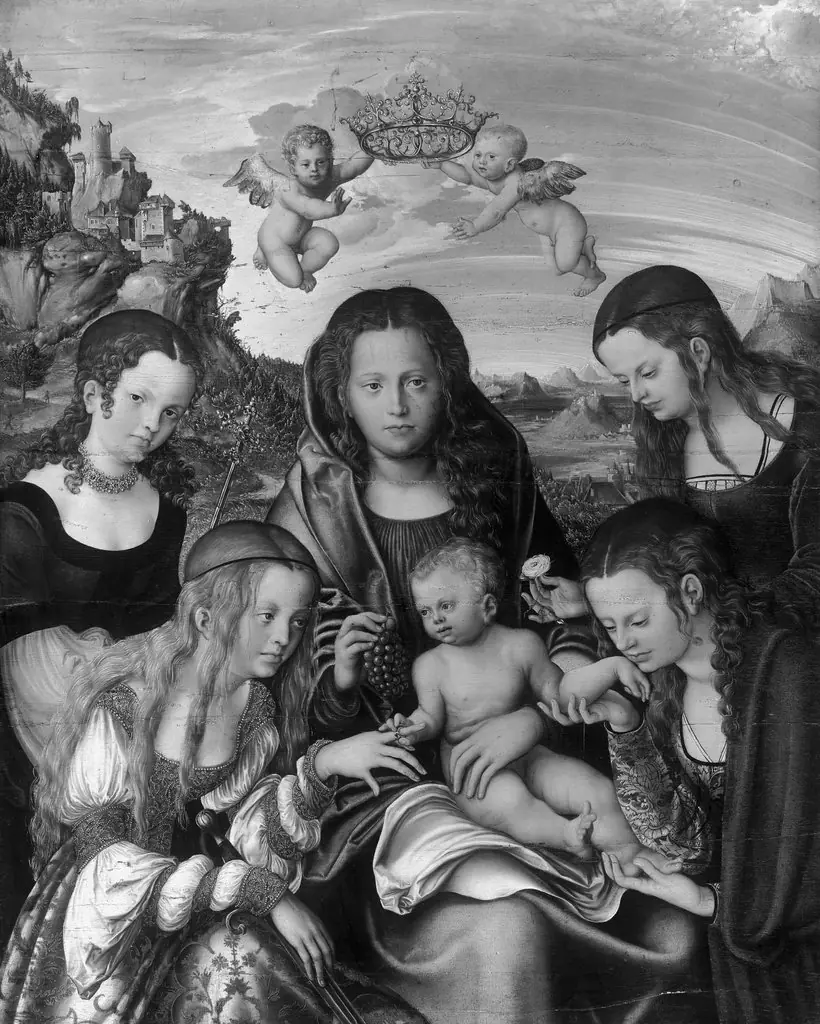 The Virgin and Child with Four Female Saints
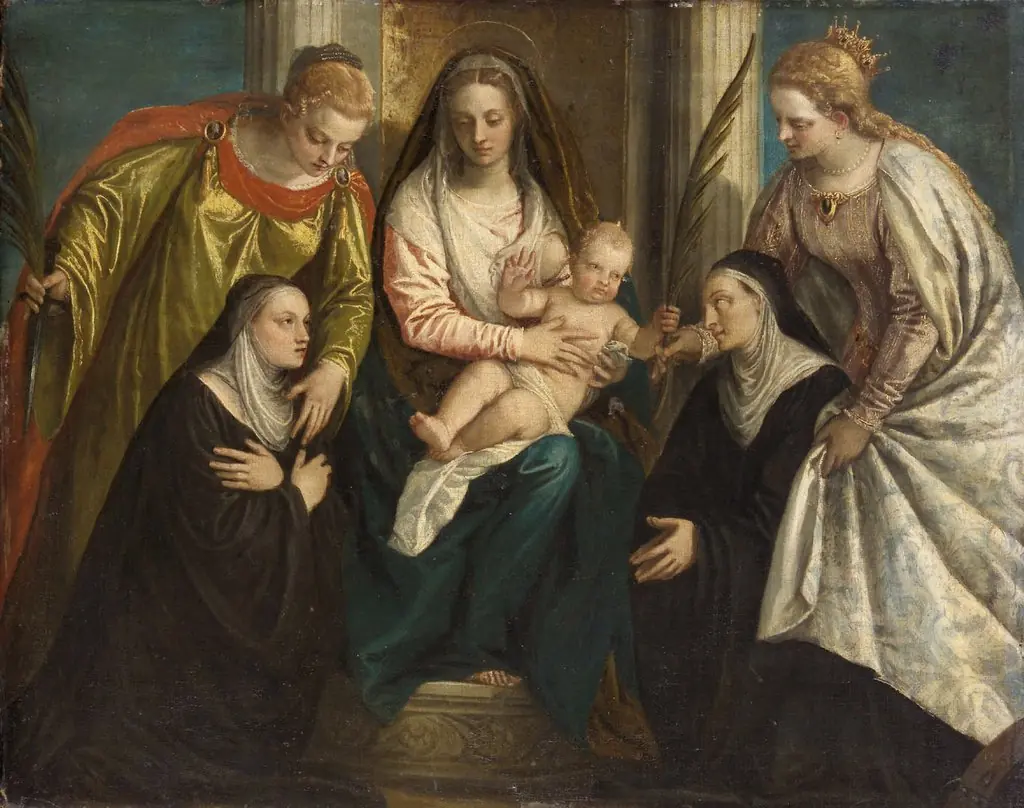 Madonna and Child with Saints Lucy and Catherine and 2 Nuns
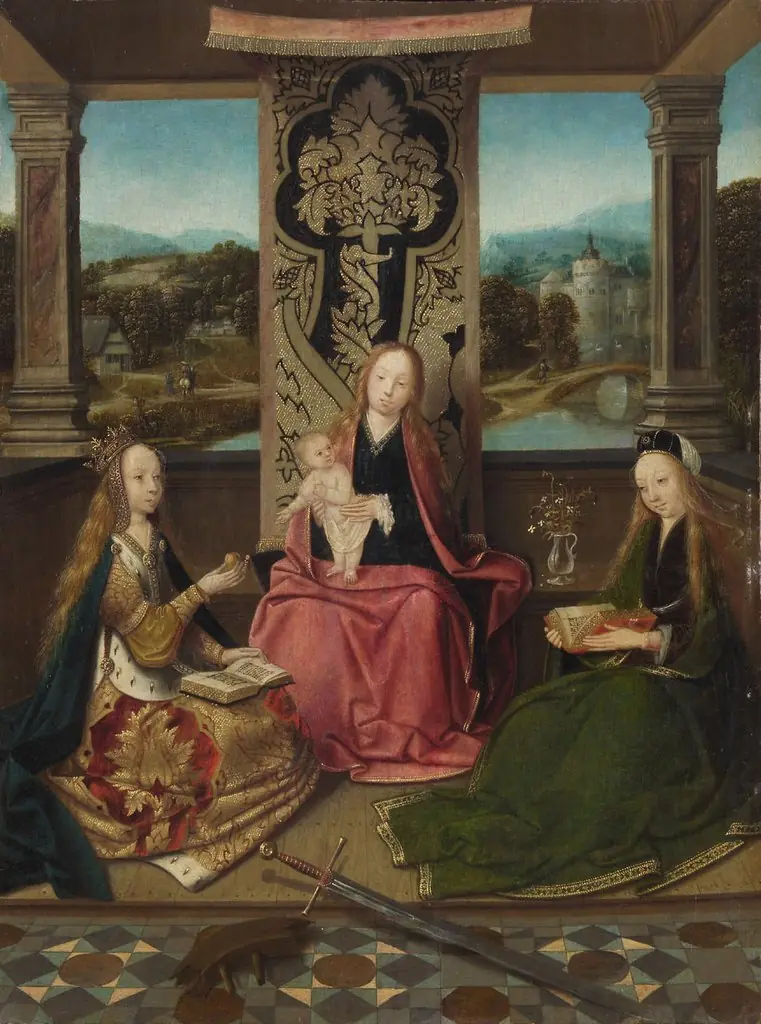 Madonna and Child with Saints Catherine and Barbara
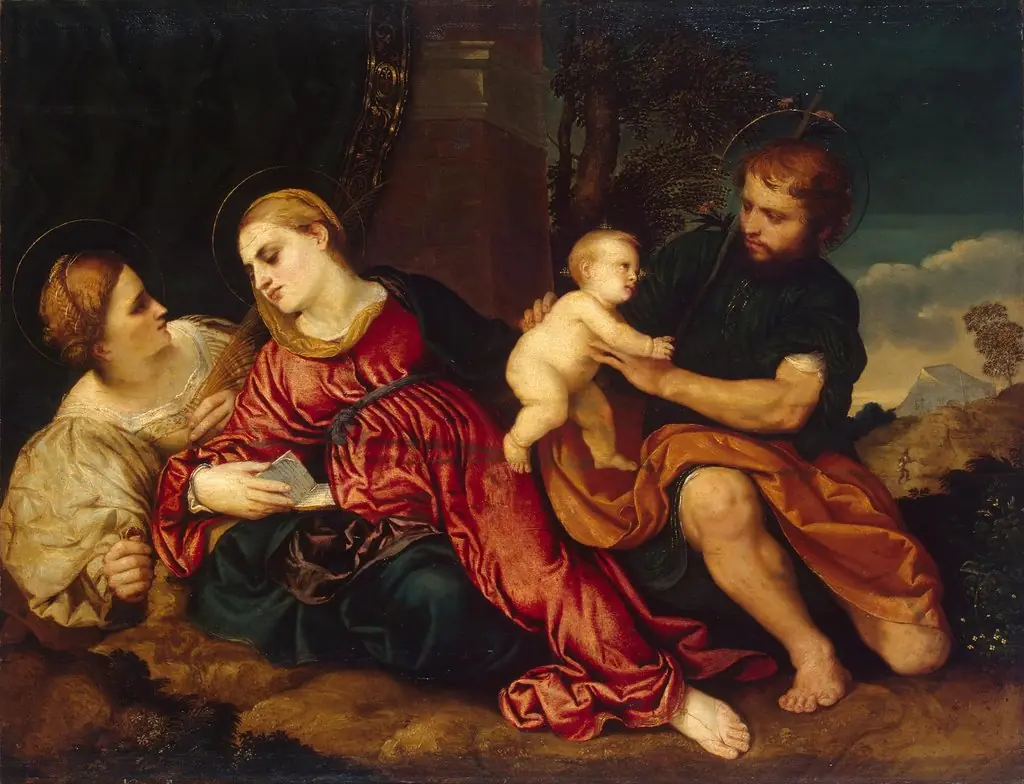 Holy Family with St Catherine
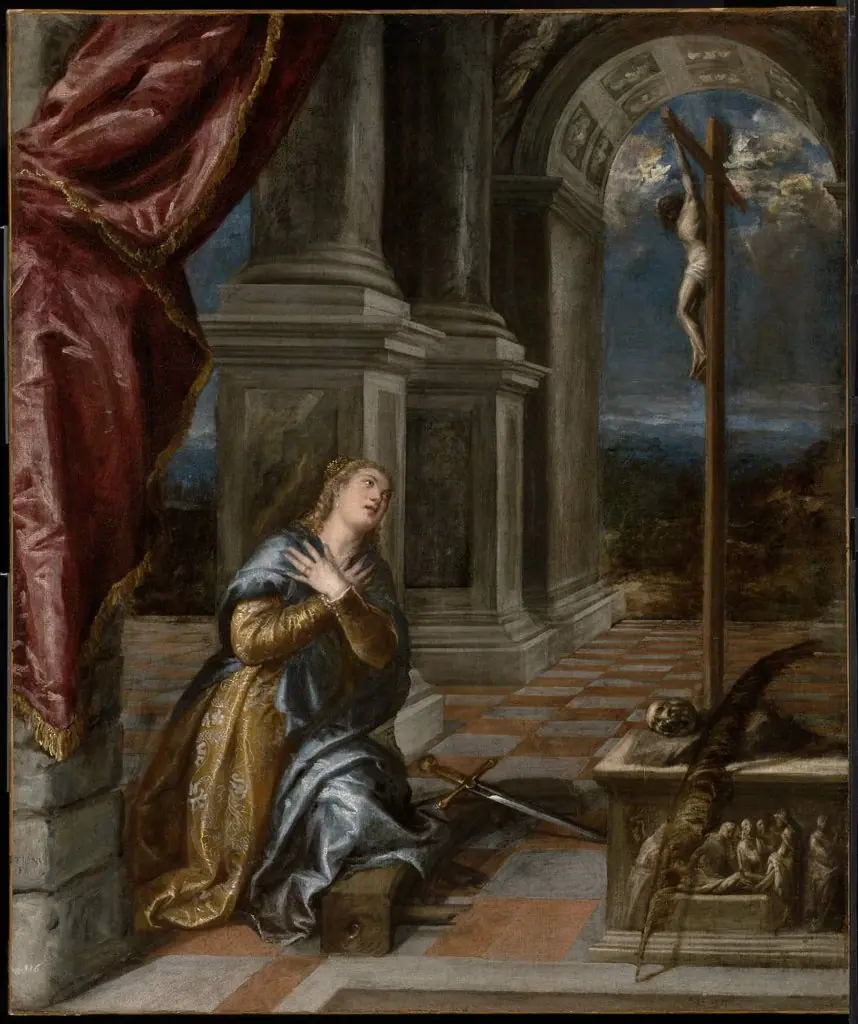 Saint Catherine of Alexandria at Prayer
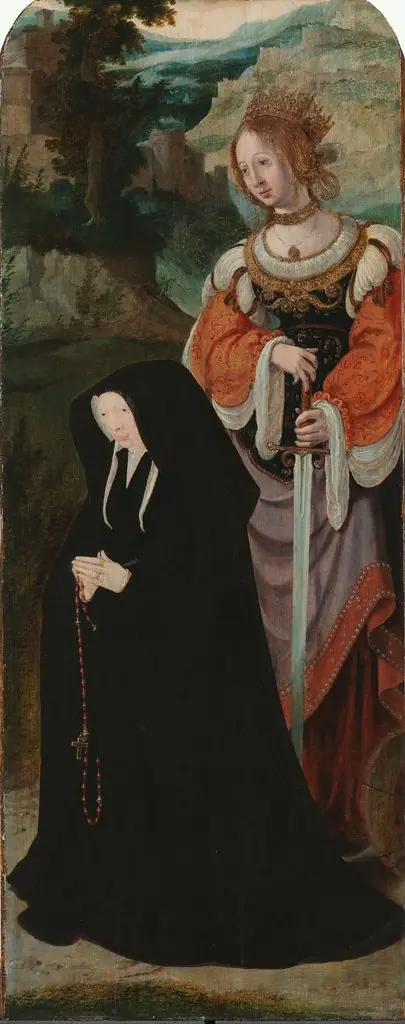 Wing of Lazarus tritptych with donor and Saint Catharine
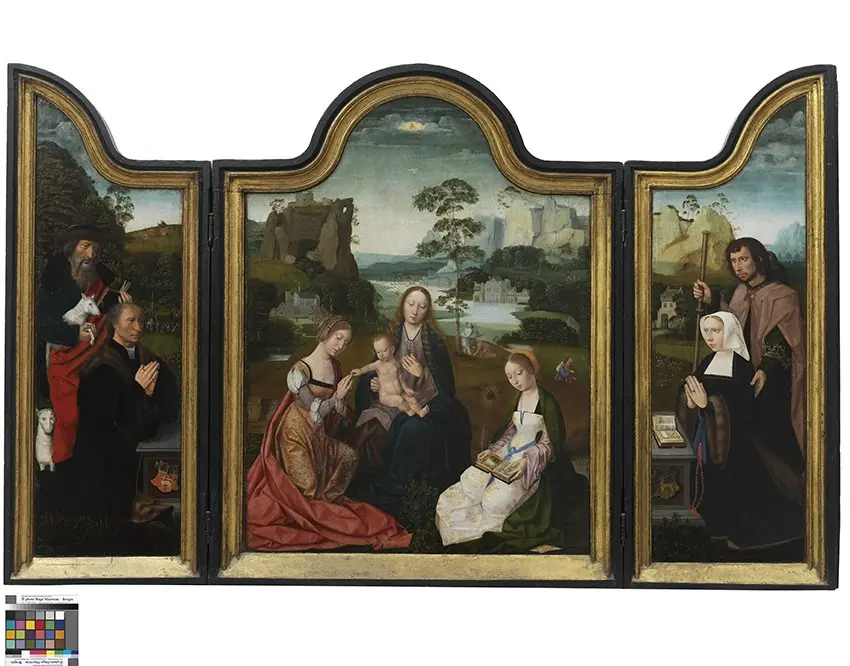 Madonna with the Saints Catherine and Barbara
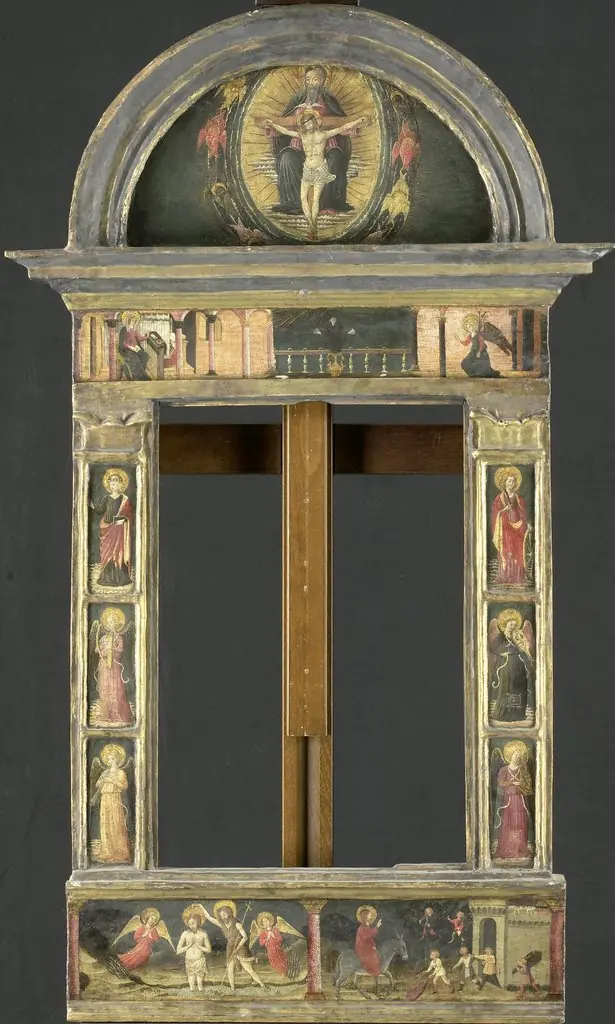 Frame painted with the annunciation, the baptism of Christ, the entry into Jerusalem, the Saints Cecilia and Catharina, and 4 angels making music
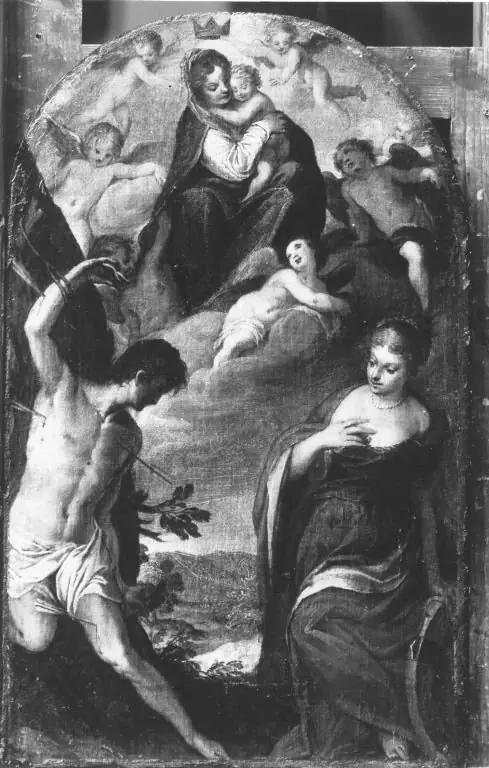 Maria mit Kind und den hll. Sebastian und Katharina (zugeschrieben)
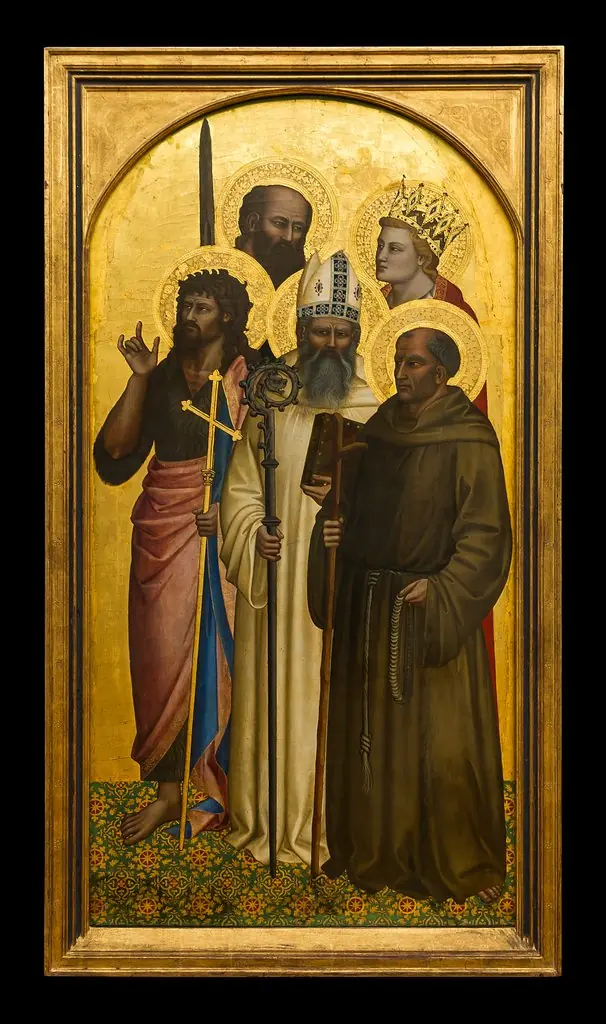 the Saints John the Baptist, Egidius, Gerard of Villamagna, Paul and Catherine (or Miniato)
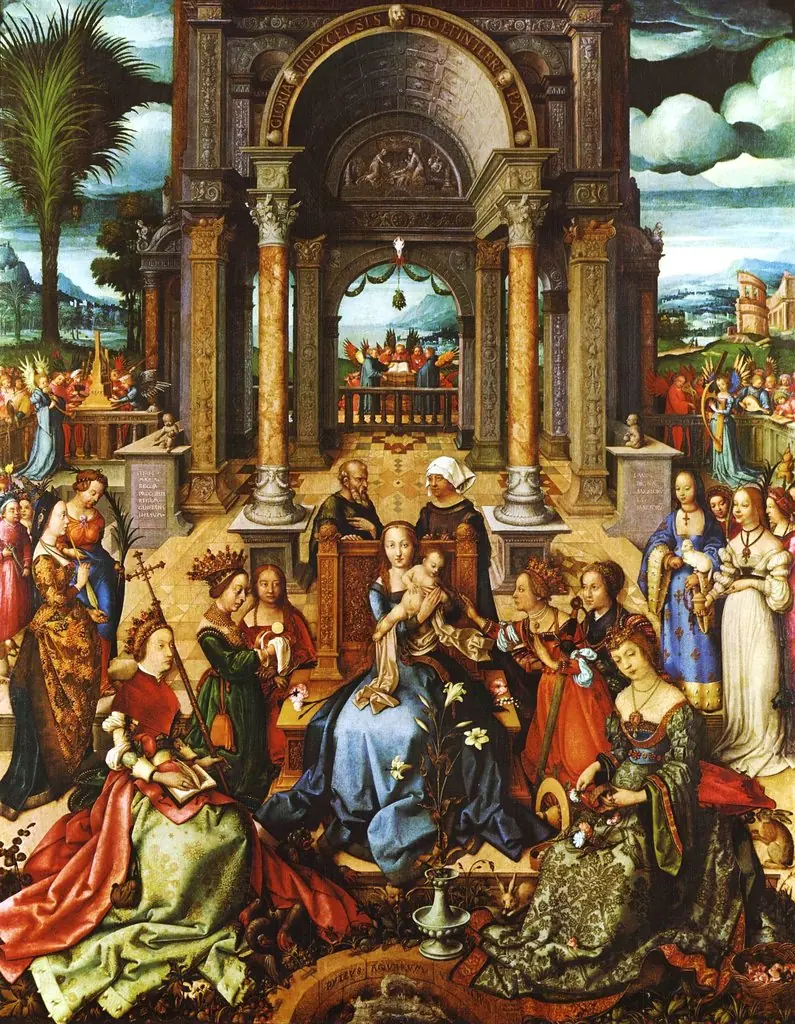 Virgin with Child by Hans Holbein the Elder, Museu Nacional de Arte Antiga
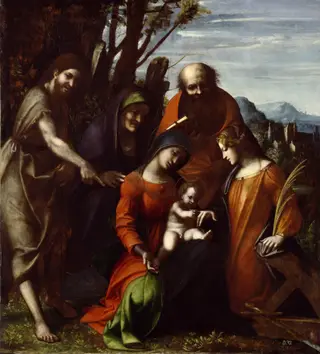 The Mystic Marriage of Saint Catherine
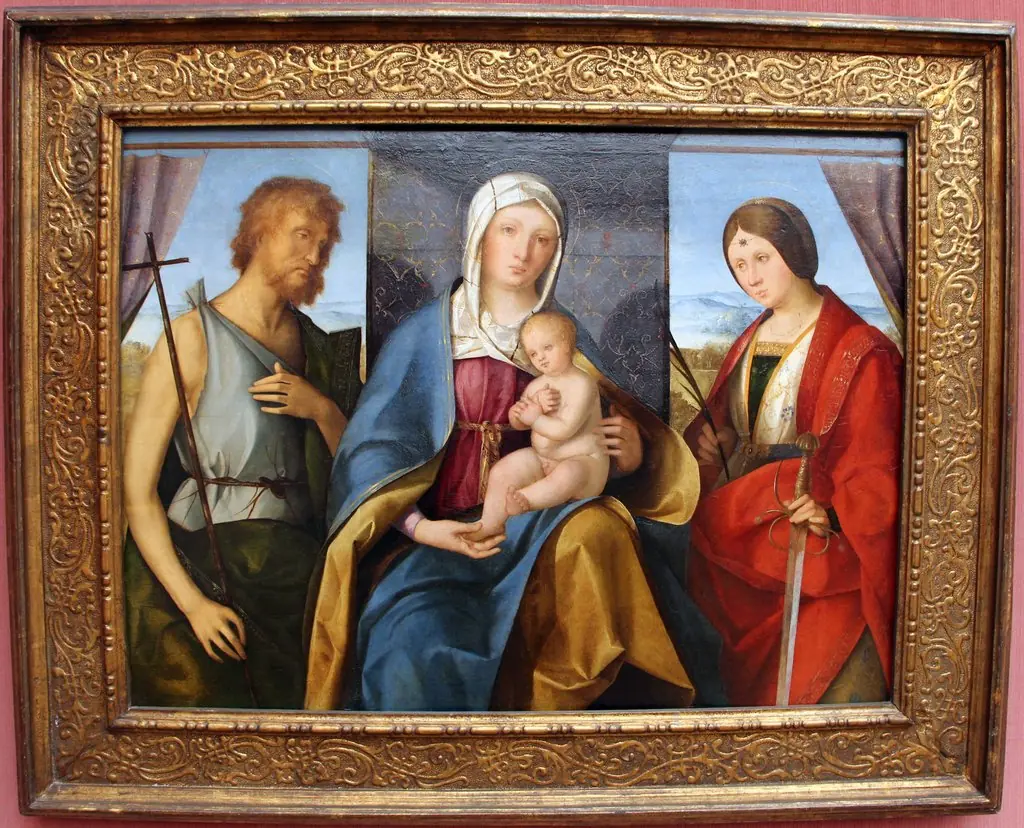 Thronende Maria mit d. Kind und den Heiligen Johannes dem Täufer und Katharina von Alexandrien
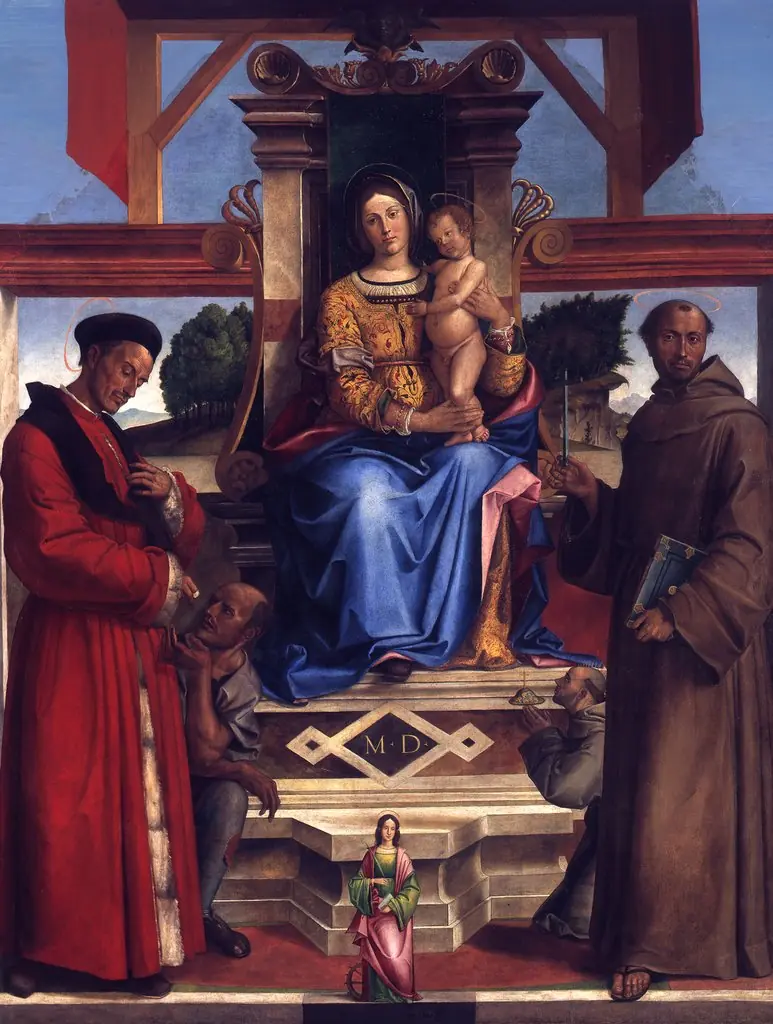 The Virgin and Child Enthroned and St. Homobonus, Francis of Assisi, Catherine of Alexandria and the Donor Bernadino da Feltre (Death 1494)
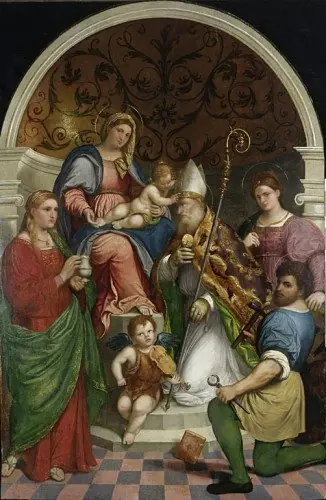 Sacra conversazione
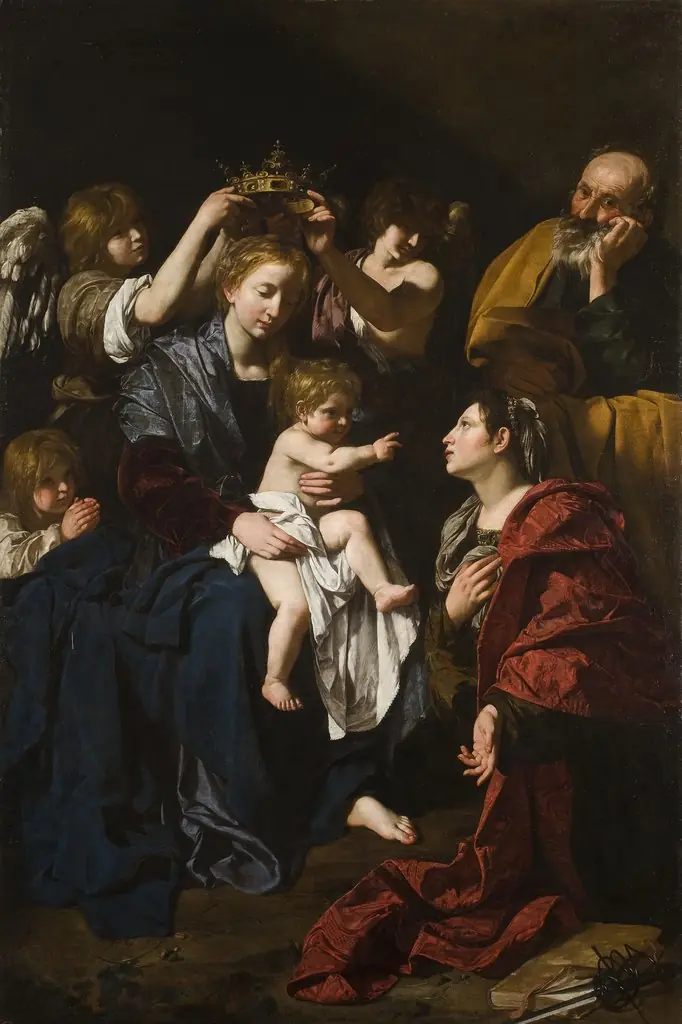 The Holy Family with Saint Catherine
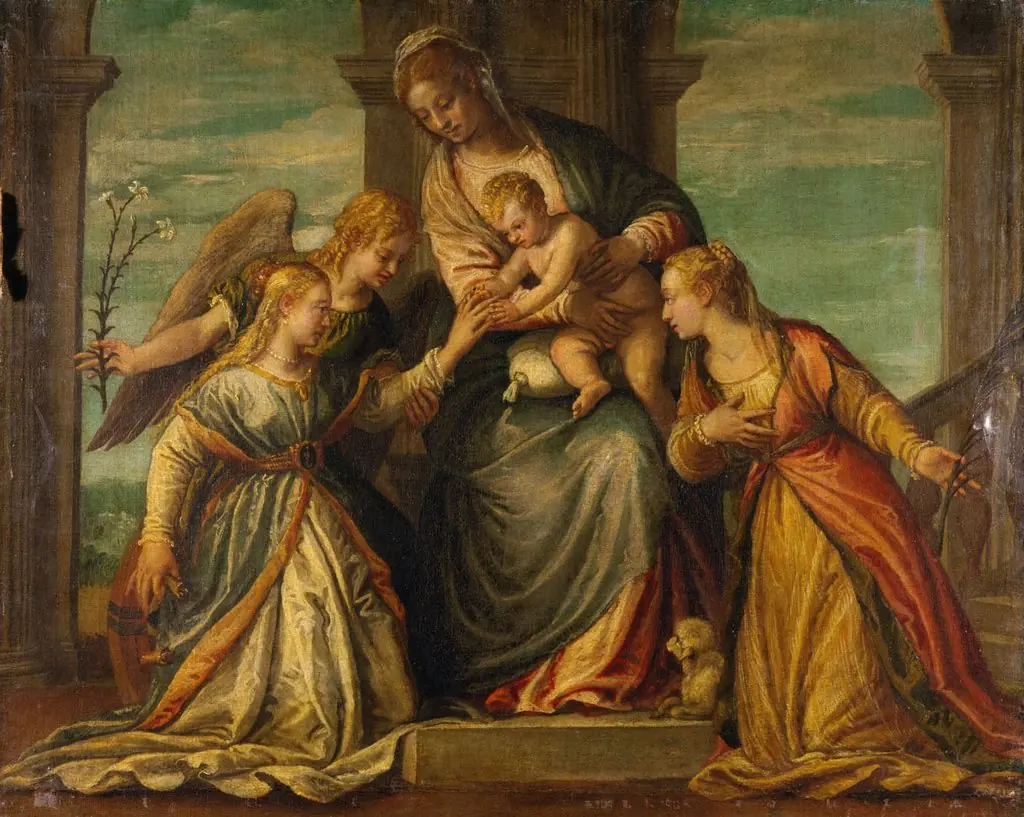 Mystic Marriage of St. Catherine
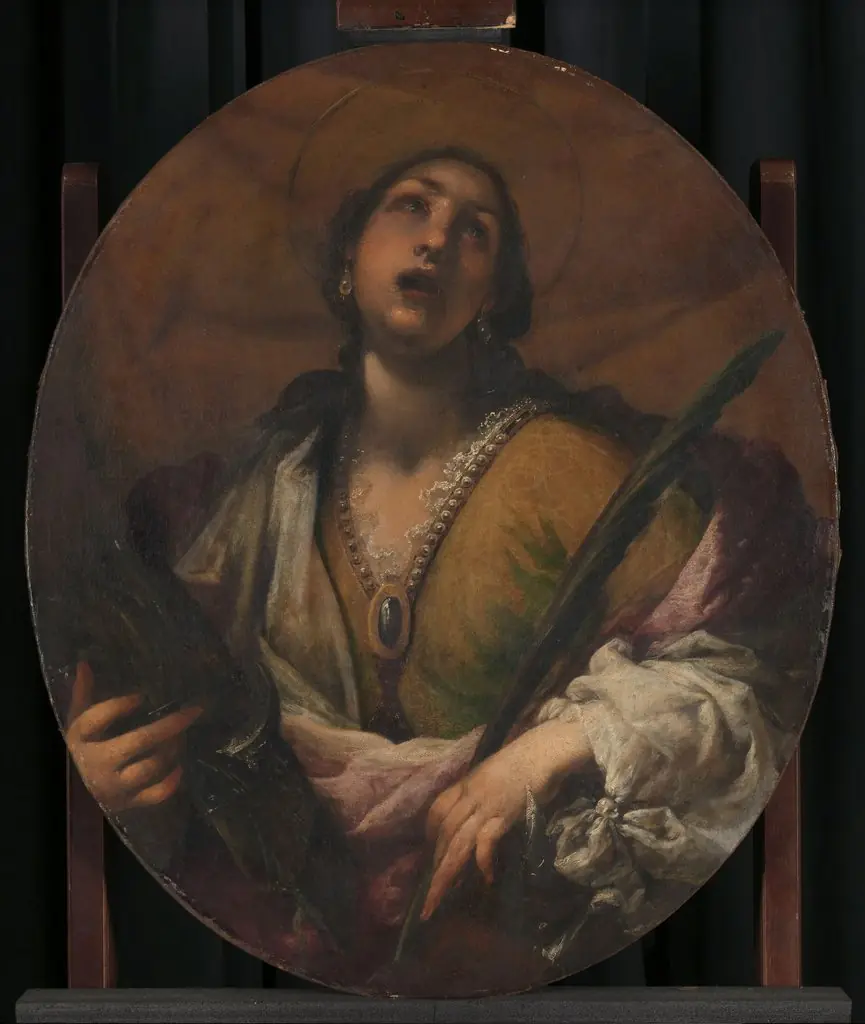 Saint Catherine
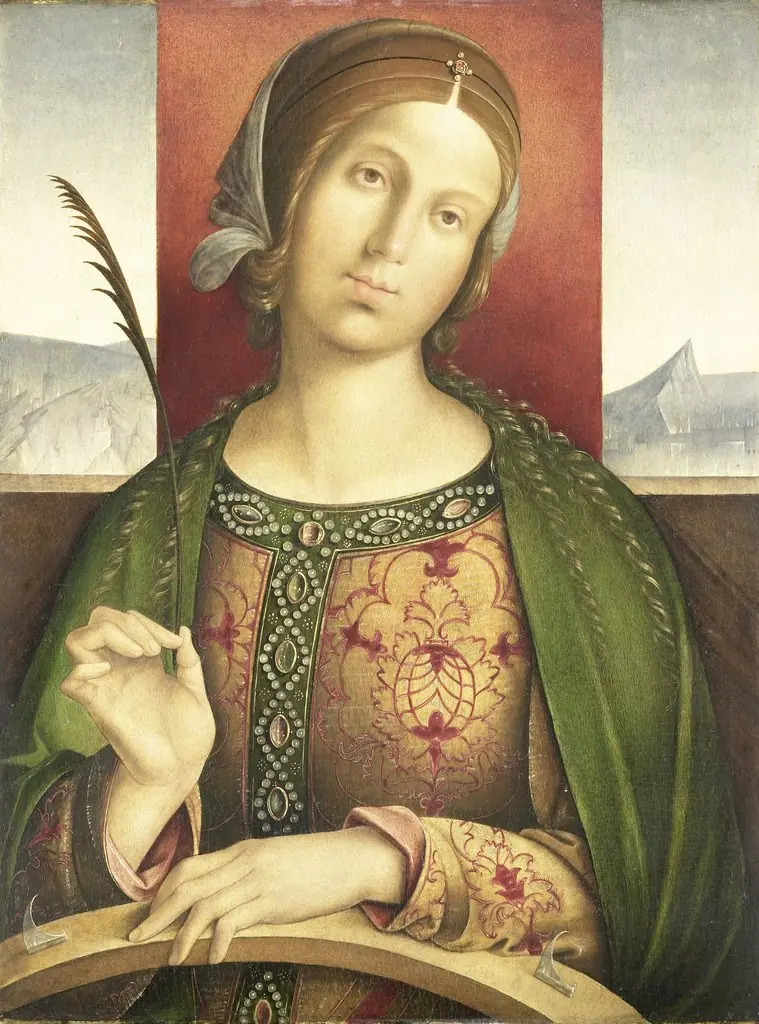 Saint Catherine of Alexandria
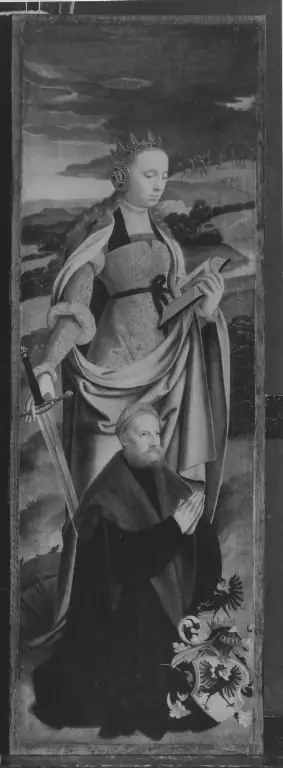 Rinck-Altar II:Saint Catherine with donor Hermann Rinck
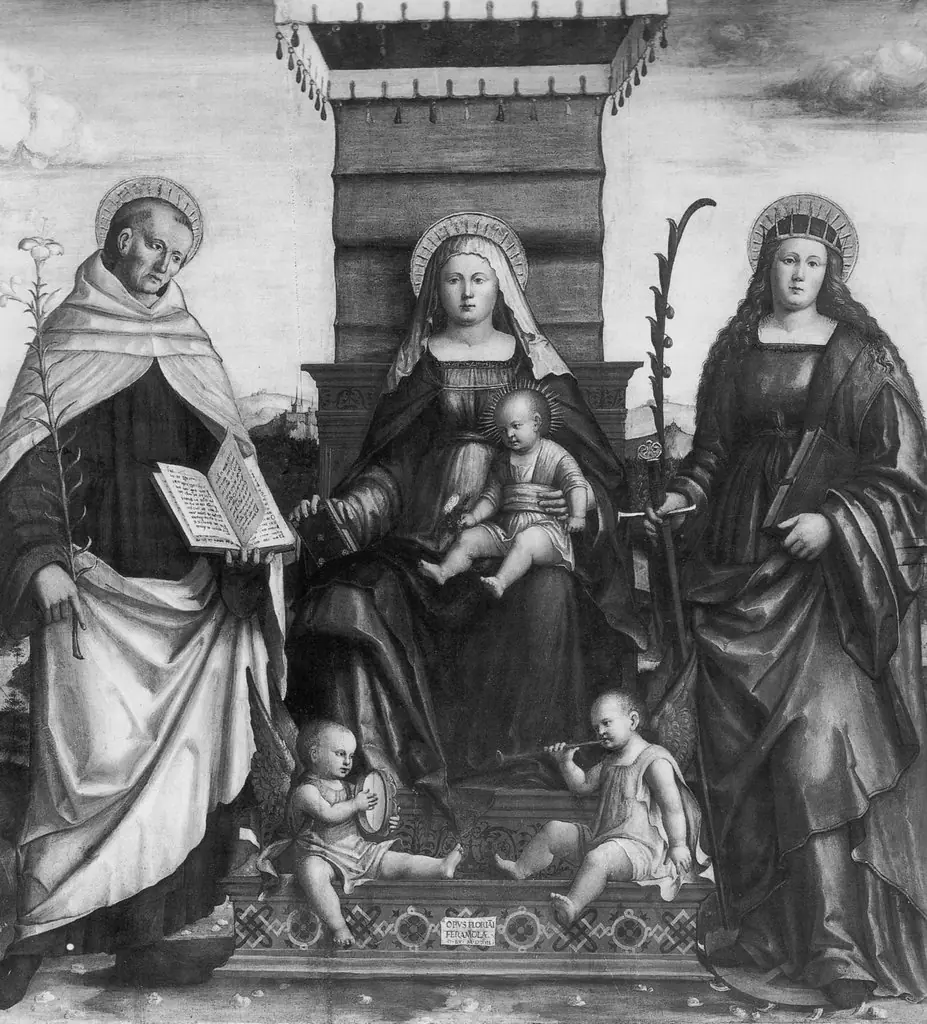 Madonna and Child with Saint Albert and Saint Catherine
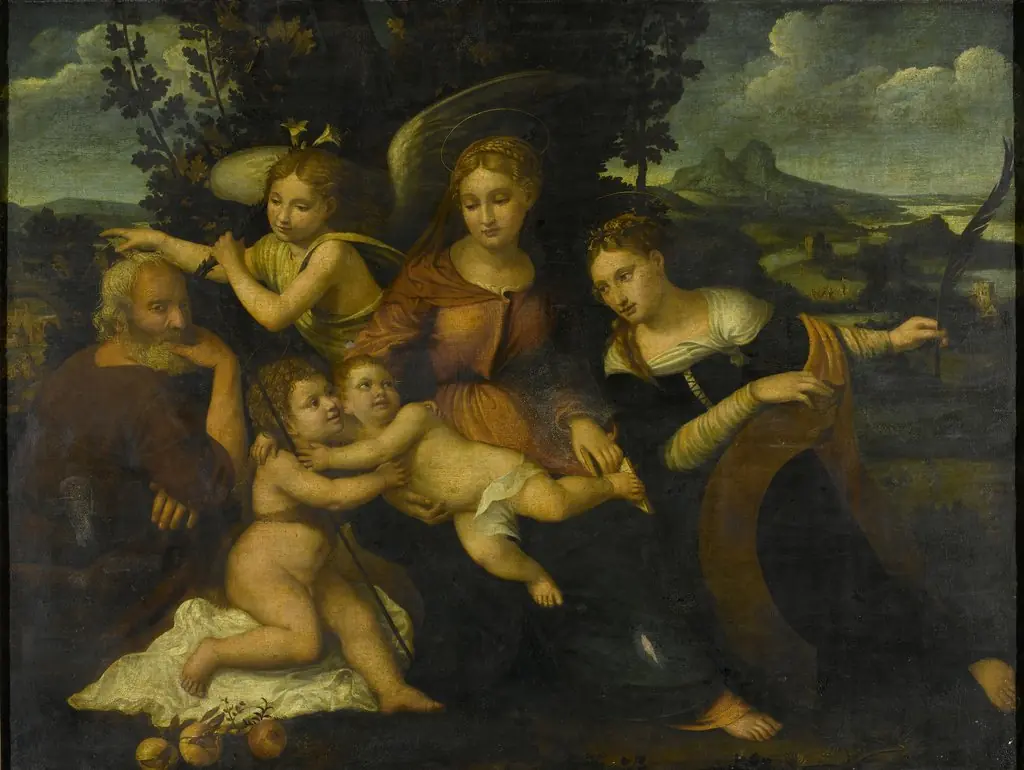 Holy Family with Saint Catherine
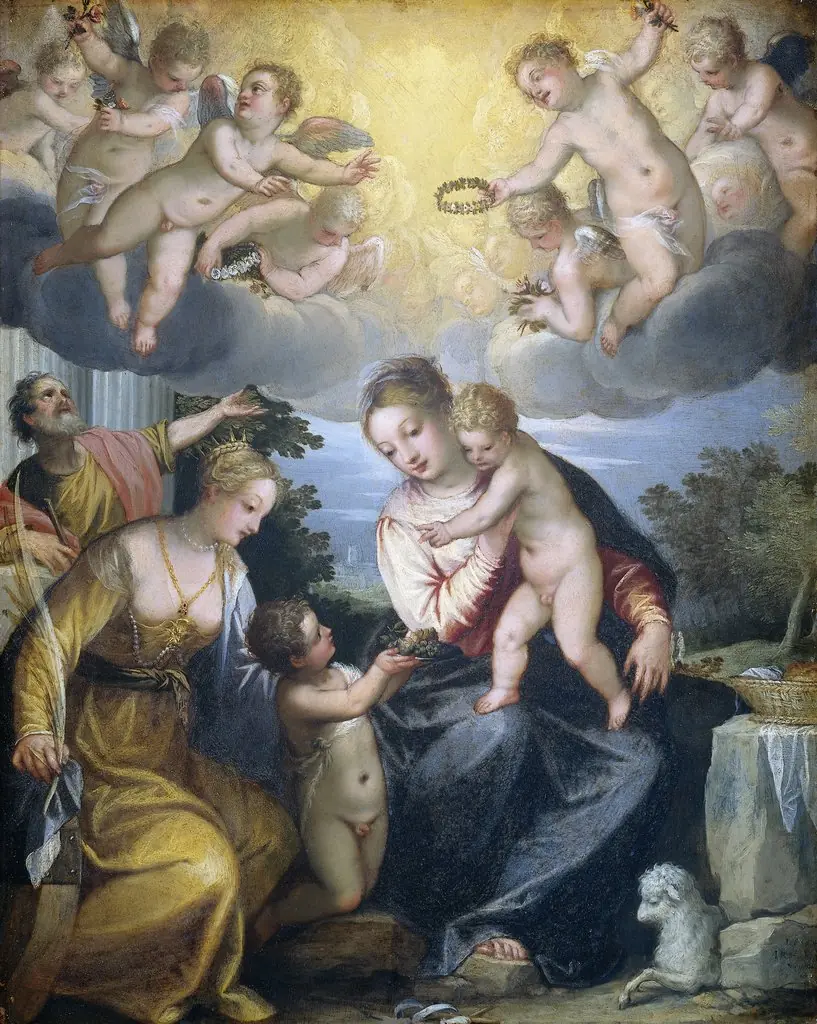 Virgin and Child with young John the Baptist and Saint Catherine
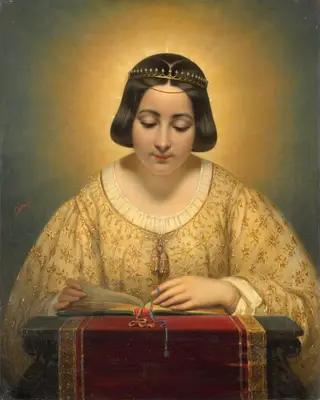 Countess de Pagès, née de Cornellan, as St Catherine
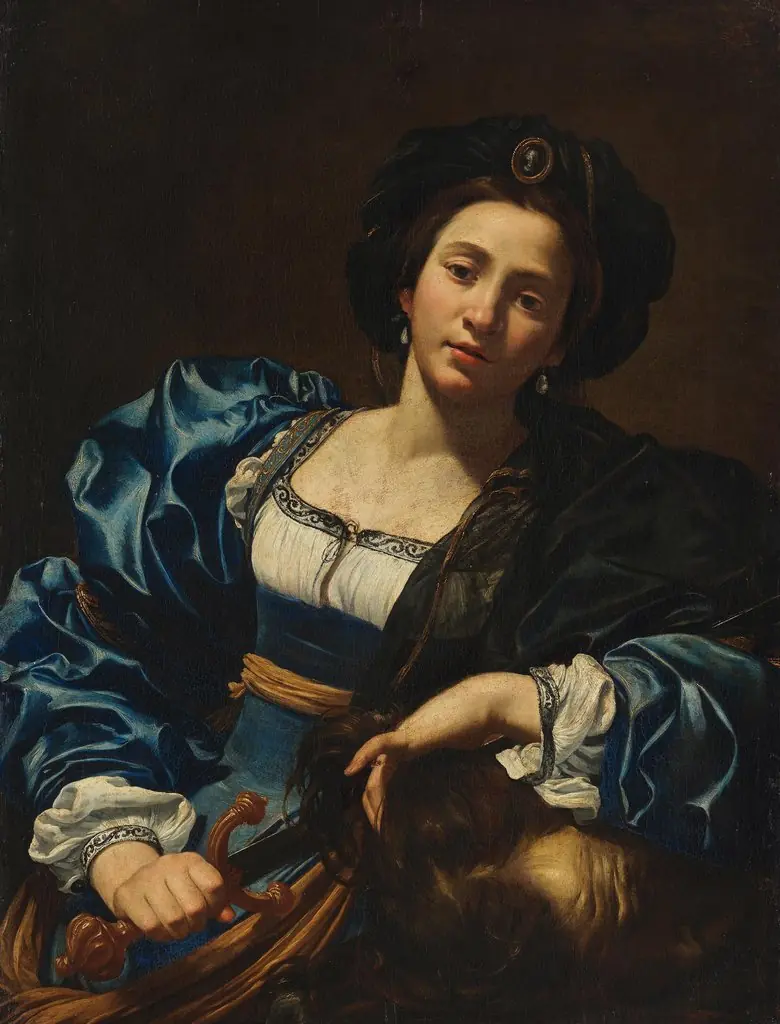 Judith
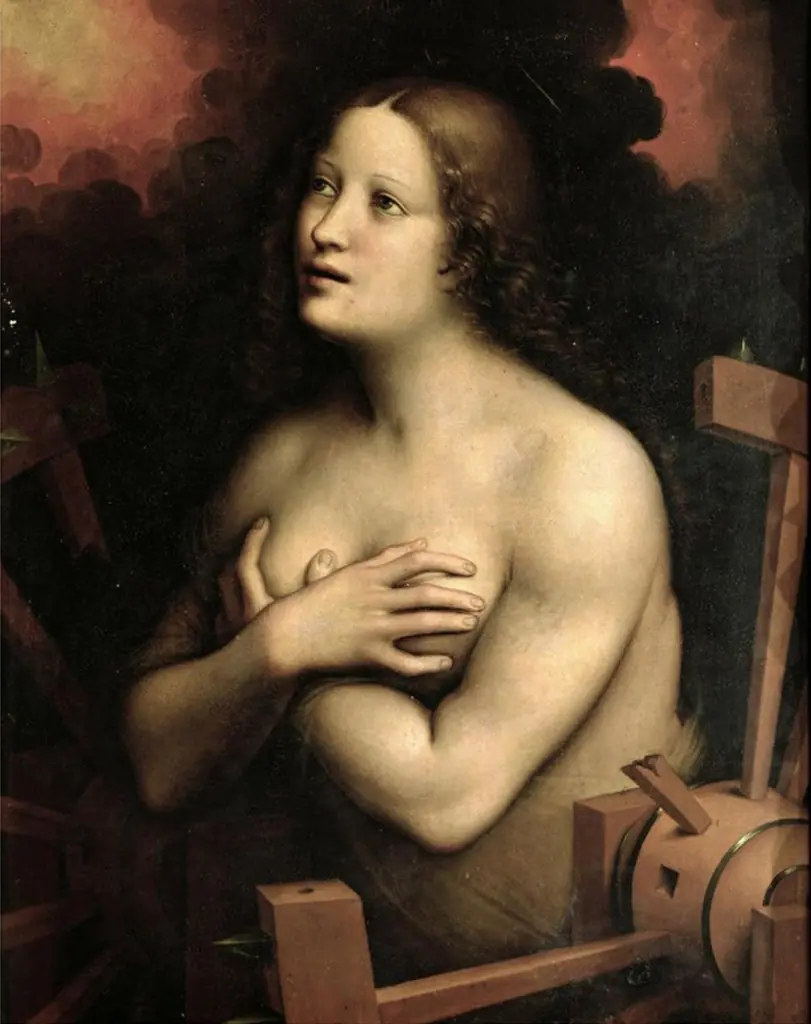 Saint Catherine of Alexandria
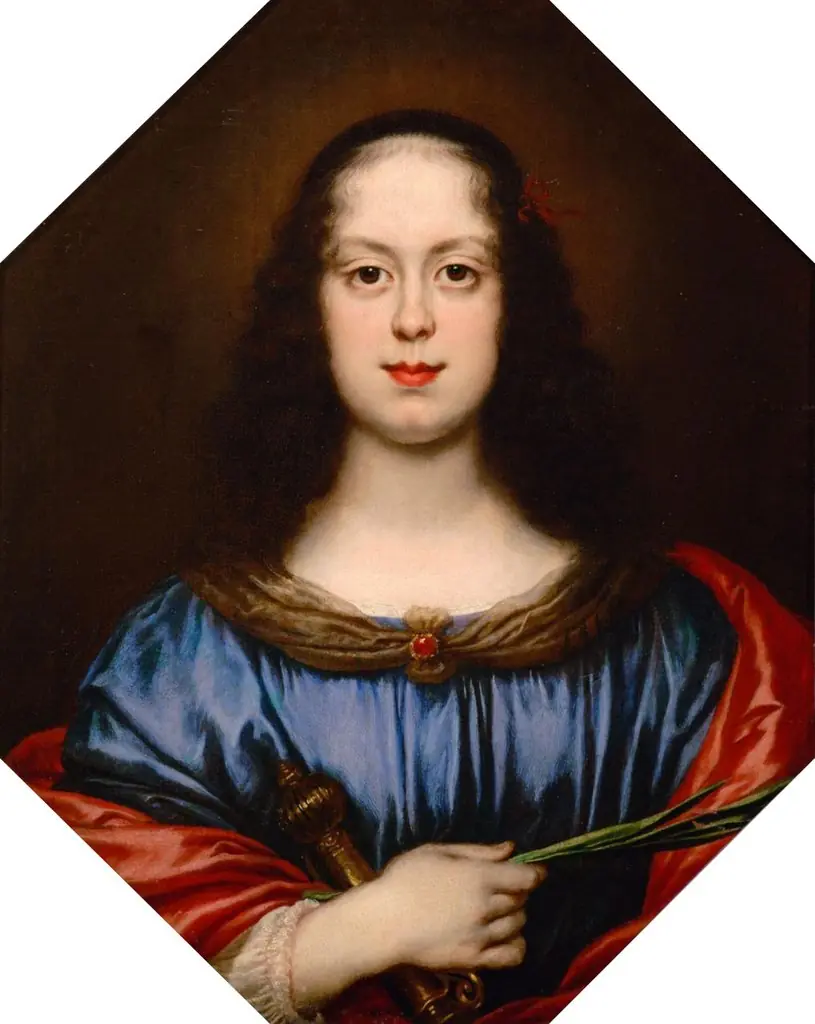 Portrait of Vittoria della Rovere (1622-1694) as St. Catherine
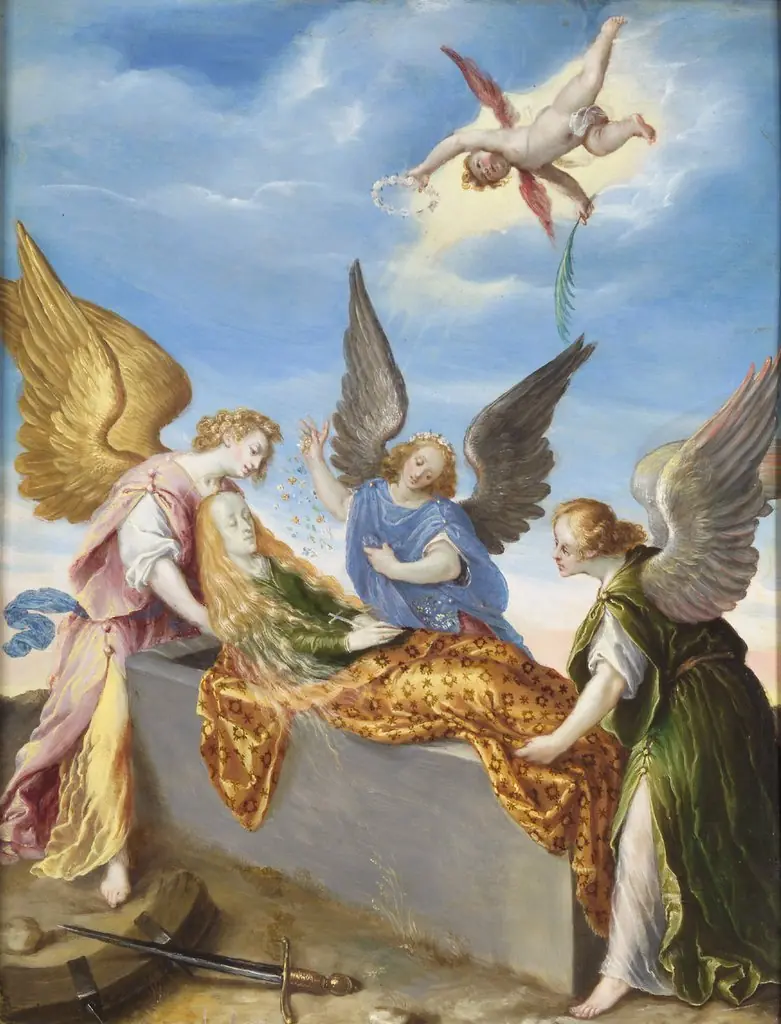 St. Catherine is laid in the grave by the angels
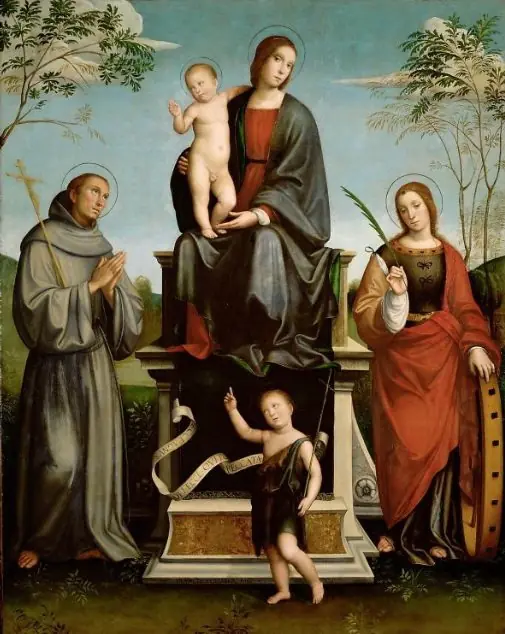 Mary with Child, St. Francis, St. Catherine and young St. John the Baptist
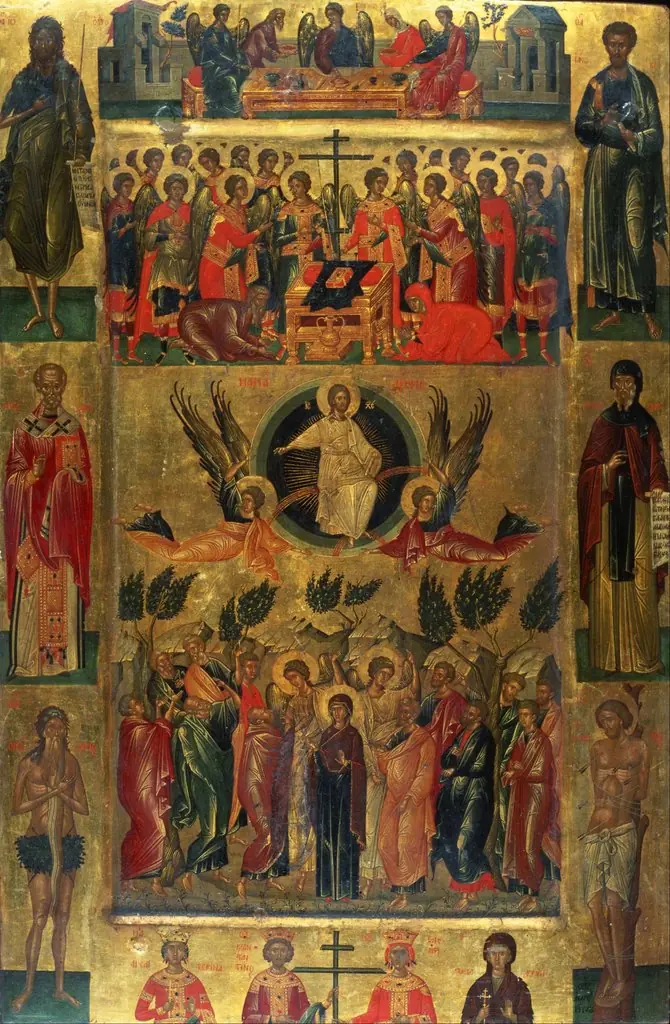 Ascension of Christ with the Hetoimasia
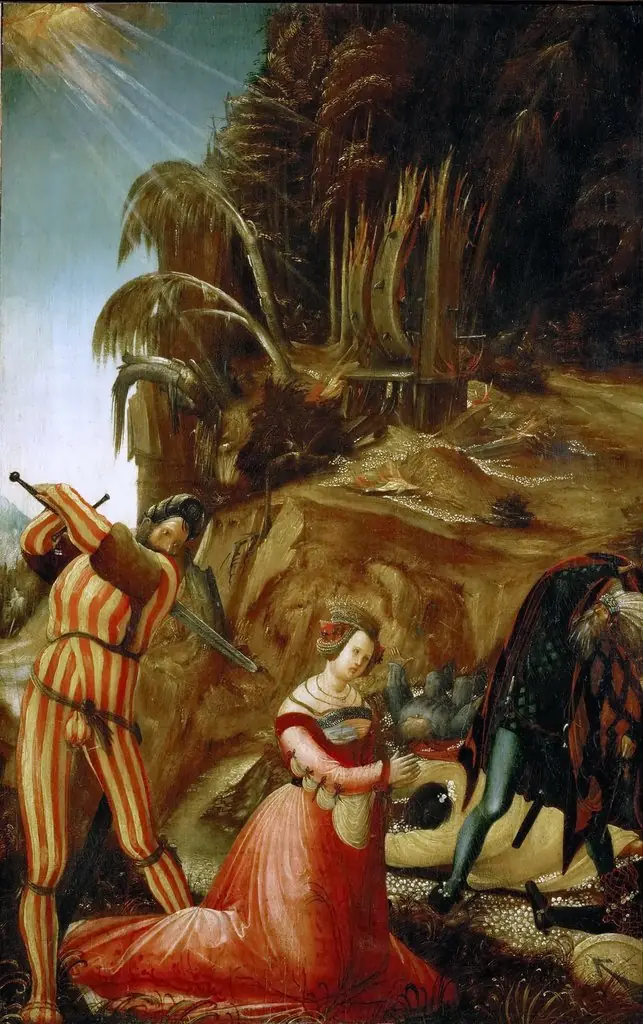 Beheading of St. Catherine
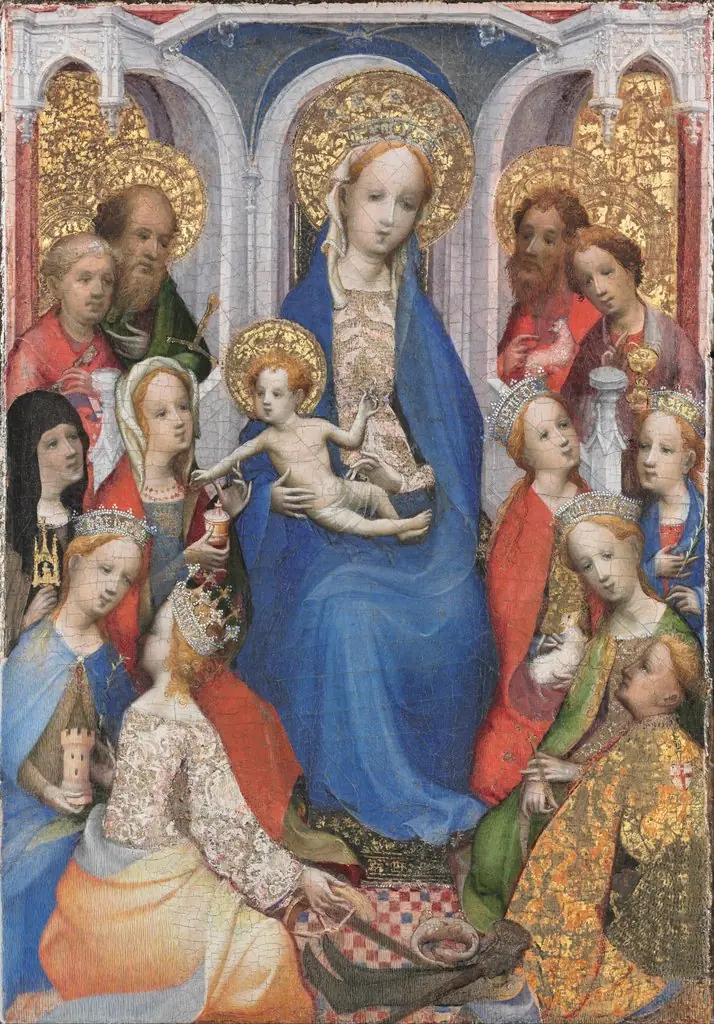 Enthroned Virgin and Child, with Saints Paul, Peter, Clare of Assisi, Mary Magdalene, Barbara, Catherine of Alexandria, John the Baptist, John the Evangelist, Agnes, Cecilia, Margaret of Antioch, and George
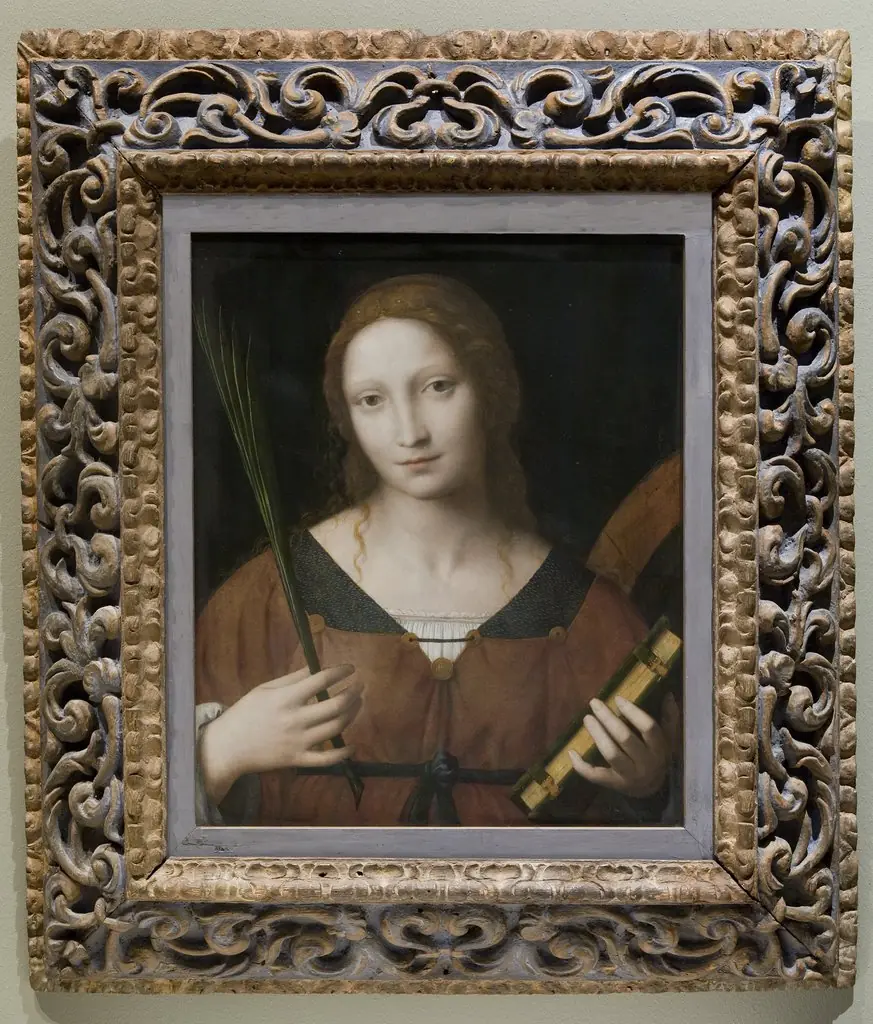 St Catherine of Alexandria
 The Betrothal of Saint Catharine
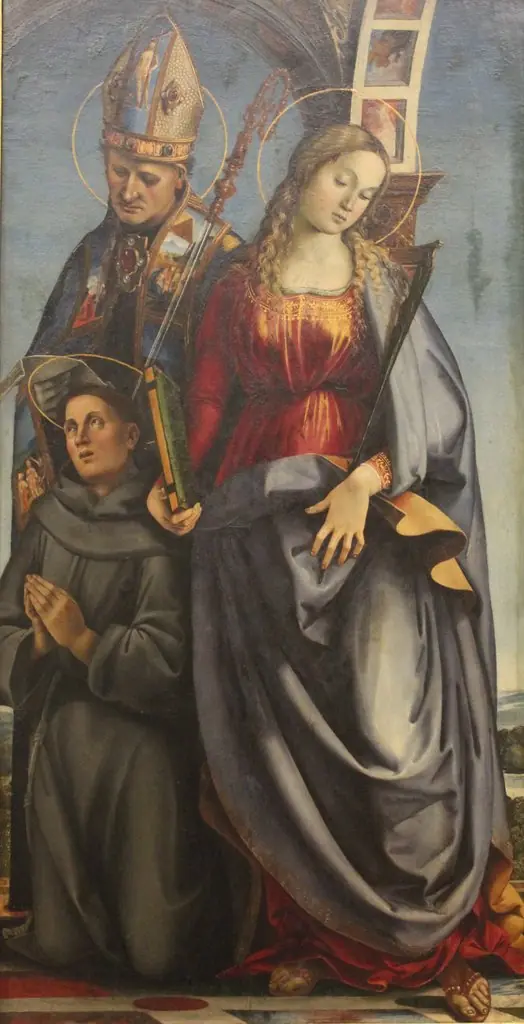 Saints Augustinus, Saint Catherine of Alexandria and Saint Anthony of Padua
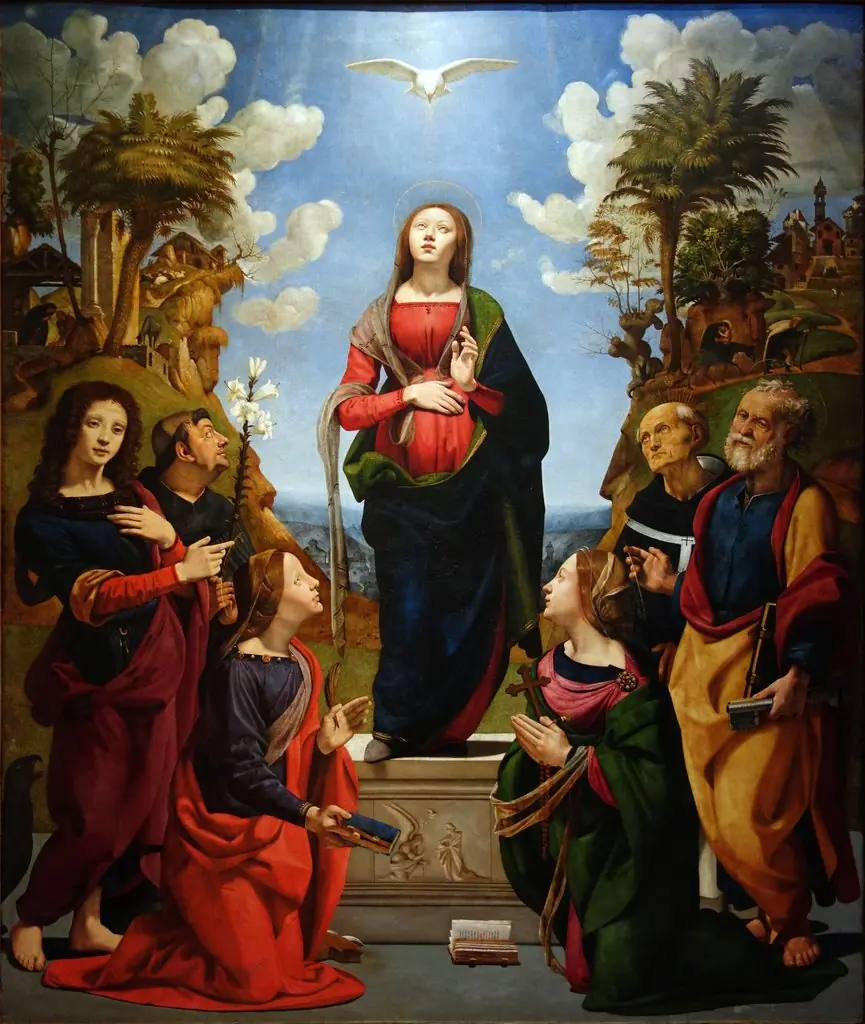 Incarnation of Jesus by Piero di Cosimo
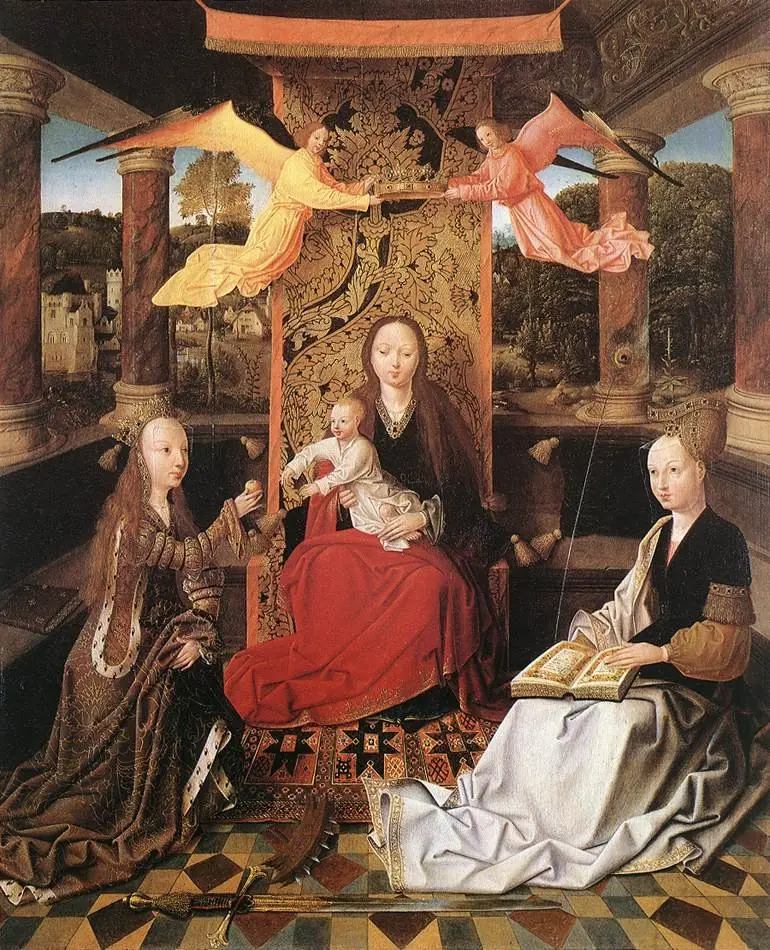 Madonna and Child with Sts Catherine and Barbara
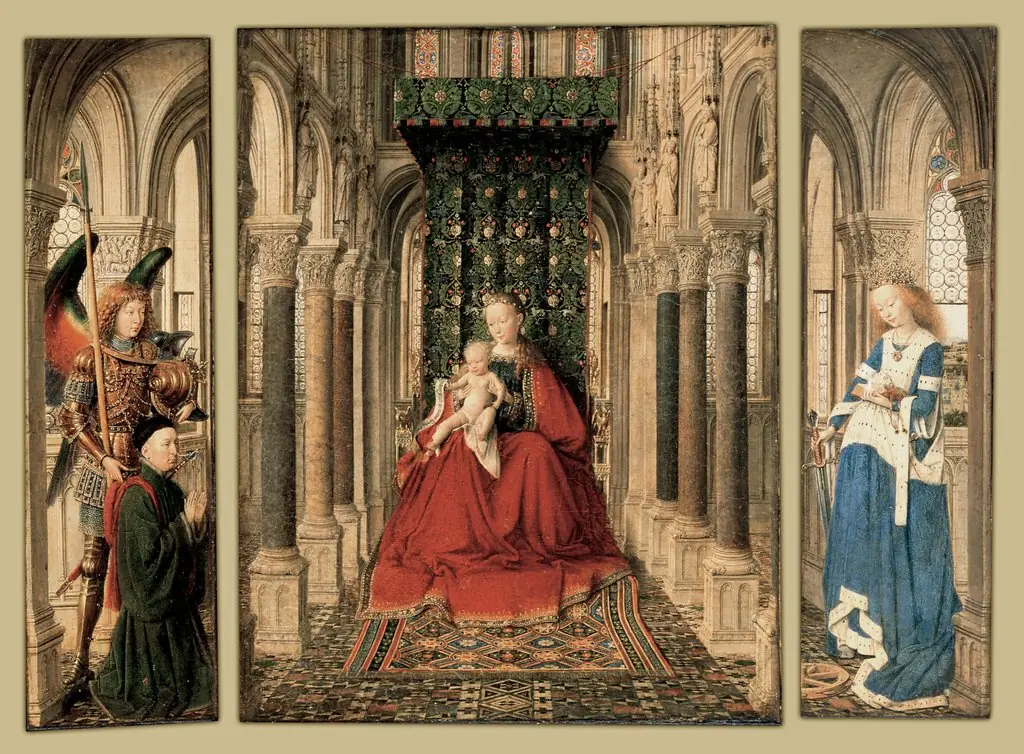 Dresden Triptych
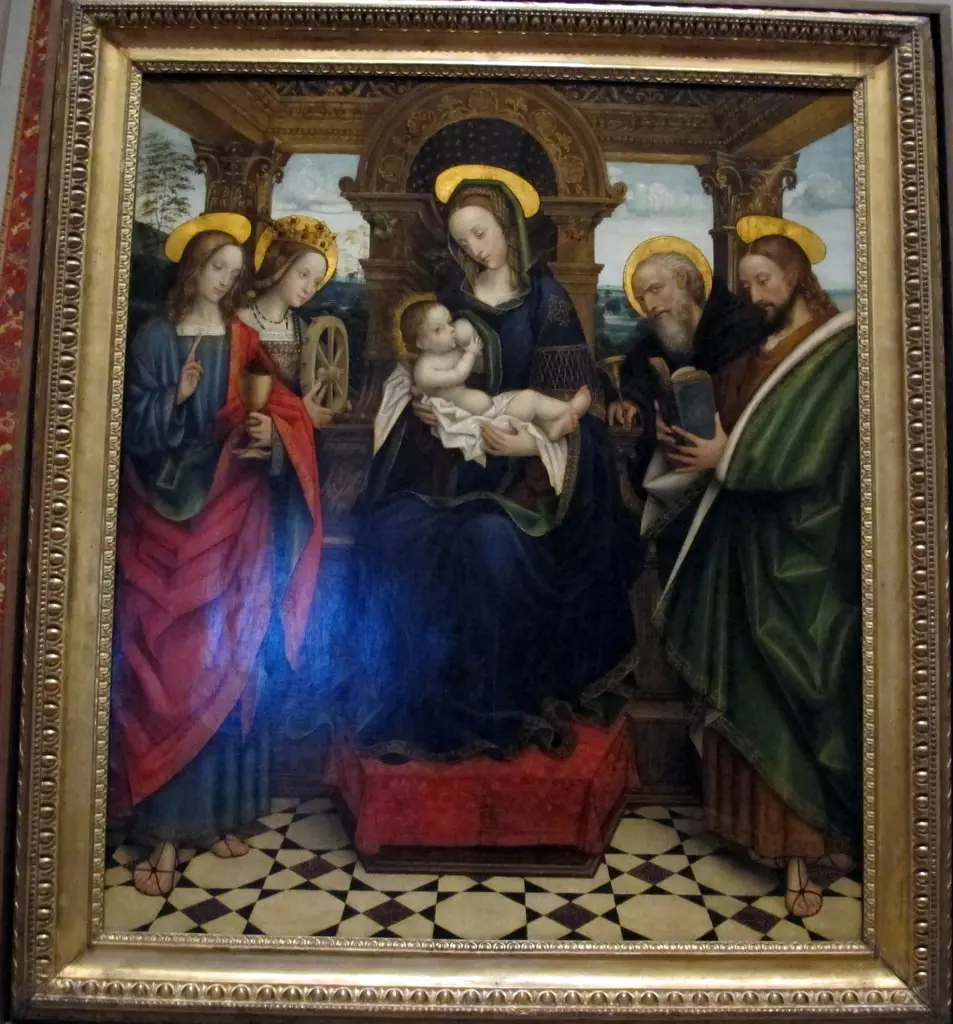 Enthroned Virgin and Child, with Saints John the Evangelist, Catherine of Alexandria, and Anthony Abbot, and a Saint Reading a Book
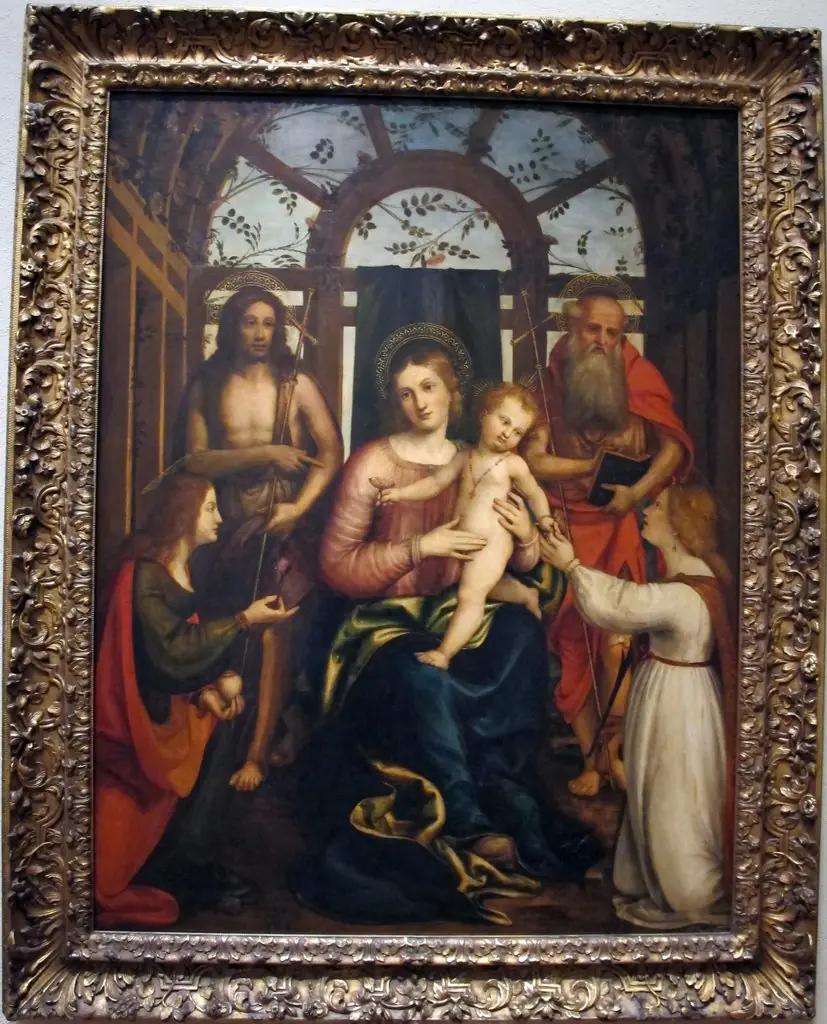 Virgin and Child, with Saints Mary Magdalene, John the Baptist, Jerome, and Catherine of Alexandria
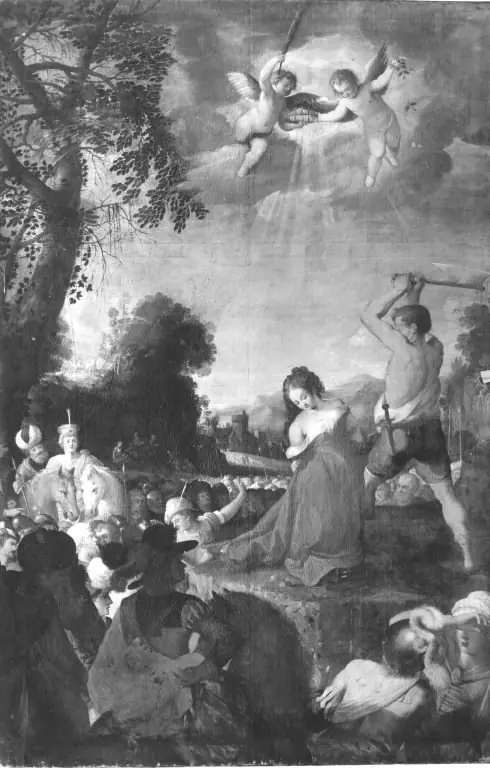 Enthauptung der hl. Katharina (?)
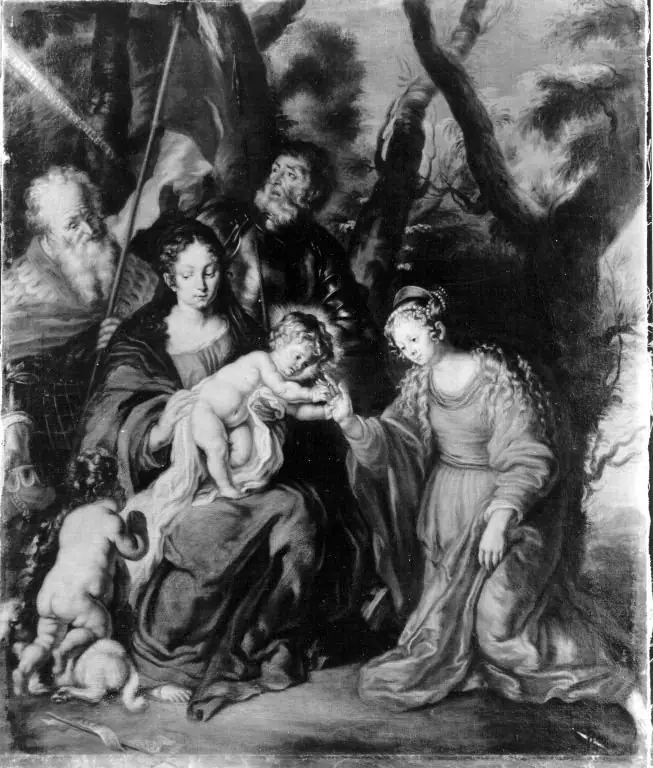 Die mystische Vermählung der hl. Katharina (Kopie nach)
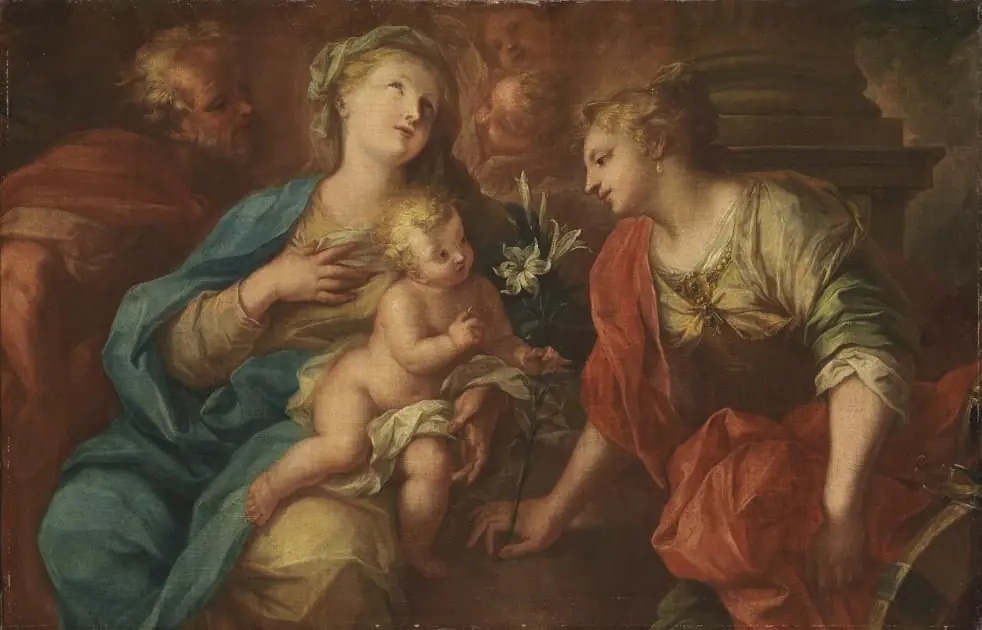 Die mystische Vermählung der hl. Katharina
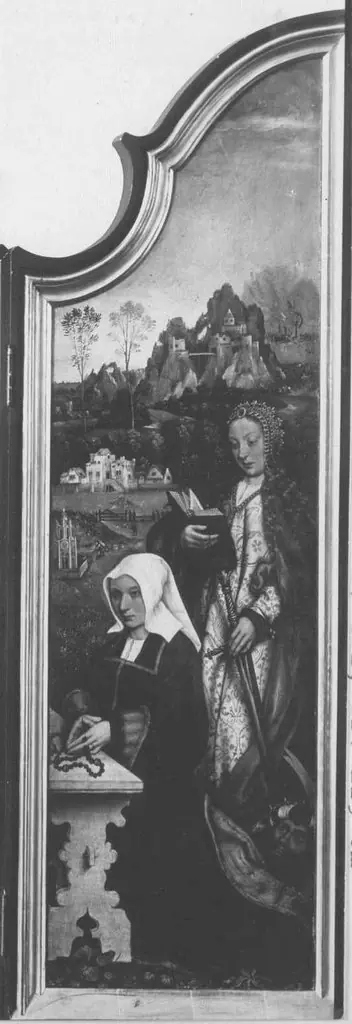 Beweinungsaltar: Hl. Katharina mit Stifterin
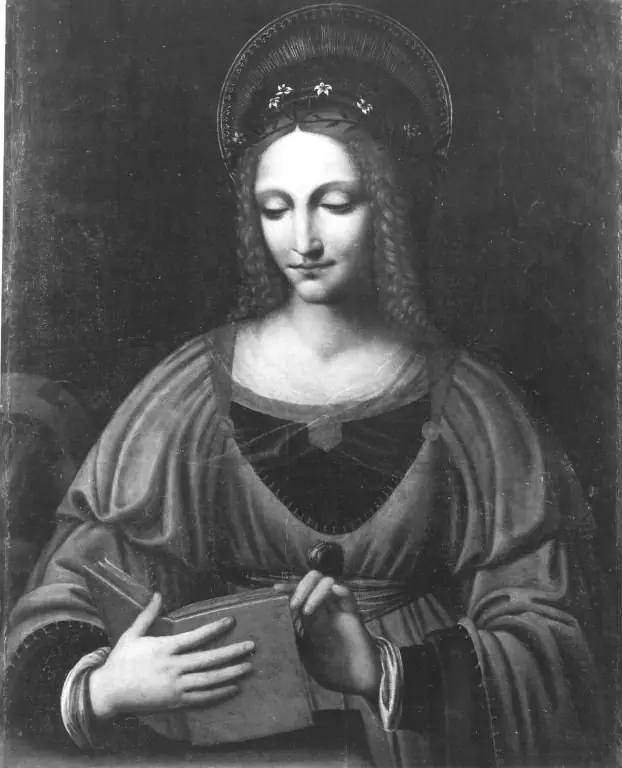 Hl. Katharina
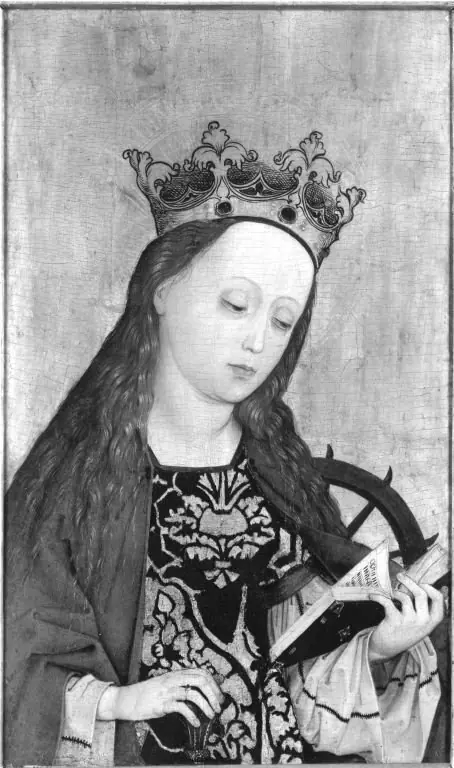 Hl. Katharina (Werkstatt, Hans Siebenbürger)
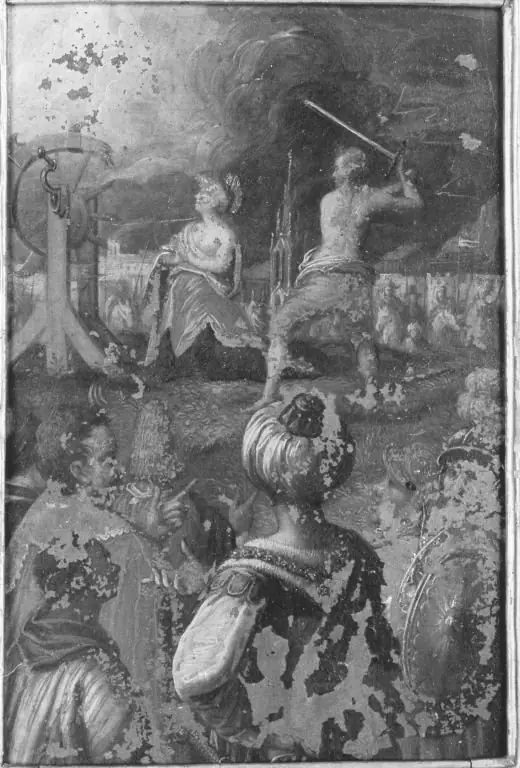 Enthauptung der hl. Katharina (?)
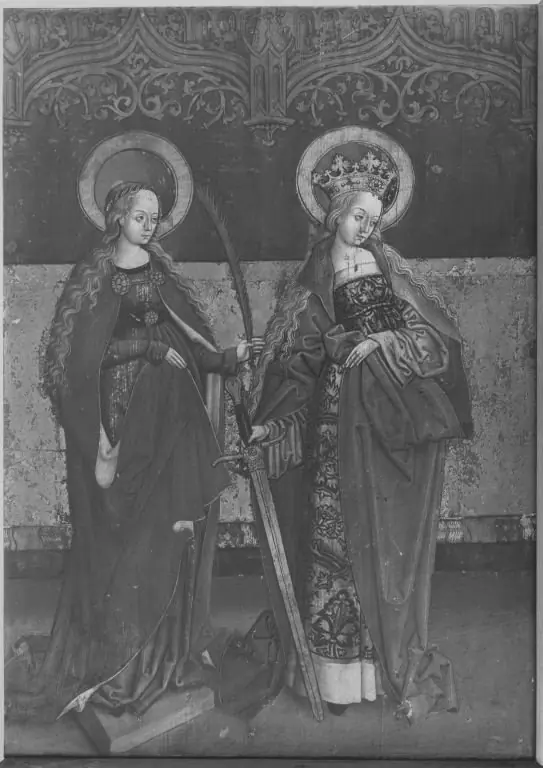 Flügel eines Kreuzaltares, Außenseite: Die hll. Katharina und Barbara
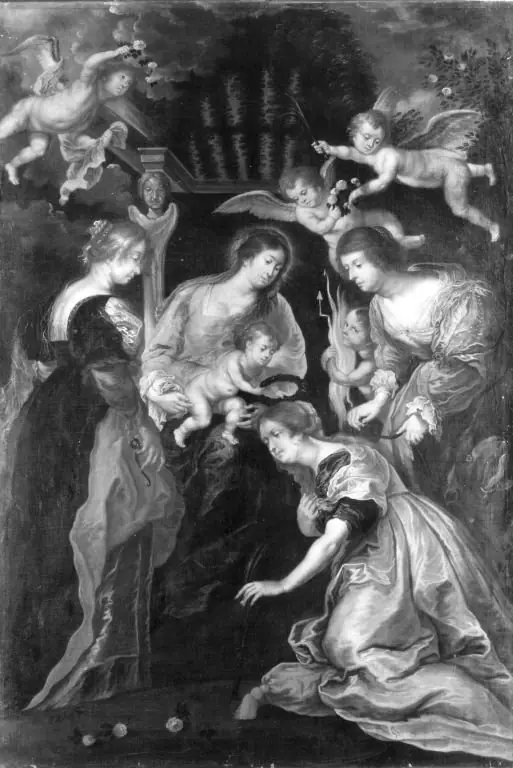 Vermählung der hl. Katharina (Kopie nach)
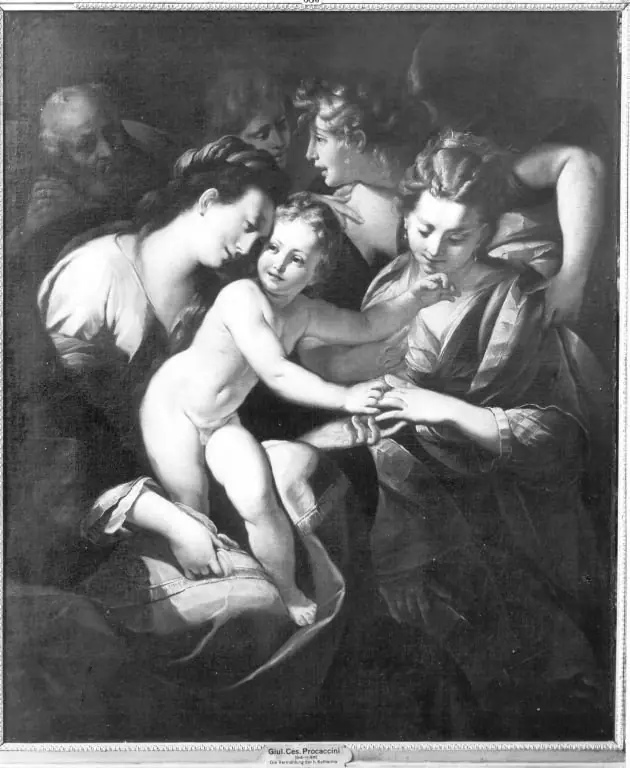 Die Vermählung der hl. Katharina
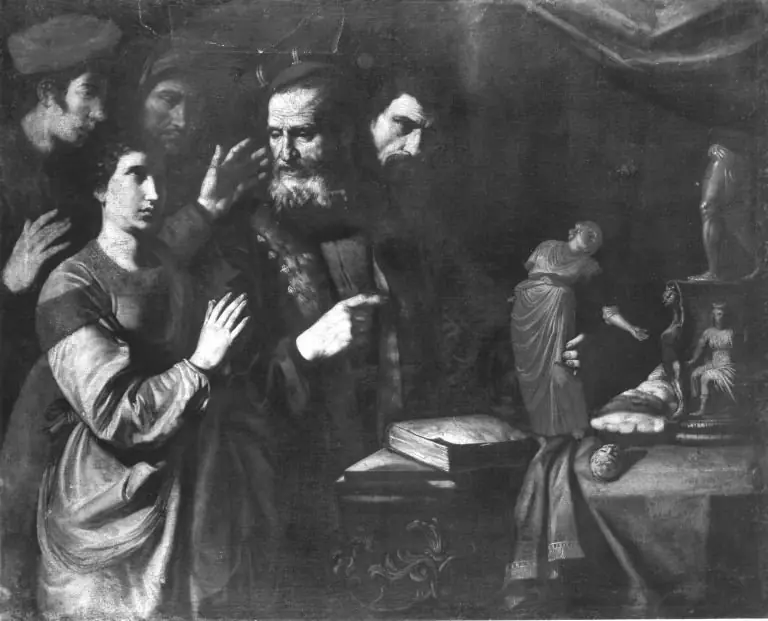 Die hl. Katharina soll zum Götzendienst zurückkehren
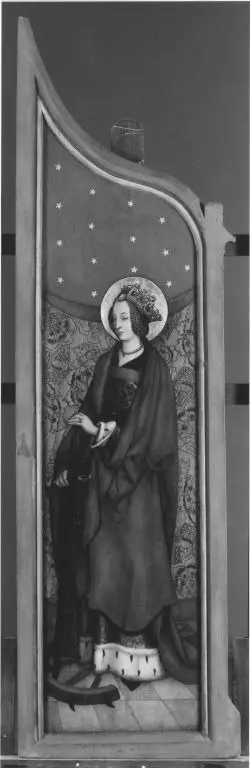 Altarflügel: Hl. Katharina (?)
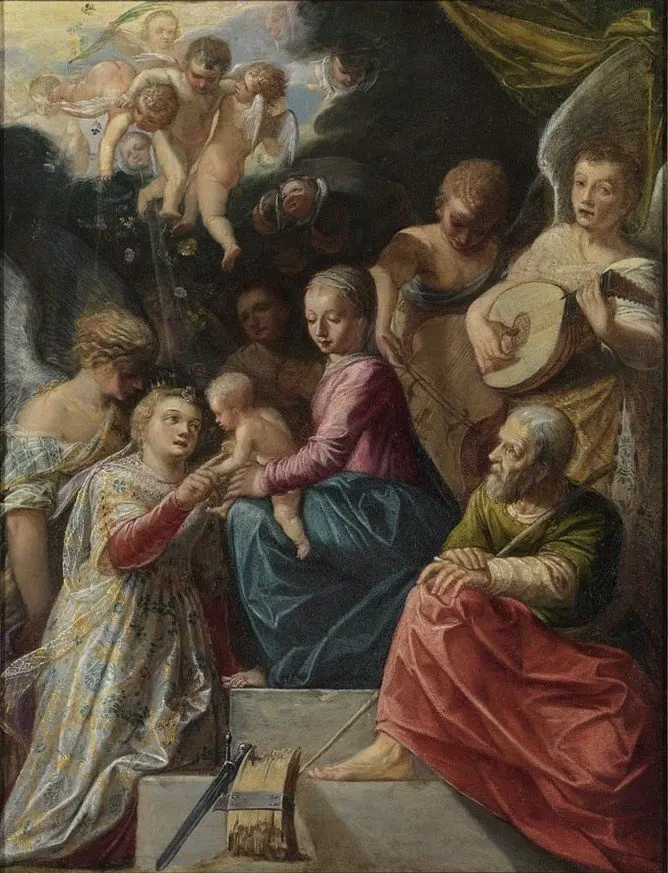 The Mystic Marriage of St. Catherine
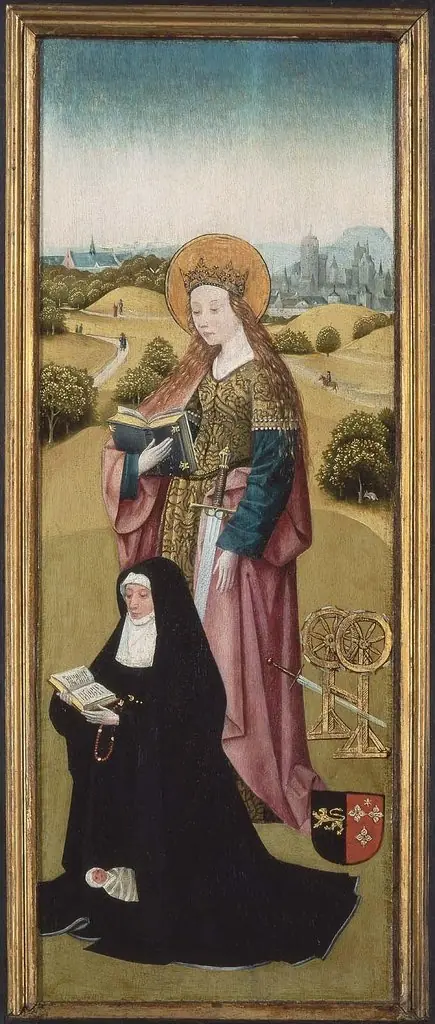 Heilwich van der Rullen and Her Daughters with Saint Mary Magdalen (outer face); Hendrixke van Langhel and Her Deceased Child with Saint Catherine (inner face)
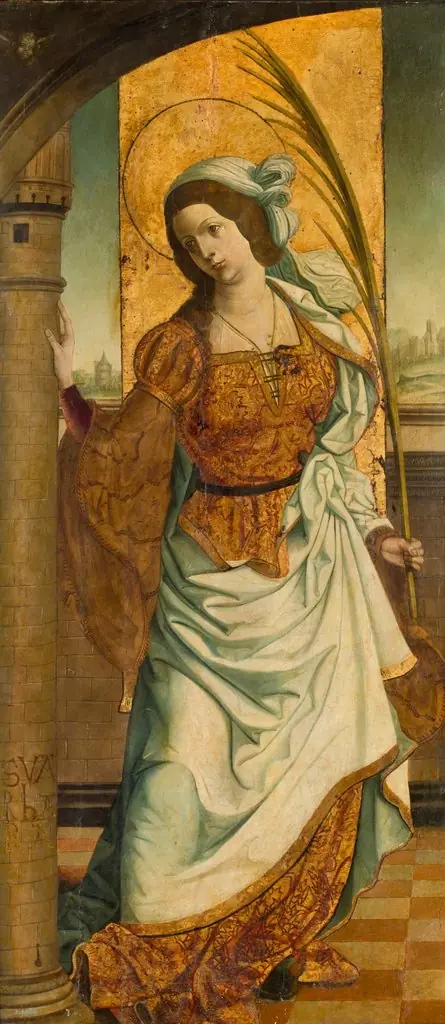 Saint Barbara
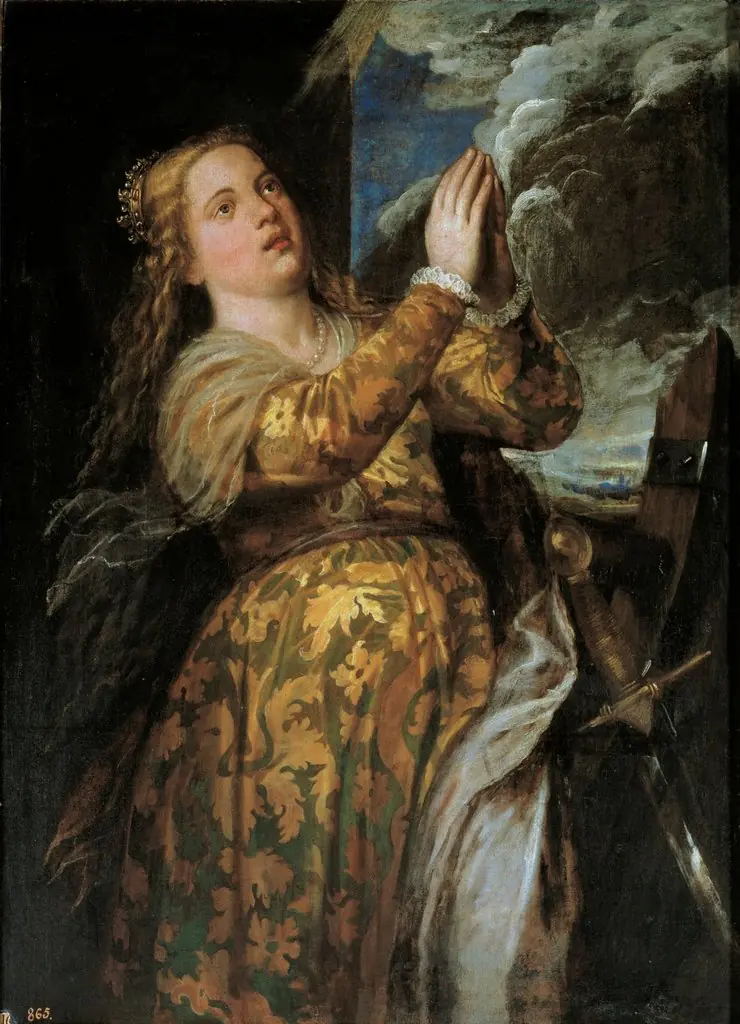 Saint Catherine of Alexandria
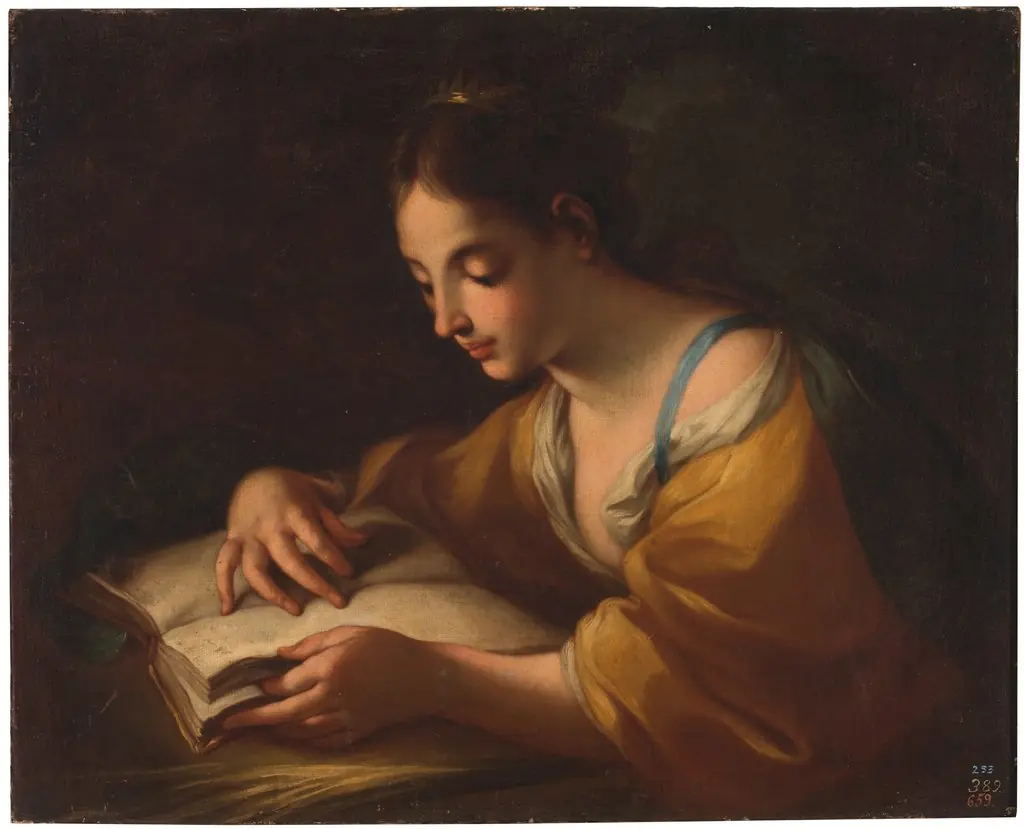 Saint Catherine
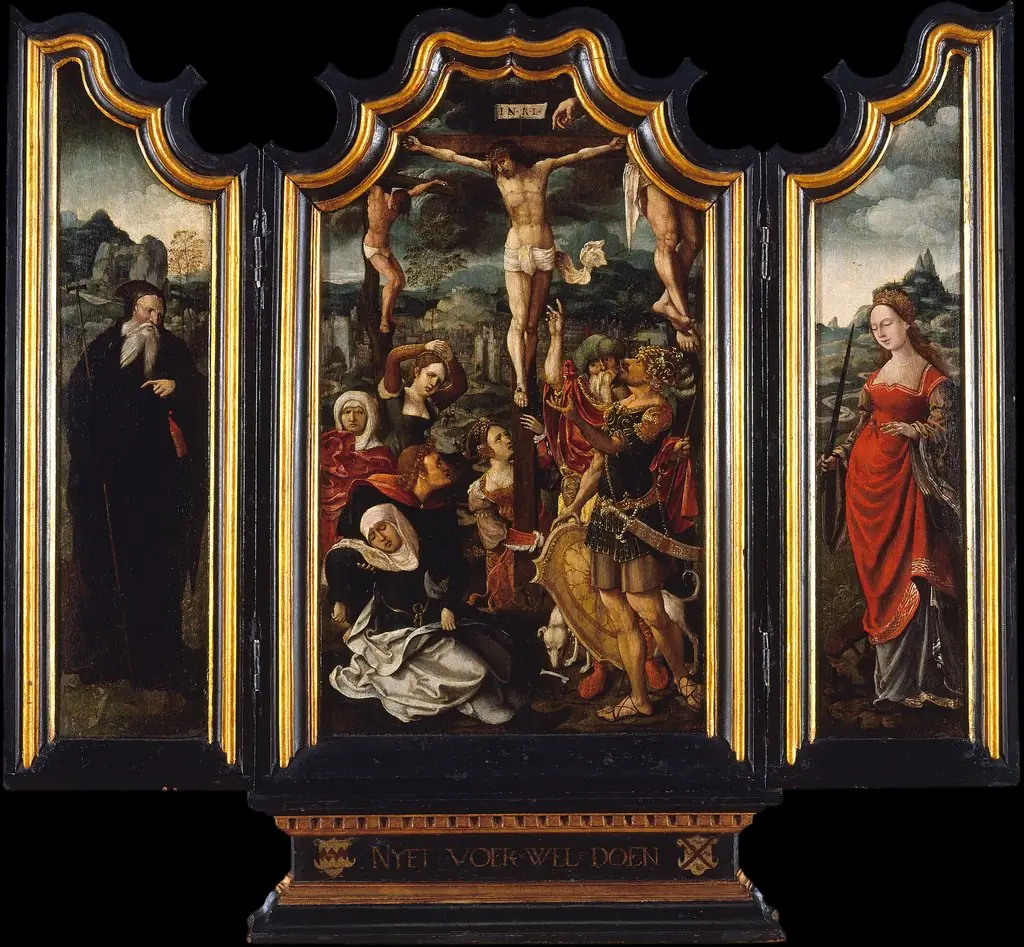 Triptych with Calvary, Saint Anthony the Abbot and Saint Catherine
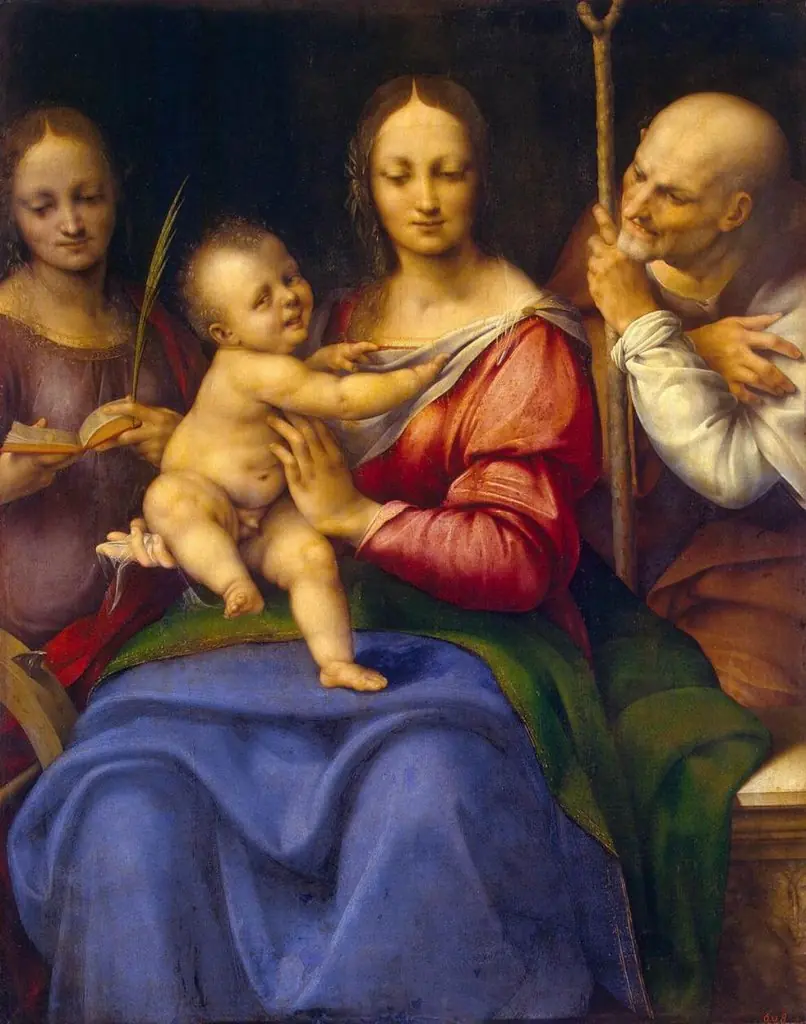 Holy Family with St Catherine
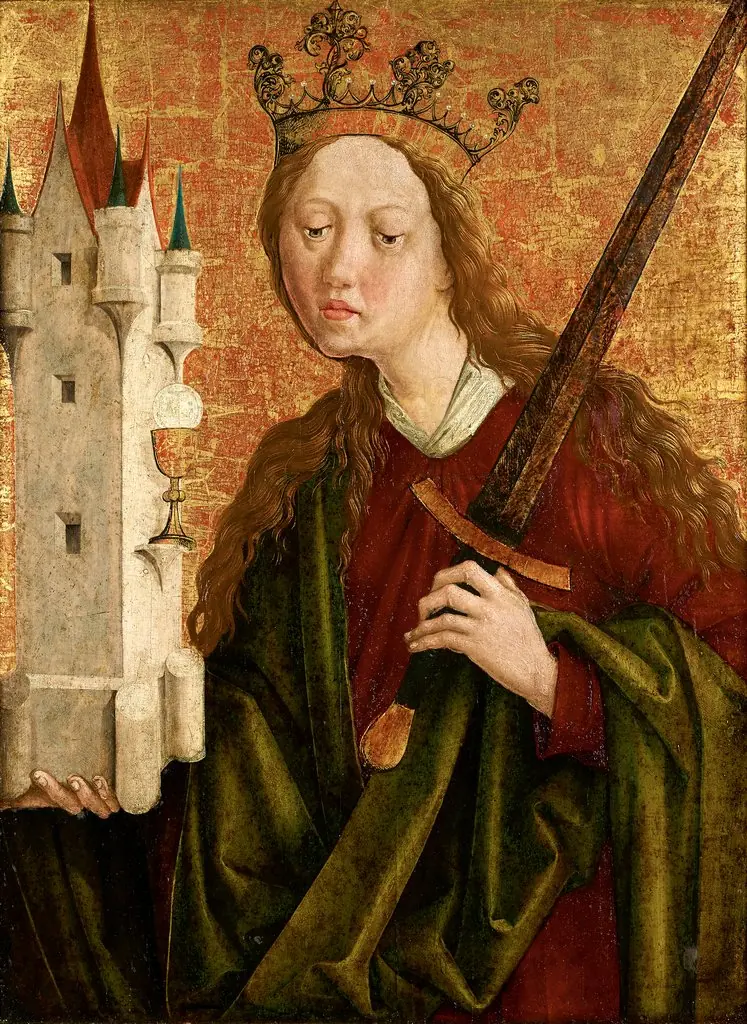 St. Barbara
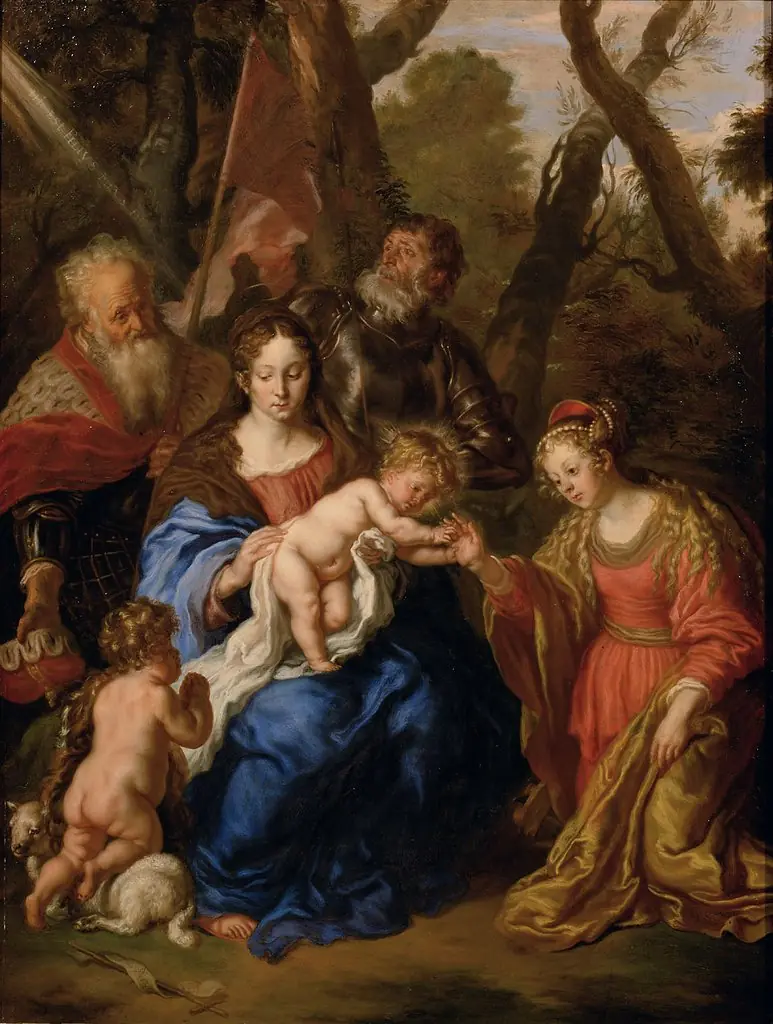 The Mystic Marriage of Saint Catherine of Alexandria with Saints Leopold and William
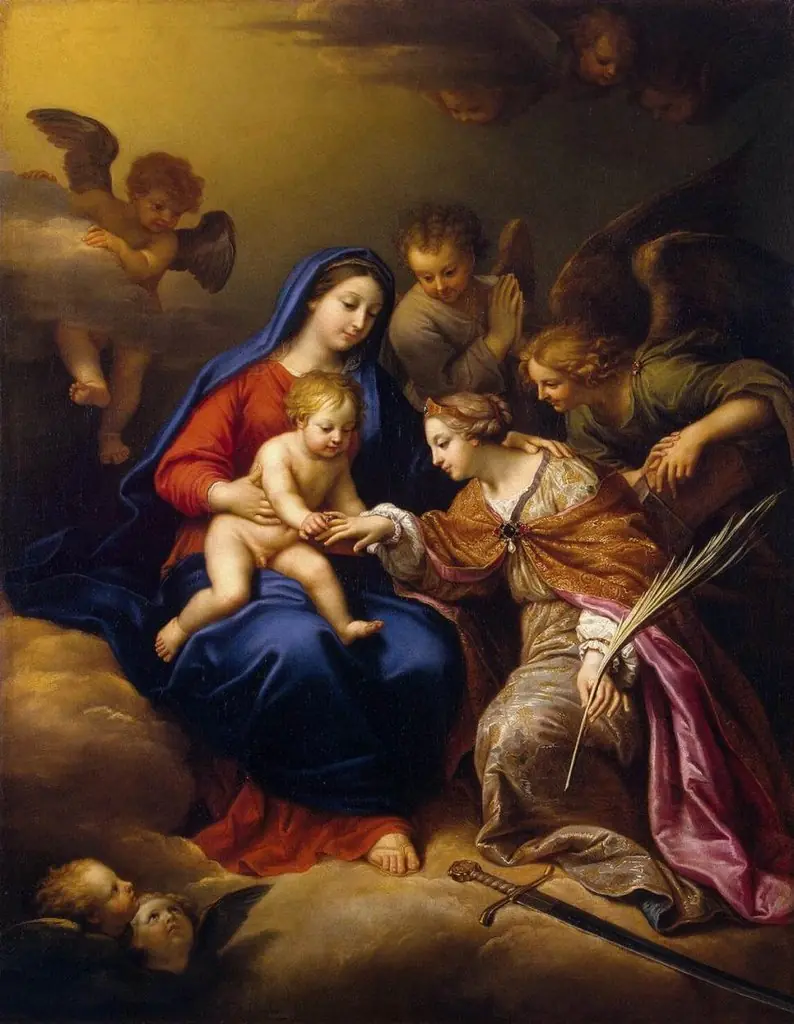 Le Mariage mystique de sainte Catherine (Mystic Marriage of St Catherine)
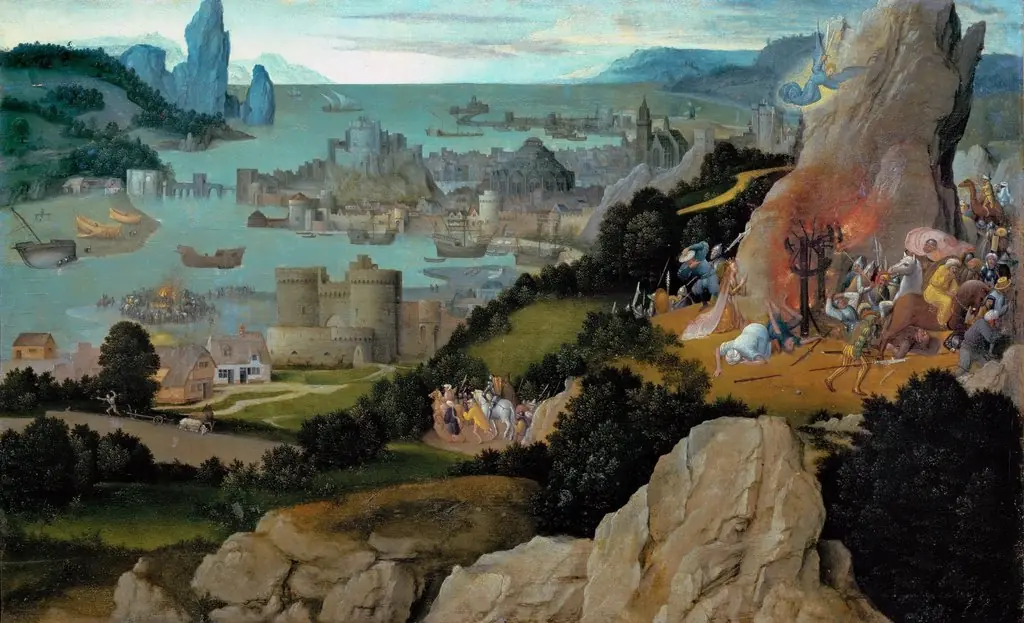 Martyrdom of Saint Catherine
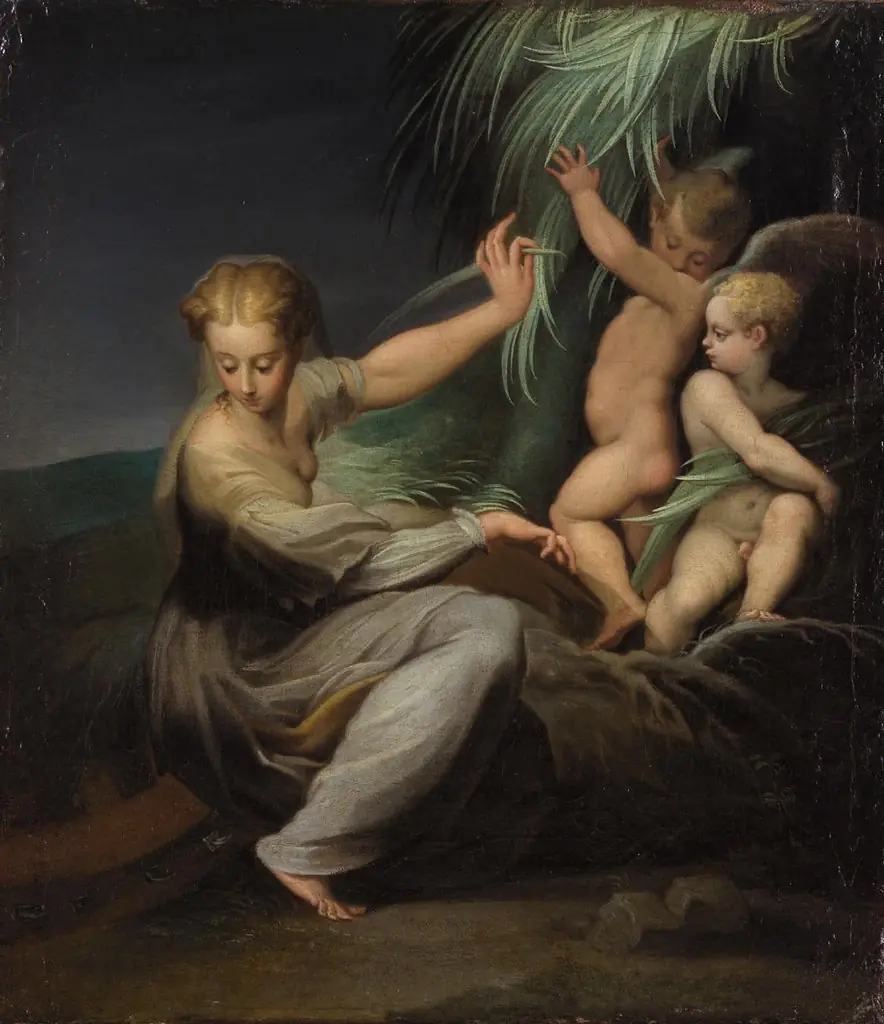 Saint Catherine
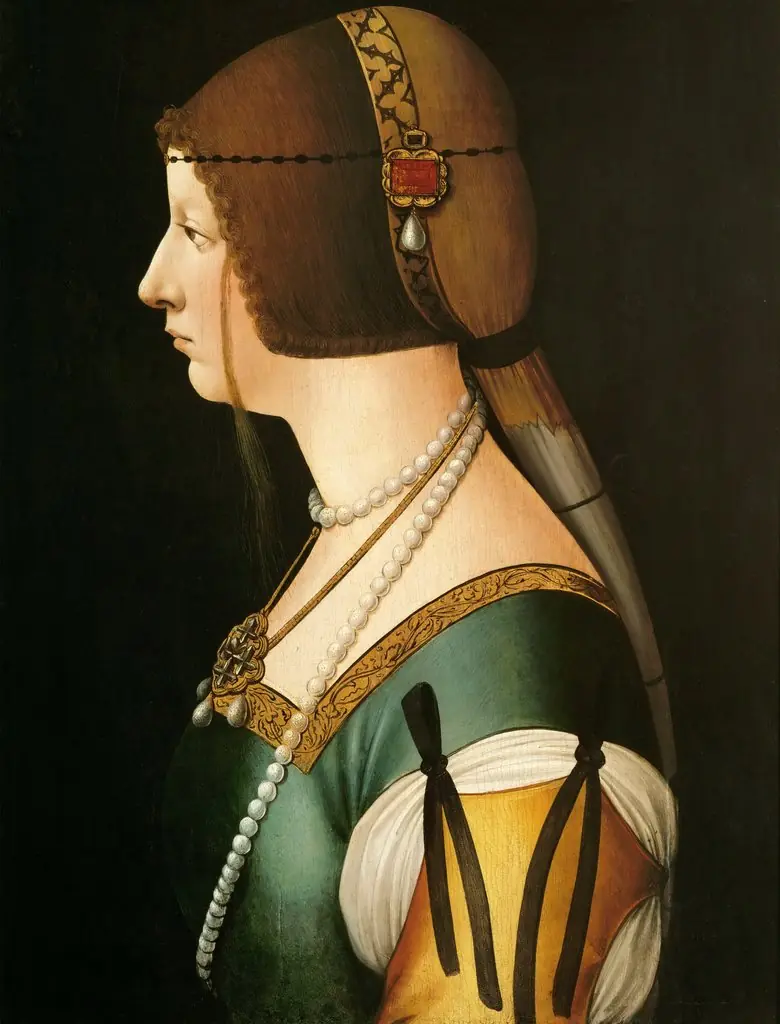 Bianca Maria Sforza
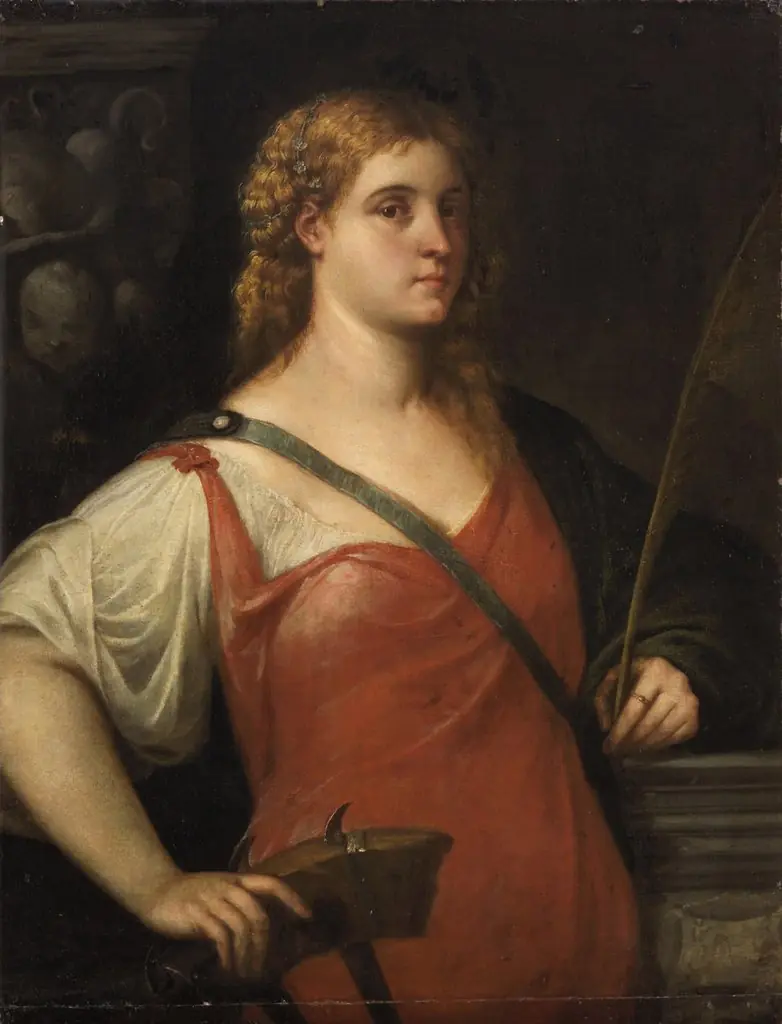 Saint Catherine
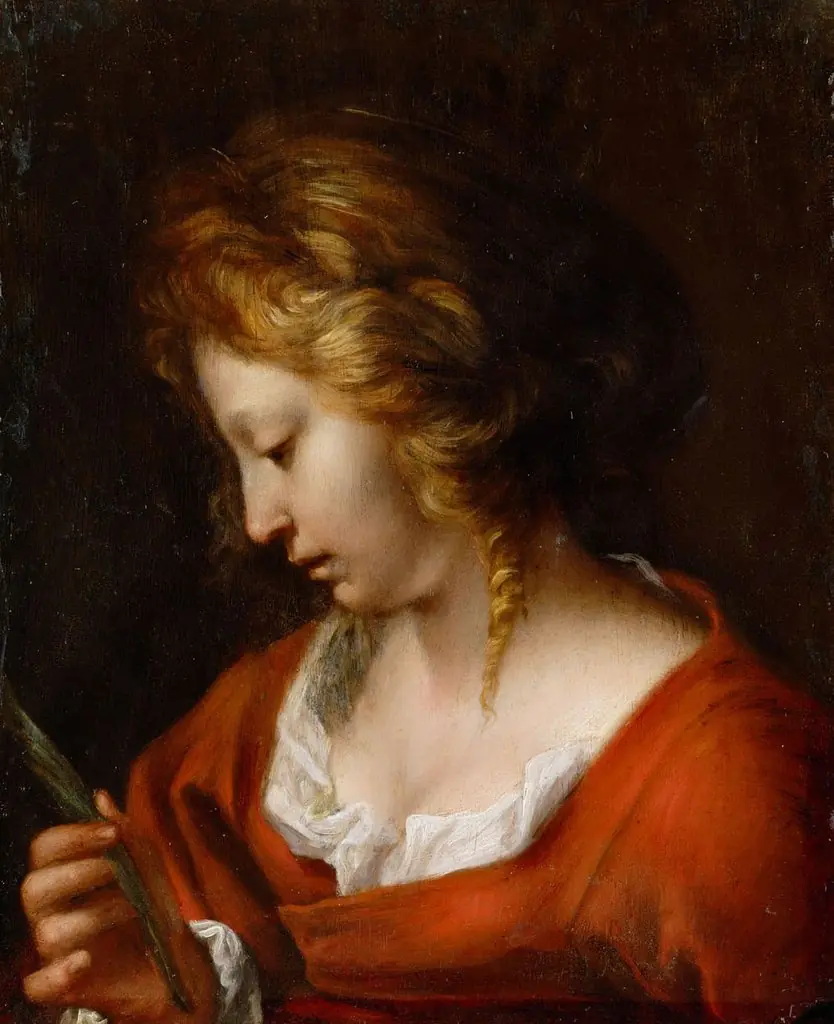 Saint Catherine
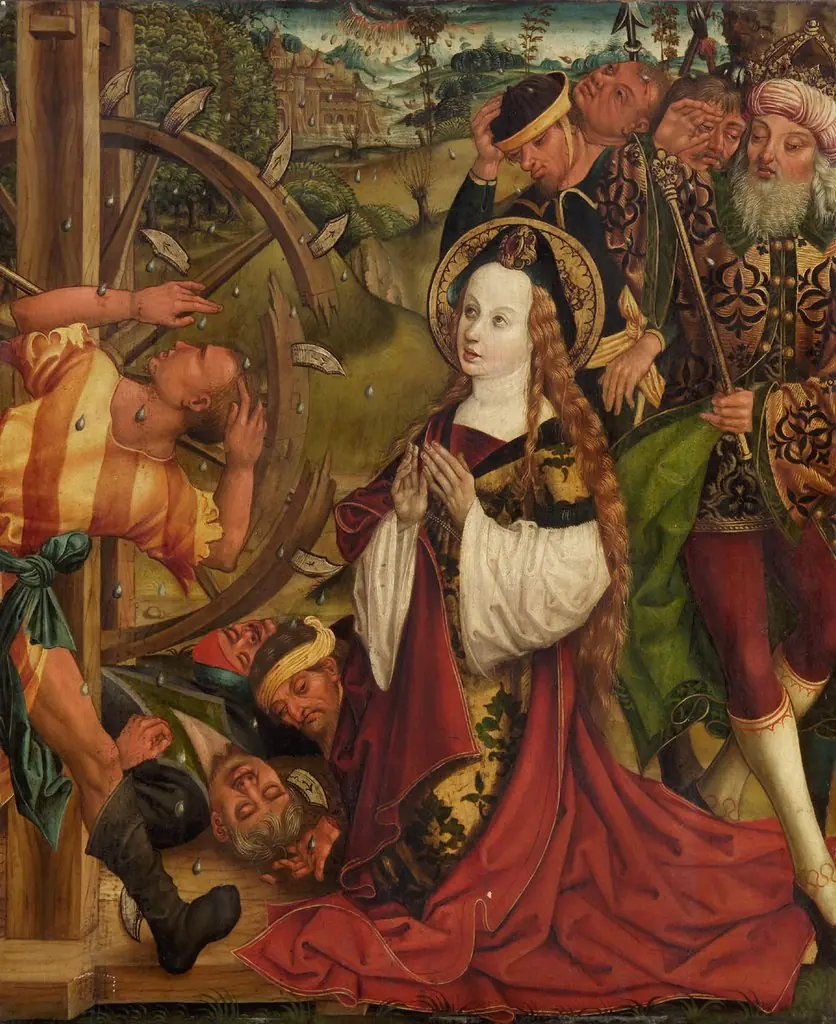 Saint Catharine with the wheel
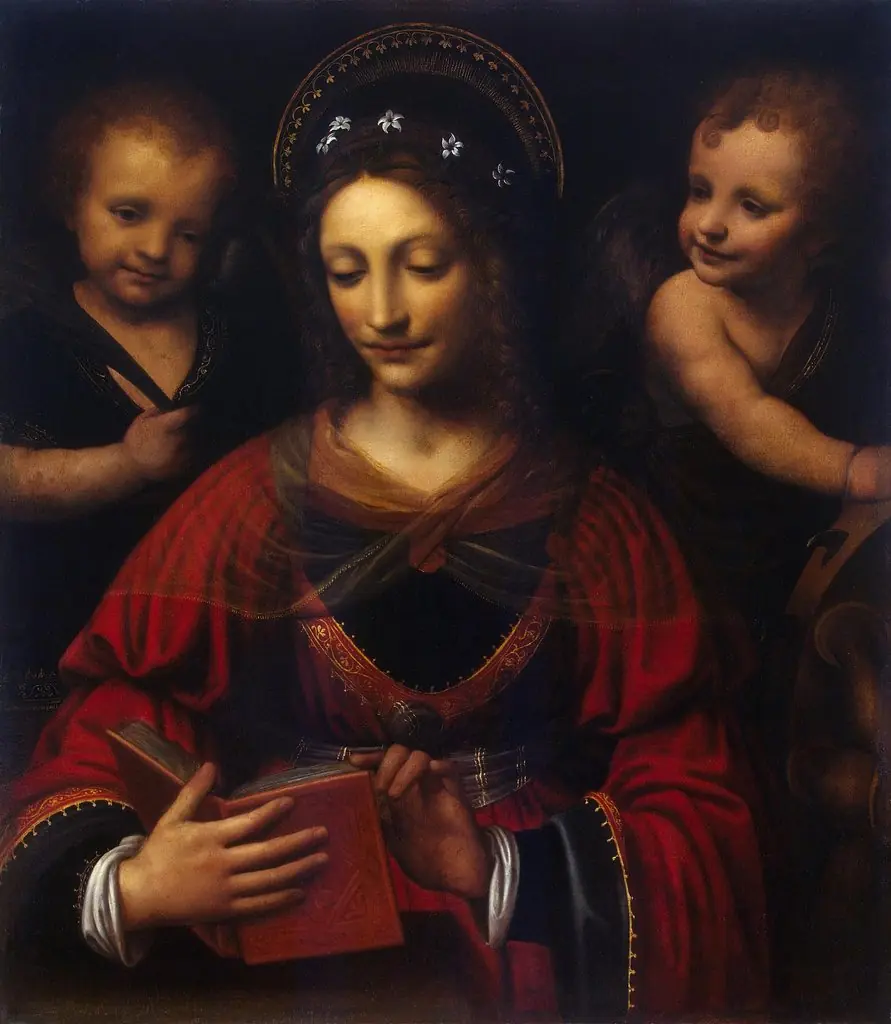 St Catherine
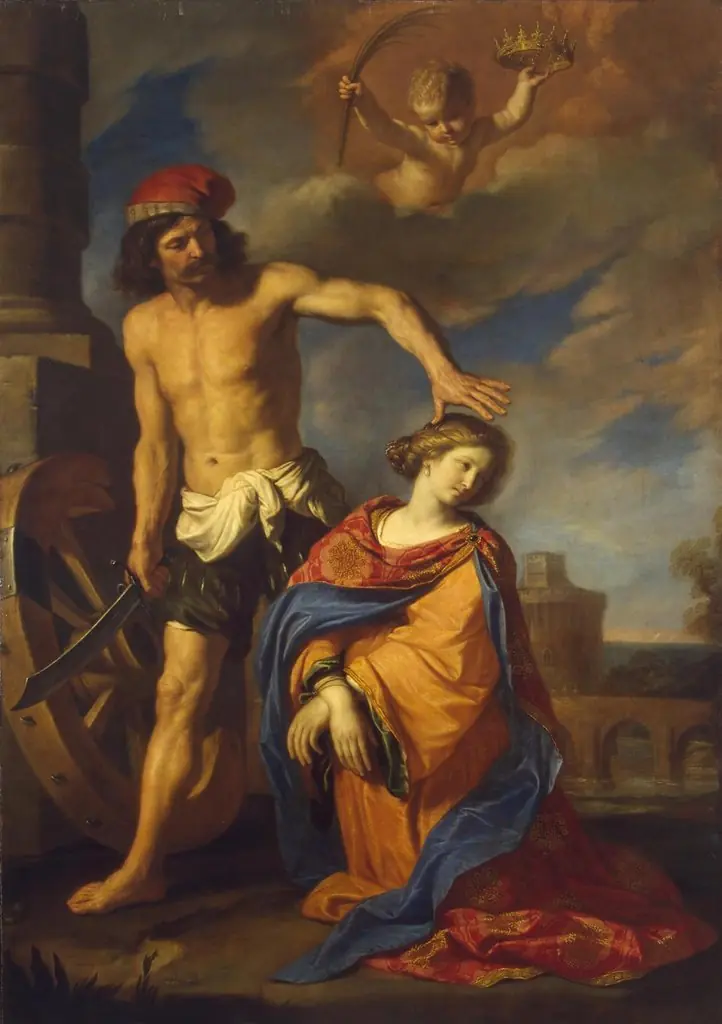 Martyrdom of St Catherine
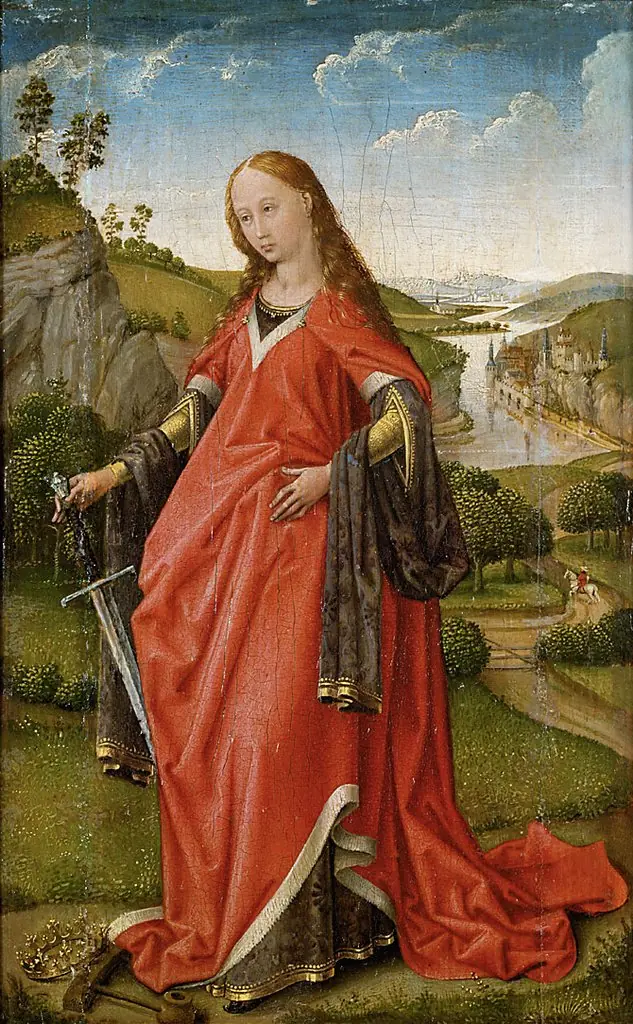 Right wing of a diptych: St. Katharina
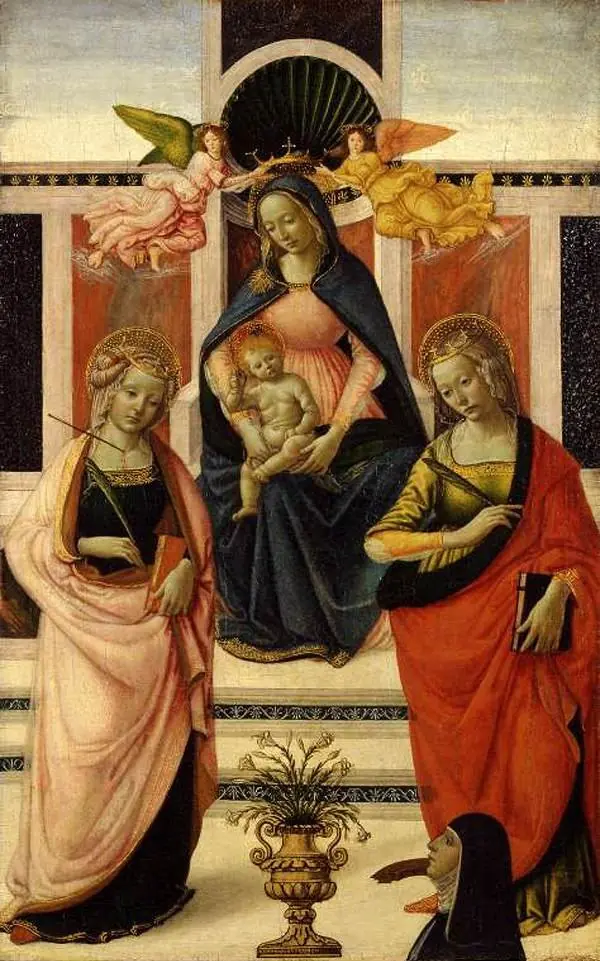 Virgin and Child enthroned between St Ursula and St Catherine
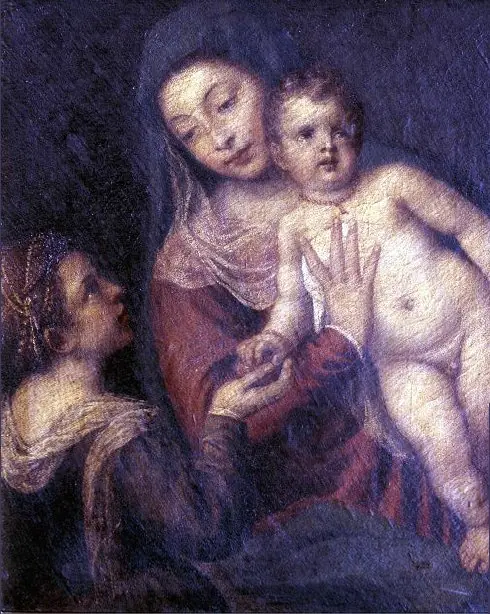 Madonna and Child with Saint Catherine
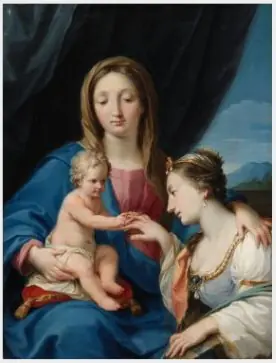 Mystic Marriage of Saint Catherine
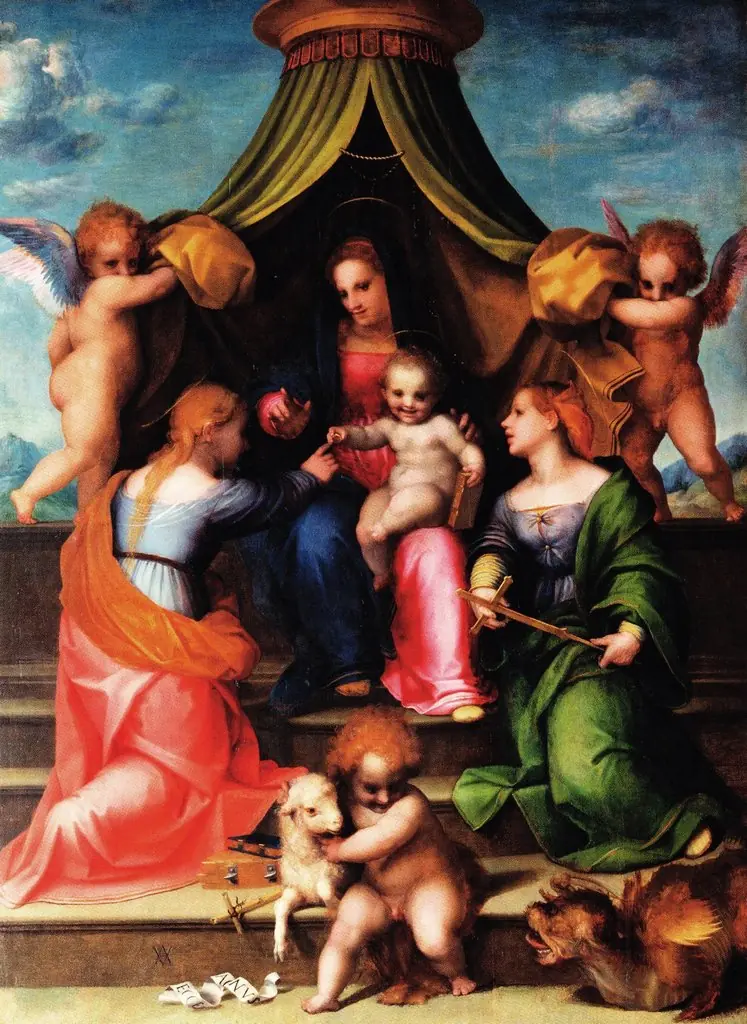 The Mystical Marriage of Saint Catherine
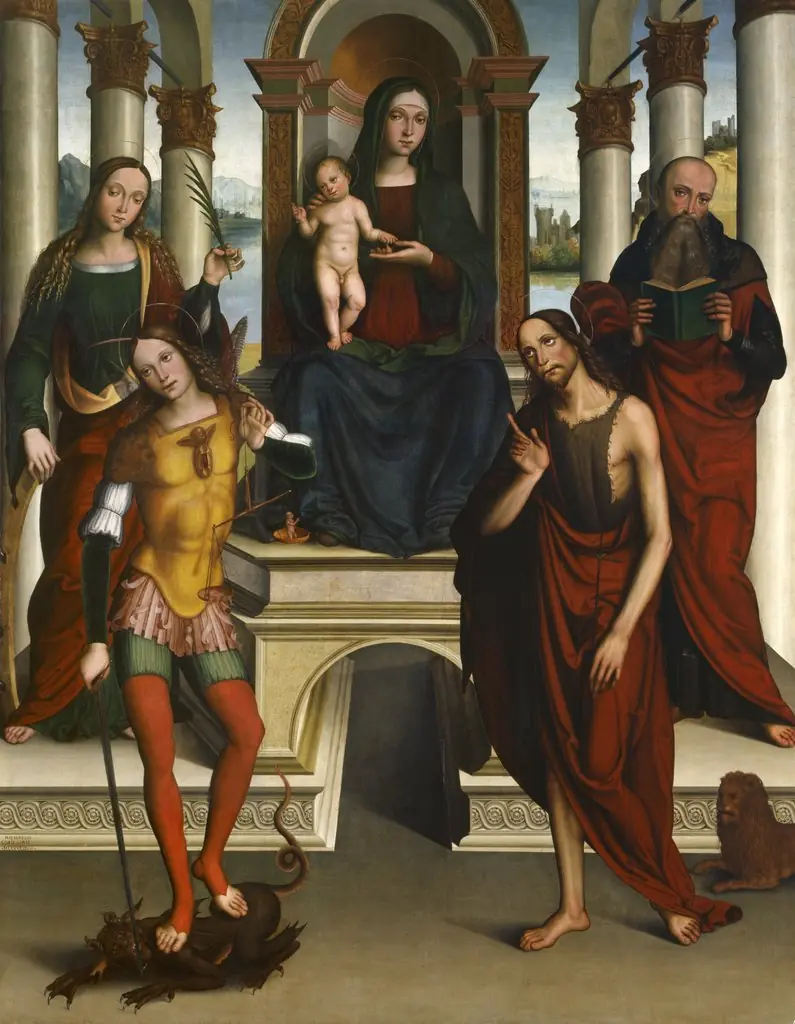 Madonna and Child Enthroned with Saints
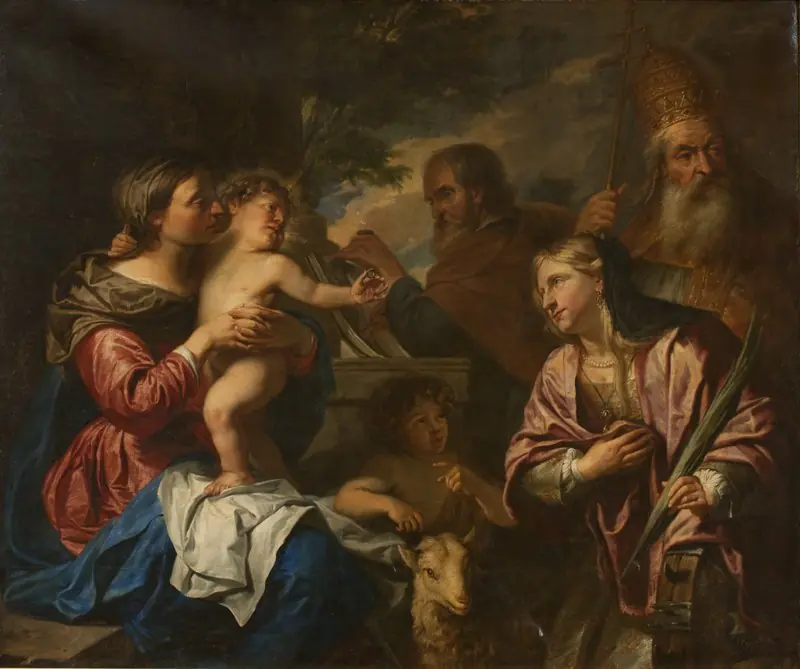 The Mystic Marriage of St Catherine
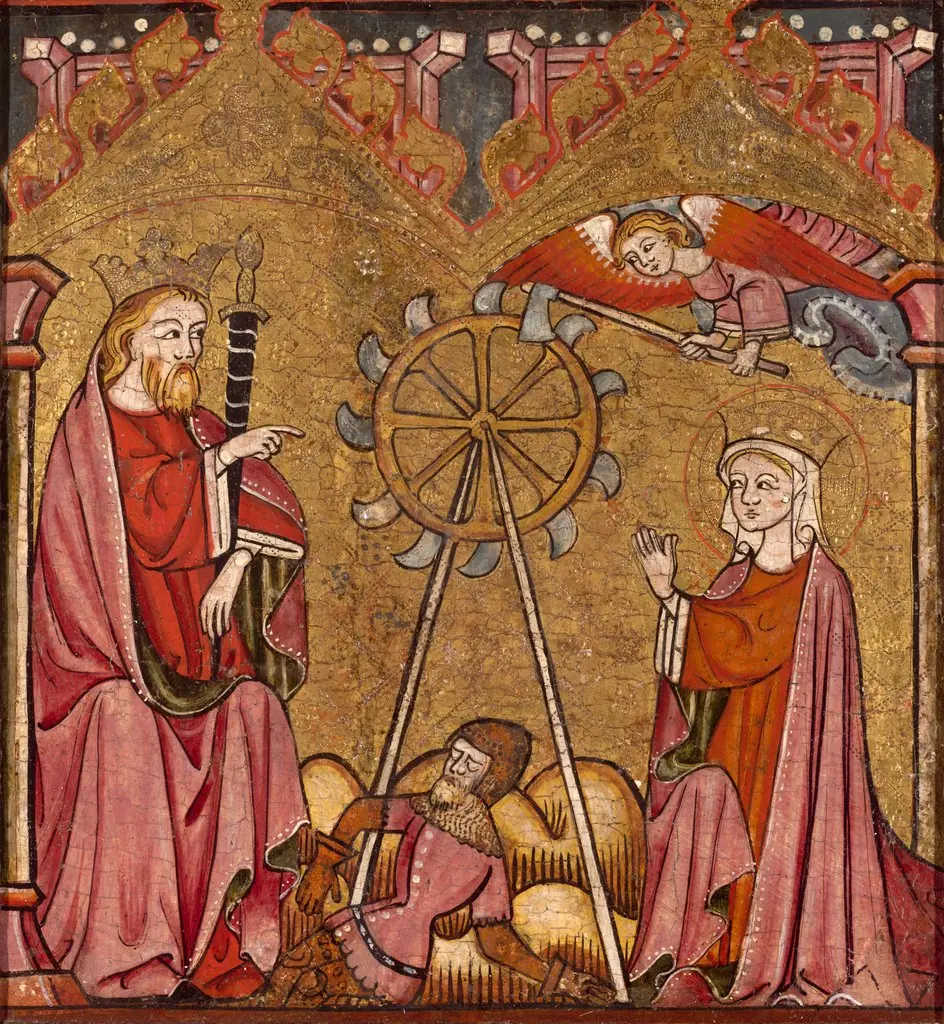 Saint Catherine Delivered from the Wheel
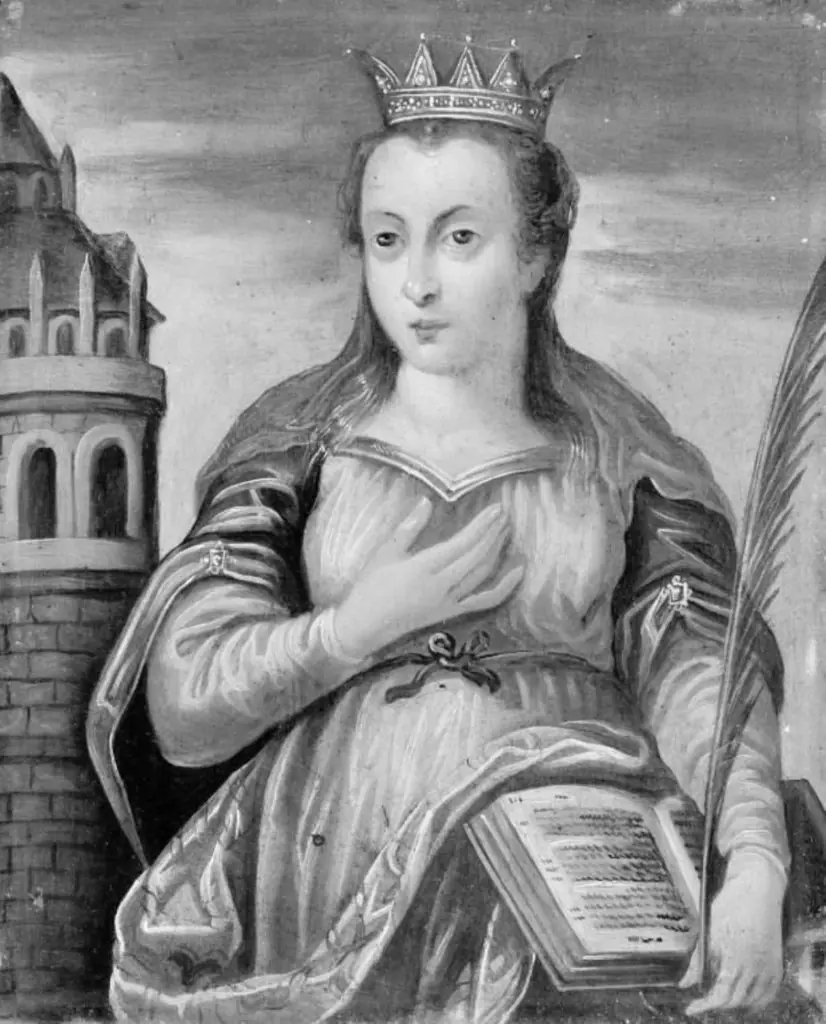 Den hellige Katharina
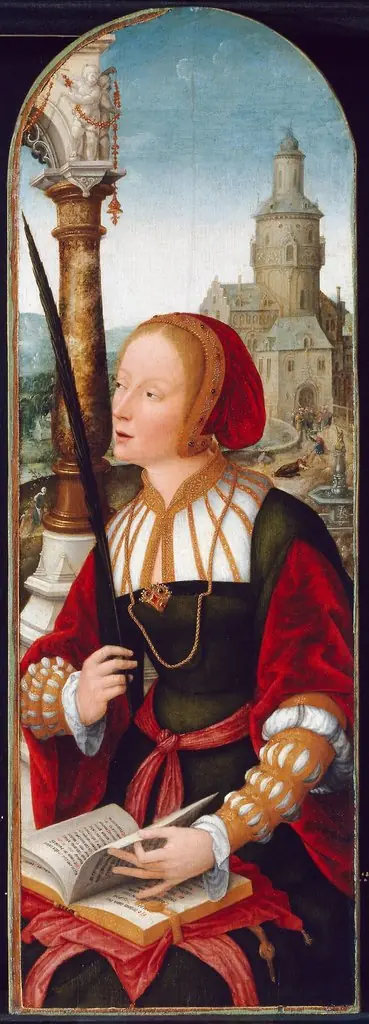 Saint Barbara
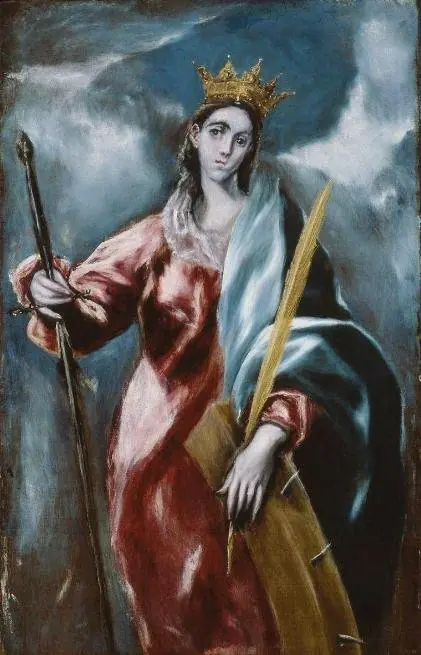 Saint Catherine
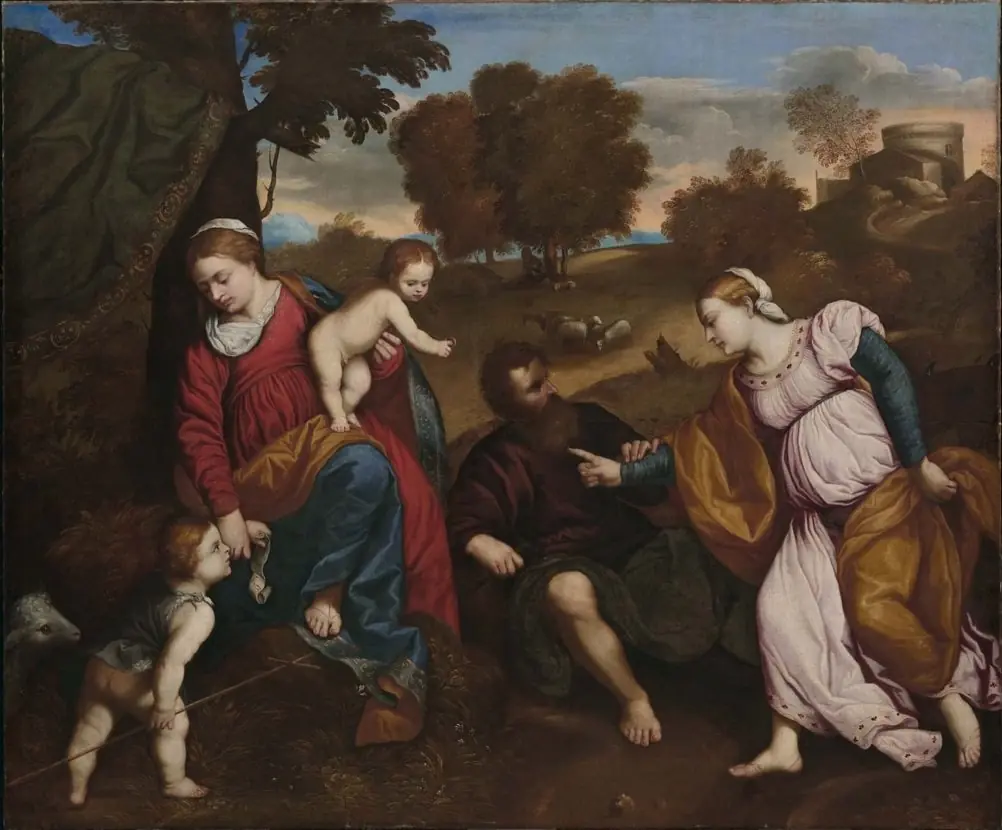 The Mystic Marriage of Saint Catherine
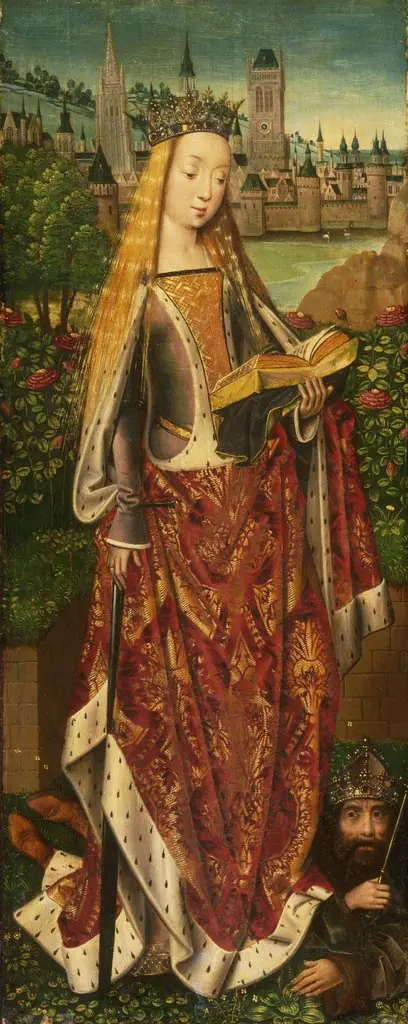 Saint Catherine of Alexandria, with the Defeated Emperor
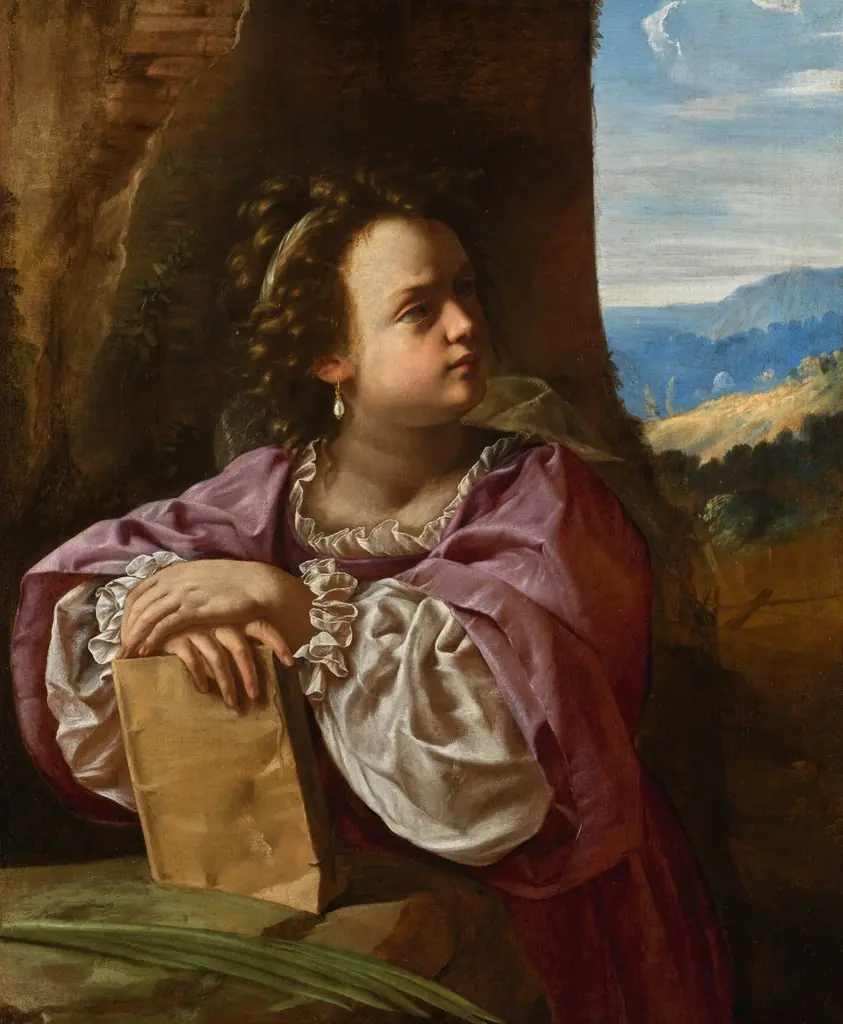 Saint Catherine of Alexandria
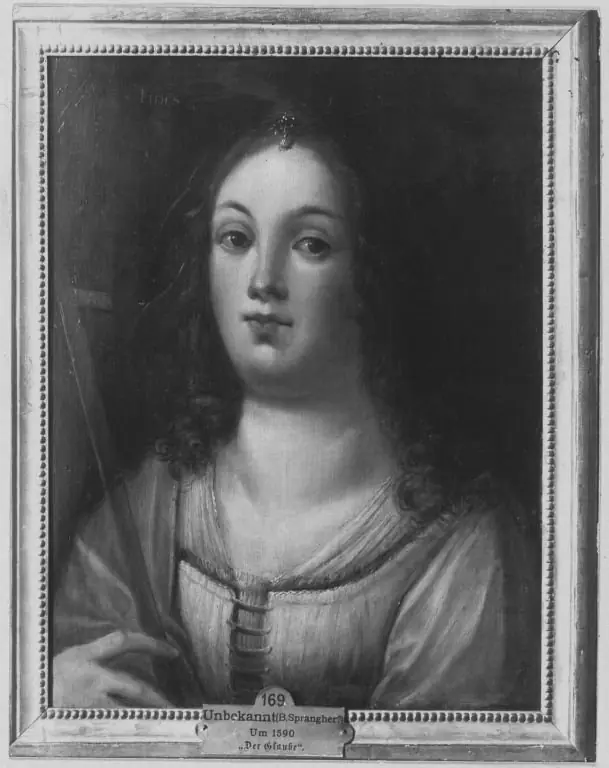 Der Glaube
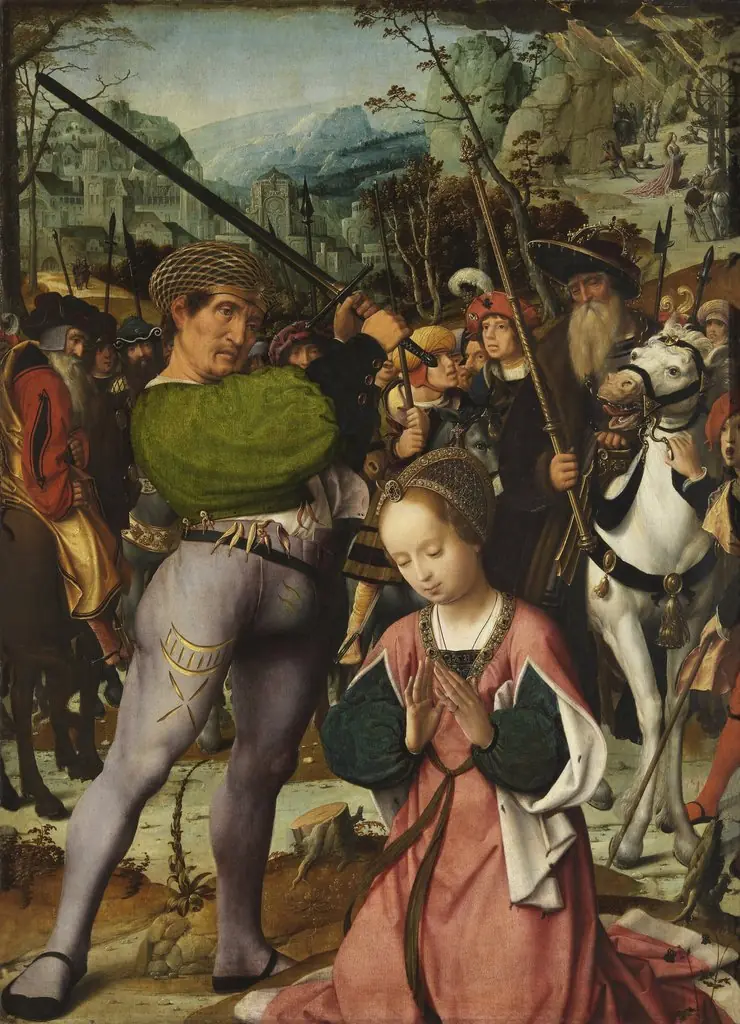 The Cruxifixion and the Life of Saint Catherine of Alexandria
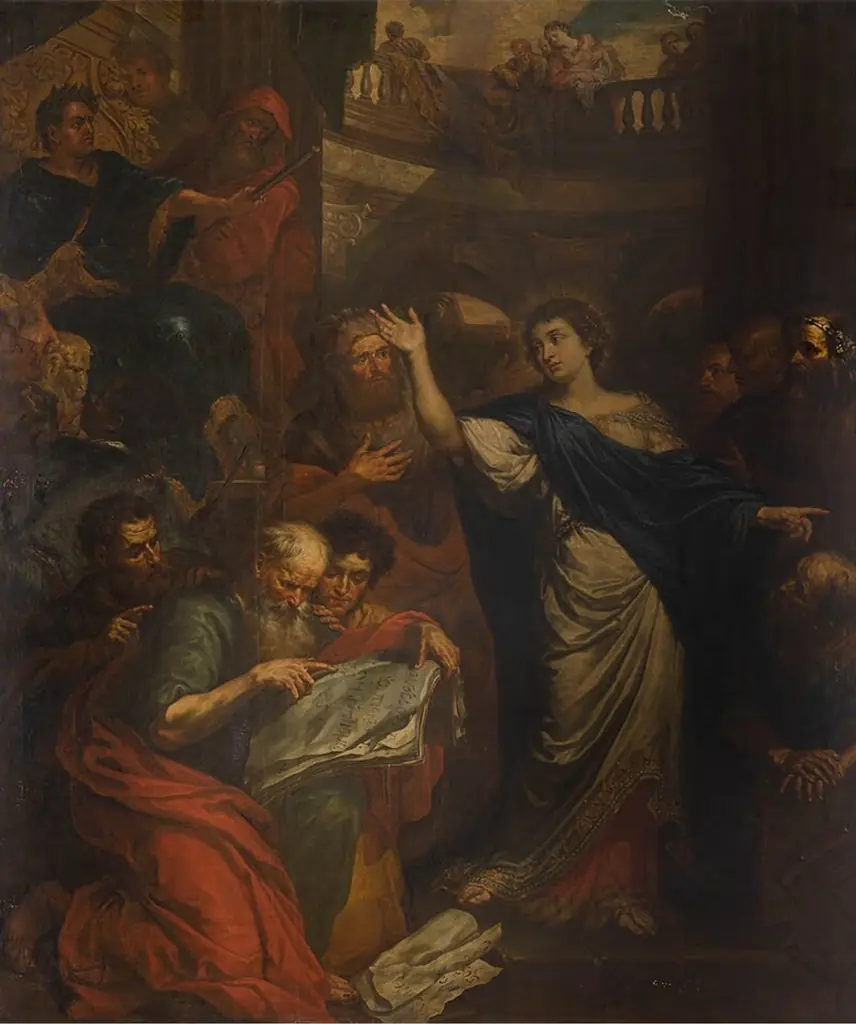 Saint Catherine of Alexandria in discussion with the fifty philosophers
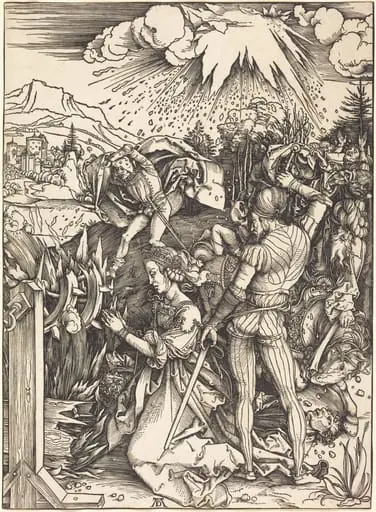 The Martyrdom of Saint Catherine
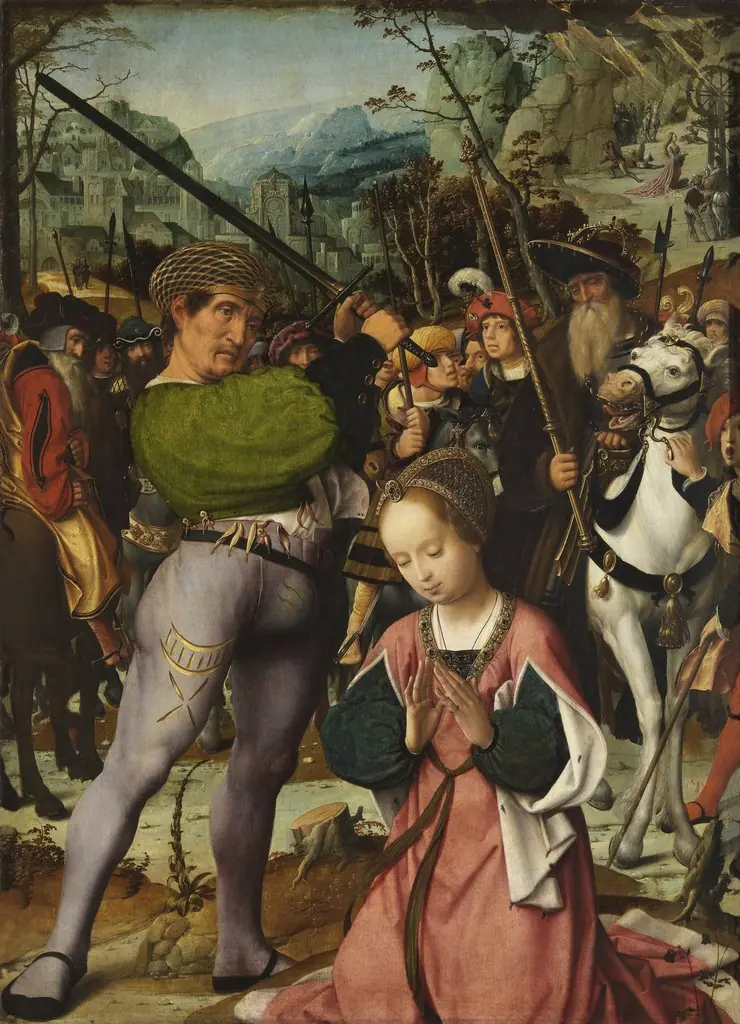 The Martyrdom of St Catherine
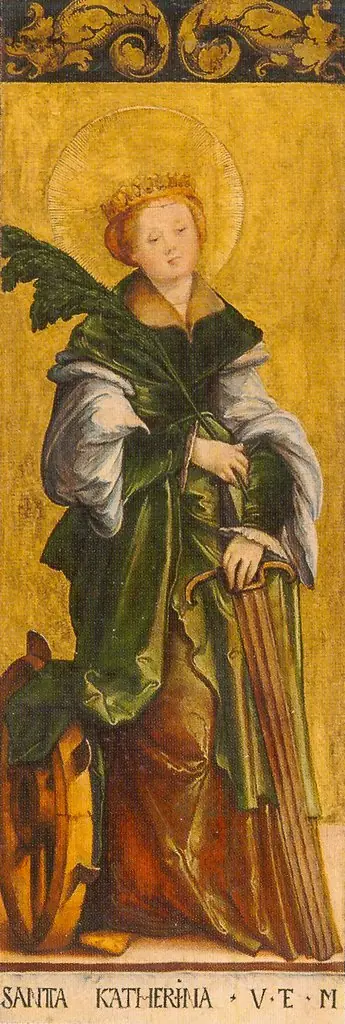 Die heilige Katharina von Alexandria
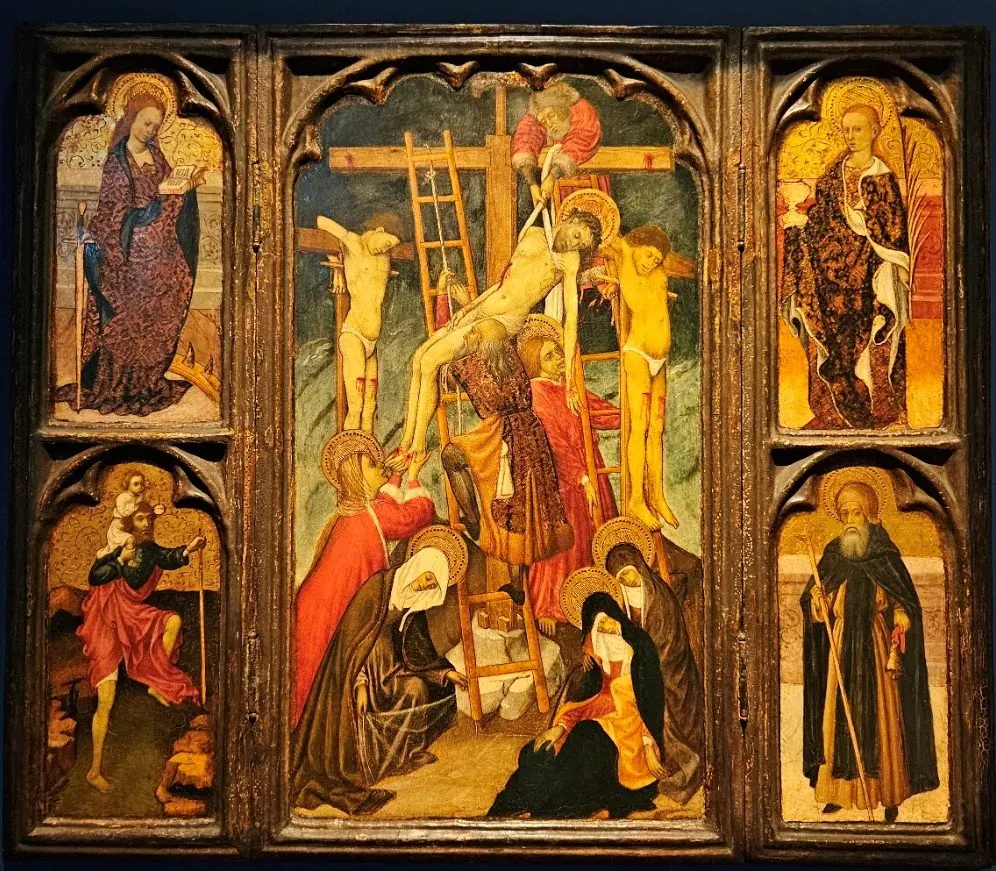 Triptych of the Descent from the Cross
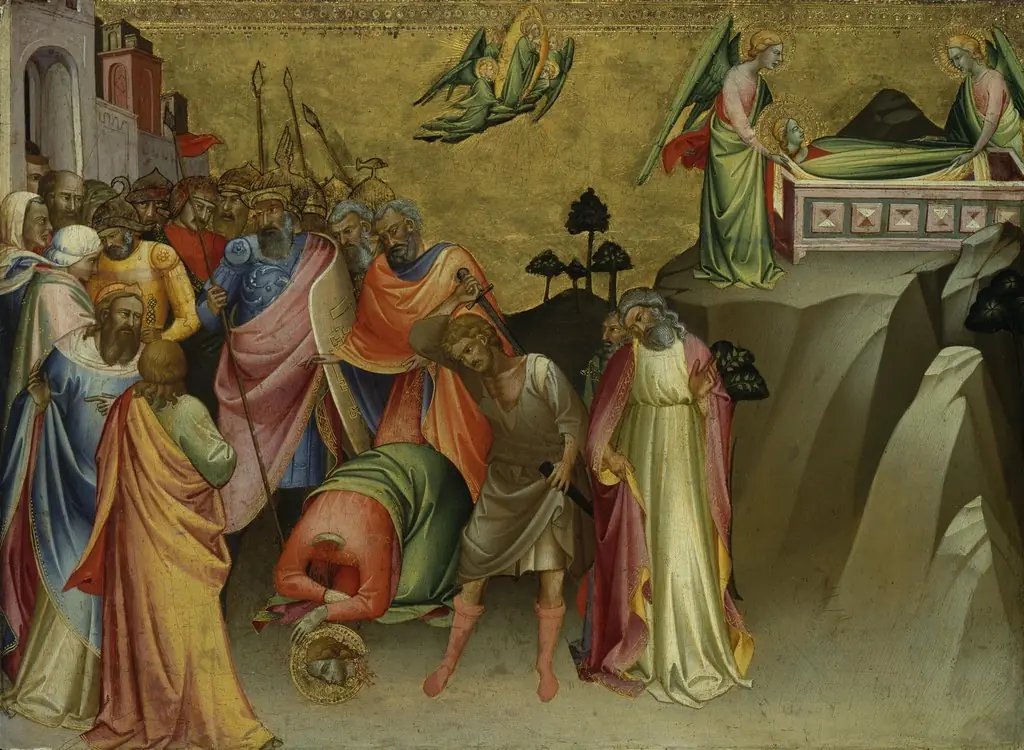 The Beheading of St. Catherine of Alexandria
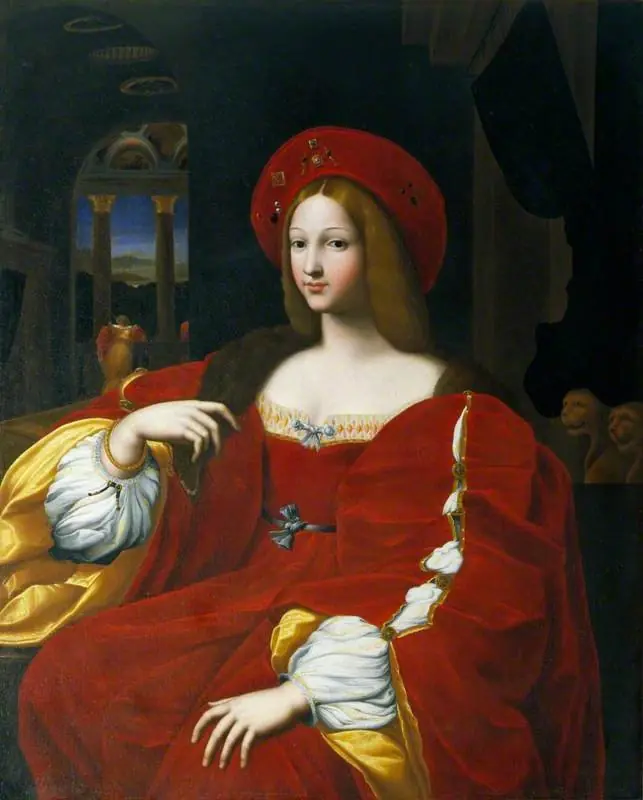 Giovanna of Aragon (1478–1518)
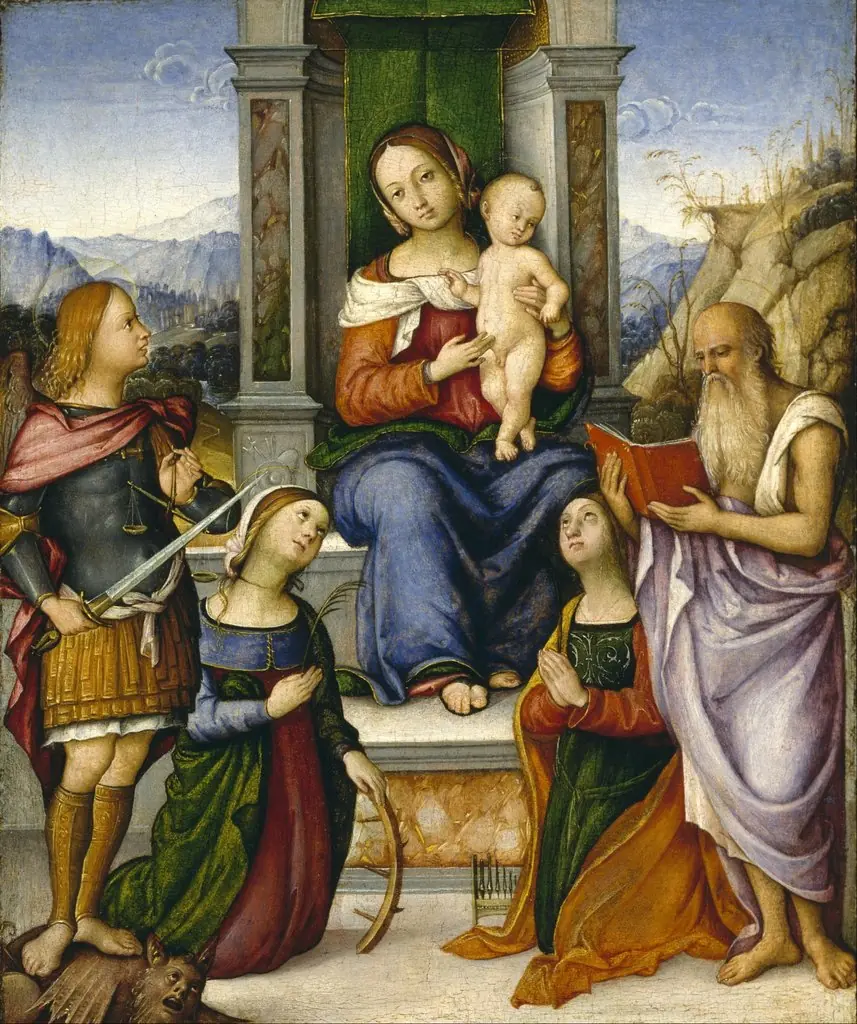 The Virgin and Child Enthroned with Saints Michael, Catherine of Alexandria, Cecilia, and Jerome
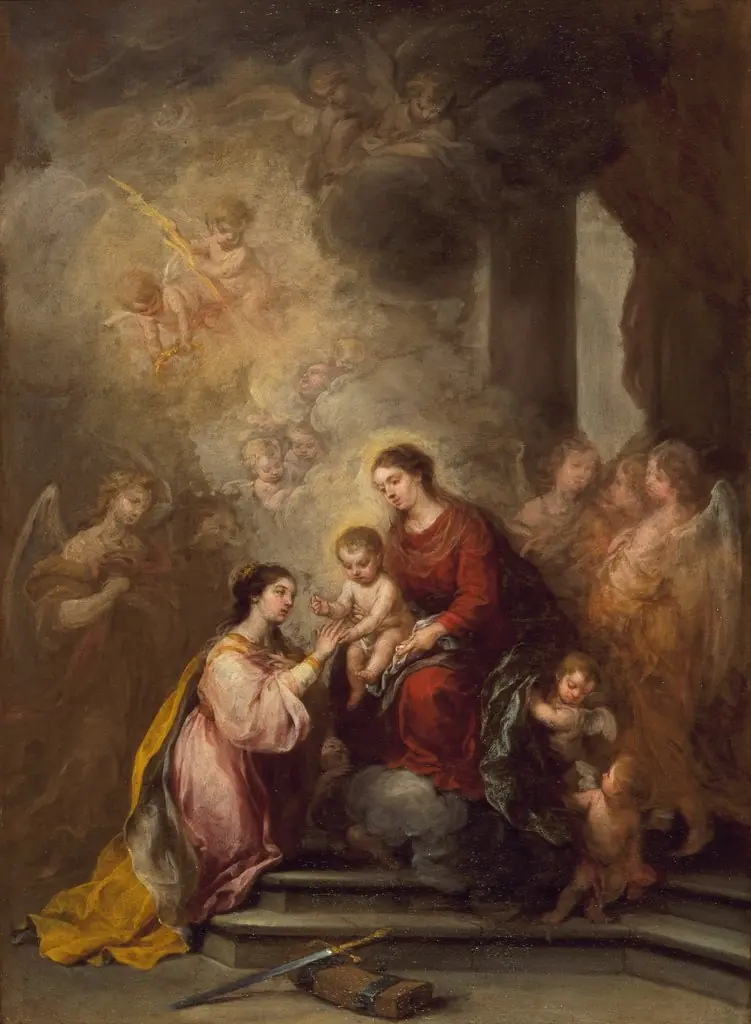 The Mystic Marriage of Saint Catherine
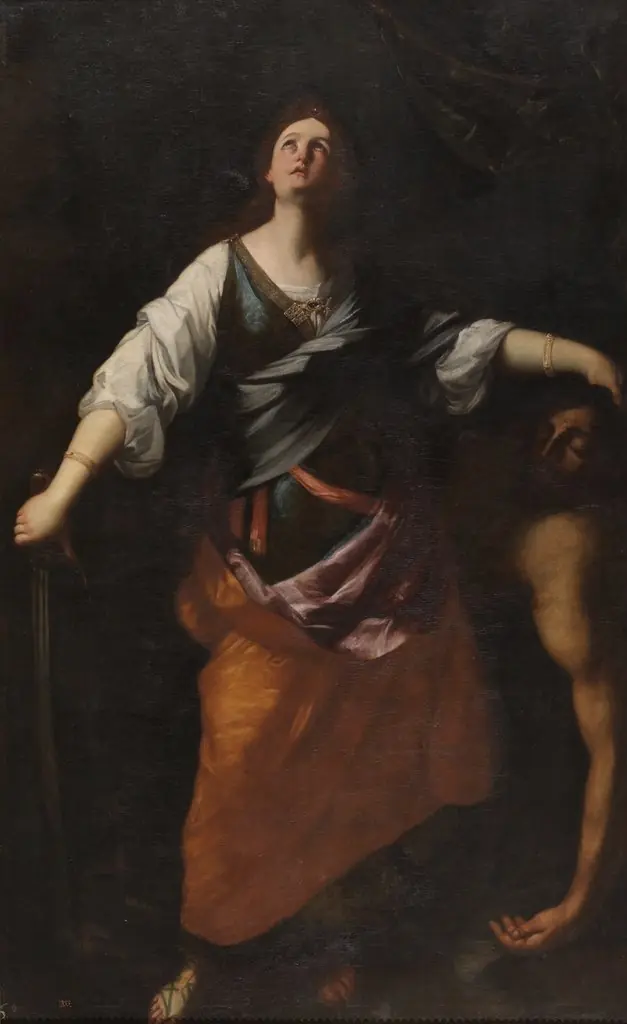 Judit y Holofernes
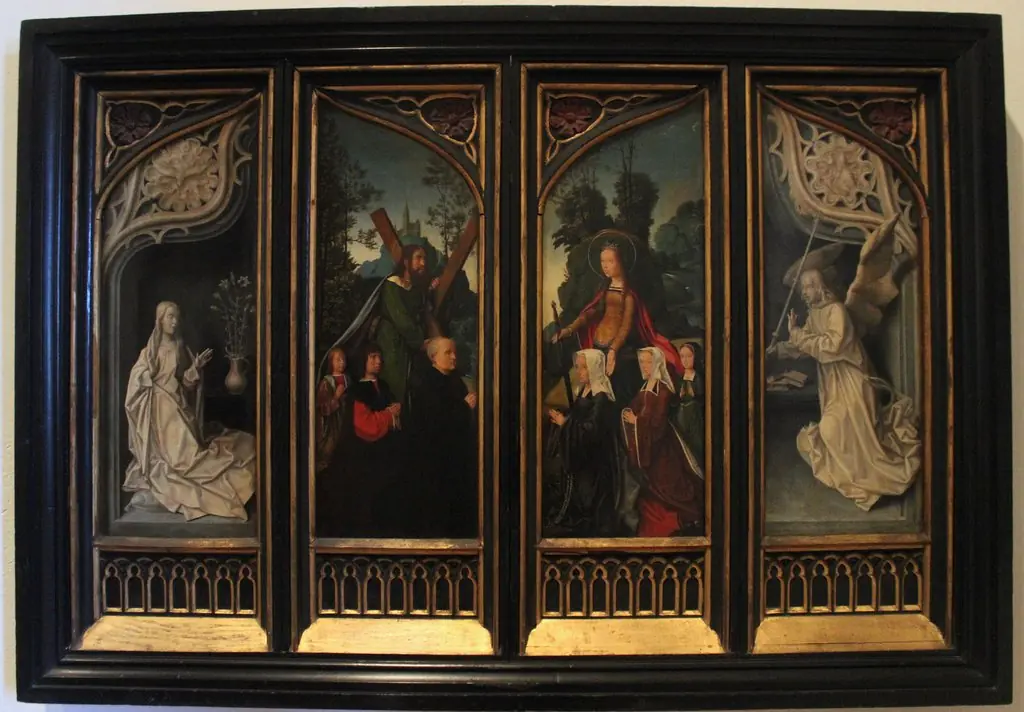 The Annunciate Virgin, Saint Andrew with a Donor and His Sons, Saint Catherine of Alexandria with a Donor and Her Daughters, and the Annunciate Angel
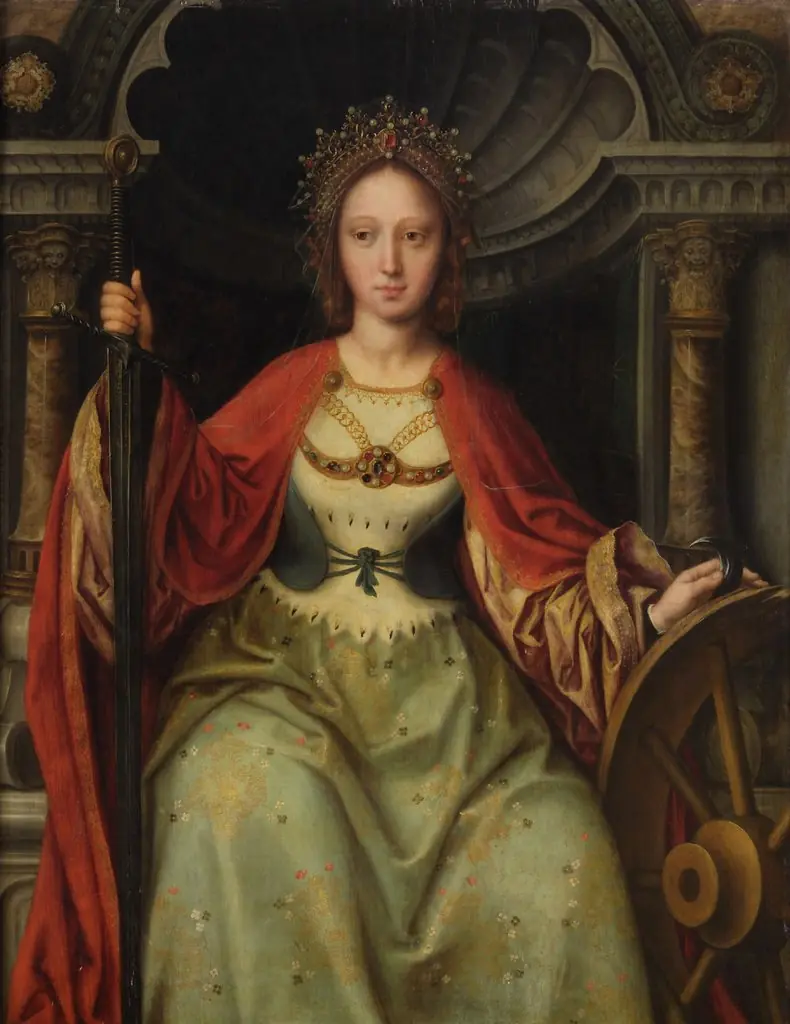 Saint Catherine
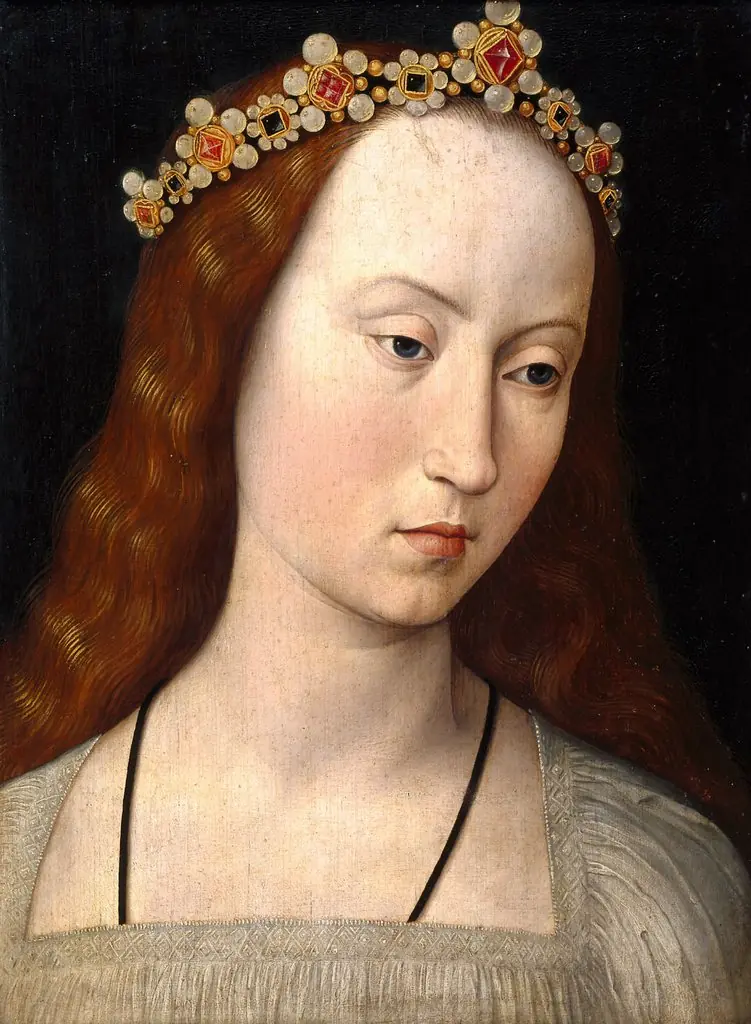 Mädchenkopf
 Saint Lawrence, Saint Michael and the Dragon, the Dormitio Virginis and the Martyrdom of Saint Catherine
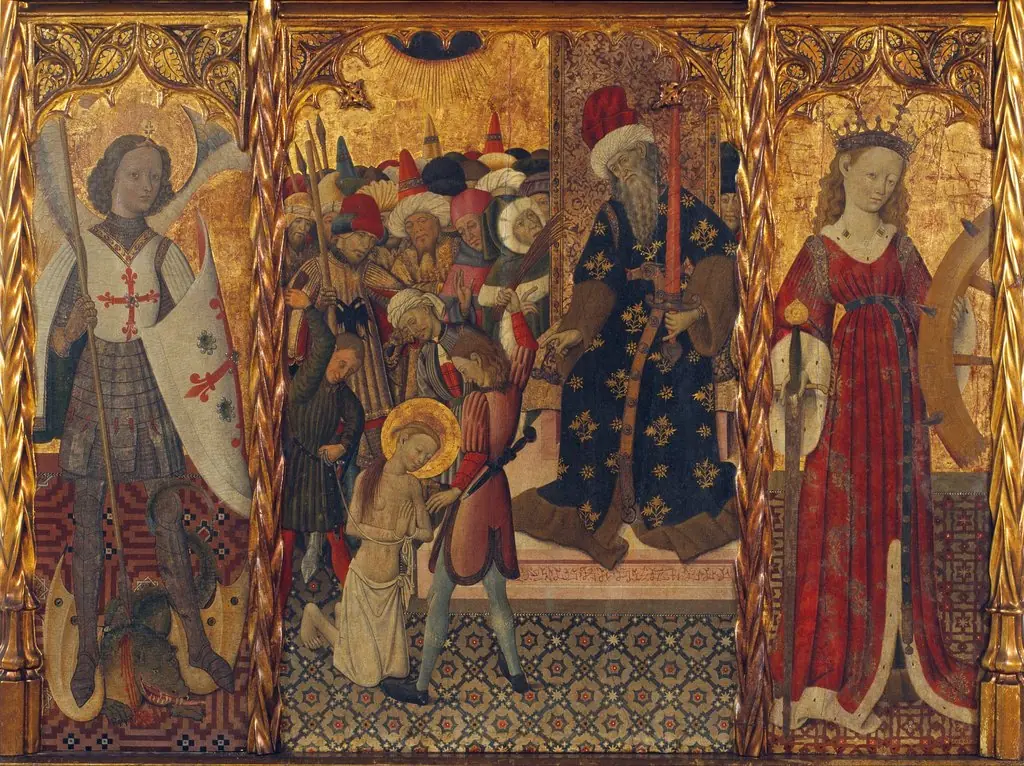 Saint Michael, Martyrdom of Saint Eulalia and Saint Catherine
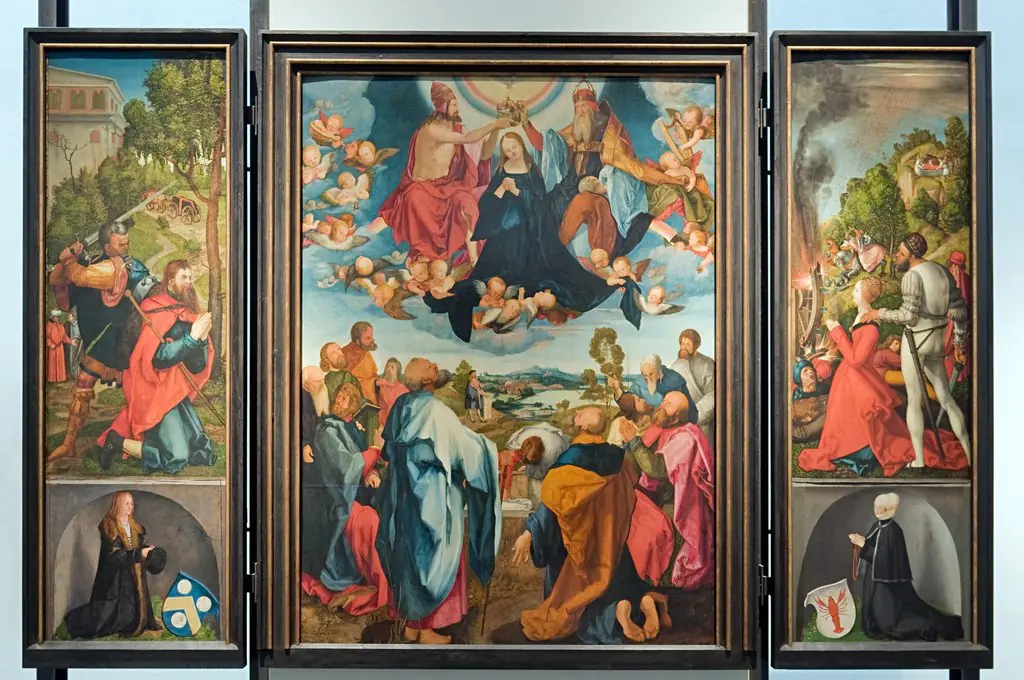 Heller Altarpiece
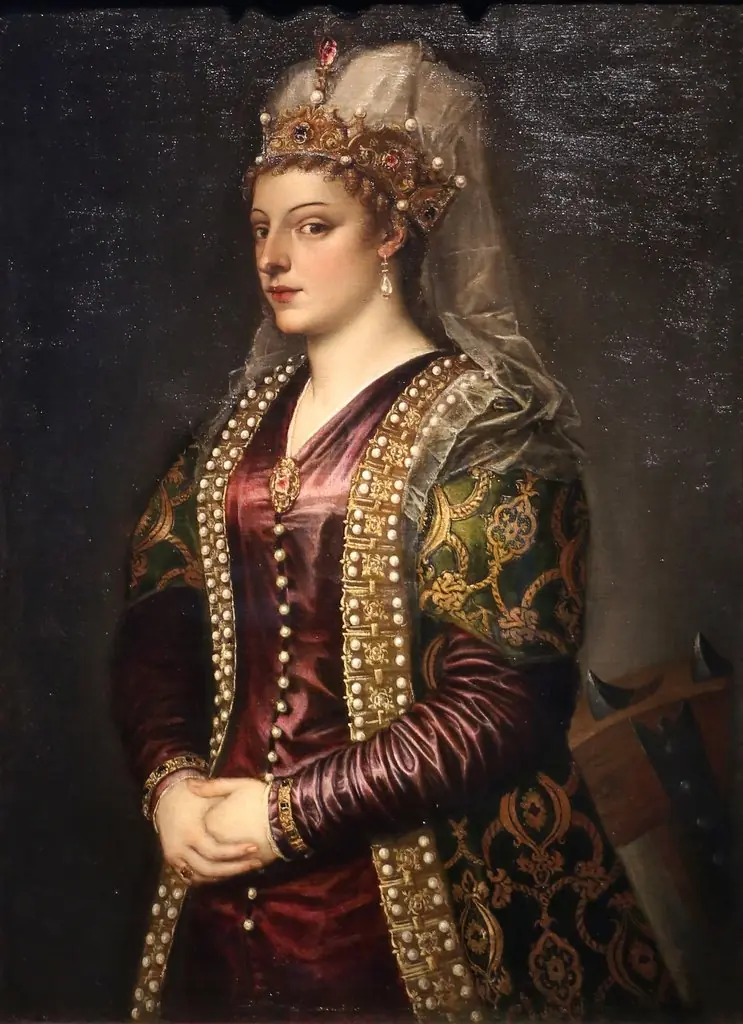 Portrait of Caterina Cornaro
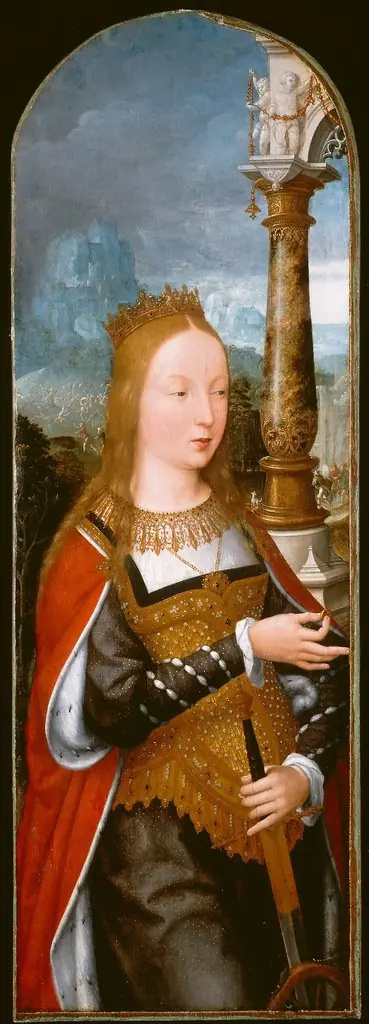 Saint Catherine
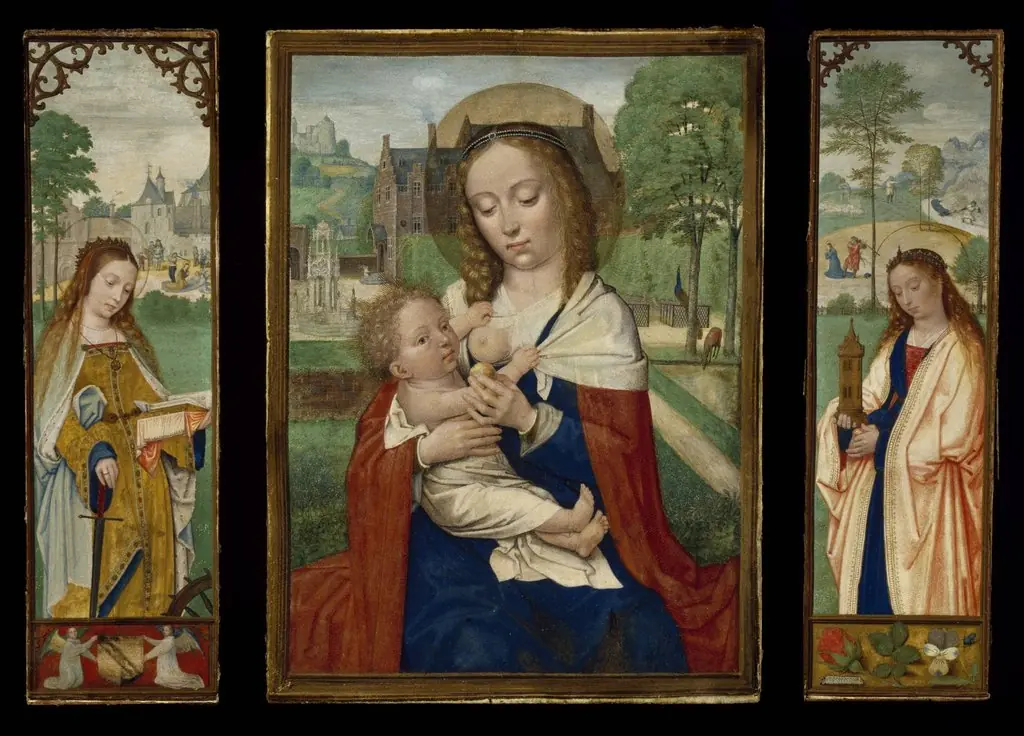 Triptych of Virgin and Child; Saints Catherine and Barbara
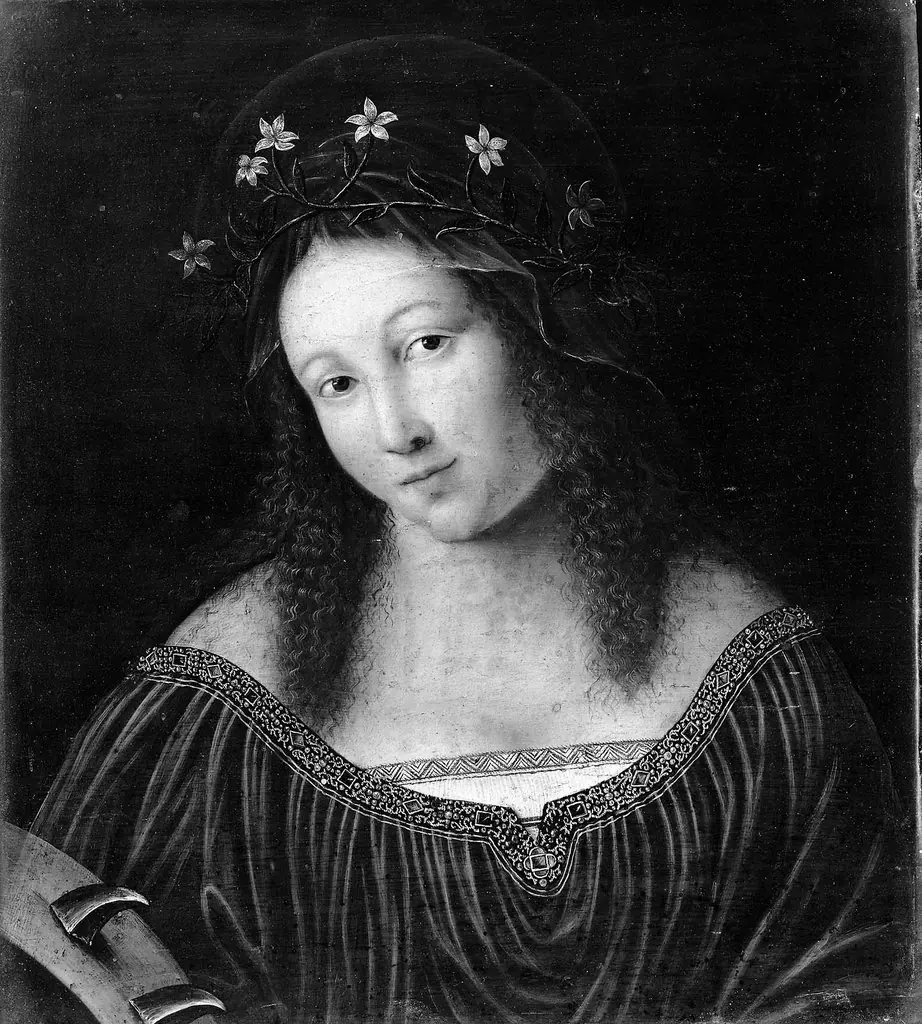 Saint Catherine of Alexandria
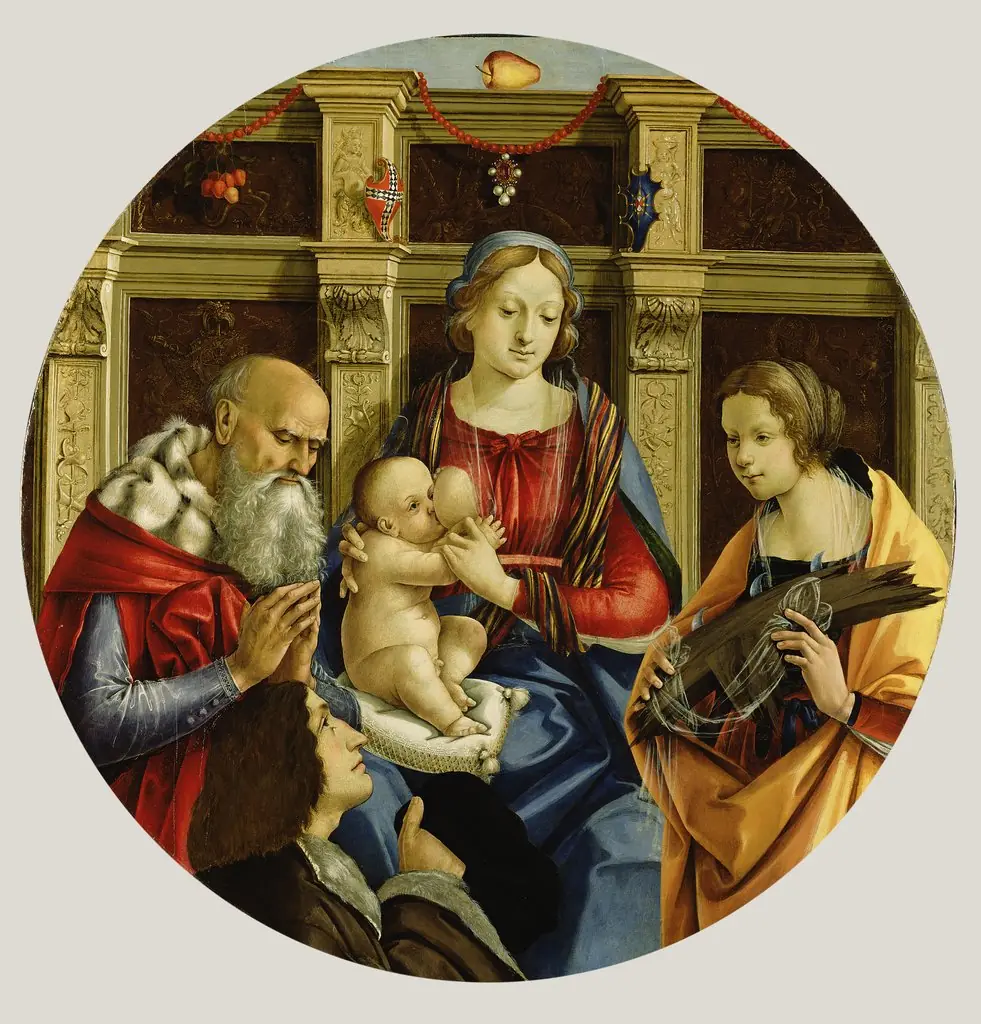 Madonna and Child with a Male Saint, Catherine of Alexandria and a Donor
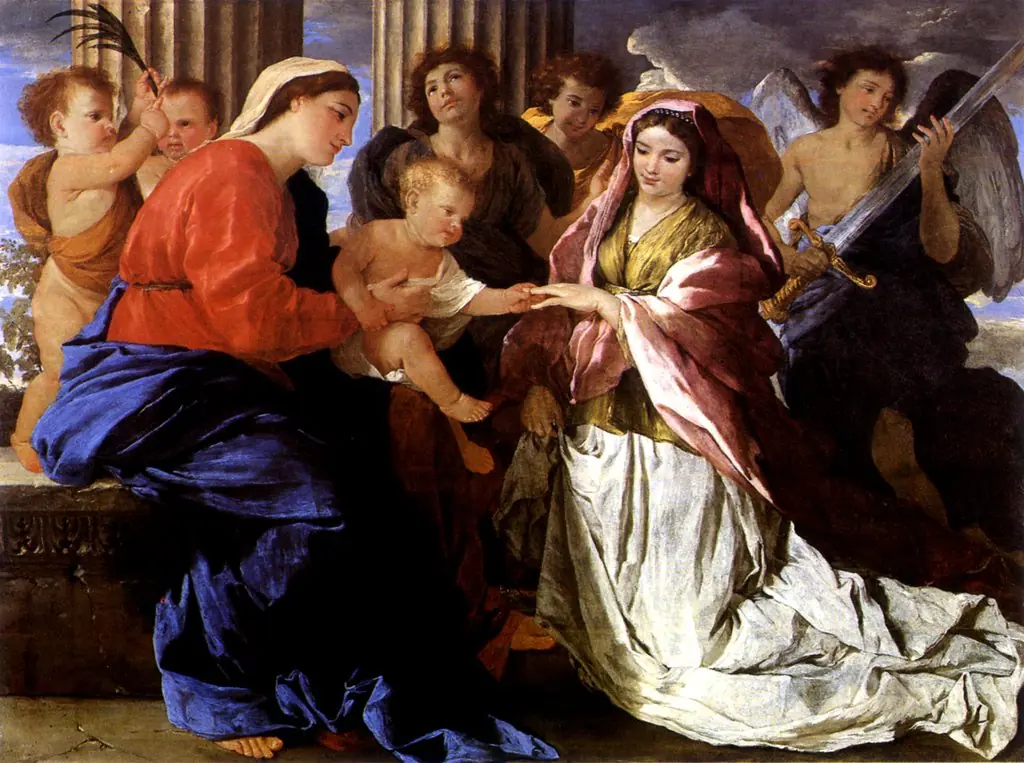 The Mystic Marriage of Saint Catherine
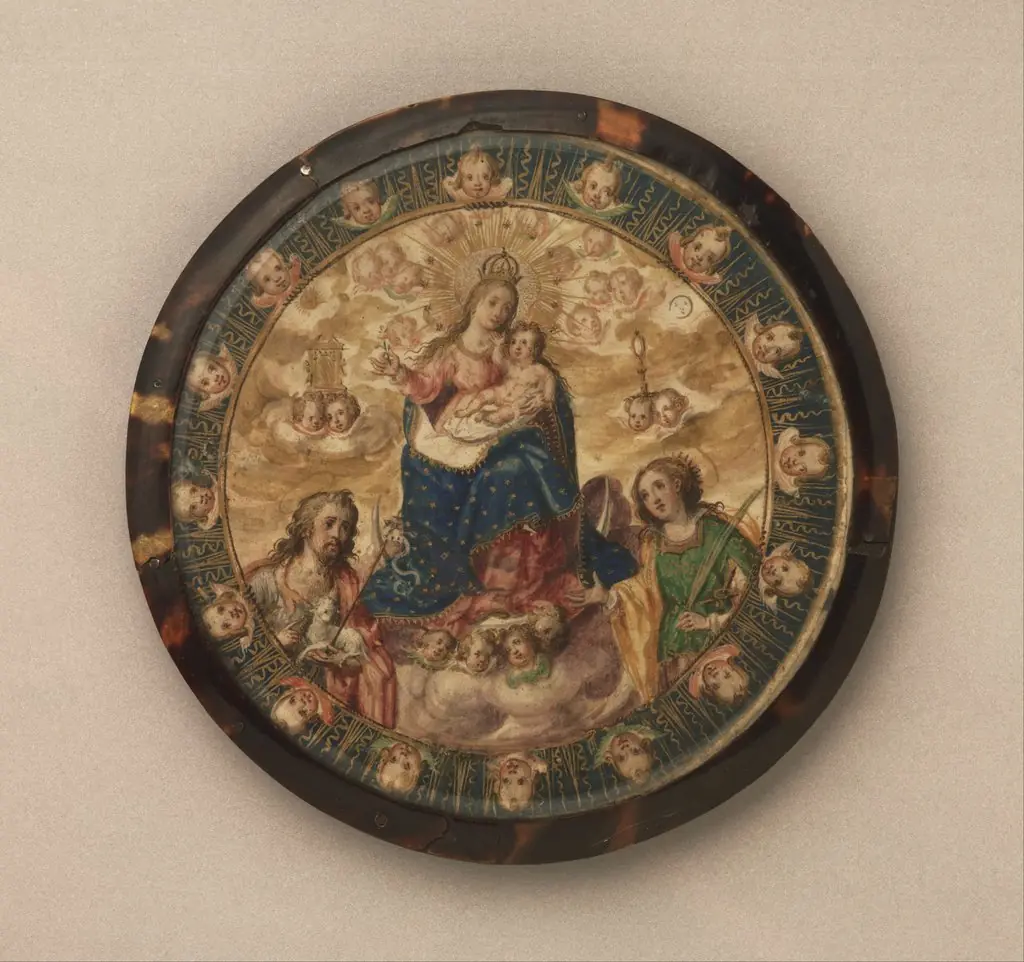 Nun's Shield showing the Virgin and Child with Saints John the Baptist and Catherine of Alexandria
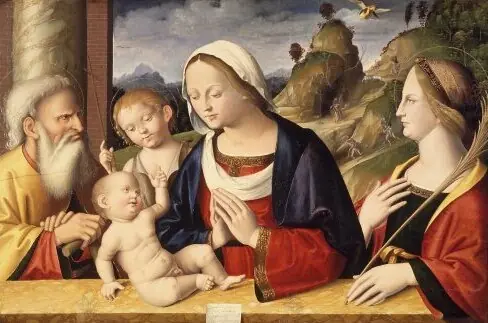 Holy Family with Saints John the Baptist and Catherine of Alexandria
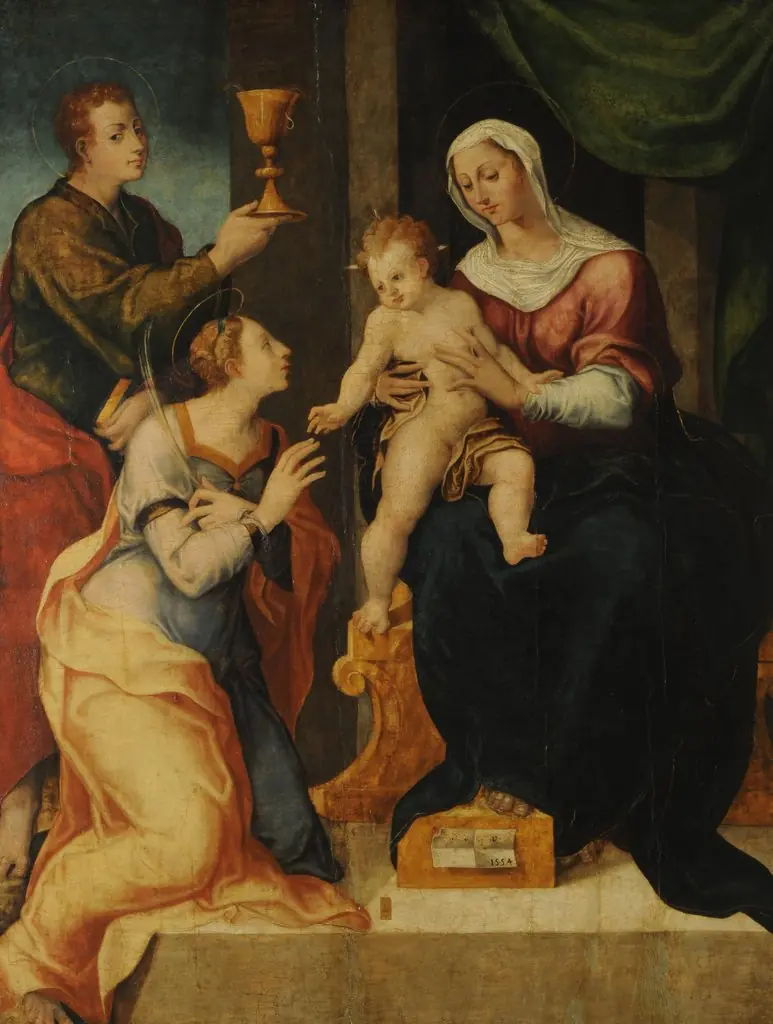 Mystic Marriage of Saint Catherine
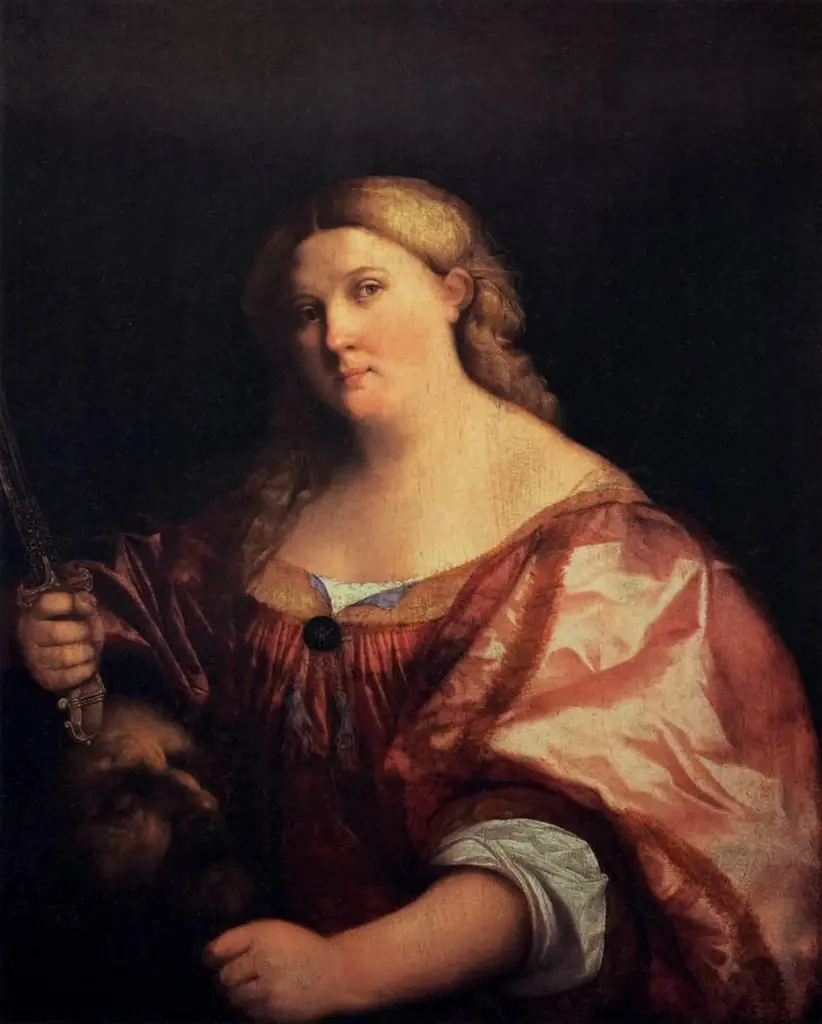 Judith
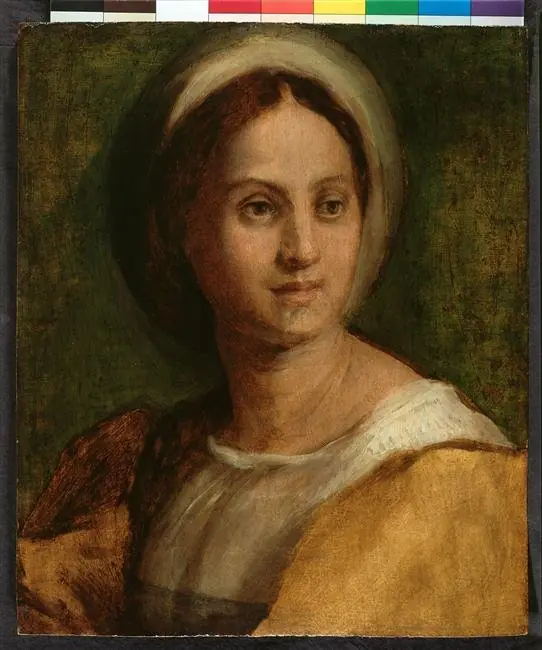 Portrait of a young woman
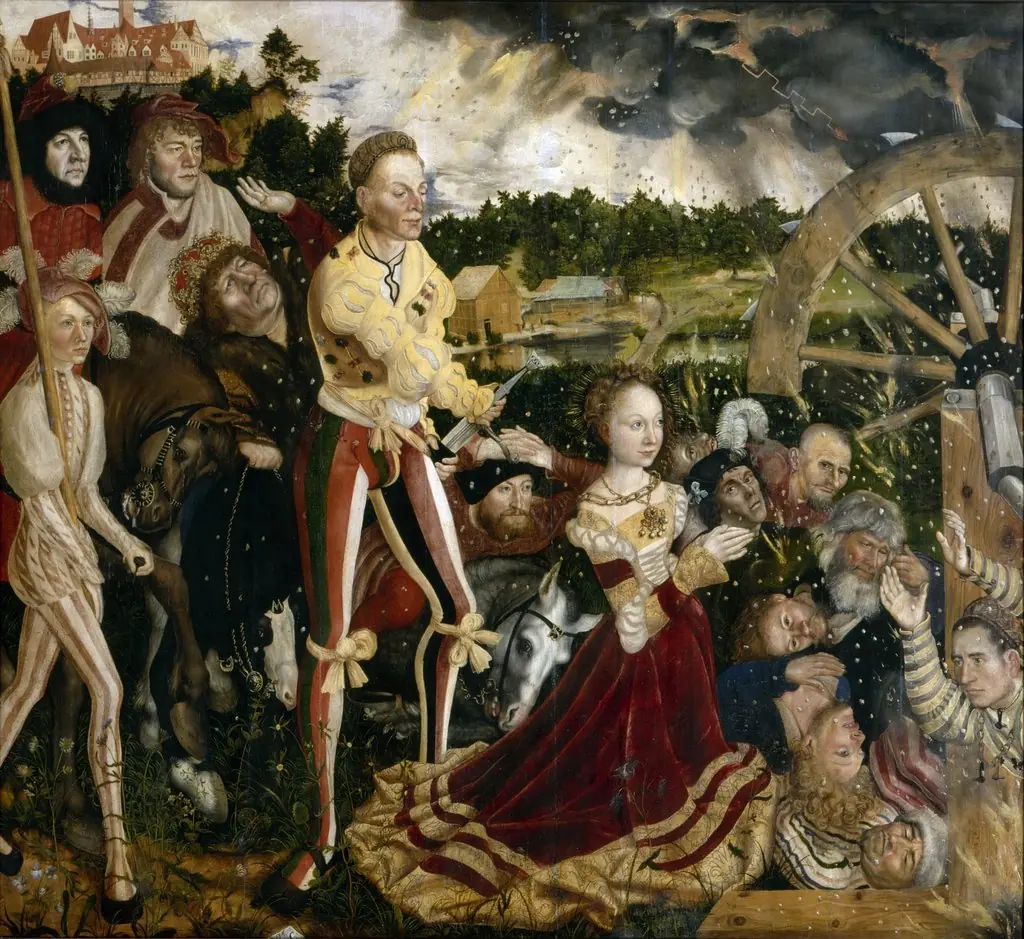 The Martyrdom of St Catharine (central panel)
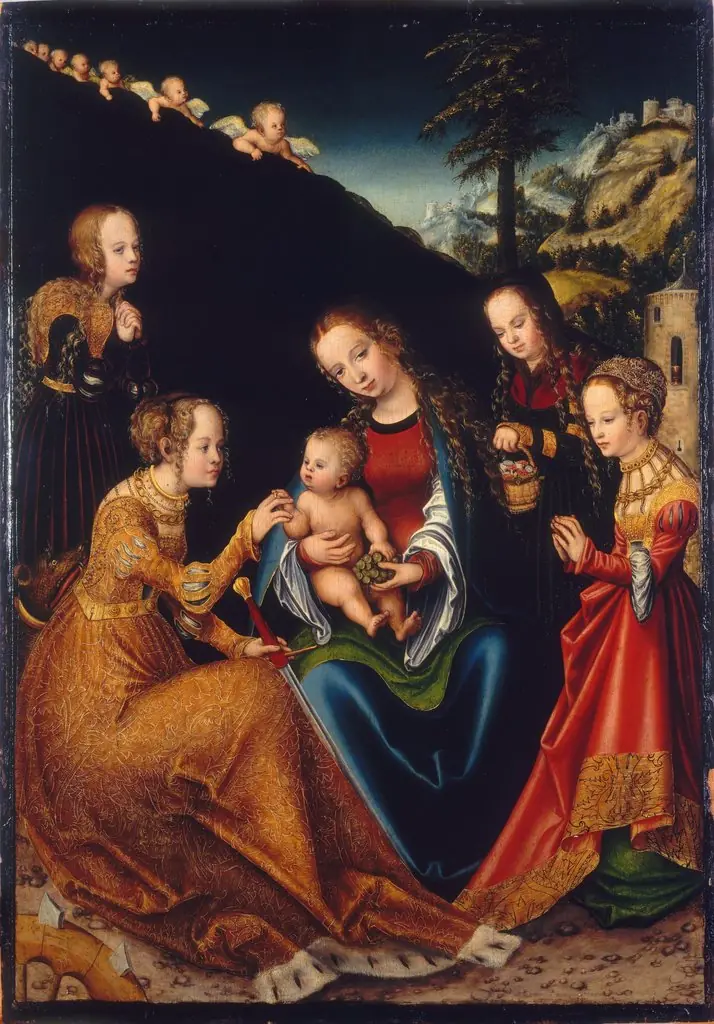 The Mystic Marriage of Saint Catherine of Alexandria with Saints Dorothy, Margaret and Barbara
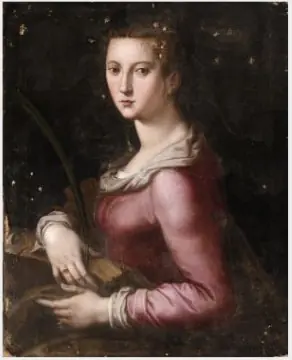 Saint Catherine of Alexandria
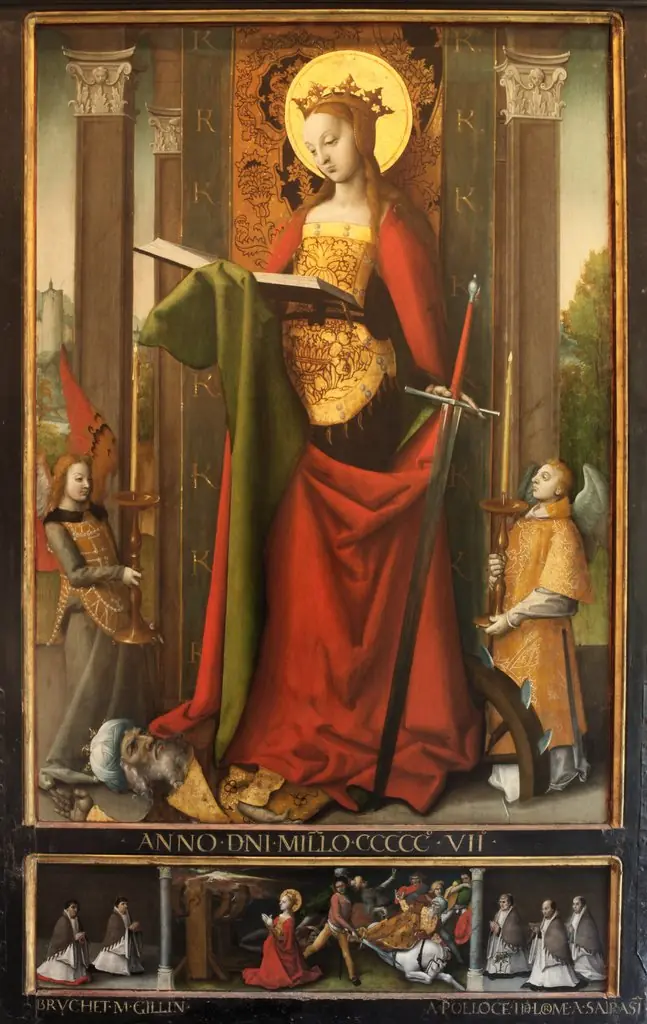 Saint Catherine
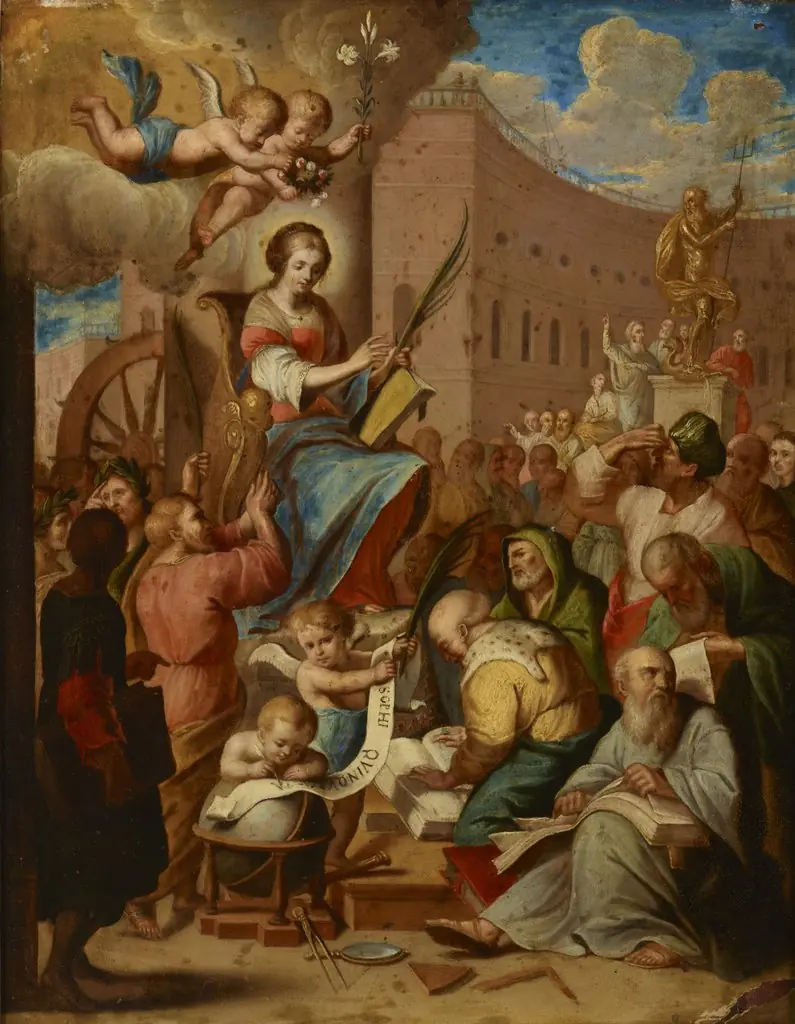 Apotheosis of Saint Catherine
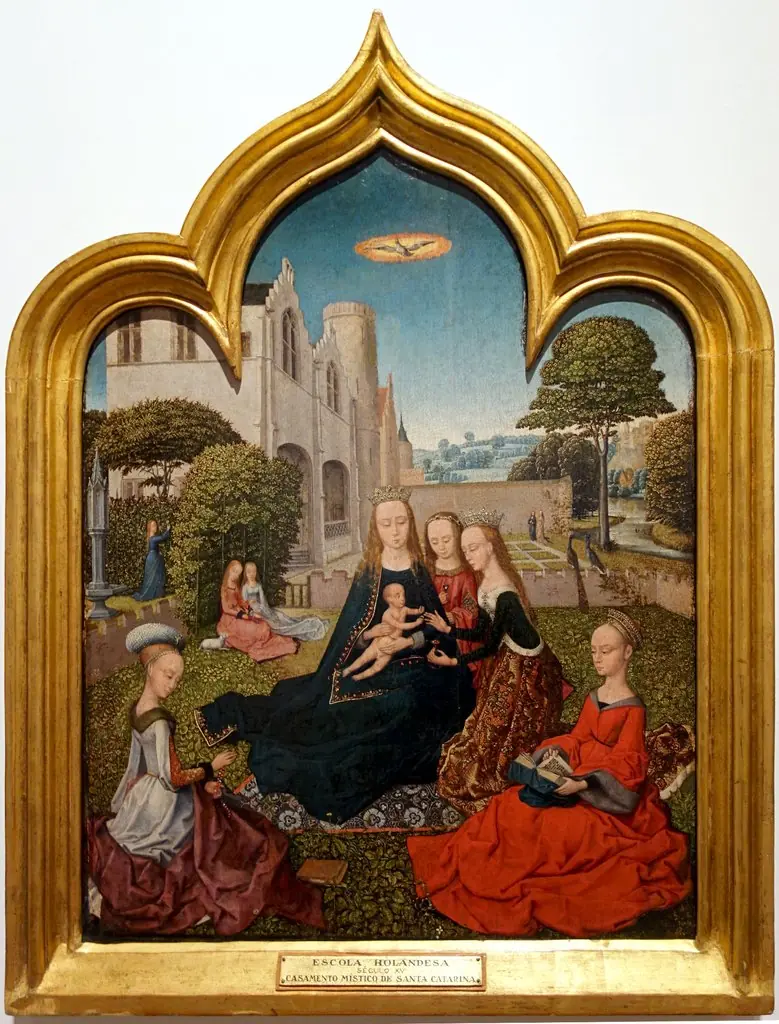 The mystic marriage of St. Catherine
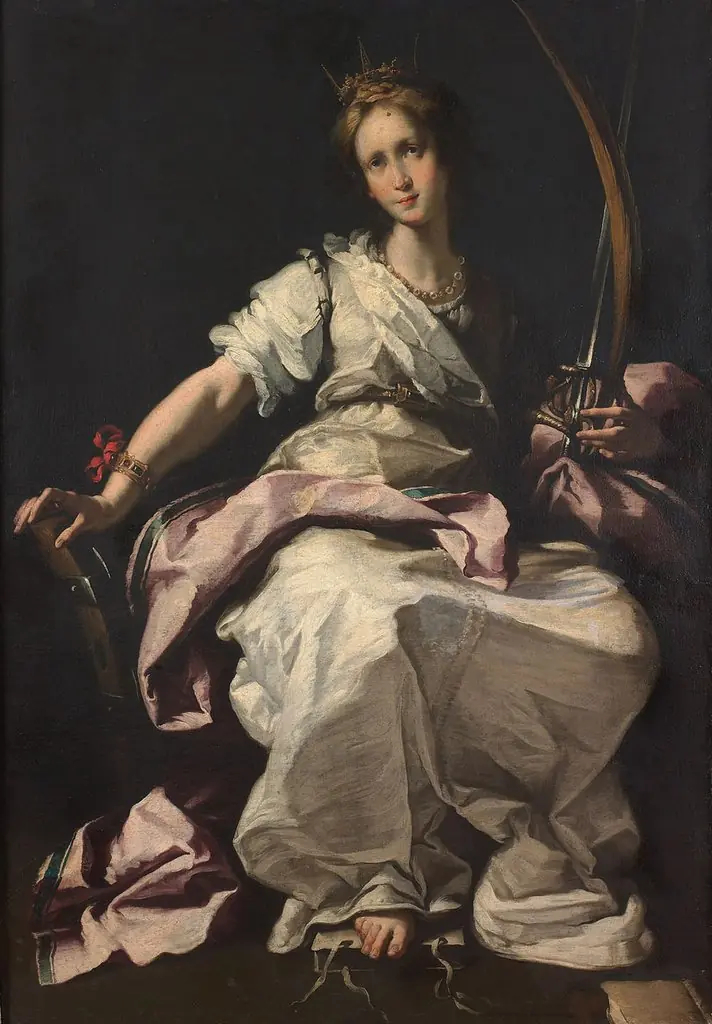 Saint Catherine of Alexandria
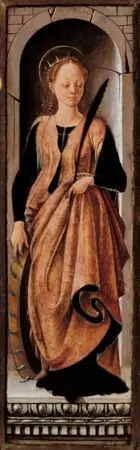 Saint Catherine and Saint Clare
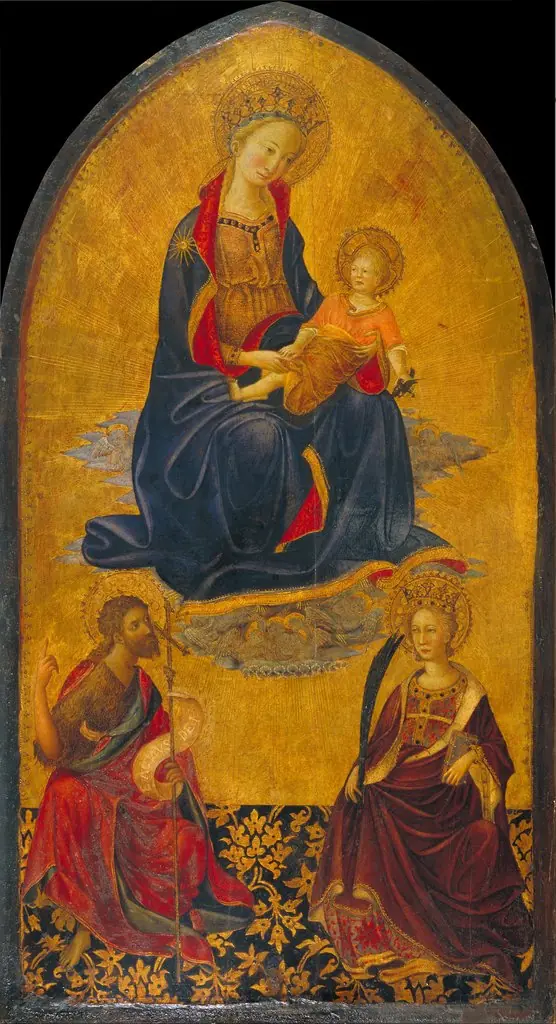 Adoration of the Virgin and Child by Saint John the Baptist and Saint Catherine
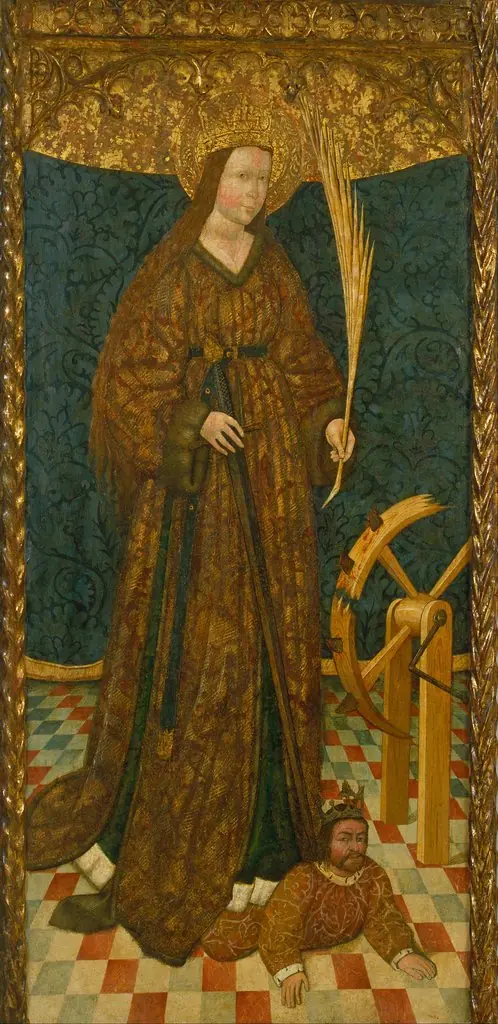 Saint Catherine
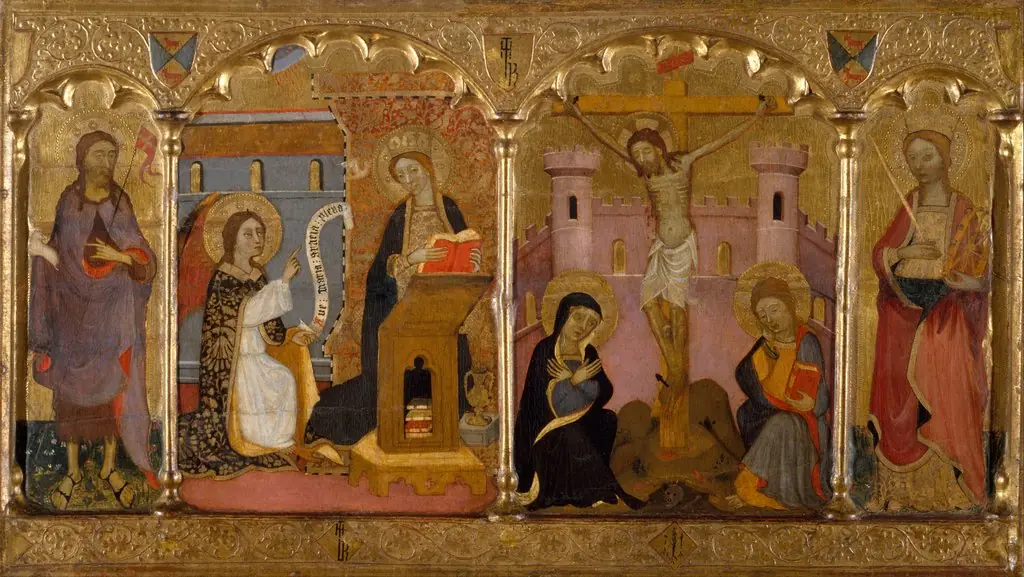 Saint John the Baptist, Annunciation, Crucifixion, Saint Catherine of Alexandria
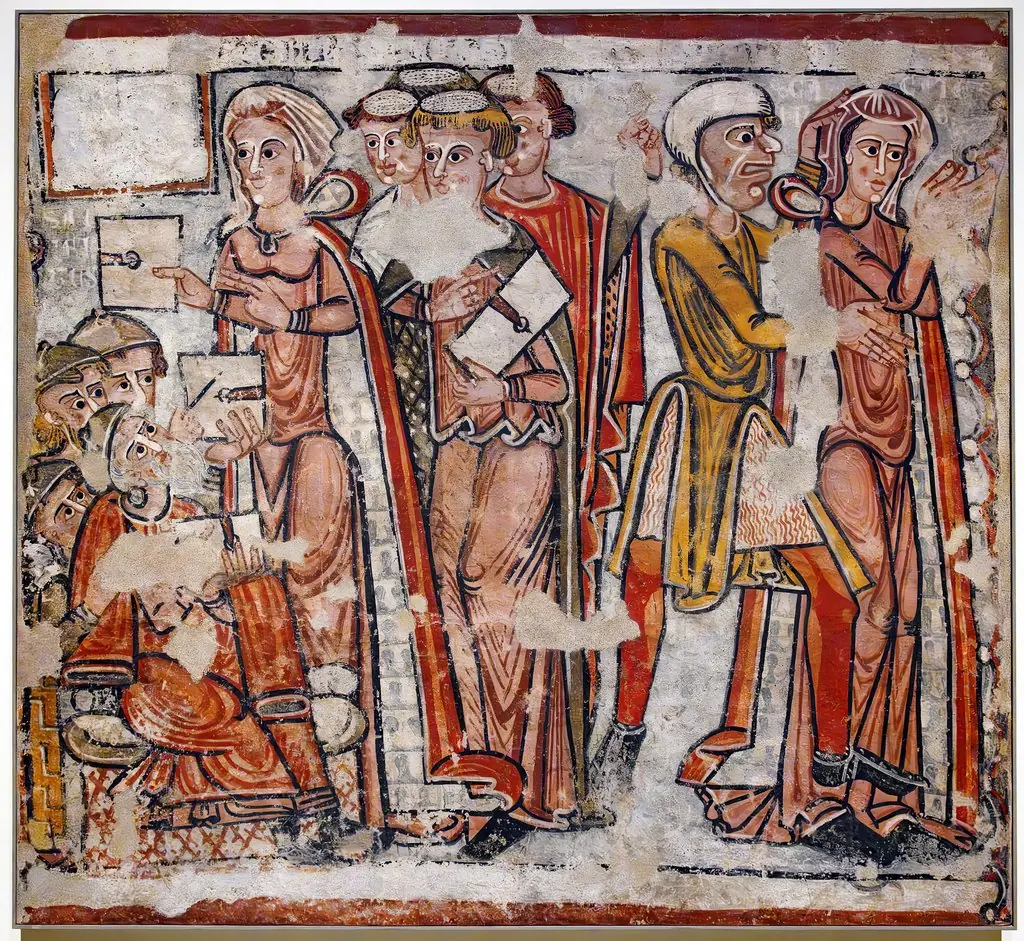 Dispute and Arrest of Saint Catherine, from the cathedral of La Seu d'Urgell
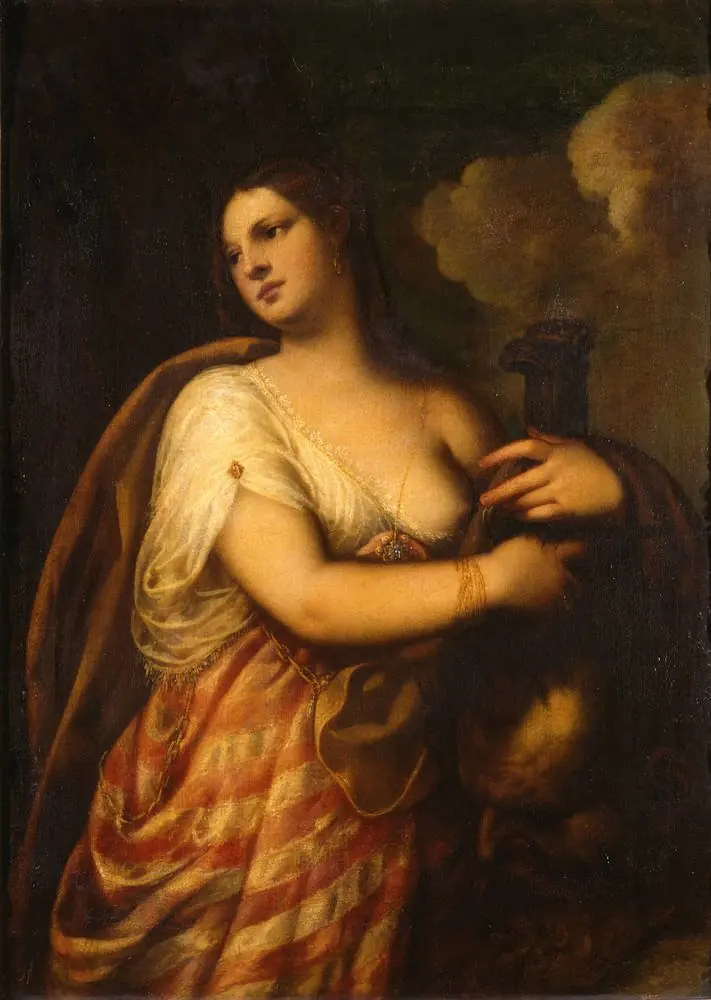 Judith
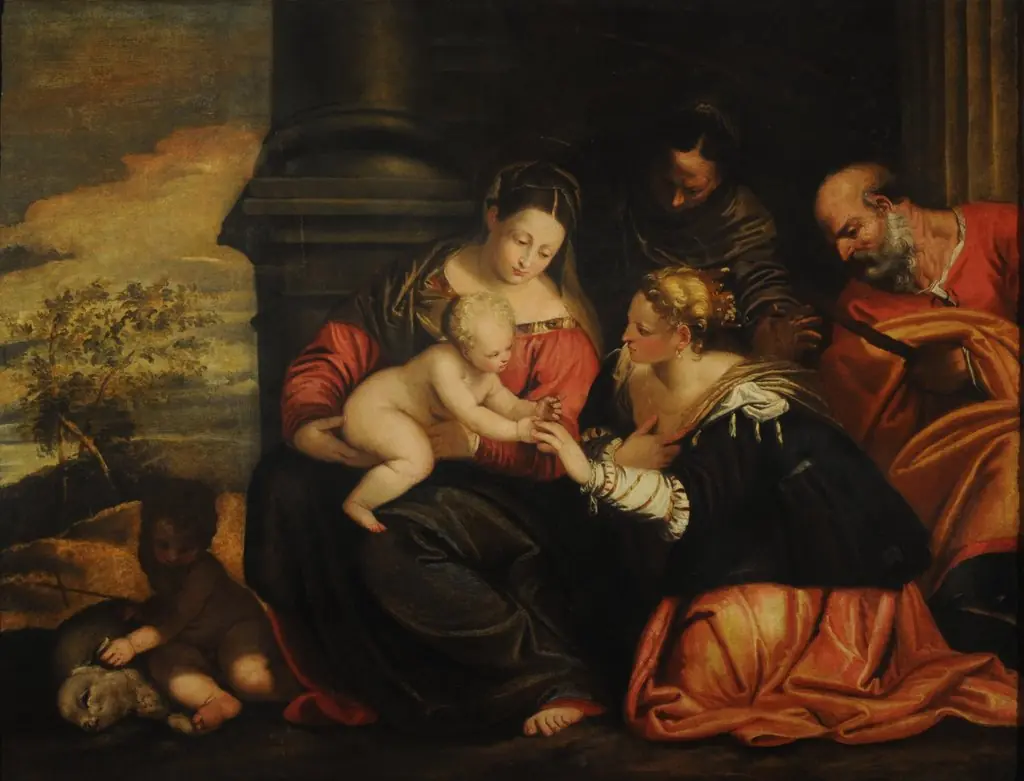 Mystic marriage of Saint Catherine of Alexandria
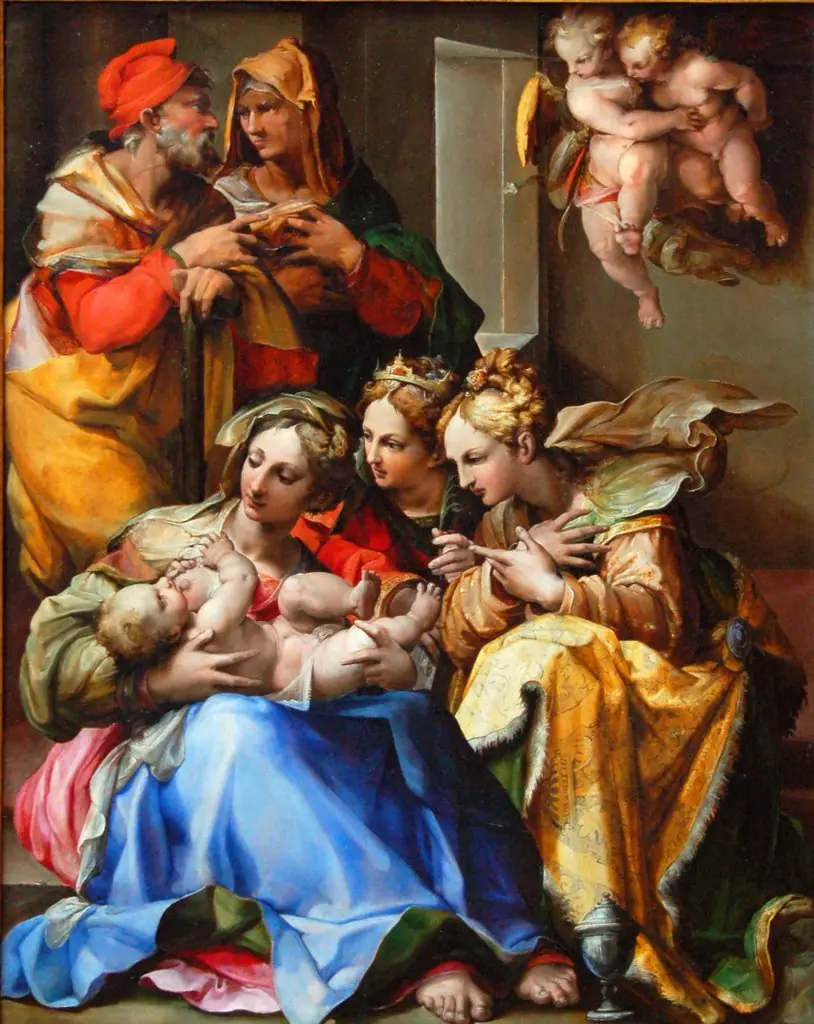 Holy Family with Saints Anne, Catherine of Alexandria, and Mary Magdalene
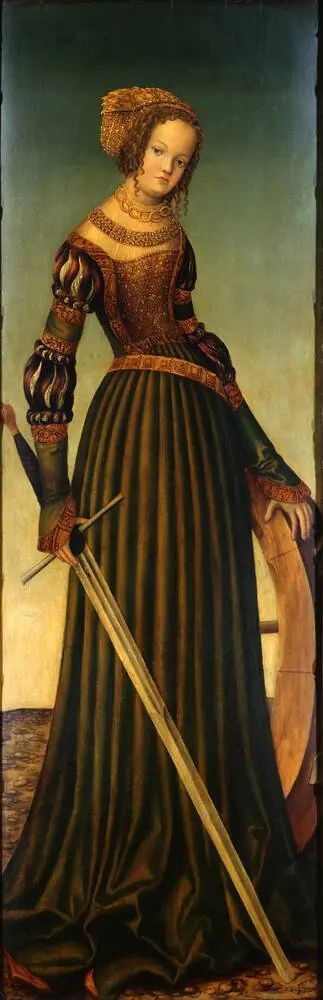 Saint Catherine
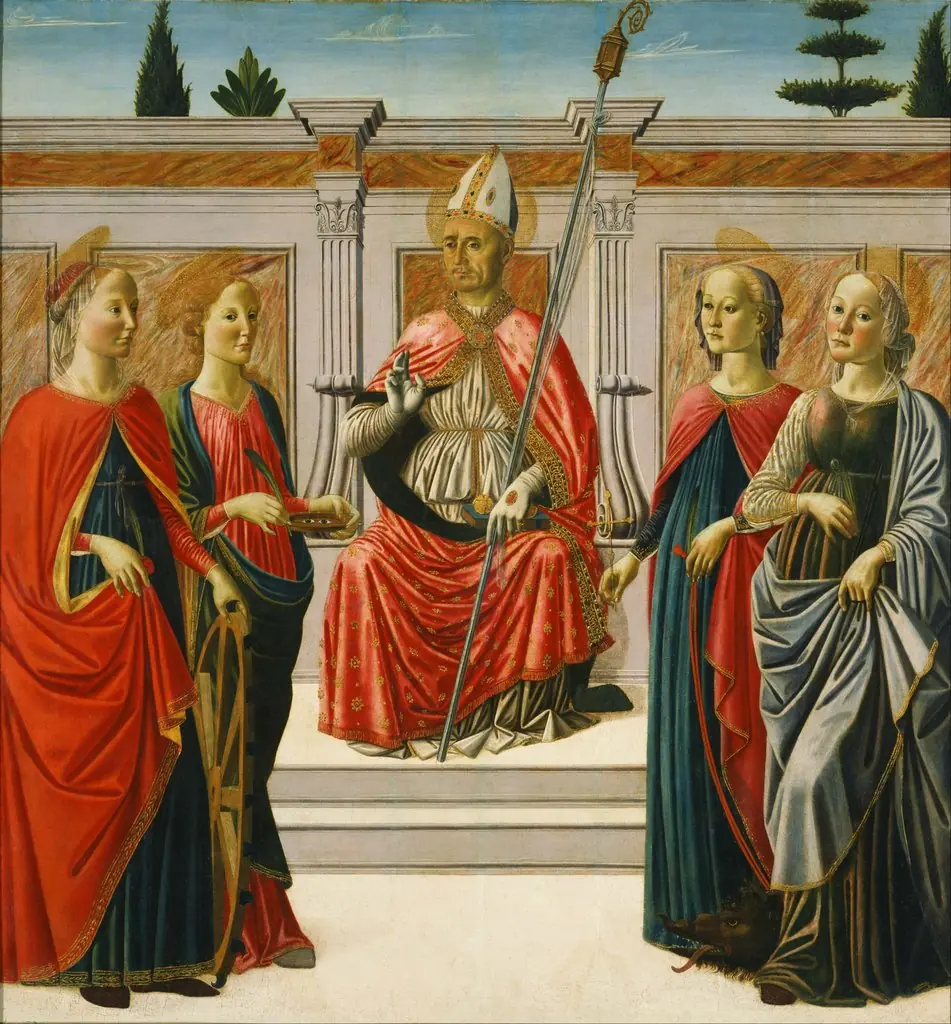 St. Nicolas and Sts. Catherine, Lucy, Margaret and Apollonia
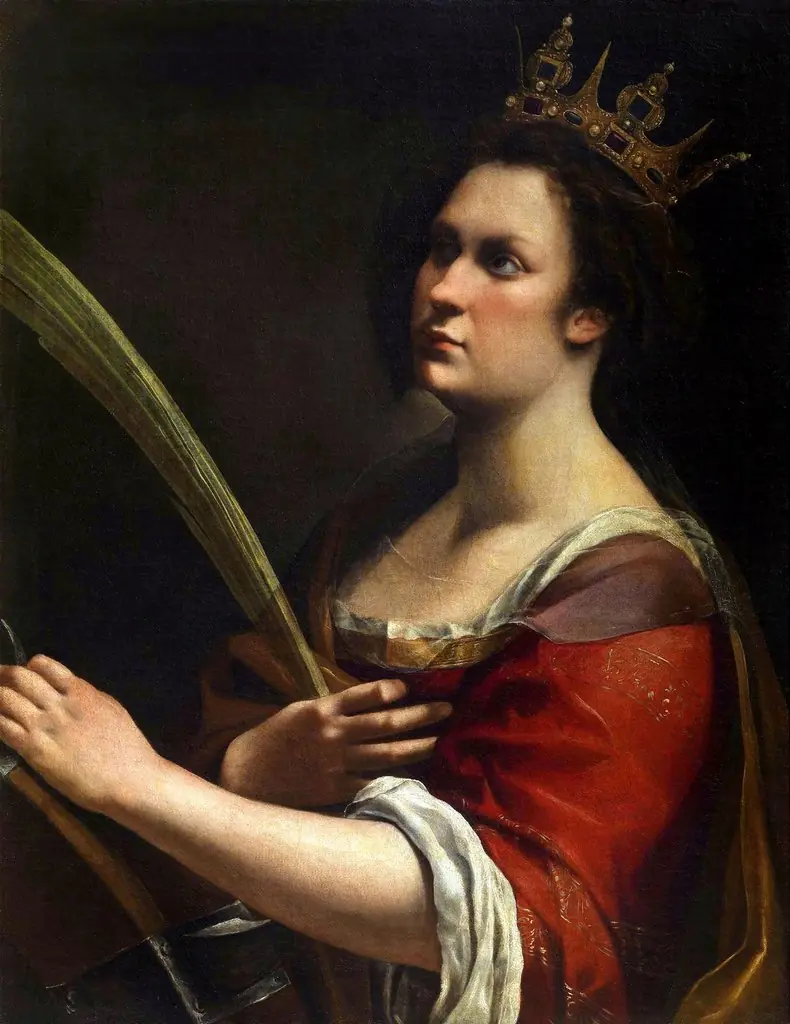 Saint Catherine of Alexandria
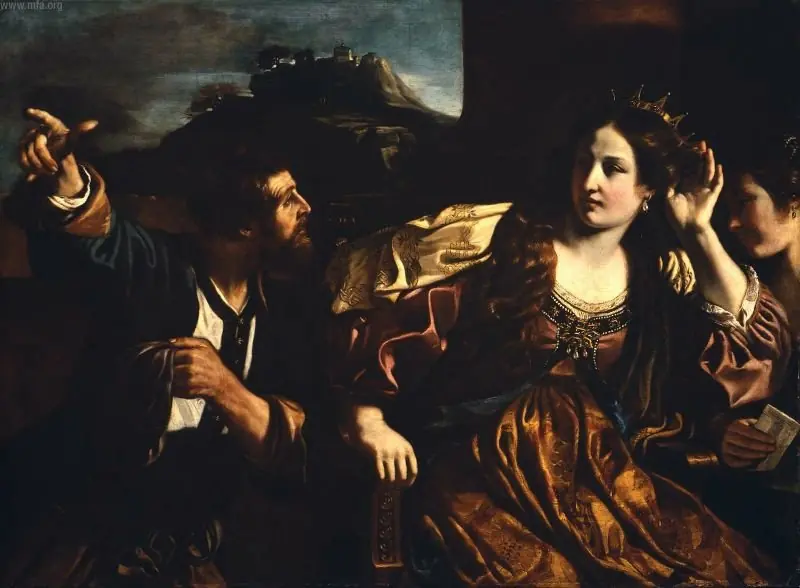 Semiramis Receiving Word of the Revolt of Babylon
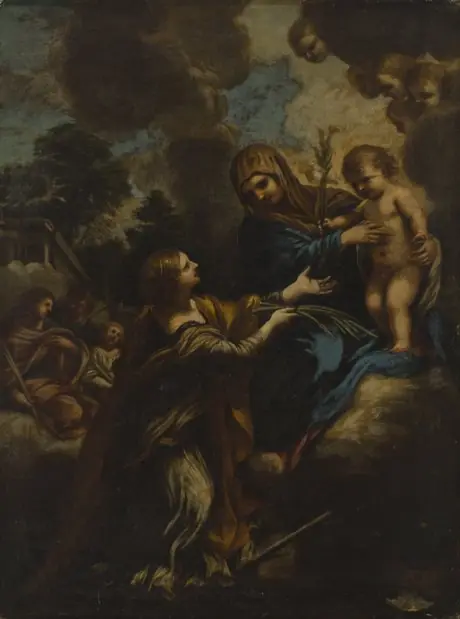 St. Mary, little Jesus and st. Katharina
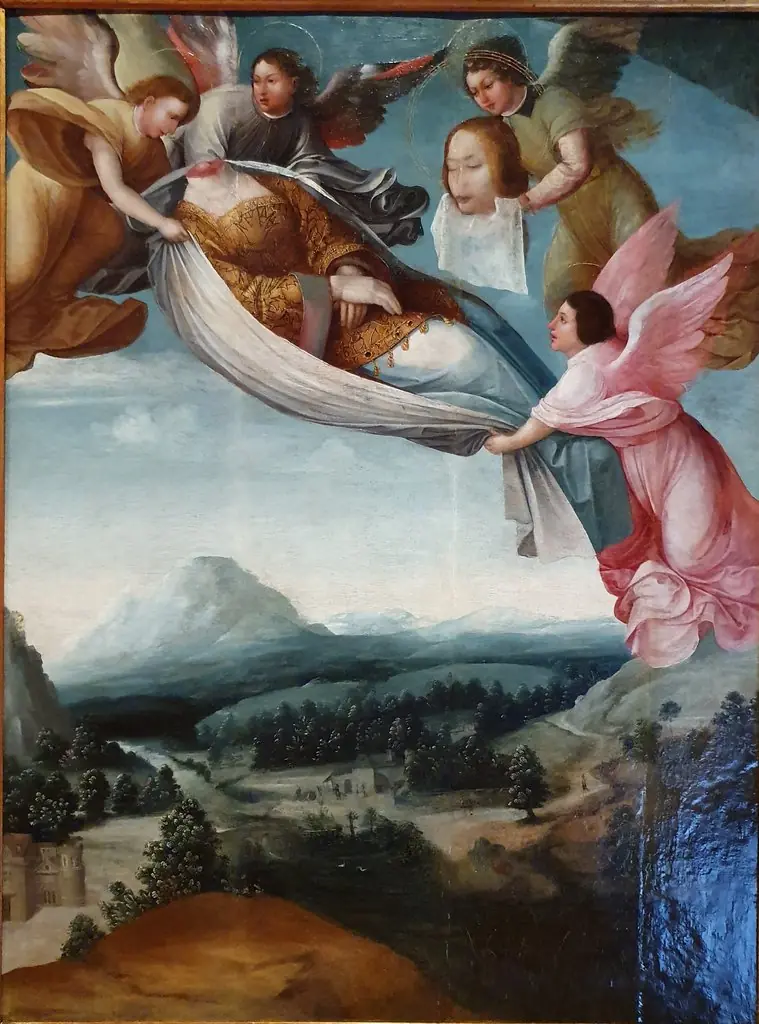 Elevação do corpo de Santa Catarina de Alexandria
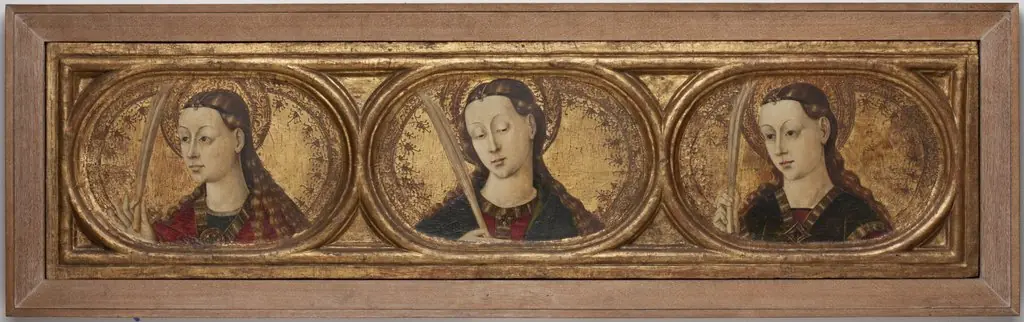 Three Virgin Martyrs
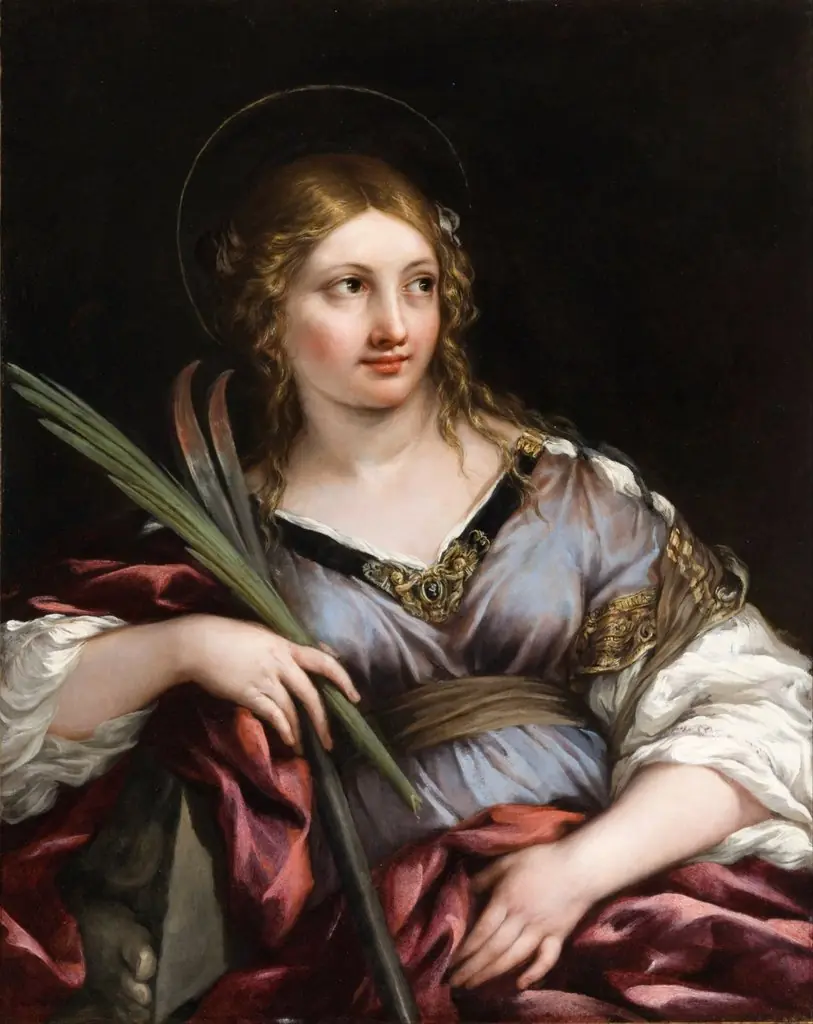 St. Martina
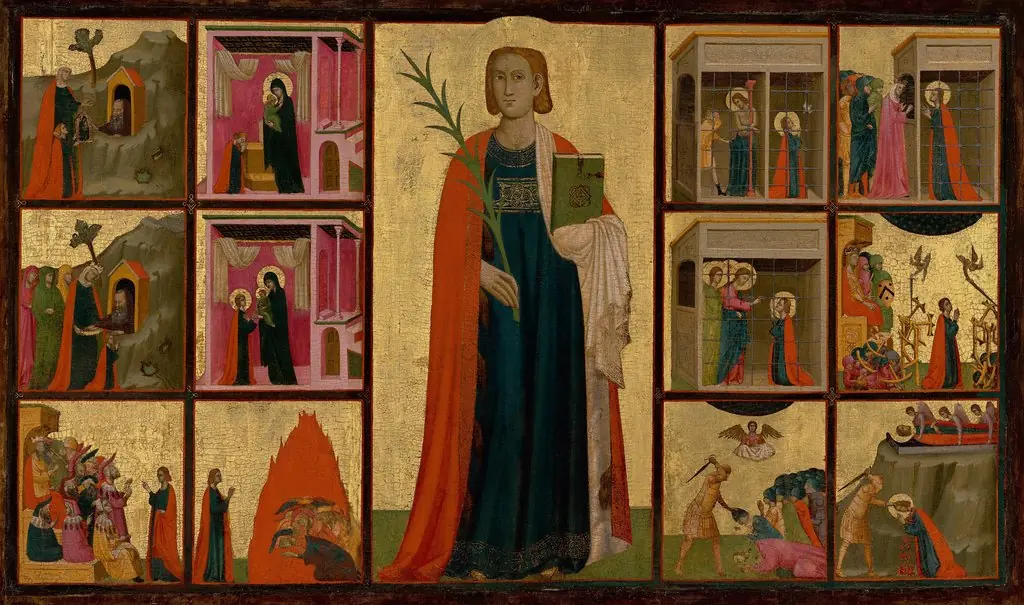 Saint Catherine of Alexandria and Twelve Scenes from Her Life
Frequently asked questions
What is Catherine of Alexandria?
Catherine of Alexandria is a subject in art. Santa Caterina is a Roman Catholic, Renaissance-style church in Urbania, region of Marche, Italy.
How many Catherine of Alexandria works does Artifact World Gallery have?
Artifact World Gallery holds 200 public-domain Catherine of Alexandria works, all free to view and download.
Who are the key Catherine of Alexandria artists?
Key Catherine of Alexandria artists in the collection include Titian, Paolo Veronese and Lorenzo Lotto.
Where can I see Catherine of Alexandria works?
Catherine of Alexandria works in the collection are held by Kunsthistorisches Museum, Metropolitan Museum of Art and Bavarian State Painting Collections.