Subject
Apostle
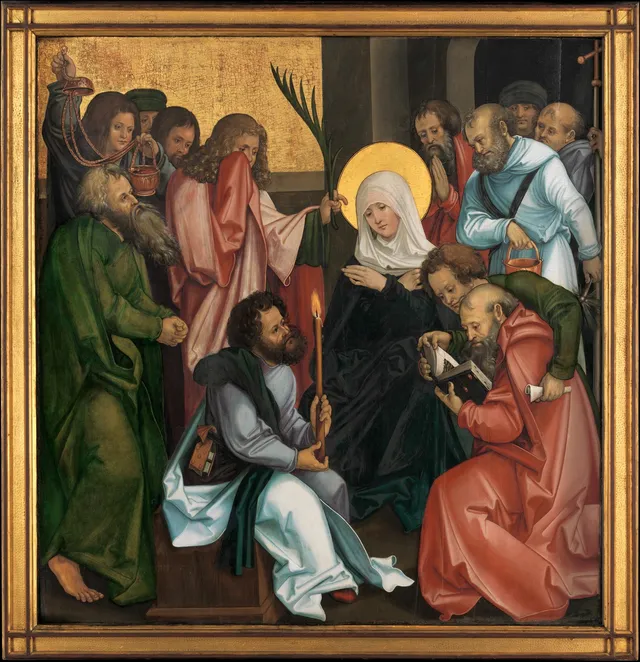
Apostle is a subject in art. The gallery holds 42 works in this subject in art, including works by John Singleton Copley, Hans Leonhard Schäufelein and Carlo Crivelli.
In Christian theology and ecclesiology, the apostles, particularly the Twelve Apostles (also known as the Twelve Disciples or simply the Twelve), were the primary disciples of Jesus according to the New Testament. During the life and ministry of Jesus in the 1st century AD, the apostles were his closest followers and became the primary teachers of the gospel message of Jesus.
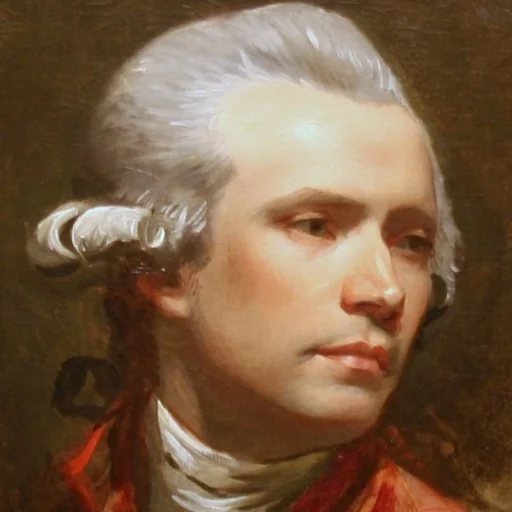
Key artists
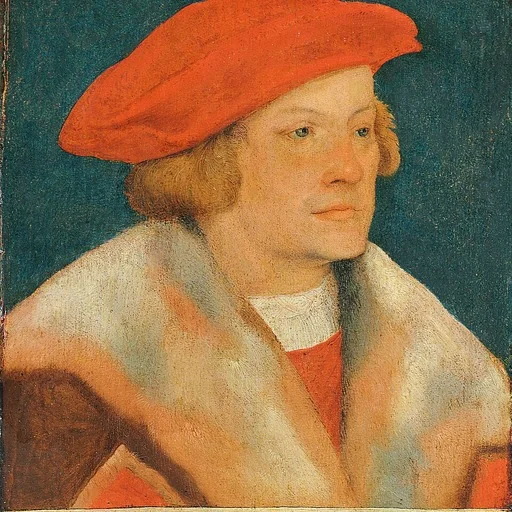
Overview
In Christian theology, the apostles were the primary disciples of Jesus Christ, serving as his closest followers during his 1st century AD ministry and becoming the principal teachers of his gospel message. The term derives from the Greek apóstolos, meaning a messenger, envoy, or delegate with authorized authority, translating the Hebrew concept of a shaliah, or plenipotentiary envoy. While the term most commonly refers to the Twelve Apostles, the New Testament also applies it more broadly to other early Christian missionaries who witnessed the resurrection and were sent to spread its message.
Iconography & meaning
The number twelve holds profound symbolic weight, representing the twelve tribes of Israel and signaling the gathering of a new people at the end of times. In art, the apostles are typically depicted as a group of twelve, though variations exist to accommodate theological nuances. Artworks may show eleven apostles to exclude the betrayer Judas Iscariot, or include Paul as a thirteenth apostle, often omitting another figure to preserve the canonical dozen. A group of fourteen can also appear, incorporating Paul, Barnabas, and the post-ascension addition of Matthias while excluding Judas. Identifiable apostles are often distinguished by specific attributes, and their collective depiction underscores the foundation of the church, built upon the apostles and prophets with Christ as the cornerstone.
Across movements & periods
The depiction of the apostles evolved alongside shifting theological understandings of their role. In the earliest scriptural layers, the term apostle was applied fluidly. The Gospel of John notably avoids the title, and Mark uses it only once, whereas Luke and Paul employ it frequently. Paul championed the wider definition, defending his own apostleship as one called directly by the resurrected Christ, even though he lacked the qualifications required in Acts, which mandated companionship with the earthly Jesus. This early tension between the strict Twelve and the broader category of commissioned witnesses influenced later artistic choices. By the time of the early church, the twelve had become firmly linked to the twelve tribes of Israel, a typology that solidified their representation as a closed, symbolic college. Catholic and Orthodox traditions subsequently tied the apostles to the episcopacy through the concept of apostolic succession, cementing their visual role as foundational pillars of the institutional church.
Notable depictions
Canonical depictions of the apostles frequently center on two major New Testament episodes: their commissioning by Jesus and the Last Supper. The Synoptic Gospels describe Jesus sending the twelve out in pairs to preach, heal the sick, and cast out demons, a moment that established their visual identity as active missionaries. The calling of the disciples is another pivotal scene, emphasizing the immediacy of their consent, such as Peter and Andrew abandoning their nets, or Matthew the tax collector leaving his booth. Post-resurrection scenes are equally prominent, particularly the replacement of Judas by Matthias and the encounter with the doubting Thomas. Paul, though not one of the original twelve, became a central figure in art as the apostle to the Gentiles, often integrated into the traditional twelve to complete the visual schema.
Legacy
The concept of the apostle extended far beyond the original twelve disciples. In the Eastern Orthodox tradition, the title equal to the apostles was granted to figures who spread the resurrection message or evangelized entire peoples, such as Mary Magdalene, Constantine, and Nino of Georgia. In Western Christianity, the term became an honorific for prominent missionaries, such as Bonifatius as the apostle of the Germans and Willibrord as the apostle of the Frisians. The early church also debated the boundaries of the apostolic college, with some early communities recognizing Matthias while others favored Paul, and Clement of Alexandria expressing doubt about Matthias's status. This legacy of authorized sending continues to inform the language of Christian mission, organizational structures like apostolic vicariates, and the broader cultural use of the term to denote a zealous propagator of any doctrine or cause.
Works
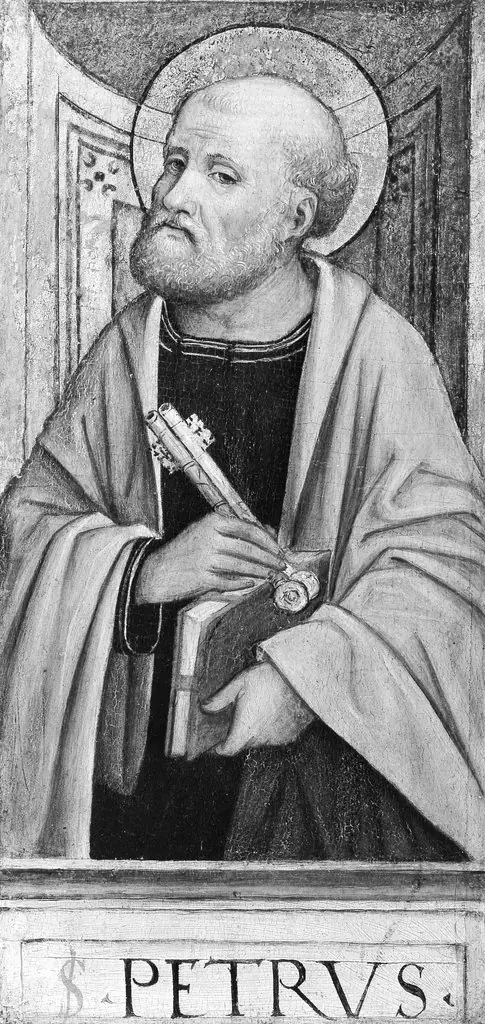 The Twelve Apostles: Saints Bartholomew, Andrew, Matthew, James the Greater, Thaddeus, Philip, James the Lesser, Simon, Peter, Paul, Thomas, and John
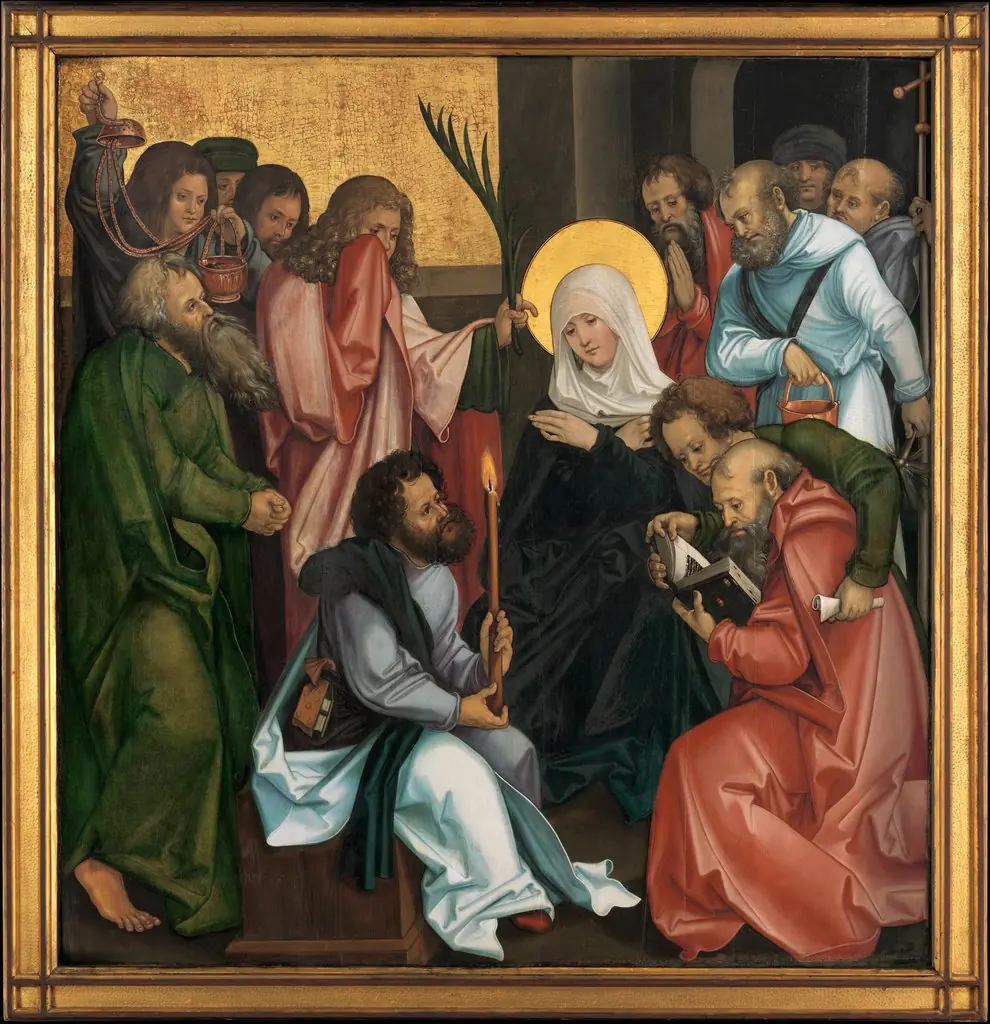 The Dormition of the Virgin; (reverse) Christ Carrying the Cross
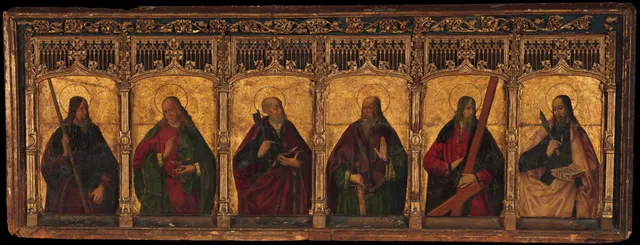
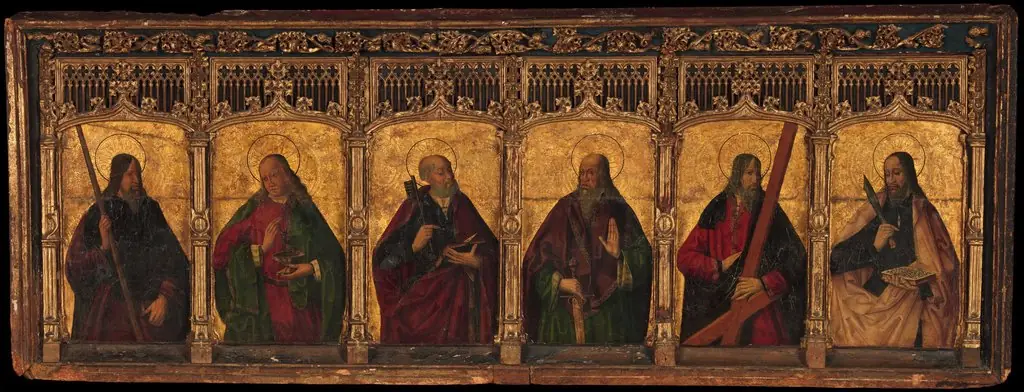 Six Apostles
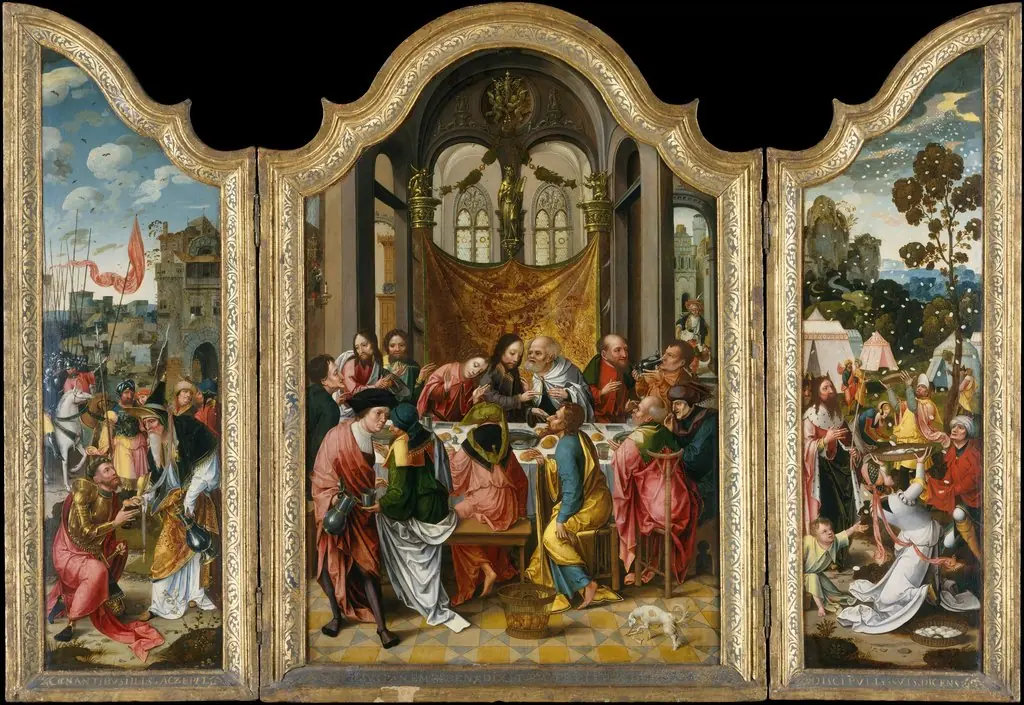 The Last Supper
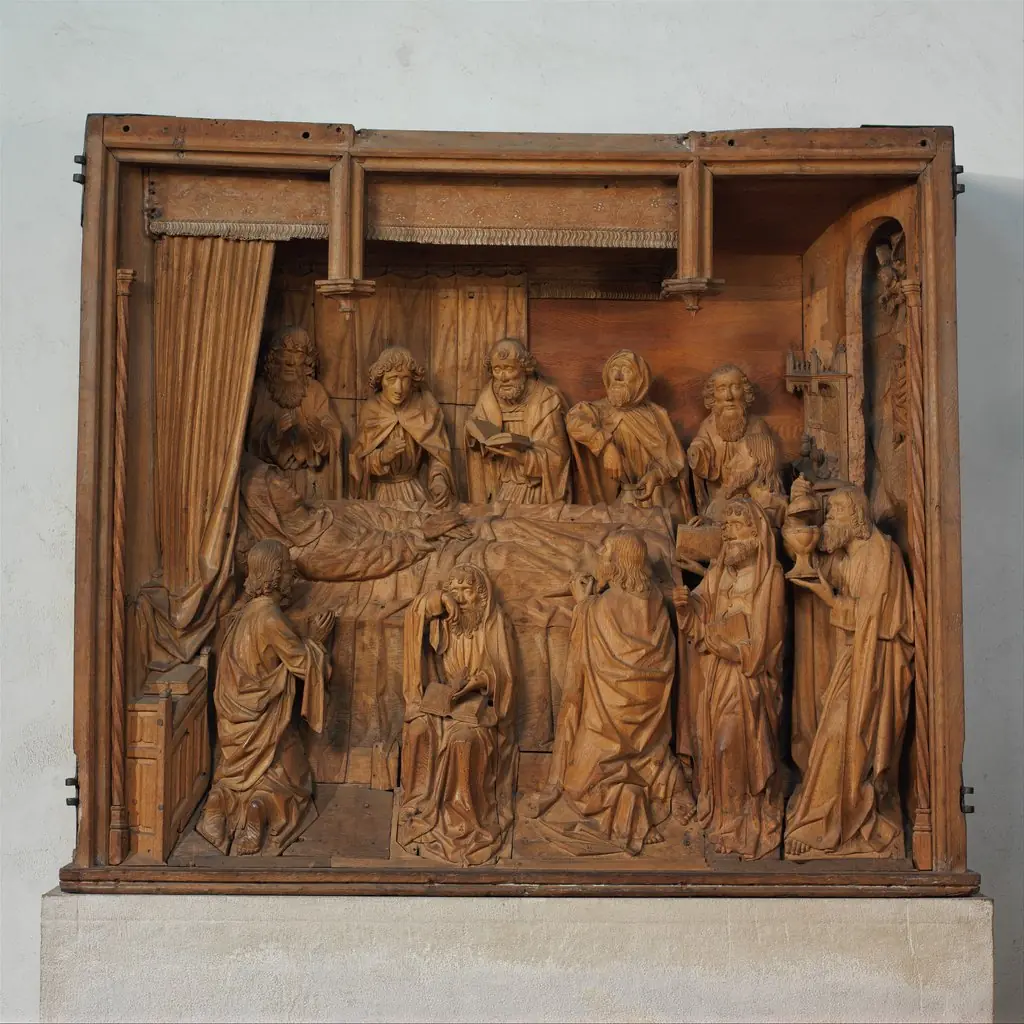 The Death of the Virgin (The Dormition)
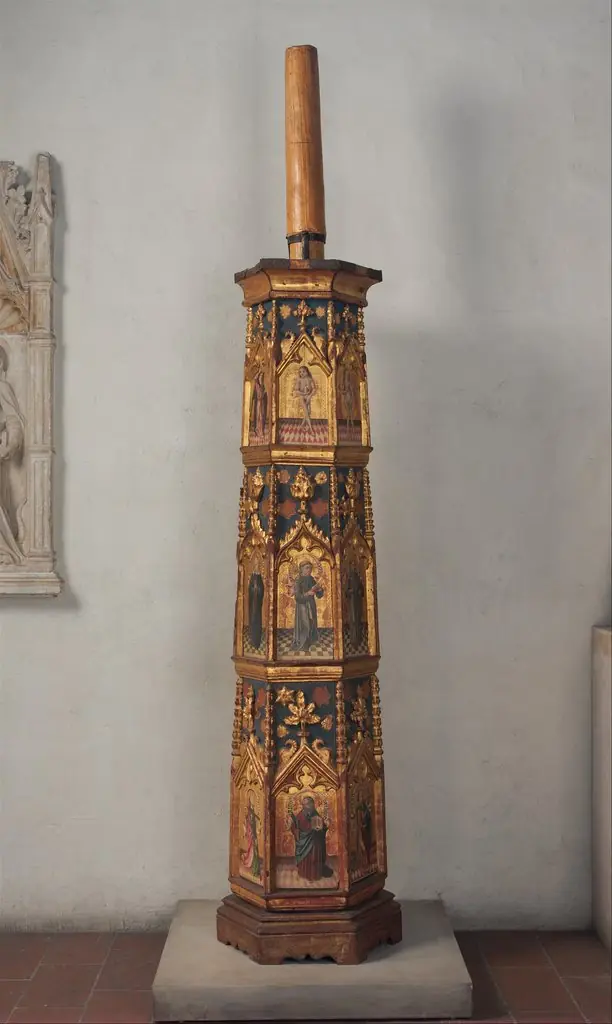 Paschal Candlestick
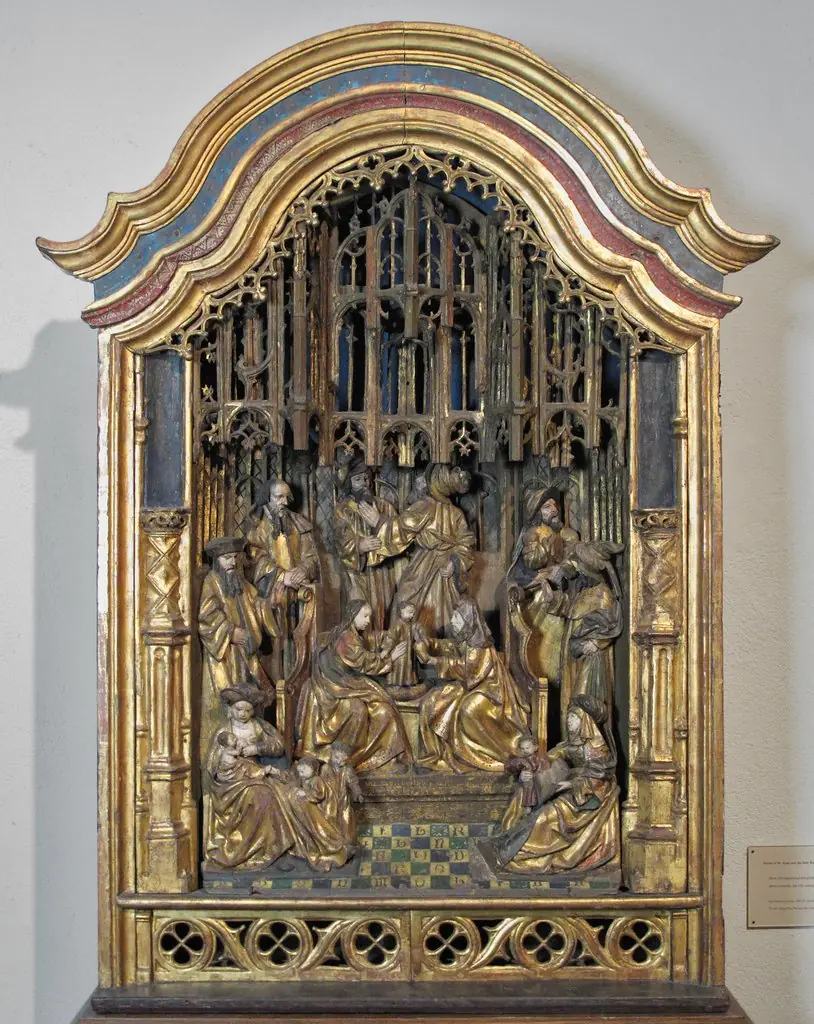 Shrine of Saint Anne and the Holy Kinship
 Christ and the Twelve Apostles
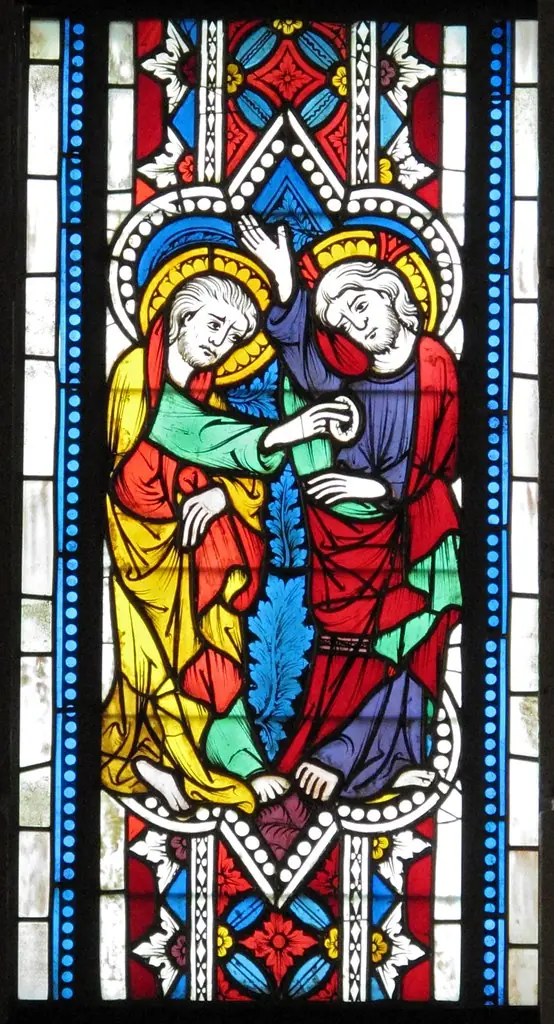 Doubting Thomas
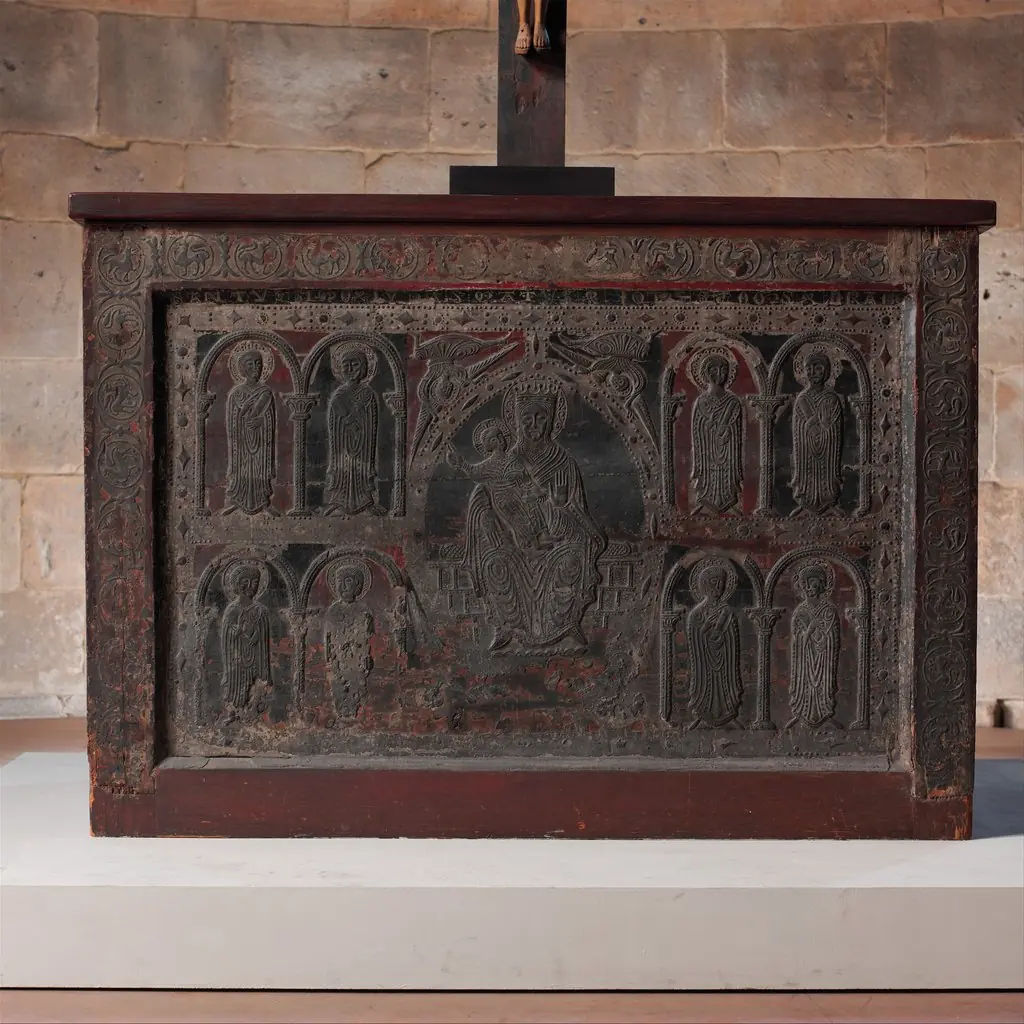 Altar Frontal
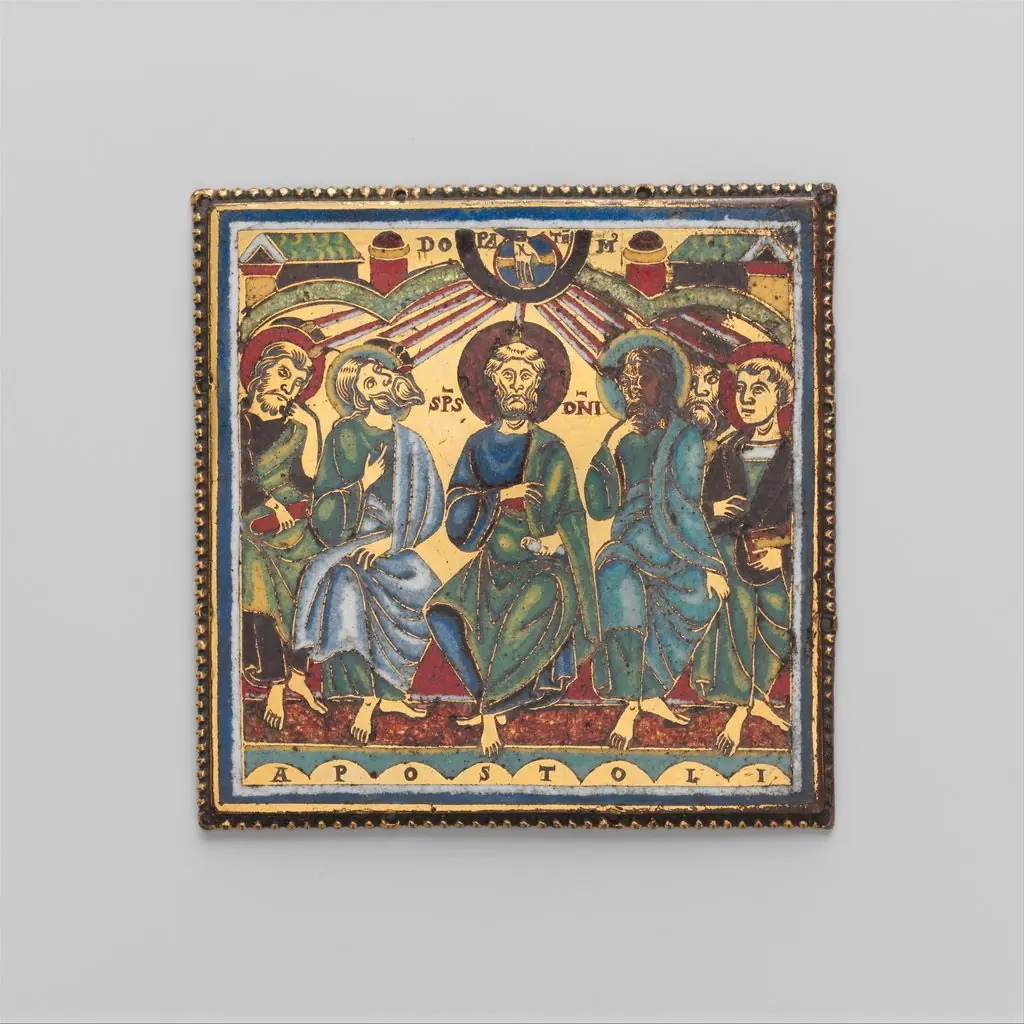 Plaque with the Pentecost
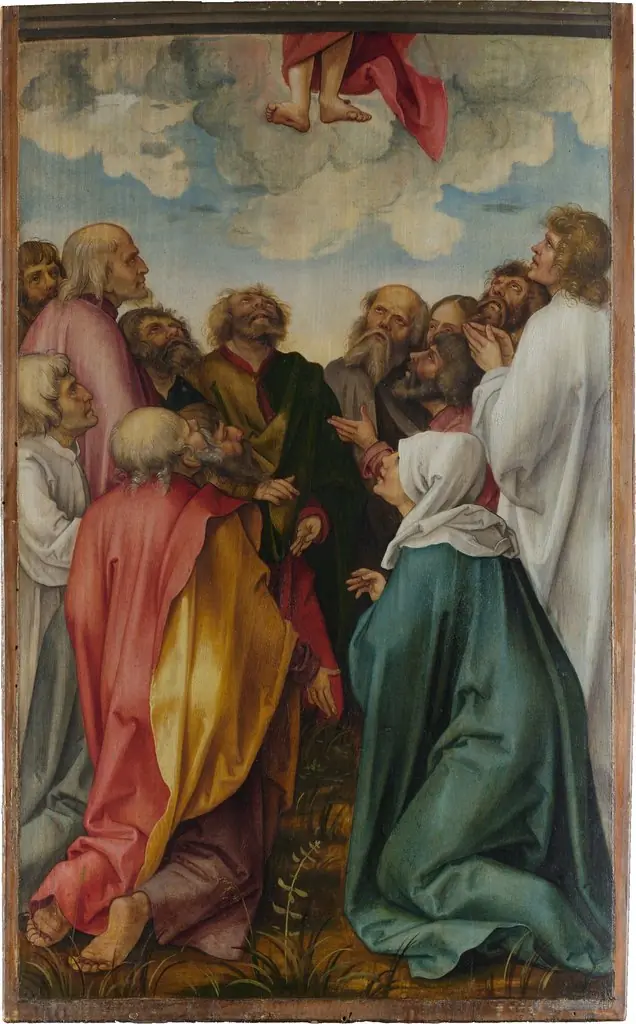 The Ascension of Christ
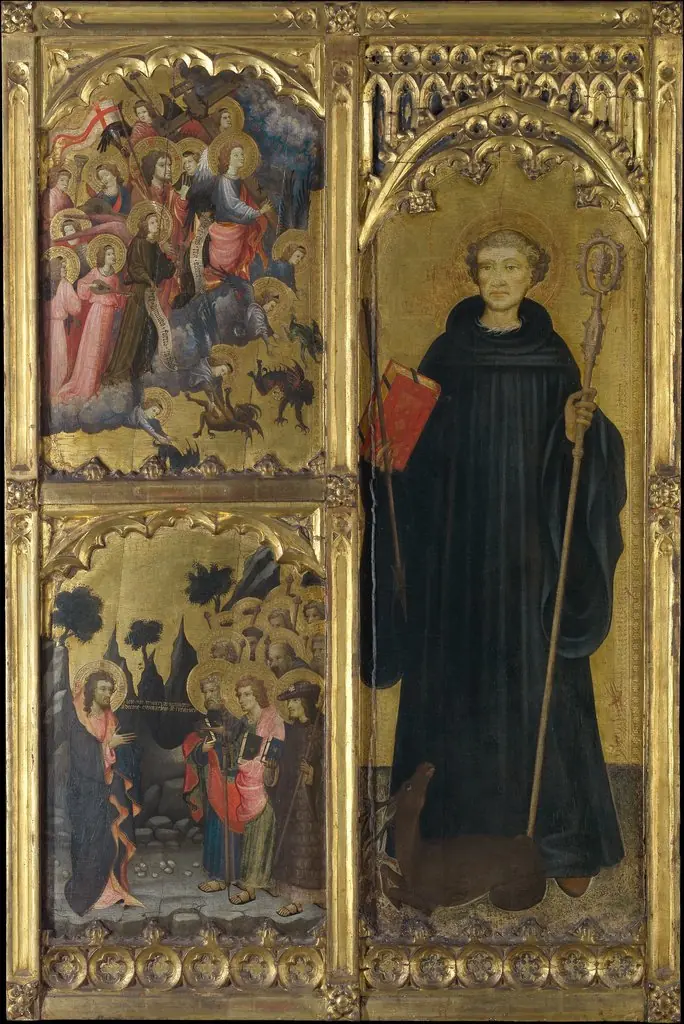 Saint Giles with Christ Triumphant over Satan and the Mission of the Apostles
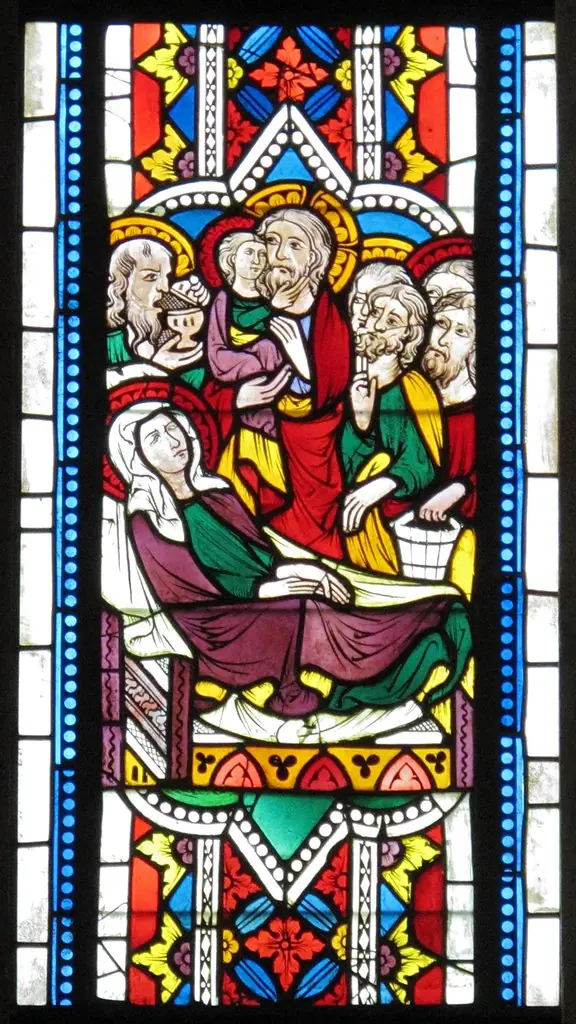 Dormition of the Virgin
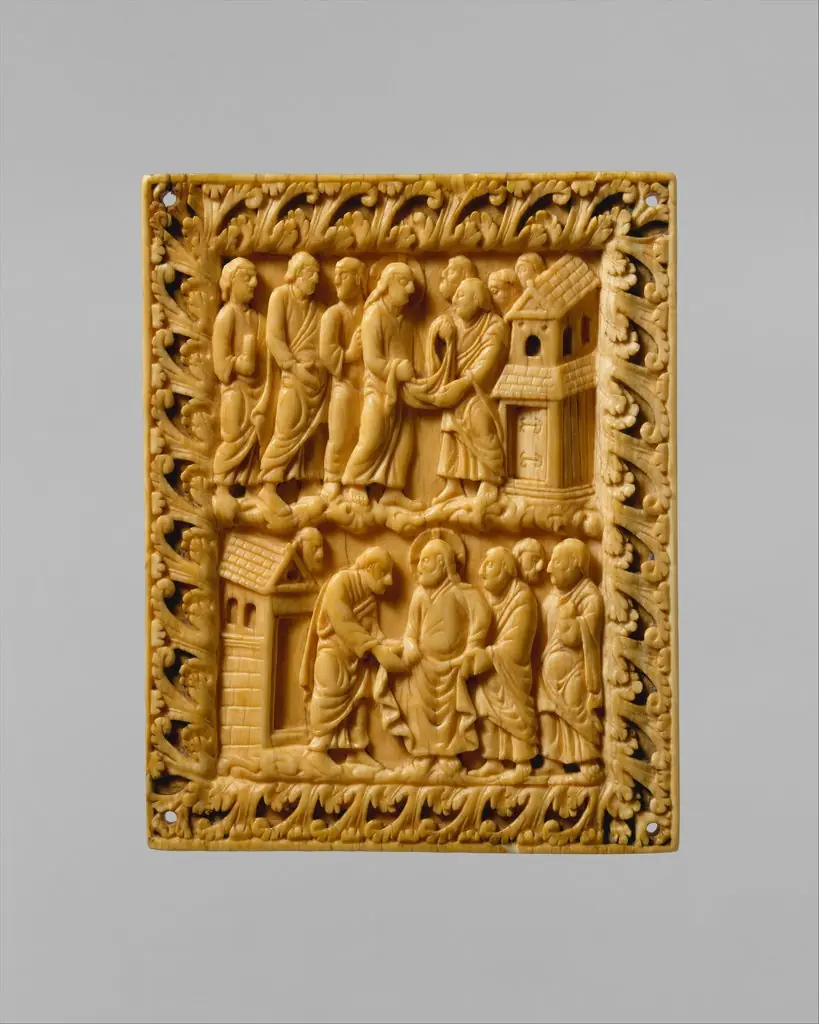 Two Scenes of Christ and the Apostles
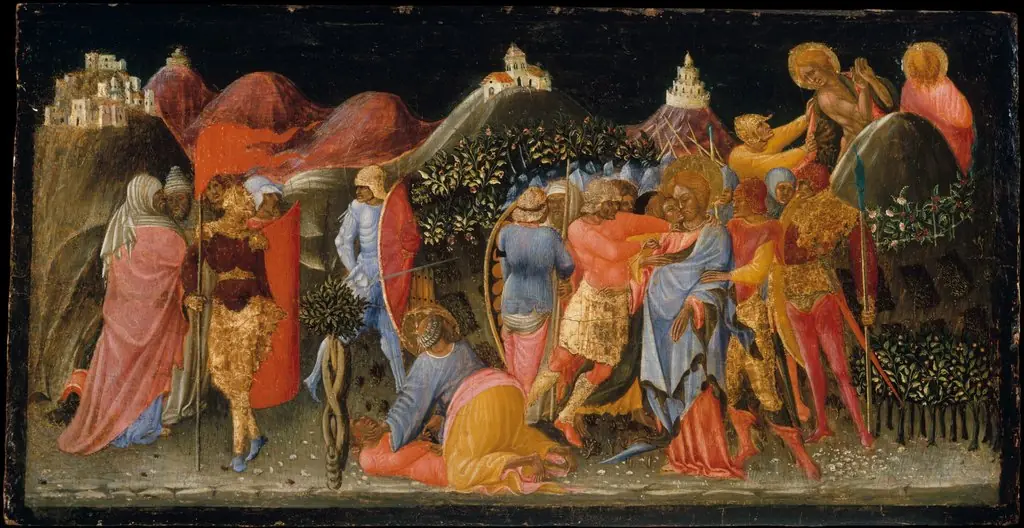 The Betrayal of Christ
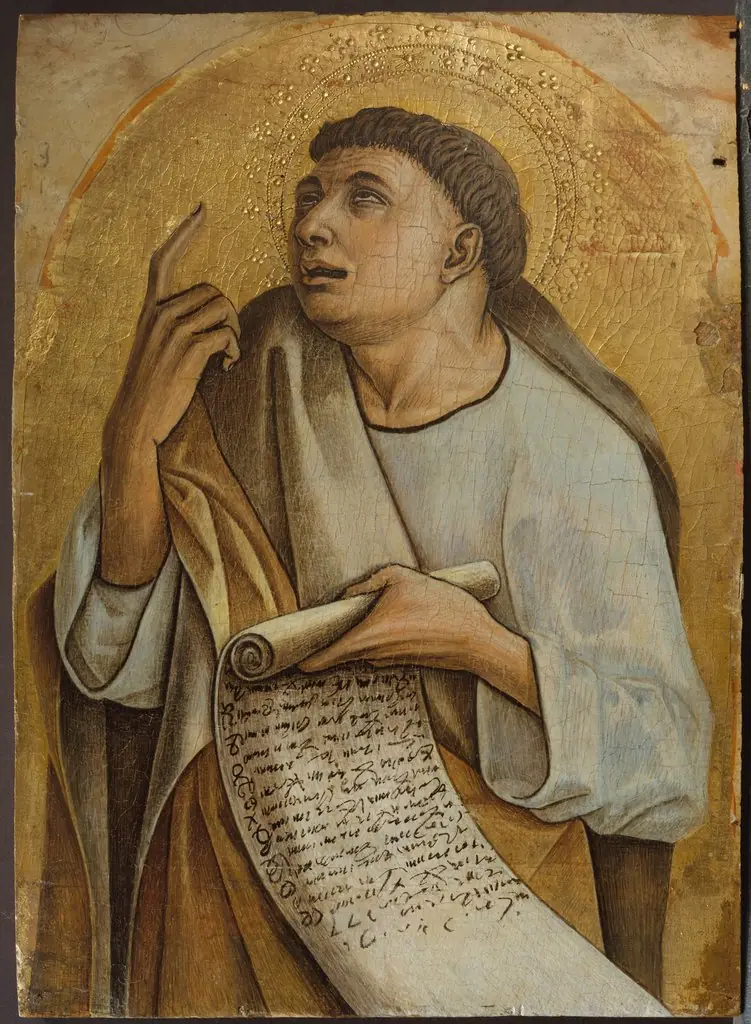 An Apostle
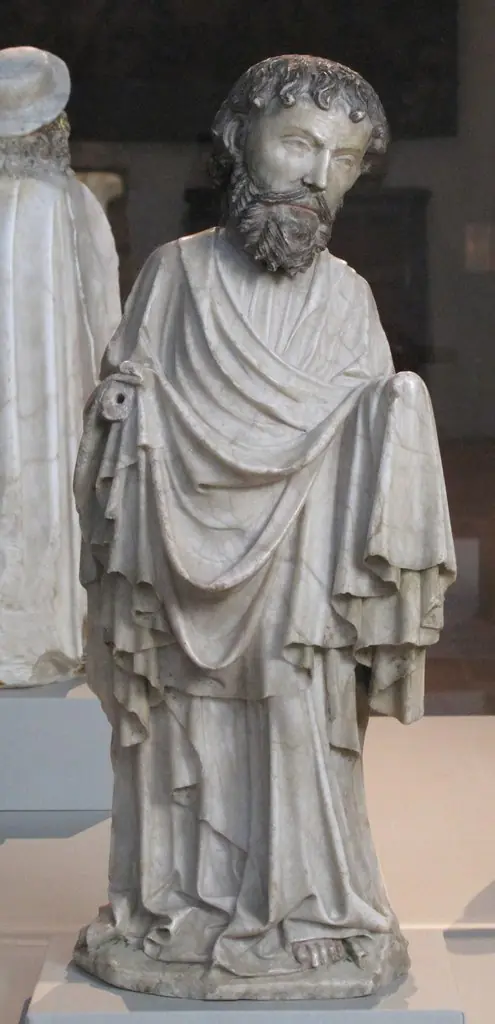 Standing Apostle
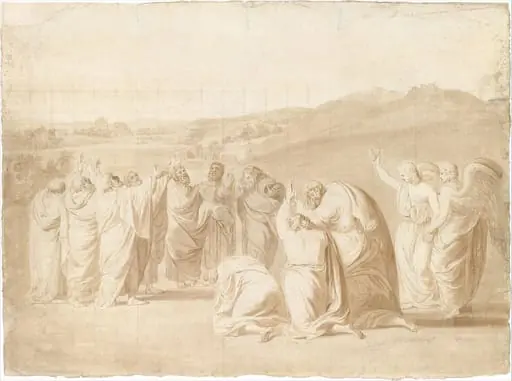 Study for "The Ascension"
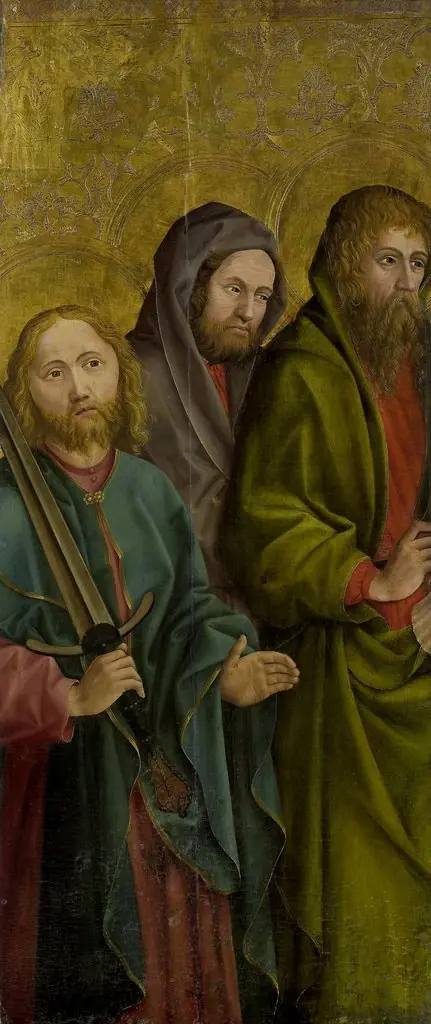 Three Apostles
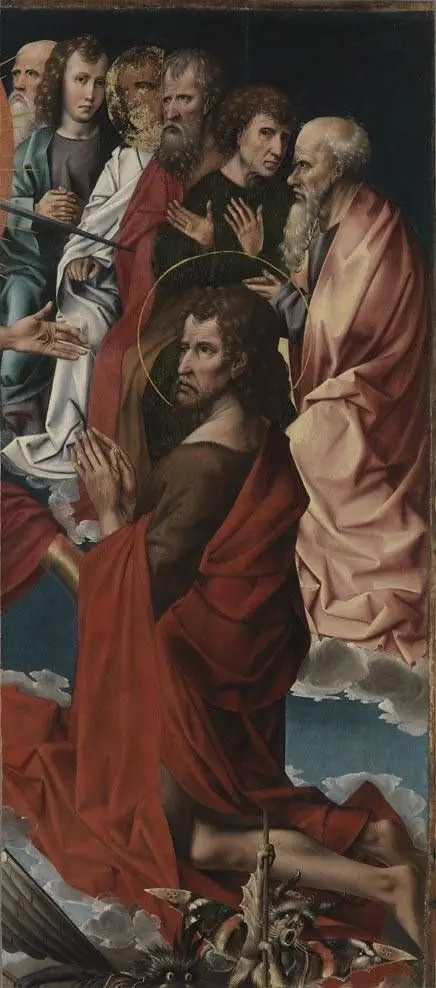 Last Judgement: Saint John the Baptist with six apostles
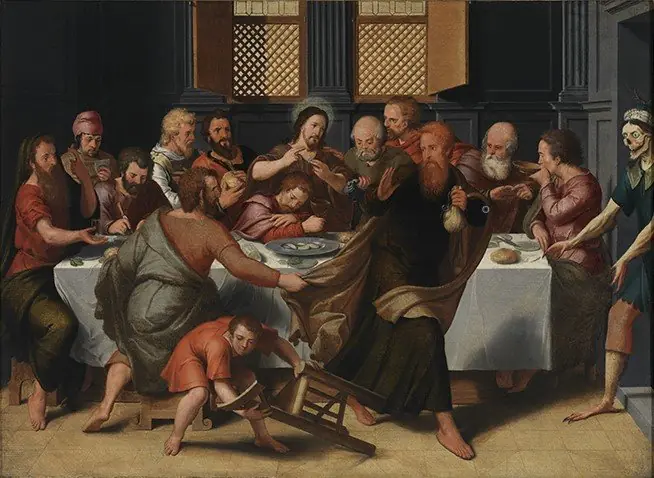 Last Supper
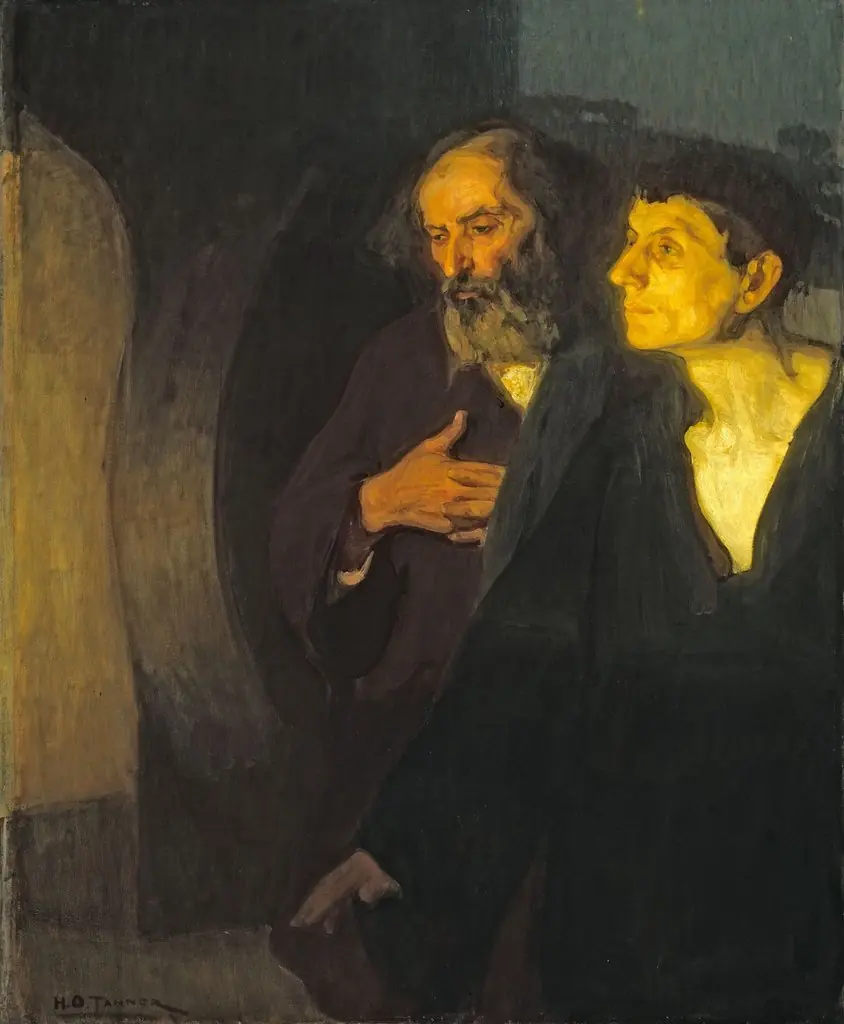 Two Disciples at the Tomb
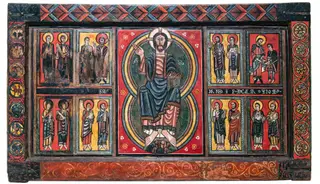 Altar frontal from Ix
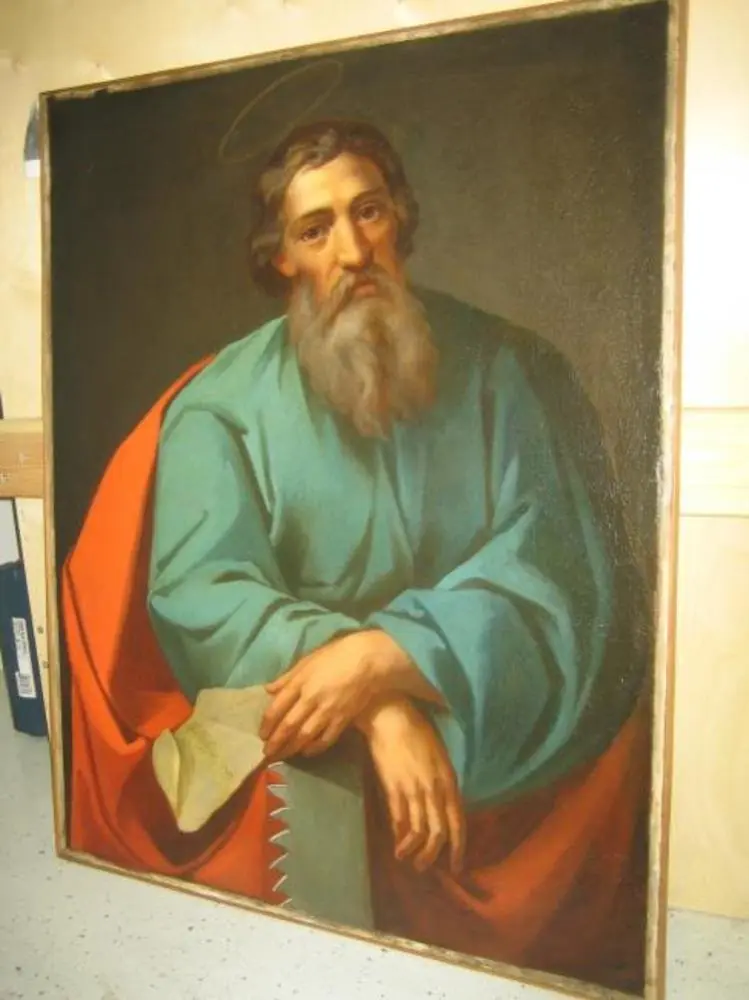 St Simon the Apostle (also known as St Simon the Zealot or Simon the Cananite
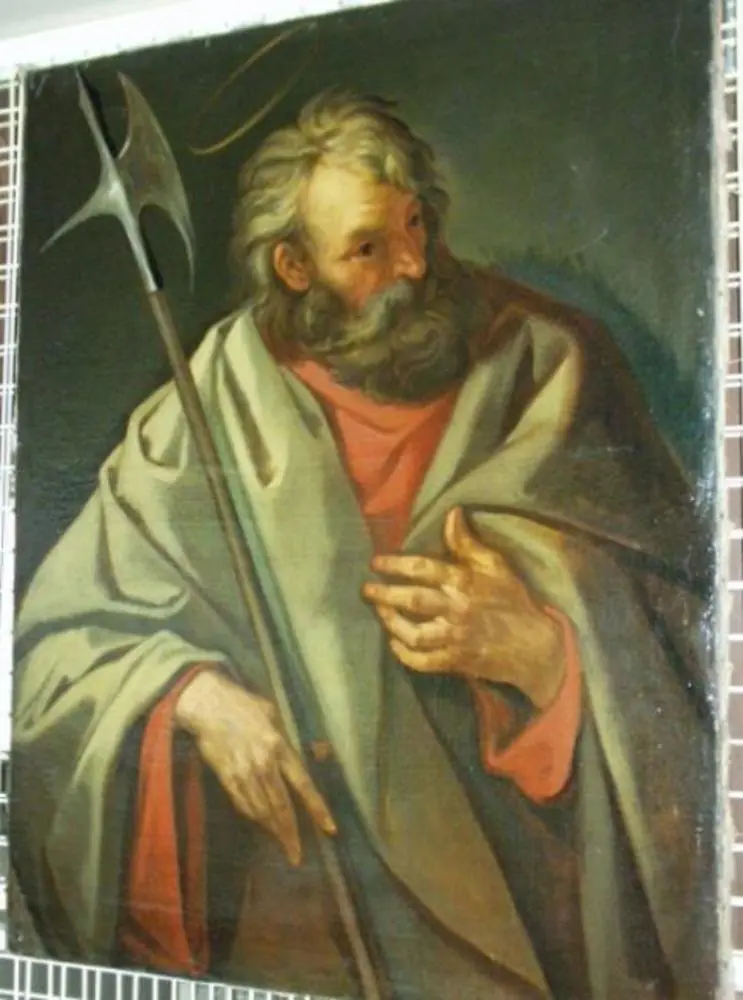 St Matthew the Apostle
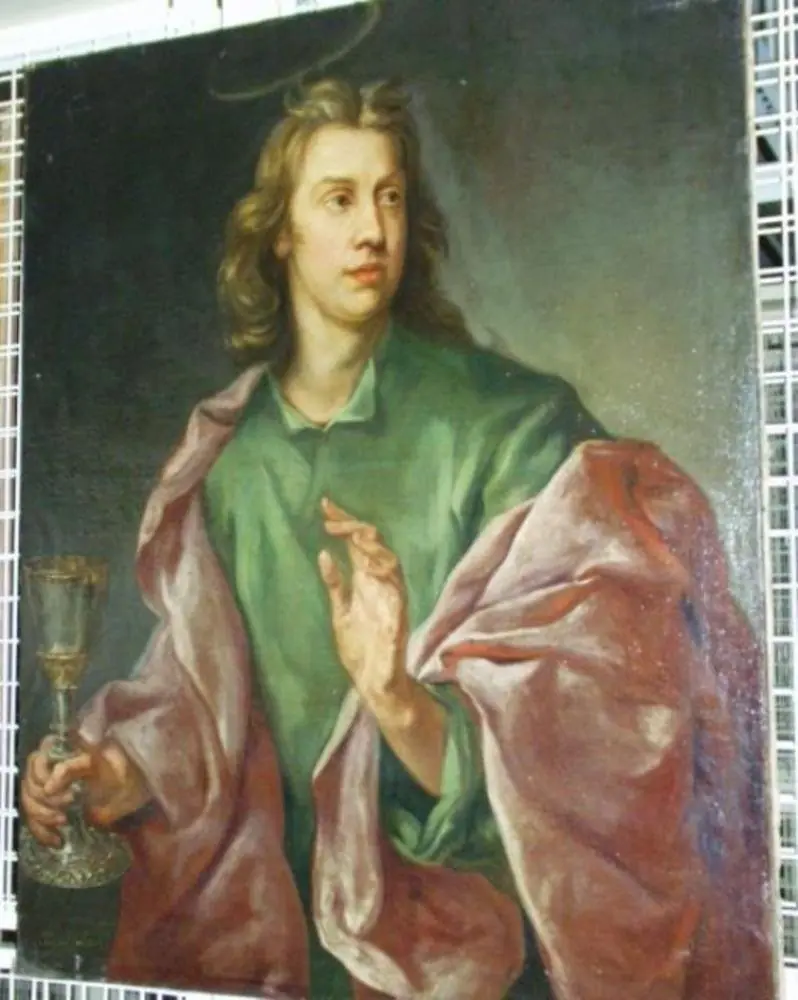 St John the Apostle
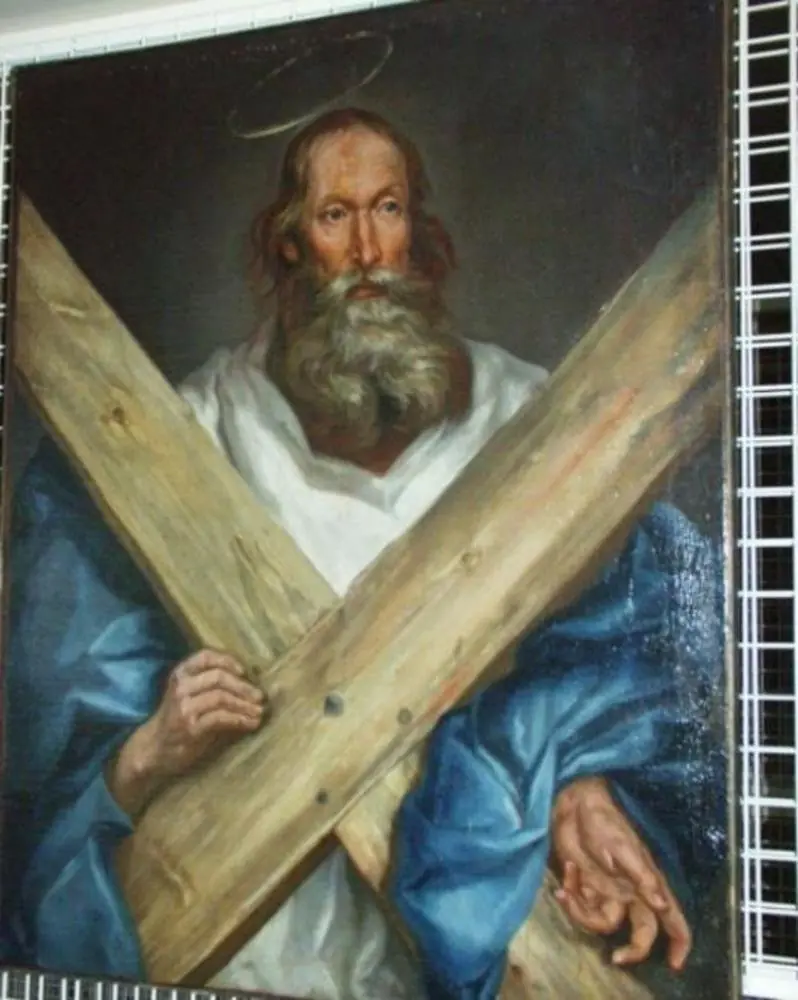 St Andrew the Apostle (the First-Called)
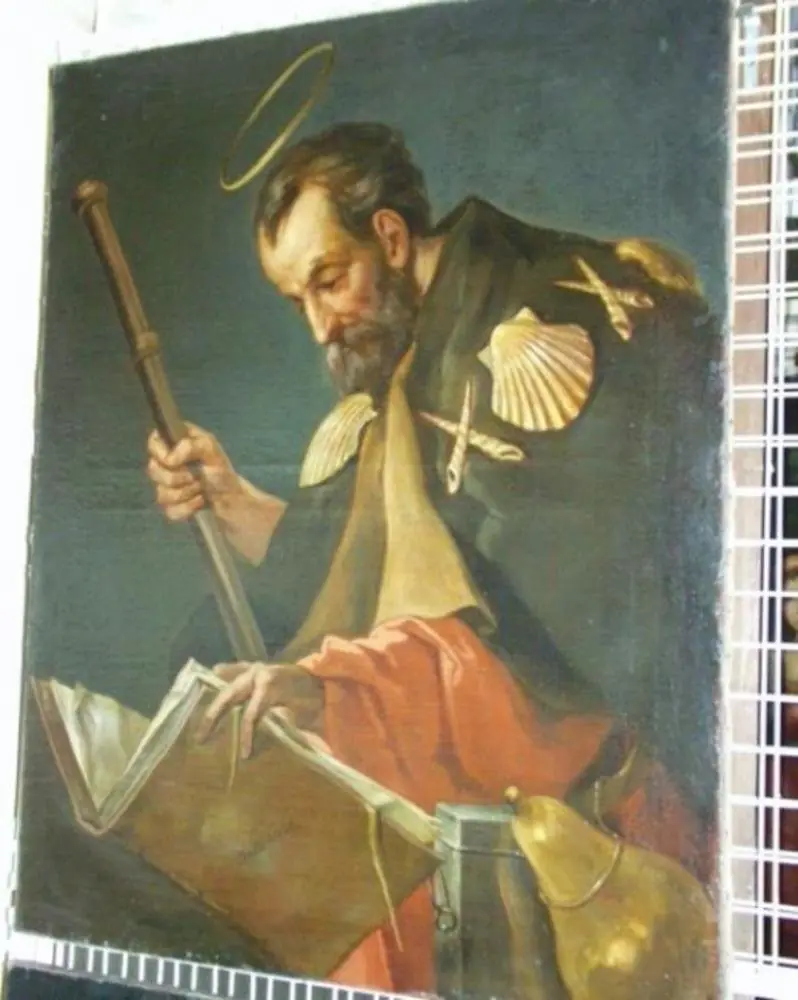 James the Greater, Son of Zebedee
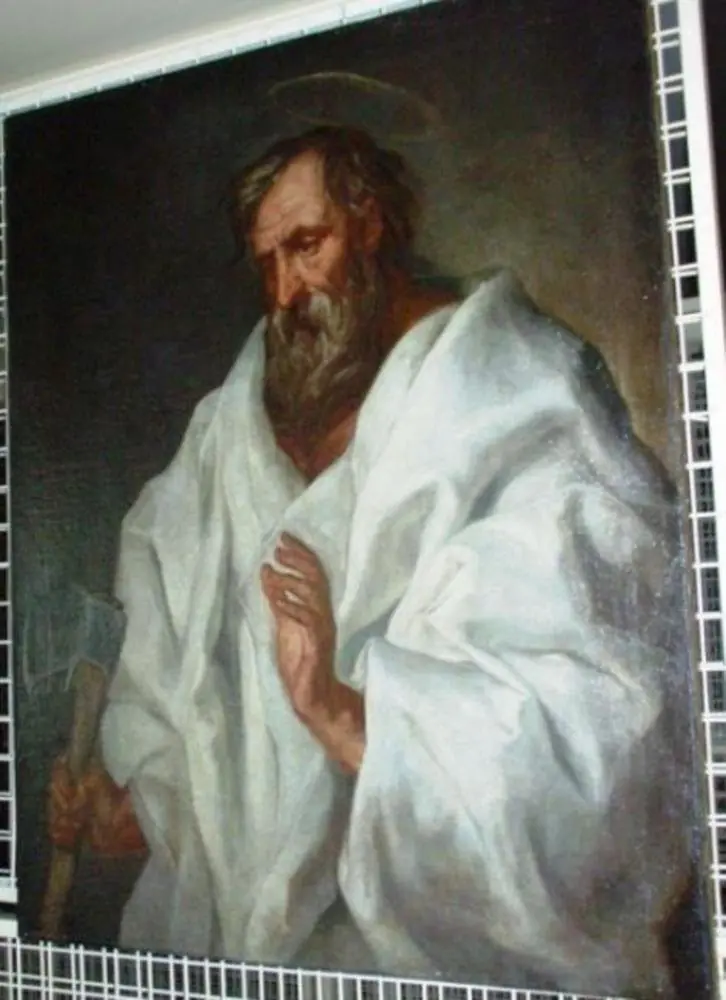 St Thomas the Apostle
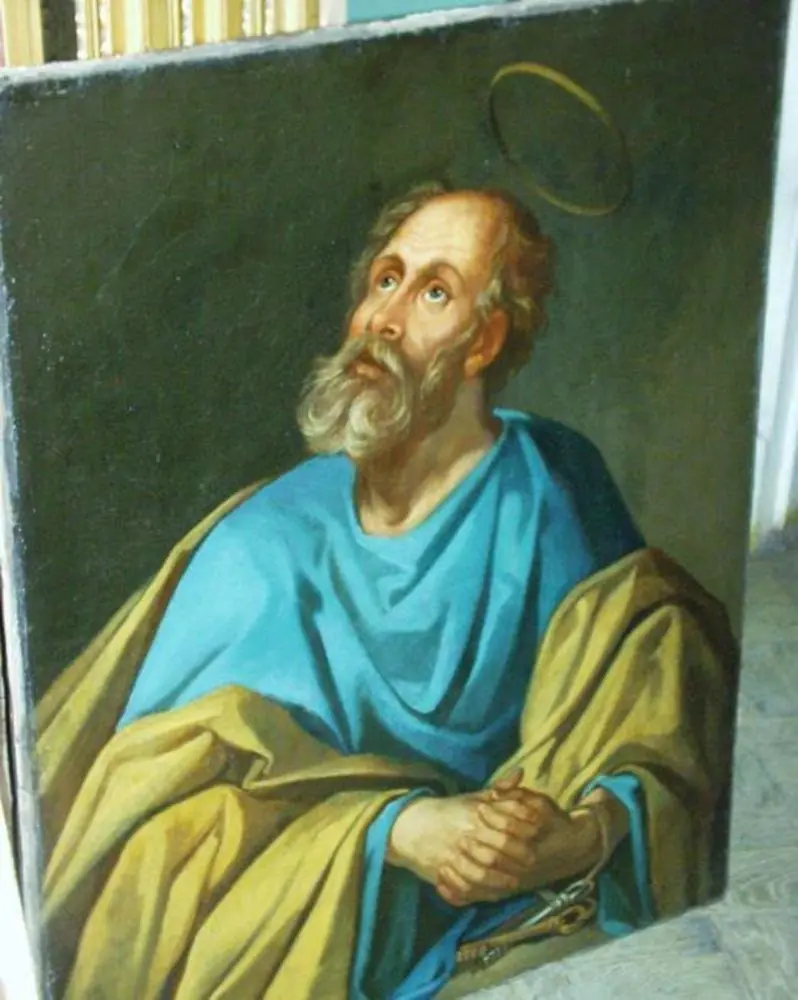 St Peter the Apostle
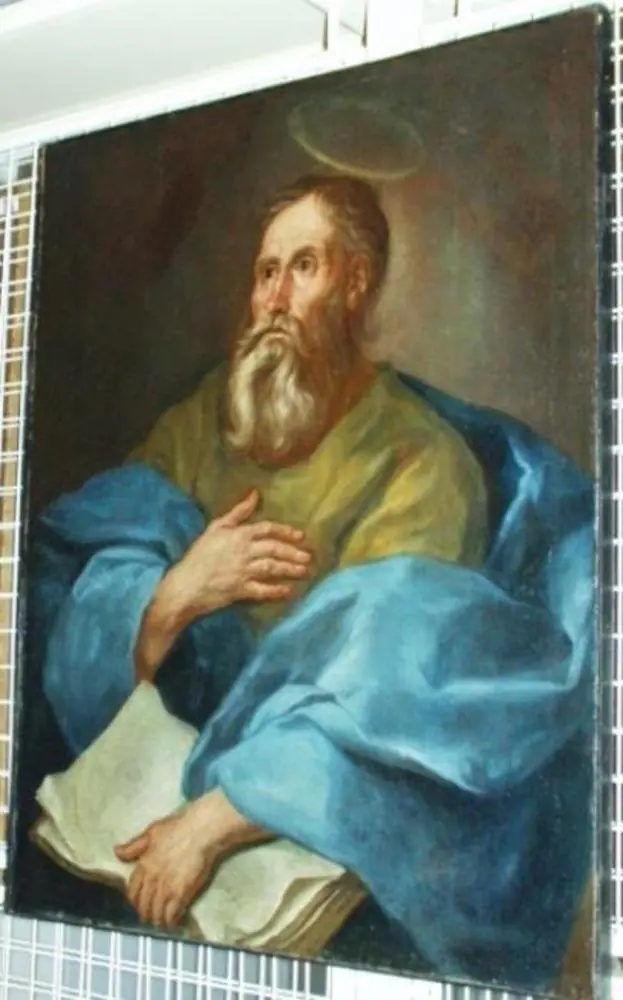 St Paul the Apostle
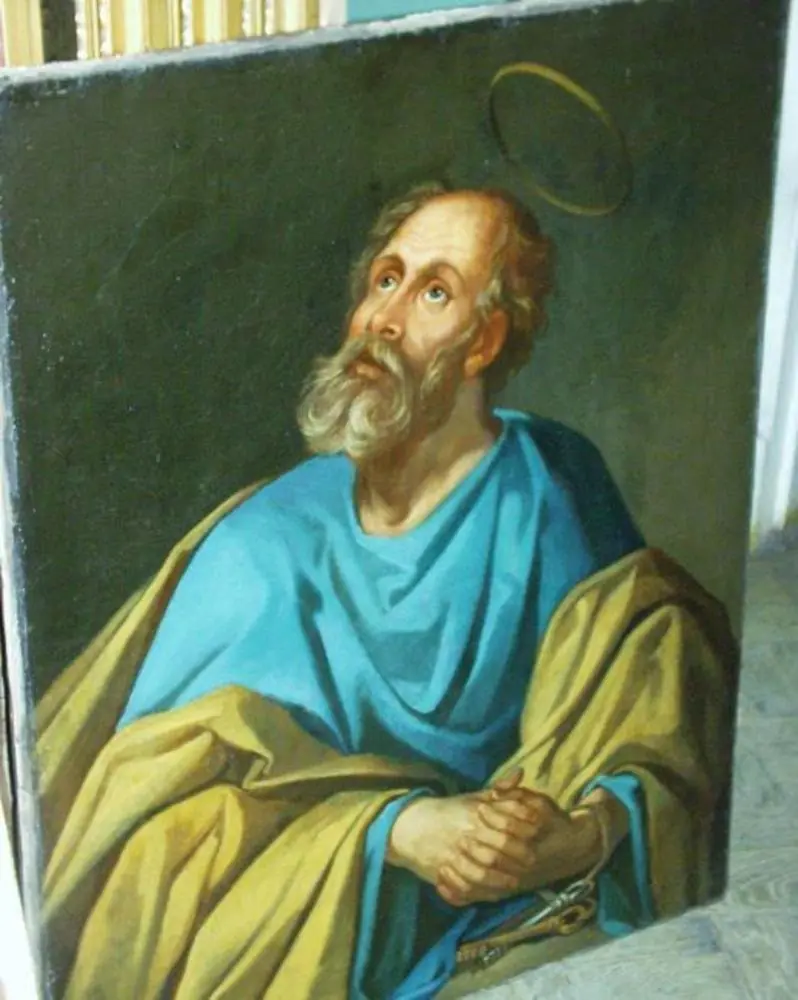 St Jude the Apostle (also known as Judas Thaddaeus)
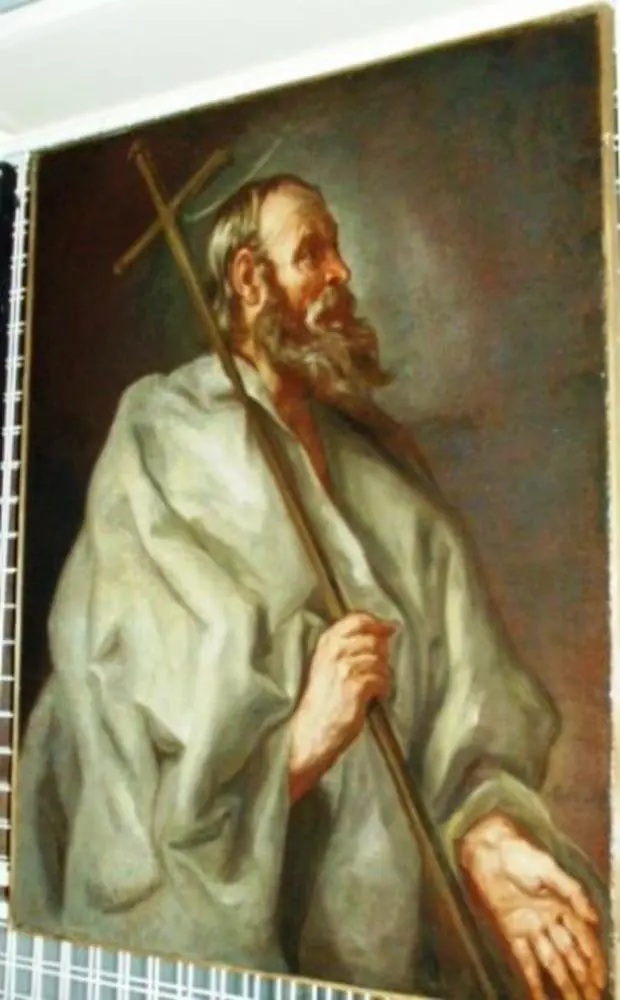 St Philip the Apostle
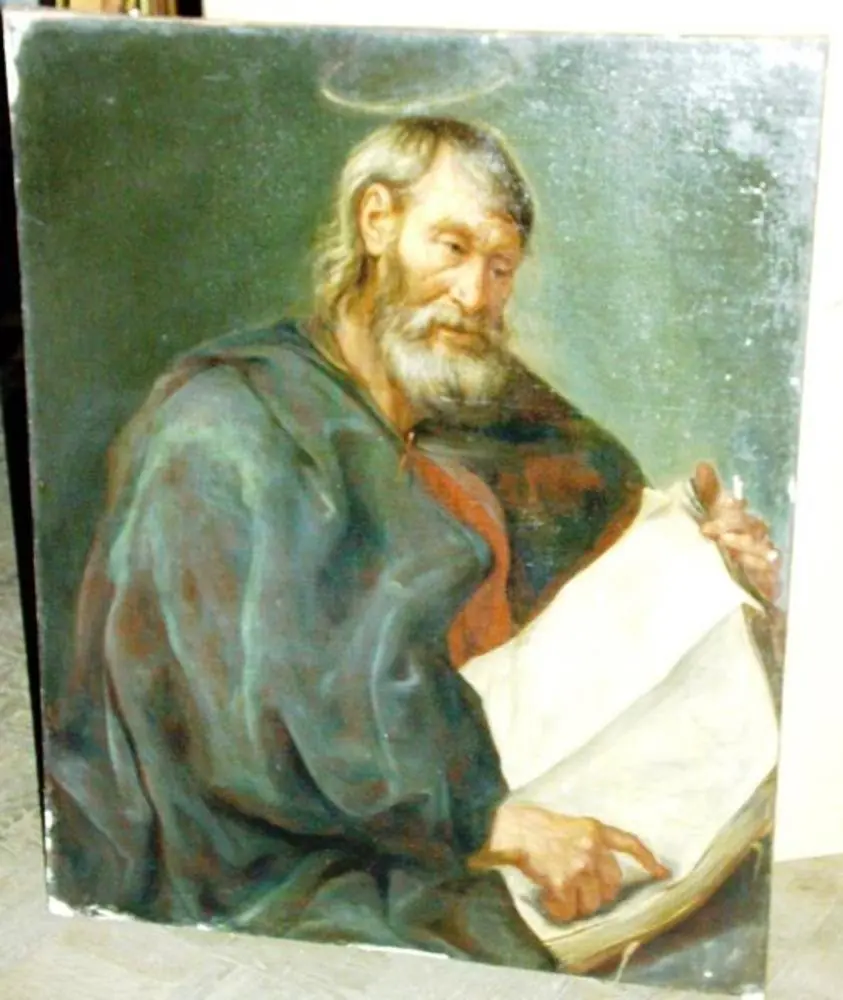 St Matthew the Evangelist
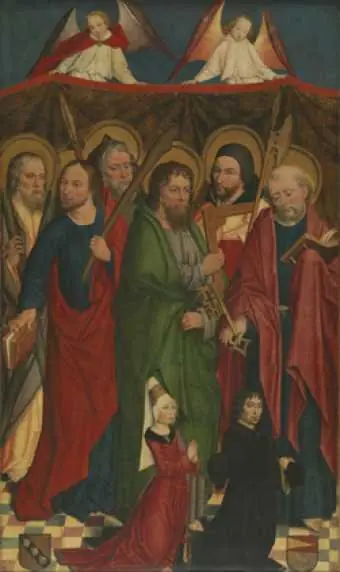 Left wing of St. Laurenz triptych - 6 Apostles and the donor Gerhard von Wesel (1443-1510) with his third wife Adelheid Bischof
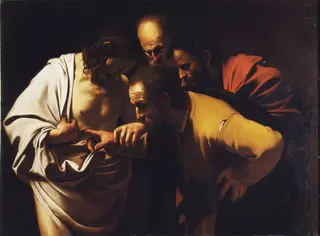 Incredulity of St. Thomas
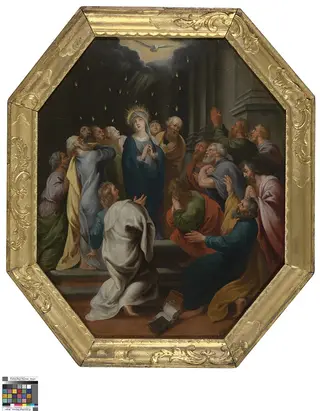 Pentecost
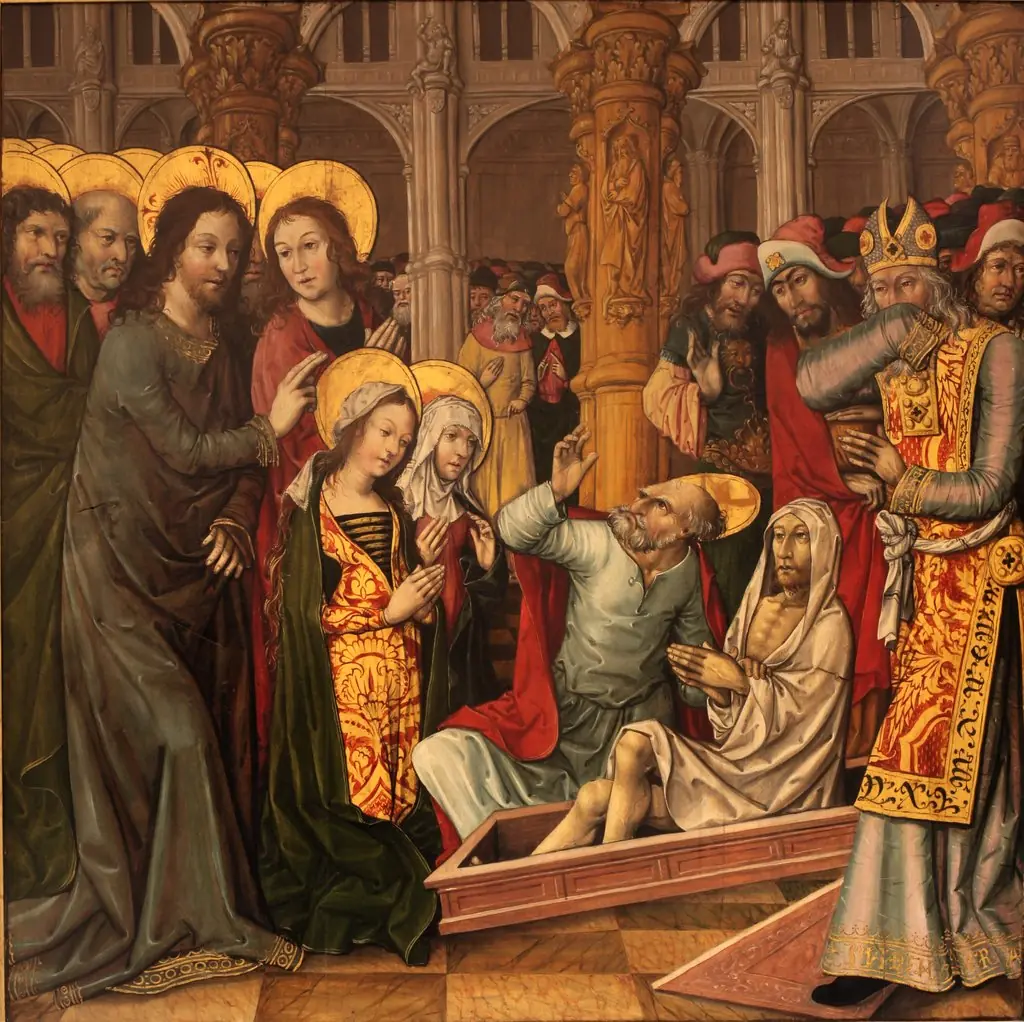 The resurrection of Lazarrus
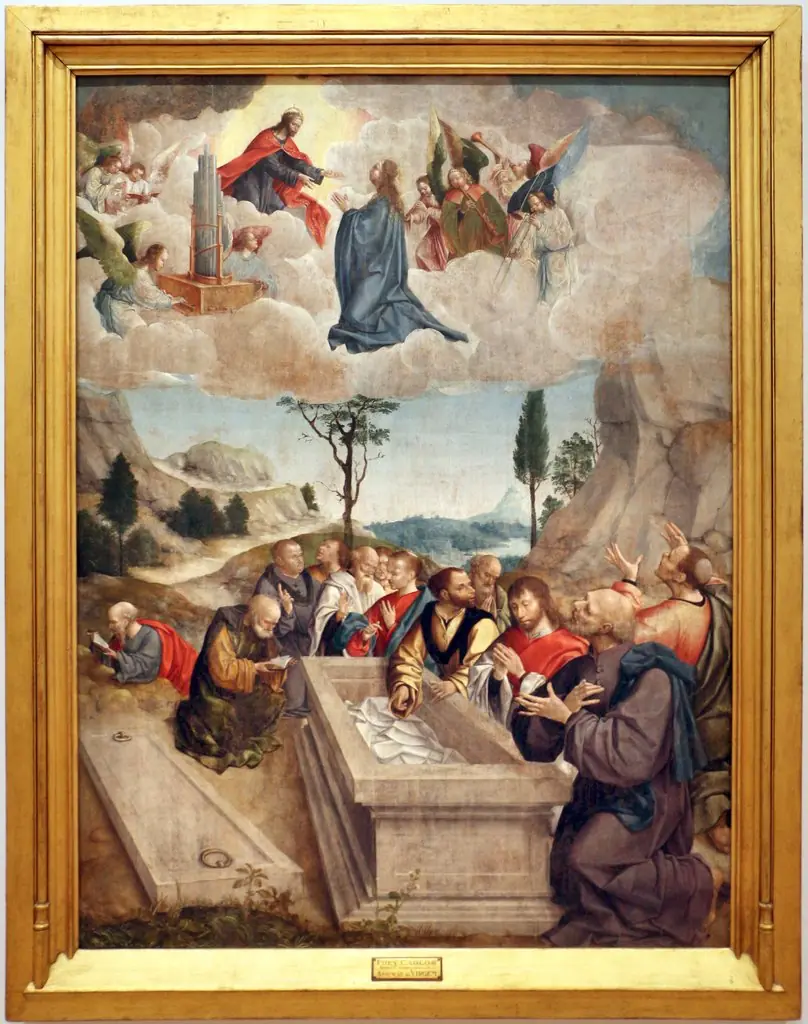 Assunção da Virgem Maria - Frei Carlos
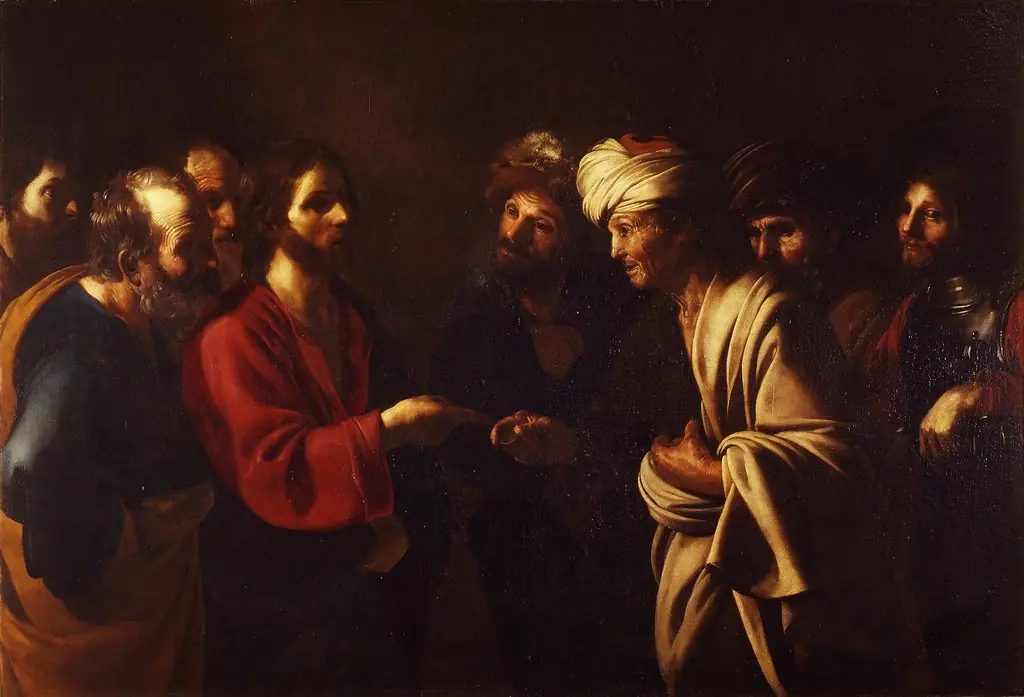 Tribute to Caesar
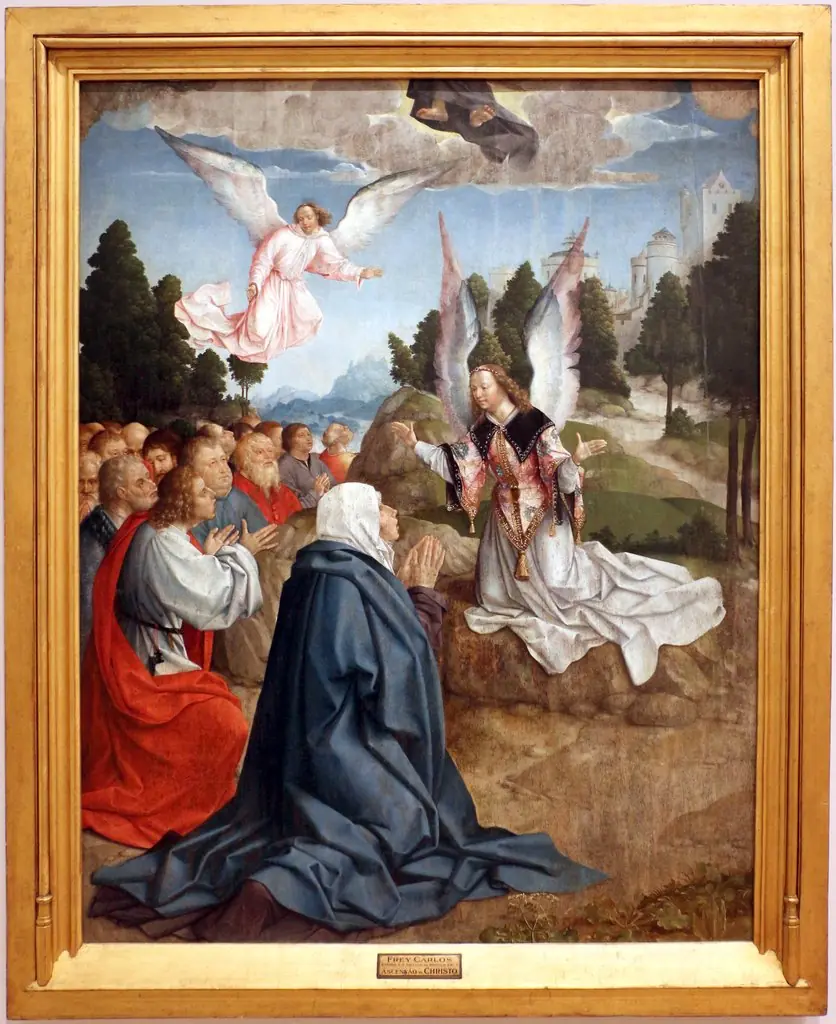 Ascensão de Cristo, Frei Carlos
Frequently asked questions
What is Apostle?
Apostle is a subject in art. In Christian theology and ecclesiology, the apostles, particularly the Twelve Apostles (also known as the Twelve Disciples or simply the Twelve), were the primary disciples of Jesus according to the New Testament.
How many Apostle works does Artifact World Gallery have?
Artifact World Gallery holds 42 public-domain Apostle works, all free to view and download.
Who are the key Apostle artists?
Key Apostle artists in the collection include John Singleton Copley, Hans Leonhard Schäufelein and Carlo Crivelli.
Where can I see Apostle works?
Apostle works in the collection are held by Metropolitan Museum of Art, Hermitage Museum and Uffizi Gallery.