Subject
Andrew the Apostle
![Saint Andrew and Saint Benedict with the Archangel Gabriel [left panel] — Agnolo Gaddi](https://artifactworldgallery.com/img/agnolo-gaddi--saint-andrew-and-saint-benedict-with-the-archangel-gabriel-l--ddd94720dea7e794-w640.webp)
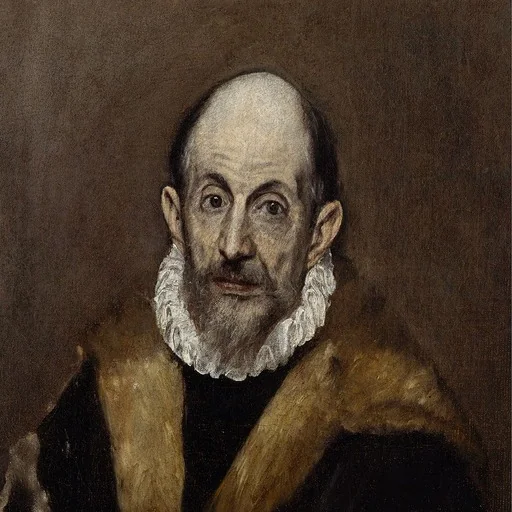
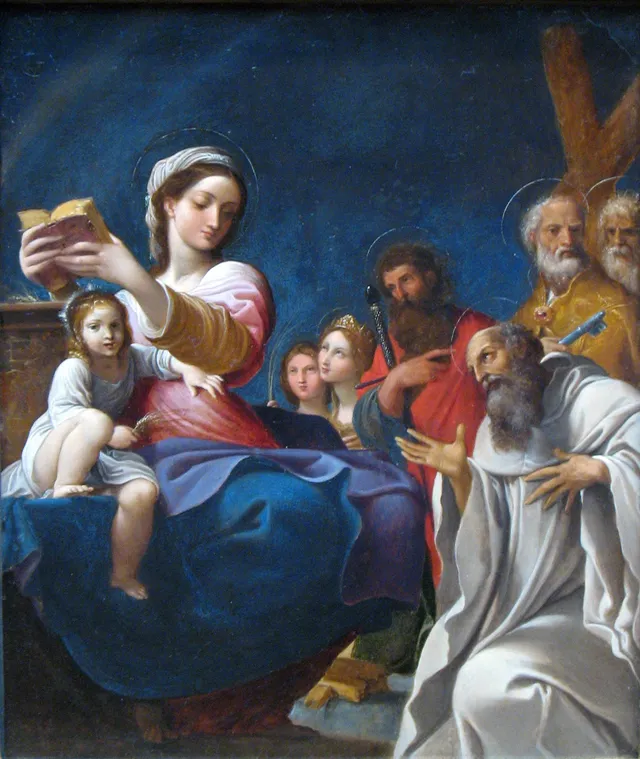
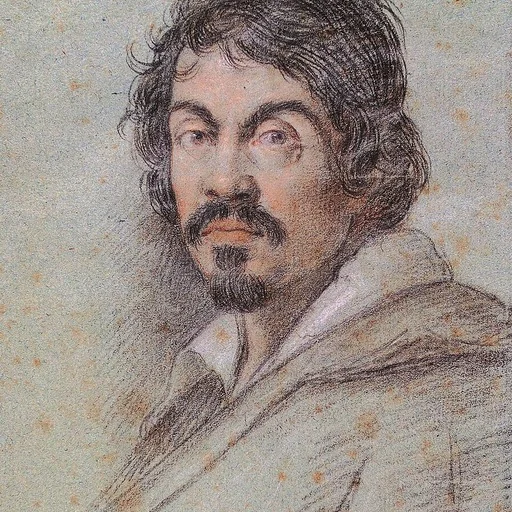
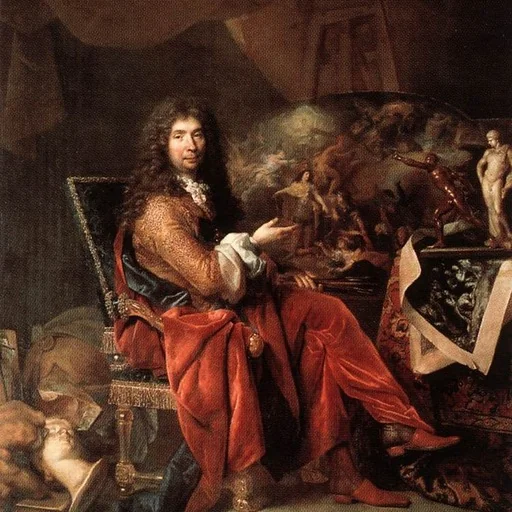
Andrew the Apostle is a subject in art. The gallery holds 49 works in this subject in art, including works by El Greco, Caravaggio and Charles Le Brun.
Andrew the Apostle (Koine Greek: Ἀνδρέας, romanized: Andréas ; Latin: Andreas ; Aramaic: אַנדּרֵאוָס; Classical Syriac: ܐܰܢܕ݁ܪܶܐܘܳܣ, romanized: ʾAnd'raʾwās) was an apostle of Jesus. According to the New Testament, he was a fisherman and one of the Twelve Apostles chosen by Jesus.
Key artists
Overview
Andrew the Apostle, known in Greek as Andreas, was a fisherman from Bethsaida in Galilee and one of the Twelve Apostles chosen by Jesus. His significance in art history stems from his distinctive status as the "First-Called" (Protokletos), his role as the brother of Saint Peter, and his dramatic martyrdom on an X-shaped cross. The subject recurs throughout Western and Eastern Christian art because Andrew embodies multiple theological and cultural narratives: the humble fisherman called to discipleship, the bridge between Eastern and Western Christianity, the missionary apostle who preached around the Black Sea, and the martyr whose relics became focal points of devotion in Constantinople, Amalfi, and Rome. His veneration as patron saint of Scotland, Russia, Greece, and the Ecumenical Patriarchate of Constantinople ensures his continued prominence in religious and national iconography across diverse cultures and periods.
Iconography & meaning
Andrew's primary attribute is the X-shaped cross, or crux decussata, commonly called the Saint Andrew's Cross or saltire. This distinctive form developed from late medieval tradition, though early accounts such as the Acts of Andrew known to Gregory of Tours described him bound to a Latin cross. The X-shaped cross became firmly associated with Andrew by the late Middle Ages and carries dual significance: it represents his martyrdom at Patras in Achaea around AD 60, and according to tradition, Andrew requested this form feeling unworthy to die on the same type of cross as Christ. The cross also symbolizes Scotland, where Andrew became patron saint, appearing on the Scottish national flag as a white saltire on blue.
Additional attributes include the fishing net or fish, referencing his original profession and the biblical call to become a "fisher of men." The Prado's painting by Jusepe de Ribera depicts him with a hook caught in a fish's mouth, combining these maritime symbols with the cross of martyrdom. Andrew is also shown with long white hair and beard, holding a Gospel book or scroll, reflecting his age at martyrdom and his apostolic preaching. The fish and net serve as metaphors for evangelism and the gathering of souls, while his half-nude depiction in some works, as in Ribera's canvas, emphasizes the physical suffering of martyrdom and the vulnerability of the flesh.
Theologically, Andrew represents the first response to Christ's call, making him a model of immediate discipleship. His introduction of Peter to Jesus became an ecumenical symbol, particularly after 1964 when Pope Paul VI and Patriarch Athenagoras embraced at Jerusalem, with the two brothers representing the hoped-for unity of Eastern and Western Churches. His patronage extends to fishermen, fishmongers, rope-makers, textile workers, singers, miners, pregnant women, butchers, farm workers, and the Russian Navy, reflecting the broad diffusion of his cult.
Across movements & periods
The treatment of Andrew the Apostle evolved considerably across artistic periods, though sources provide specific detail for only certain phases. Early Byzantine tradition emphasized his status as Protokletos, "first called," deriving from the Gospel of John. The 4th-century account of his death by crucifixion established the foundation for later martyrdom imagery, while late medieval accretions introduced the X-shaped cross.
The Baroque period is particularly well-documented through Jusepe de Ribera's Saint Andrew in the Prado, dated to the late 1620s or early 1630s. Ribera's treatment exemplifies Spanish tenebrism: the saint's bare torso emerges from darkness, with dramatic chiaroscuro modeling aged flesh and wrinkled skin against smooth wood. This naturalistic, emotionally charged approach influenced later realist artists including Mariano Fortuny. Ribera's composition, with its classical equilibrium and reduced palette, demonstrates how Counter-Reformation art used physical suffering to convey spiritual intensity.
The 18th century is represented by Andrea D'Aste's cycle in Amalfi Cathedral, executed in the early 1700s in the Baroque style of Francesco Solimena's follower. These large canvases depicting The Flagellation, The Crucifixion, The Miracle of the Manna, and The Deposition in the Tomb show the continued narrative elaboration of Andrew's life in ecclesiastical decoration.
Tobias Stimmer's 1578 drawing of Andrew, part of a series of apostles in pen and brown ink, represents Northern Renaissance graphic art. The Staedelmuseum records this work alongside companion pieces depicting Peter, James the Elder, John, Matthias, and Paul, indicating the standardized apostolic series format in late 16th-century German-speaking regions.
Colonial expansion carried Andrew's imagery to the Philippines, where Bacarra Church in Ilocos Norte, founded by Augustinian friars in 1593 and dedicated to Saint Andrew the Apostle, was declared a National Cultural Treasure in 1973. Its distinctive domeless, leaning bell tower represents the adaptation of European saintly patronage to local architectural conditions.
Notable depictions
Jusepe de Ribera's Saint Andrew, housed in the Museo del Prado, stands as a canonical treatment of the subject. Painted in the late 1620s or early 1630s, the canvas presents the apostle more than half-length against a dark background, his torso bare, white hair and beard indicating advanced age. In his left hand he grasps the X-shaped cross of his martyrdom; in his right, a hook caught in a fish's mouth. Ribera's tenebrism, the contrast between aged flesh and smooth wood, and the emotional intensity of the saint's contemplative expression exemplify the artist's mastery and influenced generations of realist painters.
Andrea D'Aste's cycle in Amalfi Cathedral, including The Crucifixion of St. Andrew above the main altar and narrative scenes in the vault, represents early 18th-century Italian Baroque treatment. Giuseppe Castellano contributed companion paintings of The Vocation and The Miraculous Draught of Fish in the transept.
El Greco's Crucifixion of Saint Andrew, referenced in devotional literature, demonstrates the subject's treatment by the Cretan master working in Spain, though specific details of this work are not provided in the sources.
Tobias Stimmer's 1578 drawing, Andrew the Apostle, in pen and brown ink (305 x 198 mm), now in Berlin, forms part of a systematic apostolic series that includes Peter, James the Elder, John, Matthias, and Paul, indicating the standardized iconographic approach in Northern European graphic arts.
The 14th-century marble sarcophagus of Archbishop Pietro Capuano in Amalfi Cathedral, repurposed as a post-Council altar, and the silver and copper bust of Saint Andrew in the same church, represent sculptural and metalwork treatments across centuries.
Legacy
Andrew's legacy extends far beyond artistic representation into political, ecclesiastical, and national identity. His relics became powerful tokens of inter-church relations: transferred from Patras to Constantinople in 357 by order of Constantius II, then to Amalfi in 1208, with the head taken to Rome (St. Peter's Basilica) in the 15th century. Pope Paul VI's return of Andrew's head to Patras in September 1964, during the Third Session of the Second Vatican Council, constituted a major ecumenical gesture toward the Orthodox Church of Greece. A portion of relics was returned to the Ecumenical Patriarch Bartholomew I in Amalfi in 2007.
As patron saint of Scotland, Russia, Greece, Ukraine, Romania, and other nations, Andrew became embedded in national symbolism. The Scottish saltire (white X-shaped cross on blue field) derives directly from his attribute and appears in the Union Jack. The Russian Federation's highest decoration, the Order of Saint Andrew Protocletos (established 1698, revived 1992), and the Scottish Order of the Thistle (1460/1687) incorporate his name and image.
The Ecumenical Patriarch of Constantinople claims apostolic succession from Andrew, paralleling the Pope's succession from Peter, making the two brothers represent the historical bifurcation and hoped-for reconciliation of Eastern and Western Christianity. This ecumenical dimension was ritually enacted when Paul VI and Patriarch Athenagoras embraced in Jerusalem on Epiphany 1964.
In the Philippines, the survival of Bacarra Church through earthquakes and its designation as National Cultural Treasure demonstrate how colonial-era dedication to Andrew anchored local identity. The church's Museo de Bacarra preserves religious and cultural artifacts, while its underground tunnels and leaning tower have become heritage landmarks.
Andrew's feast day on November 30 initiates the St. Andrew Novena in Roman Catholic practice, with prayers recited fifteen times daily until Christmas, linking his commemoration to the Advent season. His patronage of fishermen, sailors, and maritime trades perpetuates his original profession in practical devotion.
Works
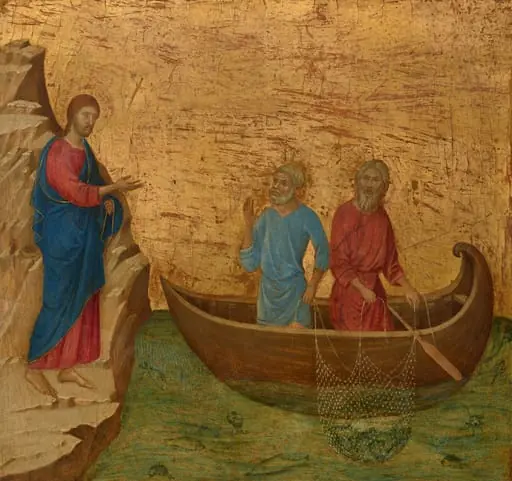 The Calling of the Apostles Peter and Andrew
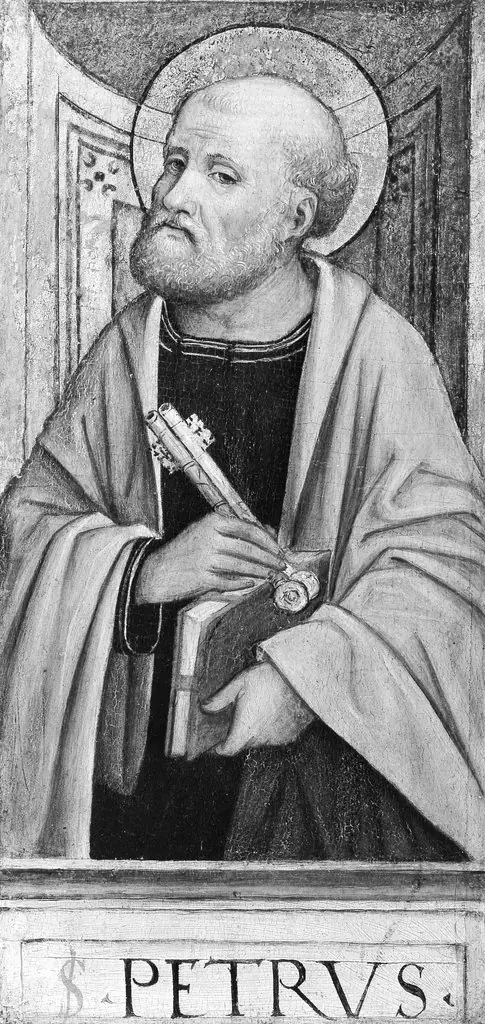 The Twelve Apostles: Saints Bartholomew, Andrew, Matthew, James the Greater, Thaddeus, Philip, James the Lesser, Simon, Peter, Paul, Thomas, and John
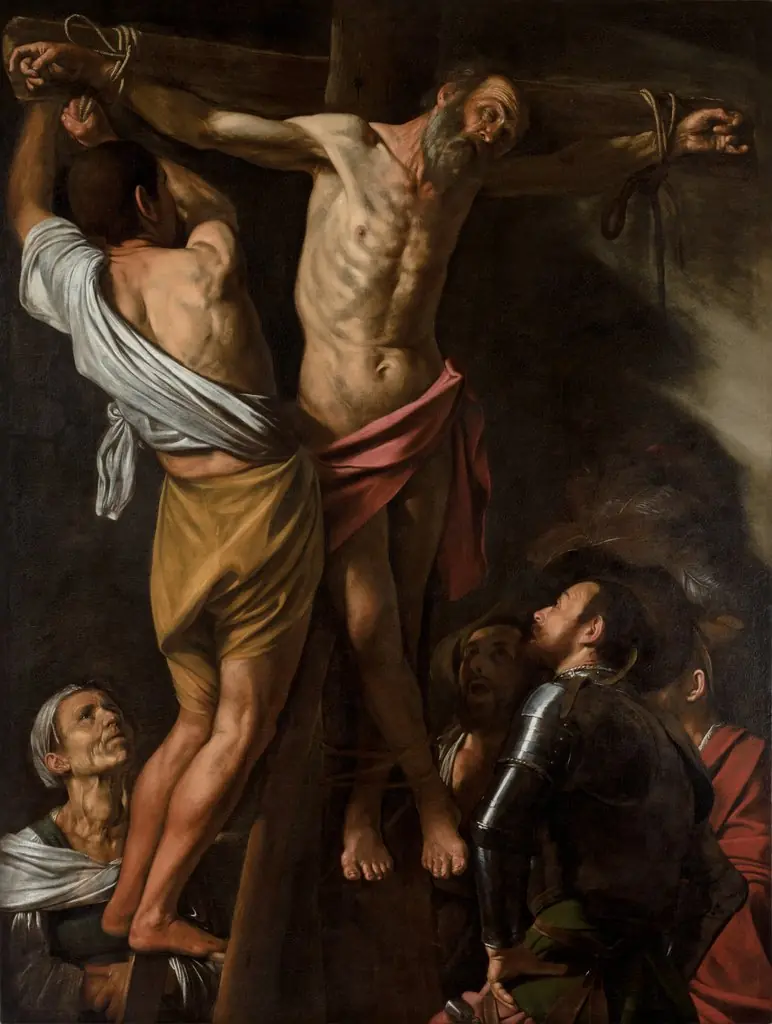 The Crucifixion of Saint Andrew
![Saint Andrew and Saint Benedict with the Archangel Gabriel [left panel]](https://artifactworldgallery.com/img/agnolo-gaddi--saint-andrew-and-saint-benedict-with-the-archangel-gabriel-l--ddd94720dea7e794-w320.webp) Saint Andrew and Saint Benedict with the Archangel Gabriel [left panel]
Saint Andrew and Saint Benedict with the Archangel Gabriel [left panel]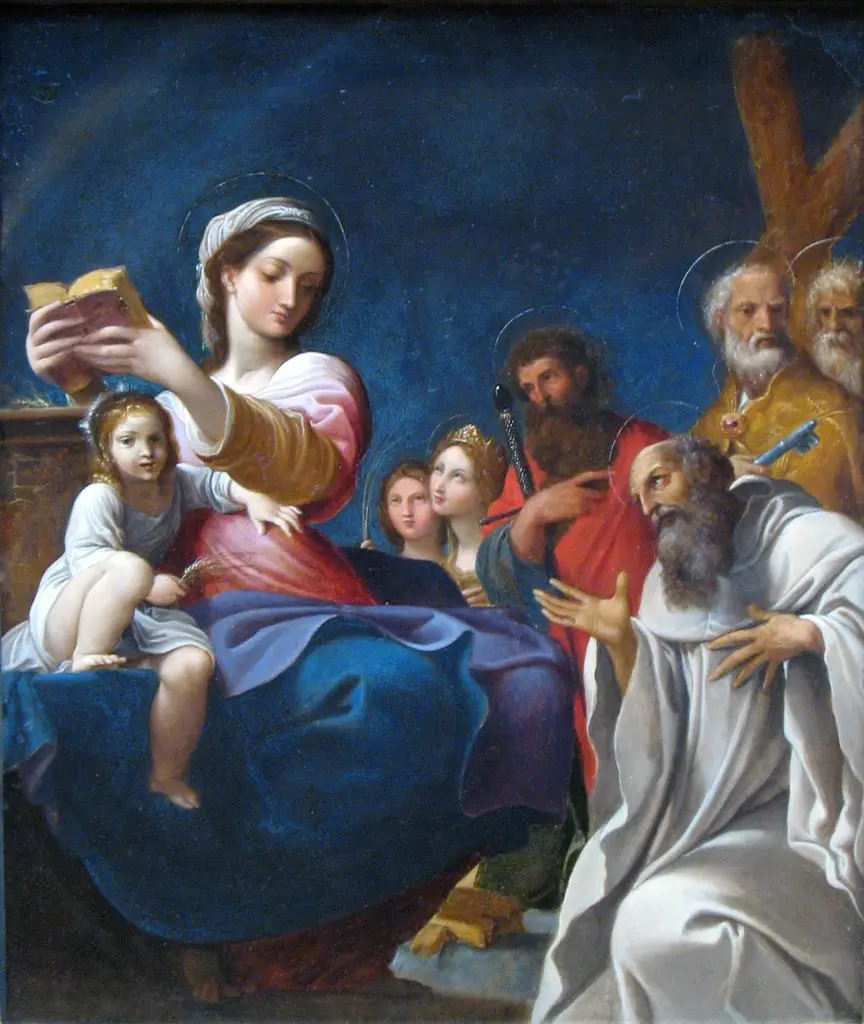 Madonna and Child with Saints
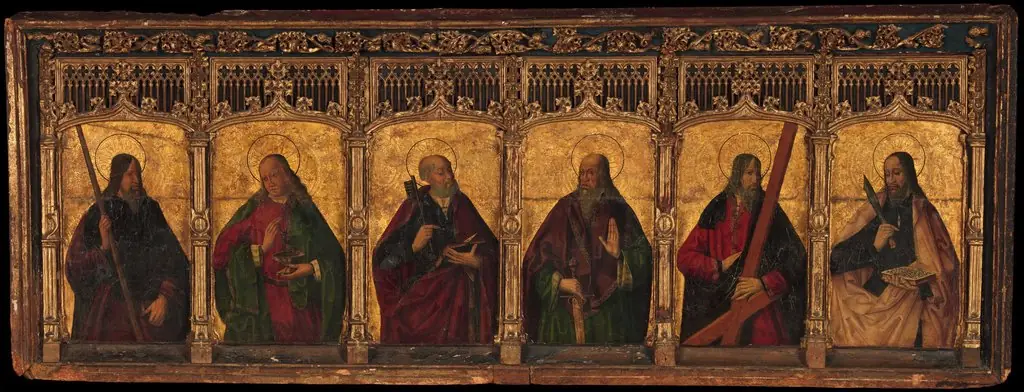 Six Apostles
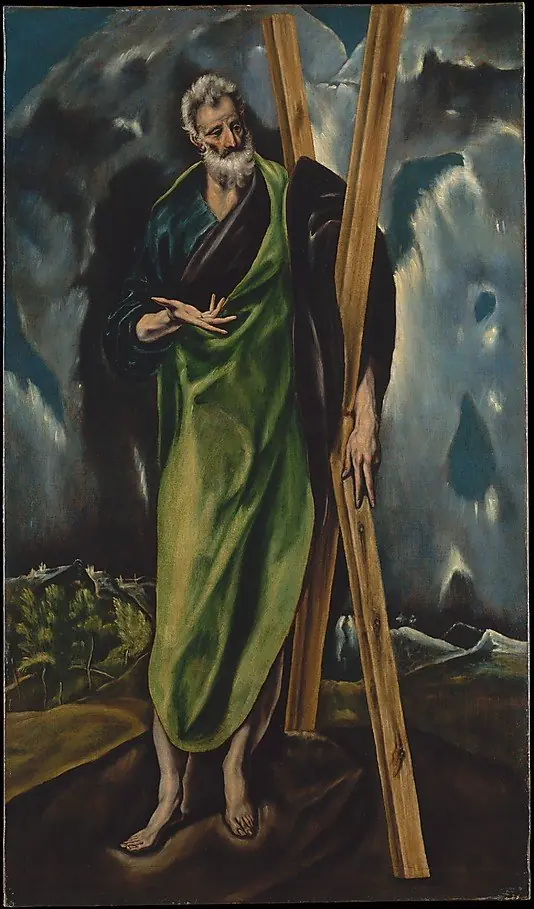 Saint Andrew
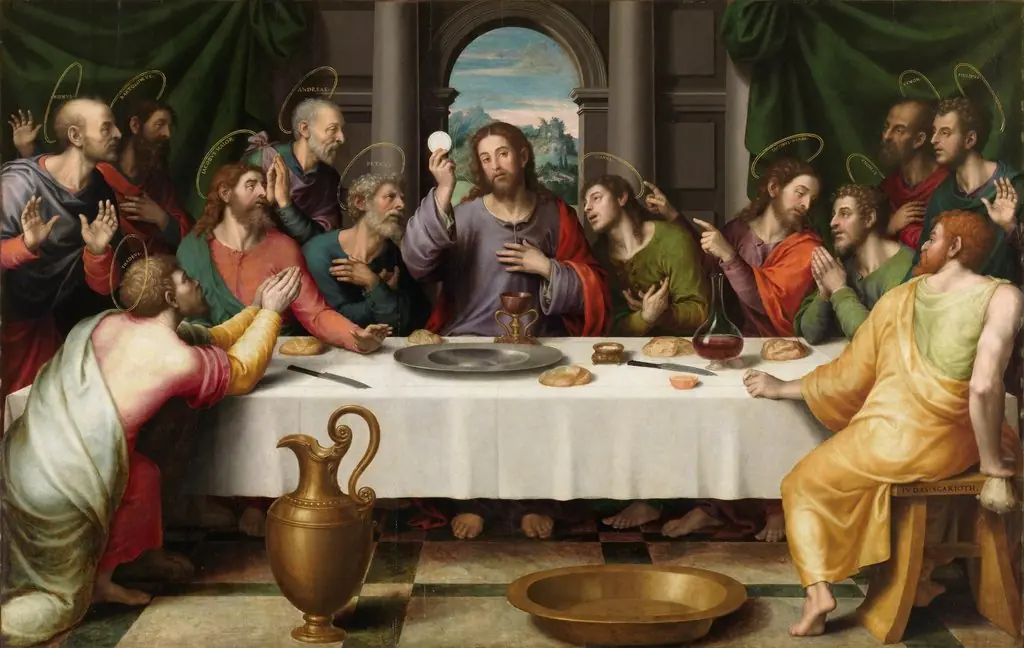 The Last Supper
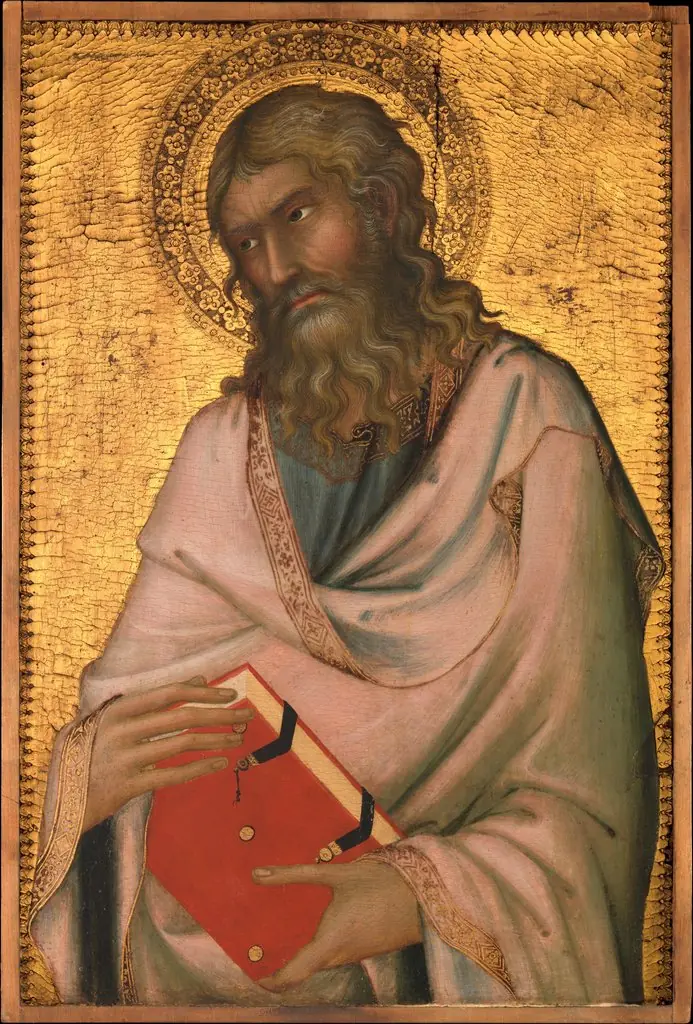 Saint Andrew
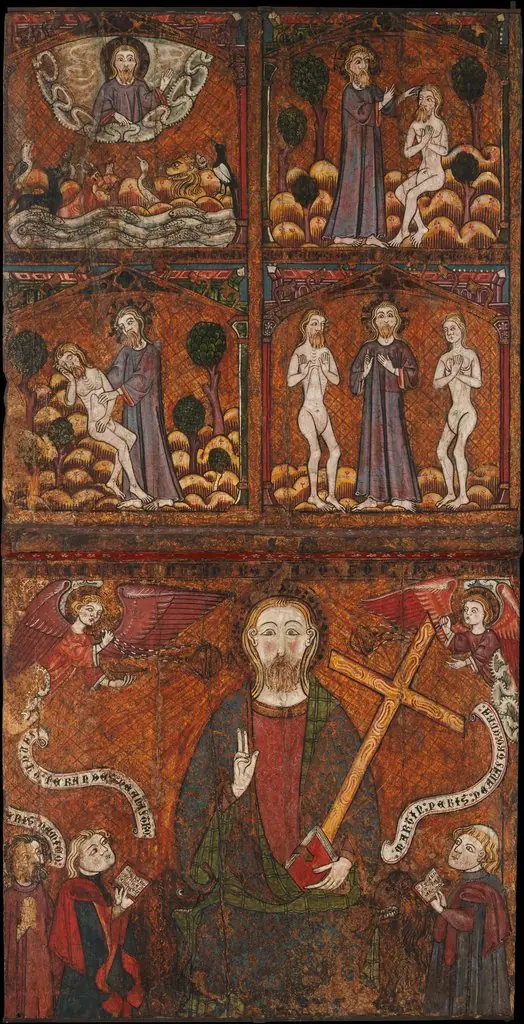 Scenes from the Life of Saint Andrew
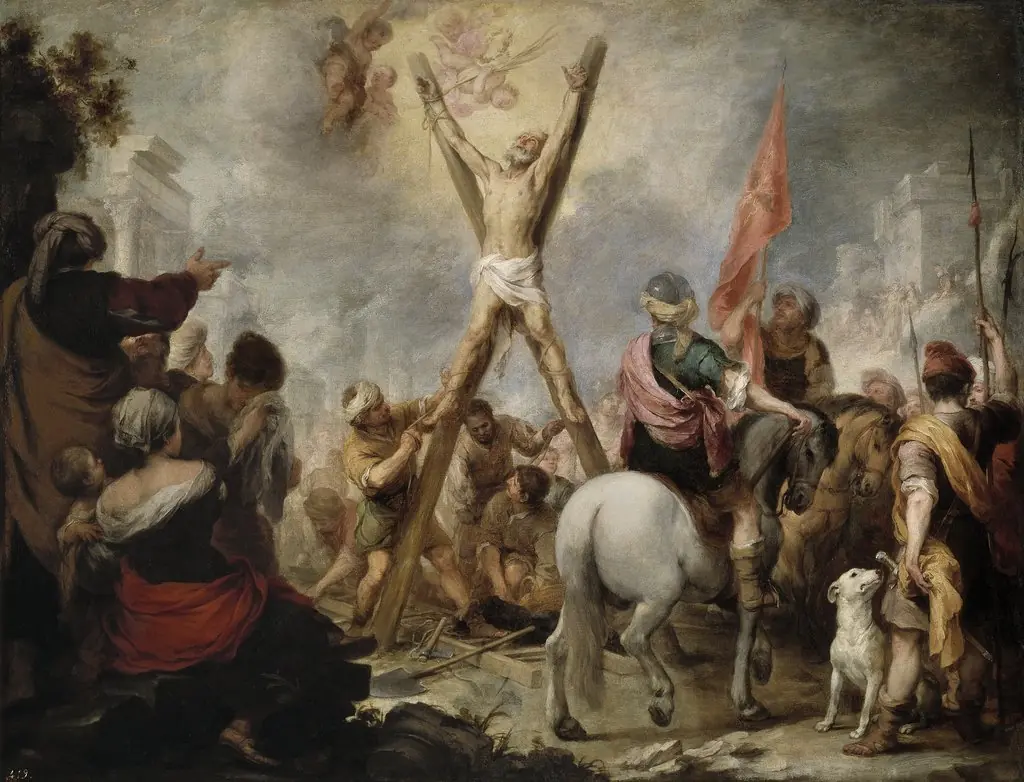 The Martyrdom of St. Andrew
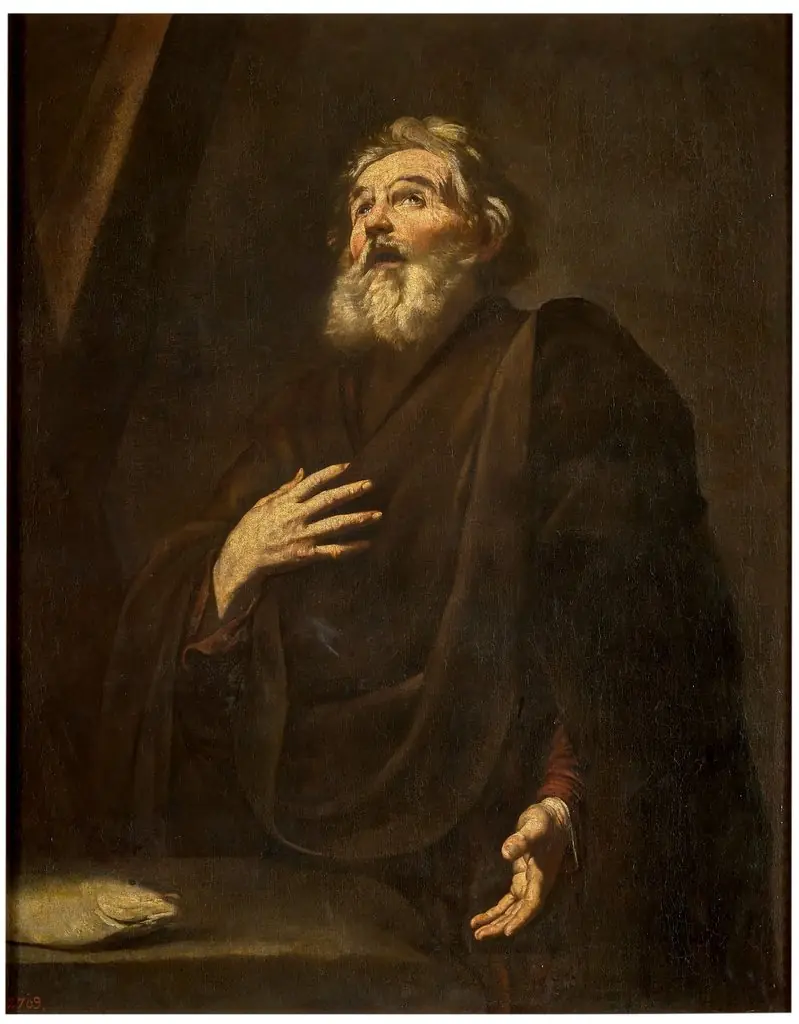 St. Andrew
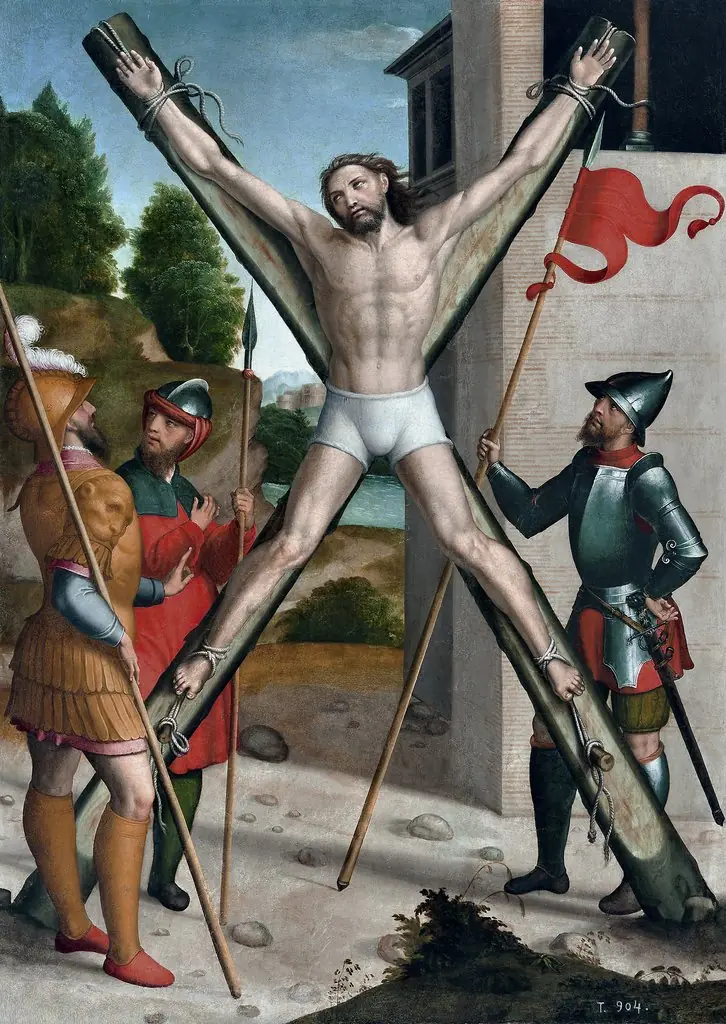 Martirio de San Andrés
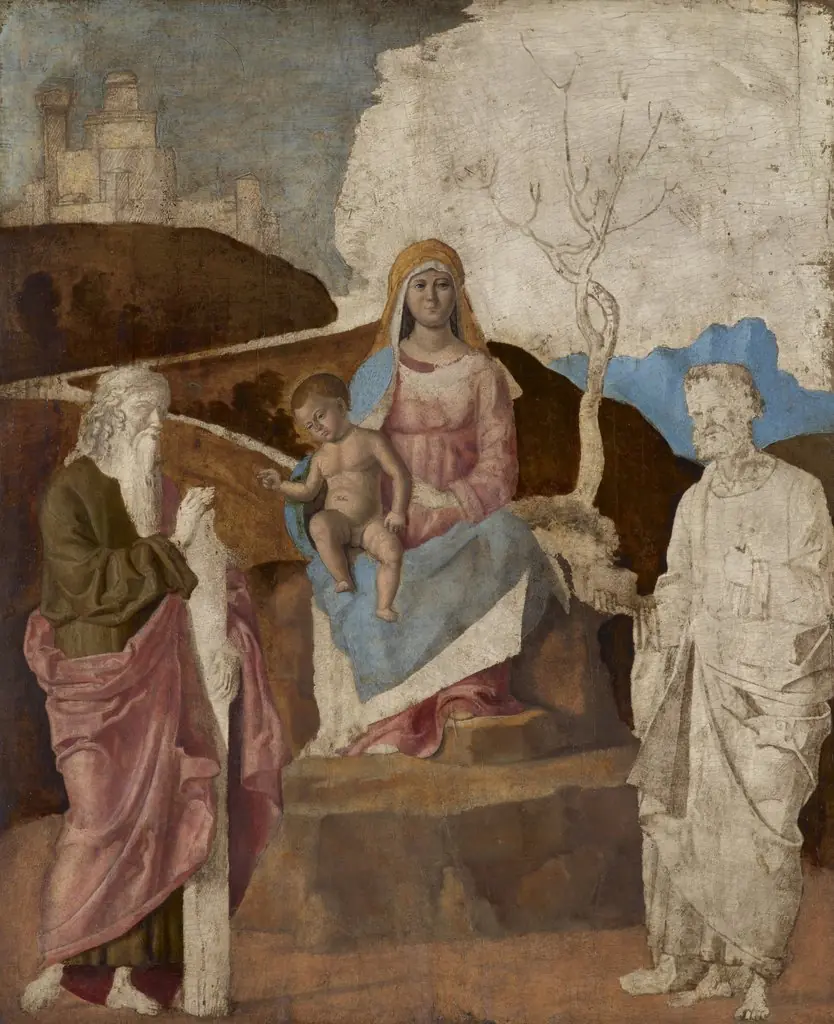 The Virgin and Child with Saint Andrew and Saint Peter
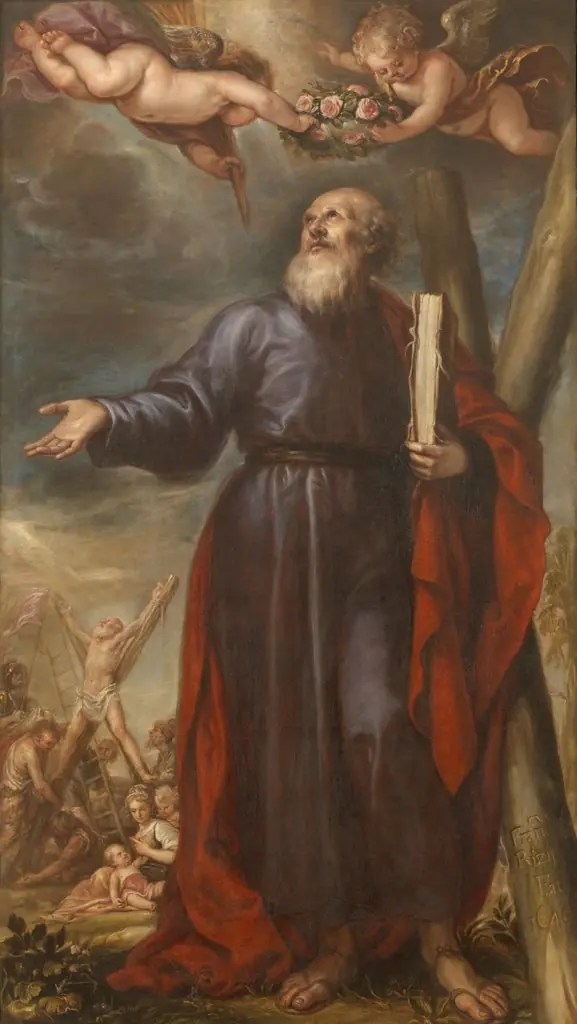 S. Andrew
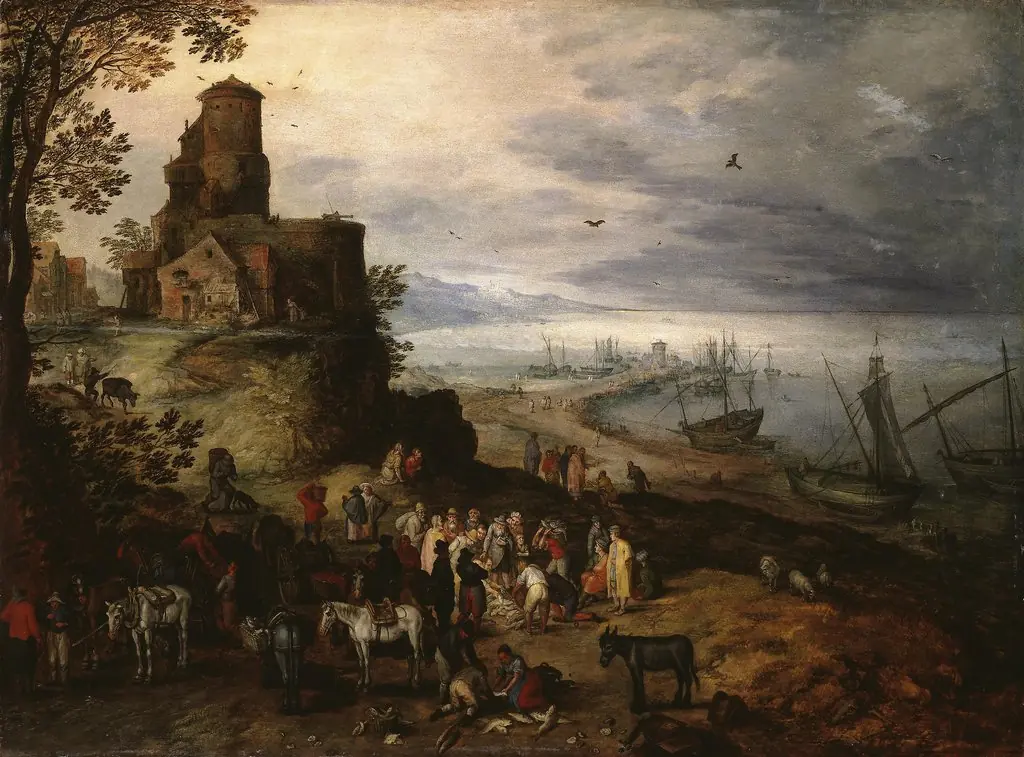 Fish Market (Calling the Apostles Peter and Andrew)
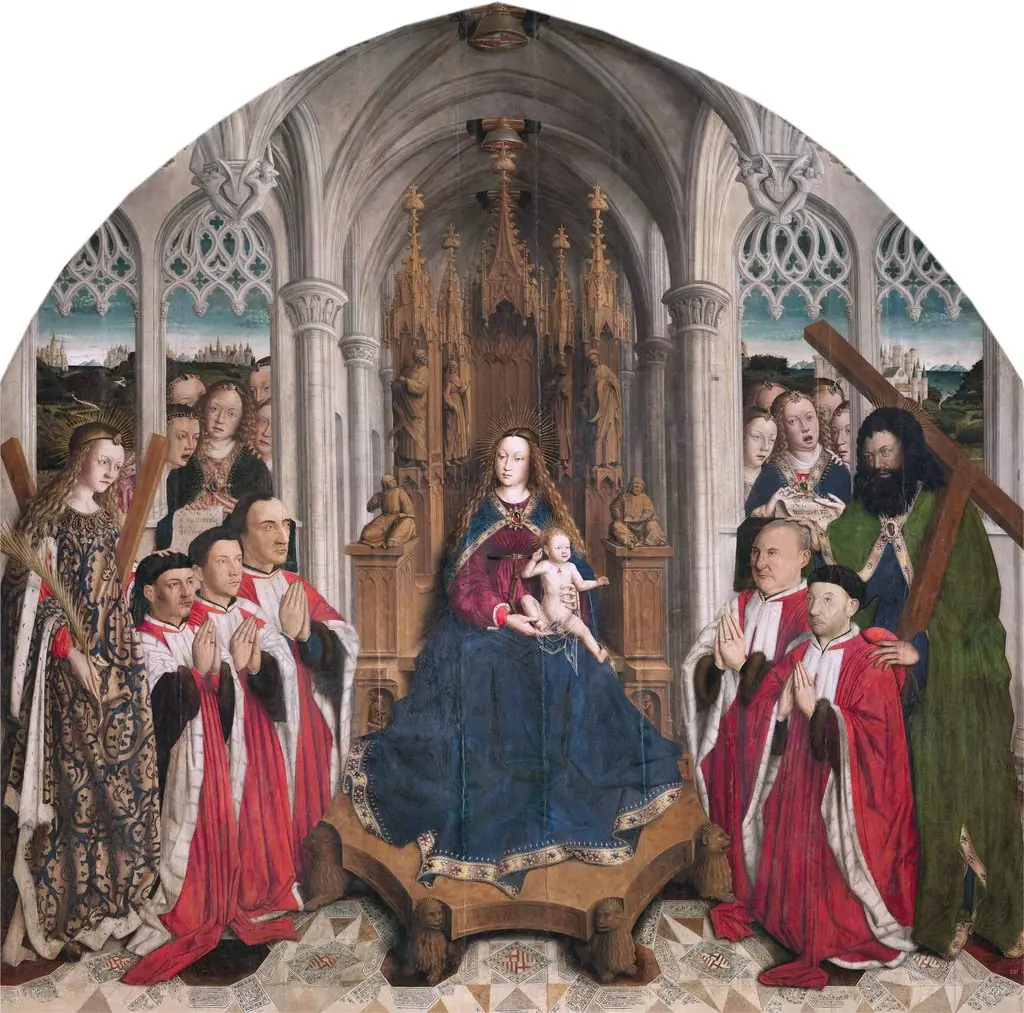 Virgin of the Councillors
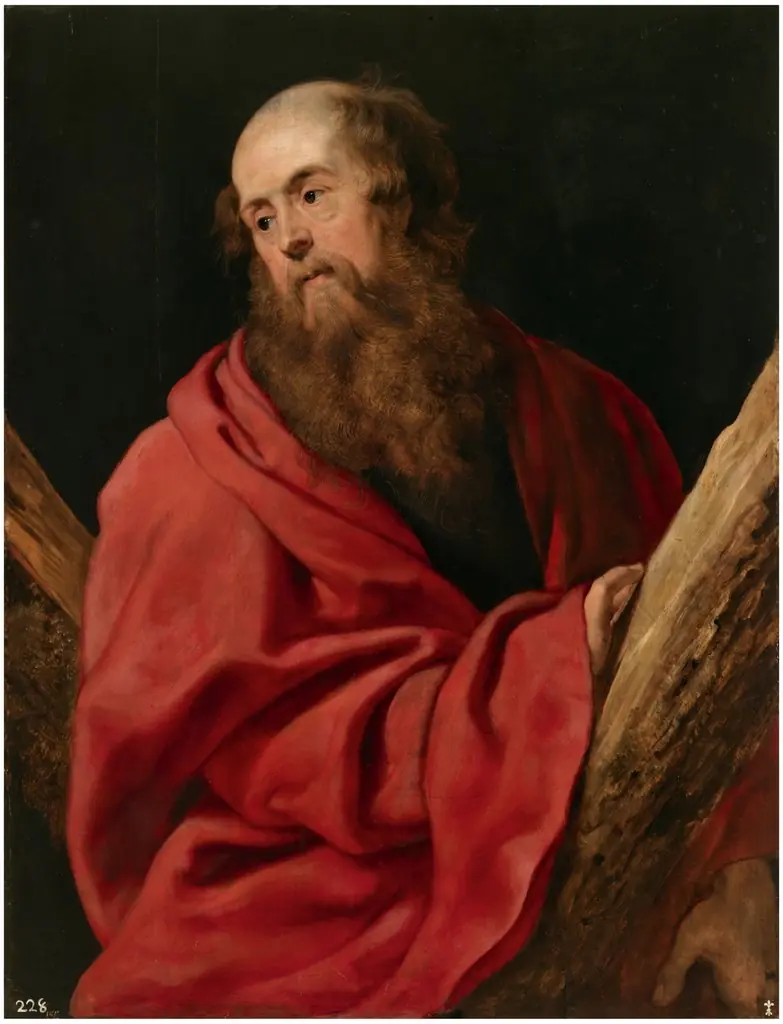 Saint Andrew
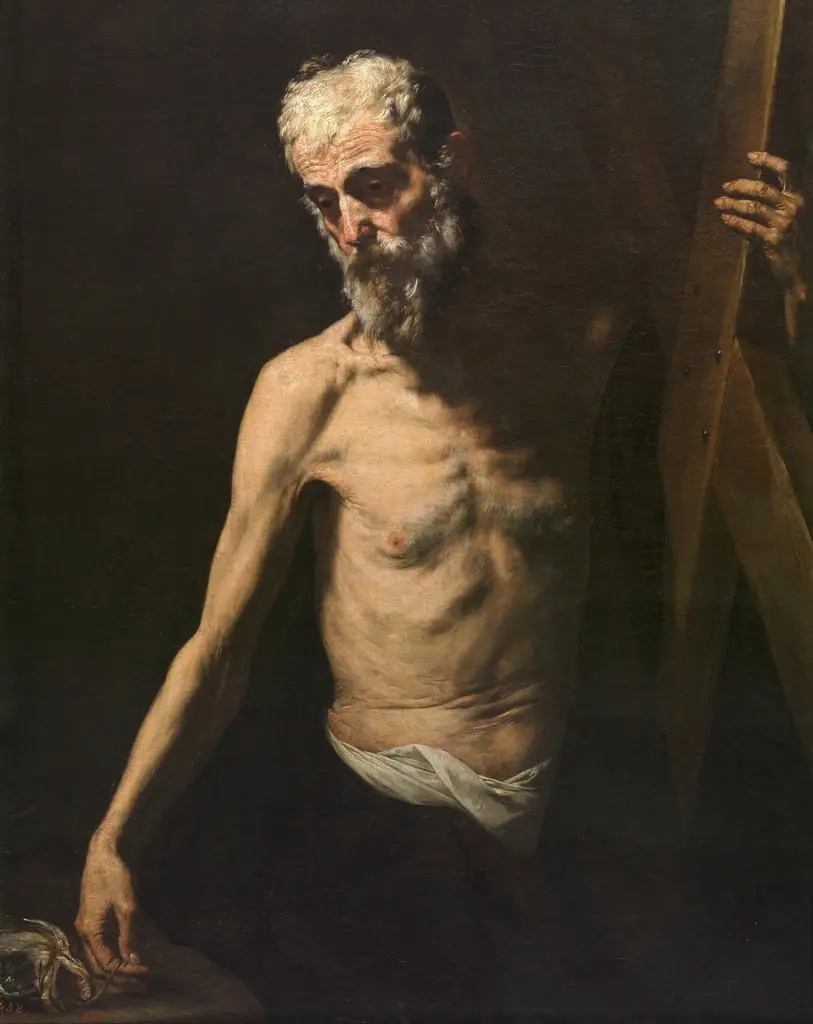 Saint Andrew
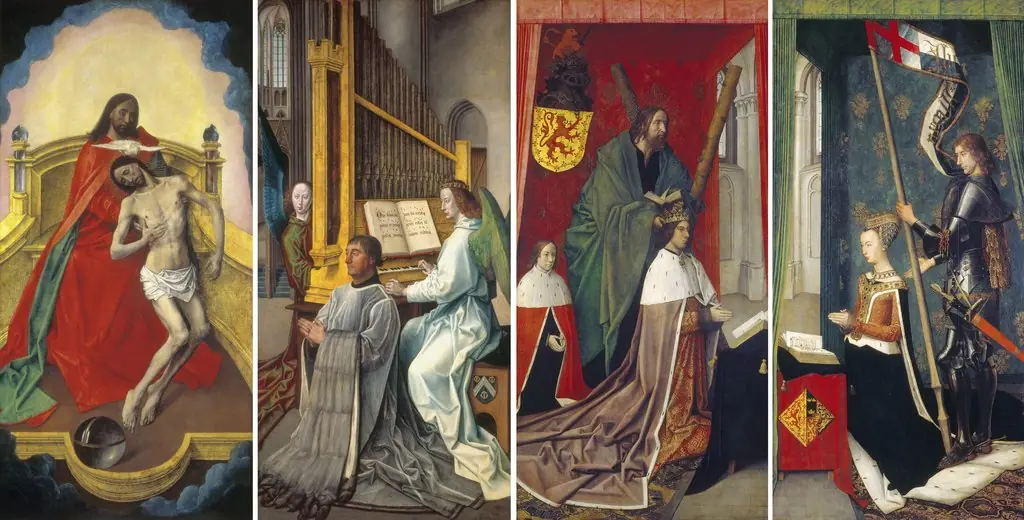 Trinity Altarpiece
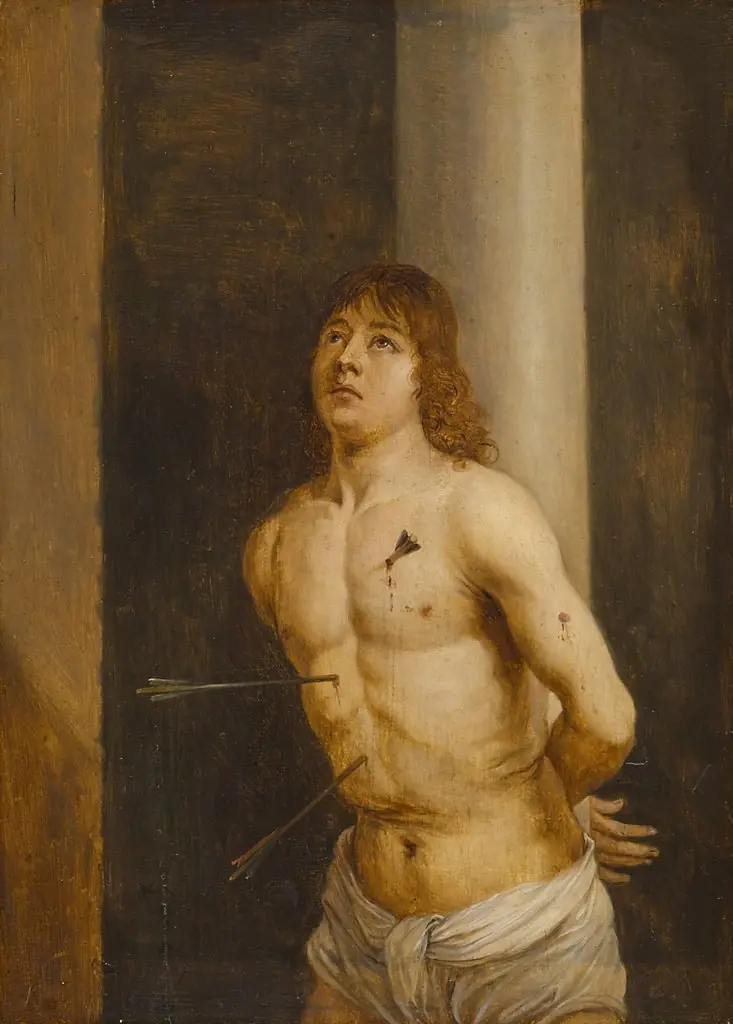 Saint Sebastian
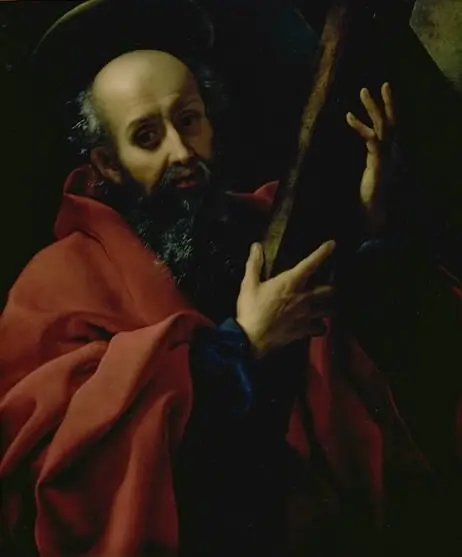 Saint Andrew the Apostle
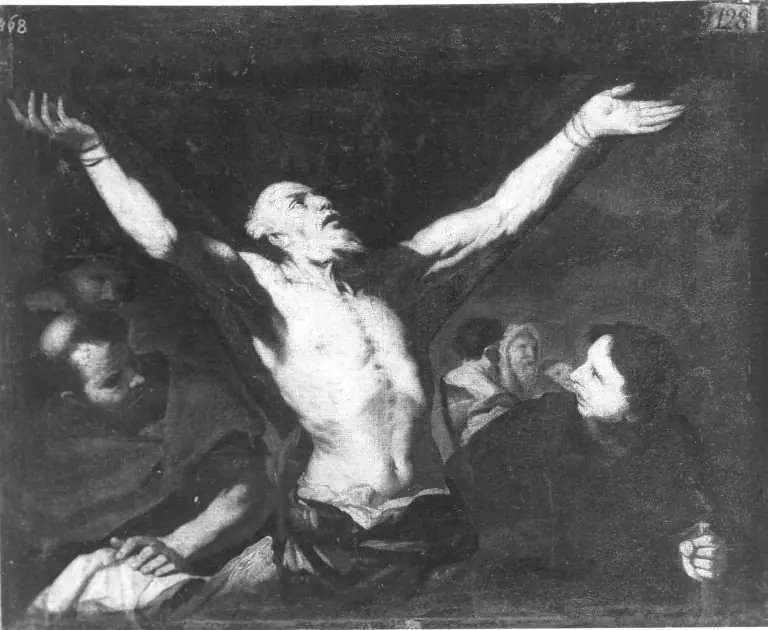 Der hl. Andreas
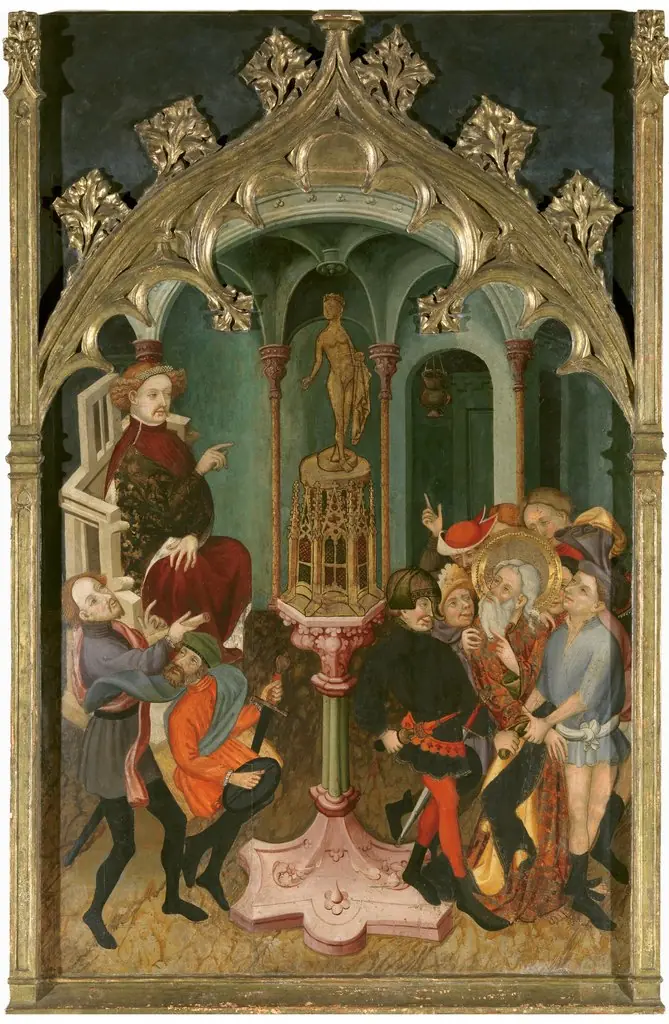 Saint Andrew refusing to worship the Idol
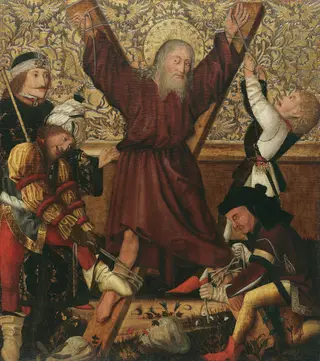 Martyrdom of Saint Andrew
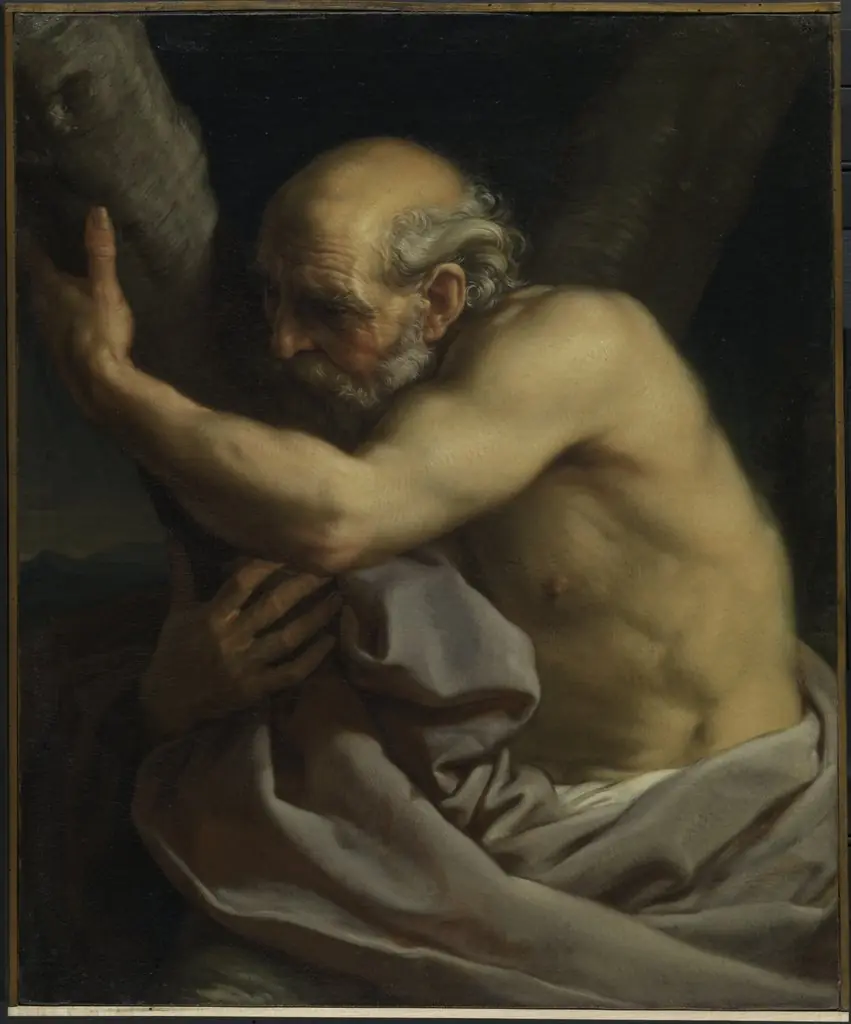 Saint Andrew
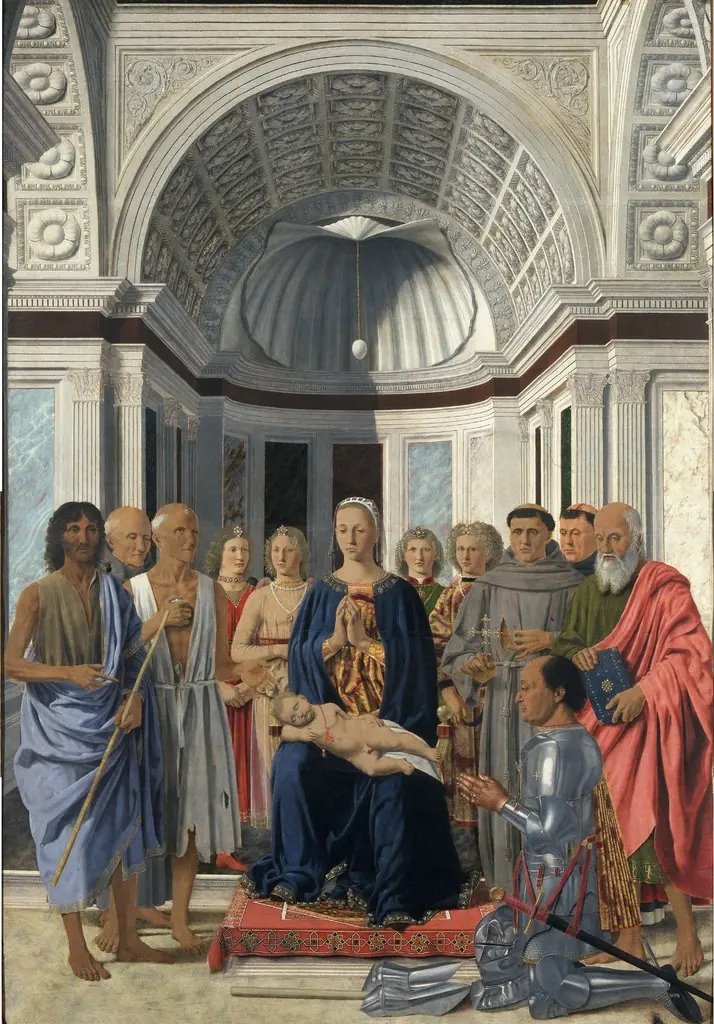 Brera Madonna
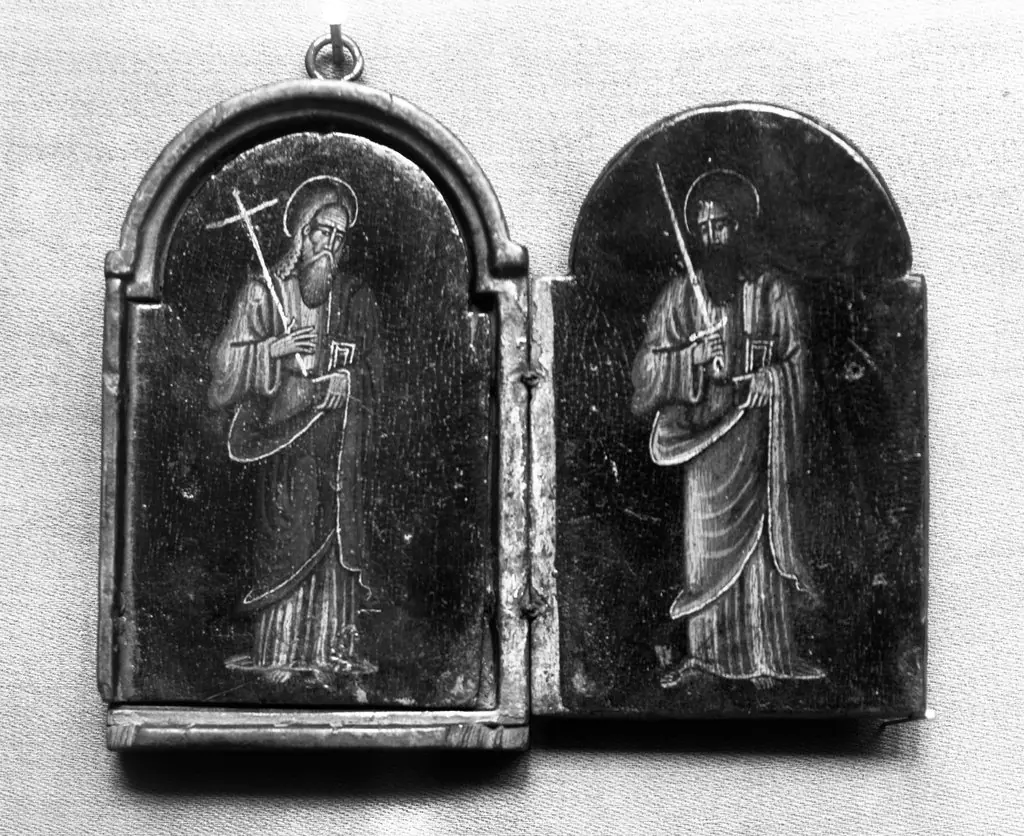 Triptych with Saints Andrew, Peter, Paul and Veronica Holding the Sudarium
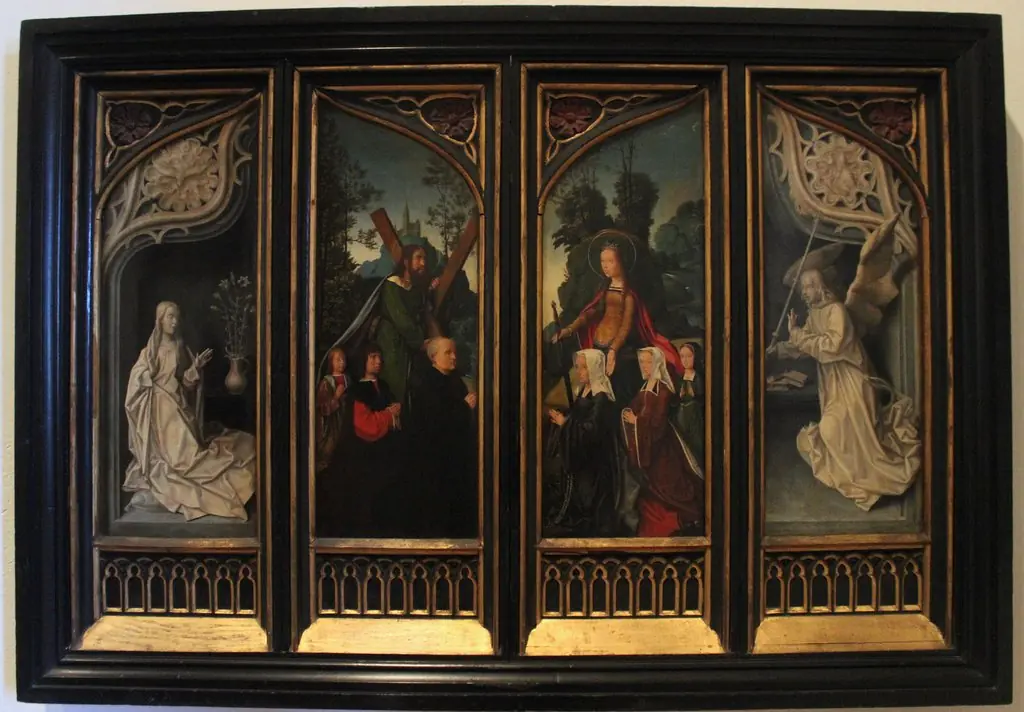 The Annunciate Virgin, Saint Andrew with a Donor and His Sons, Saint Catherine of Alexandria with a Donor and Her Daughters, and the Annunciate Angel
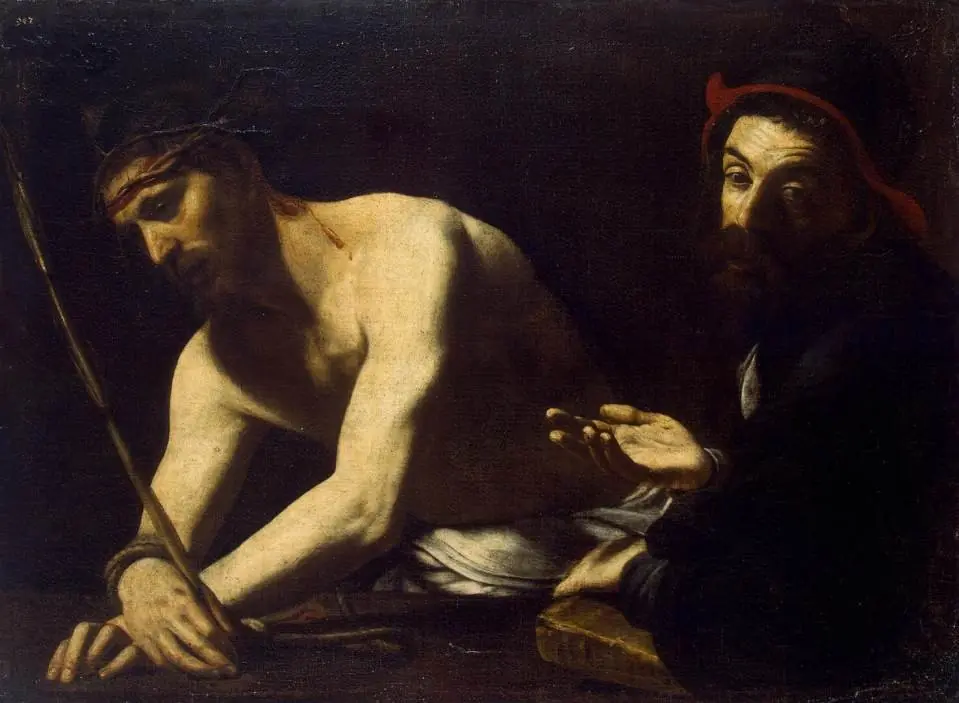 Christ and Caiaphas
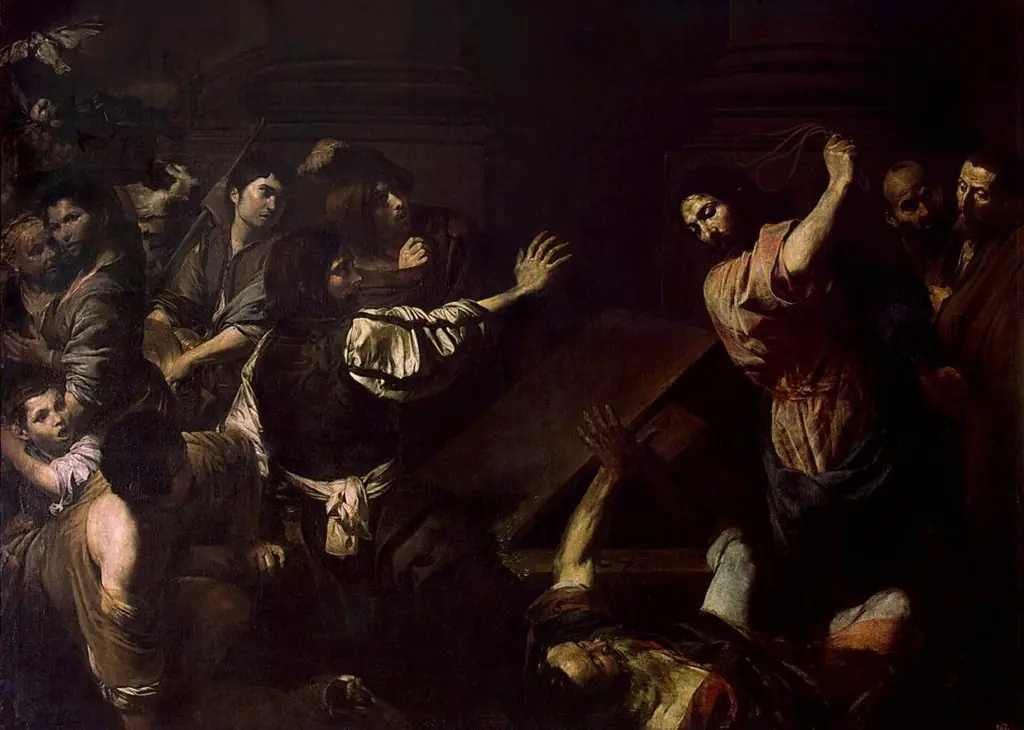 Expulsion of the Money-Changers from the Temple
 Kristus med tornekronen og sammenbundne hænder, holder i den højre hånd et rør
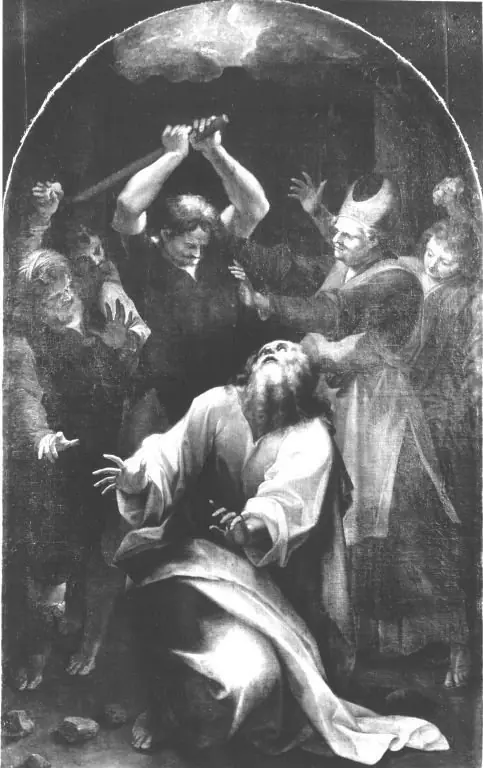 Martyrium des Simon van Cana
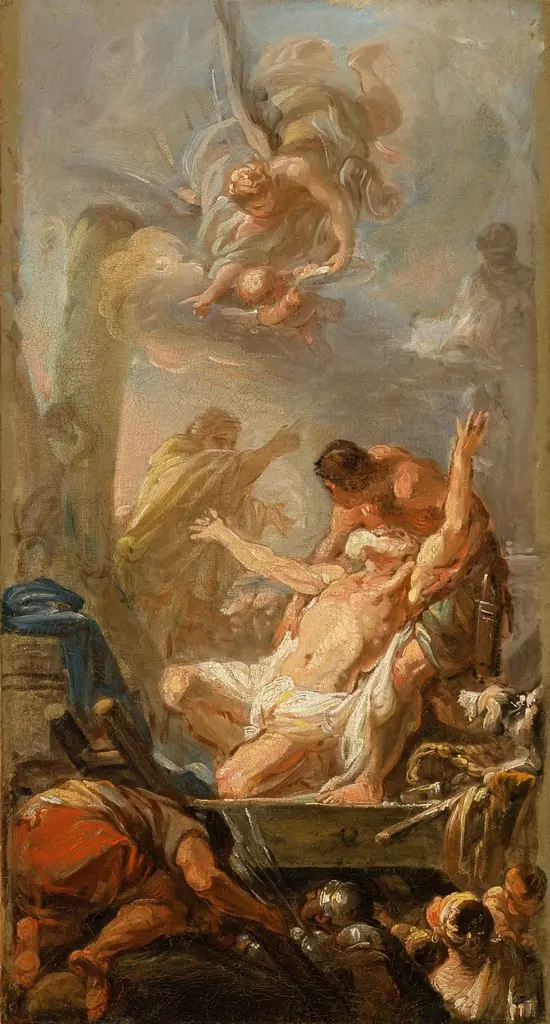 Scene from the Martyrdom of St. Andrew
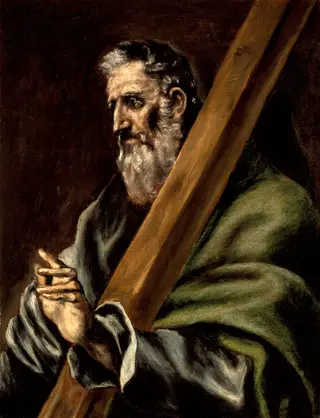 The Apostle St. Andrew
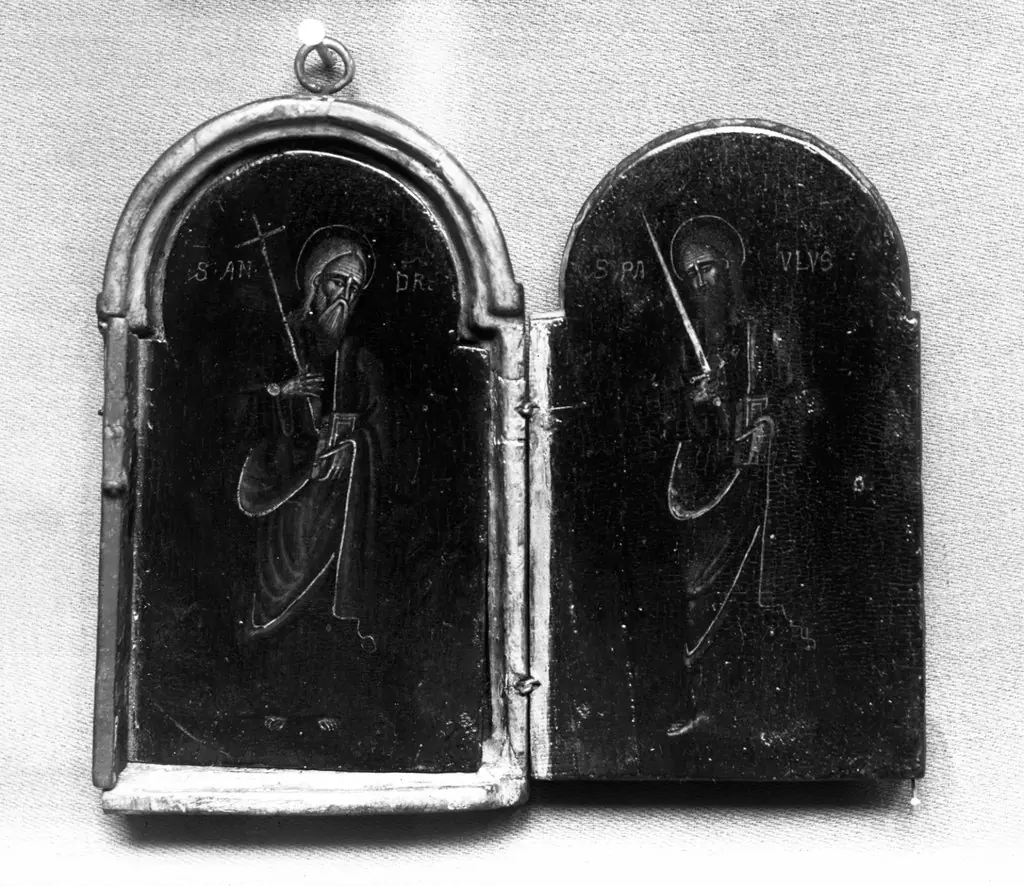 Triptych with Saints Andrew, Peter, and Paul and the Crucifixion
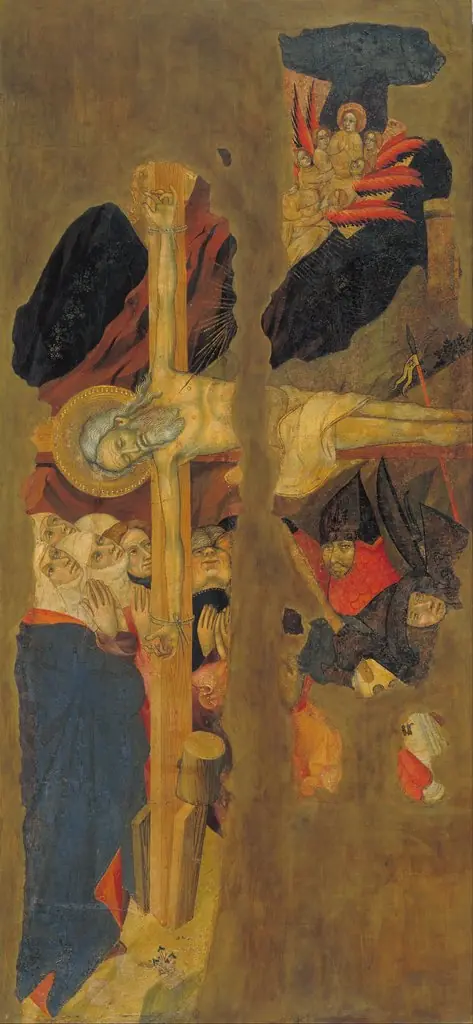 Crucifixion of Saint Andrew
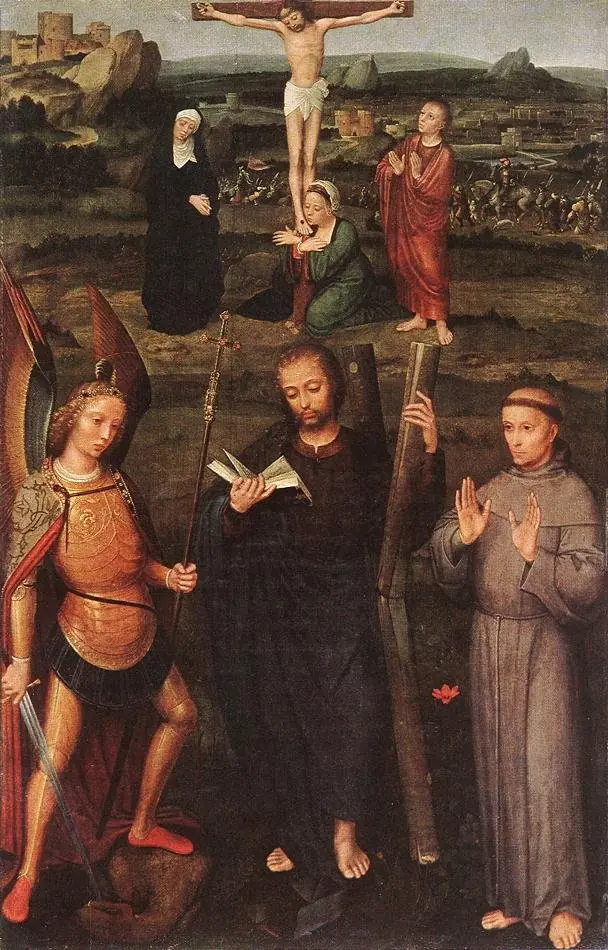 Archangel St Michael, St Andrew and St Francis of Assisi with the Calvary
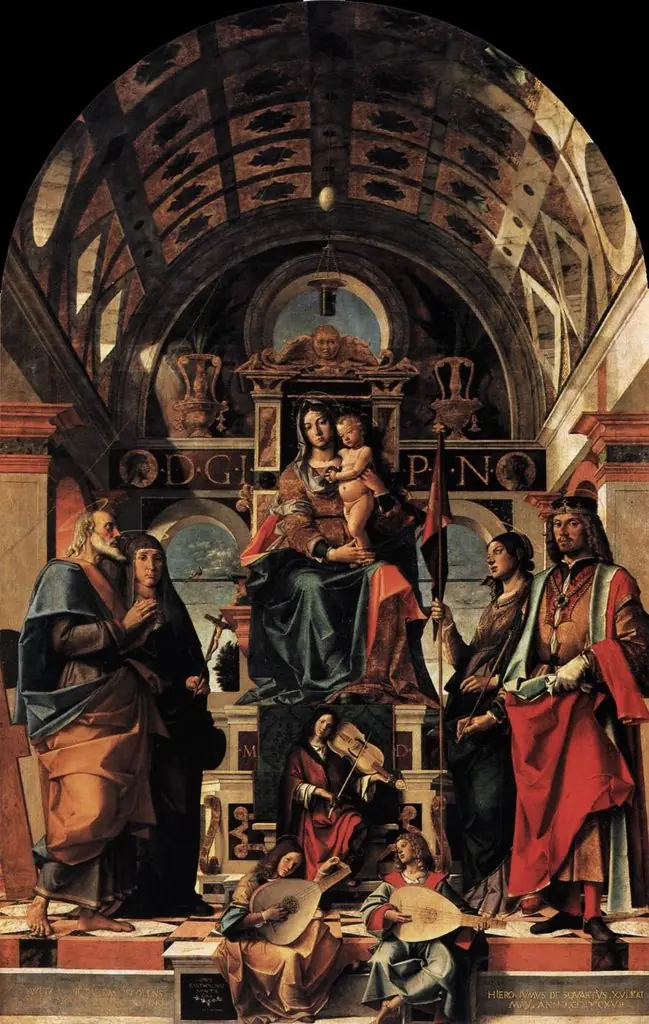 Madonna and Child enthroned with Saints
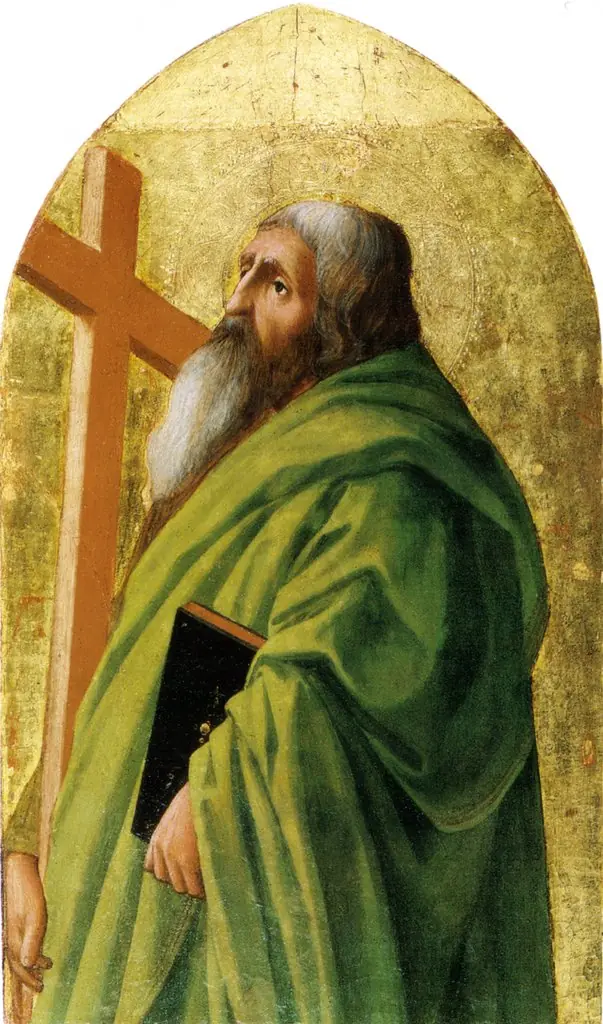 Saint Andrew
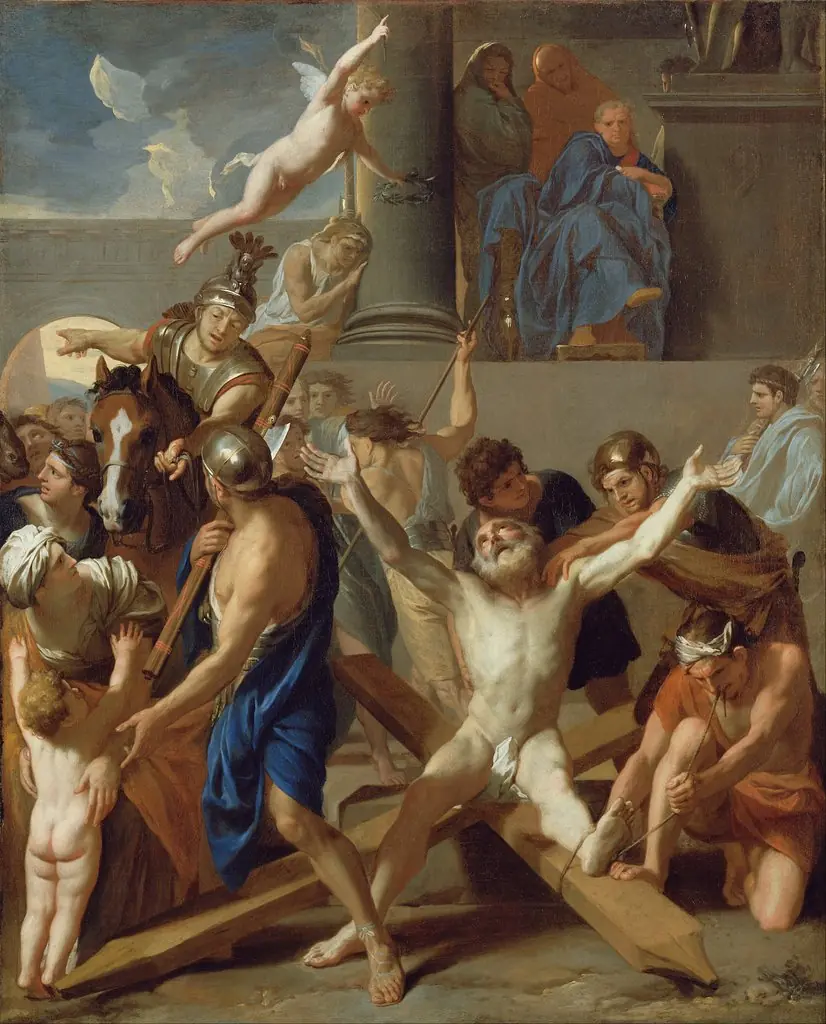 The Martyrdom of St. Andrew
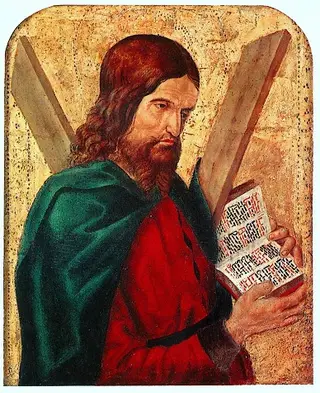 Saint Andrew
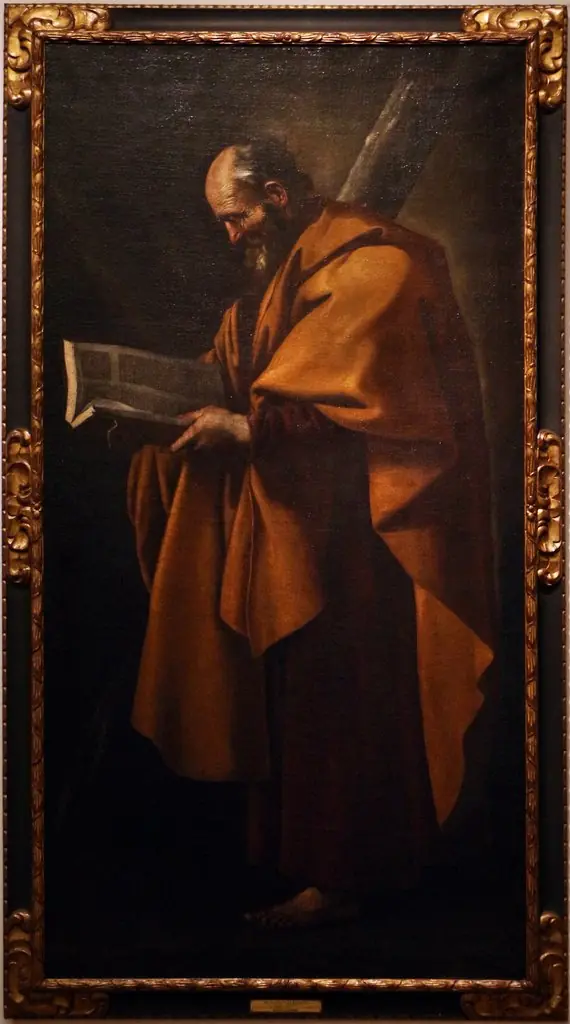 Saint Andrew
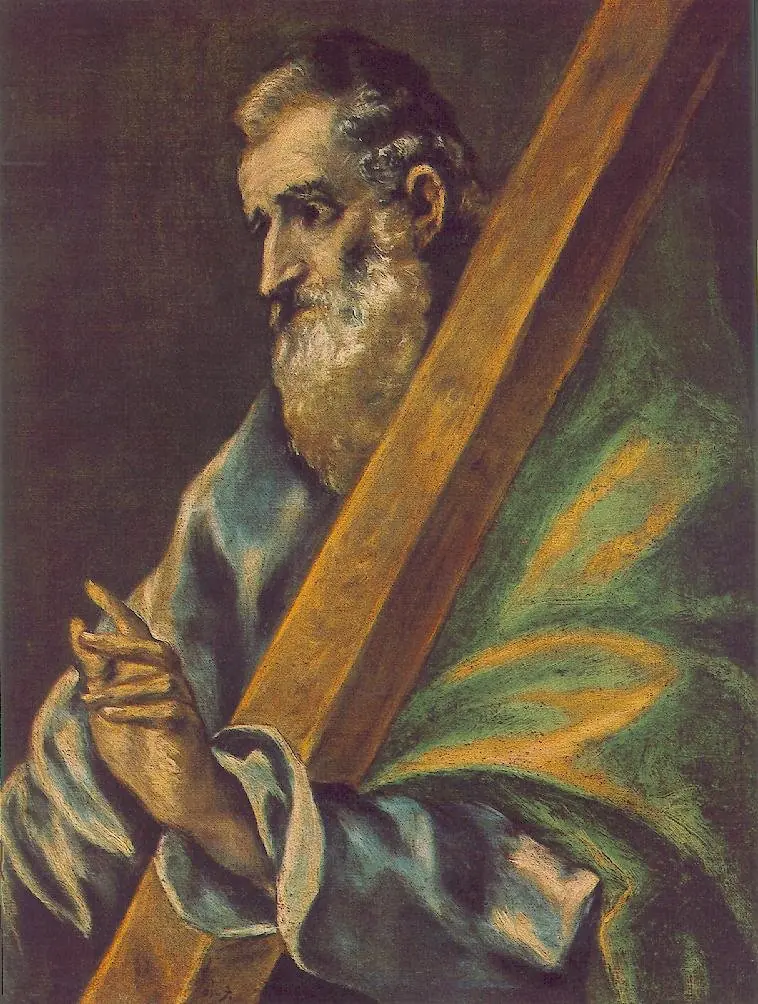 The Apostle Saint Andrew
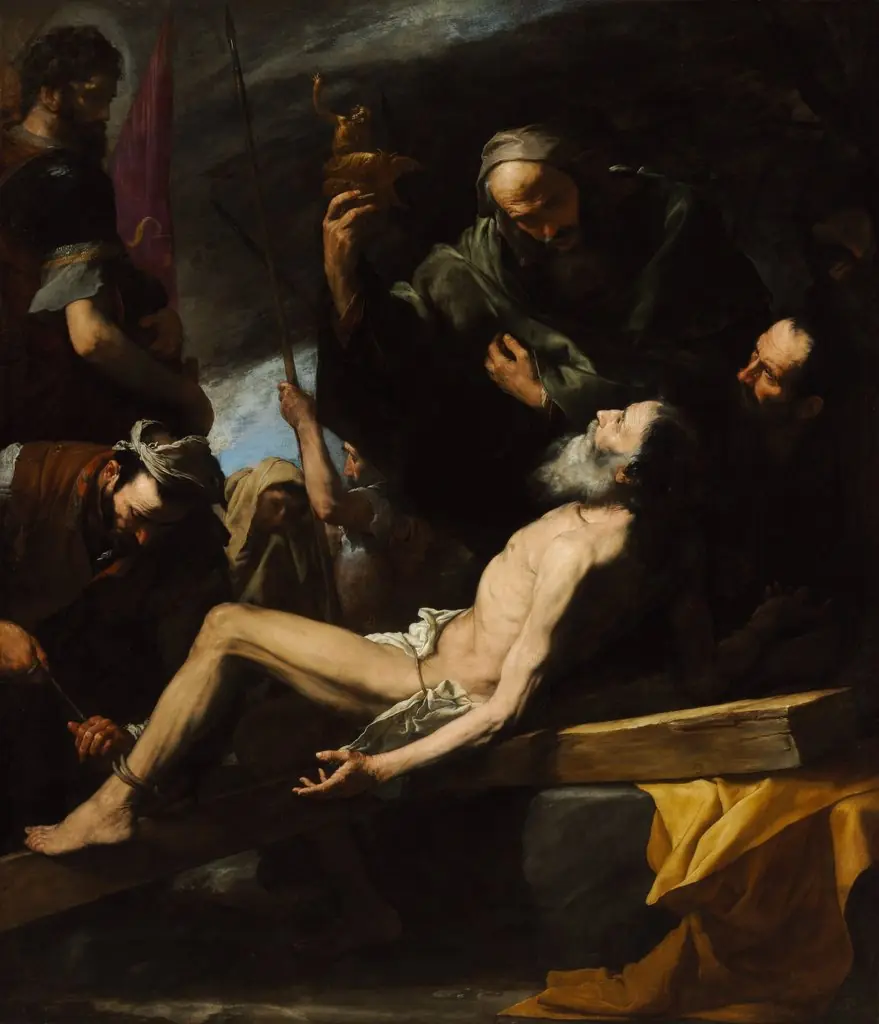 Martyrdom of Saint Andrew
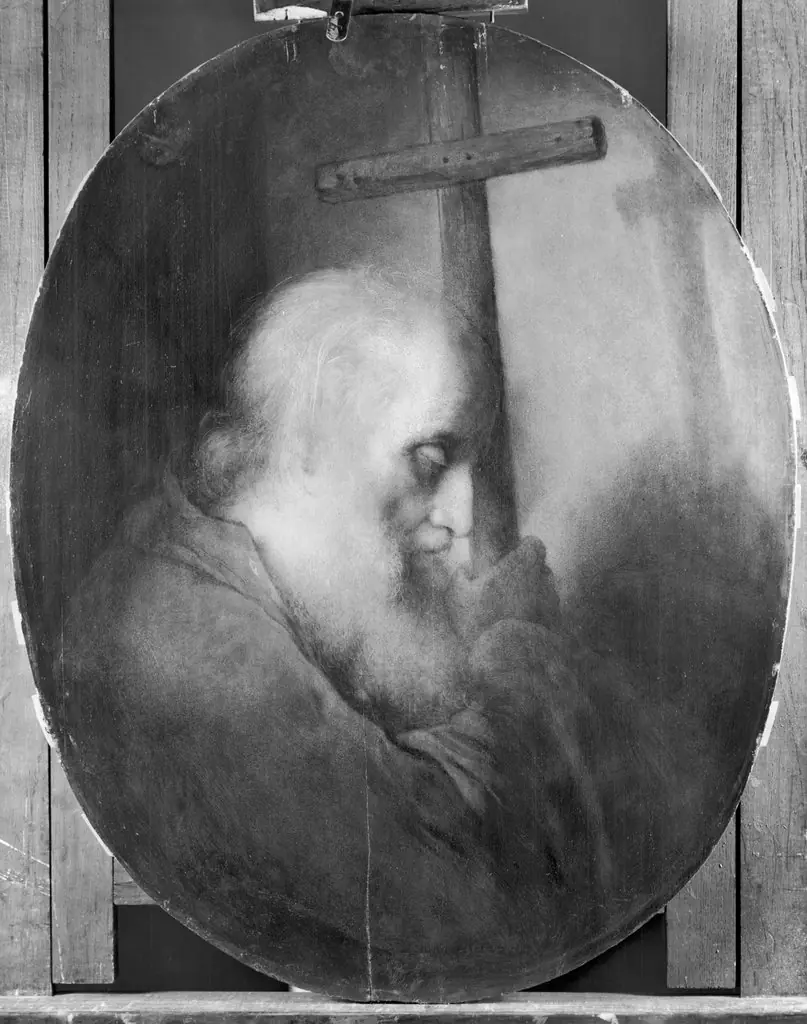 Saint Andrew the Apostle
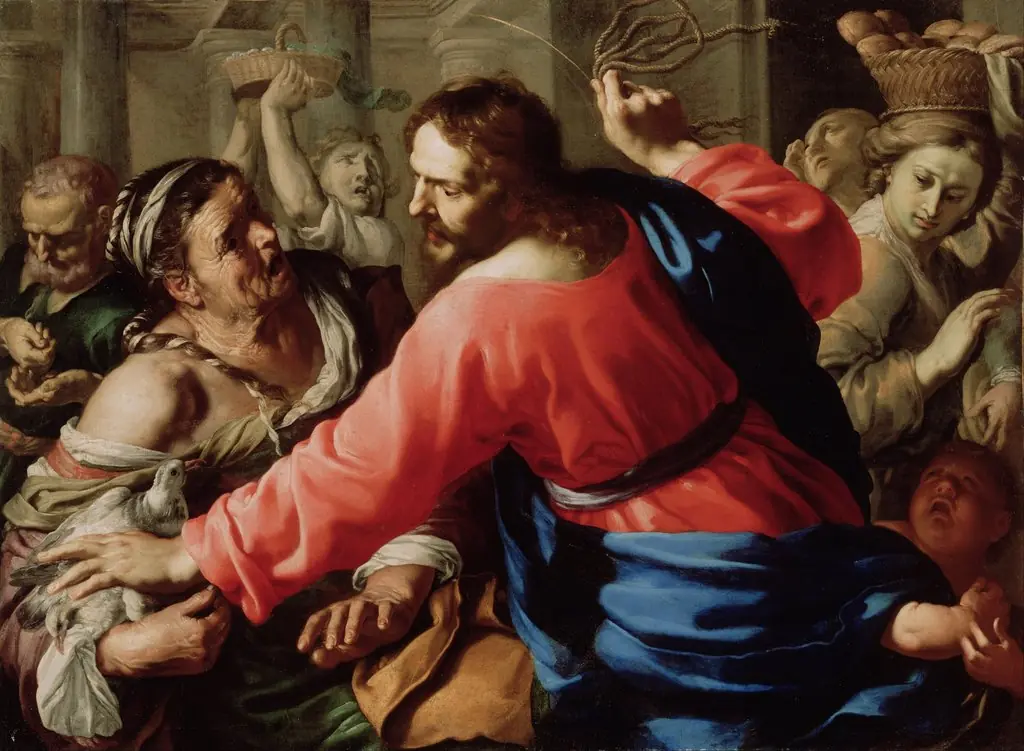 Christ Cleansing the Temple
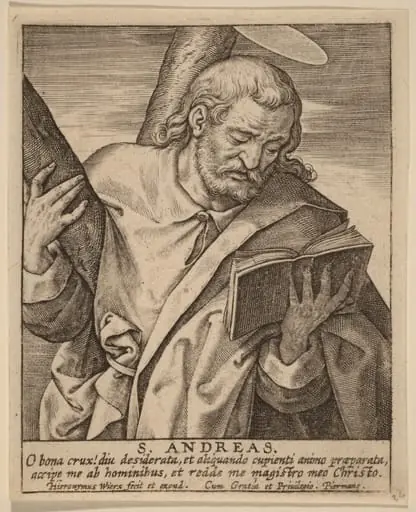 S. Andreas
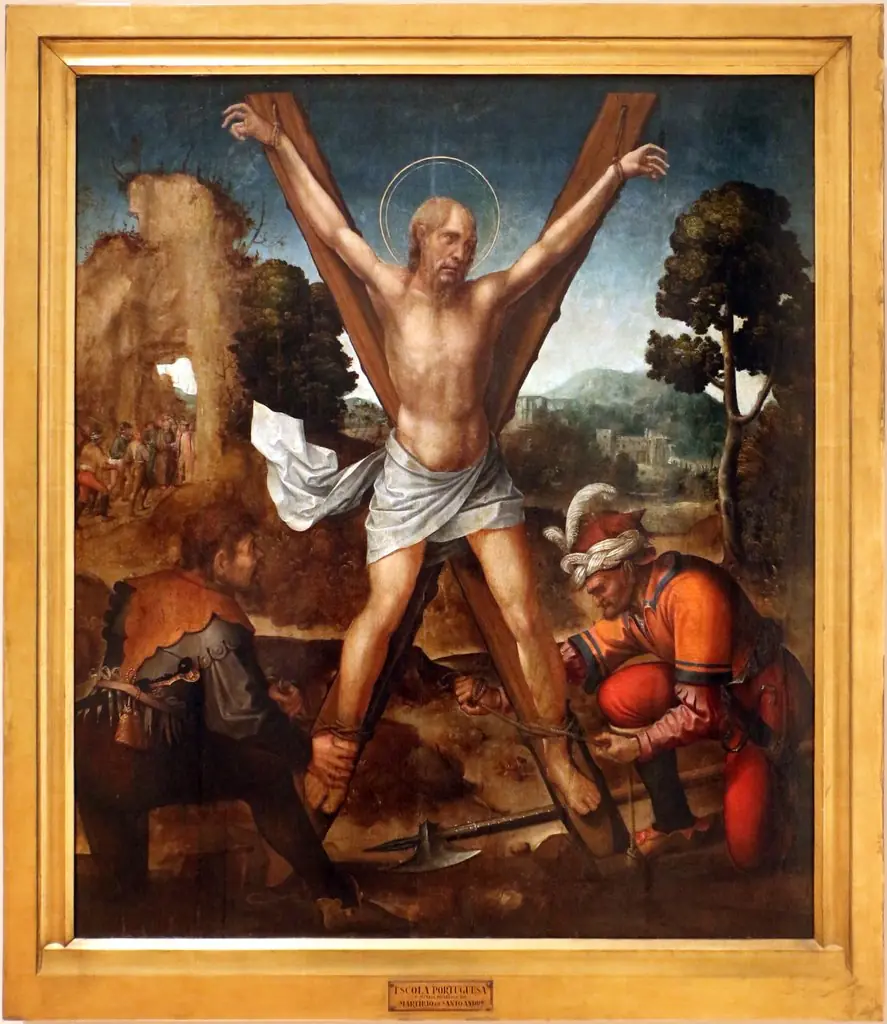 Martyrdom of Saint Andrew
Frequently asked questions
What is Andrew the Apostle?
Andrew the Apostle (Koine Greek: Ἀνδρέας, romanized: Andréas ; Latin: Andreas ; Aramaic: אַנדּרֵאוָס; Classical Syriac: ܐܰܢܕ݁ܪܶܐܘܳܣ, romanized: ʾAnd'raʾwās) was an apostle of Jesus.
How many Andrew the Apostle works does Artifact World Gallery have?
Artifact World Gallery holds 49 public-domain Andrew the Apostle works, all free to view and download.
Who are the key Andrew the Apostle artists?
Key Andrew the Apostle artists in the collection include El Greco, Caravaggio and Charles Le Brun.
Where can I see Andrew the Apostle works?
Andrew the Apostle works in the collection are held by Museo del Prado, Metropolitan Museum of Art and Museum of Fine Arts, Budapest.