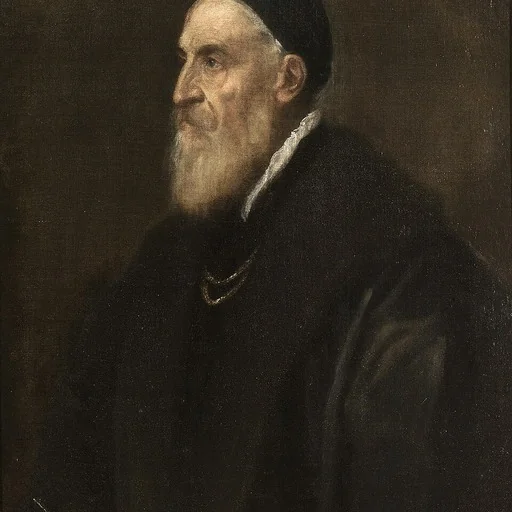
Subject
Pearl
Pearl is a subject in art. The gallery holds 84 works in this subject in art, including works by Titian, Paolo Veronese and Georges de La Tour.
The pearl is among the oldest and most freighted of all luxury objects, treasured across the Mediterranean and Asia long before it entered Western painting. Unlike cut gemstones, the pearl arrives from the sea already perfect, and this natural completeness gave it a dense symbolic charge that artists exploited for centuries. The ancient Greeks imagined pearls as the tears of the gods; because Venus, goddess of love, was likewise born from the sea, the gem became inseparable from her myth. The pearl could signify, often at once, divine purity, female chastity, immense wealth, and—because it adorns a body destined to die—the vanity of all earthly things.
In the Renaissance these meanings crystallised. Botticelli's Birth of Venus (c. 1485) sets the goddess on a scallop shell, her body itself read as the precious pearl the shell produces, fusing pagan beauty with ideas of purity. The same gem was pressed into Christian service: a single pearl drop or a discreet strand became an attribute of the Virgin Mary's chastity. Venetian masters made pearls central to images of beauty and love—Titian's Venus with a Mirror and Paolo Veronese's Venus and Mars both deploy lustrous pearls to signal divinity and sensual luxury at once.
The motif reached its height in the seventeenth-century Dutch Republic, whose merchant patrons prized pearls as emblems of prosperity. Vermeer's Girl with a Pearl Earring (c. 1665, Mauritshuis) is a tronie rather than a portrait, its impossibly large pearl most likely a varnished glass drop catching a single highlight; his Woman with a Pearl Necklace turns the gem into a study of light and self-regard. In vanitas still lifes—such as David Bailly's self-portraits—a string of pearls laid beside a skull and snuffed candle warns that beauty and riches pass.
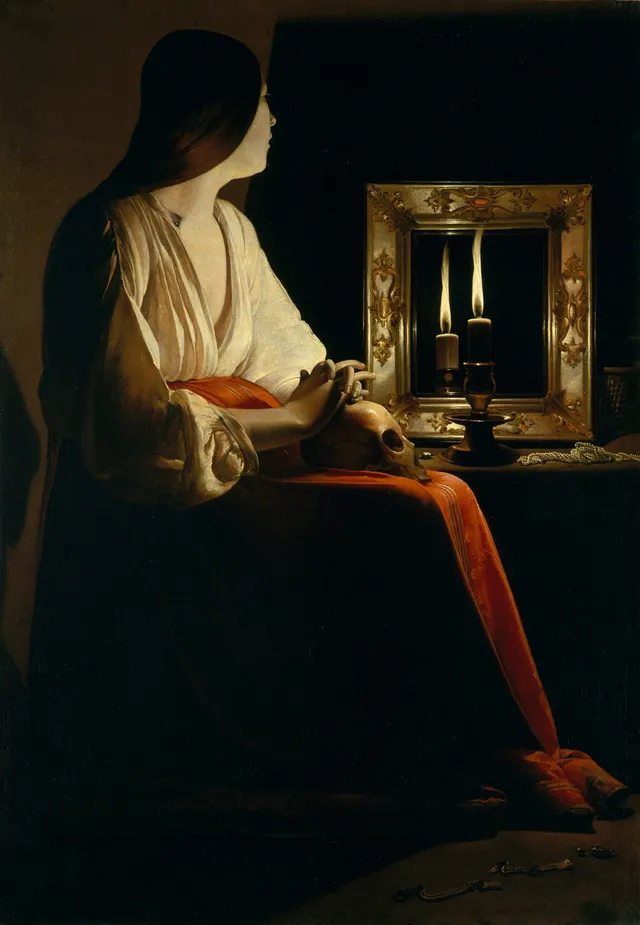
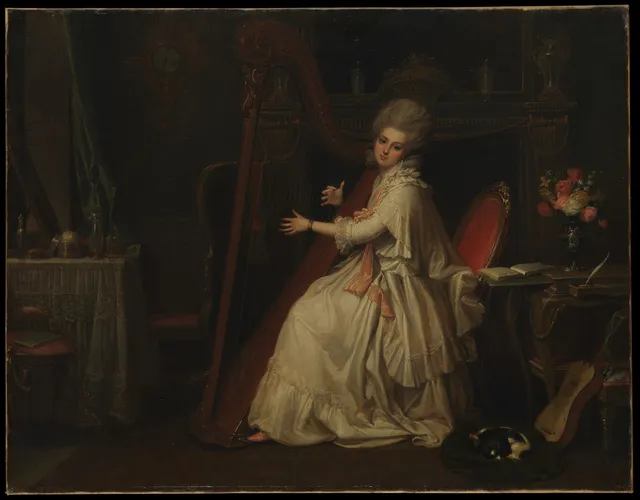
Pearls were equally the language of power. Elizabeth I draped herself in them as the "Virgin Queen," their knots alluding to chastity and their abundance to global wealth. Court painters followed suit, from Anthony van Dyck's William II, Prince of Orange, and his Bride, Mary Stuart to Richard Cosway's elegant Portrait of Marianne Dorothy Harland. Conversely, in Georges de La Tour's The Penitent Magdalen, cast-off pearls signify renounced vanity. Linking mythology, portraiture, still life, and devotional art, the pearl remains one of painting's most enduring and supple symbols.
Key artists
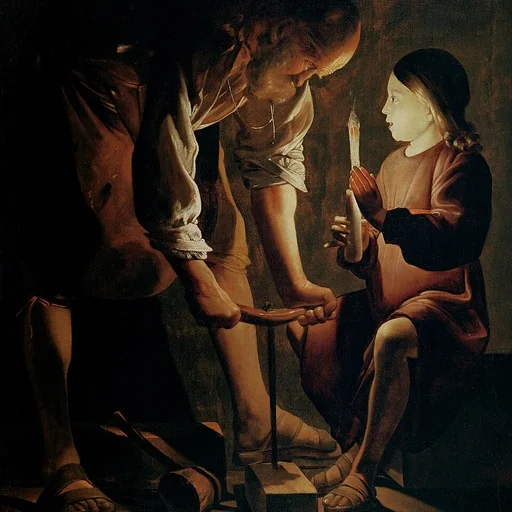
Works
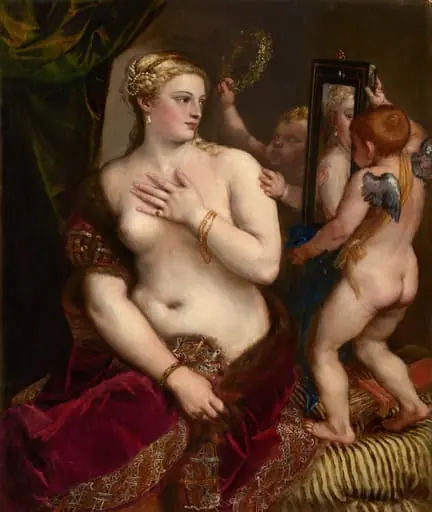 Venus with a Mirror
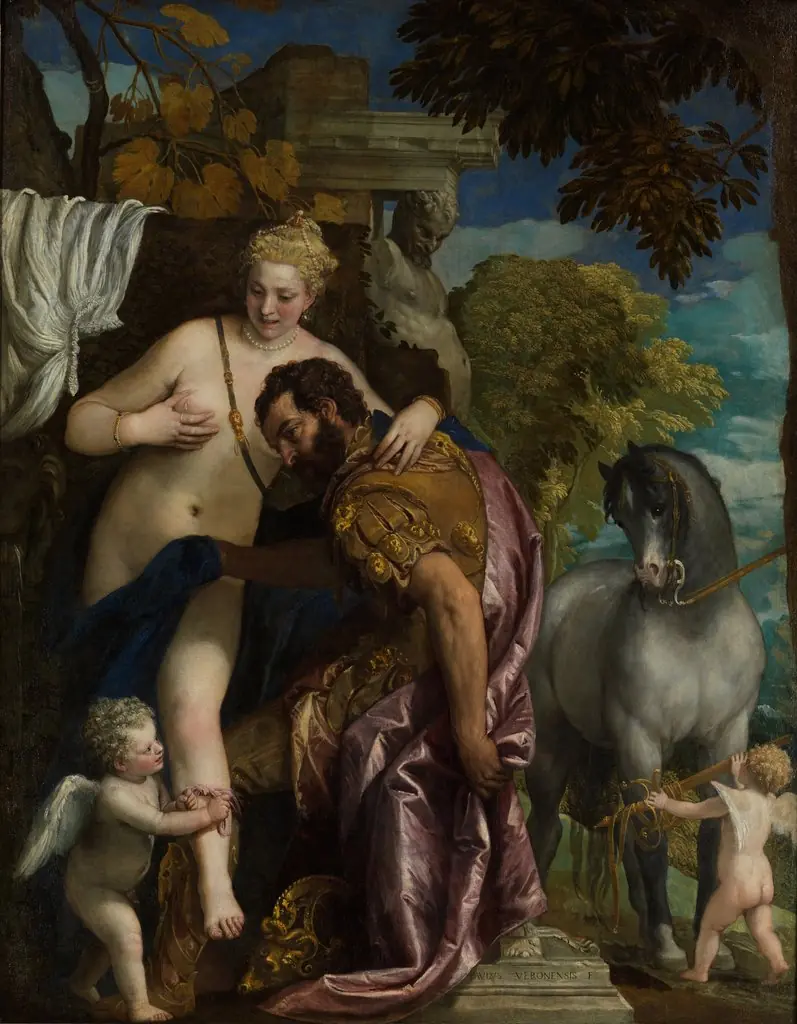 Venus and Mars
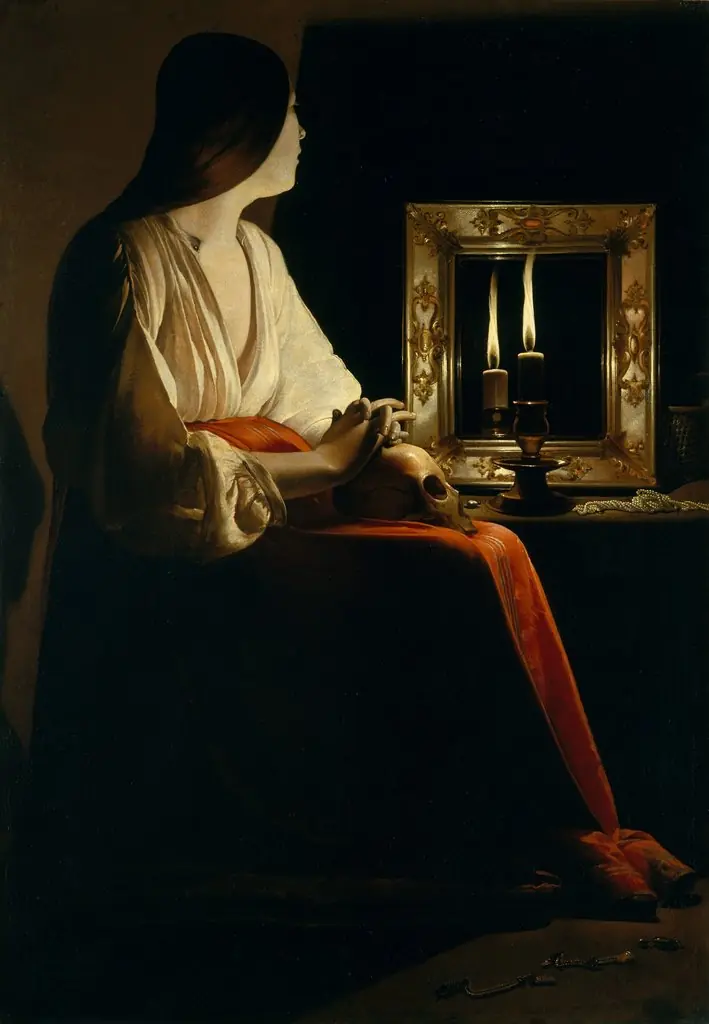 The Penitent Magdalen
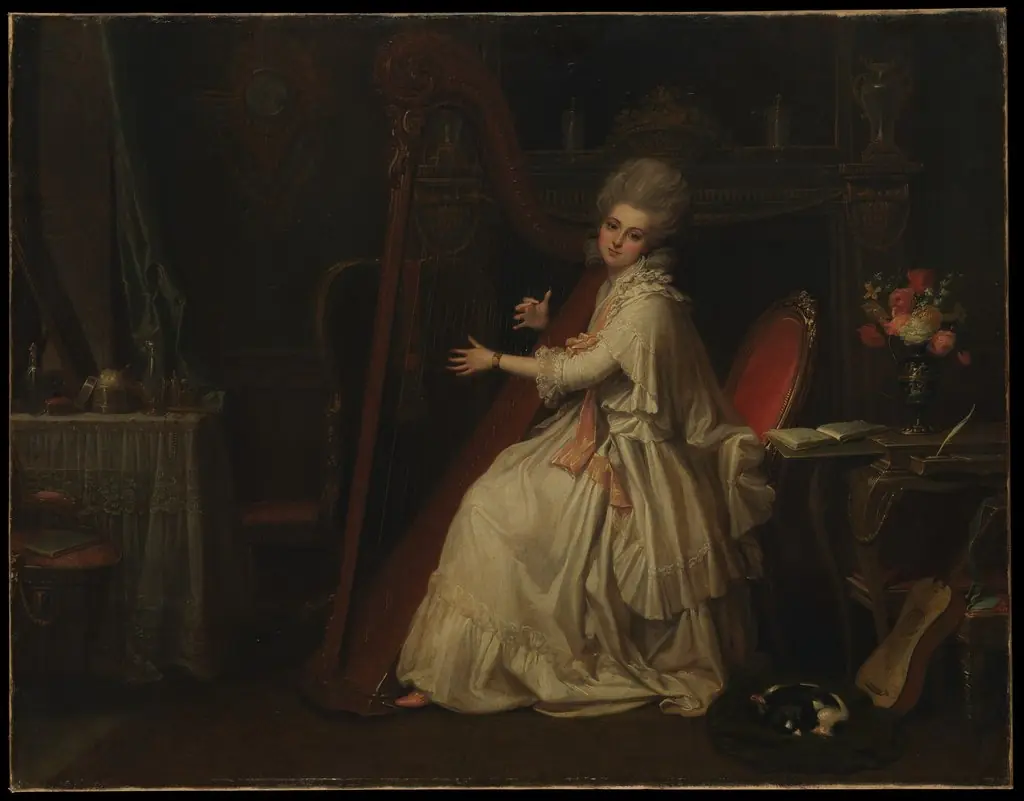 Portrait of Marianne Dorothy Harland (1759–1785), Later Mrs. William Dalrymple
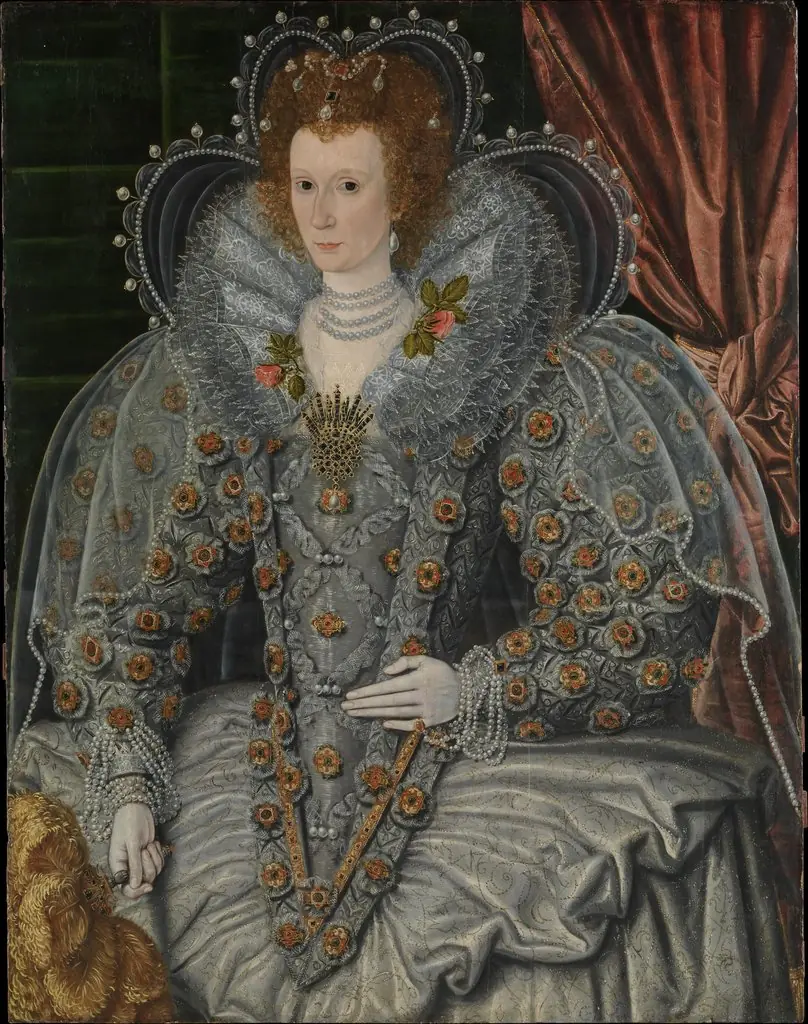 Portrait of a Woman
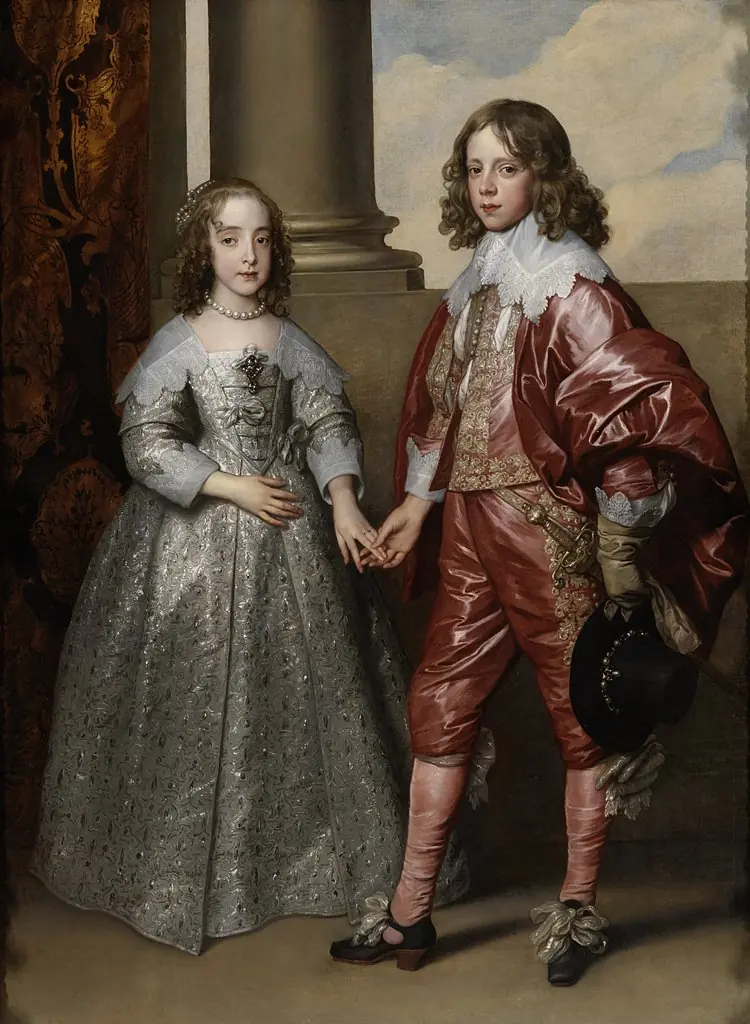 William II, Prince of Orange, and his Bride, Mary Stuart
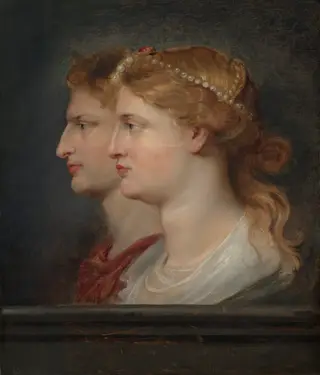 Agrippina and Germanicus
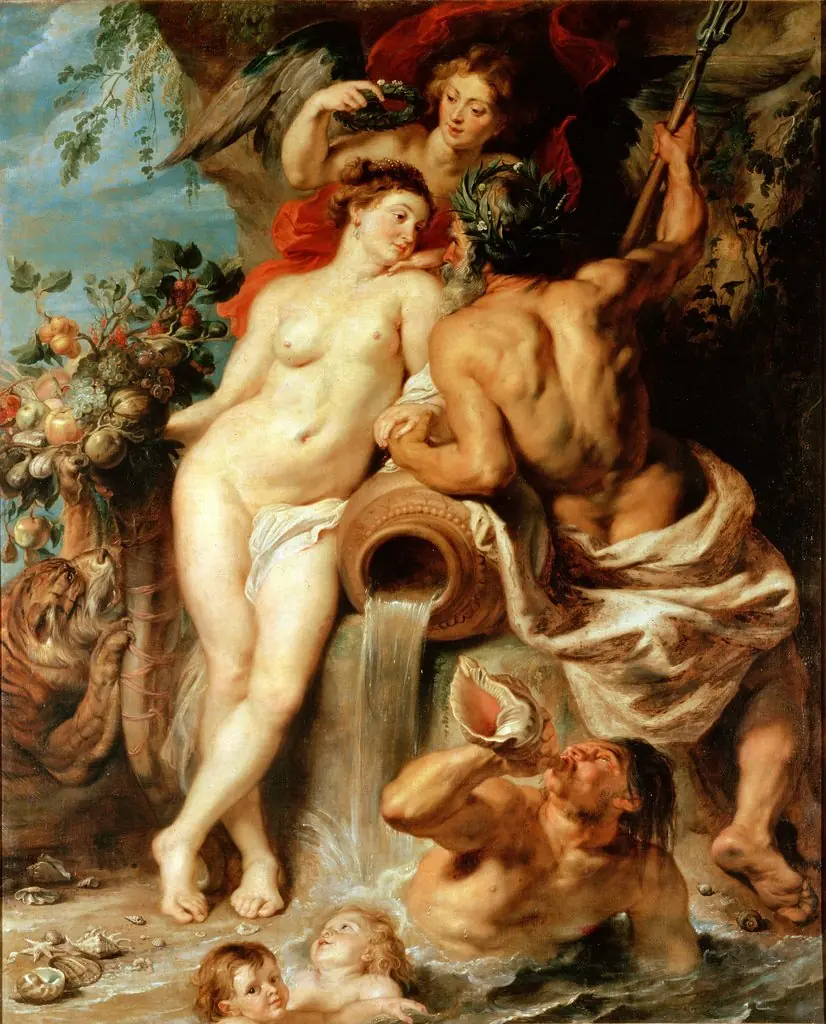 The Union of Earth and Water (Antwerp and the Scheldt)
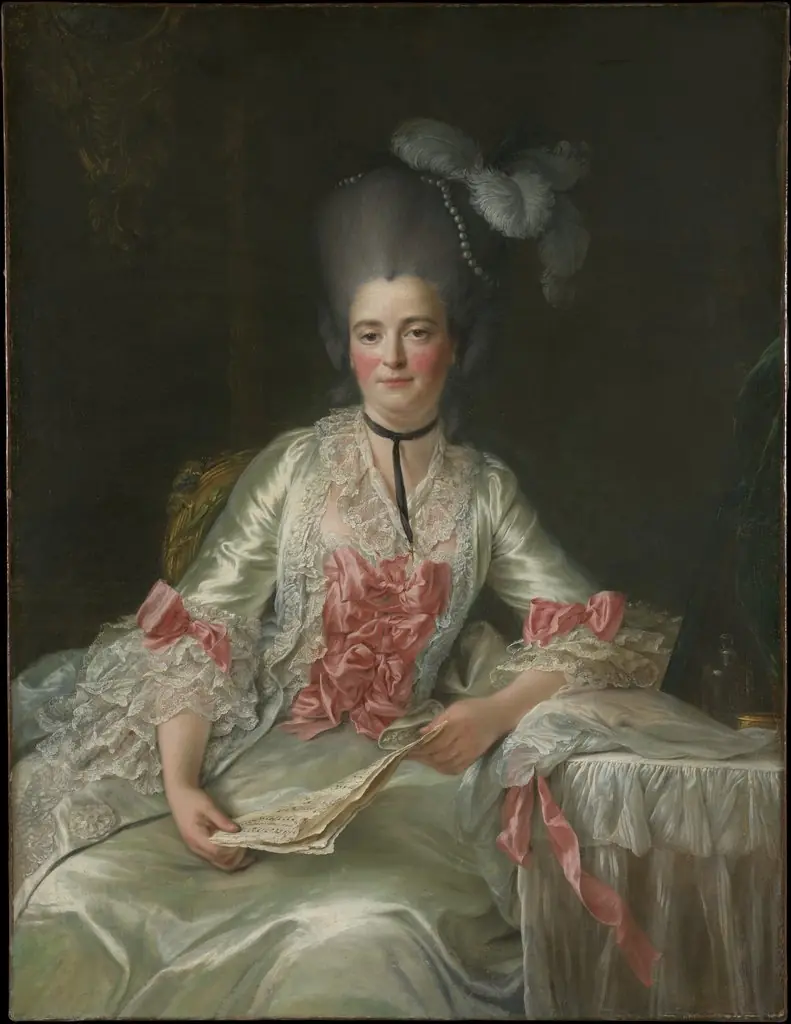 Marie Rinteau, called Mademoiselle de Verrières
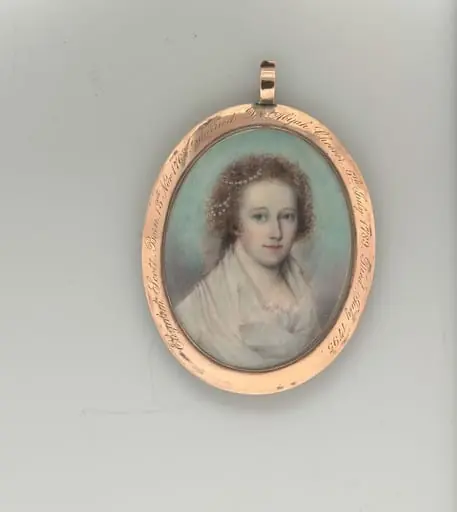 Mrs. Abijah Cheever (Elizabeth Scott)
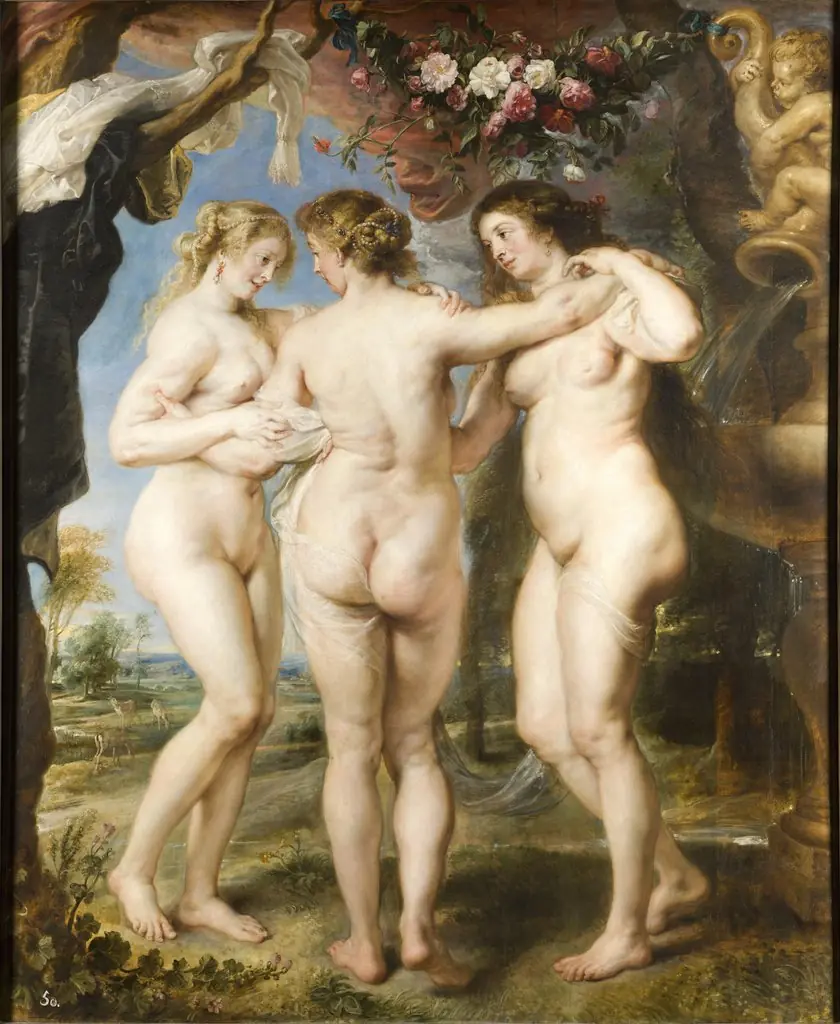 The Three Graces
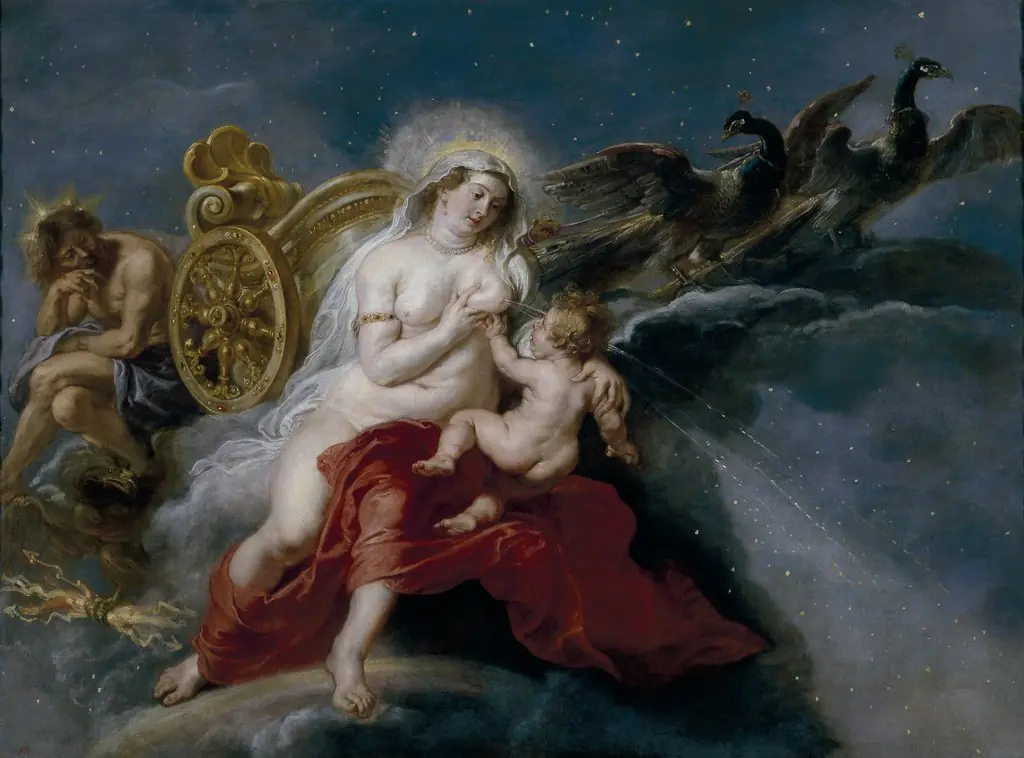 The Origin of the Milky Way
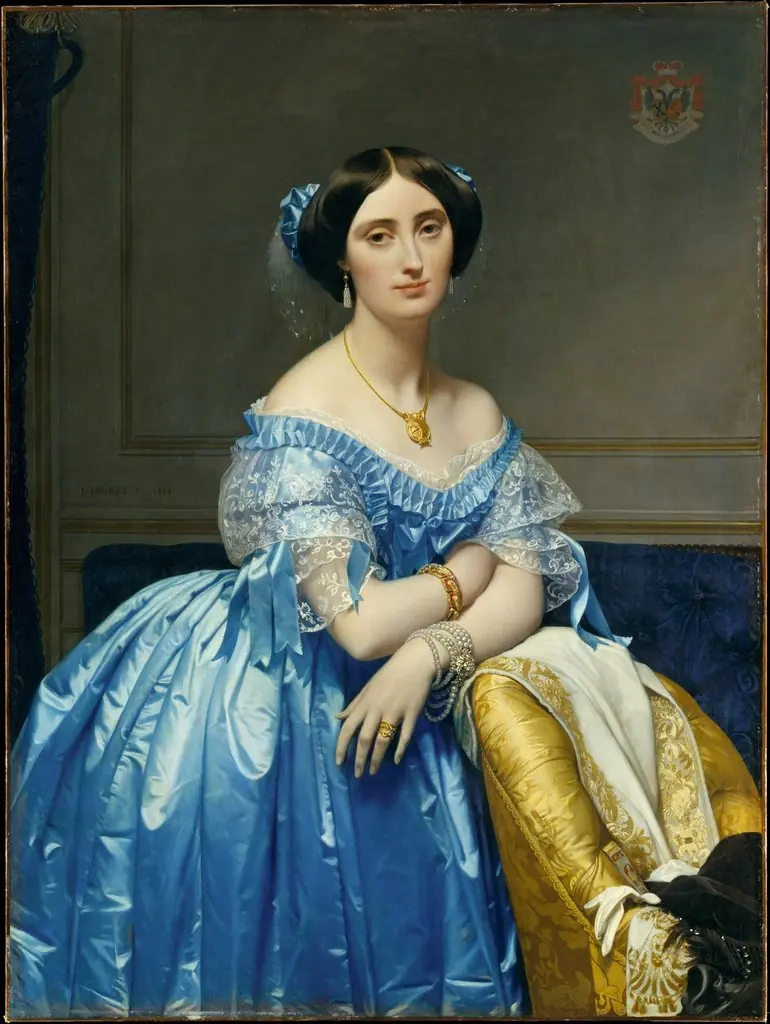 Joséphine-Éléonore-Marie-Pauline de Galard de Brassac de Béarn (1825–1860), Princesse de Broglie
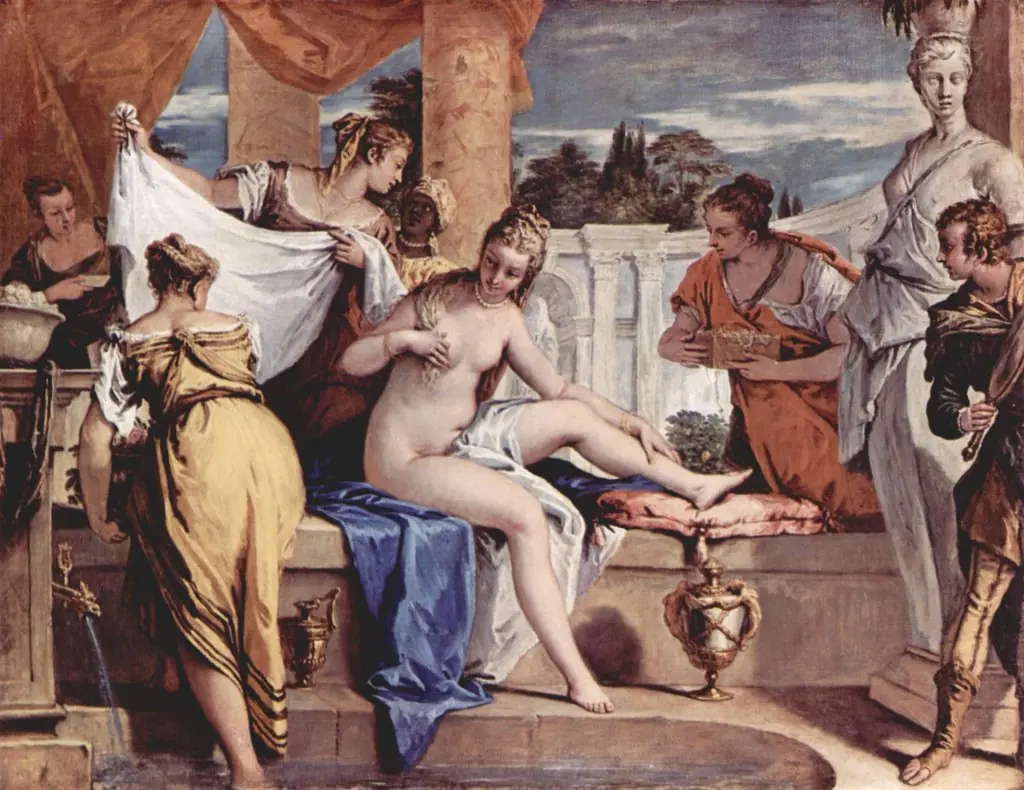 Bathsheba at her bath
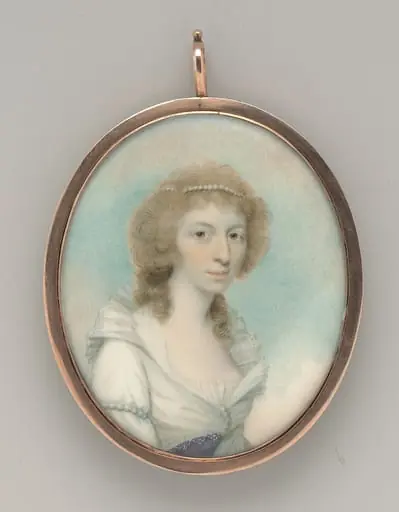 Mrs. Gabriel Manigault (Margaret Izard)
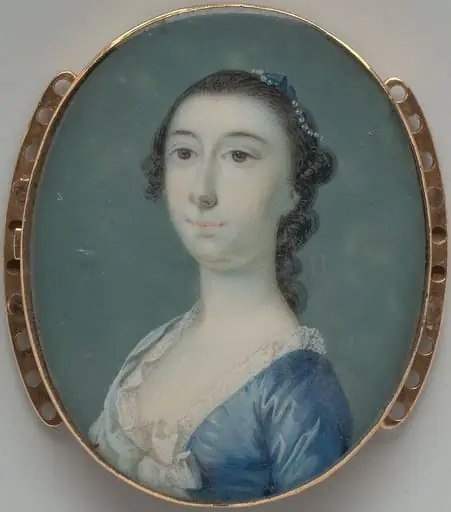 Mrs. Jacob Motte (Rebecca Brewton)
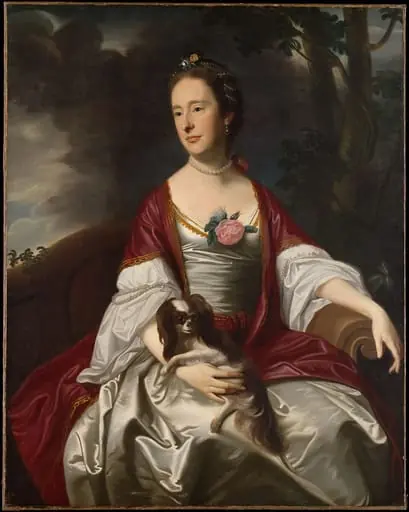 Mrs. Jerathmael Bowers
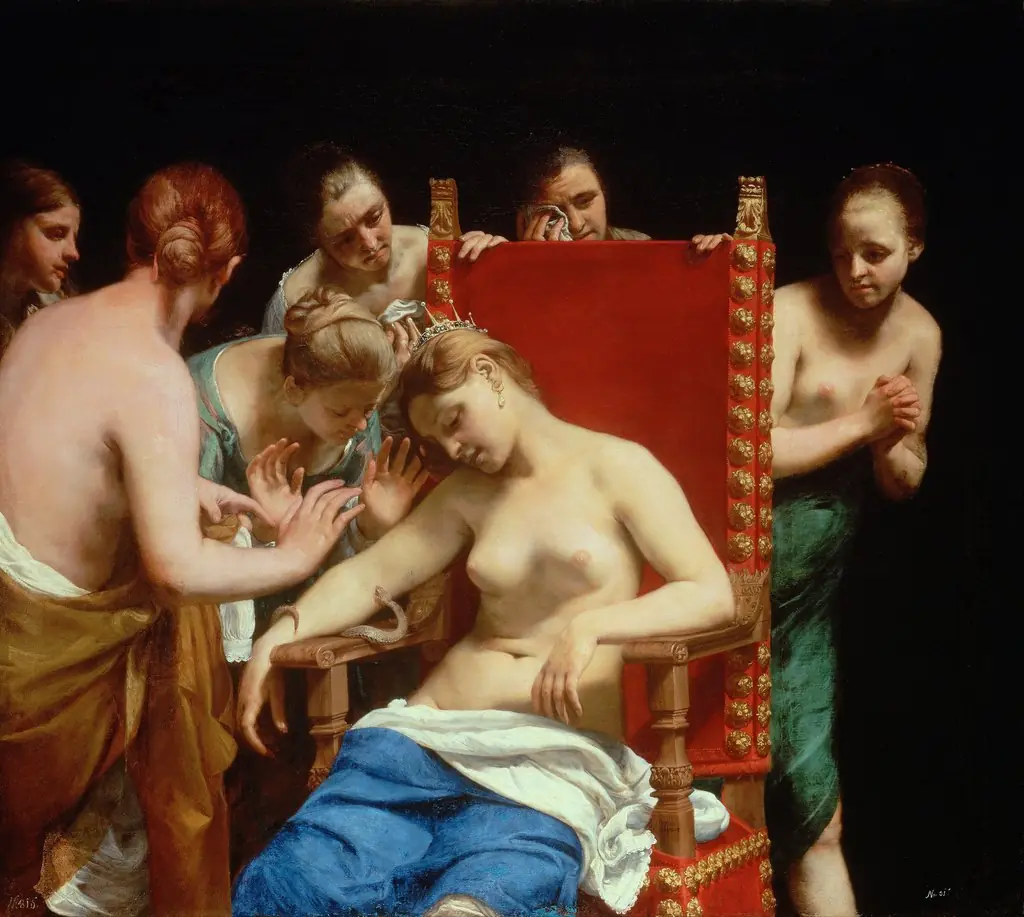 The Death of Cleopatra
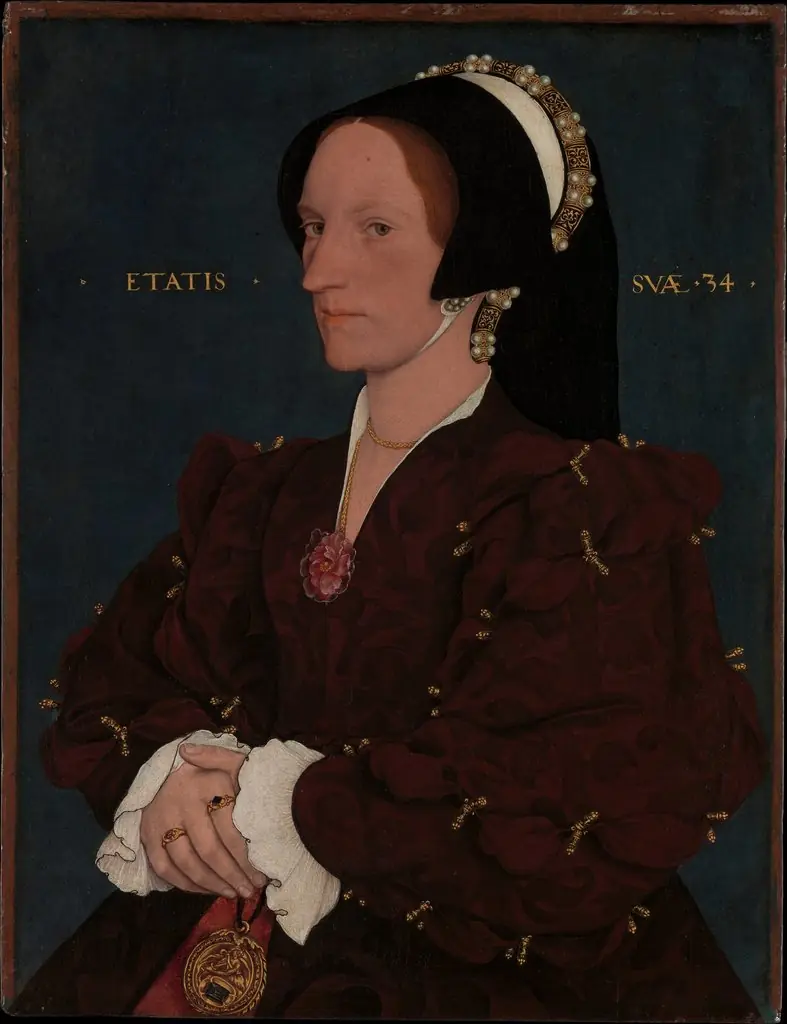 Lady Lee (Margaret Wyatt, born about 1509)
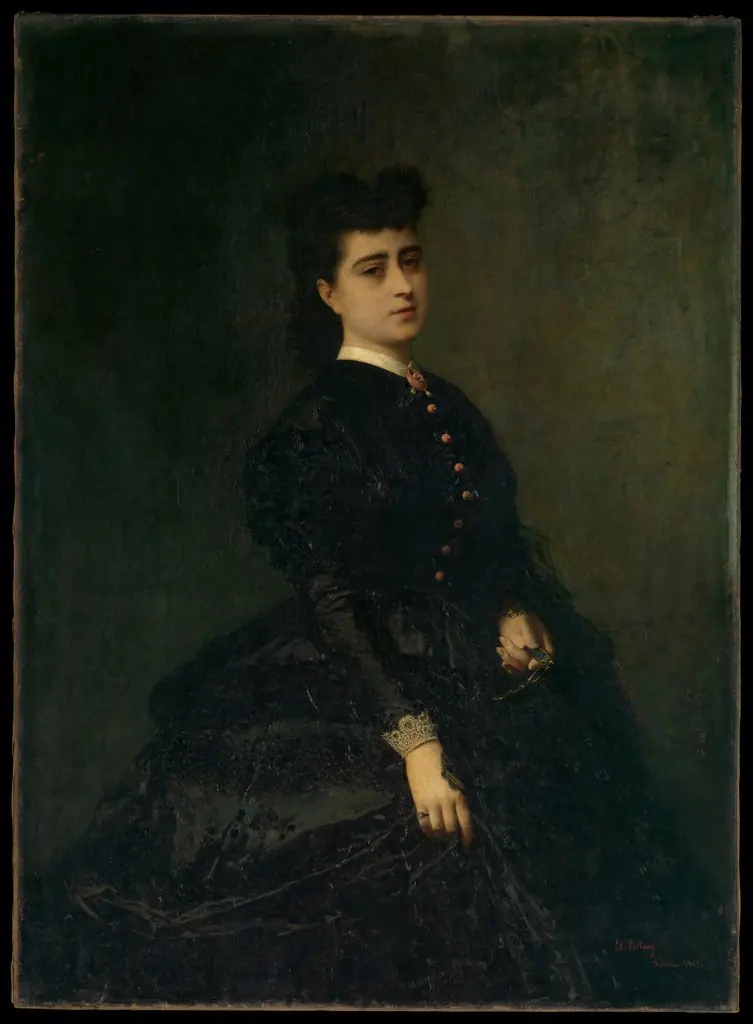 Madame Gaye
 Judith at the Banquet of Holofernes
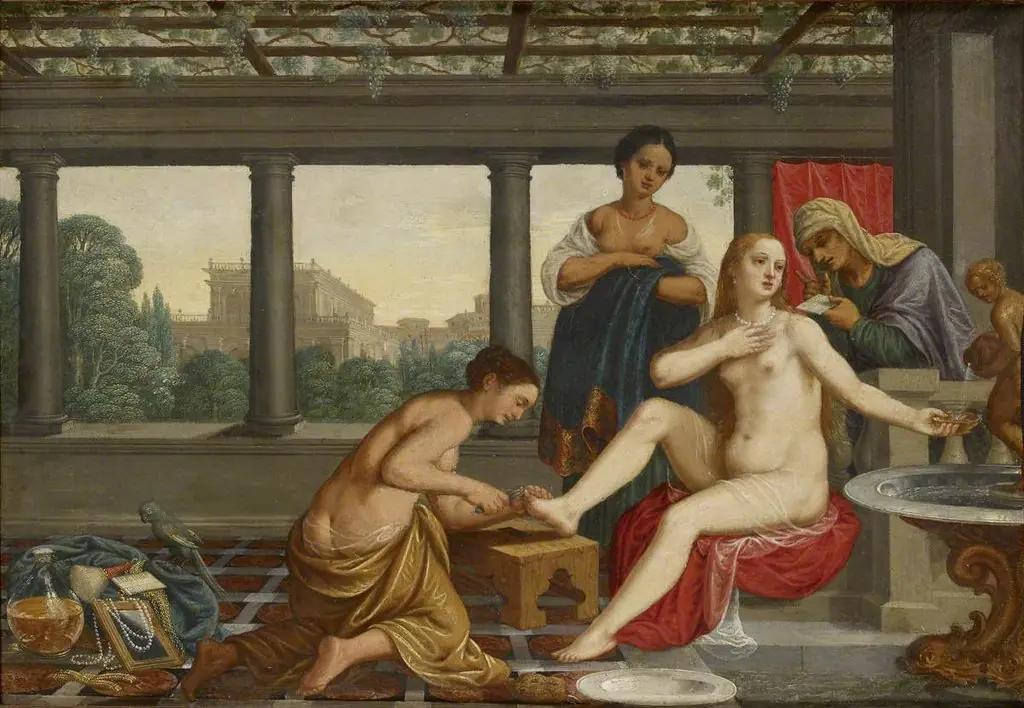 Bathsheba's Bath
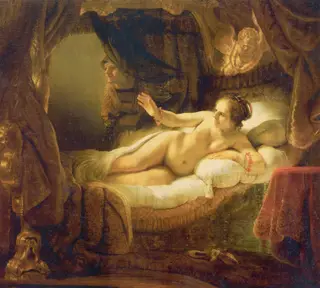 Danaë
Danaë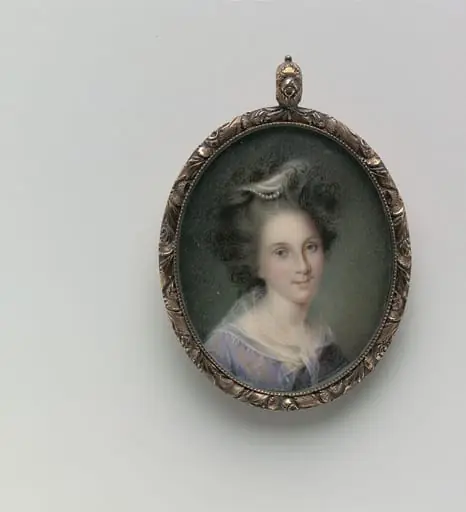 Mrs. Charles Willson Peale (Rachel Brewer)
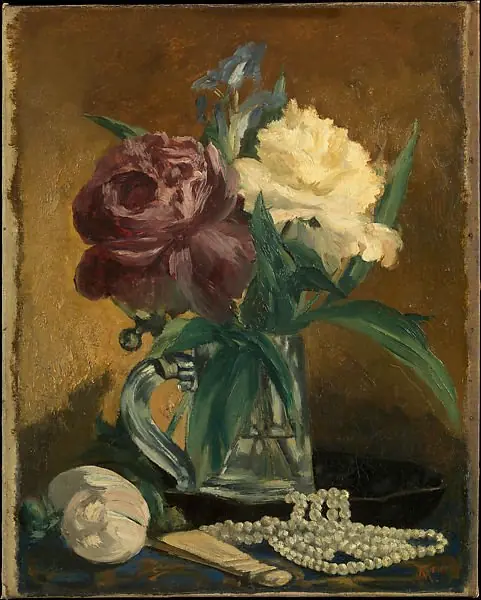 Still Life with Flowers, Fan, and Pearls
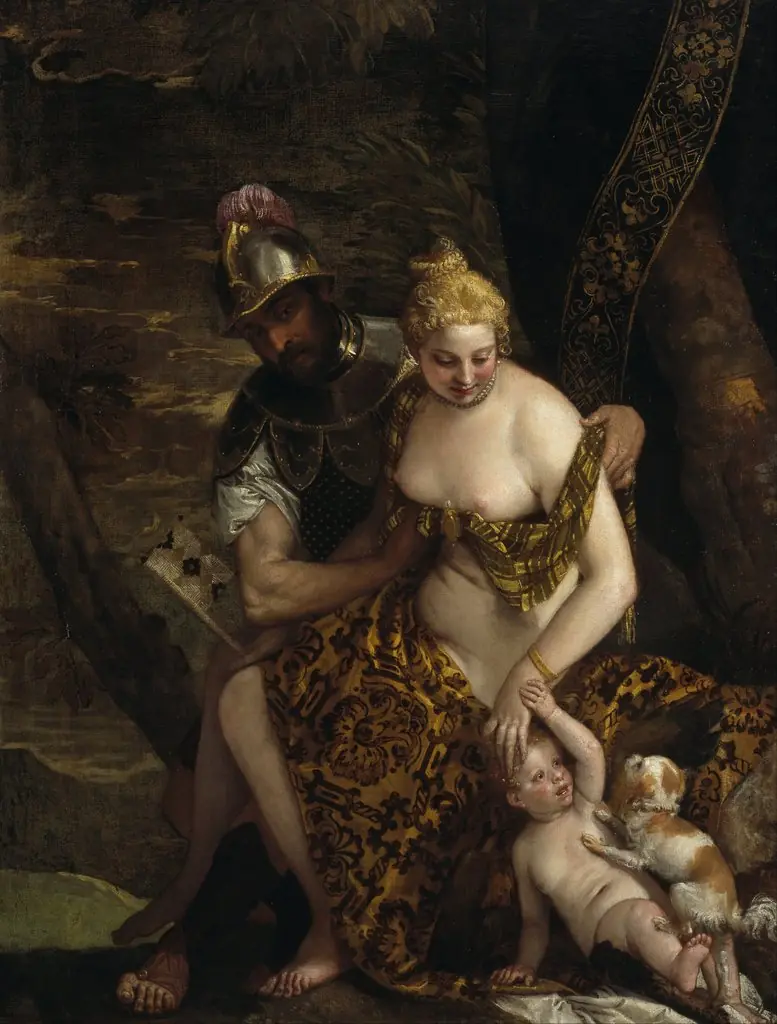 Mars and Venus with Cupid and a Dog
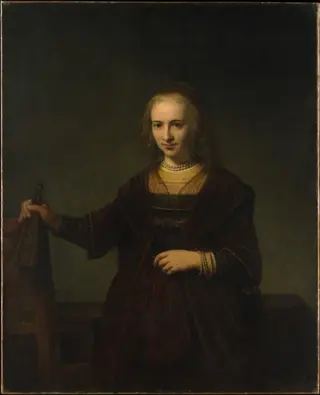 Portrait of a Woman
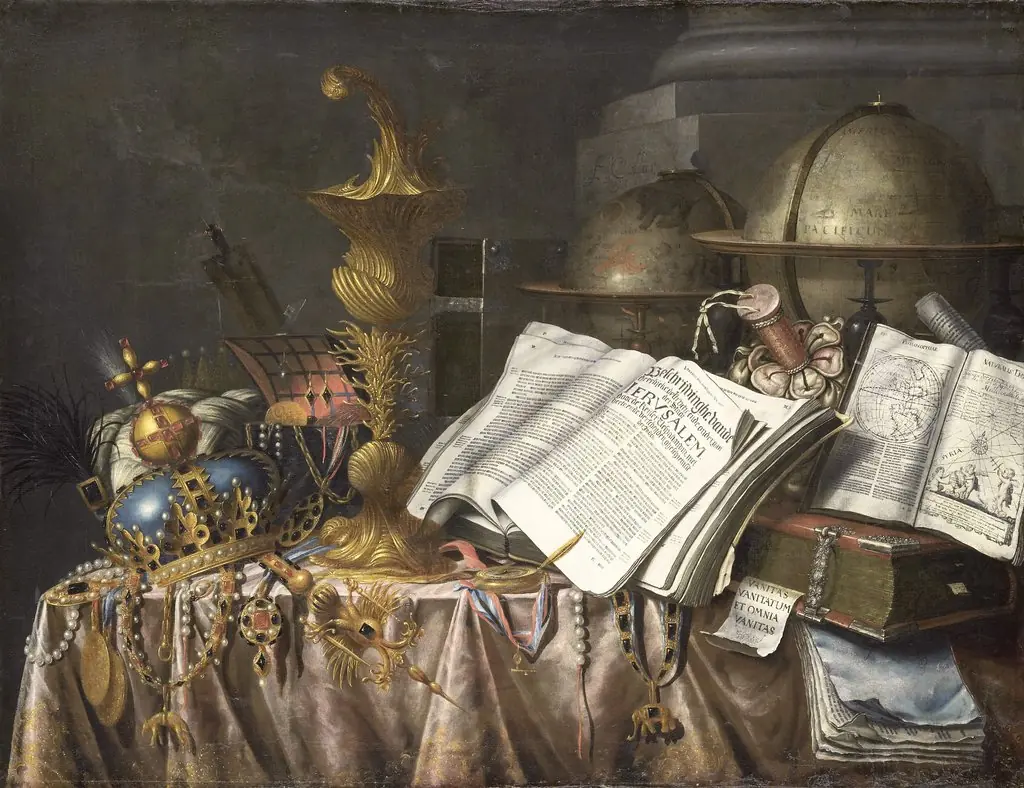 Vanitas still life
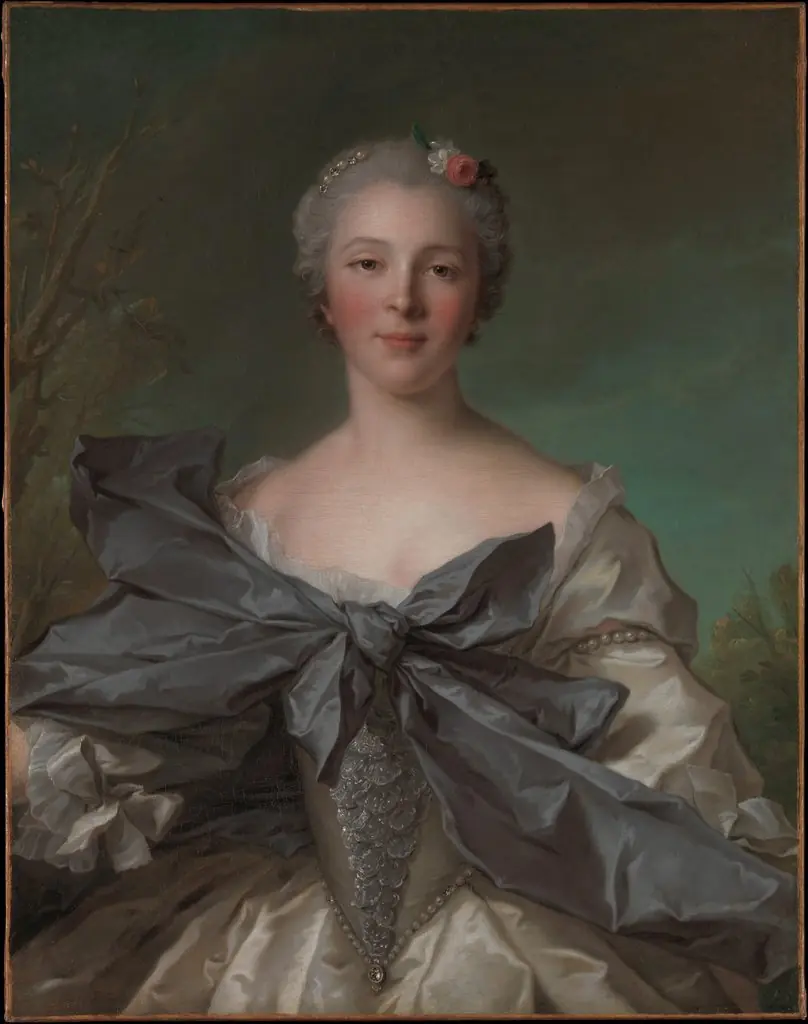 Marie Françoise de La Cropte de St. Abre, Marquise d'Argence
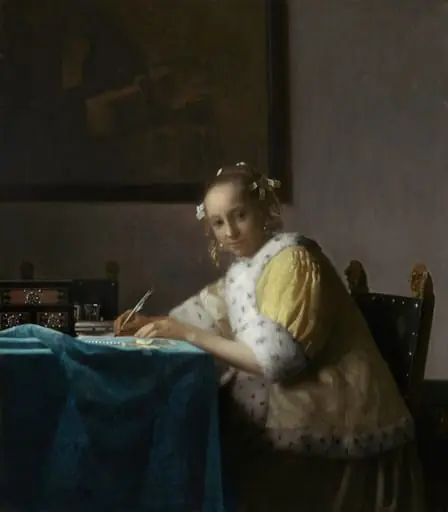 A Lady Writing
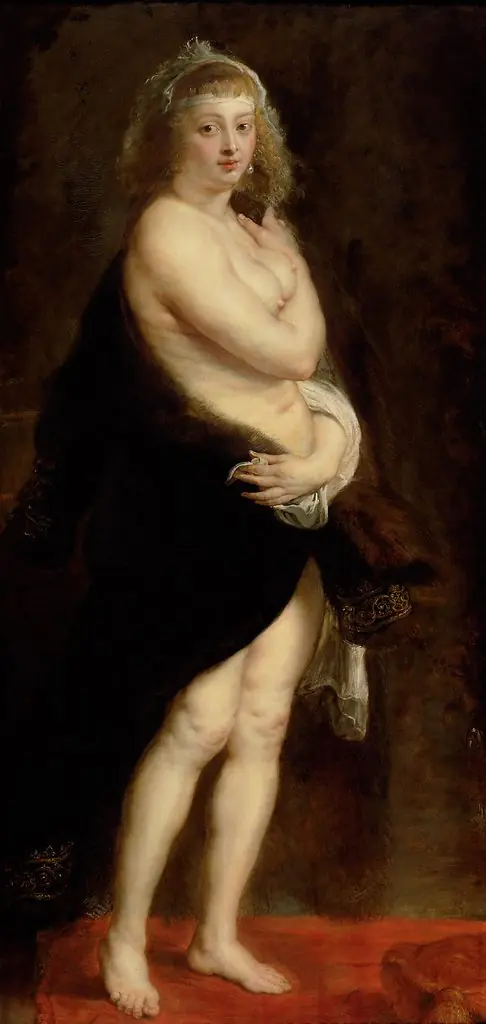 Helena Fourment in a Fur Robe
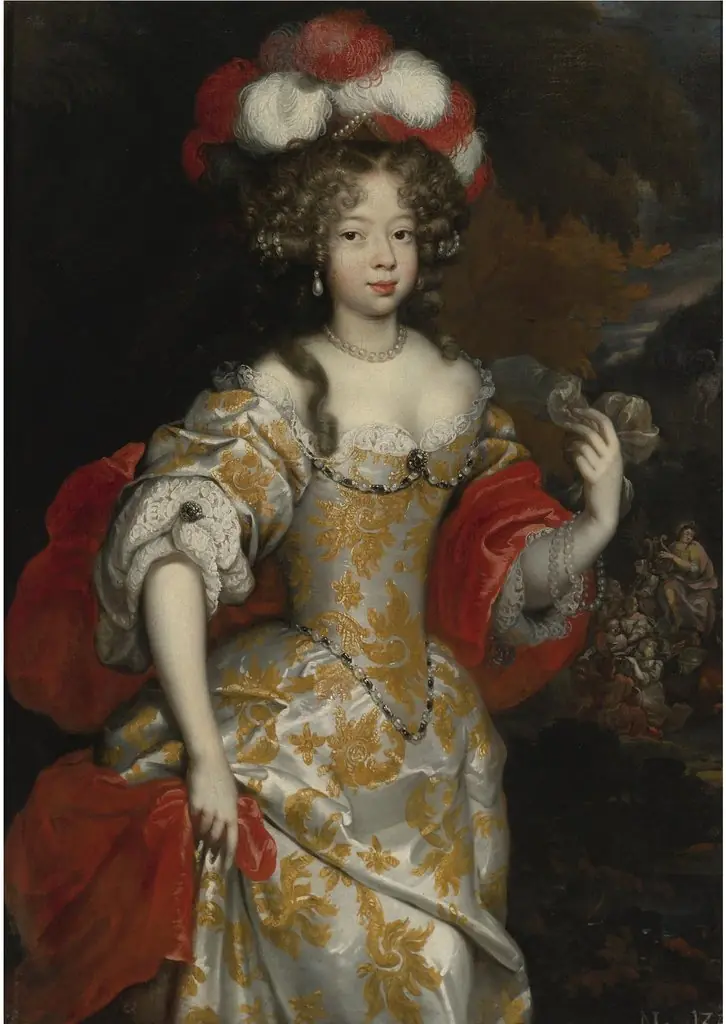 Portrait of Hortense Mancini
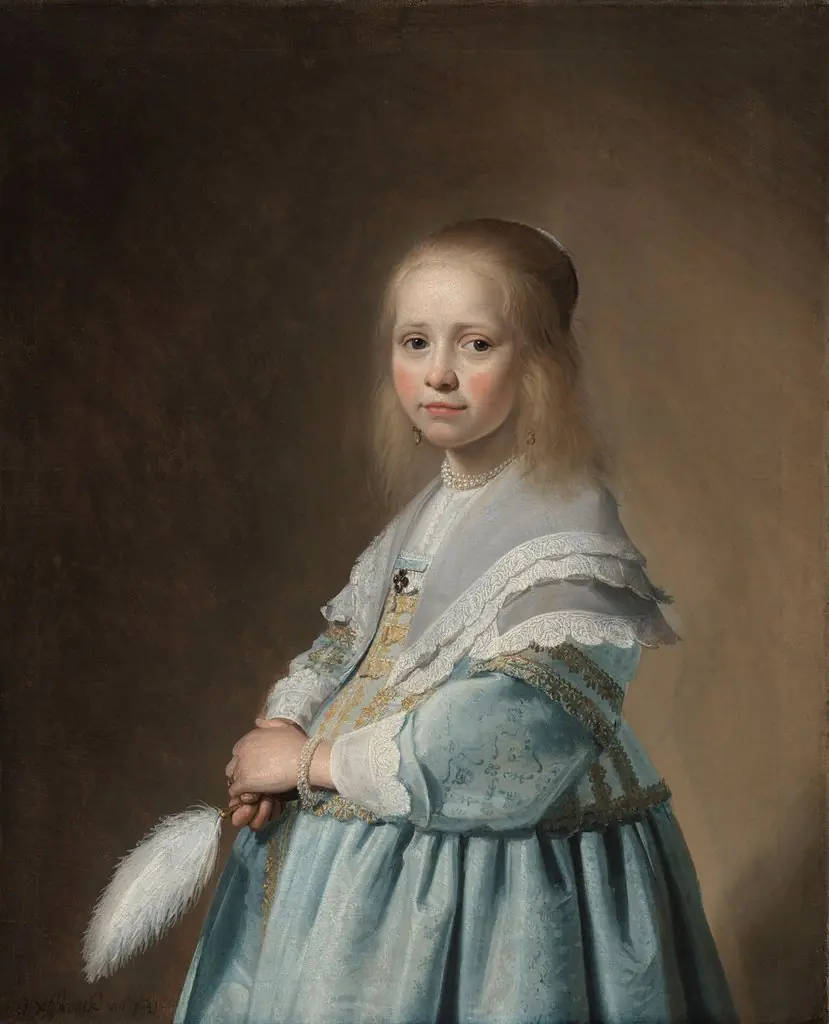 Portrait of a Girl Dressed in Blue
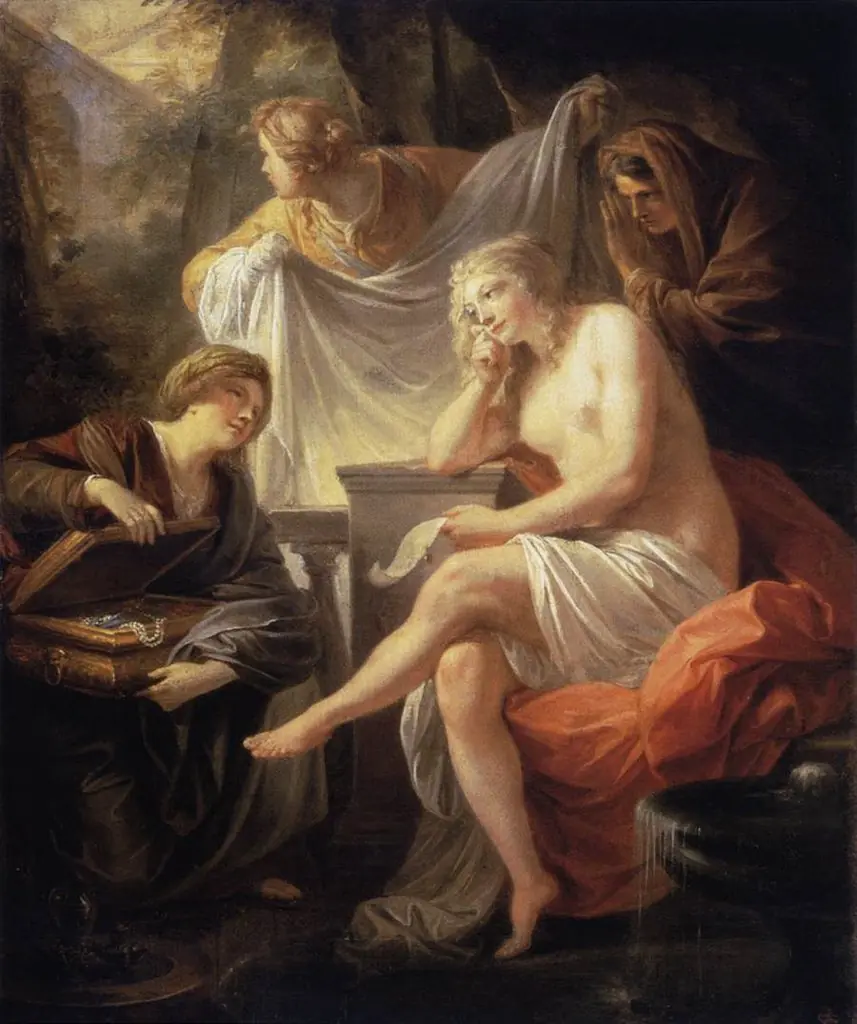 Bathsheba at her bath
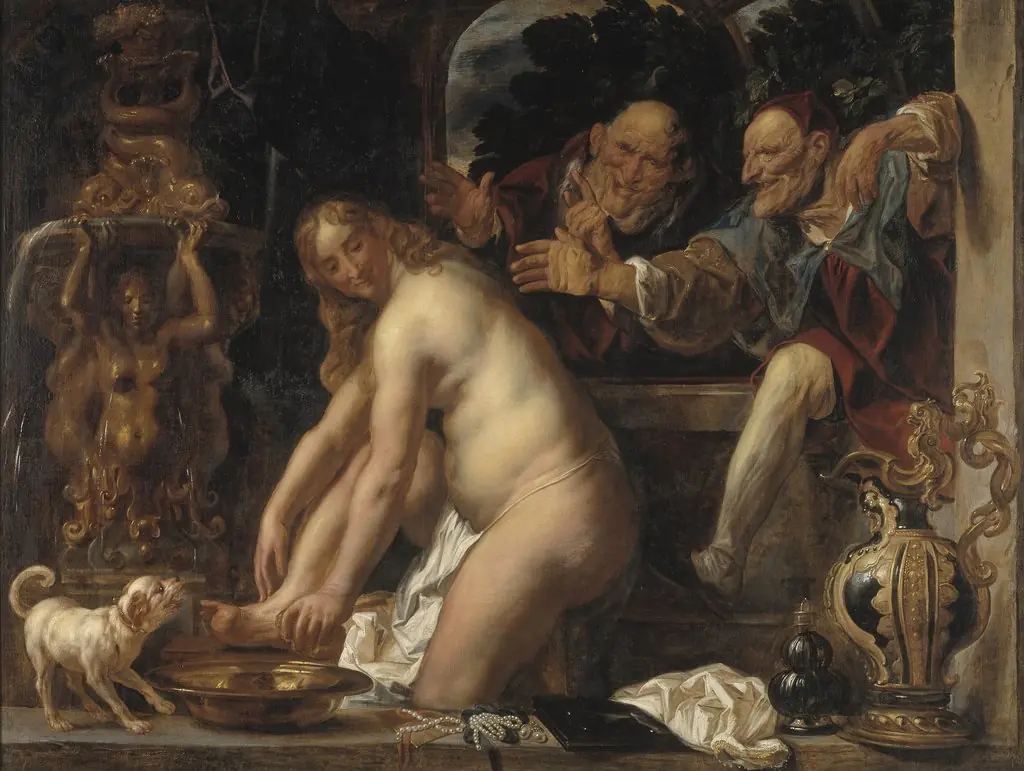 Susanna and the Elders
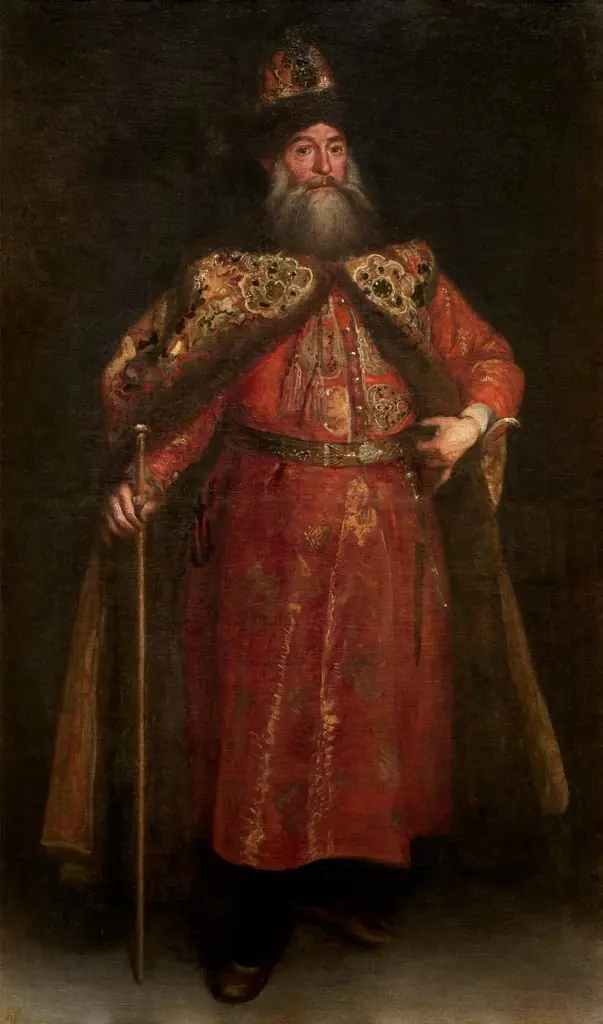 Peter Ivanowitz Potemkin, The Russian Ambassador
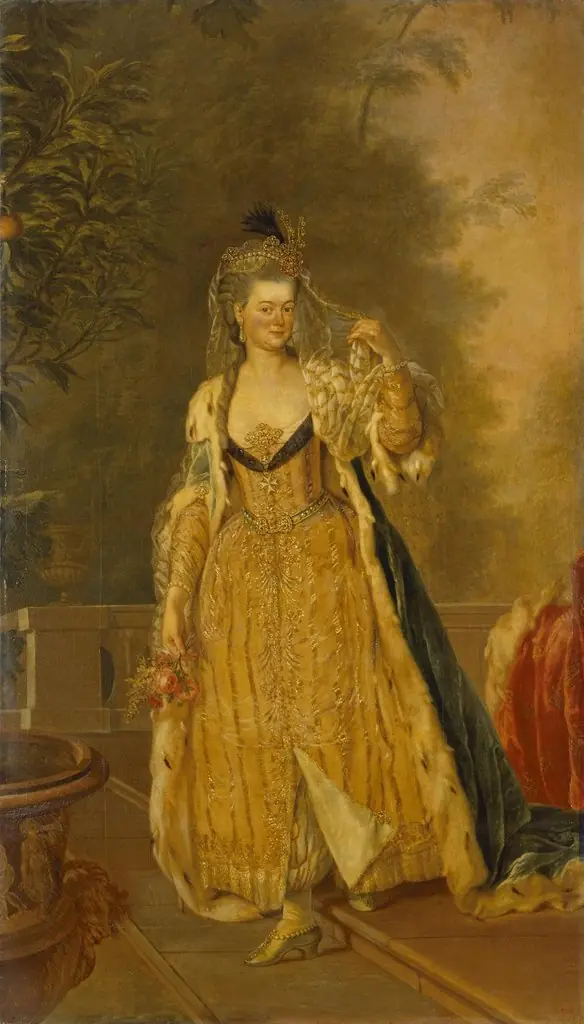 Portrait of Anna Elizabeth Louise Ferdinanda of Prussia
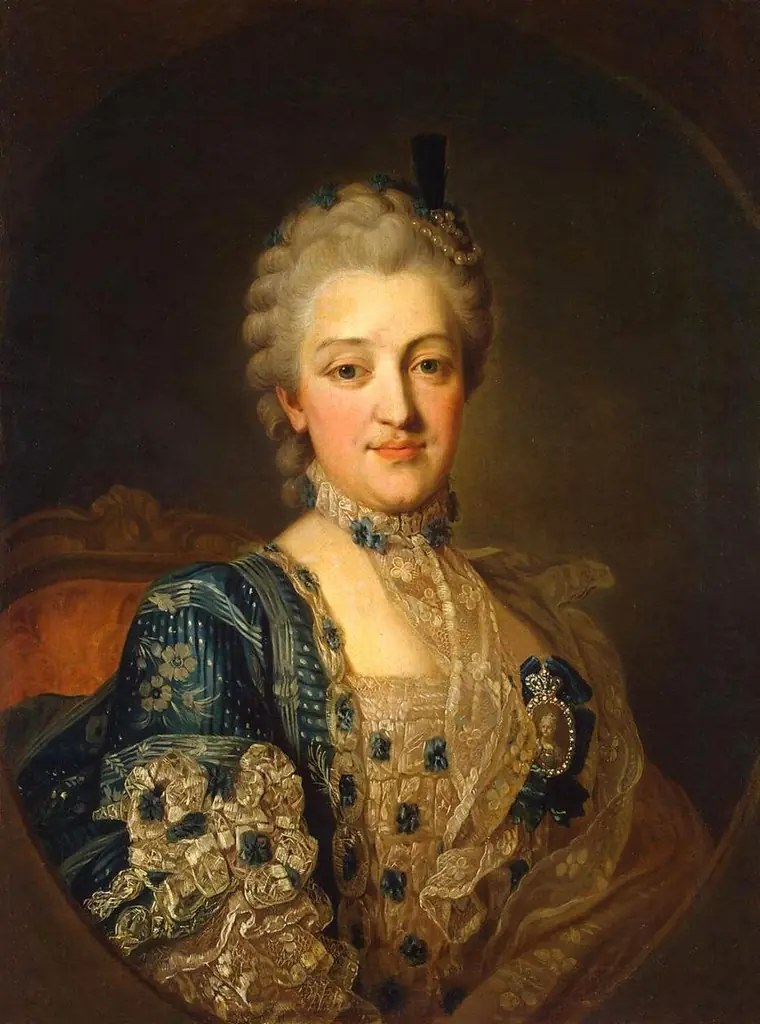 Portrait of Natalia Alexandrovna Repnina
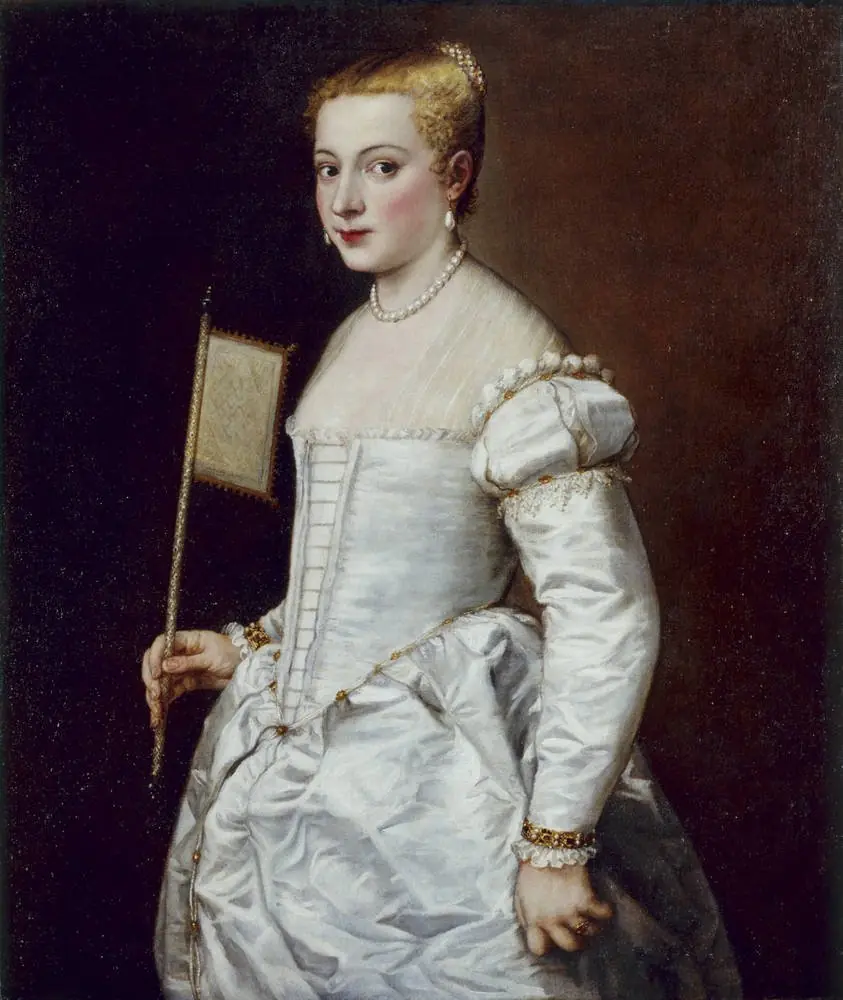 Portrait of a Lady in White
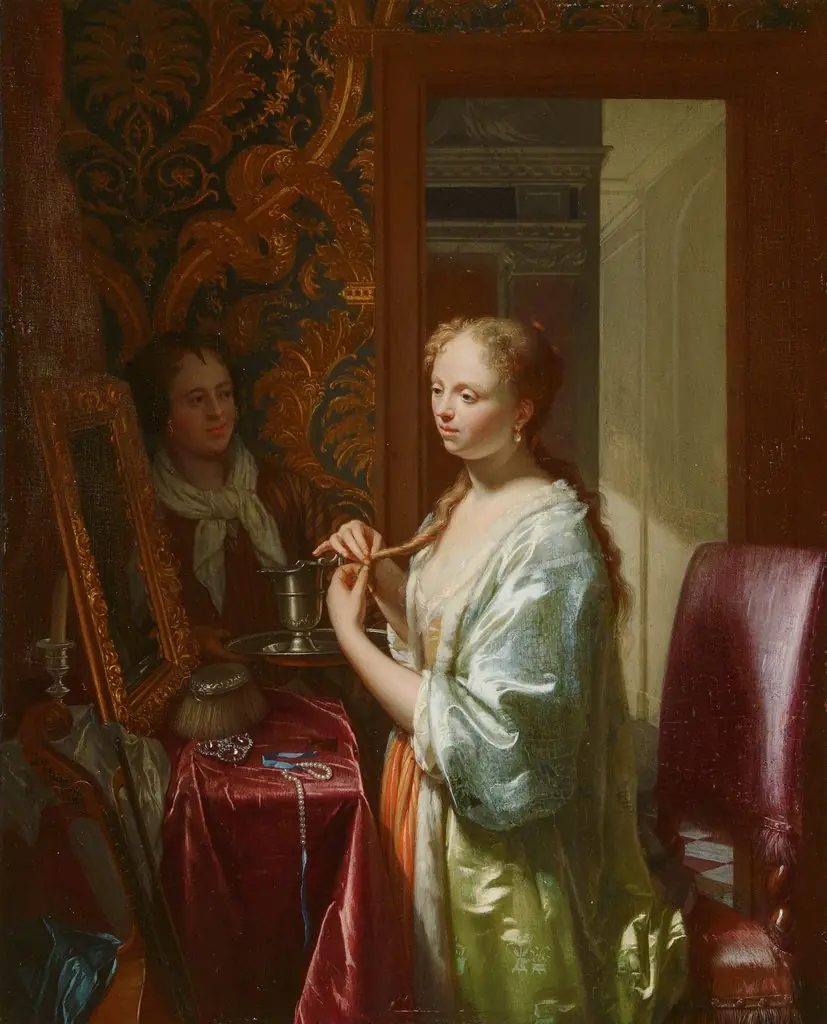 Lady attending to her toilet
 Portrait of Piotr Potyomkin (1617-1700)
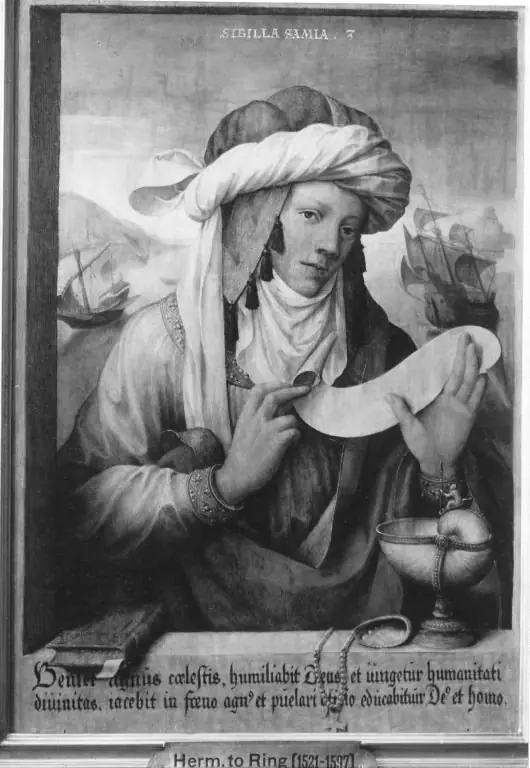 Sibylla Samia
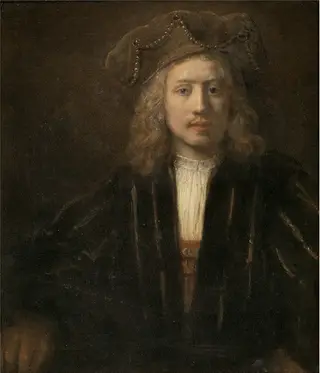 Young Man in a Pearl-trimmed Cap
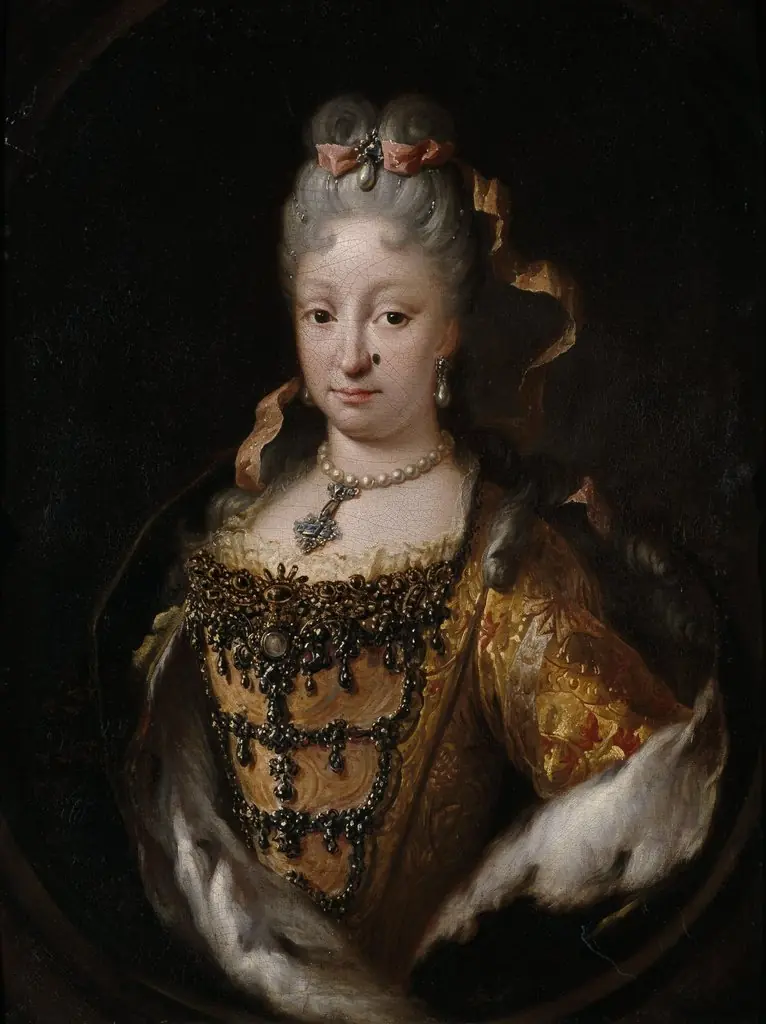 Isabella Farnese
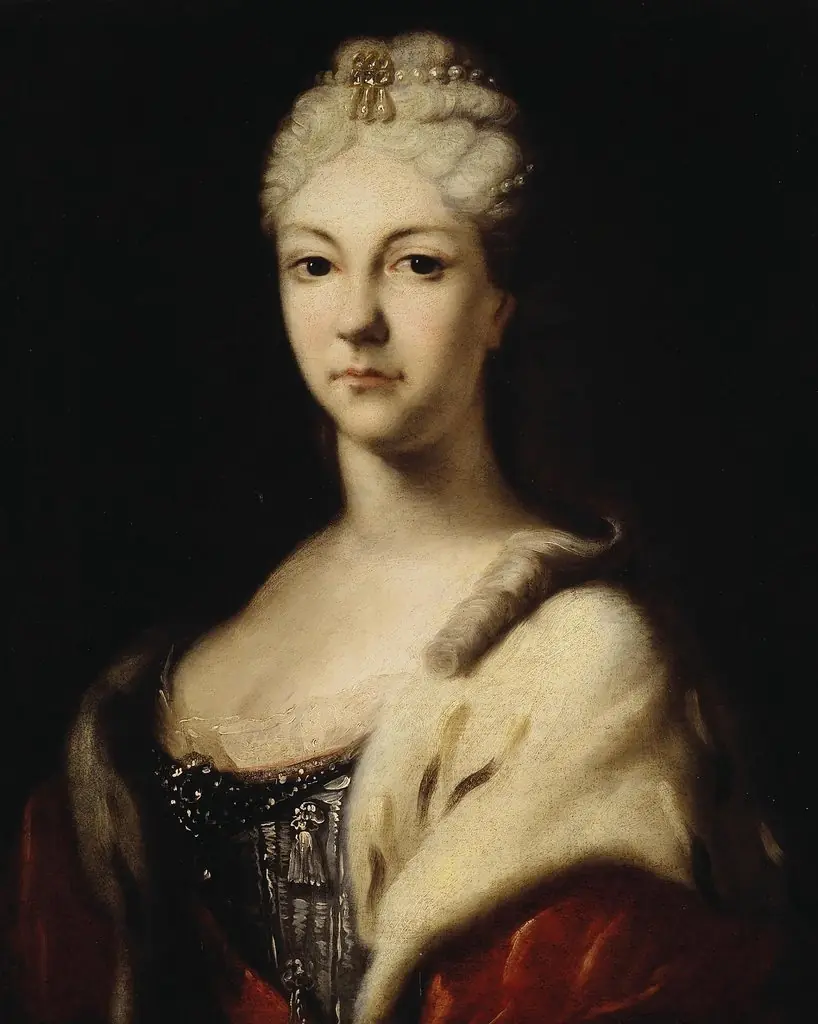 Portrait of Tsarevna Natalia Alexeyevna
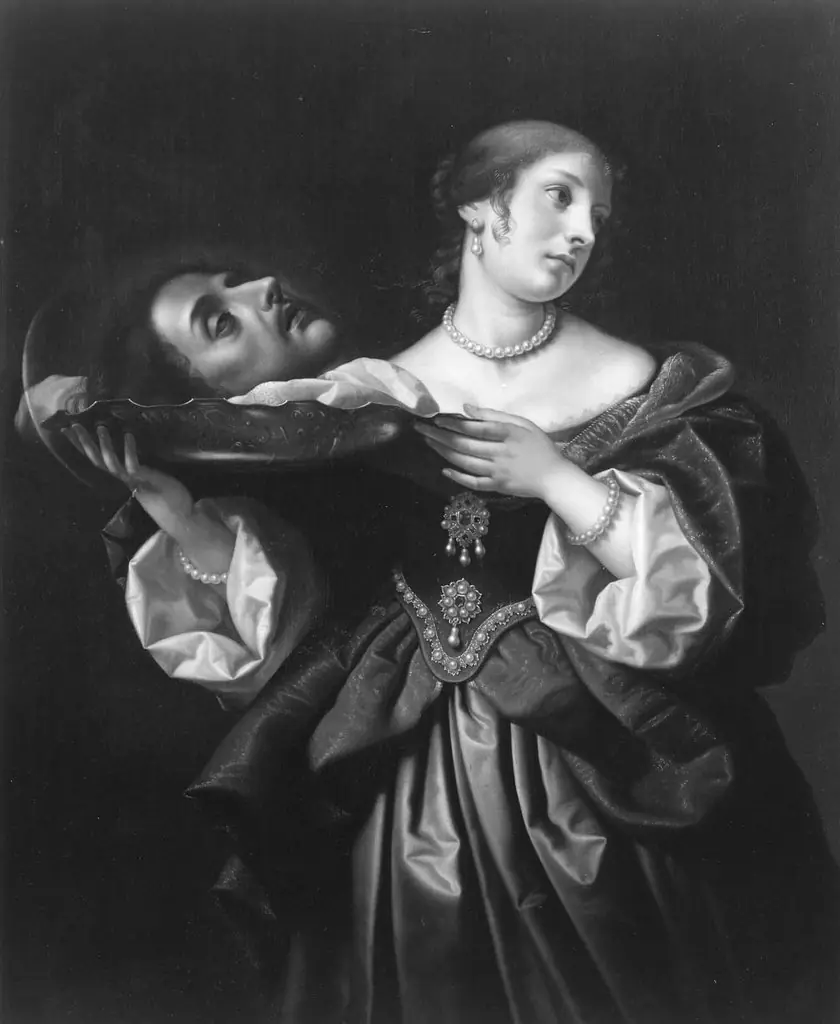 Salome with the Head of Saint John the Baptist
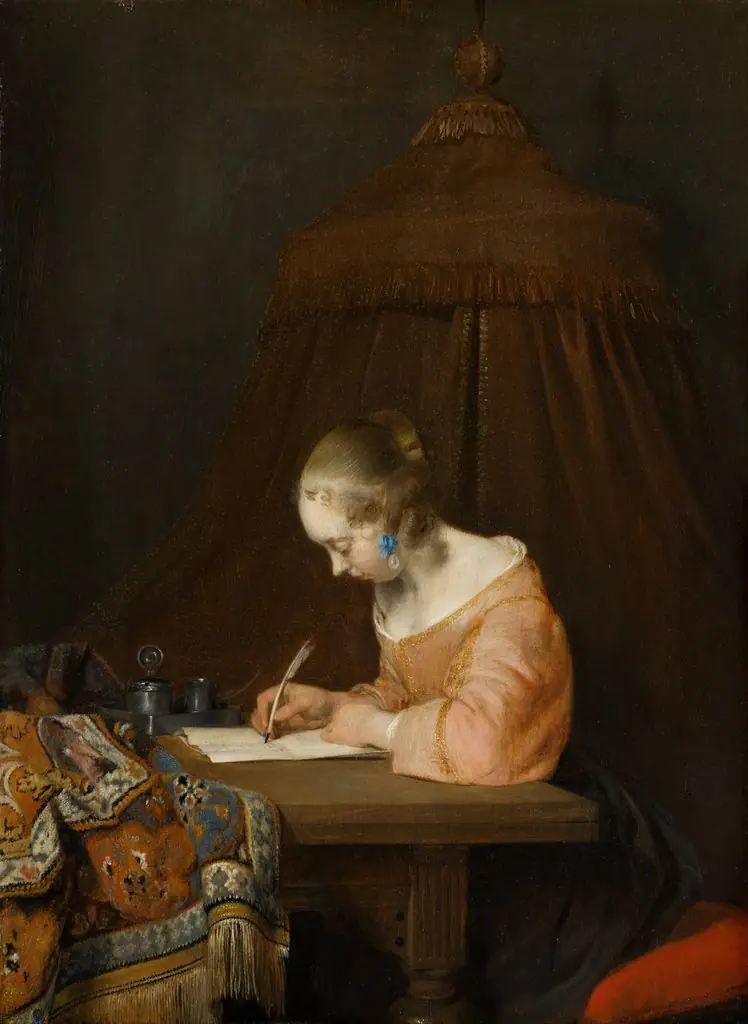 Woman writing a letter
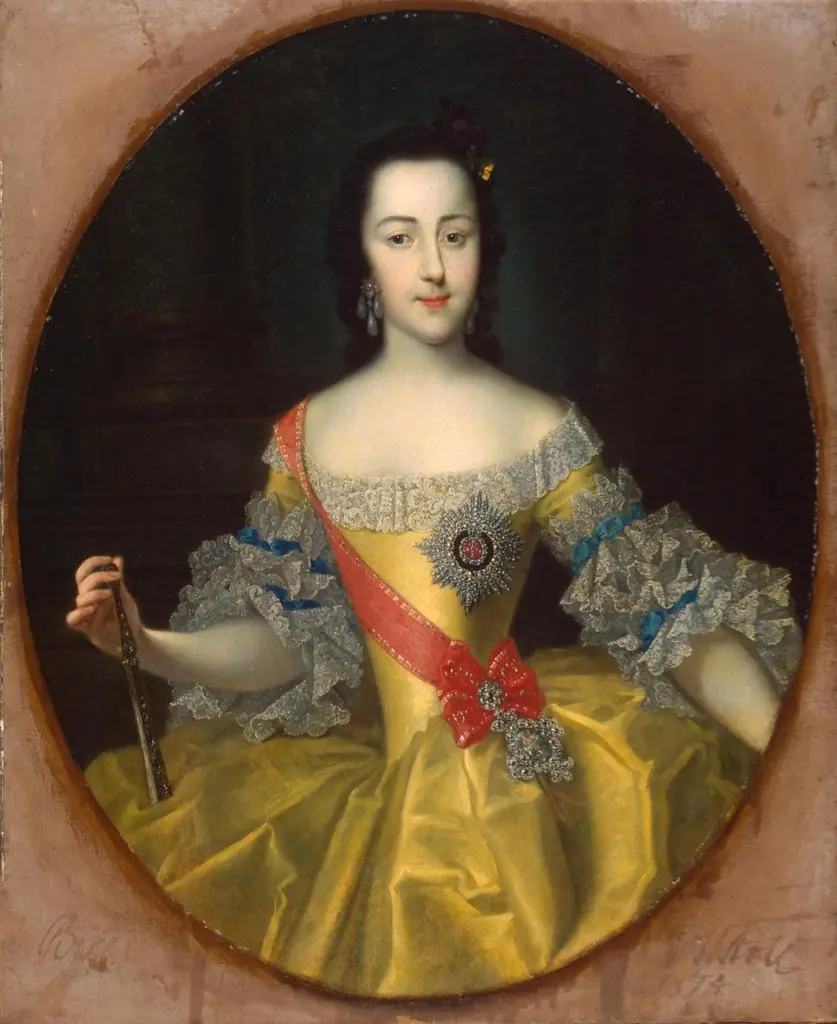 Portrait of Grand Duchess Catherine Alexeyevna
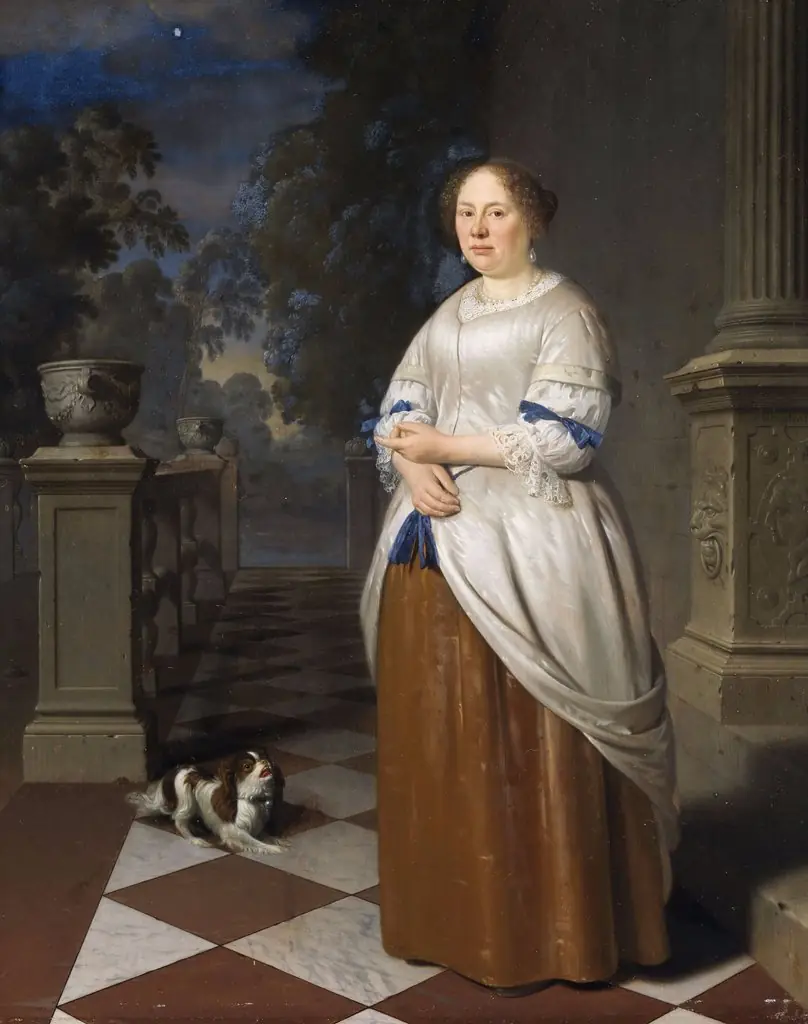 Portrait of Anna Splinter, wife of Johan Hulshout (1623–1687)
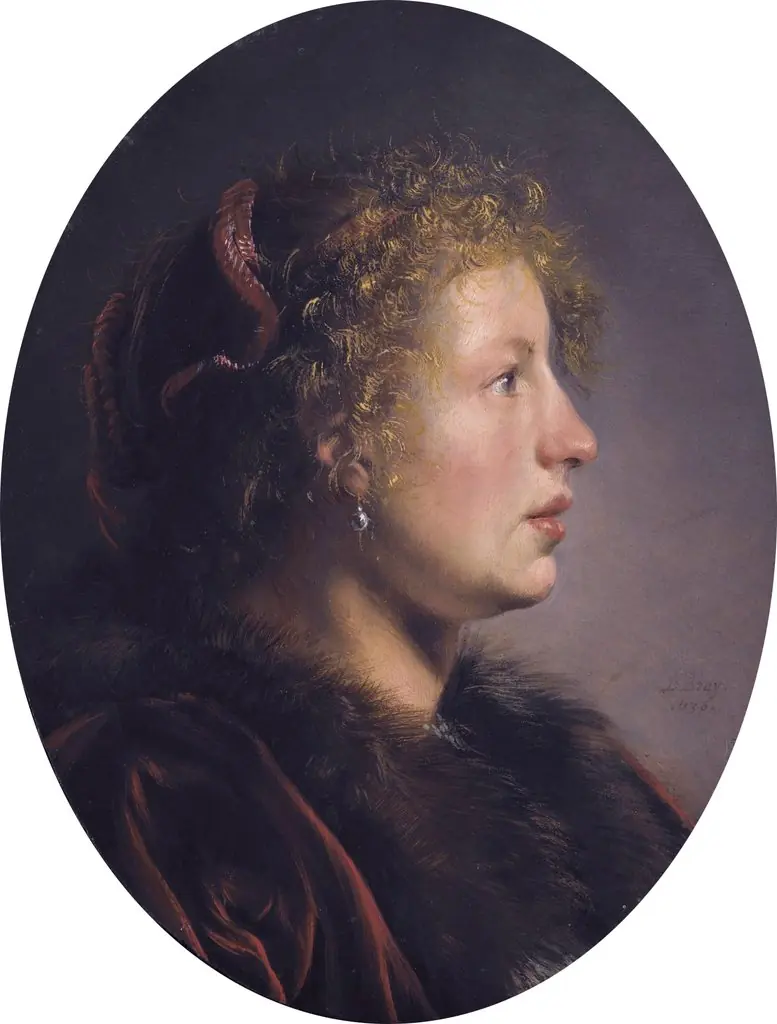 Study of a young woman in profile
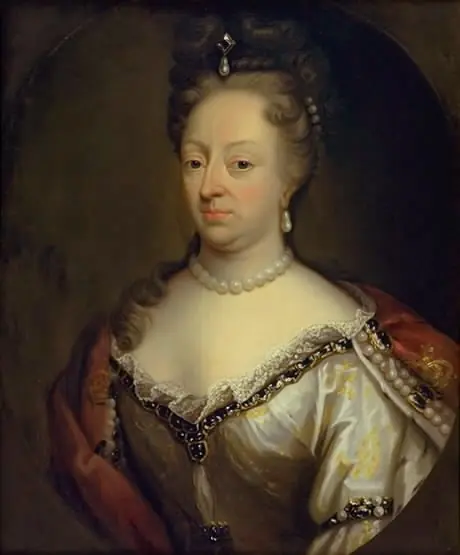 Queen Charlotte Amalie (1650-1714)
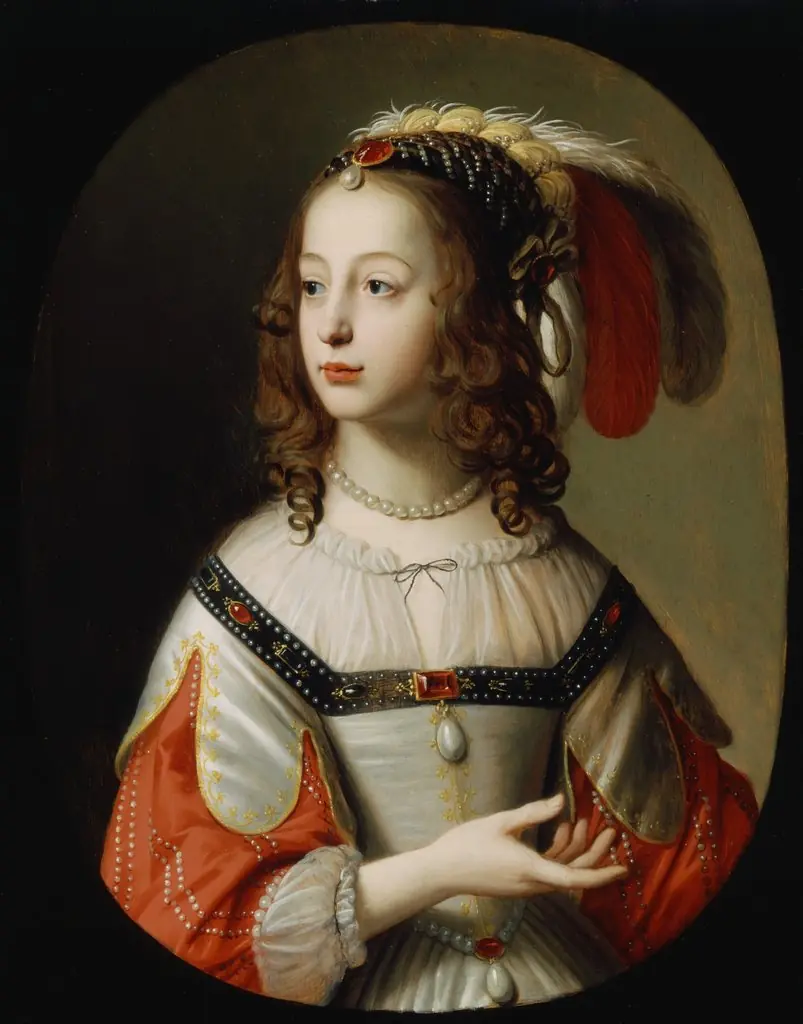 Portrait of Sophia, Princess Palatine, 1641
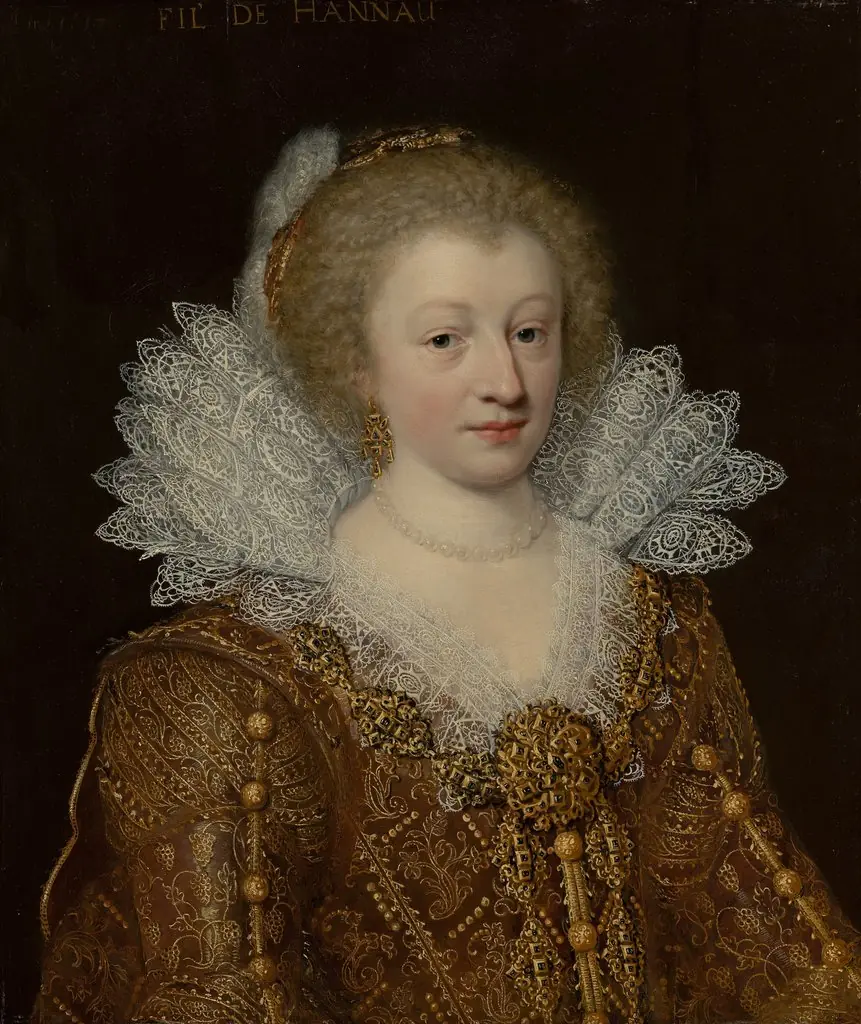 Portrait of Amélie Elisabeth of Hanau-Münzenberg
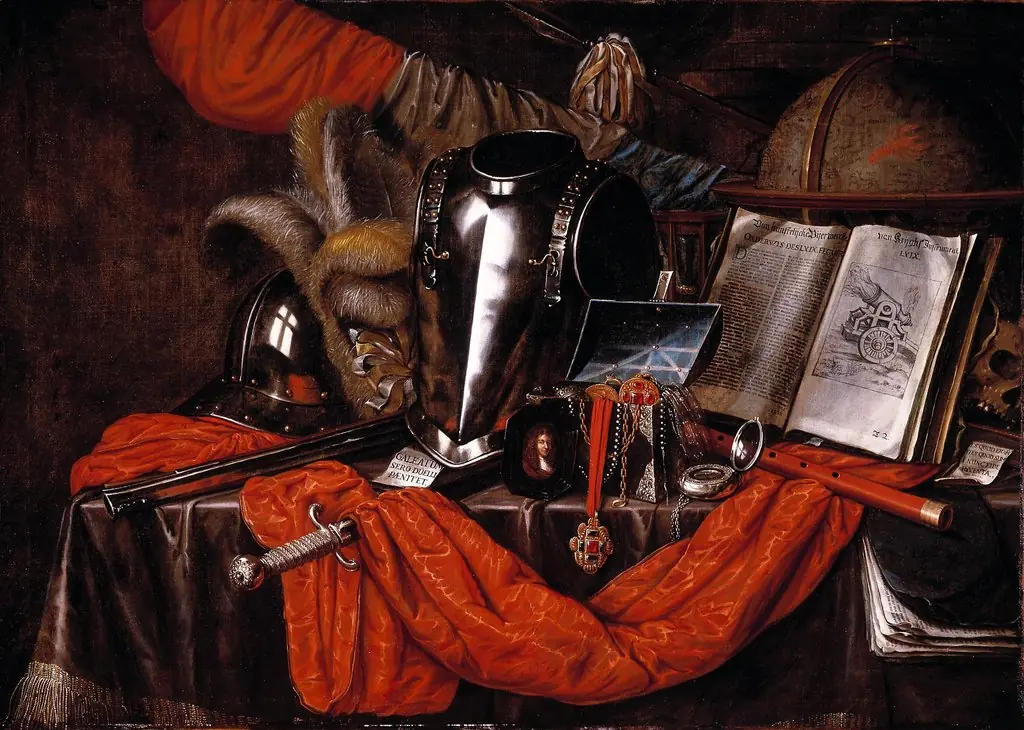 A Vanitas
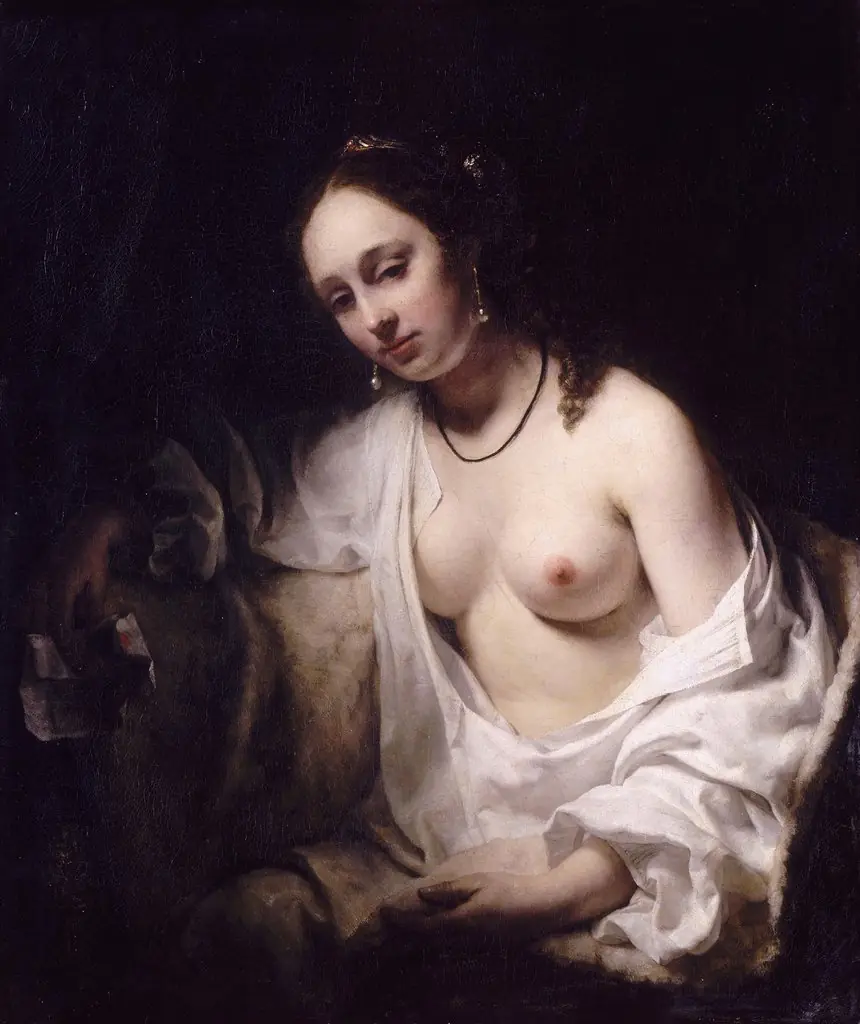 Bathsheba with King David's Letter
 Man with a hat decorated with pearls
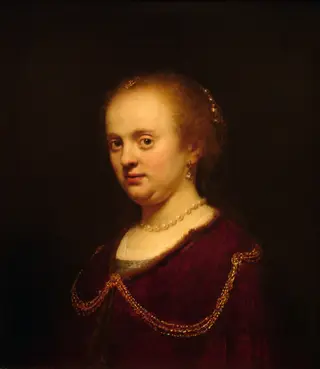 Young Woman with a Gold Chain
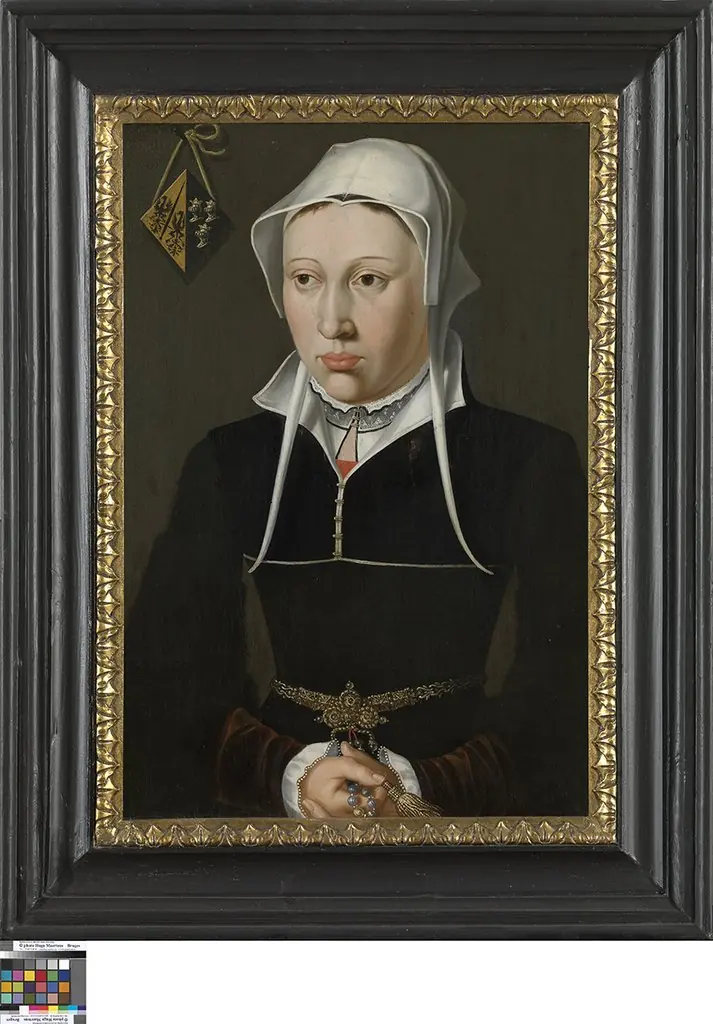 Portrait of the wife of Jan de Fevere
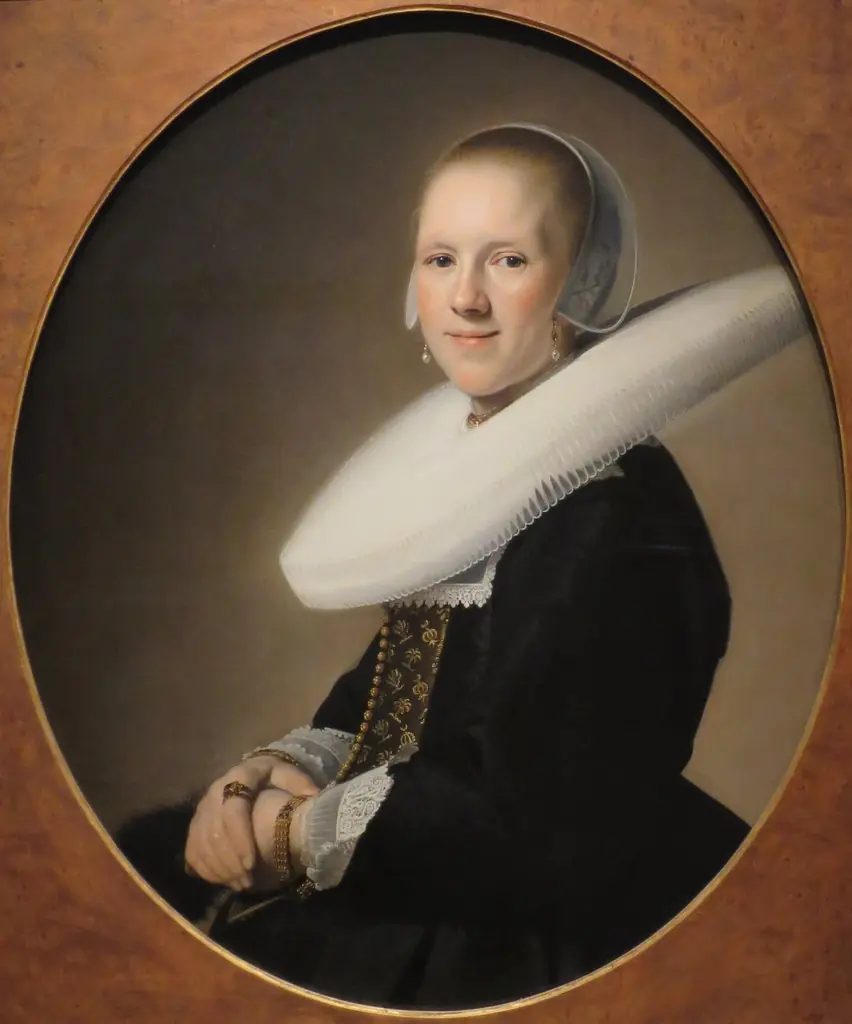 Portrait of a Lady
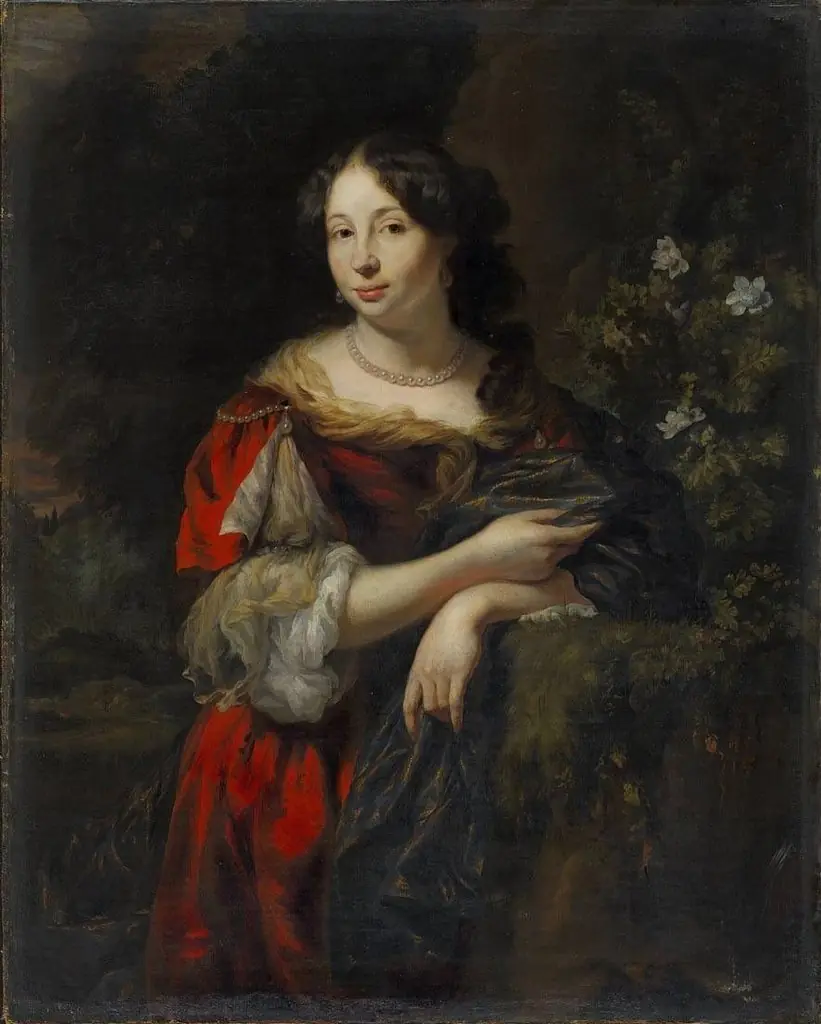 Portrait of a Young Lady in a Garden
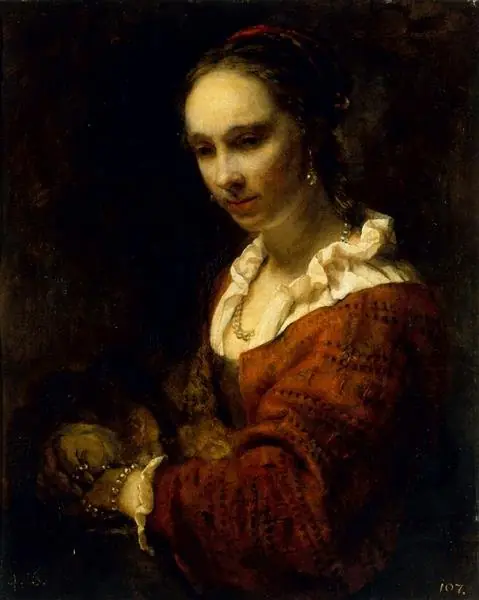 Young Woman with a Pearl Necklace
 Eventail plié
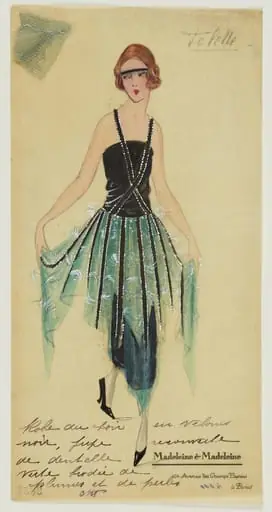 Folette
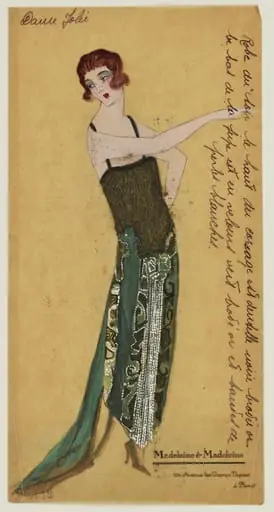 Dame Jolie
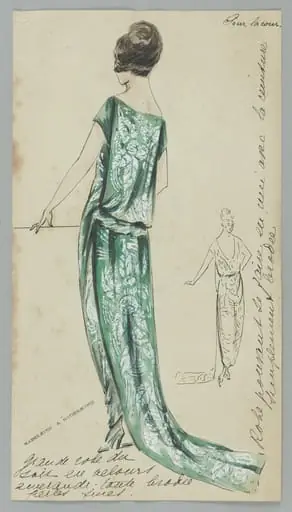 Pour la cour
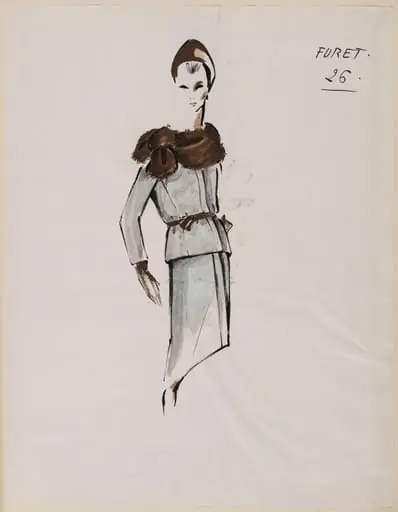 Furet
Furet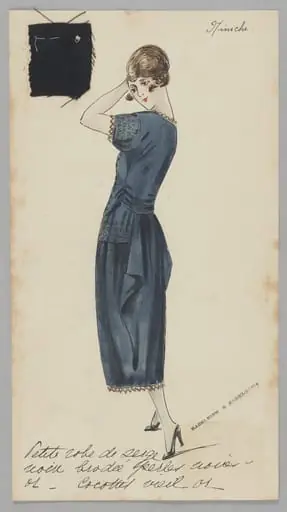 Miniche
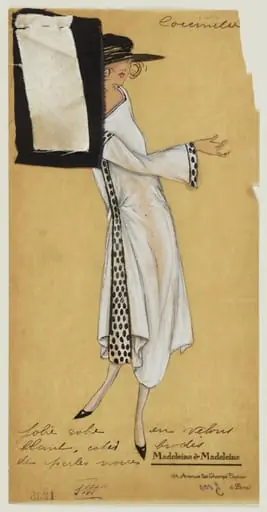 Coccinelle
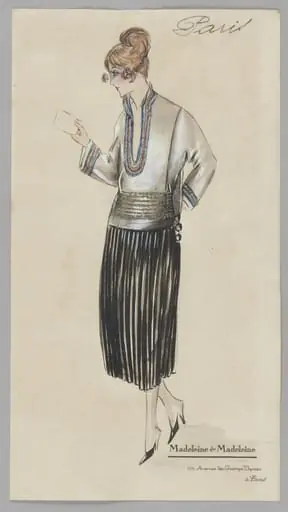 Paris
Paris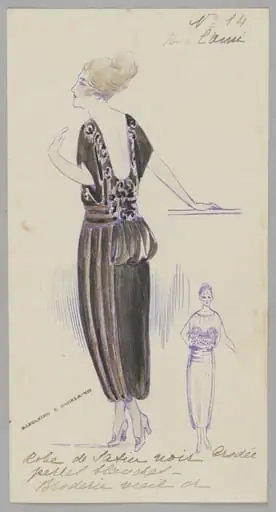 Pour l'ami
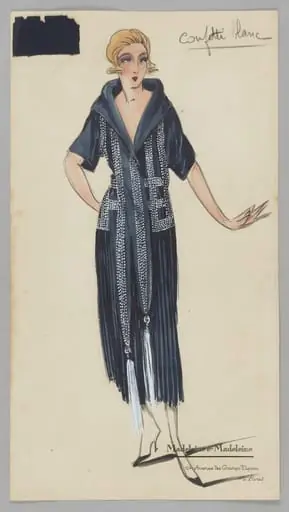 Confetti blanc
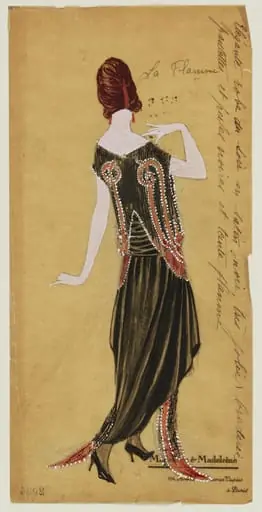 La Flamme
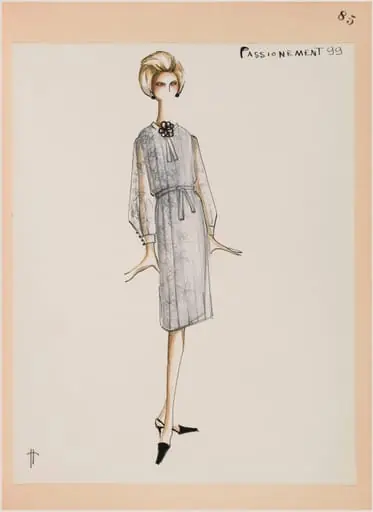 Passionement
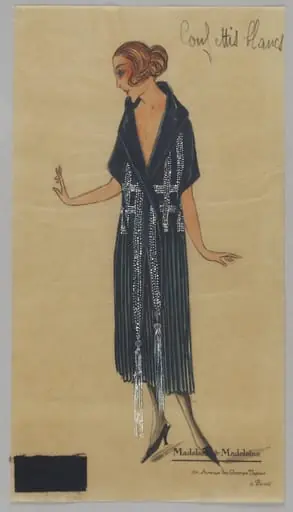 Confettis blancs
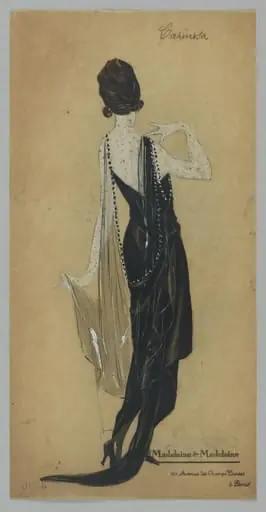 Carinosa
 Limon
Limon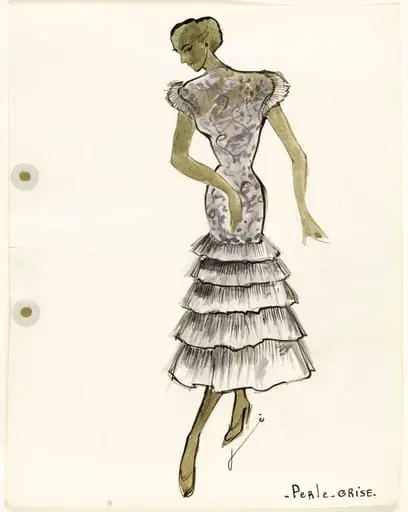 'perle Grise'
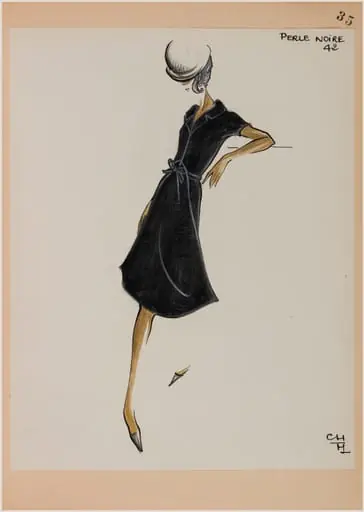 Perle noire
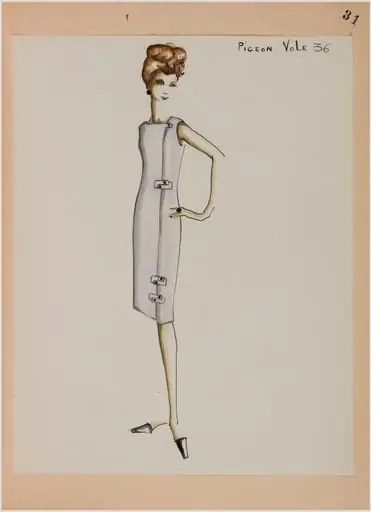 Pigeon-vole
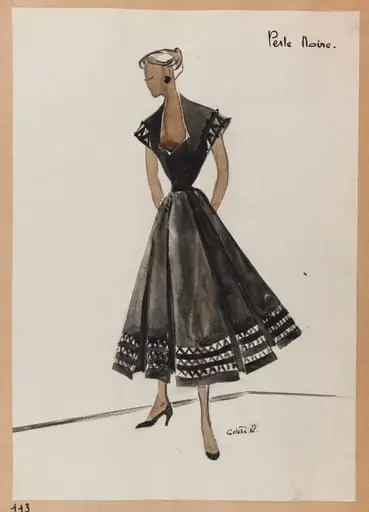 Perle noire
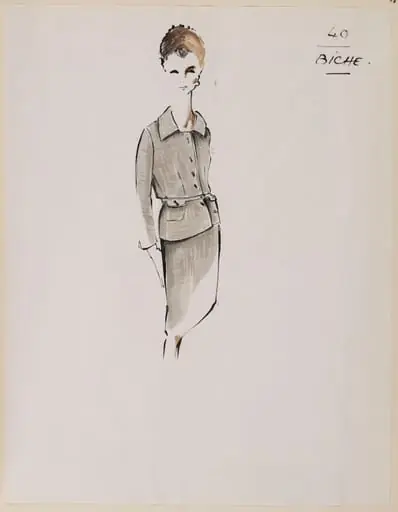 Biche
Biche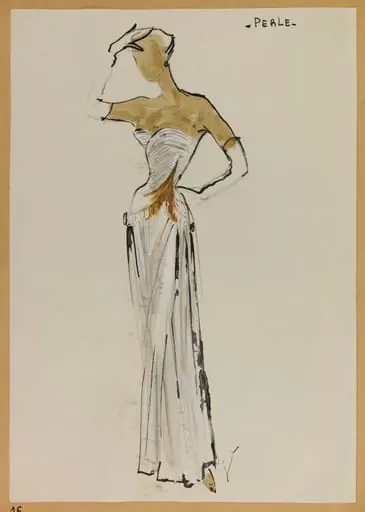 Perle
Perle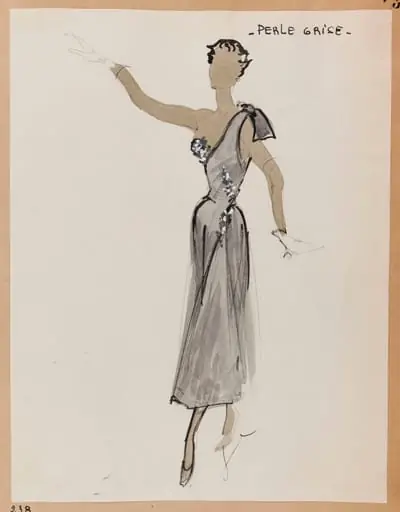 Perle grise
 Perle noire
Frequently asked questions
What is Pearl?
Pearl is a surname.
How many Pearl works does Artifact World Gallery have?
Artifact World Gallery holds 84 public-domain Pearl works, all free to view and download.
Who are the key Pearl artists?
Key Pearl artists in the collection include Titian, Paolo Veronese and Georges de La Tour.
Where can I see Pearl works?
Pearl works in the collection are held by Palais Galliera - Musée de la Mode de la Ville de Paris, Metropolitan Museum of Art and Hermitage Museum.