Subject
Christ Carrying the Cross
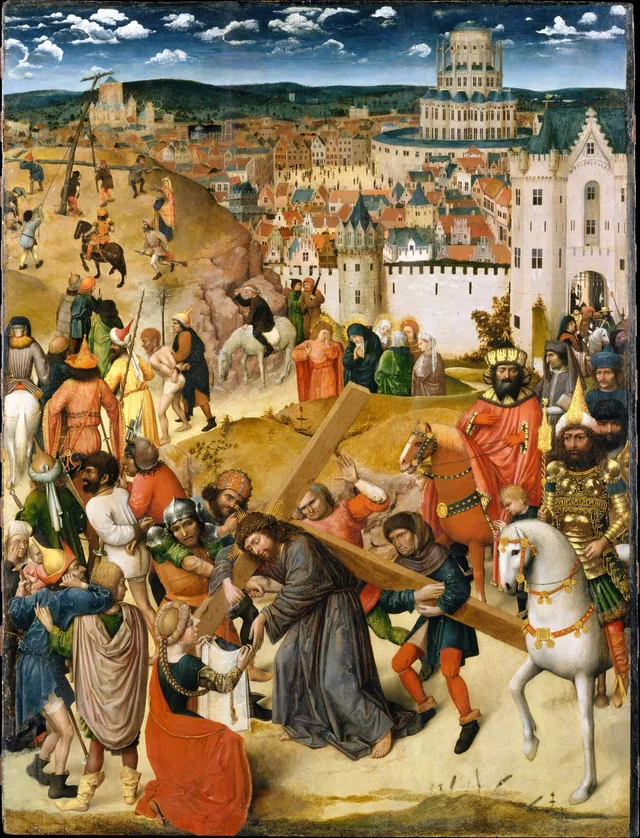
Christ Carrying the Cross is a subject in art. The gallery holds 85 works in this subject in art, including works by Titian, Paolo Veronese and El Greco.
Christ Carrying the Cross on his way to his crucifixion is an episode included in the Gospel of John, and a very common subject in art, especially in the fourteen Stations of the Cross, sets of which are now found in almost all Roman Catholic churches, as well as in many Lutheran churches and Anglican churches. However, the subject occurs in many other contexts, including single works and cycles of the Life of Christ or the Passion of Christ.
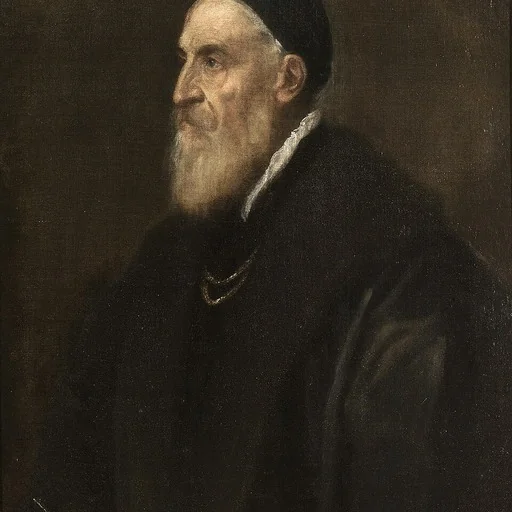
Key artists
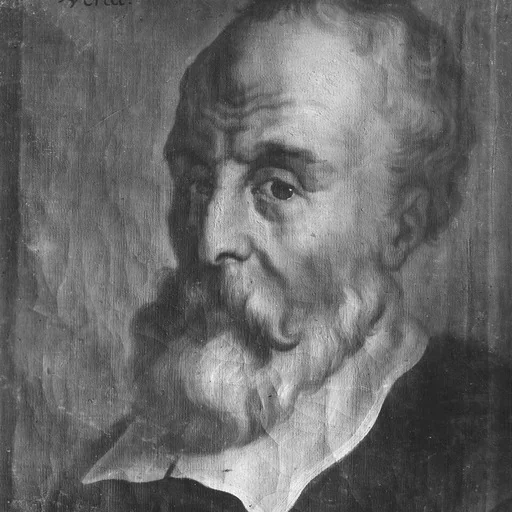
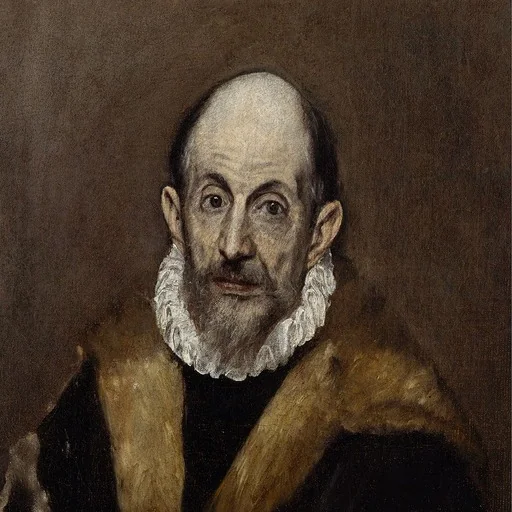
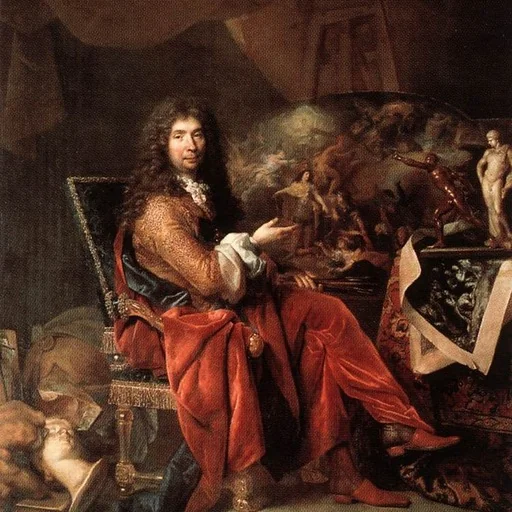
Overview
Christ Carrying the Cross is an artistic theme depicting Jesus Christ bearing the True Cross on his way to his crucifixion at Golgotha. The episode is included in the Gospel of John and mentioned in the synoptic Gospels, establishing the route as the Via Dolorosa in Jerusalem. It is a very common subject in Christian art, appearing not only as single devotional works but also within broader cycles of the Life of Christ or the Passion of Christ. The motif is most widely encountered in the fourteen Stations of the Cross, sets of which are now found in almost all Roman Catholic churches, as well as in many Lutheran and Anglican churches.
Iconography & meaning
The iconography of the subject draws from multiple biblical and apocryphal sources. While John specifically states Jesus carried his cross, the synoptic Gospels introduce Simon of Cyrene, who was recruited to carry or help carry the burden. Only Luke mentions the women of Jerusalem, a group later expanded in patristic writings and art to include the Three Marys and the Virgin Mary. Later elaborations added episodes not found in the Gospels, such as the Veil of Veronica appearing from the 13th century and the three falls of Christ emerging in the Late Middle Ages. Medieval typology paralleled the scene with Isaac carrying wood up the mountain for his sacrifice. The subject also carries penitential meaning, linked to Matthew 16:24, where Jesus instructs his disciples to deny themselves and take up their cross, a verse St. Francis of Assisi used to begin his first Rule in 1221. A cord around Christ's neck, often included in medieval depictions, references Old Testament passages describing a lamb led to slaughter.
In the collection
Within the referenced museum collection, the subject of Christ Carrying the Cross is represented in 89 works spanning diverse formats and contexts. These include standalone devotional panels, such as roundels featuring Christ with Saint Veronica, and pieces that combine the carrying of the cross with the Crucifixion or the Resurrection with the Pilgrims of Emmaus. The motif also appears on the reverses of other works, such as a panel depicting the Dormition of the Virgin, and is integrated into larger narrative cycles like The Fifteen Mysteries and the Virgin of the Rosary and Madonna and Child Enthroned. The collection holds works executed in oil on panel, as well as miniatures in gouache and tempera on ivory, such as a copy after Sebastiano del Piombo by Teresa Nicolau Parody, acquired by the State for the Trinidad Museum in 1867.
Across movements & periods
The treatment of the subject changed significantly across periods and cultures. In early Byzantine and Western art up to around 1100, Simon of Cyrene was more often shown carrying the cross than Jesus, who walked with bound hands led by a rope. In this early iconography, the cross was not always a heavy burden and could be held free of the ground, aligning with the Christus triumphans tradition. From the Romanesque period in the West, Jesus increasingly bore the cross himself, initially with Simon's help. By the later Middle Ages, influenced by Passion plays and an increased emphasis on the sufferings of the Passion, the cross became clearly difficult to carry with its base dragged along the ground, and Jesus was depicted wearing the Crown of Thorns. Around the beginning of the 15th century, Northern European miniature art changed the cross's position, placing the long beam behind the shoulder and the crossbar in front, transforming the cross from a standard or weapon into a heavy load. The crowds surrounding Jesus grew larger over time, culminating in the mass spectacles of the 16th century. Devotional images showing Jesus alone emerged in the 14th century, evolving into close-up half-length compositions in Northern Italy around 1490. The Baroque period continued this focus on intimate suffering, promoted by the Counter-Reformation, while the 17th century saw the formalization of the Stations of the Cross by the Franciscans, recognized as canonical by Pope Clement XII in 1731.
Notable depictions
Notable depictions of the subject span centuries and regions. An early devotional type showing Jesus alone is a small panel by Barna da Siena from 1330 to 1350 in the Frick Collection. Simone Martini painted the subject in 1333, now in the Louvre. The theme of the massive procession reached its apex in Pieter Bruegel the Elder's Procession to Calvary of 1564, now in the Kunsthistorisches Museum in Vienna. El Greco painted the subject around 1577 to 1587, an oil on canvas measuring 105 x 79 cm, now in the Metropolitan Museum of Art as part of the Robert Lehman Collection. Other significant treatments include engravings by Martin Schongauer before 1479 and Albrecht Durer around 1509, as well as paintings by Hieronymus Bosch, Andrea Solari, and Giambattista Tiepolo. A small 1494 oil on panel by an unknown artist, companion to a Crucifixion in the Art Institute of Chicago, shows Christ falling under the weight of the cross while mocked by three figures, reflecting the influence of contemporary mystery plays.
Legacy
The subject's legacy extends beyond gallery walls into enduring popular devotions and cultural practices. The fully elaborated traditional account of the episode is formalized in the Stations of the Cross, where it is divided into specific incidents from Jesus being given his cross to his third fall, accounting for most sculptural depictions in churches. The episode is also one of the Sorrowful Mysteries of the Rosary, and the meeting with Mary constitutes the fourth of the Seven Sorrows of the Virgin. The procession is still reenacted in annual Good Friday processions in Catholic countries, some featuring actors playing the leading persons, and events along the Via Dolorosa in Jerusalem occur year round. In the 18th century, the motif developed into a specialized form of wayside shrine known as Kreuzschlepper in regions like Franconia. The theme continued to inspire artists into the modern era, with examples such as Eugene Delacroix's 1859 painting and Maurice Denis's 1889 Montee au Calvaire, demonstrating its persistent resonance in Western visual culture.
Works
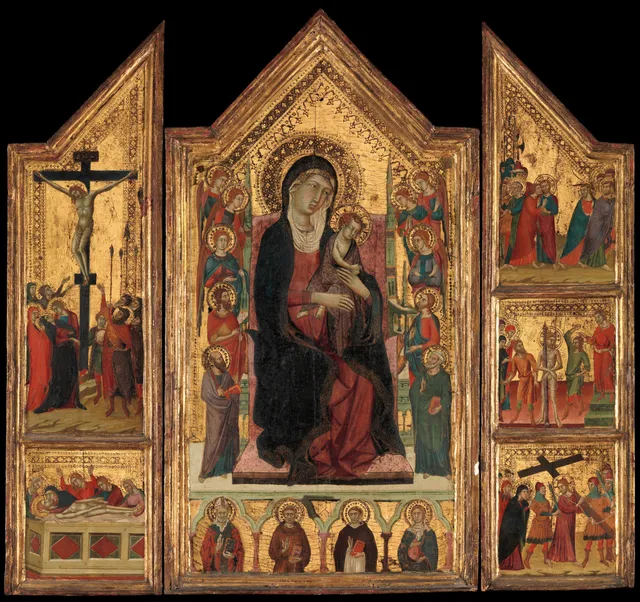
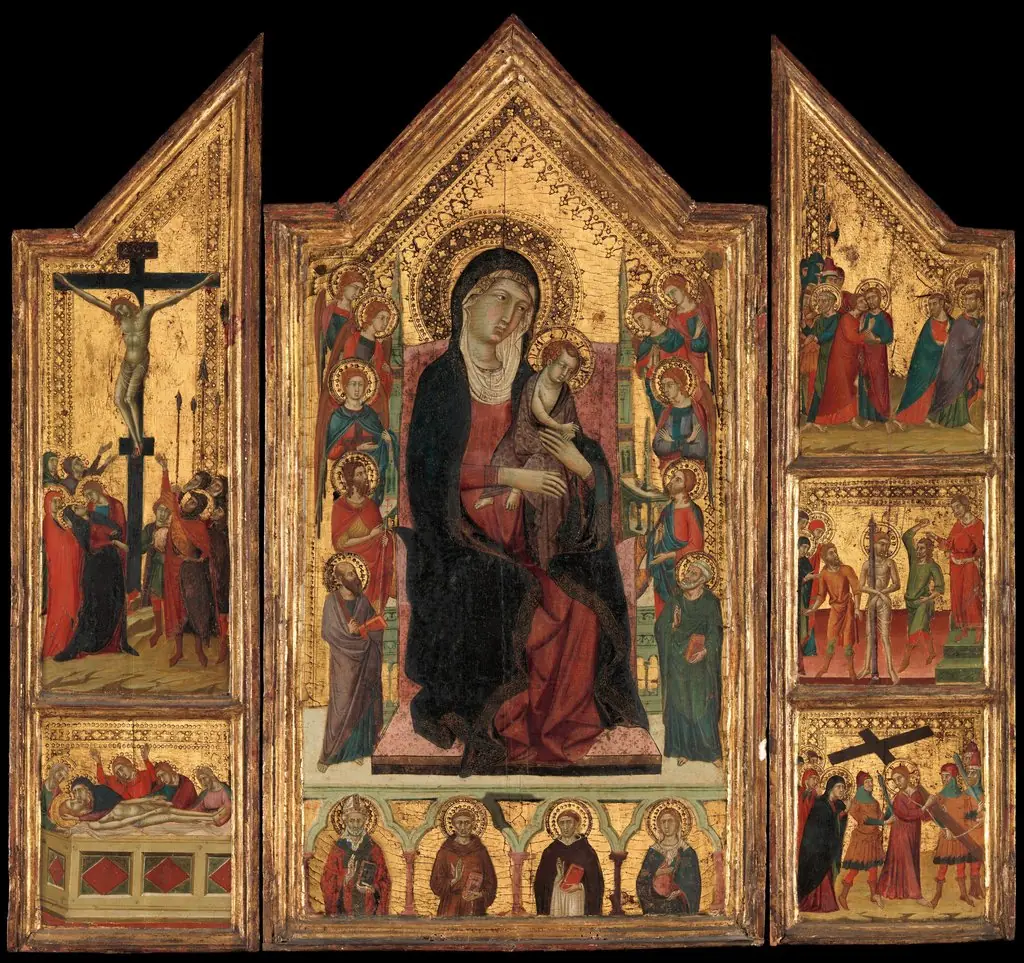 Madonna and Child Enthroned
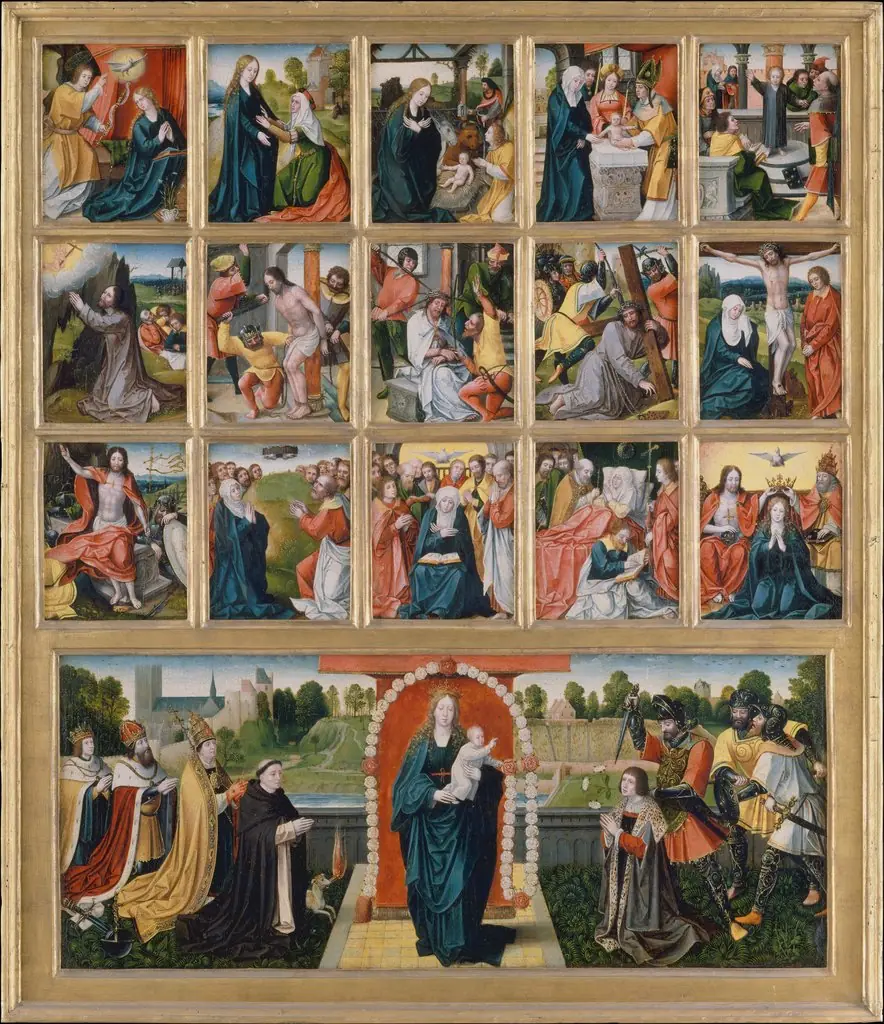 The Fifteen Mysteries and the Virgin of the Rosary
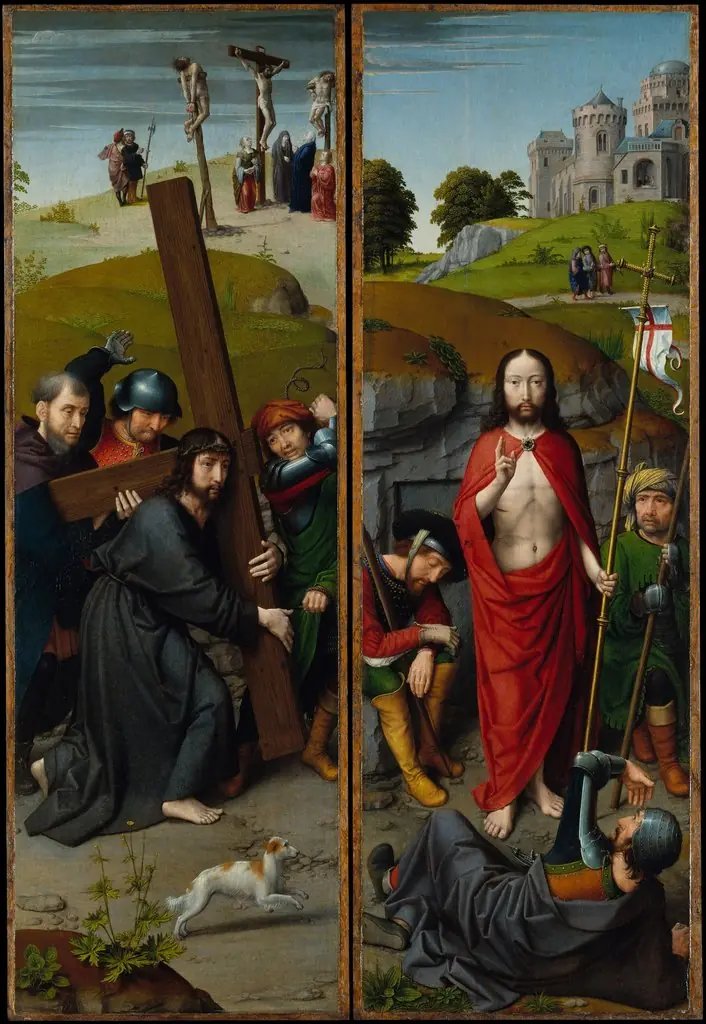 Christ Carrying the Cross, with the Crucifixion; The Resurrection, with the Pilgrims of Emmaus
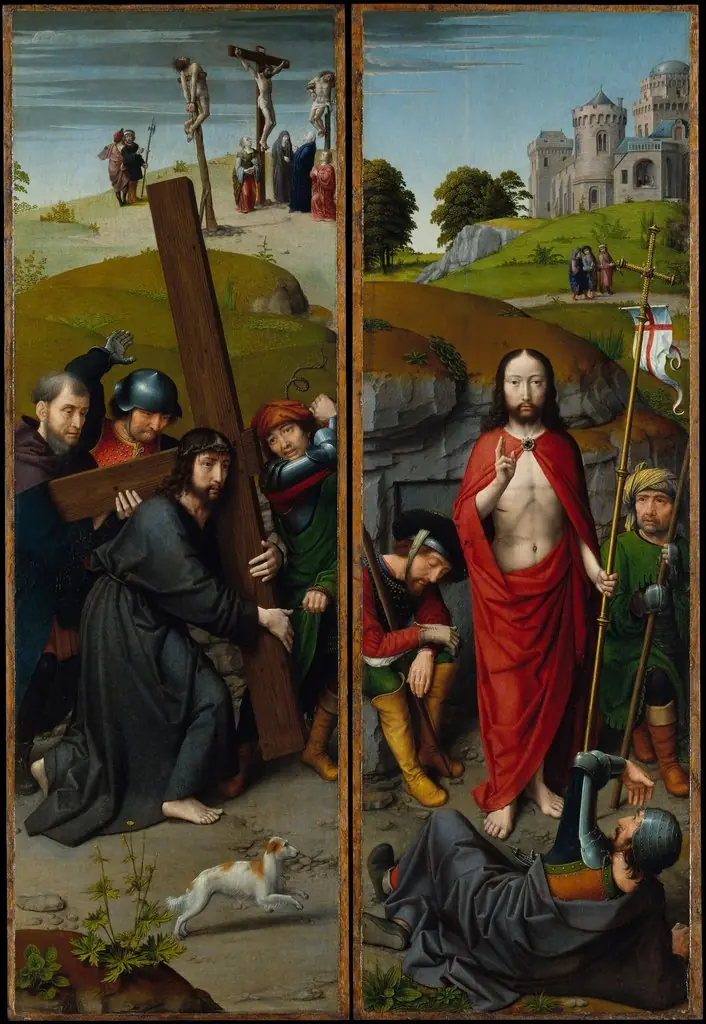 Christ Carrying the Cross, with the Crucifixion; The Resurrection, with the Pilgrims of Emmaus
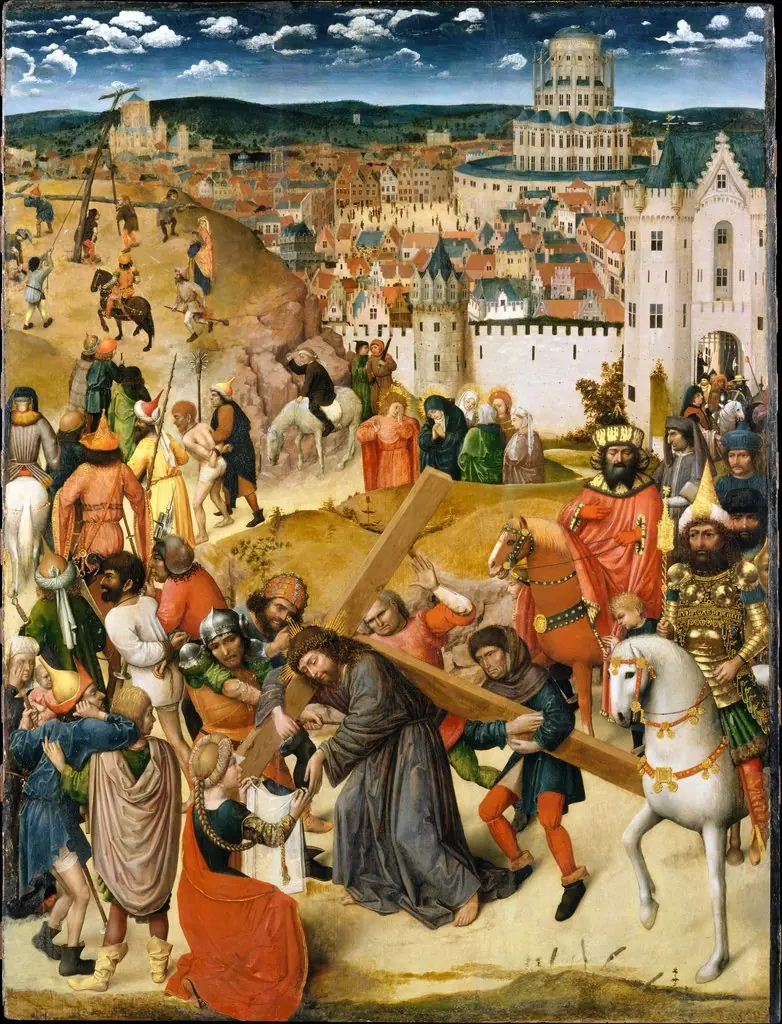 Christ Bearing the Cross
 Christ Carrying the Cross
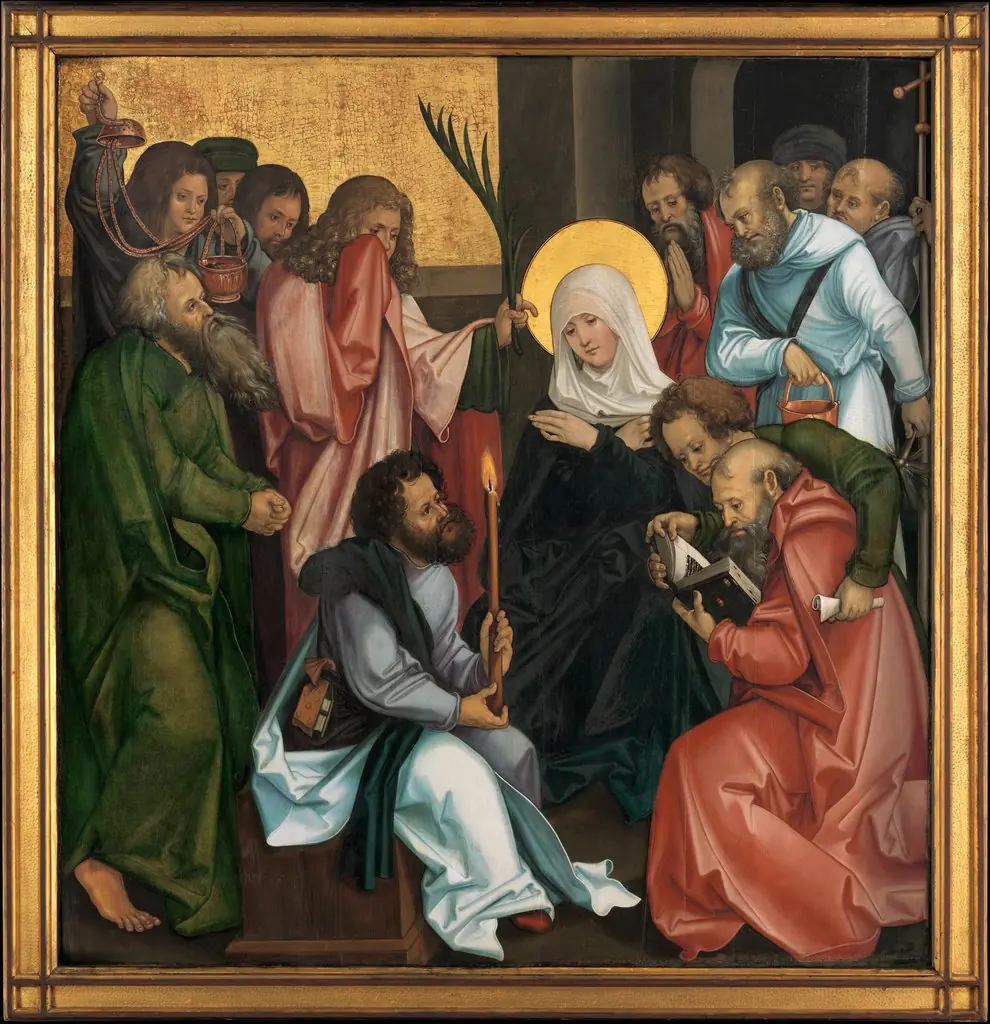 The Dormition of the Virgin; (reverse) Christ Carrying the Cross
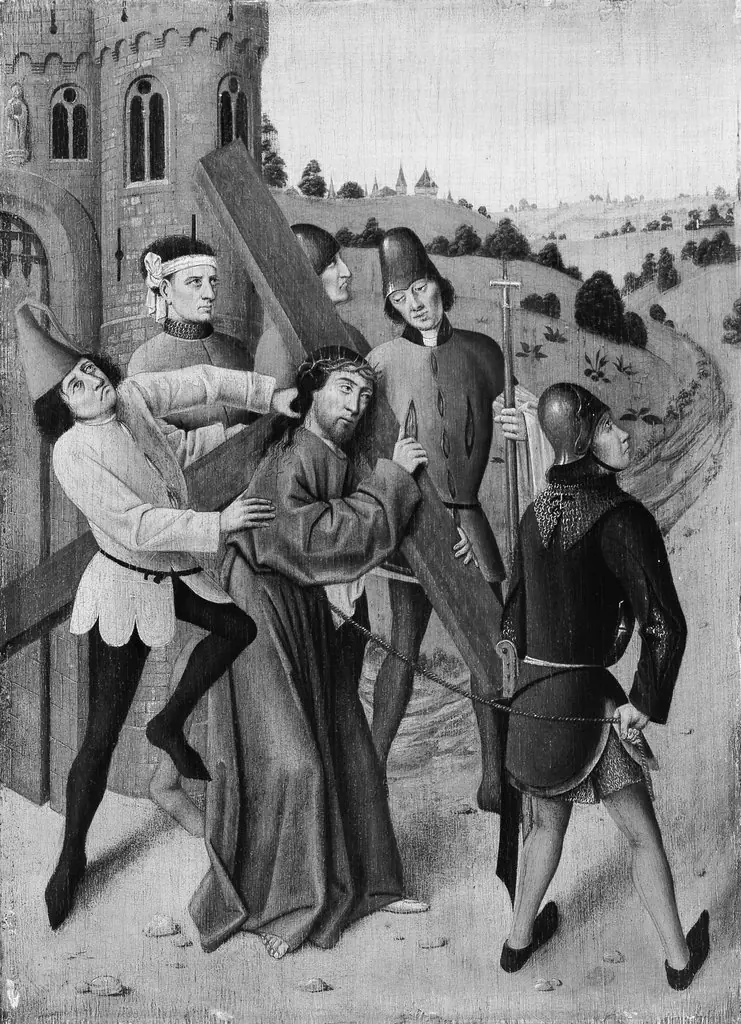 Christ Bearing the Cross
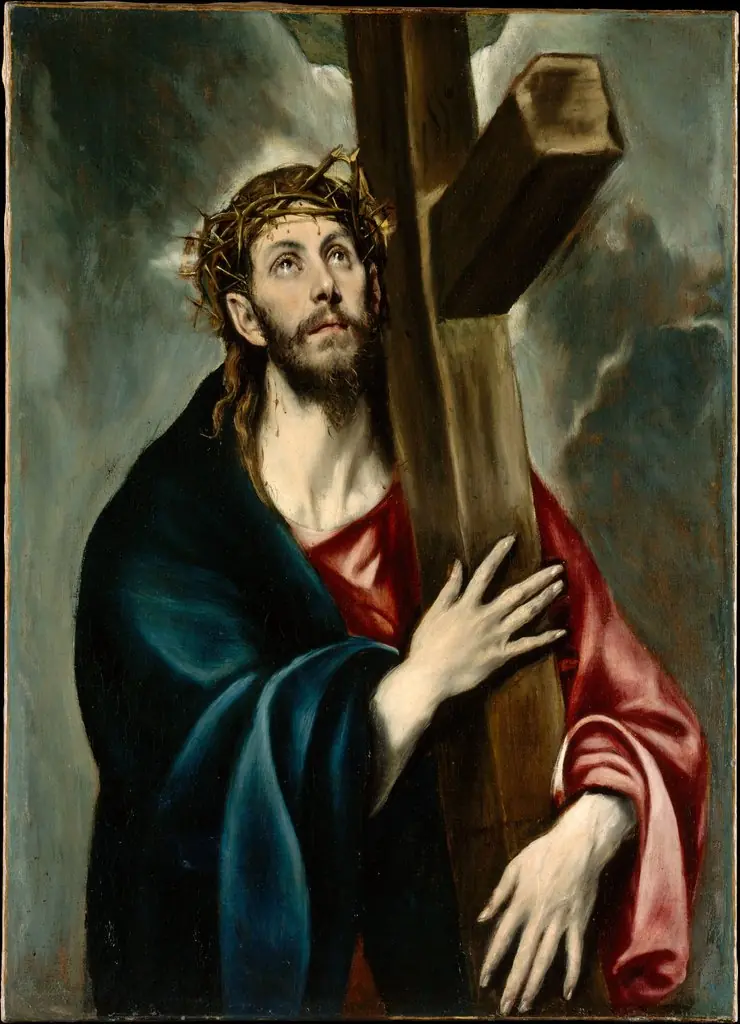 Christ Carrying the Cross
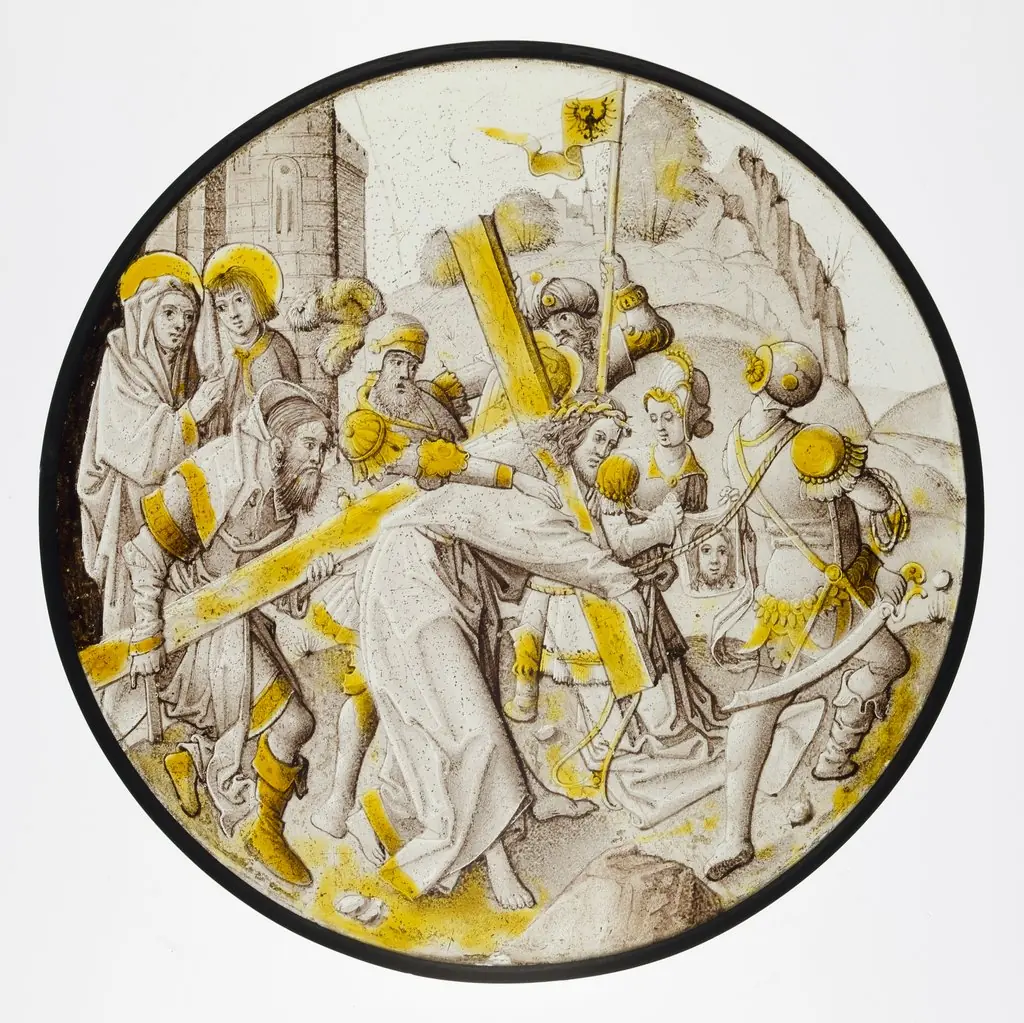 Roundel with Christ Carrying the Cross with Saint Veronica
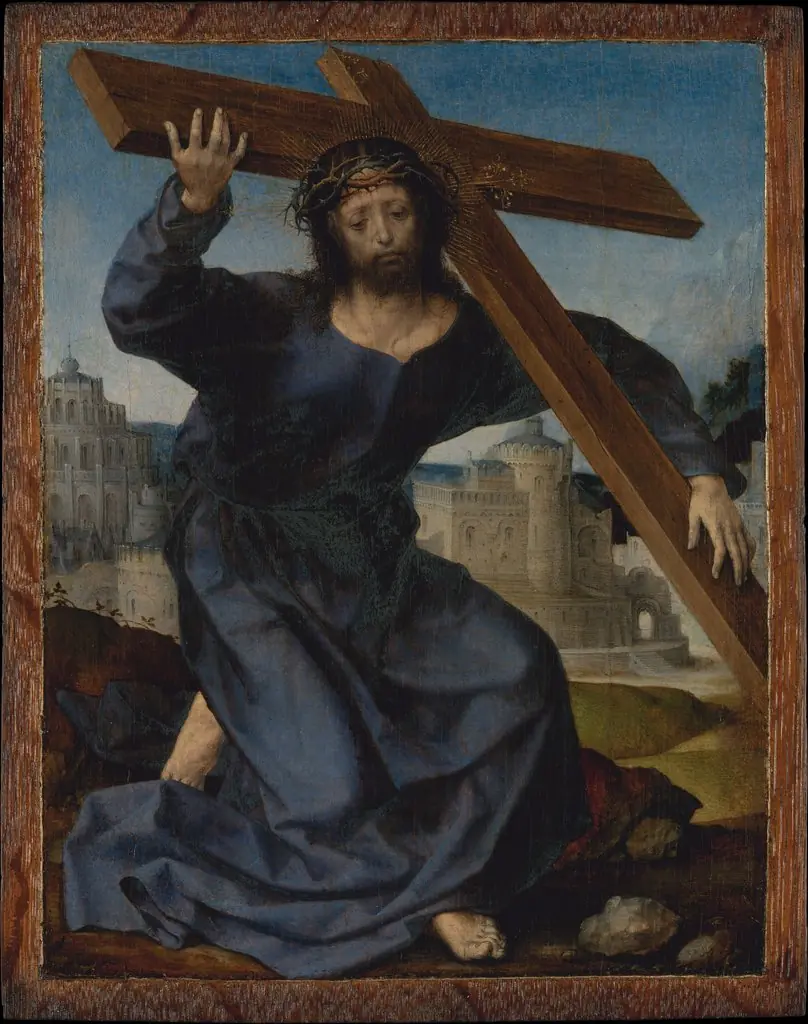 Christ Carrying the Cross
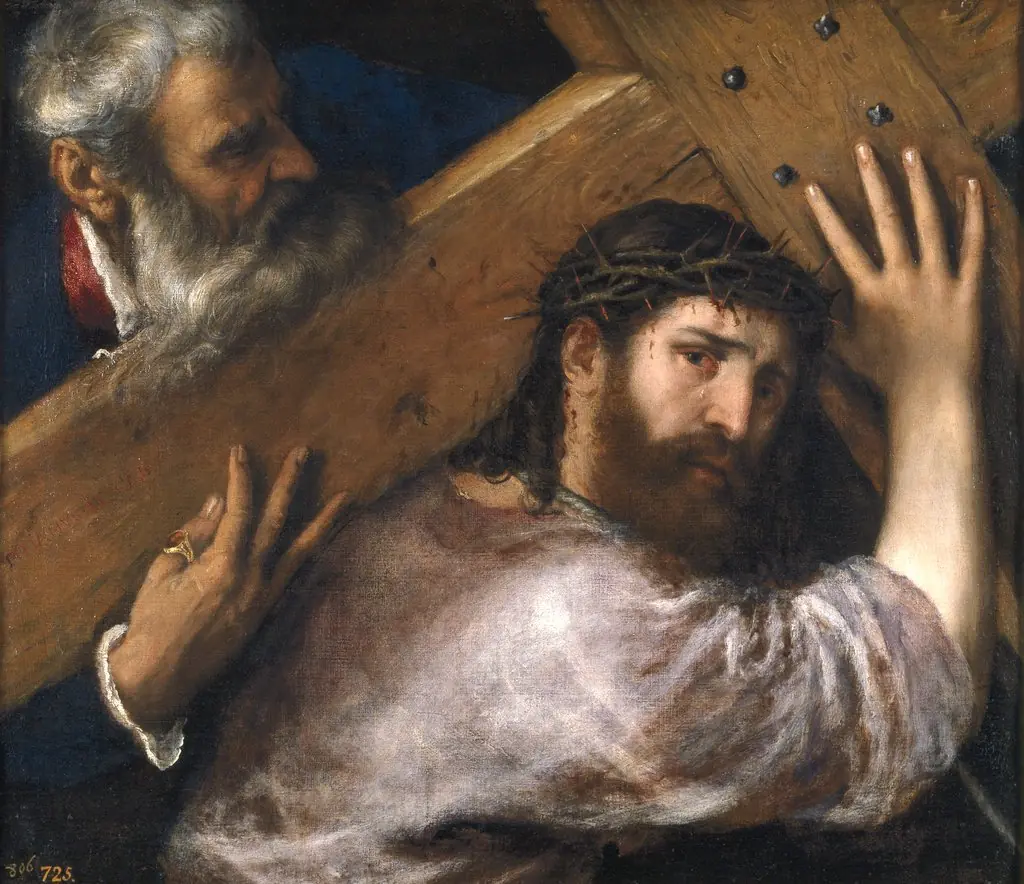 Christ carrying the Cross
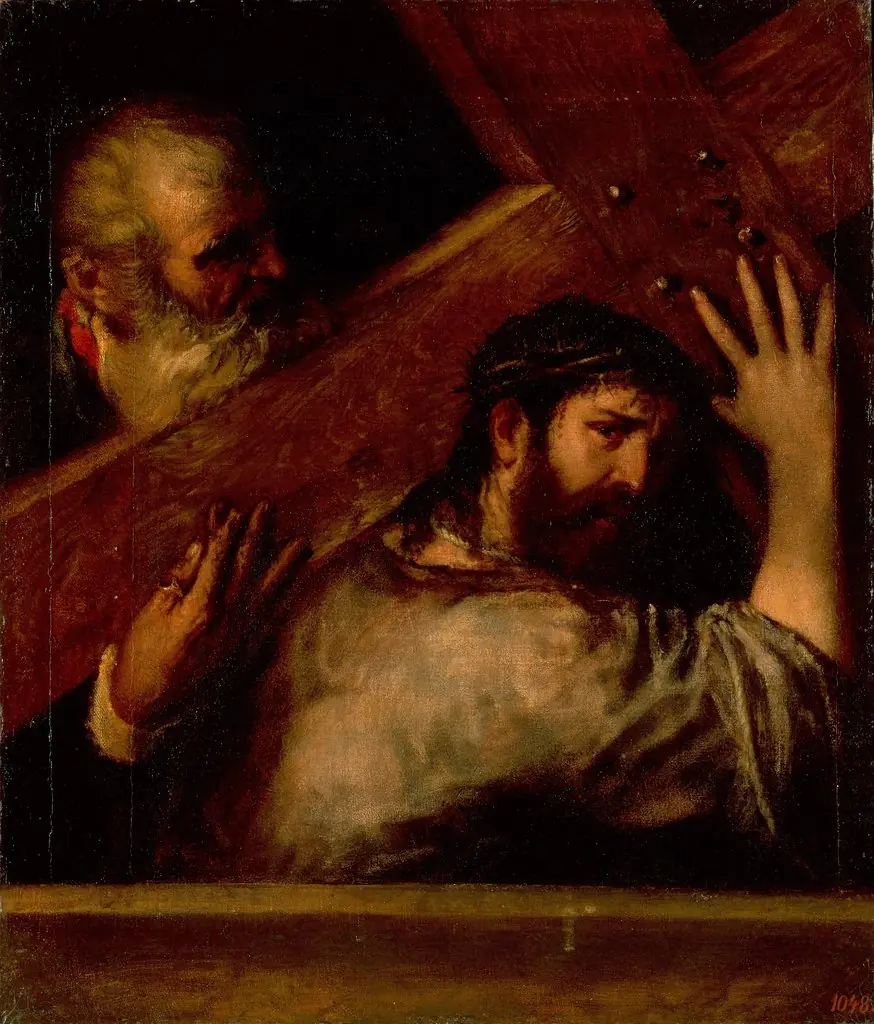 Carrying of the Cross
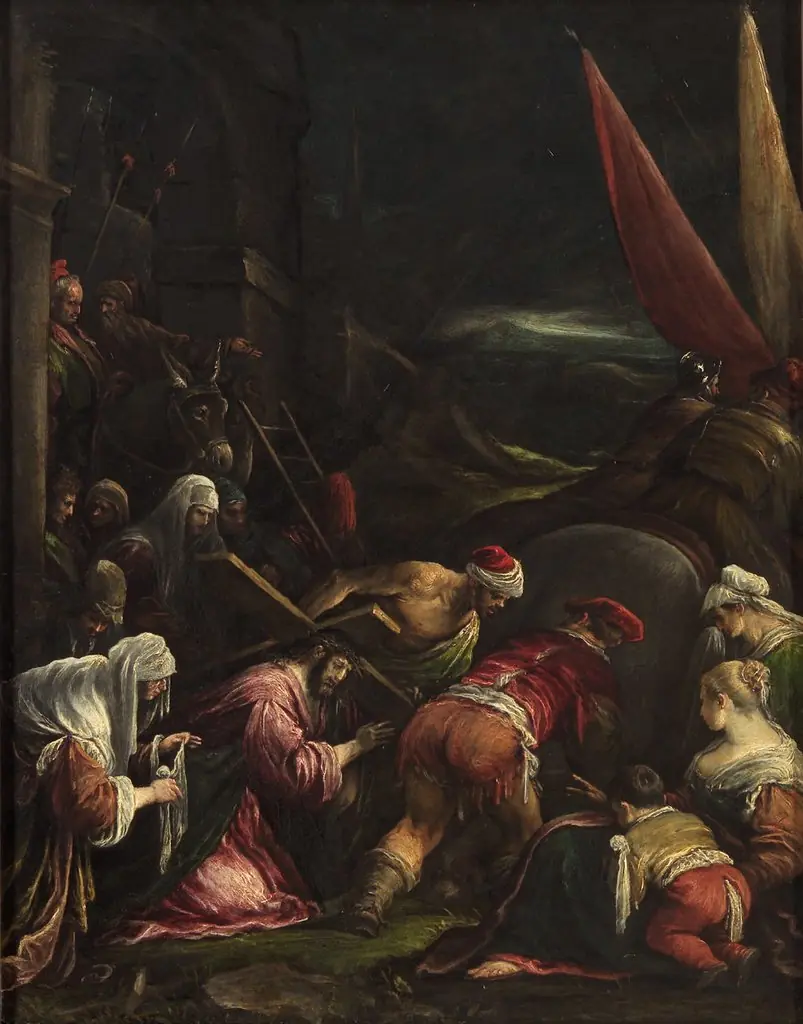 Christ Carrying the Cross meets with Veronica
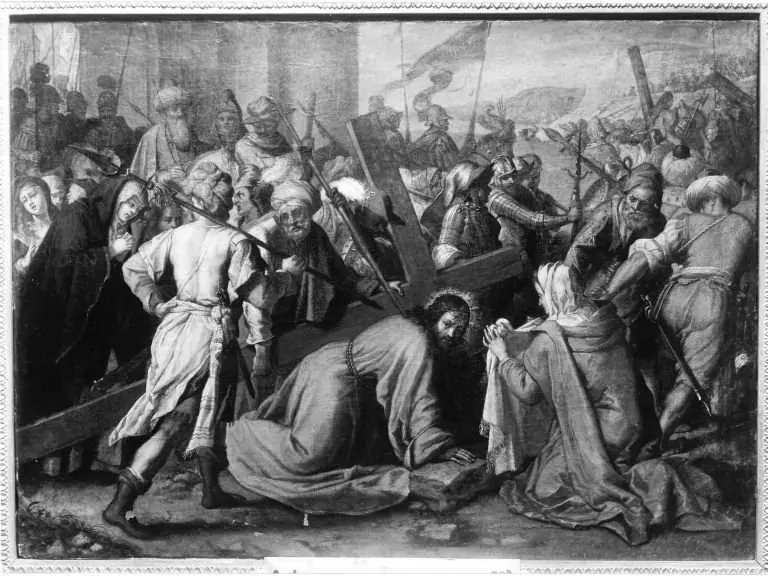 Christ, carrying the Cross, meets Veronica
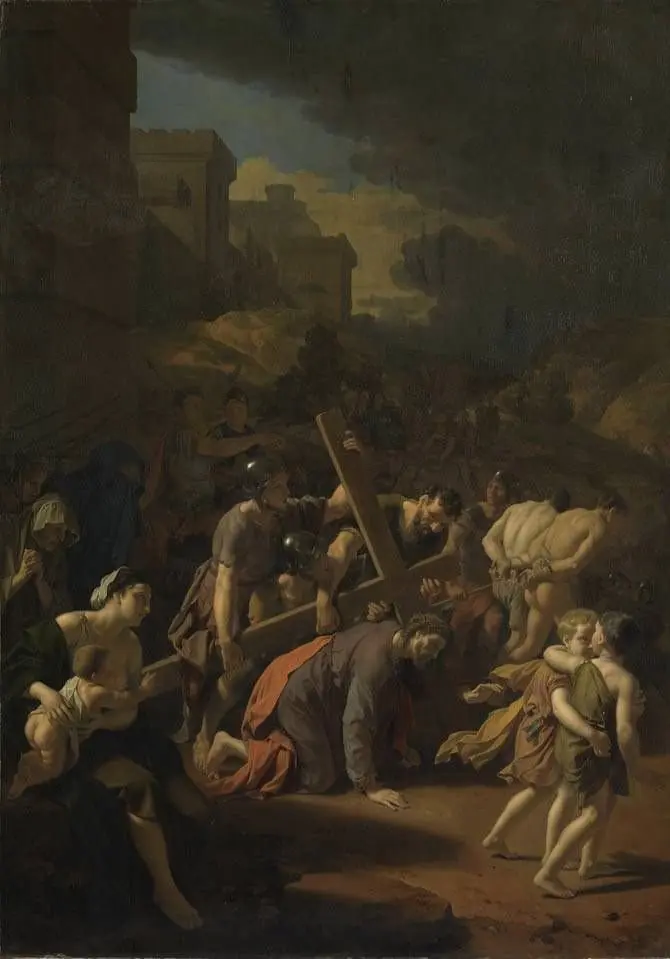 Carrying the Cross
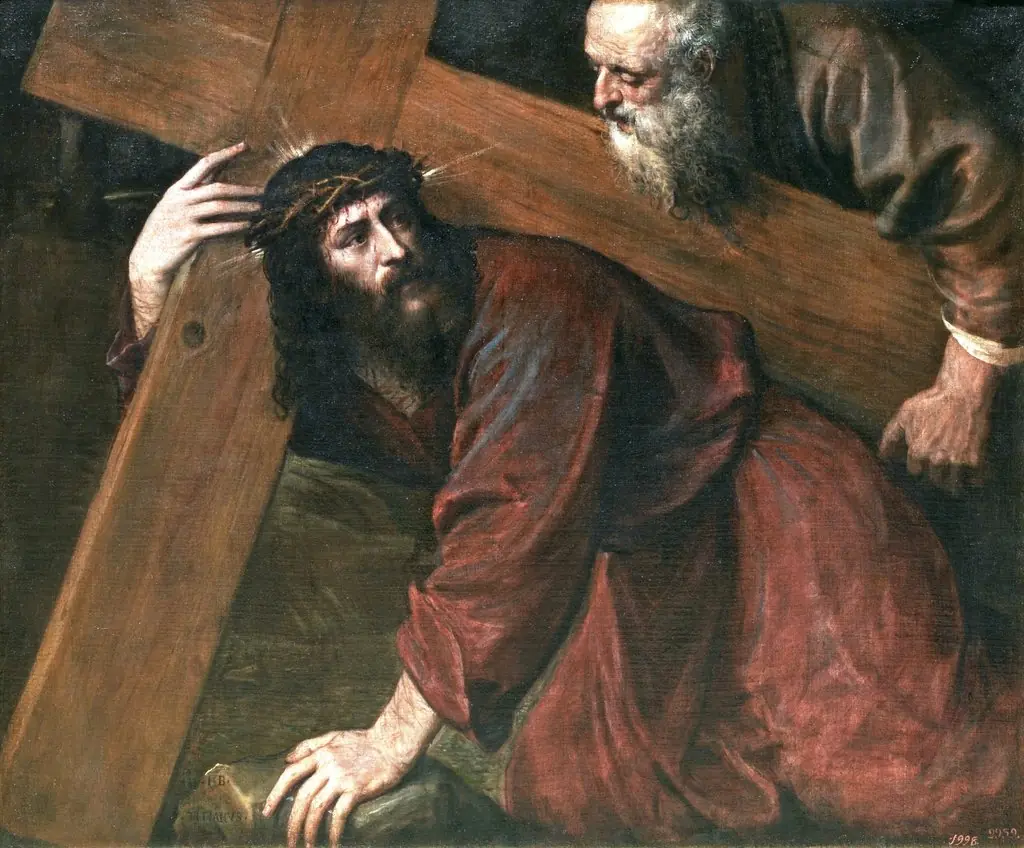 Christ on the Way to Calvary
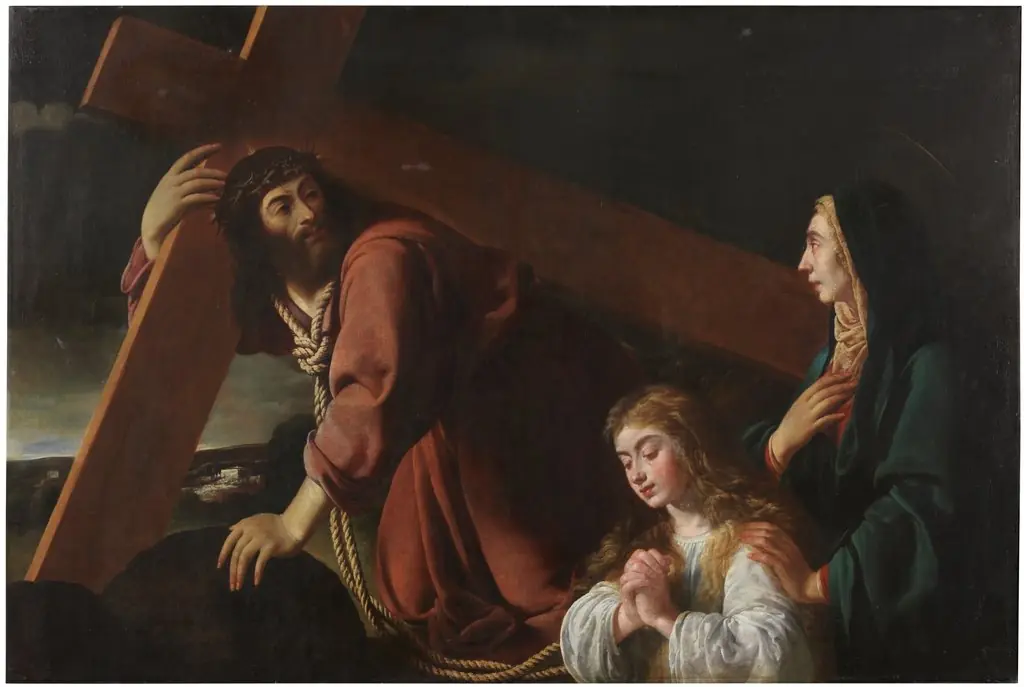 Christ carrying the Cross contemplated by Mary and the Christian Soul
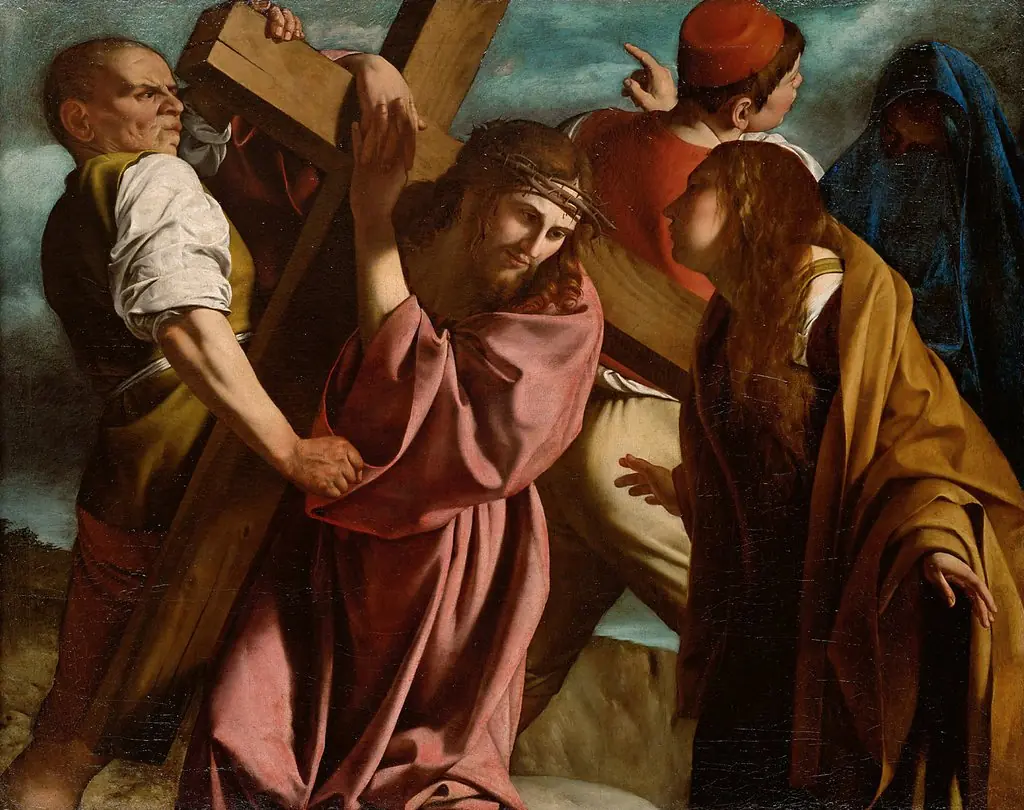 Carrying the Cross
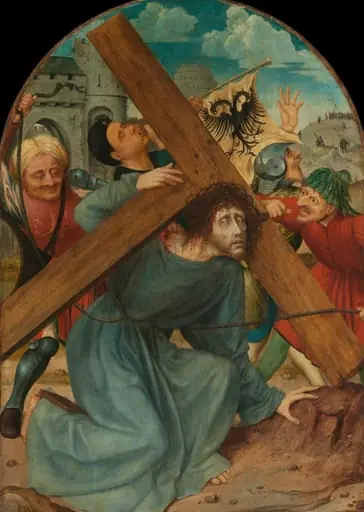 Christ Carrying the Cross
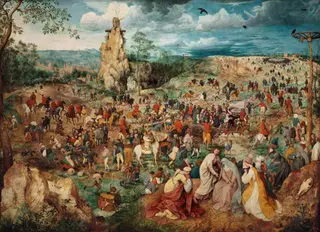 The Procession to Calvary
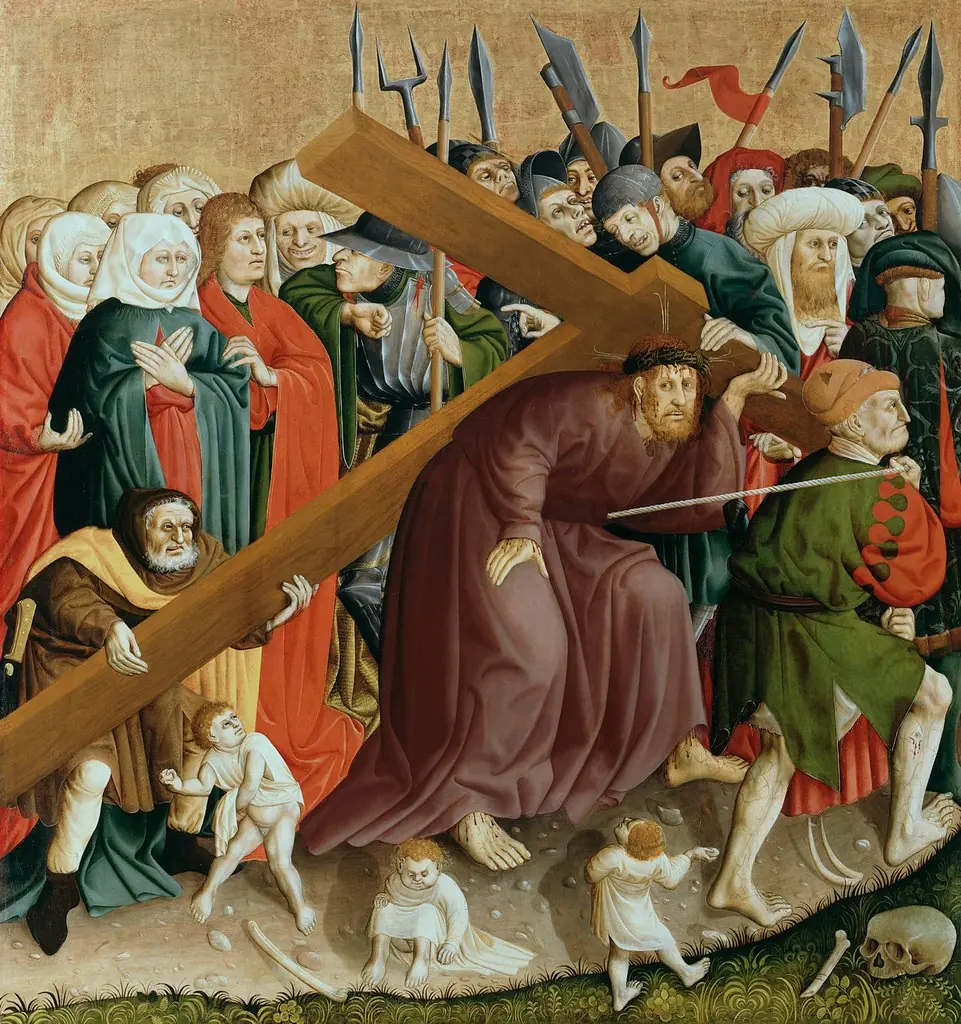 Jesus Christ carrying the Cross, inner wing
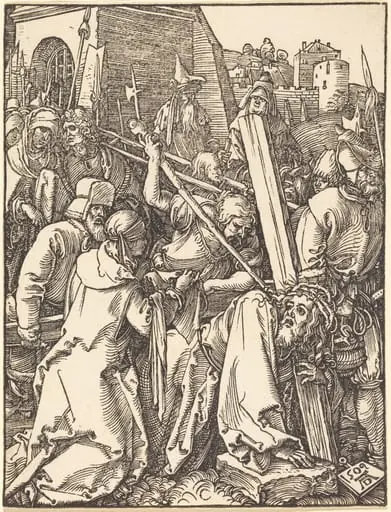 Christ Carrying the Cross
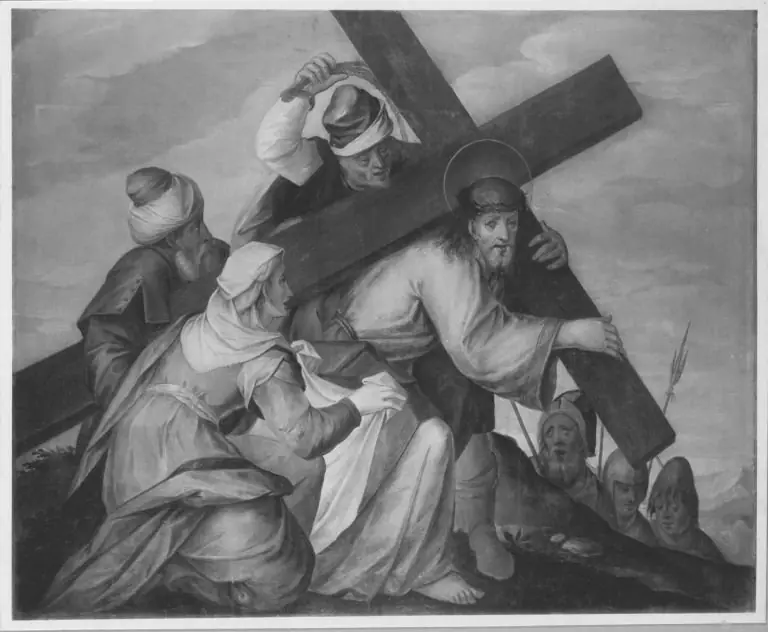 Kreuztragung Christi (Kopie nach)
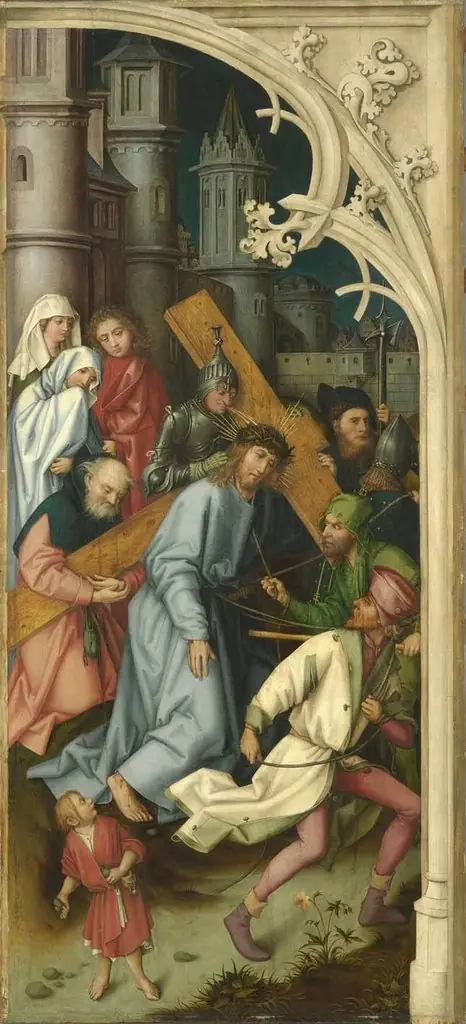 Kaisheimer Altar: Kreuztragung Christi
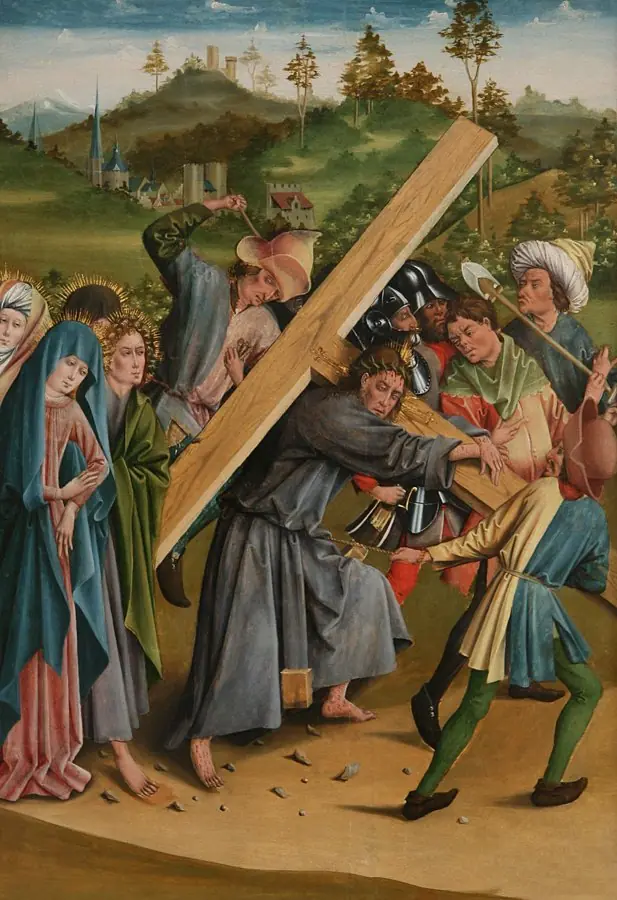 Christ carrying the cross
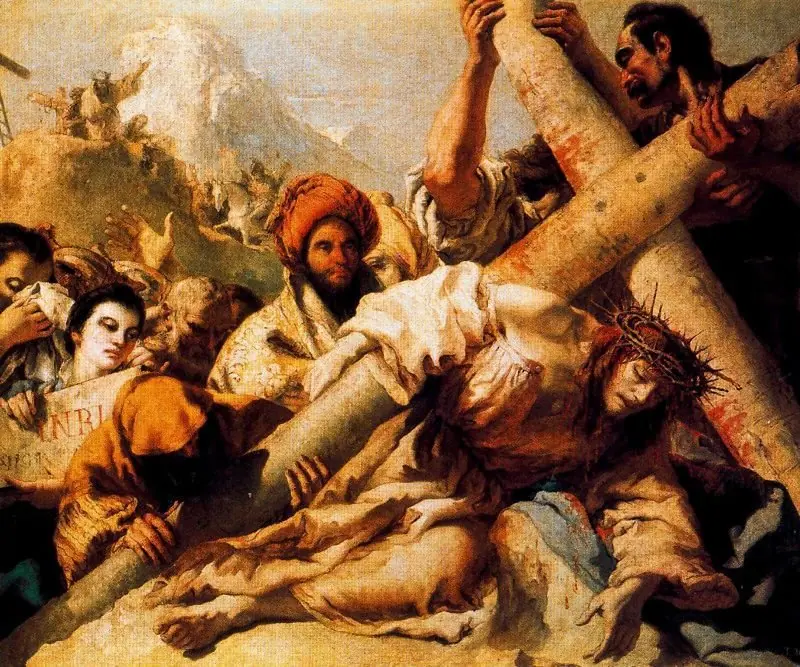 Christ falls on the Way to Calvary
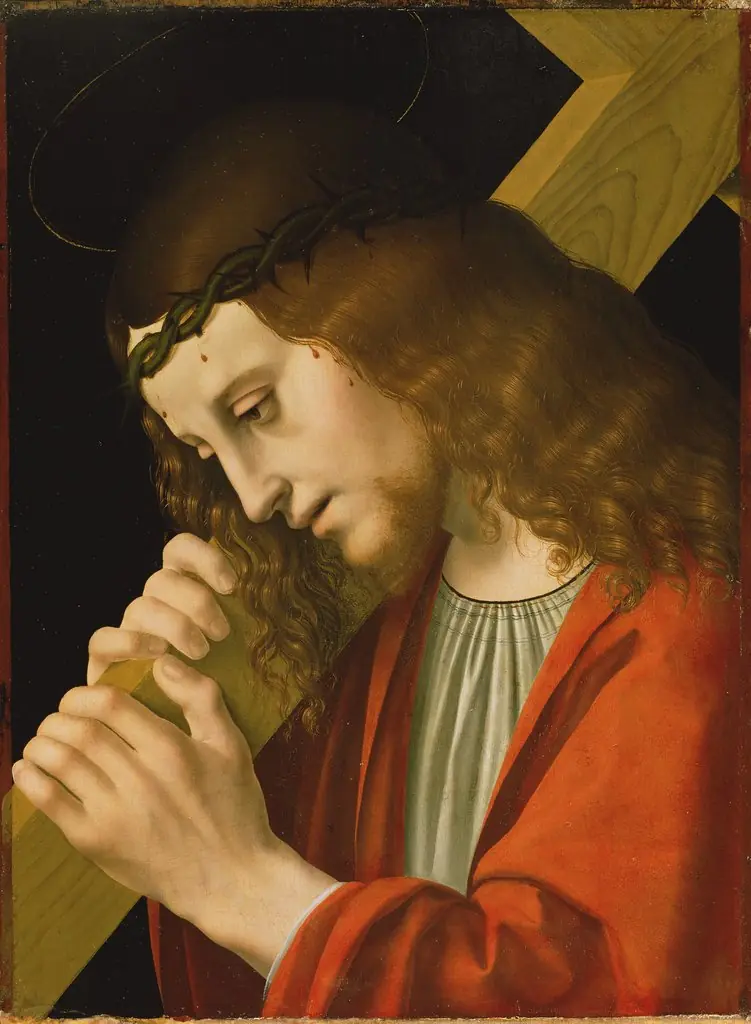 Christ Carrying the Cross
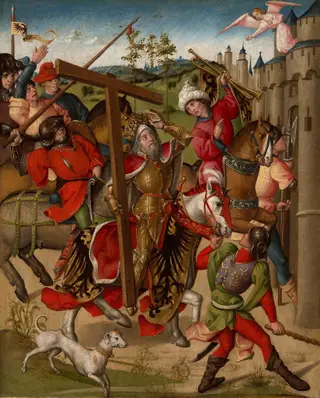 Emperor Heraclius Denied Entry into Jerusalem
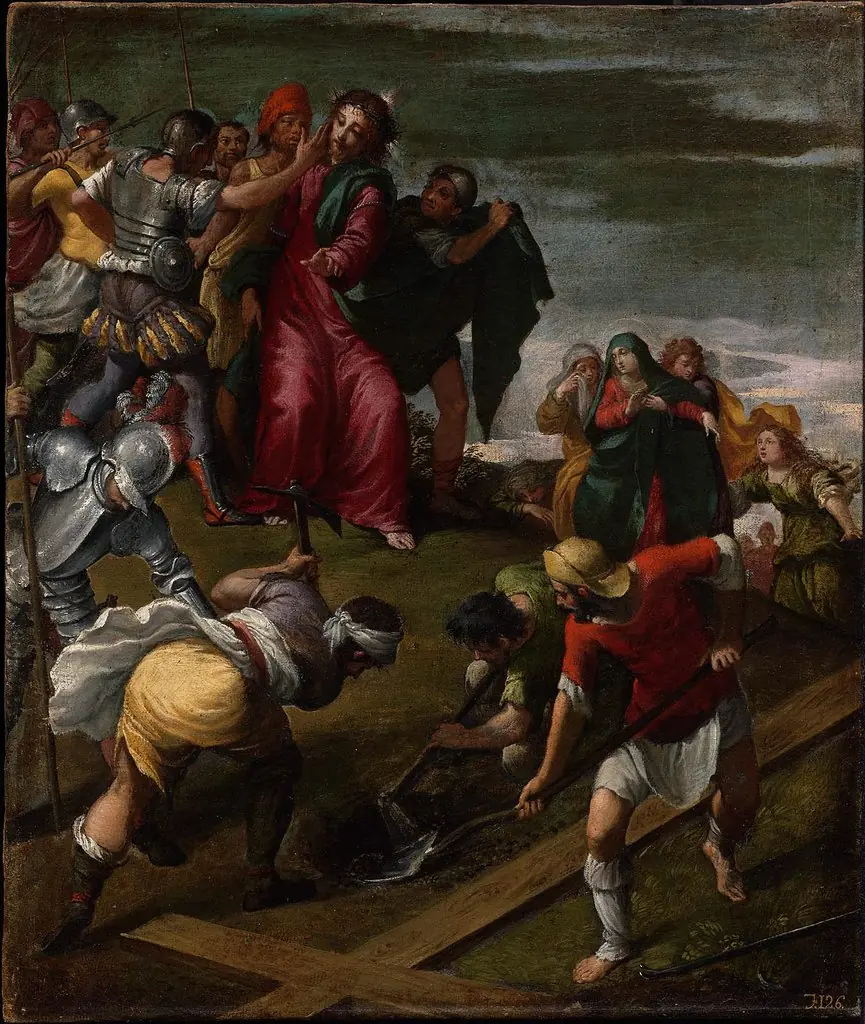 Christ on Calvary
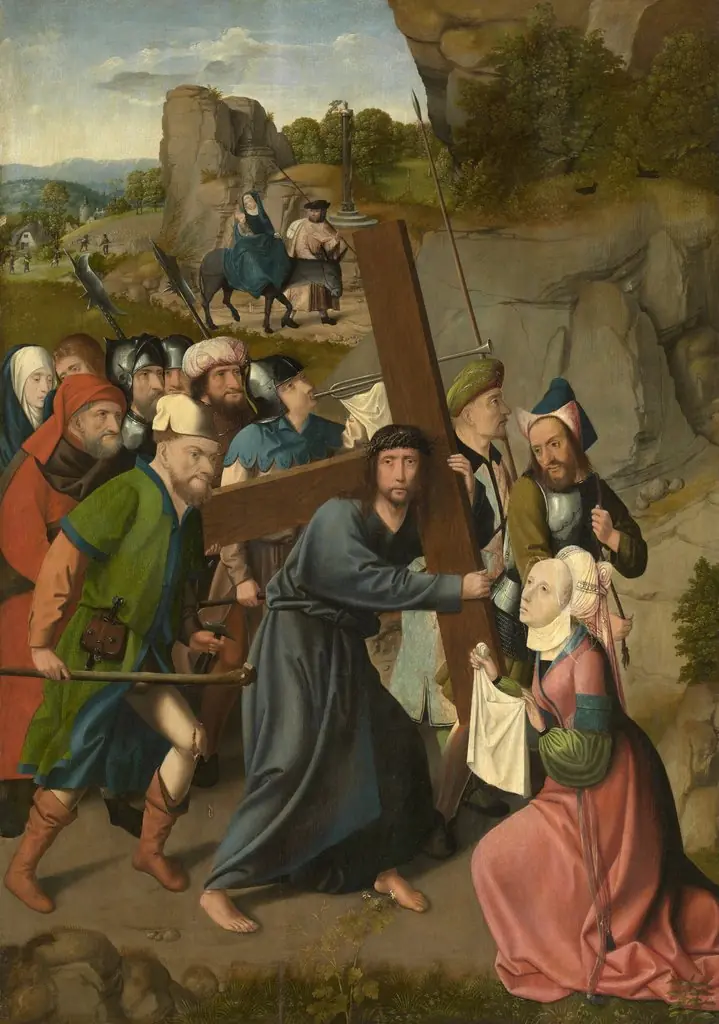 The Bearing of the Cross and the Flight into Egypt
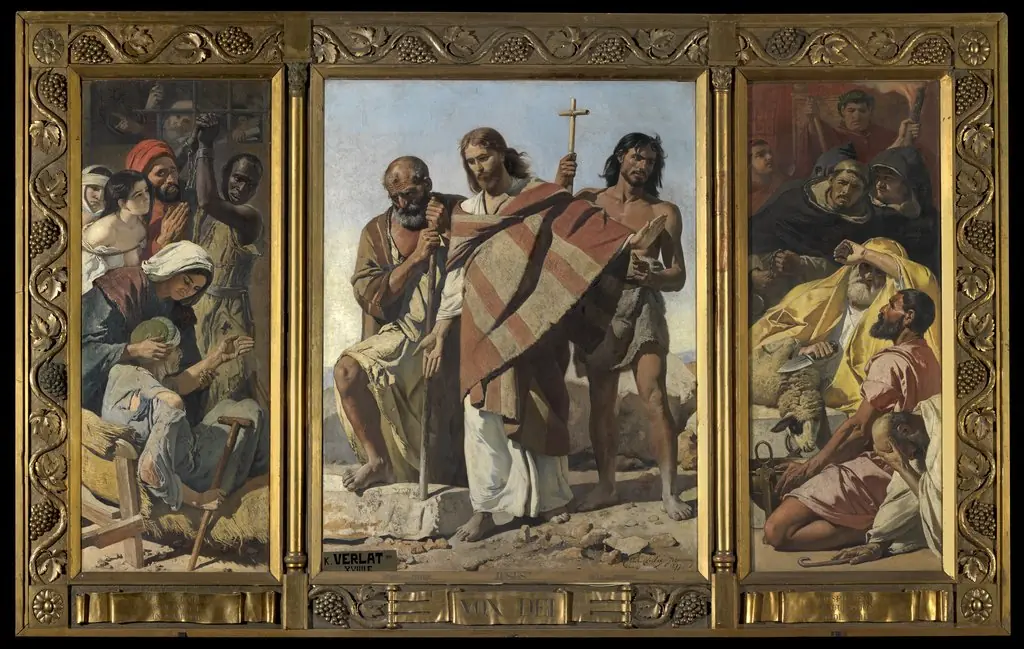 Vox Dei
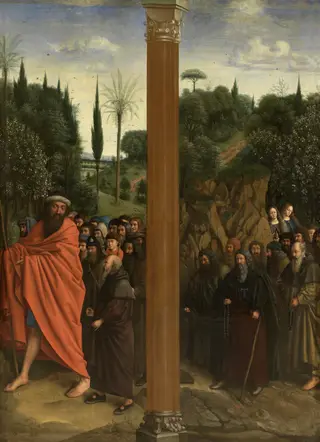 Holy Hermits and Holy Pilgrims
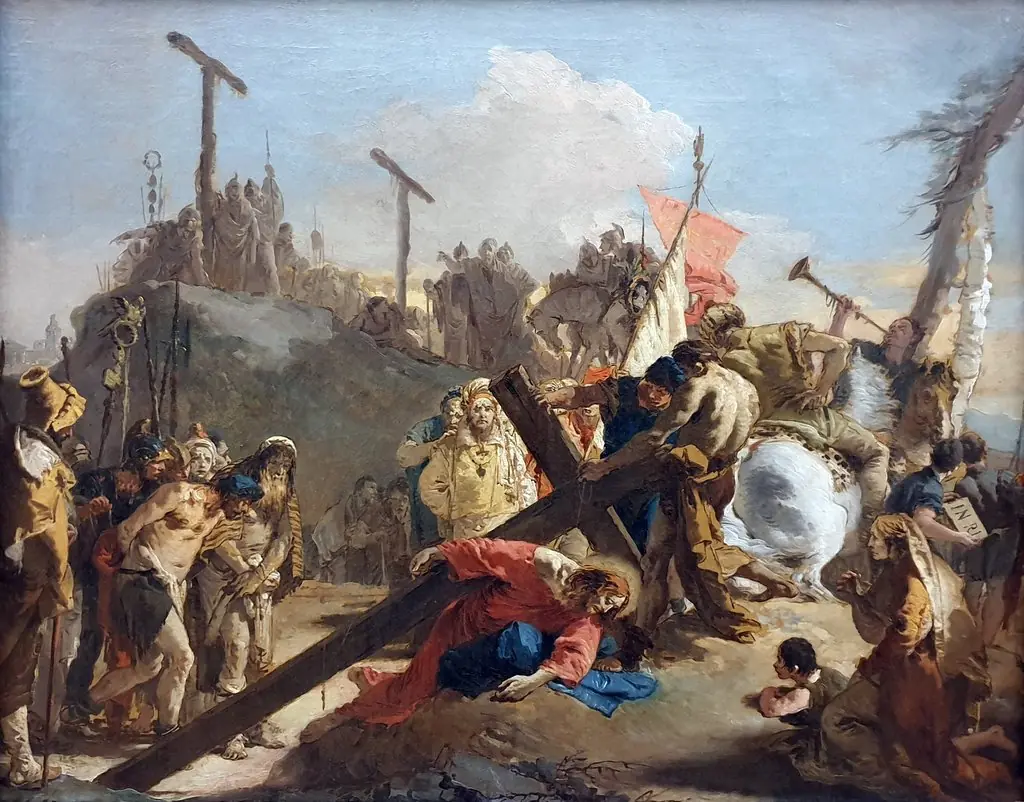 Christ carrying the cross
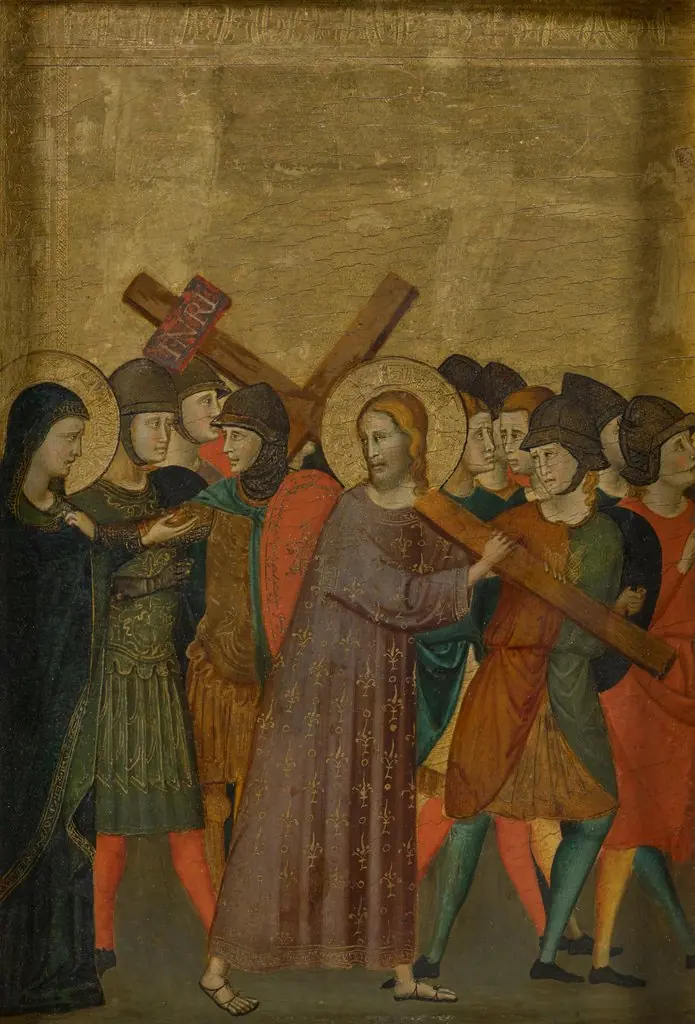 The Carrying of the Cross
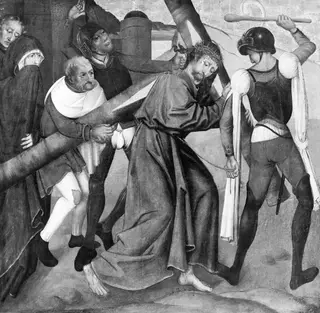 Carrying the Cross
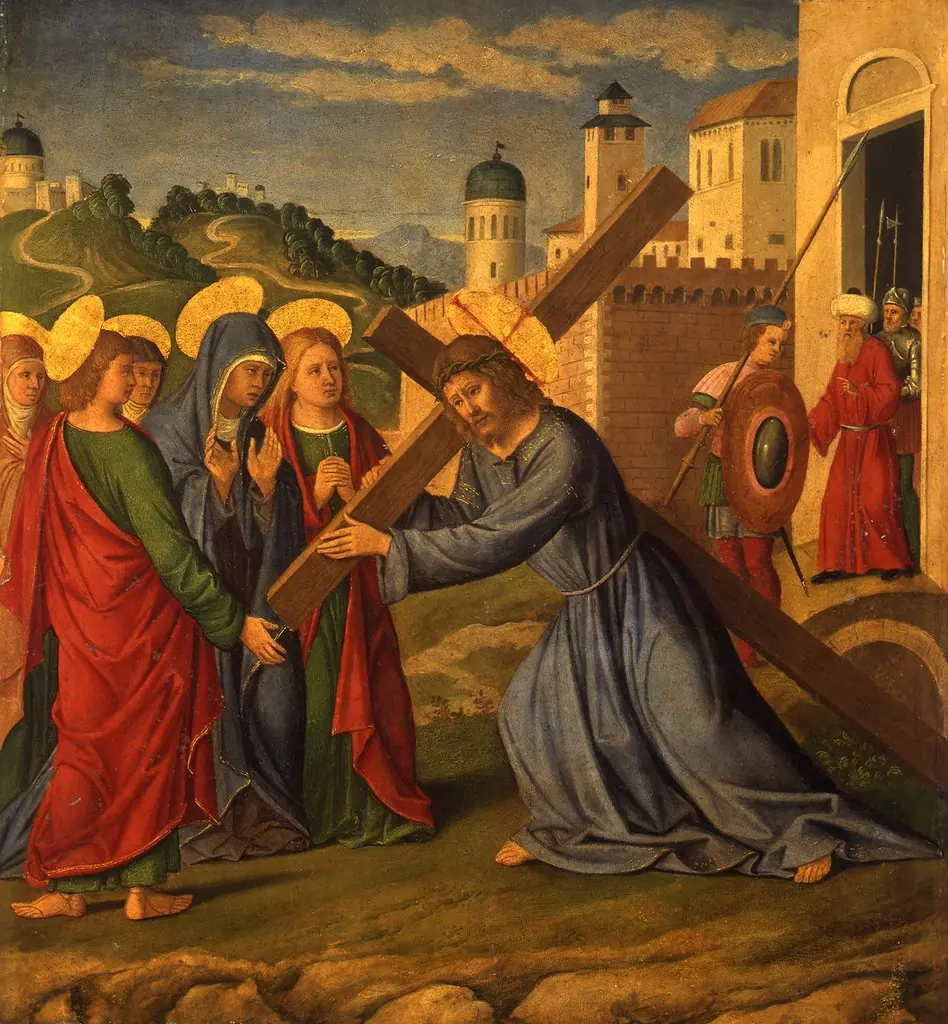 Christ Carrying the Cross
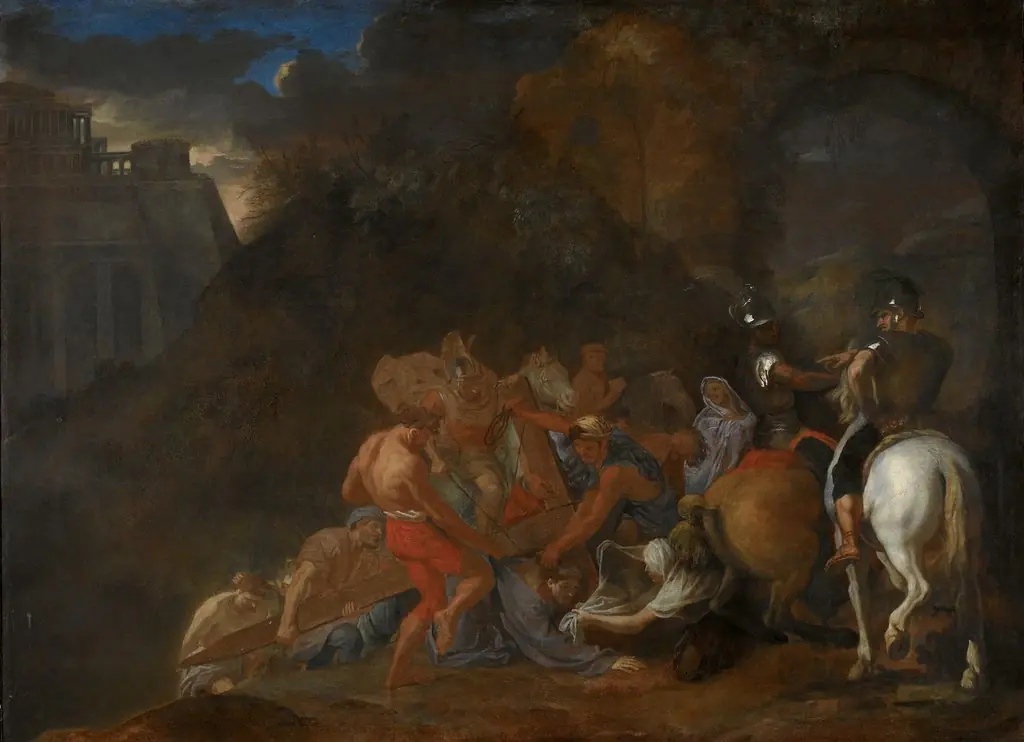 The Road to Calvary
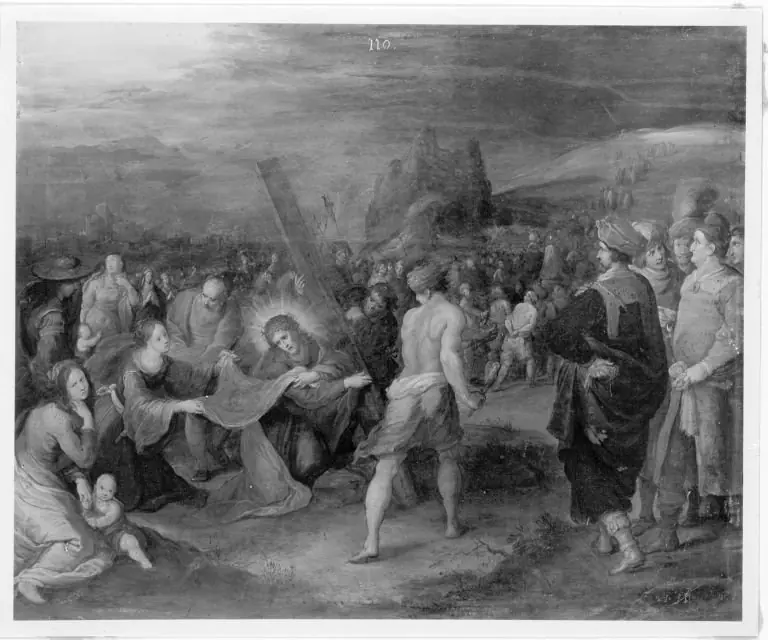 Gang nach Golgatha
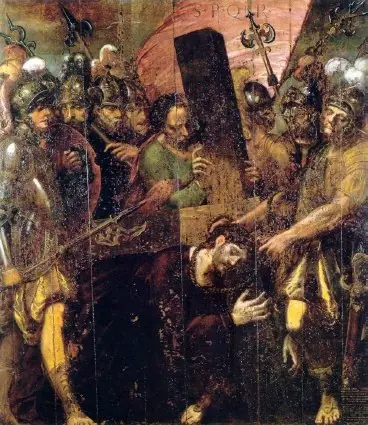 Cristo com Cruz às Costas
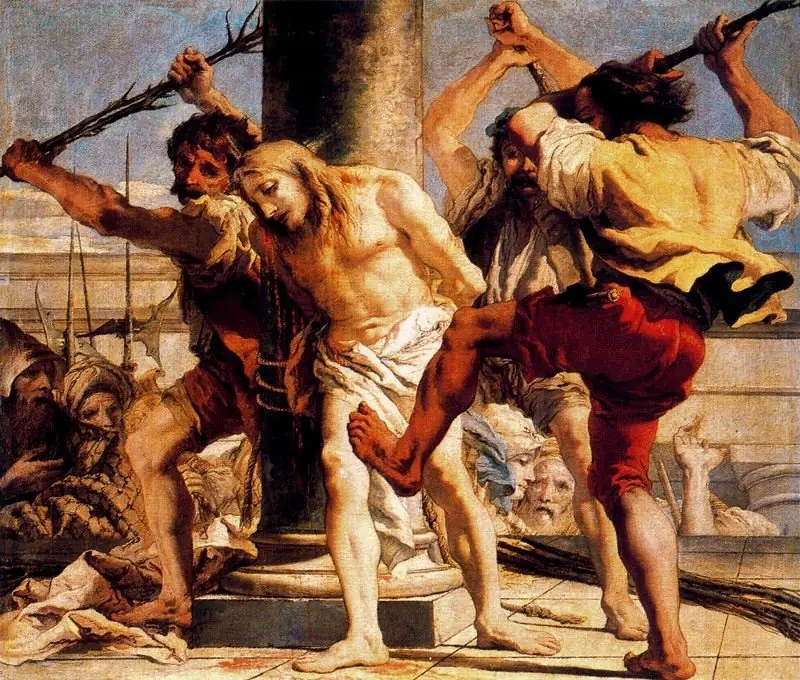 Cristo a la Columna
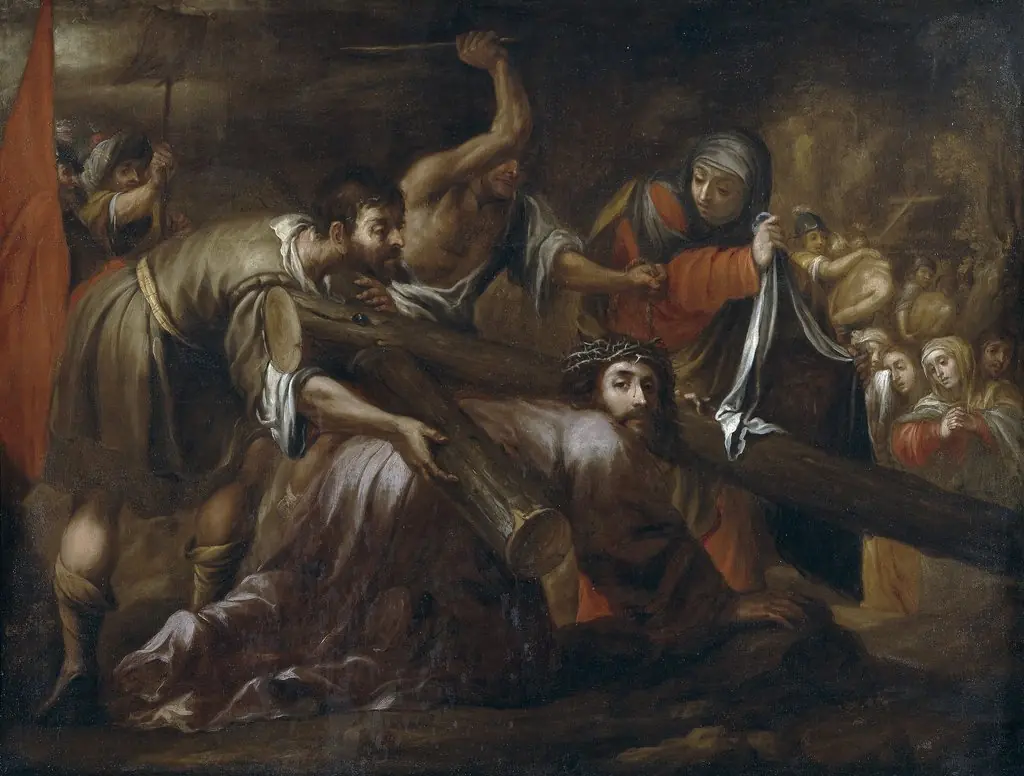 Christ on the way to Calvary and Saint Veronica
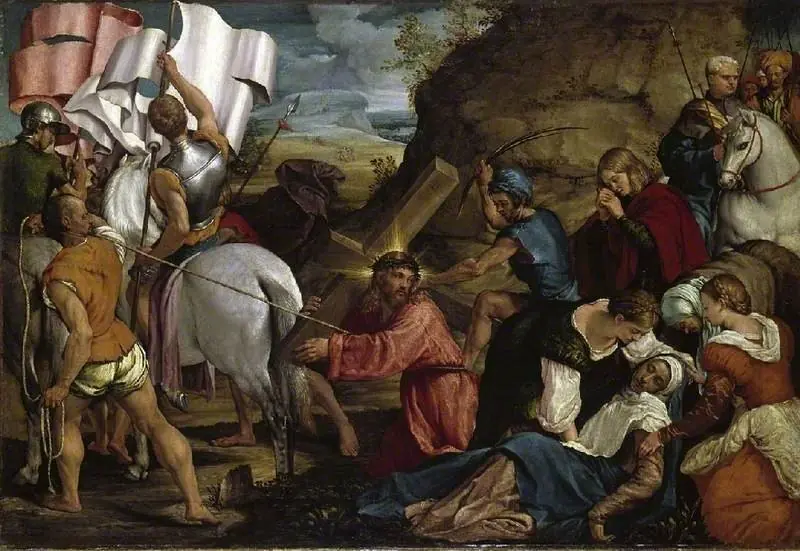 The Journey to Calvary
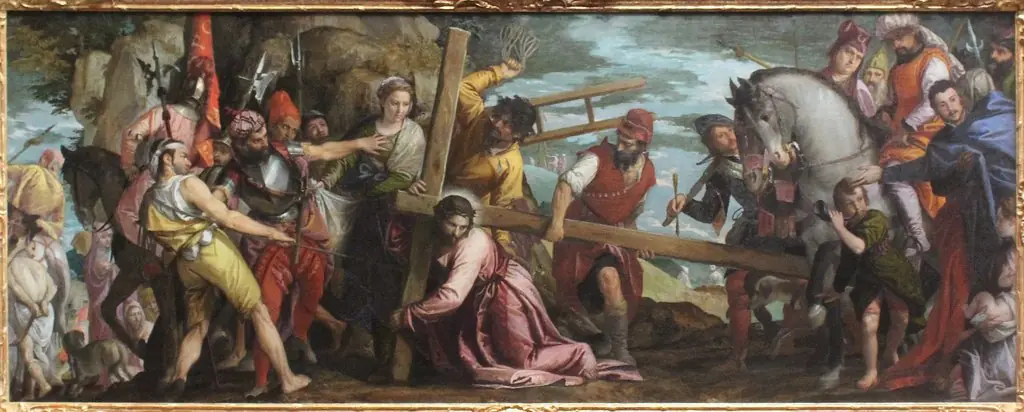 Christ carrying the Cross
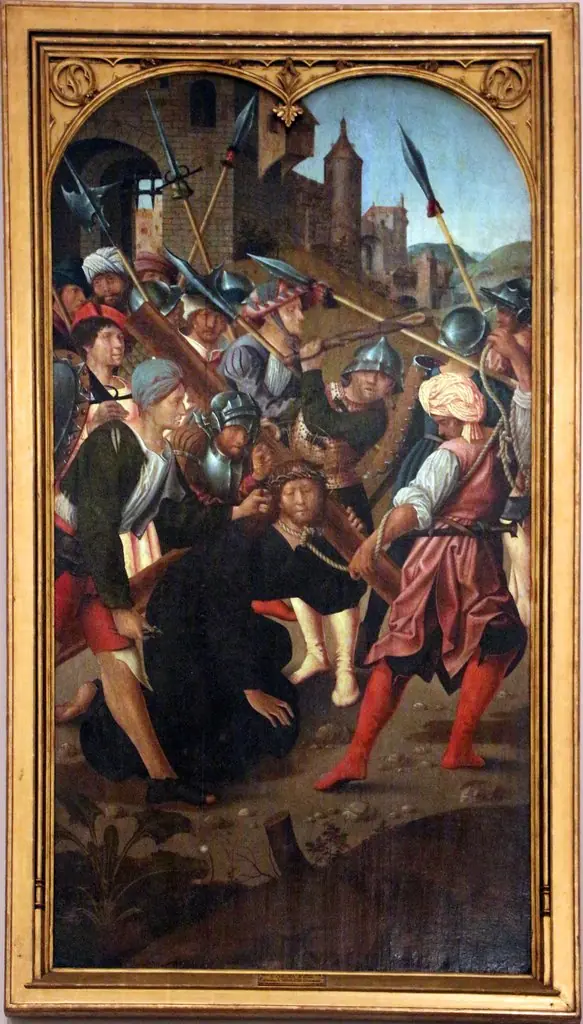 Cristo a Caminho do Calvário
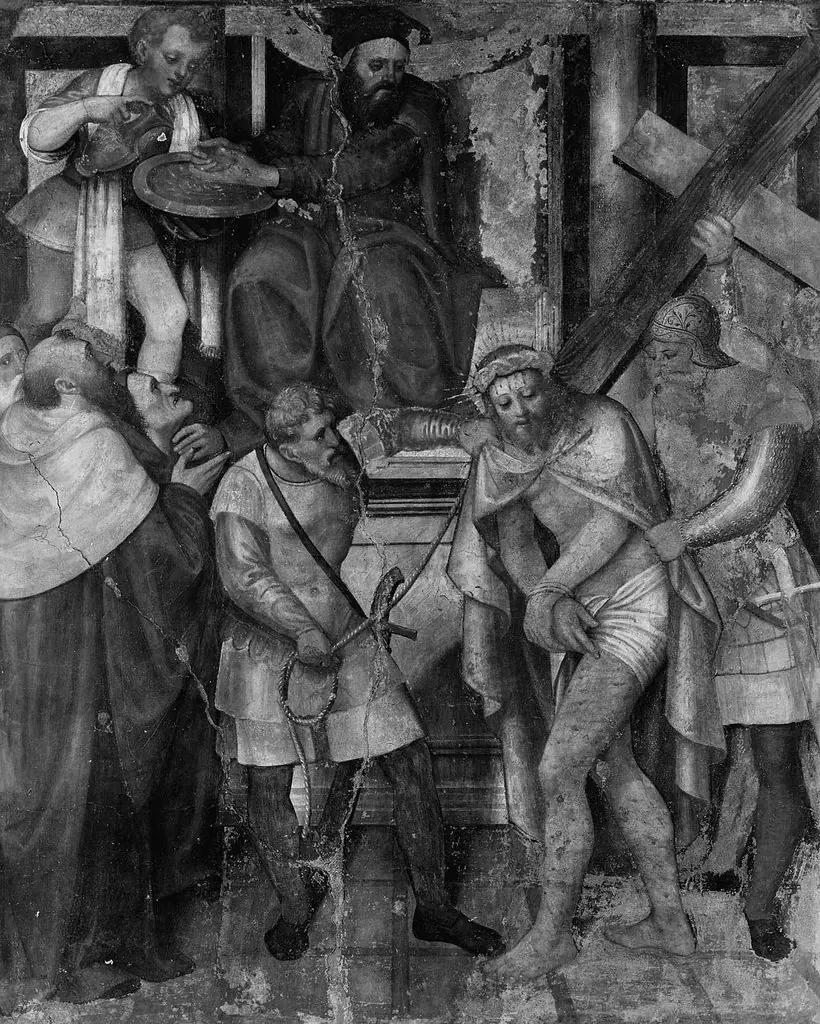 Christ before Pilate
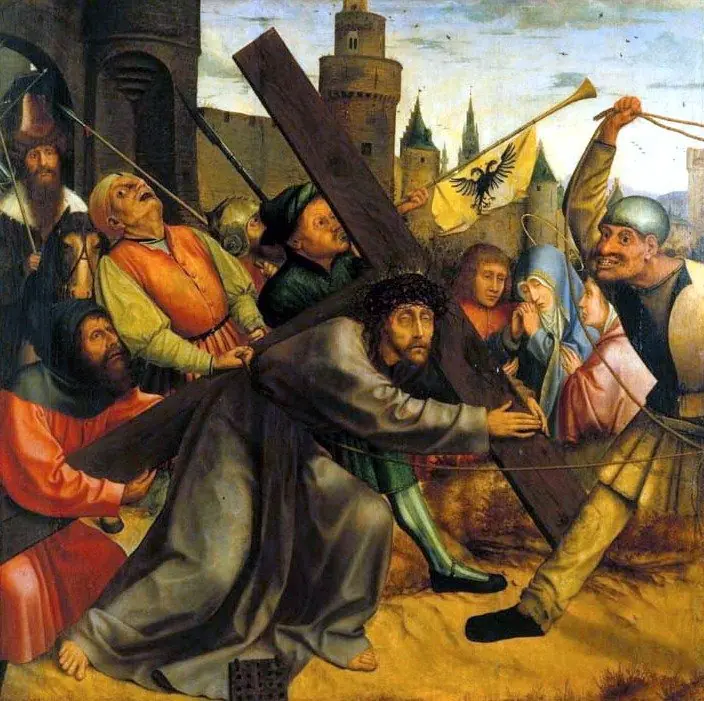 Christ carrying the cross
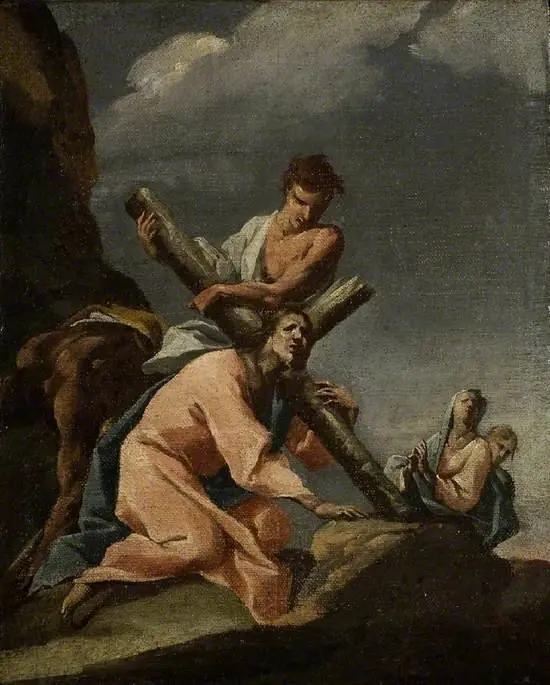 Christ falling under the Cross
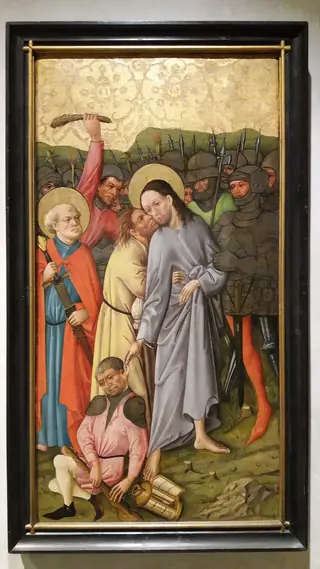 Le Baiser de Judas
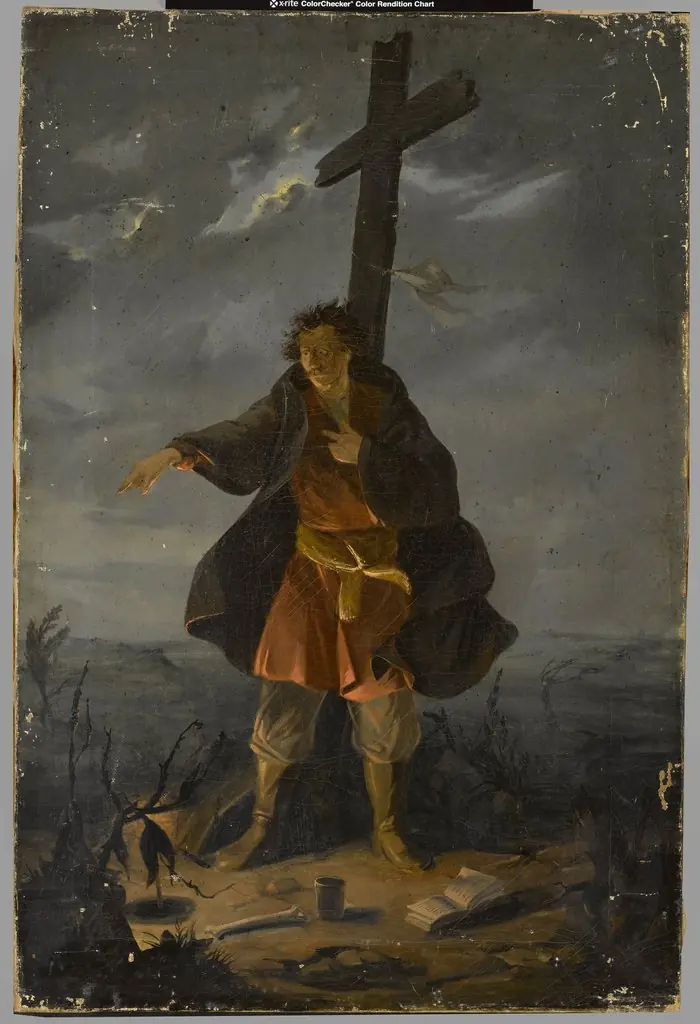 Twardowski in Krzemionki near Kraków
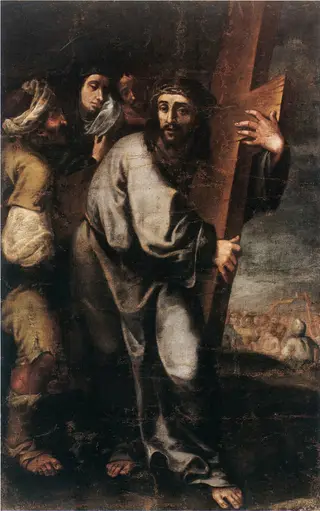 Jesus carrying the cross
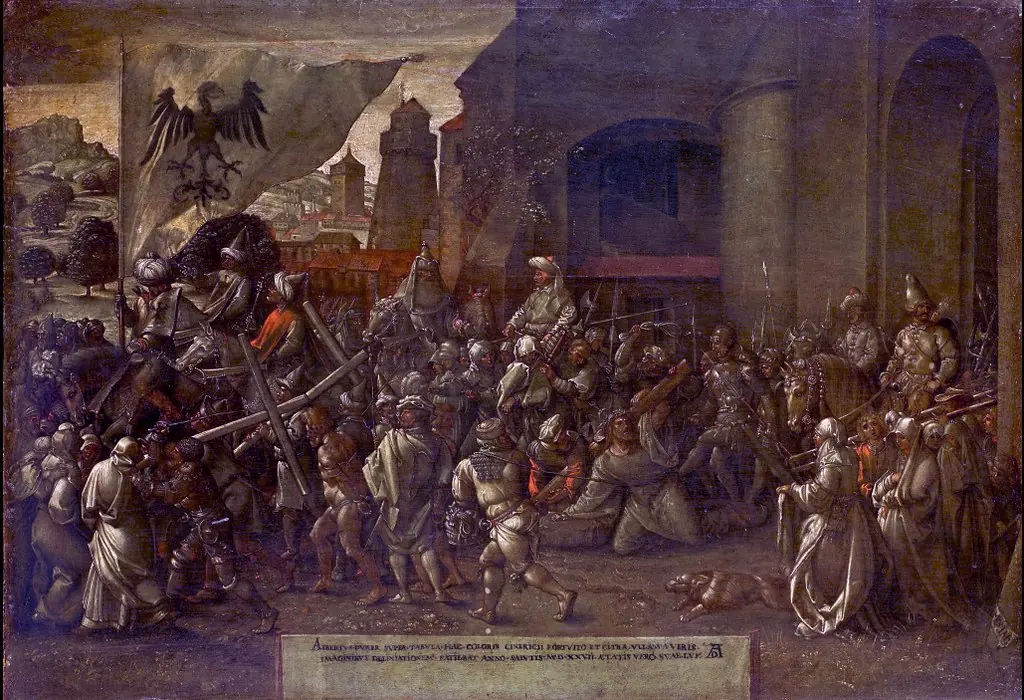 Way to Calvary
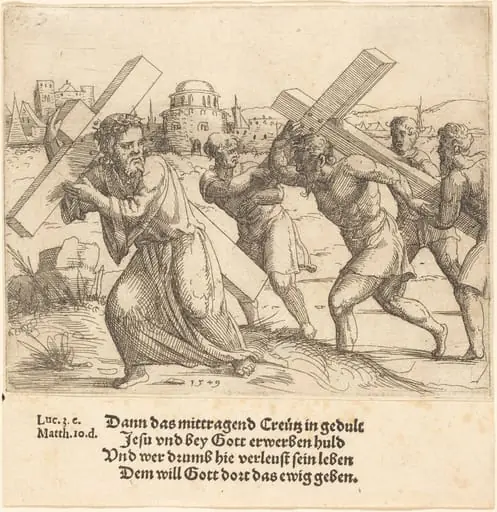 Man Carries the Cross after Christ
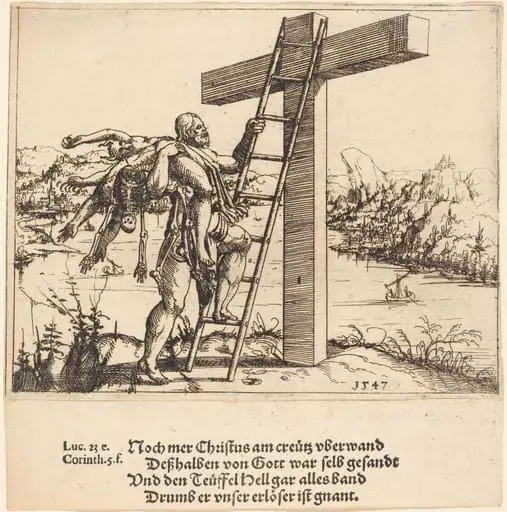 Christ Ascending the Cross with Sin, Death, and the Devil
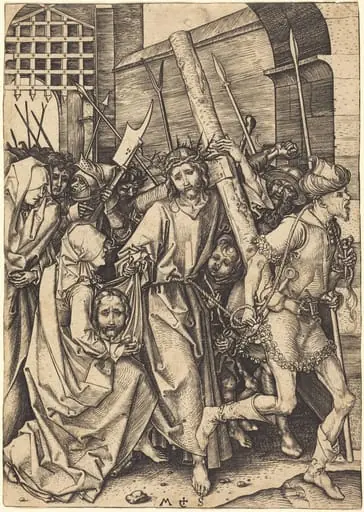 The Bearing of the Cross with Saint Veronica
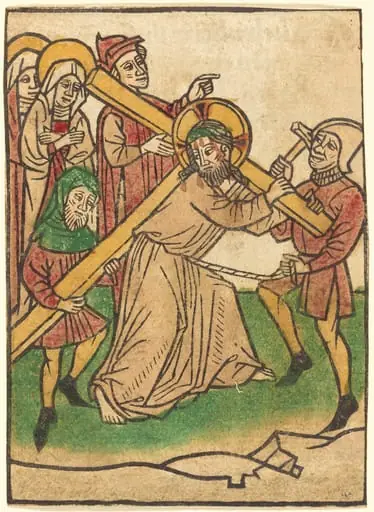 The Carrying of the Cross
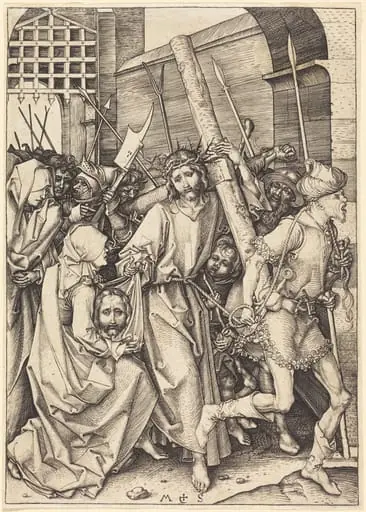 The Bearing of the Cross with Saint Veronica
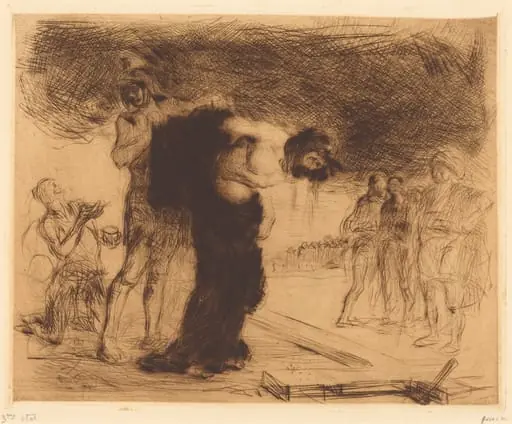 Le Christ dépouillé de ses vêtements (Christ Stripped of His Clothes)
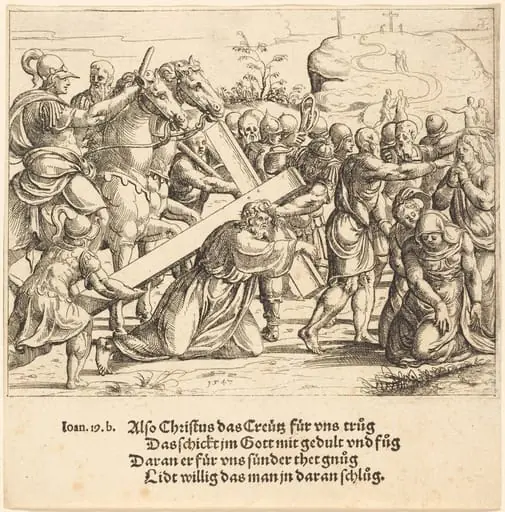 Christ Carrying the Cross
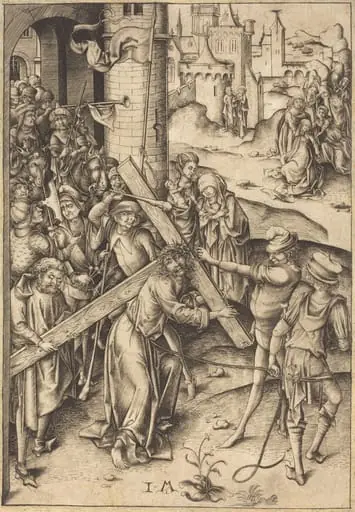 The Bearing of the Cross
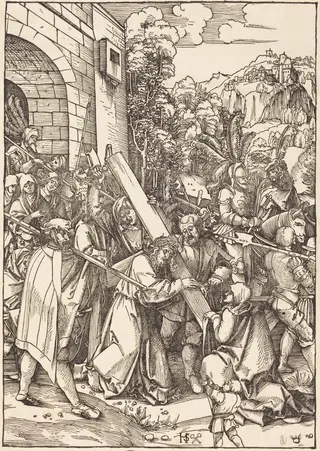 Christ Bearing the Cross
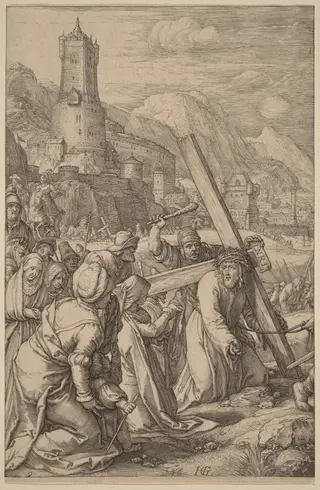 Christ Carrying the Cross
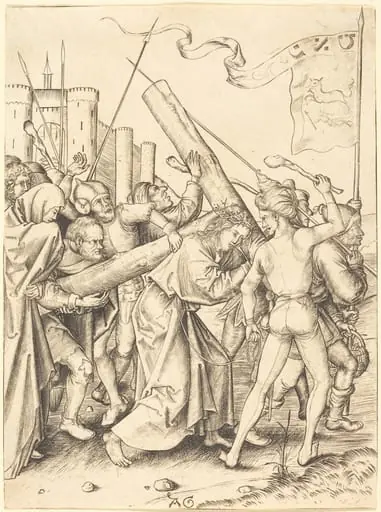 Christ Carrying the Cross
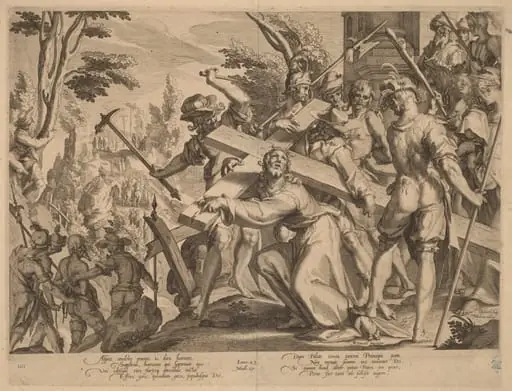 Christ Carrying the Cross
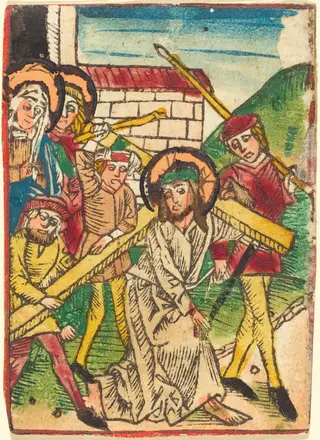 Christ Bearing the Cross
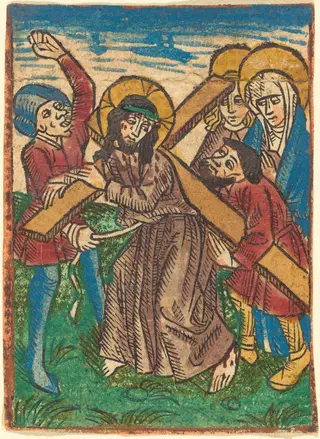 Christ Bearing the Cross
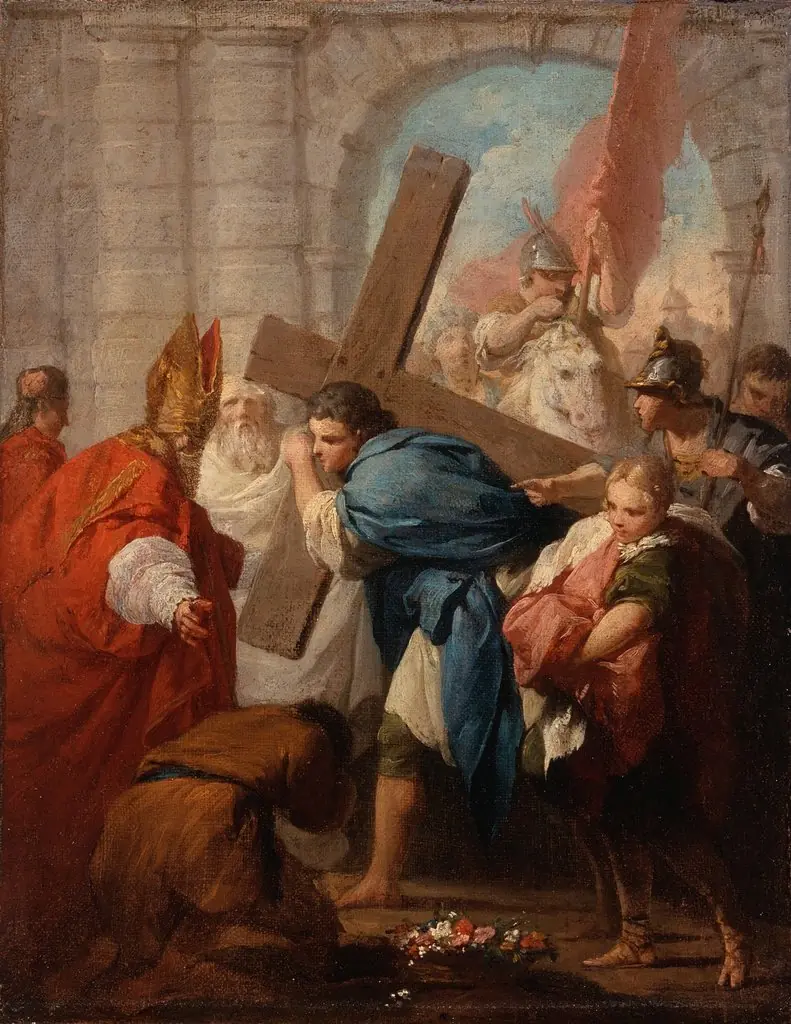 Heraclius Carrying the Cross
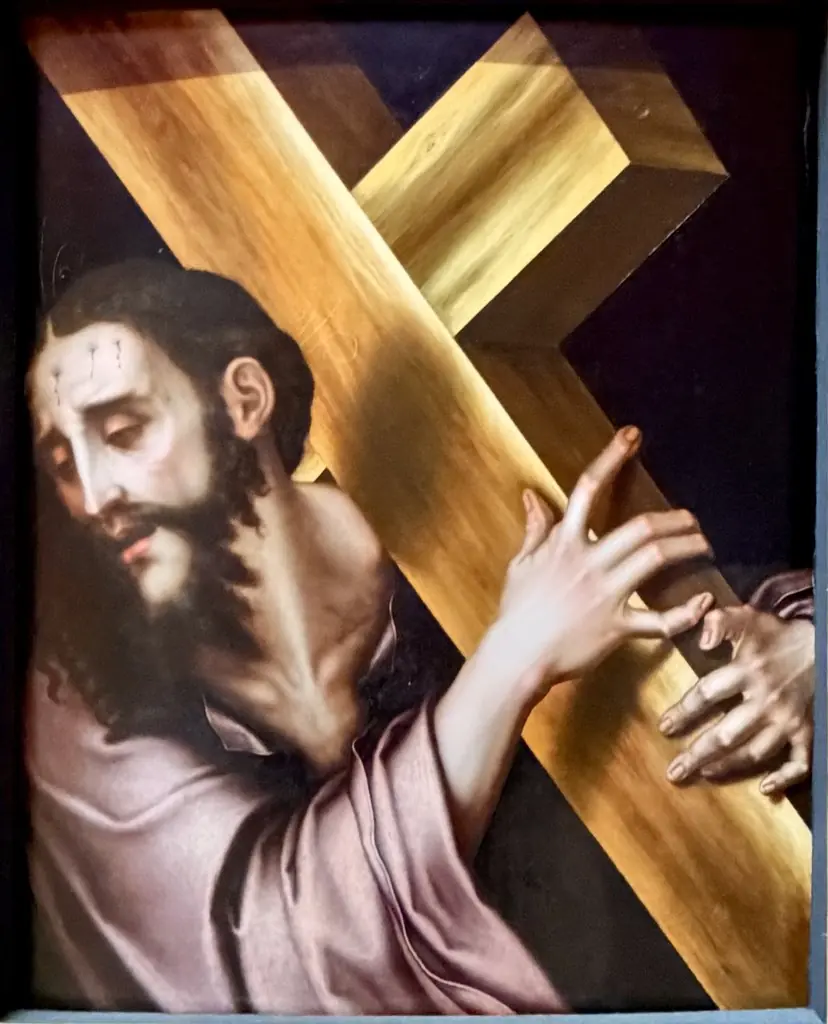 Christ Carrying the Cross
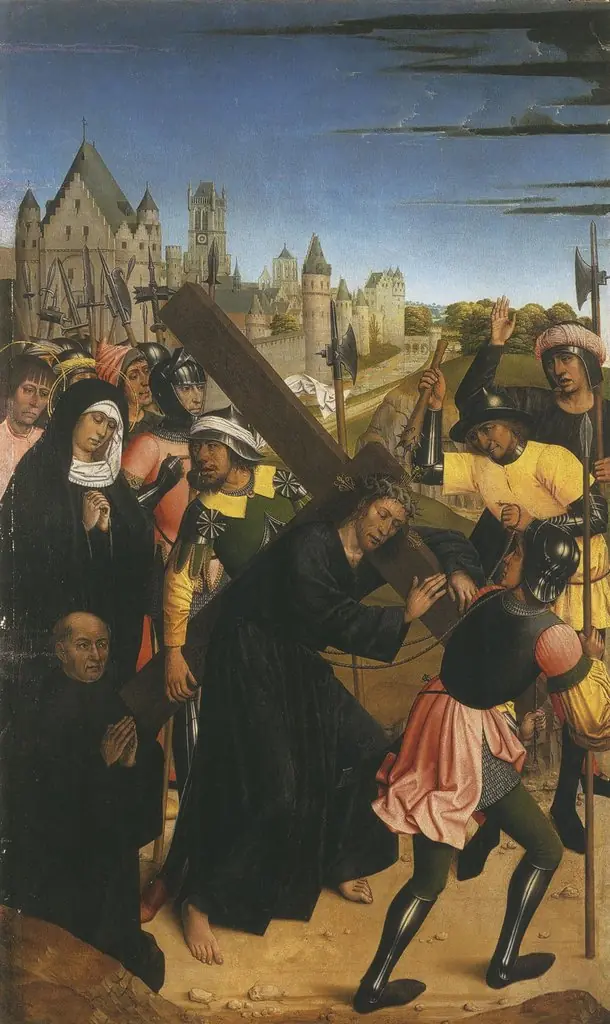 Kruisdraging
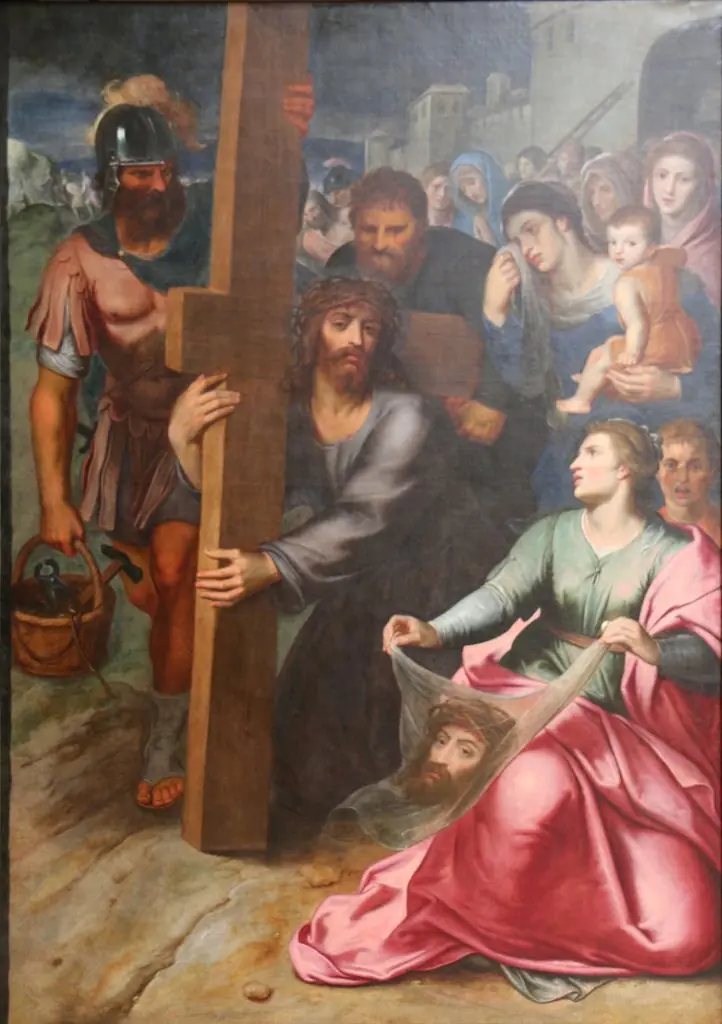 Christ and Veronica
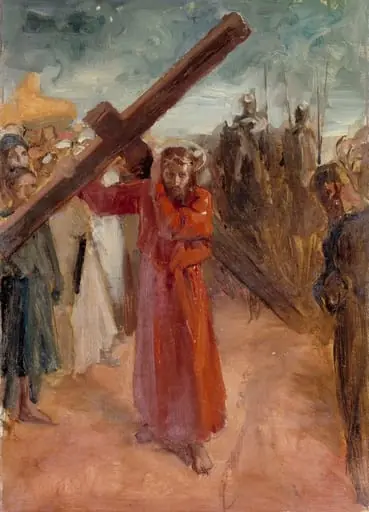 Kristus kantaa ristiä
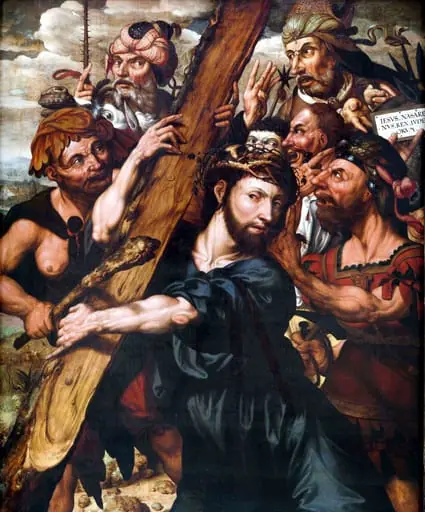 Christos purtându-și crucea
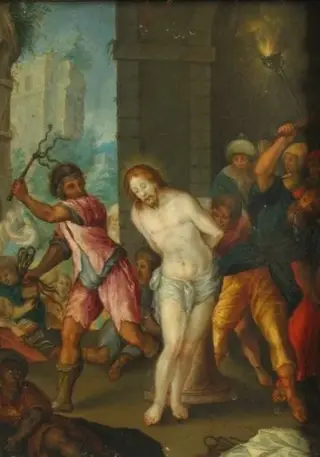 Flagelarea Mântuitorului
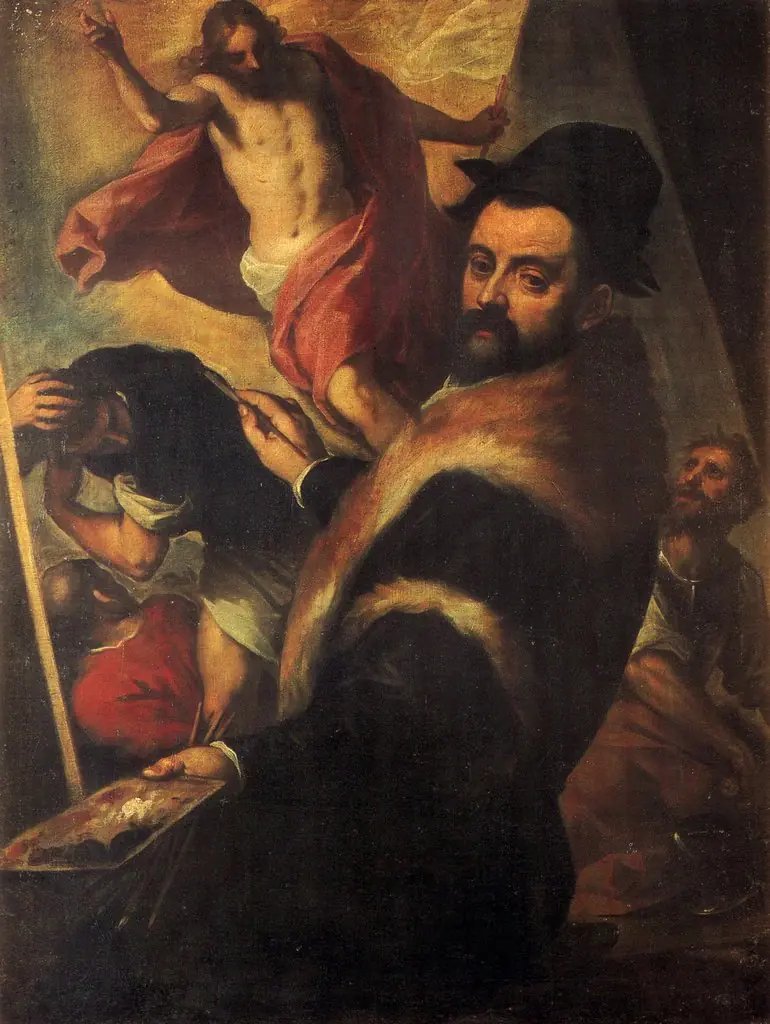 Self-portrait
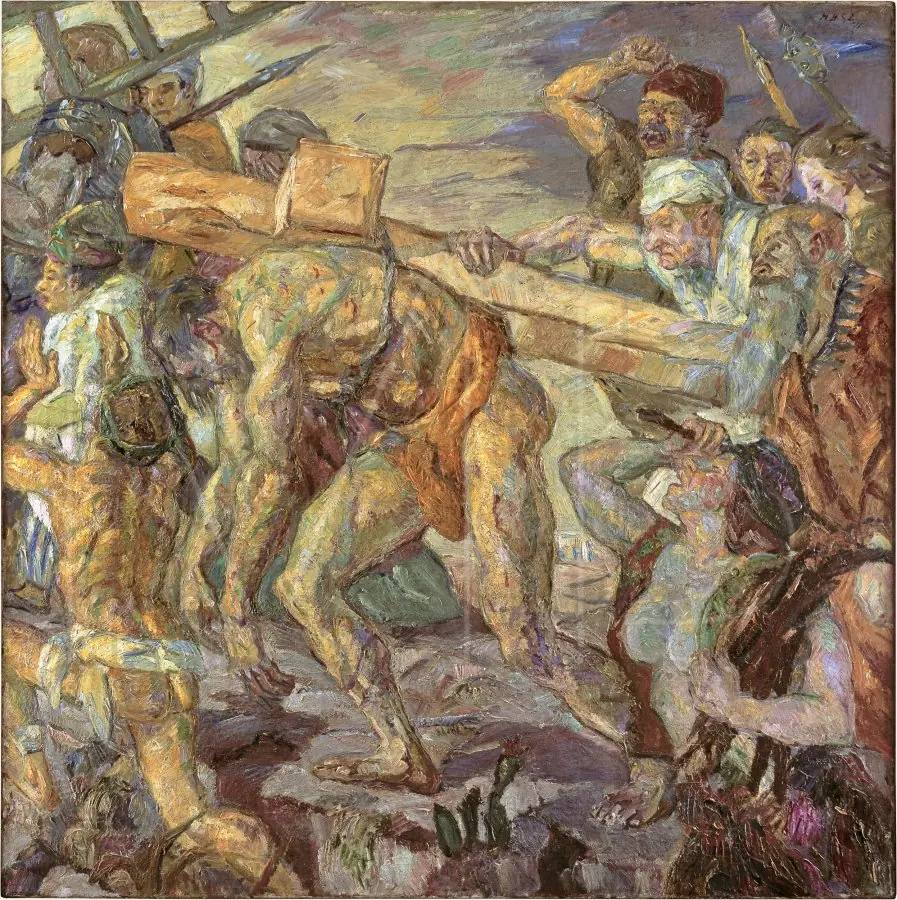 Bearing of the Cross
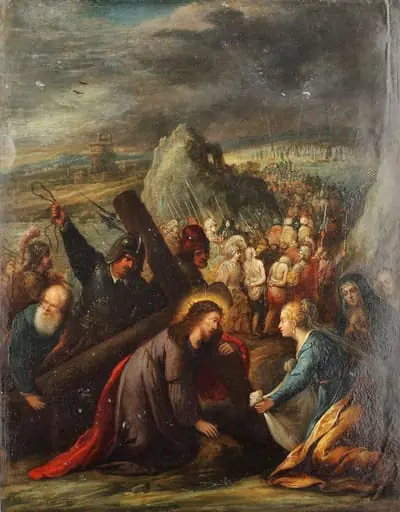 Drumul Crucii
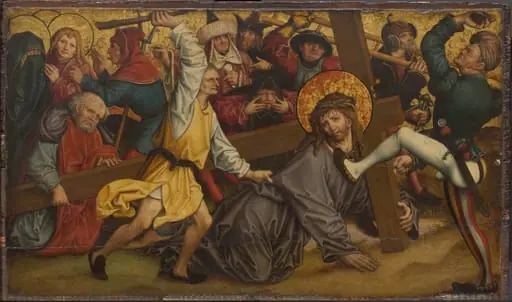 Christ Carrying the Cross
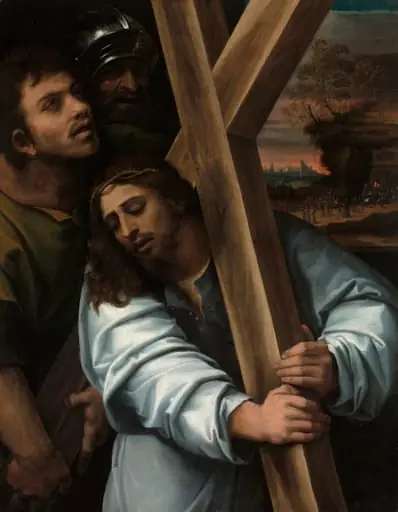 Christ Carrying the Cross
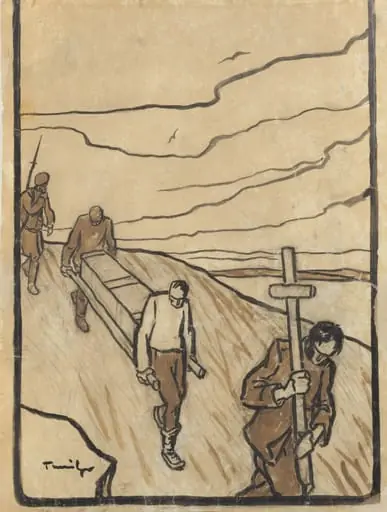 Înmormântarea unui prizonier în Bulgaria
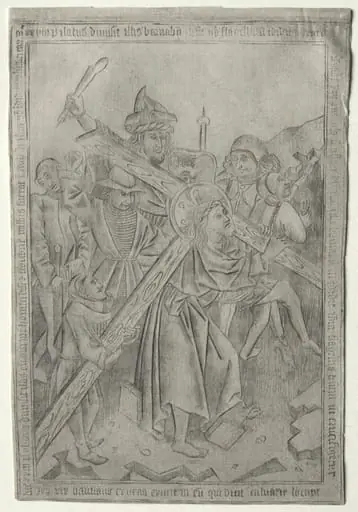 The Passion: The Cross Bearing
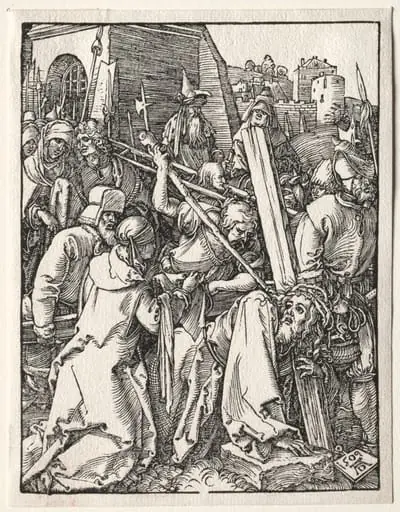 The Small Passion: Christ Bearing the Cross
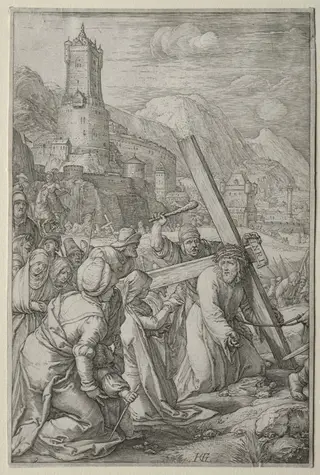 The Passion: Christ Carrying the Cross
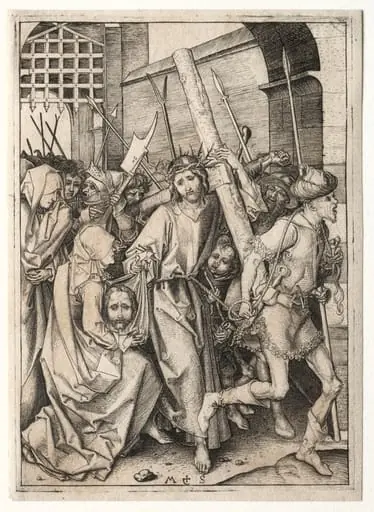 The Passion: Christ Bearing the Cross
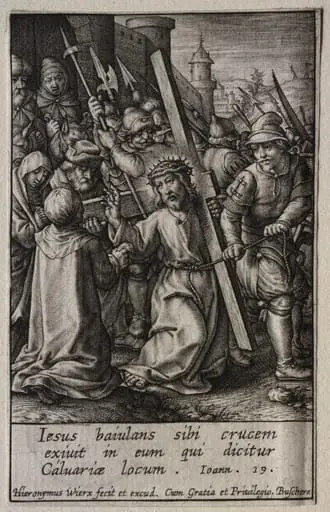 The Passion: Christ Carrying the Cross
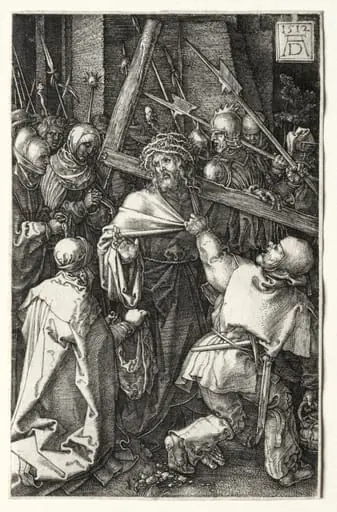 Christ Carrying the Cross
Frequently asked questions
What is Christ Carrying the Cross?
Christ Carrying the Cross on his way to his crucifixion is an episode included in the Gospel of John, and a very common subject in art, especially in the fourteen Stations of the Cross, sets of which are now found in almost all Roman Catholic churches, as well as in many Luthera…
How many Christ Carrying the Cross works does Artifact World Gallery have?
Artifact World Gallery holds 85 public-domain Christ Carrying the Cross works, all free to view and download.
Who are the key Christ Carrying the Cross artists?
Key Christ Carrying the Cross artists in the collection include Titian, Paolo Veronese and El Greco.
Where can I see Christ Carrying the Cross works?
Christ Carrying the Cross works in the collection are held by National Gallery of Art, Metropolitan Museum of Art and Cleveland Museum of Art.