Subject
Equestrianism
Equestrianism is a subject in art. The gallery holds 200 works in this subject in art, including works by Titian, Paolo Veronese and Thomas Cole.
The horse has been among art's oldest and most charged subjects, but as a distinct theme equestrianism crystallized in antiquity around the figure of the mounted ruler. The Archaic Greek Rampin Rider (c. 550 BCE) and, above all, the gilded bronze Equestrian Statue of Marcus Aurelius (c. 176 CE, now in the Capitoline Museums) established the equestrian image as an emblem of authority. Late-antique sources record at least twenty-two such "great horses" in Rome; almost none survive, because bronze was routinely melted for coin or reuse, making the Marcus Aurelius an unusually intact template that Renaissance and Baroque rulers would consciously imitate.
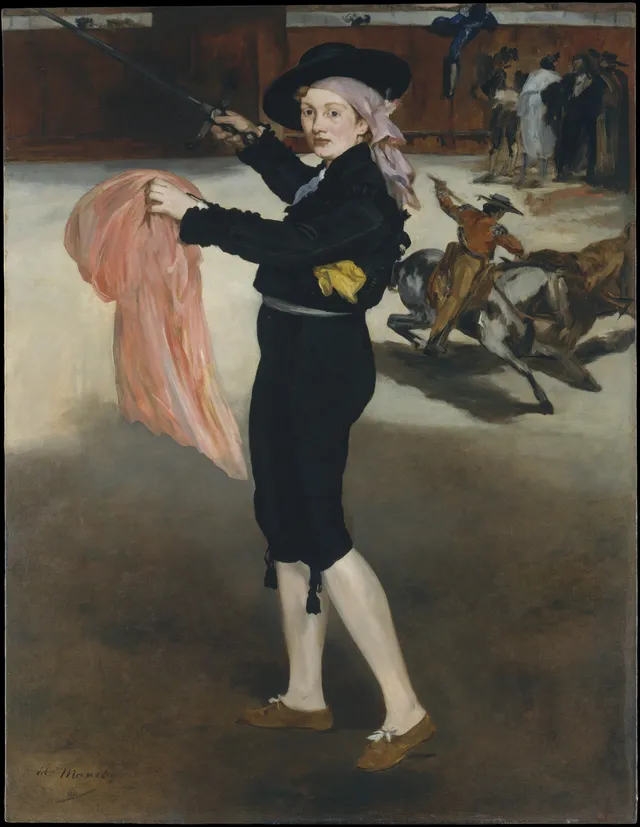
The equestrian portrait became the genre's defining vehicle, codifying power through a vocabulary of pose and bearing. Donatello's Gattamelata and Verrocchio's Colleoni revived the Roman model in fifteenth-century Italy, but the form reached its height in the Baroque court. Diego Velázquez's Equestrian Portrait of Philip IV (1634–35, Museo del Prado) shows the king executing the curvet—a feat of haute école horsemanship understood as the sovereign mastering both his mount and his realm. Rubens and Van Dyck deployed the same rhetoric for Habsburg and Stuart patrons. Our own holdings extend this courtly line in Georg Christoph Grooth's The Empress Elizabeth of Russia on Horseback, while Manet's Mademoiselle V. . . in the Costume of an Espada plays wittily on the riding-and-bullfighting tradition.
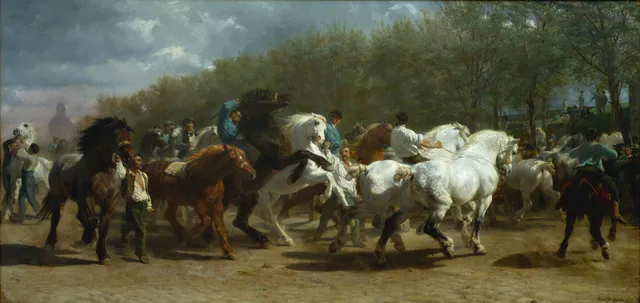
The eighteenth and nineteenth centuries shifted attention to the horse itself. George Stubbs, whose life-size Whistlejacket (c. 1762) and Anatomy of the Horse (1766) fused dissection-based precision with classical grandeur, anchored the British animalier strain. Rosa Bonheur's vast The Horse Fair, the sensation of the 1853 Salon and donated to the Metropolitan Museum by Cornelius Vanderbilt in 1887, was her self-styled "Parthenon frieze," drawing on Géricault, Delacroix, and Greek relief.
Military painting gave the cavalry new scale—Ernest Meissonier's meticulously researched 1807, Friedland (Metropolitan Museum) glorifies Napoleon's mounted host. By century's end Edgar Degas dissolved the heroic horse into modern life, painting jockeys and racecourses as fleeting, off-track moments. Eadweard Muybridge's 1878 motion photographs settled the gallop's true mechanics and reshaped how every later artist rendered equine movement, carrying the theme from emblem of dominion into the study of pure motion.
Key artists

Works
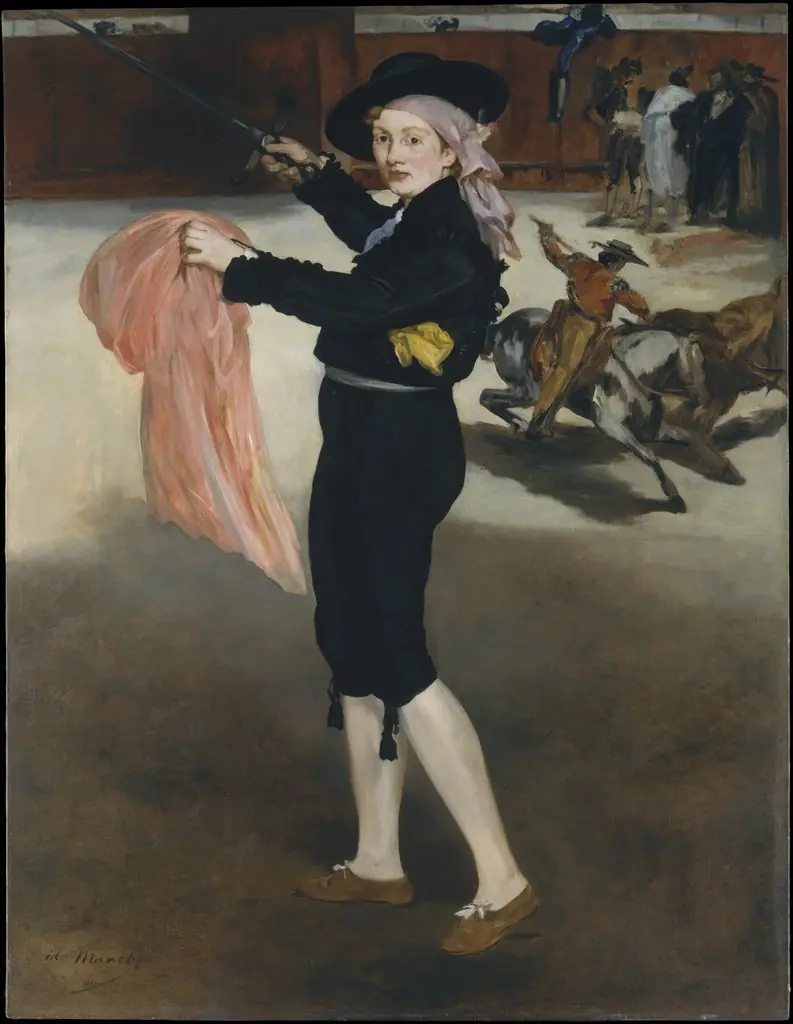 Mademoiselle V. . . in the Costume of an Espada
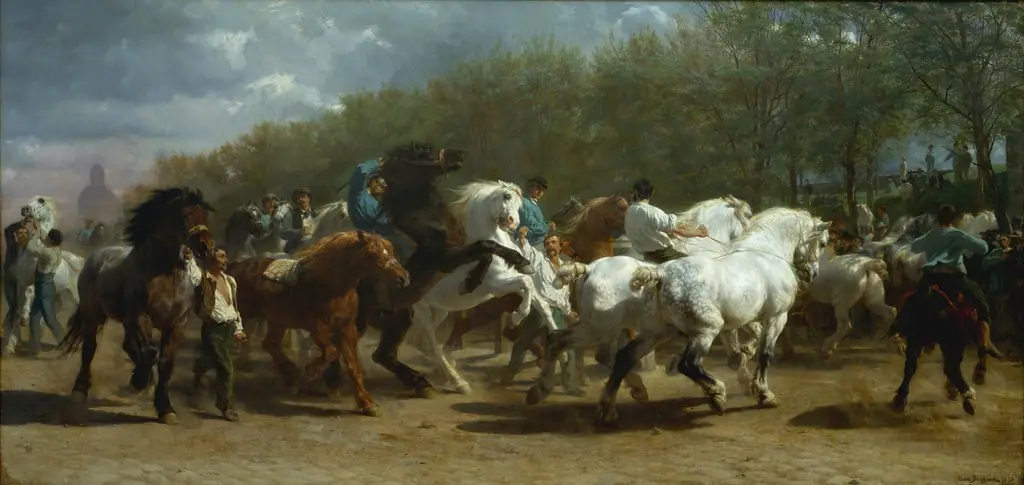 The Horse Fair
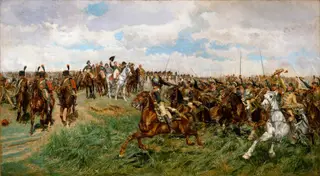 1807, Friedland
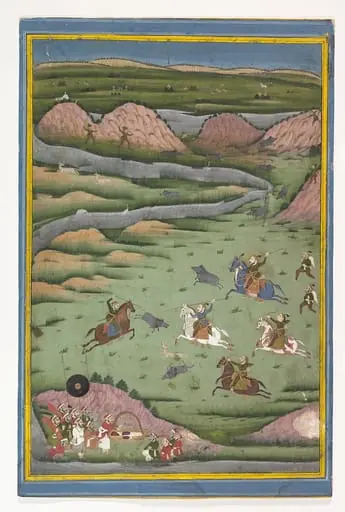 Untitled
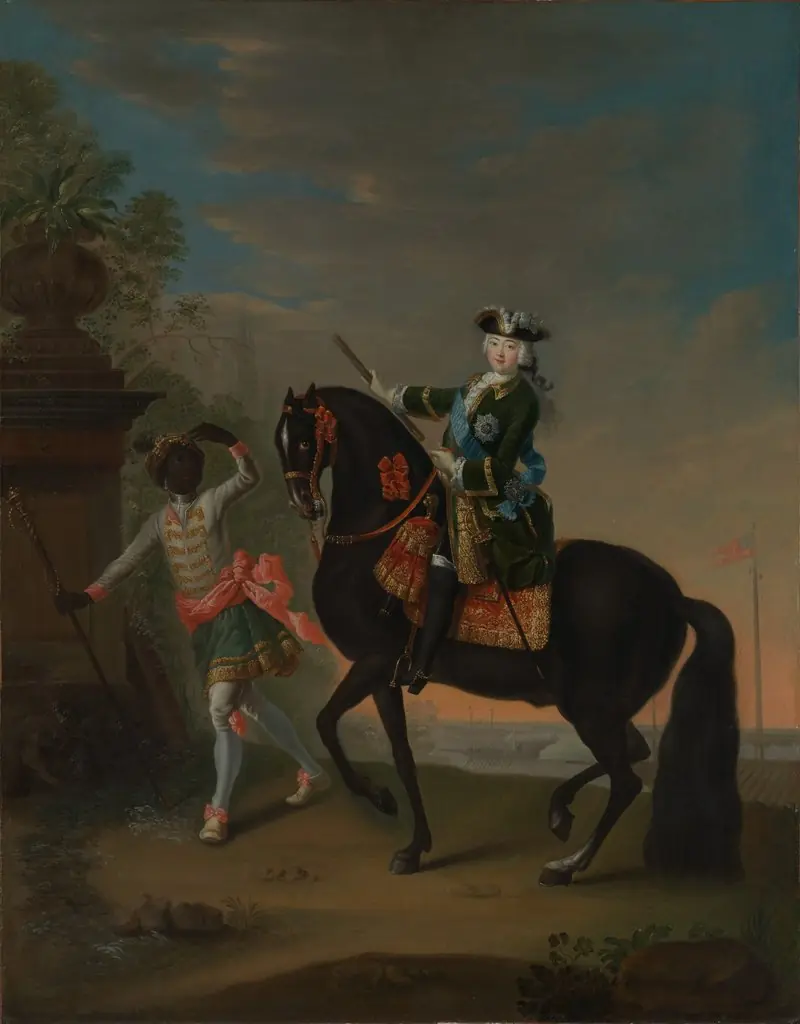 The Empress Elizabeth of Russia (1709–1762) on Horseback, Attended by a Page
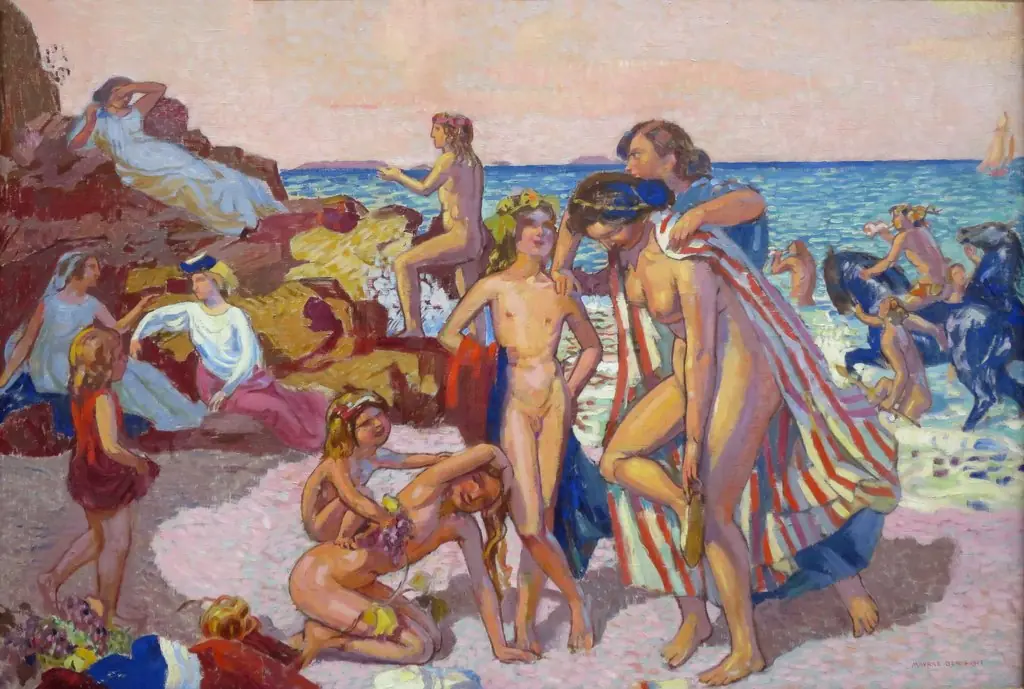 Bacchus and Ariadne
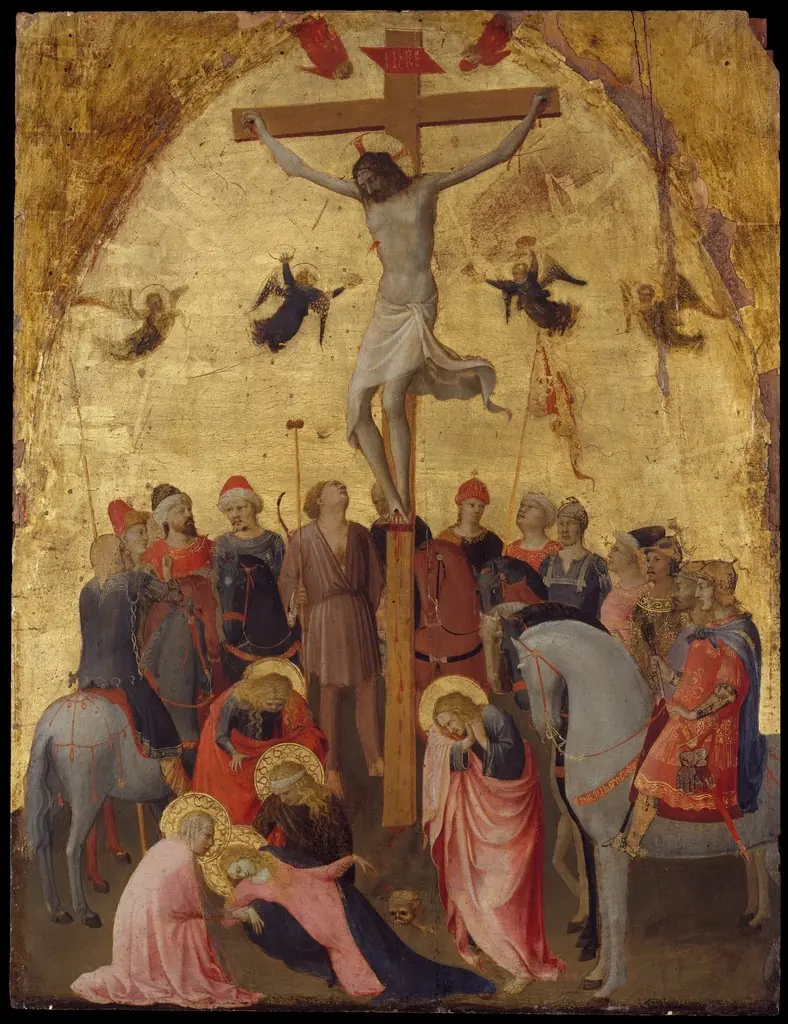 The Crucifixion
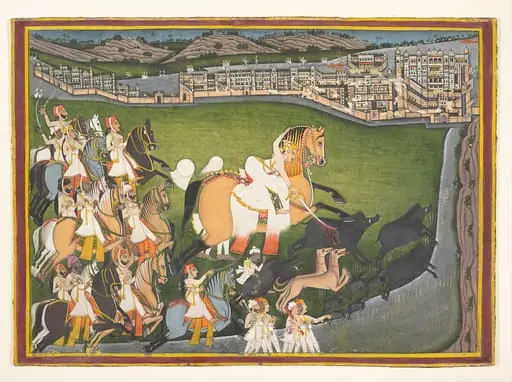 Untitled
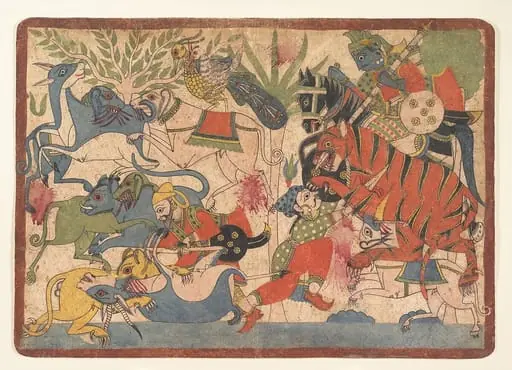 Untitled
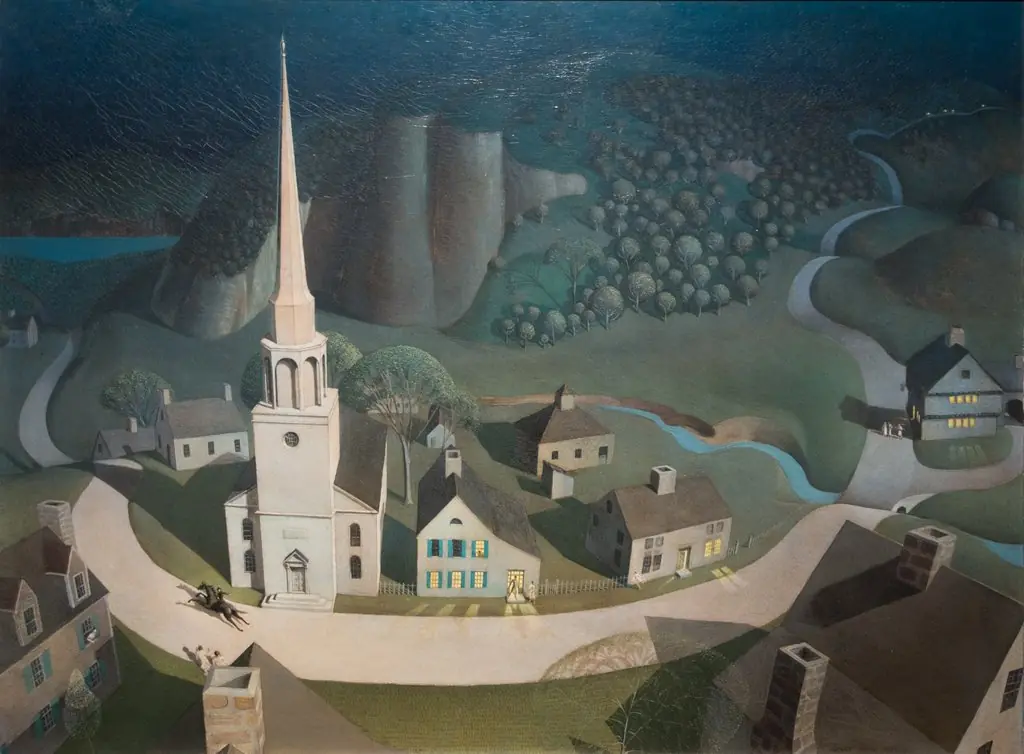 The Midnight Ride of Paul Revere
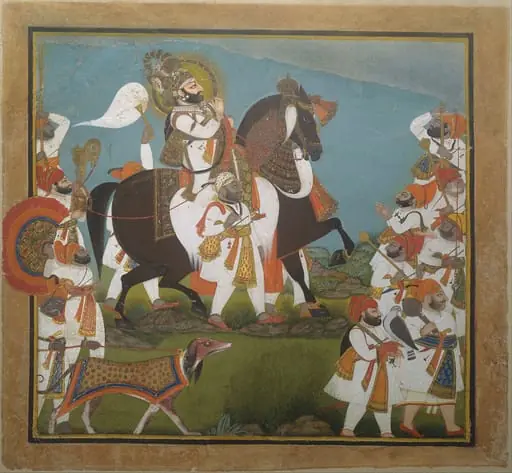 Untitled
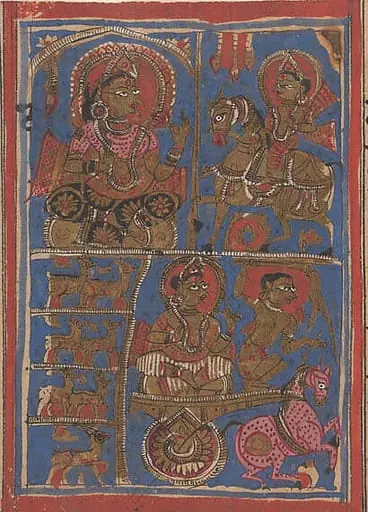 Untitled
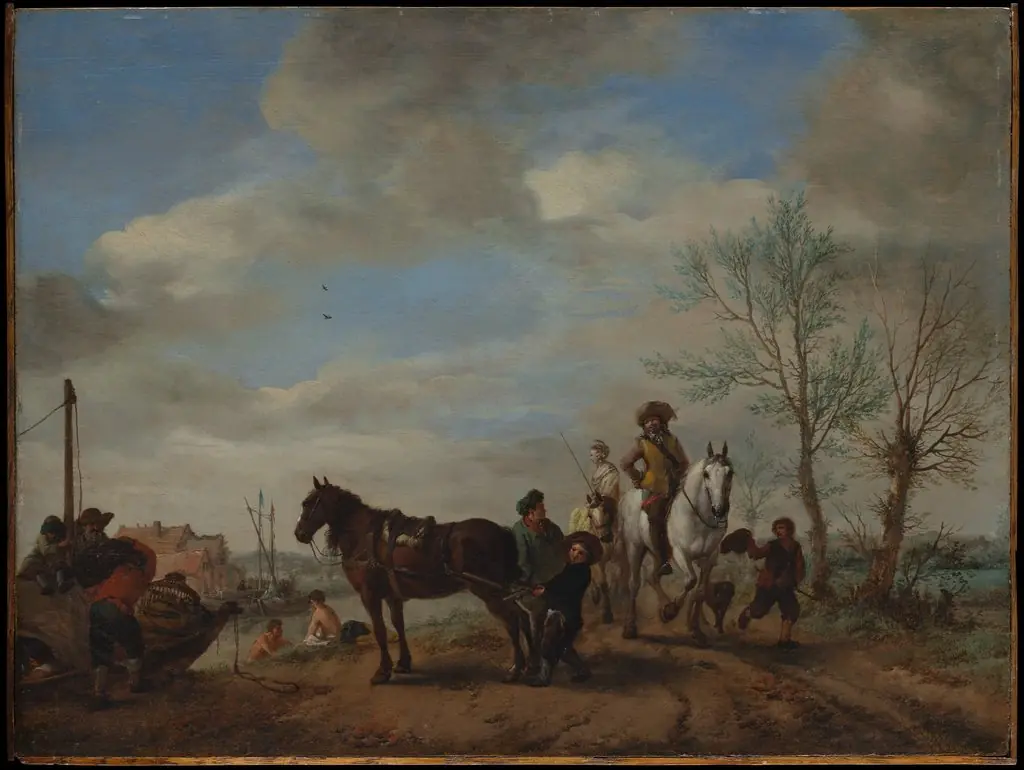 A Man and a Woman on Horseback
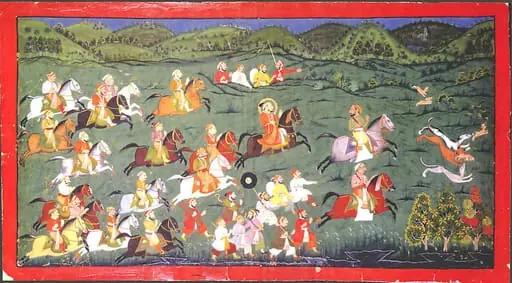 Untitled
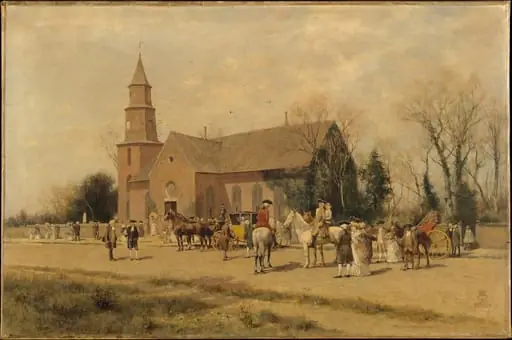 Old Bruton Church, Williamsburg, Virginia, in the Time of Lord Dunmore
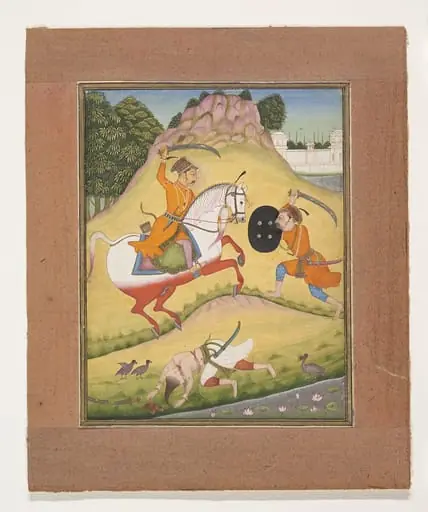 Untitled
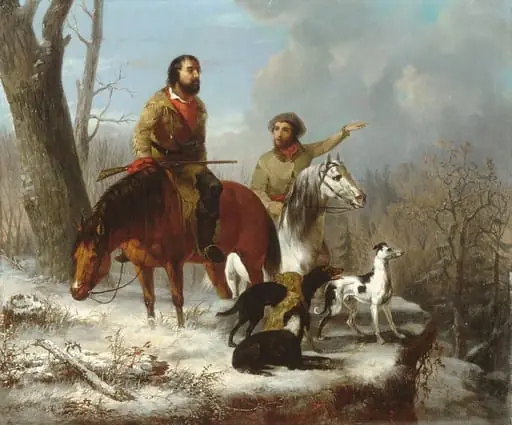 Trappers
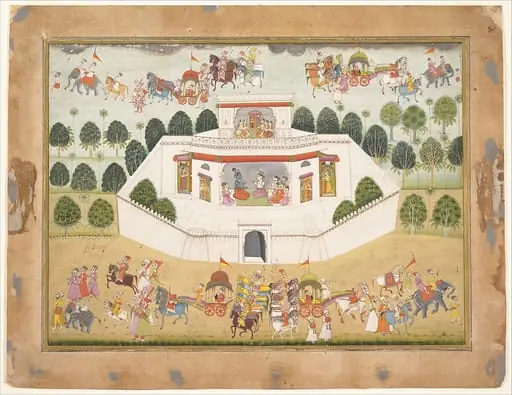 Untitled
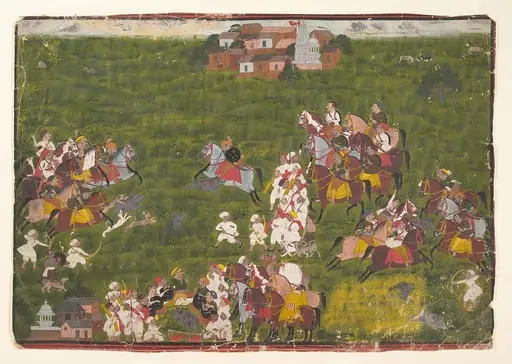 Untitled
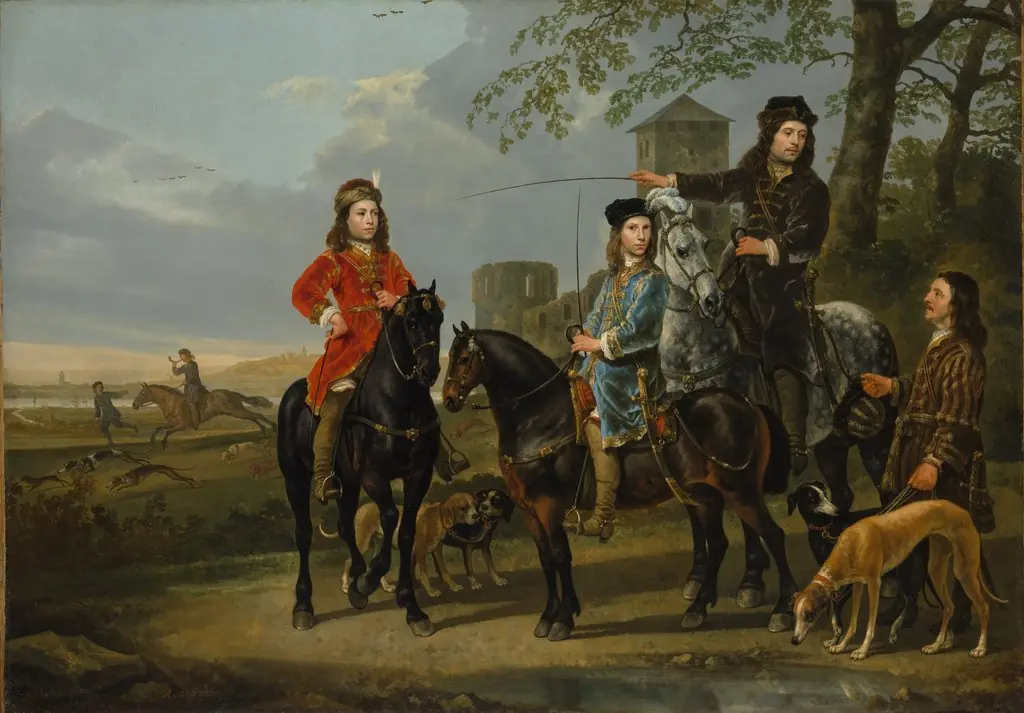 Equestrian Portrait of Cornelis (1639–1680) and Michiel Pompe van Meerdervoort (1638–1653) with Their Tutor and Coachman ("Starting for the Hunt")
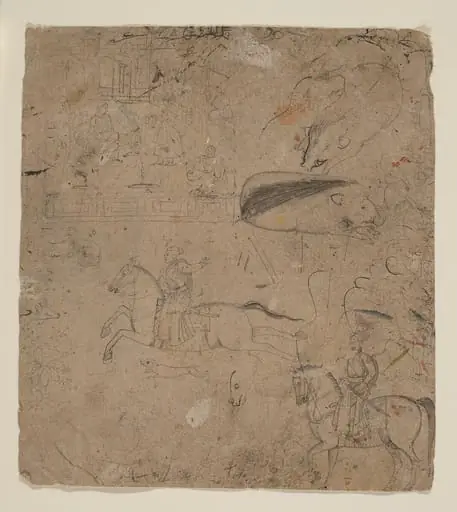 Untitled
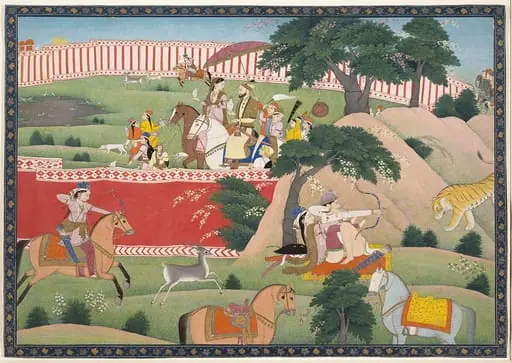 Untitled
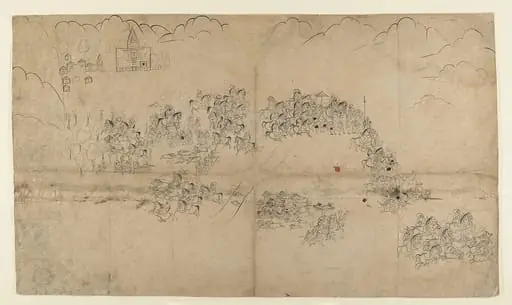 Untitled
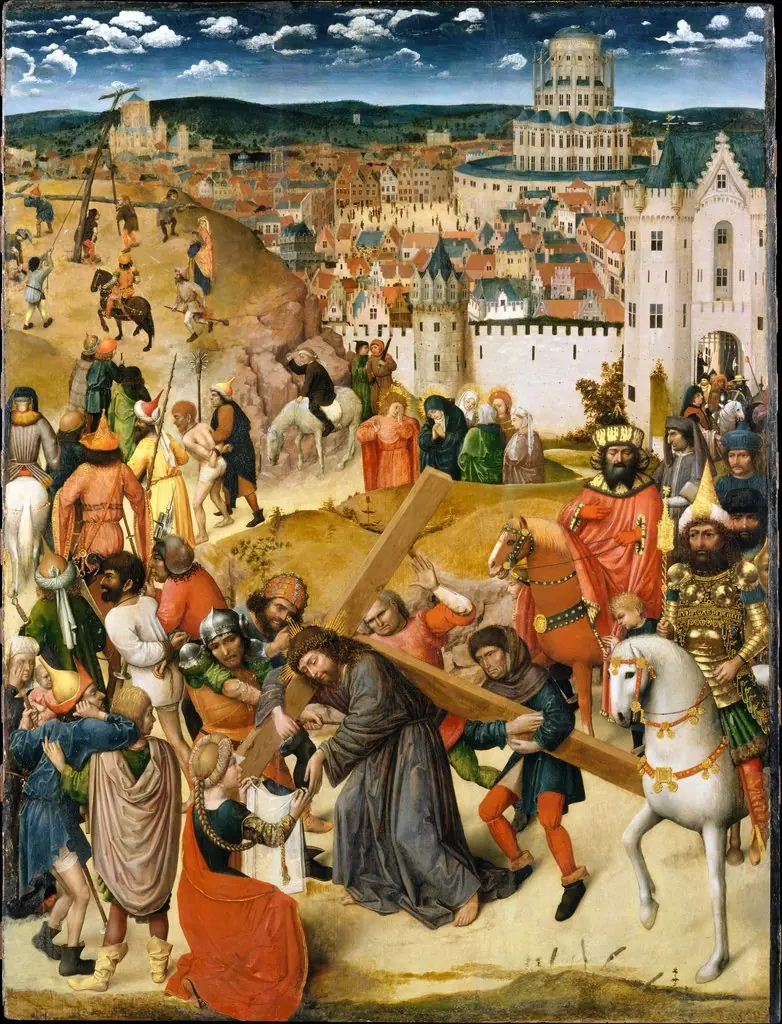 Christ Bearing the Cross
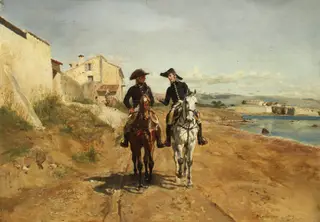 A General and His Aide-de-camp
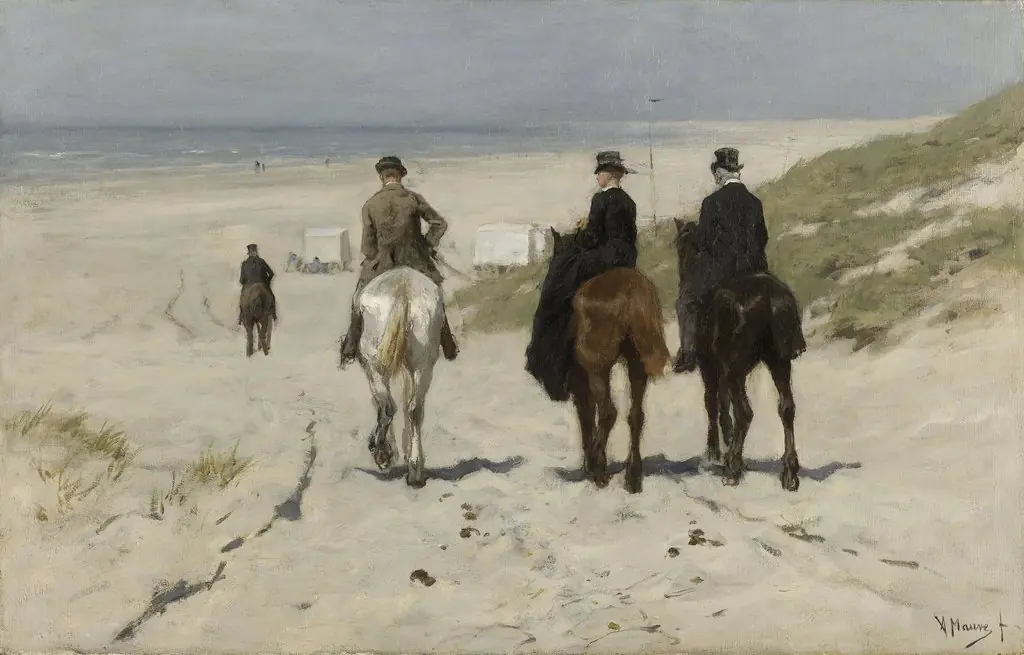 Morning Ride on the Beach
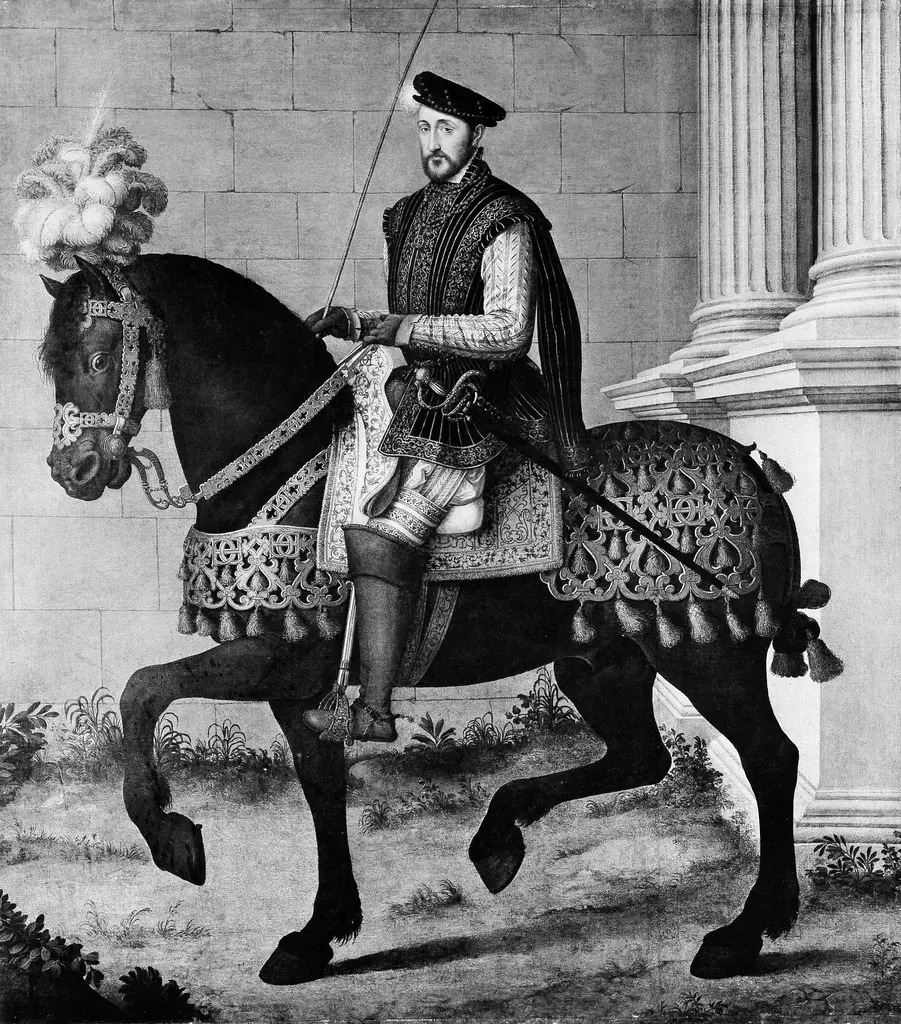 Henry II (1519–1559), King of France
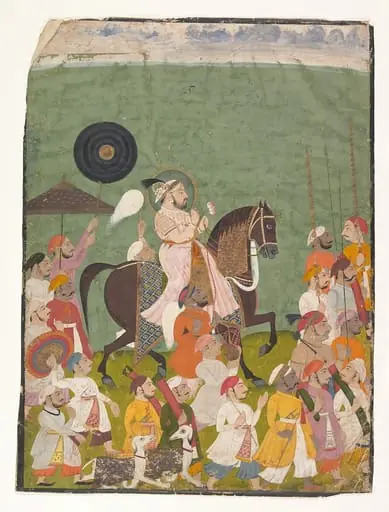 Untitled
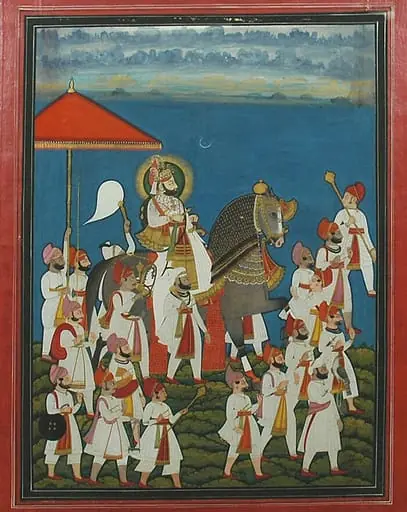 Untitled
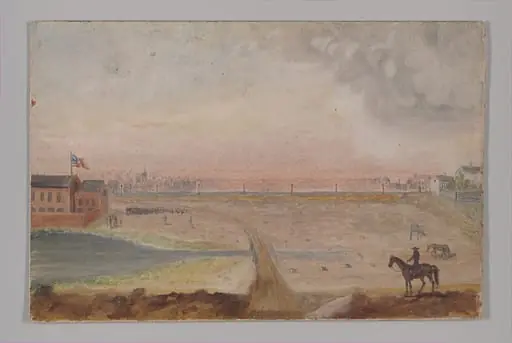 Militia Drilling
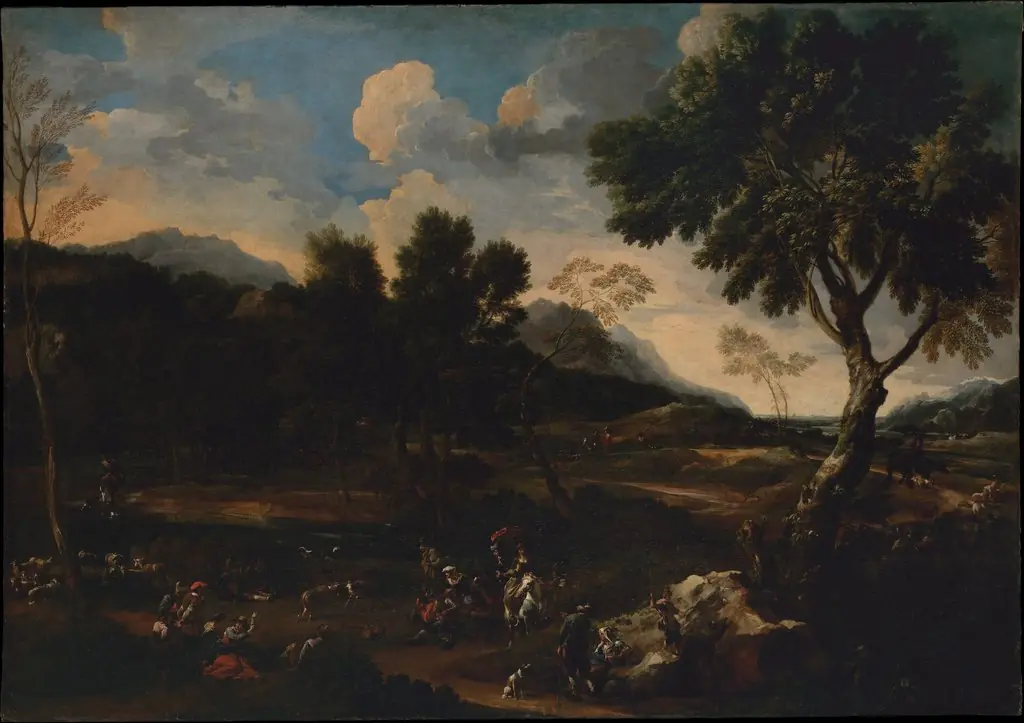 Landscape with a Battle between Two Rams
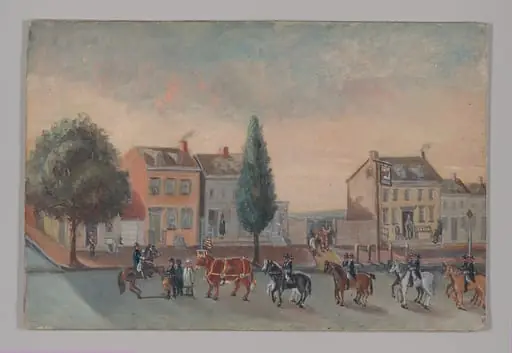 Bull's Head Tavern
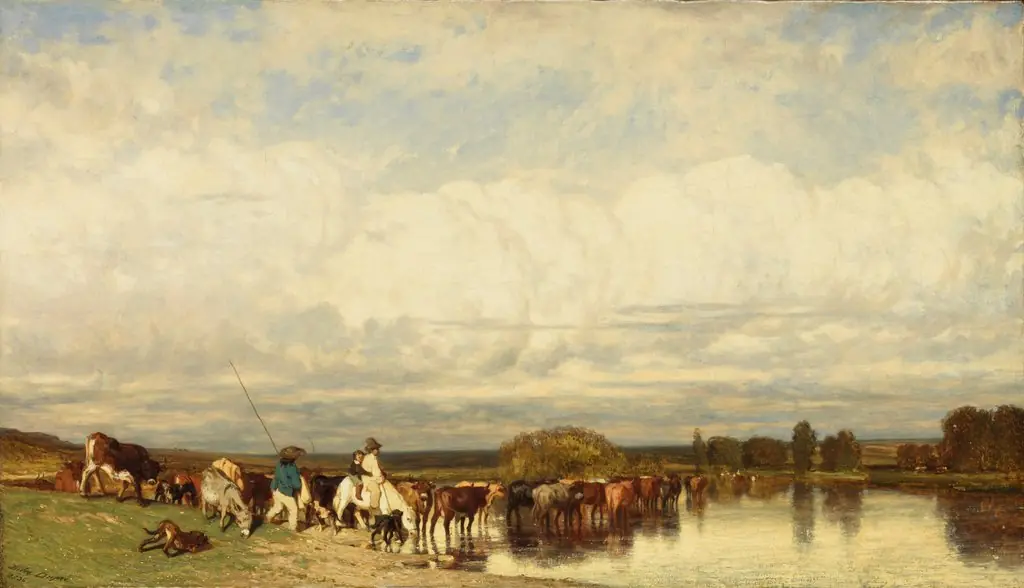 Cows Crossing a Ford
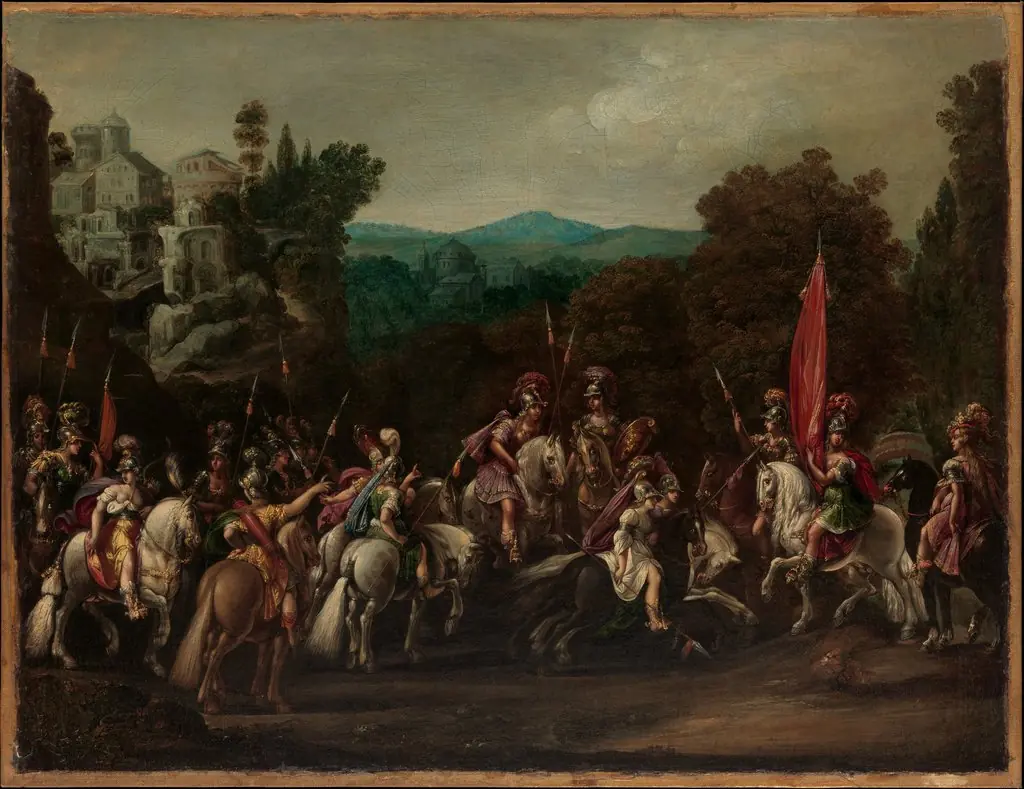 Departure of the Amazons
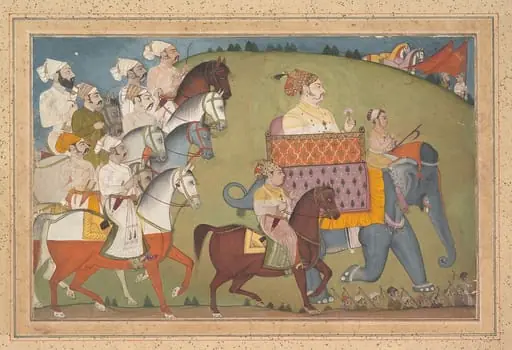 Untitled
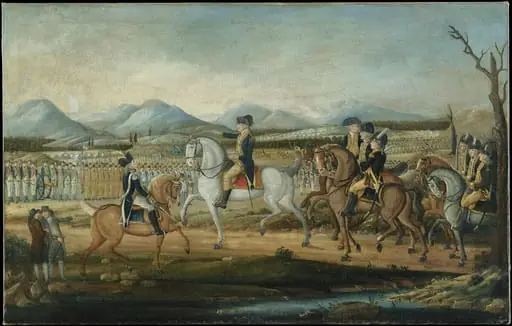 Washington Reviewing the Western Army at Fort Cumberland, Maryland
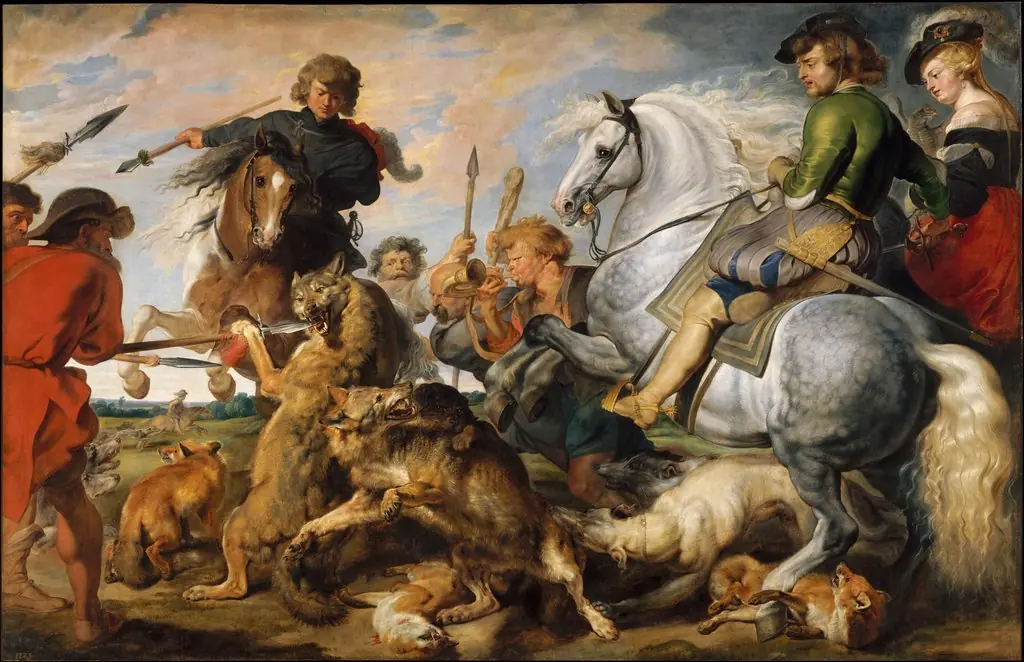 The Wolf and Fox Hunt
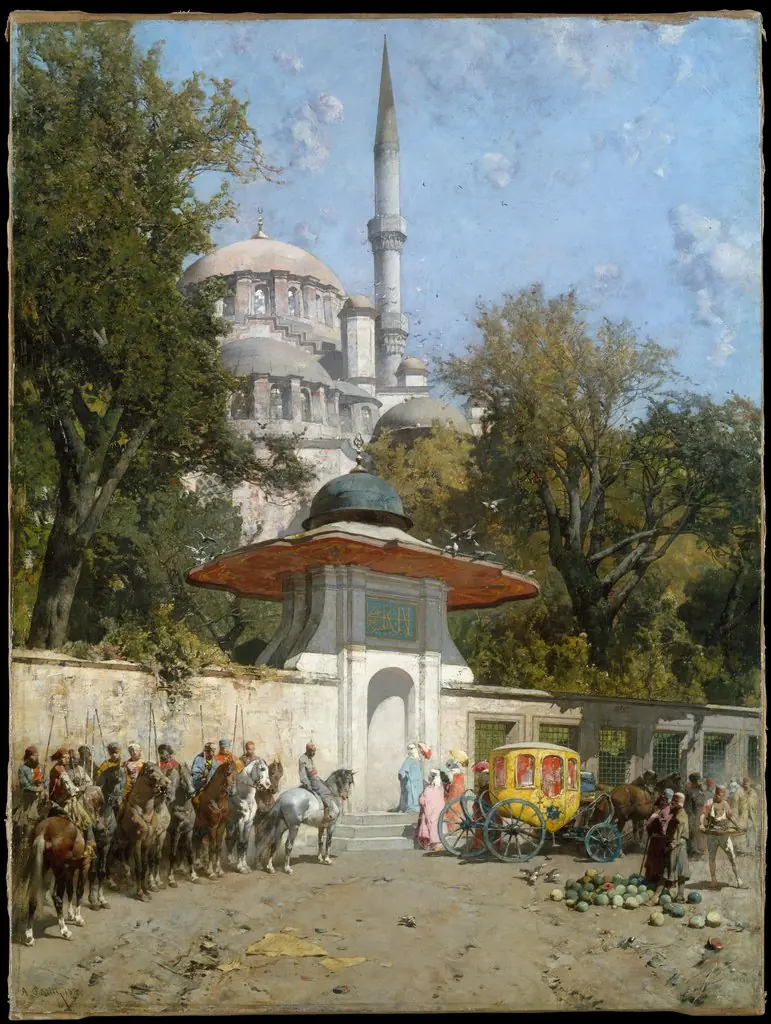 A Mosque
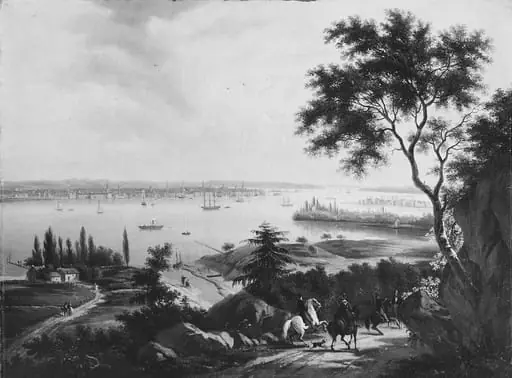 View of New York from New Jersey
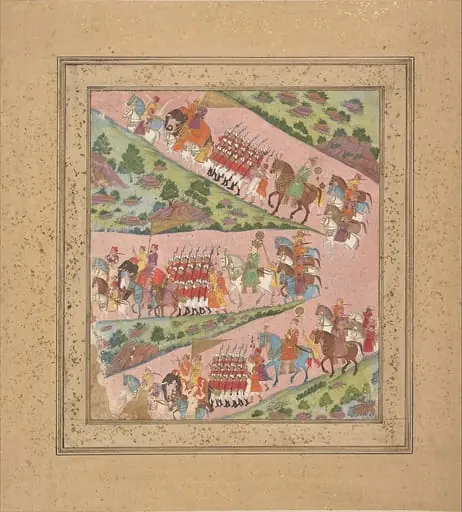 Untitled
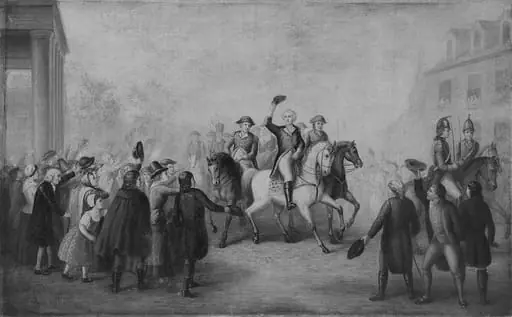 Washington's Triumphal Entry into New York
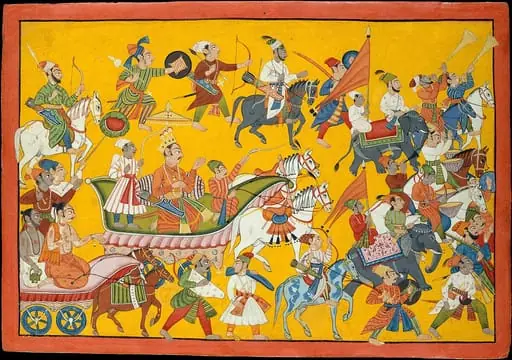 Untitled
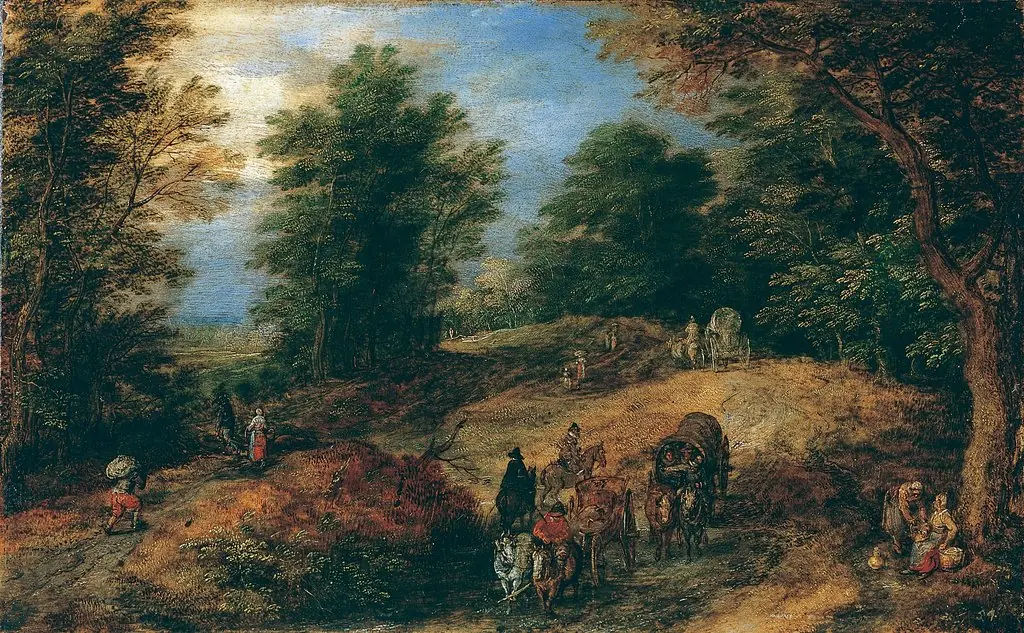 Landscape with Travelers on a Woodland Path
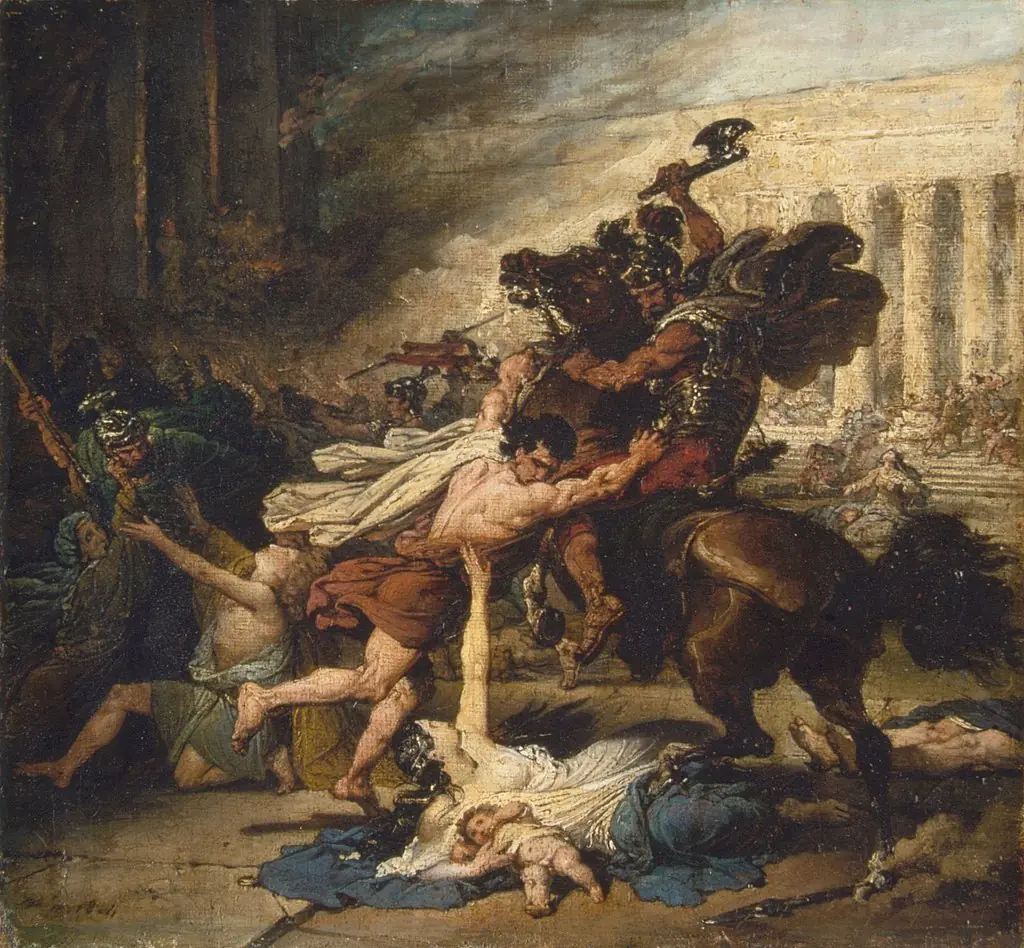 The Sack of Jerusalem by the Romans
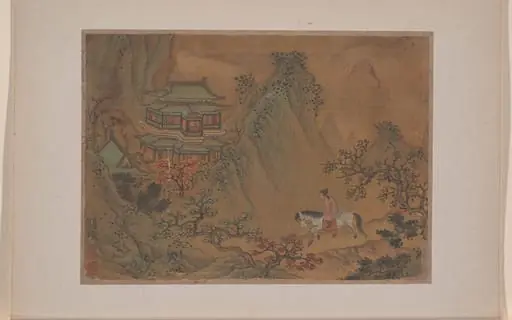 Untitled
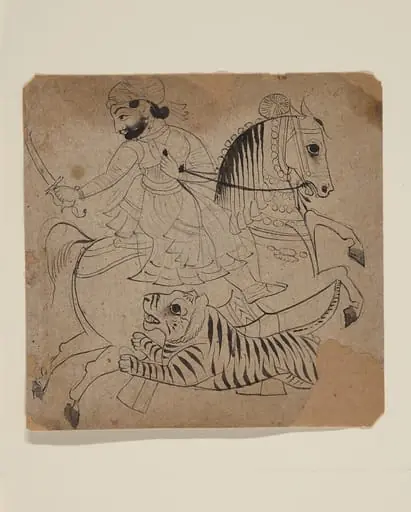 Untitled
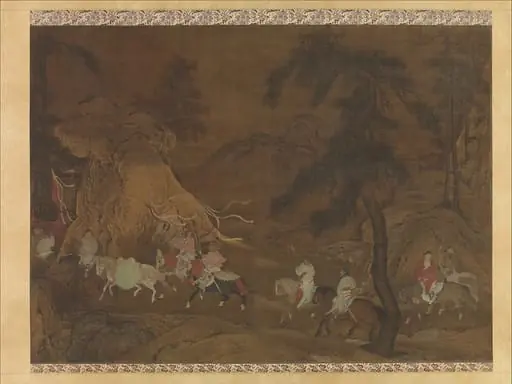 南宋 佚名 明皇幸蜀圖 軸|Emperor Xuanzong's Flight to Shu
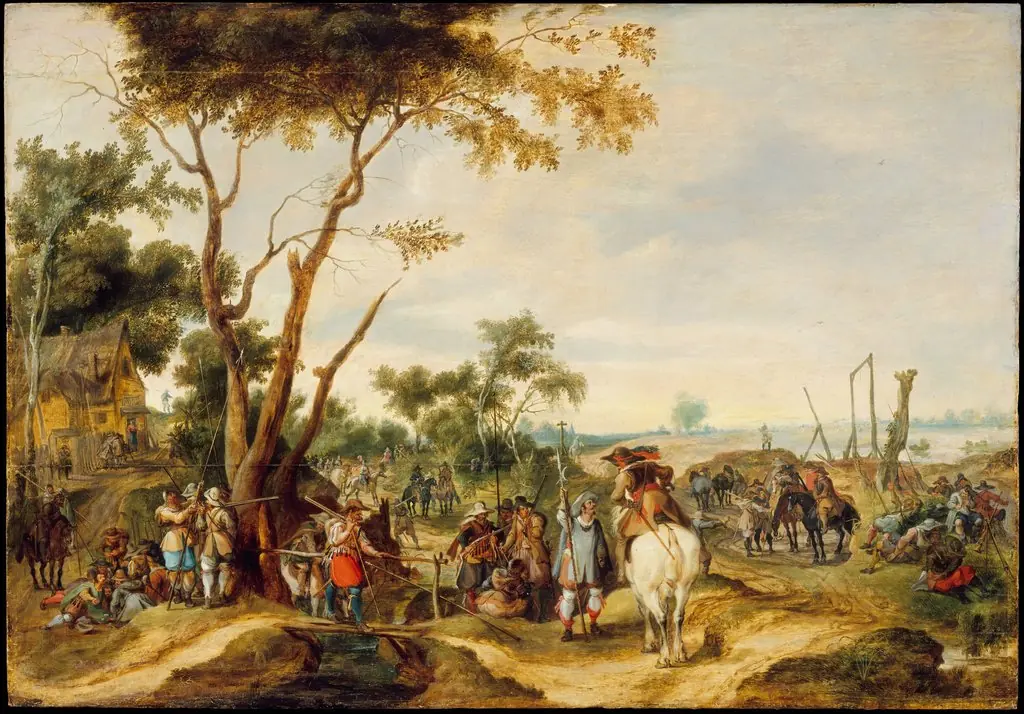 Soldiers Bivouacking
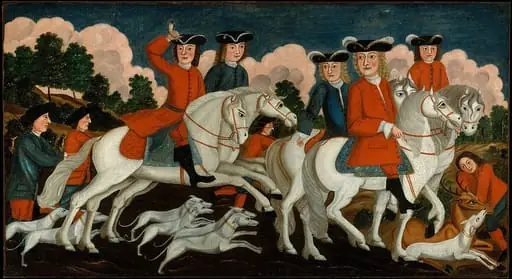 The Hunting Party—New Jersey
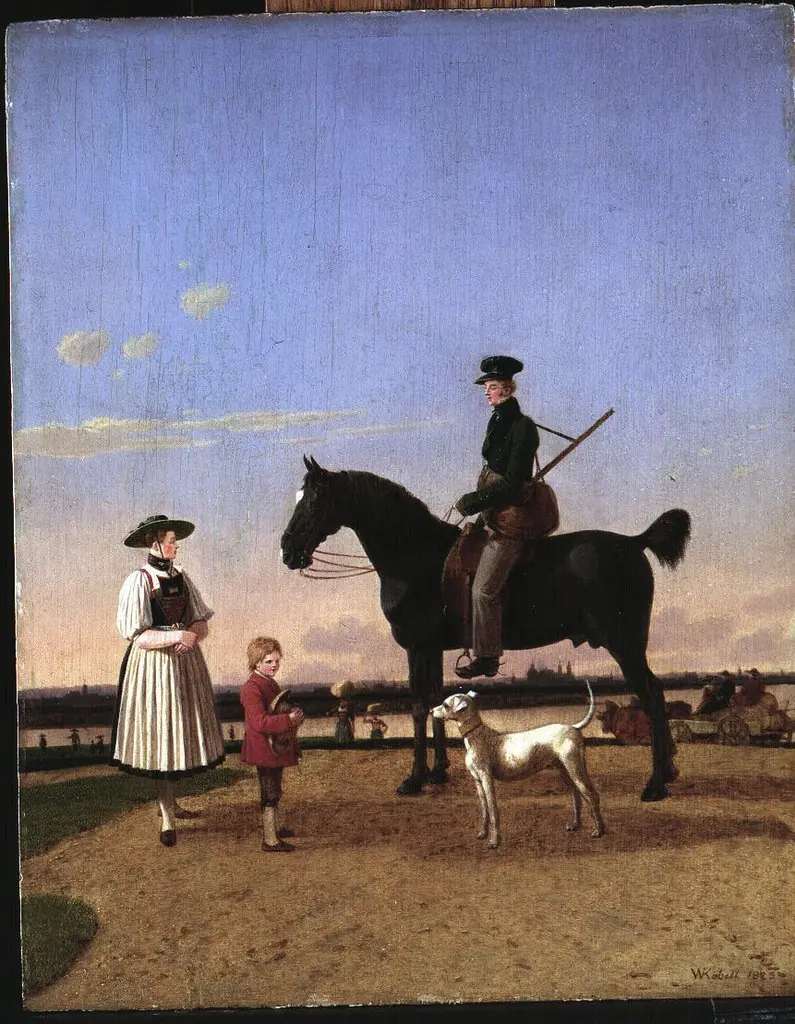 A Huntsman and a Peasant Woman by the Isar River with a View of Munich
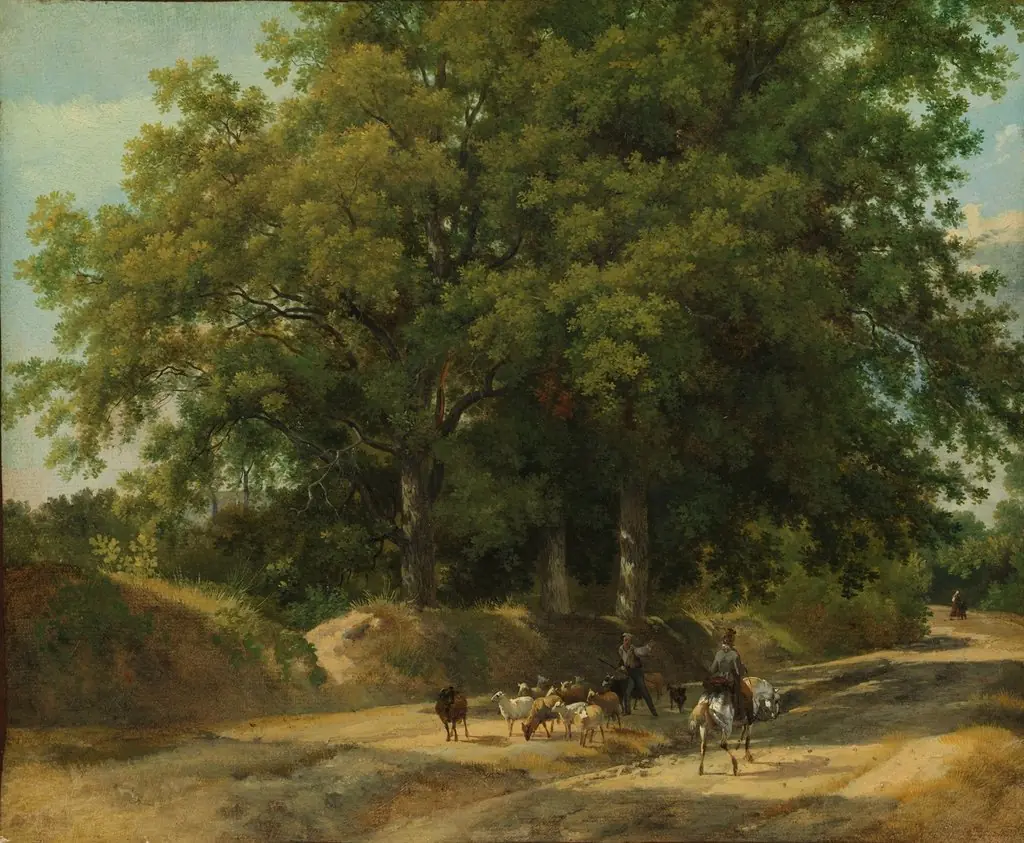 A Shepherd and a Rider on a Country Lane
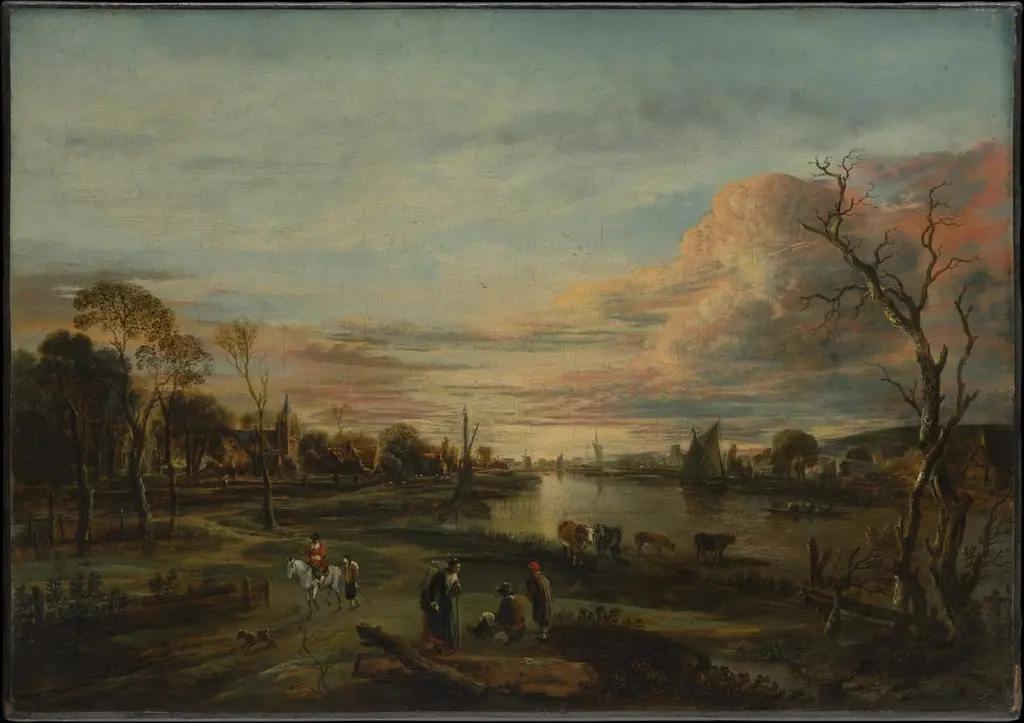 Landscape at Sunset
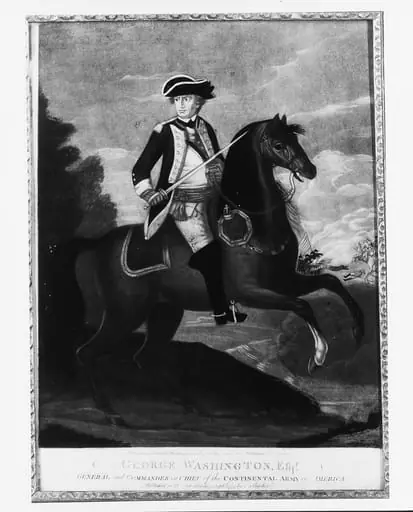 George Washington
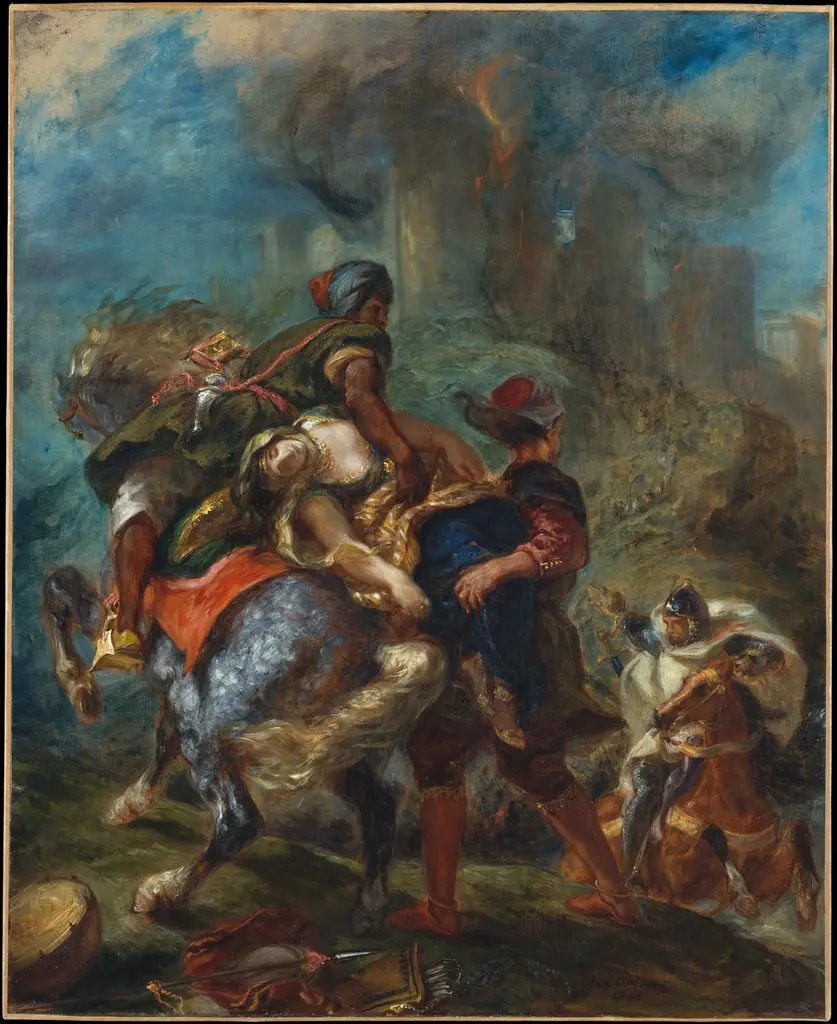 The Abduction of Rebecca
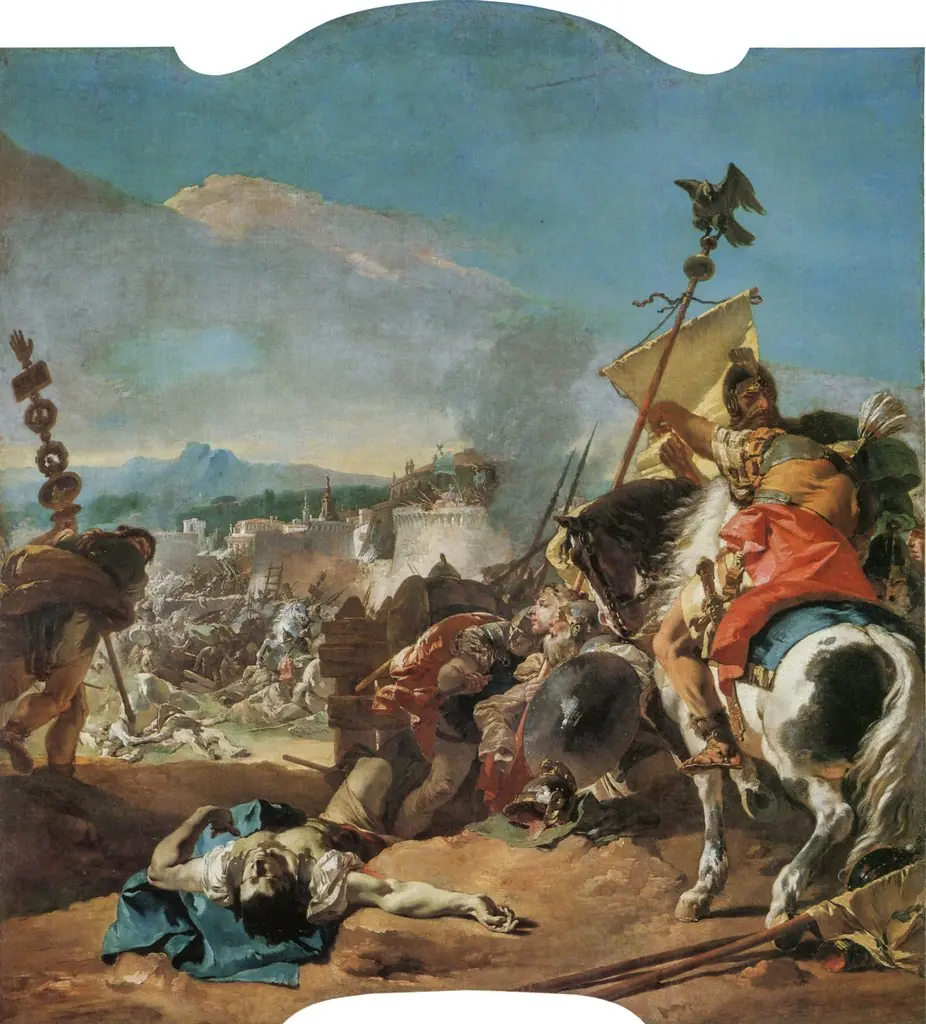 The Capture of Carthage
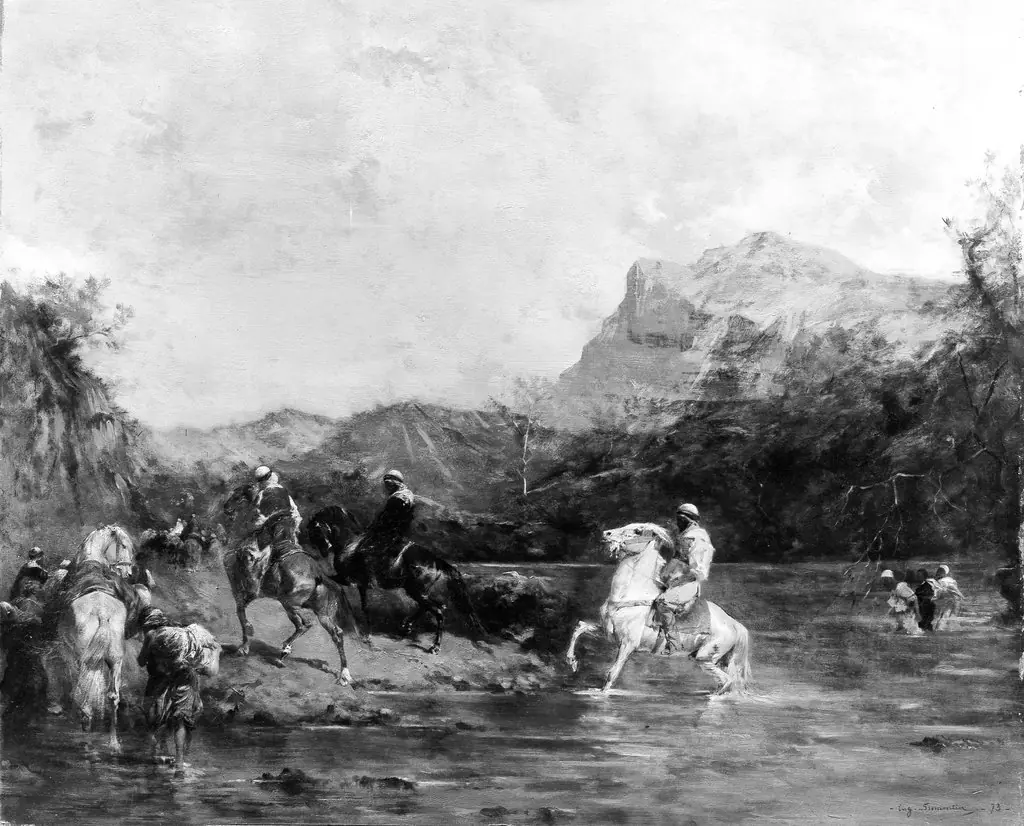 Arabs Crossing a Ford
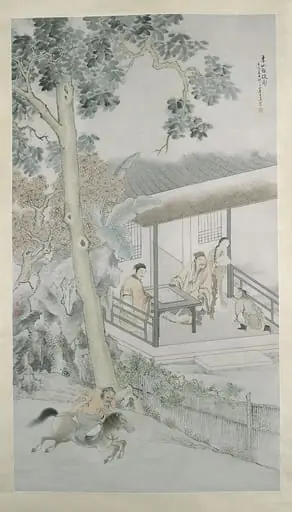 清 王素 東山報捷圖 軸|Bringing the Message of Victory to Dongshan
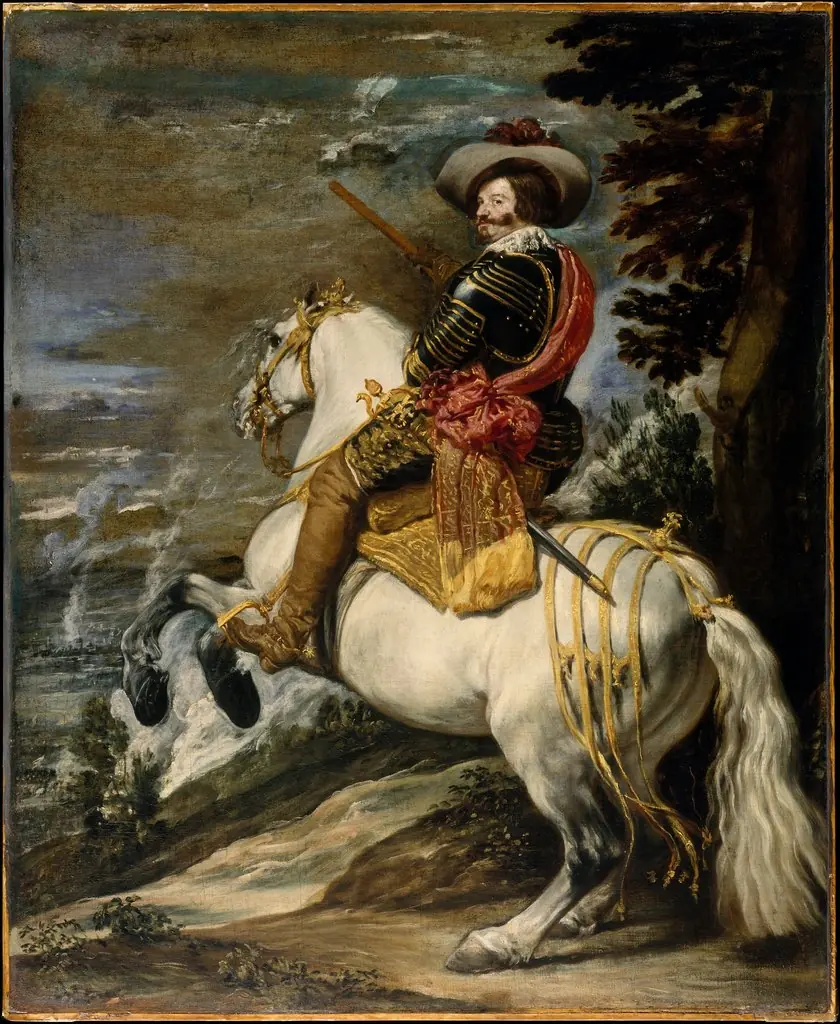 Don Gaspar de Guzmán (1587–1645), Count-Duke of Olivares
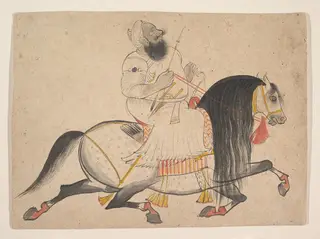 Untitled
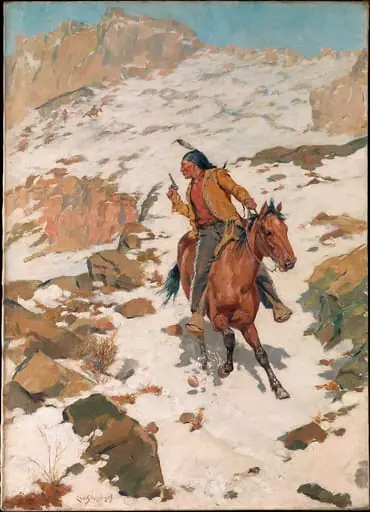 In Hot Pursuit
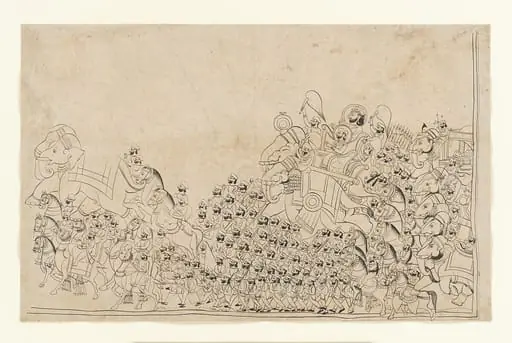 Untitled
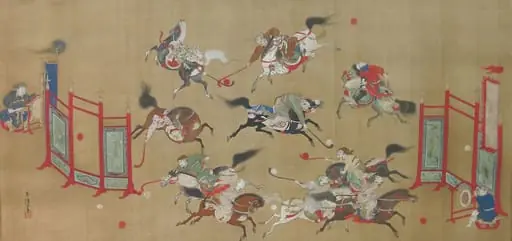 Untitled
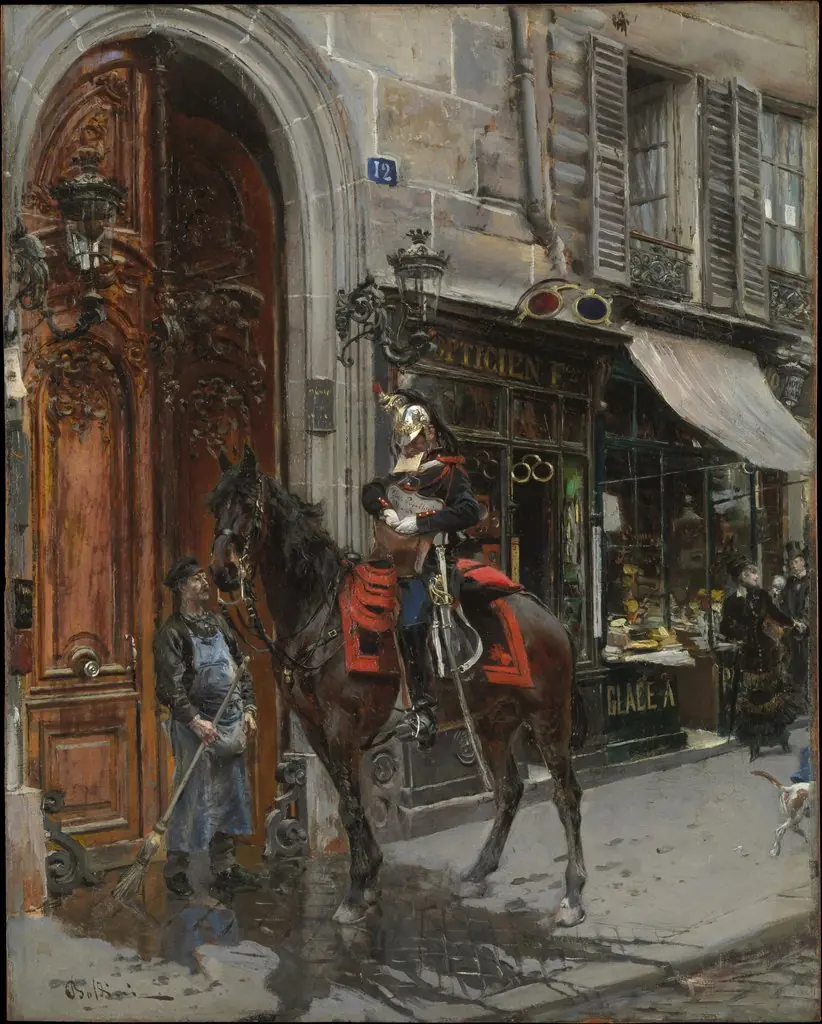 The Dispatch-Bearer
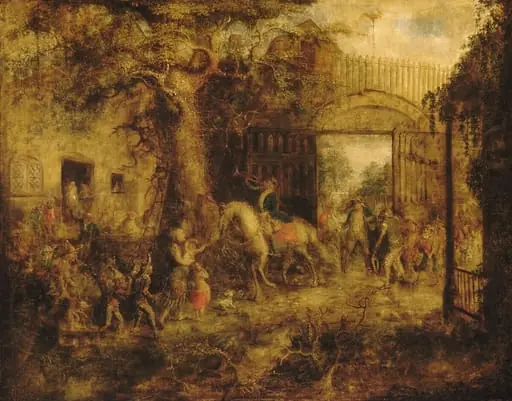 The Vigilant Stuyvesant's Wall Street Gate
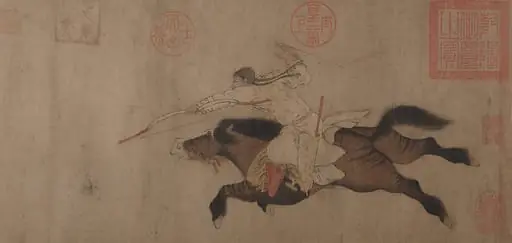 北宋/金 傳黃宗道 舊傳李贊華 獵鹿圖 卷|Stag Hunt
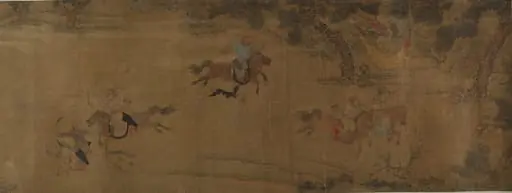 Untitled
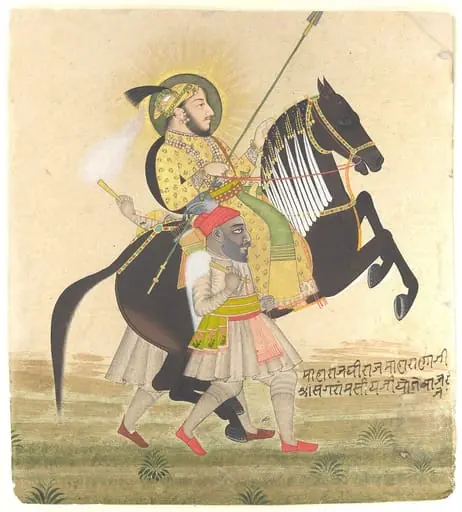 Untitled
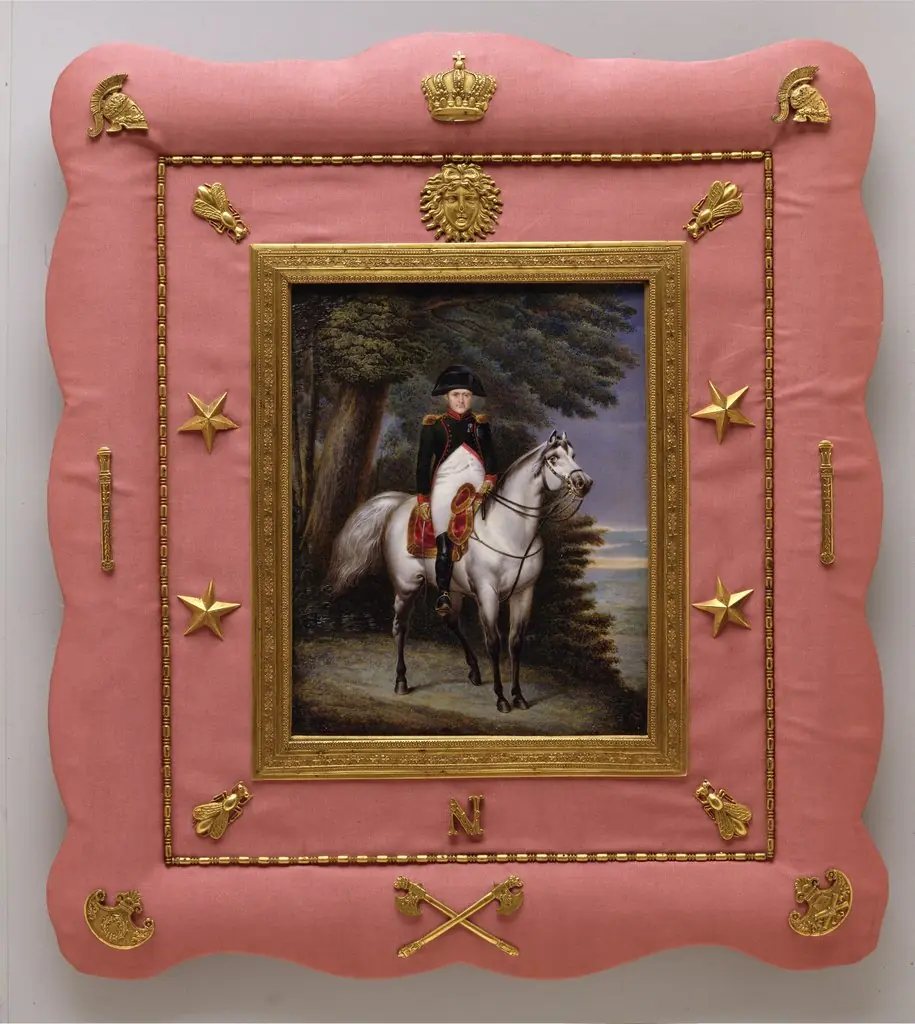 Napoléon I (1769–1821) on Horseback
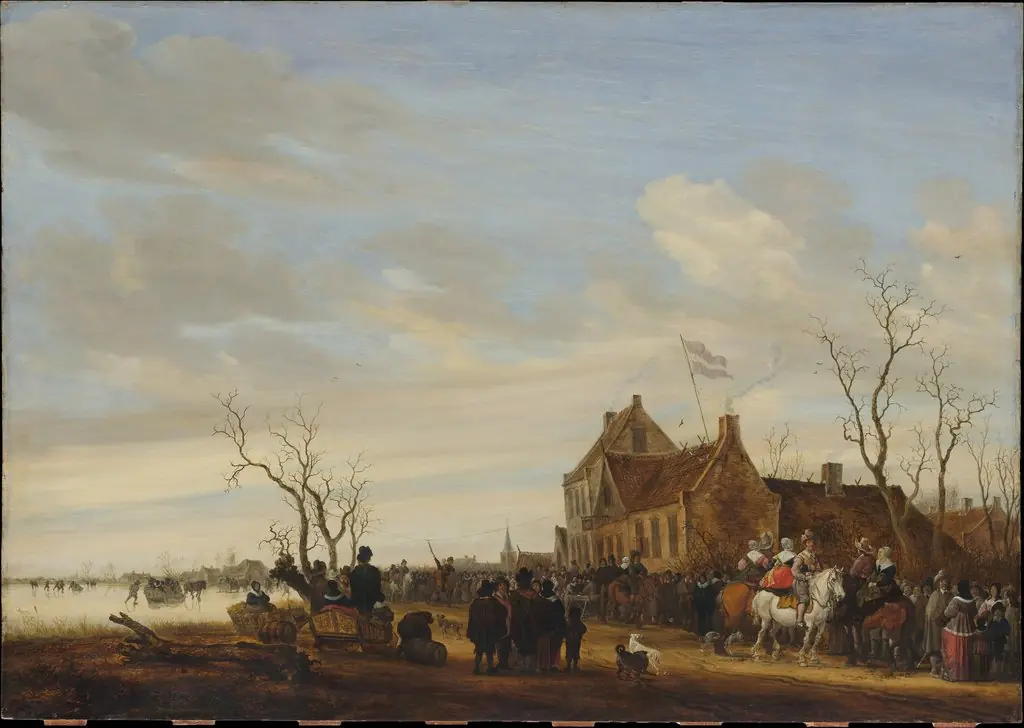 Drawing the Eel
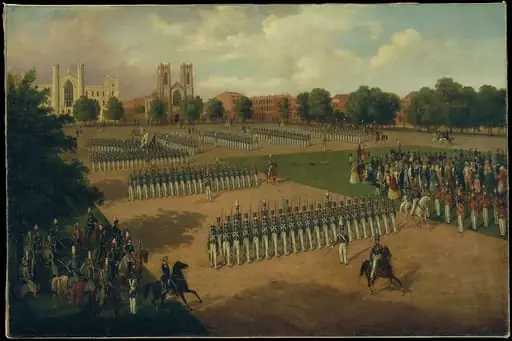 Seventh Regiment on Review, Washington Square, New York
 Untitled
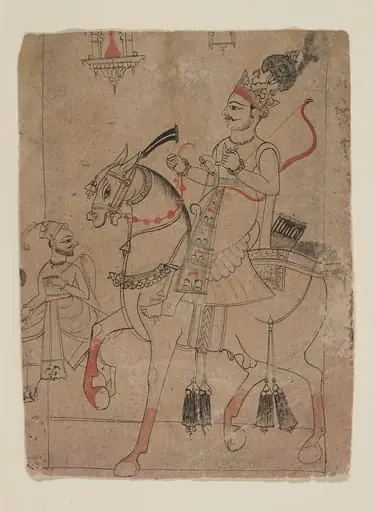 Untitled
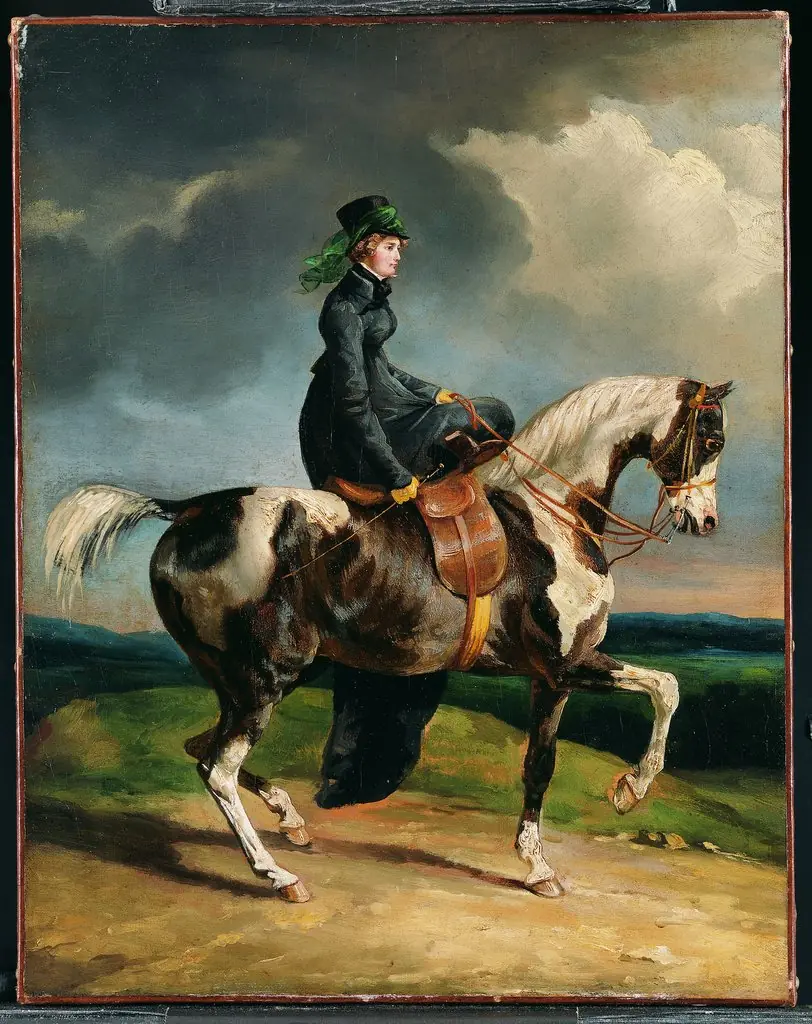 Horsewoman
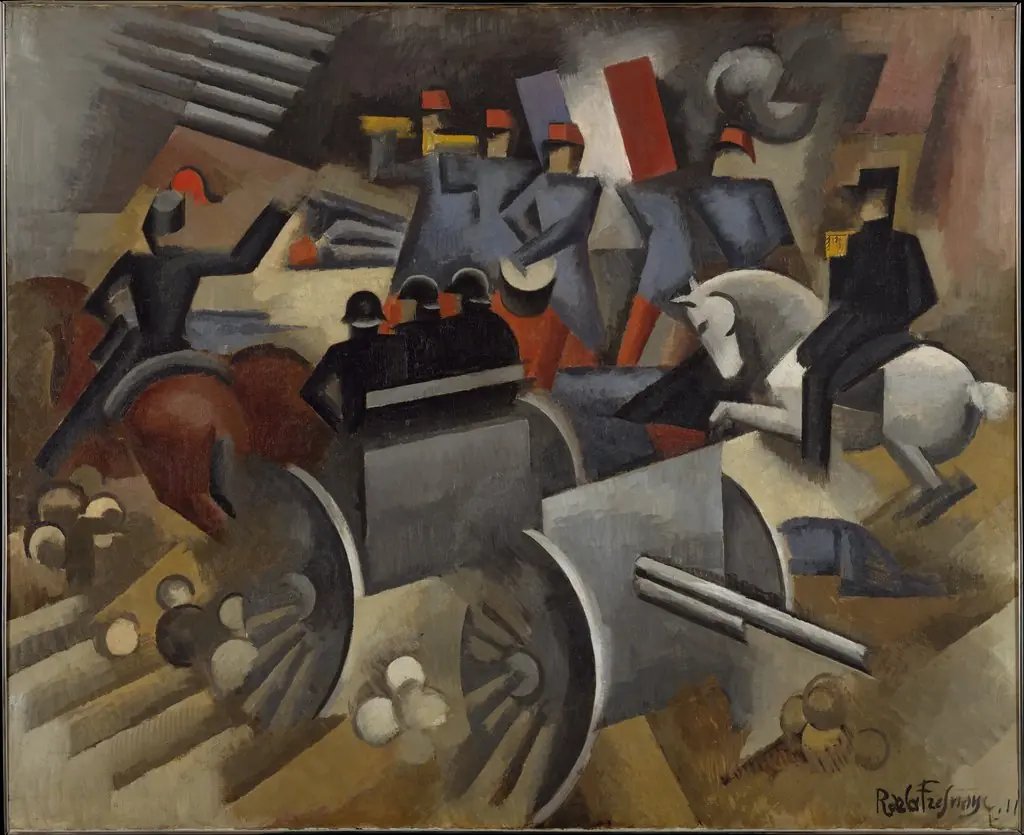 Artillery
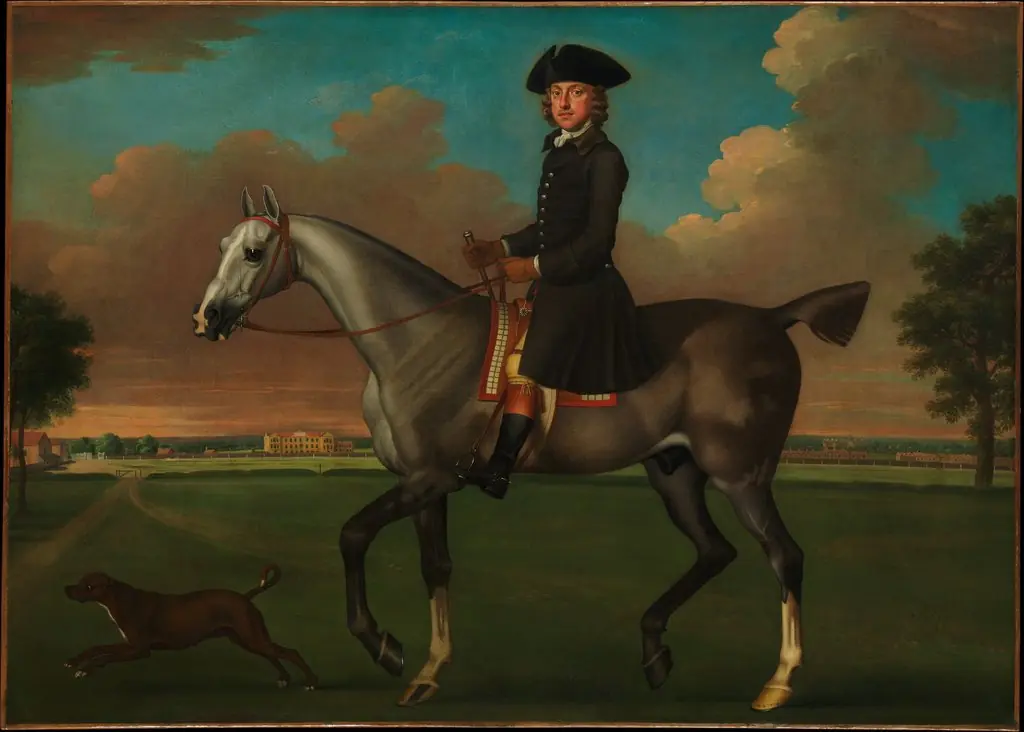 Portrait of a Horseman
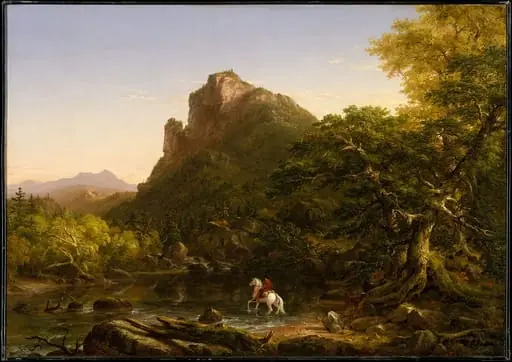 The Mountain Ford
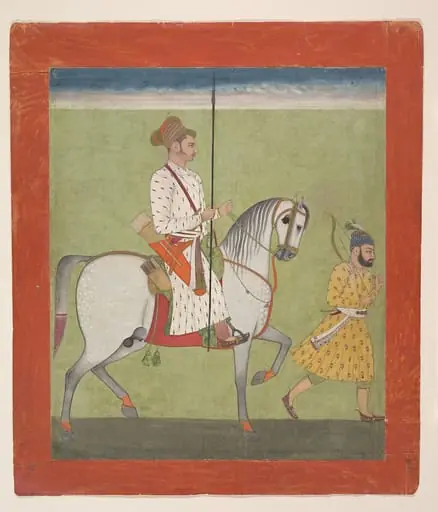 Untitled
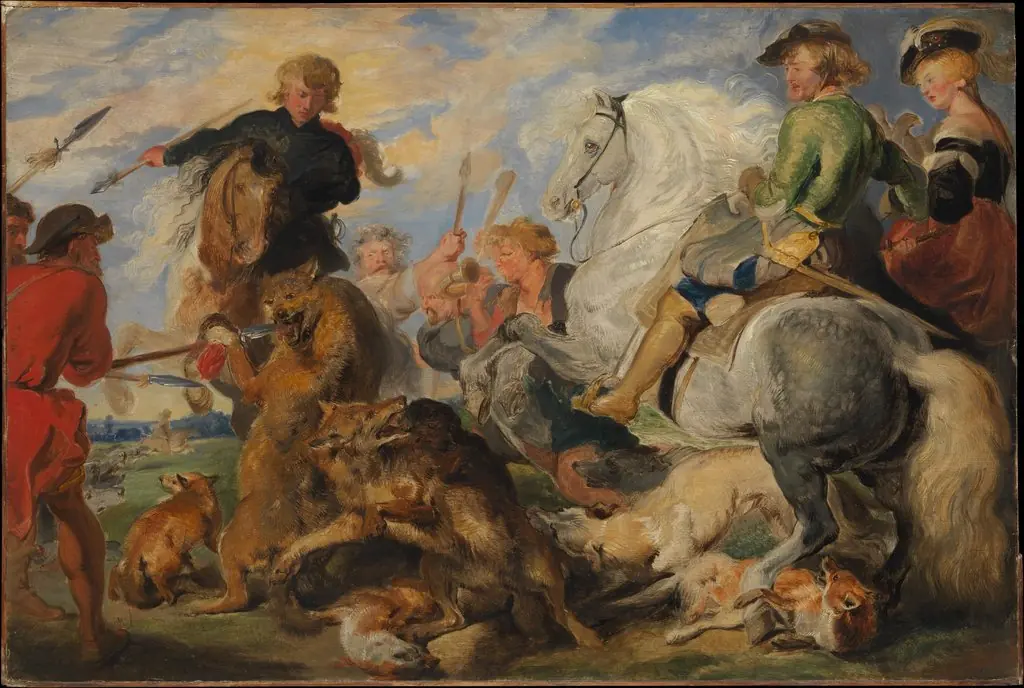 Copy after Rubens's "Wolf and Fox Hunt"
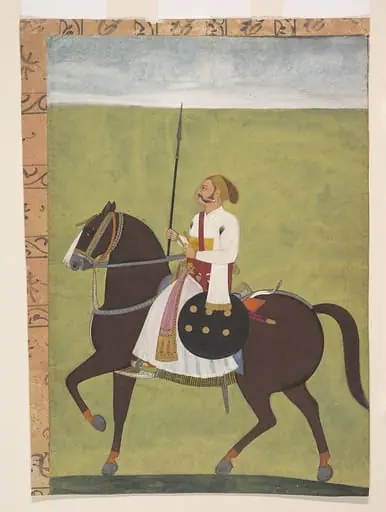 Untitled
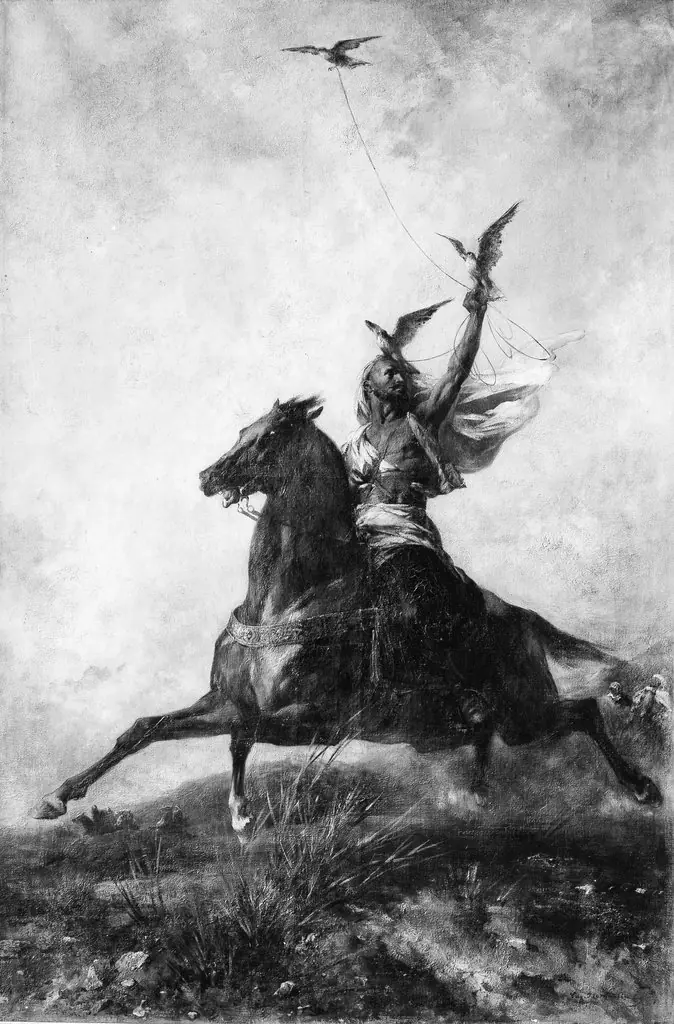 The Arab Falconer
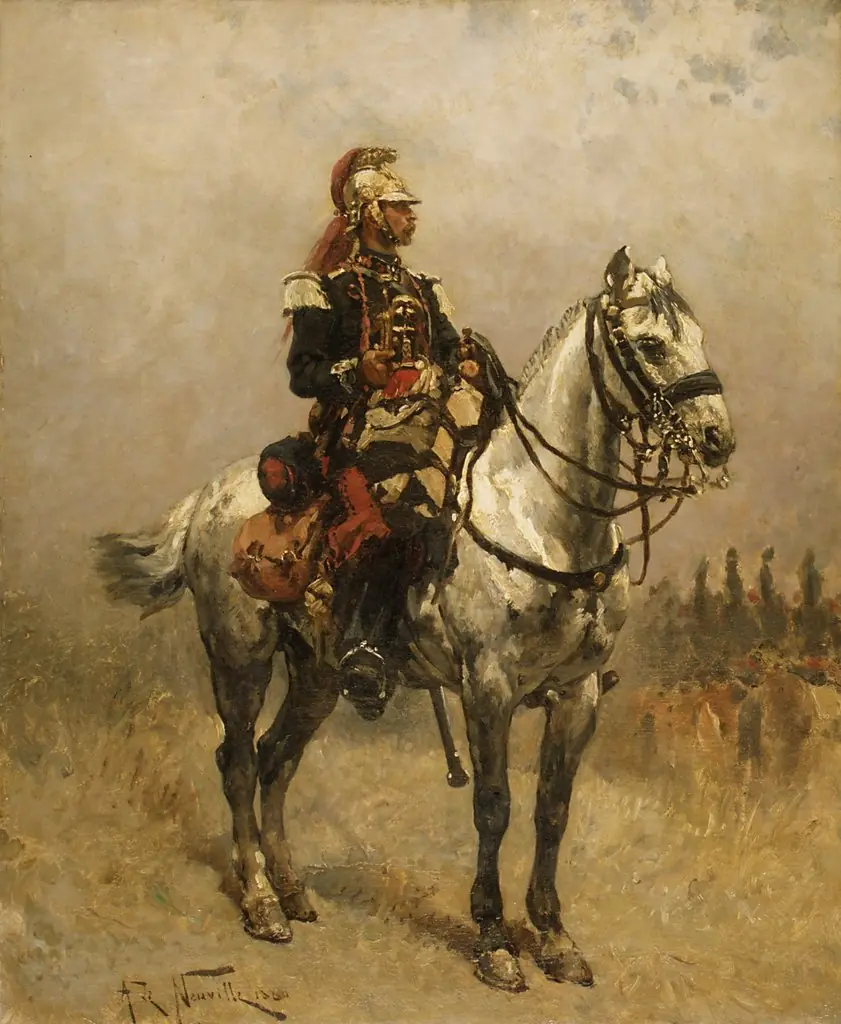 A Cavalryman
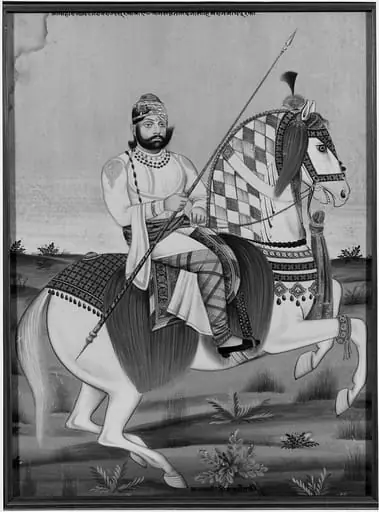 Untitled
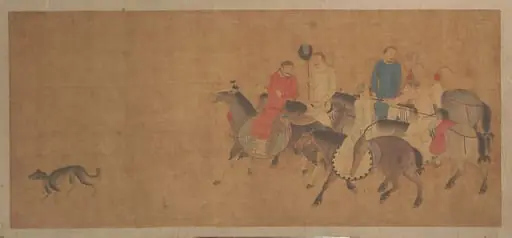 Untitled
 Don Quixote and the Dead Mule
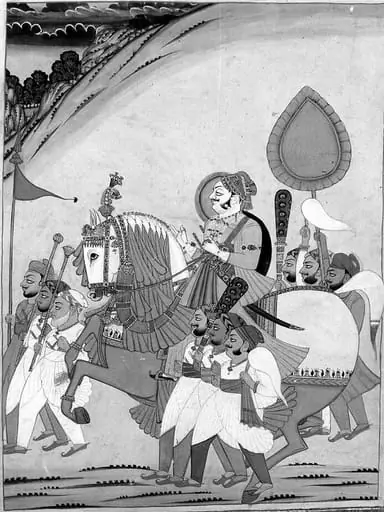 Untitled
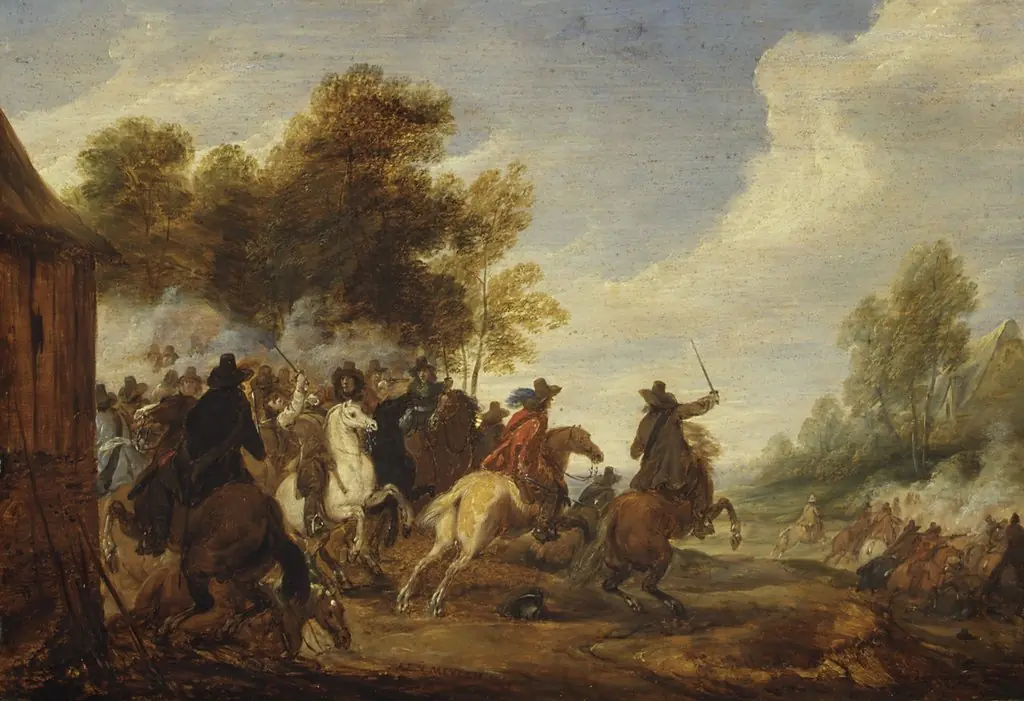 A Cavalry Engagement
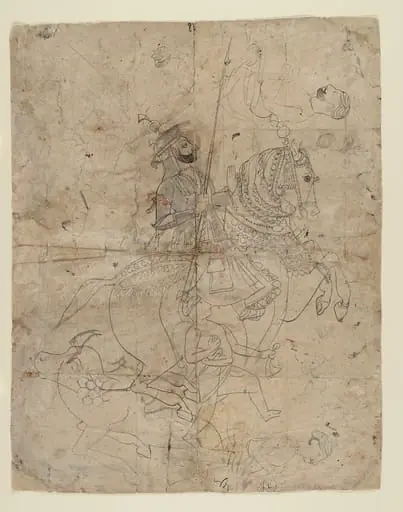 Untitled
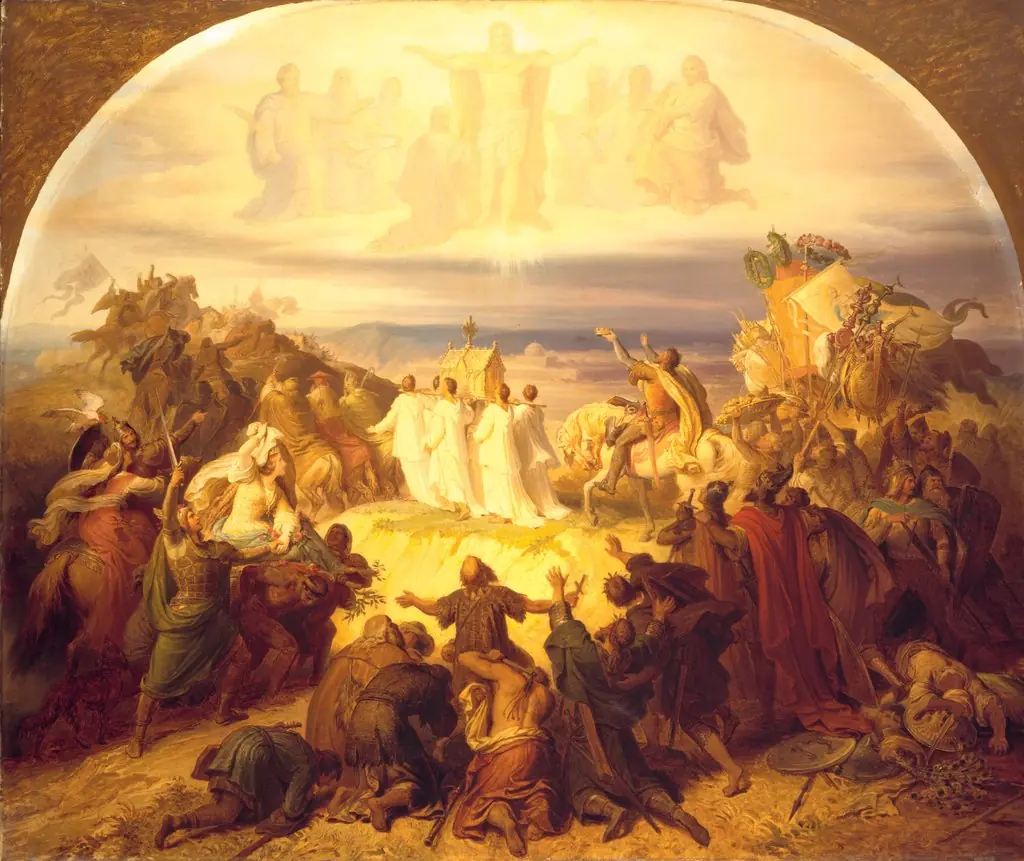 Crusaders before Jerusalem
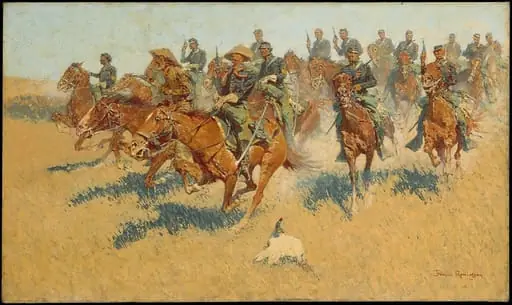 On the Southern Plains
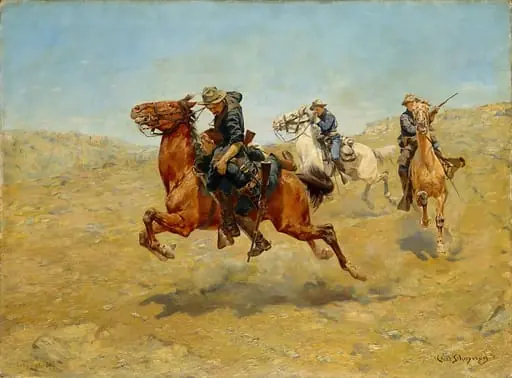 My Bunkie
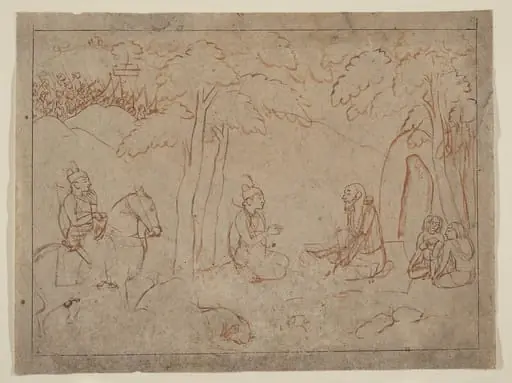 Untitled
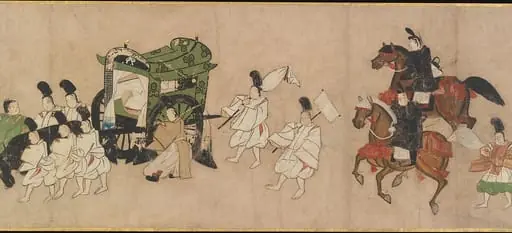 源氏物語絵巻 「澪標」|“Channel Markers” (Miotsukushi)
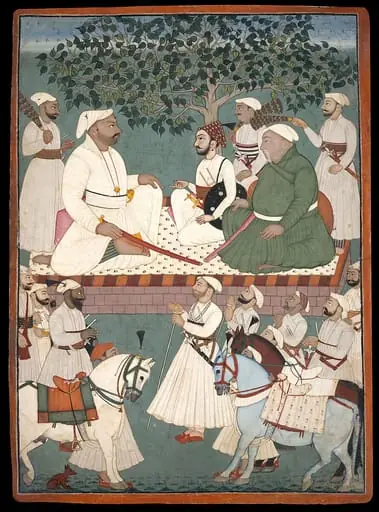 Untitled
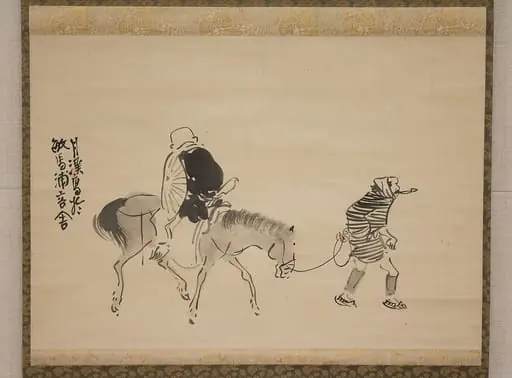 蓮生法師図|Monk Renshō Riding His Horse Backwards
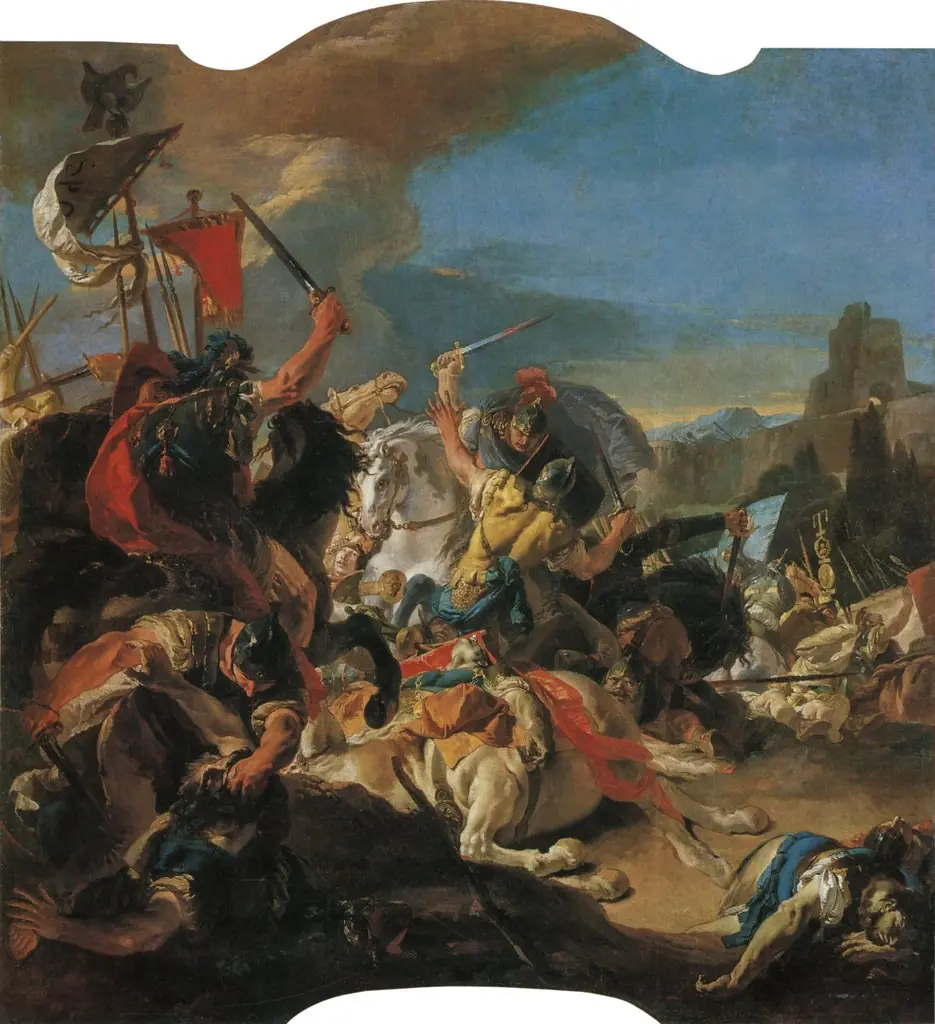 The Battle of Vercellae
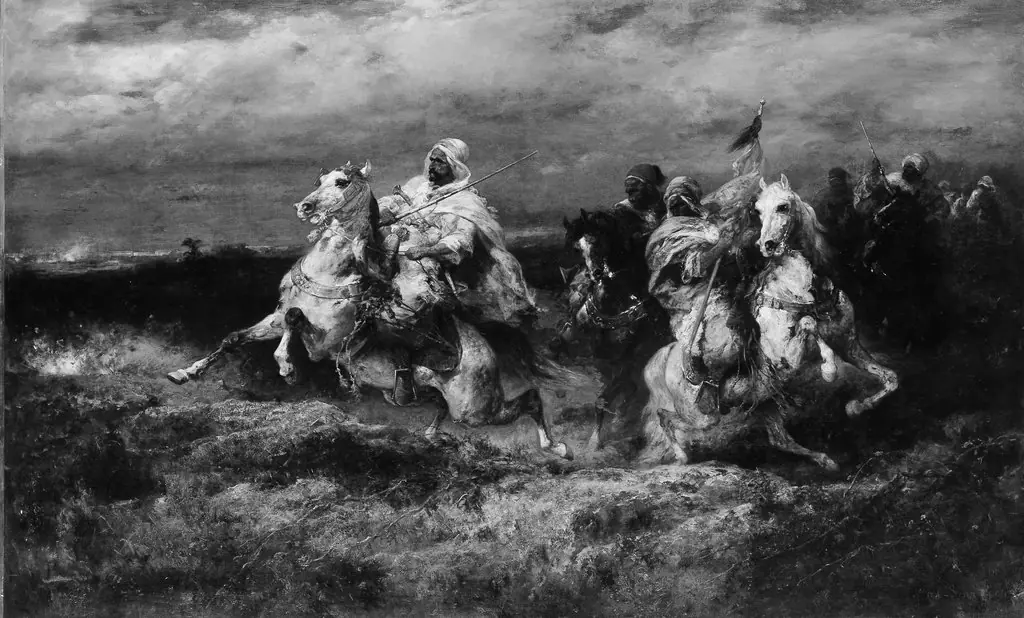 Battle Scene: Arabs Making a Detour
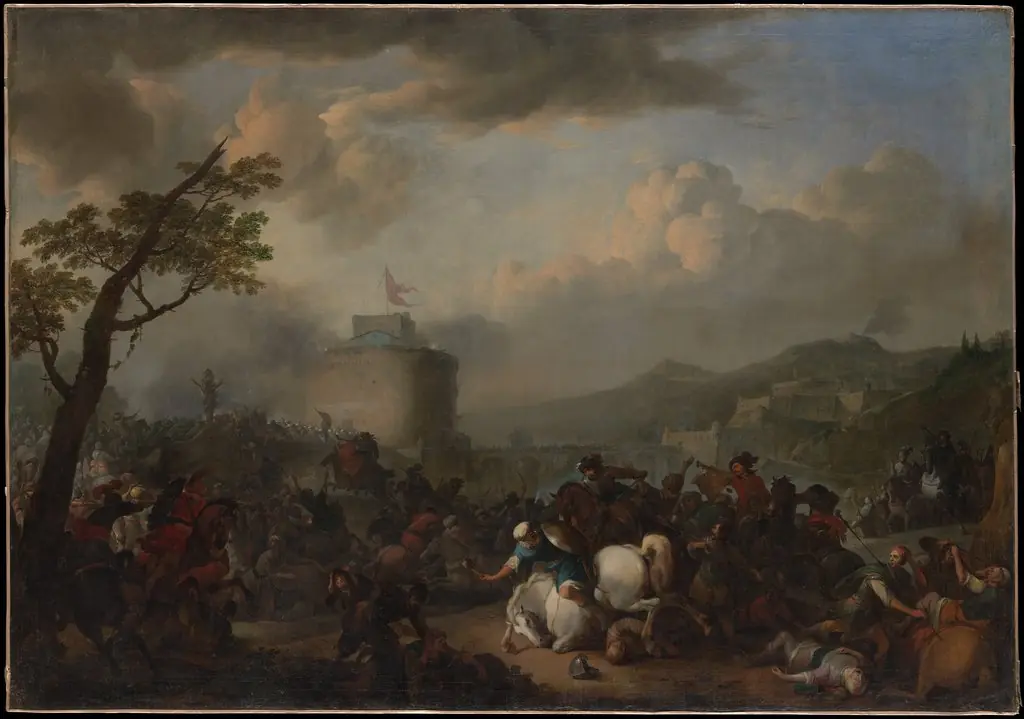 Battle Scene
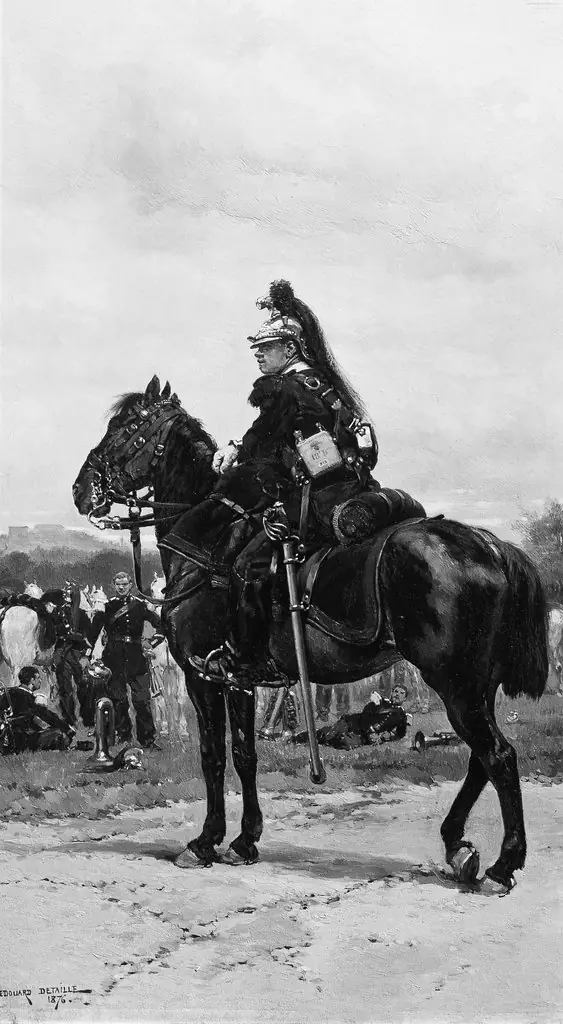 A Dragoon on Horseback
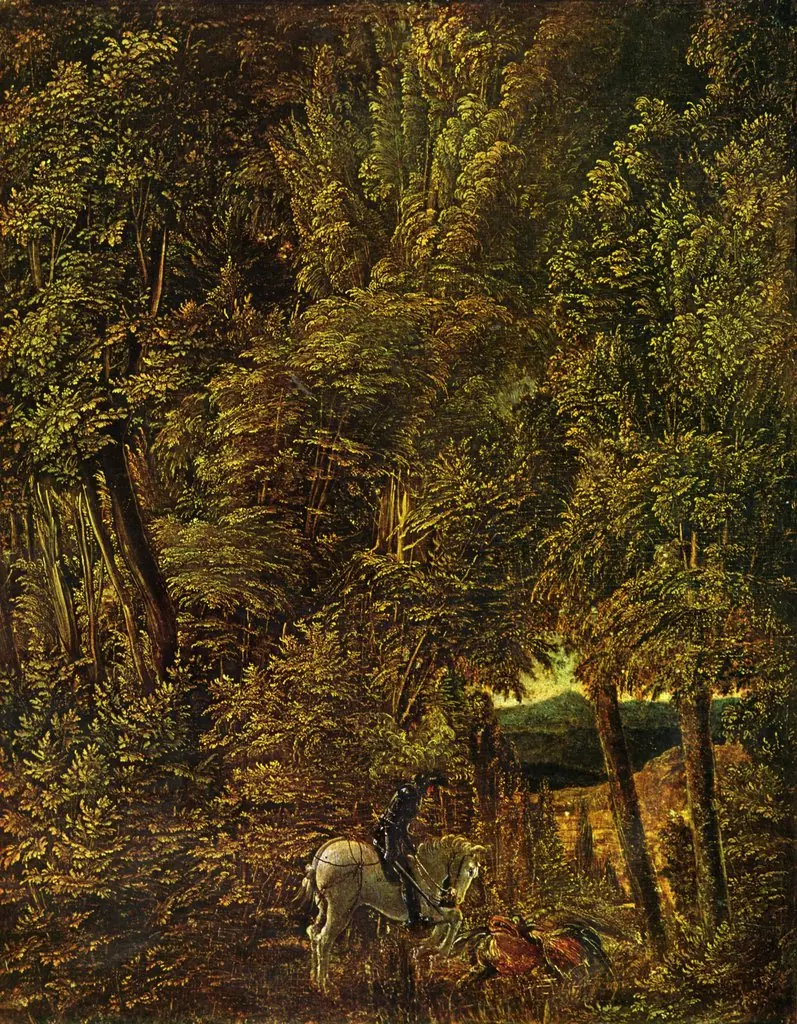 Countryside of Wood With Saint George Fighting the Dragon
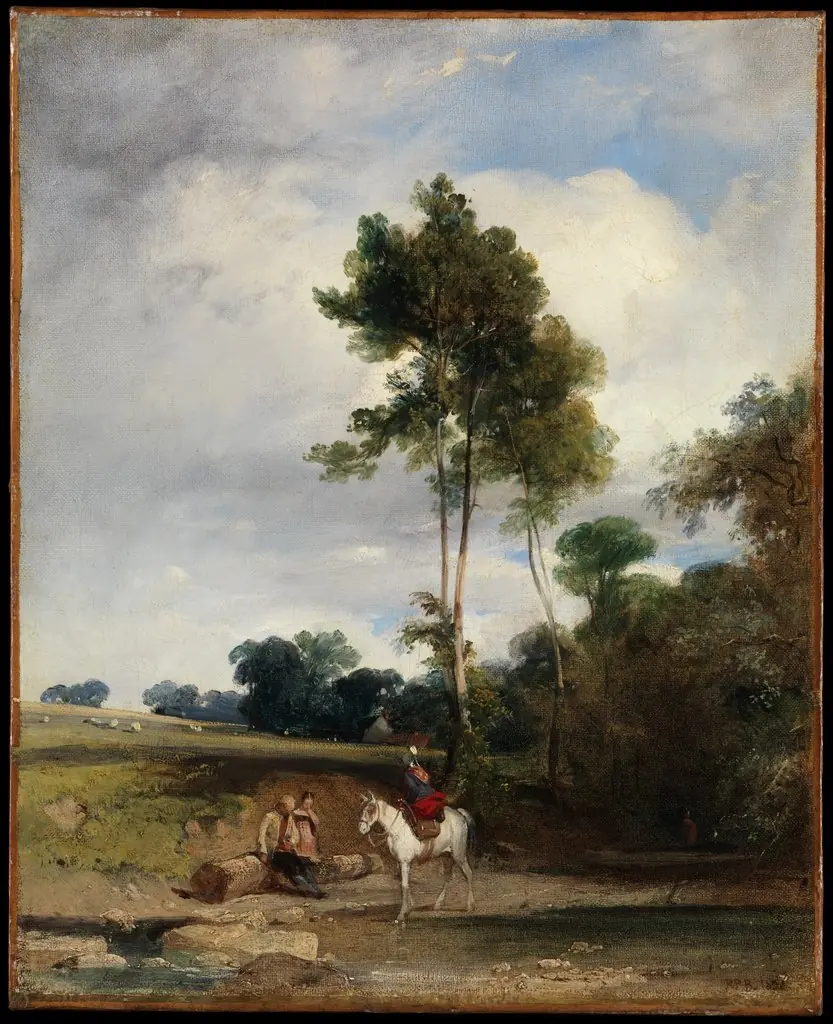 Roadside Halt
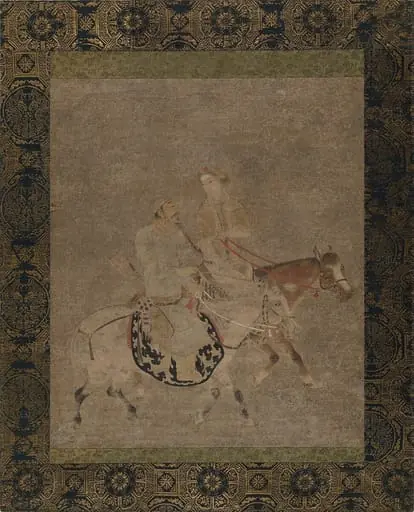 Untitled
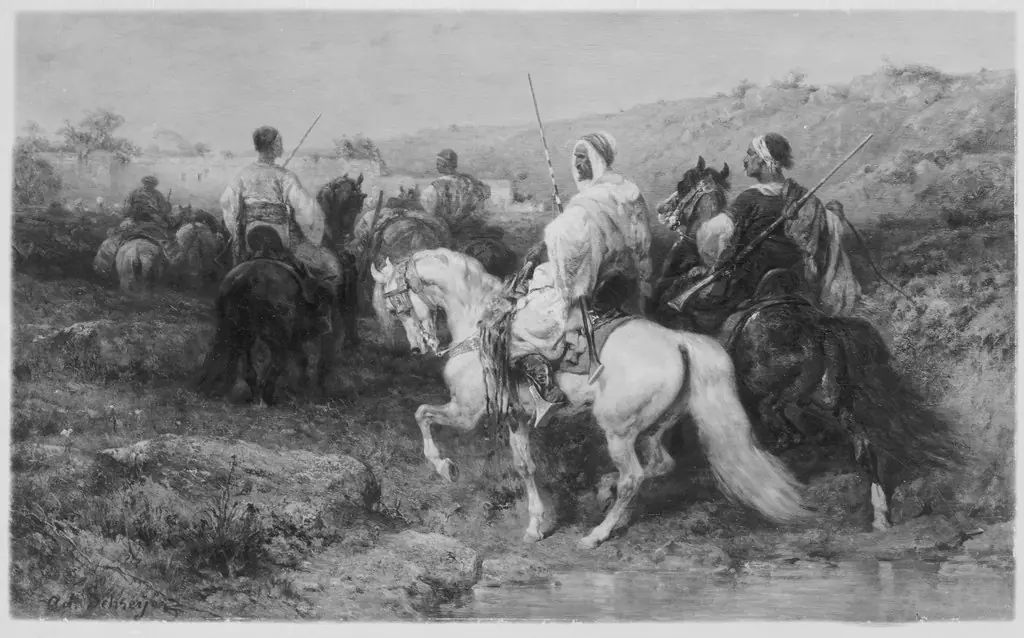 Arabs on the March
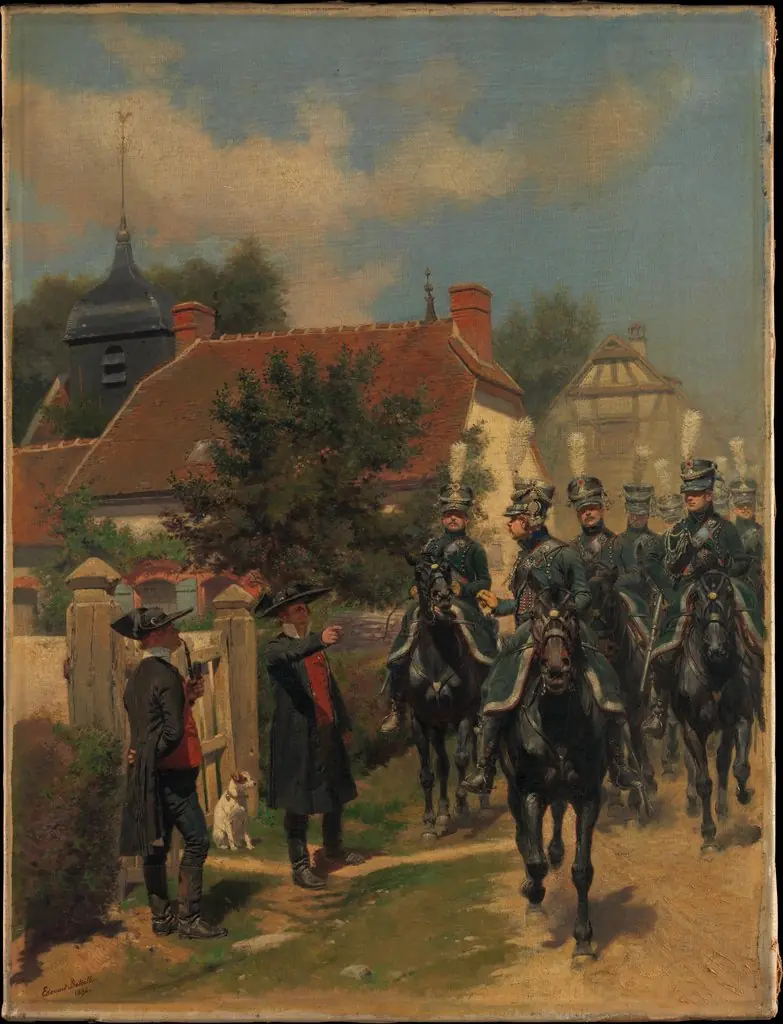 Gendarmes d'Ordonnance
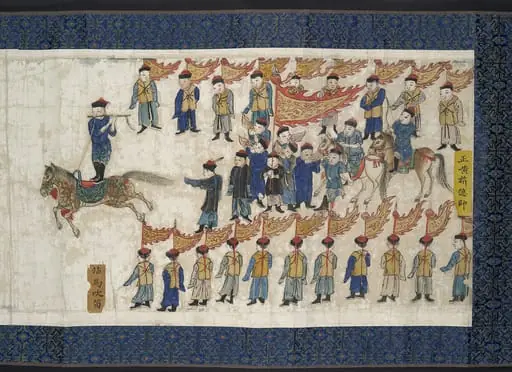 清 那爾敦布 順治皇帝進京之隊伍賽馬全圖 卷|Horsemanship Competition for the Shunzhi Emperor
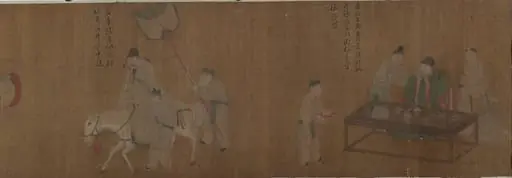 Untitled
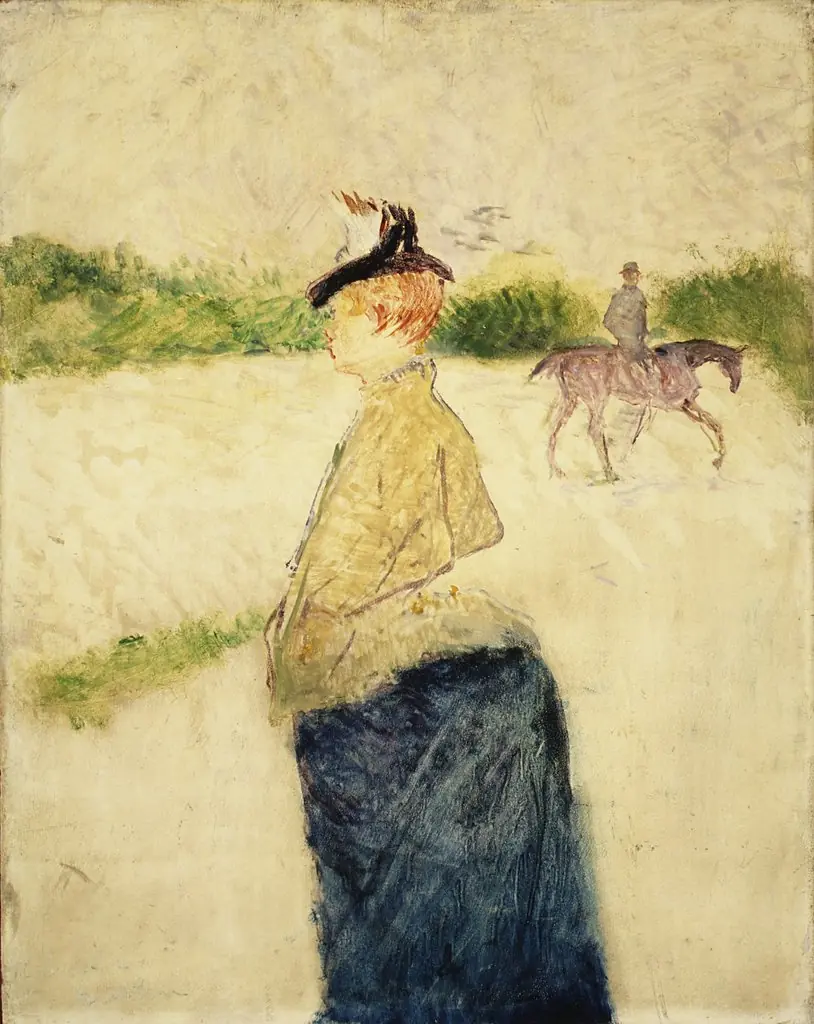 Émilie
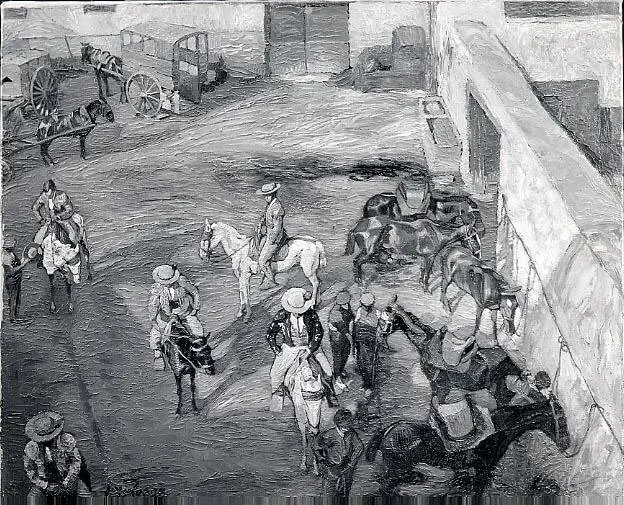 Victims of the Fiesta
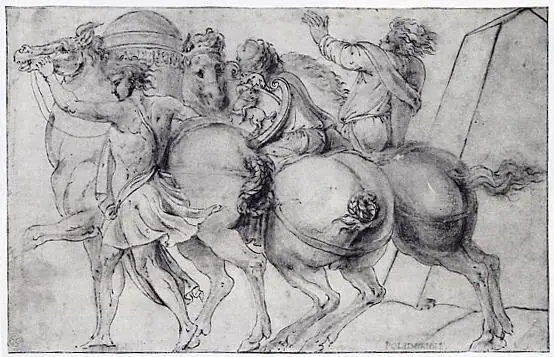 Frieze with Three Horsemen
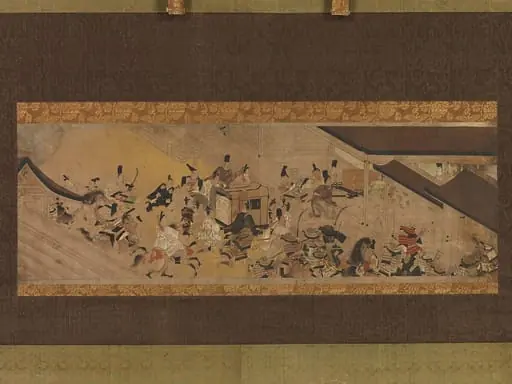 「六波羅行幸」 平治物語絵巻 断簡|Scene from “Imperial Visit to Rokuhara,” from The Tale of the Heiji Rebellion (Heiji monogatari)
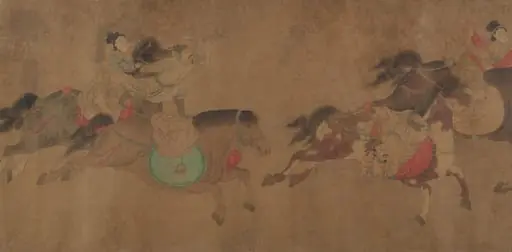 清 佚名 趙雍(僞款) 馬術圖 卷|Horsemanship demonstration
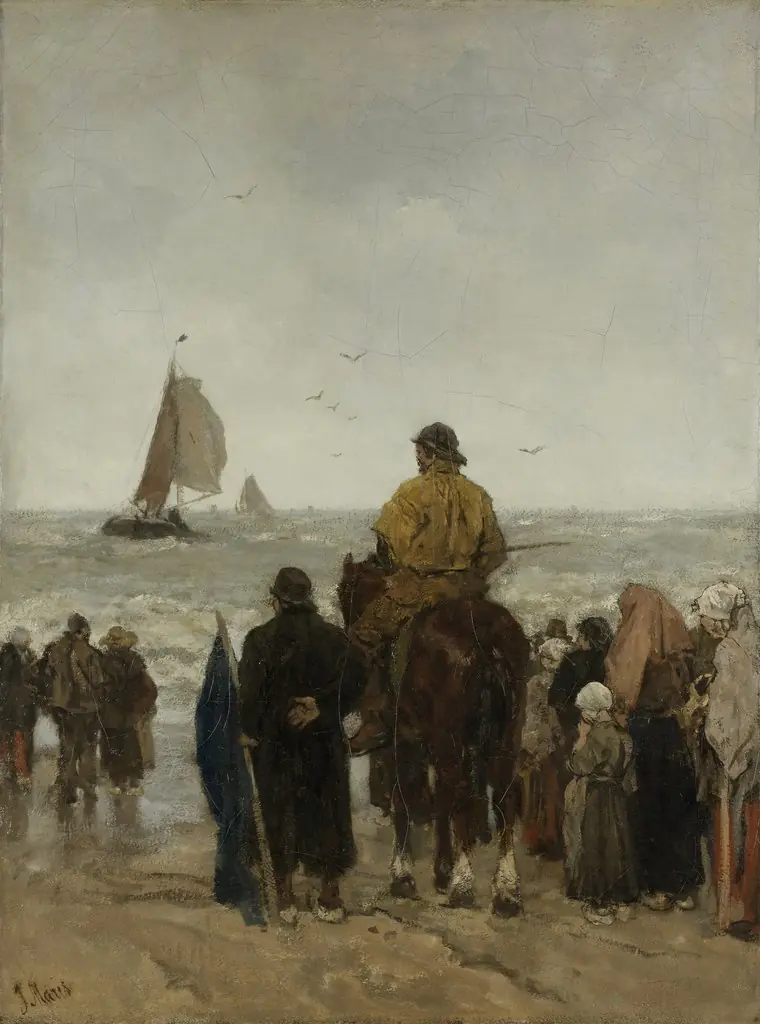 Arrival of the Boats
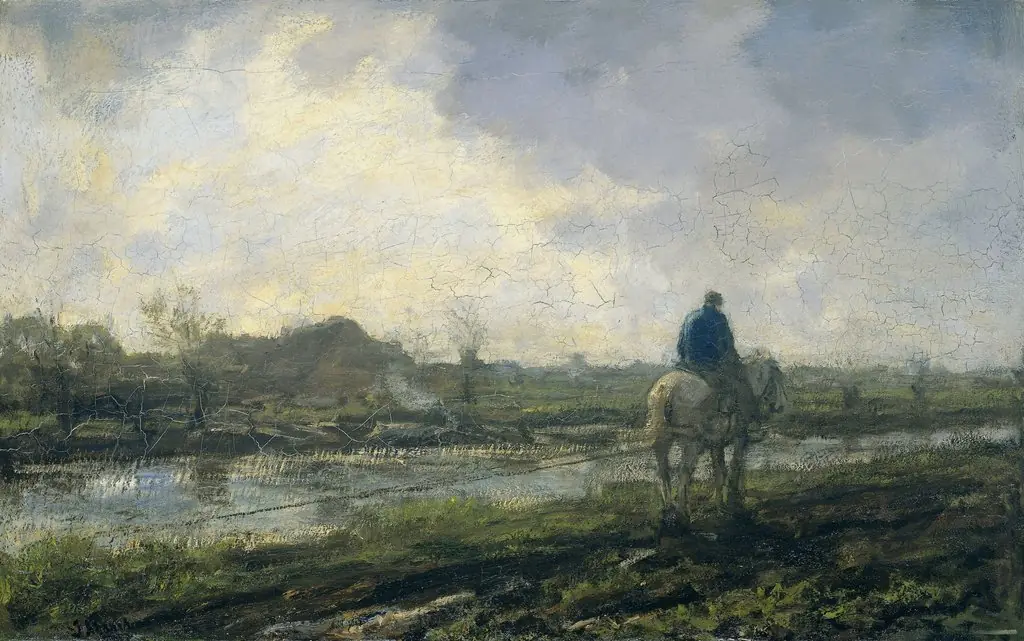 Tow path
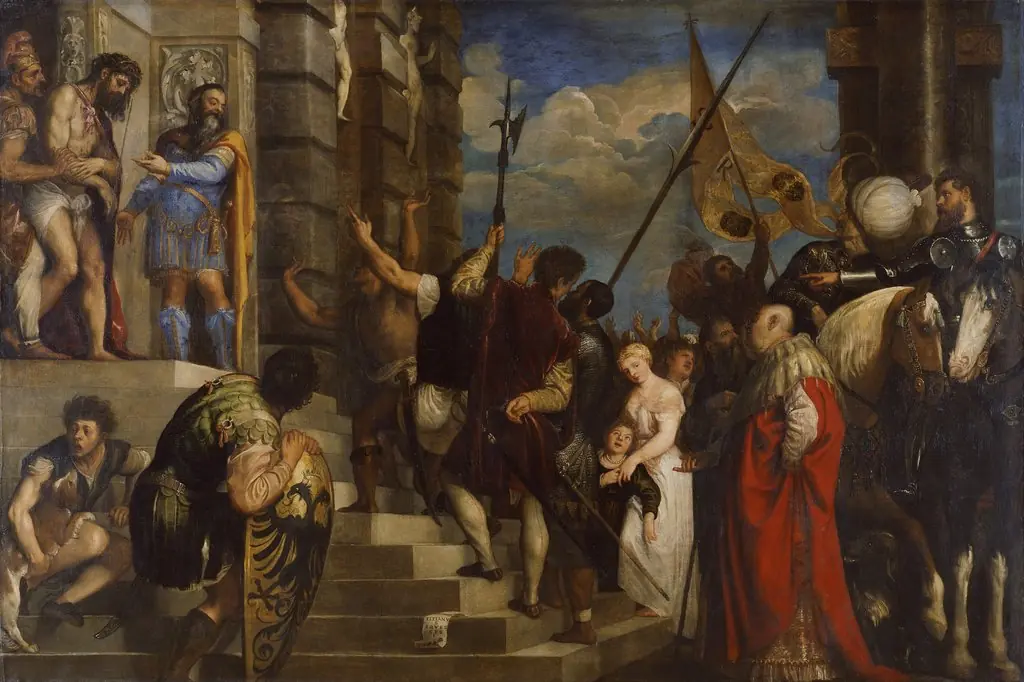 Ecce Homo
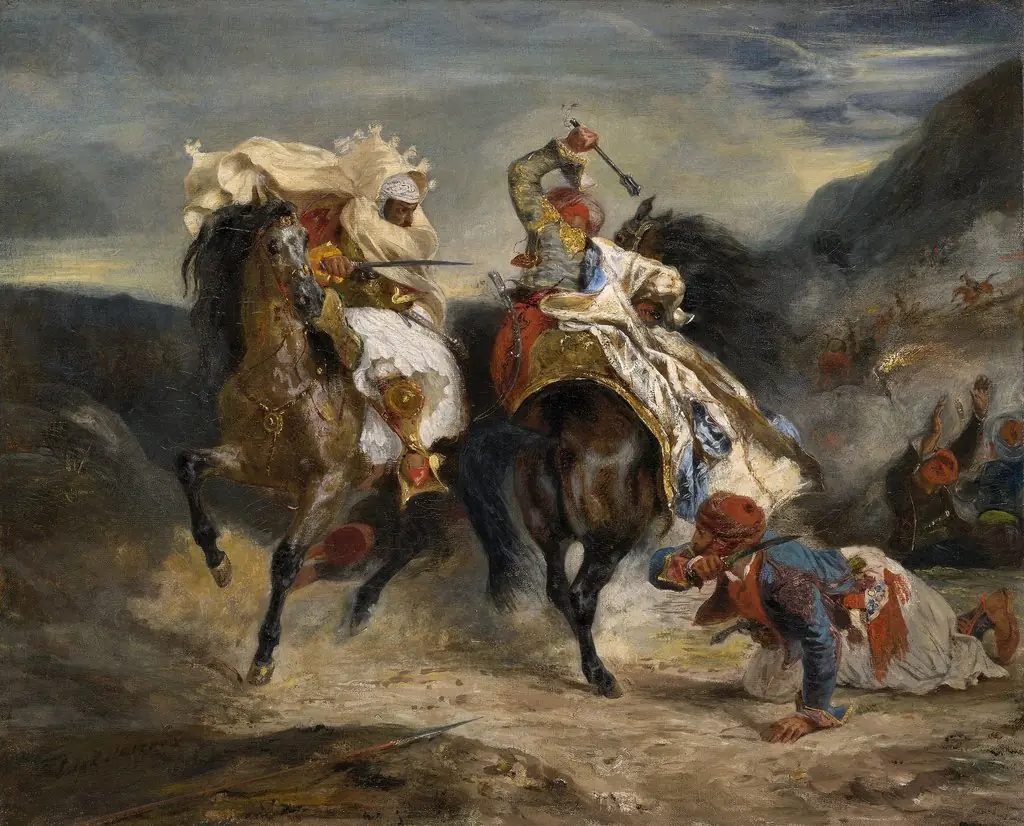 The Combat of the Giaour and Hassan
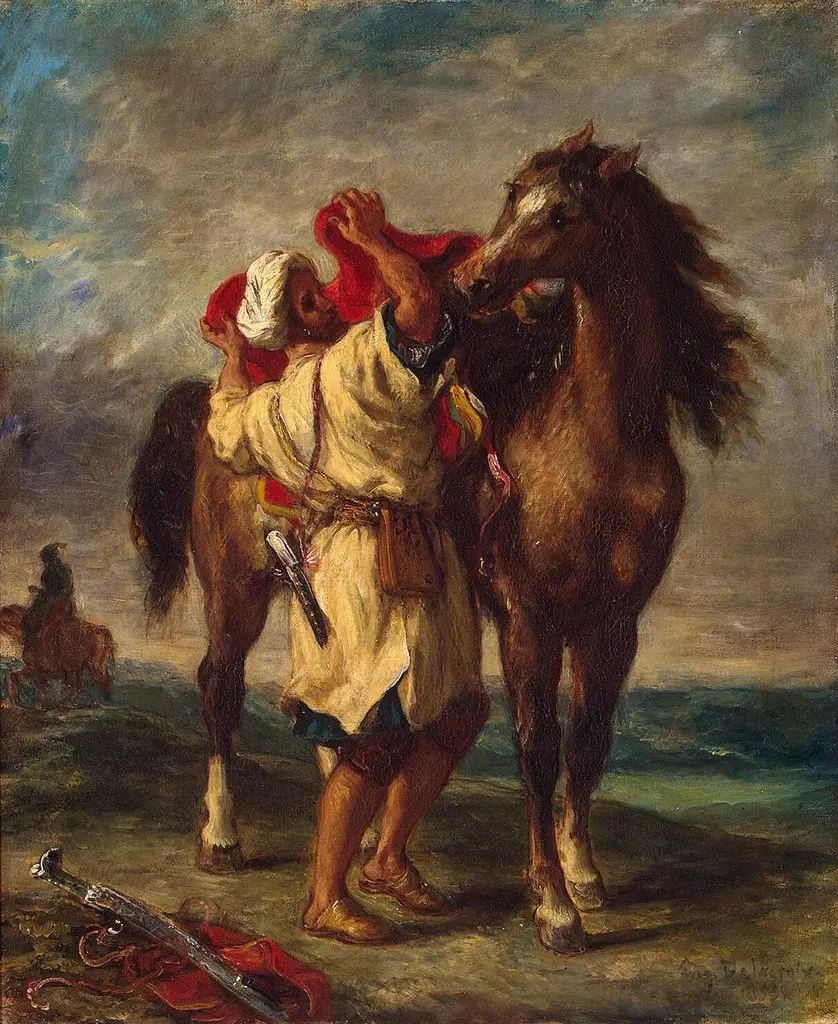 Arab Saddling his Horse
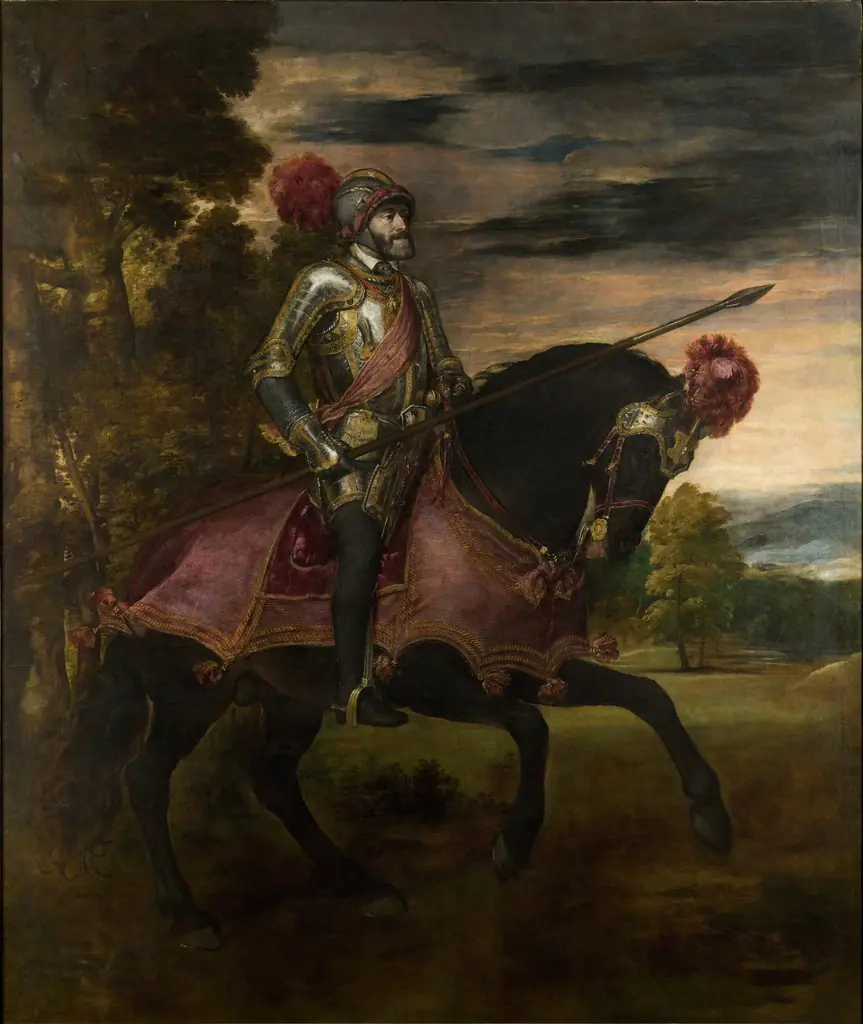 Equestrian Portrait of Charles V
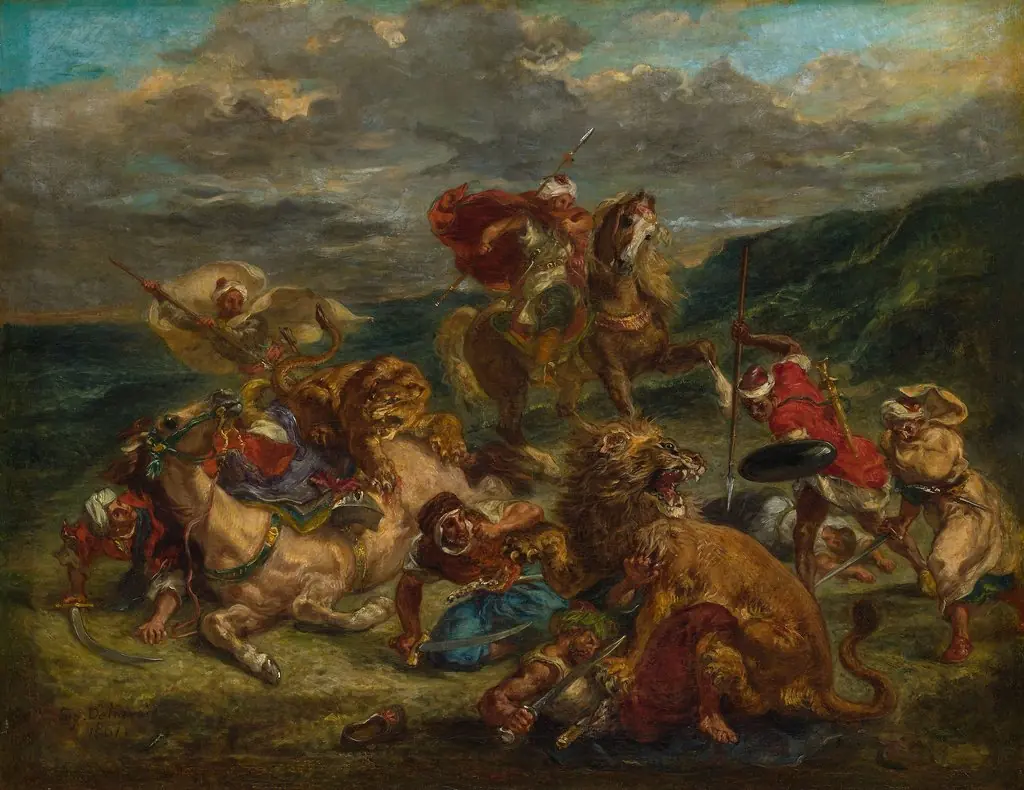 La Chasse aux lions au Maroc
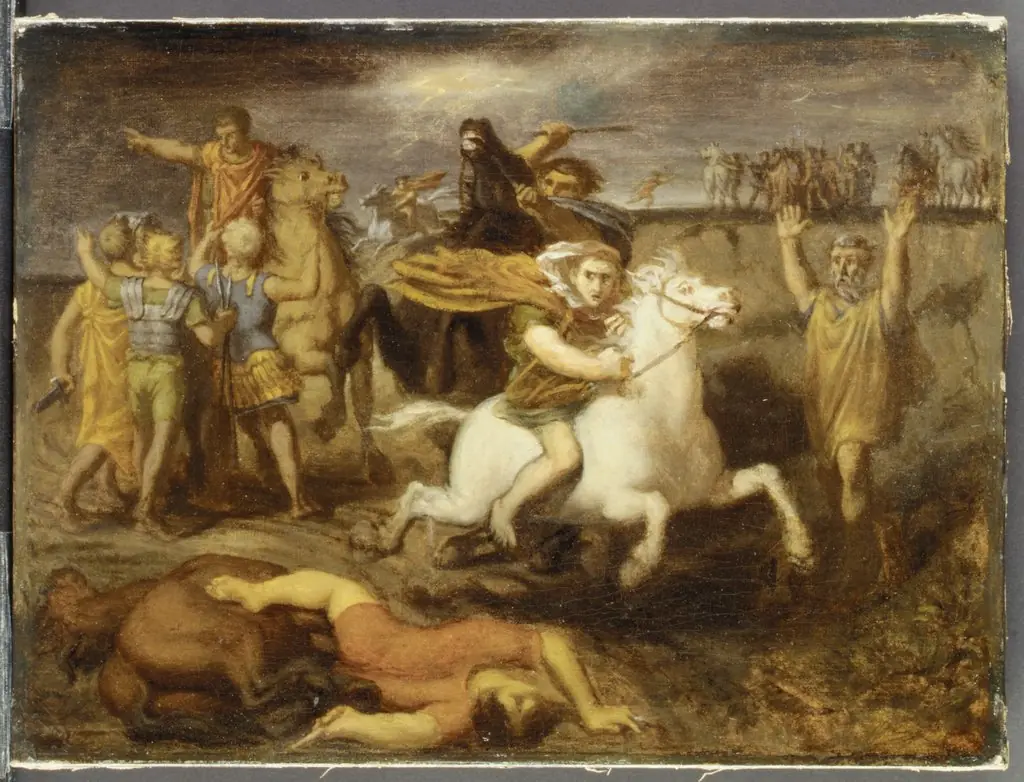 Scene from the Gallic Wars: The Gaul Littavicus, Betraying the Roman Cause, Flees to Gergovie to Support Vercingétorix
 Untitled
 Untitled
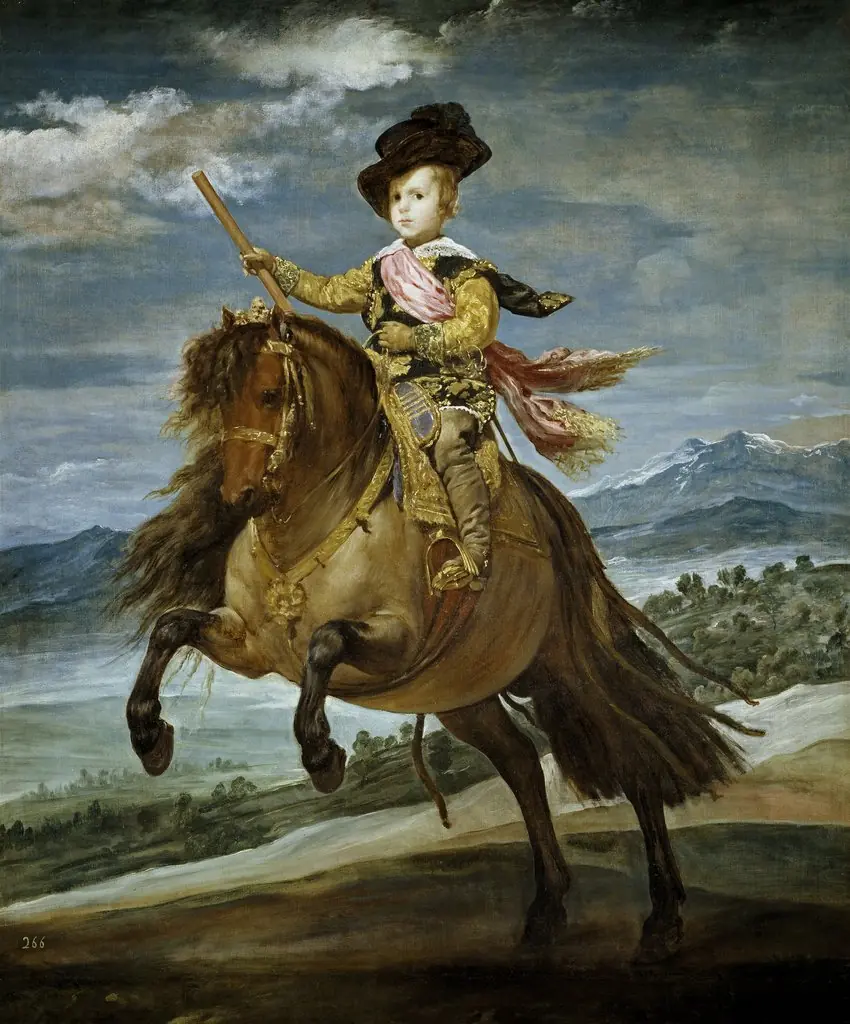 Equestrian Portrait of Prince Balthasar Charles
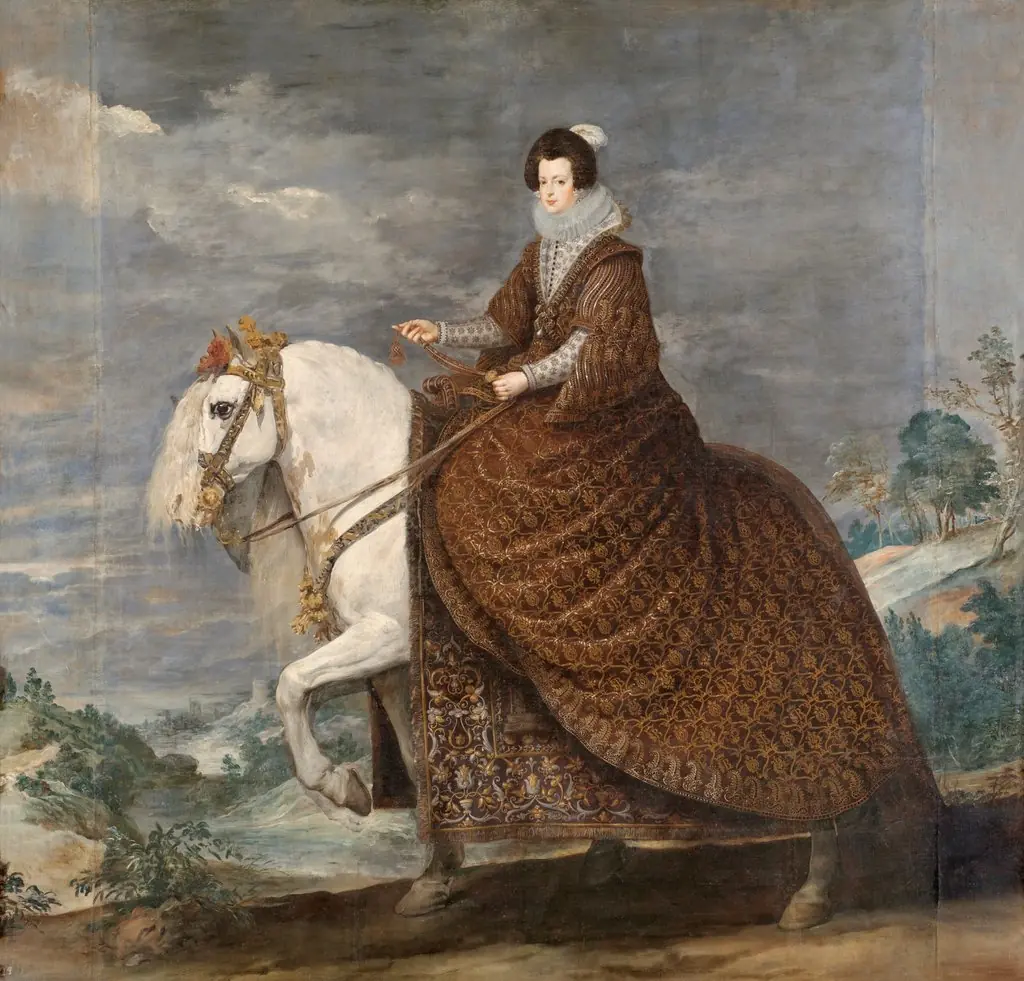 Equestrian Portrait of Elisabeth of France
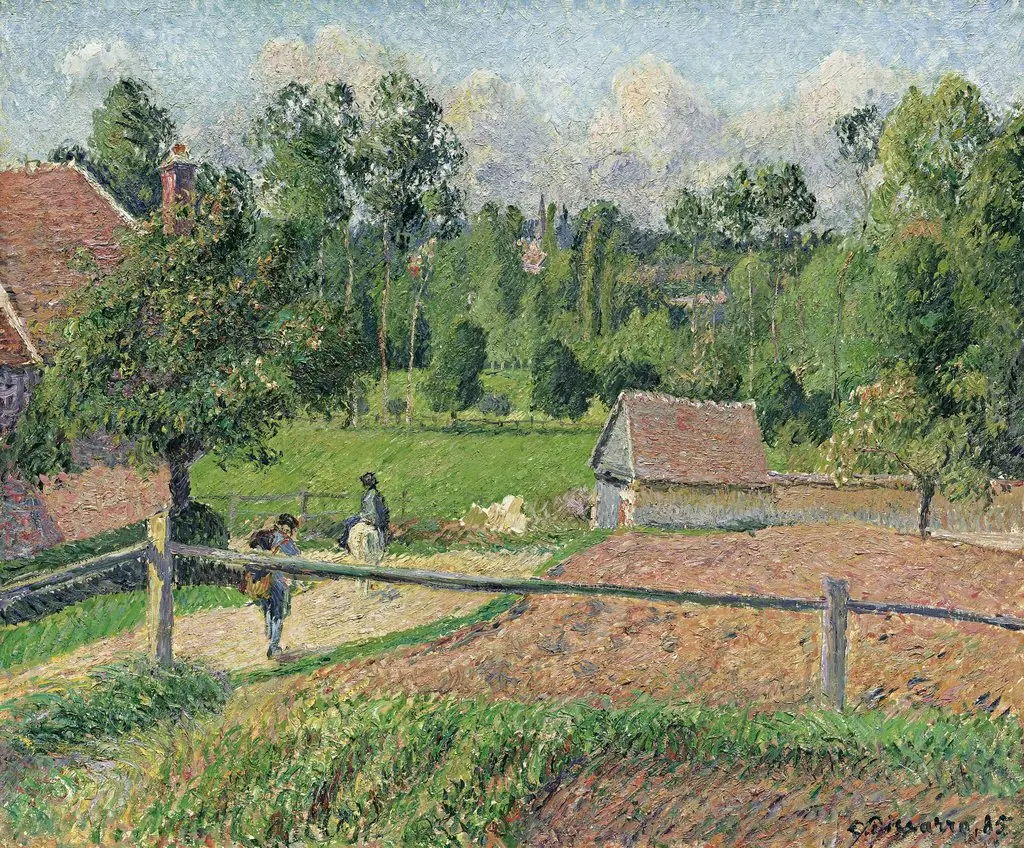 The Delafolie House, Éragny
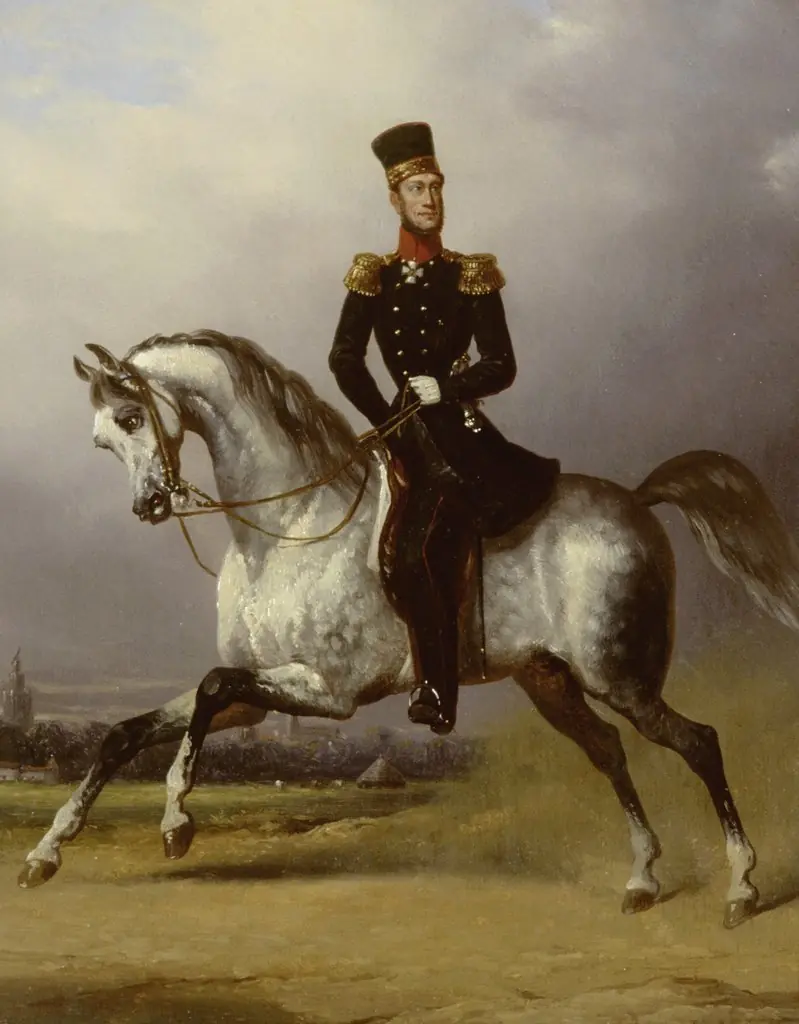 Equestrian Portrait of William II, King of the Netherlands
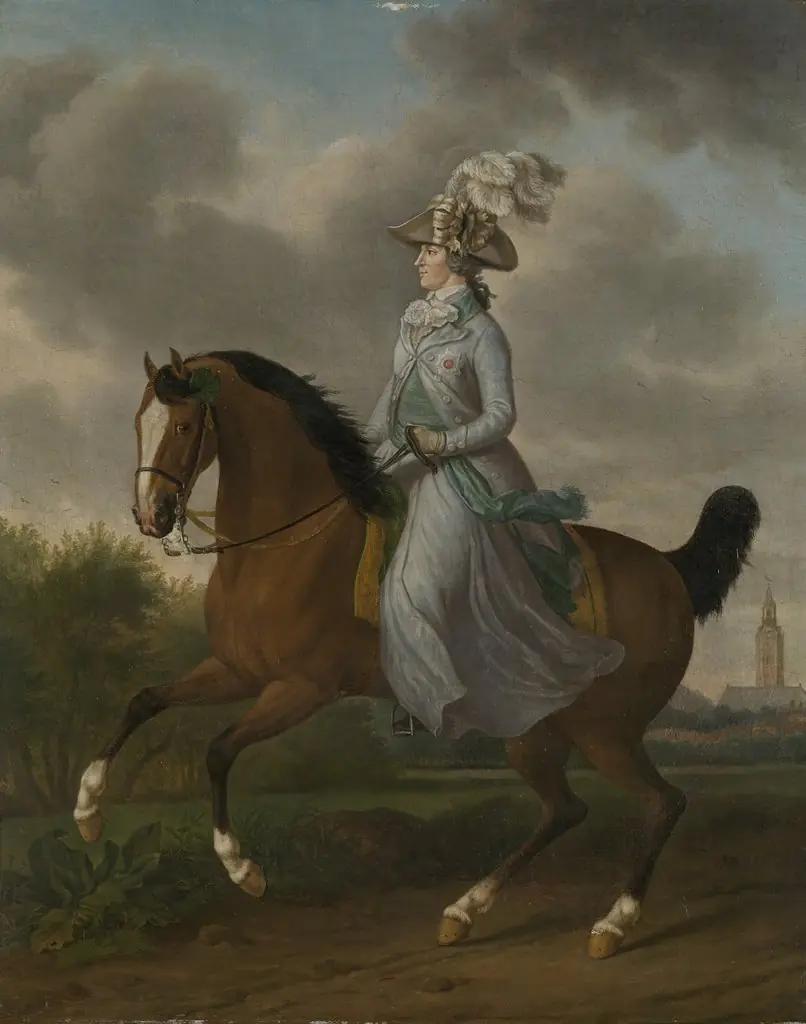 Equestrian Portrait of Wilhelmina of Prussia, Consort of Prince William V (Frederika Sophia Wilhelmina)
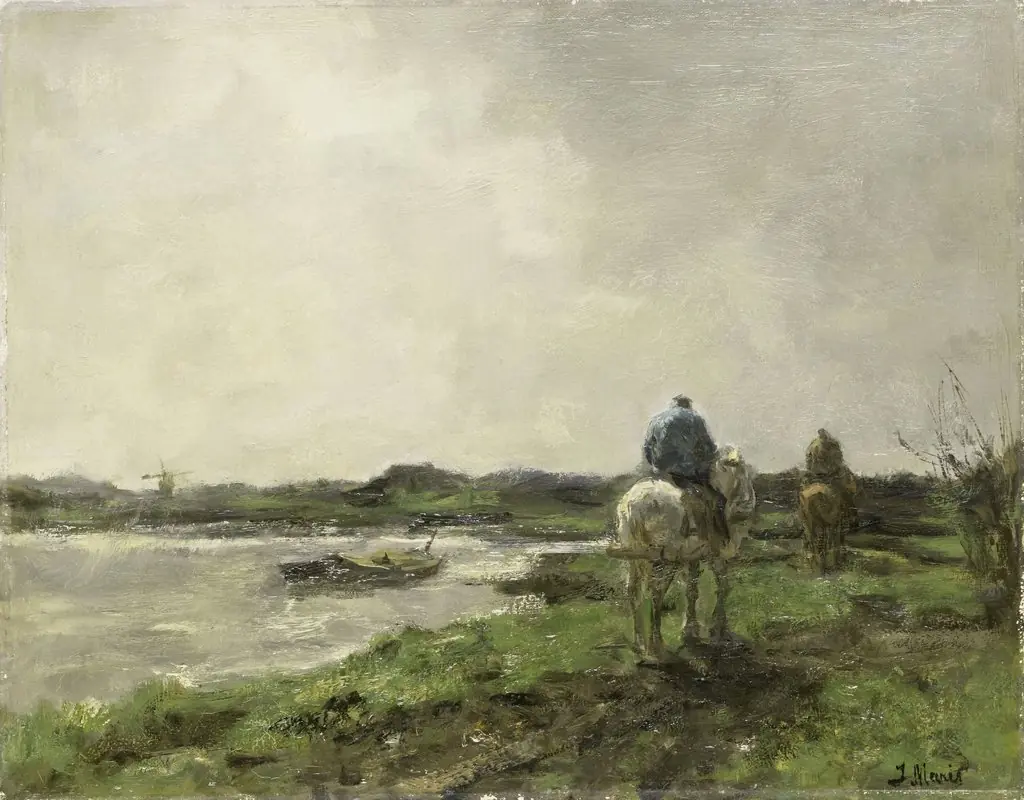 Towpath
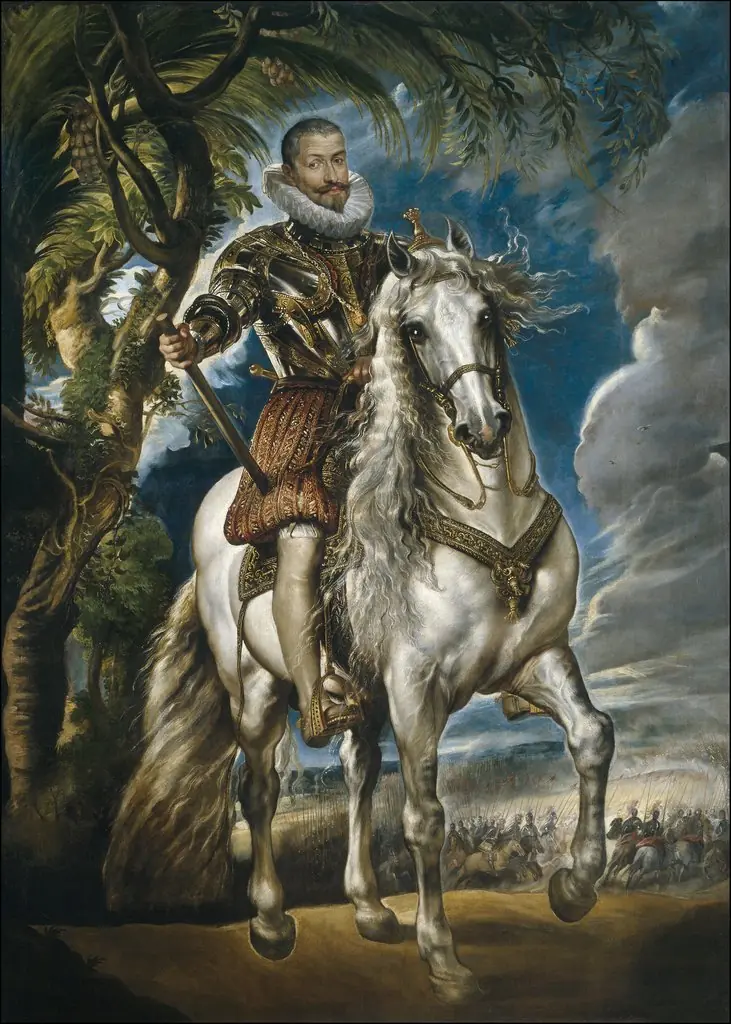 Equestrian Portrait of the Duke of Lerma
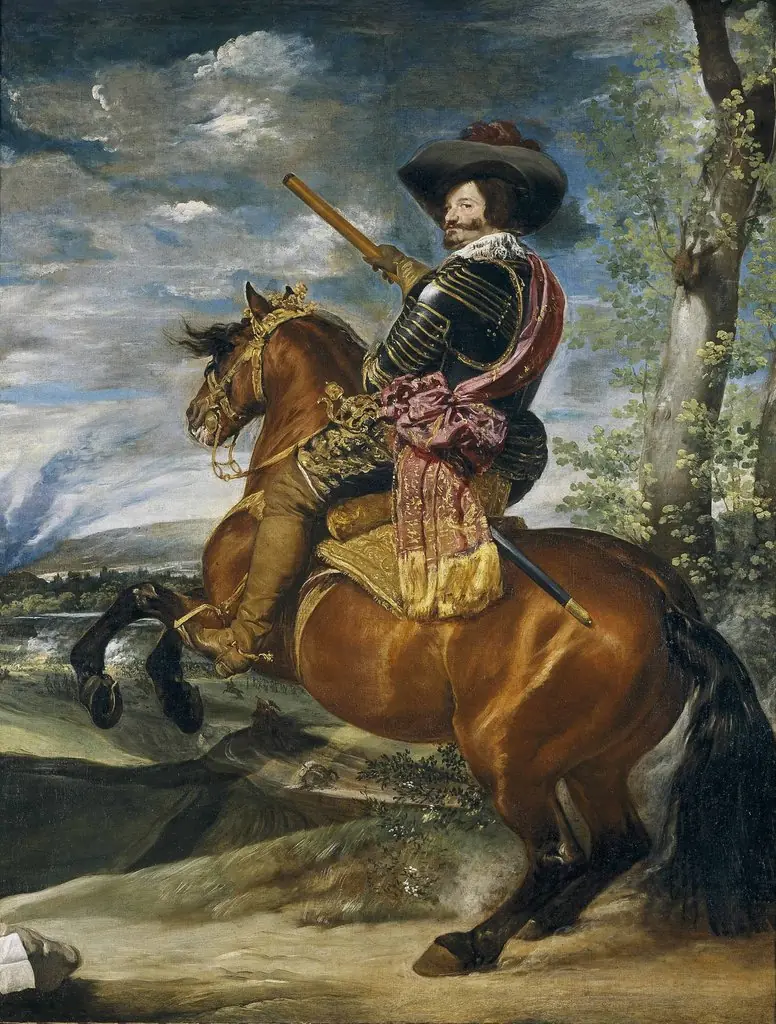 Equestrian Portrait of the Count-Duke of Olivares
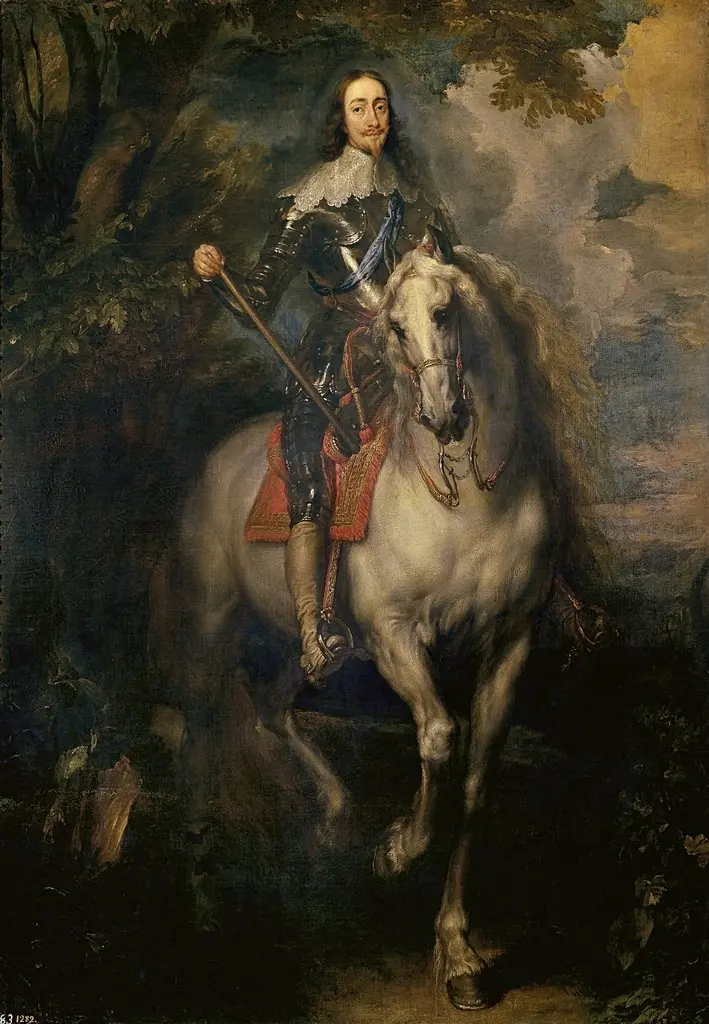 Equestrian portrait of Charles I of England
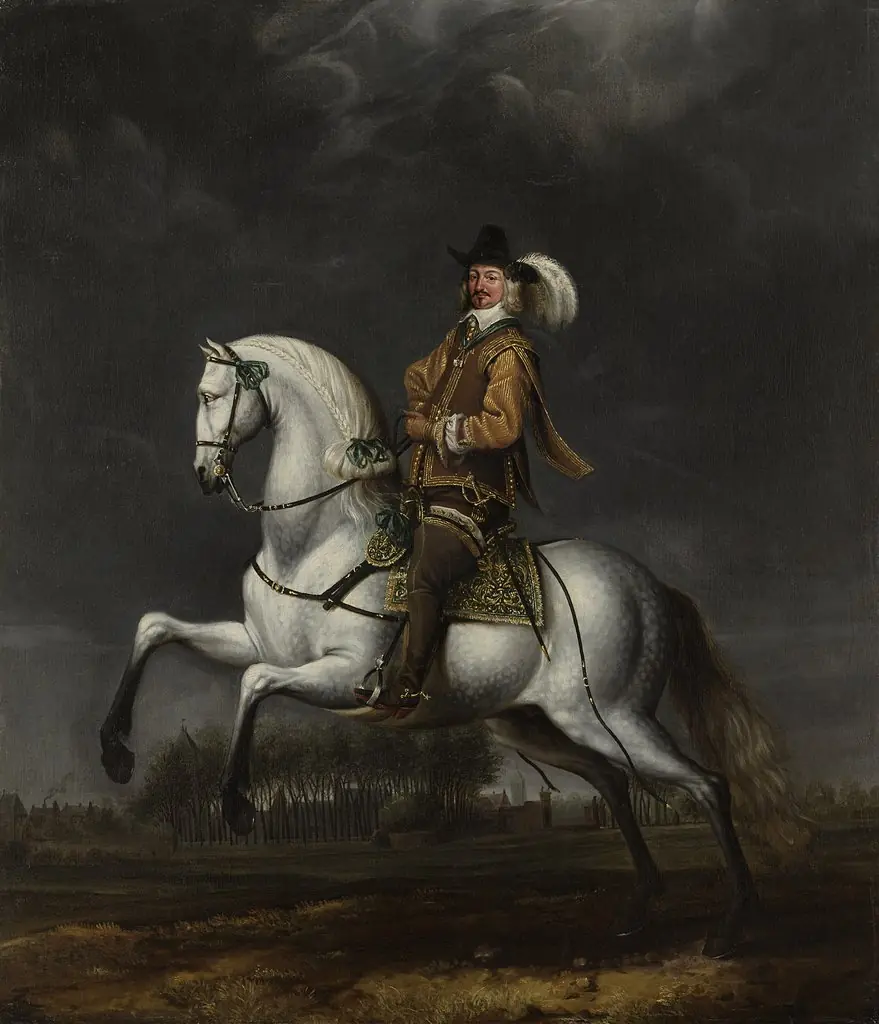 Portrait of Johan Wolphert van Brederode (1599-1655)
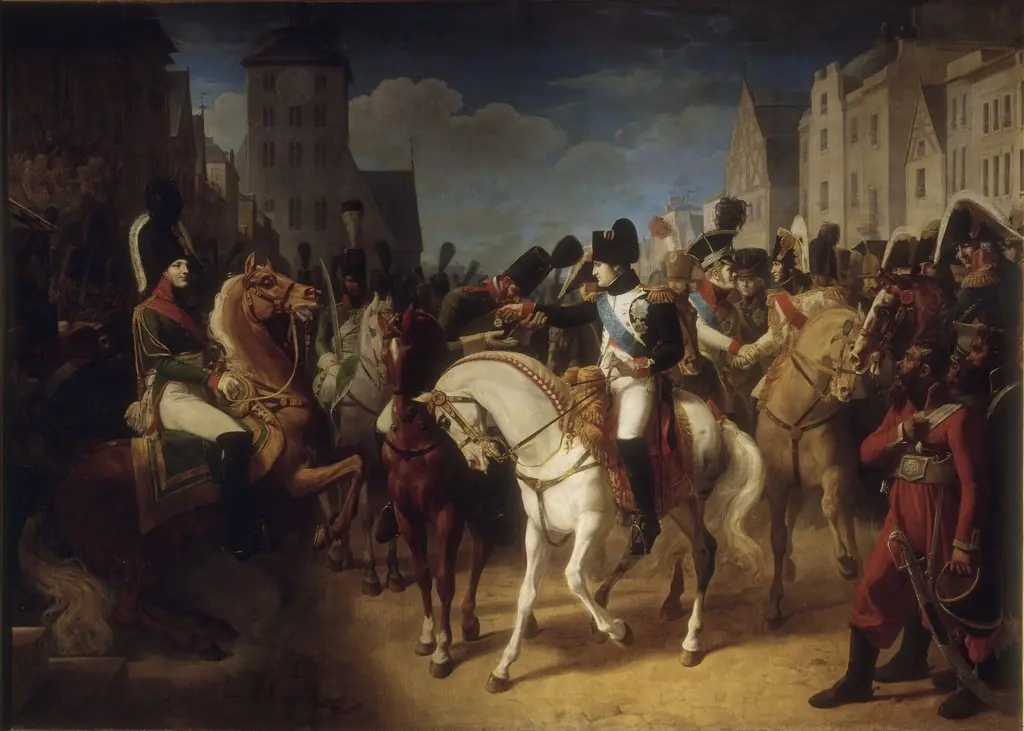 Napoleon I decorated a soldier of the Russian army in Tilsitt with the cross of the Legion of Honor
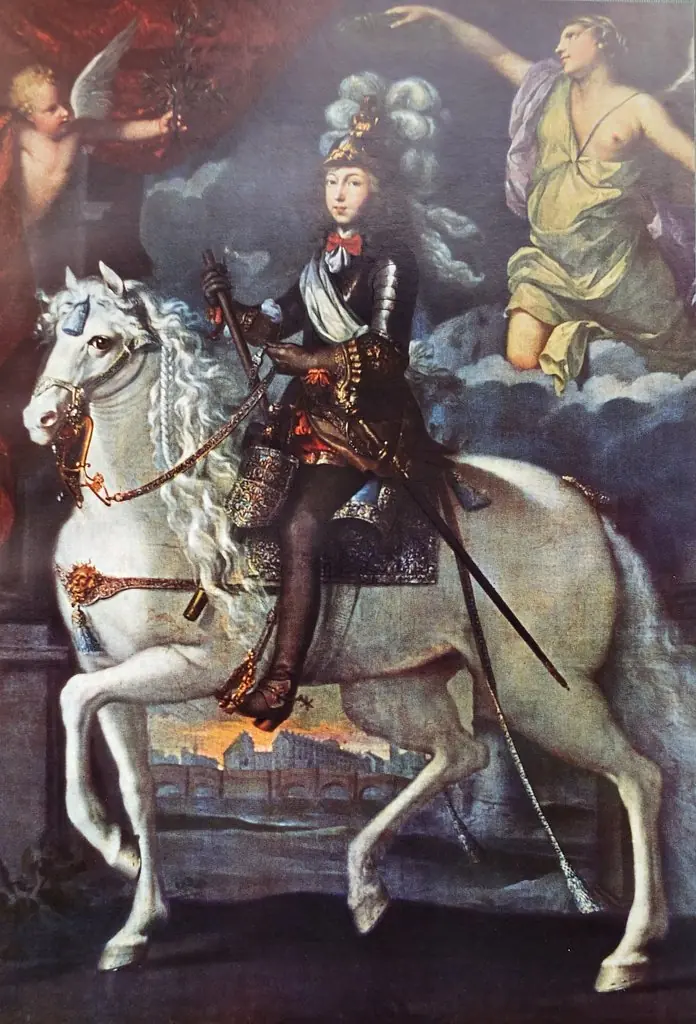 Louis XIV, King of France
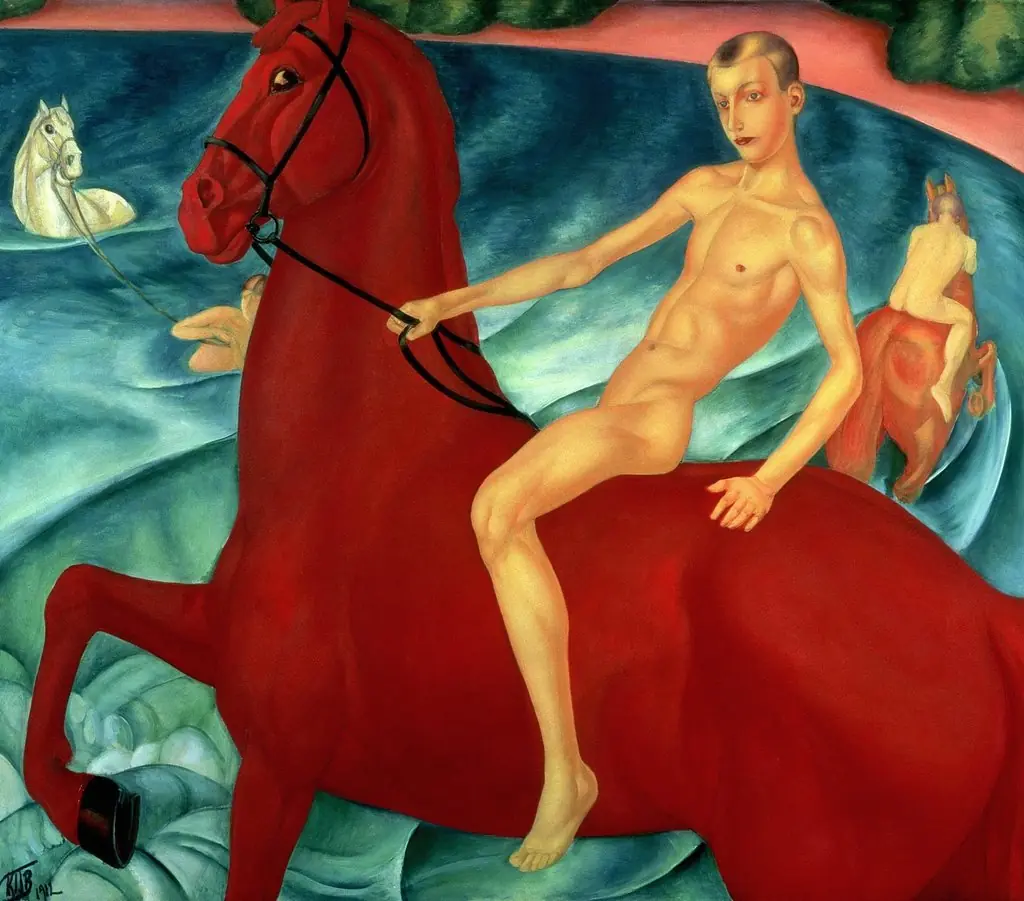 Bathing the Red Horse
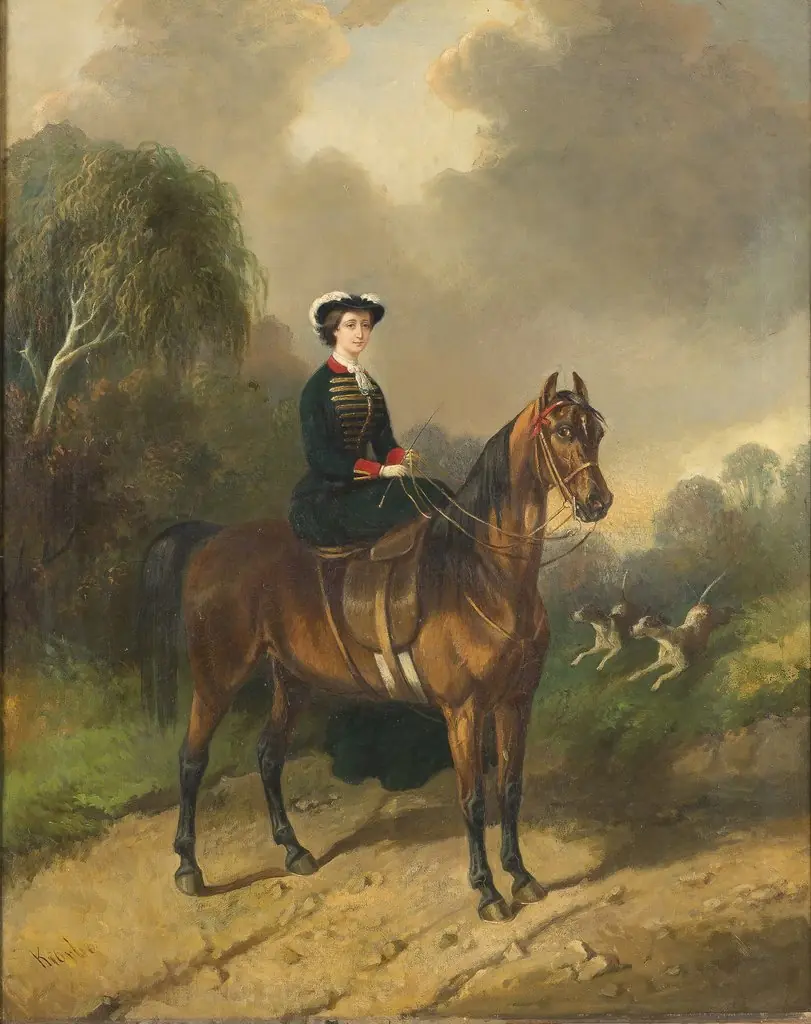 Empress Eugenie on Horseback
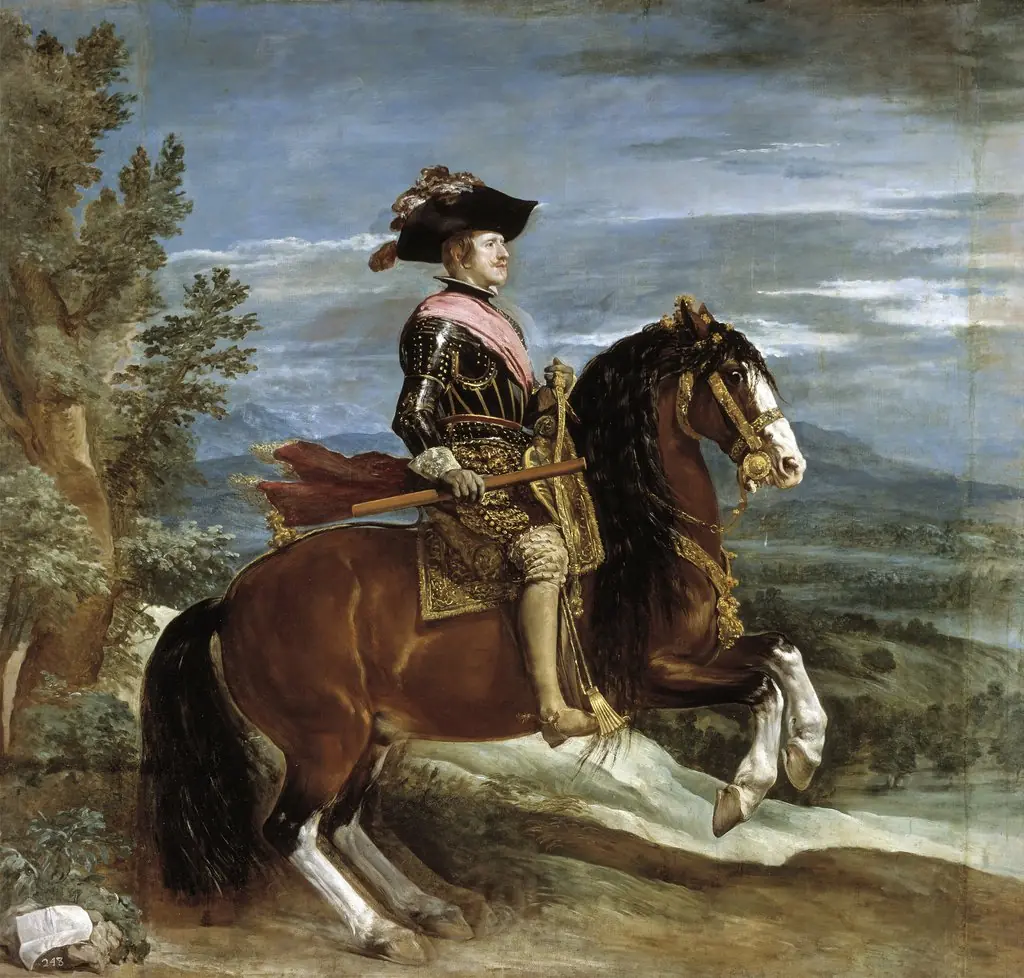 Equestrian Portrait of Philip IV
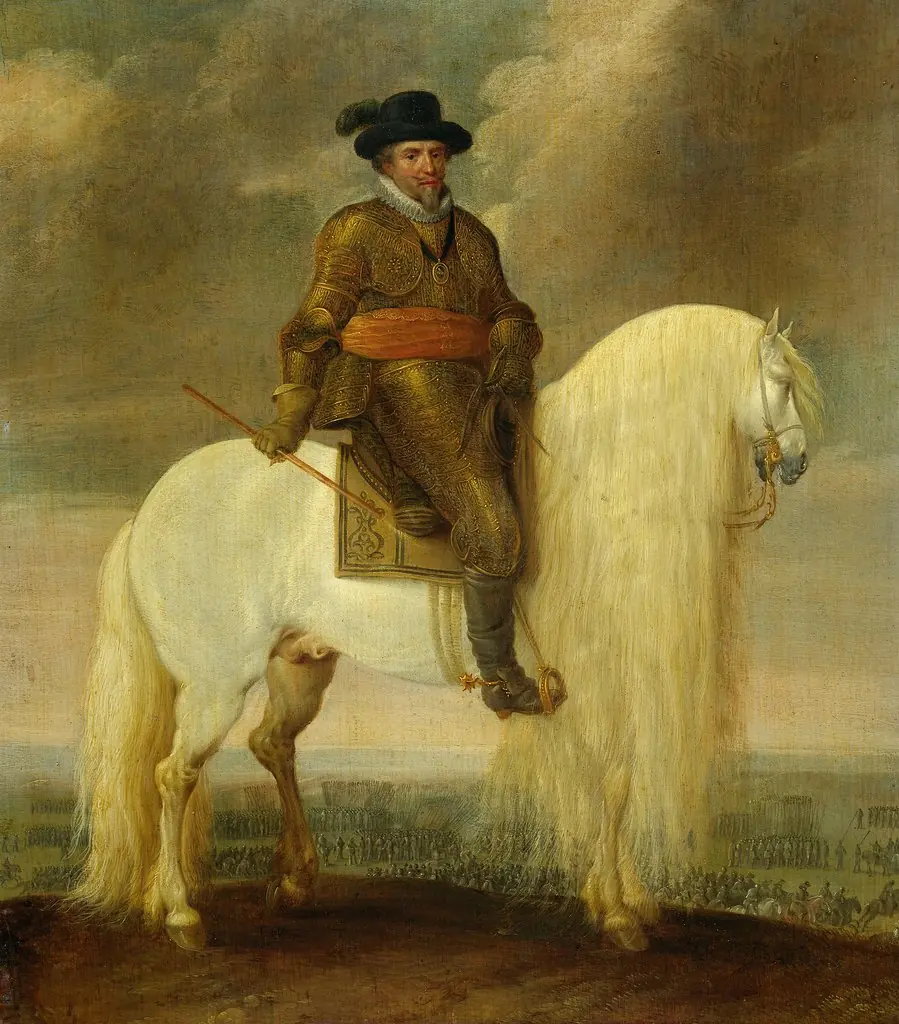 Prince Maurits astride the white warhorse presented to him after his victory at Nieuwpoort
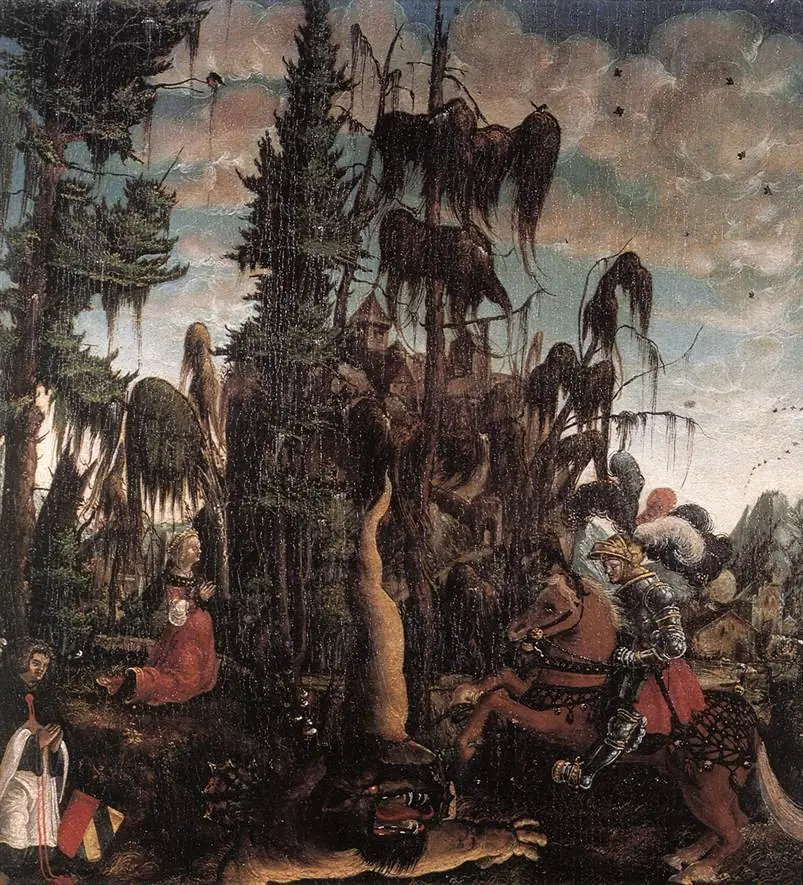 St George Freeing the Princess
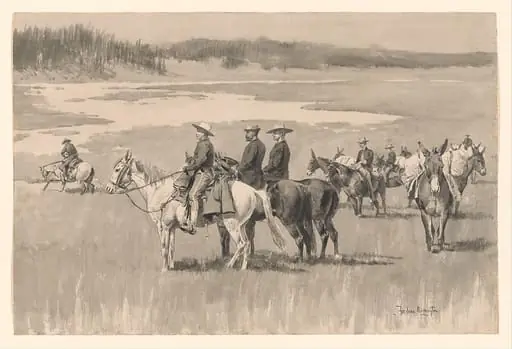 On the Head-Waters--Burgess Finding a Ford
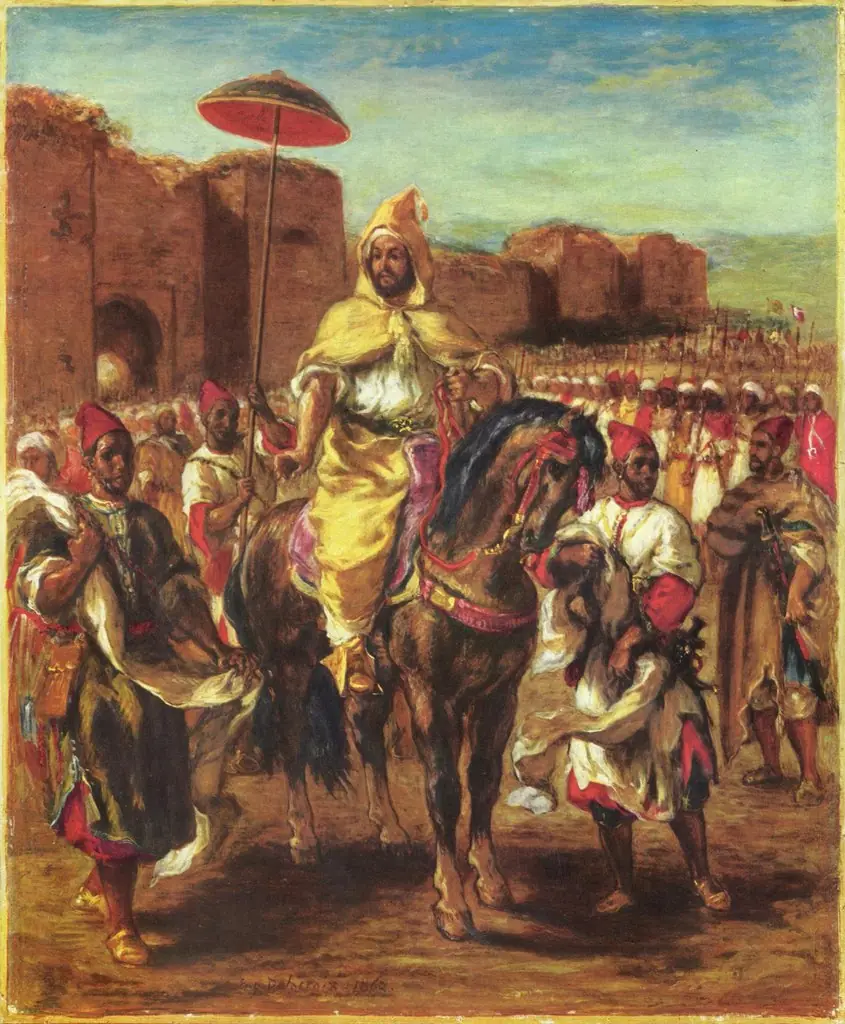 Portrait du sultan du Maroc
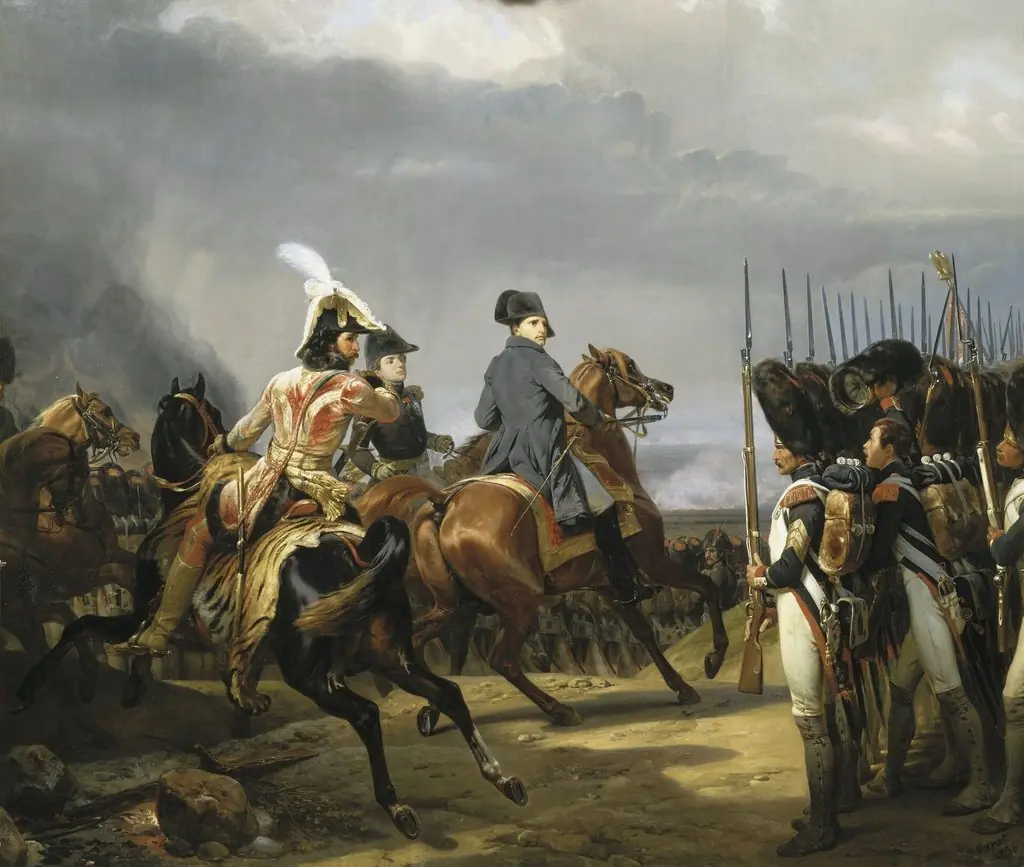 The battle of Jena, October 14, 1806
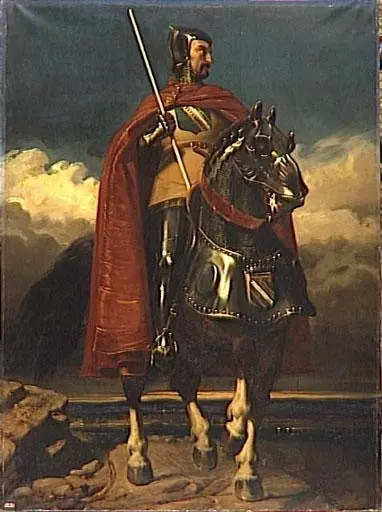 Louis de Champagne, comte de Sancerre, connétable de France en 1397
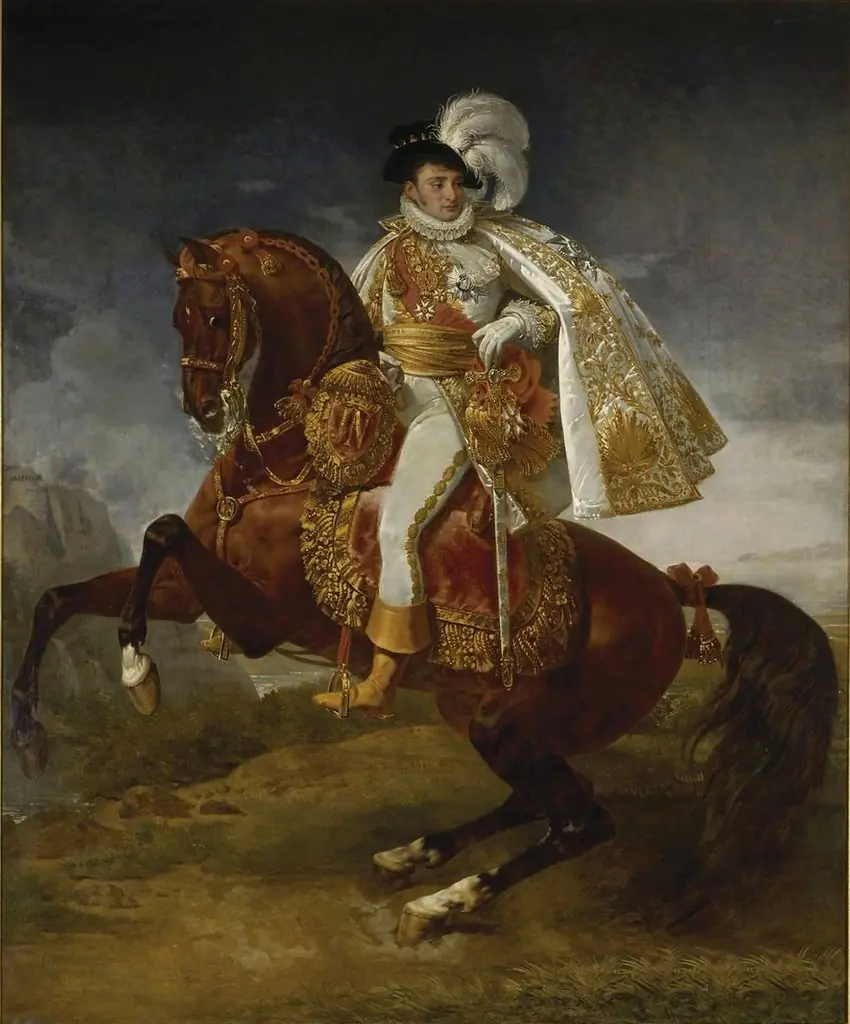 Jérôme Bonaparte, King of Westphalia
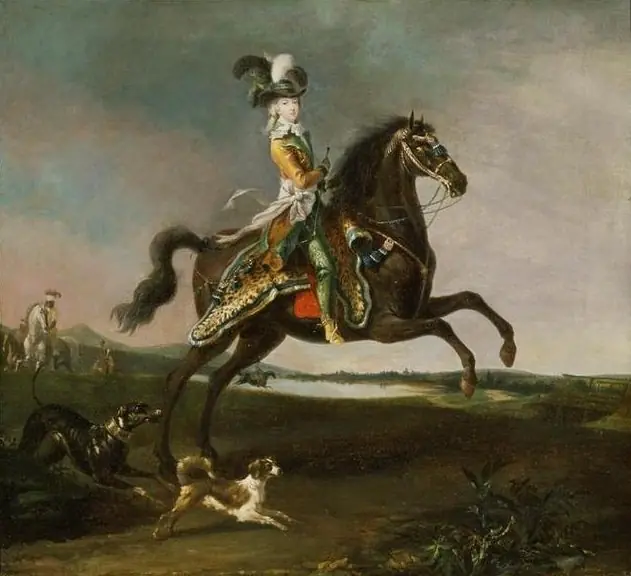 Marie-Antoinette, queen of France on horseback
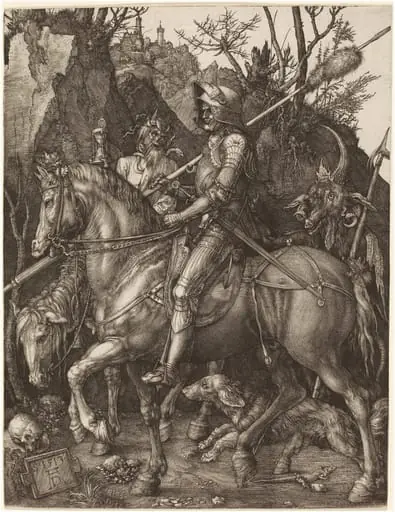 Knight, Death and Devil
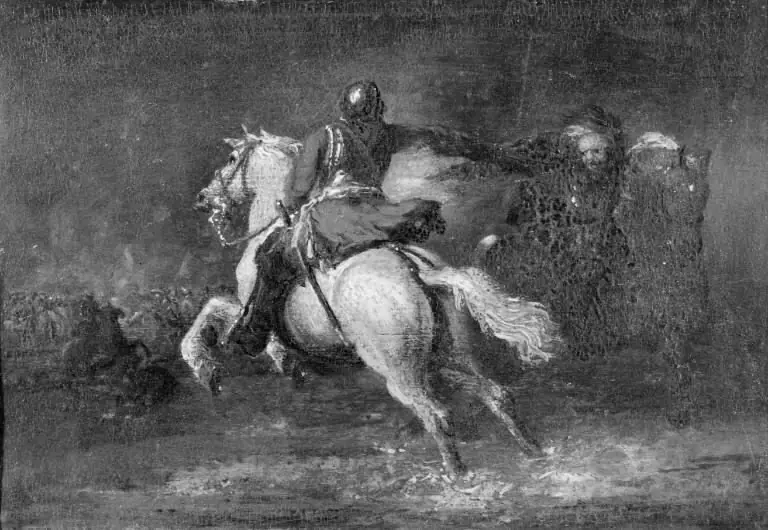 Horseman Firing a Pistol at another Horseman
 One Hundred Horses
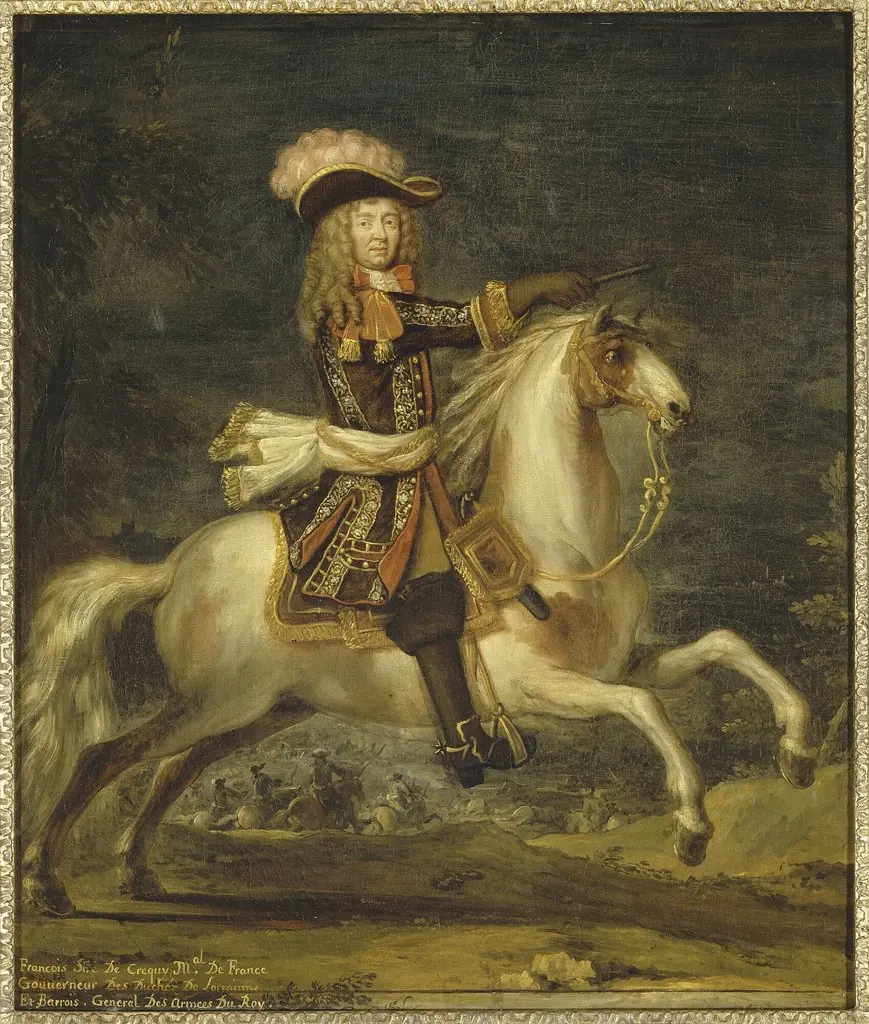 François de Blanchefort, Marquis de Créquy, Marshal of France
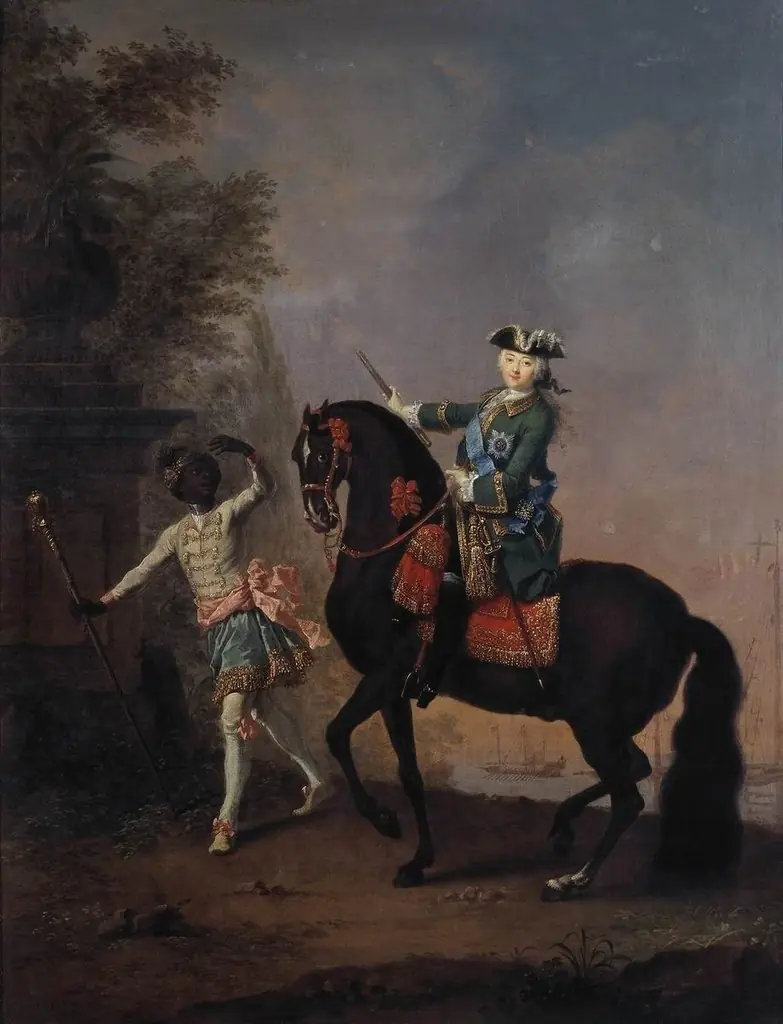 The Empress Elizabeth of Russia on Horseback, Attended by a Page
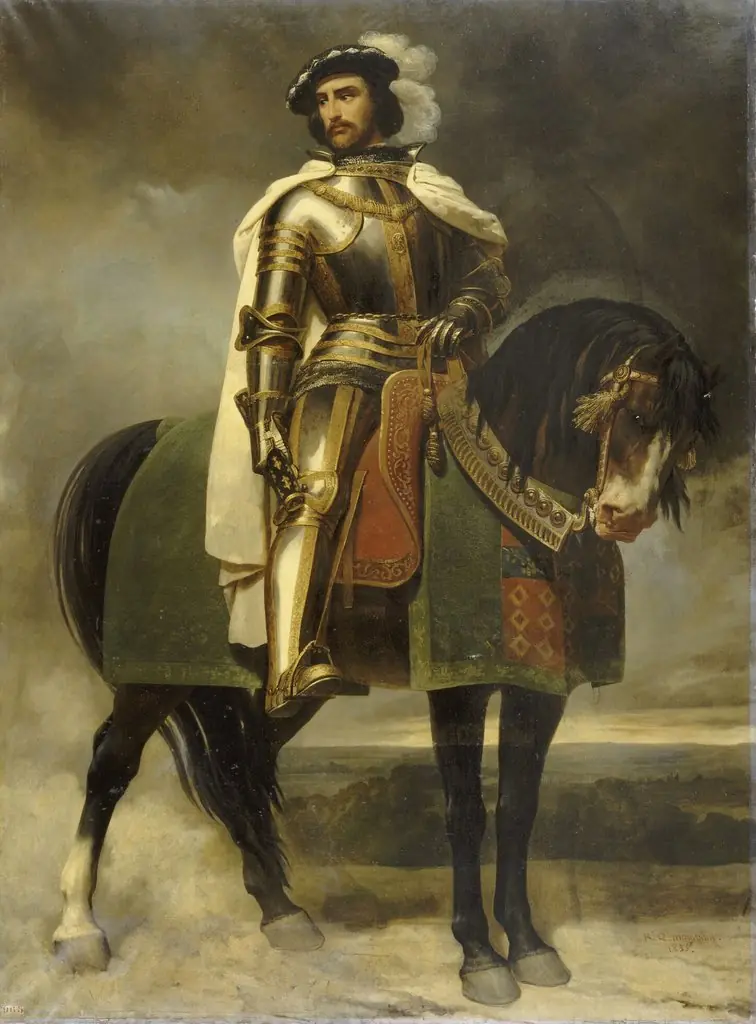 Pierre de Rohan, seigneur de Gye
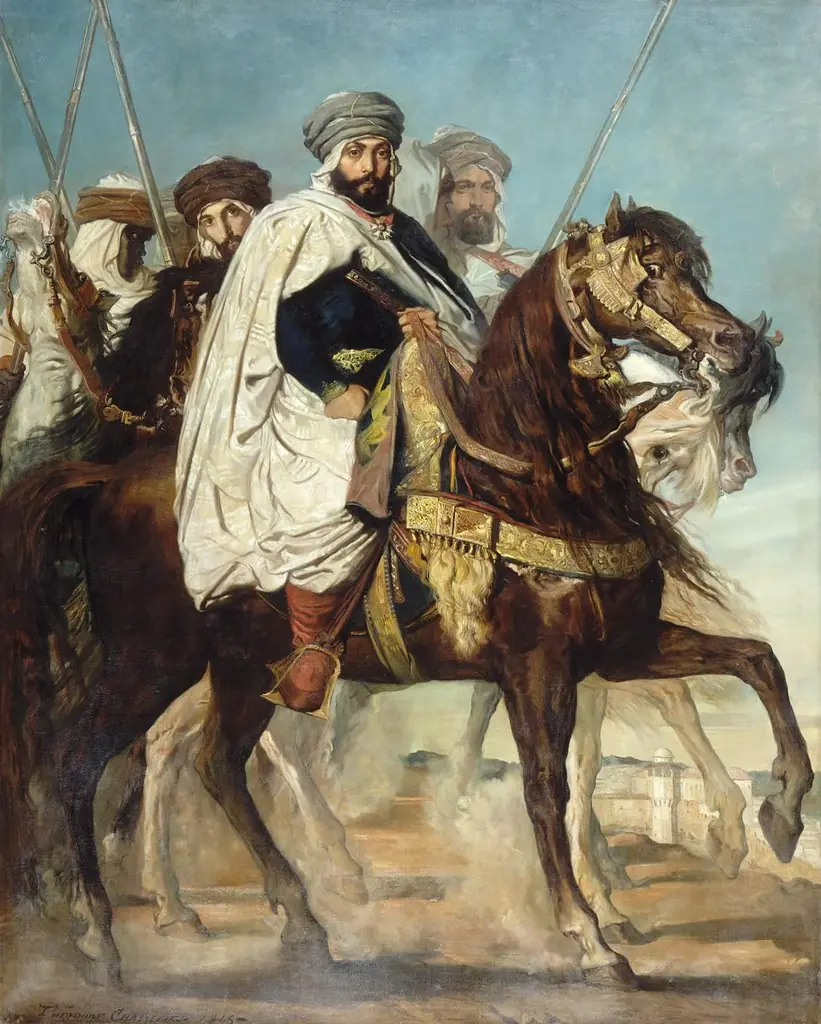 The Caliph of Constantine
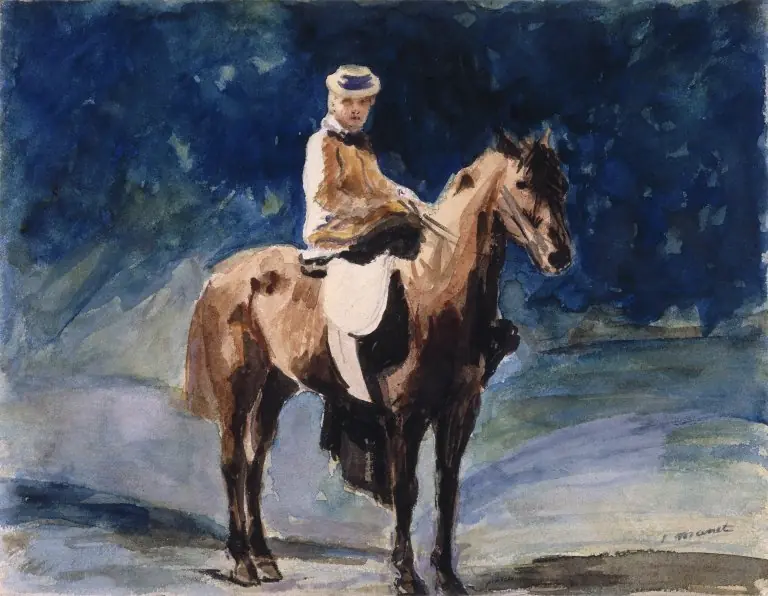 The Equestrienne
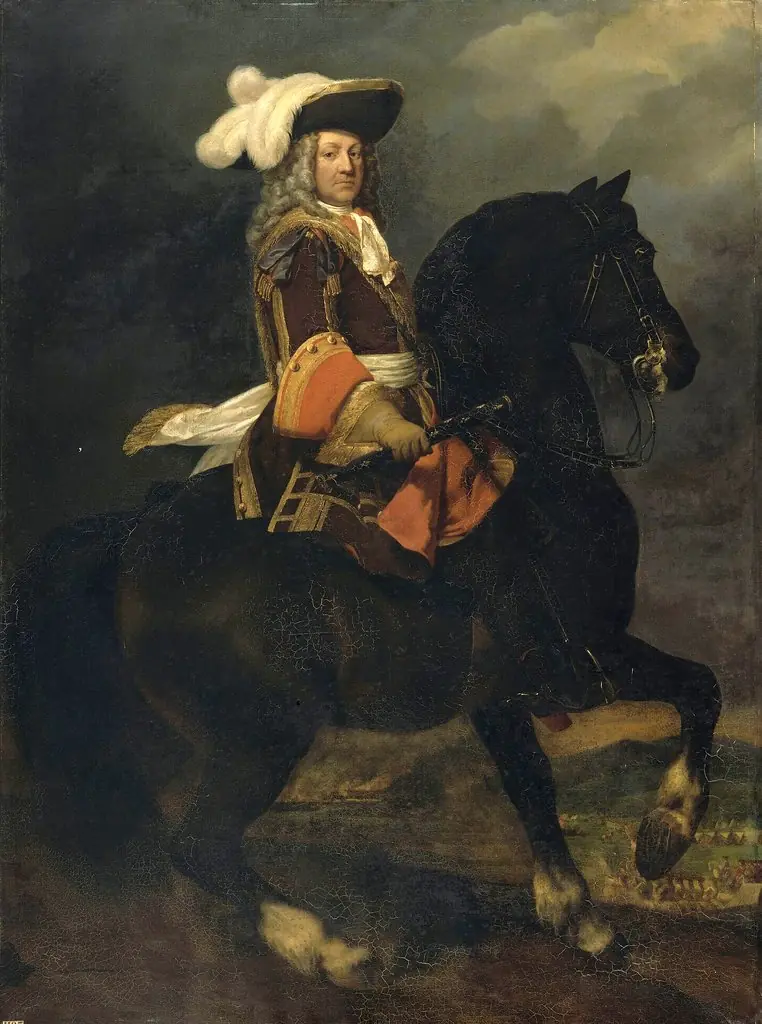 Louis-Joseph, Duke of Vendôme, Marshal of France
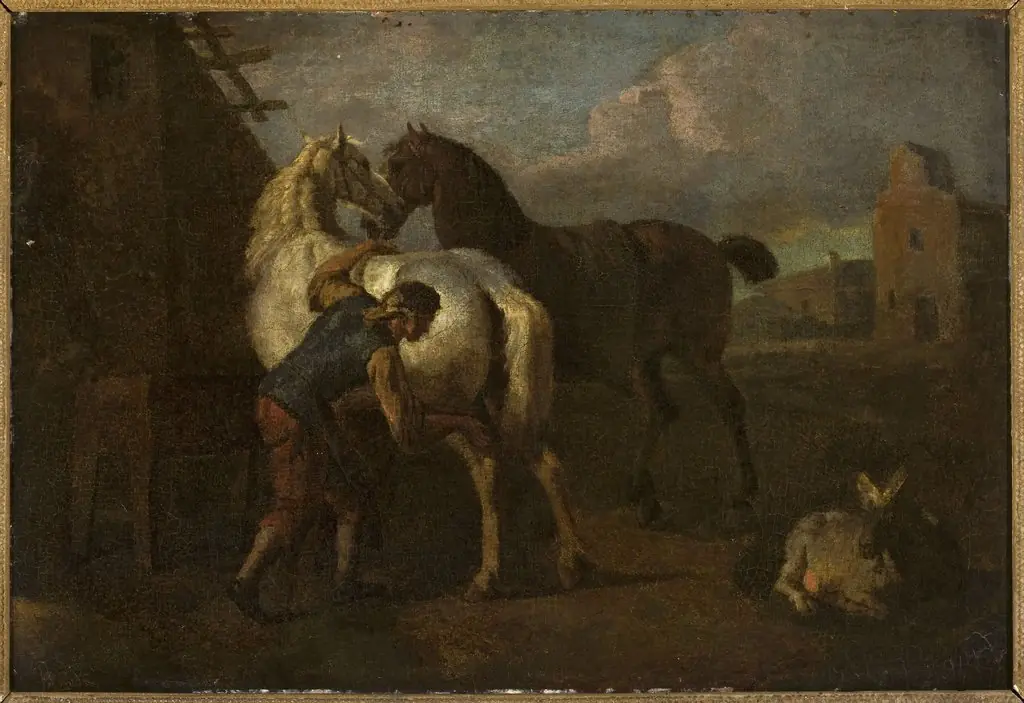 Groom and horses
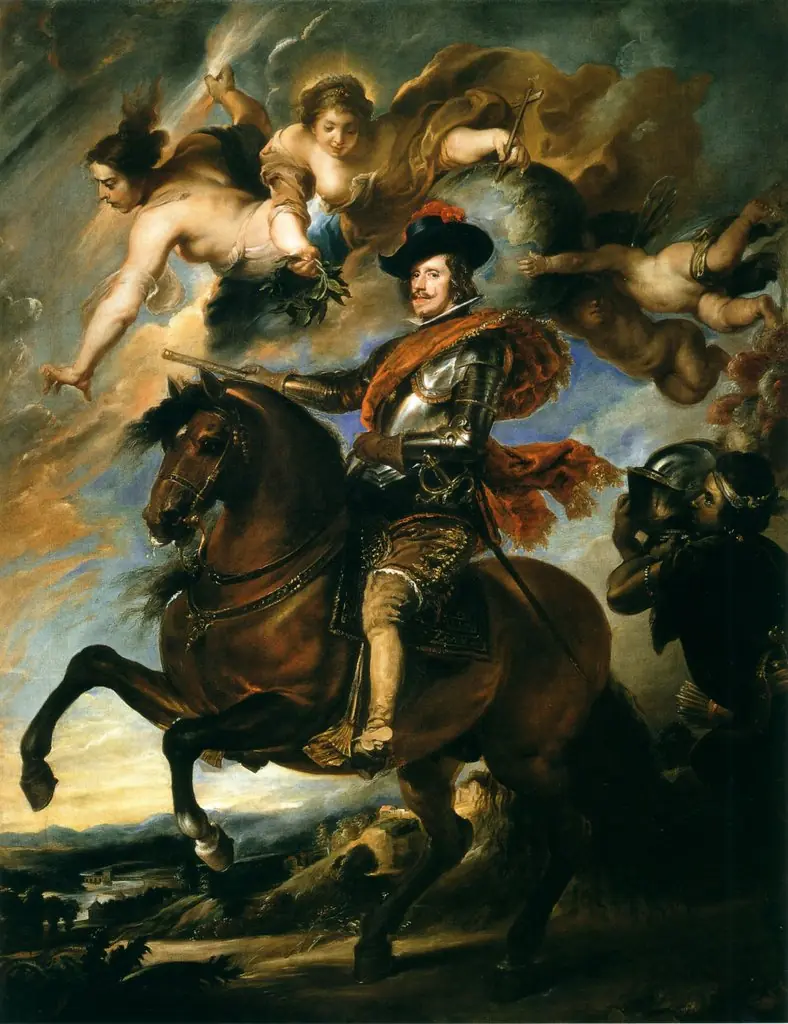 Portrait of Philip IV of Spain on horseback
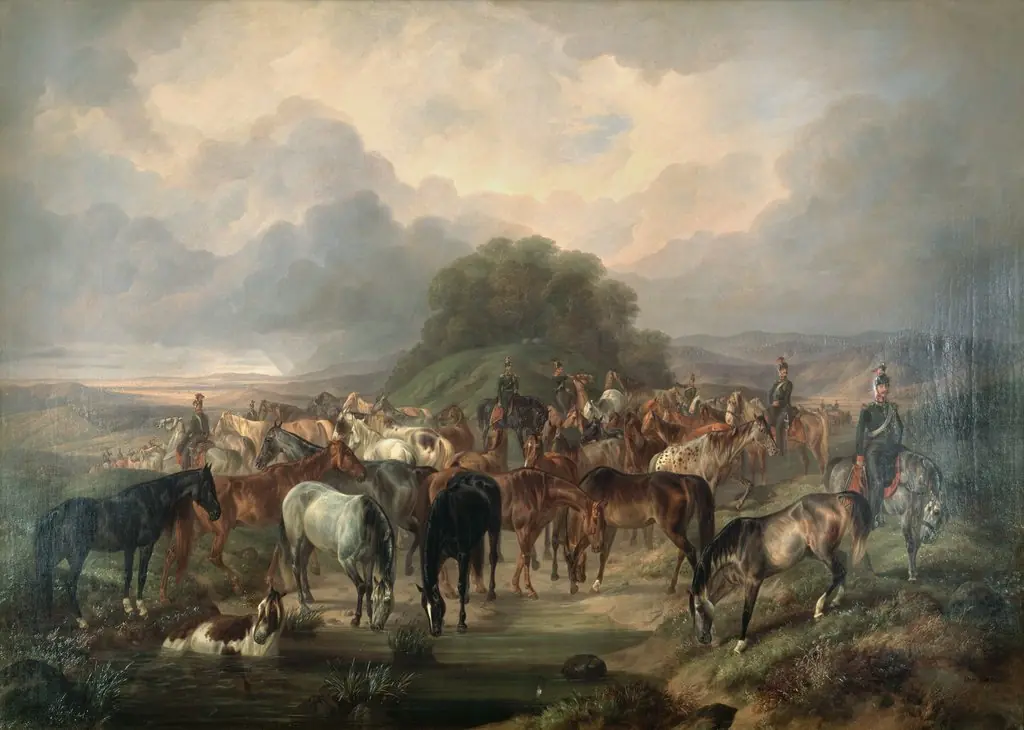 Von Ulanen geführter Transport
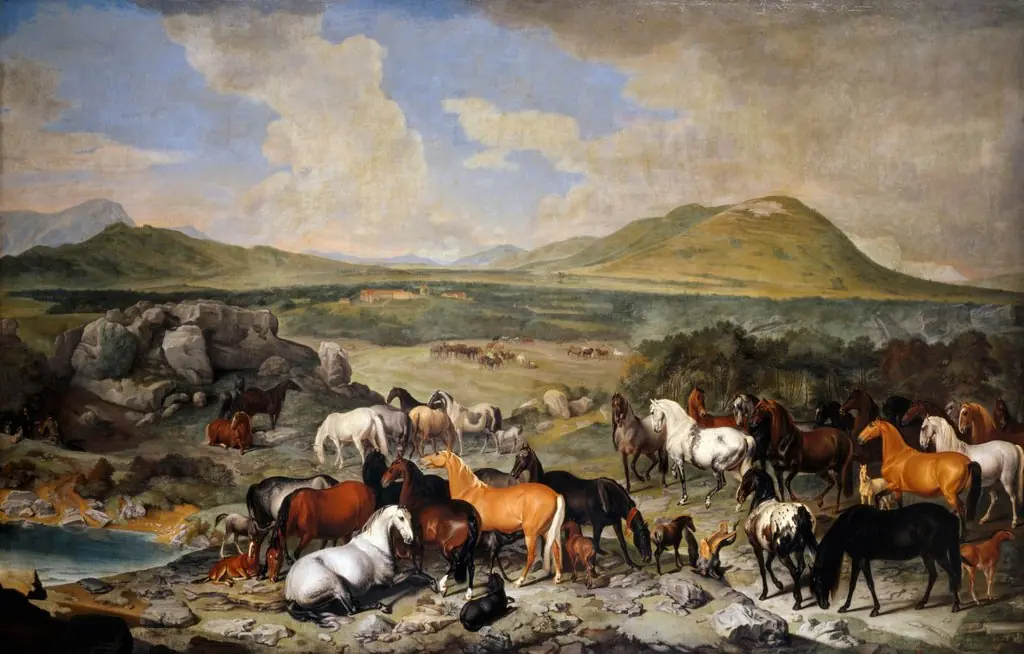 Kaiserliches Gestüt zu Lipizza am Karst
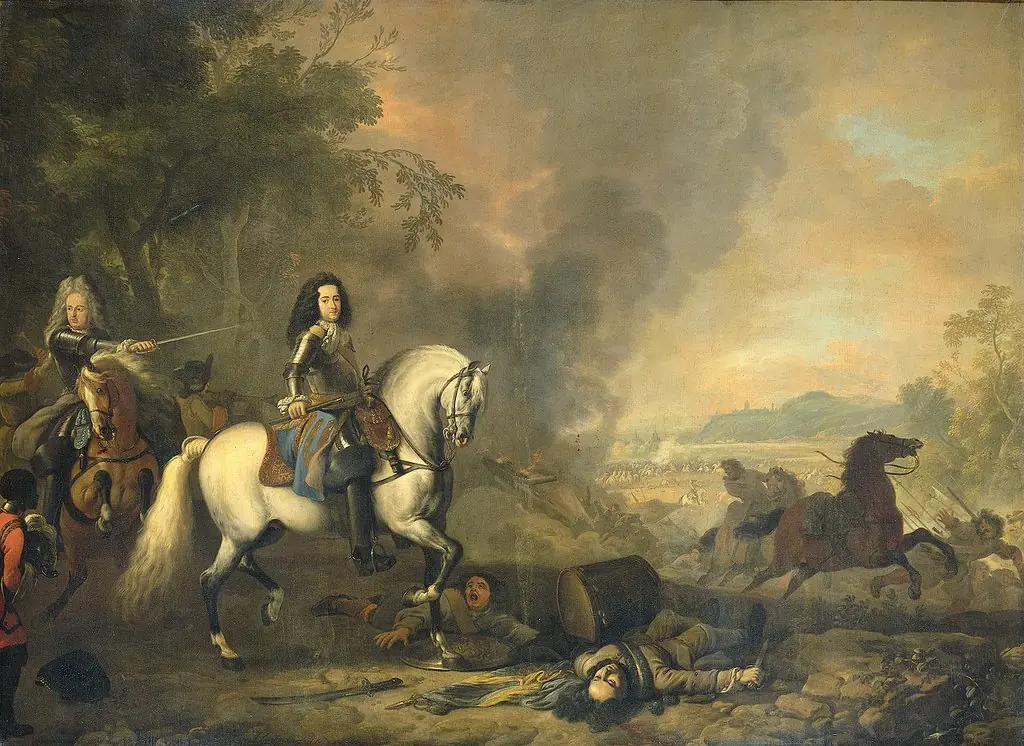 Equestrian Portrait of Hendrik Casimir II (1657-1696)
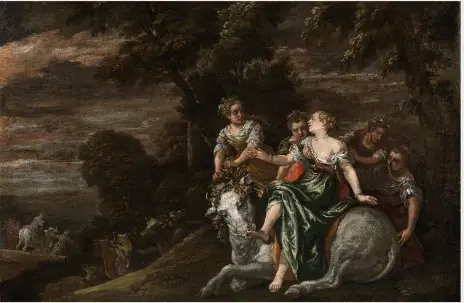 Europa and the Bull
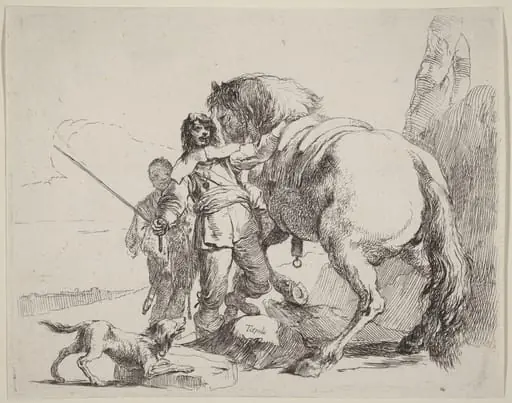 Soldier with Horse and Attendant
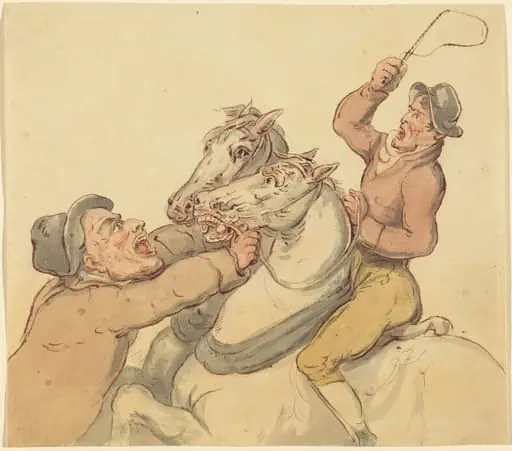 Drovers with a Pair of Rearing Horses
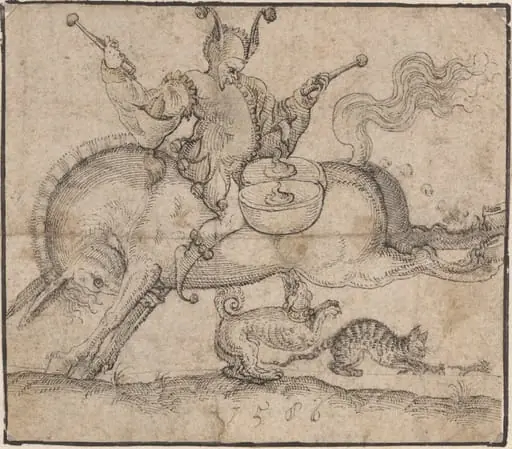 The Jester
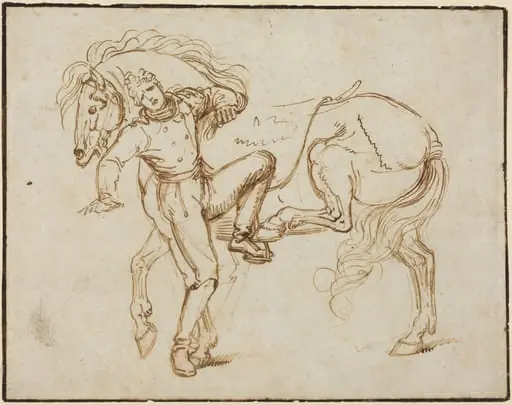 Cavalryman Mounting a Horse
![Credulity Preparing to Nurse the Mother of Hope [fol. 18 verso]](https://artifactworldgallery.com/img/credulity-preparing-to-nurse-the-mother-of-hope-fol-18-verso--7a59375b6e6f5b02-w320.webp) Credulity Preparing to Nurse the Mother of Hope [fol. 18 verso]
Credulity Preparing to Nurse the Mother of Hope [fol. 18 verso]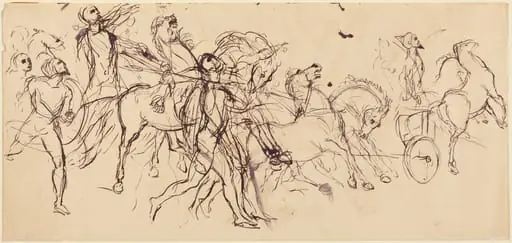 Charioteers (recto and verso)
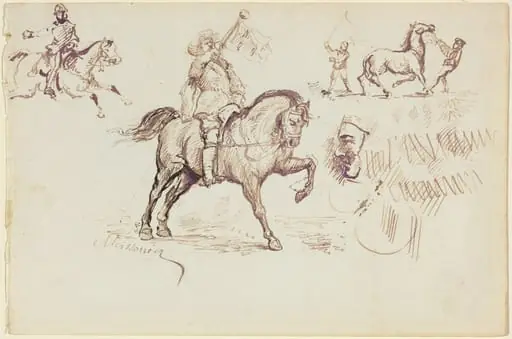 The Herald of Murcia and Other Studies (recto)
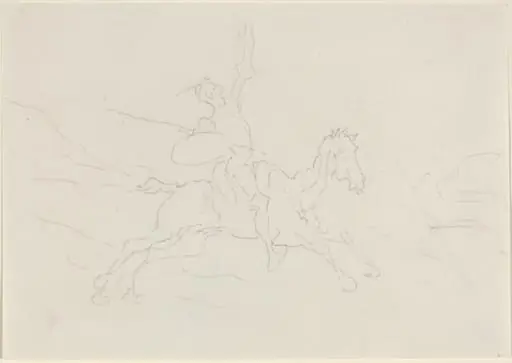 Don Quixote
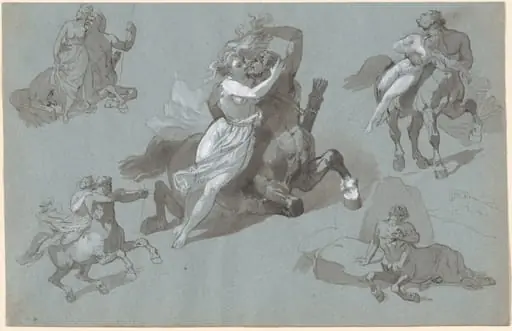 Nessus and Dejanira in Four Poses, and the Dying Nessus
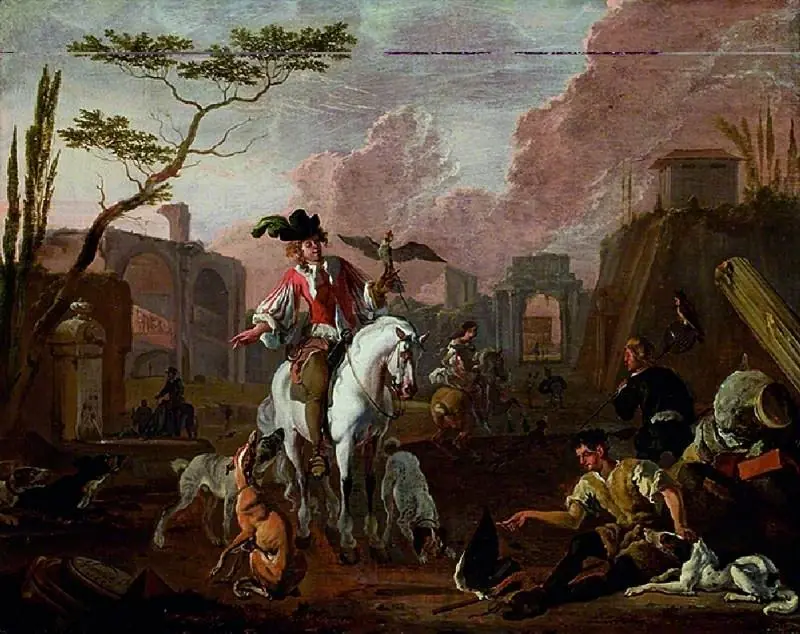 Hawking party
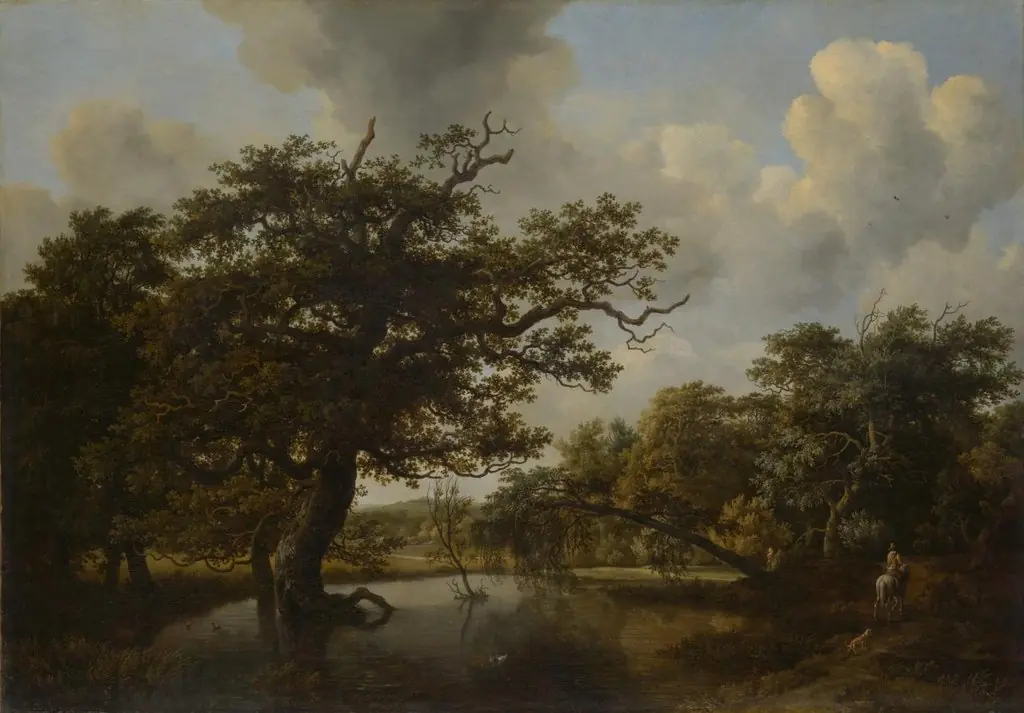 The old oak
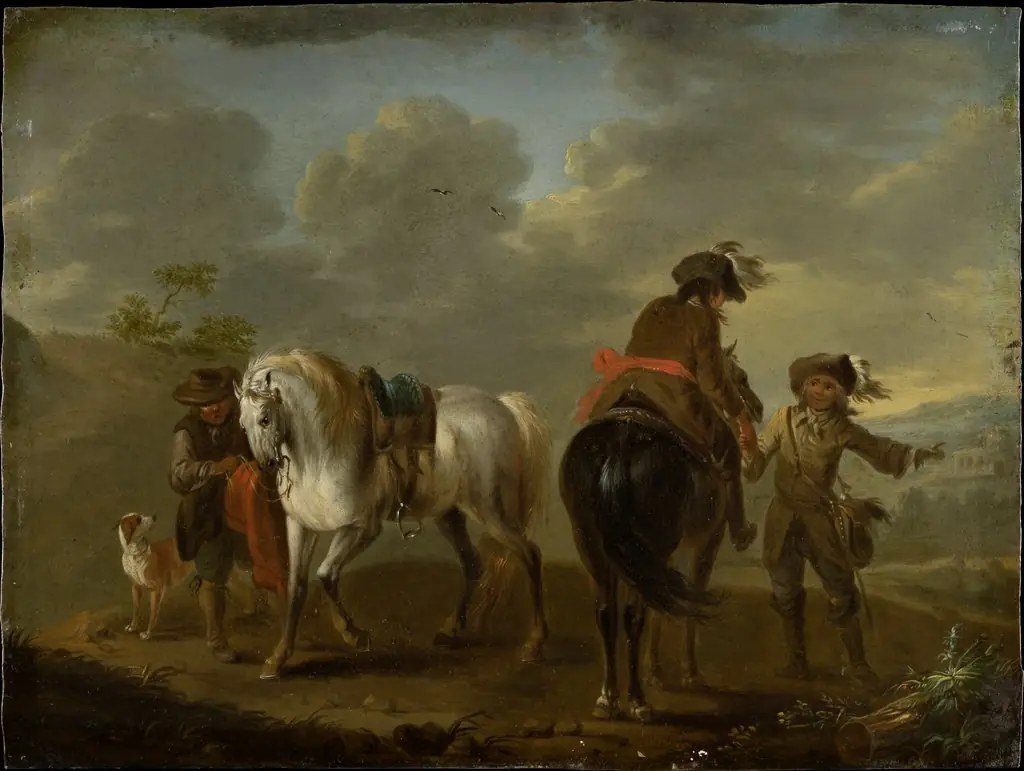 Landscape with Riders
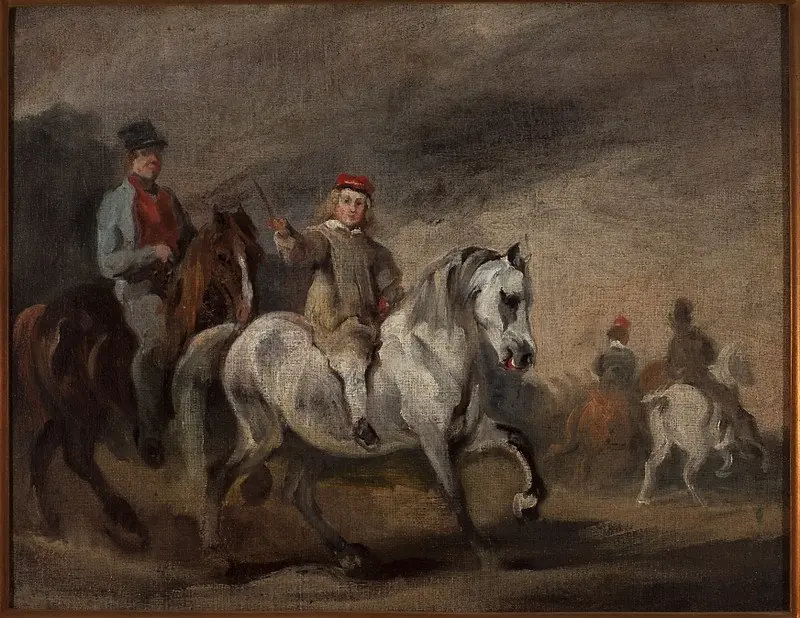 On horseback
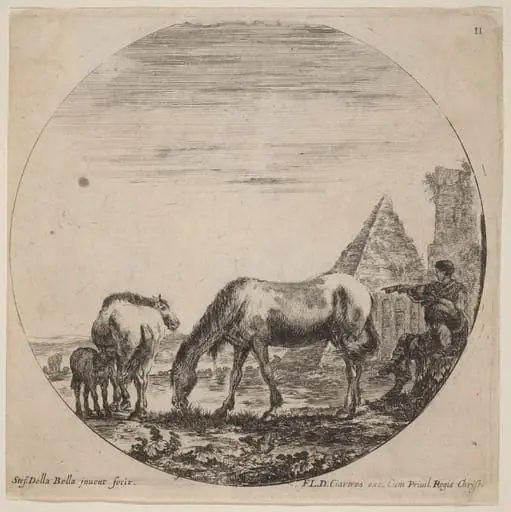 Pyramid of Caius Cestius
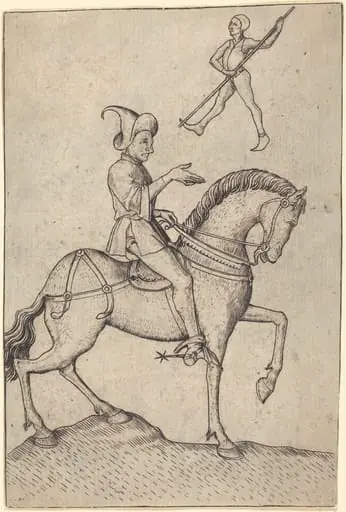 The Knight of Men
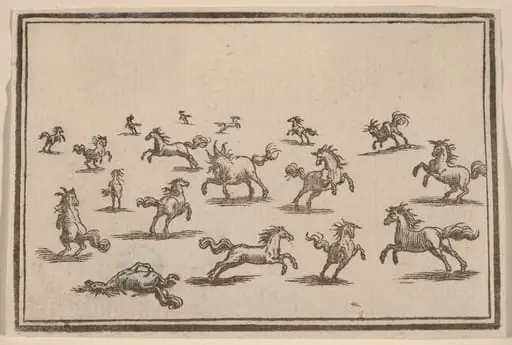 Horses Running
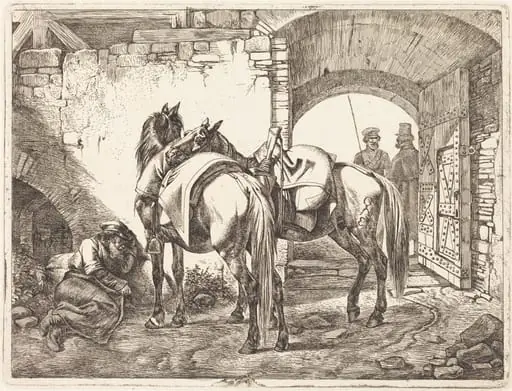 Cossack Horses in a Courtyard
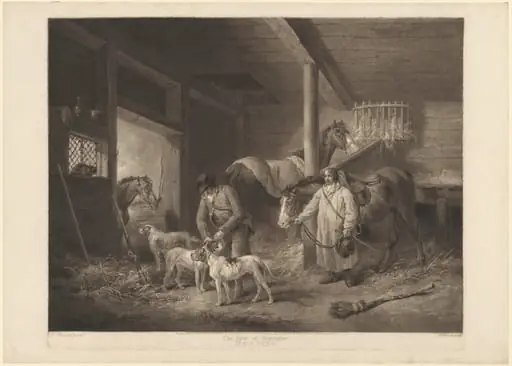 The First of September, Morning
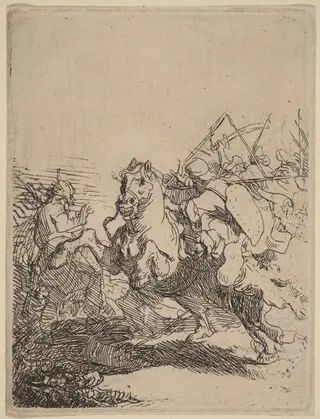 A Cavalry Fight
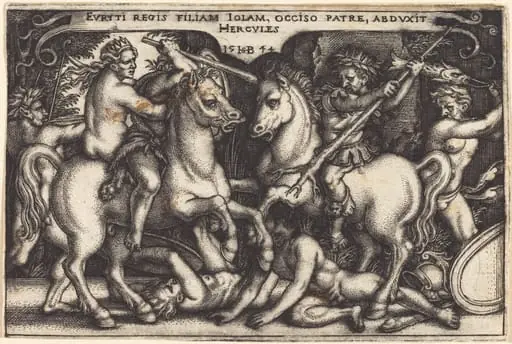 Hercules Abducting Iole
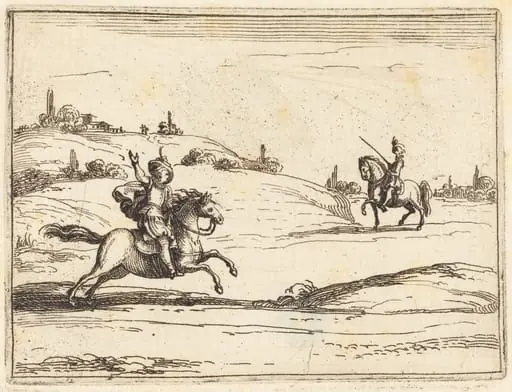 Two Knights
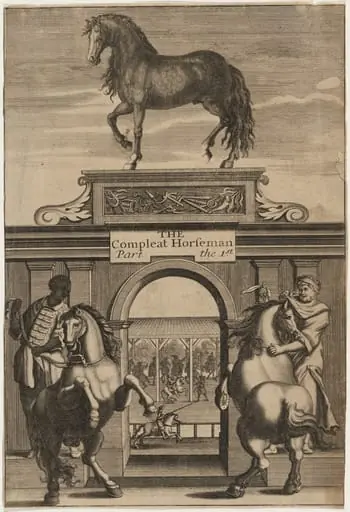 Title Page to the Compleat Horseman
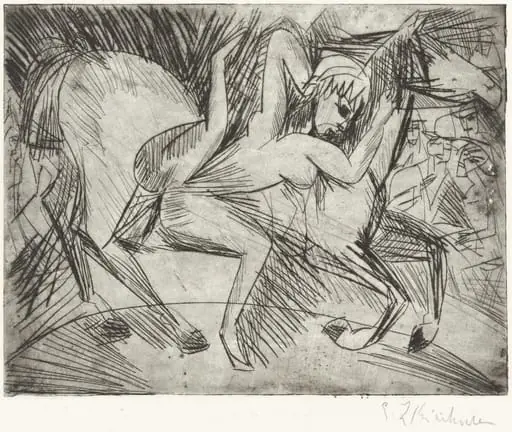 Acrobat on a Horse (Voltigeuse zu Pferd)
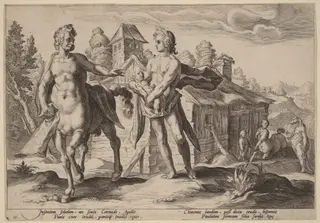 Apollo Entrusting Chiron with the Education of Asclepius
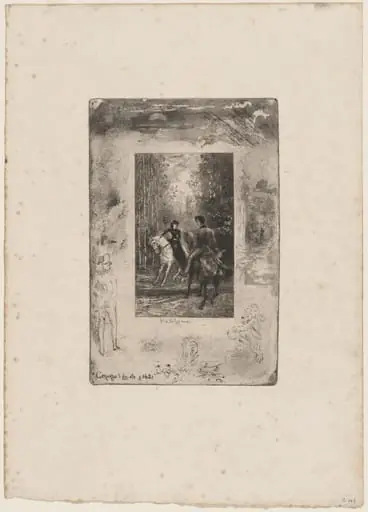 Caramba, Fit-elle!
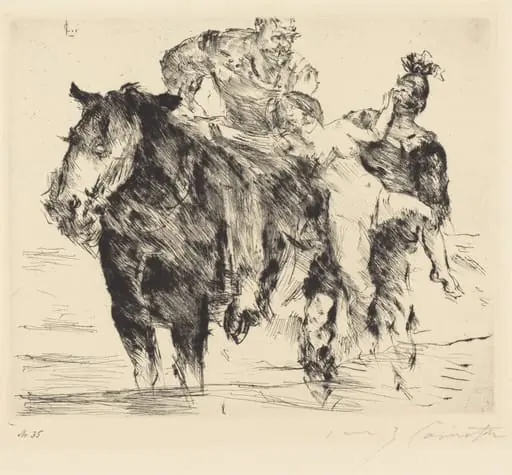 Frauenräuber (Rape)
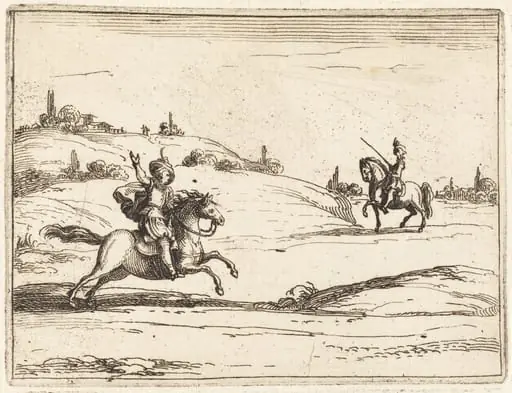 Two Knights
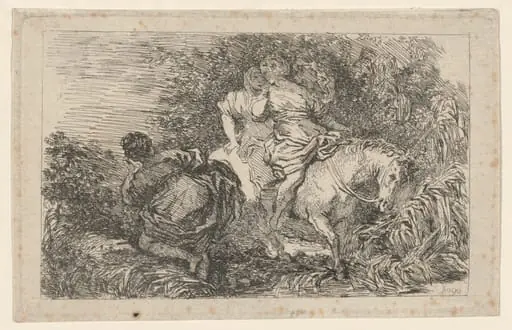 The Flight of Cloelia
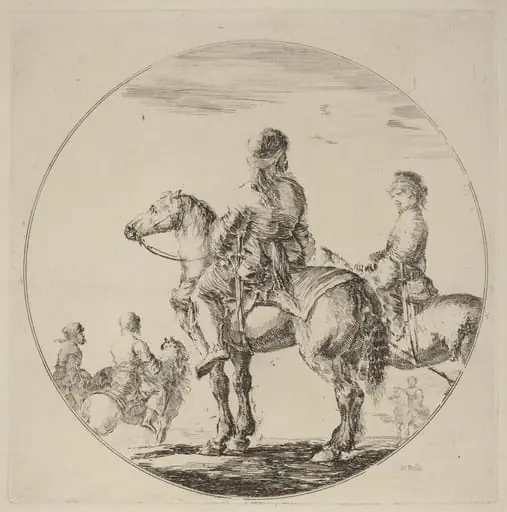 Two Polish Cavaliers
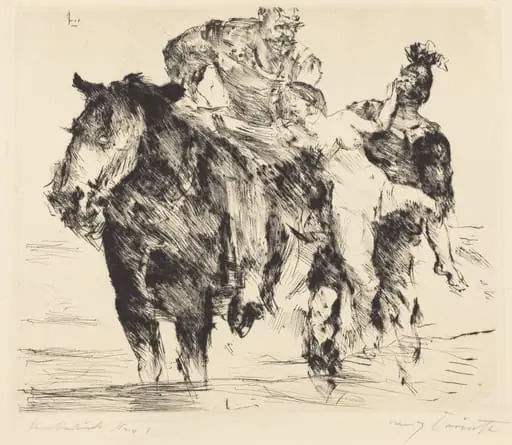 Frauenräuber (Rape)
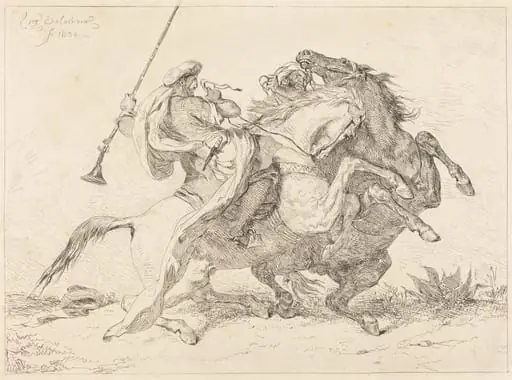 Encounter of the Moorish Horsemen (Rencontre de Cavaliers Maures)
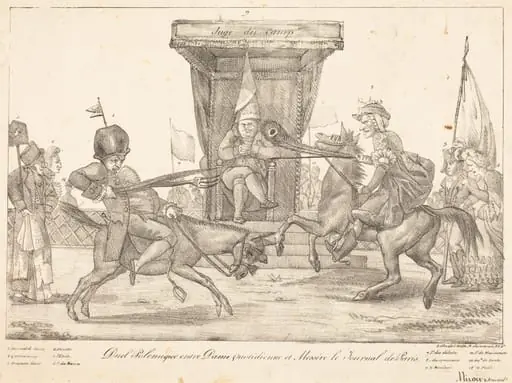 Duel Polemique
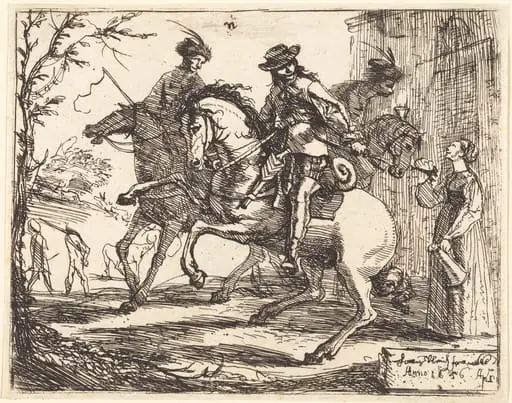 Three Riders before an Inn
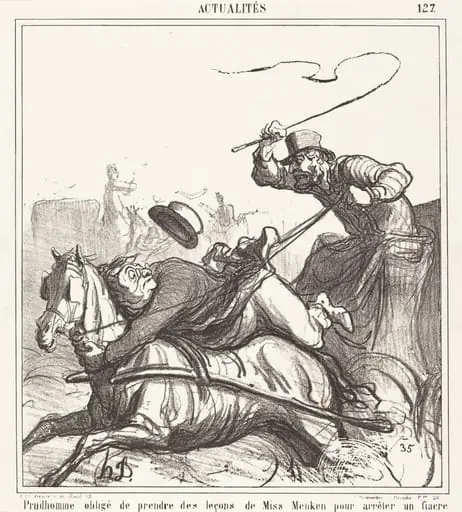 Prudhomme obligé de prendre des leçons...
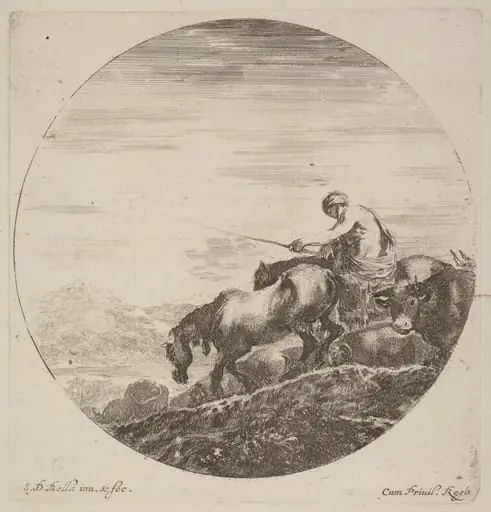 Shepherd on a Horse Driving a Herd of Various Animals
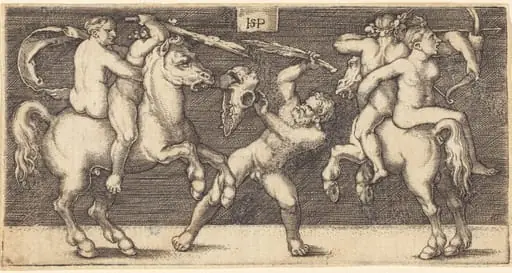 Battle Scene, with Castor and Pollux Abducting the Daughters of Leukippos
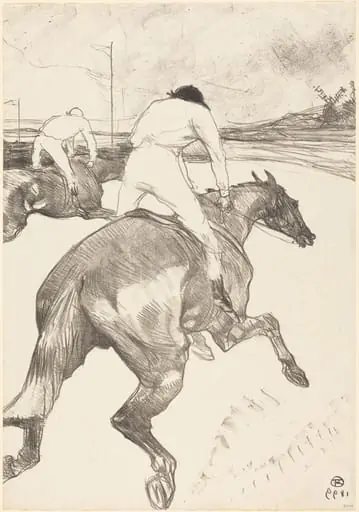 The Jockey (Le jockey)
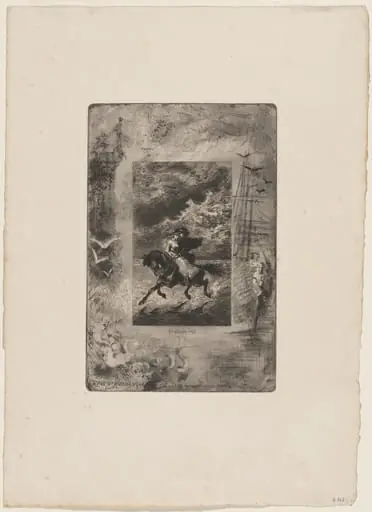 Ryno et Hermangarde
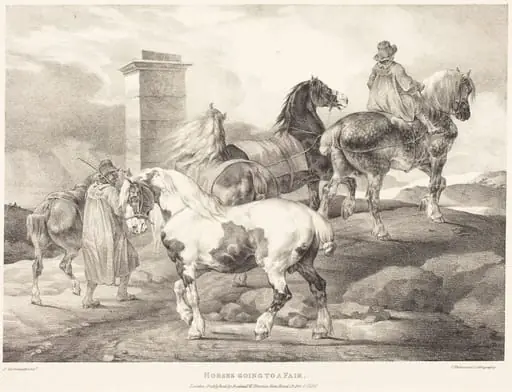 Horses Going to a Fair
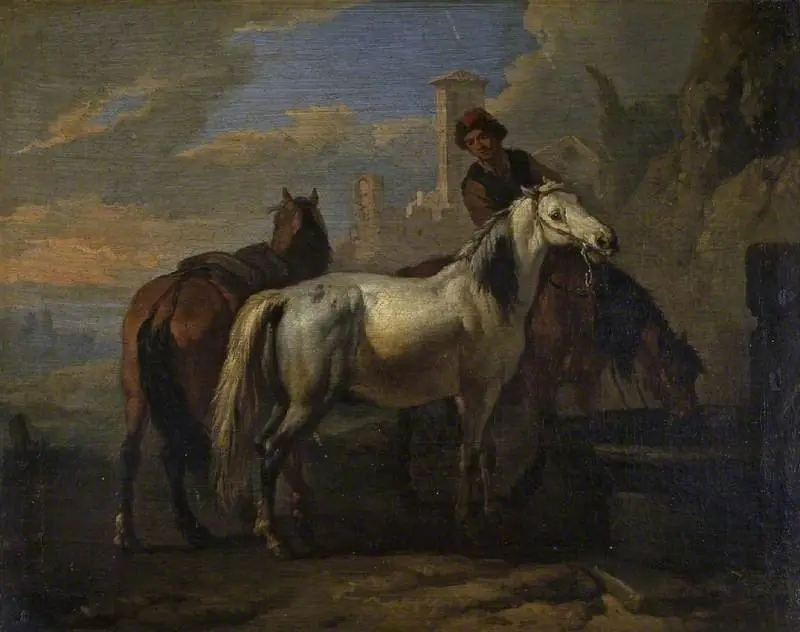 Horses drinking at a fountain
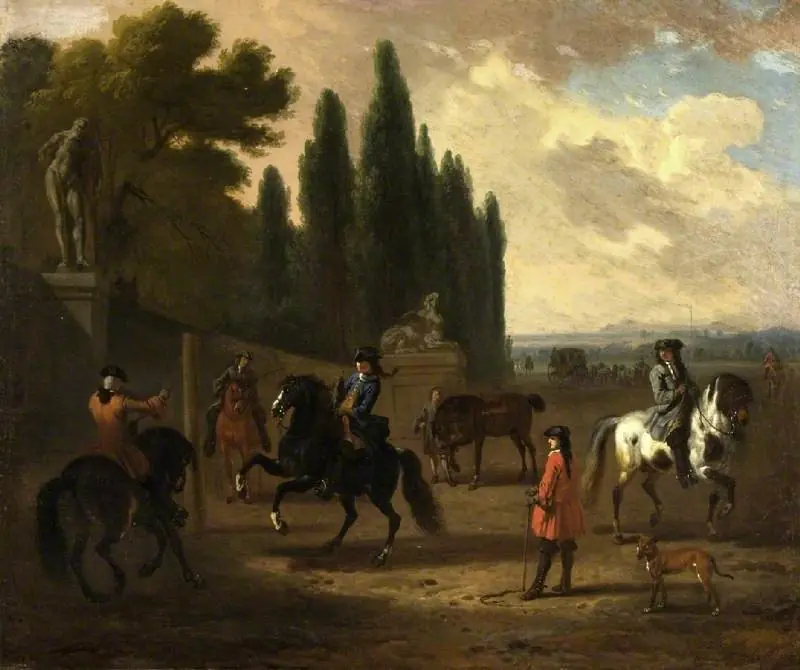 A riding school
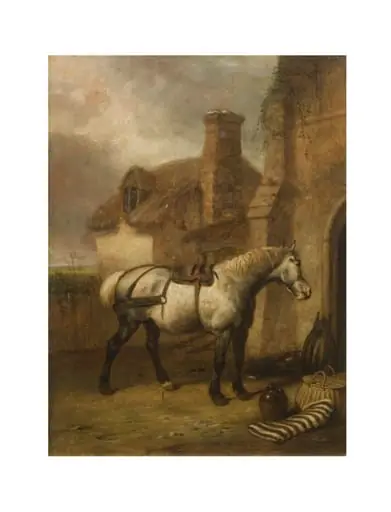 A Grey horse at a stable door
Frequently asked questions
What is Equestrianism?
Equestrianism (from Latin equester, equestr-, equus, 'horseman', 'horse'), commonly known as horse riding (Commonwealth English) or horseback riding (American English), includes the disciplines of riding, driving, and vaulting.
How many Equestrianism works does Artifact World Gallery have?
Artifact World Gallery holds 200 public-domain Equestrianism works, all free to view and download.
Who are the key Equestrianism artists?
Key Equestrianism artists in the collection include Titian, Paolo Veronese and Thomas Cole.
Where can I see Equestrianism works?
Equestrianism works in the collection are held by Metropolitan Museum of Art, National Gallery of Art and Victoria and Albert Museum.