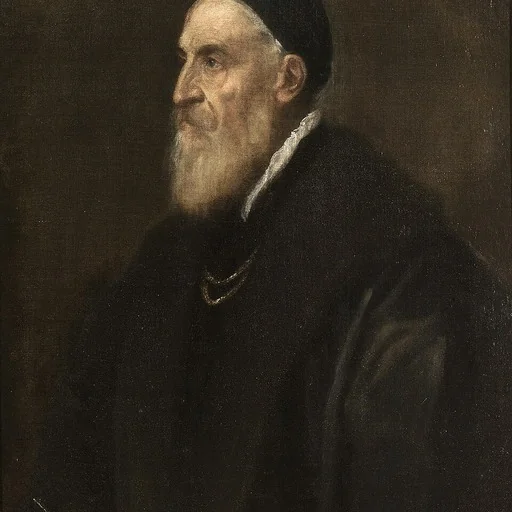
Subject
Christ Child
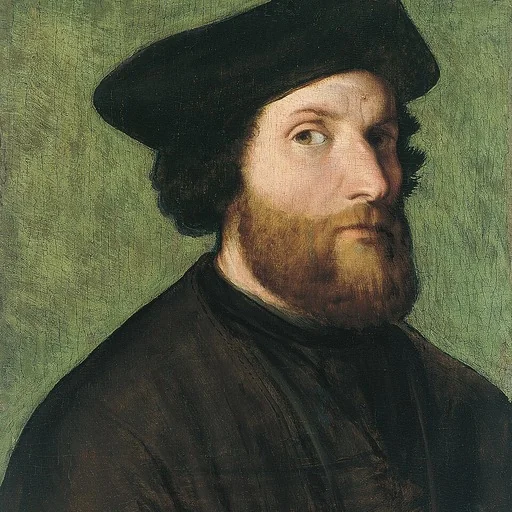
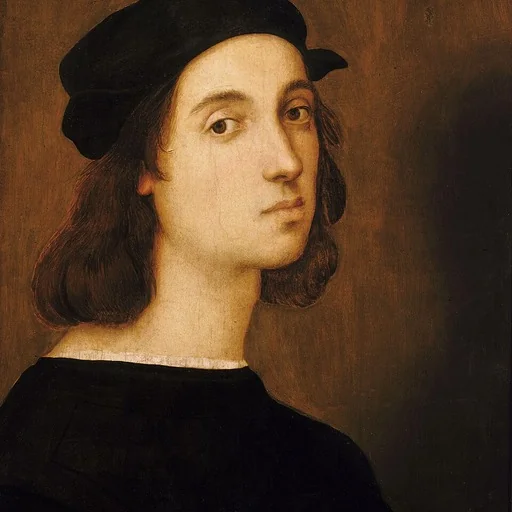
Christ Child is a subject in art. The gallery holds 200 works in this subject in art, including works by Titian, Paolo Veronese and Lorenzo Lotto.
The Christ Child—Jesus in infancy and early childhood—is one of the foundational subjects of Western art, drawn from the Gospel accounts of his nativity in Bethlehem, the adoration of the Magi, and his presentation at the Temple in Jerusalem. Its theological charge was settled at the Council of Ephesus in 431, which affirmed Mary as Theotokos, the "God-bearer," against Nestorius's preference for Christotokos. That doctrine—that the infant cradled by his mother was at once fully human and fully divine—made the image of mother and child the central devotional motif of Christian art. Byzantine icon painters codified its earliest forms: the regal enthroned Nikopoia, the Hodegetria, in which a standing Virgin gestures toward the Child as the way to salvation, and the Blachernitissa, showing Christ in a medallion at her breast.
These rigid types governed depiction well into the late Middle Ages, when artists frequently rendered the infant as a miniature, solemn-faced adult—a "homunculus" with grave features and an authoritative bearing—to signal his perfect divine wisdom from birth rather than the helplessness of ordinary infancy. The arrival of the Italian Renaissance transformed the convention. Giotto's interest in weight and naturalism opened the way, and by the fifteenth and sixteenth centuries painters such as Jan van Eyck, Leonardo da Vinci, and Raphael rendered a believably plump, animated child engaged tenderly with his mother.
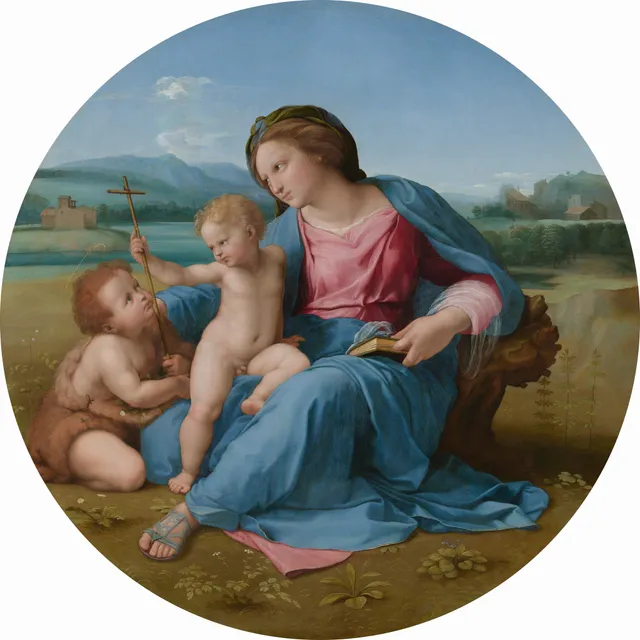
Naturalism never displaced symbolism. A goldfinch held in the Child's hand foreshadowed the Passion—the ornithologist Herbert Friedmann catalogued 486 devotional pictures featuring the bird—while fruit, books, and the reed cross of the young John the Baptist pointed toward the Crucifixion. Raphael's tondo The Alba Madonna (c. 1510, National Gallery of Art) crystallizes this: the Christ Child reaches to accept the cross, knowingly embracing his sacrifice. Botticelli's Adoration of the Magi (c. 1475, Santa Maria Novella) recasts the Epiphany as a parade of Medici Florence, while El Greco's Holy Family and Fra Bartolomeo's tender groupings extend the theme into Mannerist devotion.
The subject's legacy is vast, spanning Byzantine icons, Netherlandish panels, High Renaissance tondi, and Baroque altarpieces, and it remains the enduring template through which Western art imagined infancy, motherhood, and the union of the human and divine.
Key artists
Overview
The Christ Child, also known as Baby Jesus, Infant Jesus, Child Jesus, Divine Child, Divine Infant, and the Holy Child, refers to Jesus Christ during his early years from birth through approximately age twelve. This period, described in the canonical Gospels, encompasses his nativity in Bethlehem, the visit of the Magi, his presentation at the Temple in Jerusalem, and his parents' discovery of him in the Temple at age twelve. Despite the relative brevity of biblical accounts about Jesus's childhood, the Christ Child became one of the most frequently depicted subjects in Christian art, with representations appearing in over two thousand works in major collections. The motif serves as a focal point for theological reflection on the Incarnation, the humanity of Christ, and the mystery of divine humility.
Iconography & meaning
The iconography of the Christ Child developed systematically from the third and fourth centuries onward, accumulating attributes that signaled his dual nature as both human infant and divine savior. From the fourteenth century, artists increasingly endowed the figure with symbols of kingship and redemption: the halo, crown, orb, scepter, heart, lamb, shepherd's crook, grapes, cross, hyssop, and lance. The goldfinch, or distelfink, appeared as a particularly poignant symbol, its red head feathers alluding to the blood of Christ's future sacrifice, as seen in Raphael's Madonna of the Goldfinch. The contrapposto pose, with knees positioned in opposite directions, became associated with Spanish devotional images following the work of sculptor Juan Martínez Montañés. In colonial contexts, the Christ Child was depicted wearing regional vestments and holding the globus cruciger, a bird symbolizing the soul or Holy Spirit, or other locality-specific paraphernalia. The Renaissance marked the apex of Christ Child symbolism, with the Holy Family serving as a central theme for masters who explored the naturalistic rendering of infant flesh alongside theological profundity. Devotional images such as the Infant Jesus of Prague, the Santo Niño de Cebú, and the Bambino Gesù of Arenzano received canonical coronation, attesting to their spiritual significance.
In the collection
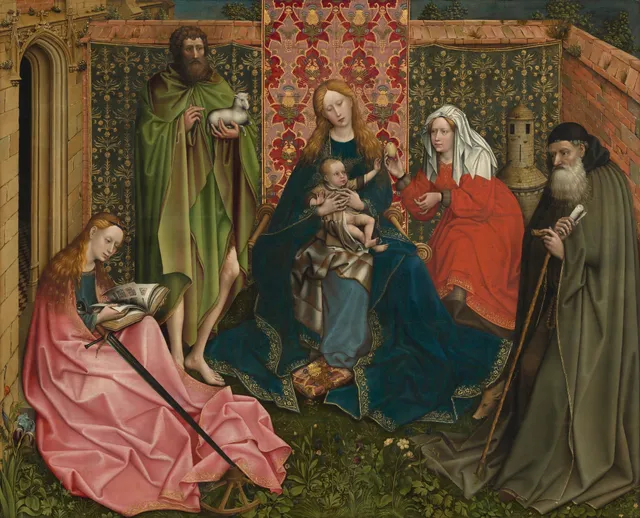
The Christ Child appears in 2,021 works in the collection, spanning diverse media, periods, and national schools. The subject manifests across multiple iconographic types: the Madonna and Child, the Holy Family, the Adoration of the Magi, and scenes with the young Saint John the Baptist. Notable examples include The Alba Madonna, Madonna and Child with the Young Saint John the Baptist, Madonna and Child with Saints in the Enclosed Garden, The Holy Family with Saint Anne and the Infant John the Baptist, and Paul Gauguin's Ia Orana Maria. Works range from intimate devotional panels to large altarpieces, from drawings to sculptures. Raphael's Studies of the Christ Child, a red chalk drawing dated 1513-14 measuring 22 by 16.7 centimeters, exemplifies the collection's strength in preparatory works that reveal artistic process; the study explores naturalistic movement and dimpled infant flesh for a Holy Family composition known from painted versions in Vienna and Rome. The Adoration of the Christ Child by a follower of Jan Joest of Kalkar, an oil on wood panel measuring 104.1 by overriding dimensions, represents Northern European treatment of the subject. The breadth of works demonstrates how the Christ Child functioned as a universal artistic language across cultures and centuries.
Across movements & periods
The treatment of the Christ Child evolved significantly across movements and cultures. From the third and fourth centuries, early Christian art established the basic iconography of the infant Jesus in nativity scenes and Madonna and Child compositions. The Middle Ages saw the rise of European wood sculpture from the fourteenth century, with Spain developing distinctive traditions under the influence of santero culture; the montañesino style, named after Juan Martínez Montañés, spread among Iberian nobility and into colonial America. The Renaissance represented the culmination of naturalistic exploration, as Leonardo da Vinci and contemporaries integrated the Holy Family into complex humanistic compositions. The Baroque period intensified devotional engagement, particularly in Italy, Spain, and Spanish America, where popular piety found expression in miraculous images and pilgrimage cults. The Counter-Reformation spurred devotion in Germanic Catholic lands and Bohemia, partly as response to Protestant aniconism; the French School of Spirituality, led by Cardinal de Bérulle and Vincent de Paul, promoted the Christ Child as a model of silent charity and self-abnegation. The eighteenth and nineteenth centuries witnessed some decline as the devotion was occasionally dismissed as sentimental, but the canonization of Thérèse of Lisieux in the twentieth century renewed interest in the spiritual way of childhood as an attitude of trust in divine love. Throughout, the subject remained remarkably consistent in its core iconography while adapting to local devotional needs and aesthetic preferences.
Notable depictions
Beyond the collection's holdings, several Christ Child images achieved exceptional fame and devotional status. The Sarner Jesuskind, a fourteenth-century wooden figure fifty centimeters high in the Benedictine convent of Sarn, depicts the infant with right leg raised supporting a globe and left hand pointing to his heart, making the monastery a pilgrimage destination since late medieval mysticism. The Santo Bambino of Aracoeli in Rome, a sixty-centimeter figure allegedly carved in the fifteenth century from olive wood of Gethse H2:semane's garden, occupies the church of Santa Maria in Aracoeli. The Infant Jesus of Prague, a forty-seven-centimeter wax figure from the seventeenth century in the Church of Our Lady Victorious, was donated by Polyxena of Lobkowicz in 1628 and became the center of Baroque pilgrimage culture. The Santo Niño de Cebú, a sixteenth-century wooden figure given by Ferdinand Magellan to Hara Amihan, wife of Raja Humabon, on April 14, 1521, survived the destruction of Miguel López de remitted Legazpi's 1565 campaign and became enshrined in the Basilica del Santo Niño, the first church in the Philippines. The Wettinger Jesuskind, an altarpiece from around 1450 in Wettingen Abbey, miraculously survived the April 11, 1507 fire, with burn holes forming a pattern centered on a heart-shaped hole symbolizing the Savior's heart. The Filzmooser Kindl, a forty-five-centimeter painted wooden figure from the fifteenth century, displays the Christ Child blessing with three raised fingers while holding a globe and bell. Raphael's drawn studies, including the Metropolitan Museum sheet, demonstrate how even preparatory works could achieve artistic distinction through their exploration of infantile naturalism.
Legacy
The Christ Child's cultural afterlife extends far beyond formal art history into devotional practice, popular piety, and cultural identity. The founding of the Archconfraternity of the Holy Infancy in 1636 by Discalced Carmelite nun Venerable Margaret of the Blessed Sacrament institutionalized devotion to the Christ Child. Saint Thérèse of Lisieux, who took the religious name 'of the Child Jesus,' exemplified the twentieth-century resurgence; her autobiography described encountering a smiling statue upon entering the cloister, and she placed the Holy Child on her self-designed coat of arms. The Carmel of Lisieux preserved her devotion through multiple images, including a wax sculpture dressed in fabric from her habit-taking dress with Alençon lace made by her mother and hair from her own tresses. The Scottish carol Tàladh Chrìosda, with lyrics by Catholic priest Ranald Rankin circa 1855 set to the Hebridean melody Cumha Mhic Arois, demonstrates the subject's musical life; originally twenty-nine verses in Scottish Gaelic, the popular English translation reduces this to five verses, and the rhythm mirrors ocean surf as a protective charm for fishermen. The Christ Child also entered secular cultural practice, as twentieth-century families had children write letters to the Christ Child expressing good intentions and gift requests, paralleling Santa Claus traditions. In Cuban Santería, the Santo Niño de Atocha was syncretized with Ellegua, showing how the figure adapted to diasporic religious contexts. The enduring proliferation of the Christ Child across media, nations, and centuries testifies to its remarkable capacity to embody theological complexity through apparent simplicity.
Works
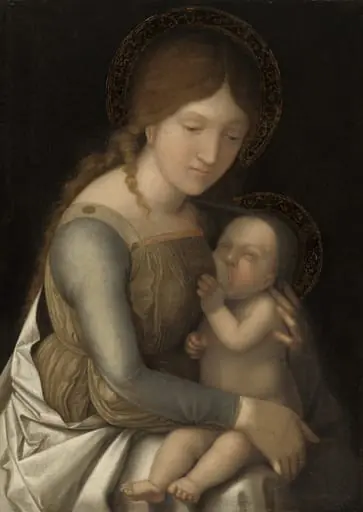 Madonna and Child
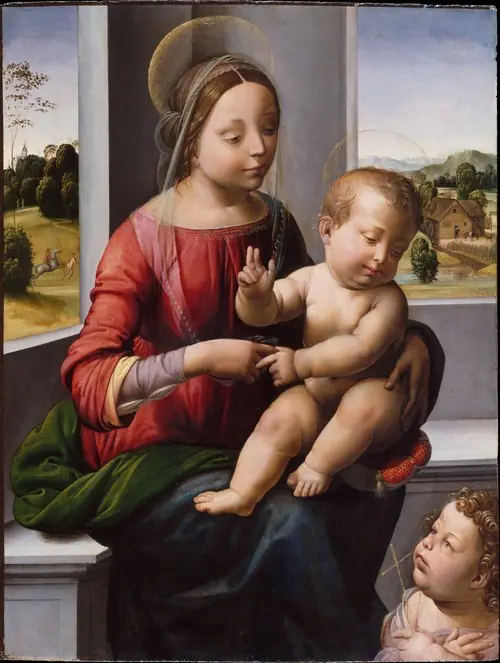 Madonna and Child with the Young Saint John the Baptist
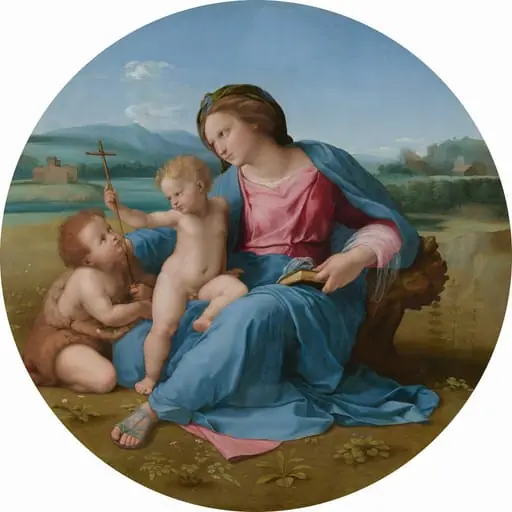 The Alba Madonna
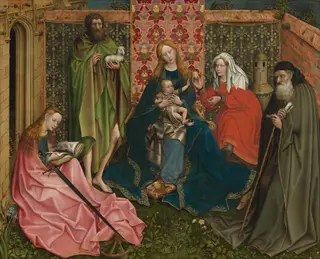 Madonna and Child with Saints in the Enclosed Garden
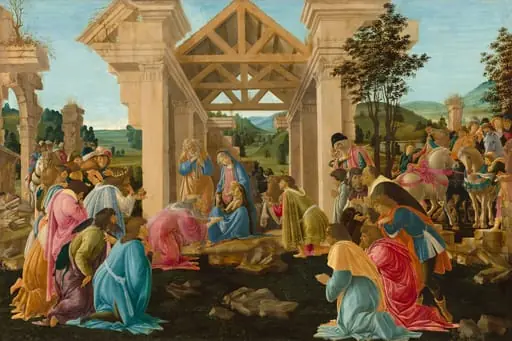 The Adoration of the Magi
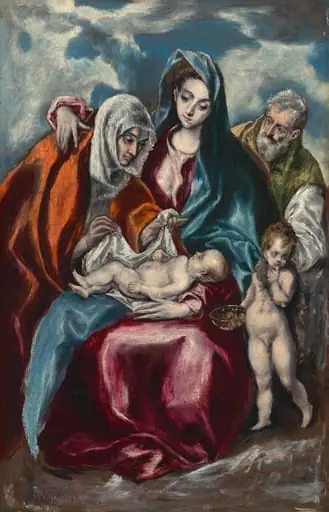 The Holy Family with Saint Anne and the Infant John the Baptist
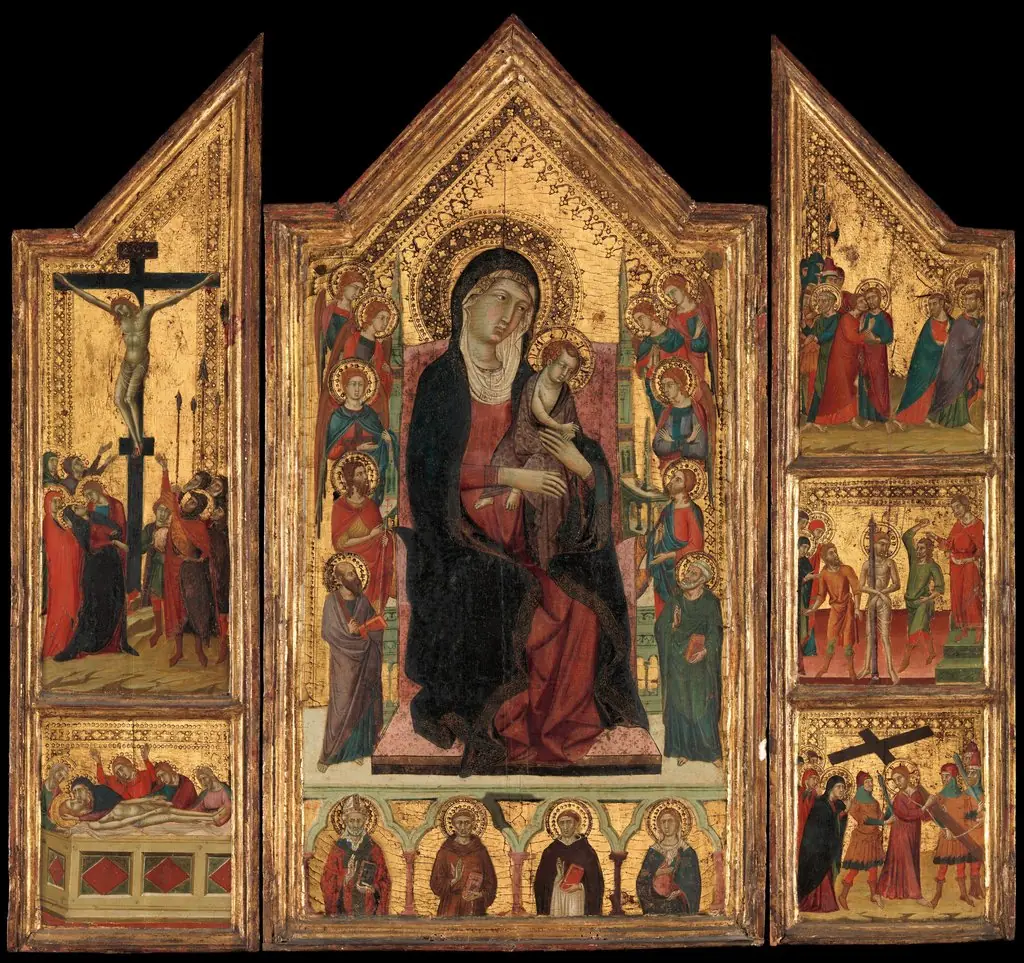 Madonna and Child Enthroned
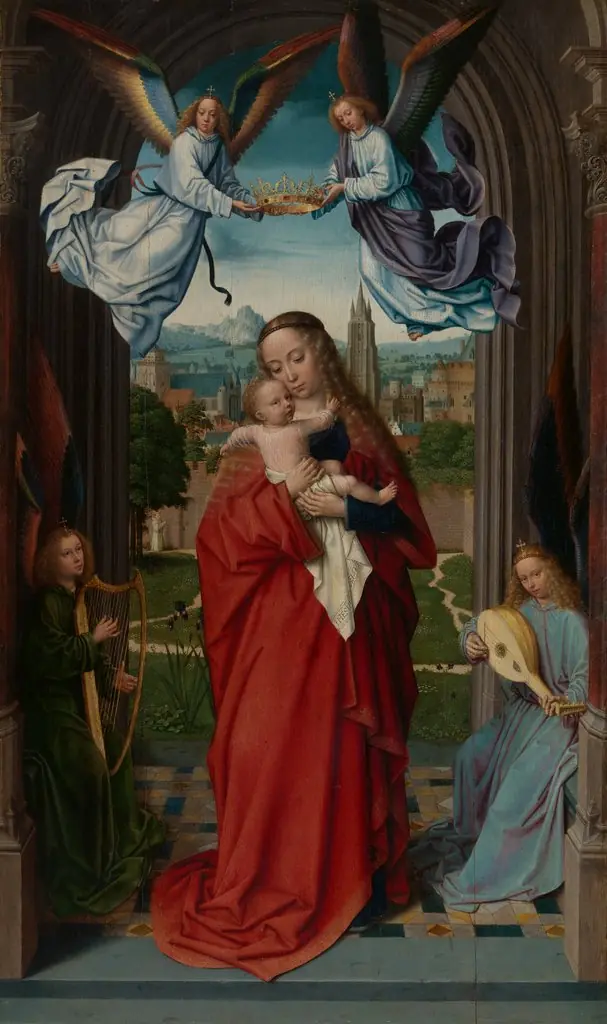 Virgin and Child with Four Angels
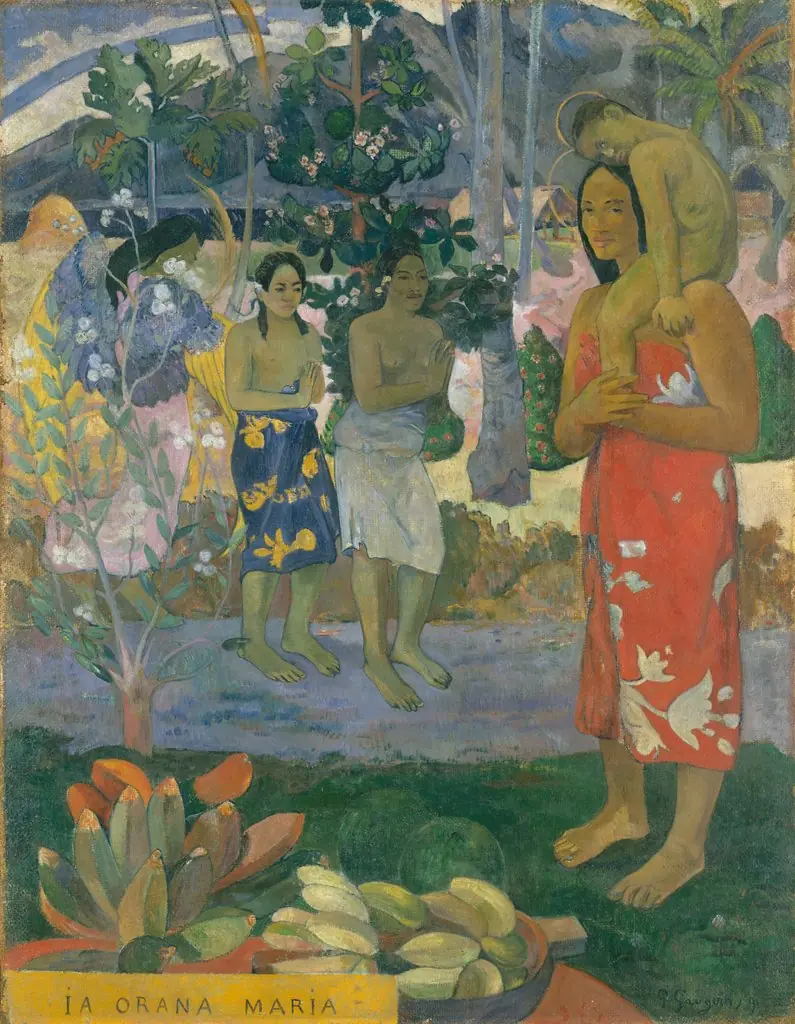 Ia Orana Maria
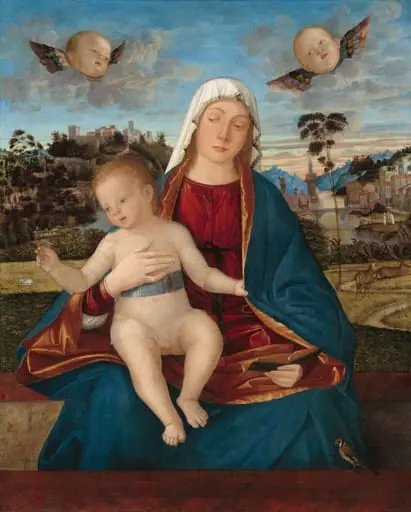 Madonna and Child
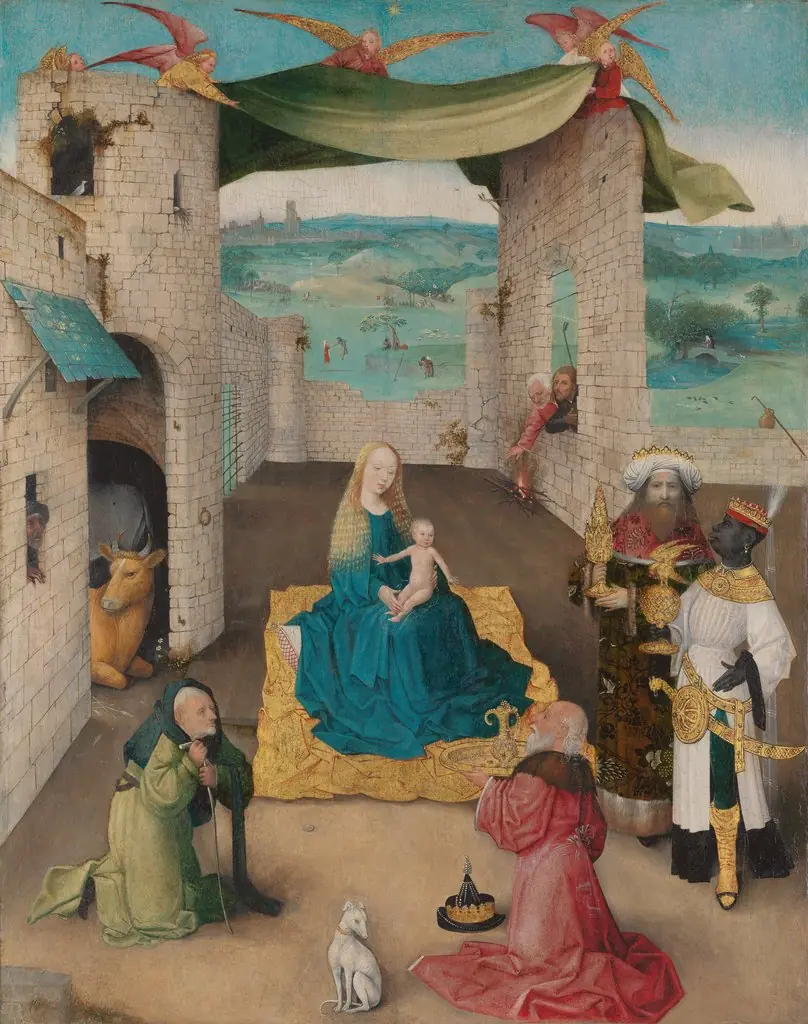 The Adoration of the Magi
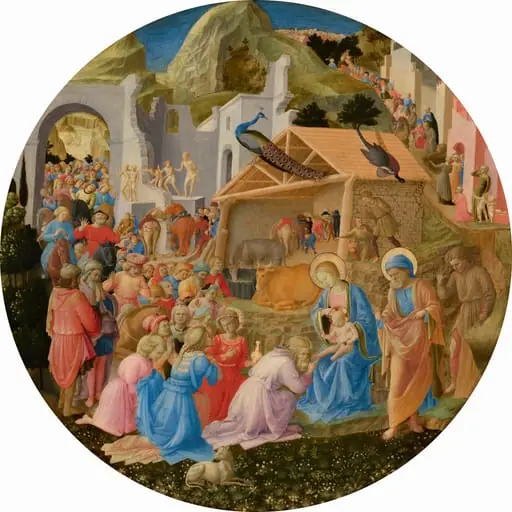 The Adoration of the Magi
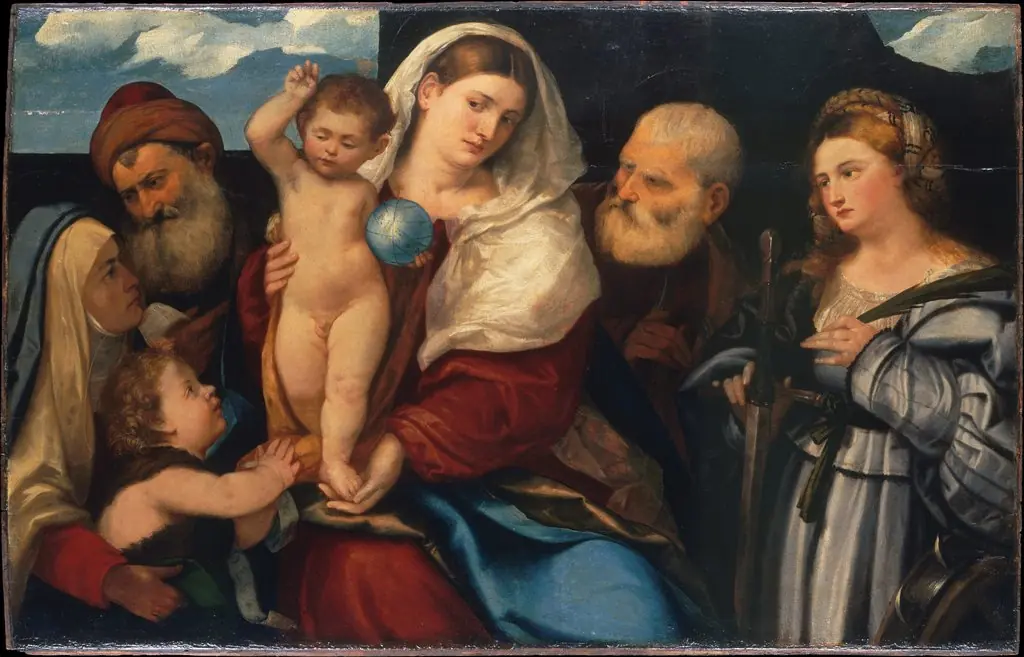 Madonna and Child with Saints
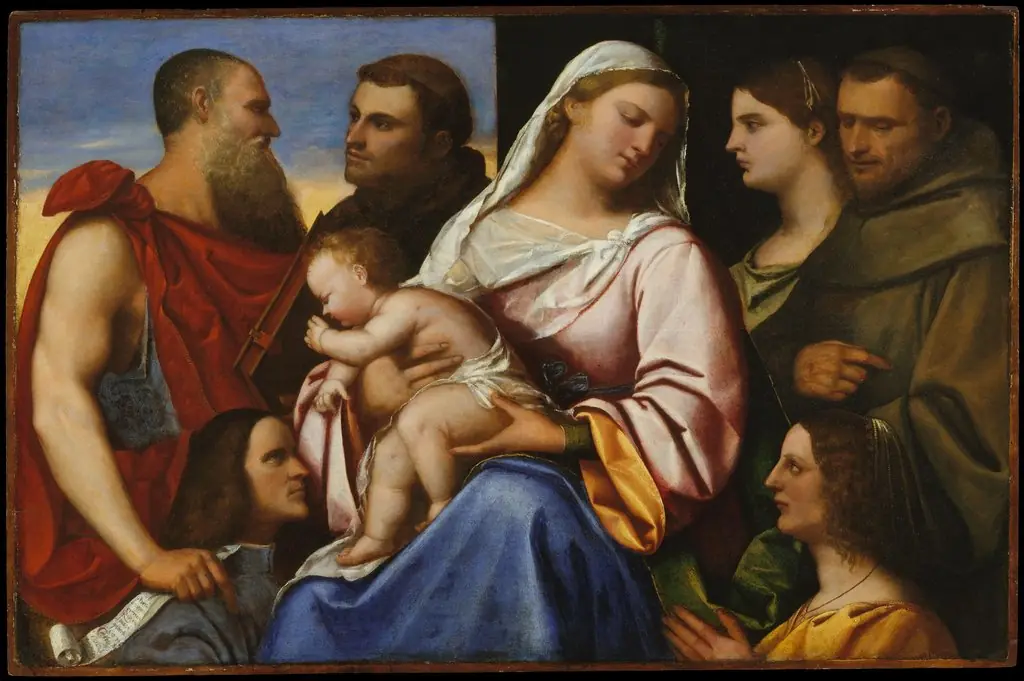 Madonna and Child with Saints and Donors
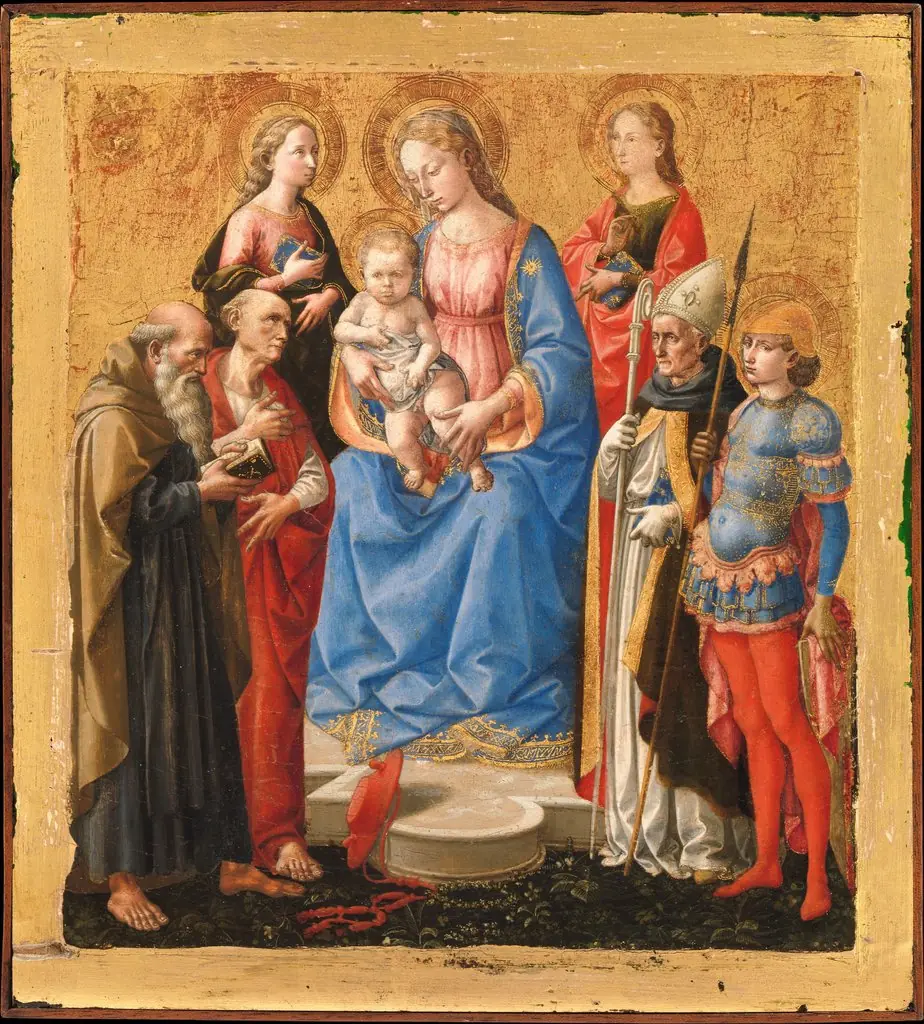 Madonna and Child with Six Saints
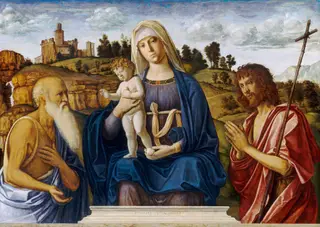 Madonna and Child with Saint Jerome and Saint John the Baptist
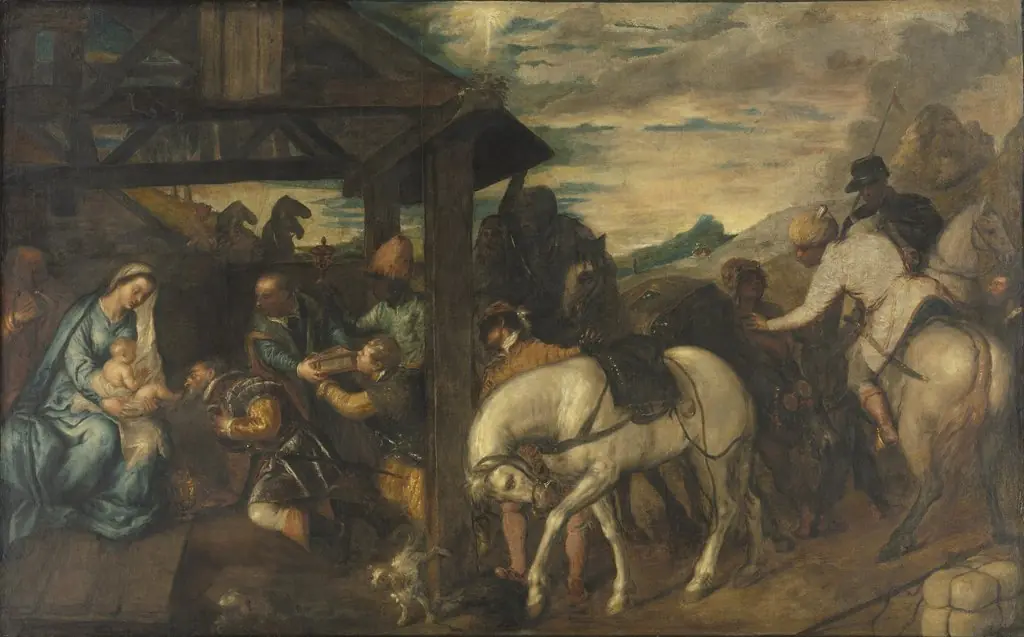 Adoration of the Magi
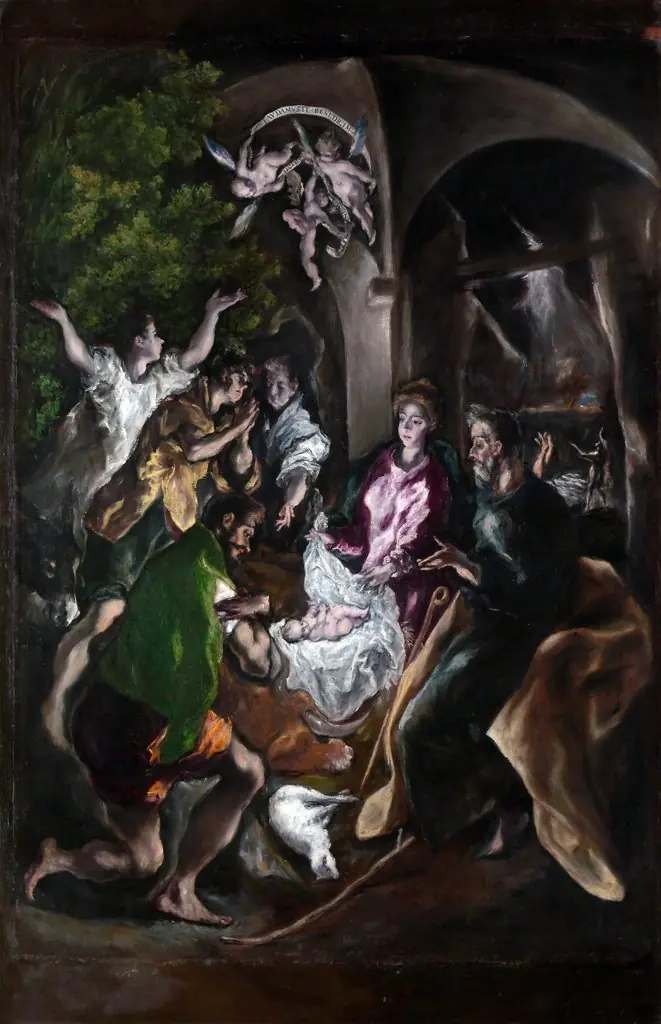 The Adoration of the Shepherds
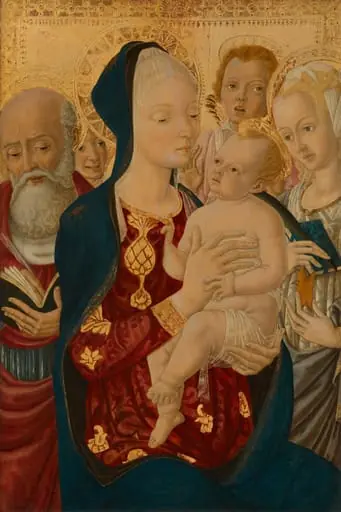 Madonna and Child with Saint Jerome, Saint Catherine of Alexandria, and Angels
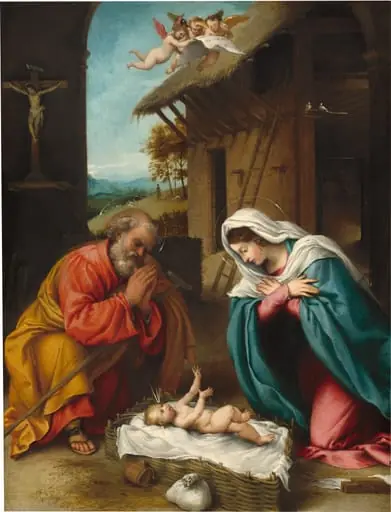 The Nativity
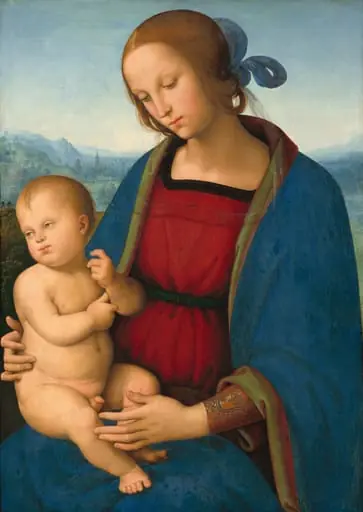 Madonna and Child
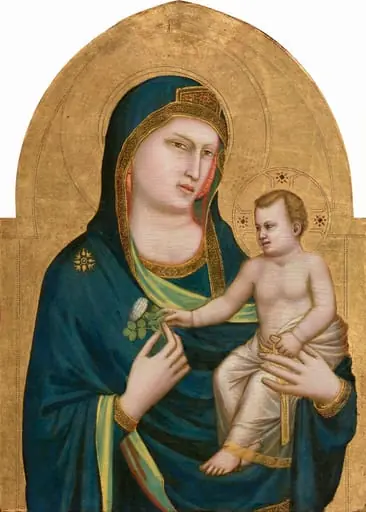 Madonna and Child
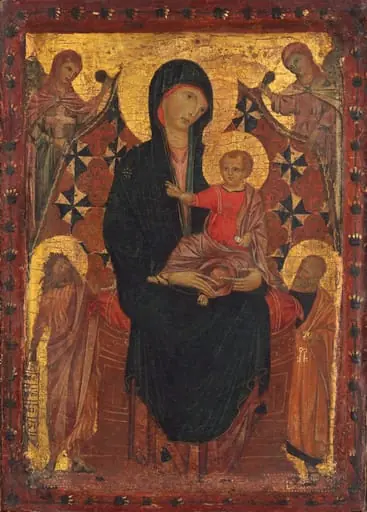 Madonna and Child with Saint John the Baptist, Saint Peter, and Two Angels
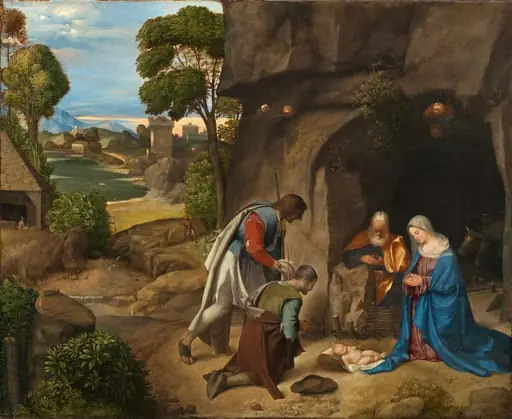 The Adoration of the Shepherds
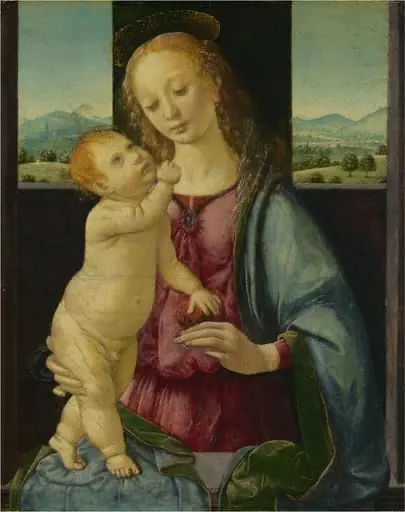 Madonna and Child with a Pomegranate
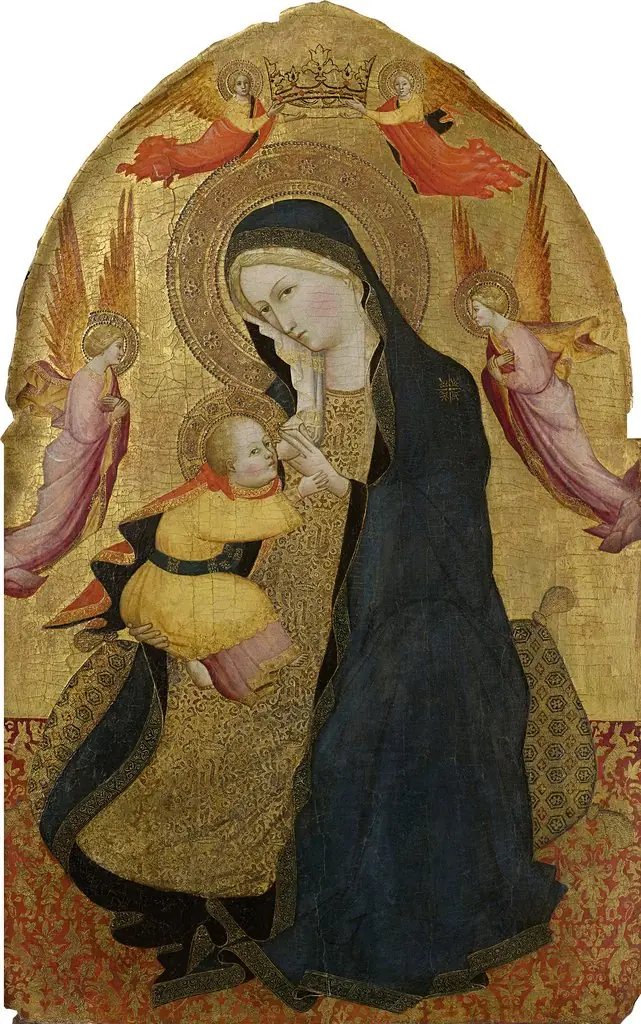 Madonna of Humility (Madonna dell'Umiltà)
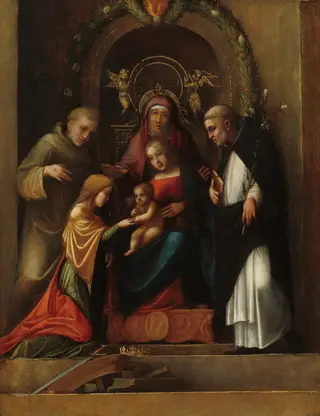 The Mystic Marriage of Saint Catherine
![Madonna and Child [obverse]](https://artifactworldgallery.com/img/albrecht-durer--madonna-and-child-obverse--d7b8ebf05d22ebe5-w320.webp) Madonna and Child [obverse]
Madonna and Child [obverse]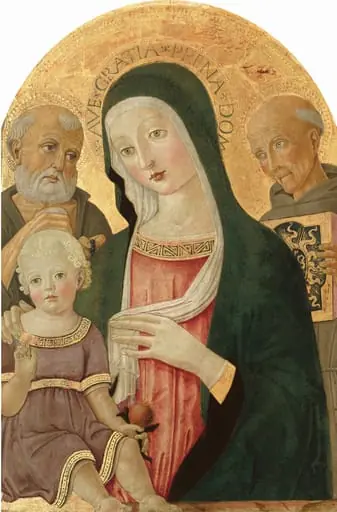 Madonna and Child with Saint Jerome and Saint Bernardino of Siena
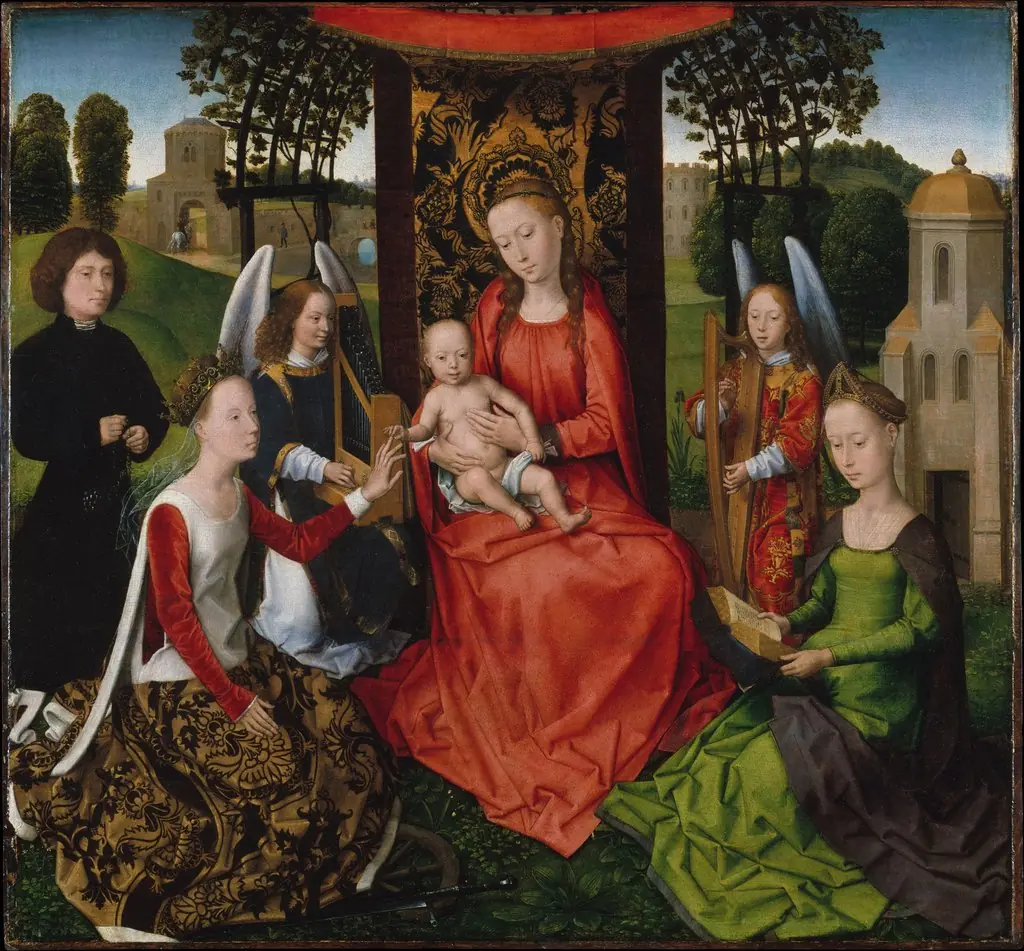 Virgin and Child with Saints Catherine of Alexandria and Barbara
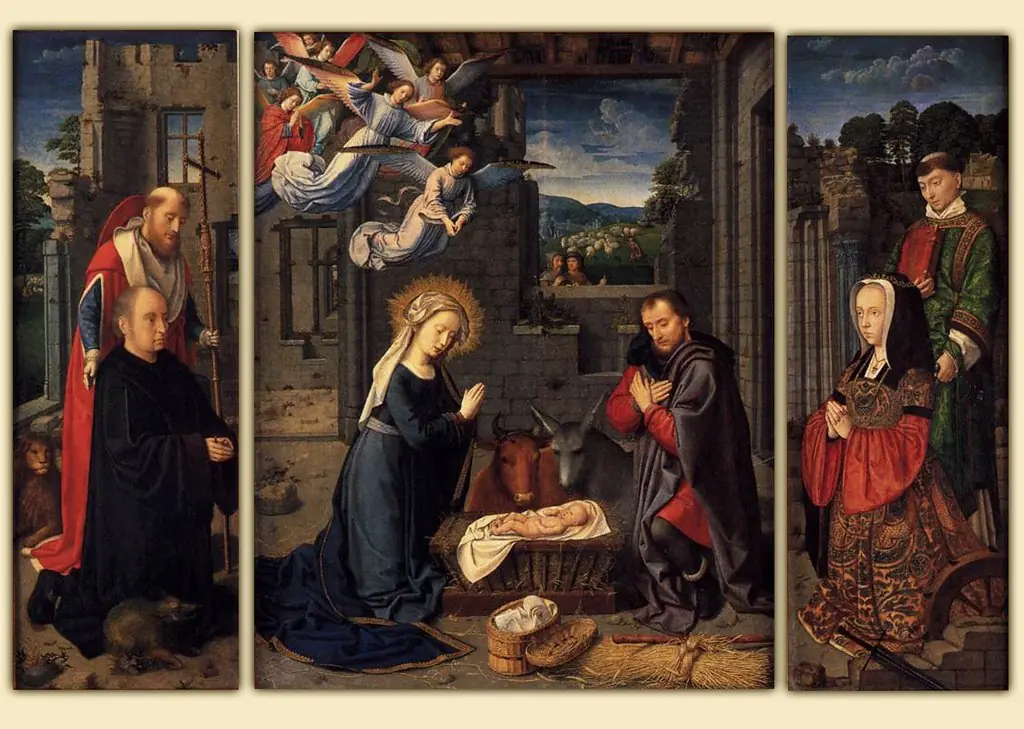 The Nativity with Donors and Saints Jerome and Leonard
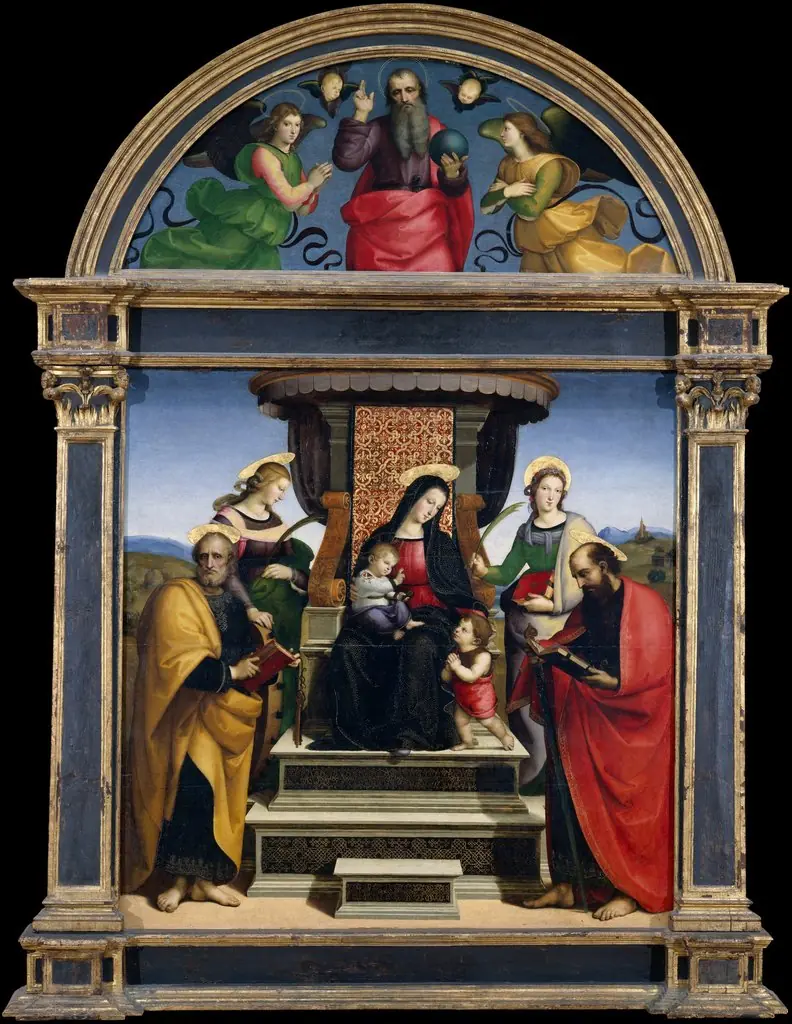 Madonna and Child Enthroned with Saints
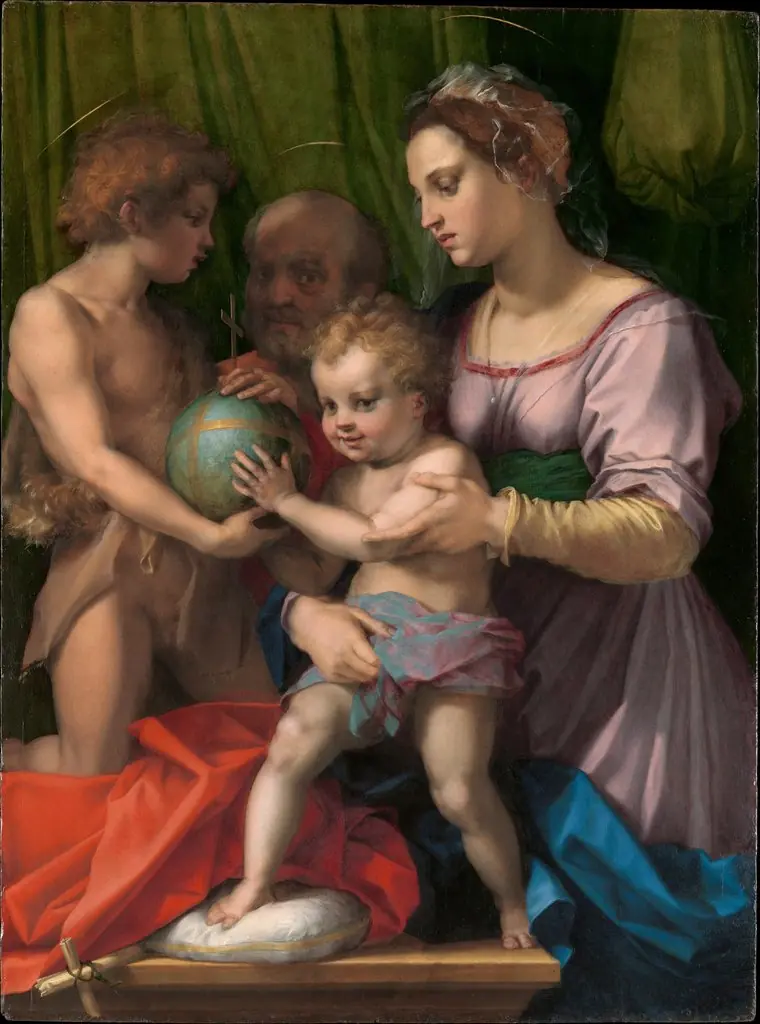 The Holy Family with the Young Saint John the Baptist
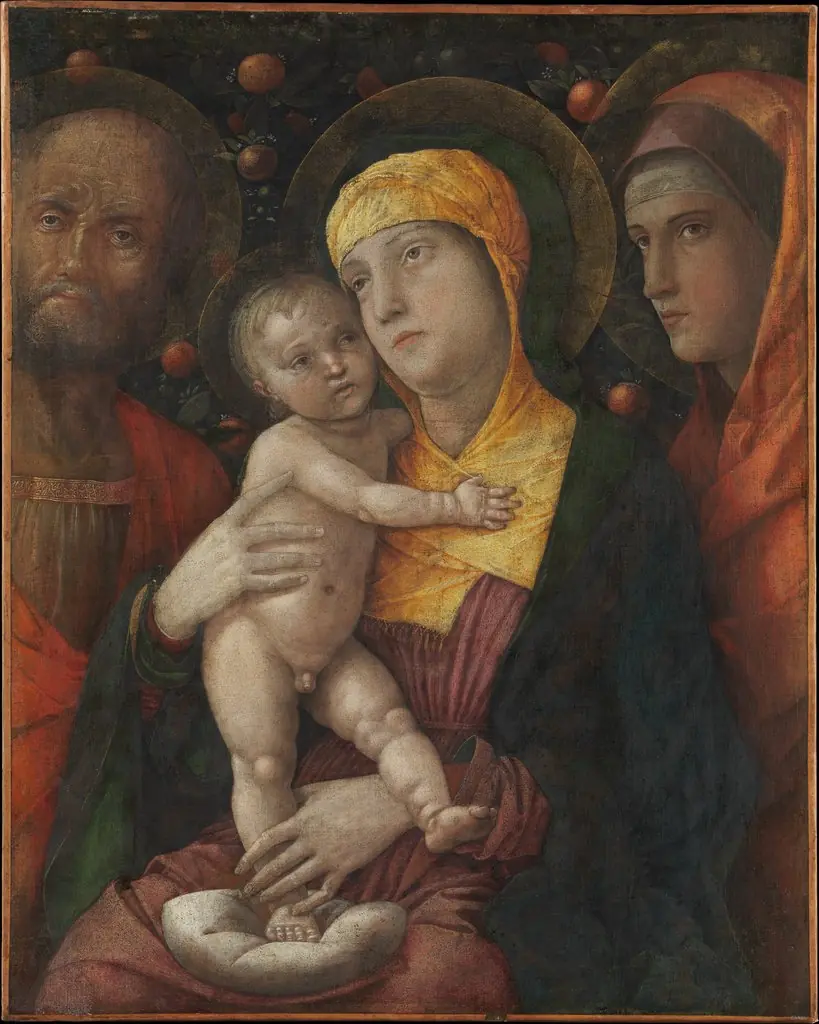 The Holy Family with Saint Mary Magdalen
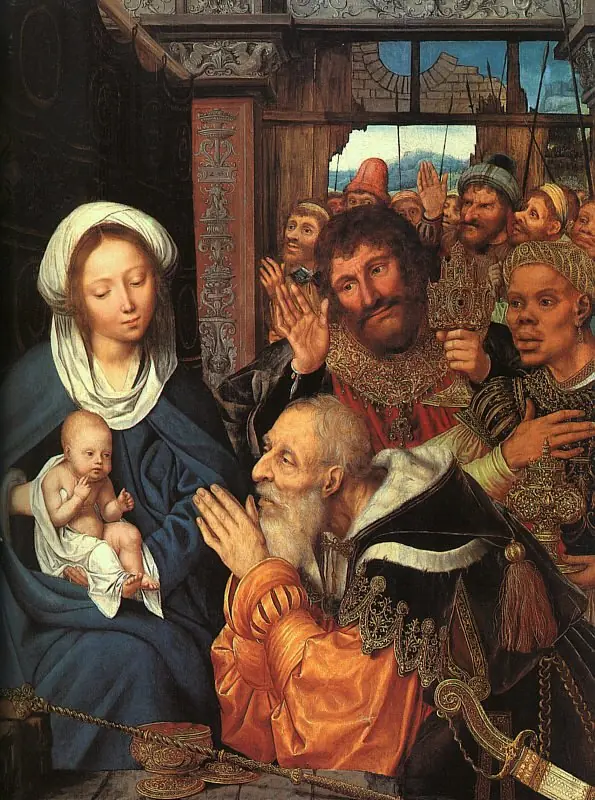 The Adoration of the Magi
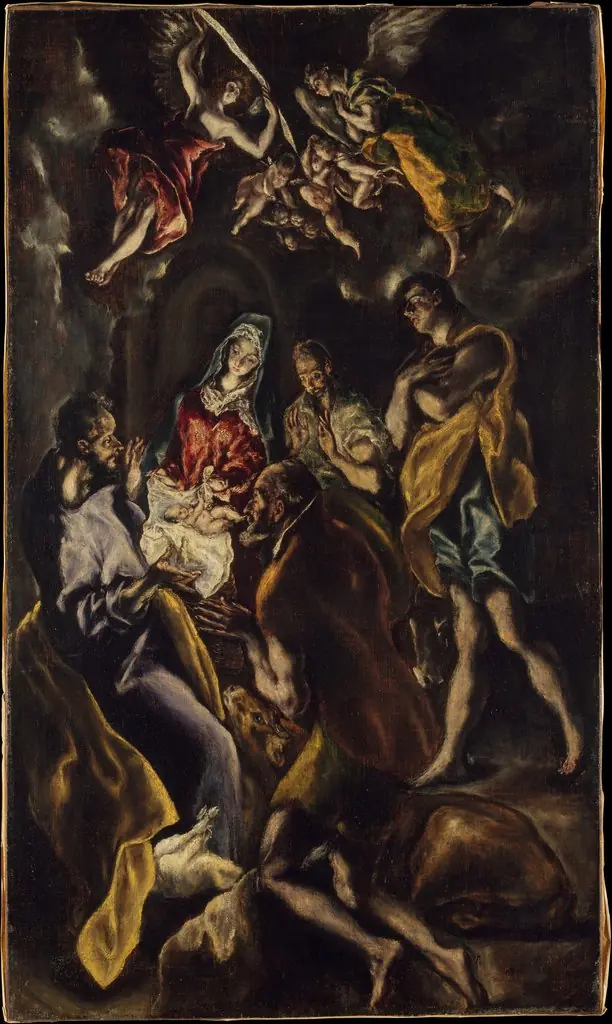 The Adoration of the Shepherds
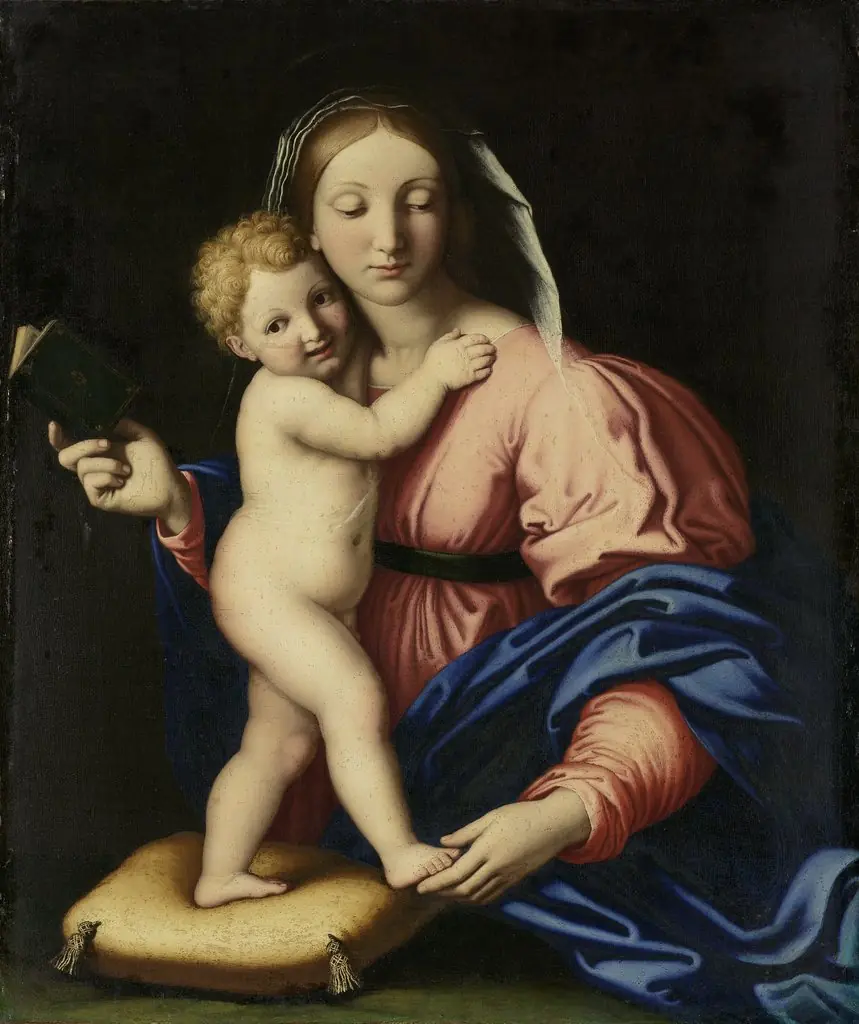 Virgin and Child
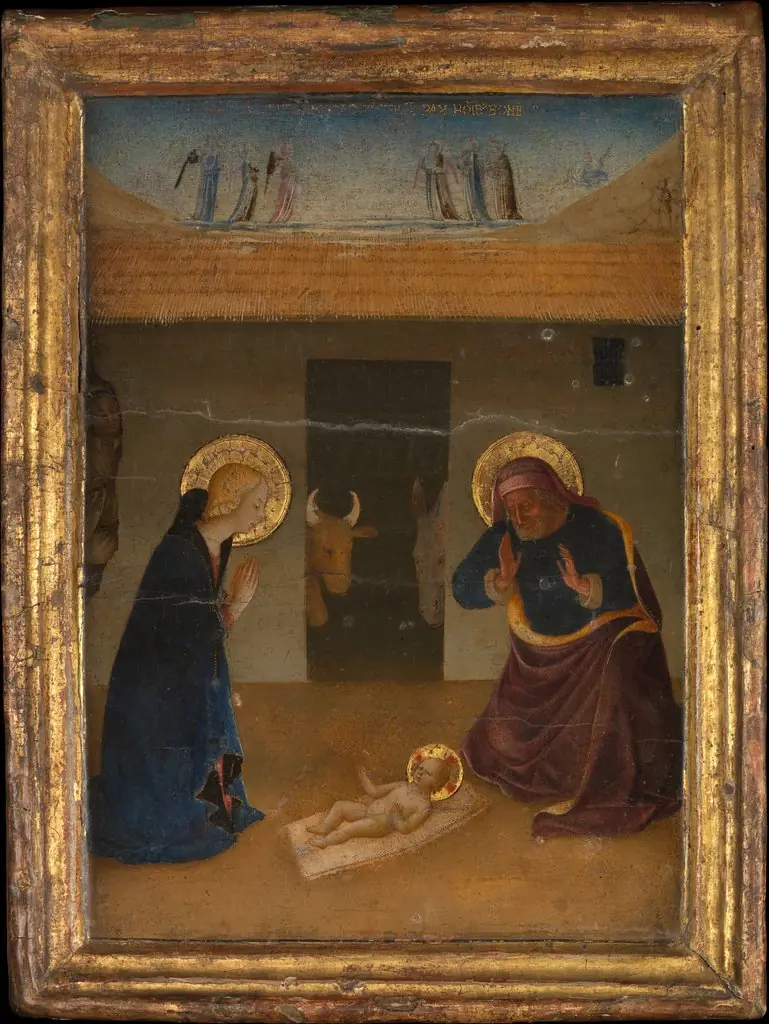 The Nativity
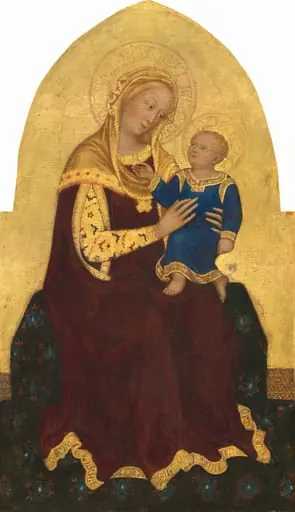 Madonna and Child Enthroned
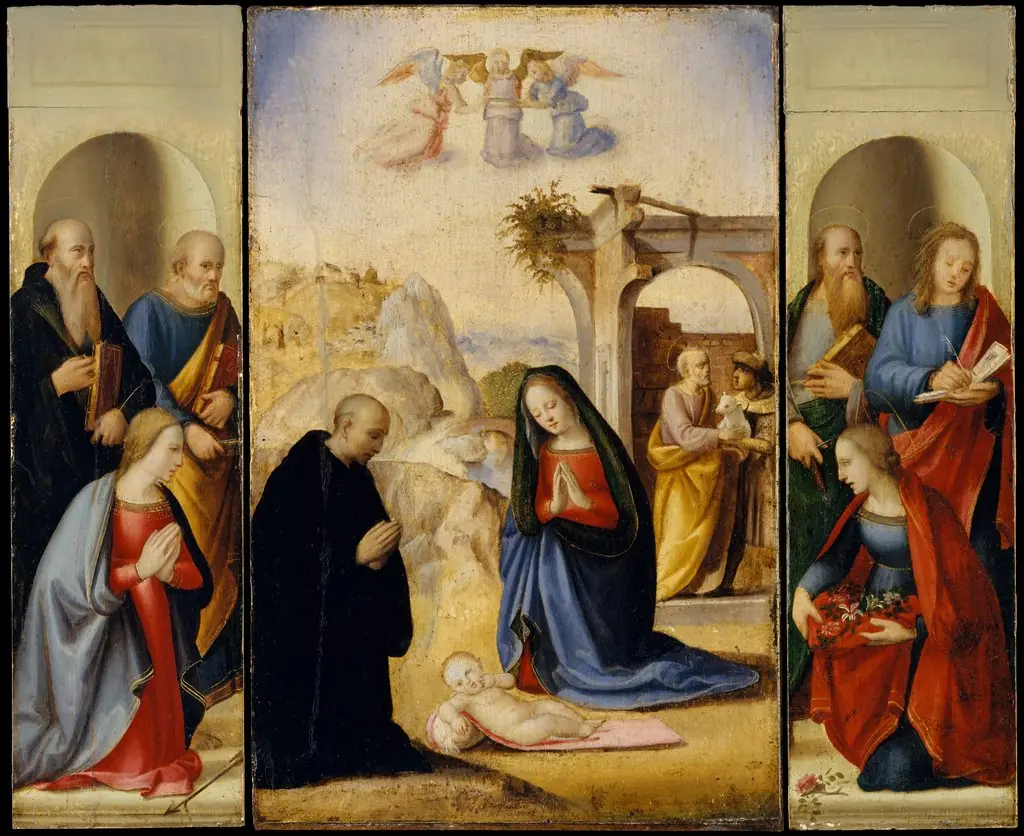 The Nativity with Saints
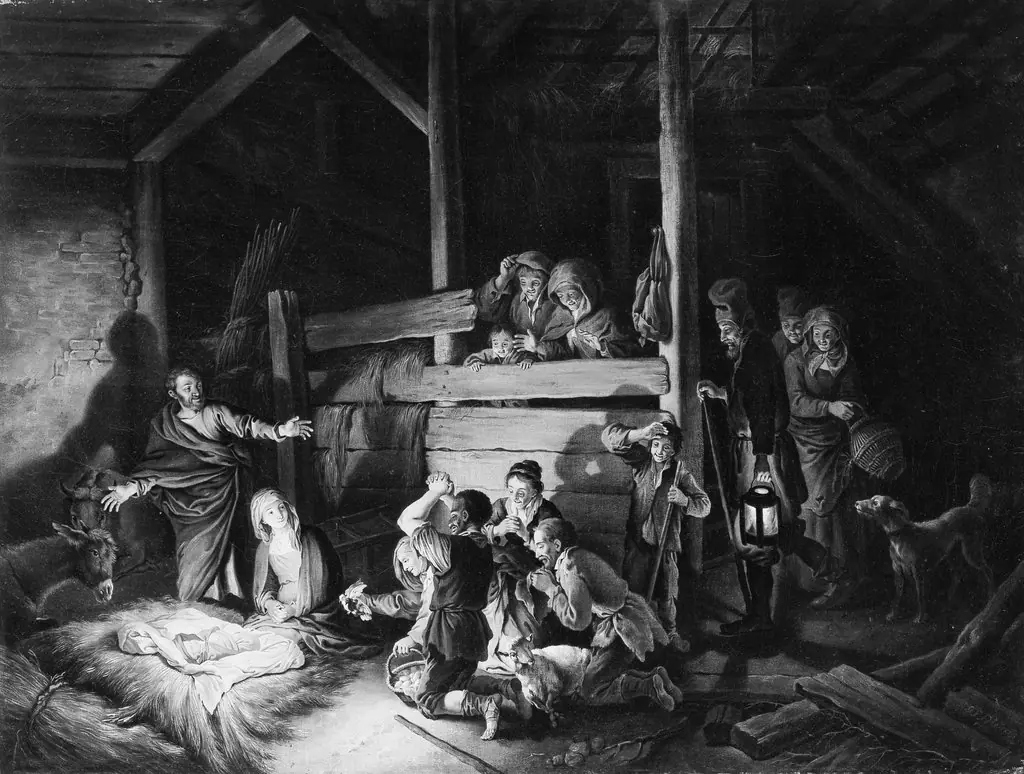 The Adoration of the Shepherds
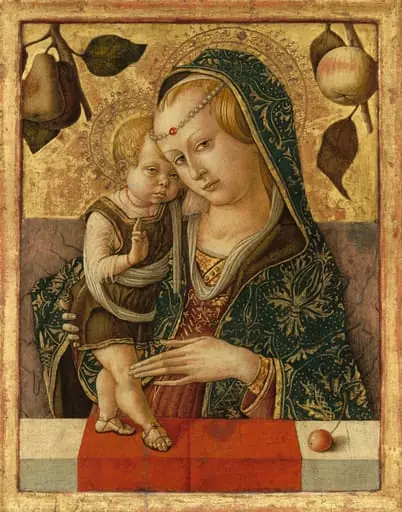 Madonna and Child
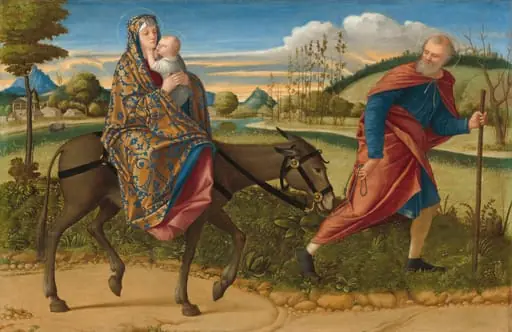 The Flight into Egypt
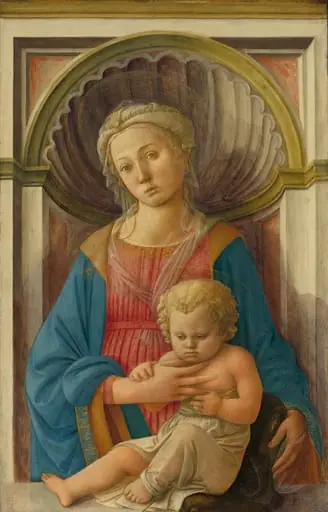 Madonna and Child
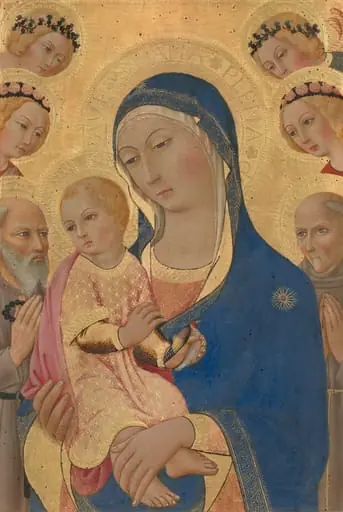 Madonna and Child with Saint Jerome, Saint Bernardino, and Angels
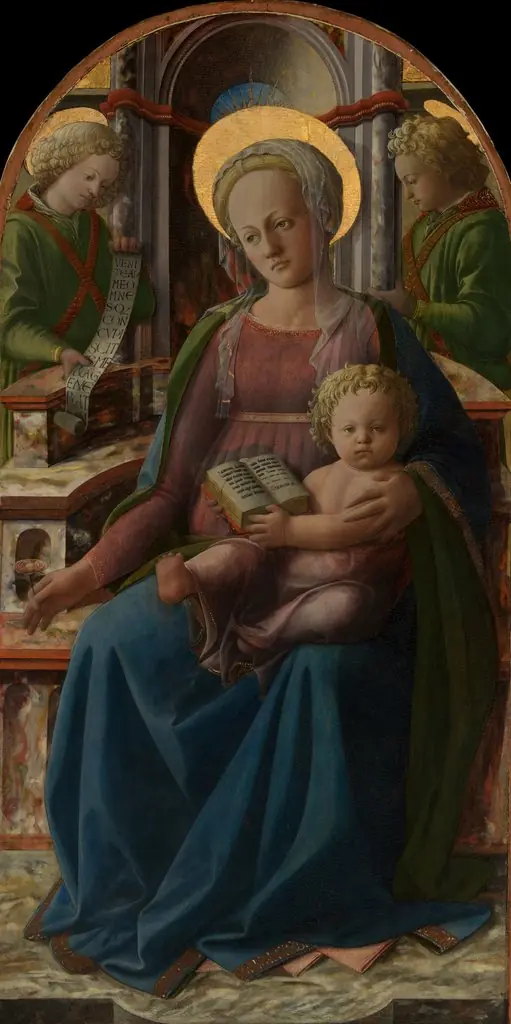 Madonna and Child Enthroned with Two Angels
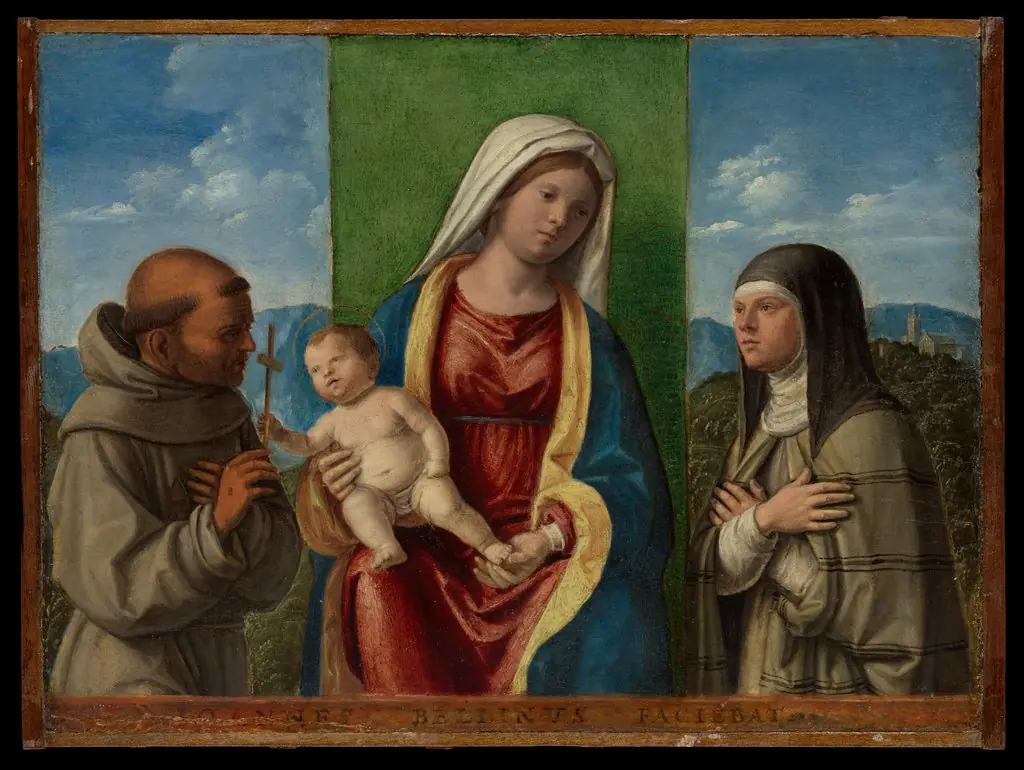 Madonna and Child with Saints Francis and Clare
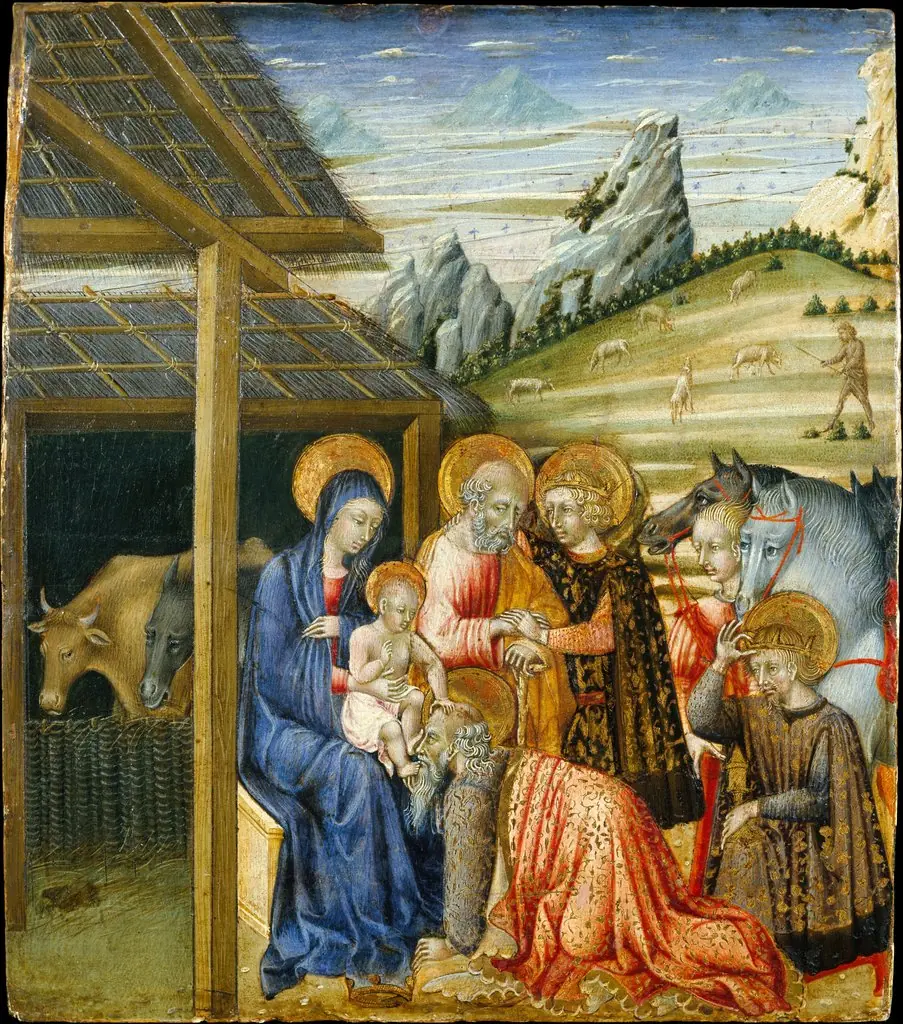 The Adoration of the Magi
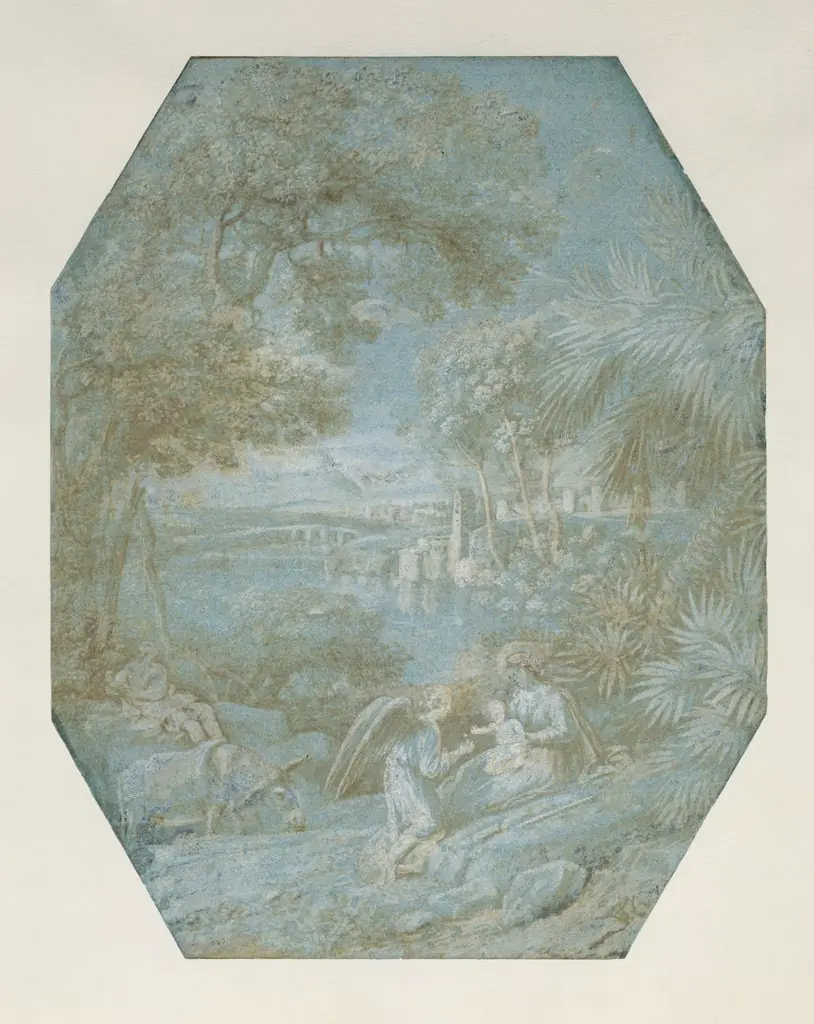 Landscape with the Rest on the Flight into Egypt
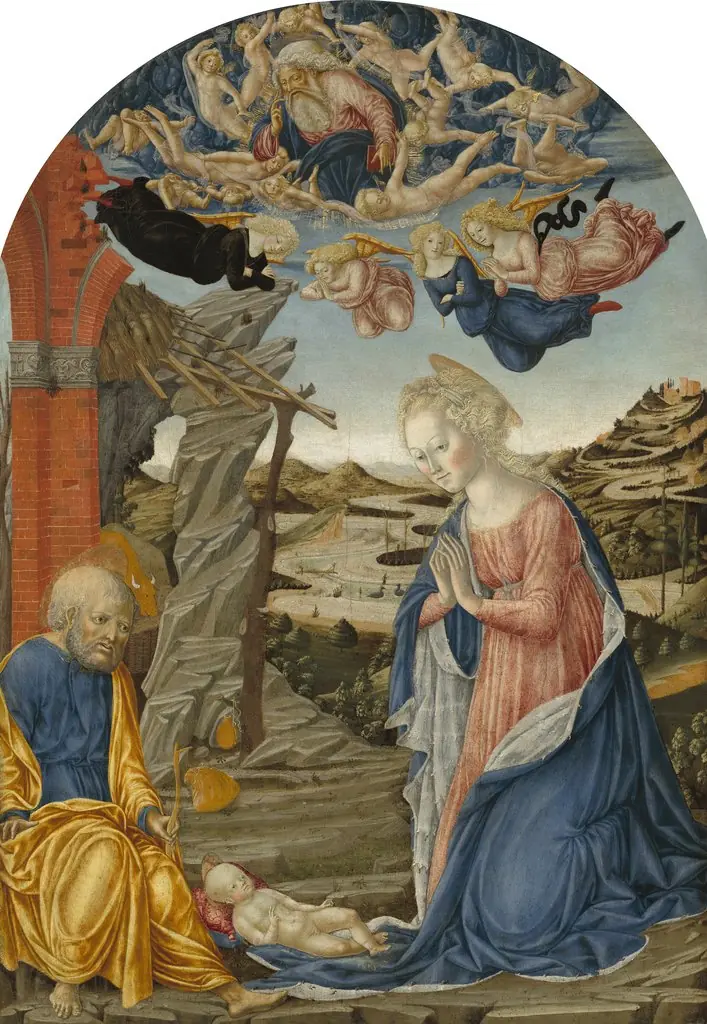 The Nativity
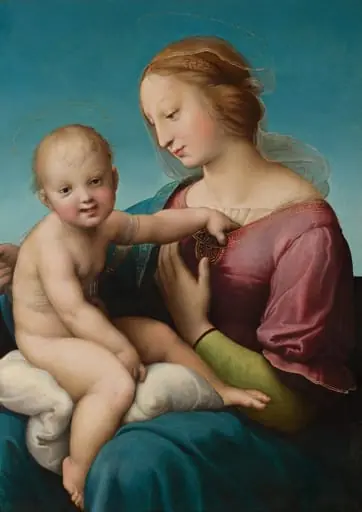 The Niccolini-Cowper Madonna
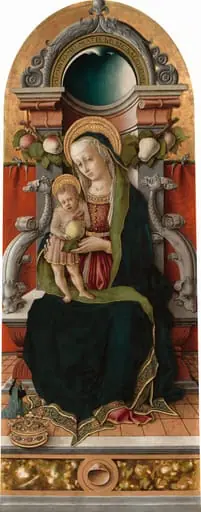 Madonna and Child Enthroned with Donor
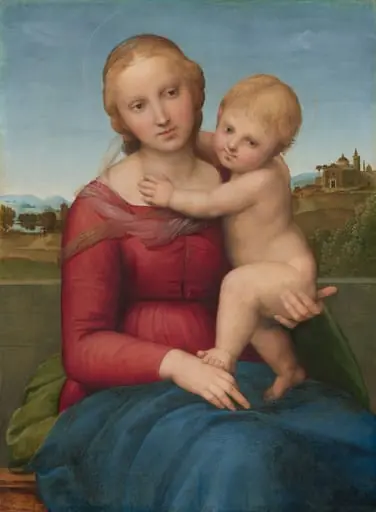 The Small Cowper Madonna
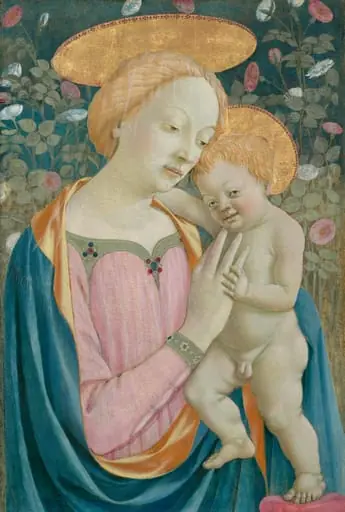 Madonna and Child
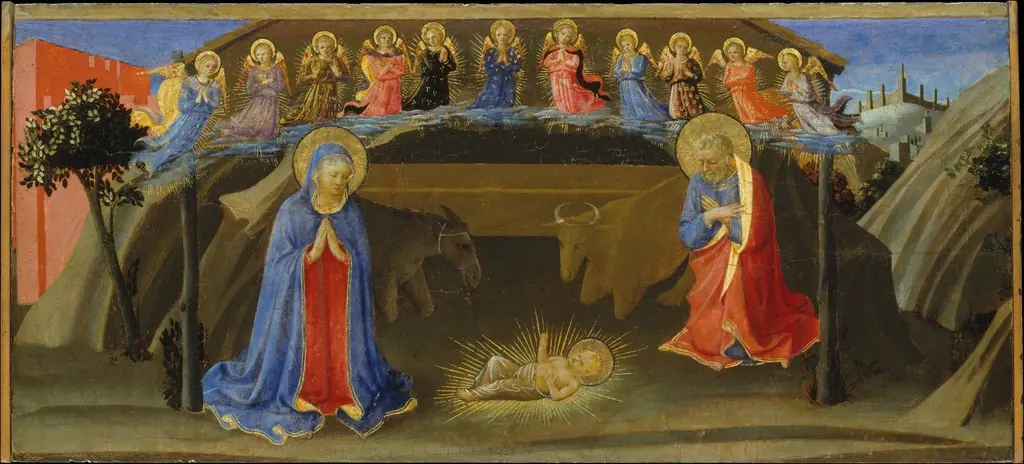 The Nativity
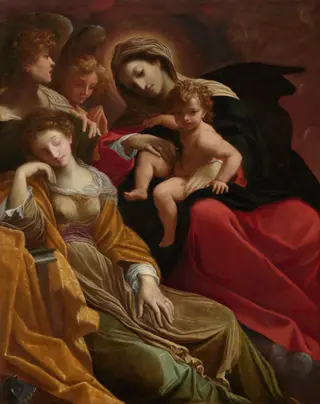 The Dream of Saint Catherine of Alexandria
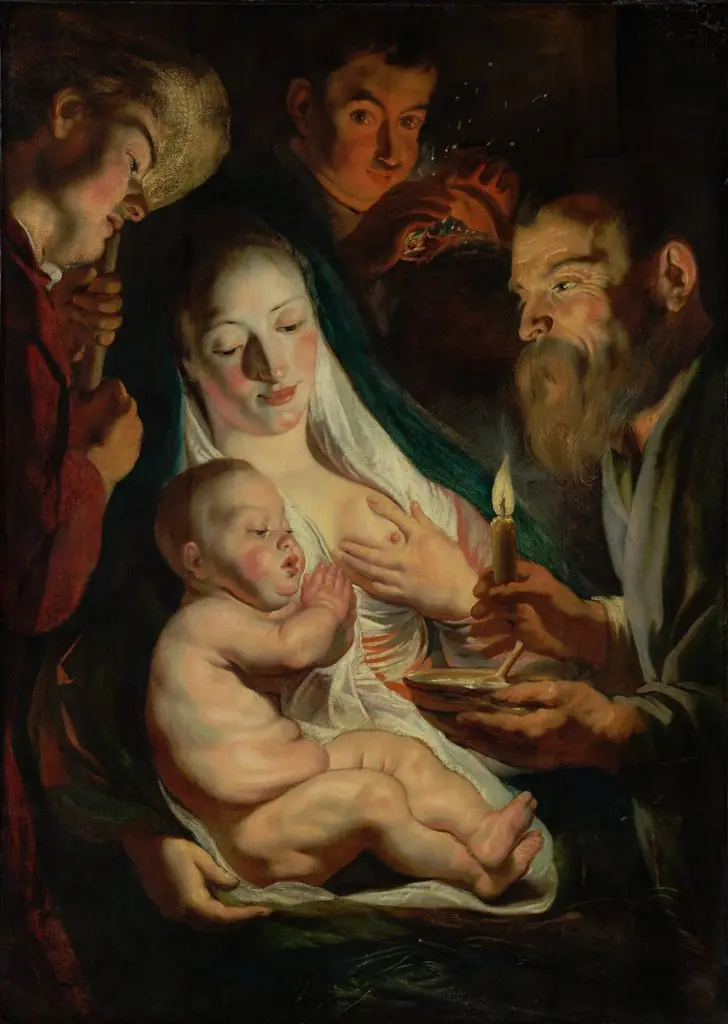 The Holy Family with Shepherds
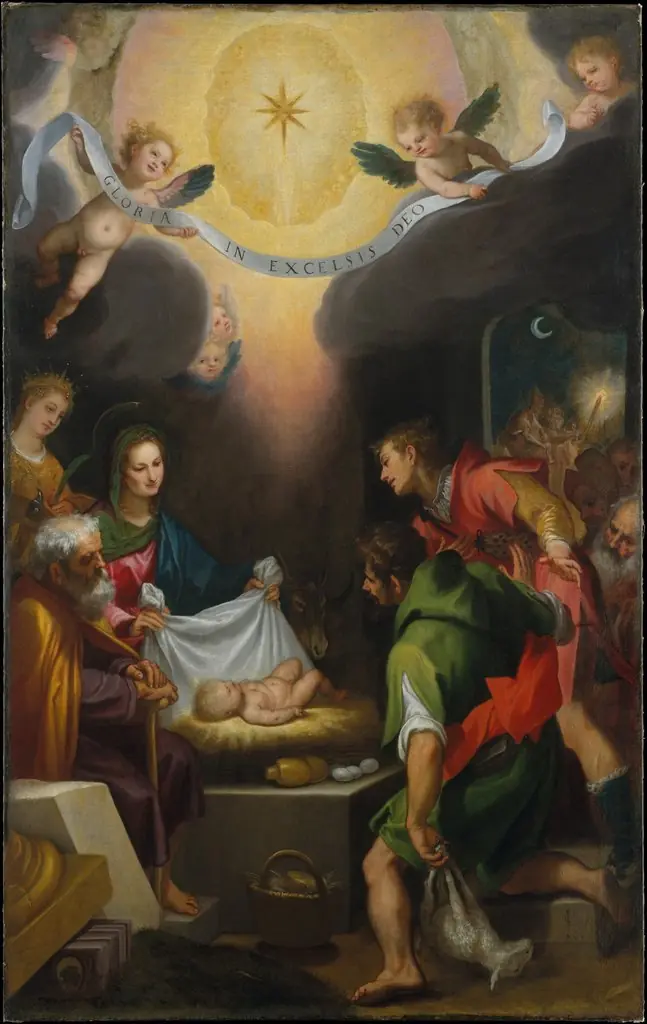 The Adoration of the Shepherds with Saint Catherine of Alexandria
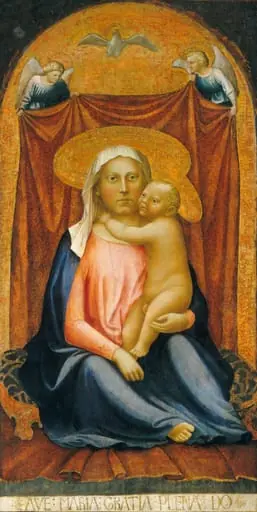 The Madonna of Humility
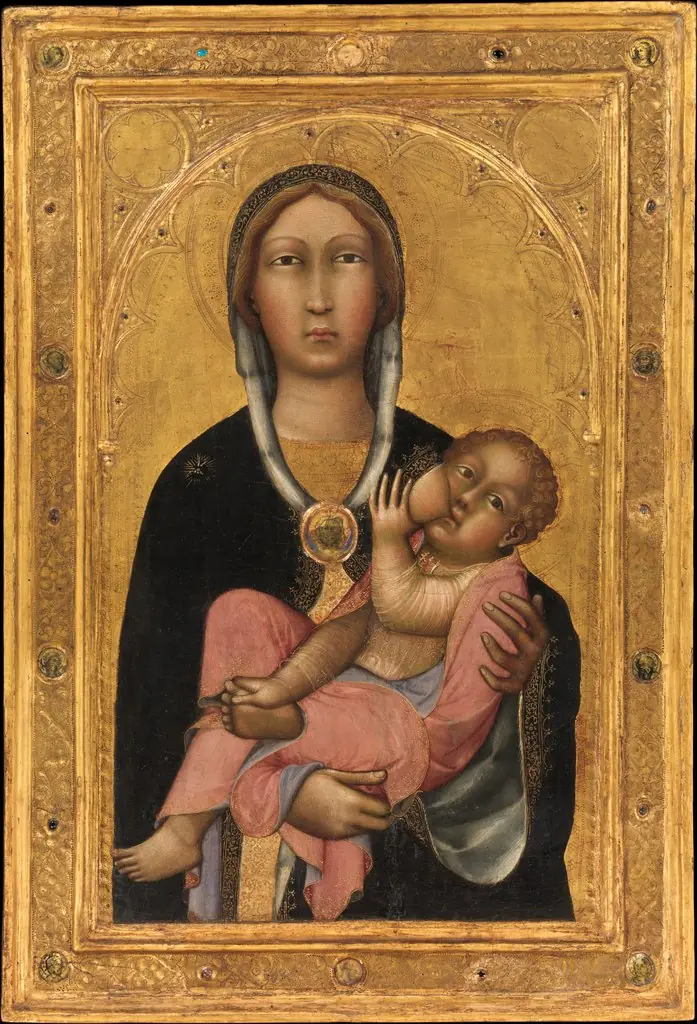 Madonna and Child
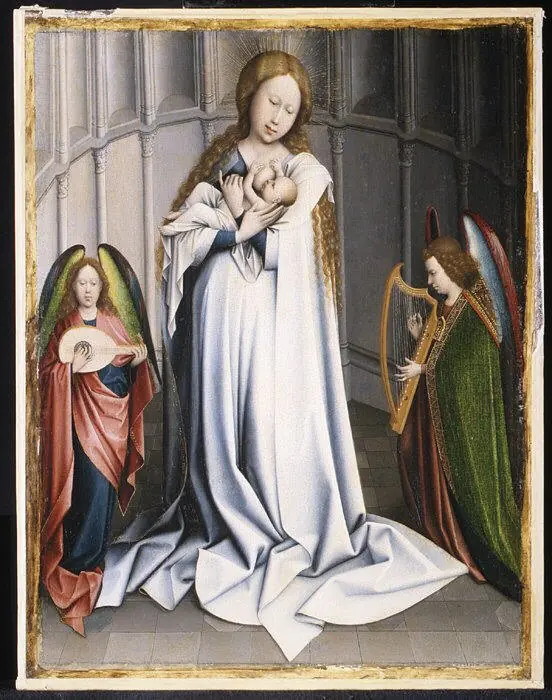 Virgin and Child in an Apse
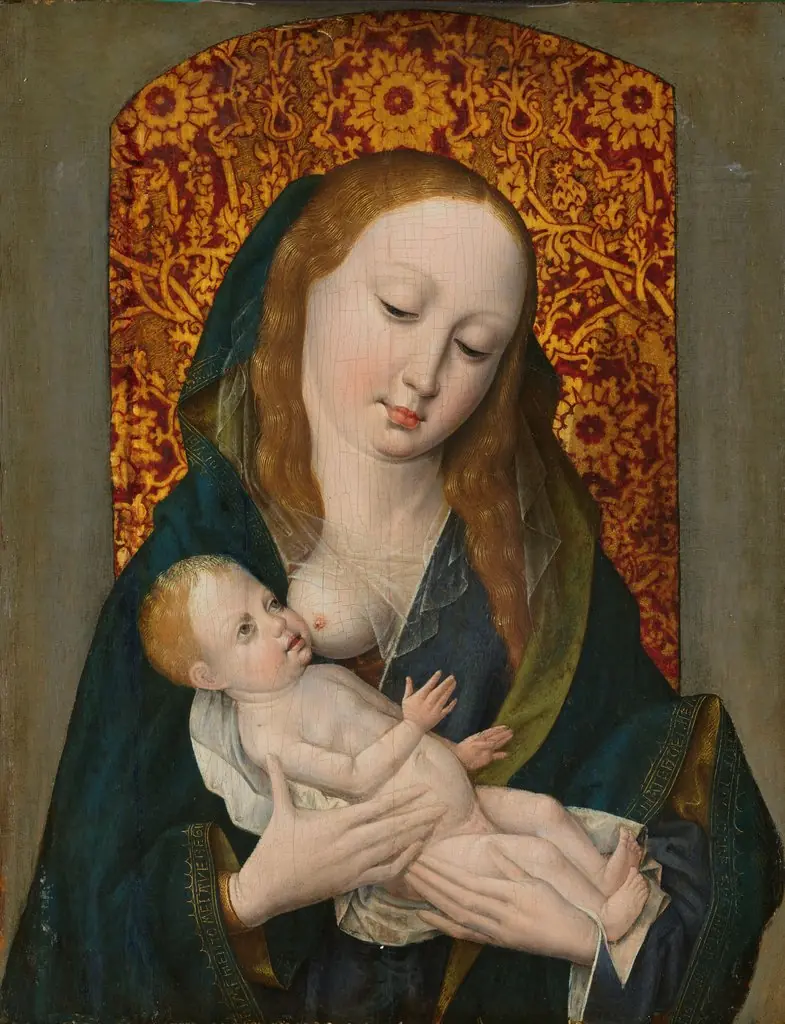 The Virgin and Child
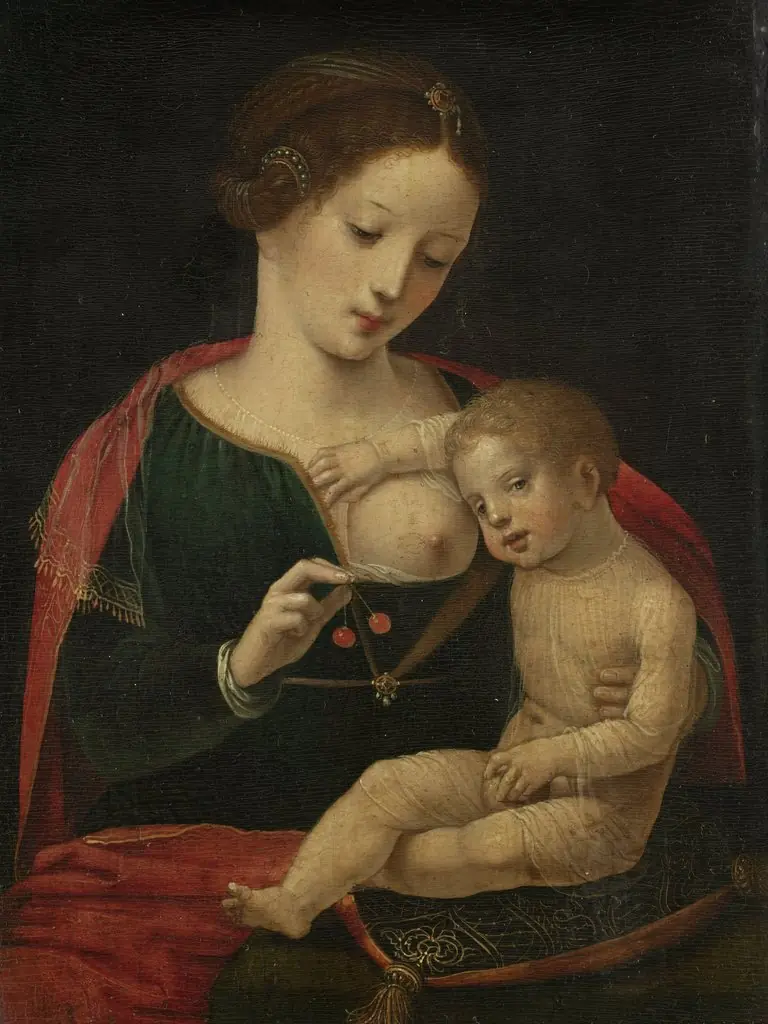 Madonna and child
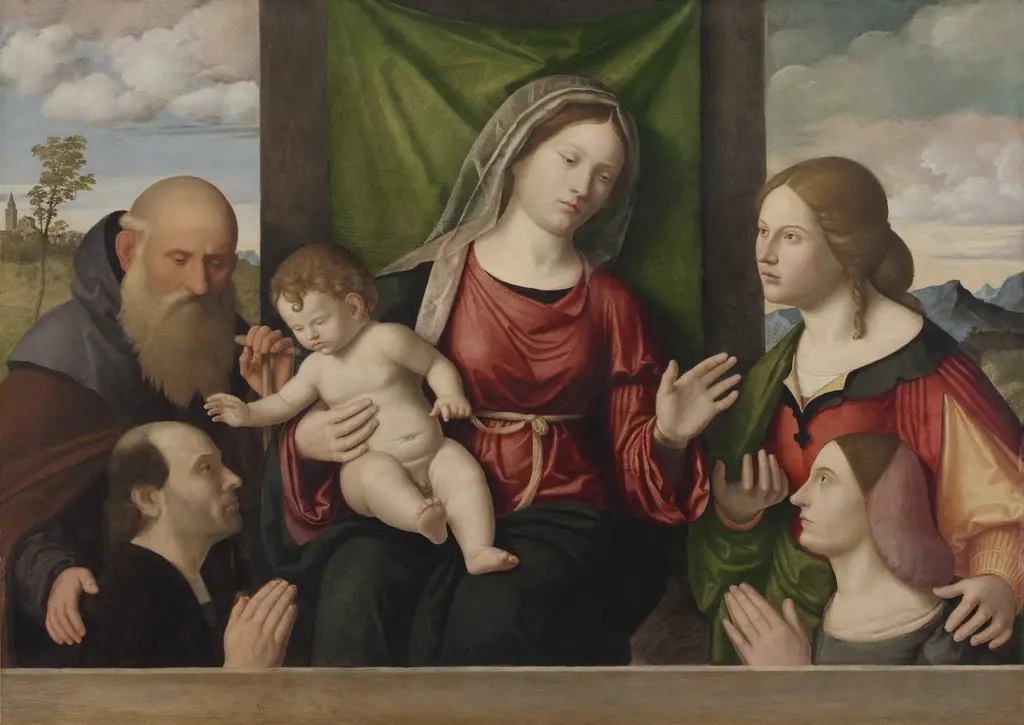 Virgin and Child with Saints and Donors
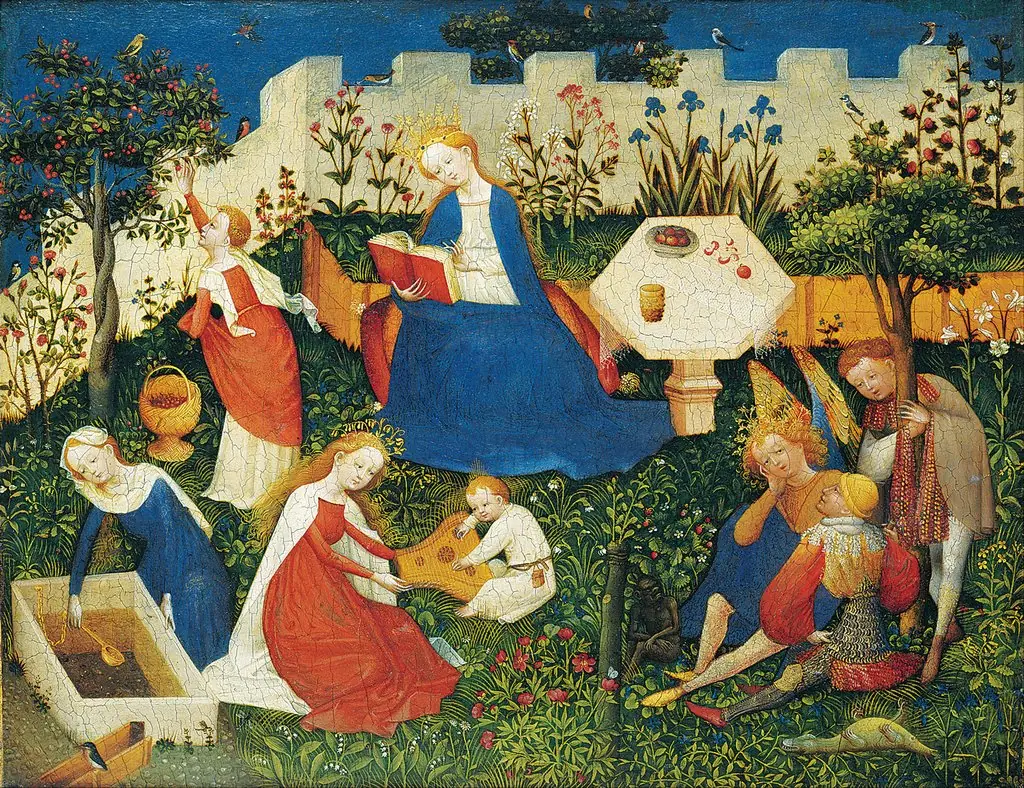 Paradiesgärtlein
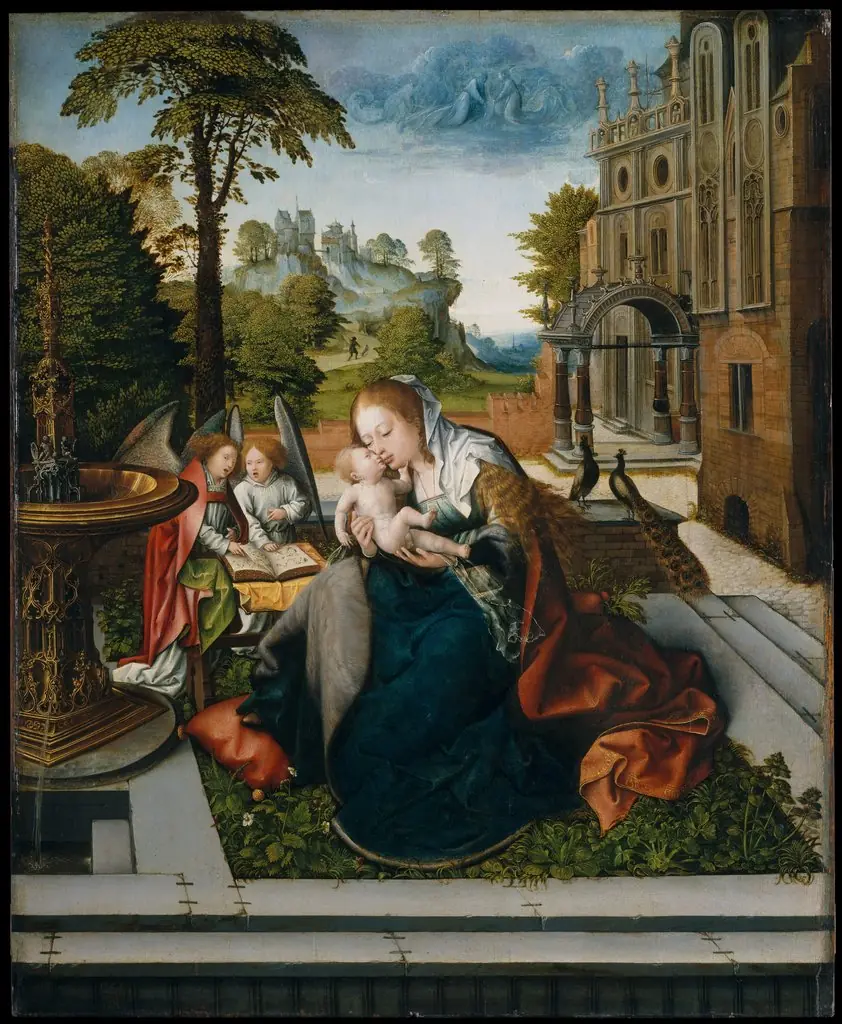 Virgin and Child with Angels
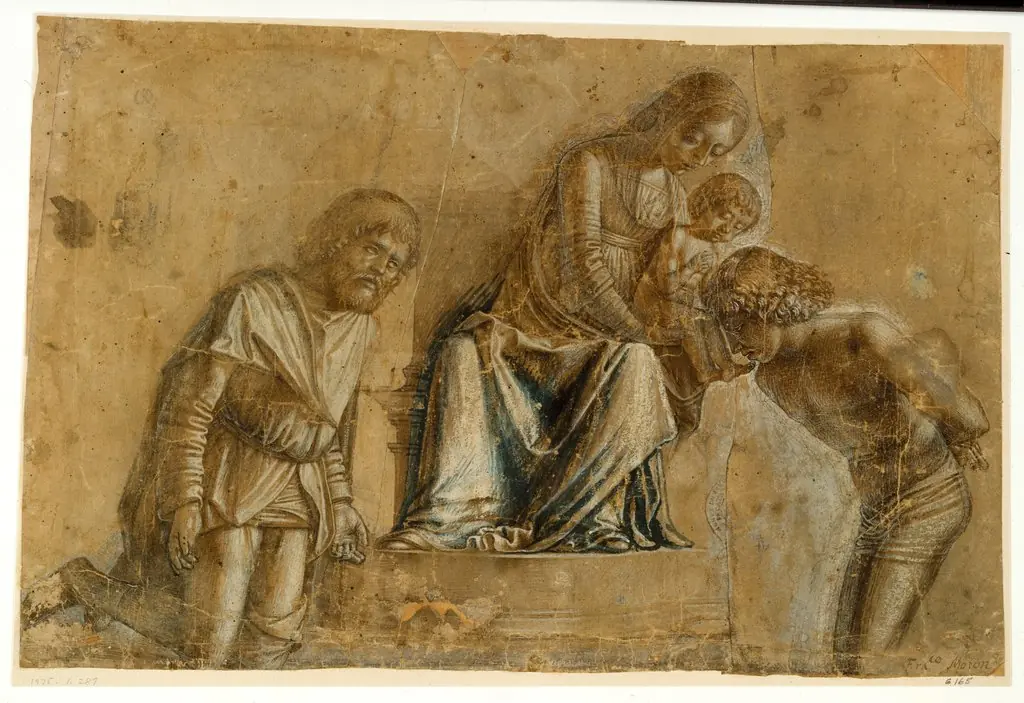 Madonna and Child with Saints Roch and Sebastian
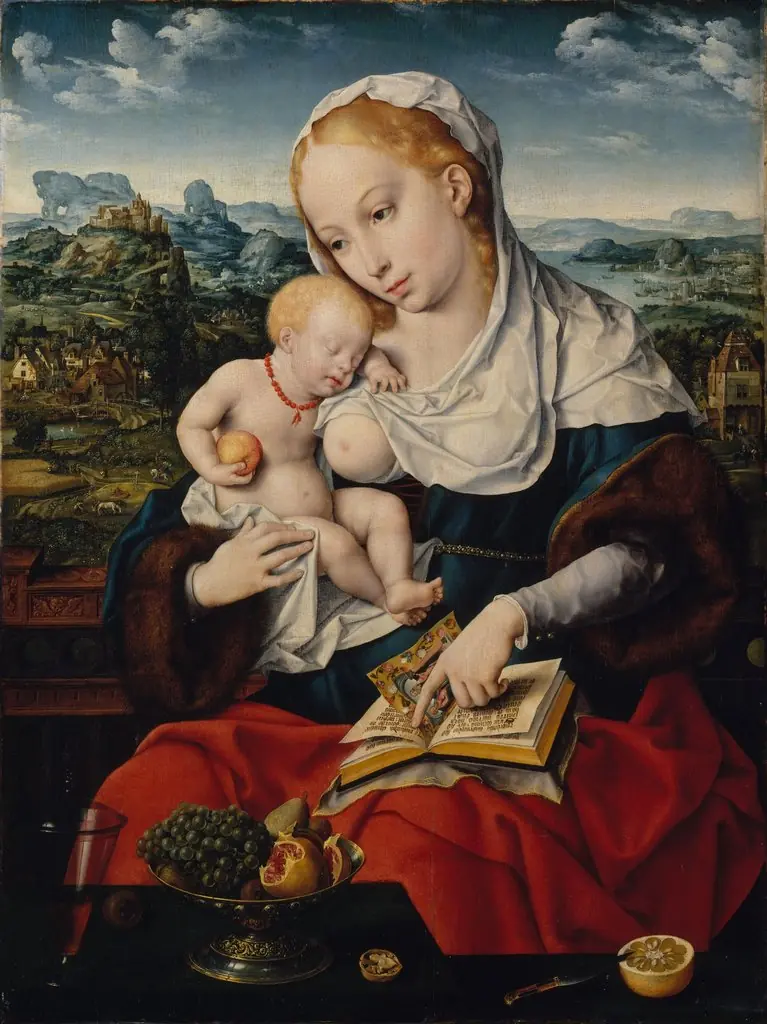 Virgin and Child
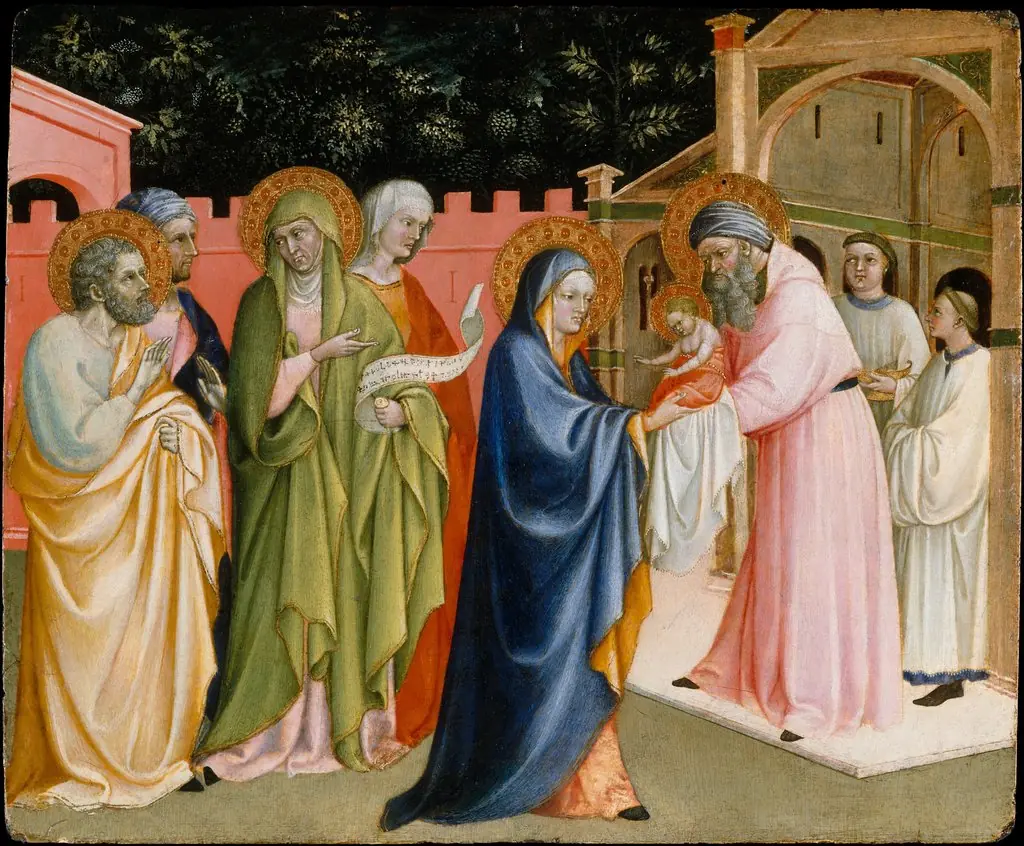 The Presentation in the Temple
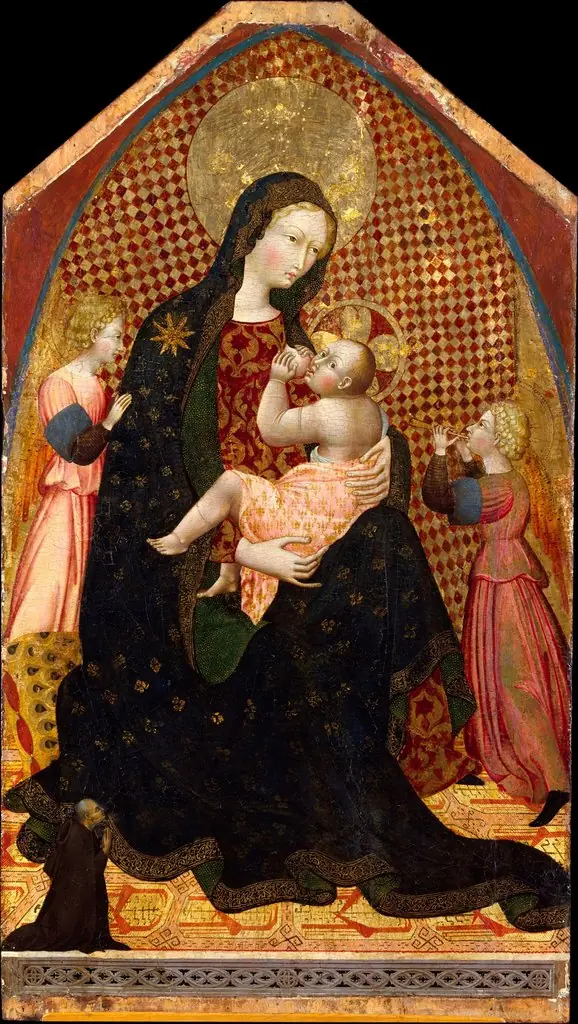 Madonna and Child with Two Angels and a Donor
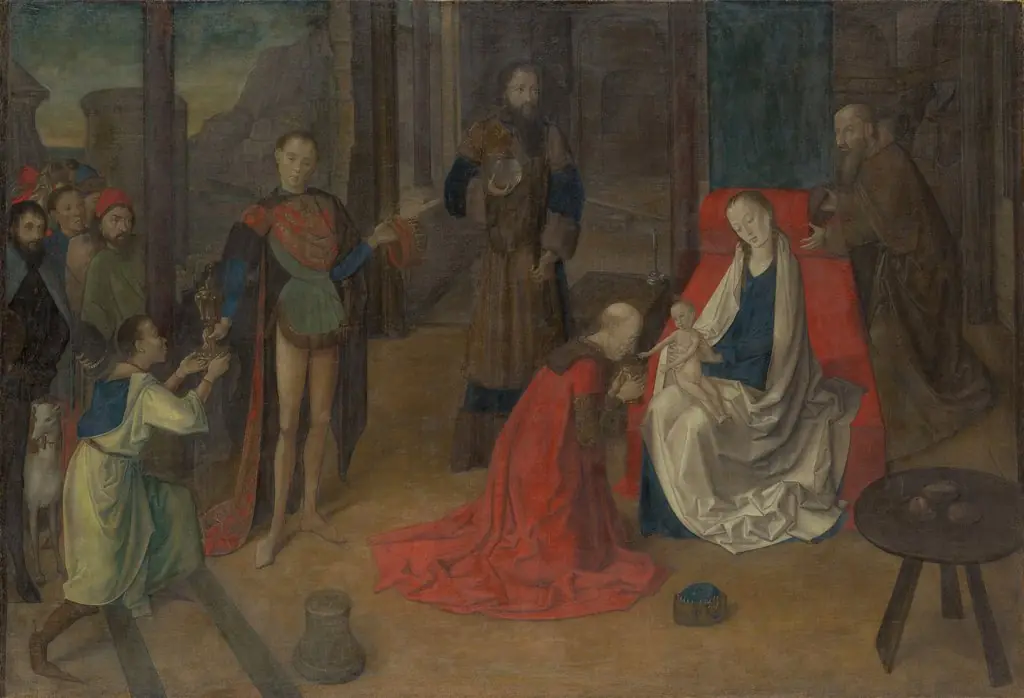 The Adoration of the Magi
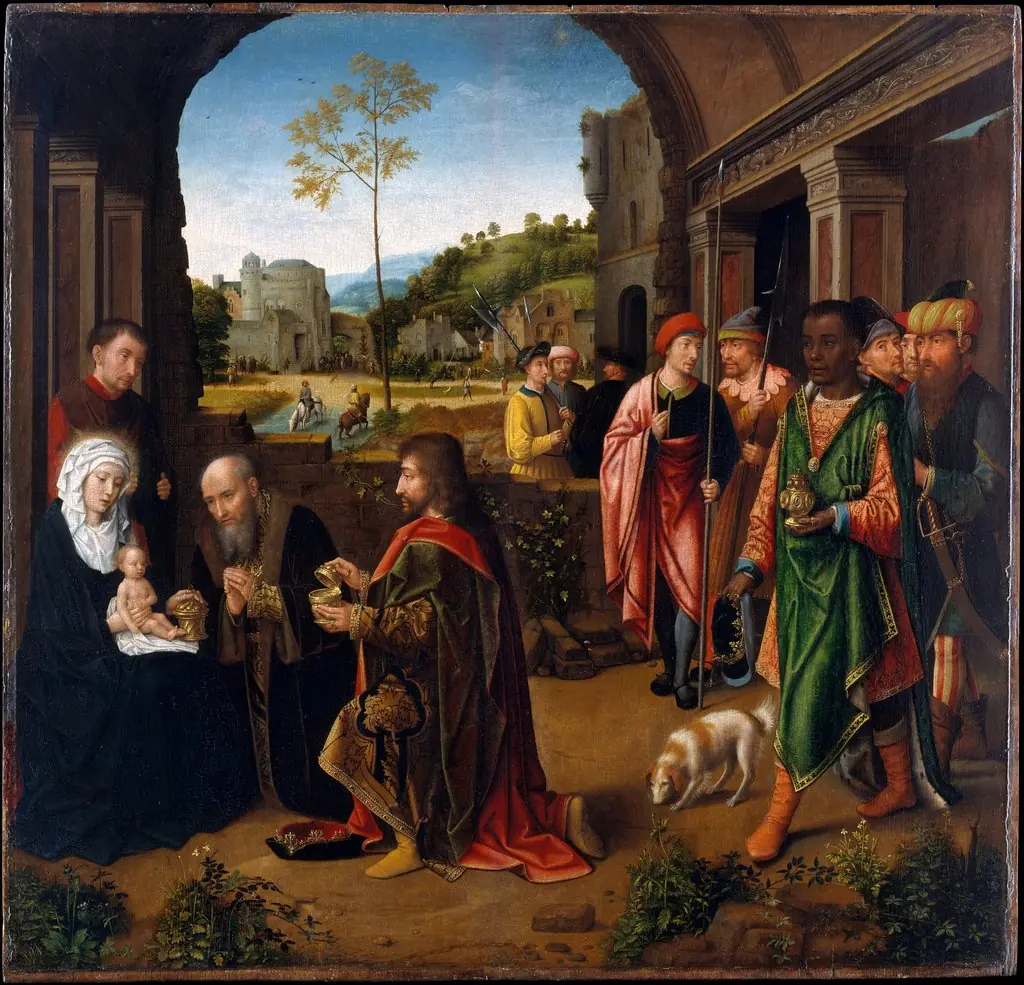 The Adoration of the Magi
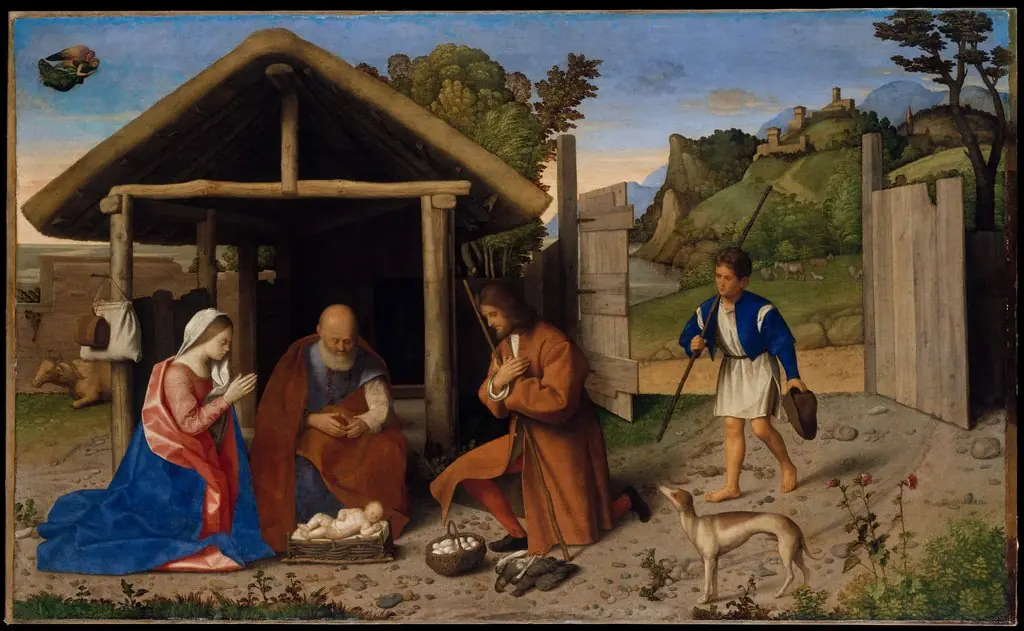 The Adoration of the Shepherds
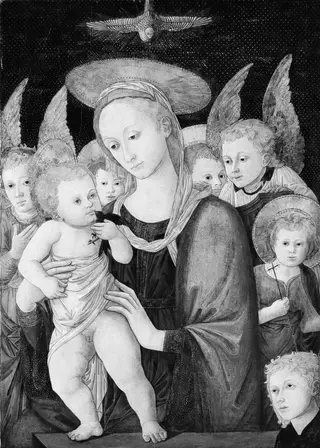 Madonna and Child with the Infant Saint John the Baptist and Angels
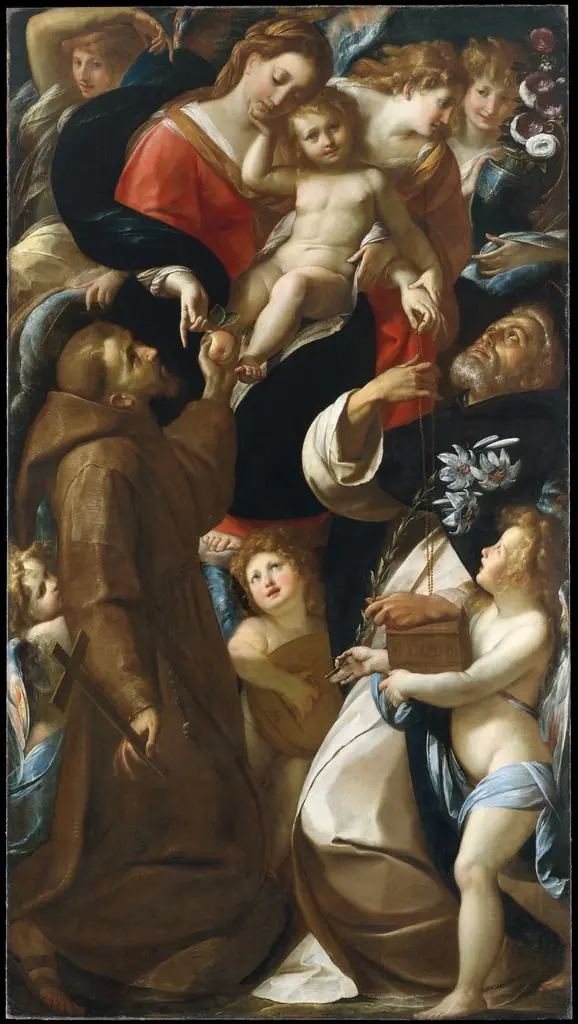 Madonna and Child with Saints Francis and Dominic and Angels
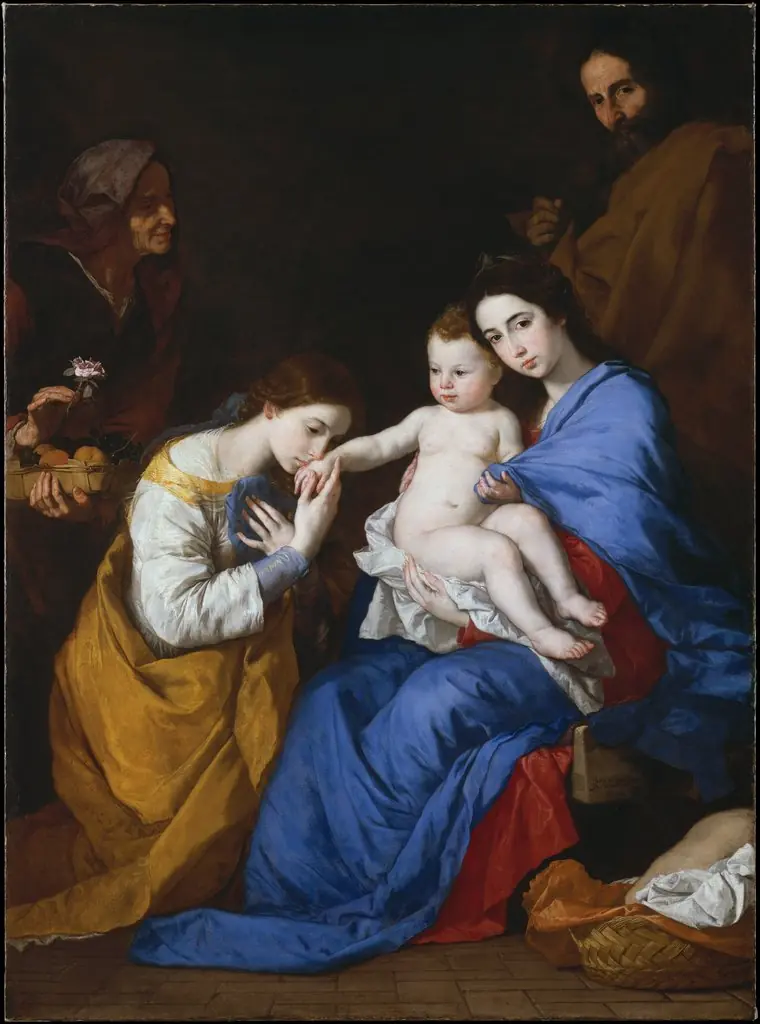 The Holy Family with Saints Anne and Catherine of Alexandria
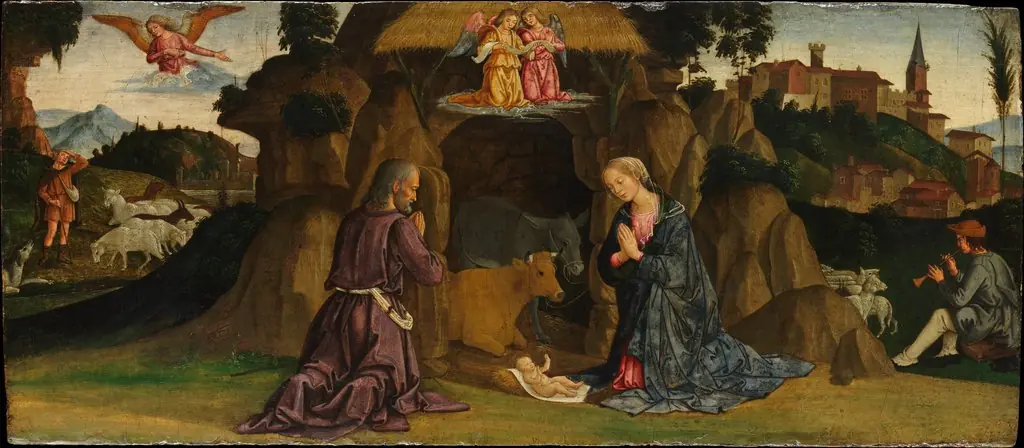 The Nativity
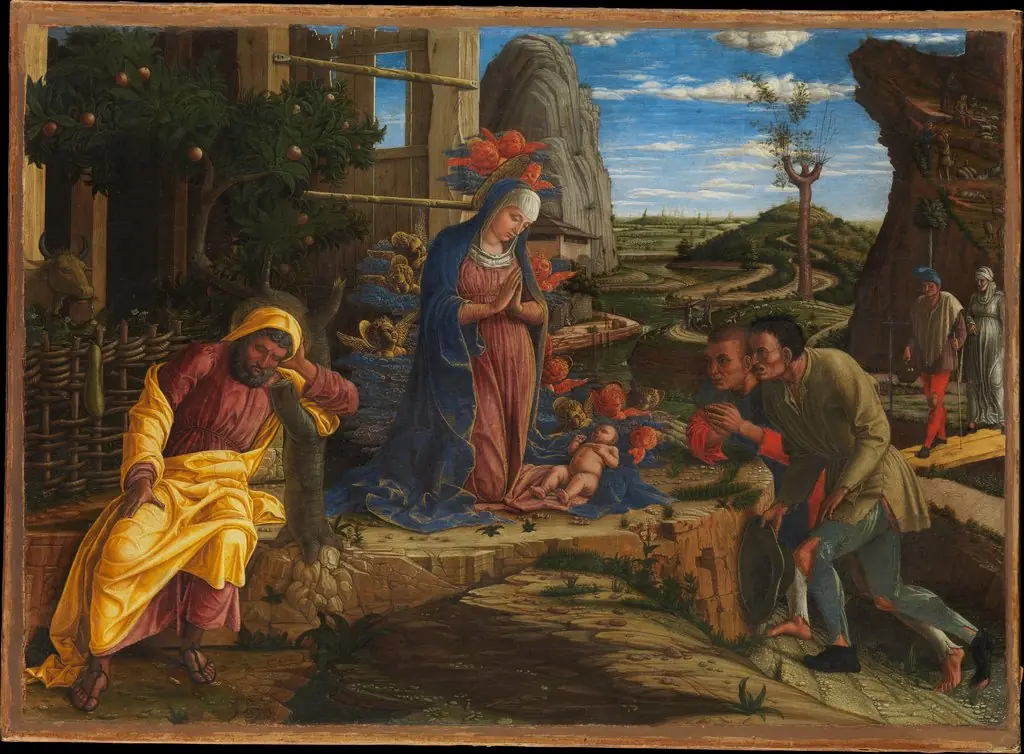 Adoration of the Shepherds
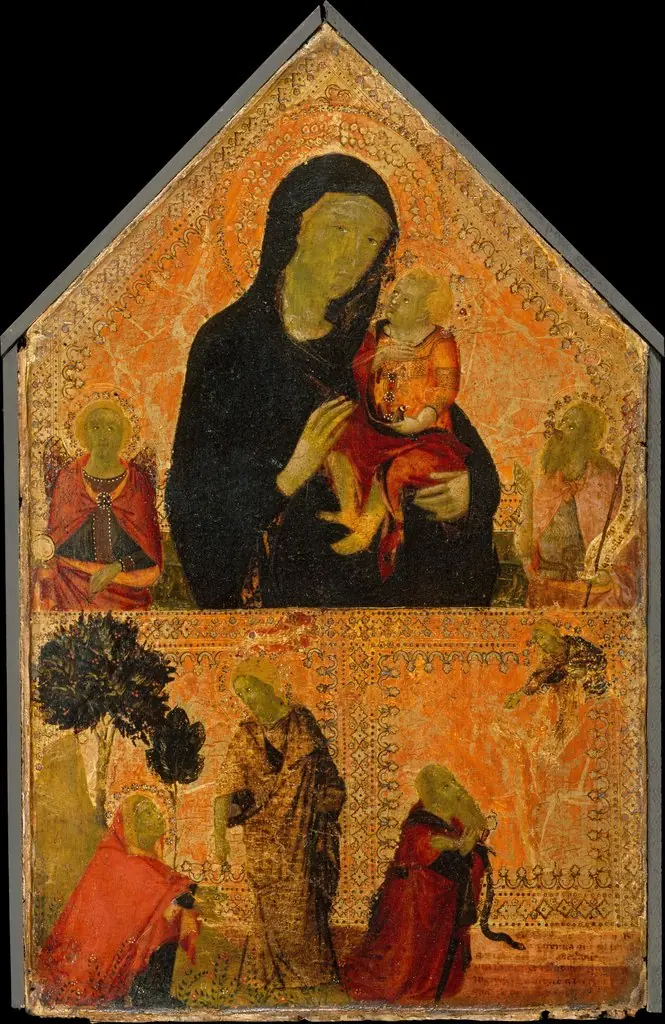 Madonna and Child with Saints Michael and John the Baptist; The Noli Me Tangere; The Conversion of Saint Paul
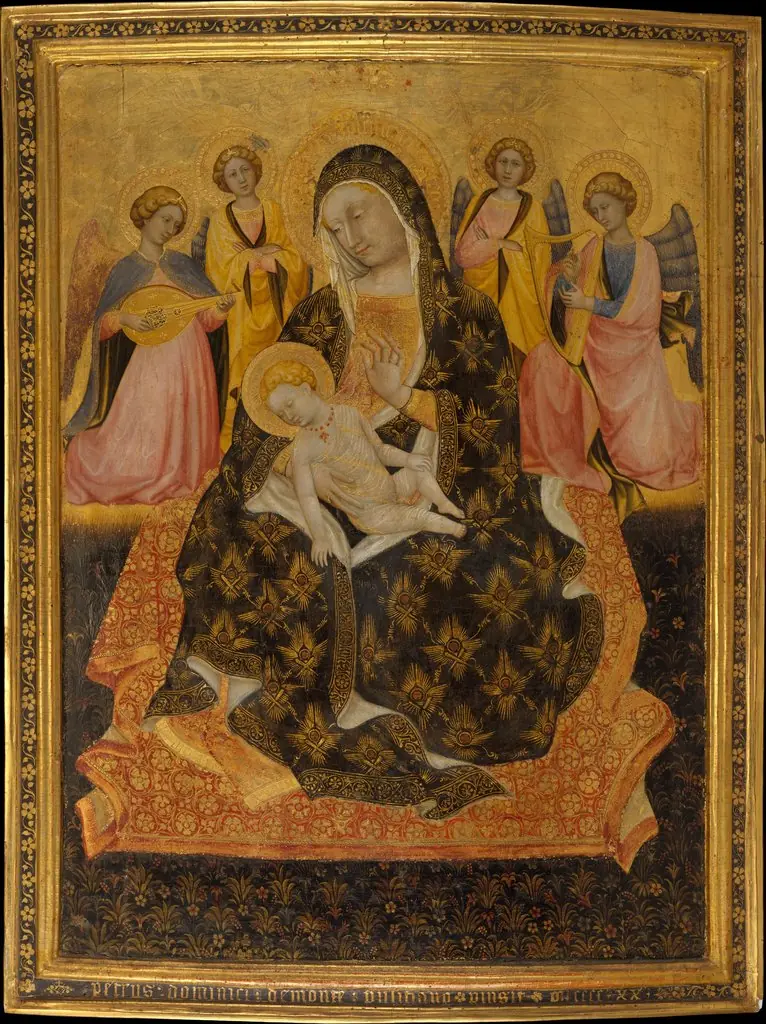 Madonna and Child with Angels
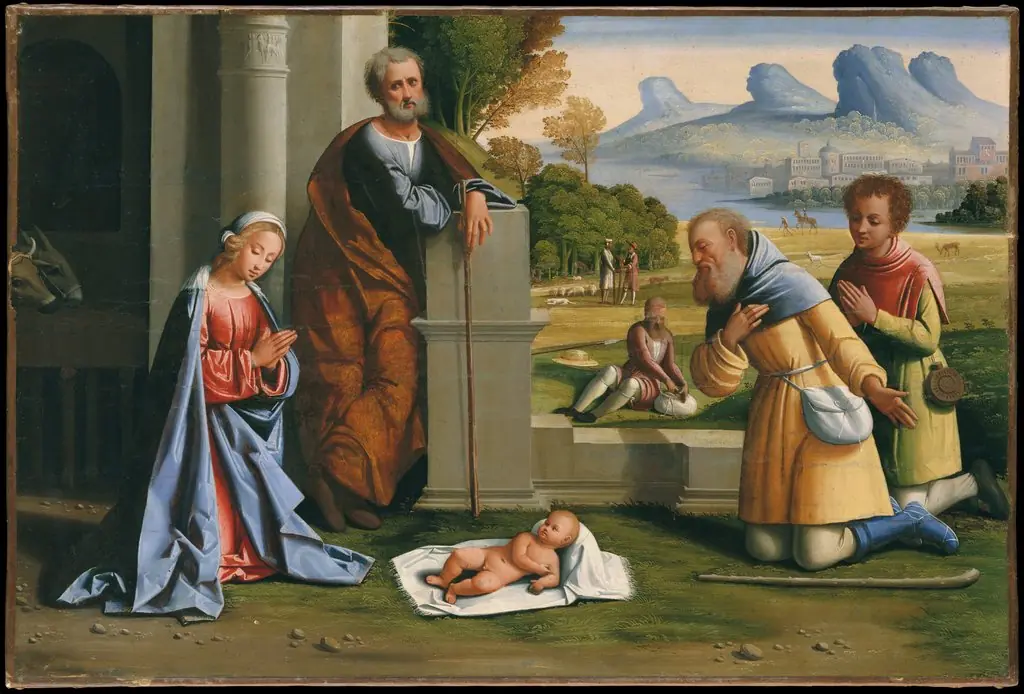 The Adoration of the Shepherds
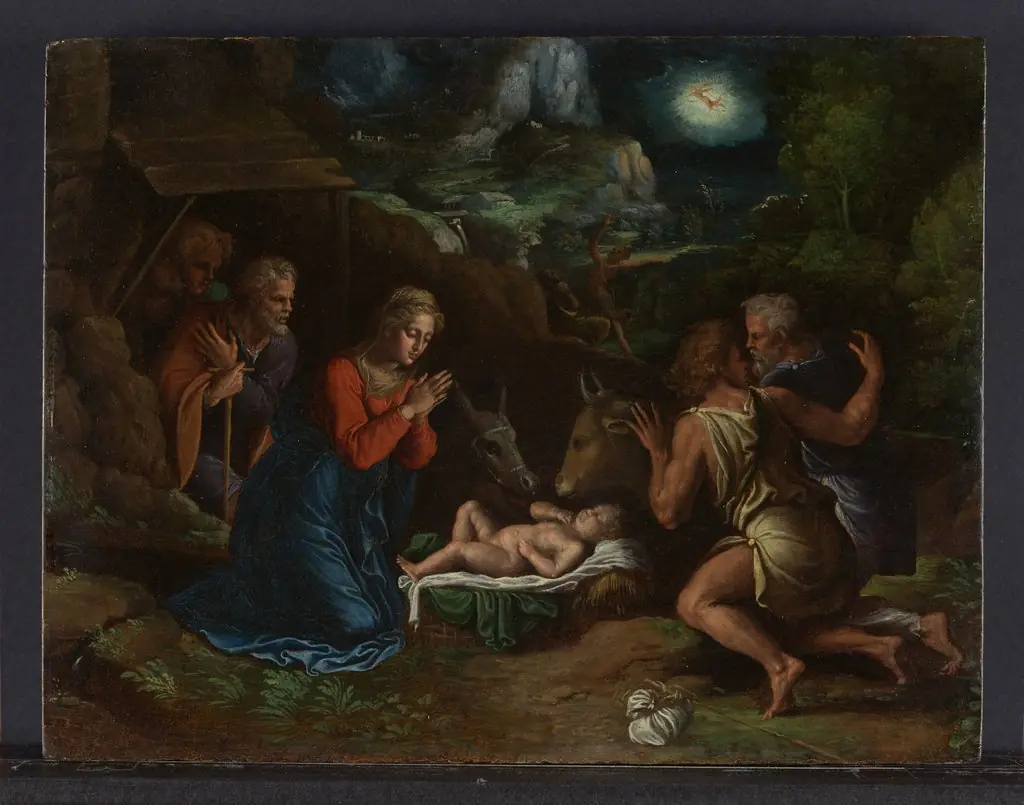 The Adoration of the Shepherds
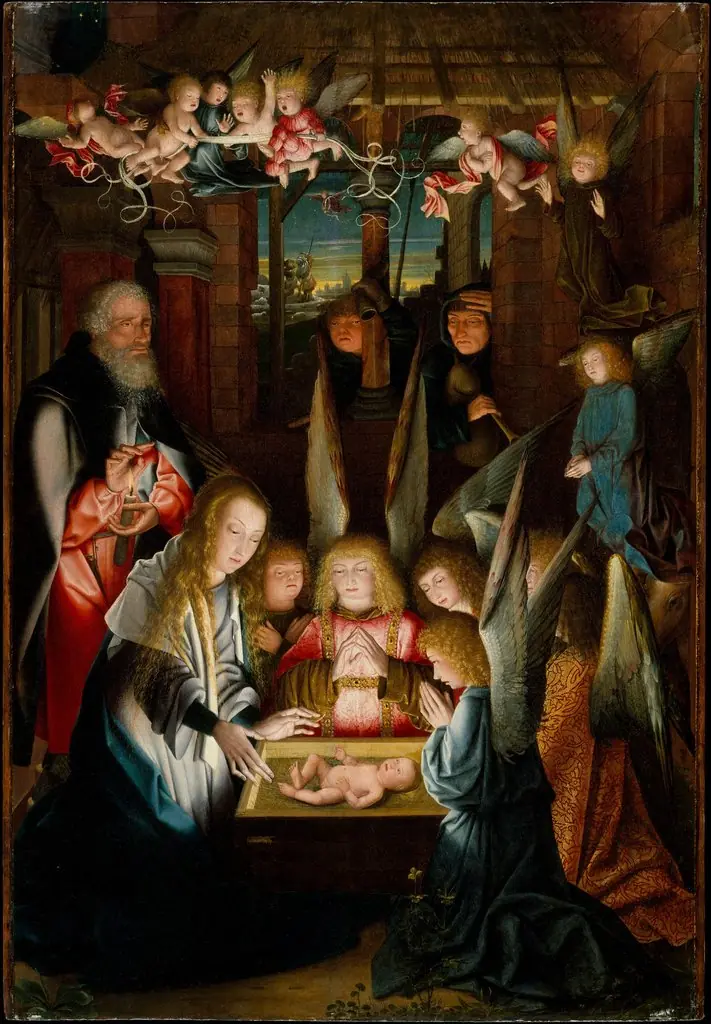 The Adoration of the Christ Child
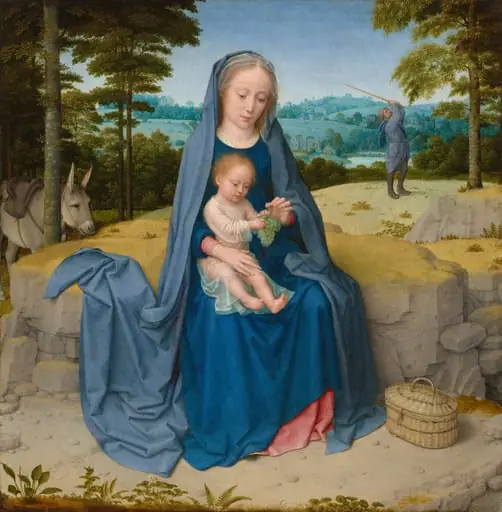 The Rest on the Flight into Egypt
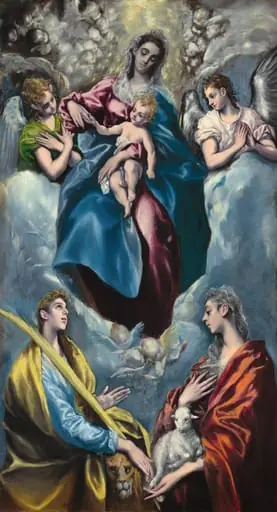 Madonna and Child with Saint Martina and Saint Agnes
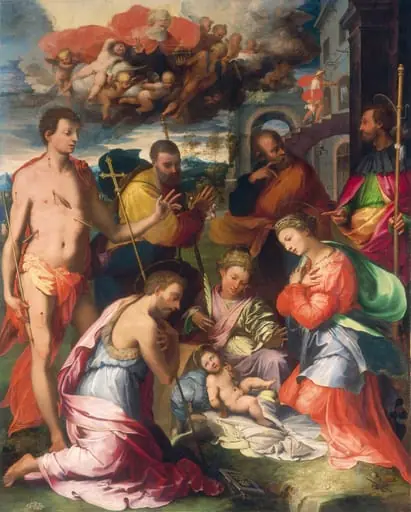 The Nativity
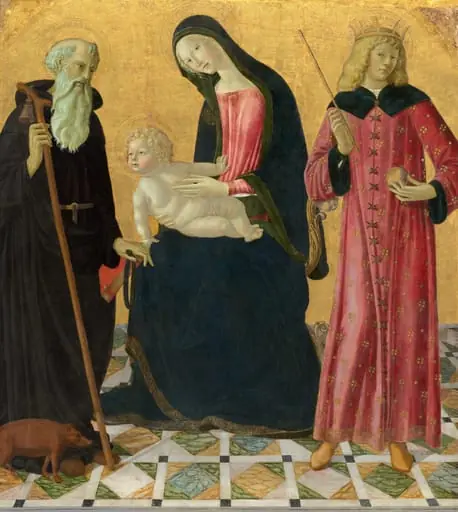 Madonna and Child with Saint Anthony Abbot and Saint Sigismund
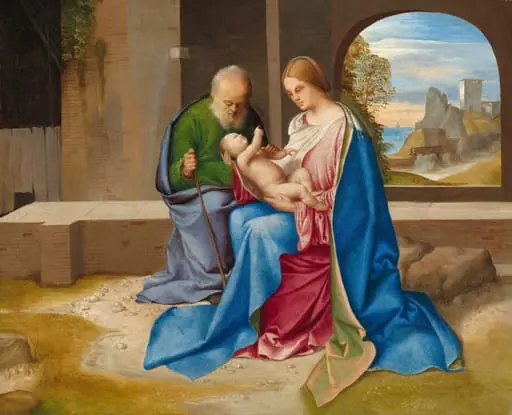 The Holy Family
![The Saint Anne Altarpiece: Saint Anne with the Virgin and Child [middle panel]](https://artifactworldgallery.com/img/gerard-david--the-saint-anne-altarpiece-saint-anne-with-the-virgin-and-chi--781e919f9012a004-w320.webp) The Saint Anne Altarpiece: Saint Anne with the Virgin and Child [middle panel]
The Saint Anne Altarpiece: Saint Anne with the Virgin and Child [middle panel]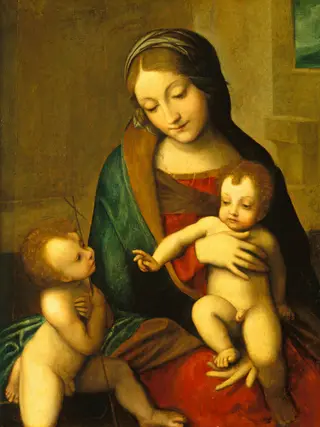 Madonna and Child with the Infant Saint John
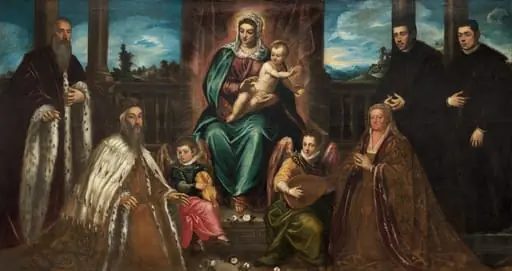 Doge Alvise Mocenigo and Family before the Madonna and Child
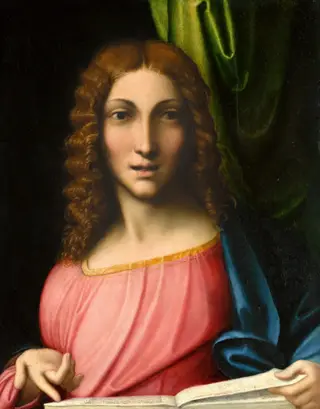 Salvator Mundi
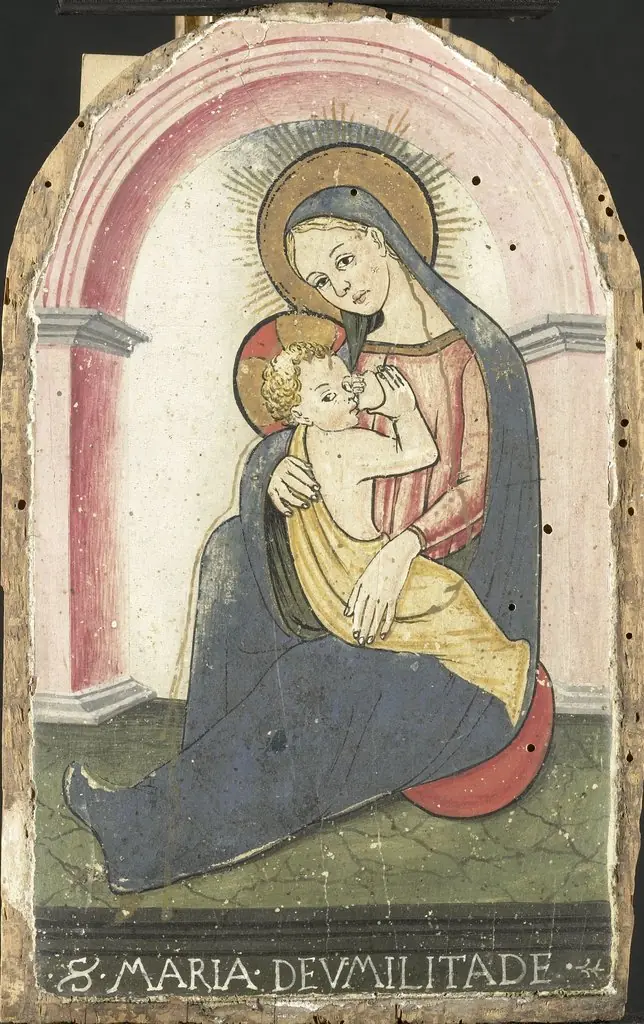 Madonna of Humility
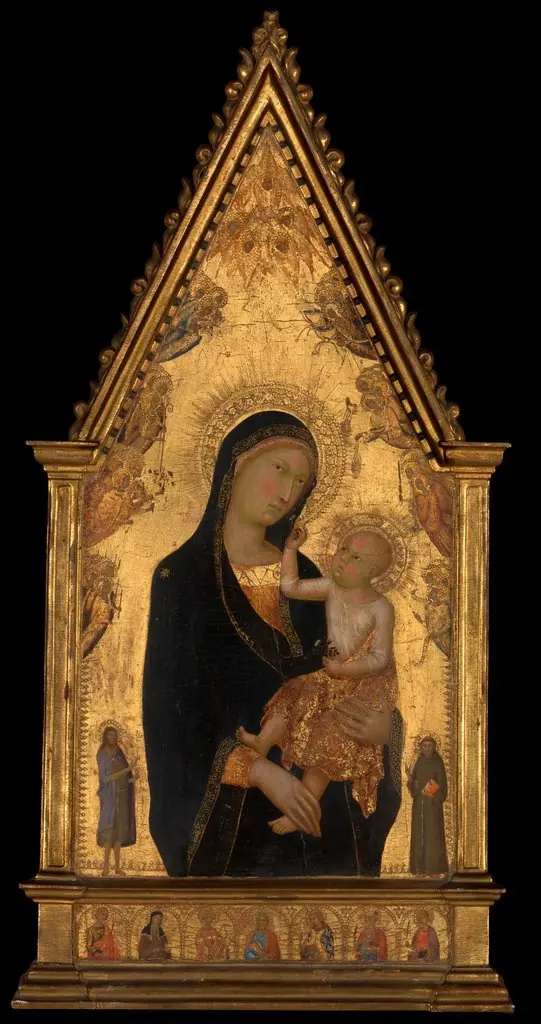 Madonna and Child with Saints and Angels
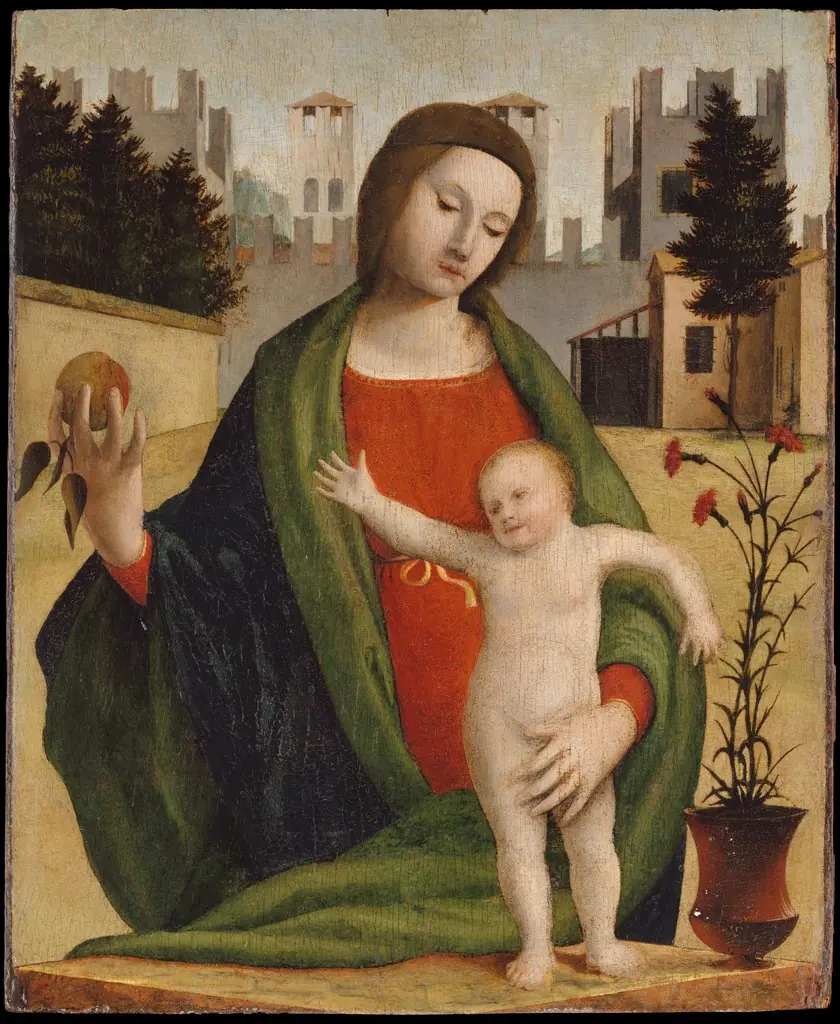 Madonna and Child
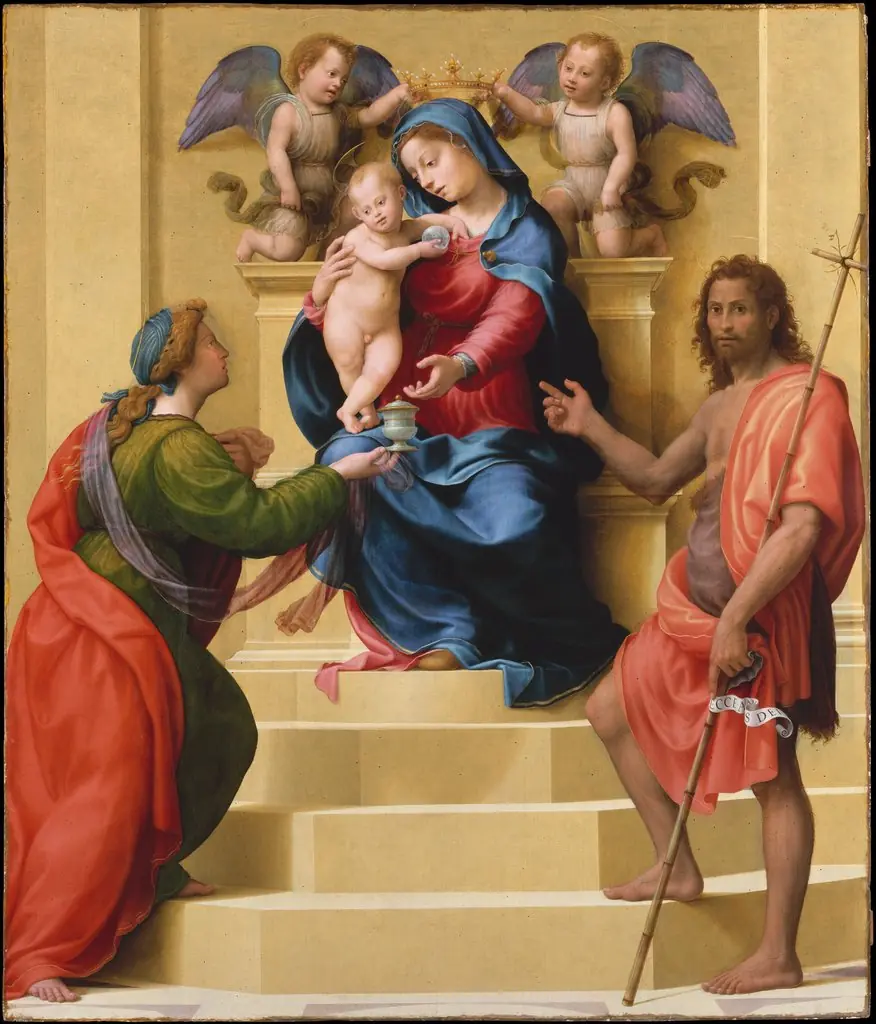 Madonna and Child Enthroned with Saints Mary Magdalen and John the Baptist
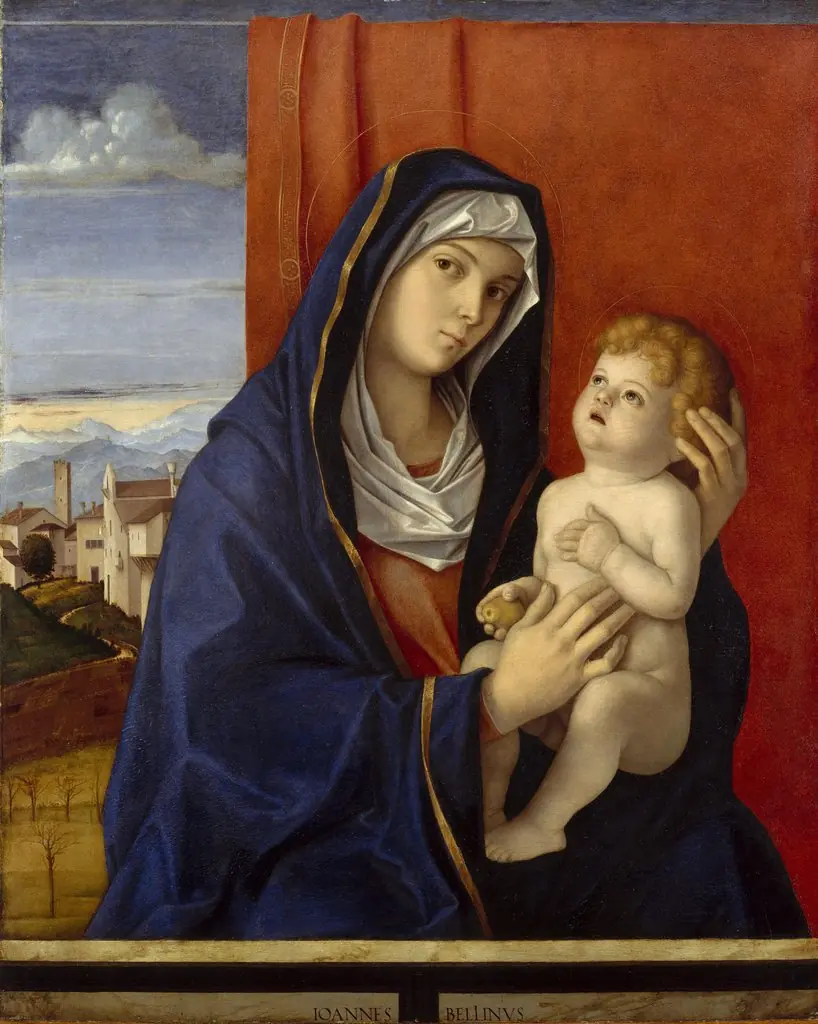 Madonna and Child
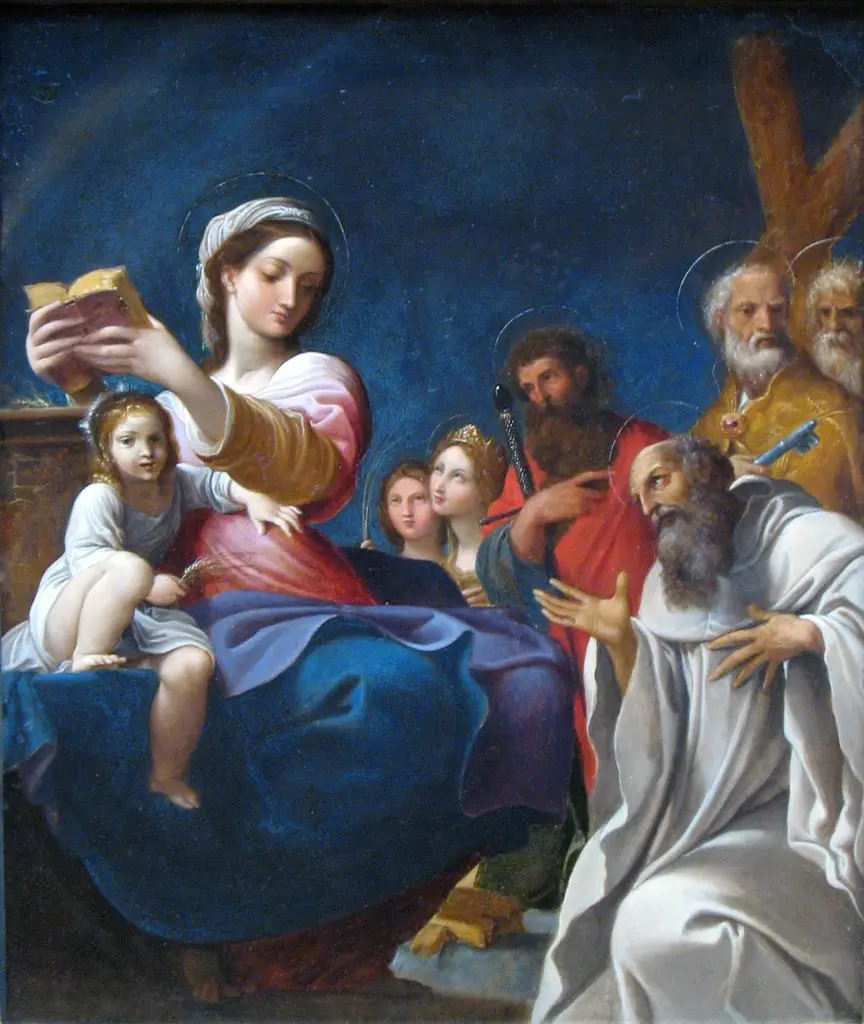 Madonna and Child with Saints
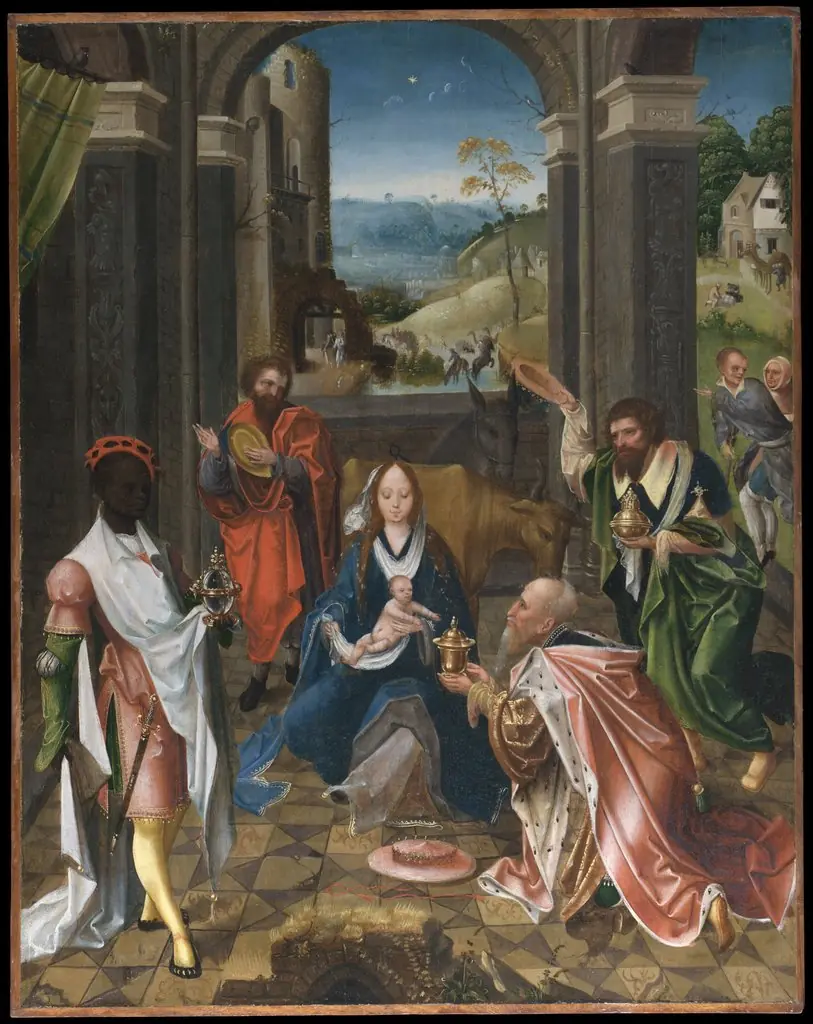 The Adoration of the Magi
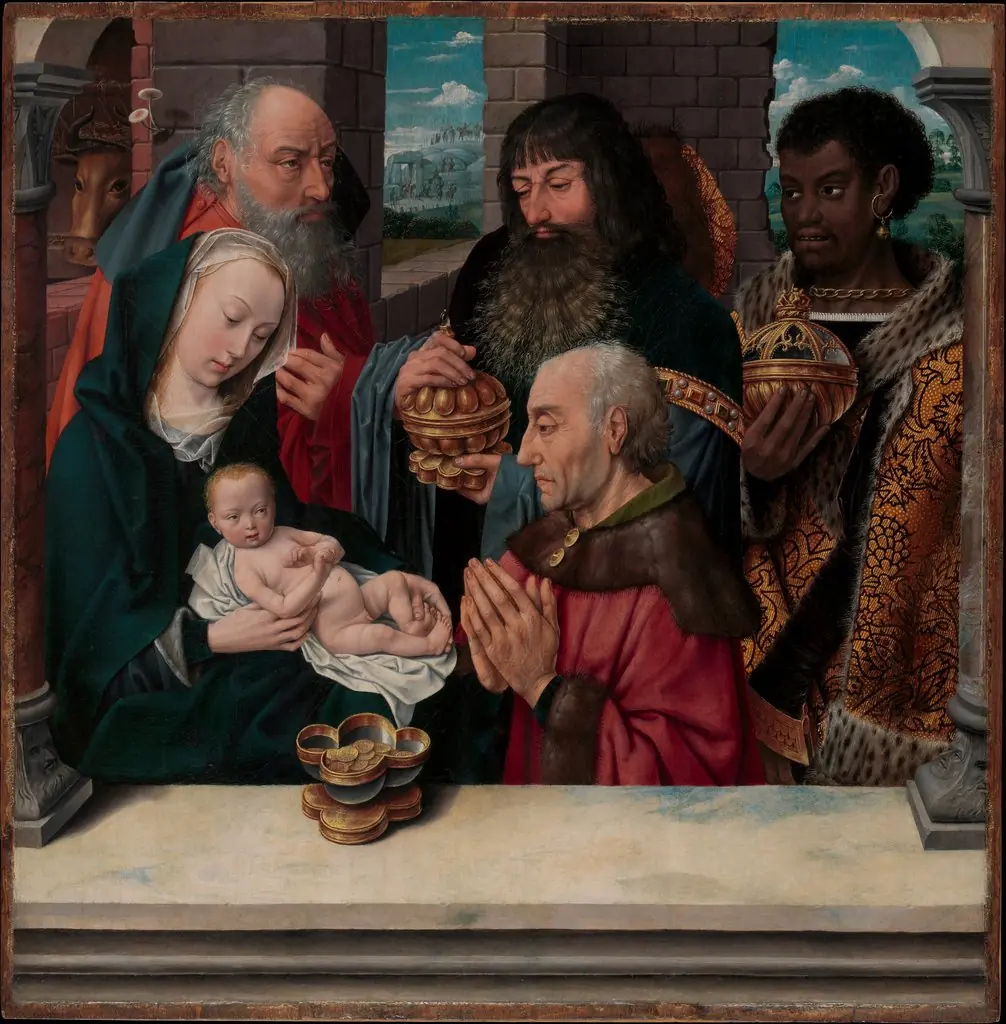 The Adoration of the Magi
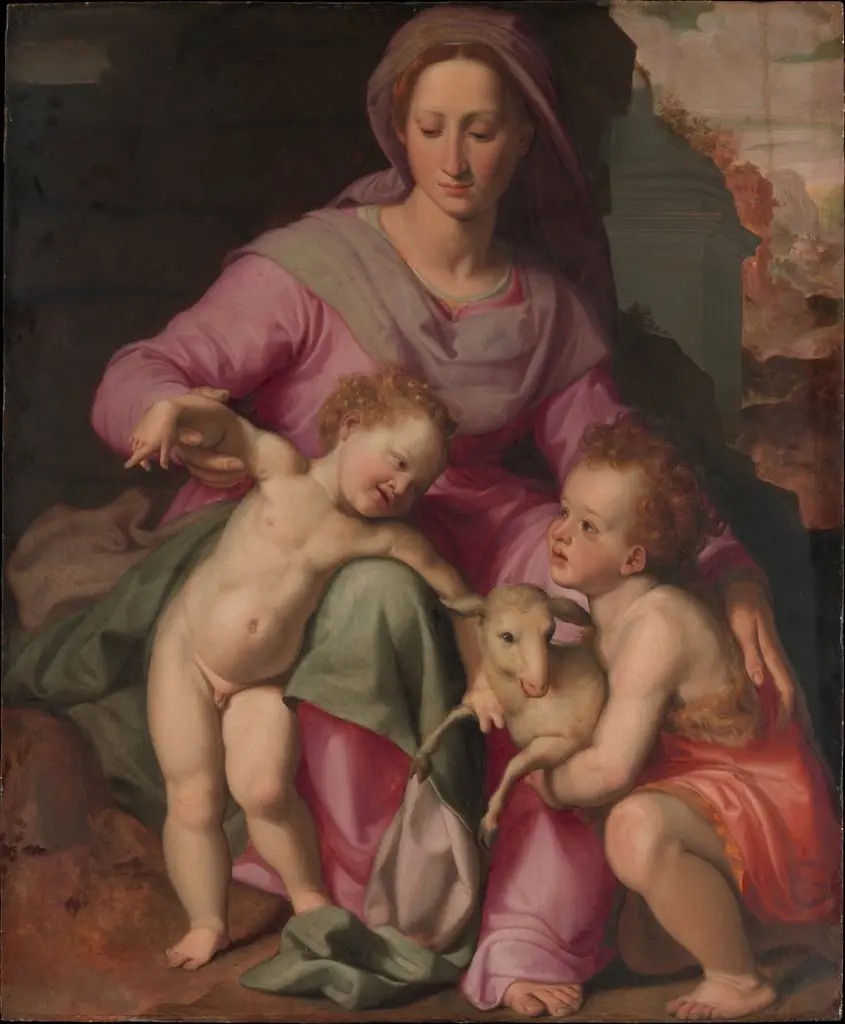 Madonna and Child with the Infant Saint John the Baptist
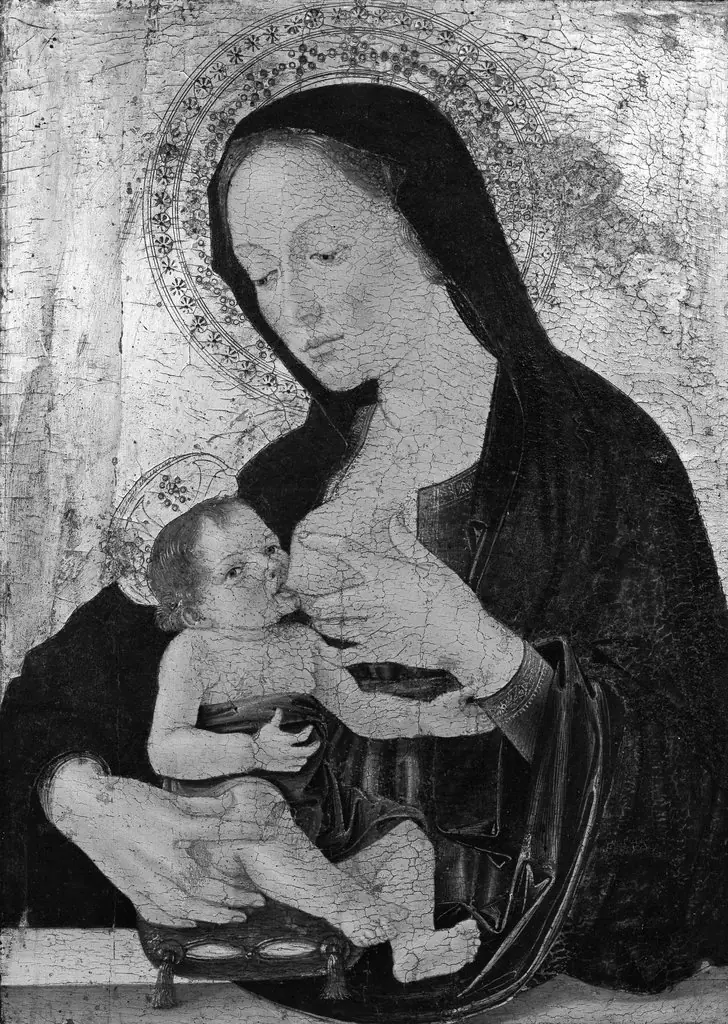 Madonna and Child
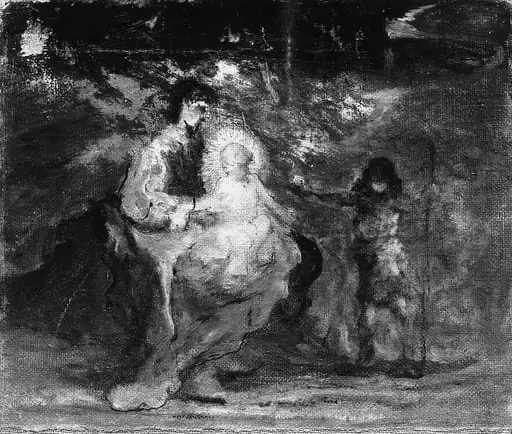 Madonna and Child and Little Saint John
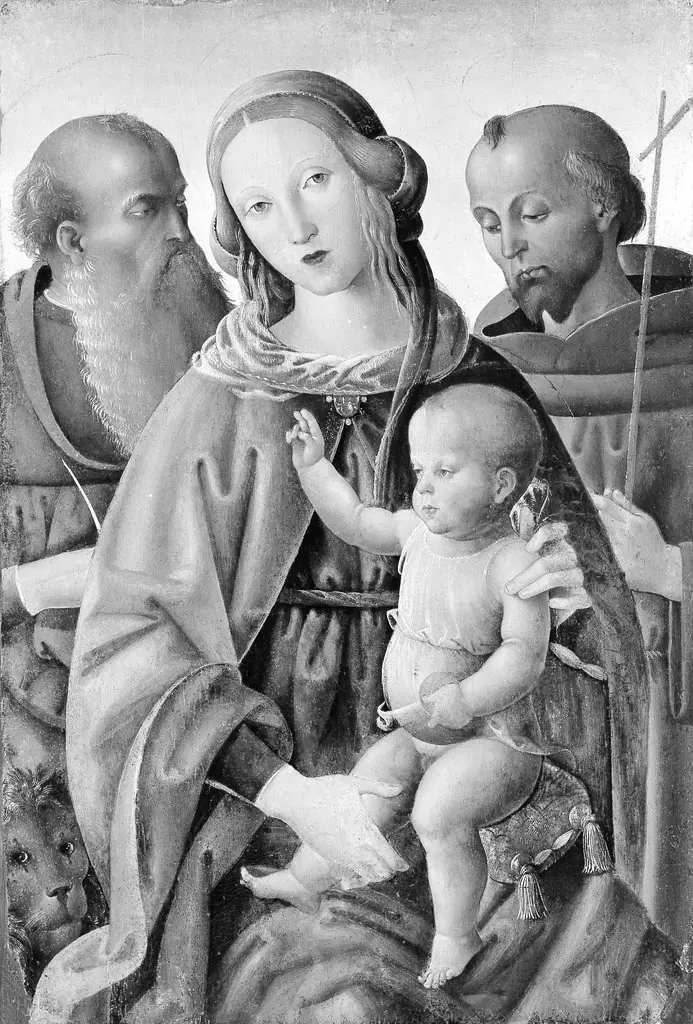 Madonna and Child with Saints Jerome and Francis
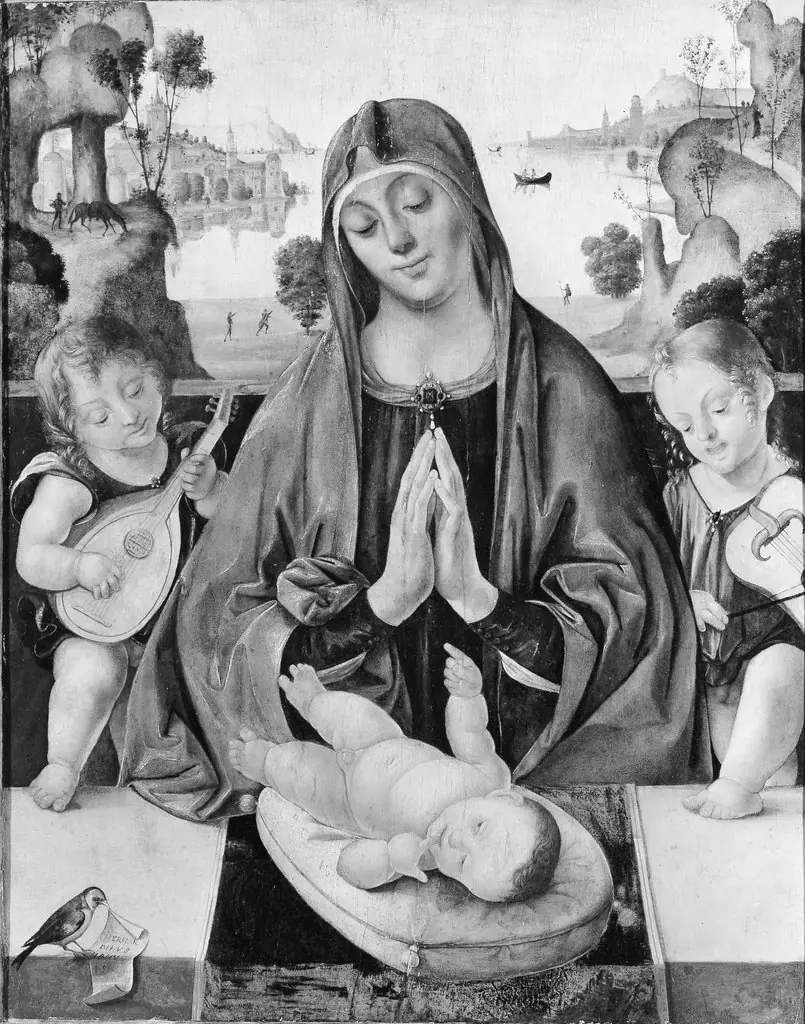 Madonna and Child with Angels
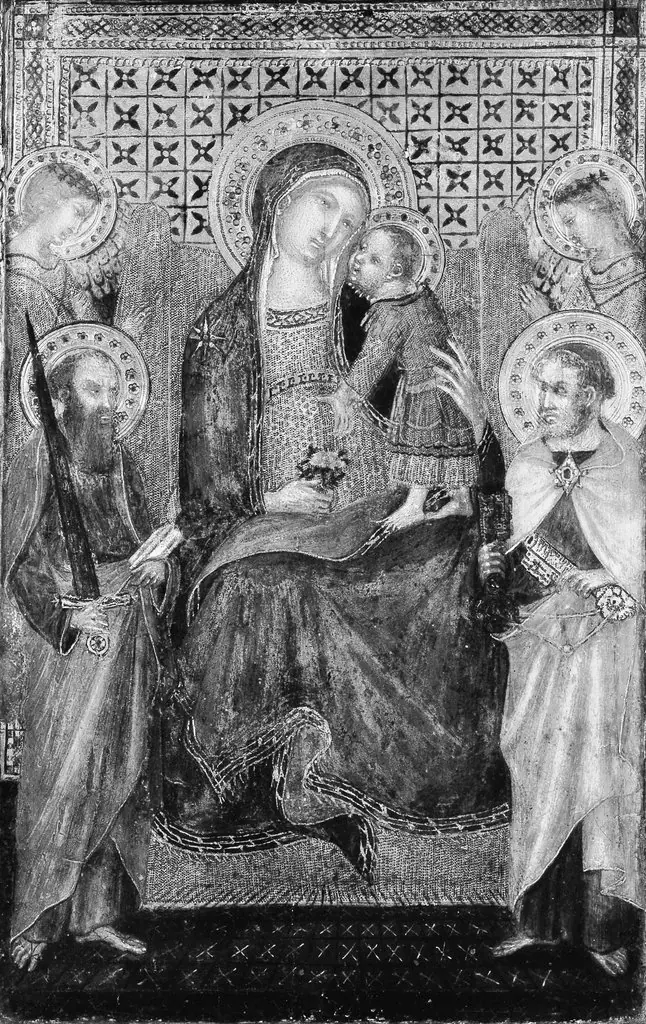 Madonna and Child Enthroned with Saints Peter and Paul and Angels
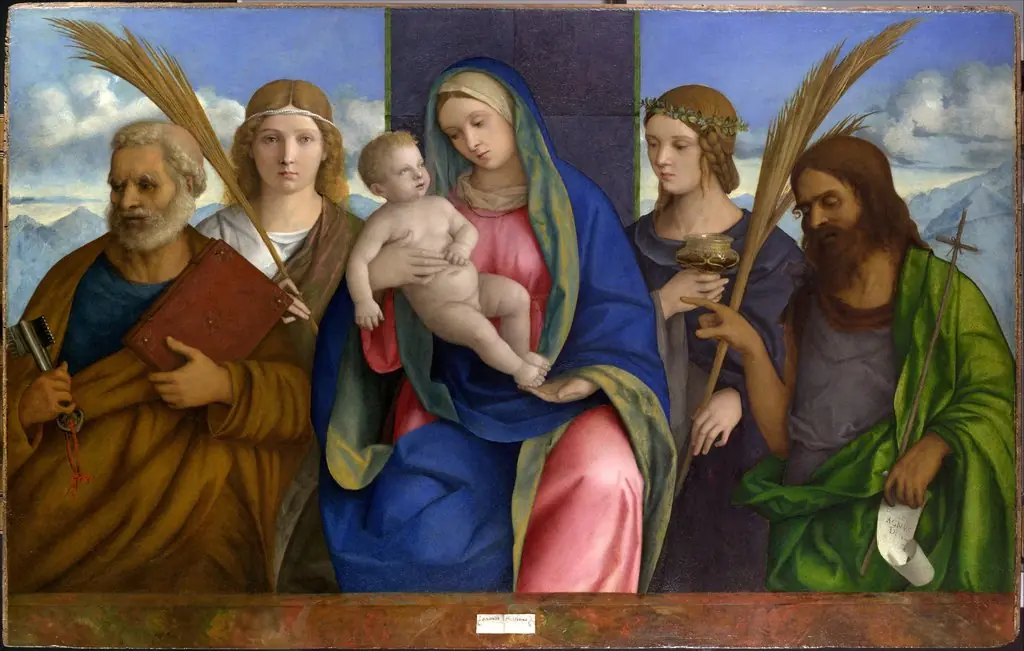 Madonna and Child with Saints
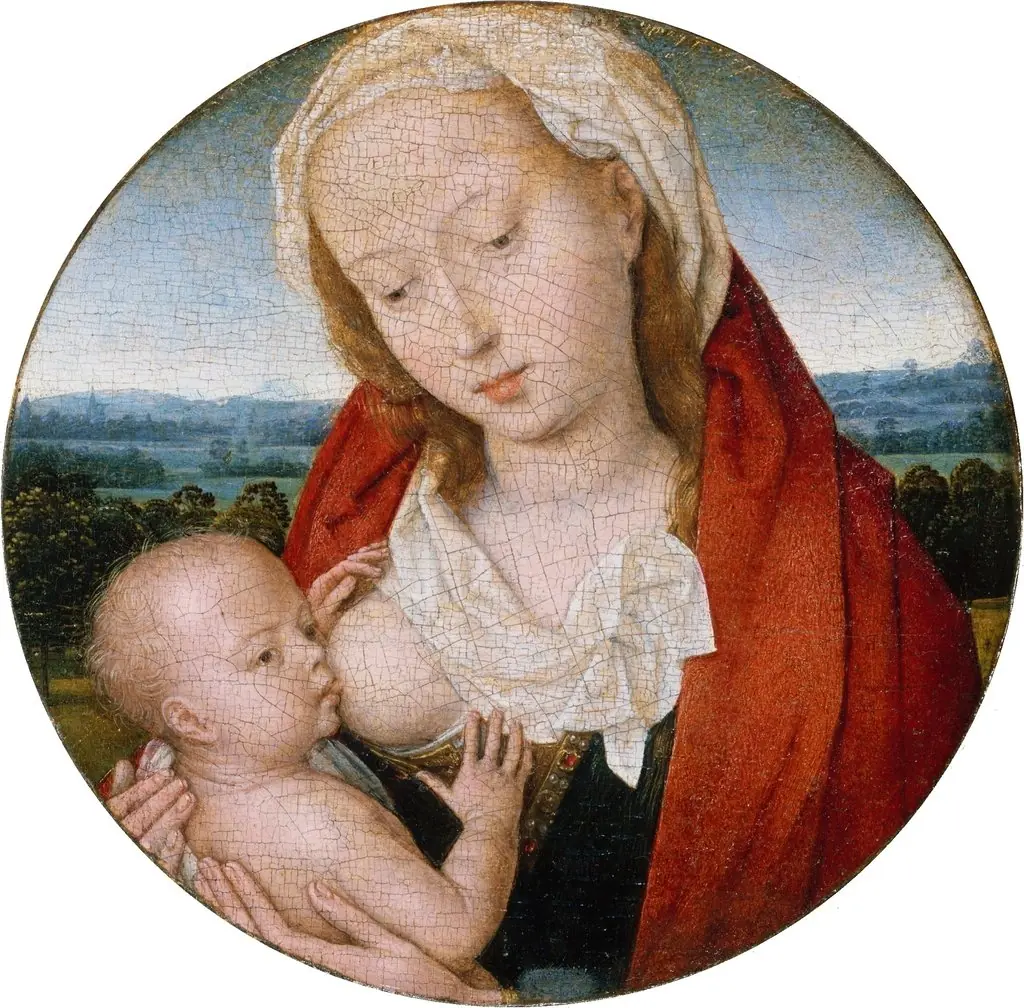 Virgin and Child
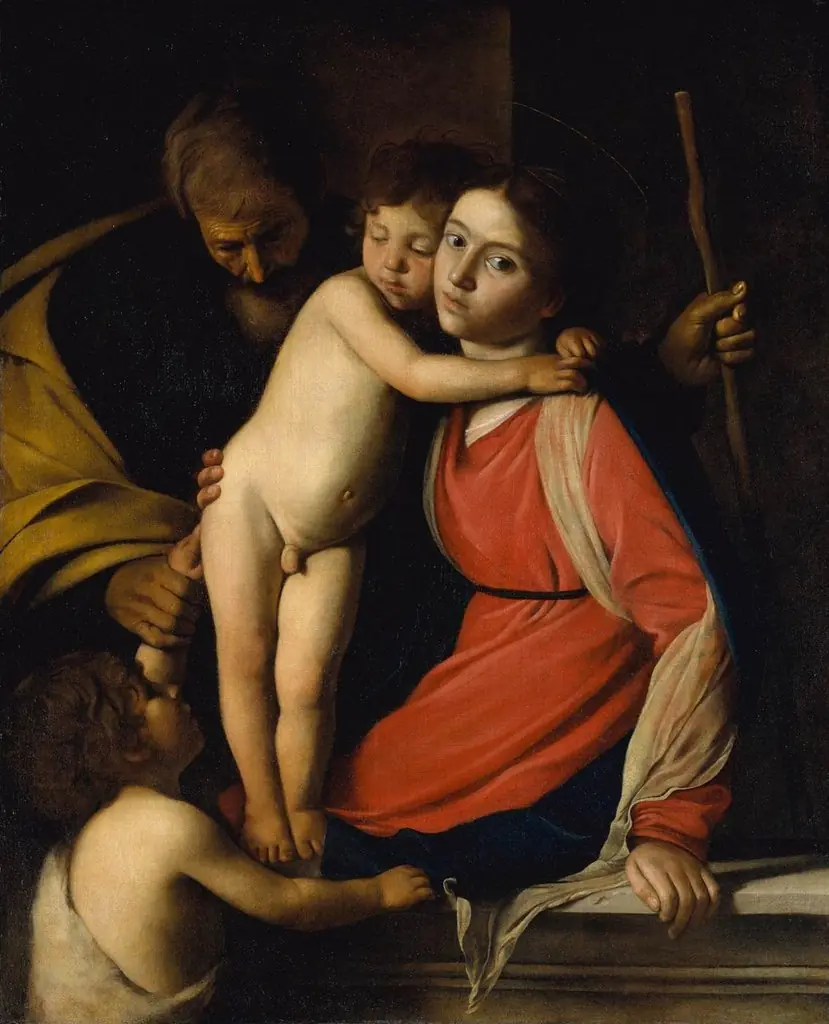 The Holy Family with Saint John the Baptist
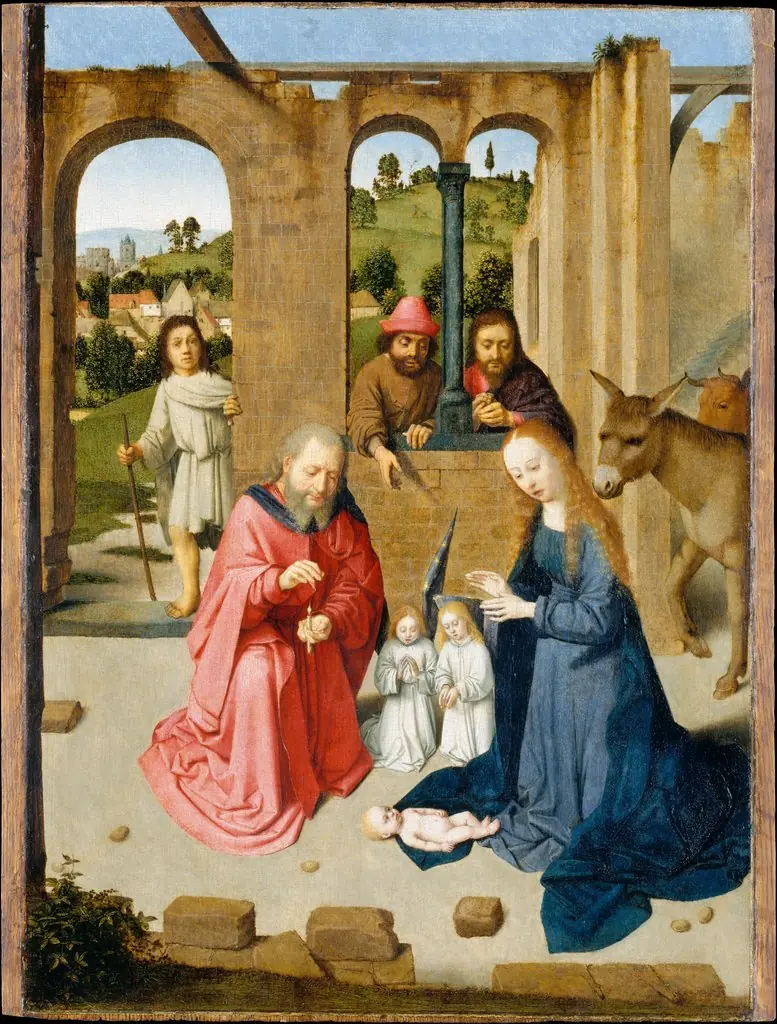 The Nativity
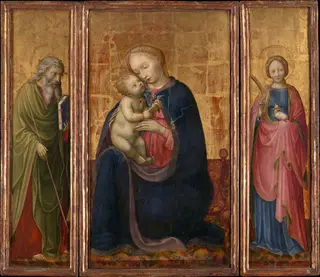 Madonna and Child with Saints Philip and Agnes
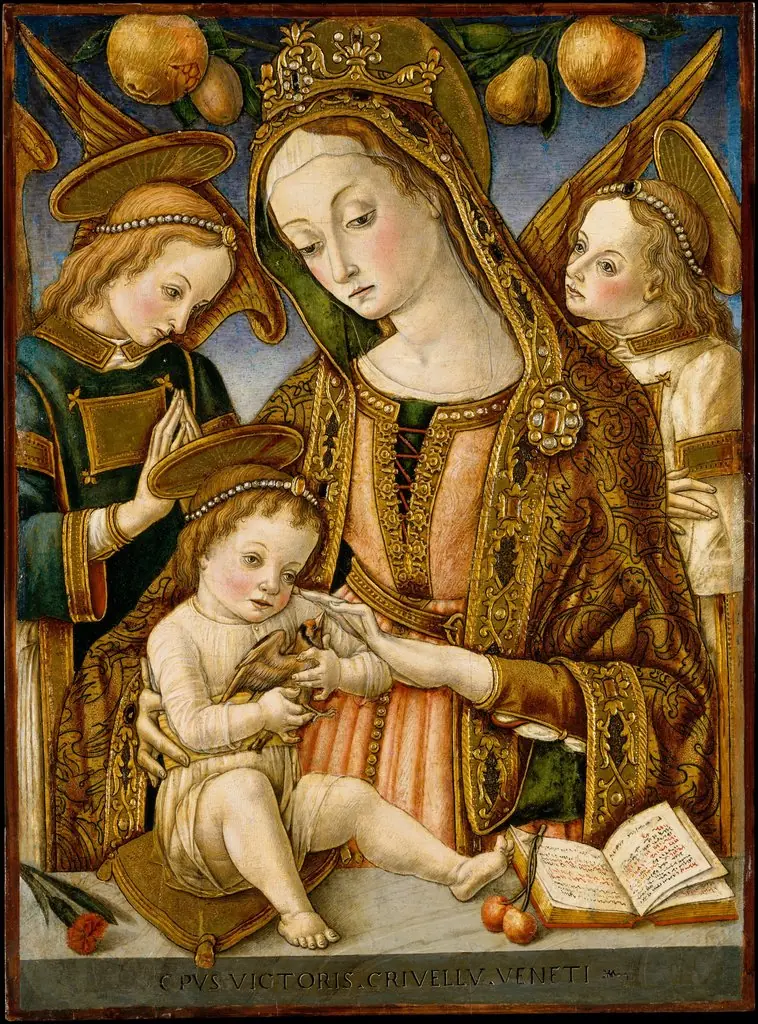 Madonna and Child with Two Angels
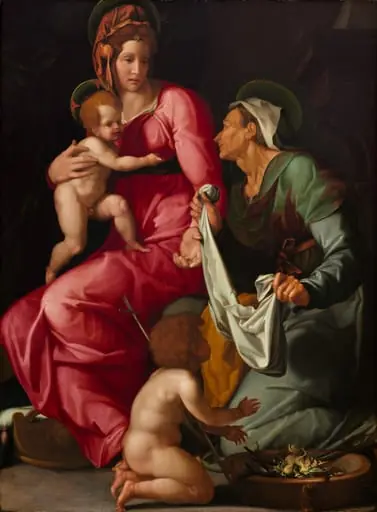 Madonna and Child with Saint Elizabeth and Saint John the Baptist
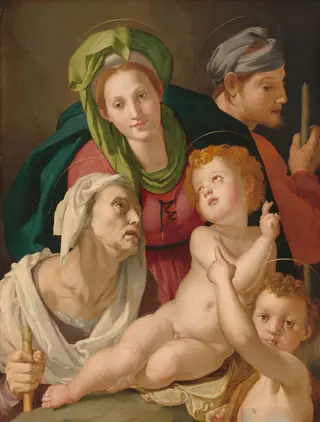 The Holy Family
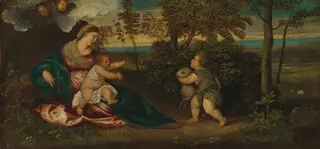 Madonna and Child and the Infant Saint John in a Landscape
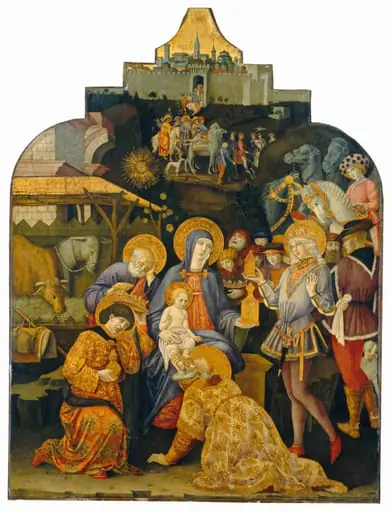 The Adoration of the Magi
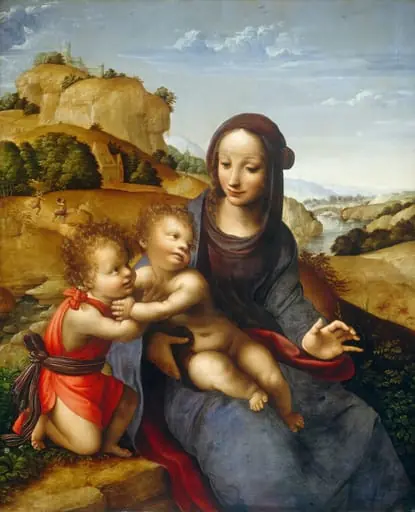 Madonna and Child with the Infant Saint John
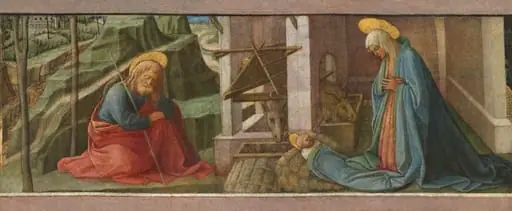 The Nativity
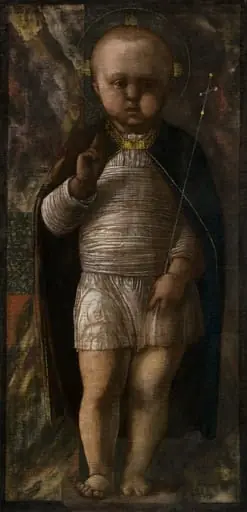 The Infant Savior
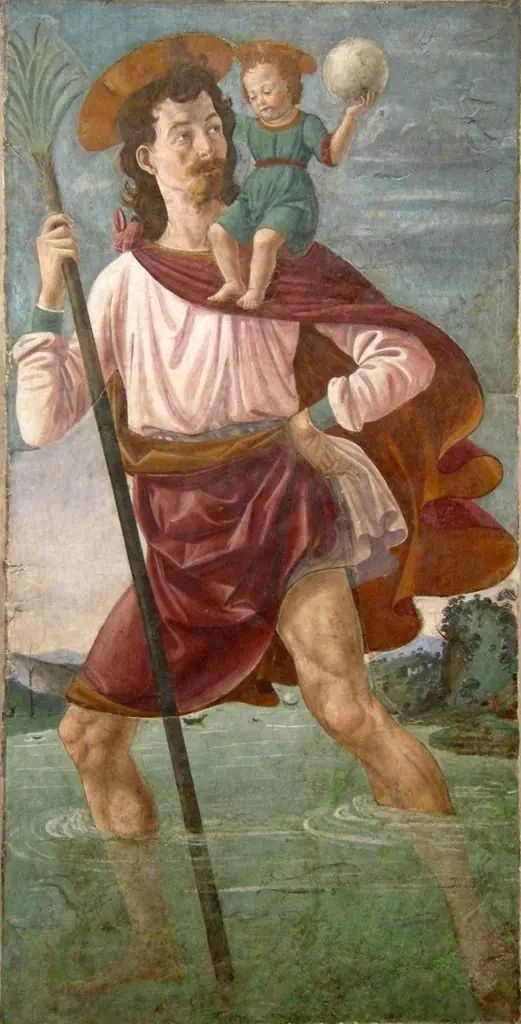 Saint Christopher and the Infant Christ
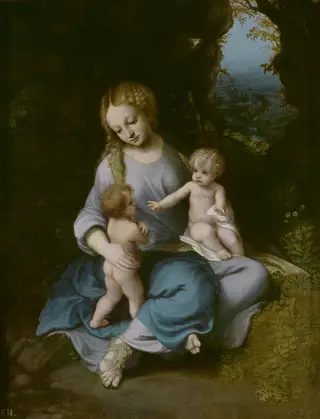 Madonna and Child with the Young Saint John
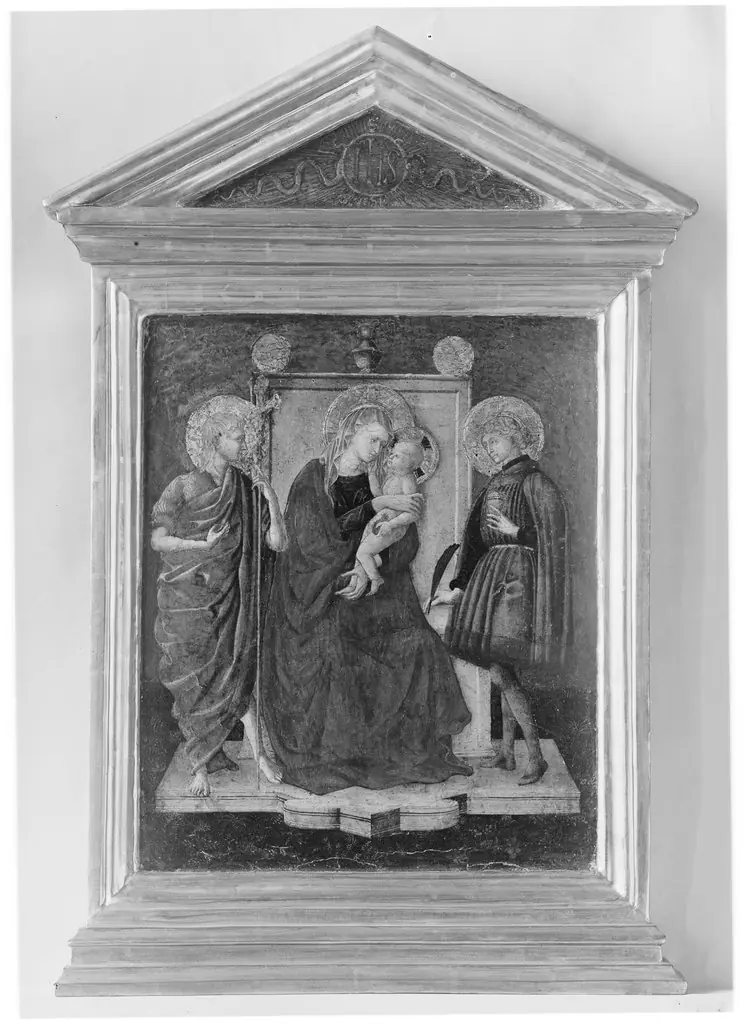 Madonna and Child Enthroned with Saint John the Baptist and Another Saint
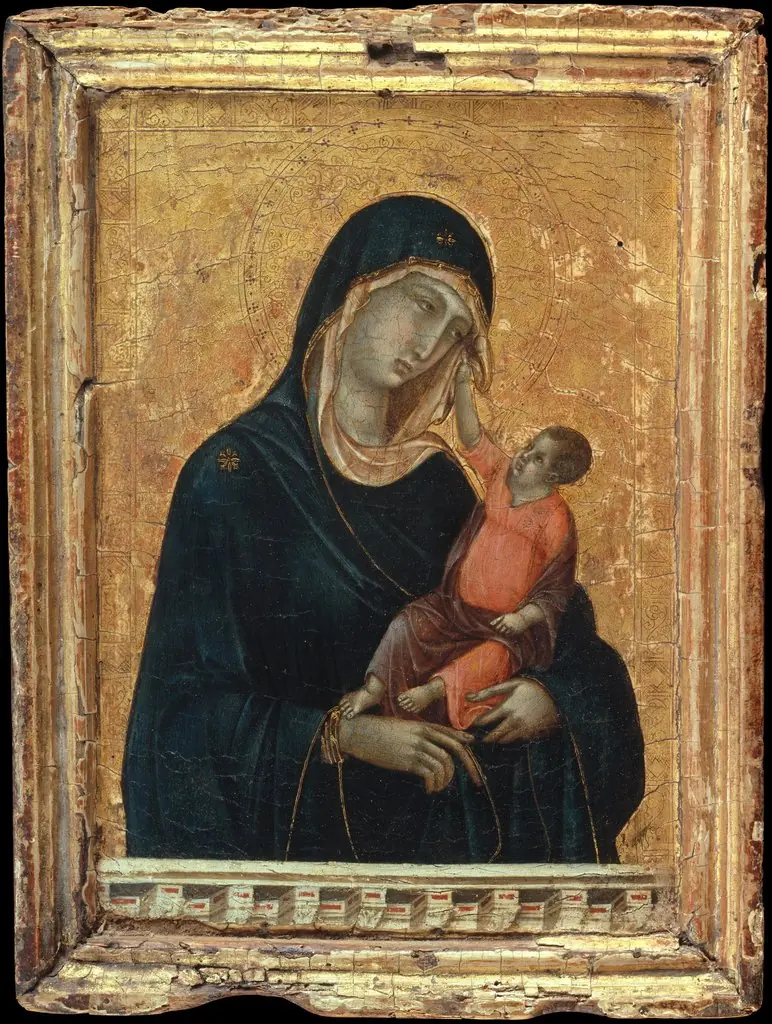 Madonna and Child
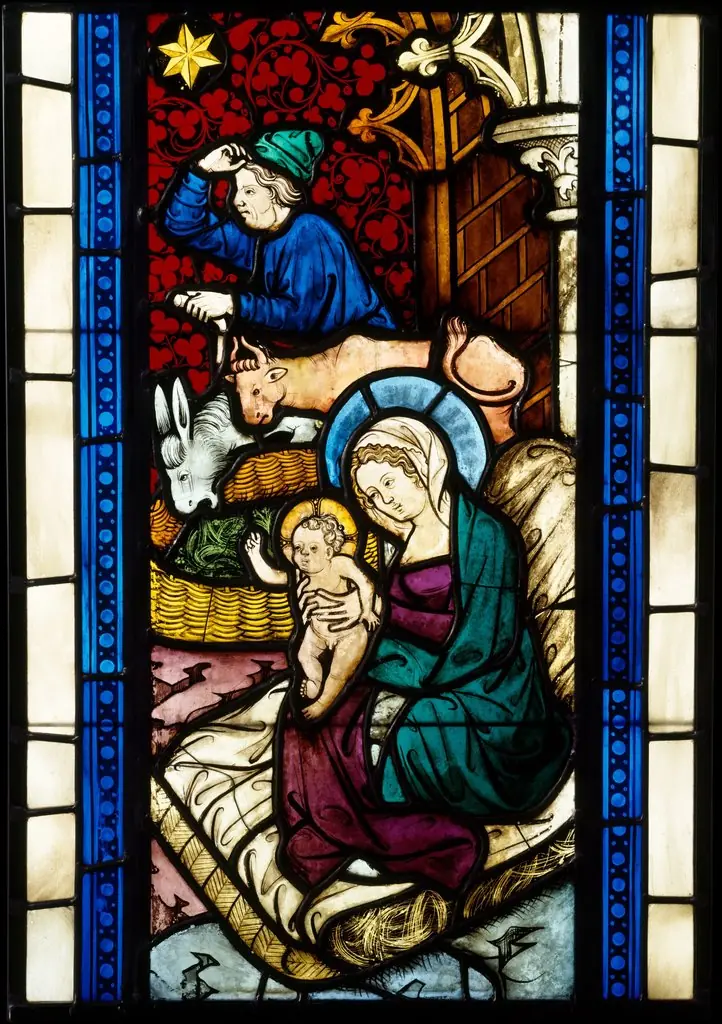 Adoration of the Magi from Seven Scenes from the Life of Christ
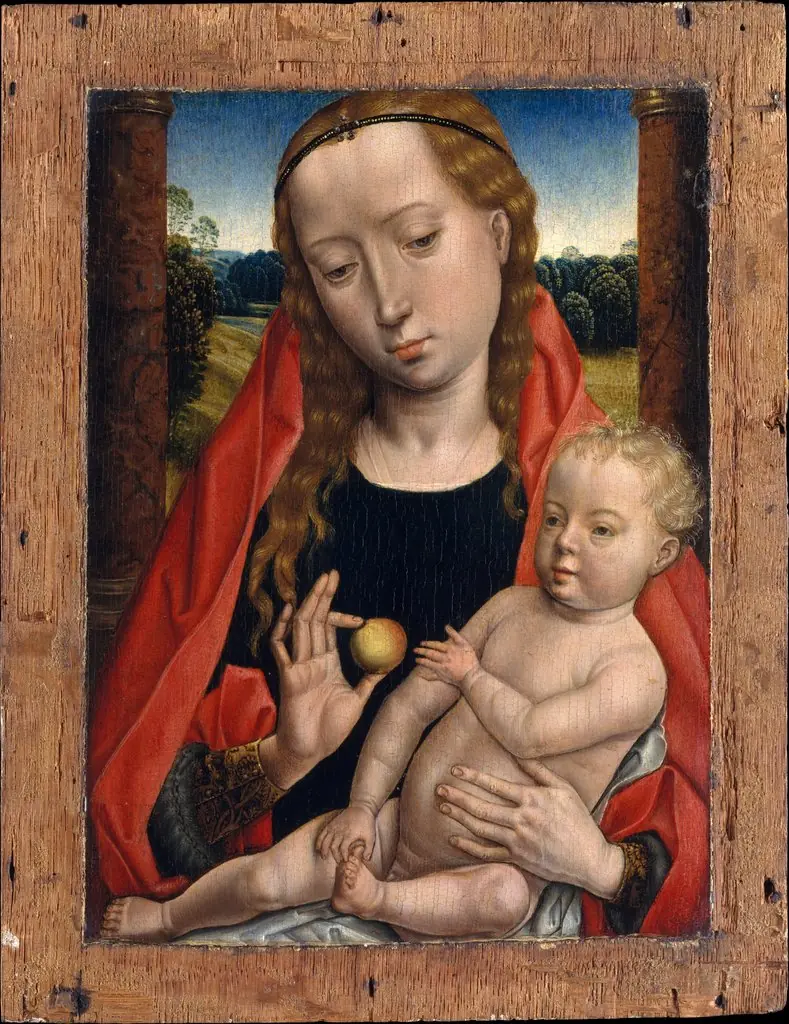 Virgin and Child
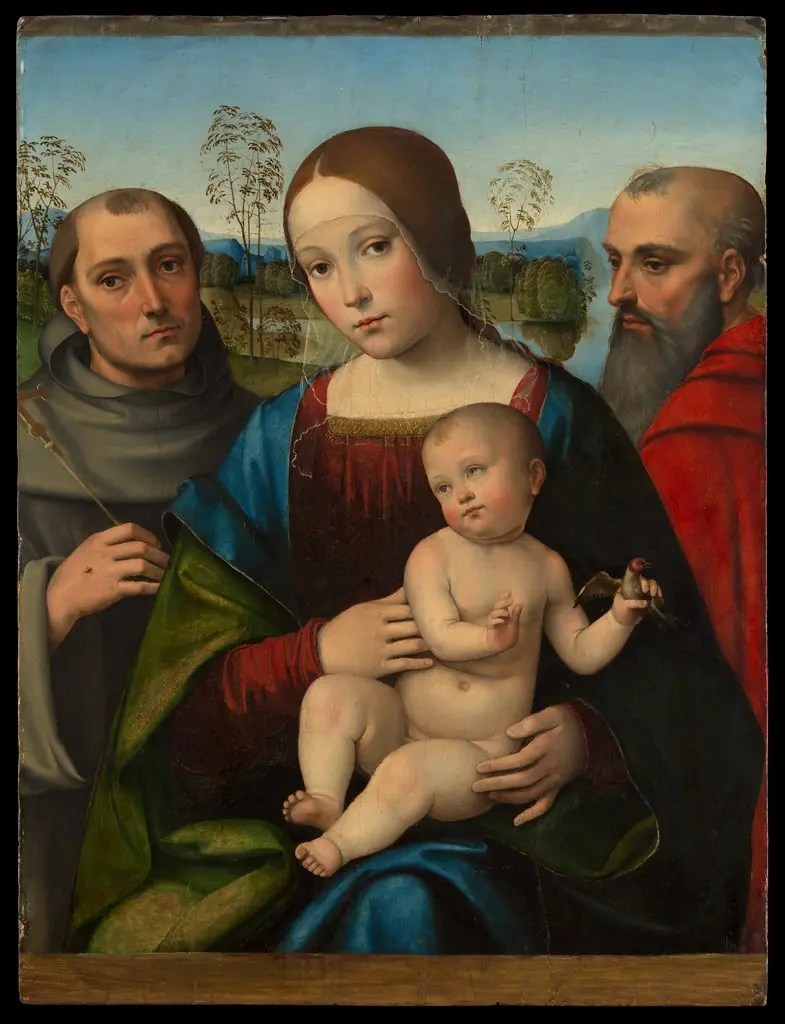 Madonna and Child with Saints Francis and Jerome
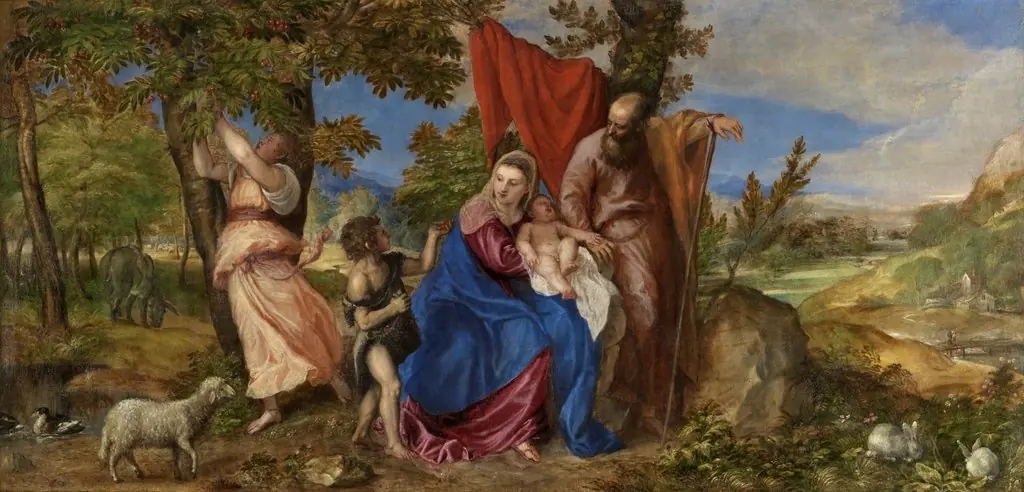 Rest on the Flight into Egypt
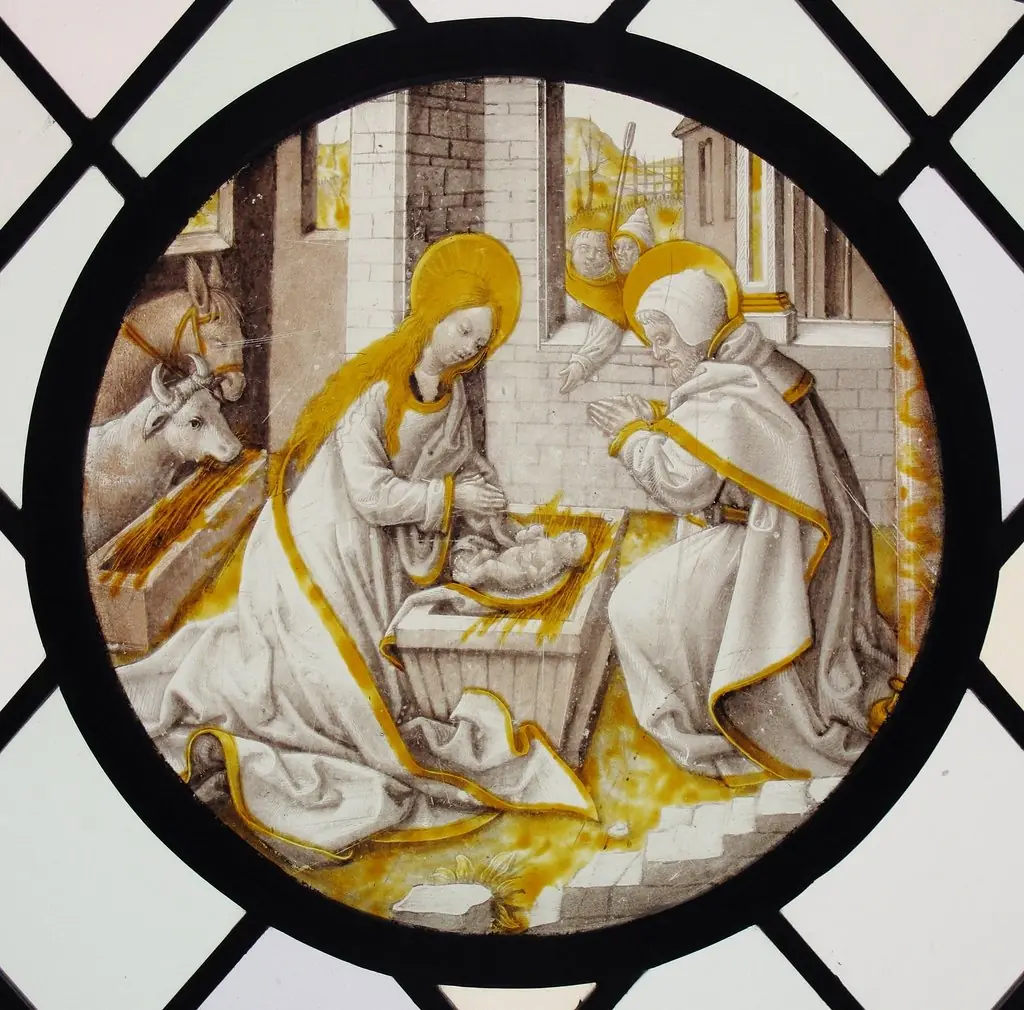 Roundel with the Nativity
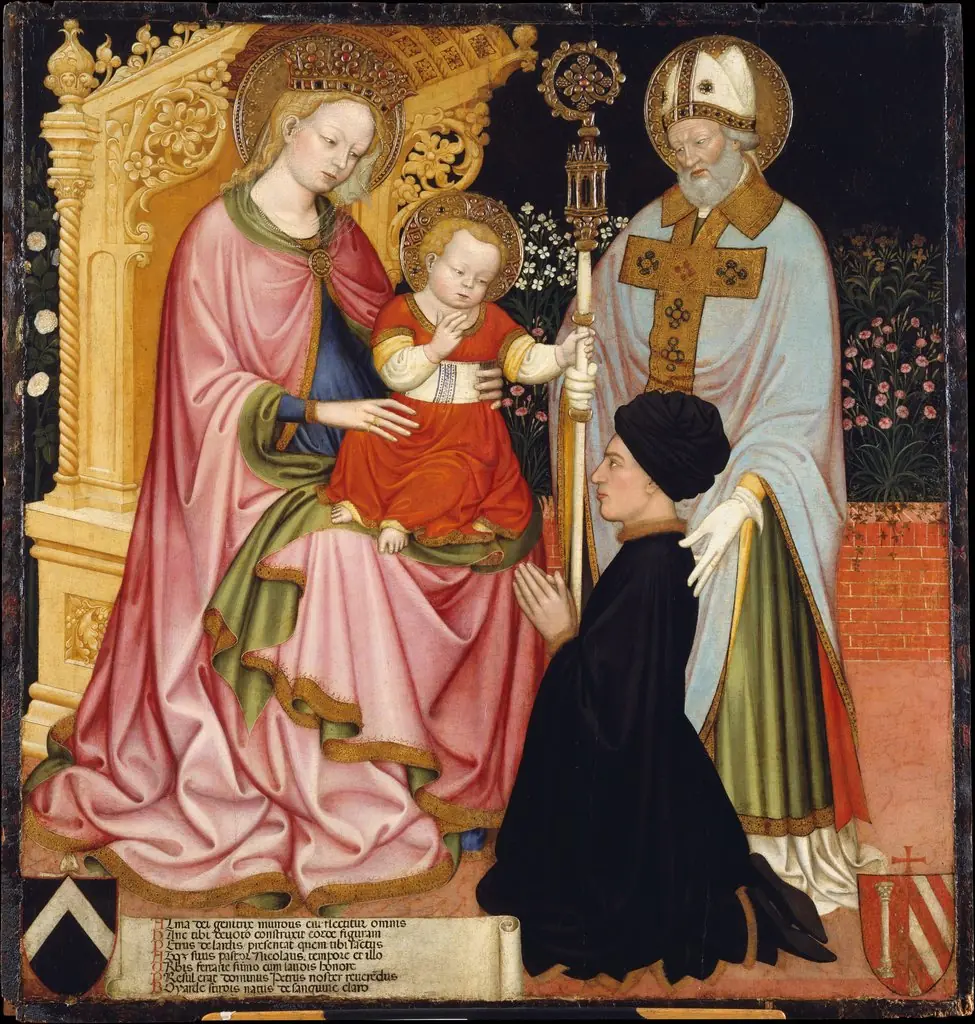 Madonna and Child with the Donor, Pietro de' Lardi, Presented by Saint Nicholas
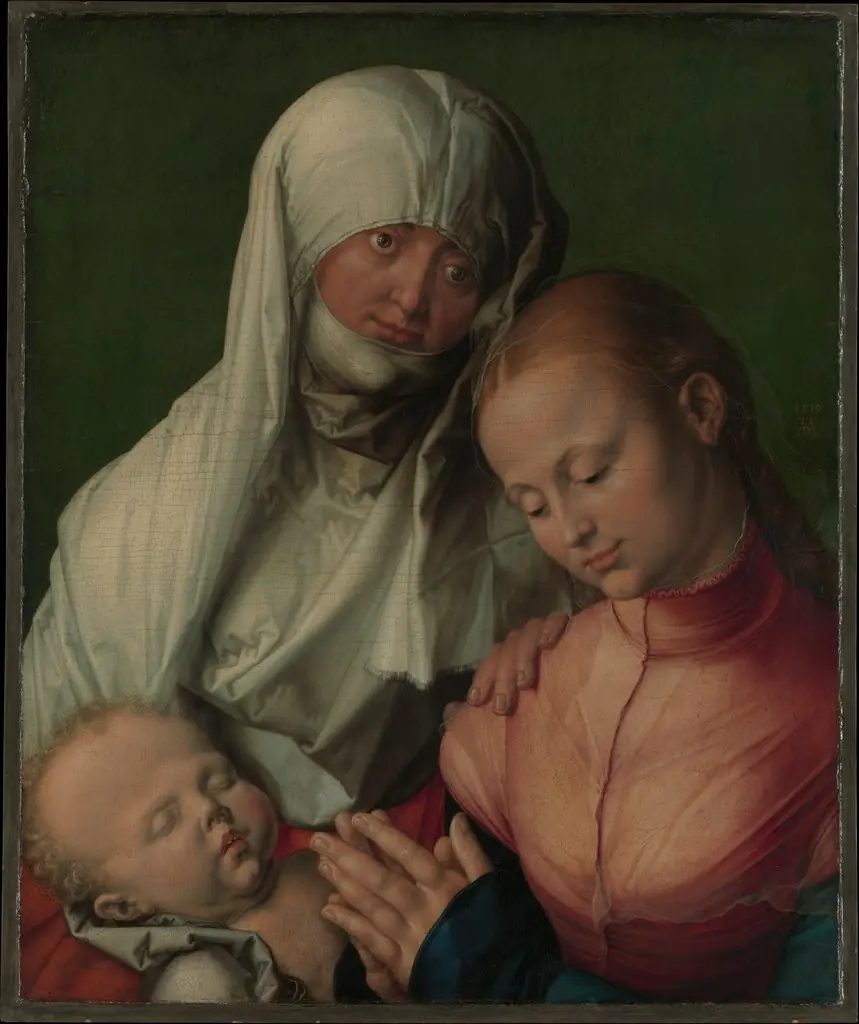 Virgin and Child with Saint Anne
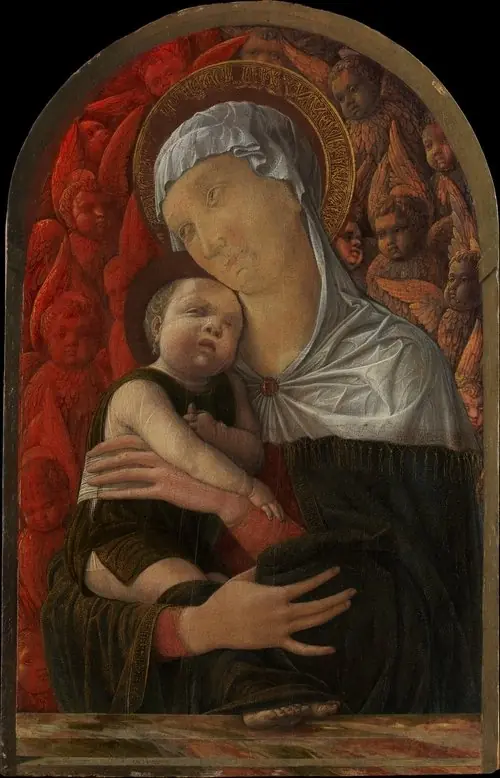 Virgin and Child
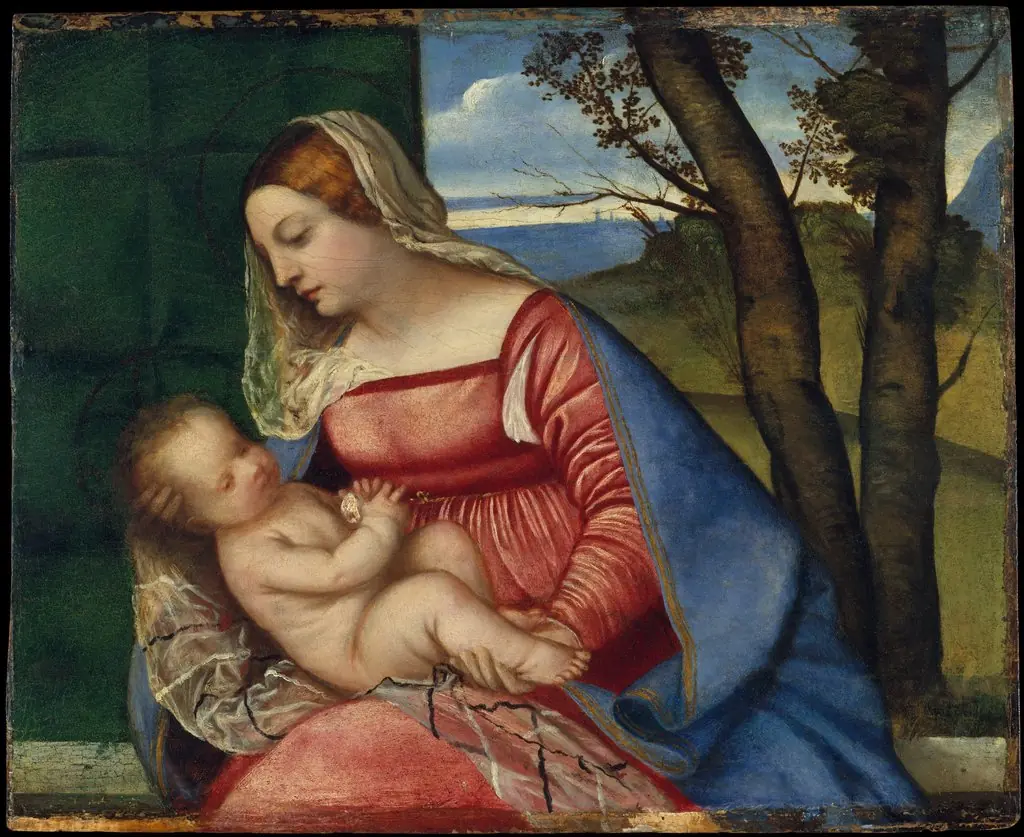 Bache Madonna
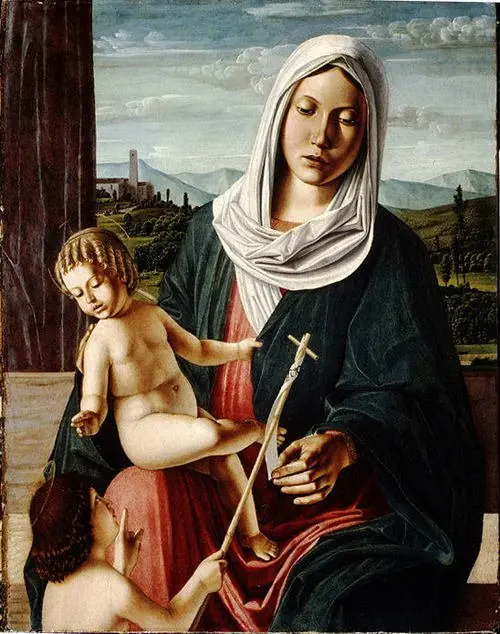 Madonna and Child with the Infant Saint John the Baptist
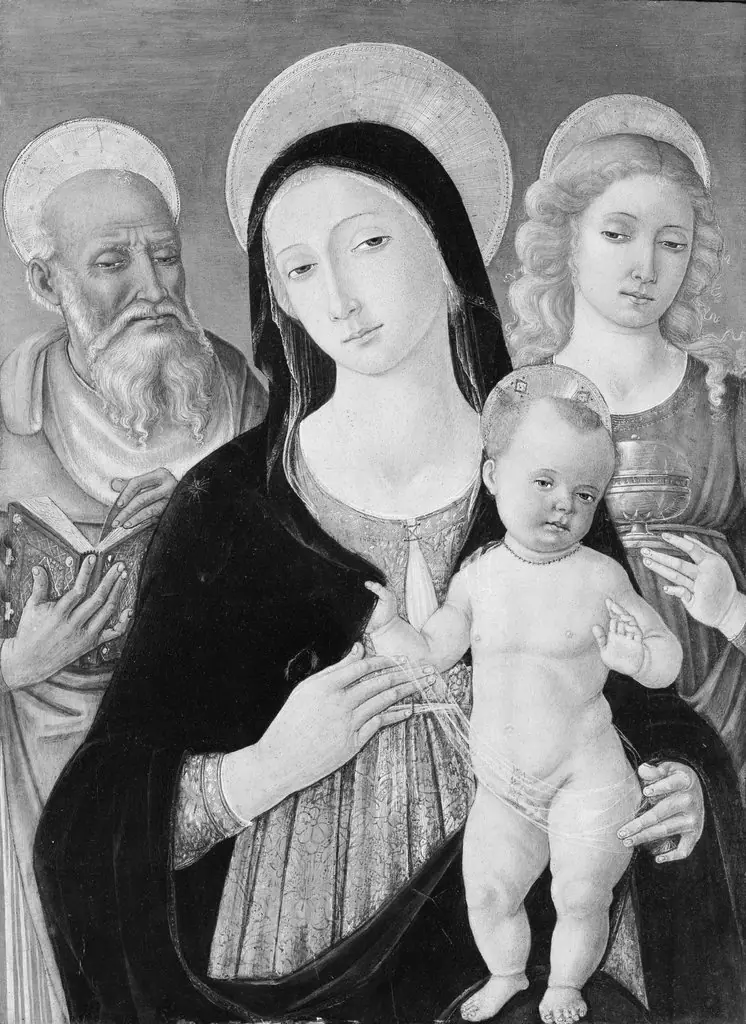 Madonna and Child with Saints Jerome and Mary Magdalen
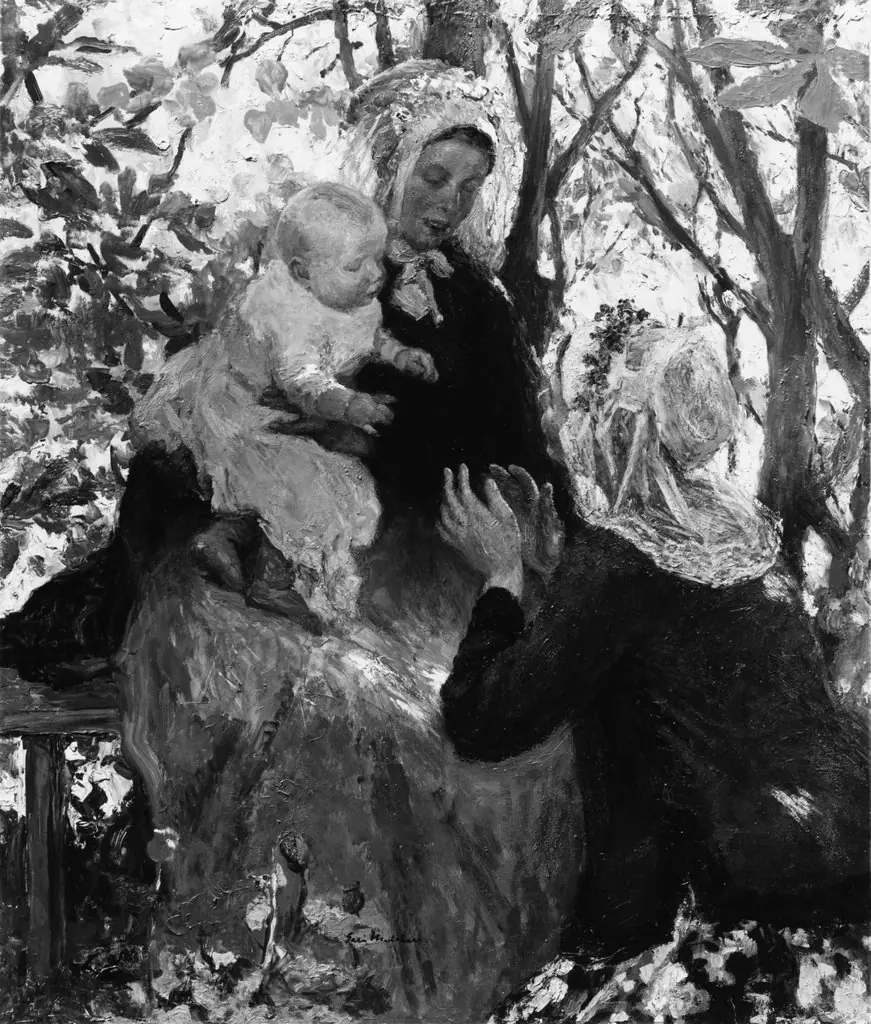 Madonna
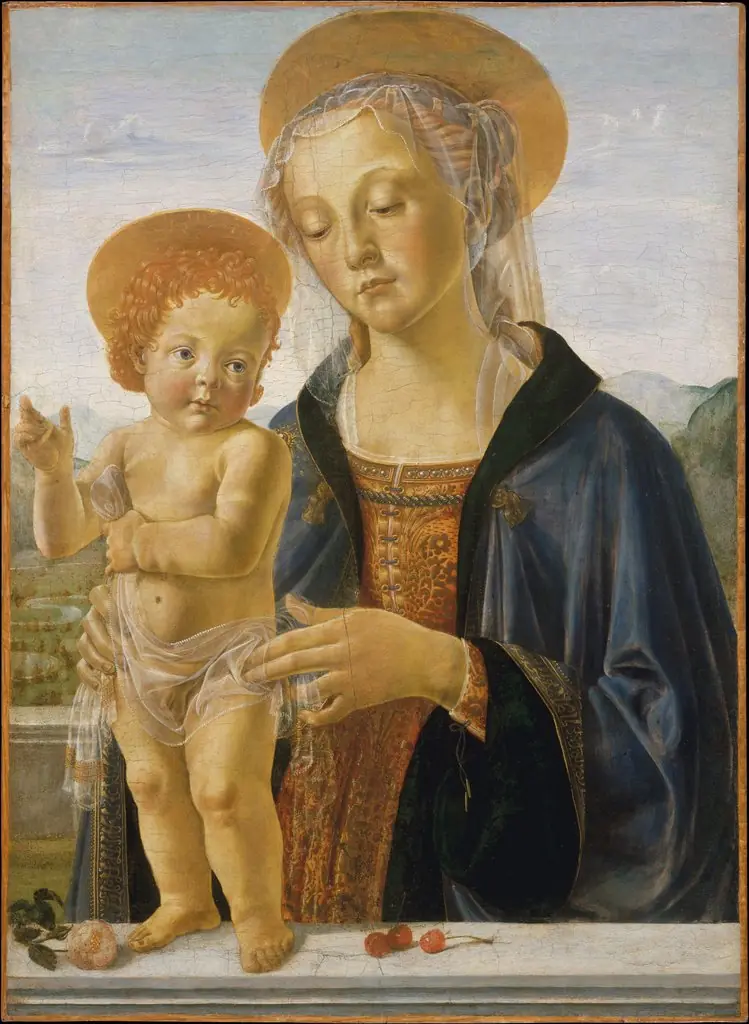 Madonna and Child
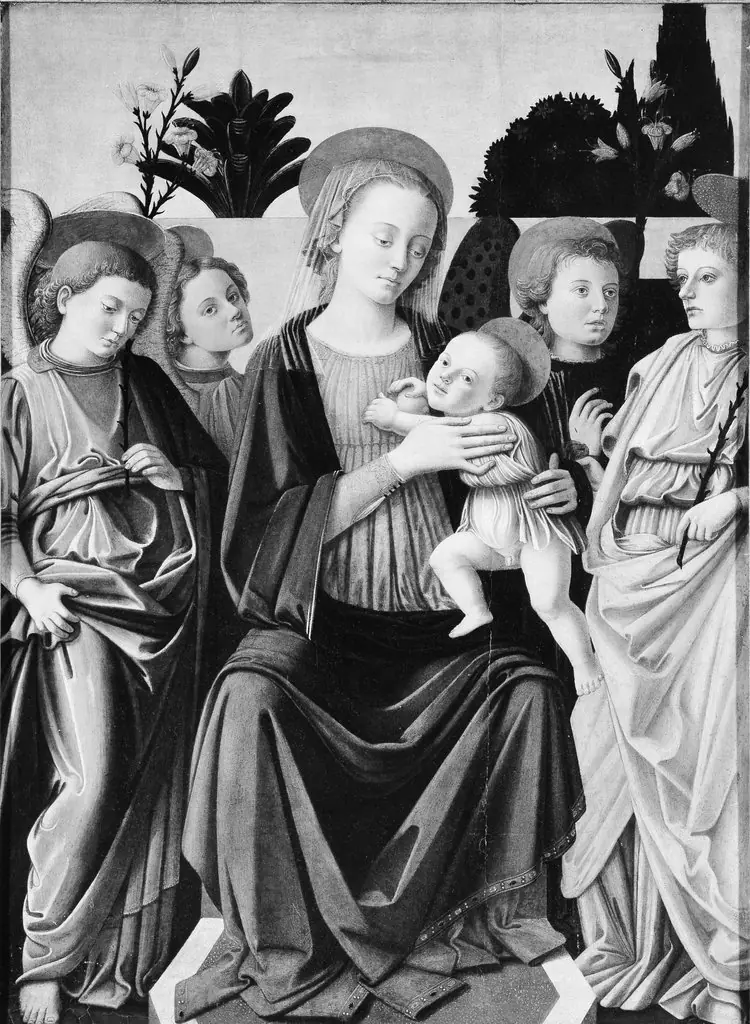 Madonna and Child with Angels
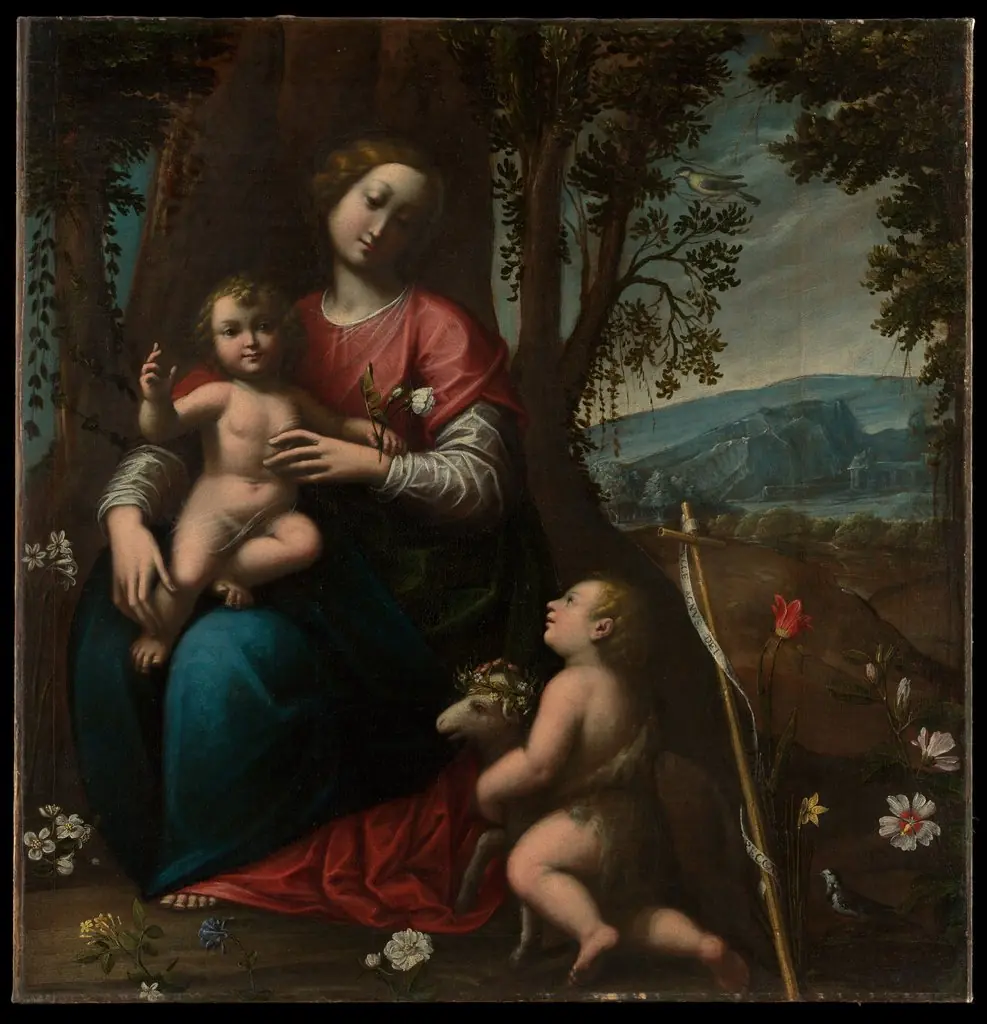 Madonna and Child with the Infant Saint John the Baptist
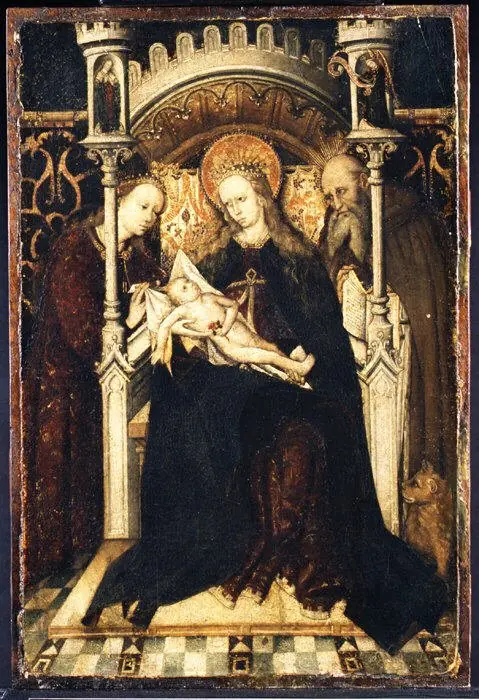 Virgin and Child Enthroned with Saints Catherine and Jerome
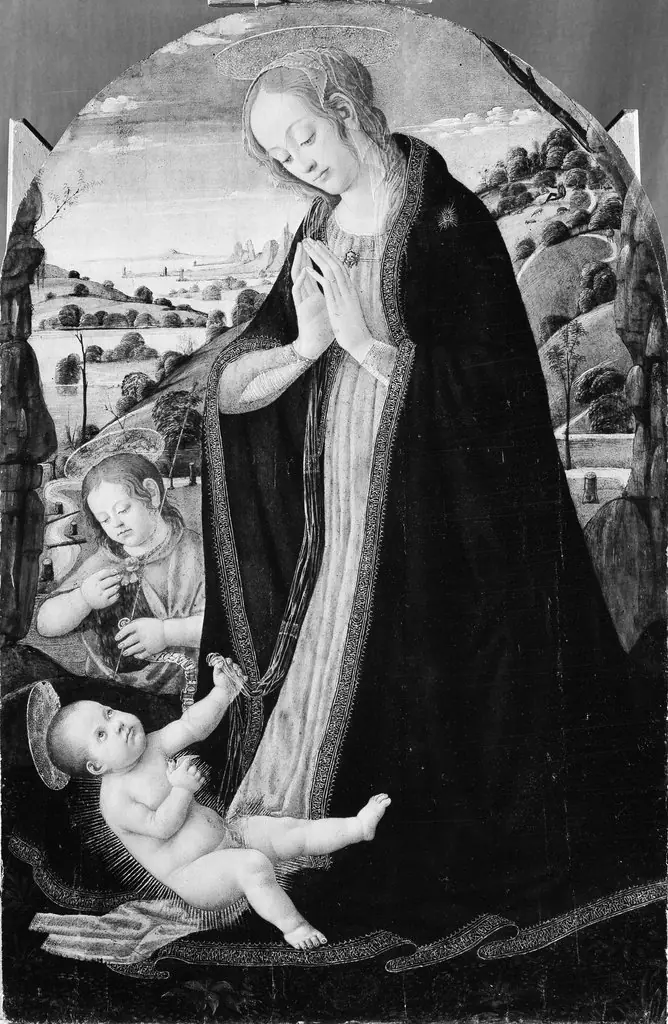 The Nativity
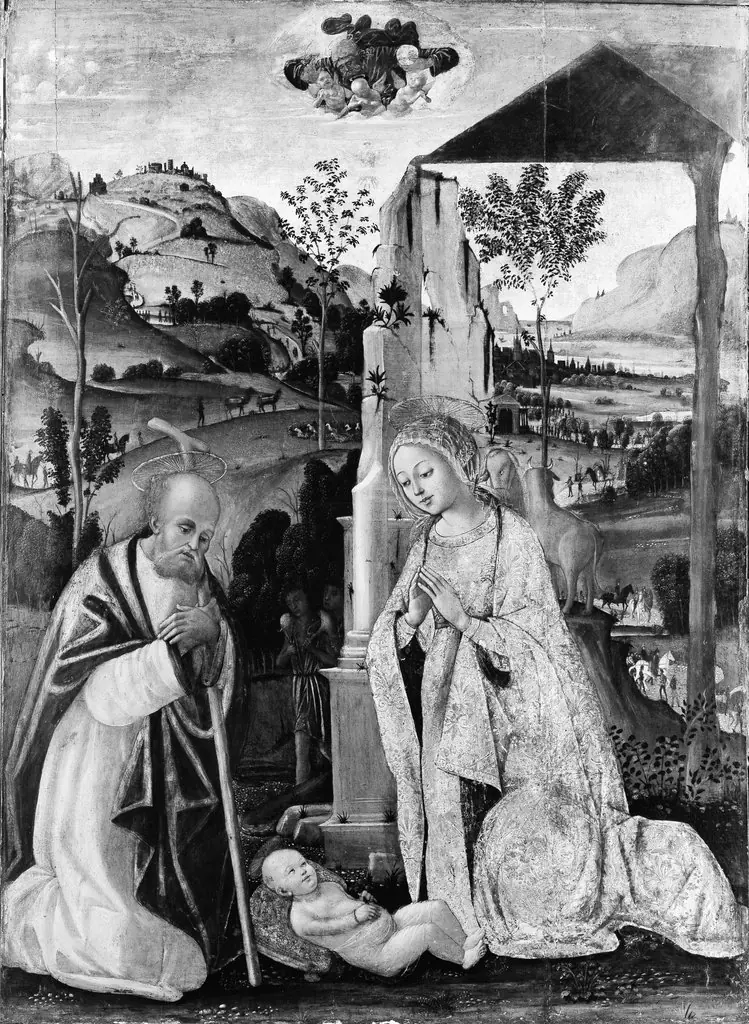 The Nativity
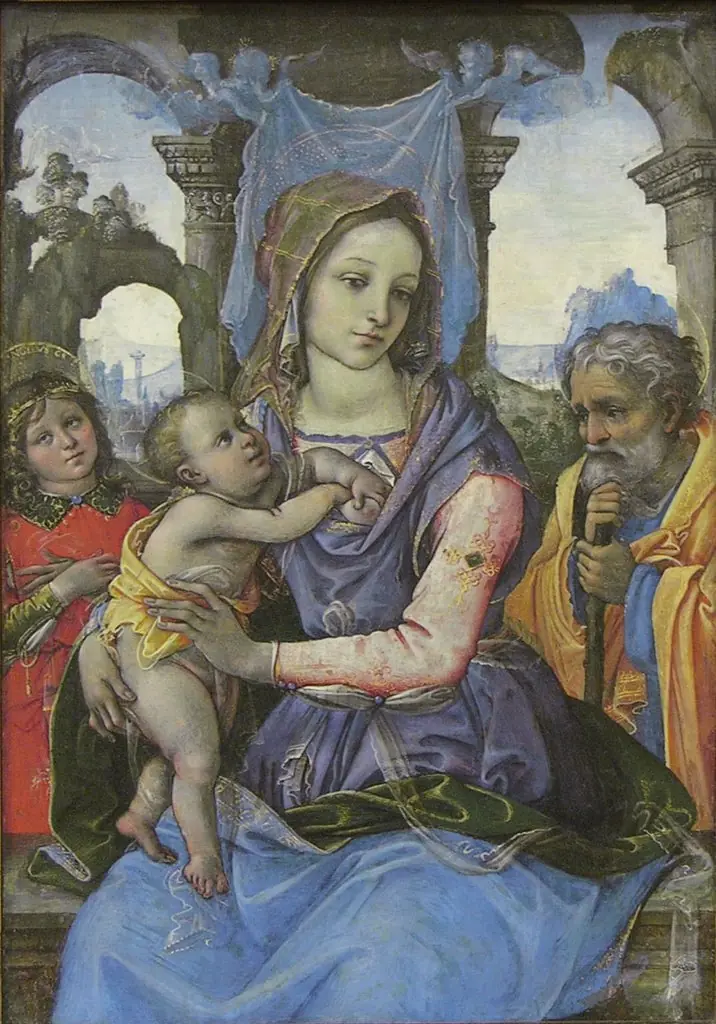 Madonna and Child with Saint Joseph and an Angel
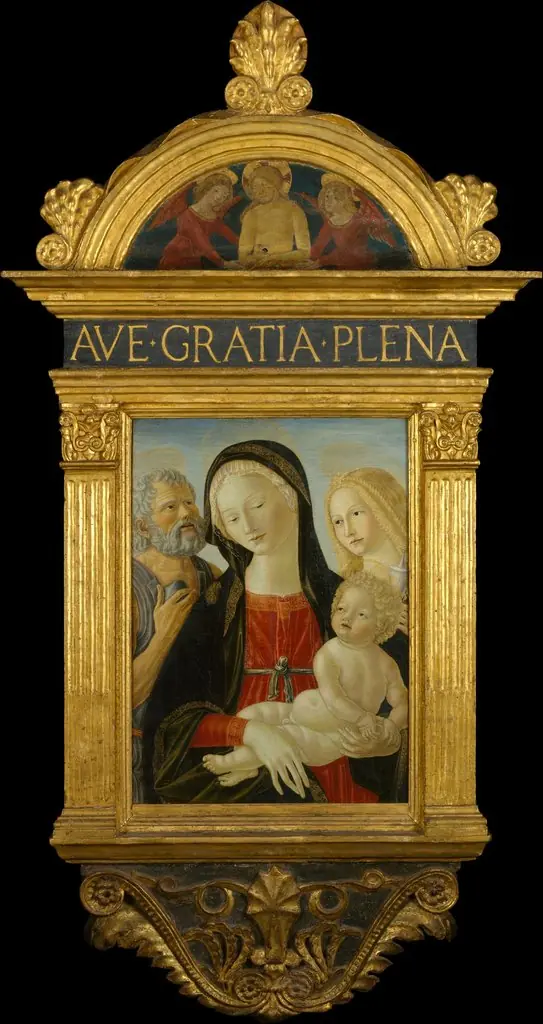 Madonna and Child with Saints Jerome and Mary Magdalen
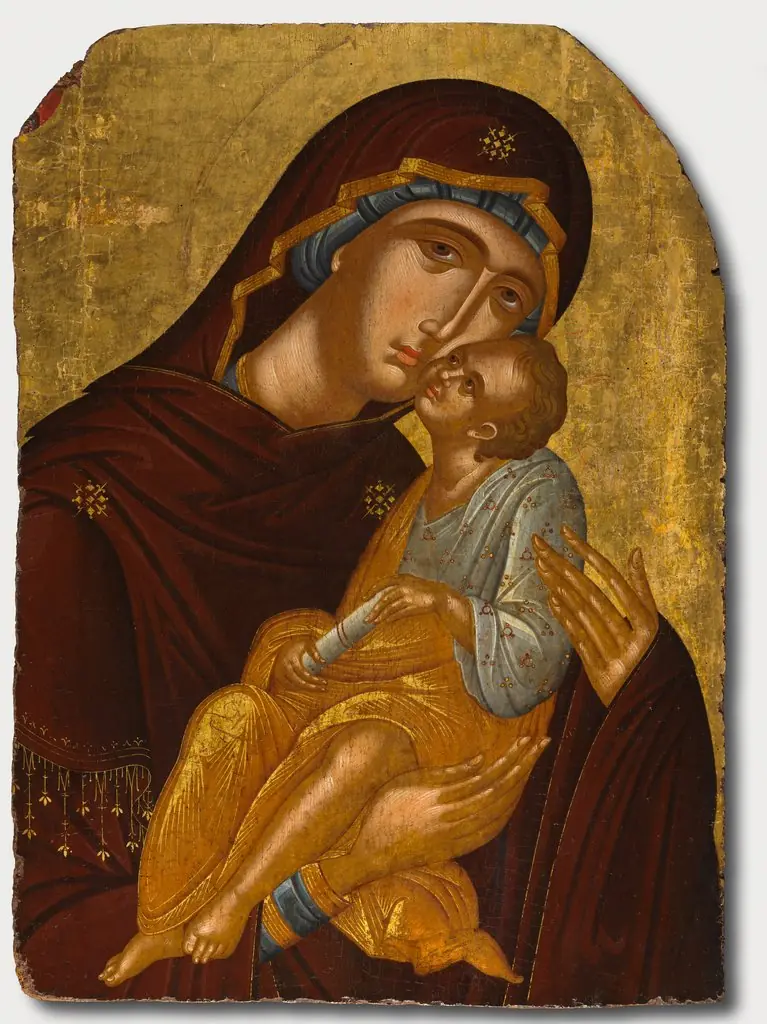 Icon of the Mother of God and Infant Christ (Virgin Eleousa)
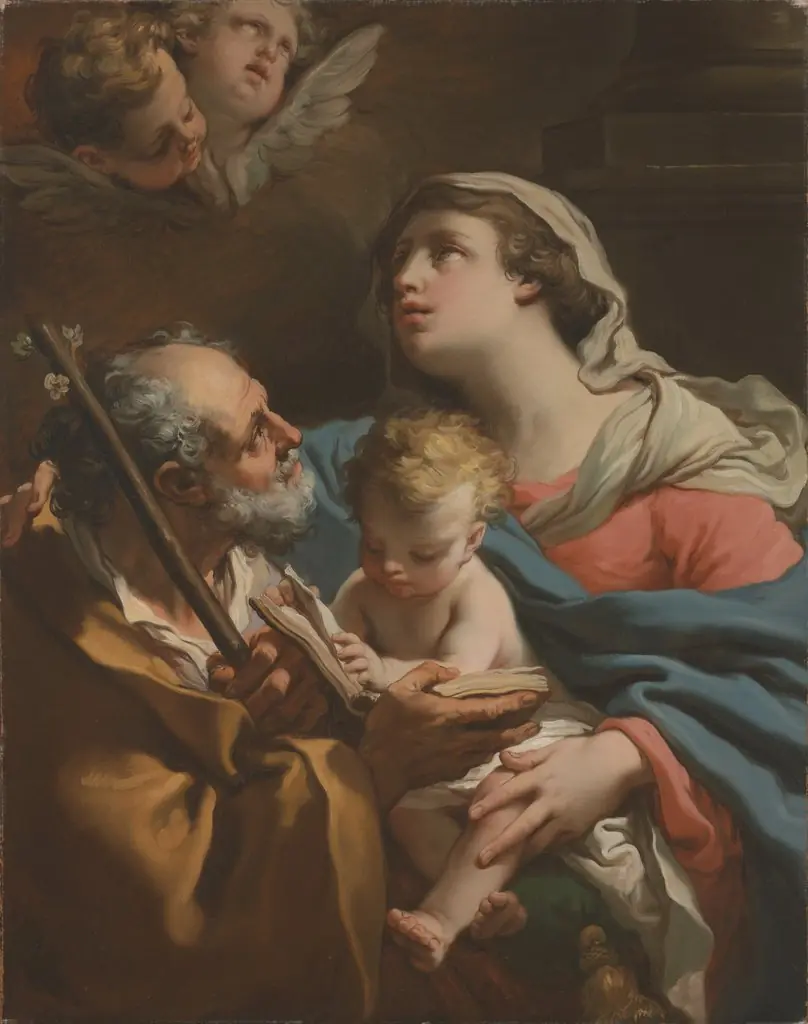 The Holy Family
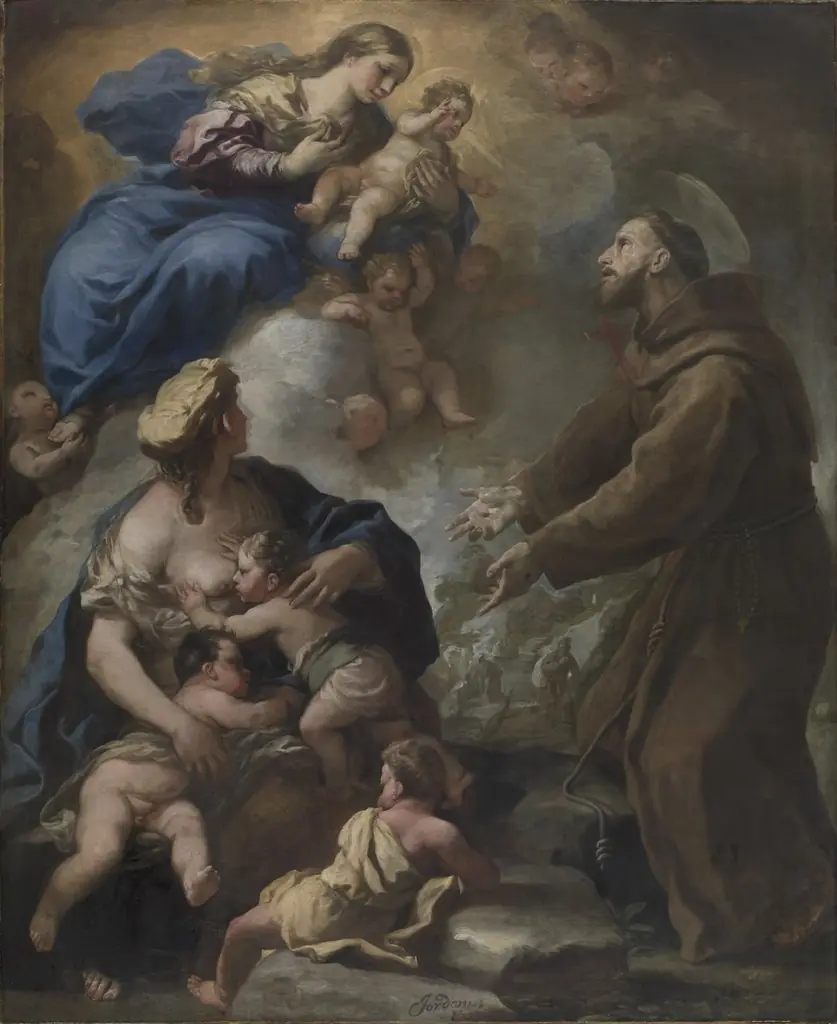 The Virgin and Child Appearing to Saint Francis of Assisi
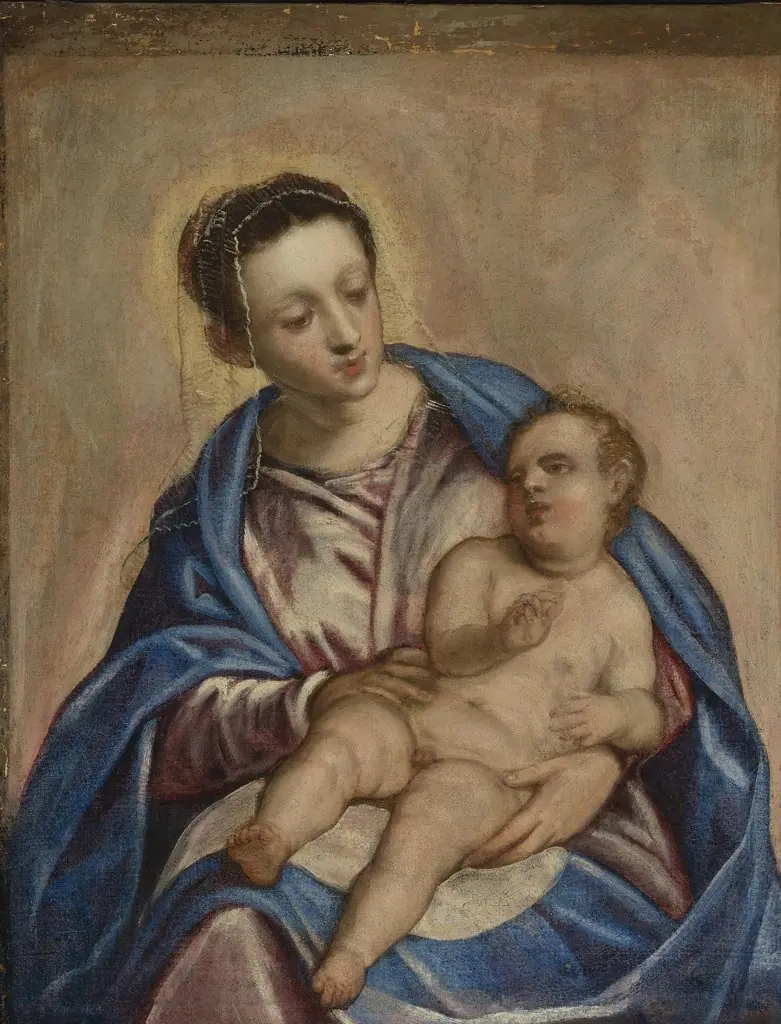 Madonna and Child
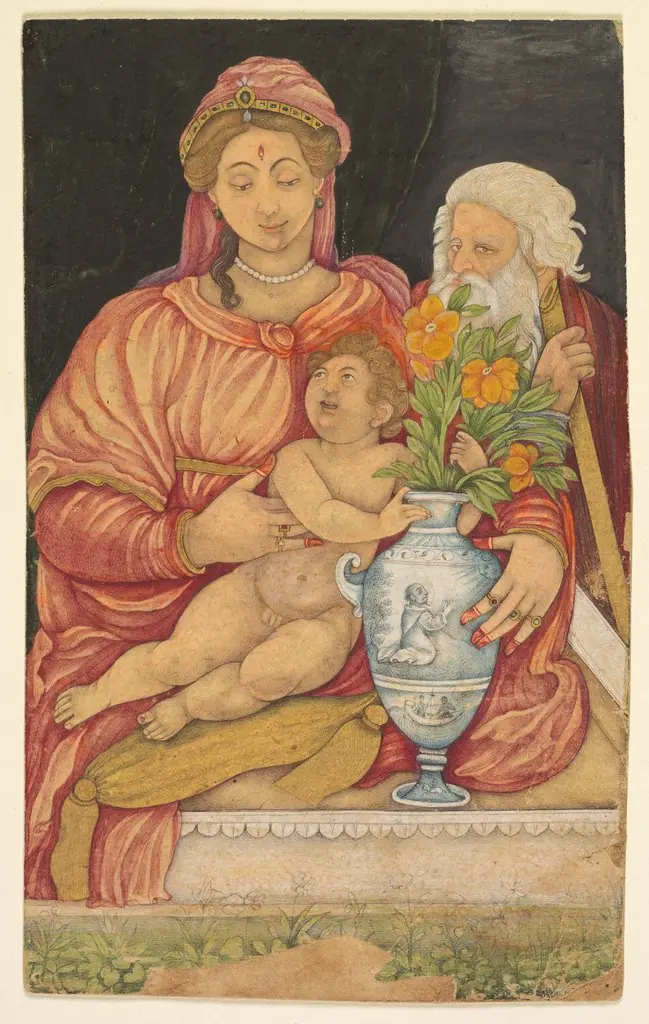 The Holy Family
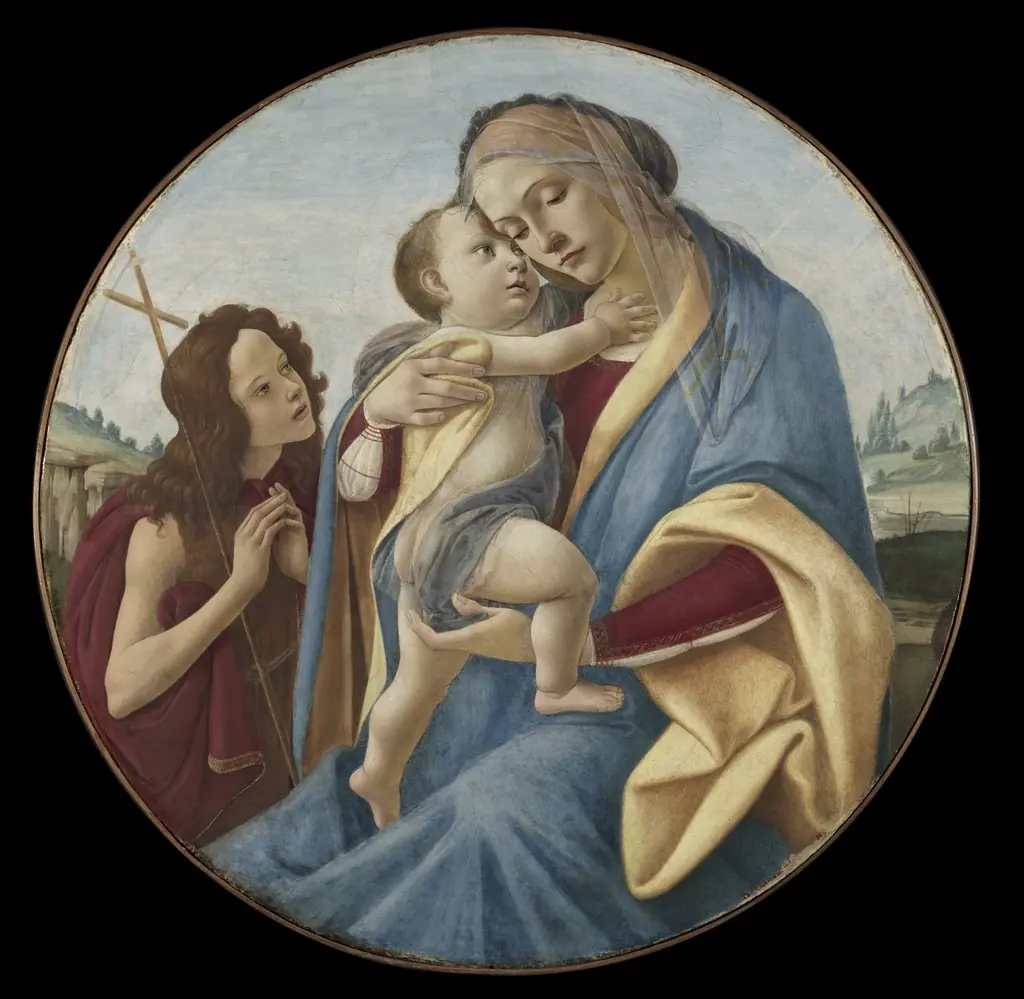 Virgin and Child with the Young Saint John the Baptist
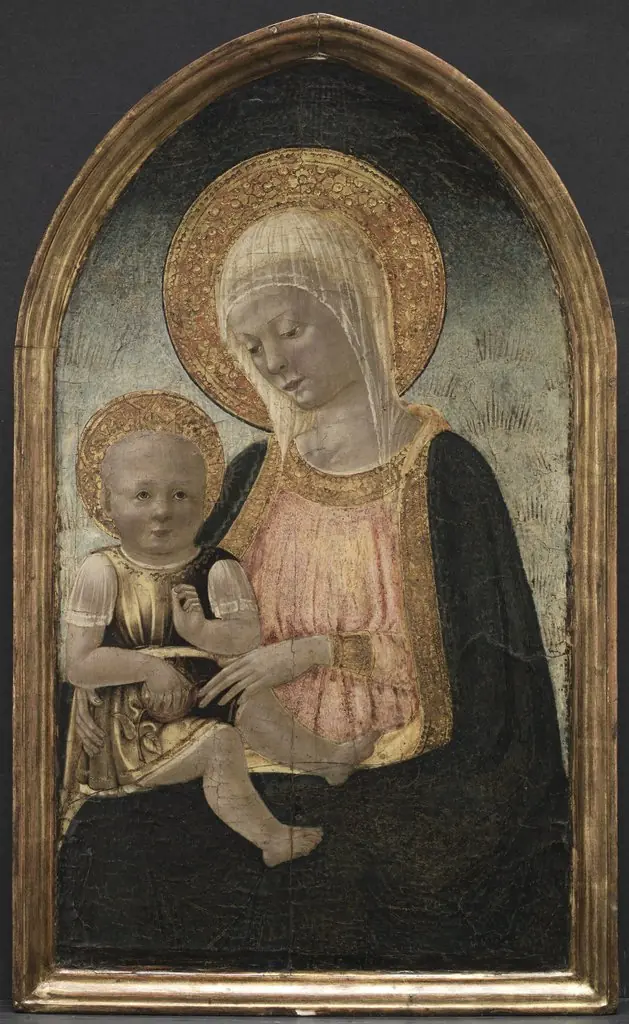 Virgin and Child
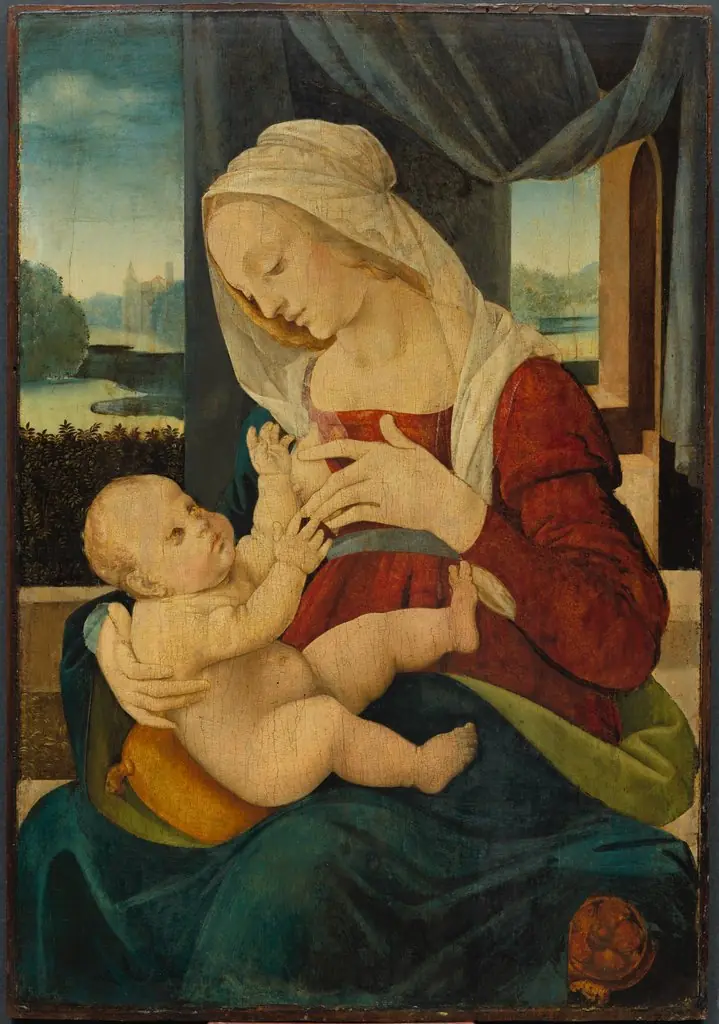 Virgin and Child
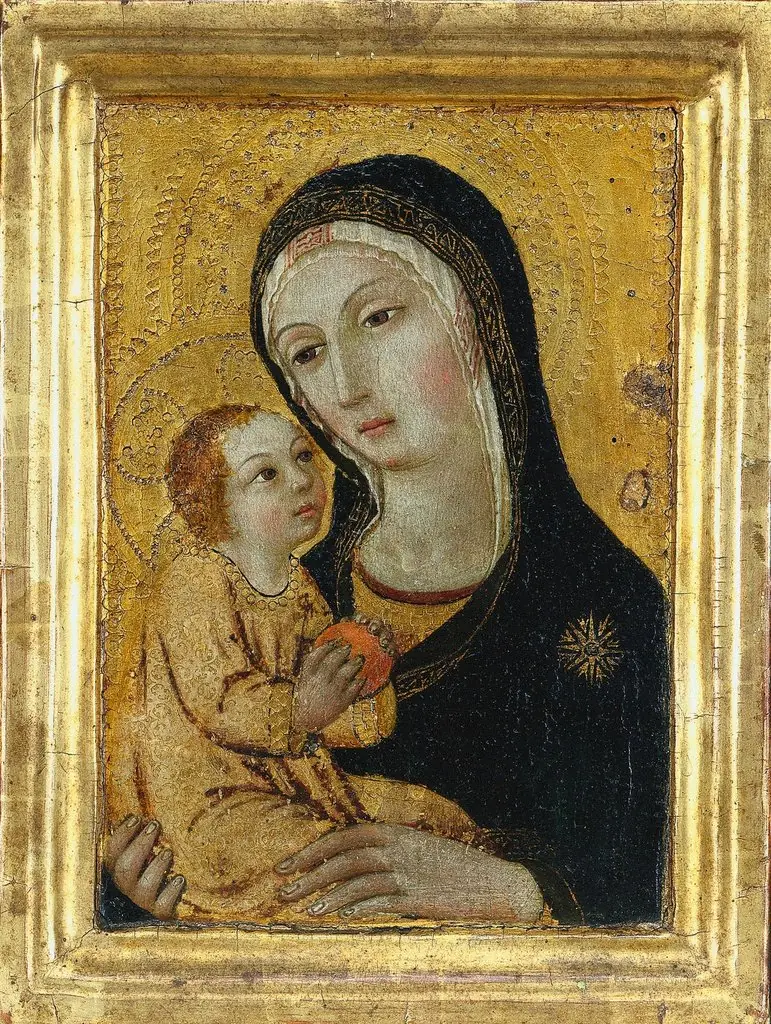 Virgin and Child
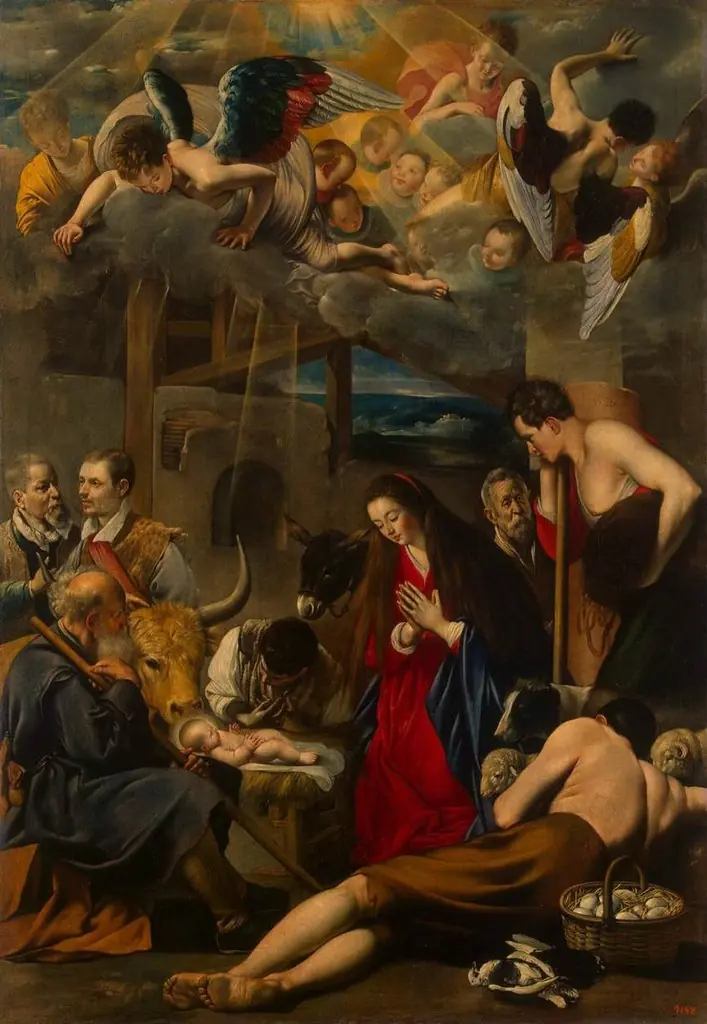 Adoration of the Shepherds
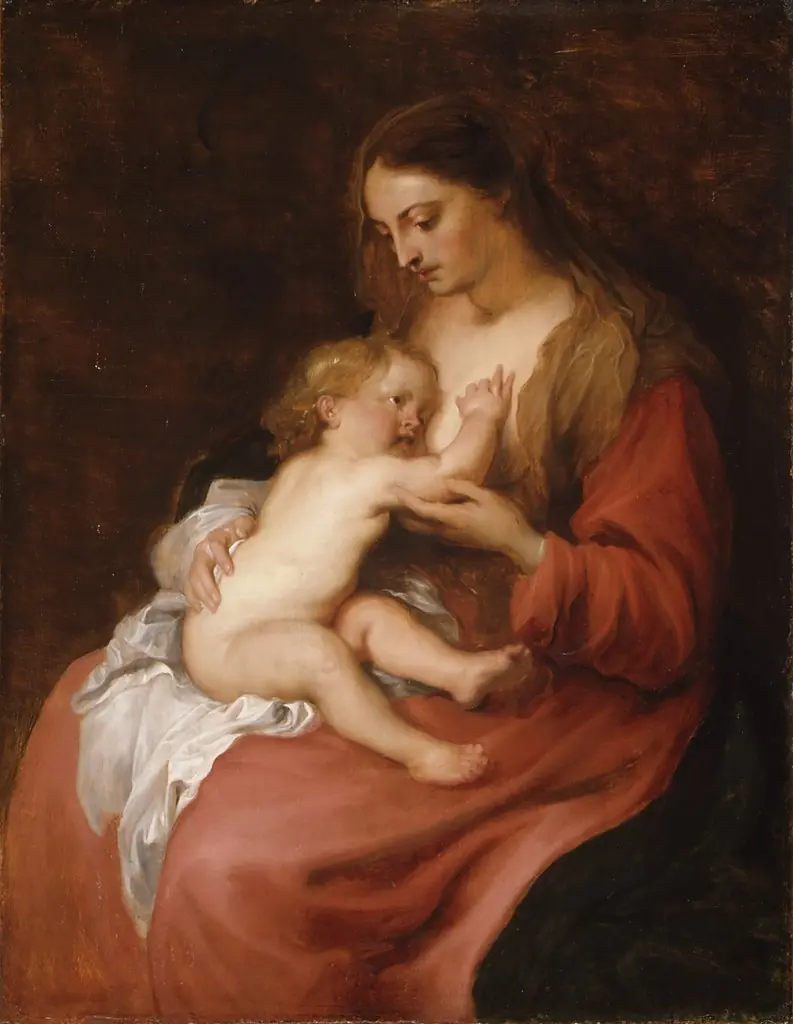 Virgin and Child
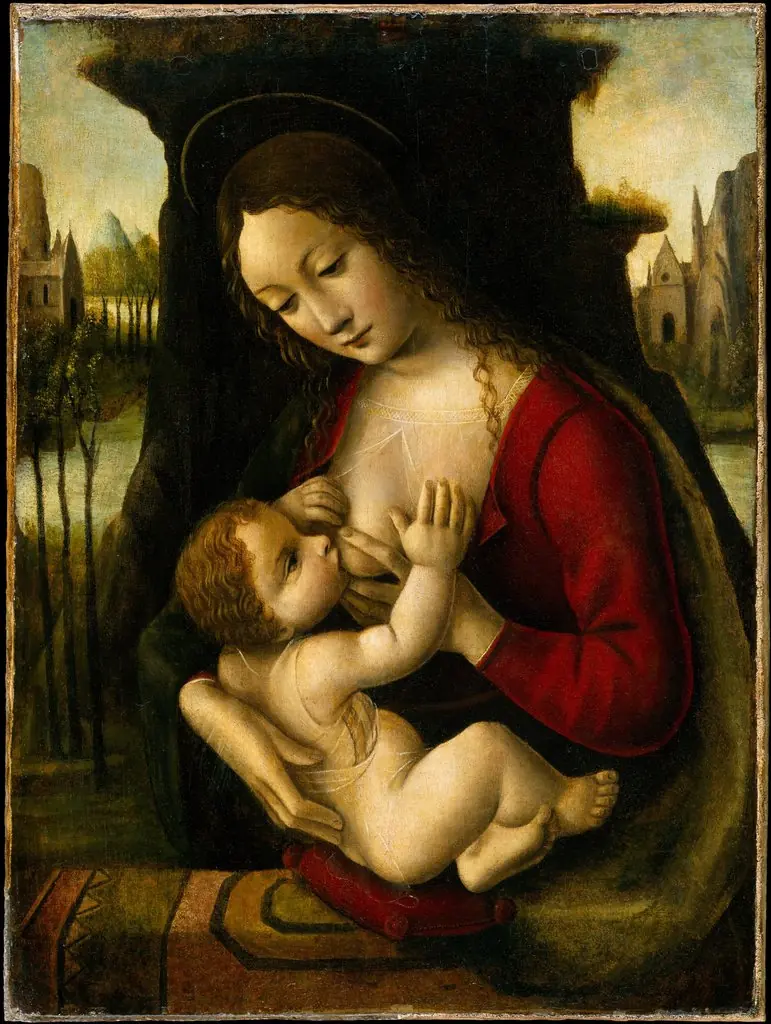 Madonna and Child
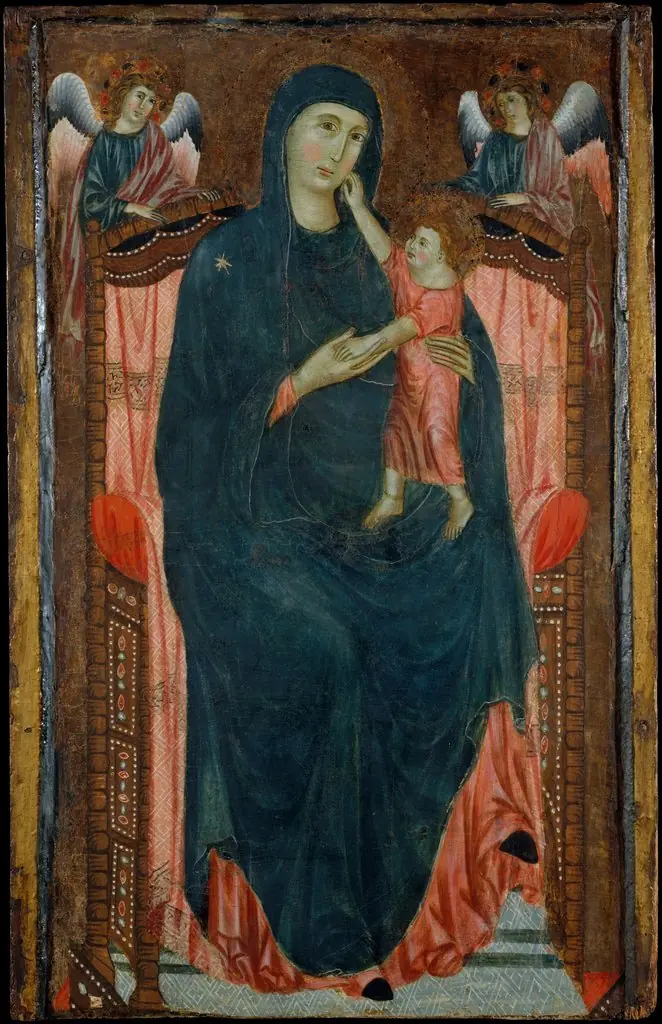 Madonna and Child Enthroned with Angels
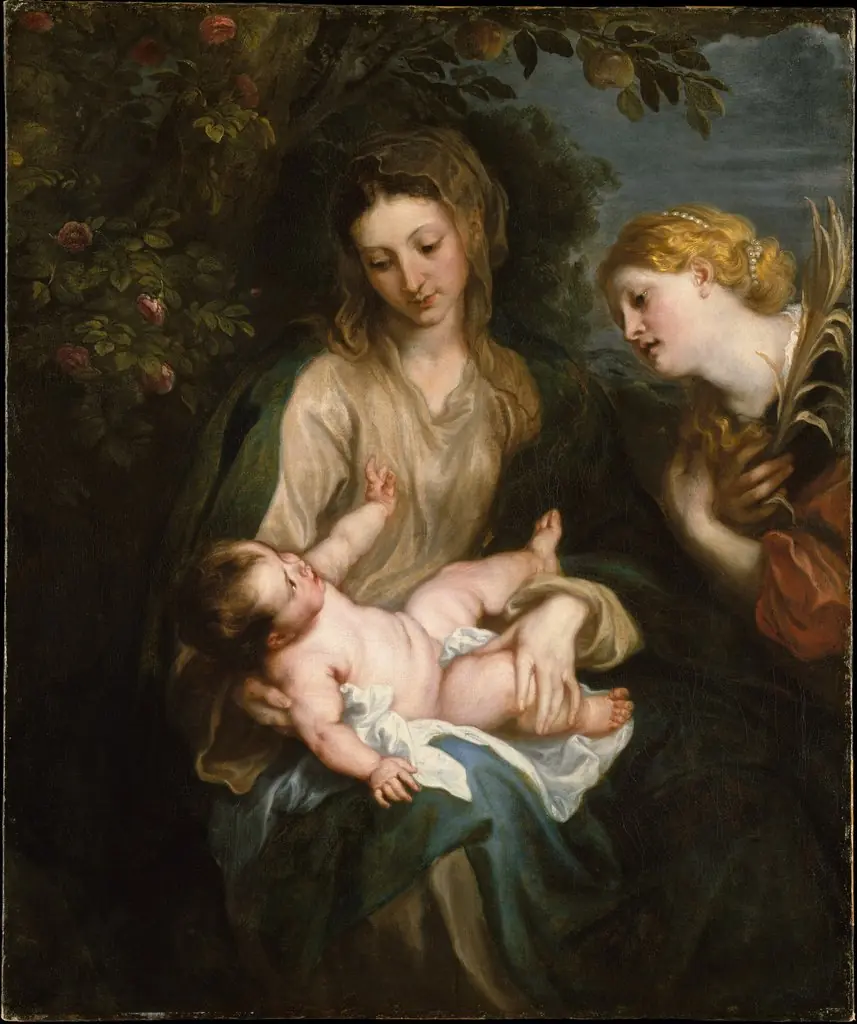 Virgin and Child with Saint Catherine of Alexandria
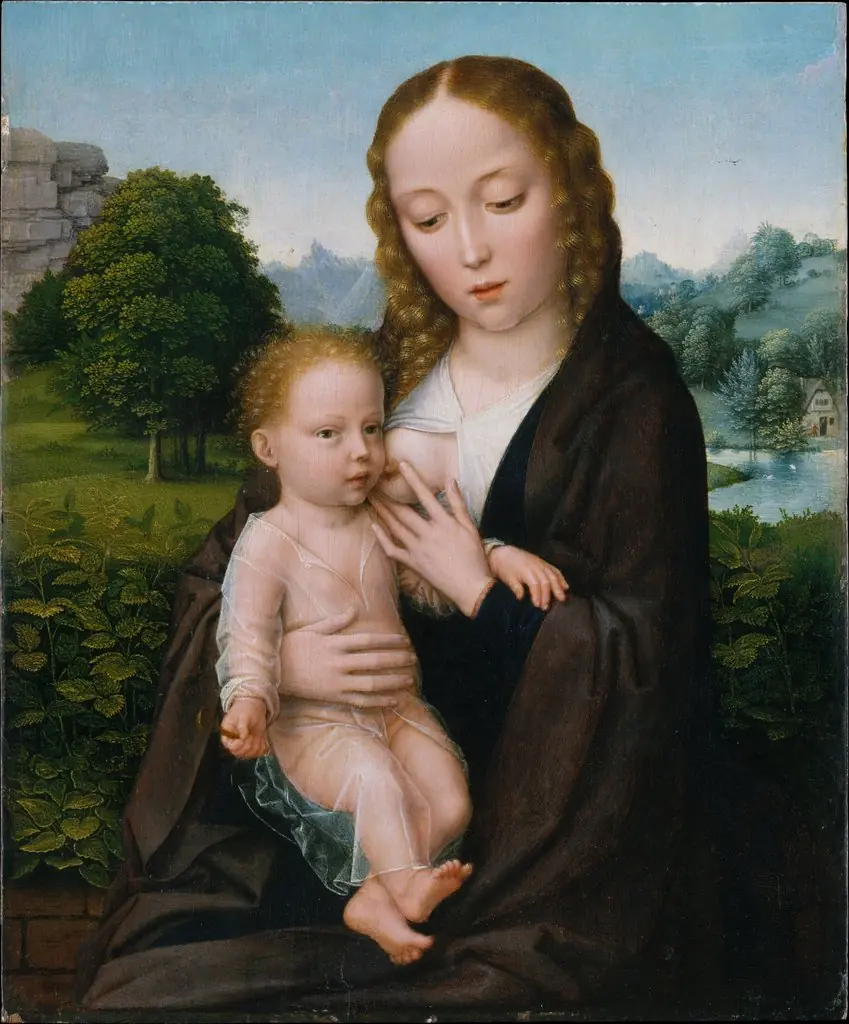 Virgin and Child
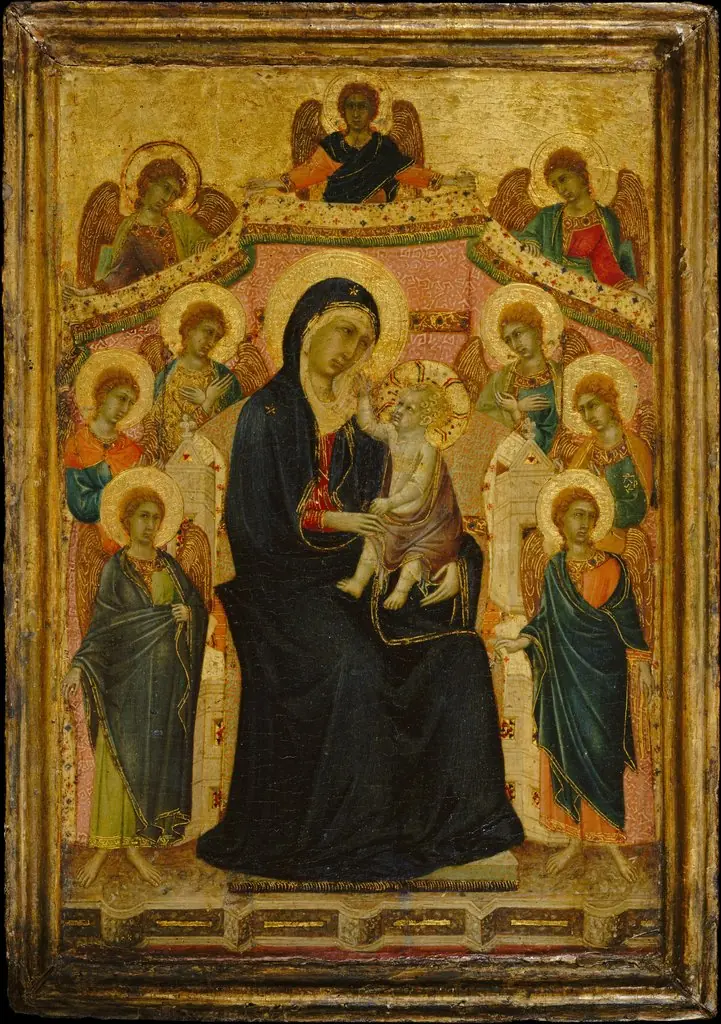 Madonna and Child with Nine Angels
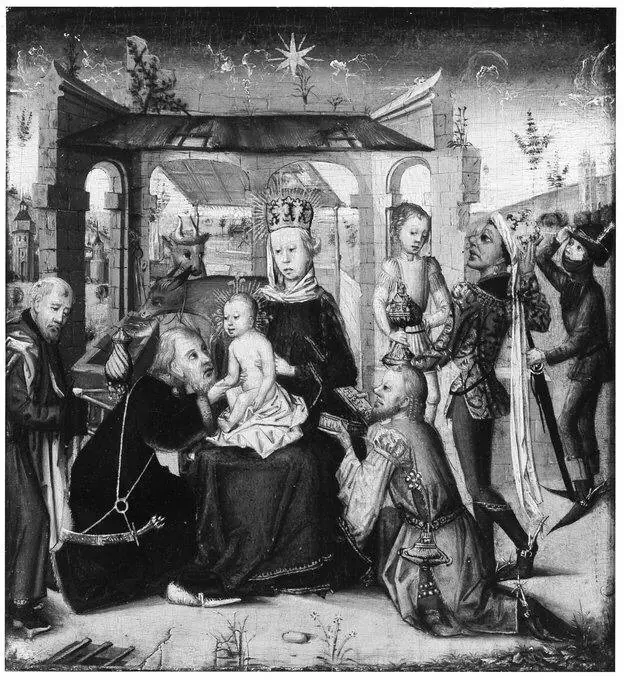 Adoration of the Magi
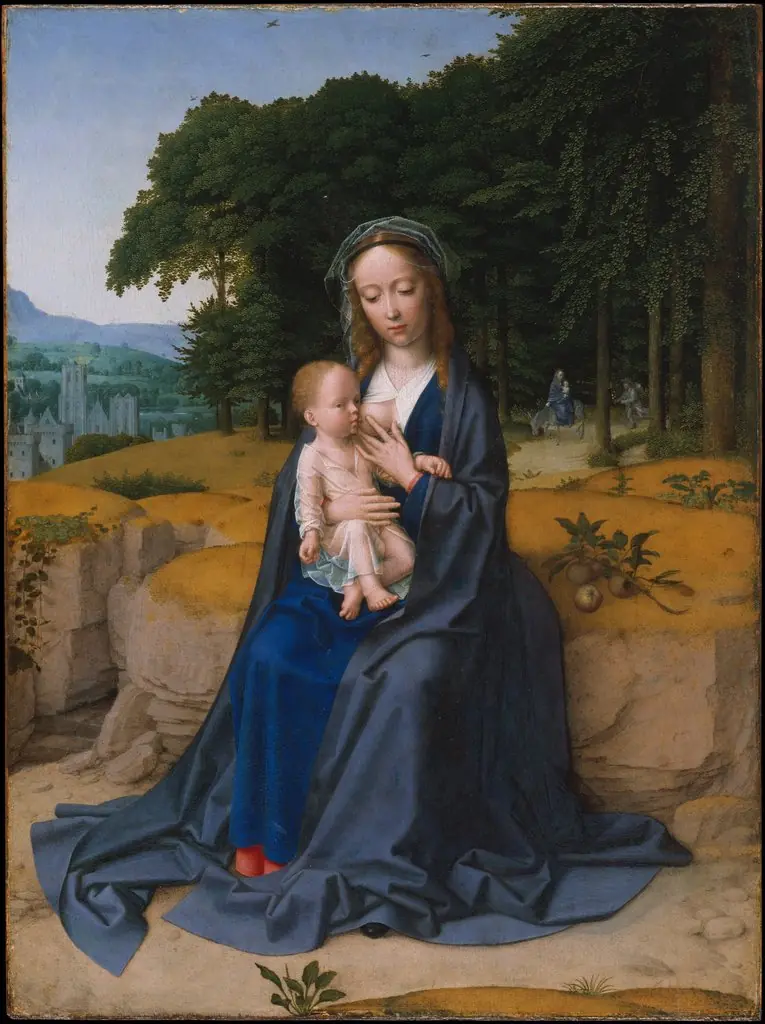 Rest on the Flight into Egypt
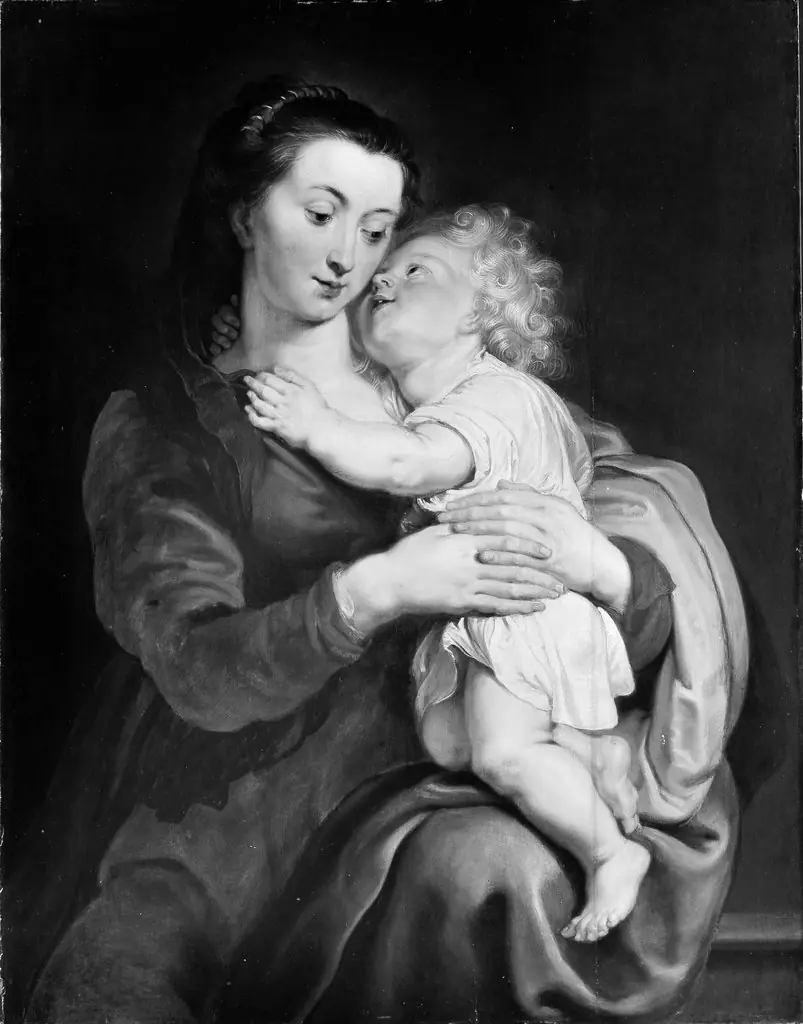 Virgin and Child
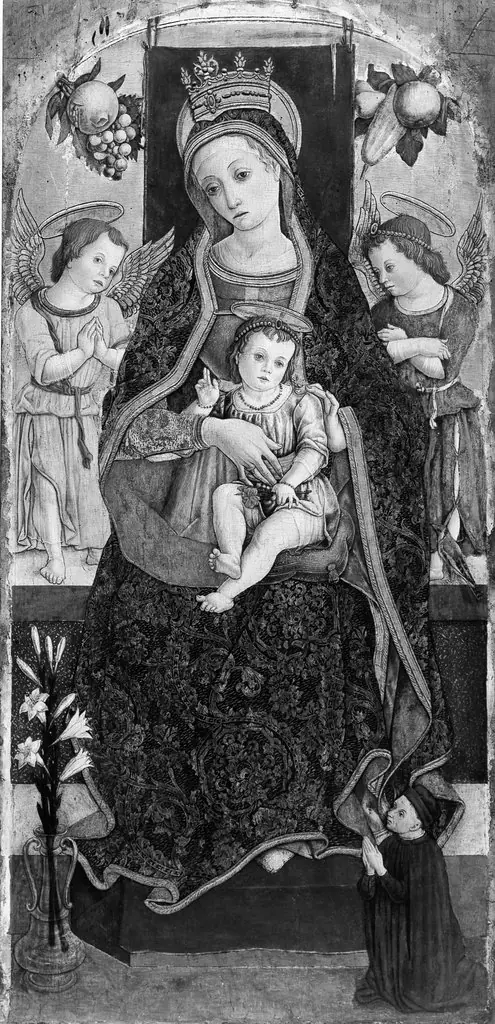 Madonna and Child Enthroned with Two Angels and a Donor
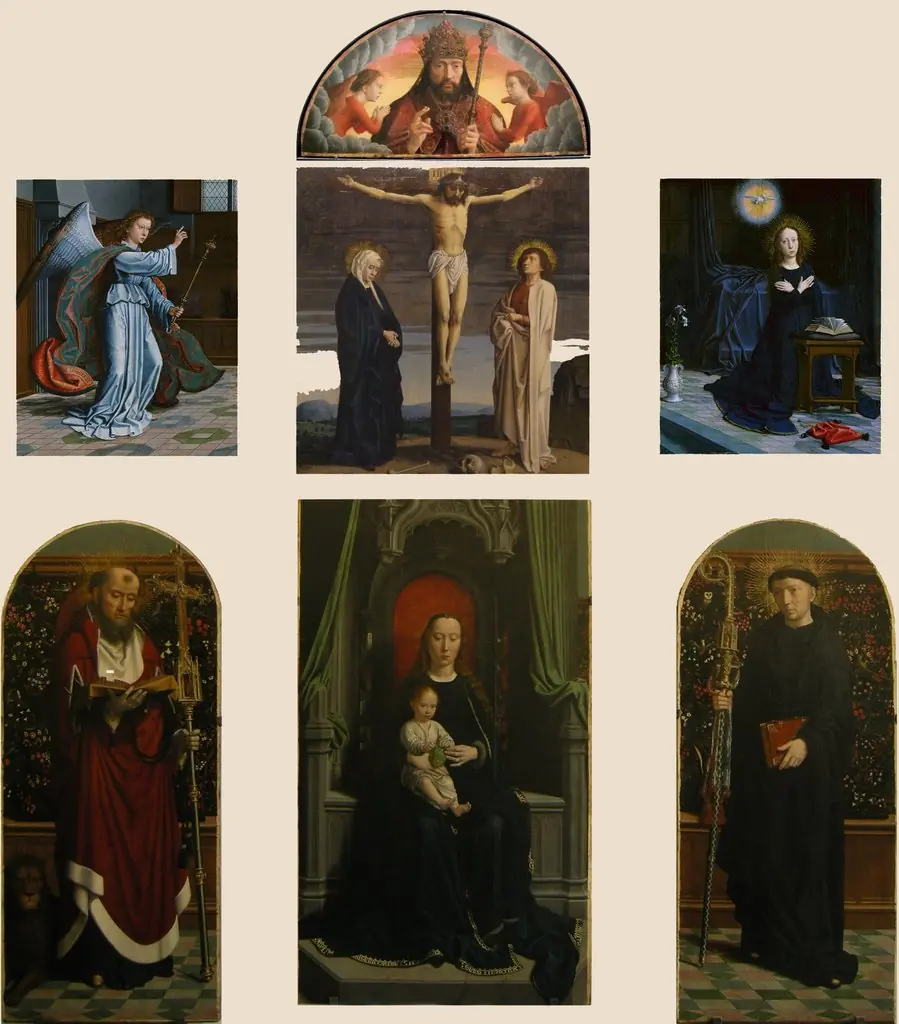 Cervara Polyptych
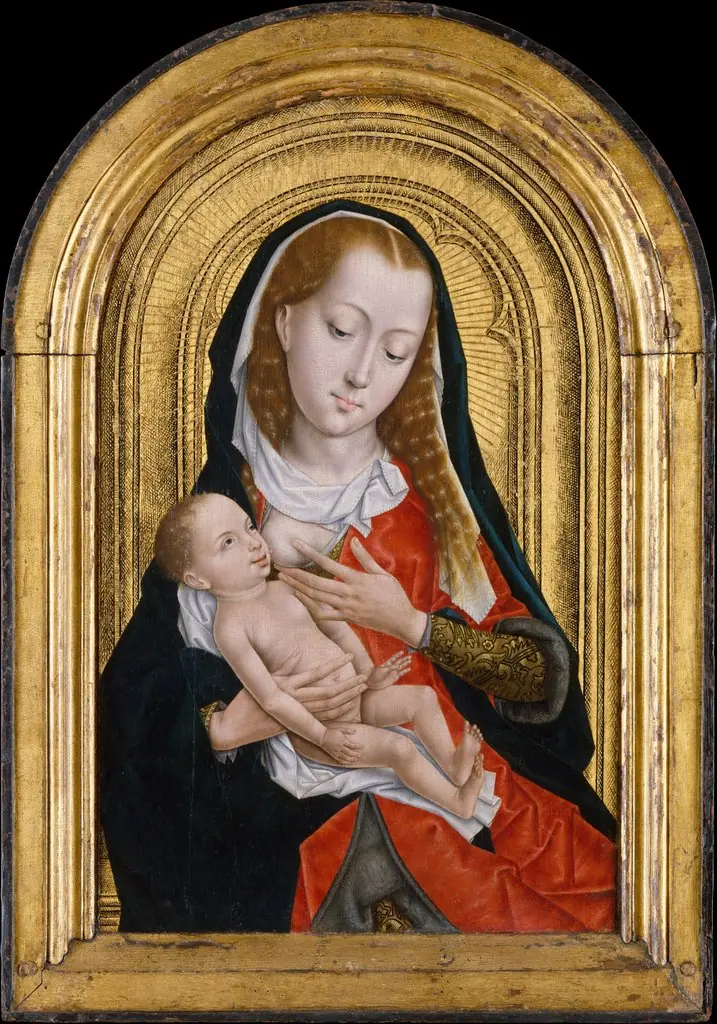 Virgin and Child
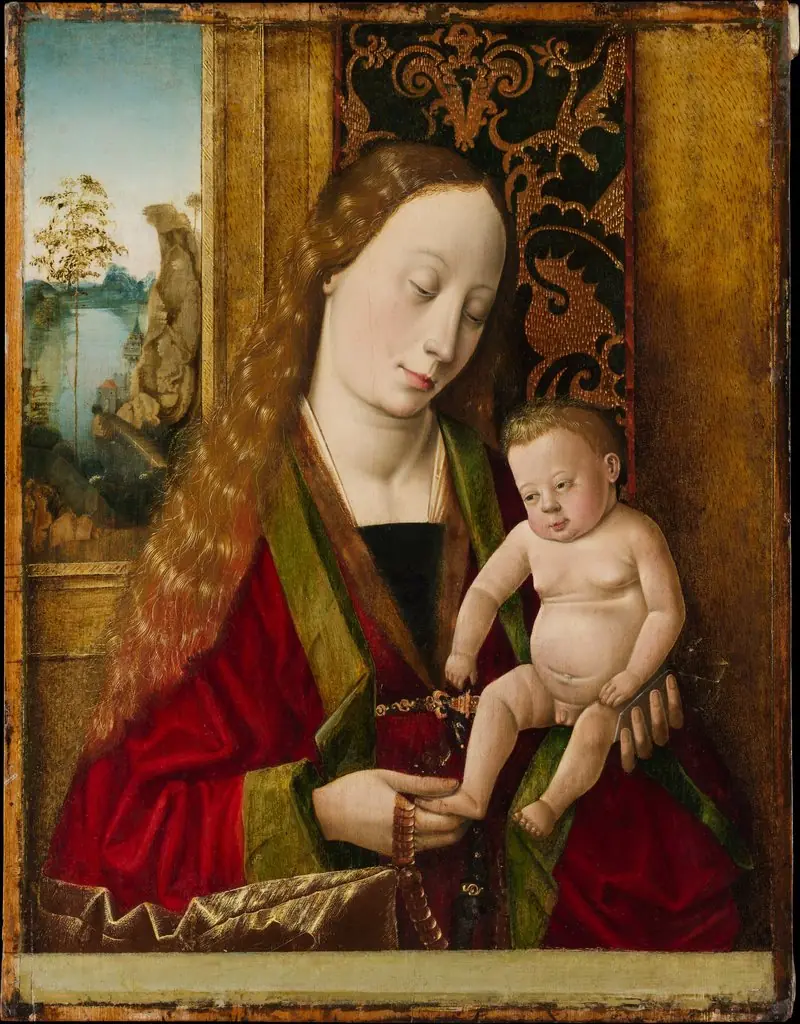 Virgin and Child
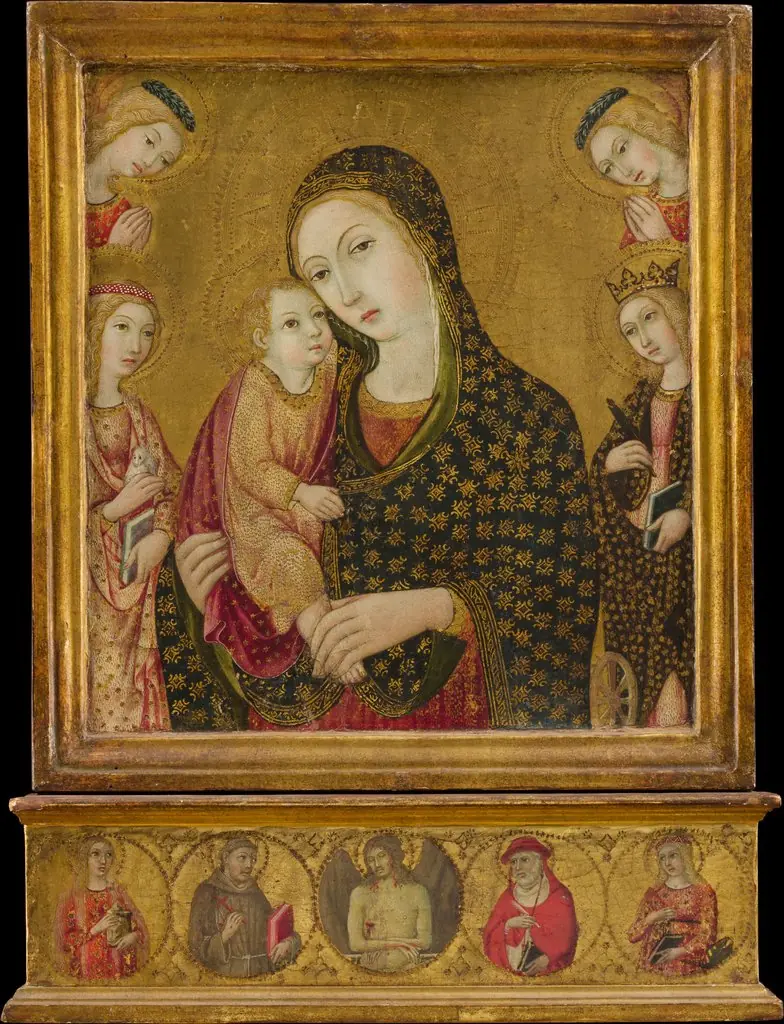 Madonna and Child with the Dead Christ, Saints Agnes and Catherine of Alexandria, and Two Angels
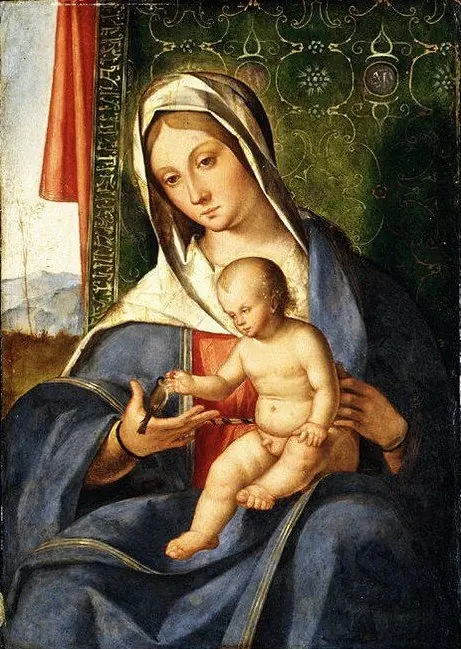 Madonna and Child
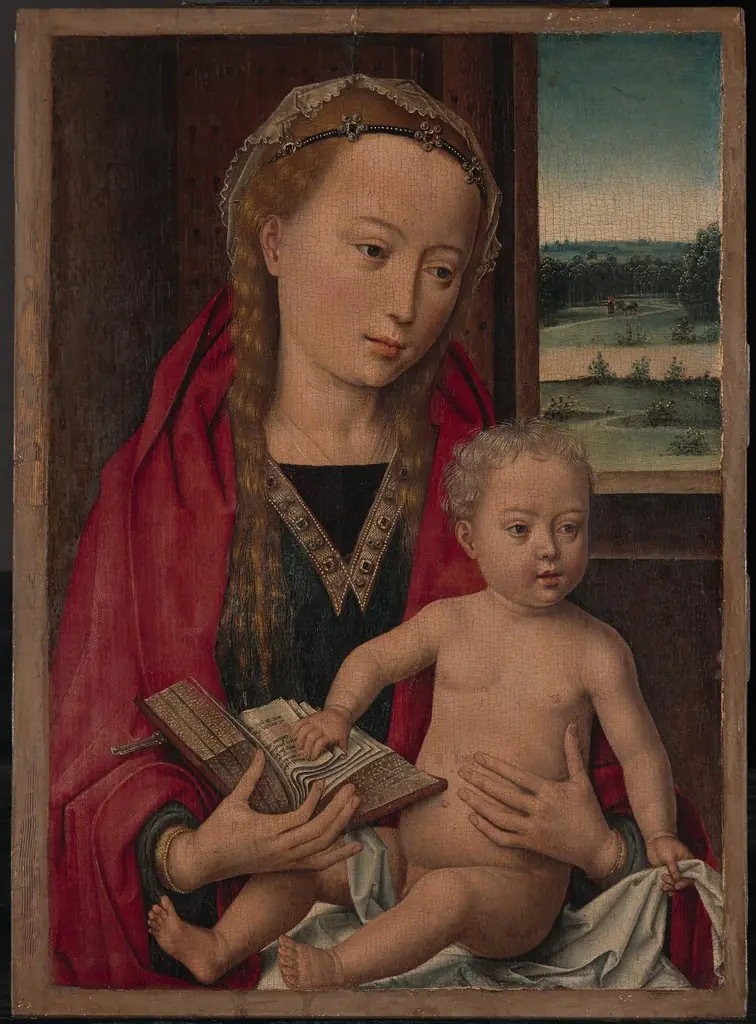 Virgin and Child
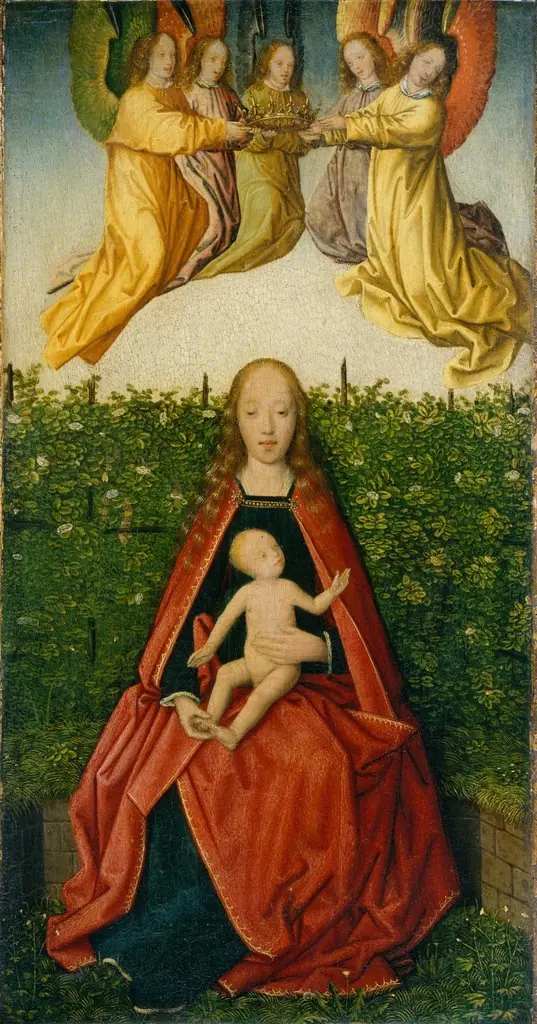 Virgin and Child
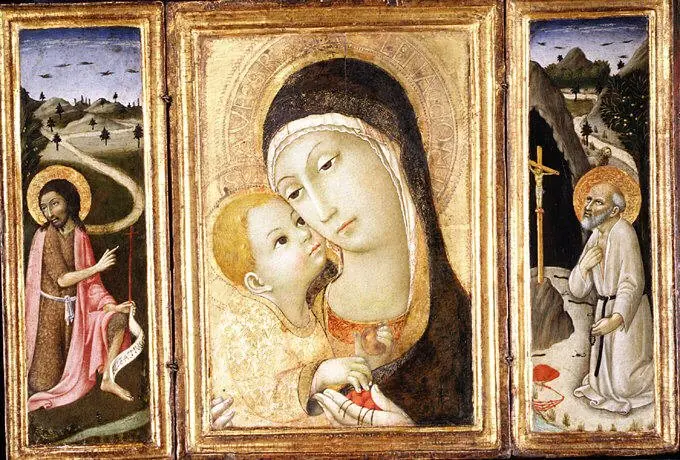 Madonna and Child; Saint John the Baptist; Saint Jerome
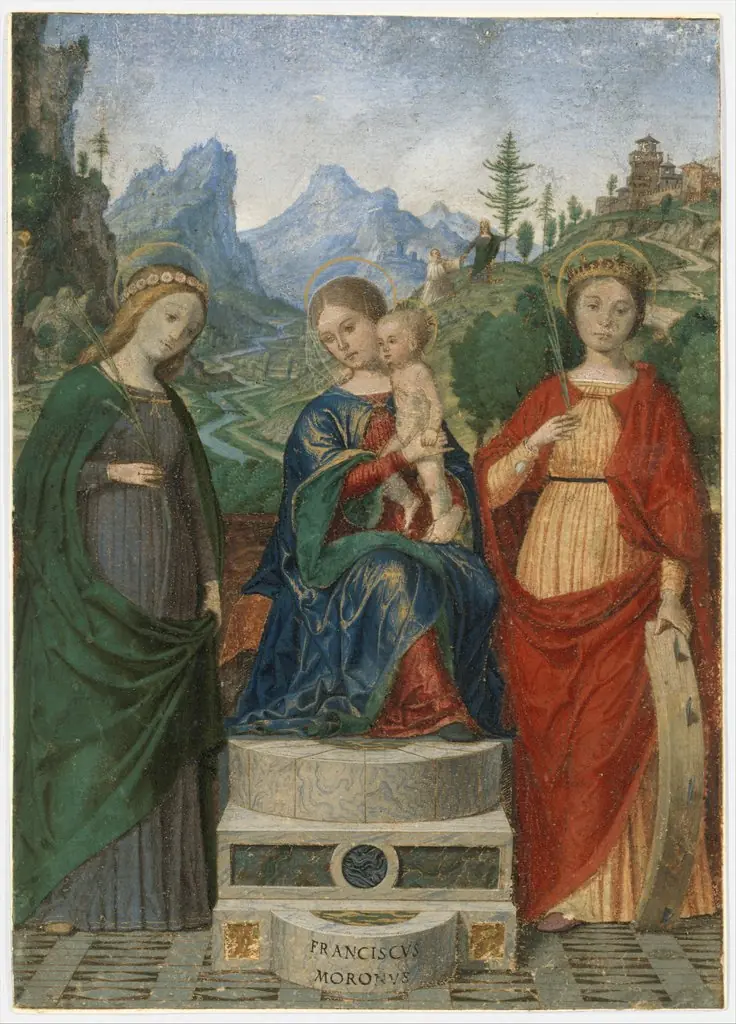 Virgin and Child Enthroned between Saints Cecilia and Catherine of Alexandria
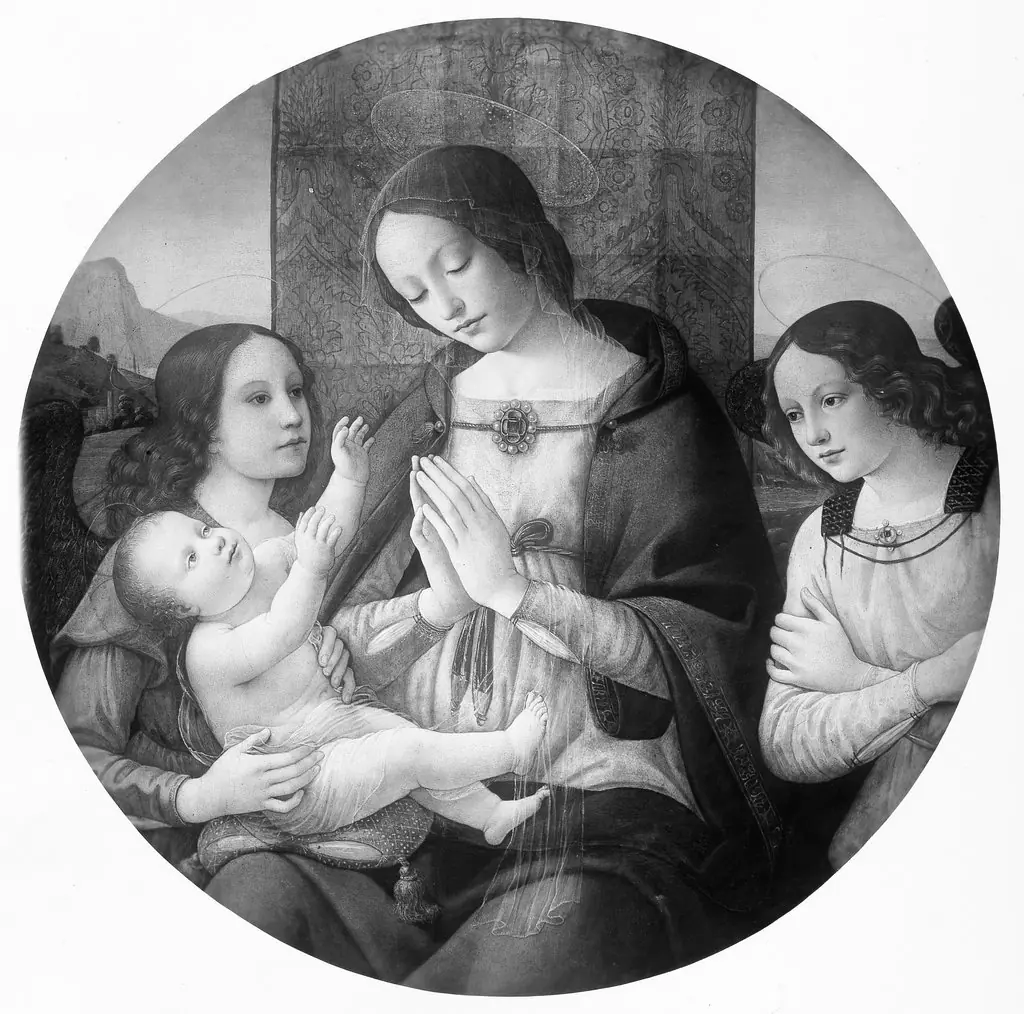 Madonna and Child with Angels
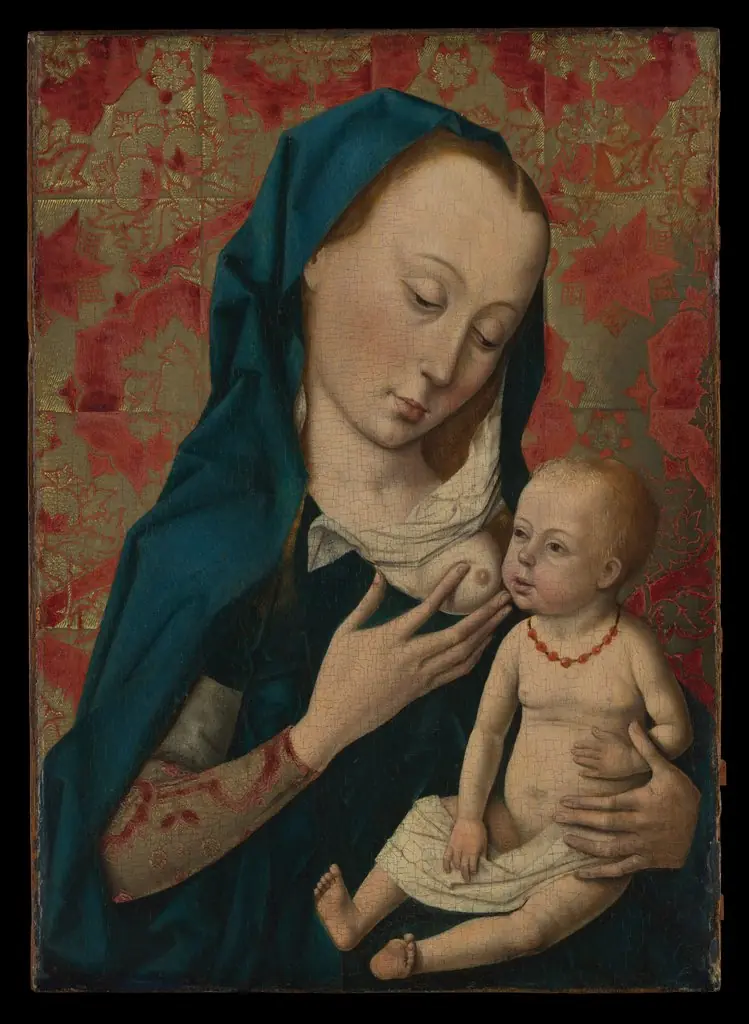 Virgin and Child
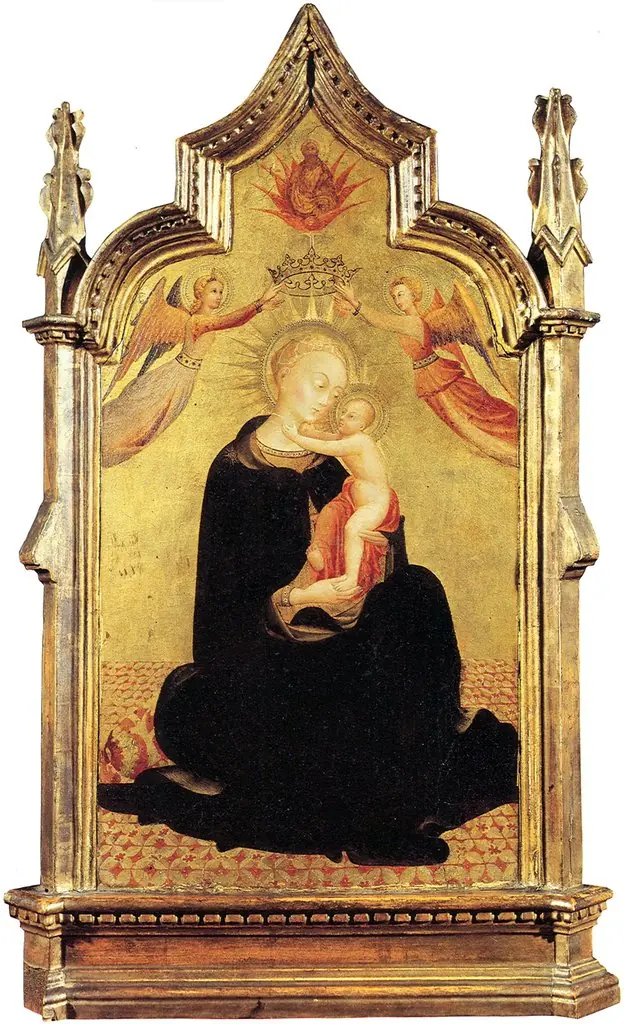 Madonna and Child with Angels
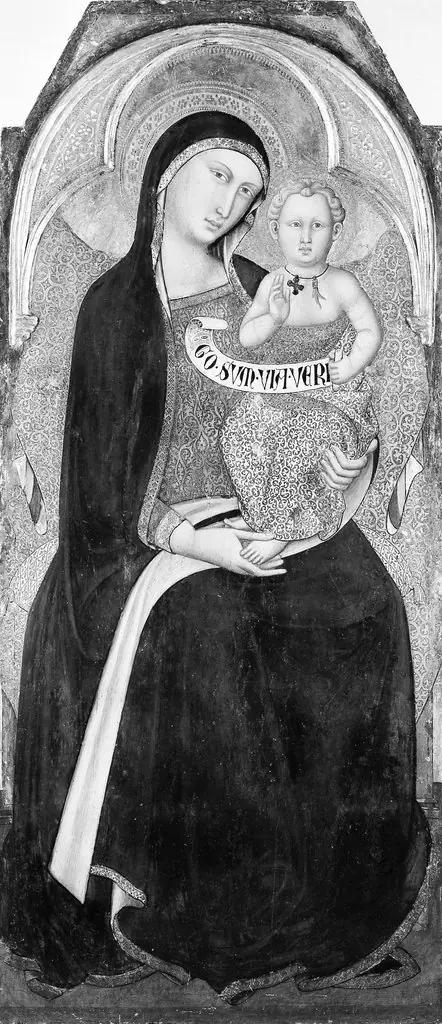 Madonna and Child
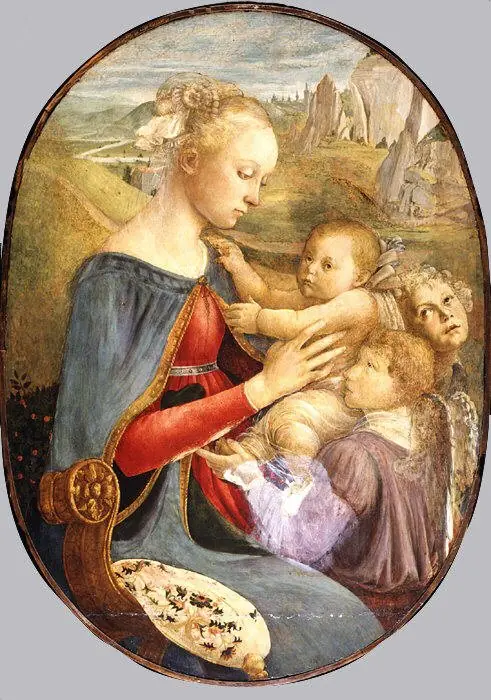 Madonna and Child with Two Angels
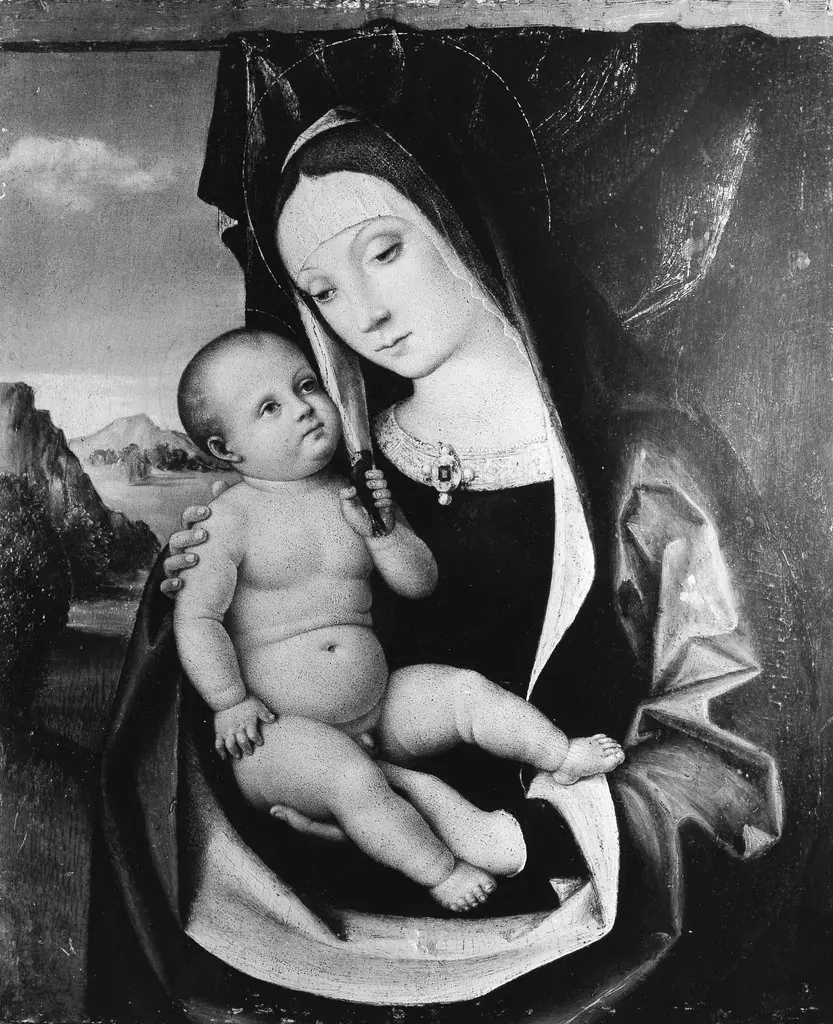 Madonna and Child
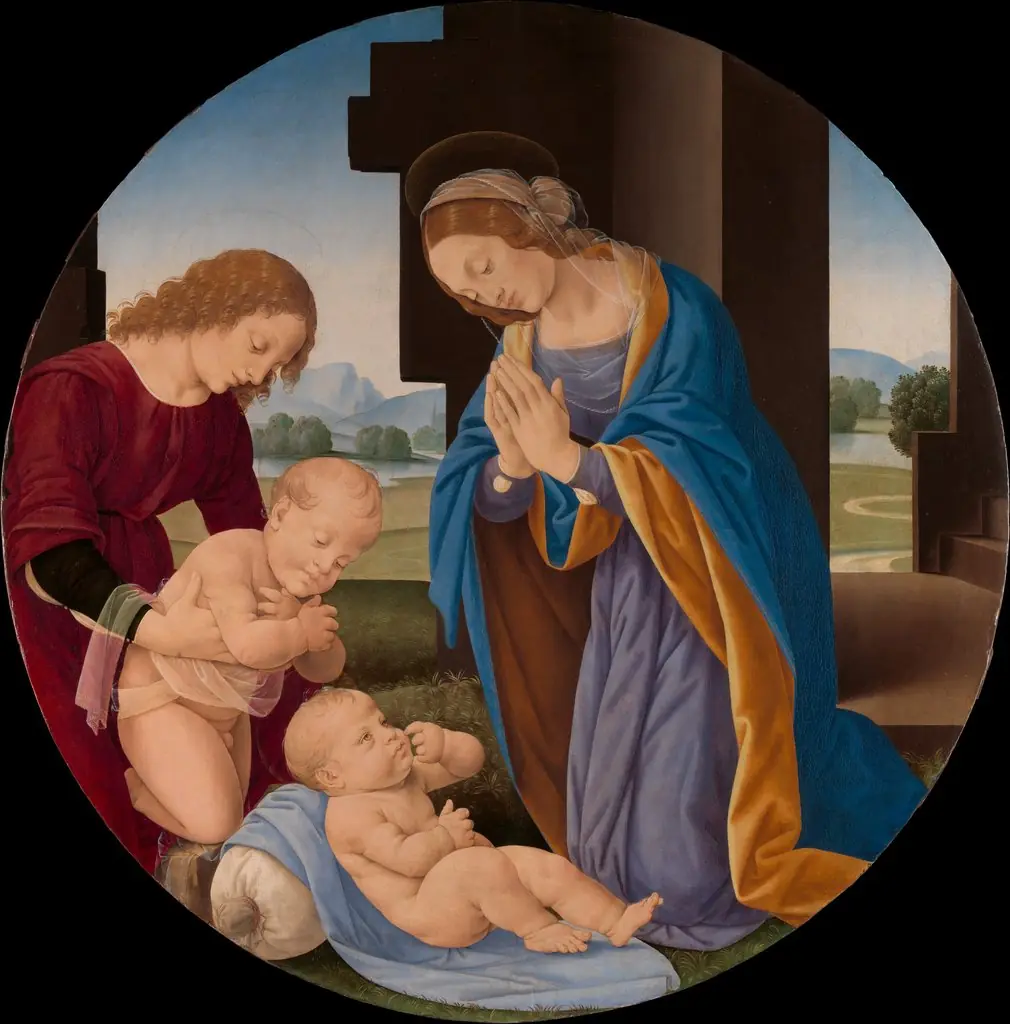 Madonna Adoring the Child with the Infant Saint John the Baptist and an Angel
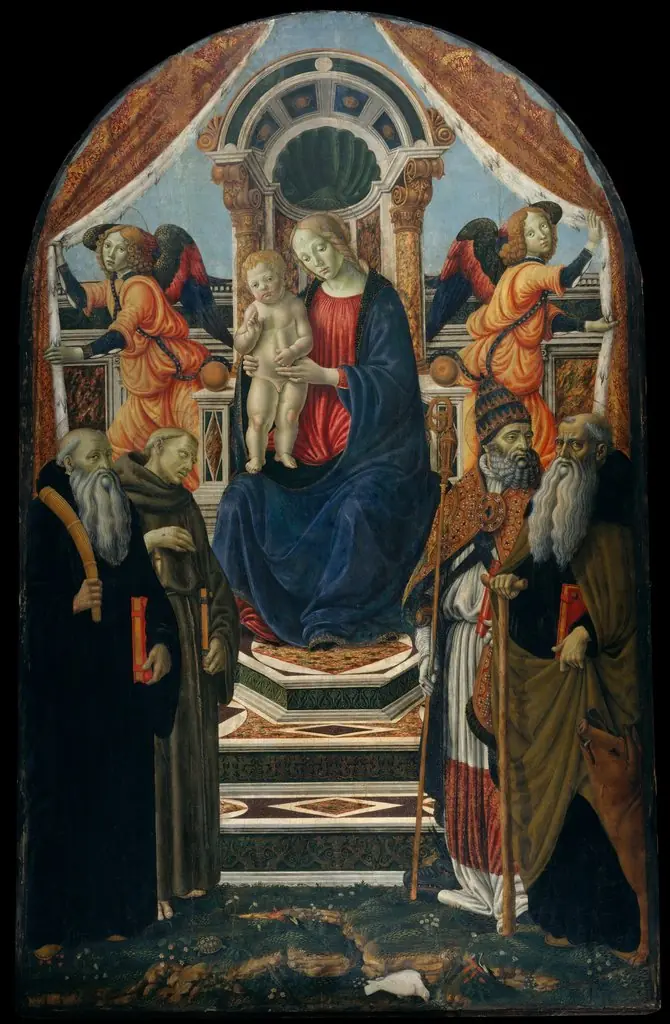 Madonna and Child Enthroned with Saints and Angels
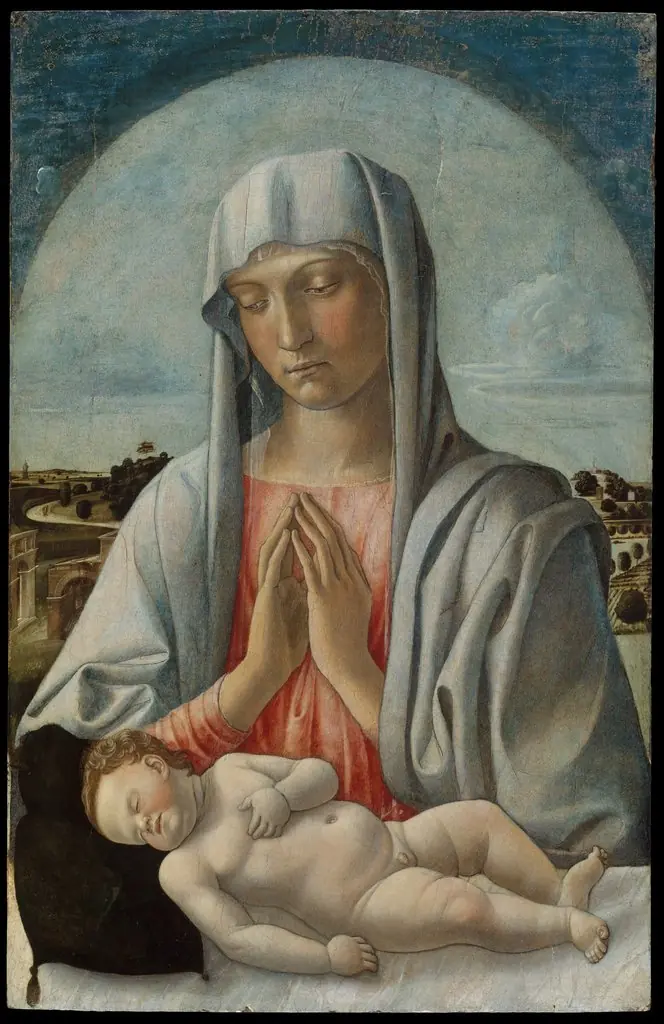 Madonna Adoring the Sleeping Child
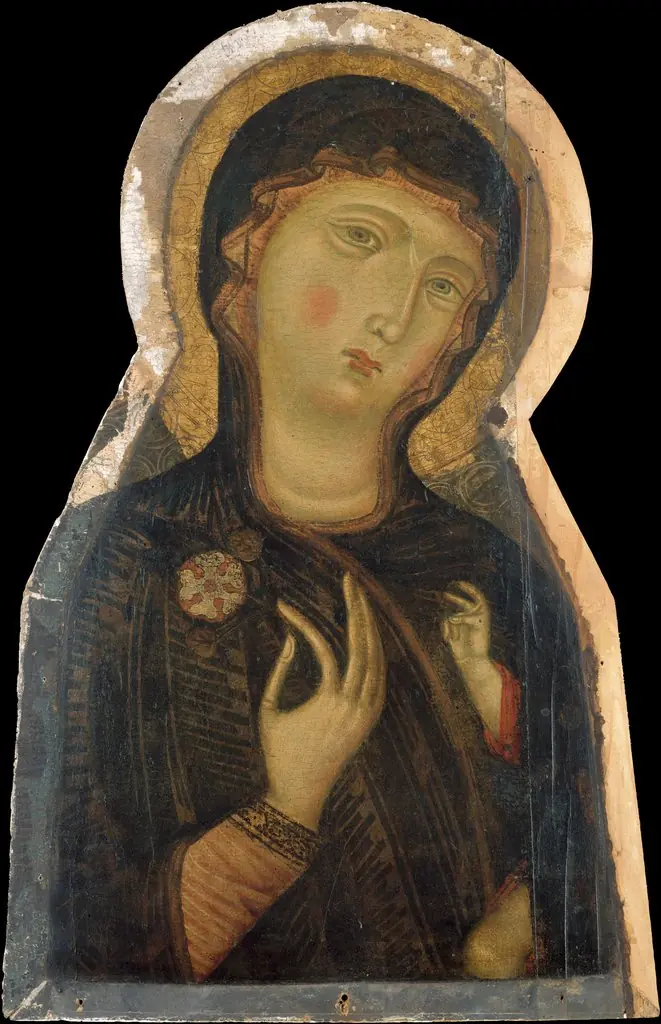 Madonna and Child
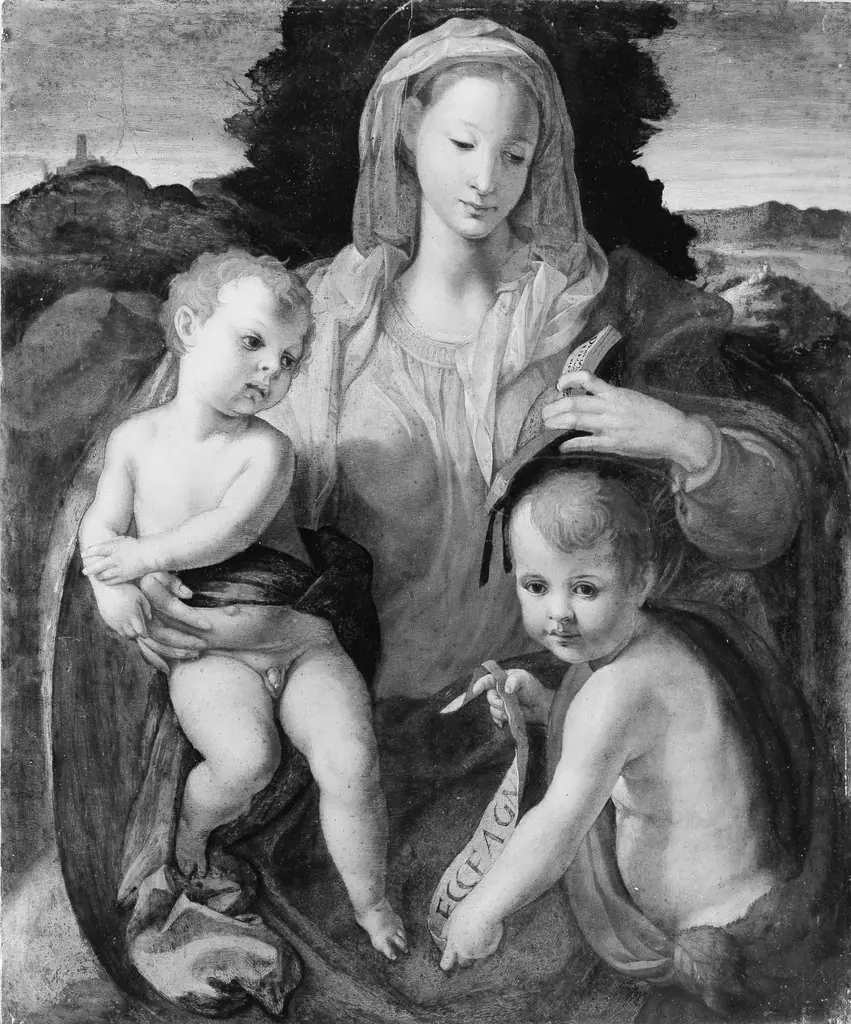 Madonna and Child with the Young Saint John the Baptist
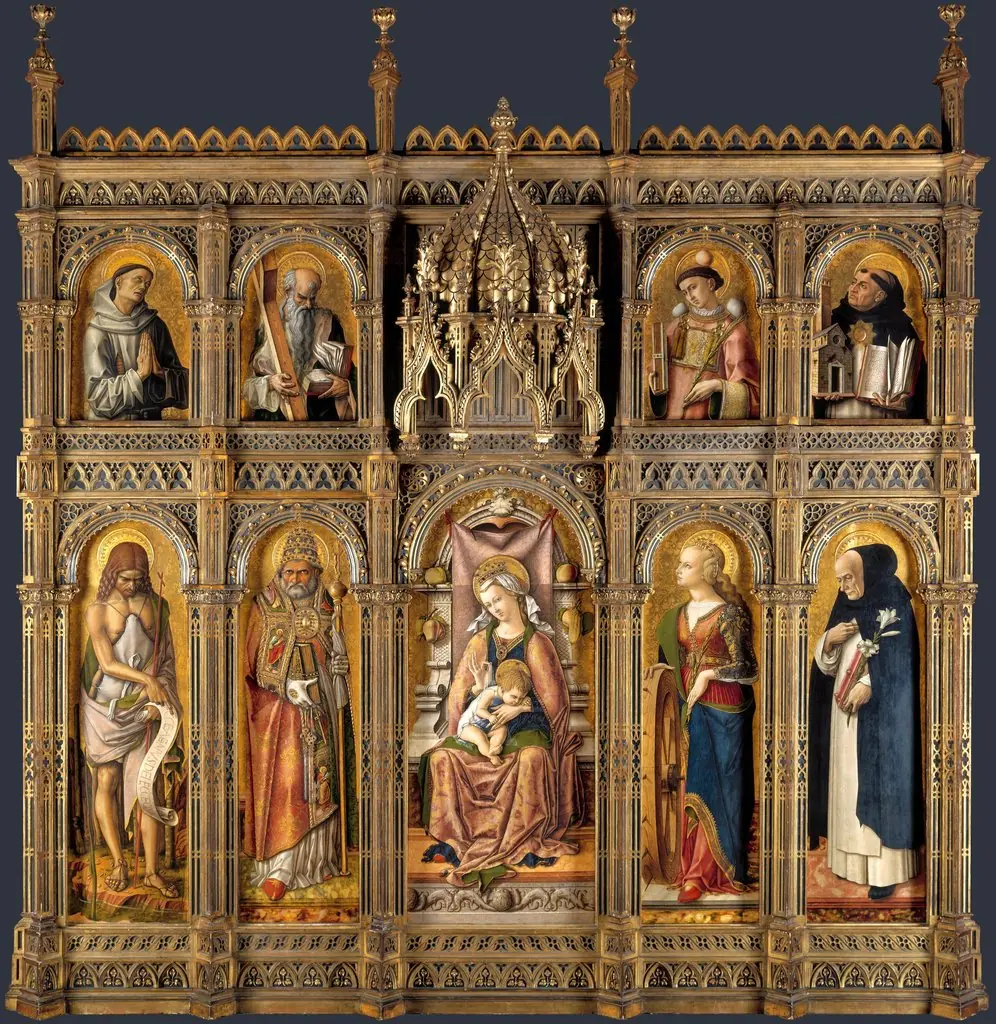 Demidoff Altarpiece
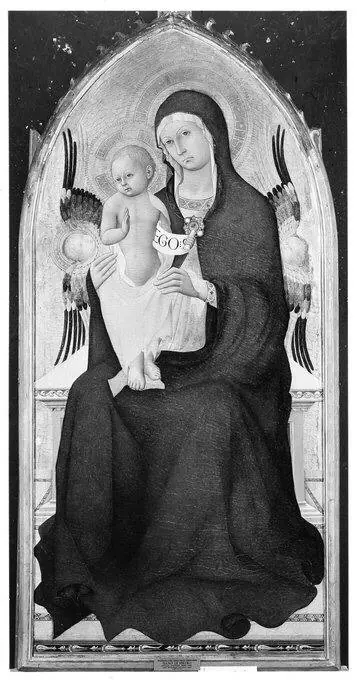 Madonna and Child Enthroned with Two Cherubim
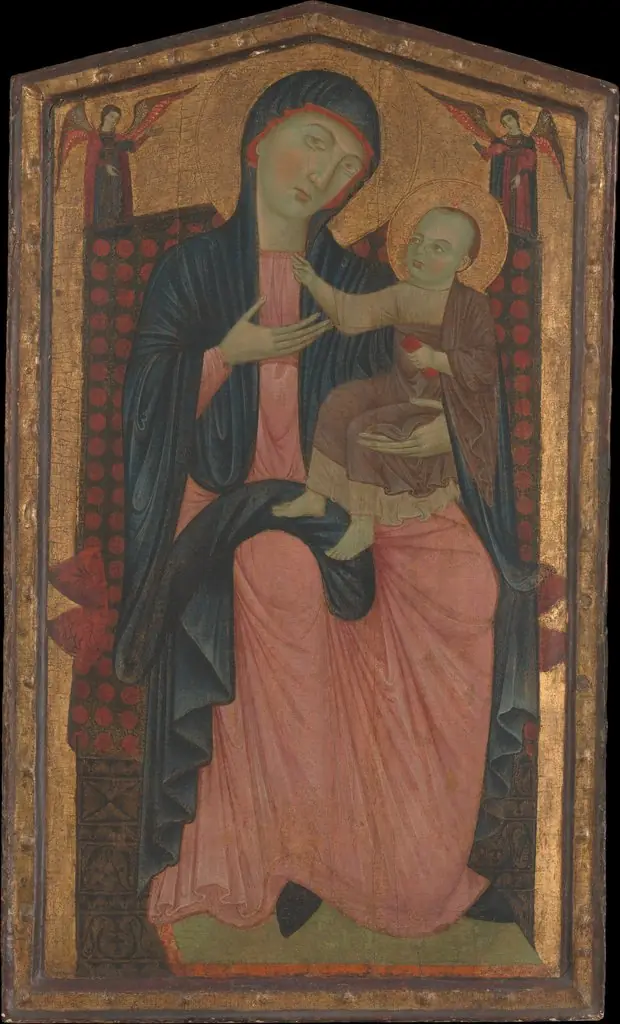 Madonna and Child Enthroned
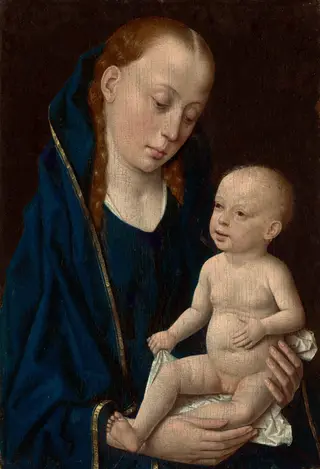 Madonna and Child
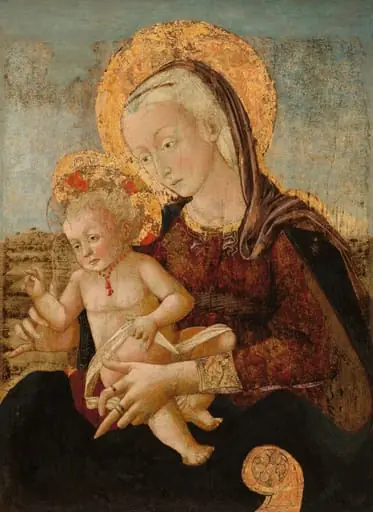 Madonna and Child
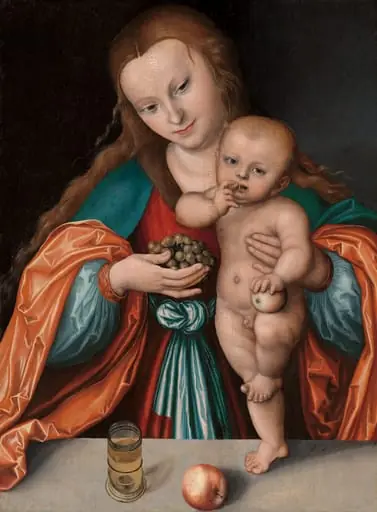 Madonna and Child
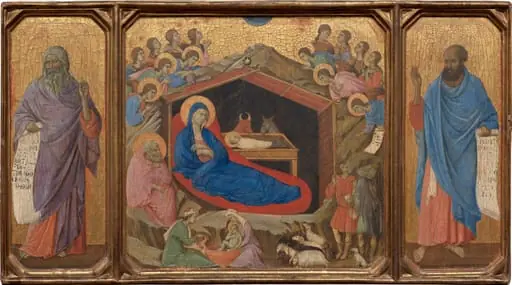 The Nativity with the Prophets Isaiah and Ezekiel
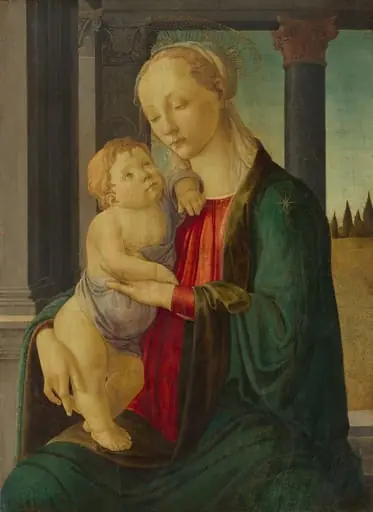 Madonna and Child
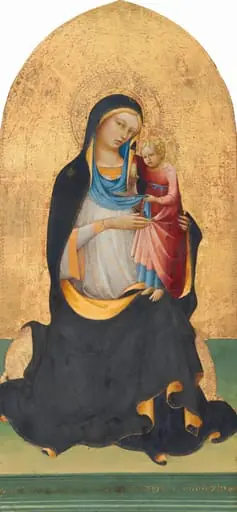 Madonna and Child
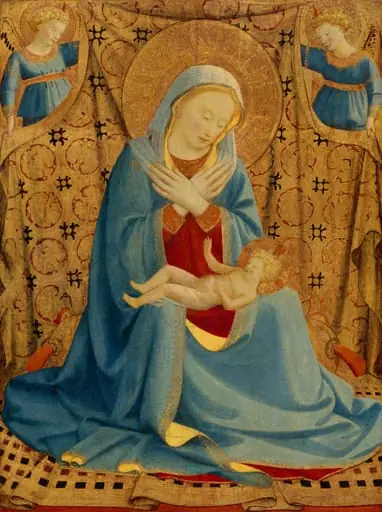 The Madonna of Humility
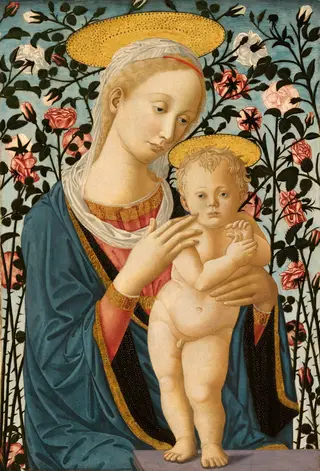 Madonna and Child
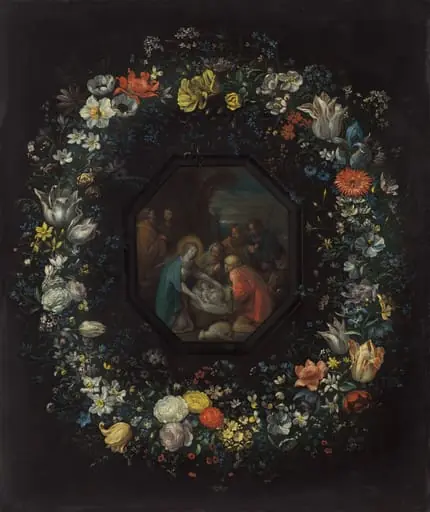 Garland of Flowers with Adoration of the Shepherds
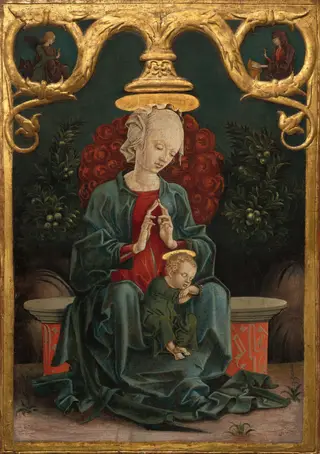 Madonna and Child in a Garden
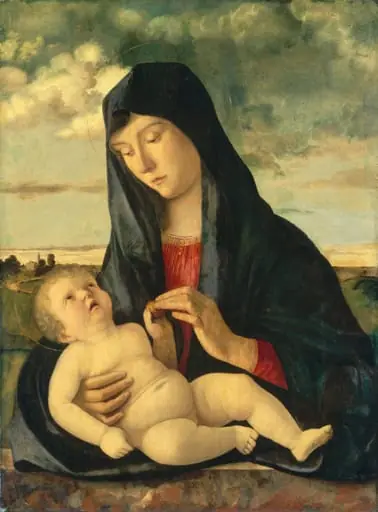 Madonna and Child in a Landscape
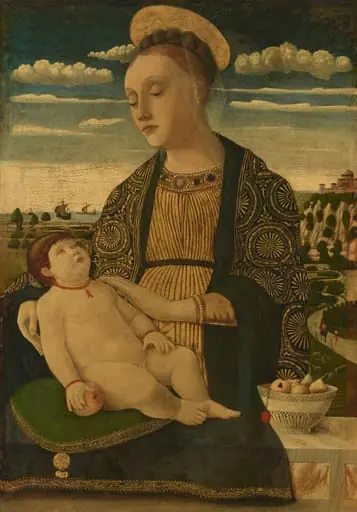 Madonna and Child
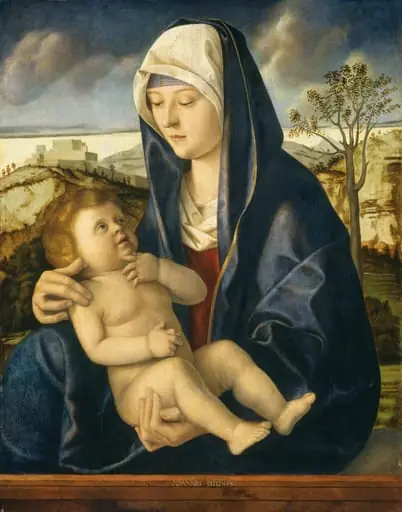 Madonna and Child in a Landscape
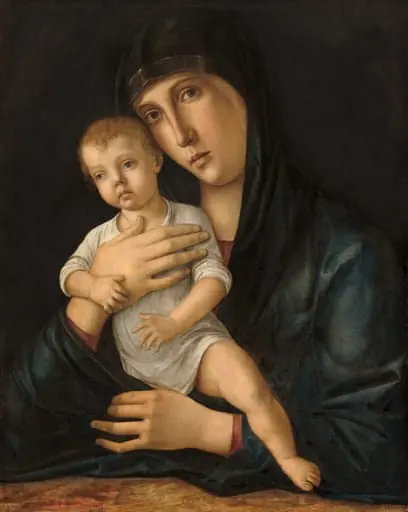 Madonna and Child
Frequently asked questions
What is Christ Child?
Christ Child is a subject in art. The Christ Child, also known as Baby Jesus, Infant Jesus, Child Jesus, Divine Child, Divine Infant, and the Holy Child, refers to Jesus Christ during his early years.
How many Christ Child works does Artifact World Gallery have?
Artifact World Gallery holds 200 public-domain Christ Child works, all free to view and download.
Who are the key Christ Child artists?
Key Christ Child artists in the collection include Titian, Paolo Veronese and Lorenzo Lotto.
Where can I see Christ Child works?
Christ Child works in the collection are held by Gemäldegalerie Berlin, Metropolitan Museum of Art and Bavarian State Painting Collections.