Subject
Adam and Eve
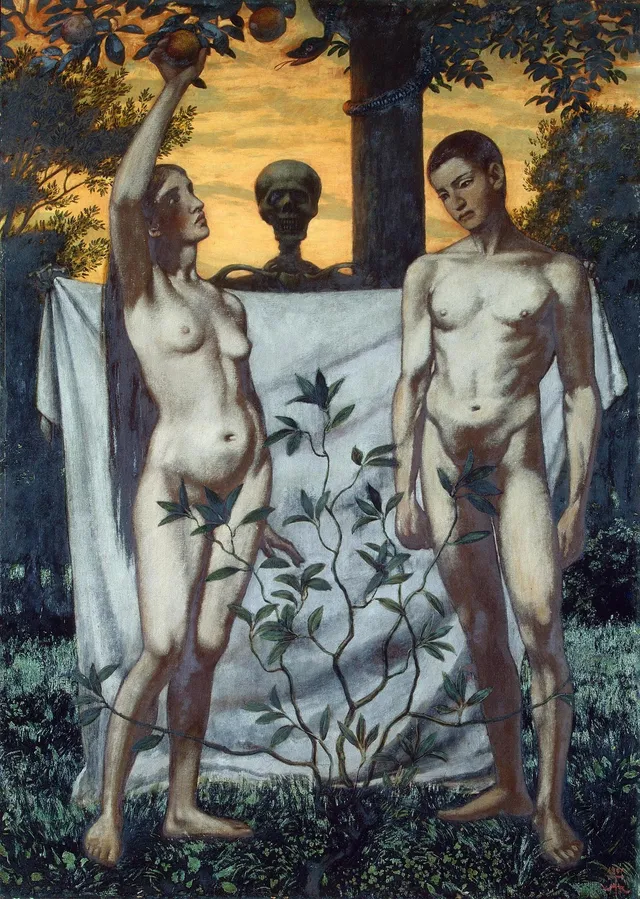
Adam and Eve is a subject in art. The gallery holds 26 works in this subject in art, including works by Paolo Veronese, Thomas Cole and Bartholomeus Spranger.
Adam and Eve, according to the creation myth of the Abrahamic religions, were the first man and woman. They are central to the belief that humanity is in essence a single family, with everyone descended from a single pair of original ancestors.
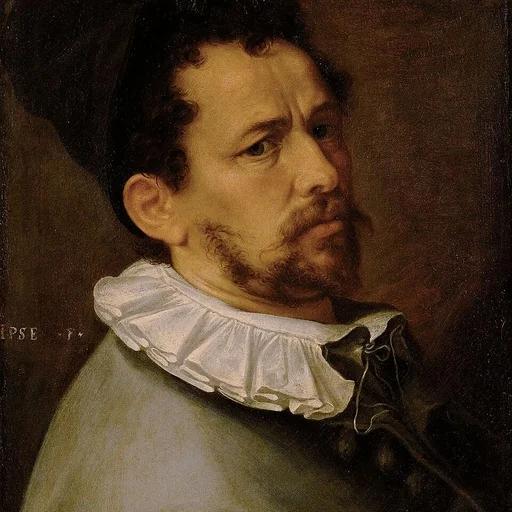
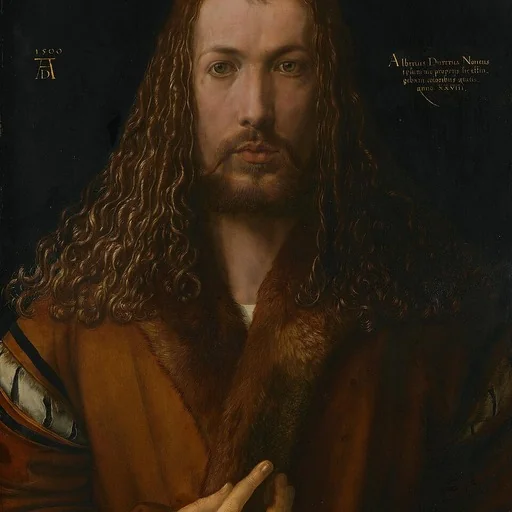
Key artists
Overview
Adam and Eve are the first man and woman of the Abrahamic creation myth, central figures whose story has been depicted in art for millennia. According to the biblical narrative in Genesis, God created Adam from earth and breathed life into him, then fashioned Eve from Adam's rib to be his companion in the Garden of Eden. Their transgression, eating the forbidden fruit from the Tree of Knowledge of Good and Evil, resulted in their expulsion from paradise and introduced death, labor, and shame into human experience. This narrative provides the theological foundation for doctrines of the Fall and original sin in Christianity. The subject recurs in art because it offers artists a powerful framework for exploring fundamental human themes: innocence and knowledge, sexuality and shame, free will and consequence, and the relationship between humanity and the divine. The visual potential of the nude figure, the dramatic moment of temptation, and the emotional weight of expulsion have made Adam and Eve enduring subjects across all media and periods.
Iconography & meaning
The iconography of Adam and Eve developed from specific biblical details and subsequent theological interpretation. Central attributes include the Tree of Knowledge with its forbidden fruit, traditionally depicted as an apple due to a Latin wordplay between malus (apple) and malum (evil), though the Bible does not specify the fruit. The serpent, often shown coiled around the tree, represents the tempter; in Christian tradition this creature became identified with Satan. The fig leaf, used by the couple to cover their nakedness after the Fall, became a standard feature, with some Jewish traditions suggesting the Tree of Knowledge itself was a fig tree. Artists have depicted multiple narrative moments: the creation of Eve, the temptation, the eating of the fruit, the recognition of nakedness, the confrontation with God, and the expulsion from Eden. The nudity of the figures carried complex meanings, representing original innocence before the Fall and shame afterward. Post-Fall depictions often show Eve covering herself, while pre-Fall images might present both figures without self-consciousness. The composition frequently emphasizes gender through contrast: Adam's muscular form against Eve's softer curves, or through symbolic positioning with Eve closer to the serpent. Theologically, the subject carried weight as a meditation on human nature, with the First Eve contrasted with the Second Eve, Mary, in Christian typology.
In the collection
The collection holds 26 works depicting Adam and Eve, representing diverse media, periods, and interpretive approaches. These include paintings, prints, and decorative objects. Notable examples span from Renaissance treatments to modernist reinterpretations. The German Renaissance is strongly represented, with works such as the Vienna Diptych and multiple depictions of the Expulsion theme. The collection includes Hans Baldung Grien's Adam and Eve, a panel from 1531 showing the moment just before the Original Sin, where Eve holds the apple while Adam stands behind her in a possessive embrace. Emil Nolde's Eve, a fragment from a larger 1910 composition originally titled Adam and Eve in the Garden of Eden, presents a modernist, Expressionist interpretation of the primordial mother figure. Otto Mueller's Adam and Eve offers a twentieth-century German approach, depicting the couple as they step out of paradise. The collection also encompasses a shell cameo of circa 1580, demonstrating how the subject circulated in decorative arts and smaller precious objects. The range of works indicates sustained institutional interest in acquiring Adam and Eve imagery across periods, from devotional and historical contexts to modernist explorations of myth and psychology.
Across movements & periods
The treatment of Adam and Eve evolved significantly across artistic movements. In the medieval period, the subject served primarily didactic and devotional functions within Christian contexts. The Renaissance marked a decisive transformation, as artists used the biblical narrative as pretext for studying the nude human form with new anatomical precision. Albrecht Dürer's 1504 engraving established a compositional model that influenced generations, including his pupil Hans Baldung Grien, who developed more psychologically complex and morally charged interpretations. Lucas Cranach the Elder and his workshop produced over fifty versions, transforming Dürer's engraving-based composition into painted panels that served the courtly culture of Wittenberg. The Northern Renaissance particularly emphasized the erotic tension and moral consequences of the Fall. In the modern period, Expressionists such as Emil Nolde and Otto Mueller reimagined the subject through primitivist and psychological lenses, stripping away classical idealization to emphasize primal emotion and sensuality. Nolde's 1910 treatment isolated Eve as a solitary figure amid oversized tropical flora, reflecting contemporary interests in exoticism and the femme fatale. Across all periods, the subject remained a vehicle for exploring contemporary concerns about human nature, sexuality, and origin, while maintaining its biblical narrative core.
Notable depictions
Several canonical depictions of Adam and Eve have shaped artistic tradition. Albrecht Dürer's 1504 engraving remains foundational, establishing proportional, harmonious figures that defined the Renaissance nude. Hans Baldung Grien's 1531 panel in the Museo Thyssen-Bornemisza offers a deliberate alternative: elongated format, possessive physical contact between the figures, and a provocative gaze from Adam that implicates the viewer. The contrast between Dürer's idealization and Baldung's psychological intensity demonstrates the range available within the subject. Rembrandt van Rijn's 1638 etching captures the moment of temptation with dramatic economy, showing Adam attempting to prevent Eve from biting the forbidden fruit while the devil hides in the tree, his shadow falling across Eve. Lucas Cranach the Elder's numerous versions, including the circa 1530 panels at the Norton Simon Museum, refined a distinctive formula of pale, elegant figures in a lush setting, with the serpent often given a human face. Domenichino's 1626 Rebuke of Adam and Eve exemplifies Baroque theatricality in depicting divine confrontation. In the modern era, Emil Nolde's Eve (1910) and Otto Mueller's Adam and Eve represent Expressionist departures, the former isolating the female figure in a tropical dreamscape, the latter presenting the couple's exit from paradise with deliberate archaism. The Victoria and Albert Museum holds a shell cameo of circa 1580 based on Dürer's composition, illustrating the subject's circulation across media and social levels.
Legacy
The Adam and Eve narrative has maintained extraordinary cultural resonance, extending far beyond religious art into literature, philosophy, and popular culture. The subject's persistence reflects its utility for examining fundamental questions about human nature, knowledge, and mortality. In art history, the theme became a privileged site for the development of the nude, with successive generations of artists using biblical sanction to explore human anatomy and sexuality. The tradition of adding fig leaves to nude depictions, and later their removal in museum contexts, traces changing attitudes toward the body and censorship. The subject also carries difficult provenance histories, as with works caught up in the Nazi campaign against degenerate art; Otto Mueller's Adam and Eve entered the Städel Museum as part of efforts to rebuild collections dismantled in 1937. The ongoing scholarly and conservation attention to major works, such as the 2024 Getty Museum panel discussion on Cranach's panels, demonstrates continued institutional investment in these objects. Theologically, the figure of Eve has been reclaimed and reinterpreted in feminist scholarship, while the serpent's temptation continues to serve as metaphor for moral choice. The narrative's afterlife in secular culture, from John Milton's Paradise Lost to contemporary advertising, confirms its status as a foundational myth of Western civilization, perpetually available for reinterpretation.
Works
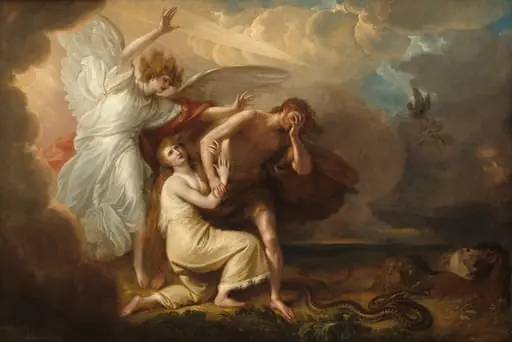 The Expulsion of Adam and Eve from Paradise
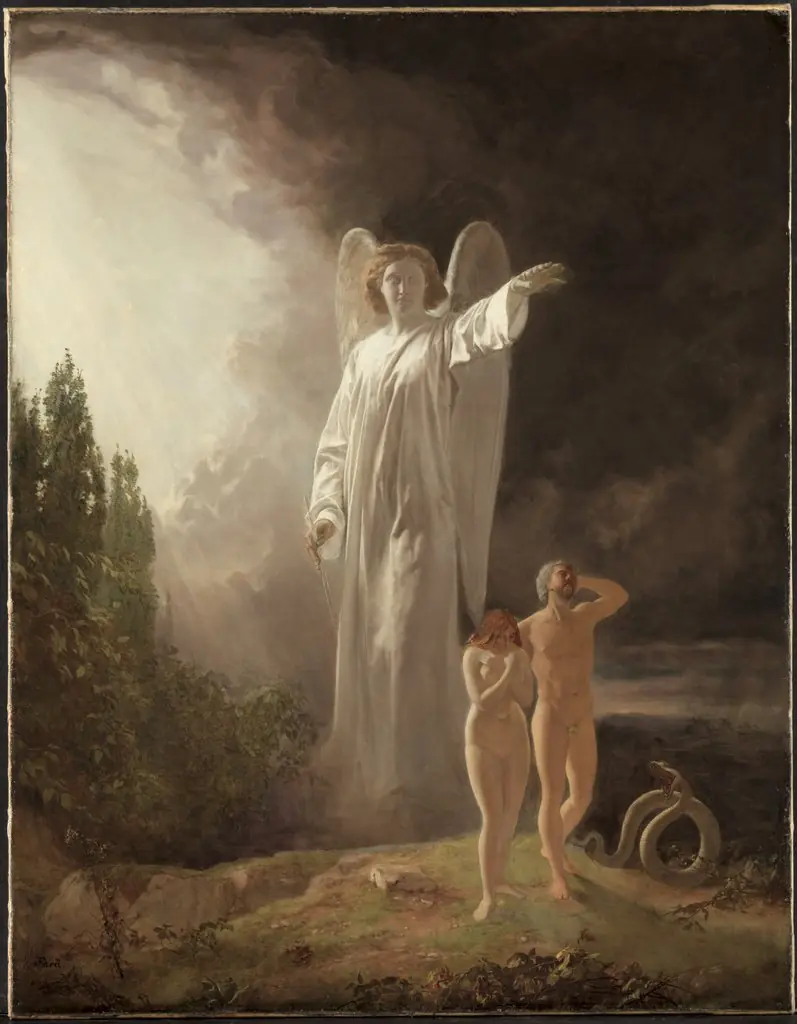 Expulsion of Adam and Eve
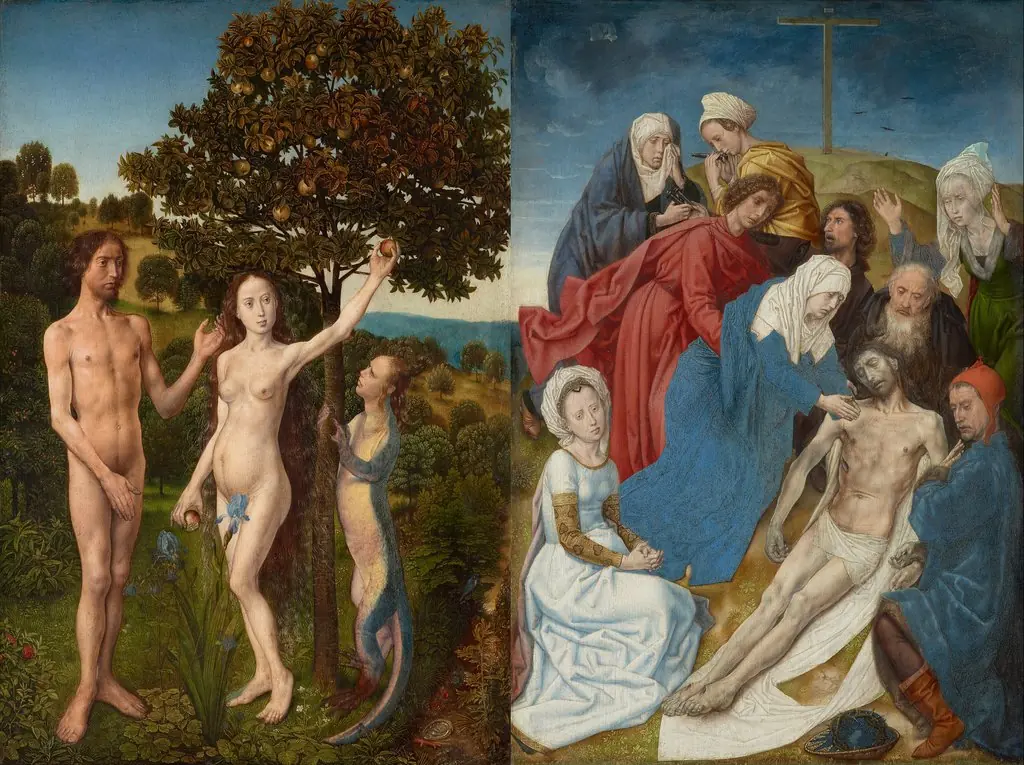 Vienna Diptych
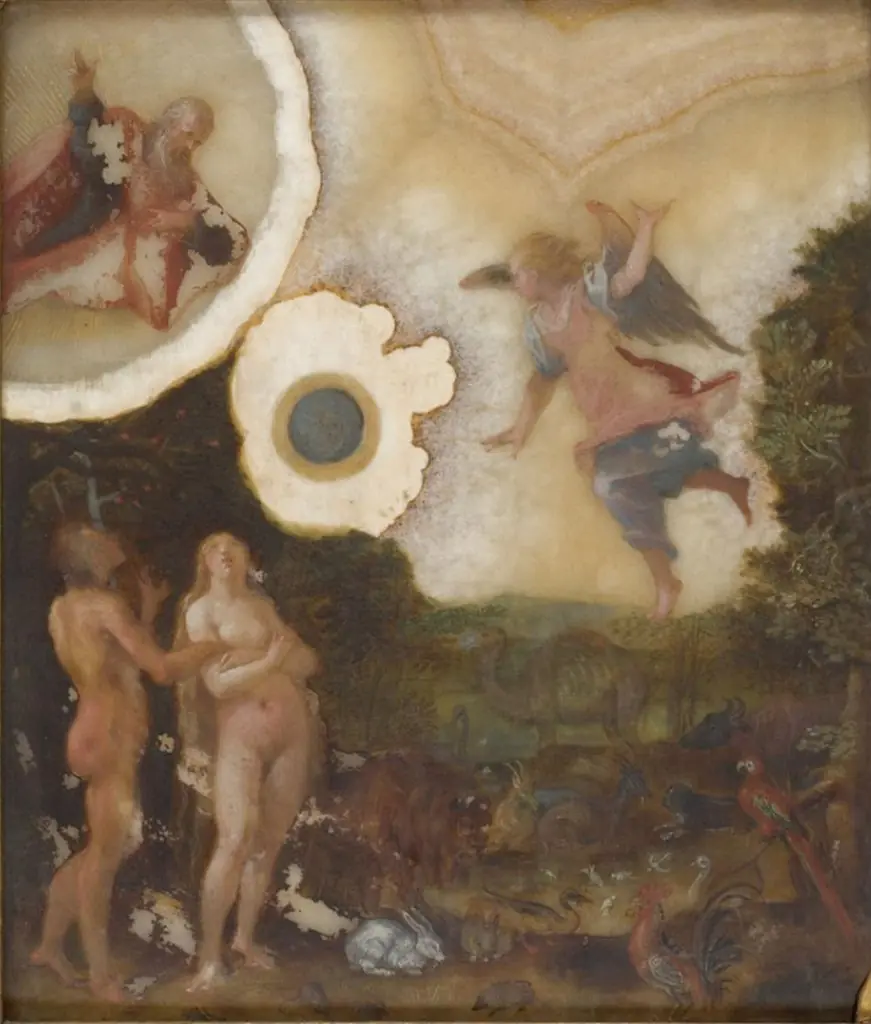 Expulsion from earthly Paradise.
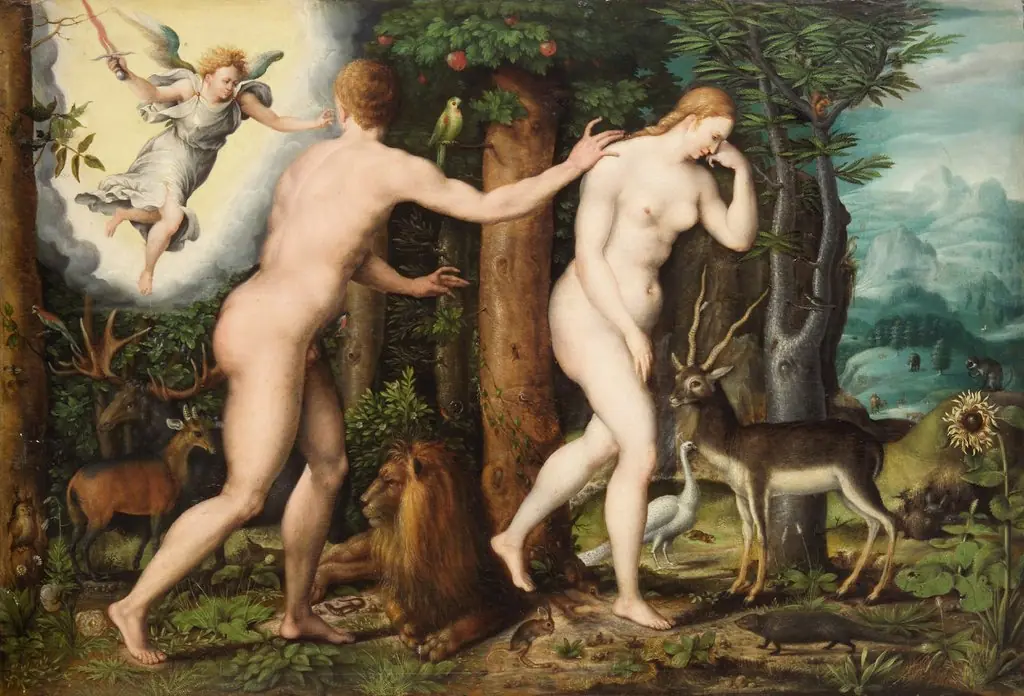 Vertreibung aus dem Paradies
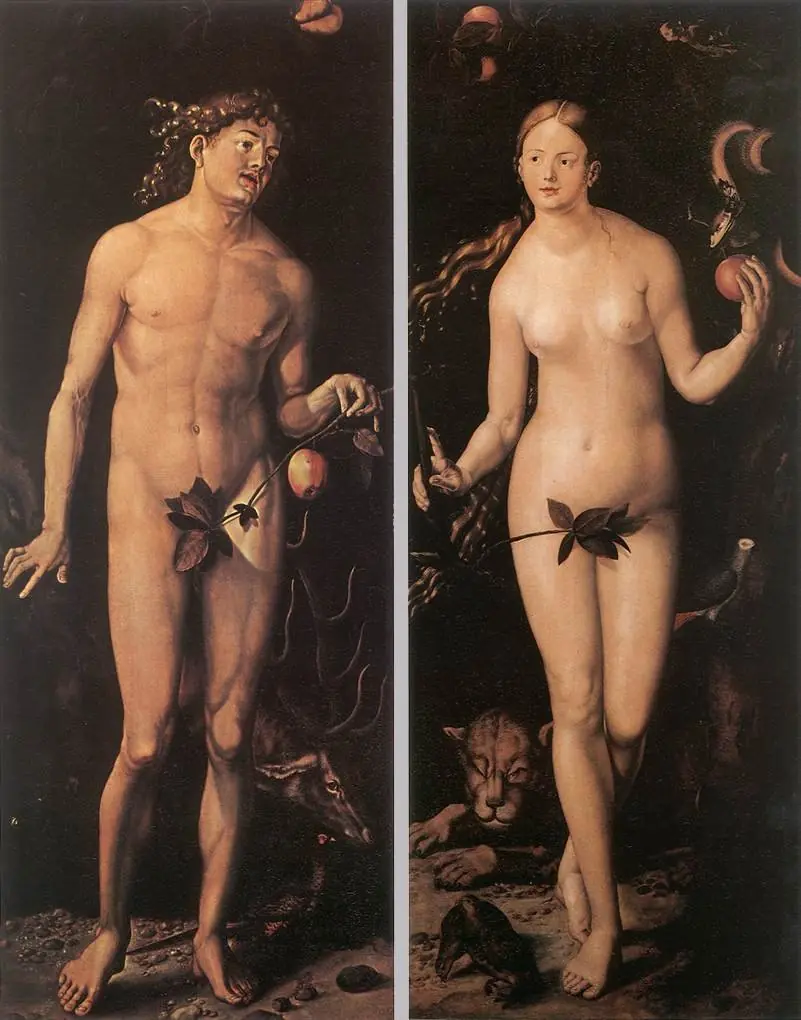 Adam and Eve
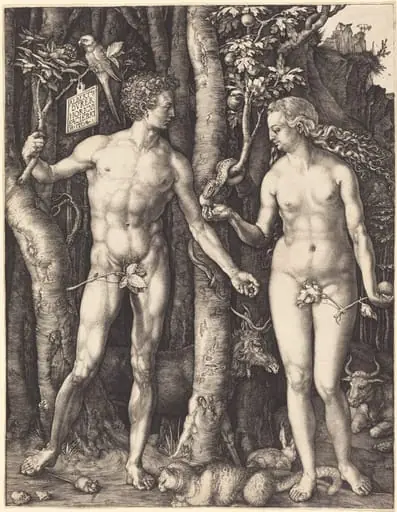 Adam and Eve
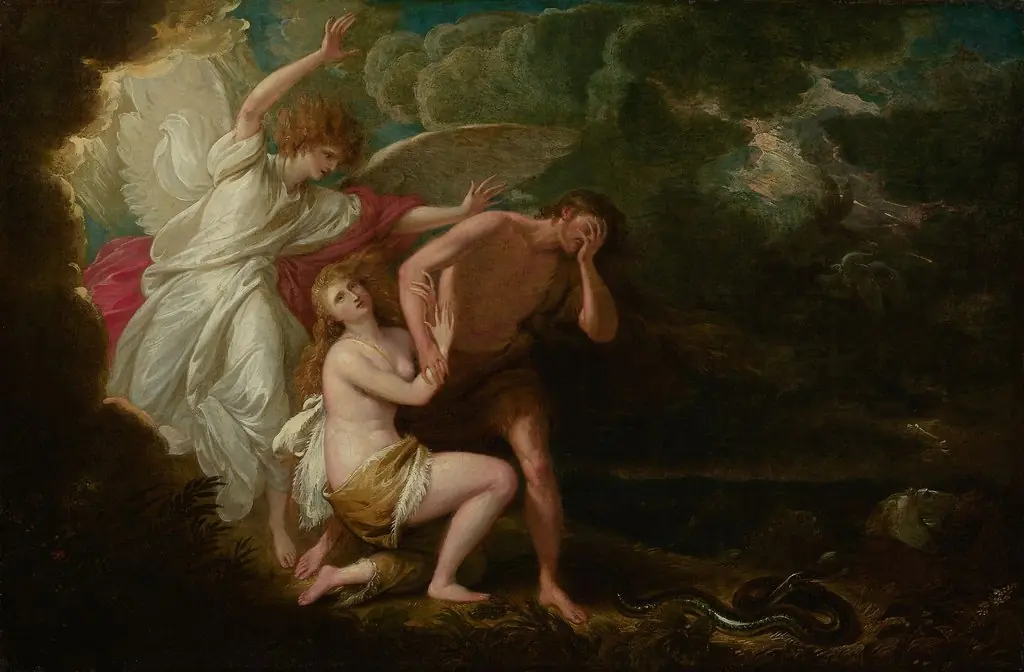 The Expulsion of Adam and Eve from Paradise
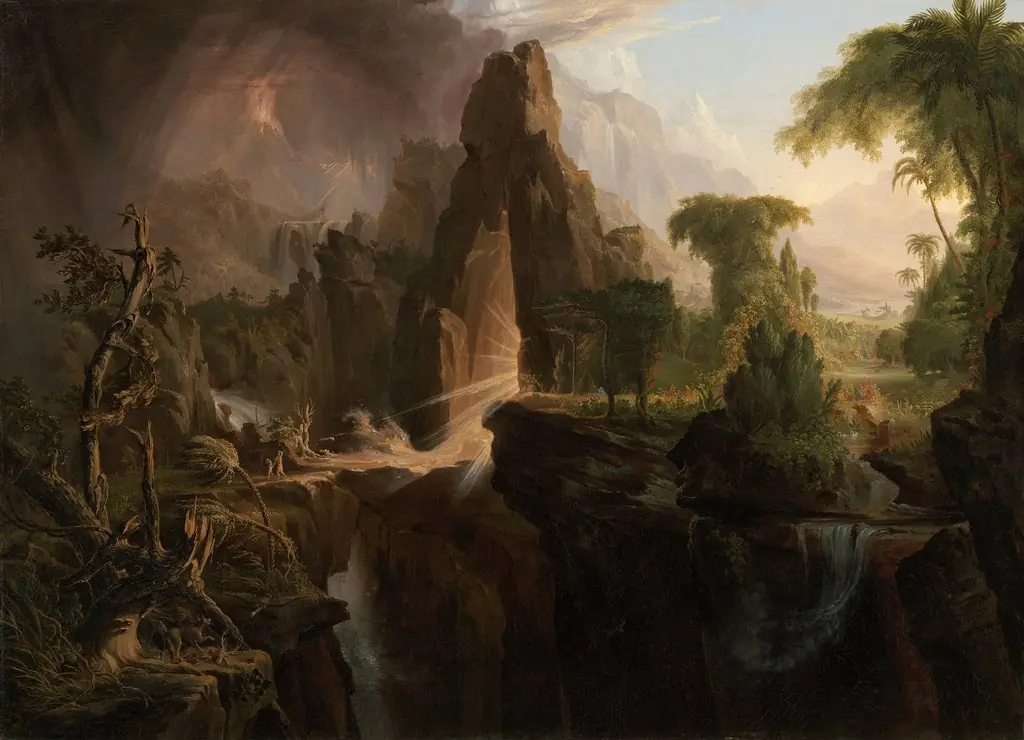 Expulsion from the Garden of Eden
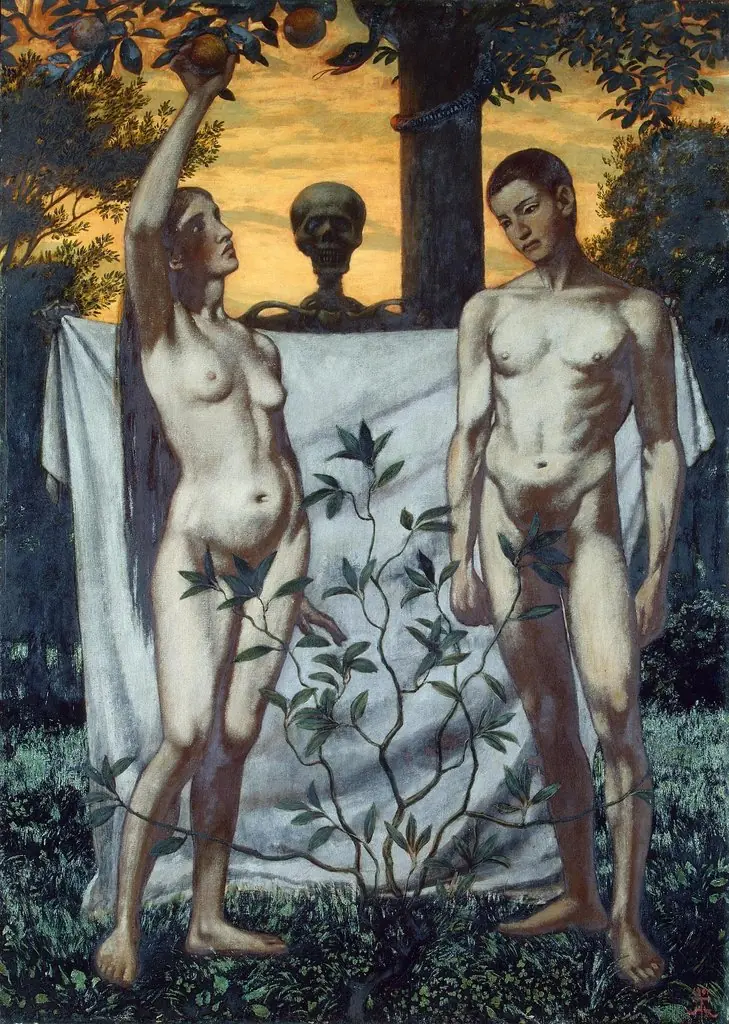 Adam and Eve
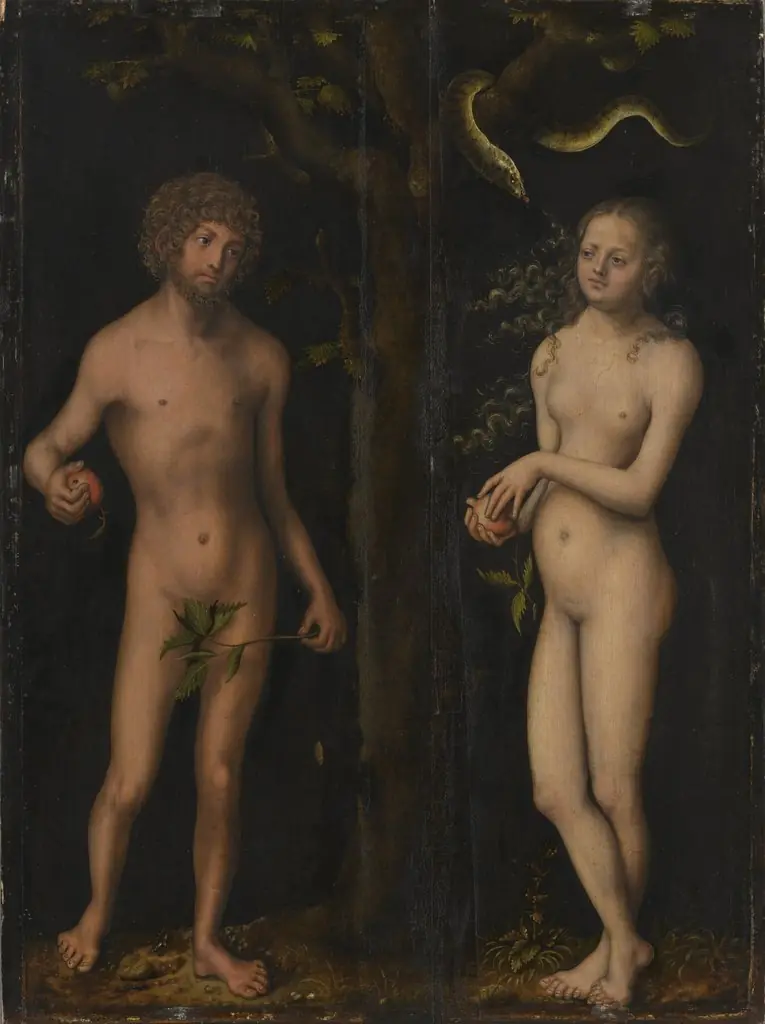 Adam and Eve
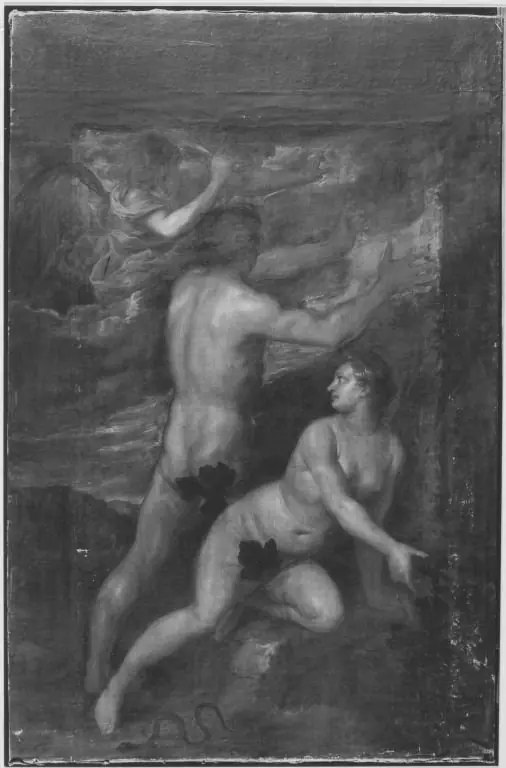 Austreibung aus dem Paradies (?)
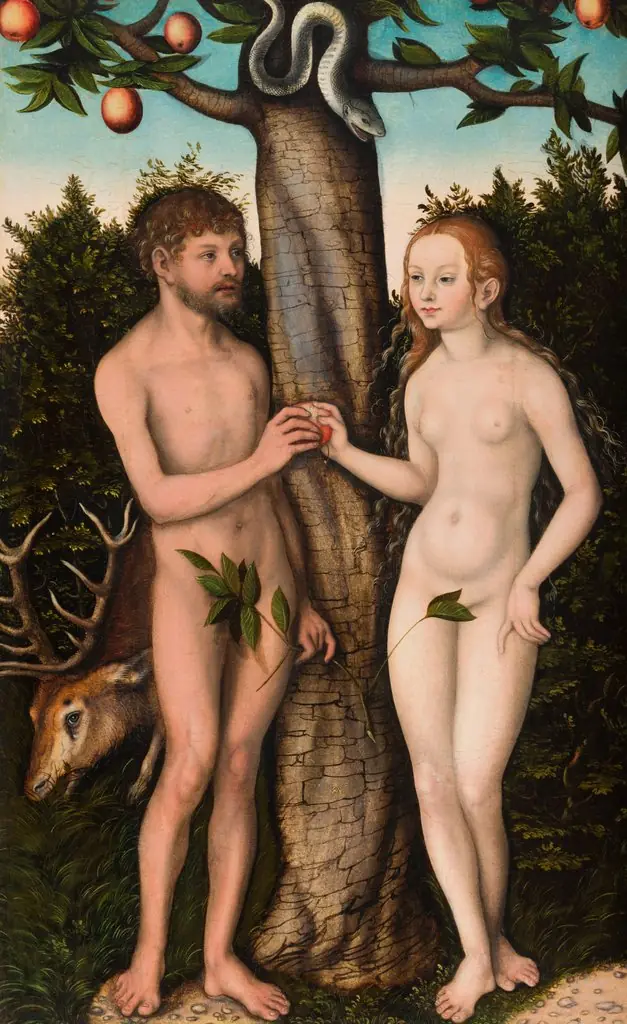 Adam and Eve
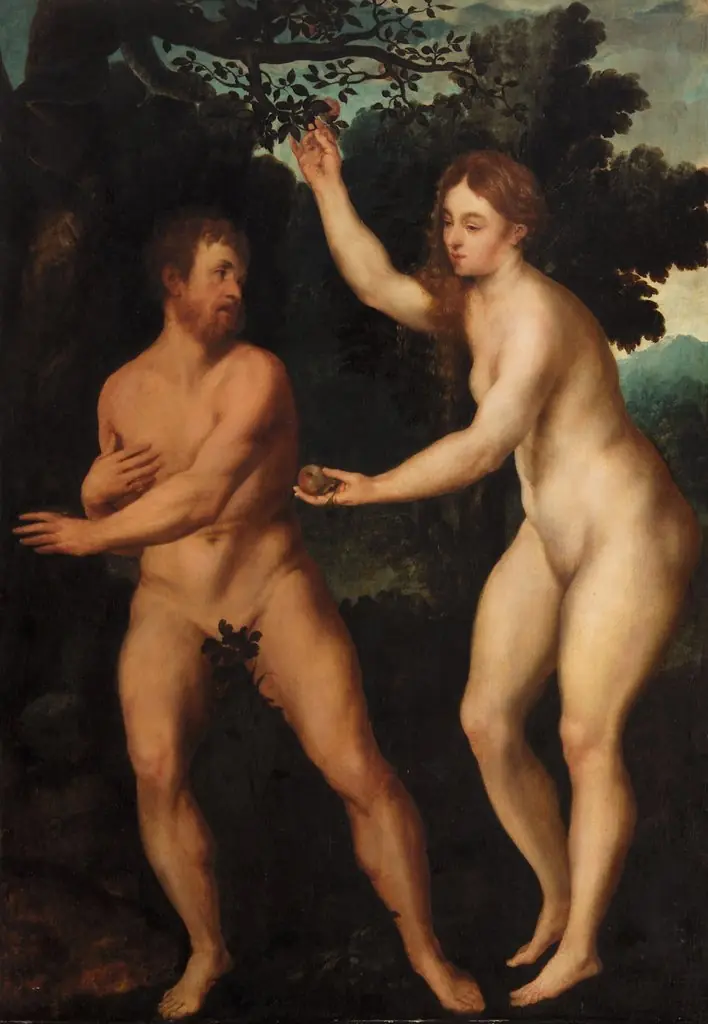 The Fall of Man
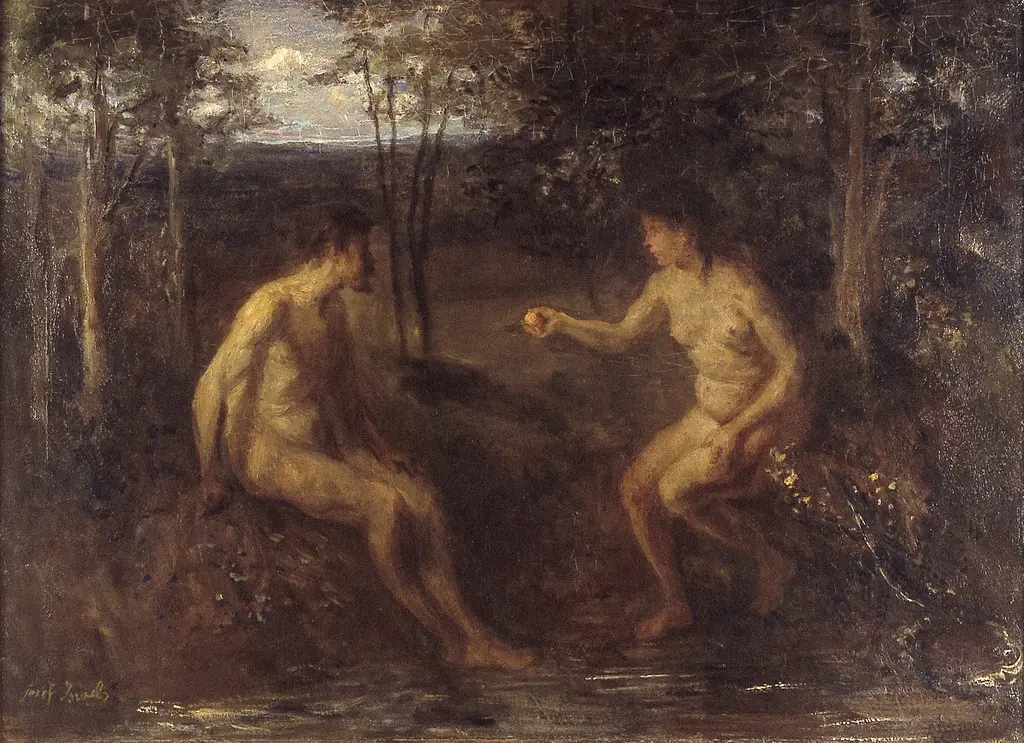 Adam and Eve
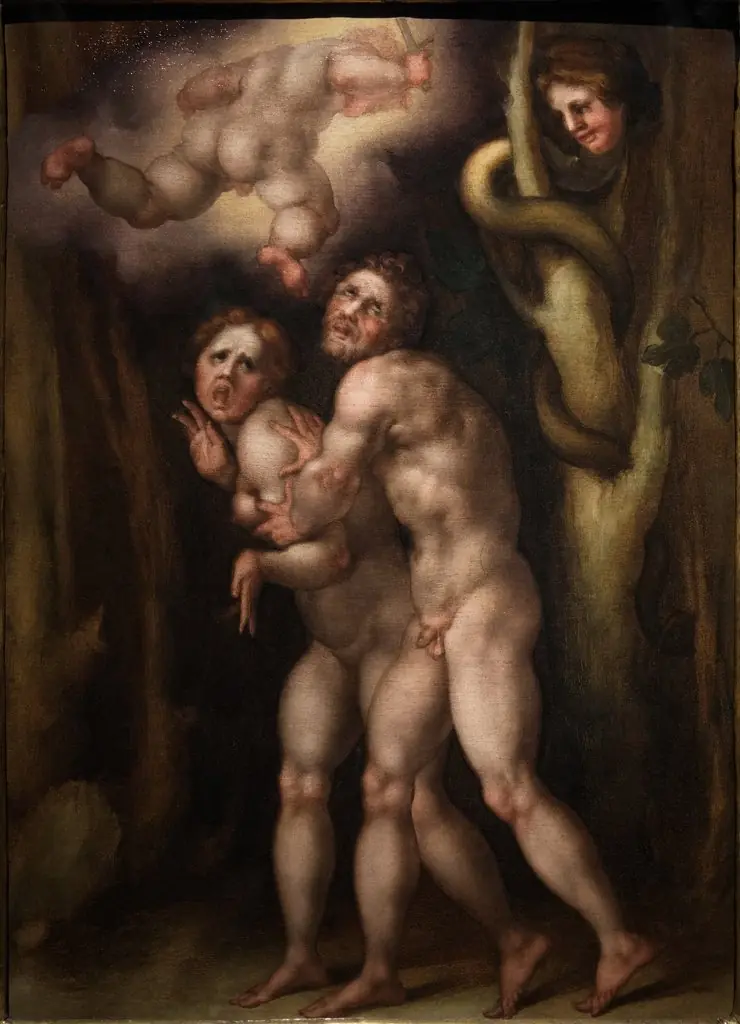 Expulsion of Adam and Eve
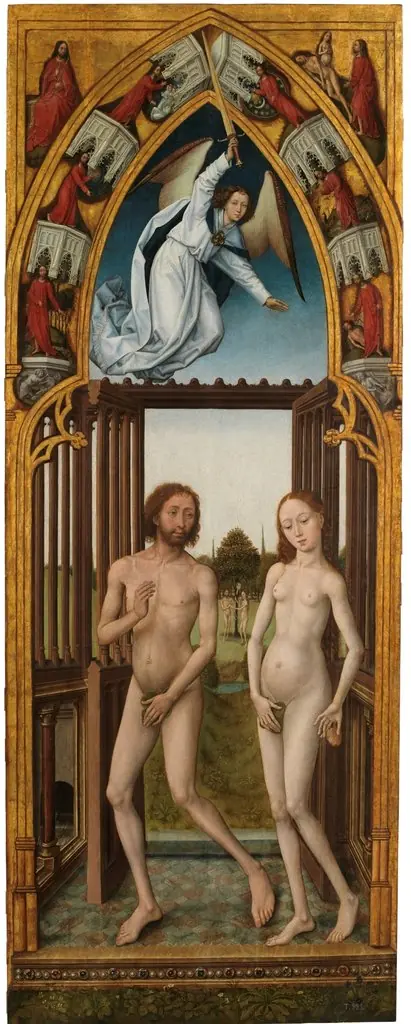 Redemption Triptych: Adam and Eve Expulsed from Paradise
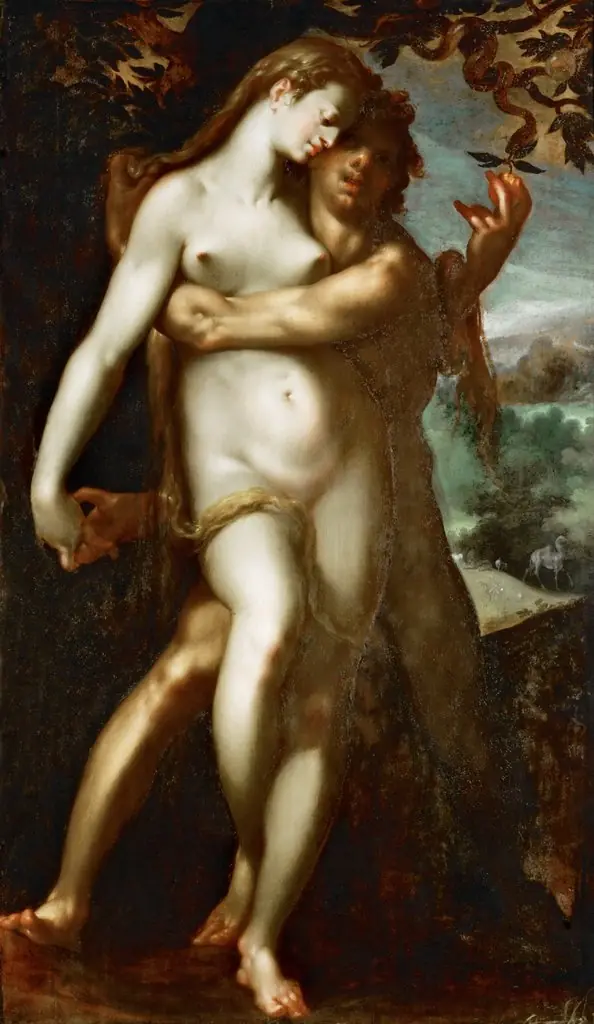 Fall of Man
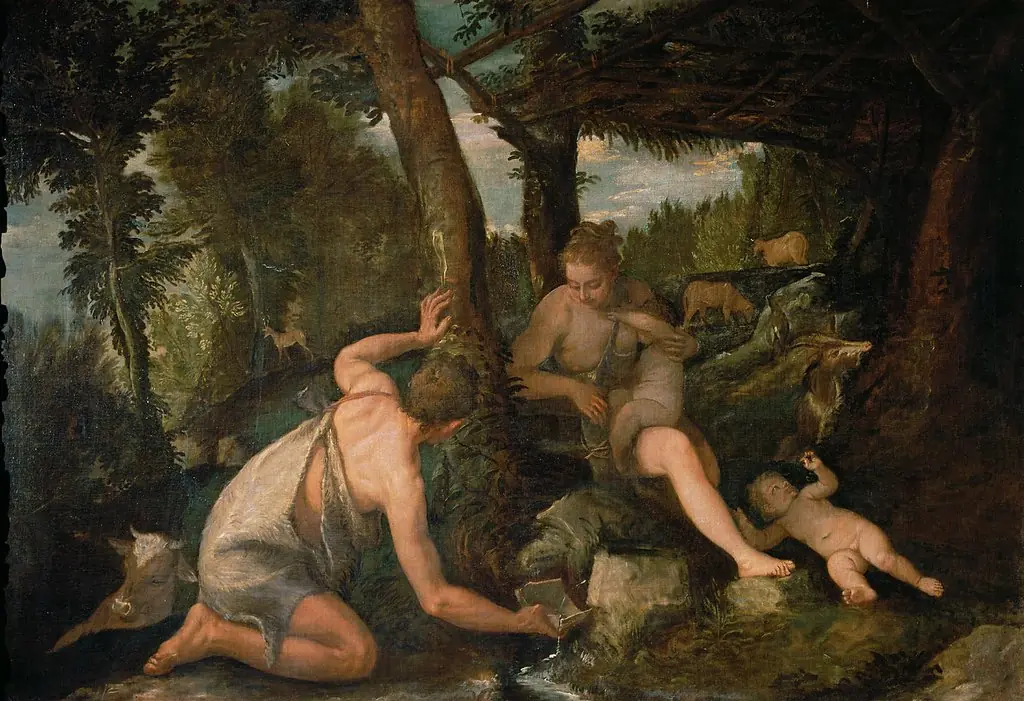 Adam and Eve after the Expulsion from Paradise
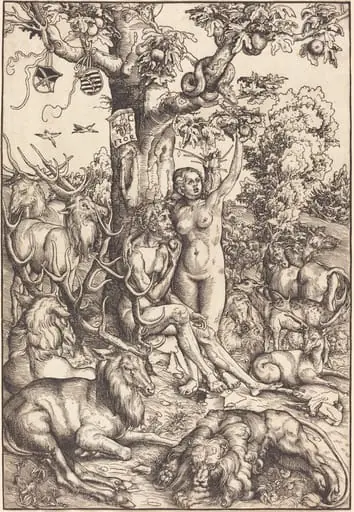 Adam and Eve in Paradise
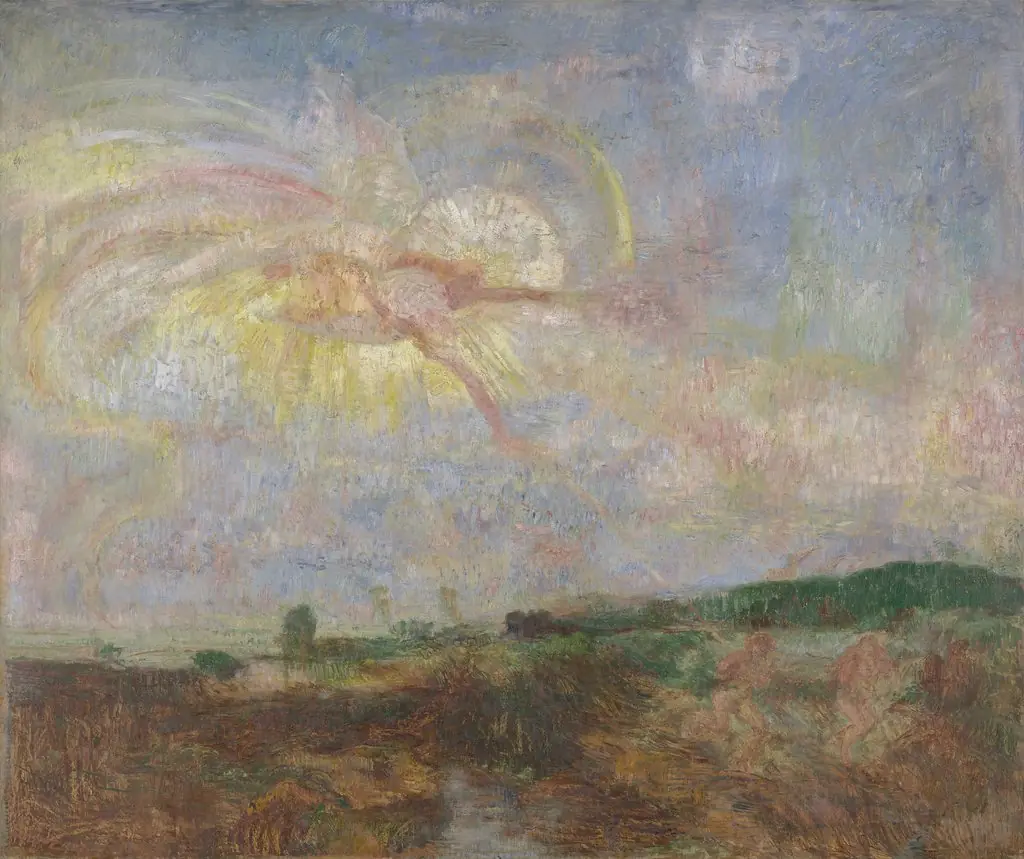 Adam and Eve expelled from Paradise
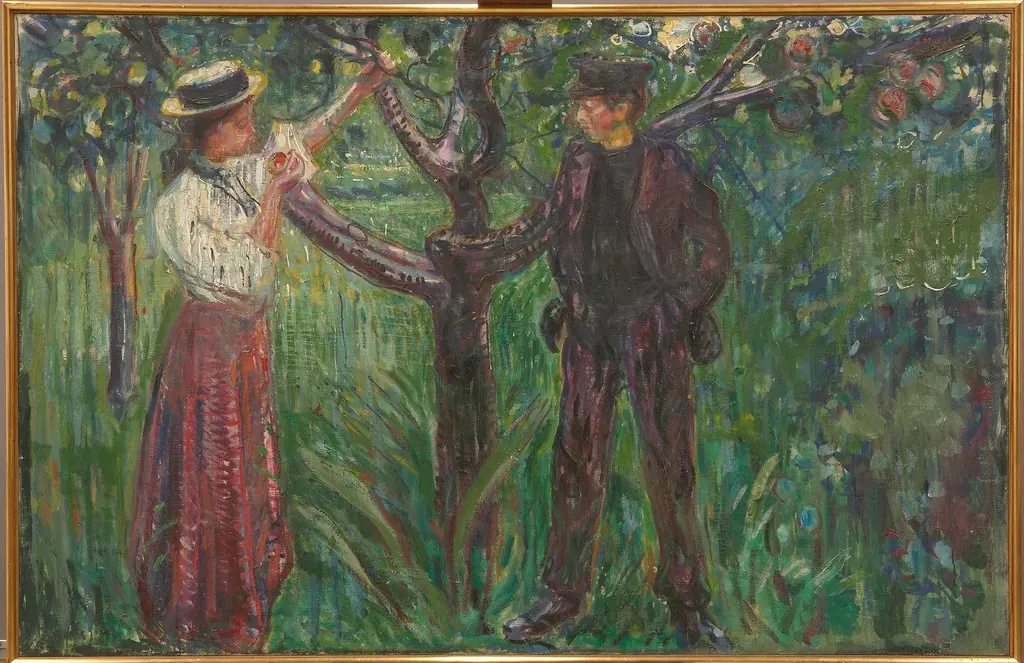 Adam and Eve
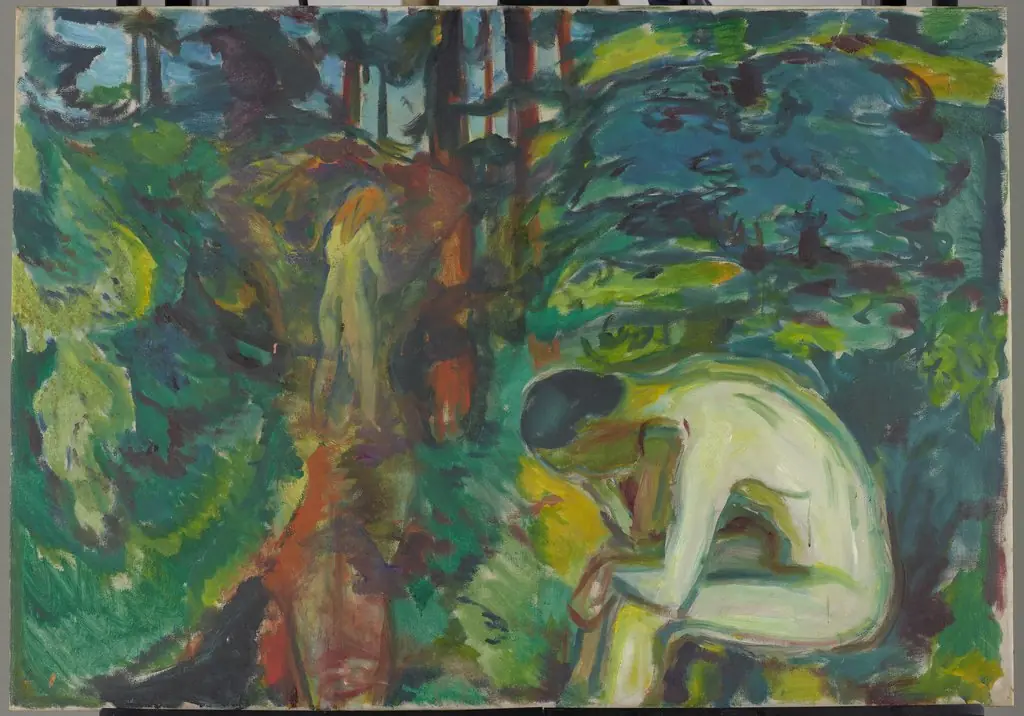 After the Fall
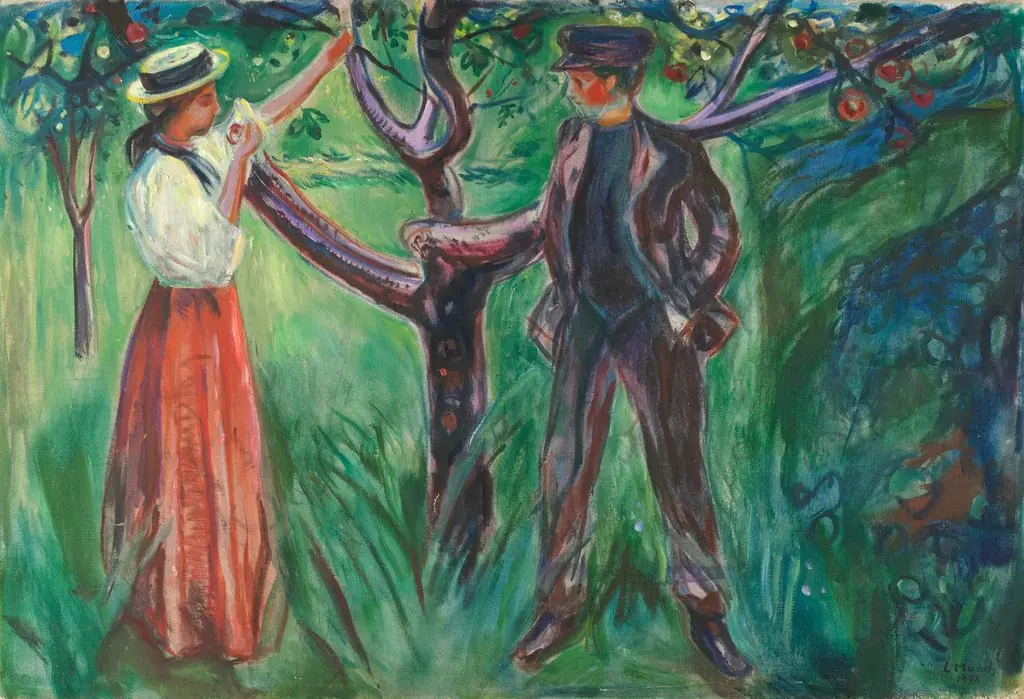 Adam and Eve
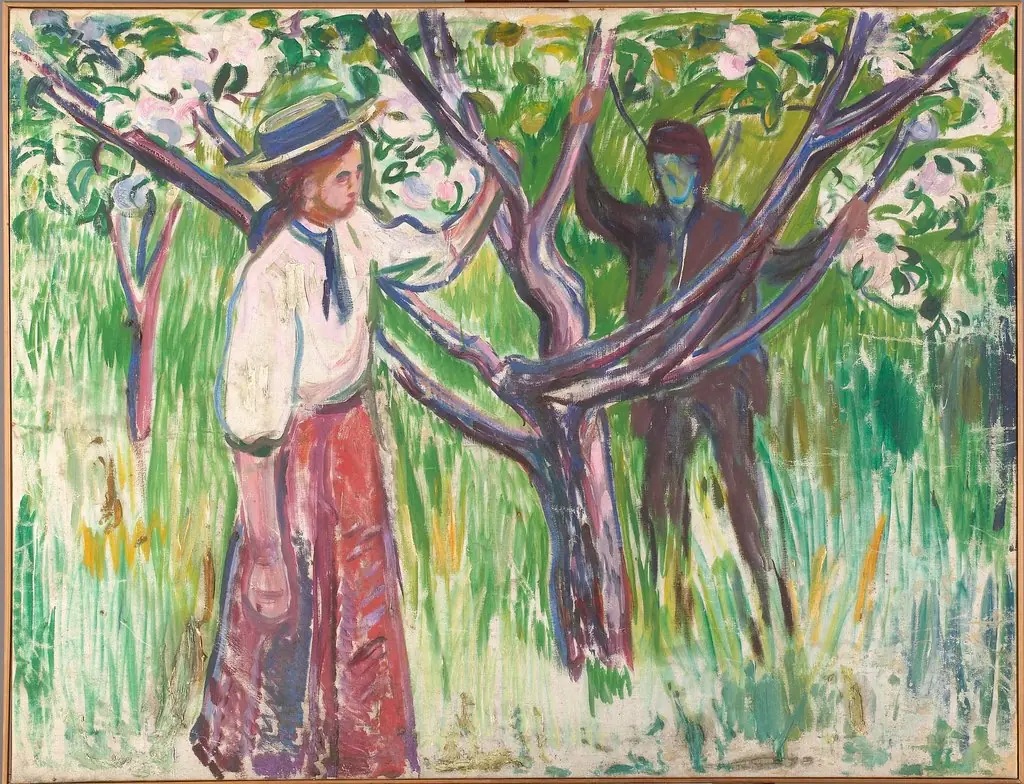 Adam and Eve
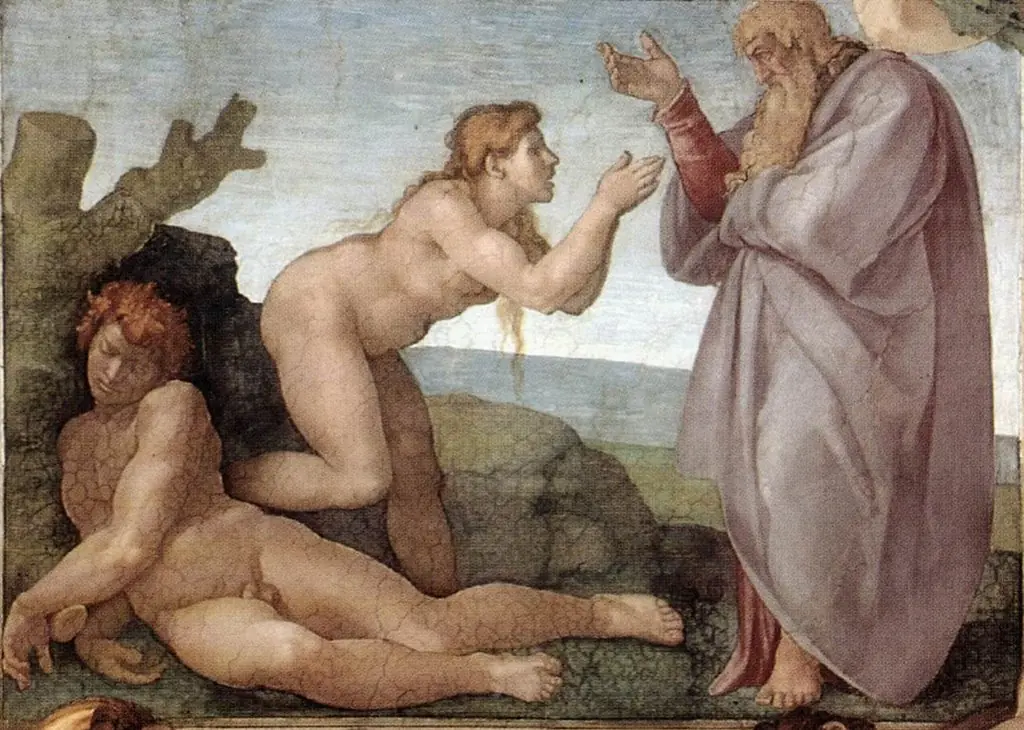 The Creation of Eve
Frequently asked questions
What is Adam and Eve?
Adam and Eve, according to the creation myth of the Abrahamic religions, were the first man and woman.
How many Adam and Eve works does Artifact World Gallery have?
Artifact World Gallery holds 26 public-domain Adam and Eve works, all free to view and download.
Who are the key Adam and Eve artists?
Key Adam and Eve artists in the collection include Paolo Veronese, Thomas Cole and Bartholomeus Spranger.
Where can I see Adam and Eve works?
Adam and Eve works in the collection are held by Kunsthistorisches Museum, Munch Museum and Uffizi Gallery.