Führermuseum
unrealized art museum planned by Adolf Hitler
About Führermuseum
The Führermuseum or Fuhrer-Museum (English: Leader's Museum), also referred to as the Linz art gallery, was an unrealized art museum within a cultural complex planned by Adolf Hitler for his hometown, the Austrian city of Linz, near his birthplace of Braunau. Its purpose was to display a selection of the art bought, confiscated or stolen by the Nazis from throughout Europe during World War II. The cultural district was to be part of an overall plan to recreate Linz, turning it into a cultural capital of Nazi Germany and one of the greatest art centers of Europe, overshadowing Vienna, for which Hitler had a personal distaste. He wanted to make. History and design The Kaiser-Friedrich-Museum – now the Bode Museum – seen here in 1909, may have influenced Hitler's original design for a "German National Gallery". As early as 1925, Hitler had conceived of a "German National Gallery" to be built in Berlin with himself as director. His plan, drawn out in a sketchbook, may have been influenced by the Kaiser-Friedrich-Museum , and consisted of a building with two sections, one with 28 rooms and the other with 32. Hitler denoted which of his favorite 19th-century German artists were to be collected, and in what. Design and model In Autumn 1940, Hitler commissioned architect Hermann Giesler , a devout Nazi, to be in overall charge of the rebuilding of Linz, one of the five designated Führerstädte ("Führer cities"), along with Berlin , Hamburg , Nuremberg and Munich , which were to be redeveloped drastically. Linz was to become a major cultural center, an art capital of Europe, a hub of trade and commerce, and the most beautiful city on the Danube , surpassing Budapest . It would have a new City Hall, new Nazi Party headquarters, a "Gau forum" featuring.
Description via Wikipedia, available under CC BY-SA 4.0.
Source: Wikipedia, available under CC BY-SA 4.0.
Image: Wikimedia Commons.
Plan your visit
unrealized art museum planned by Adolf Hitler
Notable artists at Führermuseum
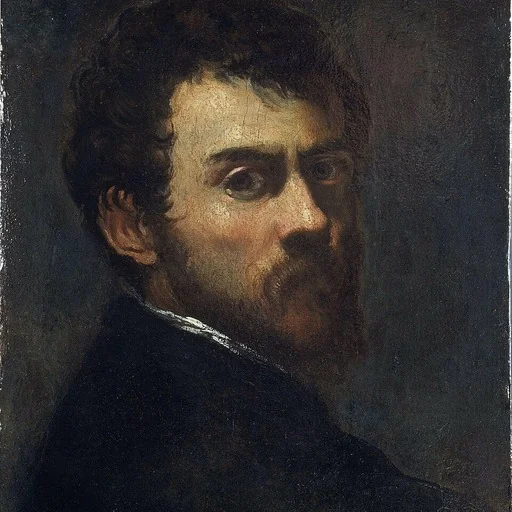
Jacopo Tintoretto
Jacopo Robusti (late September or early October 1518 – 31 May 1594), best known as Tintoretto ( TIN-tə-RET-oh; Italian: ; Venetian: ), was an Italian Renaissance painter of the Venetian school. His contemporaries both admired and criticised the speed with which he painted and…
View artistNotable artists
-
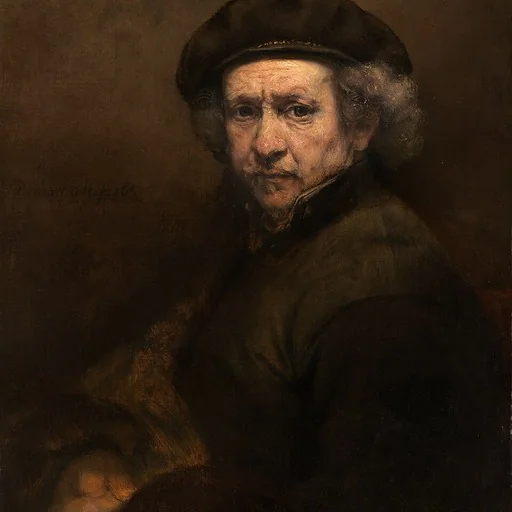
Rembrandt
1606–1669
-
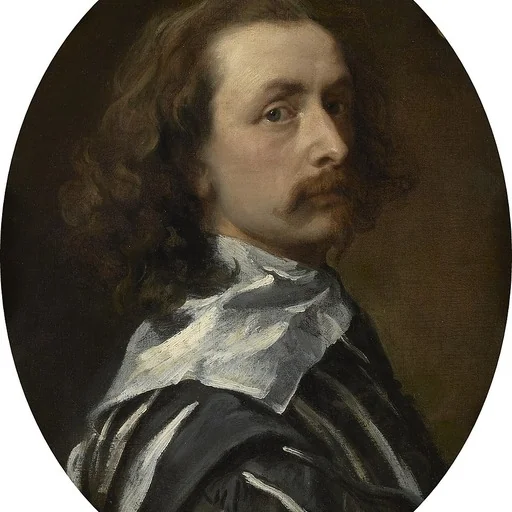
Anthony van Dyck
1599–1641
-
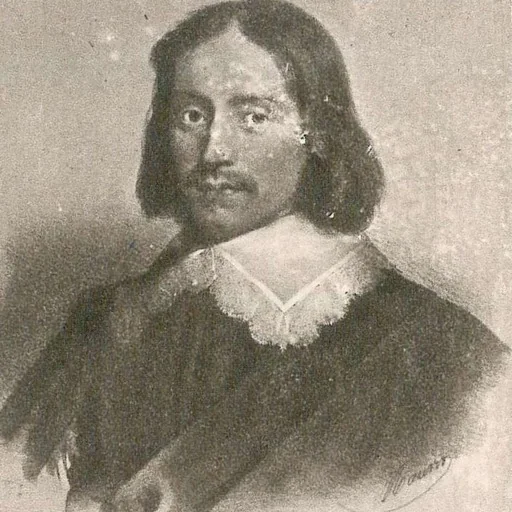
Aelbert Cuyp
1620–1691
-
Abraham van Beijeren
1620–1690
-
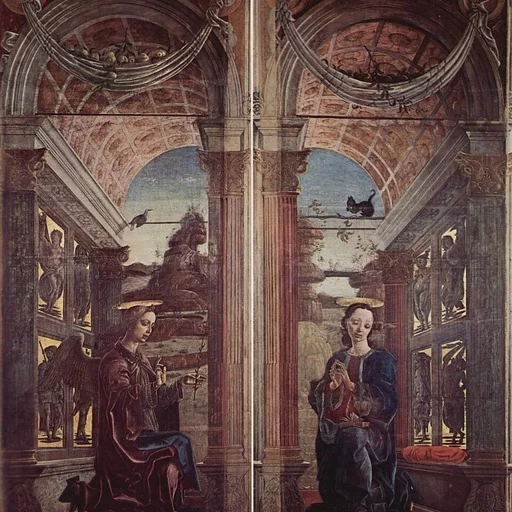
Cosimo Tura
1430–1495
-
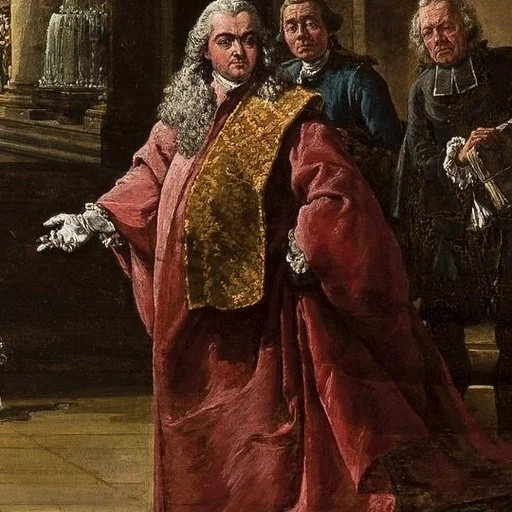
Bernardo Bellotto
1721–1780
-
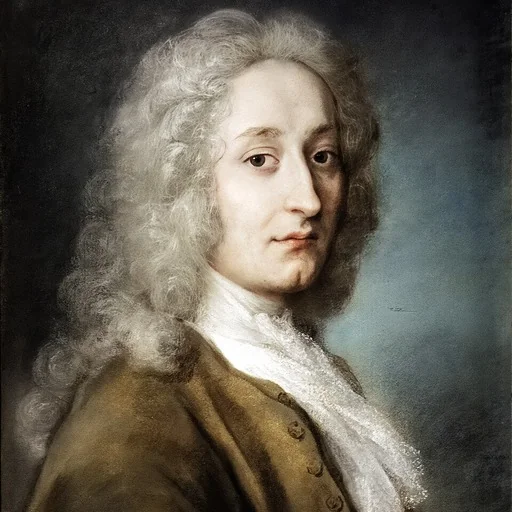
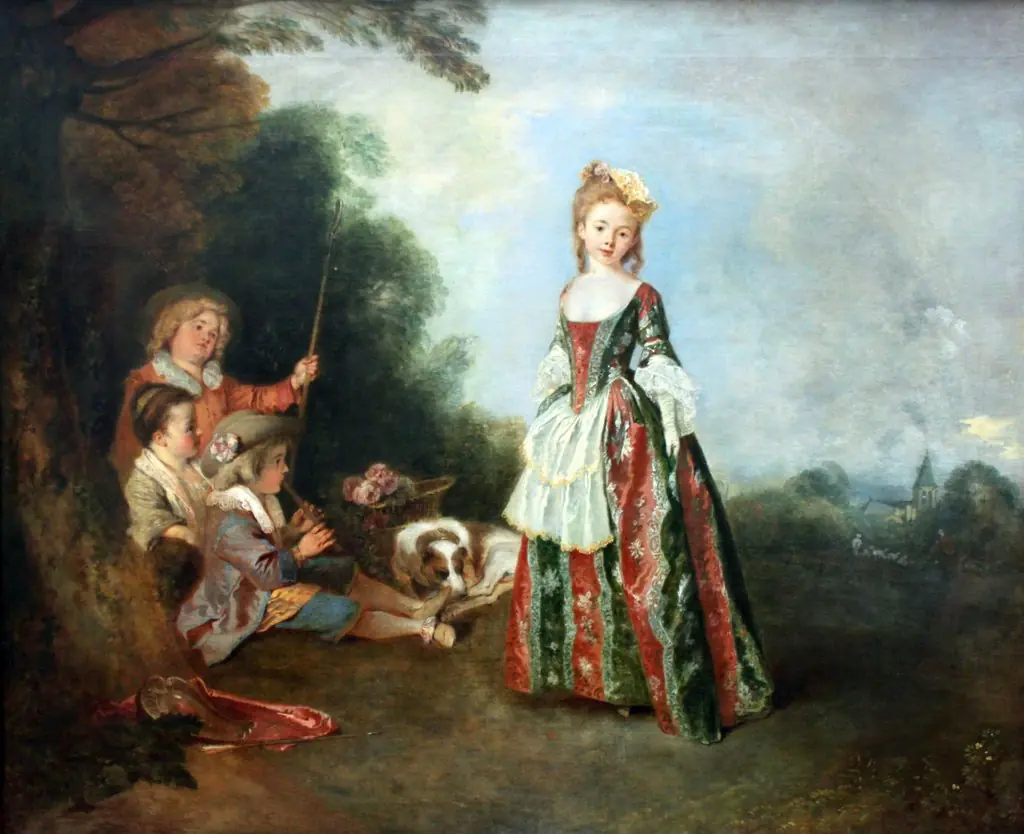
Jean Antoine Watteau
1684–1721
Movements represented
Works from Führermuseum
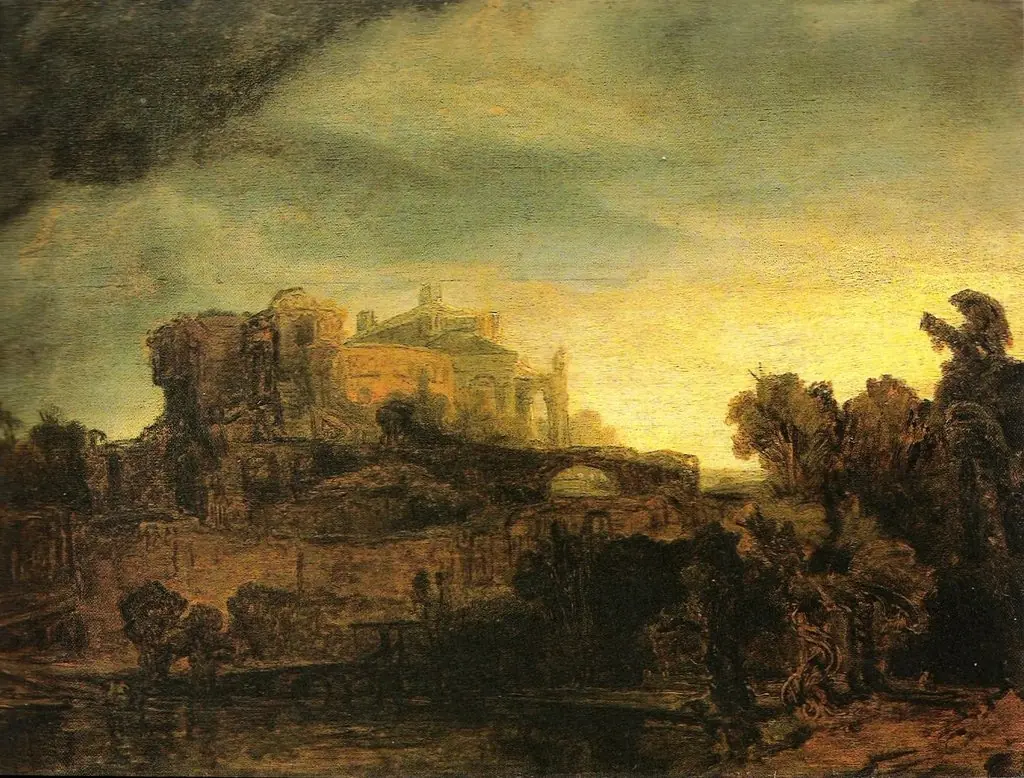
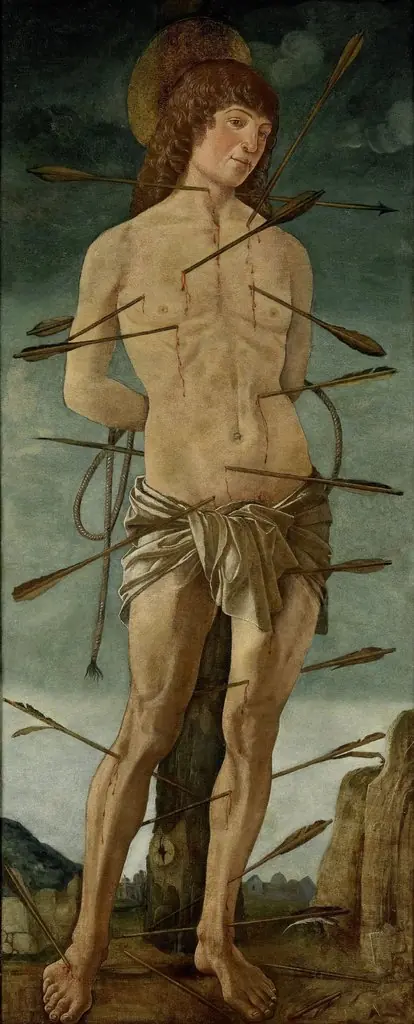
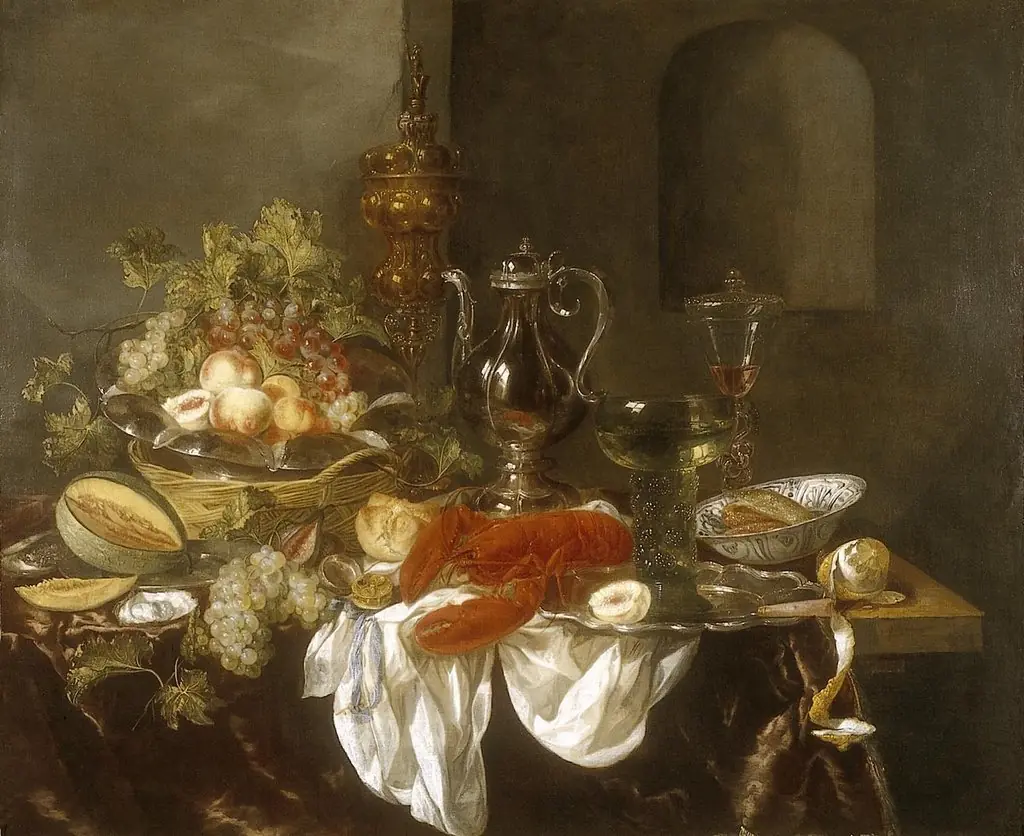
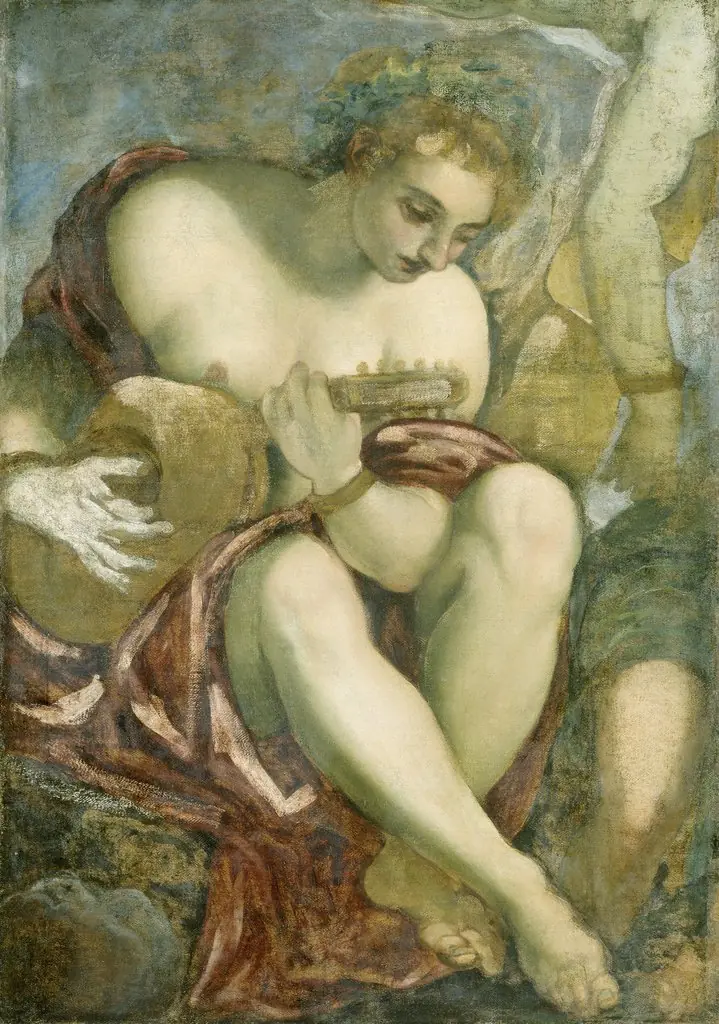
Follow this collection across museums
Where else to see Dutch Golden Age