Artwork
Portrait of a woman playing the viola-da-gamba, formerly identified as Margaret Lemon
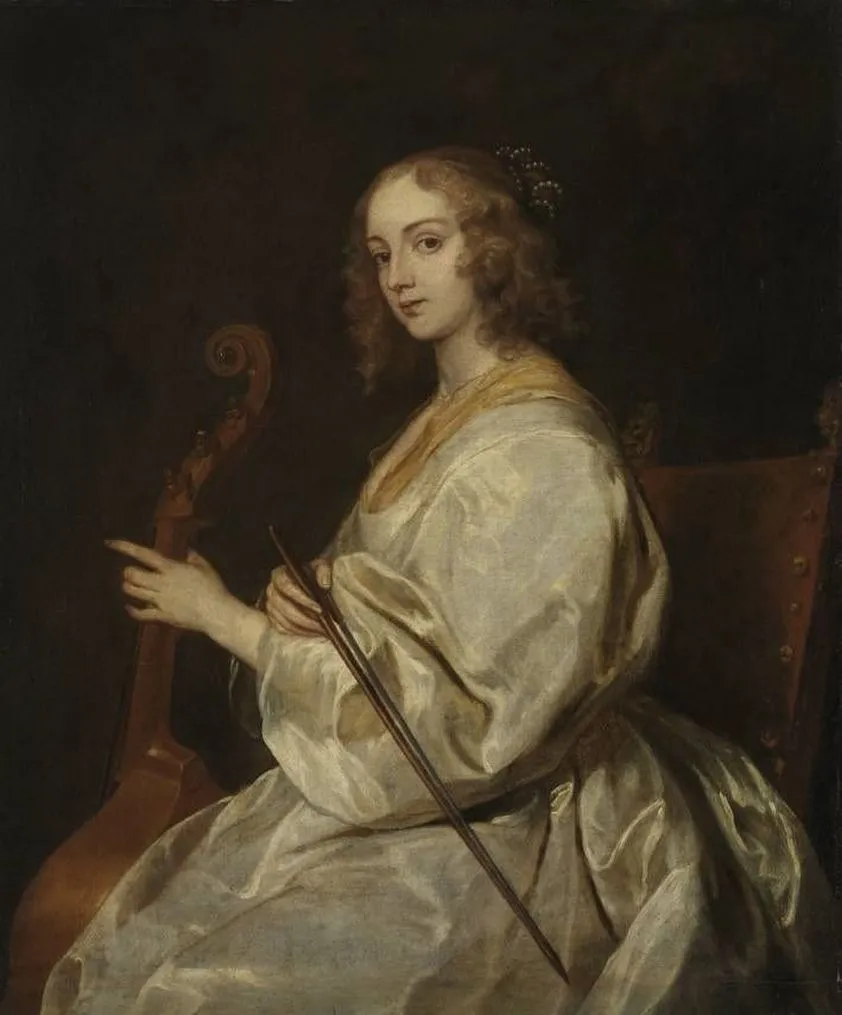
Portrait of a woman playing the viola-da-gamba, formerly identified as Margaret Lemon is an oil painting by the Flemish Baroque painting artist Anthony van Dyck. It dates from 1637 and is held in the collection of the Bavarian State Painting Collections.
About this work
Subject & Meaning
The painting shows a woman seated with a viola-da-gamba, traditionally identified as Margaret Lemon and sometimes associated with Mary Ruthven.
The painting shows a woman seated with a viola-da-gamba, traditionally identified as Margaret Lemon and sometimes associated with Mary Ruthven. The viola-da-gamba, a stringed instrument popular in courtly music, symbolizes domestic virtue and refined accomplishment in early‑seventeenth‑century portraiture. The work therefore conveys ideals of feminine modesty and cultivated taste within aristocratic circles.
Attributed to Anthony van Dyck, the piece was created in 1637 and is housed in the Alte Pinakothek, where it remains part of the Bavarian State Painting Collections.
Technique & Style
The painting is executed in oil on canvas, measuring 114 cm in height and 95.8 cm in width.
The handling aligns with van Dyck’s mature portrait style: smooth, blended transitions in the flesh tones contrast with the more deliberate detailing of the costume and instrument. The woman’s face and hands are rendered with subtle chiaroscuro, while the viola-da-gamba and drapery receive sharper, linear definition. The palette features muted earth tones punctuated by the silvery sheen of the instrument and the warm accents of the sitter’s clothing.
The work’s condition is not detailed in the cited sources.
History & Provenance
Created in 1637, this oil painting on canvas is attributed to the workshop or school of Anthony van Dyck. The work depicts a woman playing the viola da gamba, a subject historically identified as Margaret Lemon, though it has also been associated with Mary Ruthven. Measuring 114 cm in height and 95.8 cm in width, the portrait is currently held by the Bavarian State Painting Collections at the Alte Pinakothek. No specific commission details or earlier ownership records are provided in the available documentation.
The painting is housed in the Bavarian State Painting Collections at the Alte Pinakothek in Munich. Its inventory number is 2006-130. It was included in the exhibition "Van Dyck and the Rise of the Portrait" at the Royal Academy of Arts in London from 2005 to 2006.
Overview
Created in 1637 by the Flemish Baroque painter Anthony van Dyck, this oil on canvas portrays a seated woman holding a viola‑da‑gamba. The composition is set against a dark backdrop that isolates the figure, emphasizing the delicate fabric of her light‑coloured dress and the instrument’s polished surface. Van Dyck’s careful handling of light and shadow gives the portrait a quiet, focused presence.
Context
Painted shortly after van Dyck’s appointment as court painter to Charles I, the piece reflects the artist’s adaptation of continental Baroque aesthetics to English tastes. The inclusion of a musical instrument aligns with contemporary portrait conventions that used objects to convey the sitter’s education, leisure pursuits, and social standing.
Artist & collection
Artist
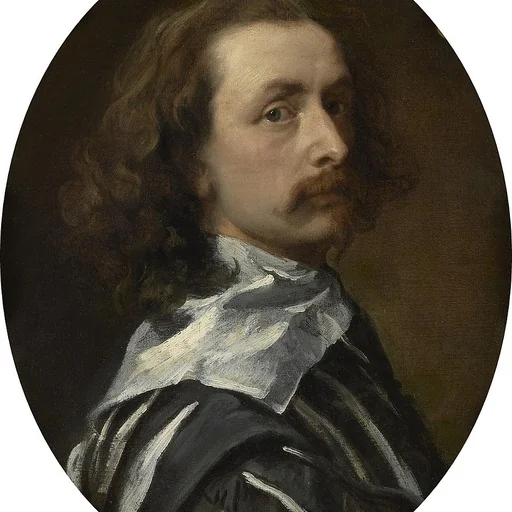
Sir Anthony van Dyck (; Dutch: Antoon van Dijck; 22 March 1599 – 9 December 1641) was a Flemish Baroque artist, who became the leading court painter in England after success in the Spanish Netherlands and Italy.

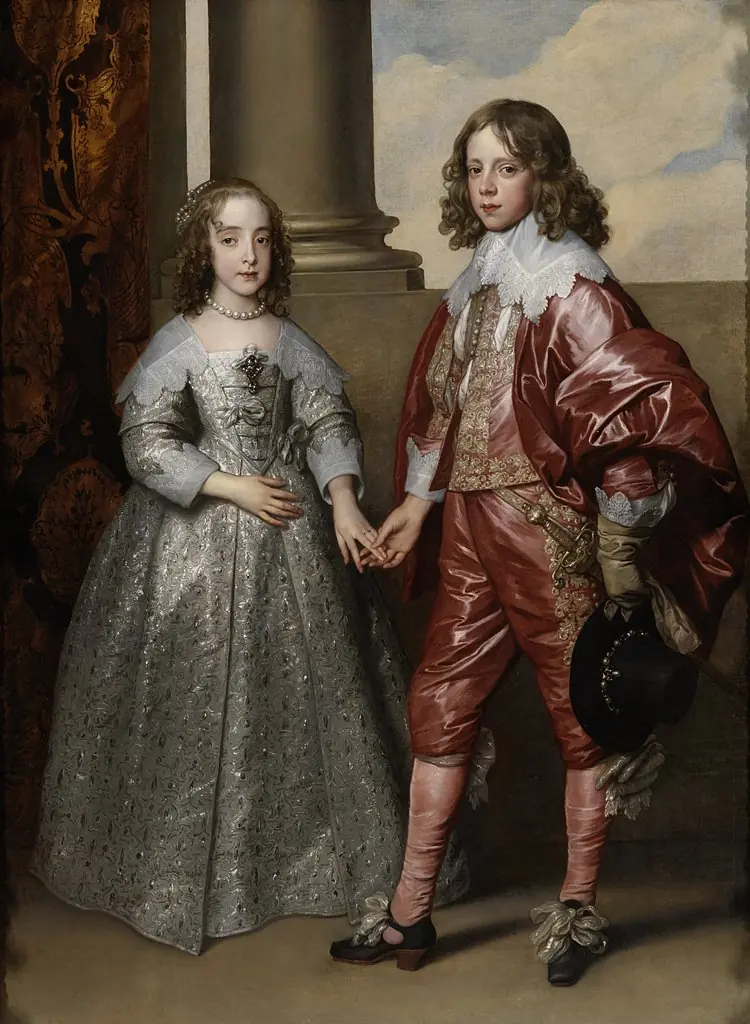
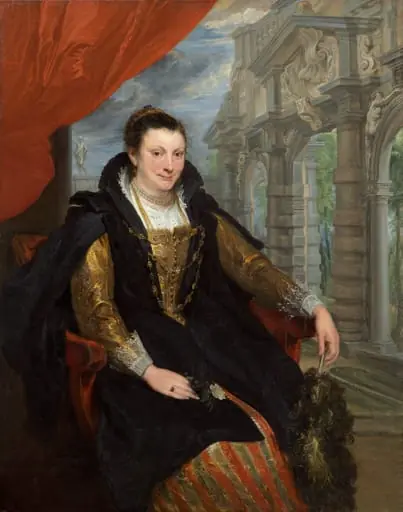
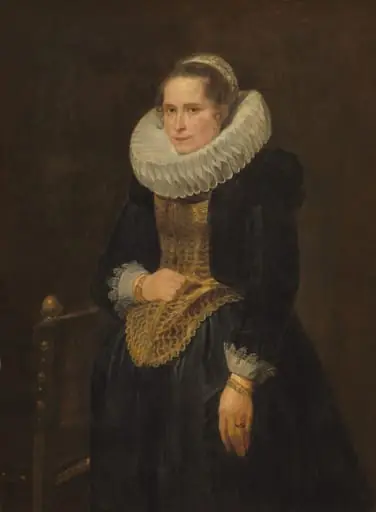
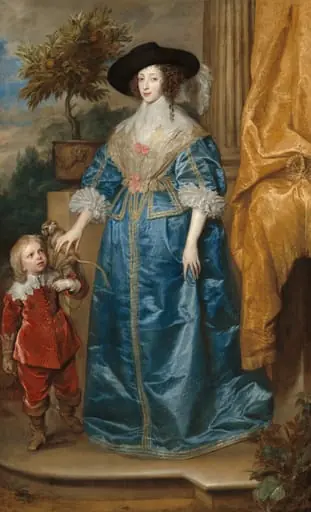
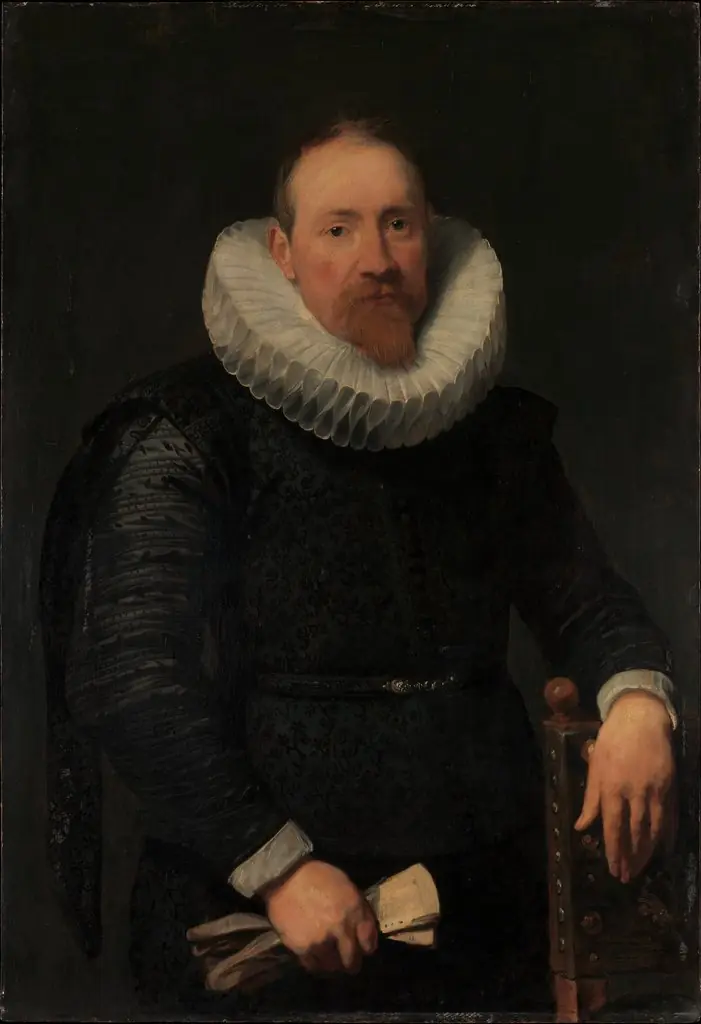
 So Called Portrait of ?Amalia van Solms, Princess of Orange (1602-1675)
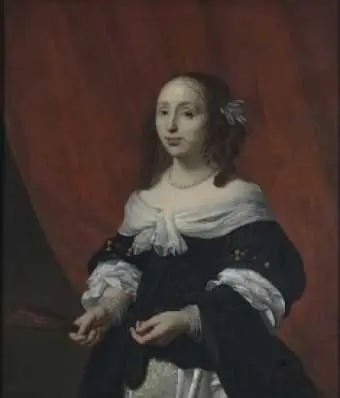 Portrait of a Lady
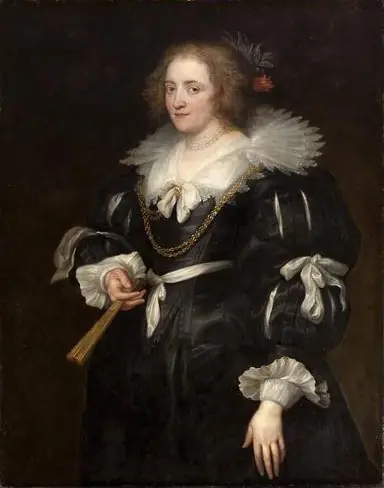 Portrait of Amalia of Solms-Braunfels
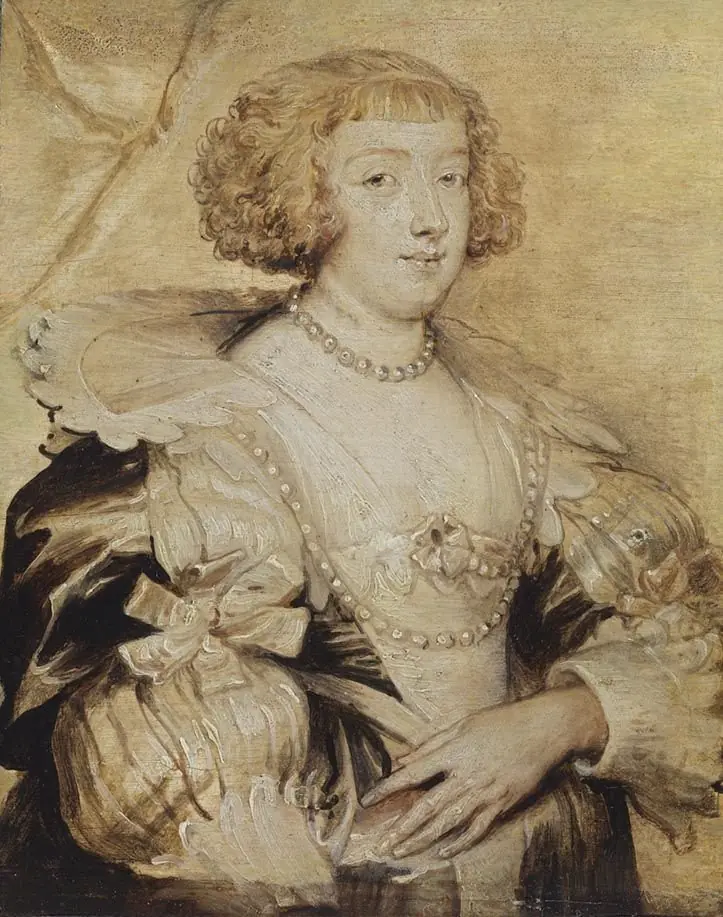 Portrait of Margaret of Lorraine
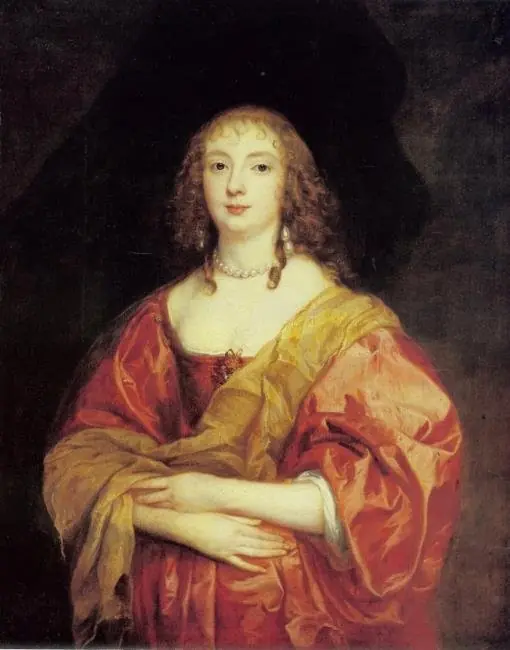 Portrait of Anne Carr, Lady Russell, Countess of Bedford (1615-1684), ca. 1639
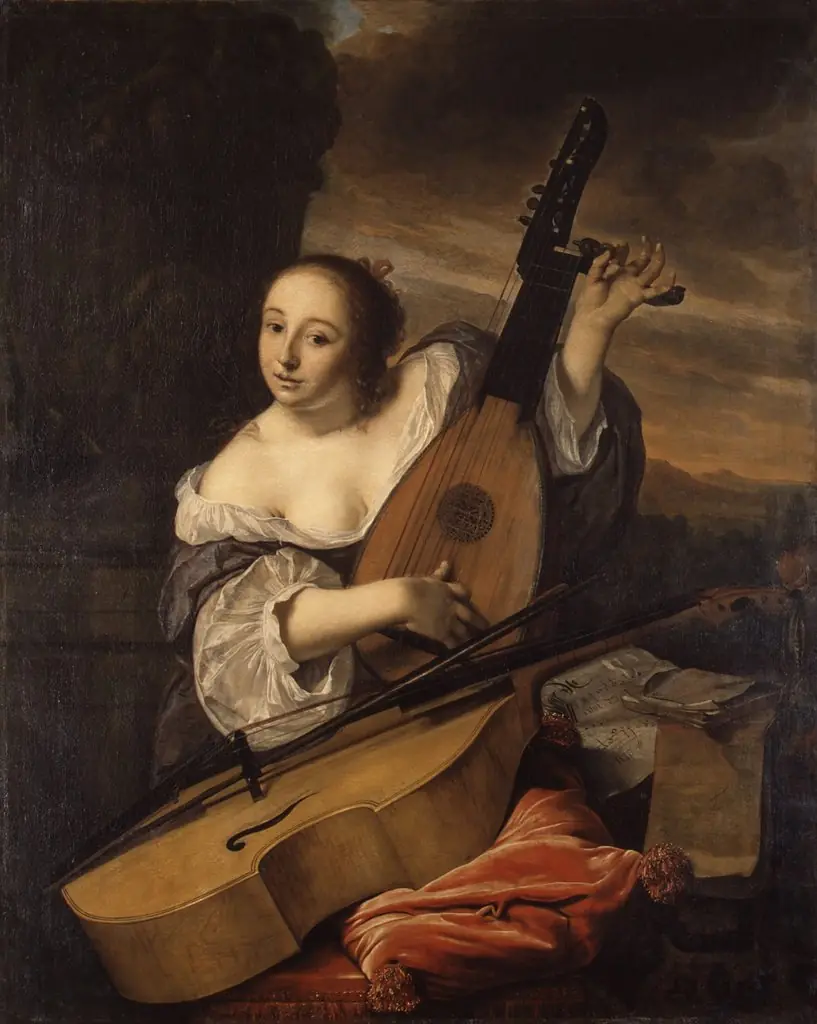 The Musician
 Nuoren naisen muotokuva
 Portrait of Petronella van der Burcht (1657-1682)
 Portrait of a Young Lady
 Maria Elisabeth von Schleswig-Holstein-Gottorf (?)