Artwork
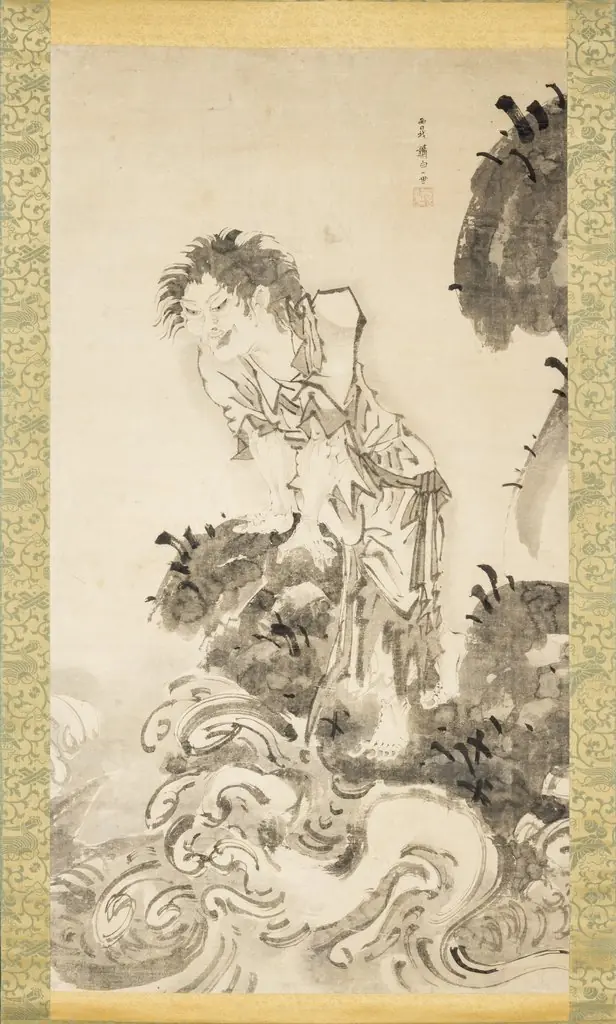
Water-Moon Kannon
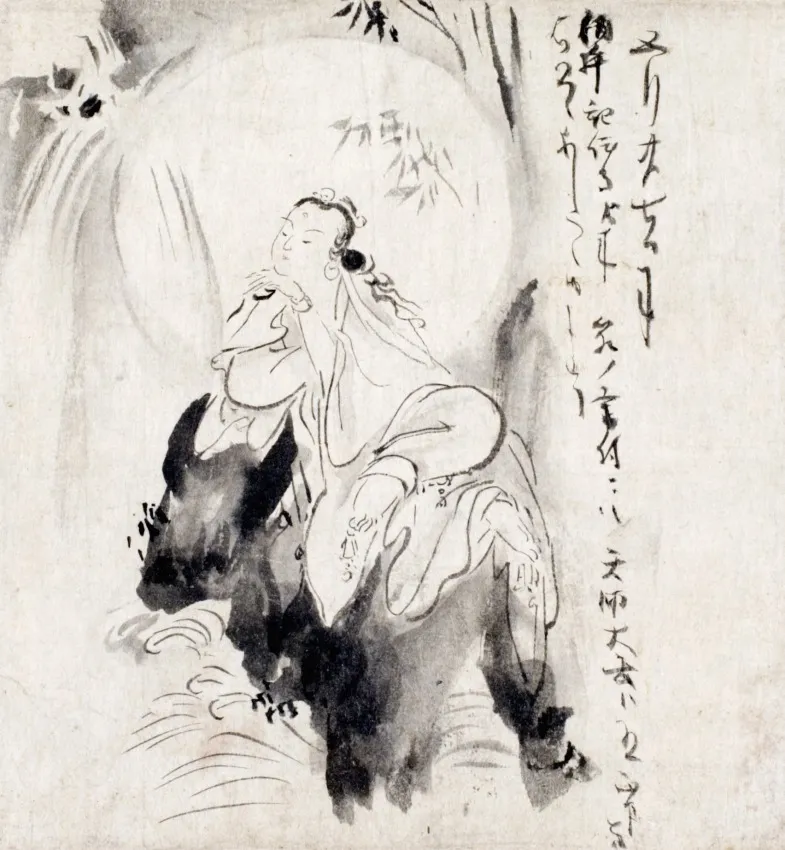
Water-Moon Kannon is an unspecified painting by the Kanō school artist Kano Tan'yū. It dates from 1650 and is held in the collection of the Los Angeles County Museum of Art. Painted around 1650 by Kanō Tan'yū, this work exemplifies the refined aesthetic of the Kanō school during the early Edo period.
About this work
Overview
The painting depicts the bodhisattva Kannon in a tranquil natural setting, reflecting the spiritual and artistic values of the time.
Painted around 1650 by Kanō Tan'yū, this work exemplifies the refined aesthetic of the Kanō school during the early Edo period. As one of the most influential painters of his era, Tan'yū synthesized Chinese ink traditions with Japanese sensibilities. The painting depicts the bodhisattva Kannon in a tranquil natural setting, reflecting the spiritual and artistic values of the time. It is now part of the Los Angeles County Museum of Art’s collection.
Subject & Meaning
The figure represents Kannon, the bodhisattva of compassion, depicted in the Water-Moon form, a traditional iconography associating the deity with still water and the reflected moon. This imagery symbolizes clarity, serenity, and the reflection of enlightenment. Kannon sits calmly on a rock, gazing toward the water, embodying quiet contemplation. The scene evokes a meditative state, aligning Buddhist ideals with the aesthetic of restrained beauty.
Technique & Style
Tan'yū employed delicate ink washes and subtle gradations to suggest atmosphere and depth. The composition balances sparse elements, rock, water, foliage, with ample negative space, enhancing the sense of stillness. Fine brushwork defines the folds of Kannon’s robes and the texture of leaves, while soft shadows lend volume without harsh contrast.
The style reflects the Kanō school’s mastery of monochrome ink painting, rooted in Chinese models but adapted to Japanese tastes.
History & Provenance
Created during the early Tokugawa shogunate, the painting likely served a devotional or aristocratic context, as Tan'yū was a favored artist of the shogunal court. Its survival through centuries suggests careful preservation, possibly within temple or samurai collections. It entered the Los Angeles County Museum of Art’s holdings in the 20th century, becoming a key example of Edo-period ink painting in Western collections.
Context
In the Edo period, Buddhist imagery remained culturally significant despite the state’s promotion of Confucianism and Shinto. The Water-Moon Kannon motif, derived from Chinese Song dynasty prototypes, was revived by Japanese artists to express inner peace amid political stability. Tan'yū’s version reflects this trend, blending religious symbolism with the refined, understated elegance favored by the ruling elite.
Legacy
Tan'yū’s interpretation of the Water-Moon Kannon influenced later generations of Japanese painters who sought to reconcile spiritual themes with naturalistic detail. The work stands as a representative example of how the Kanō school maintained relevance by adapting classical subjects to contemporary aesthetics. Today, it continues to inform scholarly understanding of Edo-period religious art and its visual language.
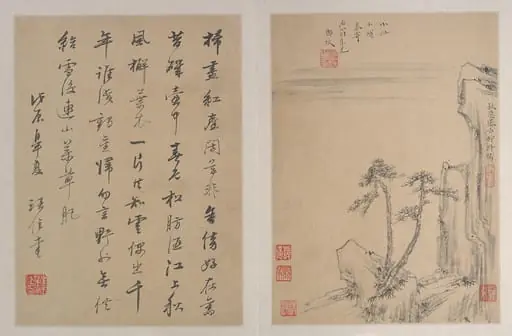
Artist & collection

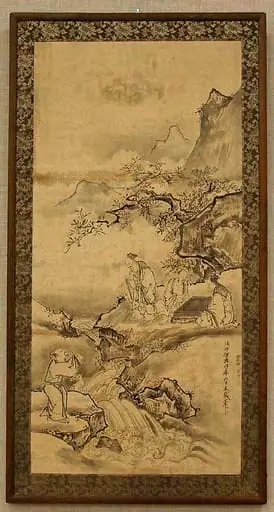
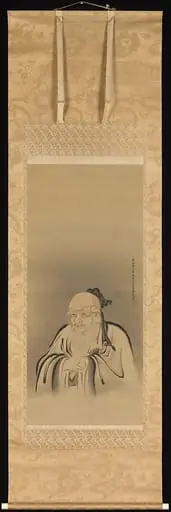
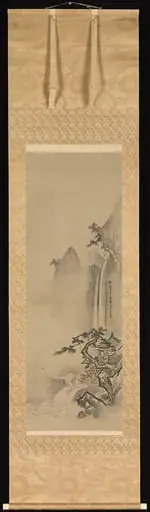
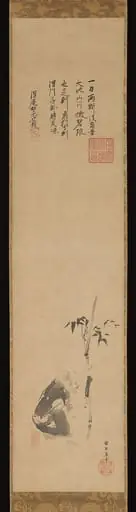
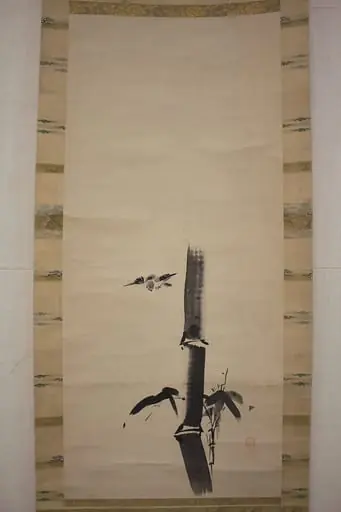
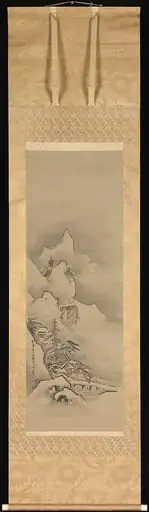
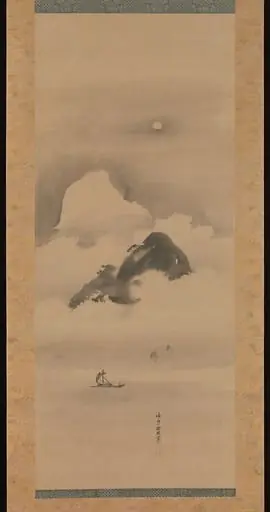
- Untitled
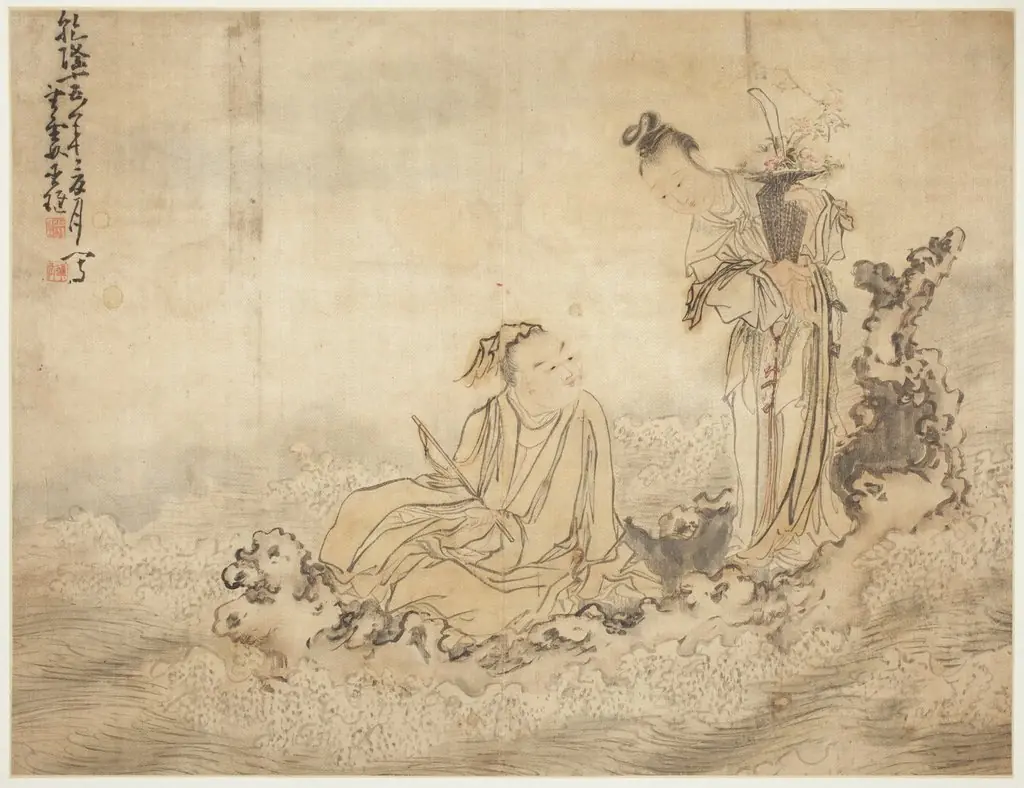 Landscapes and Figures: Figures
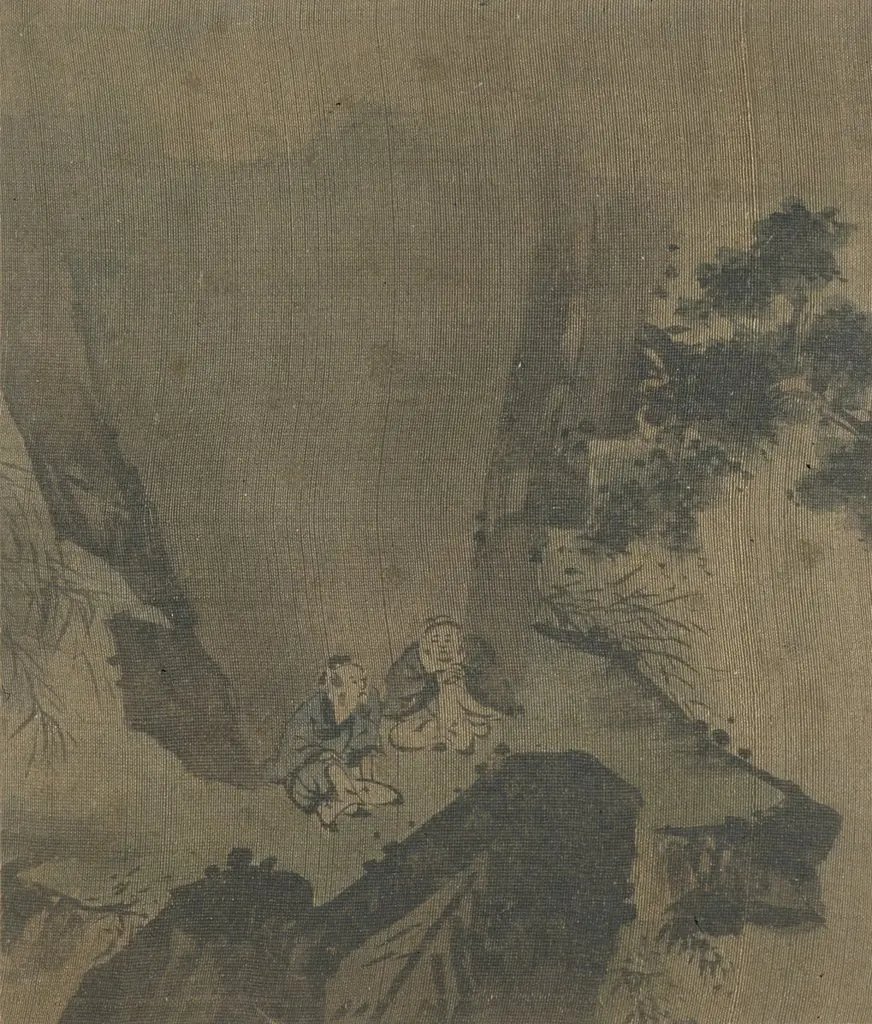 Figures in Landscape
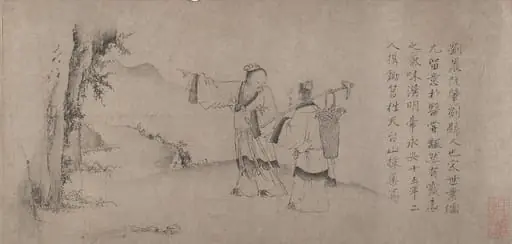 元 趙蒼雲 劉晨阮肇入天台山圖 卷|Liu Chen and Ruan Zhao Entering the Tiantai Mountains
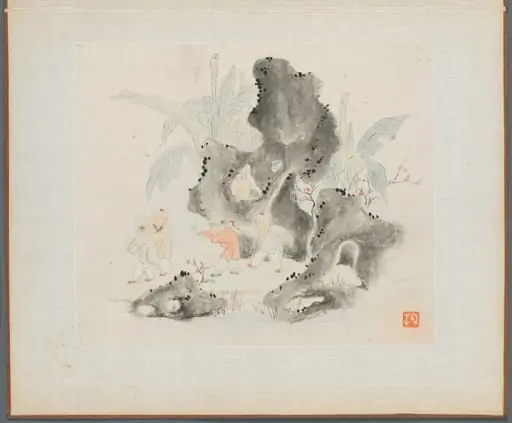 Album of Landscape Paintings Illustrating Old Poems: Children Playing Blindman's Buff in a Garden
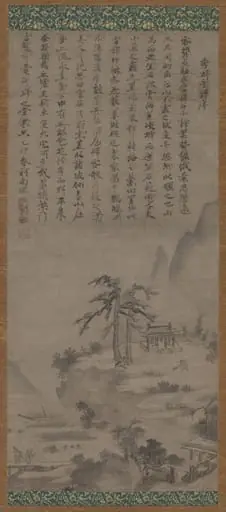 Shuyadō (Studio of Lofty Rusticity)
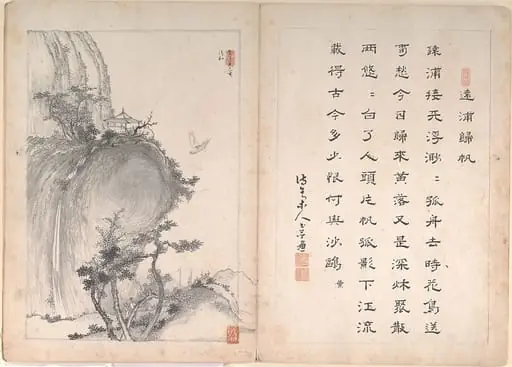 清 詩午閑人 瀟湘八景詩畫 冊|Eight Landscape Scenes and Calligraphy
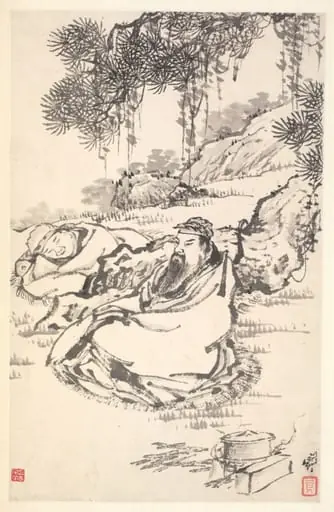 Lu Tong and Servant
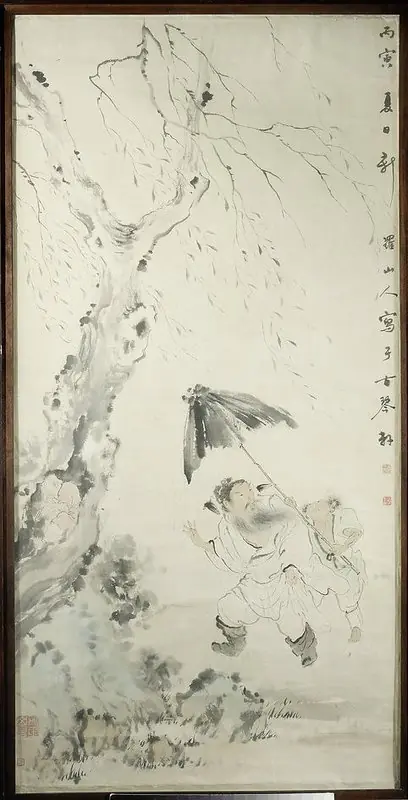 Pijany Zhong Kui - Władca demonów
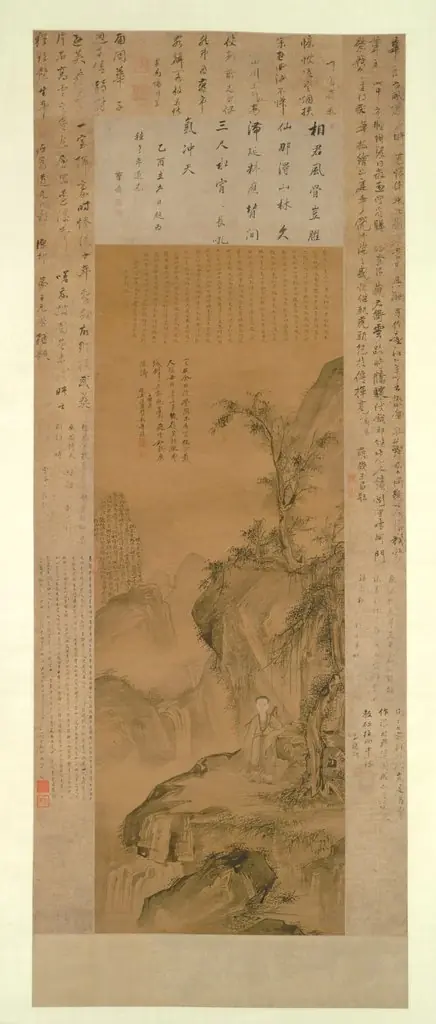 Layered Peaks and Splashing Waterfall: Portrait of Hua Yan as a Young Man
 Daoist Immortal
 The Chinese Poet Pan Lang on a Donkey