Artwork
Allegory of Fortuna and Virtue
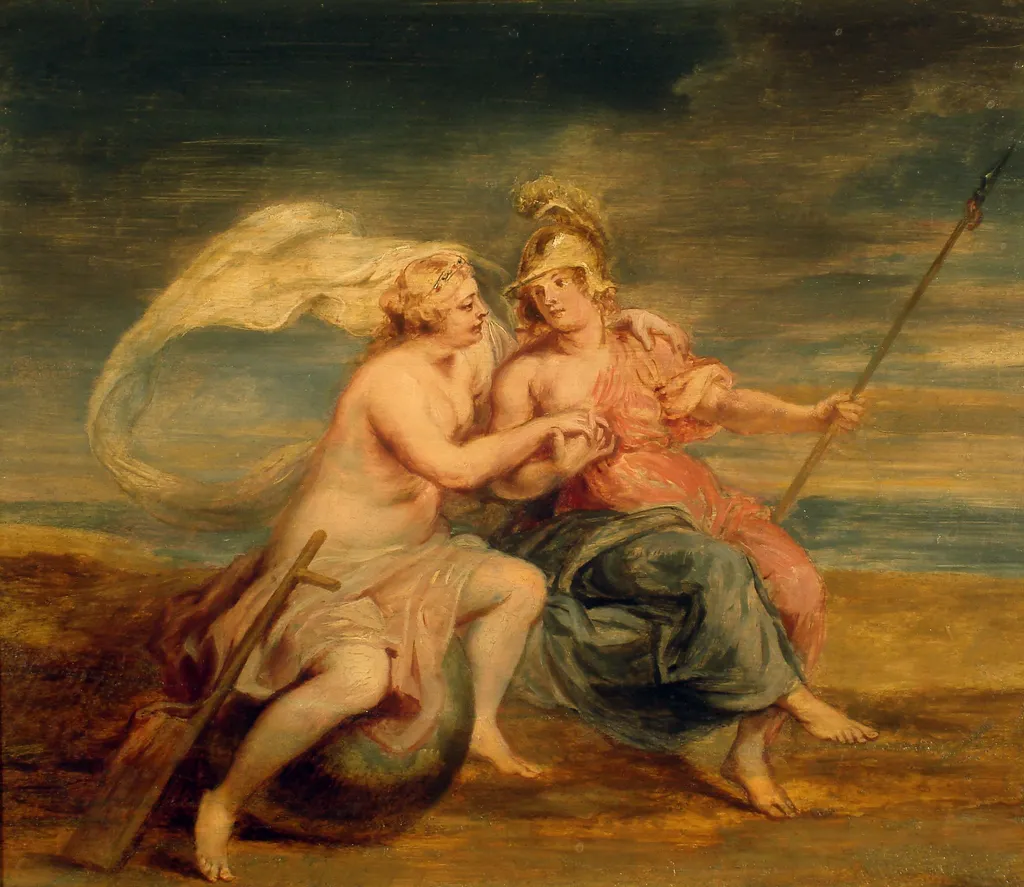
Allegory of Fortuna and Virtue is an oil painting by the Dutch Golden Age artist Peter Paul Rubens. It is held in the collection of the National Museum of Fine Arts, Argentina.
About this work
Overview
Painted around 1650 on wood, this allegorical composition is attributed to Sir Peter Paul Rubens, a central figure in Flemish Baroque art.
Painted around 1650 on wood, this allegorical composition is attributed to Sir Peter Paul Rubens, a central figure in Flemish Baroque art. Though created late in his career, the work reflects his enduring engagement with classical symbolism and moral narrative. Its medium and scale suggest it was intended for private contemplation rather than public display, aligning with the devotional and intellectual interests of its likely patrons.
Subject & Meaning
The painting presents Fortuna and Virtue as personified women in a shared vessel, contrasting their roles: Fortuna, with loose hair and a scroll, embodies chance and fate, while Virtue, armored and wielding a spear, represents moral strength and discipline. The shell-shaped boat suggests a journey through life’s uncertainties, with Virtue guiding the course. This duality reflects Counter-Reformation ideals, promoting steadfast virtue over the instability of worldly fortune.
Technique & Style
Rubens employs fluid brushwork and layered glazes to render the figures with dynamic volume and texture. The figures’ drapery and armor catch light with a luminous quality, while the murky gold-green sky creates a hazy, atmospheric backdrop. The polished shell boat contrasts with the turbulent sky, emphasizing the tension between order and chaos. His handling of form and movement remains distinctly Baroque, even in this more restrained composition.
History & Provenance
The painting entered the collection of the National Museum of Fine Arts in Buenos Aires in the 20th century, though its earlier ownership remains undocumented. Its presence in South America reflects the global dispersal of European art during colonial and post-colonial periods. While its exact commission and early history are unclear, its survival and preservation suggest it was valued by collectors who appreciated its moral and aesthetic resonance.
Context
Created in the decades following the Peace of Westphalia, the work responds to a Europe seeking stability after religious conflict. The emphasis on Virtue’s guidance over Fortuna’s caprice aligns with Catholic efforts to reinforce moral discipline. Rubens, though a diplomat and Catholic loyalist, often translated theological ideals into humanist allegories, making complex ideas accessible through visual narrative and classical reference.
Legacy
Though less frequently exhibited than Rubens’s grander works, this painting exemplifies his ability to distill philosophical themes into intimate compositions. It contributes to the broader tradition of Northern European allegory, influencing later moralizing imagery in both religious and secular contexts. Its preservation in Buenos Aires underscores the transatlantic reach of Baroque visual culture beyond its European origins.
Own this work as a print
Artist & collection
Artist
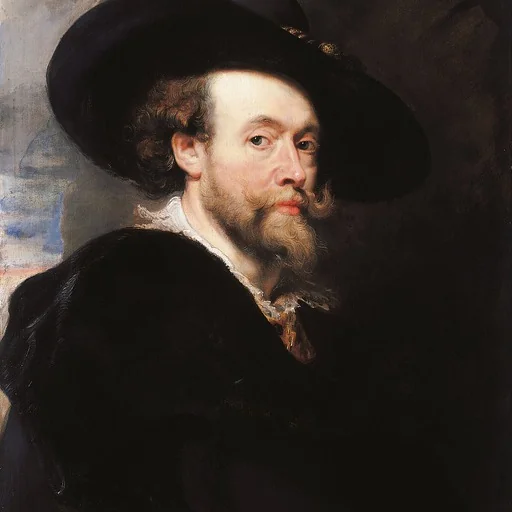
Sir Peter Paul Rubens ( ROO-bənz; Dutch:; 28 June 1577 – 30 May 1640) was a Flemish artist and diplomat.

Museum
National Museum of Fine Arts, Argentina
Continue through works from the same source collection.
- Mythological Scene
 Rinaldo and Armida
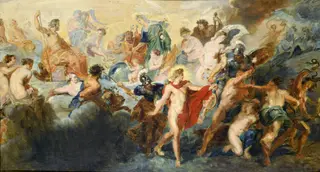 Copy after the Painting by Rubens "The Council of Gods"
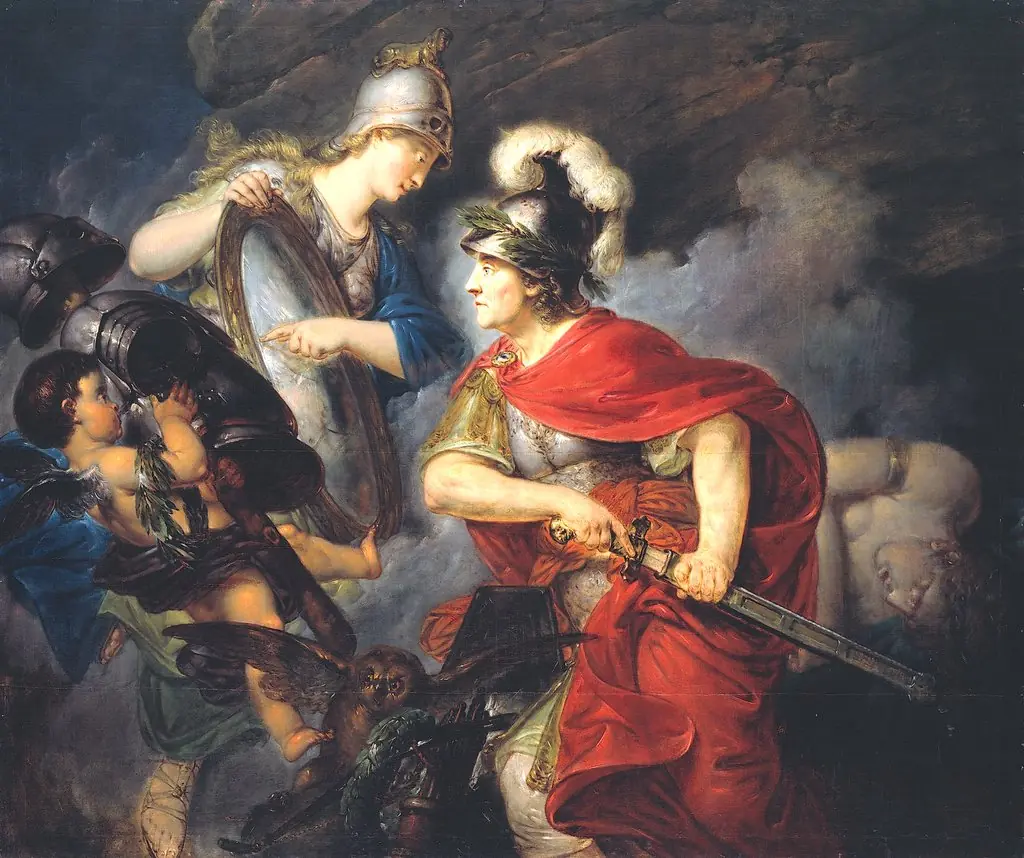 Allegory of Frederick the Great as Perseus
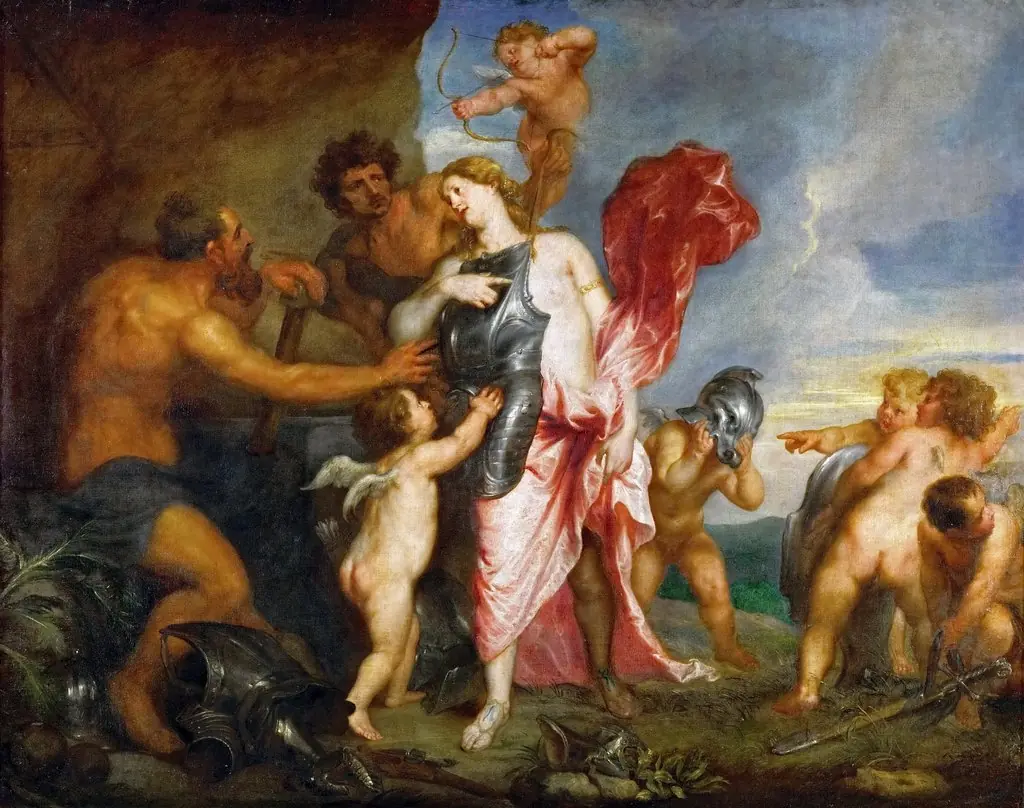 Thetis Receiving the Weapons of Achilles from Hephaestus
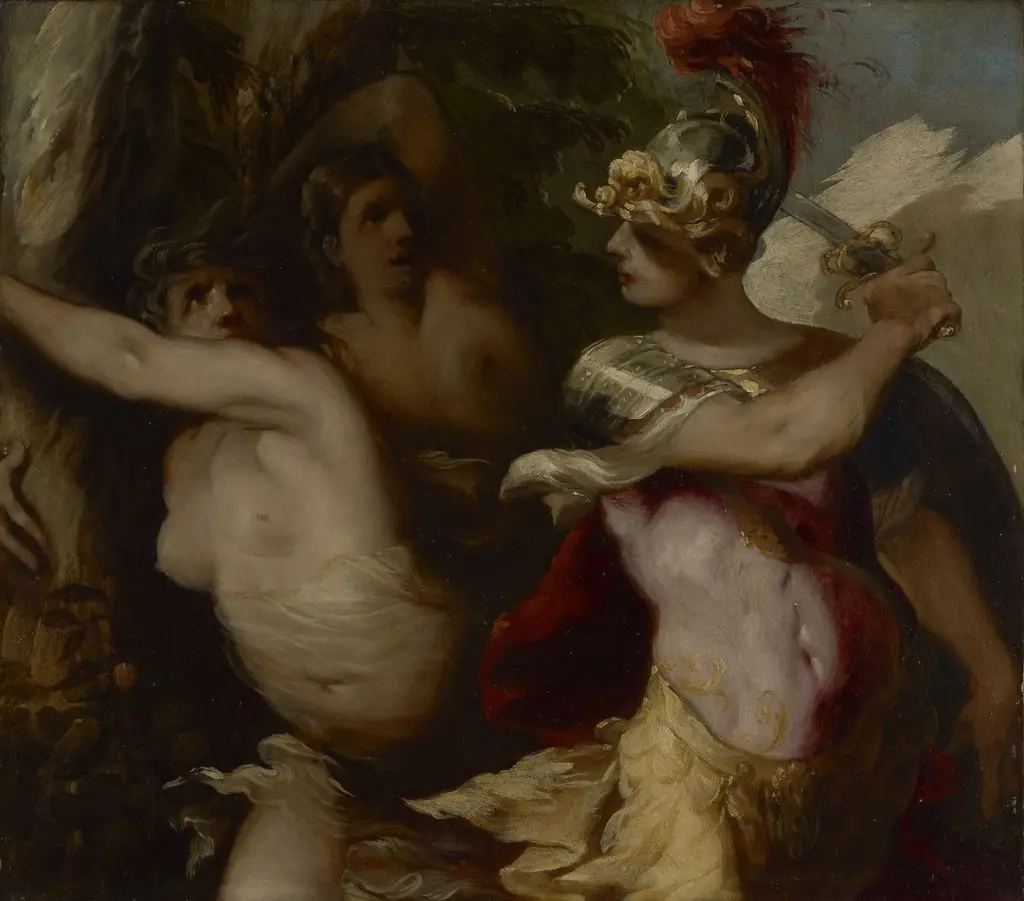 Rinaldo's Conquest of the Enchanted Forest
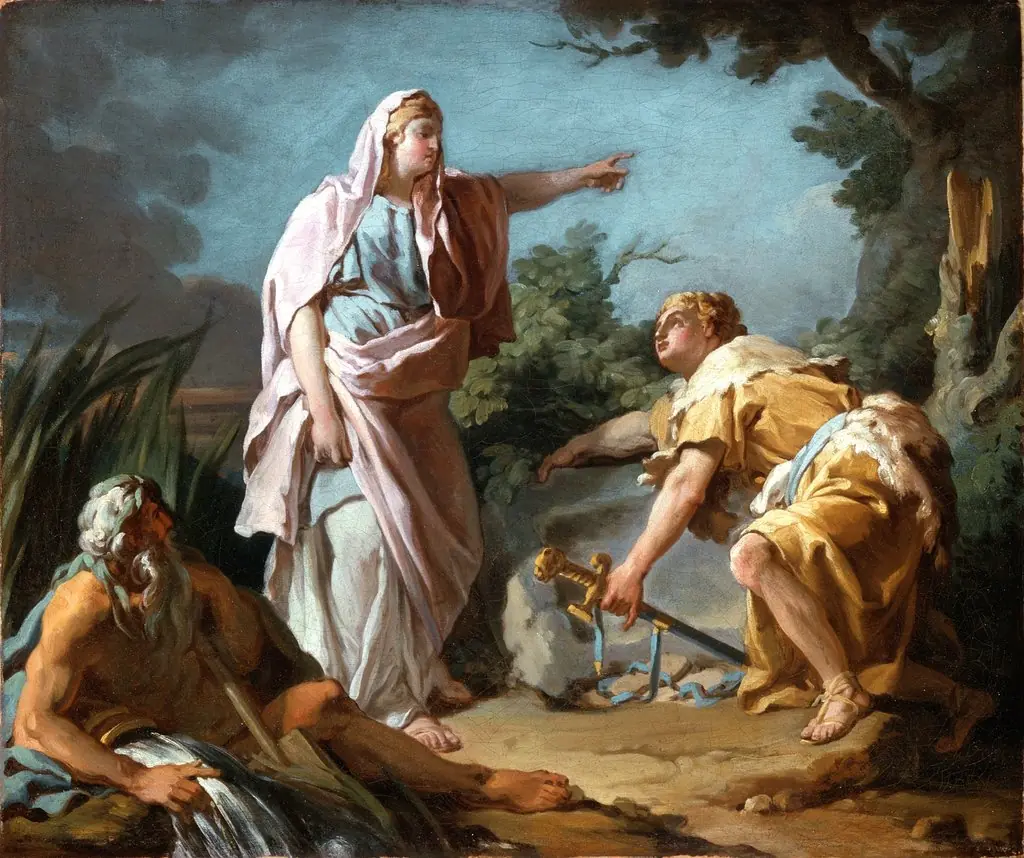 Aethra Showing her Son Theseus the Place Where his Father had Hidden his Arms
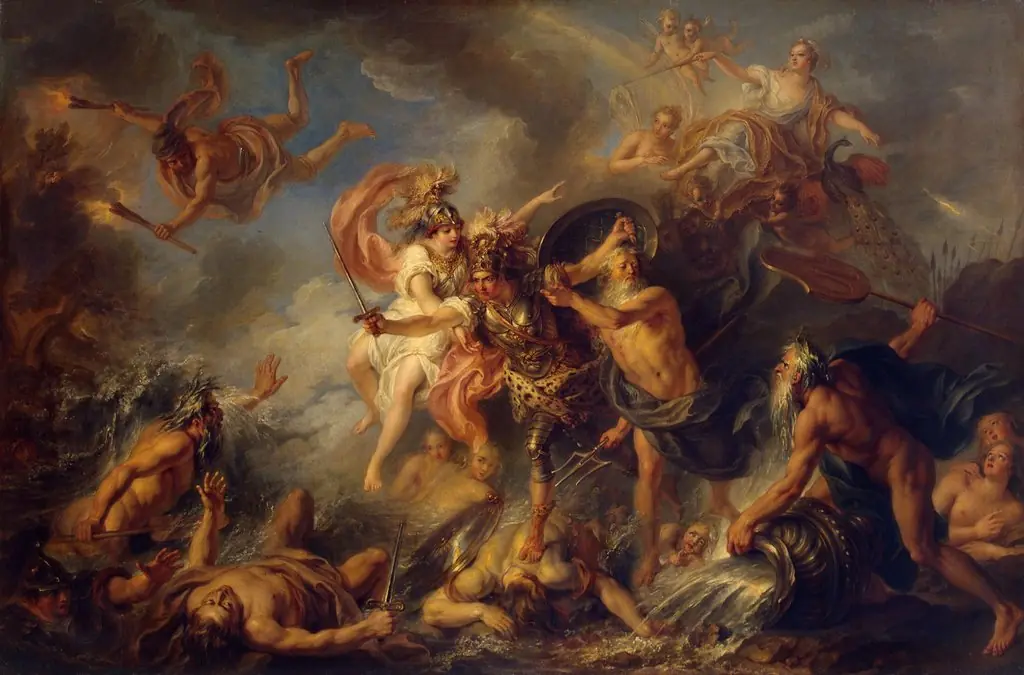 Fury of Achilles
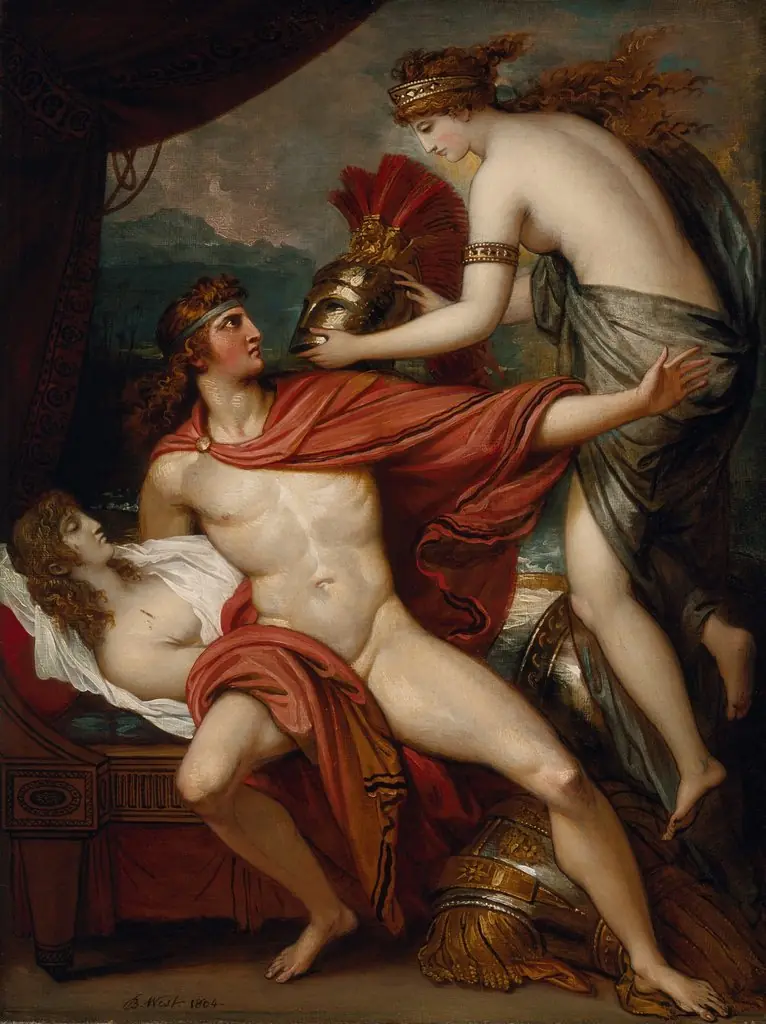 Thetis Bringing the Armor to Achilles
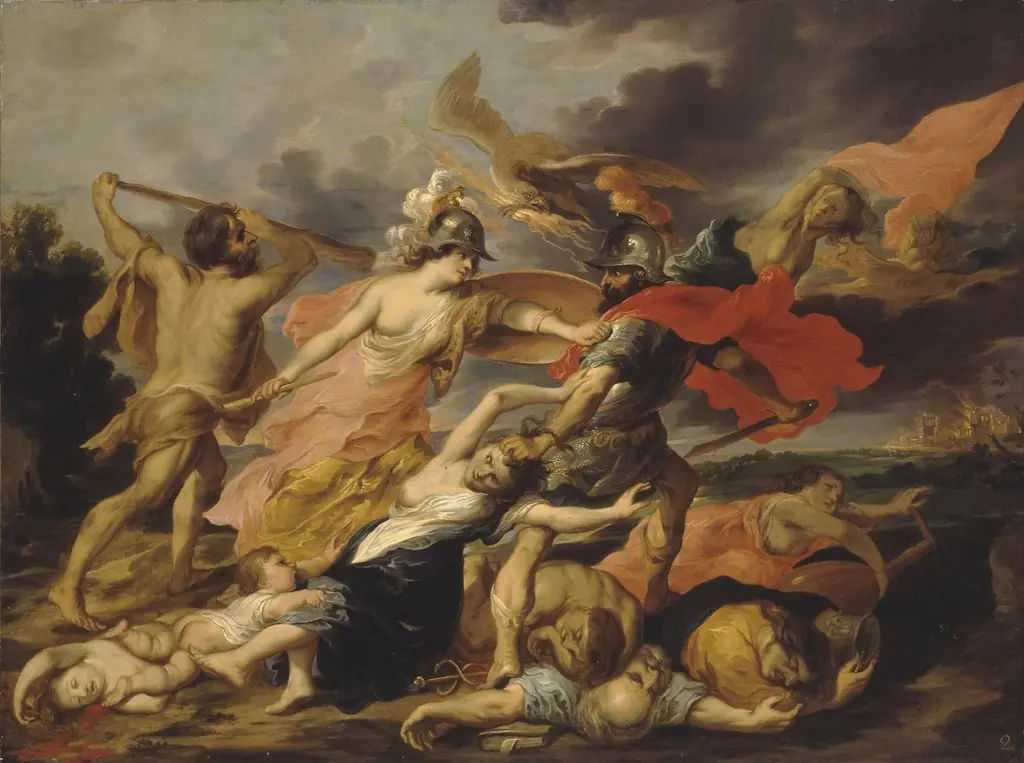 Hercules and Minerva Expelling Mars
 The Rape of Proserpine
 Alexander the Great and Roxana