Artwork
Ansegisus and St. Bega
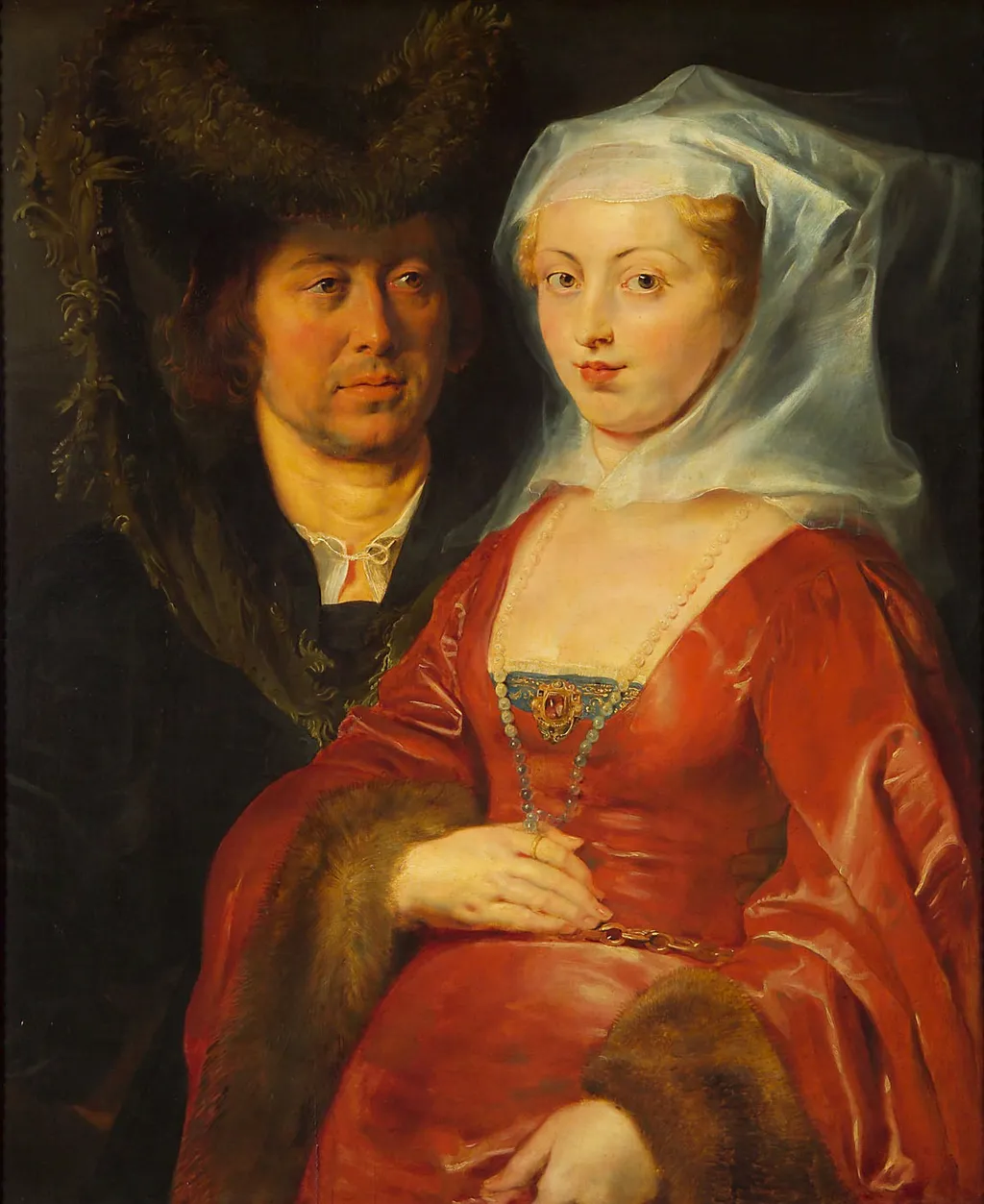
Ansegisus and St. Bega is an oil painting by the Flemish Baroque painting artist Peter Paul Rubens. It dates from 1612 and is held in the collection of the Kunsthistorisches Museum.
About this work
Subject & Meaning
Begga, depicted as the central figure, is shown in a moment of devotional stillness, her gesture and attire emphasizing her role as a pious noblewoman.
The painting portrays the biblical figures Begga and her brother Ansegisel, members of the Frankish aristocracy. Begga, depicted as the central figure, is shown in a moment of devotional stillness, her gesture and attire emphasizing her role as a pious noblewoman. The work draws on their lives as exemplars of Christian virtue and familial duty within the Merovingian lineage.
Symbolically, Begga’s presence underscores themes of sanctity and social responsibility, while Ansegisel’s inclusion references his later martyrdom and the dynastic tensions that shaped early medieval Europe. The composition thus merges historical narrative with spiritual contemplation, reflecting Rubens’ interest in combining Counter‑Reformation ideals with classical elegance.
Technique & Style
Ansegisus and St. Bega is an oil painting executed on wood panel, measuring 94 cm by 76 cm, created by Peter Paul Rubens in 1612. The work depicts the saintly figure Begga, reflecting Rubens' mastery of compositional dynamism and naturalistic detail within the religious genre. Its surface treatment and brushwork demonstrate the virtuoso handling characteristic of the artist's mature period, while the subdued palette and careful rendering of drapery underscore a refined formal elegance.
The painting's condition appears well-preserved, with the original panel support remaining stable and the oil medium retaining its luminous depth. The stylistic qualities, including dramatic chiaroscuro and expressive gestures, align with Rubens' contributions to Counter-Reformation visual rhetoric, emphasizing both spiritual intensity and physical presence.
History & Provenance
Peter Paul Rubens created the religious painting Ansegisus and St. Bega in 1612. Executed in oil paint on panel, the work measures 94 cm in height and 76 cm in width. The artwork depicts the figures of Begga and Ansegisel. It is currently held in the collection of the Kunsthistorisches Museum, where it remains located.
Context
Ansegisus and St. Bega demonstrates Rubens' mastery of Counter-Reformation religious narrative through its dramatic composition and emotional intensity, reflecting his established approach to devotional subjects during his Antwerp period. The work's focus on Saint Begga aligns with Rubens' frequent engagement with hagiographic themes, particularly those connected to the Lamberti family connections in the Southern Netherlands. Executed in oil on panel in 1612 for the Kunsthistorisches Museum in Vienna, the painting exemplifies Rubens' late influence on religious art within the Baroque tradition, maintaining stylistic continuity with his earlier devotional works while responding to evolving Counter-Reformation aesthetics.
Scholarly analysis emphasizes the painting's significance as a devotional piece within Rubens' oeuvre, particularly regarding his treatment of female saints and narrative clarity. Its presence in a major imperial collection underscores the political and religious context of Rubens' work beyond Antwerp, situating it within broader networks of patronage and artistic exchange in early 17th-century Europe.
Overview
Created in 1612 by the Flemish painter Peter Paul Rubens, this oil on canvas presents a pair of historically revered figures rendered in the dramatic vigor typical of early 17th‑century Baroque art. The composition is anchored by a dark, unadorned backdrop that heightens the saturated hues of the subjects’ garments, drawing the viewer’s focus to their solemn presence.
Artist & collection
Artist
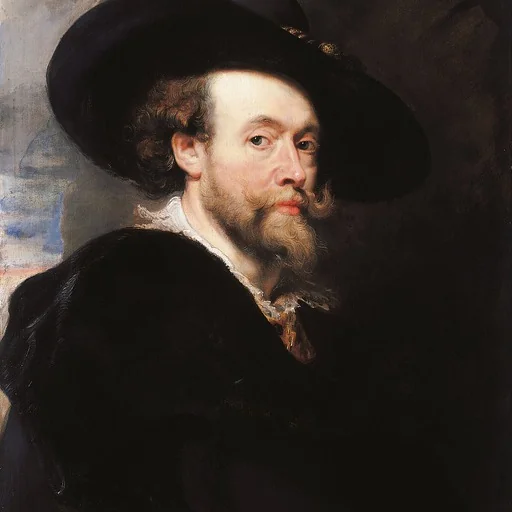
Sir Peter Paul Rubens ( ROO-bənz; Dutch:; 28 June 1577 – 30 May 1640) was a Flemish artist and diplomat.

- Portrait of a Married Couple
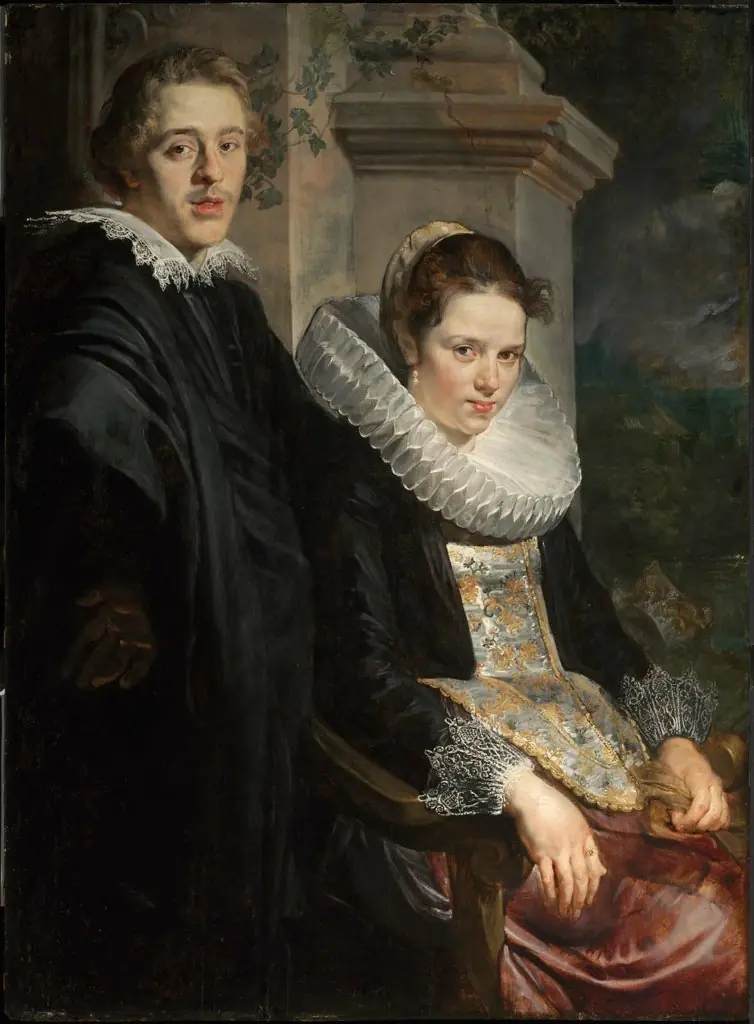 Portrait of a Young Married Couple
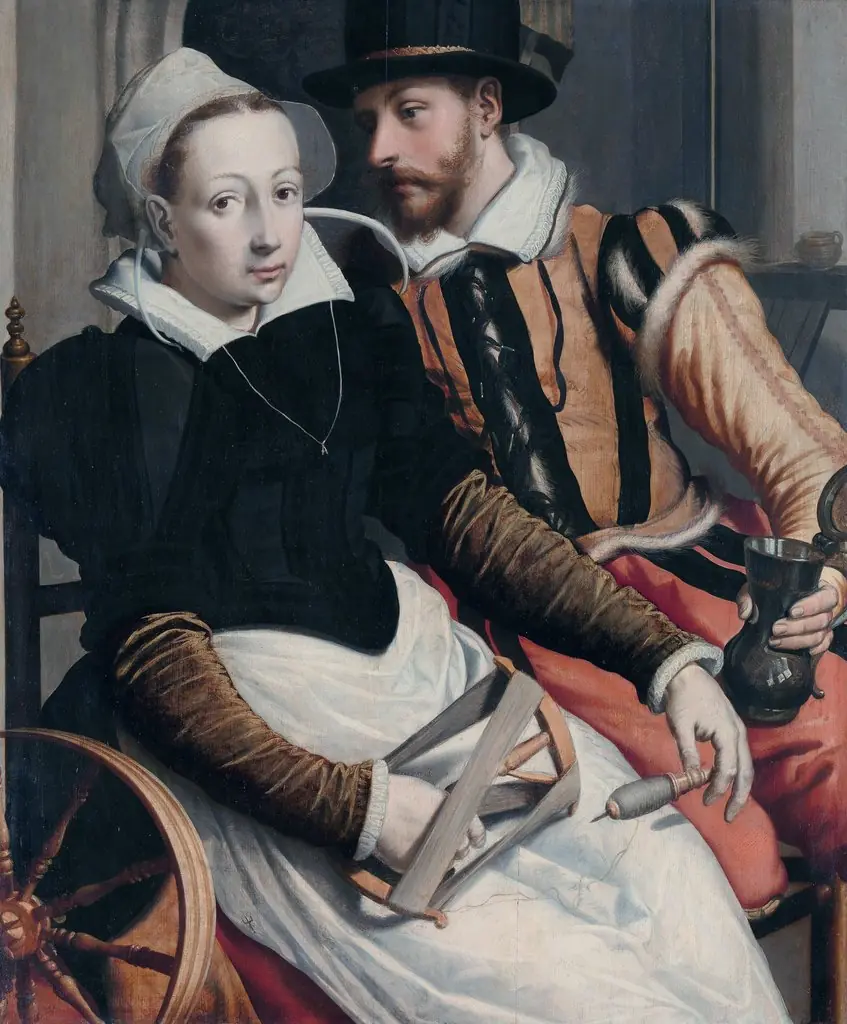 Man and Woman at a Spinning Wheel
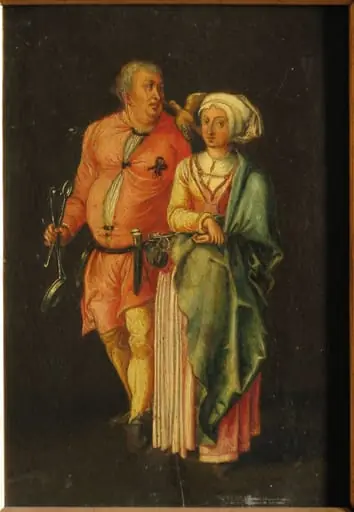 Bucătarul și soția sa
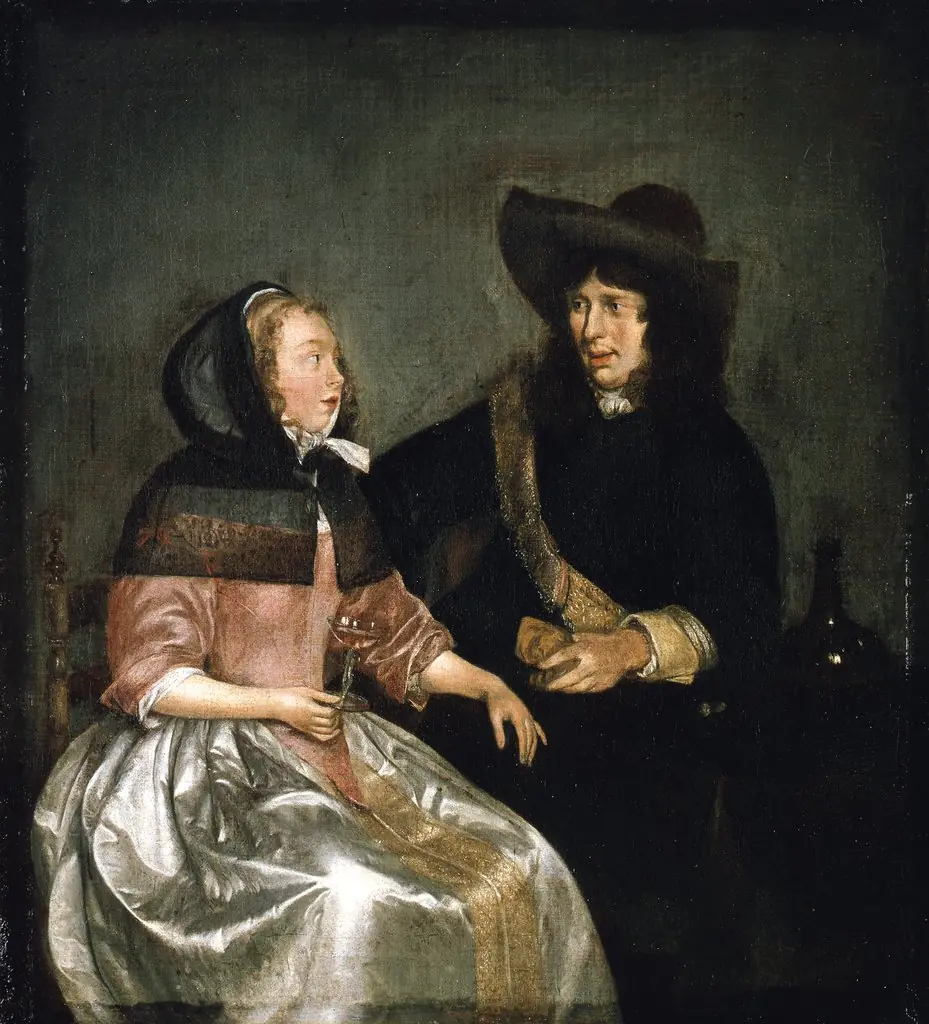 A Couple Drinking
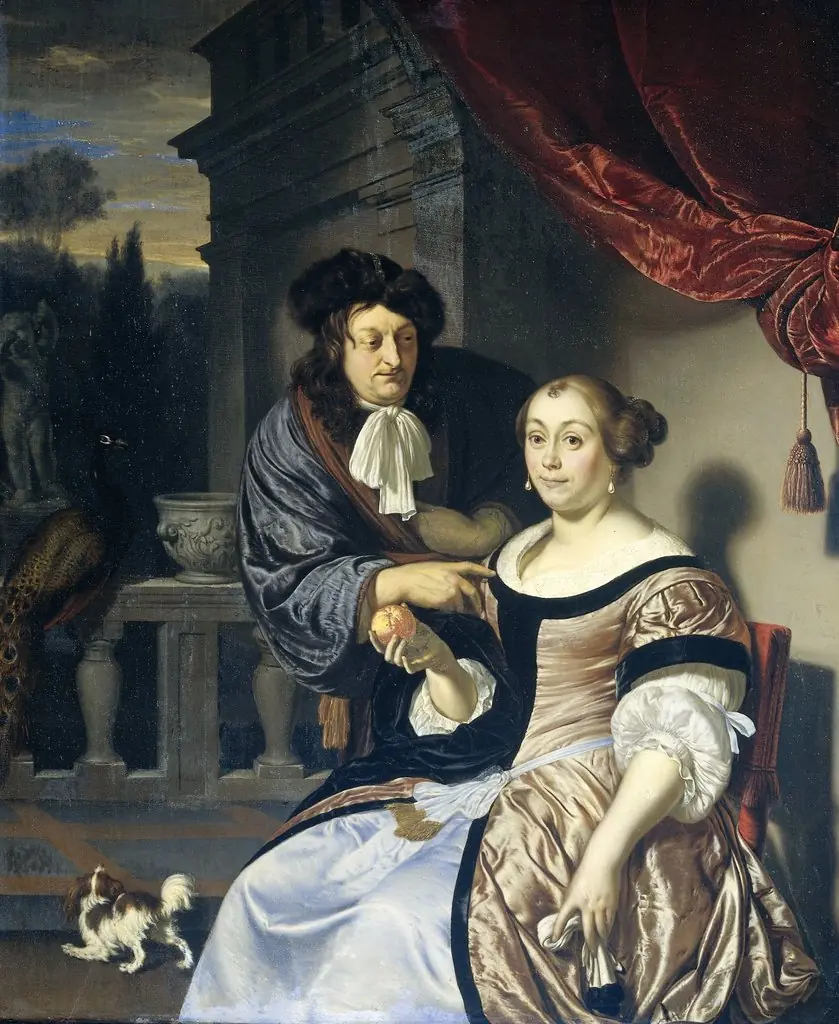 A gentleman and a lady
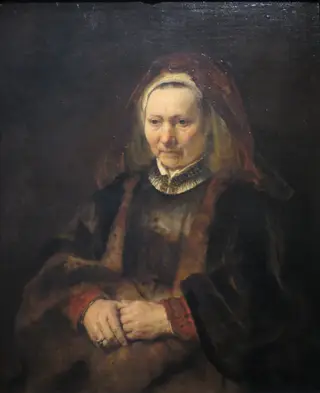 Portrait of an Old Woman in a Fur Robe
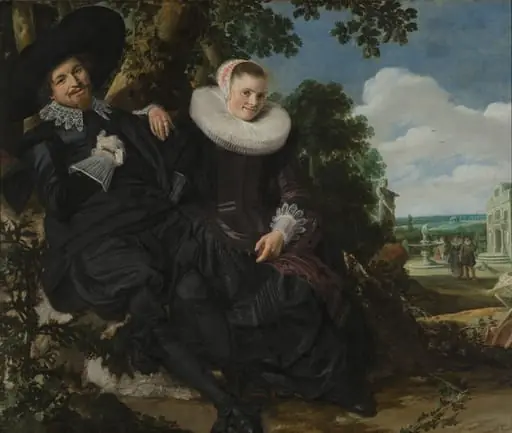 Portrait of a Couple, Probably Isaac Abrahamsz Massa and Beatrix van der Laen
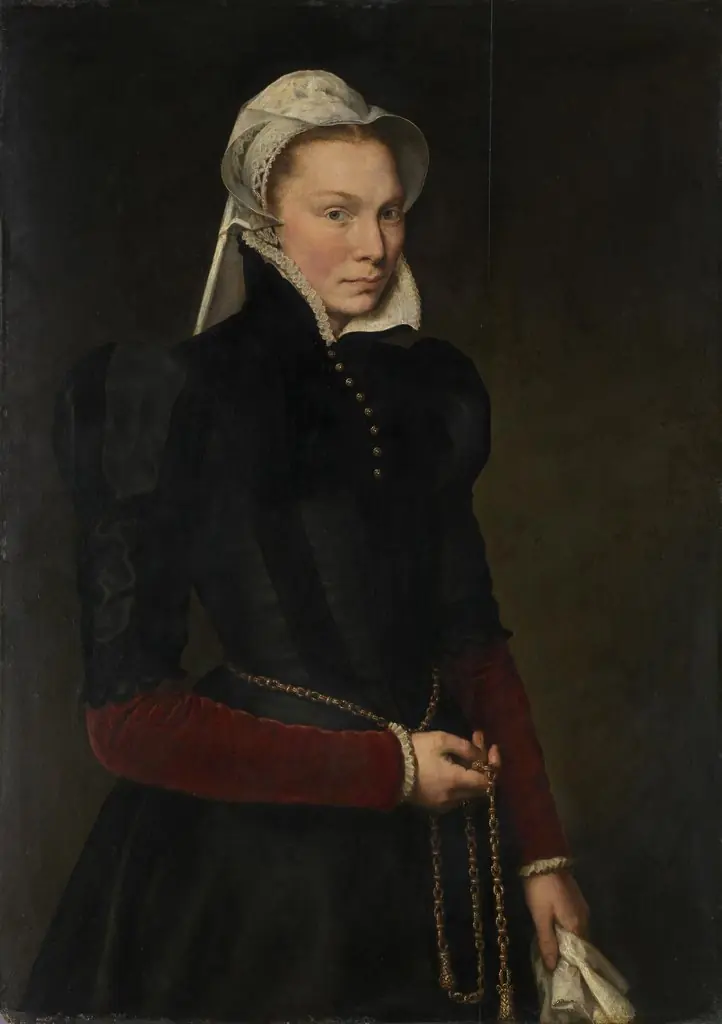 Portrait of a lady
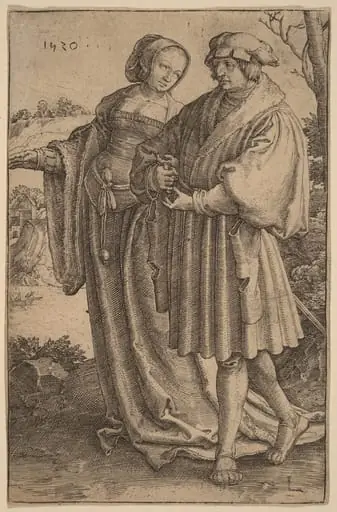 The Promenade
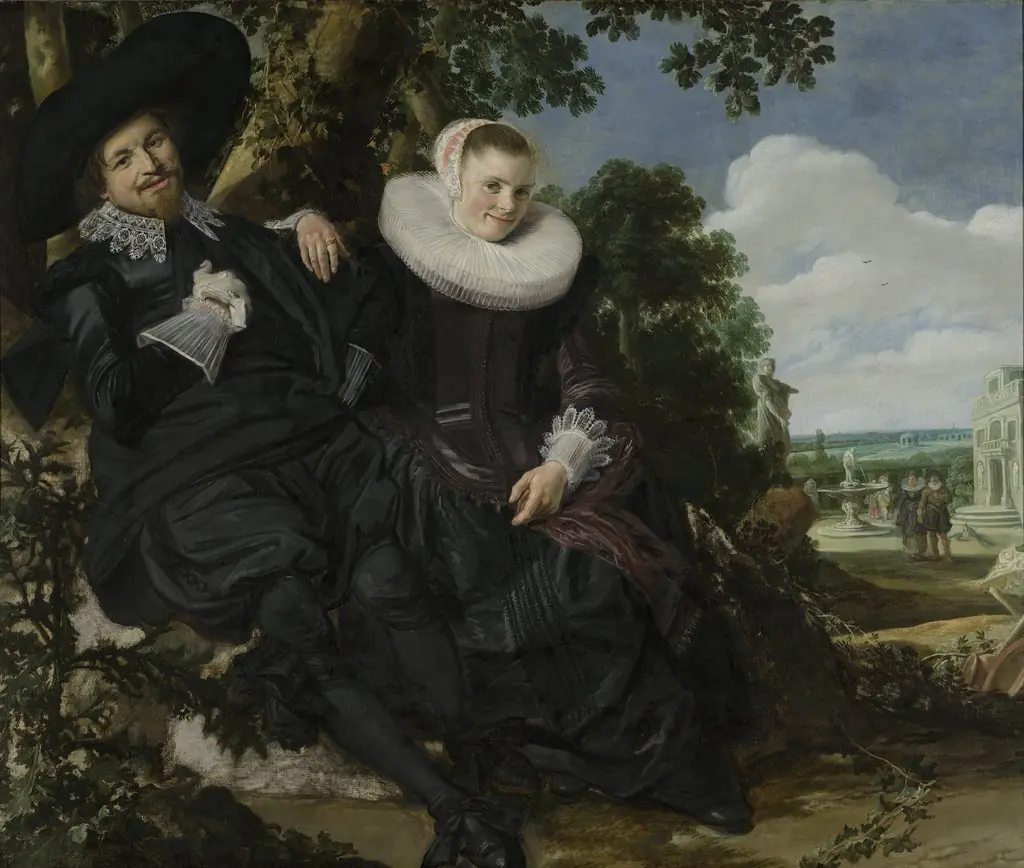 Portrait of a Couple probably Isaac Massa and Beatrix van der Laen
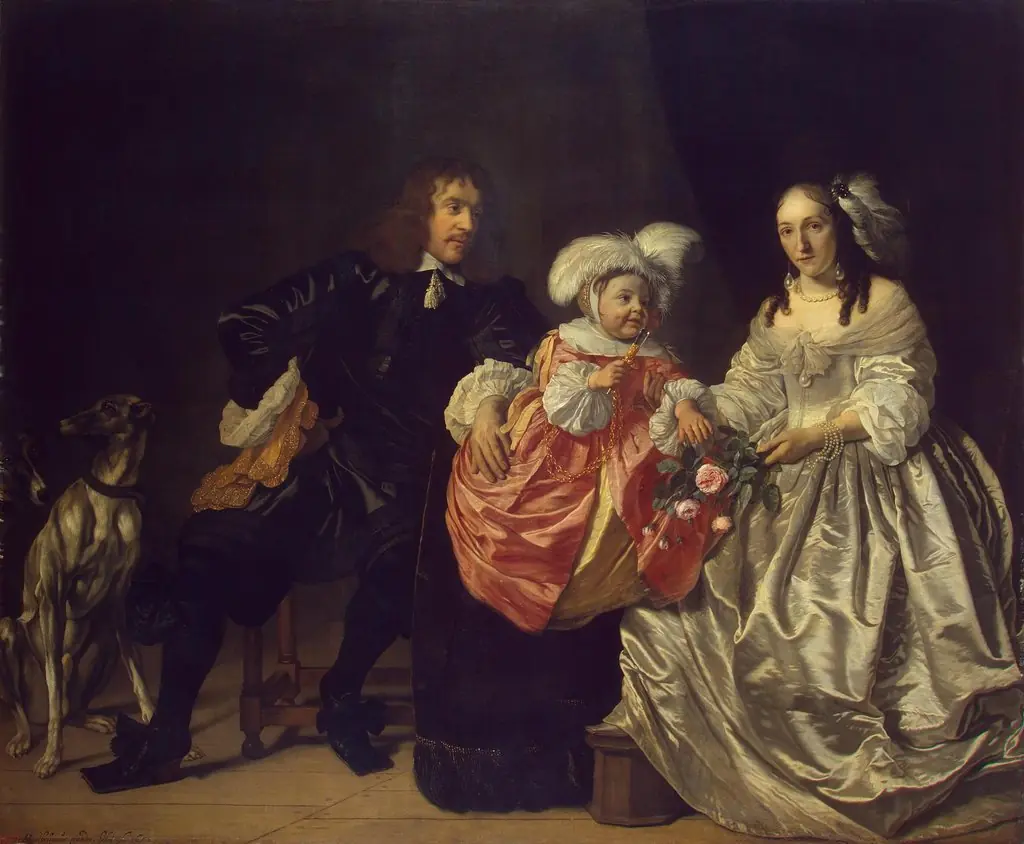 Family Portrait