Artwork
Venus Frigida
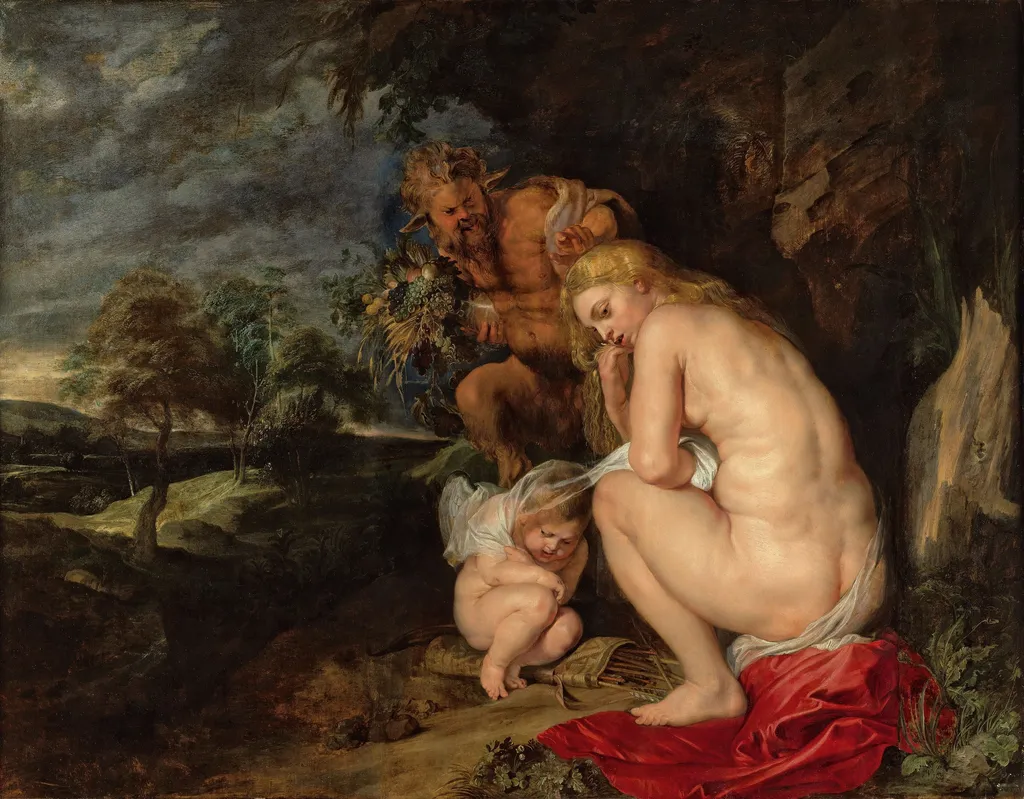
Venus Frigida is an oil painting by the Flemish Baroque painting artist Peter Paul Rubens. It dates from 1614 and is held in the collection of the Royal Museum of Fine Arts Antwerp.
About this work
This painting shows a woman curled up tight. Rubens painted it in oil in 1614. It sits today in Antwerp’s Royal Museum of Fine Arts.
The title comes from an old Roman line: without food and wine, love grows cold. Rubens borrowed the curled-up pose from another artist’s Venus he once saw in Italy.
Next door, check out the same museum’s room with Rubens’ other big works.
Subject & Meaning
The satyr’s attributes and Cupid’s discarded arrows reinforce this allegory of love’s dependence on sustenance and pleasure.
The painting depicts the Roman goddess Venus seated in a crouched pose, shivering from cold, accompanied by her son Cupid and a satyr bearing a cornucopia of grain and grapes. The subject references the Latin proverb “Sine Cerere et Baccho friget Venus,” meaning love cannot endure without food and wine, linking Venus’s discomfort to the absence of Ceres (grain) and Bacchus (wine). The satyr’s attributes and Cupid’s discarded arrows reinforce this allegory of love’s dependence on sustenance and pleasure. Rubens drew the figure’s pose from ancient statuary he had observed, notably a Roman sculpture later known as the Lely Venus in the Gonzaga collection during his time in Mantua.
The composition visualizes the proverb literally, with the shivering goddess and child embodying the consequences of deprivation, while the satyr’s offerings symbolize the renewal of fertility and abundance. The work’s iconography thus functions as a moralizing allegory on the necessity of sustenance for love and vitality.
Technique & Style
Venus Frigida is an oil paint on panel created in 1614 by Peter Paul Rubens. The work measures 145.1 cm in height and 185.6 cm in width and is housed in the Royal Museum of Fine Arts Antwerp. It depicts Venus crouched in three-quarter view from behind, accompanied by Cupid and a satyr, drawing on a Roman statue seen in the Palazzo Farnese collection. The painting employs an imprimatura gray underlayer covered with a transparent pink wash to render flesh with a bluish-pink effect, allowing subtle skin tones to emerge in shadows and half-tones through layered red, orange, yellow, and blue hues. The original panel, approximately 121 × 95 cm, was later expanded on all sides with additional boards attached around 1640, extending the landscape background after Rubens' death. The composition draws on the proverb 'Sine Cerere et Baccho friget Venus' from Terence, illustrating love's vulnerability without food and wine.
History & Provenance
Peter Paul Rubens executed Venus Frigida in 1614 as an oil painting on panel, a work he notably signed and dated. No specific commissioner is recorded; scholars suggest it was created independently for the art market or Rubens' circle of humanist collectors rather than through a formal contract. The composition draws inspiration from a classical statue of Venus the artist observed in the Gonzaga collection in Mantua.
The panel originally possessed a nearly square format but was later expanded on the left, top, and right with additional wood strips. Dendrochronological analysis indicates the timber used for these extensions was felled no earlier than 1640, proving the landscape background was added by an unknown hand after Rubens' death. The painting's documented ownership begins with Michiel Peeters in Antwerp, whose 1729 inventory lists the work. It subsequently passed through the Peytier de Merchten and Knyff families before being acquired by Philippe Joseph Allard in Brussels. The Royal Museum of Fine Arts Antwerp purchased the piece from Allard's heirs in 1881.
Venus Frigida is held in the Royal Museum of Fine Arts Antwerp, where it is accessioned under inventory number 709. The painting was originally created on a wooden panel measuring 121 × 95 cm and later expanded on all sides with additional boards, resulting in a final size that includes an extra 69 cm added to the left edge and 20 cm each to the top and right edges. Its provenance traces back through several private owners in Antwerp before being sold to Philippe Joseph Allard and acquired by the museum in 1881 from the Allard heirs. Exhibition history includes a 179 auction in Antwerp and later inclusion in the museum’s permanent display. The work was once misidentified in the 18th century as depicting Jupiter in the guise of a satyr, but scholarly research has since corrected this interpretation. The painting’s iconography draws on the Latin phrase “Sine Cerere et Baccho friget Venus” from Terence, and its composition reflects Rubens’s study of a Roman marble statue of Venus, possibly seen in the Palazzo Farnese collection and now housed in the Museo Archeologico Nazionale in Naples.
Context
Venus Frigida belongs to a small group of works Rubens unusually signed and dated, and it is regarded as a key work of his so-called classical period (1612-1616), characterized by controlled, balanced compositions rendered in a cool palette. The painting is considered central to the development of Rubens's signature voluptuous style of rendering the female nude, demonstrating his mastery of the form. Rubens did not paint from a living model; instead, he adapted Venus's crouched pose from an ancient sculpture he had encountered in Italy, first in the Gonzaga collection in Mantua, where he served Vincenzo I Gonzaga until 1608, and later in the Palazzo Farnese, a work now in the Museo Archeologico Nazionale in Naples. The painting has attracted scholarly attention, notably in Nils Büttner's Corpus Rubenianum Ludwig Burchard (2018) and in the catalogue Venus: Bilder einer Göttin (2001). In the eighteenth century, the subject was misidentified as Jupiter approaching Antiope as a satyr.
Legacy
Venus Frigida belongs to a small group of works that Rubens both signed and dated, a distinction that has helped secure its place in the scholarly literature on the artist, including Nils Büttner's Corpus Rubenianum Ludwig Burchard (2018) and the catalogue Venus. Bilder einer Göttin (2001).
The painting's reception has included misidentification: in the eighteenth century it was mistakenly described as Jupiter approaching Antiope in the guise of a satyr. Its original near-square format is documented through a seventeenth-century copy at West Wycombe Park.
The work is also significant for Rubens's broader artistic development, marking an important moment in the evolution of his voluptuous nude style and demonstrating his mastery of painting the female body through his layered imprimatura technique.
Own this work as a print
Artist & collection
Artist
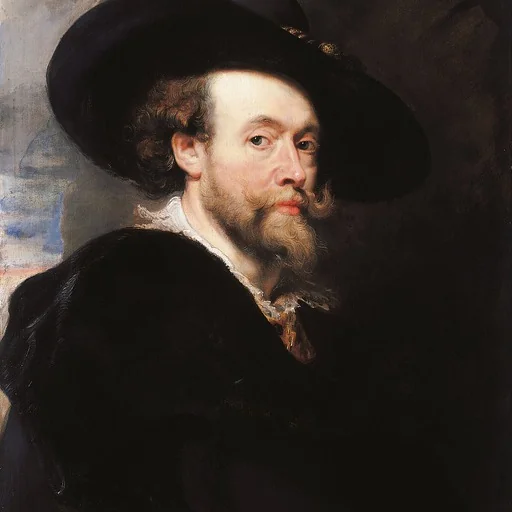
Sir Peter Paul Rubens ( ROO-bənz; Dutch:; 28 June 1577 – 30 May 1640) was a Flemish artist and diplomat.

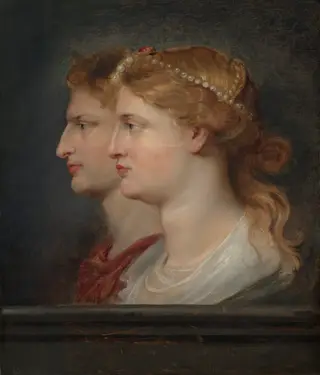
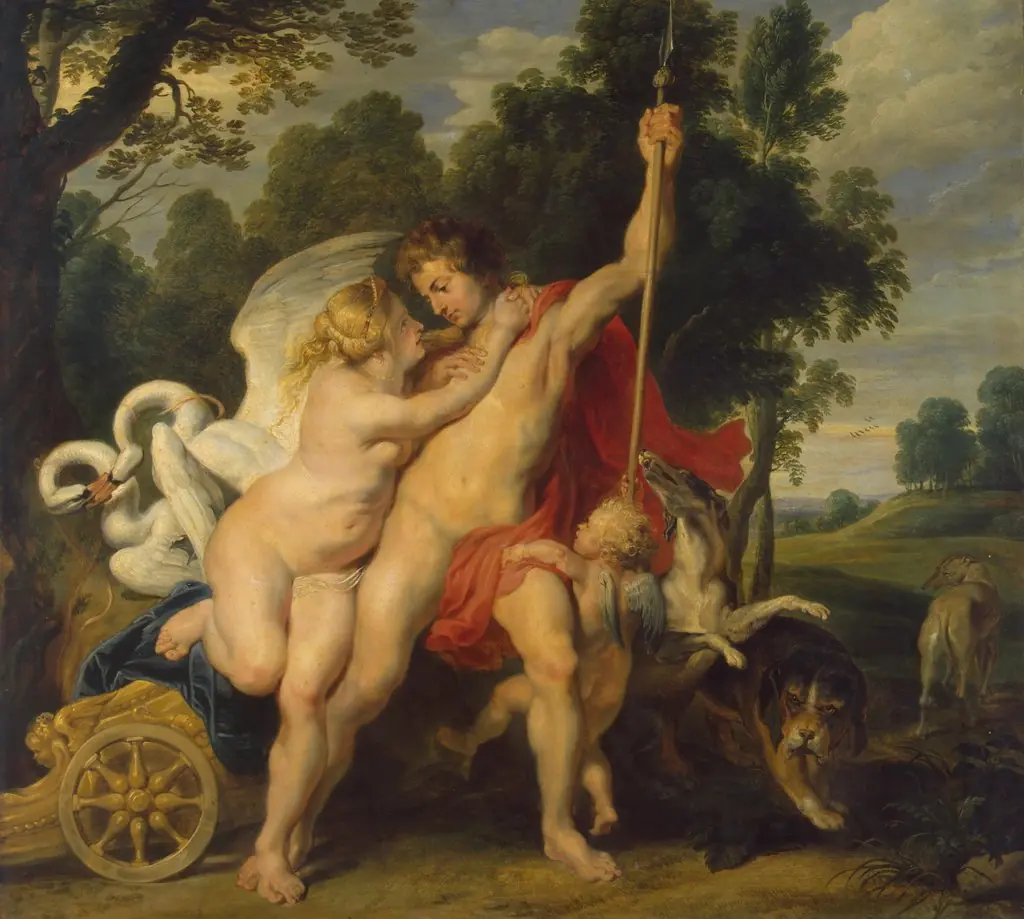
- Venus, Adonis and Cupid
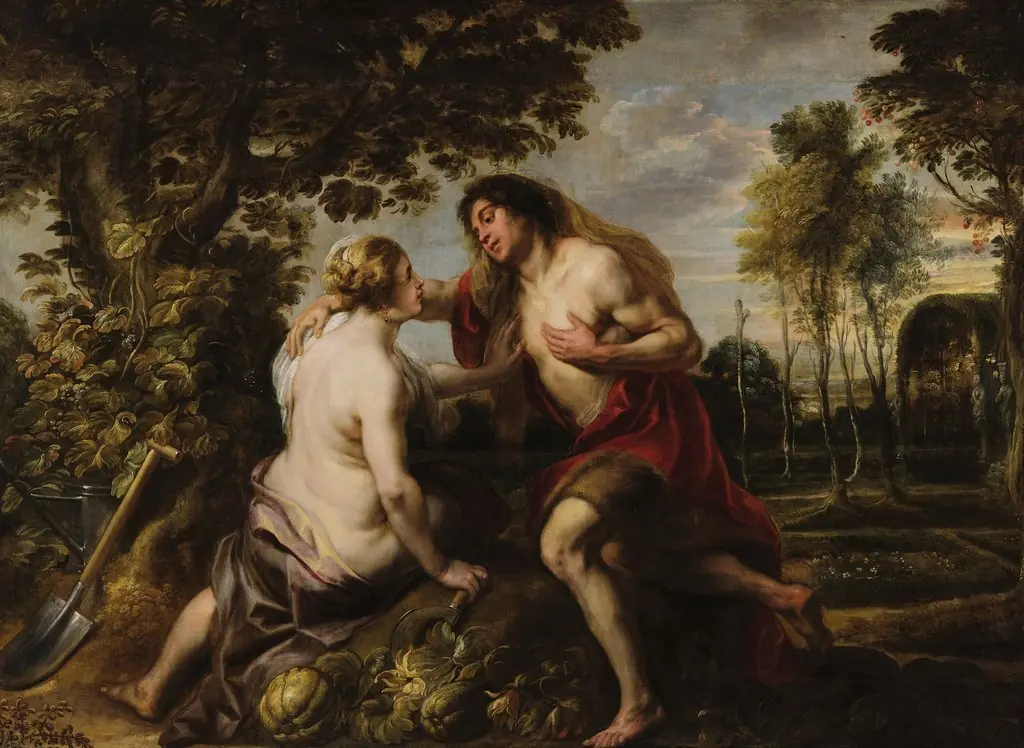 Vertumnus and Pomona
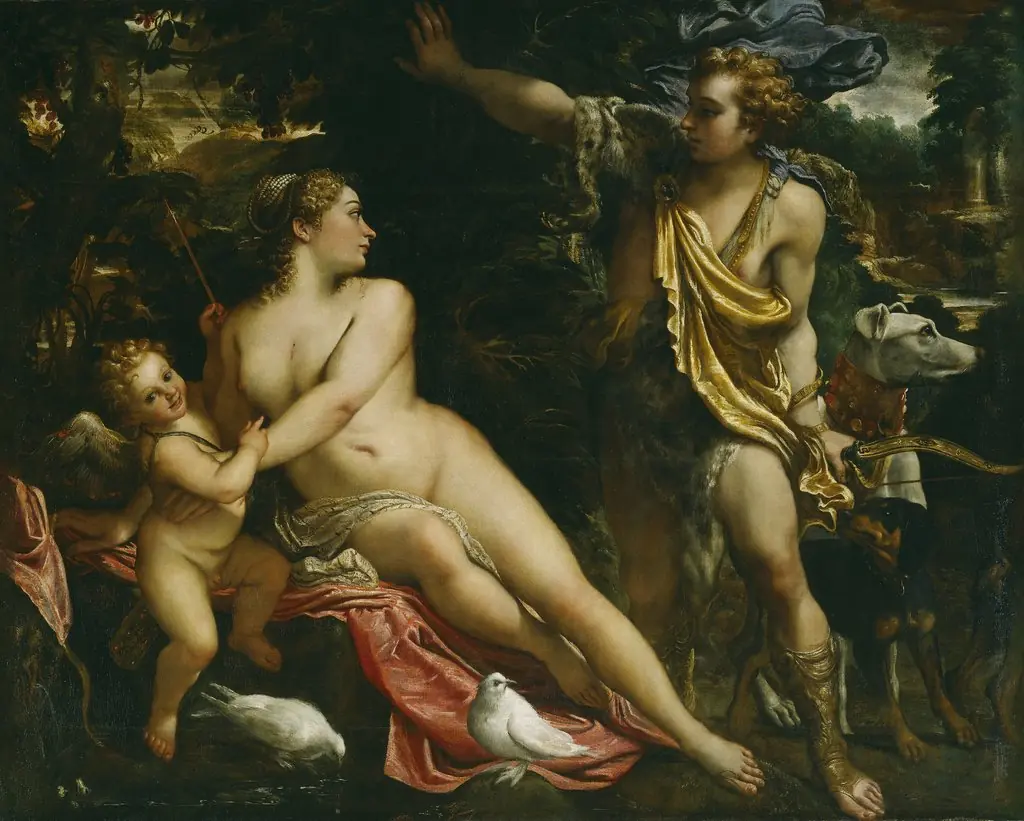 Venus, Adonis and Cupid
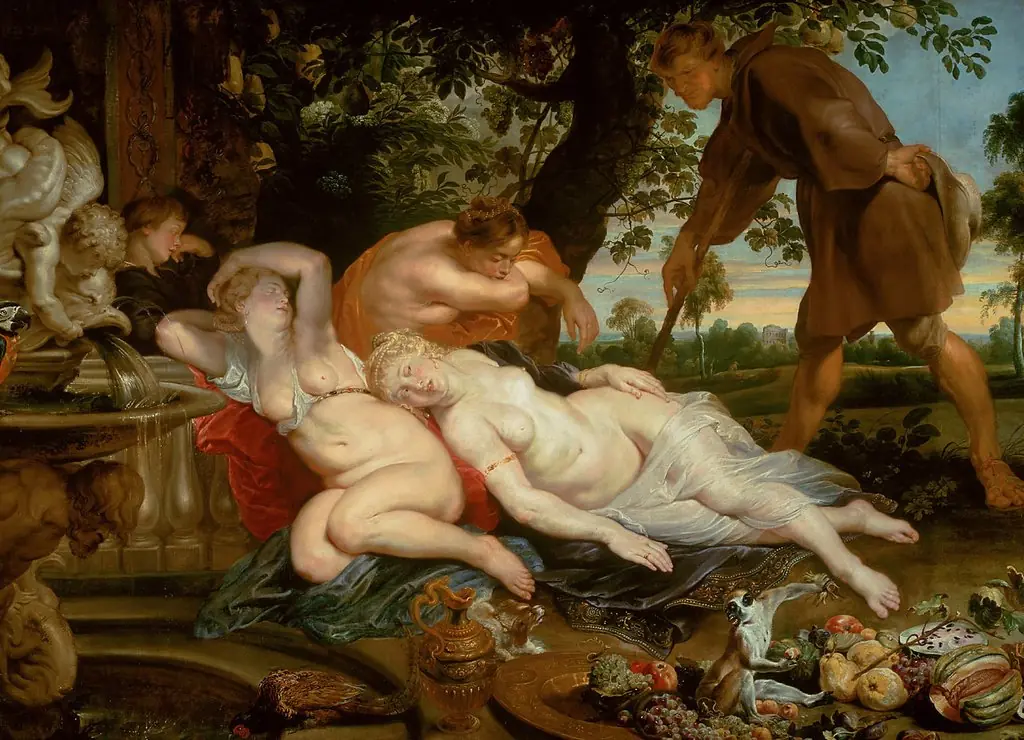 Cimone and Efigenia
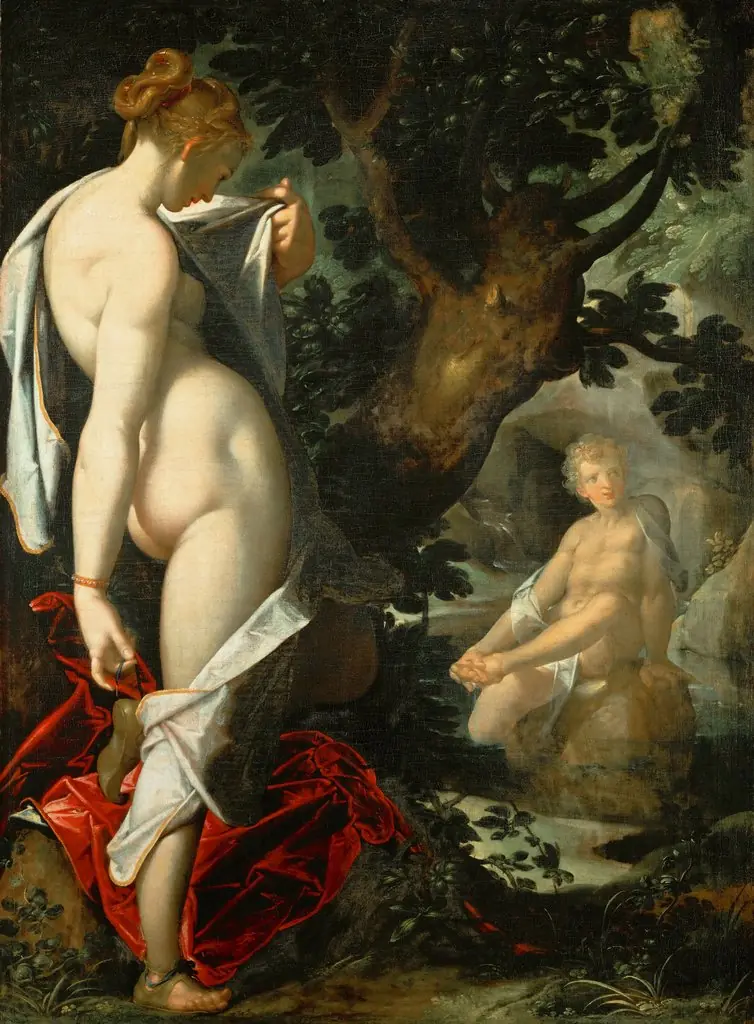 Hermaphroditus and the nymph Salmacis
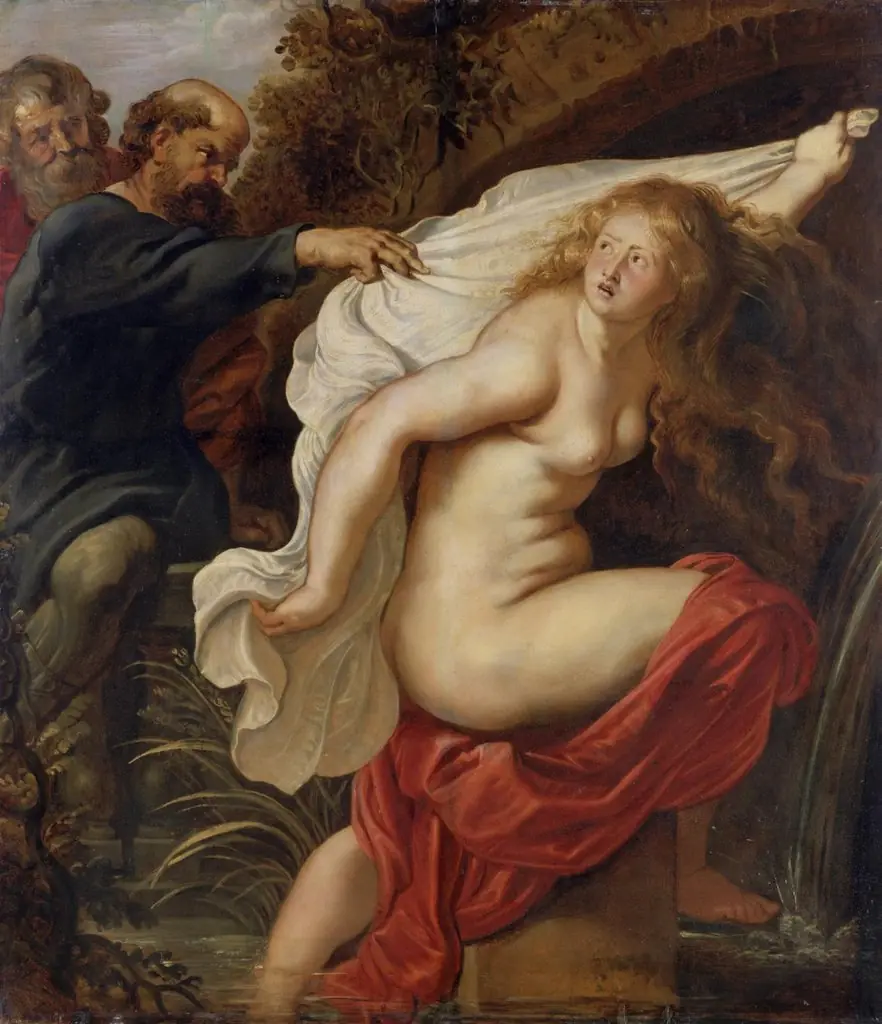 Susanna and the Elders
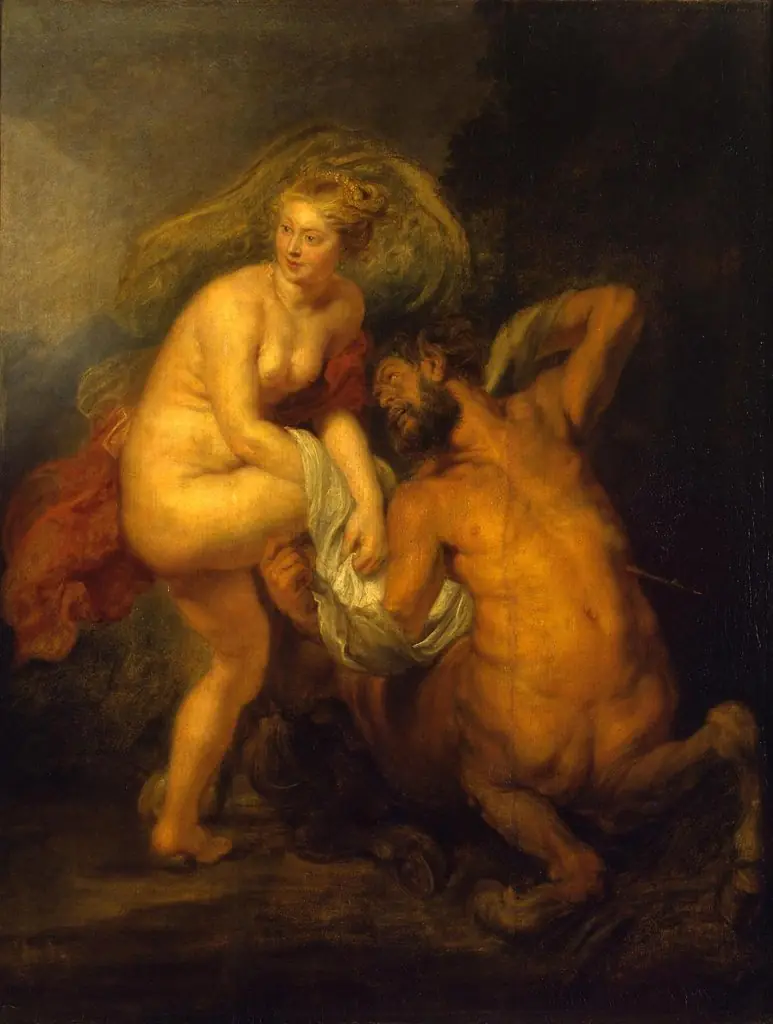 Nessus and Dejanira
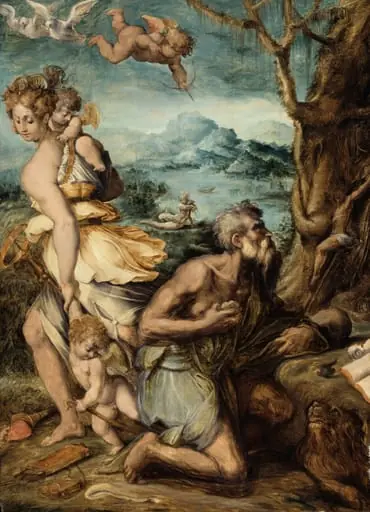 The Temptation of Saint Jerome
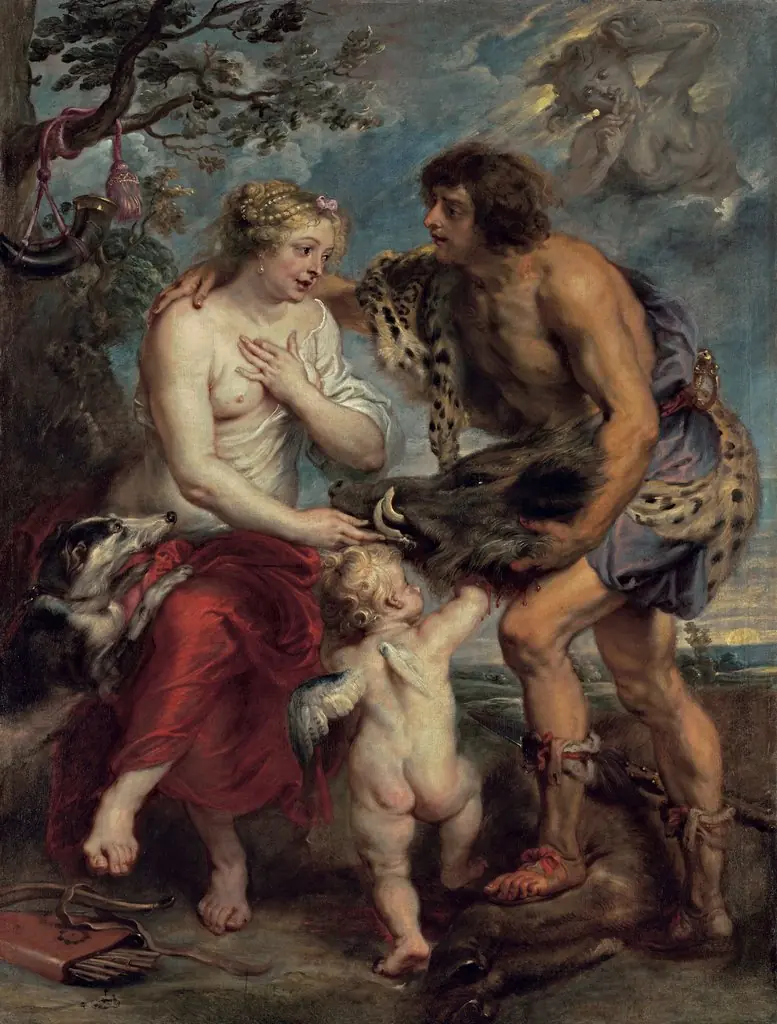 Meleager and Atalante
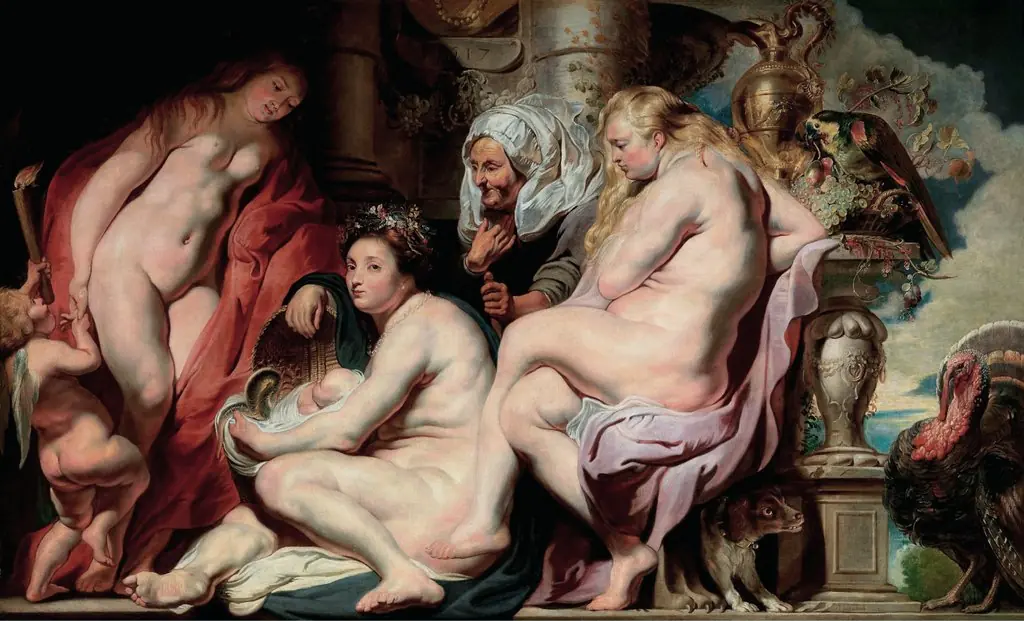 The Daughters of Cecrops Finding the Child Erichthonius
 Susanna and the Elders
 The homeless Cain and his Family