Artwork
Sfântul Mesrop Maștoț
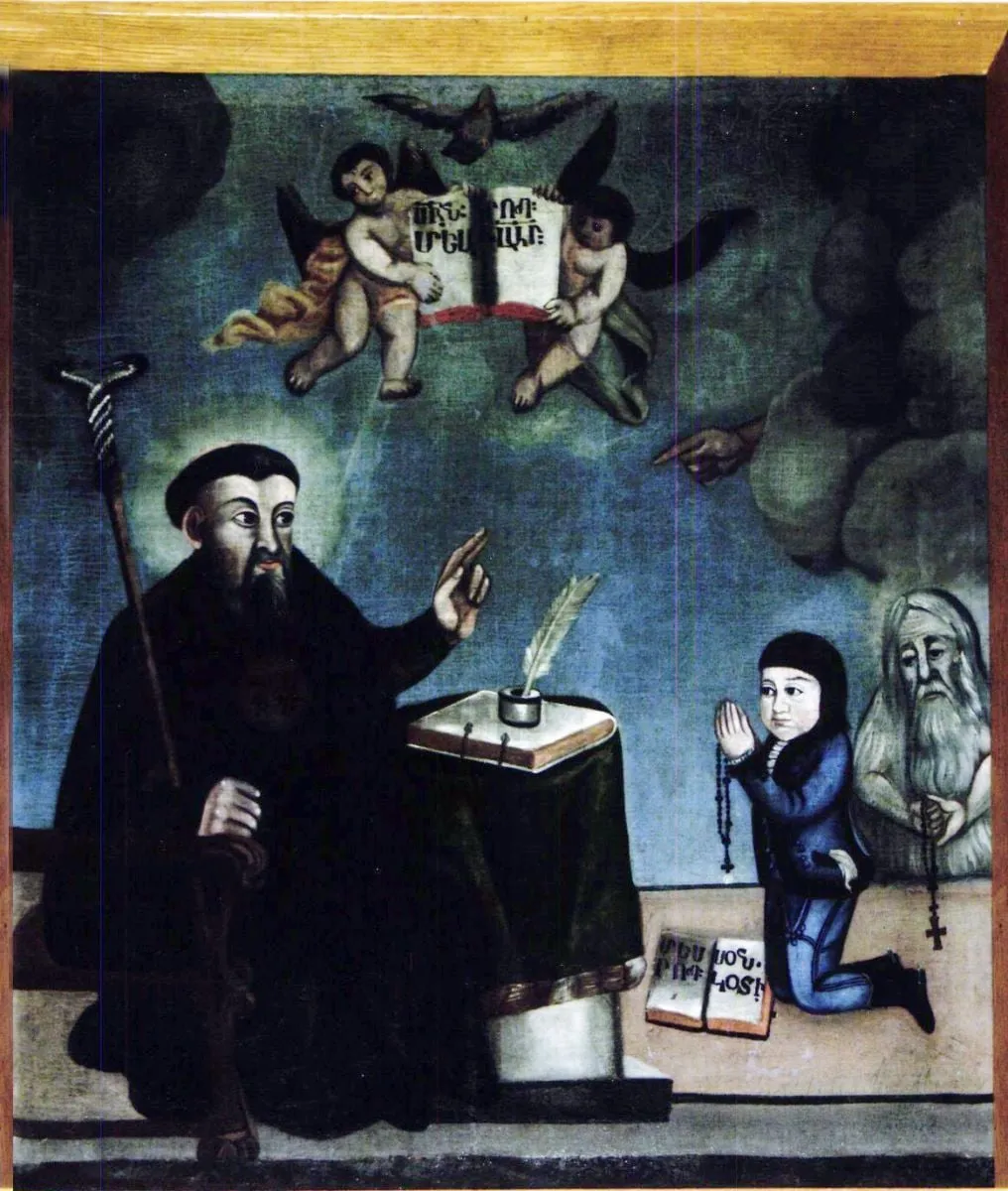
Sfântul Mesrop Maștoț is an unspecified painting by the Baroque artist Unknown. It dates from 1850 and is held in the collection of the Alba Iulia Roman Catholic Archdiocese. This painting depicts a sacred moment tied to the creation of the Armenian alphabet.
About this work
Overview
Four figures occupy a dim interior, illuminated by a soft, directional light that isolates their expressions and gestures.
This painting depicts a sacred moment tied to the creation of the Armenian alphabet. Four figures occupy a dim interior, illuminated by a soft, directional light that isolates their expressions and gestures. The composition centers on a bearded elder holding a staff, flanked by two kneeling figures in prayer.
Above, three winged figures hover with a scroll, suggesting divine inspiration. The scene avoids theatricality, favoring quiet reverence through restrained lighting and minimal detail.
Subject & Meaning
The central figure is Saint Mesrop Mashtots, traditionally credited with inventing the Armenian script in the early 5th century. The kneeling individuals represent his disciples, engaged in the act of learning or transcribing. The winged children symbolize divine guidance, their scroll bearing the newly formed letters.
The scene conveys the sacred origin of written language in Armenian Christian tradition, merging spiritual revelation with scholarly labor.
Technique & Style
The artist employs chiaroscuro to model forms with subtle gradations of light and shadow, drawing attention to faces and hands while dissolving the background into darkness. Figures are rendered with soft contours, avoiding sharp detail to emphasize spiritual presence over physical realism. The script on the scroll is stylized to resemble ancient Armenian characters, reinforcing authenticity. The palette is muted, dominated by deep browns and blacks, with pale highlights on skin and fabric.
History & Provenance
The work originates from the Armenian ecclesiastical tradition, likely created in the 17th or 18th century within a monastic context. It may have served as a devotional image in a church or scriptorium, reinforcing the cultural importance of Mashtots’ achievement. Its survival suggests continued reverence for the inventor of the Armenian alphabet, though its specific commission and early ownership remain undocumented in public records.
Context
In medieval and early modern Armenia, the creation of the alphabet was not merely a linguistic milestone but a theological act, enabling scripture to be read in the vernacular and strengthening national identity under foreign rule. This image reflects a broader tradition of sacred art that linked literacy, faith, and divine favor. Similar depictions appear in Armenian illuminated manuscripts, where saints are shown receiving heavenly instruction.
Legacy
The painting preserves a visual narrative central to Armenian cultural memory. Though not widely known outside the region, it continues to be referenced in religious and educational settings as a symbol of intellectual and spiritual awakening. Its quiet composition contrasts with more dramatic Western religious scenes, reflecting a distinct Armenian aesthetic that values humility, reverence, and the sanctity of knowledge.
Artist & collection
Museum
Alba Iulia Roman Catholic Archdiocese
Continue through works from the same source collection.








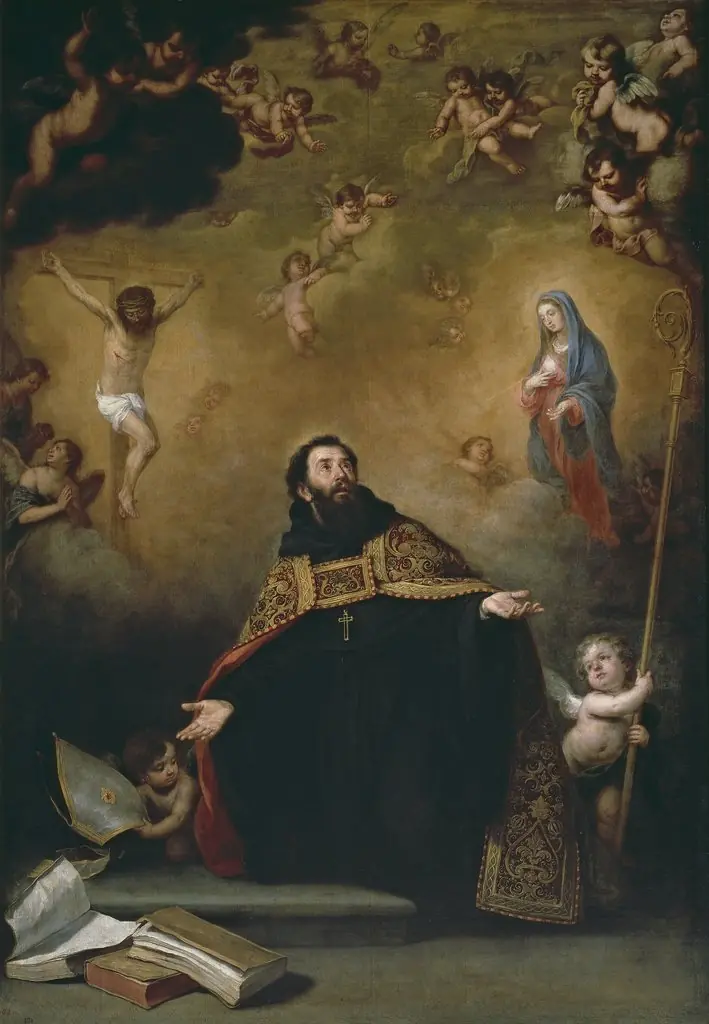
- Saint Augustine between Christ and the Virgin
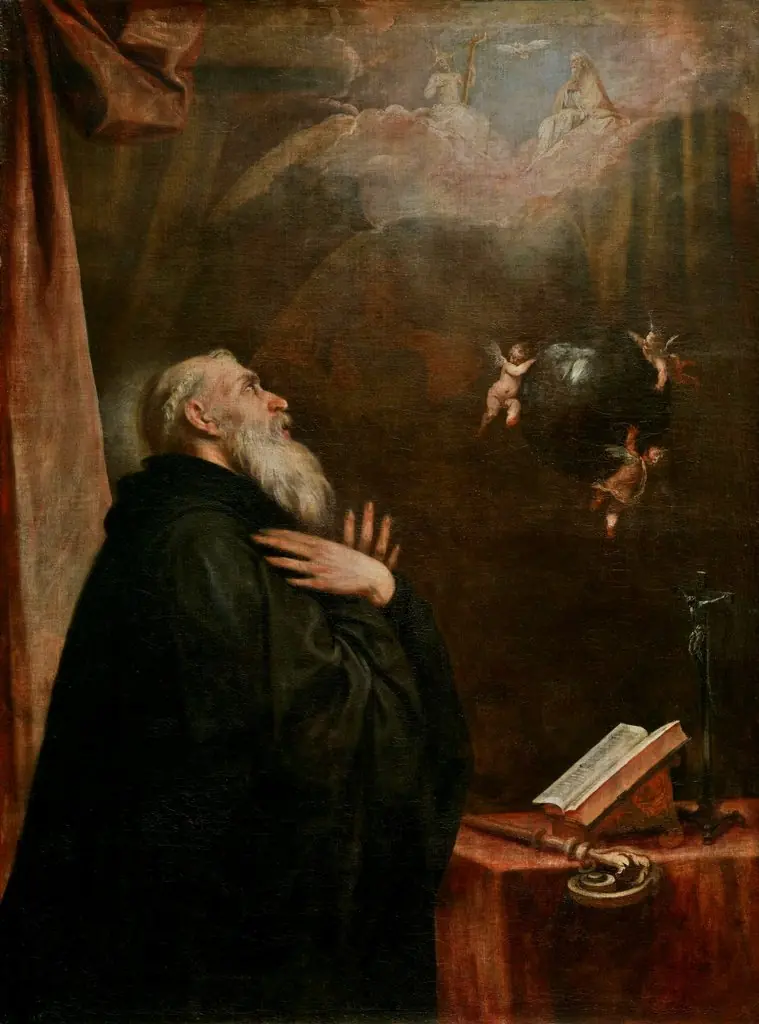 Saint Benedict's Vision of the Globe and the three Angels
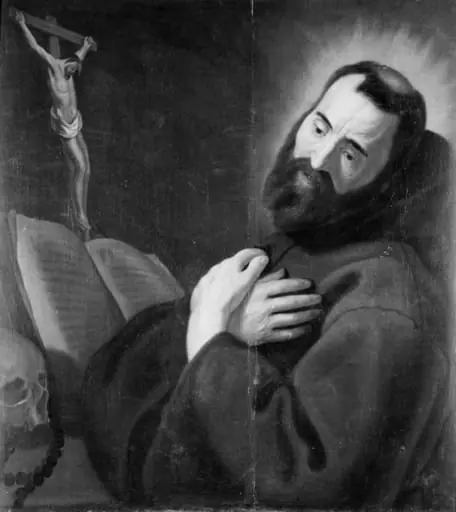 St Francis
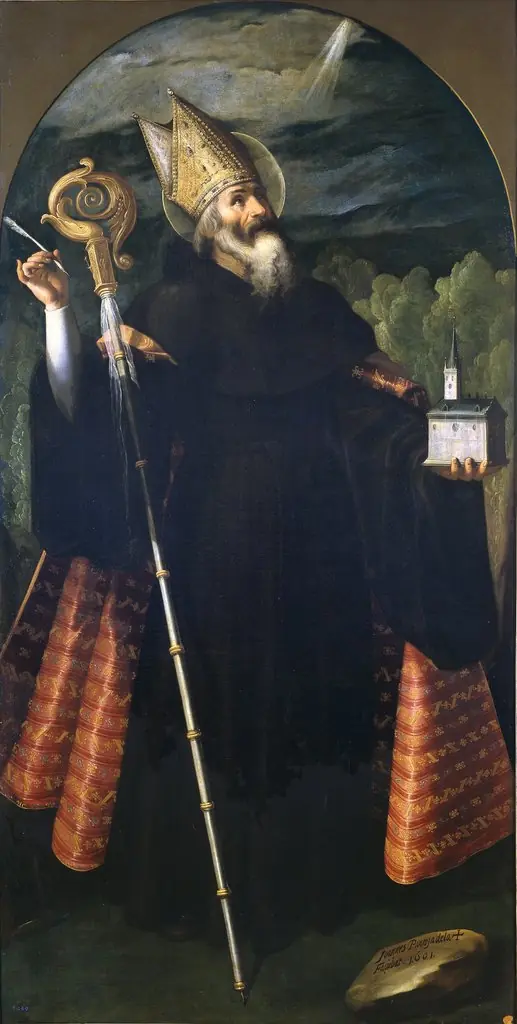 Saint Augustine
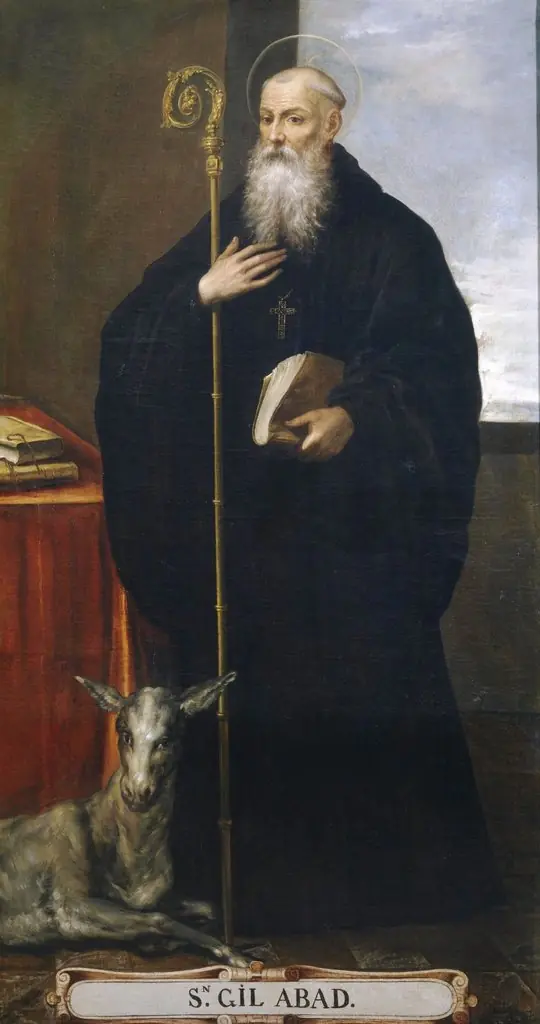 San Gil abad
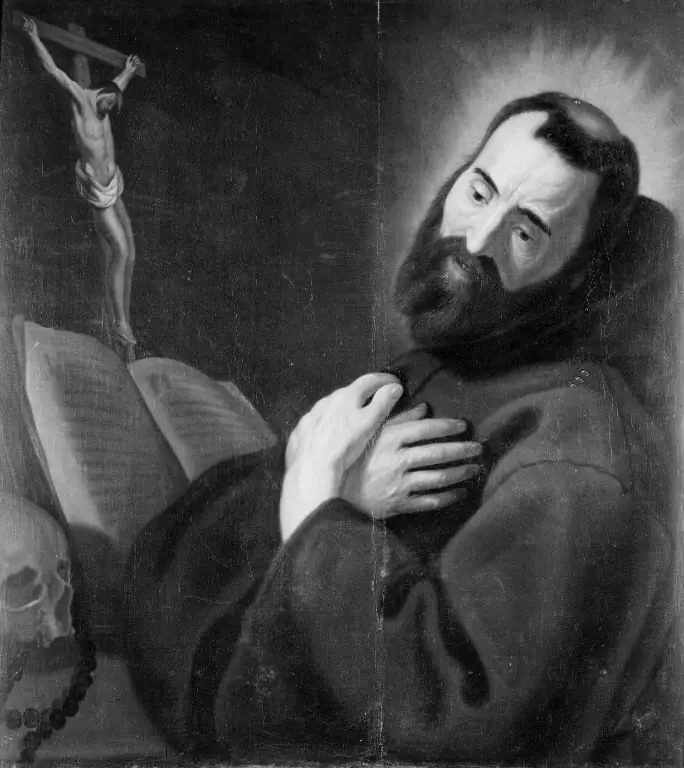 St Francis
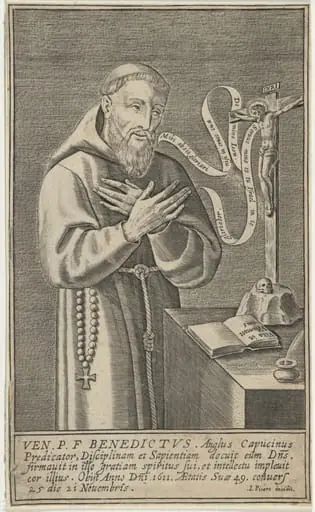 William Fich of Canfield, Essex
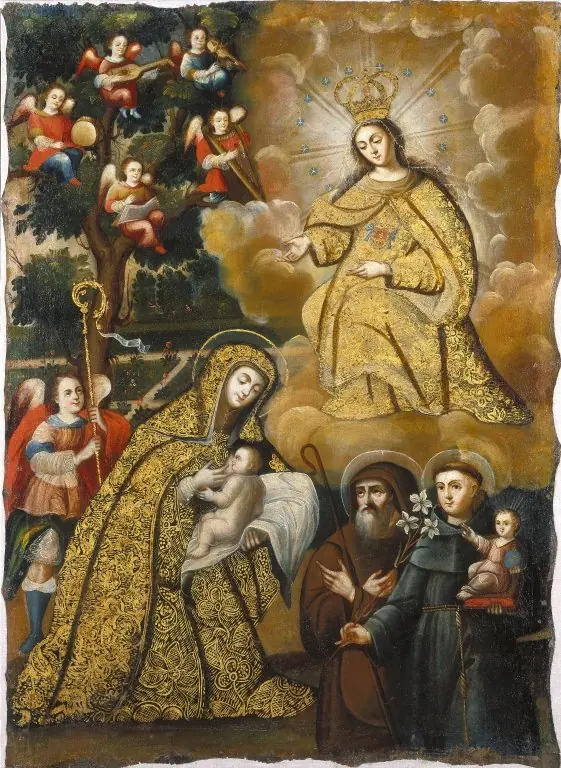 The Virgin of Mercy with Three Saints
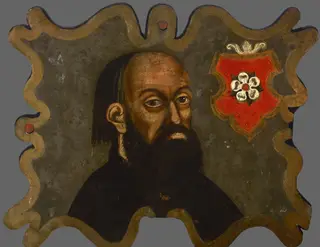 Coffin portrait of a man, Poraj coats of arms
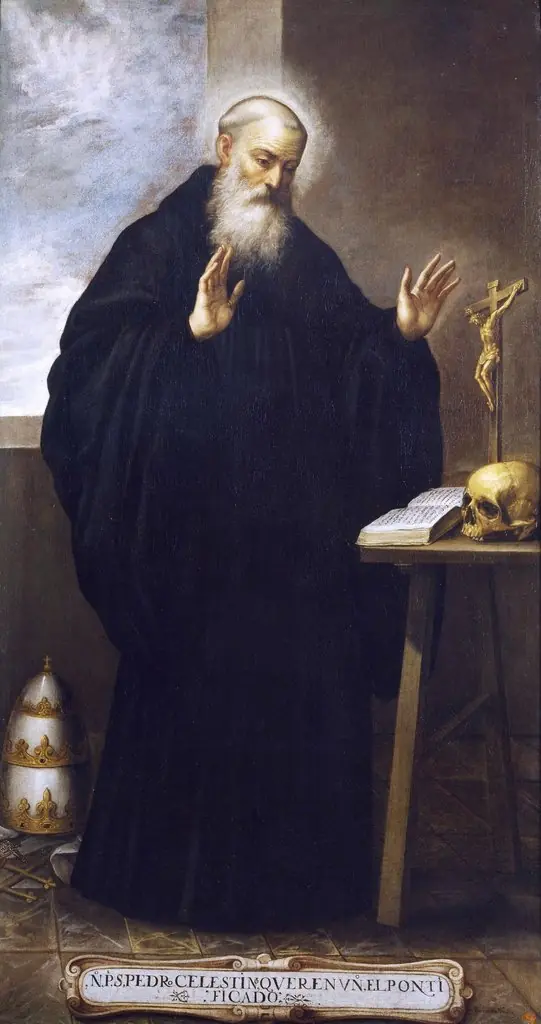 San Pedro Celestino papa
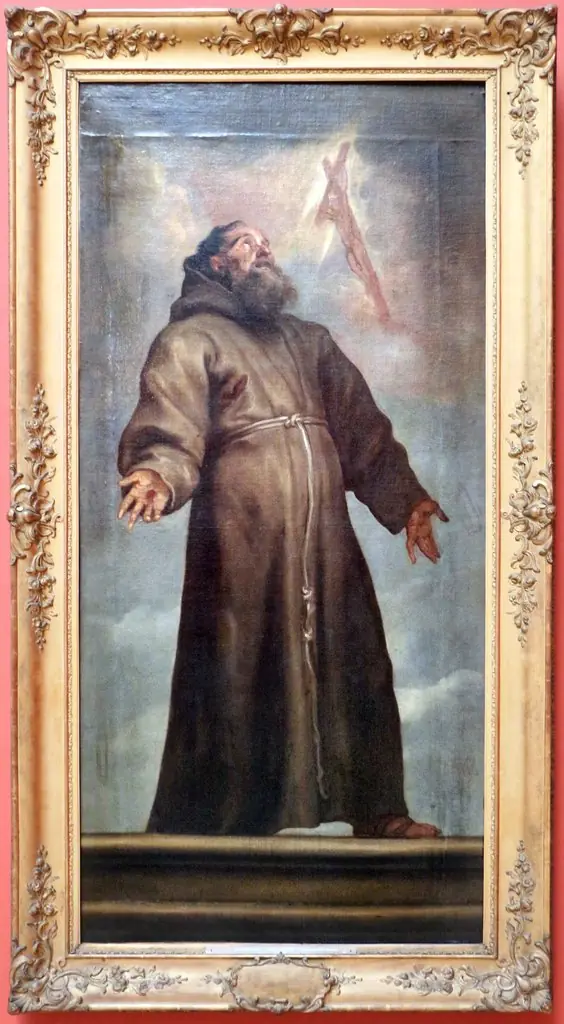 Saint Francis of Assisi
 Portrait of Reverend Augustyn Kordecki