Subject
Firearm
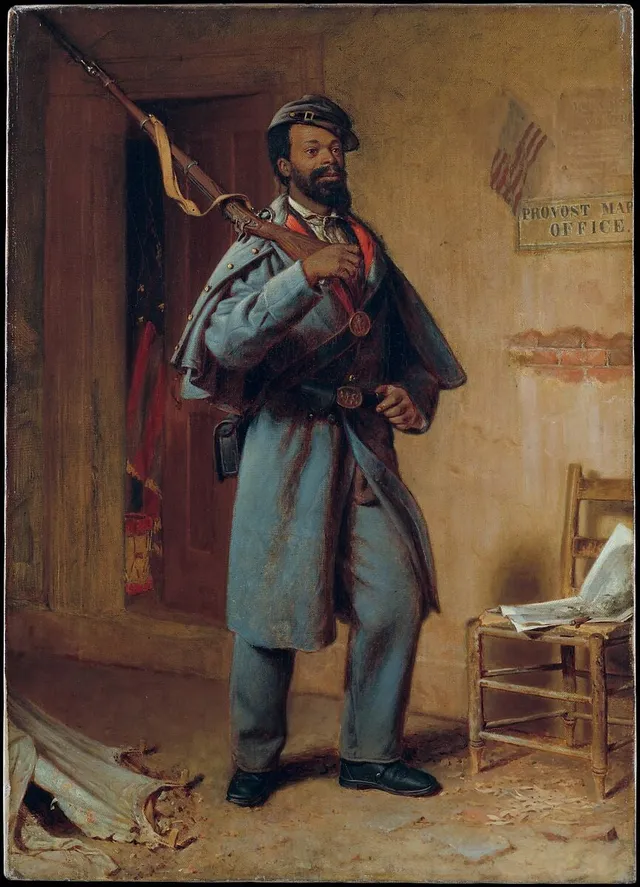
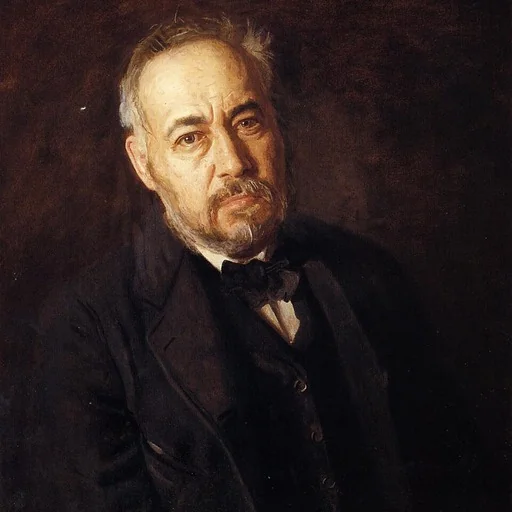
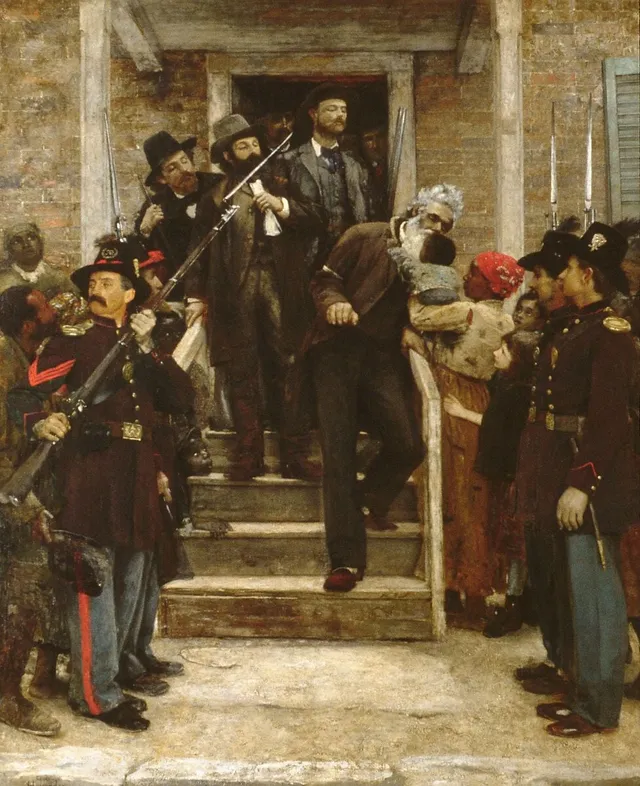
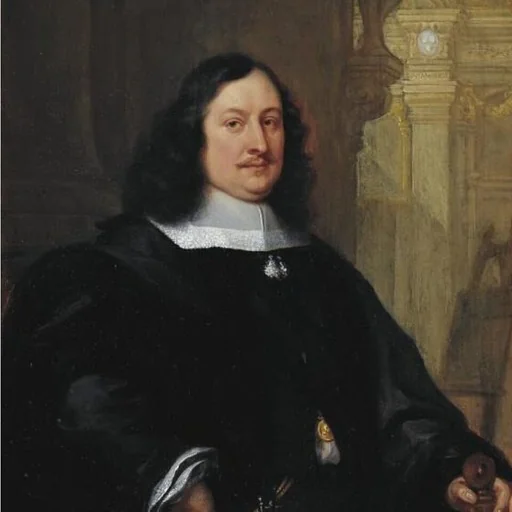
Firearm is a subject in art. The gallery holds 46 works in this subject in art, including works by Thomas Eakins, David Teniers the Younger and Thomas Hovenden.
A firearm is any type of gun that shoots projectiles using high explosive pressure generated from combustion (deflagration) of chemical propellant, most often black powder in antique firearms and smokeless powder in modern firearms. Small arms is a subset of light firearms that is designed to be readily carried and operated by an individual.
Key artists

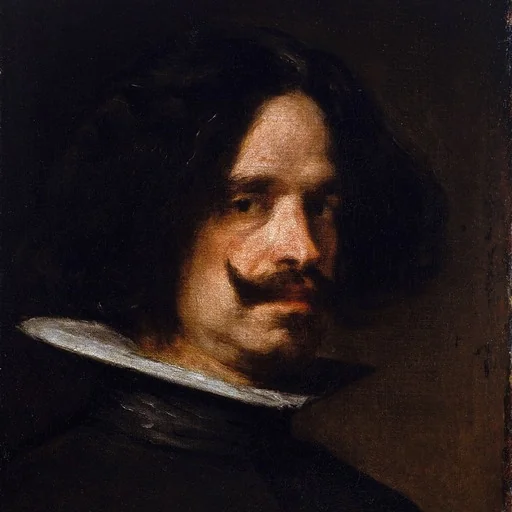
Overview
A firearm is a barreled weapon that launches projectiles driven by rapidly expanding high-pressure gas produced by the exothermic combustion of a chemical propellant, historically black powder and now predominantly smokeless powder. Small arms are a subset of light firearms compact enough to be operated to full capacity by a single individual, encompassing handguns and long guns, while heavy firearms require a weapons platform for tactical mobility. Originating in 10th-century Song dynasty China as portable fire lances made from bamboo tubes, the technology evolved into metal-barreled hand cannons in the 13th century before spreading across Eurasia. In art, the firearm recurs as a potent motif representing technological upheaval, shifting the nature of warfare, power, and society away from traditional elite warrior classes toward mass infantry forces.
Iconography & meaning
In visual culture, the firearm carries layered meanings tied to authority, violence, and societal transformation. It functions as an instrument of military force and state power, but also as a symbol of individual agency, rebellion, and survival. The introduction of the firearm revolutionized warfare because it was easier to master than traditional arms like the bow or sword, which required years of specialized training. This accessibility rendered elite warrior classes, such as European men-at-arms and Japanese samurai, obsolete, allowing armies to rapidly train commoners into effective soldiers. Consequently, the firearm in art often signifies the collapse of feudal orders and the rise of centralized state power, as traditional fortifications fell to cannon fire and local rulers in castles lost their military advantage to walled cities with adaptable defenses and greater financial resources.
Across movements & periods
The artistic treatment of firearms tracks their technological and societal evolution. Early European depictions from the late Middle Ages show primitive, unreliable artillery like bombards used in sieges, where their psychological impact and capacity to dismantle high fortifications outweighed their inaccuracy and slow rate of fire. By the 16th century, as hand firearms like muskets and arquebuses displaced bows and crossbows on the battlefield, artists increasingly depicted individual soldiers wielding these weapons, reflecting the democratization of combat. As technical advancements introduced rifled barrels for improved accuracy, breechloaders for faster firing, and smokeless powder for higher pressures, the visual representation of firearms shifted from cumbersome, static siege engines to personal, dynamic instruments of modern industrialized warfare.
Legacy
The cultural afterlife of the firearm is defined by its enduring global proliferation and its fundamental reshaping of human conflict. As of 2018, over one billion firearms were distributed globally, with 857 million in civilian hands, a number that has continued to climb, particularly in the United States where civilian holdings are estimated at 500 million. This massive circulation ensures the firearm remains a persistent visual and cultural signifier of both personal defense and systemic violence. The weapon's evolution from the early Chinese fire lance to modern automatic small arms and massive artillery pieces has cemented its role as a central artifact of modern civilization, continuously interrogated in art for its power to simultaneously liberate and destroy.
Works
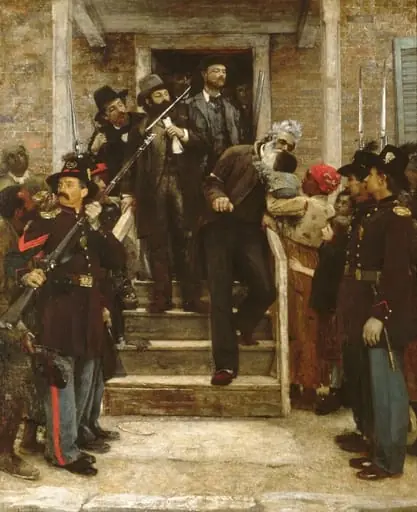 The Last Moments of John Brown
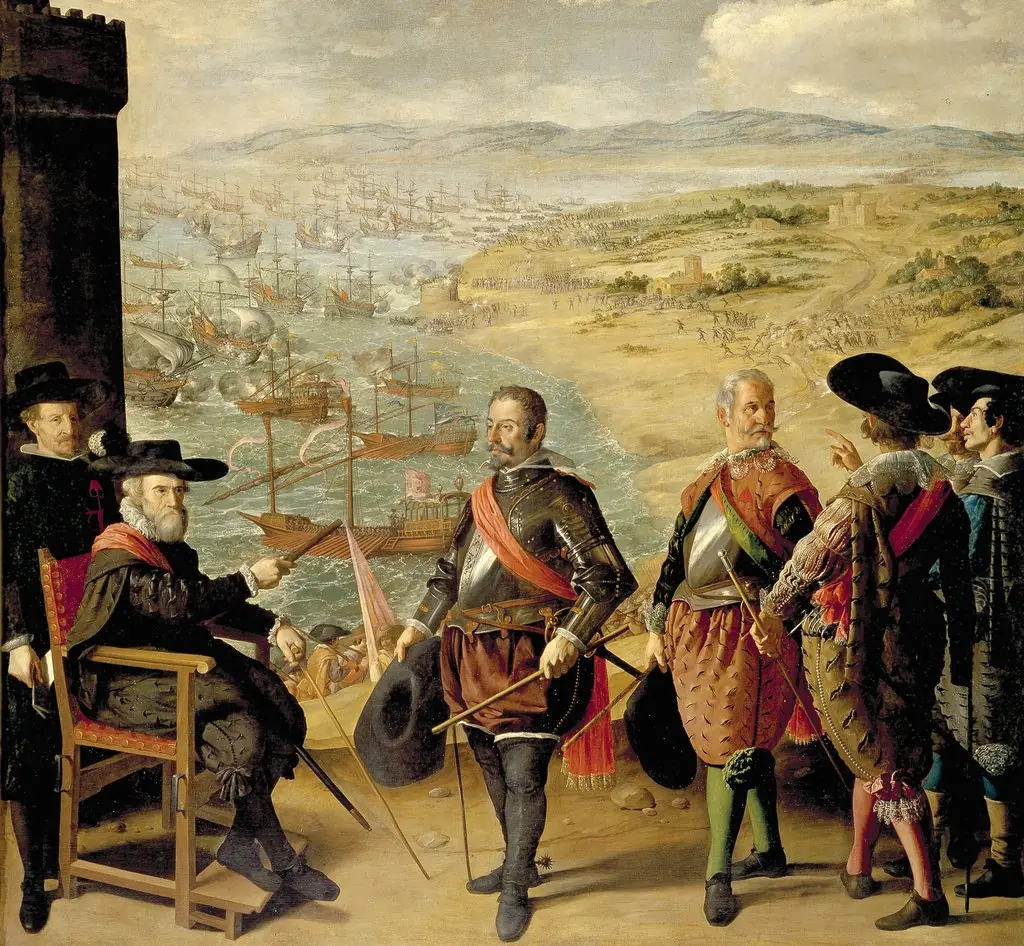 The Defense of Cadiz Against the English
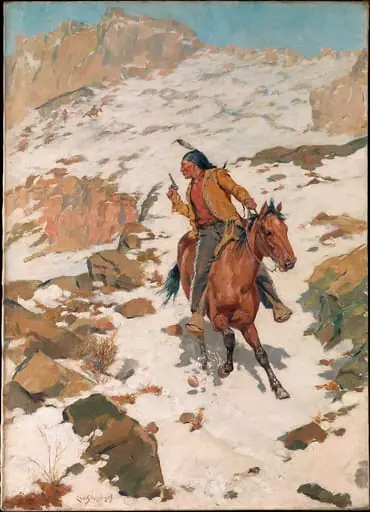 In Hot Pursuit
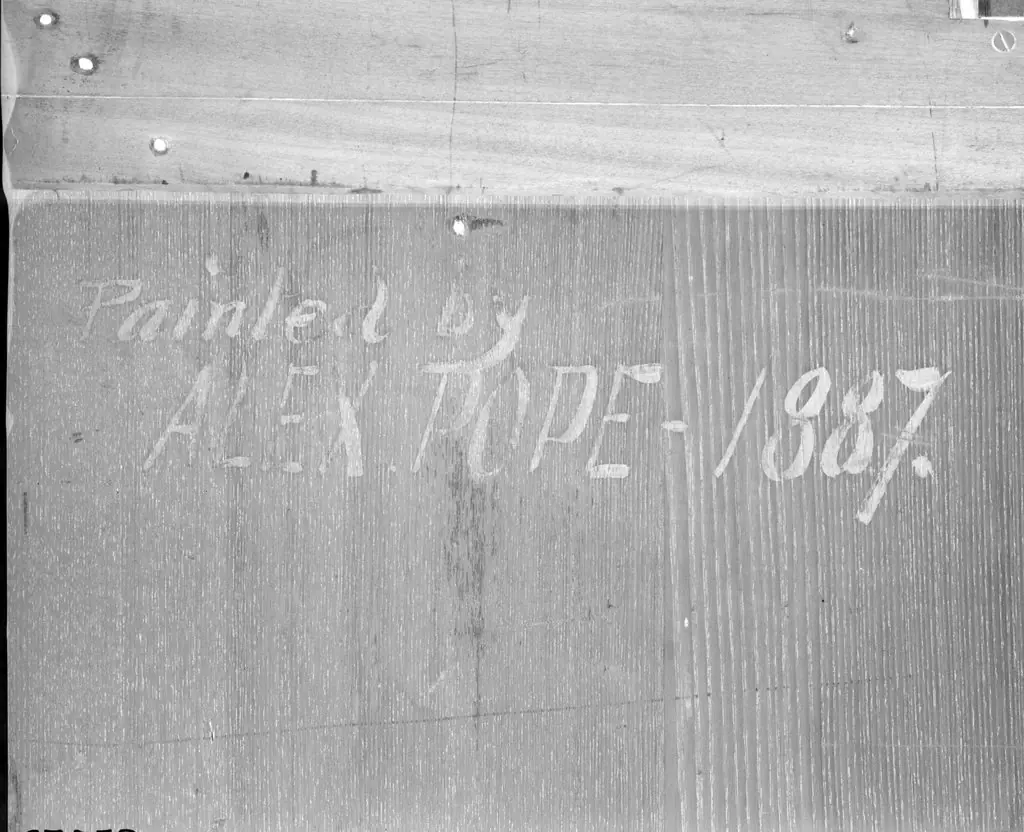 The Oak Door
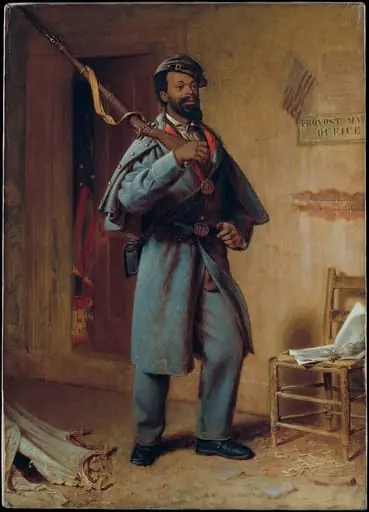 A Bit of War History: The Recruit
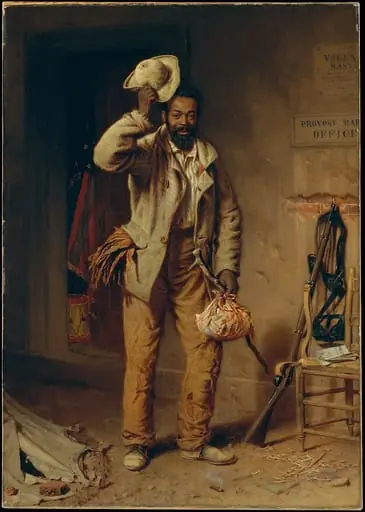 A Bit of War History: The Contraband
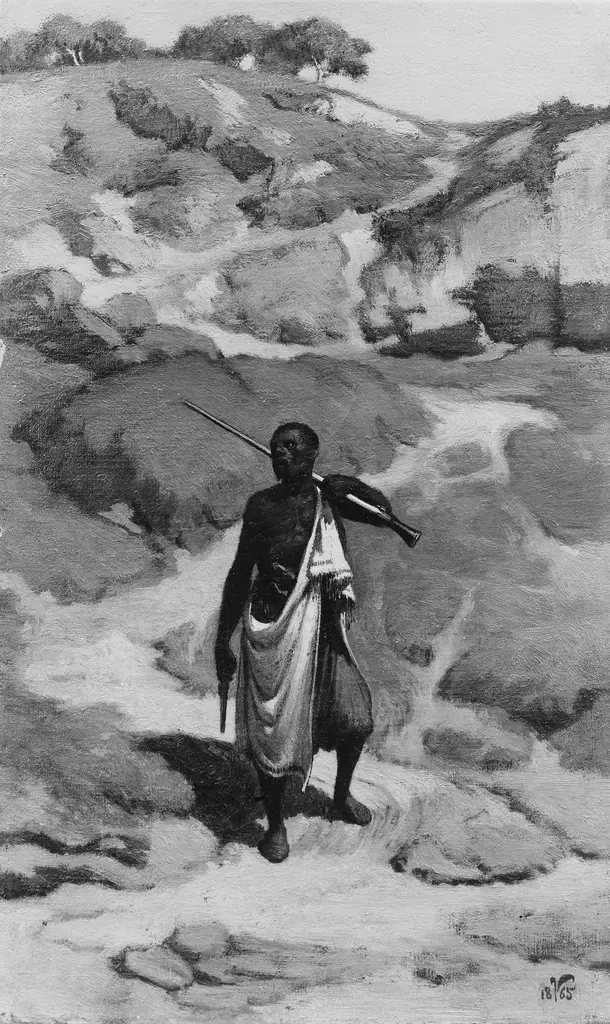 The African Sentinel
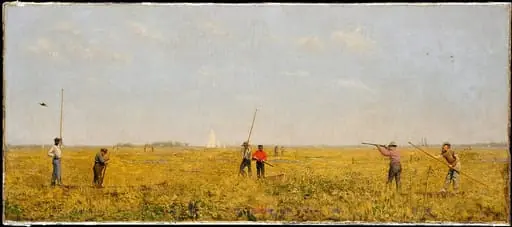 Pushing for Rail
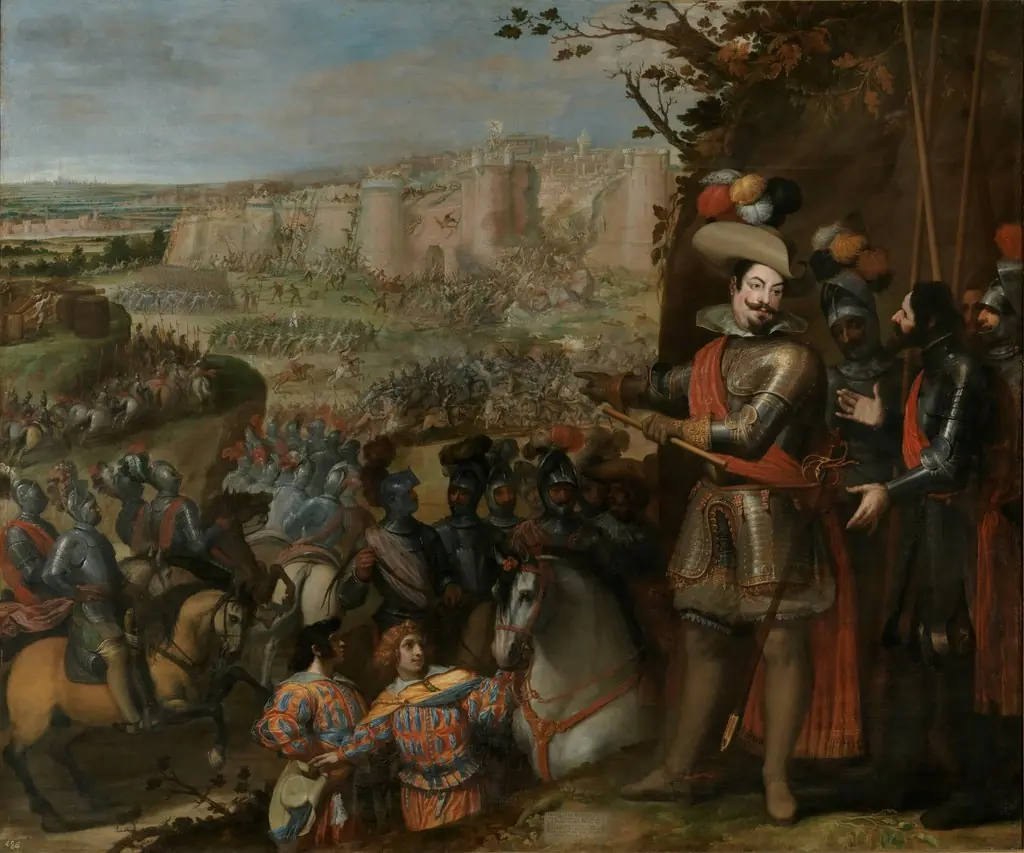 The Storming of Rheinfelden
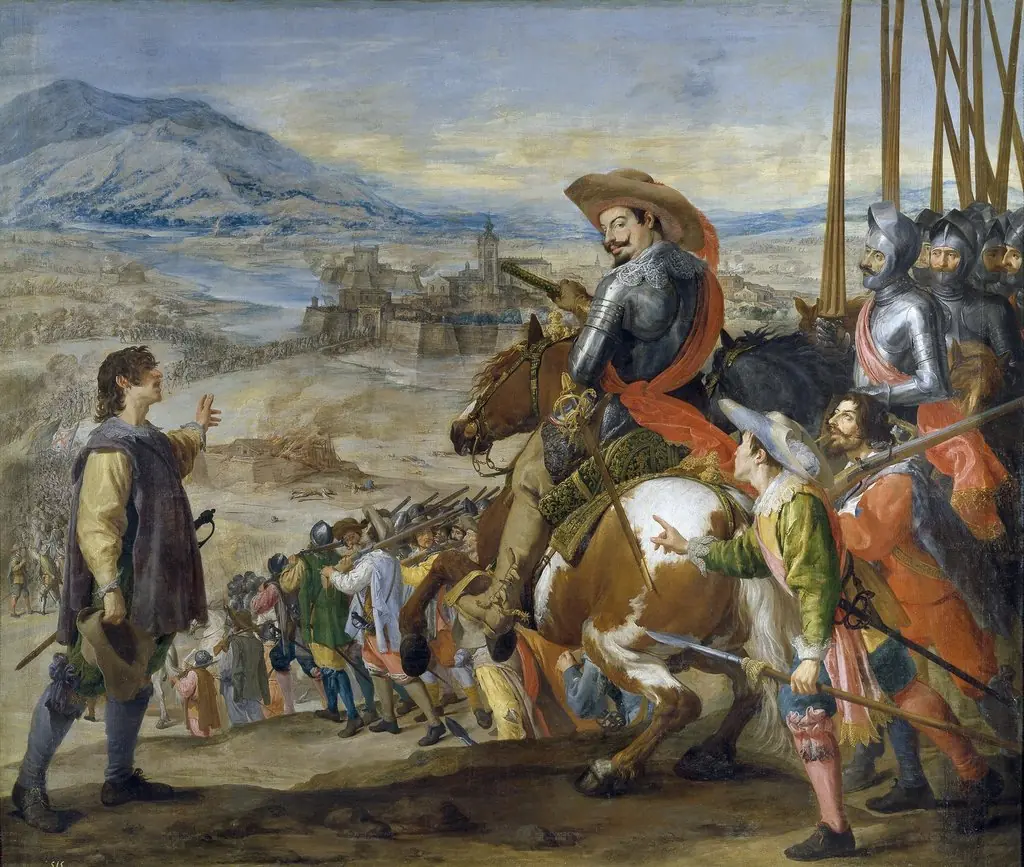 The Liberation of Brisach
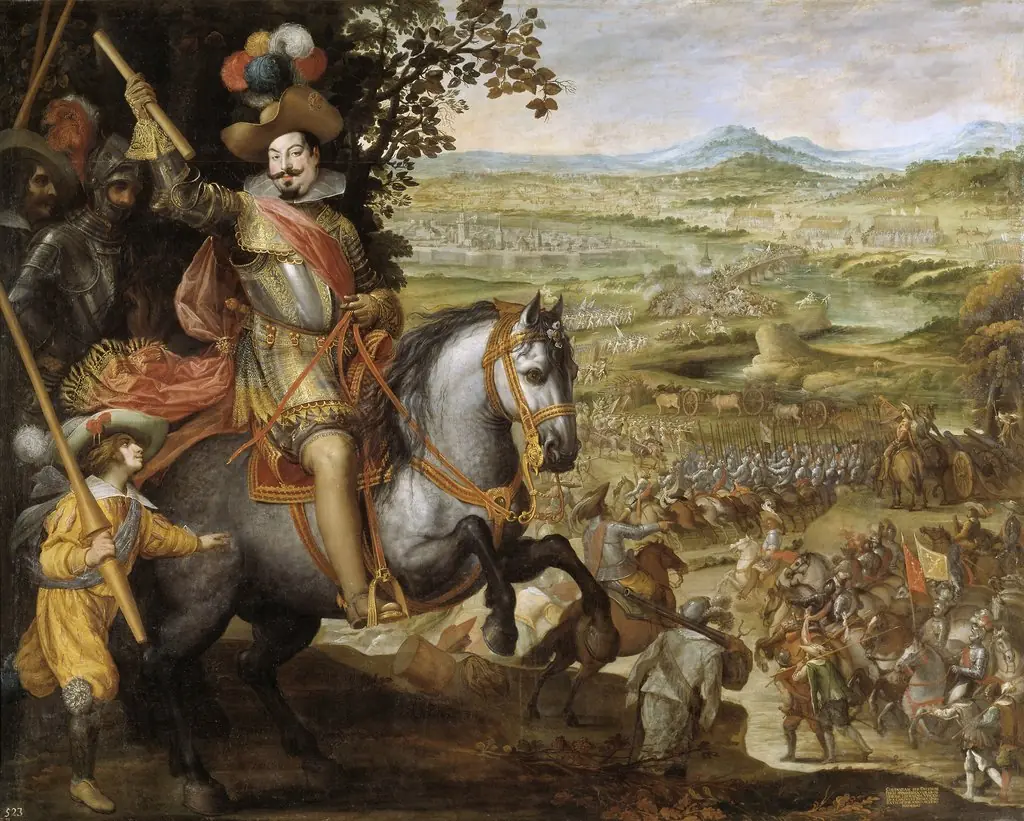 The Relief of Constance
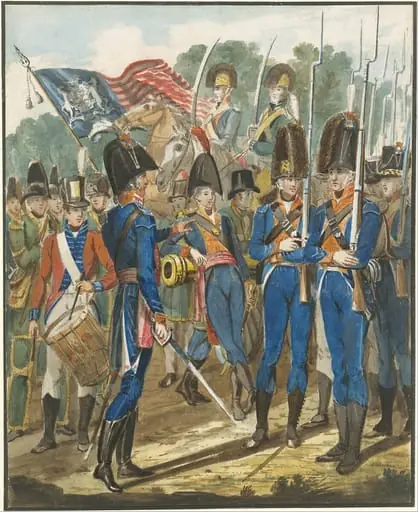 Members of the City Troop and Other Philadelphia Soldiery
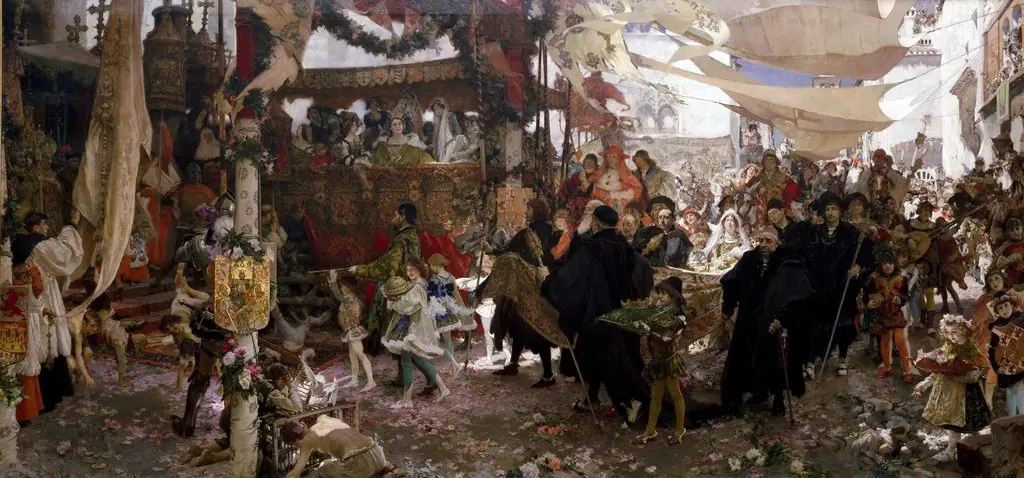 The Baptismal procession of Prince Juan, son of the Catholic Kings, through the streets of Seville
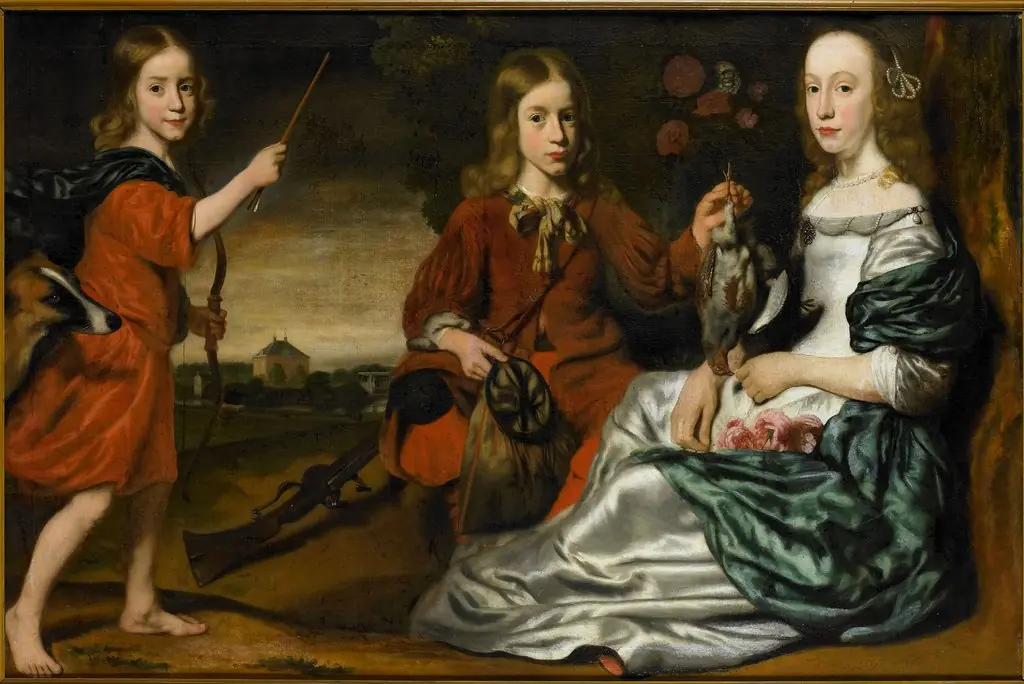 Group portrait of a young woman and two boys, dressed as hunters, in a landscape
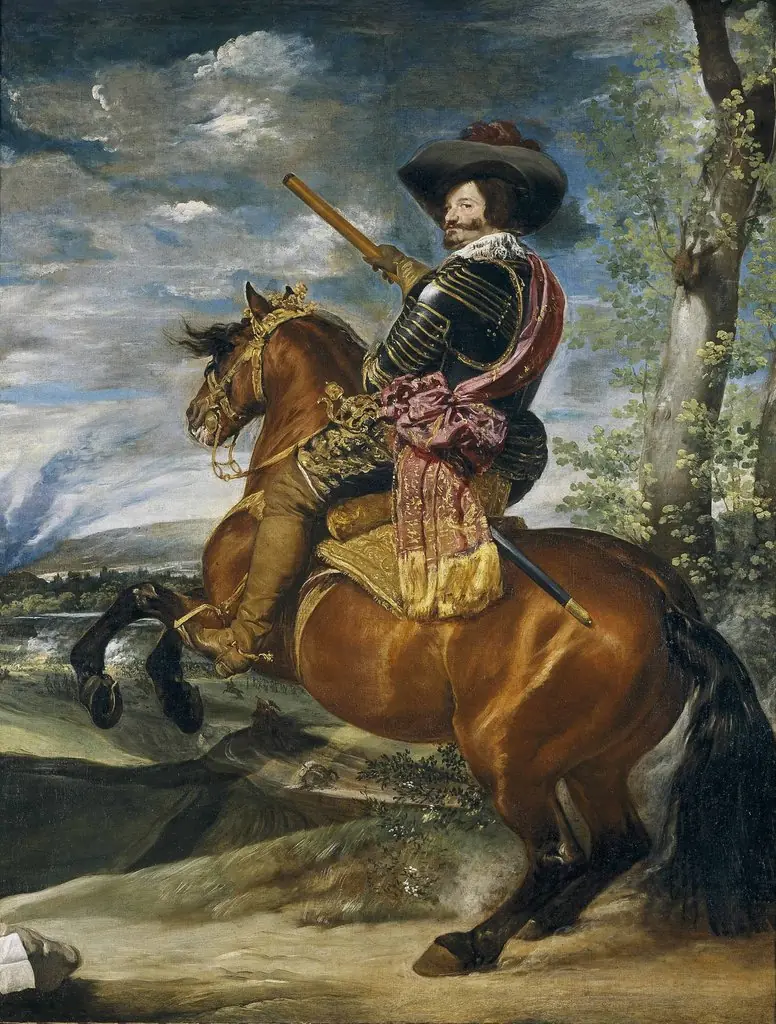 Equestrian Portrait of the Count-Duke of Olivares
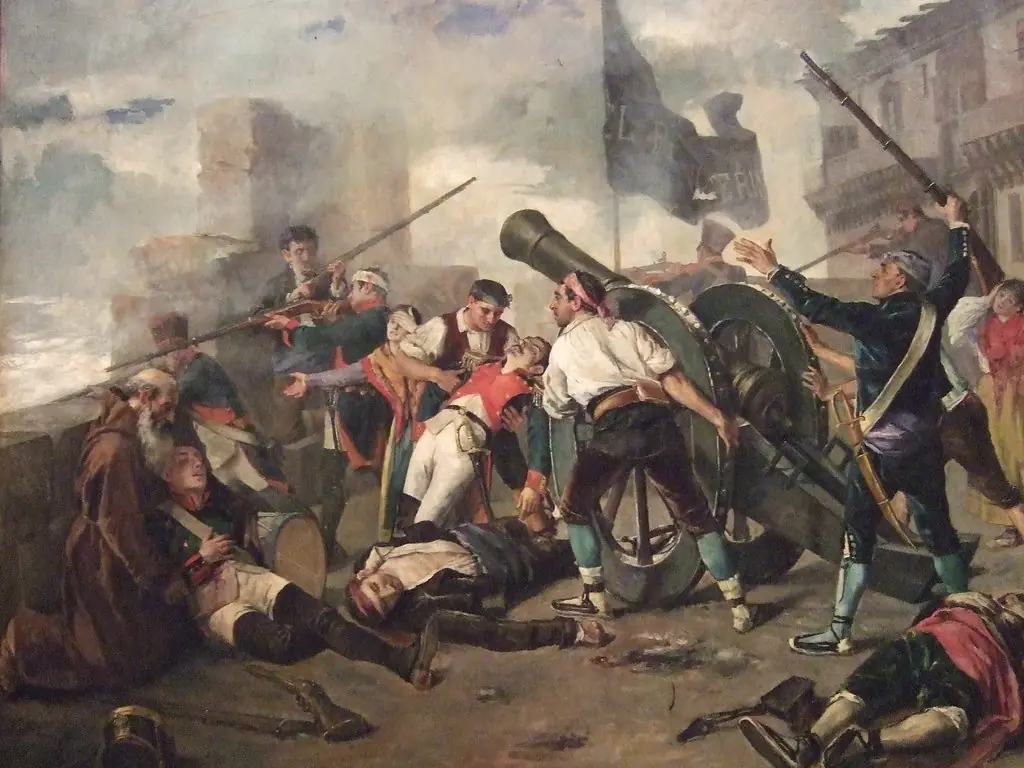 El Pilar no se rinde
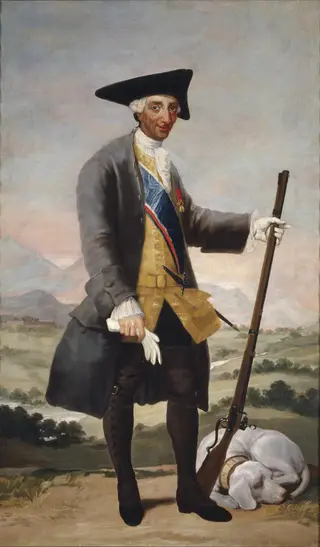 Charles III in Hunting Dress
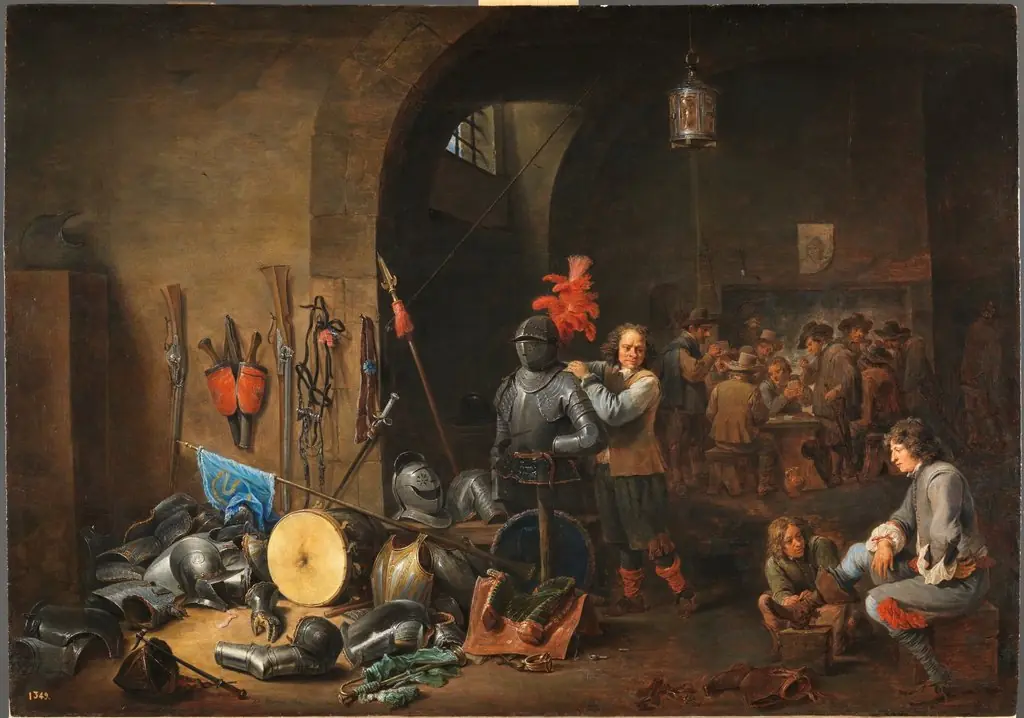 The Bivouac
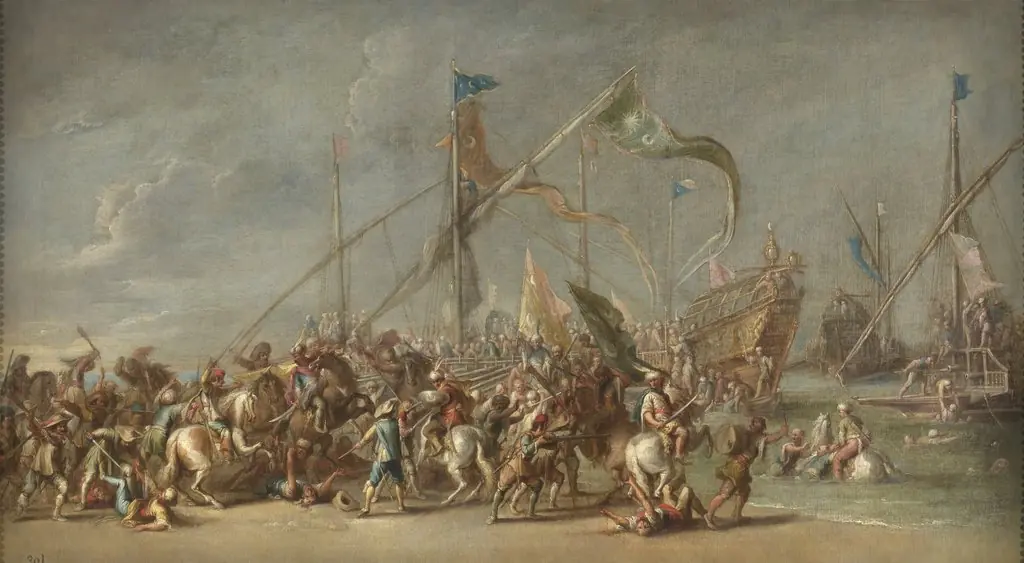 Landing and combat
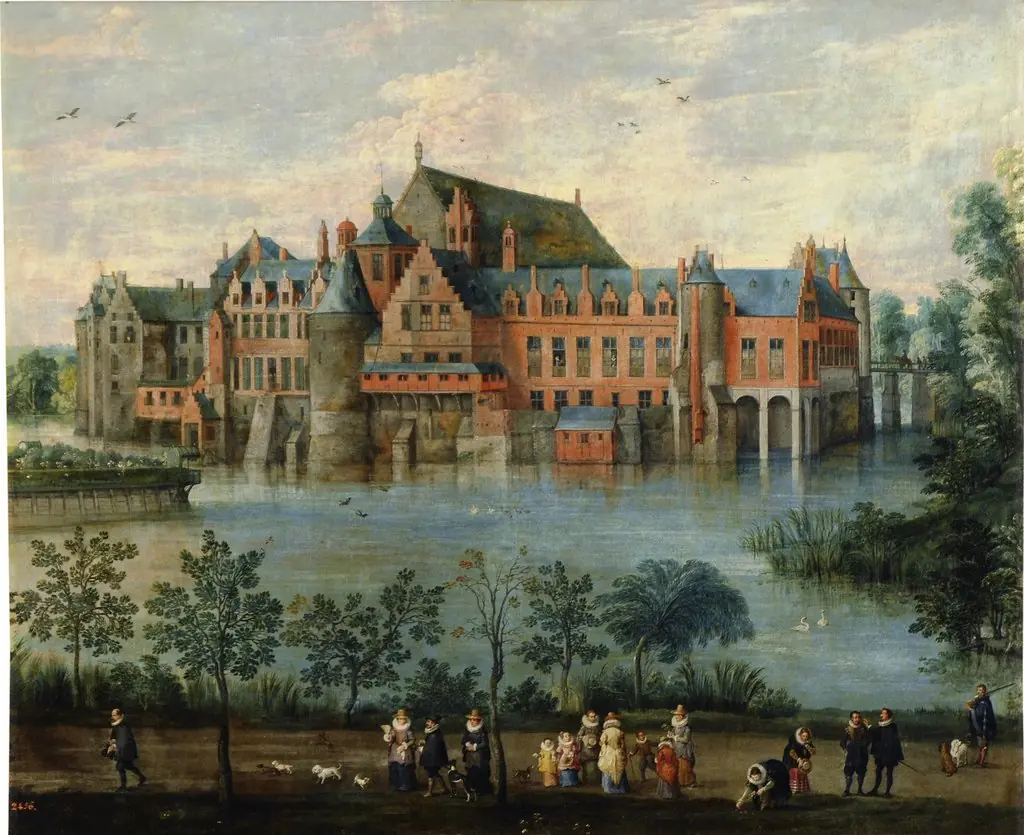 View of Tervuren Castle
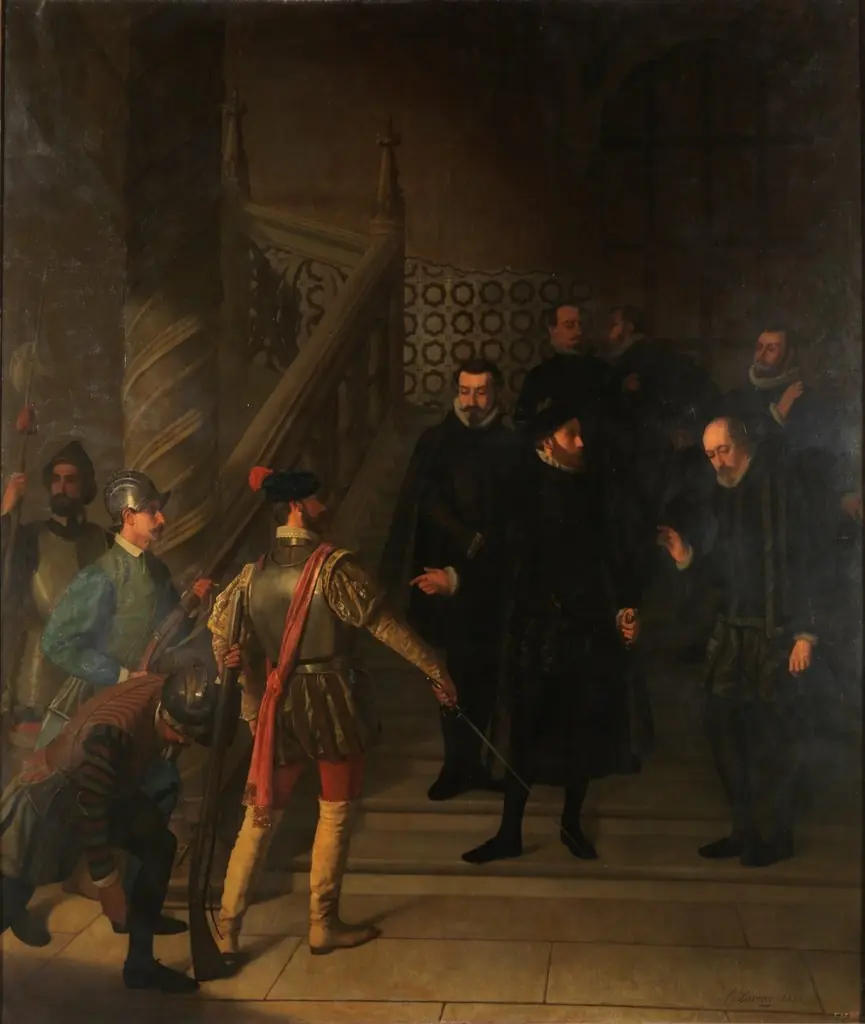 La prisión de Lanuza
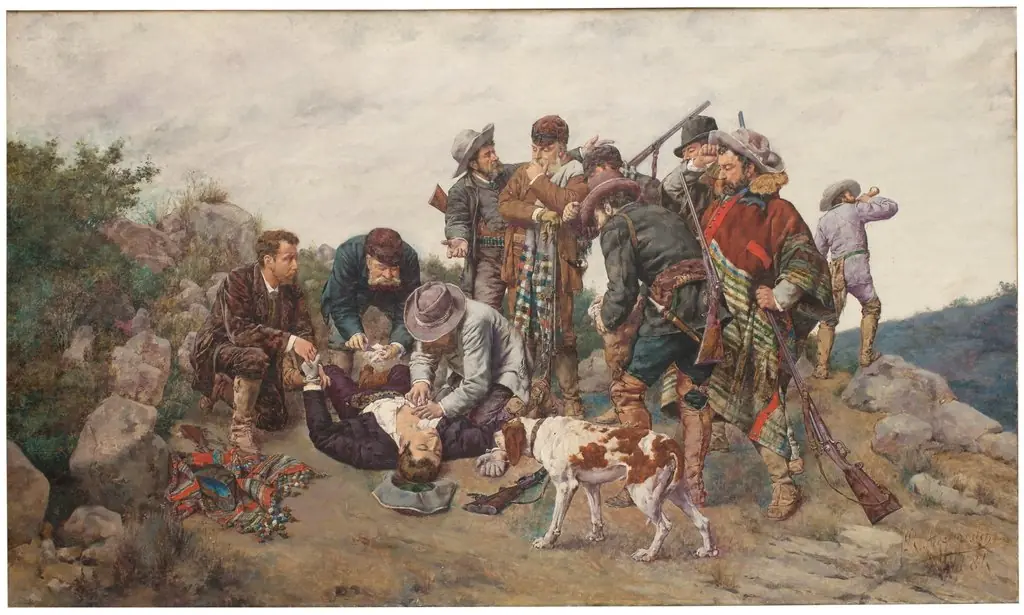 Una desgracia en montería
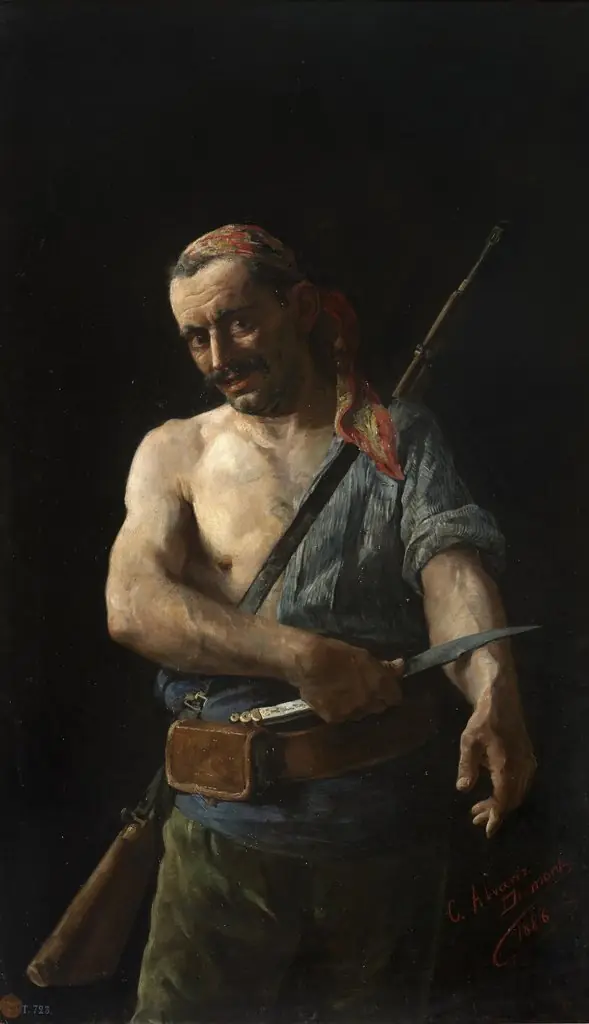 El guerrillero
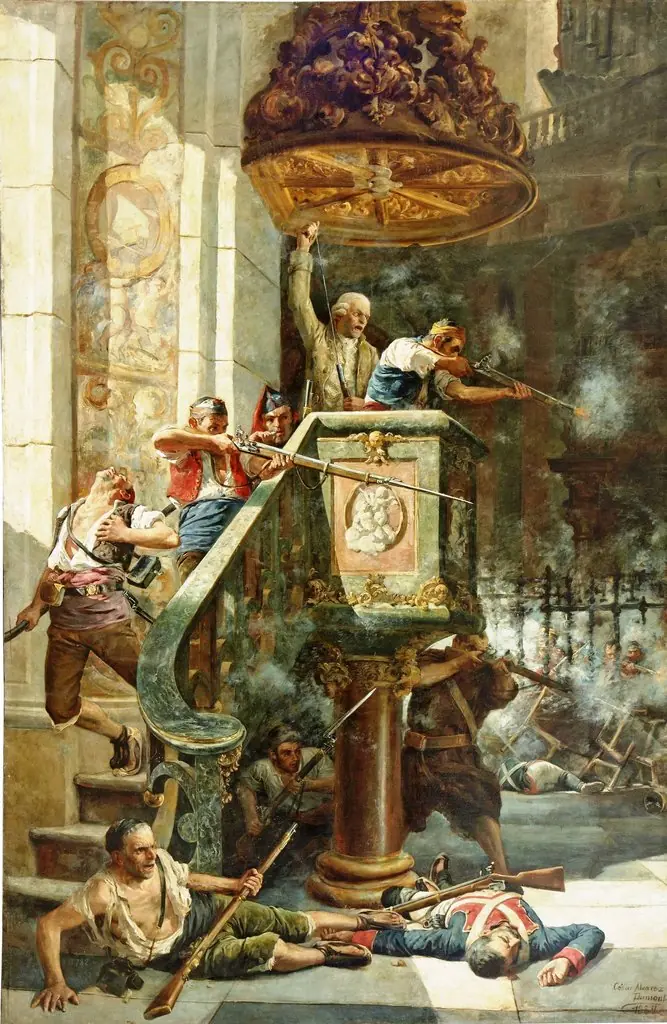 Combate heroico en el púlpito de la iglesia de San Agustín de Zaragoza en el segundo sitio de 1809
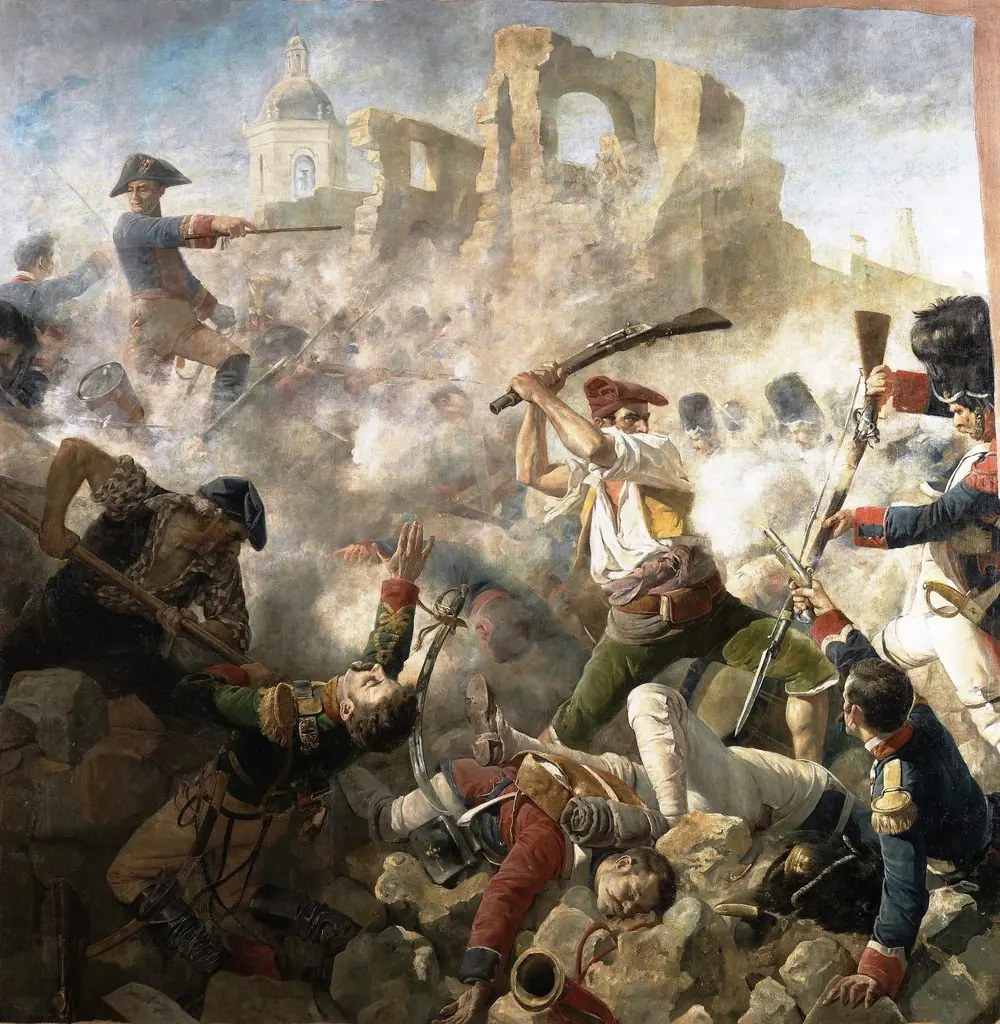 El gran día de Gerona (19 septiembre de 1809)
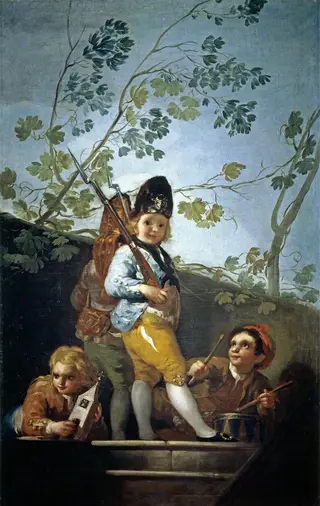 Boys playing soldiers
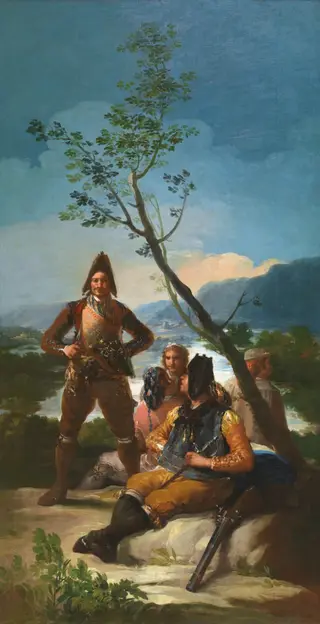 the tobacco guards
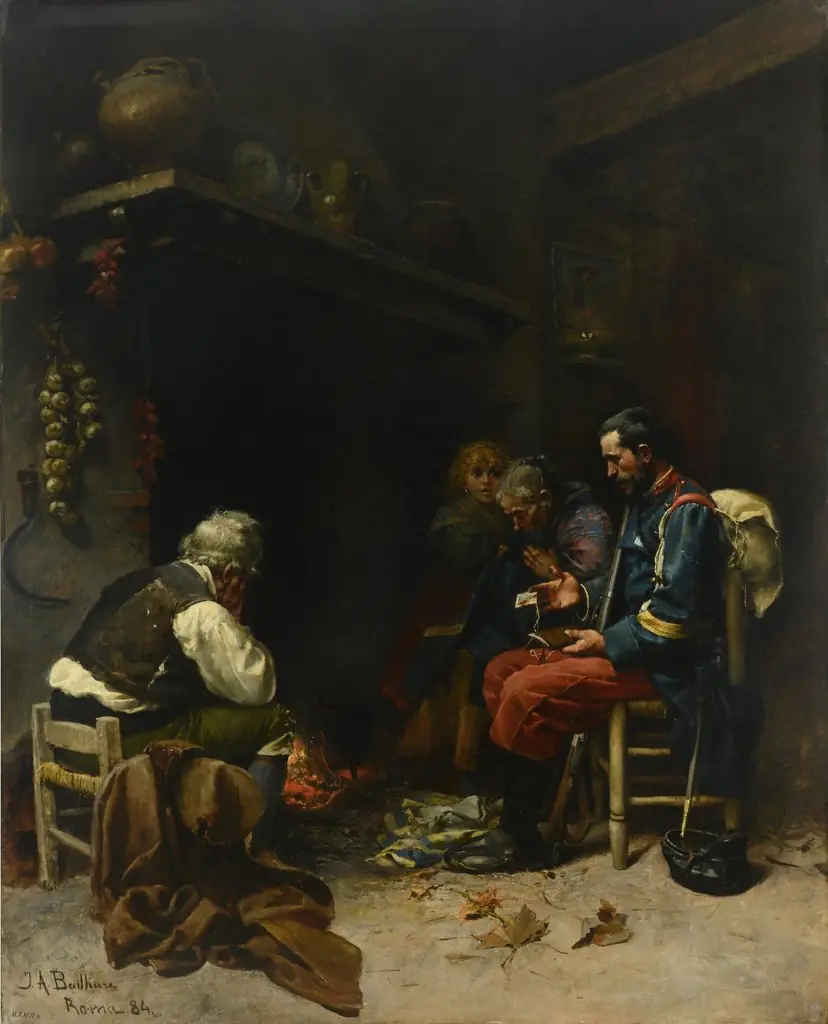 Por la patria
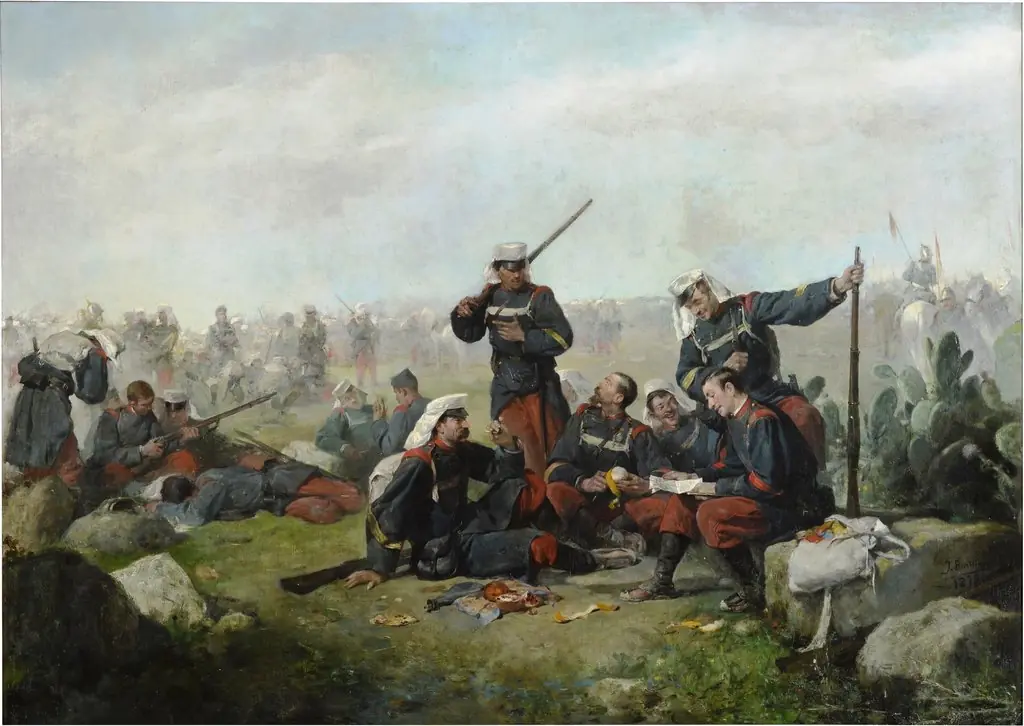 El descanso en la marcha
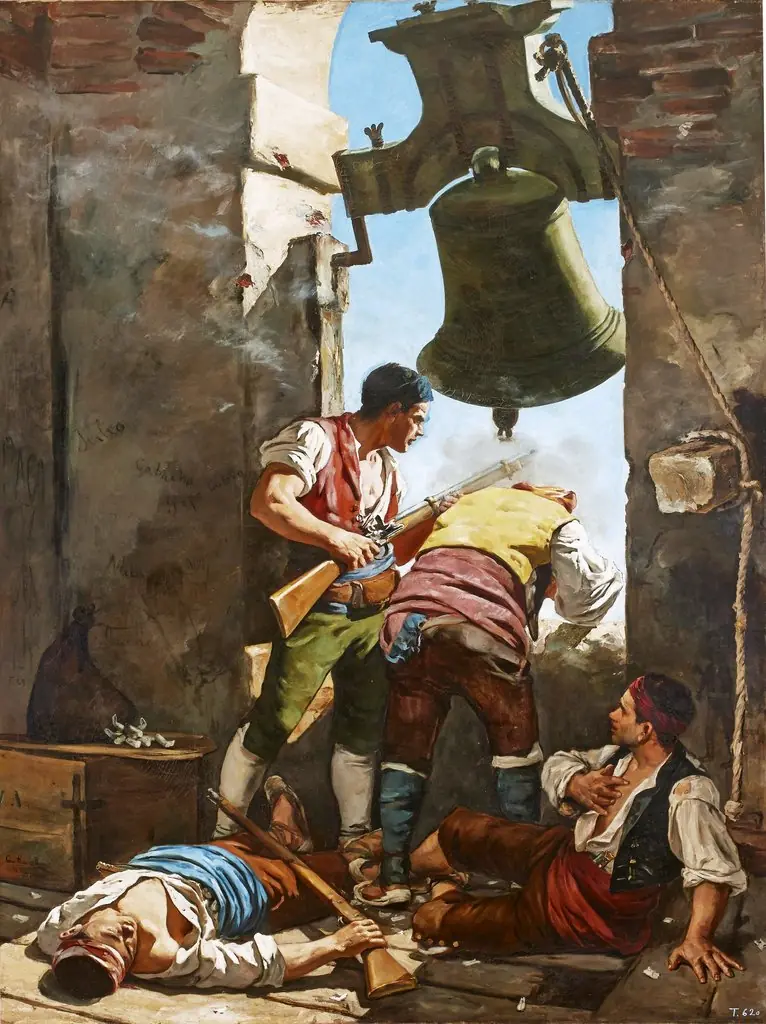 Heroic defense of the tower of San Agustín in Zaragoza in the War of Independence
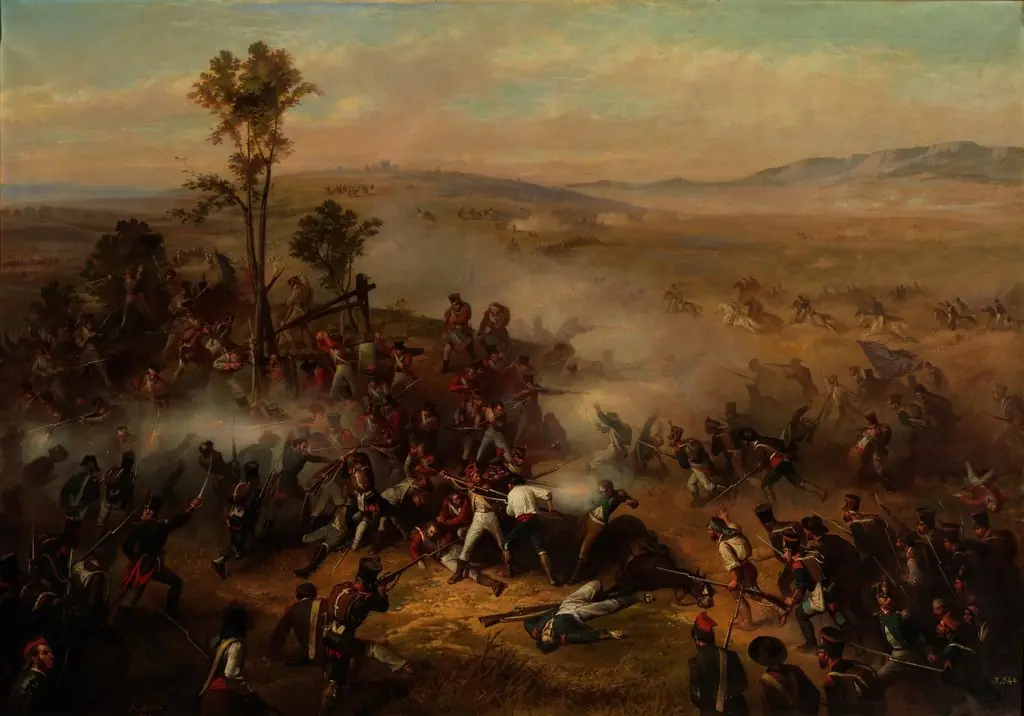 Episodio de la batalla de Bailén
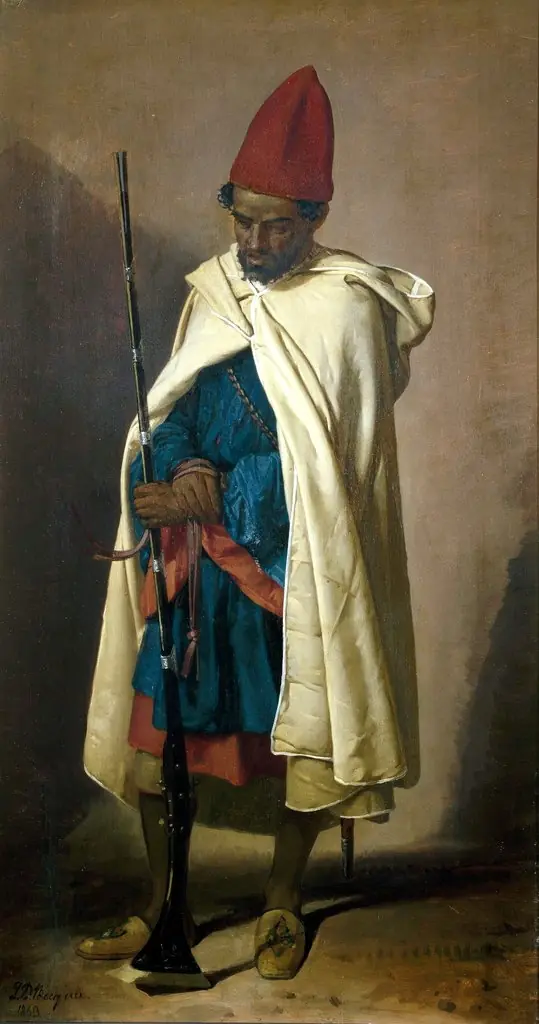 Moor
Moor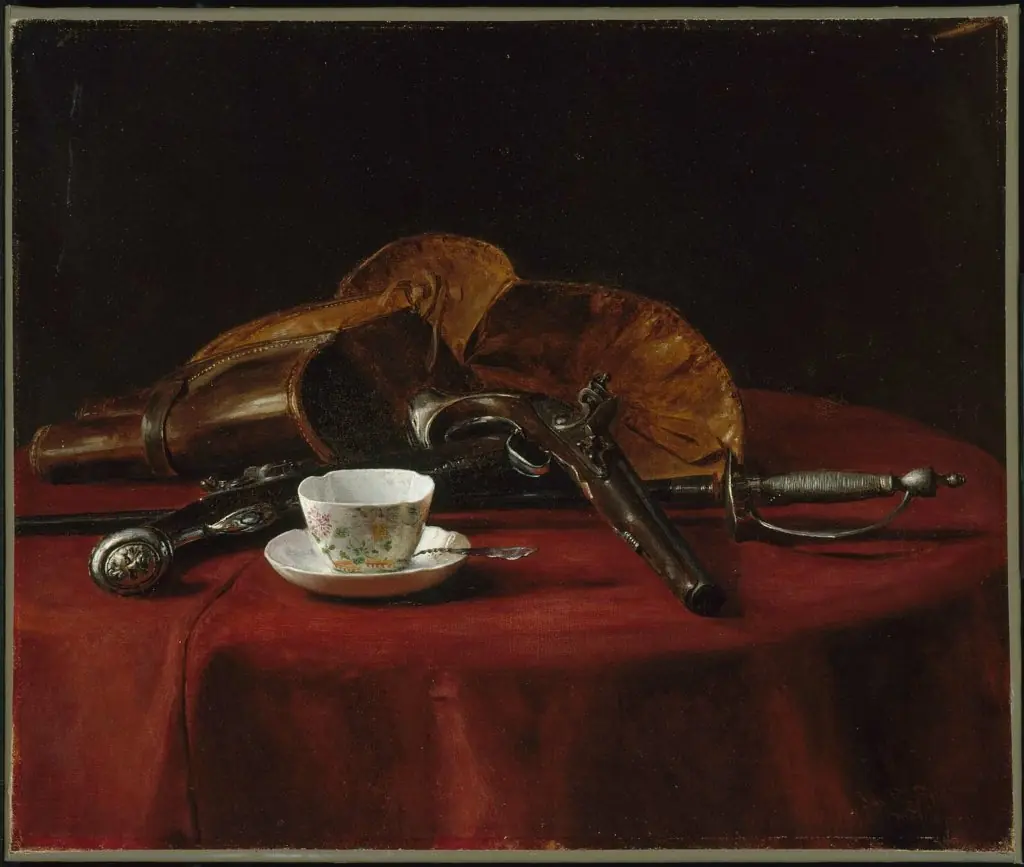 Sword, Pistols, and Teacup
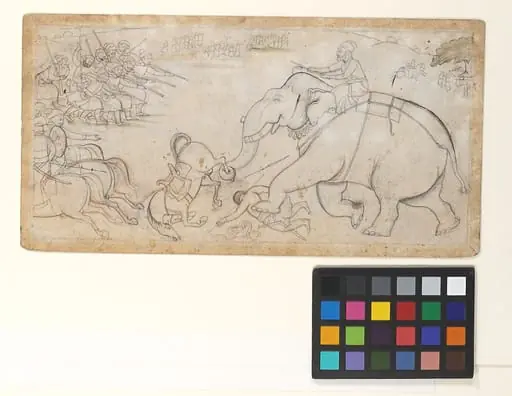 Untitled
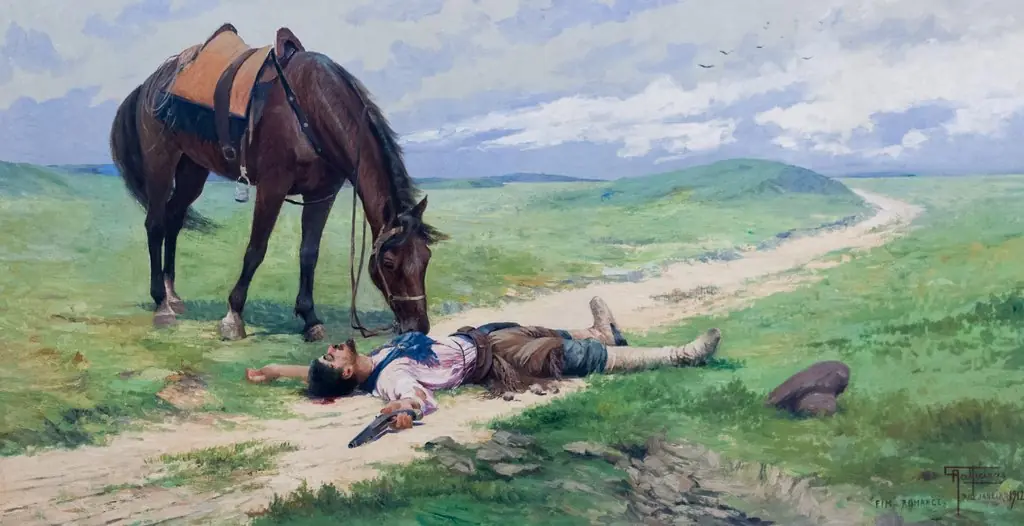 The End of Romance
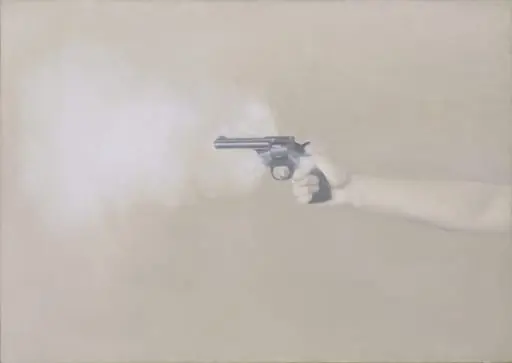 Untitled
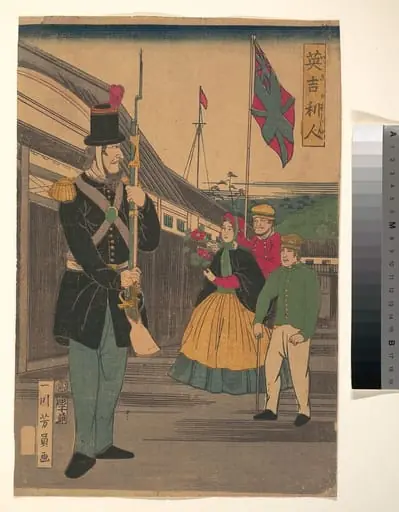 Igirisujin|英吉利人|Englishmen
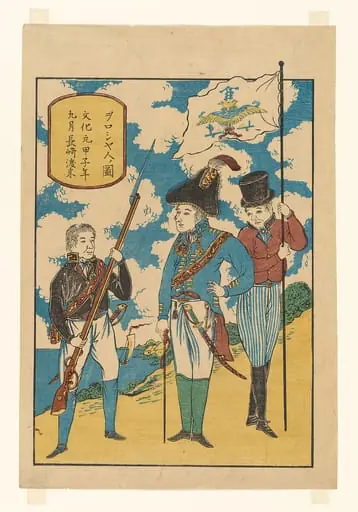 「ヲロシア人啚、文化元甲子年九月 長崎渡来」|Russians at Nagasaki
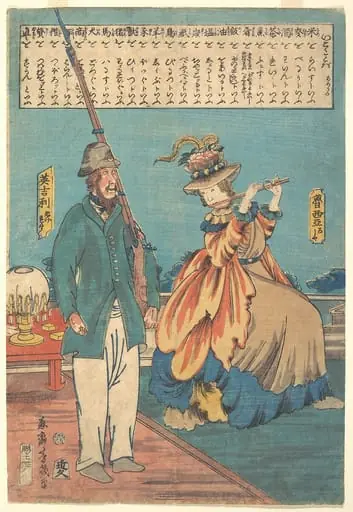 魯西亞 ・英吉利|An English Man and a Russian Woman
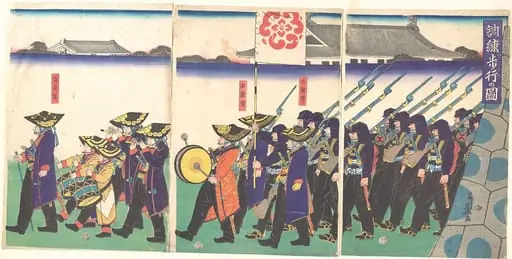 Untitled
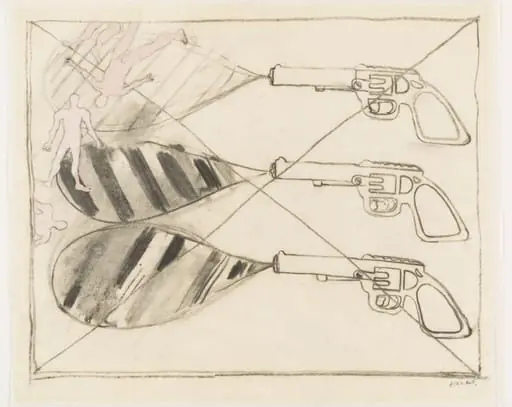 Drawing No.2
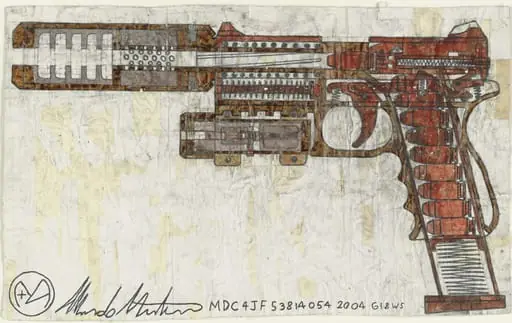 Untitled
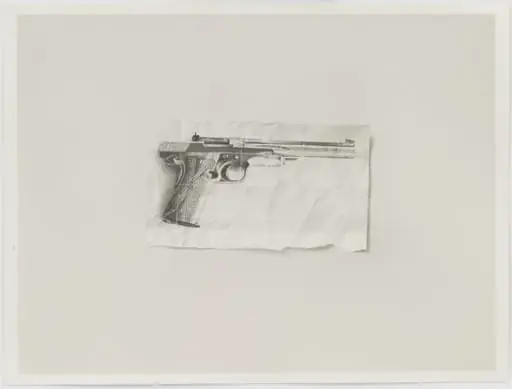 Untitled
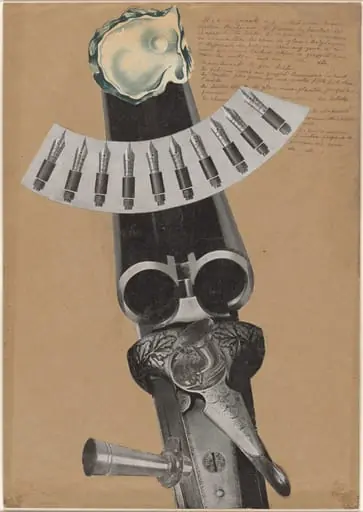 Untitled
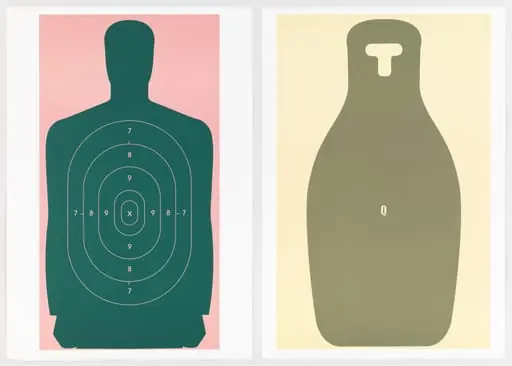 Untitled
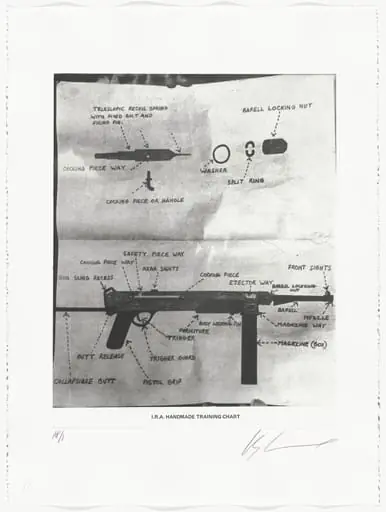 Untitled
Frequently asked questions
What is Firearm?
Firearm is a subject in art. A firearm is any type of gun that shoots projectiles using high explosive pressure generated from combustion (deflagration) of chemical propellant, most often black powder in antique firearms and smokeless powder in modern firearms.
How many Firearm works does Artifact World Gallery have?
Artifact World Gallery holds 46 public-domain Firearm works, all free to view and download.
Who are the key Firearm artists?
Key Firearm artists in the collection include Thomas Eakins, David Teniers the Younger and Thomas Hovenden.
Where can I see Firearm works?
Firearm works in the collection are held by Museo del Prado, Metropolitan Museum of Art and Museum of Modern Art.