Subject
Grand Canal
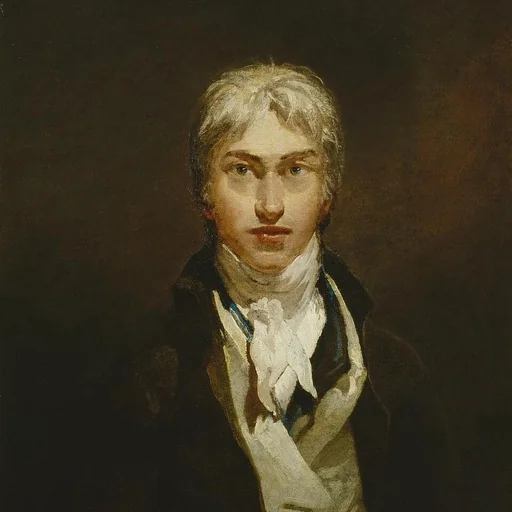
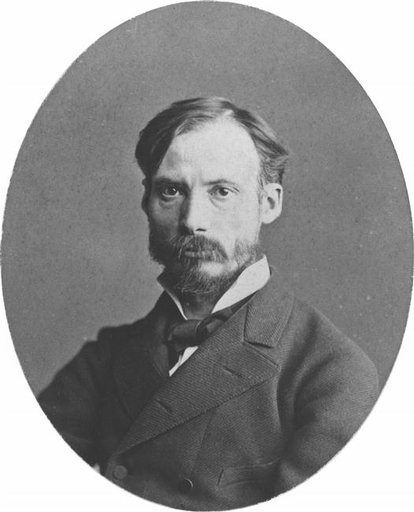
Grand Canal is a subject in art. The gallery holds 136 works in this subject in art, including works by Joseph Mallord William Turner, Pierre-Auguste Renoir and Canaletto.
The Grand Canal (Italian: Canal Grande , locally and informally Canalazzo; Venetian: Canal Grando, locally usually Canałaso ) is the largest channel in Venice, Italy, forming one of the major water-traffic corridors in the city. One end of the canal leads into the lagoon near the Santa Lucia railway station and the other end leads into the basin at San Marco; in between, it makes a large reverse-S shape through the central districts (sestieri) of Venice.
Key artists
Overview
The Grand Canal (Italian: Canal Grande; Venetian: Canal Grando, locally Canałaso) is the principal waterway of Venice, Italy, and one of the most frequently depicted subjects in the visual arts. Stretching 3.8 kilometres in a distinctive reverse-S curve through the historic centre, it separates the sestieri of San Marco, Cannaregio and Castello from those of Dorsoduro, San Polo and Santa Croce. Its banks are lined with more than 170 buildings, predominantly palaces dating from the 13th to the 18th centuries, which emerge directly from the water without pavement. The canal's unique urban morphology, its role as the ceremonial and commercial artery of the Venetian Republic, and its luminous atmosphere have made it an enduring motif for artists from the Renaissance to the present day. The collection holds 136 works depicting the Grand Canal, ranging from precise topographical views to atmospheric impressions, reflecting its status as an icon of European culture.
Iconography & meaning
In art, the Grand Canal carries multiple layers of significance. Topographically, it functions as a stage for displaying the wealth and architectural ambition of the Venetian nobility, with palaces such as Ca' d'Oro, Ca' Rezzonico and Palazzo Dario serving as markers of status. The canal's water itself becomes a symbolic element, reflecting light and doubling the visual splendour of the facades, a phenomenon that artists have exploited to convey both material prosperity and the fragile, liminal nature of a city built on lagoon. Ceremonial events, notably the Historical Regatta and the arrival of foreign ambassadors, transform the canal into a theatre of state power and diplomatic ritual. The Rialto Bridge, for centuries the sole crossing point, appears as a symbol of commercial hub and communal engineering. Religious architecture, particularly Santa Maria della Salute at the canal's mouth, introduces themes of devotion and thanksgiving against the backdrop of maritime prosperity. The Grand Canal thus embodies the paradox of Venice: a republic of merchants whose wealth was displayed through architecture that rose from unstable foundations, a city where water was simultaneously highway, mirror and threat.
Notable depictions
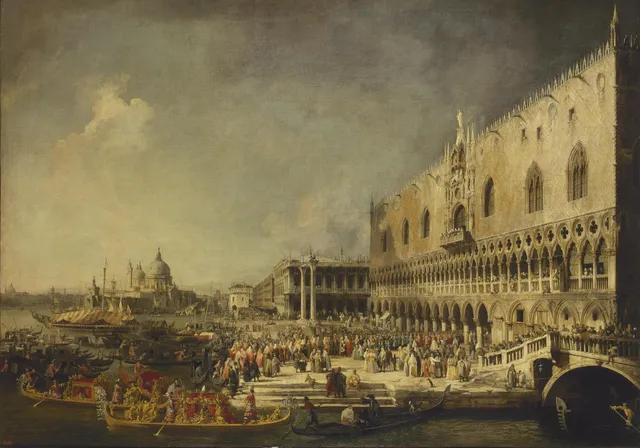
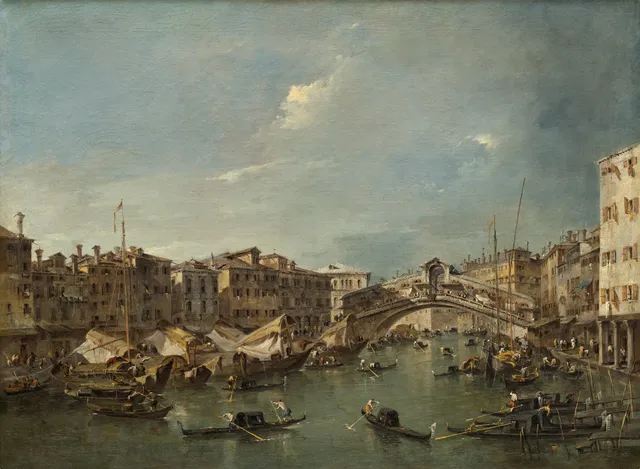
Within the collection, several works stand as particularly significant examples of Grand Canal representation. The Grand Canal with the Rialto Bridge, Venice and The Grand Canal at the Rialto demonstrate the centrality of this crossing point, the former a stone structure completed in the late 16th century replacing earlier wooden bridges. The Entrance to the Grand Canal at the Punta della Dogana and Santa Maria Tulute captures the dramatic meeting of canal and lagoon, with the basilica's dome as a landmark visible from the sea. A Regatta on the Grand Canal with the Rialto Bridge in Venice records the competitive rowing events that continue as the Historical Regatta. The Bucintoro represents the ceremonial vessel of the Doge, tying the canal to republican ritual. Arrival of the French Ambassador in Venice illustrates diplomatic protocol, with the canal serving as the processional route for state visitors. Entrance to the Grand Canal from the Molo, Venice shows the approach from the Piazzetta, the ceremonial entry point for those arriving by sea. These works collectively establish the visual conventions through which the Grand Canal has been understood and celebrated.
Legacy
The Grand Canal's afterlife in visual culture extends far beyond the collection's holdings. As Venice became an essential stop on the Grand Tour from the 17th century onward, depictions of the canal circulated throughout Europe, shaping perceptions of the city as a unique achievement of human ingenuity and aesthetic refinement. The vedute of the canal established a visual template that influenced urban representation more broadly, from capricci to photography. The canal's architecture, particularly the Venetian-Byzantine and Venetian Gothic palaces, became subjects of architectural study and emulation. In the 19th century, the construction of the railway station at Santa Lucia and the demolition of the church of the same name marked a rupture, yet also generated new forms of documentation and nostalgia. The controversial Ponte della Costituzione, inaugurated in 2008 and designed by Santiago Calatrava, demonstrates the canal's continued capacity to generate debate about the relationship between historical preservation and contemporary intervention. The Grand Canal remains a site of pilgrimage for artists, photographers and tourists, its image reproduced incessantly even as the ecological challenges facing Venice lend new urgency to its representation.
Works
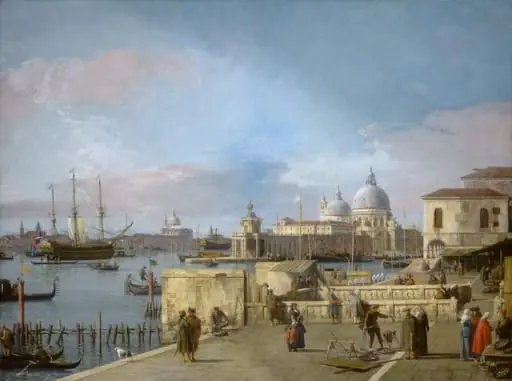 Entrance to the Grand Canal from the Molo, Venice
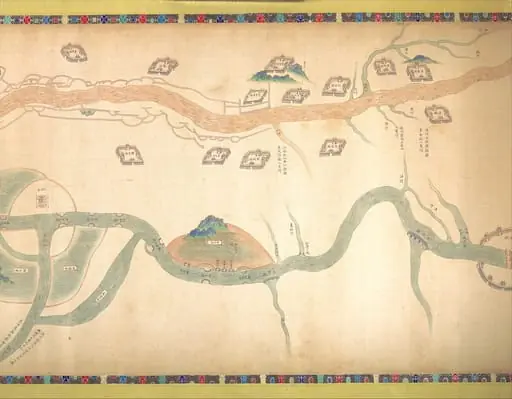 清 佚名 大運河地圖 (從北京至長江) 卷|Map of the Grand Canal from Beijing to the Yangzi River
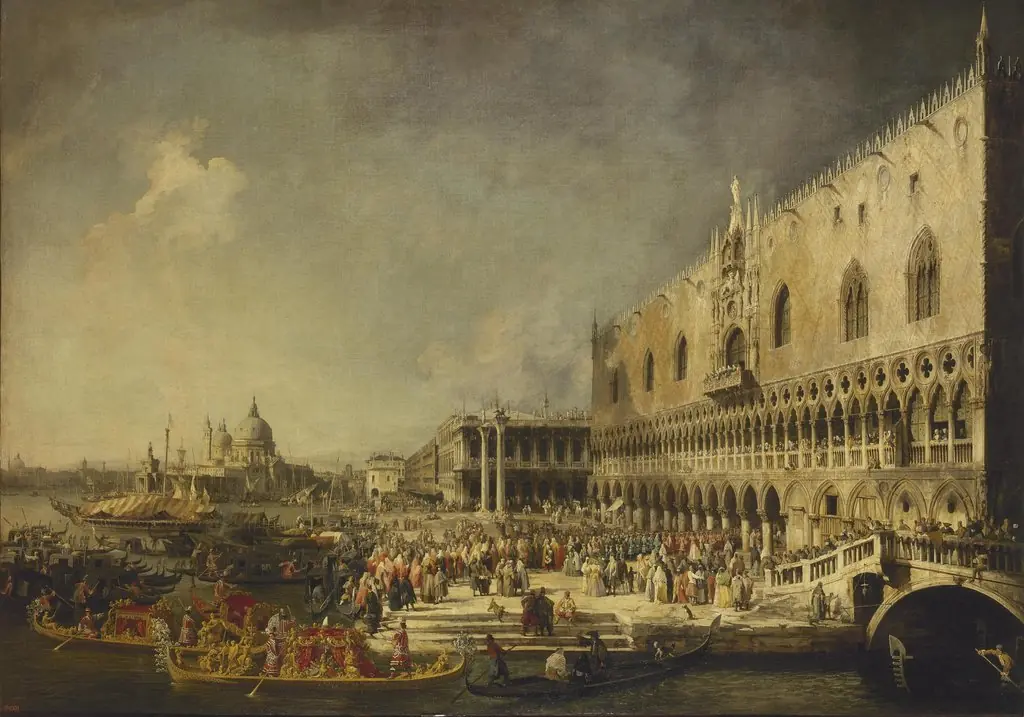 Arrival of the French Ambassador in Venice
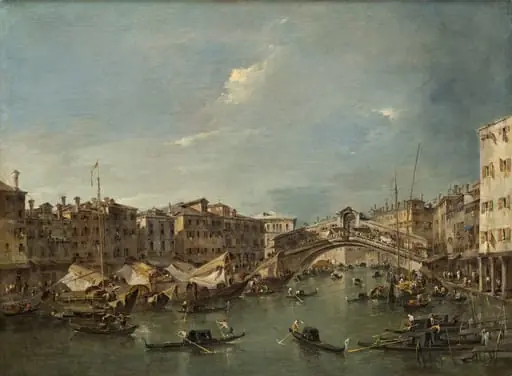 Grand Canal with the Rialto Bridge, Venice
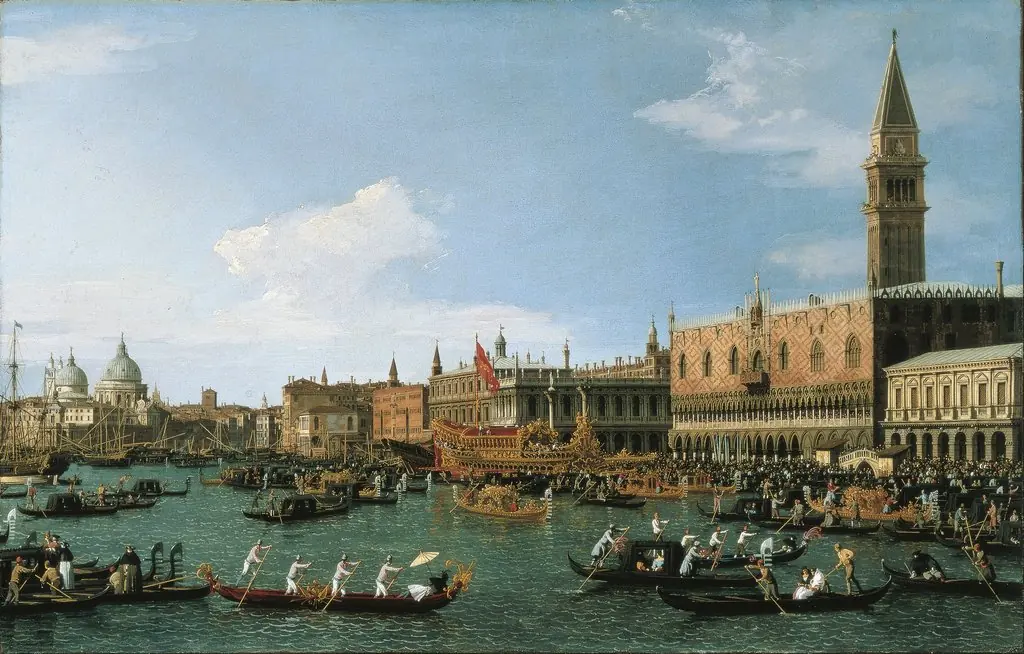 The Bucintoro
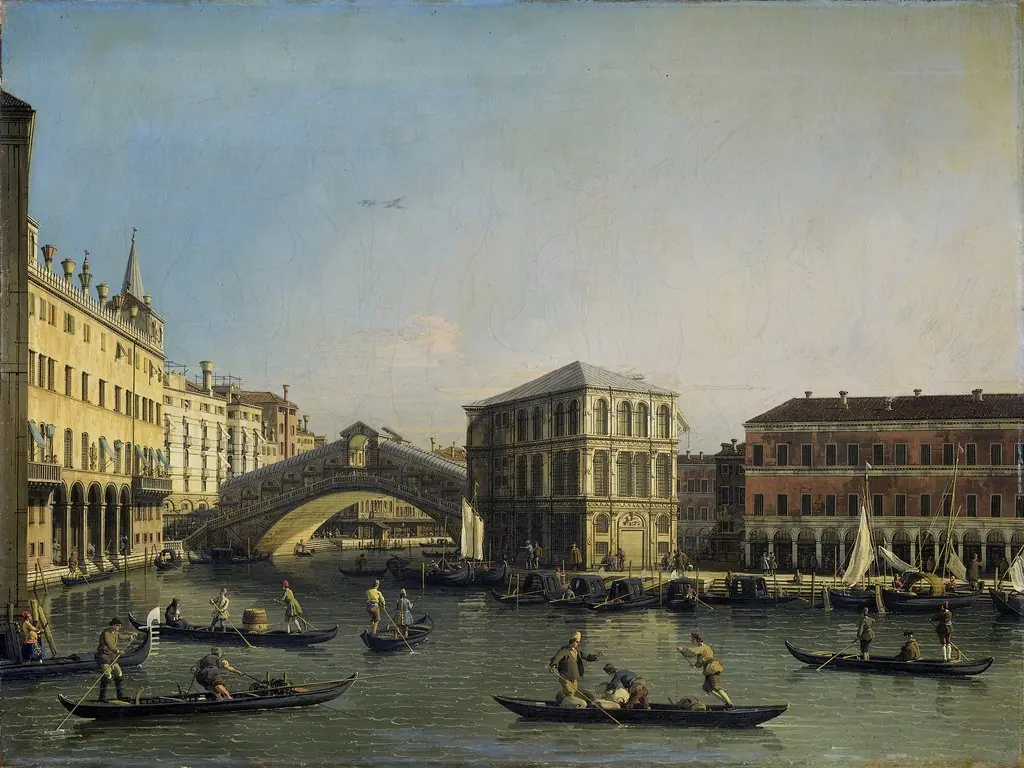 The Grand Canal with the Rialto Bridge and the Fondaco dei Tedeschi
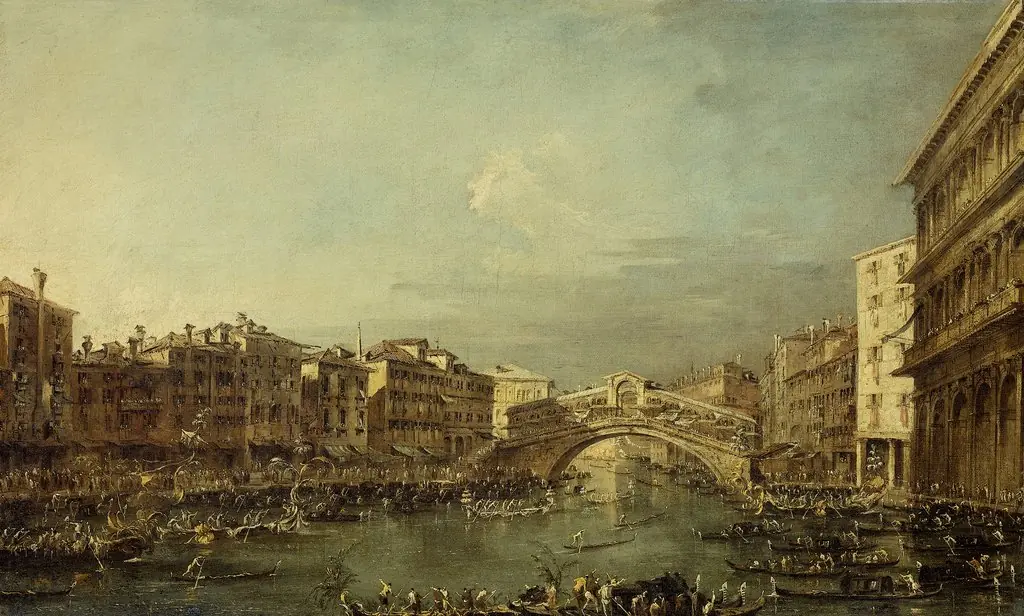 A Regatta on the Grand Canal with the Rialto Bridge in Venice
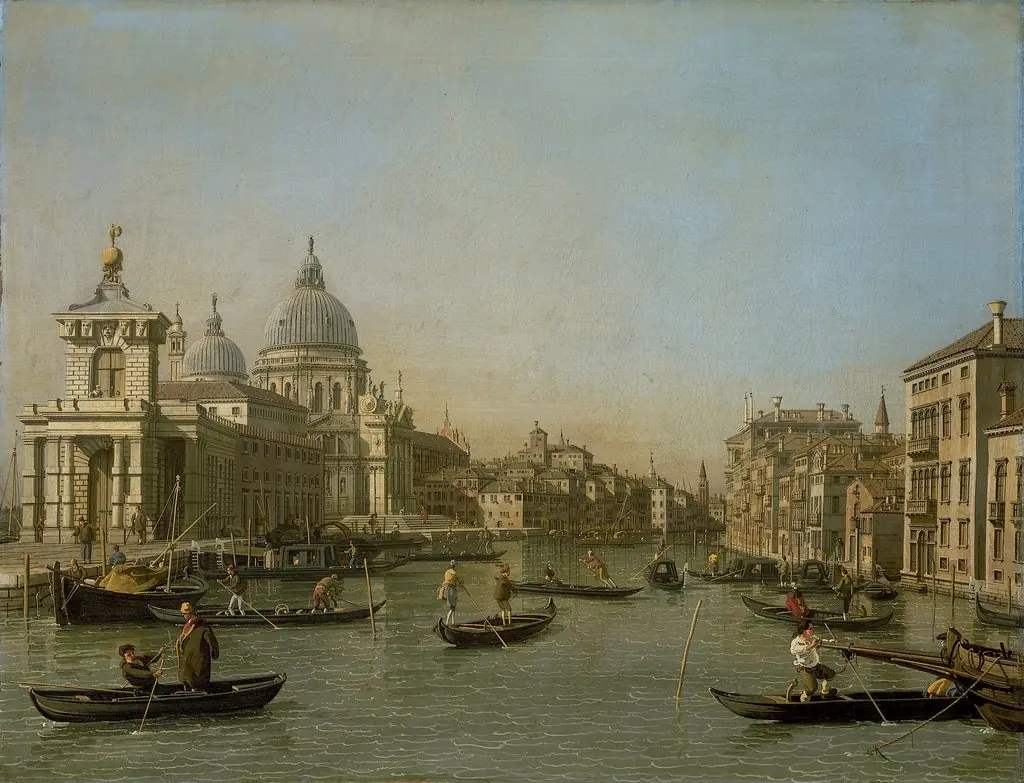 The Entrance to the Grand Canal at the Punta della Dogana and Santa Maria della Salute
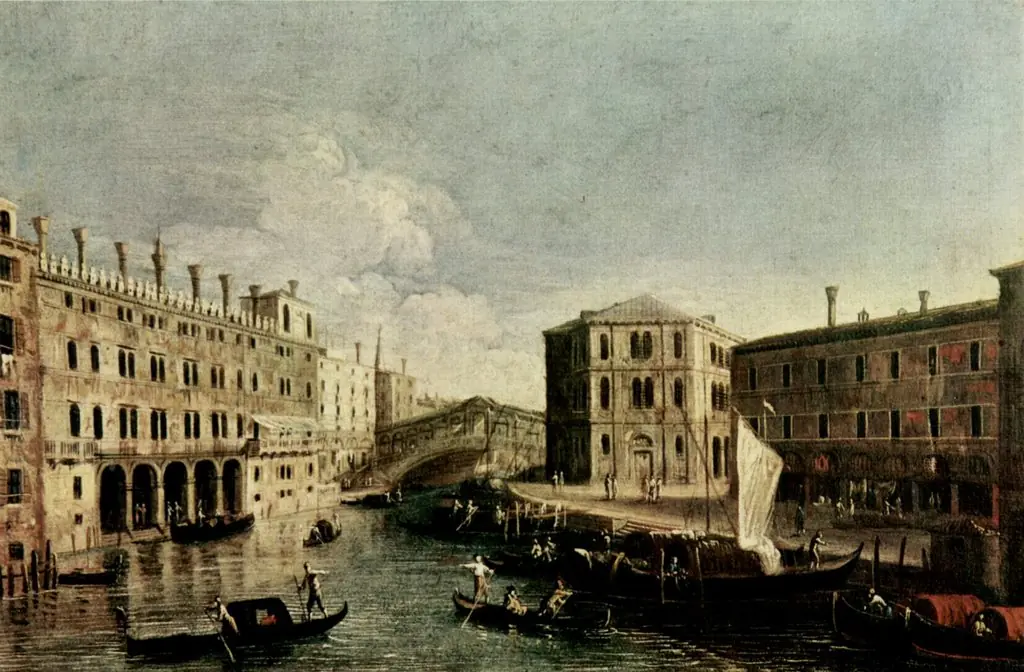 The Grand Canal at the Rialto
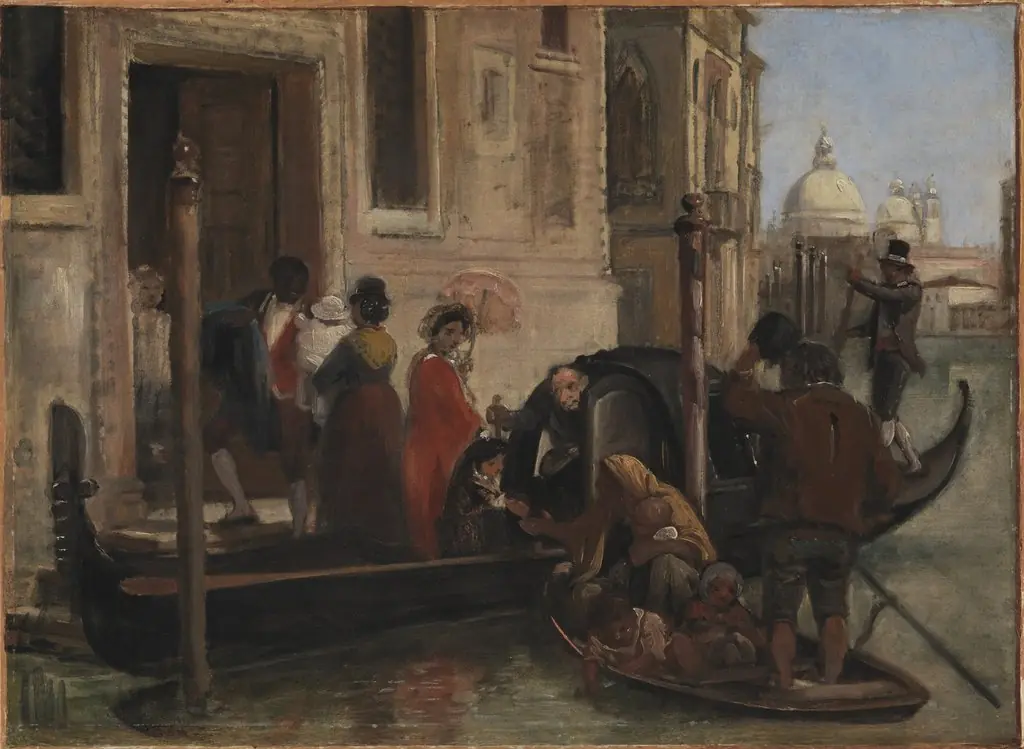 Landing in Venice. In the Distance S. Maria delle Salute
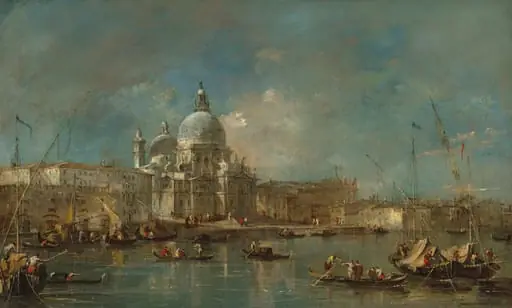 Santa Maria della Salute
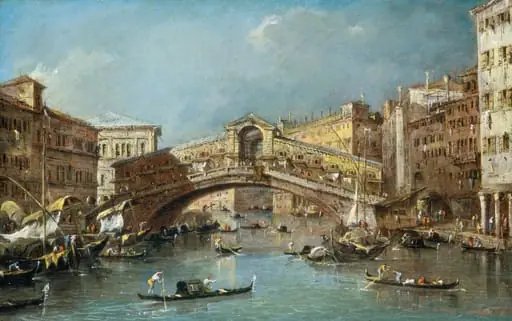 Rialto Bridge, Venice
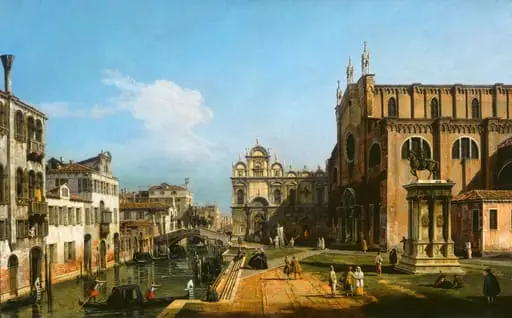 The Campo di SS. Giovanni e Paolo, Venice
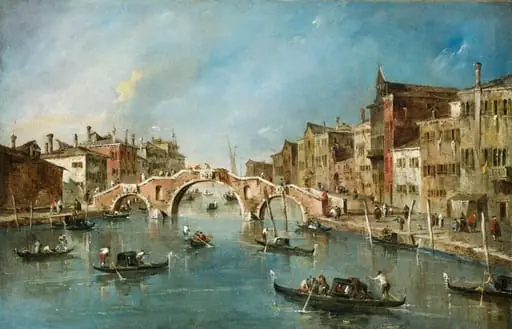 View on the Cannaregio Canal, Venice
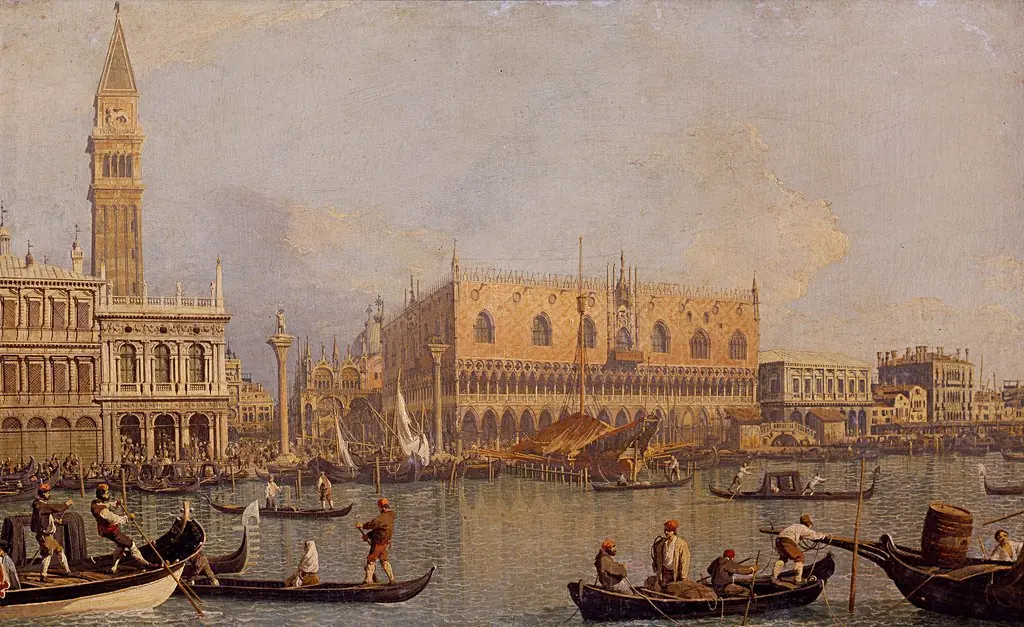 View of the Ducal Palace in Venice
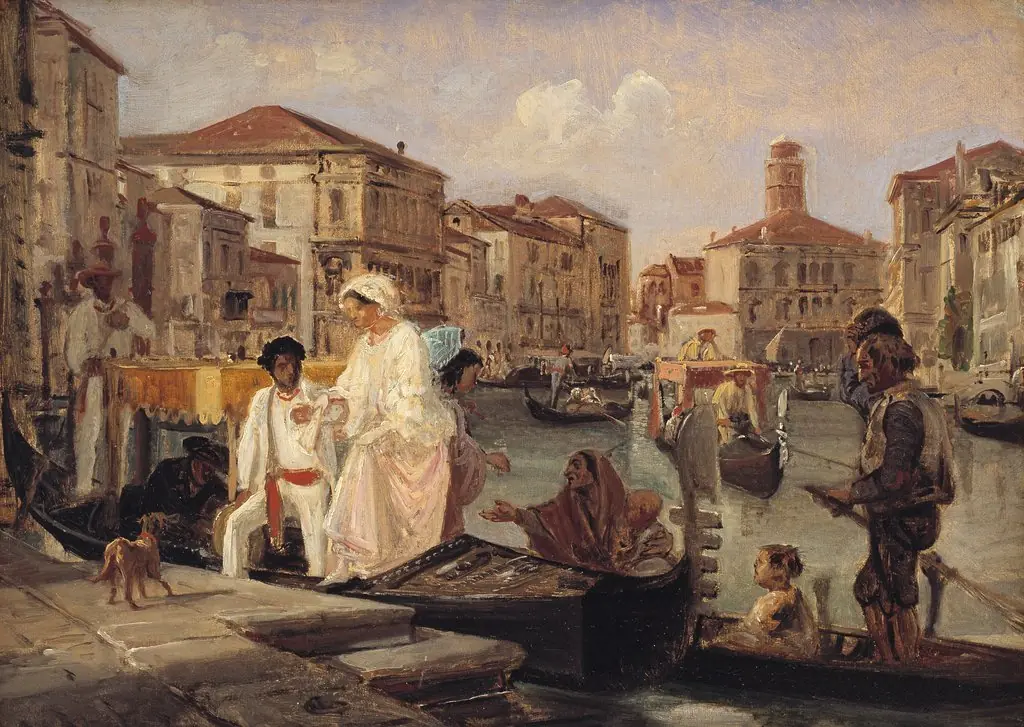 Alighting from a Gondola in Venice
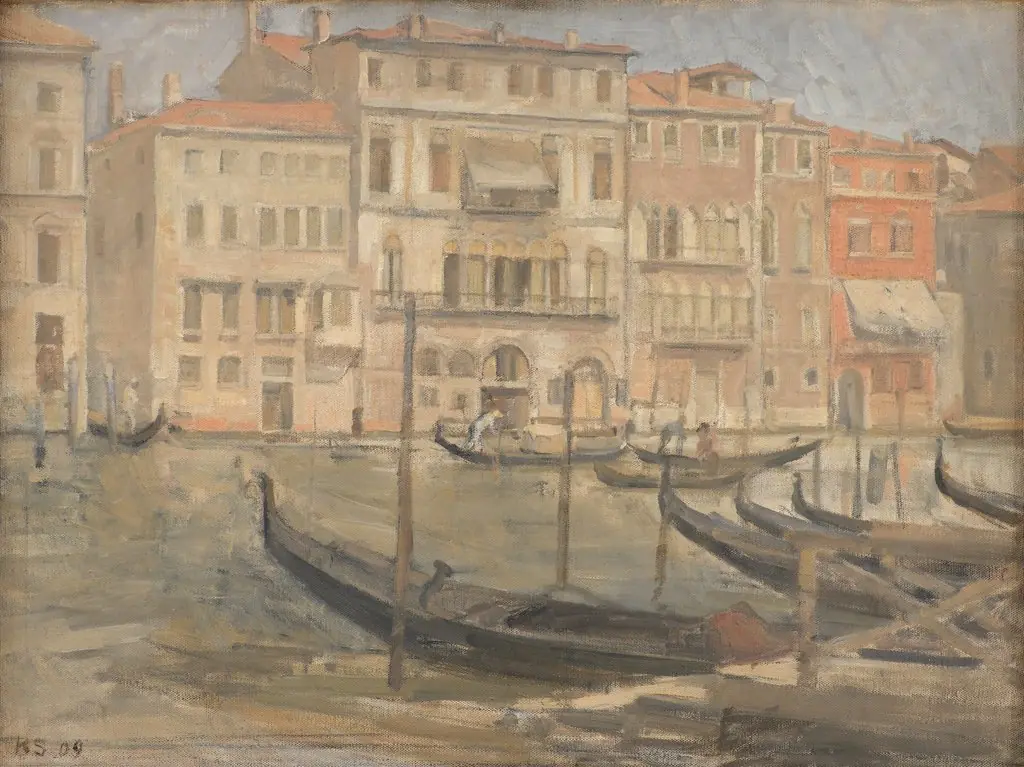 Ved Canal Grande i Venedig
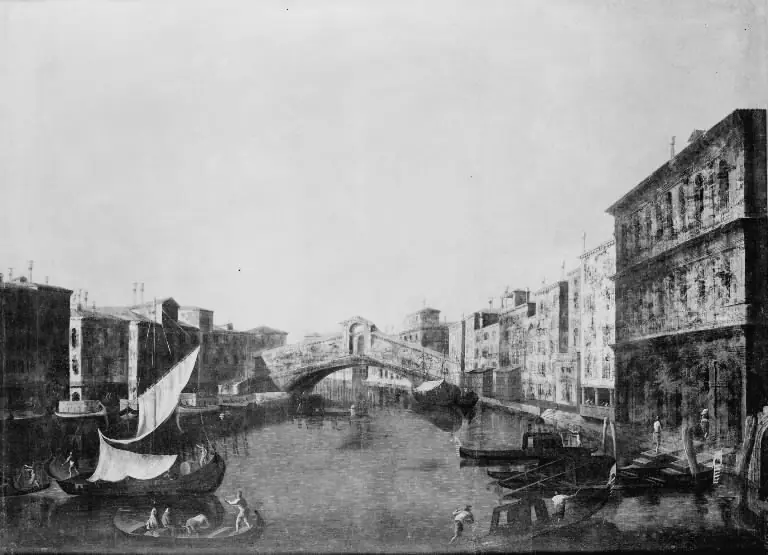 View of Canale Grande in Venice with the Rialto Bridge
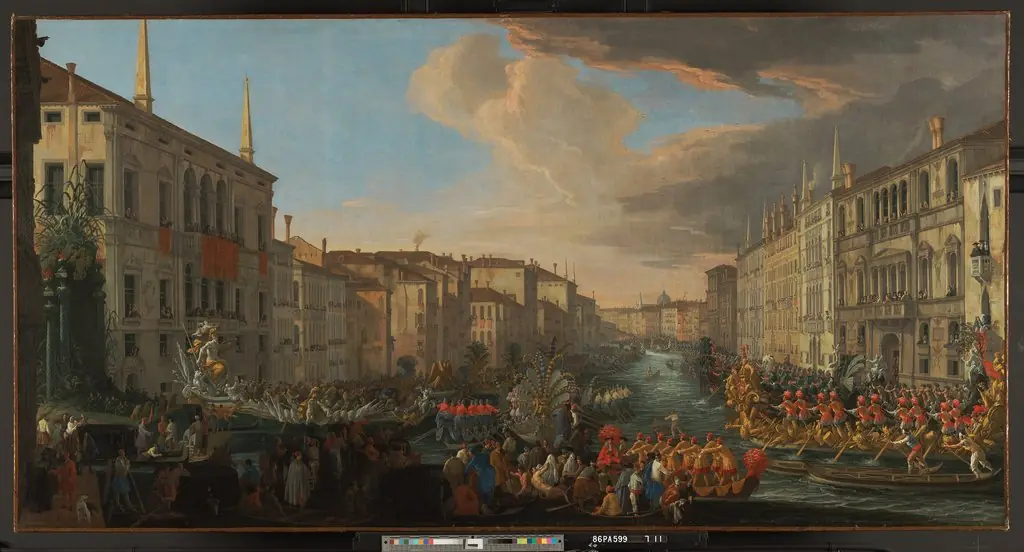 Regatta on the Grand Canal in Honor of Frederick IV, King of Denmark
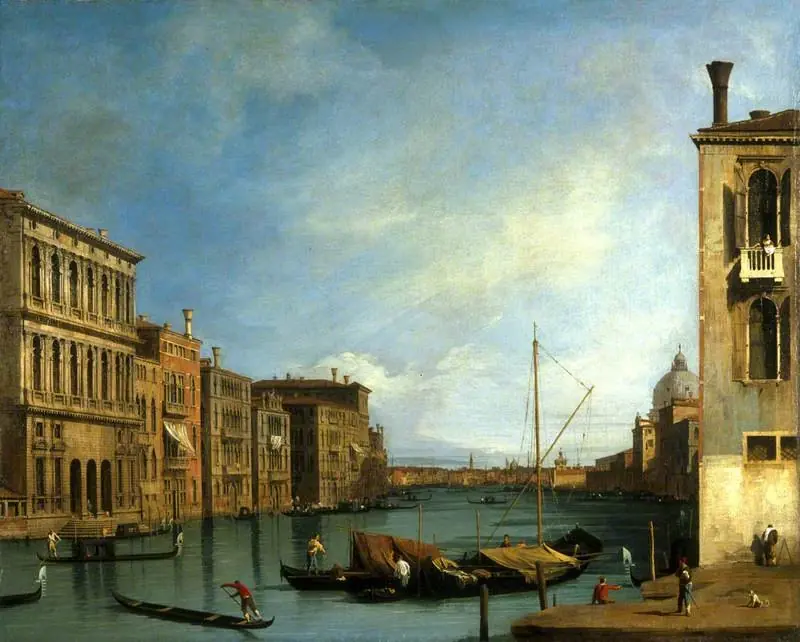 The Grand Canal from the Campo San Vio, Venice
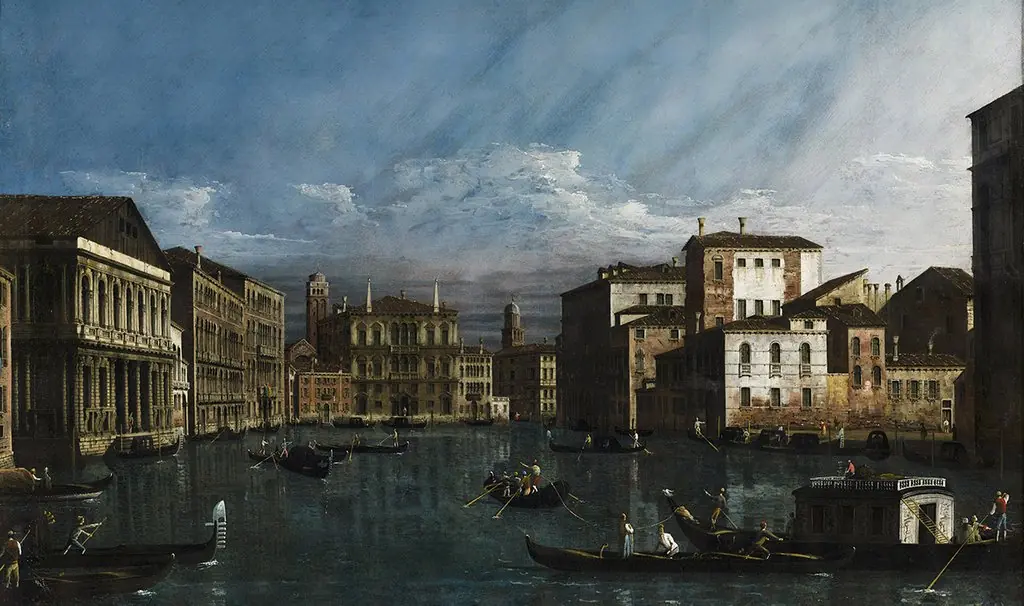 The Grand Canal in Venice
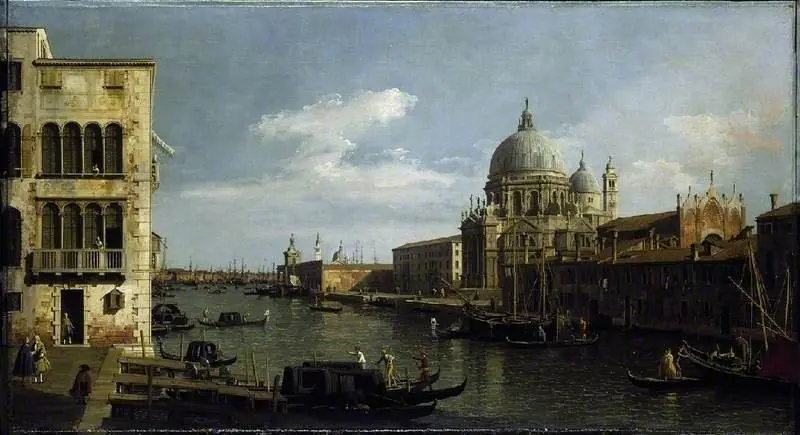 View of the Grand Canal: Santa Maria della Salute and the Dogana from Campo Santa Maria Zobenigo
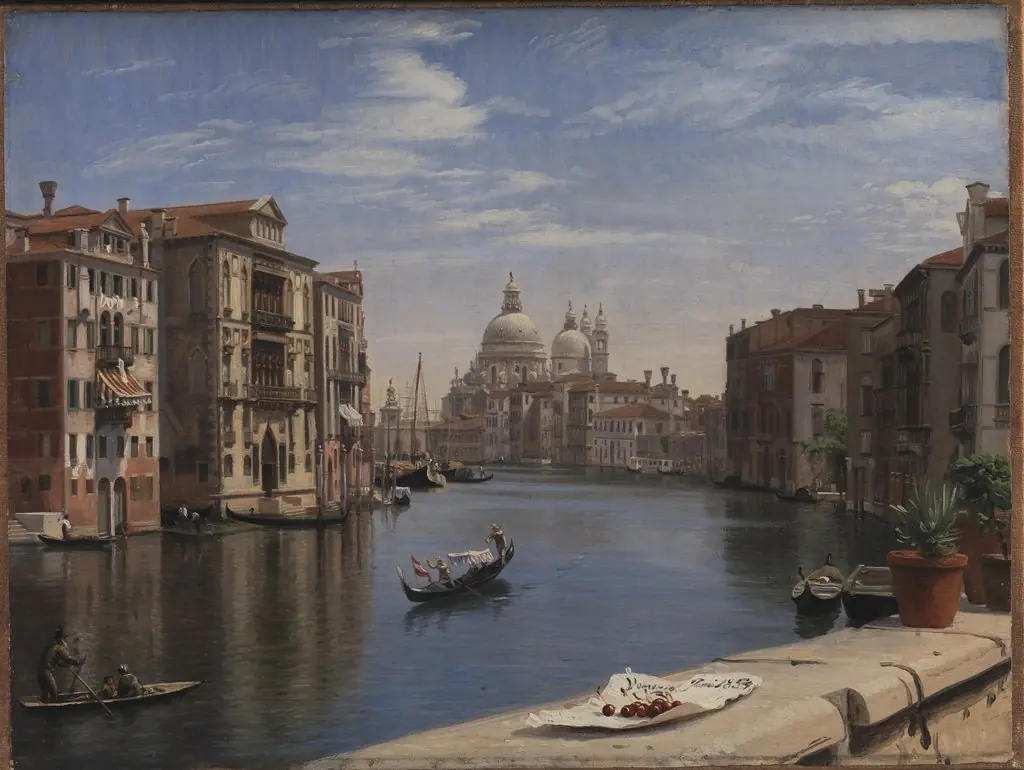 View of the Grand Canal, Venice. In the Background S. Maria della Salute
 Rio dei Mendicanti, Venice
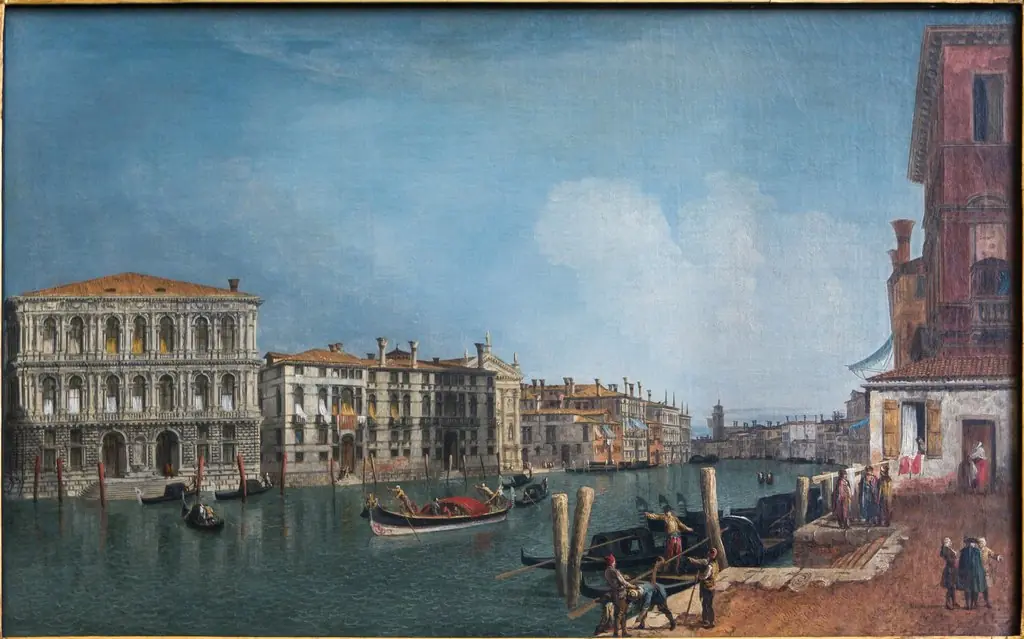 View of the Grand Canal near Cà Pesaro
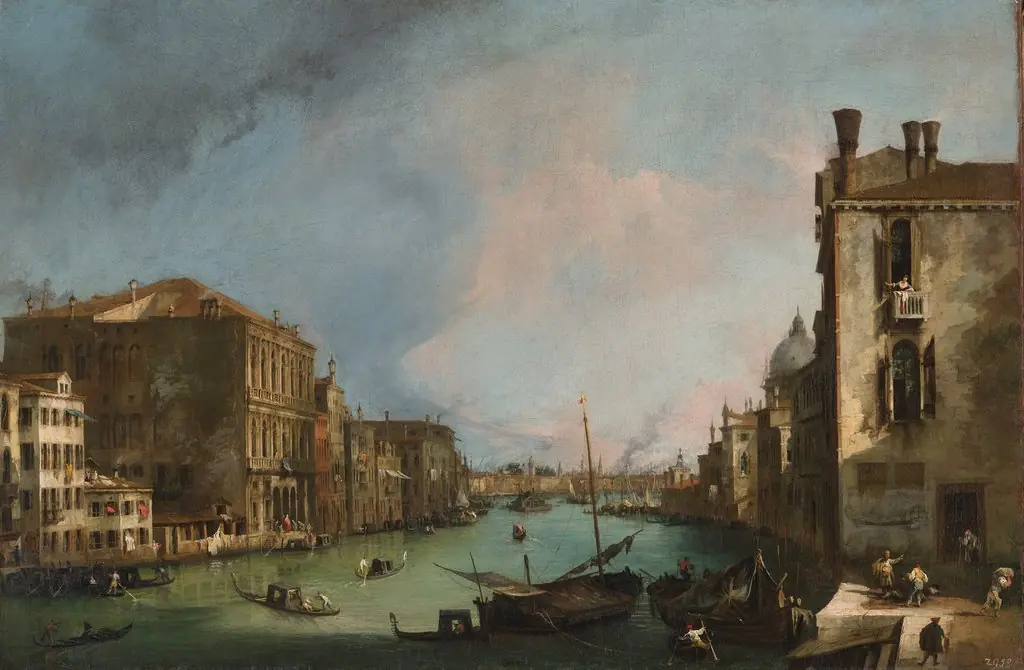 The Grand Canal in Venice with the Rialto Bridge
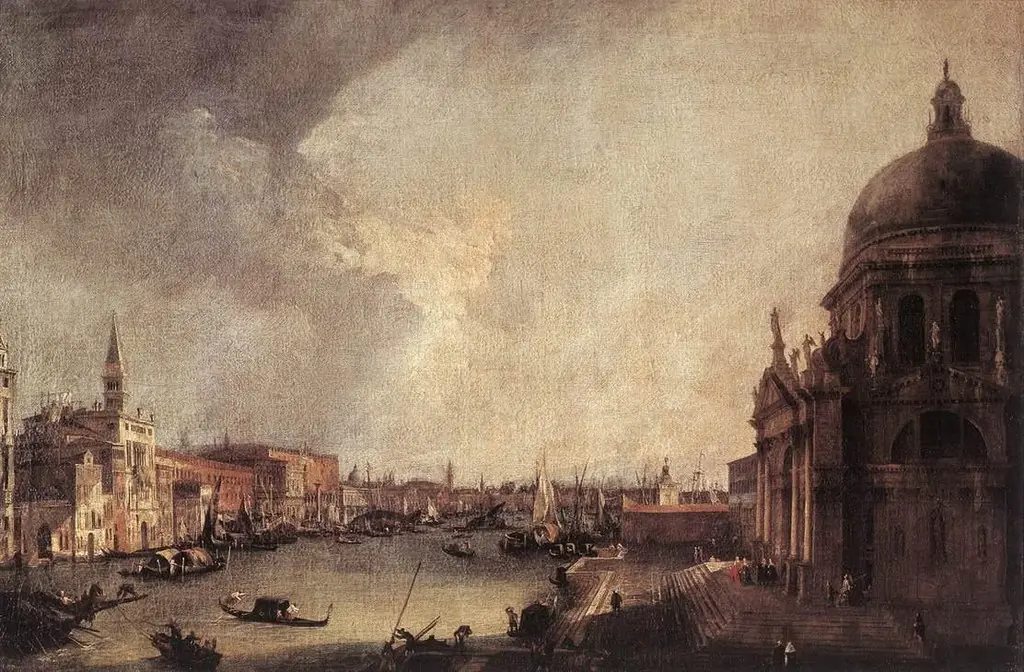 Entrance to the Grand Canal: Looking East
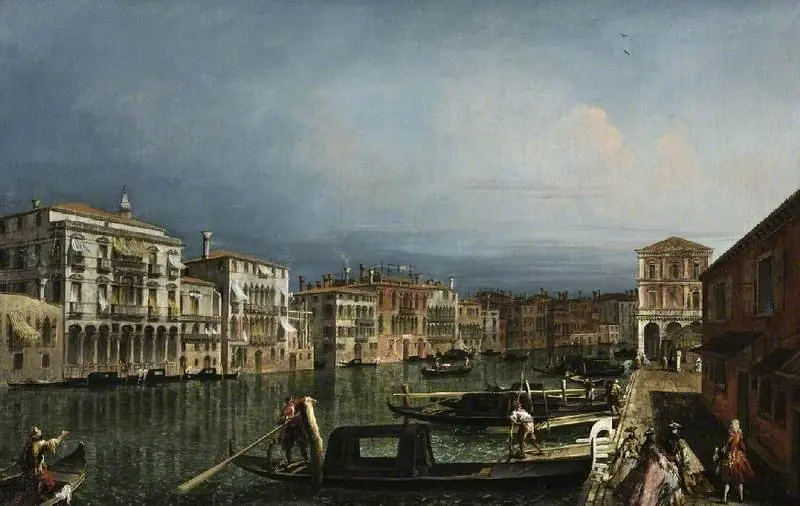 The Grand Canal, Venice, above the Rialto bridge
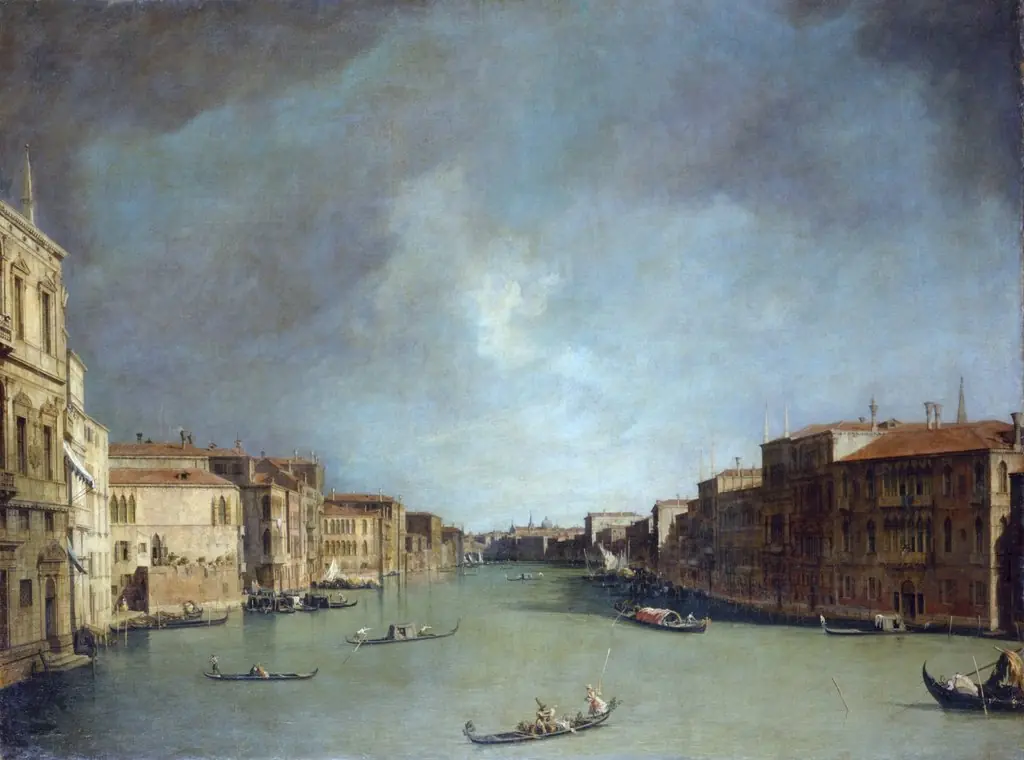 Grand Canal: Looking from Palazzo Balbi
 Untitled
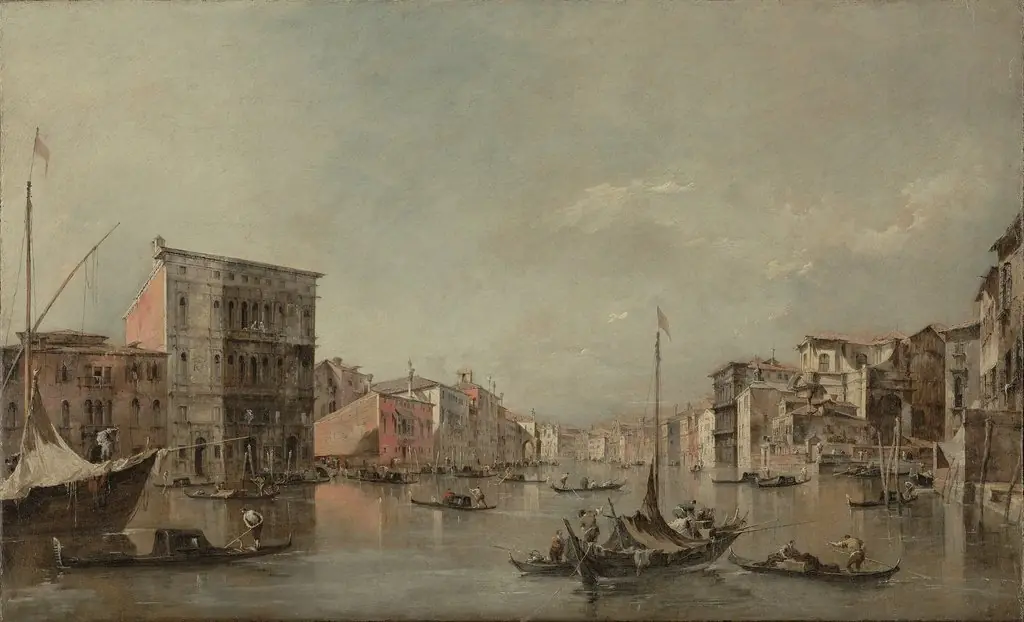 The Grand Canal in Venice with Palazzo Bembo
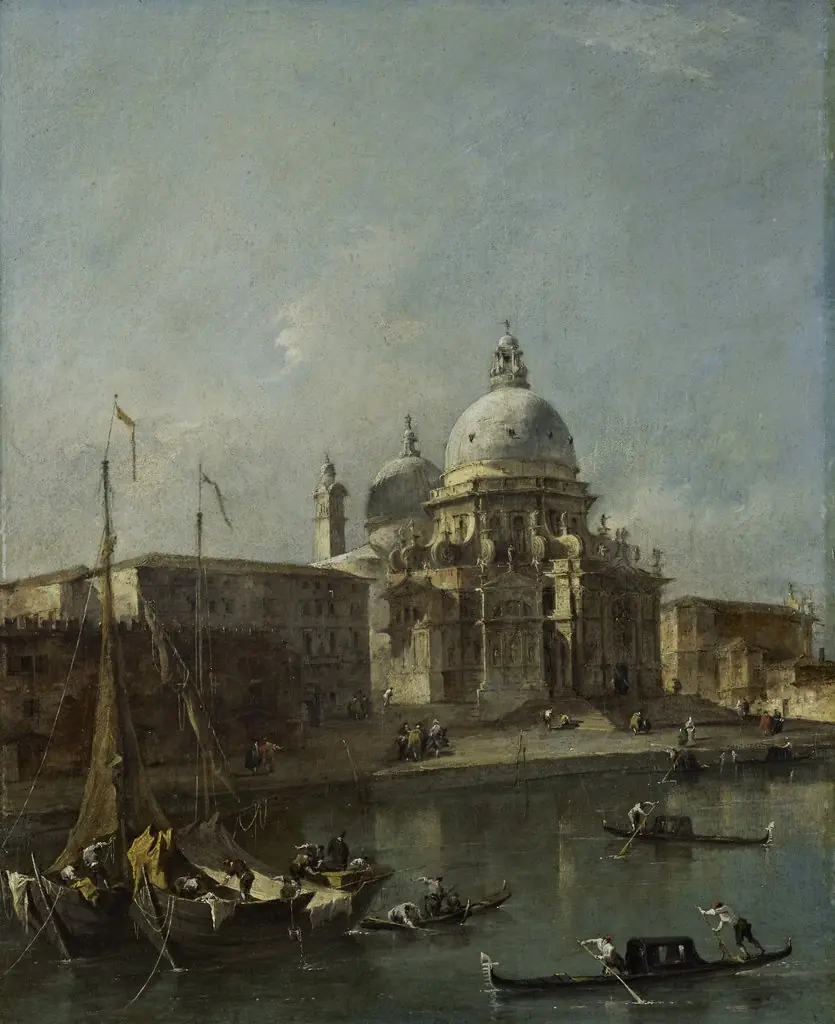 Santa Maria della Salute, Venice
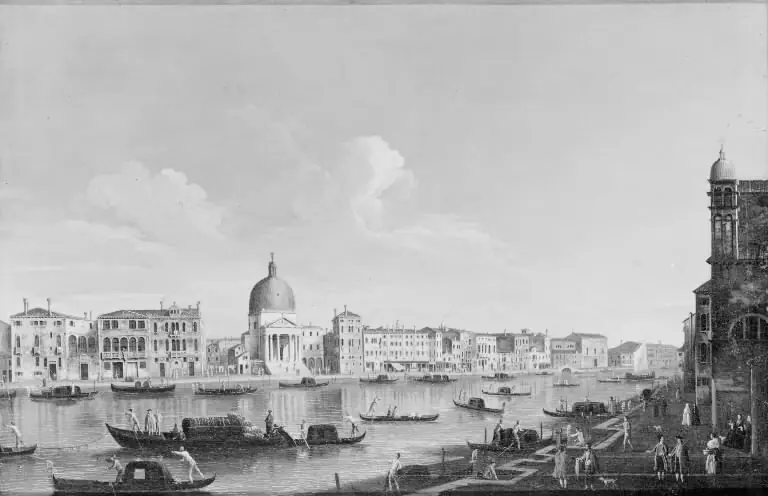 Canal Grande i Venedig med S. Simeone Piccolo
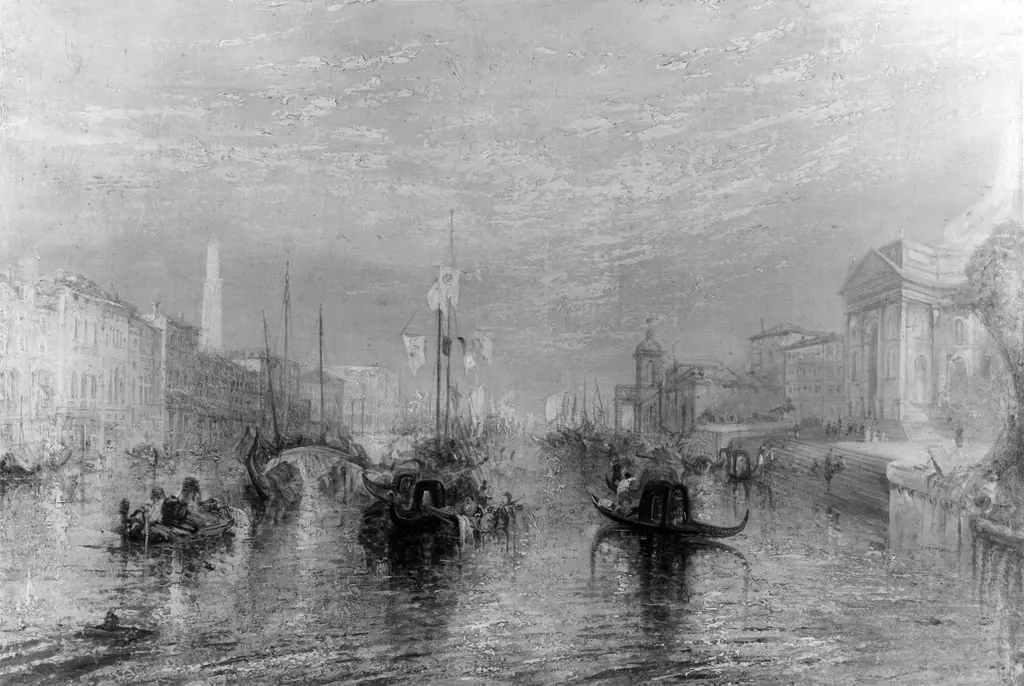 Grand Canal, Venice
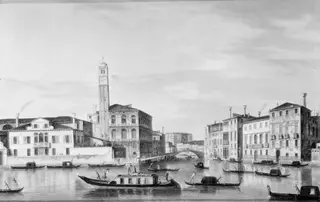 Kanal i Venedig
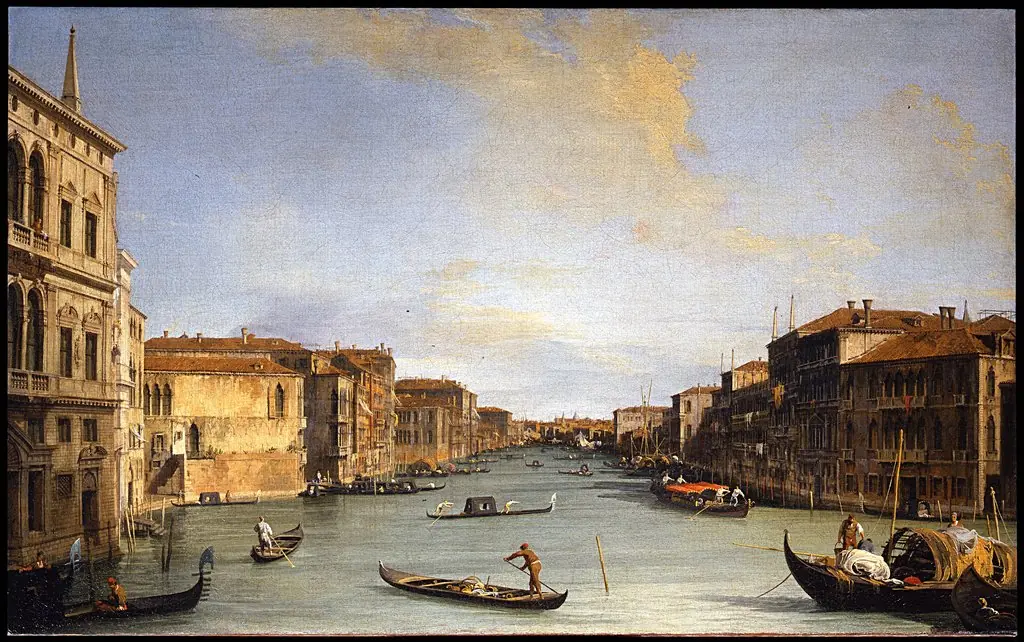 View of the Grand Canal
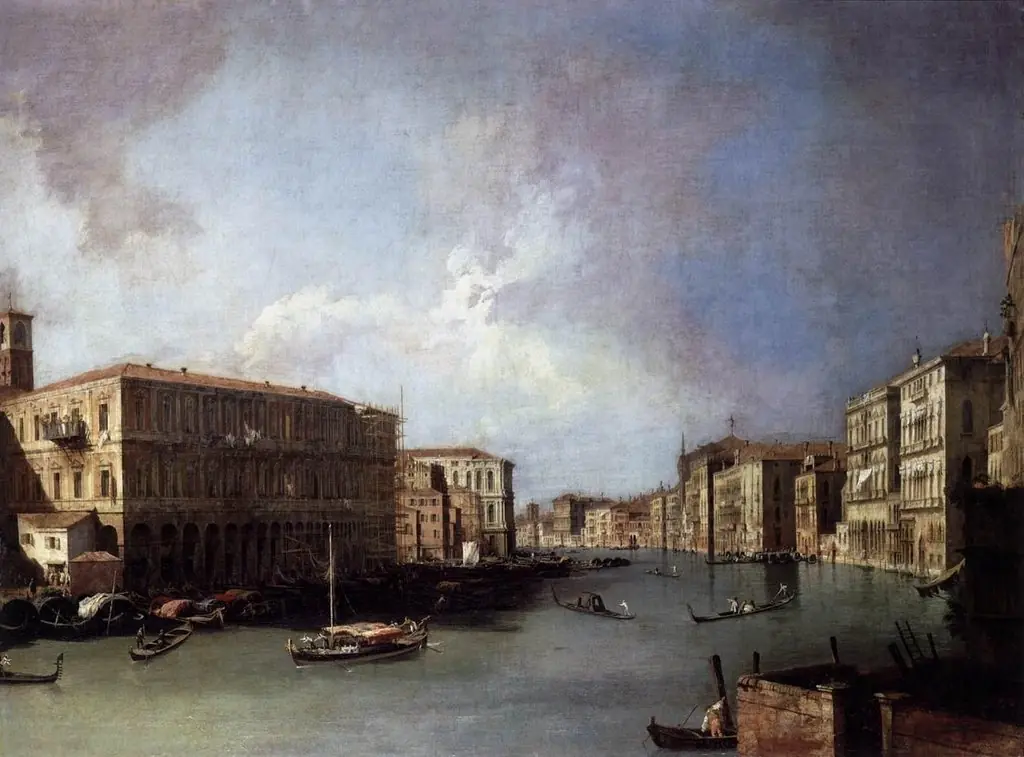 Grand Canal: Looking North from Near the Rialto Bridge
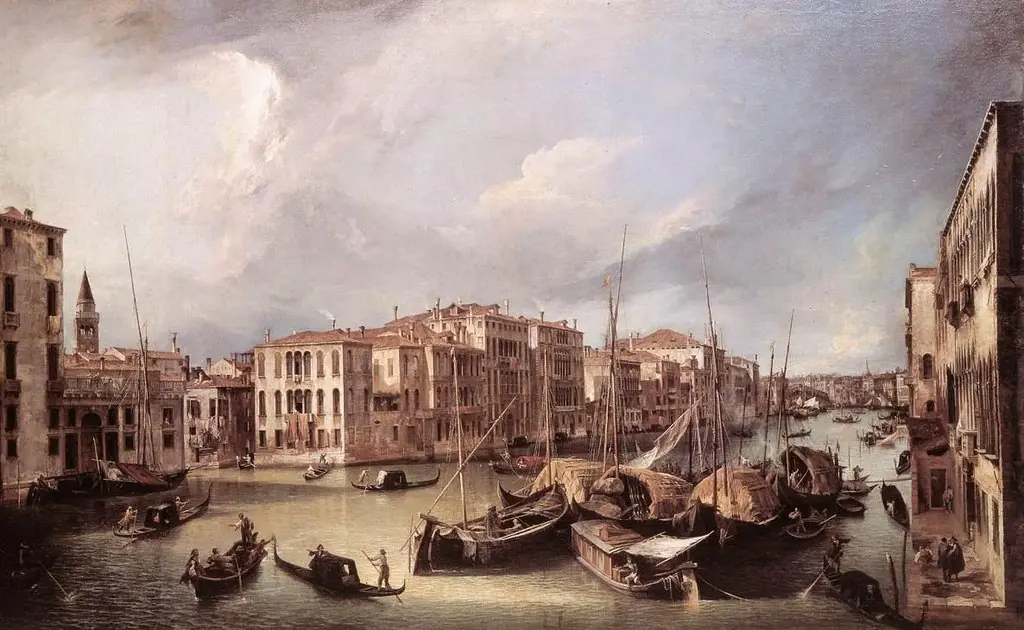 Grand Canal: Looking North-East toward the Rialto Bridge
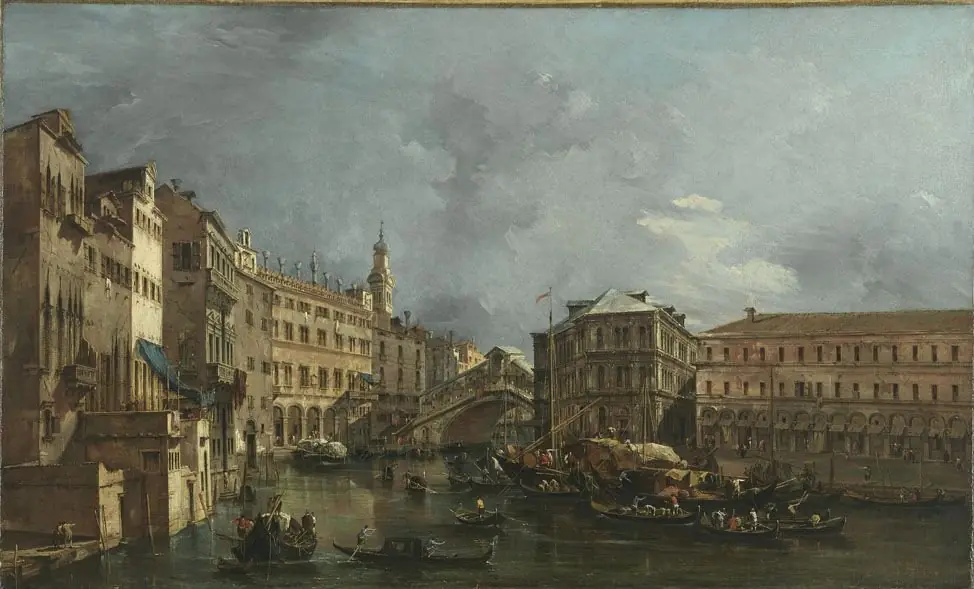 Blick auf den Rialto und den Palazzo dei Camerlenghi
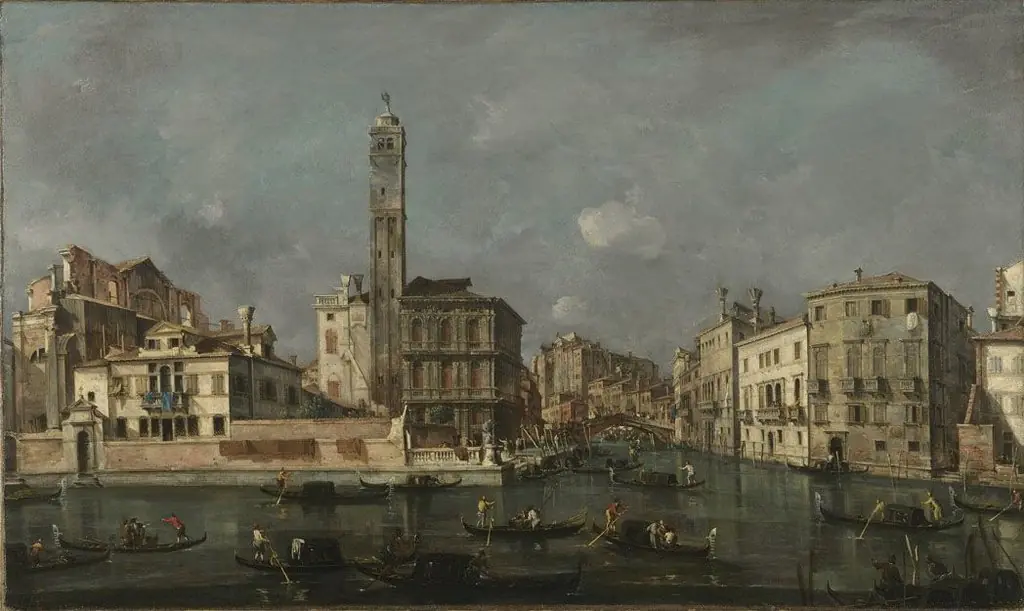 Canal Grande bei San Geremia
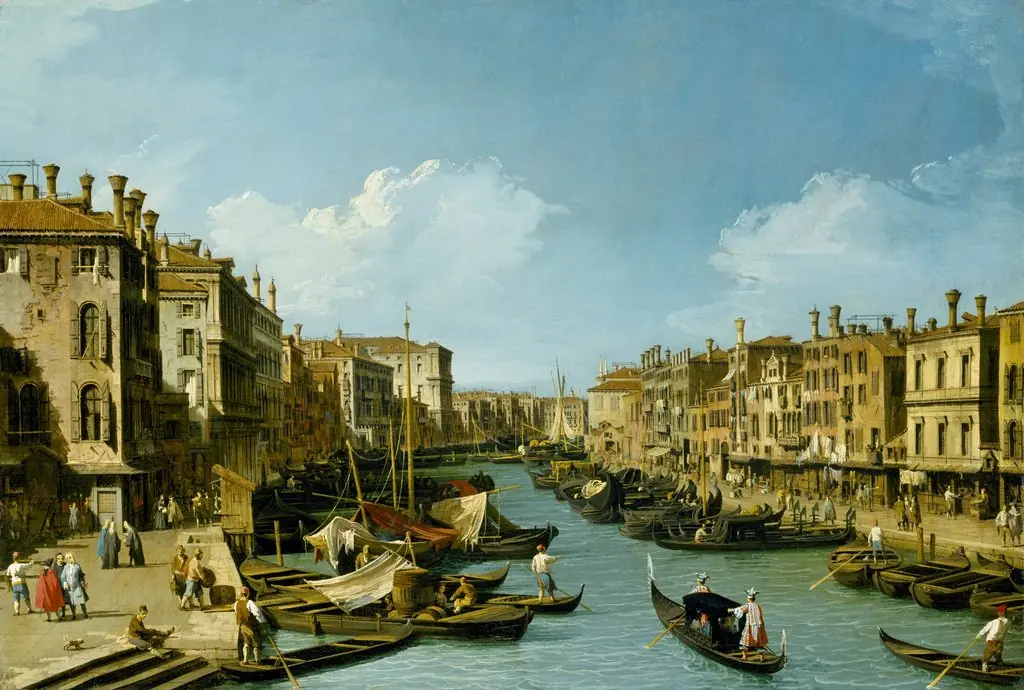 The Grand Canal near the Rialto Bridge, Venice
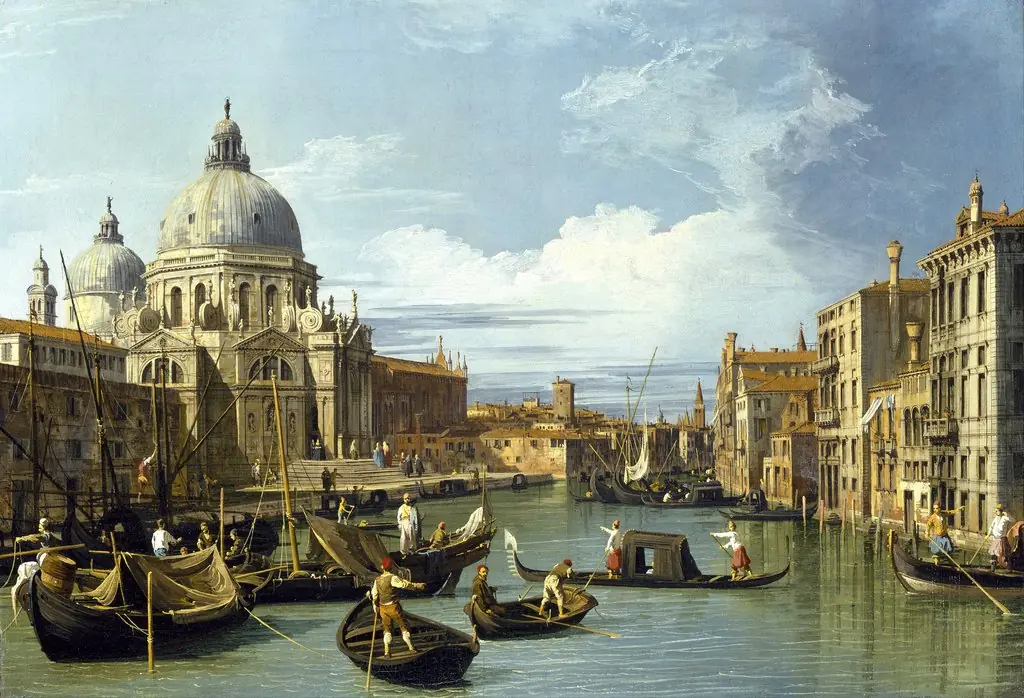 The Entrance to the Grand Canal, Venice
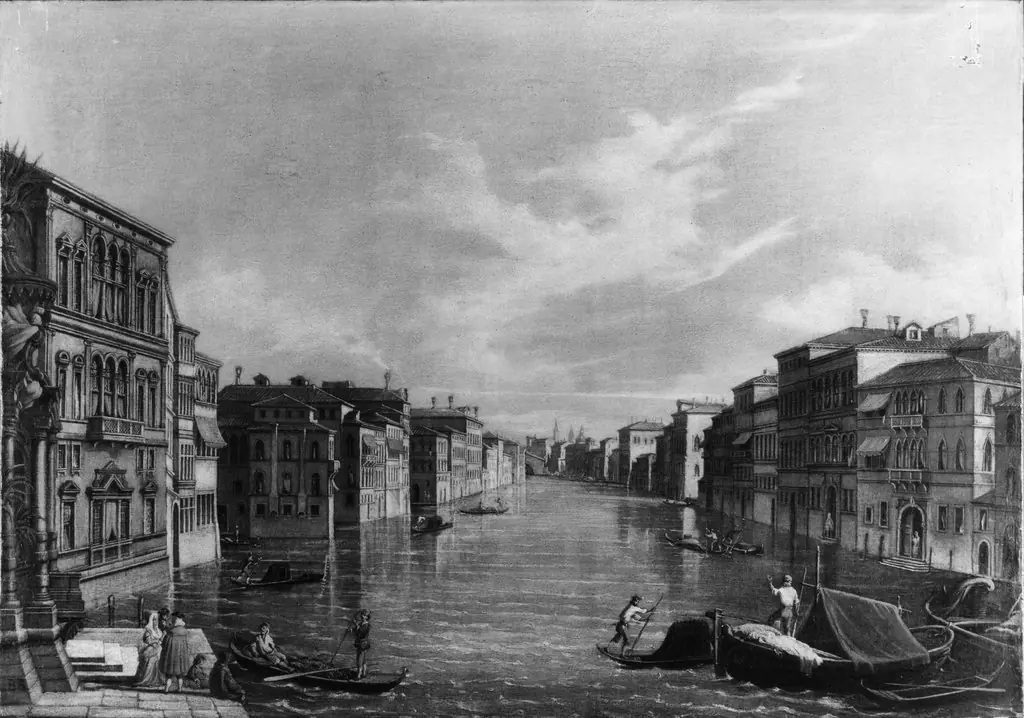 Canal Scene, Venice
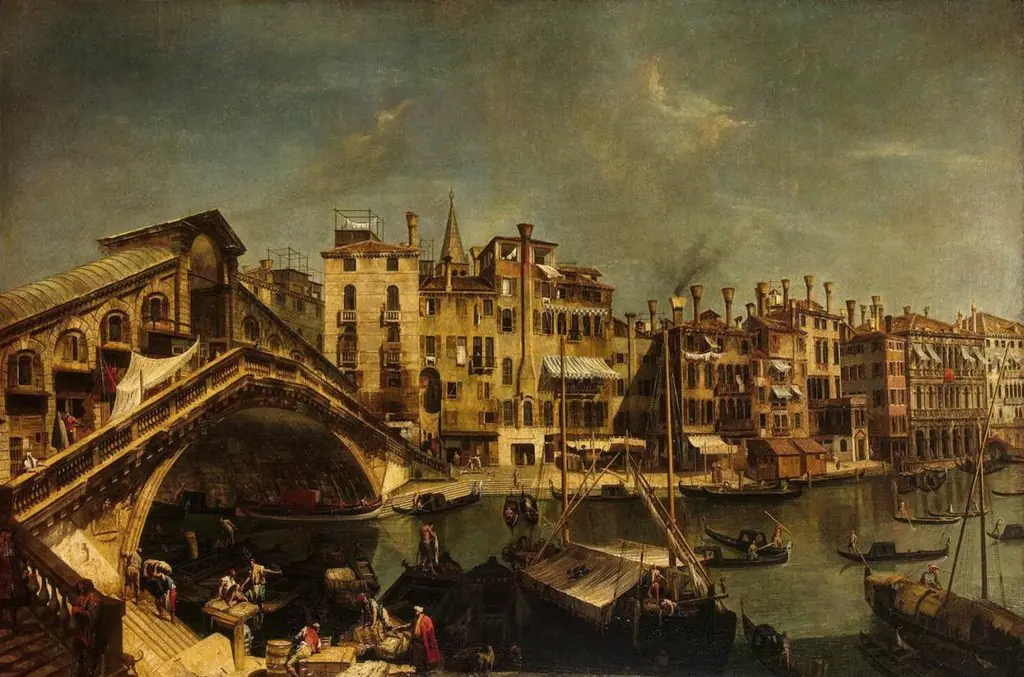 Rialto Bridge in Venice
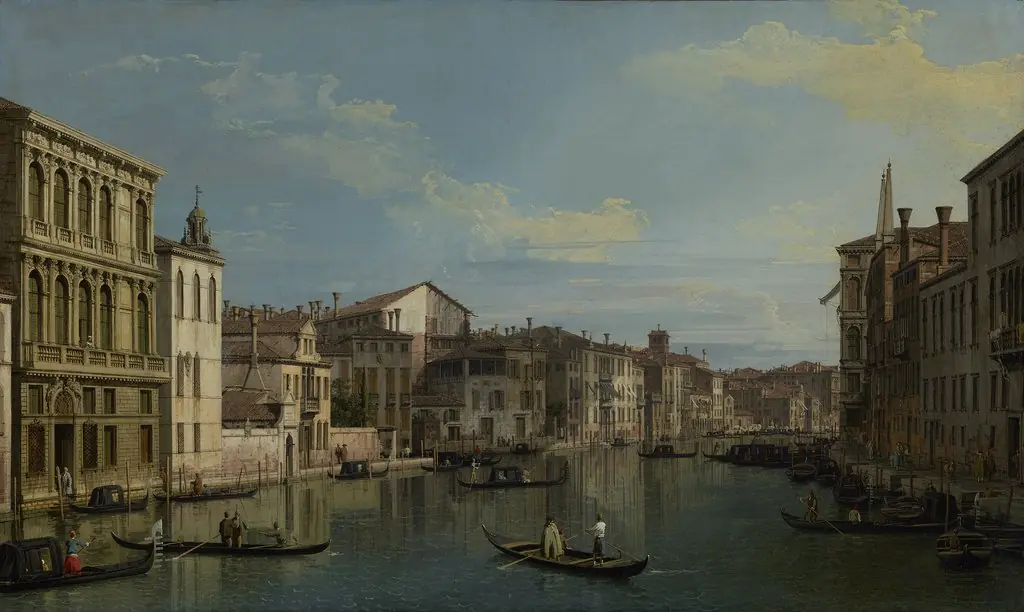 The Grand Canal in Venice from Palazzo Flangini to Campo San Marcuola
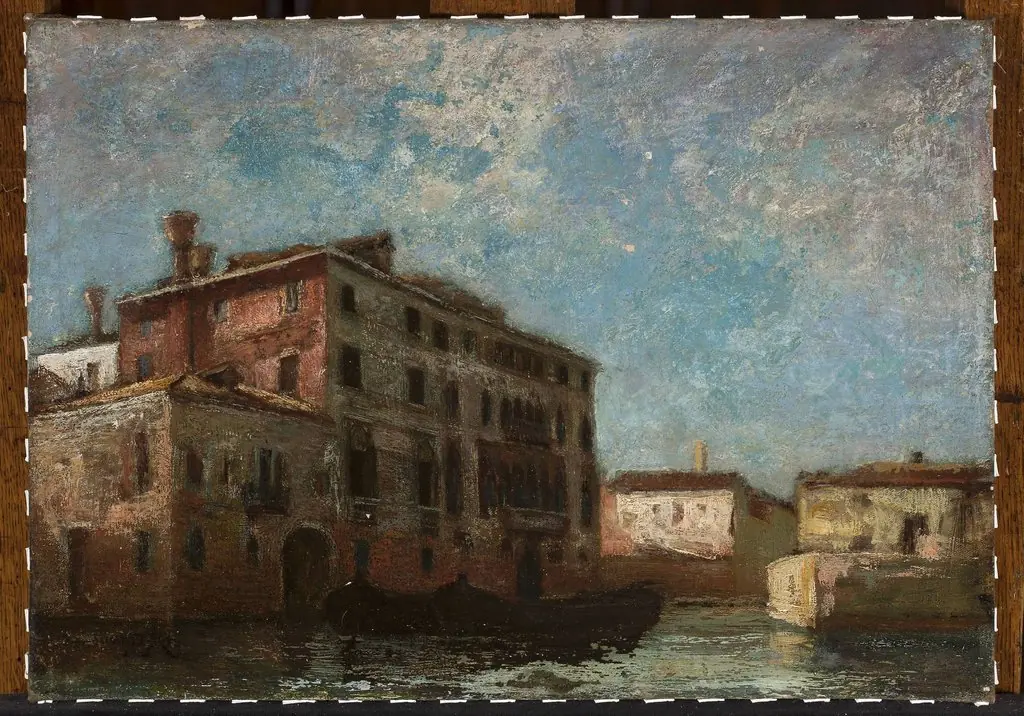 Motif from Venice
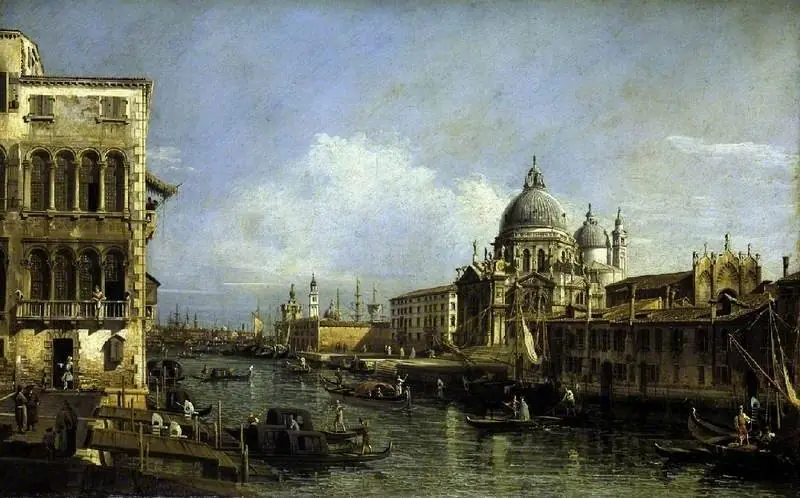 A View at the Entrance of the Grand Canal, Venice
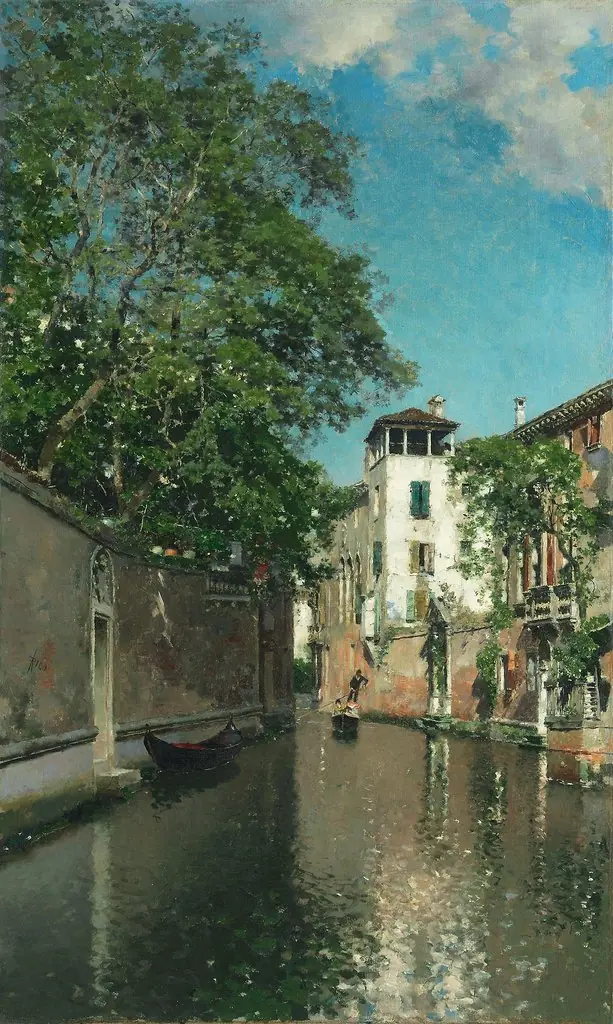 Canal in Venice
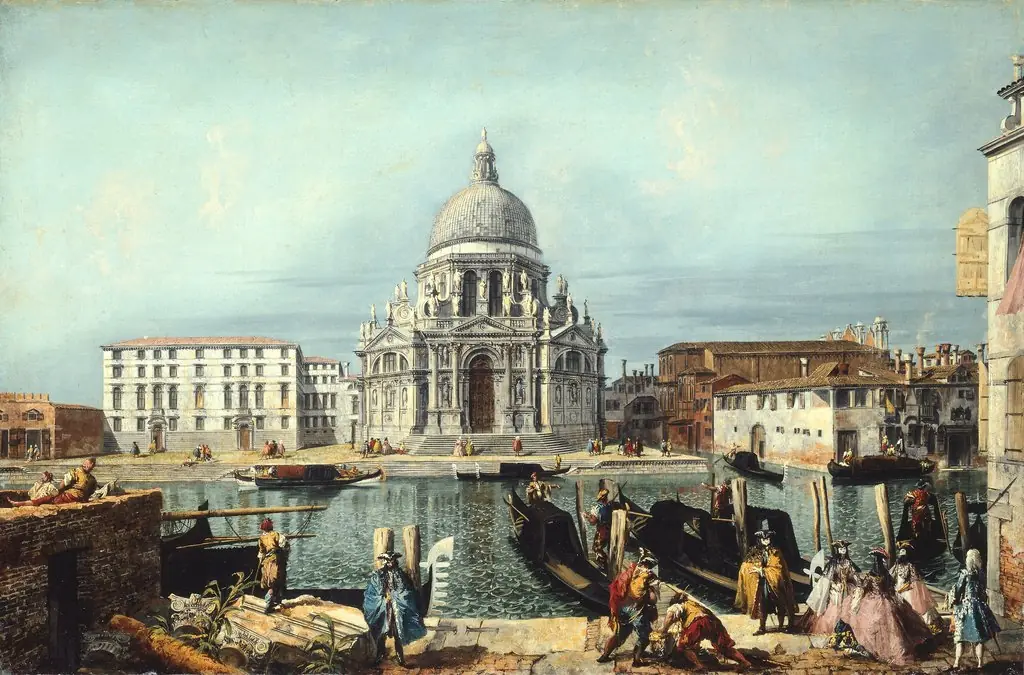 The Church of Santa Maria della Salute, Venice
 Venice, Santa Maria della Salute from San Giorgio
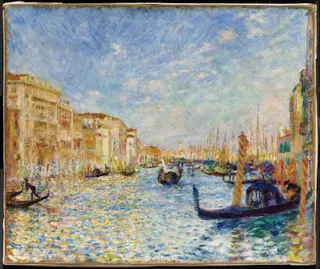 Grand Canal, Venice
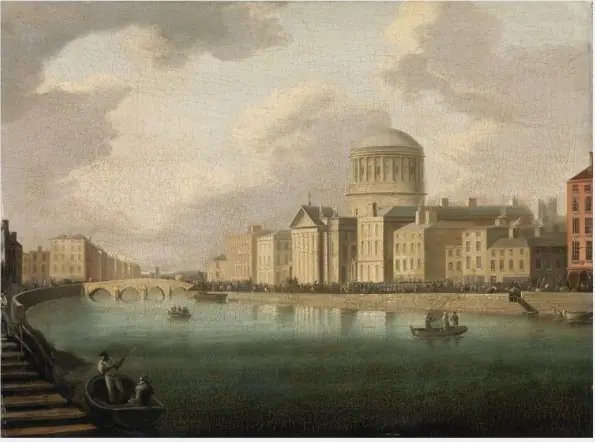 A View of the Four Courts, Dublin
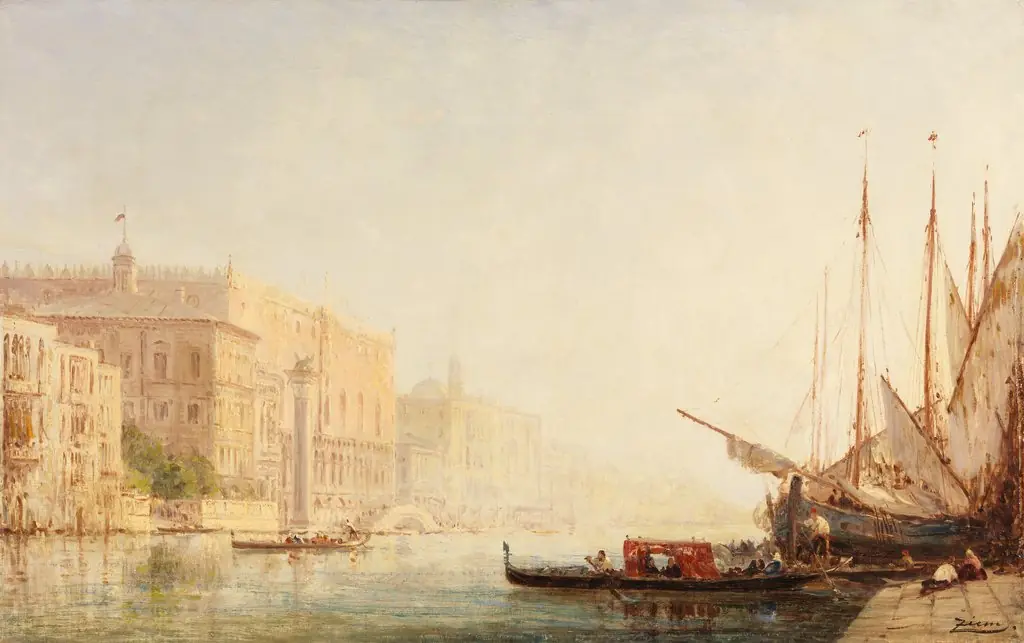 Venice: a Canal Scene
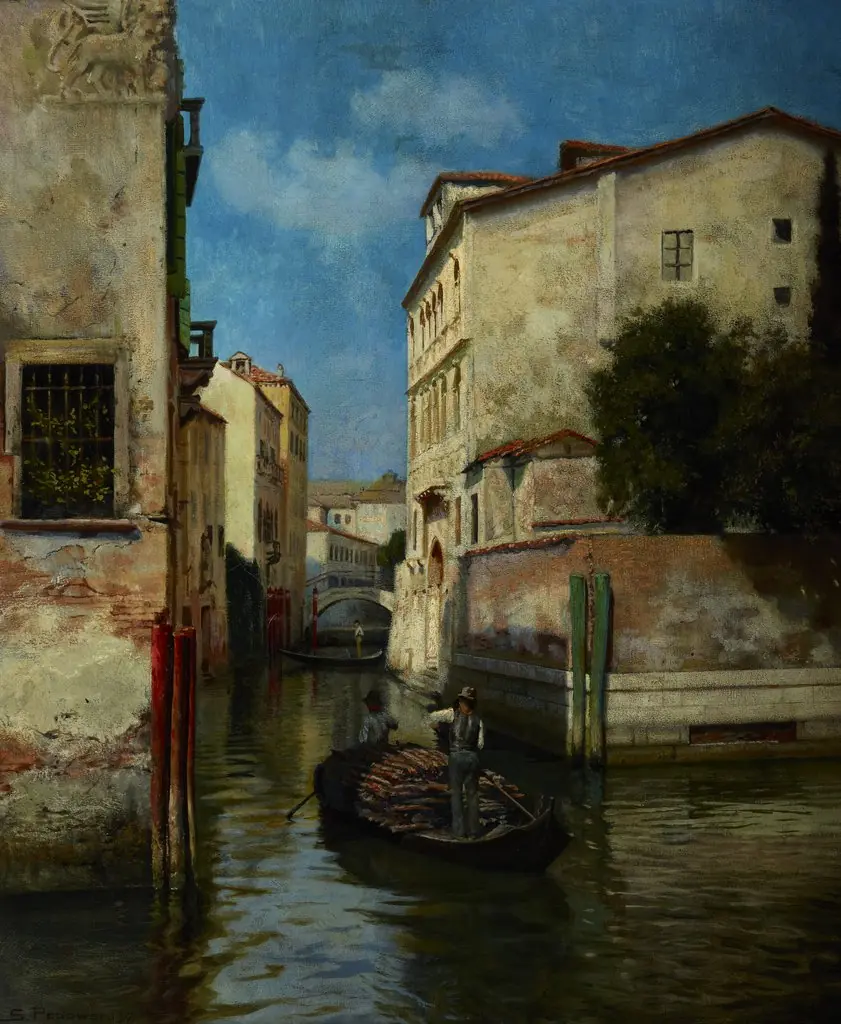 Venice
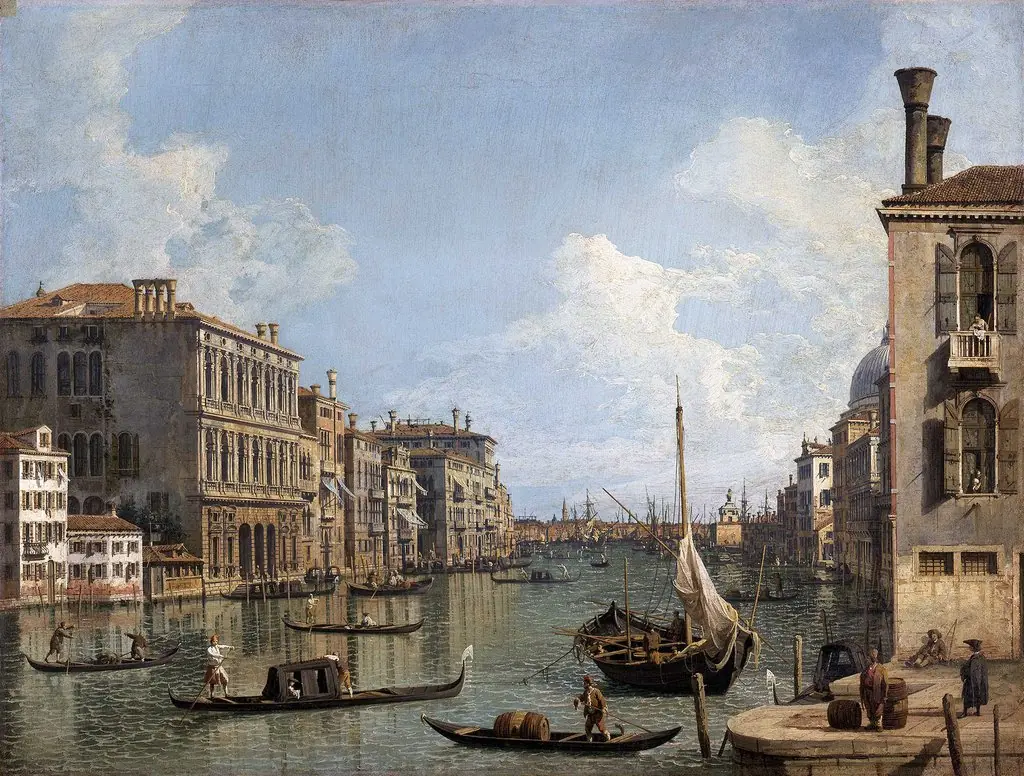 View of the Grand Canal toward the Punta della Dogana
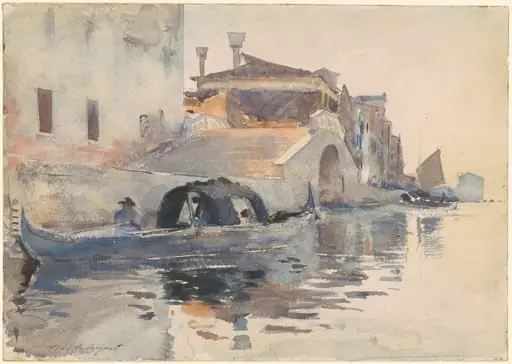 Ponte Panada, Fondamenta Nuove, Venice
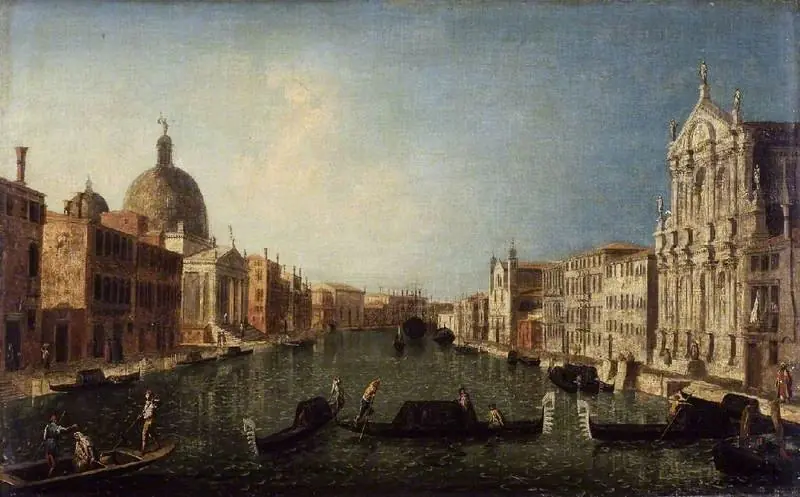 The Grand Canal, Venice, with S. Simeone
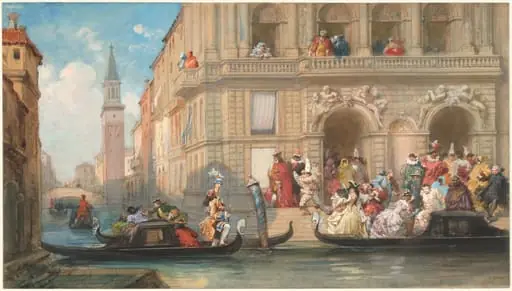 Masqueraders Boarding Gondolas before a Venetian Palazzo
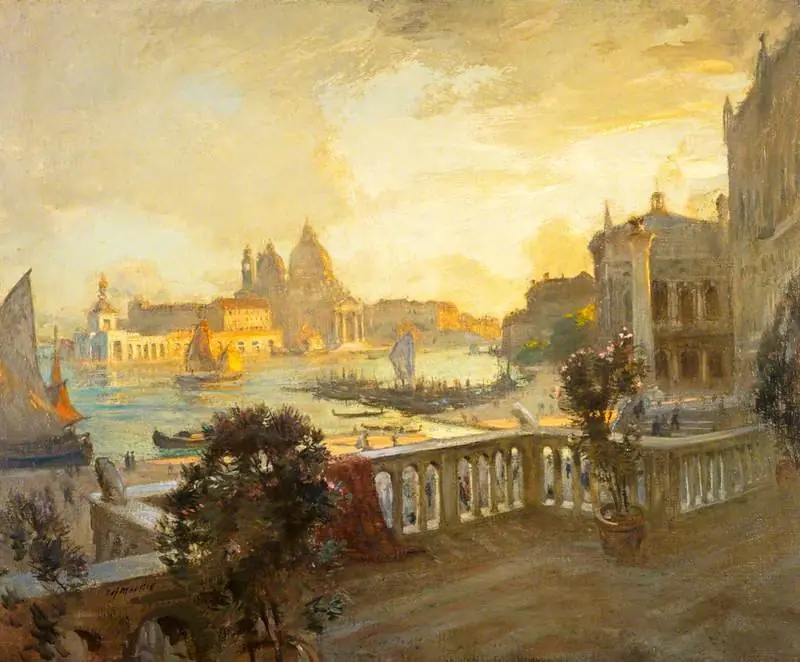 Entrance to the Grand Canal, Venice
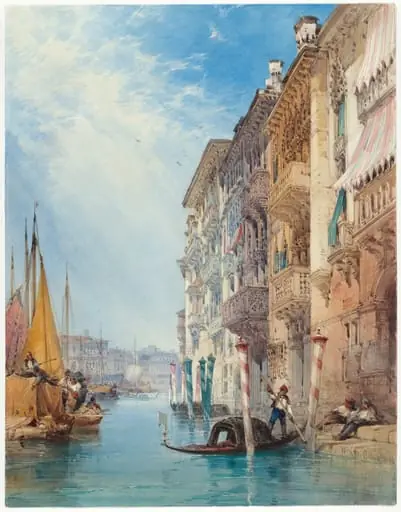 A Gondola on the Grand Canal, Venice
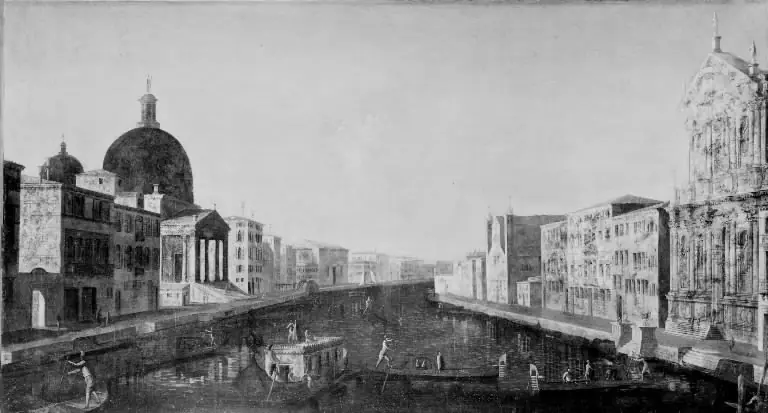 View of Canale Grande in Venice
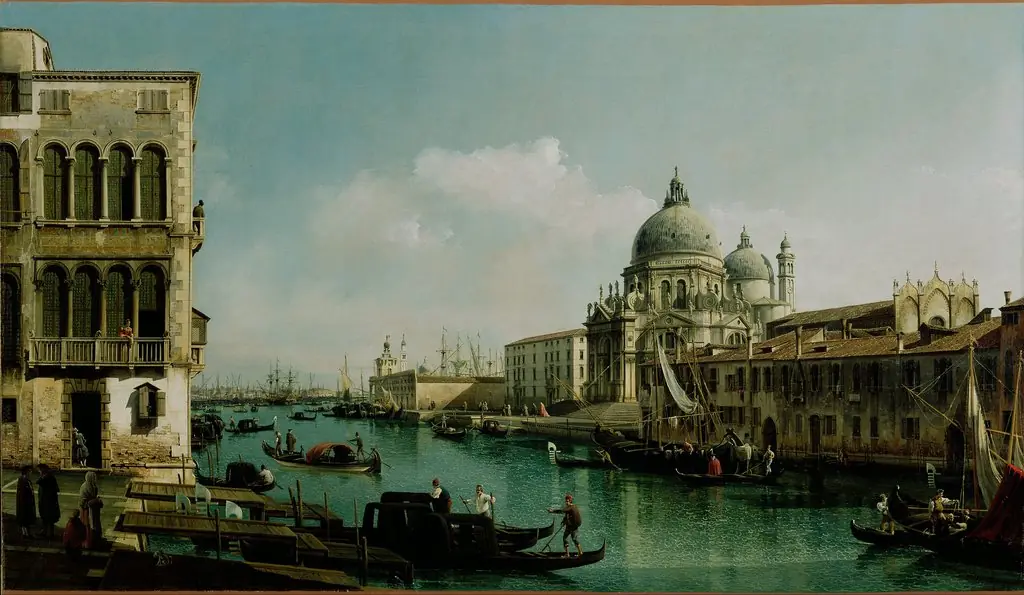 View of the Grand Canal: Santa Maria della Salute and the Dogana from Campo Santa Maria Zobenigo
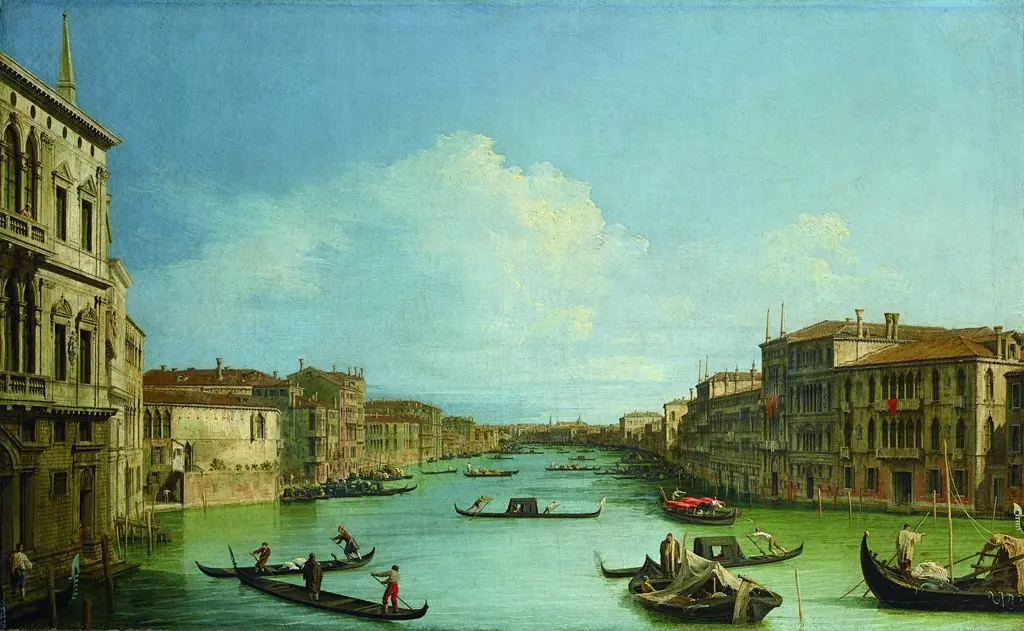 The Grand Canal seen from the Palazzo Balbi towards the Bridge of Rialto
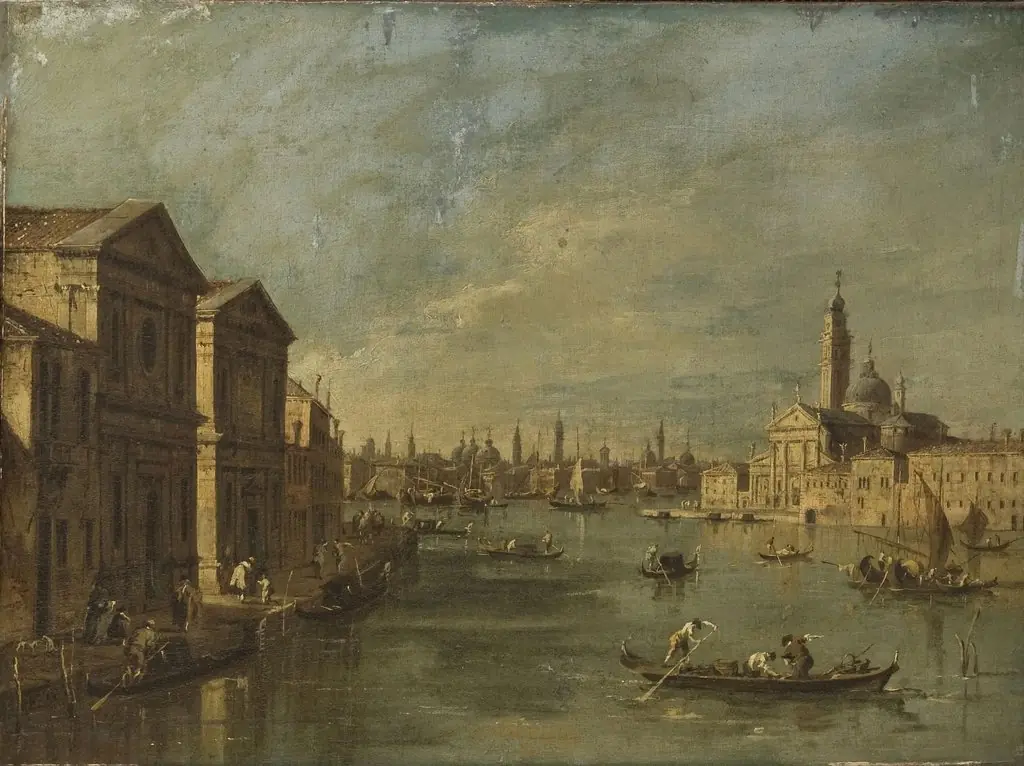 View between the Giudecca and San Giorgio Maggiore
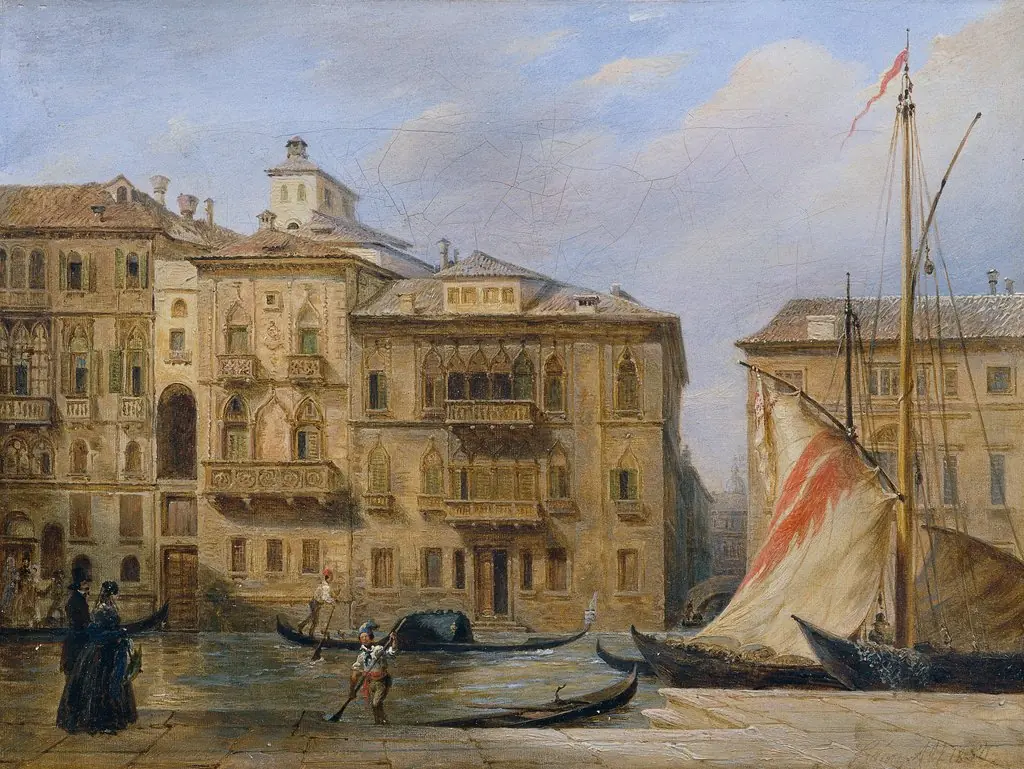 The Grand Canal in Venice
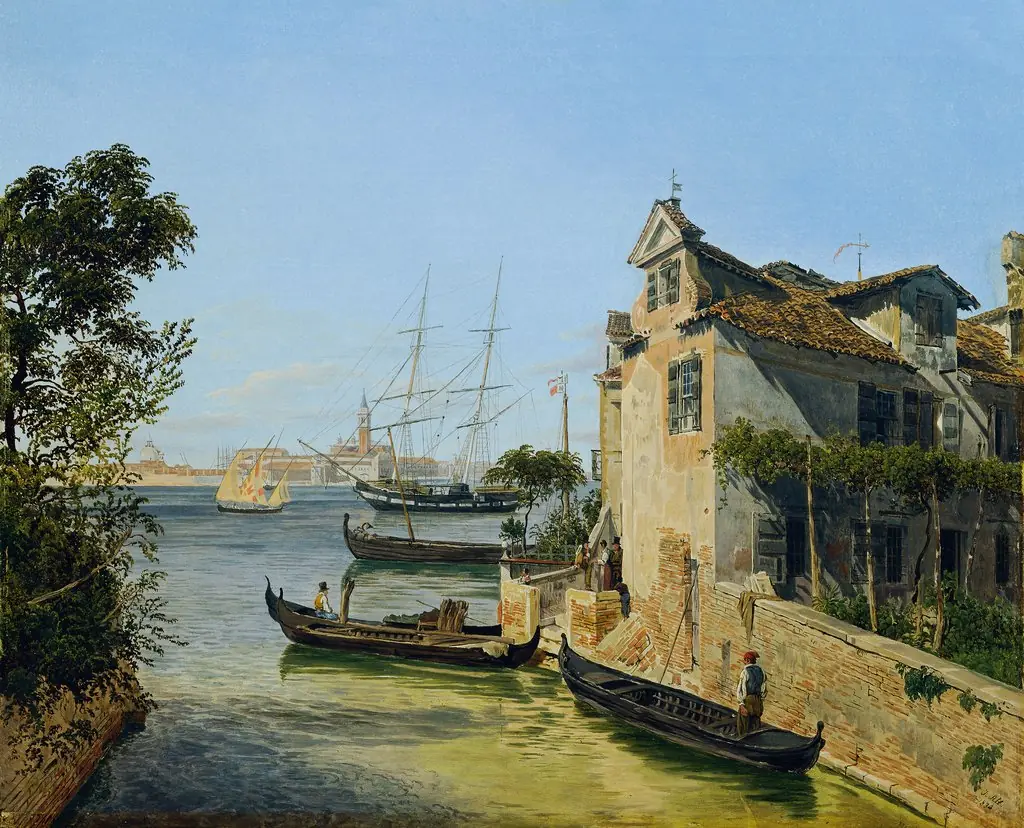 View of San Giorgio Maggiore in Venice
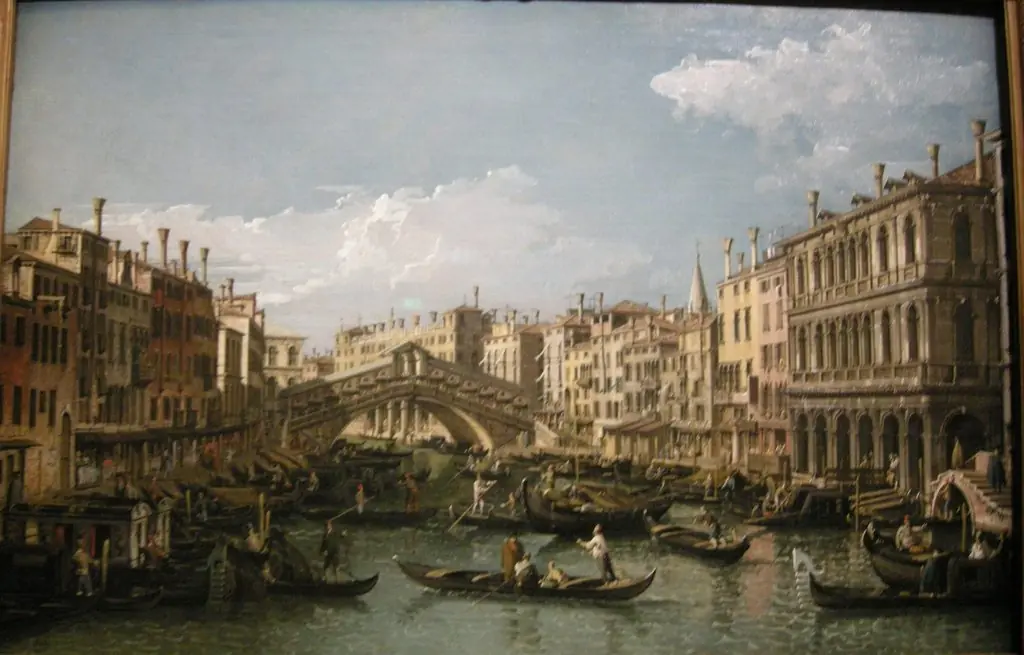 Grand Canal looking north-east to the Rialto Bridge
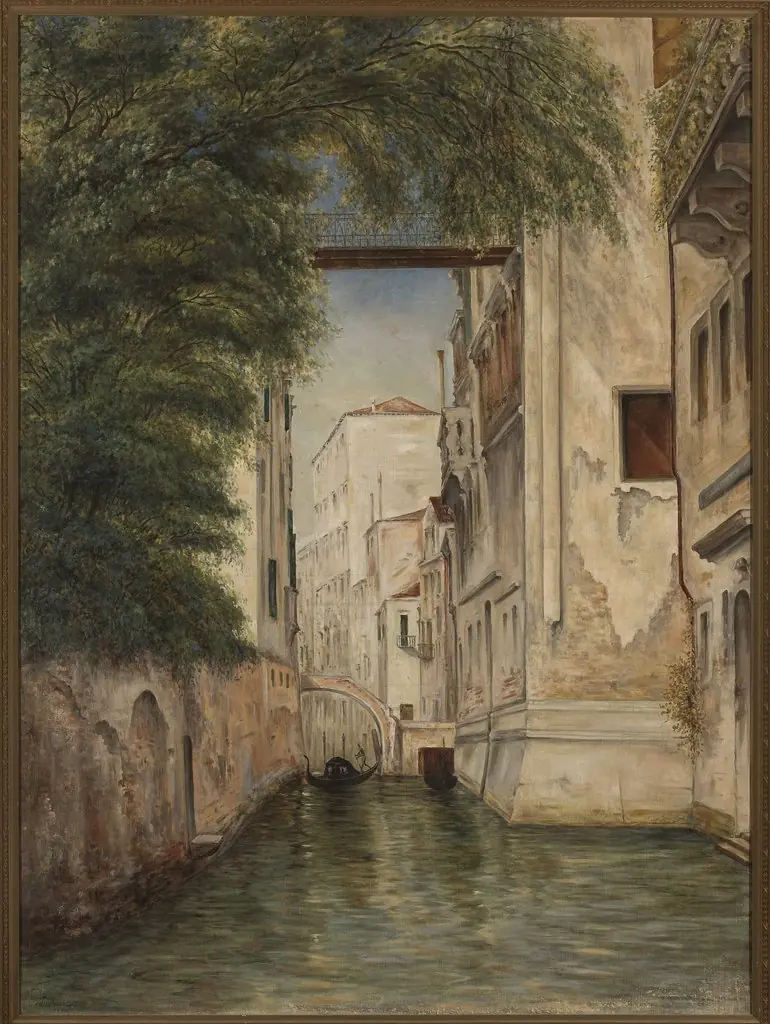 Venice
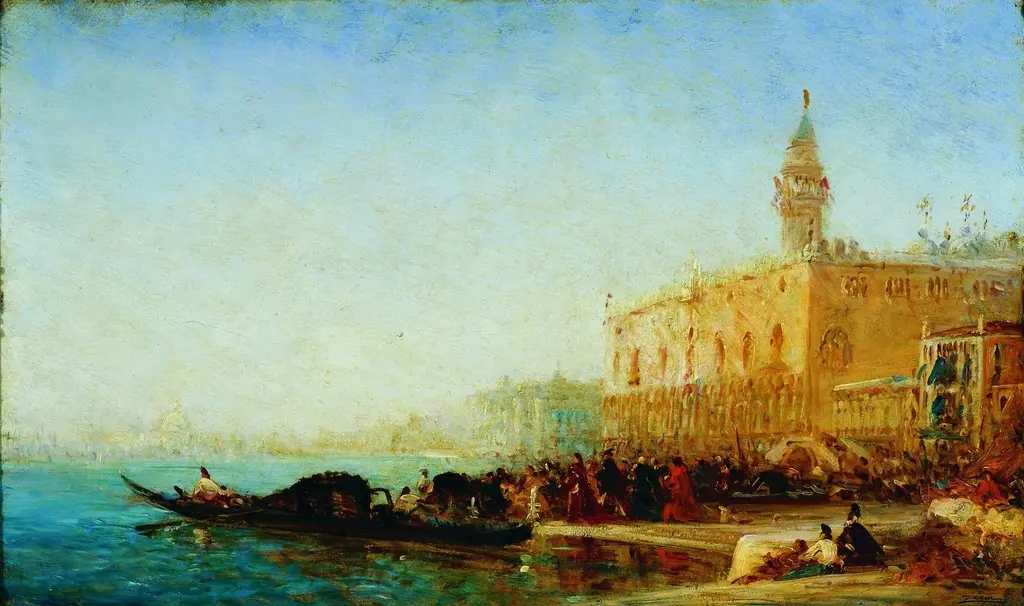 Venice - the grand canal
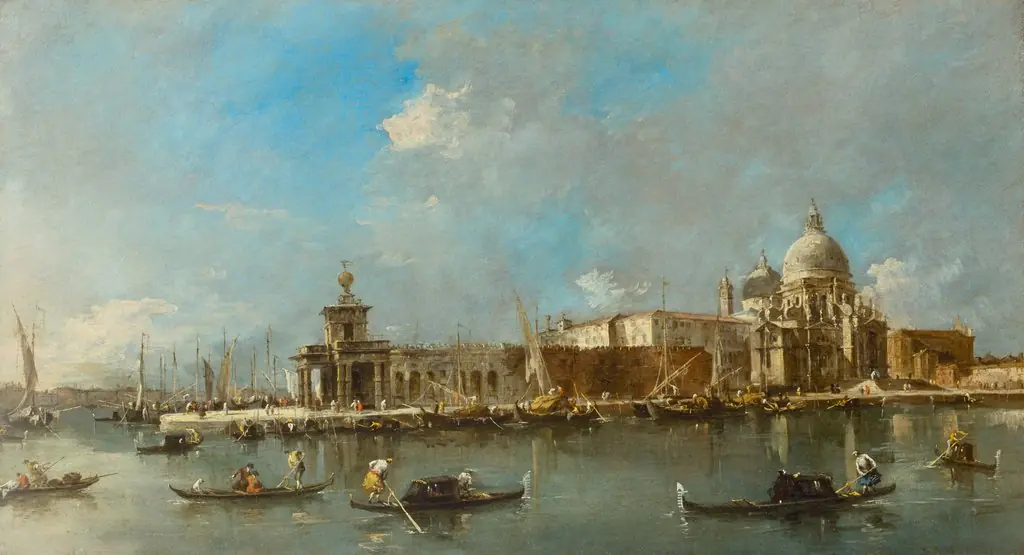 Santa Maria della Salute and the Dogana, Venice
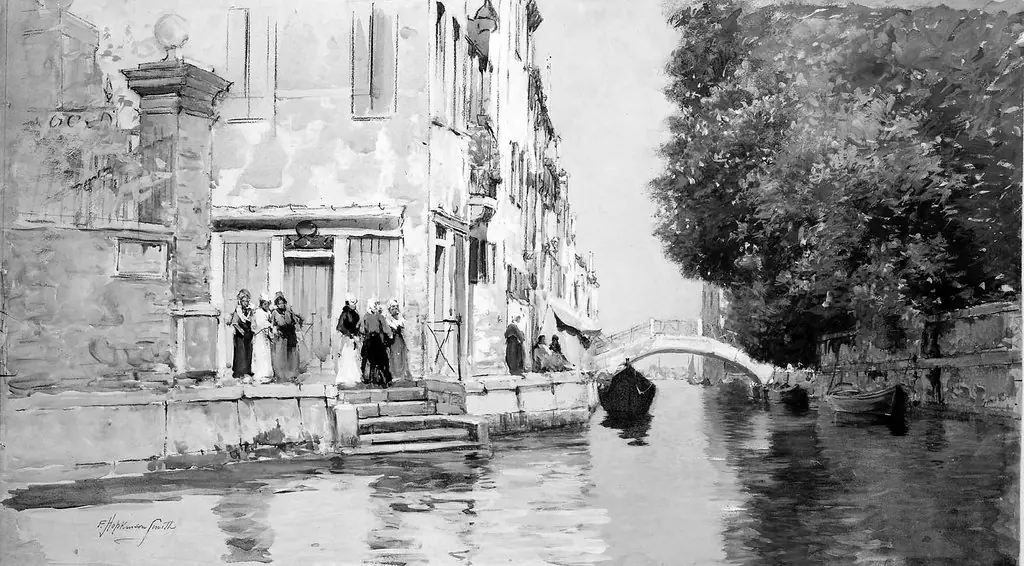 Canal Scene
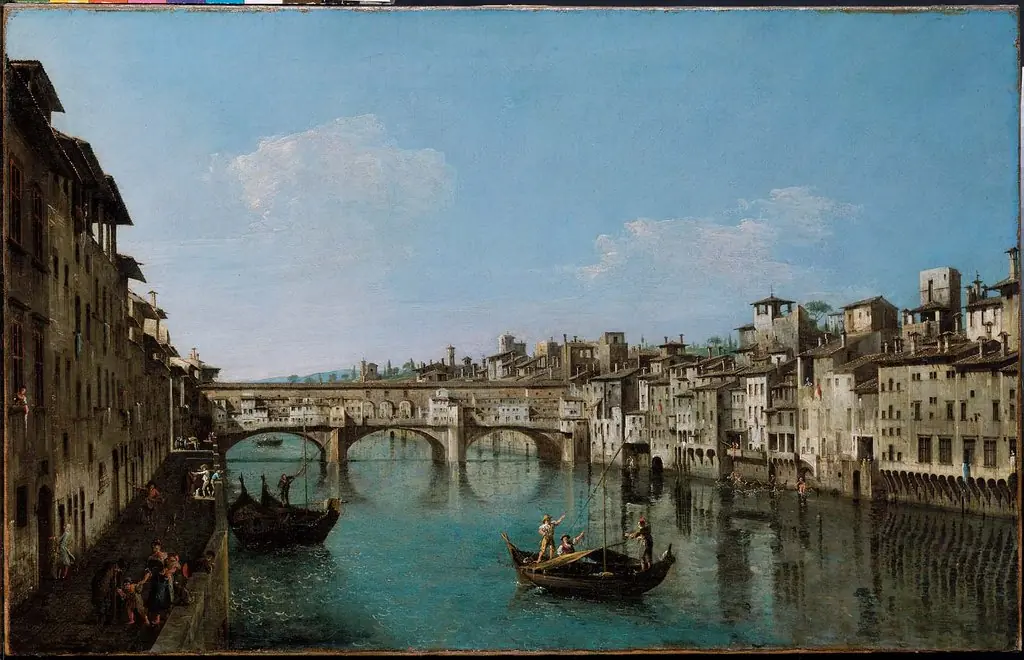 The Ponte Vecchio, Florence
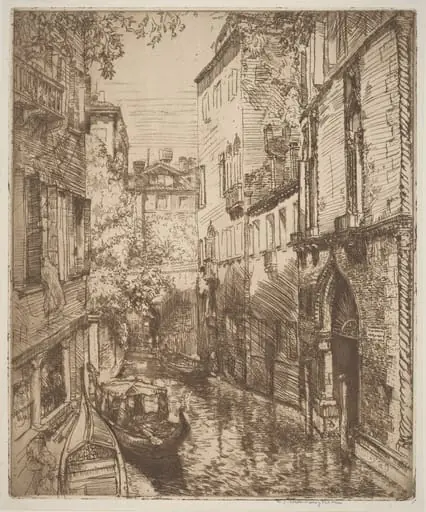 Rio delle Verona, Venice
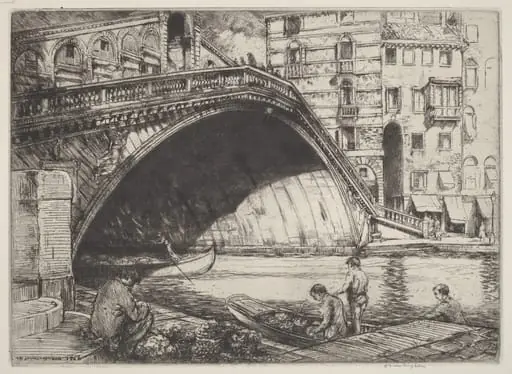 The Rialto
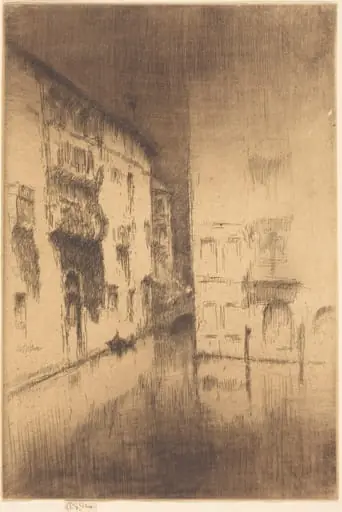 Nocturne: Palaces
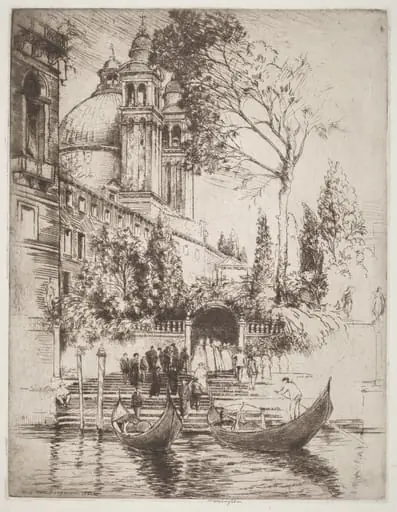 Towers and Gardens
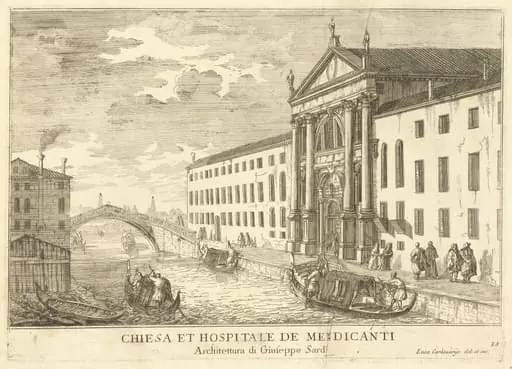 Chiesa et Hospitale de Mendicanti (plate 35)
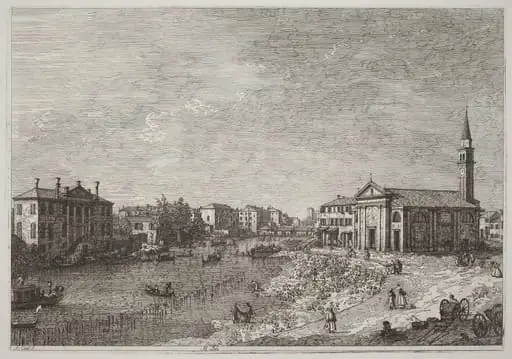 Al Dolo
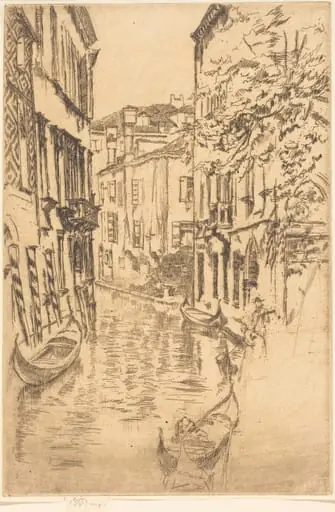 Quiet Canal
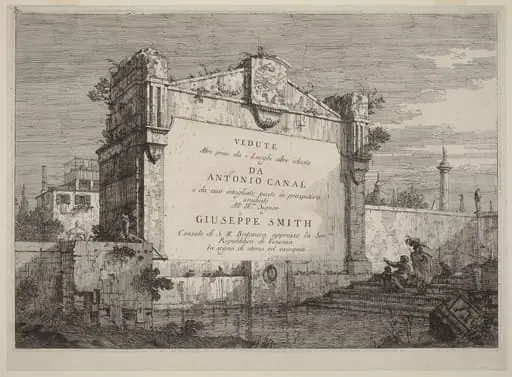 Title Plate
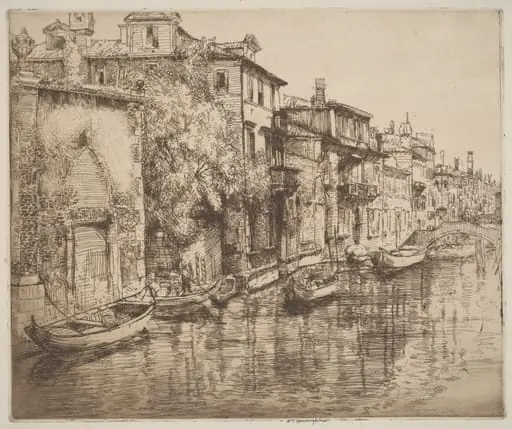 Venetian Noontide
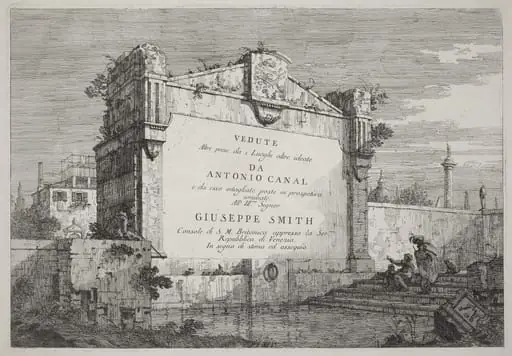 Title Plate
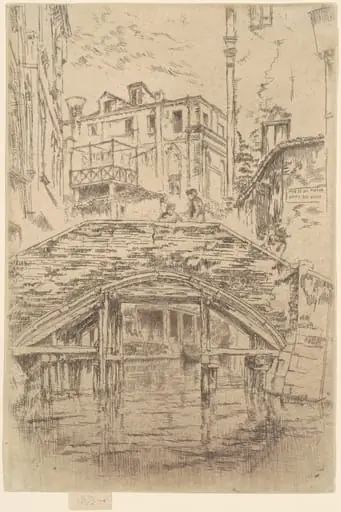 Ponte del Piovan
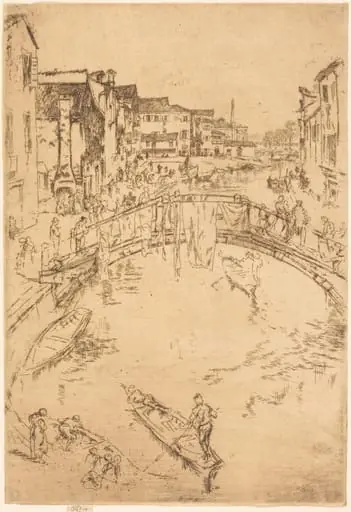 The Bridge
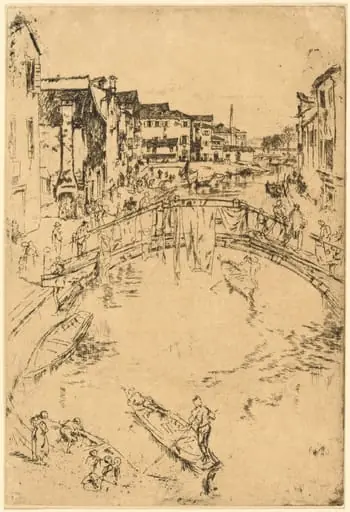 The Bridge
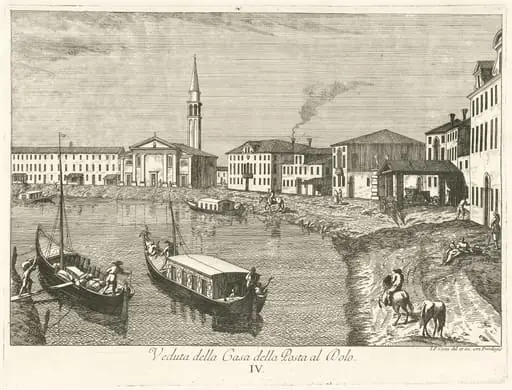 La Casa della Posta a Dolo
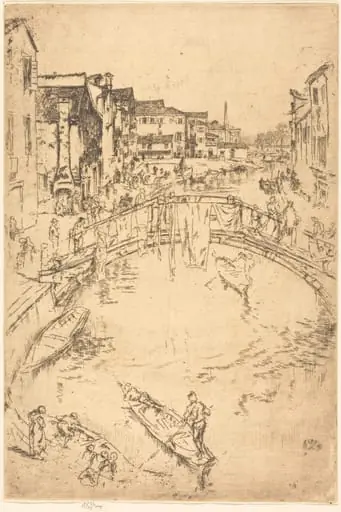 The Bridge, Santa Marta
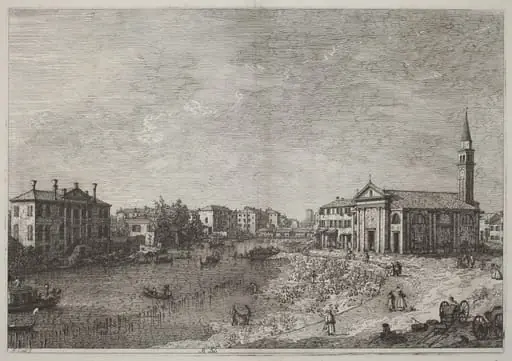 Al Dolo
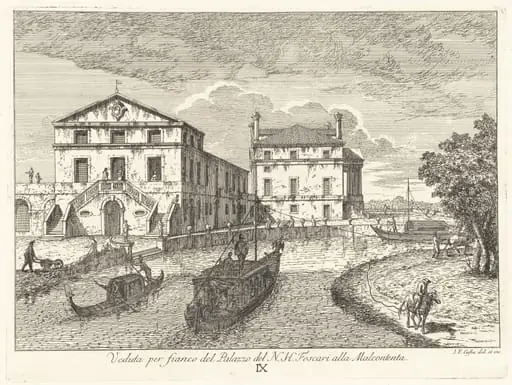 Villa Foscari Vista di Fianco
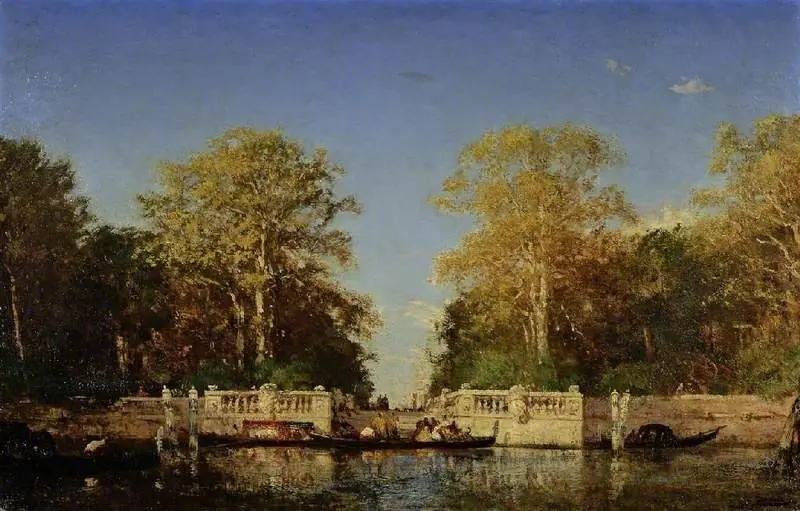 A view in Venice
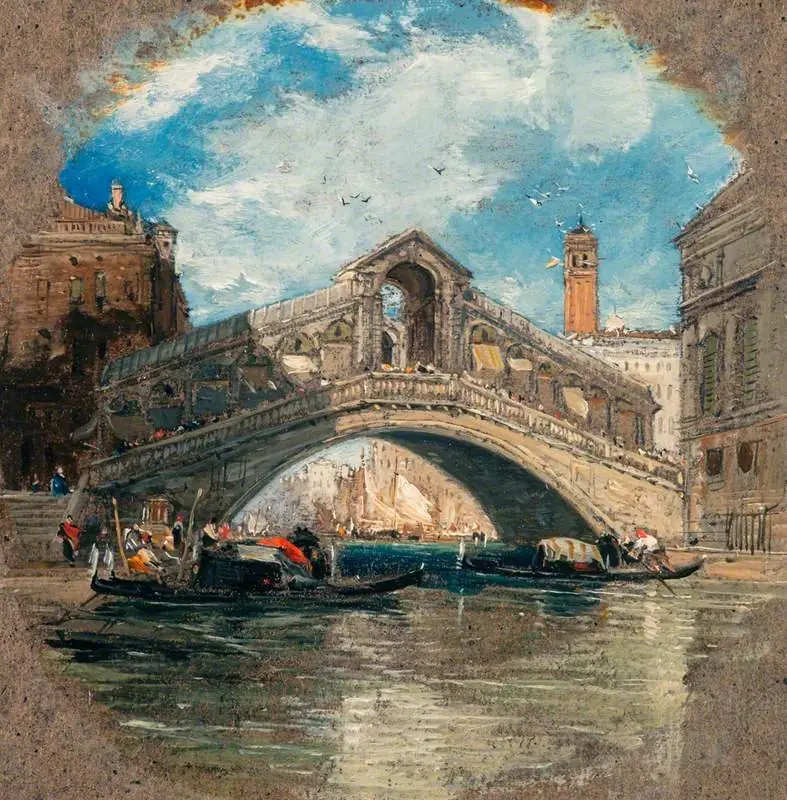 The Rialto, Venice
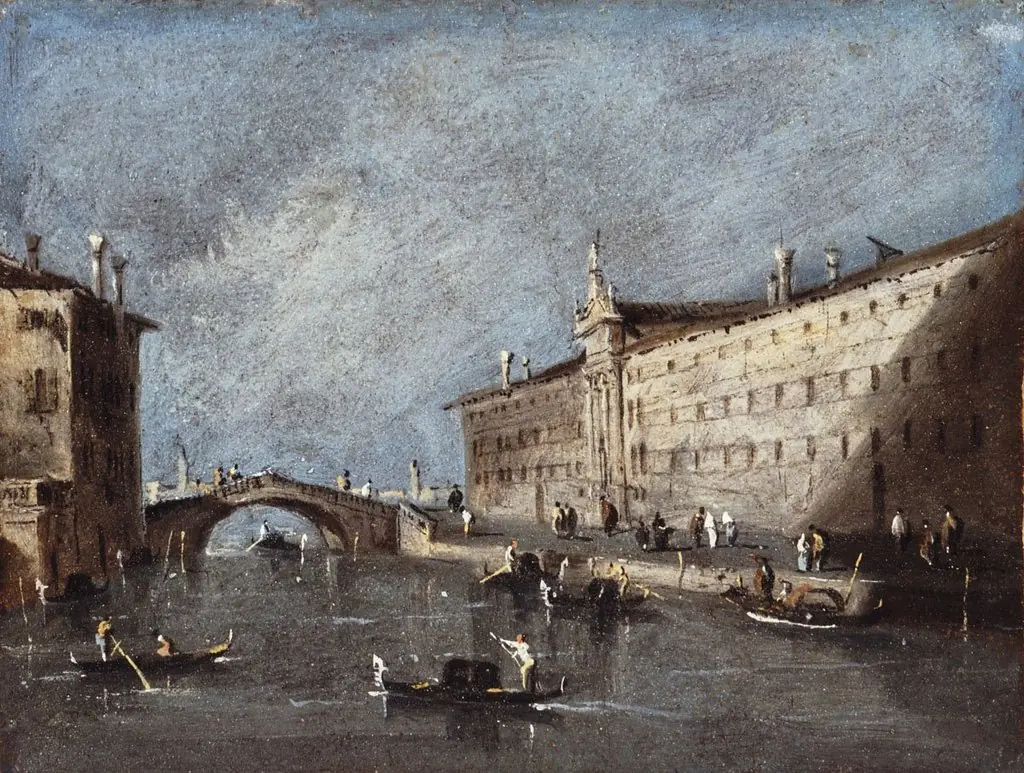 The Island S. Cristoforo di Murano
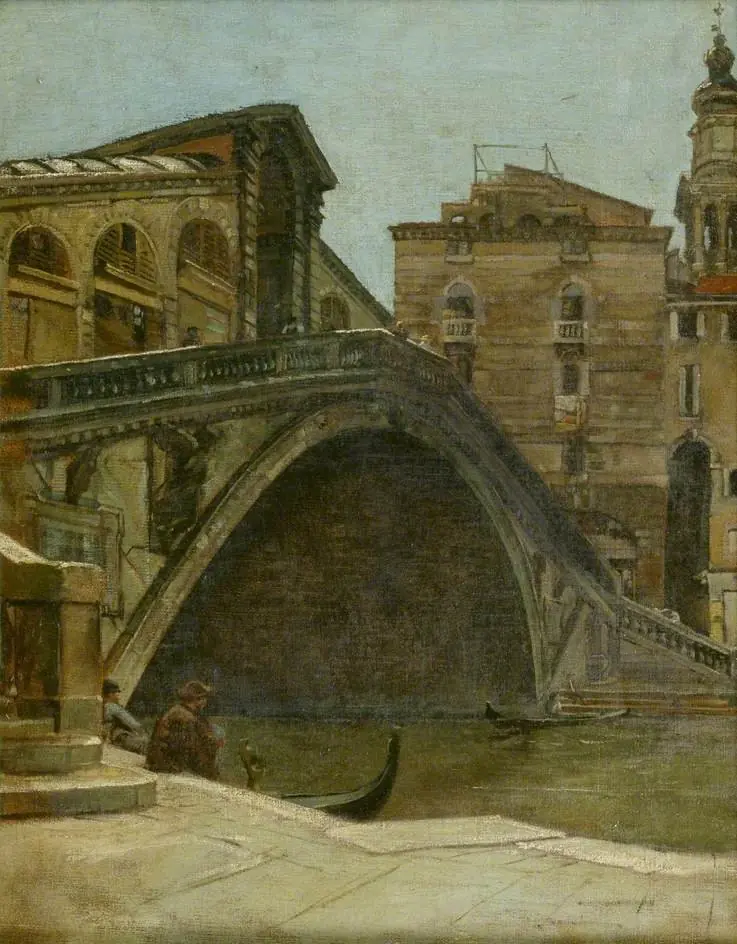 The Rialto, Venice
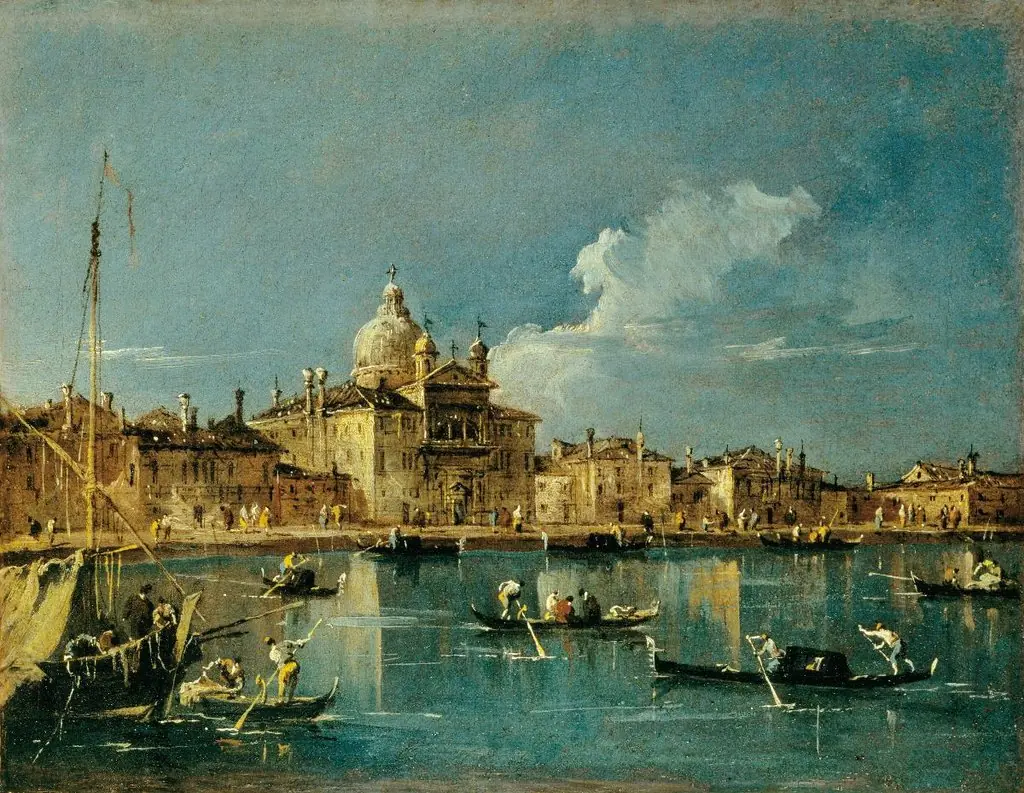 L’isola della Giudecca con le chiese delle Zitelle e del redentore
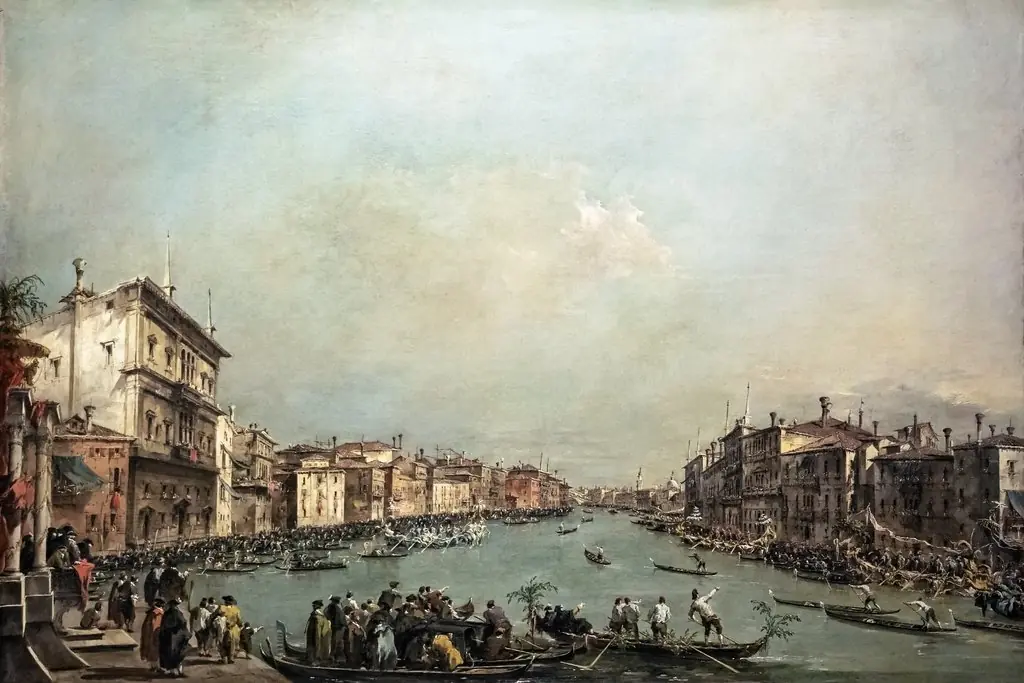 Regatta on the Grand Canal
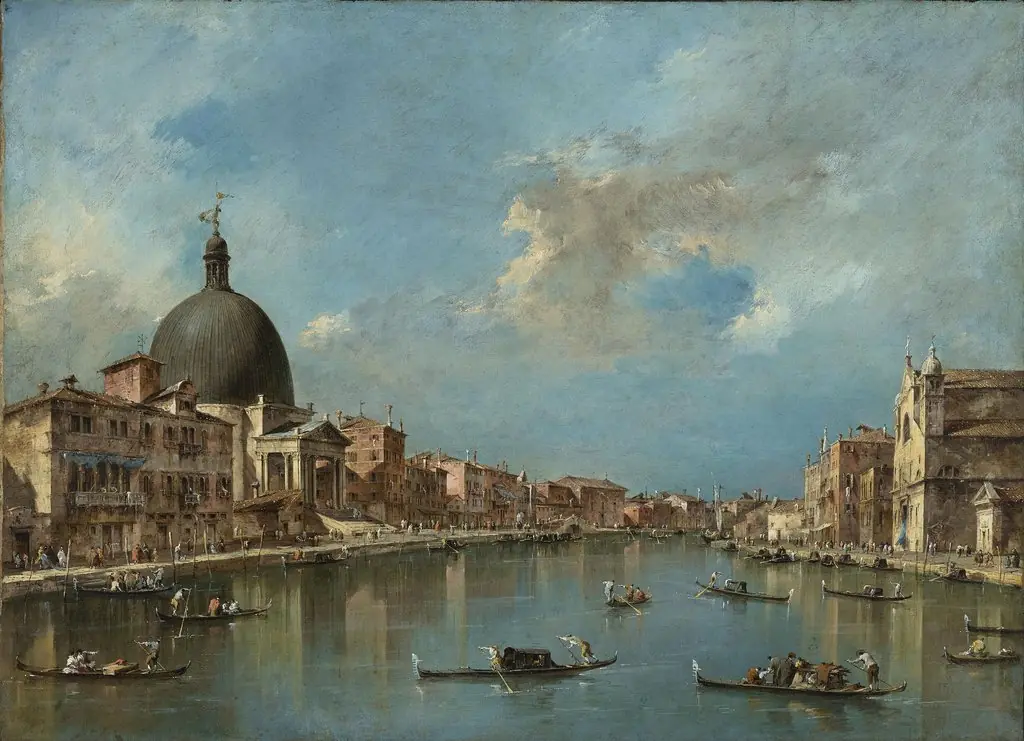 The Grand Canal with San Simeone Piccolo and Santa Lucia
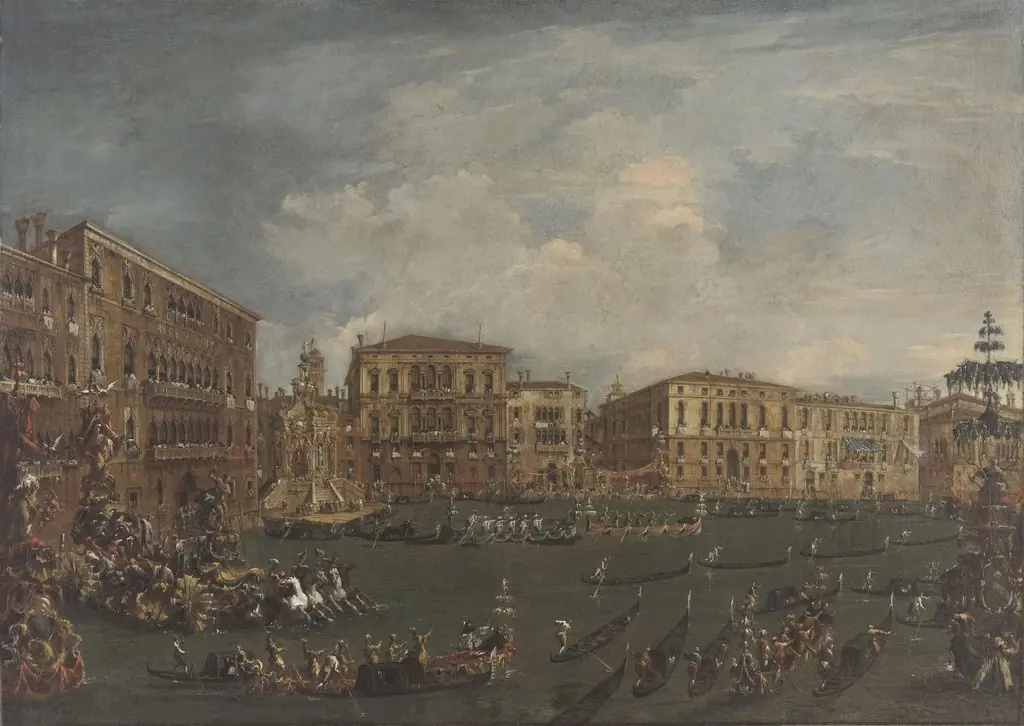 Regatta in Volta di Canal
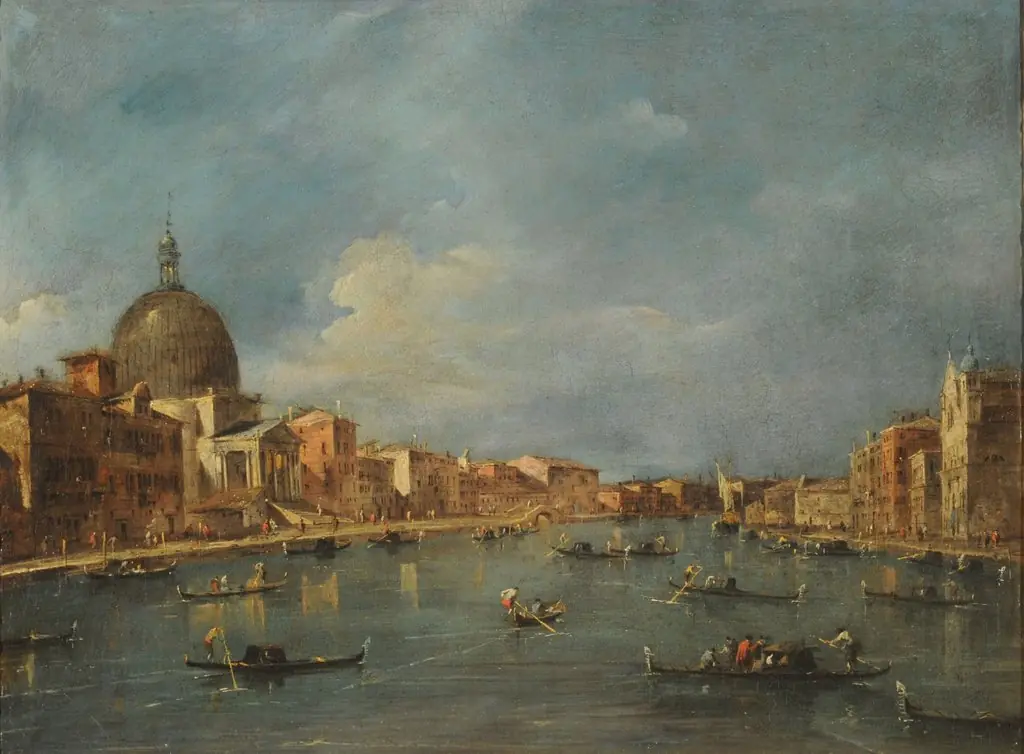 Grand Canal with Sam Simeone piccolo
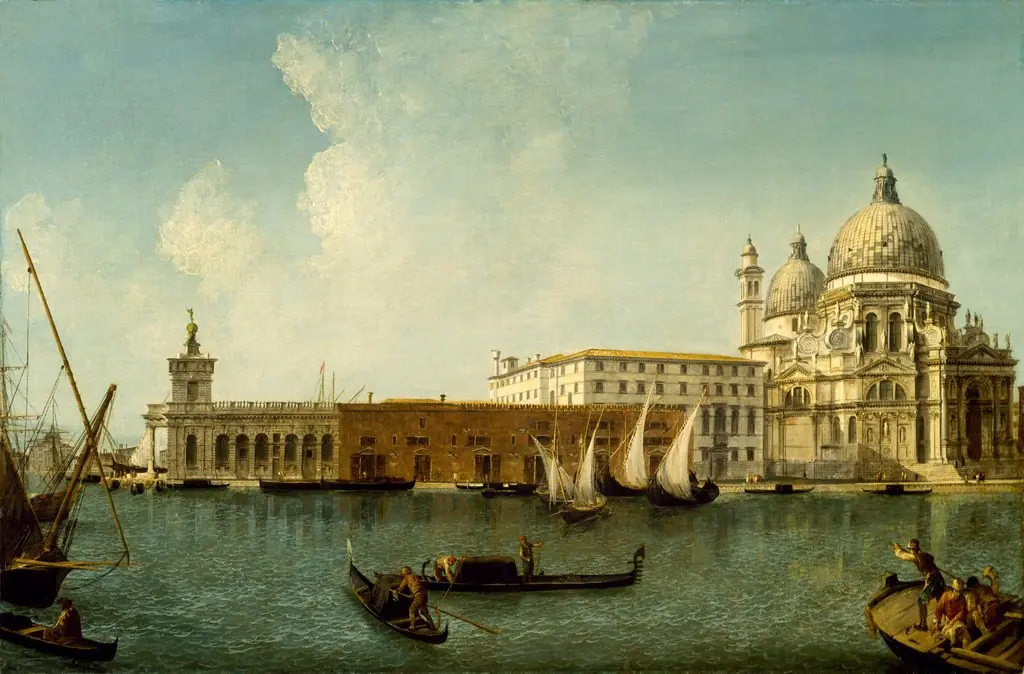 View of the Dogana and Santa Maria della Salute
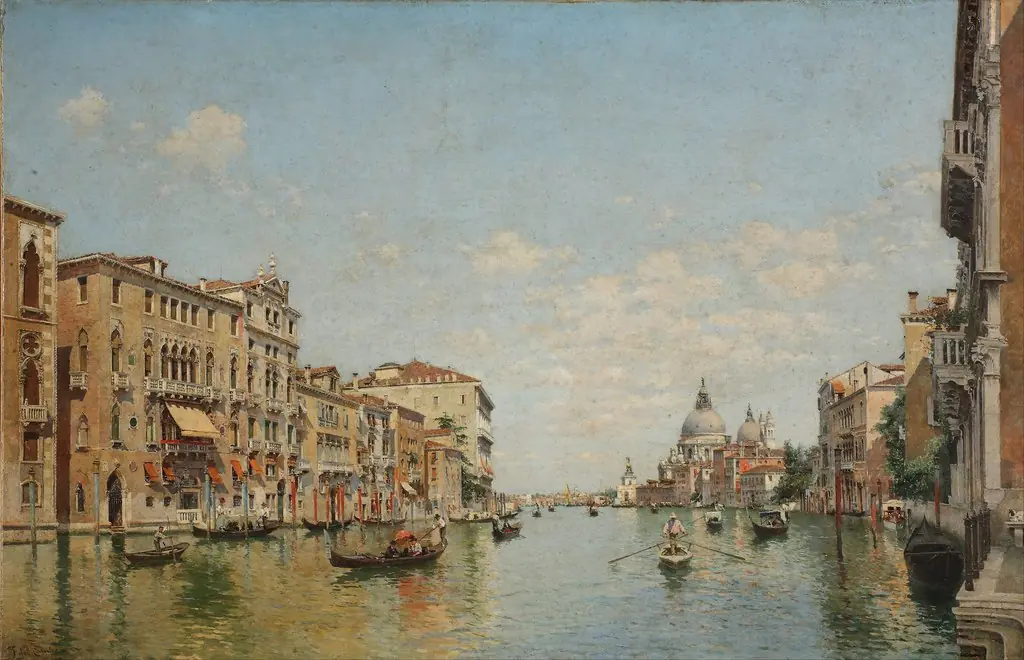 View of the Grand Canal of Venice
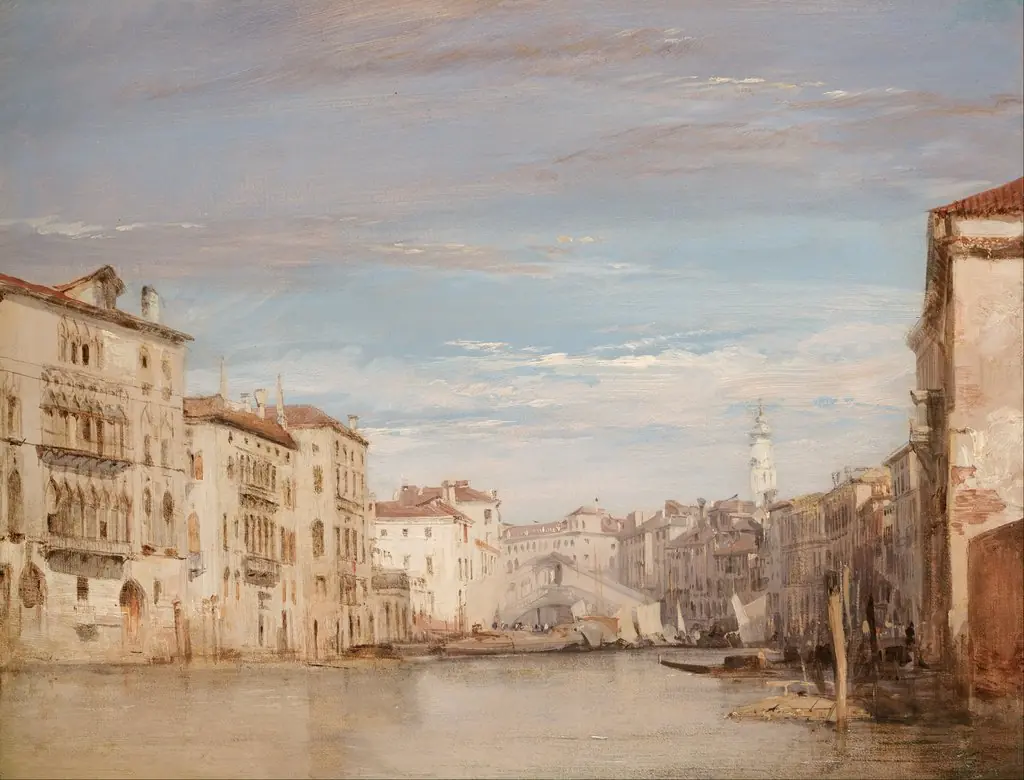 The Grand Canal, Venice, Looking Toward the Rialto
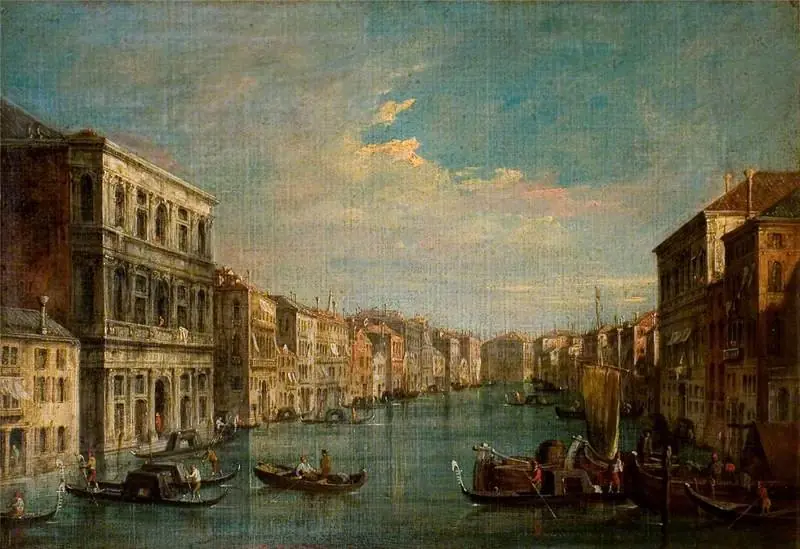 Venice: The Grand Canal Looking South-West from Palazzo Grimani
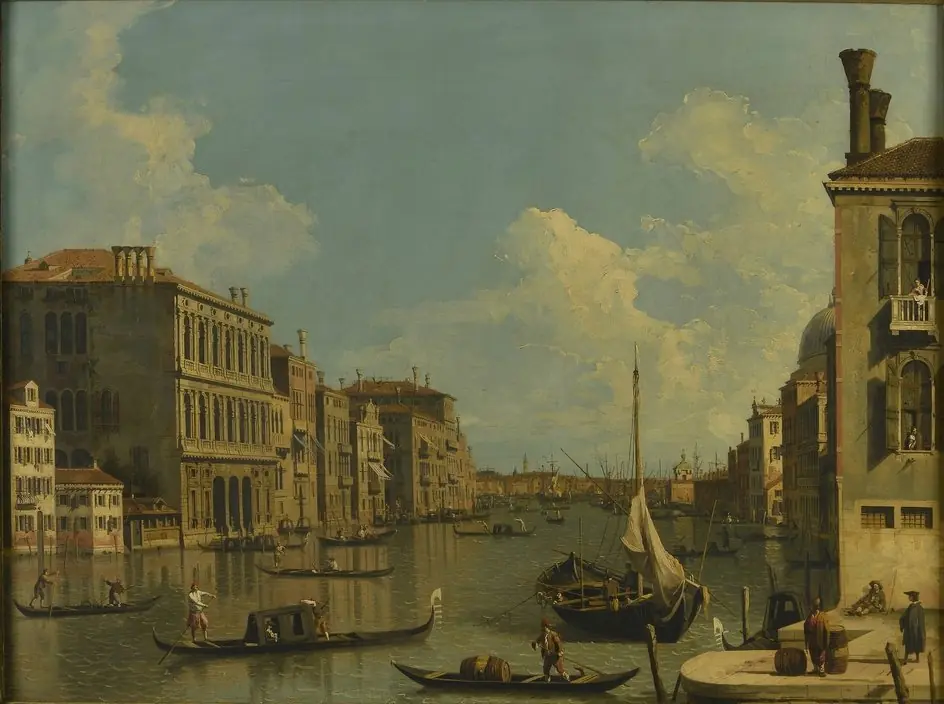 The Grand Canal, looking East from S. Vio
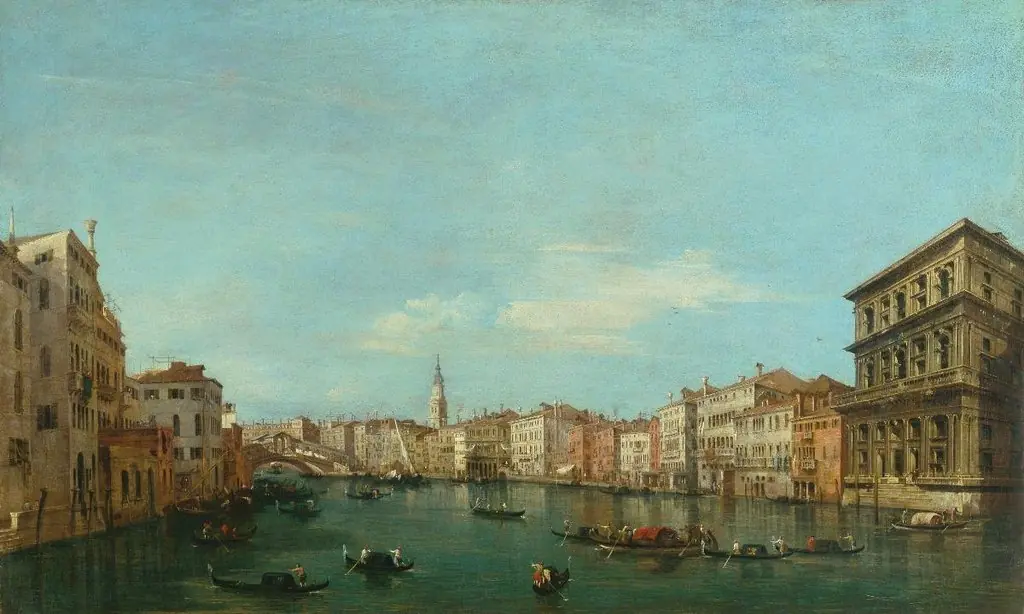 Il Canal Grande a palazzo Grimani, verso il ponte di Rialto
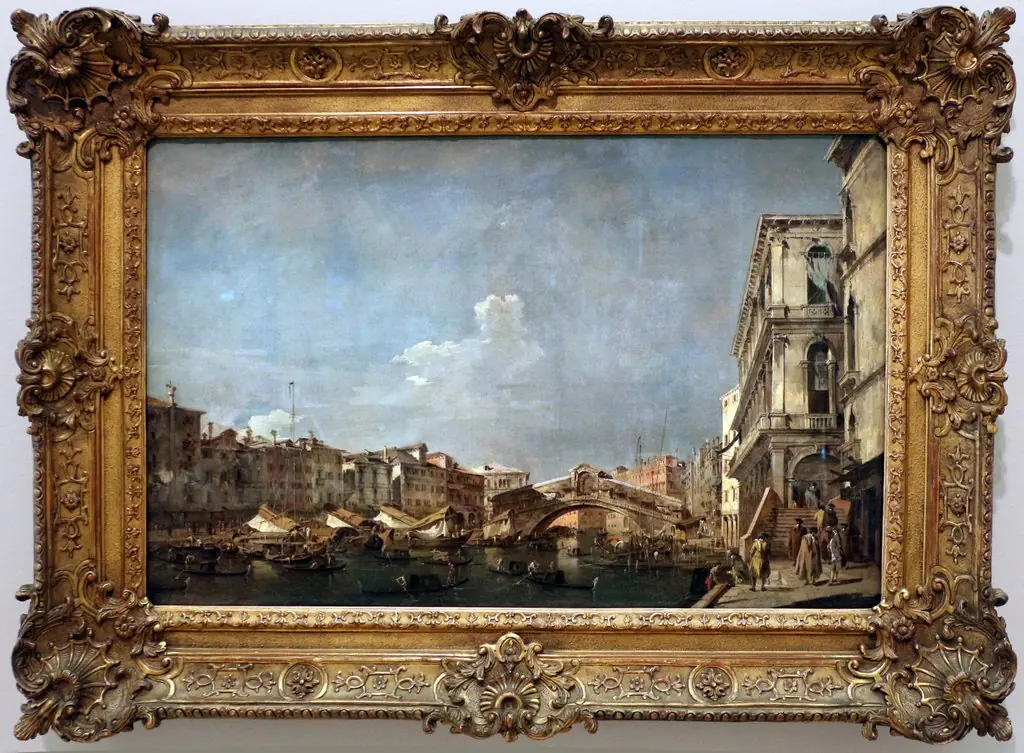 O Grande Canal na ponte Rialto
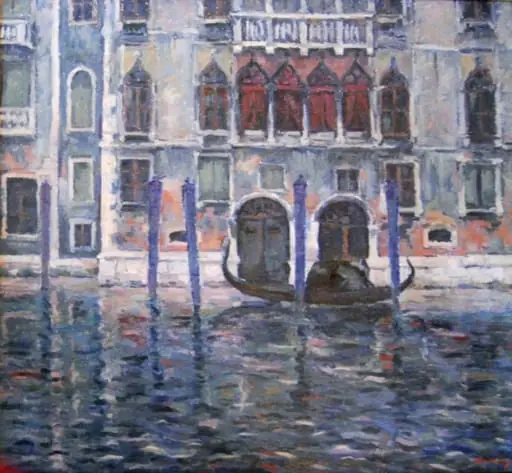 Palatul Ca'd'Oro
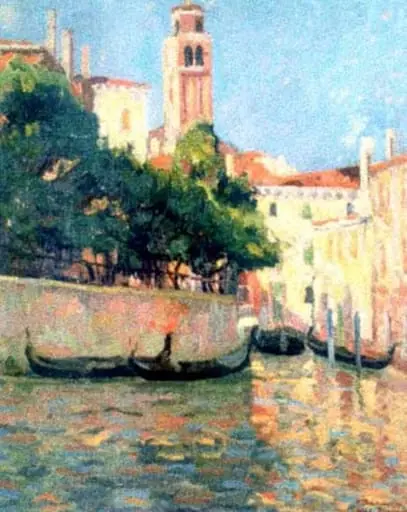 Veneția
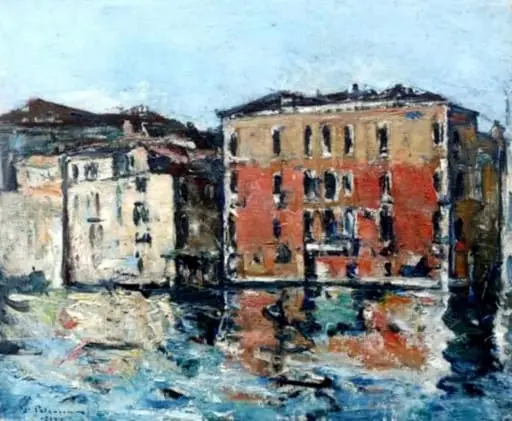 Veneția
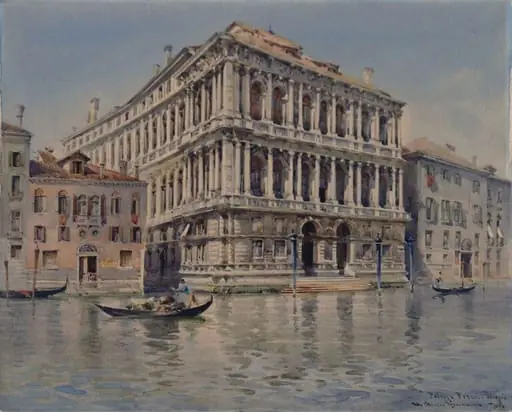 Palazzo Pesaro, Venice
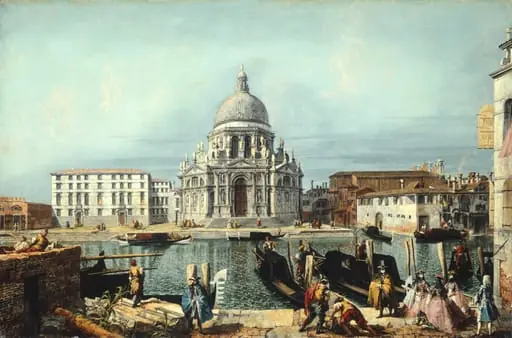 The Church of Santa Maria della Salute, Venice
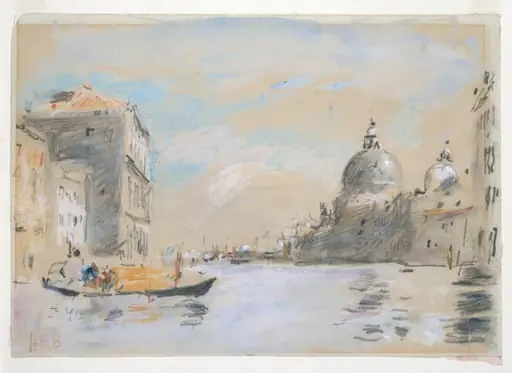 La Guidecca, Venice
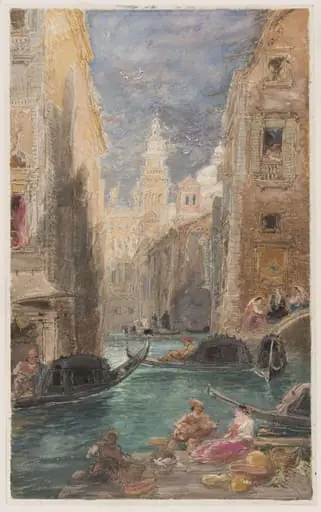 Canal in Venice
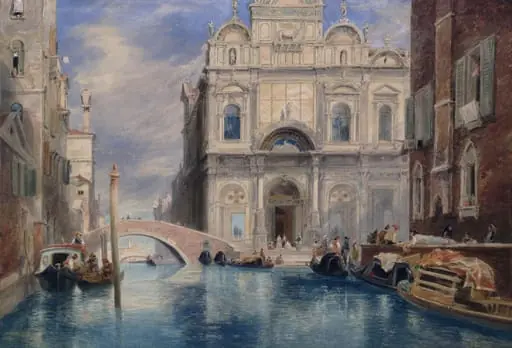 Ospedale Civile, Venice
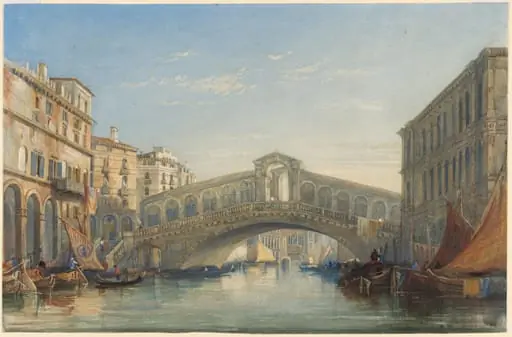 The Rialto Bridge, Venice
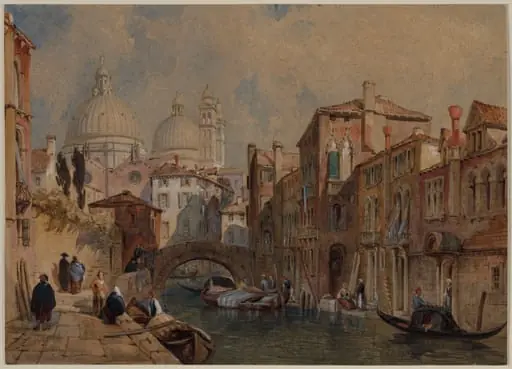 View of Venice: The Dome of Santa Maria della Salute Seen from the Rear of the Da Mula Palace, looking Eastward
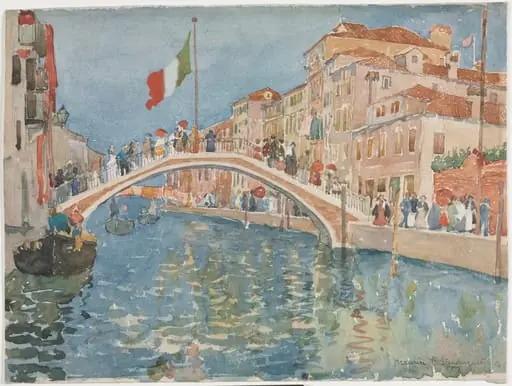 A Bridge in Venice
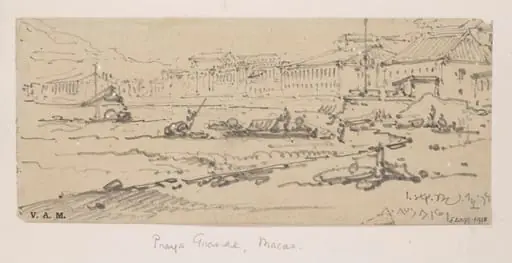 The Praya Grande, Macau, looking east across the bay
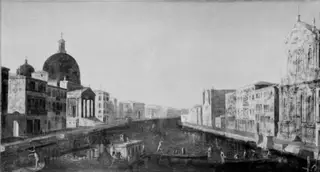 View of Canale Grande in Venice
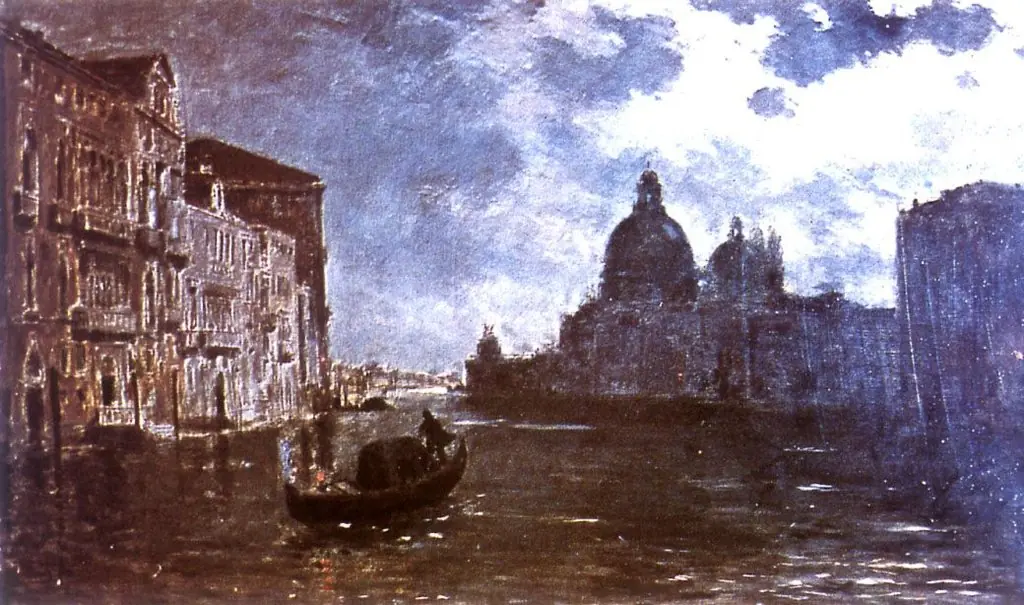 Nocturno veneciano
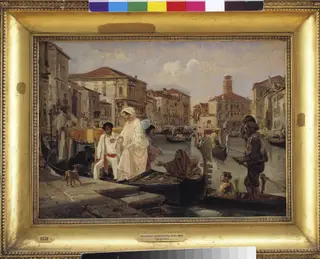 Alighting from a Gondola in Venice
 Canal Grande i Venedig med S. Simeone Piccolo
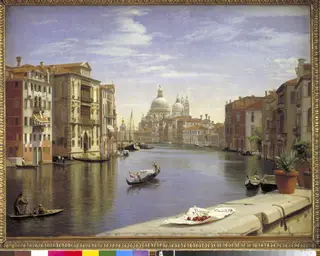 View of the Grand Canal, Venice. In the Background S. Maria della Salute
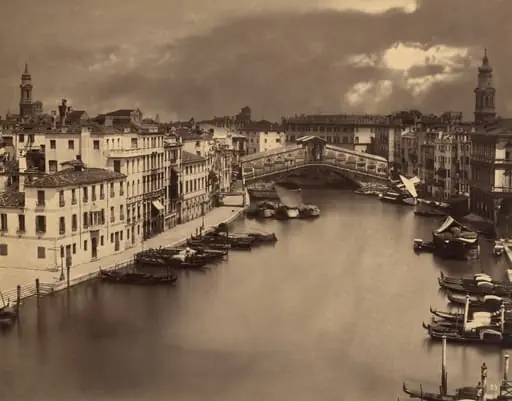 Venice in Moonlight
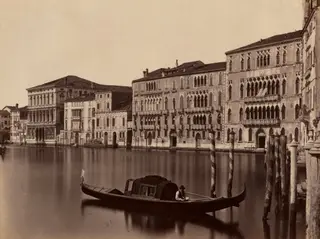 Untitled (Venetian Gondola)
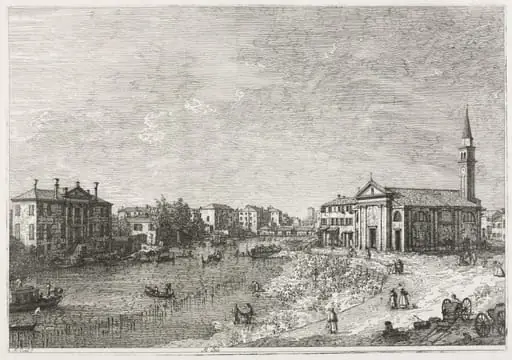 Views: View of Dolo, A Town on the Brenta, West of Venice
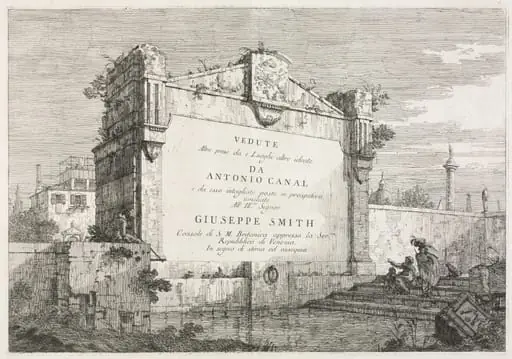 Views
Views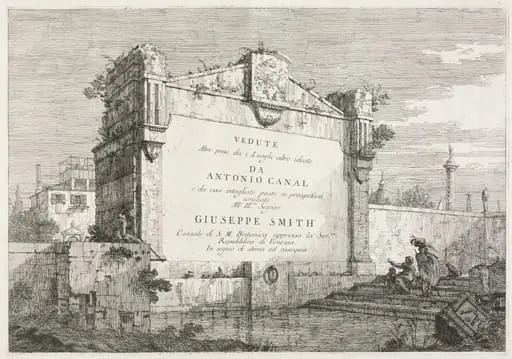 Views: Title Page
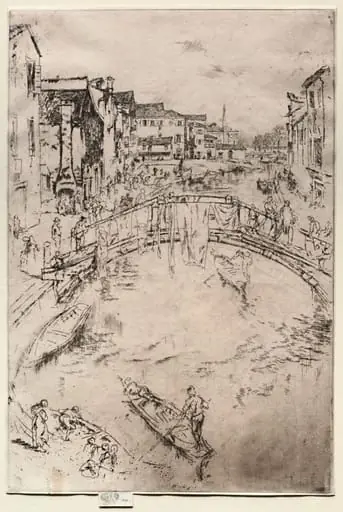 The Bridge
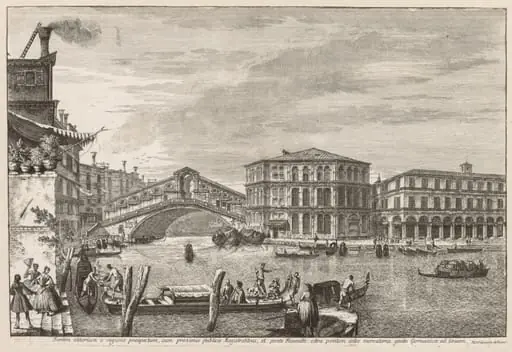 Views of Venice: The Bridge and Market of Rialto
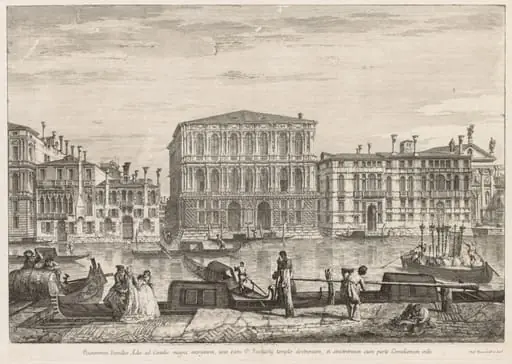 Views of Venice: Palazzo Pesaro
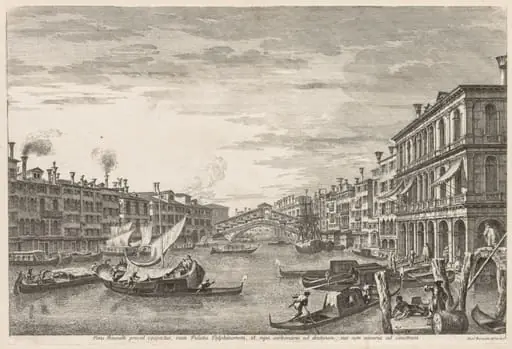 Views of Venice: Rialto
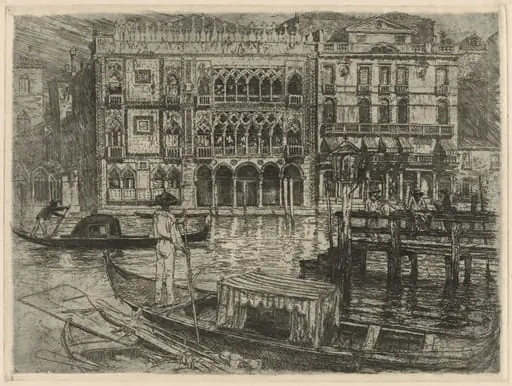 Palazzo ca d'Oro
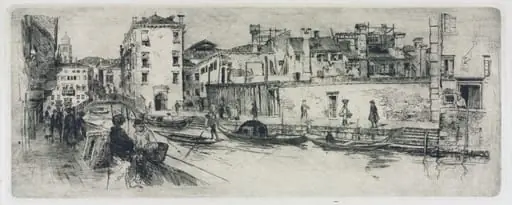 San Trovasso Canal, Venice
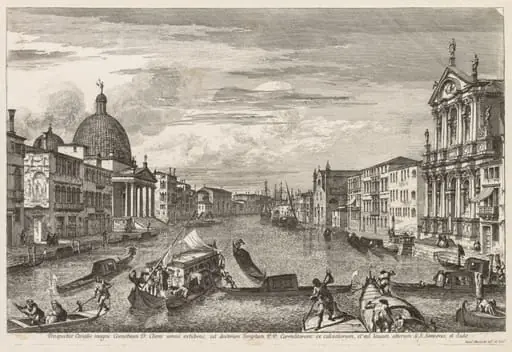 Views of Venice: Santa Chiara
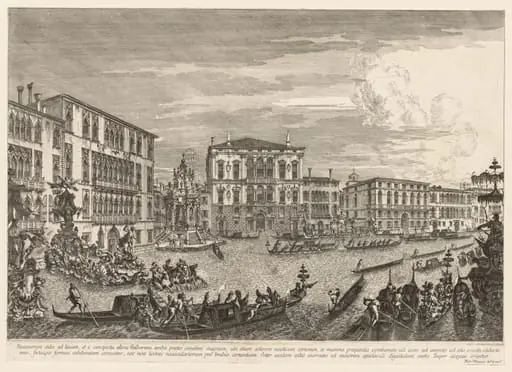 Views of Venice: The Regatta
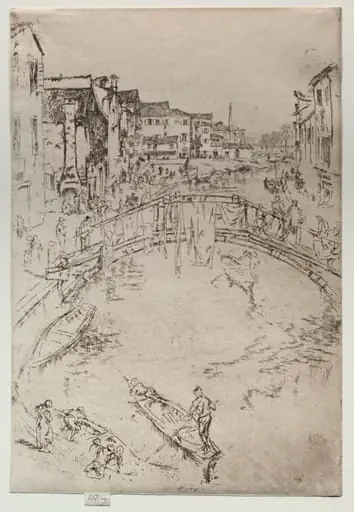 The Bridge
Frequently asked questions
What is Grand Canal?
Grand Canal is a subject in art. The Grand Canal (Italian: Canal Grande , locally and informally Canalazzo; Venetian: Canal Grando, locally usually Canałaso ) is the largest channel in Venice, Italy, forming one of the major water-traffic corridors in the city.
How many Grand Canal works does Artifact World Gallery have?
Artifact World Gallery holds 136 public-domain Grand Canal works, all free to view and download.
Who are the key Grand Canal artists?
Key Grand Canal artists in the collection include Joseph Mallord William Turner, Pierre-Auguste Renoir and Canaletto.
Where can I see Grand Canal works?
Grand Canal works in the collection are held by National Gallery of Art, Cleveland Museum of Art and Statens Museum for Kunst.