
Subject
Group of Humans
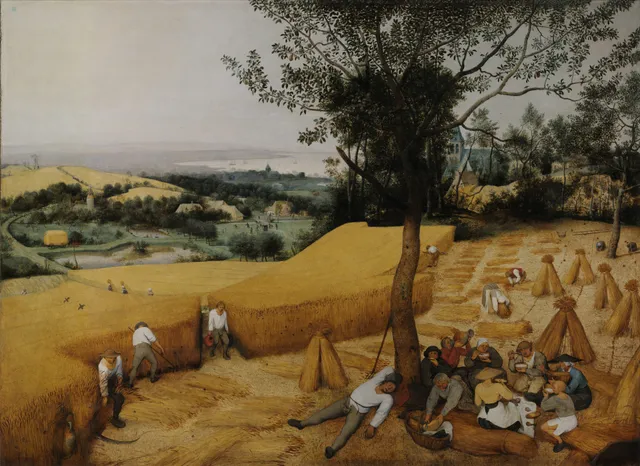
Group of Humans is a subject in art. The gallery holds 63 works in this subject in art, including works by Edgar Degas, Henry Lerolle and Édouard Manet.
Humans (Homo sapiens, meaning 'thinking man' or 'wise man') are the most abundant and widespread species of primates, characterized by bipedality, hairlessness, and large, complex brains enabling the development of advanced technology, culture, and language. Humans are highly social beings and tend to live in complex social structures composed of many cooperating and competing groups, from families and kinship networks to political states.
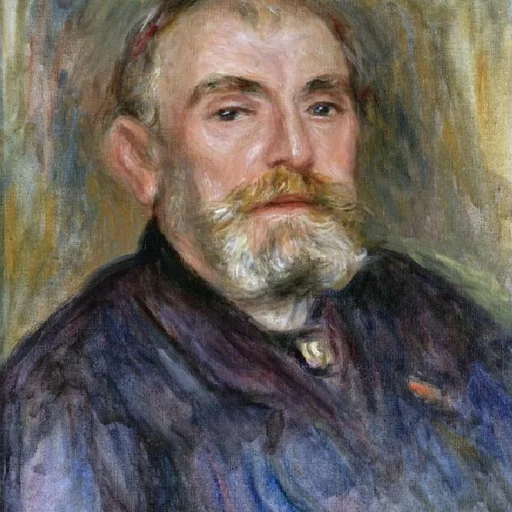
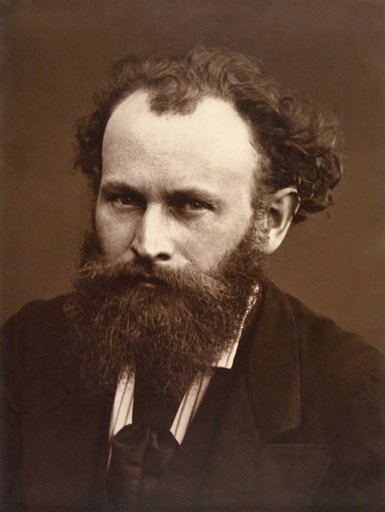
Key artists

Overview
A group of humans is an artistic motif depicting any set of human beings gathered together. As Homo sapiens is a highly social species characterized by bipedality, complex brains, and the development of advanced culture and language, the depiction of human groups is a natural extension of humanity's own social structures. Humans tend to live in complex social structures composed of many cooperating and competing groups, from families and kinship networks to political states. This fundamental social nature, bolstered by shared values, social norms, and rituals, provides the foundational reason the group recurs as a subject in art, serving as a mirror to the species' own cooperative and competitive interactions.
Iconography & meaning
The iconography of a human group extends beyond the mere representation of multiple figures to encompass the symbolic and marker-based systems that bind human societies. Humans structure their societies around a labyrinth of symbols that inform and guide interactions, transforming the physical body into a billboard of identity through markers like dress, posture, and voice. In art, a depicted group often signals shared identity through these markers, which can range from deliberate symbols with nonobvious, socially shared meanings, such as a wedding ring or a flag, to less overtly meaningful cues like a specific walking gait or emotional expression. The combination of these symbols and subconscious markers allows artists to convey the collective identity, social standing, and cultural framework of a depicted group, grounding abstract communal concepts in tangible visual cues.
Across movements & periods
The treatment of the human group has shifted alongside the evolving self-definition of humanity. Philosophically and biologically, humans have defined and redefined themselves in numerous ways throughout history, granting themselves purpose relative to their own existence. Early artistic treatments often embedded groups within larger symbolic or religious narratives, reflecting societies bound by shared rituals and mythological frameworks. Over time, as human curiosity and the desire to understand and influence the environment motivated the development of science, philosophy, and other fields of knowledge, artistic depictions of human groups shifted toward secular, observational, and social realism. The progression from depicting groups in divine or allegorical contexts to rendering them in observable, everyday environments mirrors the human transition from mythological worldviews to those grounded in reason, introspection, and the cumulative preservation of knowledge across generations.
Legacy
The artistic legacy of the human group motif is deeply tied to humanity's capacity for abstraction, symbolic thought, and the creation of culture. Through art, humans transform the raw materials of existence into something profoundly meaningful, rendering lived experience into a shared vision. The depiction of human groups serves as a mechanism for navigating the abstract, constructing identities, and connecting across generations. By materializing the social markers and symbols that hold societies together, these artworks function as extensions of the self and repositories of collective memory. This enduring cultural output reflects the boundless creativity of a species that continuously reinvents its social frameworks, ensuring that the artistic representation of human groups remains a central process by which humanity understands and perpetuates itself.
Works
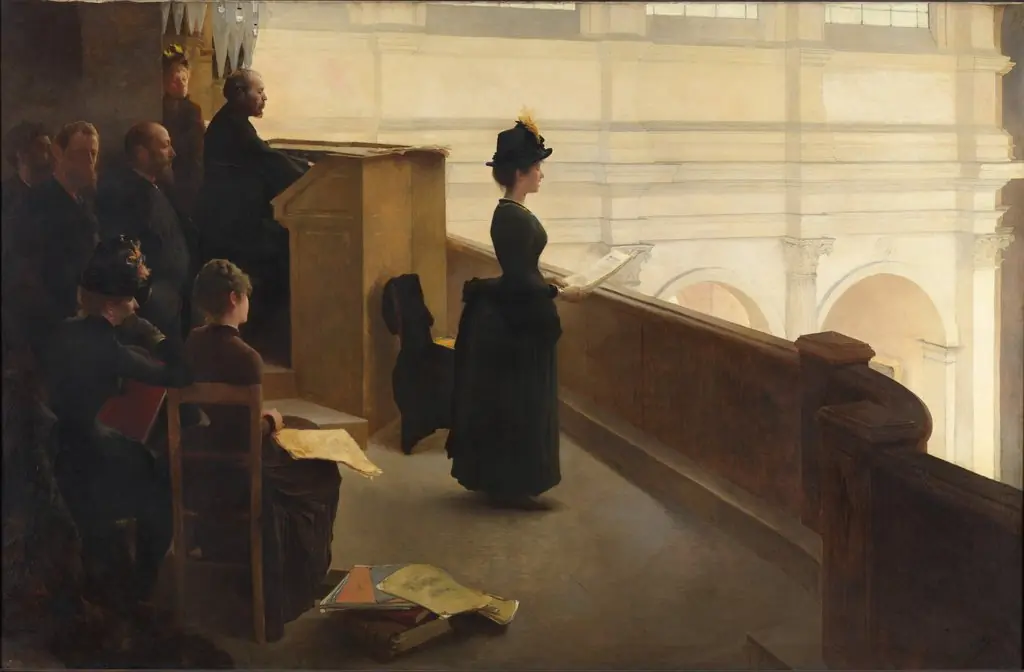 The Organ Rehearsal
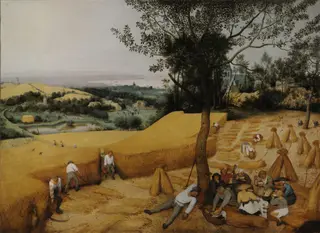 The Harvesters
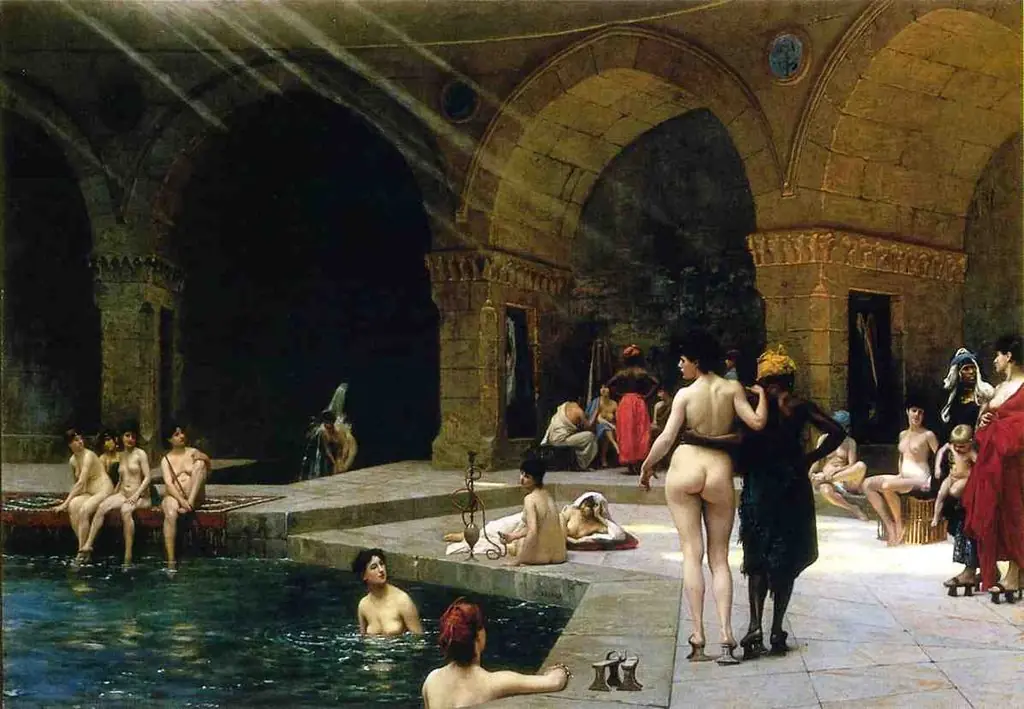 The Great Bath at Bursa
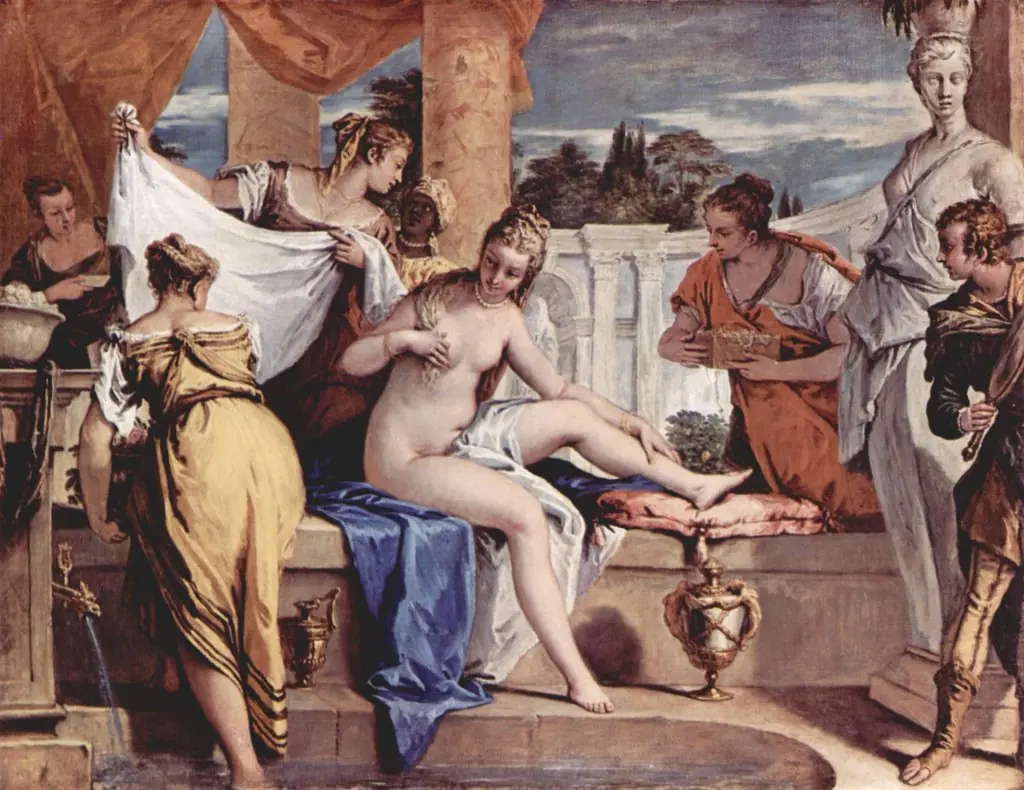 Bathsheba at her bath
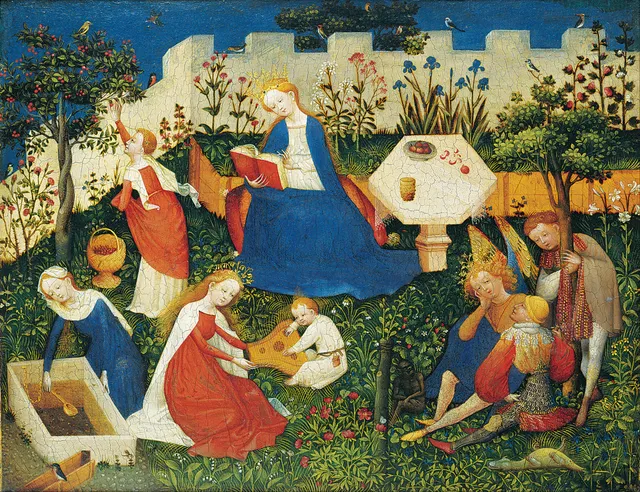
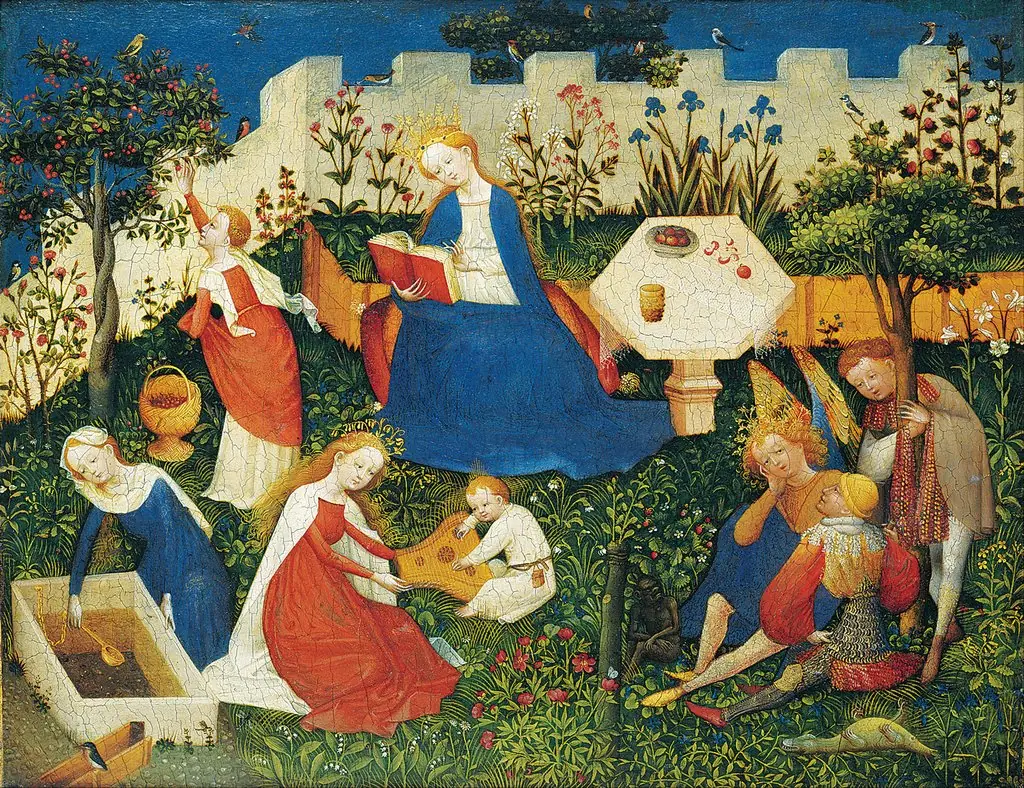 Paradiesgärtlein
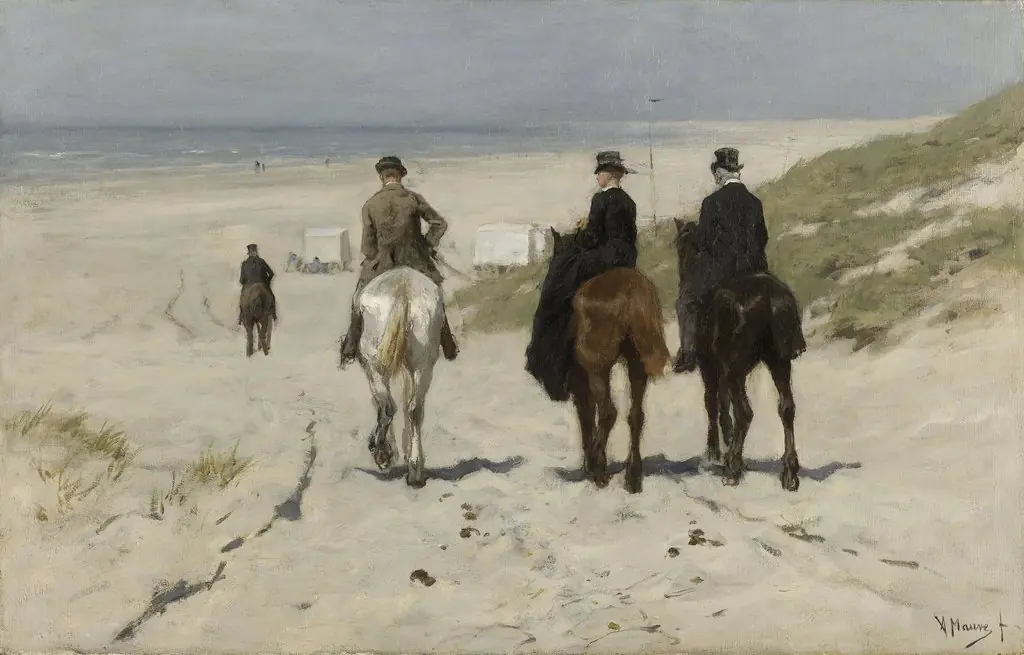 Morning Ride on the Beach
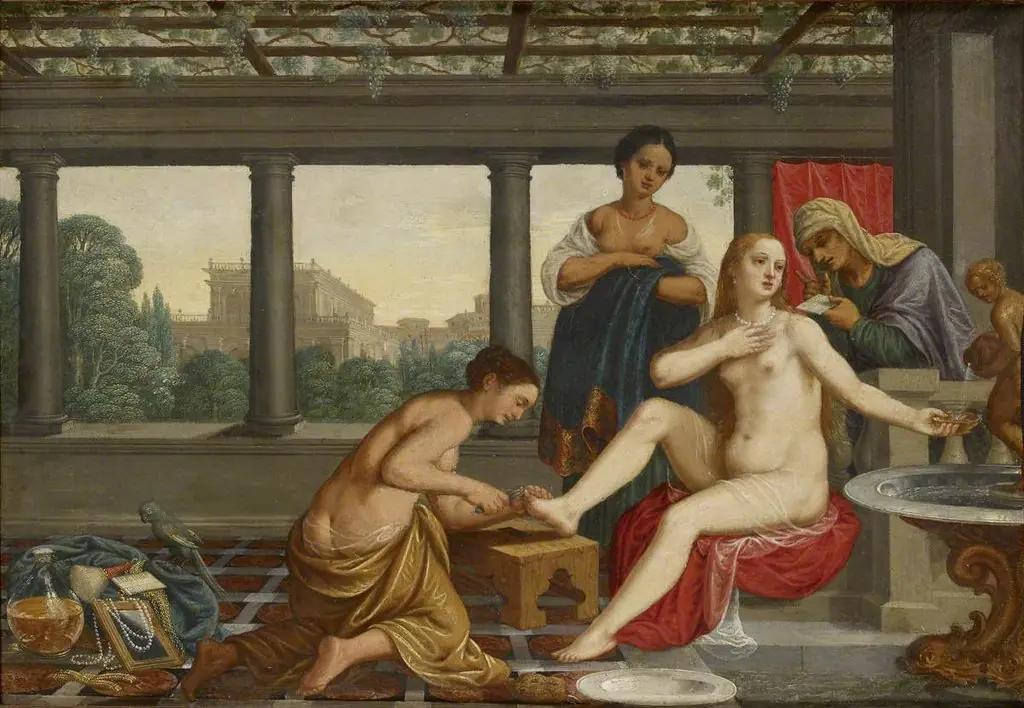 Bathsheba's Bath
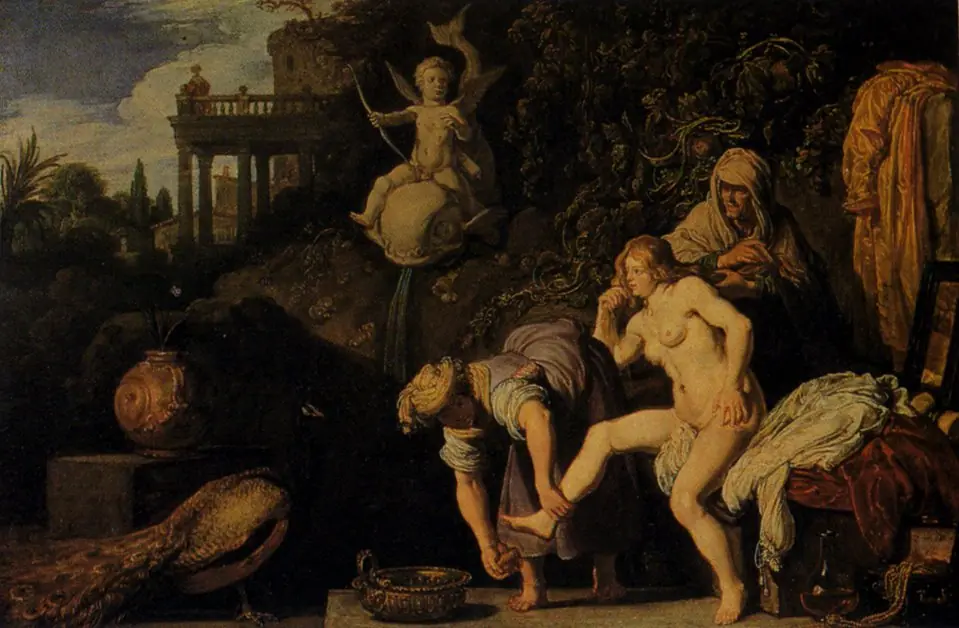 Bathsheba at her Toilette
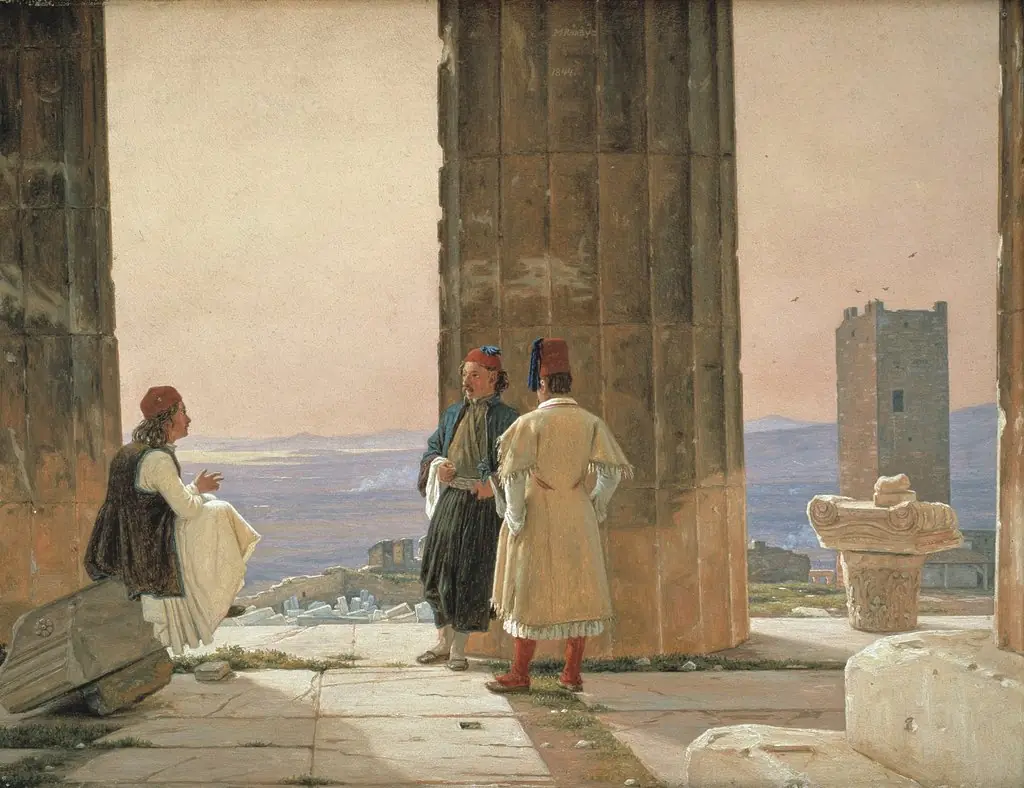 The View from the Temple of Athena on the Acropolis
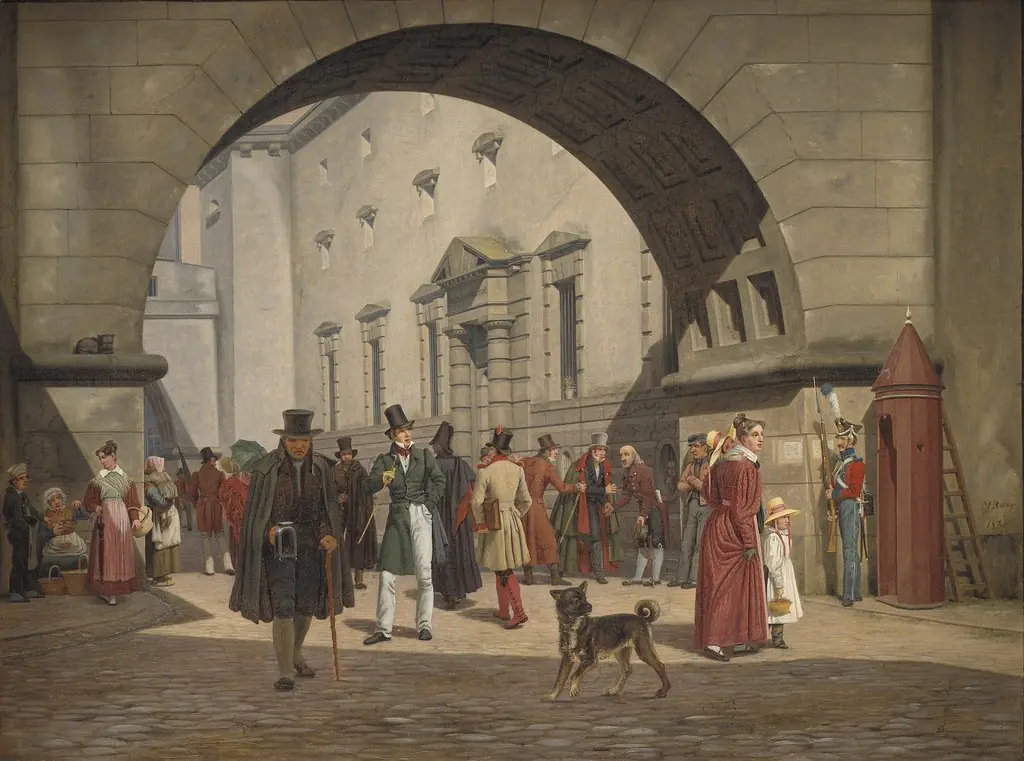 The Prison of Copenhagen
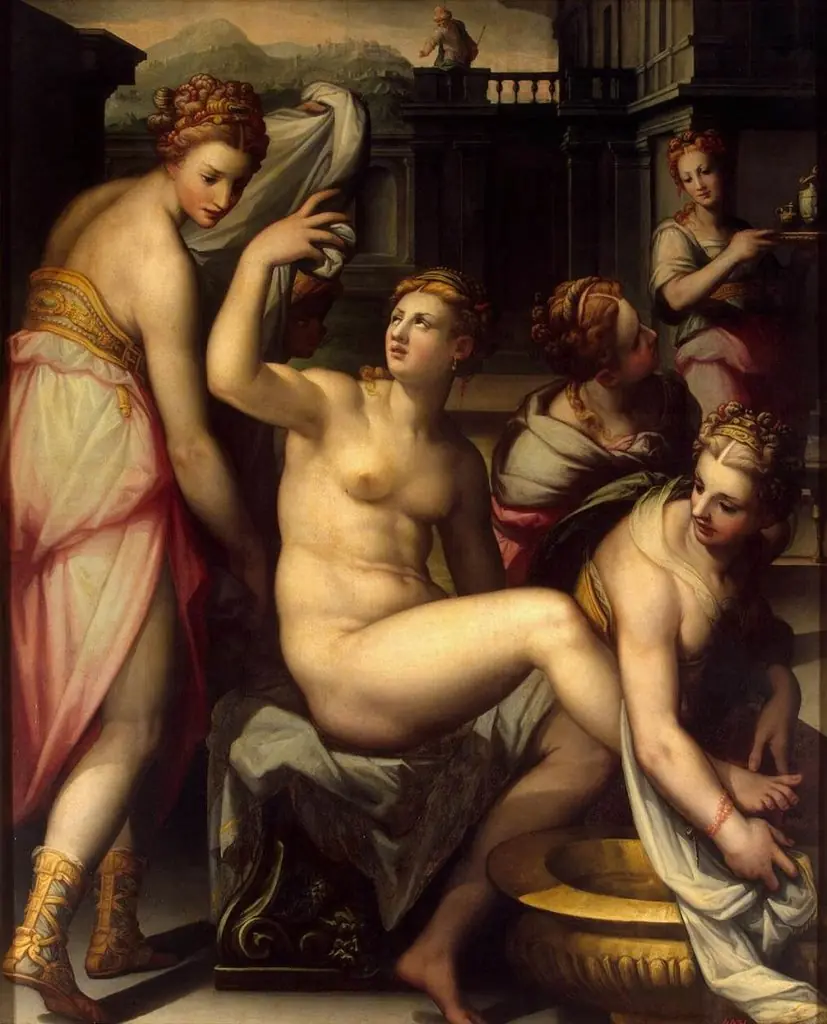 Bathsheba
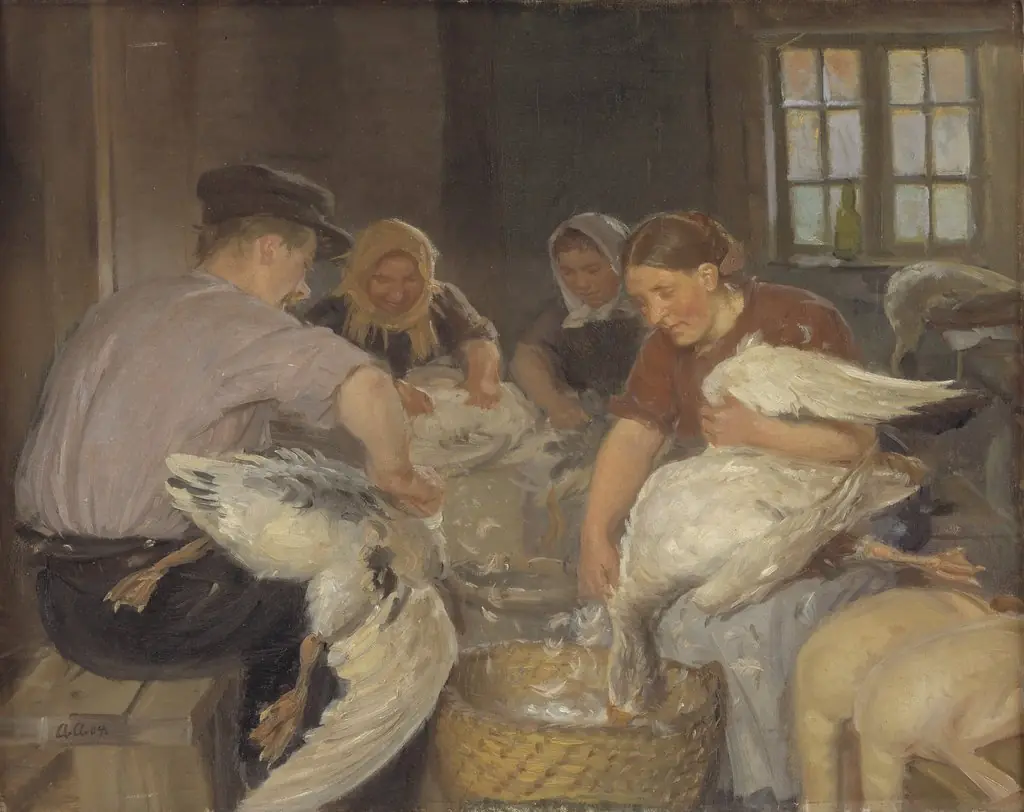 Plucking the Geese
 Fiskere trækker våd på Skagen Nordstrand
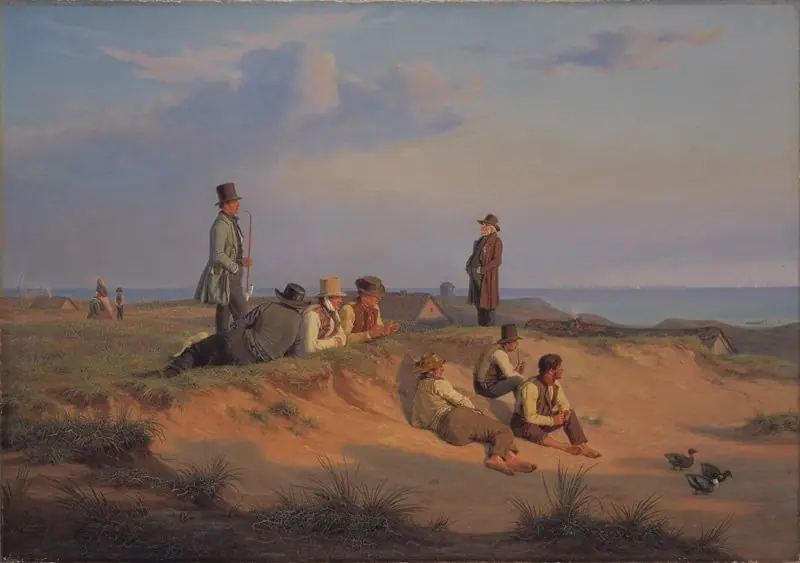 Men of Skagen on a Summer Evening in Fair Weather
 Bathsheba at her toilet
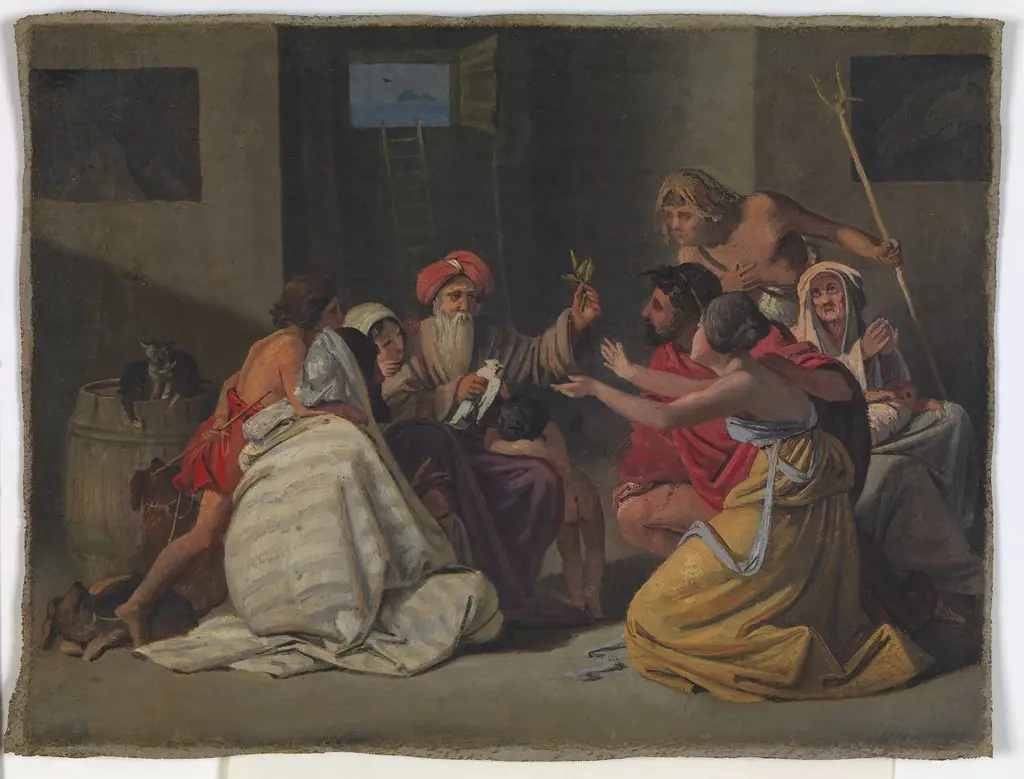 Study for the painting "Noah i arken"
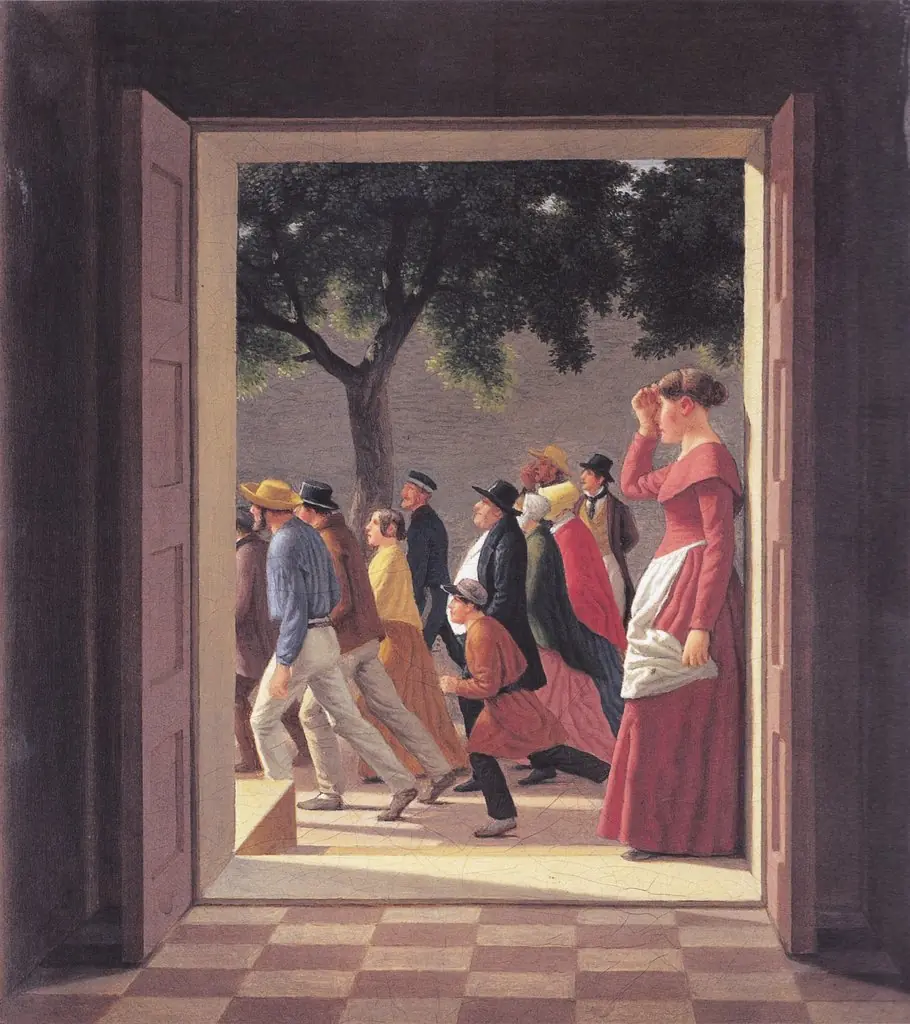 View through a Door to Running Figures
 Mountain Landscape with a River
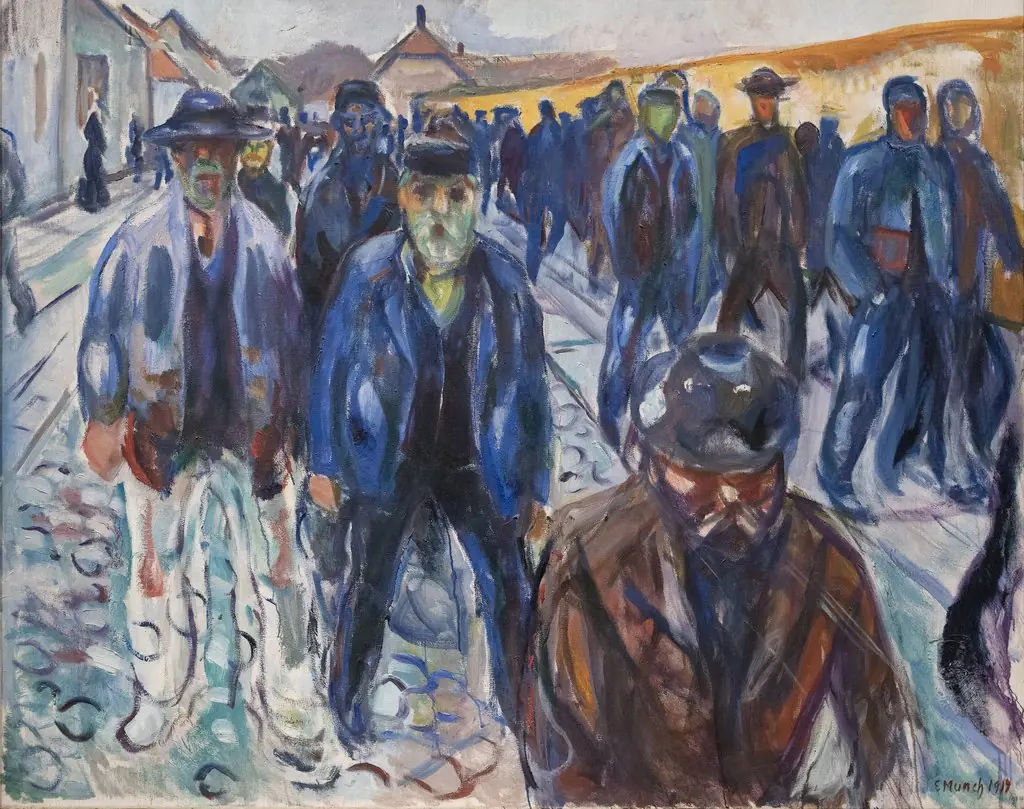 Workers on their Way Home
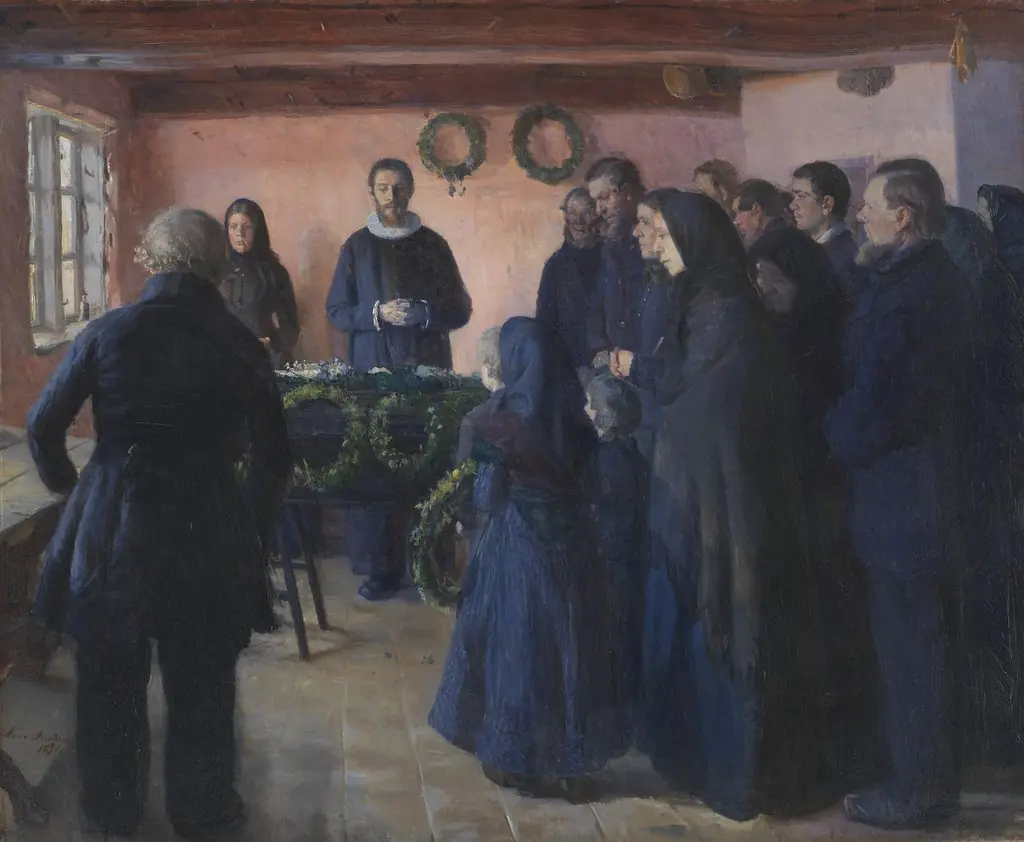 A Funeral
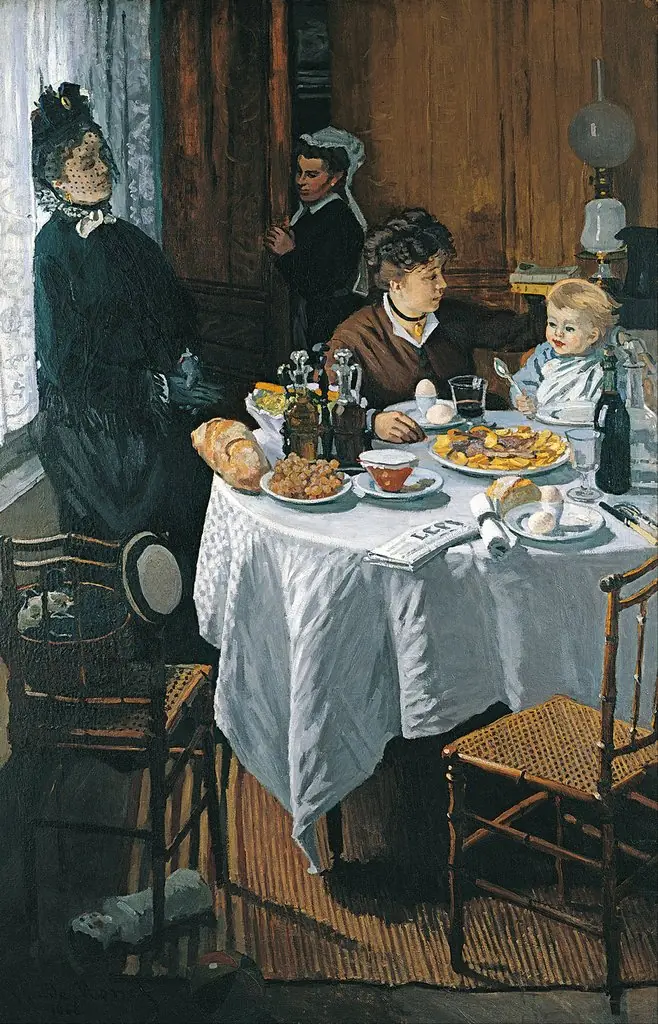 The Luncheon
 Bathsheba at her bath
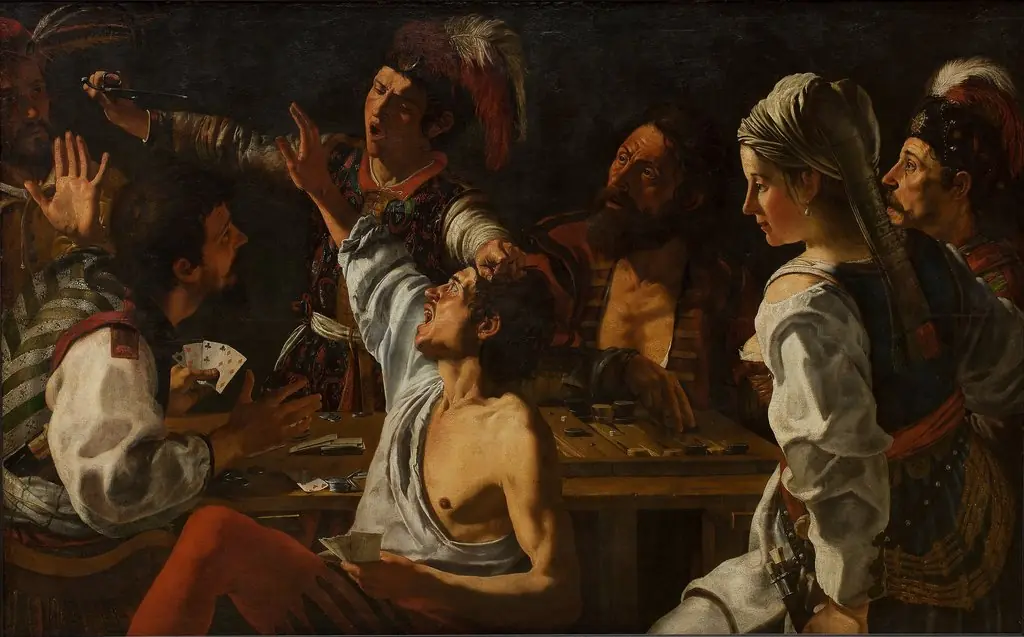 Card and Backgammon Players. Fight over Cards
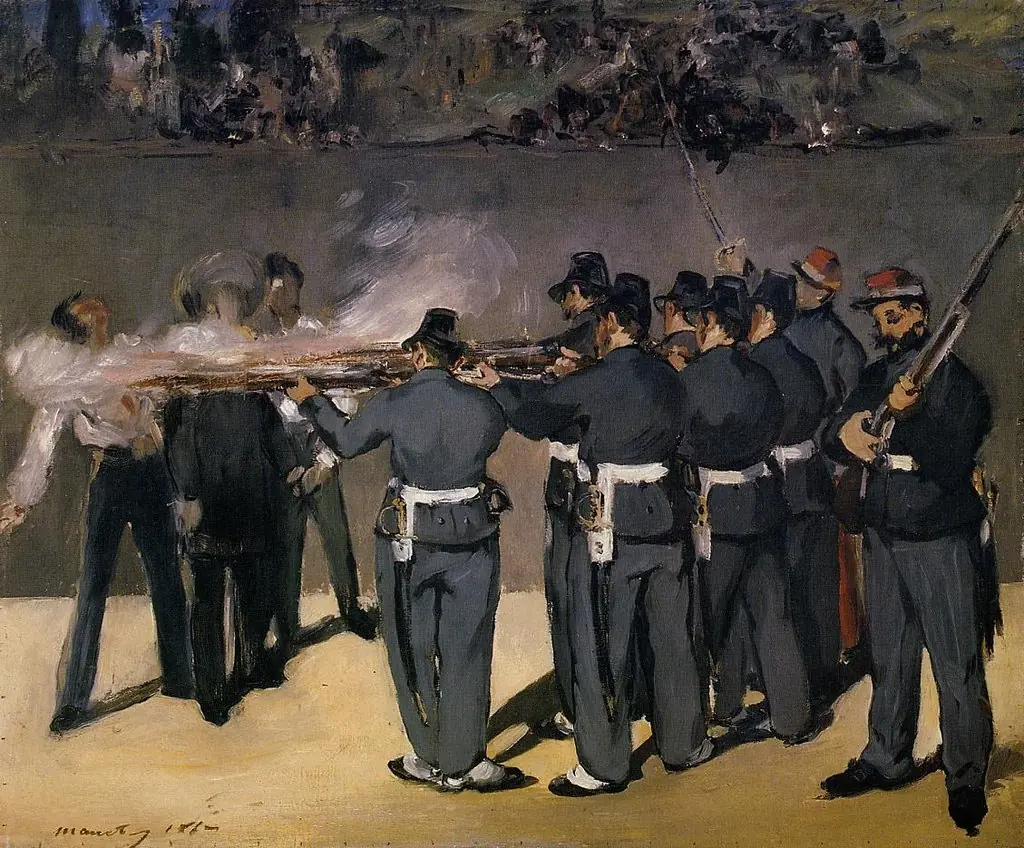 The Execution of Emperor Maximilian
 Bathsheba after the Bath
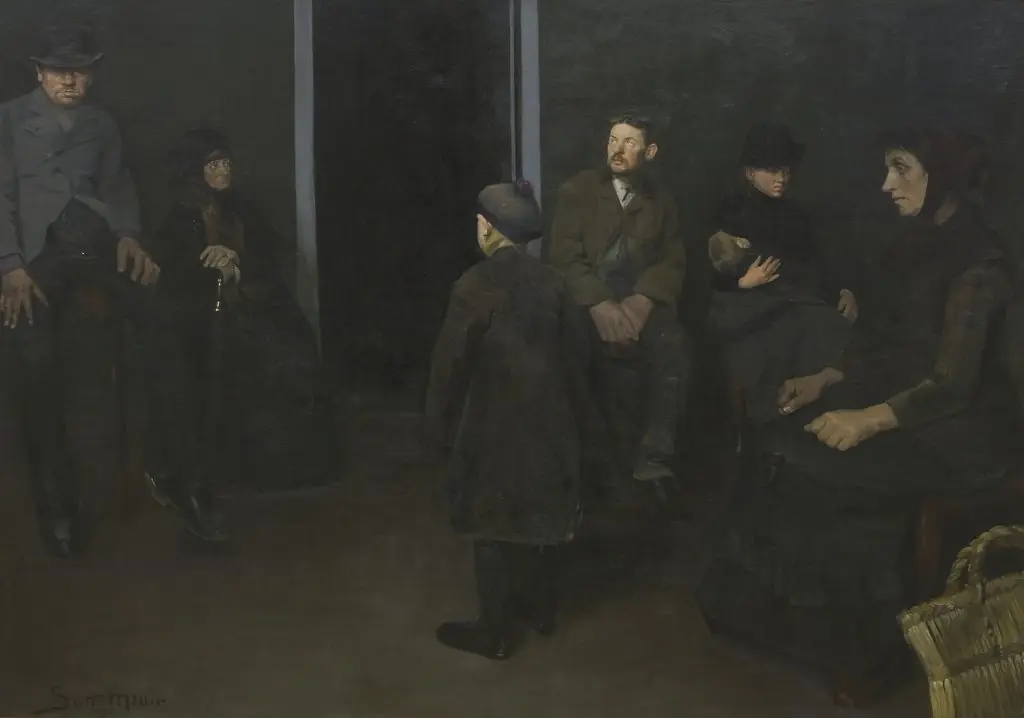 The Poor: The Waiting Room of Death
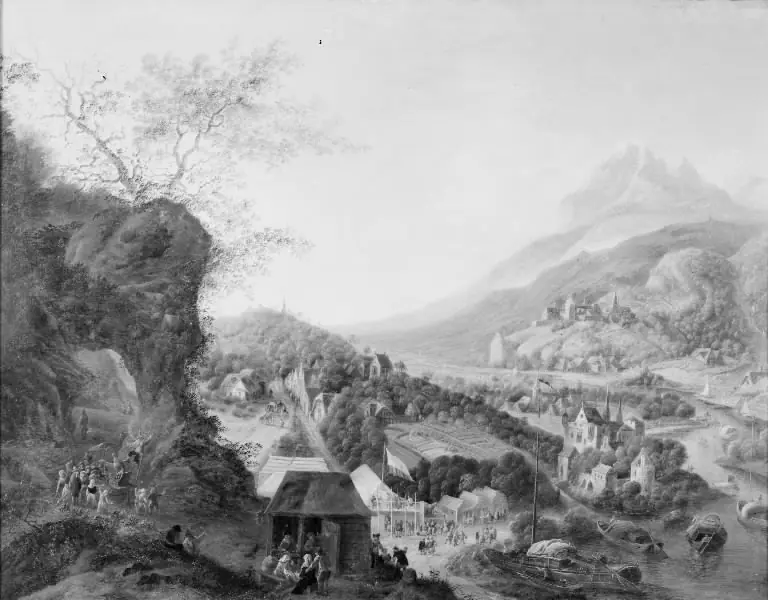 Mountain Scenery with River
 Merry Company in a Hall
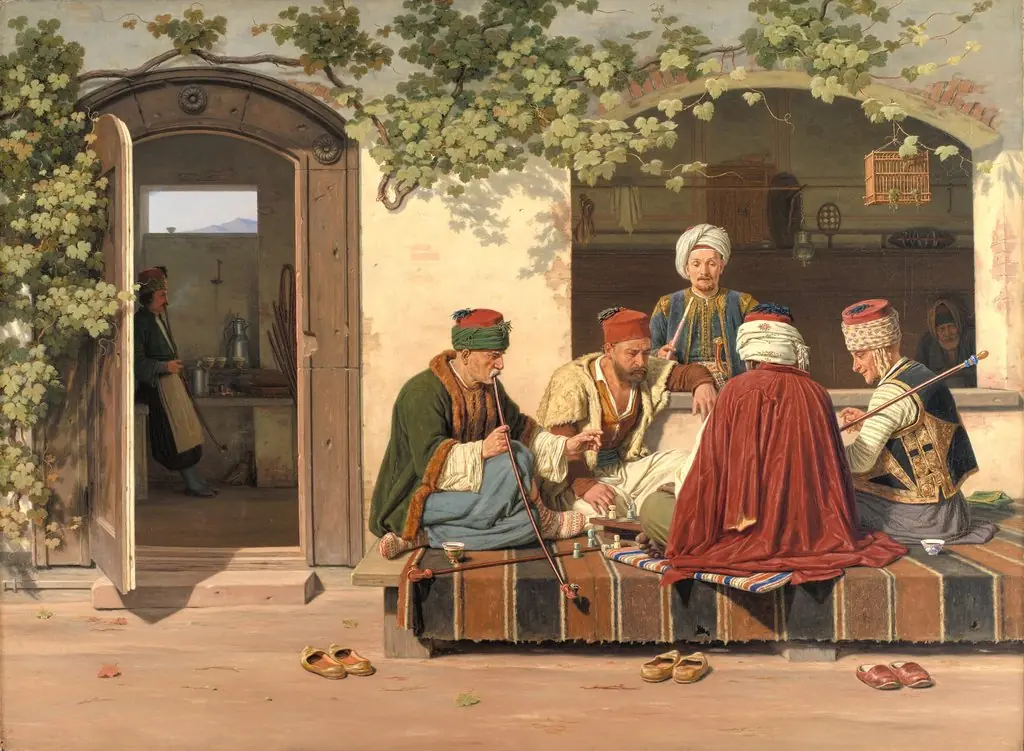 A party of chess players outside a Turkish coffeehouse and barbershop
 The Gallant Conversation, known as Paternal Admonition
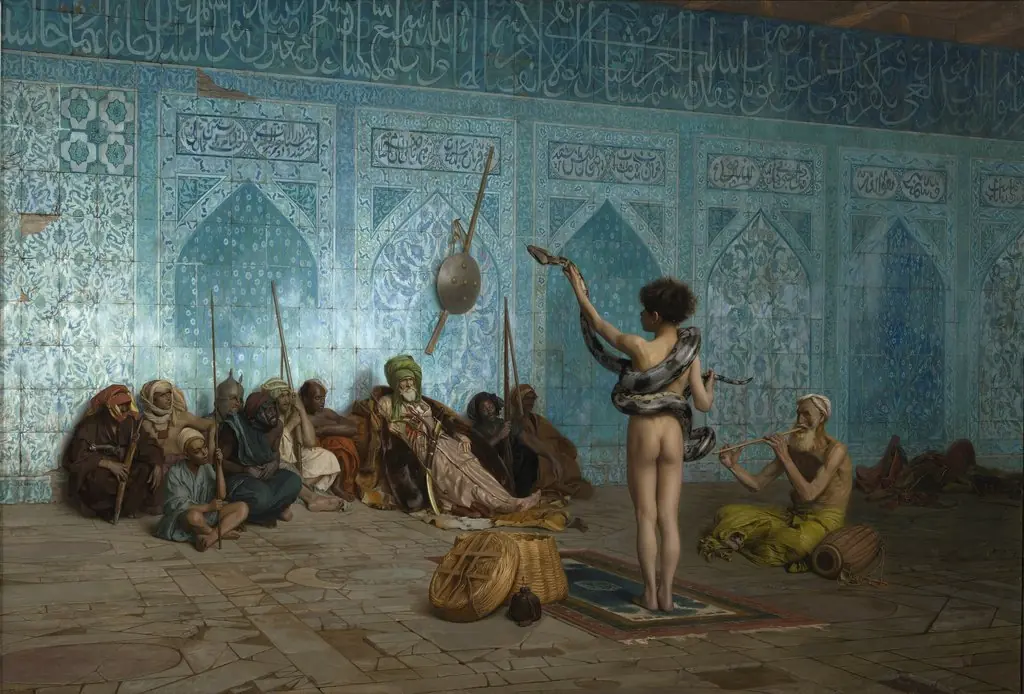 The Snake Charmer
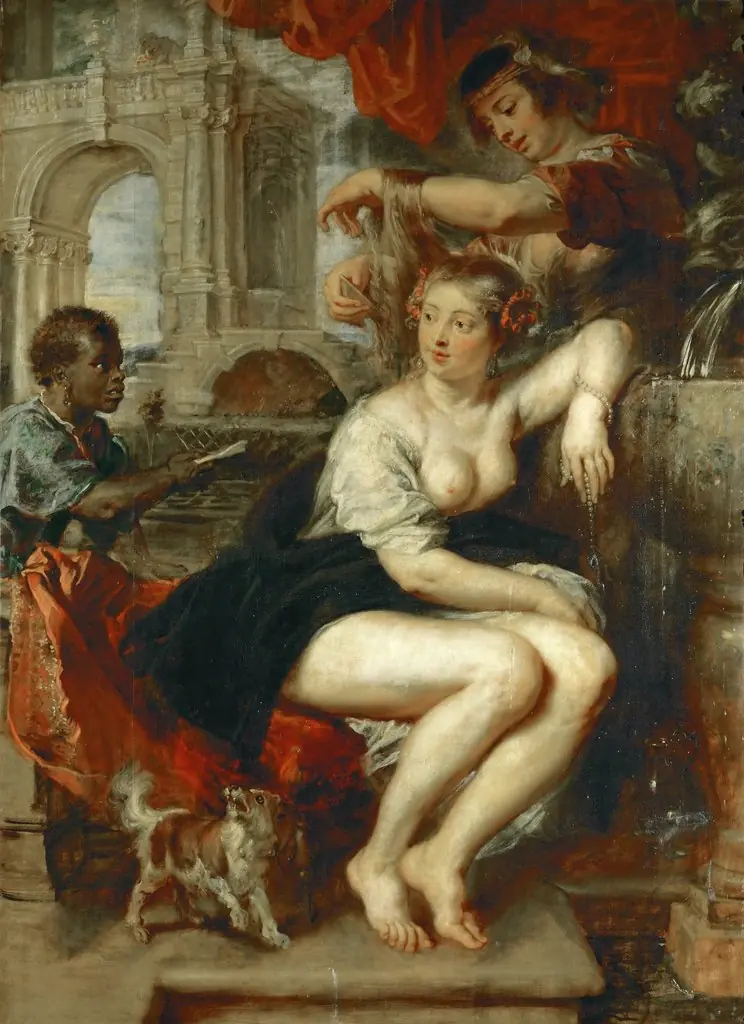 Bathsheba at Her Toilet
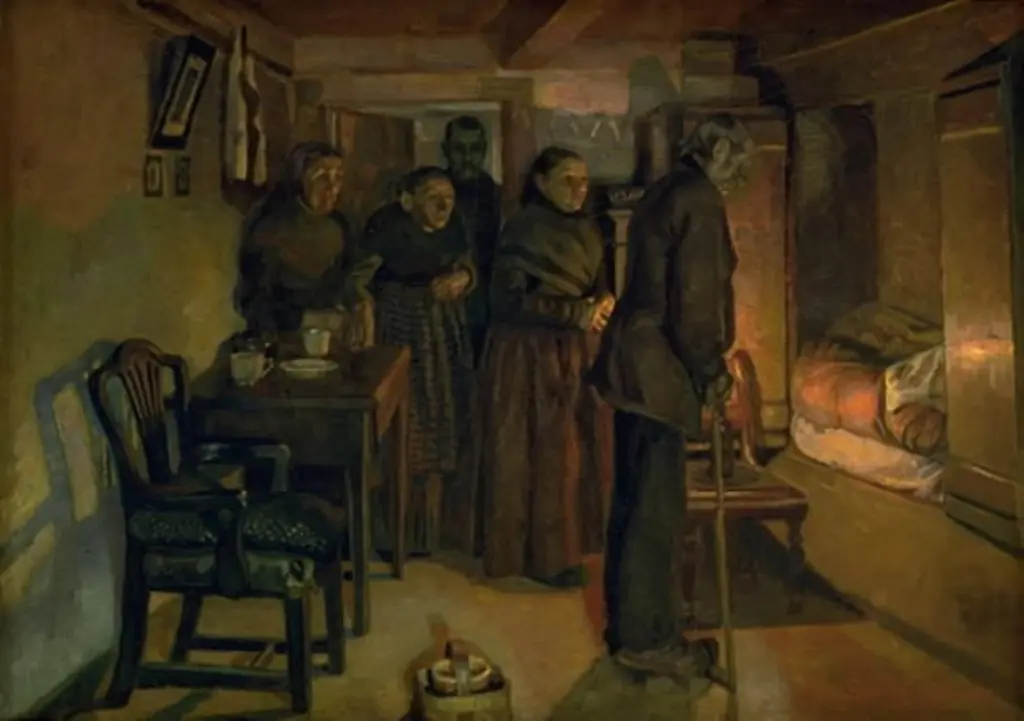 At a Deathbed
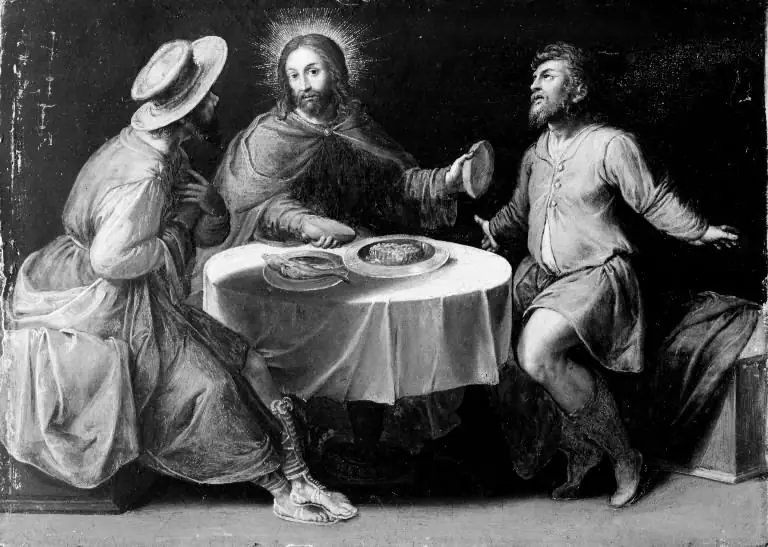 Christ and the Disciples in Emmaus
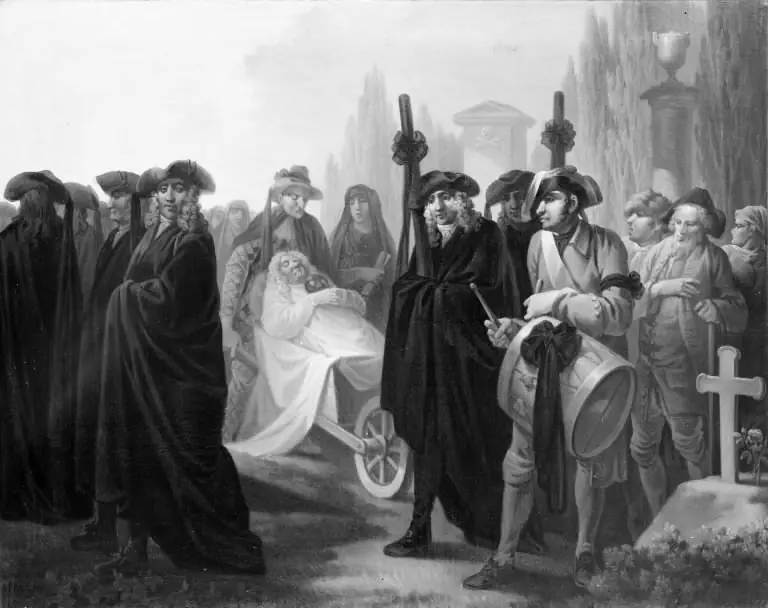 Den danske Comedies Ligbegængelse, 5. scene
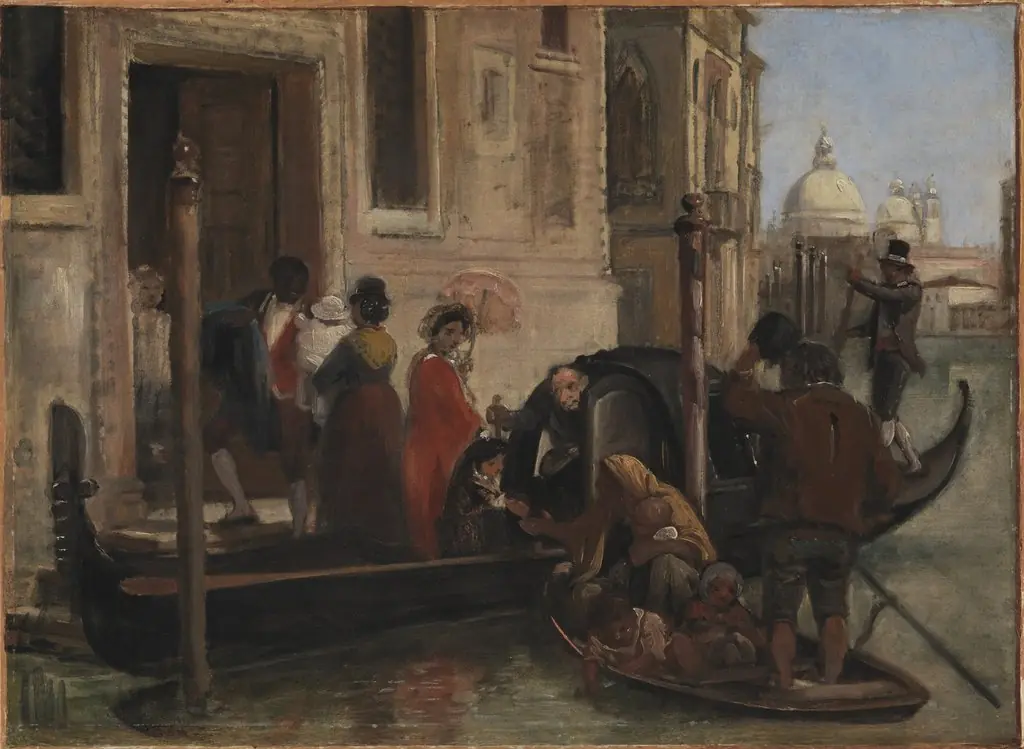 Landing in Venice. In the Distance S. Maria delle Salute
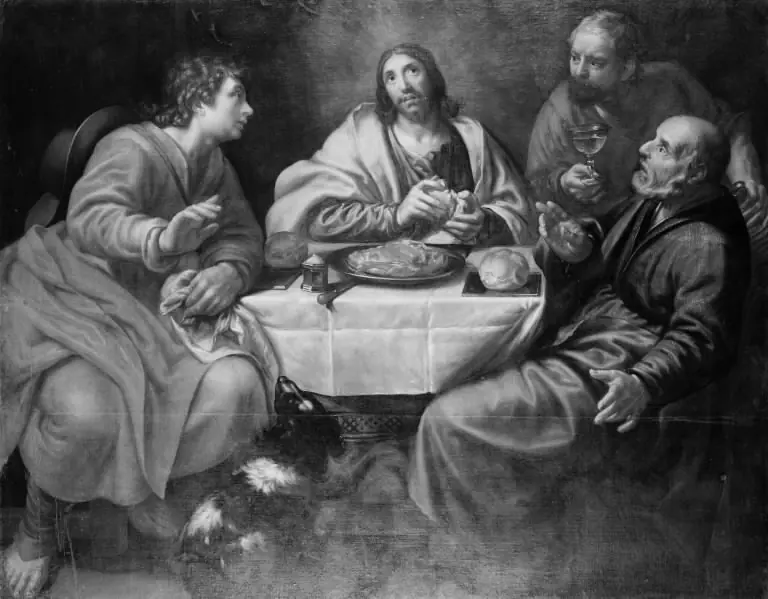 Christ in Emmaus
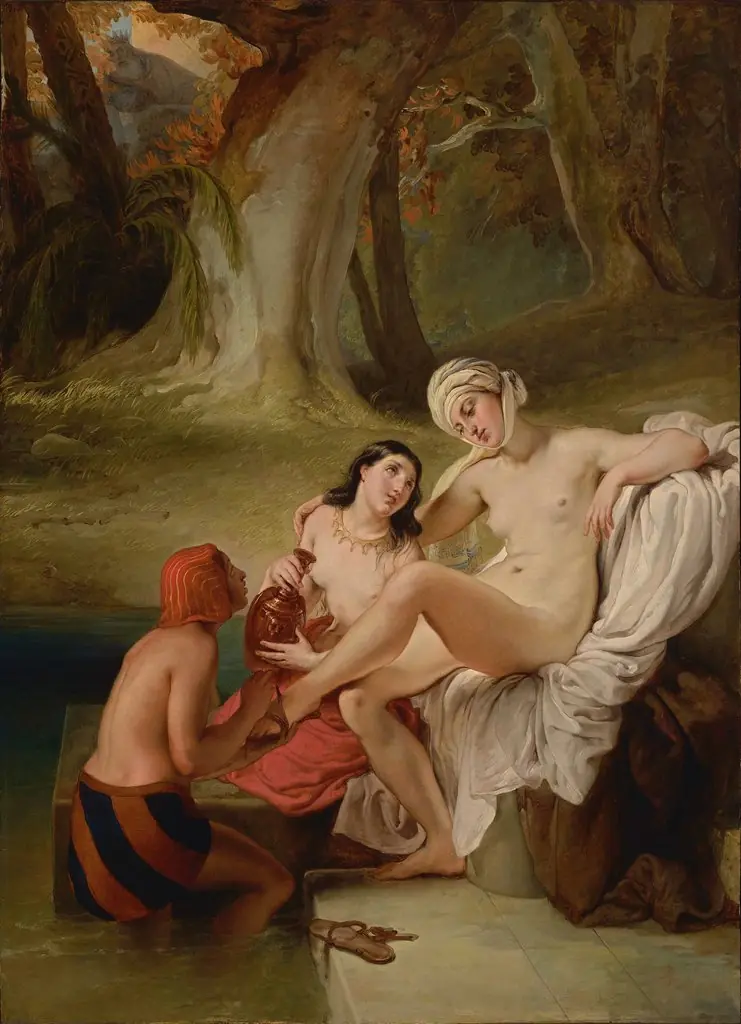 Bathsheba Bathing
 Udfaldet på Amager under Københavns belejring 1659
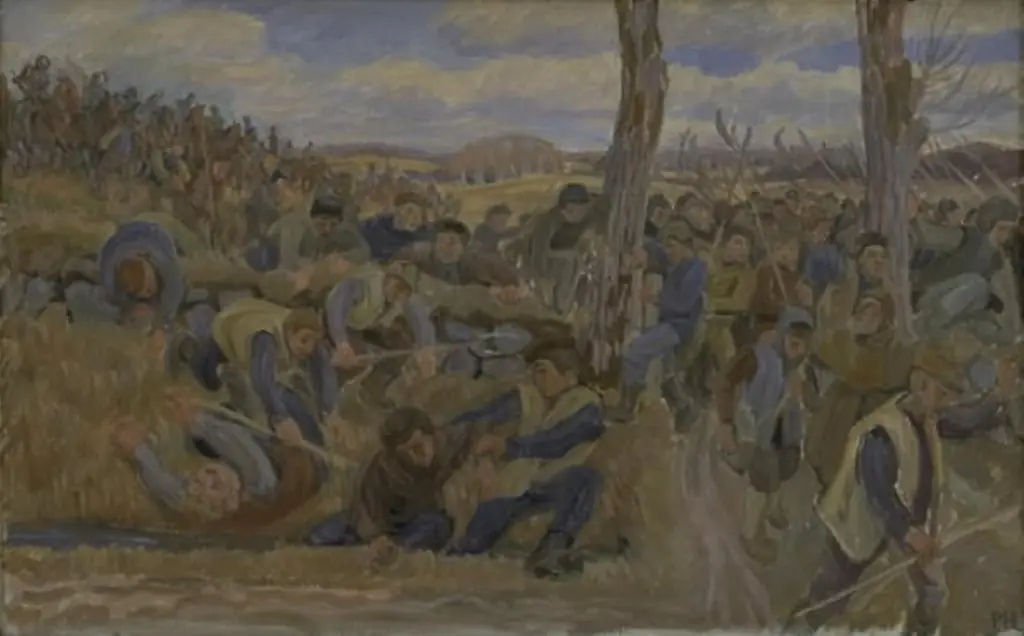 Grevens Fejde
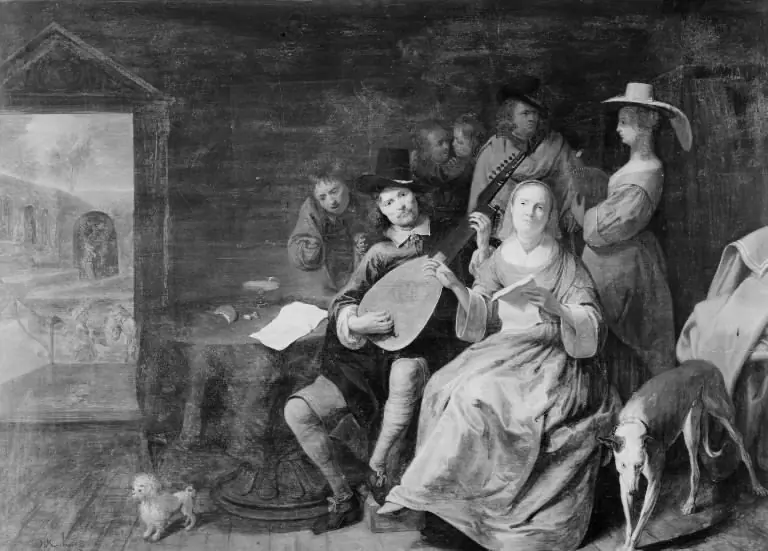 Musical Company
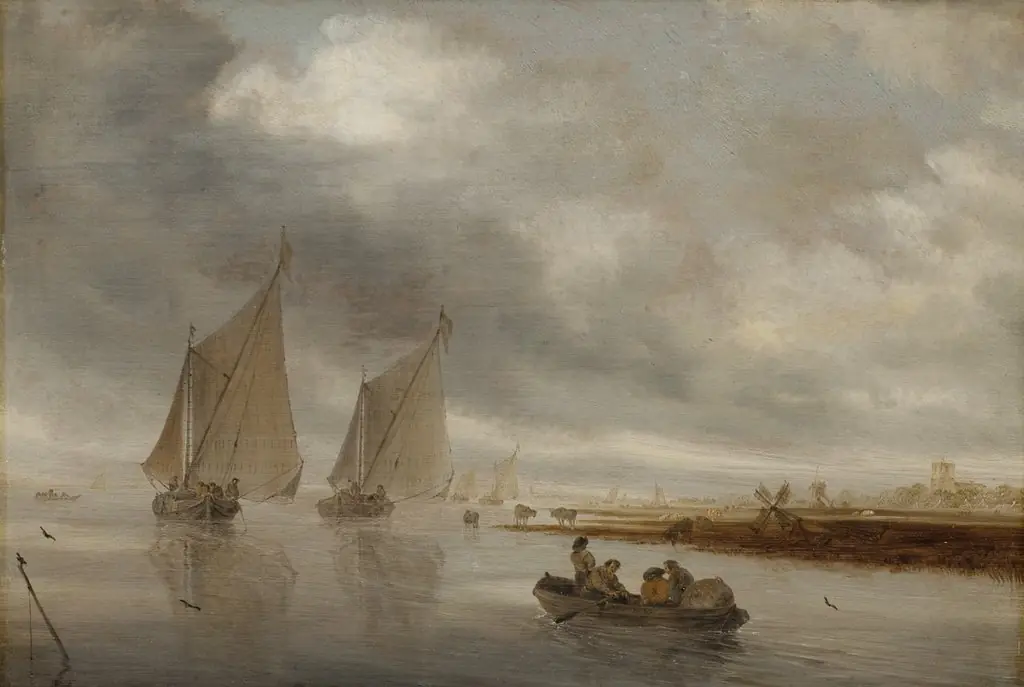 River Scenery
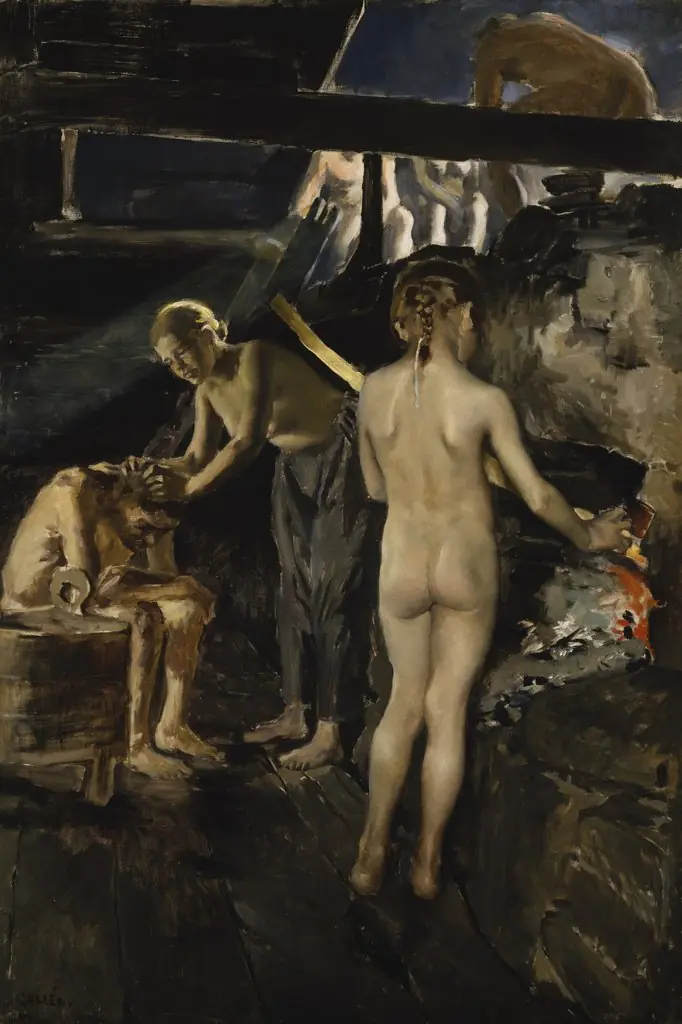 In the Sauna
 A Banquet at the Court of the German Emperor Charles VI
 Devotion
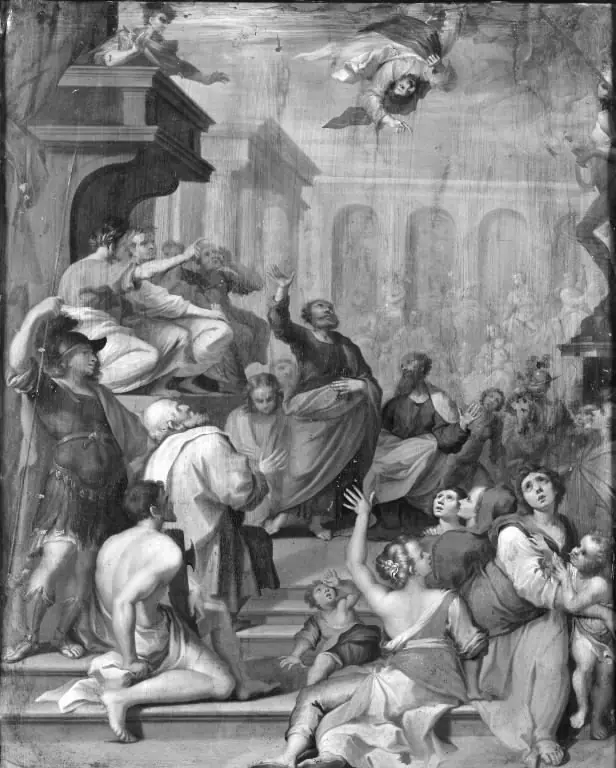 The Fall of Simon Magus
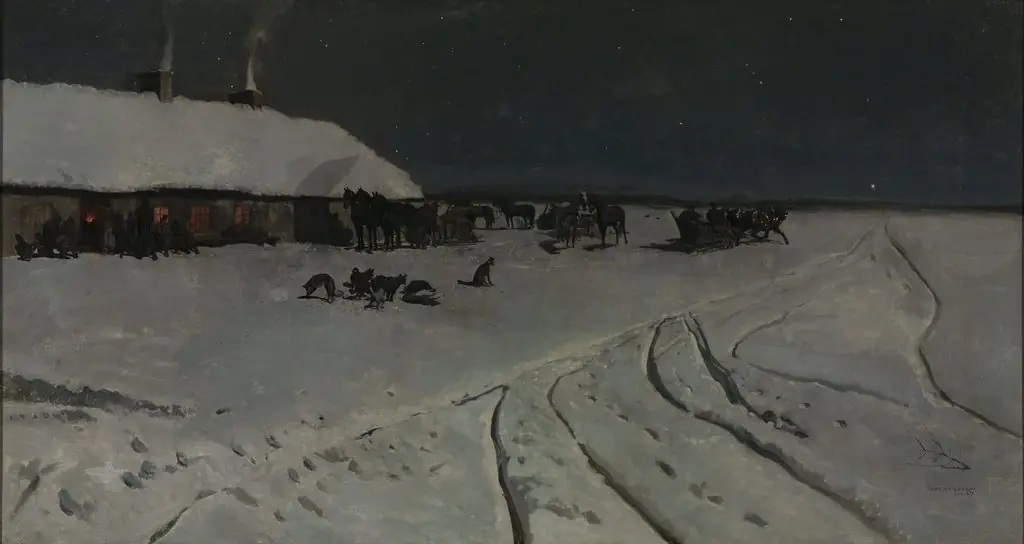 Winter night in Ukraine
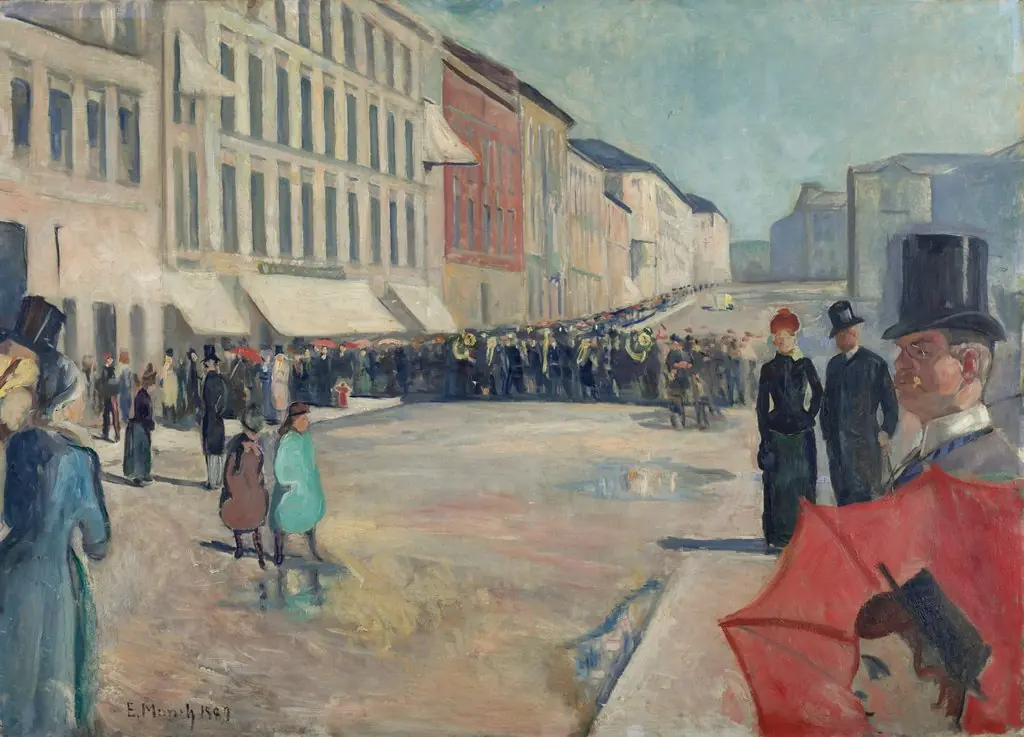 Music on Karl Johan
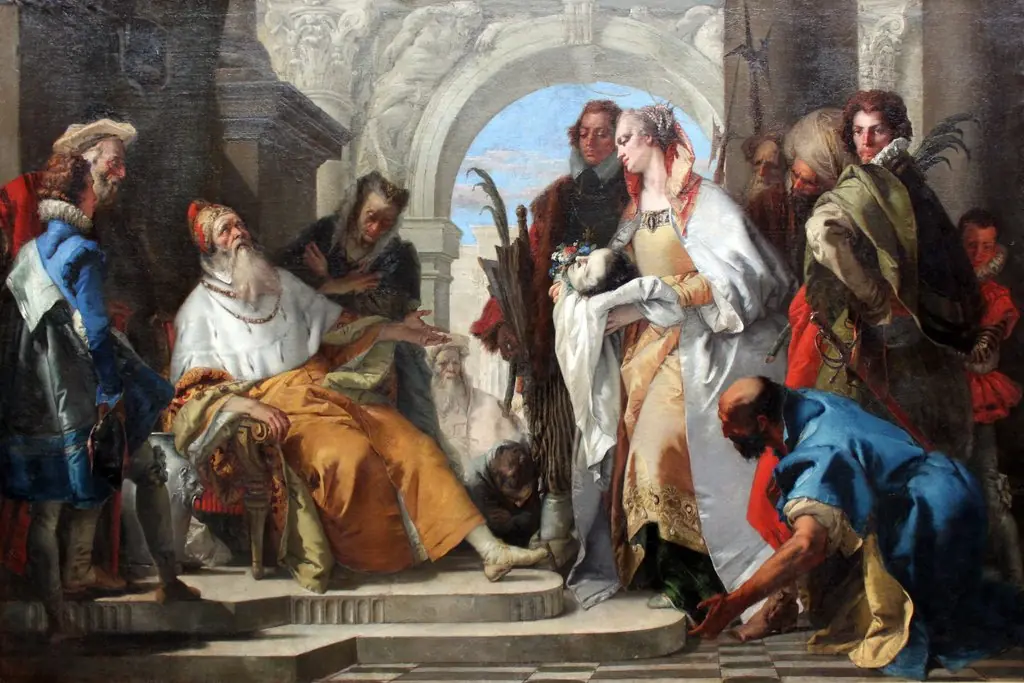 The Patron Saints of the Crotta Family
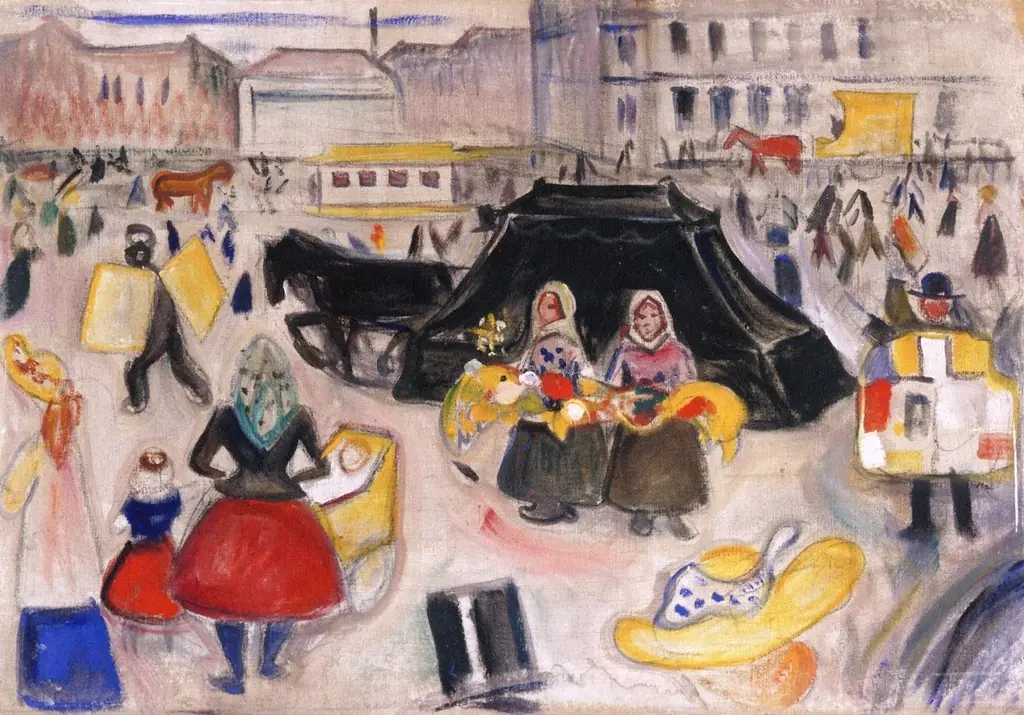 The Hearse on Potsdamer Platz
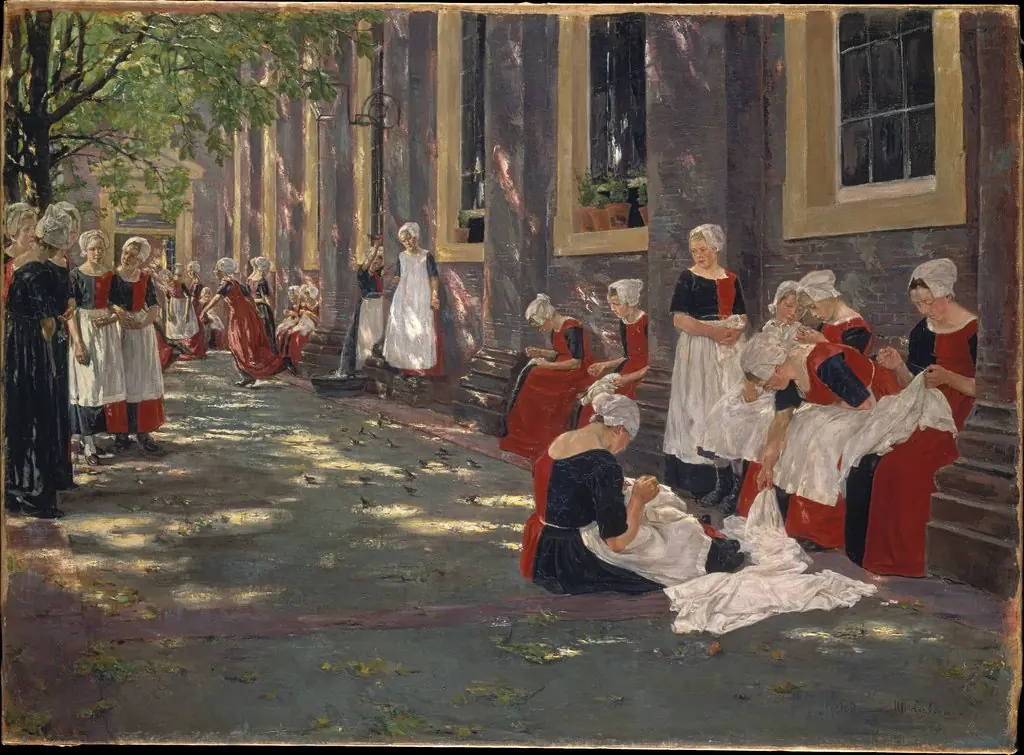 Free Period in the Amsterdam Orphanage
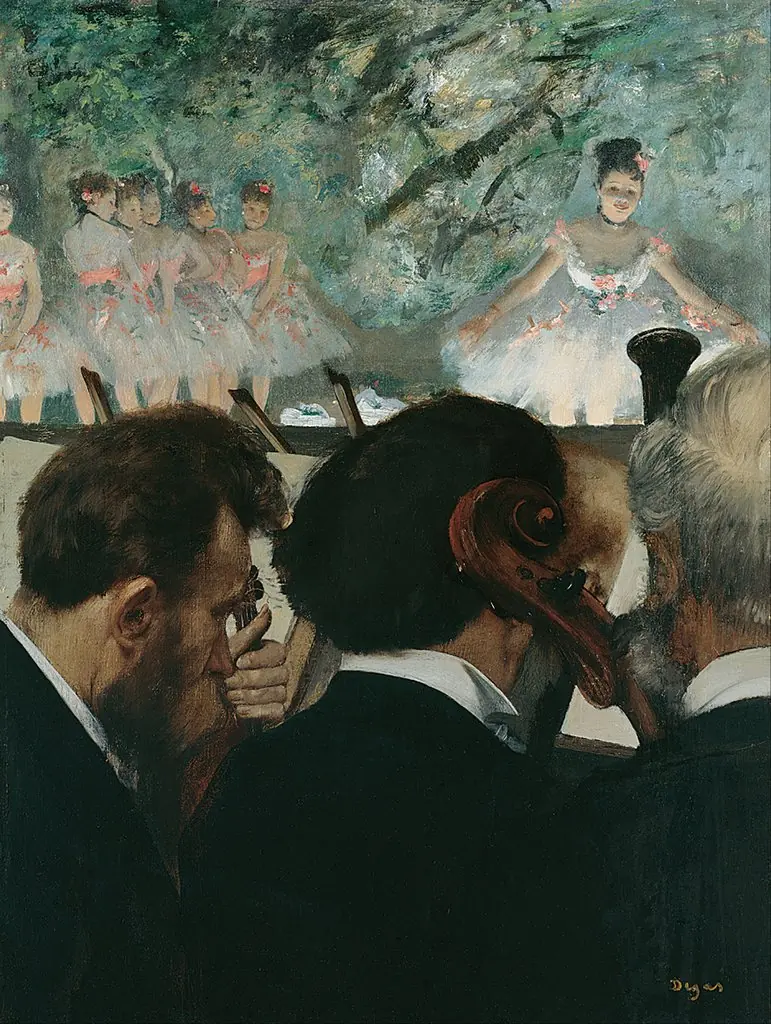 Orchestra Musicians
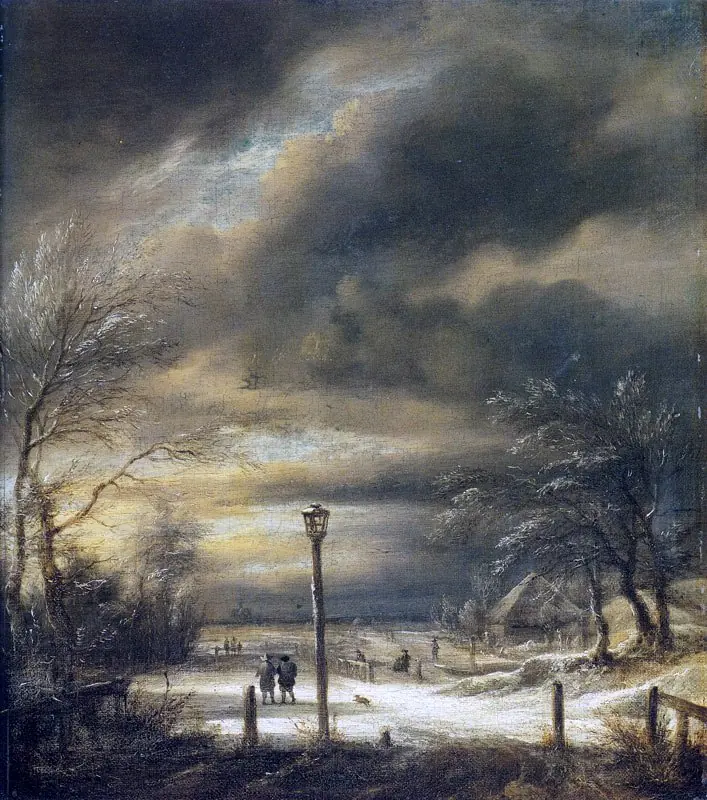 Winter Landscape near Haarlem
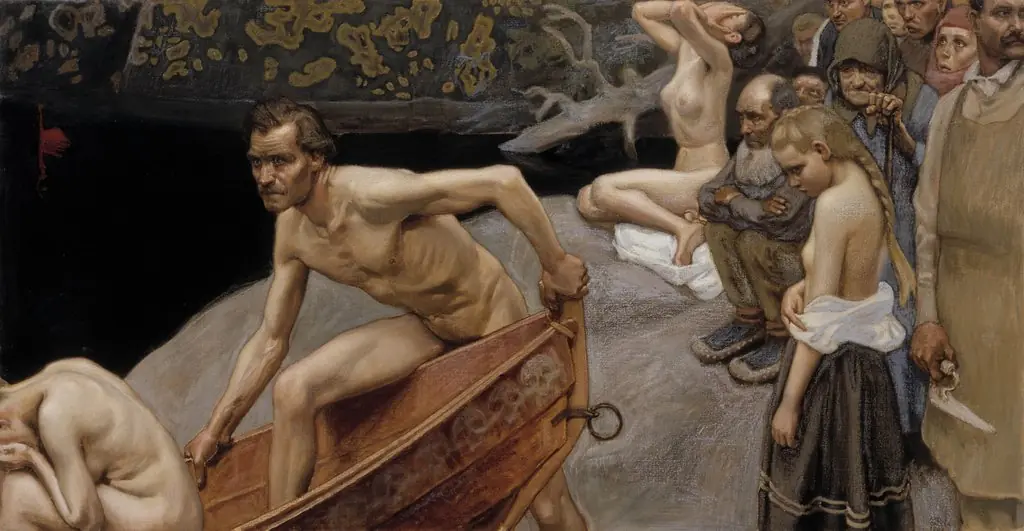 By the River of Tuonela, study for the Jusélius Mausoleum frescos
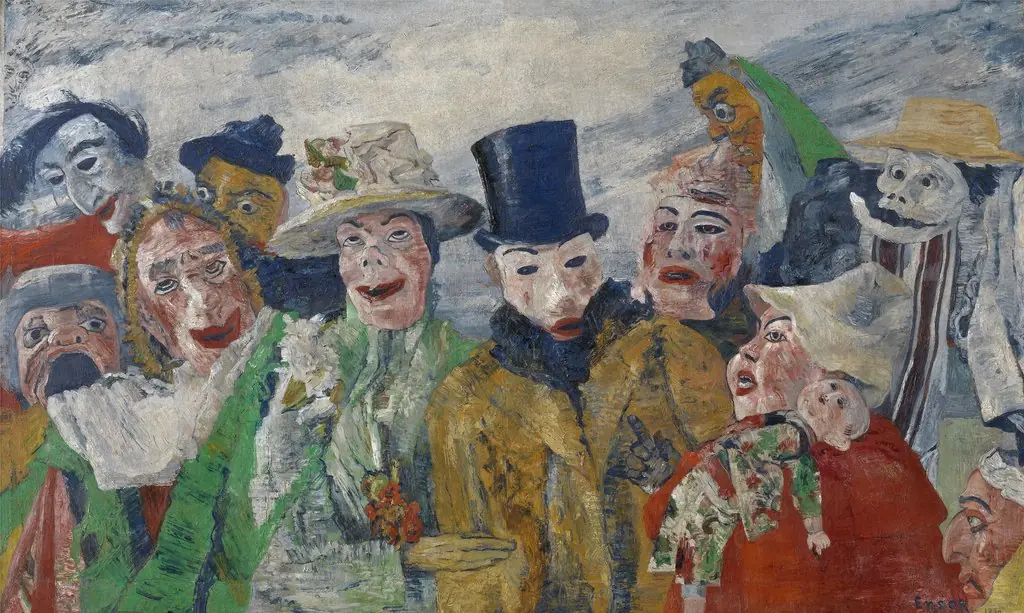 The Intrigue (Ensor)
 After the Luncheon
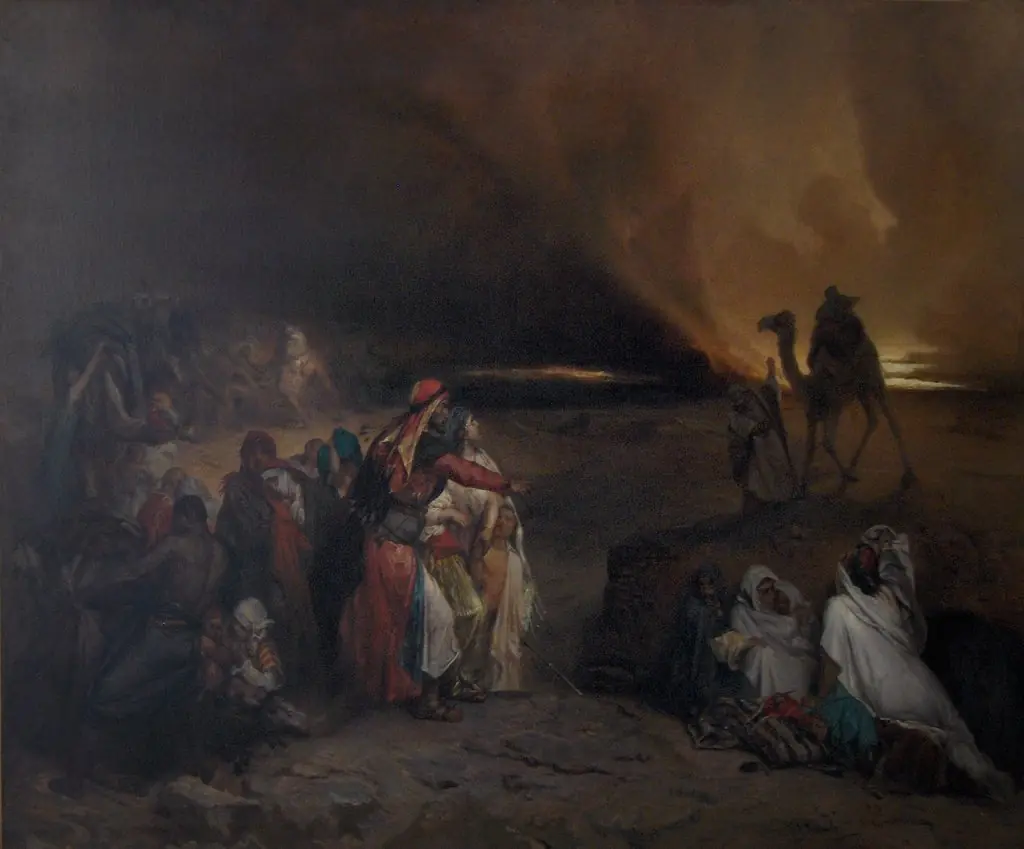 The Simoon, souvenir of Syria
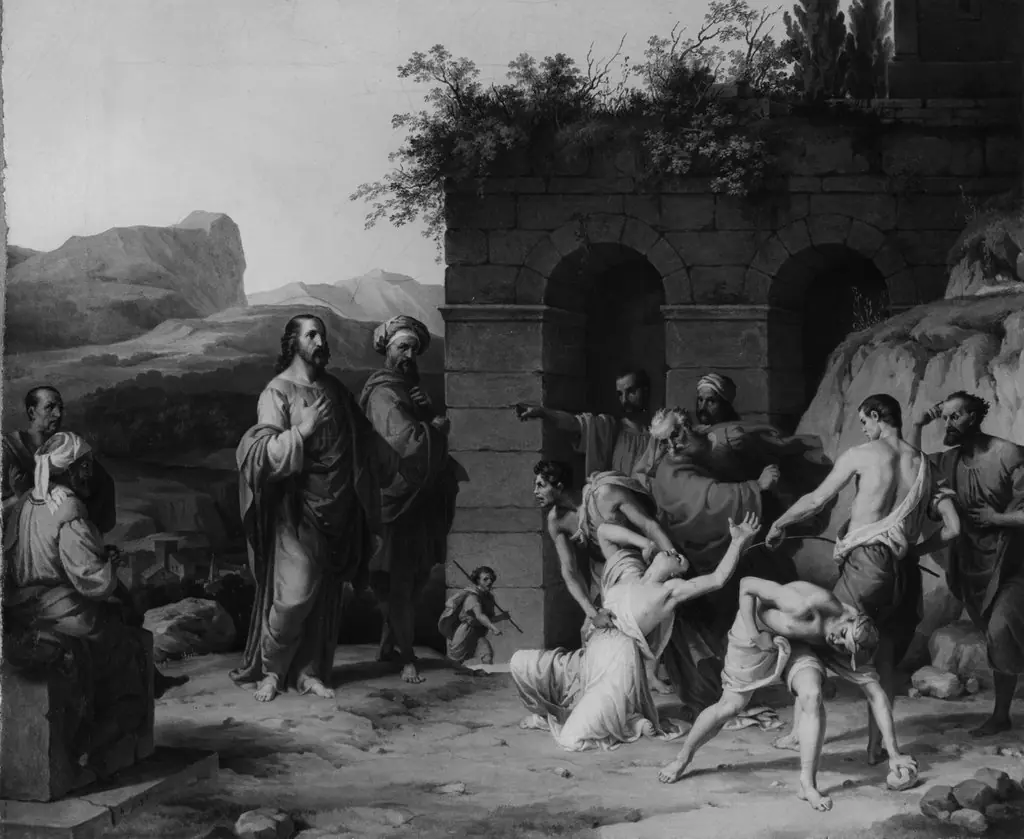 Christ and the woman taken in adultery
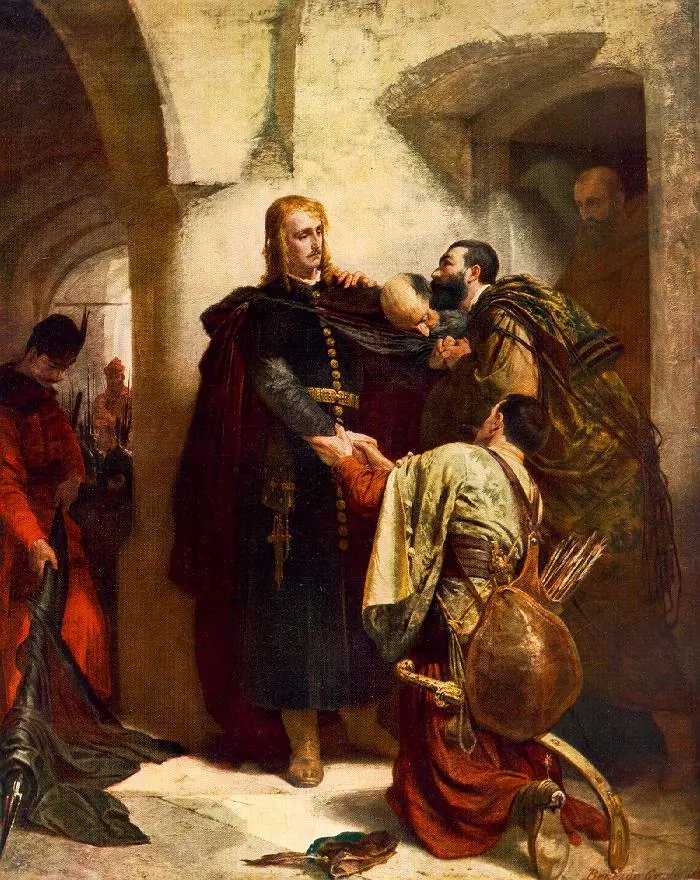 László Hunyadi's Farewell
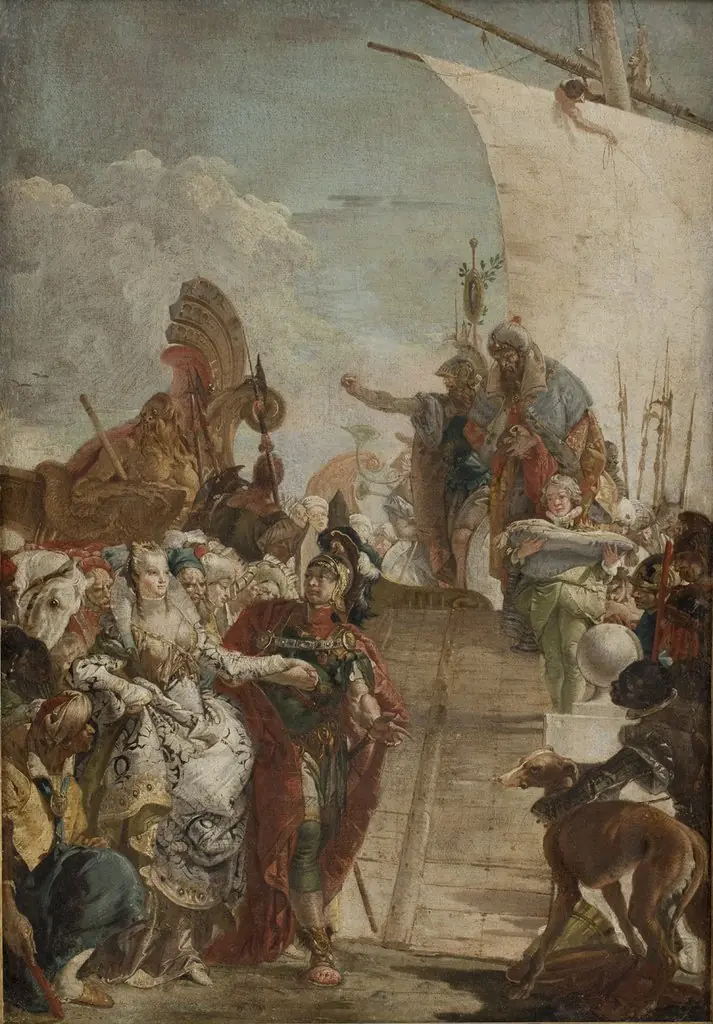 Anthony Leading Cleopatra on board
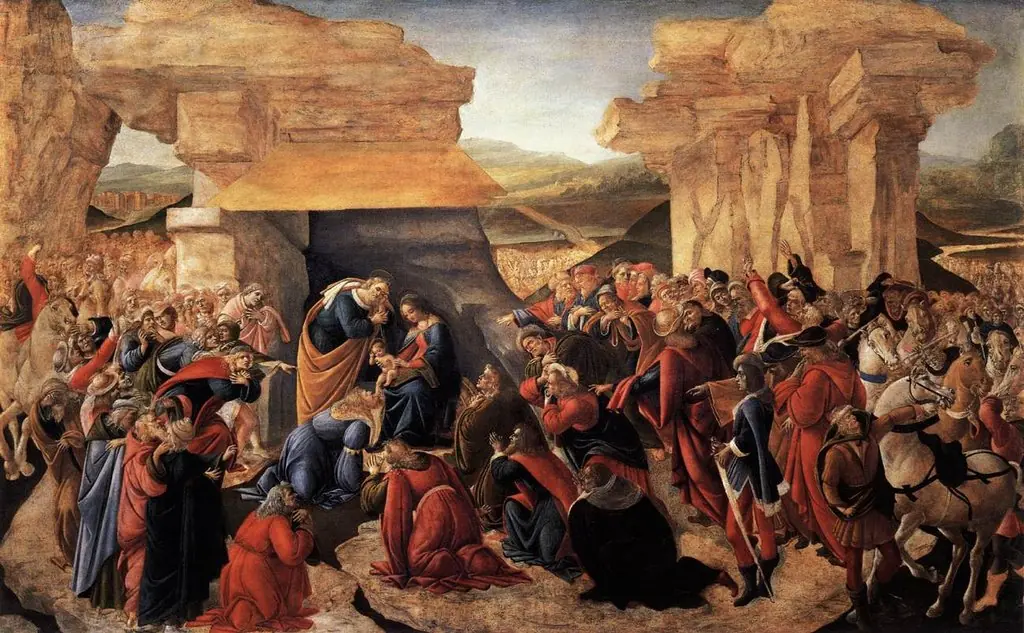 Adoration of the Magi
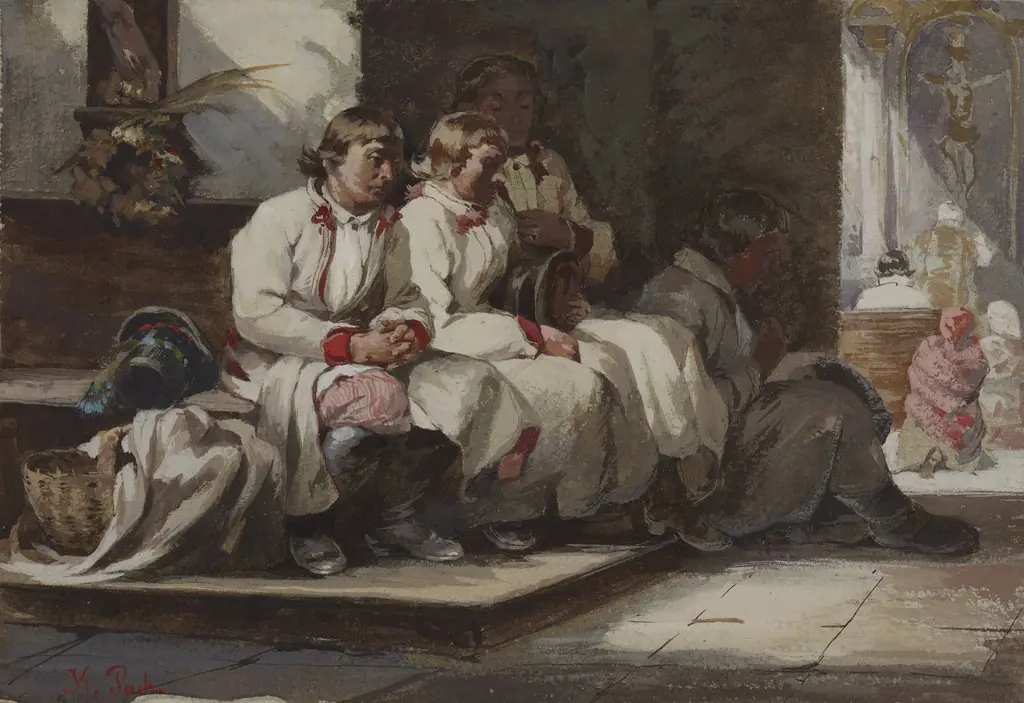 In the Church Porch
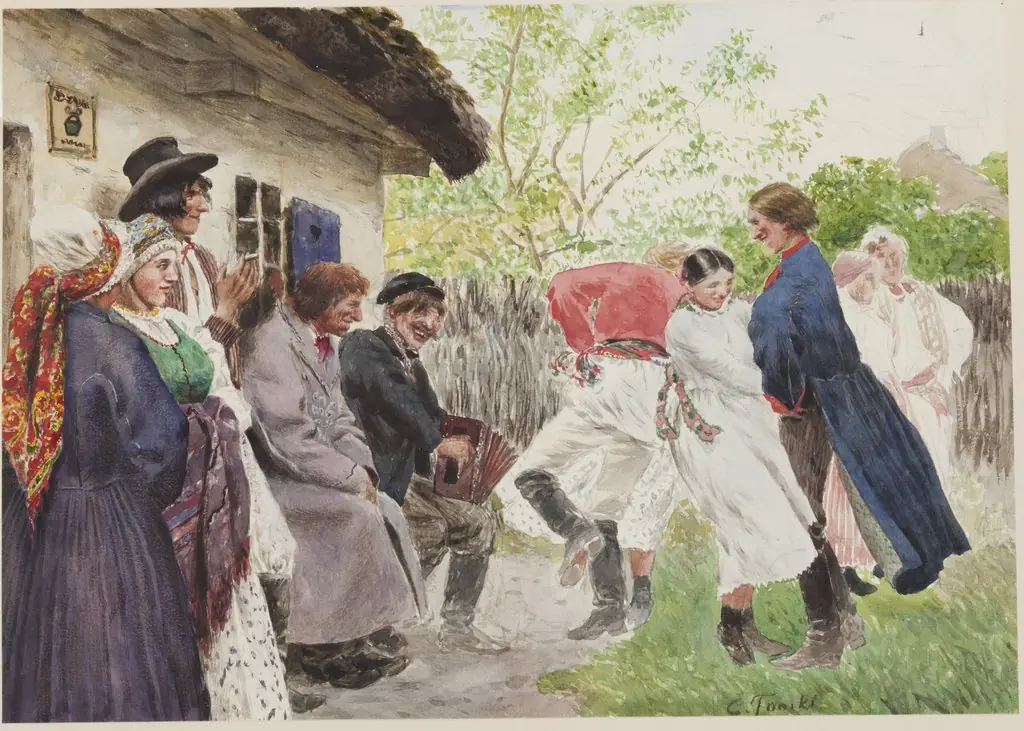 Dances
Frequently asked questions
What is Group of Humans?
Group of Humans is a subject in art. Humans (Homo sapiens, meaning 'thinking man' or 'wise man') are the most abundant and widespread species of primates, characterized by bipedality, hairlessness, and large, complex brains enabling the development of advanced technology, culture, and language.
How many Group of Humans works does Artifact World Gallery have?
Artifact World Gallery holds 63 public-domain Group of Humans works, all free to view and download.
Who are the key Group of Humans artists?
Key Group of Humans artists in the collection include Edgar Degas, Henry Lerolle and Édouard Manet.
Where can I see Group of Humans works?
Group of Humans works in the collection are held by Statens Museum for Kunst, Städel Museum and Hermitage Museum.