
Subject
Horse-Drawn Wagon
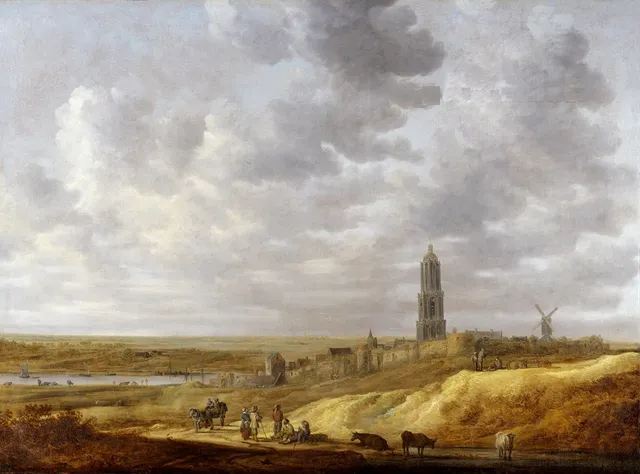
Horse-Drawn Wagon is a subject in art. The gallery holds 25 works in this subject in art, including works by Camille Pissarro, Jan Wijnants and Aelbert Cuyp.
4-wheeled vehicle for the carriage of goods
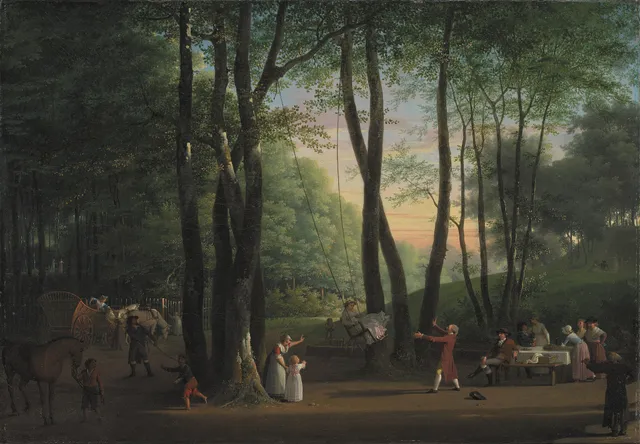
Key artists

Overview
A horse-drawn wagon is a four-wheeled vehicle designed for the carriage of goods, pulled by one or more horses. Distinguished from a coach or carriage by its typical lack of suspension and a permanent covering, the wagon served as a fundamental mode of land transport for centuries. In European contexts, it replaced ox-drawn carts during the Middle Ages, becoming a primary vehicle for agriculture and commerce. The vehicle appears as a recurring motif in art due to its ubiquitous presence in daily life, labor, and travel before the advent of motorized transport, making it an essential element of rural and urban landscapes alike.
Iconography & meaning
In visual art, the horse-drawn wagon carries iconographic associations with agriculture, rural labor, and the rhythms of pre-industrial life. The specific number and arrangement of horses, known as the hitch or span, further communicate social and economic status. Terms such as single-hitch, two-horse team, troika, or four-in-hand denote varying scales of cargo, wealth, or purpose. The wagon represents the practical intersection of human industry and animal power, symbolizing the movement of harvests, market goods, and commercial freight across both pastoral and urban settings.
Across movements & periods
The artistic treatment of the horse-drawn wagon reflects its evolving role in society. In medieval Europe, the vehicle replaced ox-drawn carts, and its depiction would have signaled agricultural modernity. By the early twentieth century, the term gained specific legal definitions as motorized vehicles entered the roads, requiring new traffic regulations. Throughout the mid-twentieth century, the wagon remained a daily sight for various trades, including milk delivery, baking, and farming, before widespread motorization rendered it a rarity. Consequently, its artistic representation shifted from a contemporary marker of daily commerce to a nostalgic or historical reference to pre-industrial life.
Legacy
The cultural afterlife of the horse-drawn wagon persists through specialized heritage organizations and recreational driving. While motorization eliminated the wagon from daily agricultural and commercial use by the late twentieth century, traditional driving techniques, such as the Achenbach method, are preserved through formal coaching diplomas. Museums dedicated to hippomobile heritage now maintain the surviving vehicles. In the visual arts, the wagon endures as a historical motif, preserving the image of a transport system that shaped both the rural economy and the visual vocabulary of the landscape genre for centuries.
Works
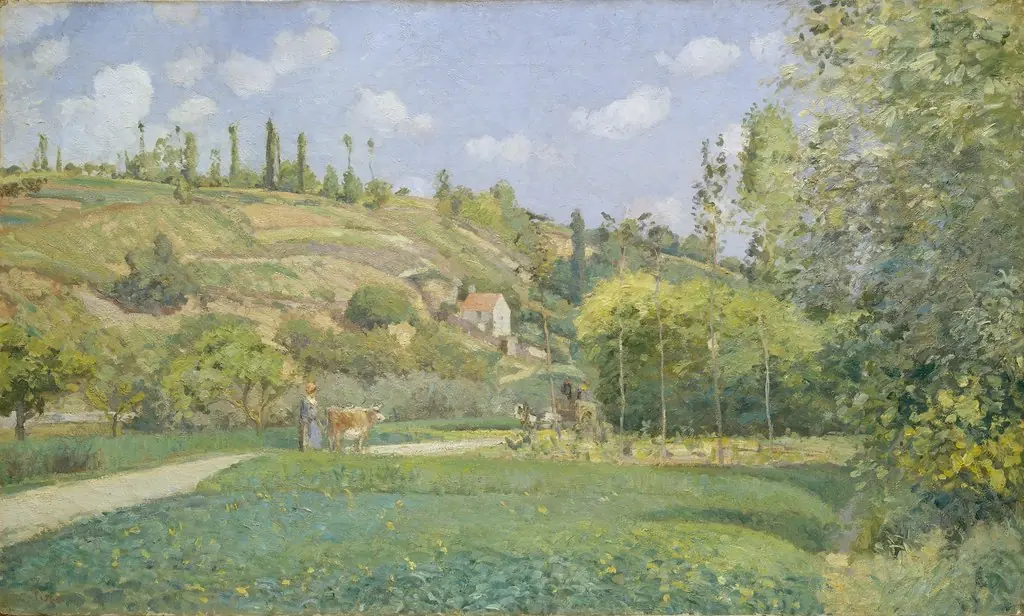 A Cowherd at Valhermeil, Auvers-sur-Oise
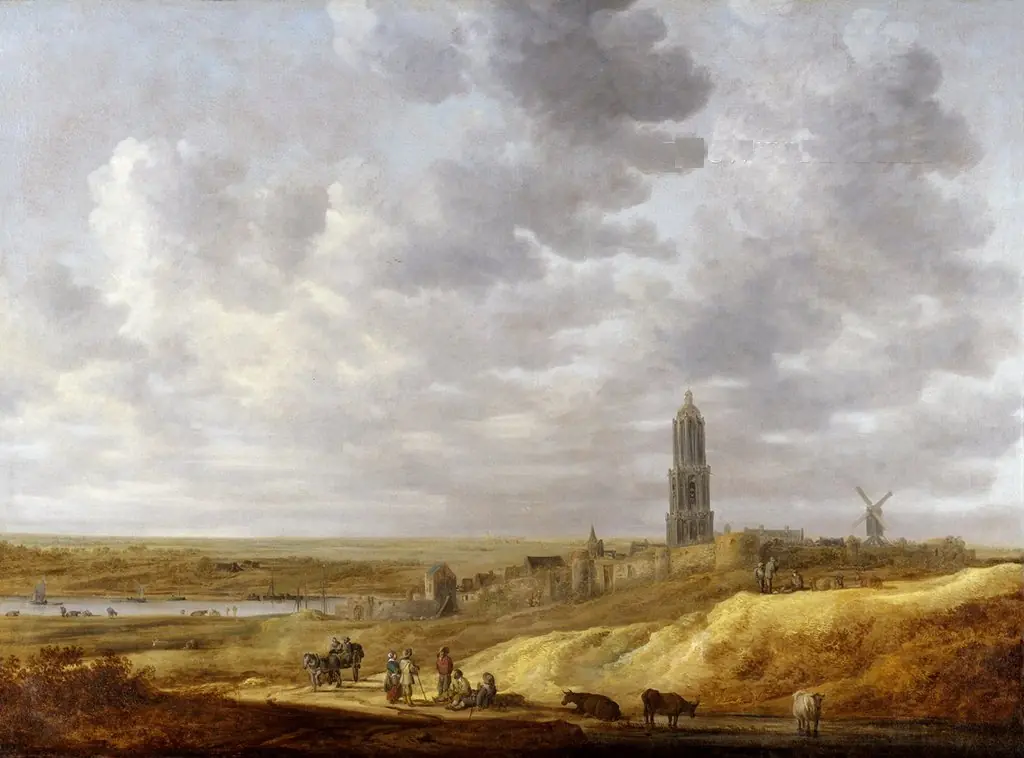 A panoramic view of Rhenen, seen from the North-East
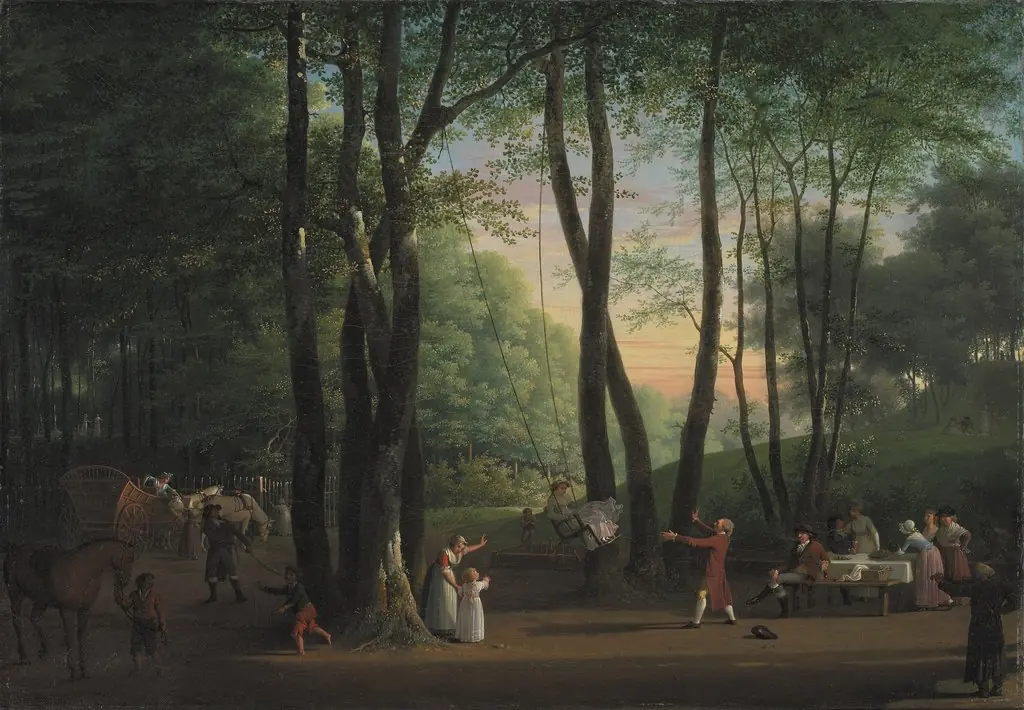 The Dancing Glade at Sorgenfri
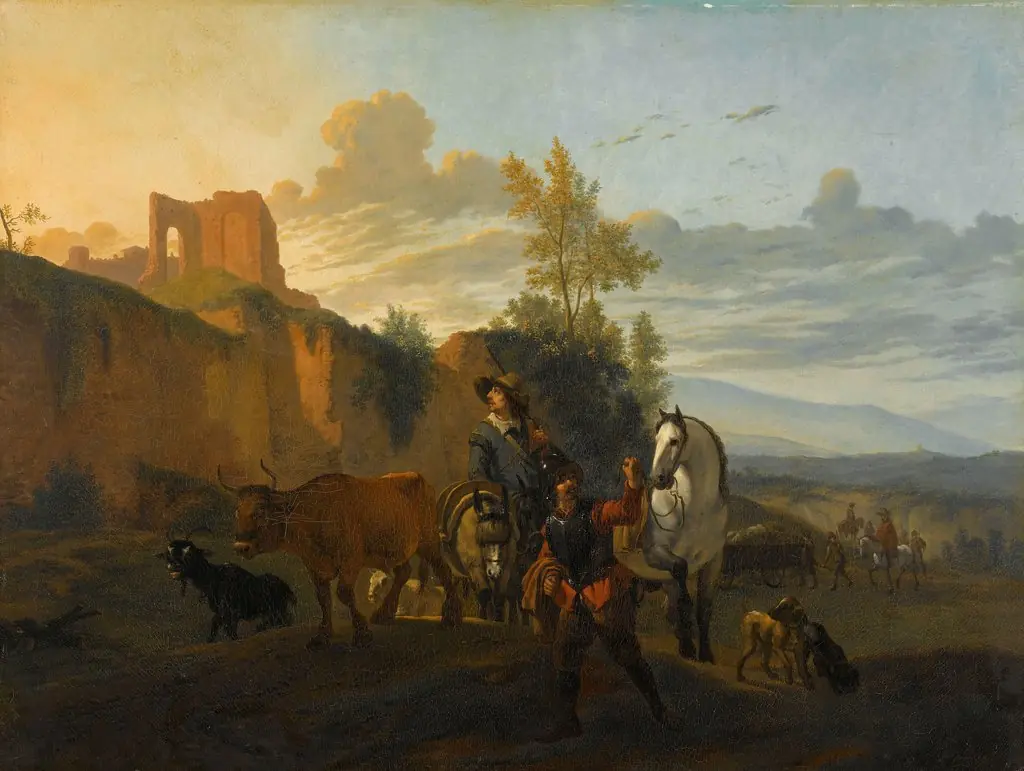 Italian landscape with soldiers
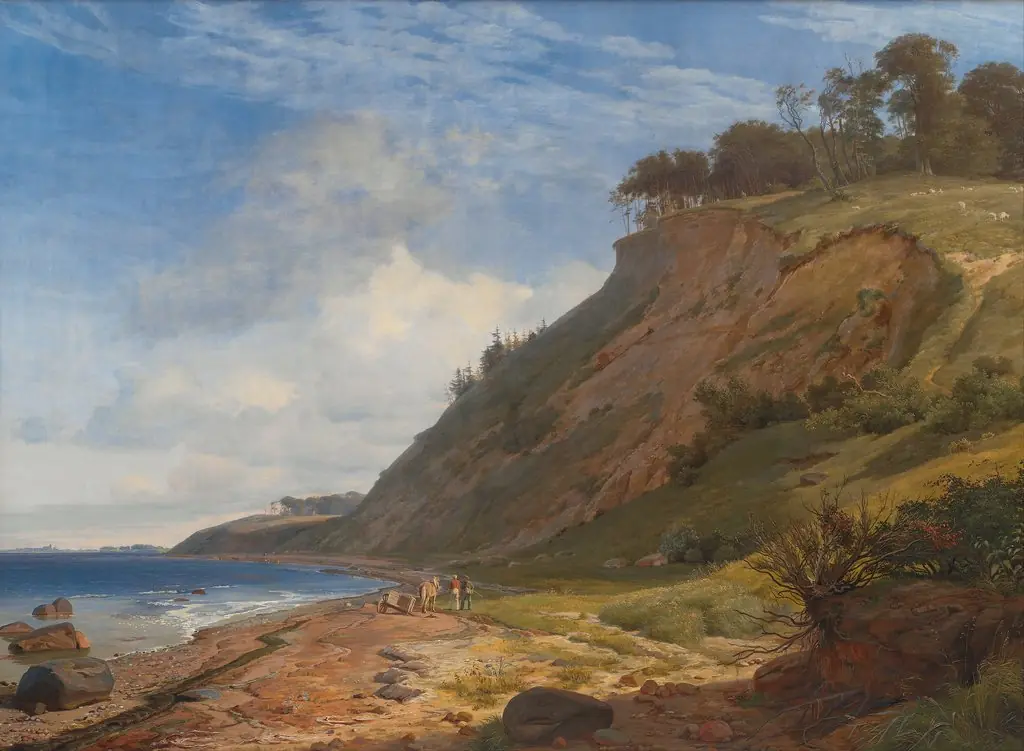 A Danish Coast. View from Kitnæs on Roskilde Fjord. Zealand
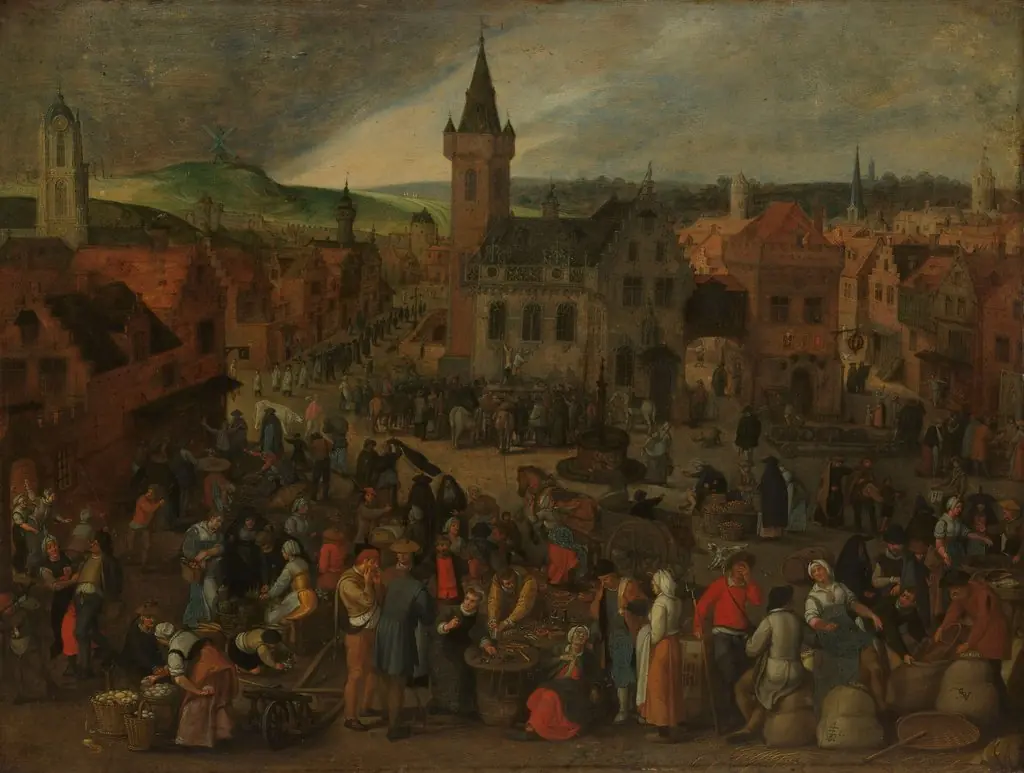 Market day in a Flemish town
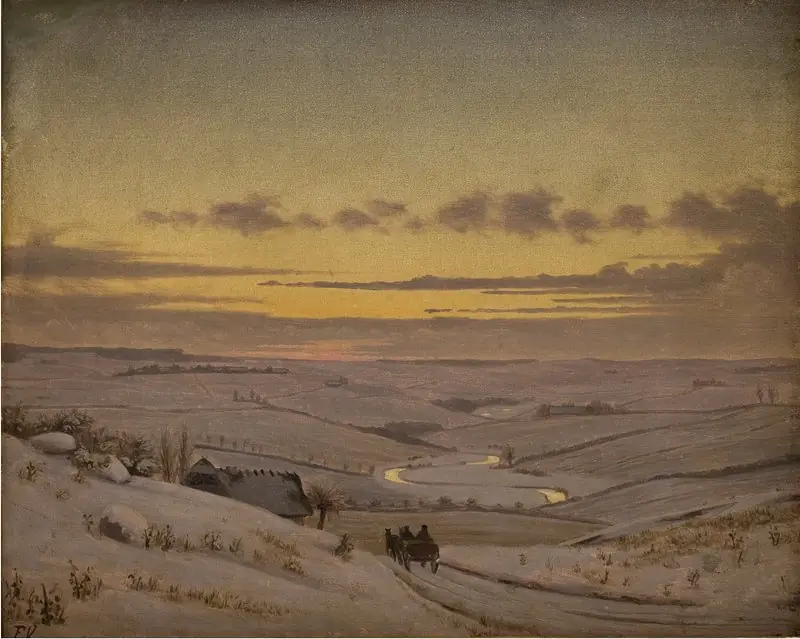 Vinteraften ved Susåen
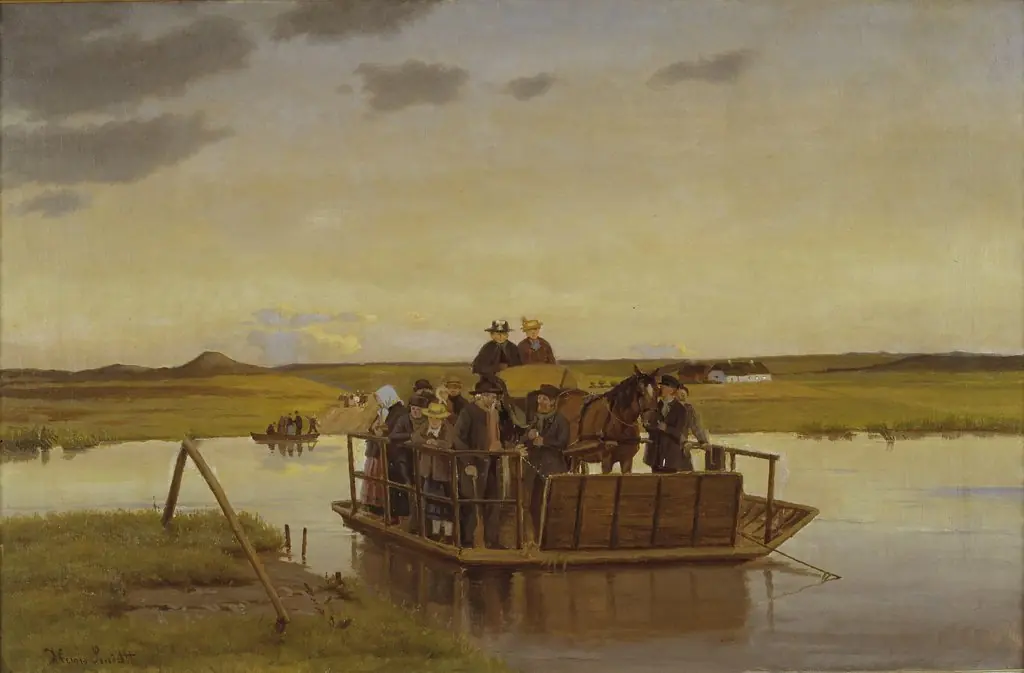 En færge over Gudenåen
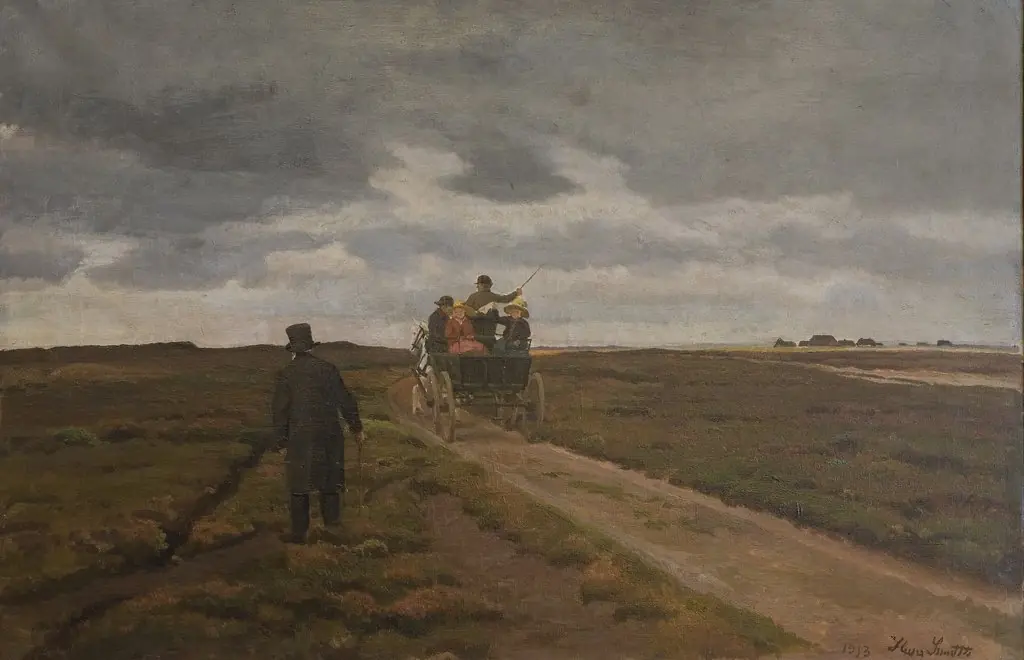 Hedelandskab med en dagvogn
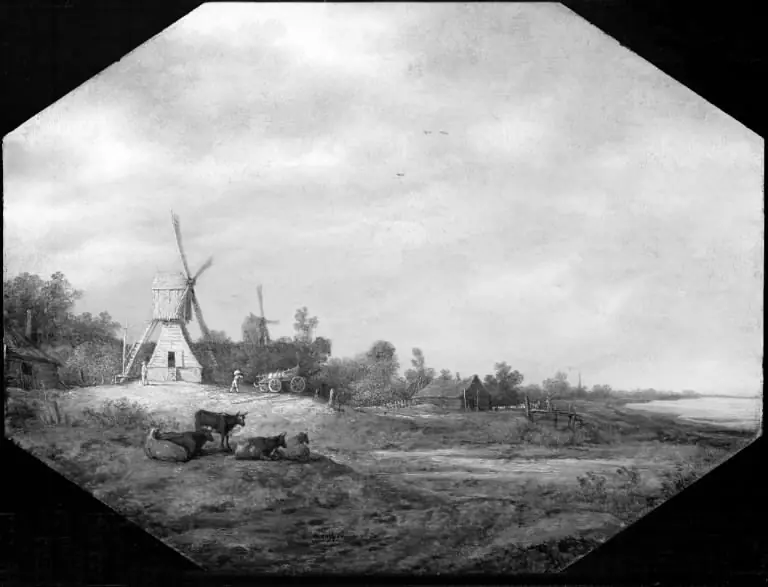 Landscape with Windmills
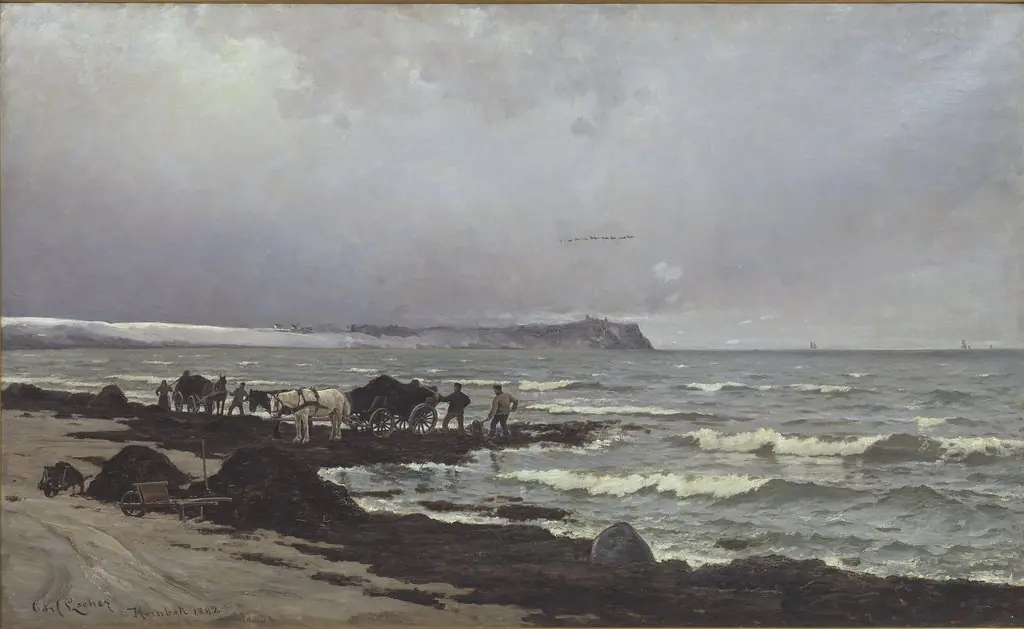 Der læsses tang ved Hornbæk Strand
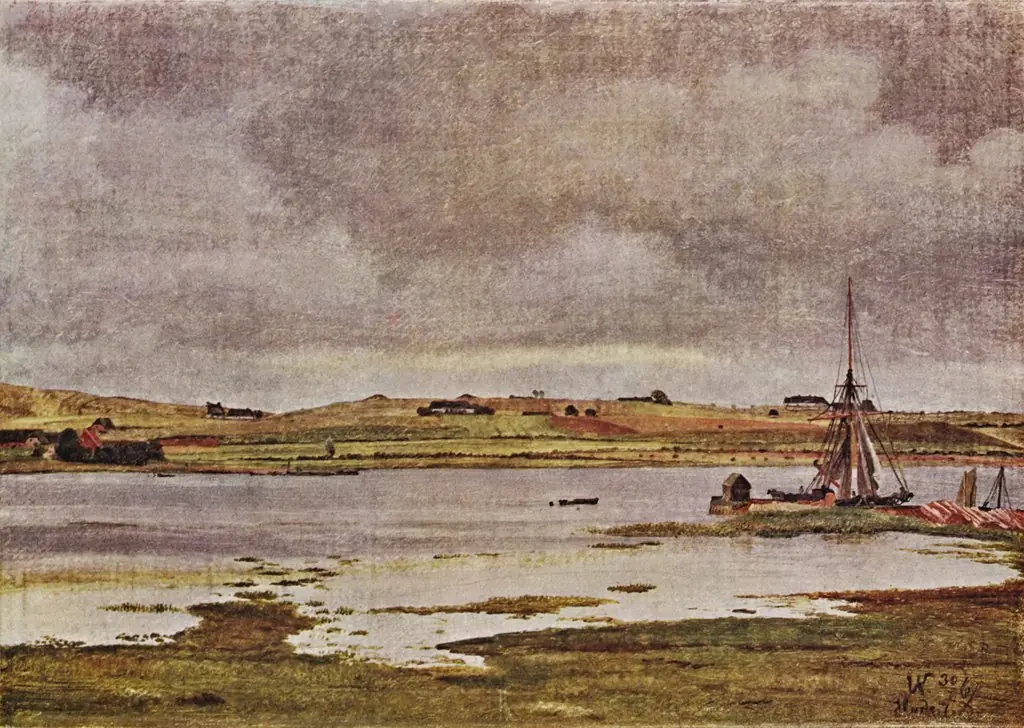 The Fiord at Hadsund, Jutland. Cloudy Weather
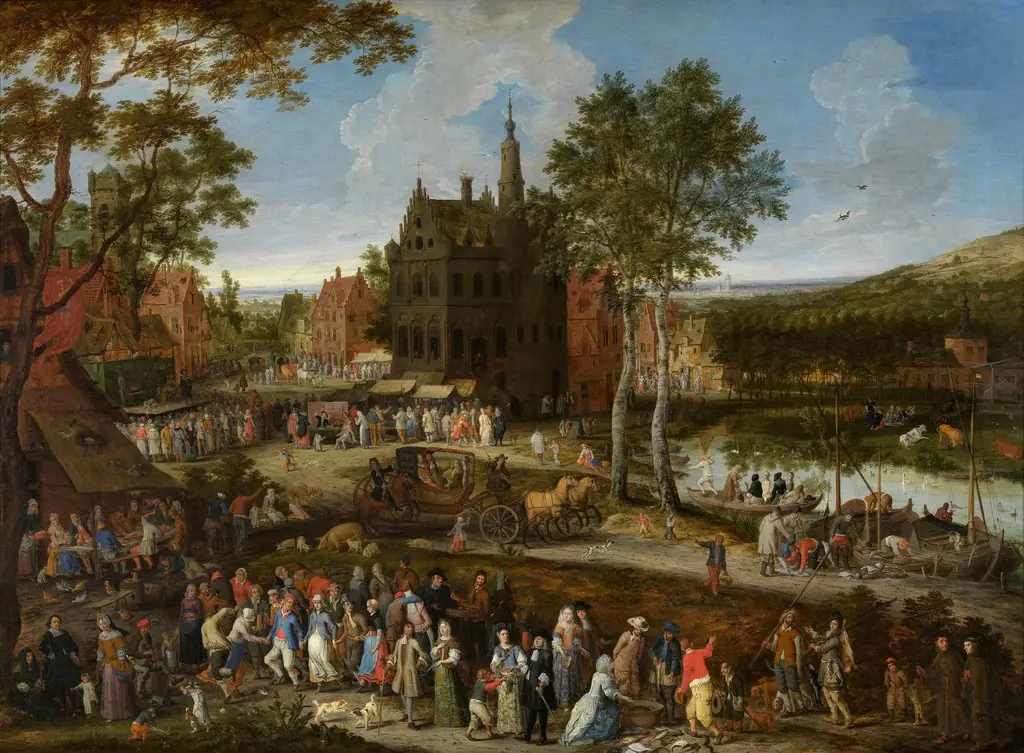 Kermis in a Flemish village
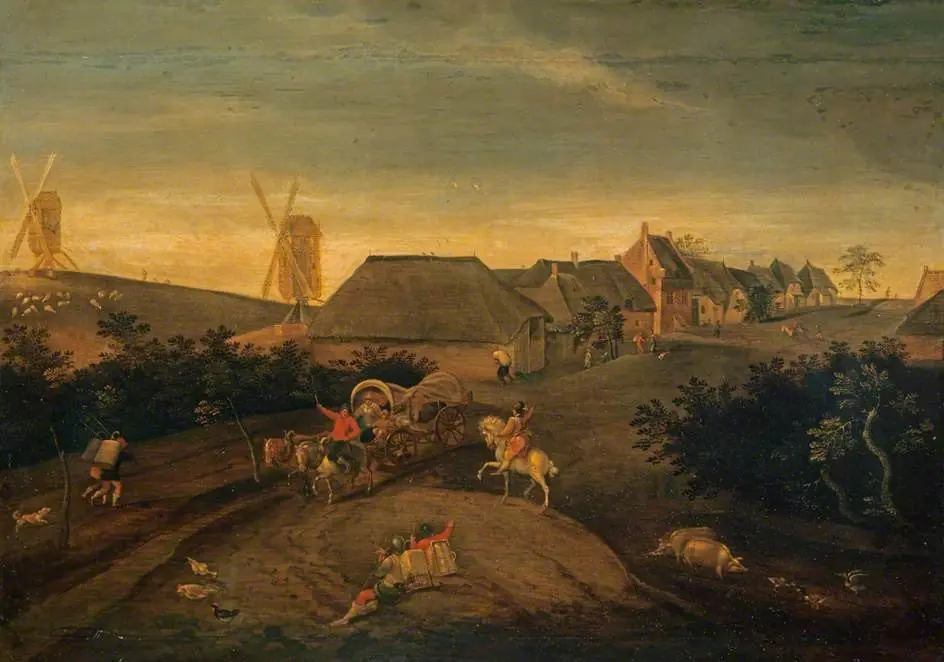 A Flemish Village
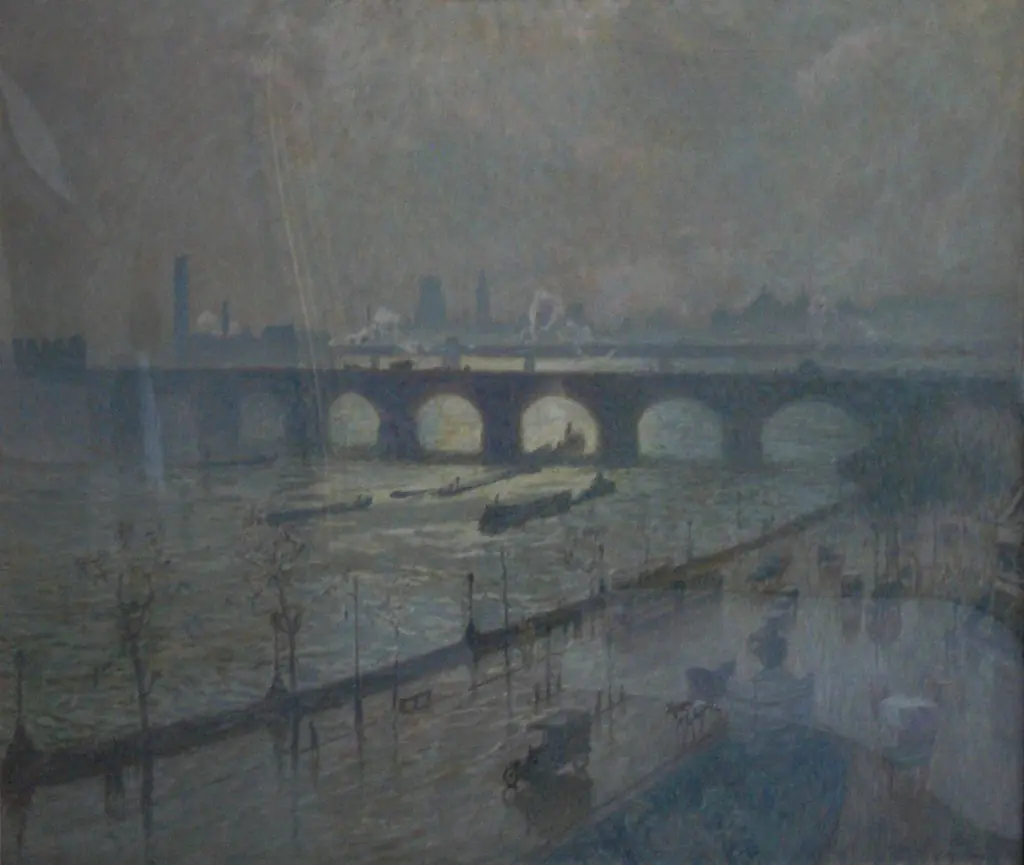 Waterloo Bridge, sun and rain
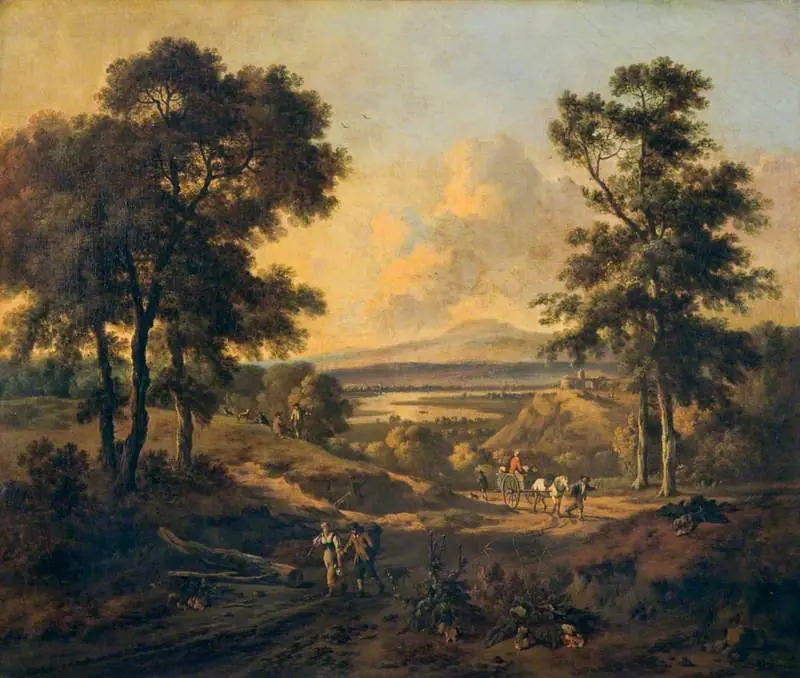 Landscape with Figures
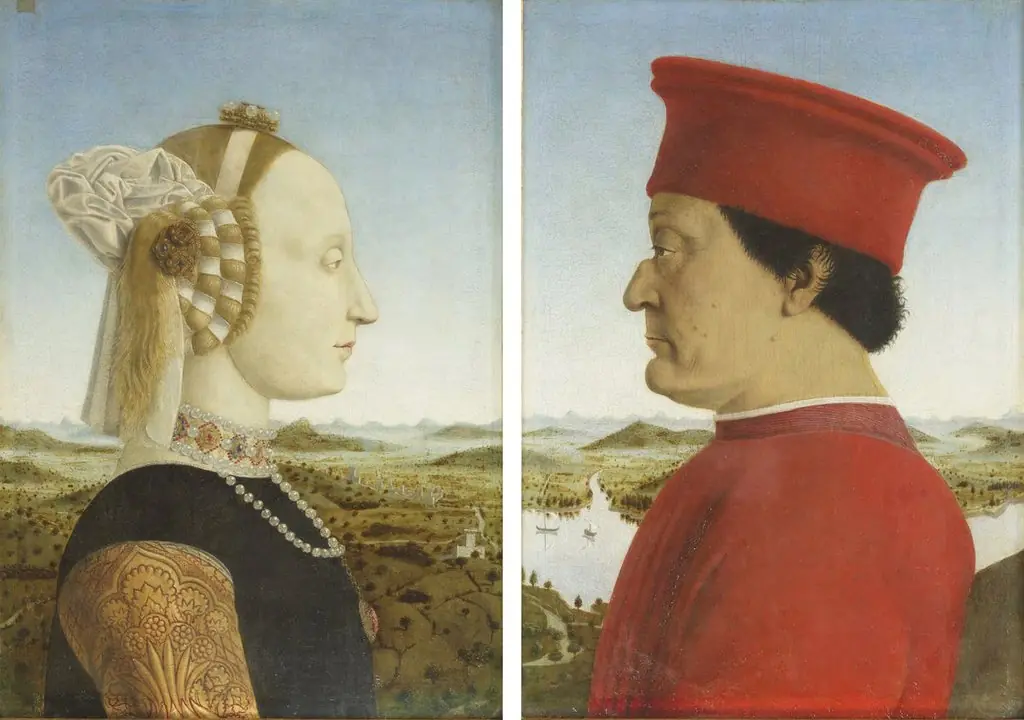 Diptych of Federico da Montefeltro and Battista Sforza
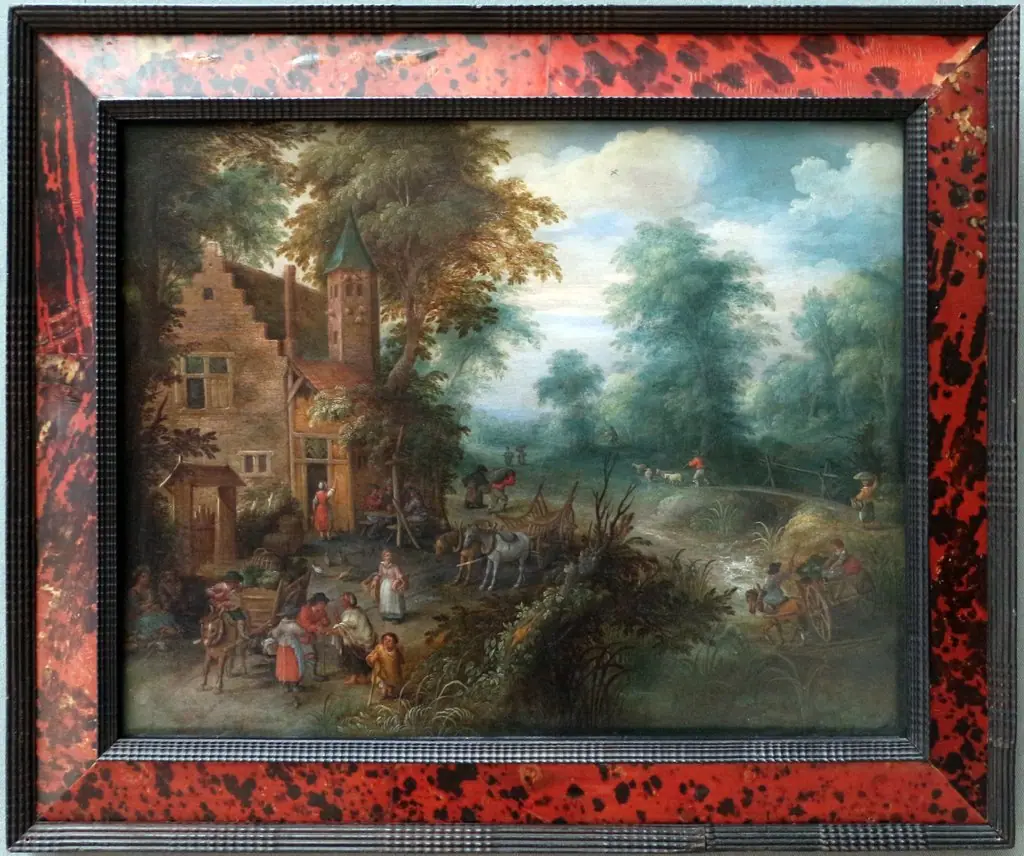 The Inn
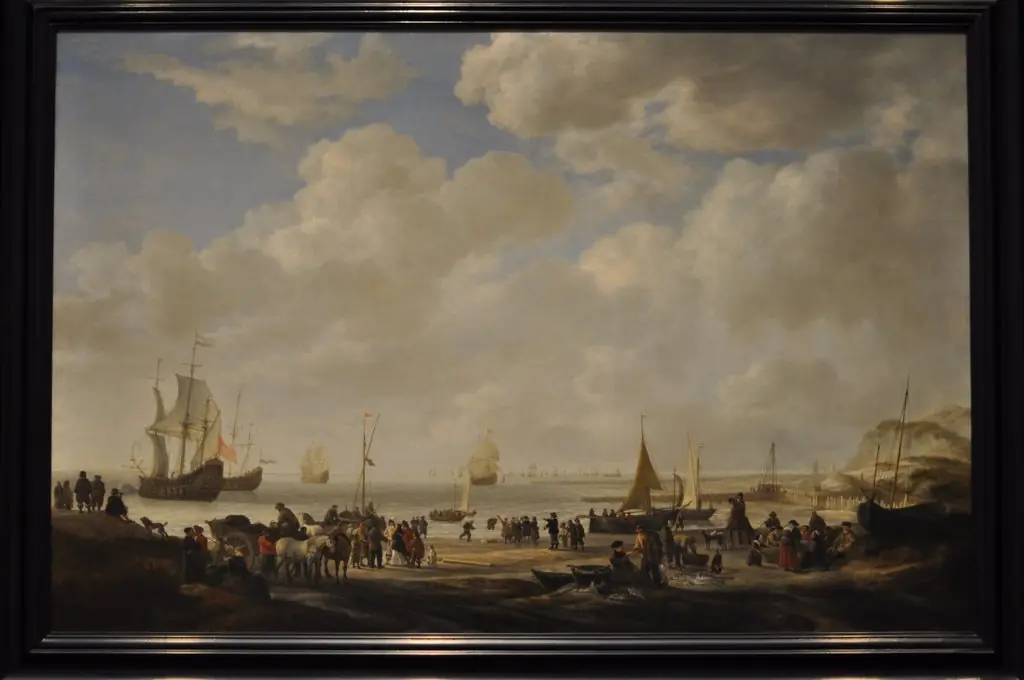 View of a Beach
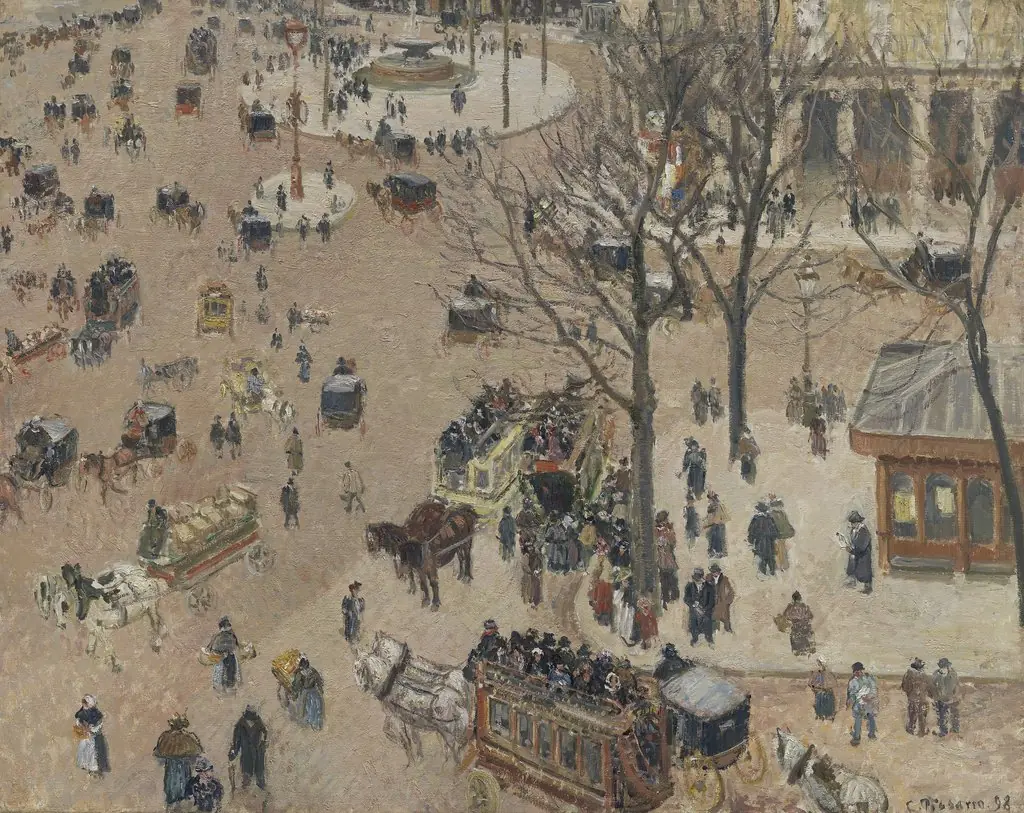 La Place du Théâtre Français
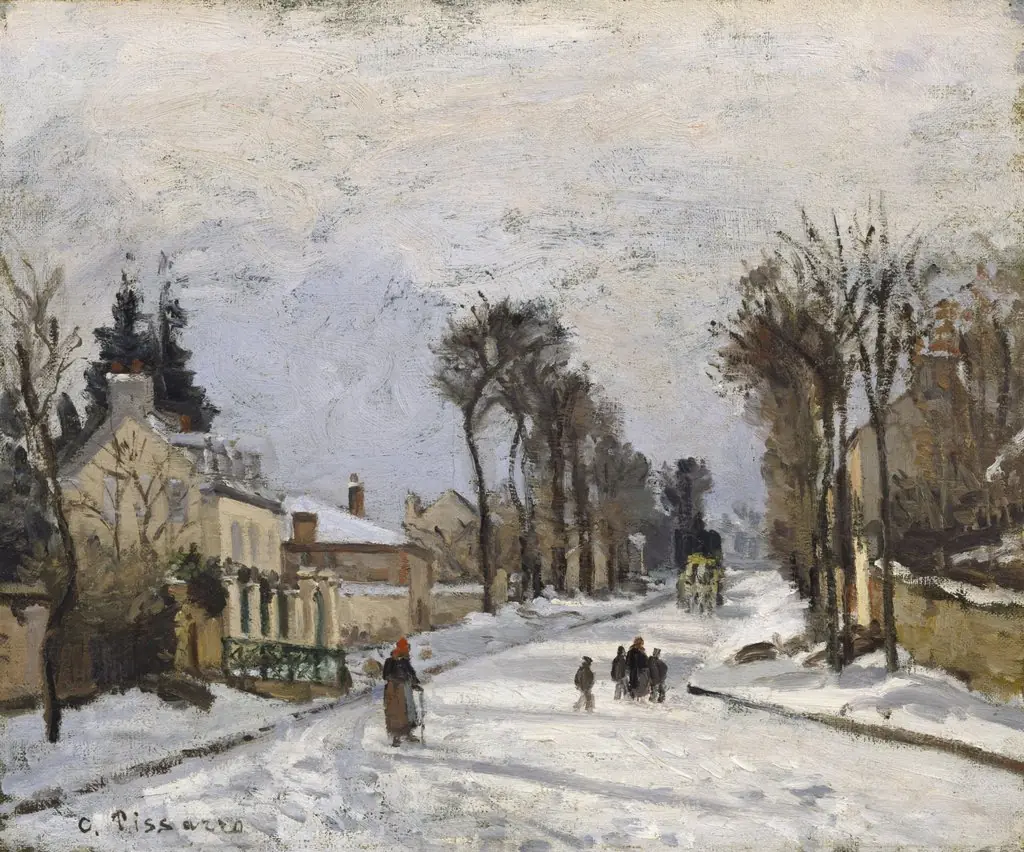 Route to Versailles, Louveciennes
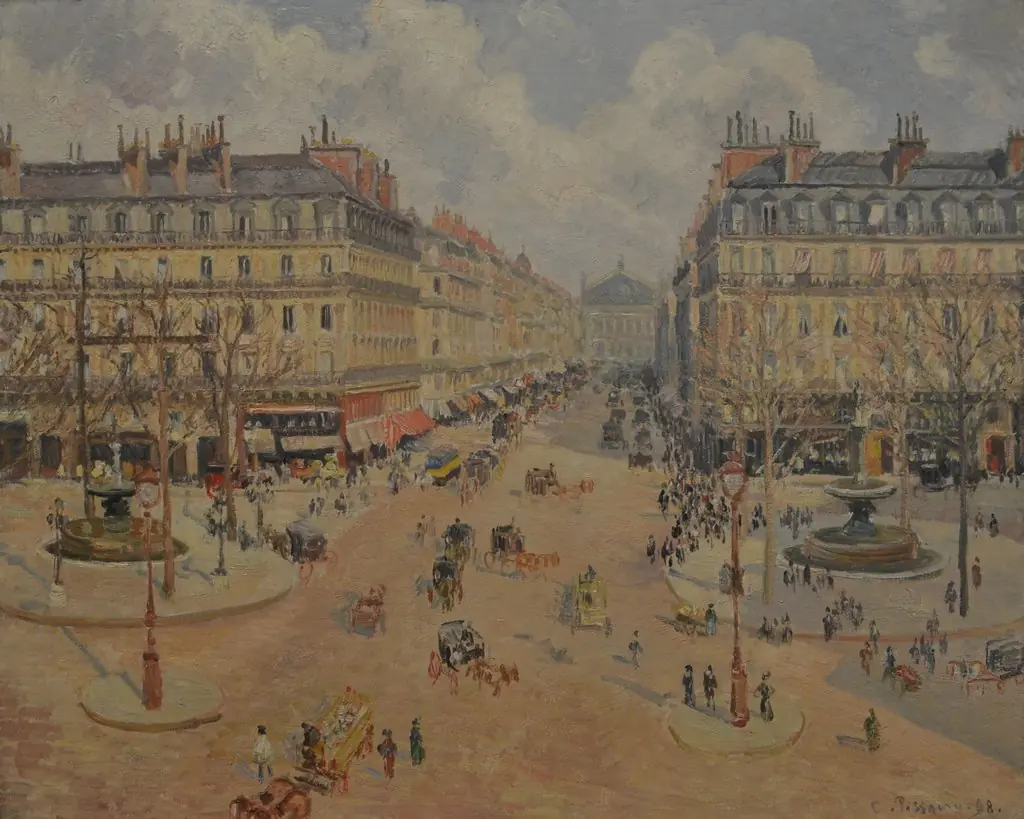 Avenue de l'Opéra: Morning Sunshine
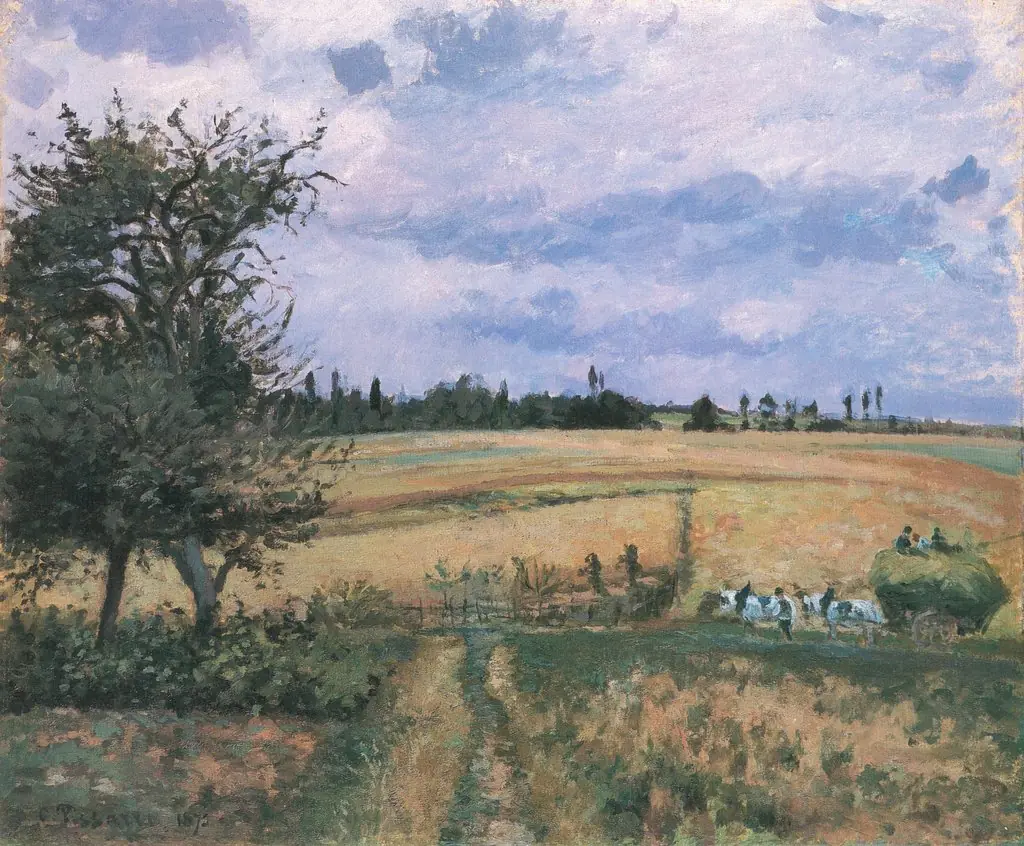 Landscape near Pontoise
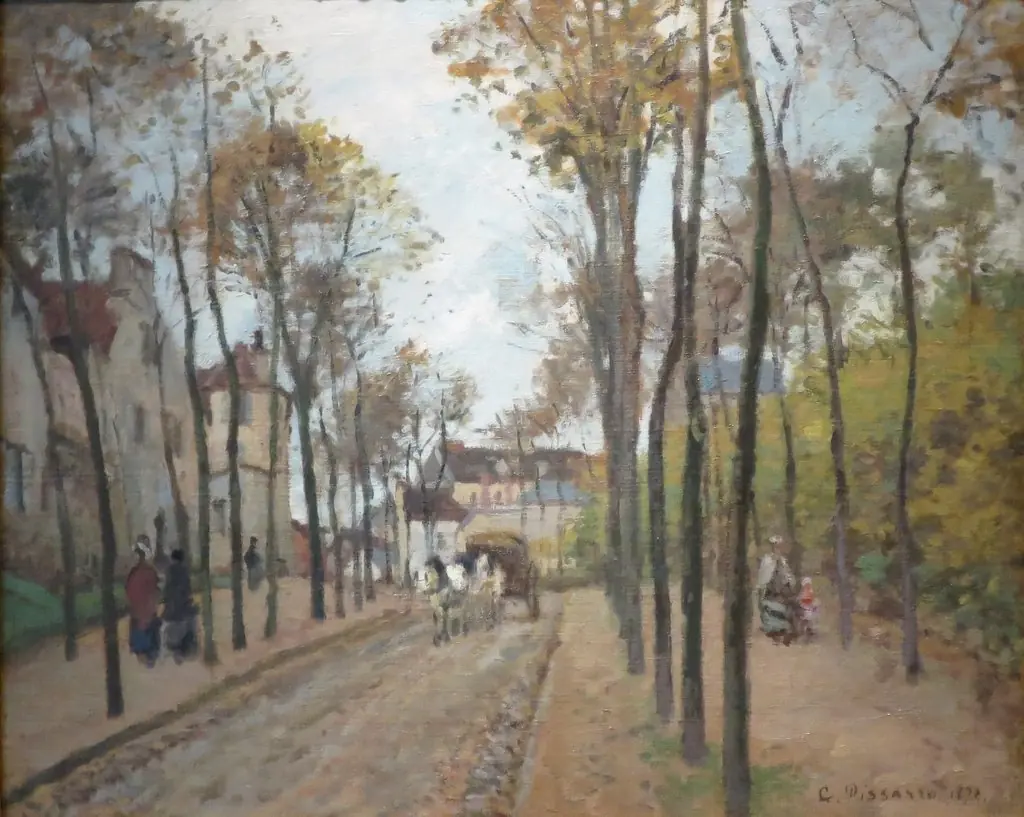 The Boulevard des Fossés, Pontoise
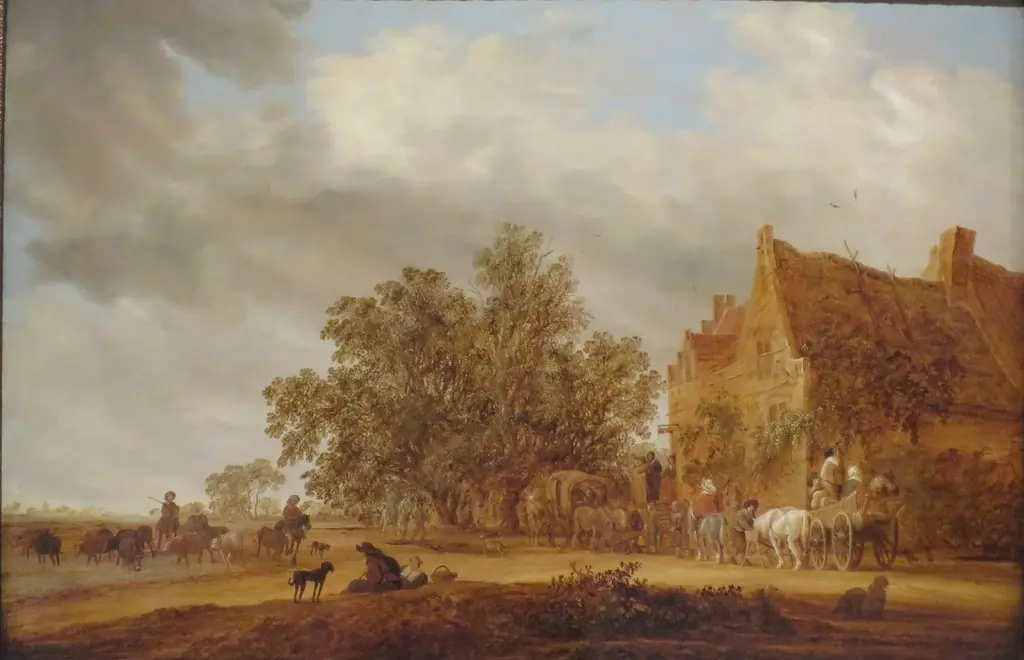 Halt in Front of an Inn
Frequently asked questions
What is Horse-Drawn Wagon?
Horse-Drawn Wagon is a subject in art. 4-wheeled vehicle for the carriage of goods
How many Horse-Drawn Wagon works does Artifact World Gallery have?
Artifact World Gallery holds 25 public-domain Horse-Drawn Wagon works, all free to view and download.
Who are the key Horse-Drawn Wagon artists?
Key Horse-Drawn Wagon artists in the collection include Camille Pissarro, Jan Wijnants and Aelbert Cuyp.
Where can I see Horse-Drawn Wagon works?
Horse-Drawn Wagon works in the collection are held by Statens Museum for Kunst, Royal Museums of Fine Arts of Belgium and Norton Simon Museum.