
Subject
Minerva
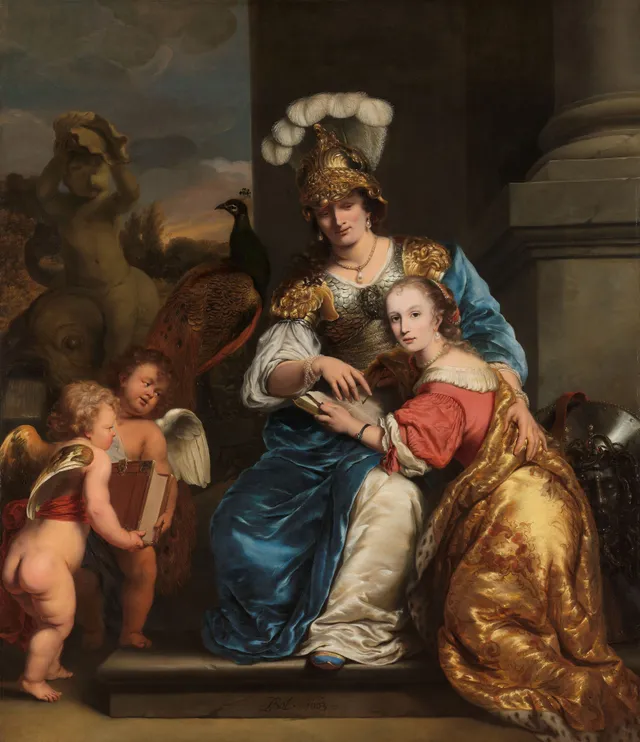
Minerva is a subject in art. The gallery holds 40 works in this subject in art, including works by Jean Honoré Fragonard, Jacopo Tintoretto and Ferdinand Bol.
Minerva (; Latin: ; Etruscan: Menrva) is the Roman goddess of wisdom, justice, law, victory, and the sponsor of arts, trade, and strategy. She is also a goddess of warfare, though with a focus on strategic warfare, rather than the violence of gods such as Mars.
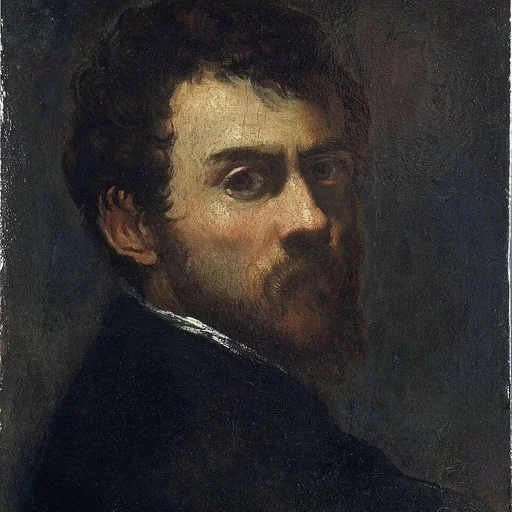
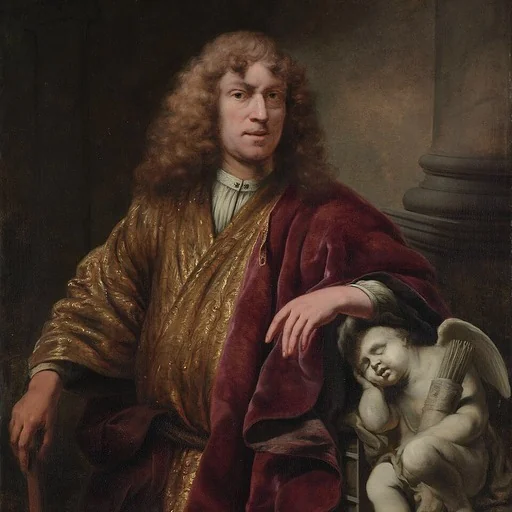
Key artists
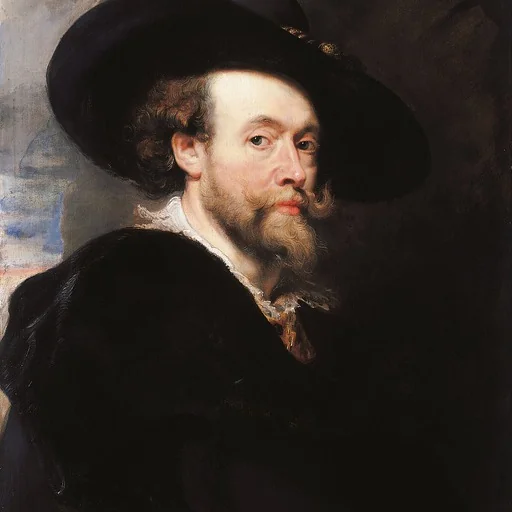
Overview
Minerva is the Roman goddess of wisdom, justice, law, victory, and sponsor of arts, trade, and strategy. She also governs warfare, though with an emphasis on strategic rather than violent combat, distinguishing her from Mars. Beginning in the second century BC, the Romans equated her with the Greek goddess Athena, and she became one of the three deities of the Capitoline Triad alongside Jupiter and Juno. As a virgin goddess, her domains extend to medicine, weaving, and the crafts. The subject of Minerva recurs throughout art history because she embodies multiple valued human pursuits, intellectual and martial, and because her identification with Athena allowed artists to draw upon a vast repository of Greek mythological narratives while addressing Roman and later European cultural contexts. She appears in 46 works in the collection under discussion, ranging from history paintings and mythological scenes to allegorical portraits and decorative objects.
Iconography & meaning
Minerva's standard attributes derive from both Roman tradition and her syncretism with Greek Athena. She is commonly depicted as tall and athletic, wearing armour and carrying a spear. Her sacred creature, the owl, symbolises wisdom and knowledge, while the snake and olive tree appear less frequently. Books and an inkwell may accompany her to signify patronage of art, science, and rhetoric. The Etruscan Menrva and early Italic conceptions contributed additional layers: the Sabines revered her as protector of city fortifications, while Etruscan belief credited her with inventing useful and pleasant things for human life, particularly the flute. Philosophically, her emblematic owl achieved lasting significance through Hegel's metaphor in the preface to his Principles of the Philosophy of Right: "The owl of Minerva spreads its wings only with the falling of the dusk," suggesting that philosophical comprehension follows historical action. In heraldry since Renaissance humanism, her image has served as an emblem of knowledge and institutional prestige, appearing on the seals of the Max Planck Society, the University of Brazil in Rio de Janeiro, the Hotchkiss School, and numerous Spanish military academies, as well as on the California state seal.
Across movements & periods
The treatment of Minerva evolved considerably from antiquity through subsequent artistic movements. In the Roman Empire, she was initially venerated primarily as protector of craftsmen and commerce before Greek Athena cult elements were progressively integrated, making her also patron of poets and teachers. ImperialRESSED FROM Emperor Domitian onward, she received particular imperial promotion, appearing frequently on his coin reverses and in temple foundations including a new temple and an atrium Minervae near the Senate building, where she served as goddess of intellect. The Quinquatrus festival on March 19, later extended to five days, was celebrated especially by guilds and associations of artisans, physicians, and teachers. In the Netherlands, Hendrick Goltzius's 1611 painting Minerva exemplifies Northern Mannerist treatment, pairing her with Mercury and including King Midas with his ass's ears as a foil to her wisdom, with the Colosseum visible in the distance based on the artist's Roman sojourn. The Accademia Carrara's historic collection includes statues of Mars and Minerva from its founder Giacomo Carrara's original holdings, now undergoing restoration for reinstallation in the Giardini PwC as part of a site-specific exhibition programme that connects historical sculpture with contemporary garden statuary traditions.
Notable depictions
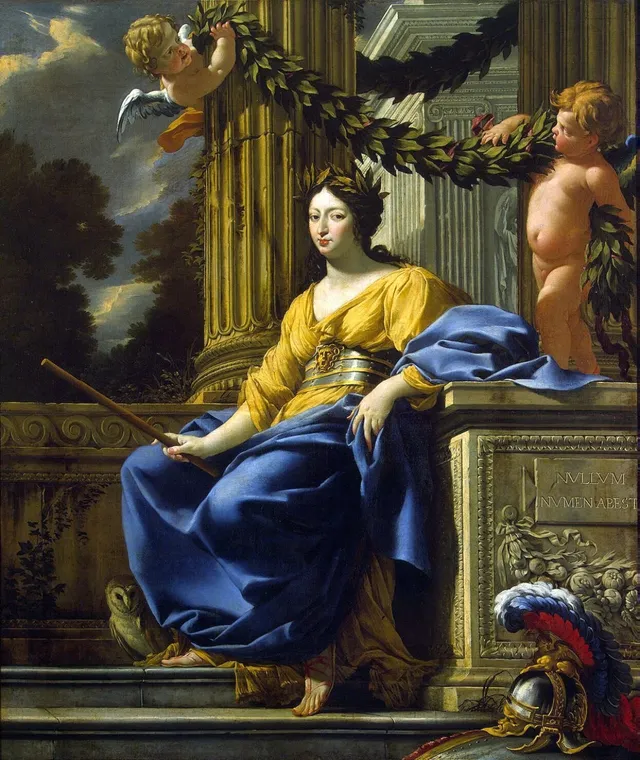
Hendrick Goltzius's Minerva (1611) stands as a significant example in the collection, an oil on canvas measuring 238 x 143 x 14.5 cm, now at the Frans Hals Museum on long-term loan from the Mauritshuis. Painted as a pair with Mercury, it presents the goddess with books and inkwell at her feet, affirming her patronage of art, science, and rhetoric, while King Midas appears in the background as her foolish counterpart. The inclusion of the Colosseum documents Goltzius's direct observation of Roman antiquities. Allegorical portraiture constitutes another important strand: the Allegorical Portrait of Anna of Austria as Minerva and Margarita Trip as Minerva, Instructing her Sister Anna Maria Trip demonstrate how aristocratic and bourgeois sitters assumed the goddess's identity to project wisdom, virtue, and educational authority. The Birth of Minerva and The Judgment of Paris represent the mythological narrative tradition, the former depicting her legendary emergence fully armed from Jupiter's forehead, the latter showing her participation in the beauty contest that precipitated the Trojan War. The collection's pair of candelabra indicates her presence in decorative and functional contexts as well.
Legacy
Minerva's cultural afterlife extends far beyond classical antiquity into modern institutional and intellectual life. Her role as custos urbis, guardian of the city, established by Cicero's dedication of his household image on the Capitoline, provided a model for later civic patronage. The military epithet Minerva Victrix, particularly associated with the legions XX Valeria Victrix and I Flavia Minervia, reinforced her protective and victorious functions, with numerous altars and inscriptions attesting to her importance in Roman military religion. In modern times, her philosophical significance crystallised through Hegel's owl metaphor, which has become a commonplace in discussions of historical consciousness and theoretical reflection. Her adoption as emblem by scientific and educational institutions from the Renaissance forward, including the Kaiser-Wilhelm-Gesellschaft and its successor the Max Planck Society, testifies to her enduring association with knowledge and intellectual achievement. The continued use of her image in heraldry, on university seals, and in contemporary museum programming such as the Accademia Carrara's garden reinstallation demonstrates that Minerva remains a vital figure for negotiating relationships between tradition and present cultural practice.
Works
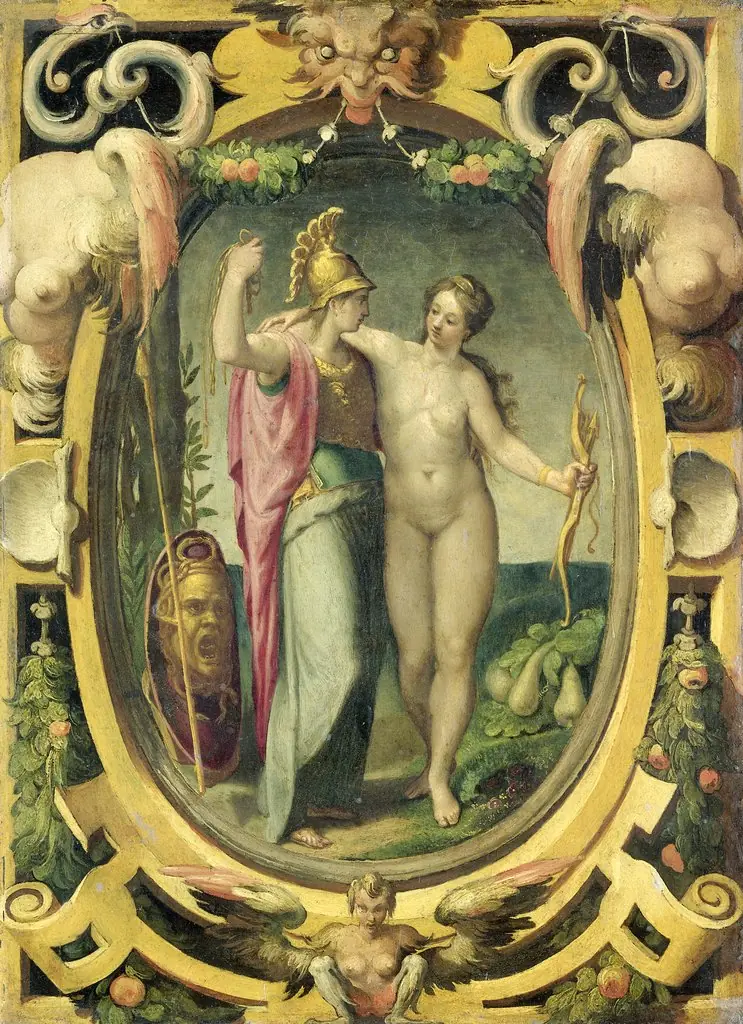 Venus and Minerva
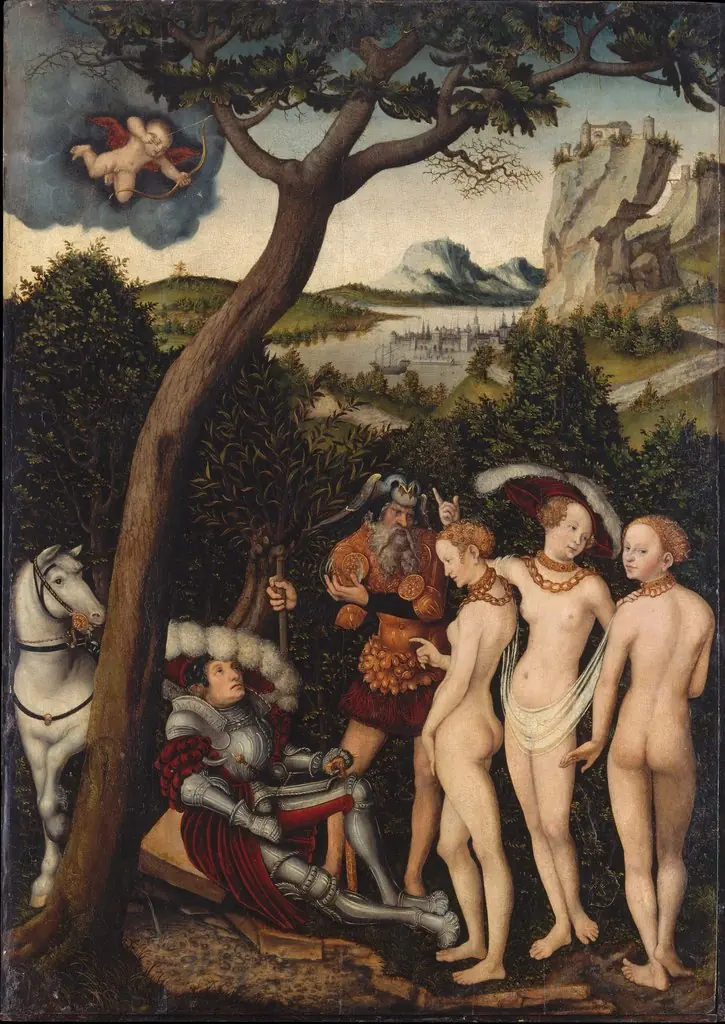 The Judgment of Paris
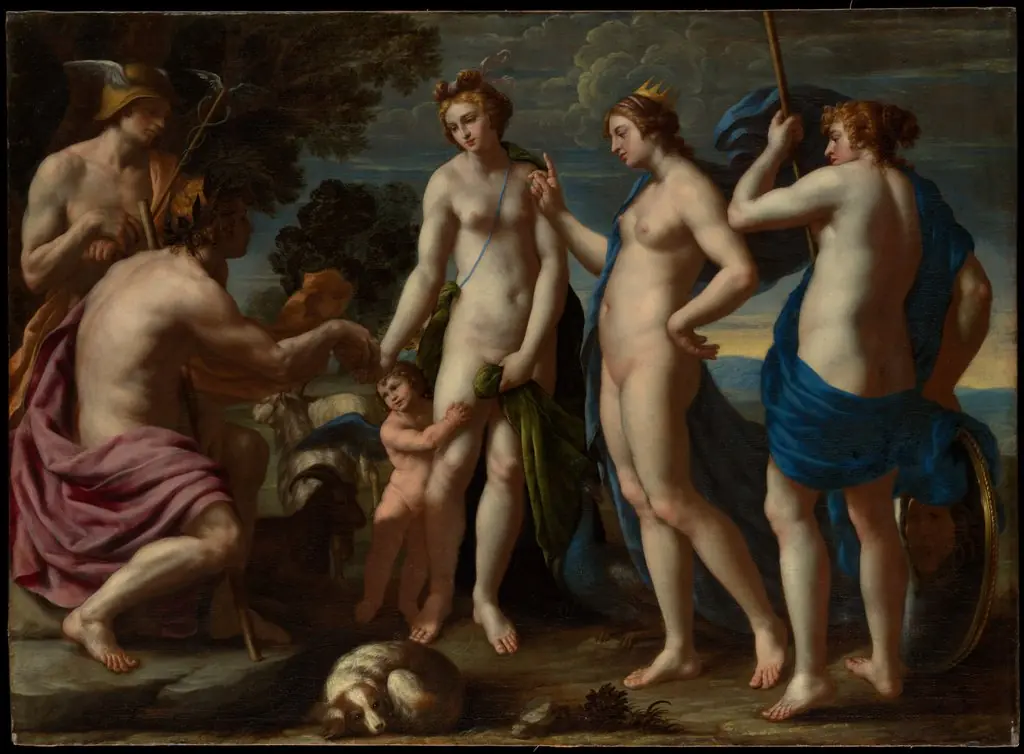 Judgment of Paris
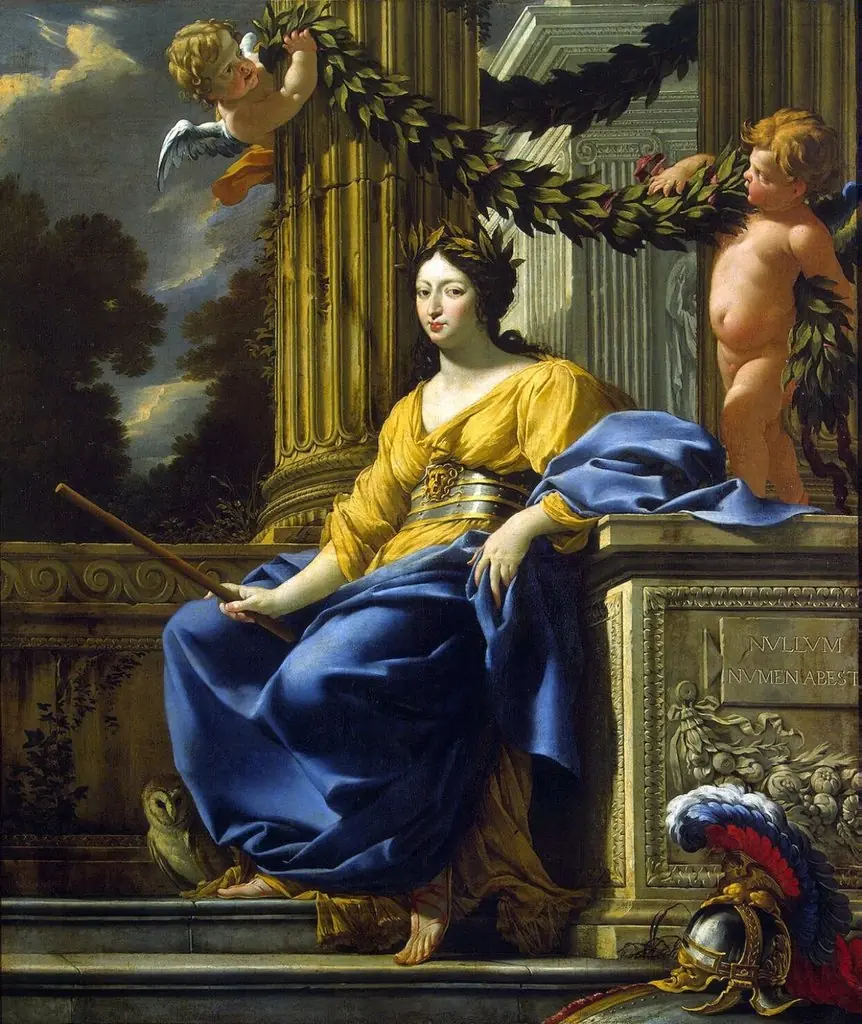 Allegorical Portrait of Anna of Austria as Minerva
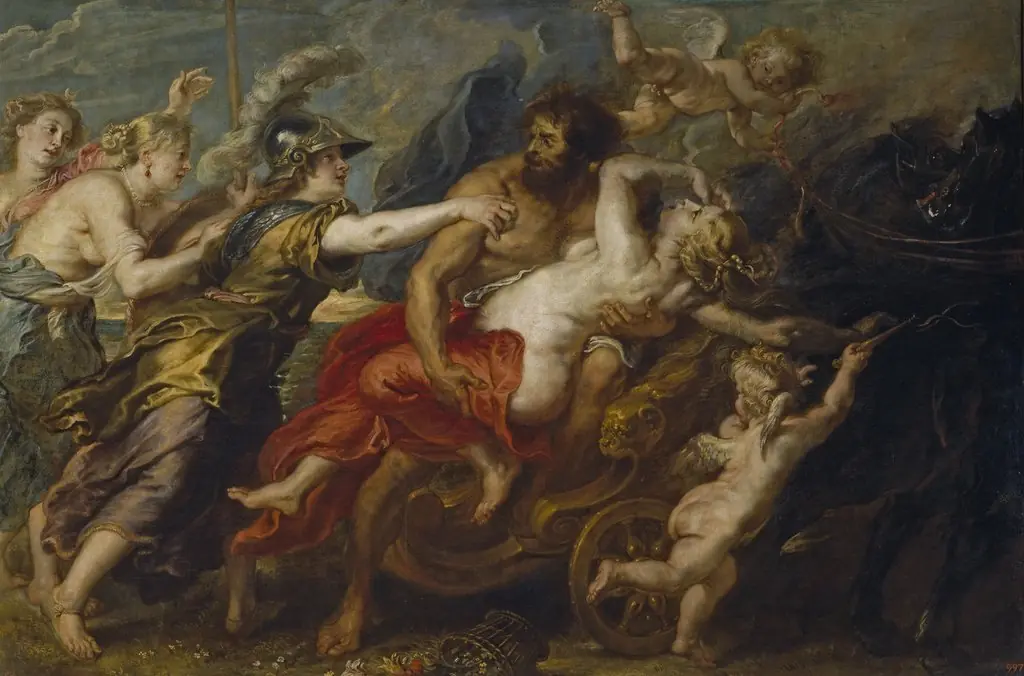 The Rape of Proserpine
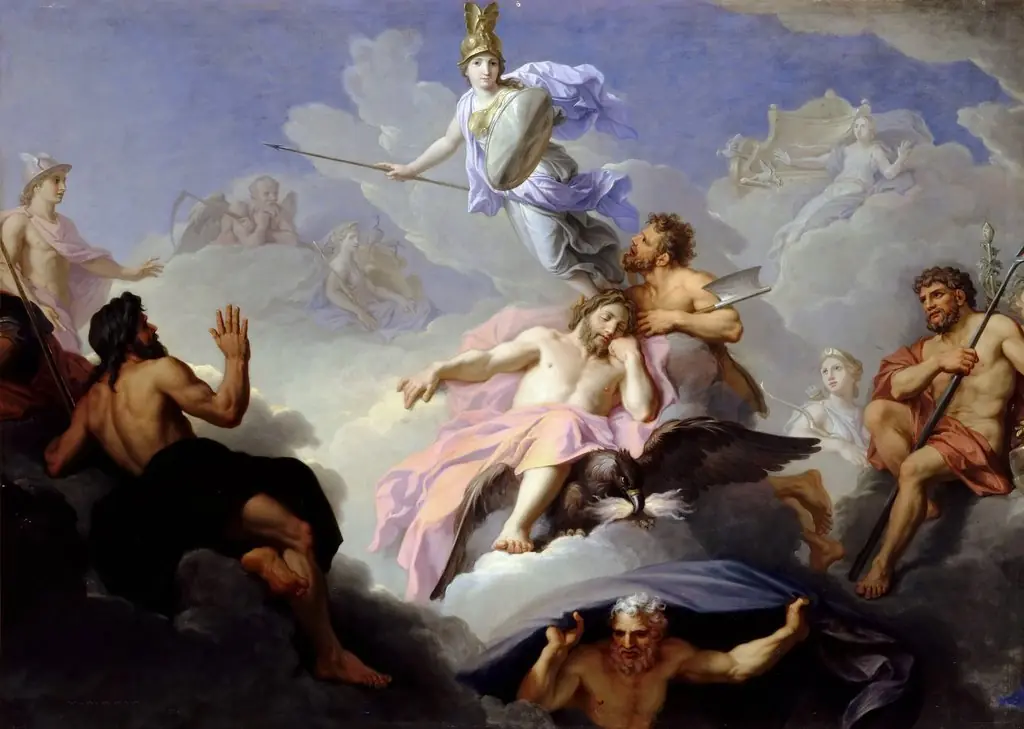 The Birth of Minerva
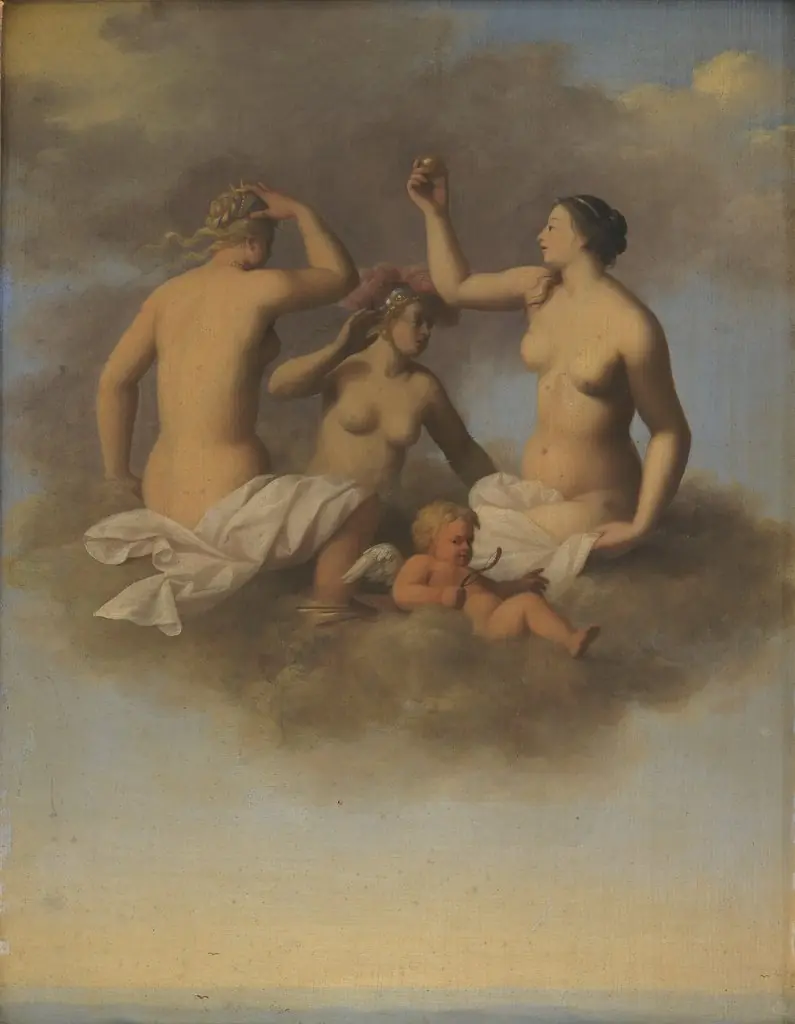 Juno, Minerva and Venus with Cupid
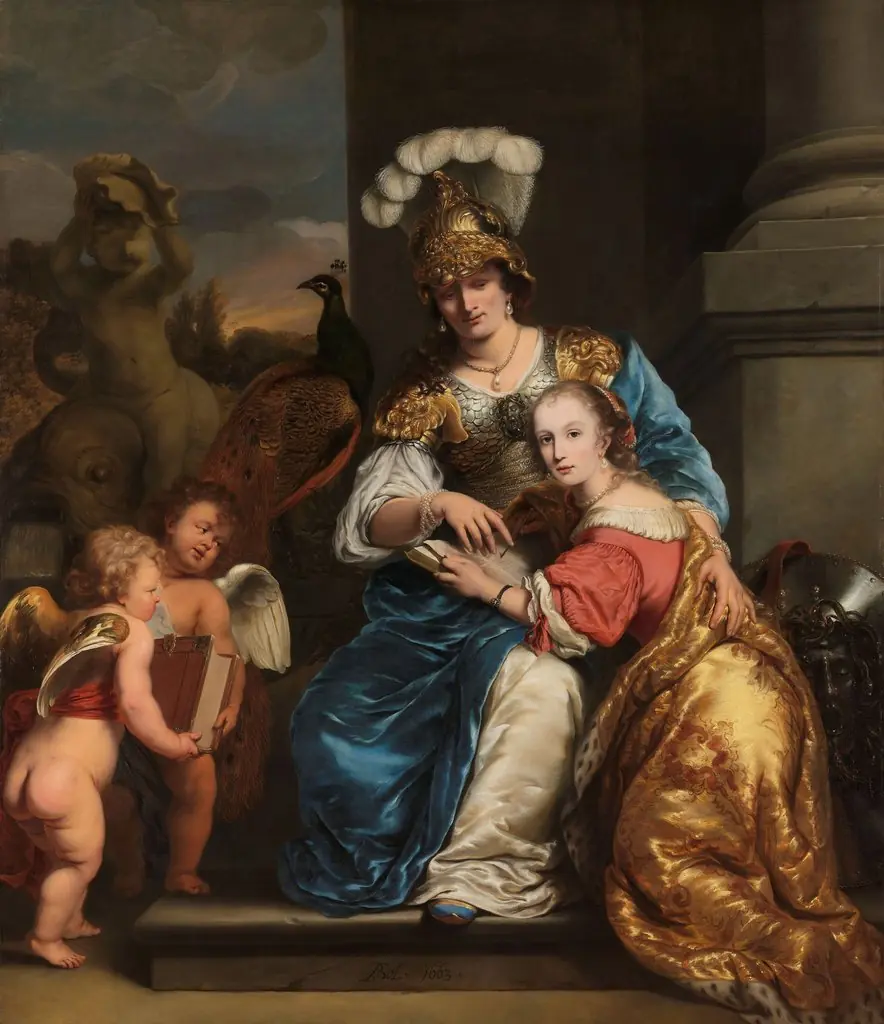 Margarita Trip as Minerva, Instructing her Sister Anna Maria Trip
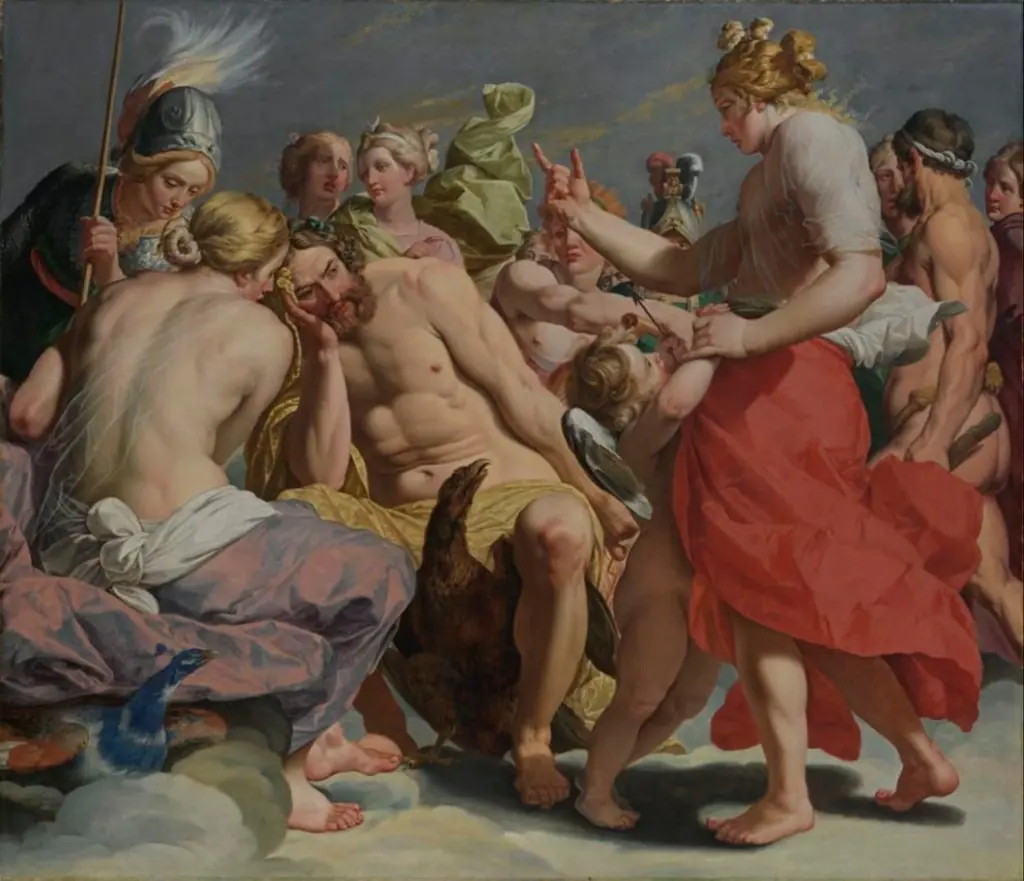 Mount Olympus
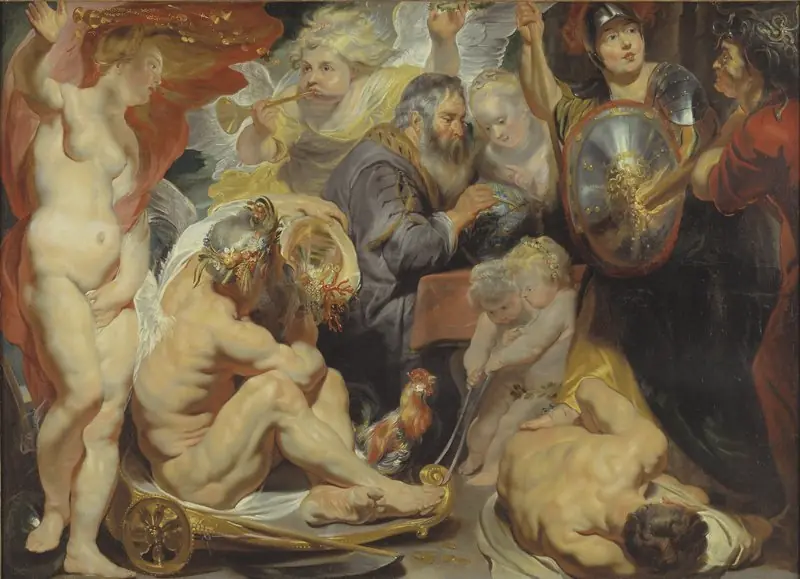 Allegory on Science. Minerva and Cronus protect Science against Envy and Ignorance
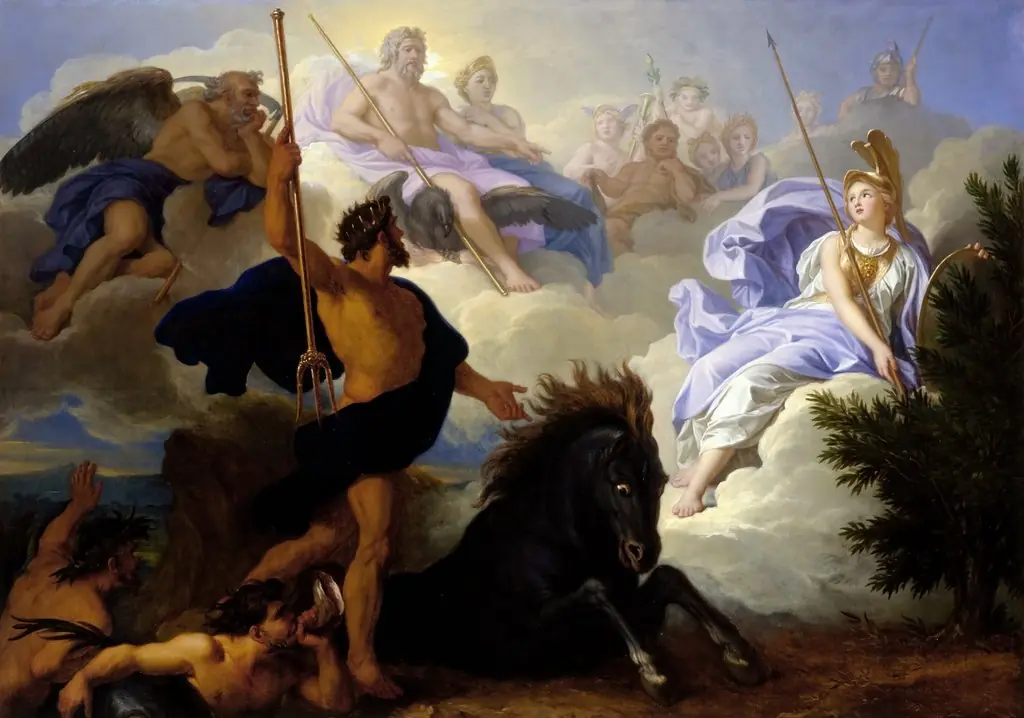 Dispute between Minerva and Neptune over the Naming of the City of Athens
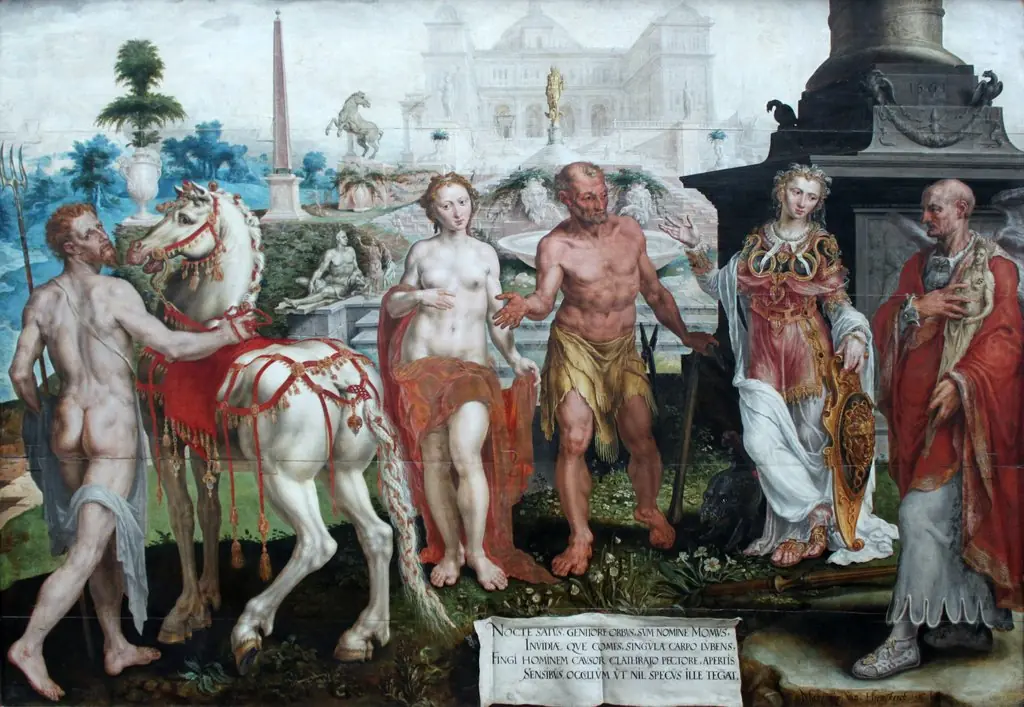 Momos Reproaches the Works of the Gods
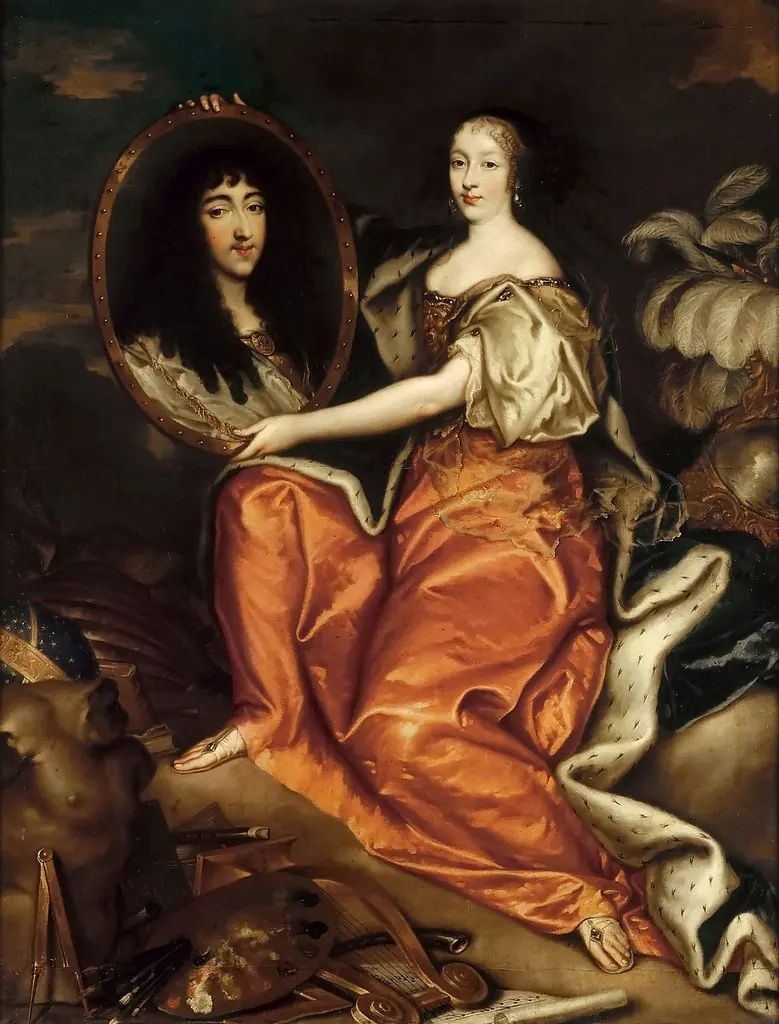 Henriette-Anne of England, Duchess of Orleans, known as Madame (1644-1670)
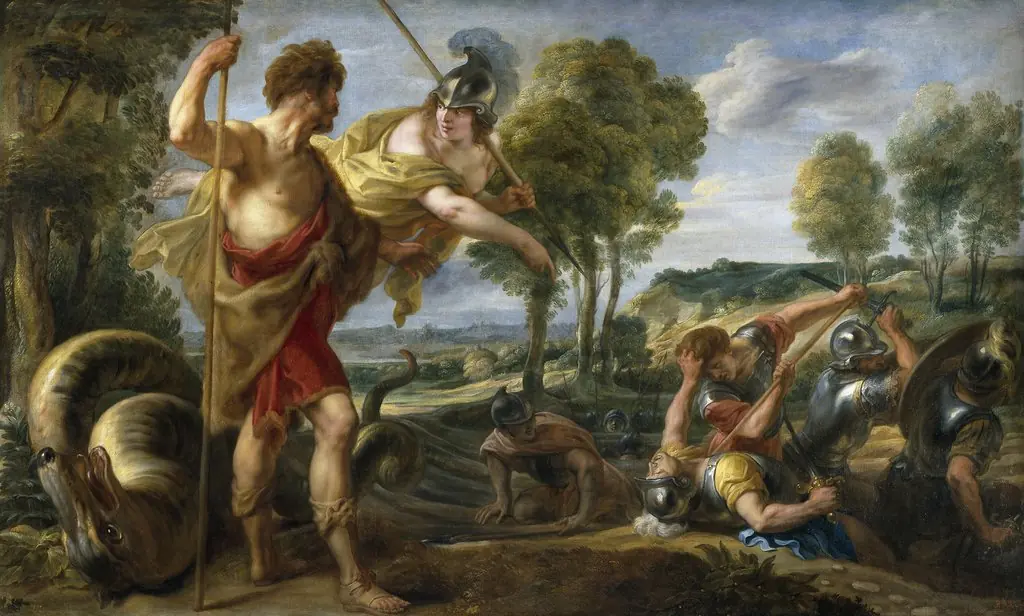 Cadmus and Minerva
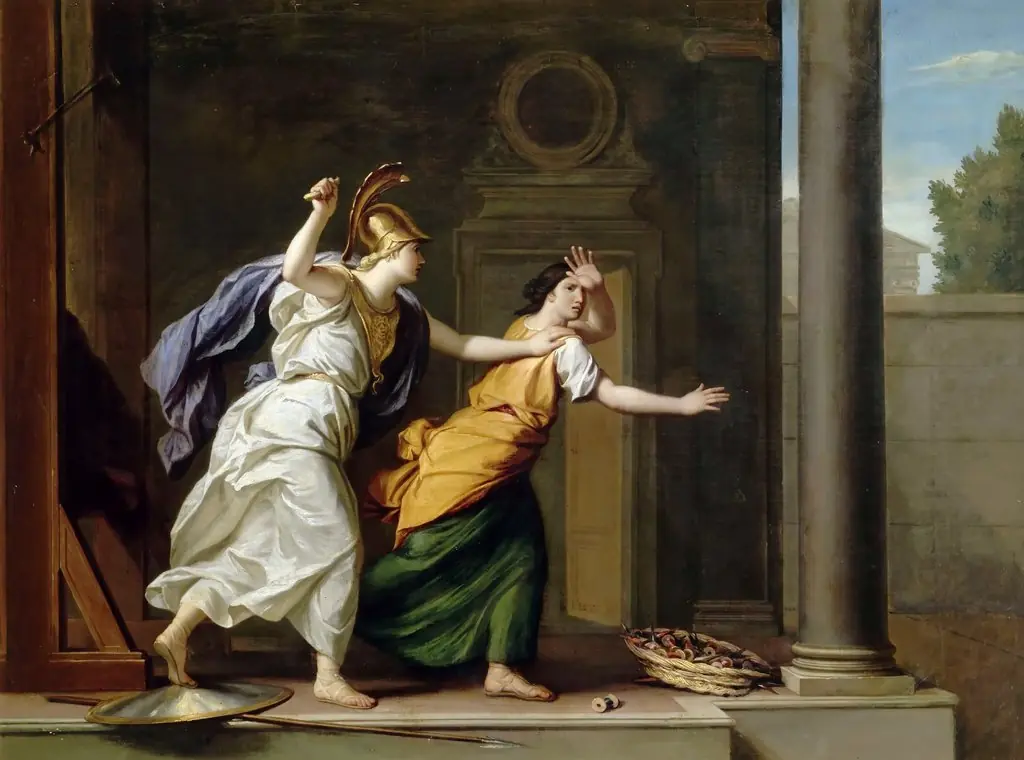 Minerva and Arachne
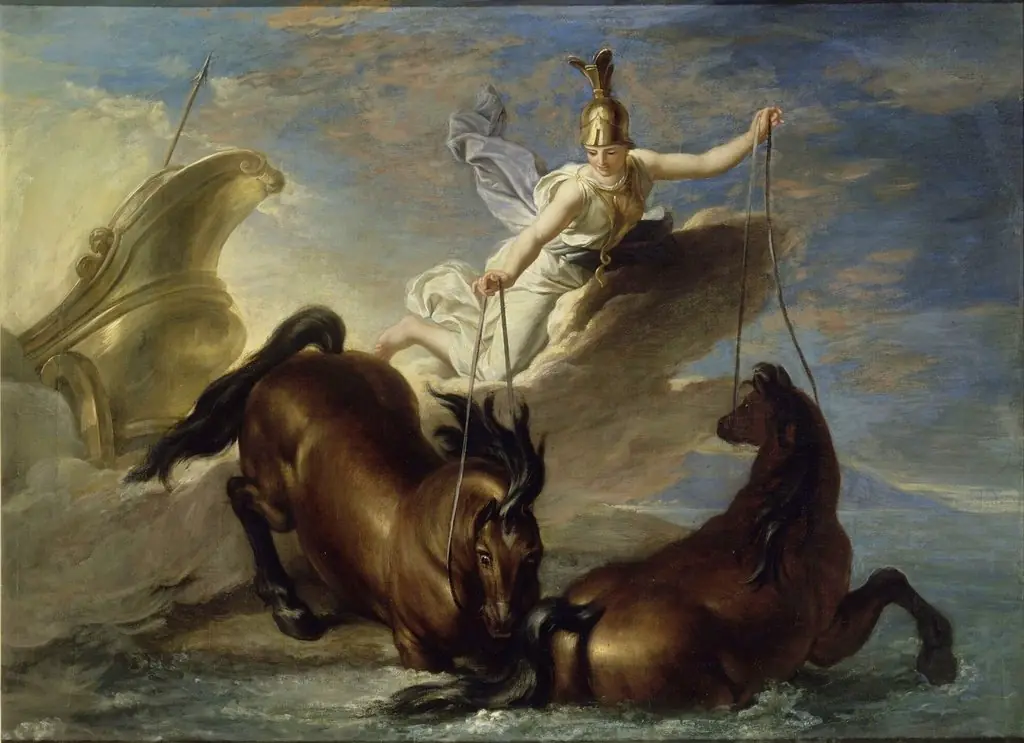 Story of Minerva - Minerva Watering her Horses into the Sea
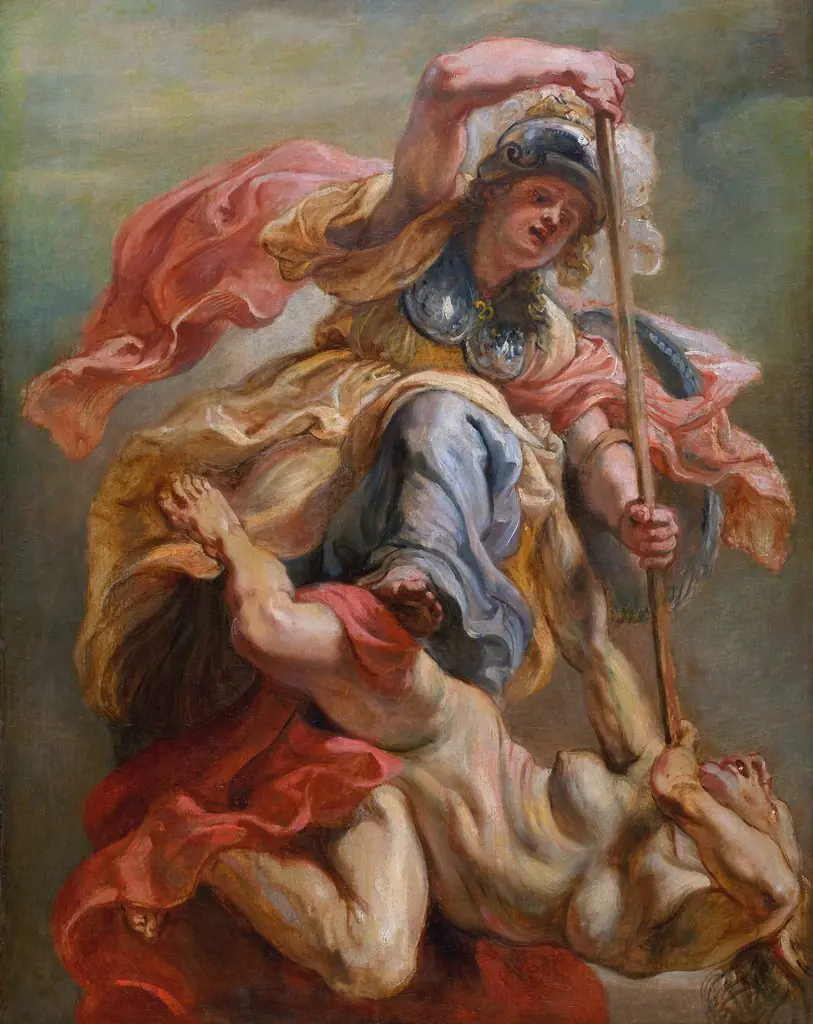 Minerva overcoming Ignorance
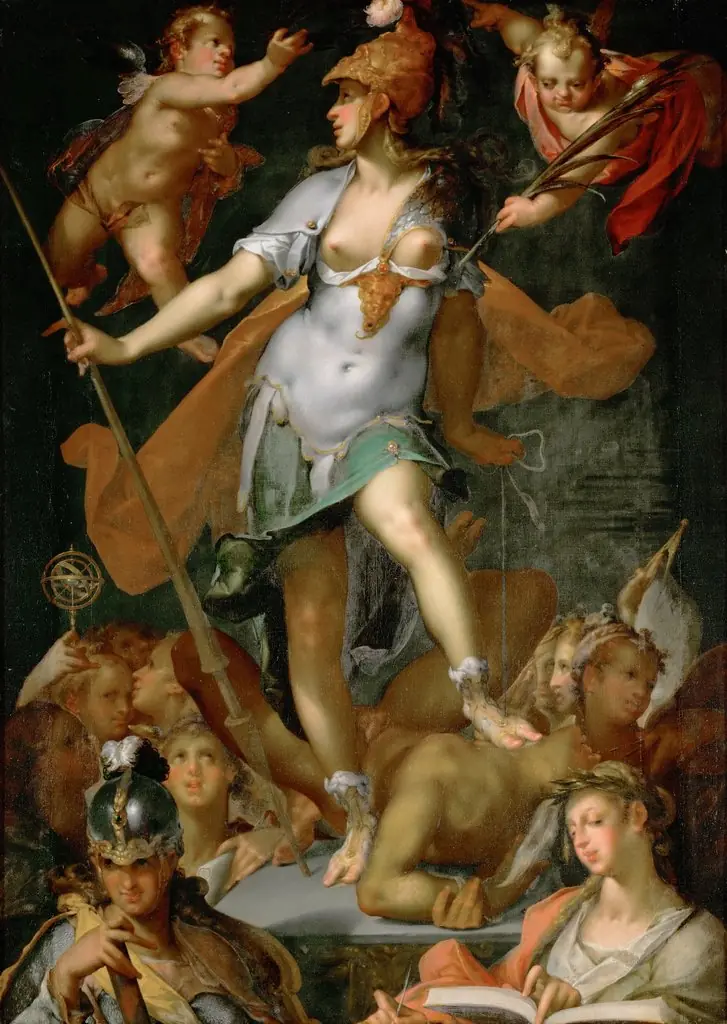 Minerva Victorious over Ignorance
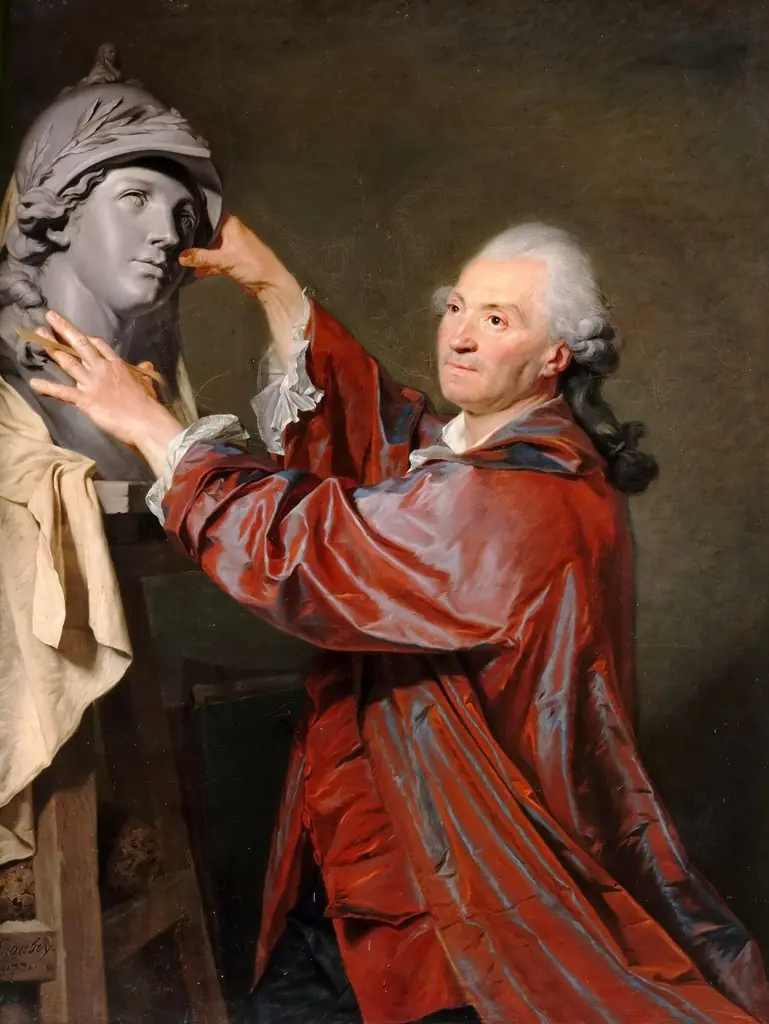 Louis-Claude Vassé, sculptor
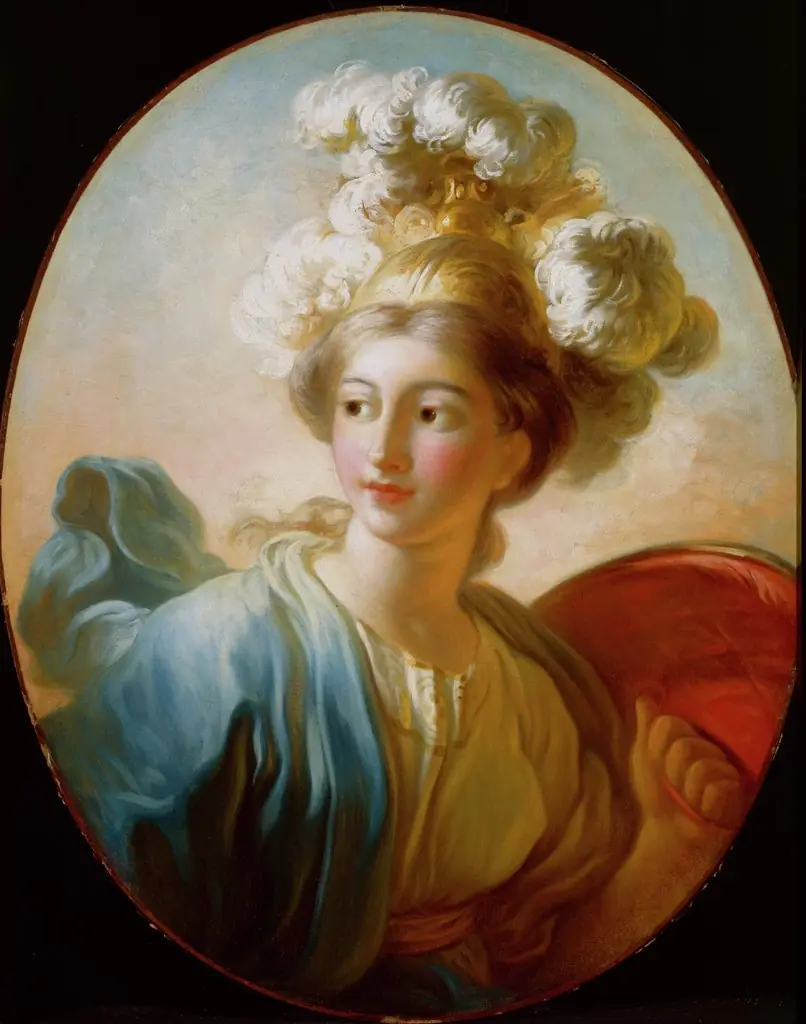 The Goddess Minerva
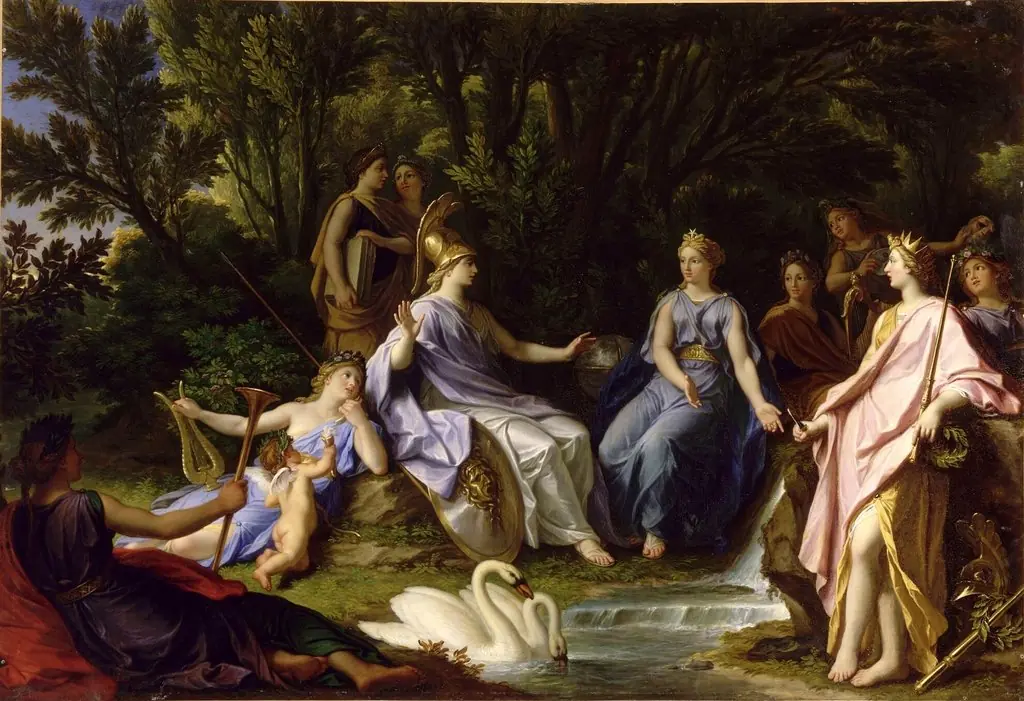 Story of Minerva - The Muses Showing Minerva Hippocrene Waters of the River that Brings Out Pegasus
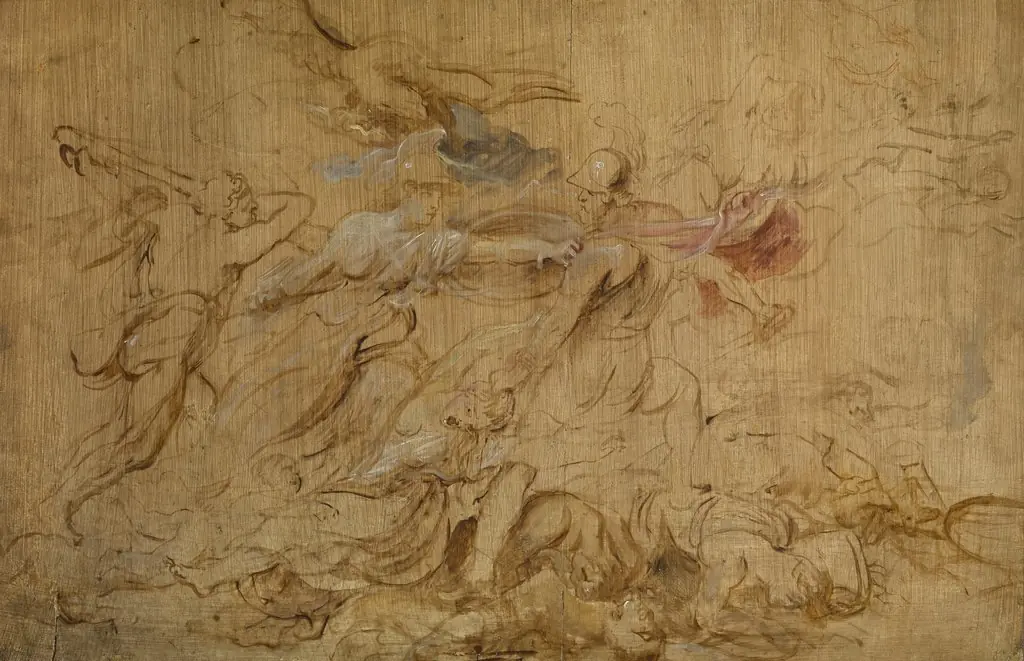 Hercules and Minerva expelling Mars
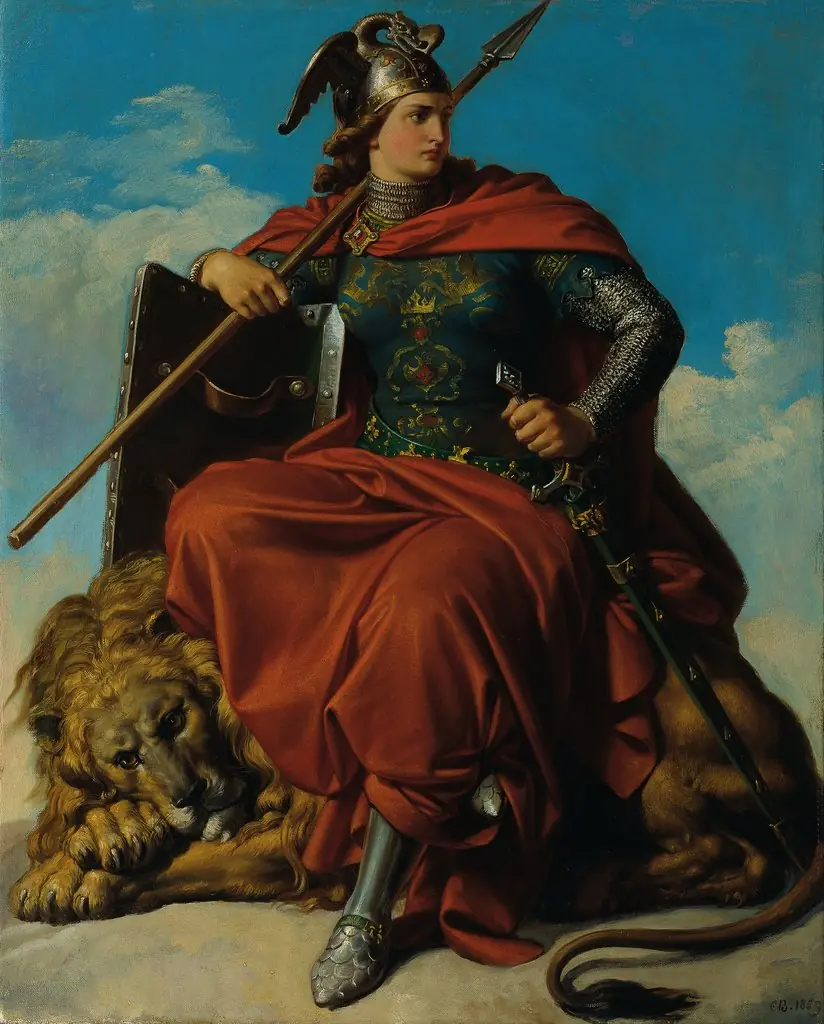 Allegory of Bravery
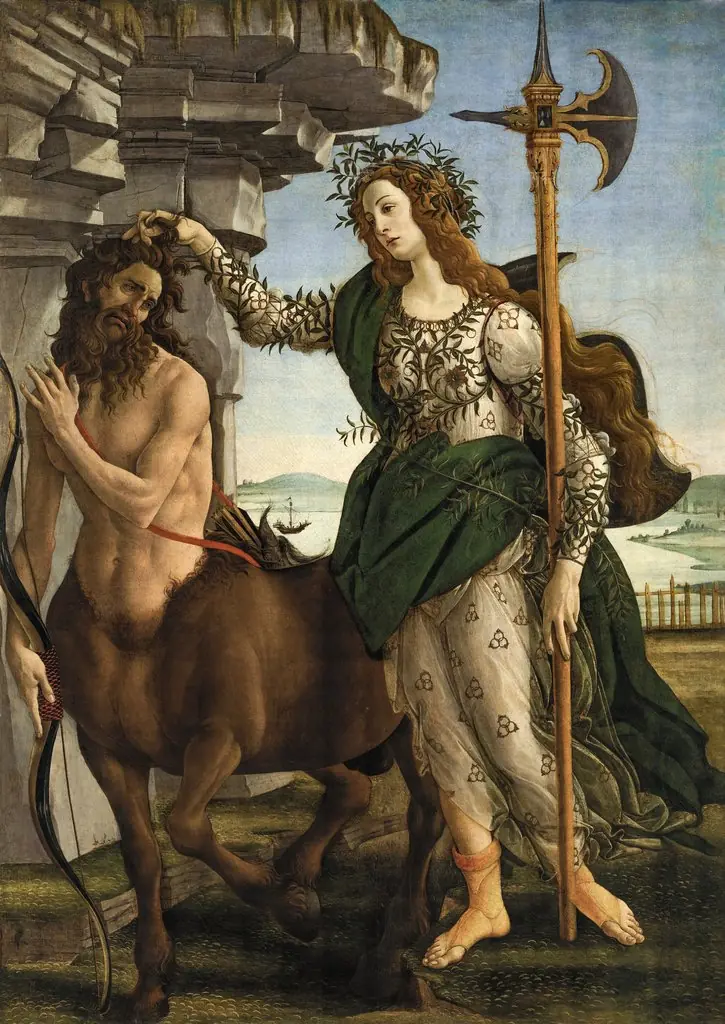 Pallas and the Centaur
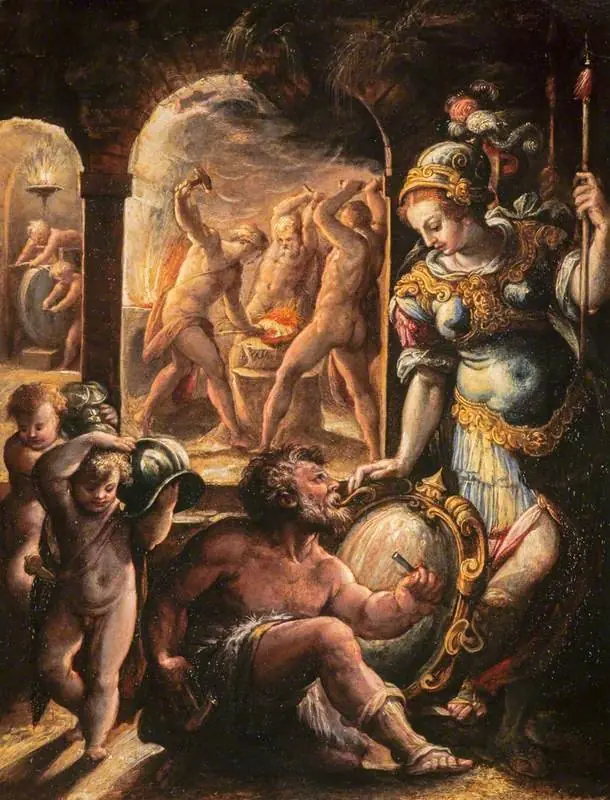 Minerva at the Forge of Vulcan
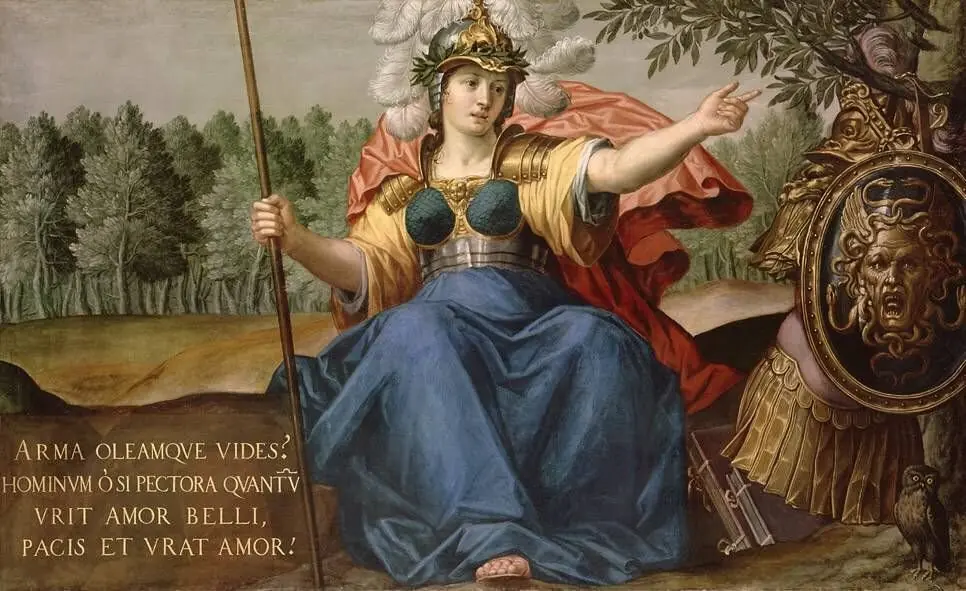 Minerva als Friedensbringerin (Werkstatt)
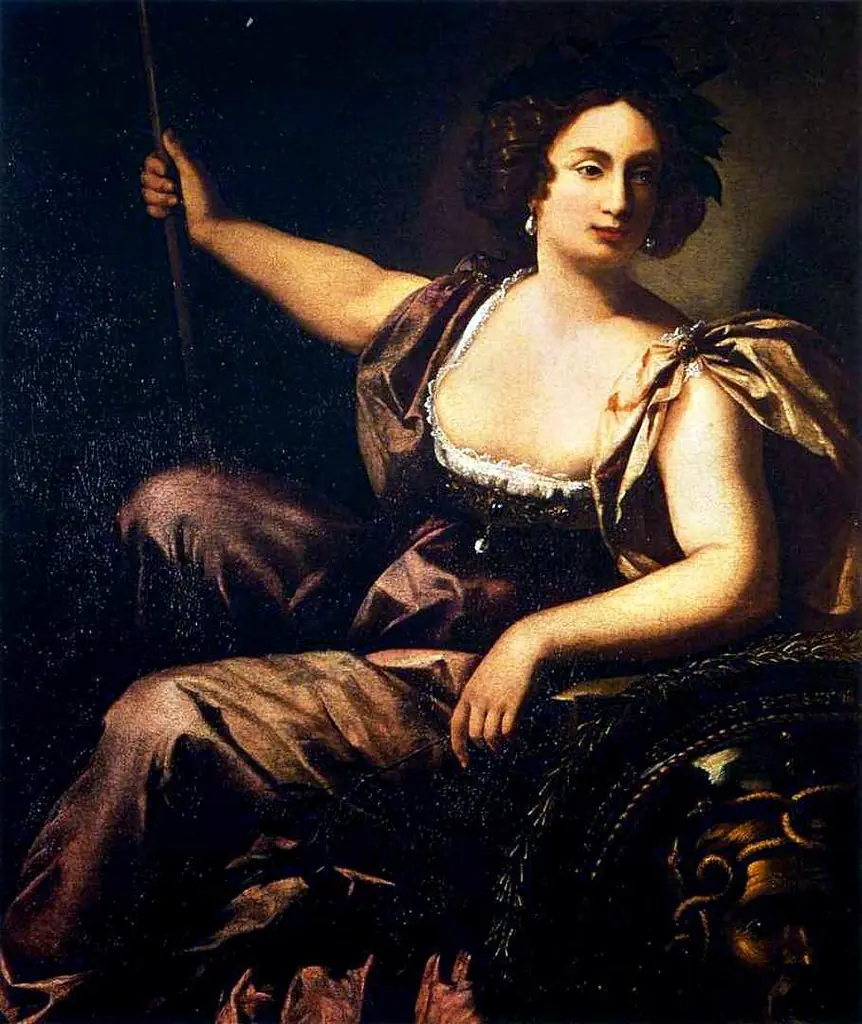 Minerva
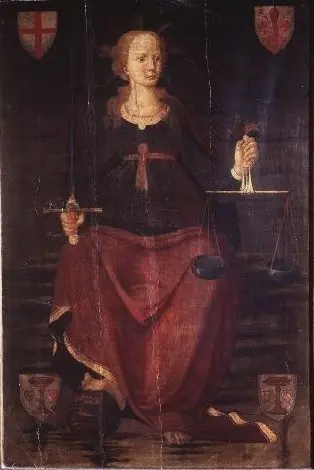 Justice
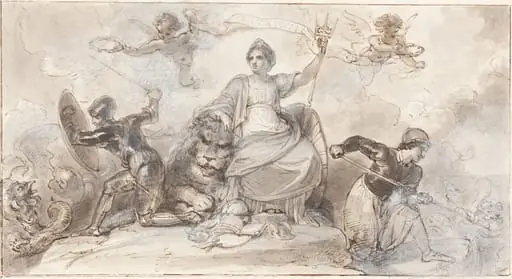 Patriotic Fund
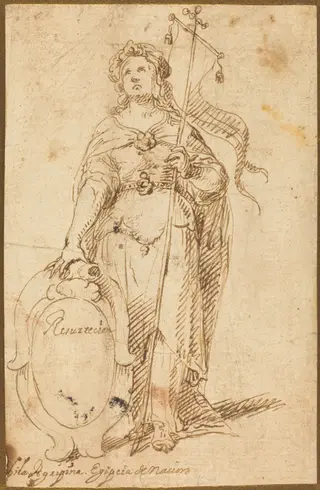 Egyptian Sibyl
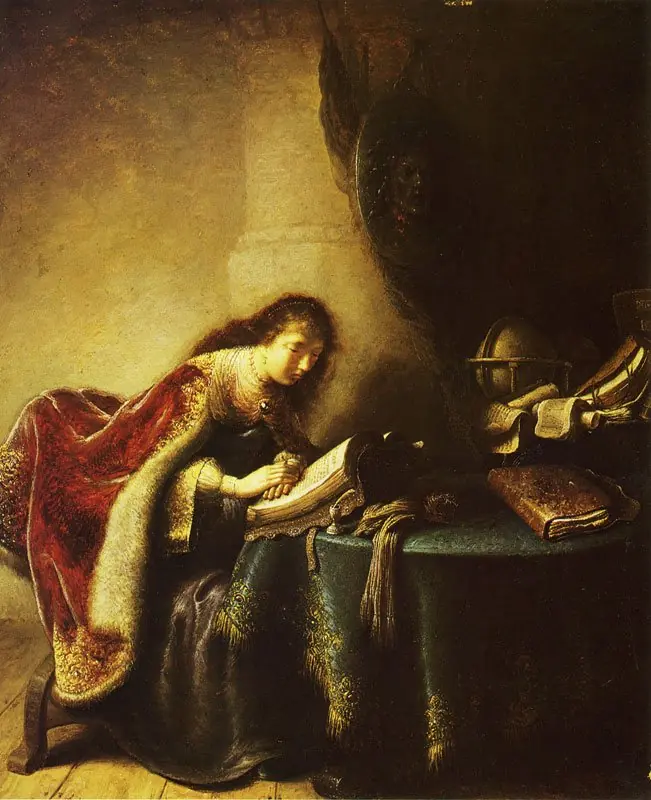 Minerva reading
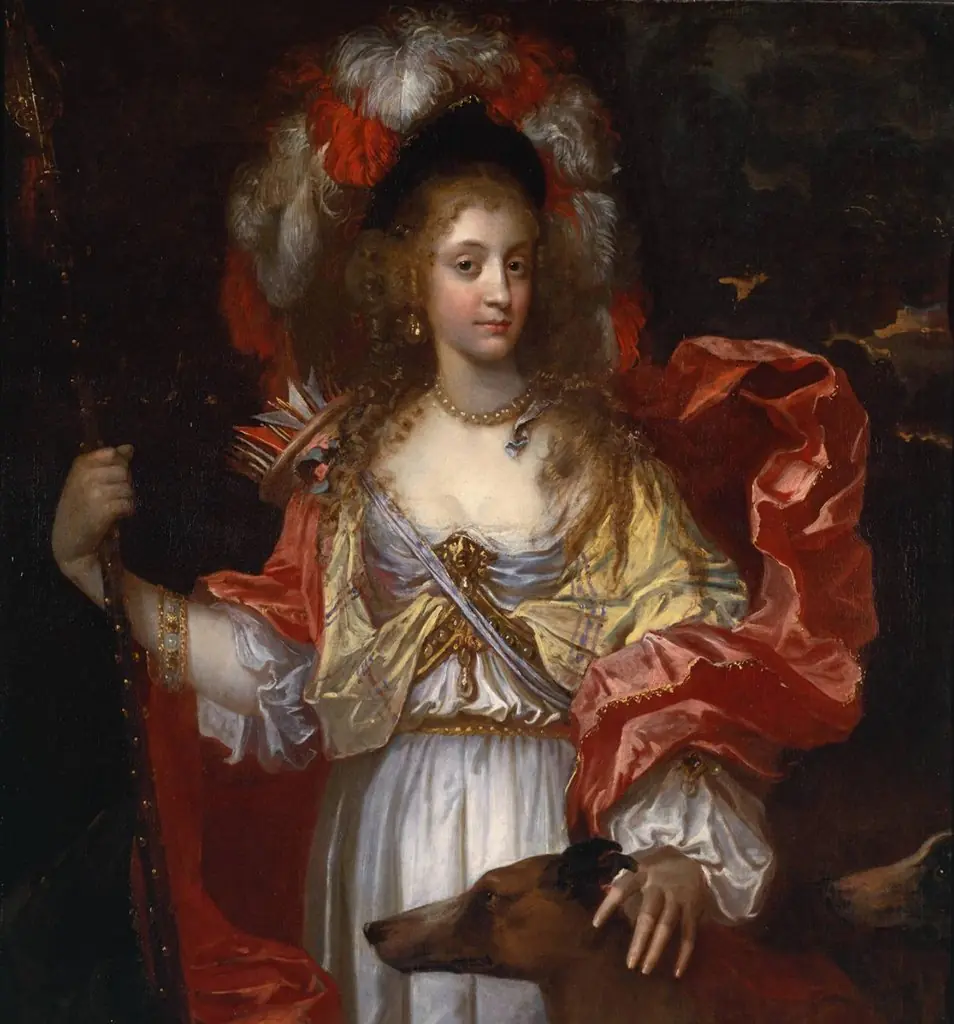 Portrait of a Lady as Diana
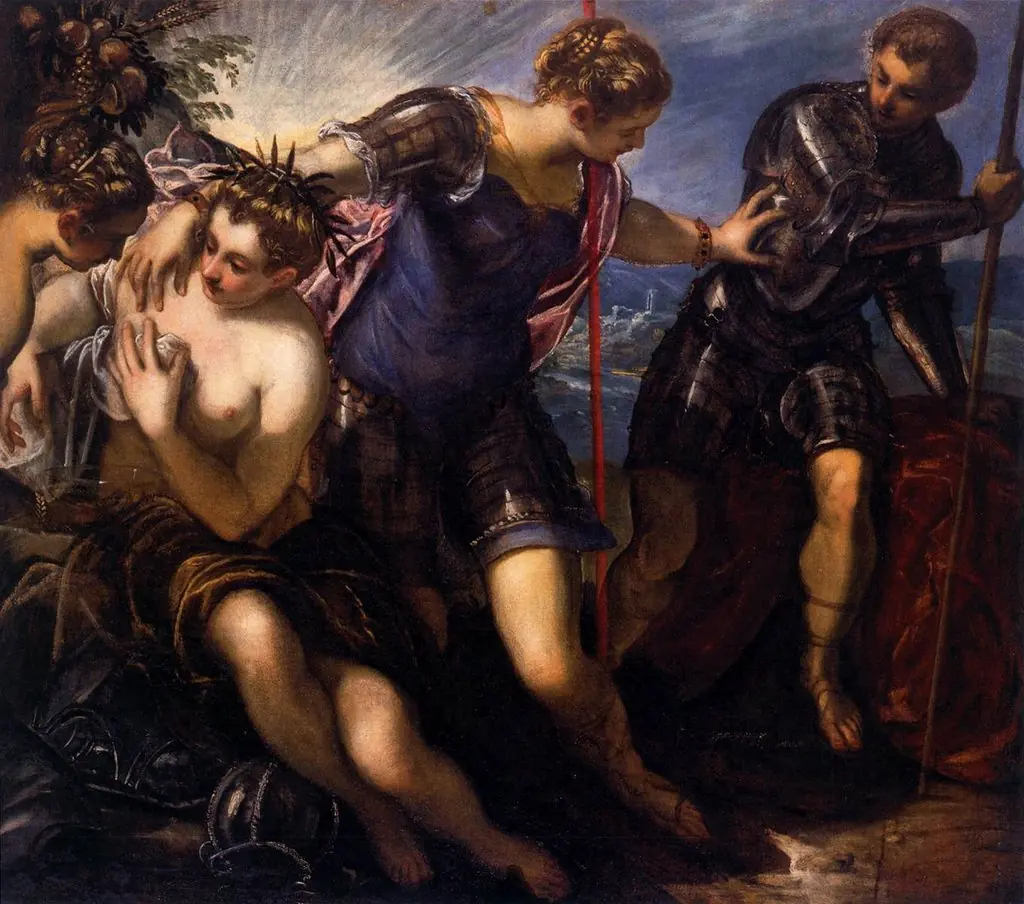 Minerva Sending Away Mars from Peace and Prosperity
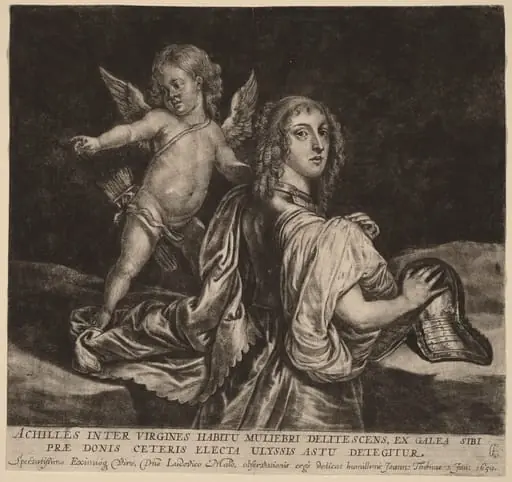 Achilles as Pyrrha with Cupid
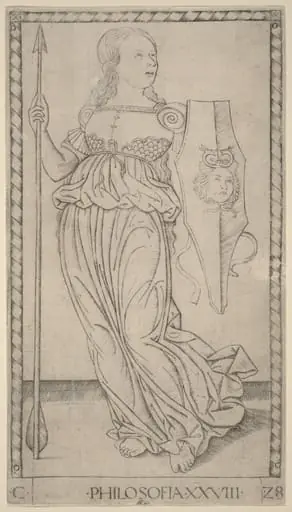 Philosofia (Philosophy)
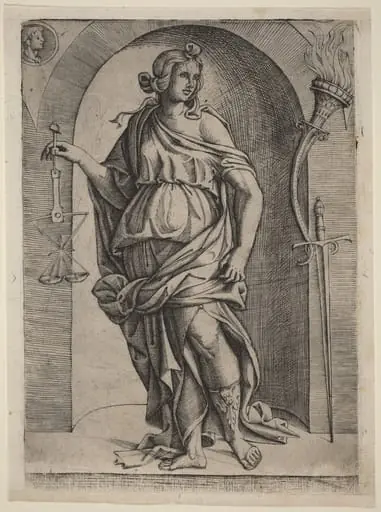 Justice
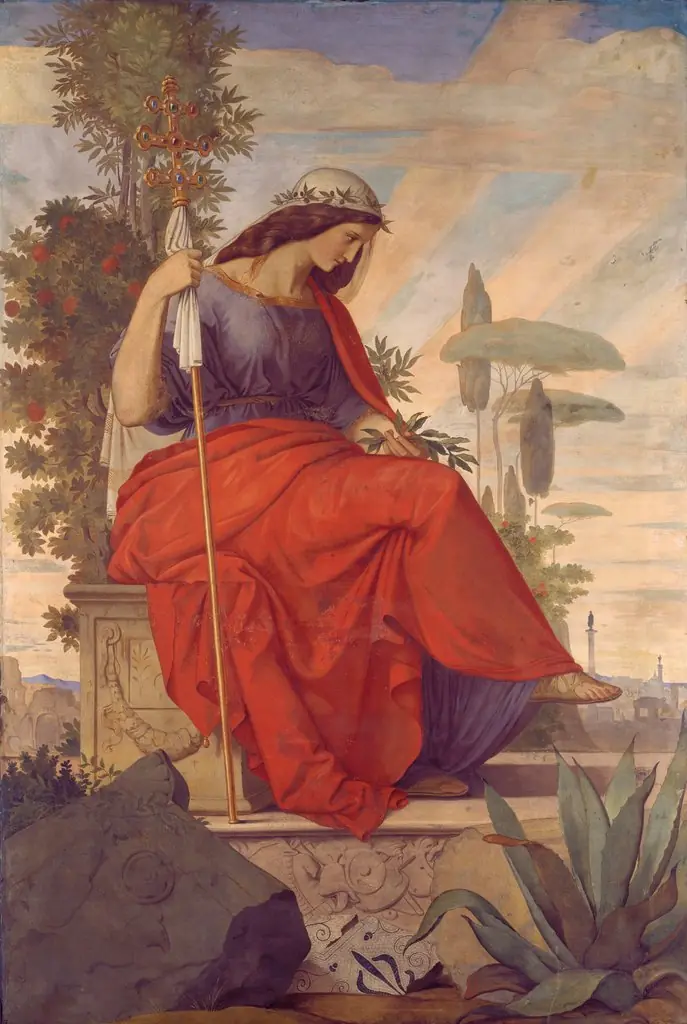 Italia
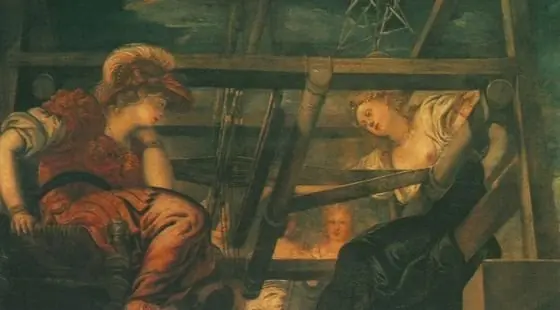 Arachne challenges Minerva in a weaving contest
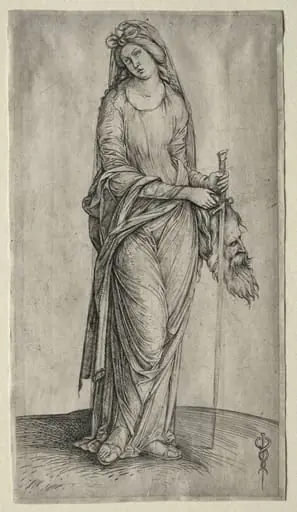 Judith Holding the Head of Holofernes
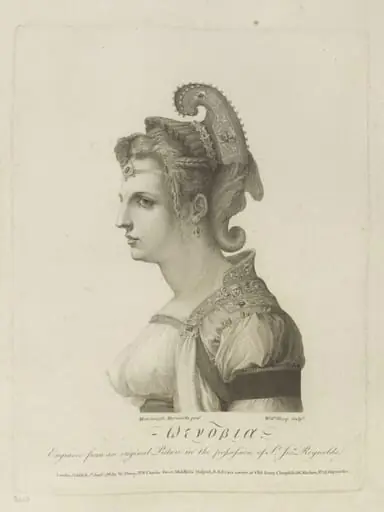 Zenobia
Frequently asked questions
What is Minerva?
Minerva (; Latin: ; Etruscan: Menrva) is the Roman goddess of wisdom, justice, law, victory, and the sponsor of arts, trade, and strategy.
How many Minerva works does Artifact World Gallery have?
Artifact World Gallery holds 40 public-domain Minerva works, all free to view and download.
Who are the key Minerva artists?
Key Minerva artists in the collection include Jean Honoré Fragonard, Jacopo Tintoretto and Ferdinand Bol.
Where can I see Minerva works?
Minerva works in the collection are held by Palace of Versailles, National Gallery of Art and Uffizi Gallery.