Subject
Saint Dominic
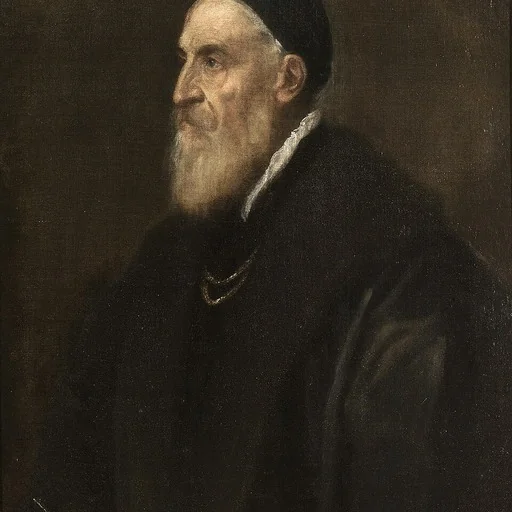
Saint Dominic is a subject in art. The gallery holds 112 works in this subject in art, including works by Titian, Lorenzo Lotto and El Greco.
Saint Dominic or Dominic de Guzmán was the Roman Catholic founder of the order of Dominicans. St Dominic or Saint Dominic may also refer to:
Key artists
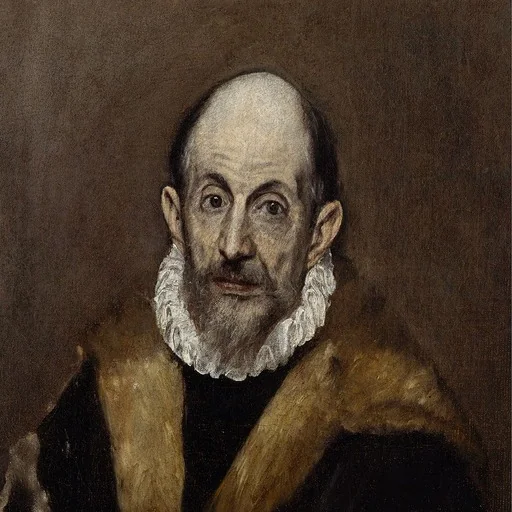
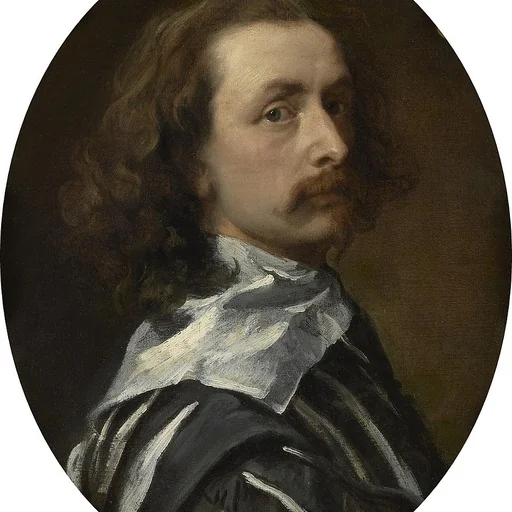
Overview
Saint Dominic, or Dominic de Guzmán (c. 1170-1221), was the Castilian founder of the Order of Friars Preachers, commonly known as the Dominicans, one of the four great mendicant religious orders of the Roman Catholic Church. Born in Caleruega, Spain, to the noble Guzmán family, he established the order in Toulouse, France, in 1215, receiving papal approval in 1216. His life and legacy have made him one of the most frequently depicted saints in Western art, with 113 works in the collection alone representing him in diverse contexts ranging from solitary devotional images to complex altarpieces. The recurrence of Saint Dominic in art reflects both the rapid expansion of his order and the enduring visual culture of Dominican spirituality, preaching, and intellectual life.
Iconography & meaning
The iconography of Saint Dominic draws heavily on legends of his life and the spiritual ideals of his order. He is most commonly shown in the black and white Dominican habit, often holding a lily as a symbol of purity, as seen in Carlo Crivelli's 1472 panel at The Metropolitan Museum of Art. One of the most distinctive attributes is the dog, derived from the legend that his mother, Blessed Jane of Aza, dreamed of a dog carrying a torch in its mouth, interpreted to mean that her son would become a preacher who would 'set the world on fire' with his words. This play on Domini canis (the Lord's dog) became a central emblem of Dominican identity. Other frequent attributes include books, reflecting the order's emphasis on study and the motto Veritas (Truth); a star on his forehead, sometimes shown at his baptism; and scenes of his preaching, his penitence, or his resuscitation of Napoleone Orsini. The Rosary, though historically disputed, is also associated with him through legend, and appears in some devotional imagery. His iconography thus synthesizes personal sanctity, intellectual rigor, and missionary zeal.
Across movements & periods
The treatment of Saint Dominic evolved significantly across artistic movements and periods, reflecting changing devotional needs and stylistic developments. In the late medieval period, he typically appeared in gold-ground panel paintings, such as Crivelli's 1472 tempera on wood, where hieratic formality and symbolic clarity predominated. The Renaissance saw greater naturalism in his depiction, with artists like Cosmè Tura (c. 1475) and Titian producing more psychologically nuanced portraits. The Baroque period intensified the dramatic and emotional aspects of his imagery, particularly in scenes of his ecstasies, penitence, and miracles. The collection includes works spanning from the early Renaissance to later periods, suggesting continuous patronage by Dominican institutions and individual devotees. Regional variations also emerged: Italian artists often emphasized his mystical and visionary qualities, while Spanish painters frequently highlighted his role as defender of the faith against heresy, a reflection of Spain's particular investment in Counter-Reformation imagery.
Notable depictions
Several notable and canonical depictions of Saint Dominic have secured his place in art history. Carlo Crivelli's 'Saint Dominic' (1472), a tempera on wood with gold ground measuring 38 1/4 x 12 3/4 inches, is now at The Metropolitan Museum of Art and exemplifies the refined linear style of the Venetian Renaissance. Cosmè Tura's 'Saint Dominic' (c. 1475), executed in tempera and gold on panel, represents the distinctive mannerism of the Ferrarese school. Titian's oil on canvas 'Saint Dominic' demonstrates the Venetian master's coloristic approach to sacred subjects. In the collection itself, Pedro Berruguete's work on the subject, now at the Museo del Prado, has been extensively studied for its place within Spanish Renaissance painting and its complex iconographic program. The 'San Cassiano Altarpiece,' which includes Saint Dominic among its figures, points to the integration of Dominican saints into major altarpiece commissions. These works collectively illustrate how major artists across Italian, Spanish, and broader European traditions engaged with Dominic's image.
Legacy
The cultural afterlife of Saint Dominic extends far beyond the visual arts into institutional and spiritual domains that continue to shape his representation. The Order of Preachers that he founded established houses at major university centers such as Paris and Bologna, creating an enduring nexus of art, learning, and preaching that generated demand for his image. The ex-convent of San Domenico in Imola, now a municipal art gallery housing approximately 600 works, exemplifies how Dominican sites became repositories of cultural heritage. Modern devotion persists through institutions bearing his name worldwide, including numerous churches, schools, and the Dominican Republic itself, which counts him as patron saint. Publications from Dominican presses continue to explore his life and spirituality, while scholarly attention to works like Berruguete's at the Prado demonstrates ongoing art-historical interest. The collection's 113 works, spanning diverse periods and functions, attest to the sustained visual culture that has made Saint Dominic one of the most recognizable and multifaceted saints in the history of Western art.
Works
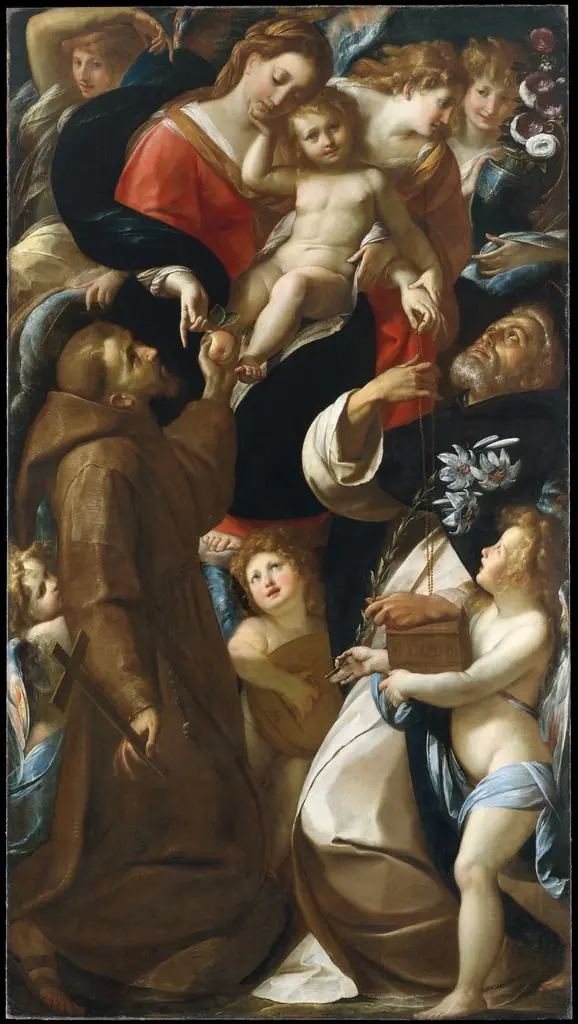 Madonna and Child with Saints Francis and Dominic and Angels
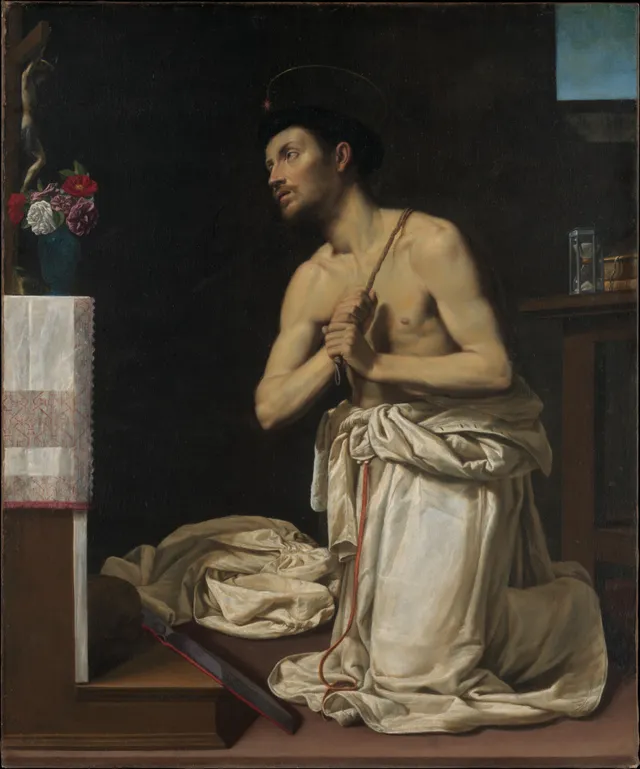
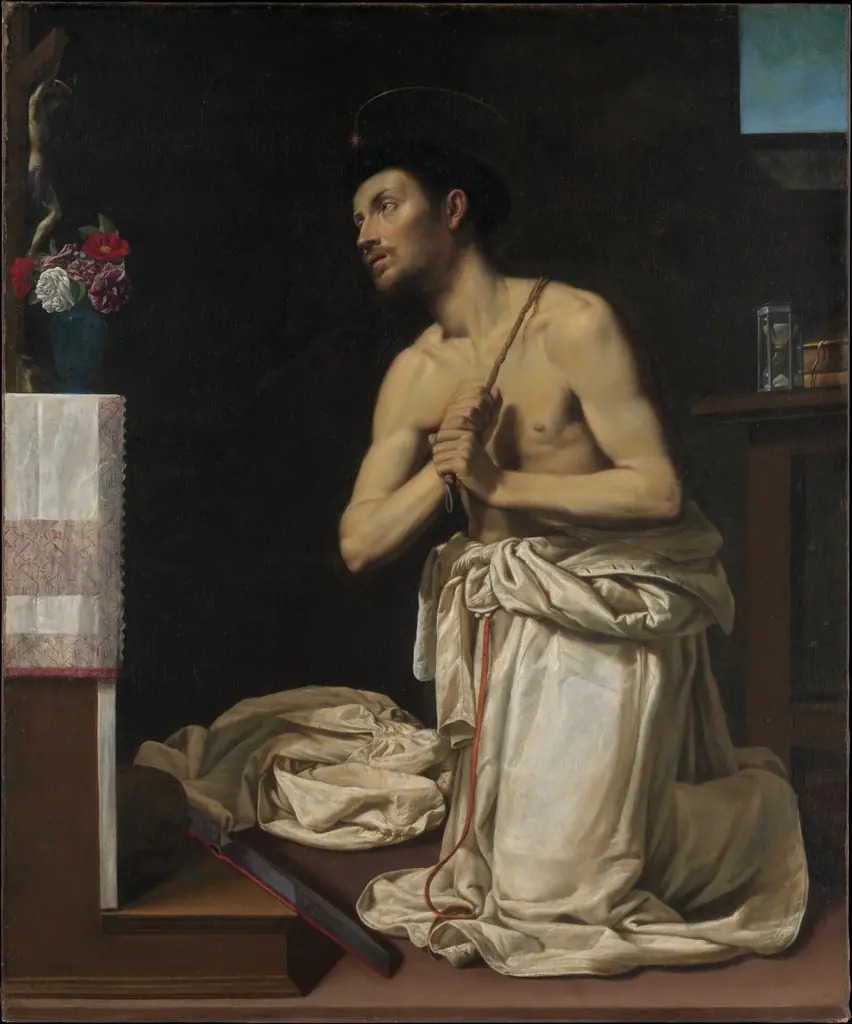 Saint Dominic in Penitence
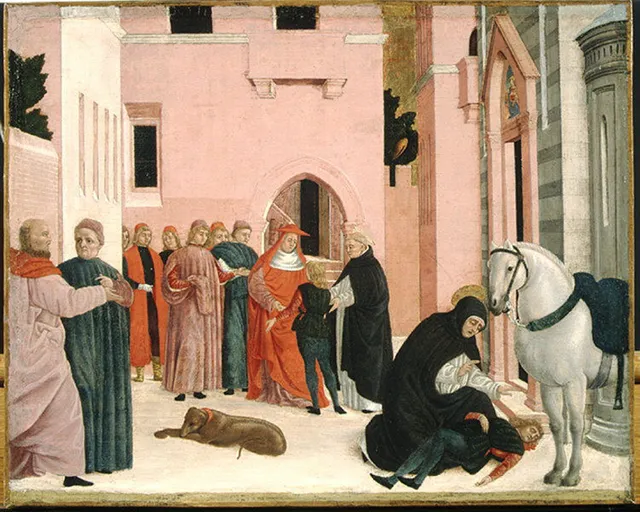
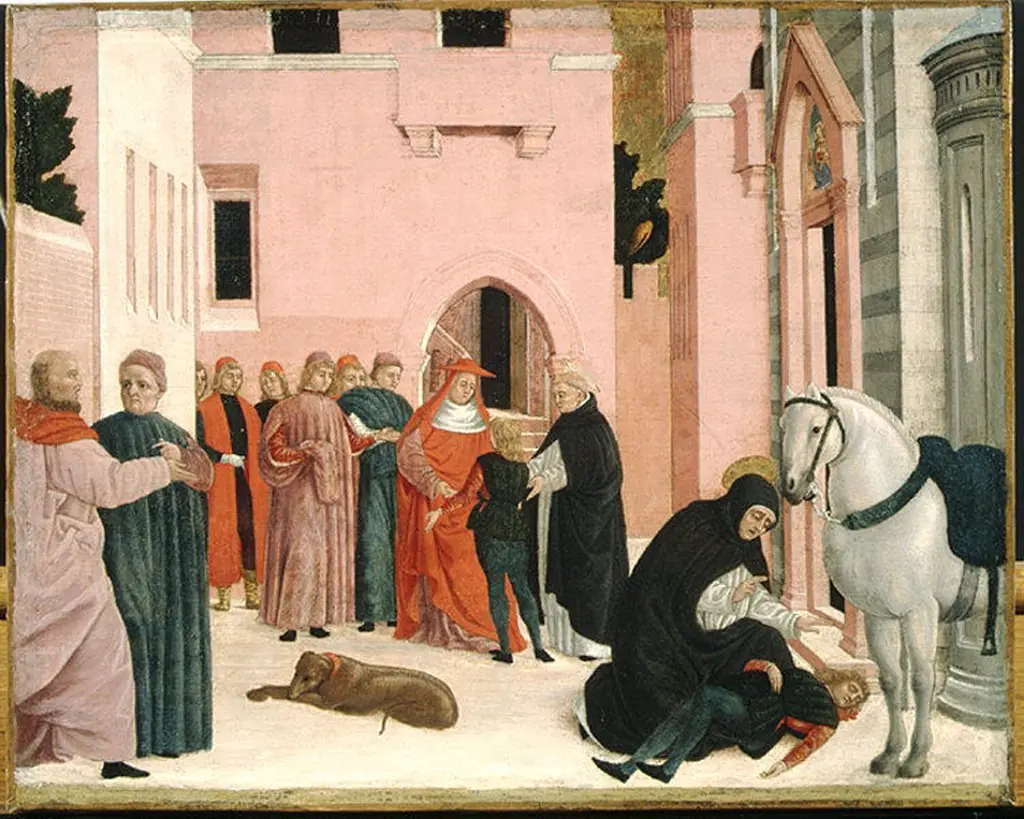 Saint Dominic Resuscitating Napoleone Orsini
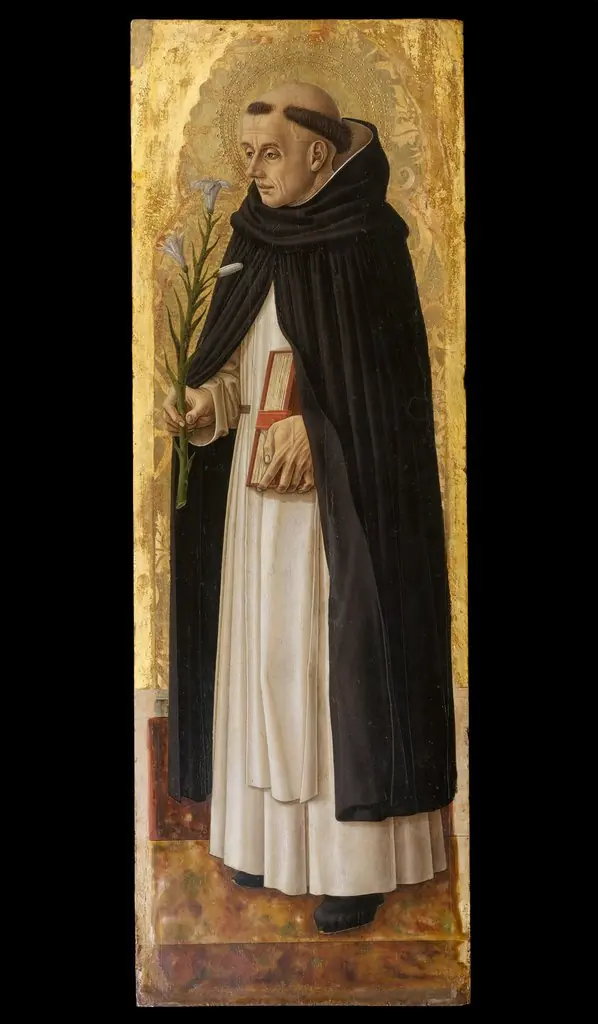 Saint Dominic
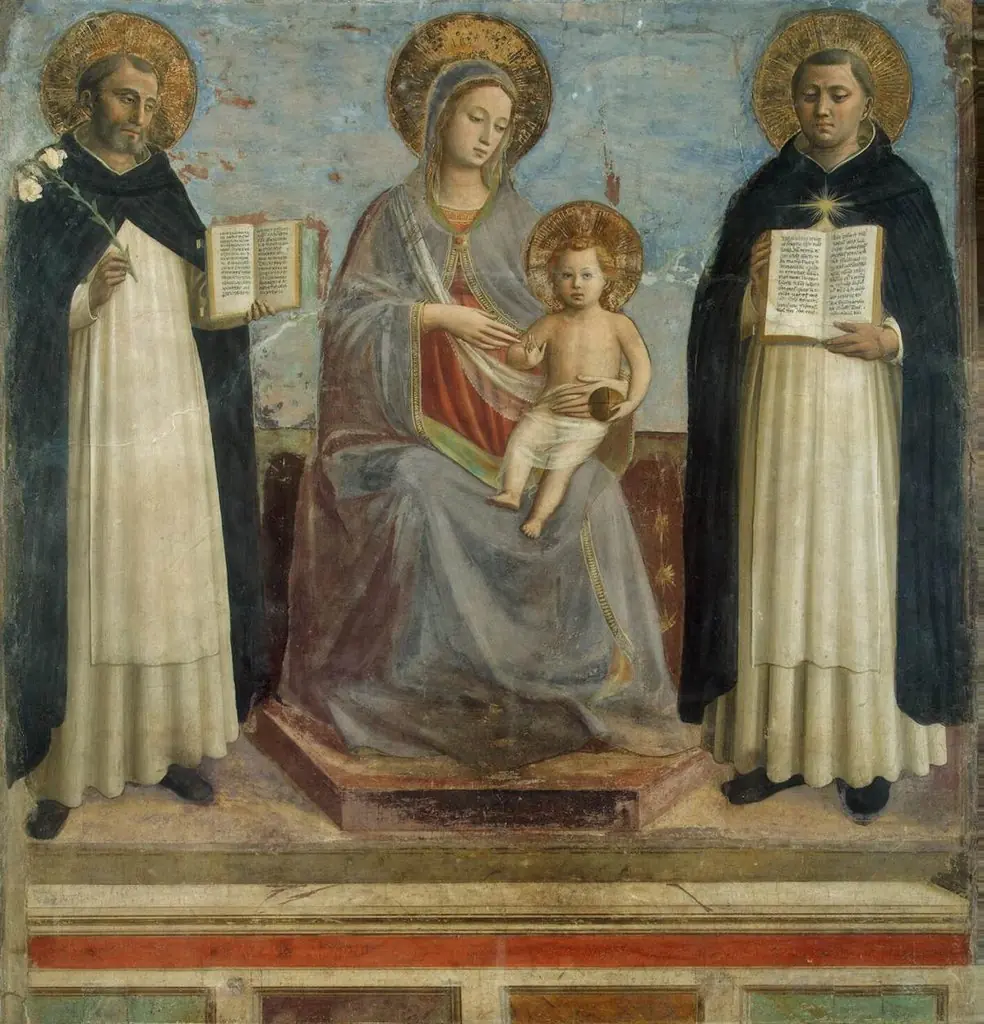 Madonna and Child
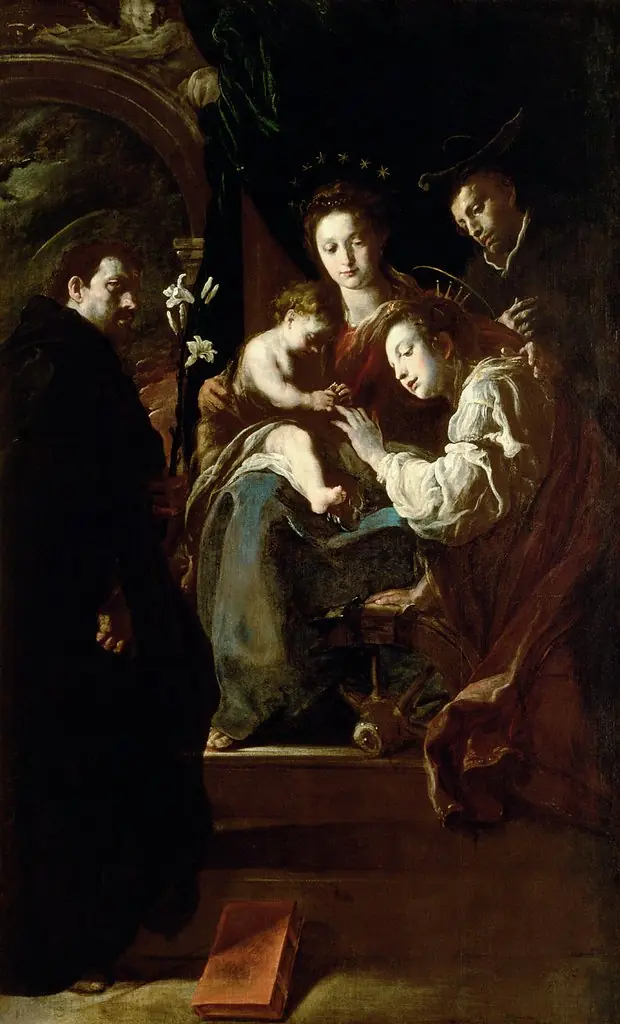 Virgin and Child with Mystical Betrothal of St. Catherine with Saints Dominic and Peter
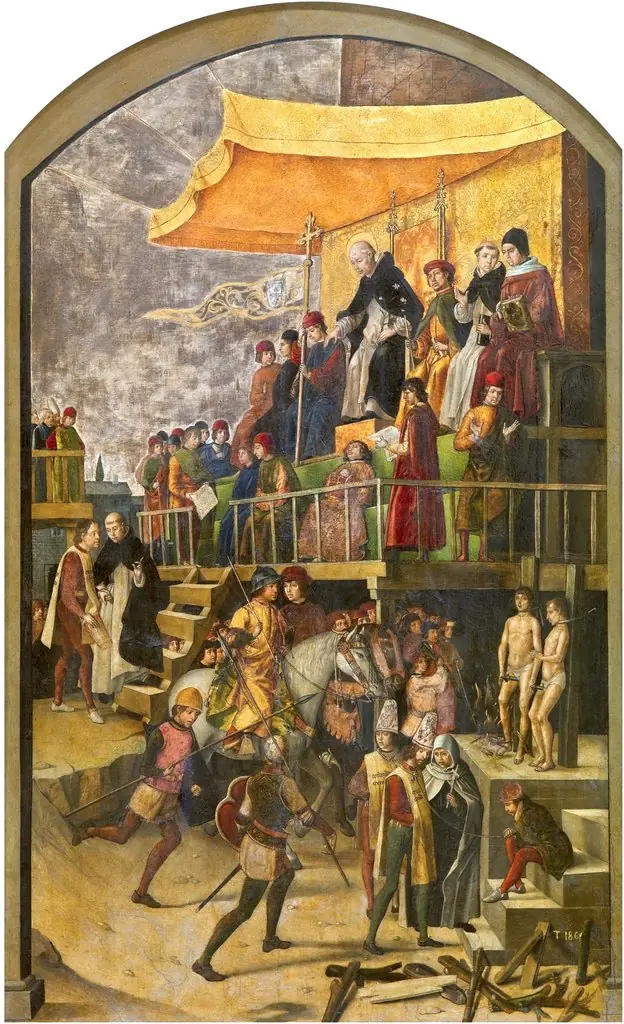 Saint Dominic Presiding over an Auto-da-fe
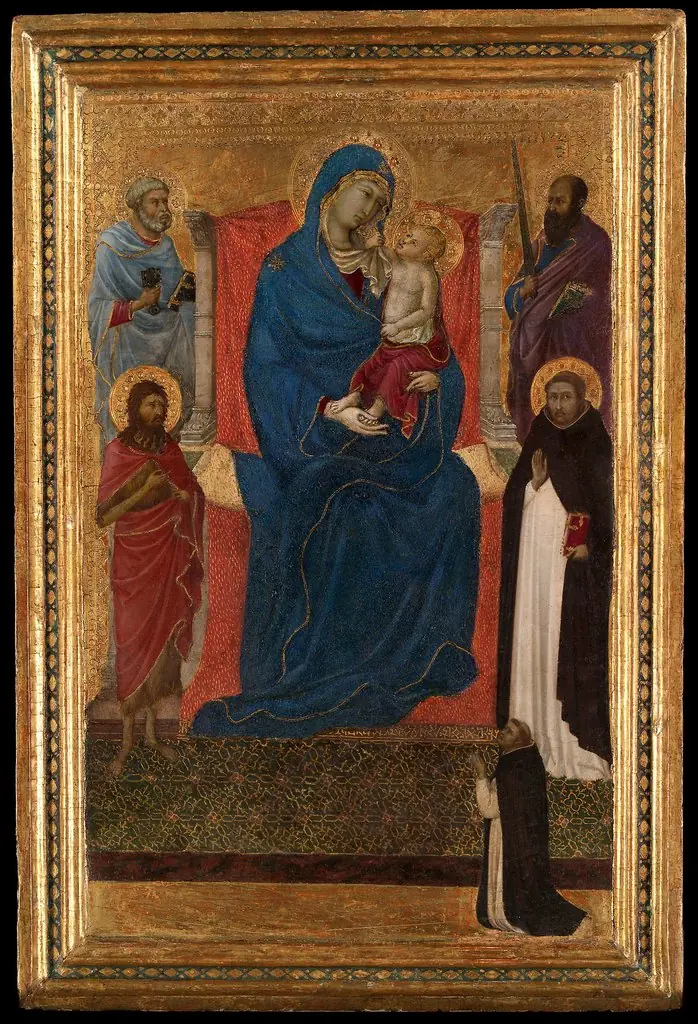 Virgin and Child Enthroned with Saints Peter, Paul, John the Baptist, Dominic and a Donor
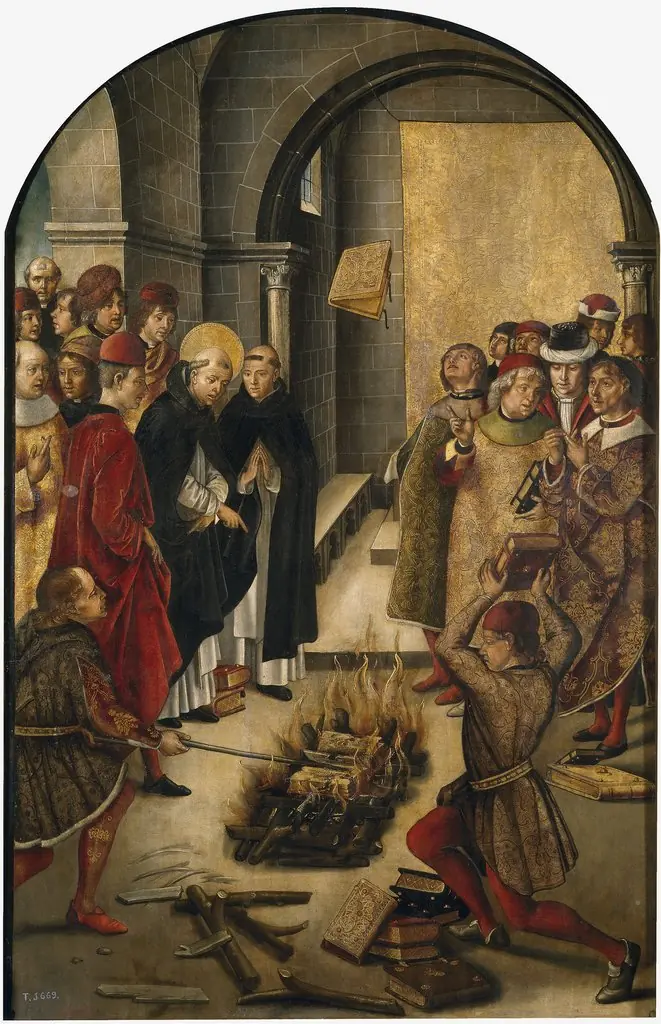 Saint Dominic and the Albigensians
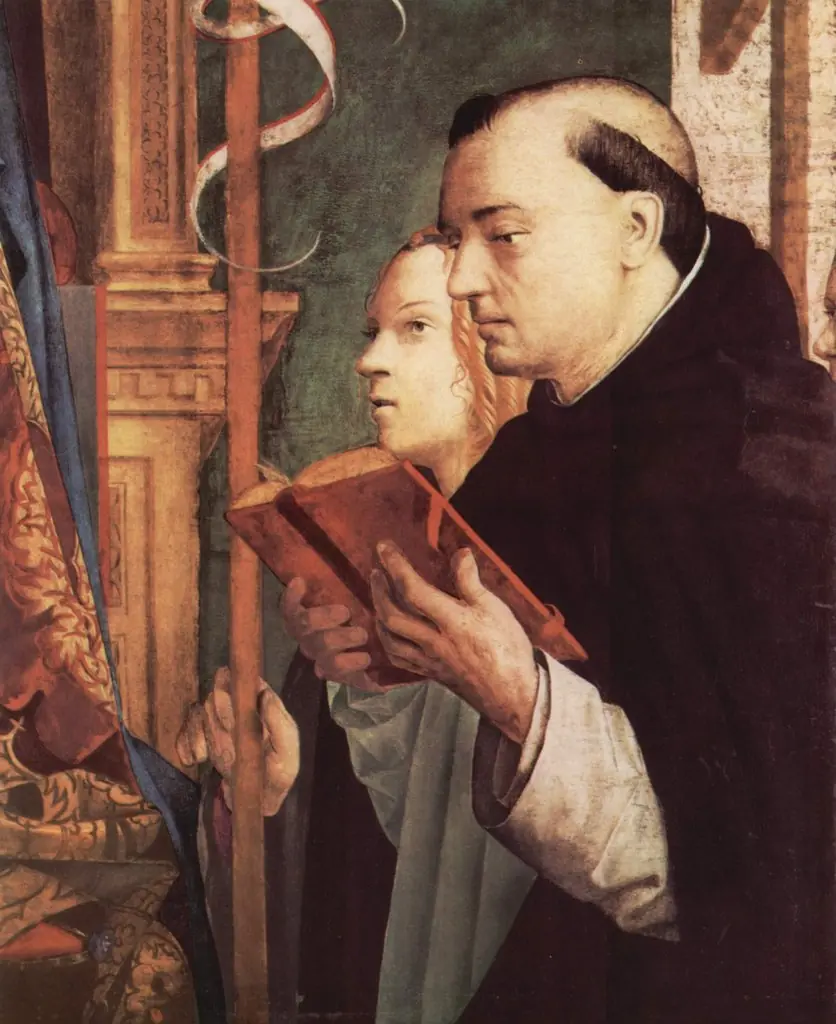 Right panel San Cassiano Altarpiece with St Dominic
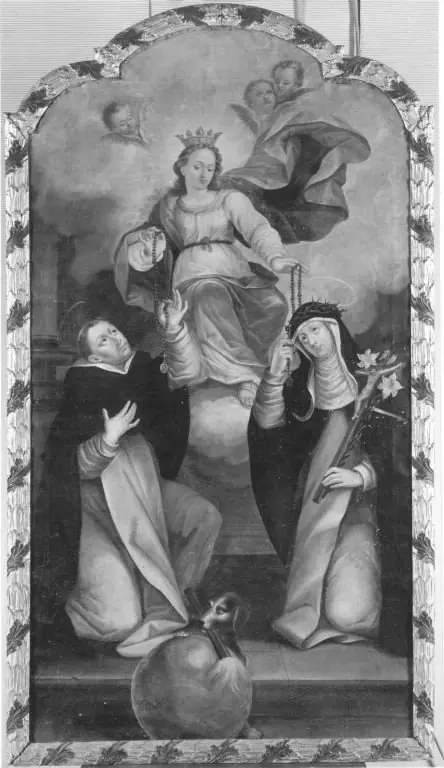 Maria reicht den hll. Dominikus und Katharina den Rosenkranz
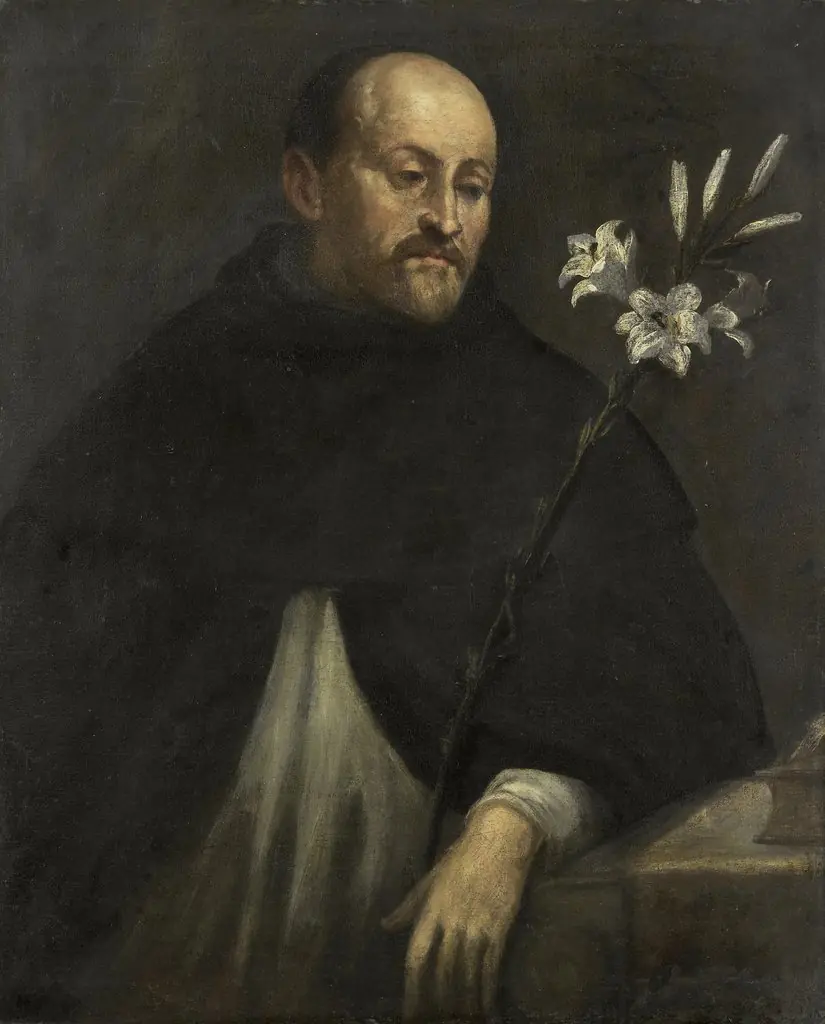 Saint Dominic
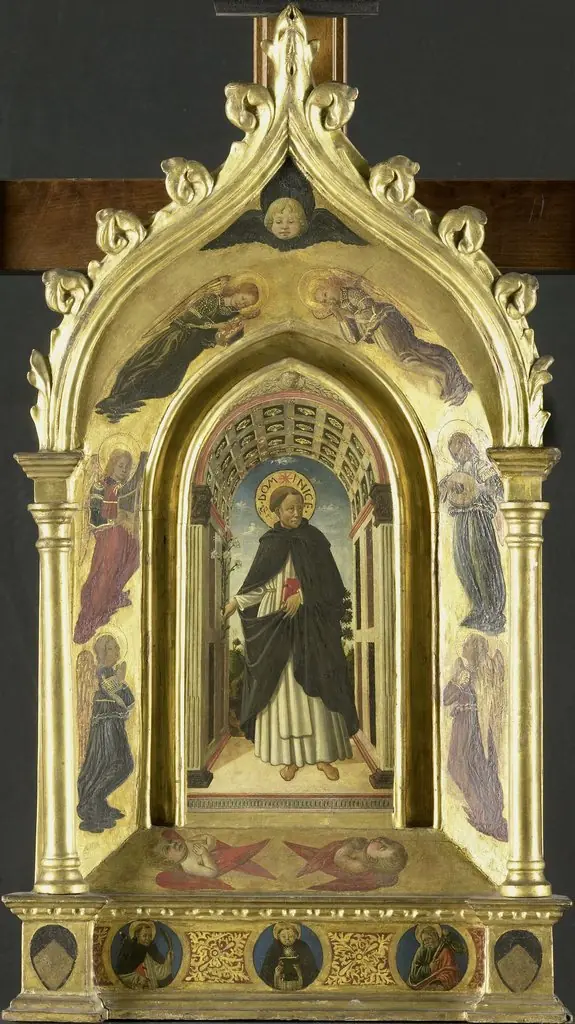 Saint Dominic
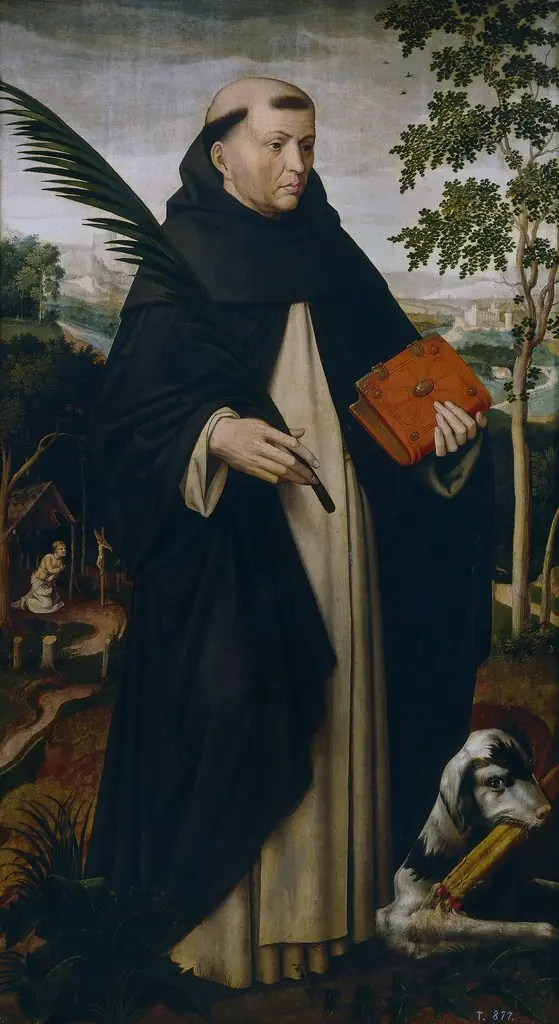 Saint Dominic of Guzmán
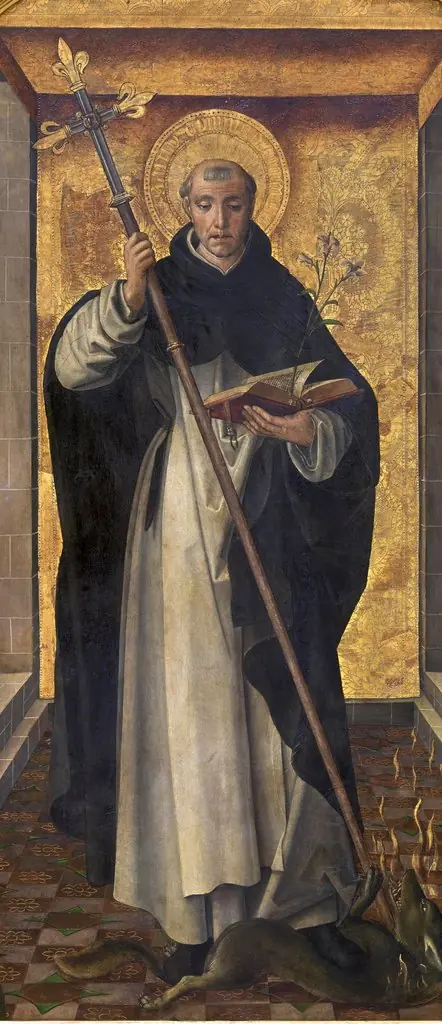 Saint Dominic de Guzmán
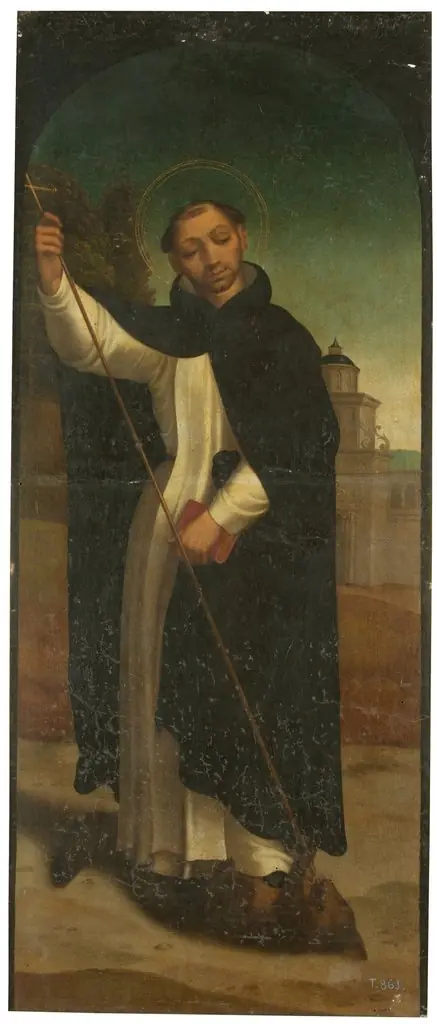 Saint Dominic of Guzmán
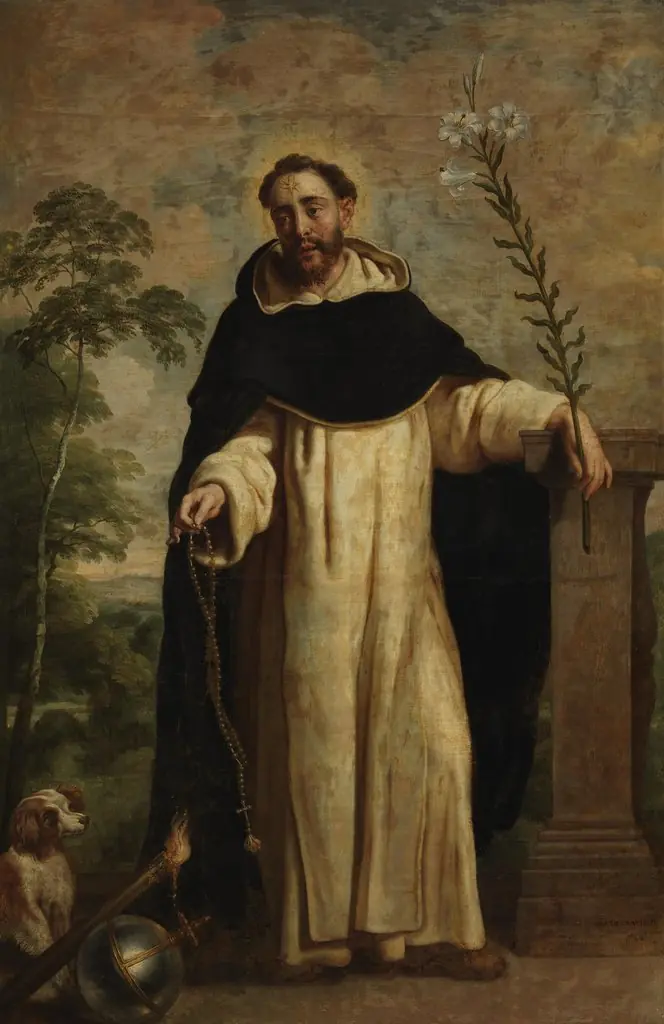 Saint Dominic of Guzmán
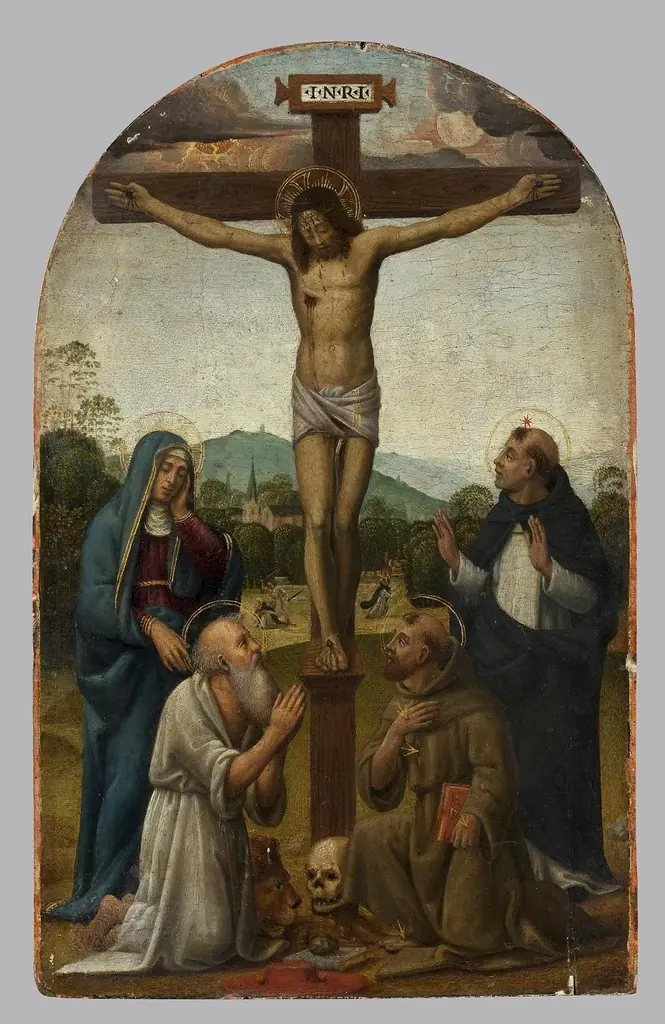 Crusifixion with the Virgin Mary and Sts Dominic, Jerome and Francis
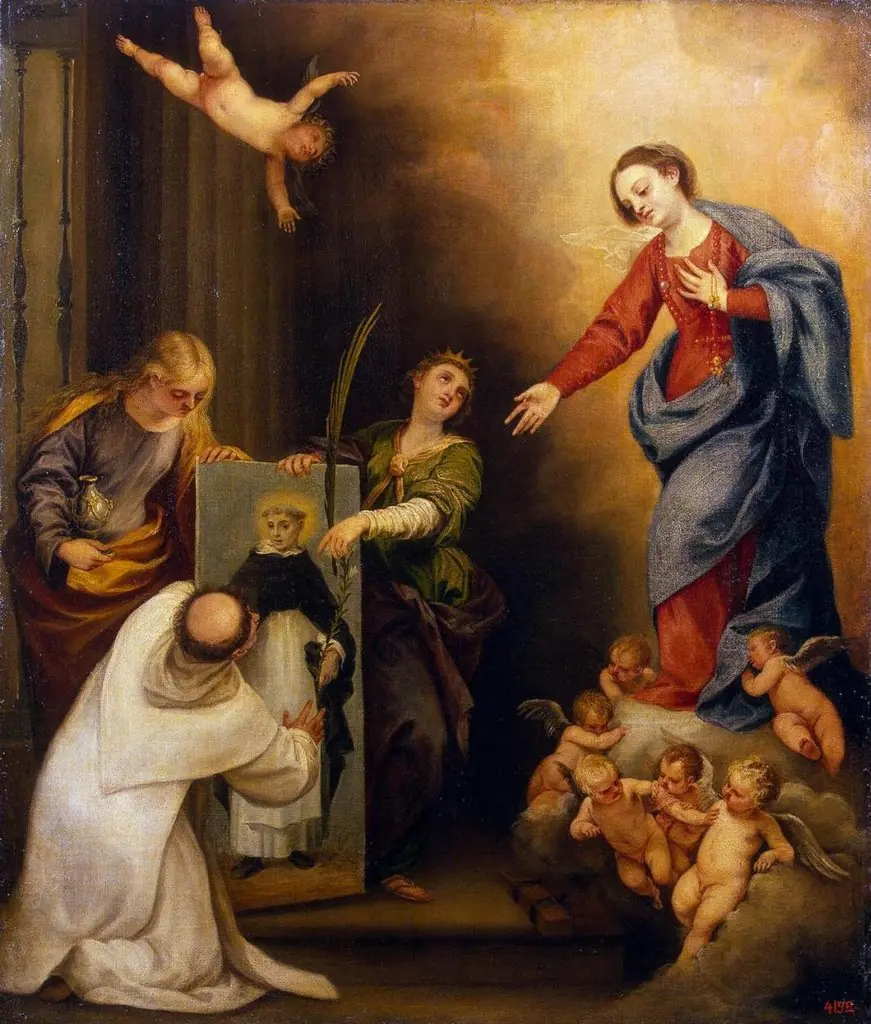 Appearance of Virgin to a Dominican Monk in Soriano
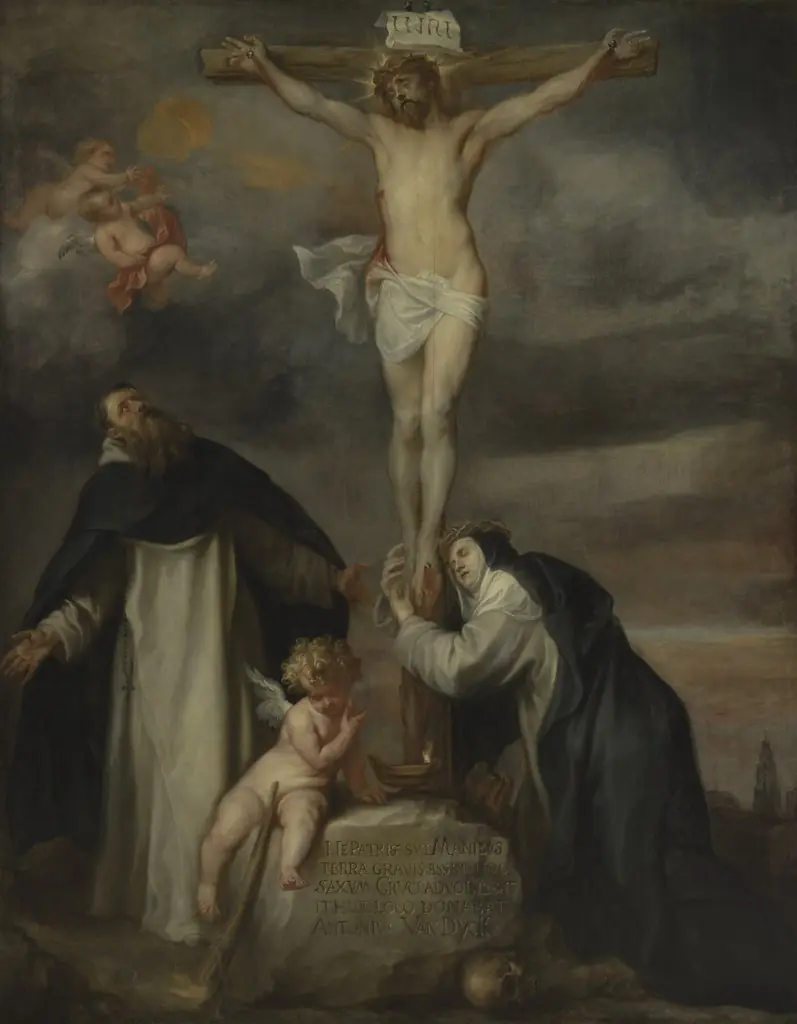 Christ on the Cross with Saint Catherine of Siena, Saint Dominic and an Angel
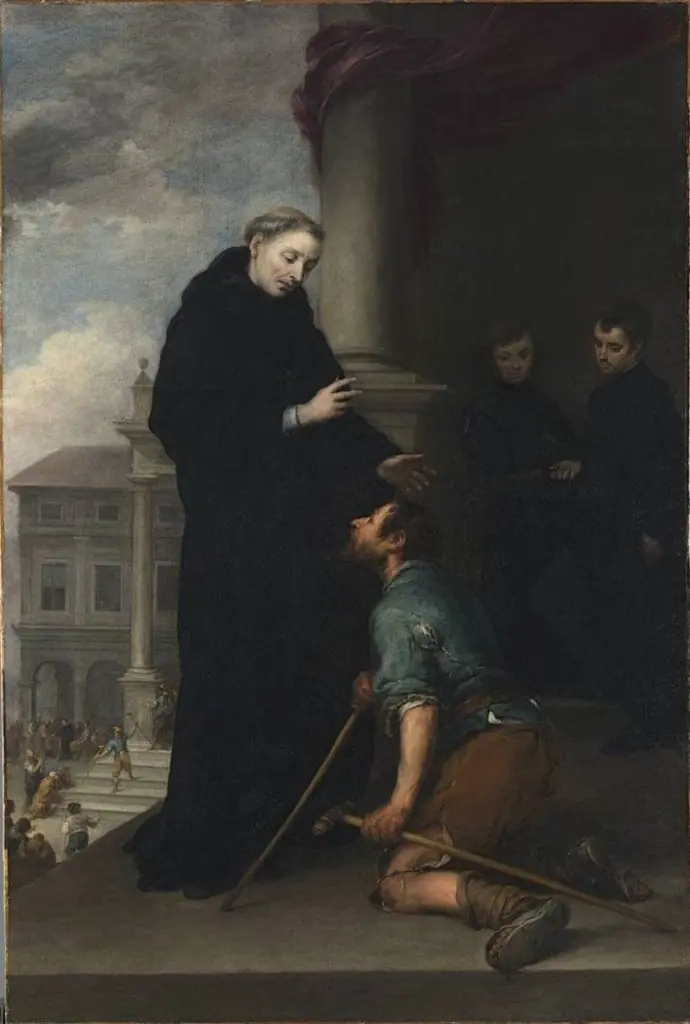 Thomas of Villanova heals the sick
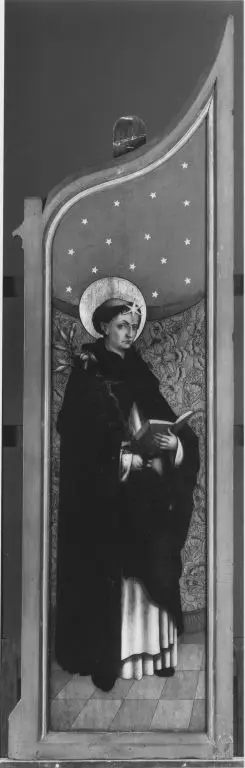 Altarflügel: Hl. Dominikus (?)
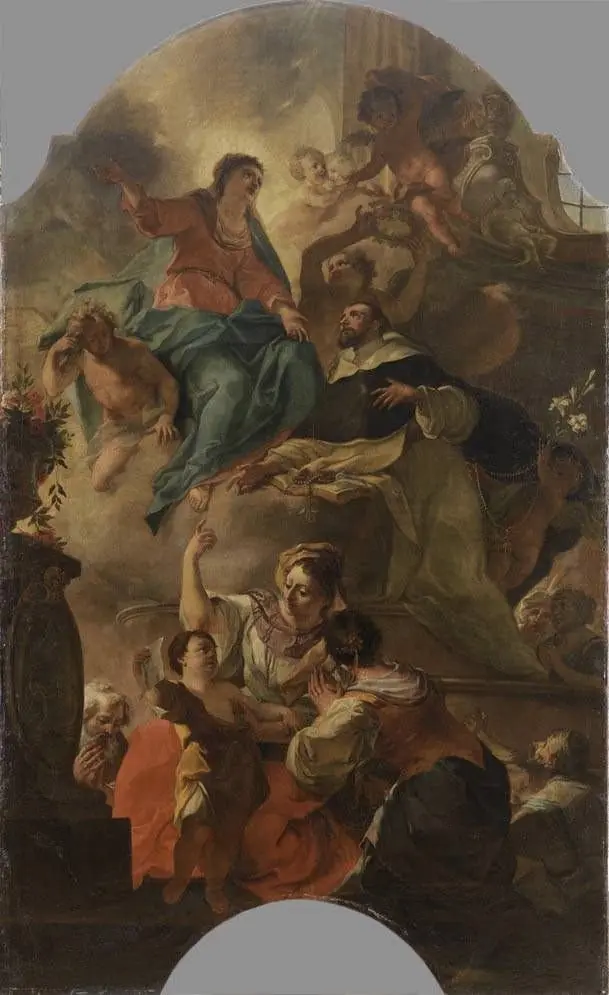 Hl. Dominikus als Fürbitter bei Maria
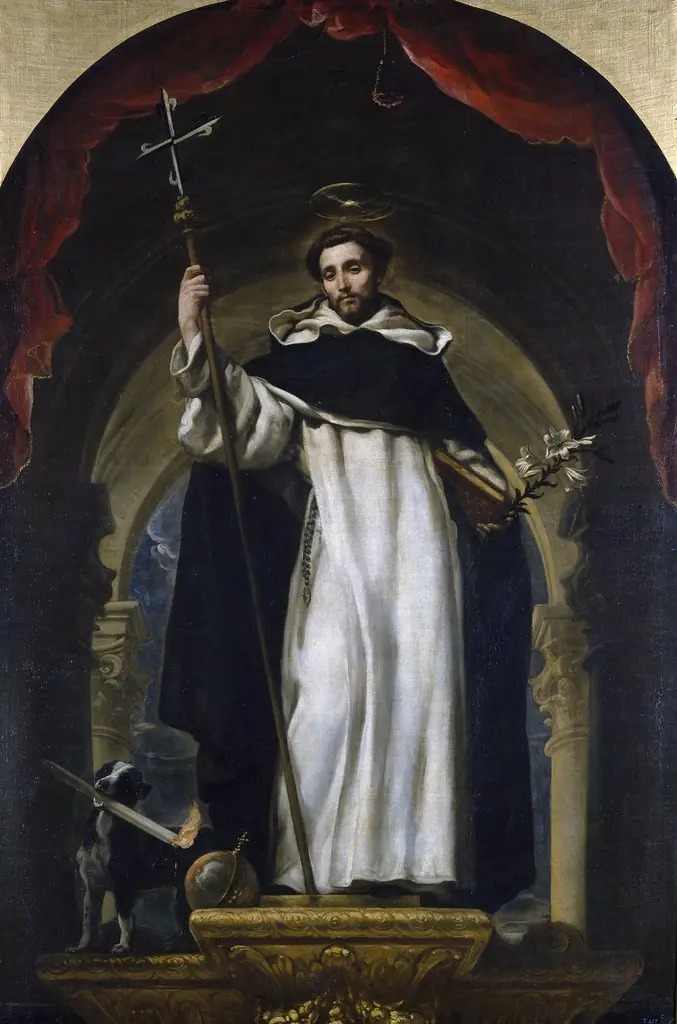 Saint Dominic of Guzmán
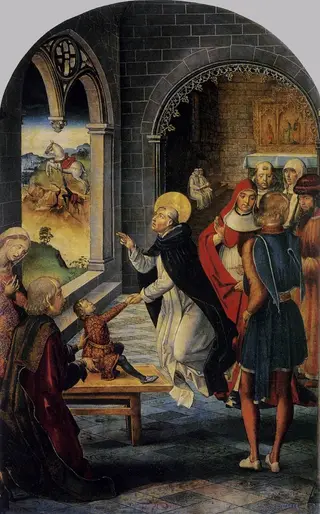 Saint Dominic resurrects a Boy
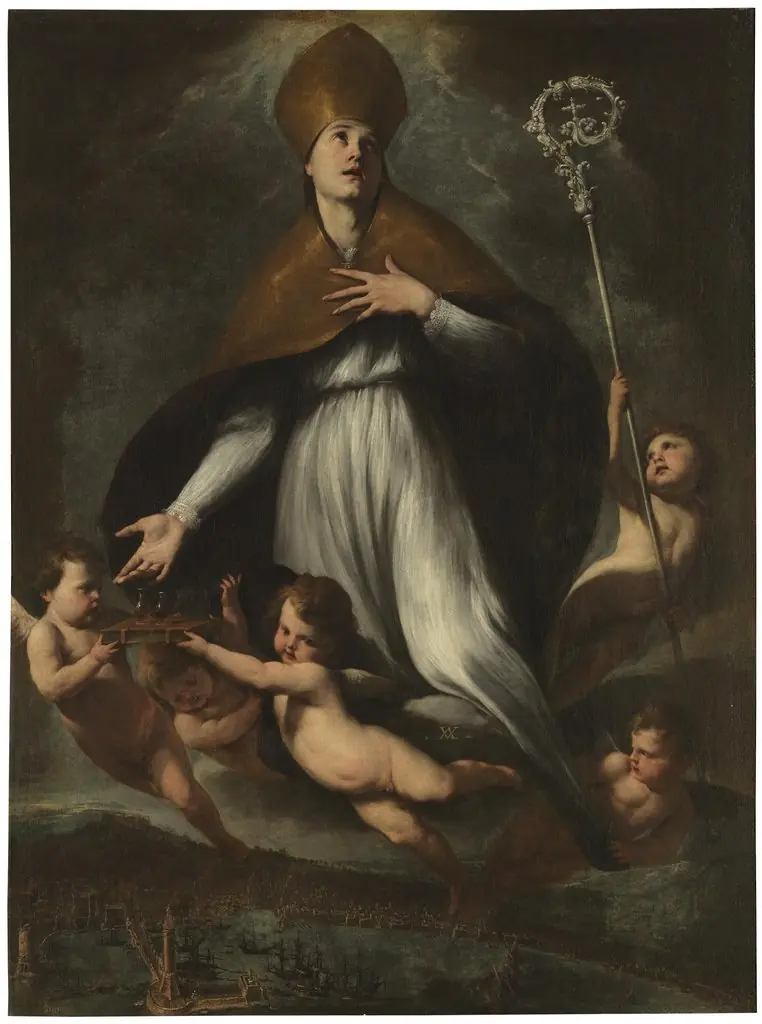 The ascension of Saint Gennaro
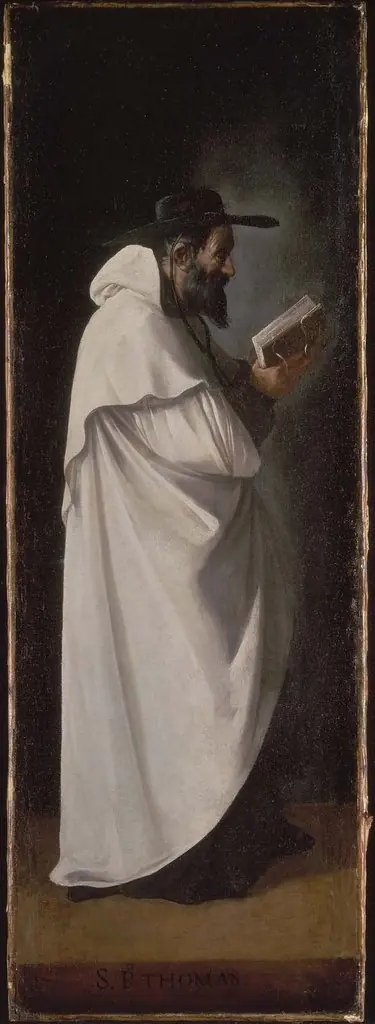 Saint Peter Thomas
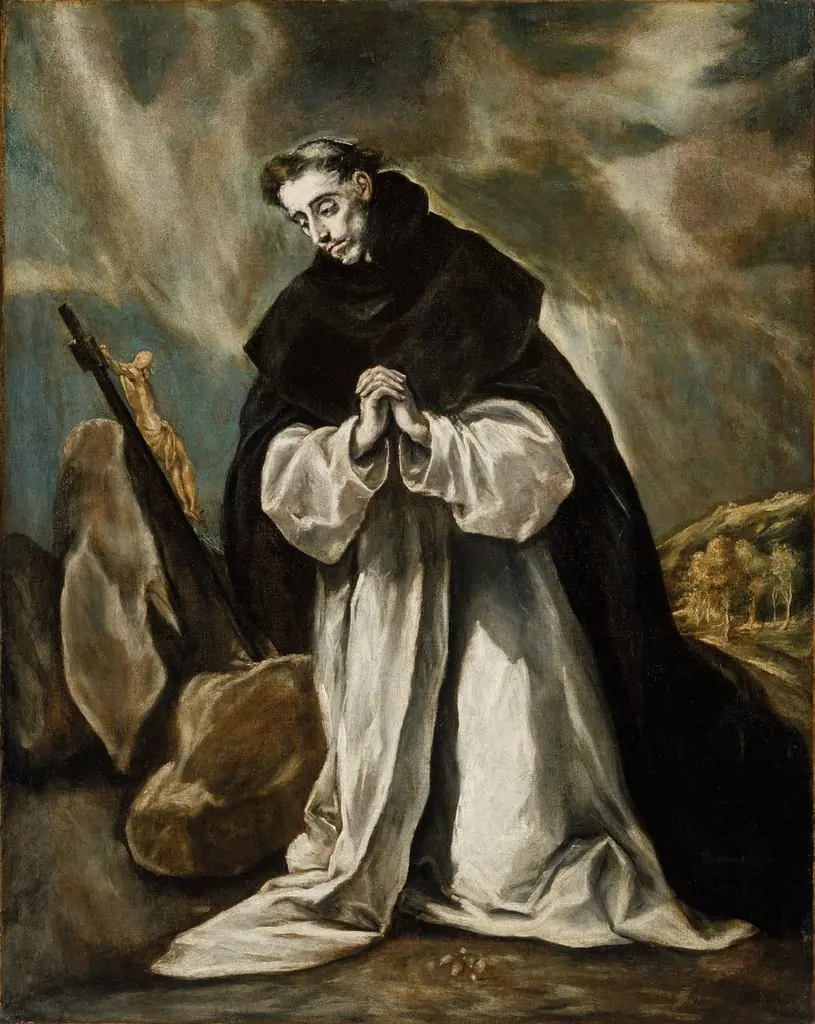 Saint Dominic in Prayer
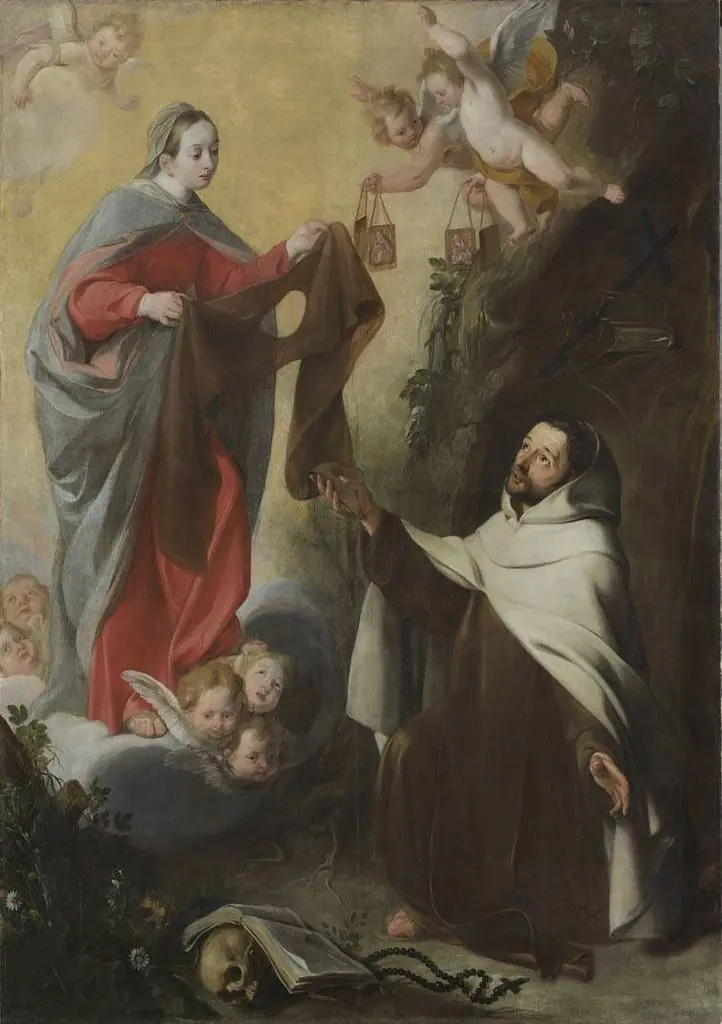 Maria überreicht dem Karmelit Simon Stock das Skapulier
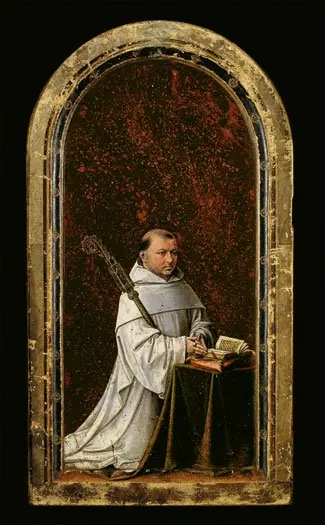 Robrecht de Clercq, abbot of Ter Duinen
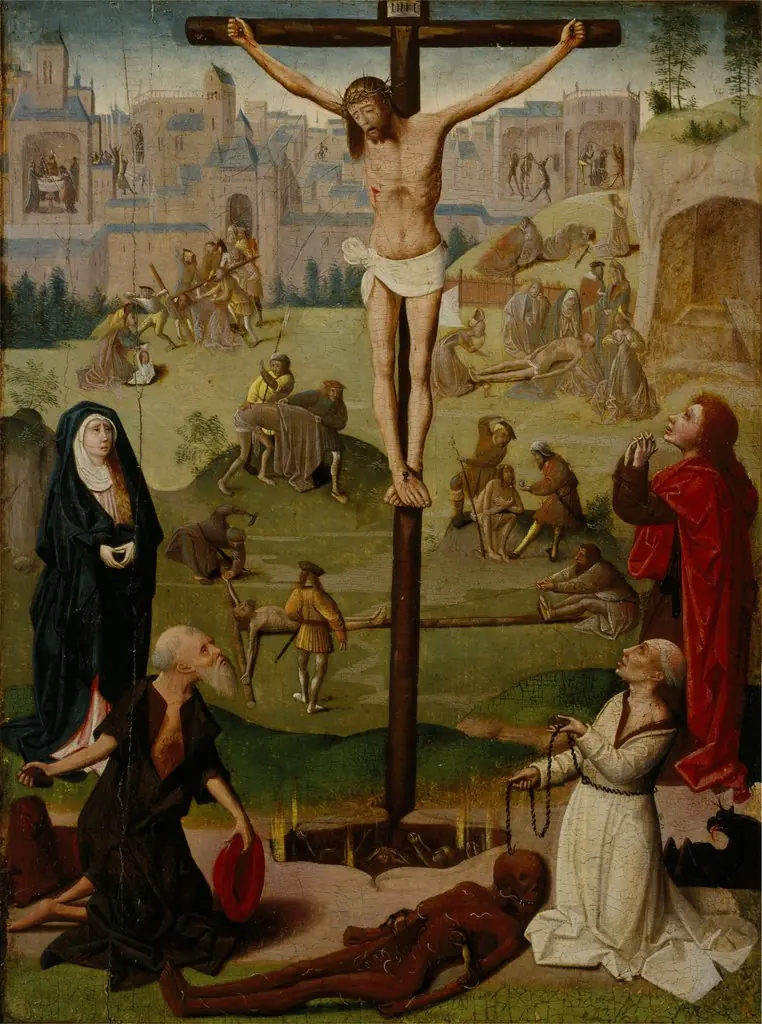 The Crucifixion with St Jerome and St Dominic and Scenes from the Passion
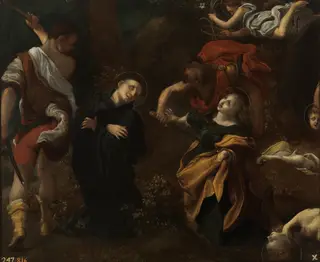 Martirio de los santos Plácido, Flavia, Eutiquio y Victorino
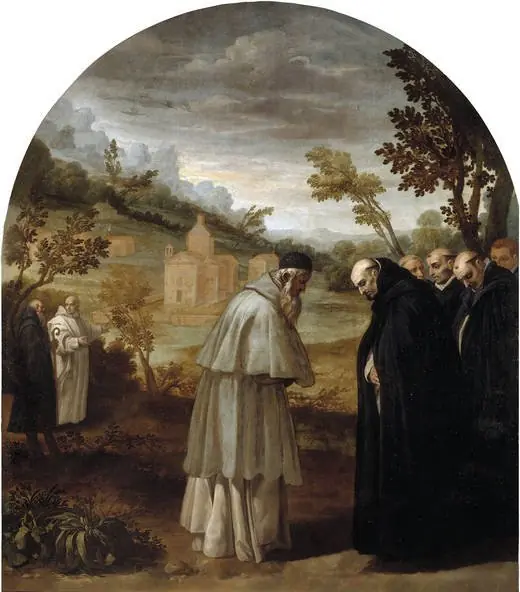 Saint Bruno Bids Farewell to Saint Hugo Before his Trip to Rome
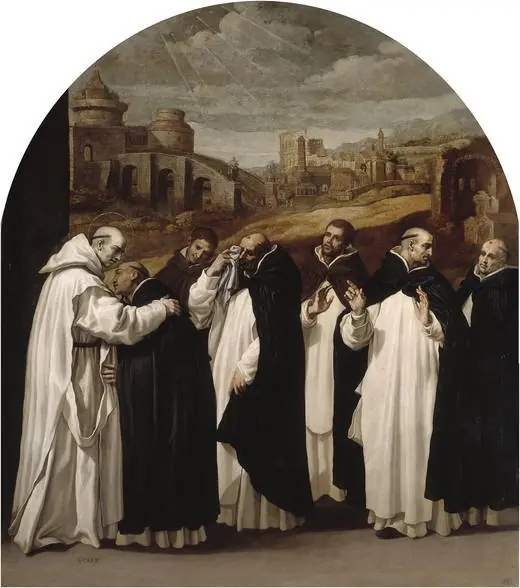 Saint Bruno Bids Farewell to his Companions in Rome
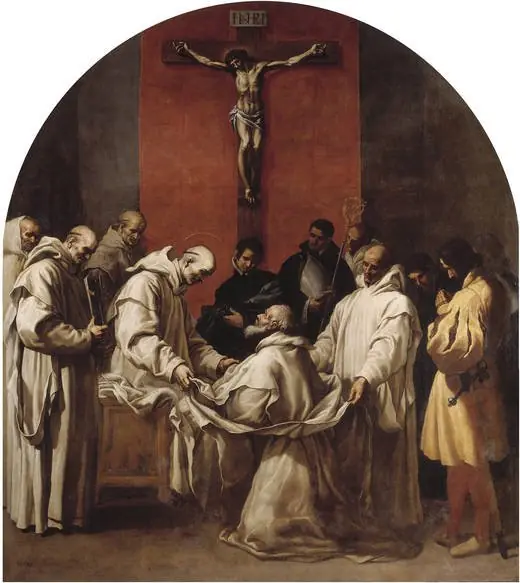 Bishop Hugo wears the Carthusian Habit
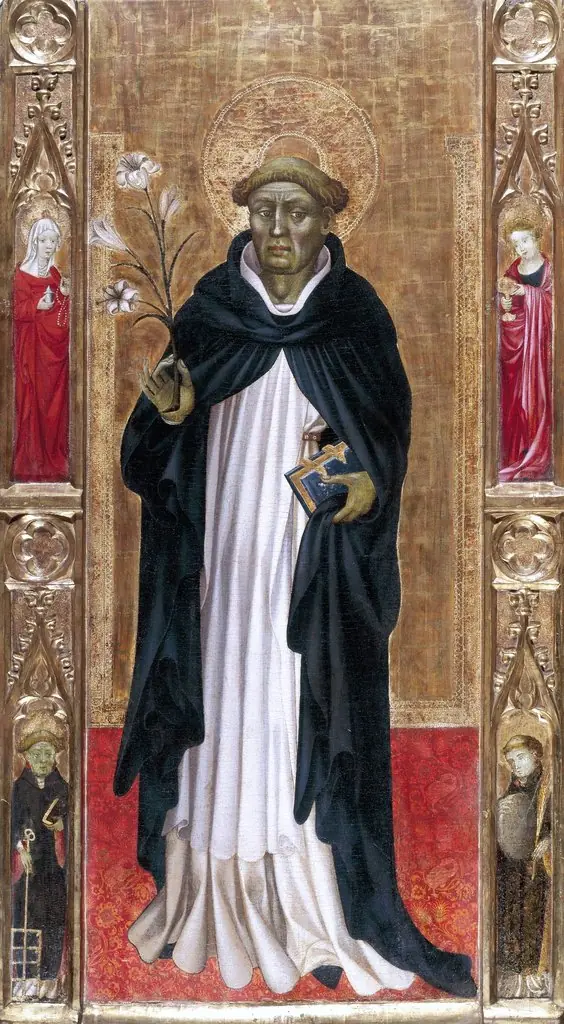 Saint Dominic Guzmán and Four Saints
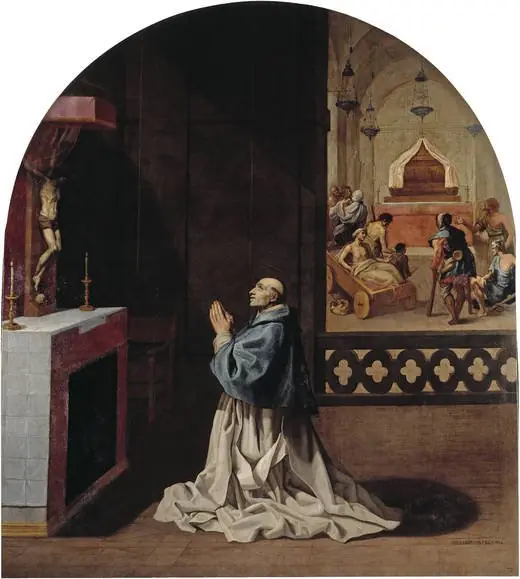 Father Bernard Praying in the Portes Charterhouse
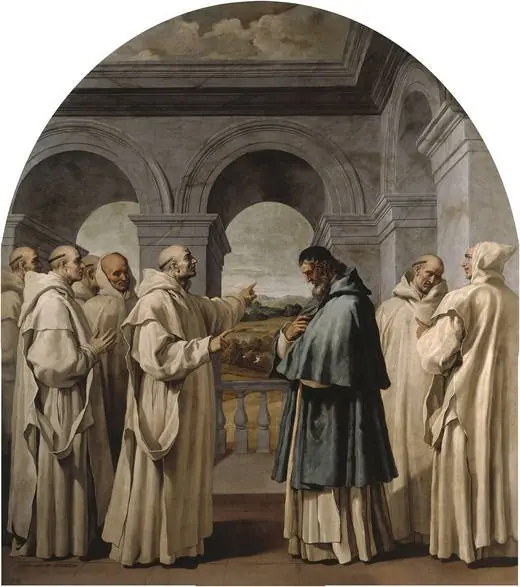 Saint Bruno Bids Farewell to Saint Hugo
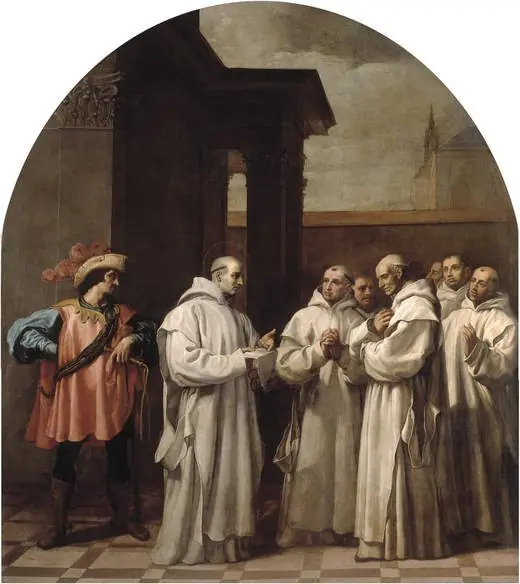 Pope Urban II Calls Saint Bruno to Rome
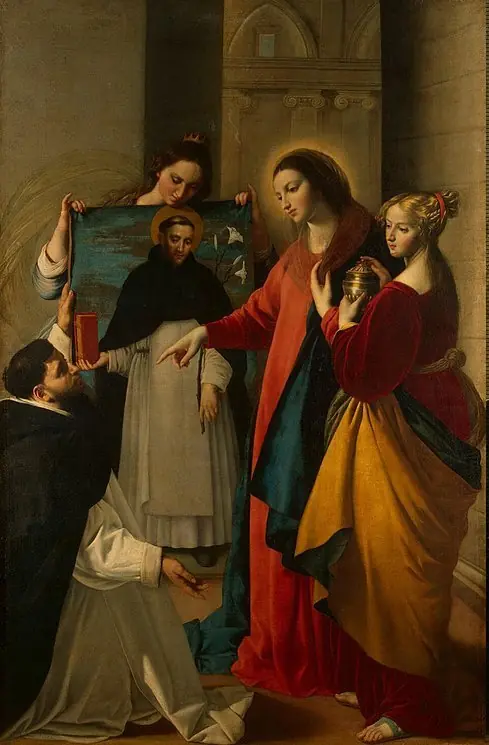 Appearance of the Virgin to a Monk of Dominican Order in Soriano
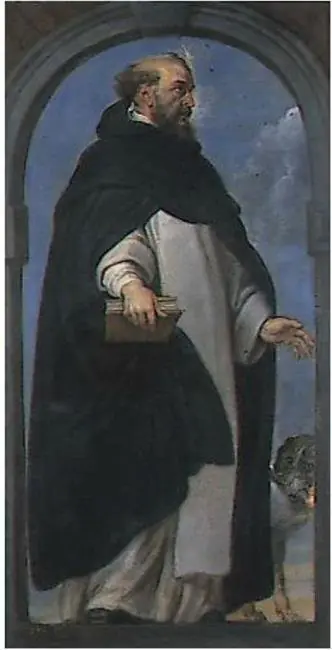 Saint Dominic
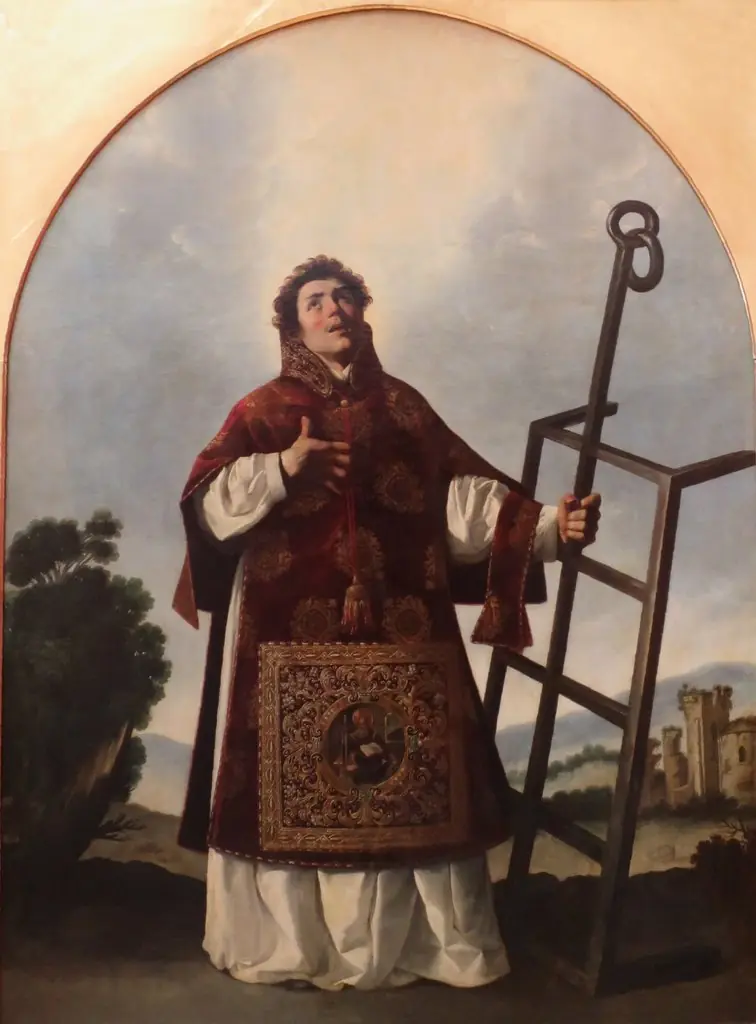 Saint Lawrence
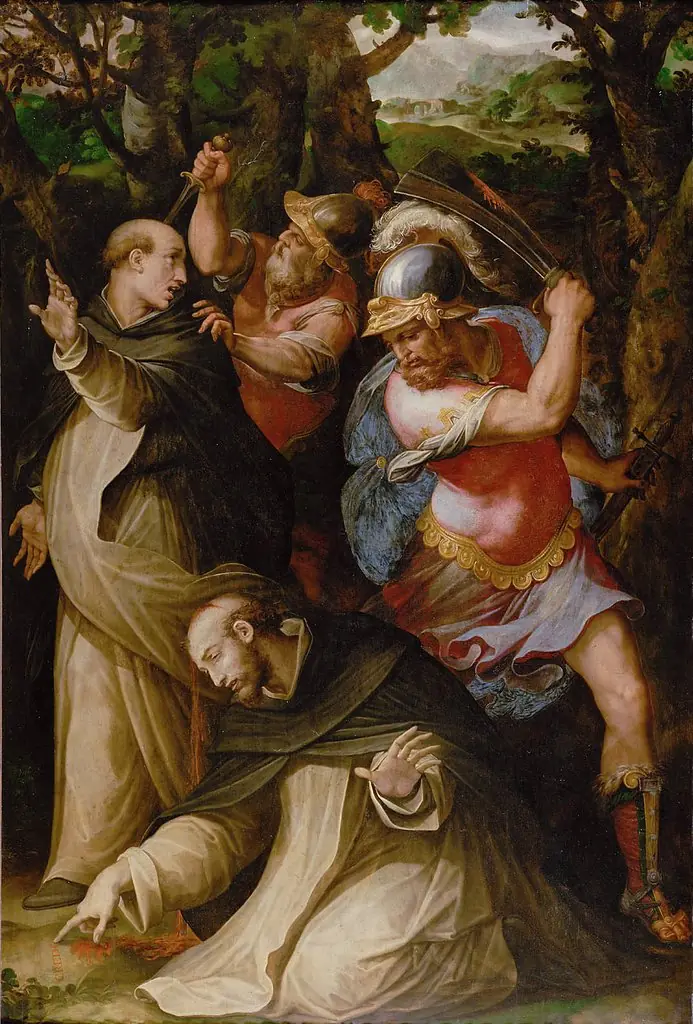 Death of Saint Peter martyr
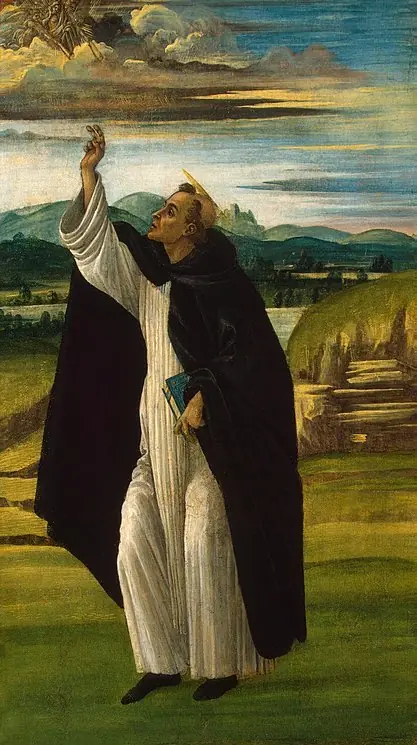 St Dominic
 Madonna and Child Appearing to Saint Louis Gonzaga
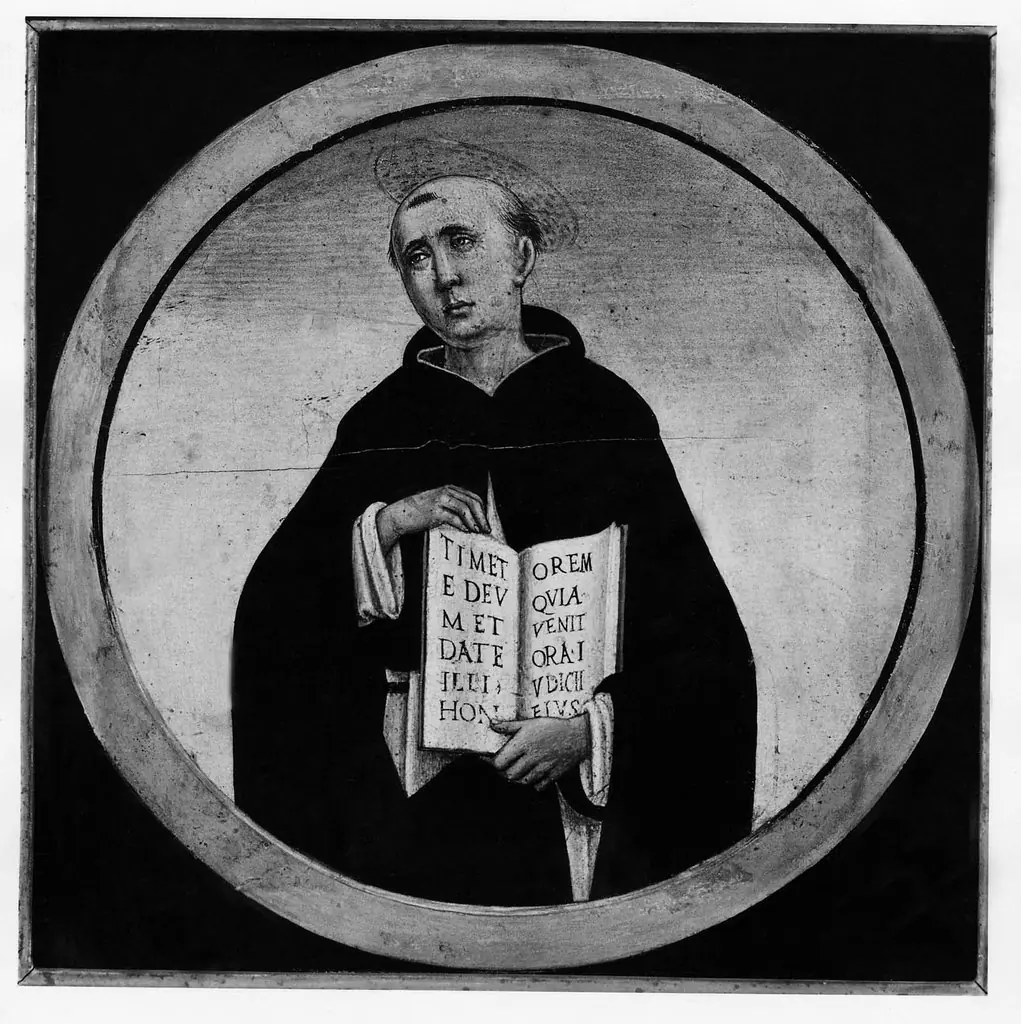 Saint Vincent Ferrer
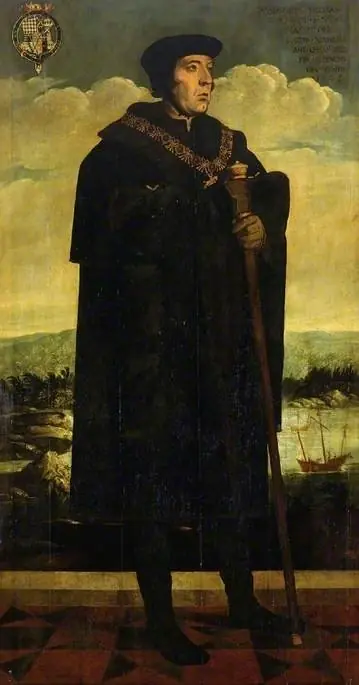 William Fitzwilliam, Earl of Southampton
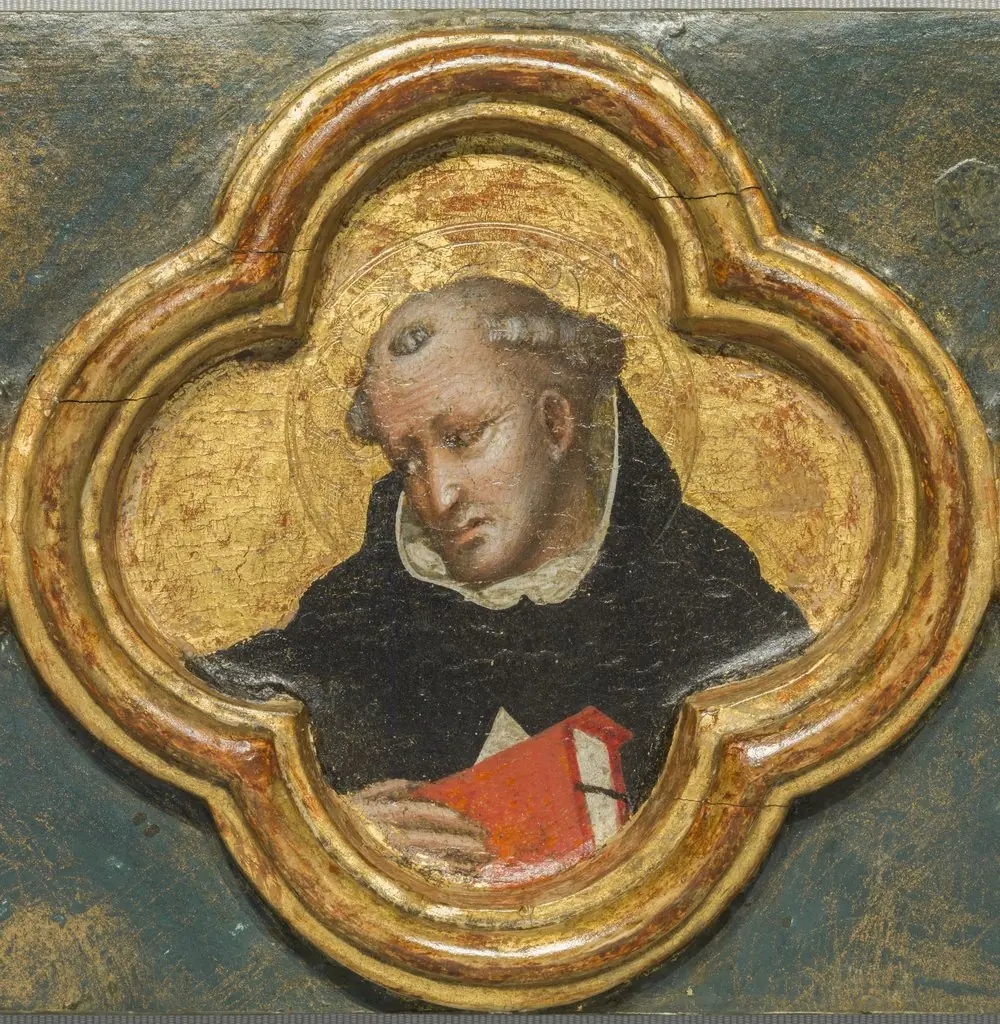 Saint Thomas Aquinas
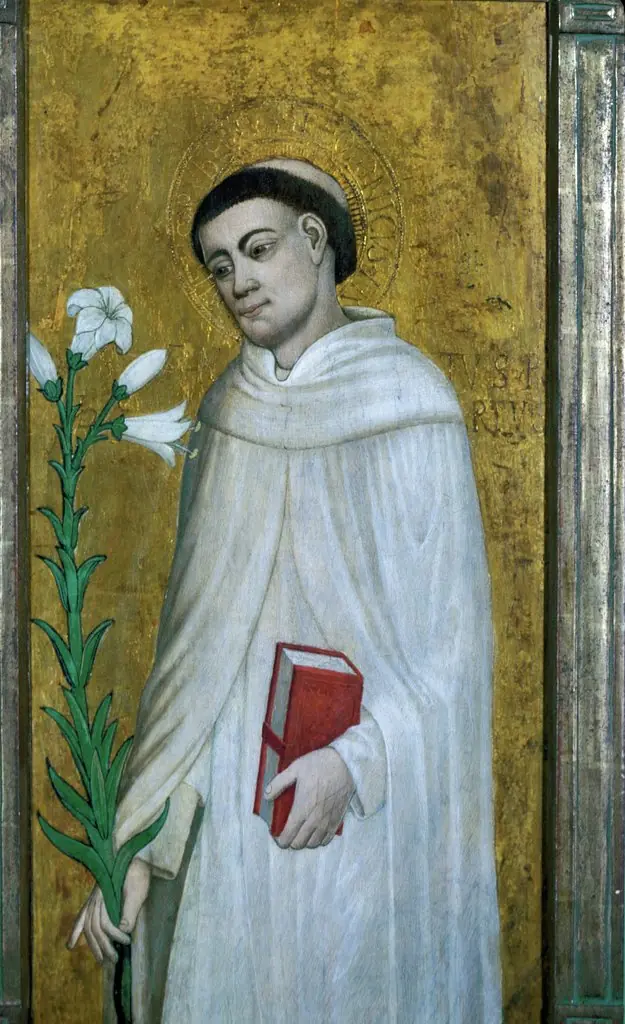 Saint Robert of Molesmes
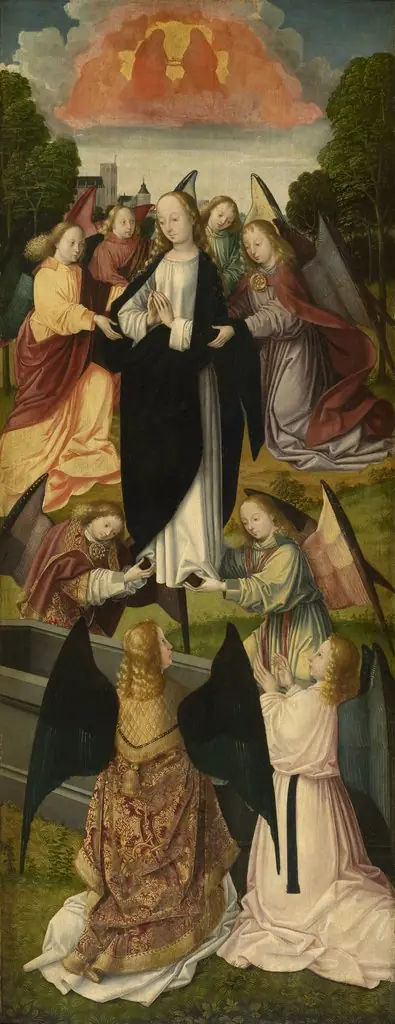 The Assumption of Mary
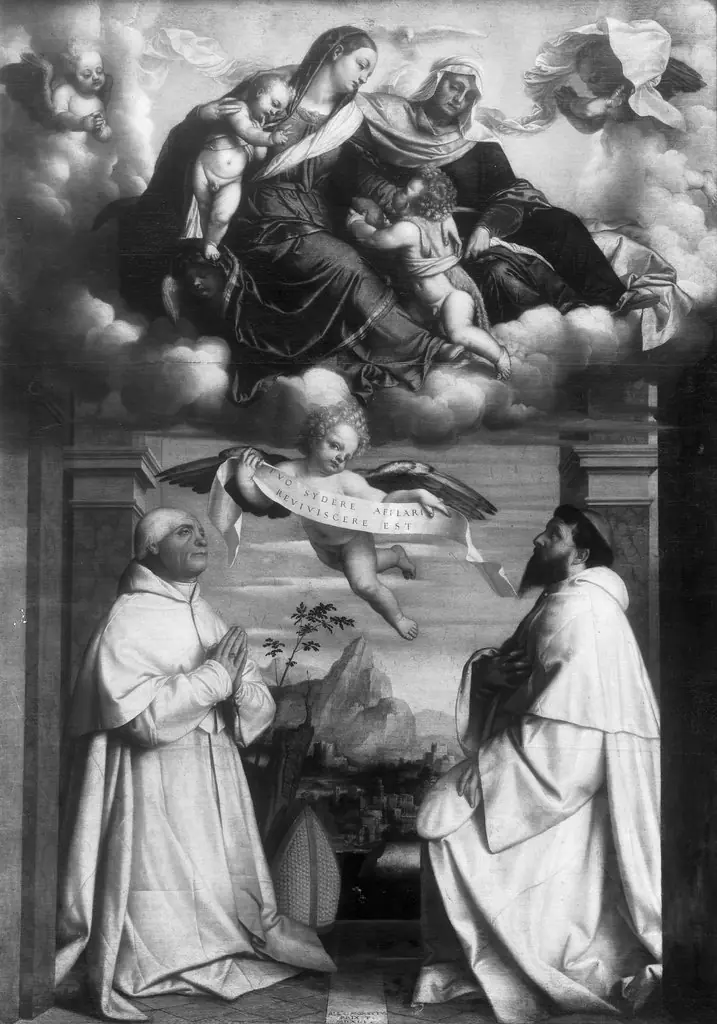 Mary, Elisabeth, the child and the young st. John in glory, adored by two monks in white religious costume
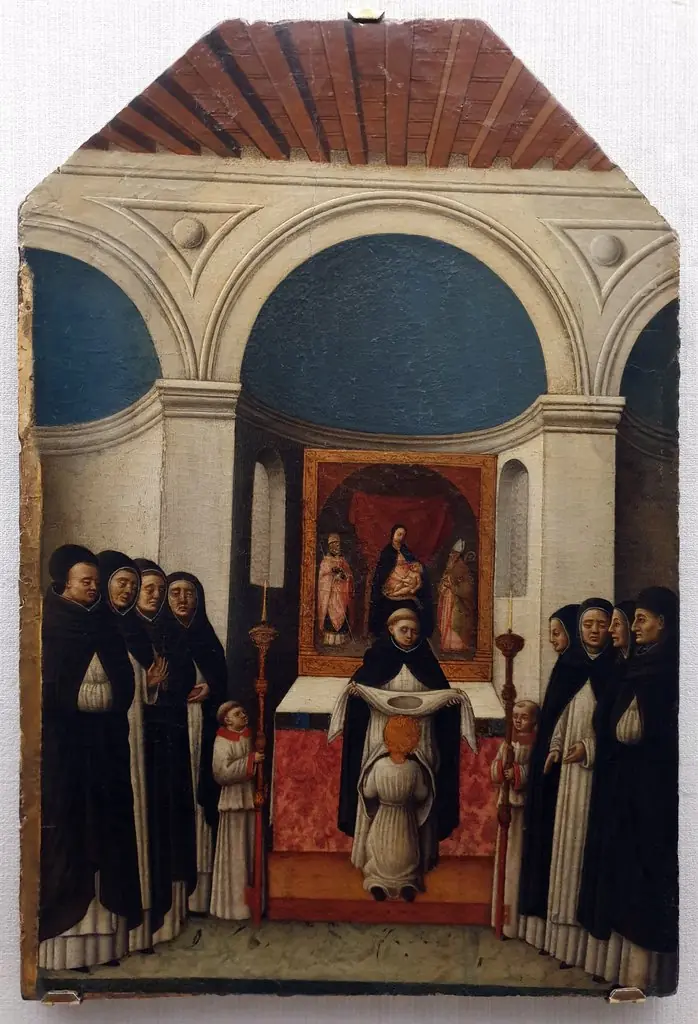 The Saint's Investiture upon His Entry into the Dominican Order
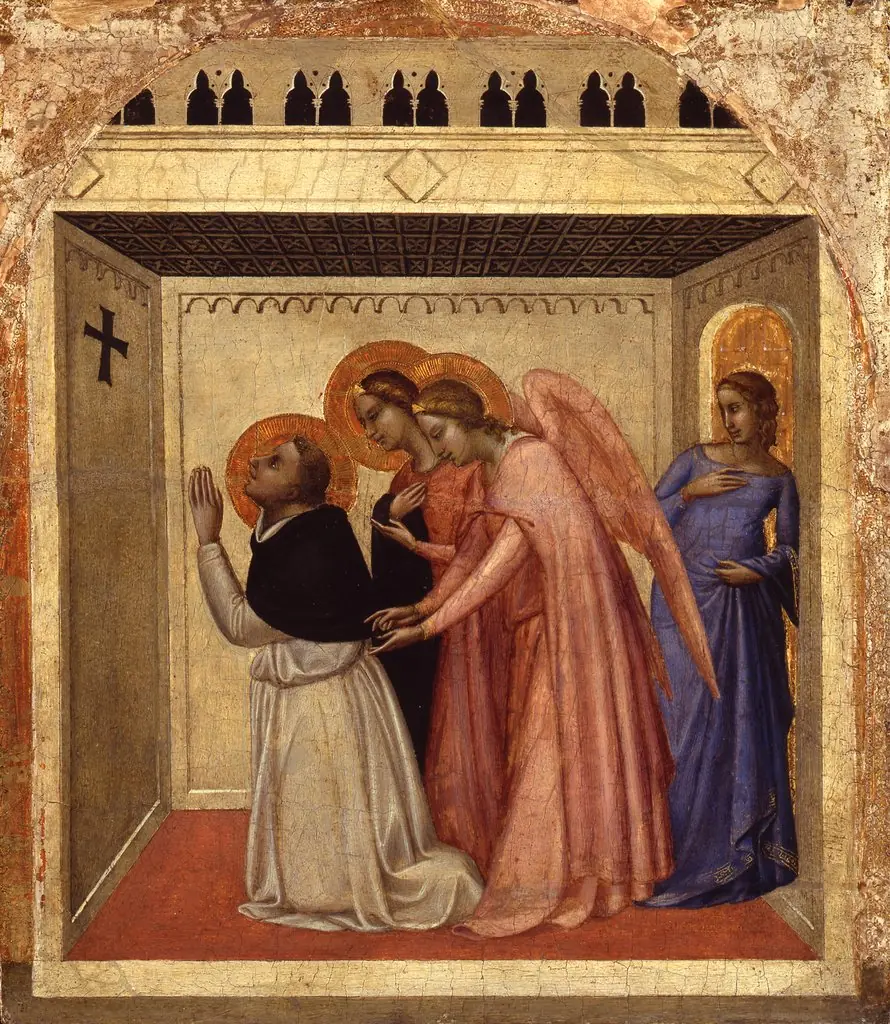 The temptation of Thomas of Aquinas
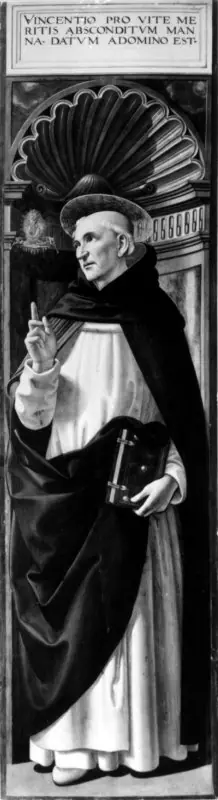 Saint Vincent Ferrer
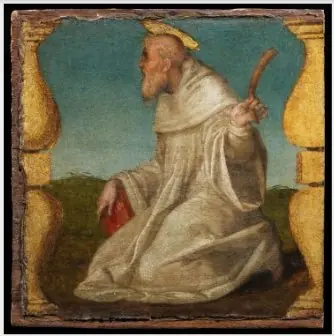 Set of 4 panels: Saint Francis, Saint Lawrence, Saint Jerome, Saint Benedict
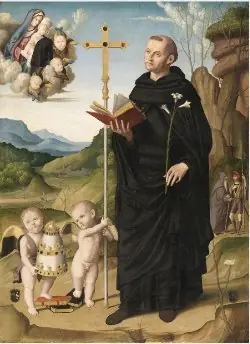 Saint Philip Benizzi (1233-1285)
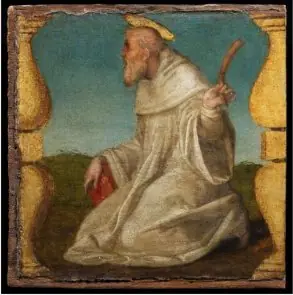 Saint Benedict
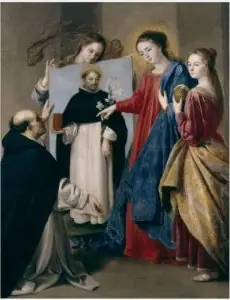 The Miracle of Saint Dominic at Soriano
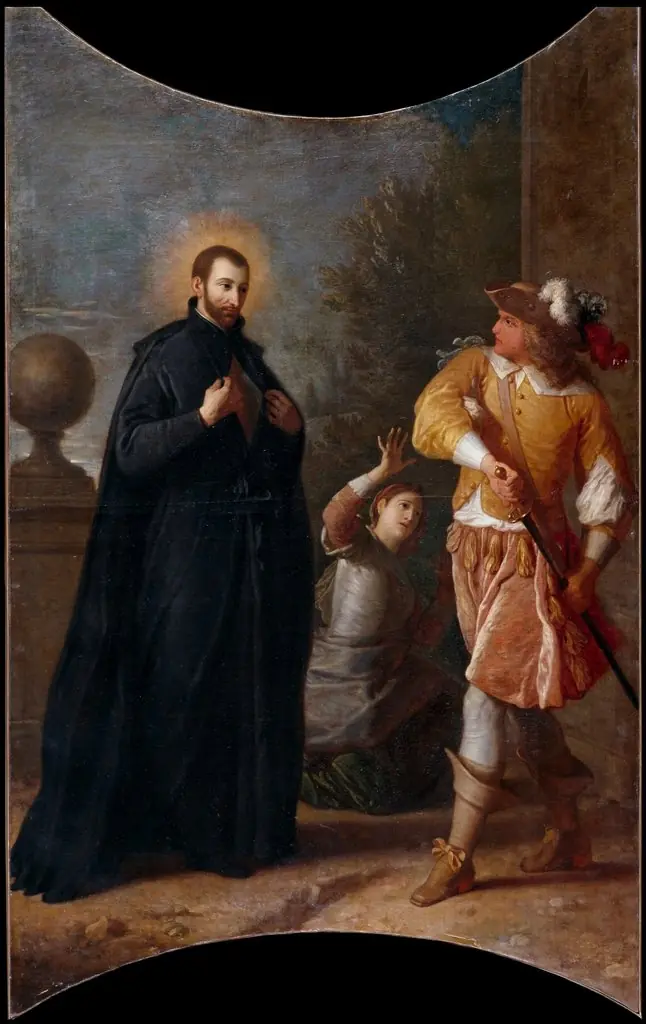 Milagro de san Francisco de Regis
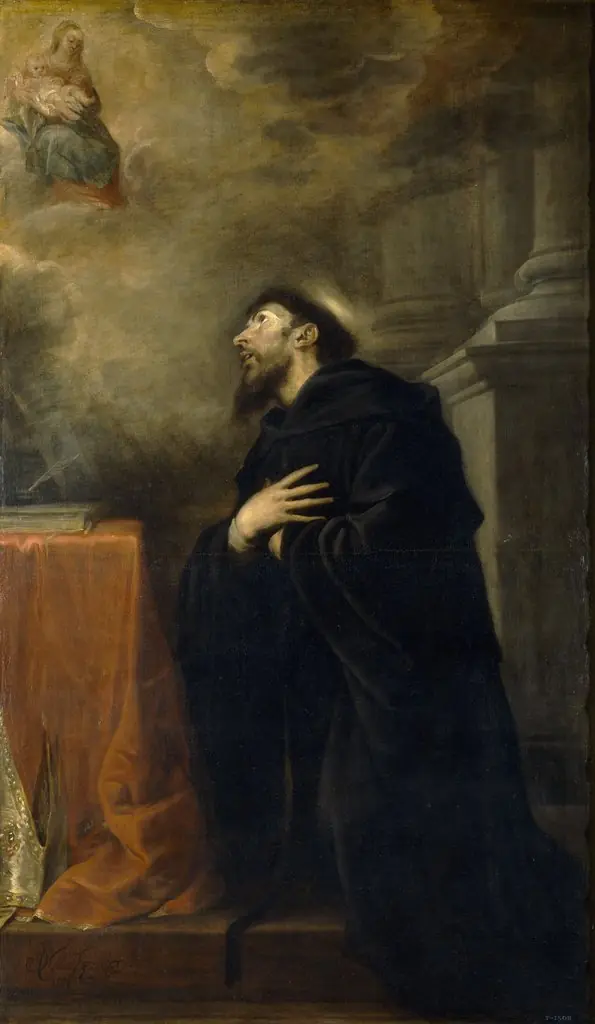 Visión de San Agustín
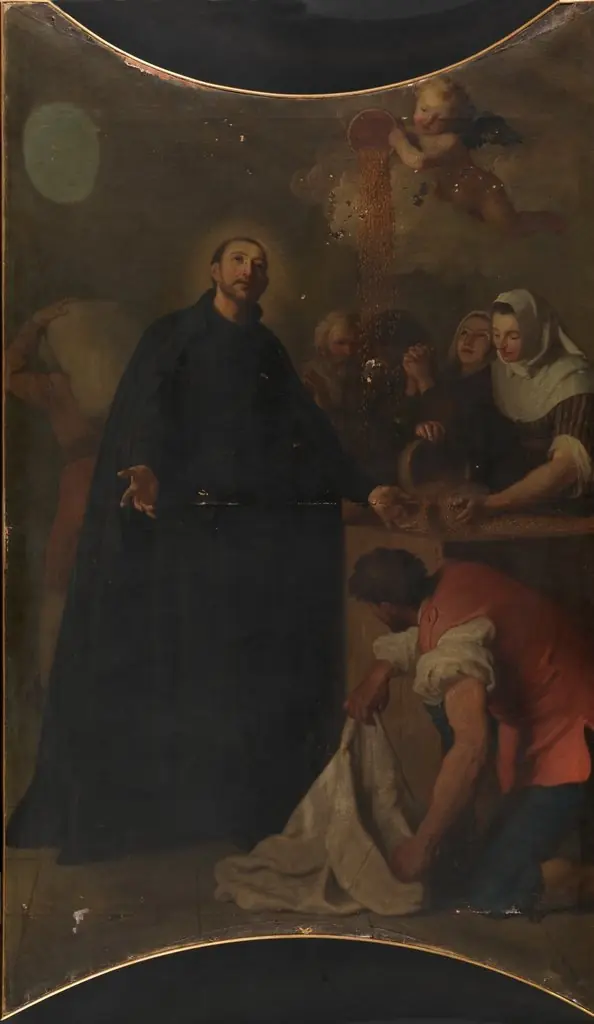 Multiplicación del trigo en la ciudad de Puy por san Francisco de Regis
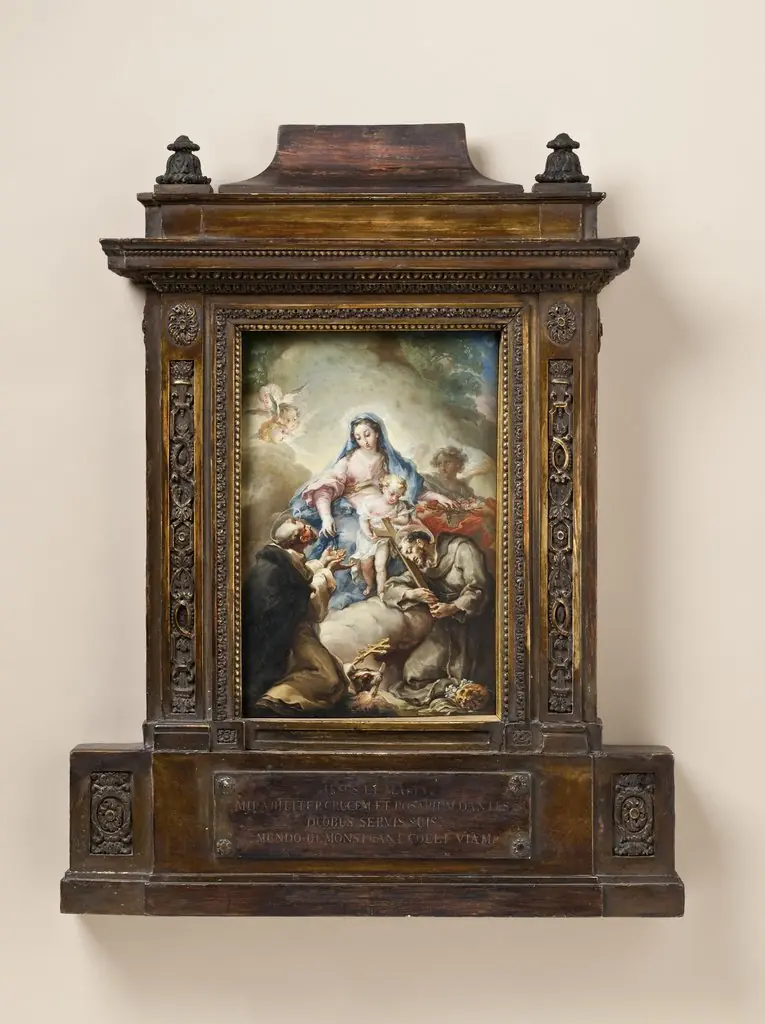 Virgin with St. Francis and St. Dominic
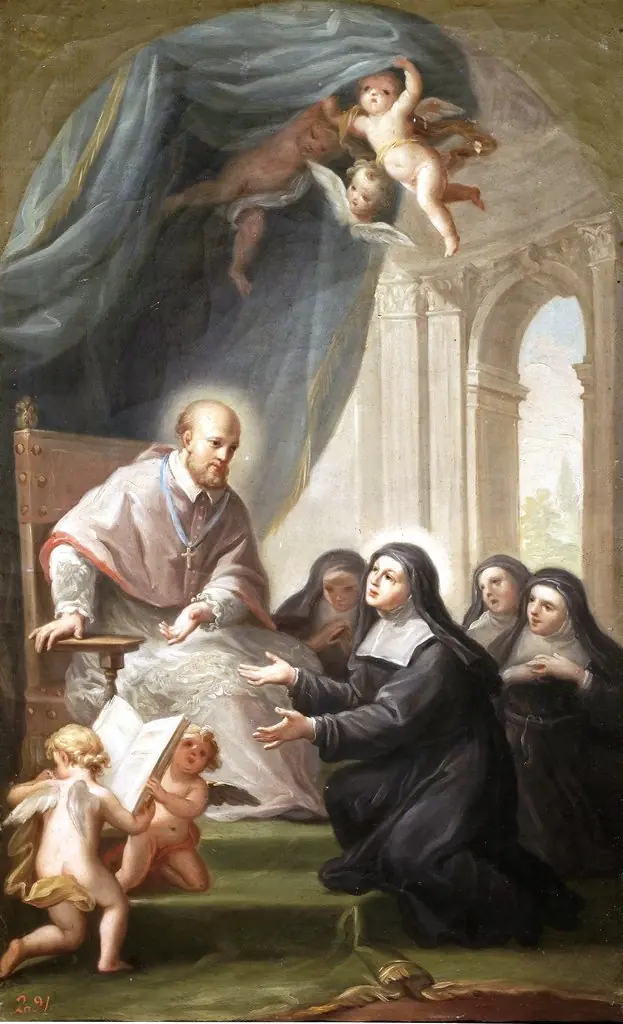 San Francisco de Sales
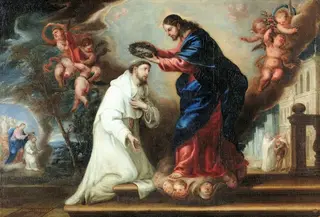 San Ramón Nonato coronado por Cristo
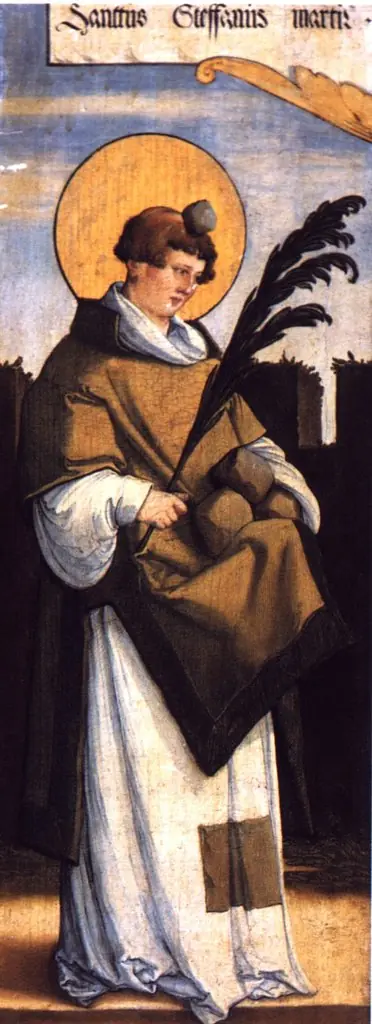 Saint Stephen
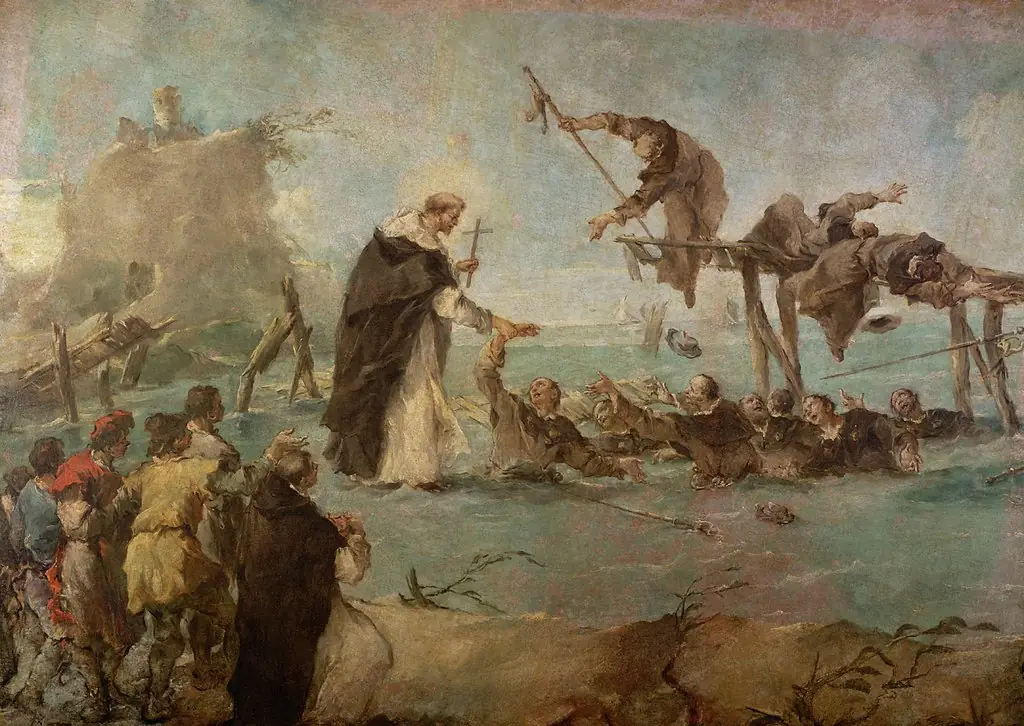 Miracle of a dominican Saint (Gonzalo di Amarante?)
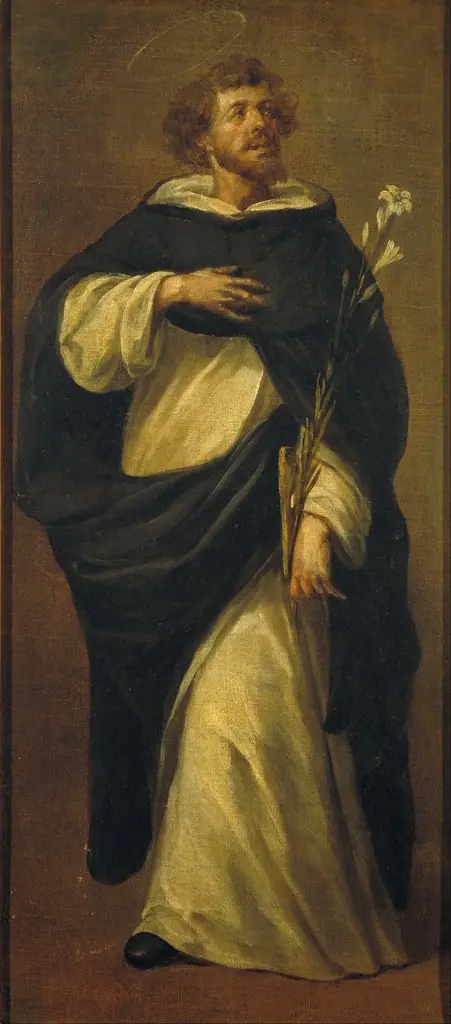 Saint Dominic de Guzmán
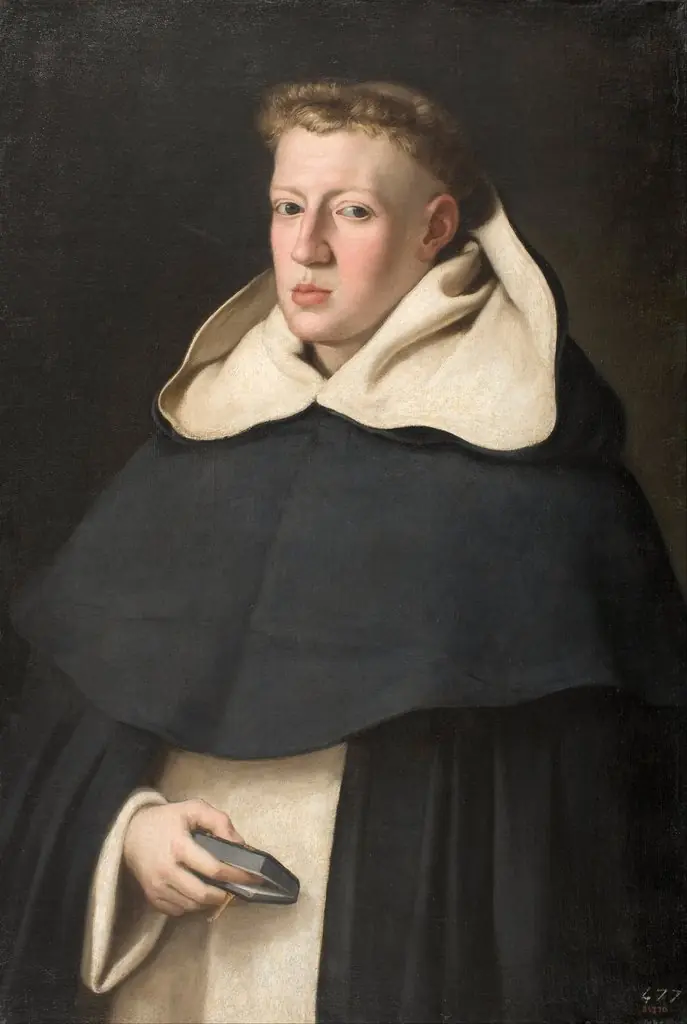 Portrait of Fray Alonso de Santo Tomás
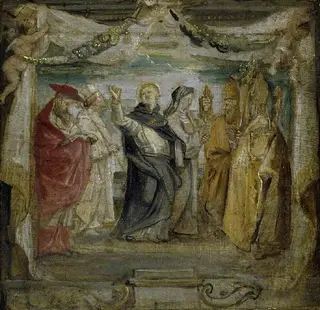 The Defenders of the Eucharist
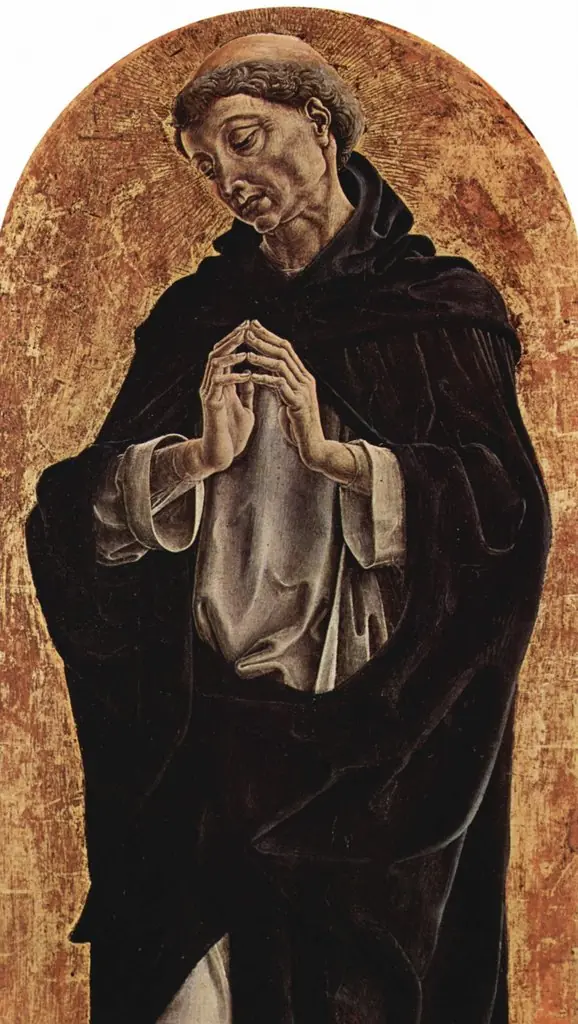 Saint Dominic
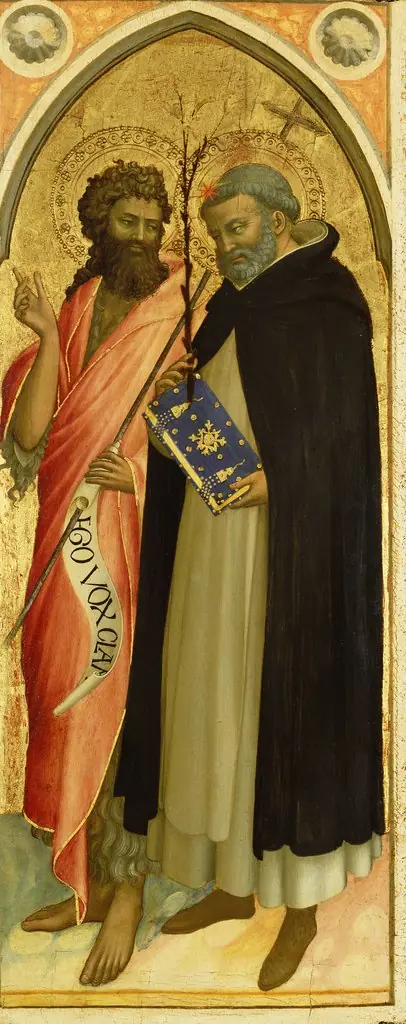 Saint John the Baptist and Saint Dominic
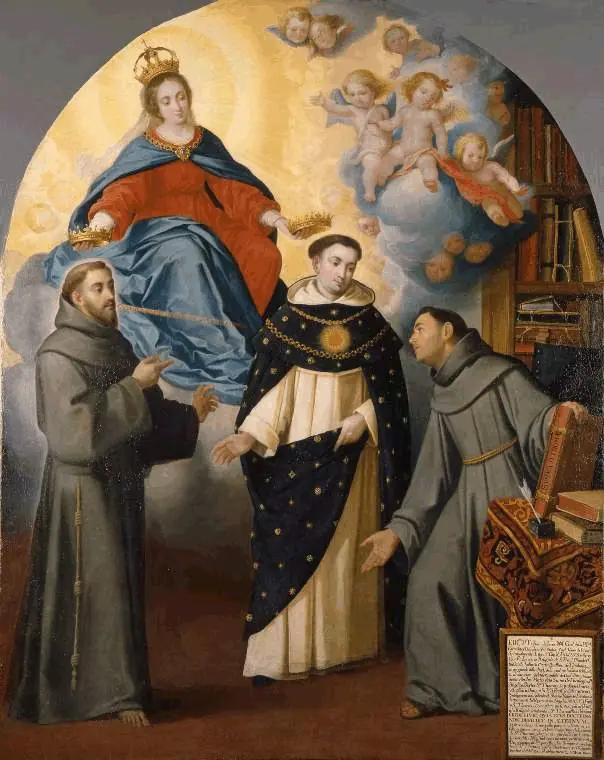 The Vision of Fray Lauterio
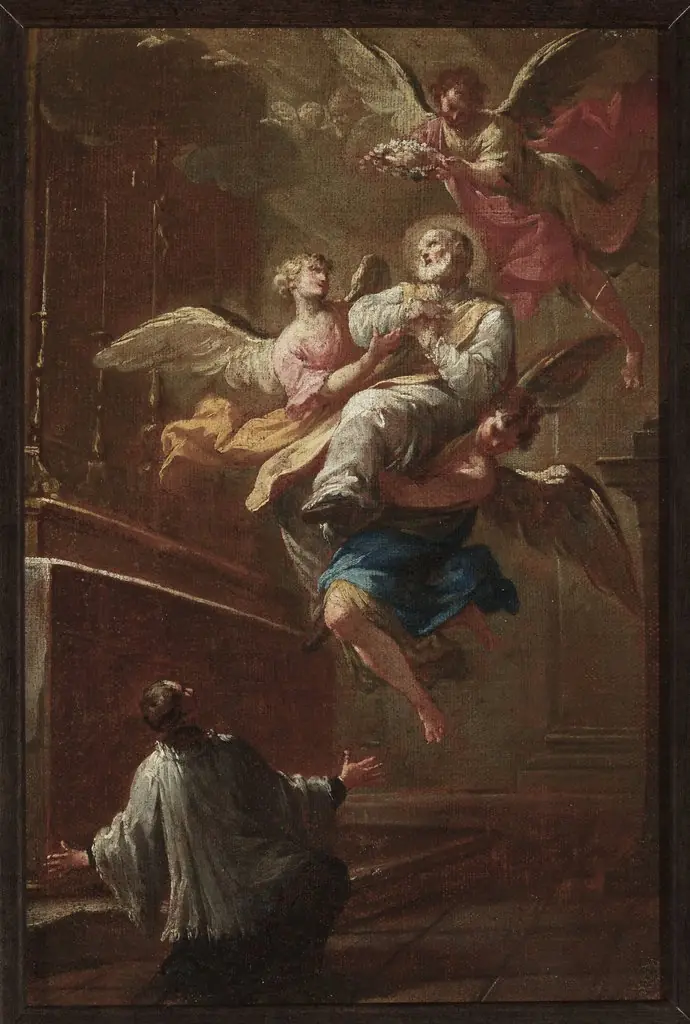 Saint elevated to heaven
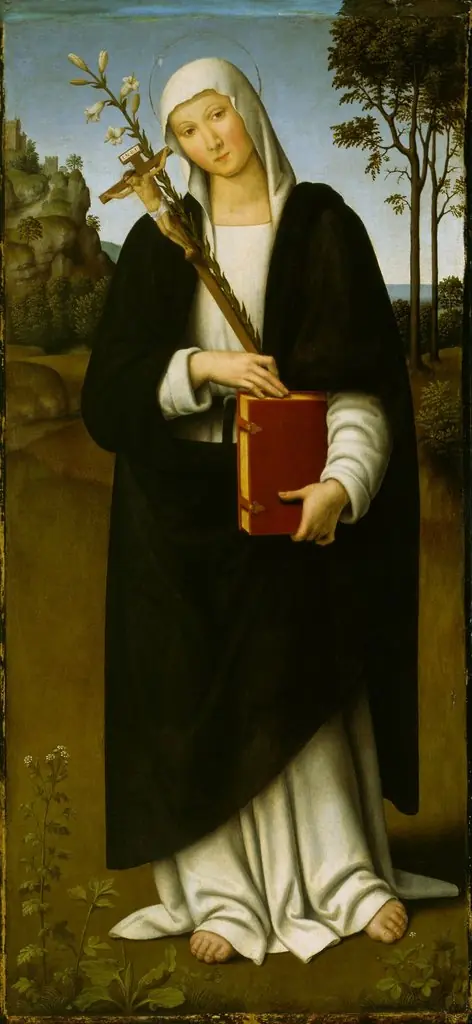 Saint Catherine of Siena
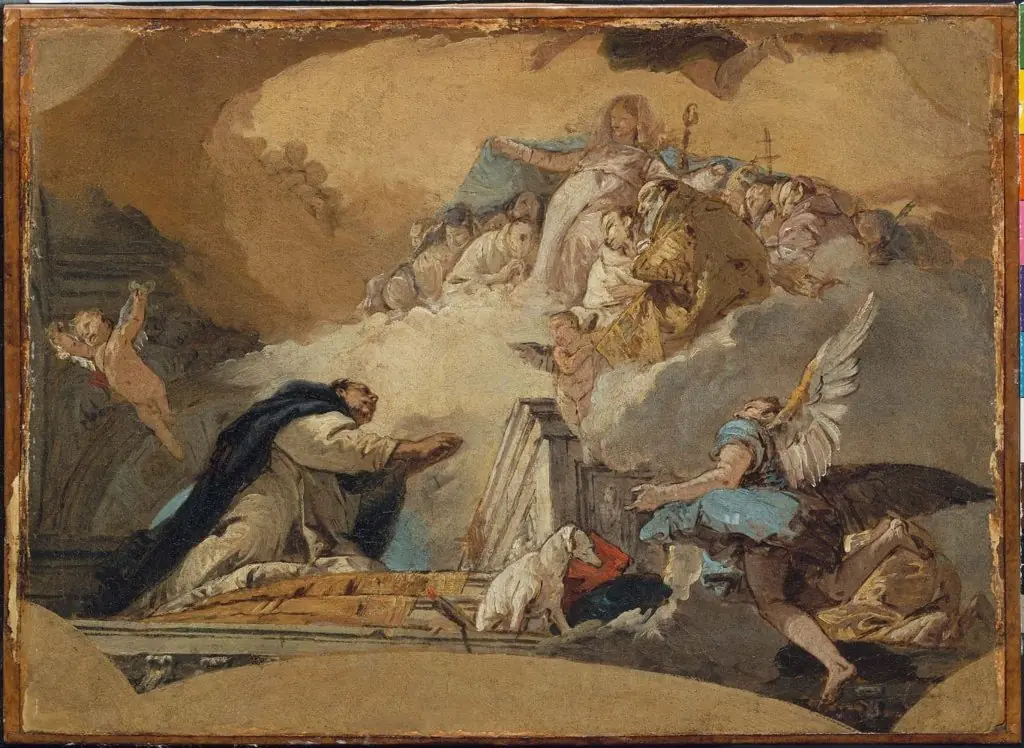 The Virgin Receiving the Prayers of Saint Dominic
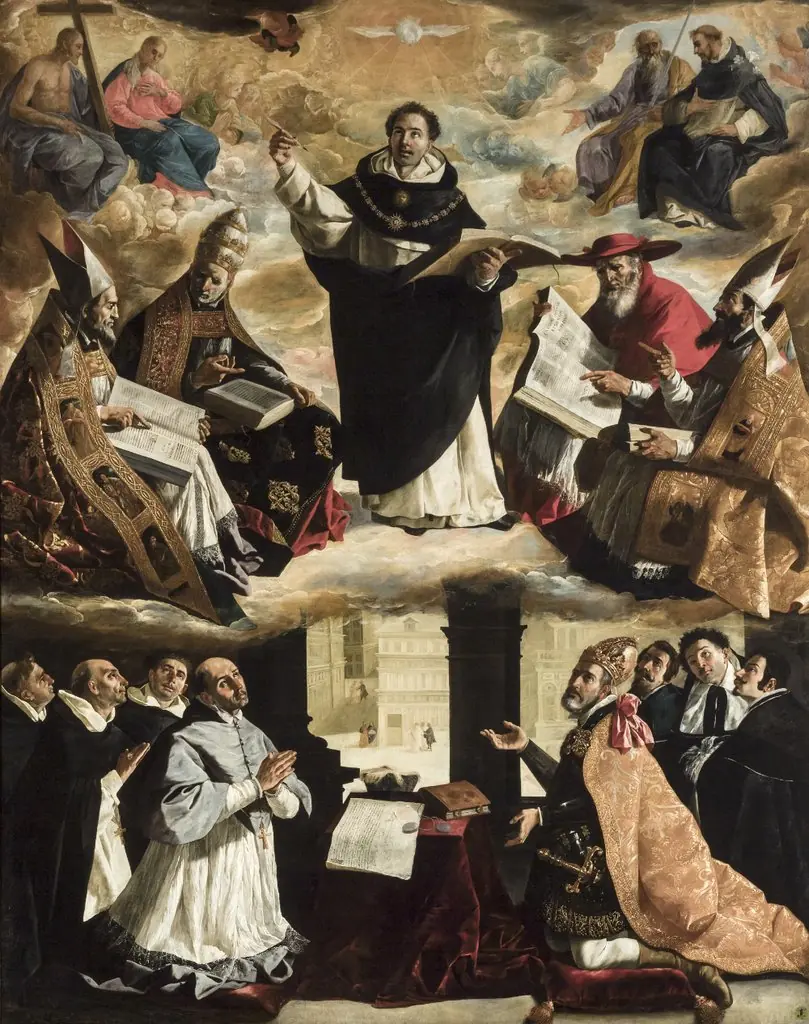 The Apotheosis of St. Thomas of Aquino
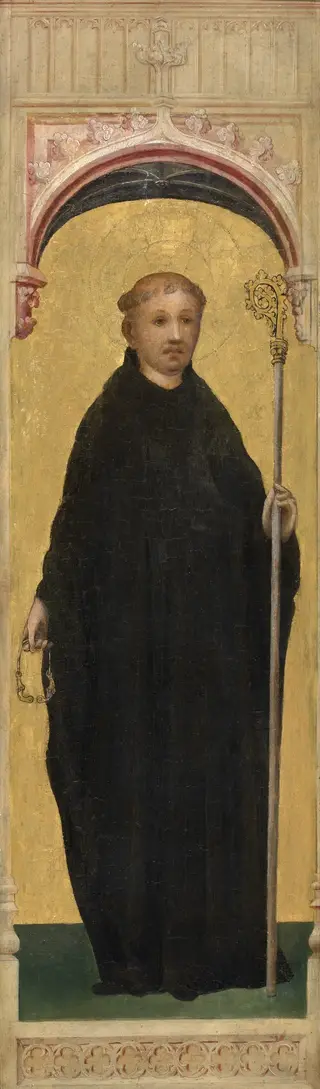 Saint Leonard of Noblac
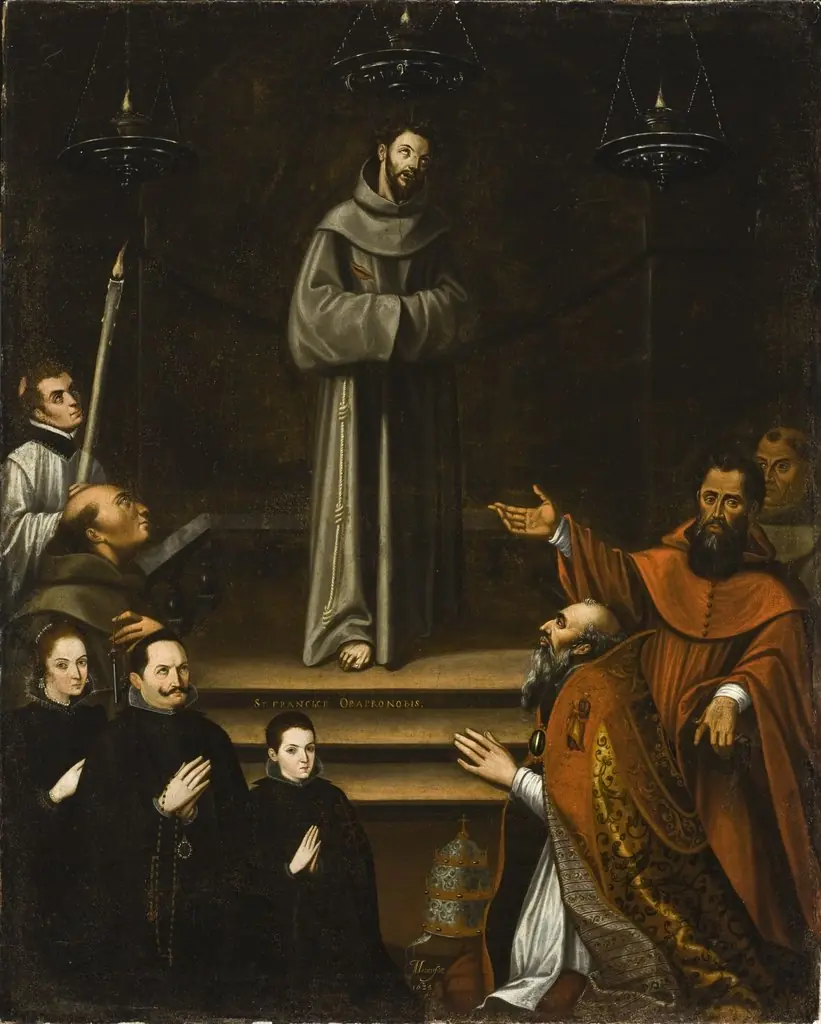 Saint Francis of Assisi Appearing before Pope Nicholas V, with Donors (La aparición de San Francisco de Asís al Papa Nicolás V, con donantes)
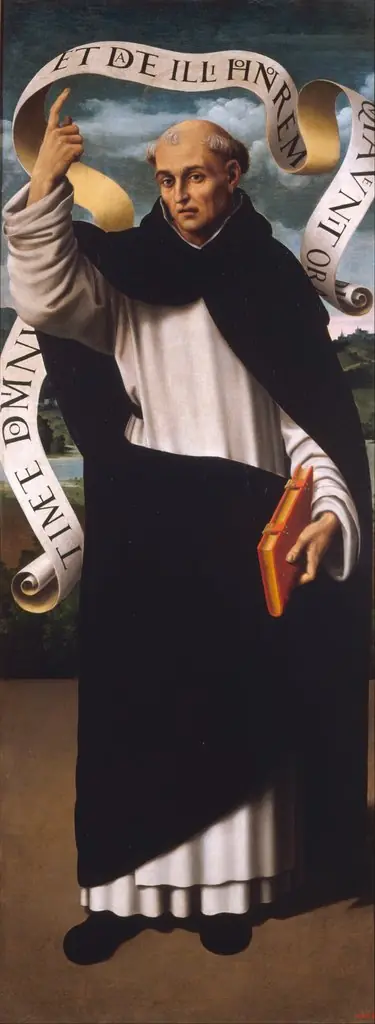 Saint Vincent Ferrer
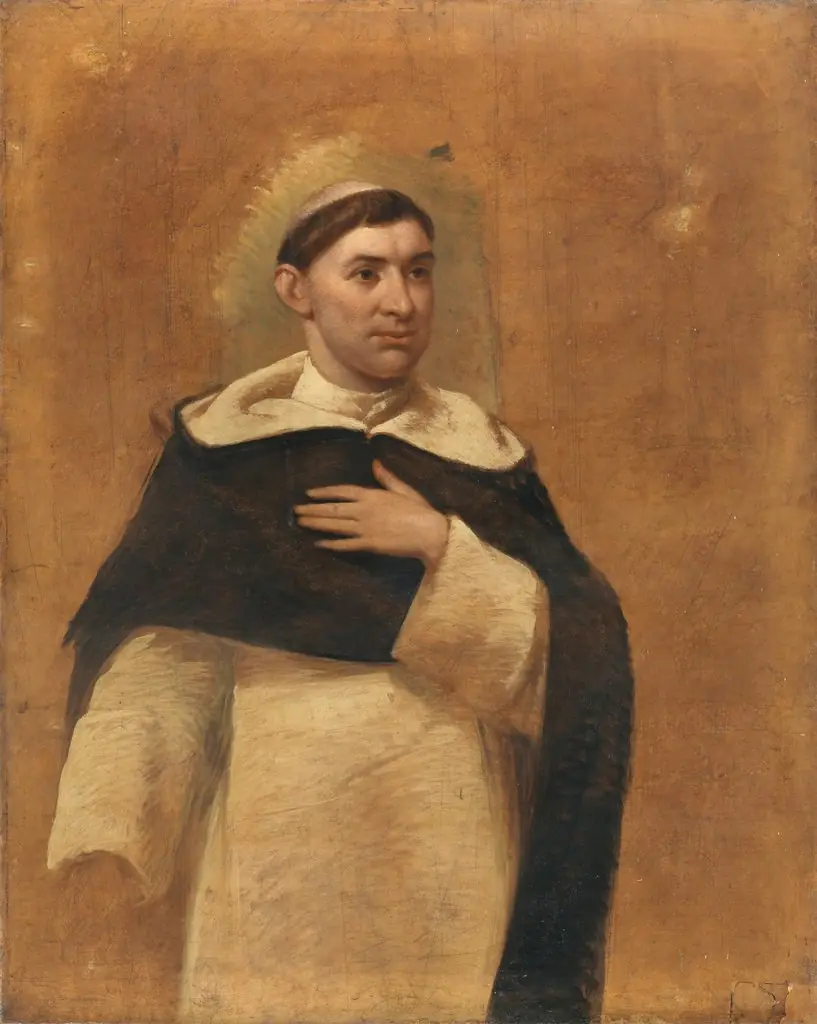 Portrait of Reverend Thomas Burke (1830-1883)
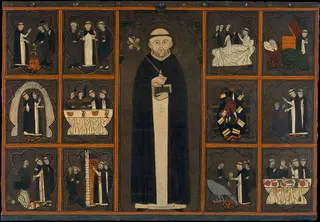 tabla de San Domenico de Guzmán
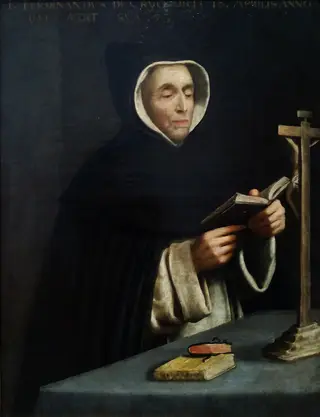 Retrato de Frei Fernando da Cruz
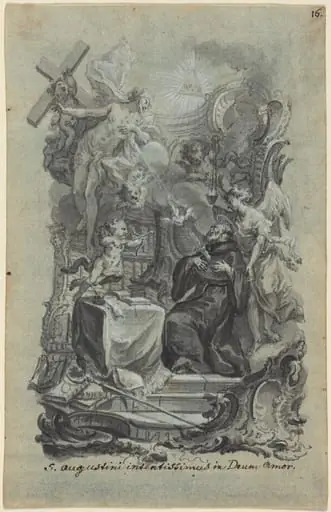 Saint Augustine's Zealous Love of God
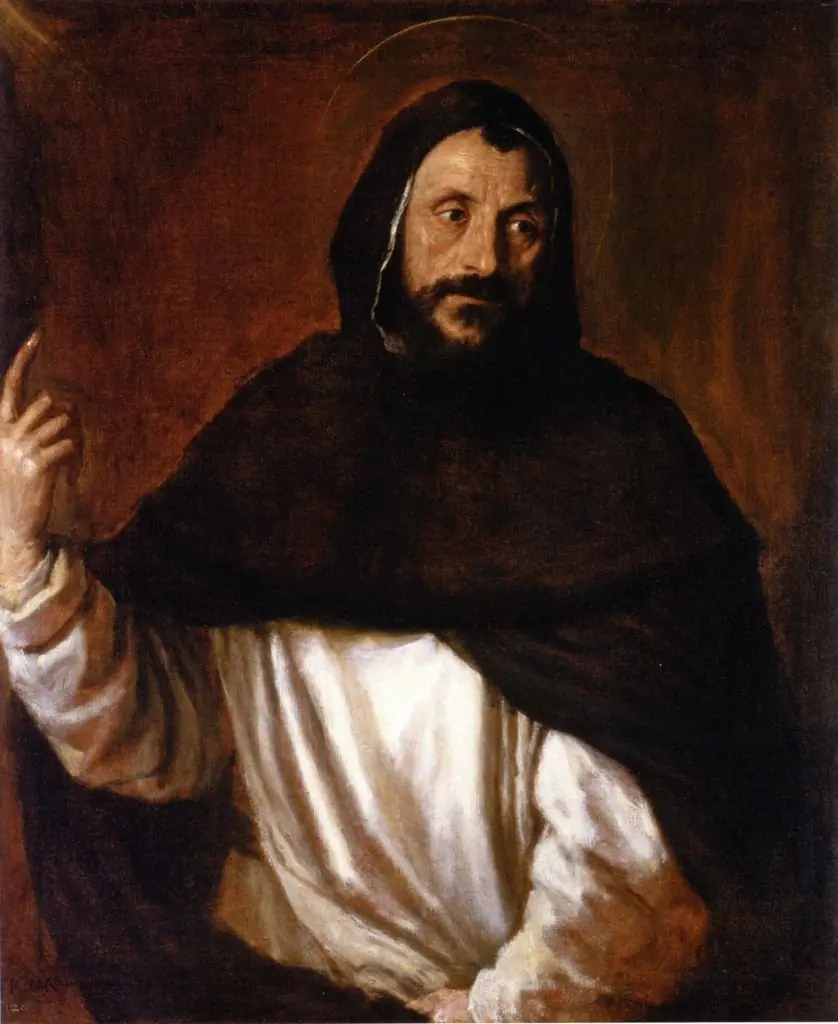 Saint Dominic
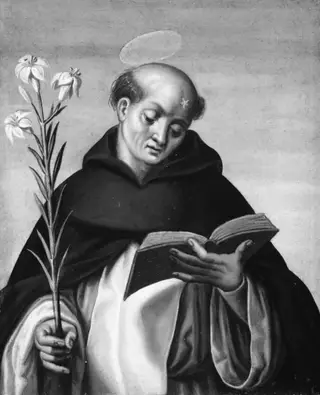 En helgen
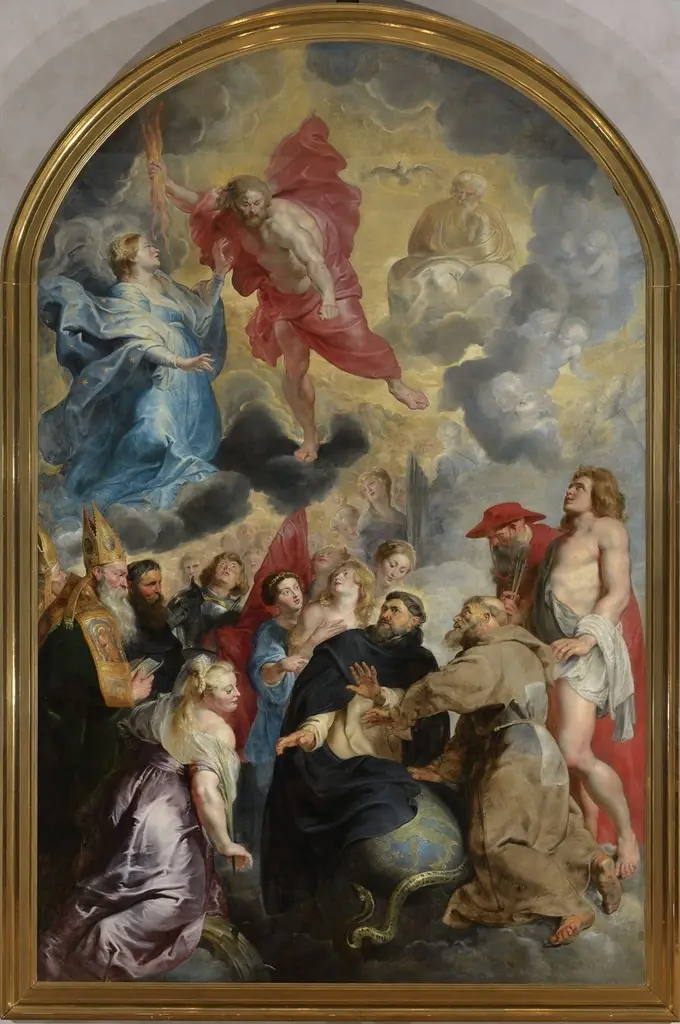 Saint Dominic and Saint Francis Protecting the World from the Wrath of Christ
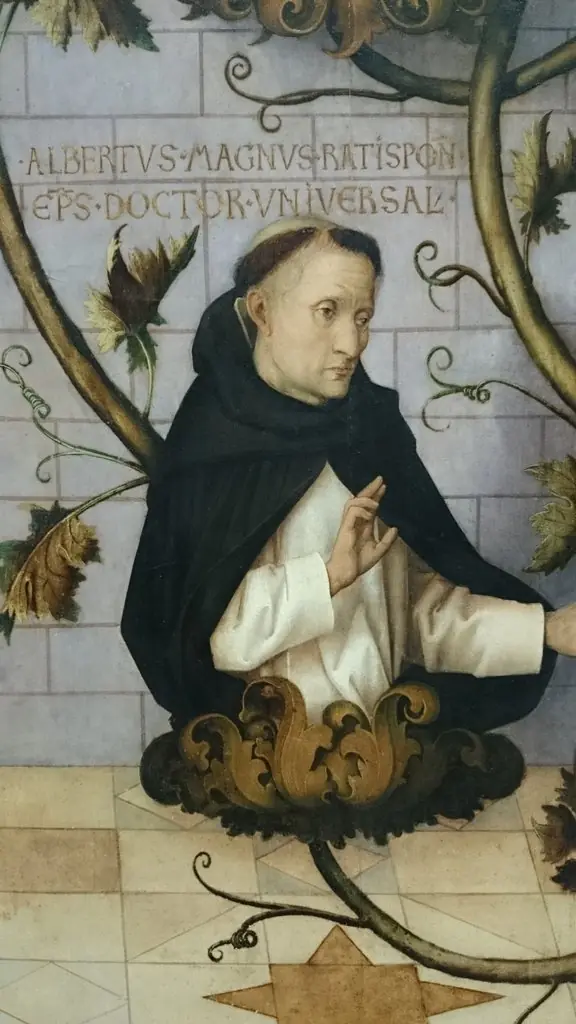 Frankfurt Dominican Altarpiece: Lineage of the Dominican Order (lower part)
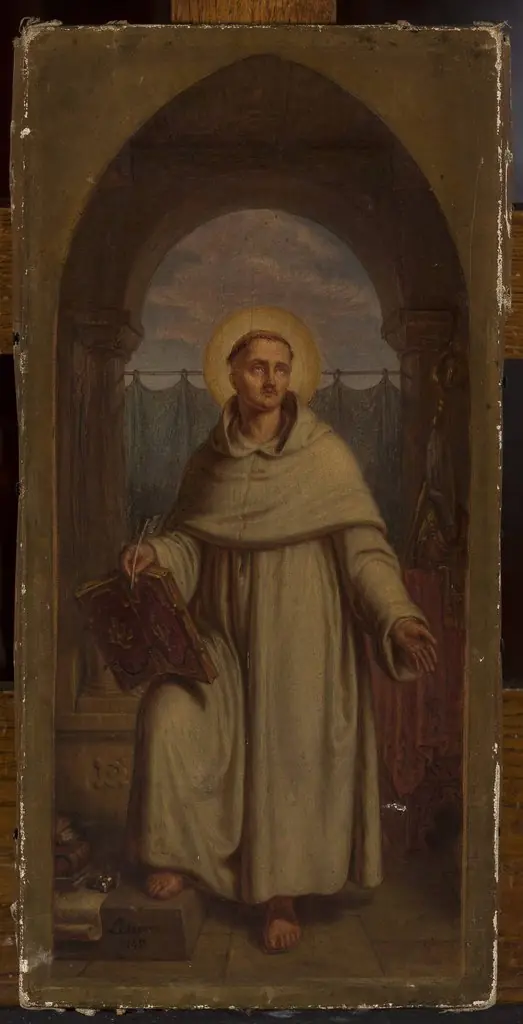 Sketch for “Wincenty Kadłubek”
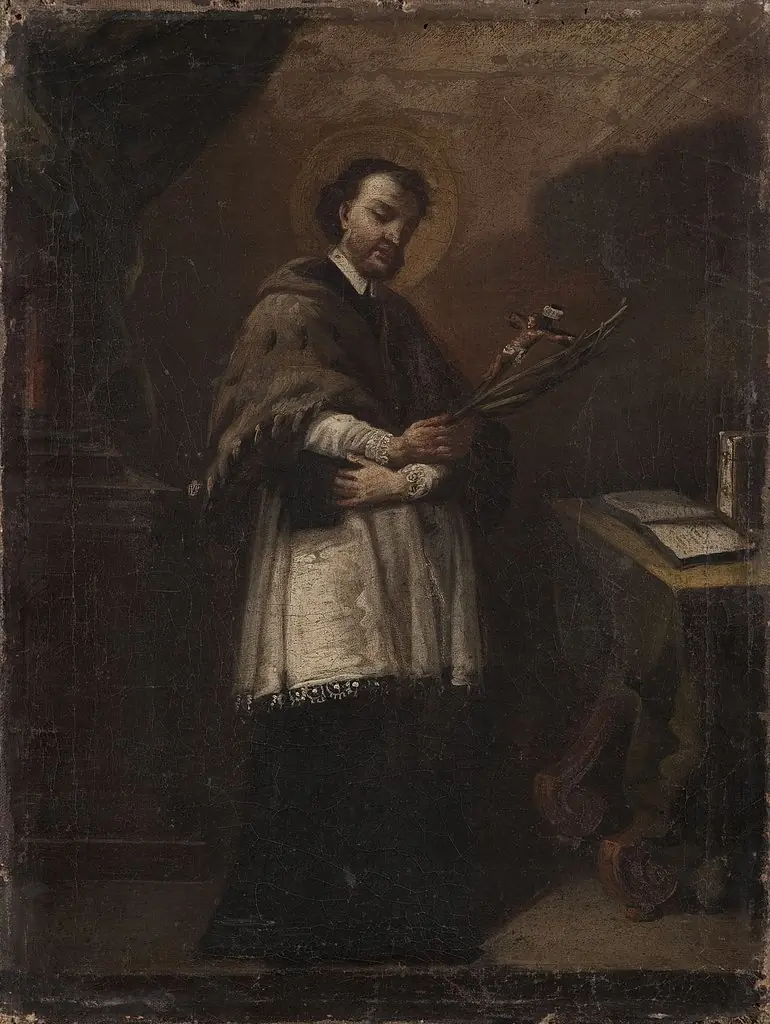 St. John Nepomucene
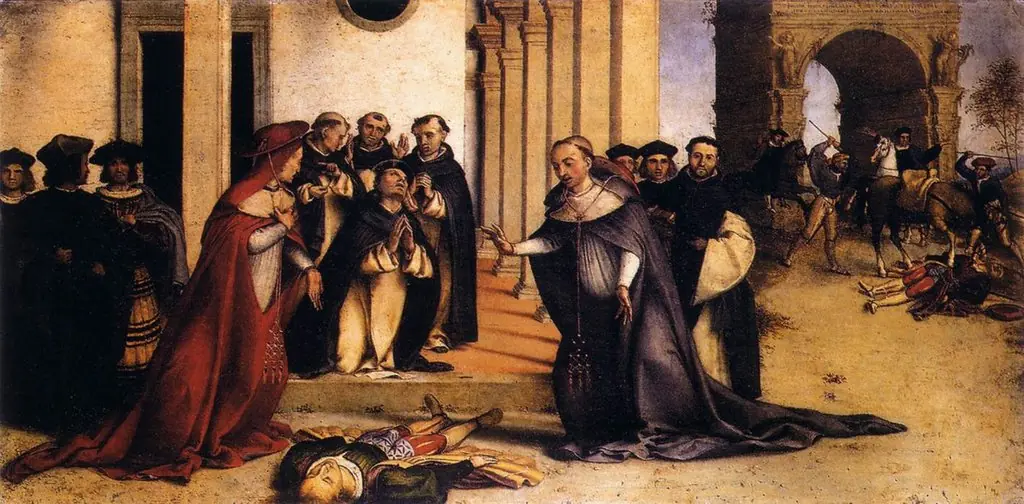 St Dominic Raises Napoleone Orsini
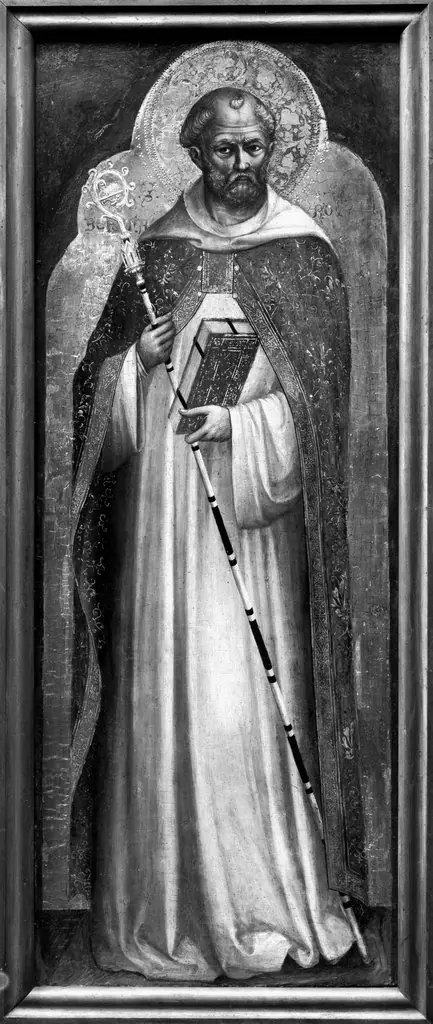 Saint Bernard
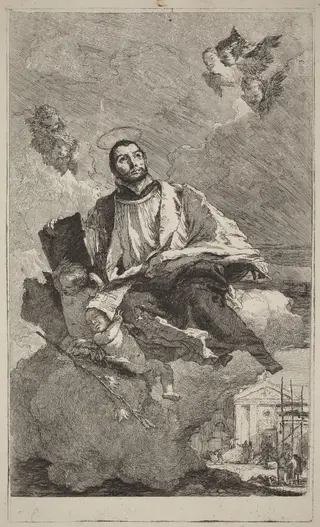 Saint Gaetano of Thiene
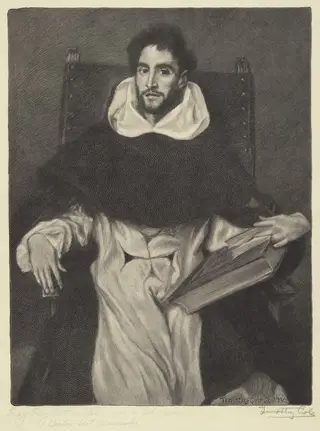 Fray Feliz Ortensio Palaucino
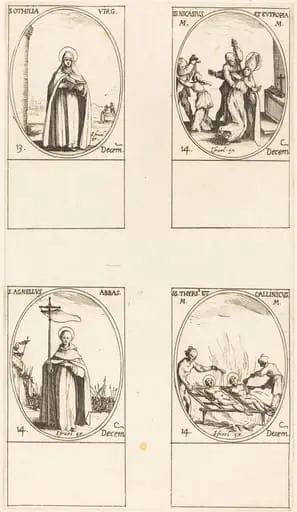 St. Othilia; Sts. Nicasius & Eutropia; St. Agnelus; Sts. Thyrsus & Callinicus
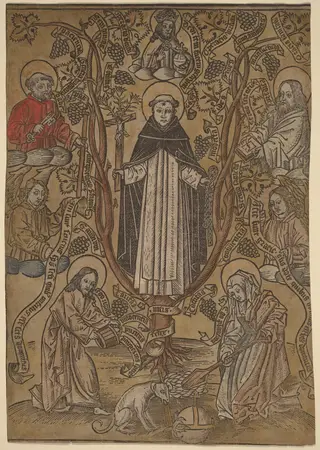 The Genealogical Tree of the Dominicans
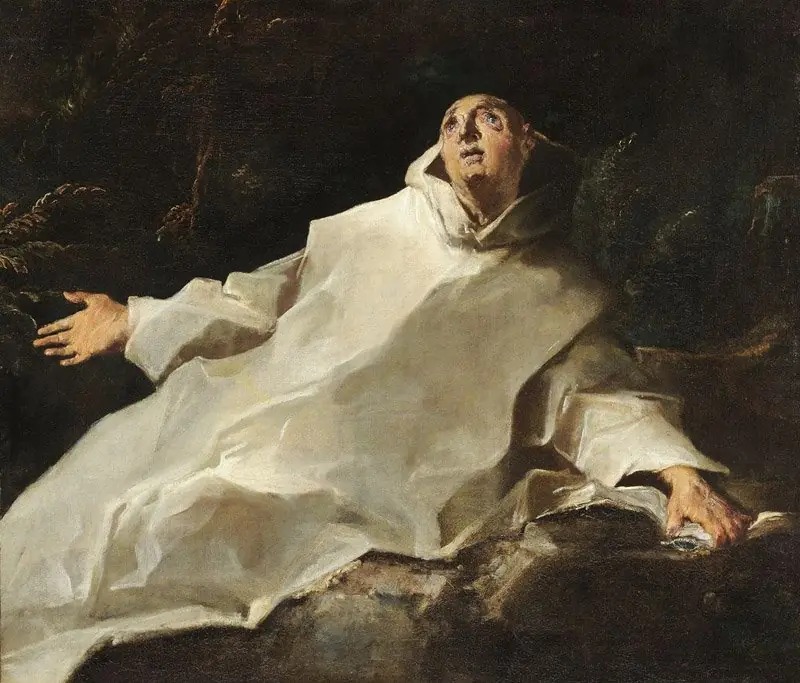 La Vision de saint Bruno
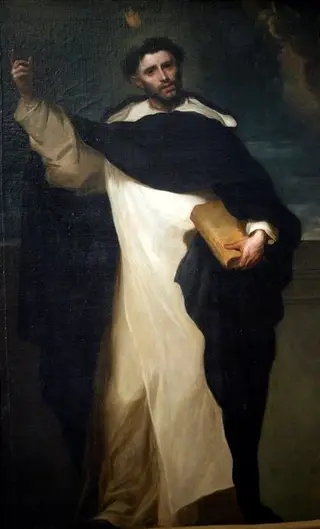 San Domenico Guzman
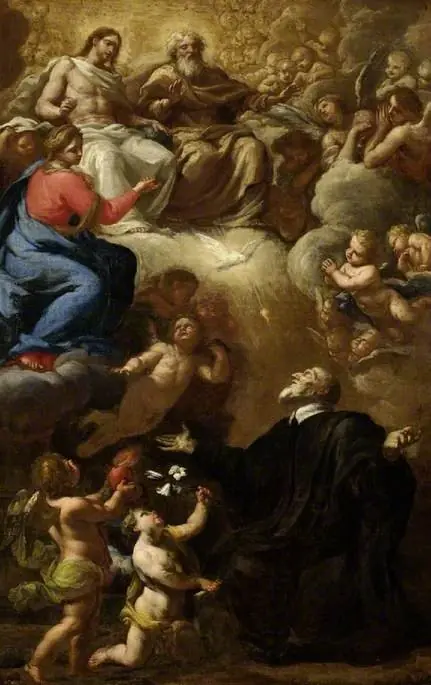 Vision of Saint Philip Neri
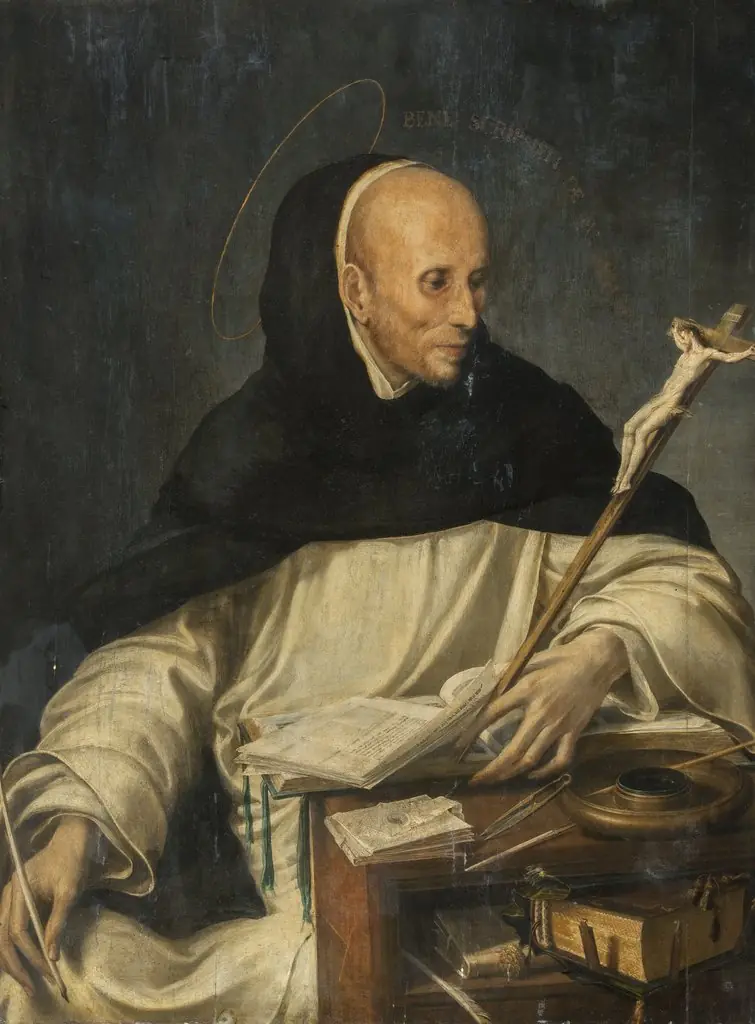 Portrait of friar, possibly Antonio Michele Ghislieri, as st. Thomas
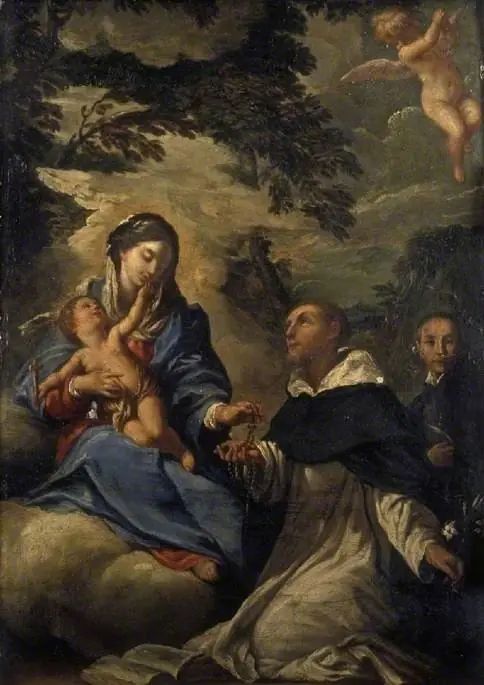 Saint Dominic Receiving the Rosary from the Virgin Mary
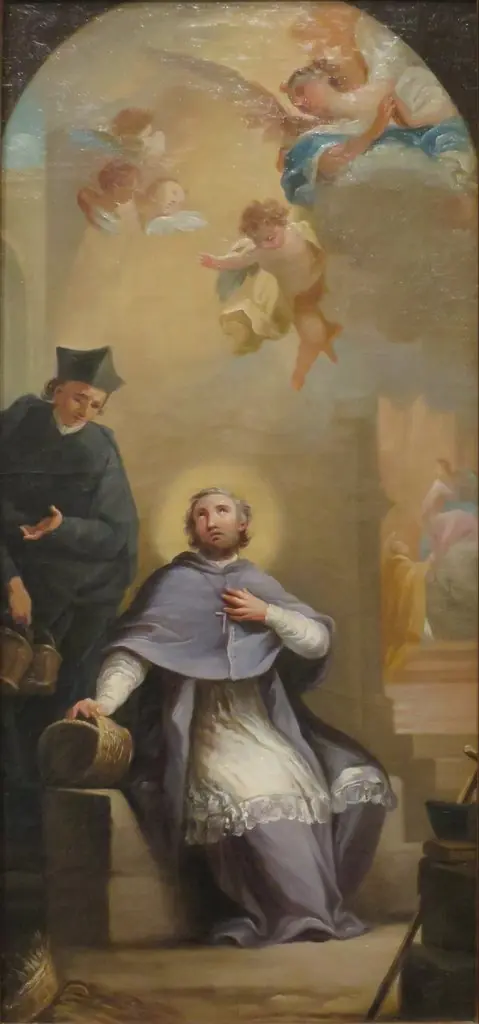 Study for an Altarpiece
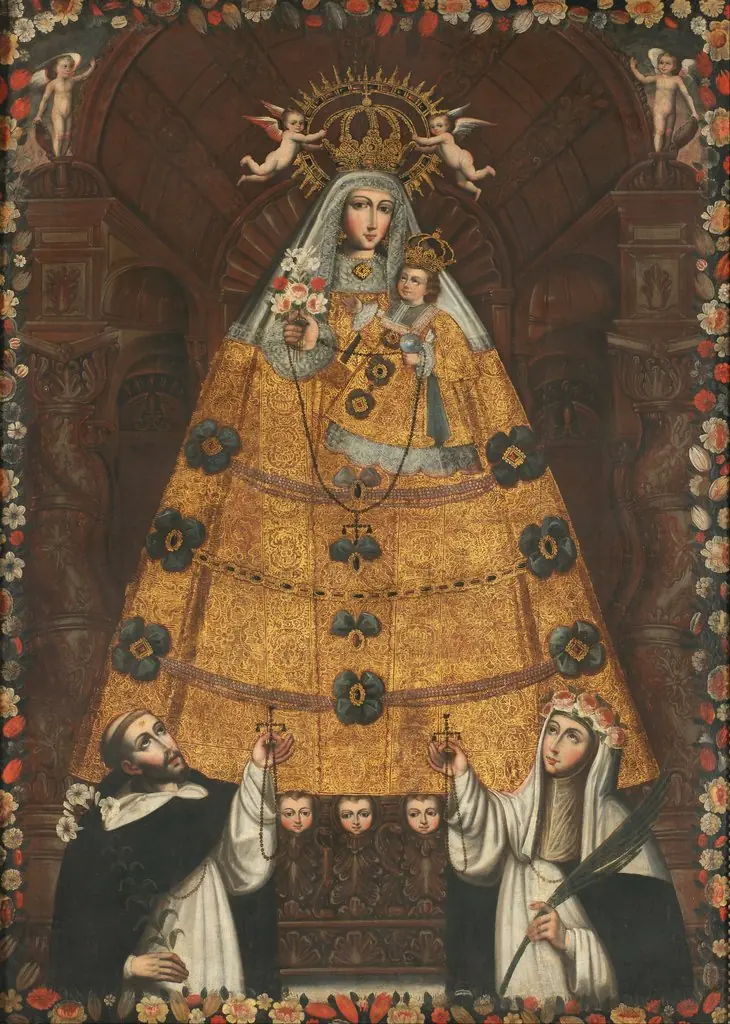 Our Lady of the Rosary with Saint Dominic and Saint Rose
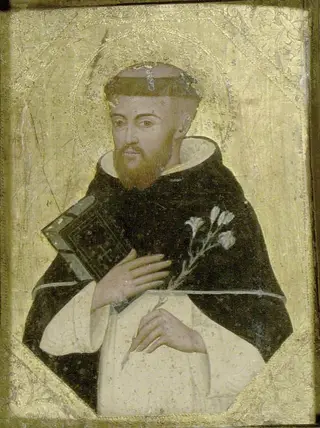 St Dominic
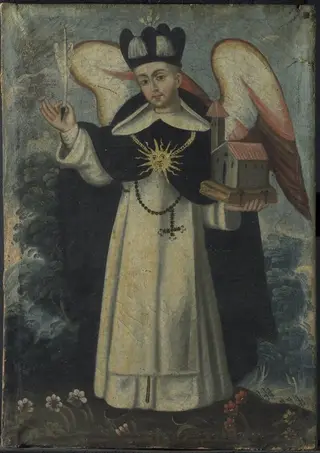 San Thomas Aquino
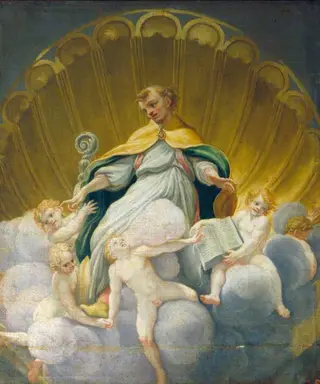 Saint Hilary Surrounded by Angels (copy of the fresco in the cupola of Parma Cathedral)
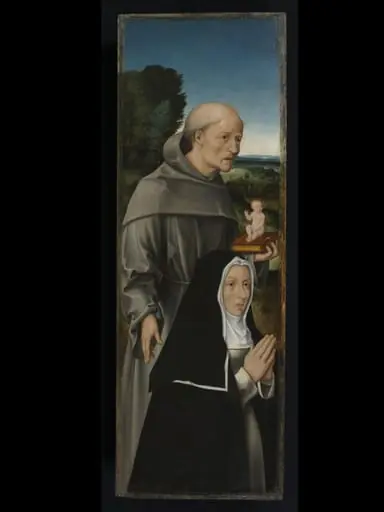 St Anthony of Padua with a Nun
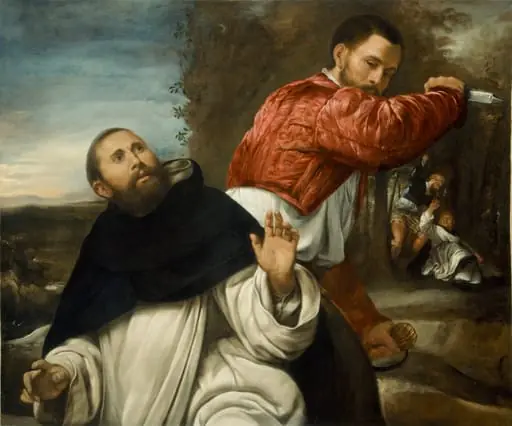 The Death of St. Peter Martyr
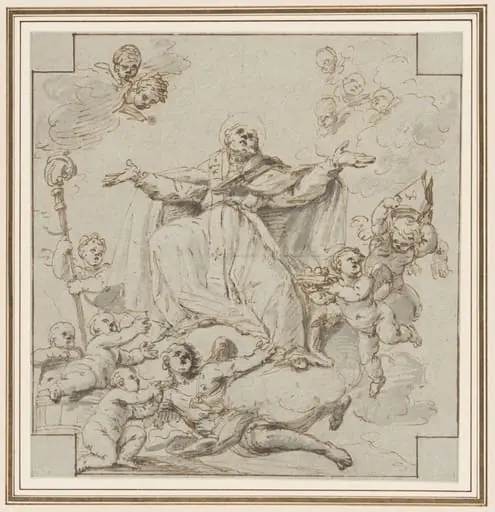 Apotheosis of St Nicholas of Bari
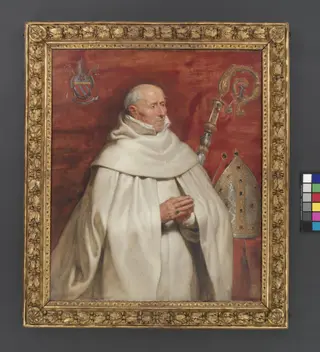 Matthaeus Yrsselius (1541-1629), Abbot of Sint-Michiel's Abbey in Antwerp
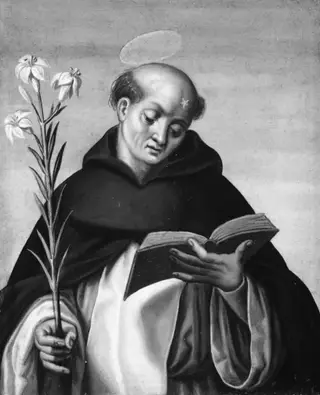 En helgen
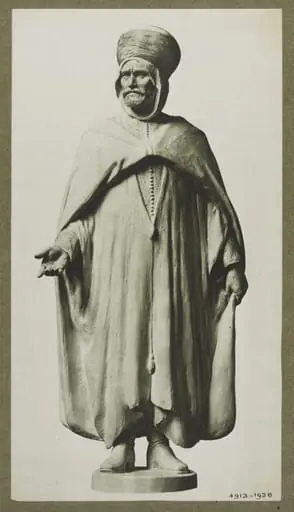 Untitled
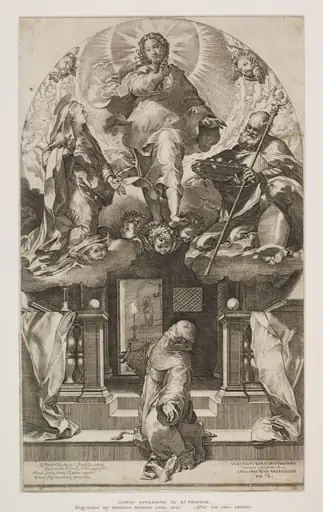 Jesus Christ appearing to St. Francis
Frequently asked questions
What is Saint Dominic?
Saint Dominic or Dominic de Guzmán was the Roman Catholic founder of the order of Dominicans.
How many Saint Dominic works does Artifact World Gallery have?
Artifact World Gallery holds 112 public-domain Saint Dominic works, all free to view and download.
Who are the key Saint Dominic artists?
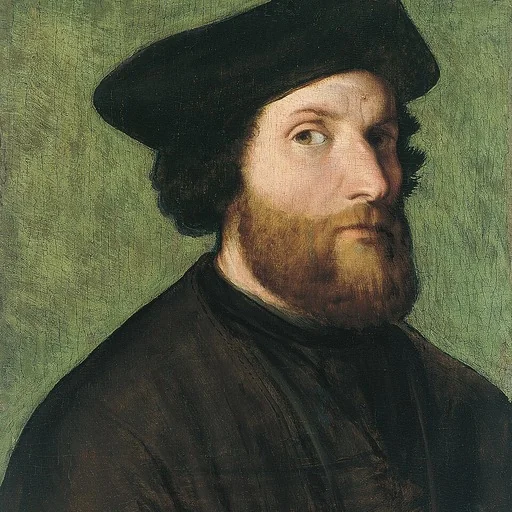
Key Saint Dominic artists in the collection include Titian, Lorenzo Lotto and El Greco.
Where can I see Saint Dominic works?
Saint Dominic works in the collection are held by Museo del Prado, National Gallery of Ireland and Hermitage Museum.