Subject
Venice
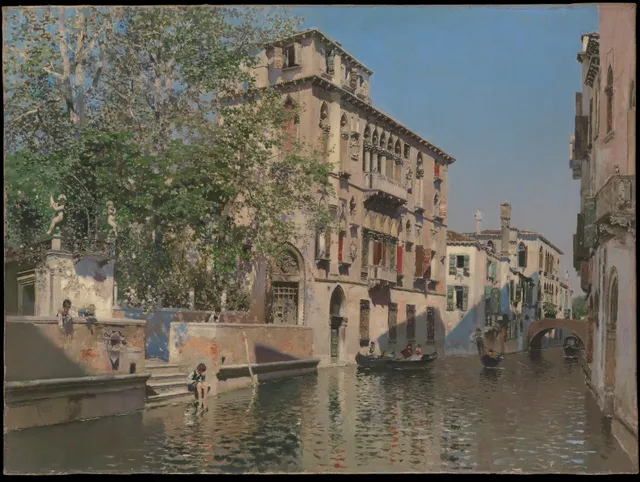
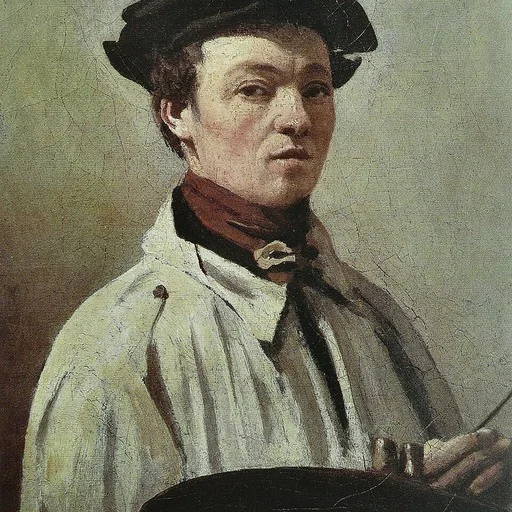
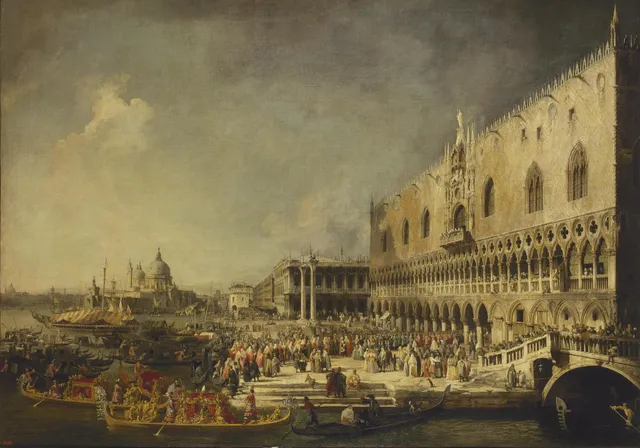
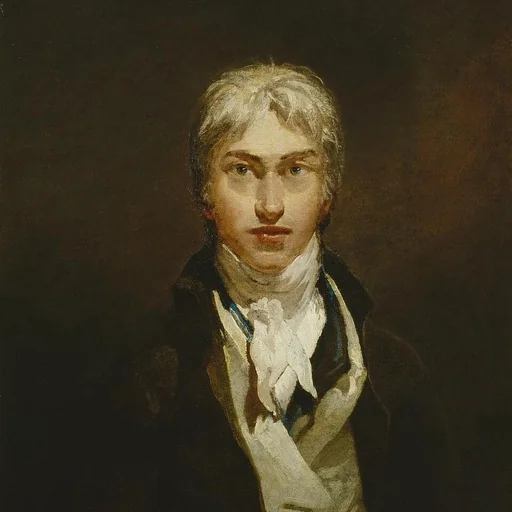
Venice is a subject in art. The gallery holds 88 works in this subject in art, including works by Jean Baptiste Camille Corot, Joseph Mallord William Turner and Canaletto.
Venice is a neighborhood of the City of Los Angeles within the Westside region of Los Angeles County, California, United States. Venice was founded by Abbot Kinney in 1905 as a seaside resort town.
Key artists
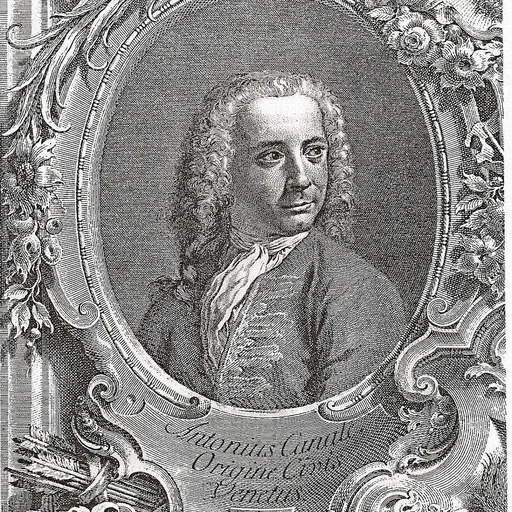
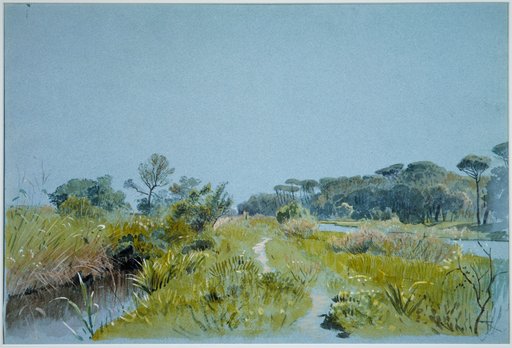
Artist
Overview
Venice is a beachfront neighborhood in the Westside region of Los Angeles, California, founded as a seaside resort town by the developer Abbot Kinney in 1905. Originally named Venice of America, the settlement mimicked its Italian namesake by integrating a system of canals, Venetian-style architecture, and imported gondolas into its urban plan. Conceived as a leisure destination roughly 14 miles west of downtown Los Angeles, the resort opened on July 4, 1905, and quickly became a major tourist attraction, drawing tens of thousands of weekend visitors arriving via the Pacific Electric Railway. It operated as an independent city until financial and infrastructural strains led to its annexation by Los Angeles in 1926.
Iconography & meaning
The iconography of Venice is rooted in Abbot Kinney's vision to recreate the romanticized image of the Italian city. After a trip to Italy, Kinney modeled the district after Renaissance Venice, complete with arcaded business streets, colonnaded buildings, and waterways navigated by gondolas. The artist Felix Peano designed the columns for the buildings, incorporating capitals sculpted with faces modeled after Kinney himself and a local woman named Nettie Bouck. This architectural symbolism aimed to evoke the cultural grandeur of the original Venice, though the California iteration functioned primarily as an amusement center rather than a cultural one, as Kinney abandoned early plans for high-culture venues due to a lack of visitor demand.
Across movements & periods
The treatment of Venice as a subject shifted dramatically from its founding through the twentieth century. In its early years, the imagery emphasized an idealized resort atmosphere of Venetian architecture, miniature railways, and amusement piers. By the 1920s, the narrative shifted toward municipal decay, highlighted by the filling of most canals in 1929 and the paving of streets, which erased much of the original iconography. The discovery of oil in 1929 introduced an industrial visual element, with 450 oil wells dominating the landscape until the 1970s. By the postwar era, the area's neglected infrastructure and low rents attracted a new demographic of artists, Holocaust survivors, and counterculture figures. During the 1960s and 1970s, Venice became a center for the California bohemian and alternative art scenes, and the birthplace of modern skateboarding, fundamentally altering its cultural representation from an imitation of an Italian city to a hub of street art and youth culture.
Notable depictions
Venice has served as a prominent setting in visual media. In 1957, Orson Welles filmed Touch of Evil on Windward Avenue, using the remaining Venetian-style arches and colonnades as a backdrop before many of these structures were demolished in 1964 and 1965. The neighborhood's 1960s counterculture was documented by photographer Dennis Stock, who captured the 1968 Venice Beach rock festival, emphasizing the era's spirit of youth and protest. In contemporary public art, Claes Oldenburg installed the sculpture Binoculars on Main Street in 1991. The neighborhood also features heavily in cinema, including Grease, The Doors, The Big Lebowski, and Million Dollar Baby, as well as television series like Baywatch and Californication, which frequently utilized the canals and Ocean Front Walk as visual motifs.
Legacy
The legacy of Venice is defined by its transformation from a manufactured tourist resort into an iconic center of alternative culture. Although Los Angeles neglected the neighborhood after annexation, leading to the paving of most canals, the remaining waterways were recognized on the National Register of Historic Places in 1982. Following extensive restorations in 1992 and 1993, the Venice Canal Historic District became one of the most desirable residential areas in Los Angeles. Culturally, the neighborhood's influence persists through its association with the Z-Boys and the invention of modern skateboarding, its foundational role in the formation of The Doors, and its continued depiction in media, such as the video game Grand Theft Auto V, which features a recreation of the area called Vespucci Beach. The name also inspired musical works, including Lana Del Rey's song Venice Bitch, a satire of the California dream.
Works
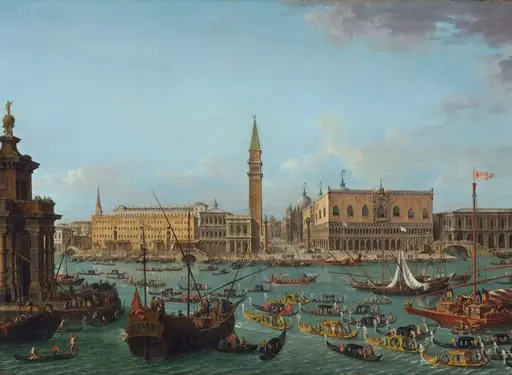 Procession of Gondolas in the Bacino di San Marco, Venice
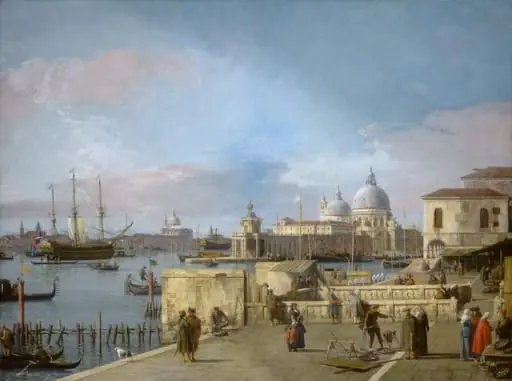 Entrance to the Grand Canal from the Molo, Venice
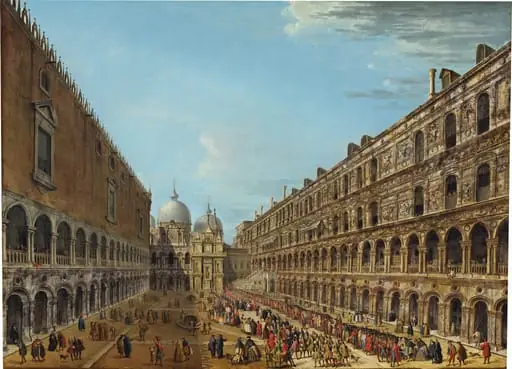 Procession in the Courtyard of the Ducal Palace, Venice
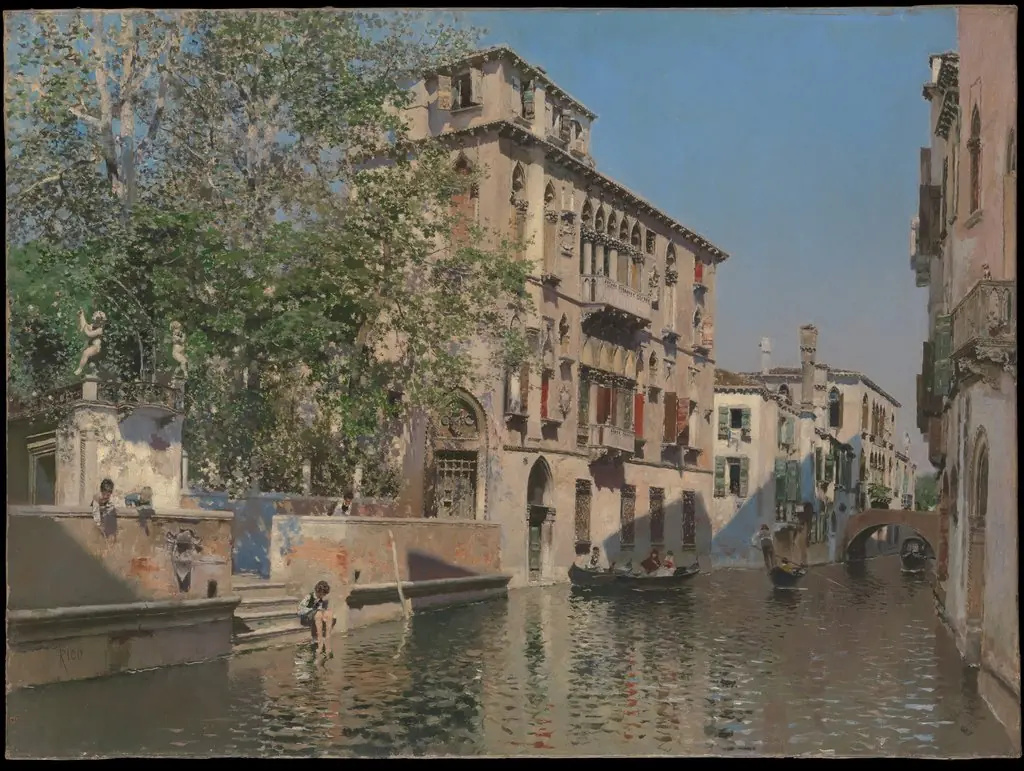 A Canal in Venice
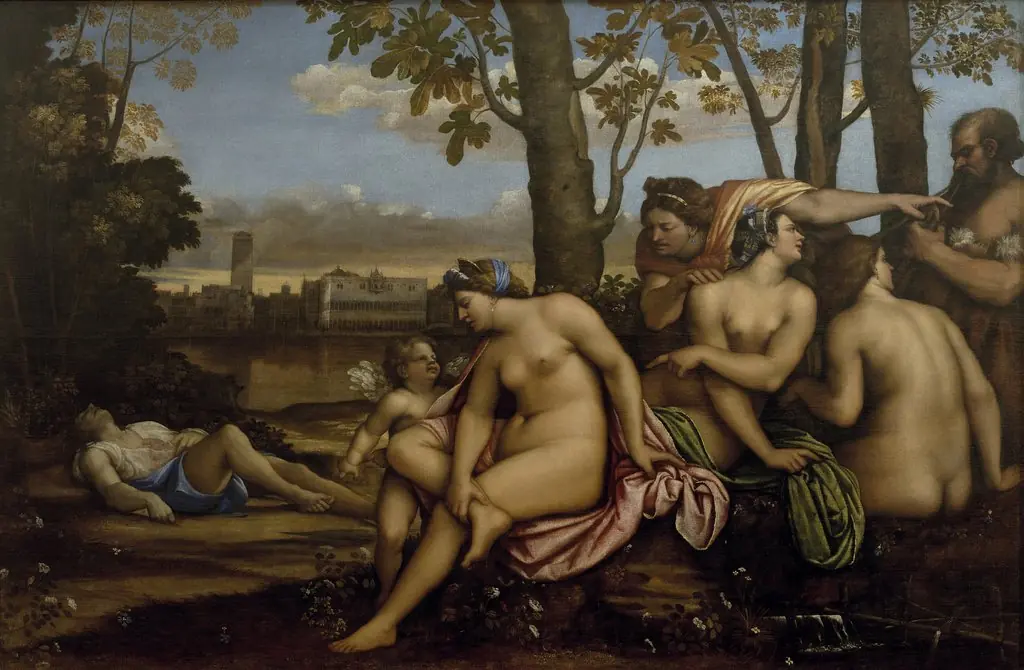 Death of Adonis
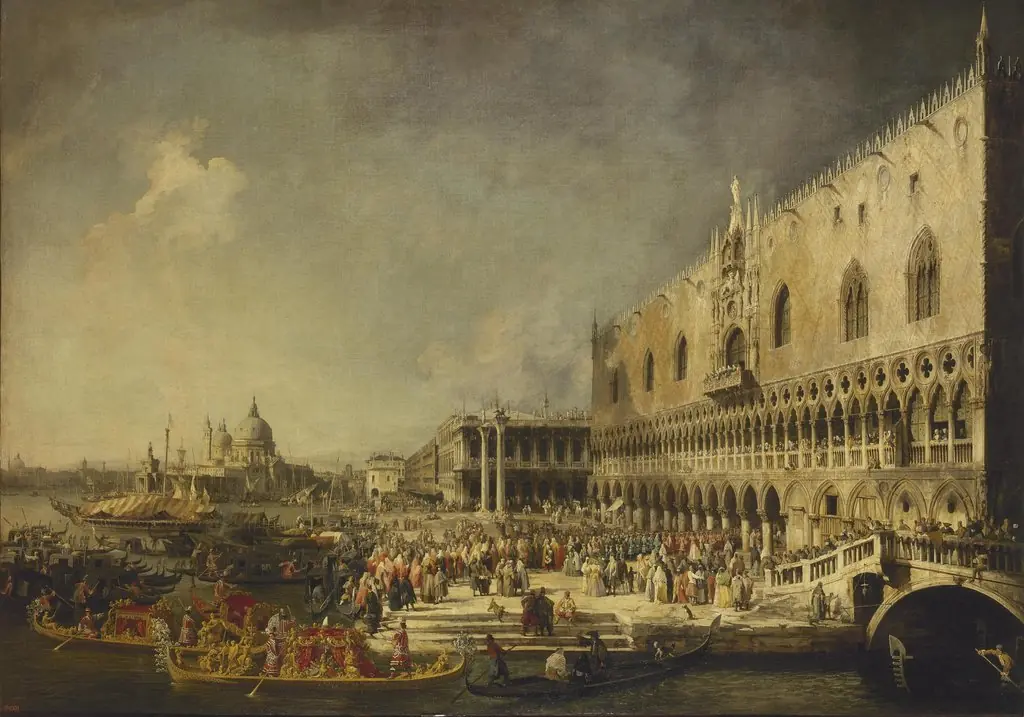 Arrival of the French Ambassador in Venice
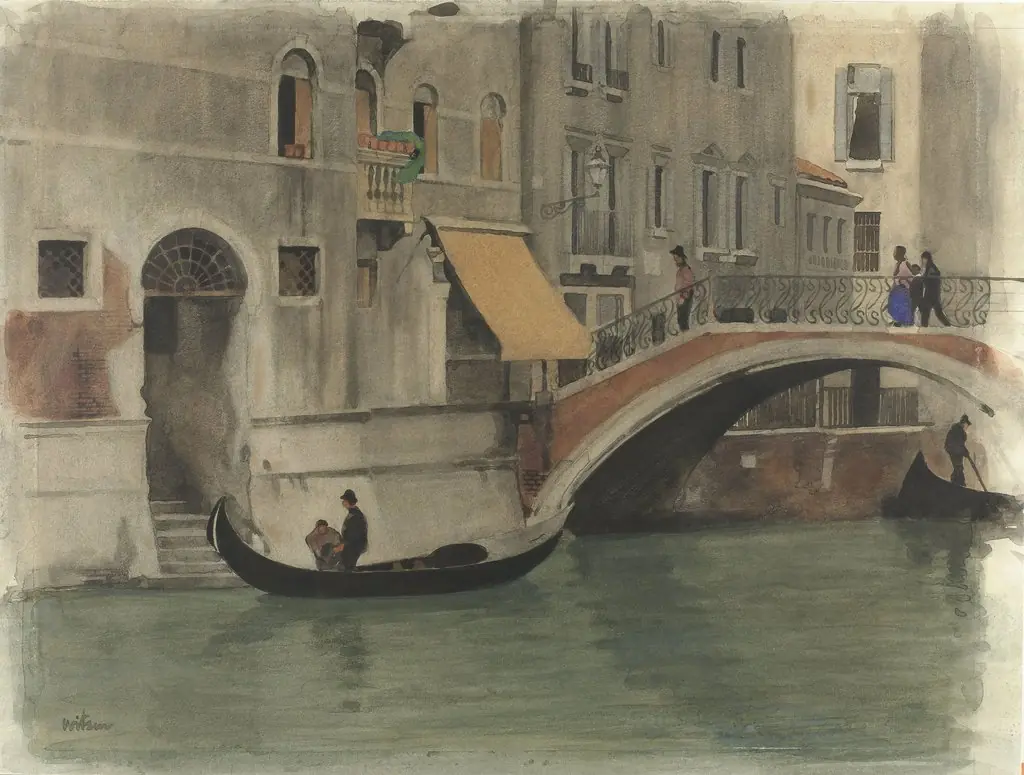 Bridge over a canal in Venice
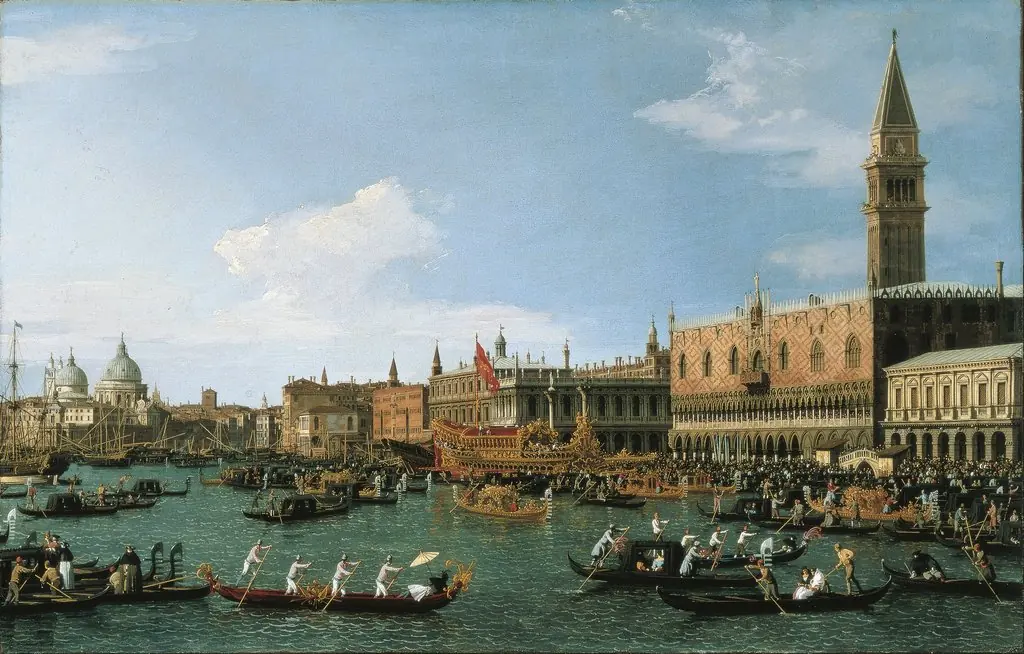 The Bucintoro
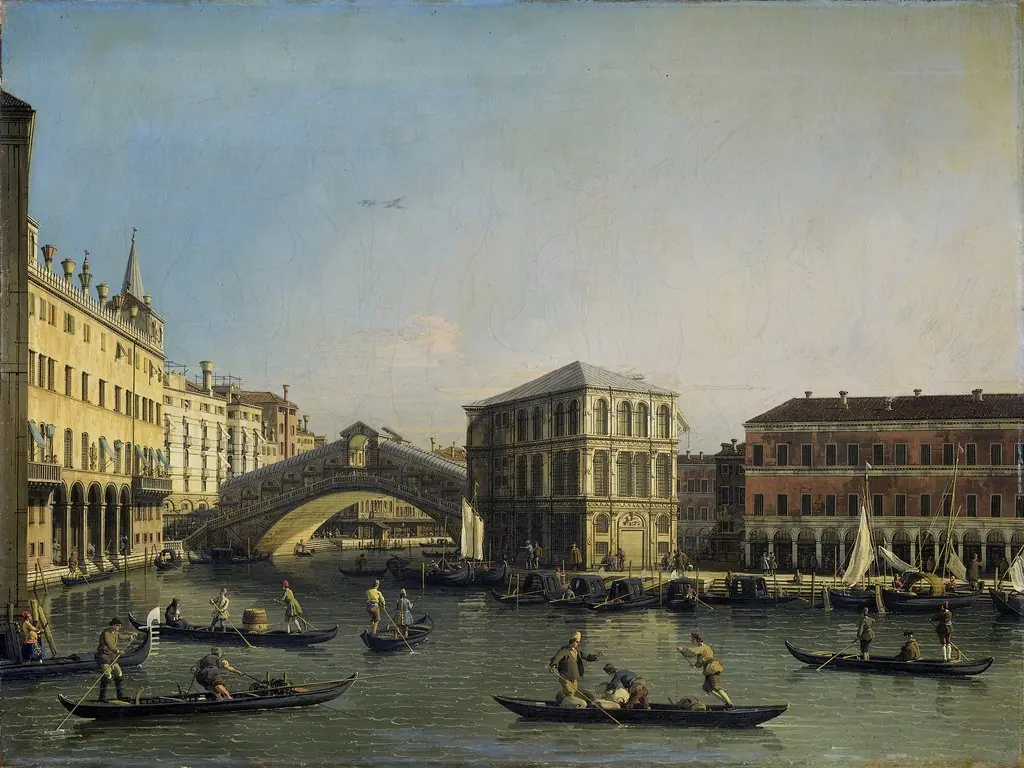 The Grand Canal with the Rialto Bridge and the Fondaco dei Tedeschi
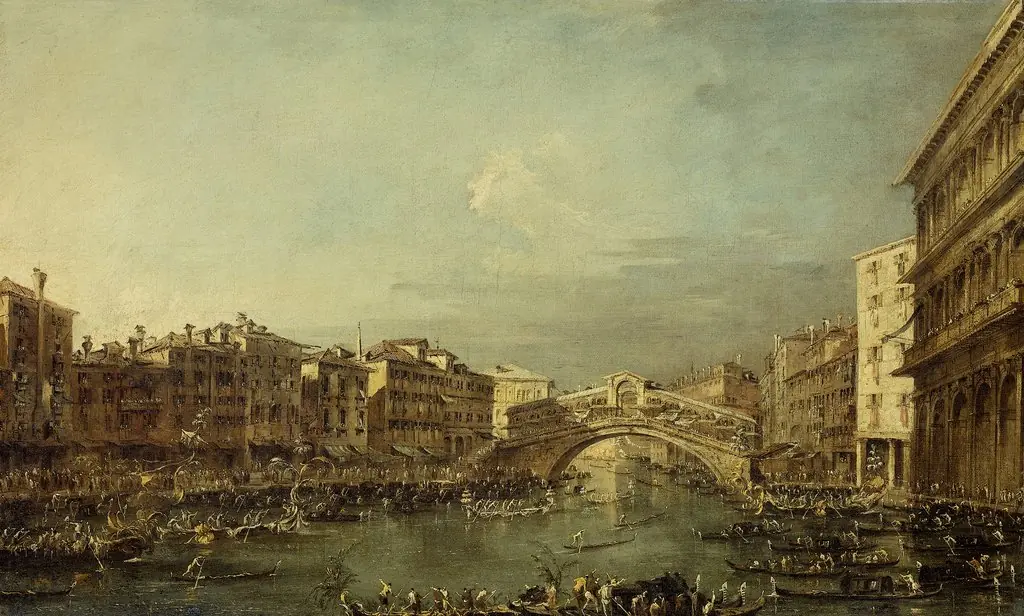 A Regatta on the Grand Canal with the Rialto Bridge in Venice
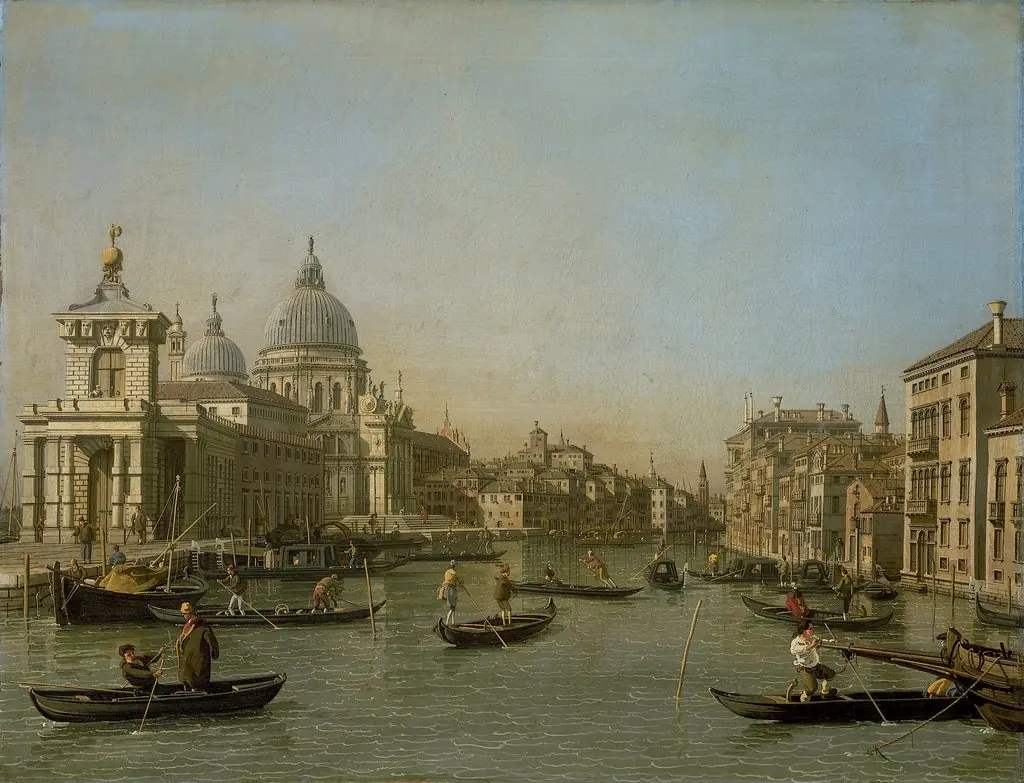 The Entrance to the Grand Canal at the Punta della Dogana and Santa Maria della Salute
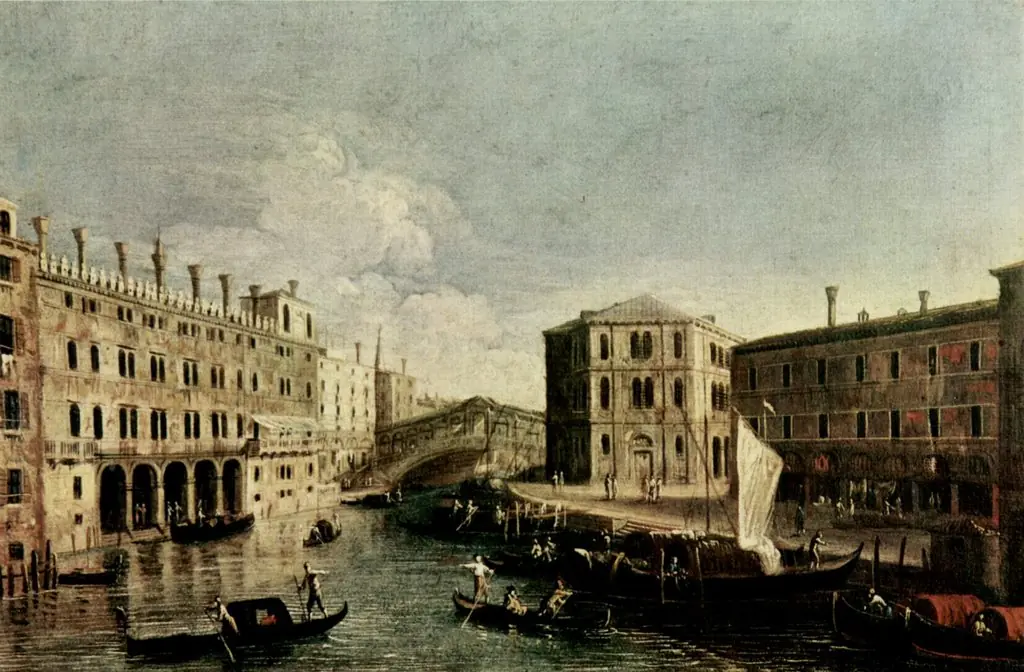 The Grand Canal at the Rialto
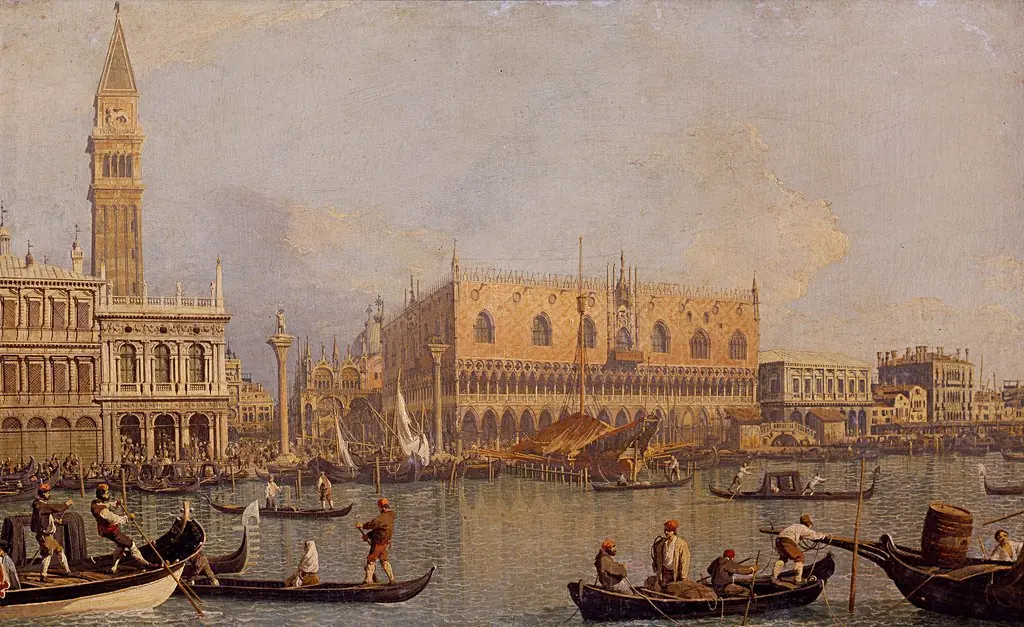 View of the Ducal Palace in Venice
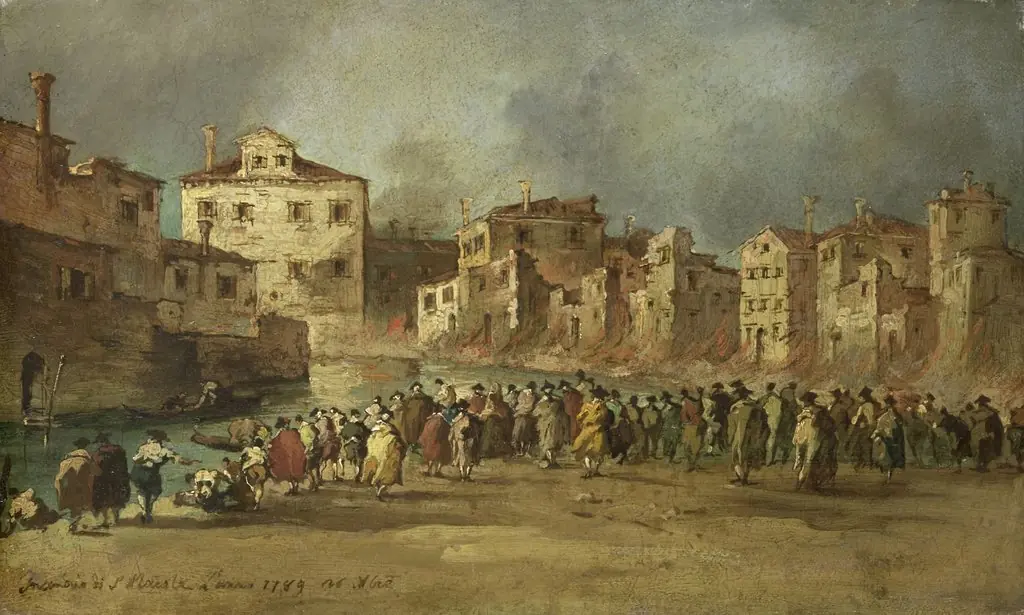 Fire in the San Marcuola Oil Depot, Venice, 28 November 1789
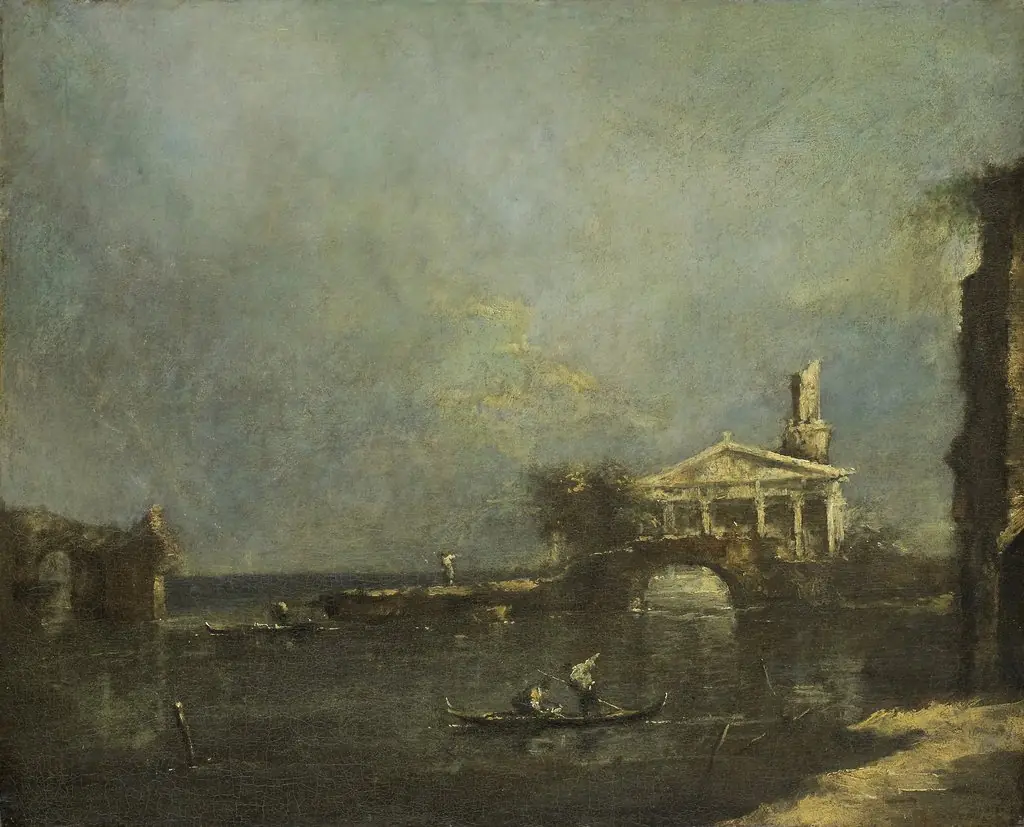 Venetian Lagoon
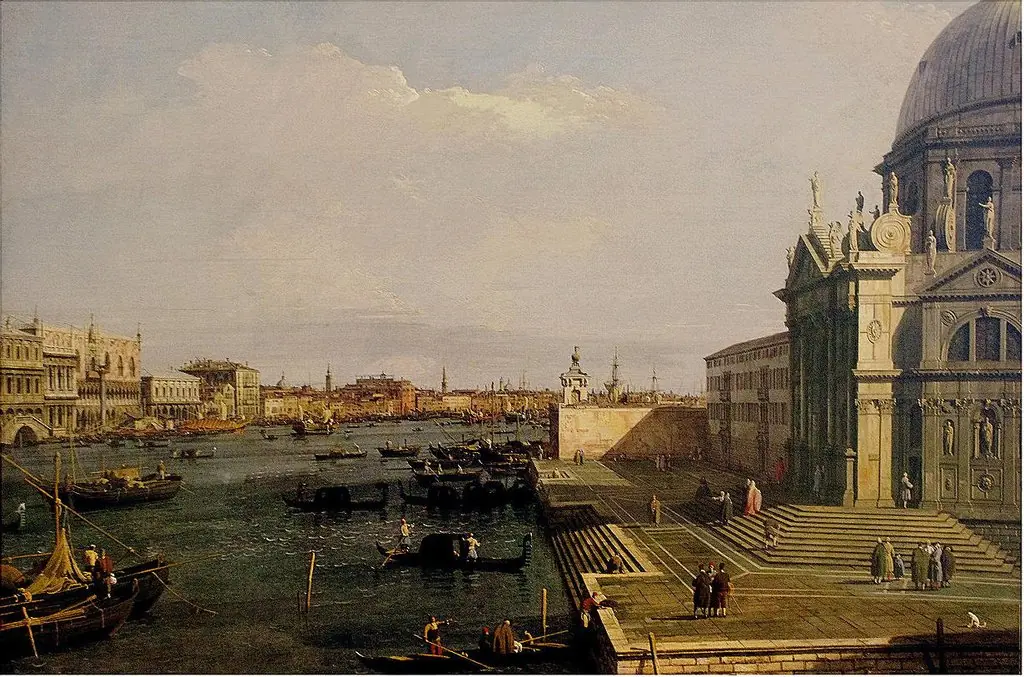 Santa Maria della Salute and Riva degli Schiavoni, Venice
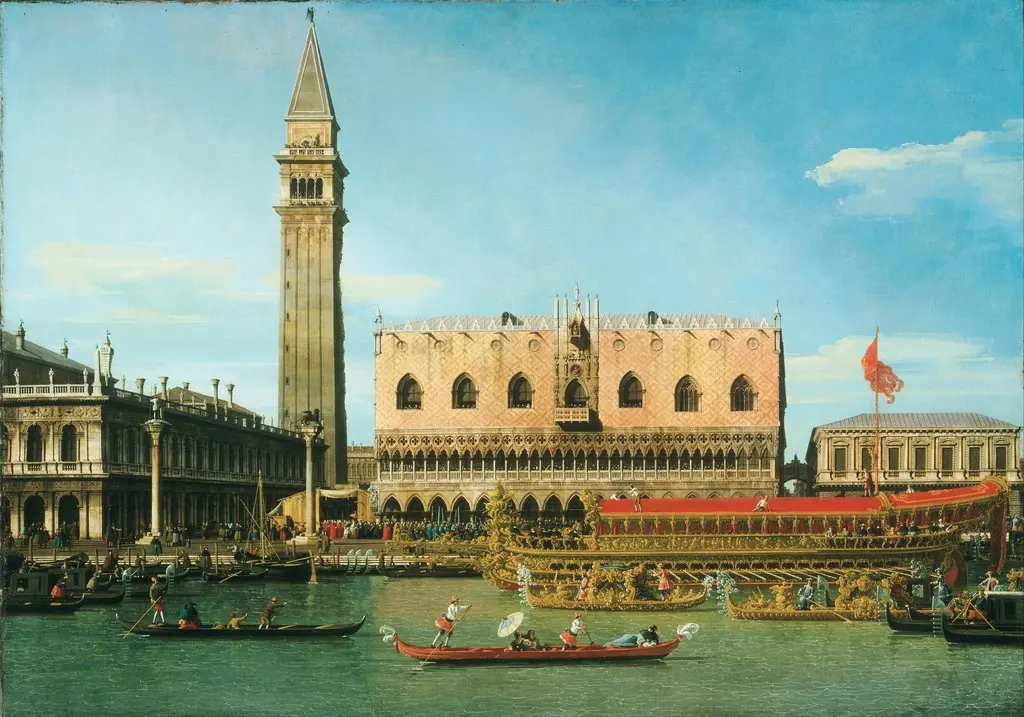 The Bucintoro at the Molo on Ascension Day
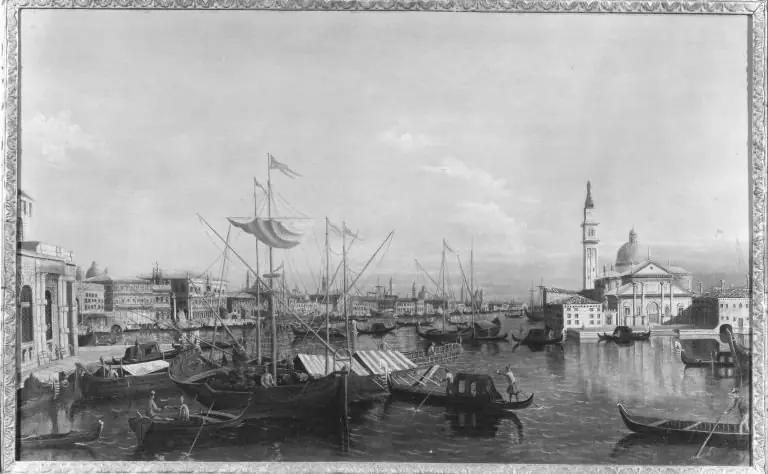 San Giorgio Maggiore, Venice
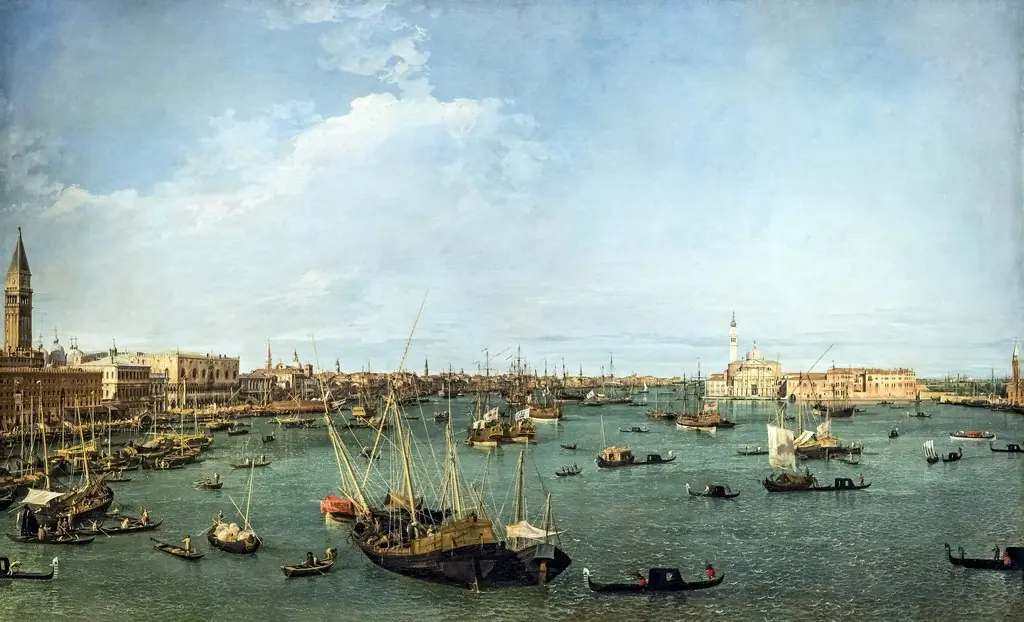 Bacino di San Marco, Venice
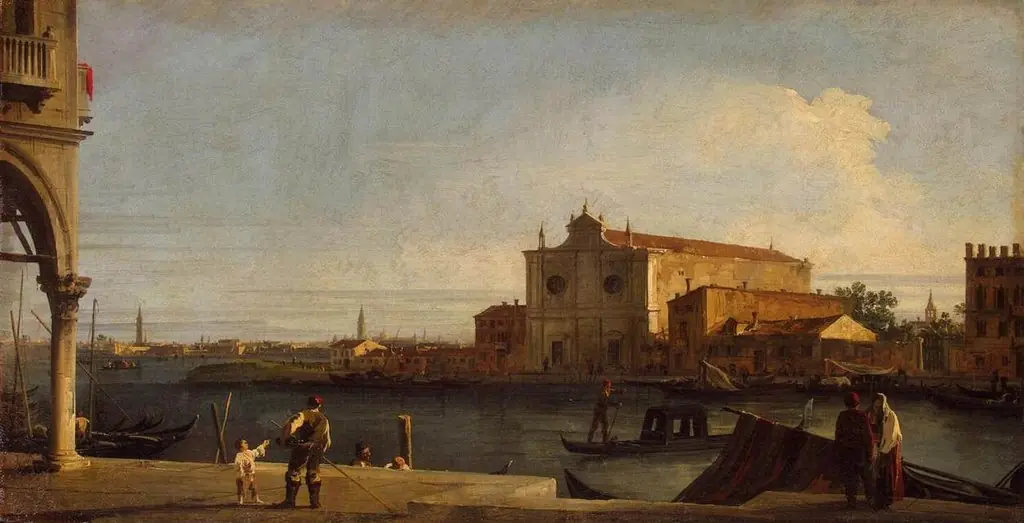 View of San Giovanni dei Battuti at Murano
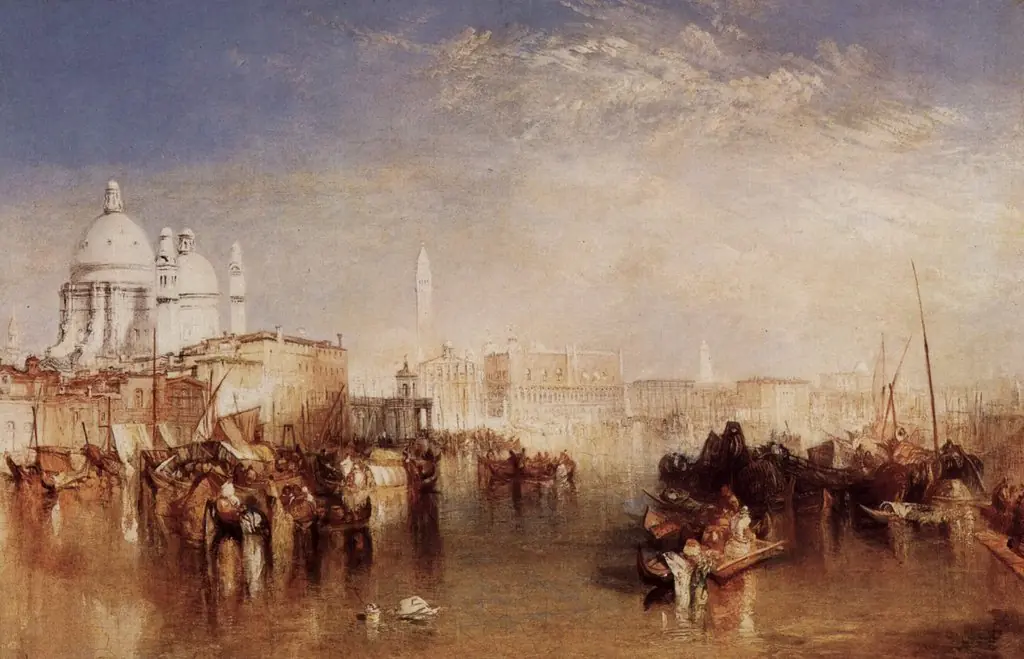 Venice from the Giudecca
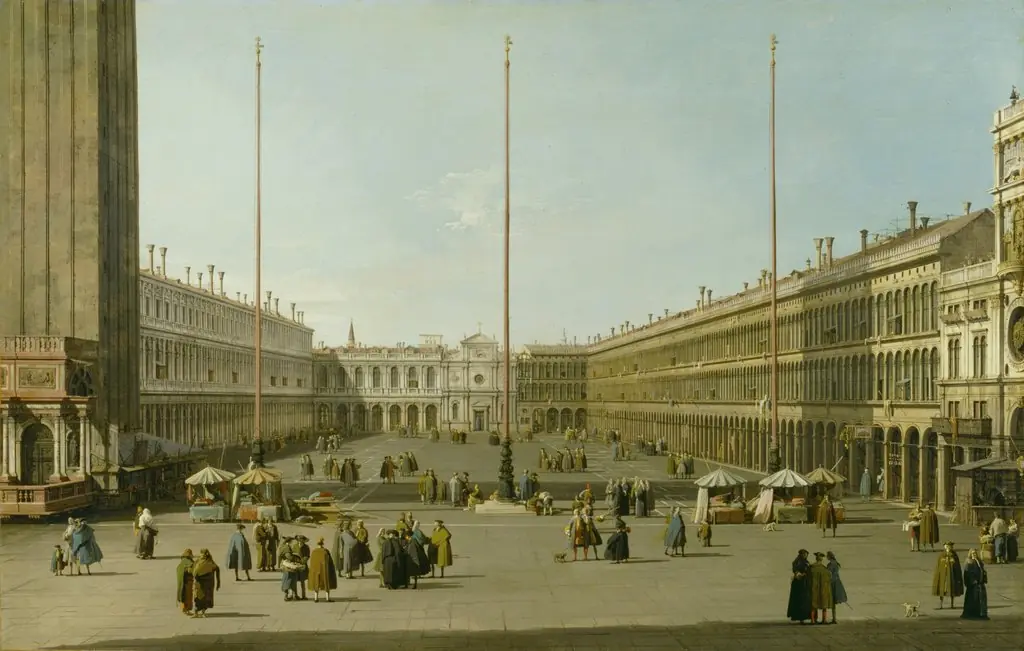 The Piazza San Marco (with view west)
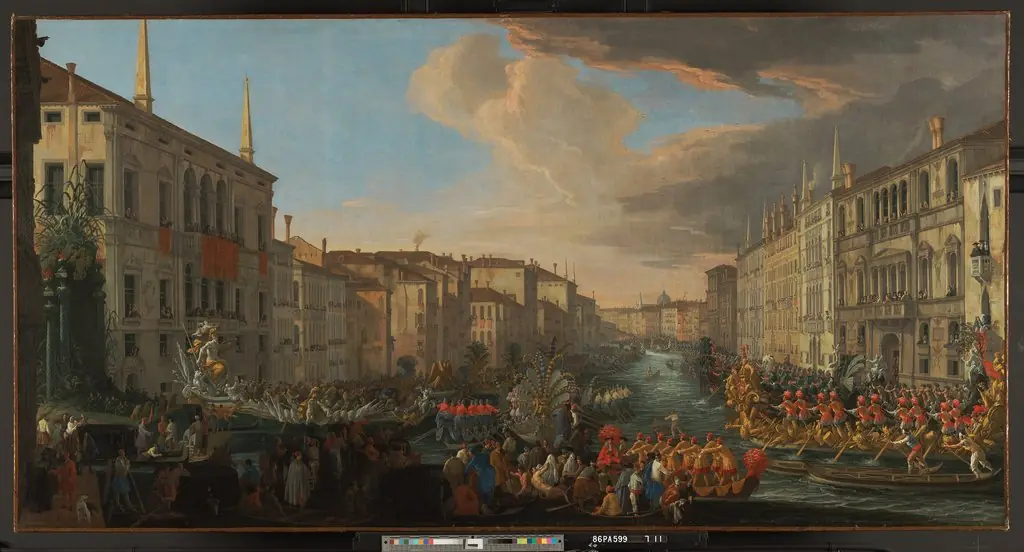 Regatta on the Grand Canal in Honor of Frederick IV, King of Denmark
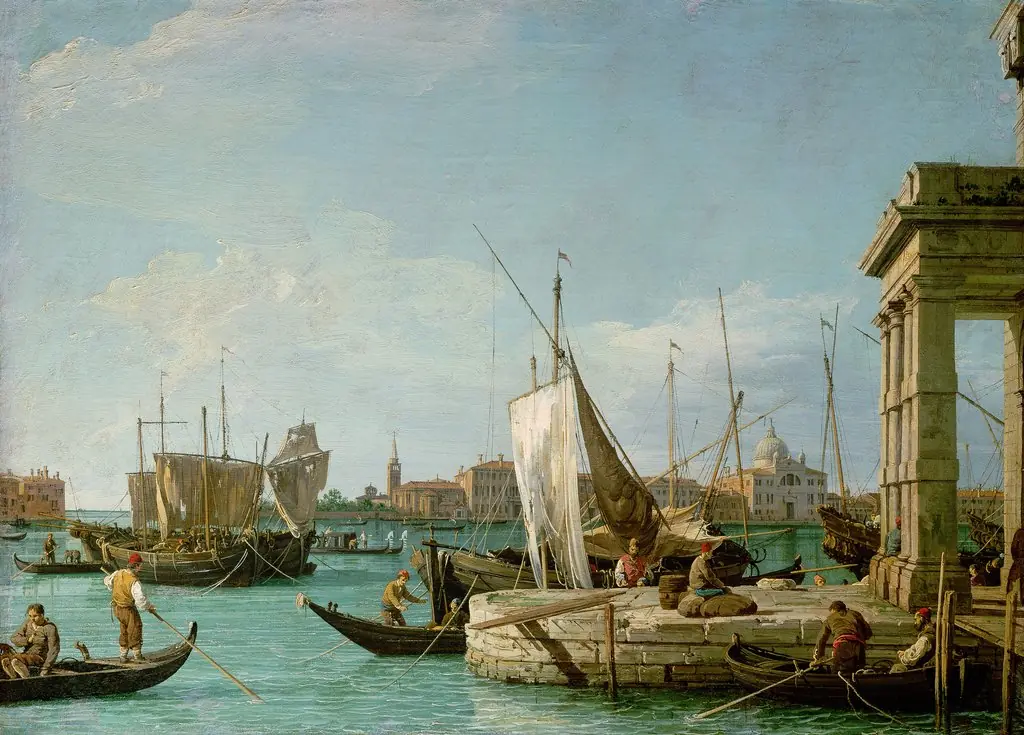 La Punta della Dogana
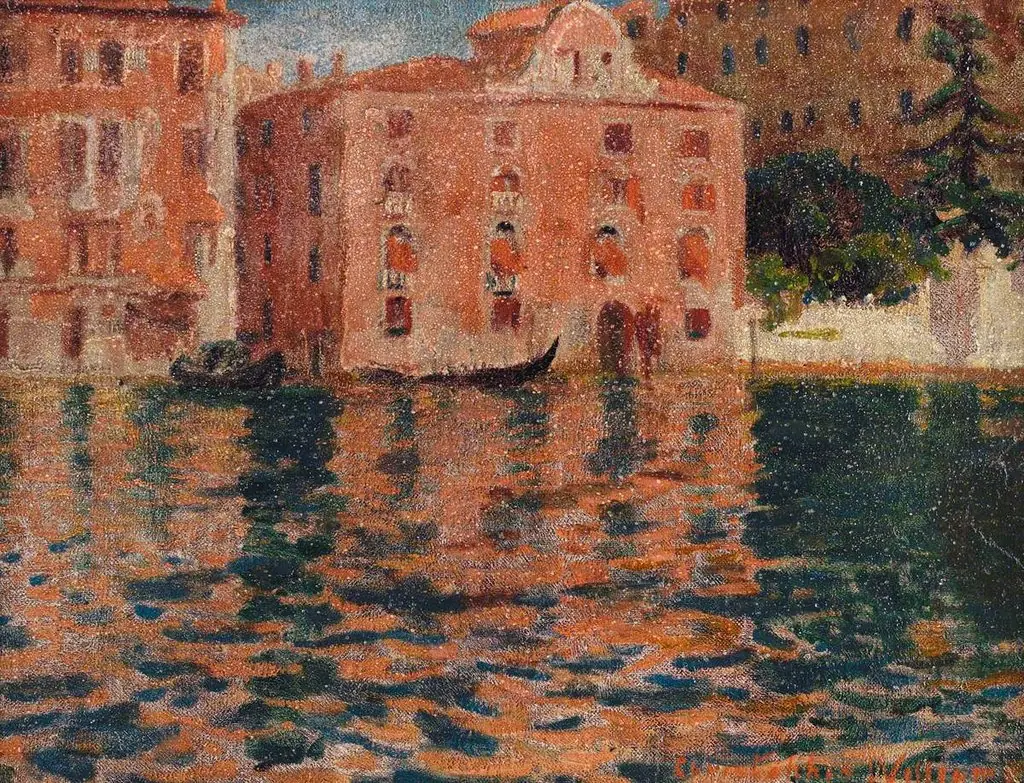 Reflections, Venice
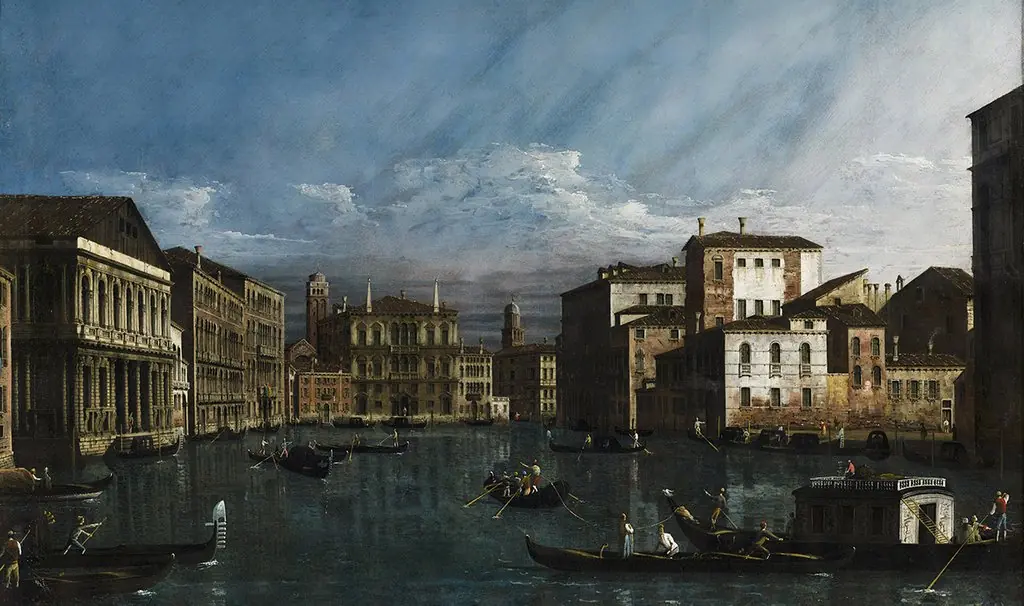 The Grand Canal in Venice
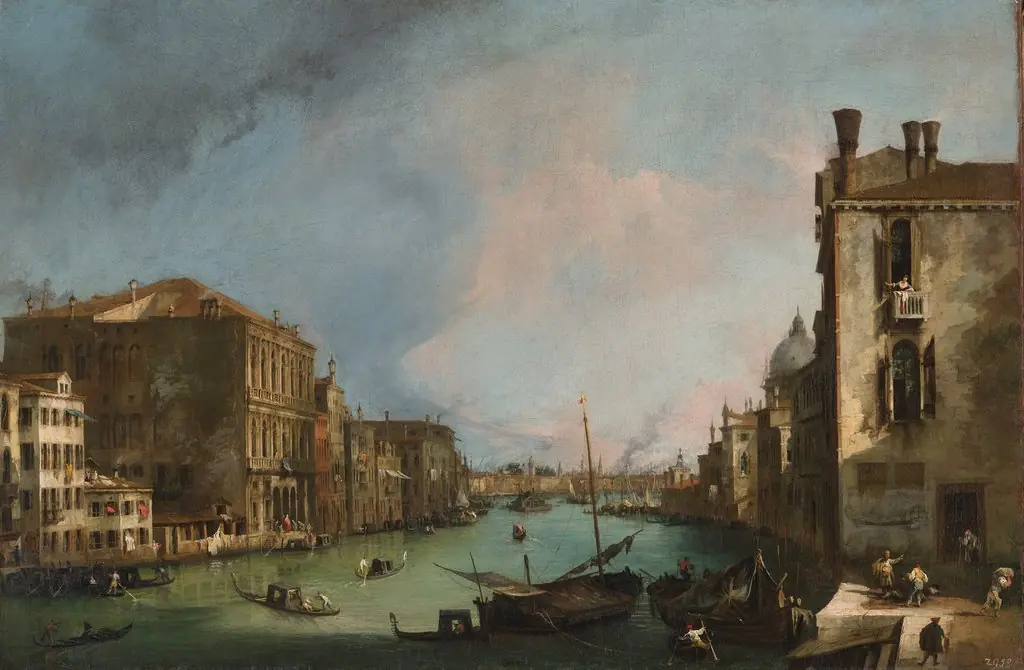 The Grand Canal in Venice with the Rialto Bridge
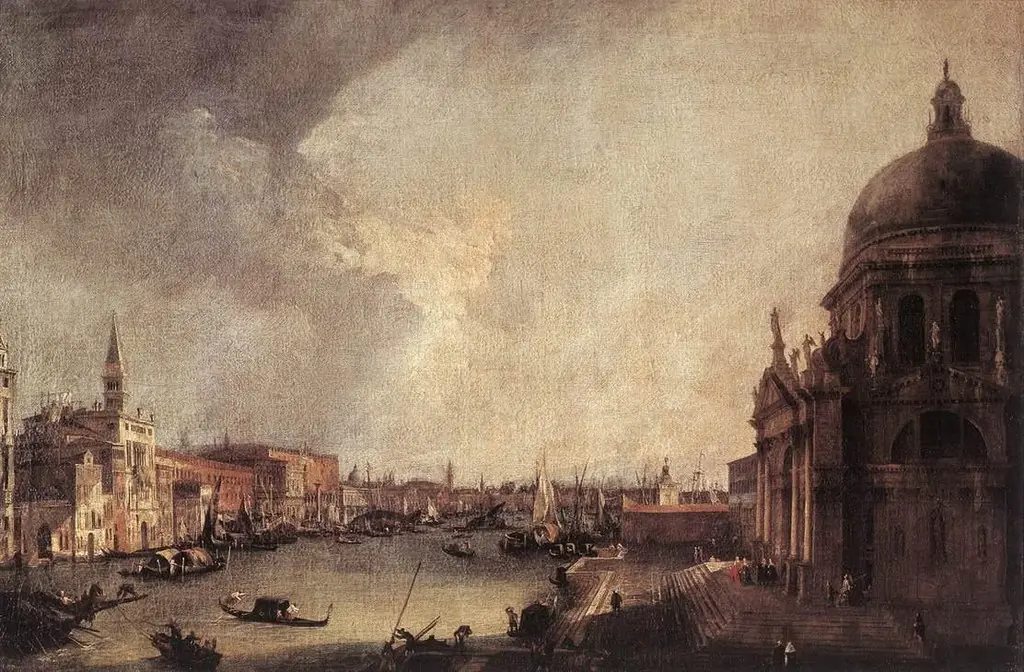 Entrance to the Grand Canal: Looking East
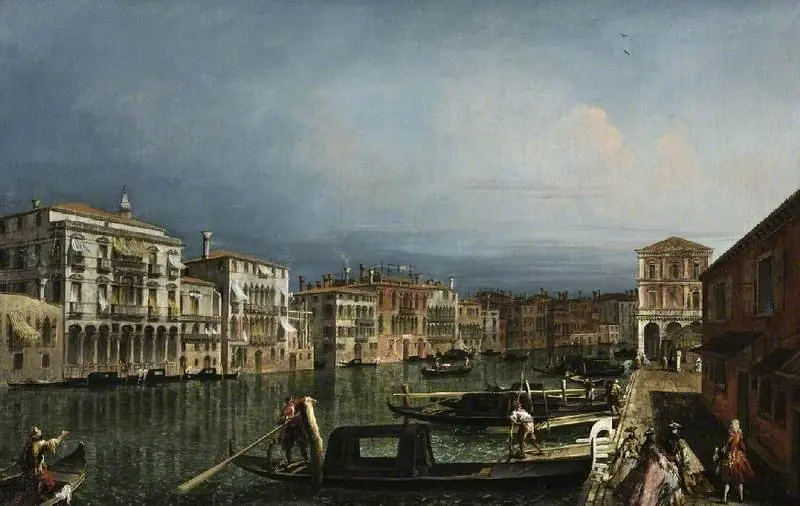 The Grand Canal, Venice, above the Rialto bridge
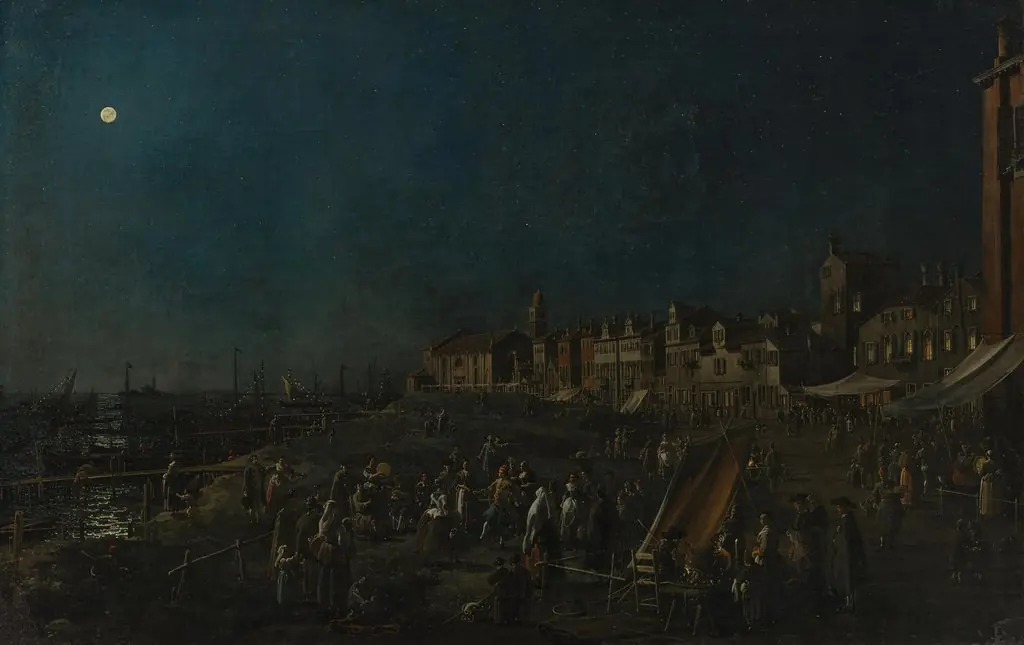 The Vigilia di Santa Marta
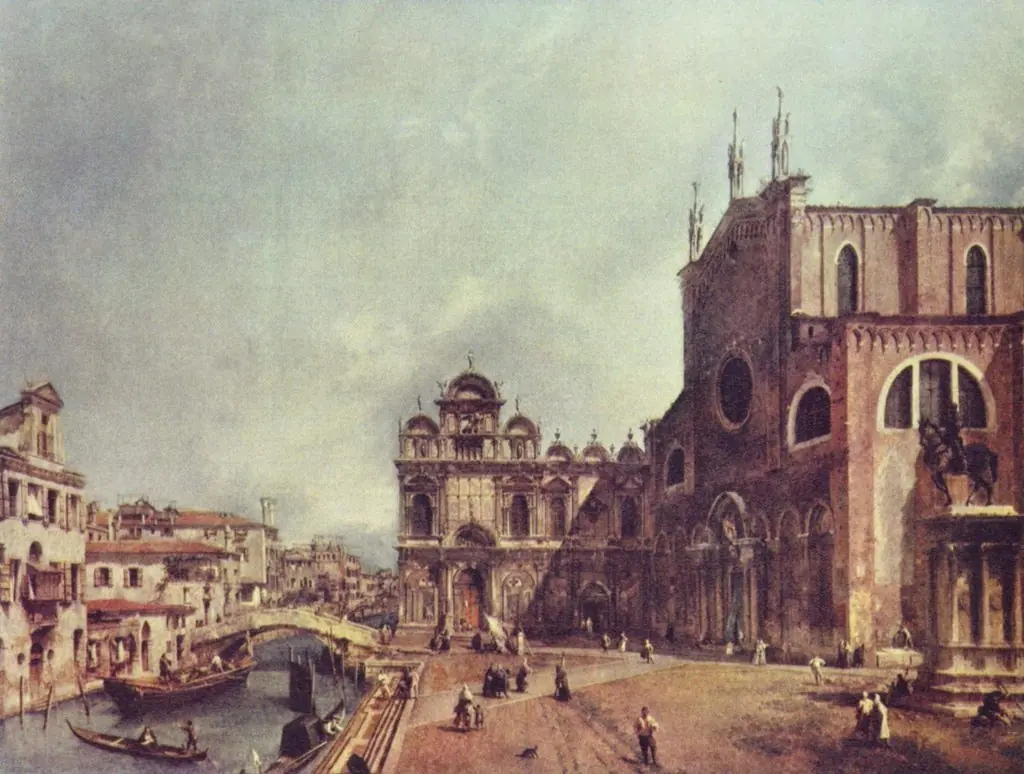 Santi Giovanni e Paolo and the Scuola di San Marco
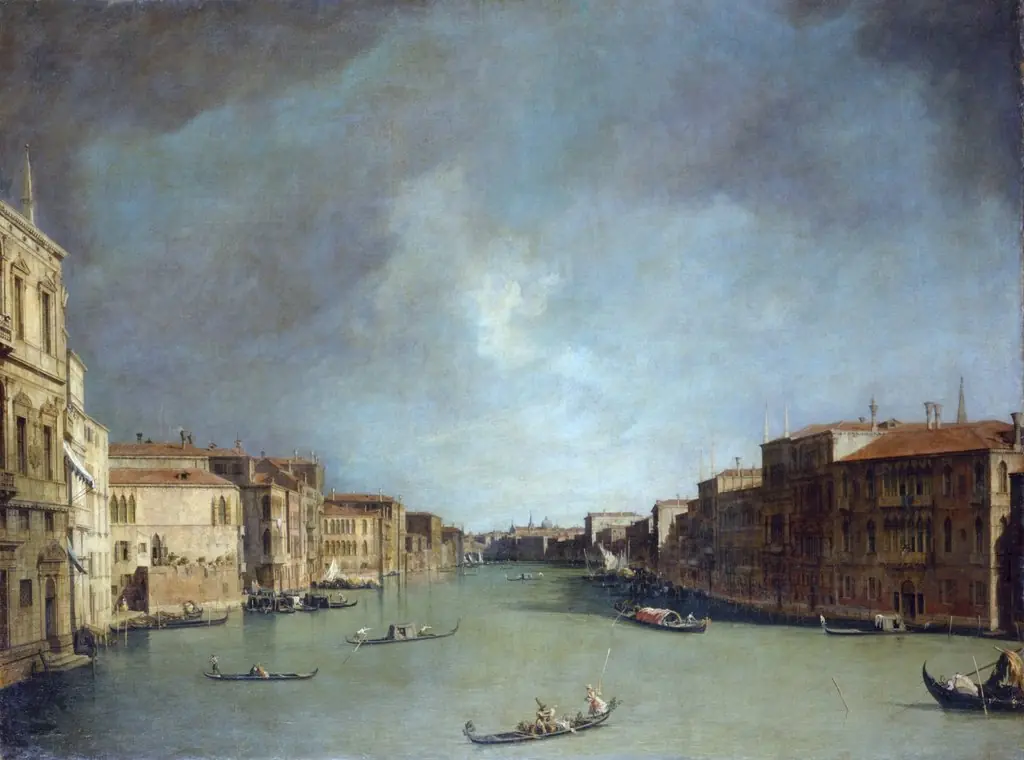 Grand Canal: Looking from Palazzo Balbi
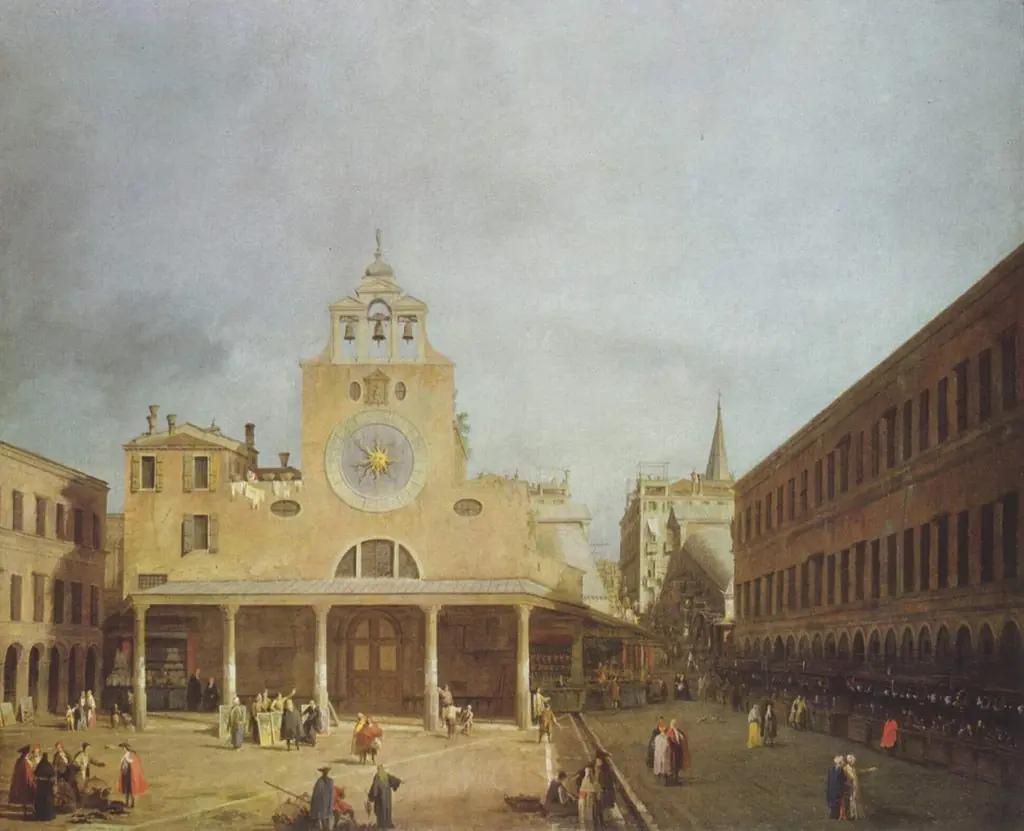 San Giacomo di Rialto
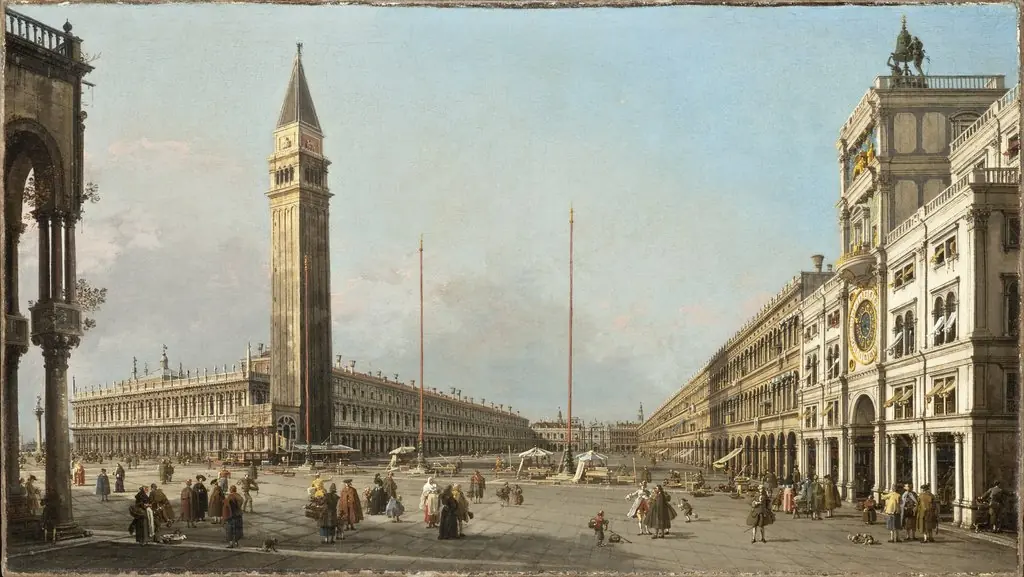 Piazza San Marco Looking South and West
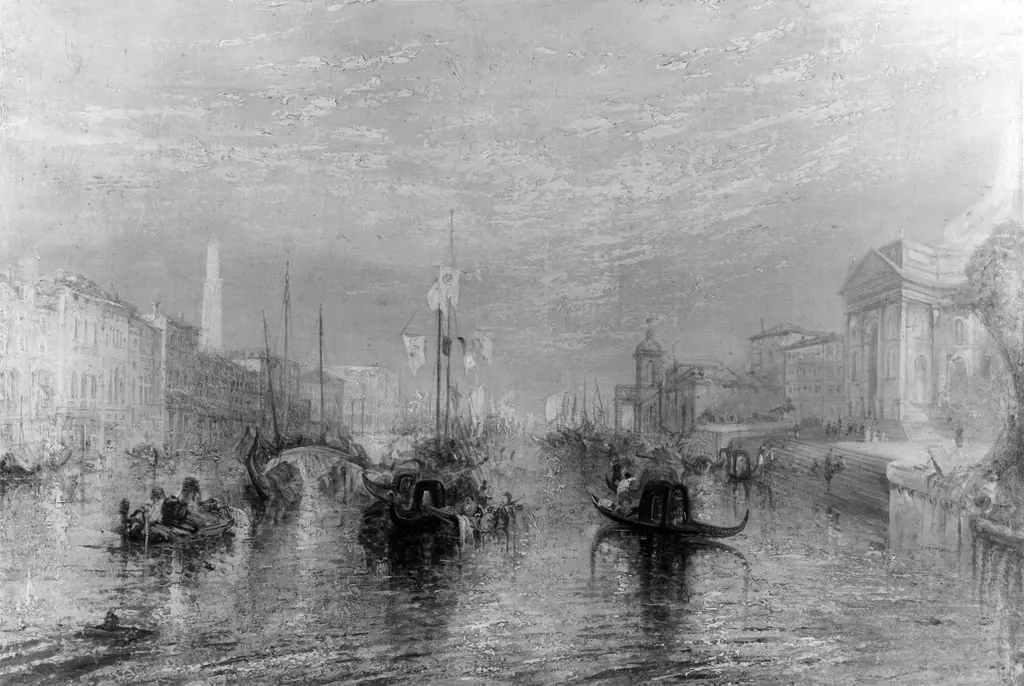 Grand Canal, Venice
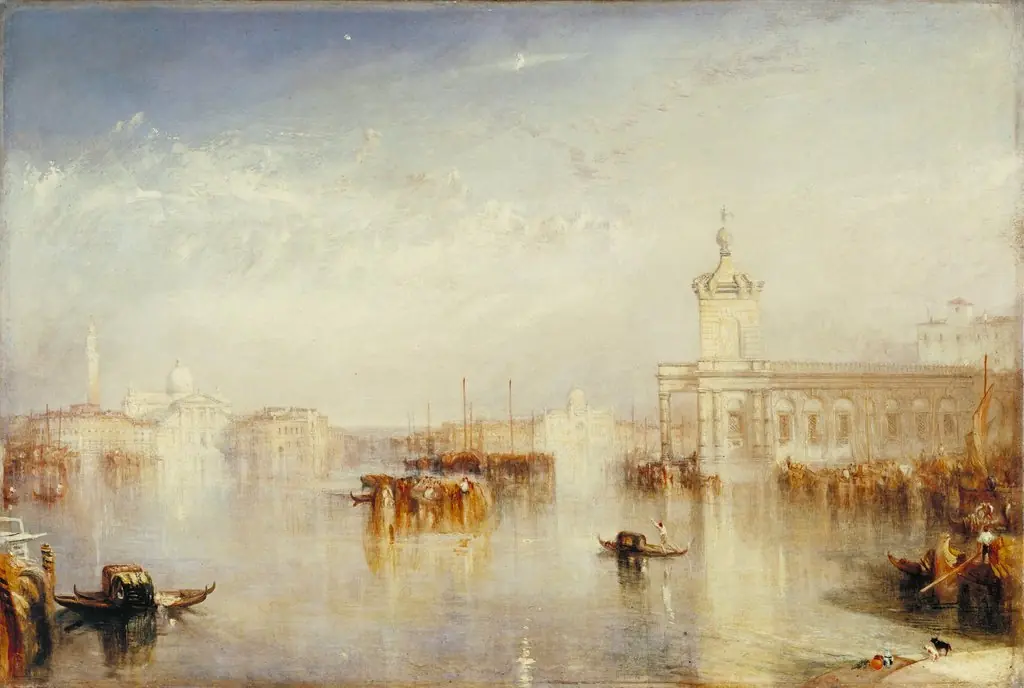 The Dogano, San Giorgio, Citella, from the Steps of the Europa
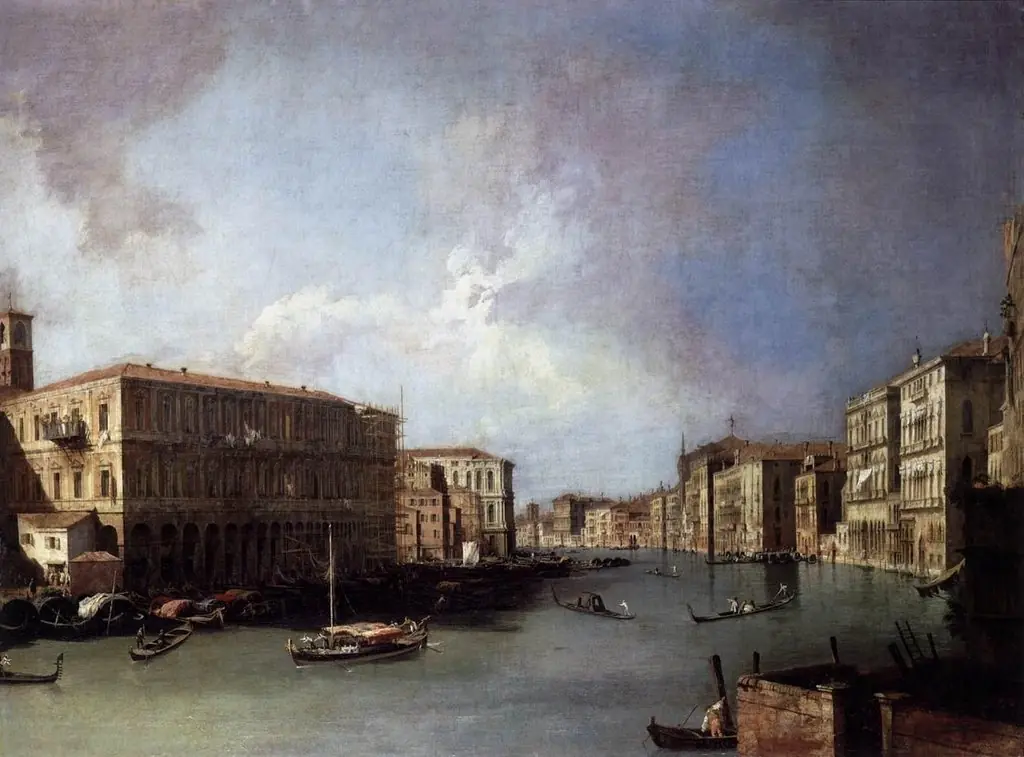 Grand Canal: Looking North from Near the Rialto Bridge
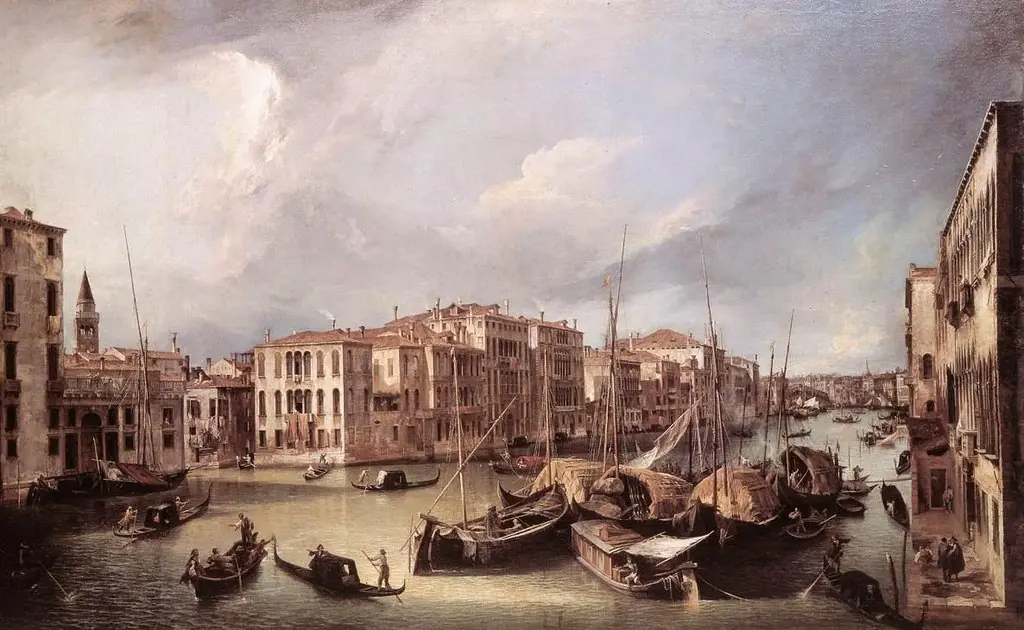 Grand Canal: Looking North-East toward the Rialto Bridge
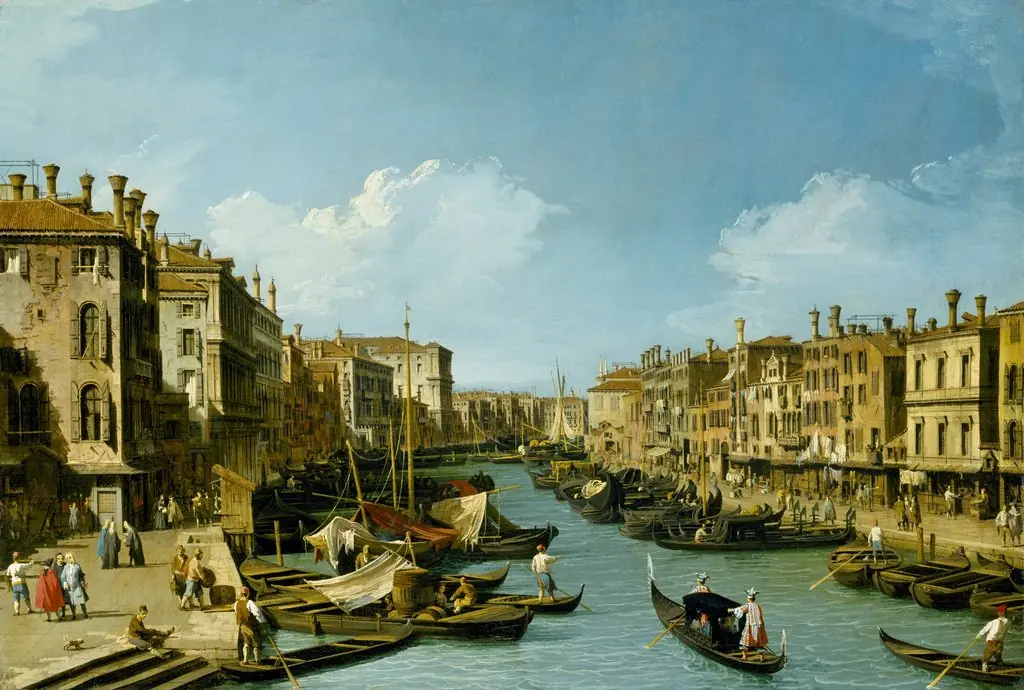 The Grand Canal near the Rialto Bridge, Venice
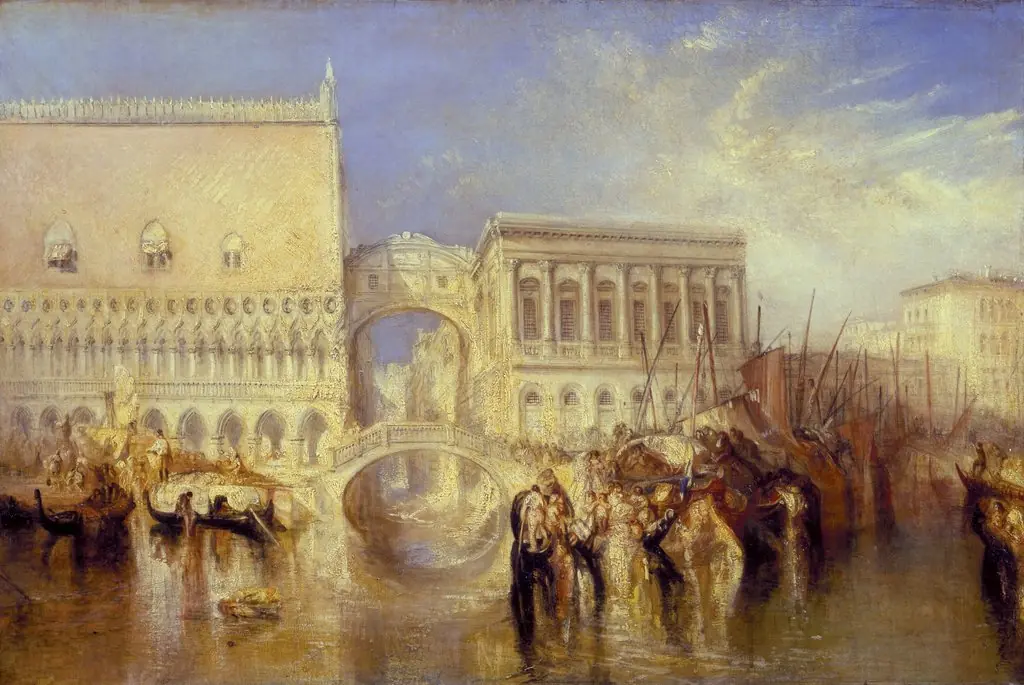 Venice, the Bridge of Sighs
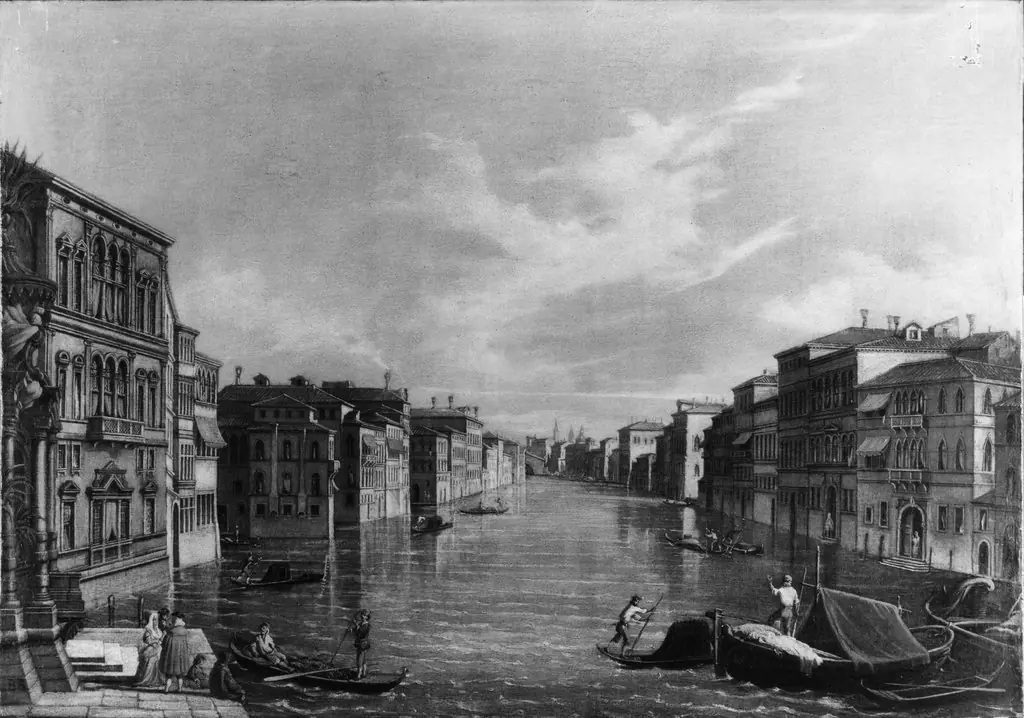 Canal Scene, Venice
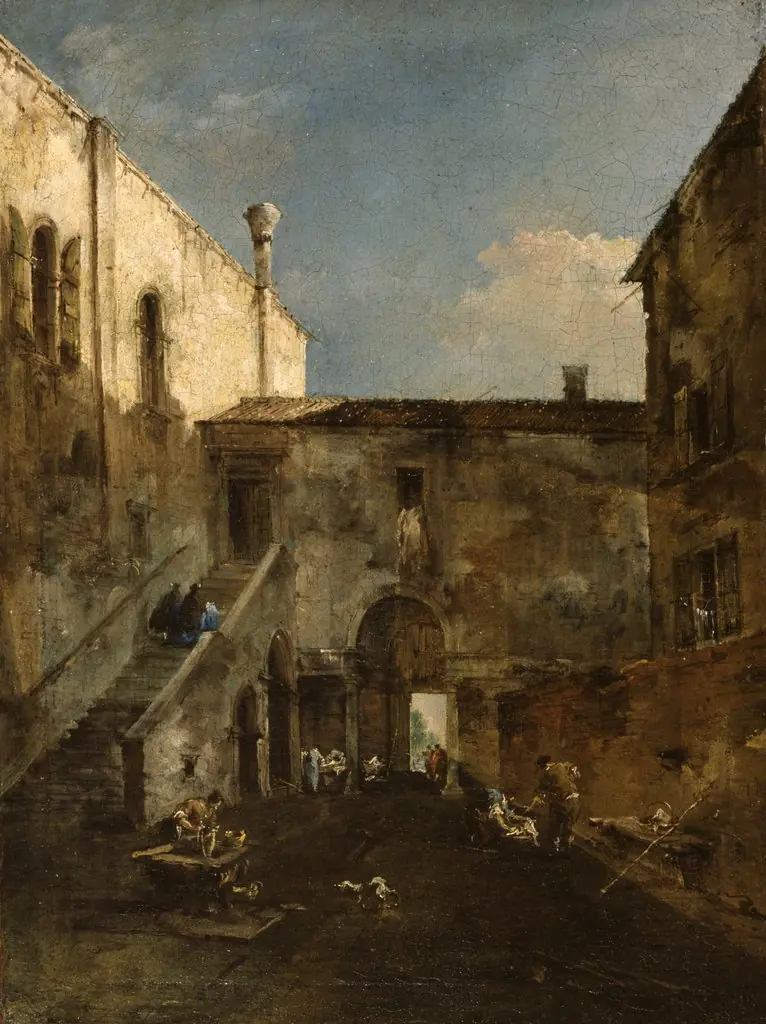 A Venetian Courtyard
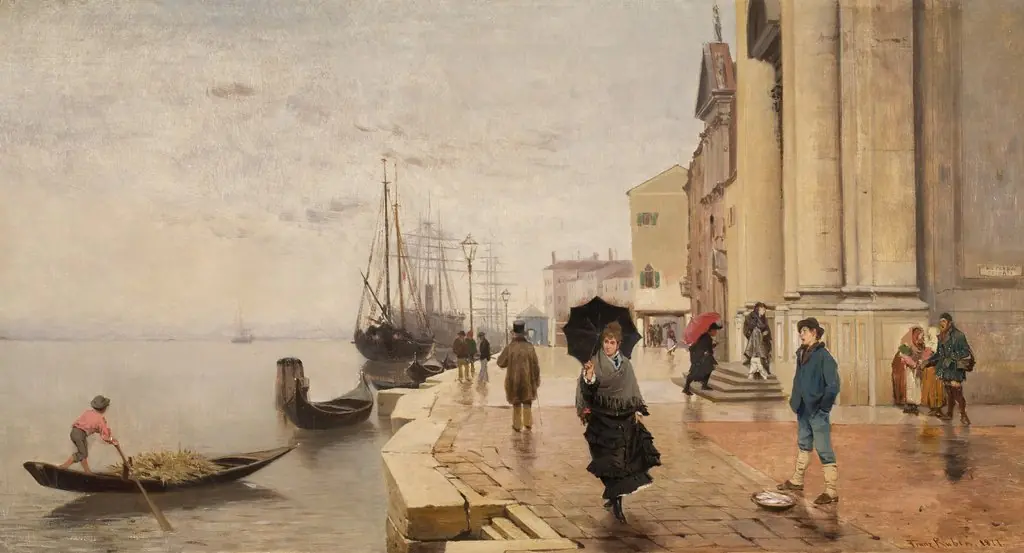 Motiv aus Venedig
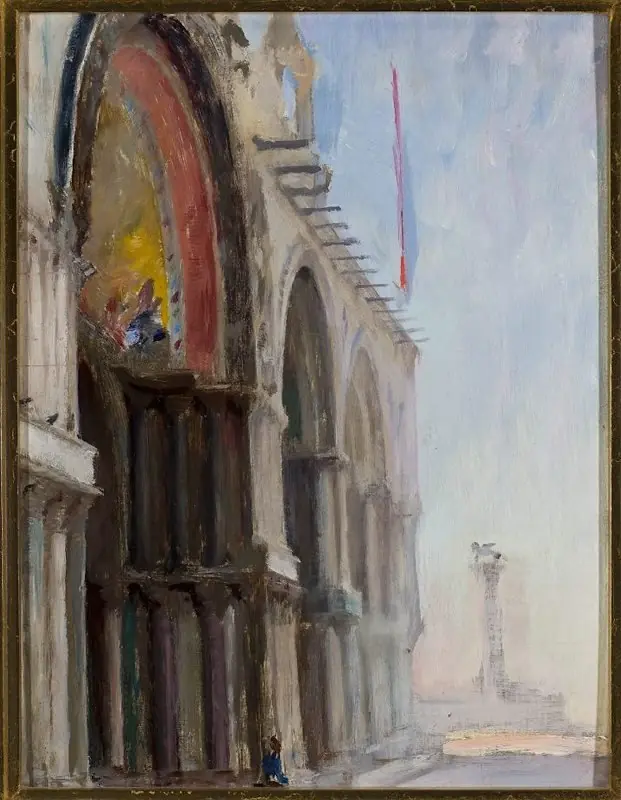 Venice – San Marco. From the journey to Italy
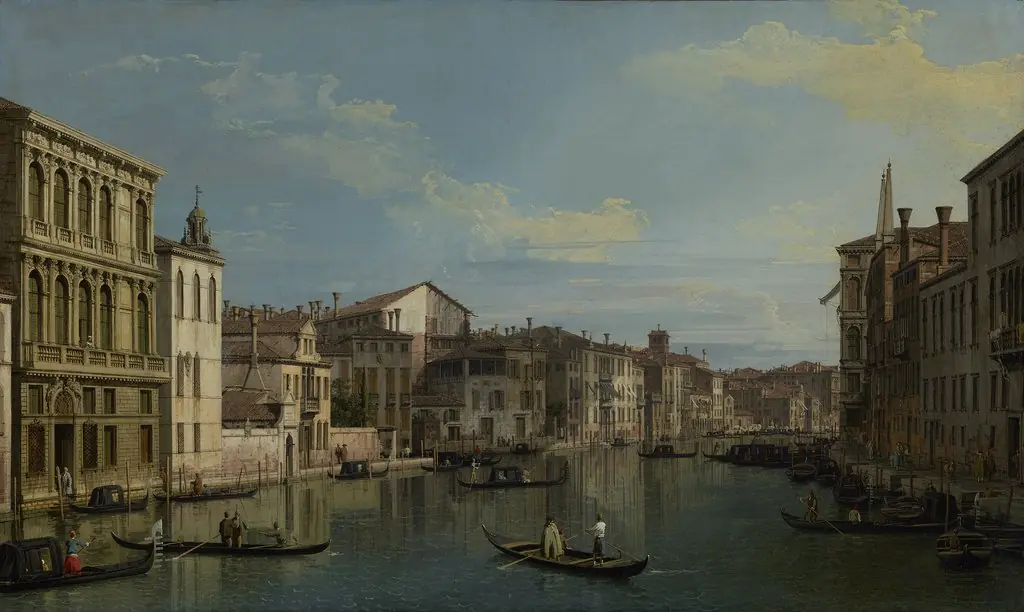 The Grand Canal in Venice from Palazzo Flangini to Campo San Marcuola
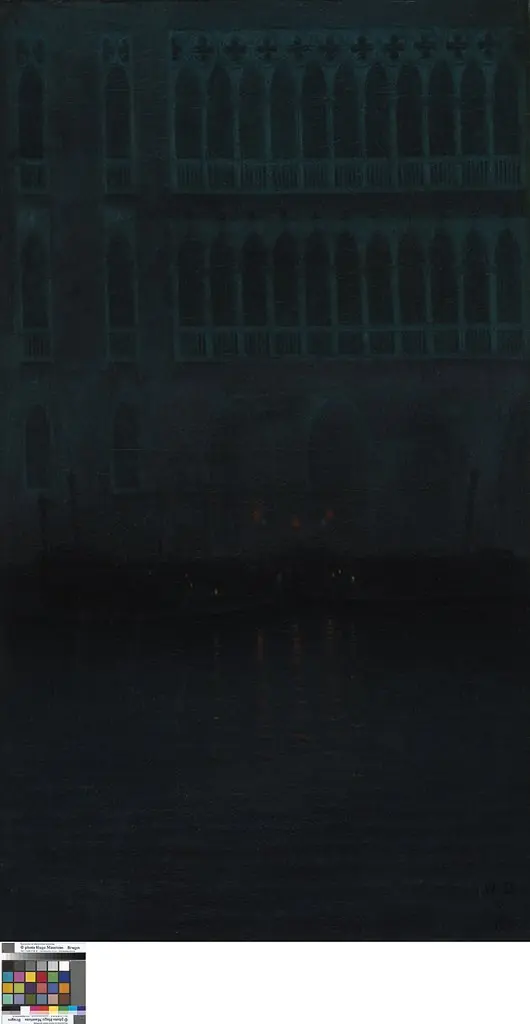 Nacht in Venetië
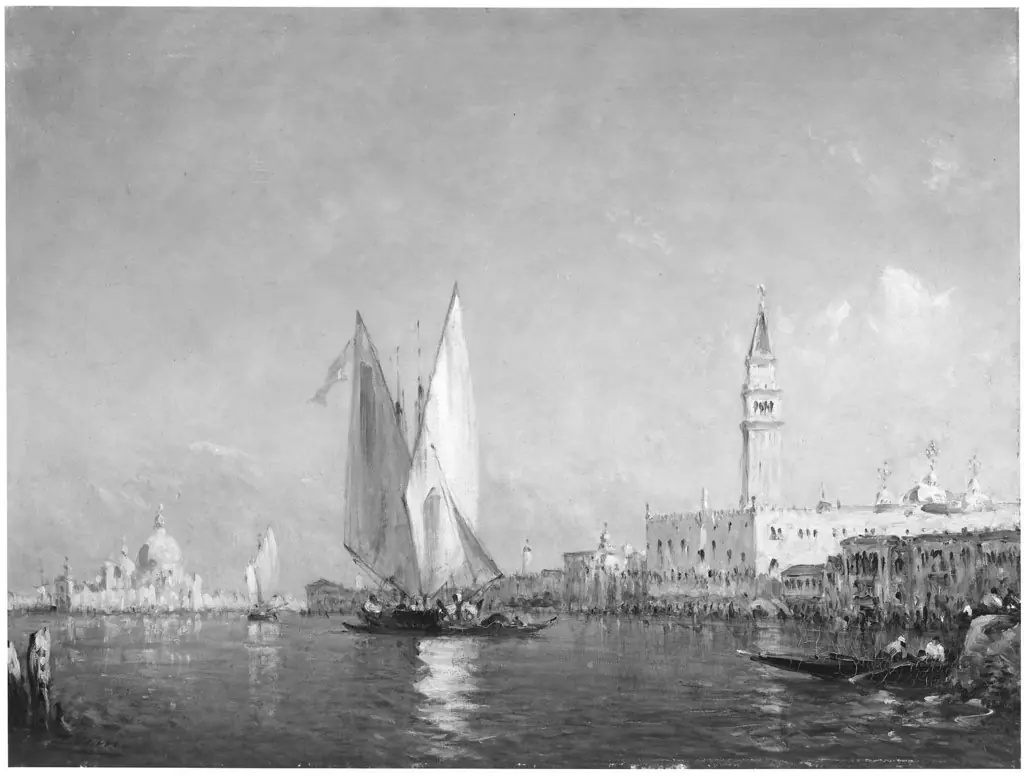 Bacino di San Marco, Venice
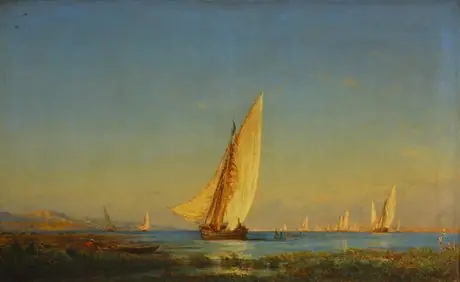 Seascape. The neighborhoods of Venice
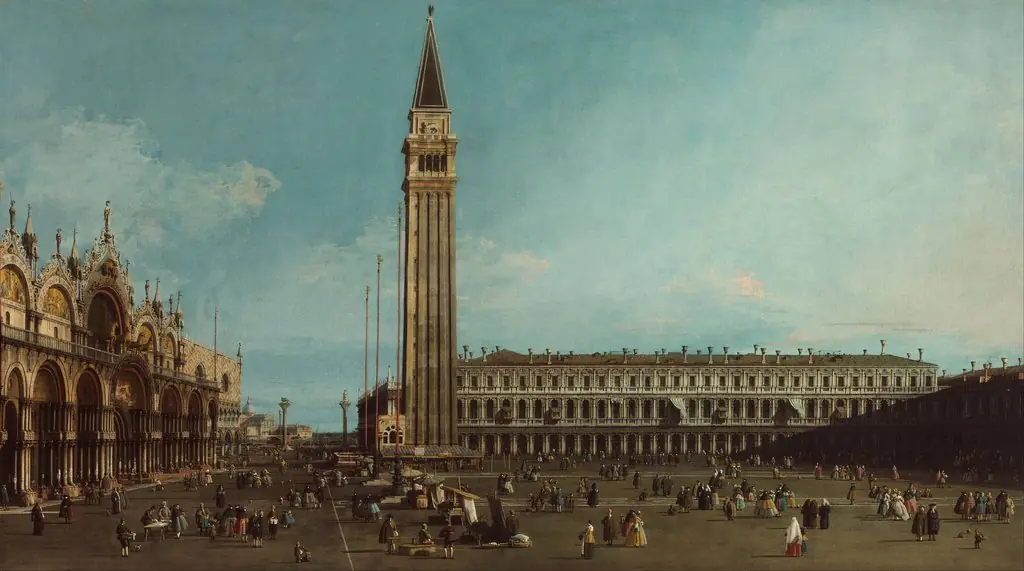 The Piazza San Marco, Venice
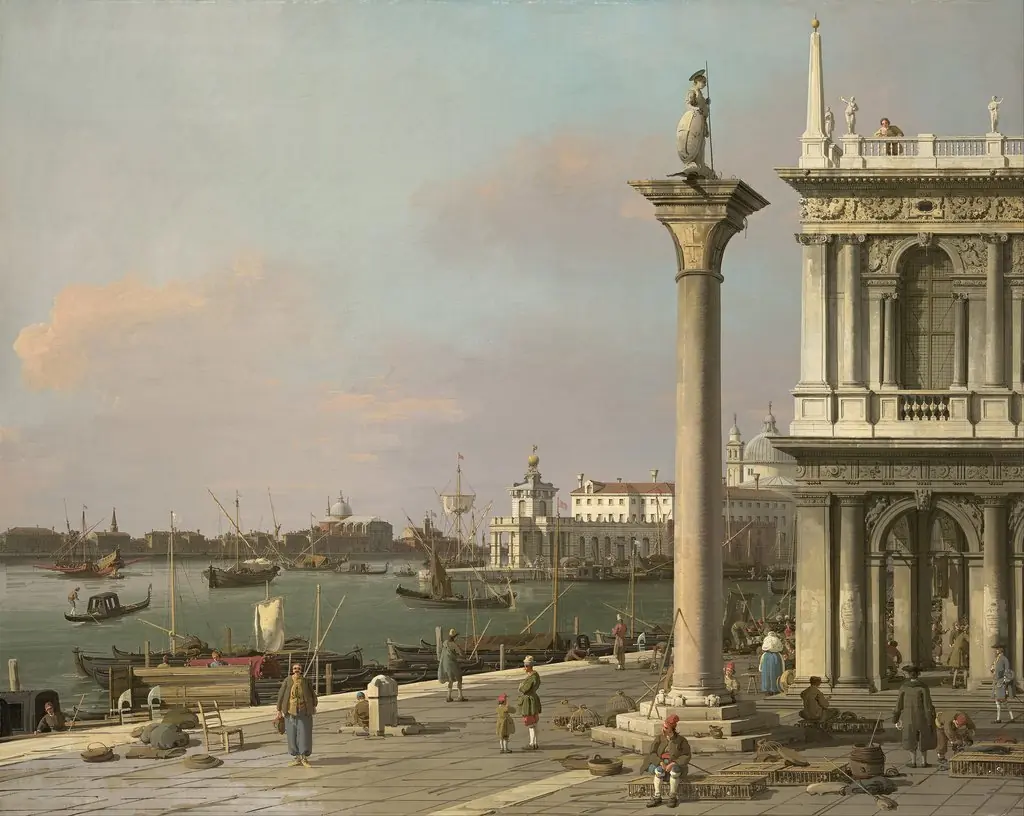 Bacino di San Marco from the Piazzetta
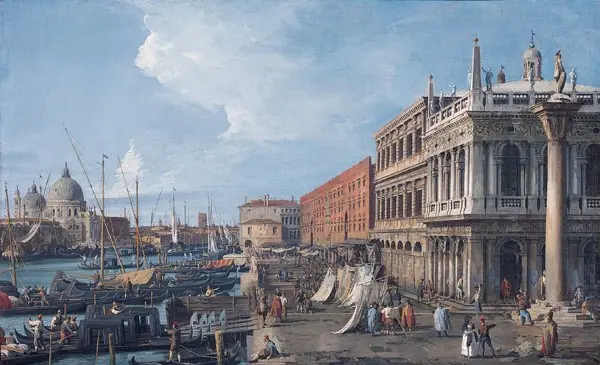 The Molo, Venice
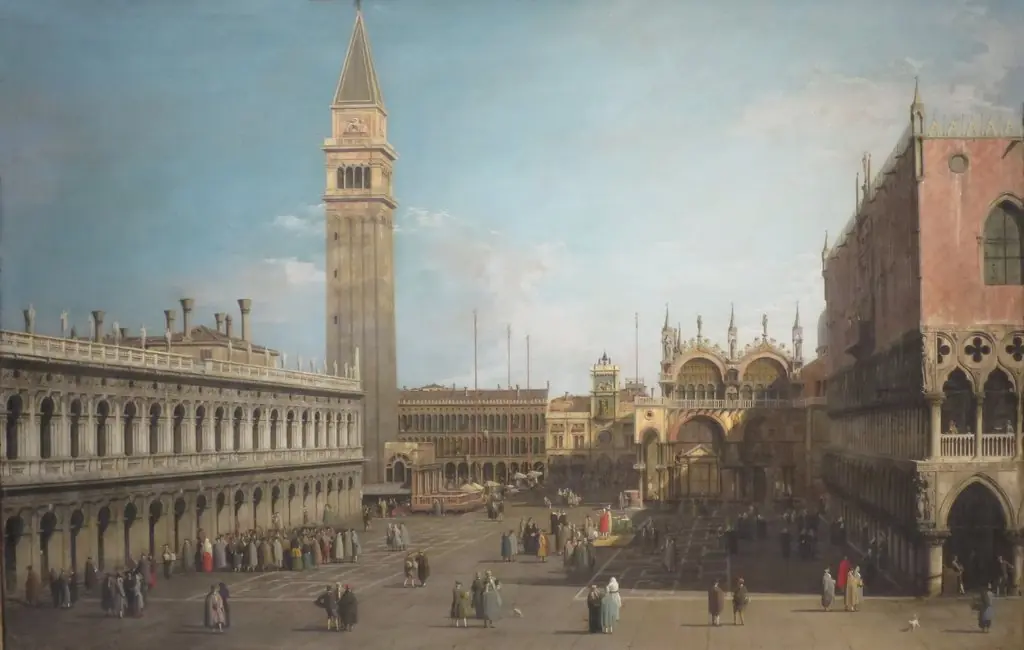 The Piazzetta, Venice, Looking North
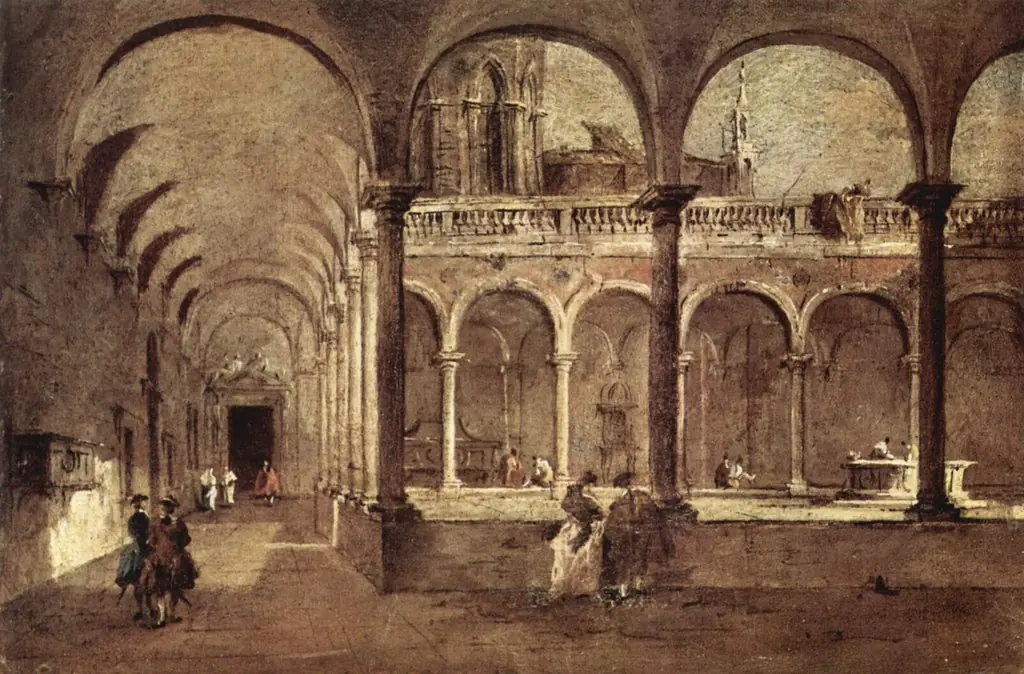 Cloister in Venice
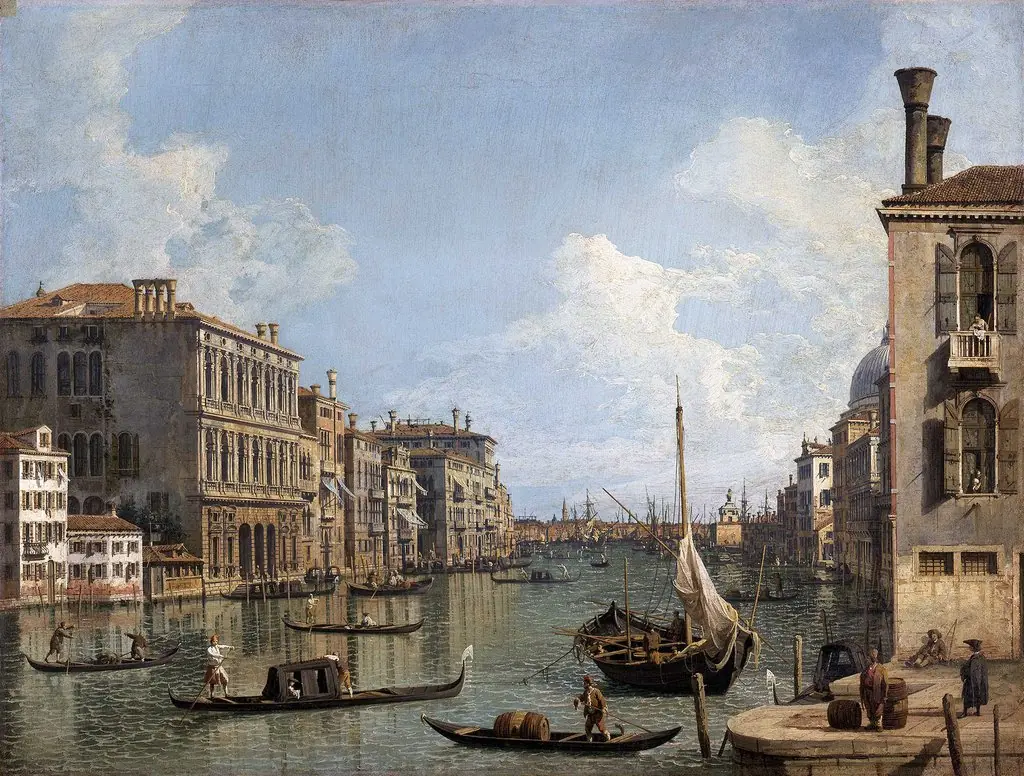 View of the Grand Canal toward the Punta della Dogana
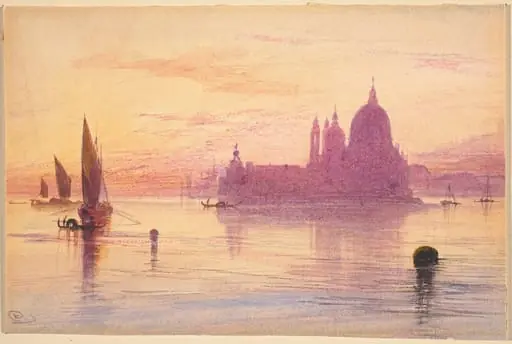 Santa Maria della Salute, Venice, at Sunset
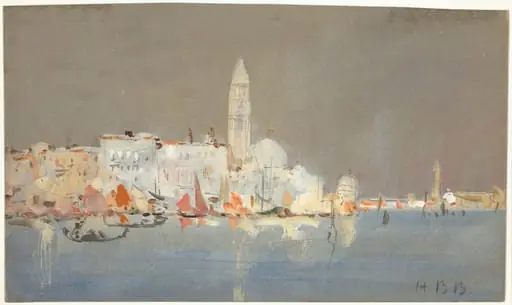 Venetian Capriccio with a Campanile
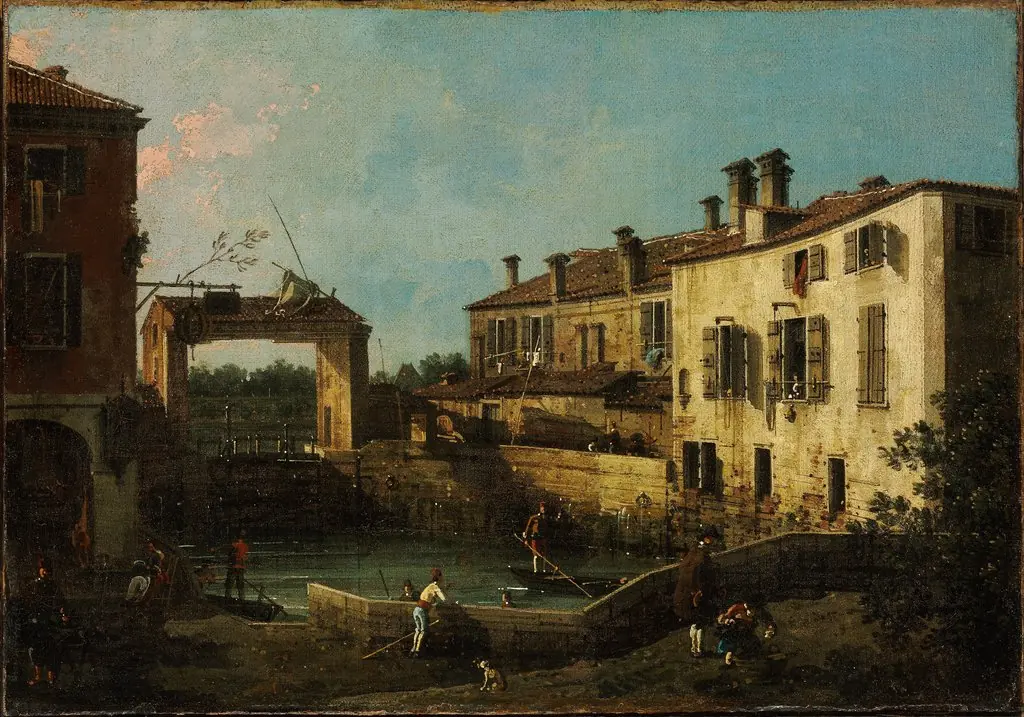 The Lock at Dolo
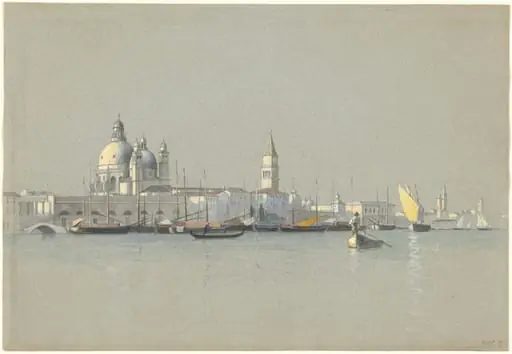 View across the Giudecca Canal toward the Salute and the Campanile of San Marco
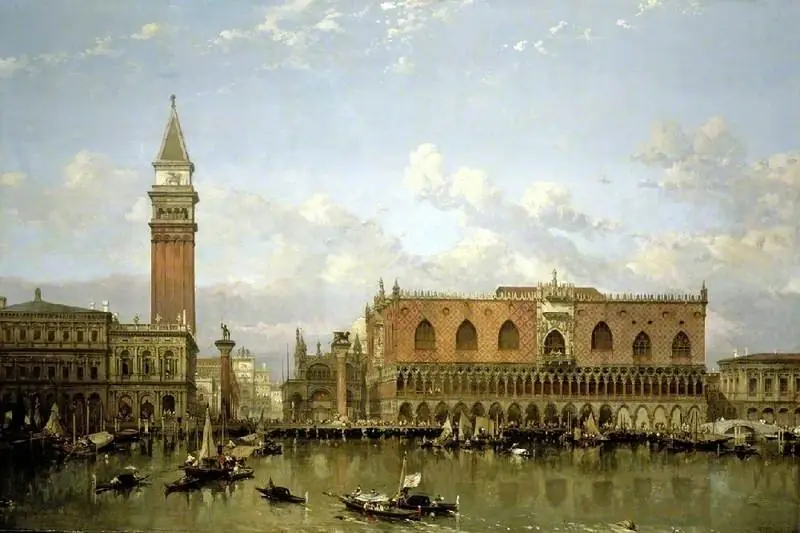 The Doge's Palace, Venice, from the Bacino di San Marco
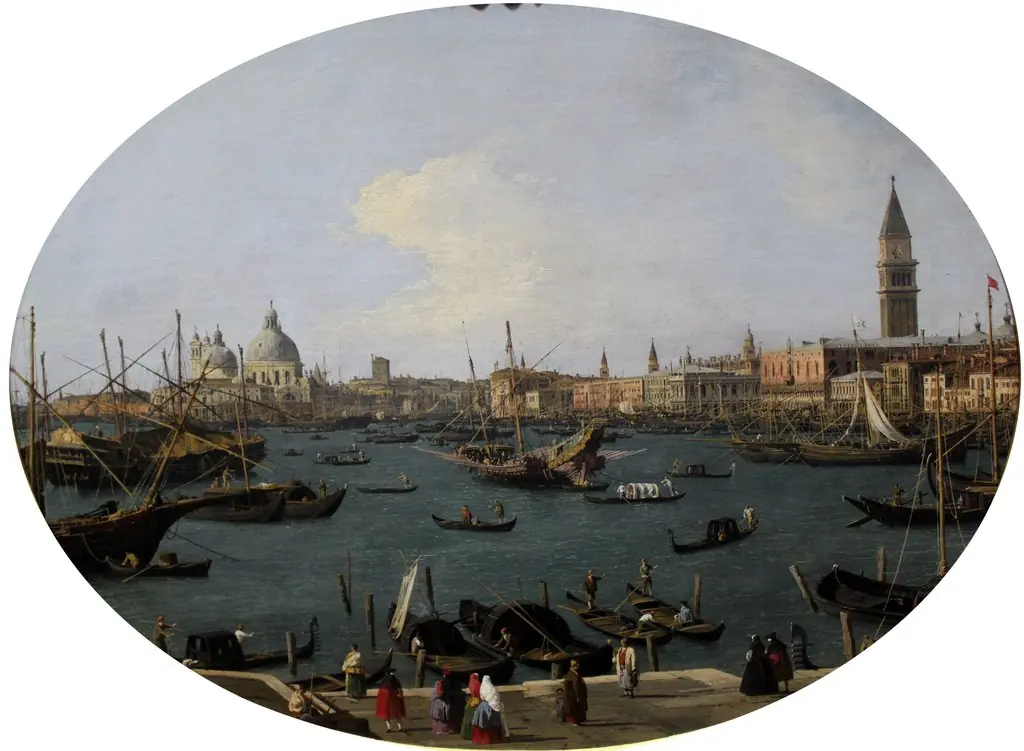 Venice Viewed from the San Giorgio Maggiore
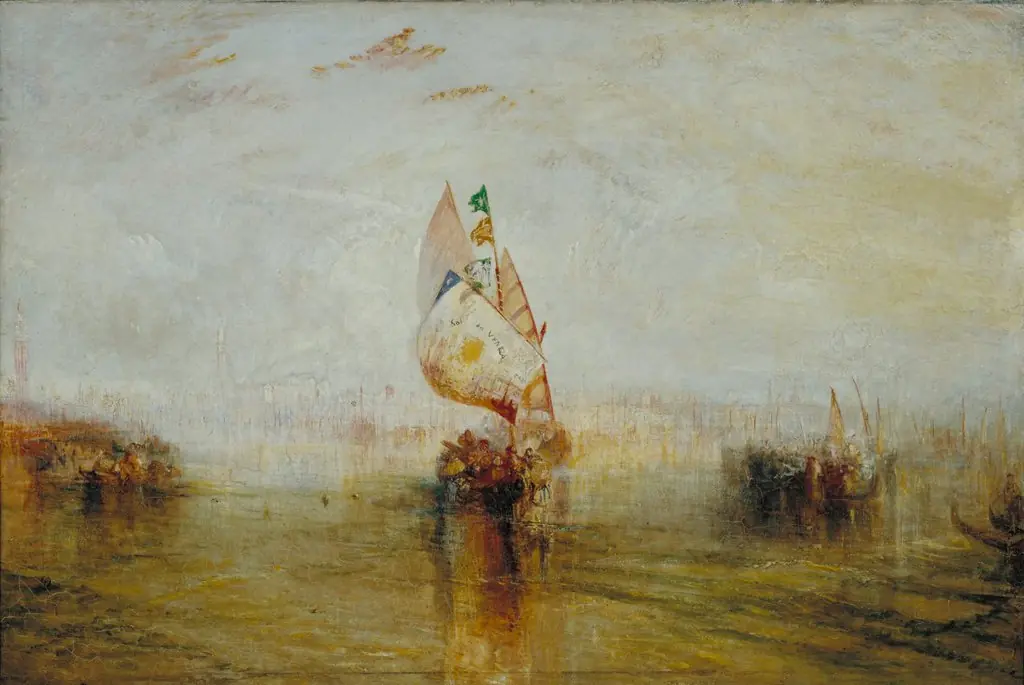 The Sun of Venice Going to Sea
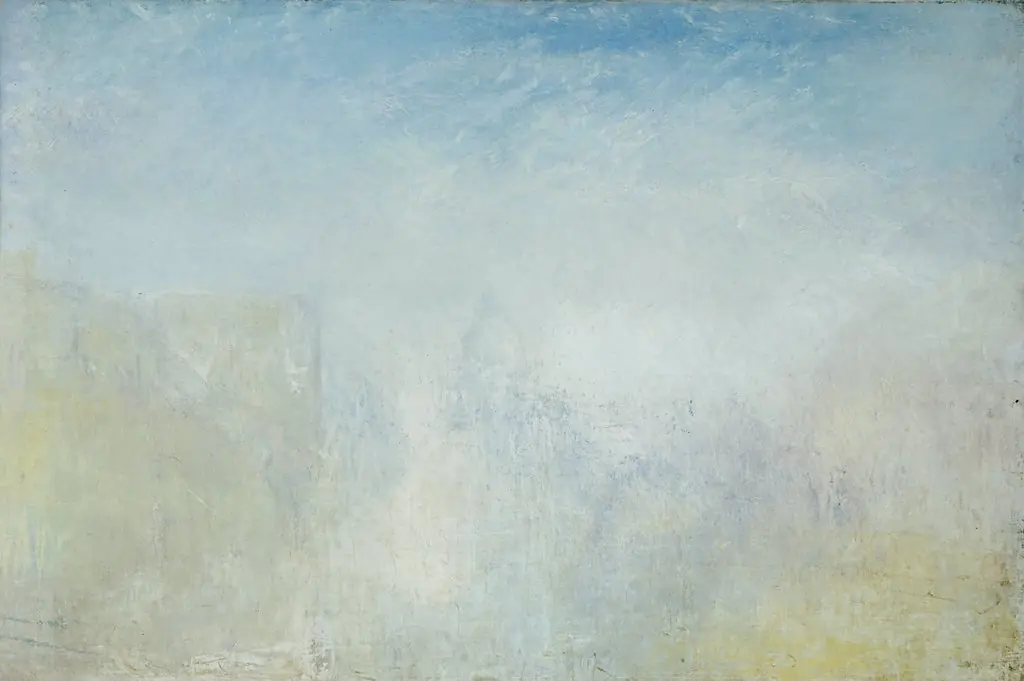 Venice with the Salute
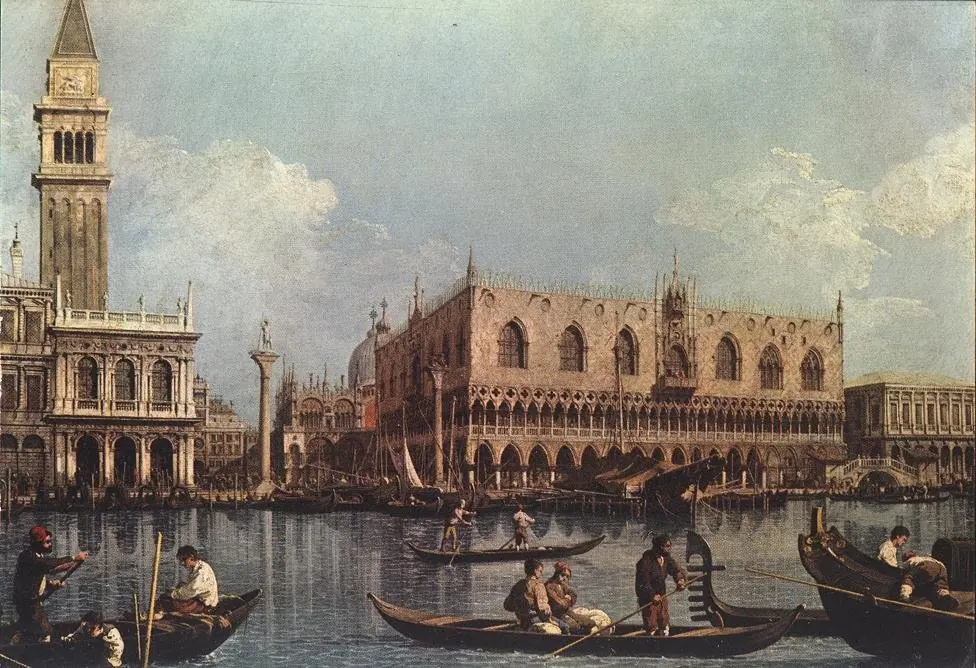 View of the Bacino di San Marco from the Punta della Dogana
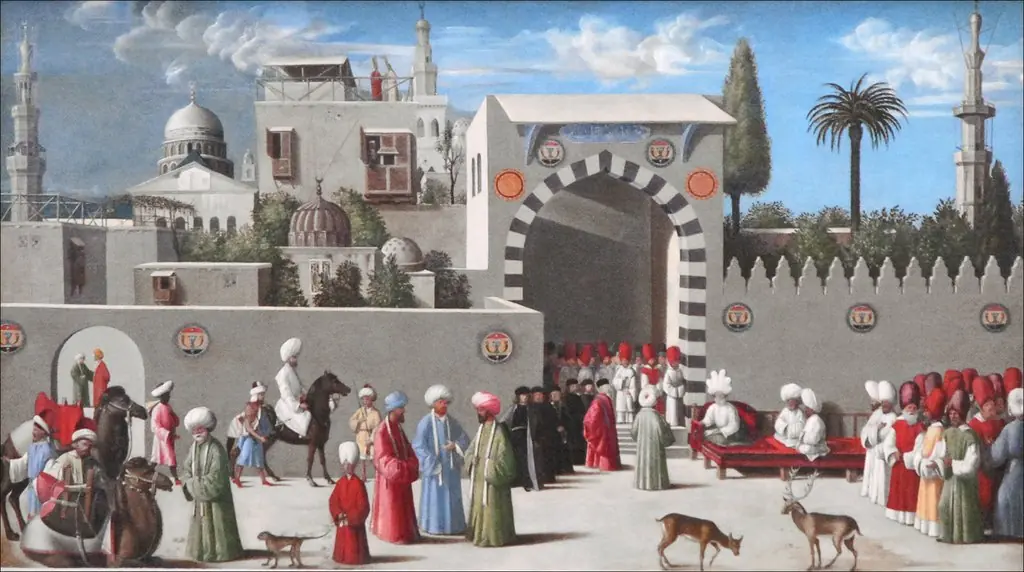 Reception of a Venetian Delegation in Damascus in 1511
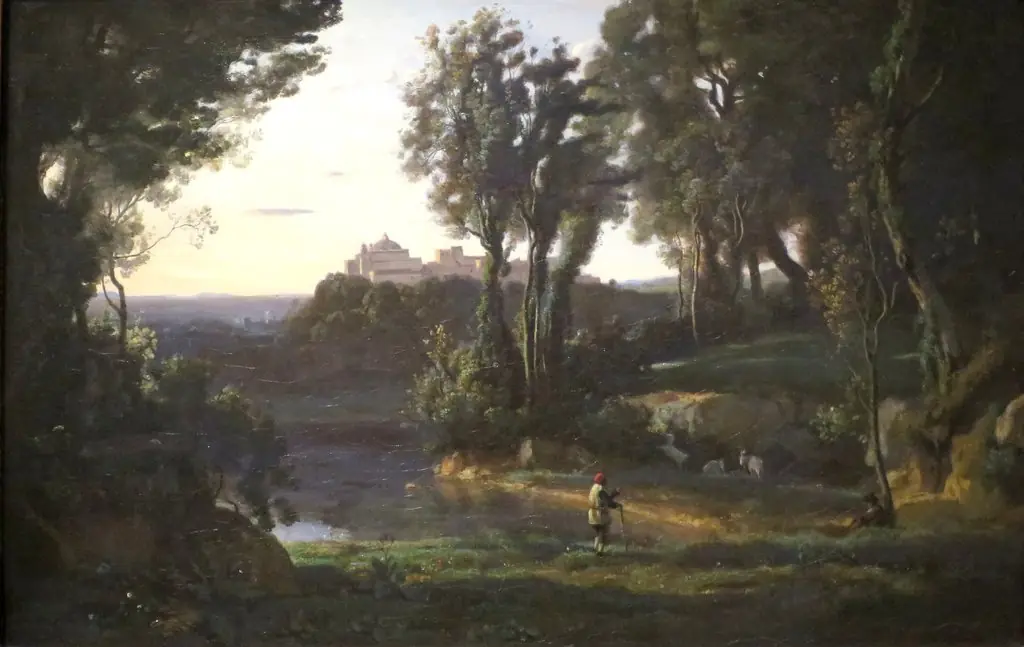 Site in Italy
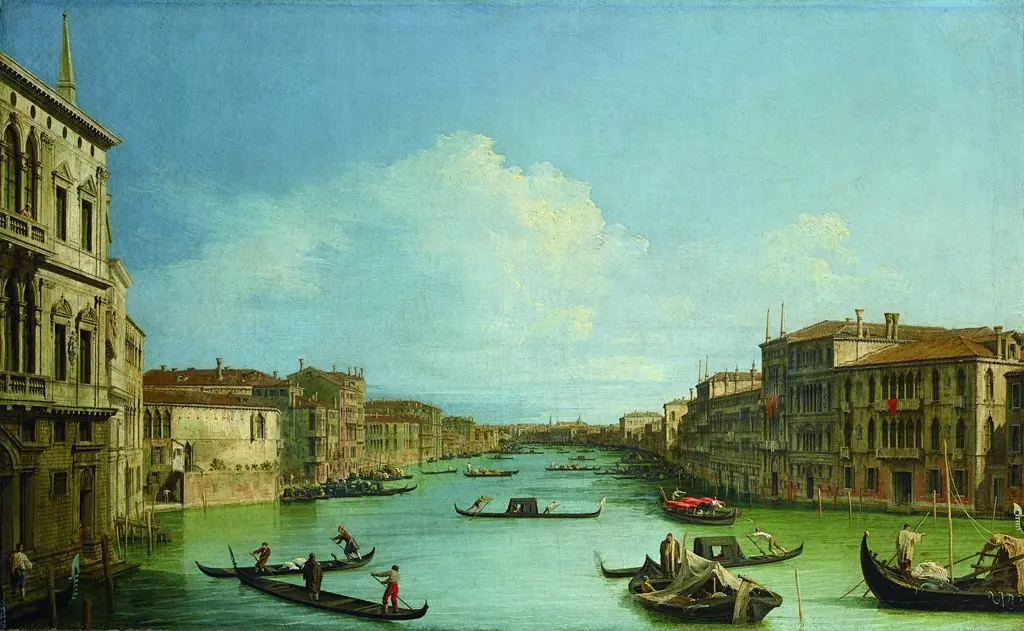 The Grand Canal seen from the Palazzo Balbi towards the Bridge of Rialto
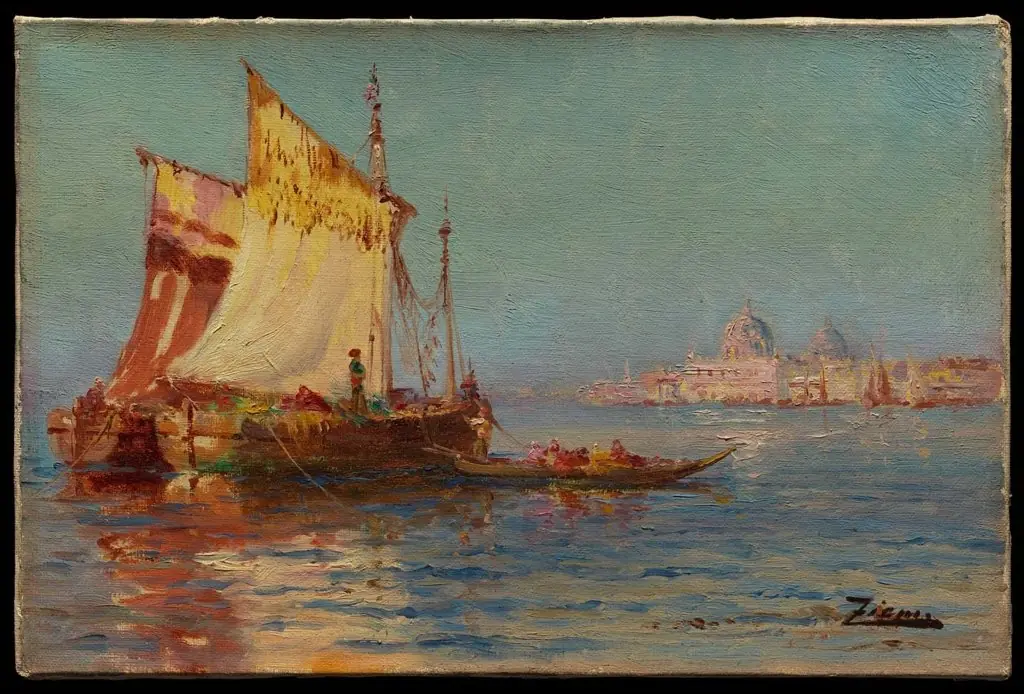 Venetian Sailboats
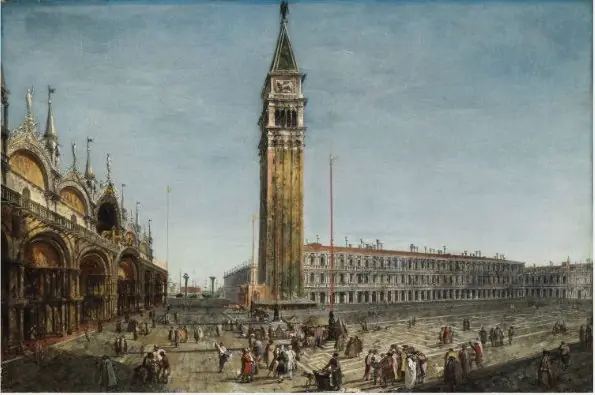 Piazza San Marco, Venice, with Saint Mark's Basilica, the Campanile and the Procuratie Nuove
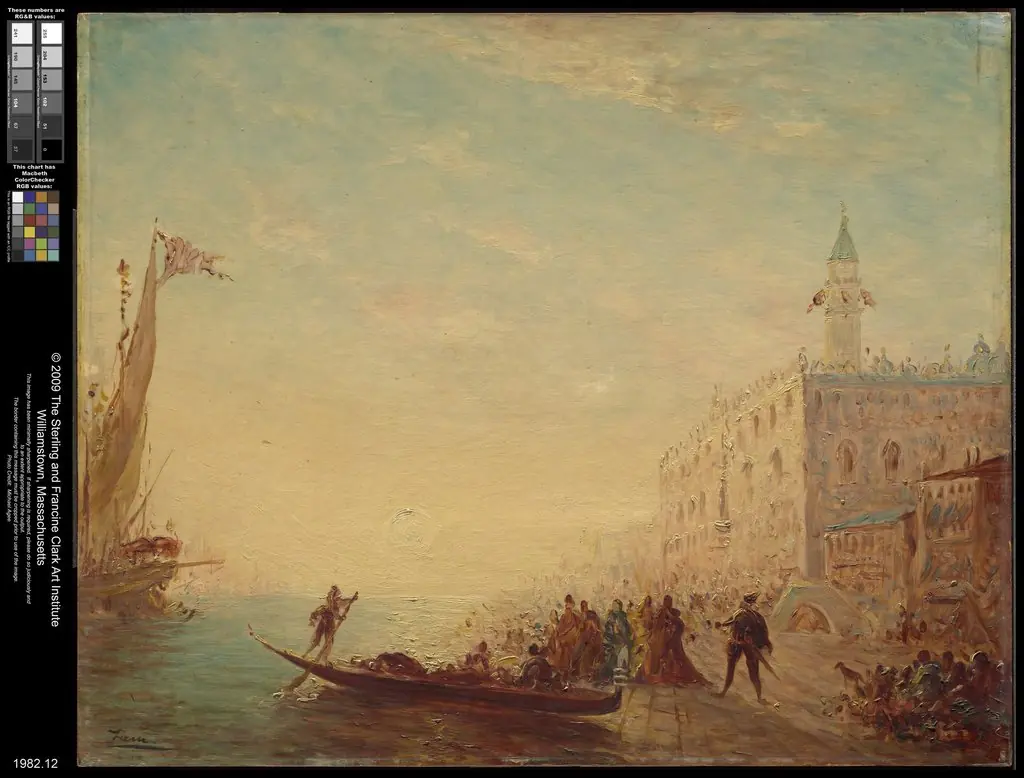 Riva degli Schiavoni, Sunset
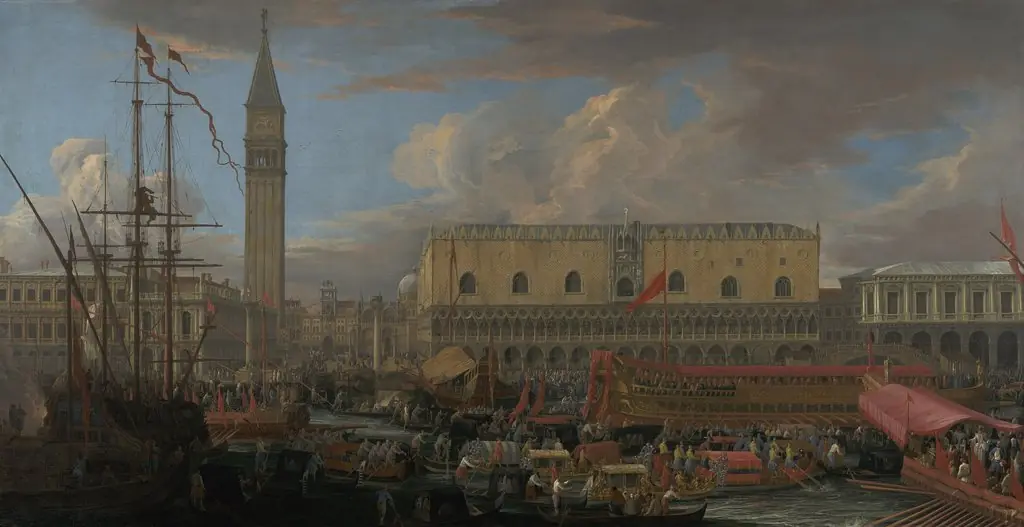 The Bucintoro Departing from the Bacino di San Marco
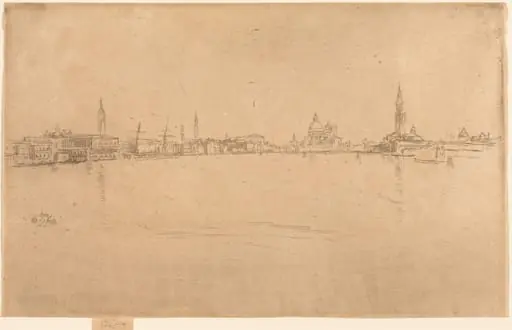 Salute Dawn
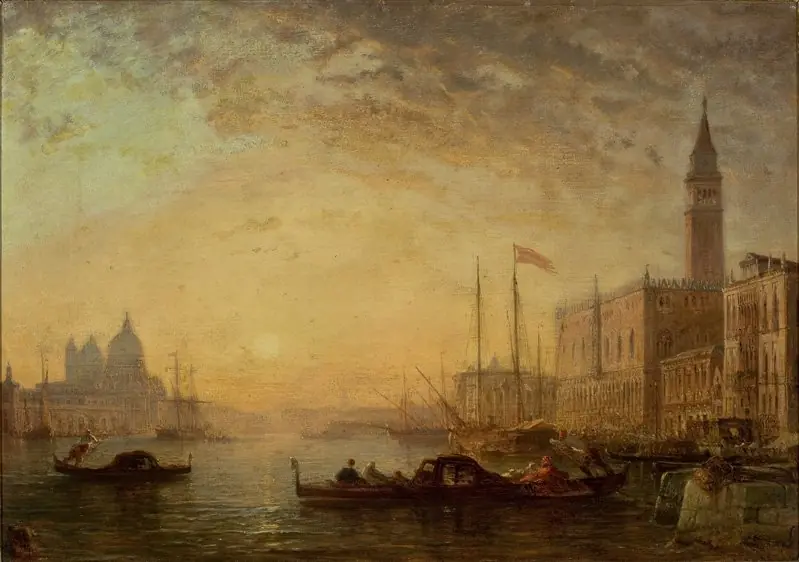 The Grand Canal in Venice
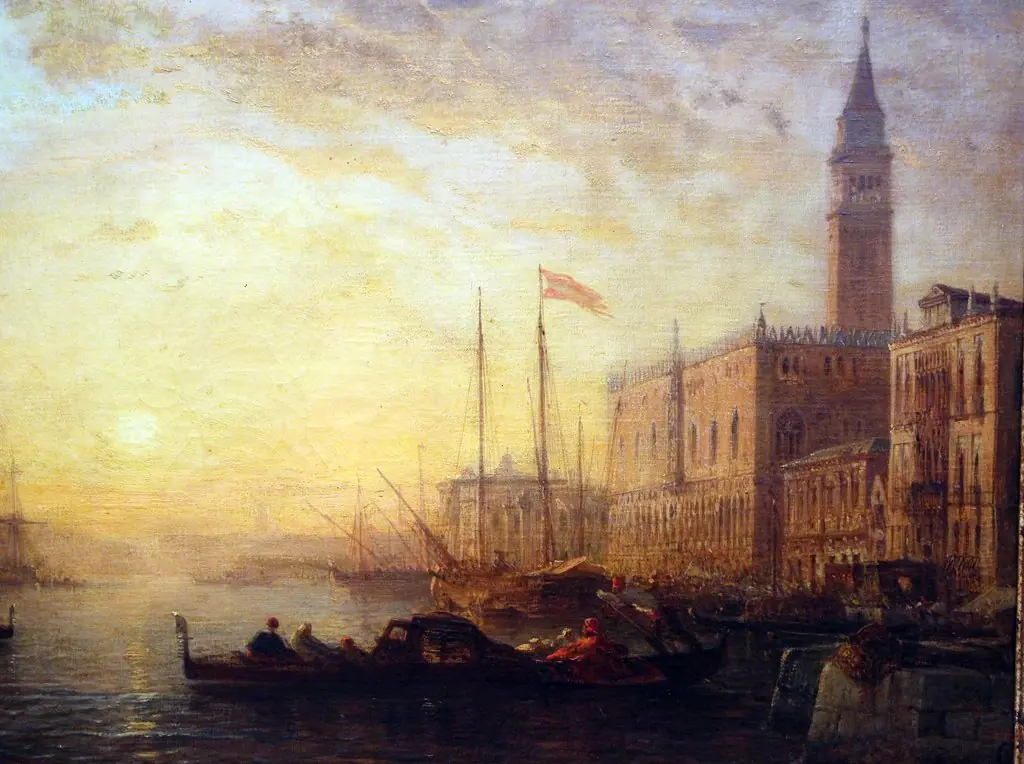 Grand Canal in Venice.
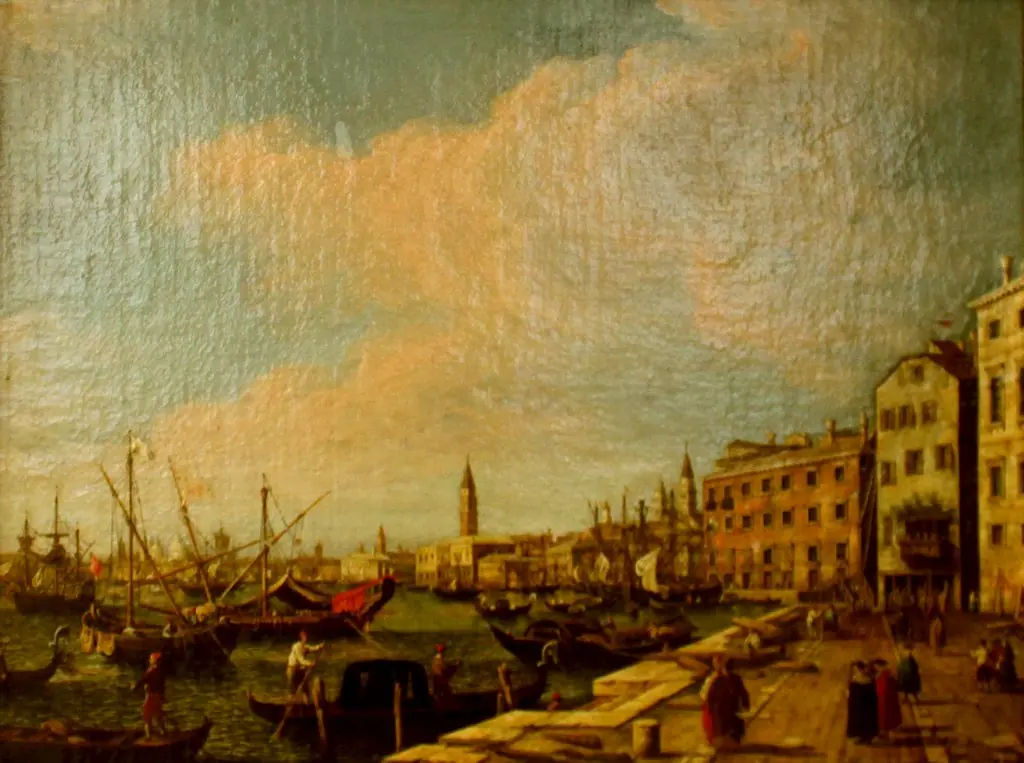 View of Venice
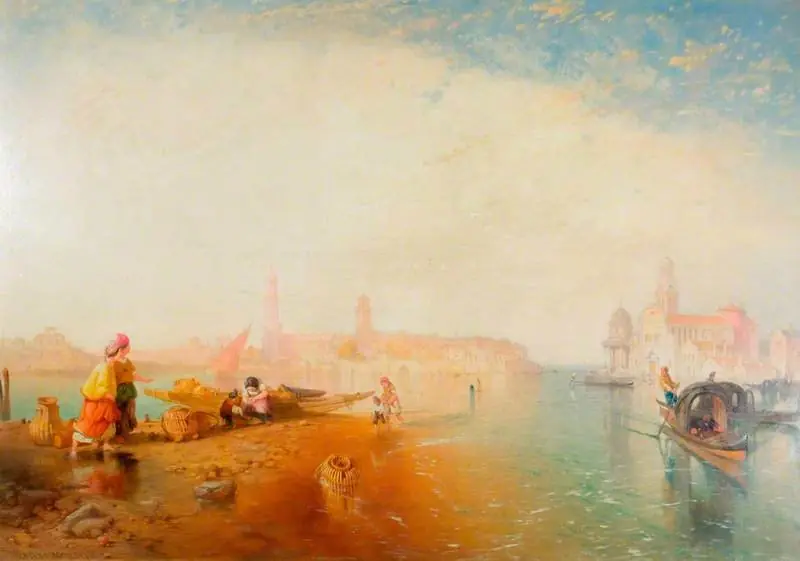 Venice
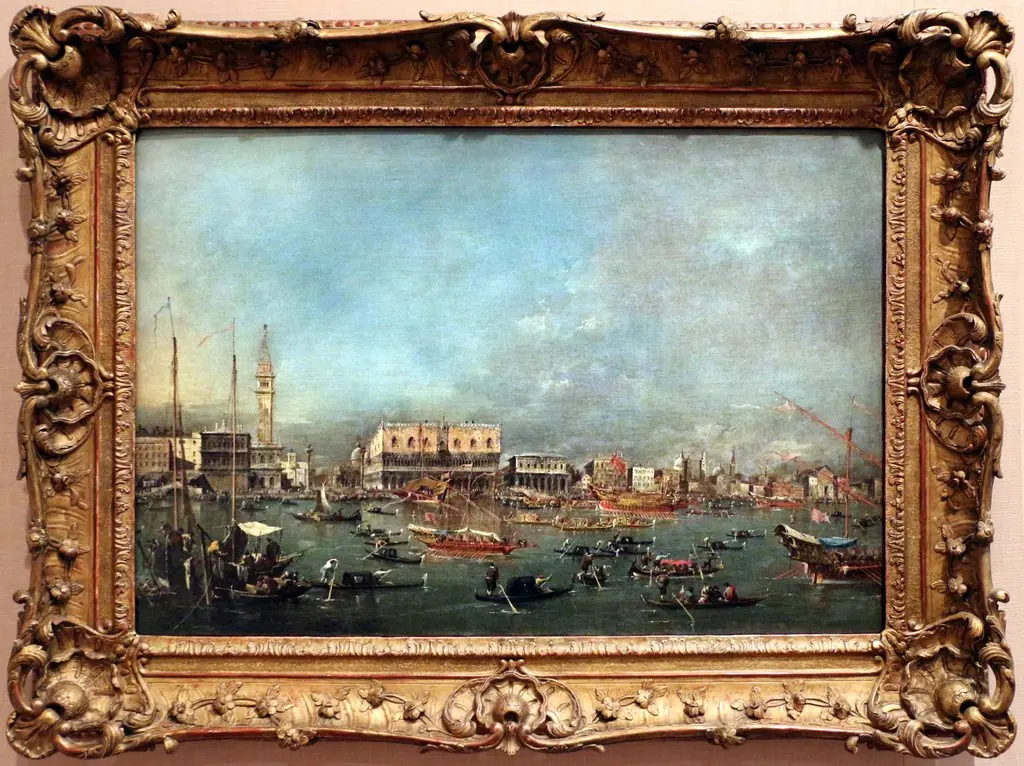 Partida do Bucentauro
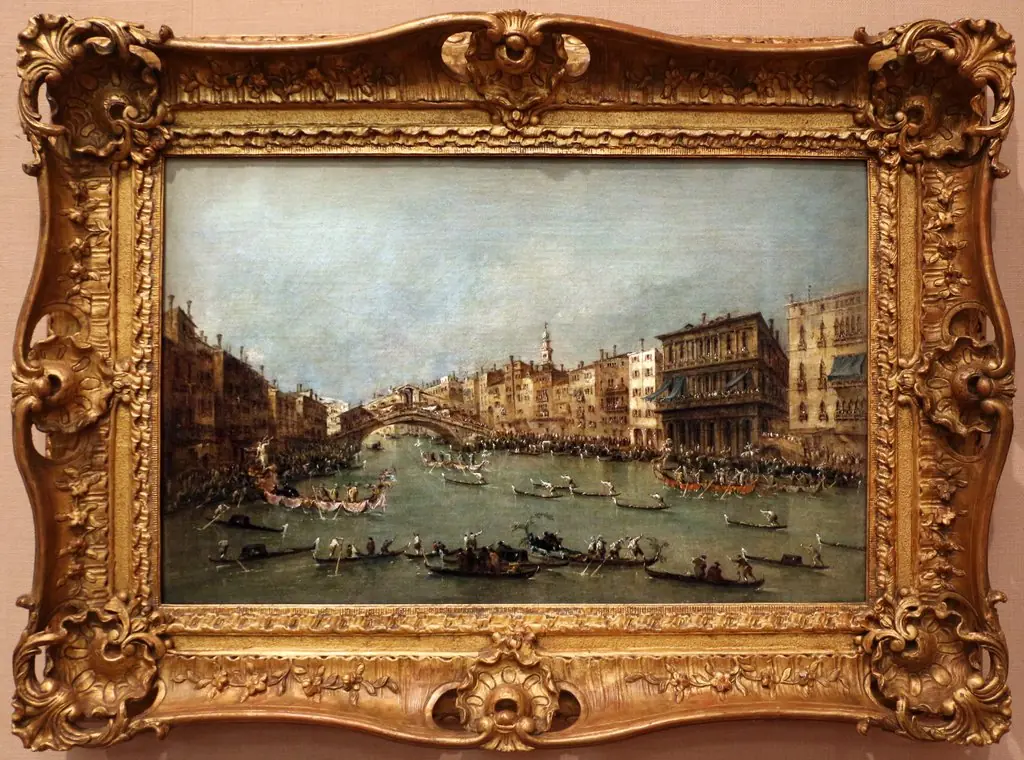 Regata no Grande Canal perto da Ponte Rialto
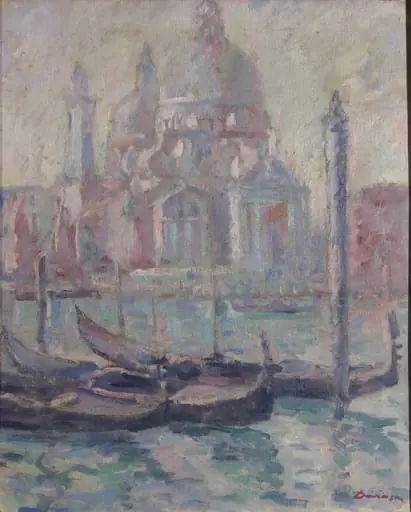 Veneția - Santa Maria della Salute
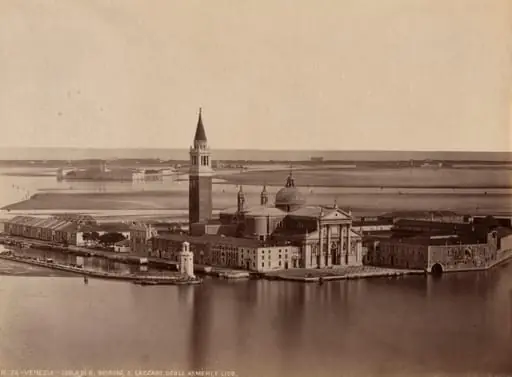 Venice - Island of San Giorgio, San Lazzaro degli Armeni, the Lido
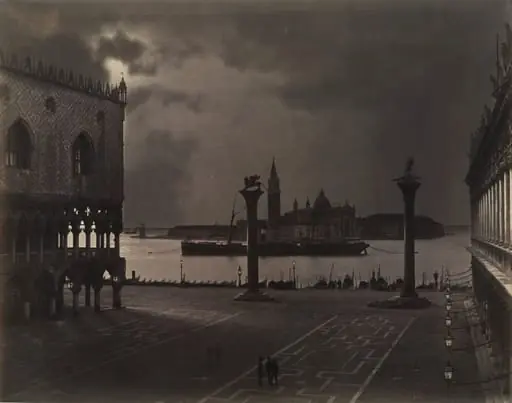 Venice: Saint Mark's Looking toward San Giorgio Maggiore, in Moonlight
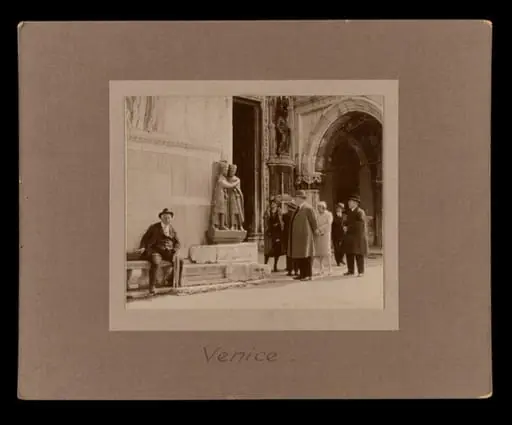 Venice
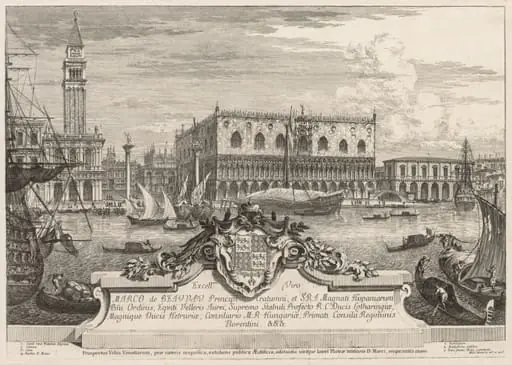 Views of Venice: The Piazzetta and Ducal Palace
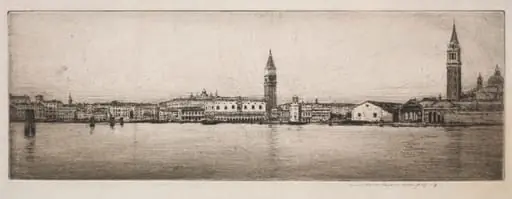 St. Mark's Basin, Venice
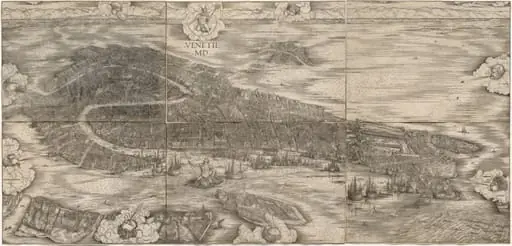 View of Venice
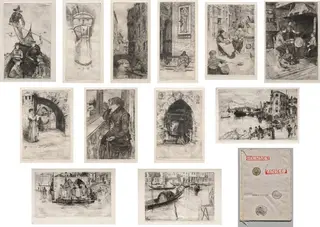 Etchings of Venice
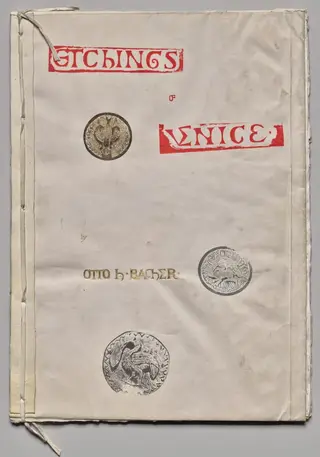 Etchings of Venice: Cover and Title Page
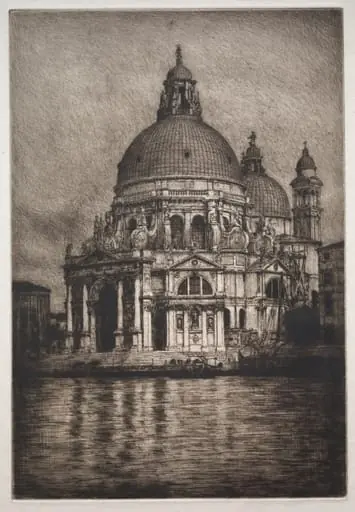 Santa Maria Della Salute #2
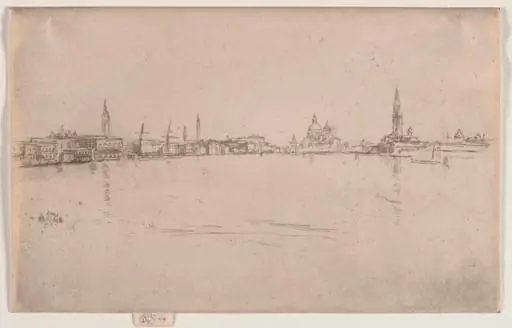 La Salute: Dawn
Frequently asked questions
What is Venice?
Venice is a neighborhood of the City of Los Angeles within the Westside region of Los Angeles County, California, United States.
How many Venice works does Artifact World Gallery have?
Artifact World Gallery holds 88 public-domain Venice works, all free to view and download.
Who are the key Venice artists?
Key Venice artists in the collection include Jean Baptiste Camille Corot, Joseph Mallord William Turner and Canaletto.
Where can I see Venice works?
Venice works in the collection are held by Cleveland Museum of Art, Staatliche Kunstsammlungen Dresden and National Gallery of Art.