Artwork
Portrait of a Man with an Armillary Sphere
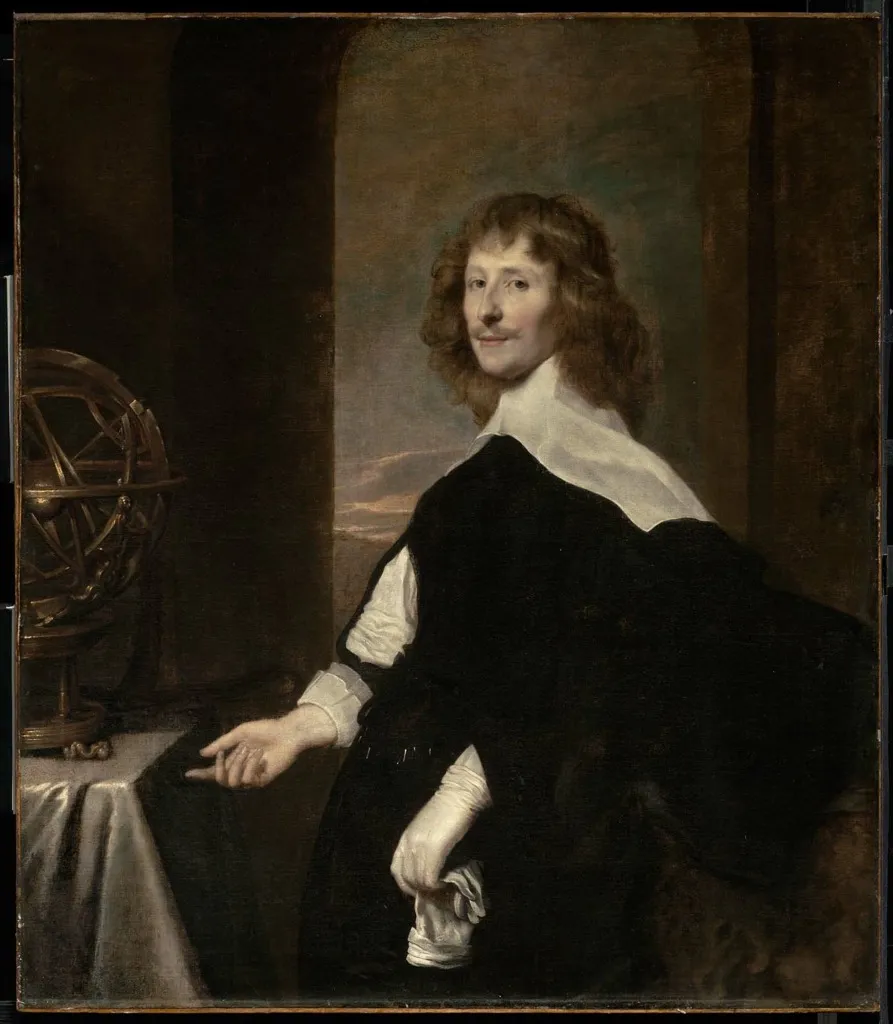
Portrait of a Man with an Armillary Sphere is an oil painting by the Flemish Baroque painting artist Anthony van Dyck. It dates from 1630 and is held in the collection of the Museum of Fine Arts Boston.
About this work
Overview
The work reflects his mature style, blending psychological presence with meticulous attention to texture and light, characteristic of Flemish Baroque painting.
Painted around 1630, this oil portrait by Anthony van Dyck captures a man in quiet contemplation, surrounded by symbols of intellectual pursuit. Van Dyck, trained in Antwerp under Peter Paul Rubens, had by this time established a reputation for refined portraiture across Europe. The work reflects his mature style, blending psychological presence with meticulous attention to texture and light, characteristic of Flemish Baroque painting.
Subject & Meaning
The sitter, dressed in dark attire with a crisp white collar, holds no object but gazes outward with calm authority. Behind him, an armillary sphere, used to model celestial movements, suggests engagement with astronomy and natural philosophy. The inclusion of this instrument implies the subject’s erudition and alignment with Renaissance humanist ideals, positioning him as a man of learning rather than mere nobility.
Technique & Style
Van Dyck employs chiaroscuro to model the sitter’s face and clothing, using subtle gradations of light to create volume and depth. The dark background isolates the figure, enhancing the three-dimensionality of his form. Fine brushwork renders the texture of fabric and the metallic sheen of the armillary sphere, while the faint landscape beyond the window adds atmospheric depth without distracting from the central portrait.
History & Provenance
The painting entered the collection of the Museum of Fine Arts, Boston, in the early 20th century. Its earlier ownership is not fully documented, but it likely passed through private collections in the Low Countries or England, where van Dyck’s portraits were highly sought after. The work’s preservation in good condition reflects its continued appreciation among collectors and institutions over centuries.
Context
In the early 1630s, van Dyck was working in England, where he served as court painter to Charles I. Yet this portrait retains Flemish sensibilities, blending northern attention to detail with Italianate elegance. The armillary sphere reflects broader intellectual currents of the time, when scientific instruments became emblems of status and curiosity, bridging art, science, and aristocratic identity.
Legacy
Van Dyck’s portraits set a standard for aristocratic representation in 17th-century Europe. This work exemplifies his ability to convey quiet dignity through composition and light, influencing generations of portraitists. The armillary sphere, though a minor element, became a recurring motif in portraits of scholars and patrons, cementing its symbolic role in visual culture beyond this single image.
Artist & collection
Artist
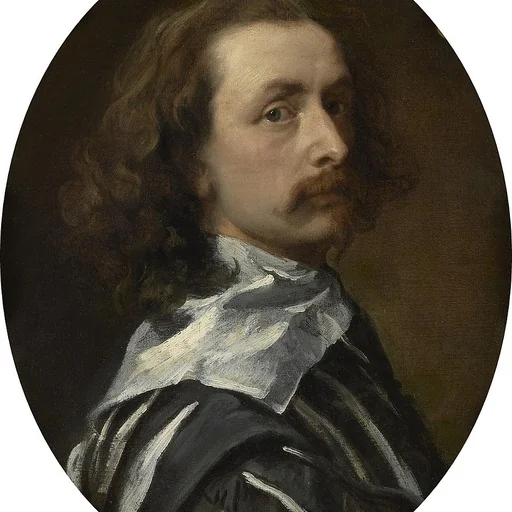
Sir Anthony van Dyck (; Dutch: Antoon van Dijck; 22 March 1599 – 9 December 1641) was a Flemish Baroque artist, who became the leading court painter in England after success in the Spanish Netherlands and Italy.

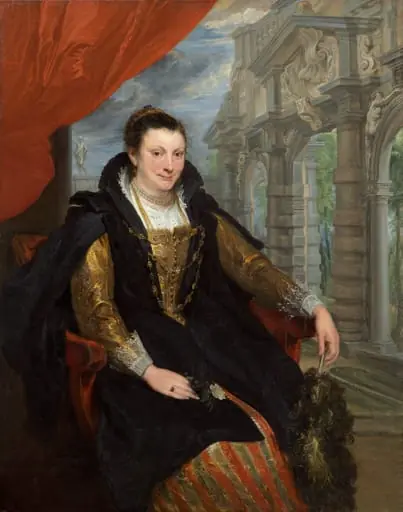
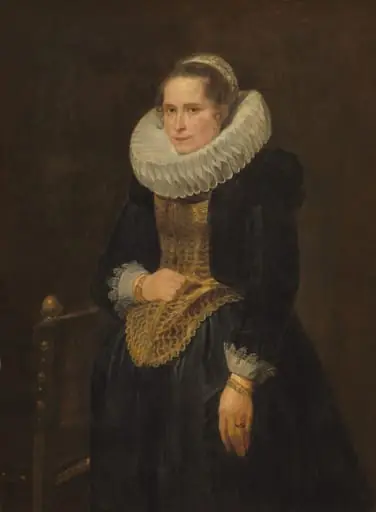
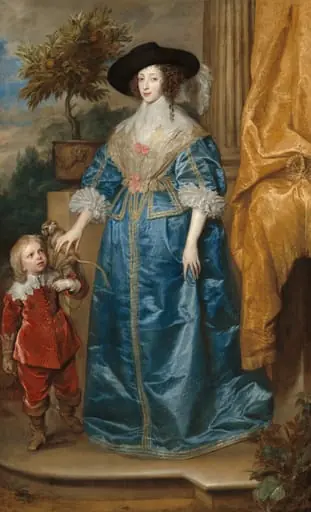
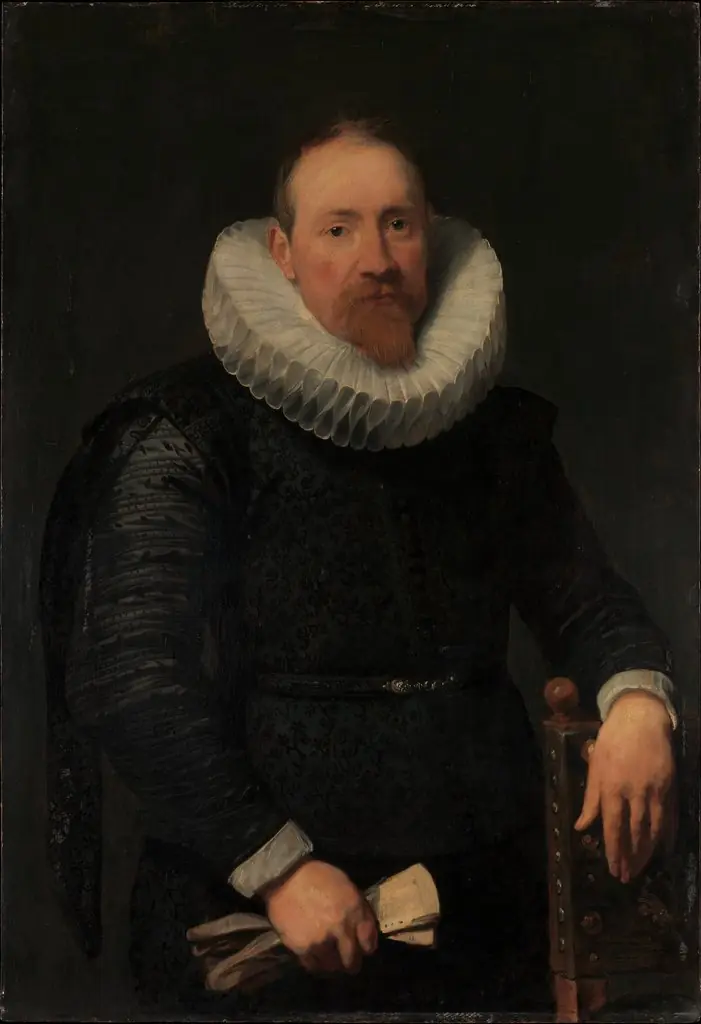
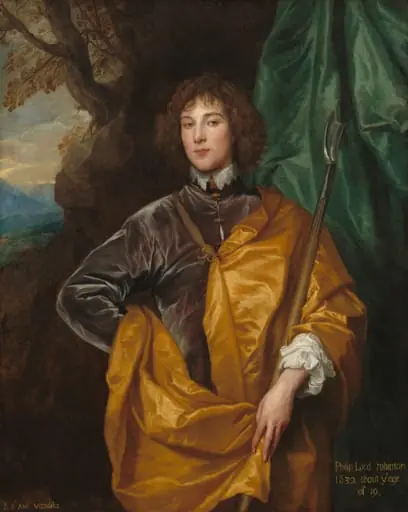
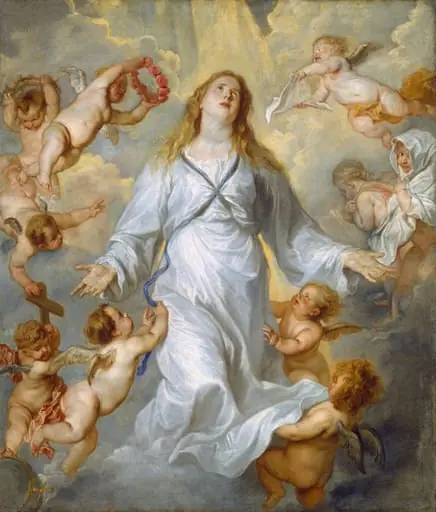
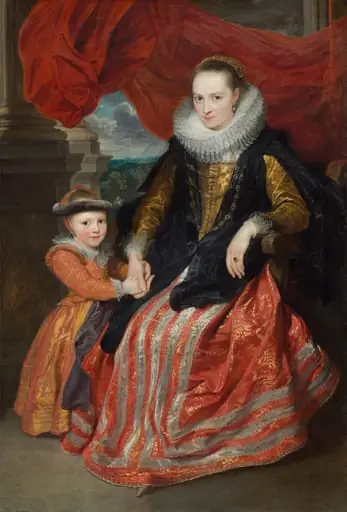
- Portrait of a man
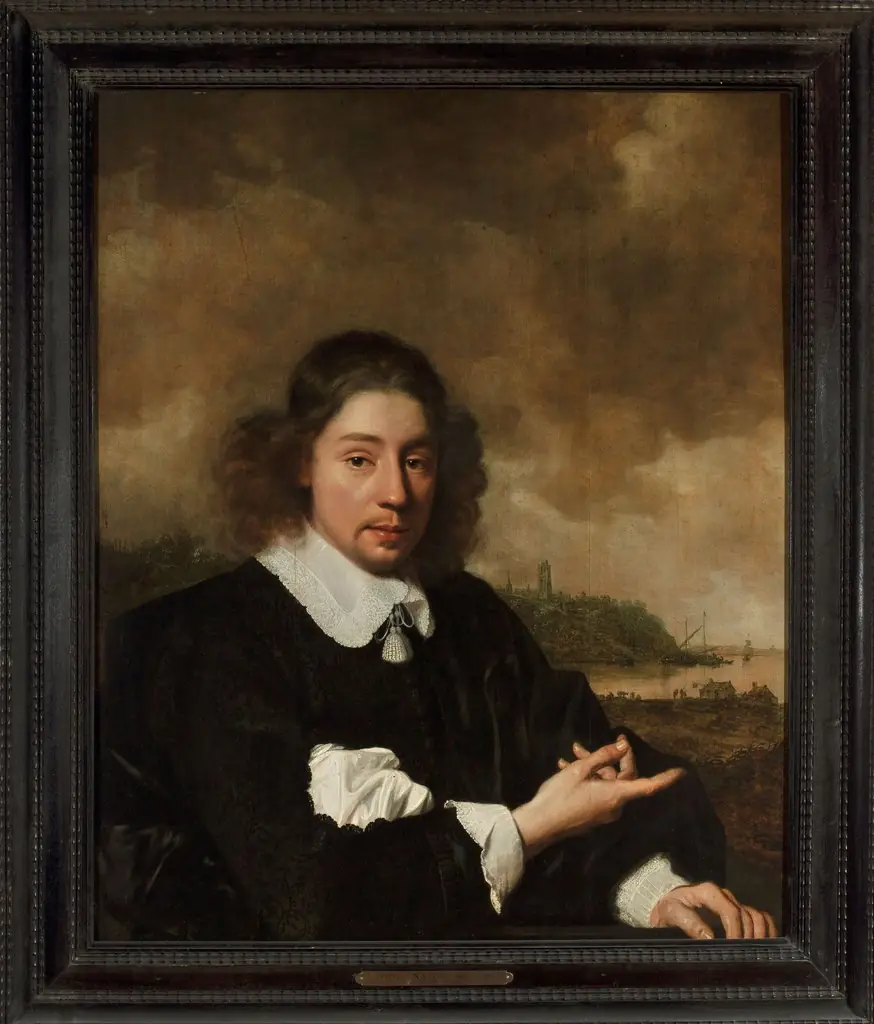 Portrait of a Man
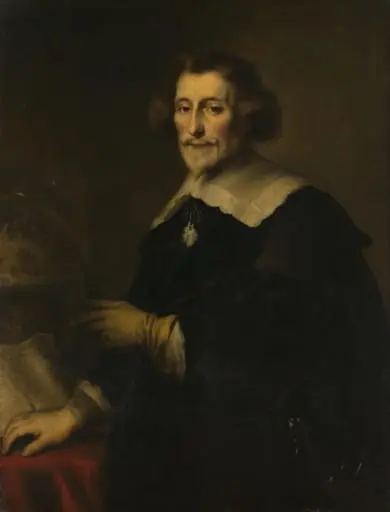 Portrait of Pieter Corneliszoon Hooft, Bailiff of Muiden, Historian and Poet
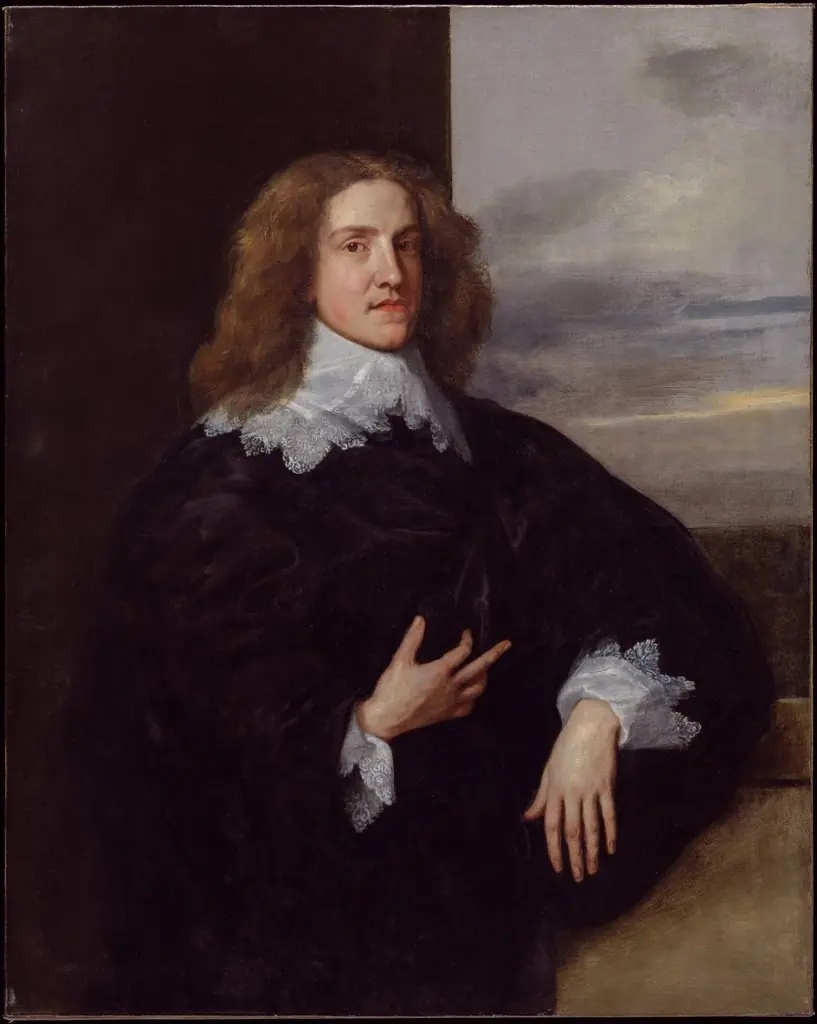 Young Gentleman (Earl of Downe?)
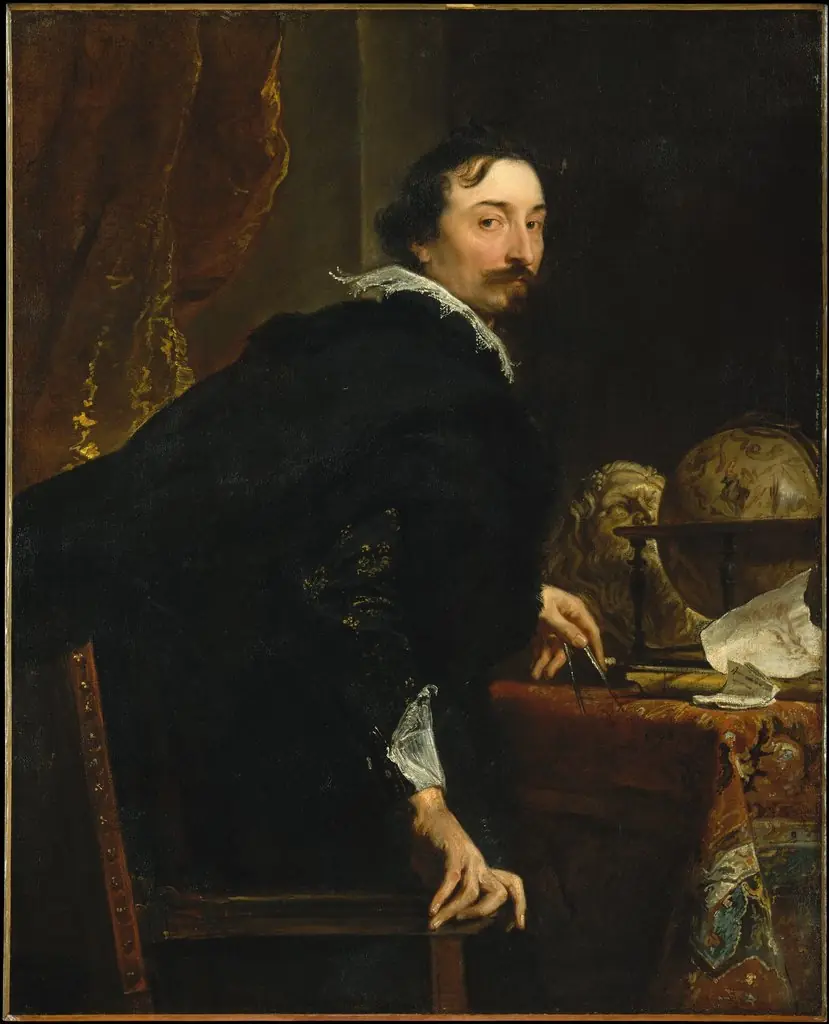 Portrait of Lucas van Uffel (died 1637)
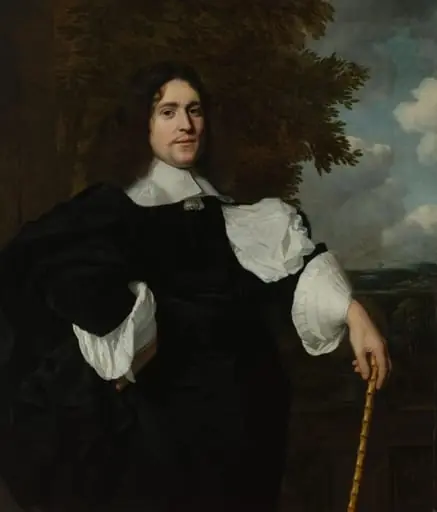 Jacobus Trip (1627-70), Armaments Dealer of Amsterdam and Dordrecht
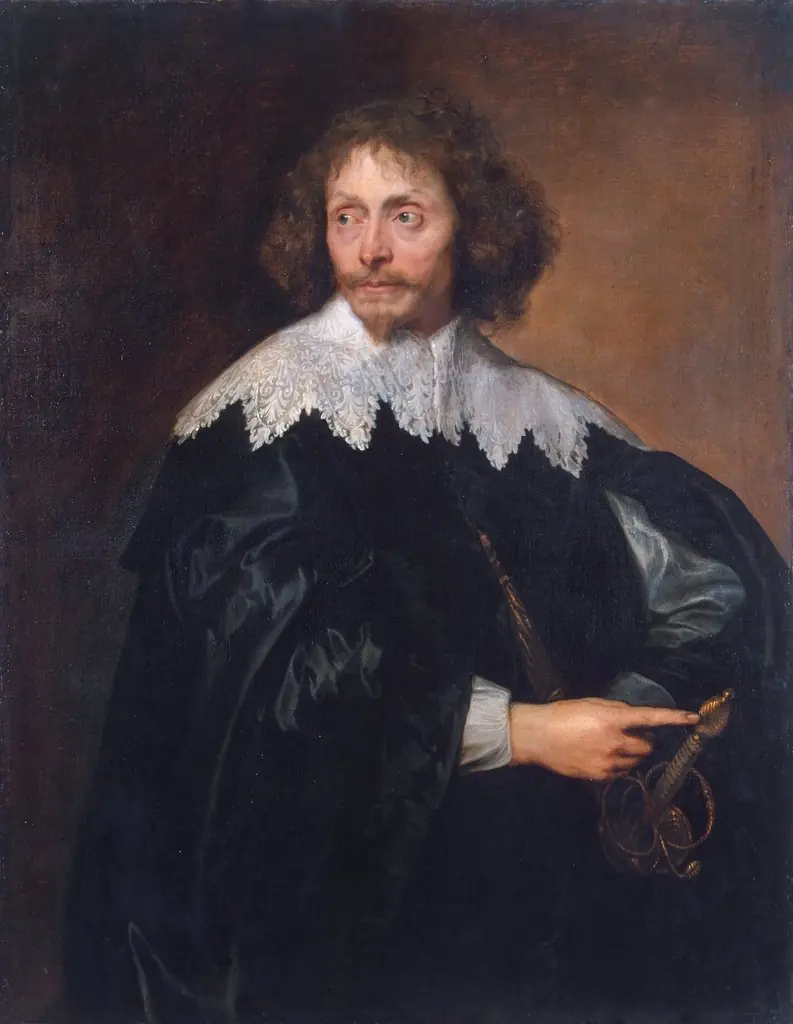 Portrait of Sir Thomas Chaloner
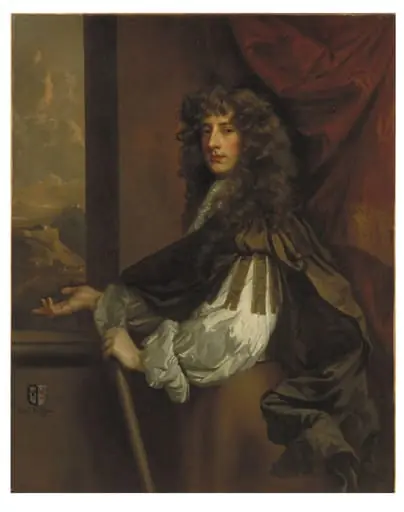 Charles Killigrew
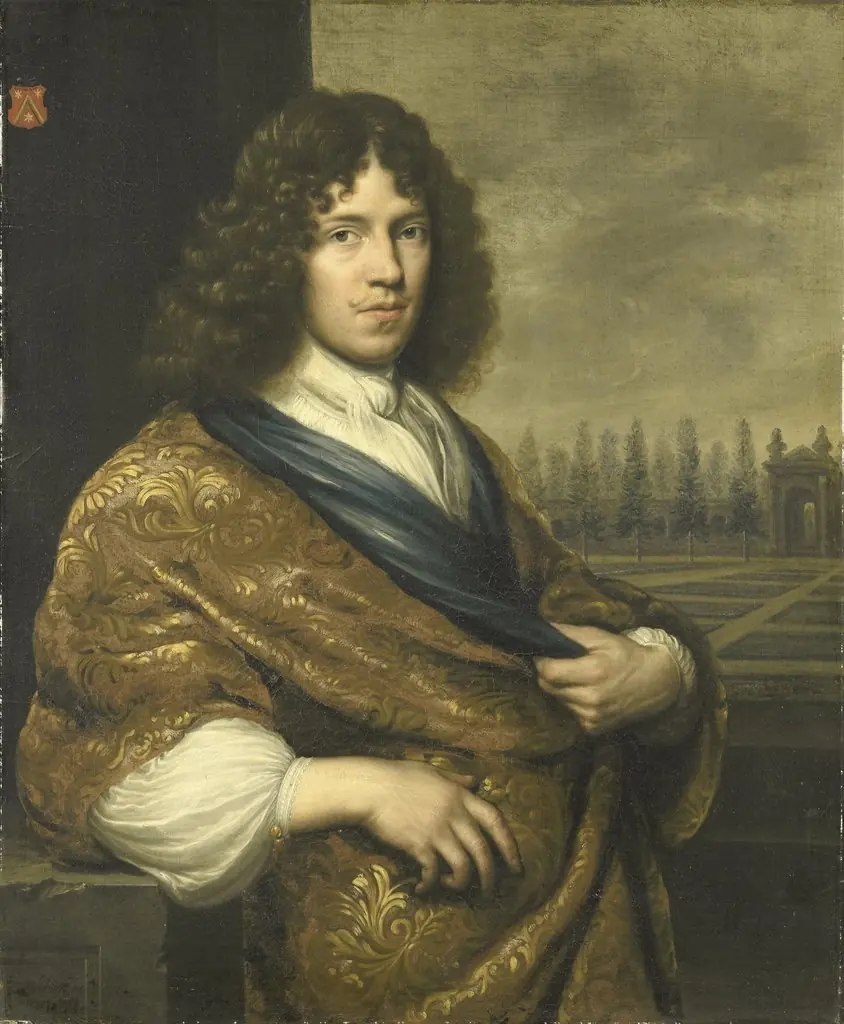 François Leidecker (1650-1718), Auditor General of Zeeland
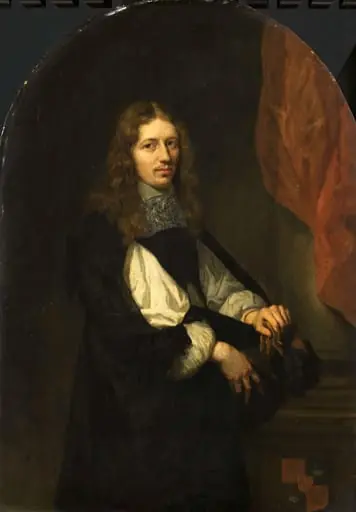 Portrait of Pieter de Graeff (1638-1707), lord of Zuid-Polsbroek, Purmerland, and Ilpendam. Alderman of Amsterdam
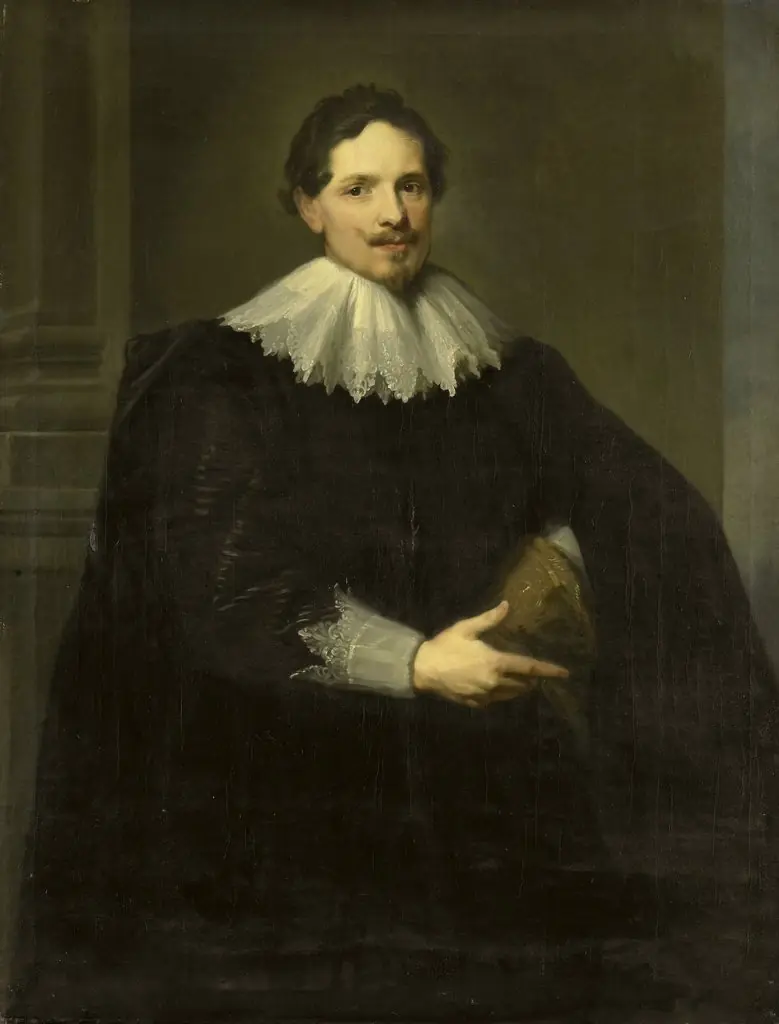 Sebastiaan Leerse, Antwerp Merchant
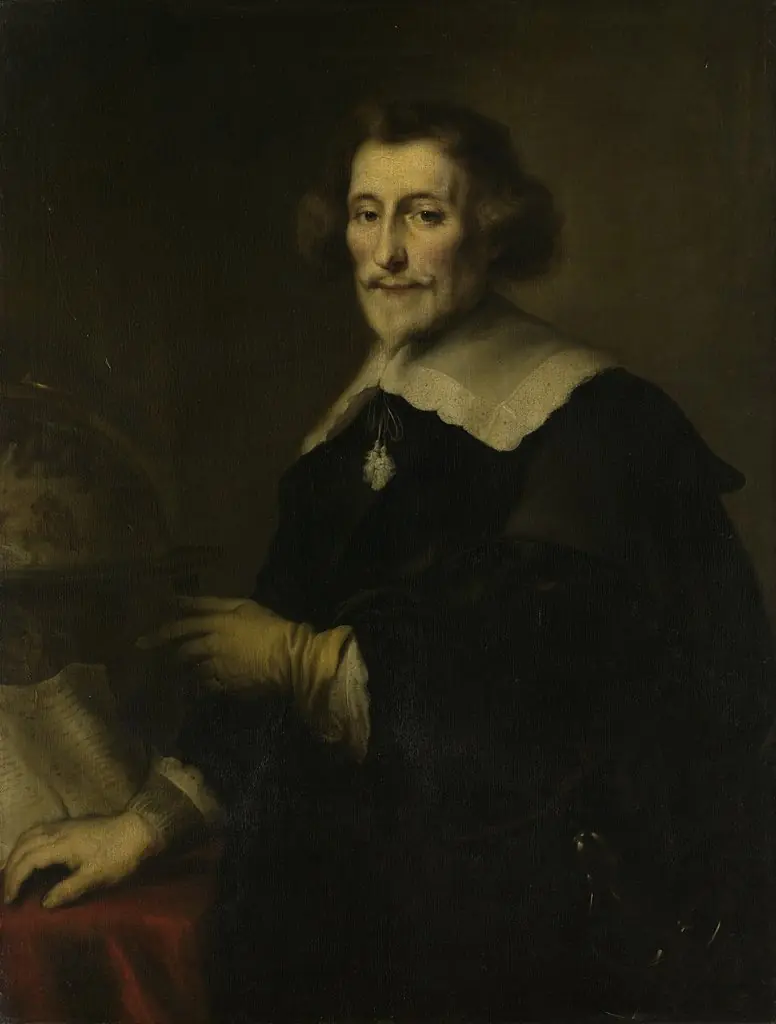 Pieter Cornelisz Hooft (1581-1647). High bailiff of Muiden, historian and poet