Artwork
Warrior
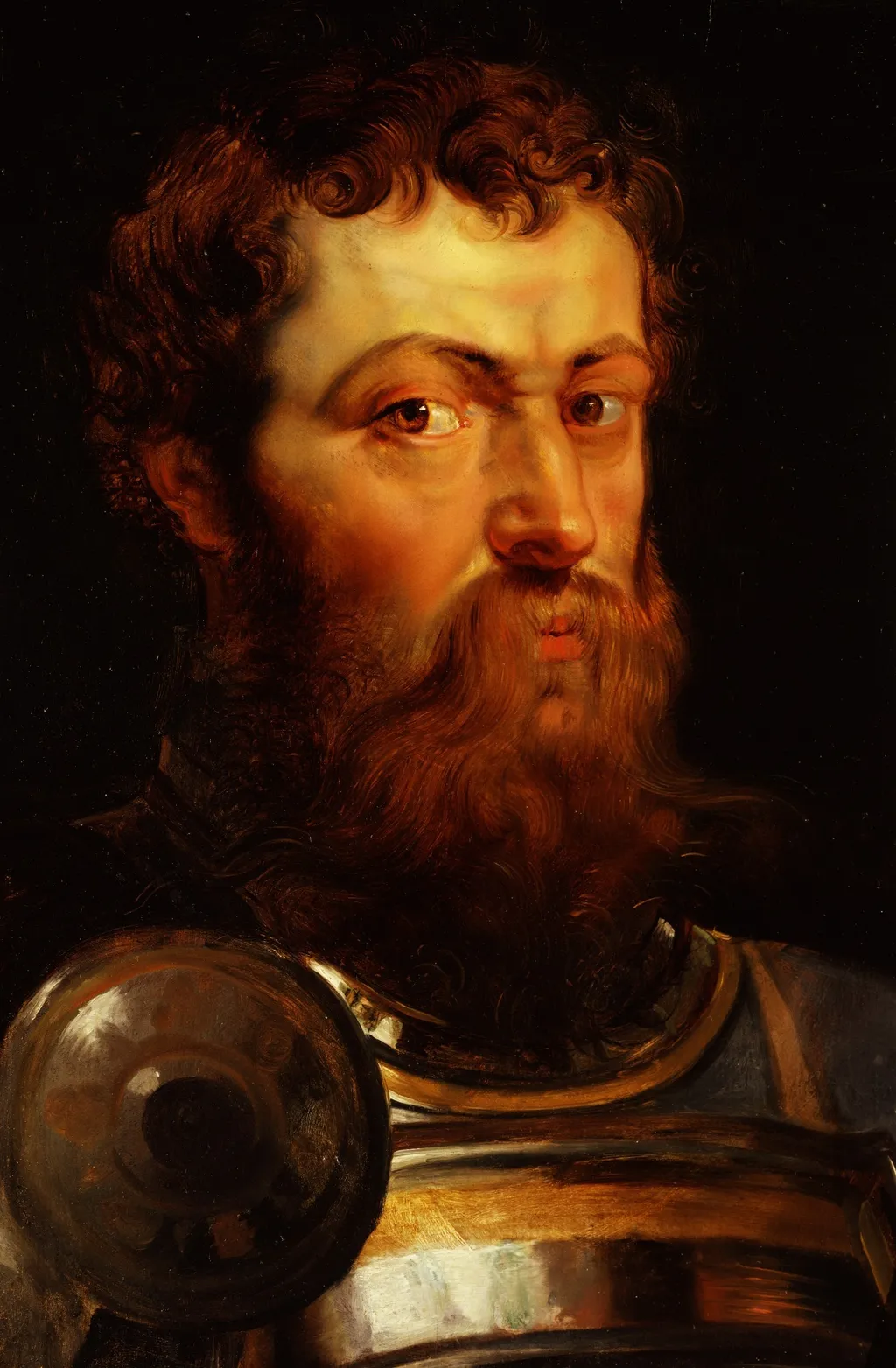
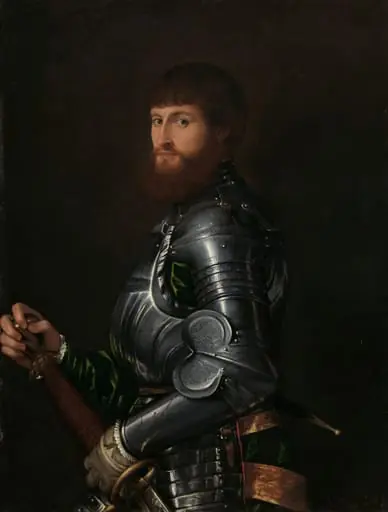
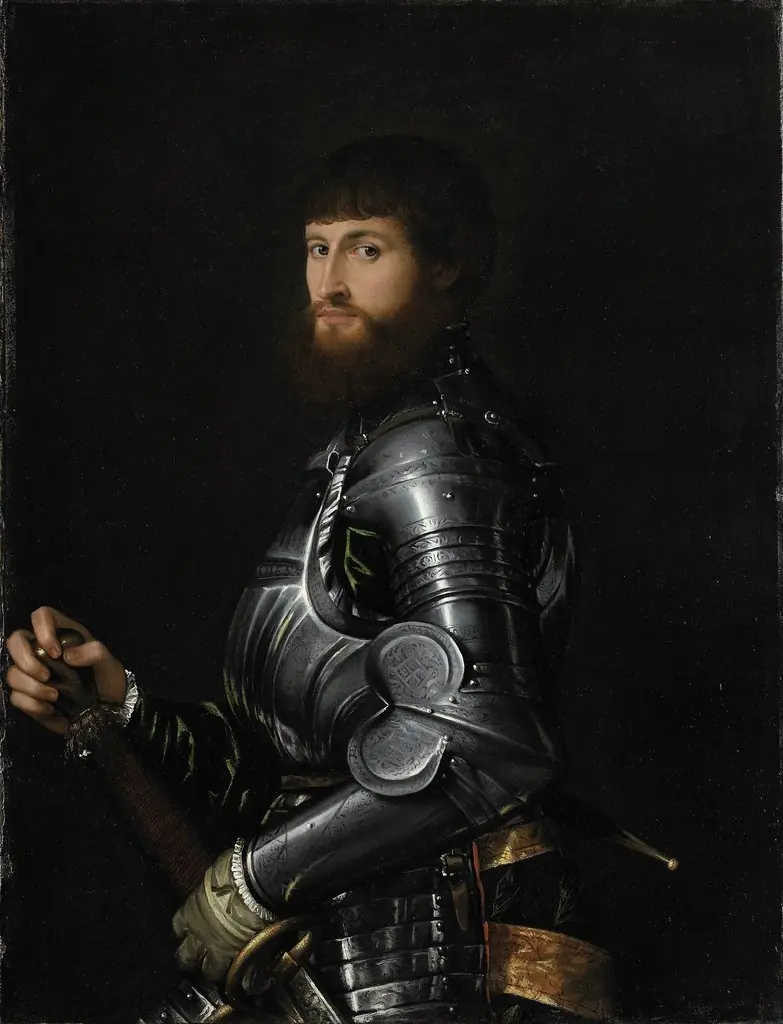
Warrior is an unspecified painting by the Flemish Baroque painting artist Peter Paul Rubens. It dates from 1614 and is held in the collection of the Detroit Institute of Arts.
About this work
Overview
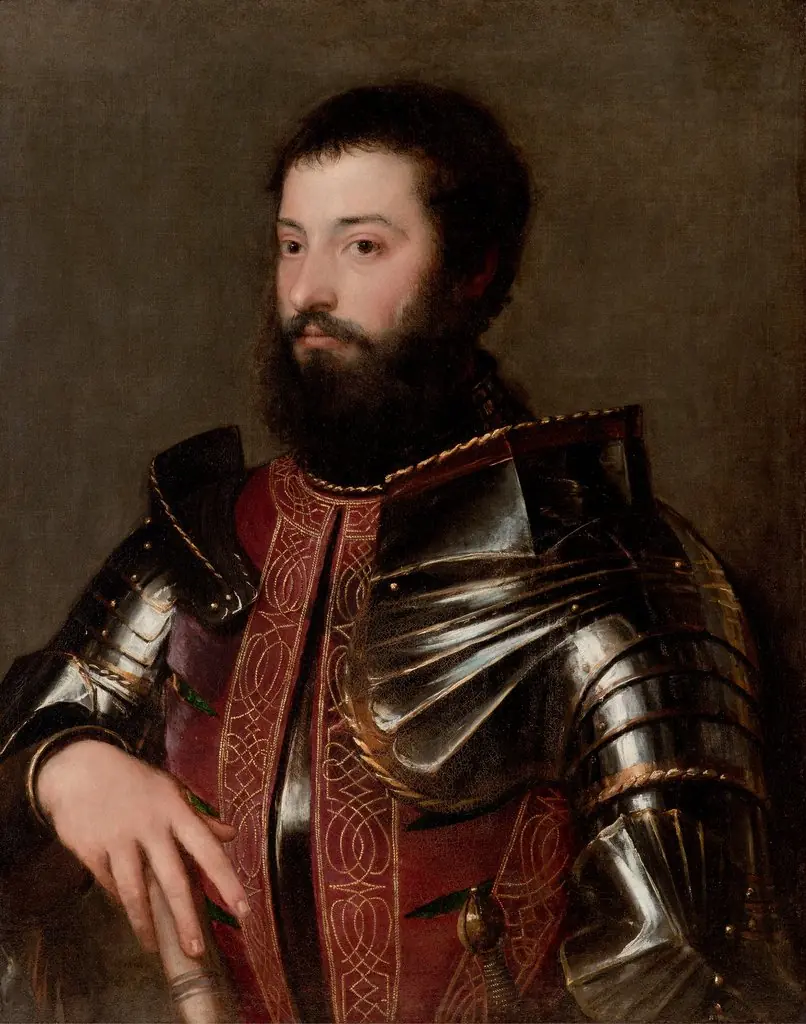
Painted in 1614 by Peter Paul Rubens, this portrait presents a armored figure in a commanding pose. Created during Rubens’s mature period in Antwerp, the work reflects his engagement with classical ideals and the visual language of the Flemish Baroque. Though titled Warrior, it functions more as a study of authority and physical presence than a specific historical portrait.
Subject & Meaning
The figure is depicted in full armor, with a rounded pauldron on the left shoulder and a stern, direct gaze. His curly beard and hair suggest a mature, seasoned individual, evoking ideals of stoic leadership. The absence of identifiable insignia or context invites interpretation as a symbolic representation of martial virtue rather than a portrait of a named individual.
Technique & Style
Rubens employs rich, luminous pigments to render the metallic surfaces of the armor, contrasting them against a deep, neutral background. His brushwork captures the texture of steel and the softness of skin with equal precision. The figure emerges dynamically from the shadows, emphasizing volume and three-dimensionality through subtle gradations of light and shadow.
History & Provenance
The painting entered the collection of the Detroit Institute of Arts in the 20th century, following a documented lineage of private European ownership. Its attribution to Rubens has been consistently supported by stylistic analysis and archival records. No significant alterations or restorations are known to have altered its original appearance.
Context
In early 17th-century Flanders, depictions of armored figures were common among artists responding to Counter-Reformation ideals of strength and moral resolve. Rubens, deeply influenced by Italian Renaissance models and classical sculpture, used such subjects to convey human dignity and physical idealism, aligning with broader cultural currents in Habsburg territories.
Legacy
This work exemplifies Rubens’s enduring influence on the portrayal of the human form in motion and stillness. While not among his most widely exhibited pieces, it remains a key reference for understanding his approach to portraiture and the fusion of classical form with Baroque vitality. It continues to inform scholarly study of Flemish visual culture.
Own this work as a print
Artist & collection
Artist
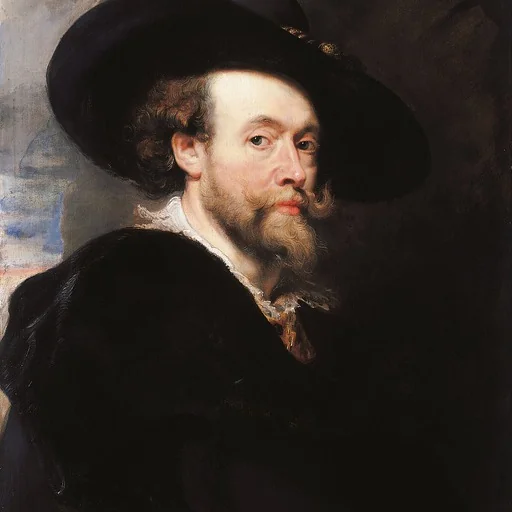
Sir Peter Paul Rubens ( ROO-bənz; Dutch:; 28 June 1577 – 30 May 1640) was a Flemish artist and diplomat.

 Portrait of a Man in Armor
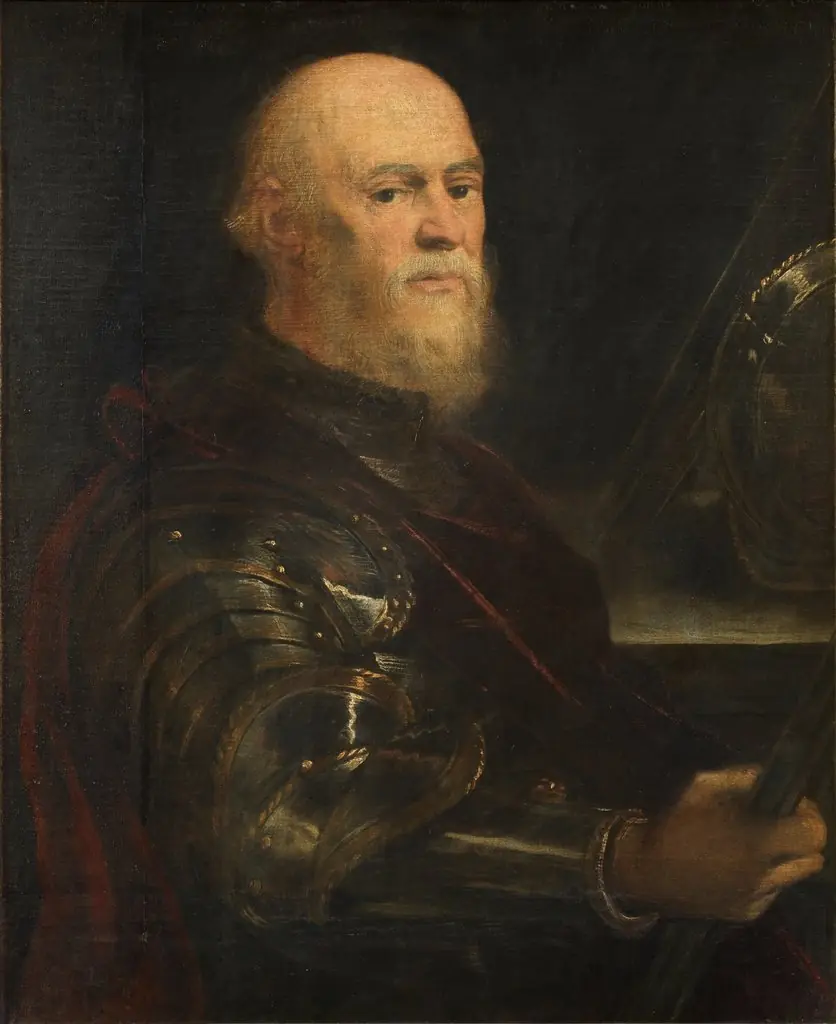 A Venetian General
 Portrait of Cosimo I de' Medici
 Self-Portrait
 Bildnis eines jungen bärtigen Mannes
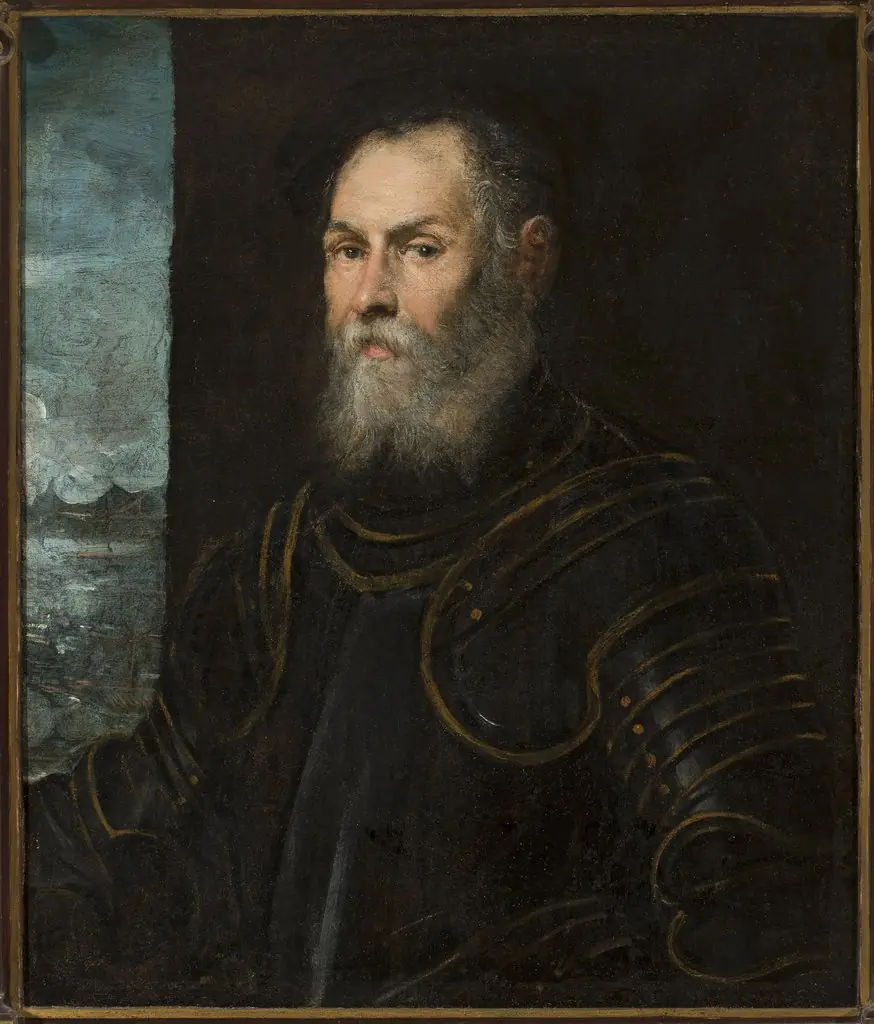 Portrait of a Venetian admiral
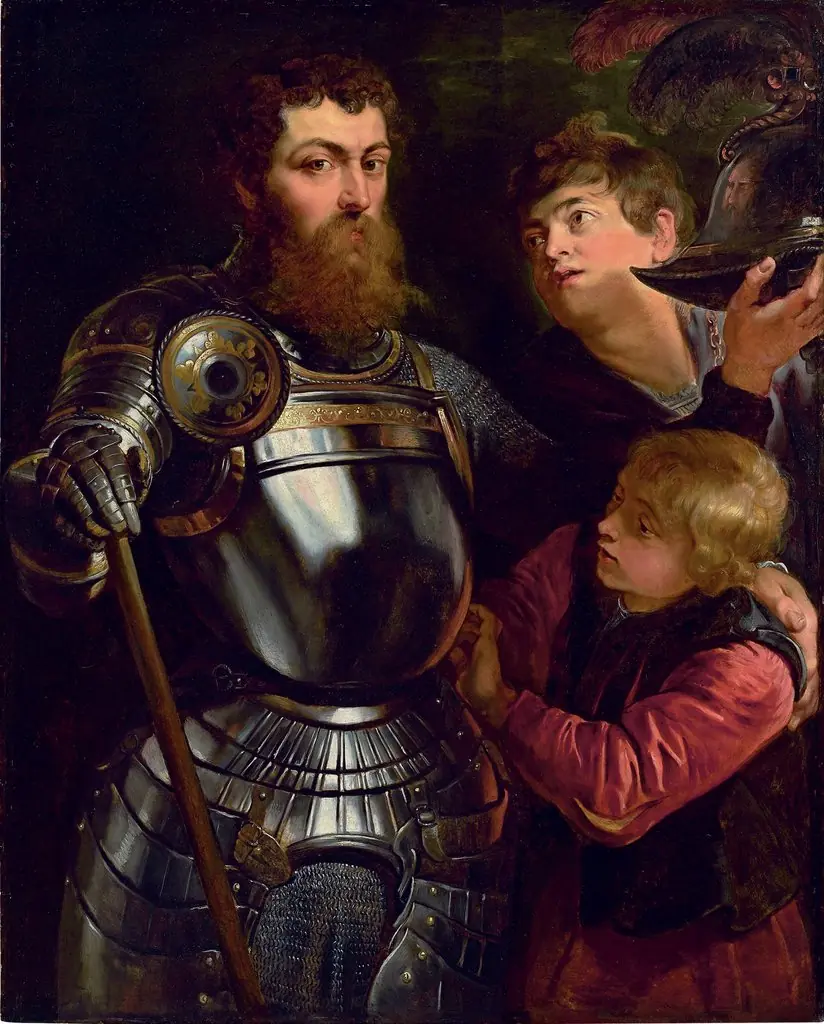 Portrait of a Commander
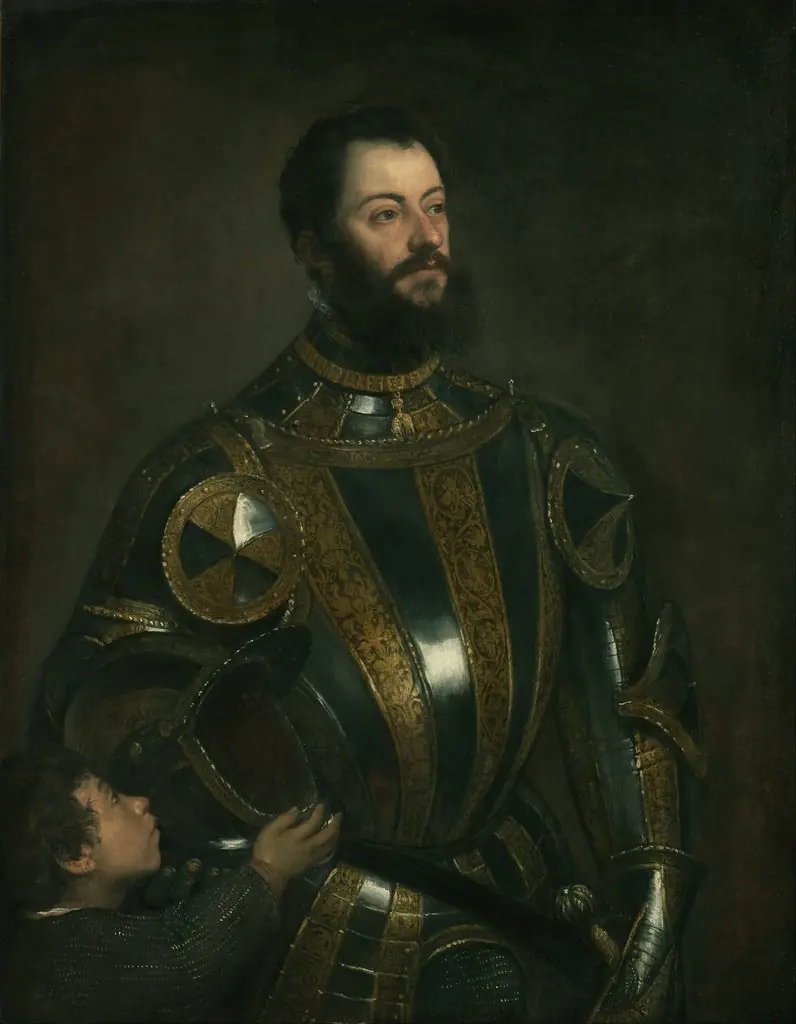 Portrait of Alfonso d'Avalos, Marchese del Vasto, in Armor with a Page
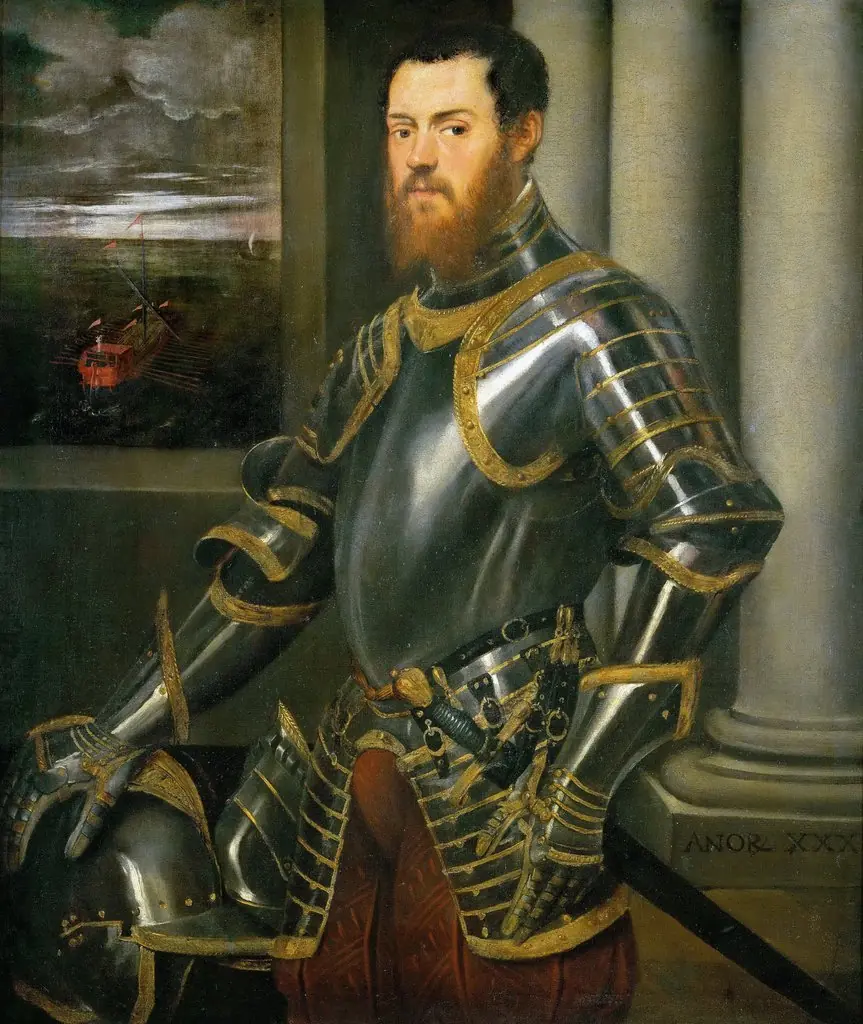 Young man in a gold-decorated suit of armour
 Untitled
 Portrait of a Nobleman in Armor
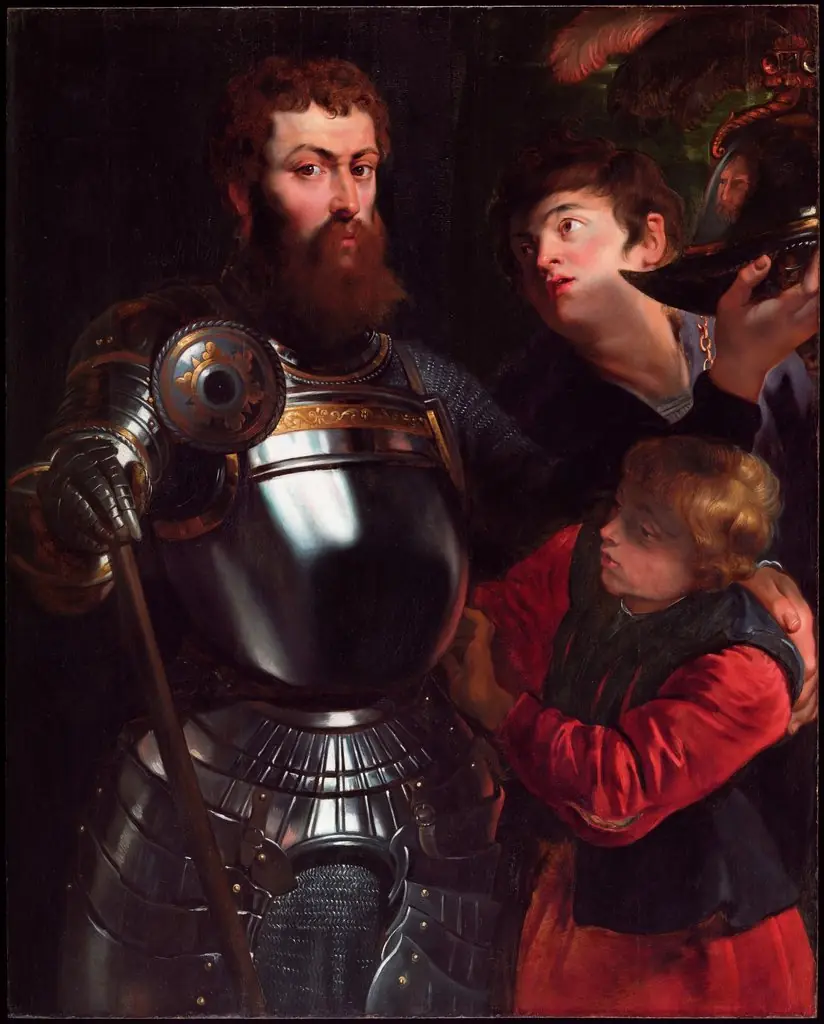
- Warrior with Two Pages