Artwork
Orestes and Pylades Disputing at the Altar
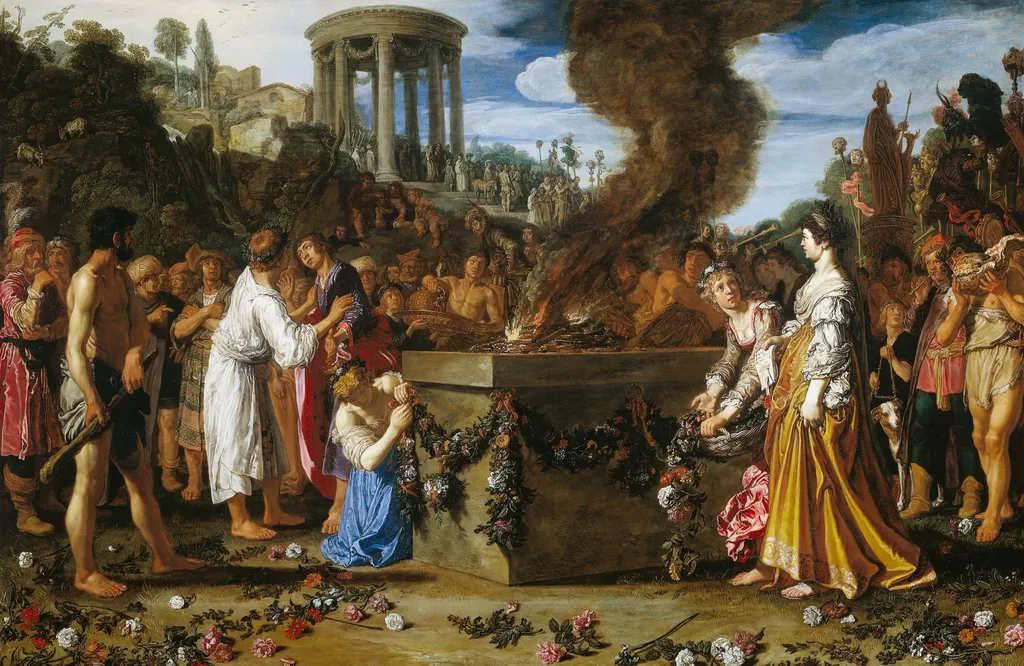
Orestes and Pylades Disputing at the Altar is an oil painting by the Early Baroque Italian artist Pieter Lastman. It dates from 1614 and is held in the collection of the Rijksmuseum.
About this work
Subject & Meaning
The altar itself functions as a sacred focal point, emphasizing the ritualistic dimension of their conflict and elevating the scene to a spiritual crossroads.
The painting portrays Orestes and Pylades locked in a heated dispute before an altar, illustrating a dramatic moment from Greek myth where familial betrayal and divine duty collide. Orestes defends his act of matricide while Pylades, his loyal companion, challenges the moral legitimacy of the vengeance, symbolizing the tension between personal sacrifice and societal obligation. This confrontation underscores themes of justice, familial loyalty, and the intervention of divine will, reflecting the moral complexities inherent in mythological narratives.
The altar itself functions as a sacred focal point, emphasizing the ritualistic dimension of their conflict and elevating the scene to a spiritual crossroads.
Visually, the composition captures the emotional intensity of the brothers' exchange, with gestures and expressions conveying both defiance and anguish. Pieter Lastman's rendering accentuates the narrative gravity through chiaroscuro and meticulous detail, aligning with early Baroque tendencies to dramatize mythological subjects.
Technique & Style
Executed in 1614, this mythological painting by Pieter Lastman is rendered in oil paint on a wooden panel support. The work measures 83.2 cm in height and 126.1 cm in width, presenting a substantial horizontal format typical for narrative scenes of this period. As a piece classified within the mythology genre, the application of oil medium on panel allowed for the detailed figural composition depicting the dispute between Orestes and Pylades at the altar.
The physical construction combines traditional Netherlandish materials of the early seventeenth century, utilizing the rigidity of the panel to support the layered oil pigments.
History & Provenance
Painted in 1614 by Pieter Lastman, Orestes and Pylades Disputing at the Altar depicts a classical subject in oil on panel. The work has remained in the collection of the Rijksmuseum since its acquisition, where it is catalogued with dimensions of 83.2 cm by 126.1 cm. The painting’s early provenance and the circumstances of its commission are not documented in the cited sources.
The painting Orestes and Pylades Disputing at the Altar by Pieter Lastman is held in the collection of the Rijksmuseum in Amsterdam. Created in 1614, the work is executed in oil on panel and measures 83.2 cm in height by 126.1 cm in width. While the sources confirm its current location within the museum's holdings, they do not provide specific inventory or accession numbers for the piece. Additionally, the available documentation does not record any exhibition history or loan records for this mythological scene.
Context
Pieter Lastman painted Orestes and Pylades Disputing at the Altar in 1614, depicting a mythological confrontation from Greek legend. The work exemplifies the dramatic chiaroscuro and narrative intensity characteristic of Dutch Golden Age history painting, placing it within the broader trajectory of mythological subjects that influenced later artists like Rembrandt during his formative years. Its composition and emotional depth reflect the evolving emphasis on psychological realism in 17th-century European art.
Legacy
The influence of Orestes and Pylades Disputing at the Altar can be seen in its role as a visual model for 17th-century mythological painting, particularly in its compositional balance and dramatic chiaroscuro. Artists such as Rembrandt studied Lastman's treatment of classical subjects for their own altar and devotional works. The painting's presence in the Rijksmuseum collection has ensured its continued visibility in museum displays of Dutch Golden Age mythological art, often cited in scholarly discussions of Lastman's impact on narrative painting.
Its technical execution in oil on panel remains a reference point for conservation studies of 17th-century panel painting practices.
Overview
Pieter Lastman’s 1614 oil on canvas, titled Orestes and Pylades Disputing at the Altar, presents a mythological confrontation set before an elaborately rendered altar. The composition centers on two male figures, one brandishing a sword, the other with raised hands, while a crowd of onlookers watches anxiously. Architectural columns rise in the background beneath a blue sky dotted with clouds, and the altar is adorned with foliage and flowers.
Own this work as a print
Artist & collection
Artist
Pieter Lastman (1583–1633) was a Dutch painter. Lastman is considered important because of his work as a painter of history pieces and because his pupils included Rembrandt and Jan Lievens. In his paintings Lastman paid…

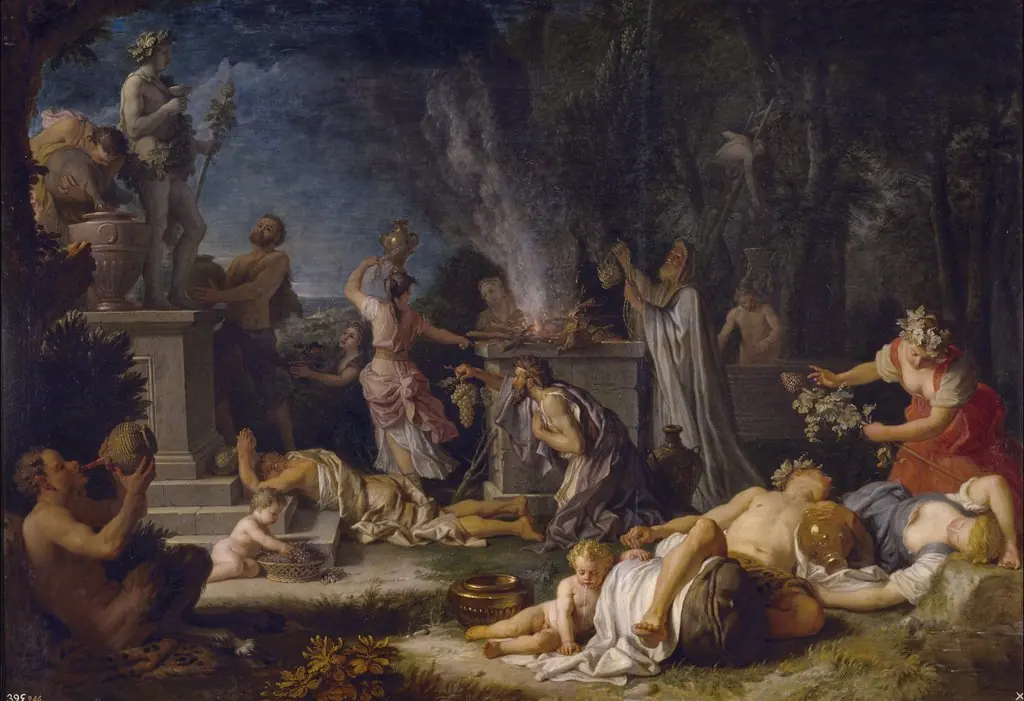 Offering to Bacchus
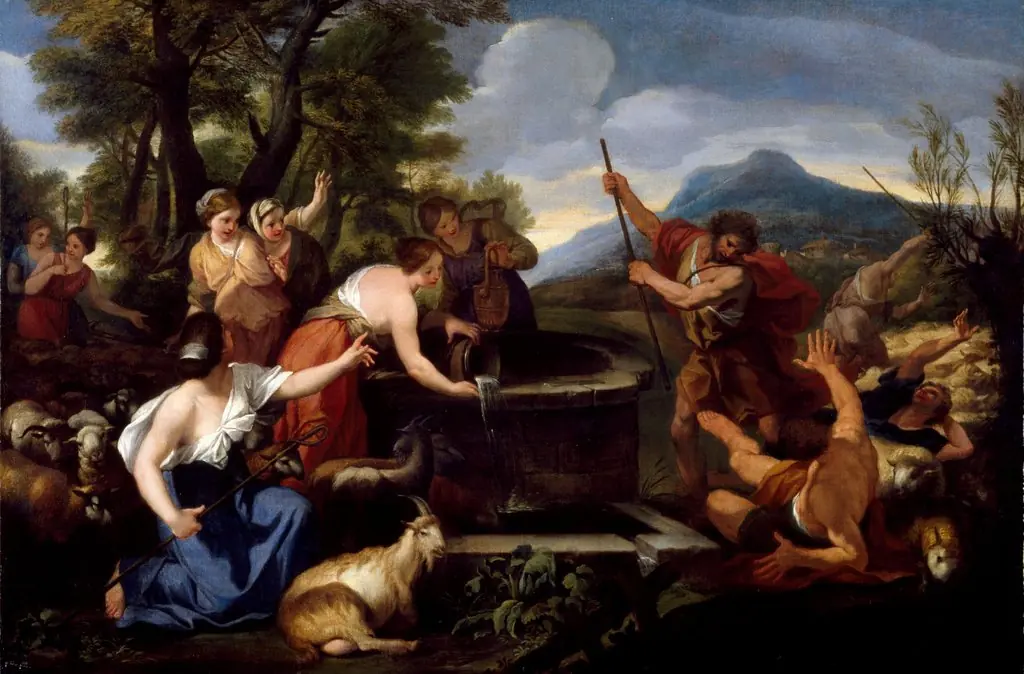 Moses and the Daughters of Jethro
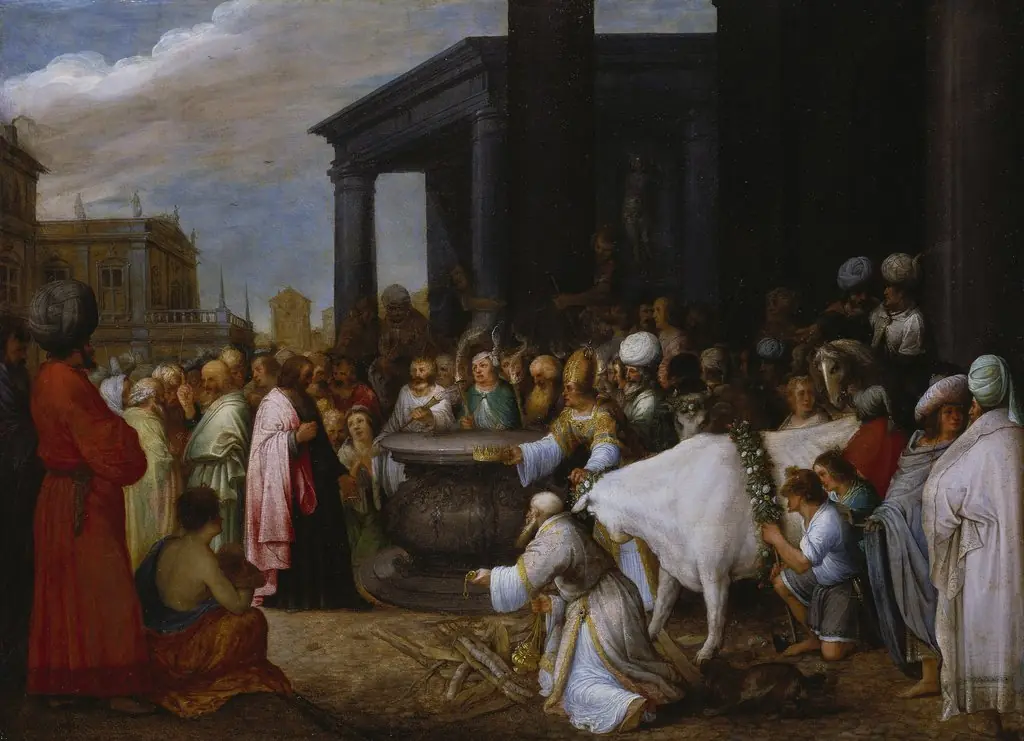 Paul and Barnabas are worshiped as gods in Lystra
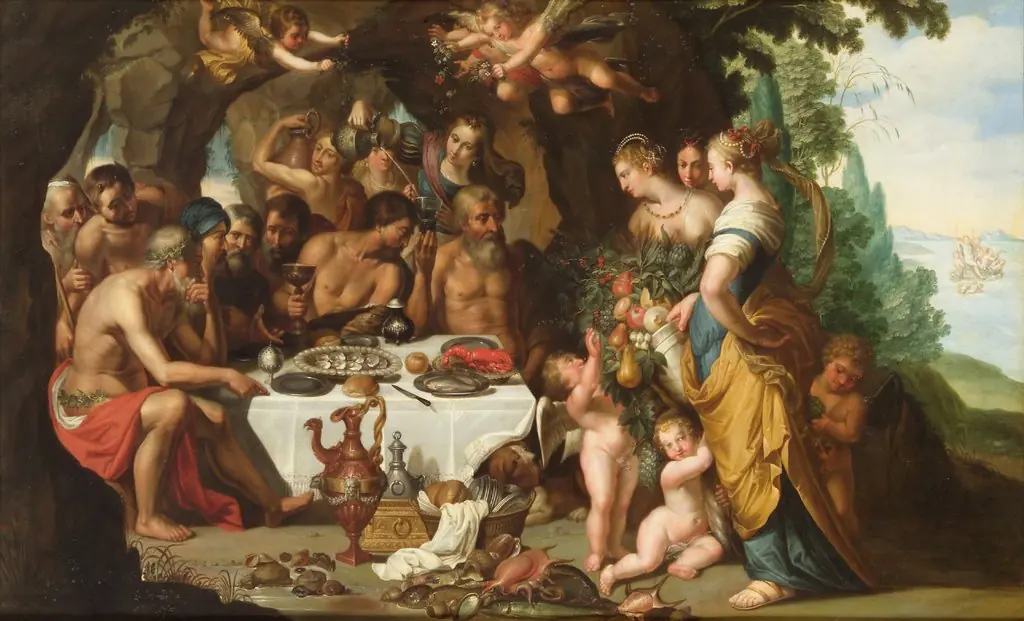 Gastmahl des Achelous
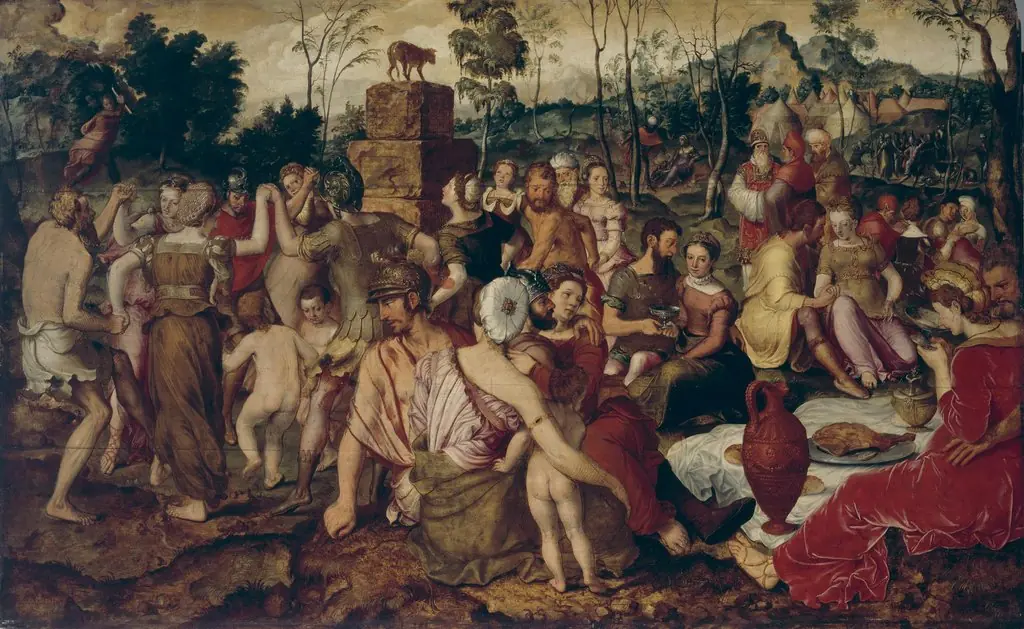 The Golden Calf
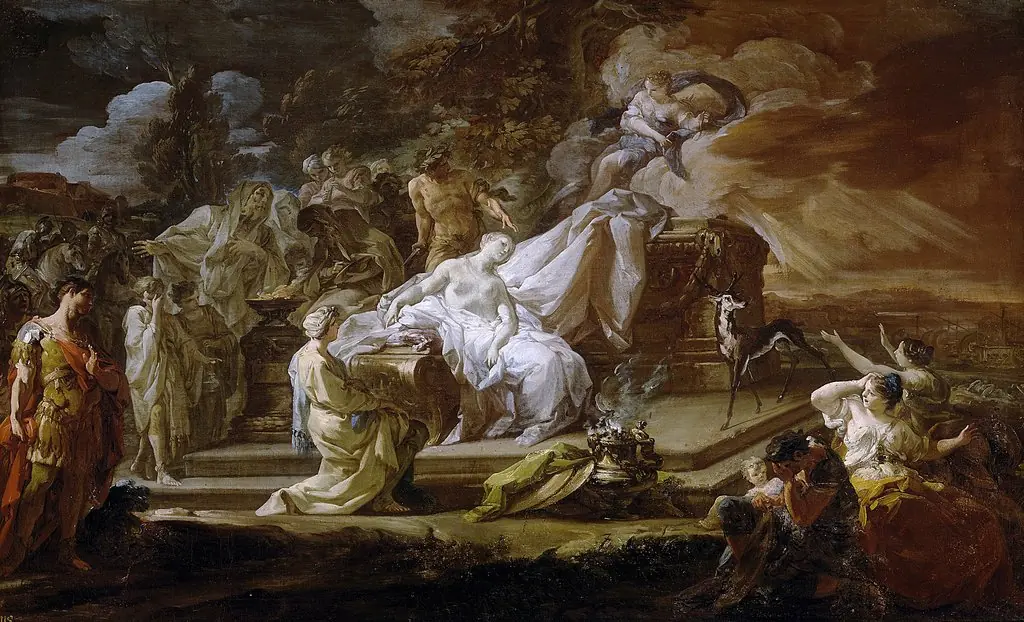 El sacrificio de Ifigenia
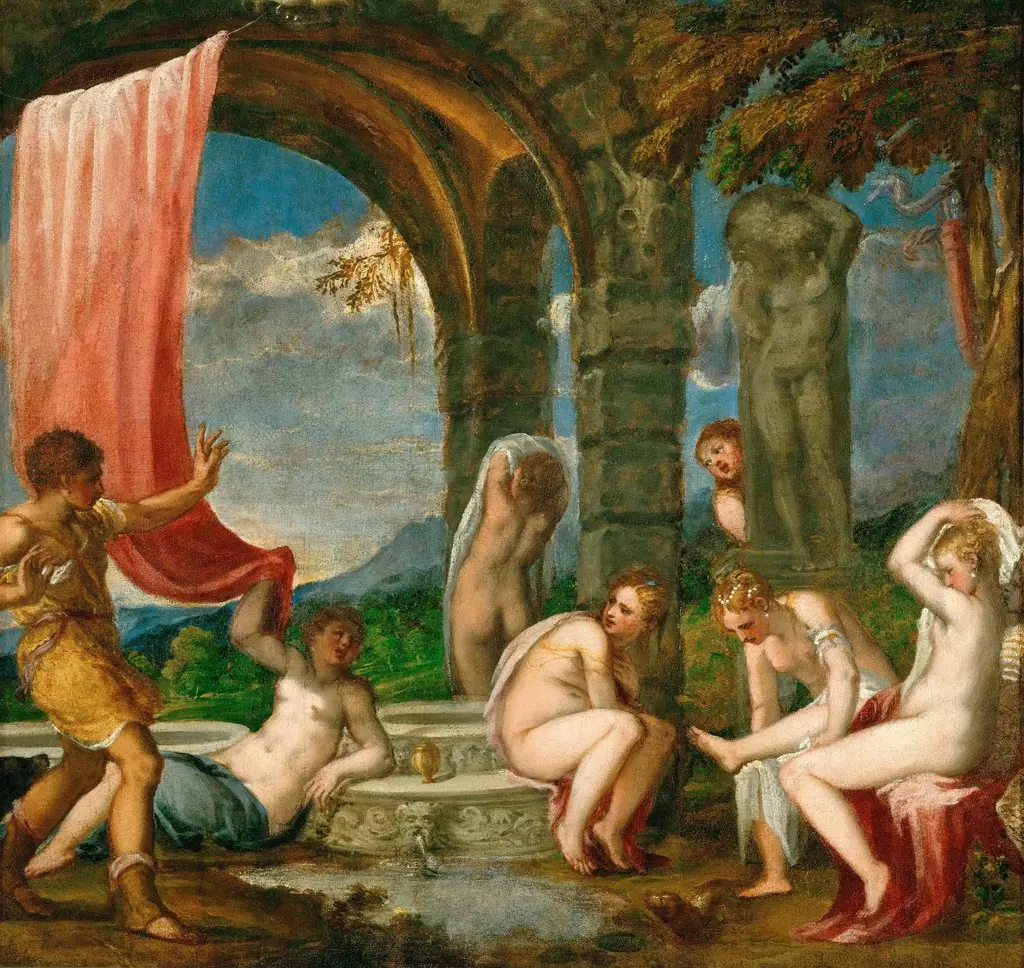 Diana and Actaeon
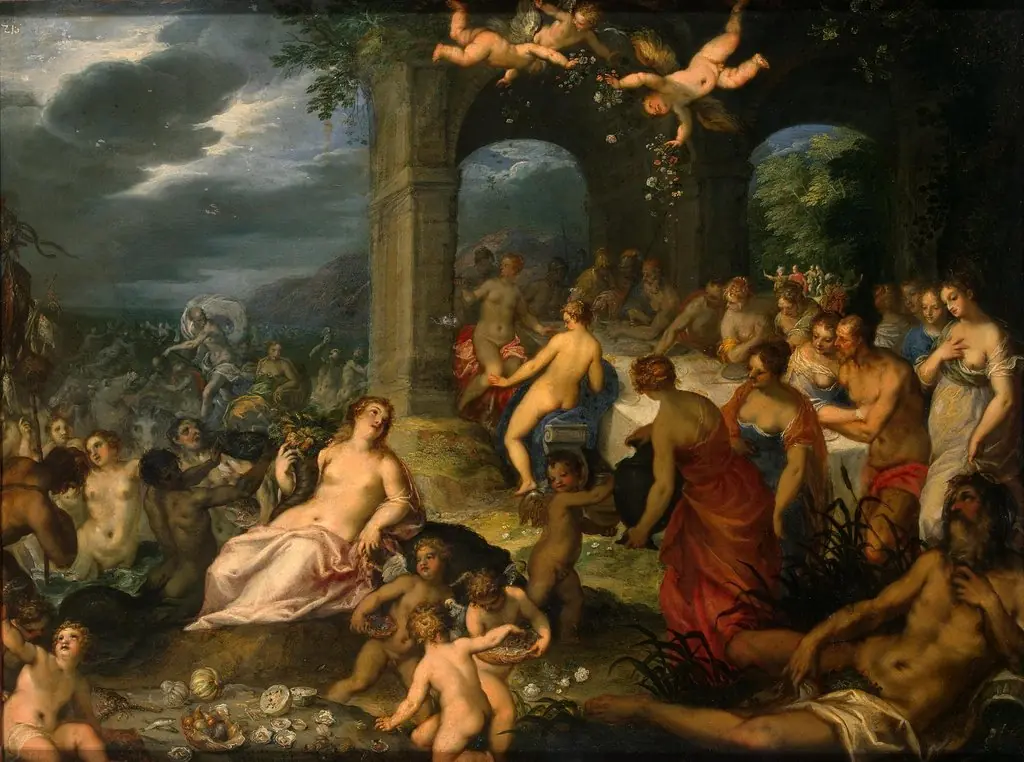 Feast of the Gods (The Marriage of Peleus and Thetis)
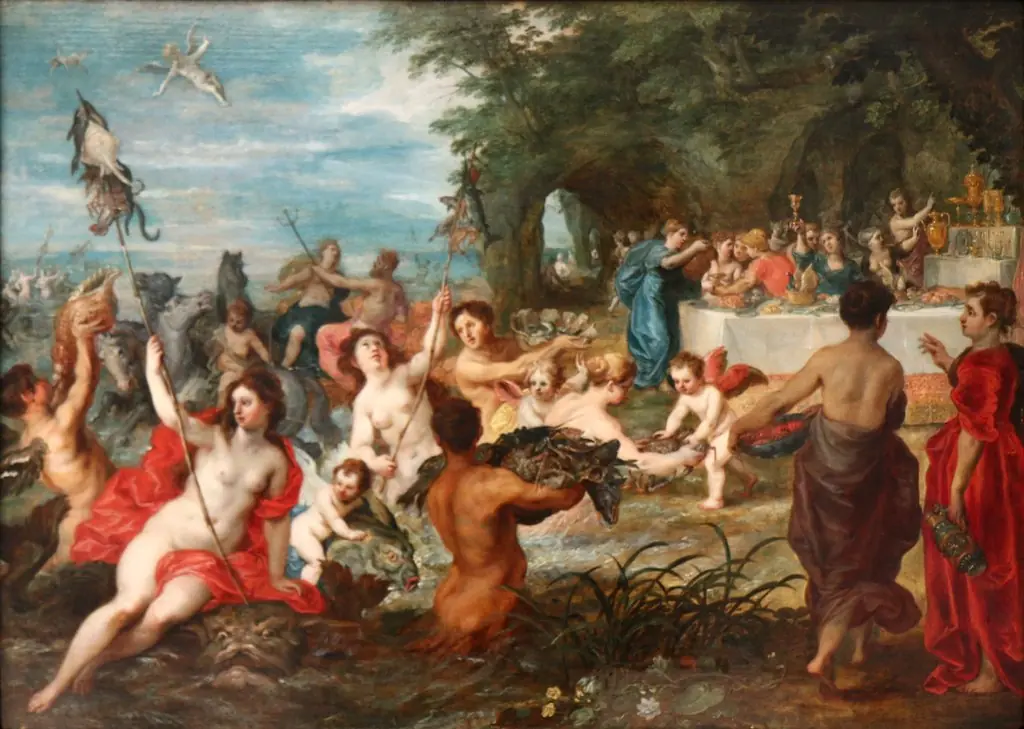 The wedding of Thetis and Peleus
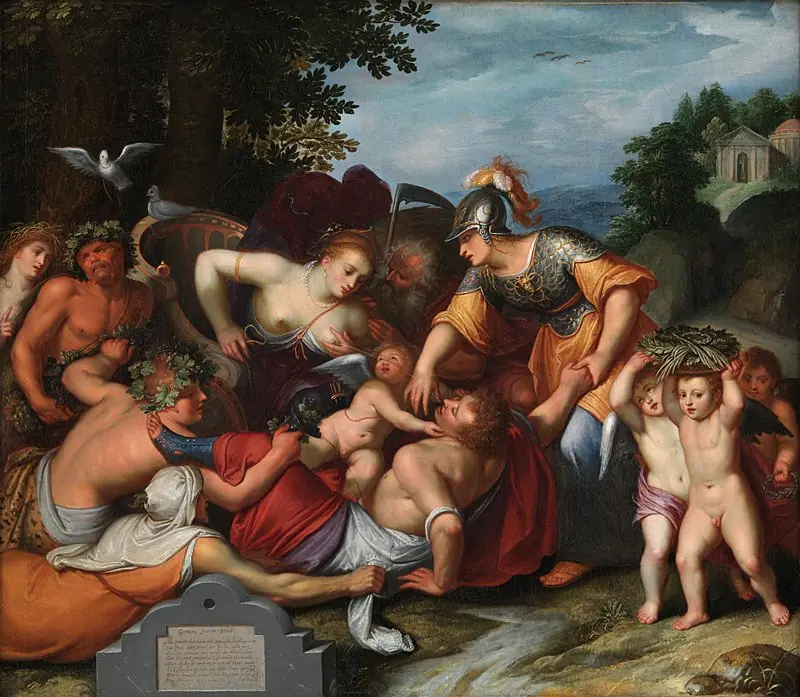 Gemeine Jeuchts Beeldt. Allegori på ungdommens fristelser
 The Meeting of David and Abigail
- Pylades and Orestes Brought as Victims before Iphigenia