
Subject
Adoration of the Shepherds
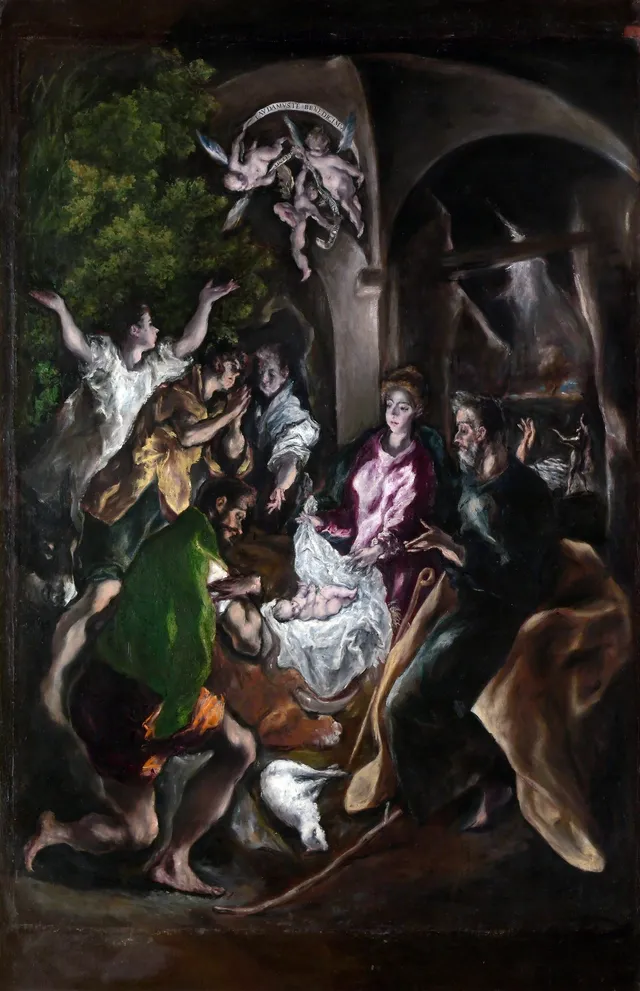
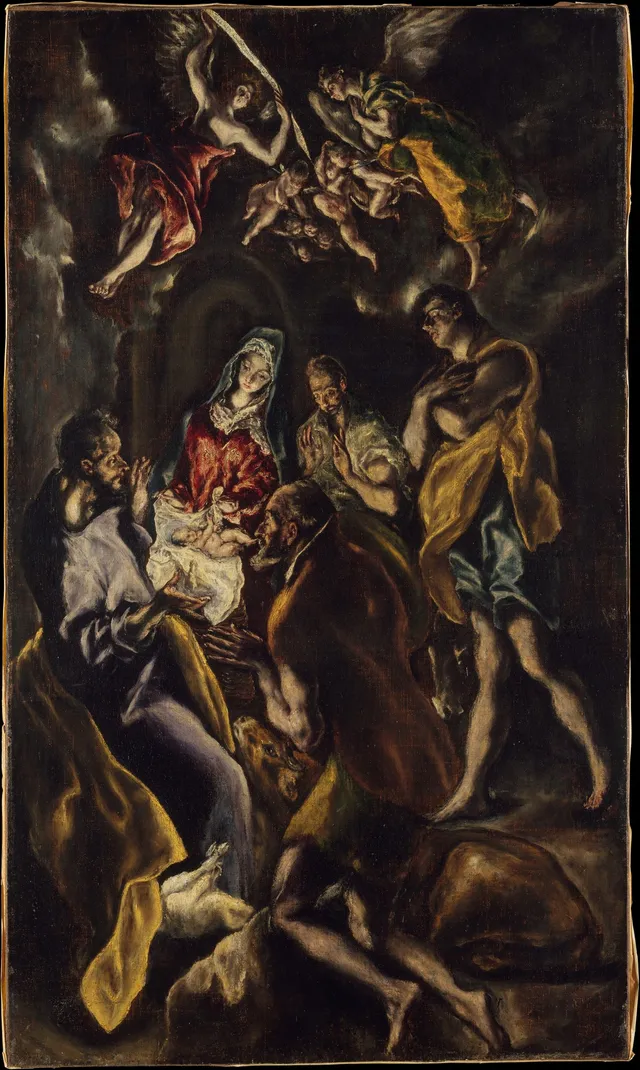
Adoration of the Shepherds is a subject in art. The gallery holds 108 works in this subject in art, including works by François Boucher, El Greco and Nicolaes Maes.
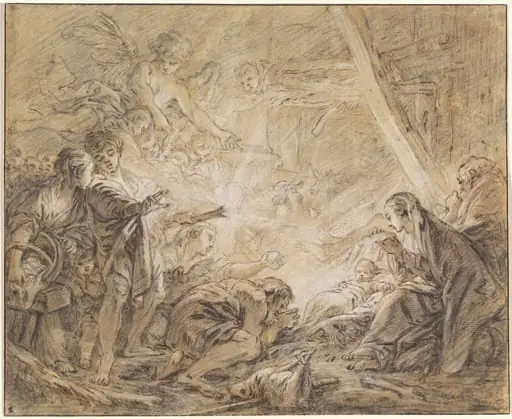
The Adoration of the Shepherds is the traditional name for a New Testament episode in the story of Jesus's nativity, which is the subject of many works of art. In it shepherds are near witnesses to Jesus's birth in Bethlehem, arriving soon after he is actually born.
Key artists

Overview
The Adoration of the Shepherds is a traditional subject in Christian art depicting the New Testament episode from the Gospel of Luke in which shepherds arrive in Bethlehem to witness the newborn Jesus. As near witnesses to the nativity, the shepherds represent the first people outside the holy family to acknowledge the incarnation, making this scene a foundational moment in Christian visual culture. The subject has attracted sustained artistic attention since late antiquity, appearing in 113 works in the collection under discussion, and has been treated across virtually every medium and format available to European artists, from manuscript illumination and cathedral sculpture to altarpieces, fresco cycles, and domestic devotional images. Its persistence reflects both its theological significance and its narrative accessibility: the humble setting and ordinary protagonists offered artists rich opportunities for naturalistic observation and emotional directness.
In the collection
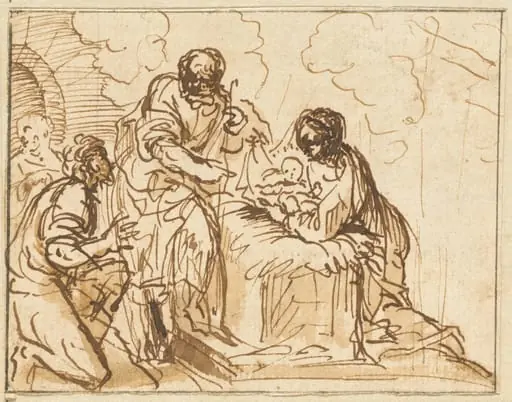
Within this collection, the Adoration of the Shepherds appears in 113 works, demonstrating its exceptional frequency as a devotional and artistic subject. The holdings encompass a range of formats and periods, from paintings and sculptures to works on paper. Among the specific titles represented are multiple works simply called The Adoration of the Shepherds, as well as composite subjects such as The Adoration of the Shepherds with Saint Catherine of Alexandria, Saints and Scenes from the Life of the Virgin, and The Annunciation to the Shepherds. This variety indicates how the subject could function both as an independent devotional image and as a component within larger narrative cycles. The collection includes works attributed to major artistic centers and workshops, with examples spanning from the medieval period through the Baroque. A 17th-century drawing attributed to Antonio Balestra, executed in pen using brown ink and brown wash over graphite on buff laid paper, represents the subject in a more intimate, preparatory medium, suggesting how the theme circulated among artists as a standard compositional exercise. The Bassano family's repeated engagement with the subject, particularly Francesco Bassano the Younger's version, illustrates how the Adoration of the Shepherds served as a vehicle for workshop production and stylistic refinement across generations, with the family's characteristic attention to rural detail, livestock, and multiple light sources from cherubs, sky, and Christ child contributing to a distinctive regional variant of the theme.
Across movements & periods
The treatment of the Adoration of the Shepherds evolved significantly across movements and periods. Early representations, found in Byzantine and medieval art such as the 6th-century Monza ampullae, typically combined the shepherds with the Adoration of the Magi, creating a unified scene of Jewish and gentile witness that occupied opposite sides of the composition around the central holy family. This combined format remained standard for centuries. The shepherds first appeared as an independent subject in western Christian art around the 15th century, a development that coincided with growing interest in naturalistic observation and the emotional lives of ordinary figures. Early medieval examples in book illumination and cathedral tympana, such as at Chartres, treated the shepherds as decorative accessories to the main theme of Christ's birth rather than as protagonists in their own right. The Renaissance brought decisive changes. Artists like Domenico Ghirlandaio in the 1485 Sassetti Chapel fresco included the Annunciation to the Shepherds as a peripheral feature in the upper left corner while also showing the approaching Magi procession, demonstrating transitional compositional habits. By the High Renaissance and into the Baroque, the subject became a favored vehicle for exploring dramatic lighting, humble realism, and the psychology of religious experience. Caravaggio's 1609 Adoration of the Shepherds for the Capuchin friars of Messina exemplifies this trajectory: the painting compresses the scene into a shallow, dimly lit space where rough-clad laborers kneel before a plainly dressed young mother and her infant, the light falling from an unseen source to make the child's body the luminous center of the composition. This tenebrist approach, with its theological as well as aesthetic program of radical humility, aligned with Counter-Reformation aims of reaching ordinary worshippers through emotionally persuasive, legible imagery. The Bassano workshop developed a Venetian variant characterized by vibrant color, aerial perspective, and attention to rural and animal details. In later periods, the subject continued to attract artists seeking to balance sacred narrative with observed reality, from Georges de La Tour's candlelit nocturnes to the naturalism of the Le Nain brothers.
Notable depictions
Numerous major artists across European art history have treated the Adoration of the Shepherds, creating works that have become canonical in the history of the subject. Among the most celebrated are Correggio's version in the Gemäldegalerie Alte Meister, Dresden; Caravaggio's 1609 painting in the Museo Regionale, Messina; Domenichino's in the Scottish National Gallery, Edinburgh; and Giorgione's Allendale Nativity in the National Gallery of Art, Washington, D.C. El Greco's treatment in the Museo del Prado, Madrid, and Bartolomé Esteban Murillo's in the Hermitage Museum, Saint Petersburg, represent significant Spanish contributions. Hugo van der Goes's Portinari Triptych in the Uffizi, Florence, integrates the shepherds within a vast Flemish altarpiece, while Lorenzo di Credi's version in the same museum offers a Florentine Renaissance perspective. Andrea Mantegna's Adoration of the Shepherds in the Metropolitan Museum of Art, New York, and Giotto's fresco in the Scrovegni Chapel, Padua, demonstrate the subject's importance in early Renaissance narrative cycles. Georges de La Tour's nocturnal version in the Louvre, Paris, and Nicolas Poussin's and Rembrandt's treatments in the National Gallery, London, show French and Dutch Baroque approaches. Guido Reni's version in the Certosa di San Martino, Naples, Martin Schongauer's in Berlin, and Gerard van Honthorst's in the Wallraf-Richartz Museum, Cologne, further extend the geographic and stylistic range. Edward Burne-Jones's stained-glass windows in Trinity Church, Boston, represent a 19th-century revival of the subject in a decorative medium. The Detroit Institute of Arts holds a significant 18th-century French painting of the subject by Jean-Baptiste Marie Pierre, acquired in 1977, which had appeared in the Salon of 1745 and was documented in Dézallier d'Argenville's Voyage Pittoresque de Paris by 1749. This work, with its documented exhibition history and scholarly attention, exemplifies how the subject continued to engage academic painters in the age of Rococo.
Legacy
The Adoration of the Shepherds has maintained a durable presence in Christian culture beyond the visual arts, extending into music and seasonal observance. The episode features prominently in Christmas carols and classical compositions, with texts such as "O Come, All Ye Faithful" (Web Source 3), "Angels We Have Heard on High," and "Silent Night" incorporating the shepherds' journey and adoration into their narratives. The German carol "Vom Himmel hoch, da komm ich her" and the modern "Calypso Carol" continue this tradition, while the "Shepherd's Pipe Carol" explicitly urges the listener toward Bethlehem in the shepherds' footsteps. This musical afterlife testifies to the scene's capacity to evoke wonder, movement, and communal participation. In art historical terms, the subject's evolution from composite medieval image to independent Renaissance and Baroque theme, and its continued treatment by major artists into the 18th and 19th centuries, demonstrates its flexibility as a vehicle for stylistic innovation and theological reflection. The Capuchin commission of Caravaggio's Messina altarpiece illustrates how the subject could serve specific pastoral and reform programs within Catholicism, while the Bassano workshop's decades-long refinement of the theme shows its utility for familial artistic identity and commercial production. The persistence of the Adoration of the Shepherds across media, periods, and cultures confirms its status as one of the most adaptable and emotionally resonant subjects in the Christian visual tradition, capable of conveying both the particularity of the incarnation and the universal accessibility of the divine.
Works
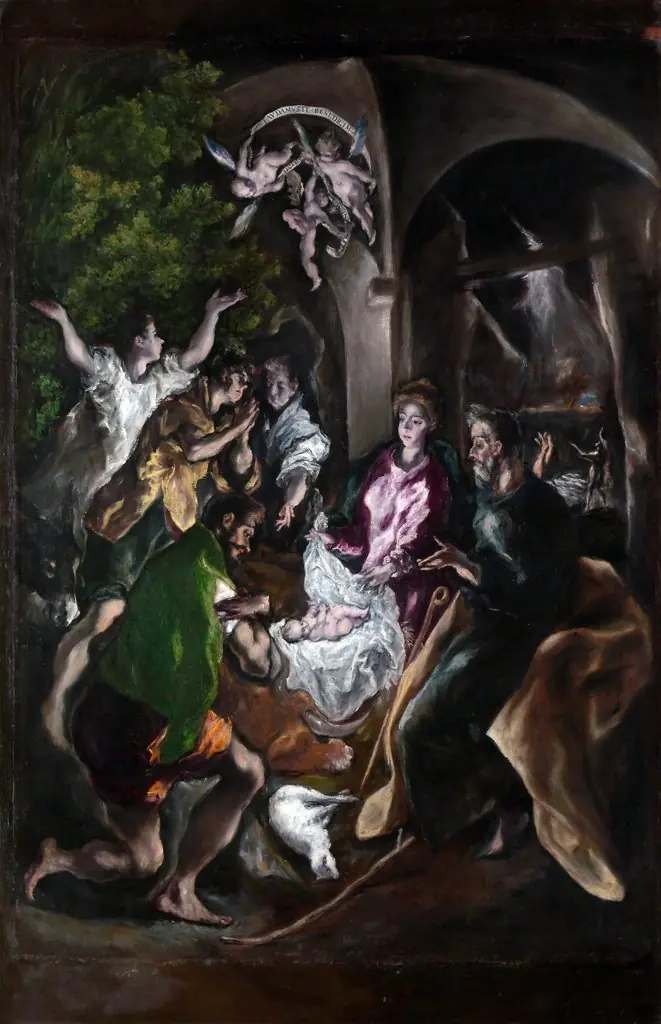 The Adoration of the Shepherds
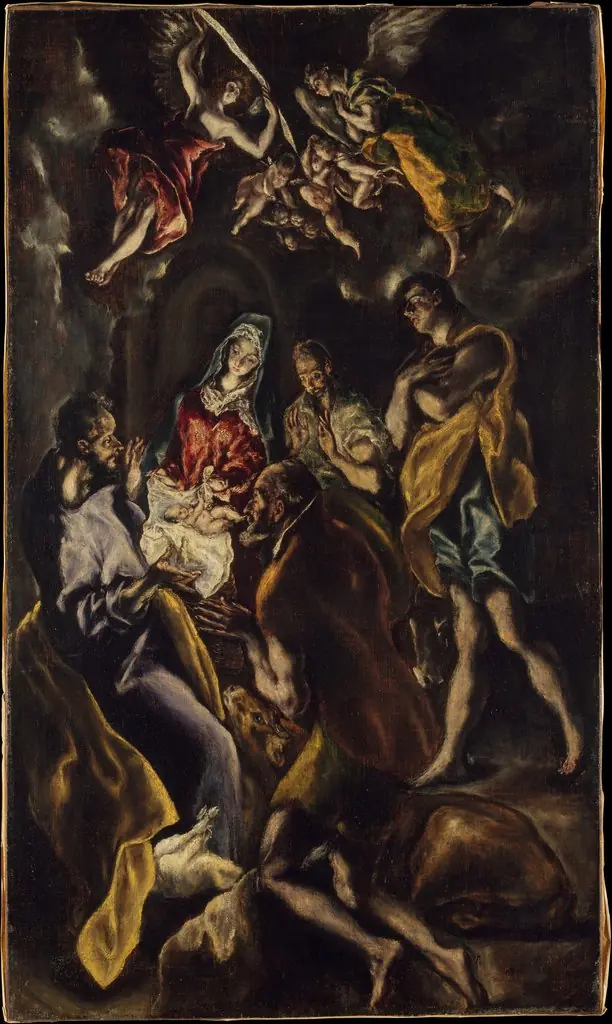 The Adoration of the Shepherds
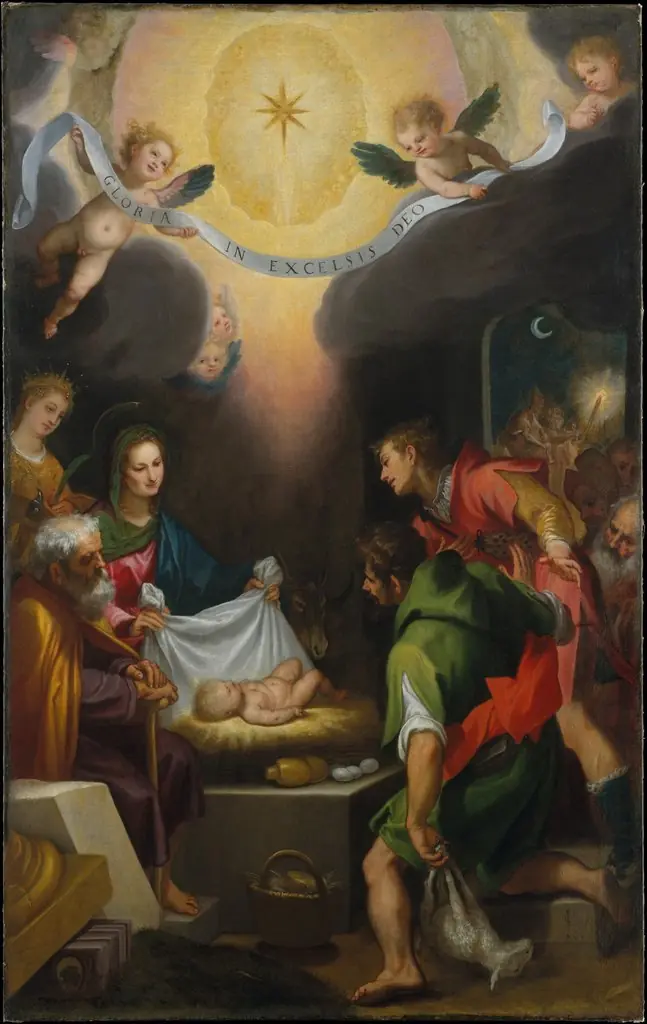 The Adoration of the Shepherds with Saint Catherine of Alexandria
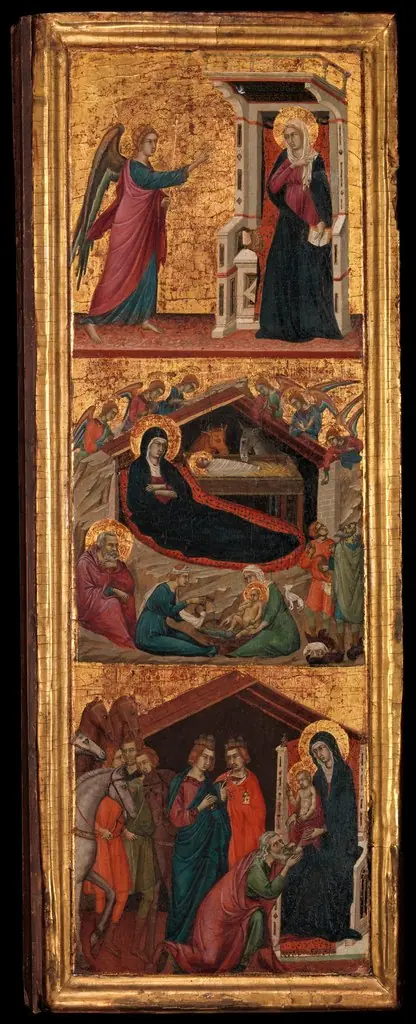 Saints and Scenes from the Life of the Virgin
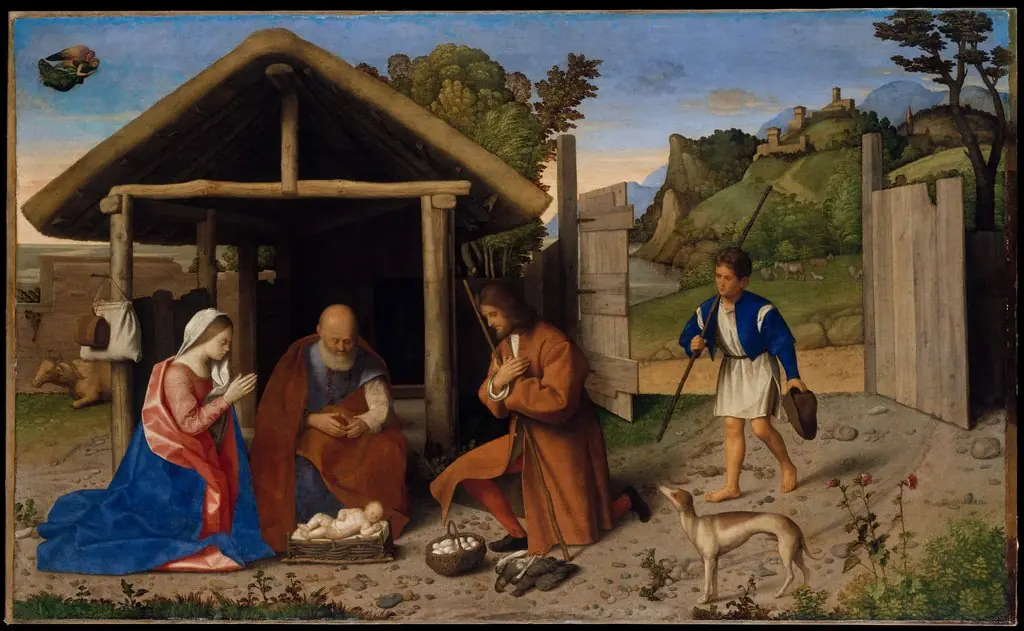 The Adoration of the Shepherds
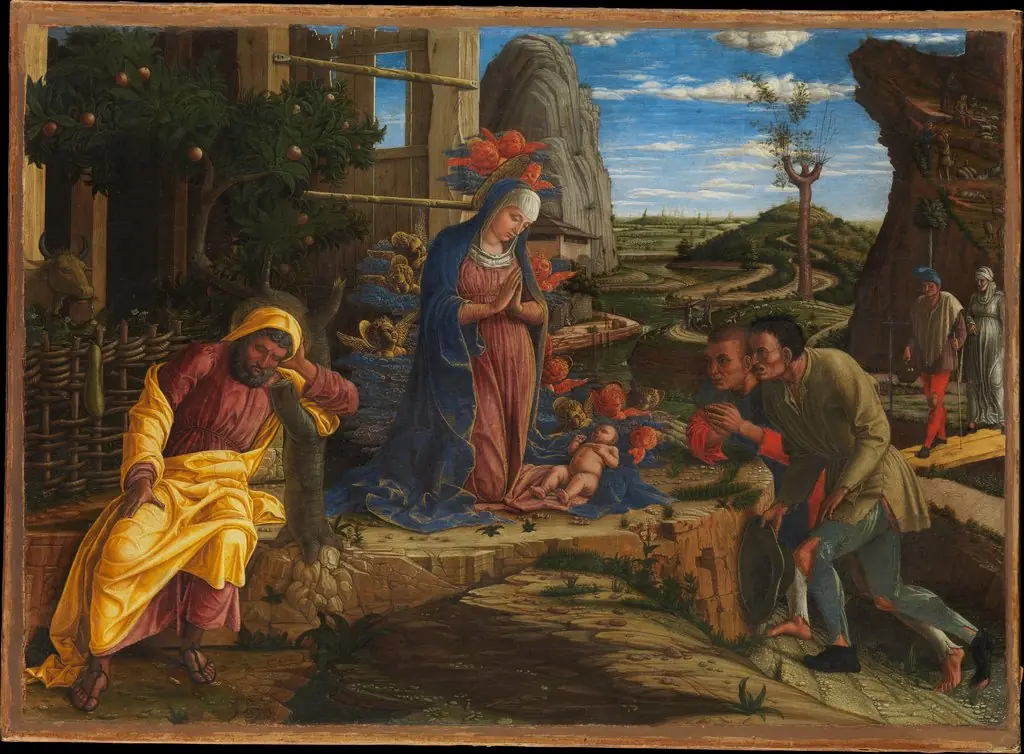 Adoration of the Shepherds
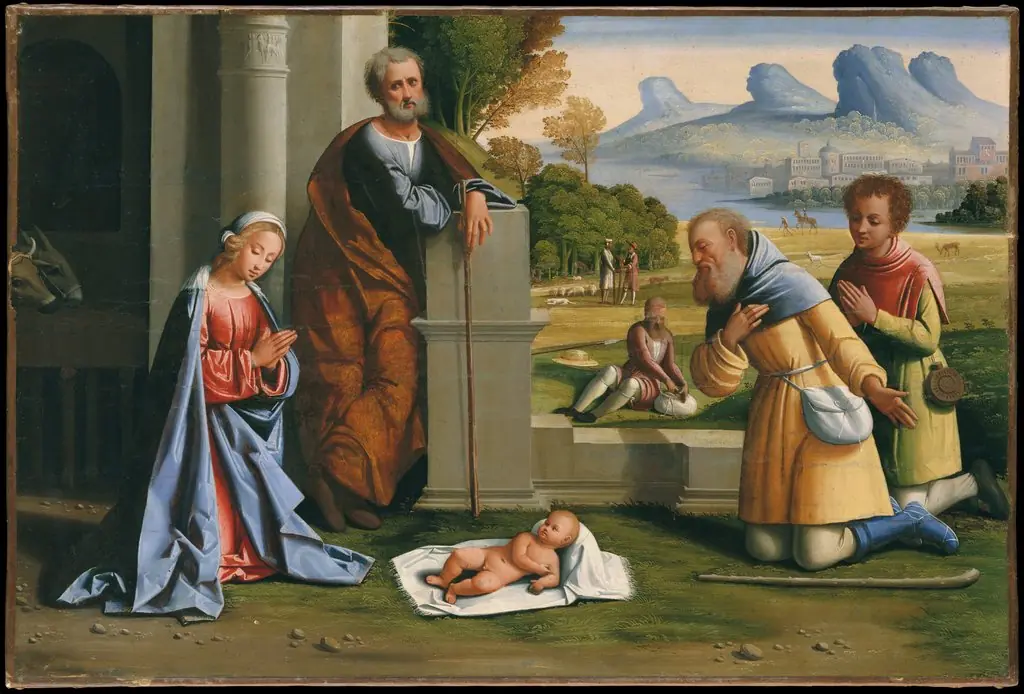 The Adoration of the Shepherds
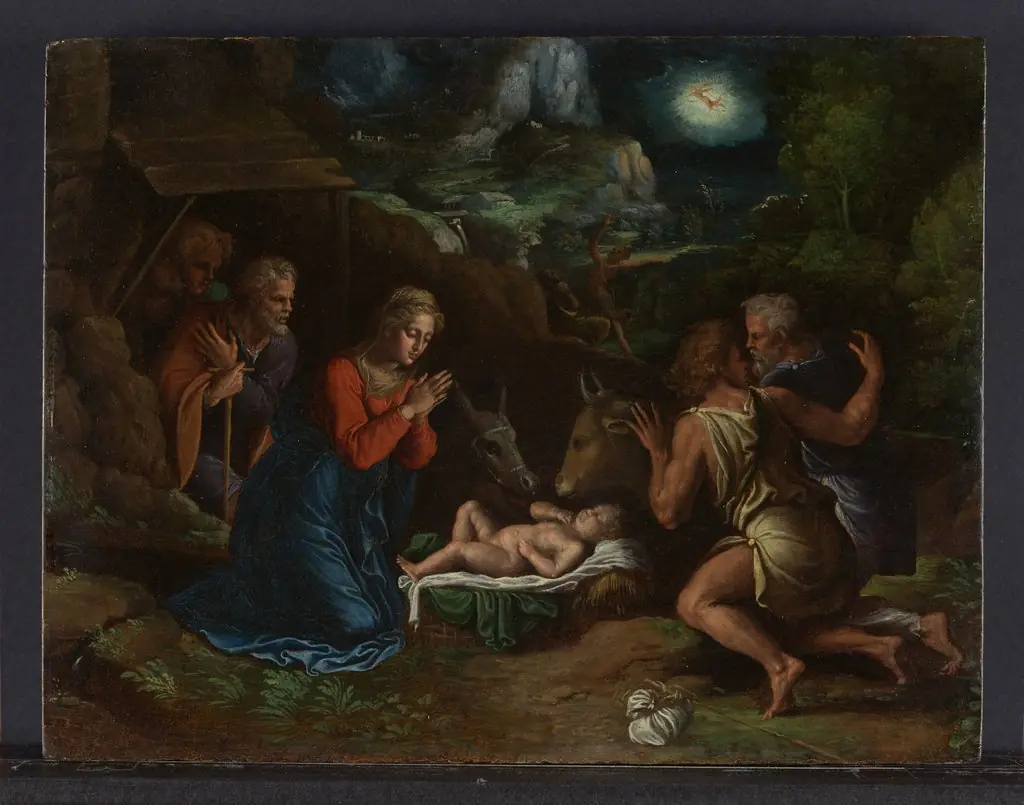 The Adoration of the Shepherds
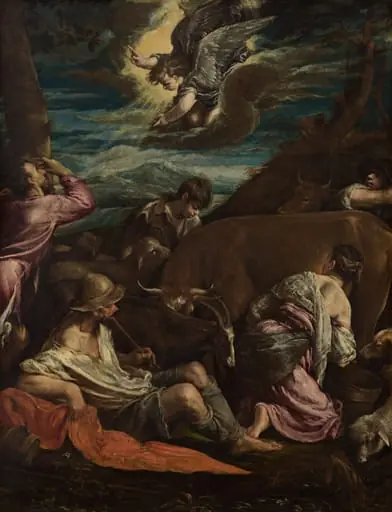 The Annunciation to the Shepherds
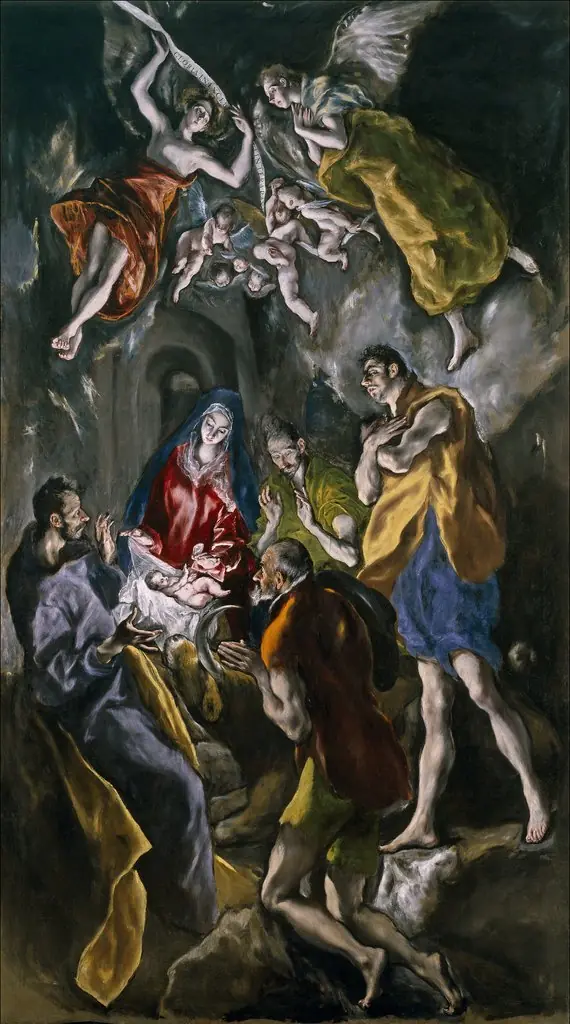 Adoration of the Shepherds
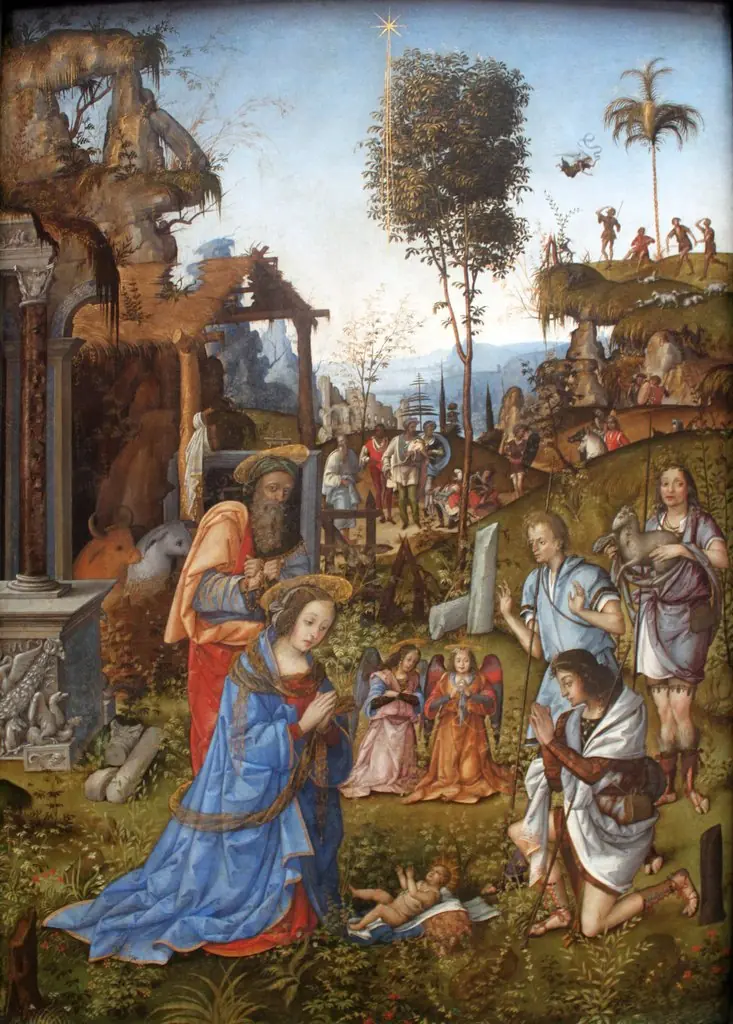 The Adoration of the Shepherds
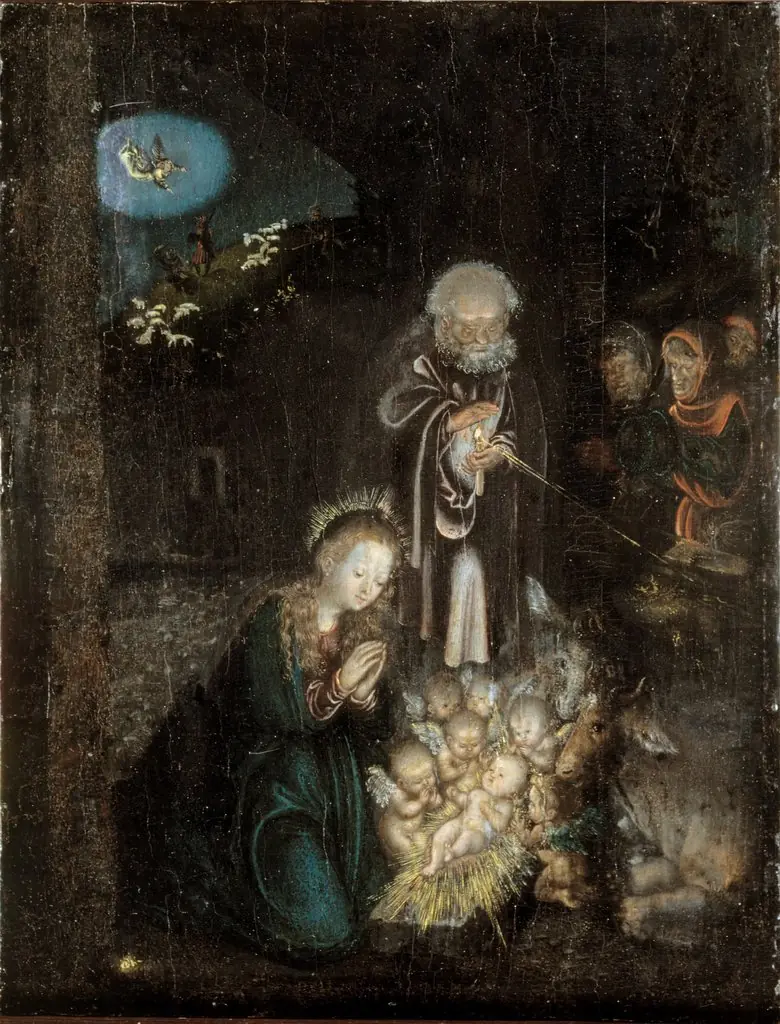 Nativity
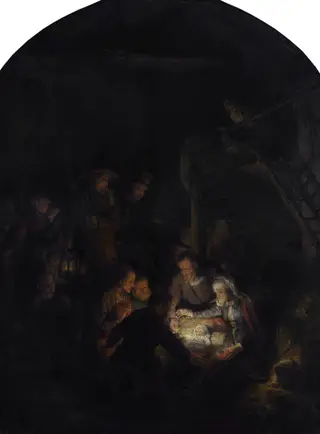 Adoration of the Shepherds
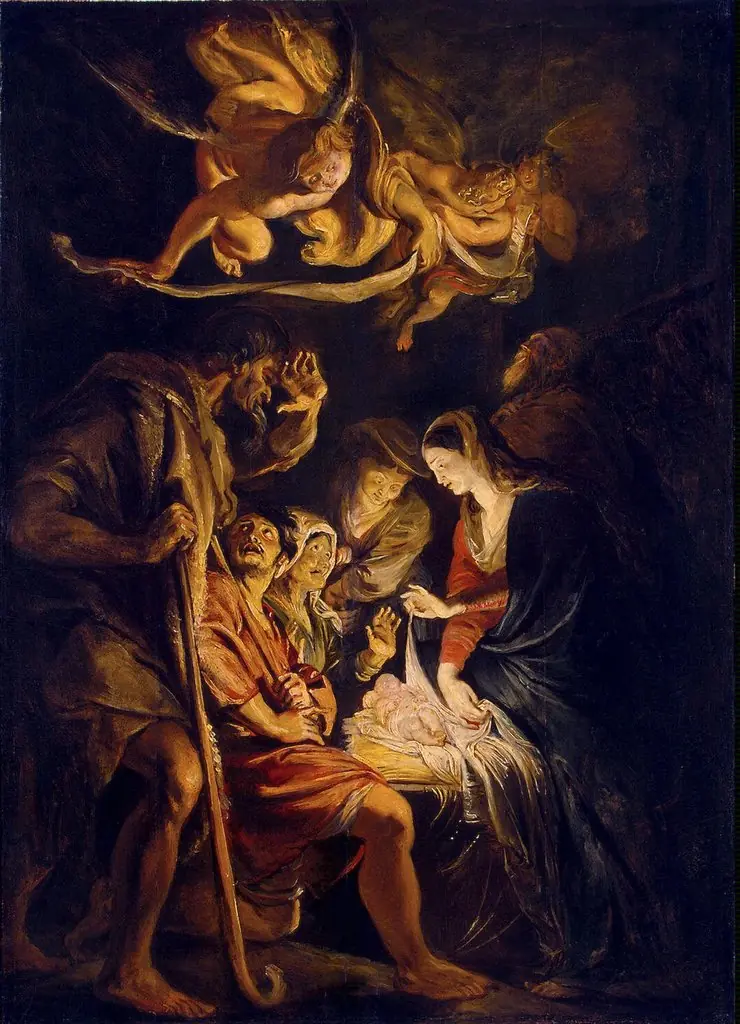 Adoration of the Shepherds (Hermitage)
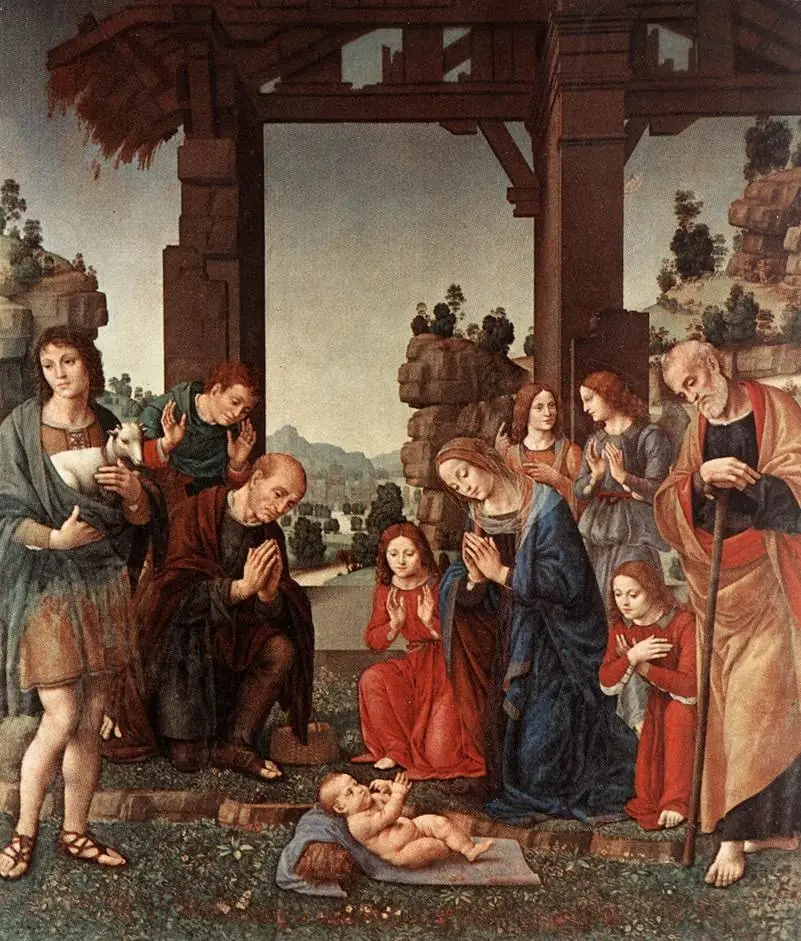 Adoration of the Shepherds
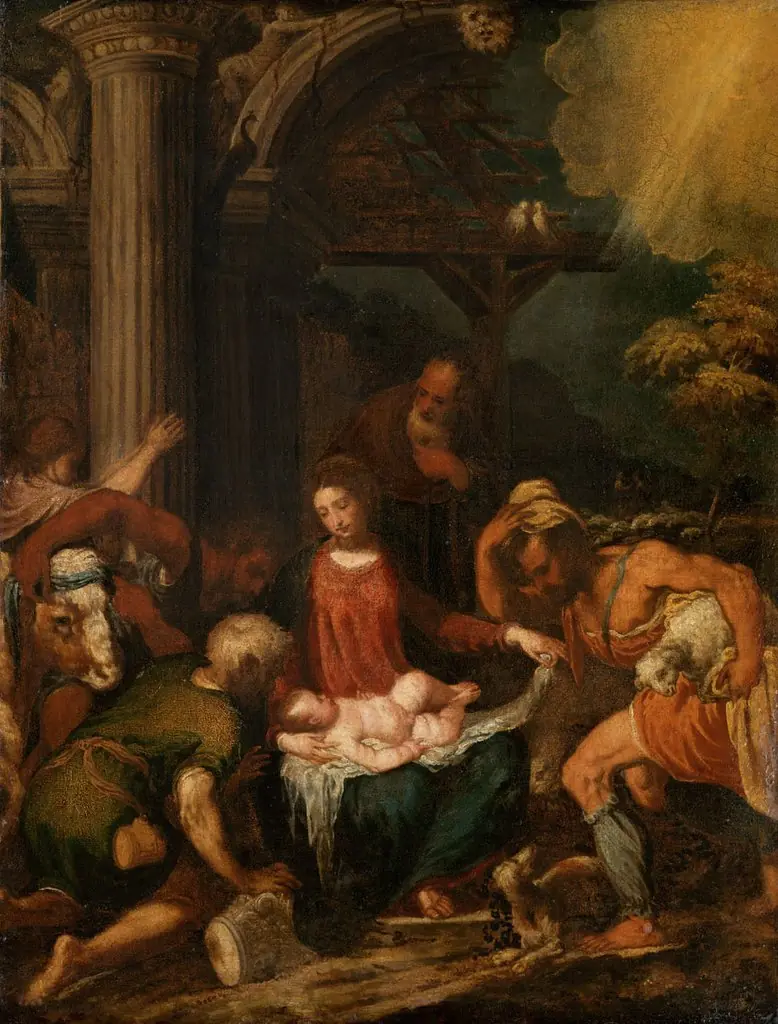 Adoration of the Shepherds
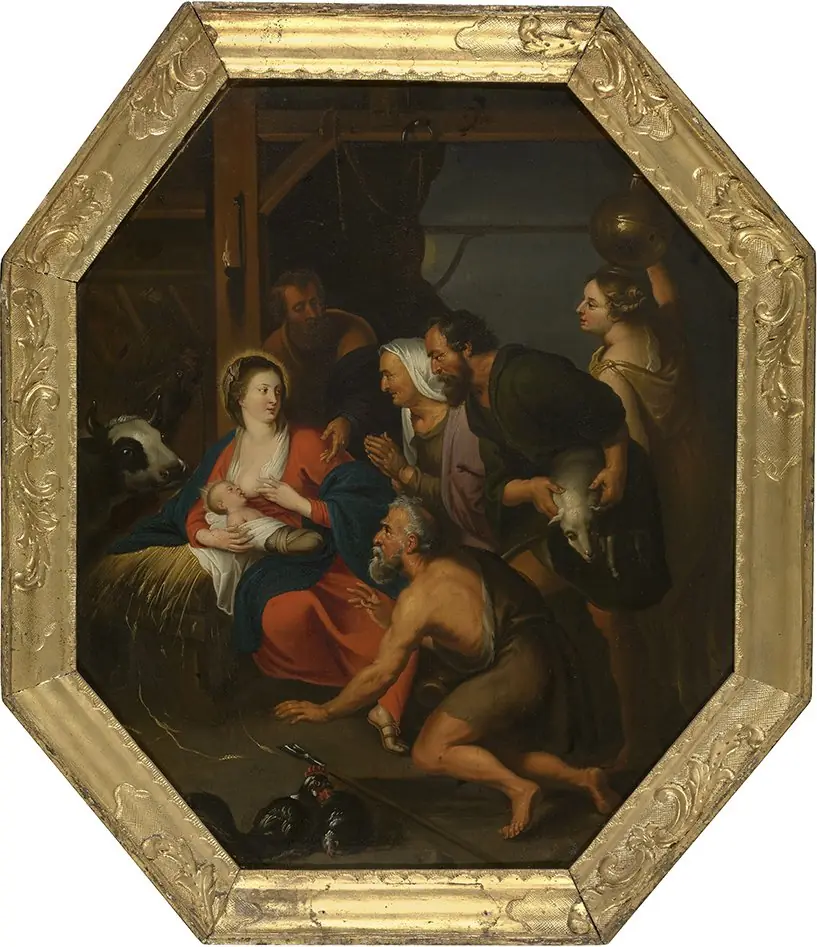 Adoration of the shephards
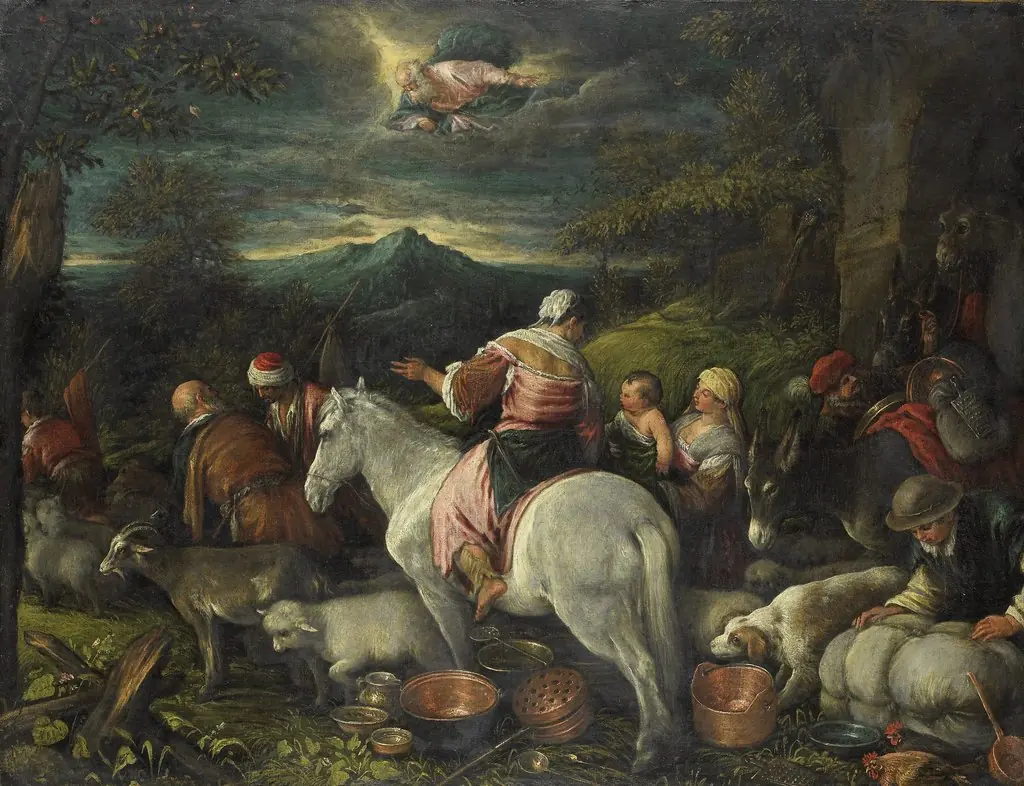 Abraham leaves Haran for Egypt
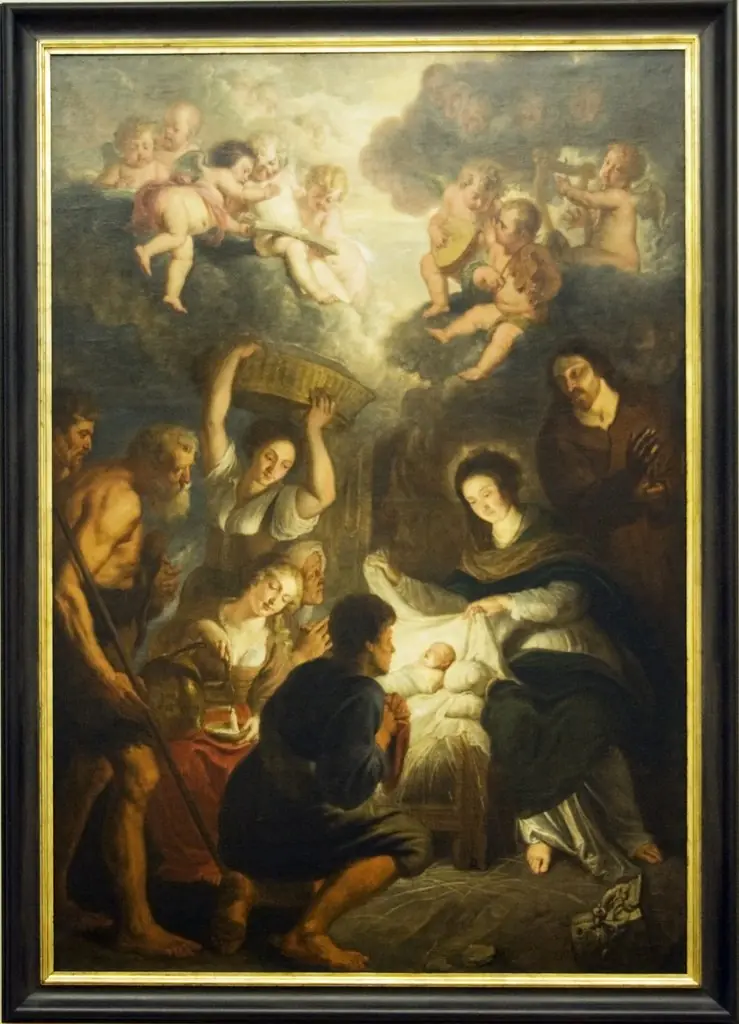 The Adoration of the Shepherds
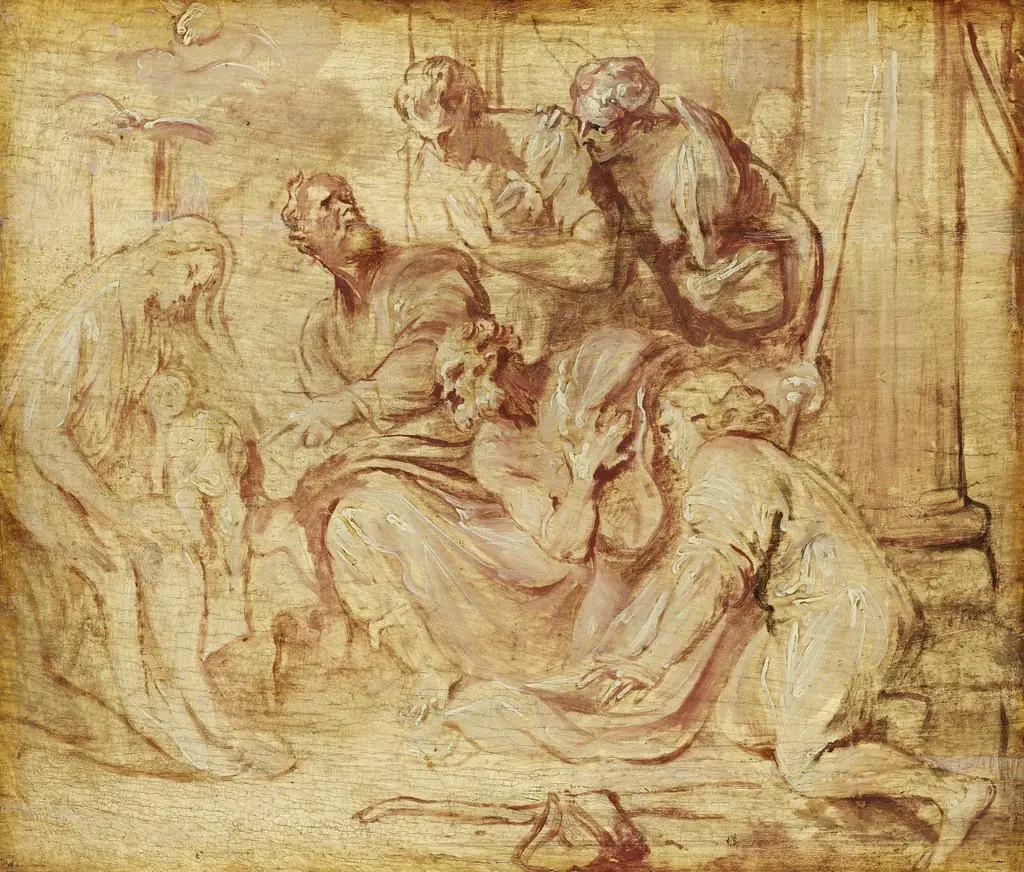 Adoration of the Shepherds (study)
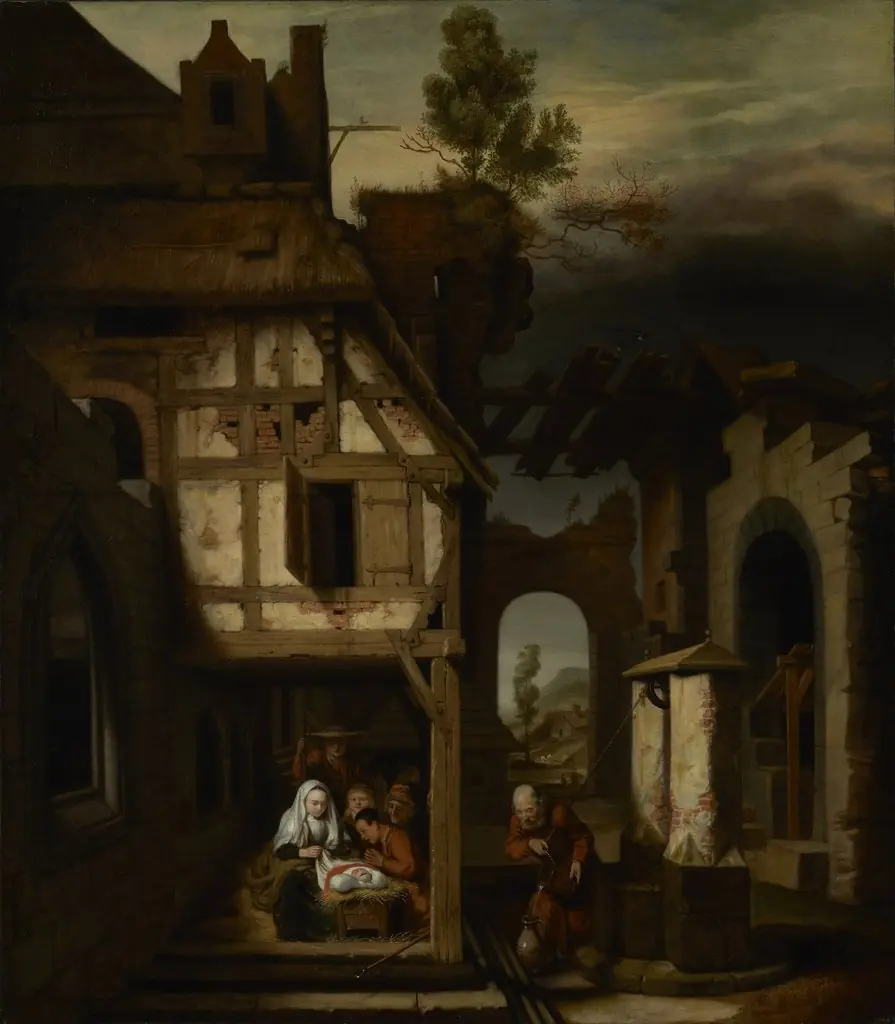 Adoration of the Shepherds
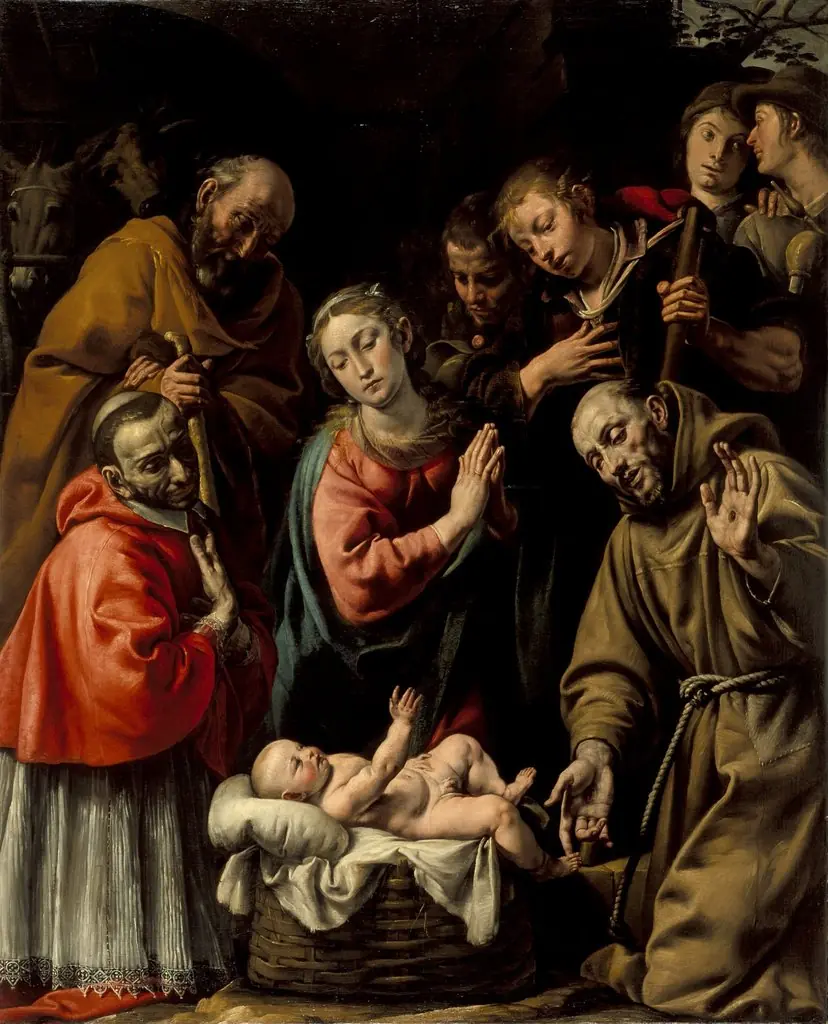 Adoration of the Shepherds with Saints Francis and Carlo Borromeo
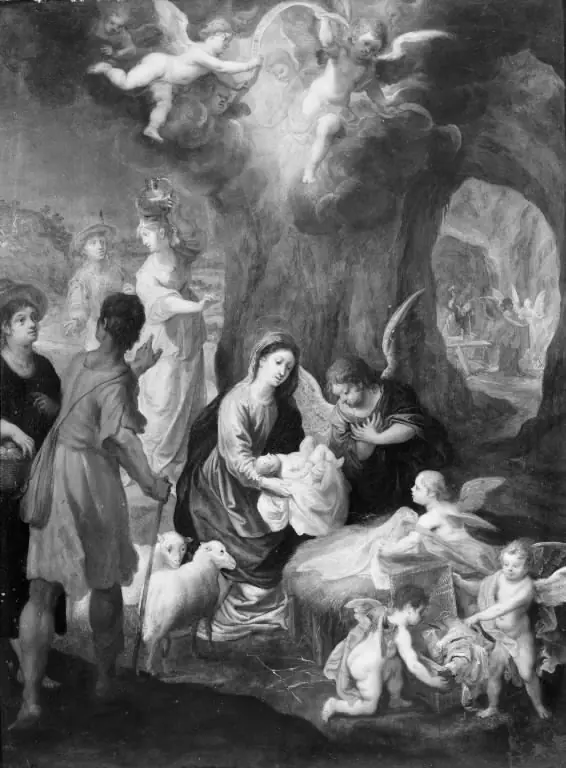 The Holy Family with Saints
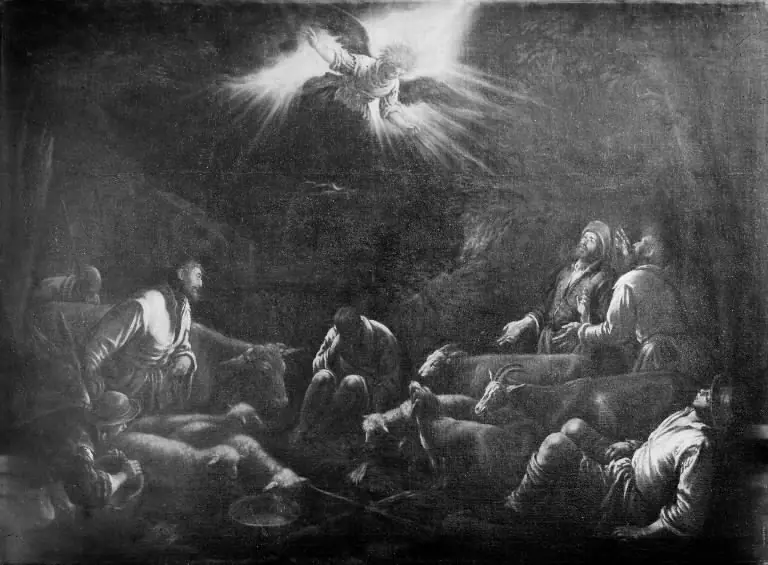 Annunciation to the Shepherds
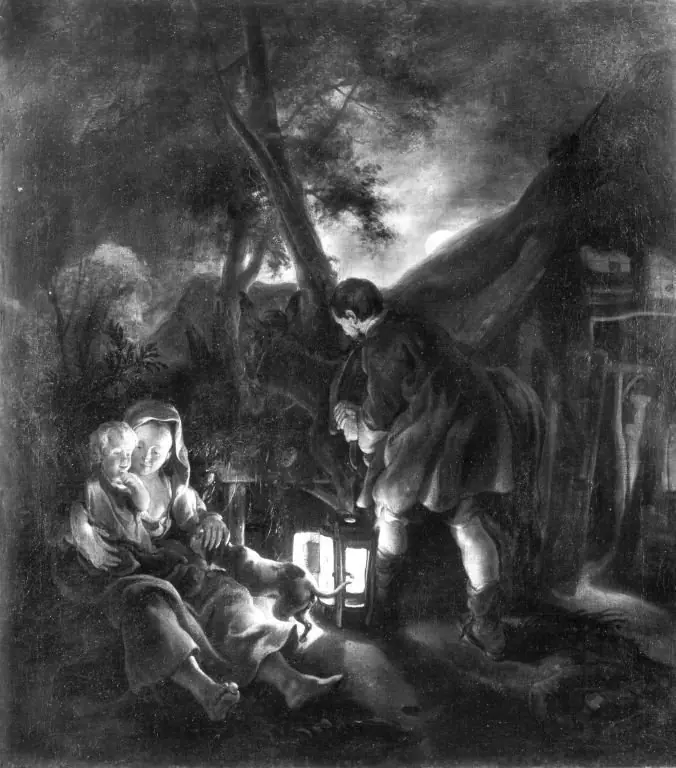 Ruhe auf der Flucht (zugeschrieben)
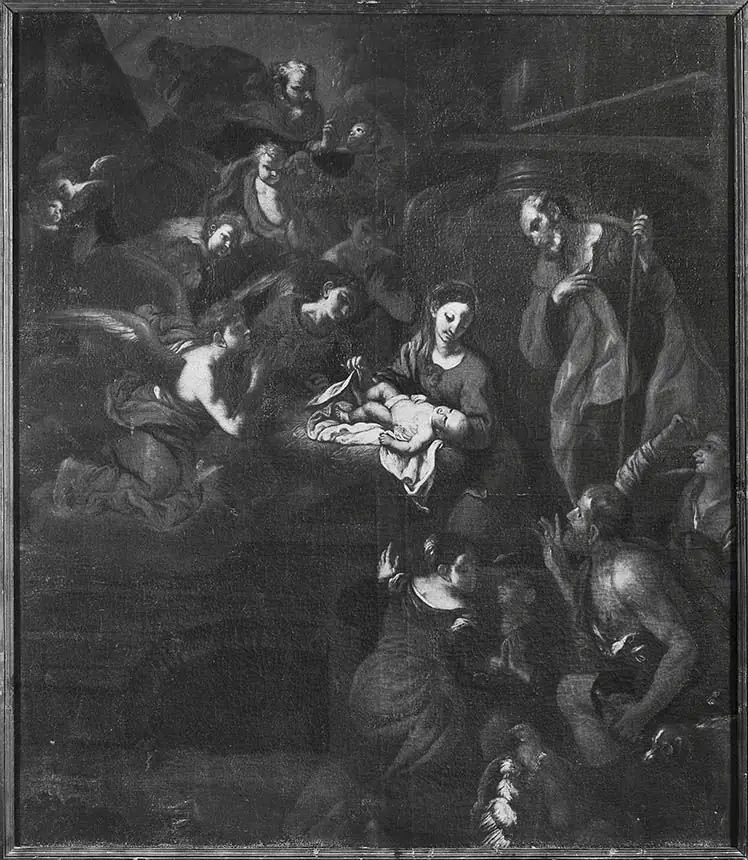 Anbetung der Hirten (Schule)
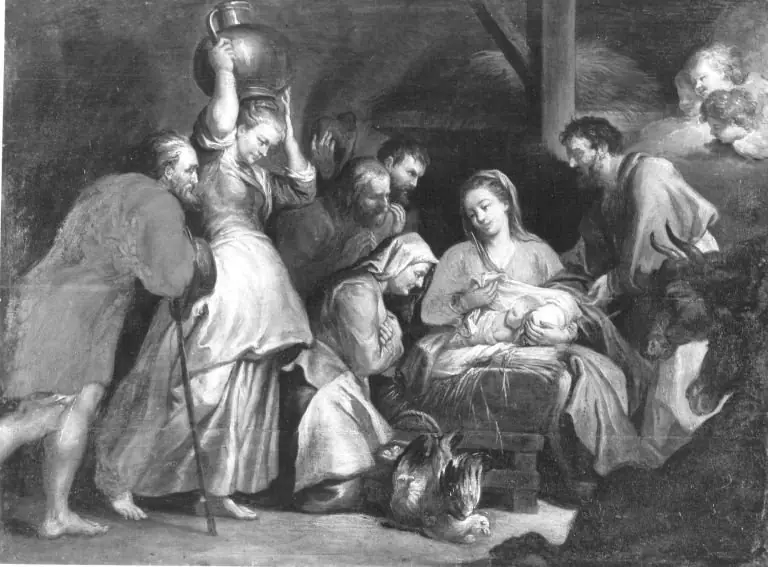 Anbetung der Hirten (nach dem Stich von Lucas Vorstermans d. Ä.)
 Anbetung der Hirten (Nachfolger)
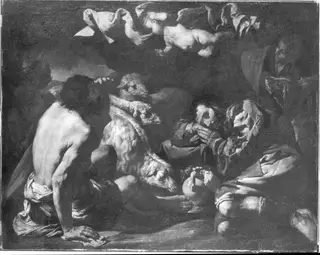 Verkündigung an die Hirten
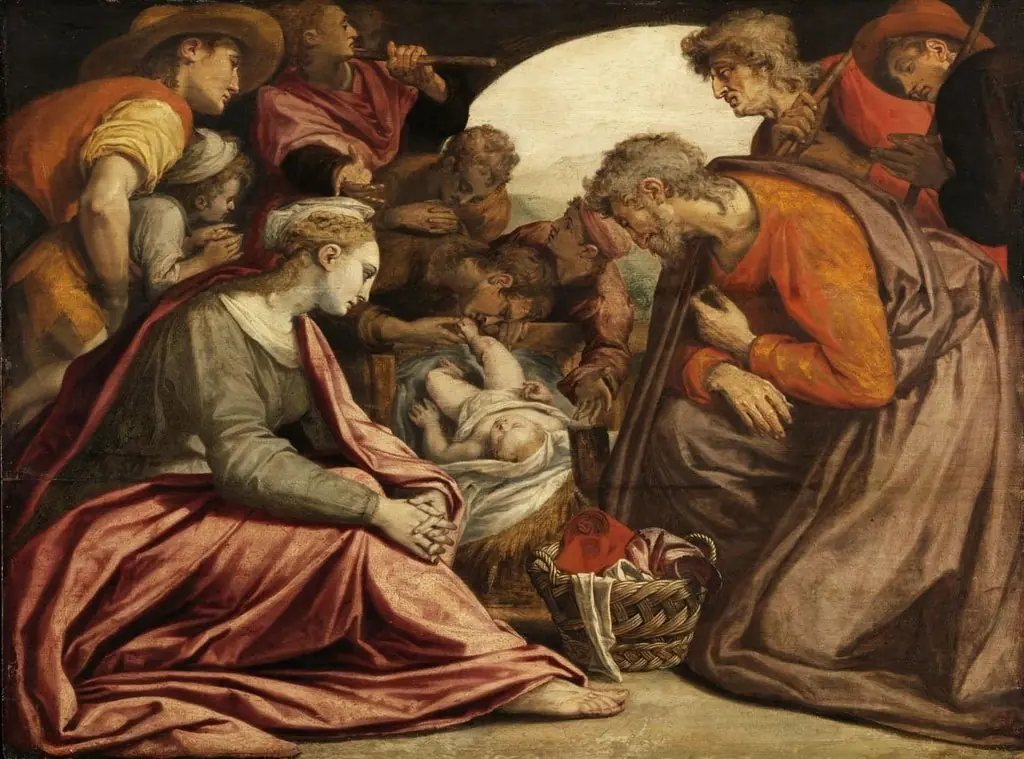 Adoration of the Shepherds
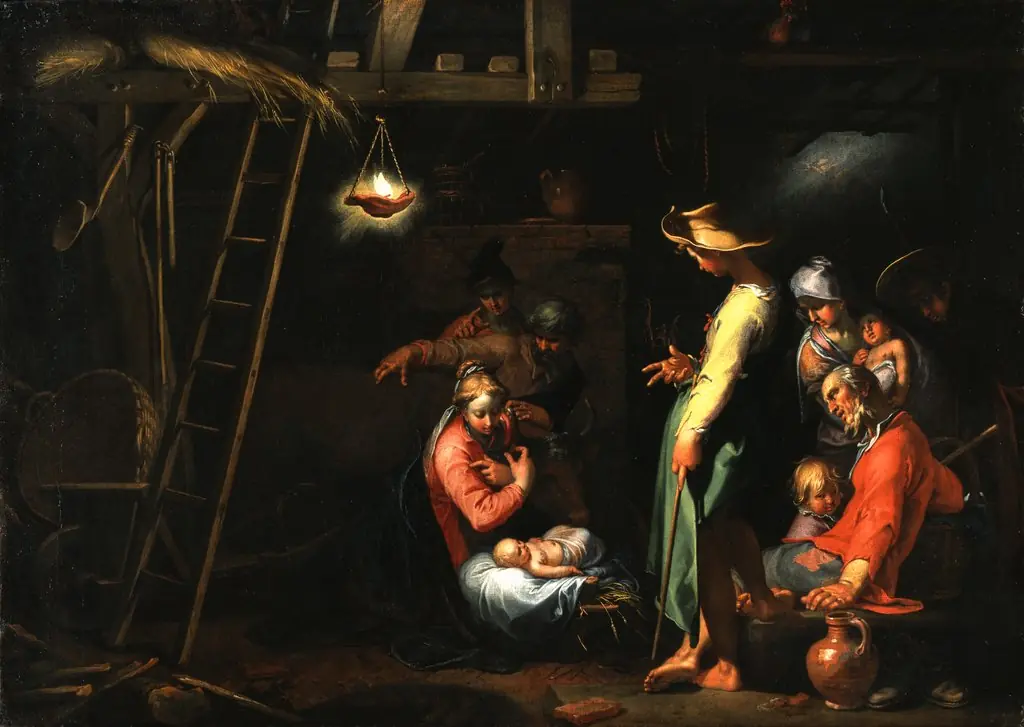 The Adoration of the Shepherds
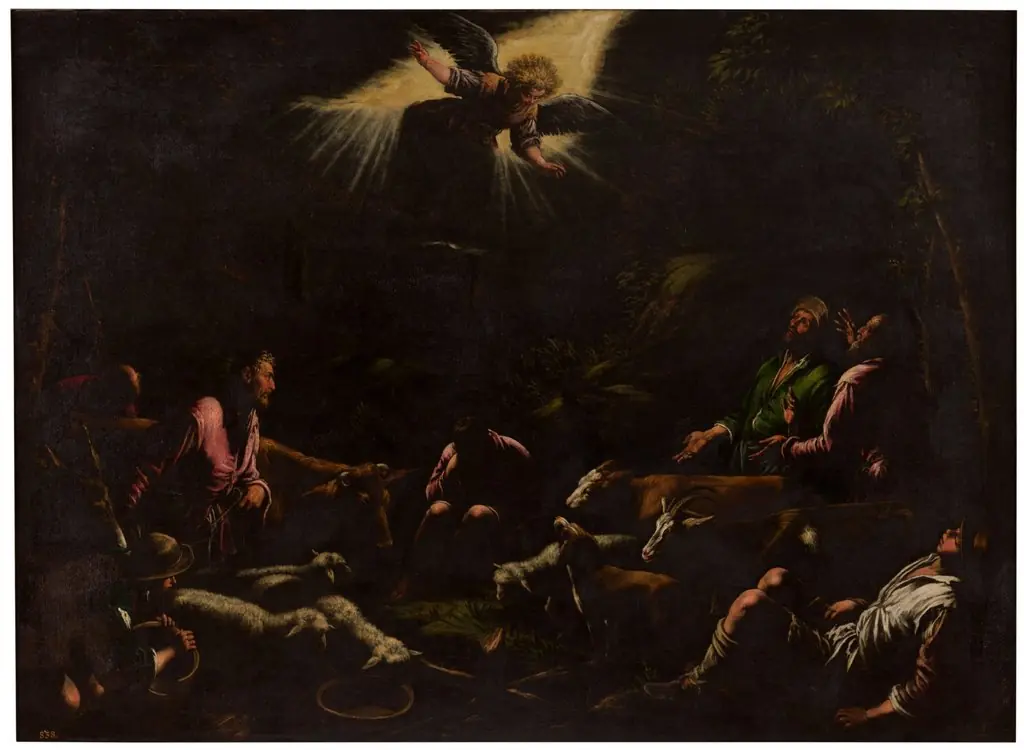 Angels announcing to the shepherds the Birth of Jesus
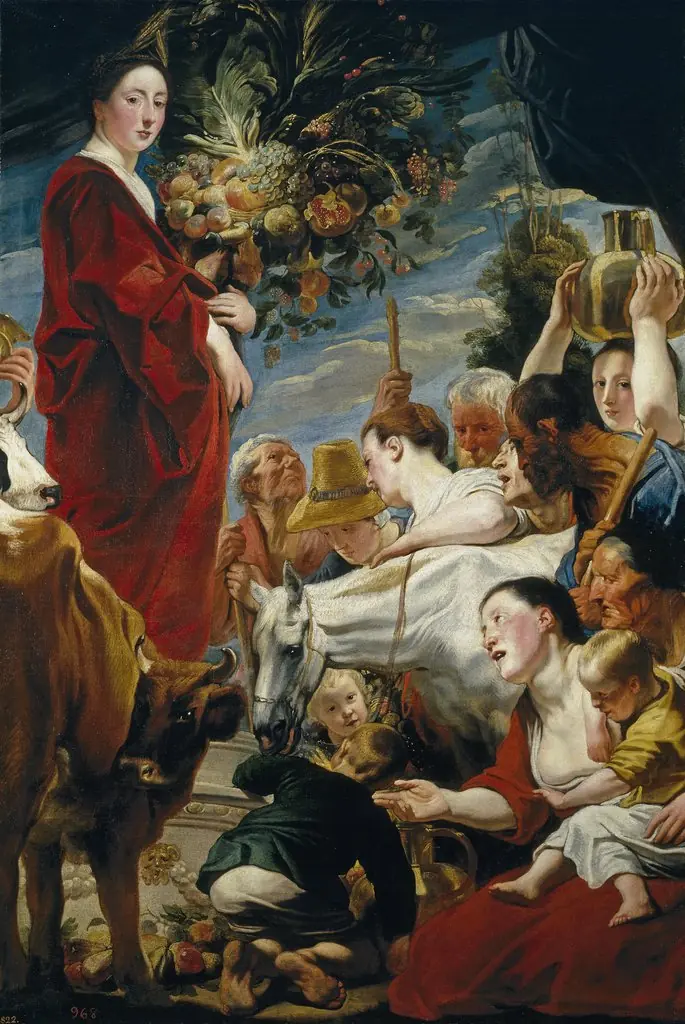 Offering to Ceres
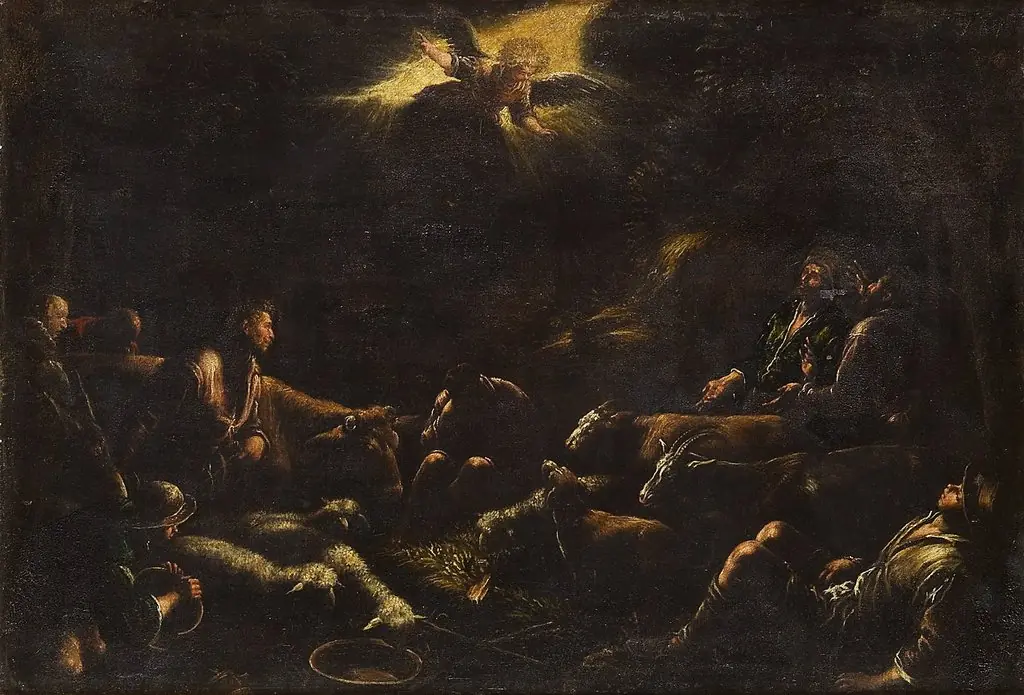 Verkündigung an die Hirten
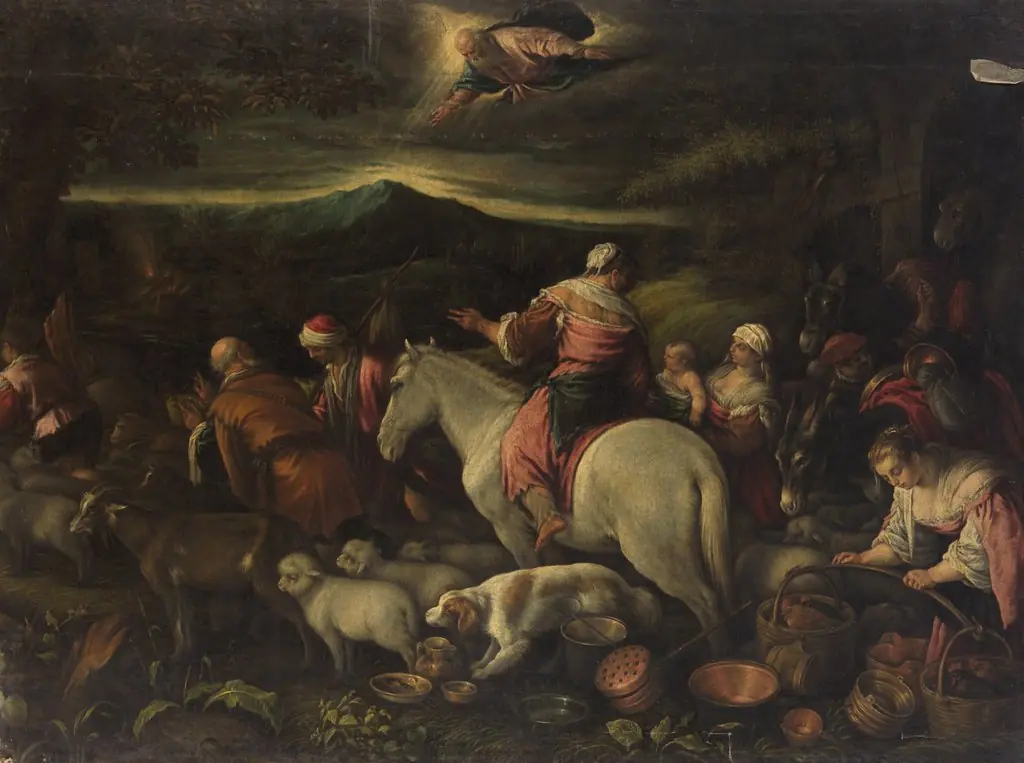 Aufbruch Abrahams ins gelobte Land
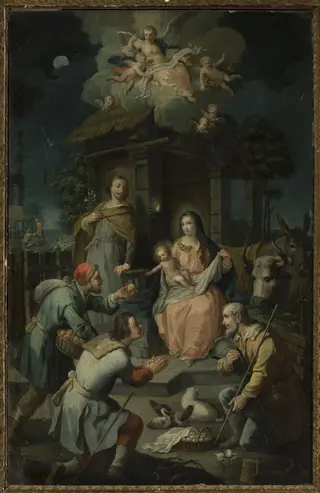 Adoration of the Shepherds
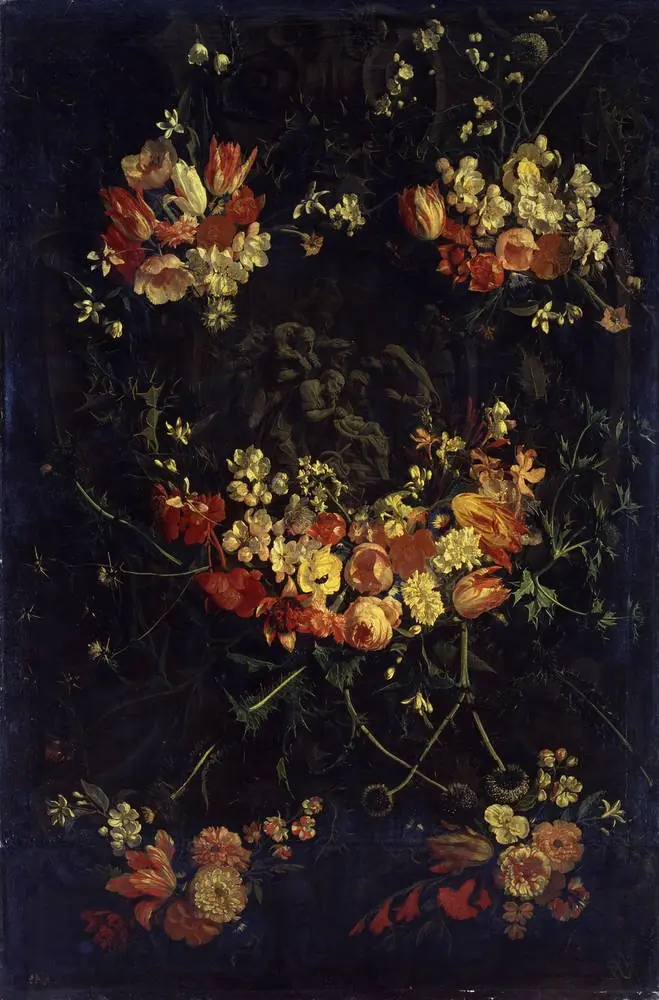 Sculpted cartouche adorned with flowergarlands with the adoration of the Christ-child by the shepherds
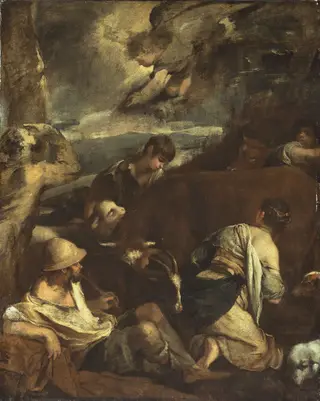 Annunciation to the Shepherds
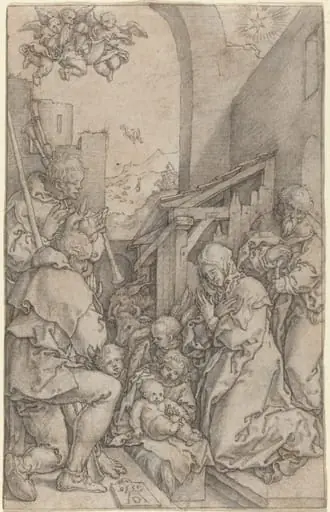 The Nativity
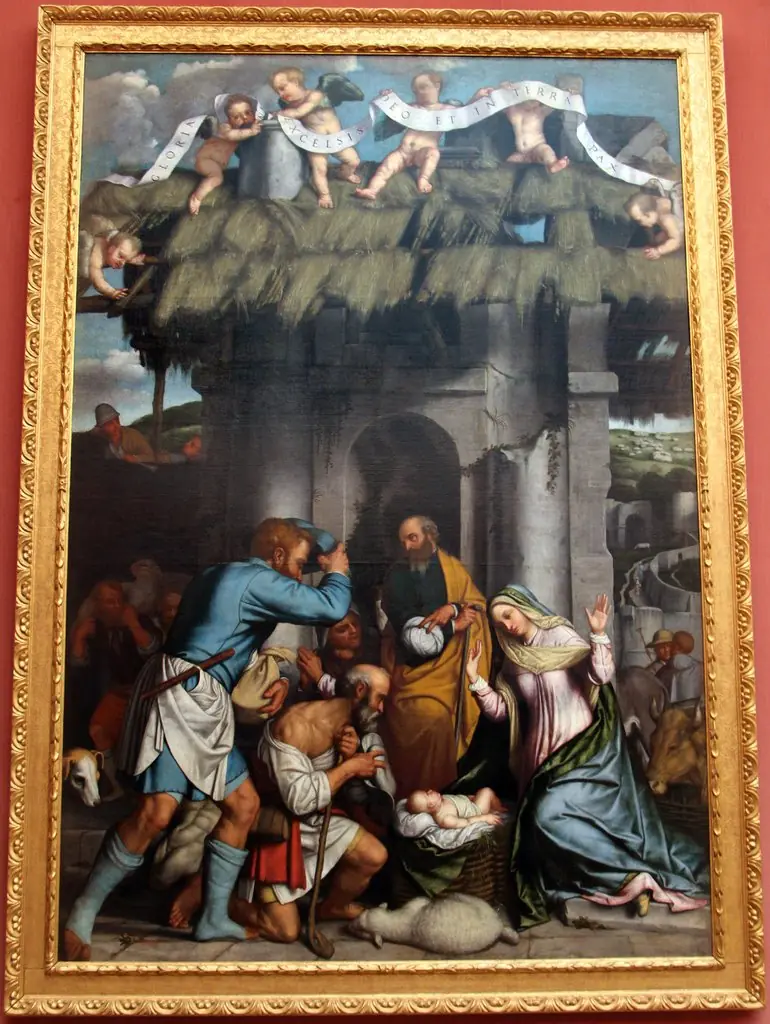 Die Anbetung der Hirten
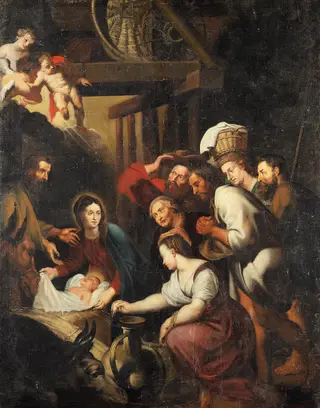 Adoration of the Shepherds
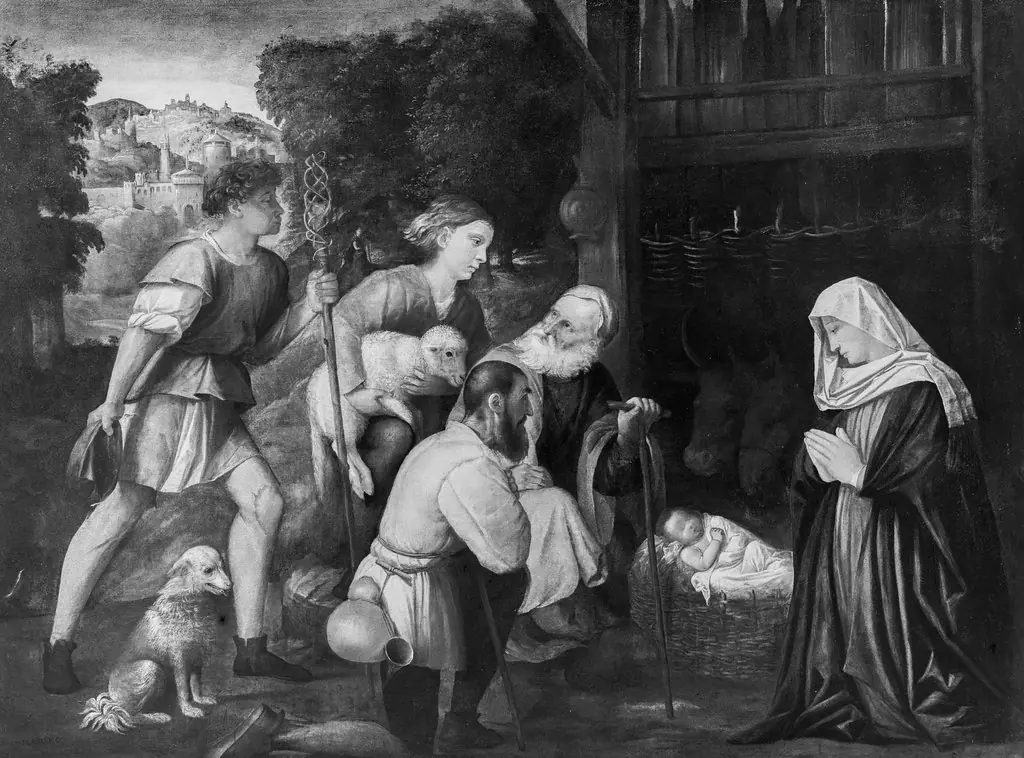 Adoration of the Shepherds
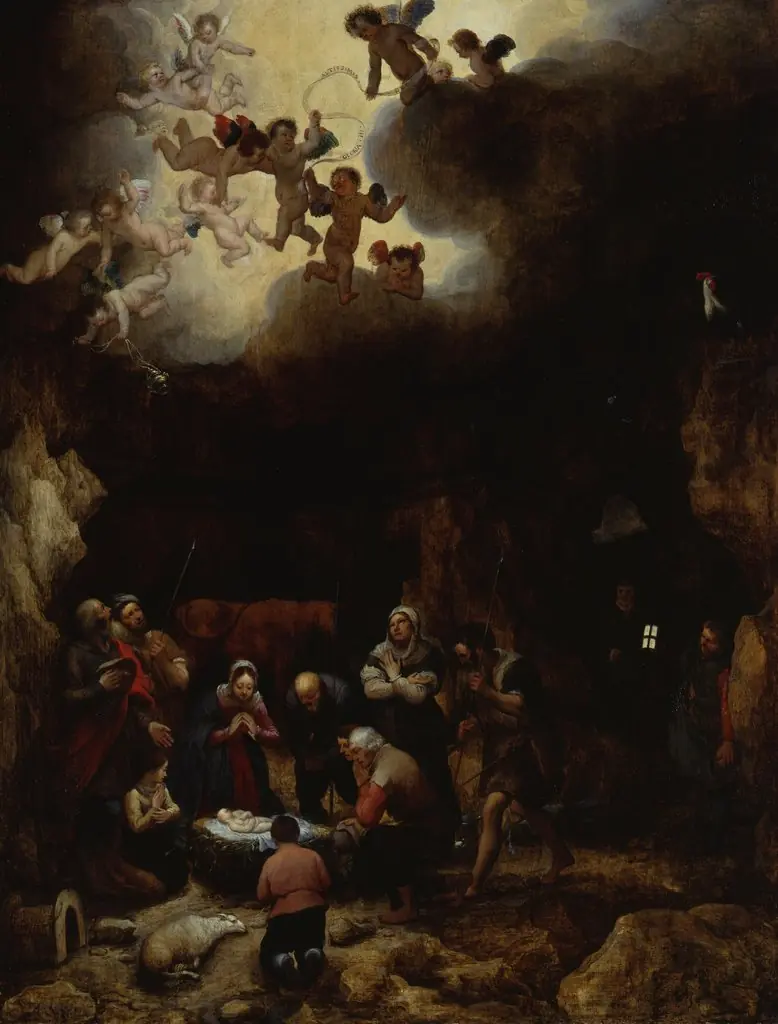 The adoration of the shepherds (Luke 2, 15-19)
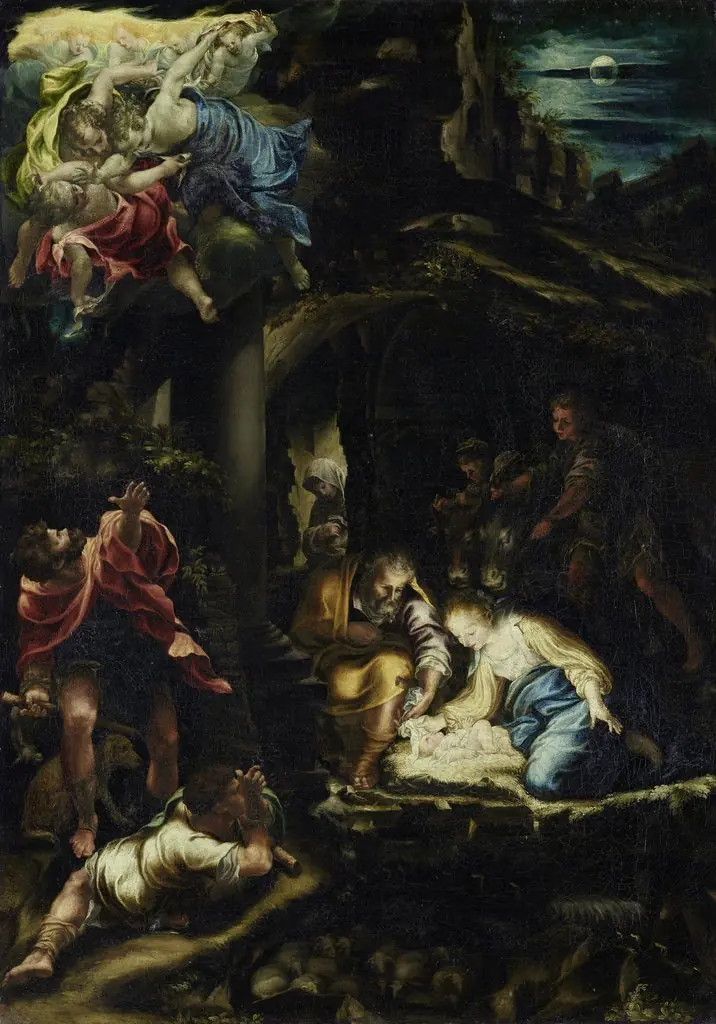 The Adoration of the Shepherds
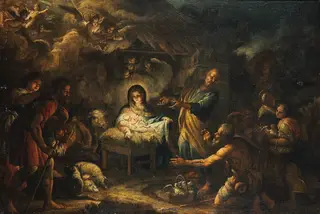 Adoration of the Sheperds
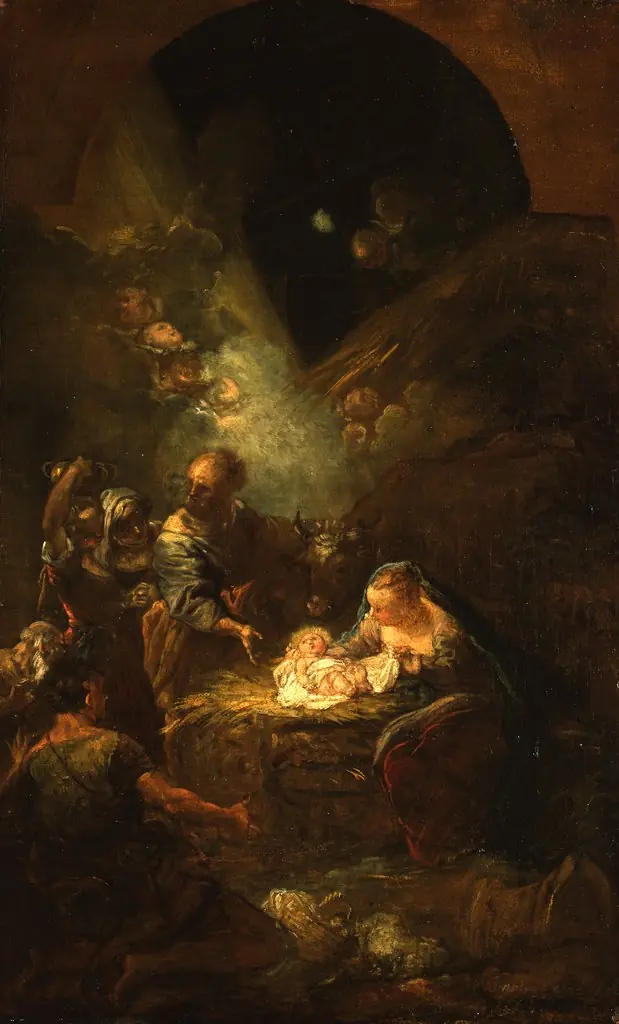 Adoration of the Sheperds
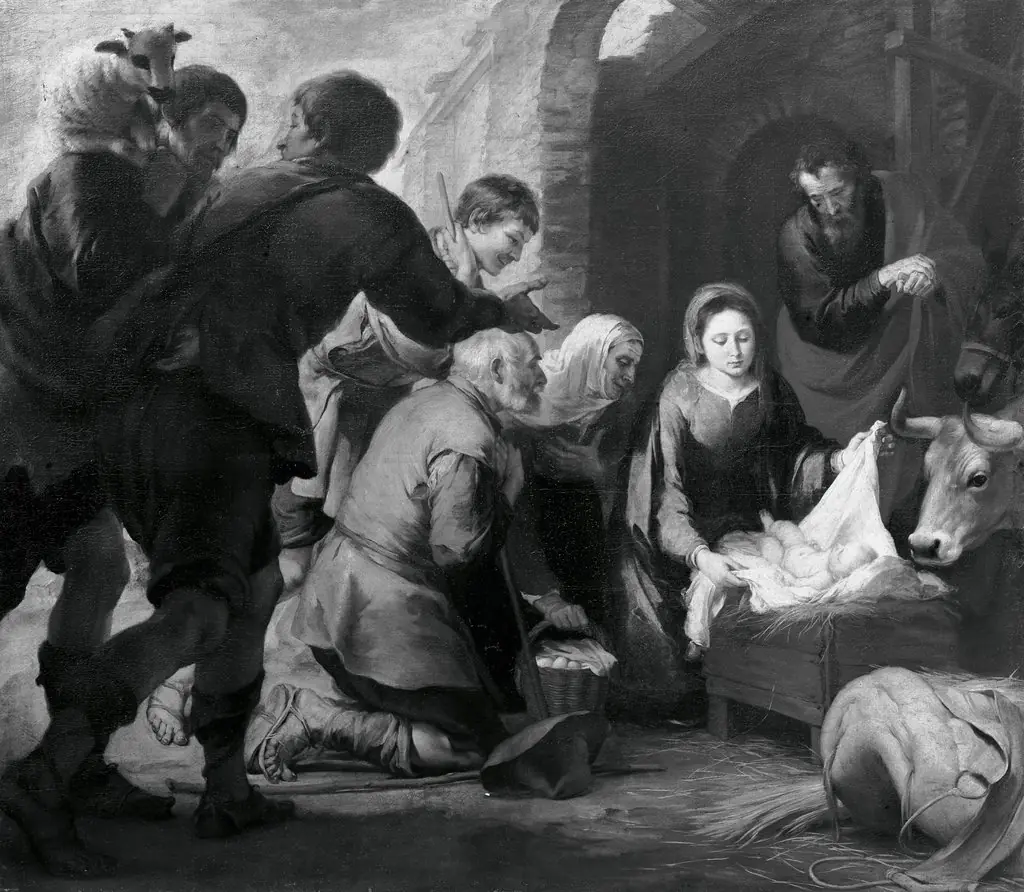 Adoration of the Sheperds
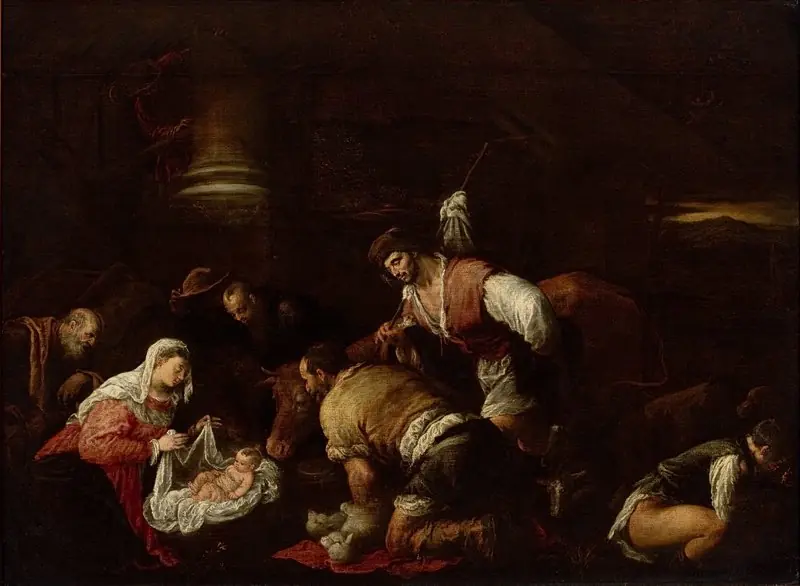 Adoration of the Shepherds
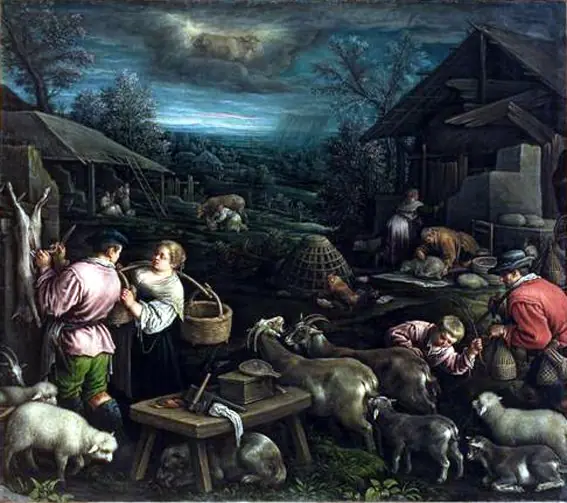 April
April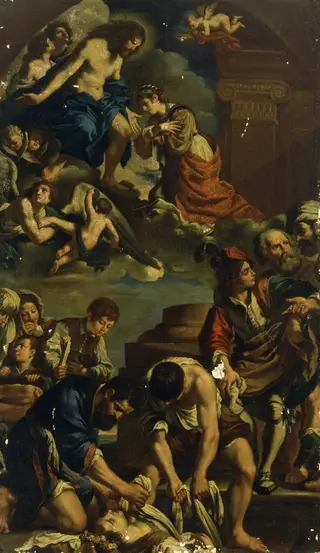 Burial of St Petronilla
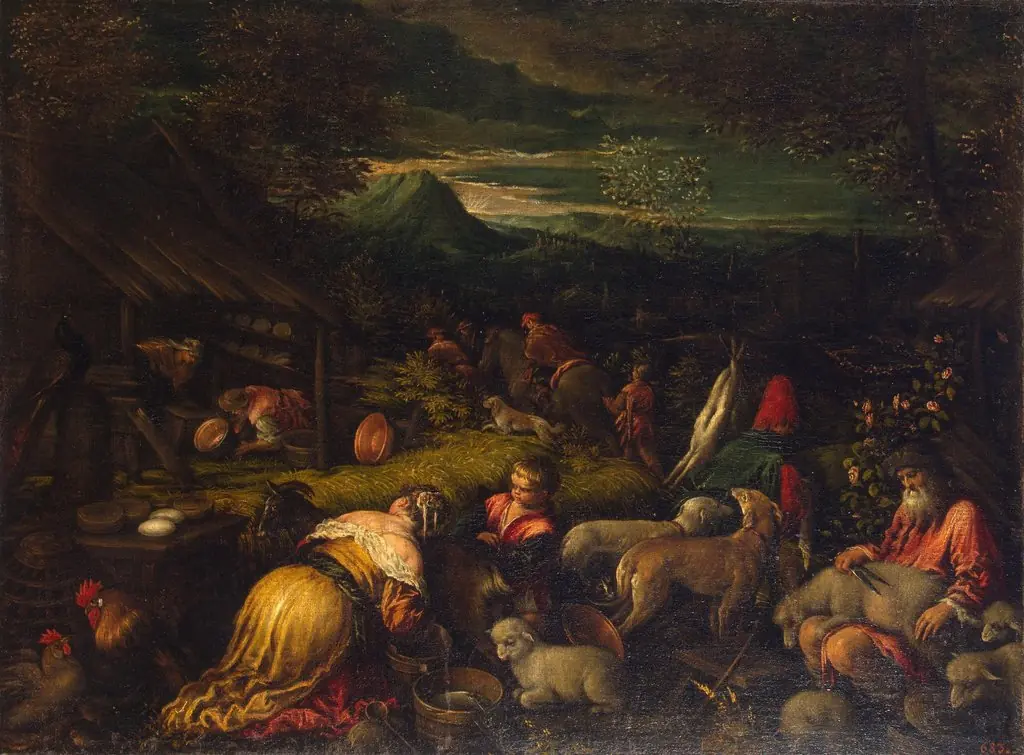 Autumn
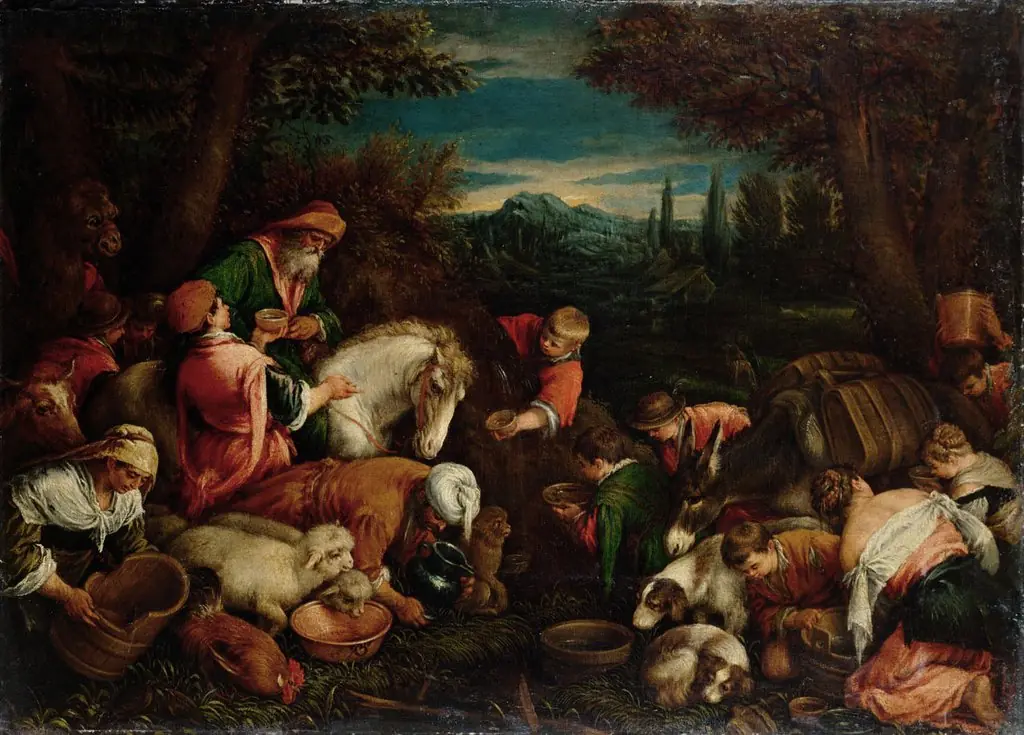 Wunder aus der Quelle von Mara
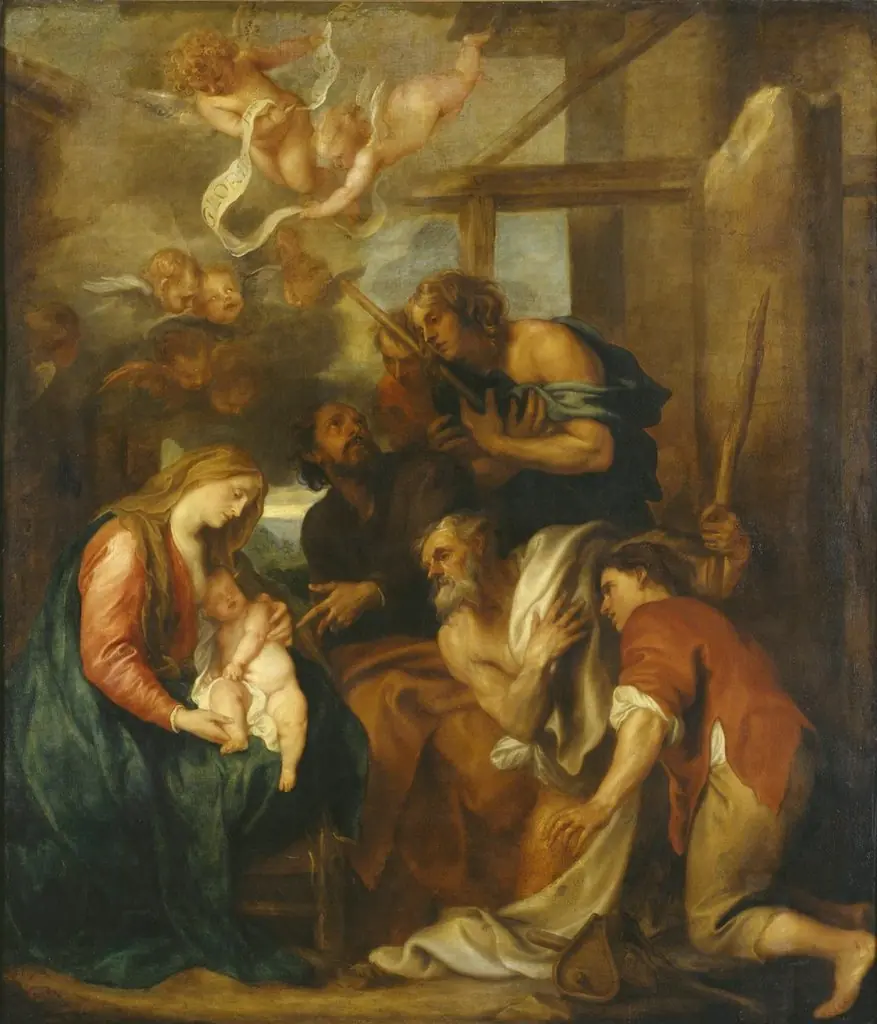 Adoration of the Shepherds
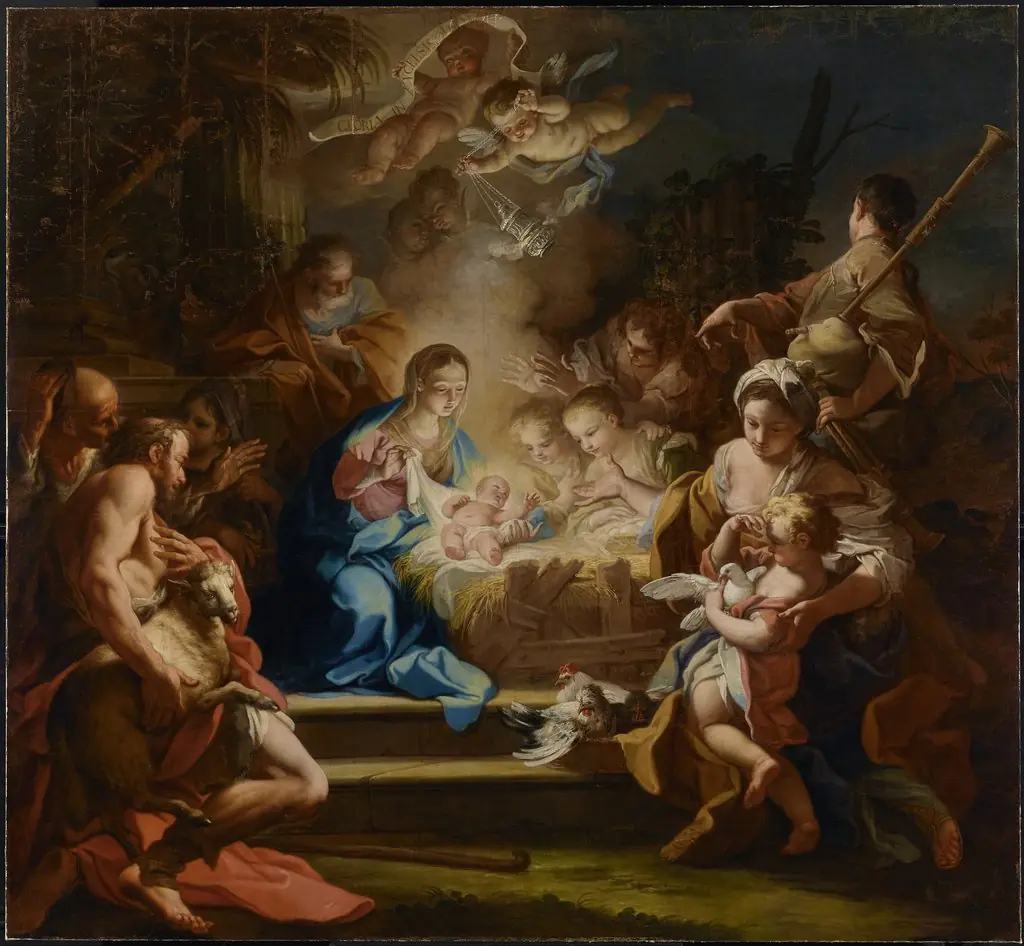 The Adoration of the Shepherds
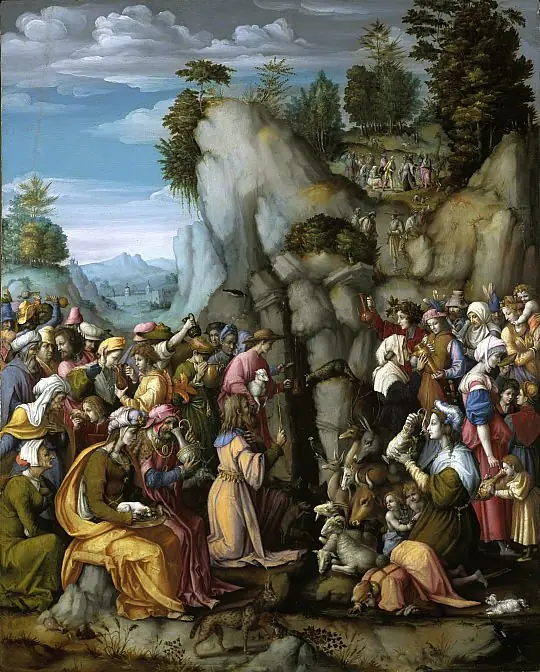 Moses Striking the Rock
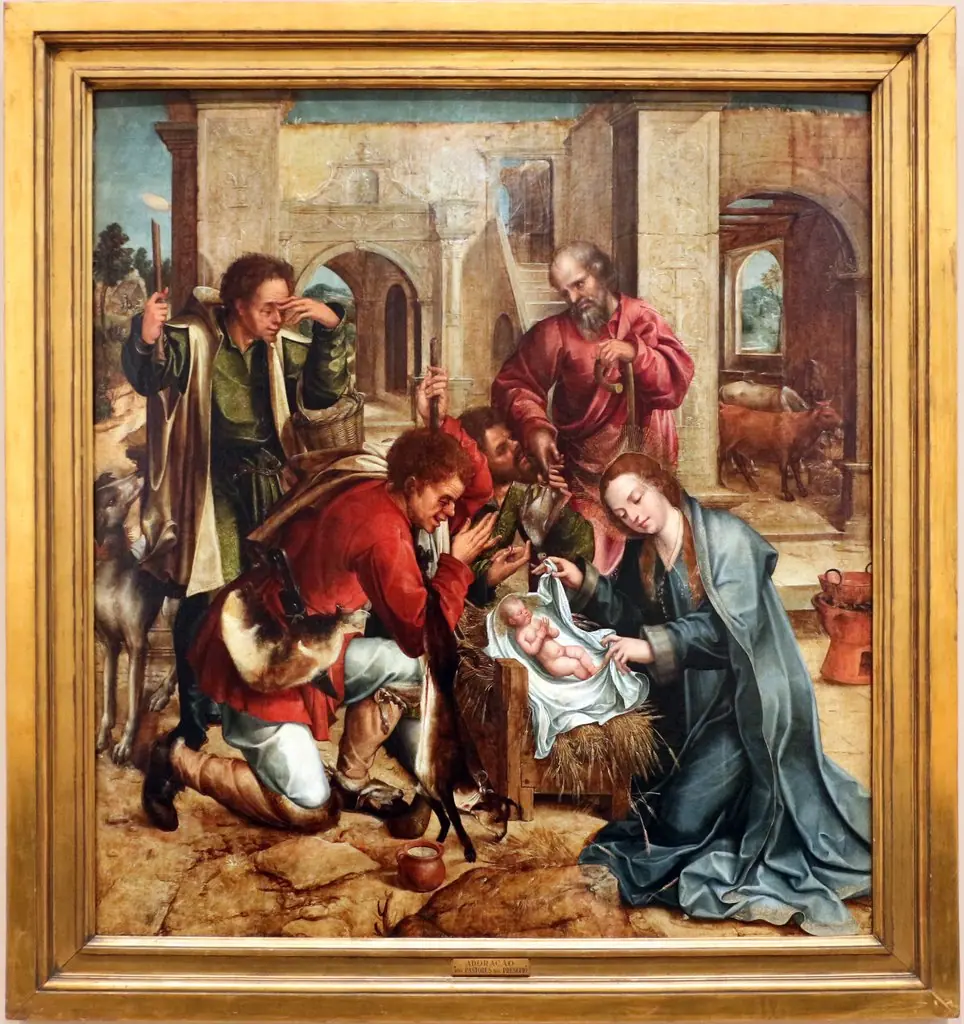 Adoração dos Pastores
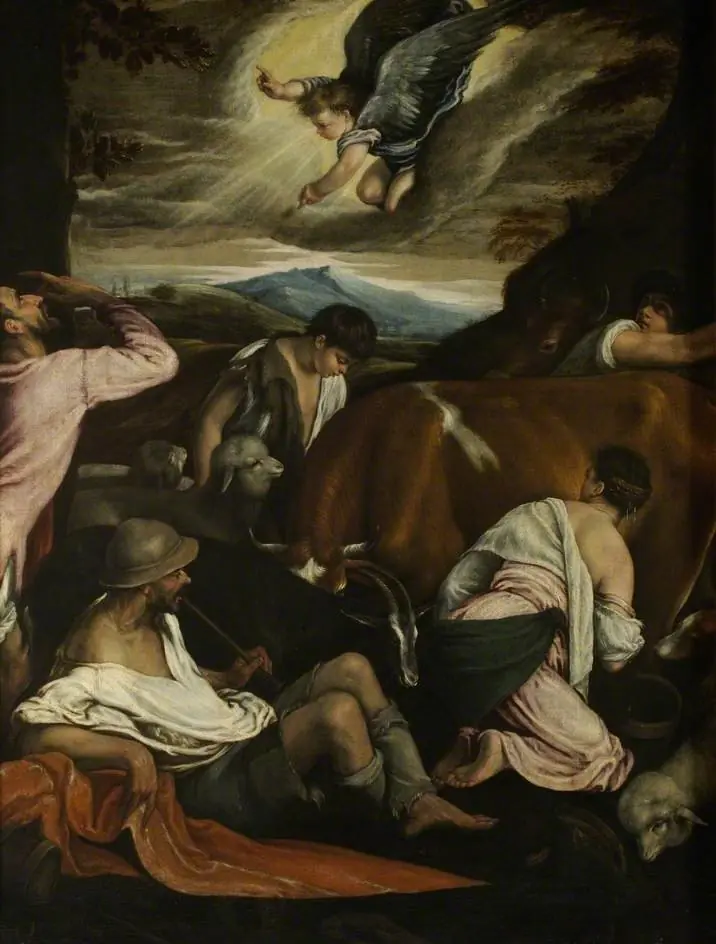 The Annunciation to the Shepherds
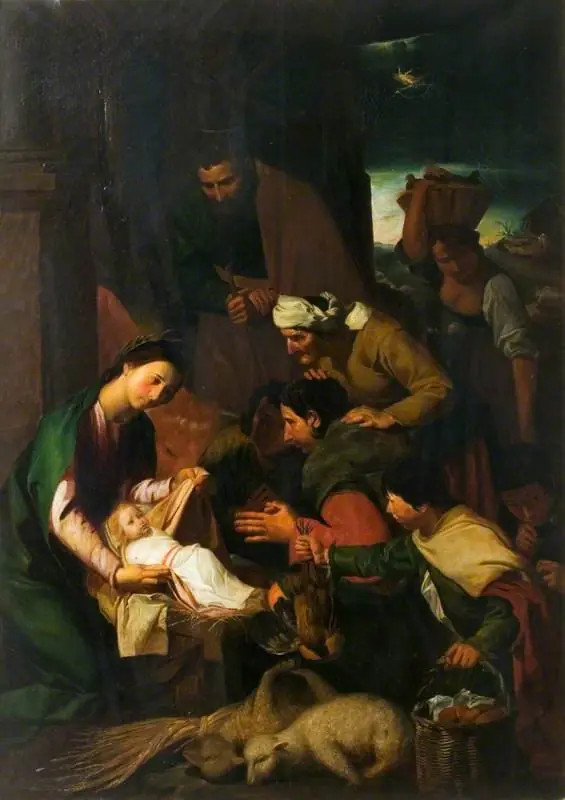 The Adoration of the Shepherds (after Diego Velázquez)
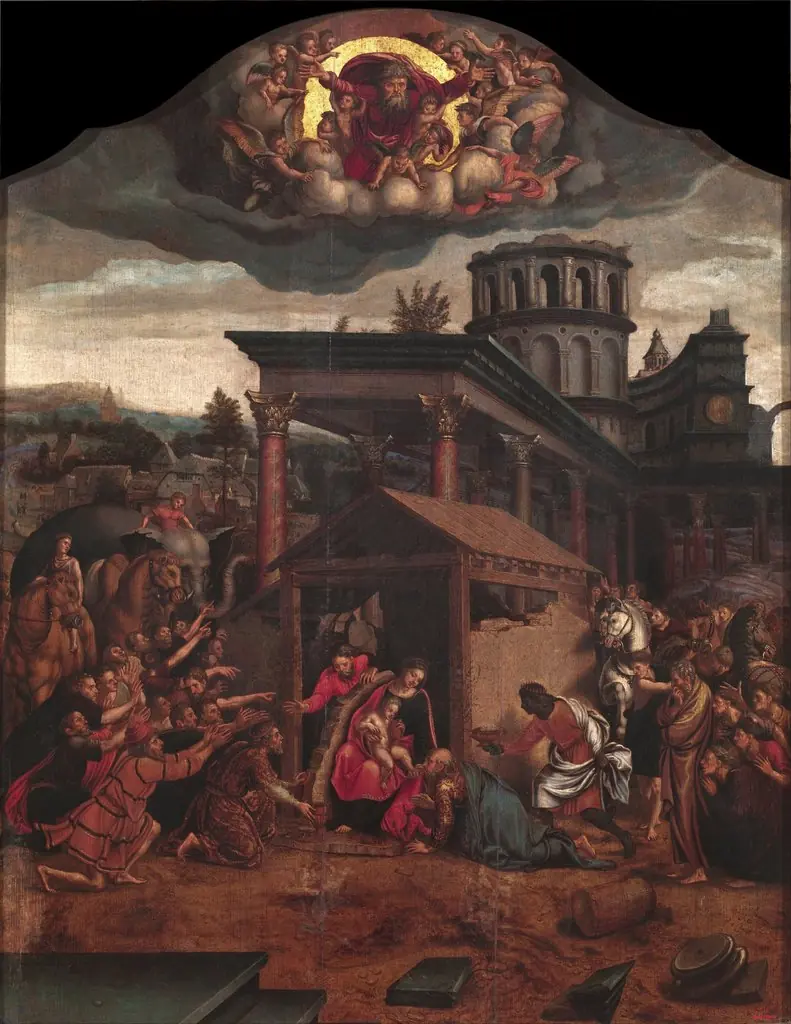 Epiphany
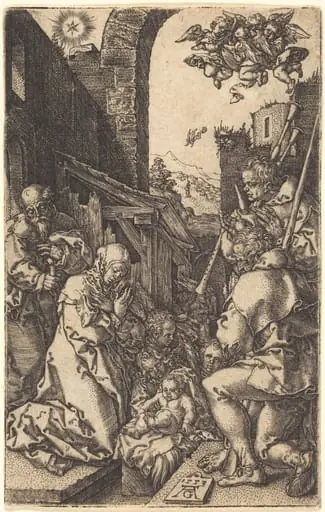 The Nativity
 The Adoration of the Shepherds
 The Adoration of the Shepherds
 Virgin and Child with Five Saints
 The Death of the Virgin
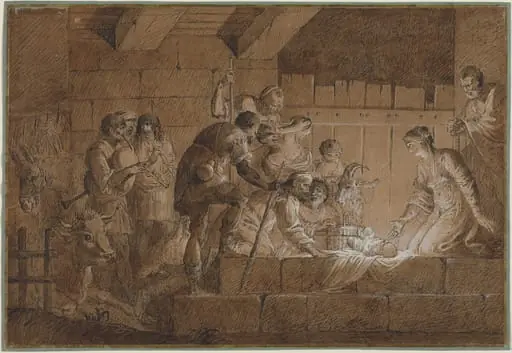 The Nativity
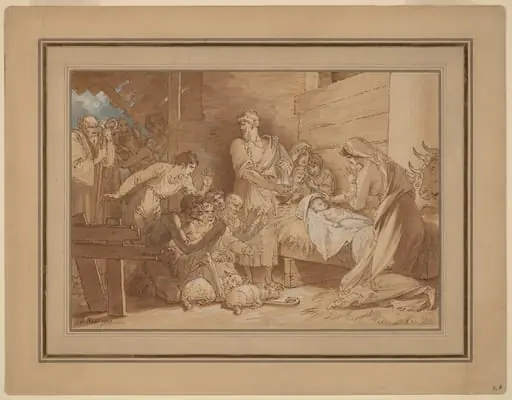 The Adoration of the Shepherds
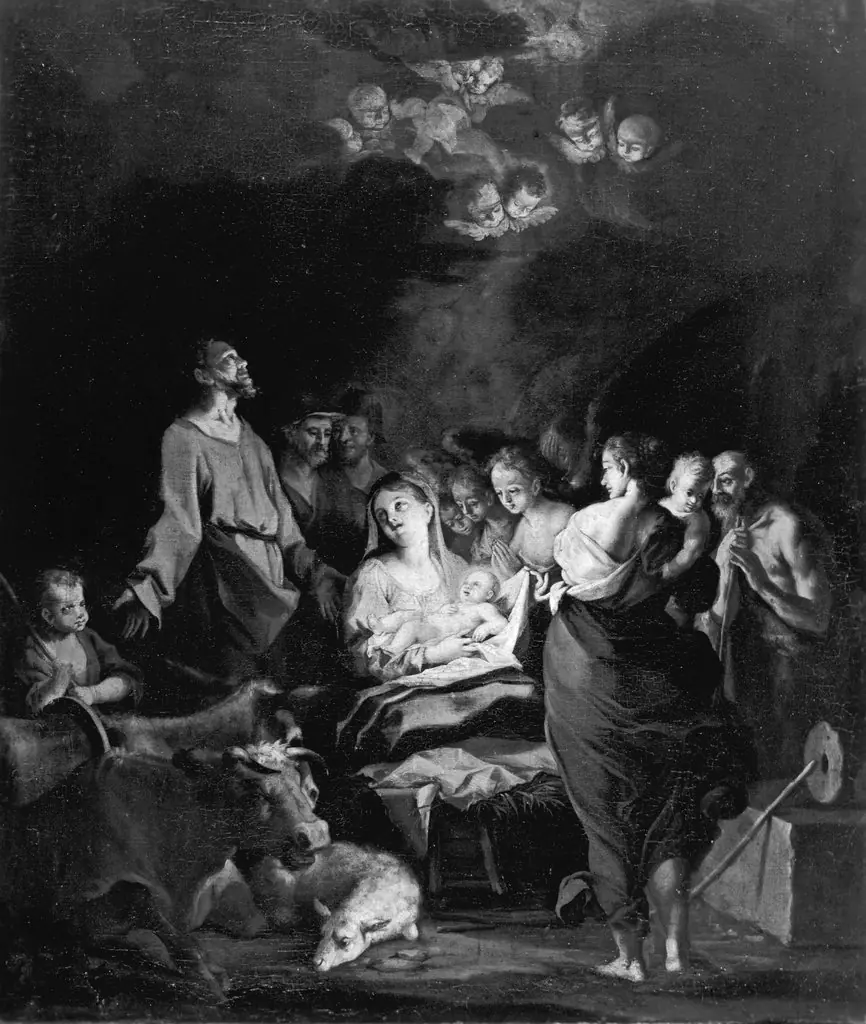 The Adoration of the Shepherds
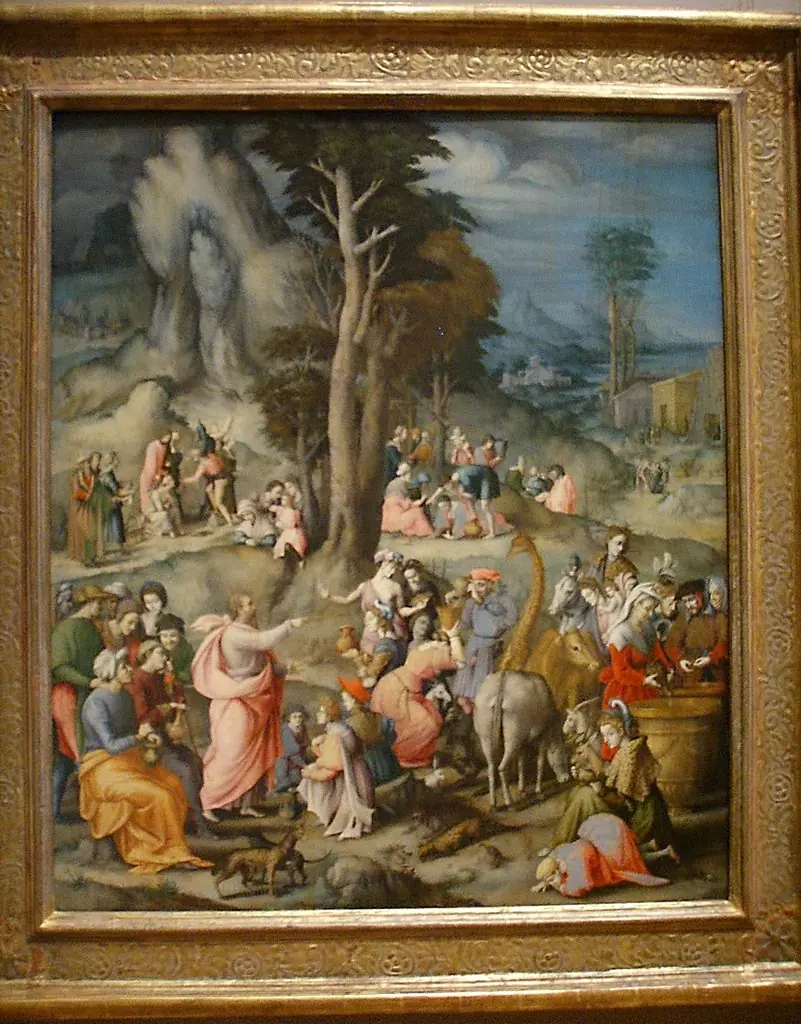 Gathering of manna
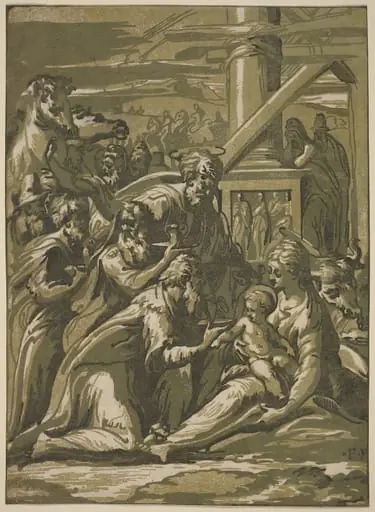 The Adoration of the Magi
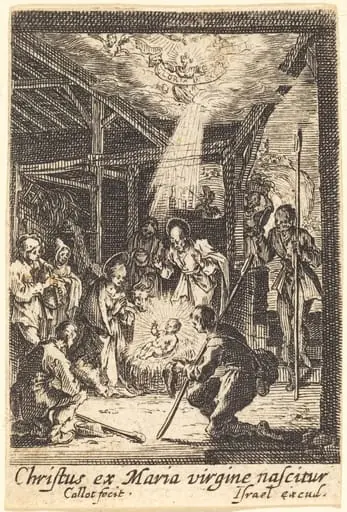 The Nativity
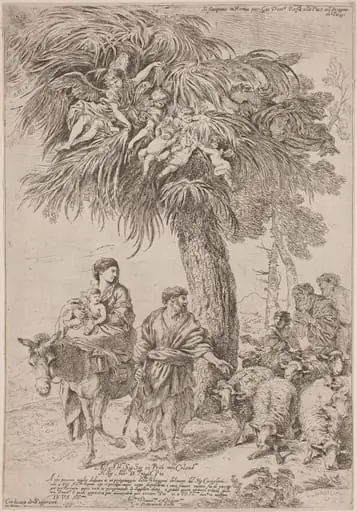 The Flight into Egypt
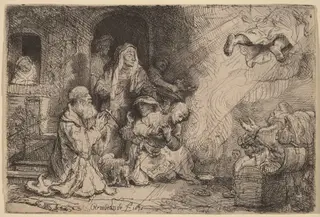 The Angel Departing from the Family of Tobias
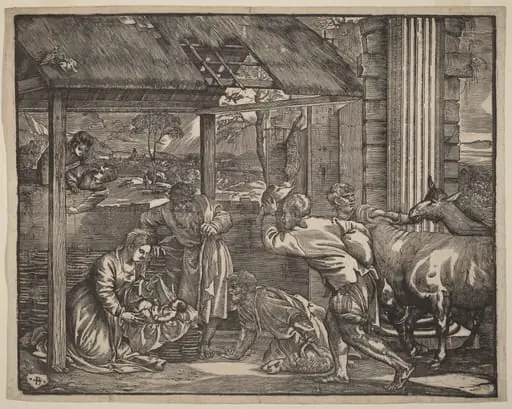 The Adoration of the Shepherds
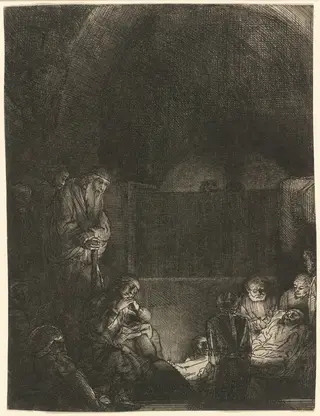 The Entombment
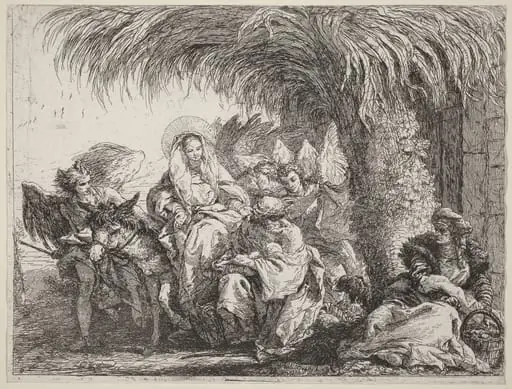 Joseph Kneels with the Child before Mary on the Donkey
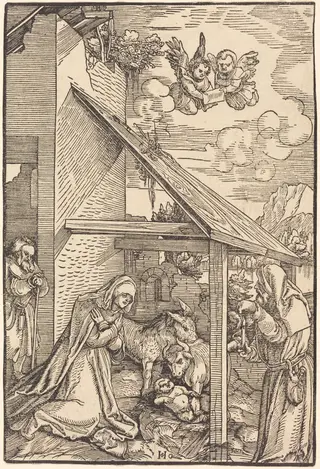 The Nativity
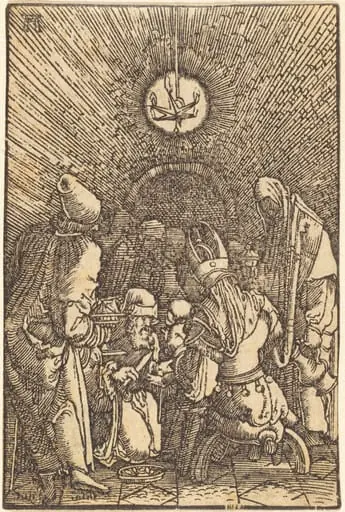 The Circumcision
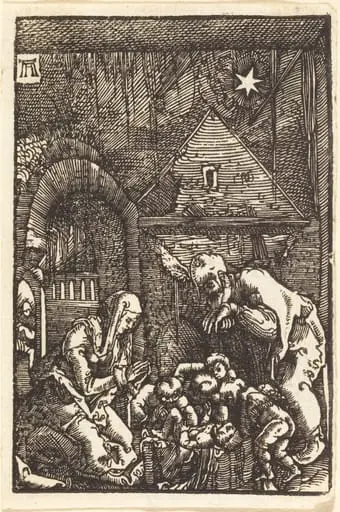 The Nativity
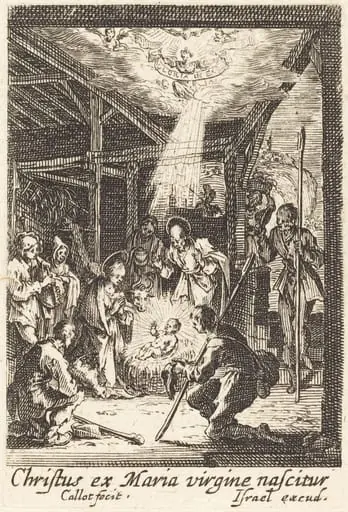 The Nativity
 The Entombment
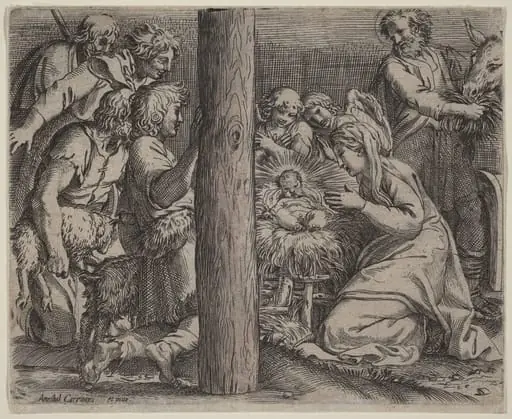 The Adoration of the Shepherds
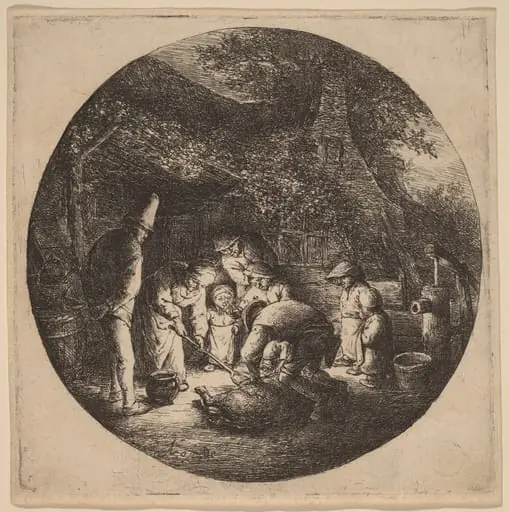 Peasants Outside a Farm Slaughtering a Pig
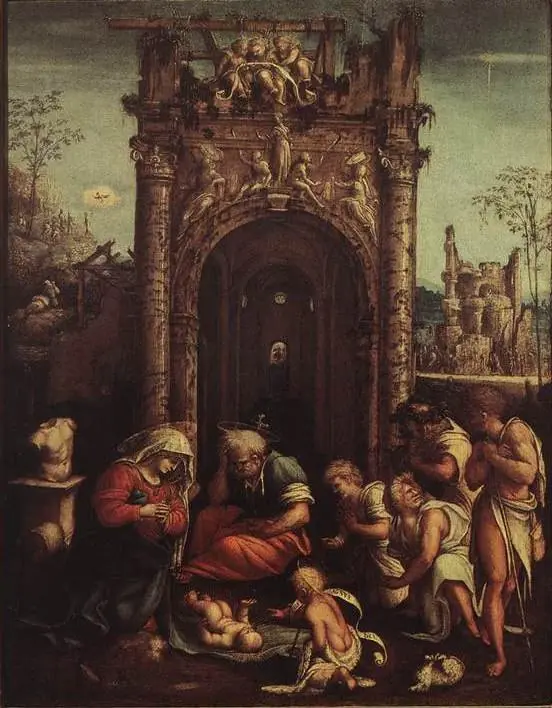 The Adoration of the Shepherds
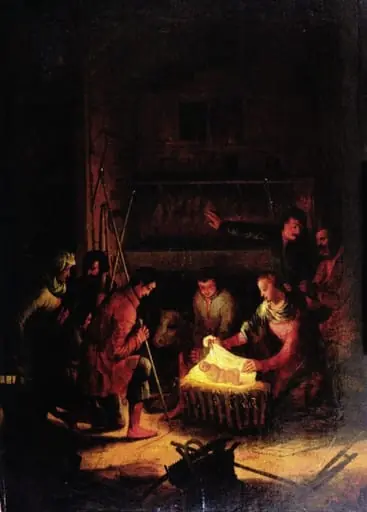 Profesorul Vasile Filip
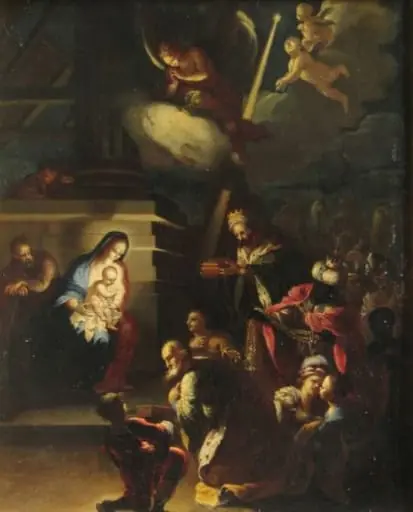 Închinarea Magilor
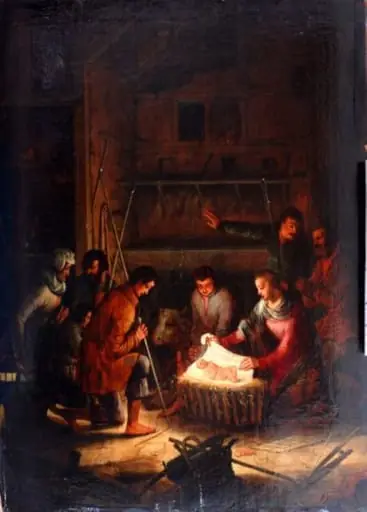 Adorația păstorilor
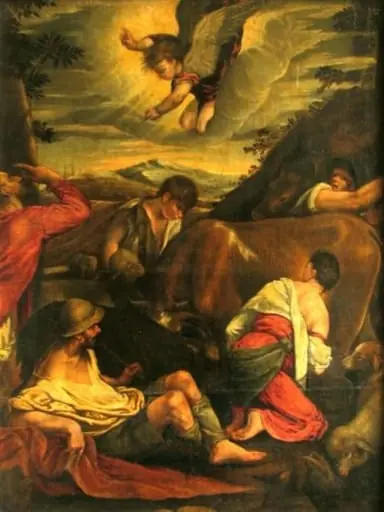 Anunțarea nașterii lui Christos
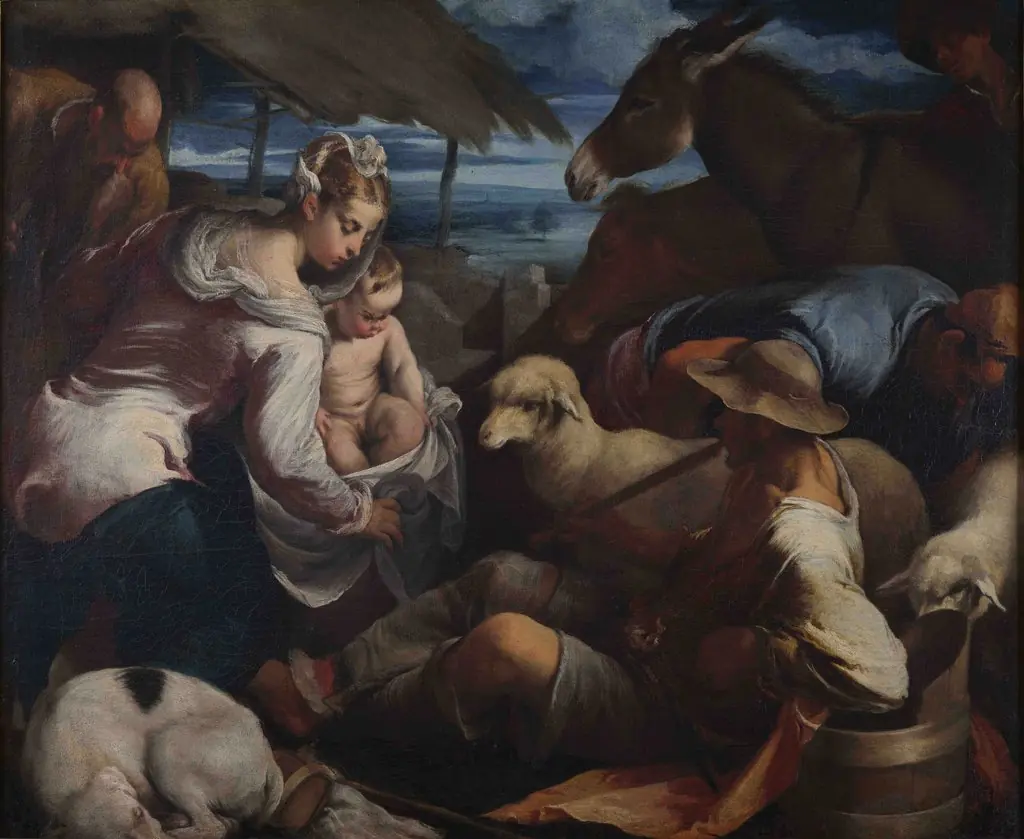 L'Adoration des bergers
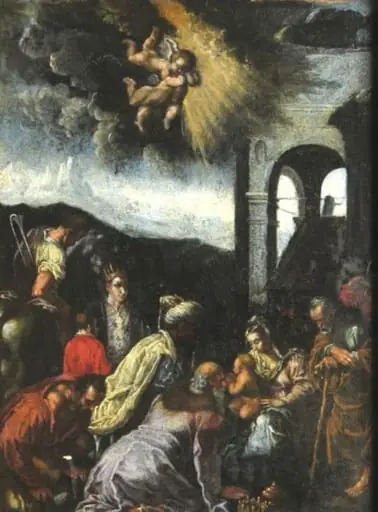 Închinarea Magilor
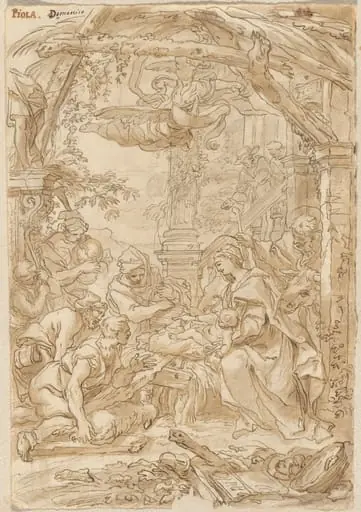 The Adoration of the Shepherds
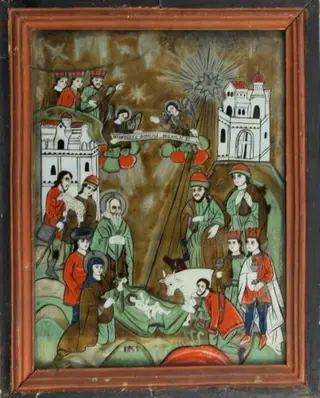 Nașterea lui Iisus Hristos
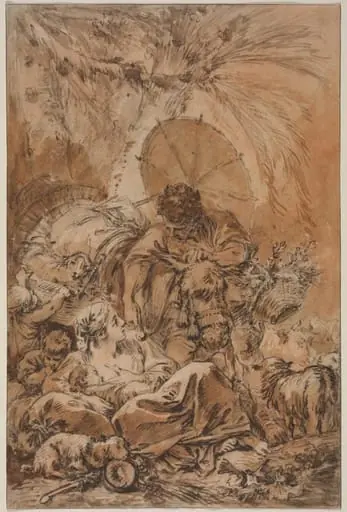 The Departure of Jacob
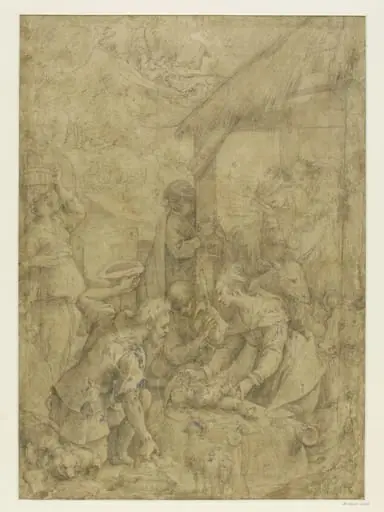 The Adoration of the Shepherds
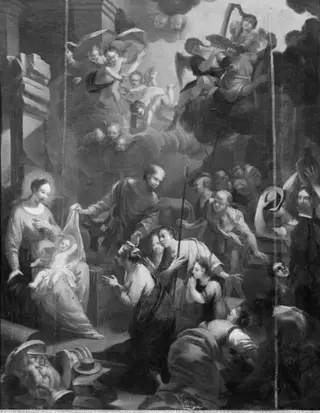 The Adoration of the Shepherds
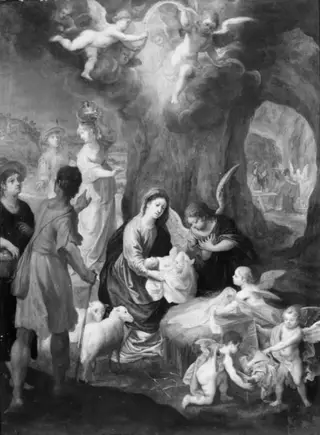 The Holy Family with Saints
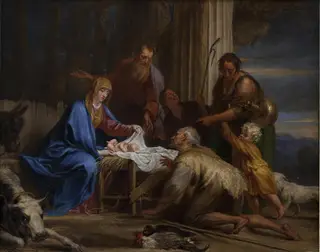 The Adoration of the Shepherds
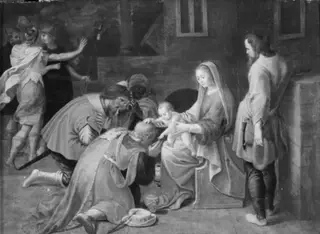 The Adoration of the Kings
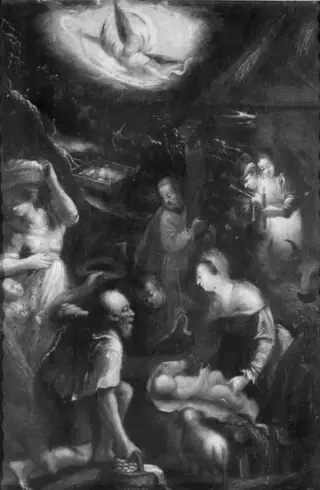 The Adoration of the Shepherds
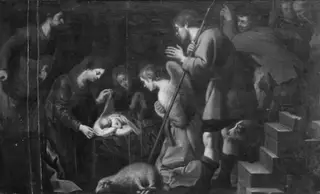 The Adoration of the Shepherds
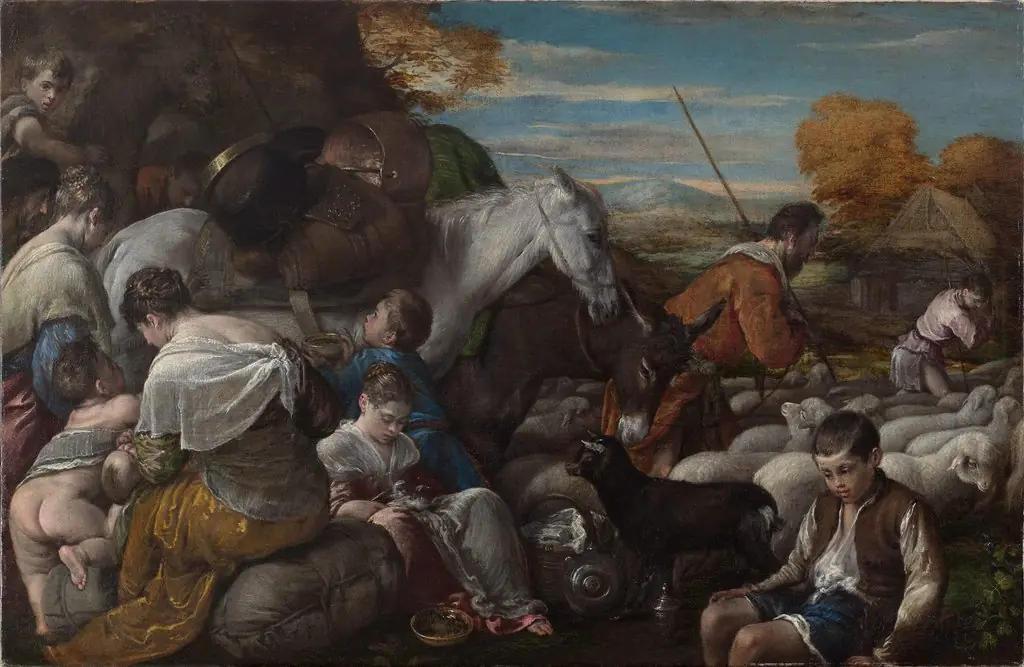 Jacob’s Journey
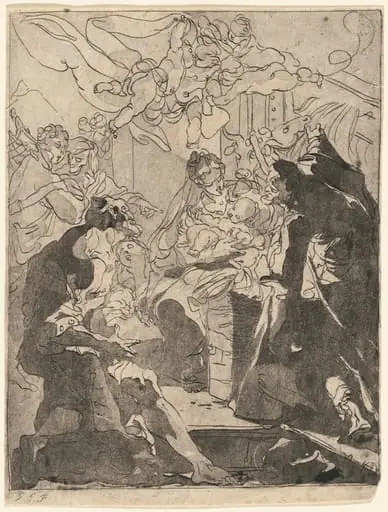 Adoration of the Shepherds
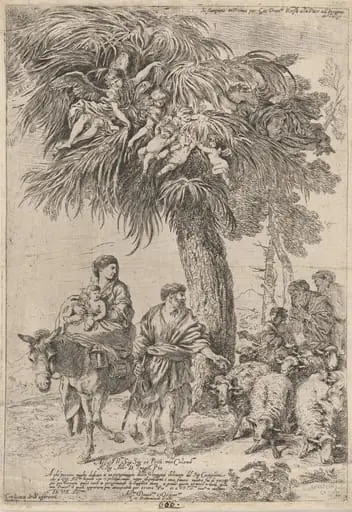 The Flight into Egypt
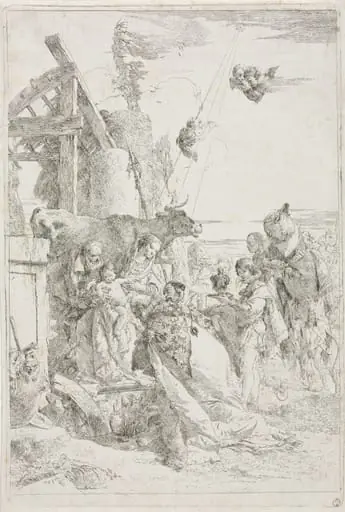 Adoration of the Magi
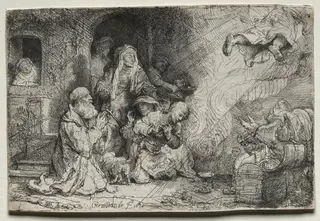 The Angel Departing from the Family of Tobit
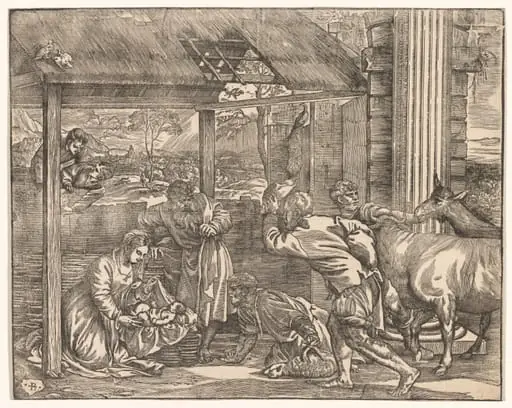 Adoration of the Shepherds
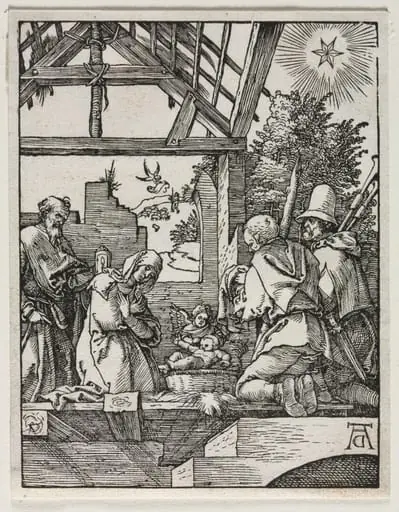 The Small Passion: The Nativity
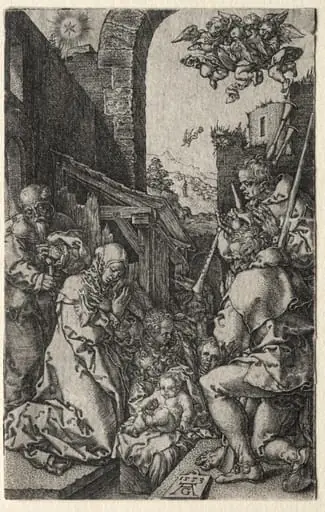 The Adoration of the Shepherds
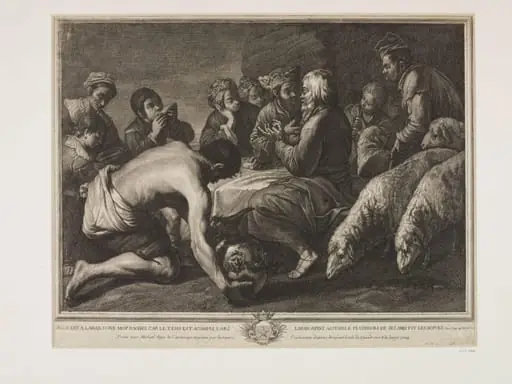 Laban giving his Daughter Rachel to Jacob
Frequently asked questions
What is Adoration of the Shepherds?
Adoration of the Shepherds is a subject in art. The Adoration of the Shepherds is the traditional name for a New Testament episode in the story of Jesus's nativity, which is the subject of many works of art.
How many Adoration of the Shepherds works does Artifact World Gallery have?
Artifact World Gallery holds 108 public-domain Adoration of the Shepherds works, all free to view and download.
Who are the key Adoration of the Shepherds artists?
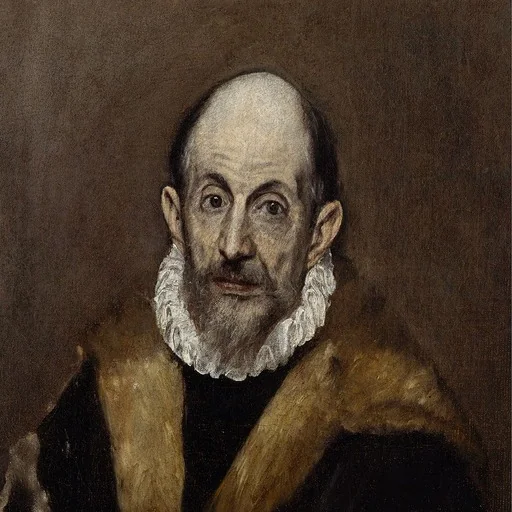
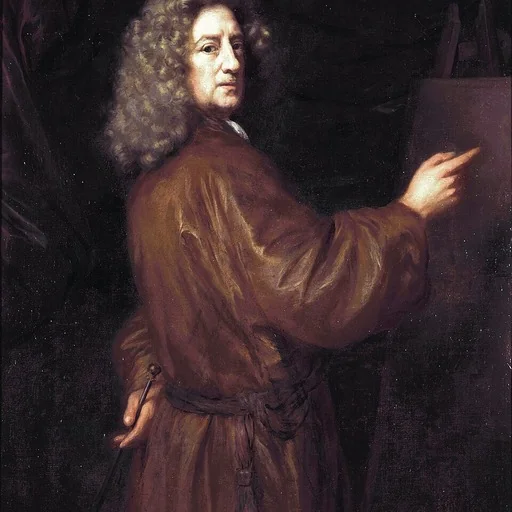
Key Adoration of the Shepherds artists in the collection include François Boucher, El Greco and Nicolaes Maes.
Where can I see Adoration of the Shepherds works?
Adoration of the Shepherds works in the collection are held by National Gallery of Art, Gemäldegalerie Berlin and Statens Museum for Kunst.