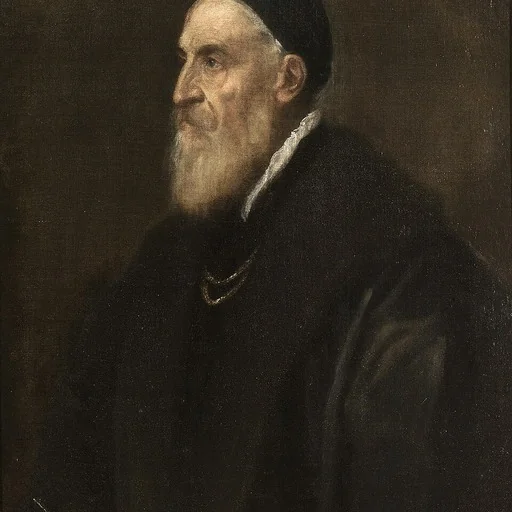
Subject
Caspar
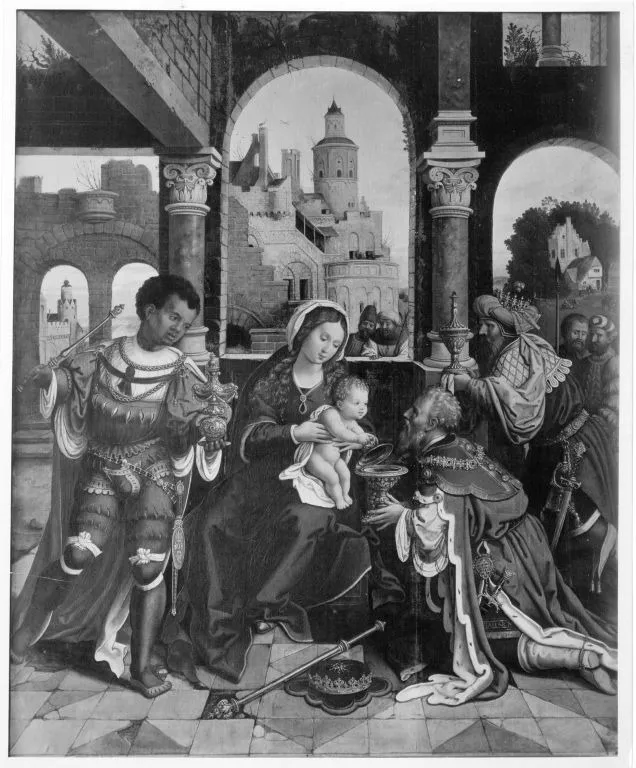
Caspar is a subject in art. The gallery holds 43 works in this subject in art, including works by Titian, Joos van Cleve and David Teniers the Younger.
Caspar is a masculine given name. It may refer to:
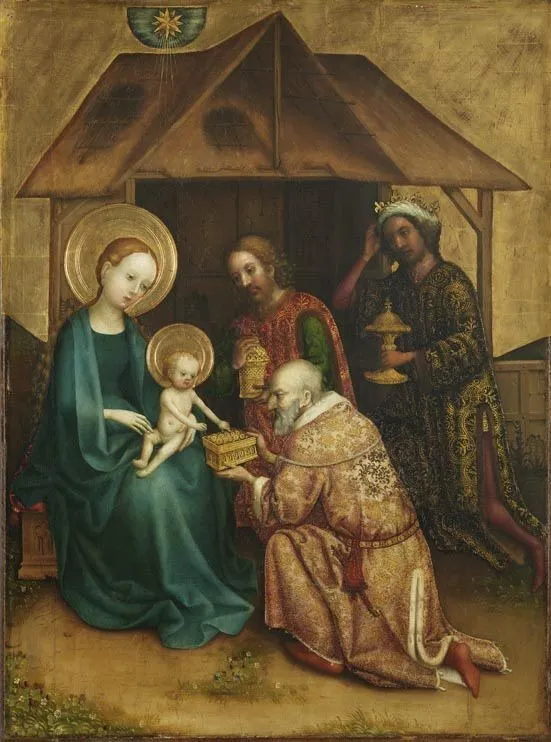
Key artists
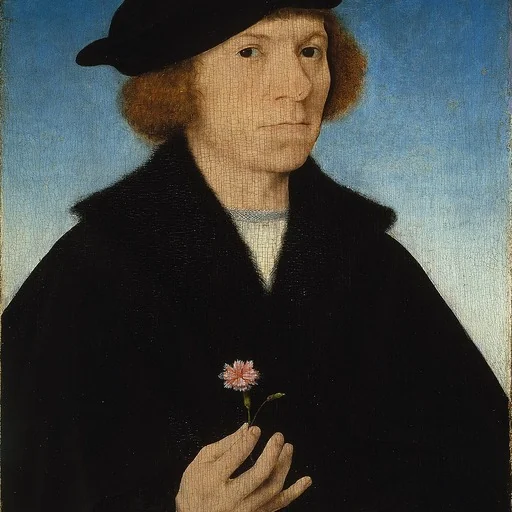
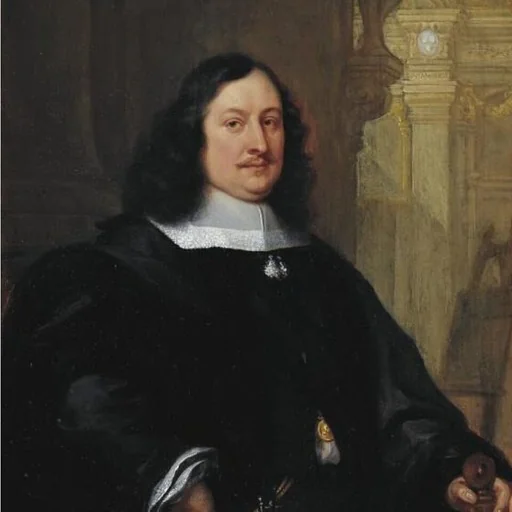
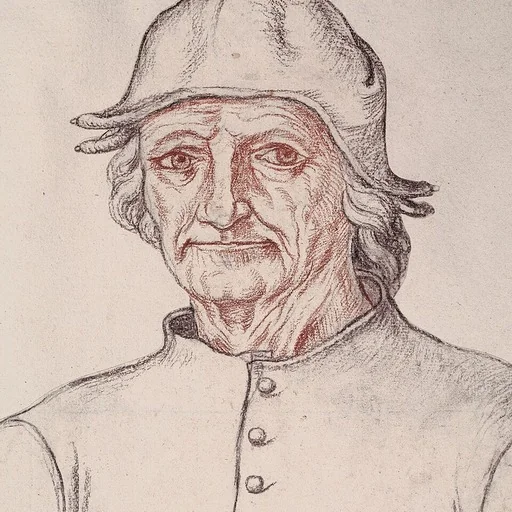
Overview
Caspar is a masculine given name that recurs in art primarily through its traditional association with one of the Three Magi, the biblical figures who brought gifts to the baby Jesus. The name likely derives from the Hebrew and Aramaic term gisbar, meaning treasurer, itself a loanword from the Median ganza-bara. In Western Christian tradition, Caspar is specifically designated as one of these three kings or wise men, establishing the name as a recurring subject in religious painting and sculpture. Beyond its biblical application, the name has been borne by numerous historical figures across Northern Europe, including several notable artists such as the Flemish painter Caspar de Crayer, the Dutch painter Caspar Netscher, the Dutch painter Caspar van Wittel, and the Swiss painter Caspar Wolf.
Iconography & meaning
In the context of visual art, the name Caspar carries specific iconographic weight due to its connection to the Adoration of the Magi. As one of the three wise men, Caspar is traditionally depicted in scenes bearing gifts for the Christ child, often representing the European or Western world among the trio of kings. The motif of the Adoration of the Magi, and by extension the figure of Caspar, symbolizes the recognition of Jesus by the Gentiles and the presentation of worldly wealth to the divine. The name itself, rooted in the concept of a treasurer, reinforces this association with the bearing of precious gifts, making Caspar an integral figure in the visual lexicon of Christian epiphany and gift-giving narratives.
Across movements & periods
The treatment of the name Caspar in art diverges significantly depending on whether the subject is the biblical magus or a historical individual. As a magus, Caspar appears consistently in Christian art from the medieval period through the Renaissance and Baroque, rendered within the standardized iconography of the Adoration. However, when examining the name as a personal identifier, its artistic presence shifts heavily toward the Romantic movement. The most prominent artistic bearer of the name, Caspar David Friedrich, defined the German Romantic landscape tradition in the early nineteenth century. Other bearers, such as Caspar de Crayer, worked in the Flemish Baroque tradition, while Caspar Netscher and Caspar van Wittel contributed to the Dutch Golden Age. Thus, the name spans movements from Renaissance humanism to Romanticism, though its most profound artistic impact remains rooted in the nineteenth century.
Notable depictions
The most canonically significant artistic depictions related to the name Caspar are not portraits of the magus, but rather the landscapes of Caspar David Friedrich. Born in 1774 in Greifswald and dying in 1840 in Dresden, Friedrich produced seminal works of Romanticism. His 1818 painting Wanderer above the Sea of Fog, held by the Hamburger Kunsthalle, features a centrally framed figure viewed from the back, a compositional device known as the Ruckenfigur, standing atop a craggy mountaintop. Earlier, Friedrich painted The Monk by the Sea and The Abbey in the Oakwood between 1808 and 1810, both purchased by Prussian King Friedrich Wilhelm III. Another major work, The Sea of Ice from 1823 to 1824, depicted a ship crushed between ice floes, a piece that remained unsold during his lifetime but was famously described by sculptor David d'Angers as the tragedy of landscape.
Legacy
The artistic legacy of the name Caspar in the modern era is anchored by the later reception of Caspar David Friedrich. Although Friedrich died in 1840 impoverished and largely forgotten, key exhibitions in 1959 and the 1970s revived his reputation, with some art historians arguing he was a precursor to modernism. In 1975, art historian Robert Rosenblum compared the minimalist composition of The Monk by the Sea to the atmospheric canvases of Mark Rothko, linking Friedrich to Abstraction. Today, Friedrich's visual language, particularly the Ruckenfigur from Wanderer above the Sea of Fog, is referenced widely by contemporary artists and even in video game avatars. His 250th birthday in 2024 is being celebrated with major exhibitions in German cities and at the Metropolitan Museum of Art in New York, cementing his enduring influence on the trajectory of landscape painting and modern art.
Works
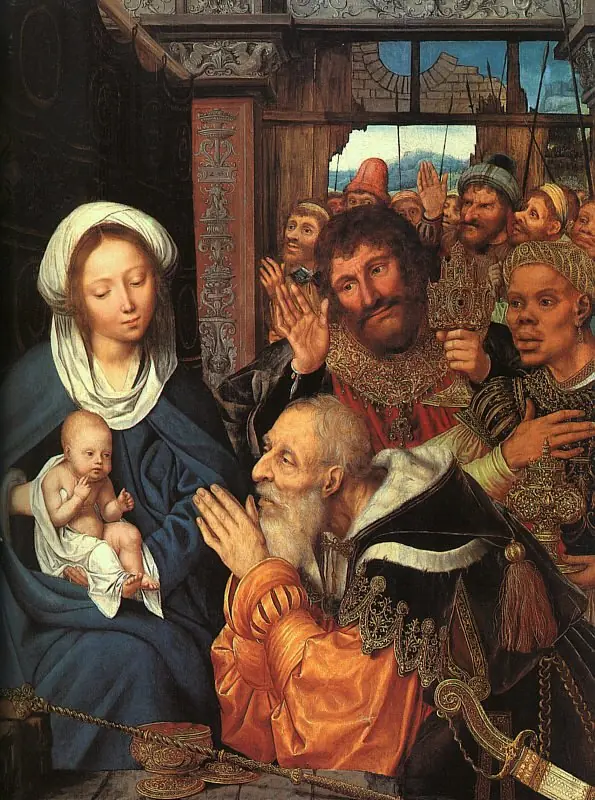 The Adoration of the Magi
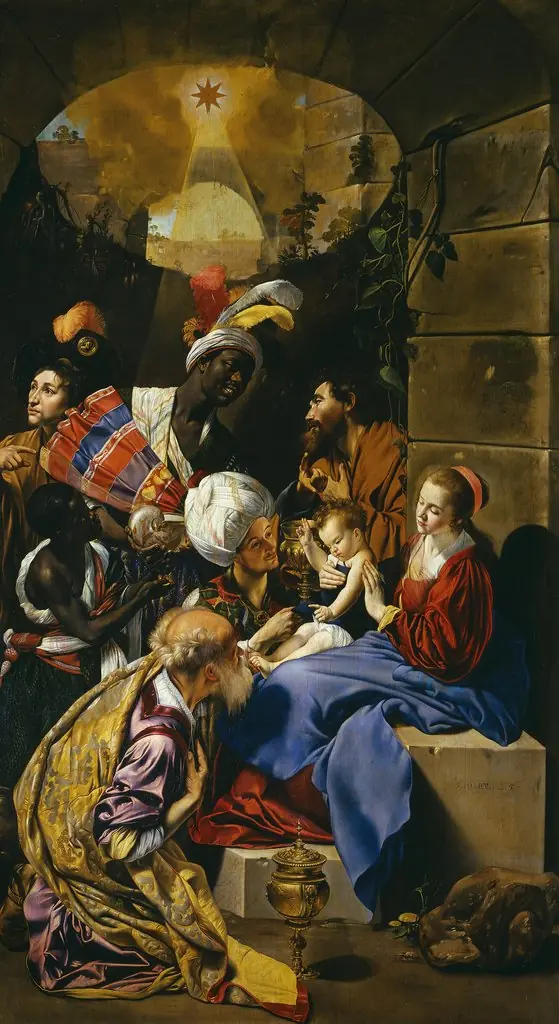 The Adoration of the Magi
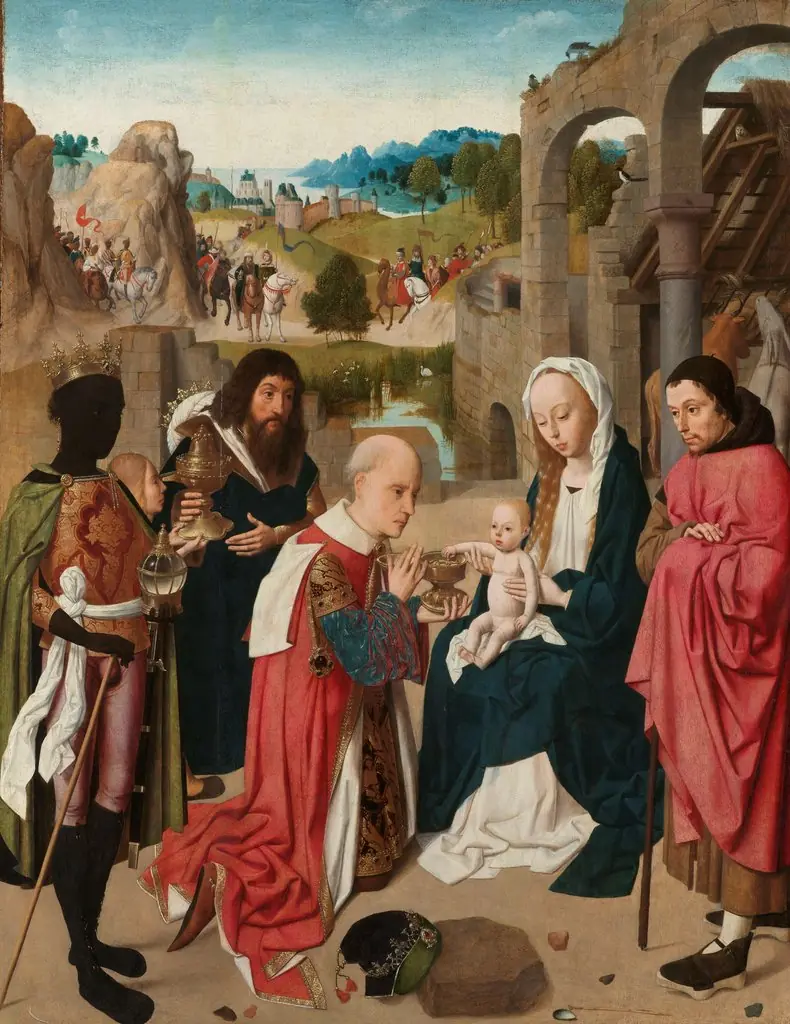 The Adoration of the Magi
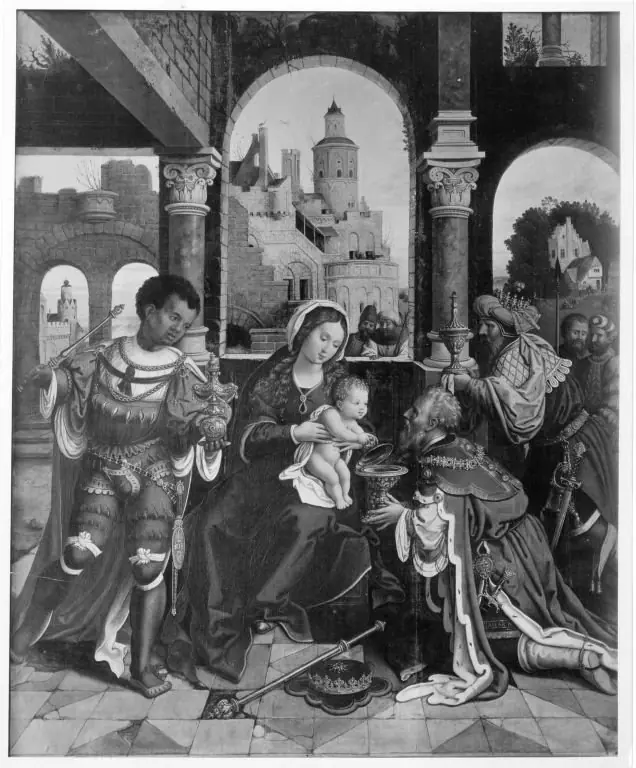 The Adoration of the Magi
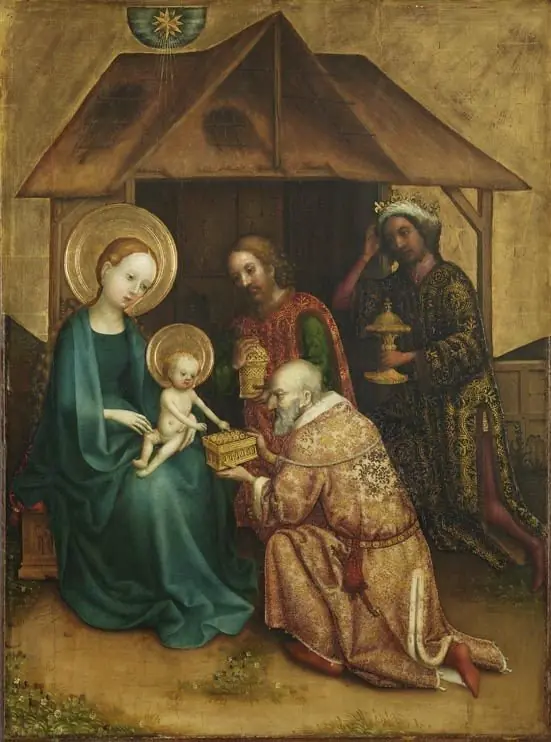 The adoration of the kings
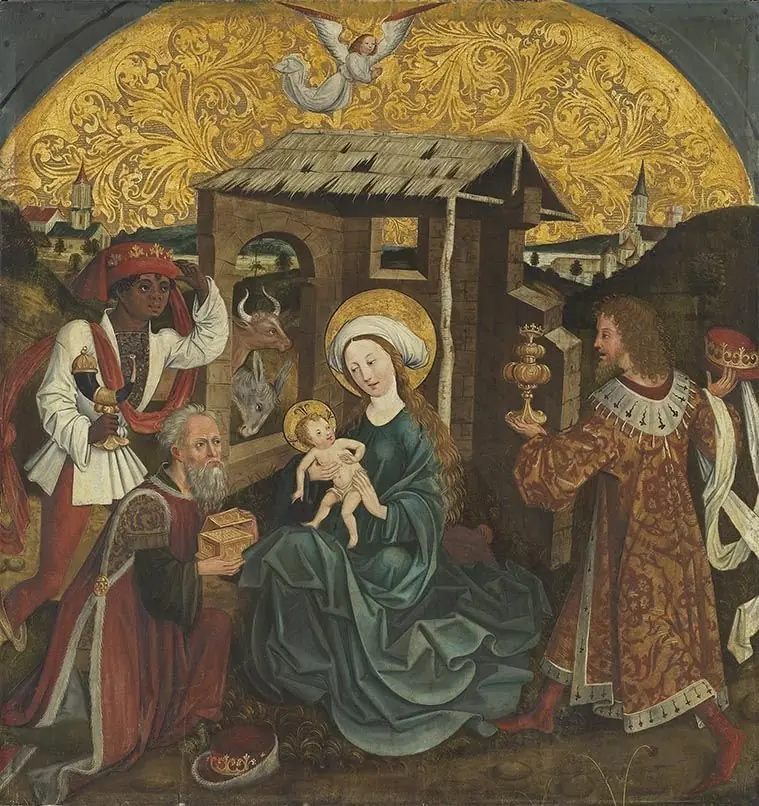 Adoration of the Kings
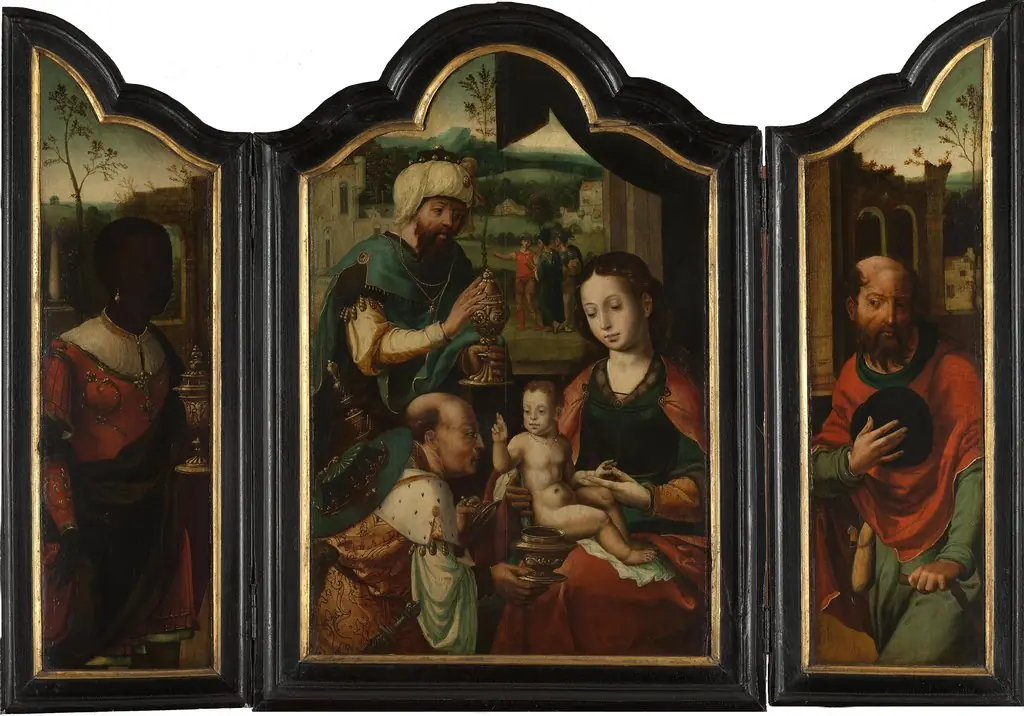 Triptych with Adoration of the Magi
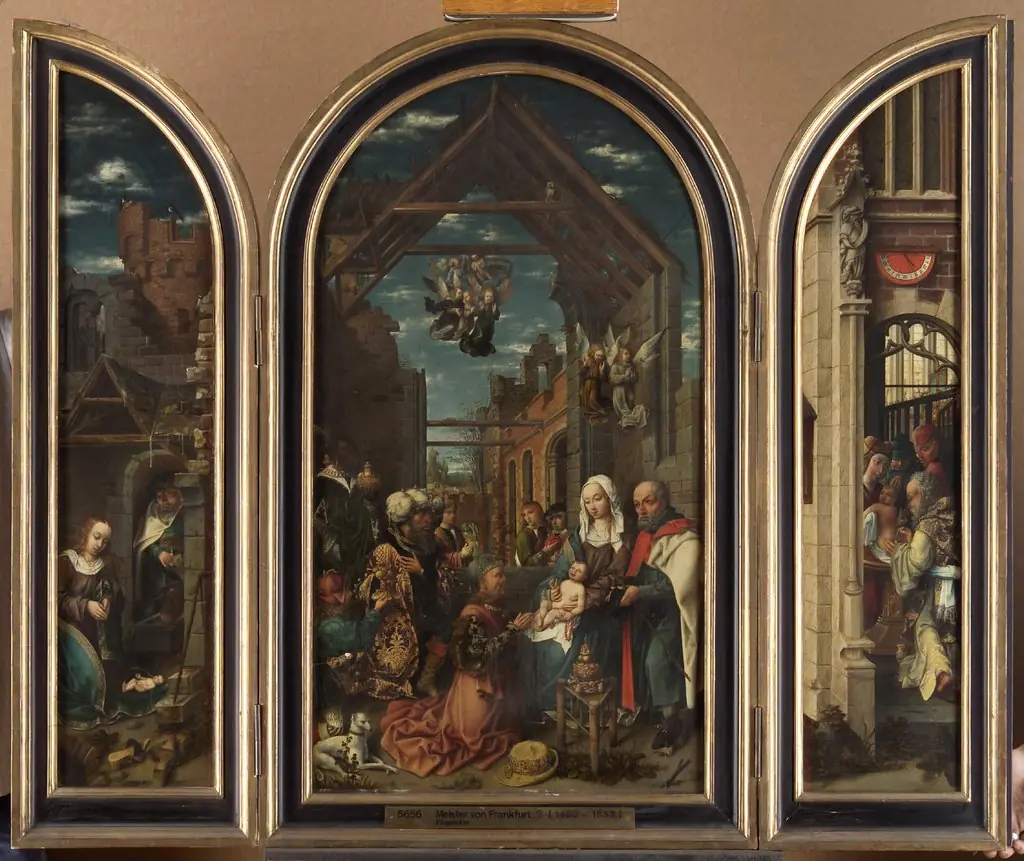 Triptych of the adoration of the magi
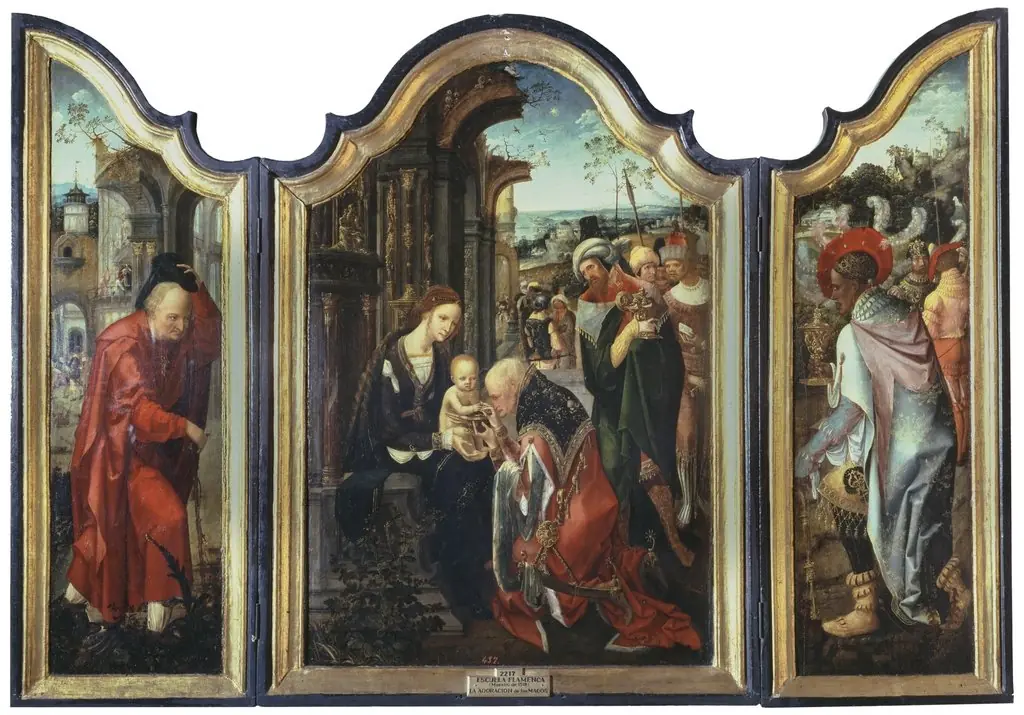 Adoration of the Magi
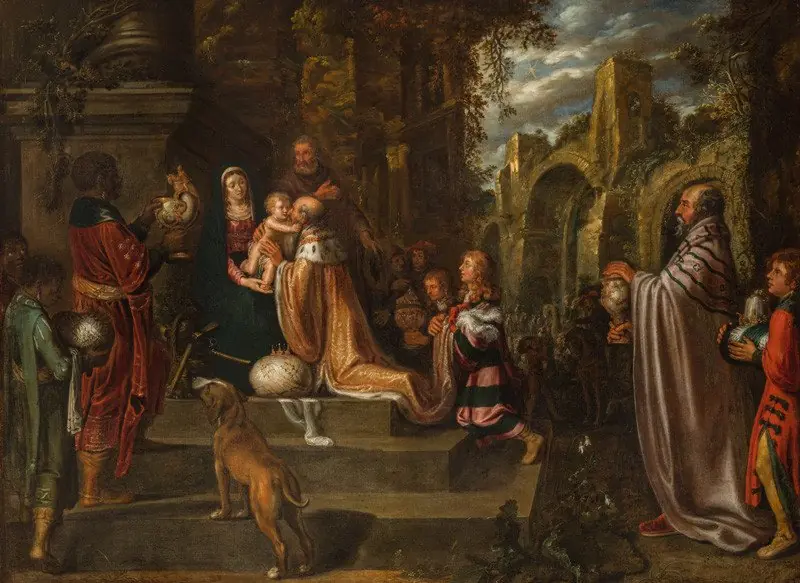 The adoration of the kings
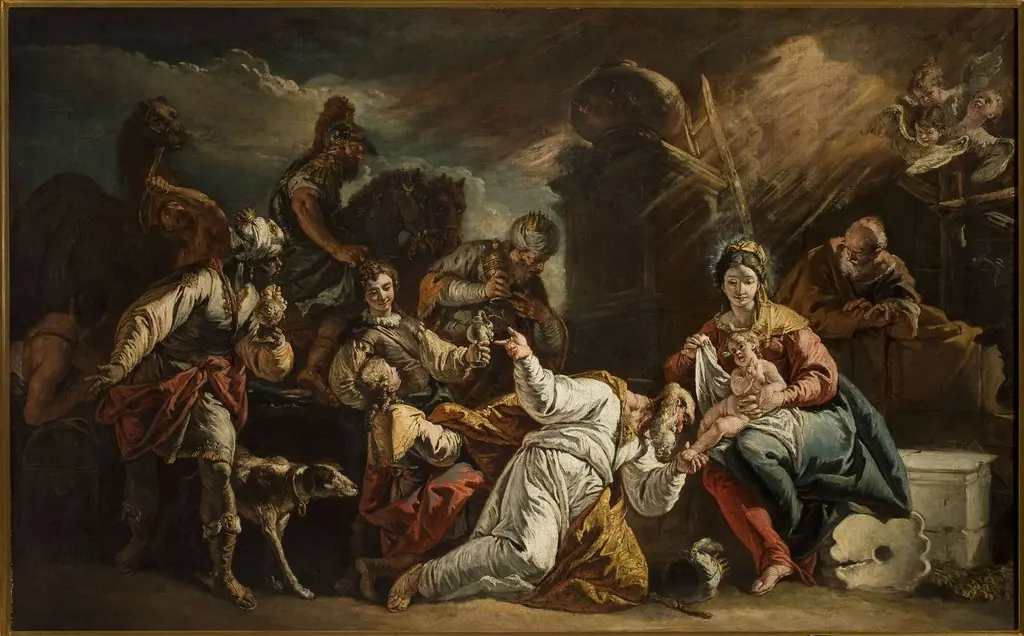 Adoration of the Magi
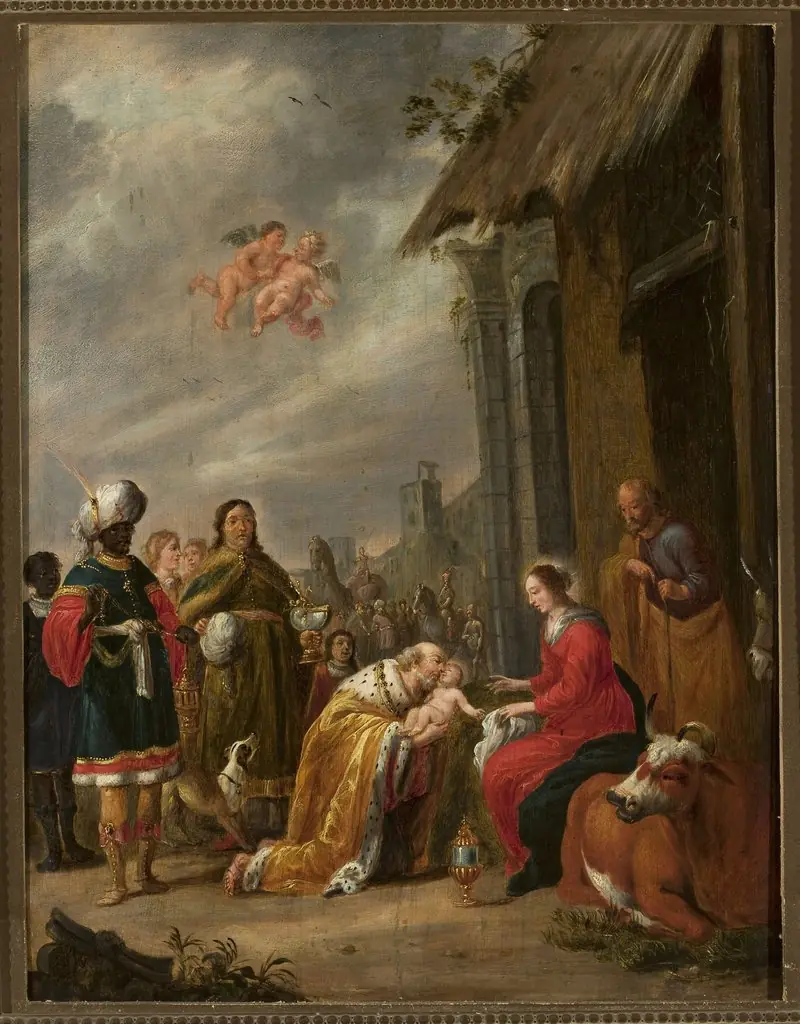 Adoration of the Magi (Matthew 2:10-11)
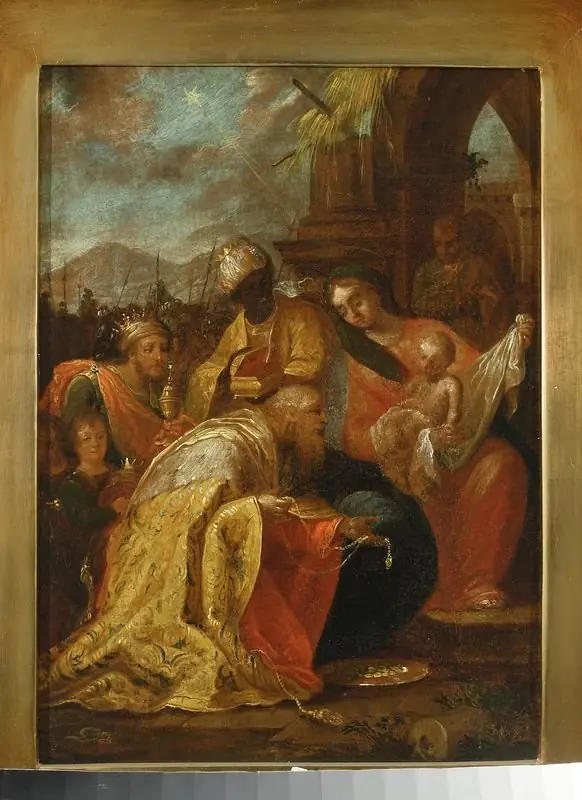 Adoration of the Magi
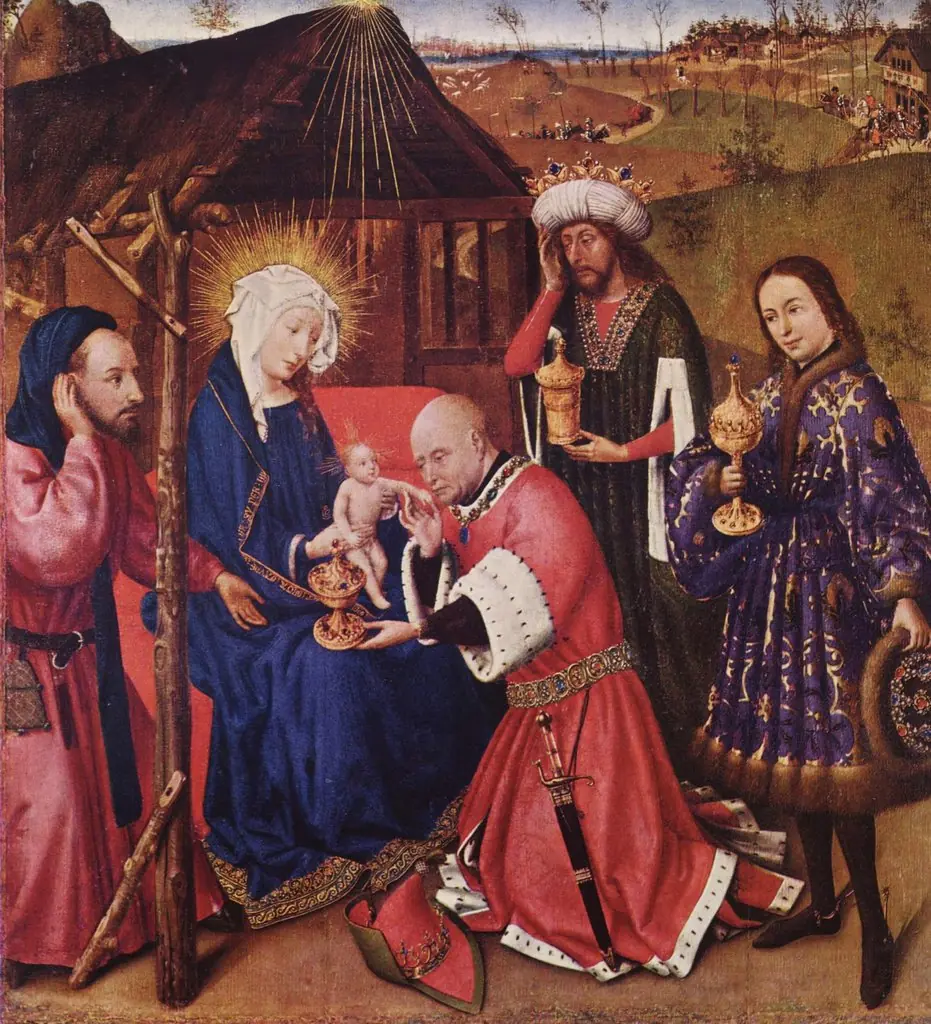 The Adoration of the Kings
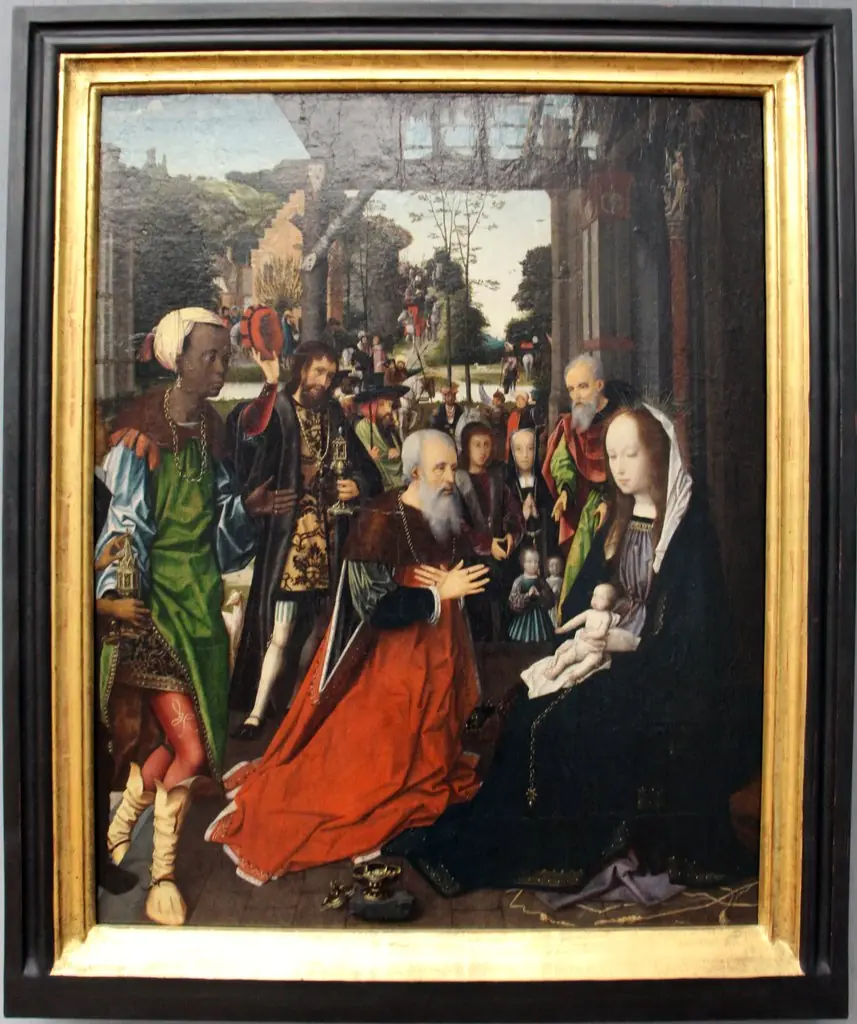 Adoration of the Magi
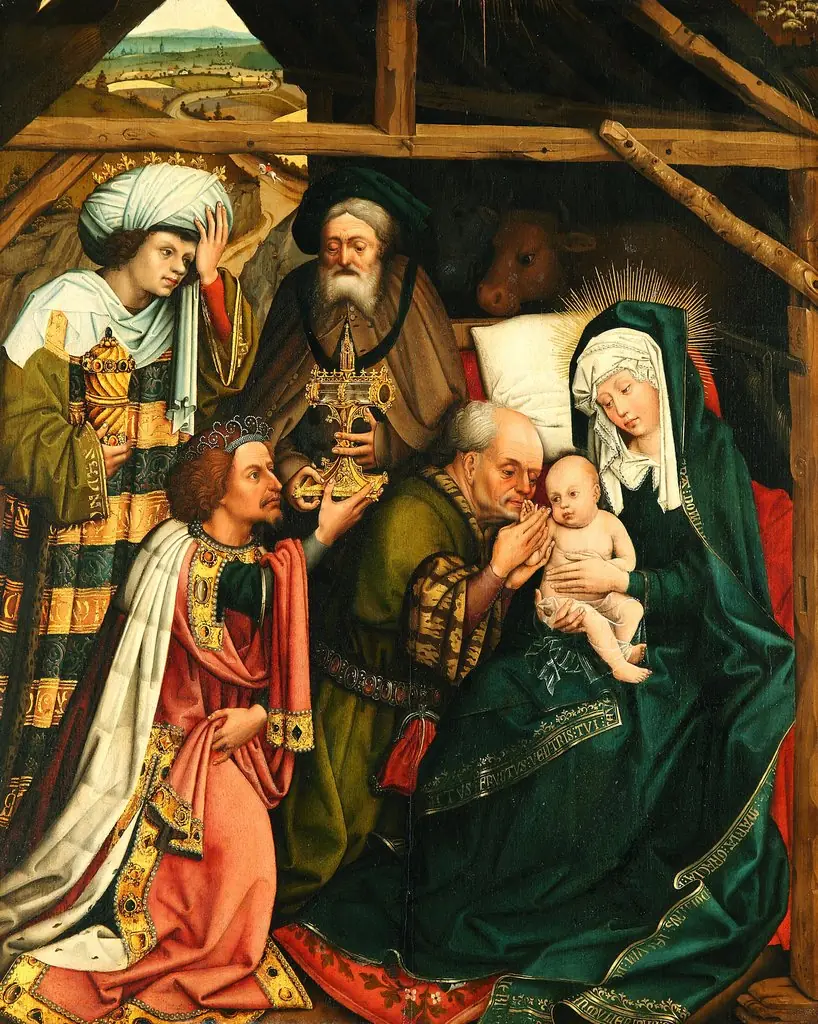 Adoration of the Magi
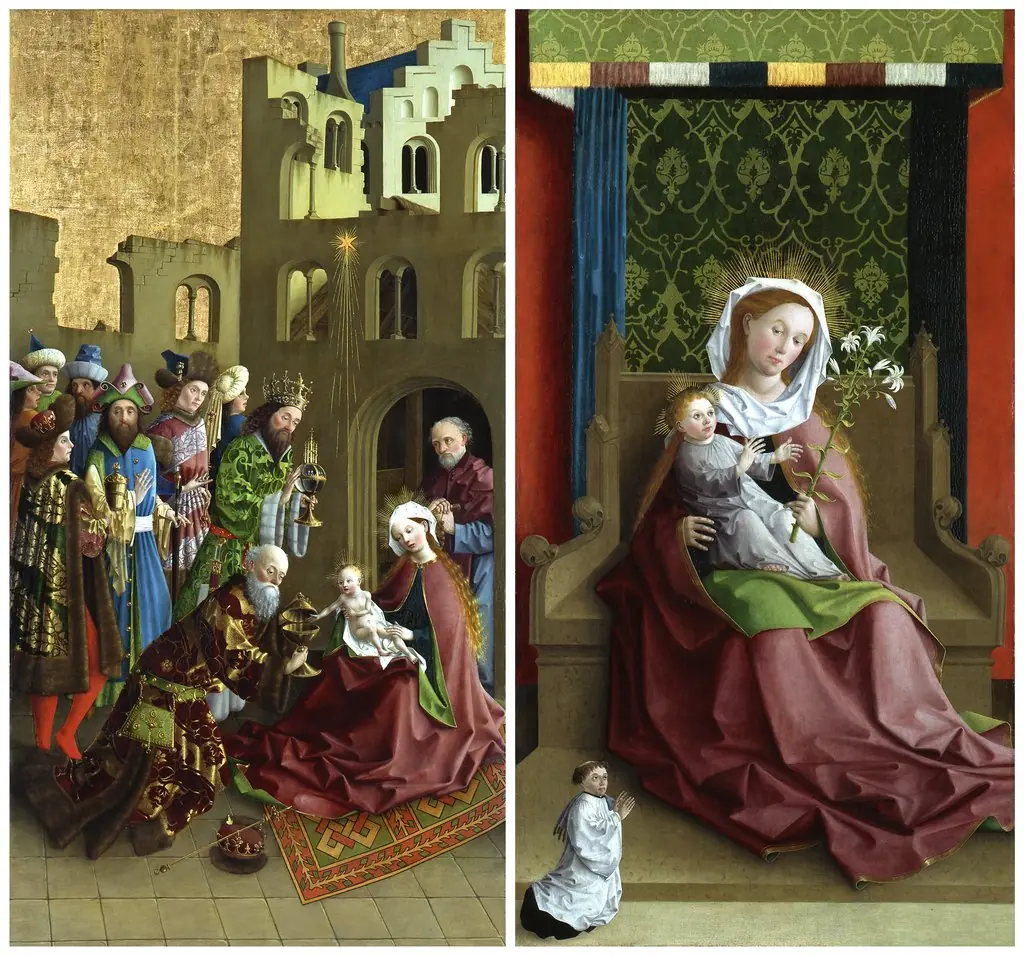 Left Wing of a cross altar, The Adoration of the Magi, Madonna and Child
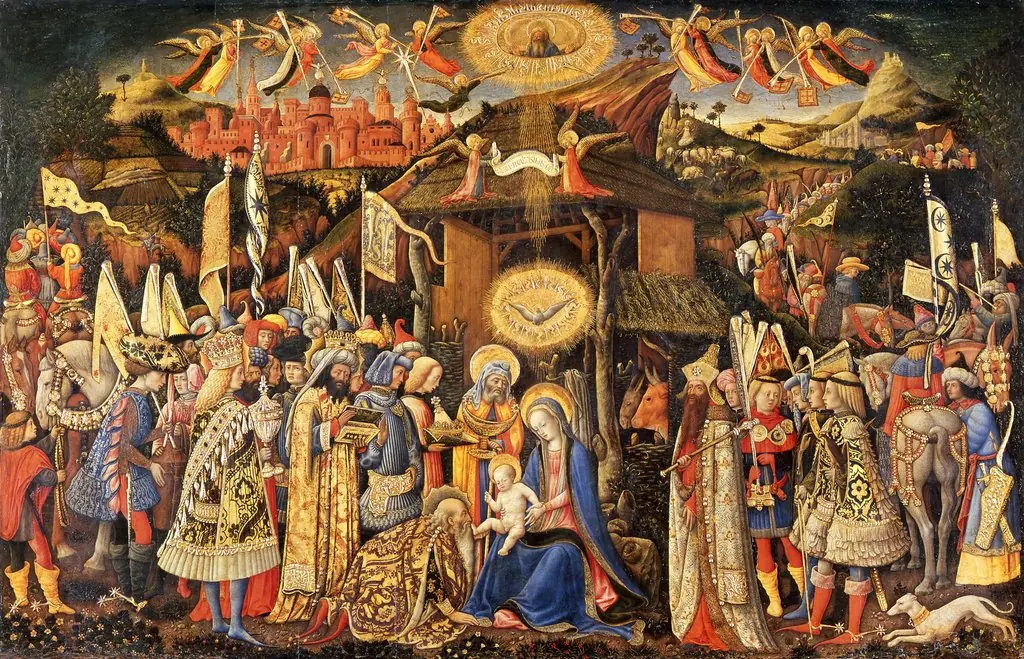 Adoration of the Magi
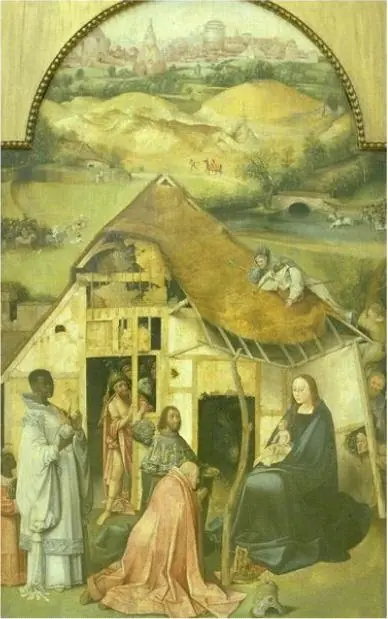 Adoration of the Magi
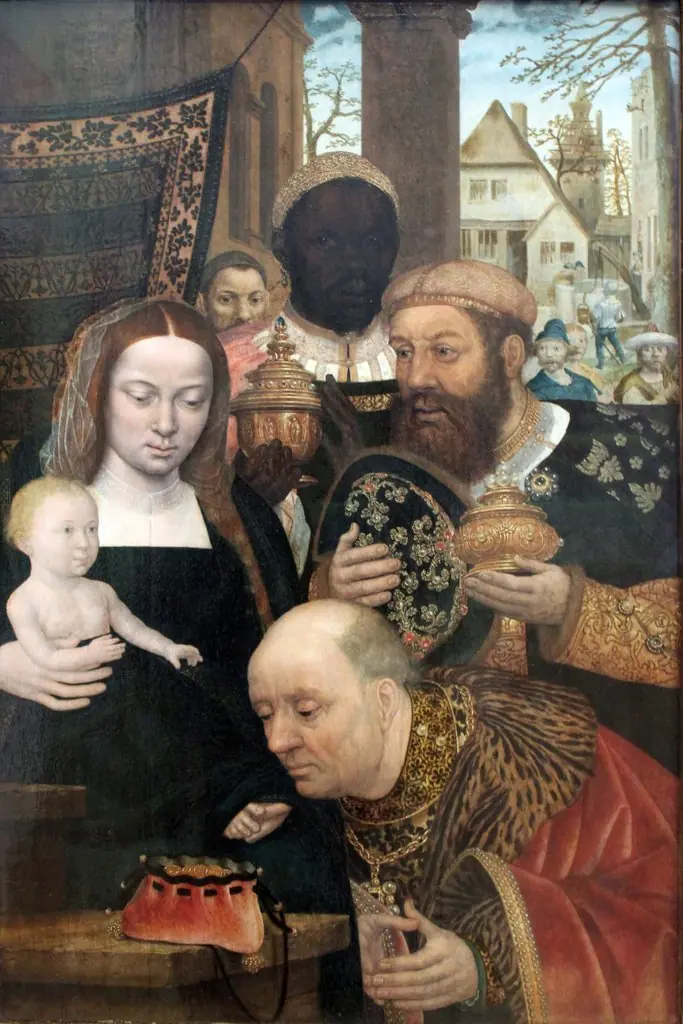 Adoration of the kings
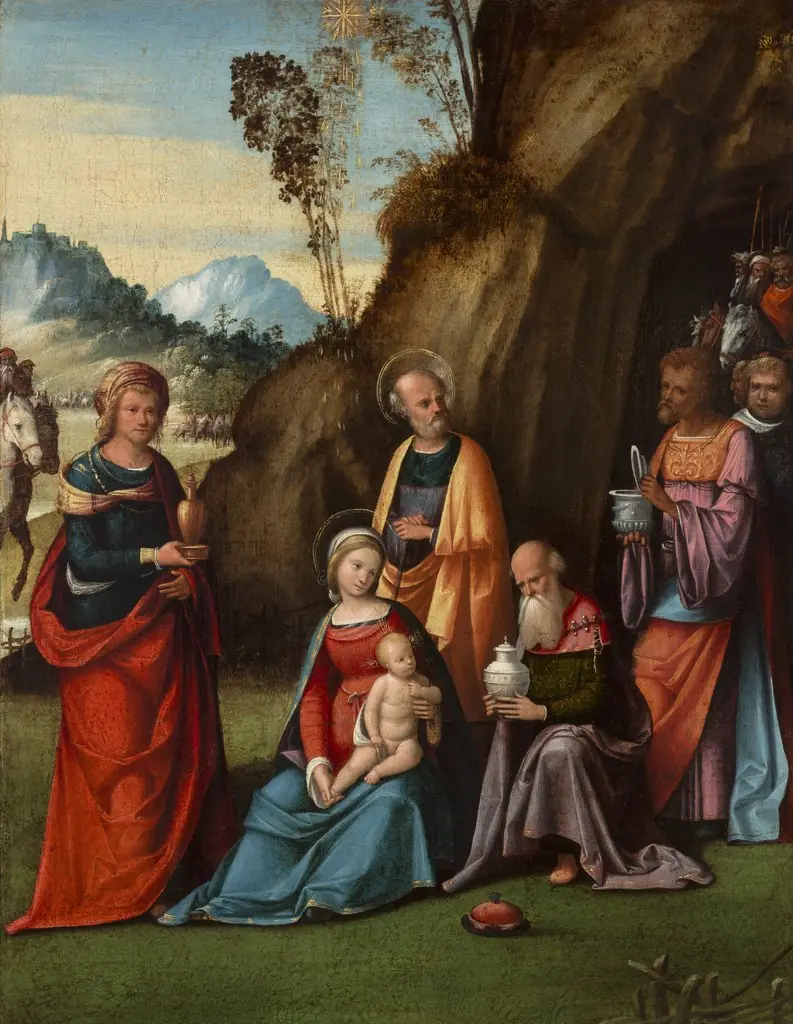 Adoration of the Magi
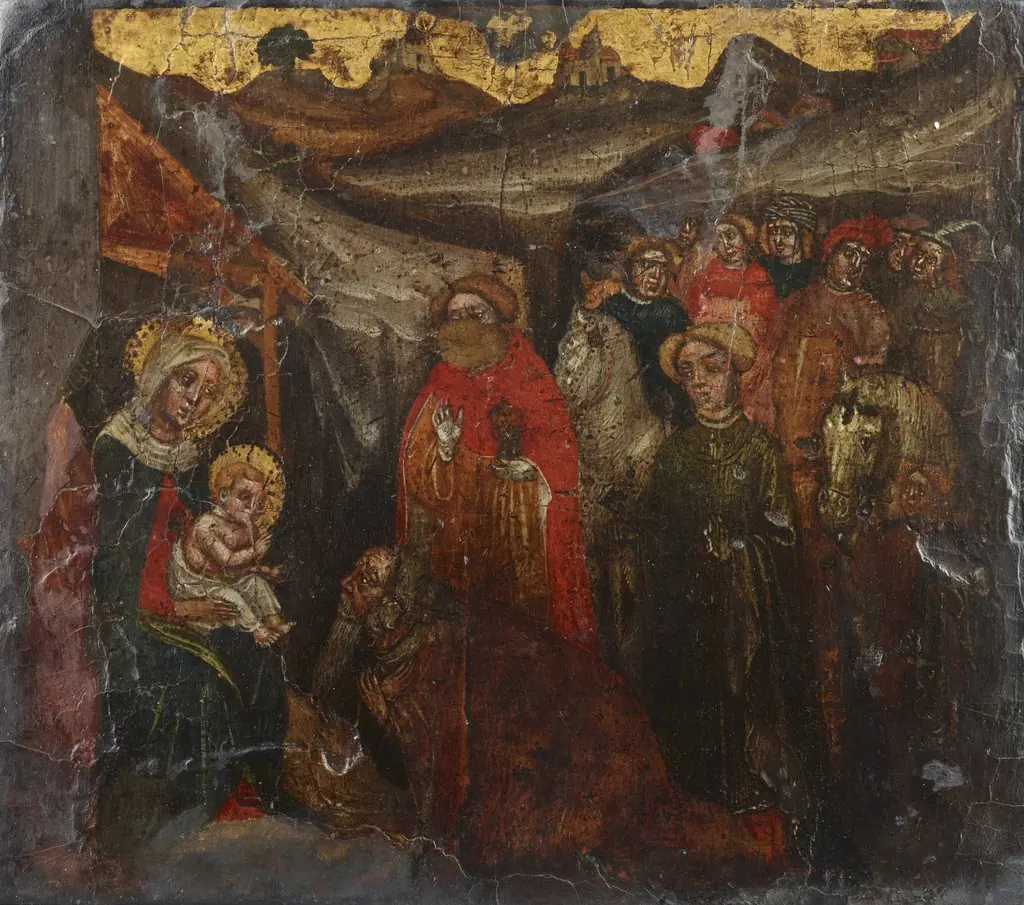 Adoration of the Magi
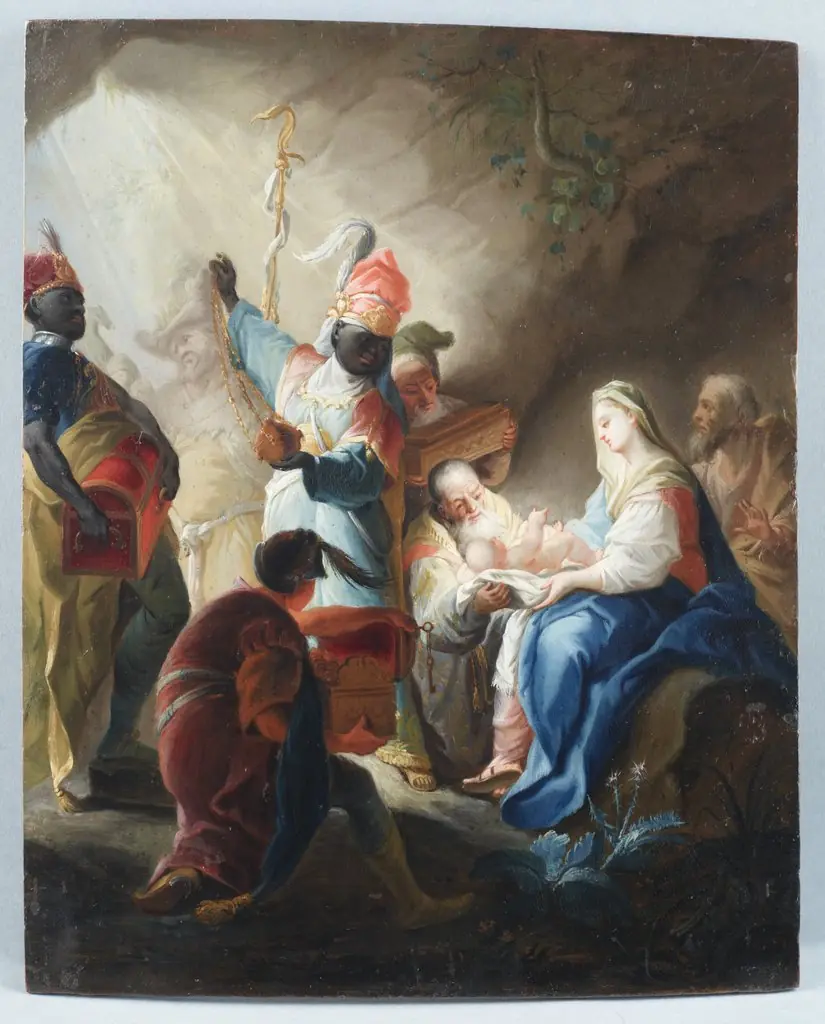 The Adoration of the Magi
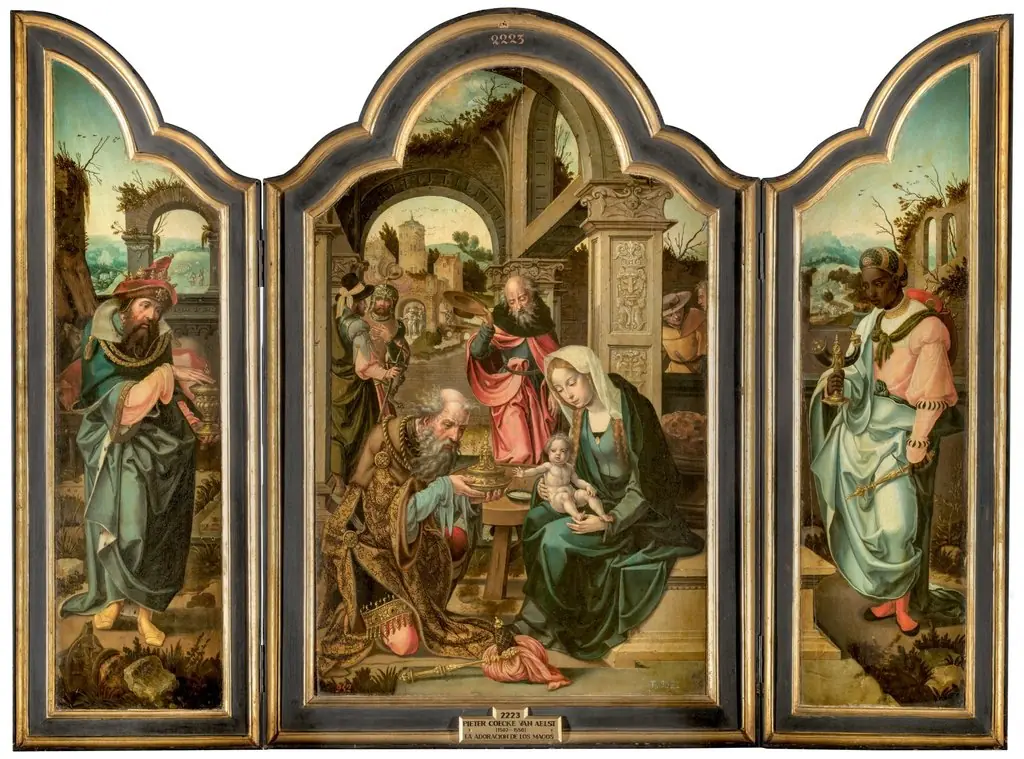 The Adoration of the Magi
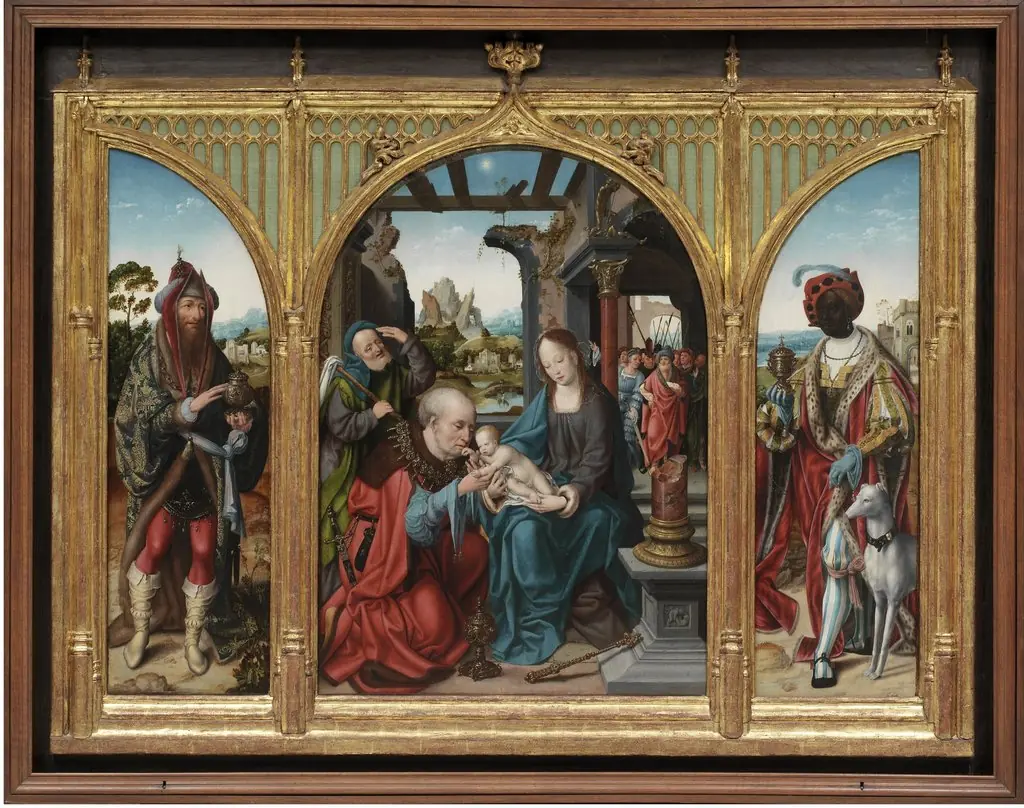 Adoration of the Magi
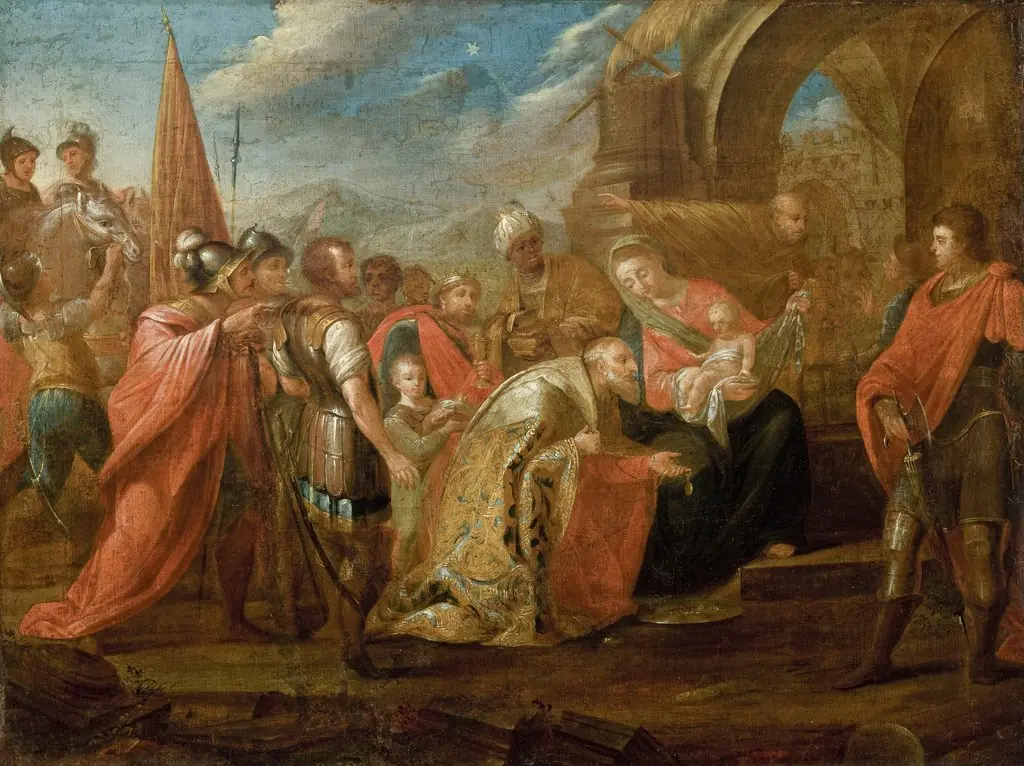 Adoration of the Magi
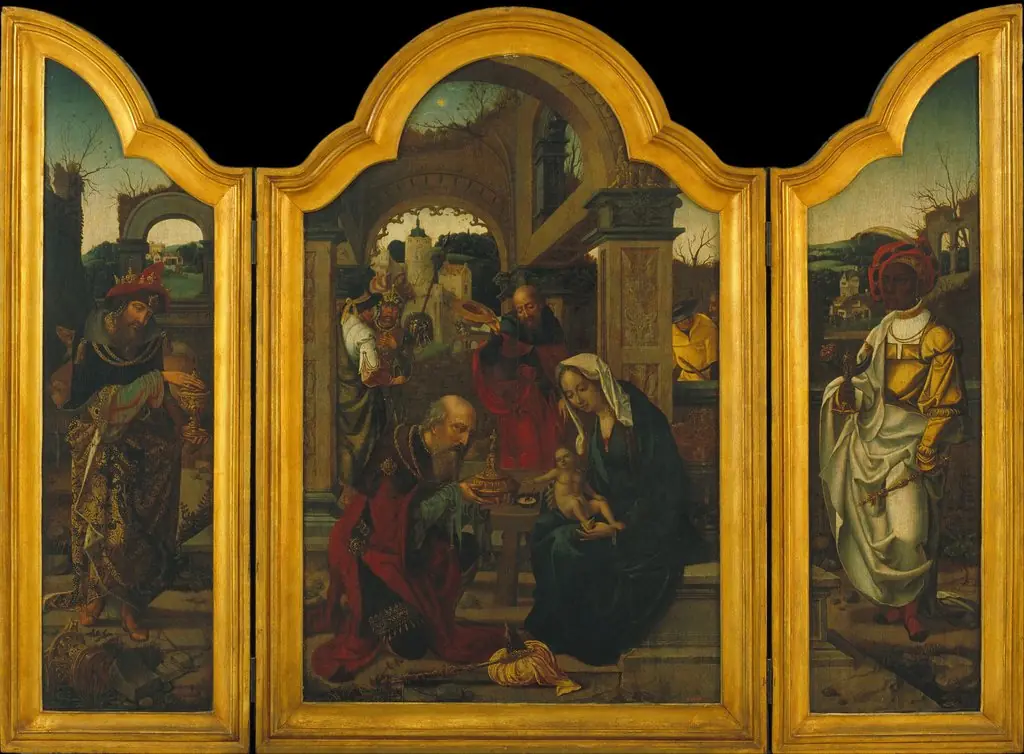 Triptych with the Epiphany
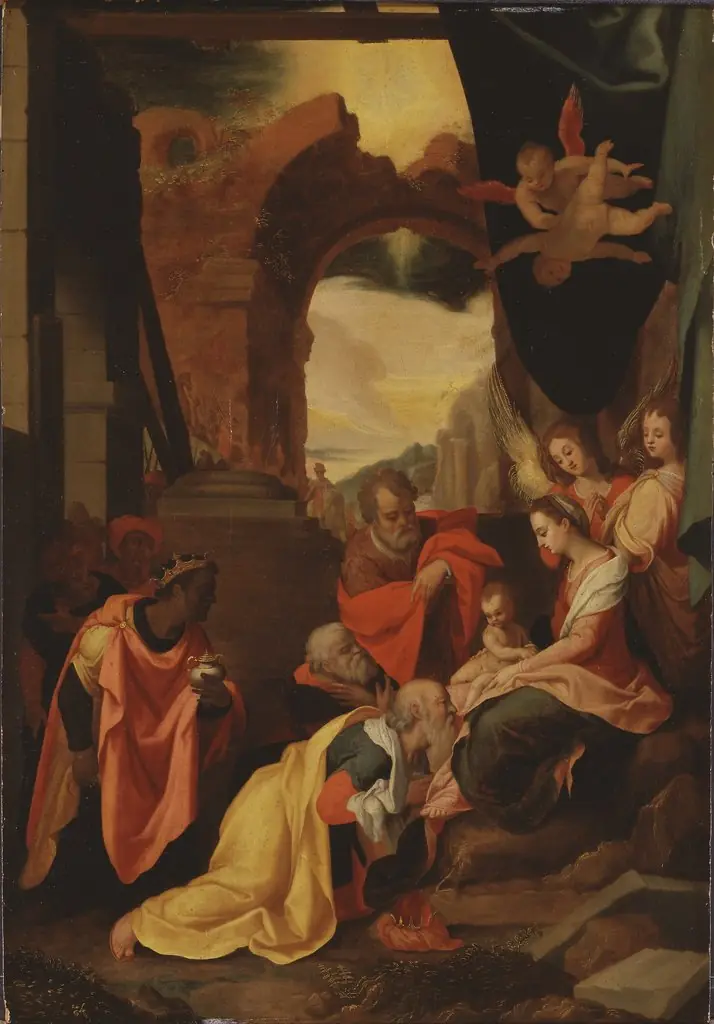 The Adoration of the Magi
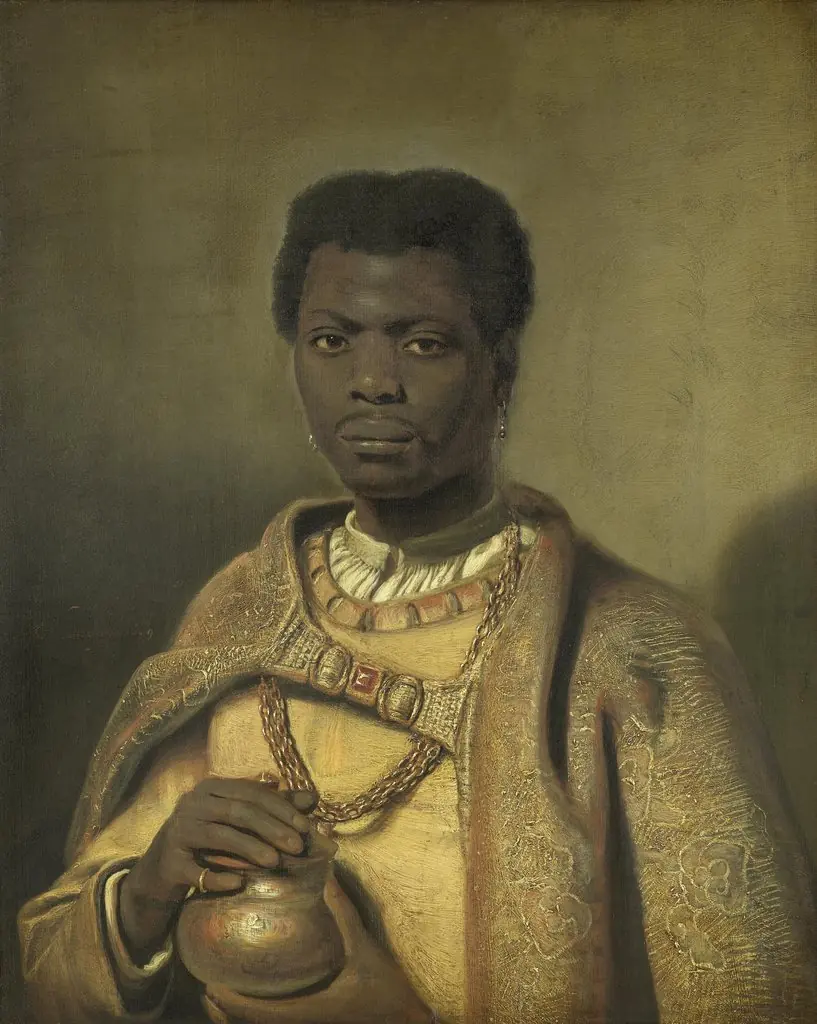 King Caspar
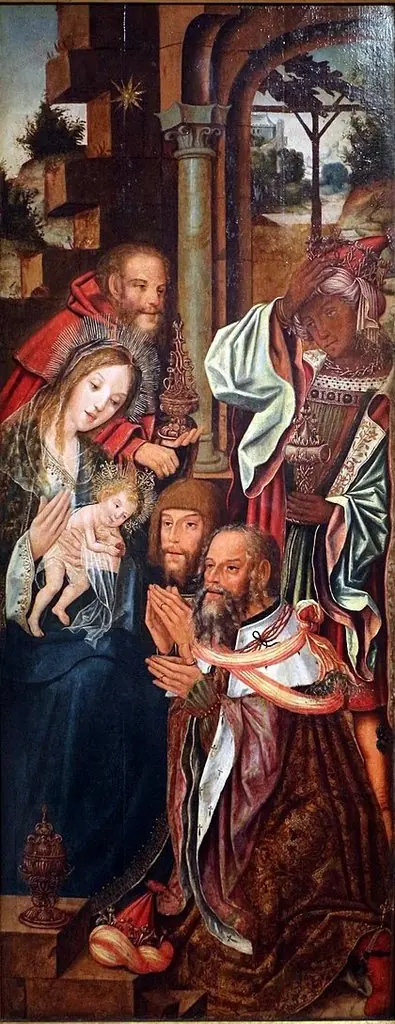 Adoration of the Magi
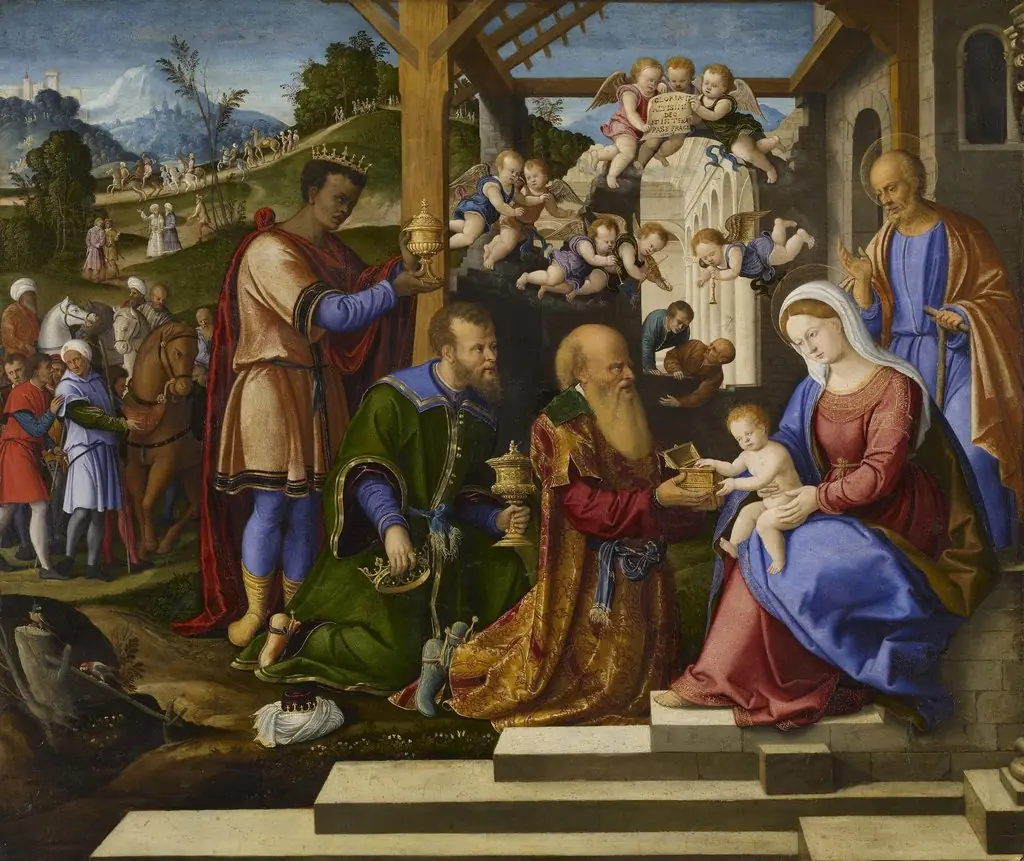 The Adoration of the Three Kings
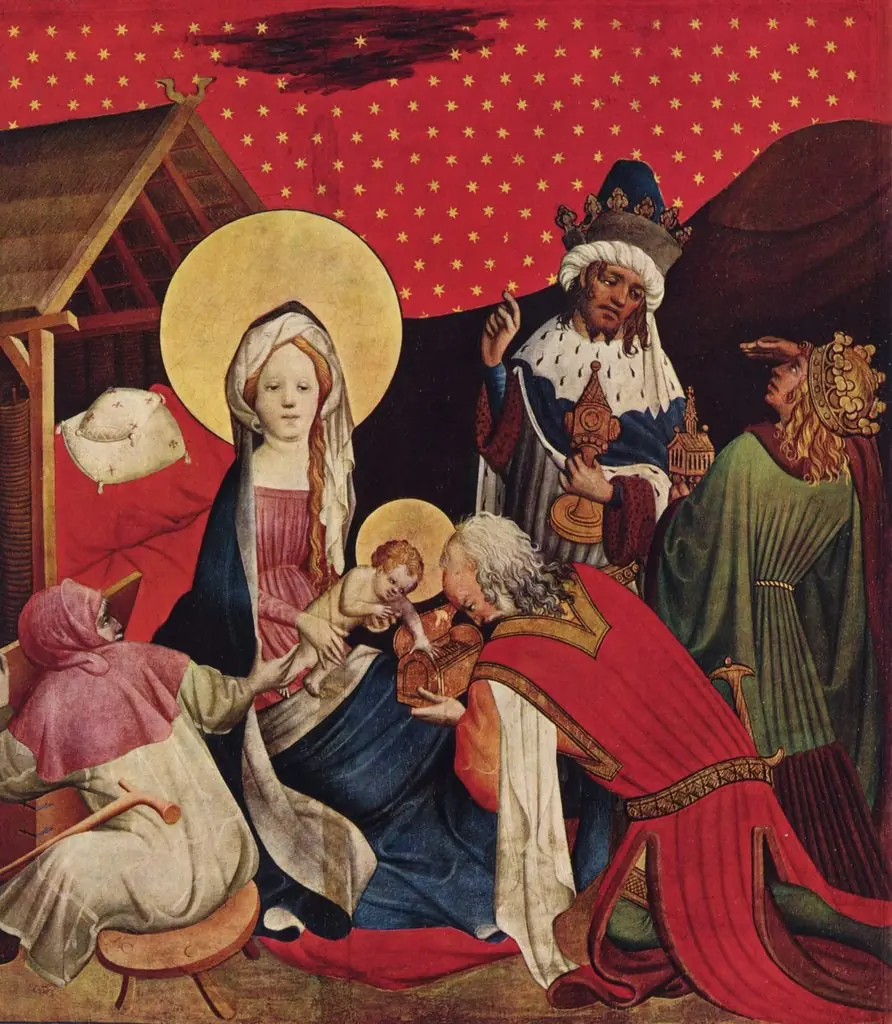 Thomasaltar, Fragment des rechten äußeren Flügels, Szene oben: Anbetung der Könige
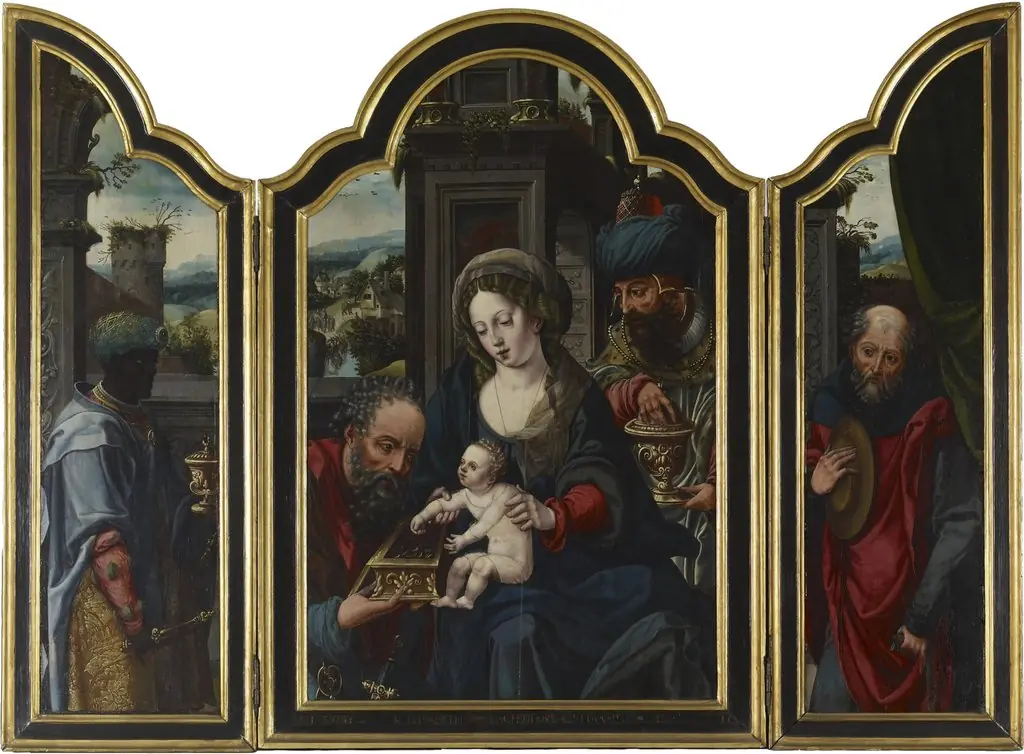 Adoration of the Magi
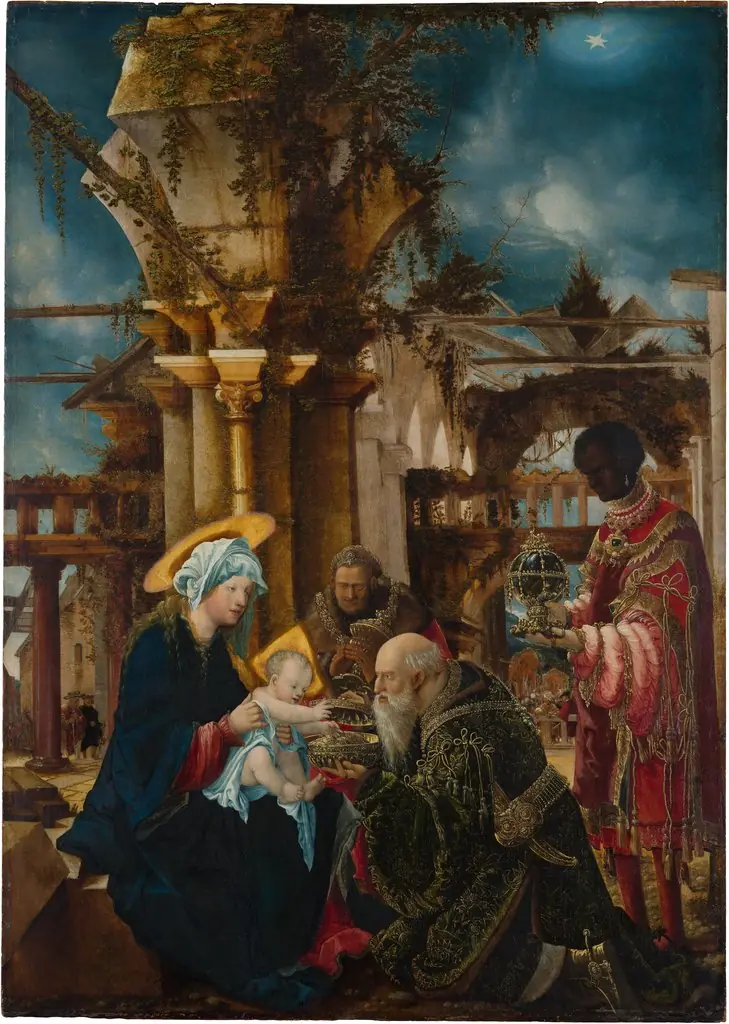 The Adoration of the Magi
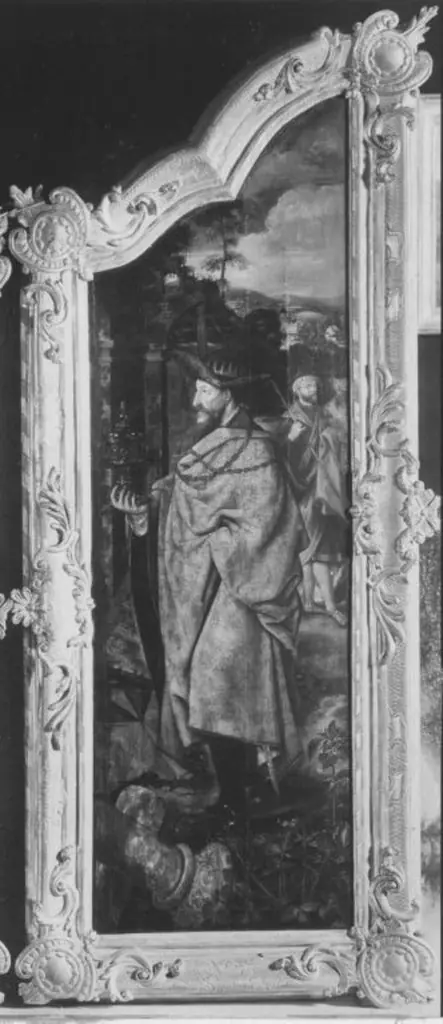 Triptych: King Caspar
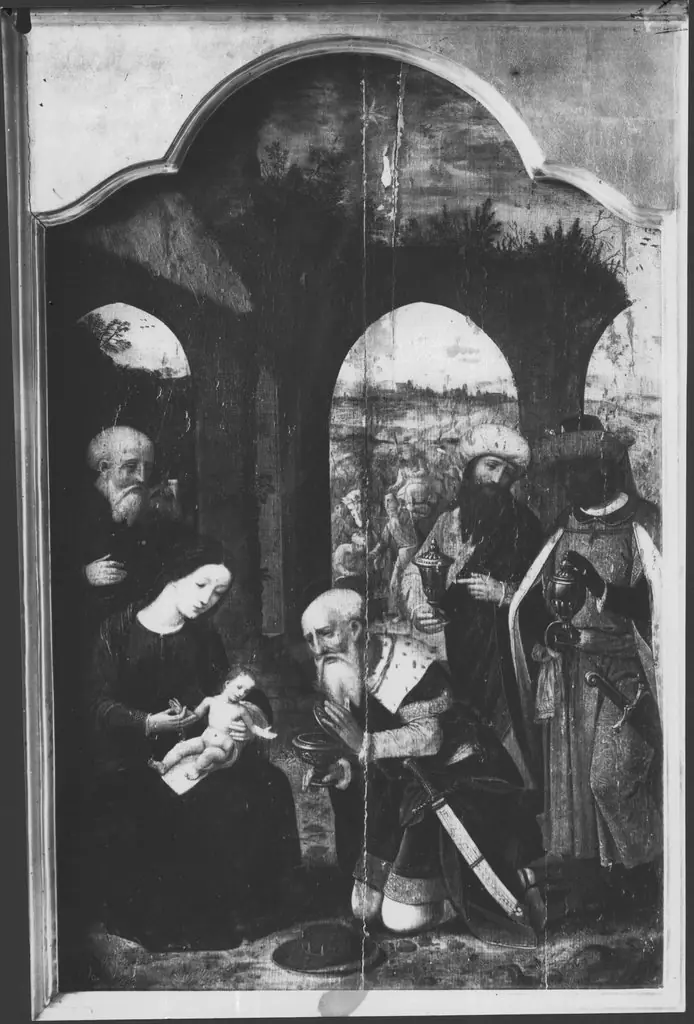 Adoration of the Magi
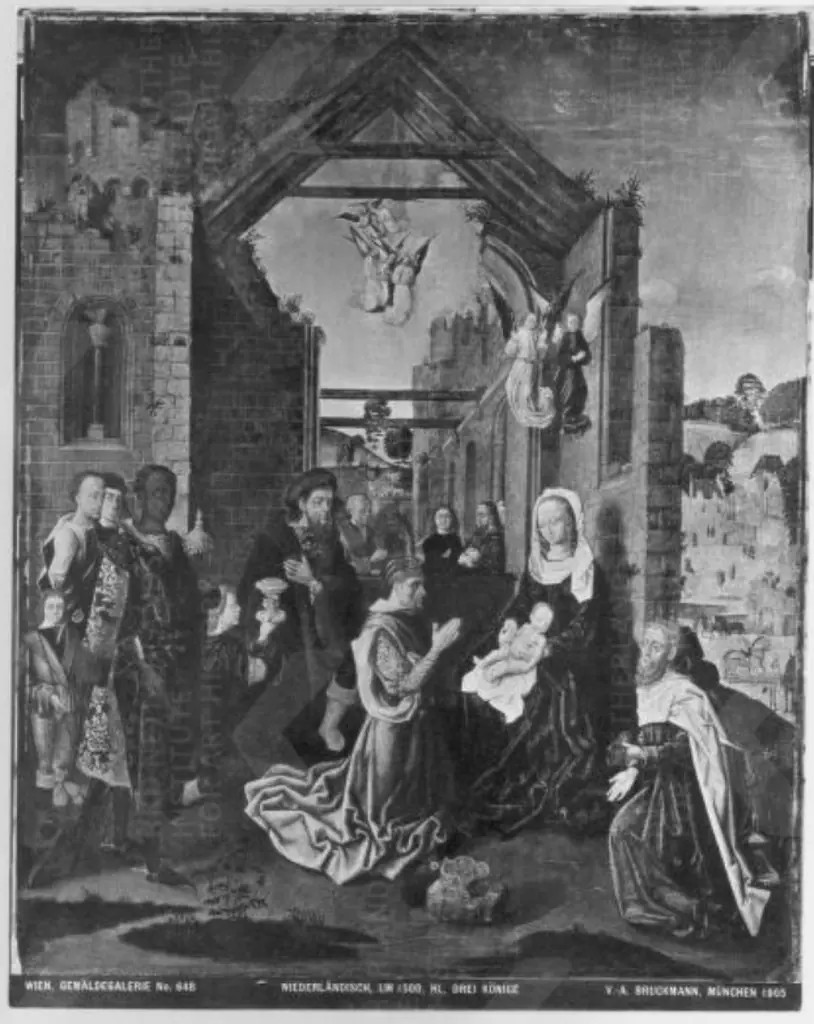 De aanbidding van de Wijzen
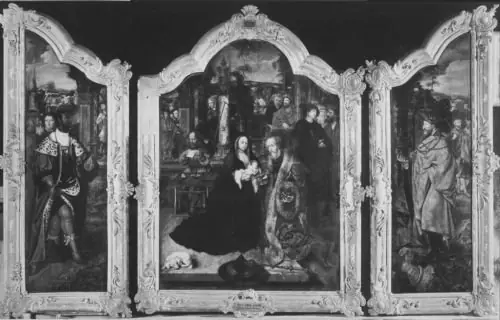 Adoration triptych: King Balthasar (interior left), Adoration of Christ with King Melchior (middle), King Caspar (interior right); Christ the Redeemer (exterior left), Virgin with child (exterior right)
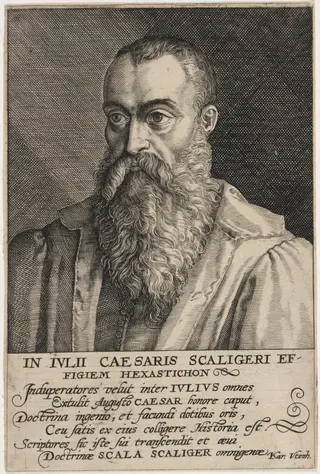 Julius Caesar Scaliger
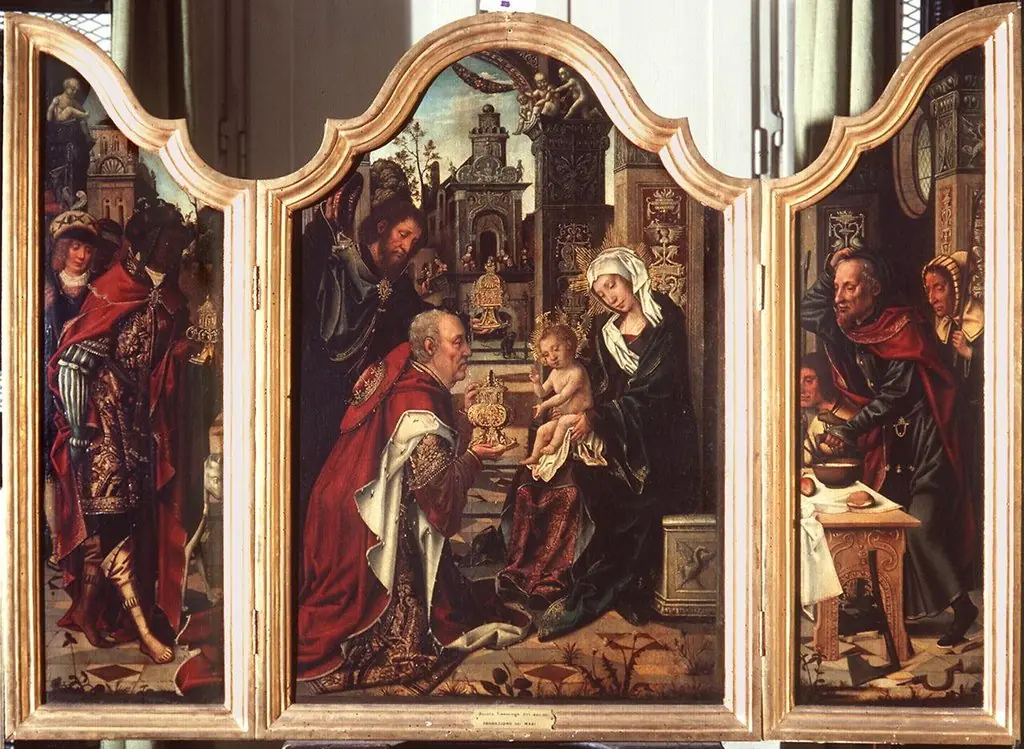 Triptych of the Adoration of the Magi
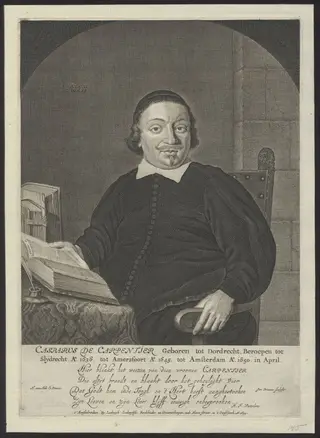 Portrait of Casparus de Carpentier, Walloon Minister at Sliedrecht, Amersfoort and Amsterdam
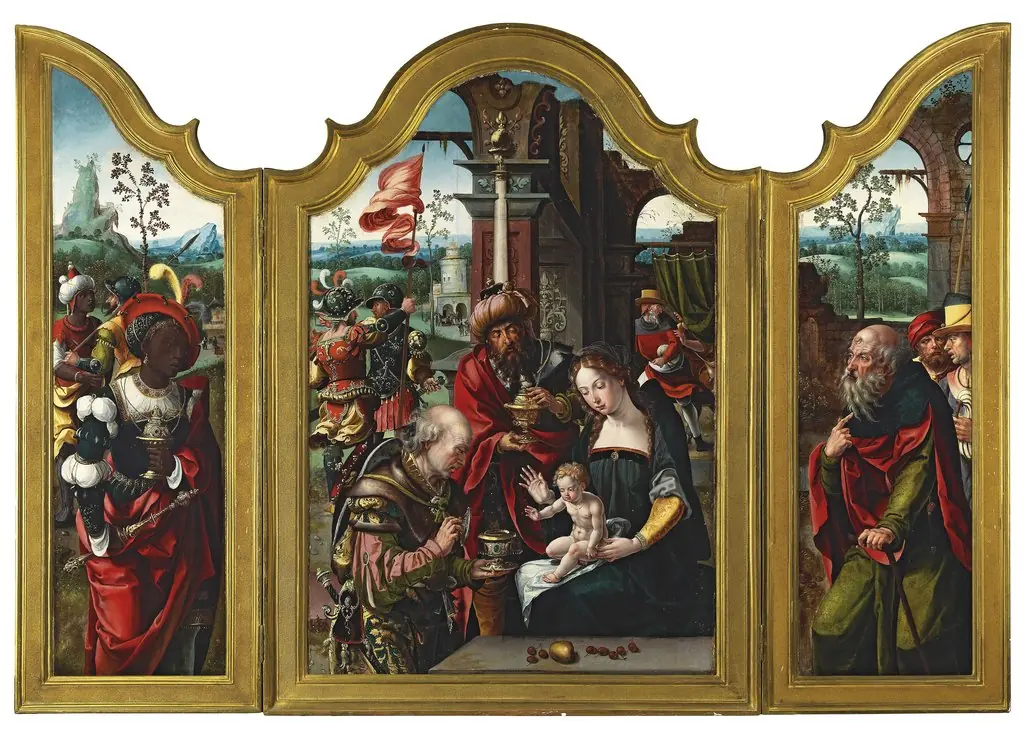 Adoration of the Magi
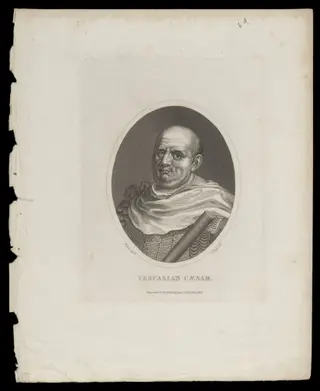 H Beard Print Collection
Frequently asked questions
What is Caspar?
Caspar is a masculine given name.
How many Caspar works does Artifact World Gallery have?
Artifact World Gallery holds 43 public-domain Caspar works, all free to view and download.
Who are the key Caspar artists?
Key Caspar artists in the collection include Titian, Joos van Cleve and David Teniers the Younger.
Where can I see Caspar works?
Caspar works in the collection are held by Gemäldegalerie Berlin, National Museum in Kraków and Museo del Prado.