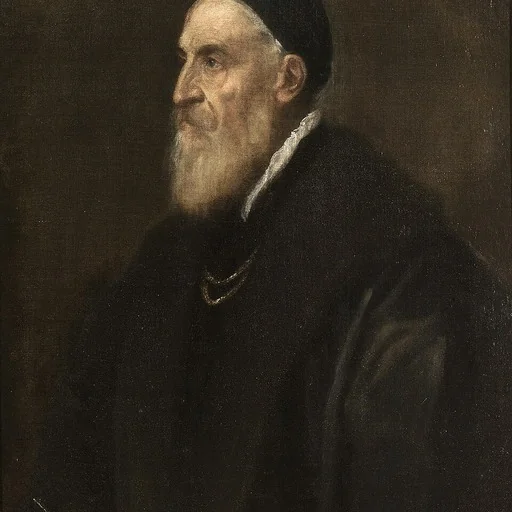
Subject
Biblical Magi
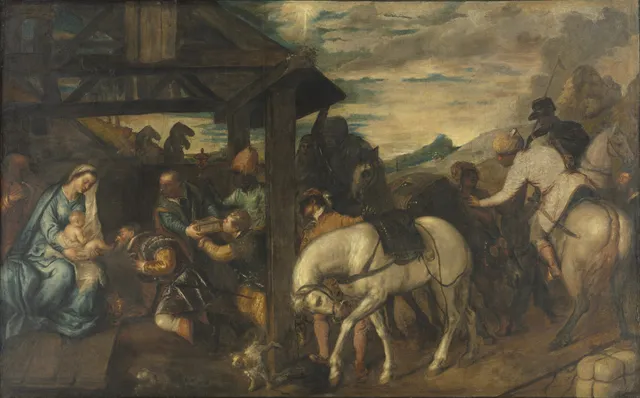
Biblical Magi is a subject in art. The gallery holds 155 works in this subject in art, including works by Titian, Paolo Veronese and Edgar Degas.
In Christianity, the Biblical Magi—also called the Three Wise Men, Three Kings, or Three Magi (singular: magus)—are the distinguished foreigners who, in the Gospel of Matthew (2:1–12), travel "from the east" to honour the newborn Jesus with gifts of gold, frankincense, and myrrh. Western Christianity commemorates them at Epiphany, popularly "Three Kings Day," while Eastern Christianity folds their visit into Christmas. Their adoration became one of the most enduringly painted episodes in Christian art, prized because it licensed spectacle: an exotic retinue, sumptuous offerings, and kneeling royalty arriving before a humble manger.
Scripture supplies almost no detail—neither the Magi's number, names, nor appearance—so their iconography is largely a medieval invention. The earliest images appear in fourth-century Roman catacomb frescoes and sarcophagus reliefs, where the Magi figure as deferential tribute-bearers in Persian dress, with breeches, capes, and Phrygian caps. Their number was fixed at three (matching the gifts) by the fourth century; crowns enter in the tenth, and the now-standard names Caspar, Melchior, and Balthasar derive from sources such as the *Excerpta latina barbari*. From the fifteenth century artists distinguished them as the three ages of man and, increasingly, as the three known continents—Balthasar painted as an African king, a convention introduced in the fourteenth century and broadly accepted by the sixteenth. The gifts carried their own theology: gold for kingship, frankincense for divinity, myrrh foreshadowing death and burial.
The subject reached its richest expression in late-medieval and Renaissance Italy and the Low Countries. Gentile da Fabriano's *Adoration of the Magi* (1423, Uffizi), commissioned by Palla Strozzi for Santa Trinita in Florence, is the culminating masterpiece of International Gothic—a glittering royal procession of tooled gold, brocade, and exotic animals. Sandro Botticelli's version (c. 1475, Uffizi), commissioned by the Medici associate Gaspare del Lama, populates the scene with Medici portraits, fusing devotion with political allegiance; the family had adopted the Magi as dynastic patrons around 1440. The theme also drew Fra Angelico, Leonardo da Vinci's unfinished panel, and a flourishing of Antwerp Mannerists between roughly 1500 and 1530.
This catalogue holds notable treatments by Sandro Botticelli, Hieronymus Bosch, Fra Angelico, Titian, Quinten Metsys, and Benvenuto di Giovanni—works that trace the motif's arc from Florentine grace to Northern detail and Venetian colour, and that situate the Adoration alongside the broader Nativity and Epiphany traditions of European sacred painting.
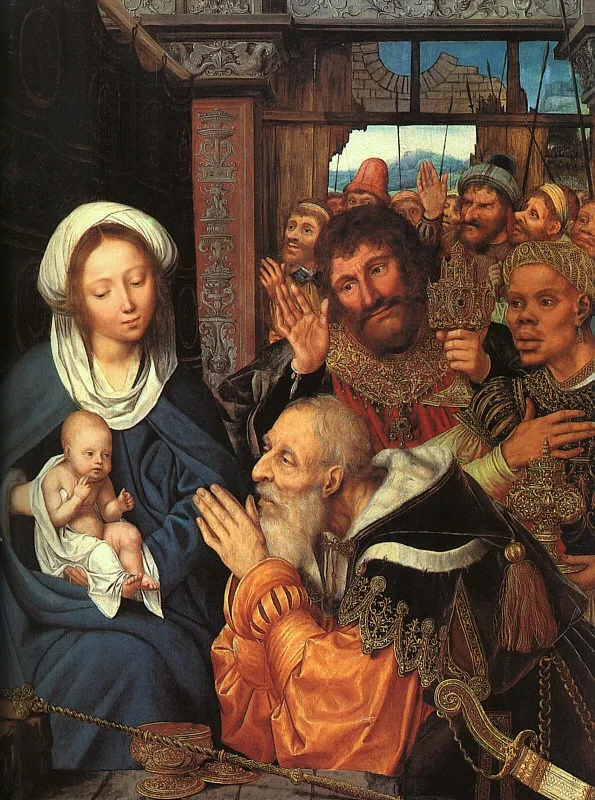
Key artists
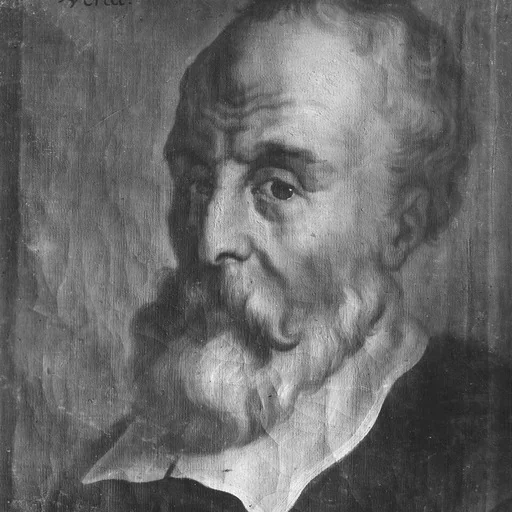
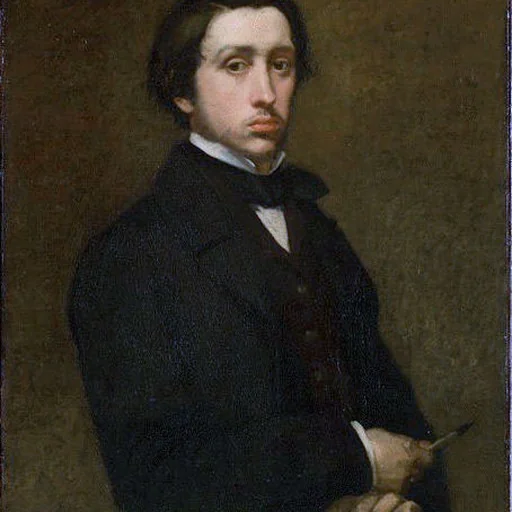
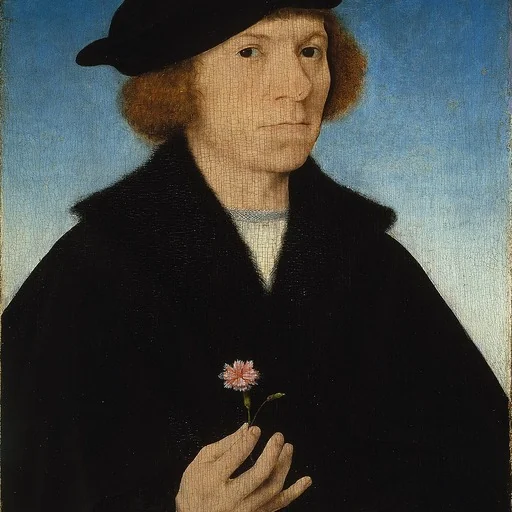
Overview
The Biblical Magi, also known as the Three Wise Men, Three Kings, or Three Magi, are distinguished foreigners who visit the infant Jesus after his birth, bearing gifts of gold, frankincense, and myrrh. They appear solely in the Gospel of Matthew, which states that they "saw his star in the east" and came to worship the "one who has been born king of the Jews." Their names, origins, appearances, and exact number are unmentioned in the biblical text and derive from later Christian tradition. In Western Christianity, they are commemorated on the feast day of Epiphany, sometimes called "Three Kings Day," while in Eastern Christianity they are commemorated on Christmas day. The mystery of their identities and background, combined with their theological significance, has made them prominent figures in Christian tradition and the subject of numerous artworks across centuries.
Iconography & meaning
The iconography of the Magi developed substantially from sparse biblical origins. Matthew's gospel specifies neither their number nor their royal status, describing them only as magoi from the east. The number three emerged in Western tradition by the early third century, with Tertullian reasoning from the three gifts. Their identification as kings appeared by at least the third century, conforming with Christian interpretations of Old Testament prophecies that the messiah would be worshipped by kings. The Western names Caspar, Melchior, and Balthasar were first mentioned in the sixth century and became standardized by the eighth century in the Excerpta latina barbari. Each king came to represent different ages of man and the three known continents or sons of Noah, Sem, Cham, and Jafet. Their gifts carried layered symbolism: gold for kingship, frankincense for divinity, and myrrh for suffering and burial. The Star of Bethlehem, their camels, and elaborate costumes became standard attributes. In Syriac Christianity, the Magi often number twelve rather than three, with different names such as Larvandad, Goesjnasap, and Hormisdas.
Across movements & periods
The earliest surviving depiction of the Magi dates to the third century in the catacombs of Priscilla in Rome, indicating the theme's rapid establishment in early Christian art. Throughout the medieval period, the subject gained enormous popularity, fueled in part by the veneration of relics attributed to the Magi at Cologne Cathedral from the twelfth century onward, which made the Rhineland archdiocese one of the most important pilgrimage centers of the Middle Ages. The Gothic period saw the construction of elaborate shrines and the proliferation of the theme in altarpieces. The Renaissance brought increased naturalism to the depiction of the exotic figures, with artists exploring the contrast between the Magi's elaborate Oriental costumes and the humble setting of Christ's birth. The Baroque period emphasized the dramatic moment of adoration and the theatrical presentation of gifts. Across these periods, the subject served multiple functions: as a theological statement about the recognition of Christ by the Gentiles, as an expression of the church's universal mission, and as an opportunity for patrons to display wealth and learning through the depiction of costly gifts and foreign costumes.
Legacy
The Magi have maintained a remarkable cultural afterlife extending far beyond strictly religious contexts. Their relics at Cologne, acquired in the twelfth century, generated one of the most significant pilgrimage movements of the Middle Ages and directly inspired both the fabrication of the Dreikönigsschrein (Shrine of the Three Kings) and the construction of the High Gothic Cologne Cathedral. In the Catholic Church, they are venerated as saints despite never having undergone formal canonization. The Orthodox tradition preserves their gifts as relics at Saint Paul's Monastery on Mount Athos. The feast of Epiphany, originally their commemoration day, became associated with multiple "luminous mysteries" including the Baptism in the Jordan and the Wedding at Cana. In modern times, the Magi continue to function as powerful cultural symbols of pilgrimage, gift-giving, and the universal reach of Christianity. Their representation as three kings of different ages and ethnicities has made them an enduring motif for discussions of diversity and global Christianity. The scholarly study of their afterlives, exemplified by recent works such as Eric Vanden Eykel's The Magi: Who They Were, How They've Been Remembered, and Why They Still Fascinate (2022), attests to their continuing capacity to generate historical and theological interest.
Works
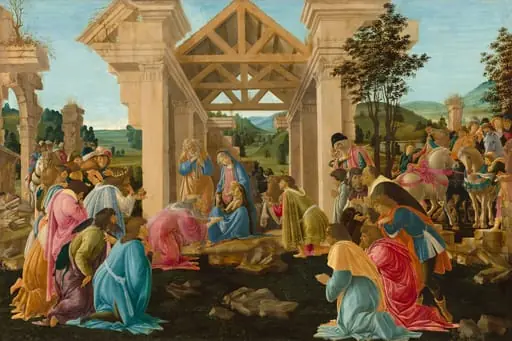 The Adoration of the Magi
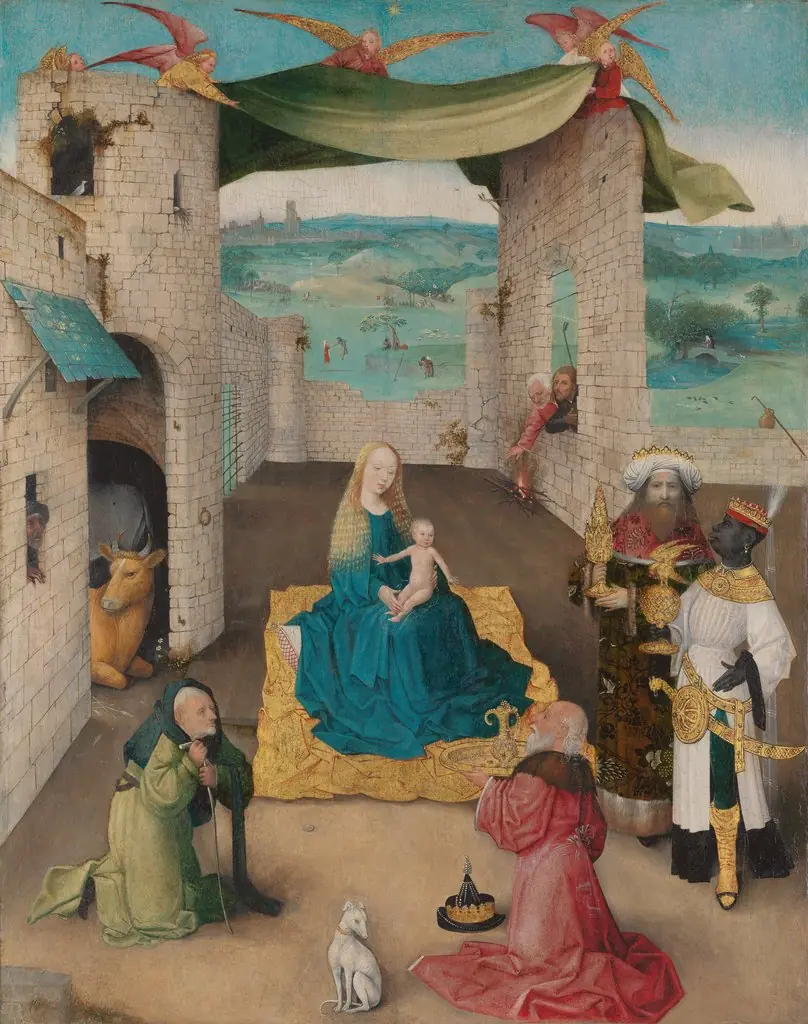 The Adoration of the Magi
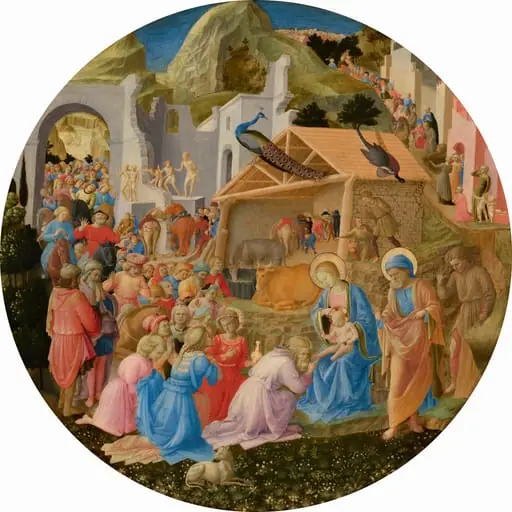 The Adoration of the Magi
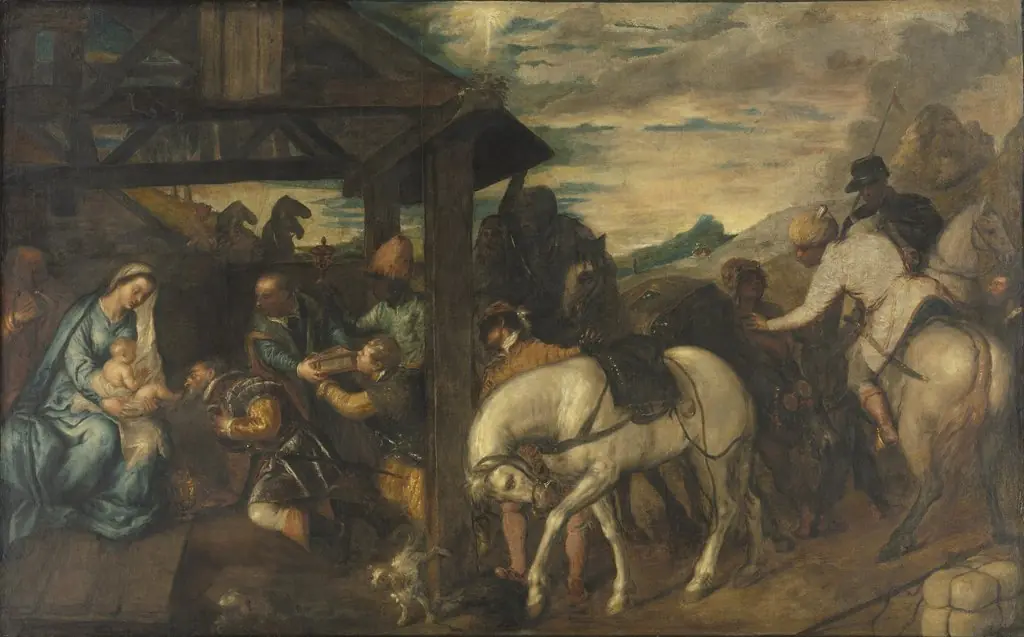 Adoration of the Magi
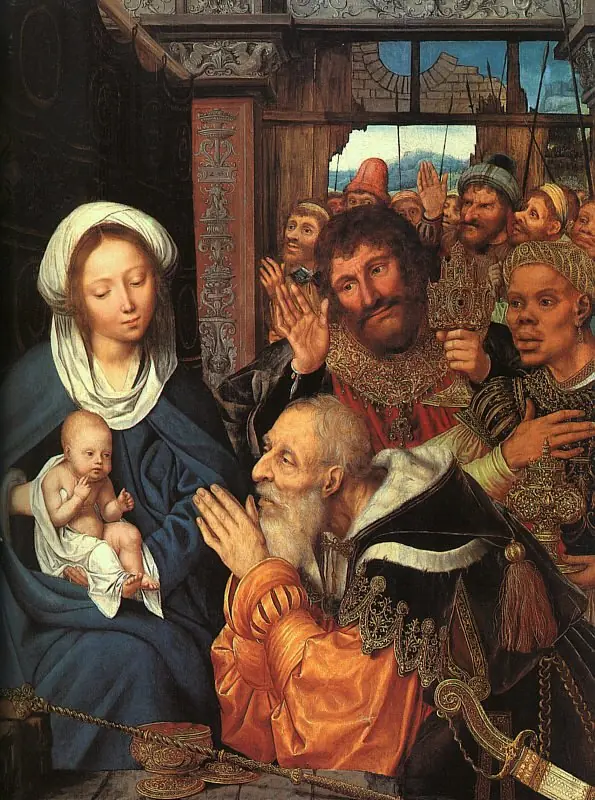 The Adoration of the Magi
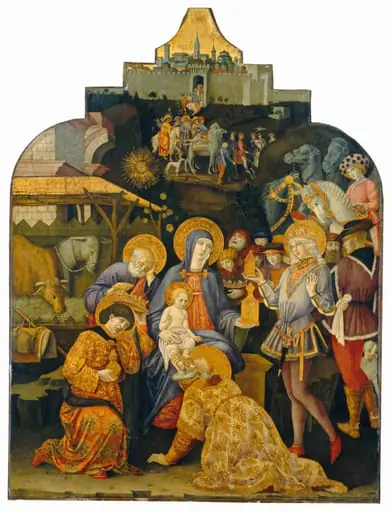 The Adoration of the Magi
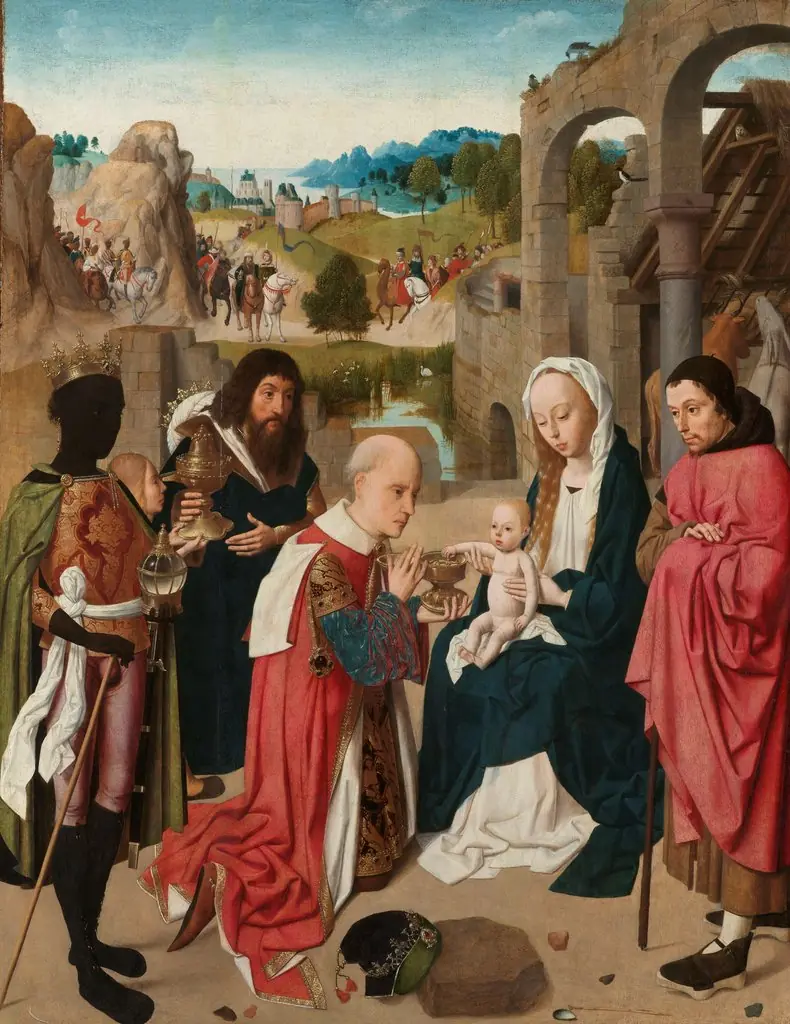 The Adoration of the Magi
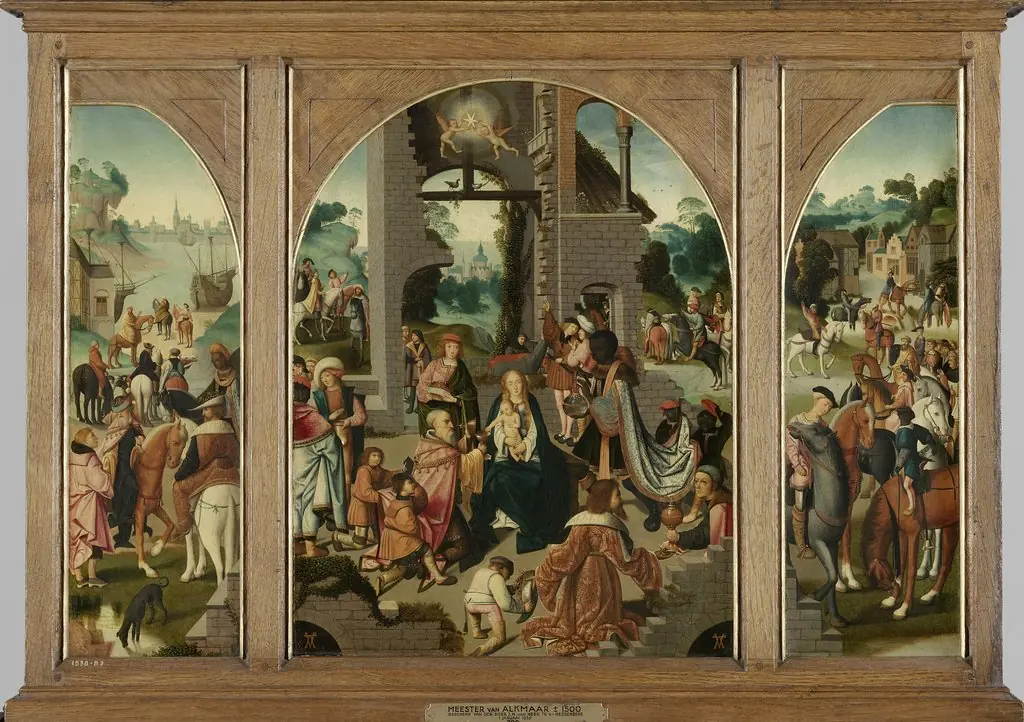 Triptych with the adoration of the Magi (centre panel and inner wings), St Antony Abbot (outer left wing) and St Adrian (outer right wing)
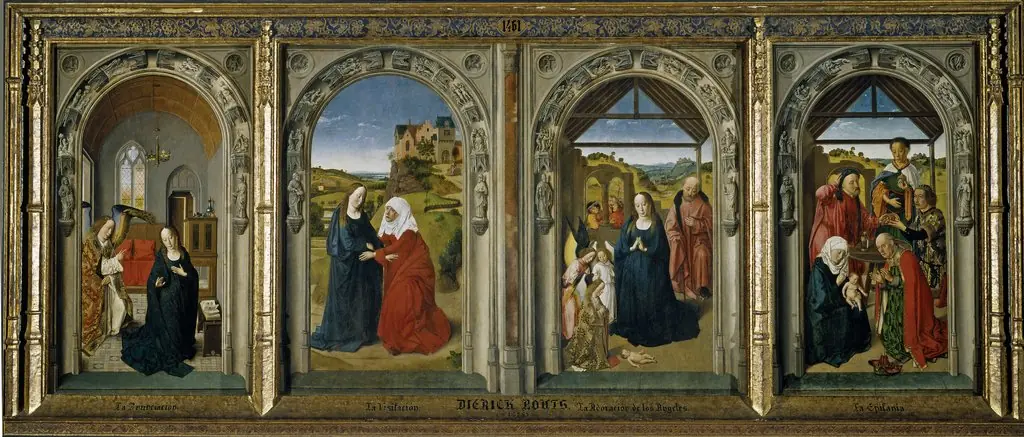 Triptych with Scenes from the Life of the Virgin
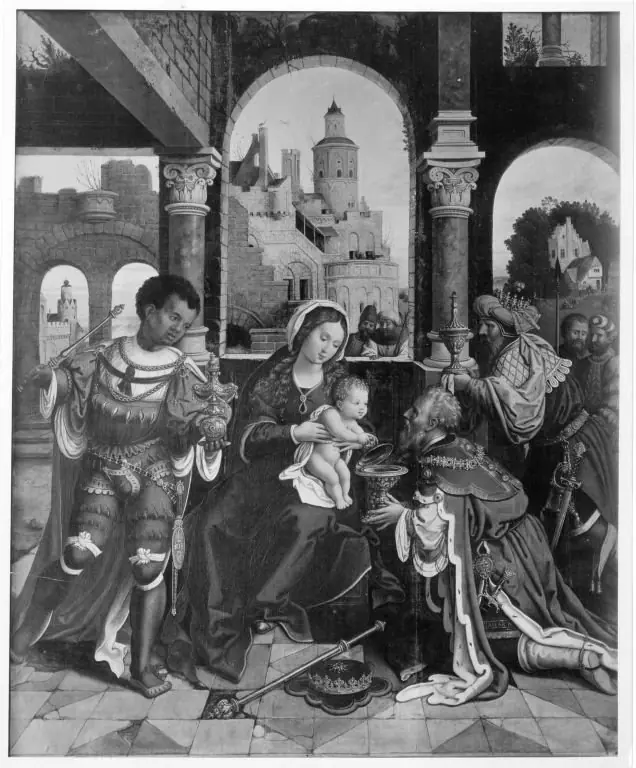 The Adoration of the Magi
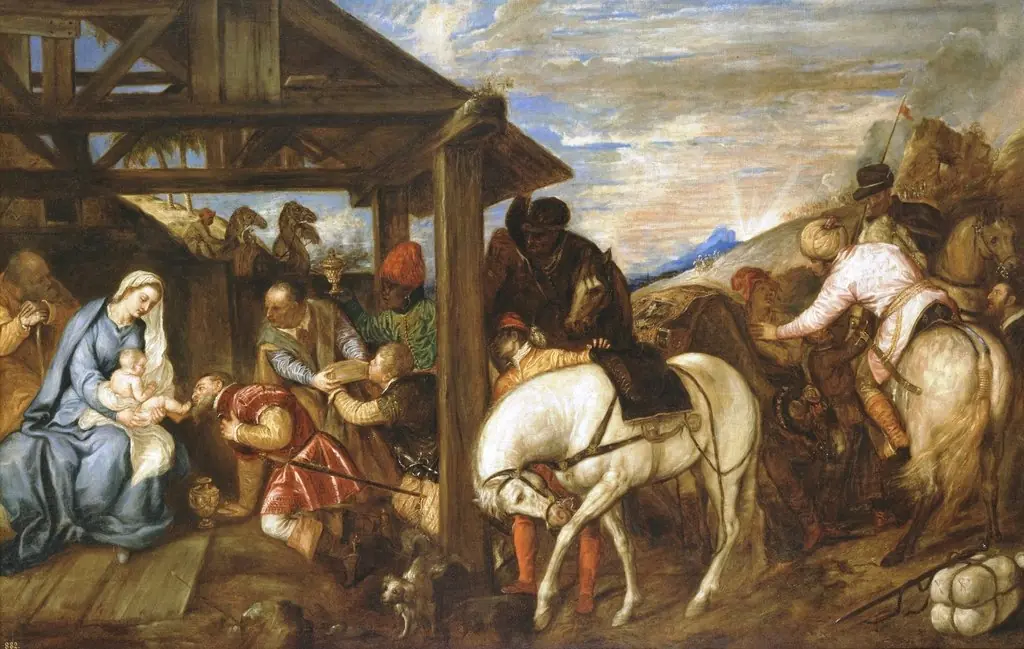 The Adoration of the Magi
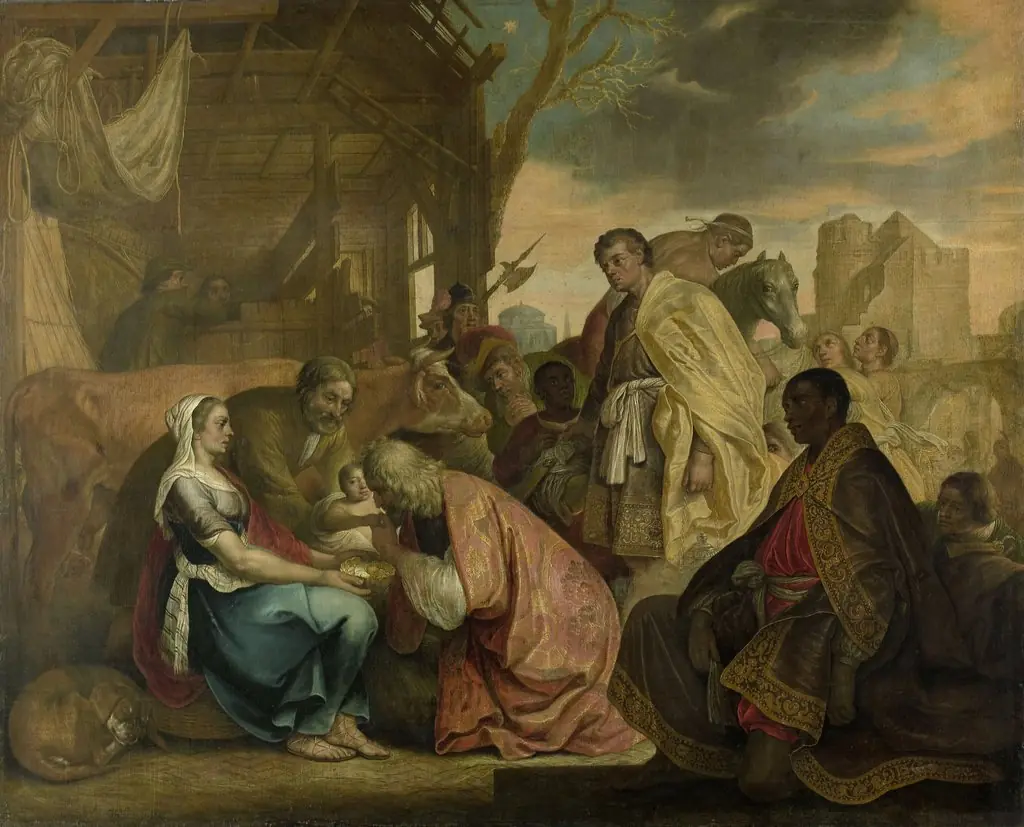 The adoration of the Magi
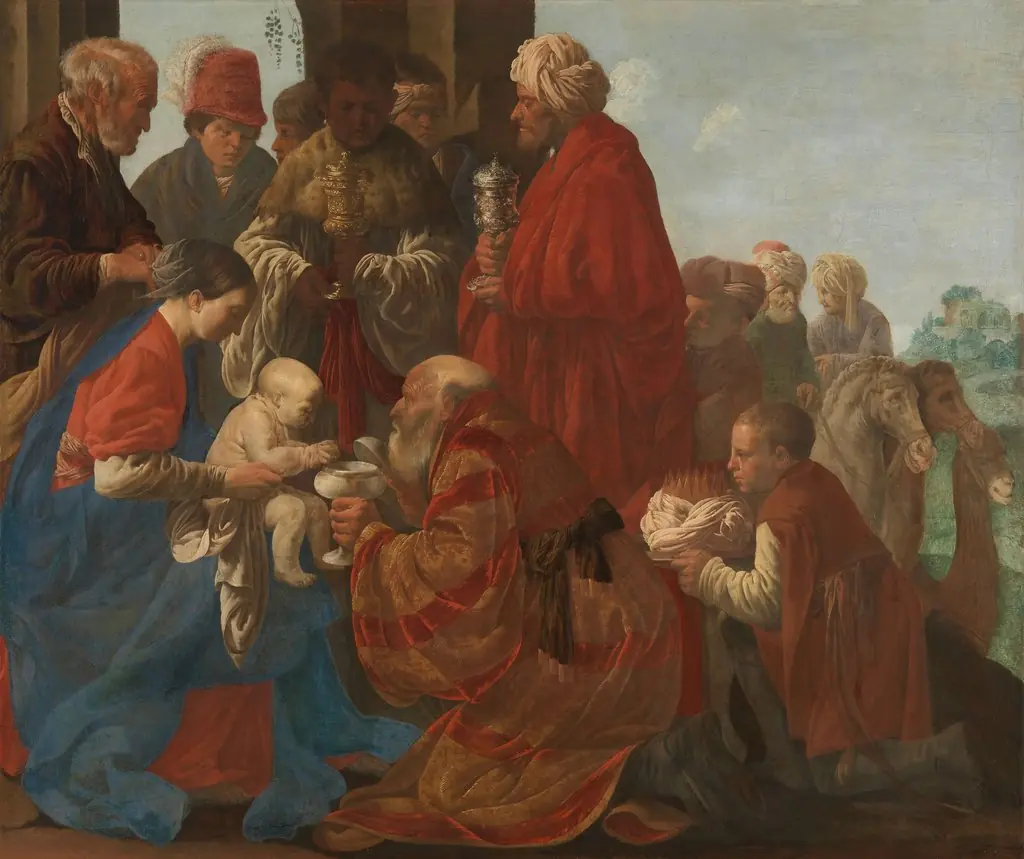 The adoration of the magi
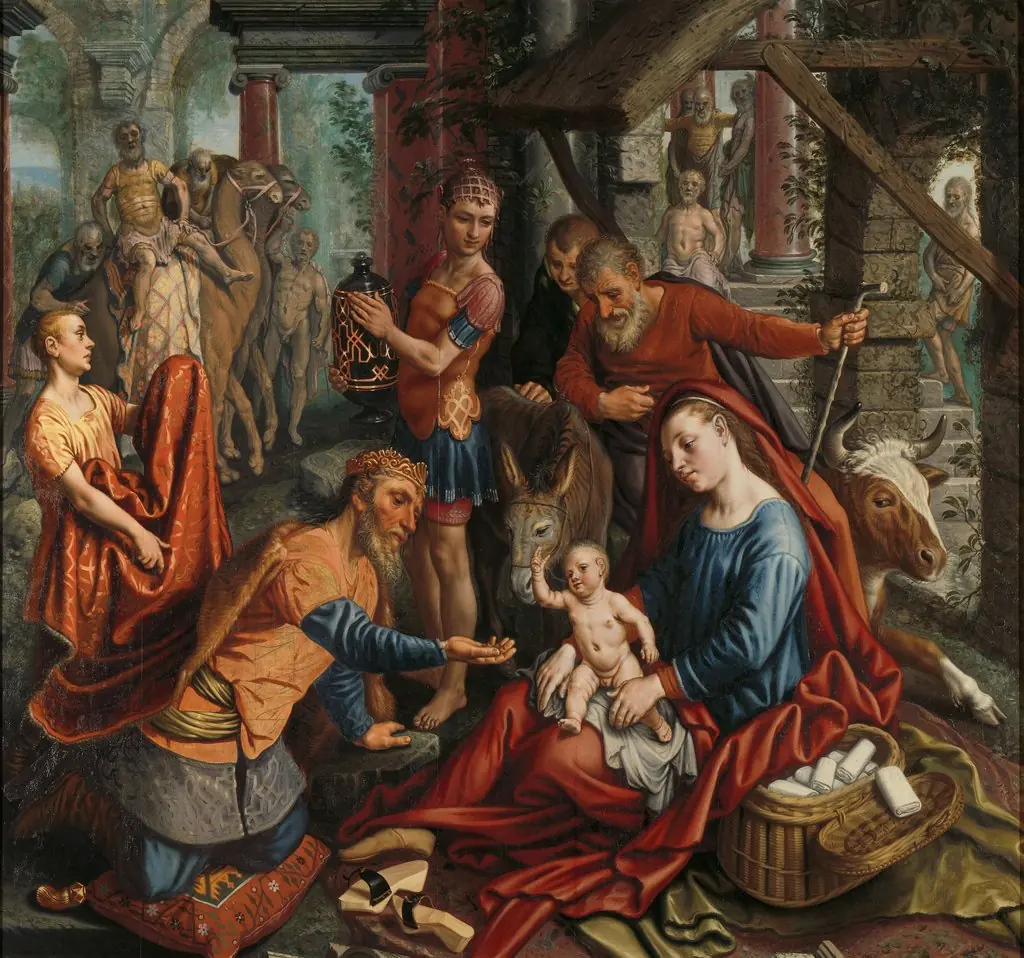 The Adoration of the Magi
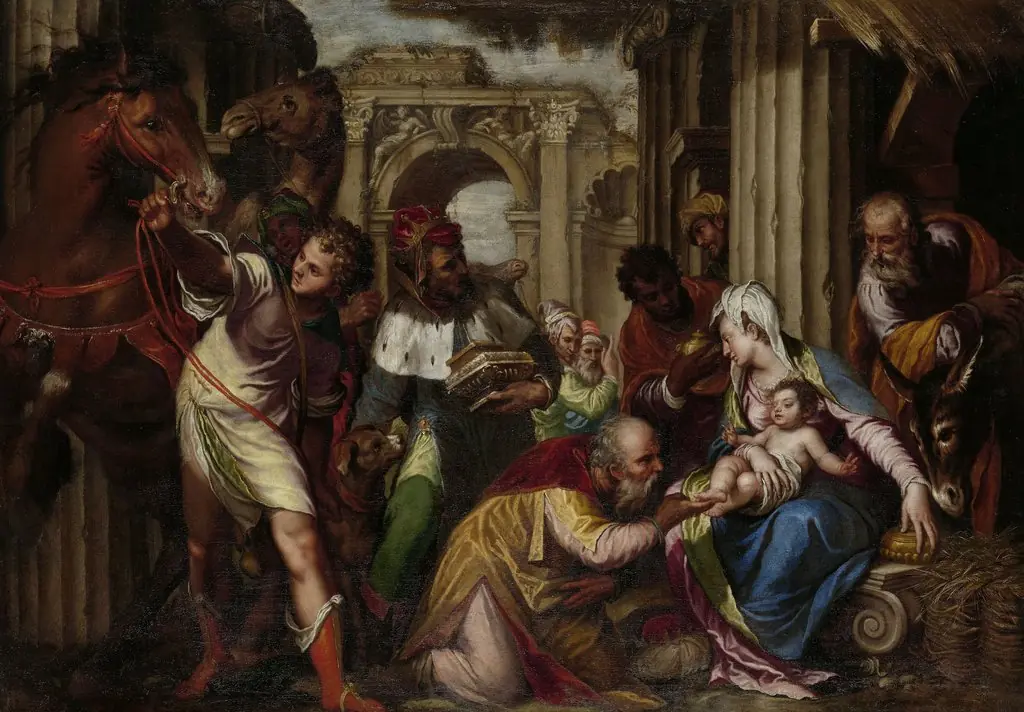 The Adoration of the Magi
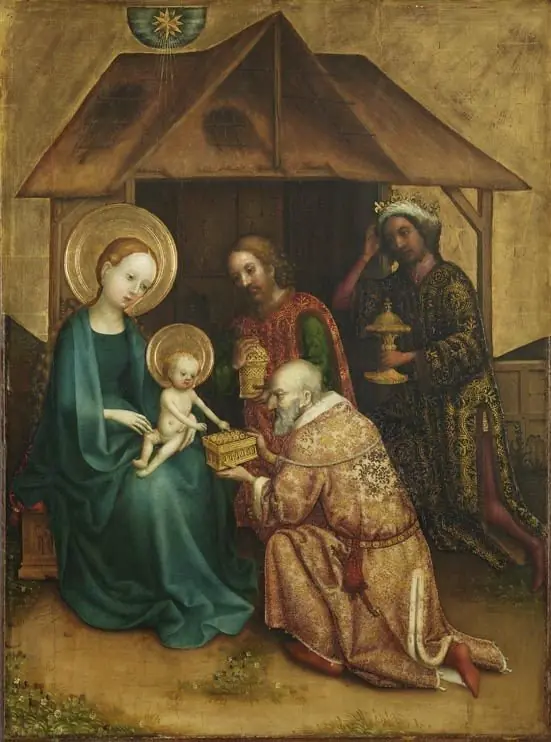 The adoration of the kings
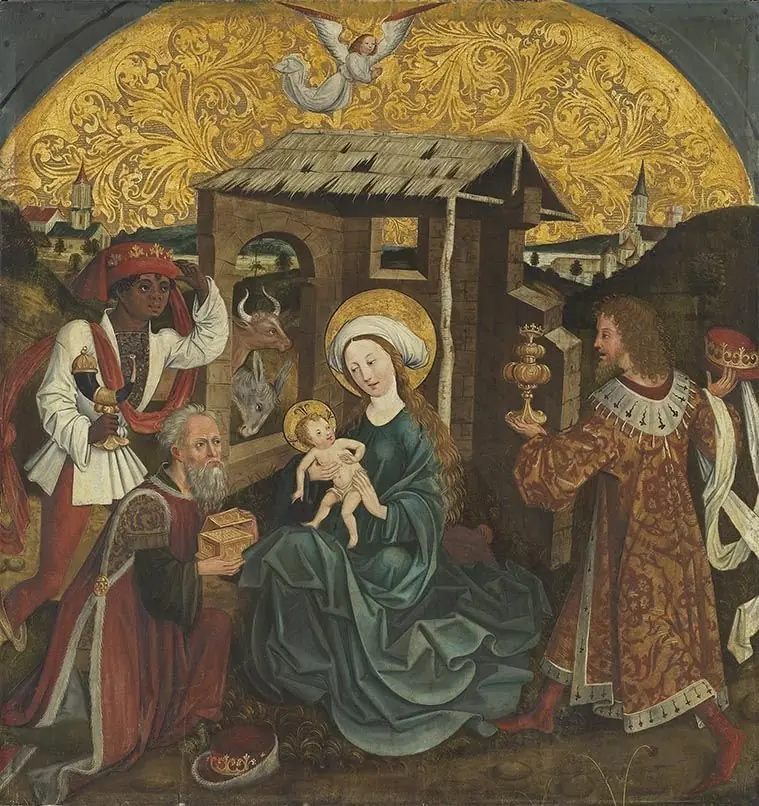 Adoration of the Kings
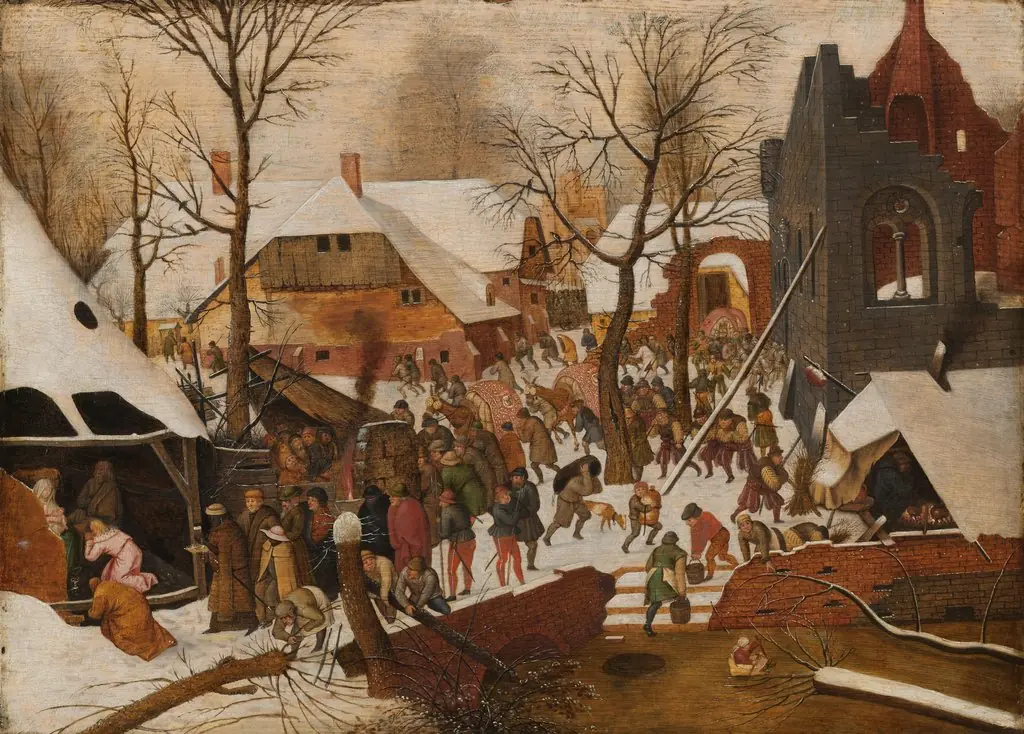 Adoration of the magi
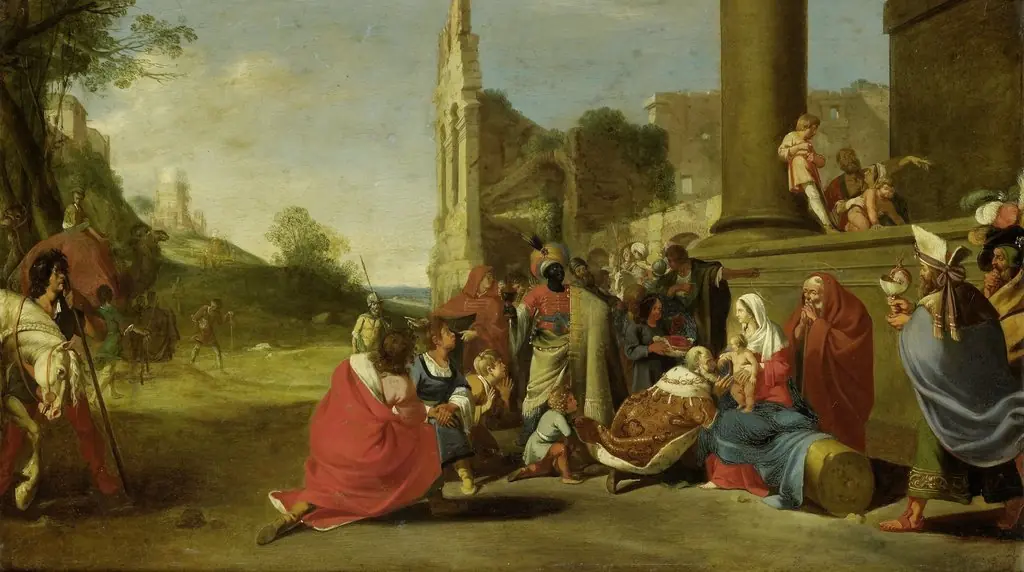 The adoration of the magi
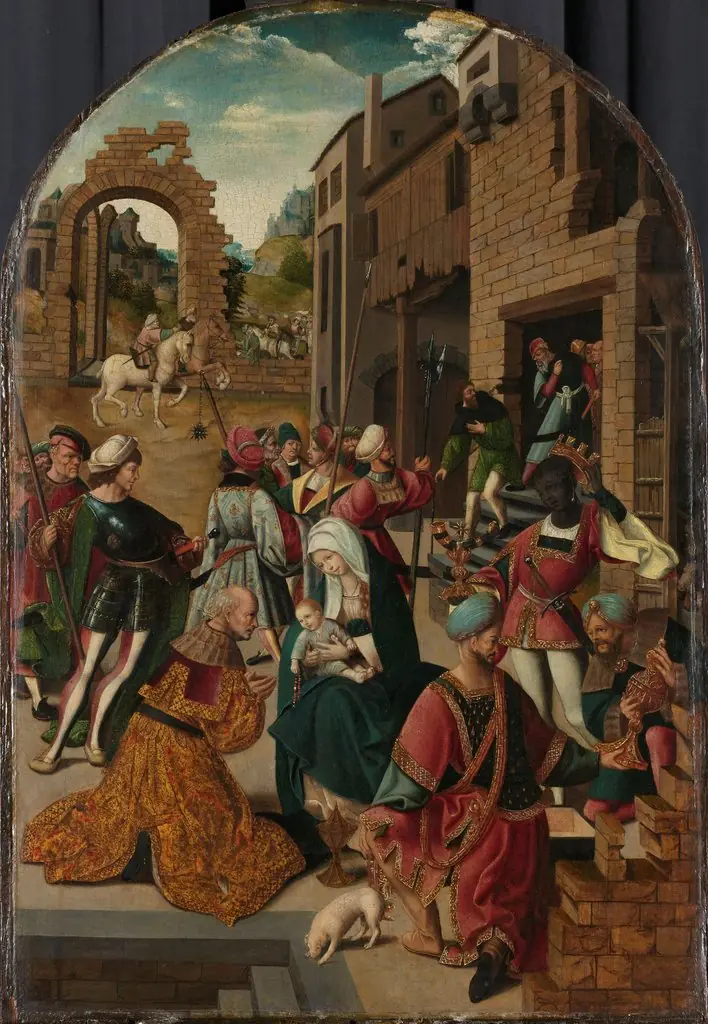 The adoration of the magi
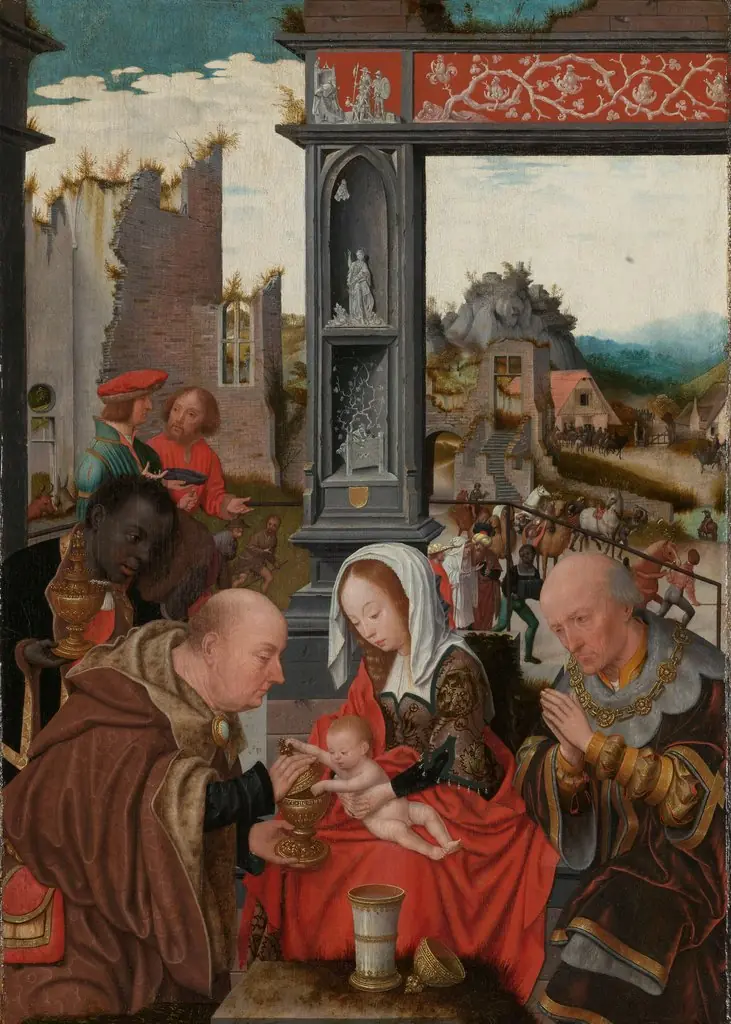 The Adoration of the Magi
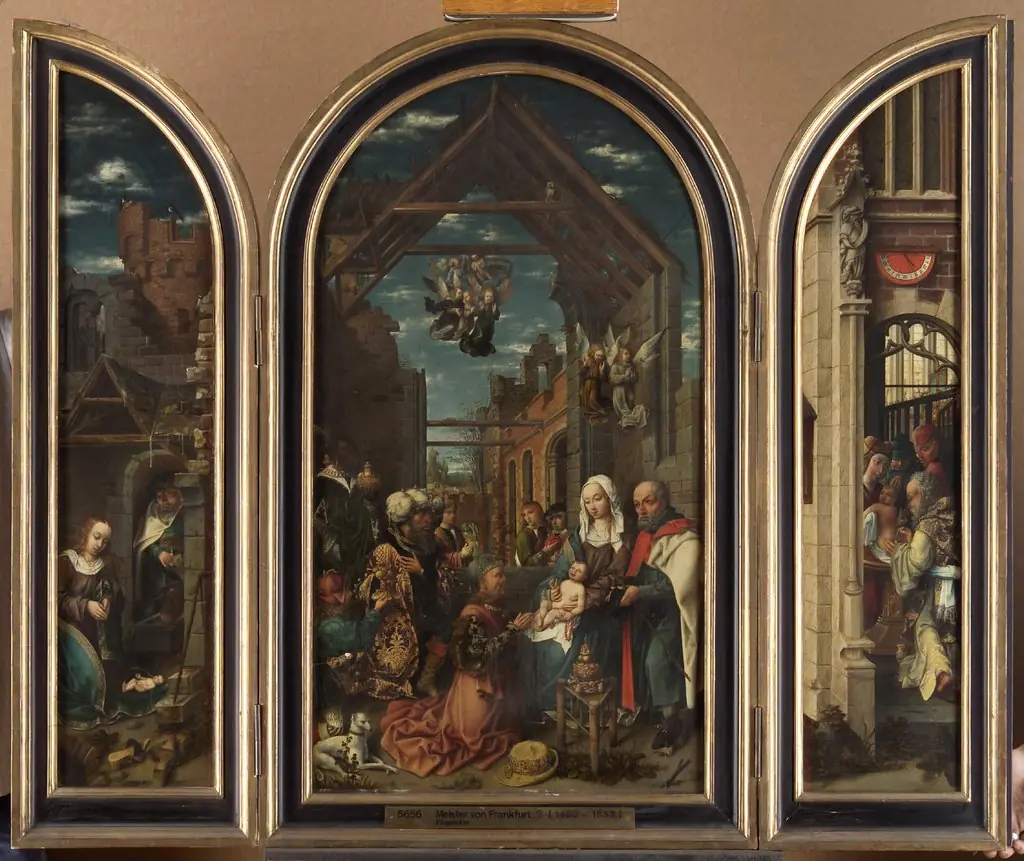 Triptych of the adoration of the magi
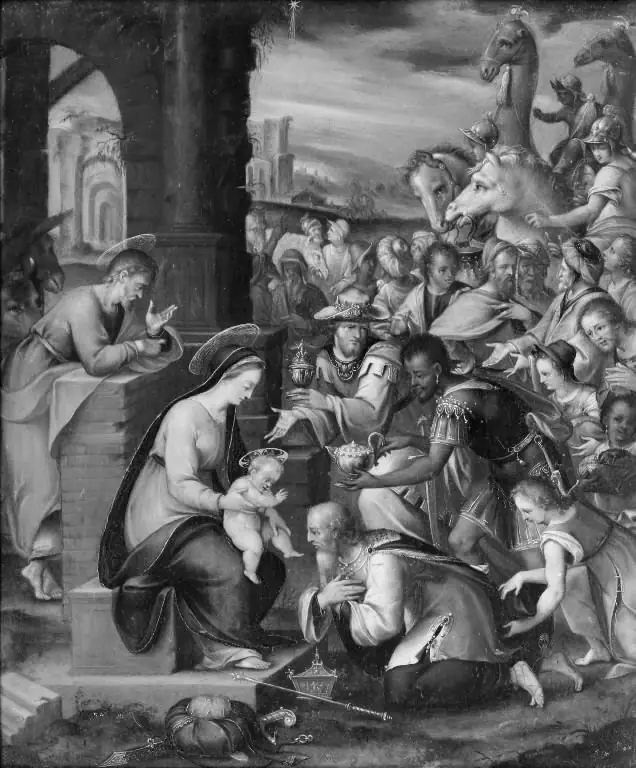 The Adoration of the Magi
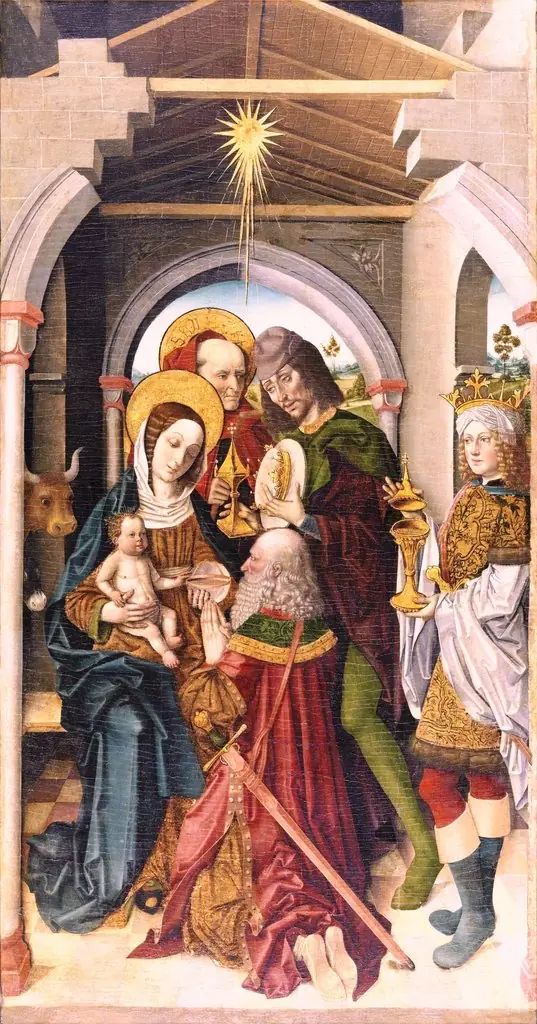 The Adoration of the Magi
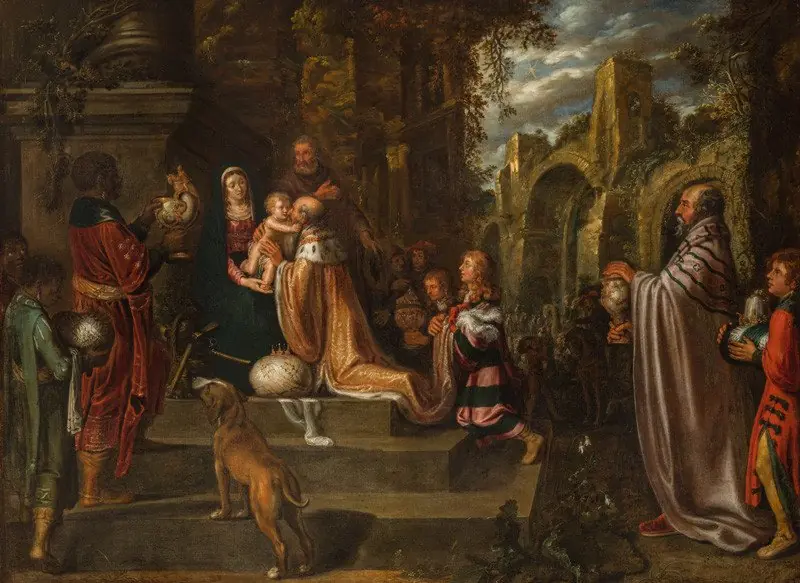 The adoration of the kings
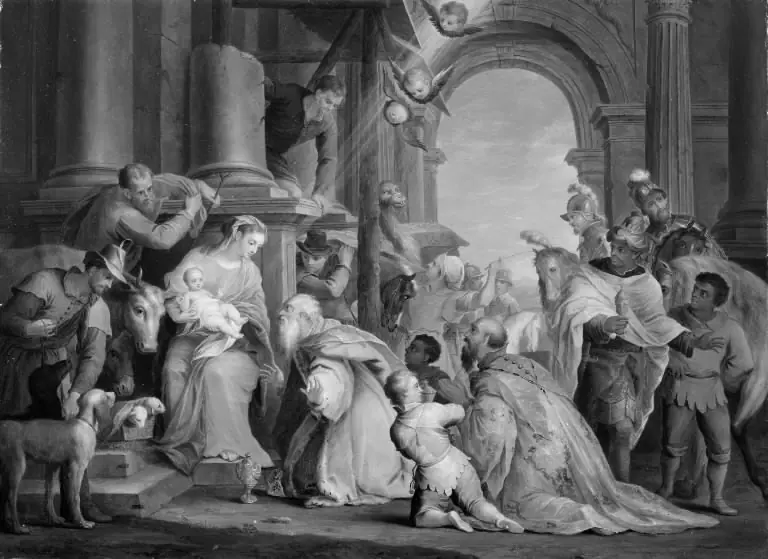 The Adoration of the Magi
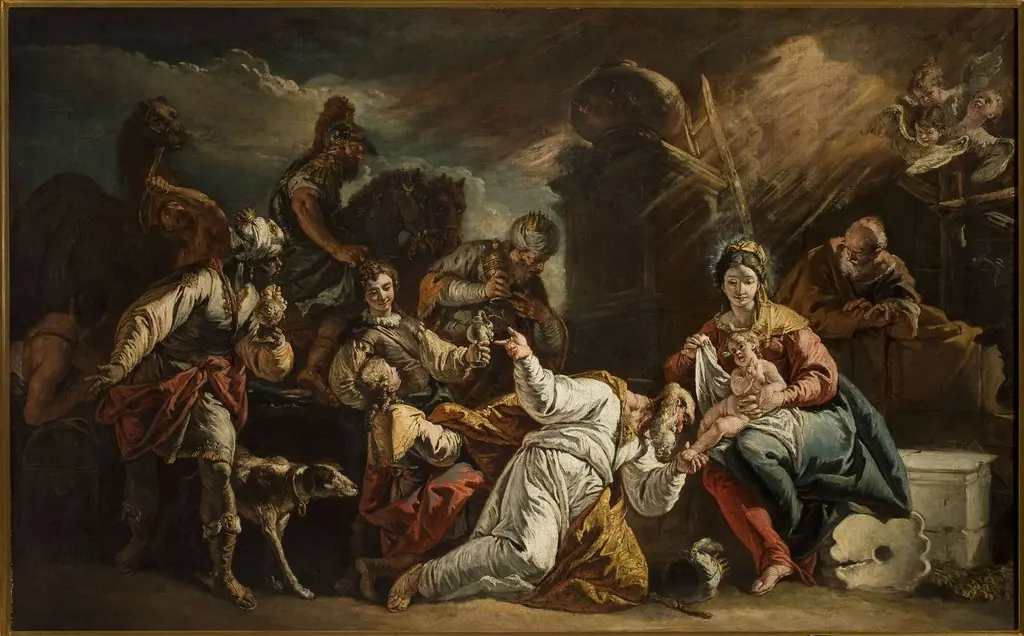 Adoration of the Magi
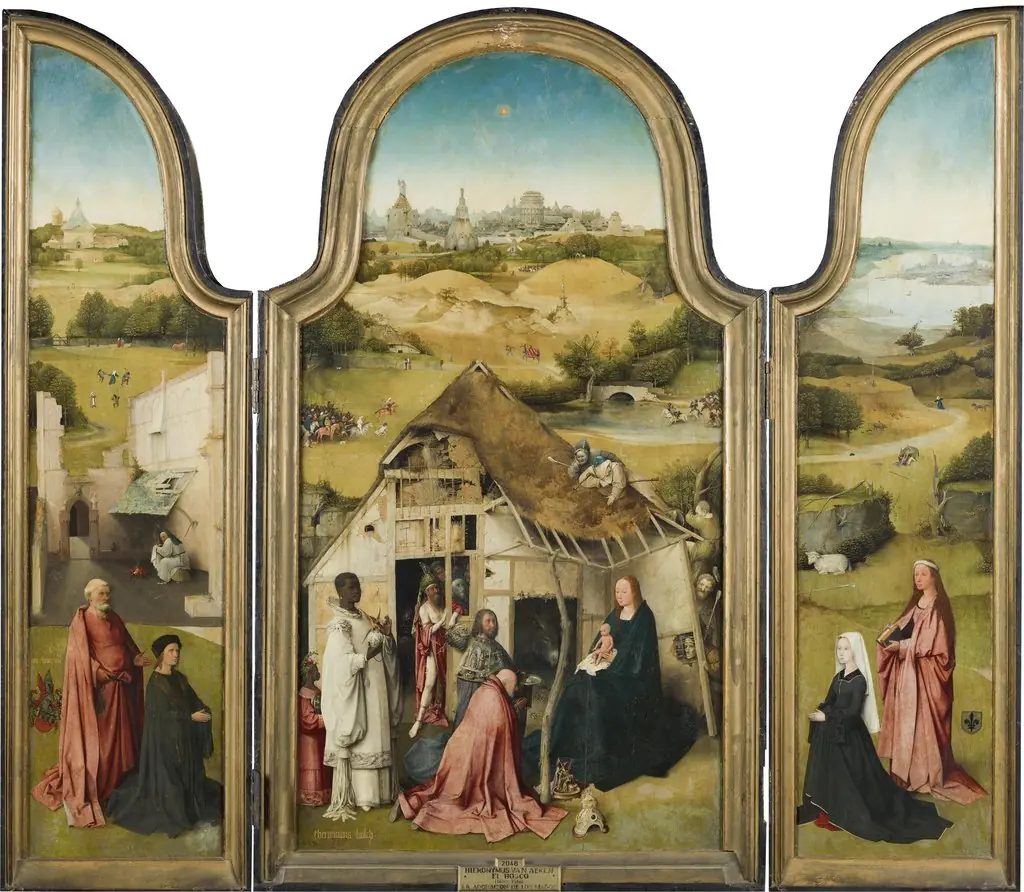 The Epiphany
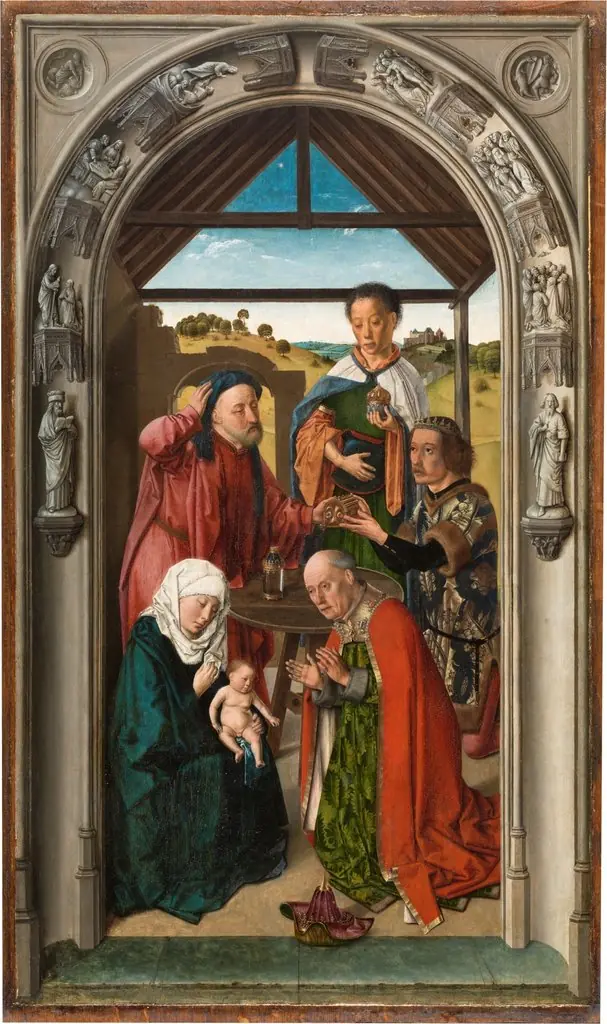 Adoration of the Magi
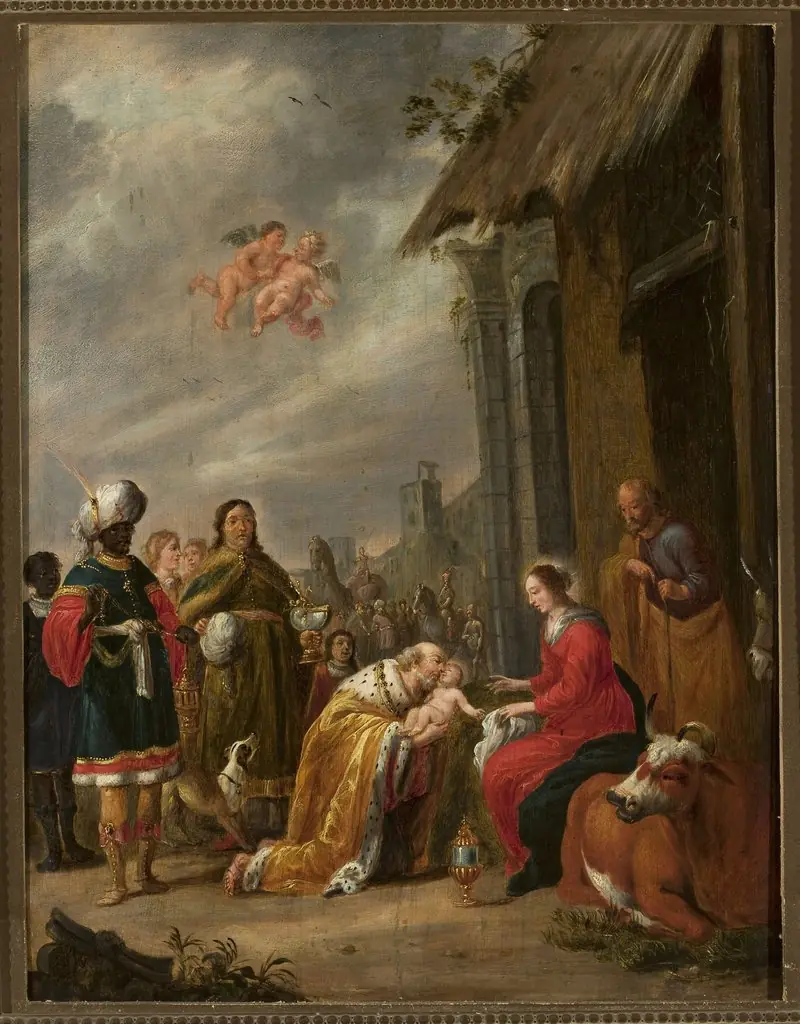 Adoration of the Magi (Matthew 2:10-11)
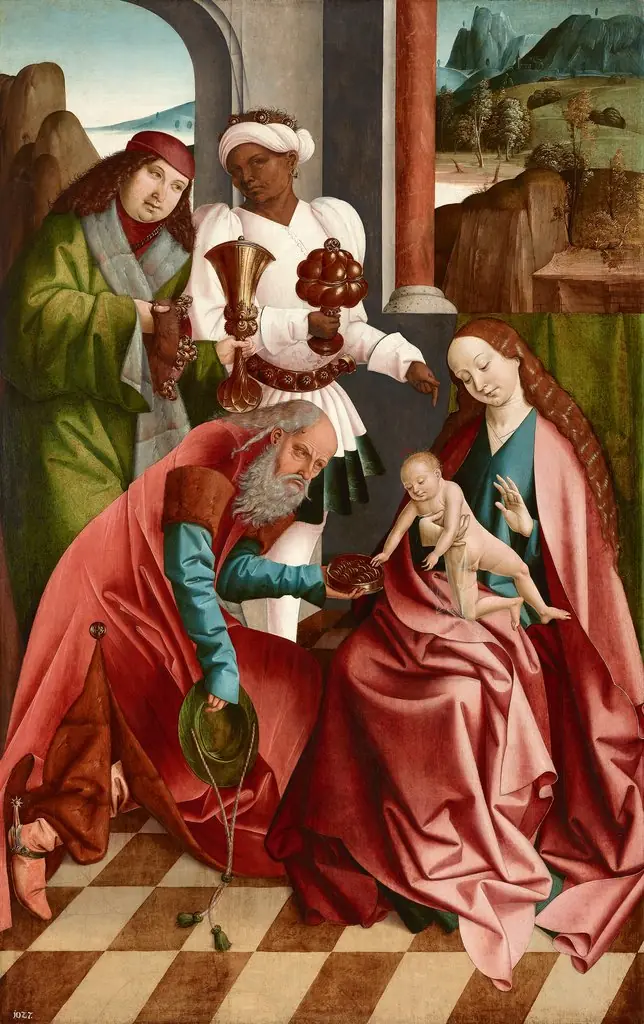 Anbetung der Heiligen Drei Könige
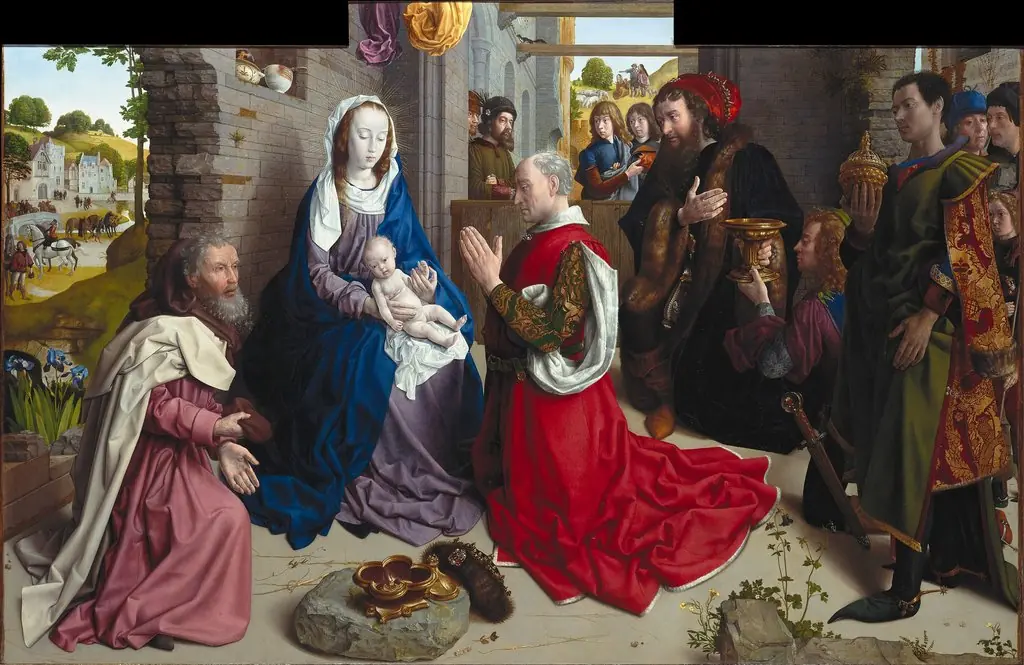 Monforte Altarpiece
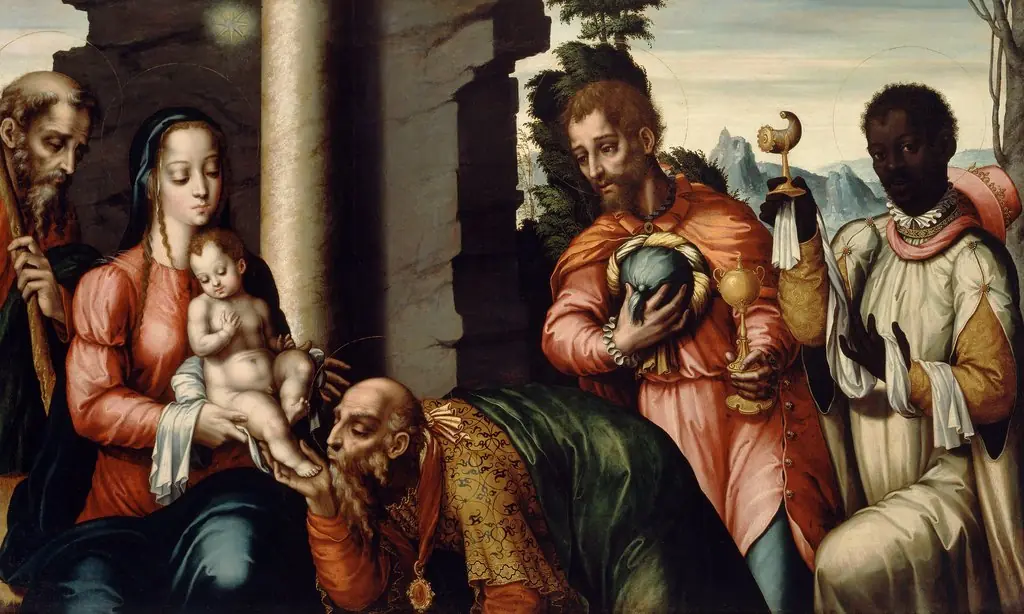 The Adoration of the Magi
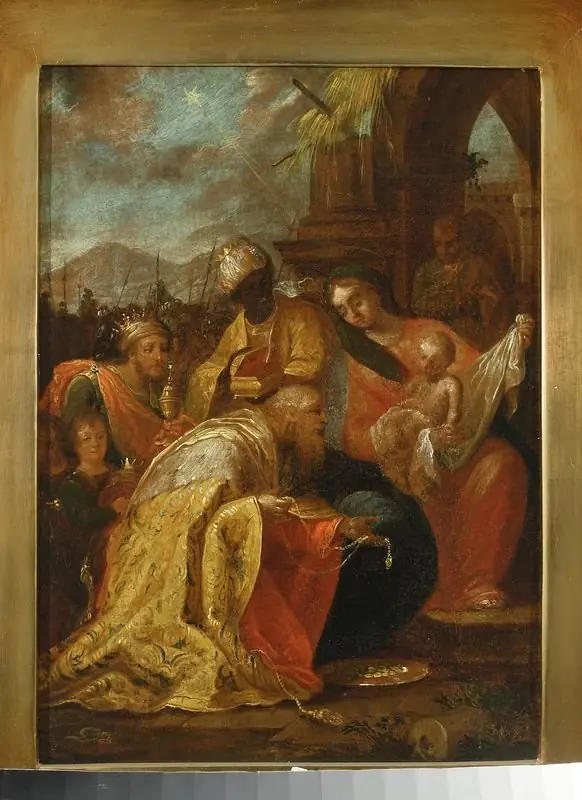 Adoration of the Magi
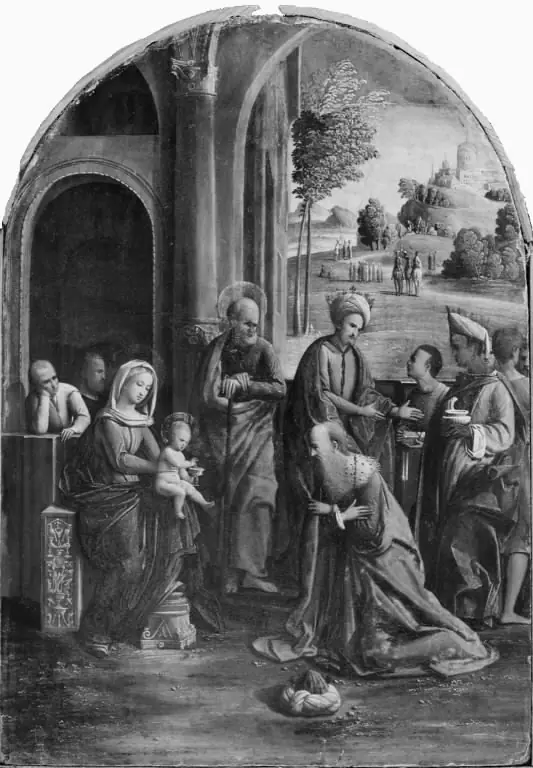 The Adoration of the Kings
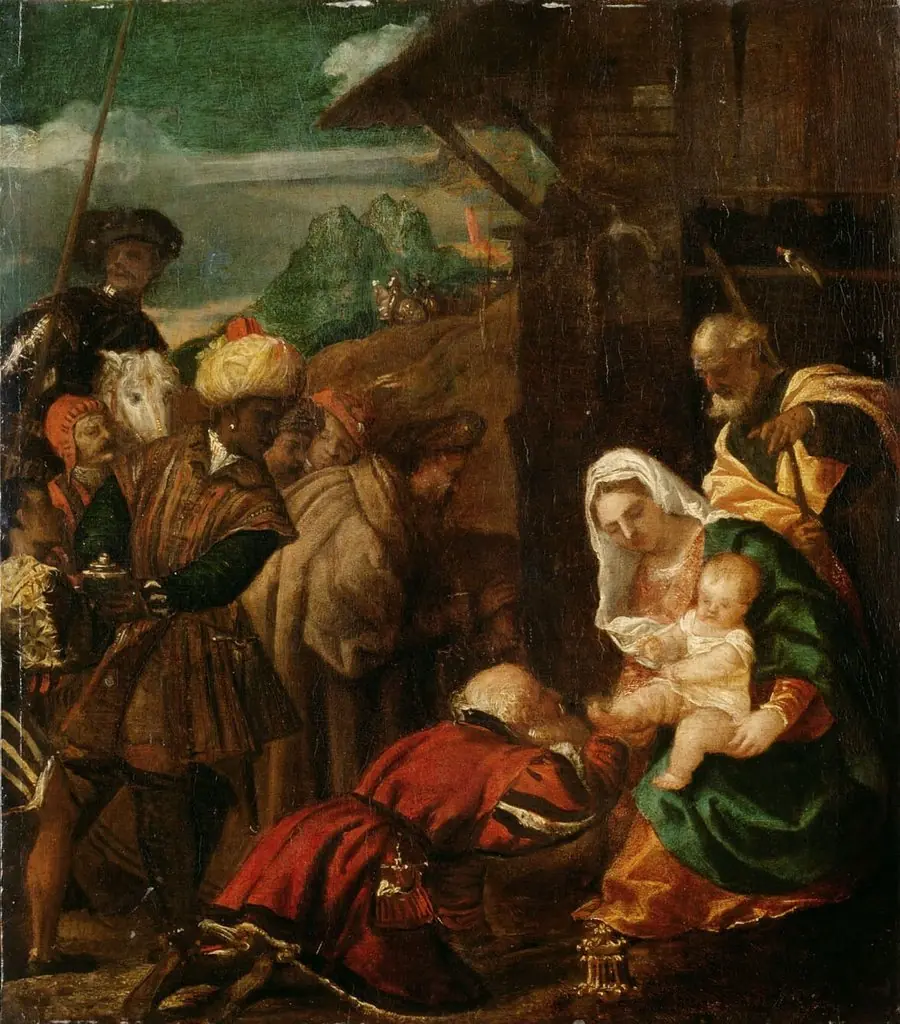 Adoration of the Magi
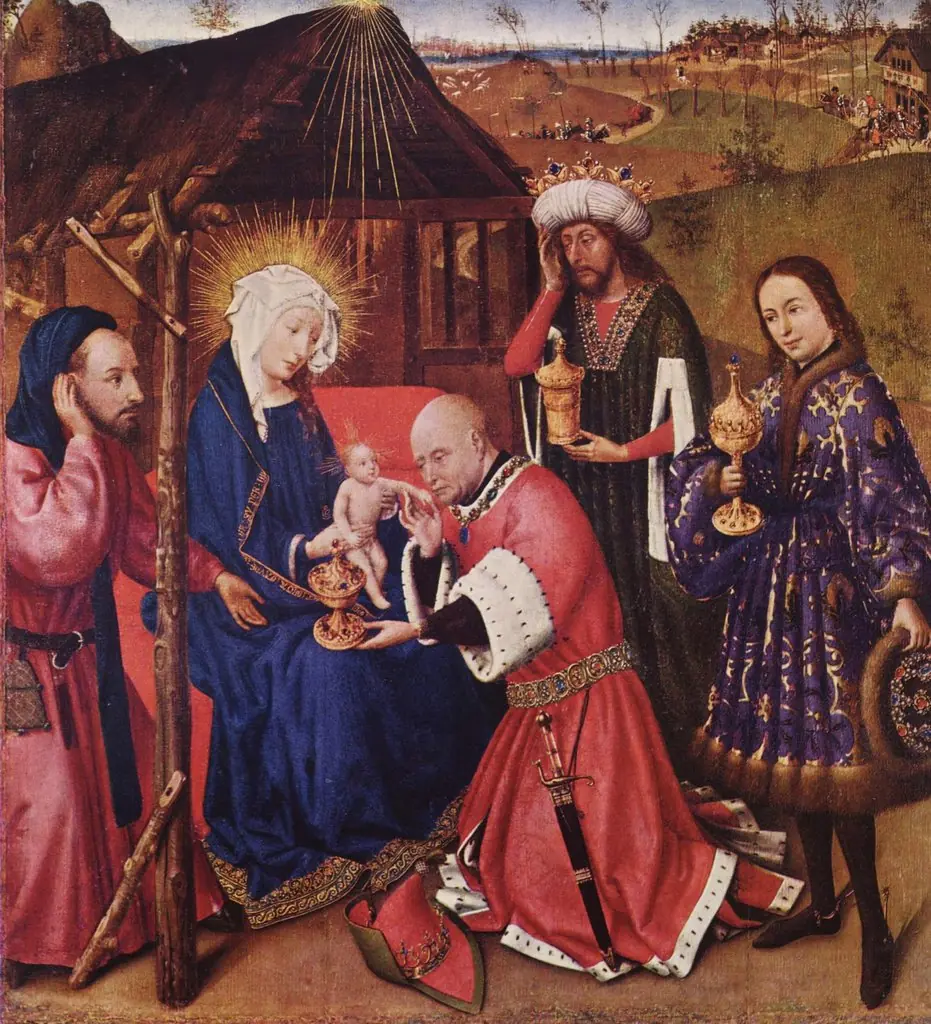 The Adoration of the Kings
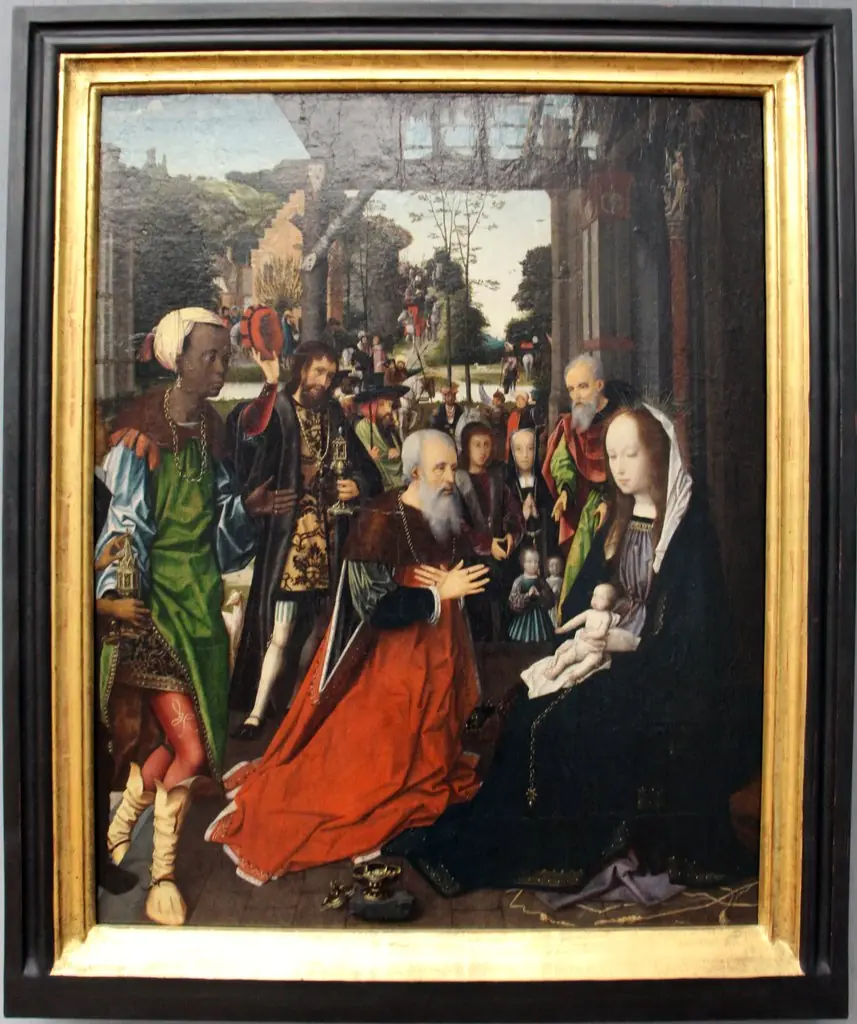 Adoration of the Magi
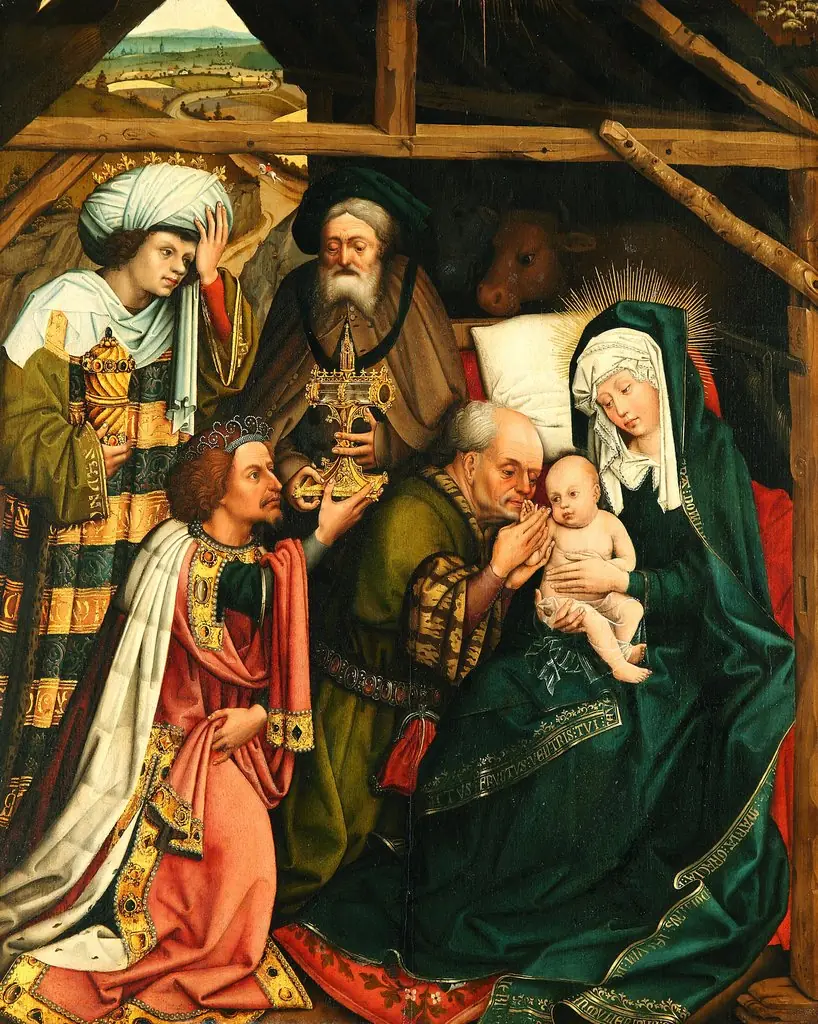 Adoration of the Magi
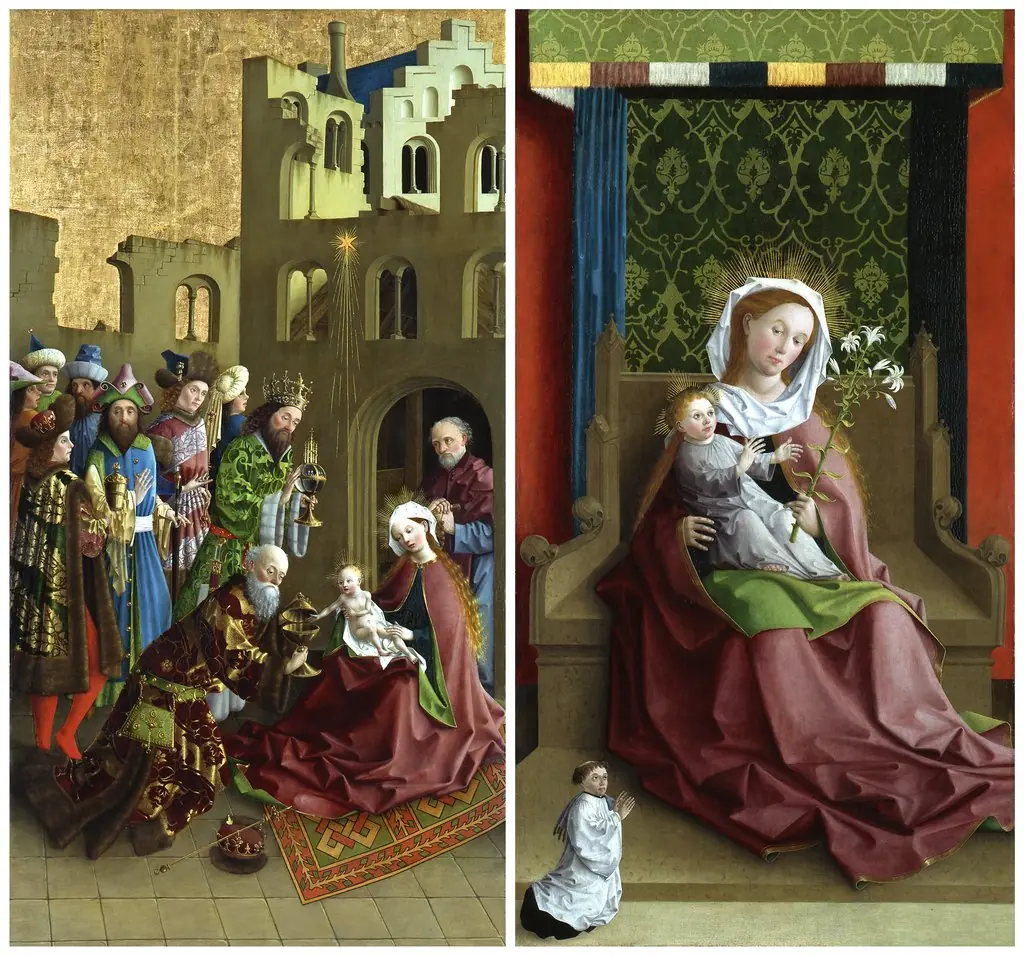 Left Wing of a cross altar, The Adoration of the Magi, Madonna and Child
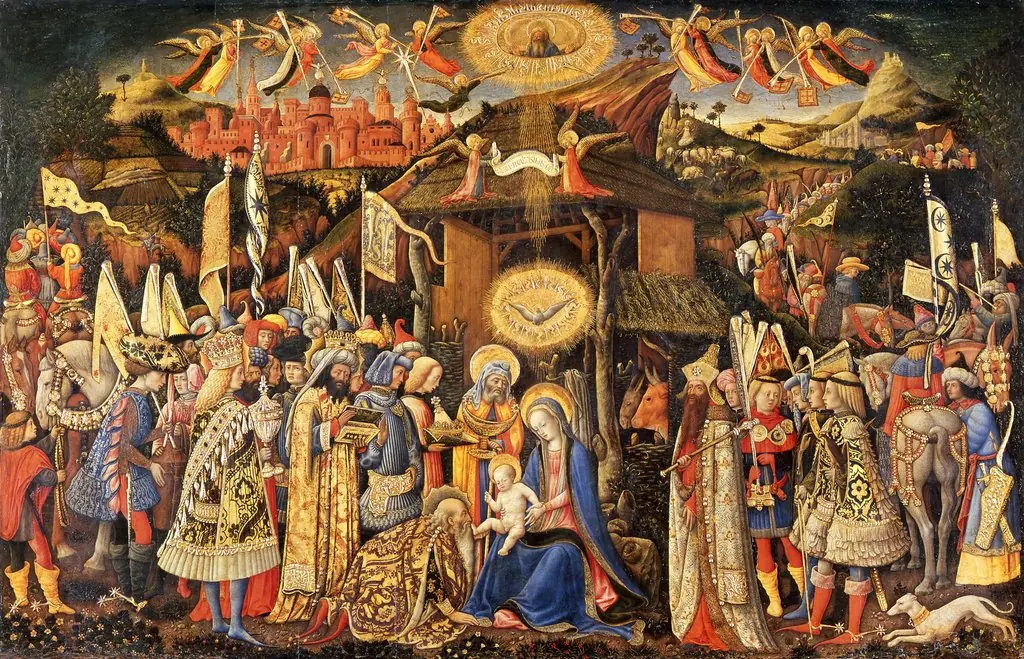 Adoration of the Magi
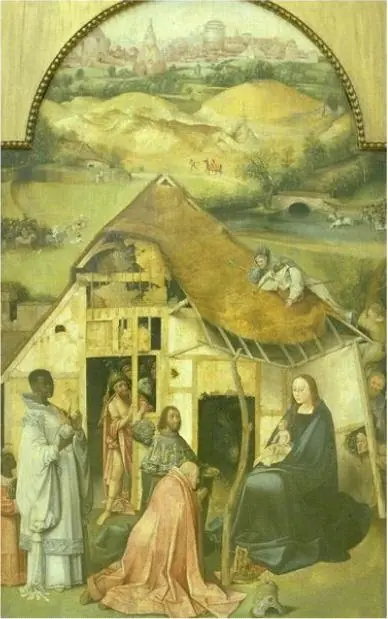 Adoration of the Magi
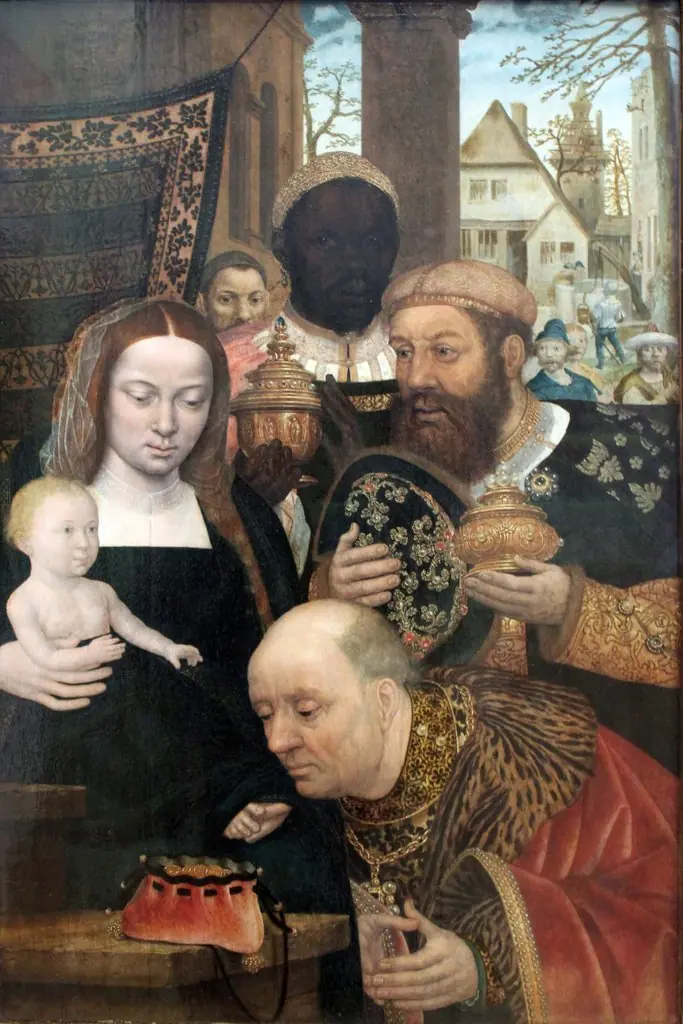 Adoration of the kings
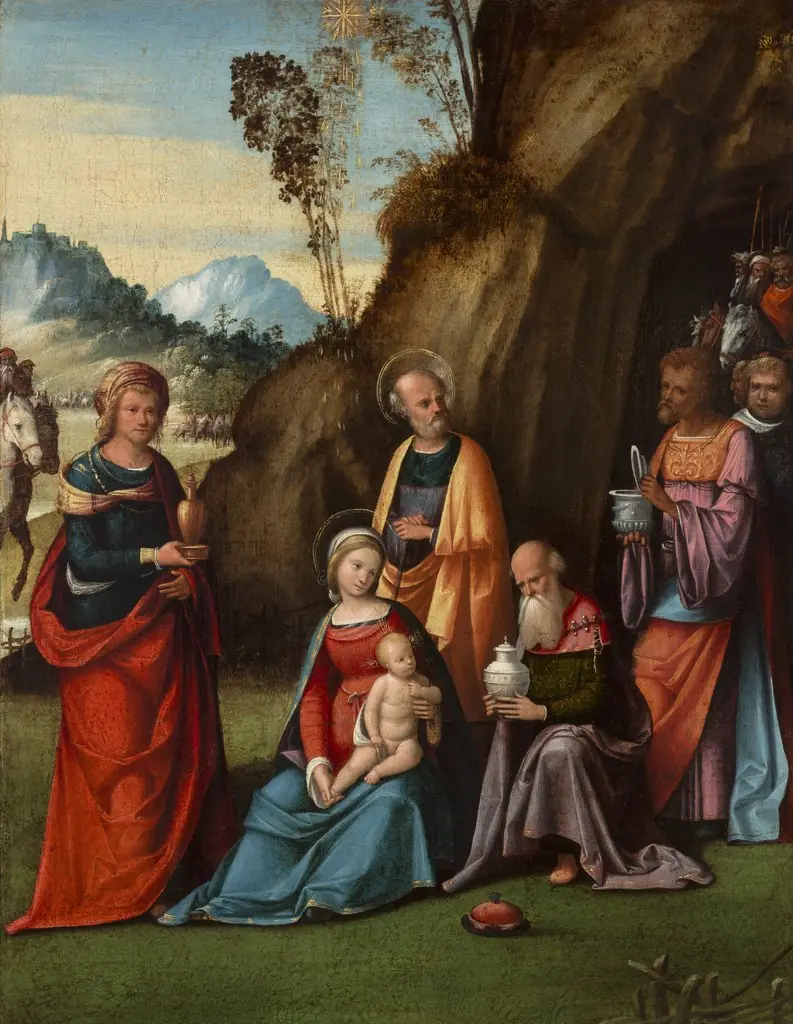 Adoration of the Magi
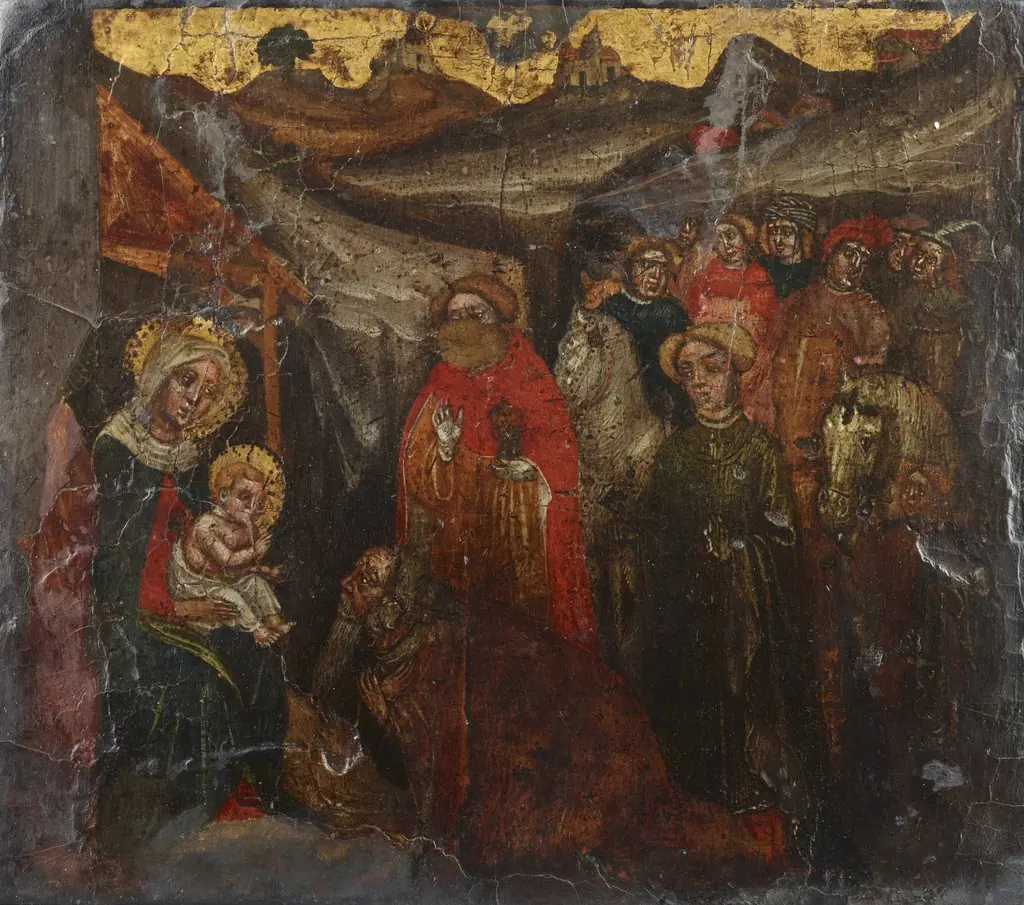 Adoration of the Magi
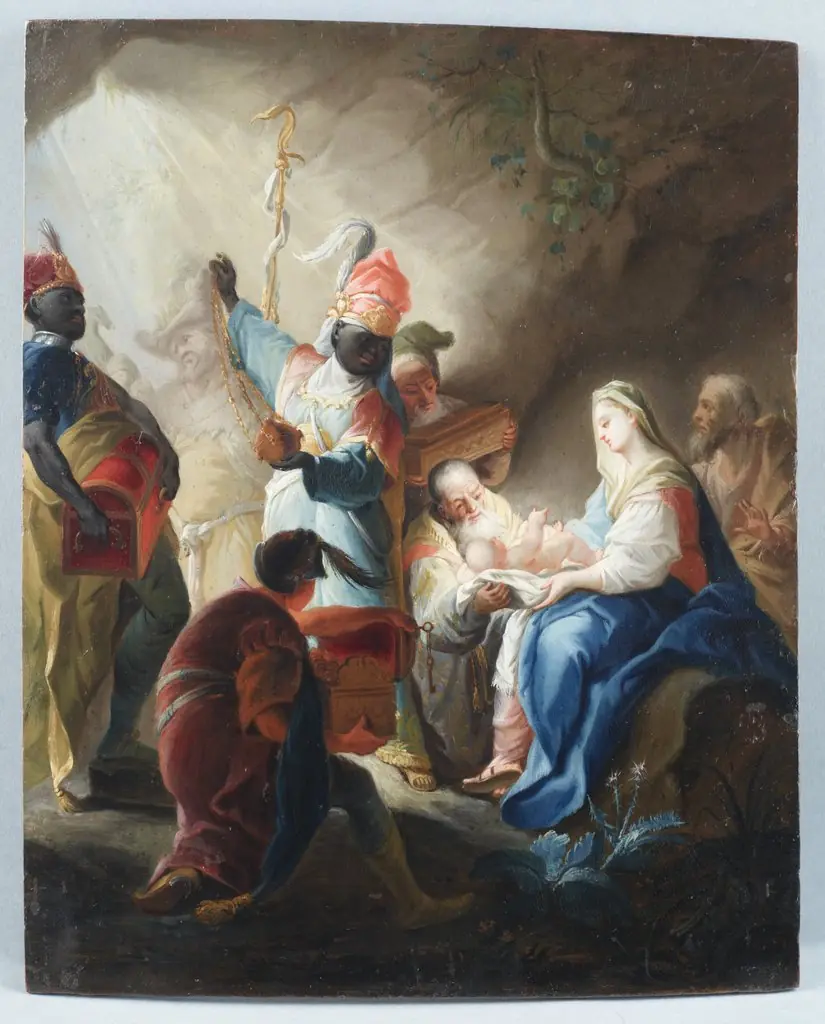 The Adoration of the Magi
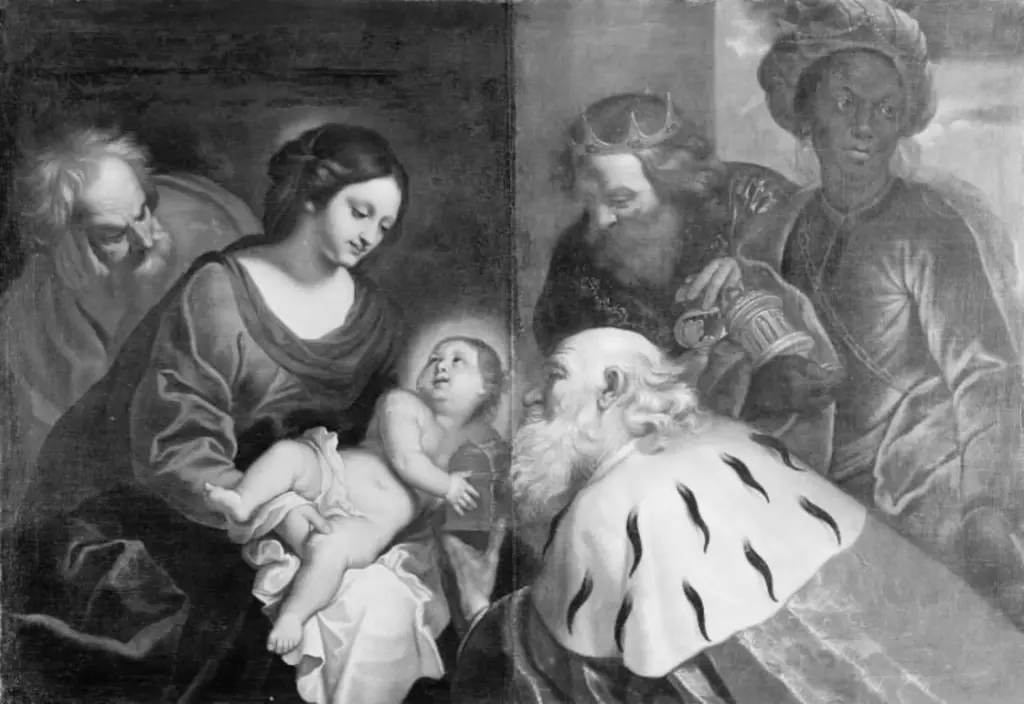 Kongernes tilbedelse
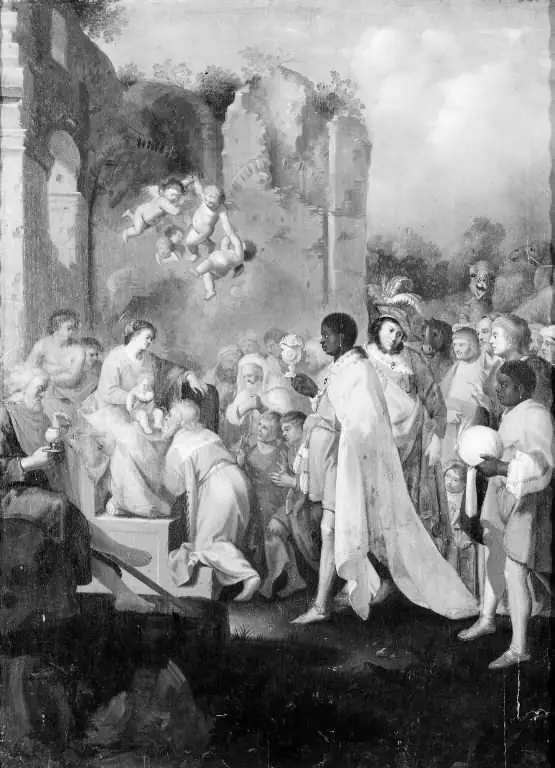 The Adoration of the Kings
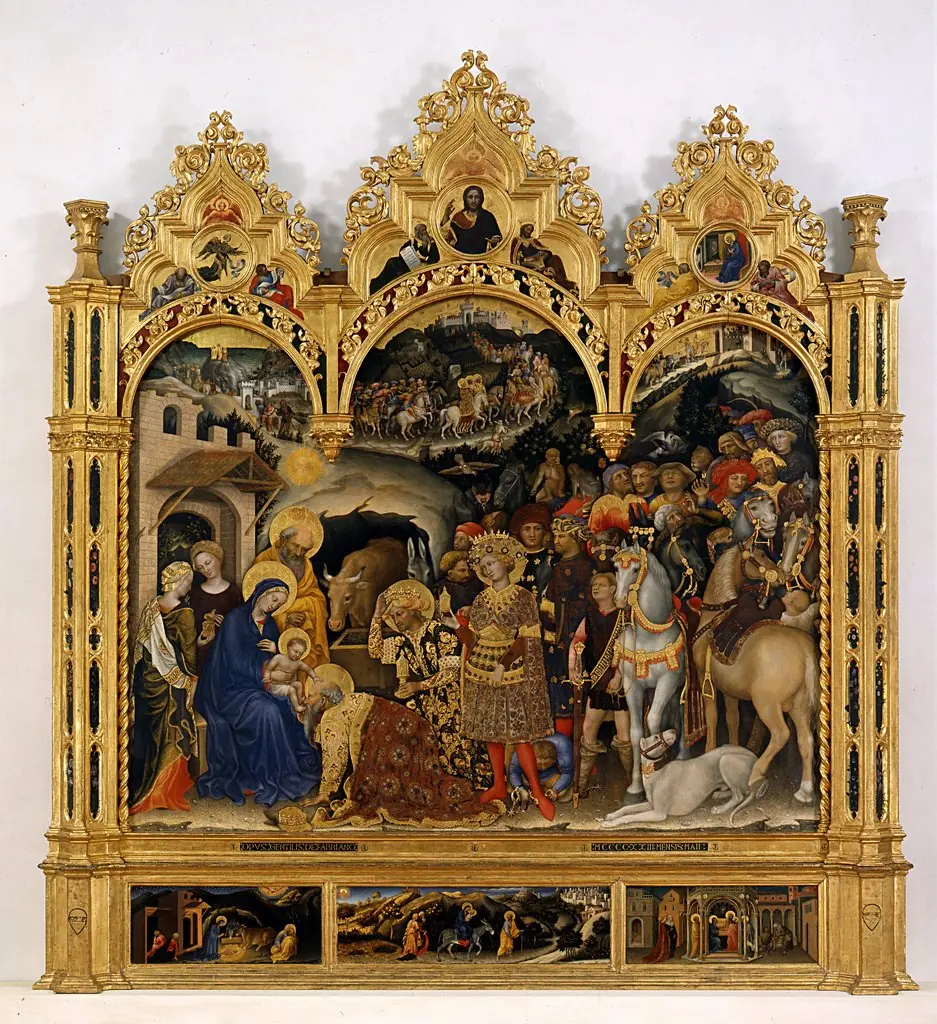 Adoration of the Magi
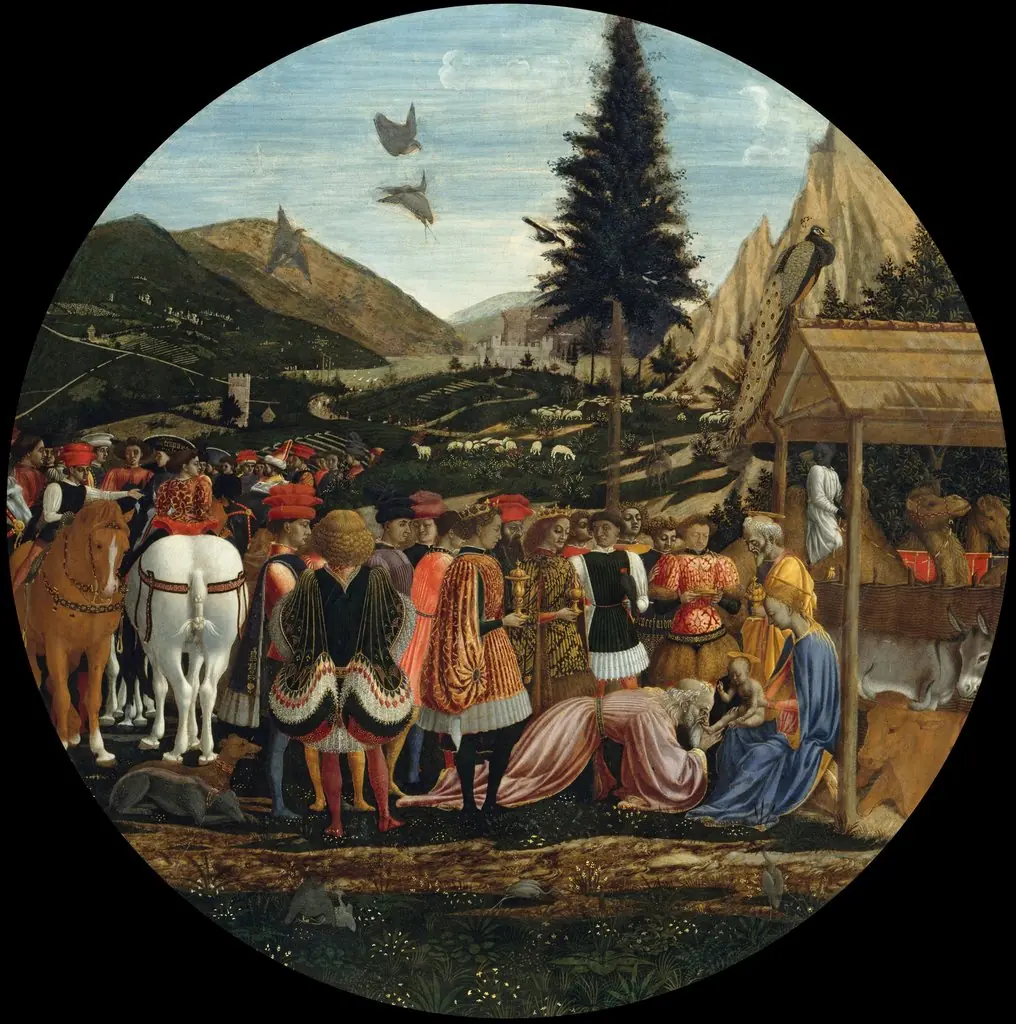 Adoration of the Magi
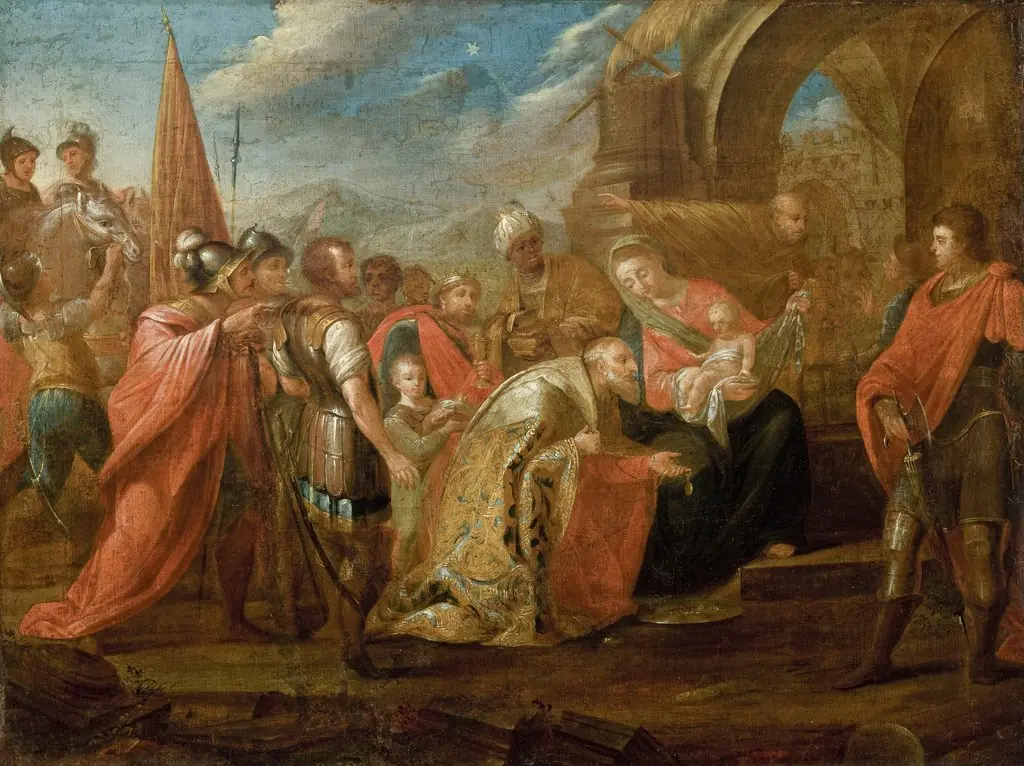 Adoration of the Magi
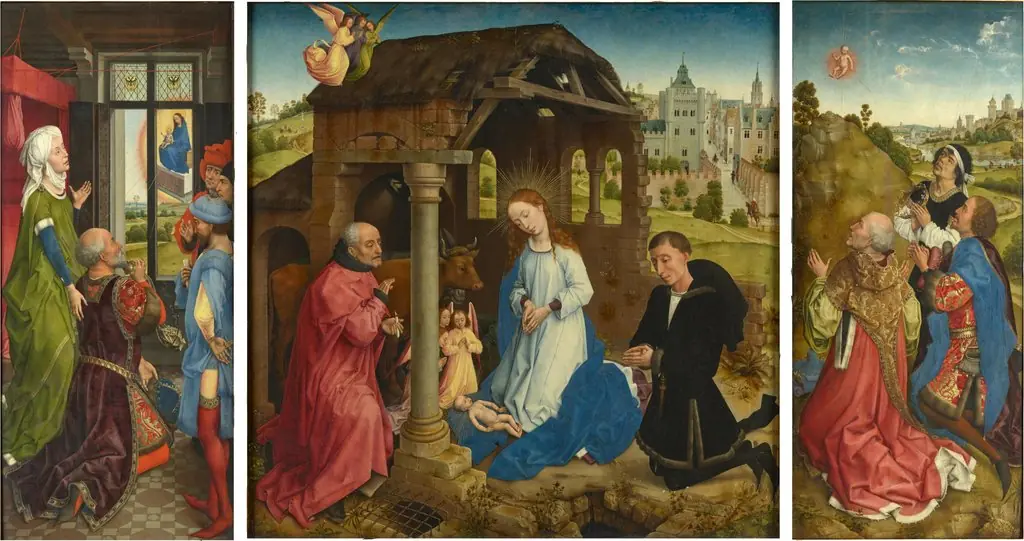 Bladelin Triptych
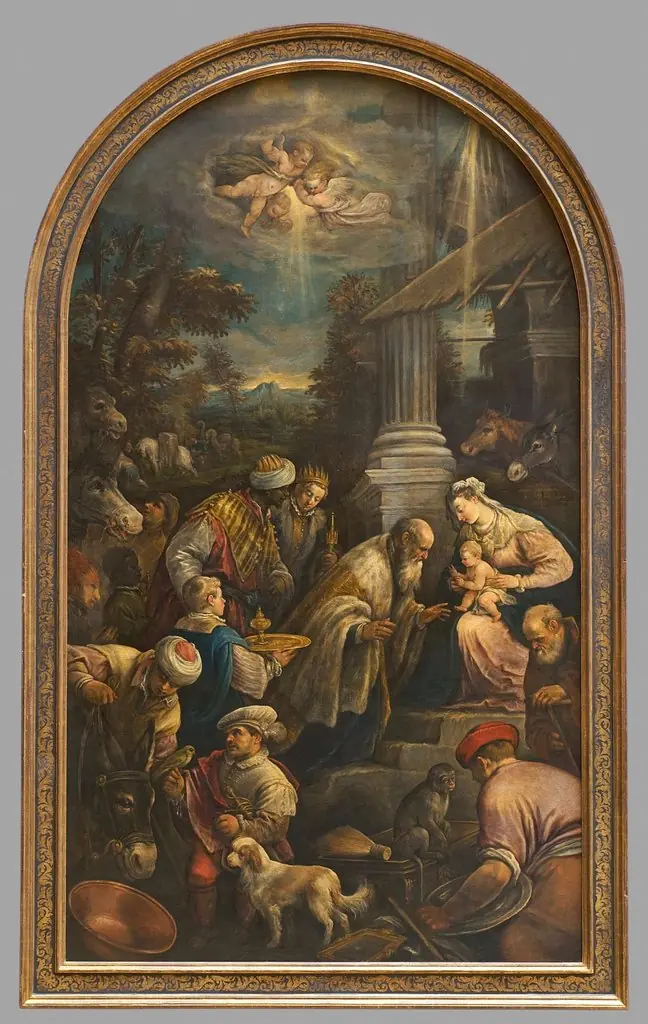 Adoration of the Magi
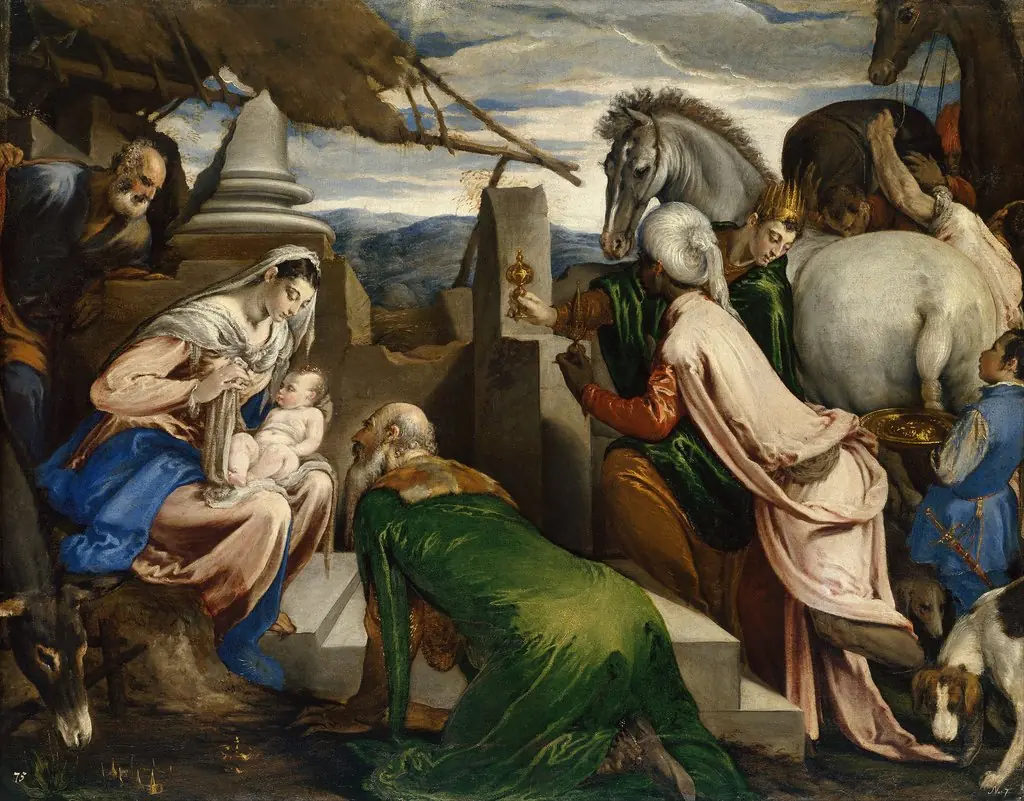 Adoration of the Magi
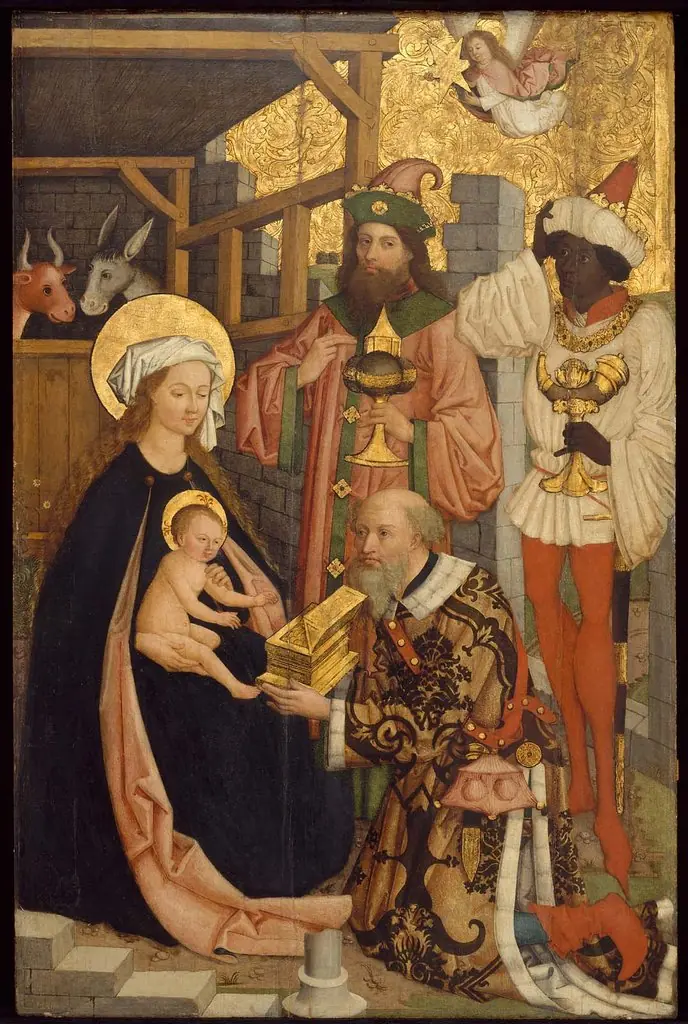 Adoration of the Magi
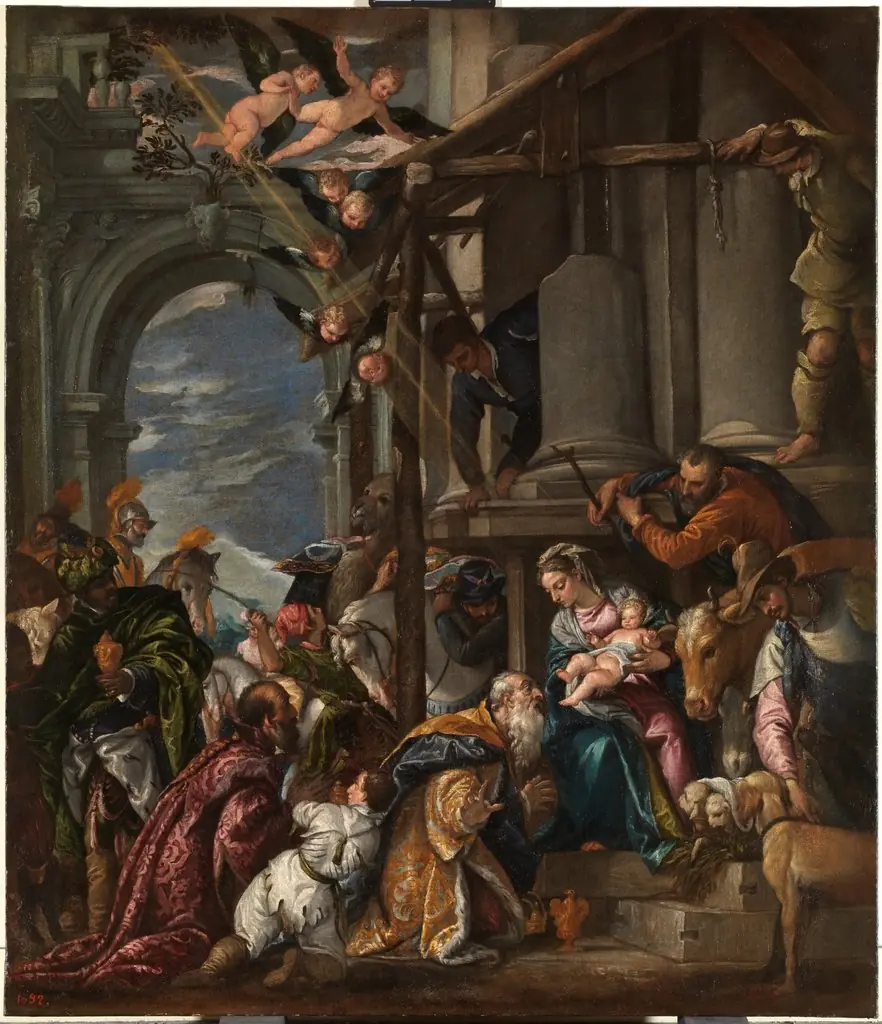 Adoración de los Reyes Magos
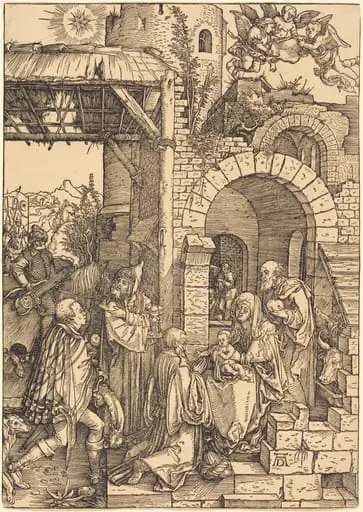 The Adoration of the Magi
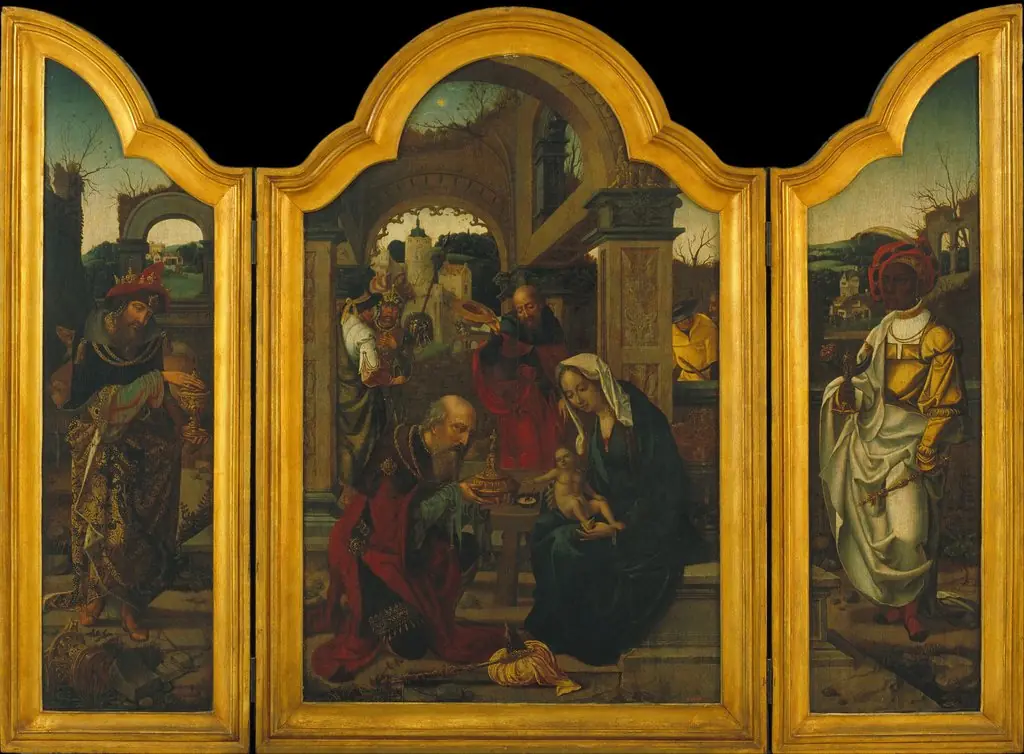 Triptych with the Epiphany
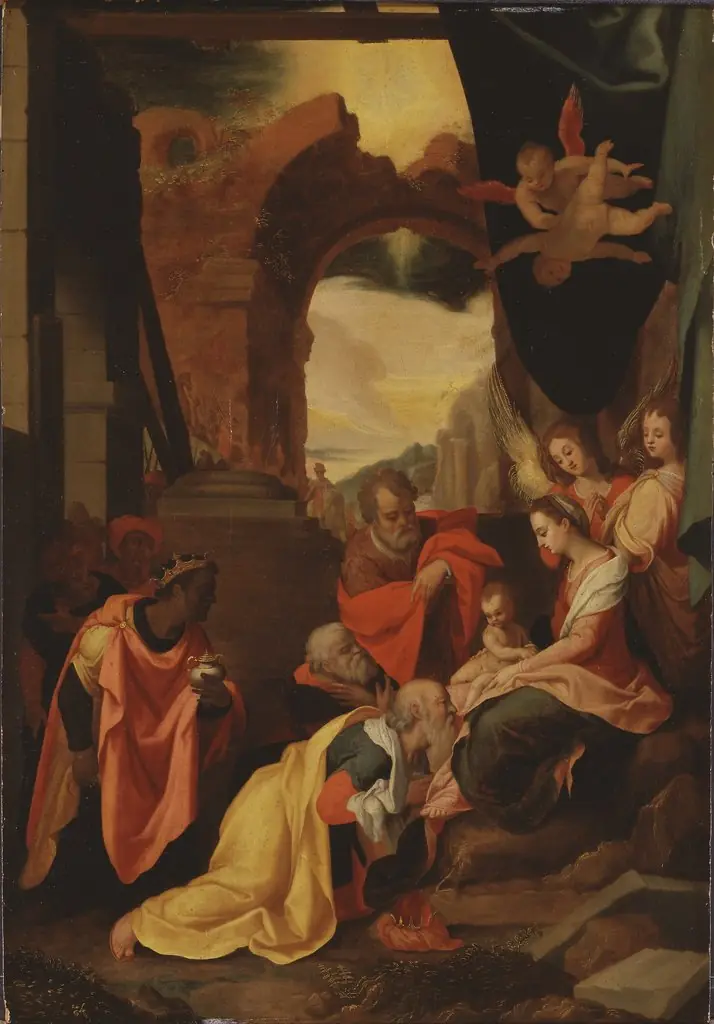 The Adoration of the Magi
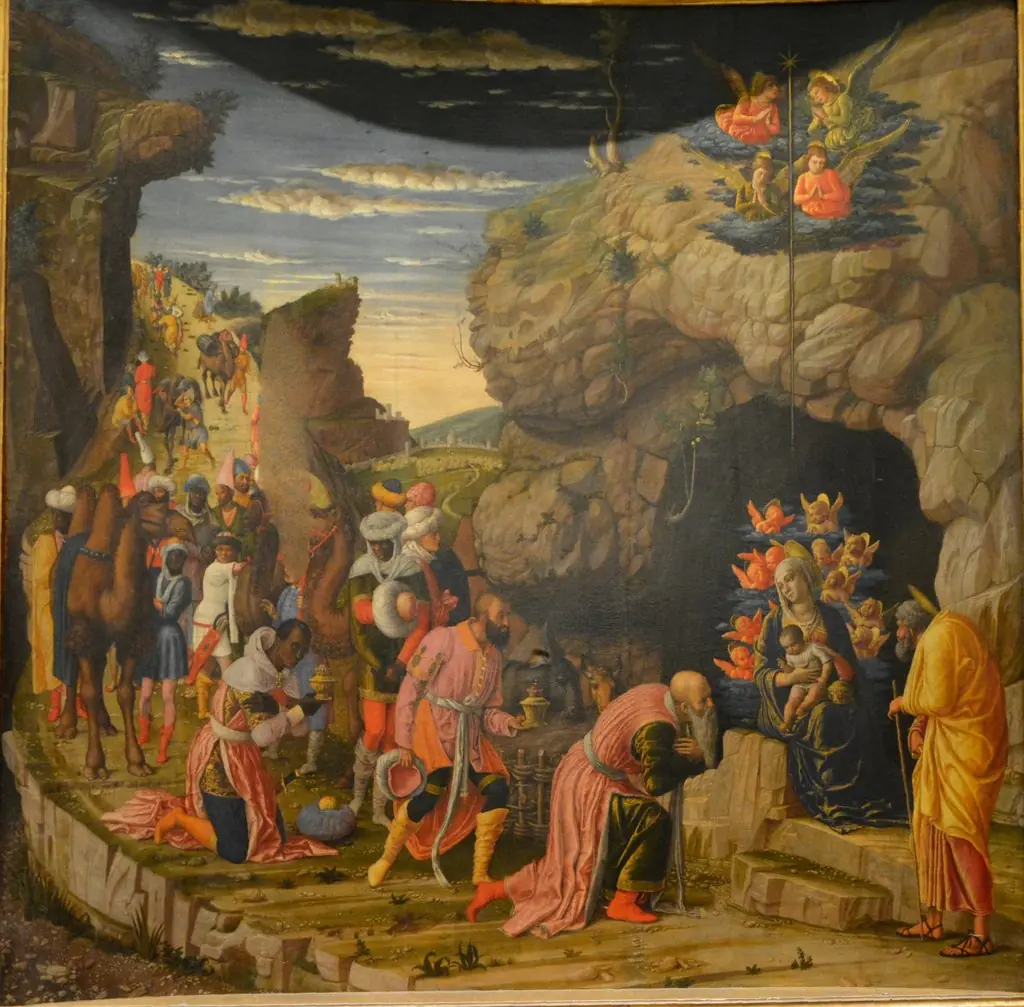 Adoration of the Magi
 Adoration of the Magi
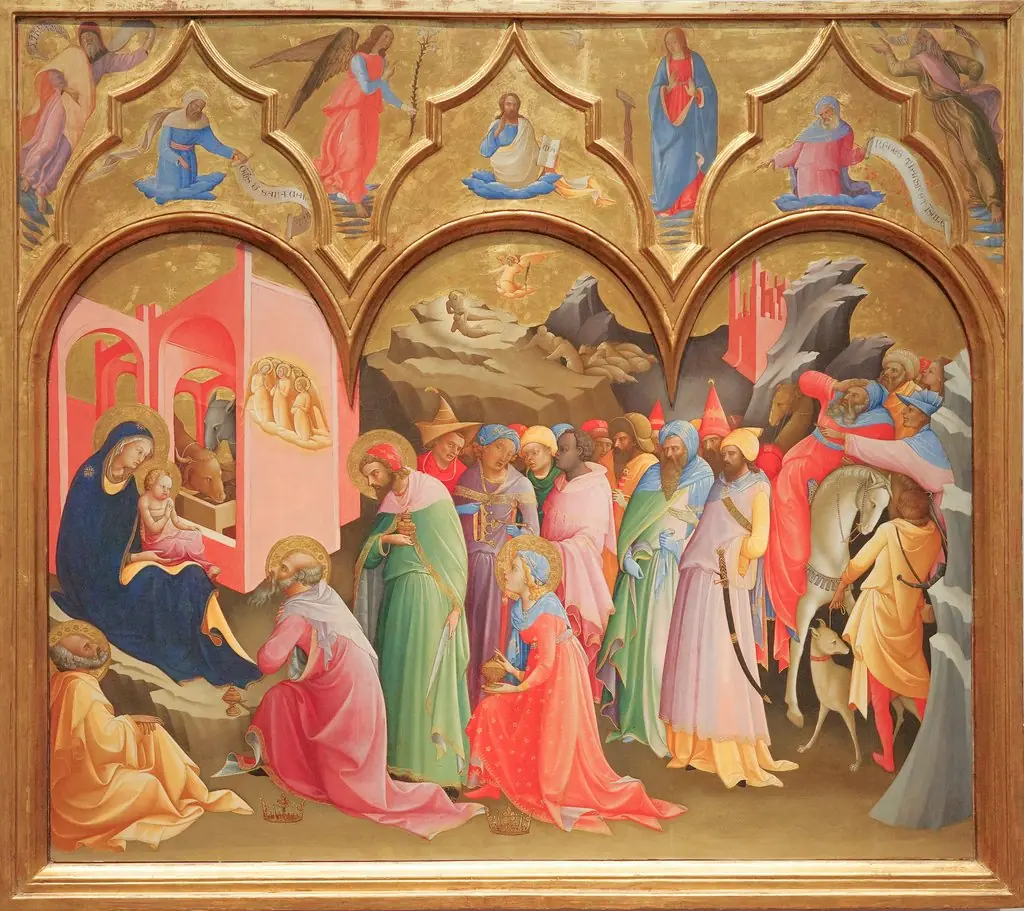 Adoration of the Magi
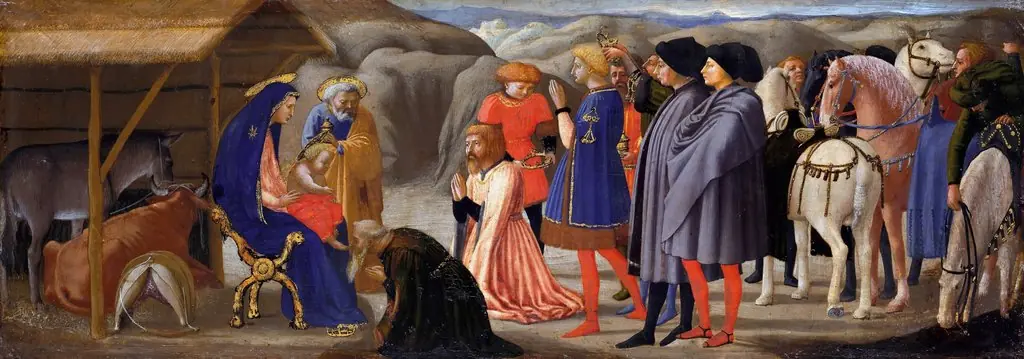 The Adoration of the Magi
 The Adoration of the Magi
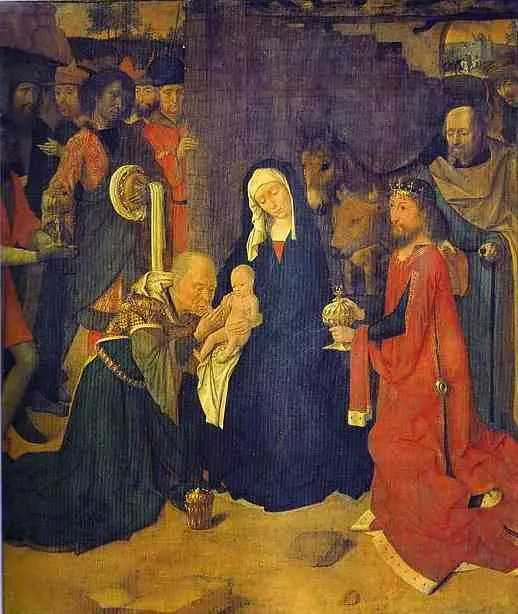 Adoration of the Magi
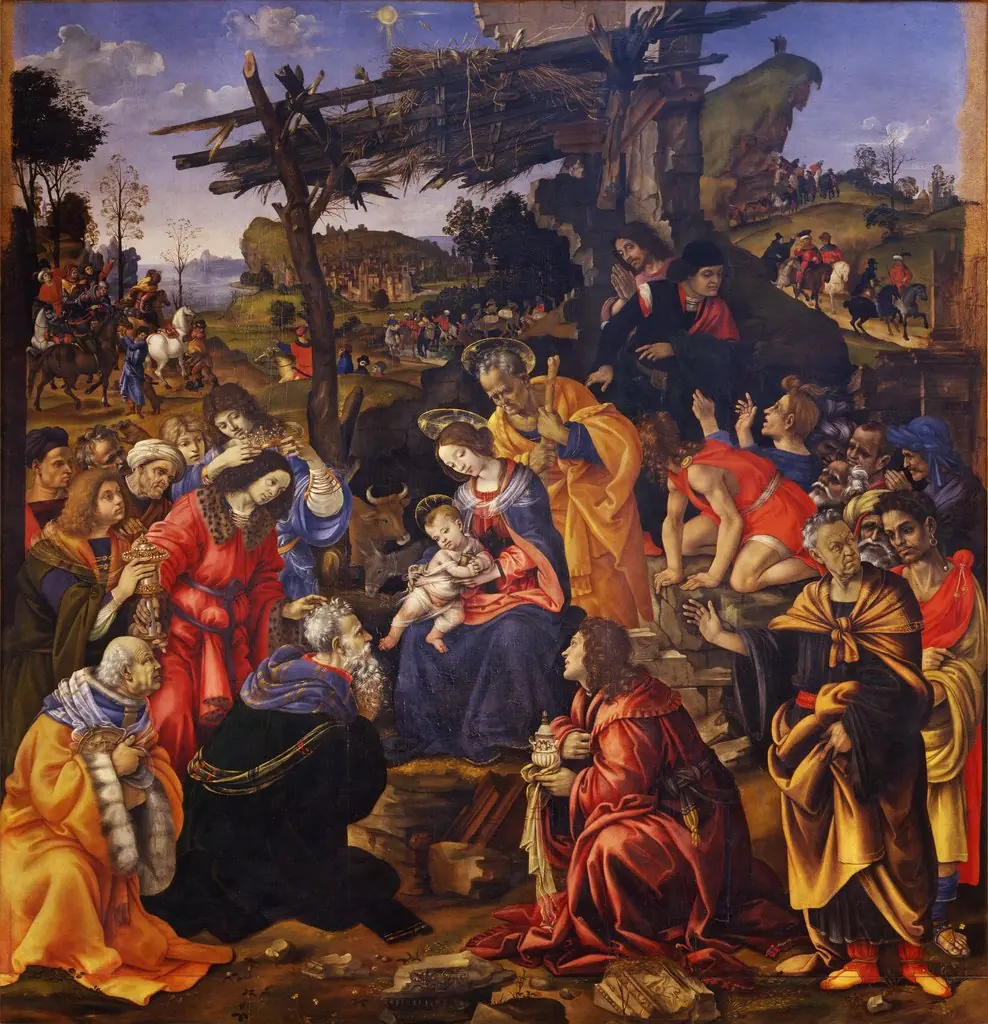 Adoration of the Magi
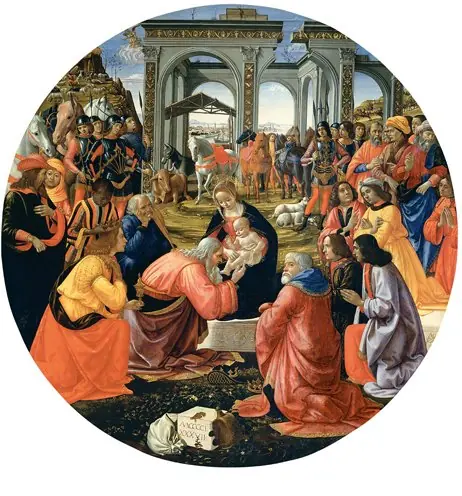 The Adoration of the Magi
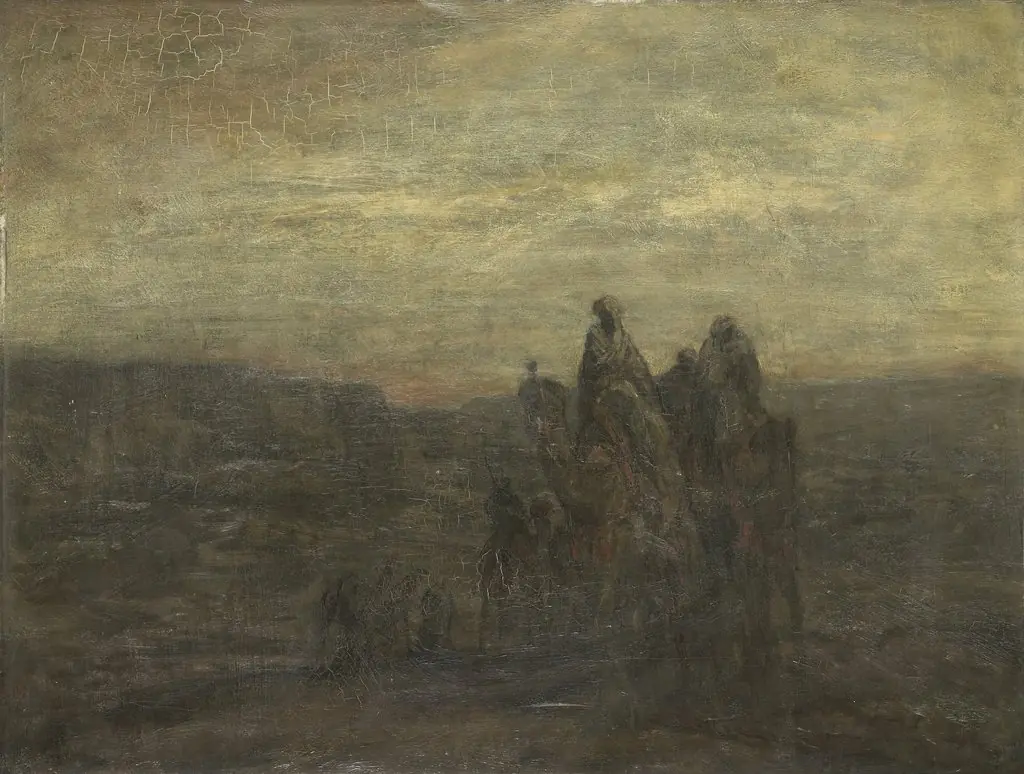 Caravan
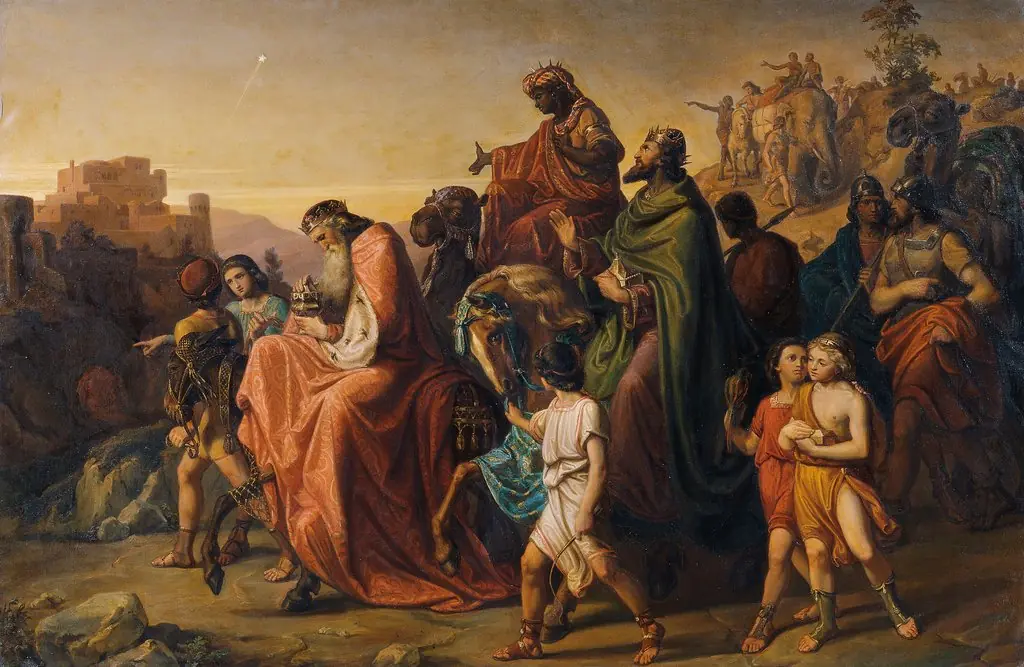 Journey of the Magi with their Retinue
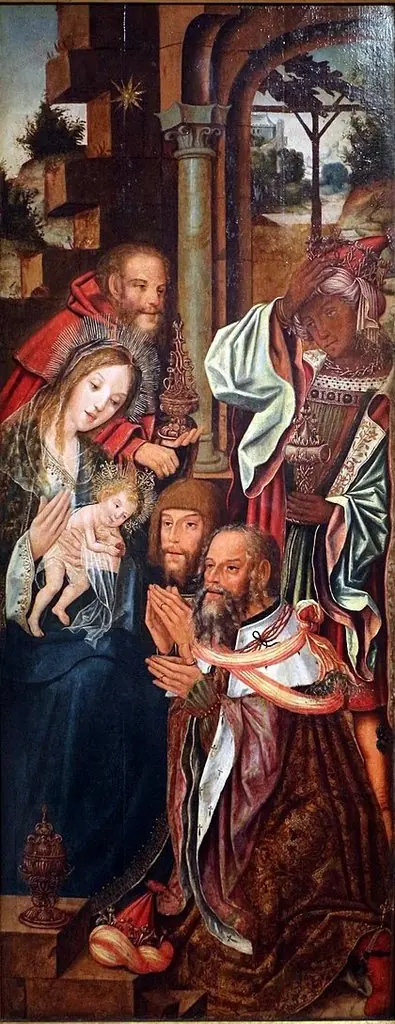 Adoration of the Magi
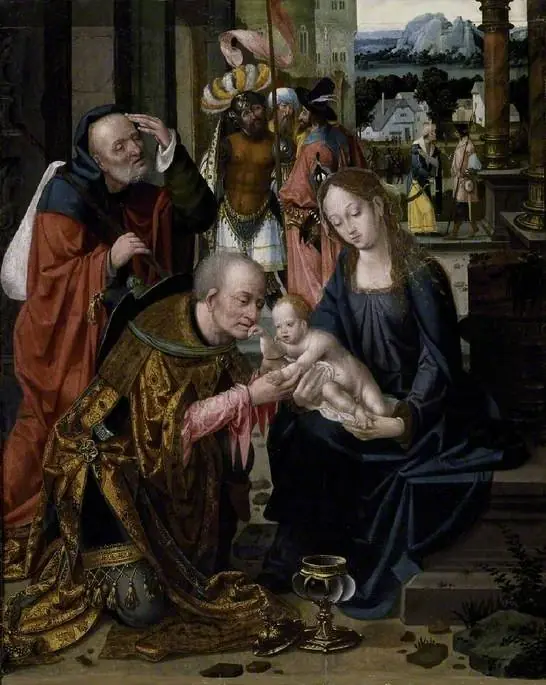 Adoration of the Kings
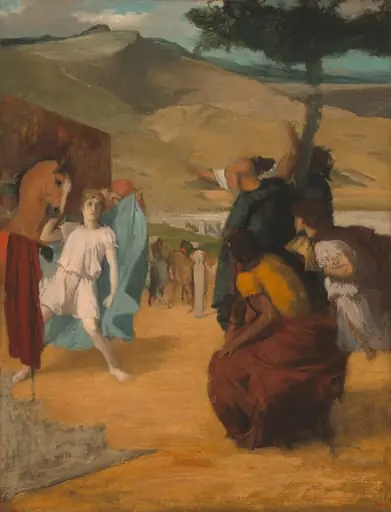 Alexander and Bucephalus
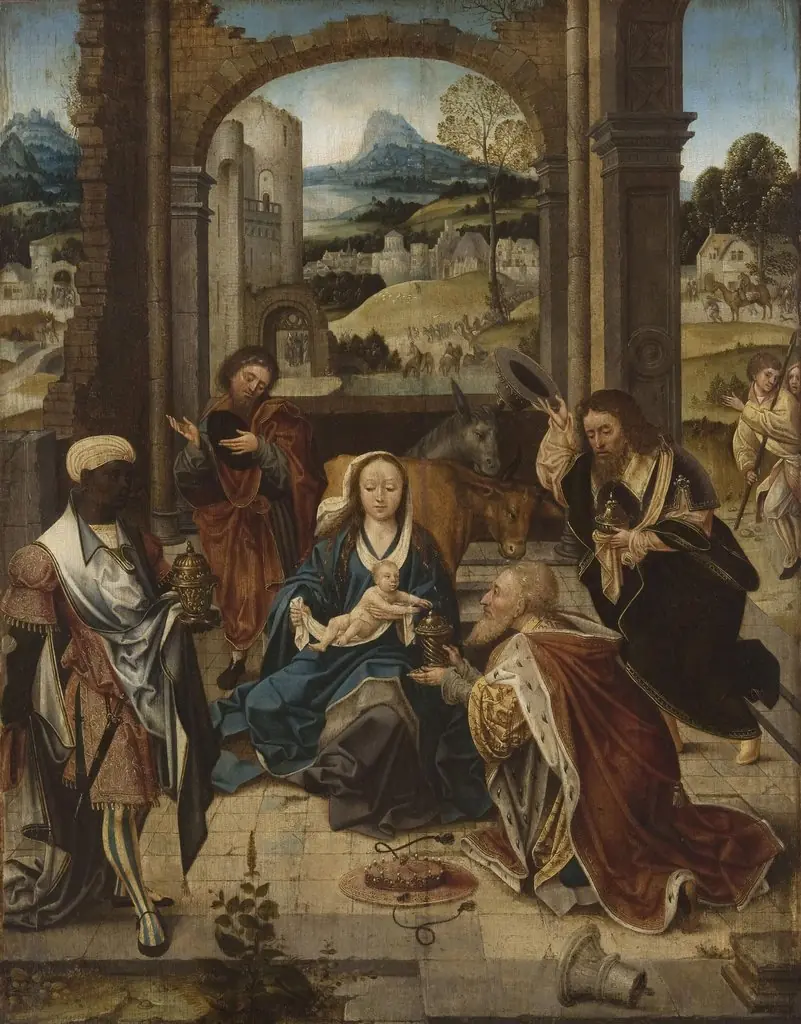 The Adoration of the Magi
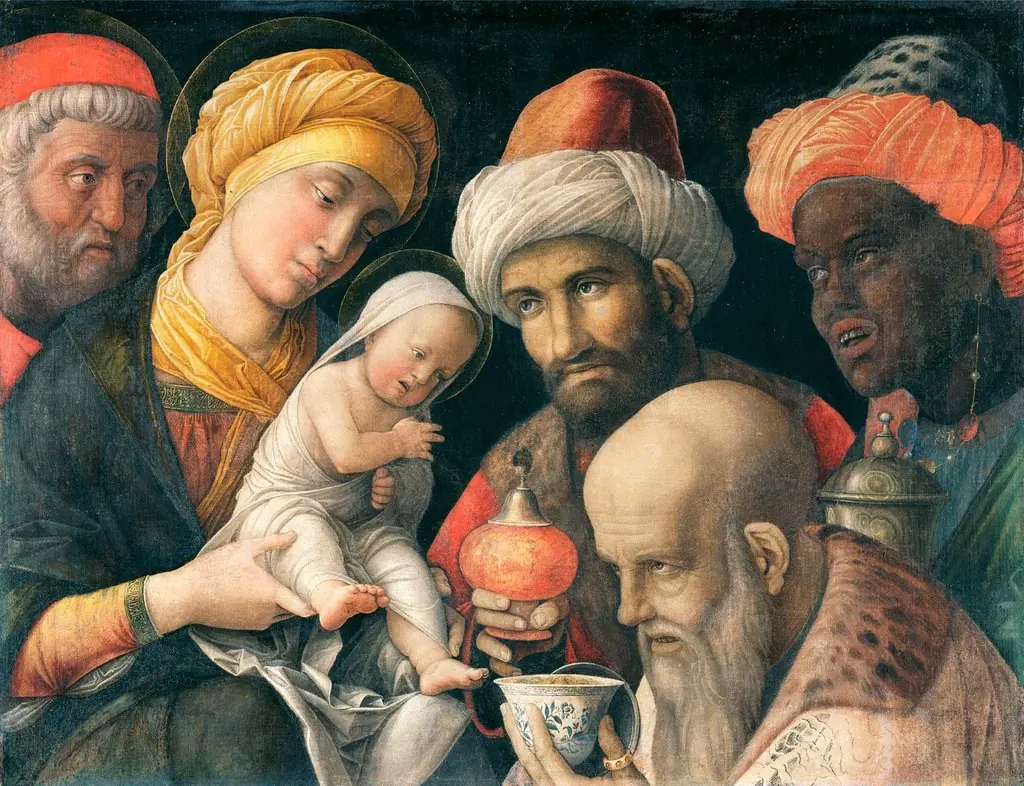 The Adoration of the Magi
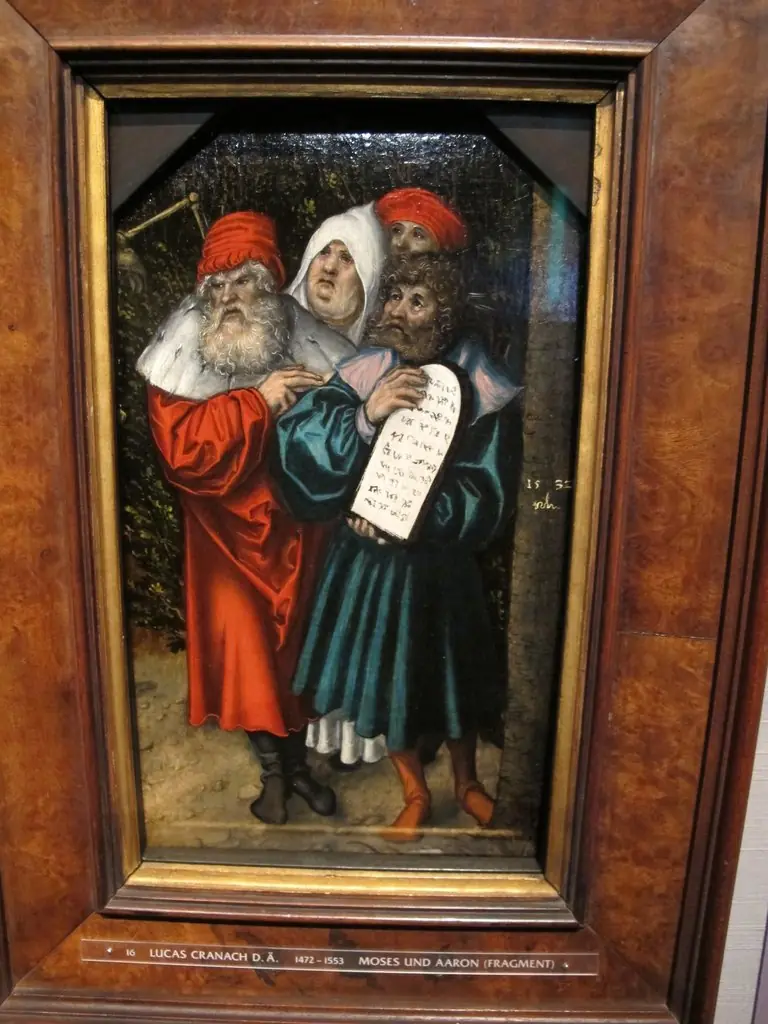 Mose and Aaron and two prophets
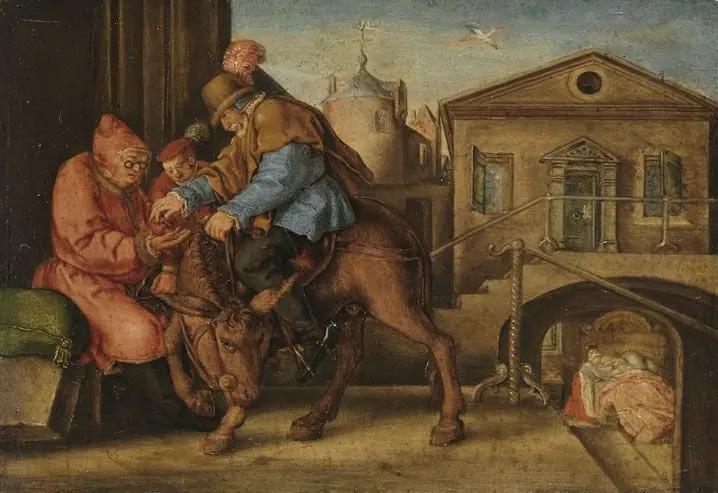 Der barmherzige Samariter bezahlt den Wirt (nach)
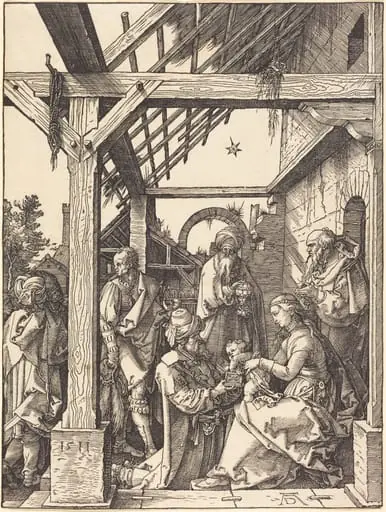 The Adoration of the Magi
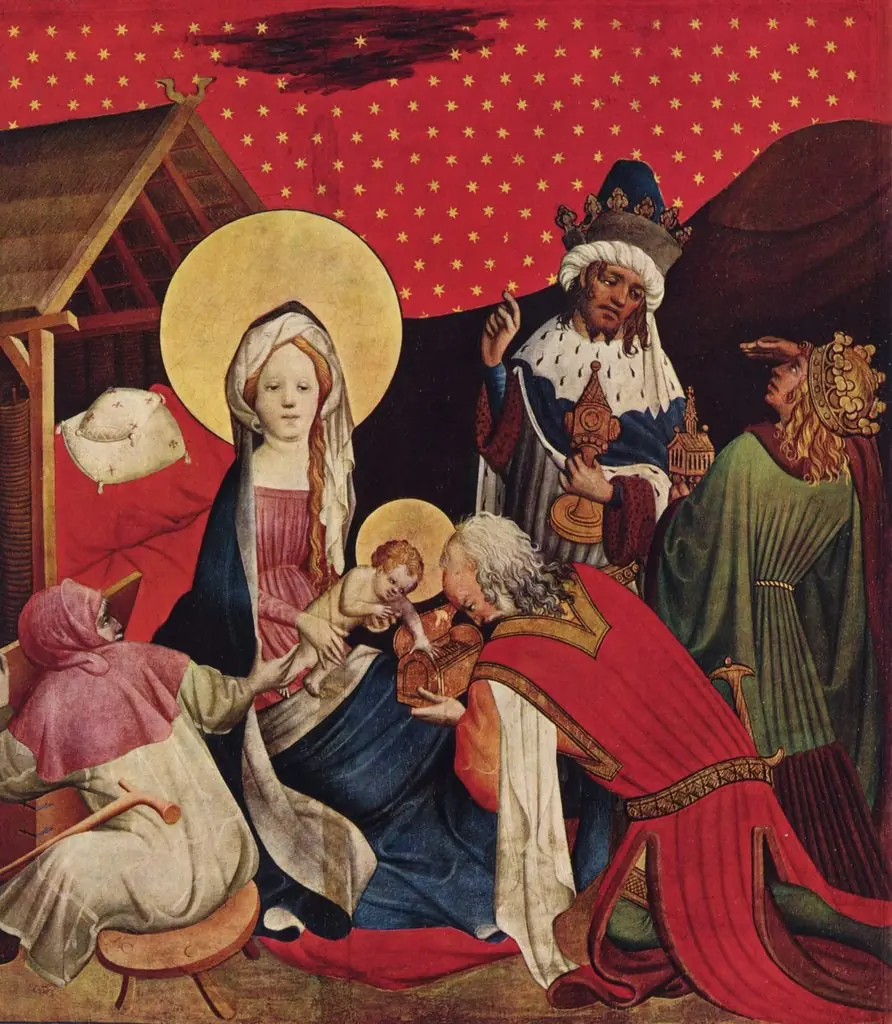 Thomasaltar, Fragment des rechten äußeren Flügels, Szene oben: Anbetung der Könige
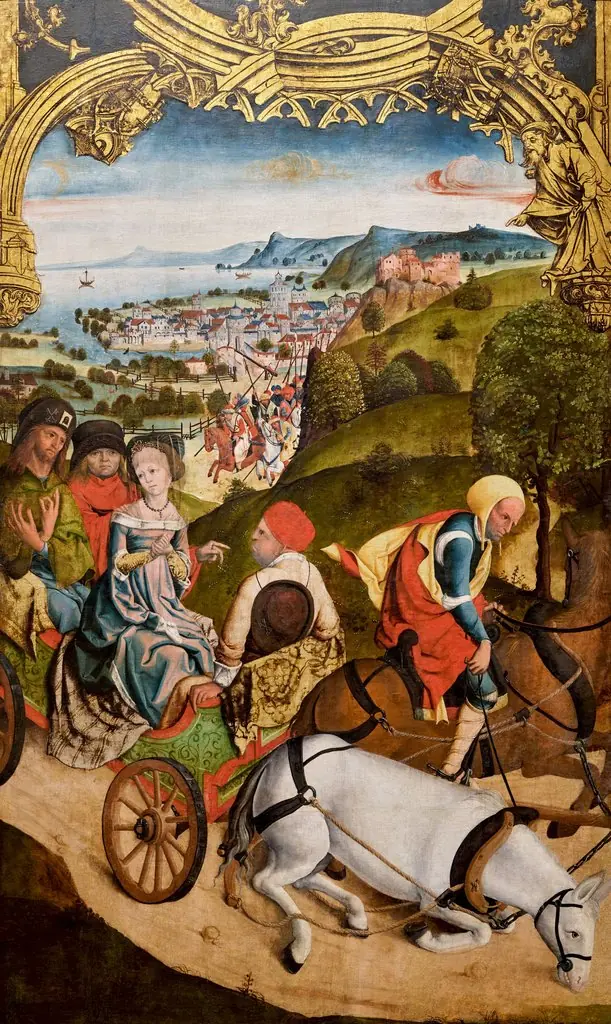 Flucht der hll. Cantius, Cantianus und Cantianilla (Innenseite); Christus am Ölberg (Außenseite)
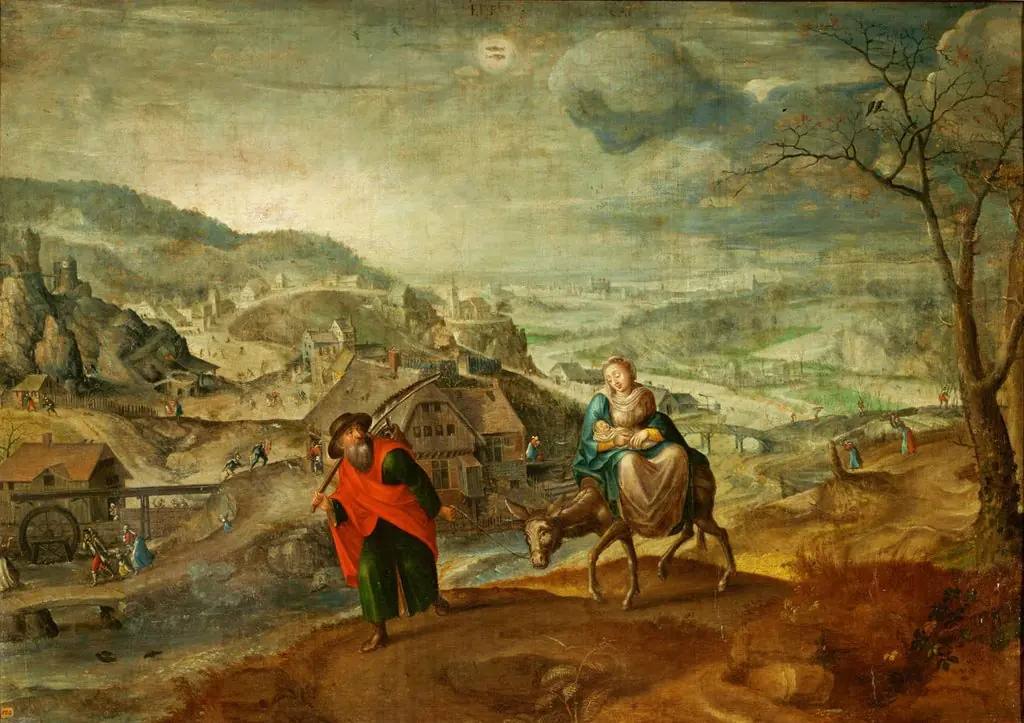 Flight into Egypt (February)
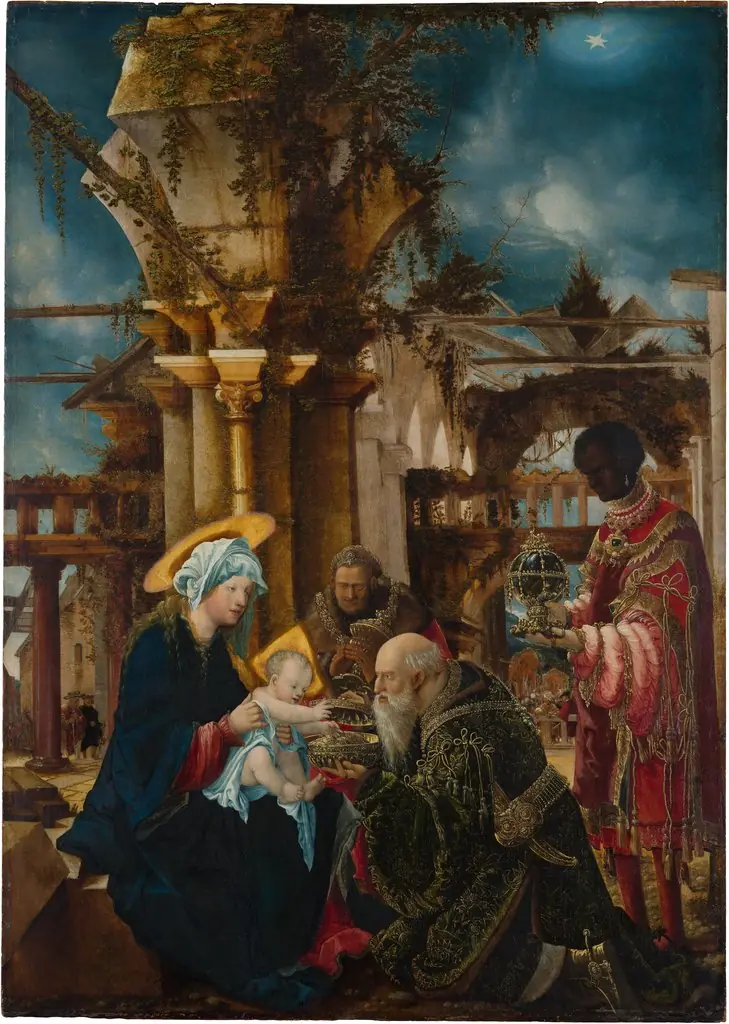 The Adoration of the Magi
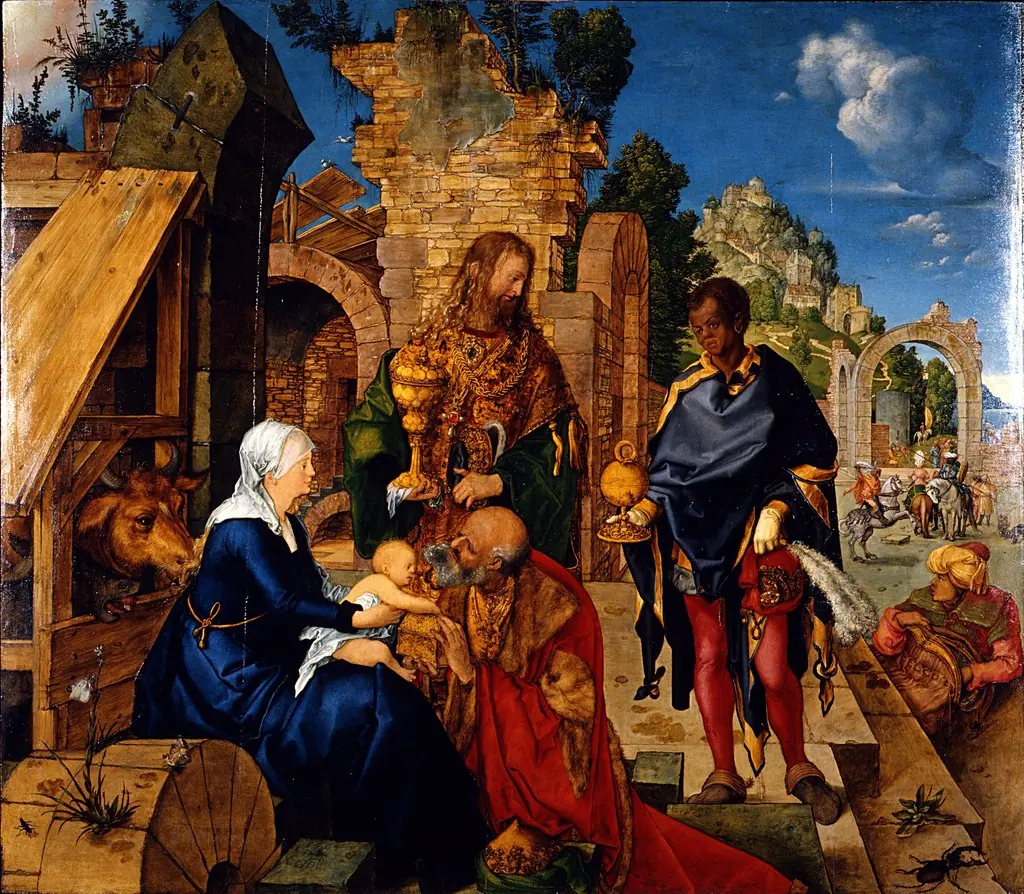 Adoration of the Magi
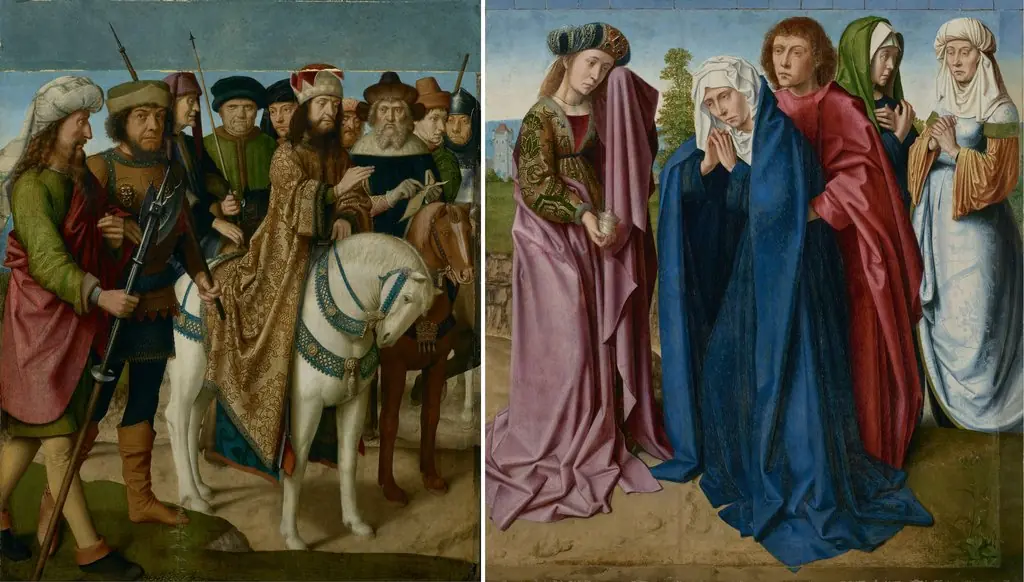 Christ Nailed to the Cross
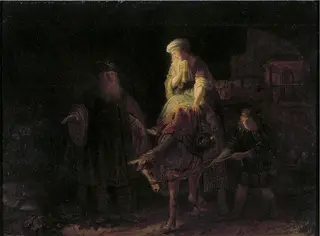 The Departure of the Shunammite Woman
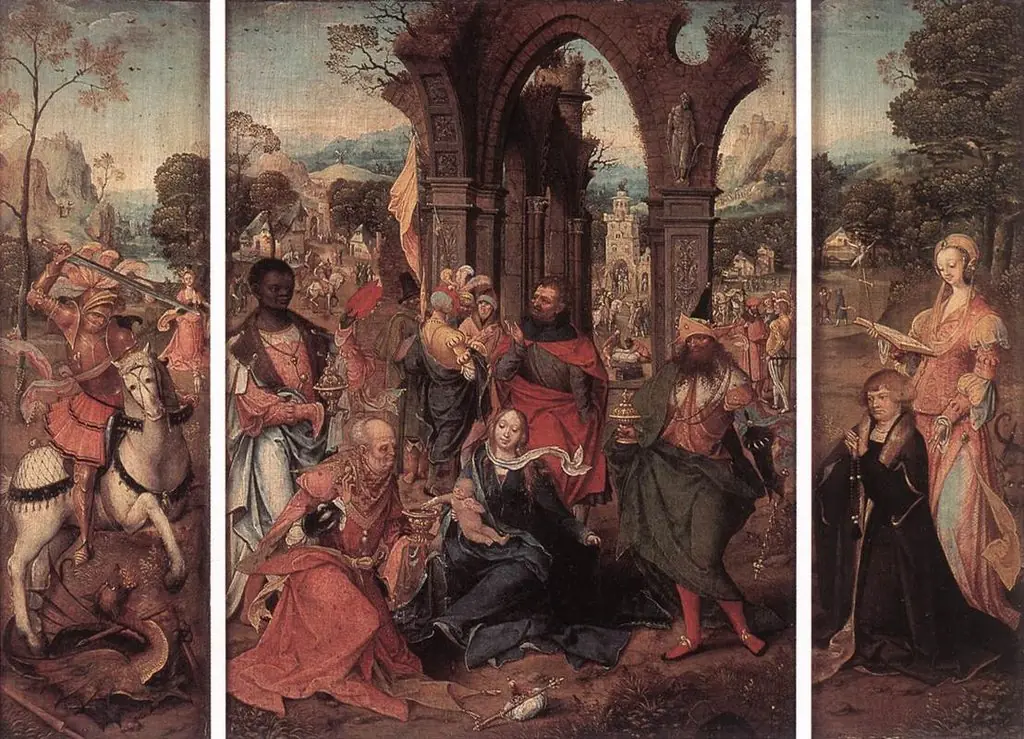 Adoration of the Magi
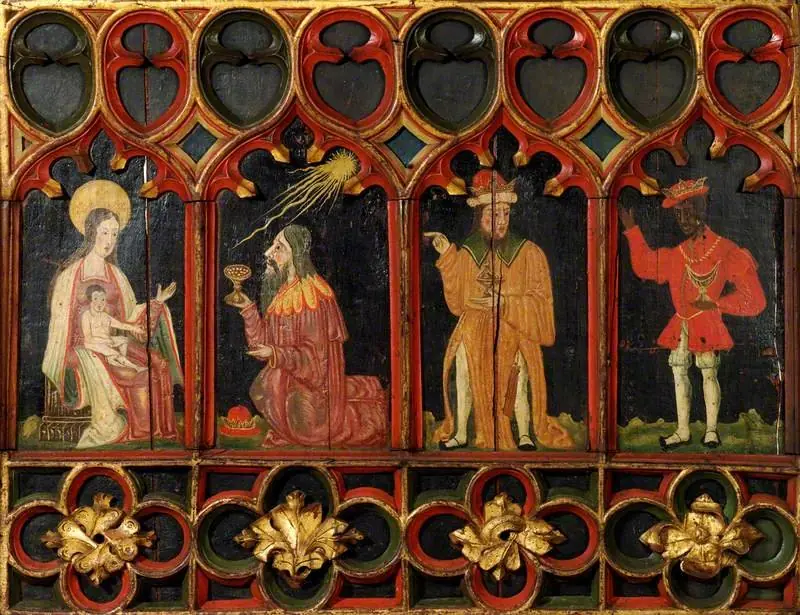 The Adoration of the Magi (lower part of a rood screen)
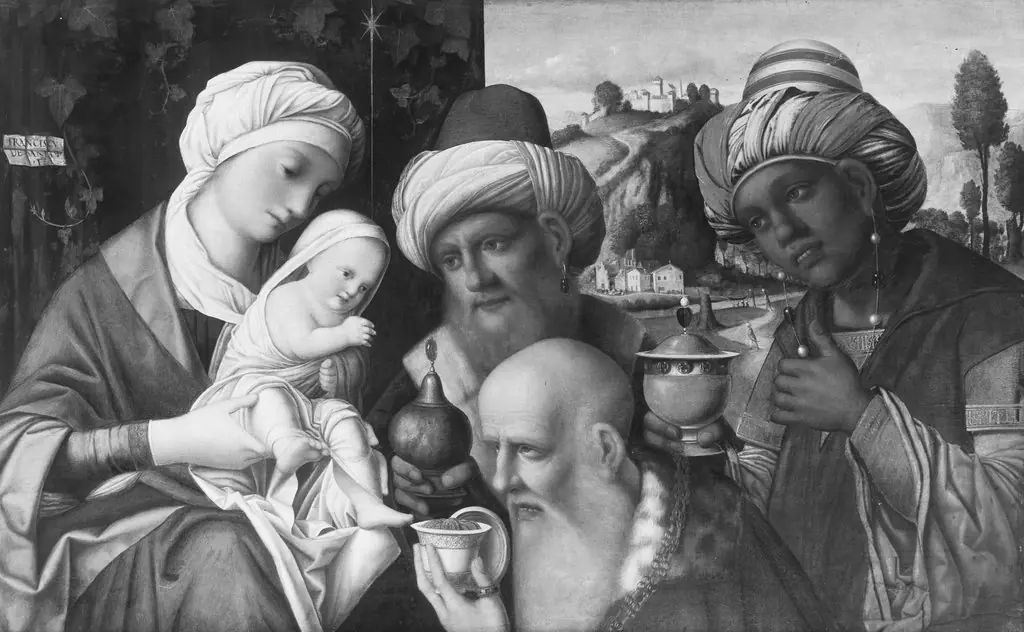 Adoration of the Kings
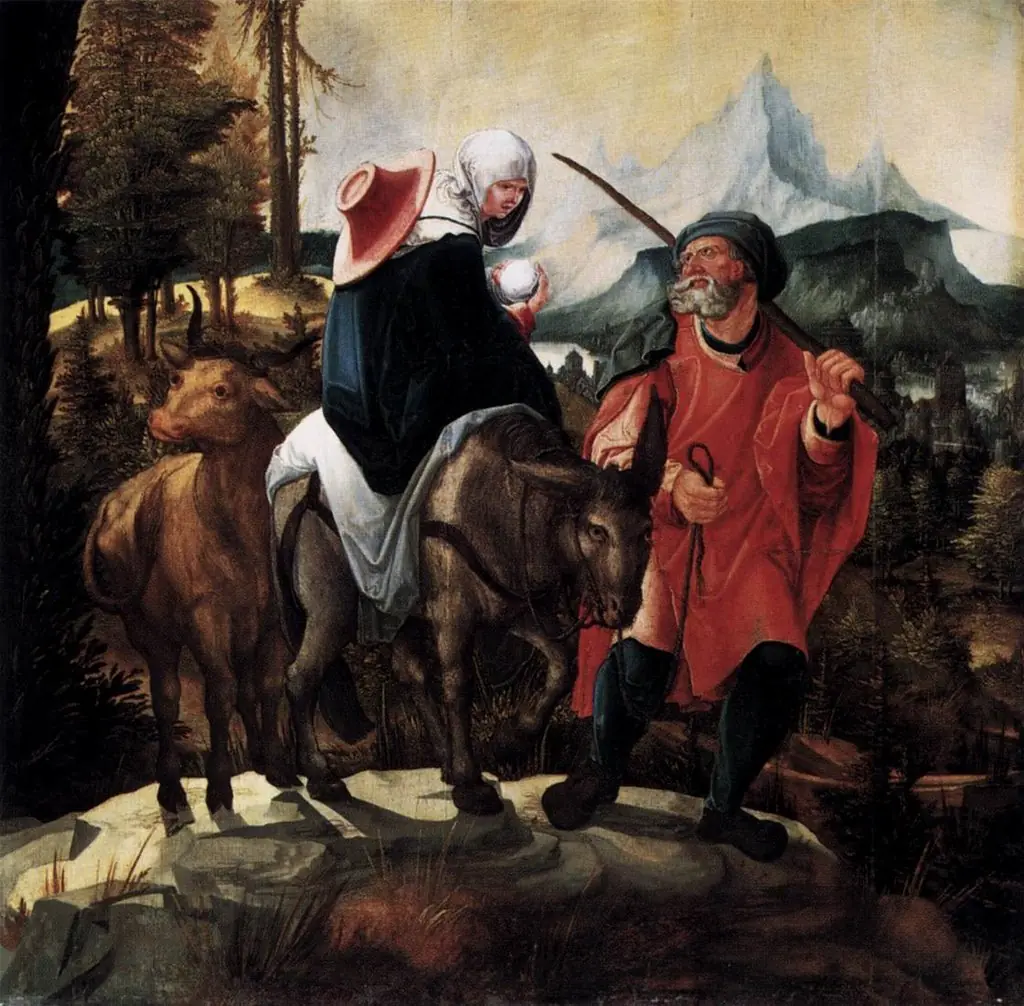 The Rest on The Flight into Egypt
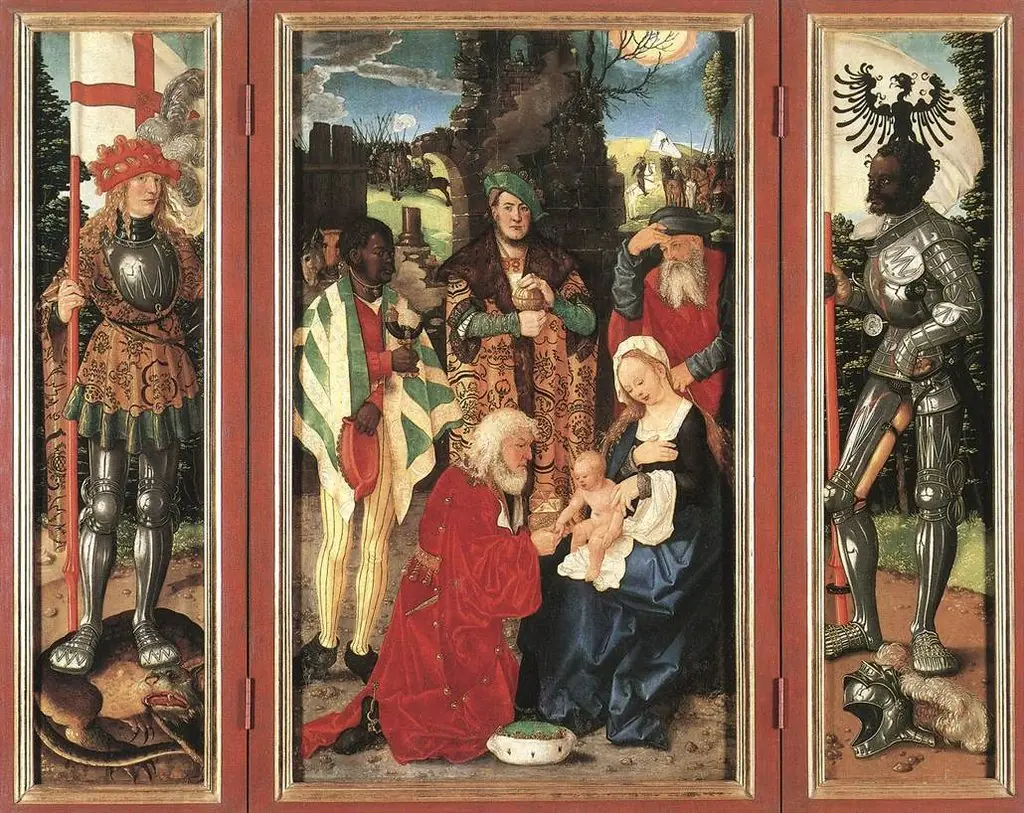 The Altar of the Three Kings
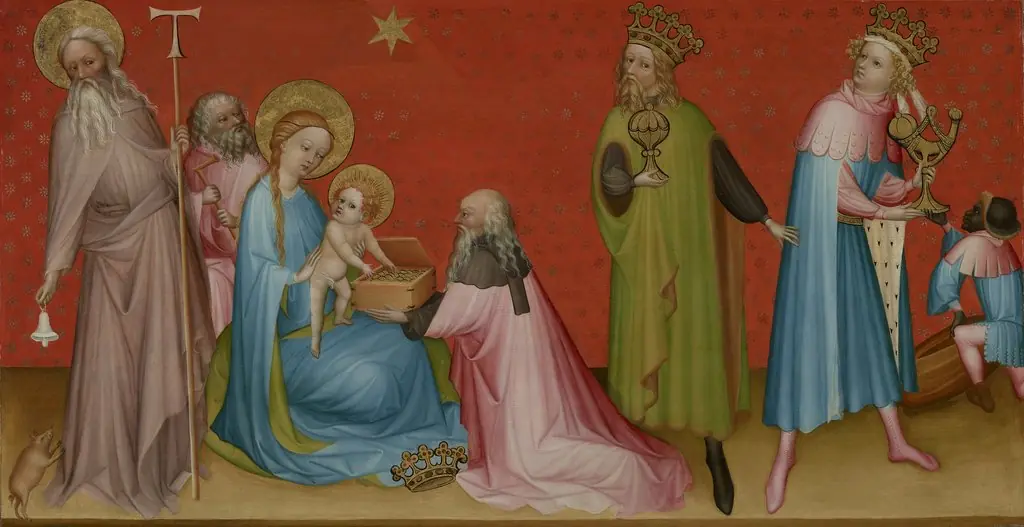 The Adoration of the Magi with Saint Anthony Abbot
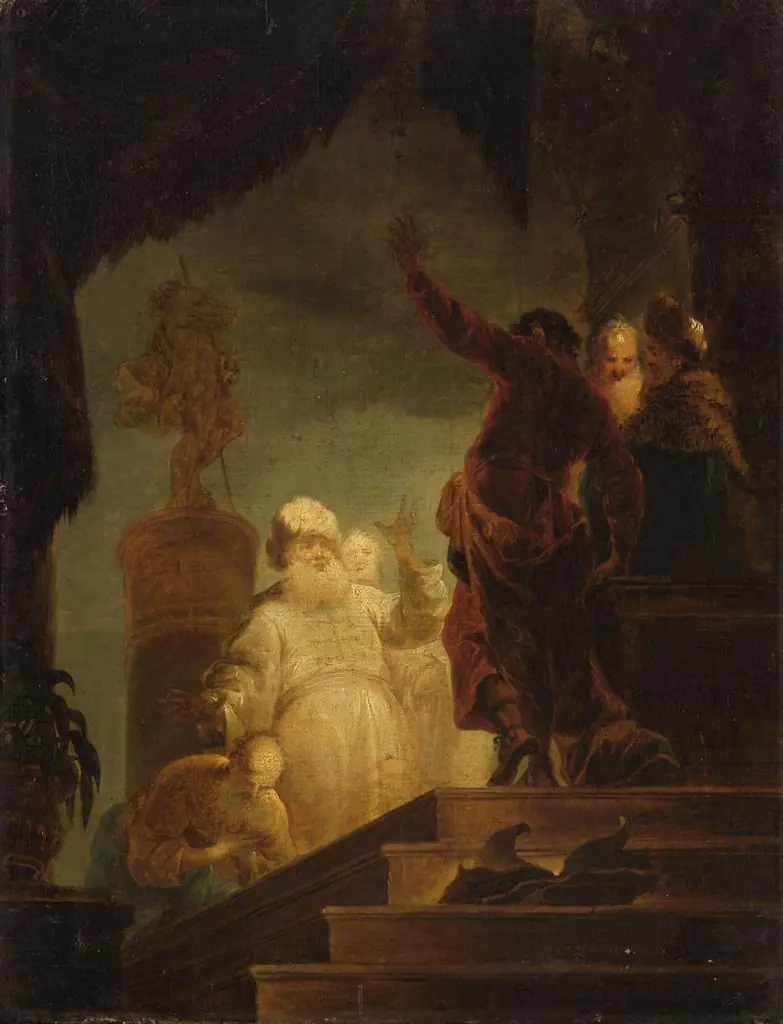 Paulus in Athen
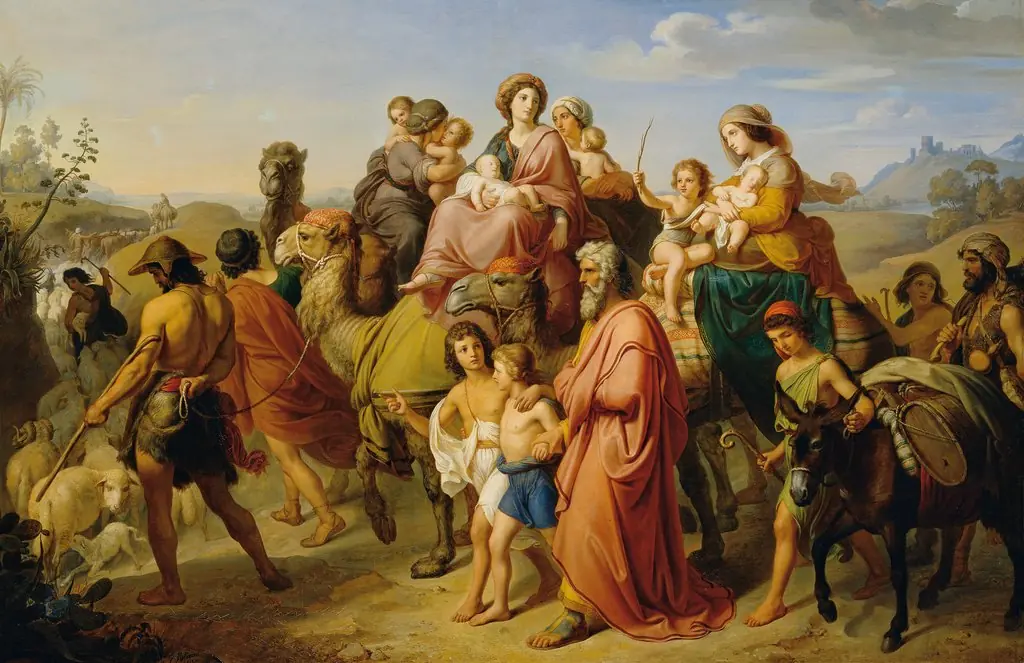 Jacob's homecoming
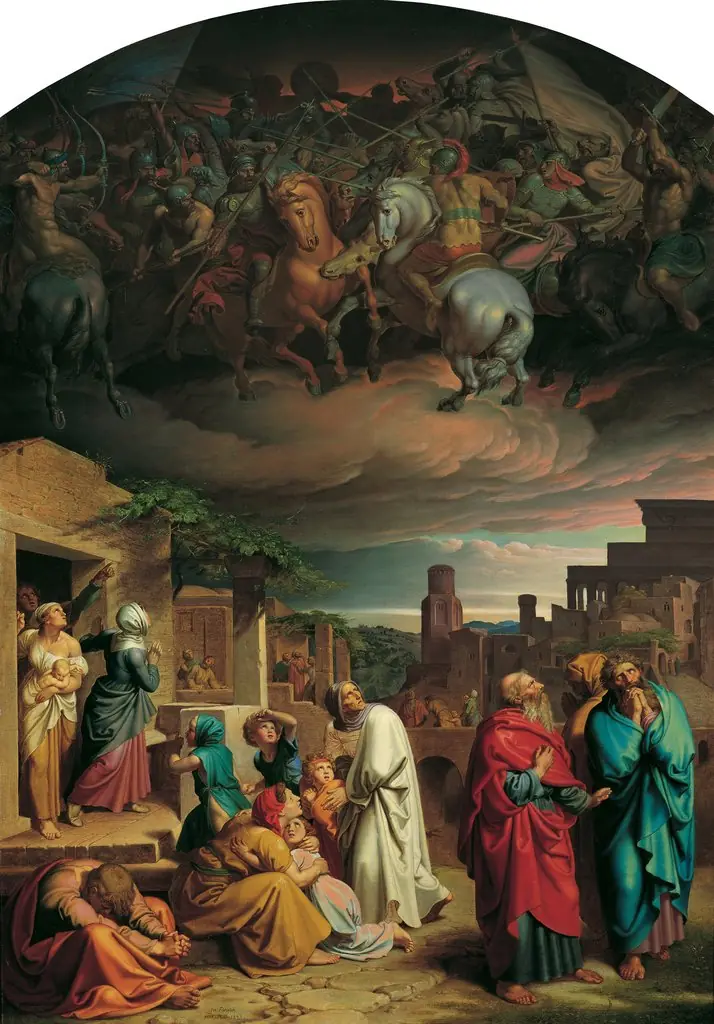 Vision of the Inhabitants of Jerusalem Before the Conquest of the City by Antiochus IV Epiphanes
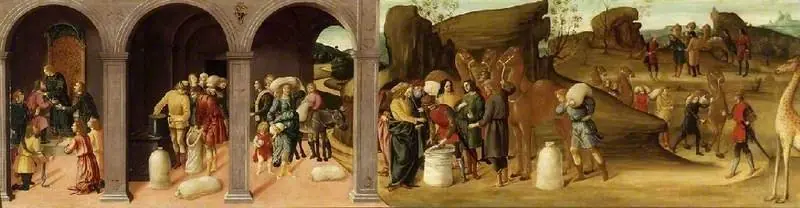 The Story of Joseph, II
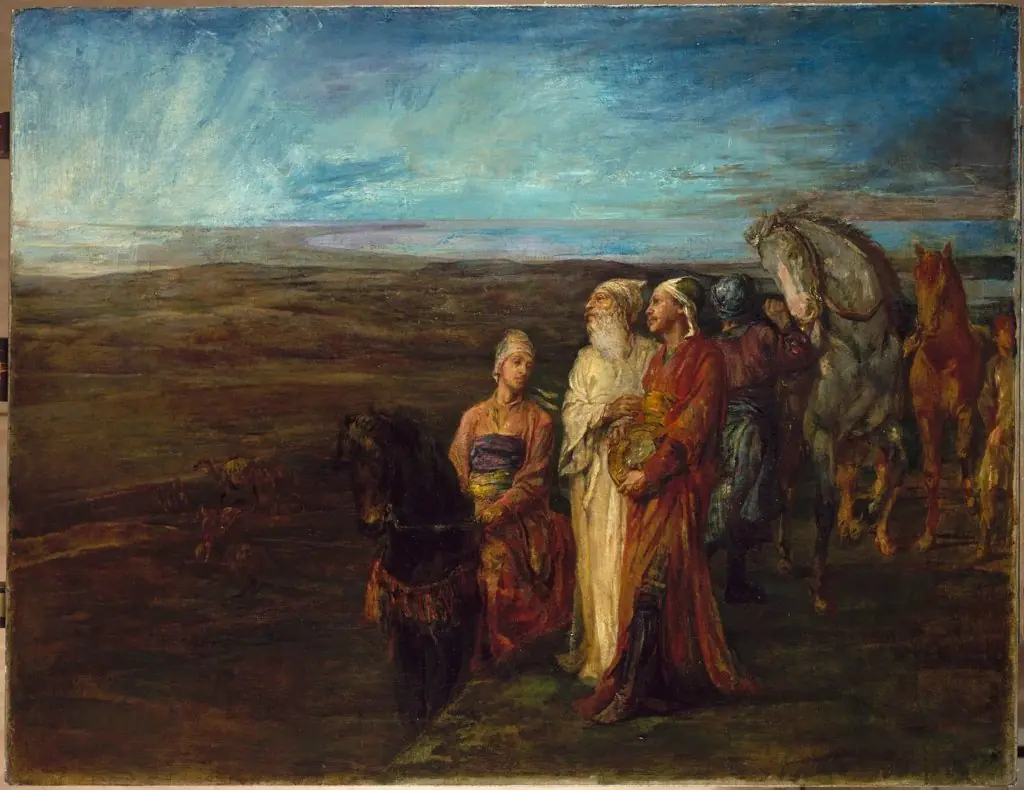 The Three Wise Men
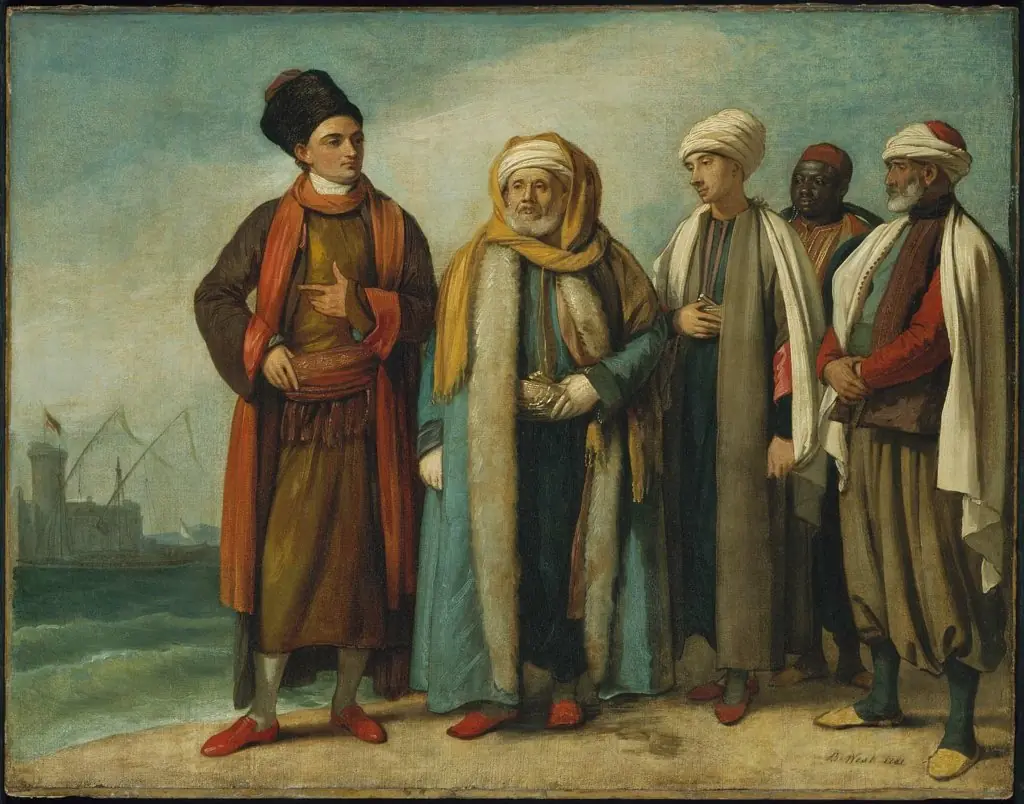 The Ambassador from Tunis with His Attendants as He Appeared in England in 1781
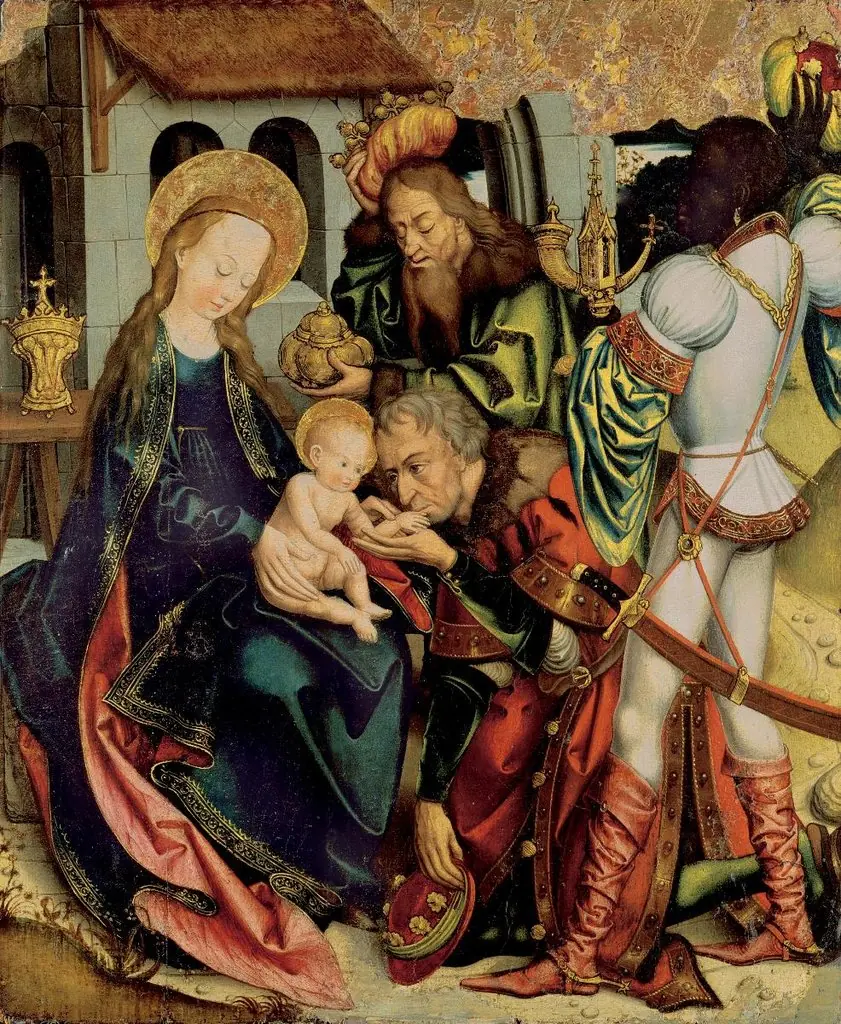 Anbetung der Heiligen Drei Könige
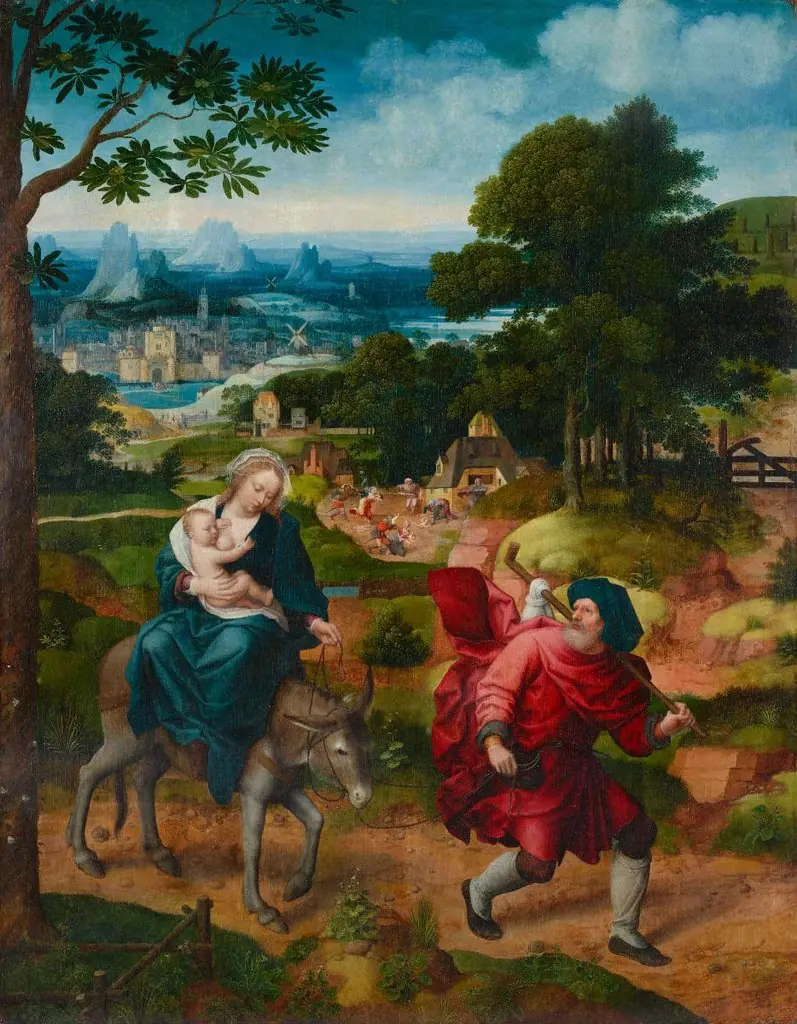 Flucht nach Ägypten
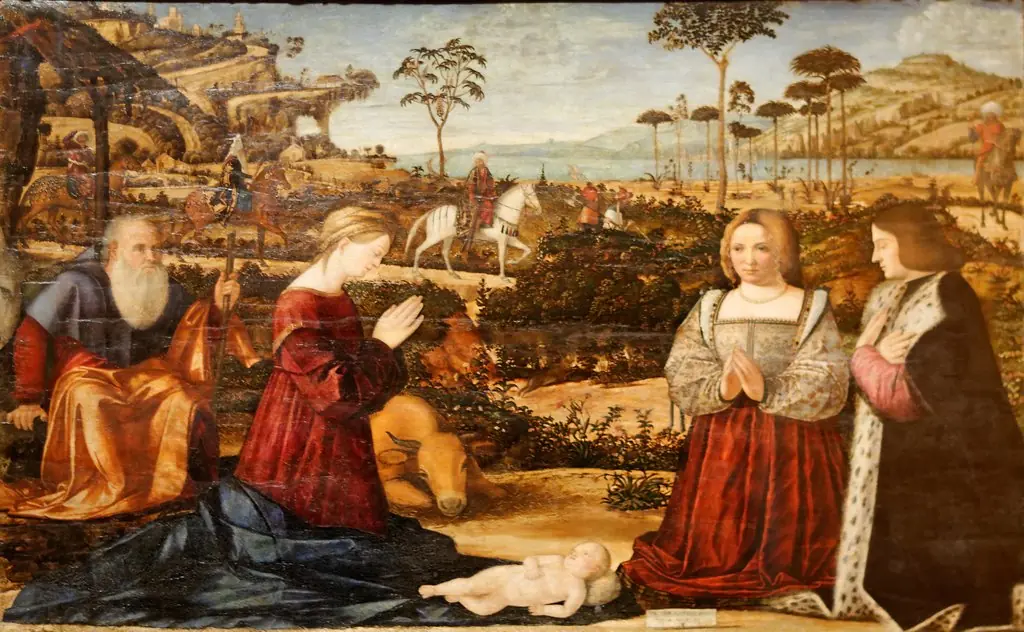 Holy Family and Donors
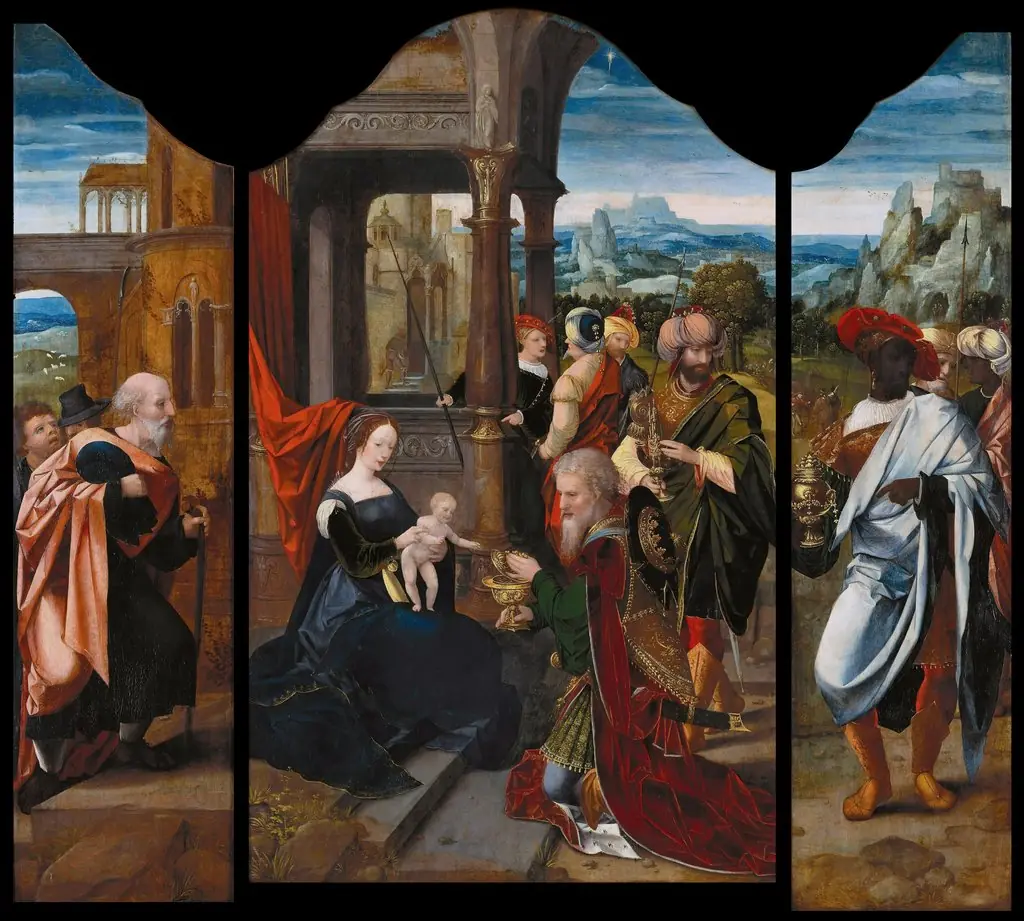 Triptych with the Adoration of the Magi
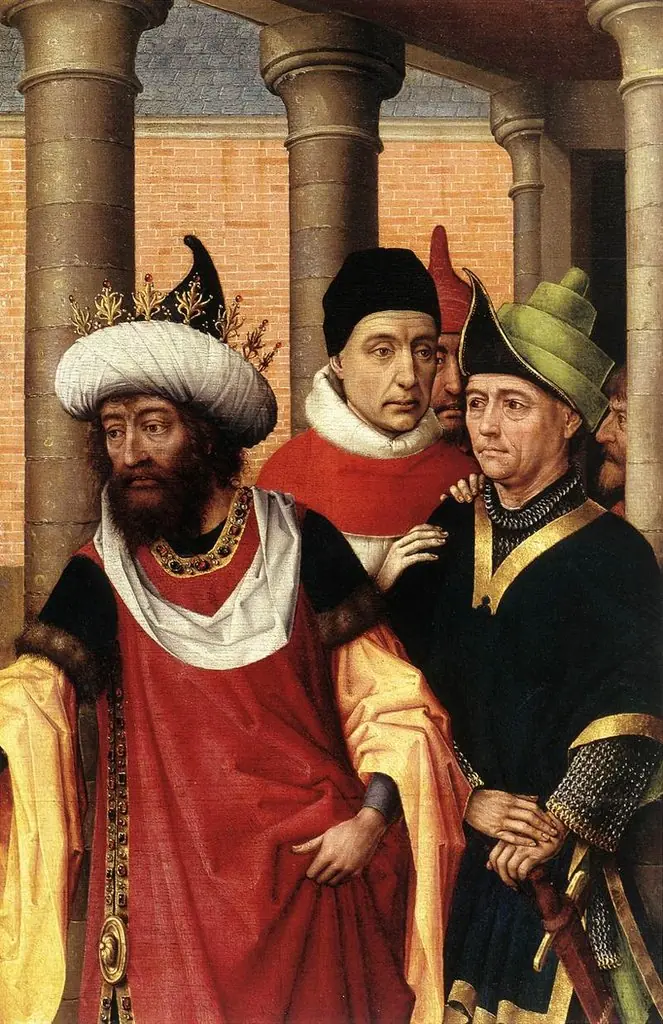 Fragment with group of men
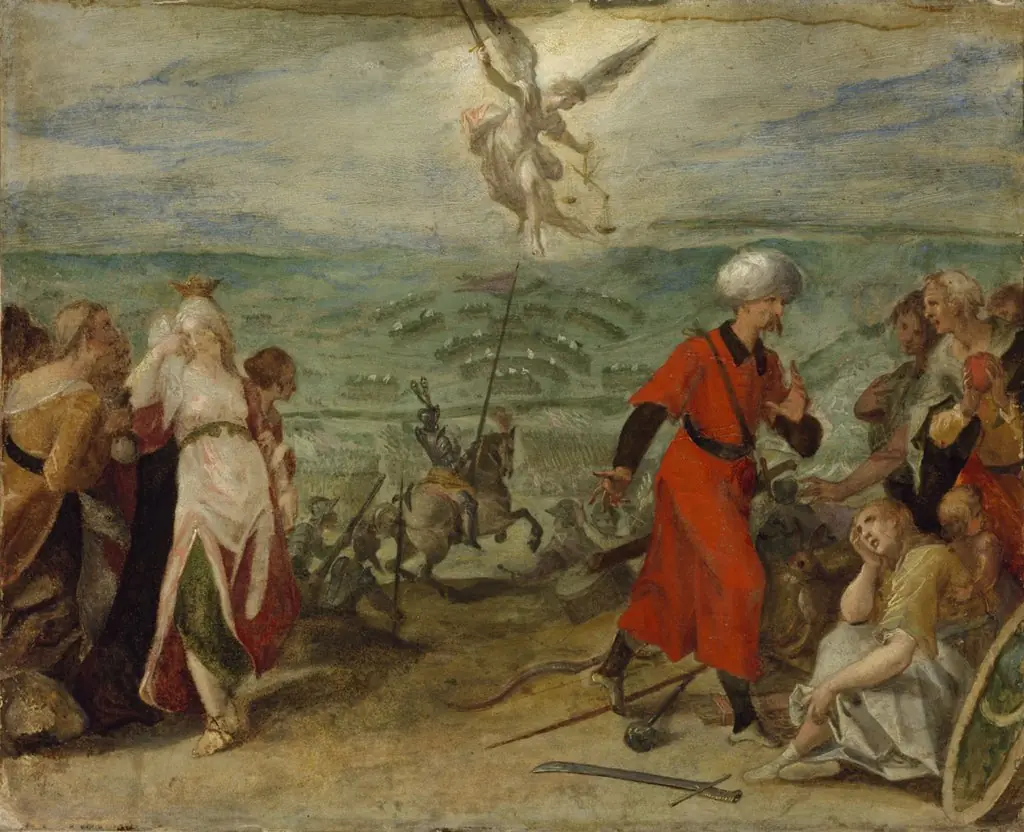 Allegory of the Battle of Mezőkeresztes
 De aanbidding der wijzen
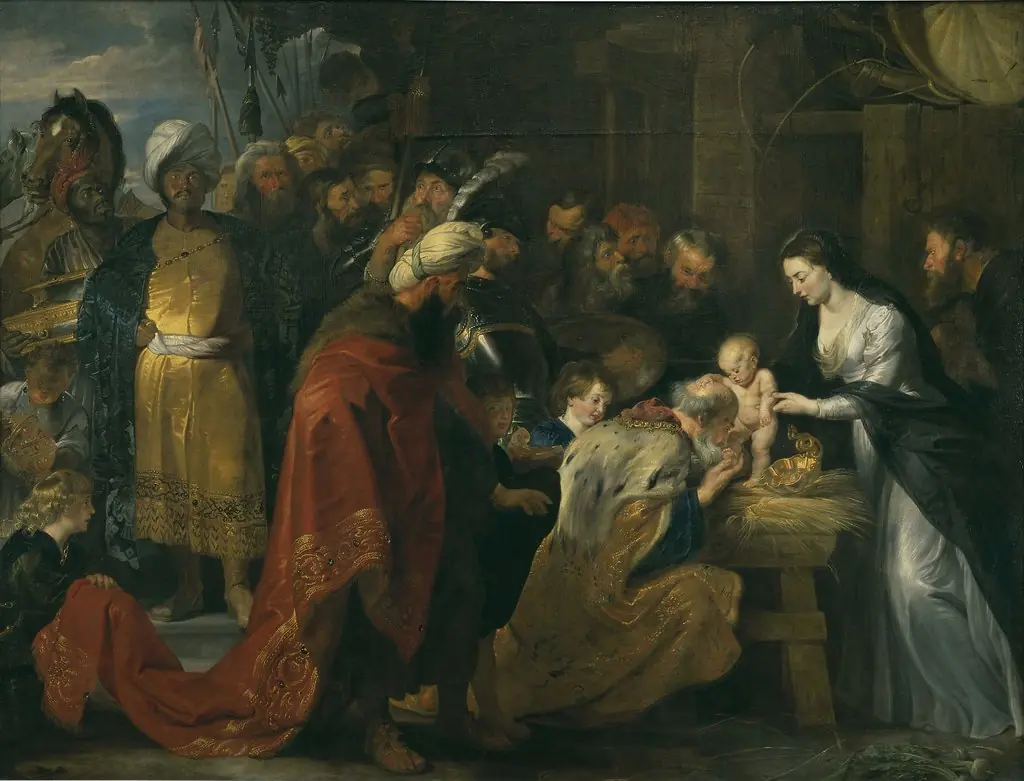 Adoration of the Magi
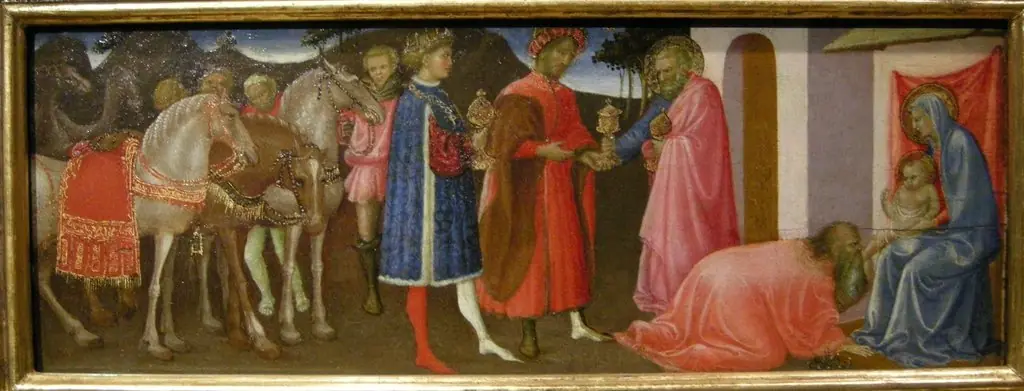 The adoration of the Magi
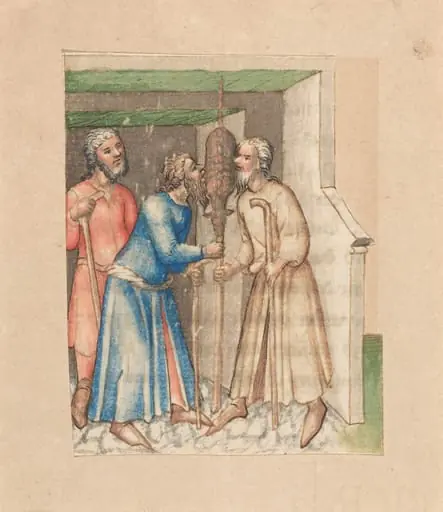 The Passover Lamb
![The Destruction of the Egyptian Idols [verso]](https://artifactworldgallery.com/img/the-destruction-of-the-egyptian-idols-verso--646d3c2b8098cfee-w320.webp) The Destruction of the Egyptian Idols [verso]
The Destruction of the Egyptian Idols [verso]![The Flight into Egypt [recto]](https://artifactworldgallery.com/img/the-flight-into-egypt-recto--8f4d5275d7f90f98-w320.webp) The Flight into Egypt [recto]
The Flight into Egypt [recto]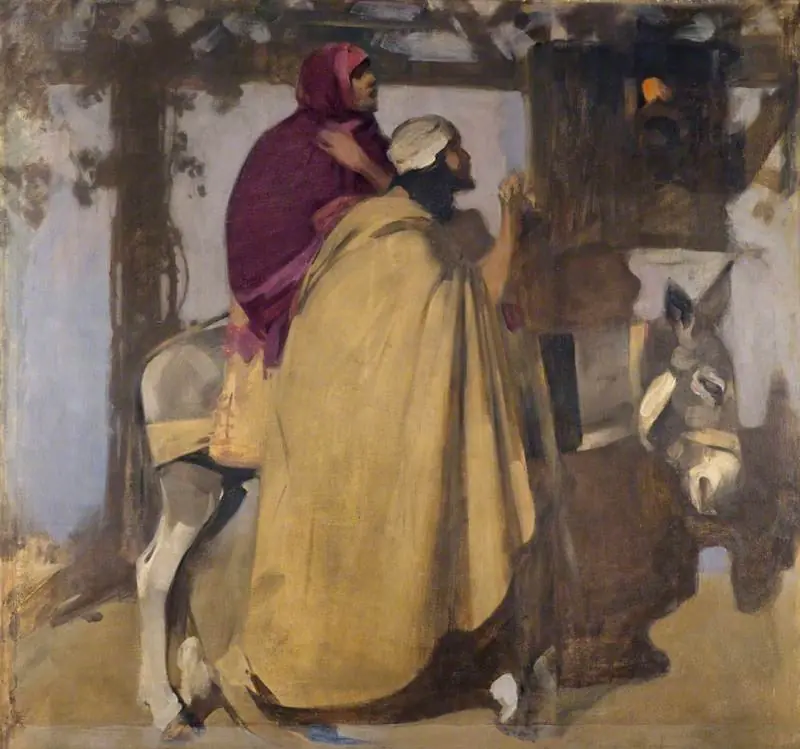 Christmas Eve: 'And there was no room for them in the inn' (unfinished)
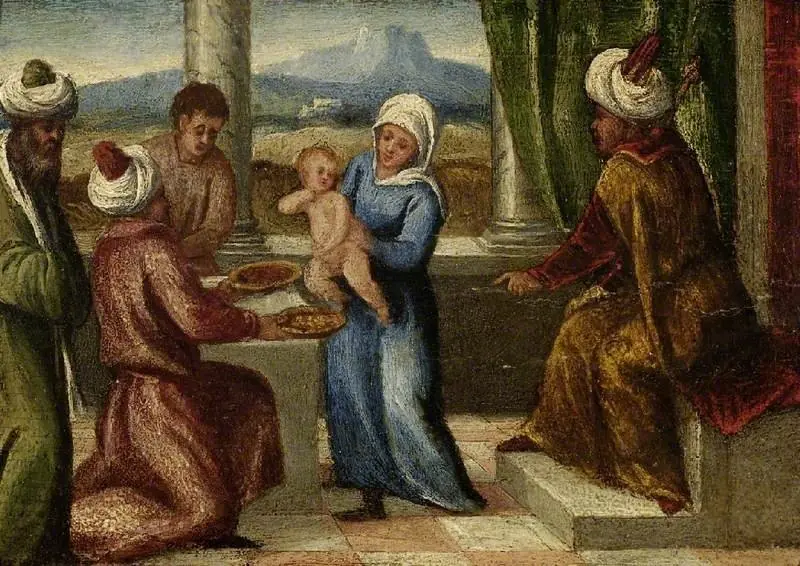 The Trial of Moses
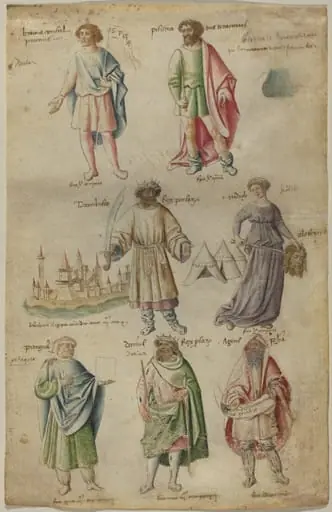 Seven Famous Figures from Ancient History
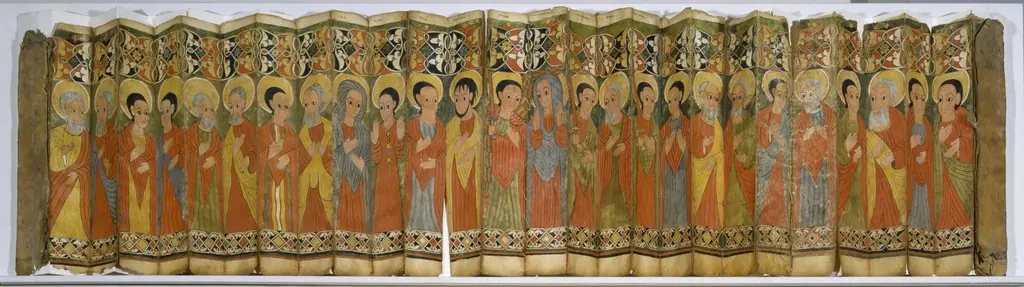 Folds from Ethiopian Processional Icon
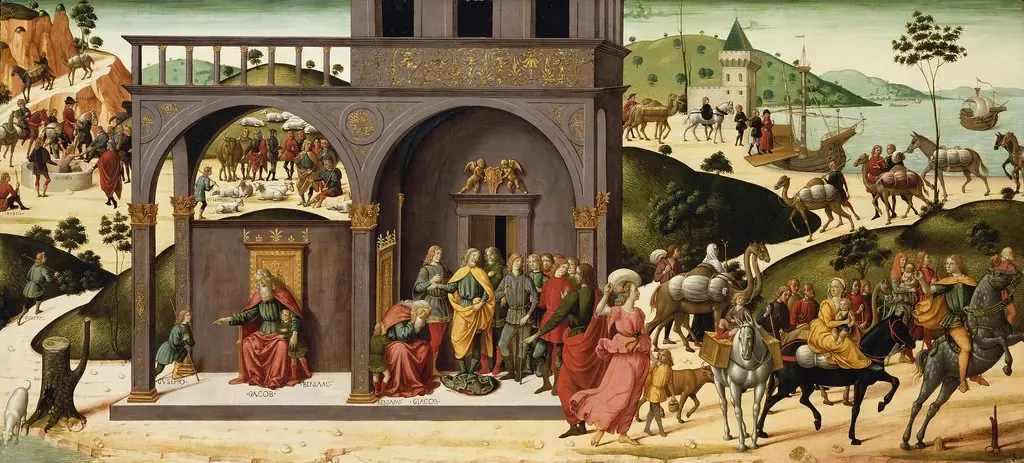 The Story of Joseph
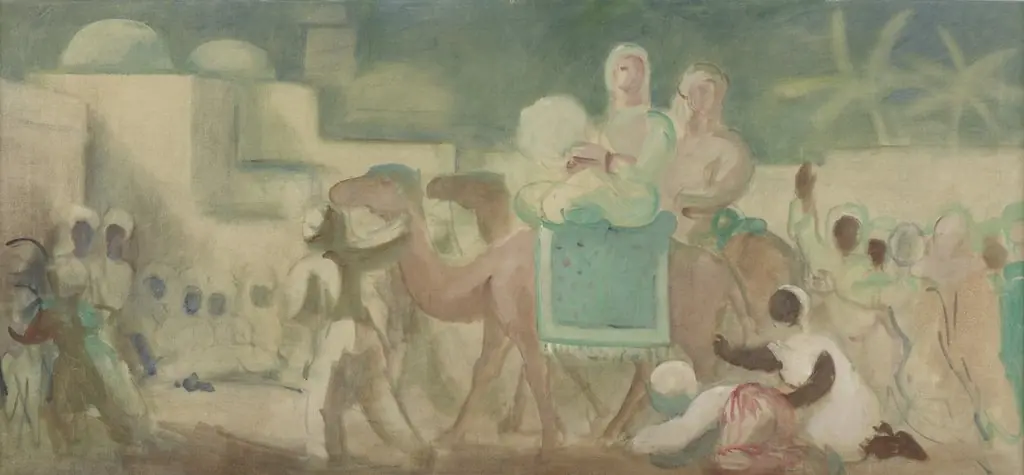 Menschen vor Stadt und zwei berittene Kamele
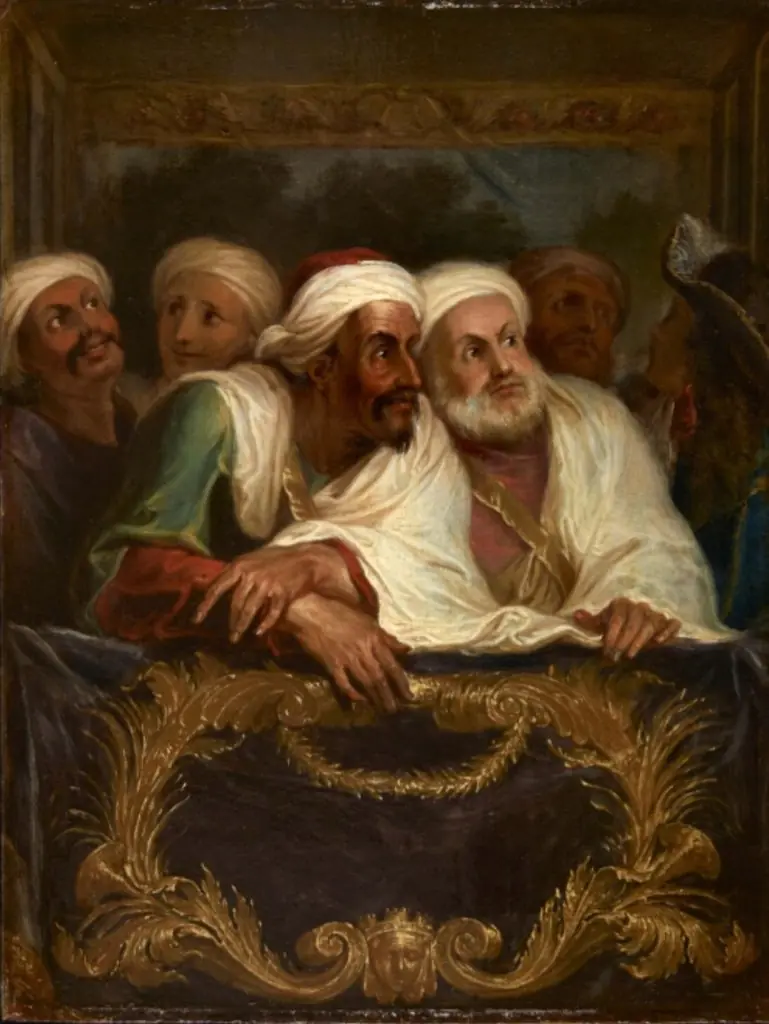 The Moroccan ambassador and his retinue at the Comédie italienne in Paris, February 1682
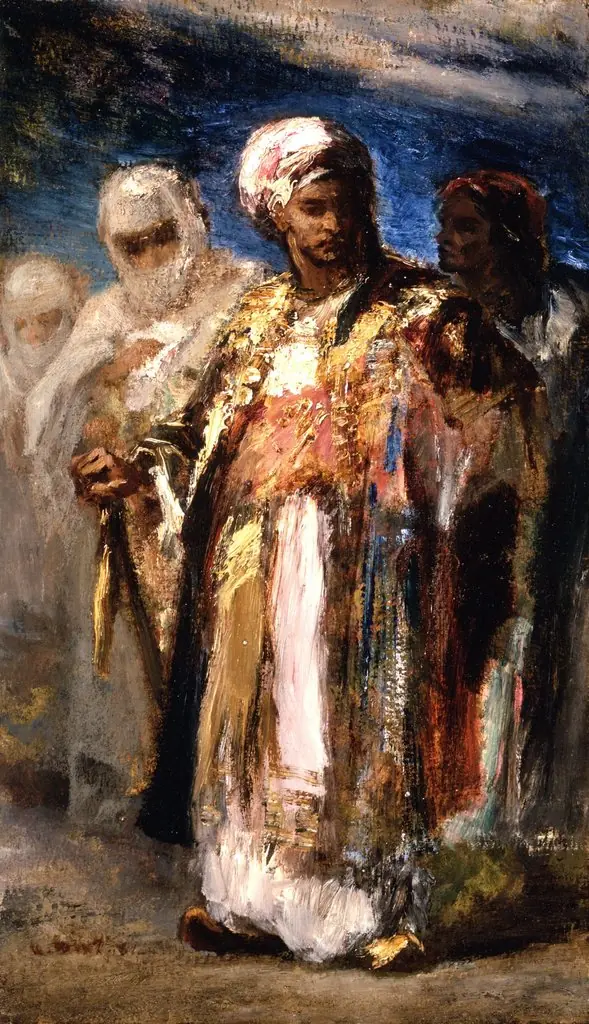 Men in Oriental Costumes
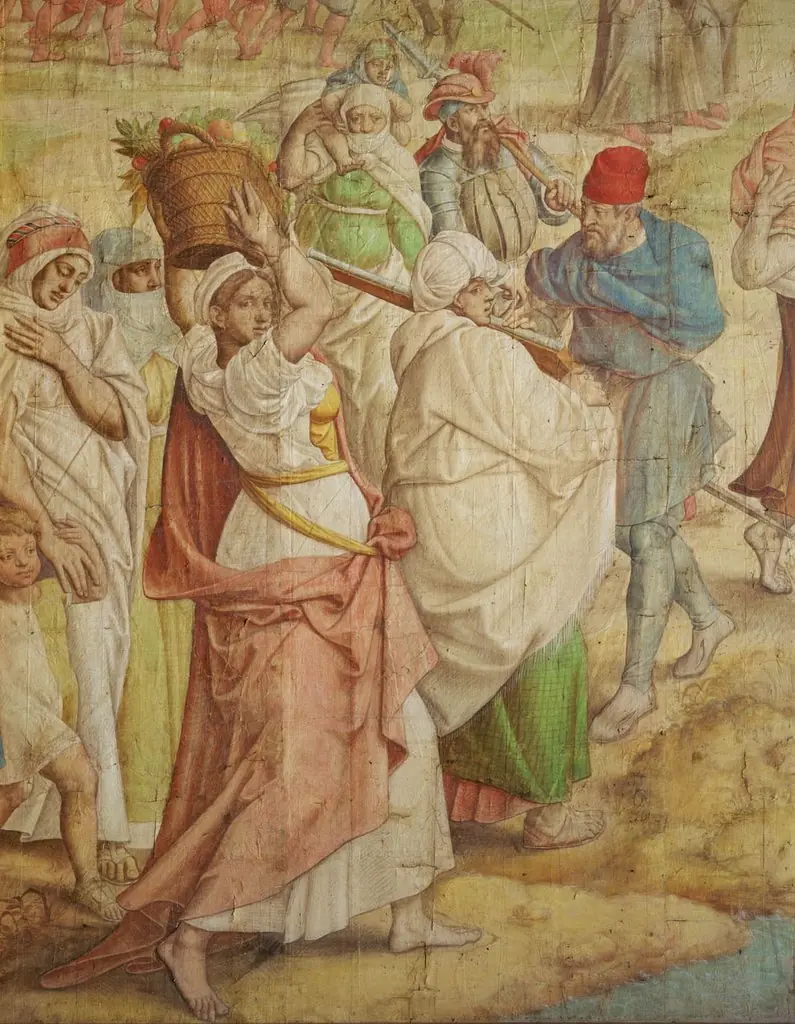 Kriegszug Kaiser Karls V. gegen Tunis (1535): Auszug des Heeres aus Tunis
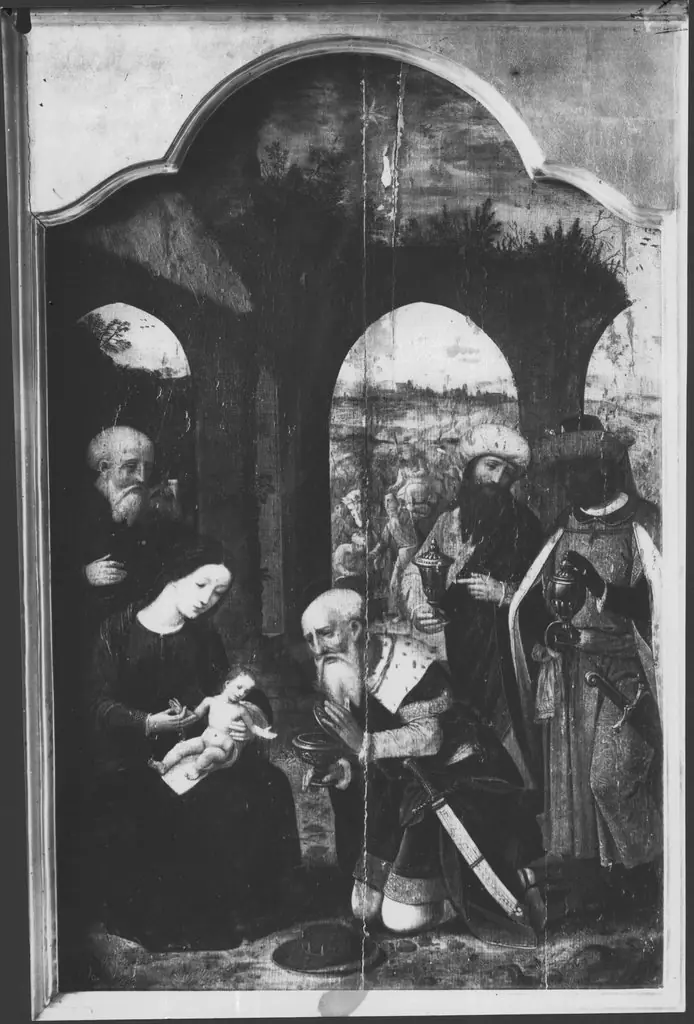 Adoration of the Magi
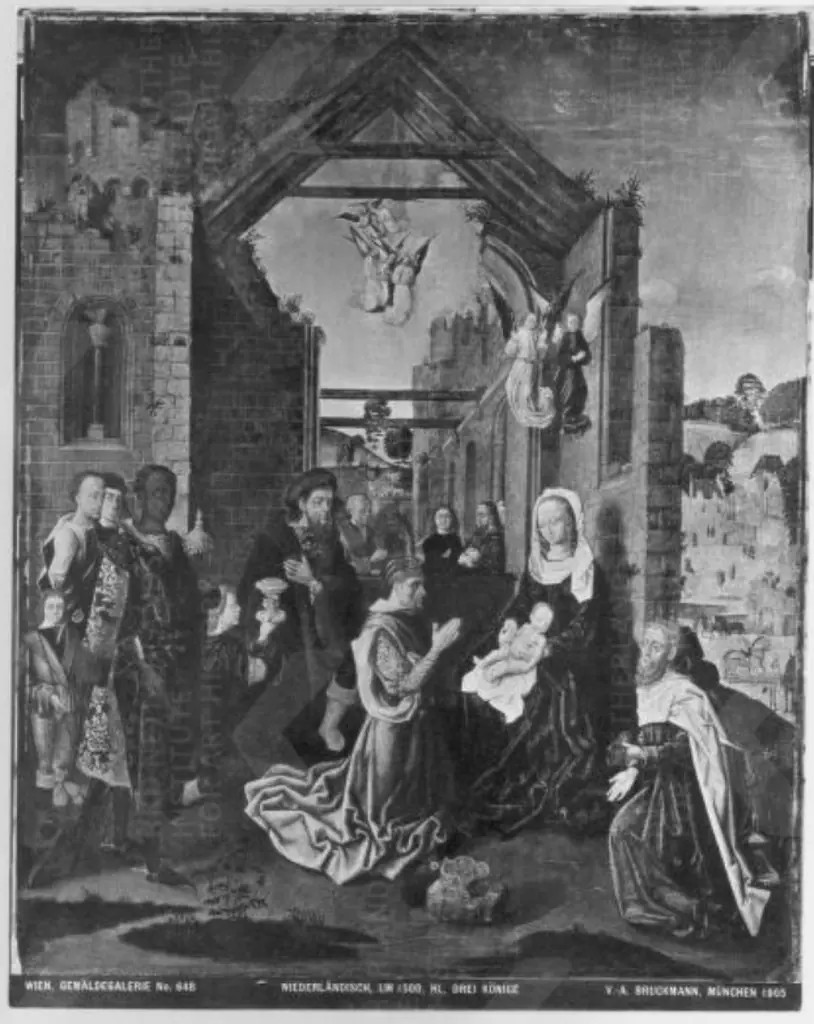 De aanbidding van de Wijzen
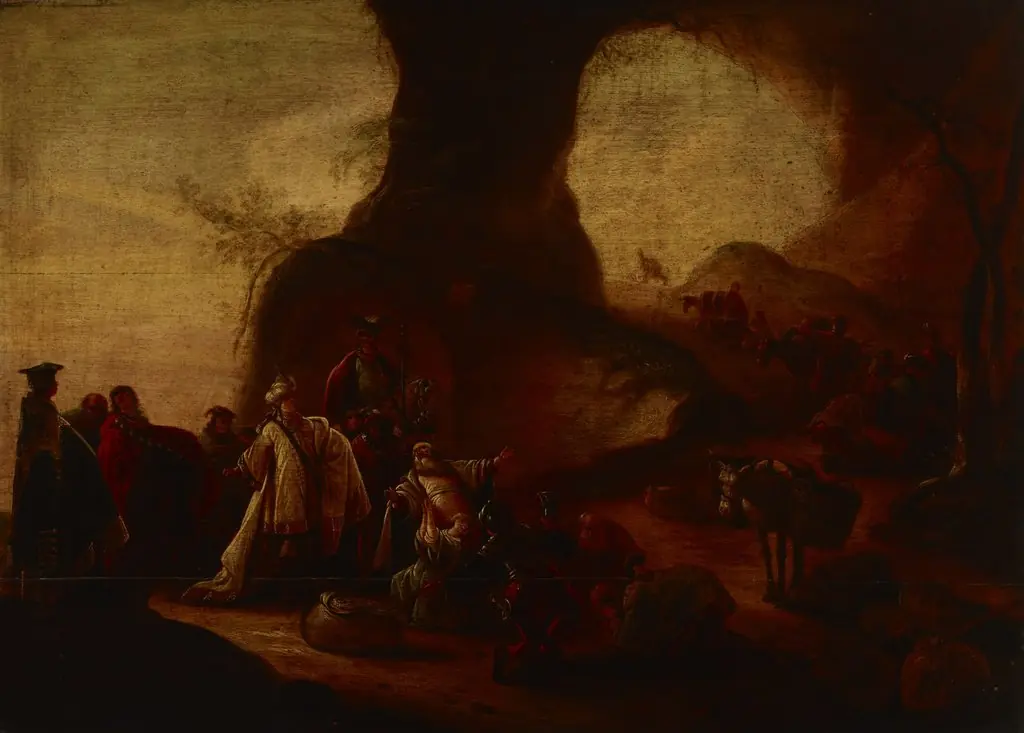 Discovery of the Joseph's Silver Cup in Benjamin's Sack
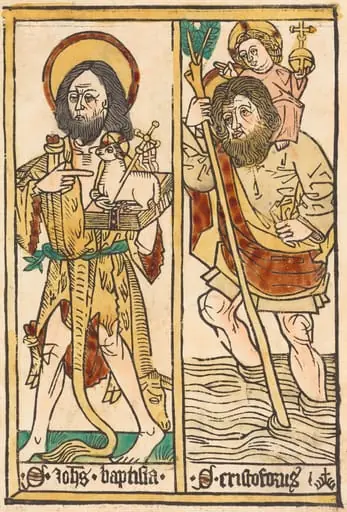 Saint John the Baptist and Saint Christopher
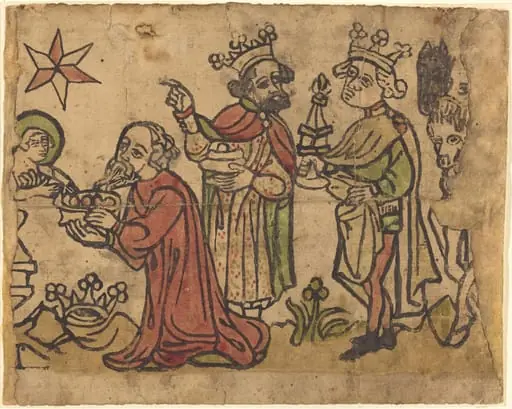 The Adoration of the Magi
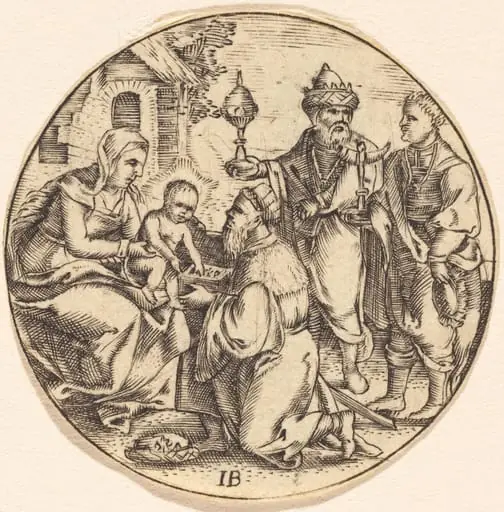 The Adoration of the Magi
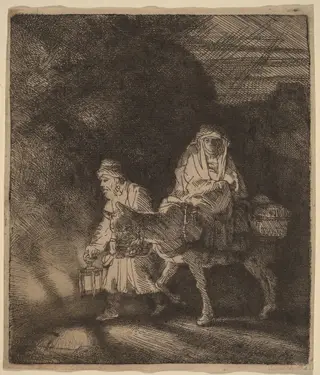 The Flight into Egypt: a Night Piece
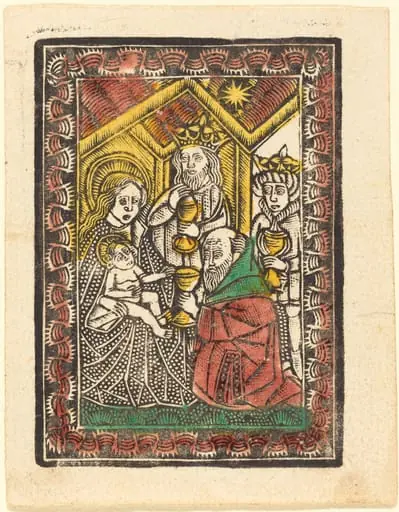 The Adoration of the Magi
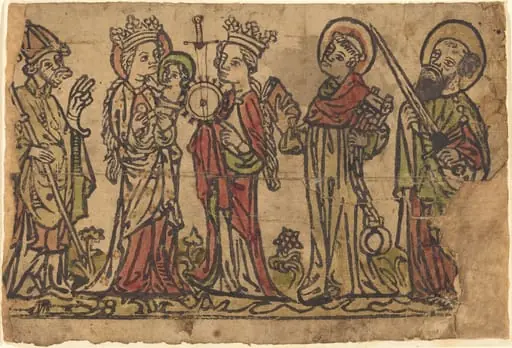 Madonna and Child with Four Saints
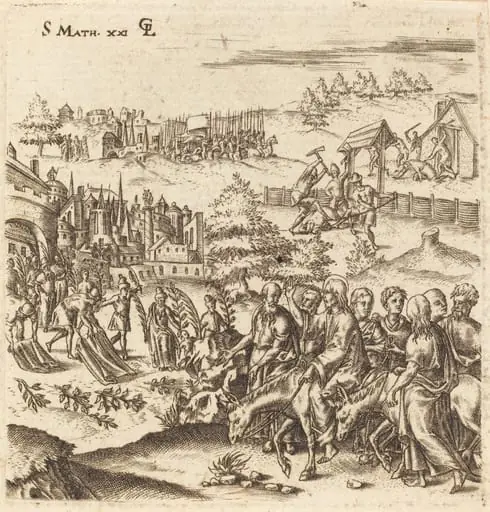 The Entry into Jerusalem
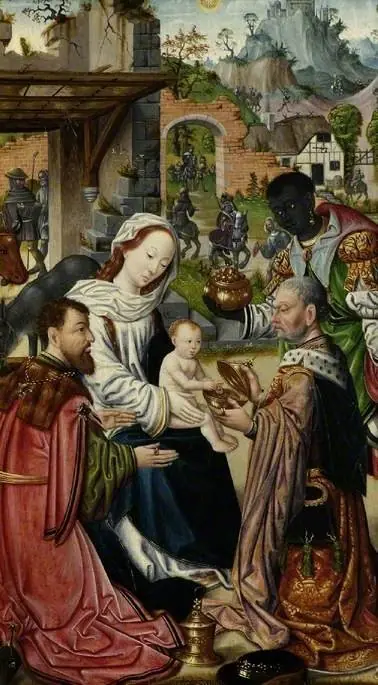 Adoration of the Kings (polyptych)
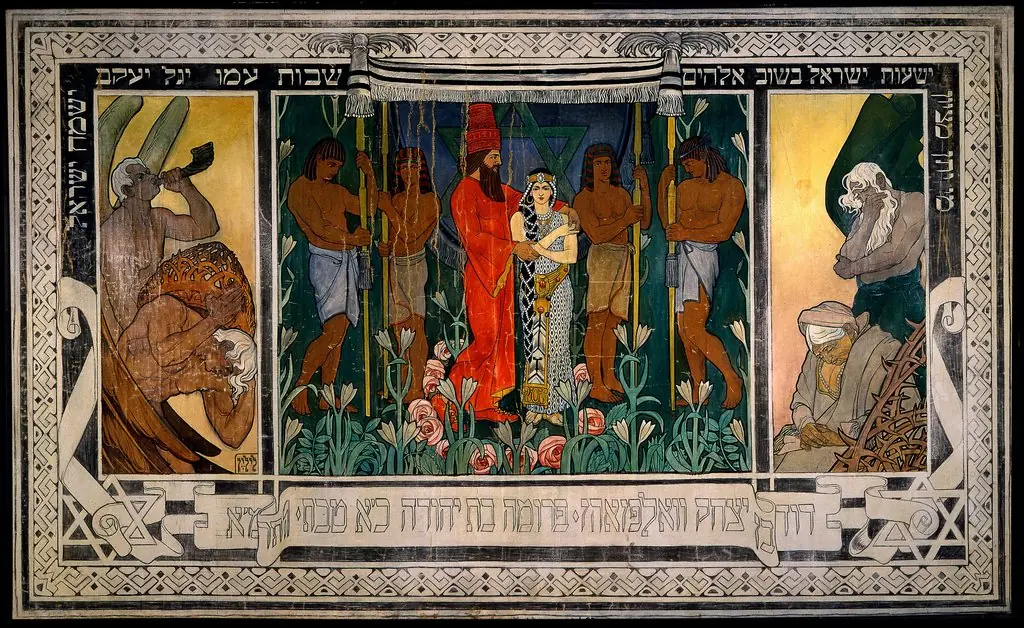 An Allegorical Wedding- Sketch for a carpet dedicated to Mr. and Mrs. David Wolffsohn Triptych (from...
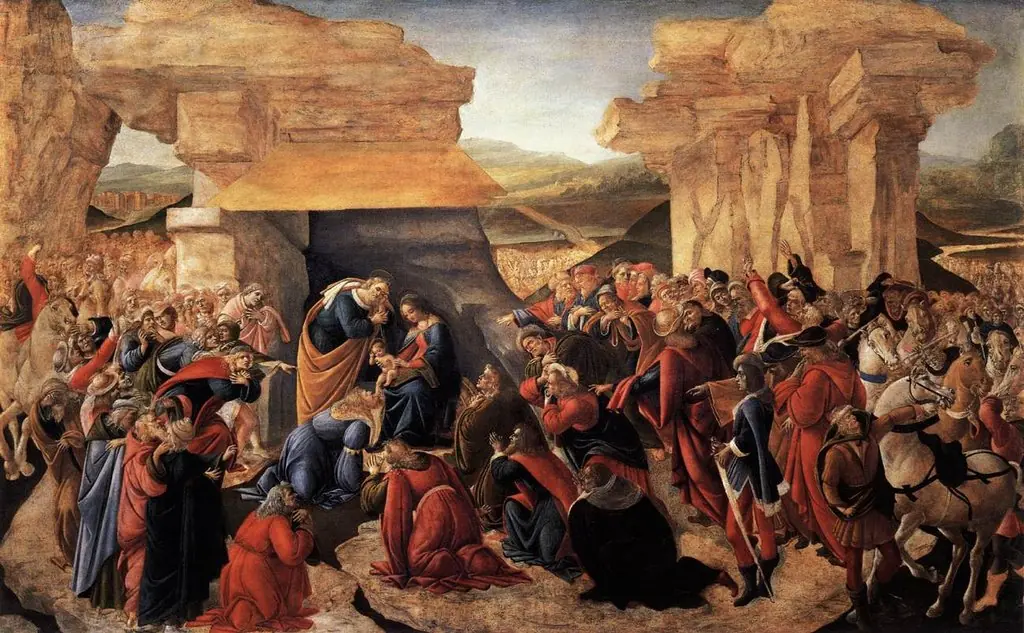 Adoration of the Magi
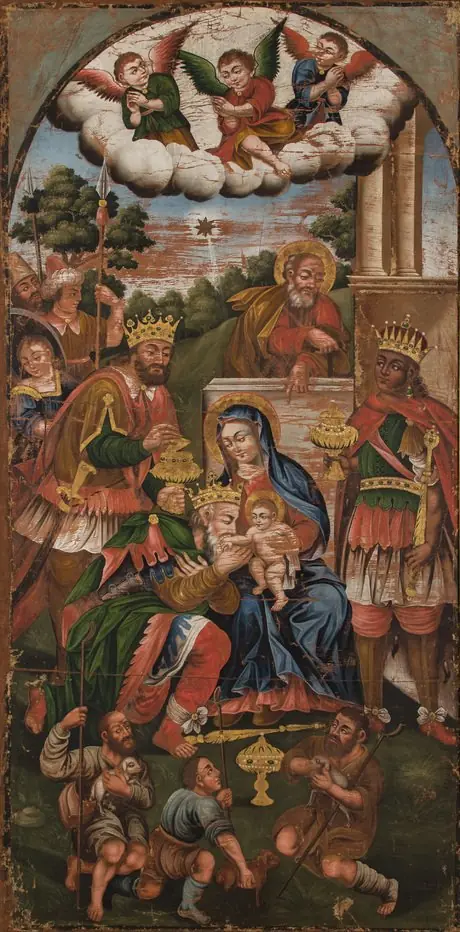 Մոգերի երկրպագությունը
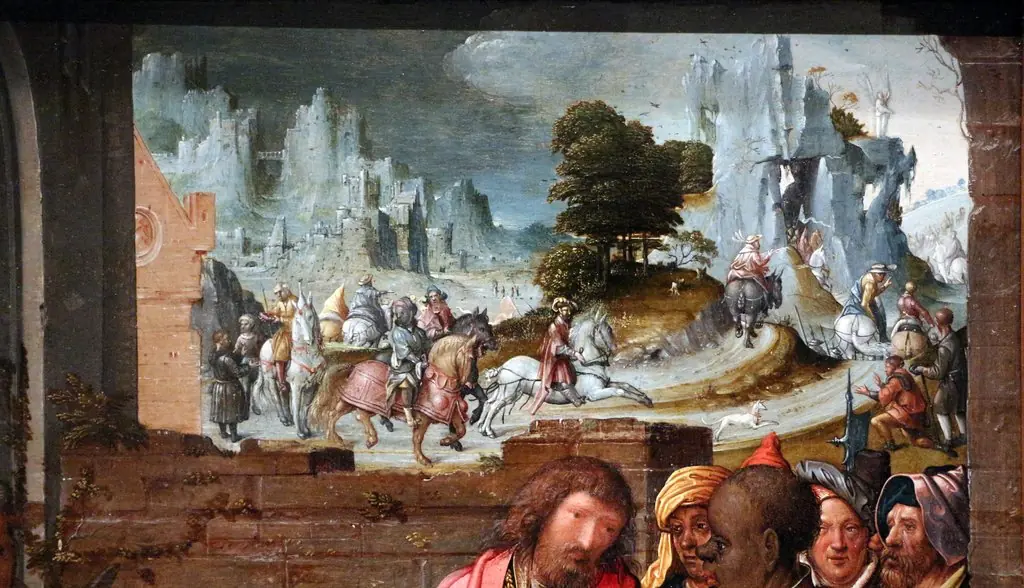 Adoration of the Magi
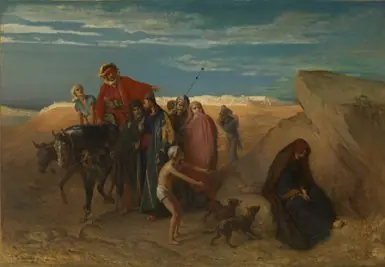 The daughter of Zion
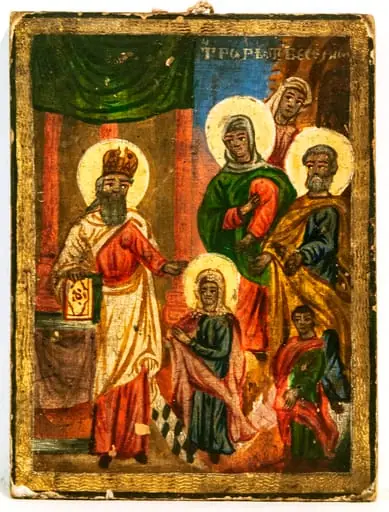 Icoana este pictată pe un suport de lemn de formă dreptunghiulară,cu scene din ciclul mariologic, pe o parte fiind scena "Nașterii Maicii Domnului" iar pe cealaltă "Intrarea Maicii Domnului în biserică". În iatacul deosebit, "loc sfânt", Ana este pe patul cu margini aurite, privind către Maria înfășată cu veșmânt aurit, ținută în brațe de o slujnică. În planul al doilea, Ioachim cu părul și barba albe, arată Cartea Sfântă. O altă slujnică pregătește scăldătoarea. Interiorul este sugerat prin câteva elemente(draperia, o coloană). Atât chipurile, cât și faldurile sunt tratate într-o manieră naivă,Chenarul dublu(6 mm aurit și 2mm cu maro), realizat prin incizie cu un obiect tare în grund. Pe suprafața icoanei se văd două galerii de cari. Paleta cromatică este variată, culorile de bază: roșu, verde, albastru, galben. Intrarea în Biserică o arată pe Maica Domnului copilă(avea trei ani) când a fost dusă la templu, așteptată de arhiereul Zaharia și însoțită de Sfinții Ei Părinți, Ioachim și Ana. Maria are pe umeri și pe cap cele trei stele simbolizând Fecioria, sub formă de flori stilizate prin puncte. Aureolele sunt aurite și dublate de un chenar alb. Conform erminiilor, Maria a fost însoțită de alte fecioare. În colțul din dreapta jos, posibil Arhanghelul Gavriil. Arhitectura templului este sugerată prin coloane, trepte și falduri. În partea de sus, albastrul cerului și un element de peisajcopac, munte). Cromatica și chenarul sunt identice cu fața 1. aceasta fiind mai puțin acoperită de impurități. Stratul pictural deteriorat, la colțuri și pe margini. Fața a doua prezintă o zgârietură cu un obiect tare.
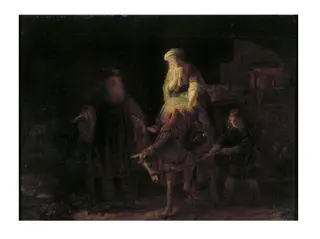 Abraham dismissing Hagar and Ishmael
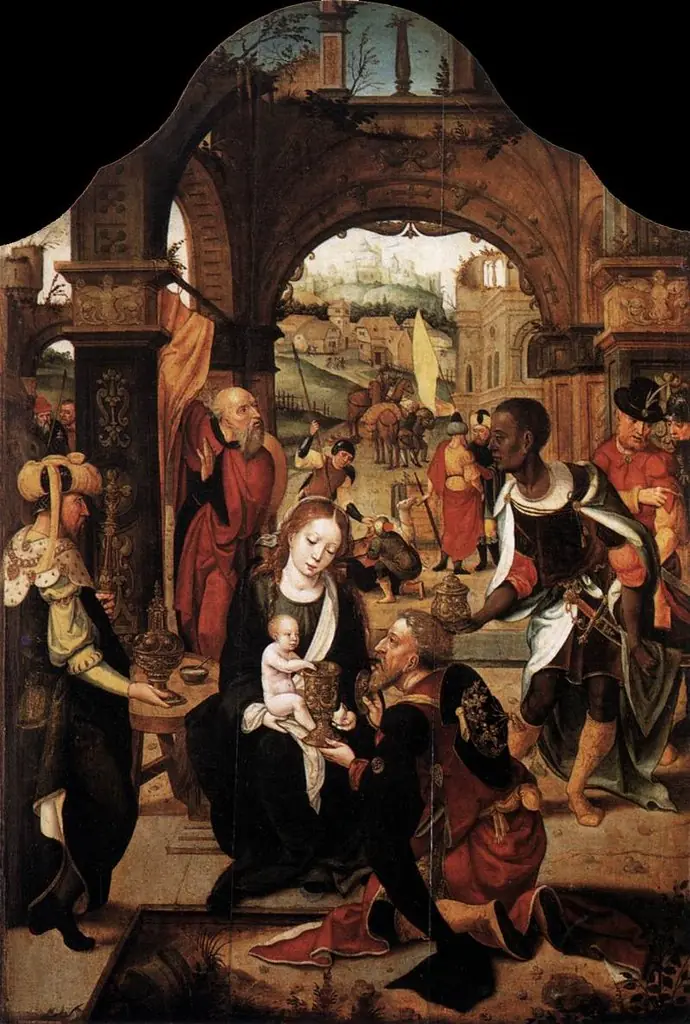 Anbetung der Könige
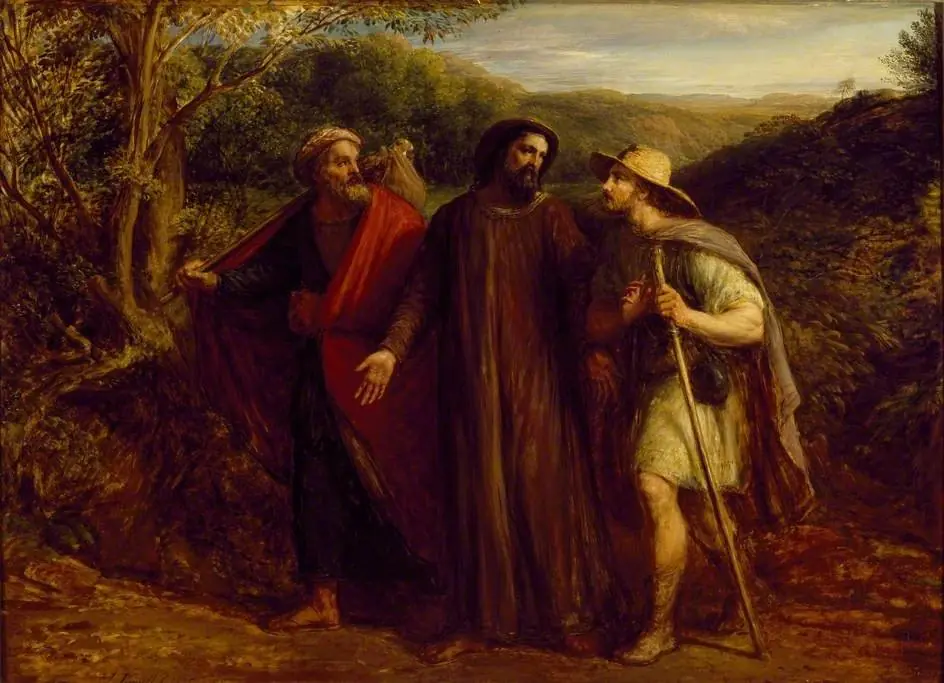 Christ's Appearance to the two Disciples journeying to Emmaus
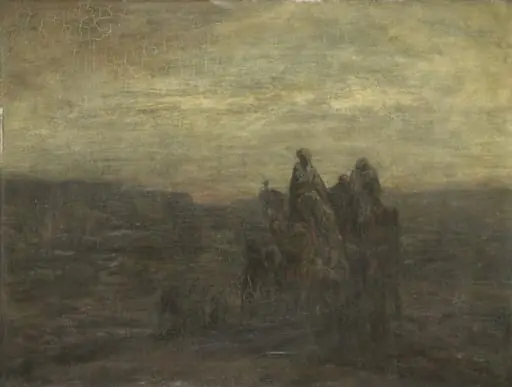 Caravan
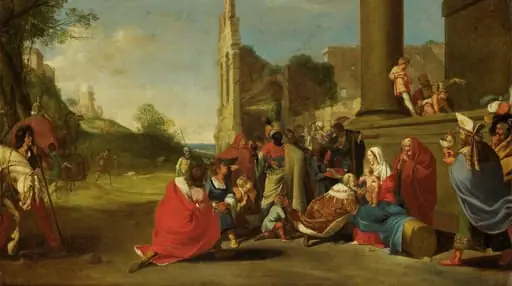 The Adoration of the Magi
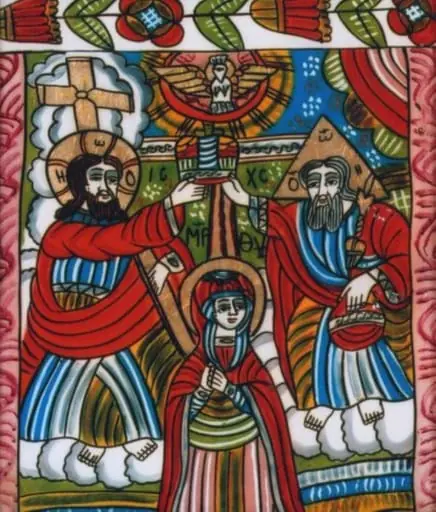 Încoronare Maicii Domnului
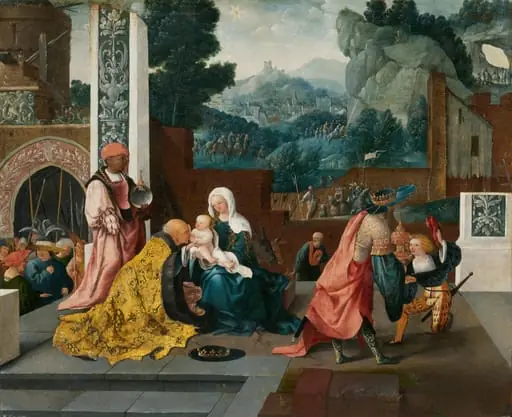 Adoration of the Magi
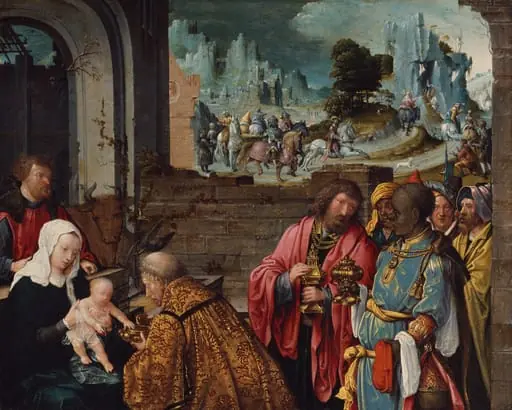 The Adoration of the Magi
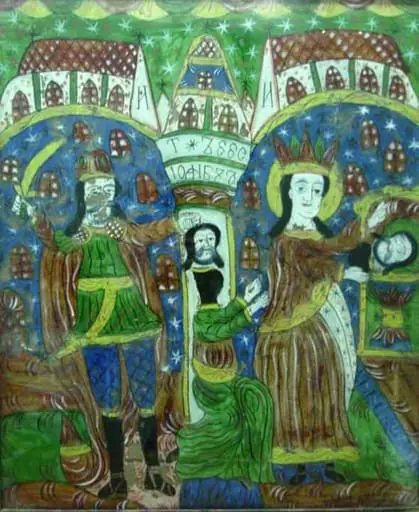 Tăierea capului Sfântului Ioan Botezătorul
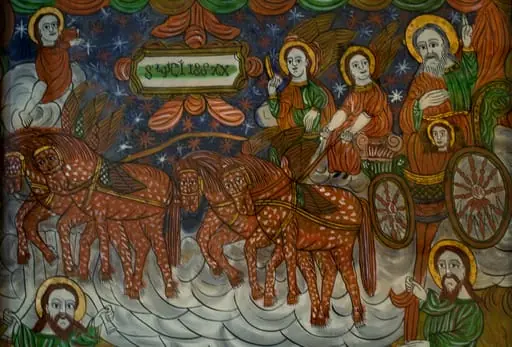 Icoa îmb
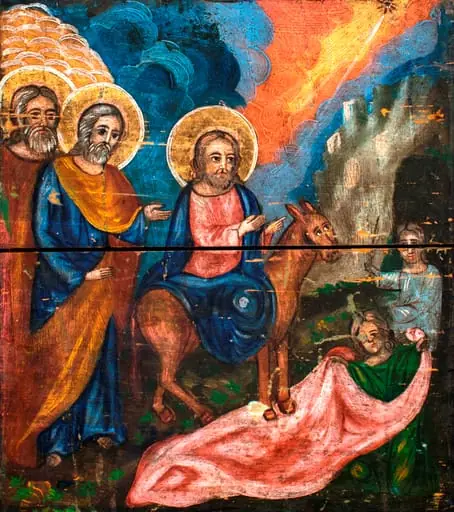 Pictura este deteriorată, din primul strat de pictură se observă puțin, pictura în ulei se pare că a adus modificări. În centrul compoziției Isus călare pe un asin cu capul întors, astfel încât i se văd ambii ochi. Isus ține mâinile întinse către mulțimea sugerată de două personaje care își așează veșmintele pe jos ca Mântuitorul să calce pe ele, în mâini având ramuri de finic. În spatele lui Isus vin ucenicii Săi, în frunte cu apostolul Petru și încă unul din apostoli, restul fiind sugerați într-un șir lung, din care se văd doar aureolele, mai multe decât numărul apostolilor. Norii învolburați despicați de lumina stelei pe un fond roșu, incandescent, nu sunt elemente specifice intrării în Ierusalim Părțile laterale indică faptul că icoana era asamblată într-un ancadrament. Intervenția cu culori de ulei se observă și în dârele de culoare neagră prelinse de pe latura de sus. Aceasta mai atestă faptul că intervenția s-a făcut când icoana era fixată într-o poziție verticală. Pe spate este aplicată o culoare roz.
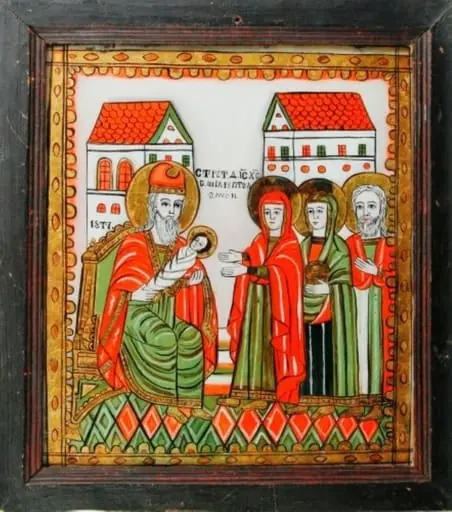 Stretenie (Întâmpinarea Domnului)
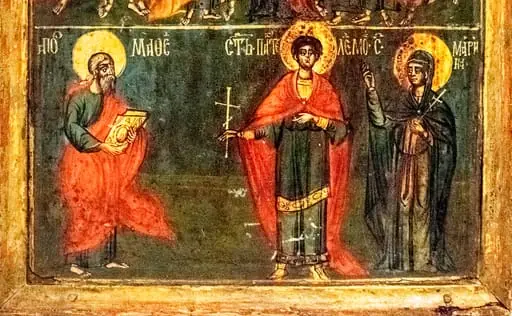 Icoaocto
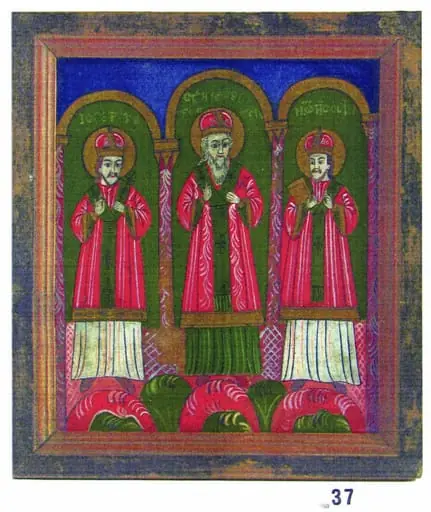 Sfinții trei ierarhi Vasile, Grigore și Ioan
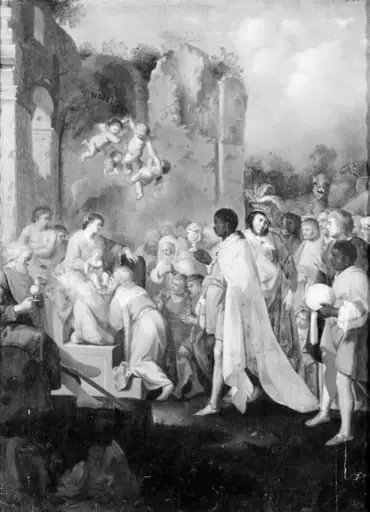 The Adoration of the Kings
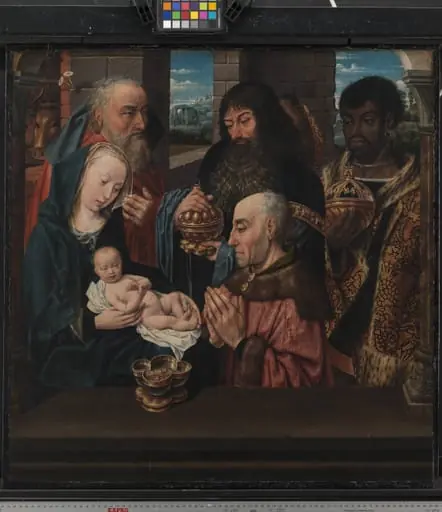 The Adoration of the Kings
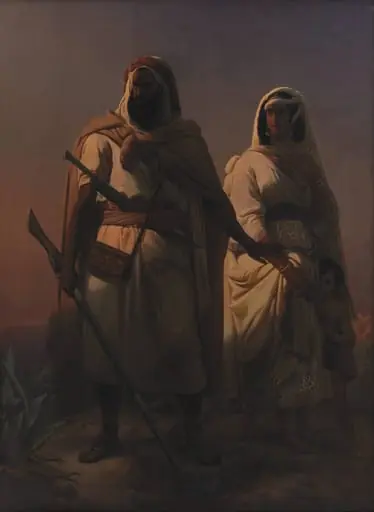 An Arab Family in the Desert
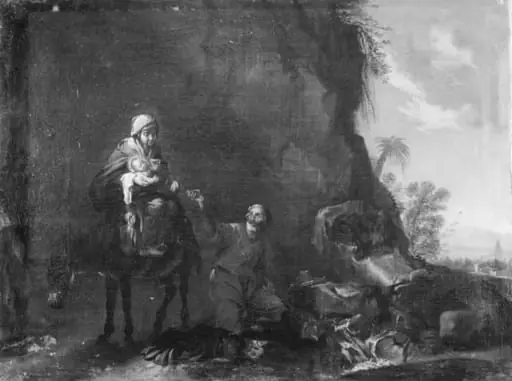 The Flight into Egypt
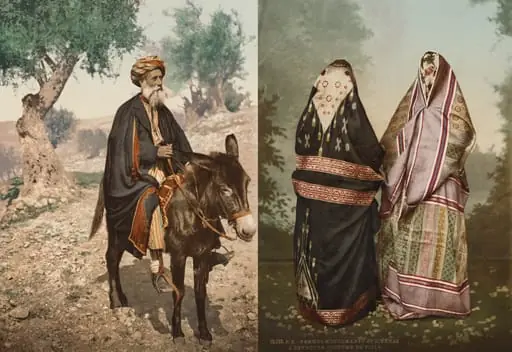 Femmes musulmanes Syriennes à Beyrouth, Costume de Ville
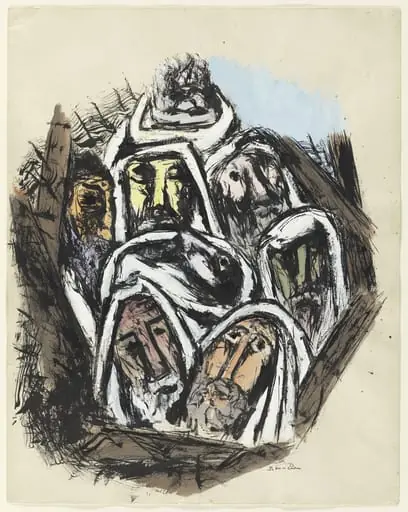 Untitled
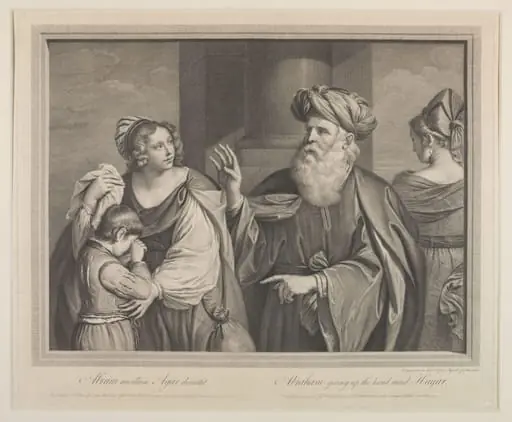 Abraham giving up Hagar
Frequently asked questions
What is Biblical Magi?
Biblical Magi is a subject in art. In Christianity, the Biblical Magi ( MAY-jy or MAJ-eye; singular: magus), also known as the Three Wise Men, Three Kings, and Three Magi, are distinguished foreigners who visit Jesus after his birth, bearing gifts of gold, frankincense, and myrrh.
How many Biblical Magi works does Artifact World Gallery have?
Artifact World Gallery holds 155 public-domain Biblical Magi works, all free to view and download.
Who are the key Biblical Magi artists?
Key Biblical Magi artists in the collection include Titian, Paolo Veronese and Edgar Degas.
Where can I see Biblical Magi works?
Biblical Magi works in the collection are held by National Gallery of Art, Gemäldegalerie Berlin and Kunsthistorisches Museum.