
Subject
Crosier
Crosier is a subject in art. The gallery holds 25 works in this subject in art, including works by El Greco, Peter Paul Rubens and Francesco Pesellino.
family name
Key artists

Overview
The crosier, also known as a pastoral staff, is an ecclesiastical ornament conferred upon bishops at their consecration and upon mitred abbots at their investiture. Used by these prelates in performing certain solemn ecclesiastical functions, the crosier takes the form of a staff with a curved crook, evoking the shepherd's crook and symbolizing pastoral care and spiritual authority. Its use in Western Christianity dates to at least the sixth century in Gaul, and the form with a spiral crook extending into an elongated curl developed around the tenth century. The crosier appears as a prominent attribute in numerous works of art, where it serves to identify ecclesiastical figures and convey layers of theological meaning.
Iconography & meaning
The crosier's primary symbolism derives from its shape as an open shepherd's crook, representing Jesus as the Good Shepherd leading his flock, a connection rooted in Psalm 23's reference to rod and staff. Pope Celestine I formally linked crosiers to the episcopal office in a 431 letter to bishops in Gaul, cementing their status as symbols of ecclesiastical authority. Beyond this general meaning, crosiers often carried personalized iconography. Many depicted saints dear to their original owners or to the church where they were used. The crosier itself became a vehicle for elaborate religious imagery: a notable example at the Victoria and Albert Museum, dating to circa 1250 from Limoges, features the Coronation of the Virgin within its volute, a scene drawn from Psalm 44:11-12 and the Song of Songs rather than the New Testament. Other crosiers incorporated the Paschal Lamb, symbols of the Passion, or figures of specific saints. In Irish tradition, croziers acquired additional power as relics and spiritual instruments, with the legendary Bachal Isu or Staff of Jesus, given by God to Saint Patrick, establishing a paradigm of the crosier as a conduit of holy energy.
Across movements & periods
The treatment of the crosier evolved significantly across periods and cultures. In the early medieval period, particularly in Ireland between approximately 800 and 1200 CE, Insular croziers represented a distinctive artistic achievement, combining wooden cores with elaborate metalwork in copper alloy, silver, niello, glass, and enamel. The Clonmacnoise Crozier, a late eleventh-century example, exemplifies this tradition with its Viking-influenced snake-like animals and ribbon of dog-like animals in openwork. By the twelfth and thirteenth centuries, Limoges in France became the chief center for enamelled crosier production, turning out crosiers with champlevé enamel decoration and standardized iconographic programs, most commonly featuring the Coronation of the Virgin. J.C. Robinson noted that these Limoges pieces were essentially current articles of manufacture, often designed as sepulchral crosiers for tomb deposition rather than for the highest episcopal use. By the end of the thirteenth century, the popularity of Limoges enamelled crosiers waned, yielding to more elaborate and magnificent crosiers in precious metals. The form continued to develop with the addition of well-defined knops from the twelfth century onward and increasingly elaborate decorative programs.
Notable depictions
Several notable crosiers survive as significant works of medieval art. The Clonmacnoise Crozier, now in the National Museum of Ireland, Archaeology, Kildare Street, Dublin, is one of the finest examples of early medieval metalwork from Ireland, largely intact despite some shortening of the staff and loss of inserted gems. Discovered in the late eighteenth or early nineteenth century at Clonmacnoise monastery in County Offaly, it may have been associated with Saint Ciarán of Clonmacnoise and possibly commissioned by Abbot Tigernach Ua Braín. The Victoria and Albert Museum holds a crosier head of gilded copper with champlevé enamel from Limoges, France, circa 1250, depicting the Coronation of the Virgin within its crook and featuring three dragons with turquoise pastes. The Ashmolean Museum possesses an ivory and metal crosier head presented in 1683 by Lady Dorothy Long, featuring the Paschal Lamb surrounded by a serpent alluding to the jaws of Hell, with later bronze mounts including Jesuit symbols from the 1540s. These objects demonstrate the range of materials, from ivory to precious metals to enamel, employed in crosier production across medieval Europe.
Legacy
The crosier's significance extends beyond its liturgical function into broader cultural and institutional histories. The Order of the Holy Cross, known as the Crosiers, takes its name from the French croisés, meaning signed with the Cross, and maintains a spirituality focused on the triumphant cross of Christ. This religious order, founded over 800 years ago, has carried the crosier's symbolic associations into modern contexts, including missionary work in Indonesia where since 1958 Rita the Crosier Fathers and Brothers have worked in the Diocese of Agats-Asmat. The American Museum of Asmat Art at the University of St. Thomas houses nearly 3,000 objects acquired through the Crosiers' decades-long interactions with the Asmat people. The crosier as an object type also continues to attract scholarly attention, with art historians such as Griffin Murray describing the Clonmacnoise Crozier as one of the finest examples of early medieval metalwork from Ireland, and Rachel Moss analyzing the distinctive shape of Irish croziers in relation to both pastoral and Bacchic iconography. The form persists in ecclesiastical use today, maintaining its centuries-old association with episcopal and abbatial authority.
Works
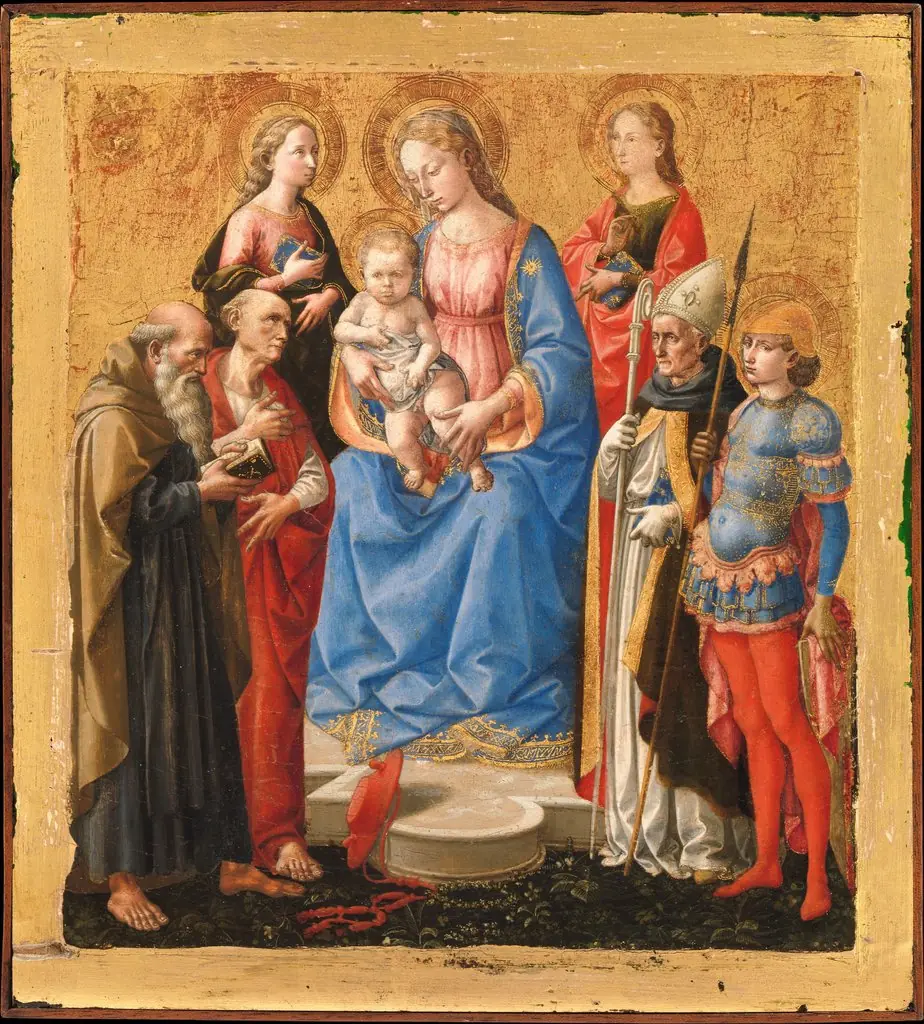 Madonna and Child with Six Saints
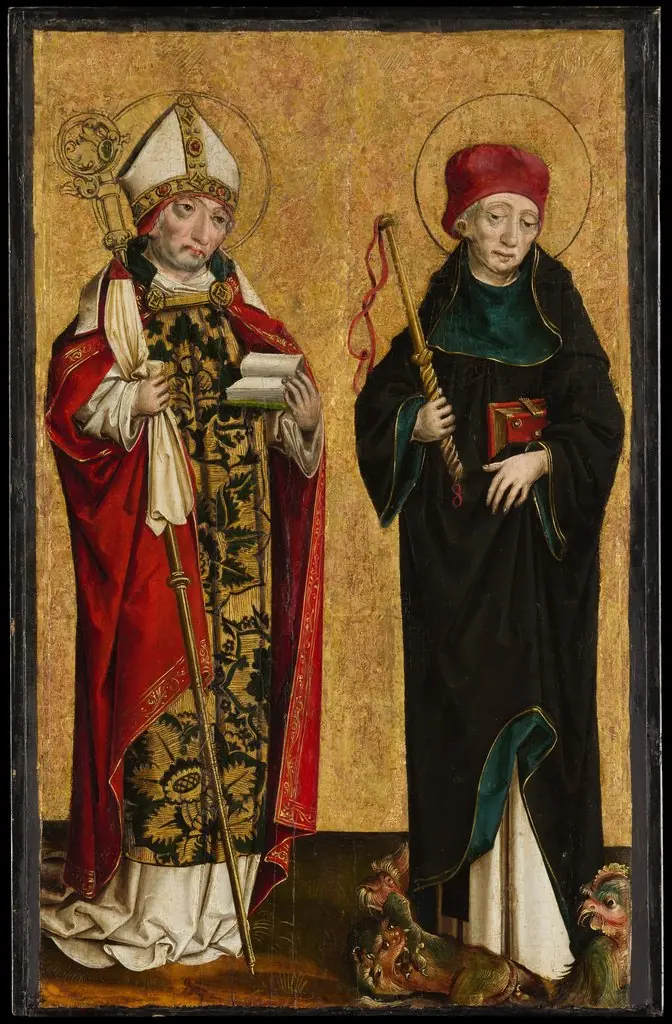 Saint Adalbert and Saint Procopius
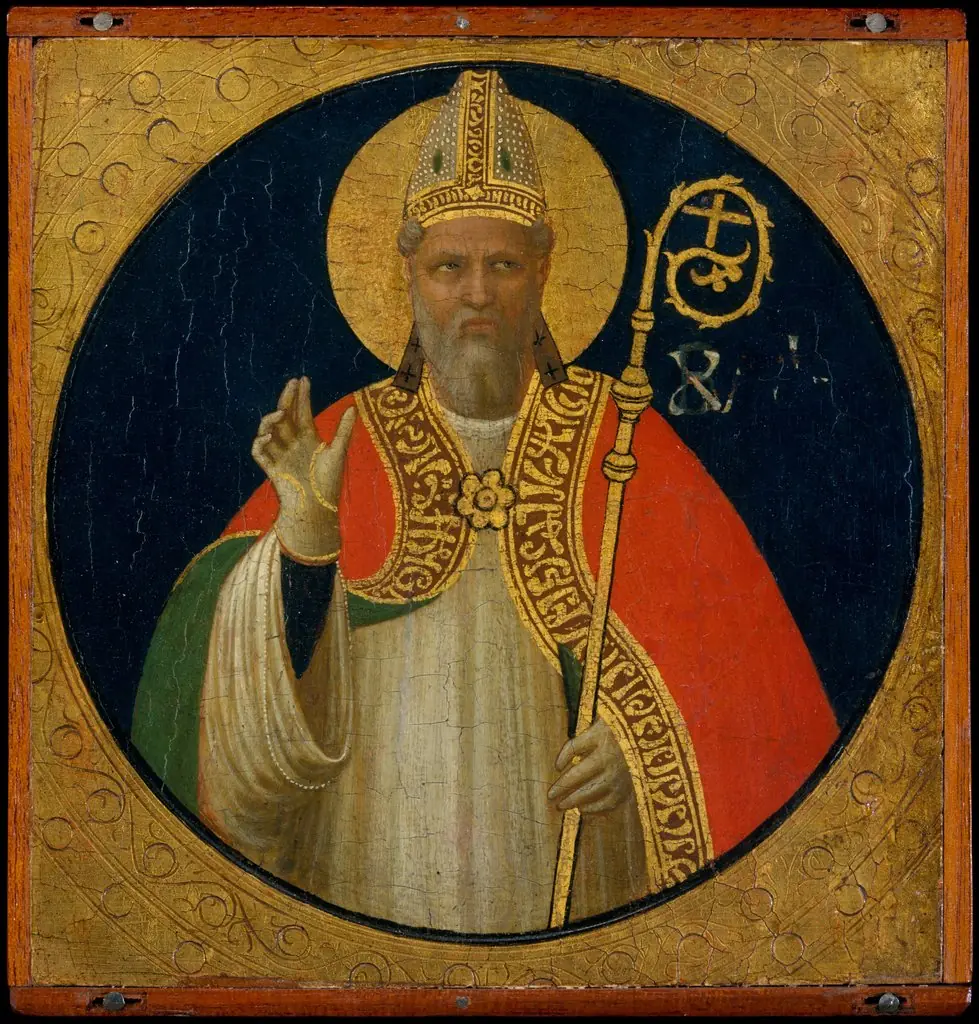 A Bishop Saint
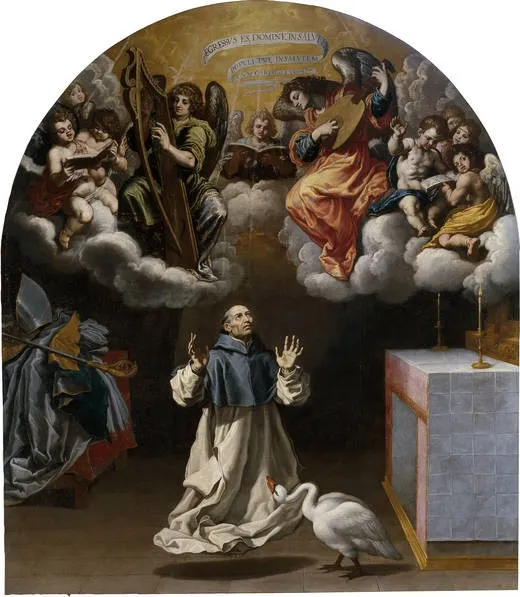
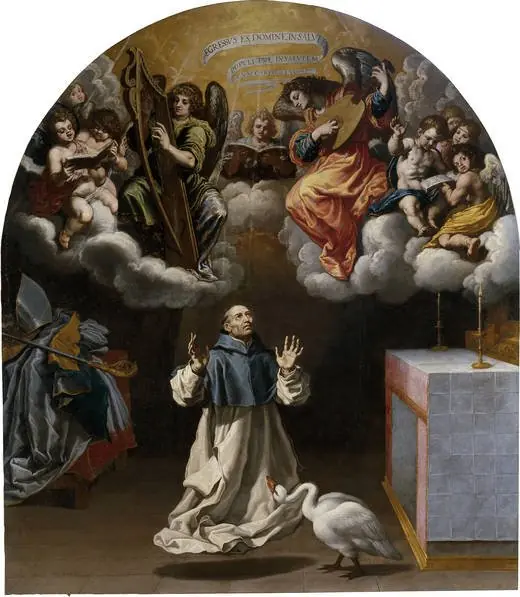 Musician Angels Appear to Saint Hugo of Lincoln
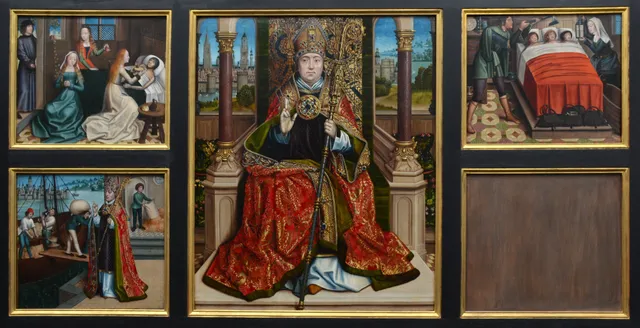
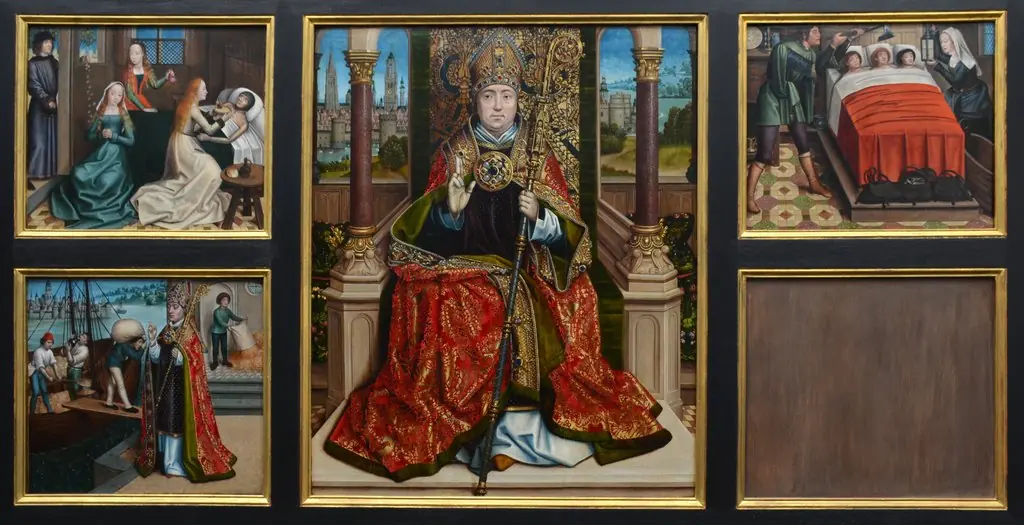 Altarpiece of St. Nicholas
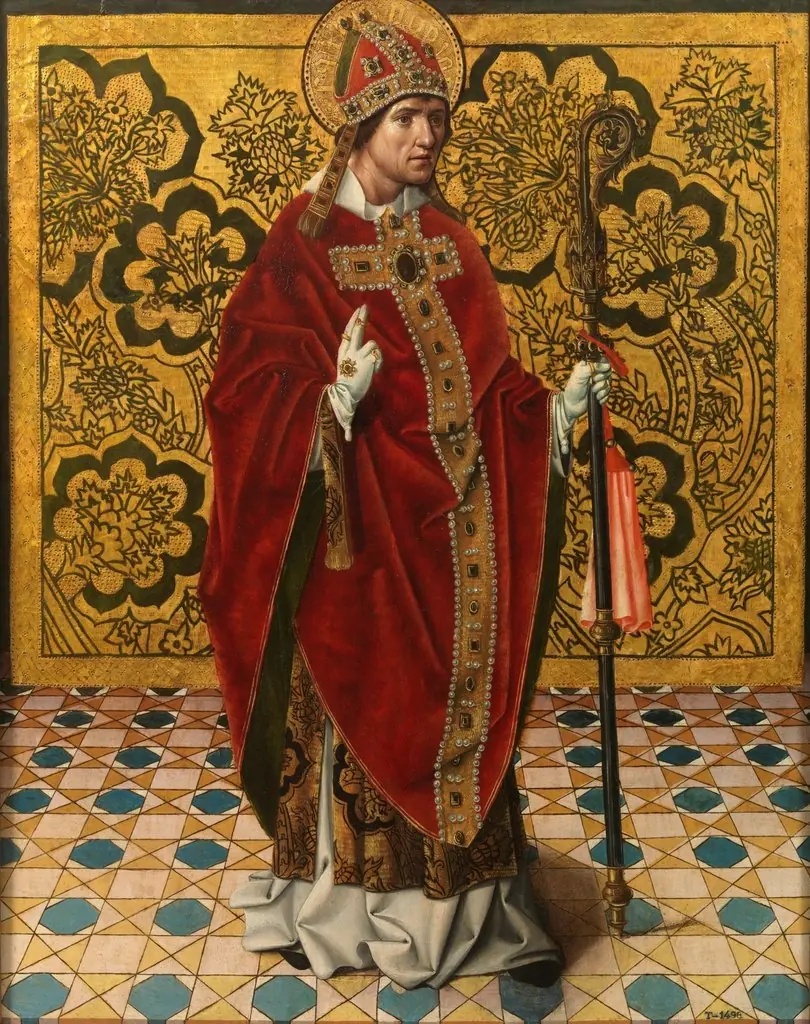 Saint Gregory
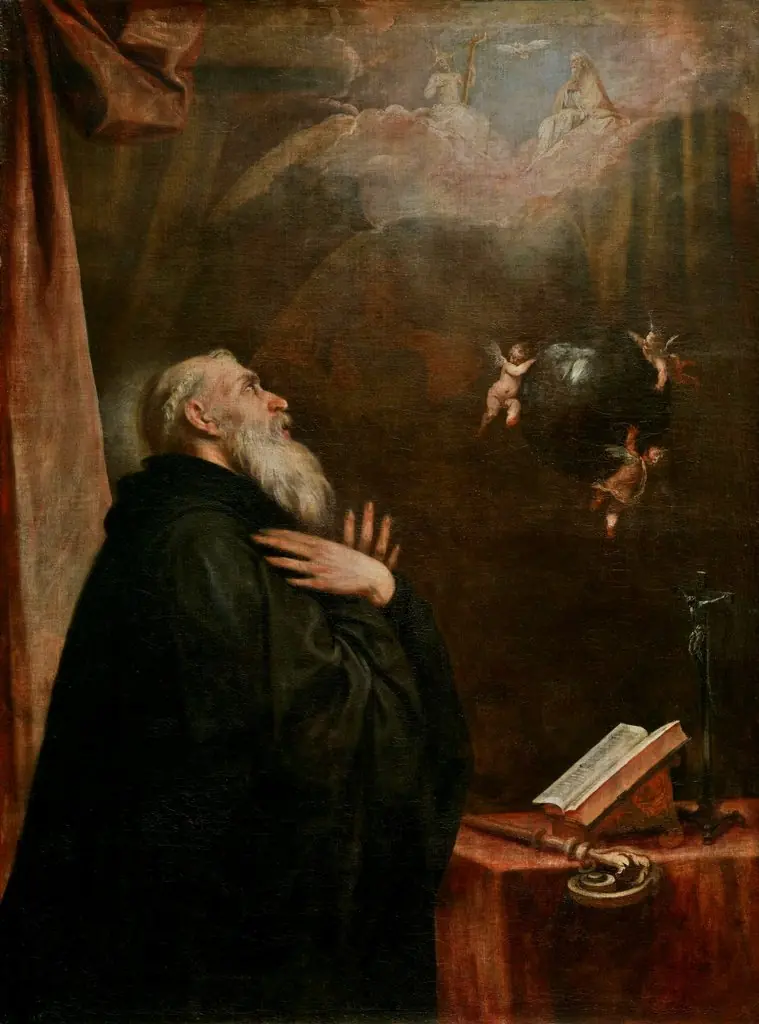 Saint Benedict's Vision of the Globe and the three Angels
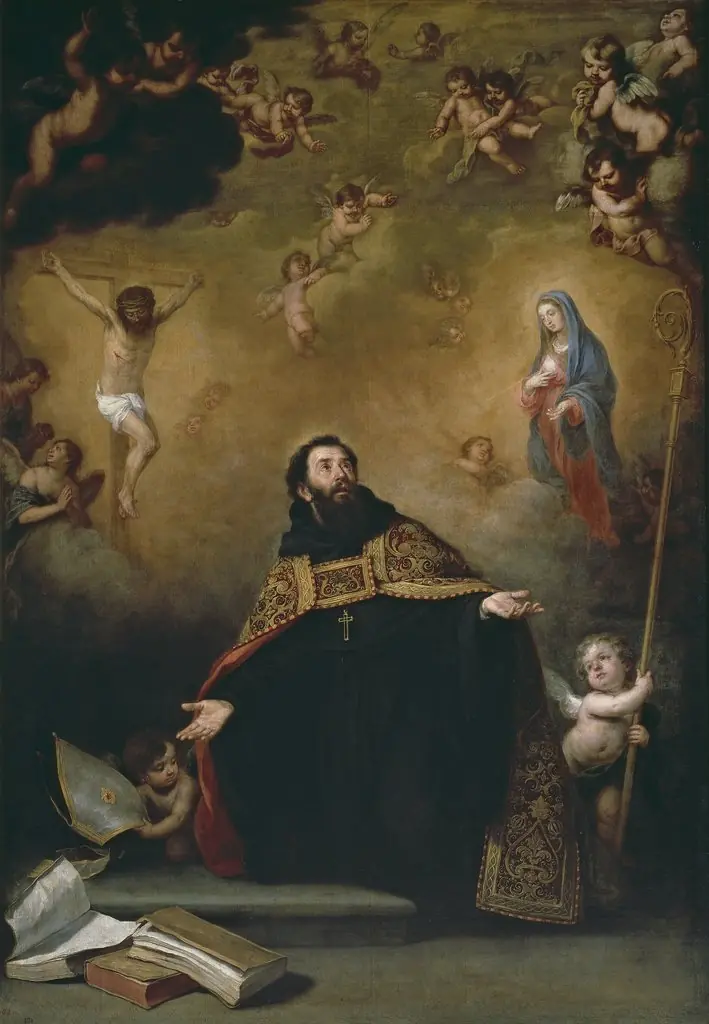 Saint Augustine between Christ and the Virgin
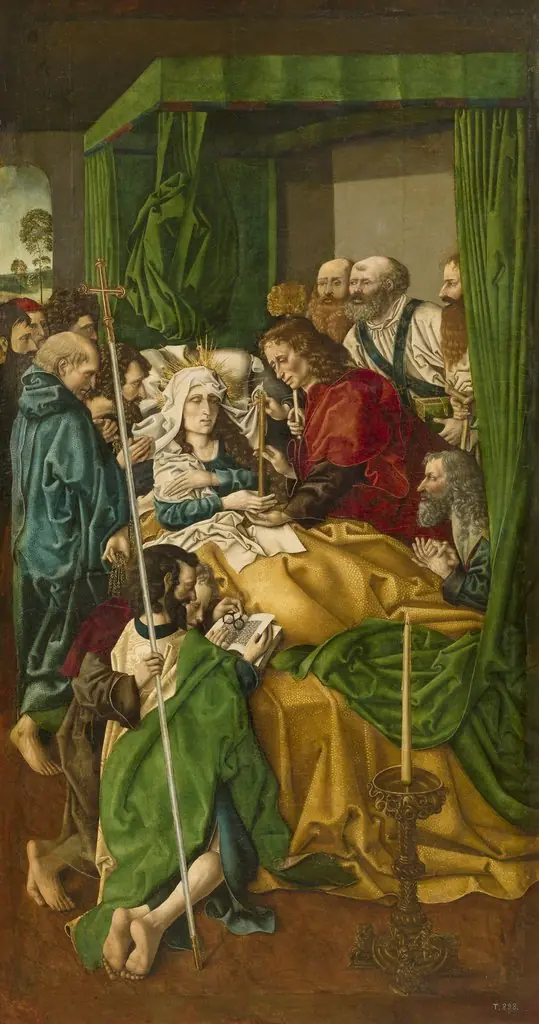 The Death of the Virgin
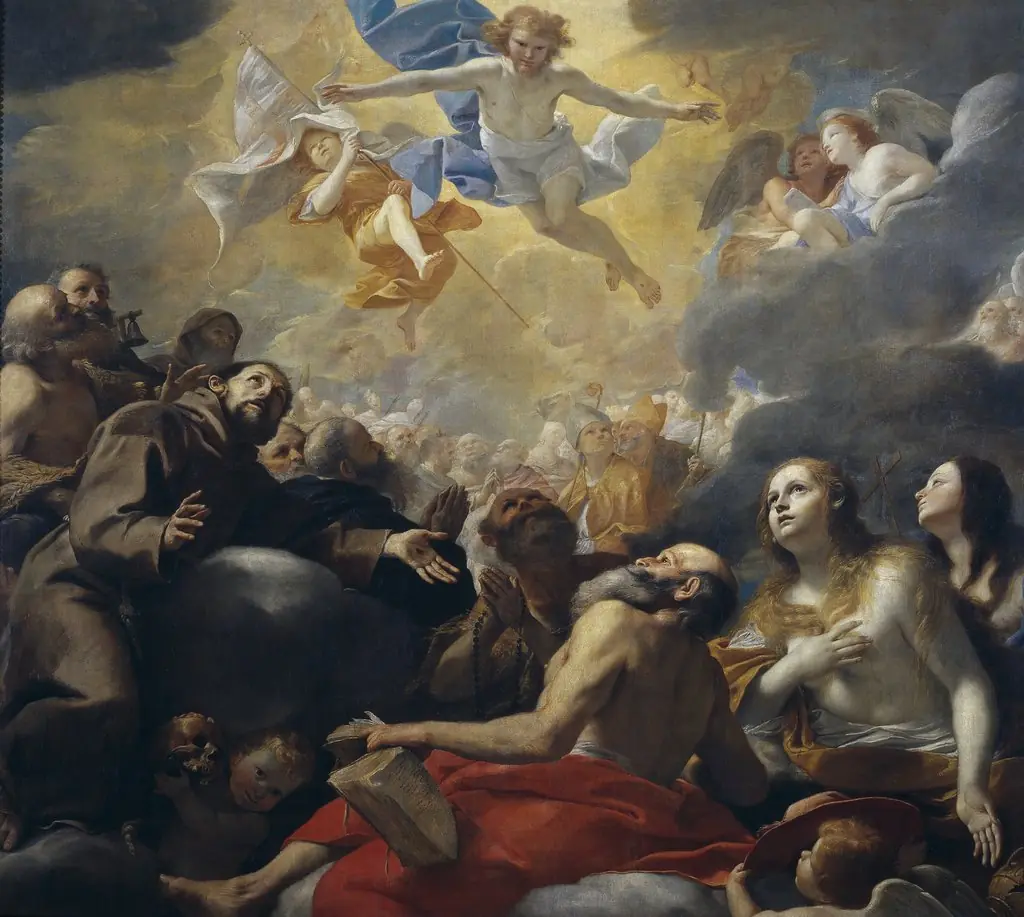 Christ in Glory with Saints
 Saint Thomas
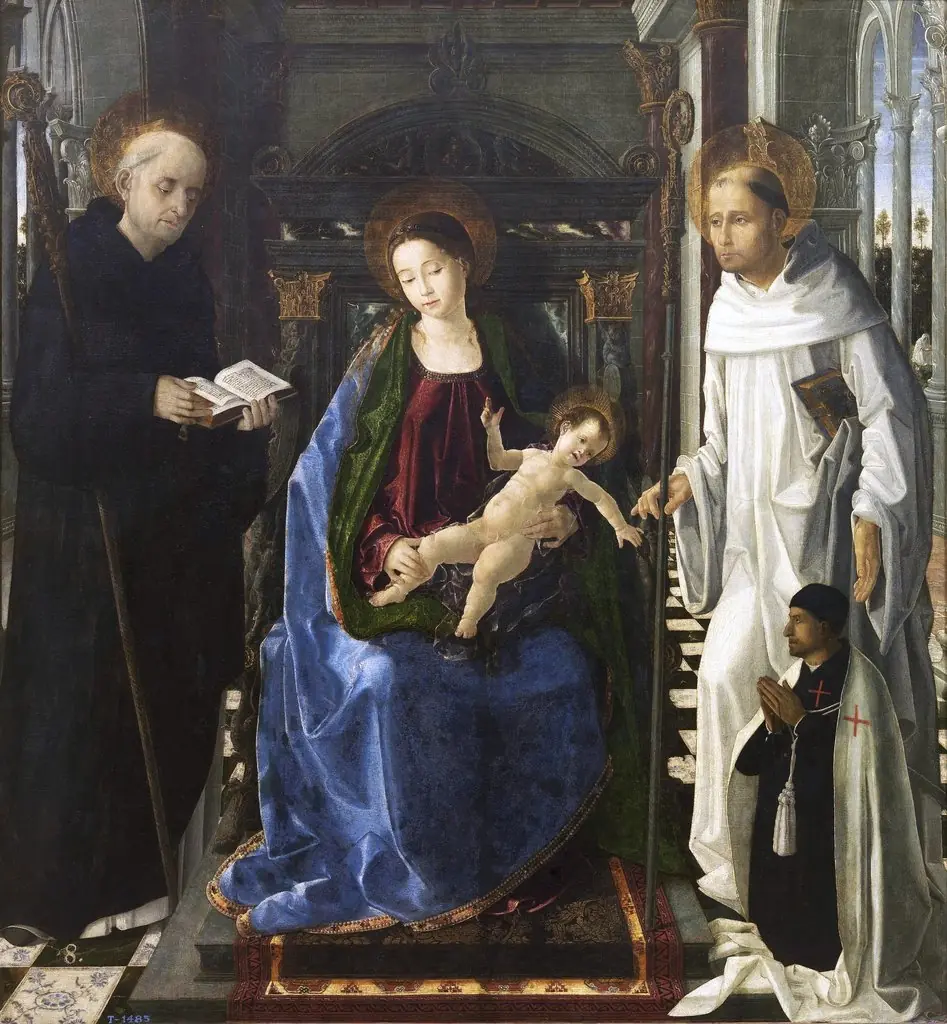 The Virgin of the Knight of Montesa
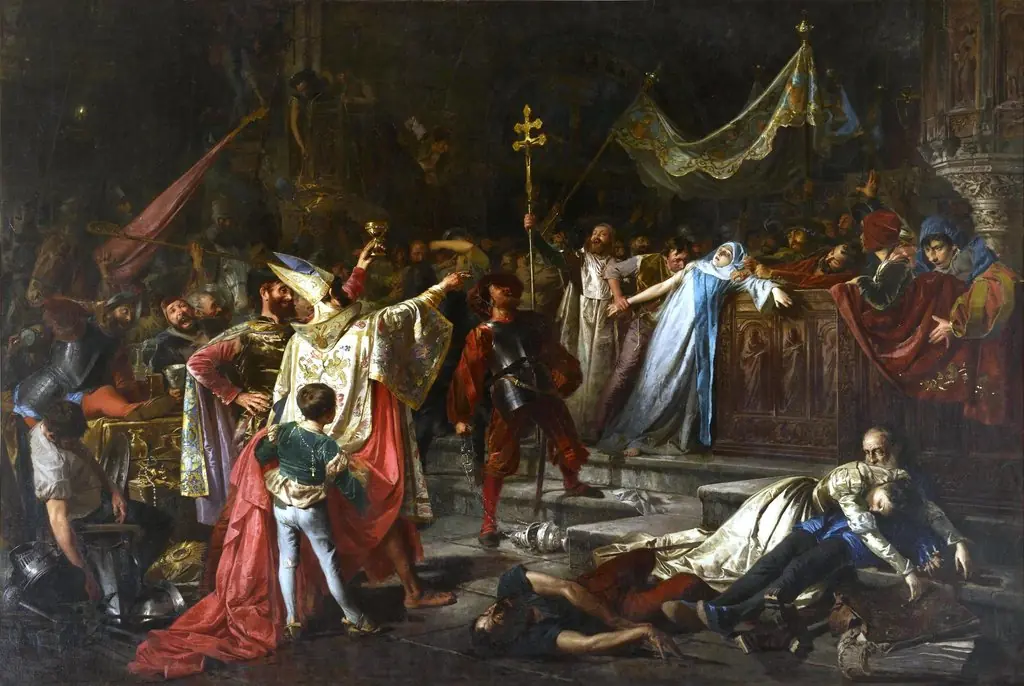 The Sack of Rome
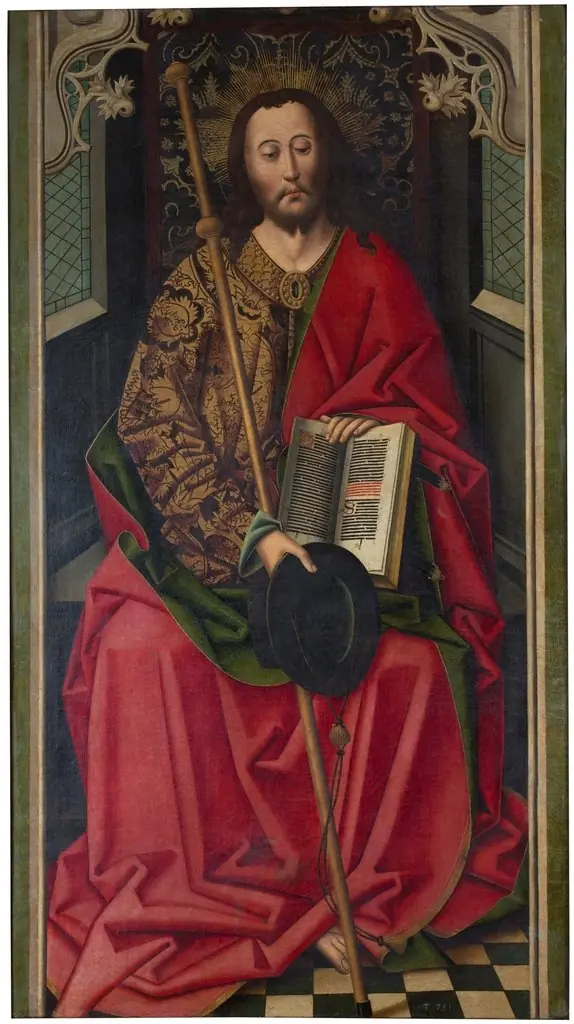 Saint James the Apostle
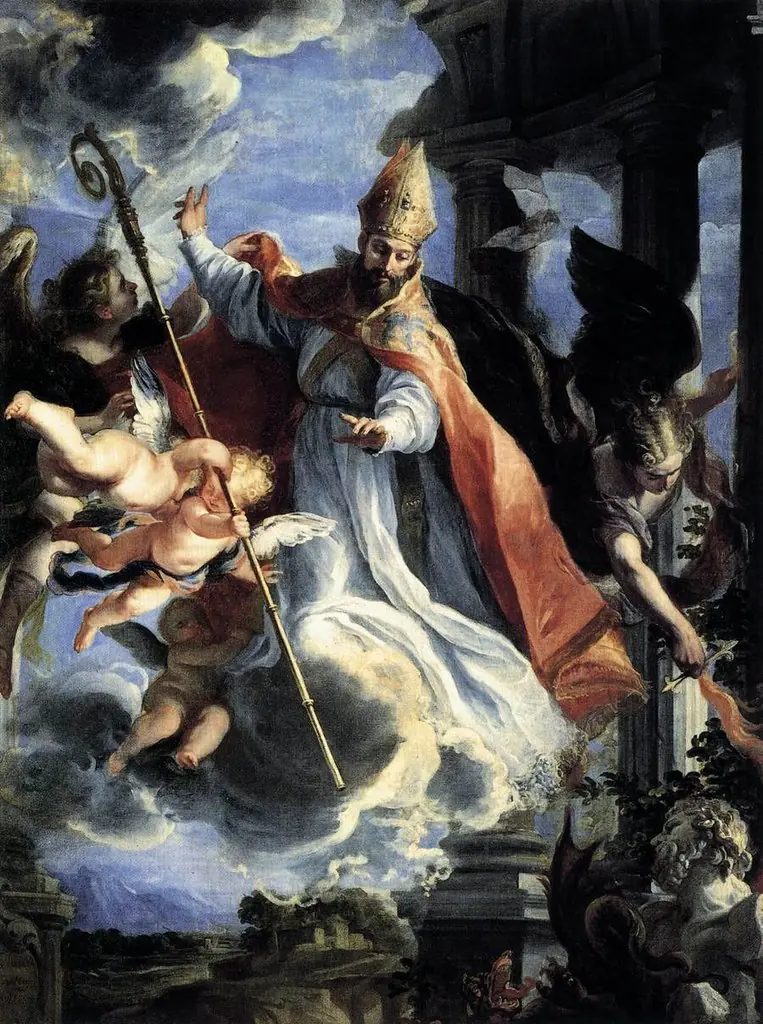 The Triumph of Saint Augustine
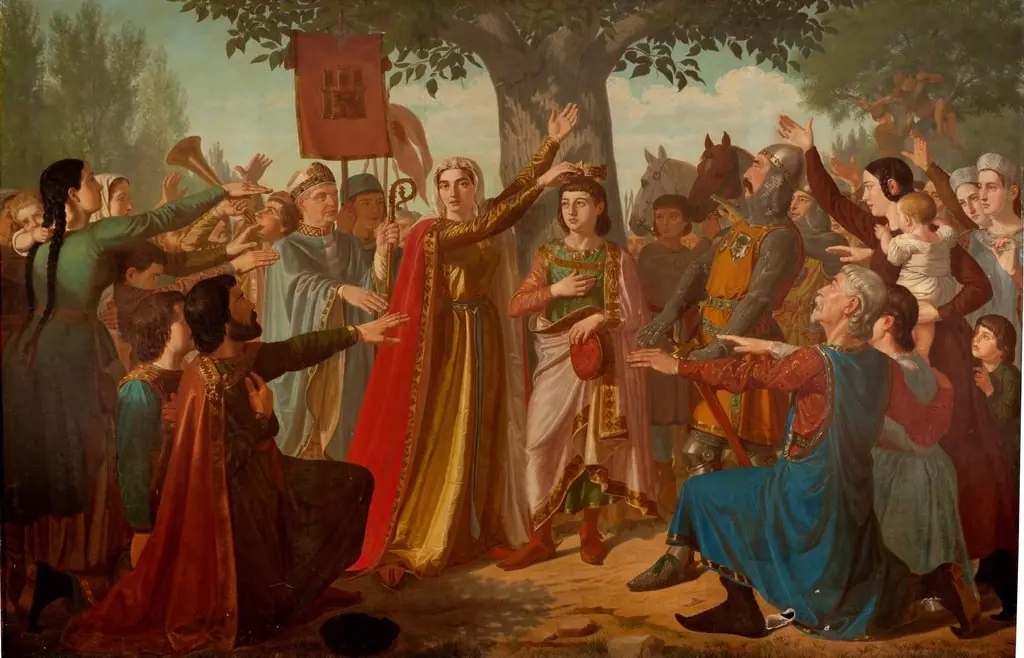 Doña Berenguela coronando a su hijo don Fernando
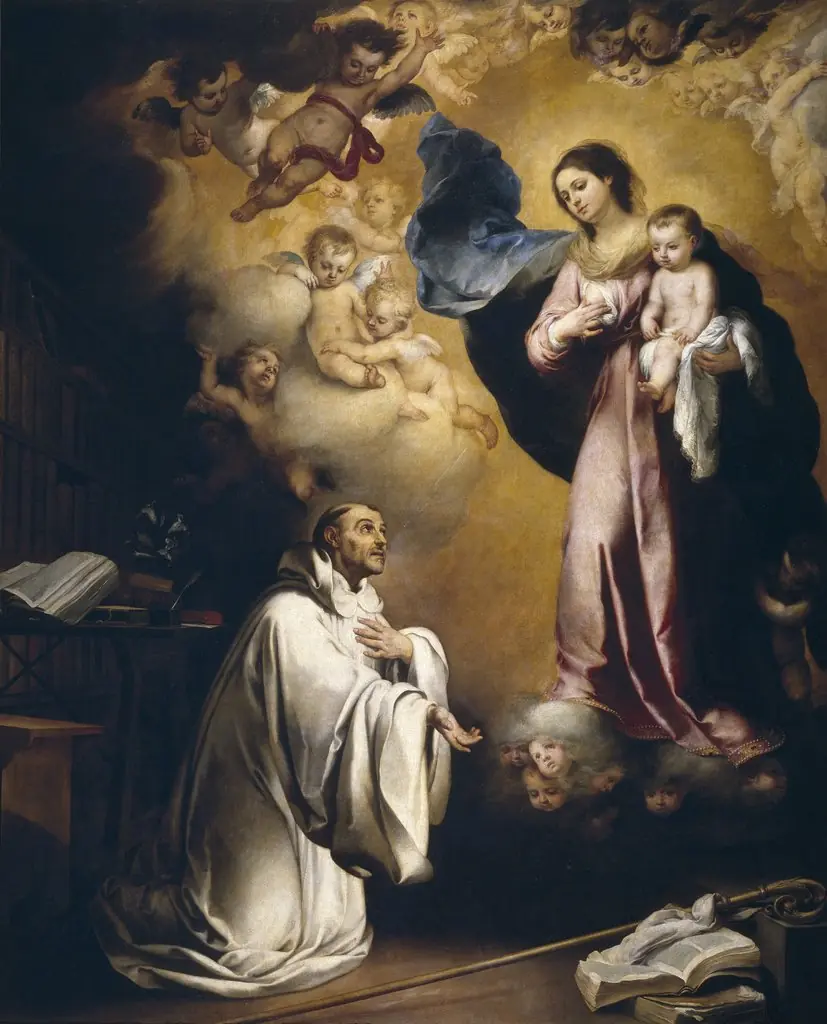 The Apparition of the Virgin to Saint Bernard
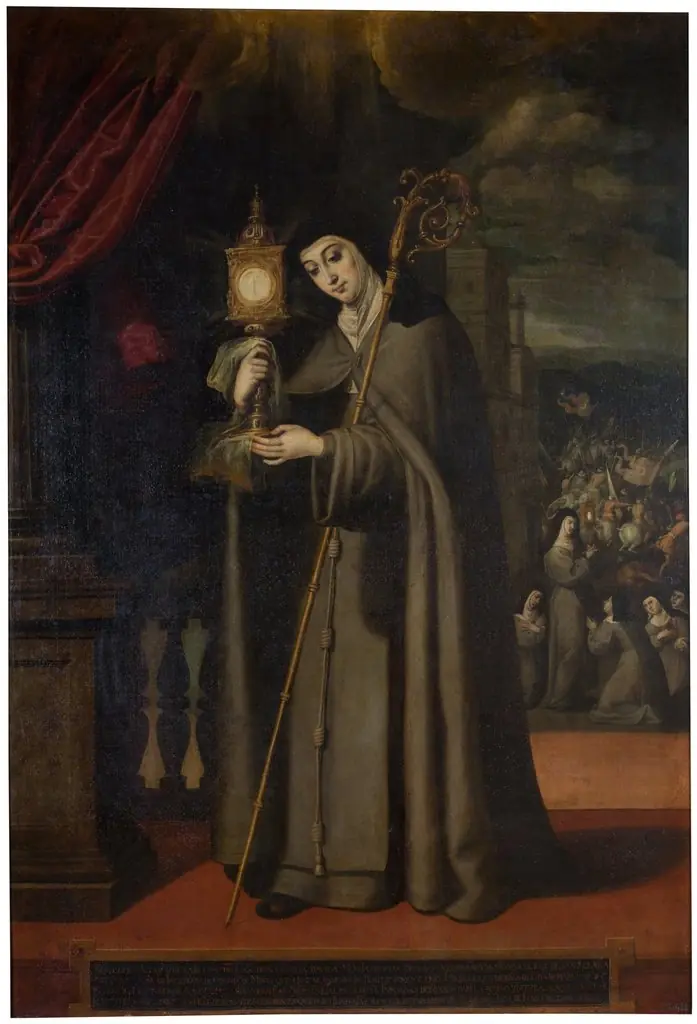 Santa Clara
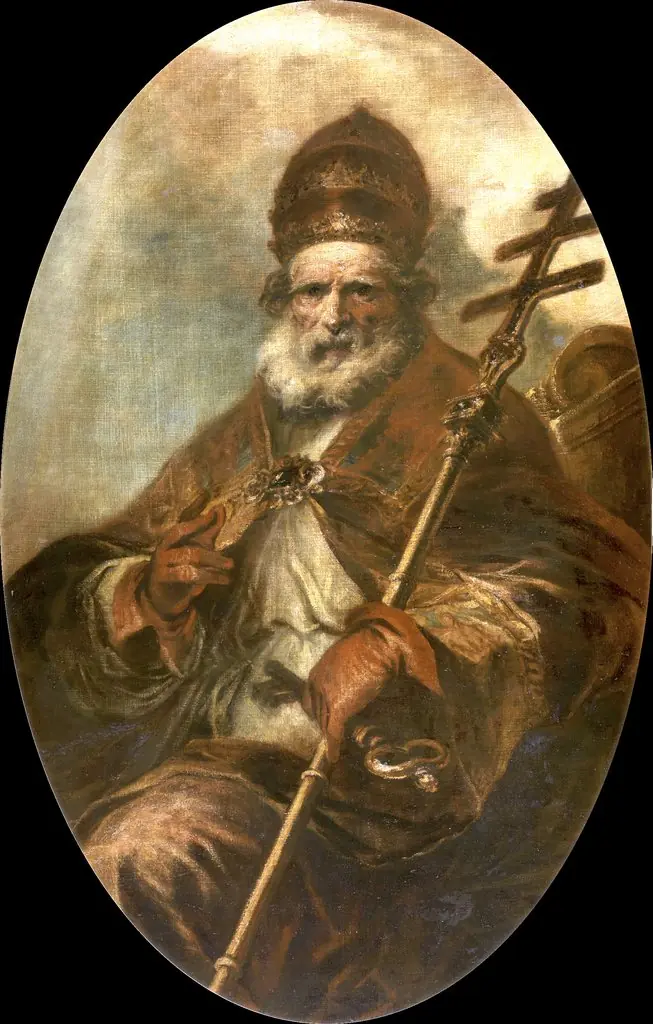 El papa San León I Magno
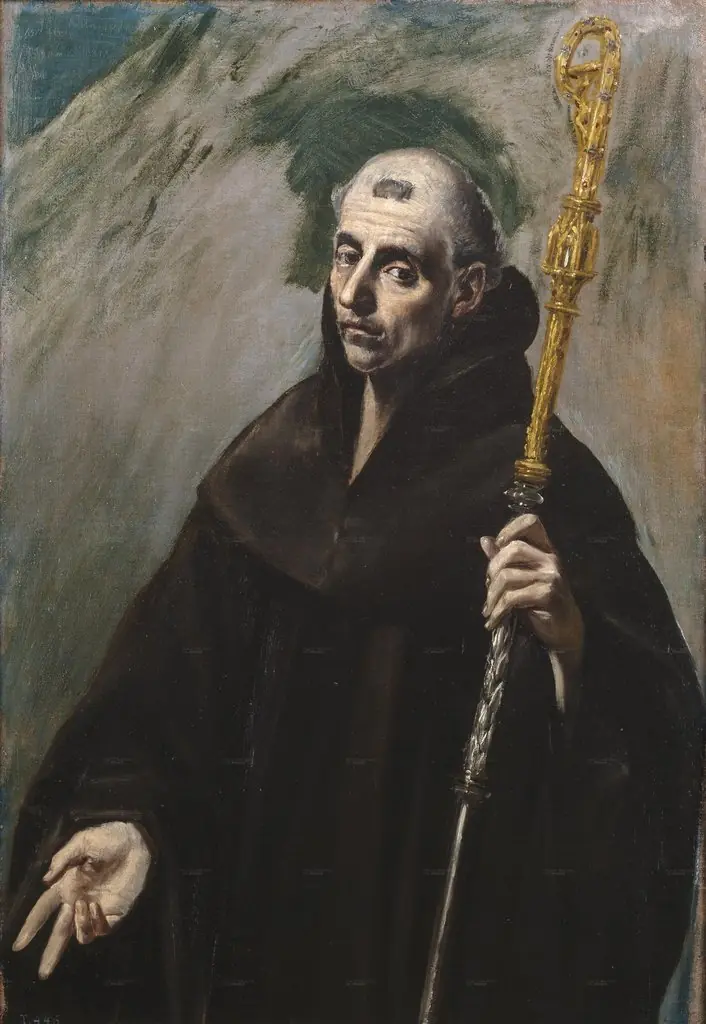 Saint Benedict
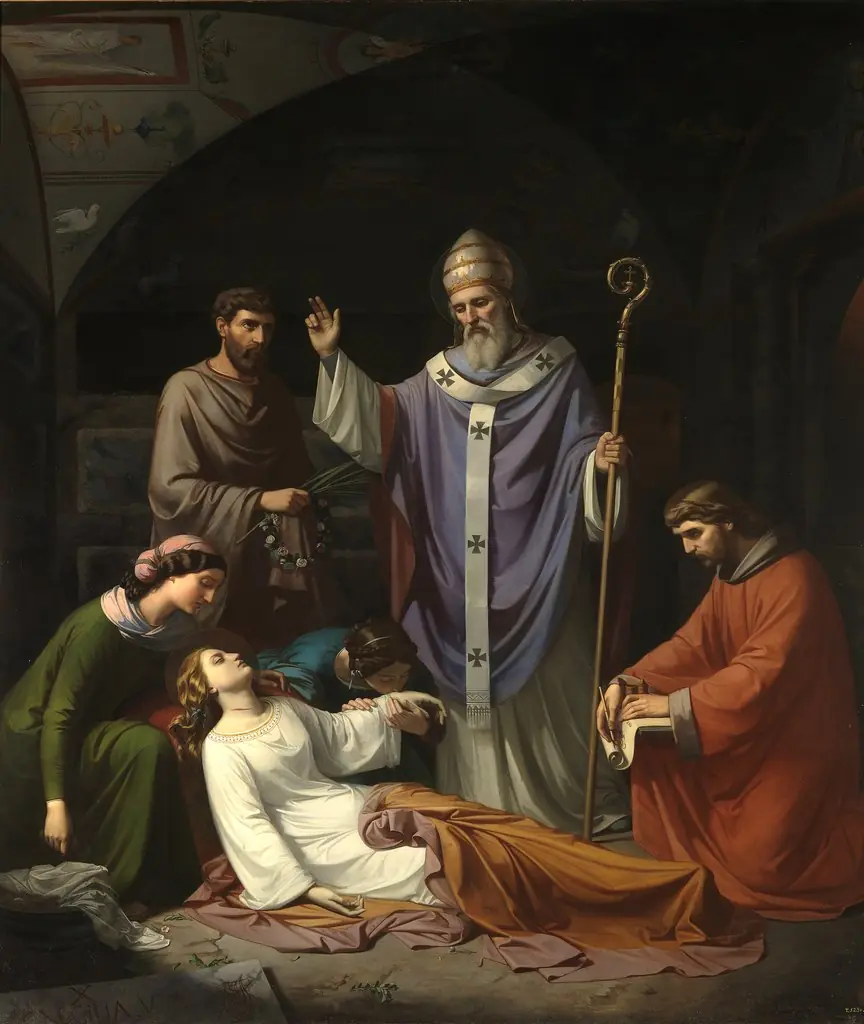 Entierro de Santa Cecilia en las catacumbas de Roma
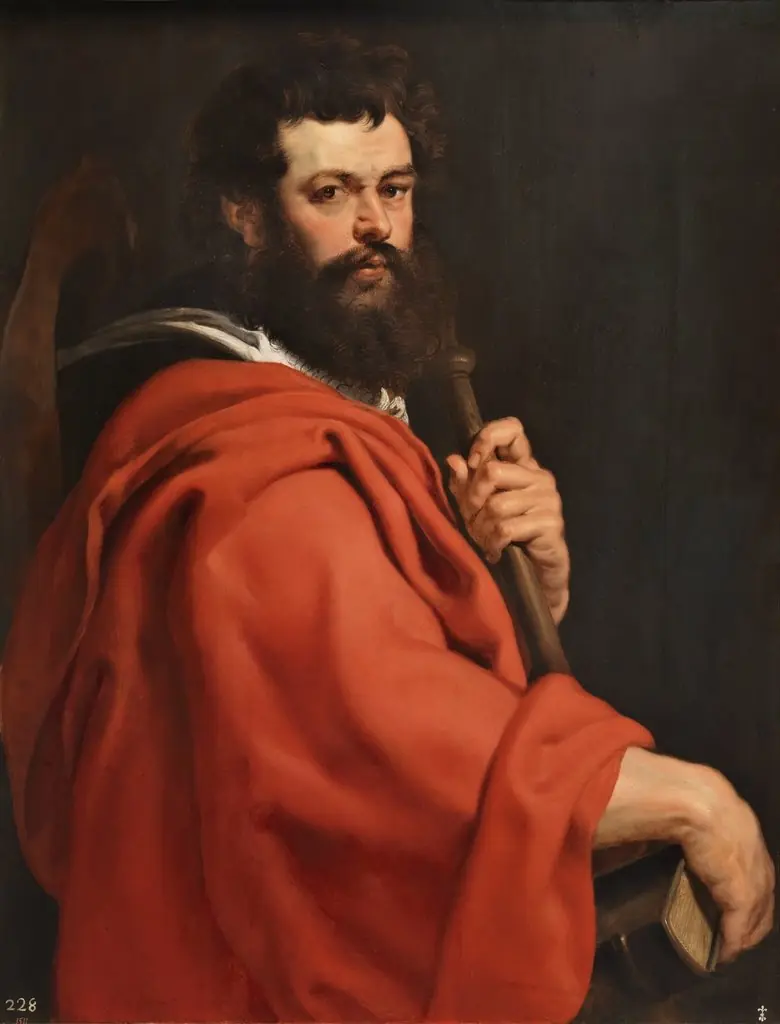 Saint James the Greater
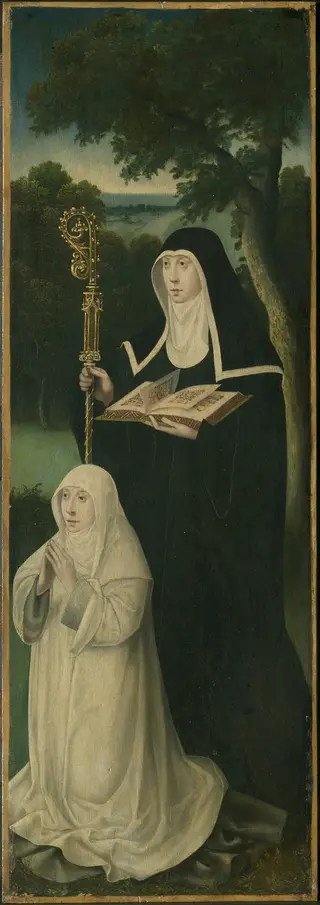 Saint Gertrude of Nivelles and an Augustinian Canoness
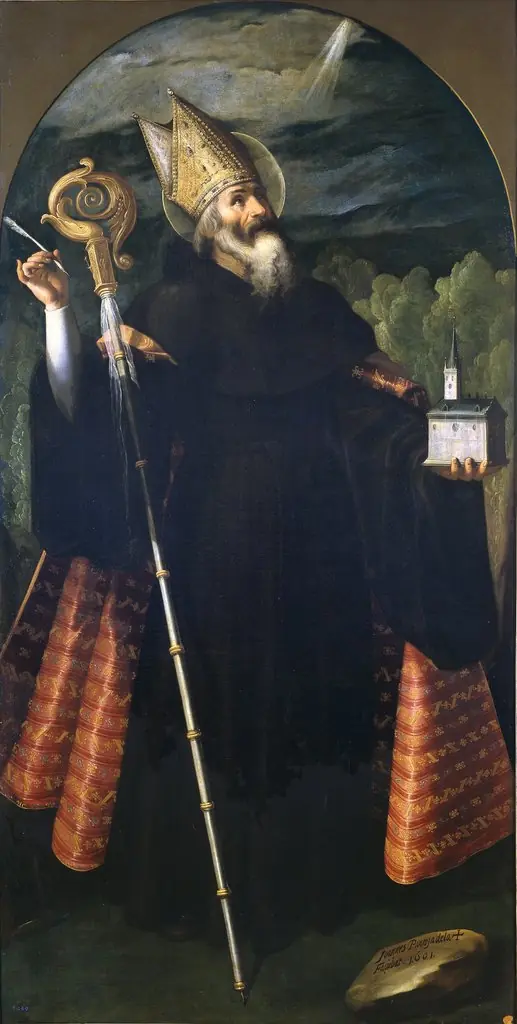 Saint Augustine
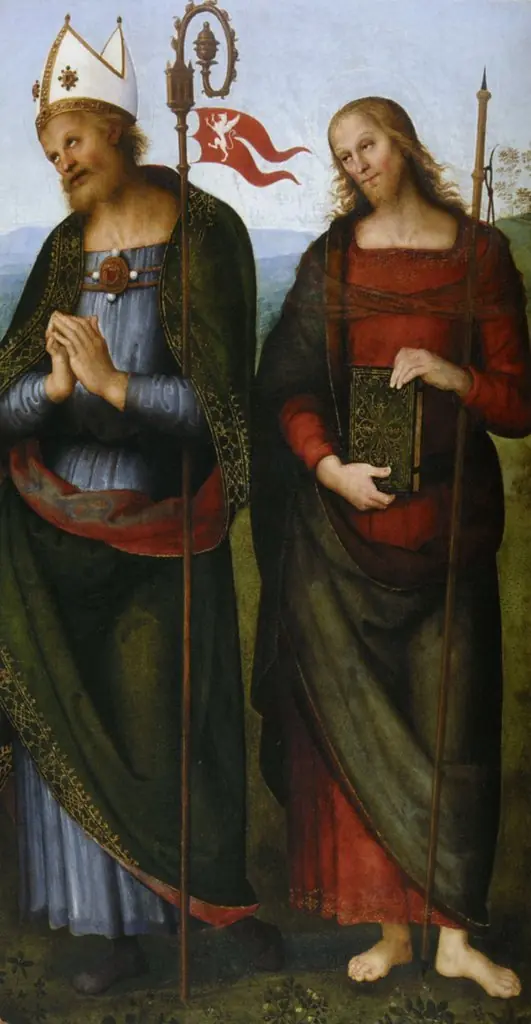 Saint Herculanus and Saint James the Great
Frequently asked questions
What is Crosier?
Crosier is a subject in art. family name
How many Crosier works does Artifact World Gallery have?
Artifact World Gallery holds 25 public-domain Crosier works, all free to view and download.
Who are the key Crosier artists?
Key Crosier artists in the collection include El Greco, Peter Paul Rubens and Francesco Pesellino.
Where can I see Crosier works?
Crosier works in the collection are held by Museo del Prado, Metropolitan Museum of Art and Museum of Fine Arts of Lyon.