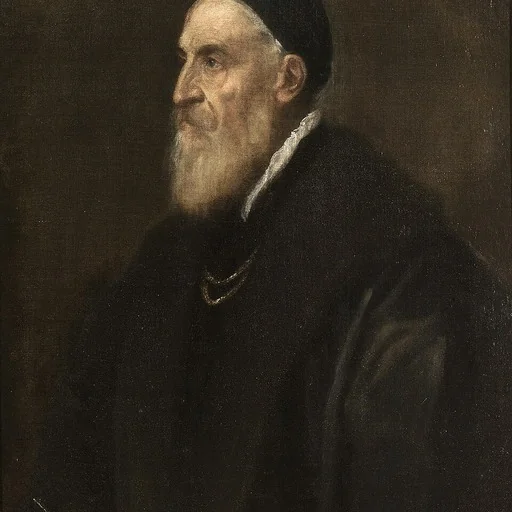
Subject
Beheaded Head
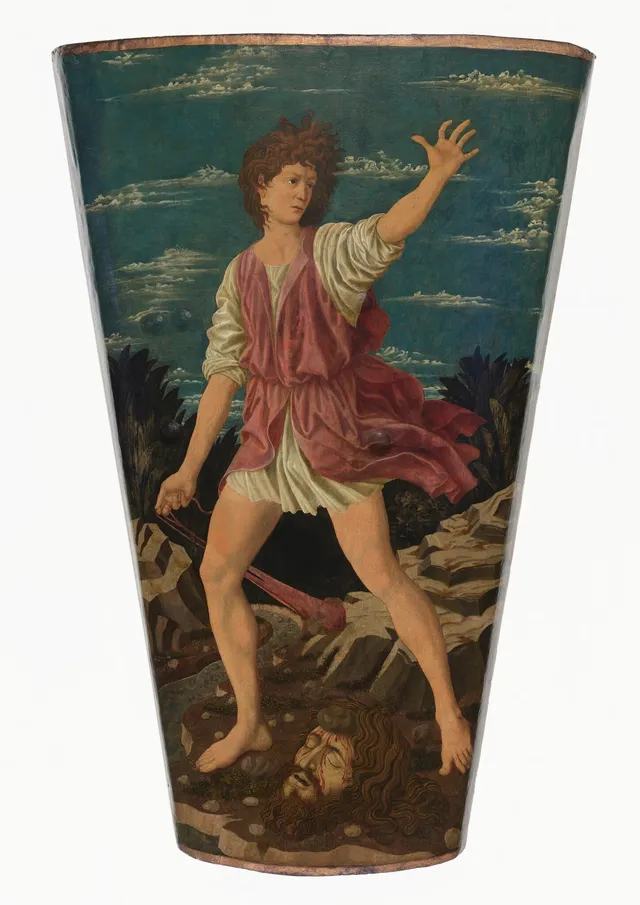
Beheaded Head is a subject in art. The gallery holds 174 works in this subject in art, including works by Titian, Caravaggio and David Teniers the Younger.
head of a beheaded person
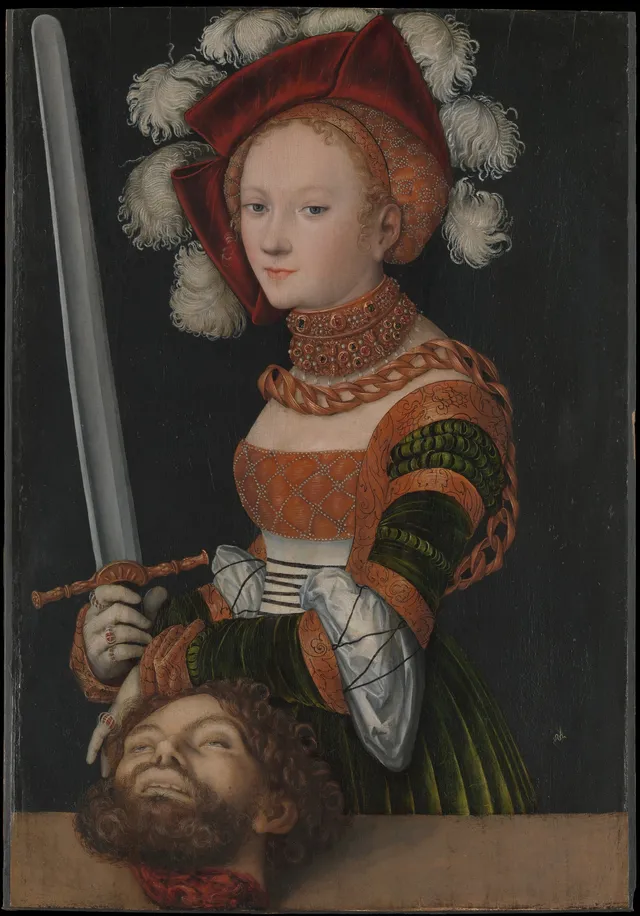
Key artists
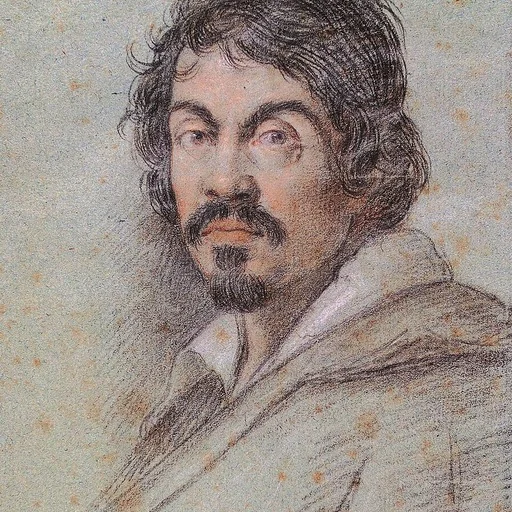
Overview
The beheaded head is a recurrent motif in Western art, appearing in 178 works in the collection under review. It functions as a powerful visual device that concentrates dramatic tension at the moment of martyrdom, execution, or triumph. The motif typically appears in narrative scenes drawn from biblical and hagiographic sources, where the severed head serves as proof of death, a trophy of victory, or a vehicle for theological meaning. Its persistence across centuries reflects both the human fascination with mortality and the specific demands of religious storytelling, in which the moment of decapitation crystallizes themes of sacrifice, virtue, and divine intervention.
Iconography & meaning
The iconography of the beheaded head varies according to context and period. In biblical scenes, the severed head operates as narrative climax: Salome receives the head of John the Baptist on a platter, while Judith displays the head of Holofernes as evidence of her deliverance of the Jewish people. The motif carries distinct gendered associations, with the eroticized presentation of Salome contrasting with the heroic virtue attributed to Judith. In hagiographic tradition, the cephalophore, or head-carrying saint, transforms the beheaded head into a sign of miraculous power. Saint Denis of Paris, the archetypal cephalophore, allegedly preached while carrying his severed head for seven miles from Montmartre to his burial place. The halo presents a particular iconographic challenge, with artists placing it variously at the neck stump or above the carried head itself. The speaking severed head, found in legends of Saint Paul and in literary sources from Dante to Sir Gawain and the Green Knight, extends the motif into the realm of the miraculous and the uncanny. The motif also carries apotropaic and relic functions, with stories of saints indicating their burial sites serving to discourage the theft of relics.
In the collection
Within the collection, the beheaded head appears across multiple media and scales, from small-scale virtuoso sculpture to large paintings. A Southern Netherlandish boxwood statuette of circa 1600, depicting The Beheading of St. John the Baptist, exemplifies the cabinet sculpture tradition in which biblical decapitation scenes were collected and displayed. The group comprises three figures: the executioner holding aloft the severed head, the decapitated body of John the Baptist, and Salome with her dish, turning away with bared breast and elaborate feathered headdress. The work was acquired in 1864 for 30 pounds. Its eroticized treatment of Salome typifies the emphasis on physical action and partially nude figures characteristic of such collections. The collection also includes multiple versions of Judith with the Head of Holofernes and David with the Head of Goliath, indicating sustained institutional interest in the motif across different narrative traditions.
Across movements & periods
The treatment of the beheaded head evolved significantly across movements and periods. Medieval hagiography developed the cephalophore as a distinct category, with 134 examples identified in French hagiographic literature alone, suggesting widespread devotional demand. The Baroque period intensified the physical and emotional immediacy of decapitation scenes. Caravaggio's Judith Beheading Holofernes, painted circa 1598-1599 or 1602, exemplifies this shift through its theatrical lighting, shallow stage-like space, and unflinching depiction of the moment of decapitation itself. X-rays reveal that Caravaggio adjusted the placement of Holofernes's head during execution, separating it from the torso and moving it slightly right to heighten dramatic impact. The faces demonstrate a complex emotional register, particularly Judith's mixture of determination and repulsion. The Southern Netherlandish boxwood tradition of circa 1600 represents a parallel development in miniature sculpture, where the same biblical subjects were rendered with comparable attention to physical action and eroticized detail. The persistence of the motif across these contexts suggests its adaptability to different scales, media, and devotional or collector functions.
Notable depictions
Caravaggio's Judith Beheading Holofernes, held in the Galleria Nazionale d'Arte Antica in Rome, stands as the most influential single treatment of the subject. The painting, rediscovered in 1950, measures 145 by 195 centimeters and was likely commissioned by Genoese banker Ottavio Costa. Its model for Judith was probably the Roman courtesan Fillide Melandroni, and the blood and decapitation details may derive from Caravaggio's observation of the 1599 public execution of Beatrice Cenci. A second version, dated circa 1606-1607 and attributed variously to Caravaggio or to the Flemish painter Louis Finson, was rediscovered in Toulouse in 2014. This painting, measuring 144 by 173.5 centimeters, had passed through the studios of Finson and Abraham Vinck in Naples before disappearing from record. It was sold in 2019 to collector J. Tomilson Hill after the Louvre declined to purchase it for 100 million euros. The Southern Netherlandish boxwood Beheading of St. John the Baptist of circa 1600, with its three-figure composition and eroticized Salome, represents a significant sculptural parallel. Saint Denis of Paris remains the most celebrated cephalophore, his seven-mile walk with severed head established in the Golden Legend and reiterated across countless medieval and later depictions.
Legacy
The beheaded head motif exerted profound influence on subsequent artistic practice and continues to shape cultural memory. Artemisia Gentileschi and other followers of Caravaggio were deeply influenced by his Judith, producing variations that extended and complicated the original's gender dynamics. The Toulouse Judith's contested attribution, between Caravaggio and Finson, illustrates how the motif generates ongoing scholarly debate about authorship, copying, and creative emulation. The cephalophore tradition persisted in hagiographic art and literature, with Dante's Bertrand de Born in the Inferno and the Green Knight of medieval romance representing literary adaptations of the speaking severed head. The motif's appearance in Aristotle's critical writings and in classical sources such as the singing head of Orpheus demonstrates its deep roots in Western intellectual history. The collection's 178 works attest to the enduring capacity of the beheaded head to compel artistic attention across media, periods, and cultural contexts, from devotional sculpture to painting to the contested terrain of the modern art market.
Works
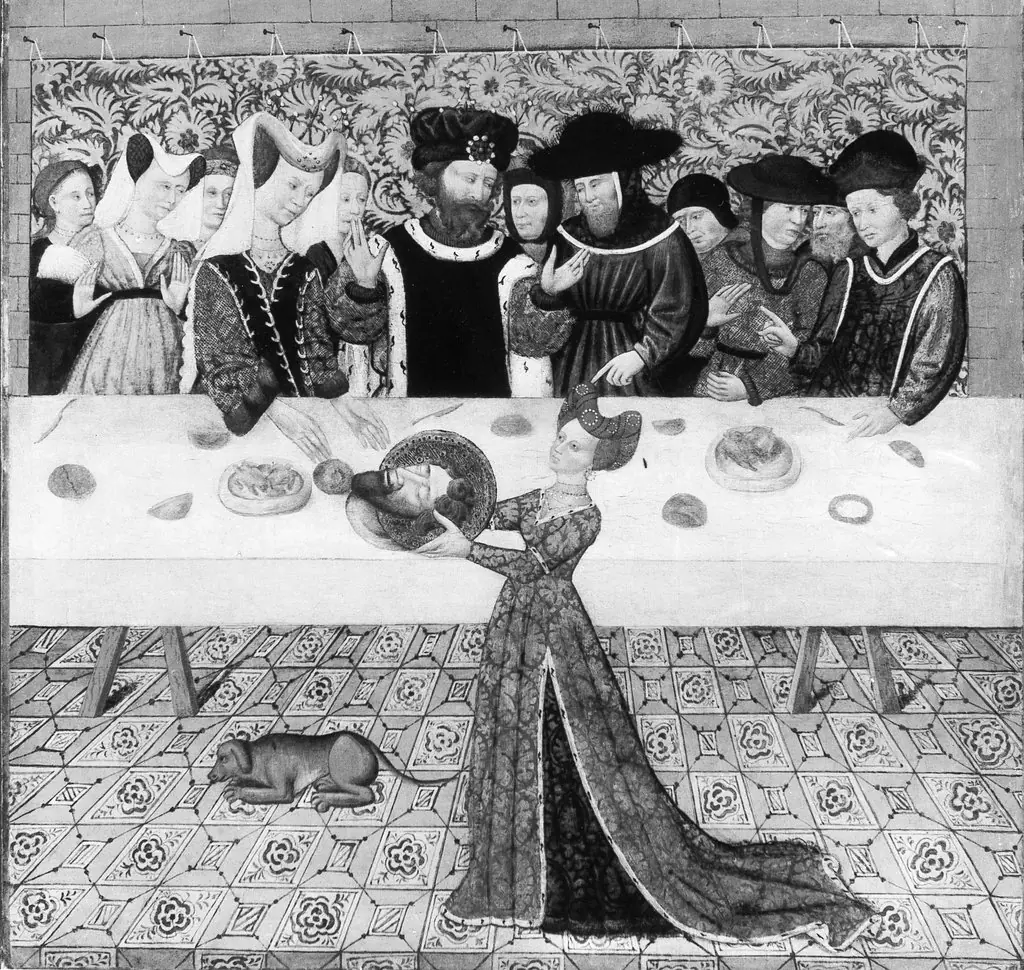 Salome with the Head of Saint John the Baptist
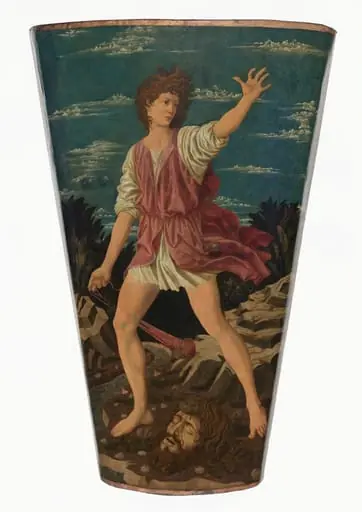 David with the Head of Goliath
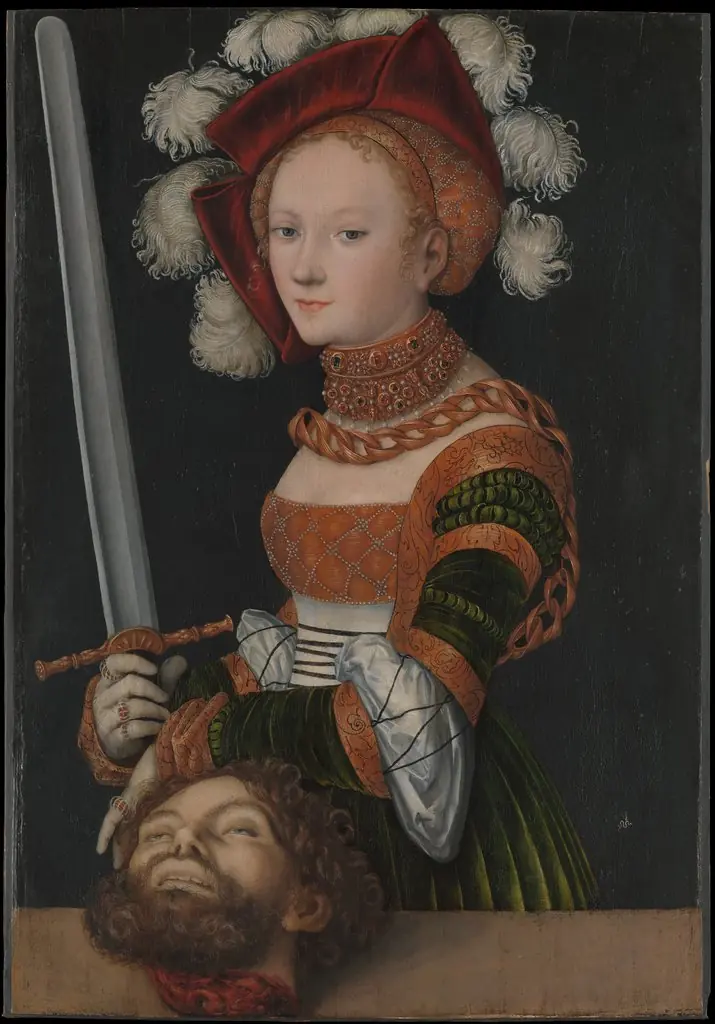 Judith with the Head of Holofernes
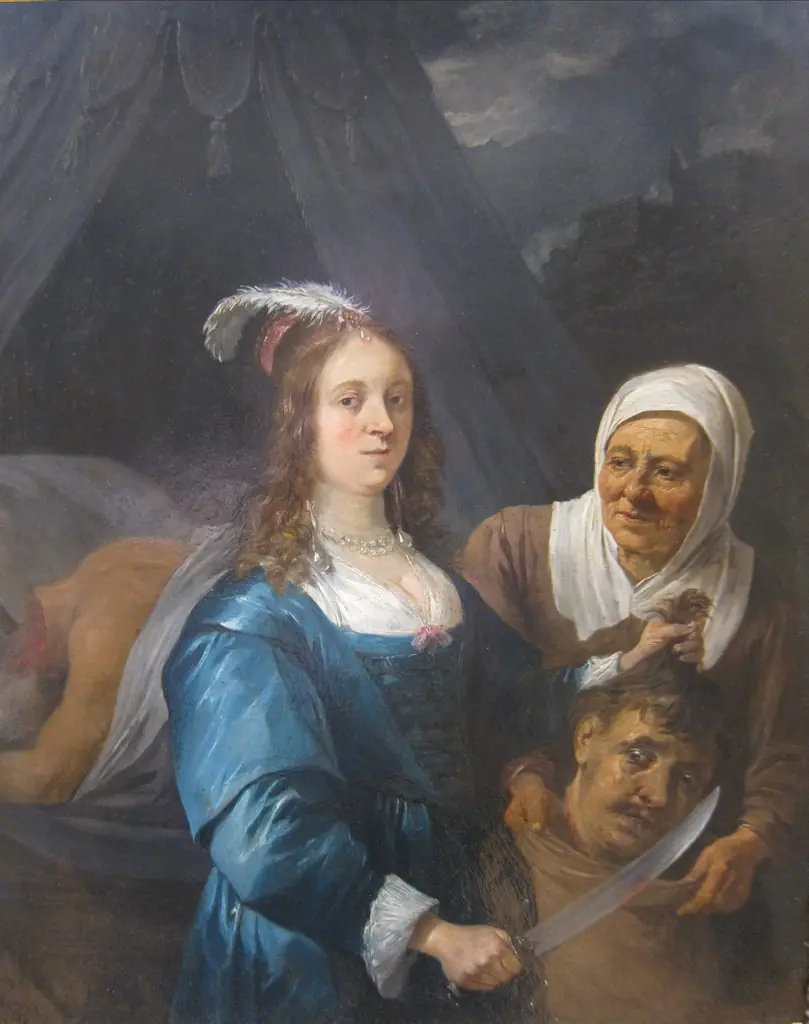 Judith with the Head of Holofernes
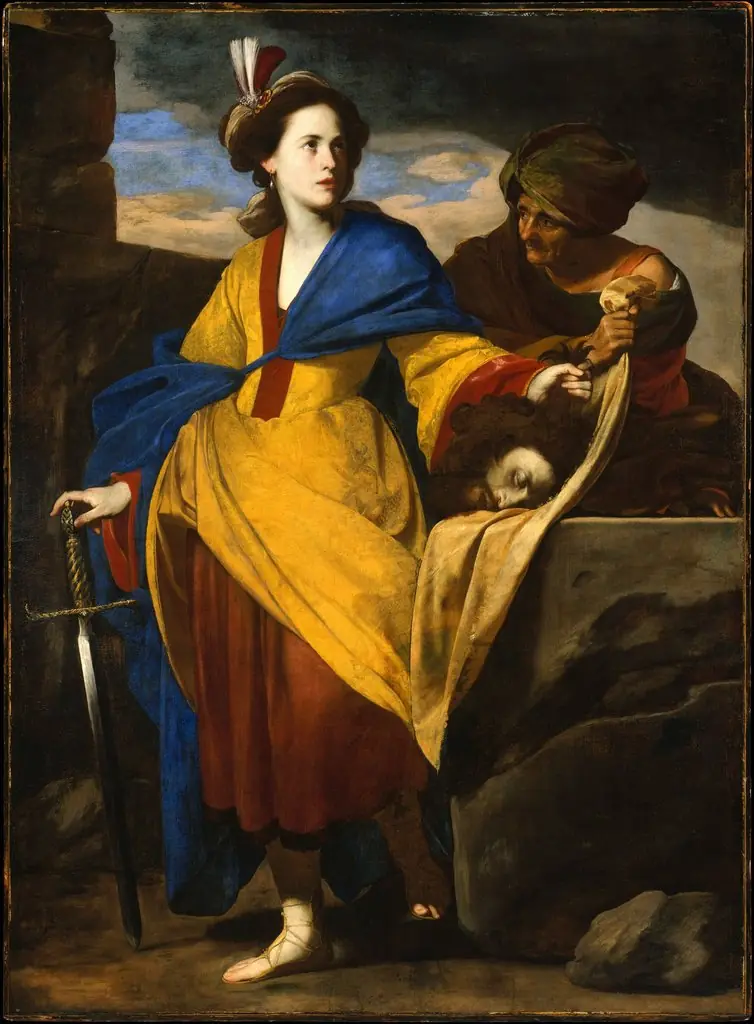 Judith with the Head of Holofernes
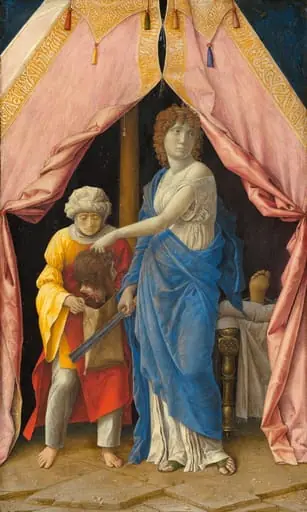 Judith with the Head of Holofernes
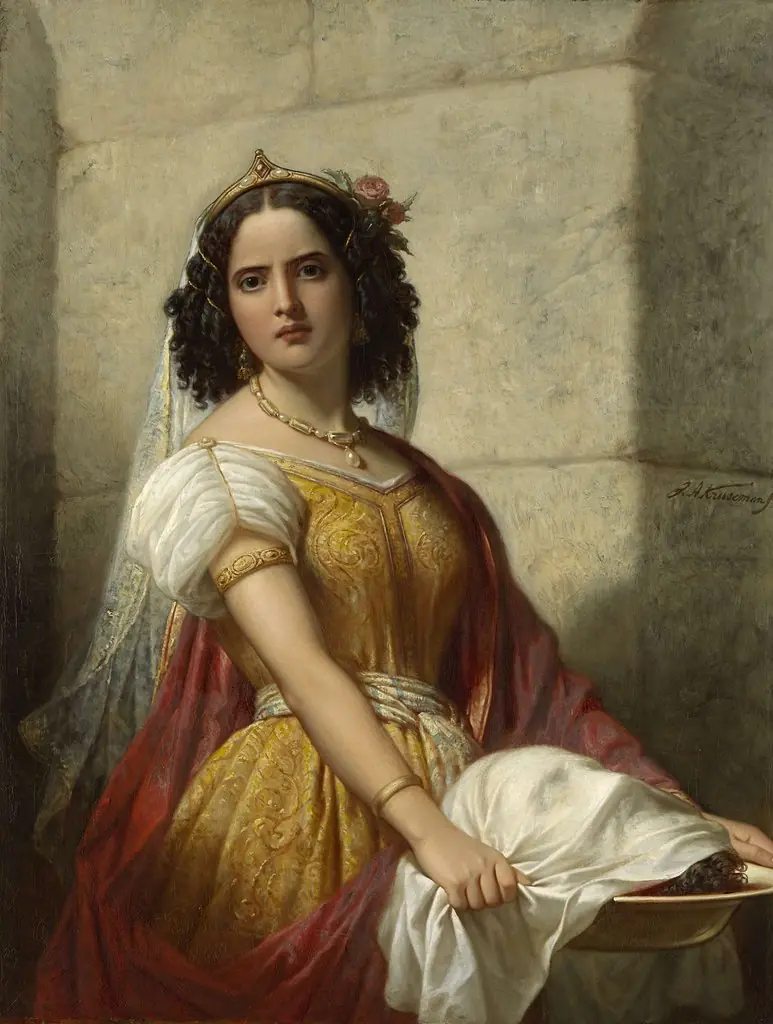 Salome with the Head of John the Baptist
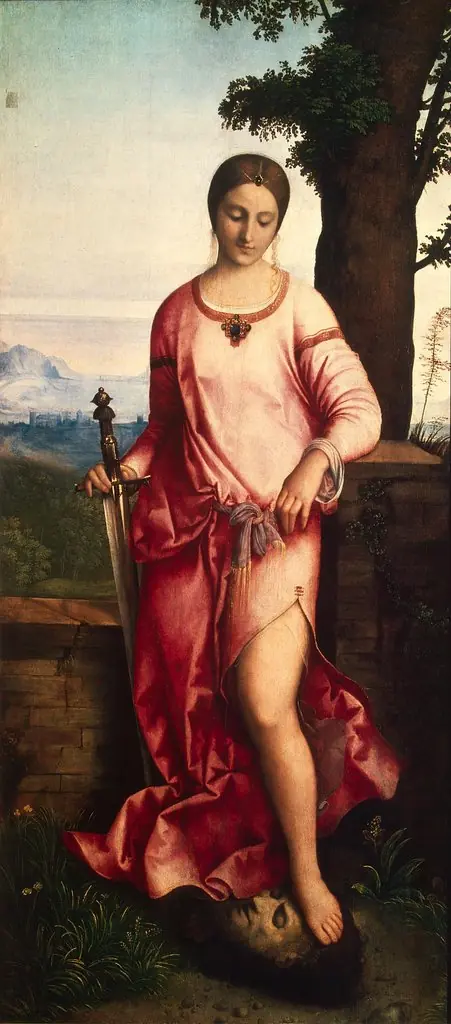 Judith
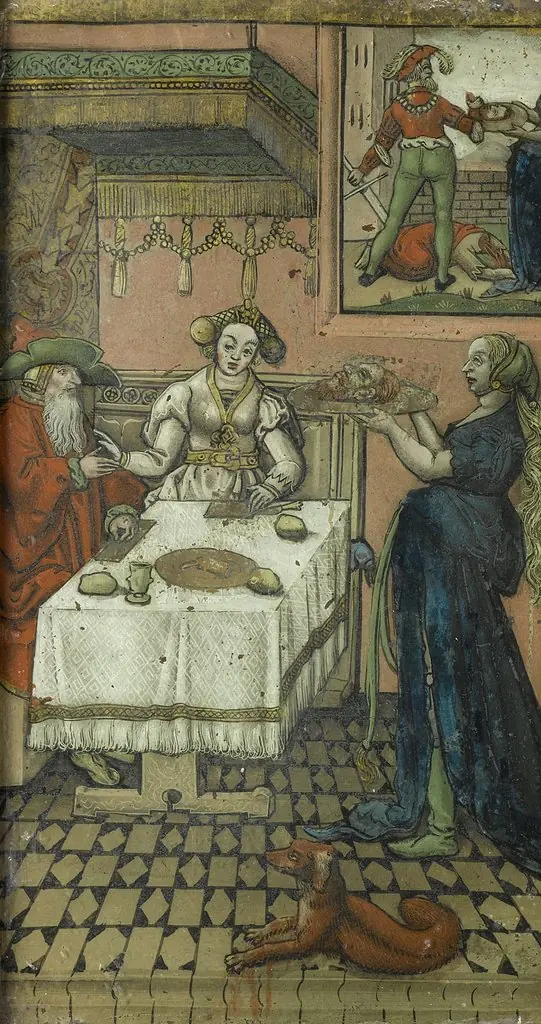 Salome with the head of St John the Baptist
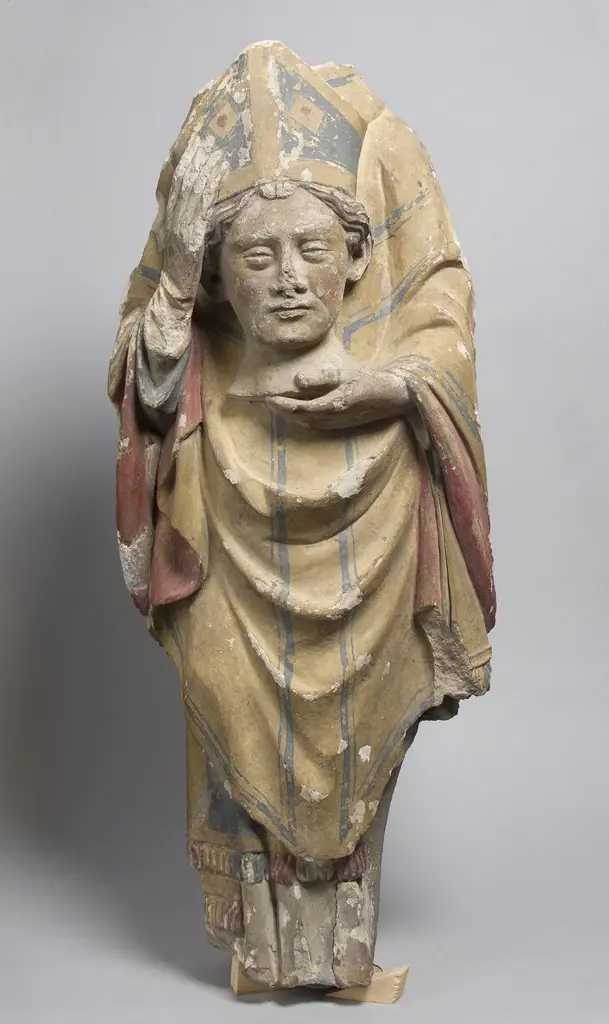 Saint Denis
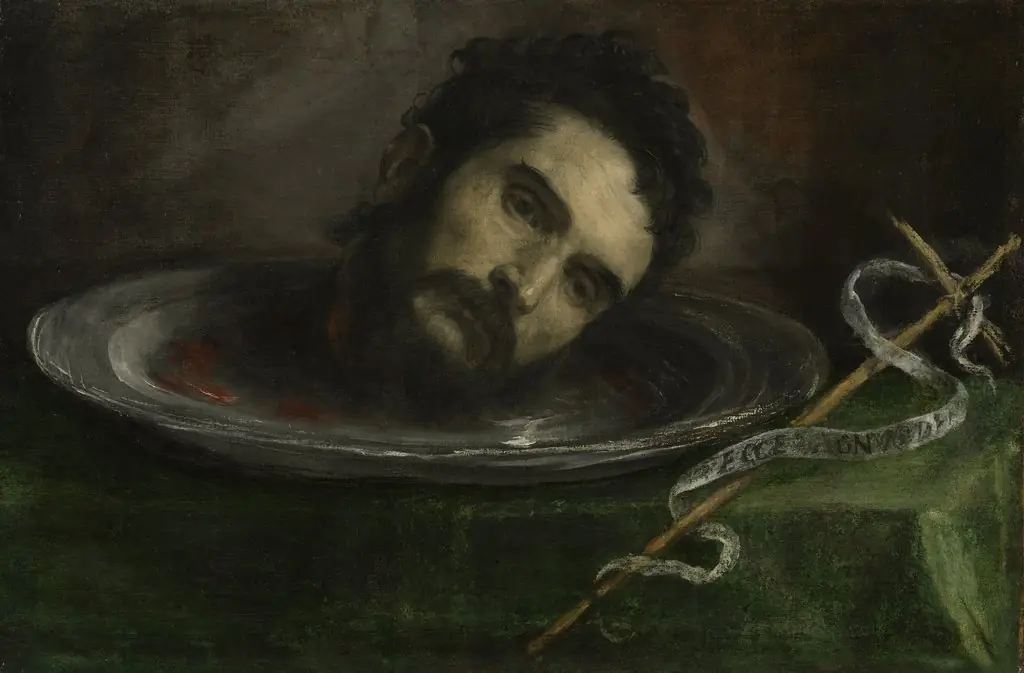 Head of Saint John the Baptist
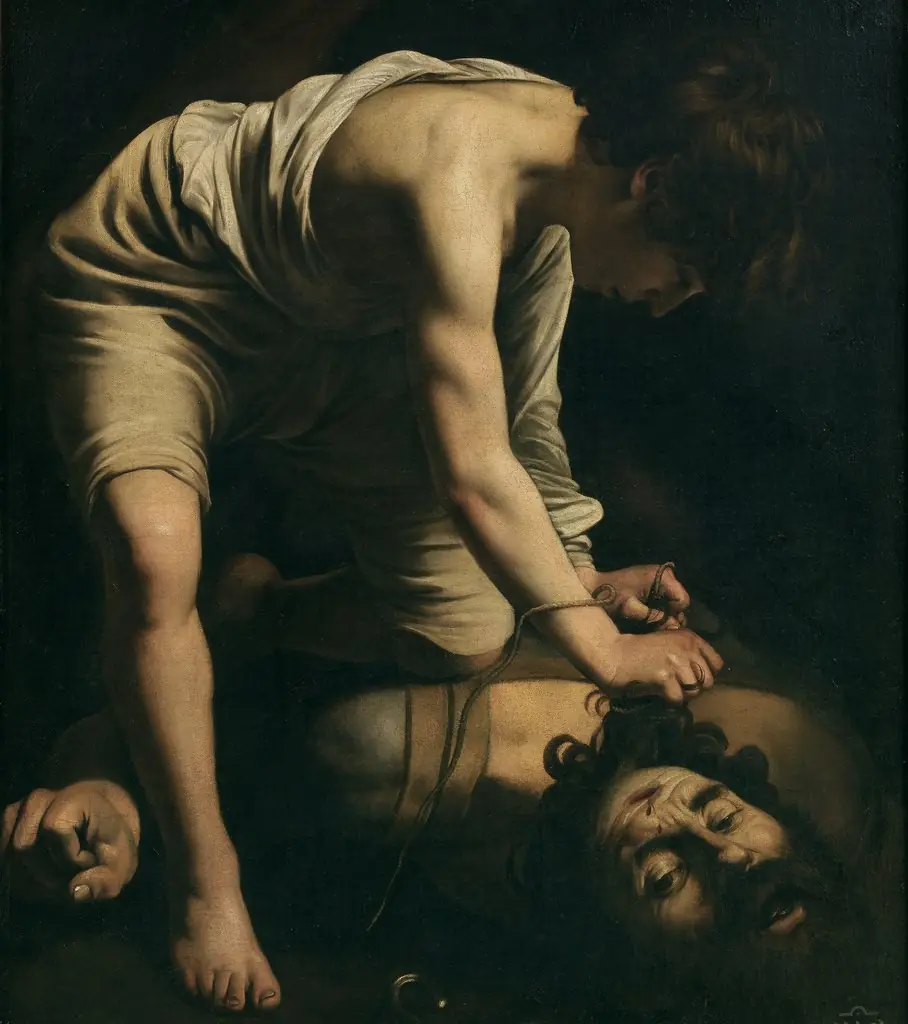 David and Goliath
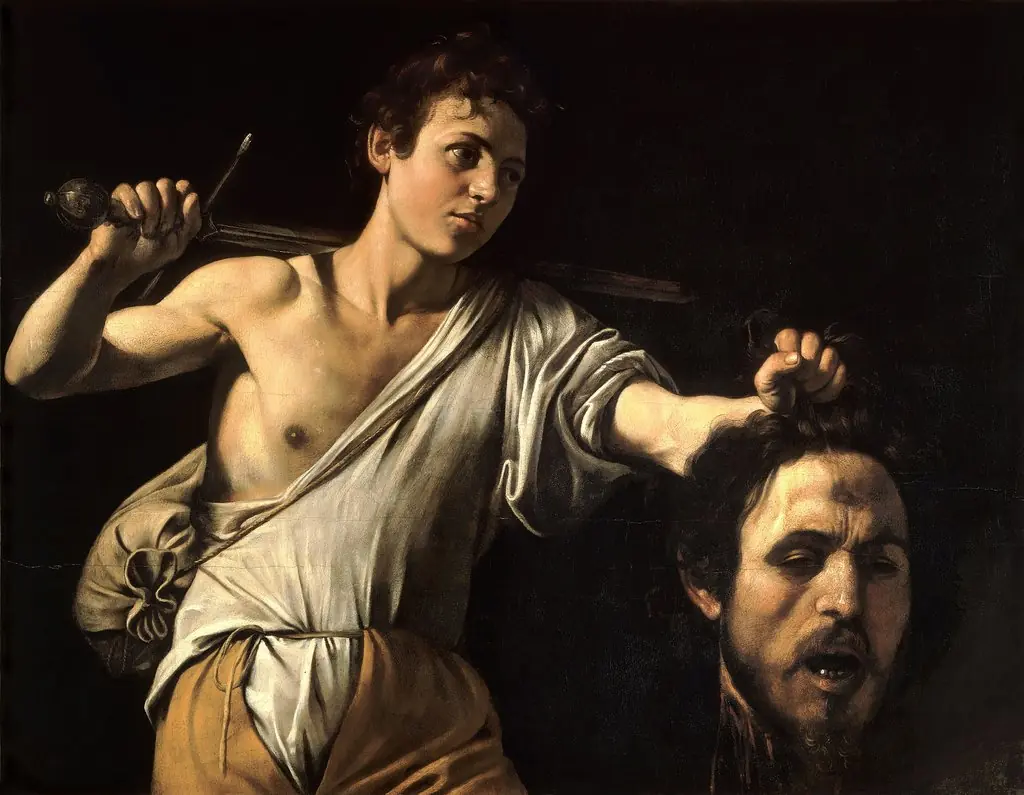 David with the Head of Goliath
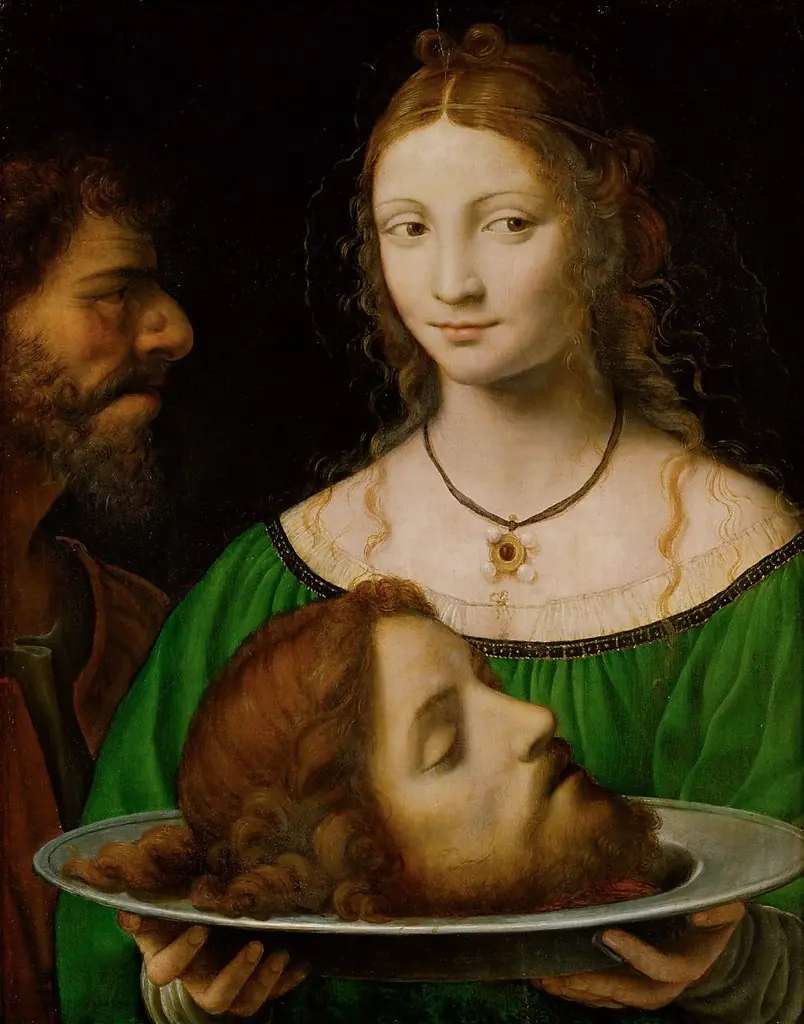 Salome with the Head of John the Baptist
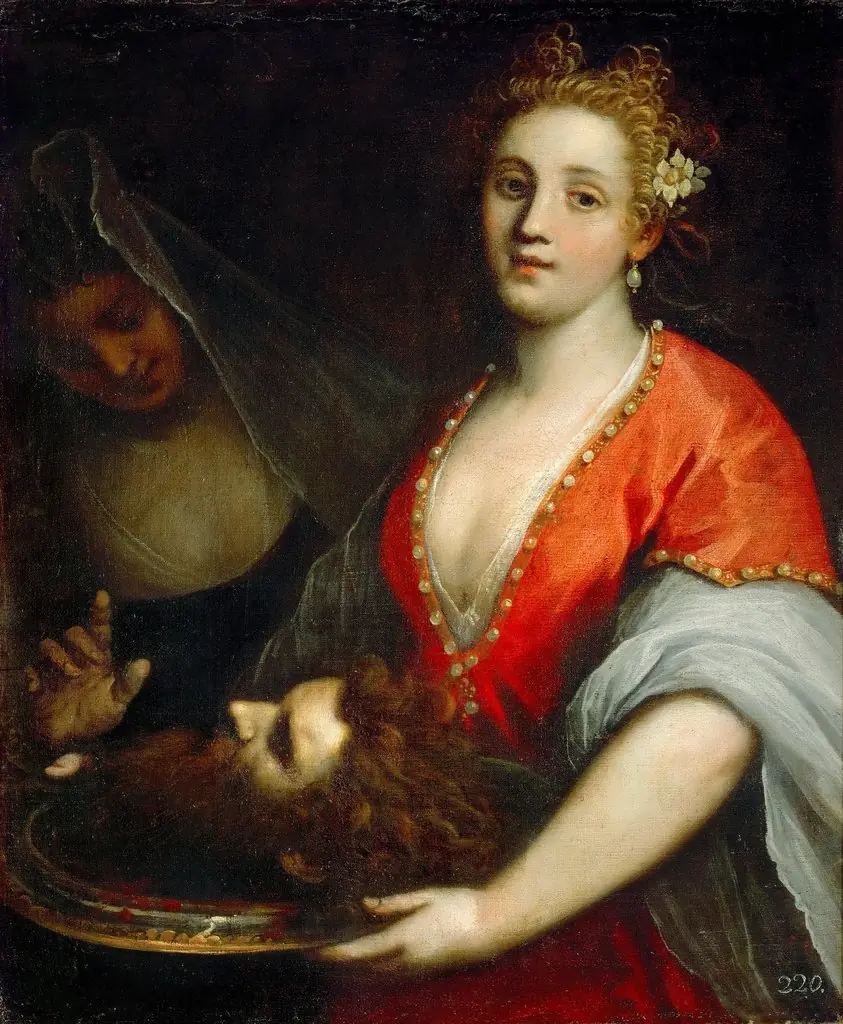 Salomé with the Head of John the Baptist
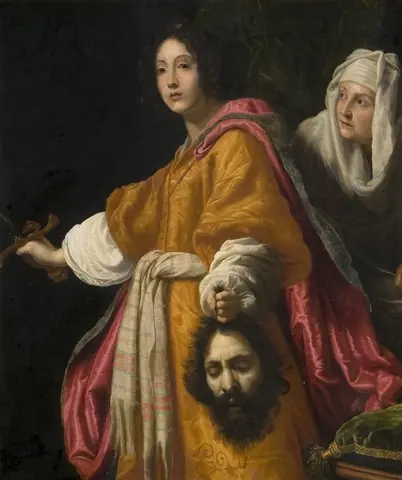 Judith Holding the Head of Holofernes
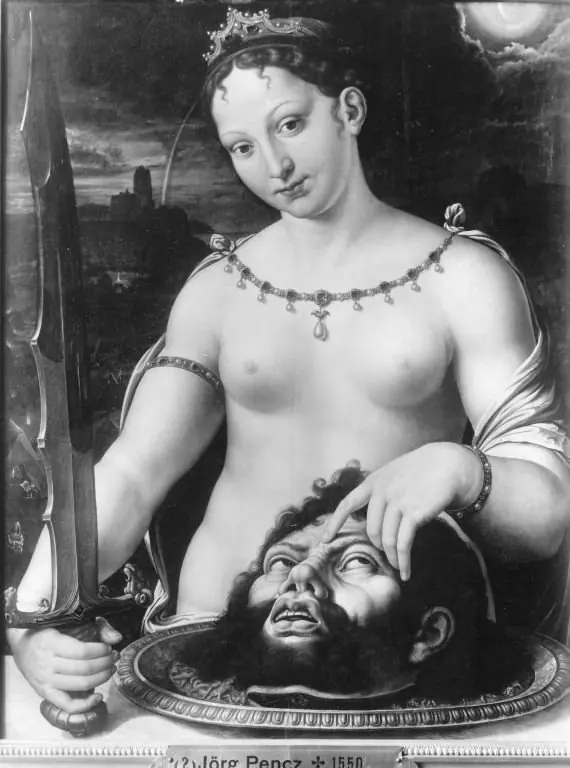 Judith with the Head of Holophernes
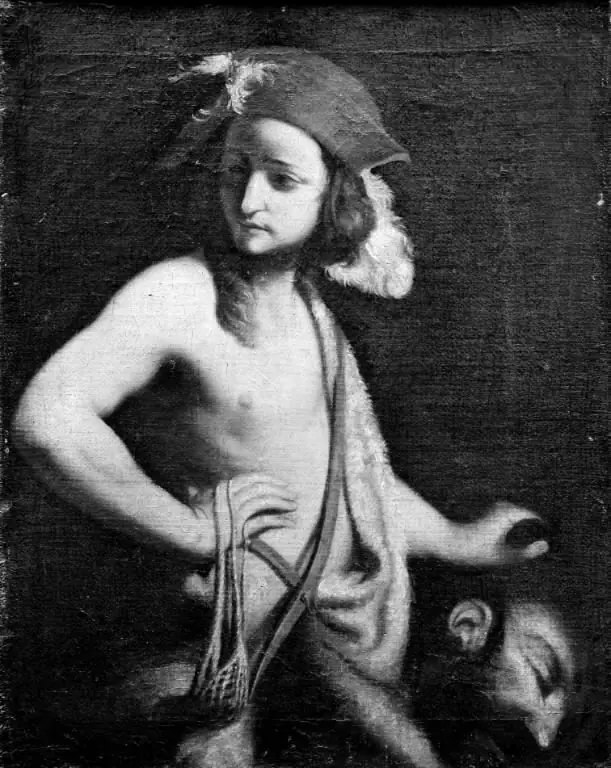 David and Goliath
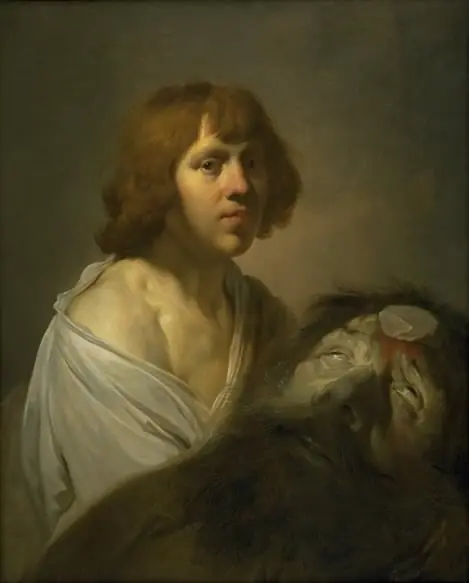 David with the Head of Goliath
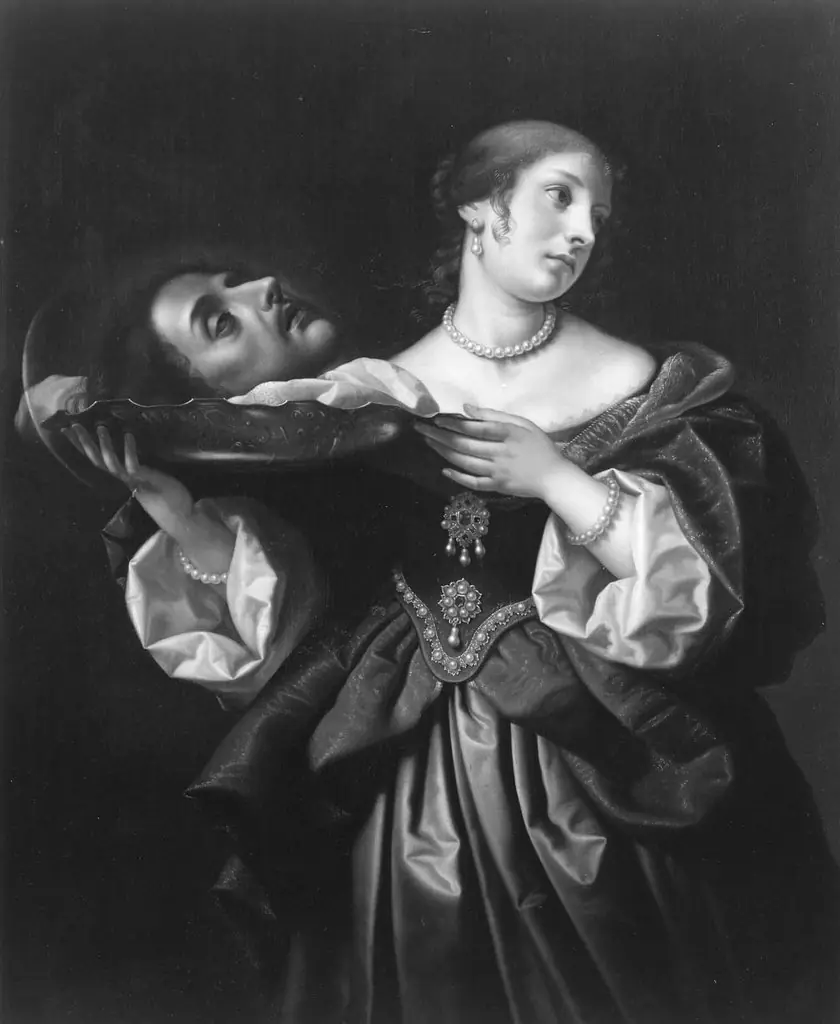 Salome with the Head of Saint John the Baptist
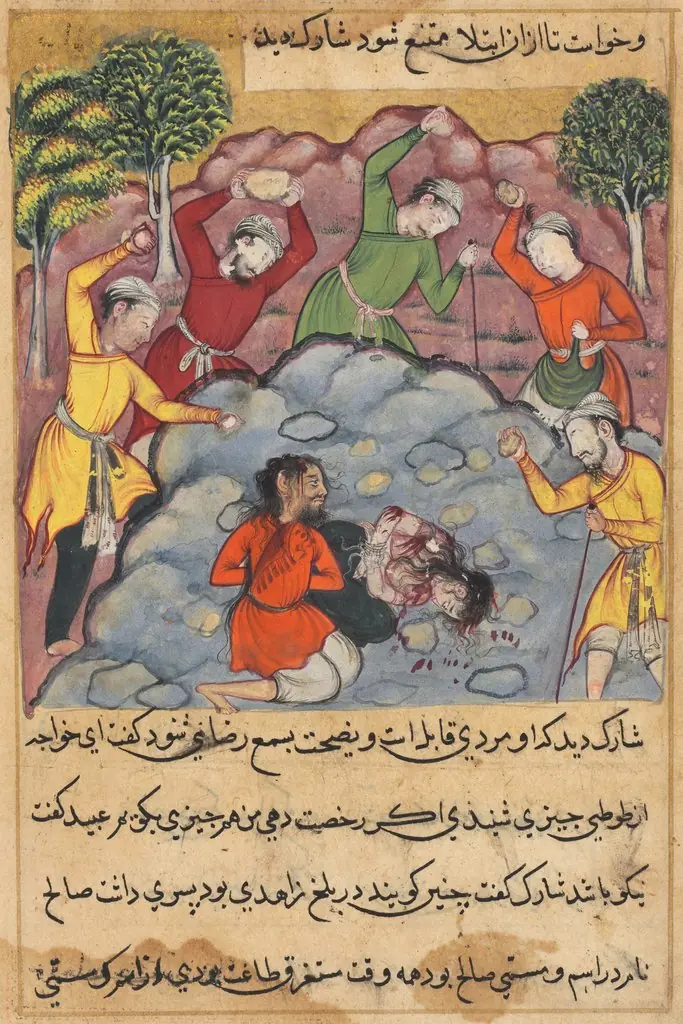 The Raja’s daughter and her lover stoned to death for adultery, from a Tuti-nama (Tales of a Parrot): Forty-Second Night
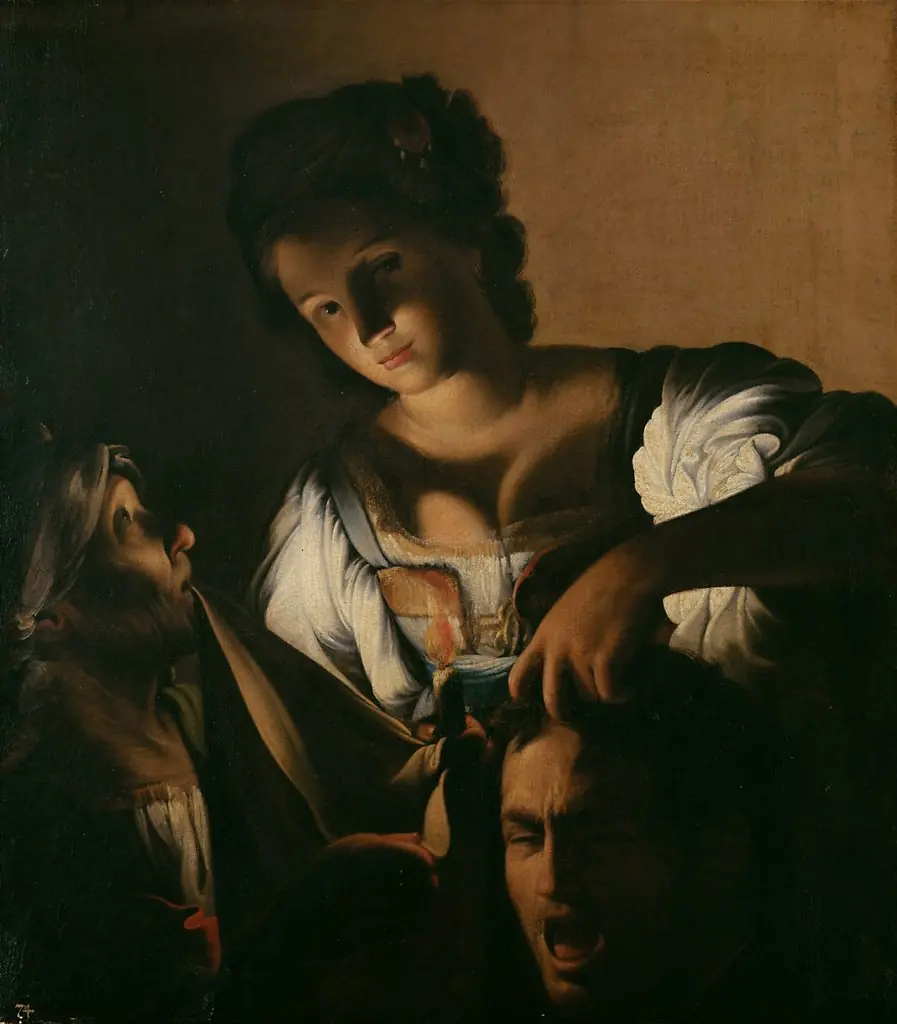 Judith with the head of Holofernes
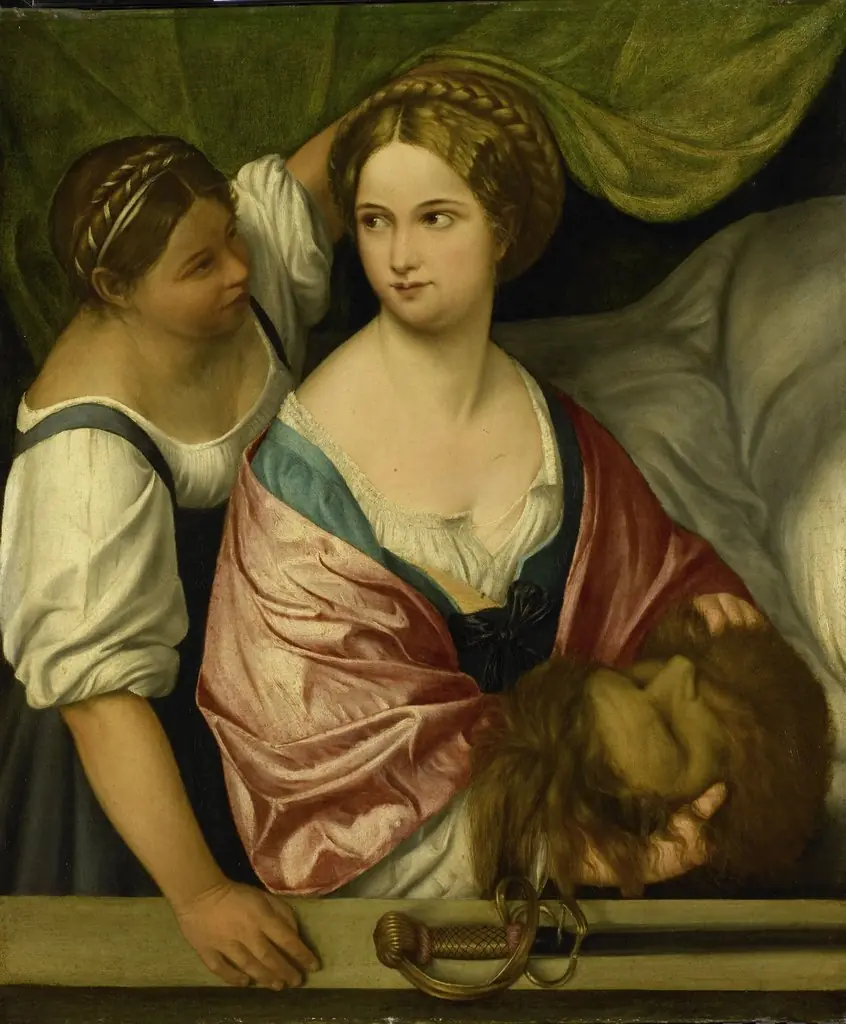 Judith with the Head of Holofernes
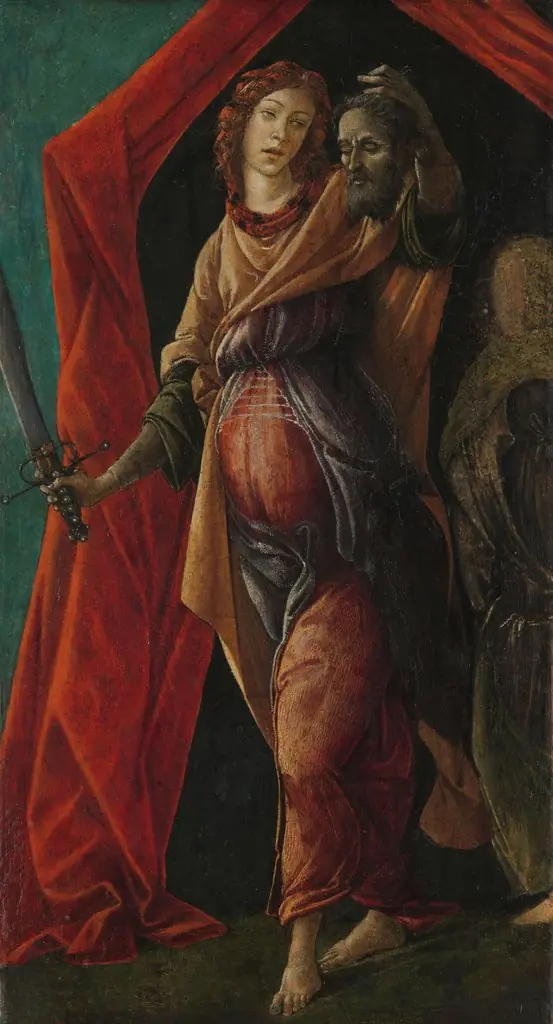 Judit with the Head of Holofernes
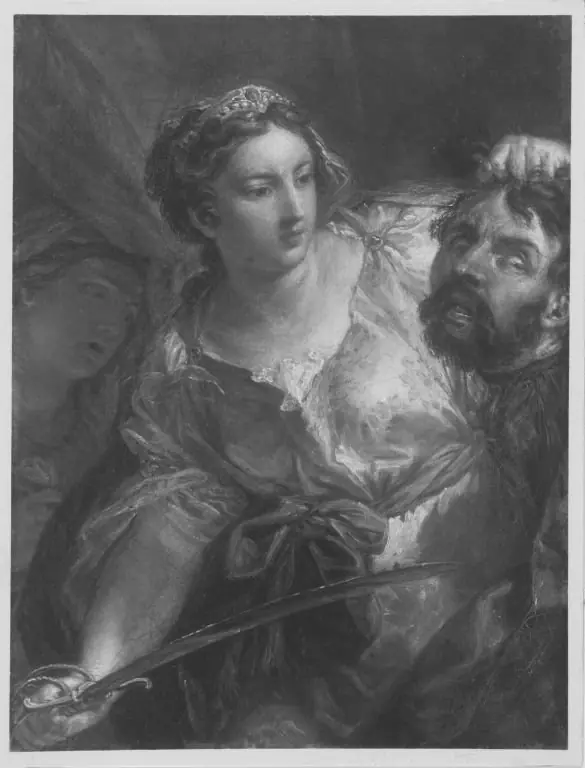 Judith mit dem Haupt des Holofernes
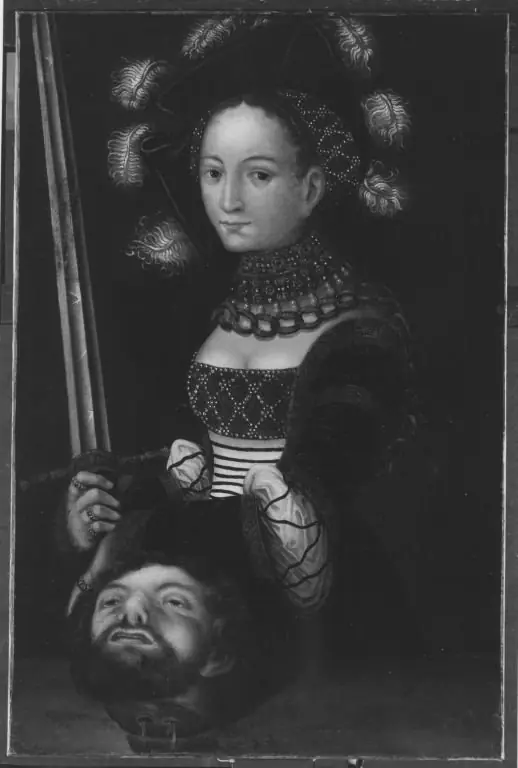 Judith with the head of Holopherne
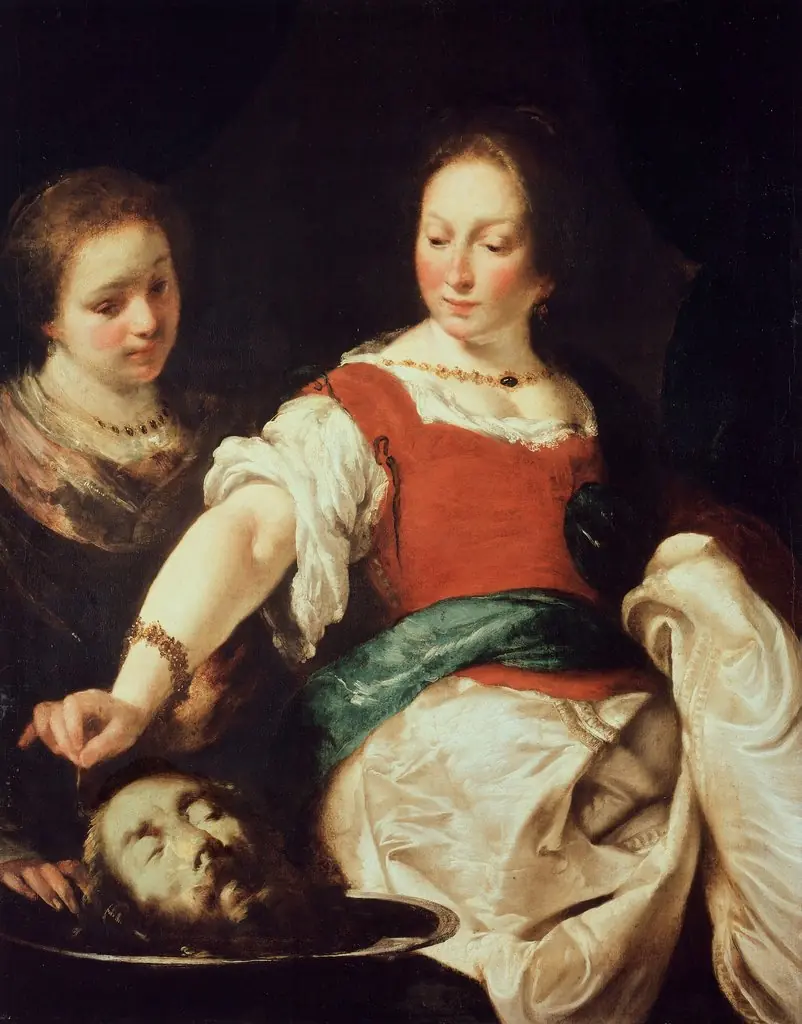 Salome
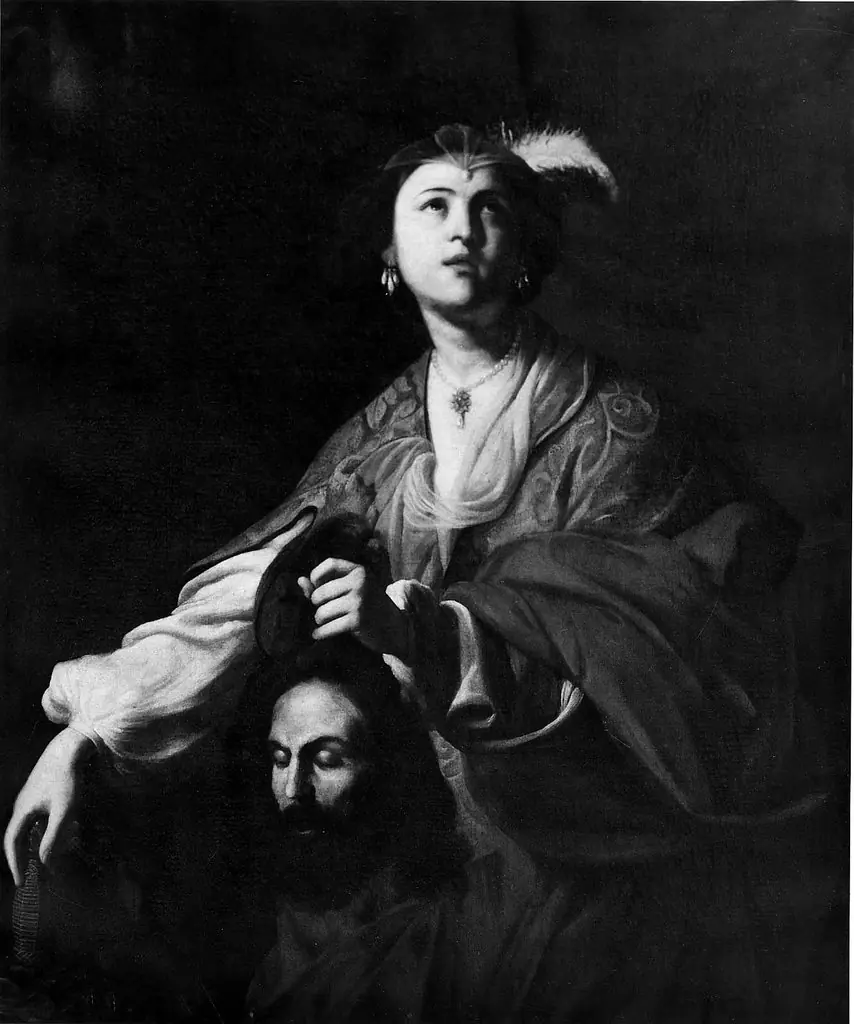 Judith with the Head of Holofernes
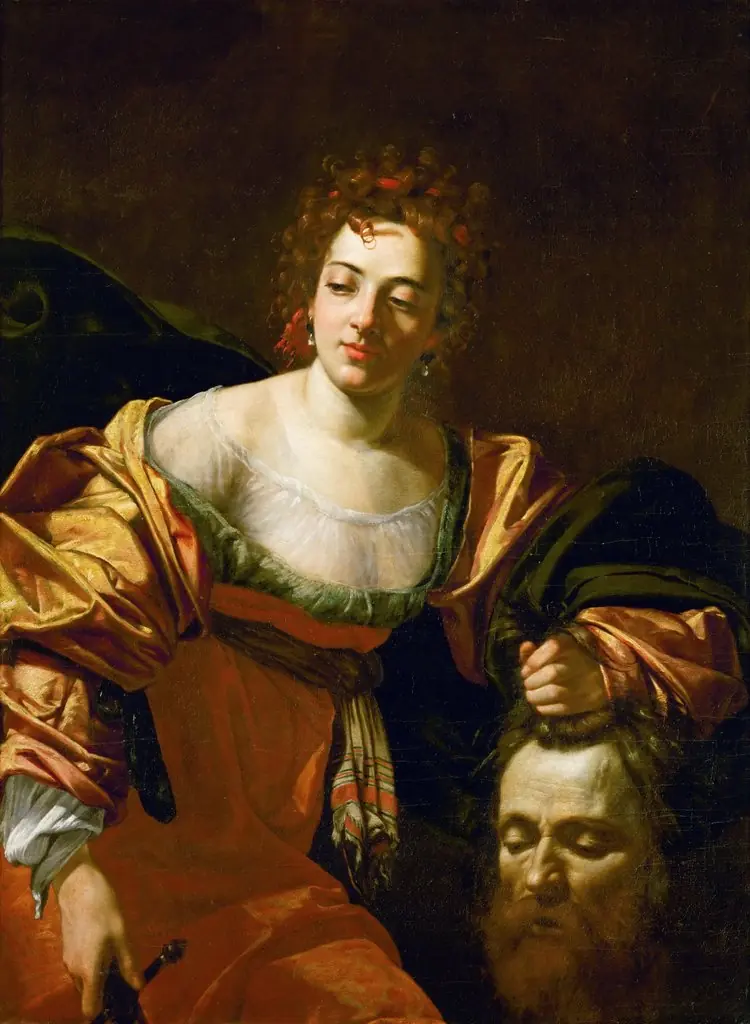 Judith with the Head of Holofernes
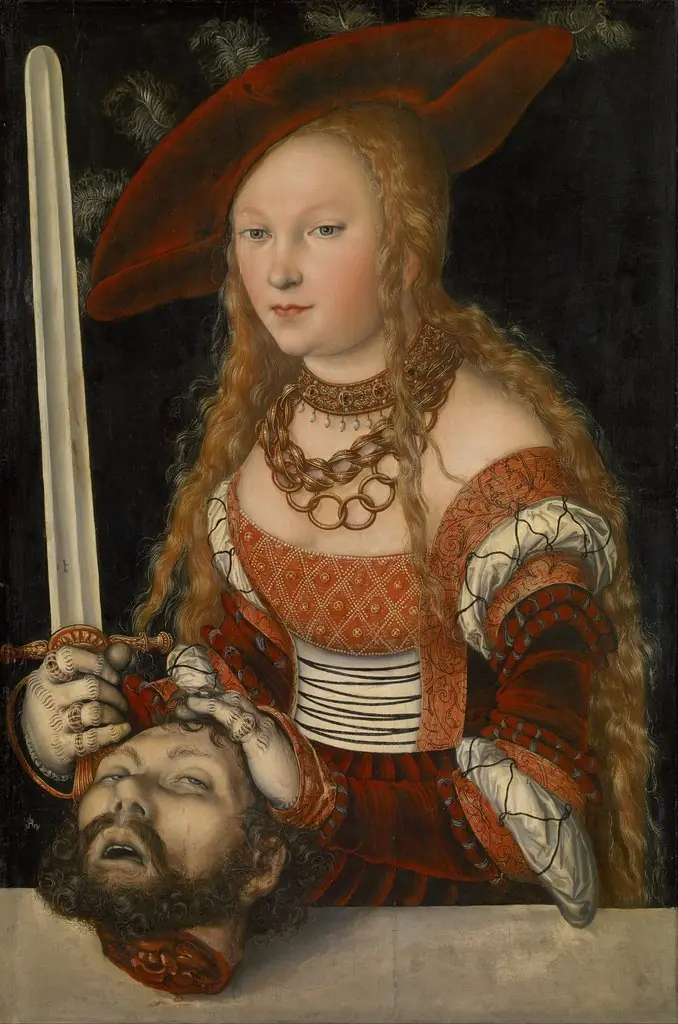 Judith with the head of Holofernes
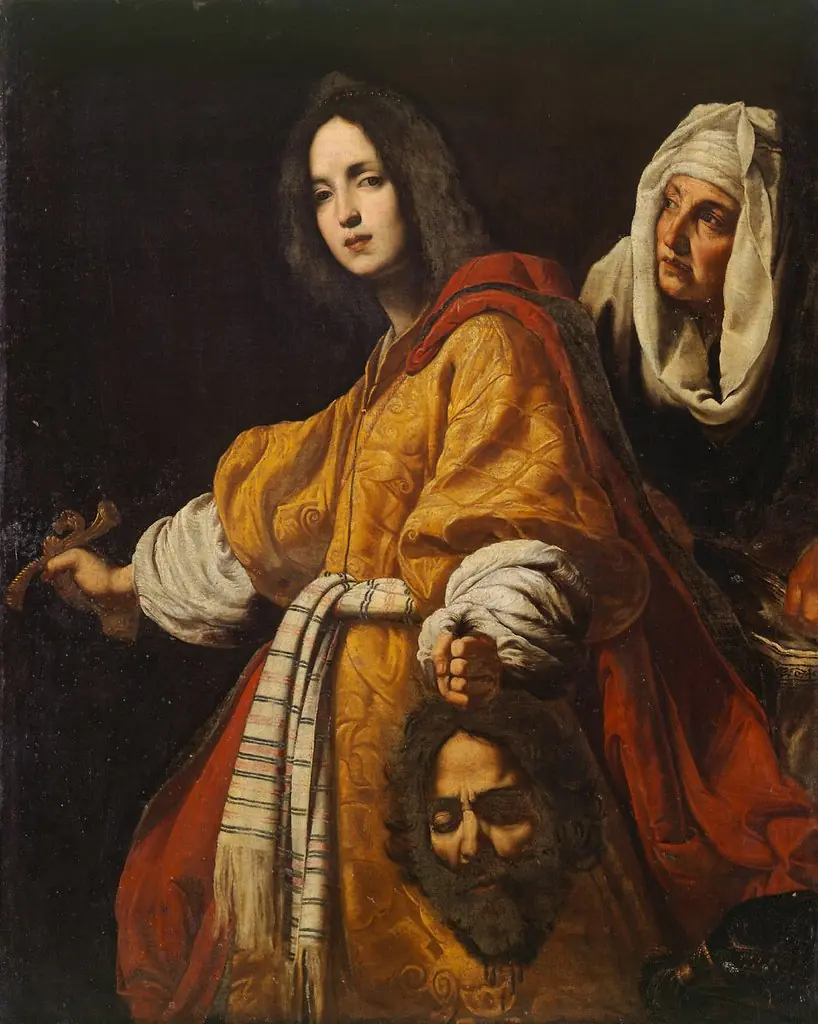 Judith with the head of Holofernes
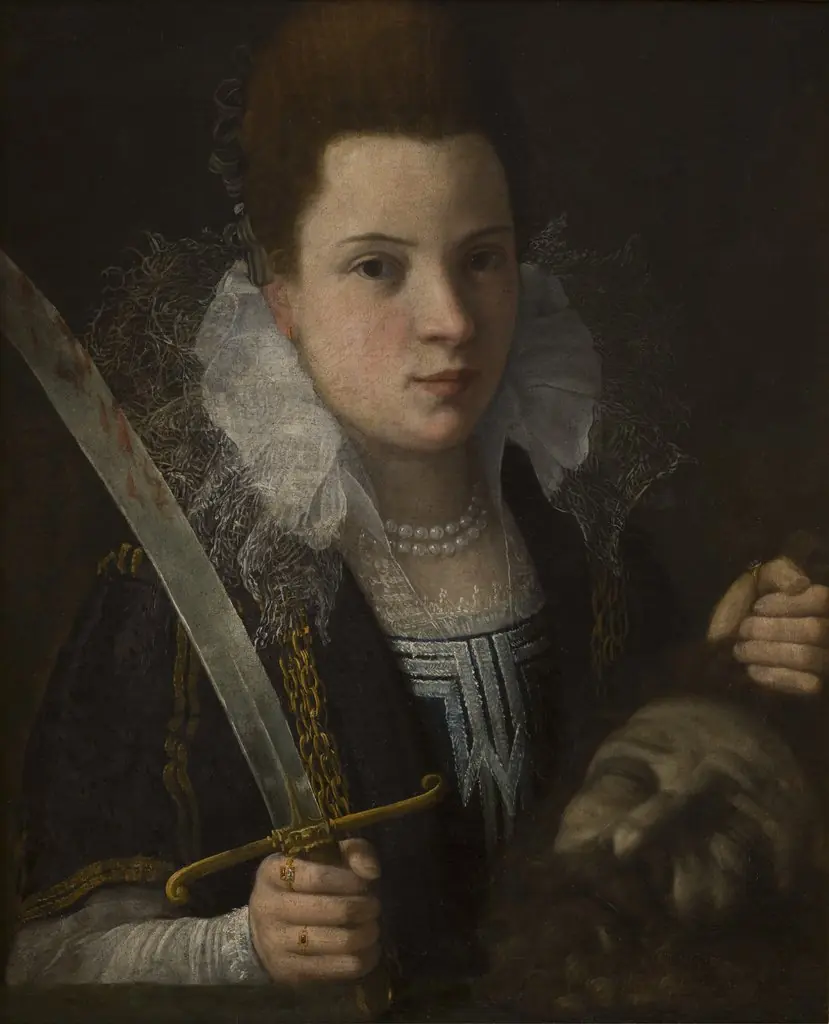 Judith with the Head of Holofernes
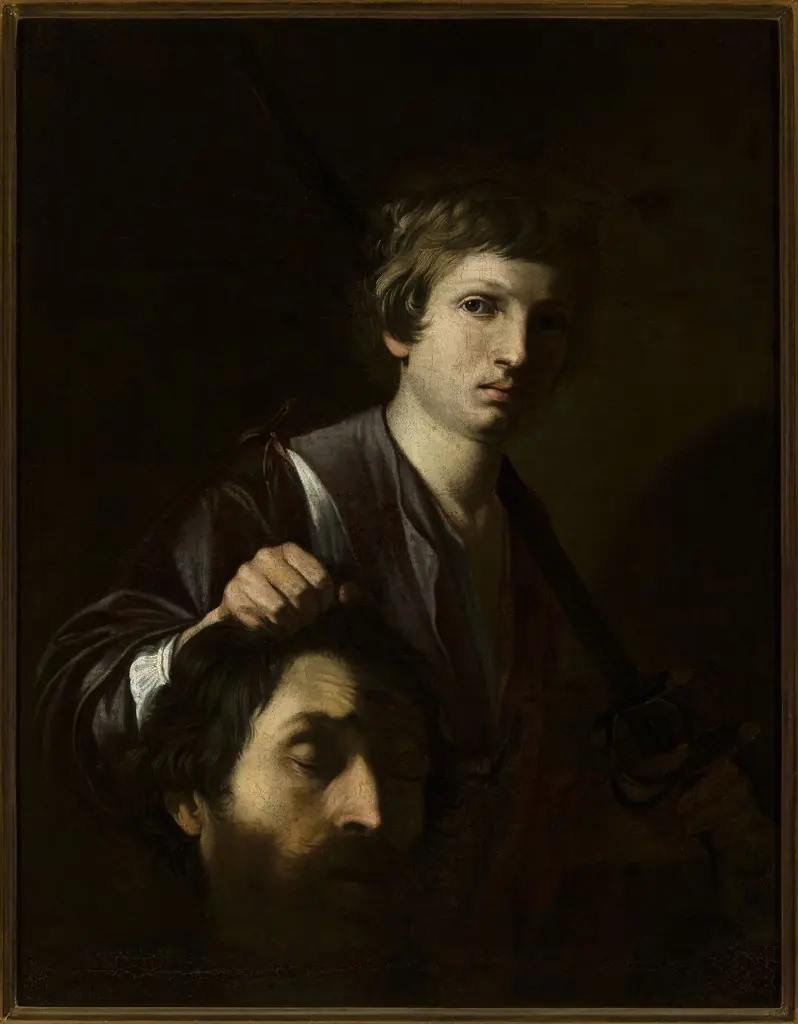 David with Goliath’s head
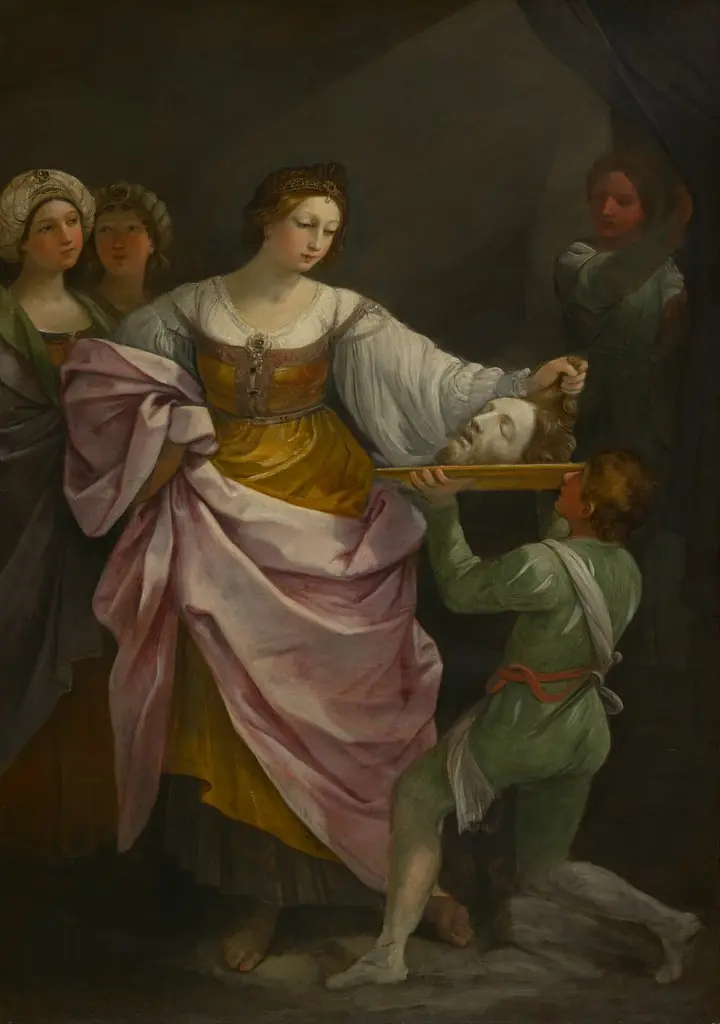 Salome with the Head of Saint John the Baptist
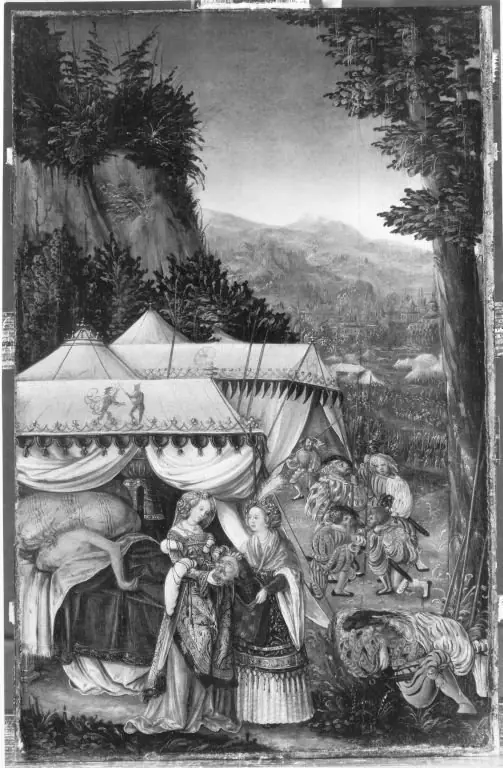 Judith and Holofernes
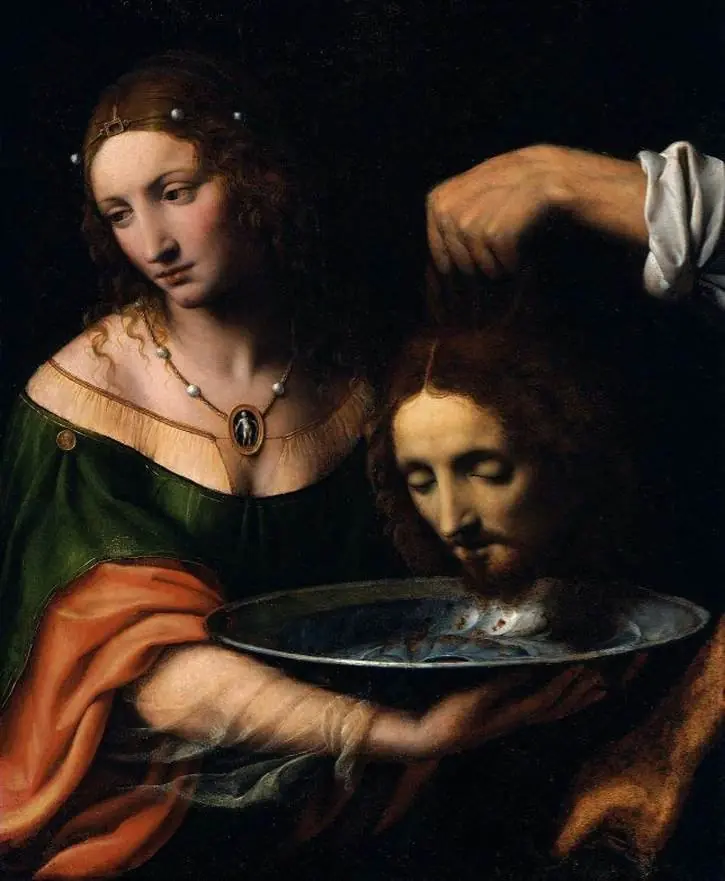 Salome with the Head of Saint John the Baptist
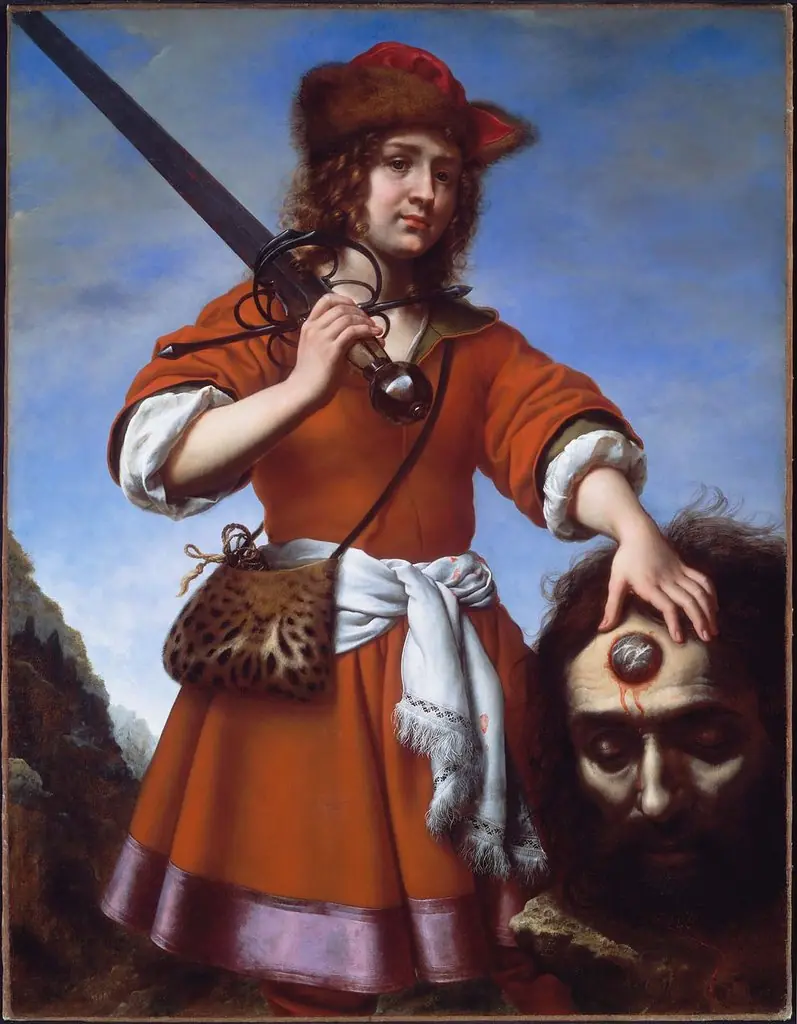 David with the Head of Goliath
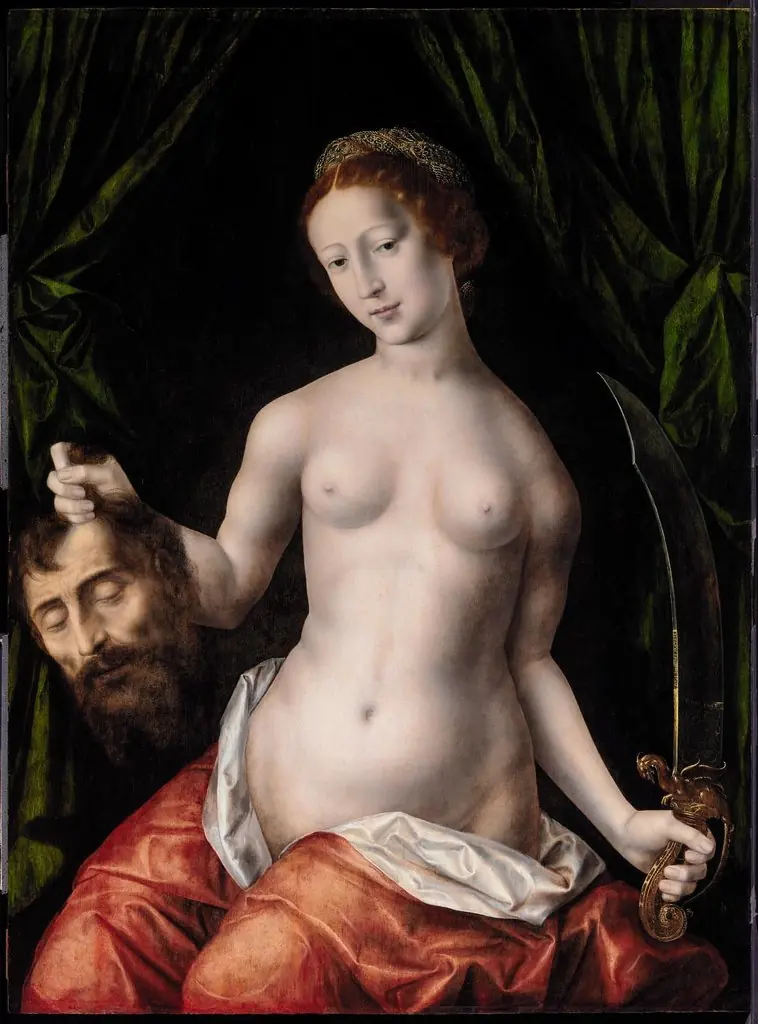 Judith with the Head of Holofernes
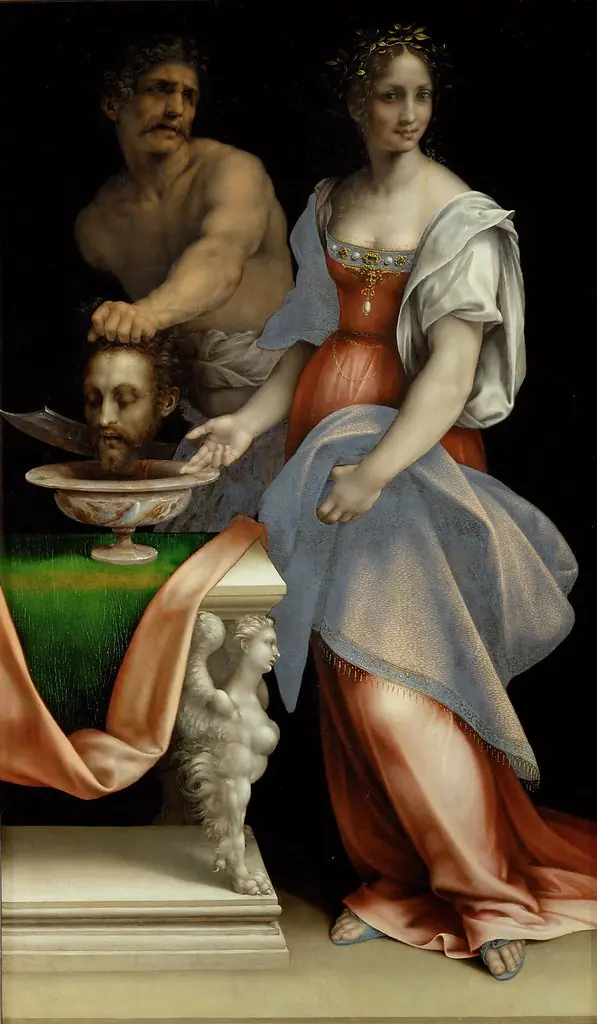 Salome with the head of John the Baptist
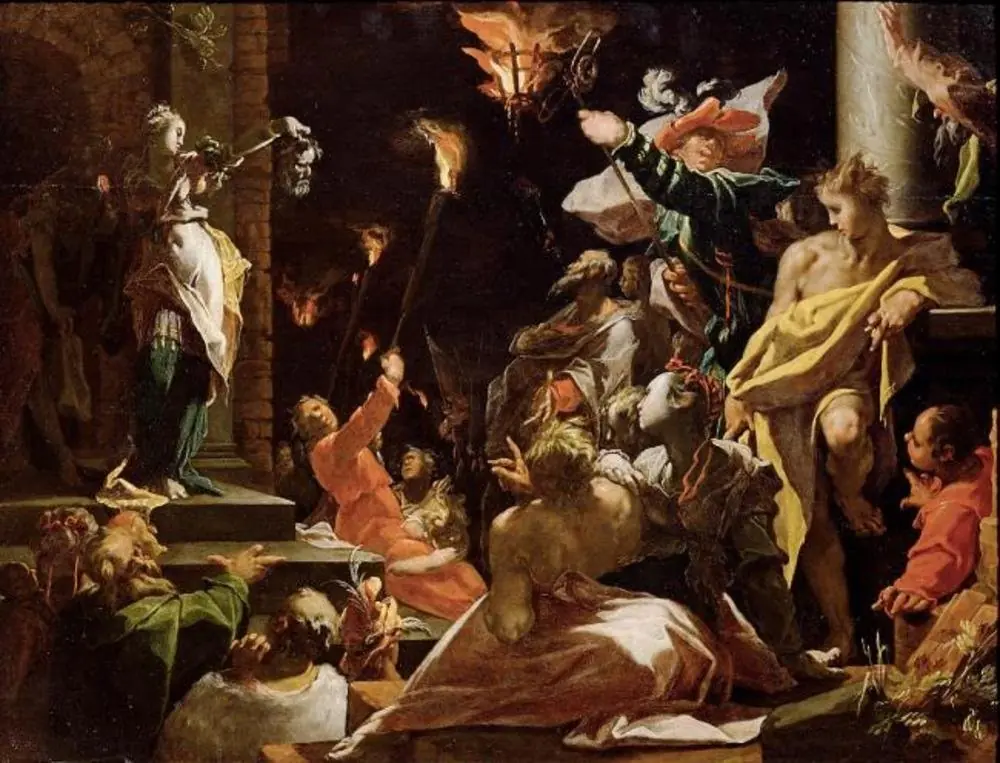 Judith shows Holofernes's head to the people (Judith 19)
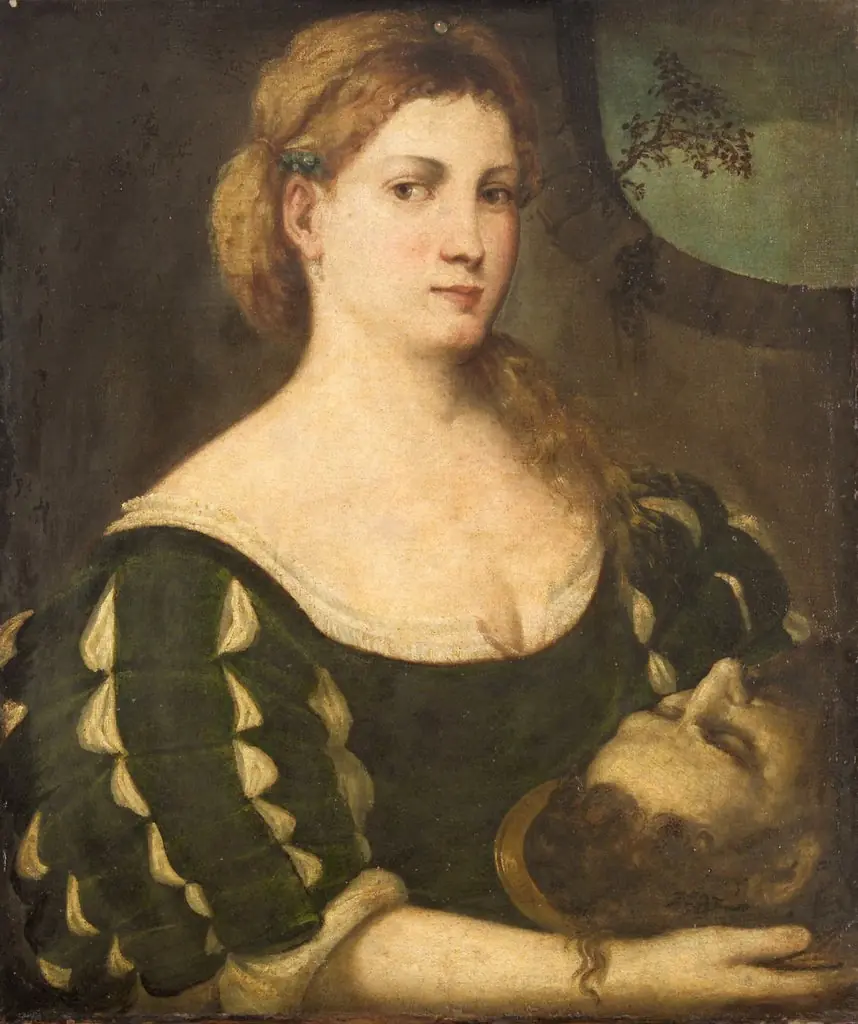 Salome with the head of John the Baptist
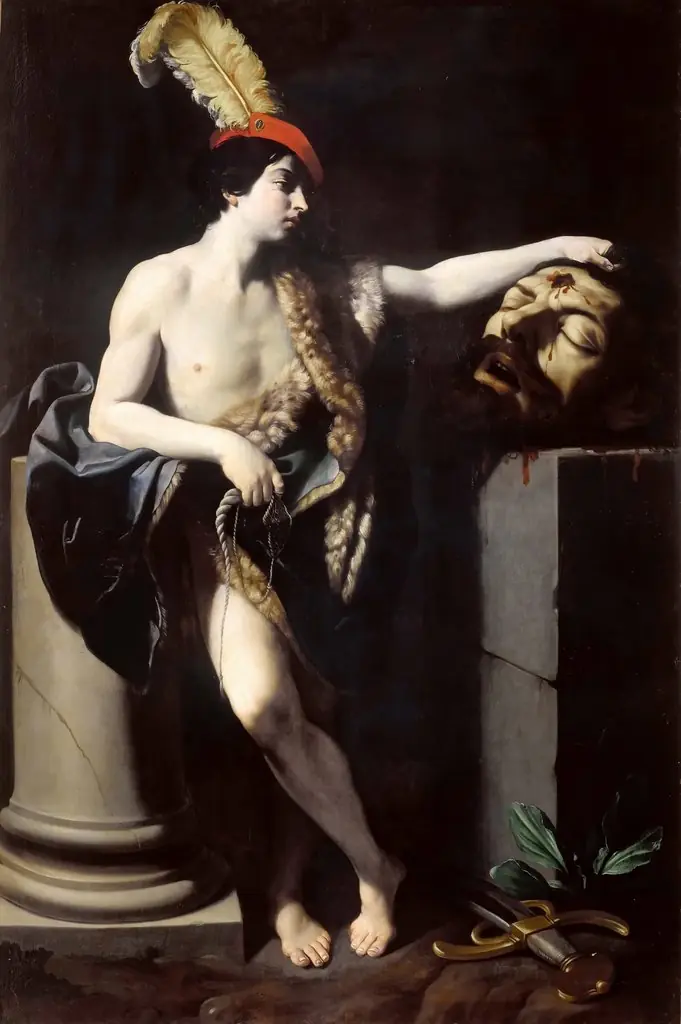 David with the Head of Goliath
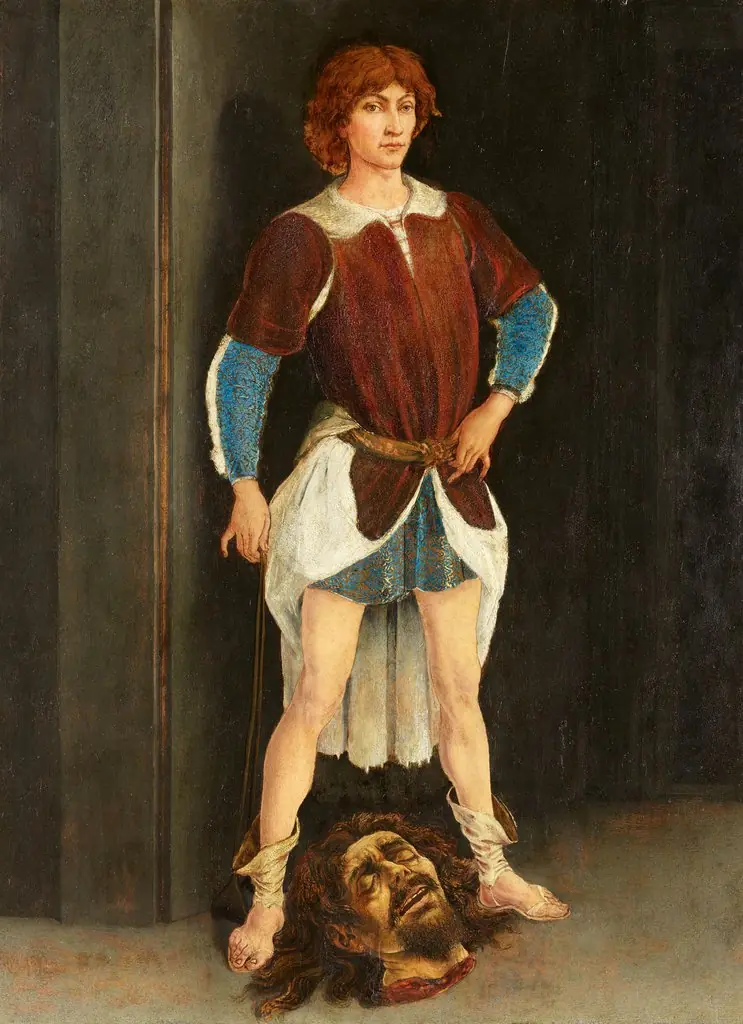 David Victorious
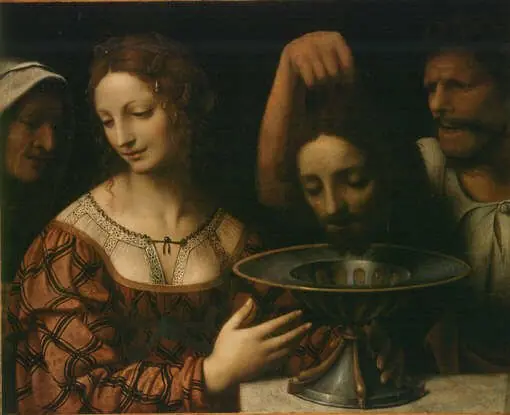 Salome with the head of John the Baptist
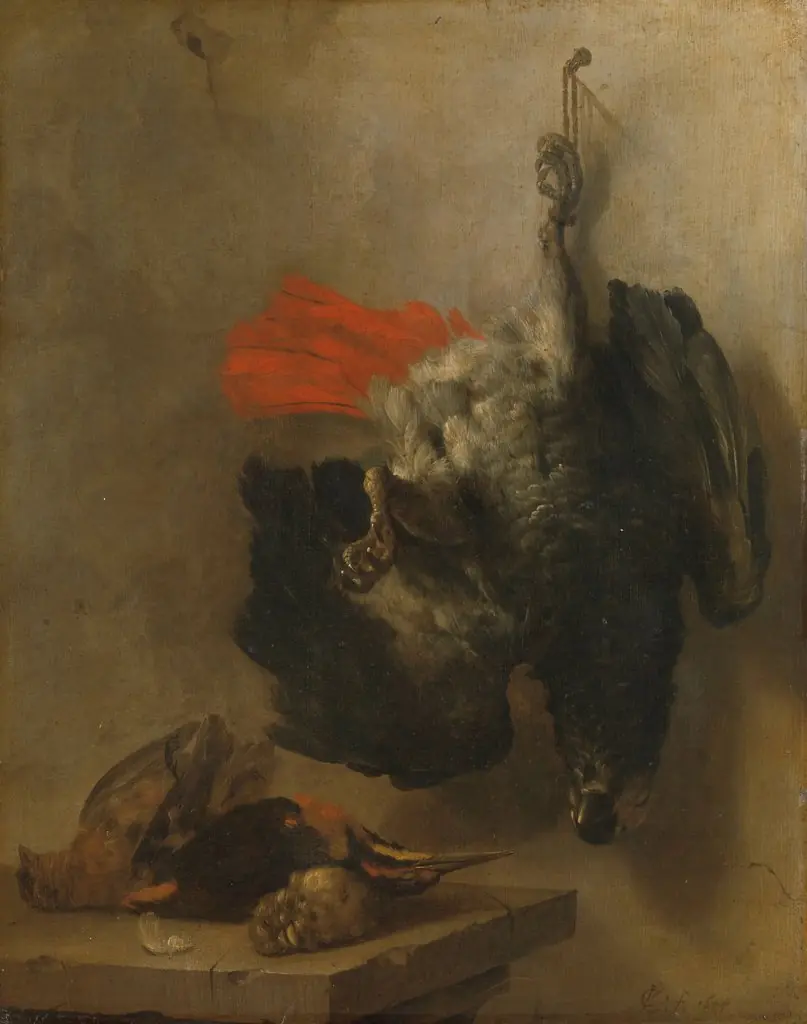 Still life with parrot and snipes
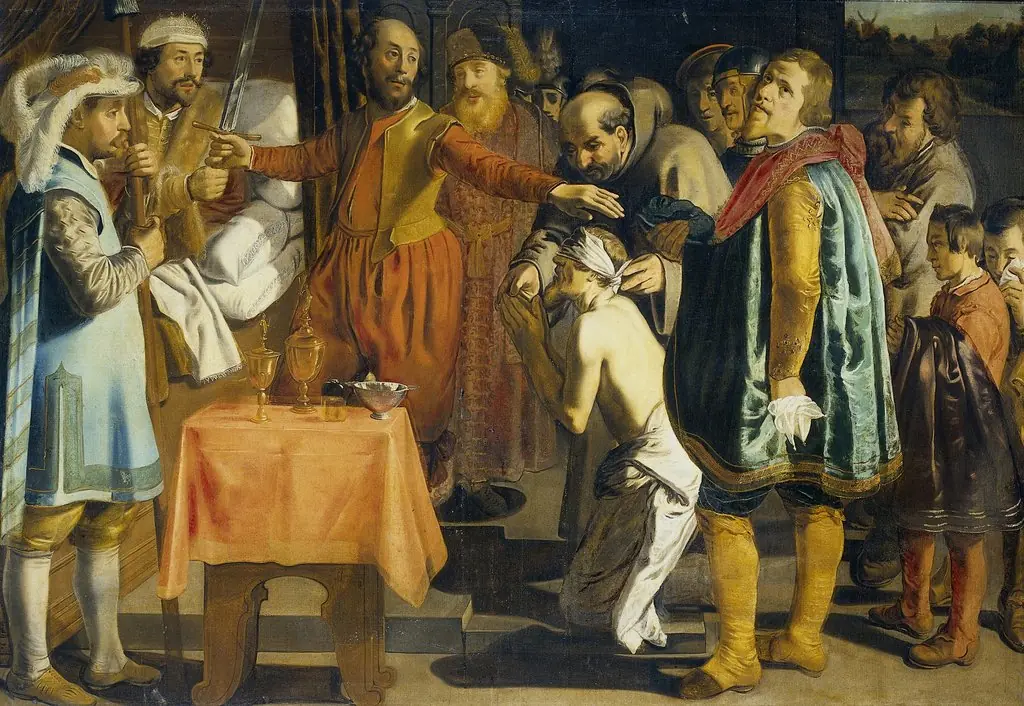 Willem III, Count of Holland, Ordering the Beheadal of the Bailiff of Zuid Holland, 1336
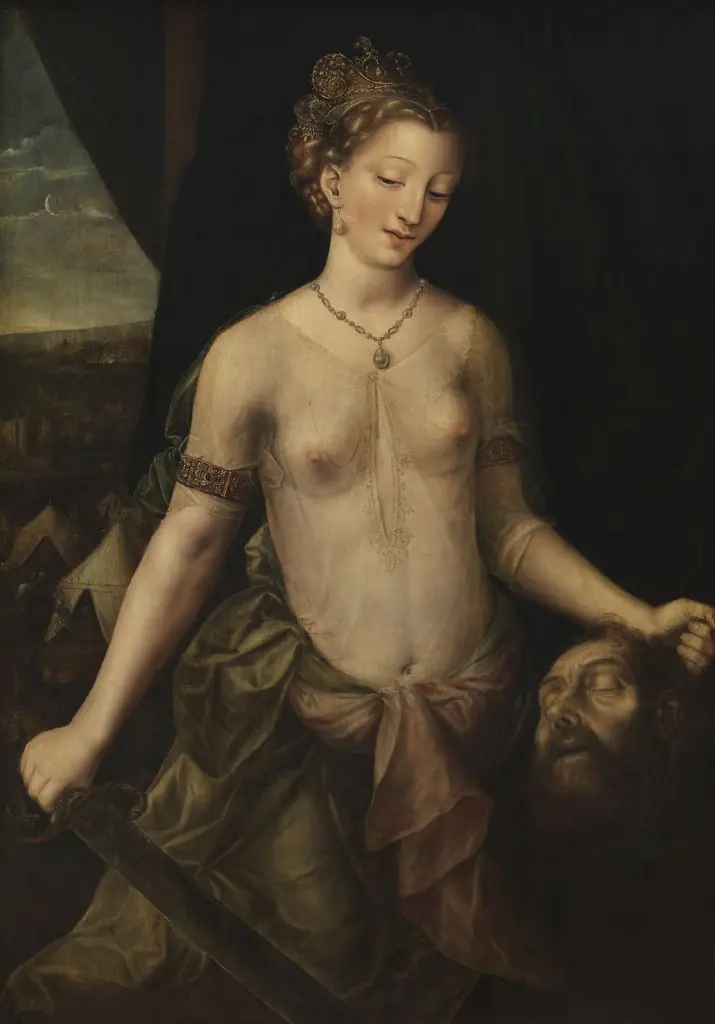 Judith
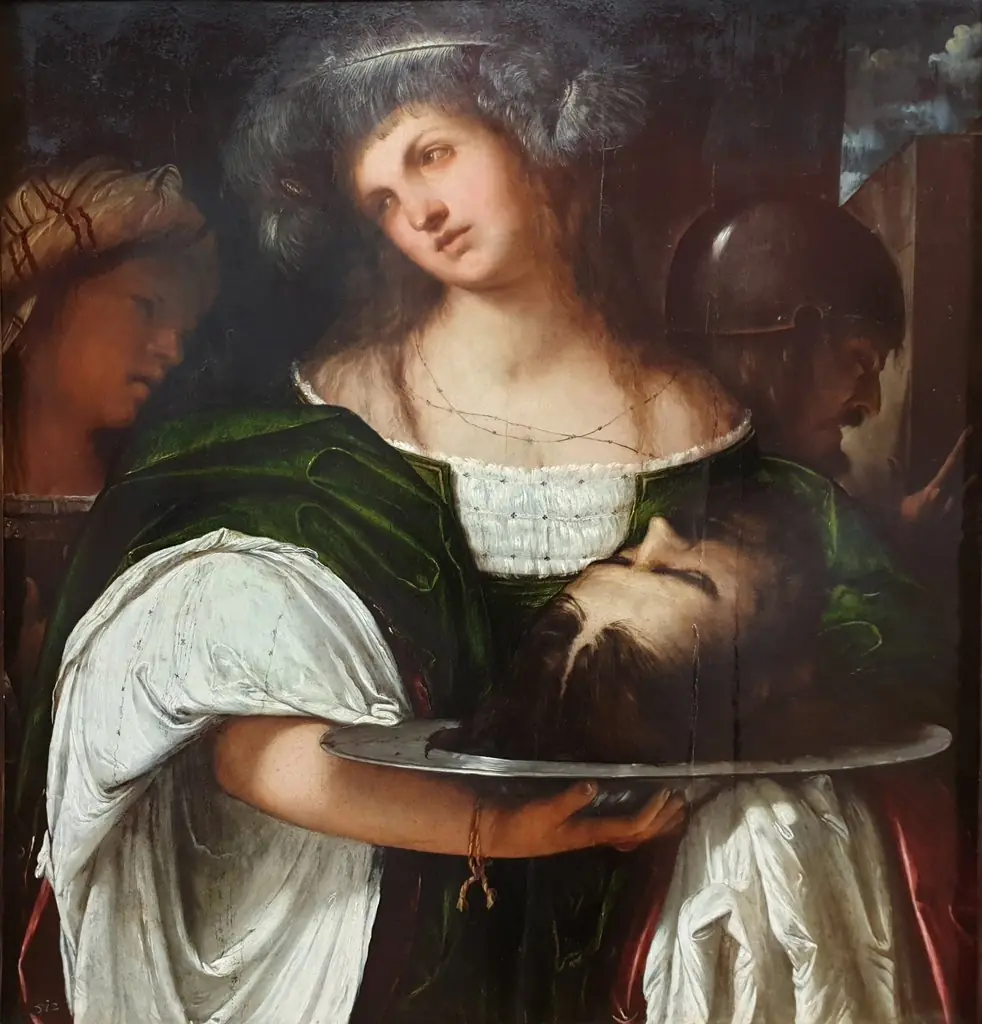 Salome with the head of John the Baptist
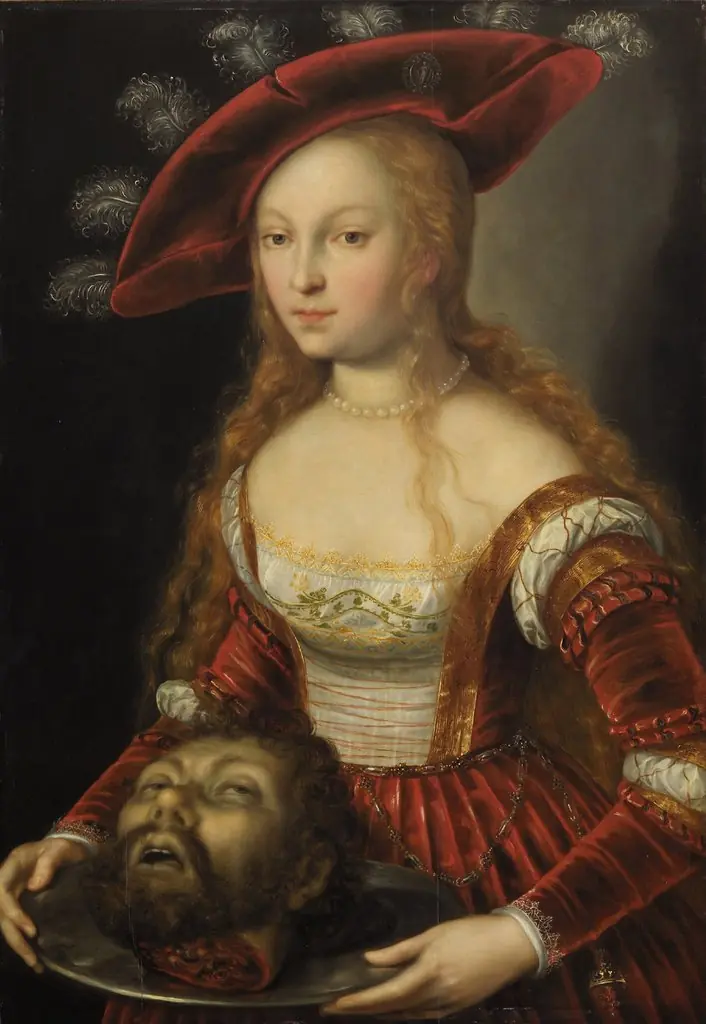 Salome with the head of John the Baptist
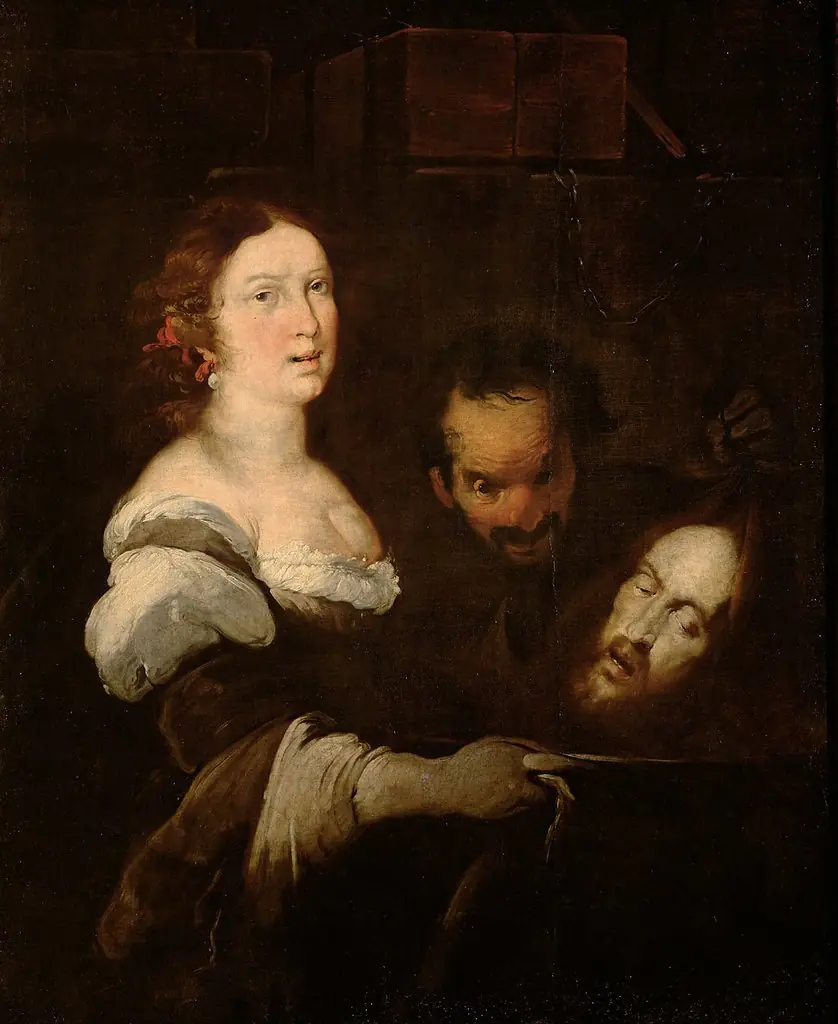 Salome with the head of St John the Baptist
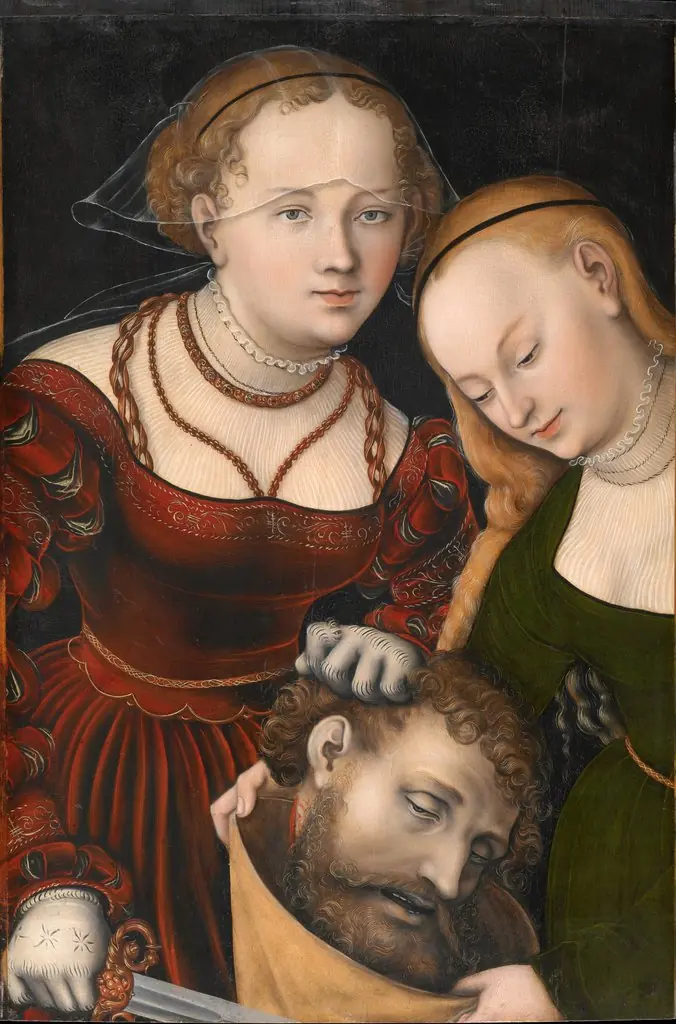 Judith with the head of Holofernes and a servant
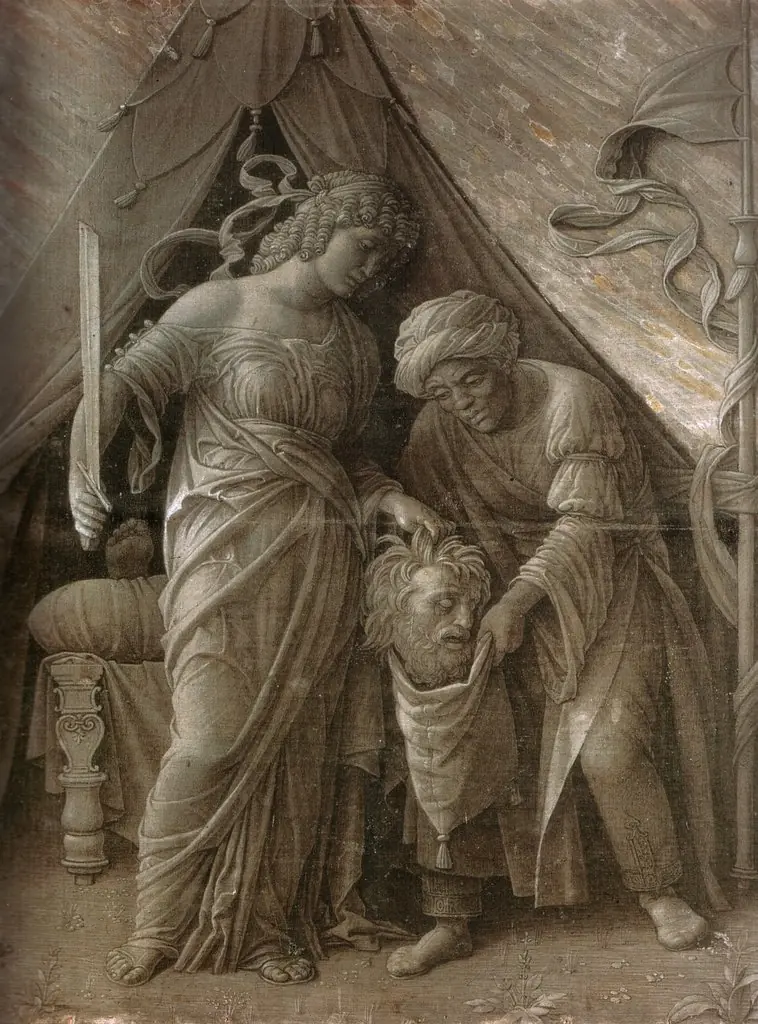 Judith with the Head of Holofernes
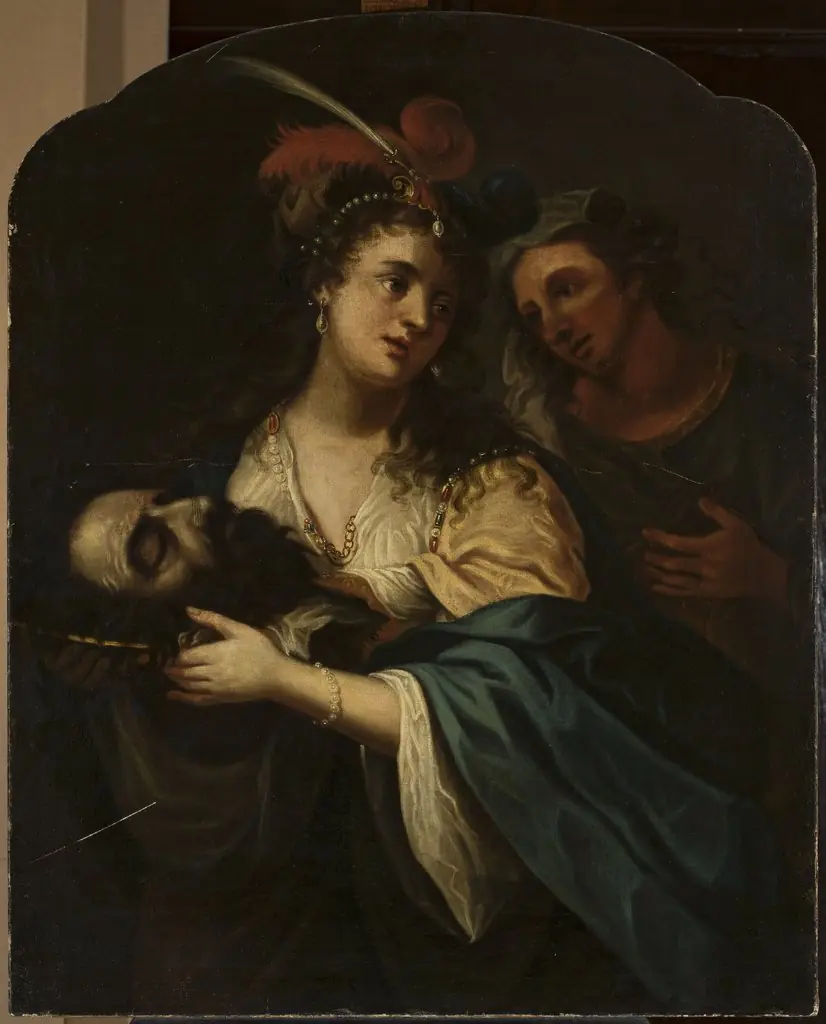 Salome with the head of St. John the Baptist
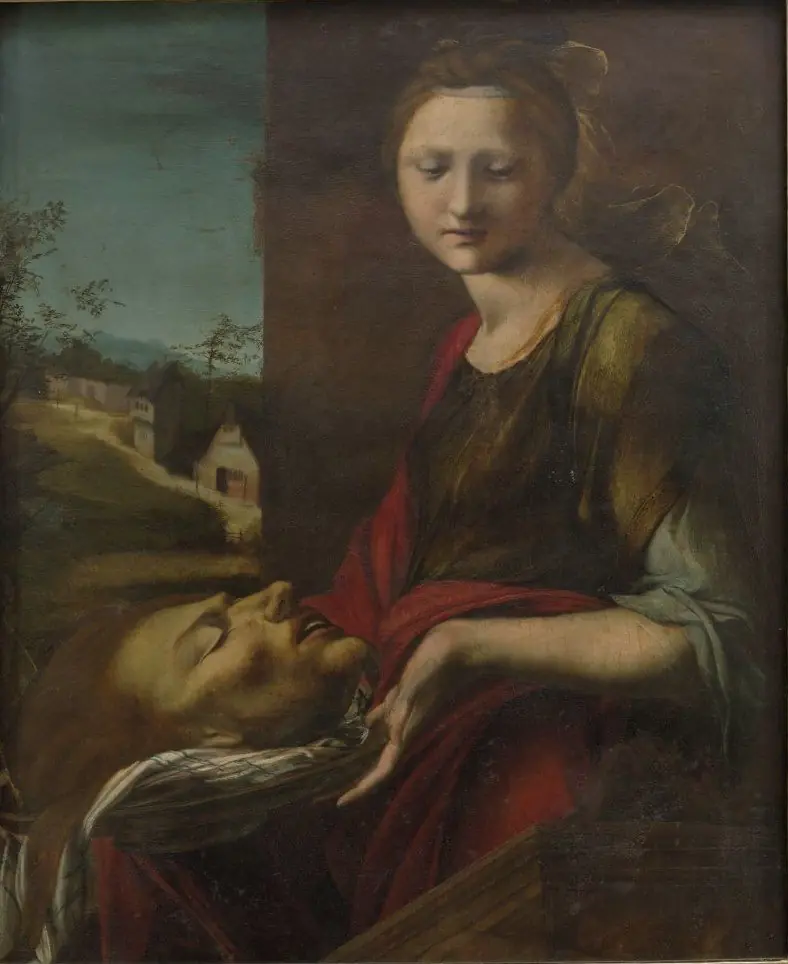 Salome with the head of John the Baptist
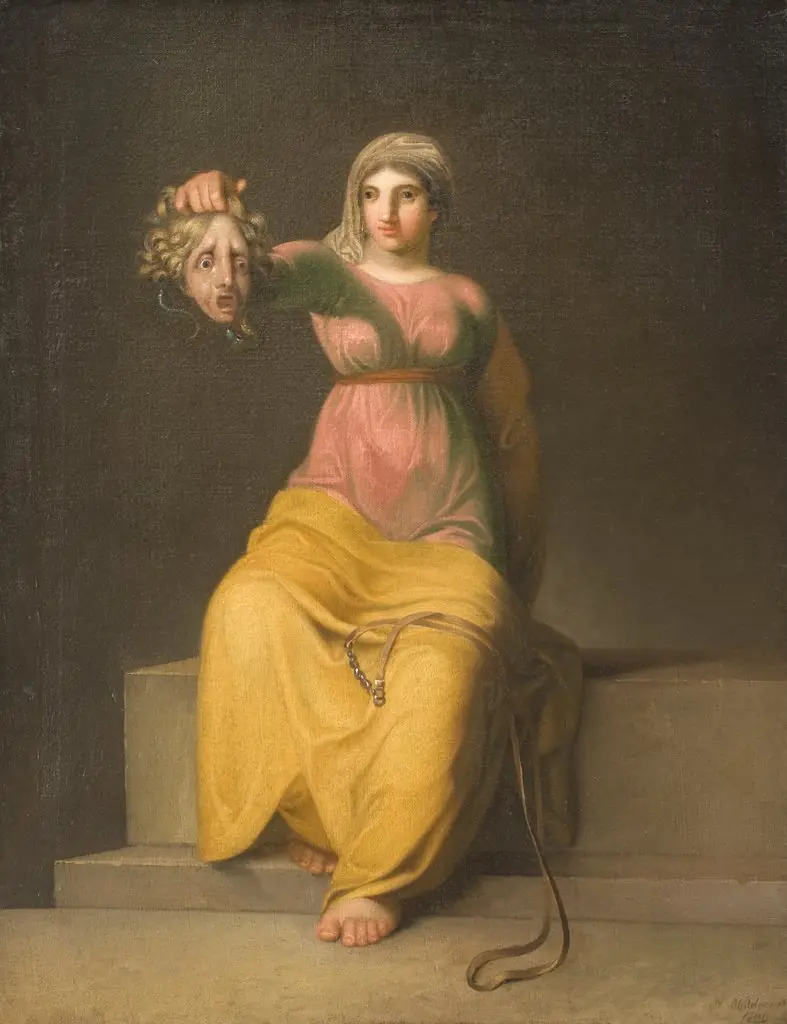 Theology. Allegorical figure
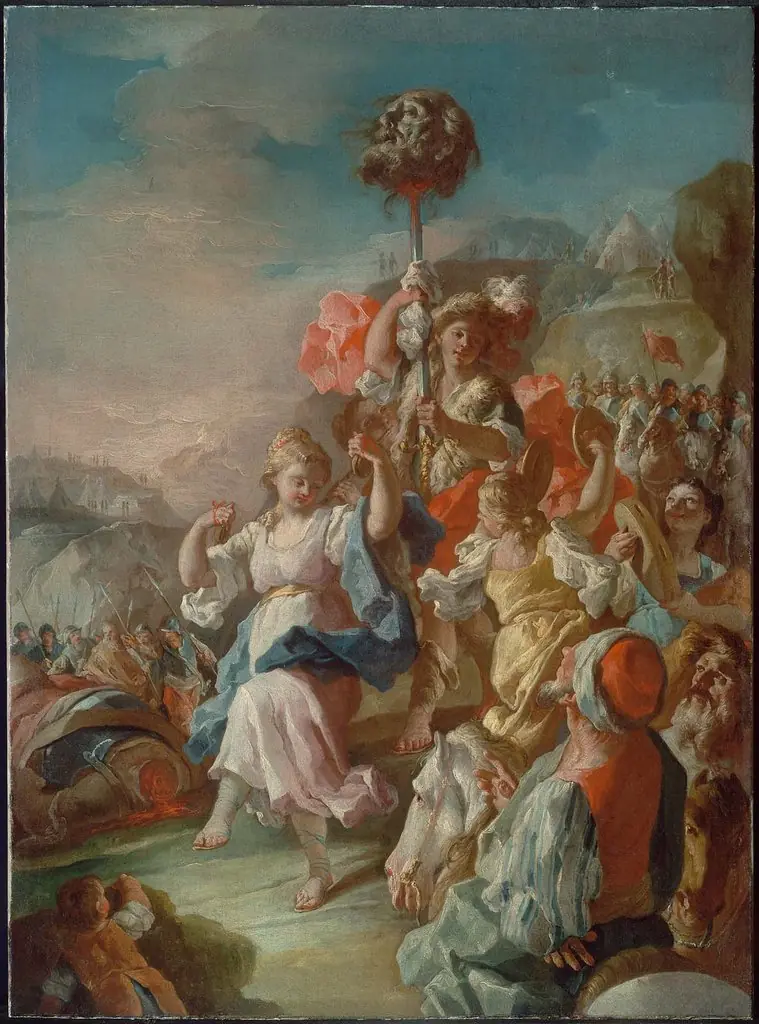 The Triumph of David
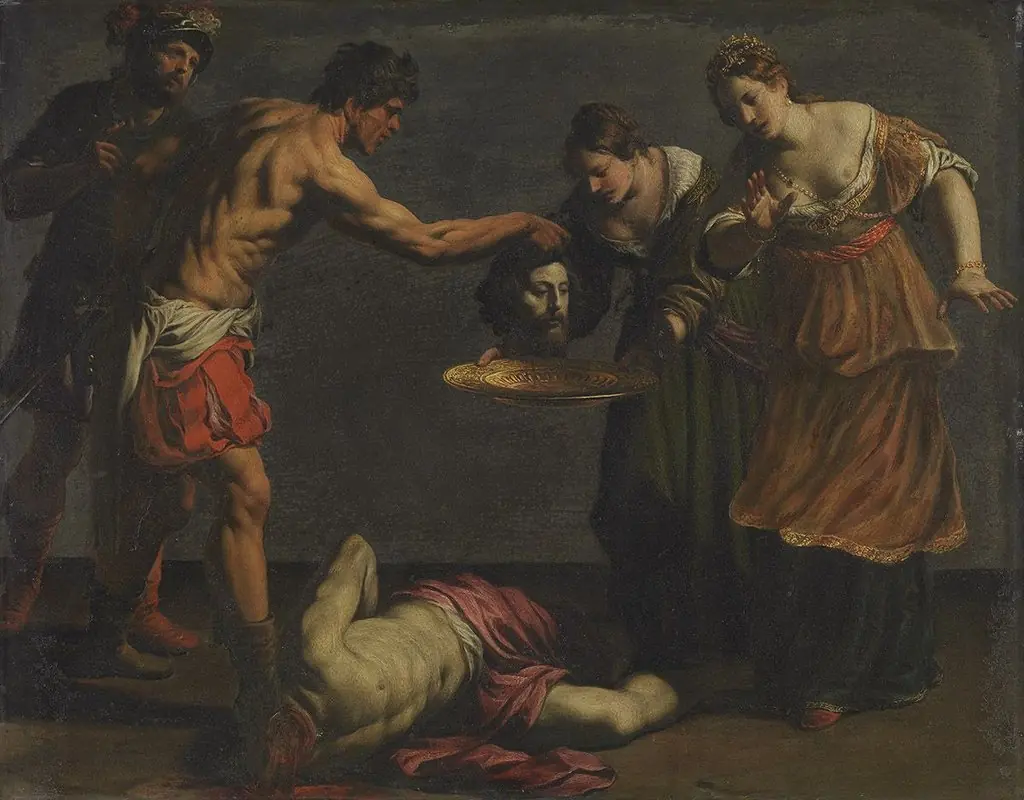 Salome empfängt das Haupt Johannes des Täufers
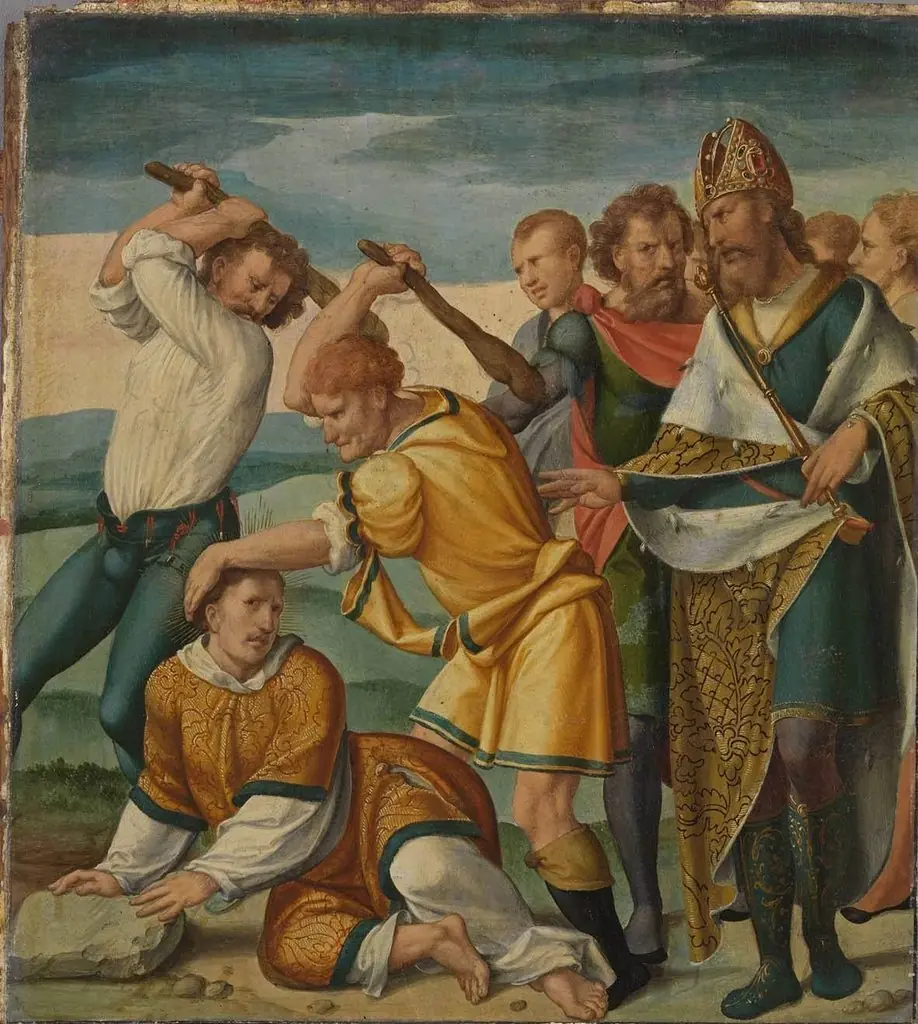 The martyrdom of Saint Cyriacus
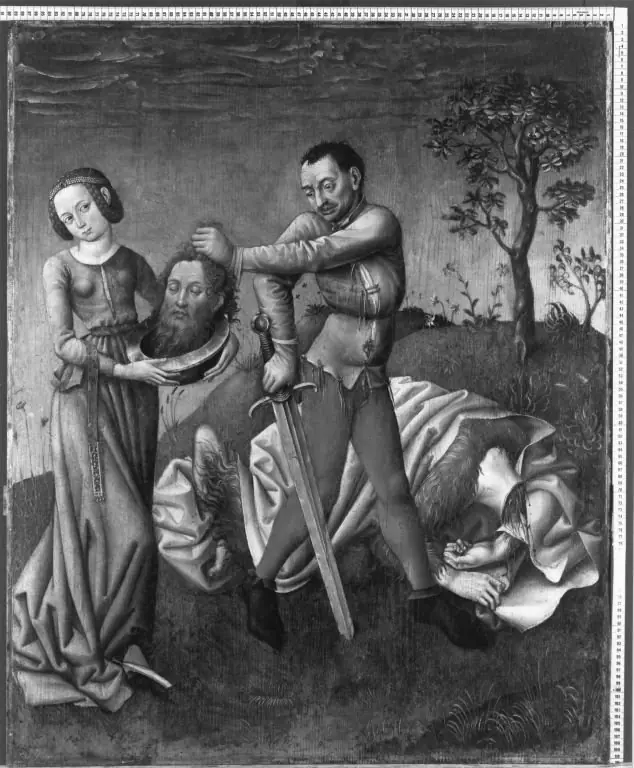 Enthauptung Johannes des Täufers
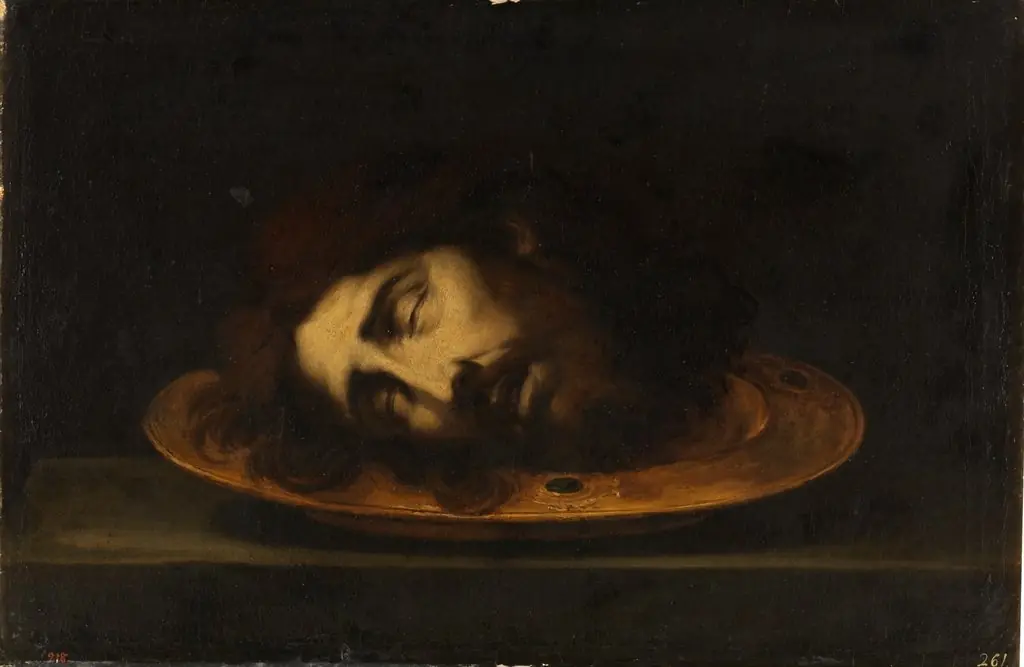 The Head of Saint John the Baptist
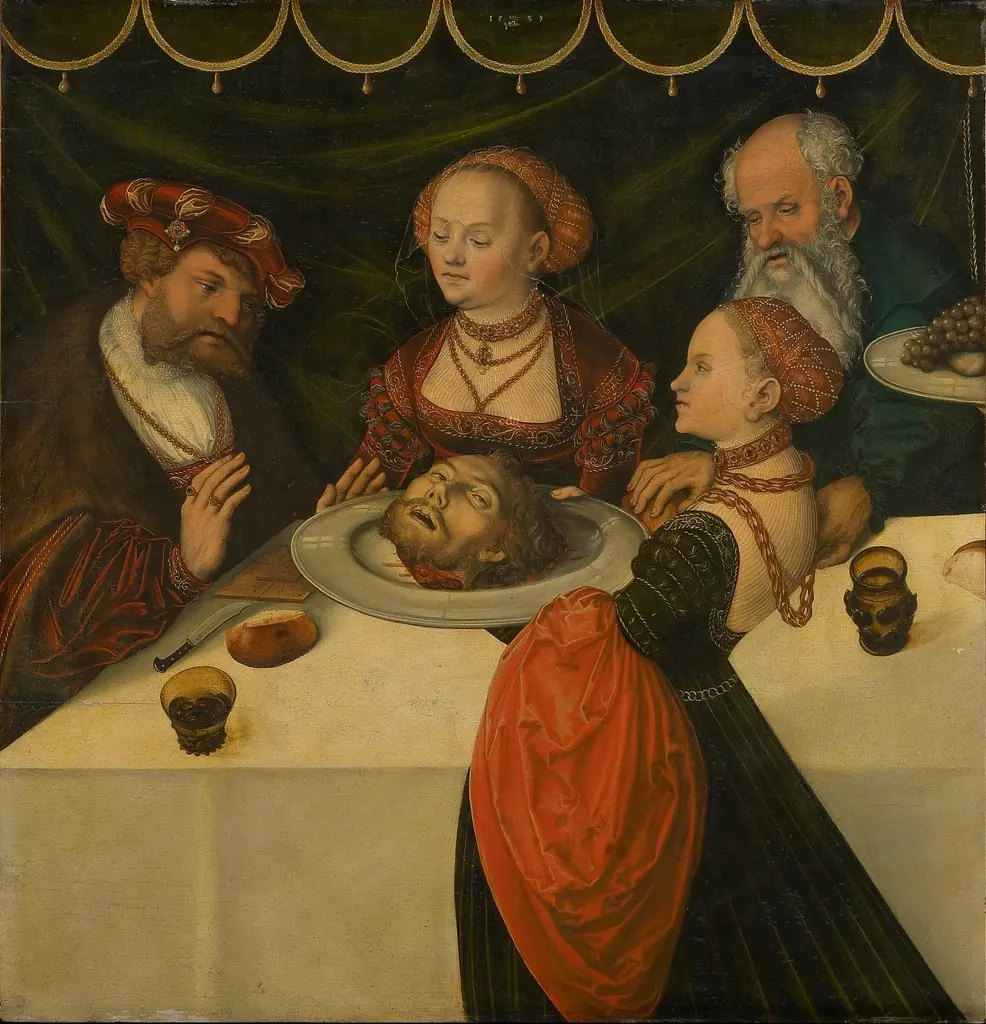 Feast of Herod
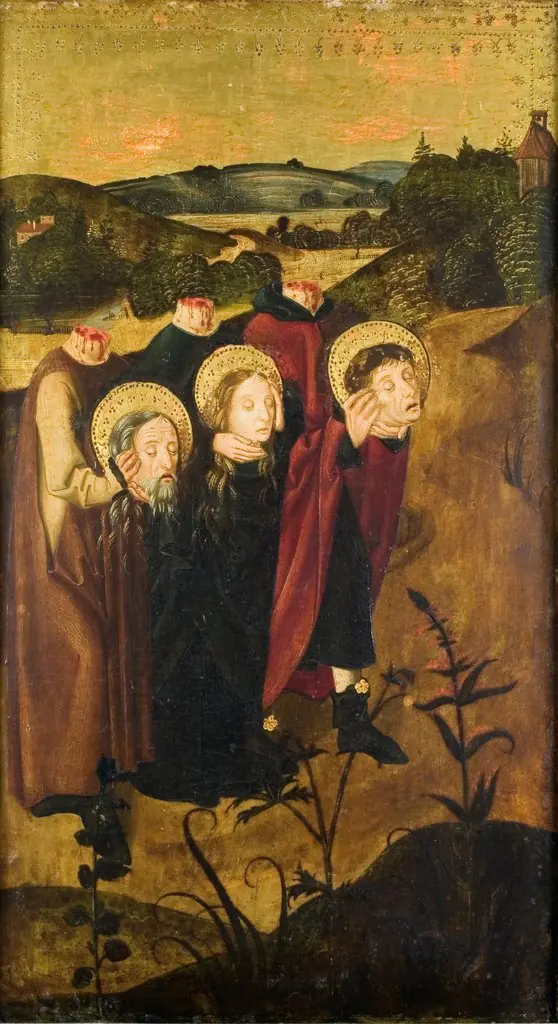 Die enthaupteten Hll. Felix, Regula und Exuperantius auf dem Weg zur Grabstätte
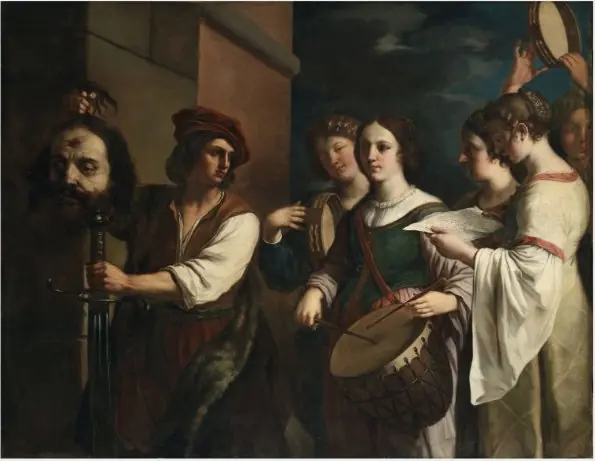 The Triumph of David
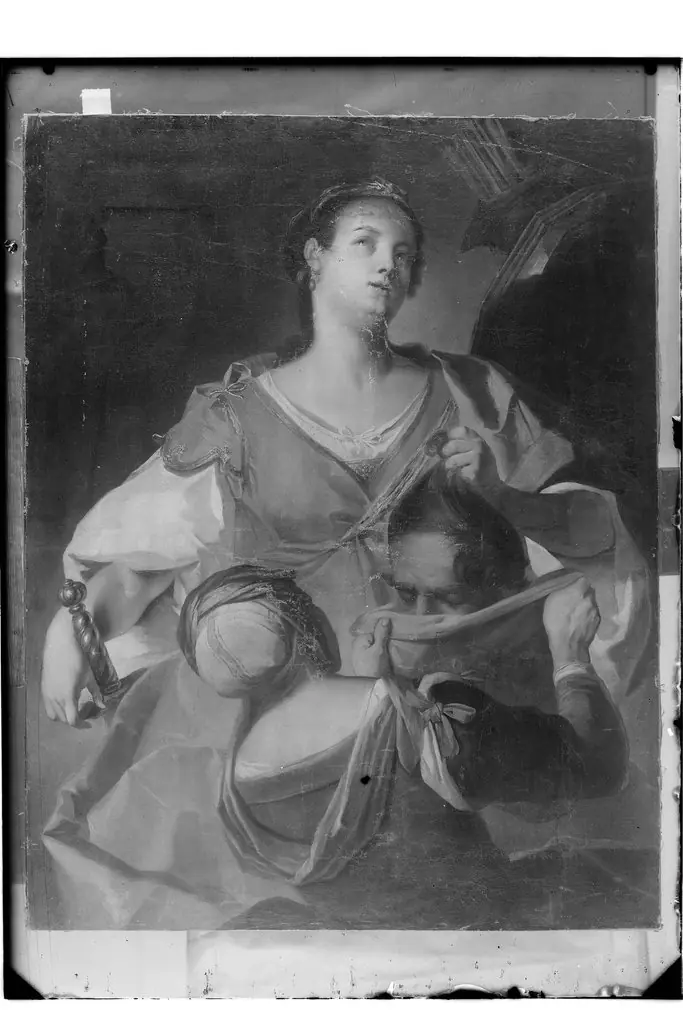 Judith with the head of Holofernes
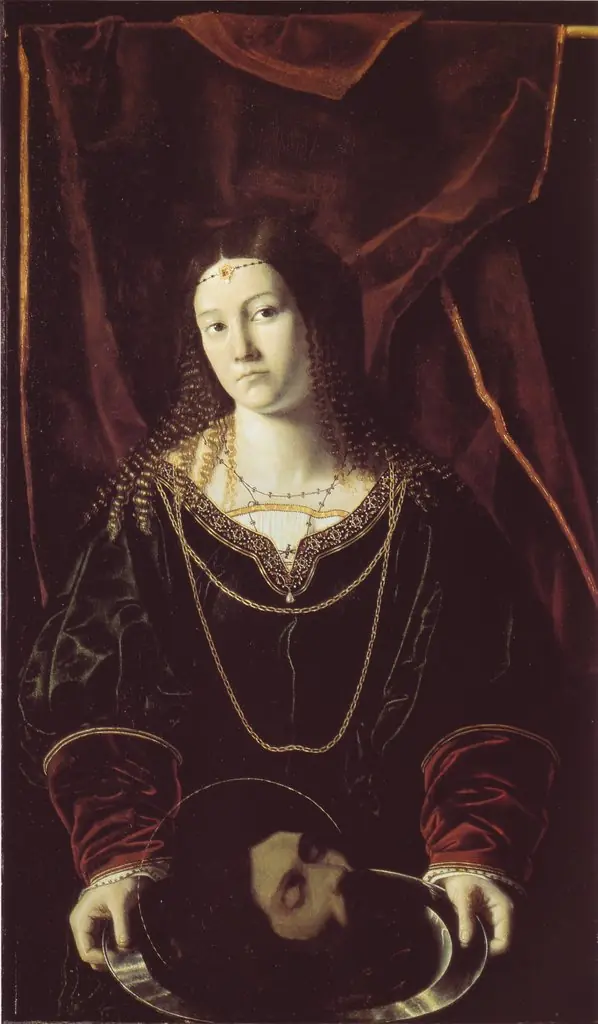 Salome with the head of John the Baptist
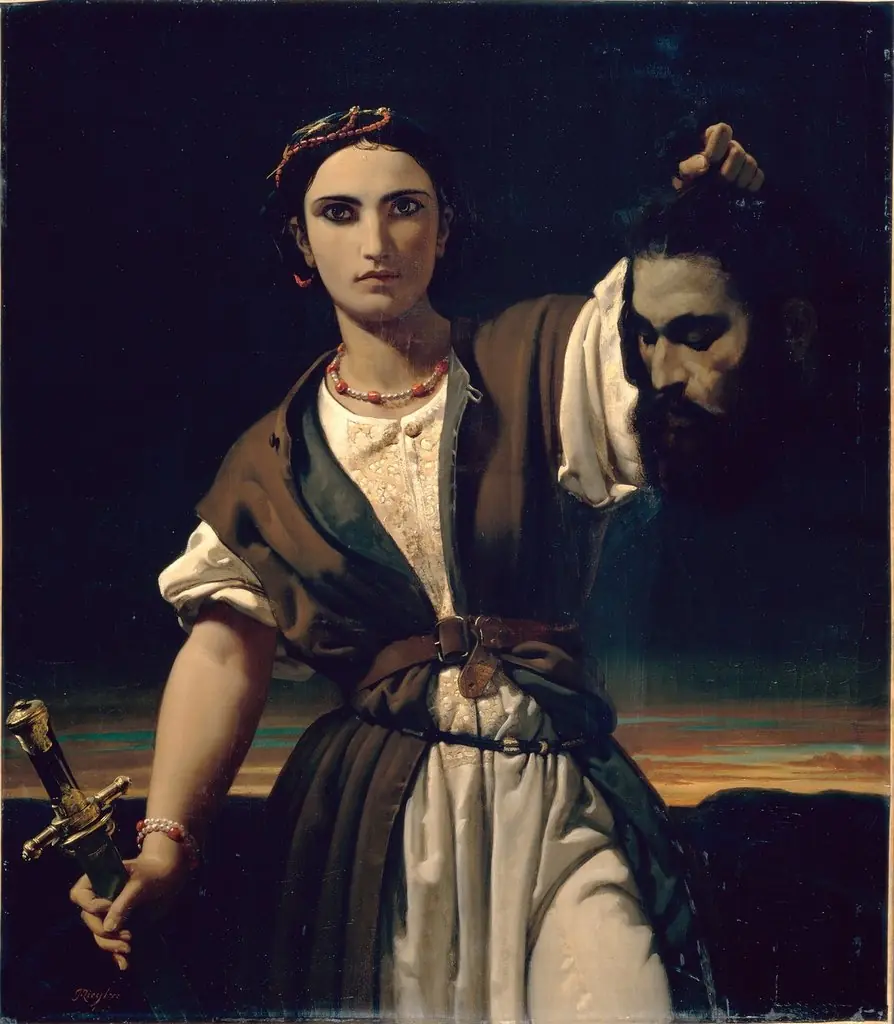 Judith
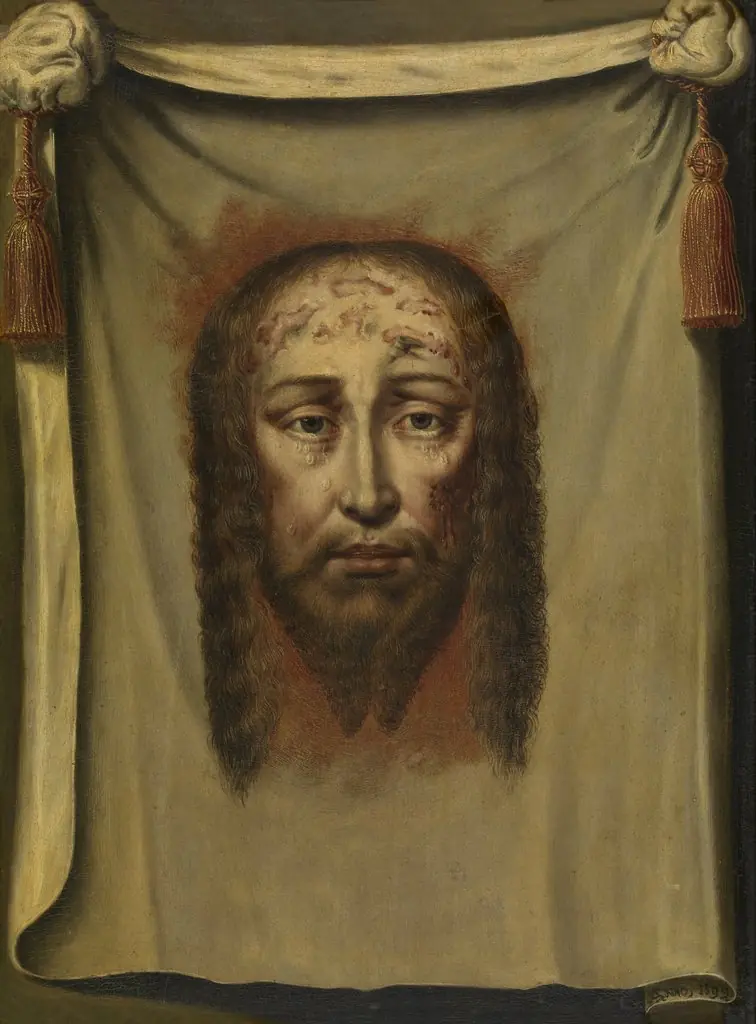 Vera Icon
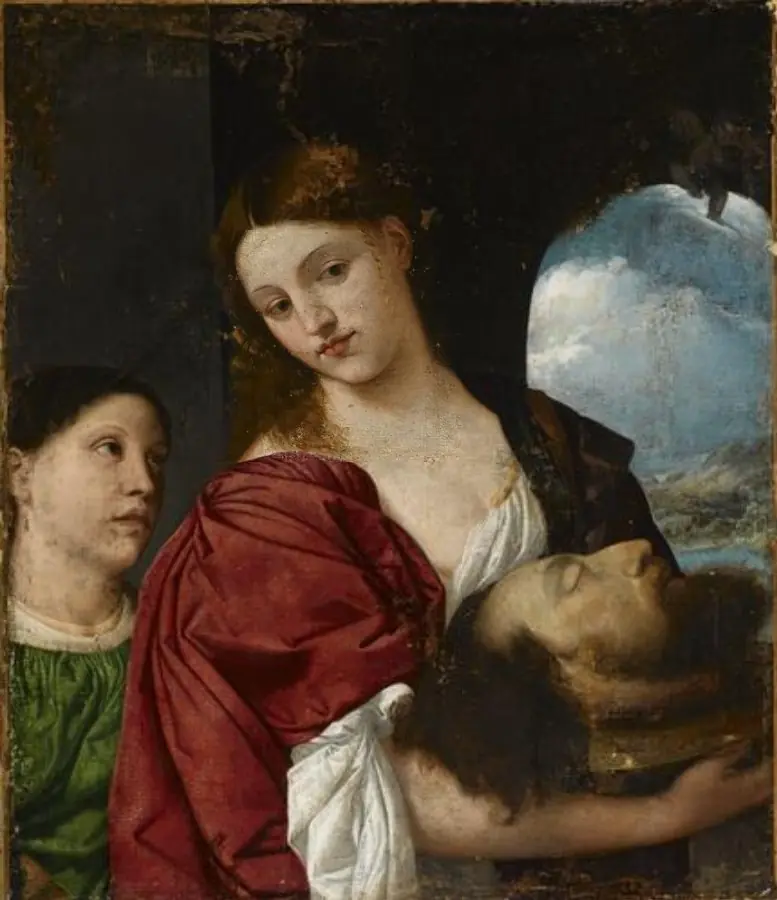 Salome
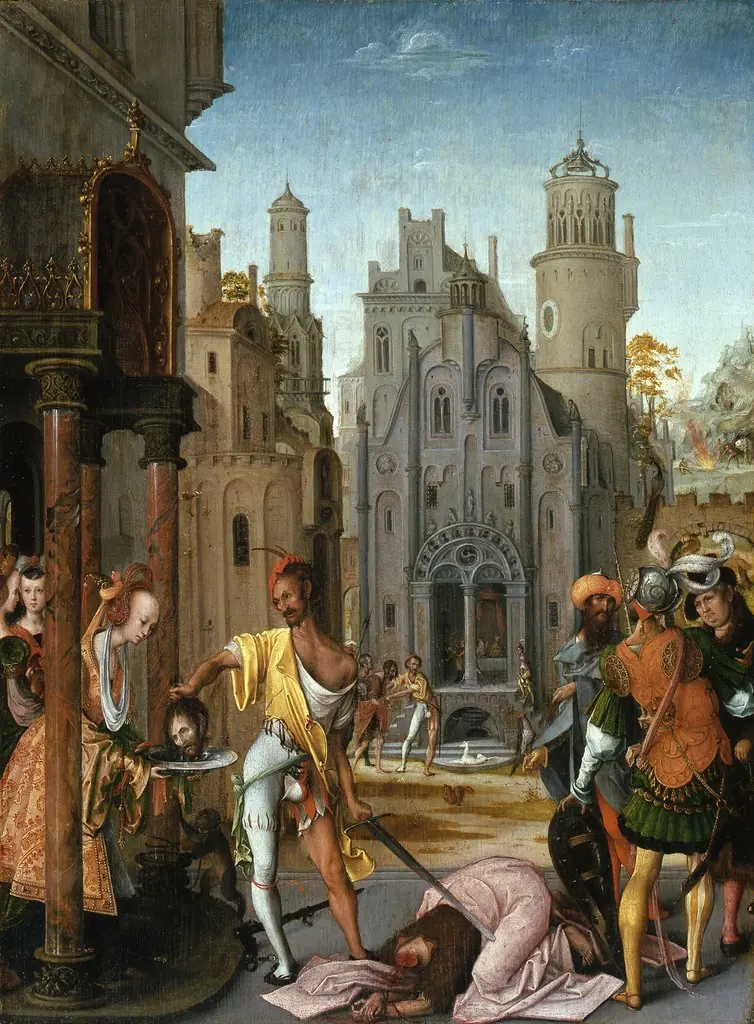 The Beheading of St. John the Baptist
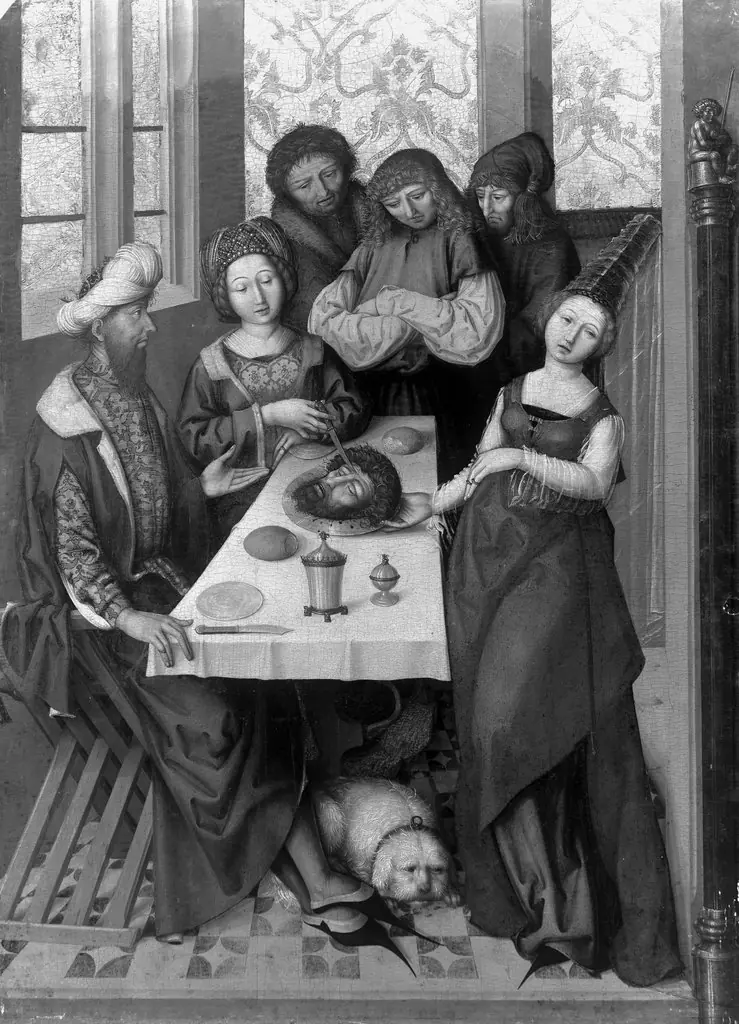 Herod's feast
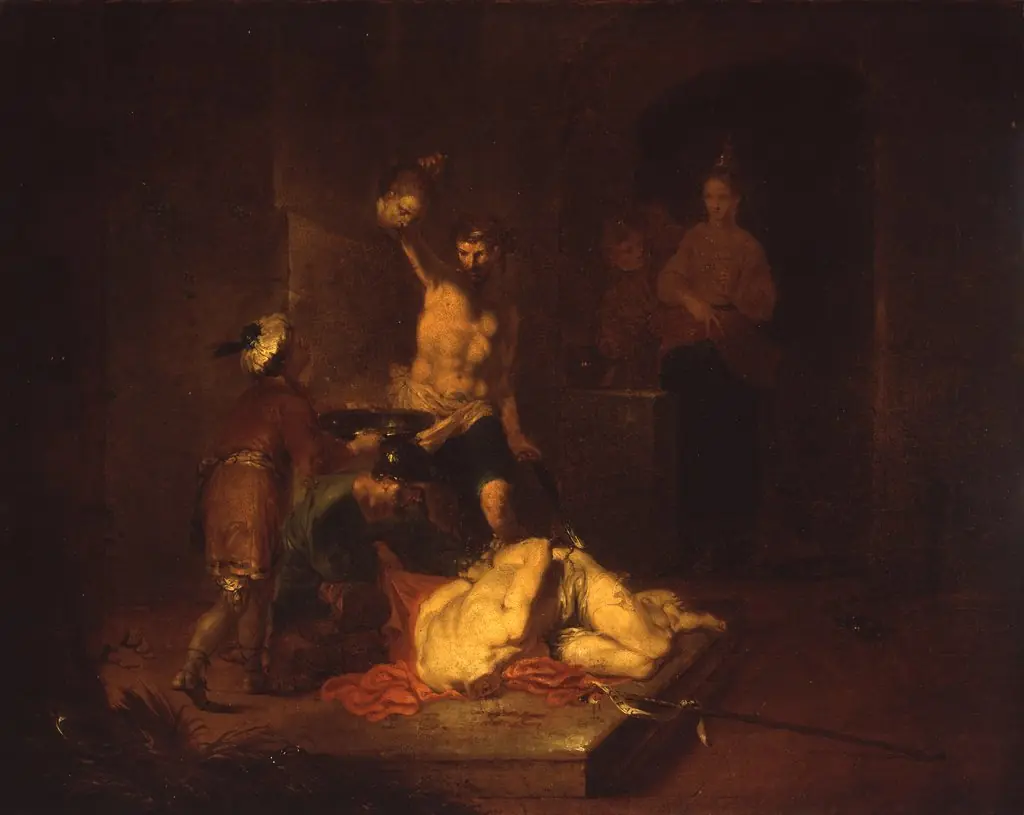 The Beheading of John the Baptist
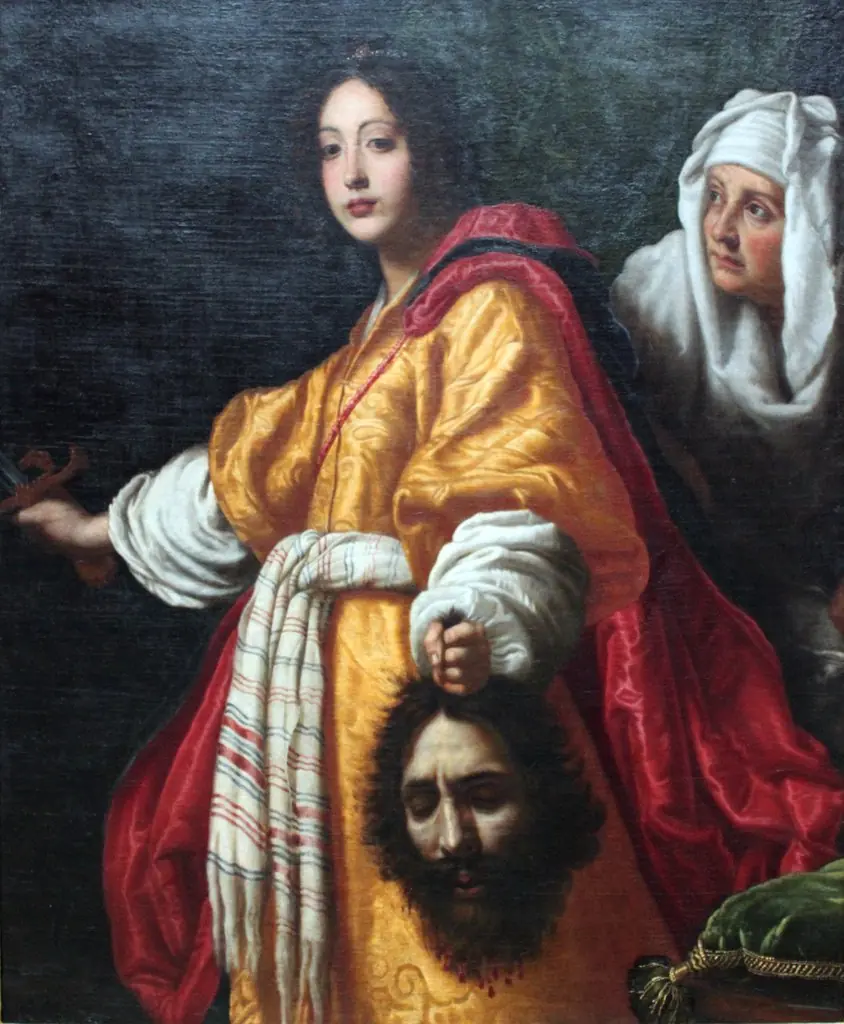 Judith with the Head of Holophernes
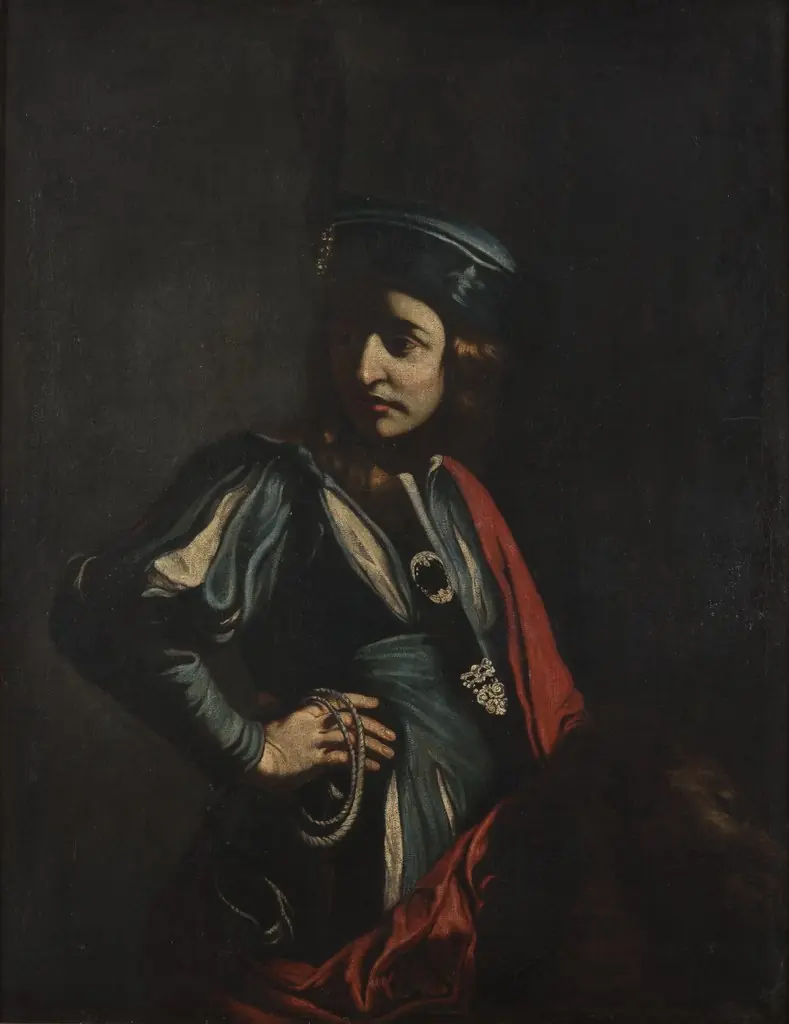 David with the Head of Goliath
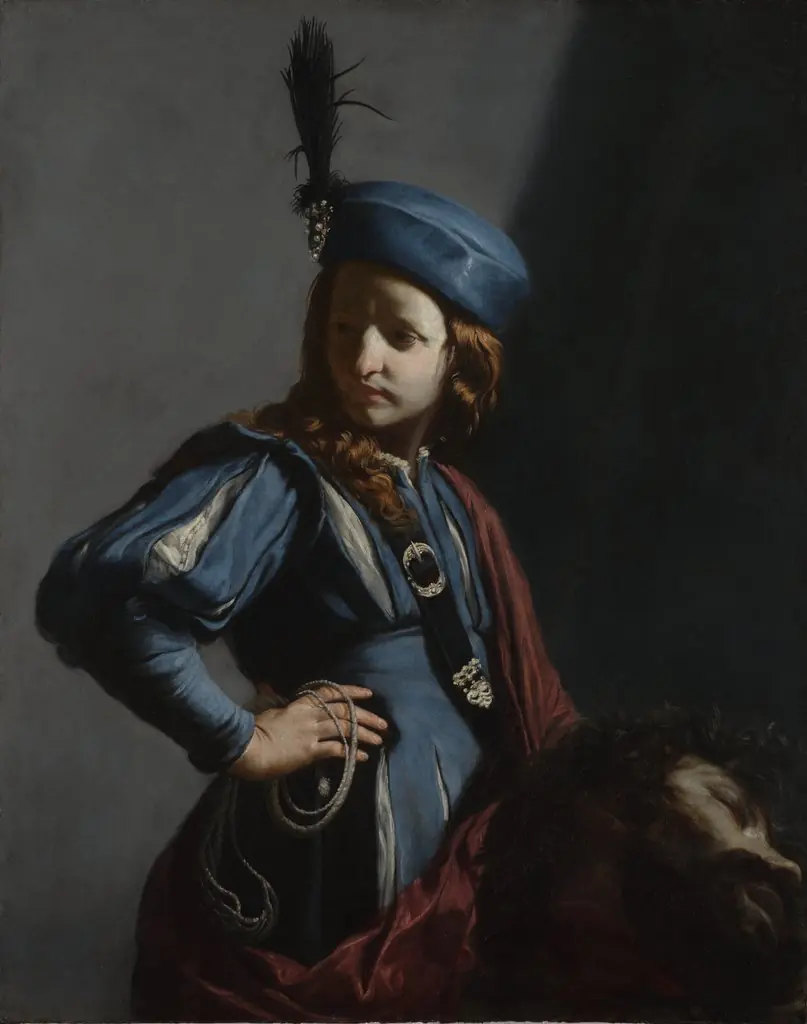 David with the Head of Goliath
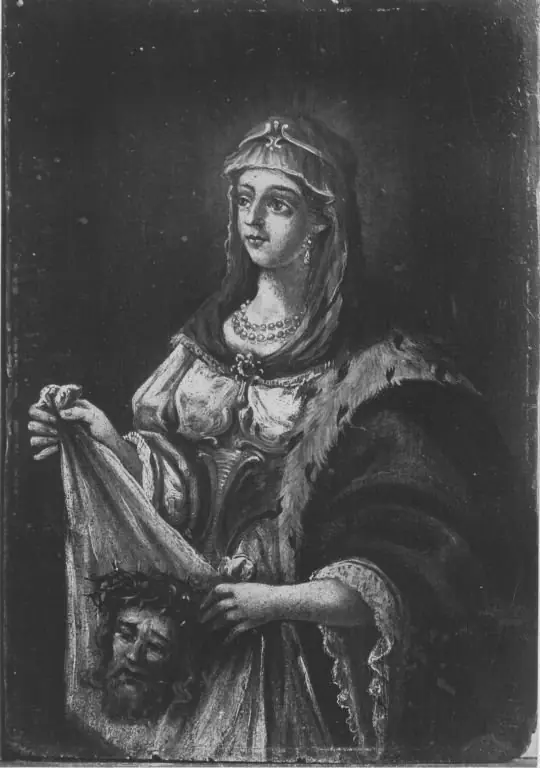 Hl. Veronika
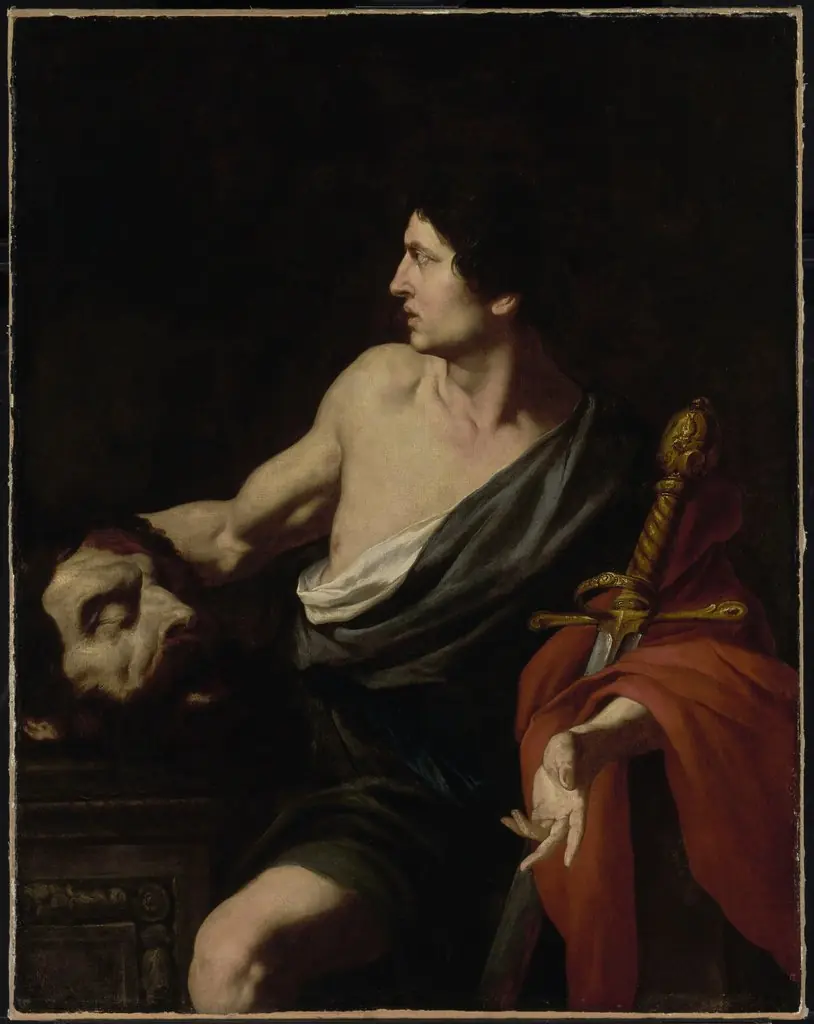 David with the Head of Goliath
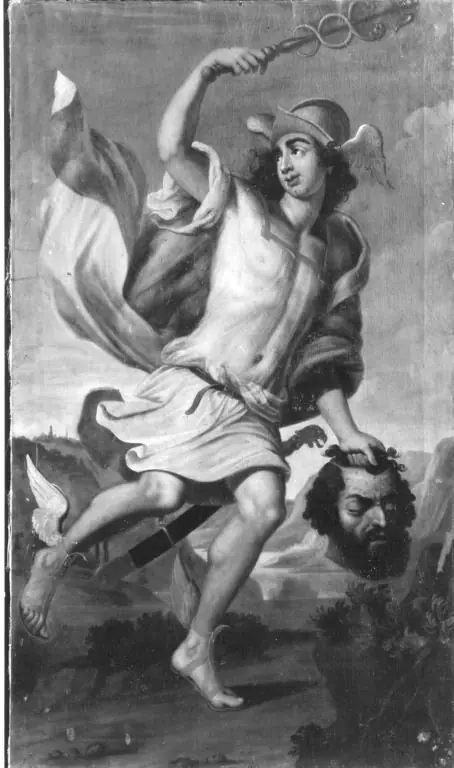 Mercury, God of Commerce and Messenger of the Gods
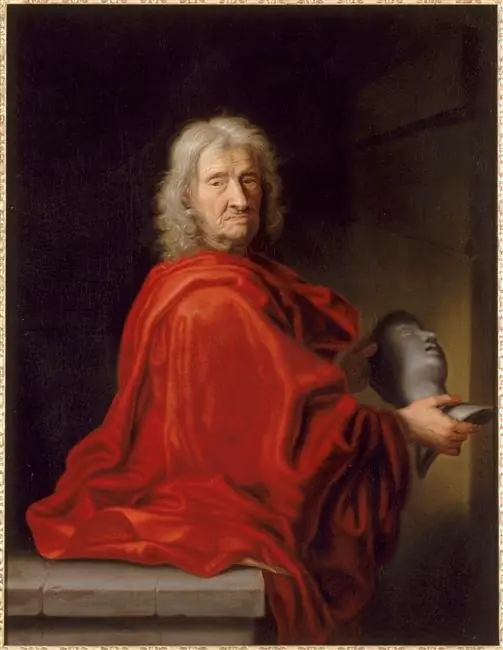 Philippe de Buyster (1595-1688), sculptor
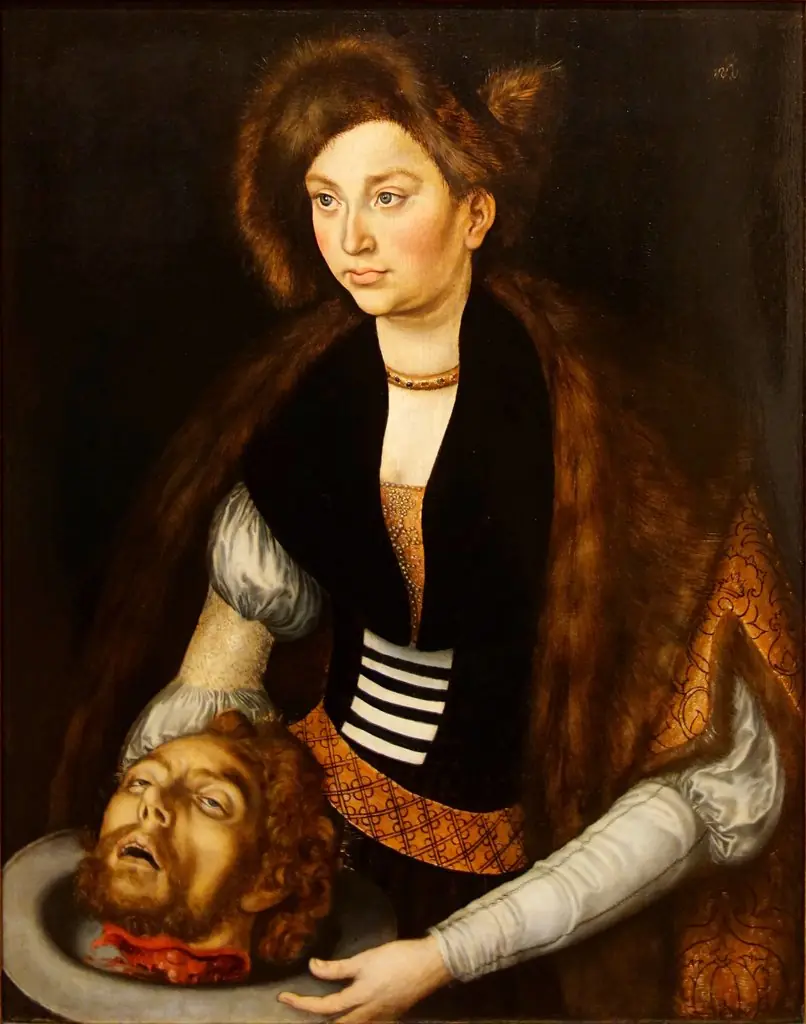 Salome with the head of Saint John the Baptist
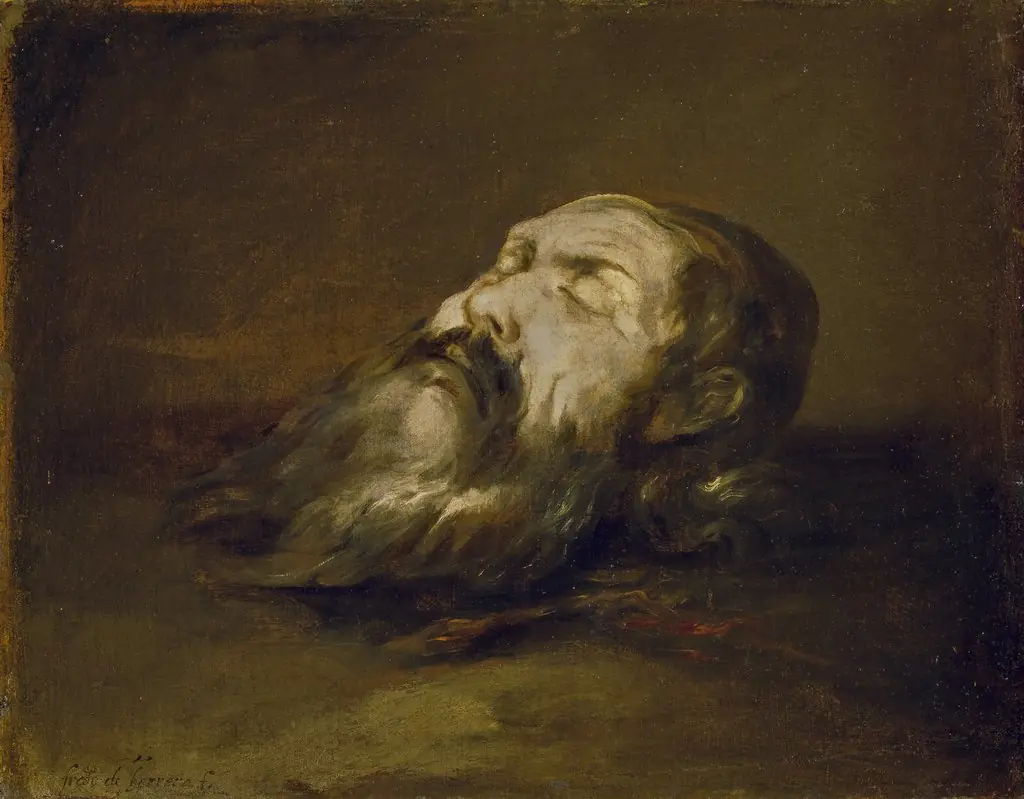 Cabeza de santo degollado
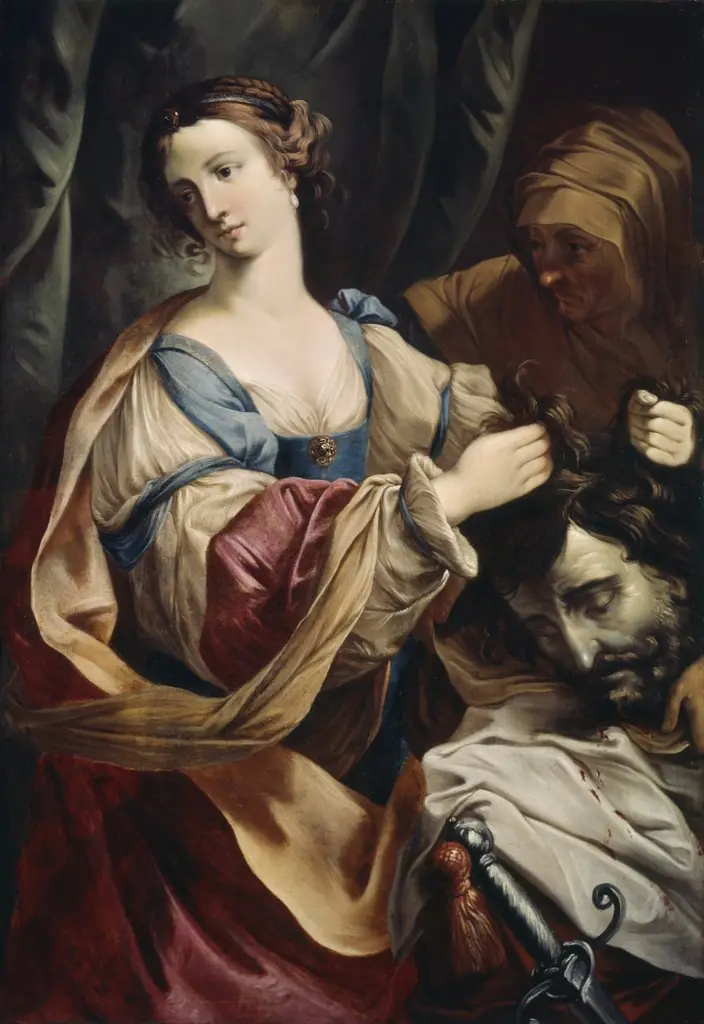 Judith with the Head of Holofernes
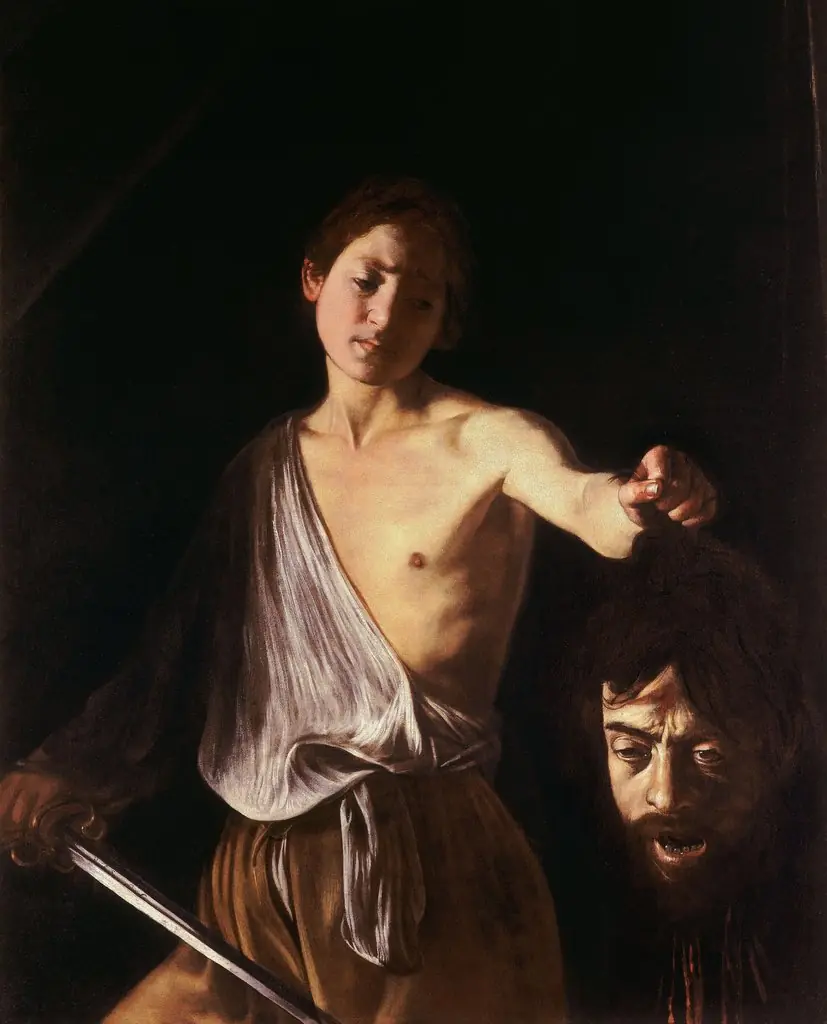 David with the Head of Goliath
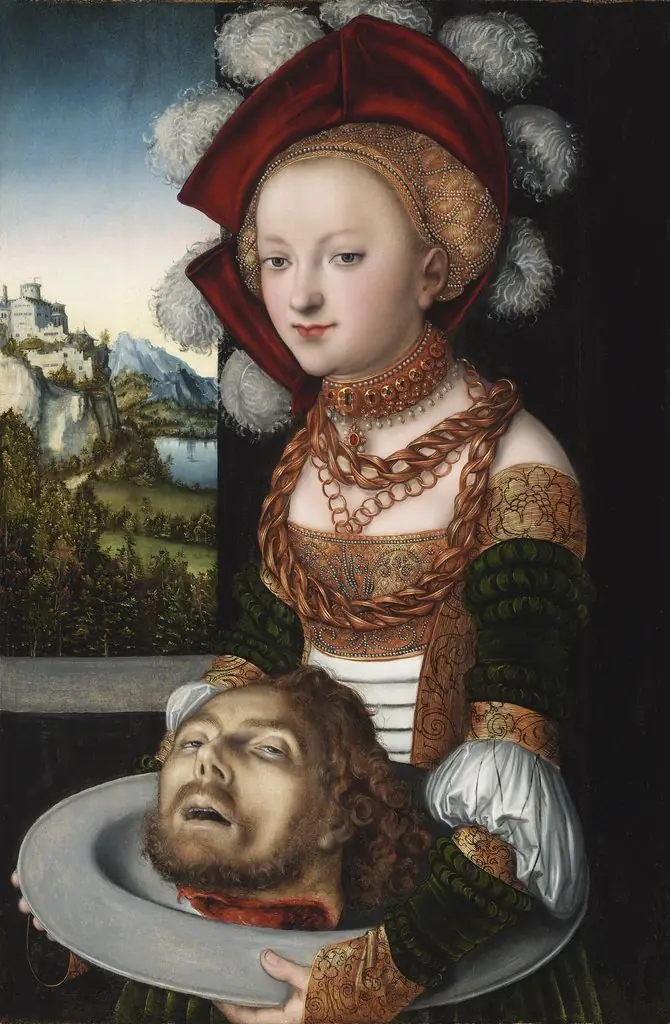 Salome with the head of Saint John the Baptist
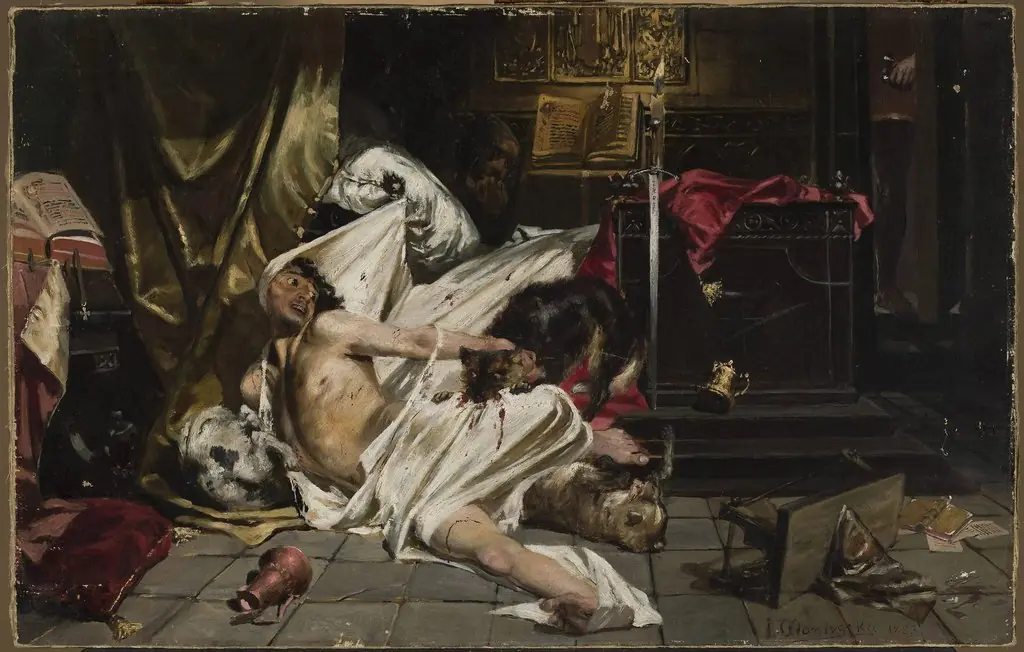 Man fighting with wolves
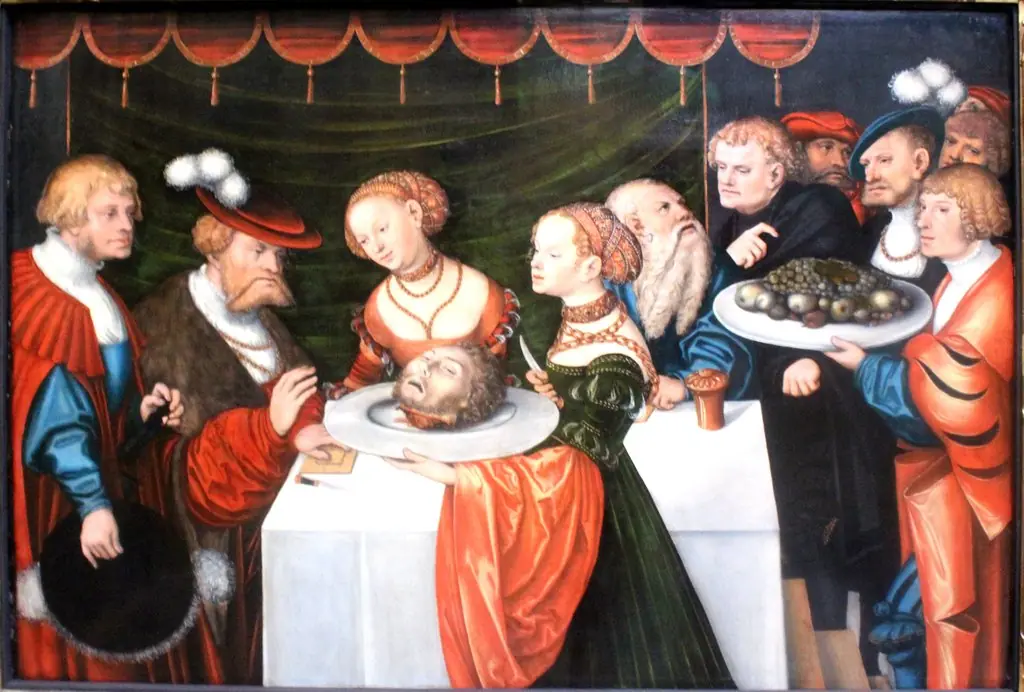 Salome with the head of St John the Baptist at Herodes table
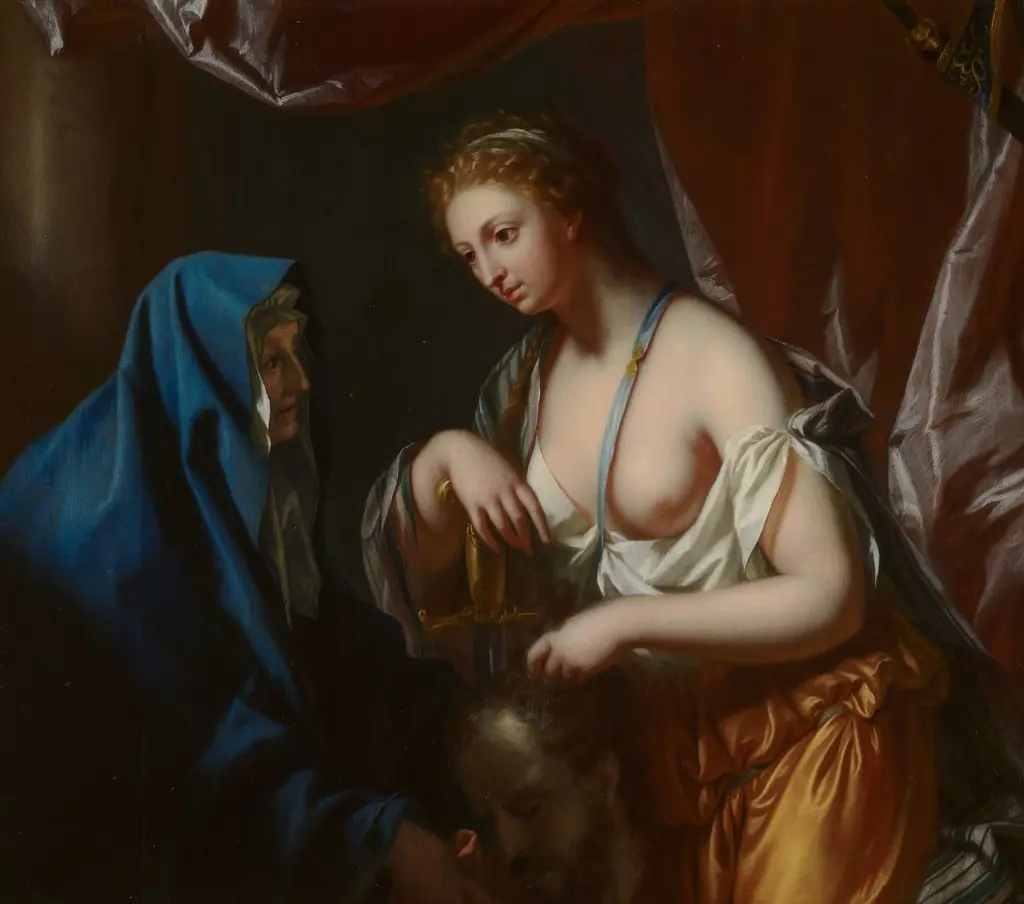 Judith with the Head of Holofernes
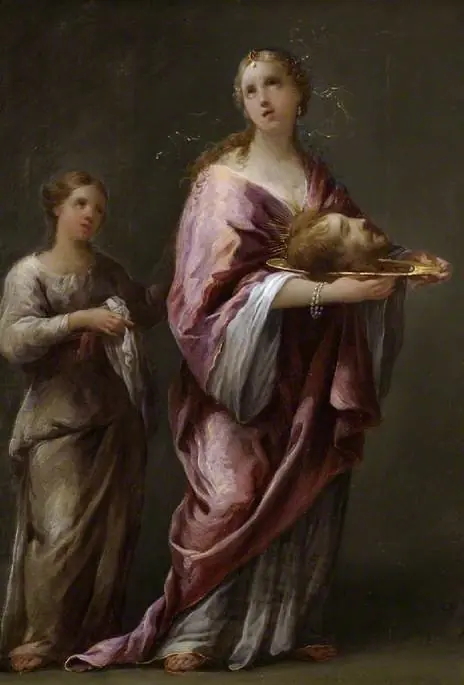 Salome with the head of St John the Baptist
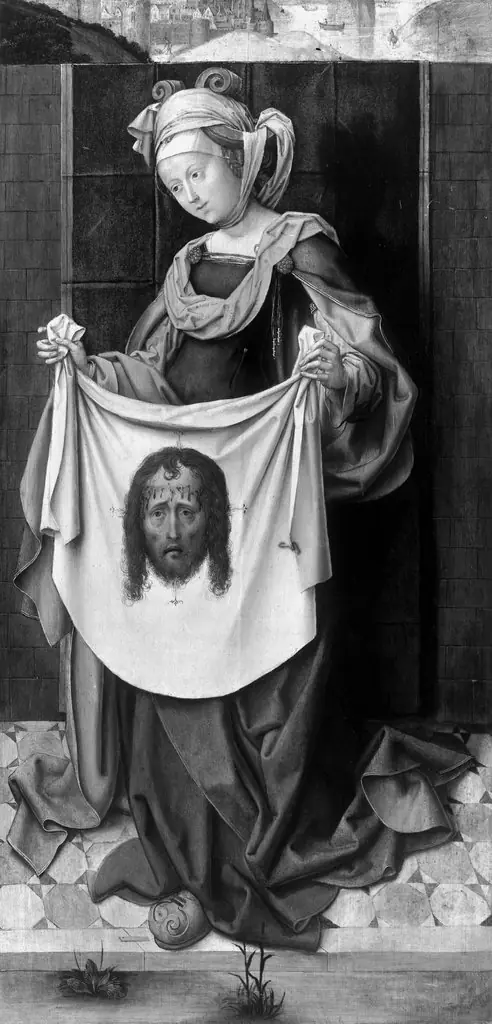 Saint Veronica
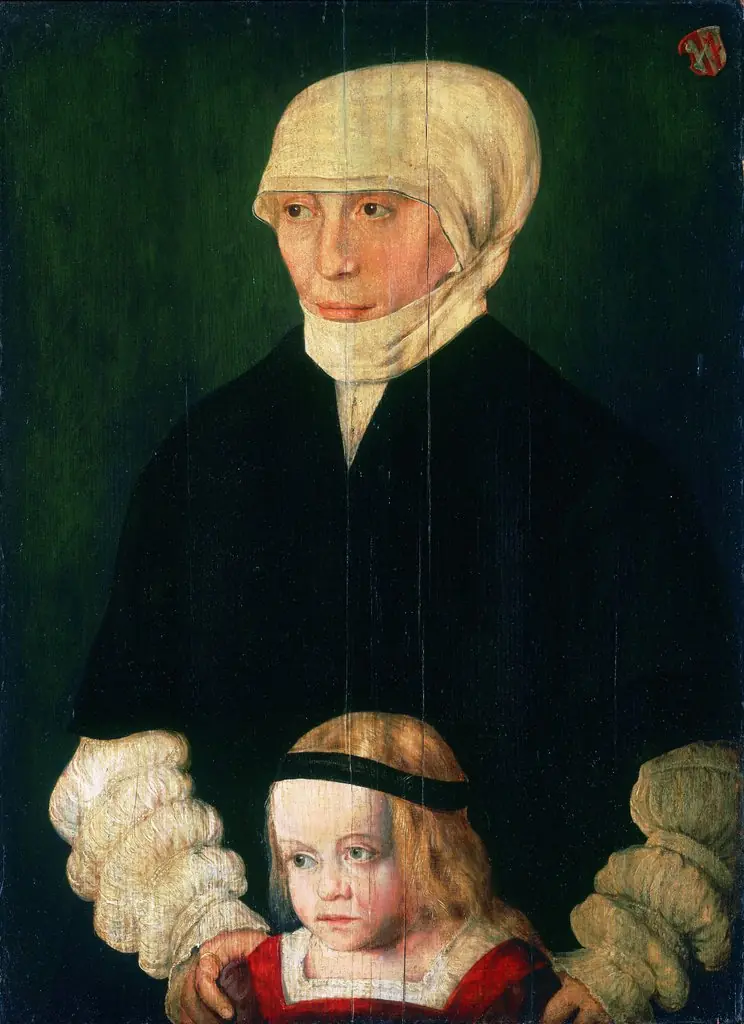 Portrait of Margaret Urmiller, née Schwab, and Her Daughter
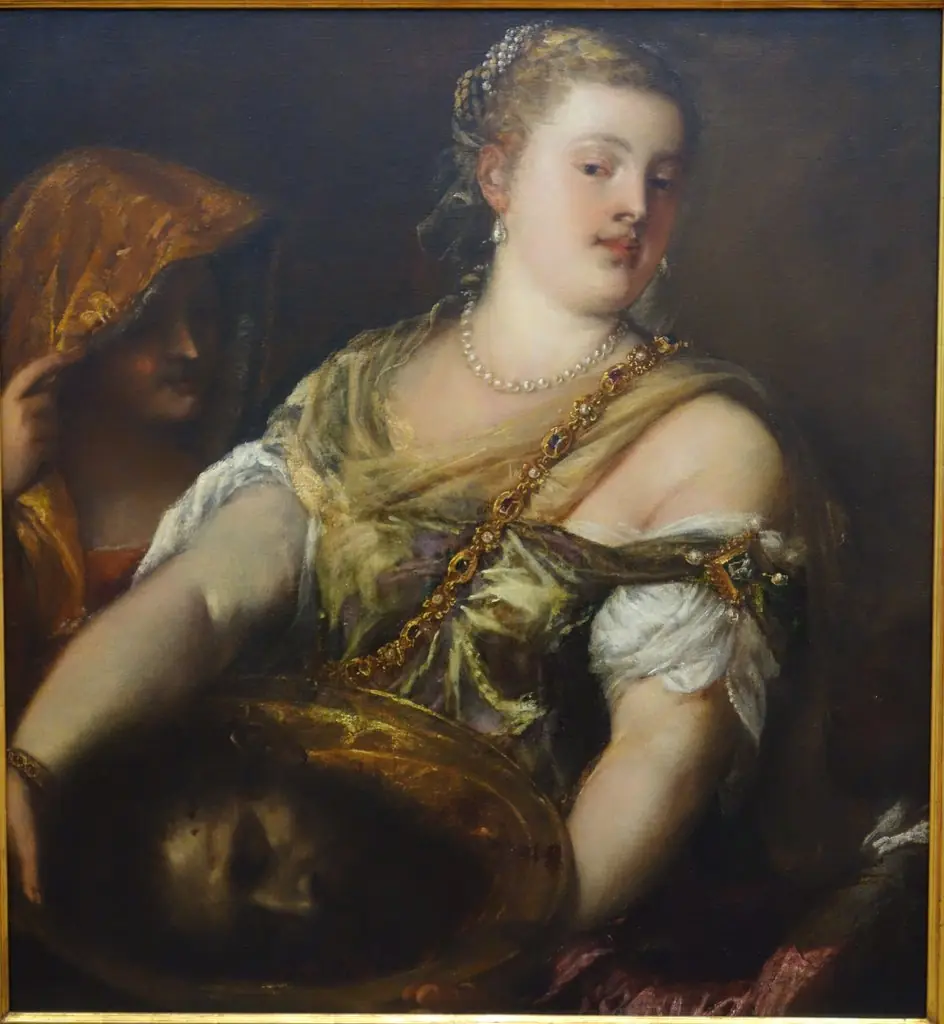 Salome with the Head of John the Baptist
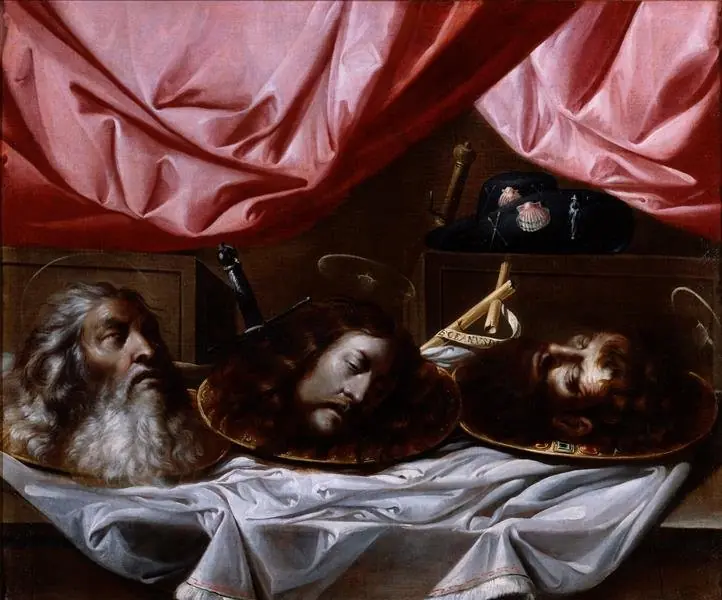 Die Köpfe der Märtyrer Paulus, Johannes der Täufer und Jakobus
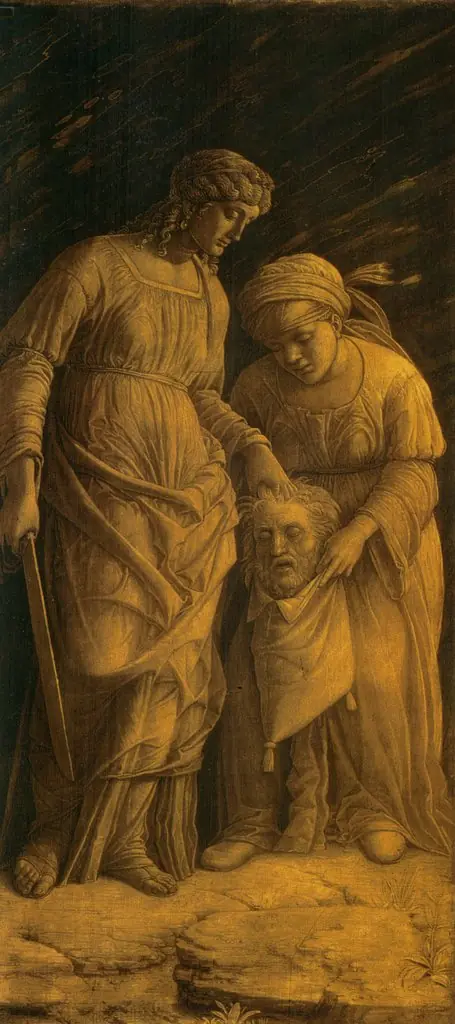 Judith
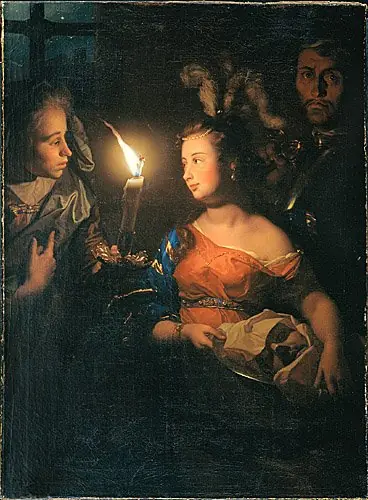 Salome with the Head of John the Baptist
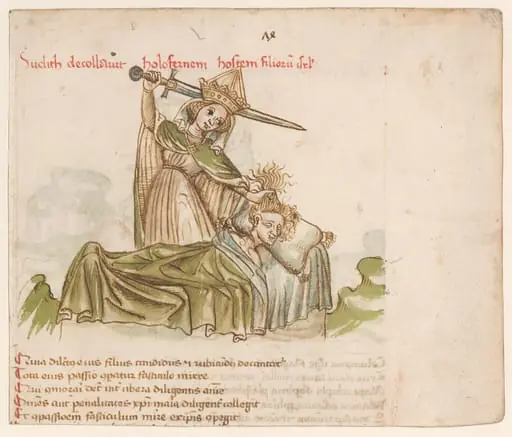 Judith Killing Holofernes
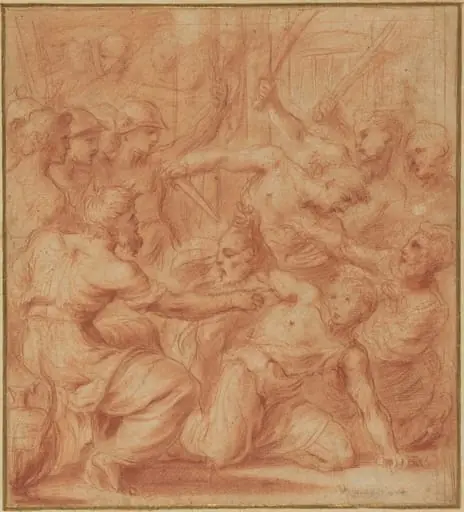 David Offering the Head of Goliath to King Saul
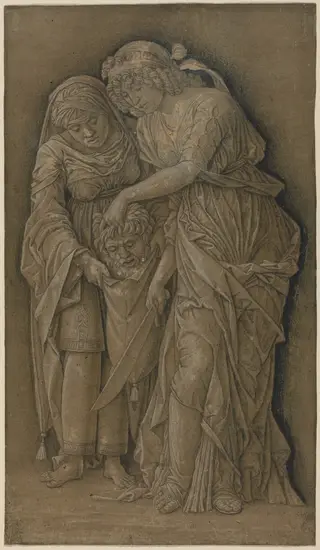 Judith with the Head of Holofernes
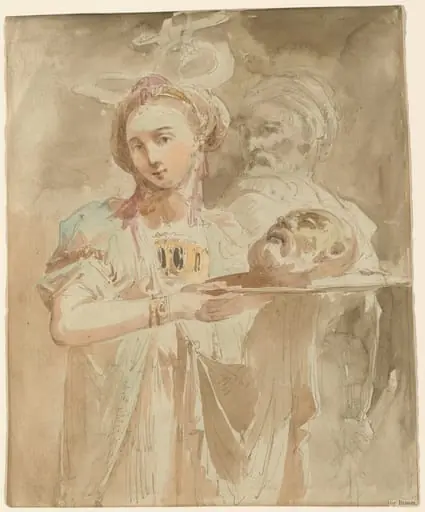 Salome with the Head of Saint John the Baptist
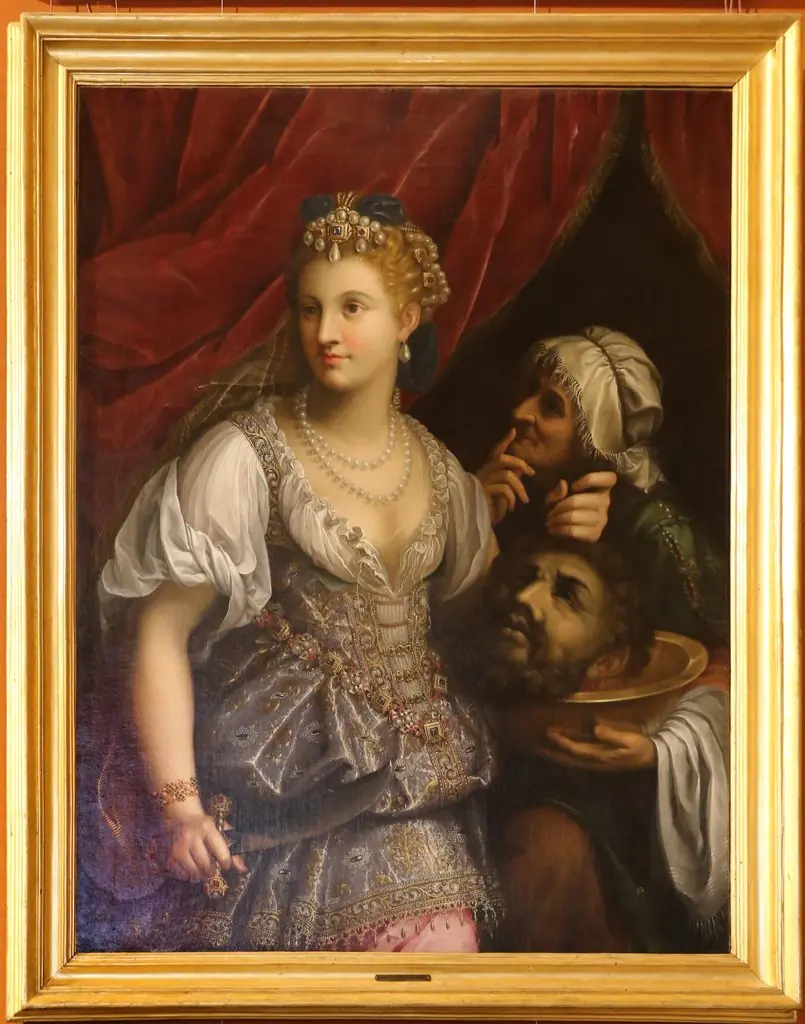 Judith with the Head of Holofernes
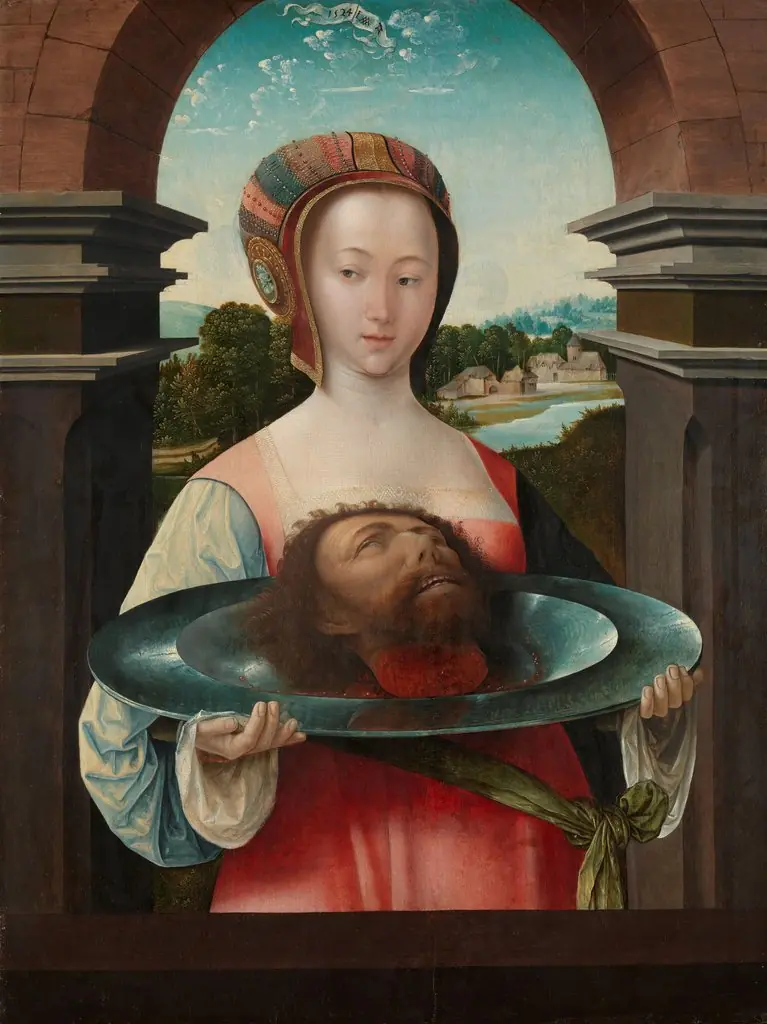 Salome with the Head of John the Baptist
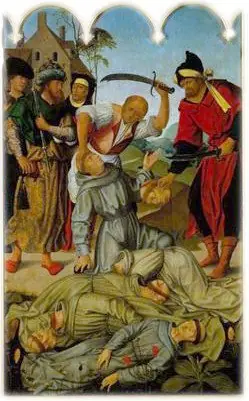 Degolação dos Cinco Mártires de Marrocos
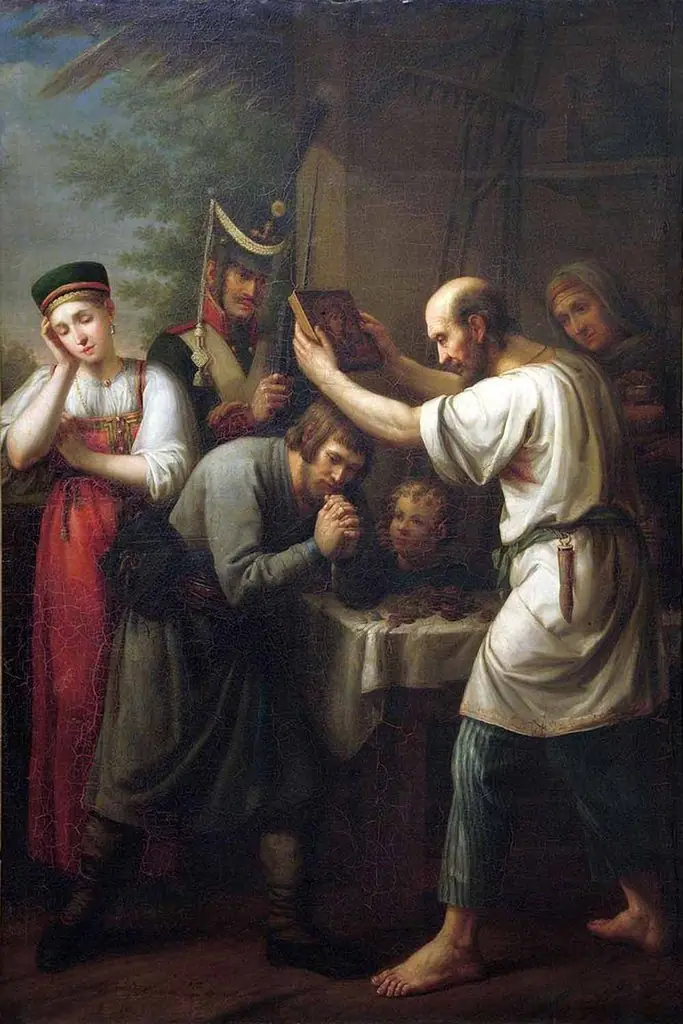 Militiaman's Seeing Off
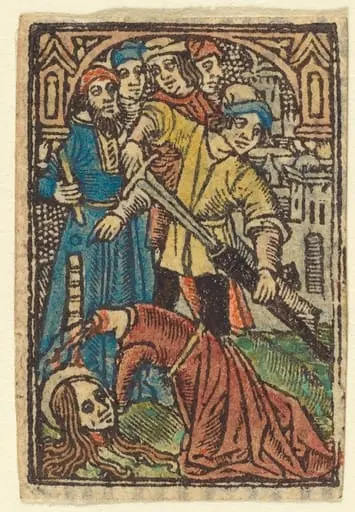 Beheading of Saint Catherine (?)
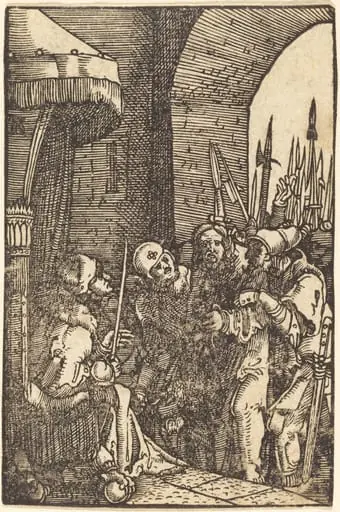 Christ before Pilate
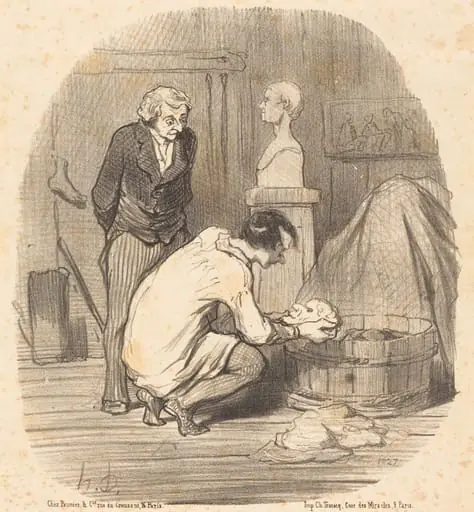 L'Artiste - Voila qui est terminé!...
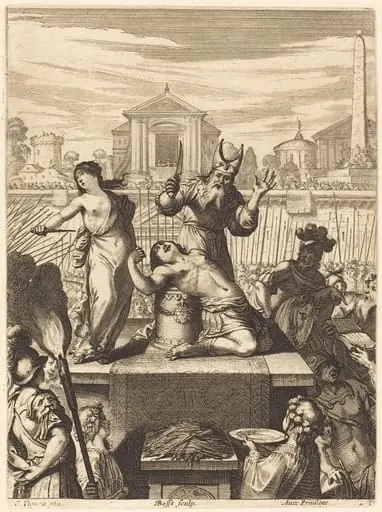 Illustration to Jean Desmarets' "L'Ariane"
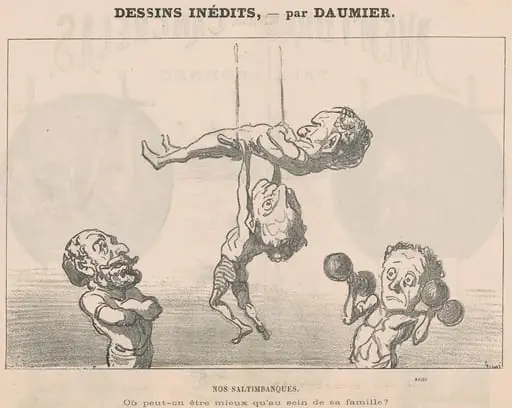 Nos saltimbanques
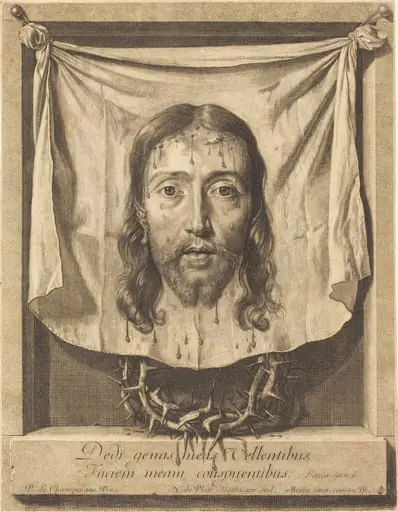 The Veil of Saint Veronica
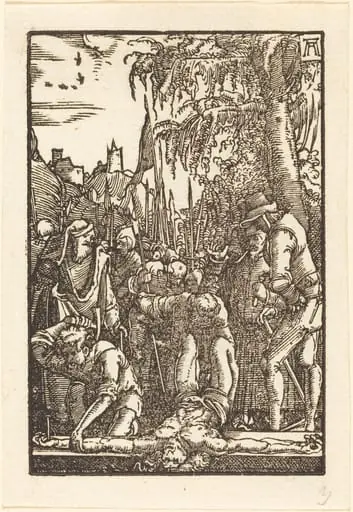 Christ Nailed to the Cross
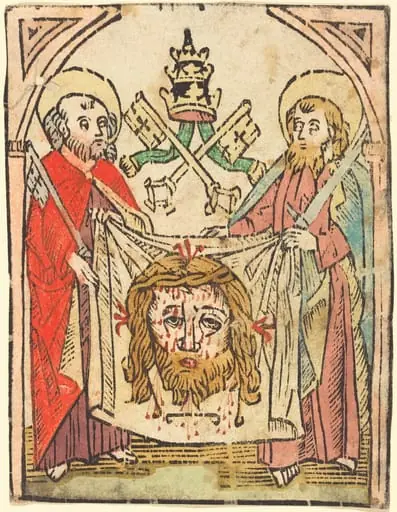 Saints Peter and Paul with the Sudarium
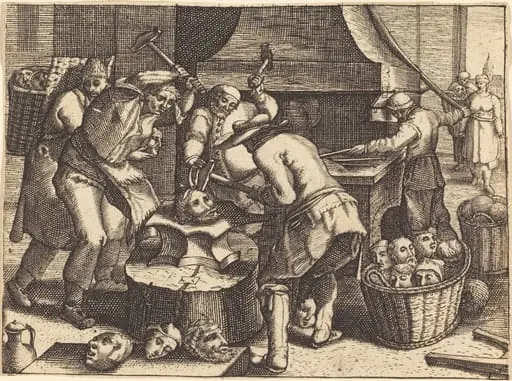 Exempel und Lehr Jetziger Welt Lauf
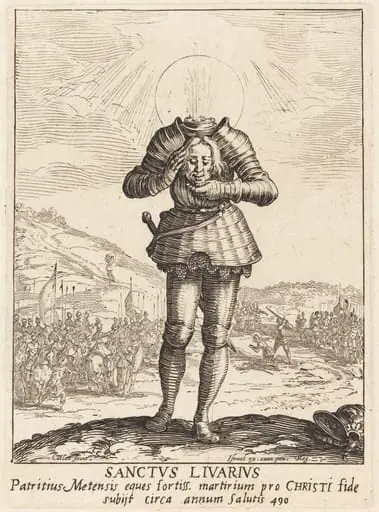 Saint Livier
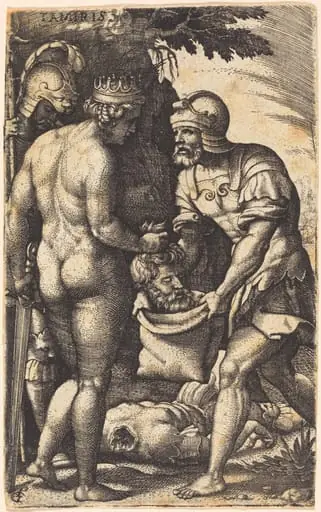 Tomyris with the Head of Cyrus
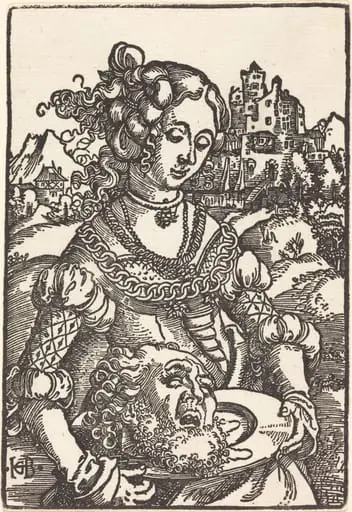 Salome
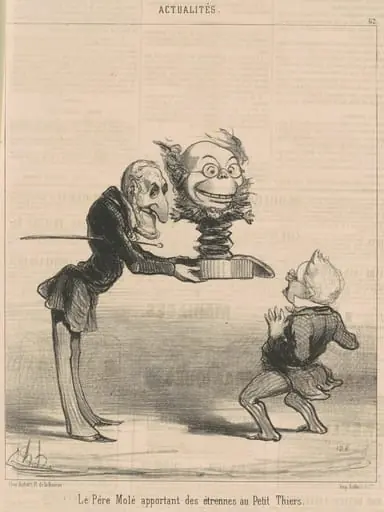 Molé apportant des étrennes au petit thiers
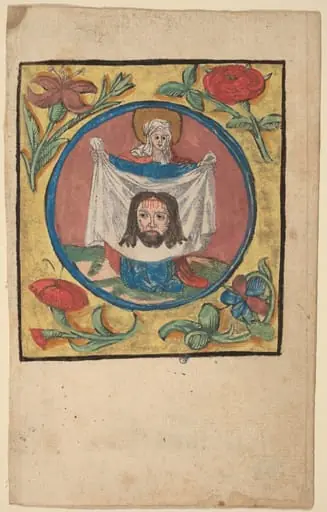 Saint Veronica with the Sudarium
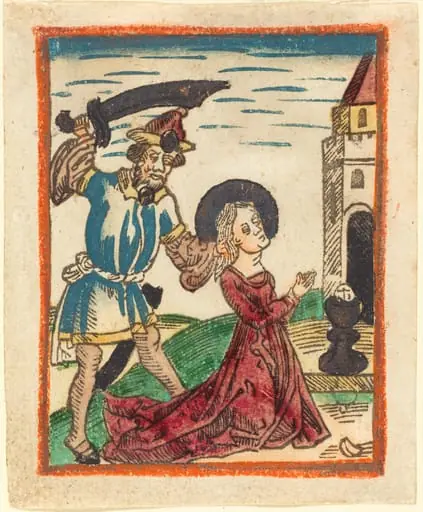 Martyrdom of Saint Barbara
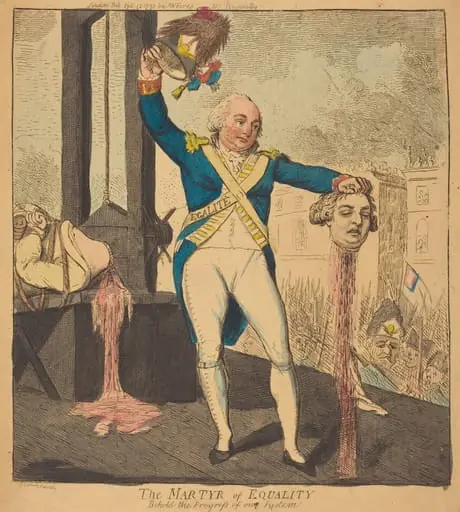 The Martyr of Equality
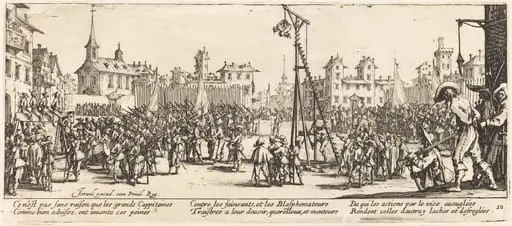 The Strappado
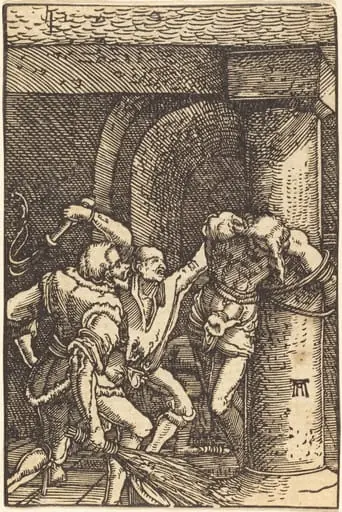 The Flagellation of Christ
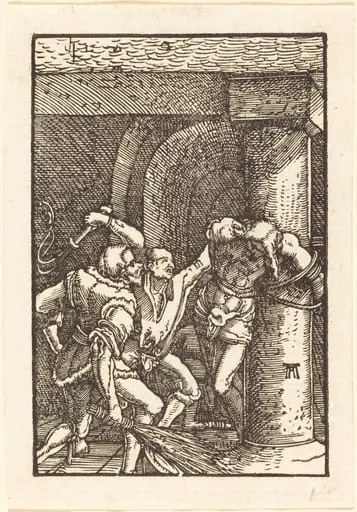 The Flagellation of Christ
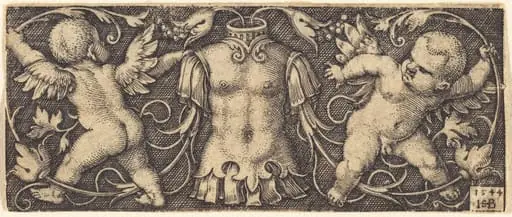 Ornament with Armour and Two Genii
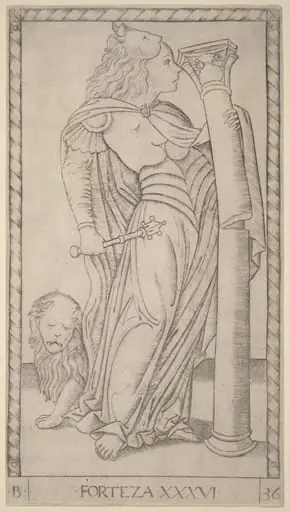 Forteza (Fortitude)
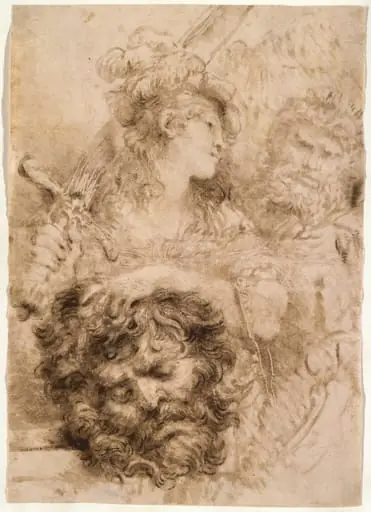 David with the Head of Goliath
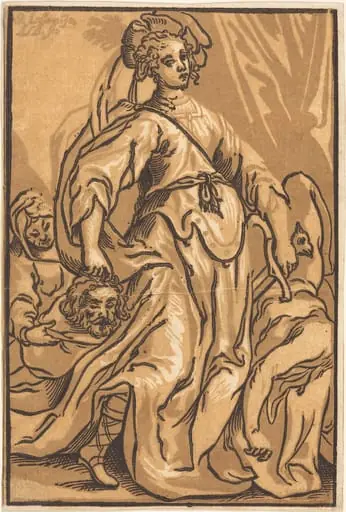 Judith and Holofernes
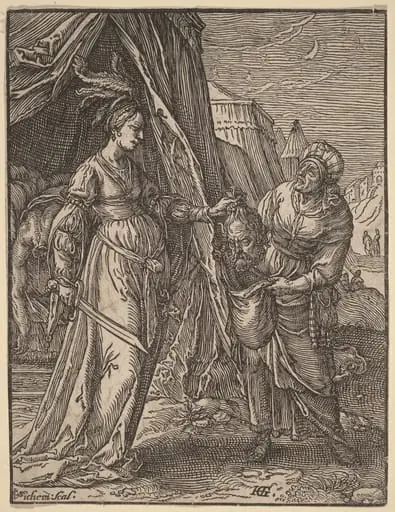 Judith with the Head of Holofernes
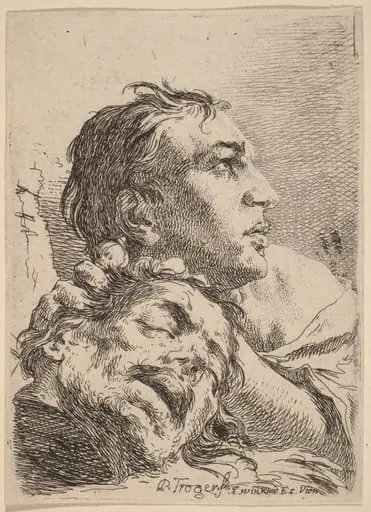 David with the Head of Goliath
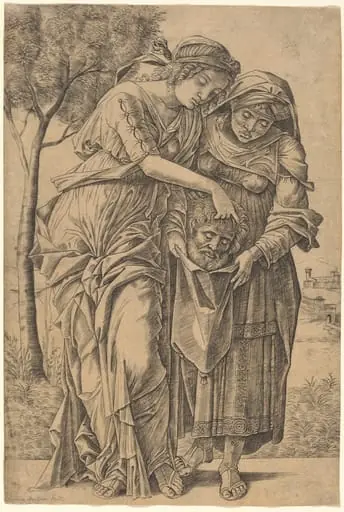 Judith with the Head of Holofernes
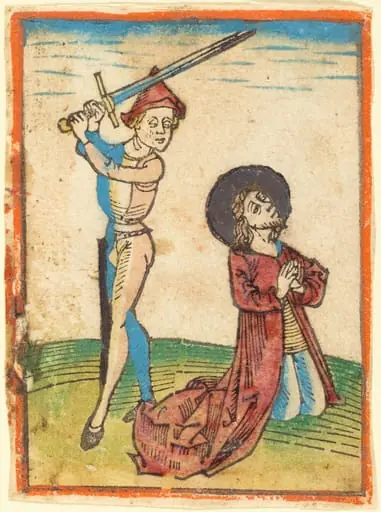 Martyrdom of a Saint
 Henry Cary
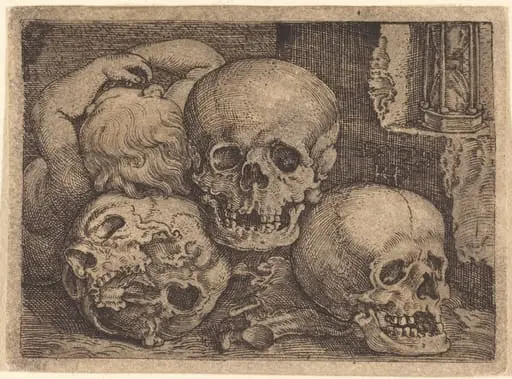 Child with Three Skulls
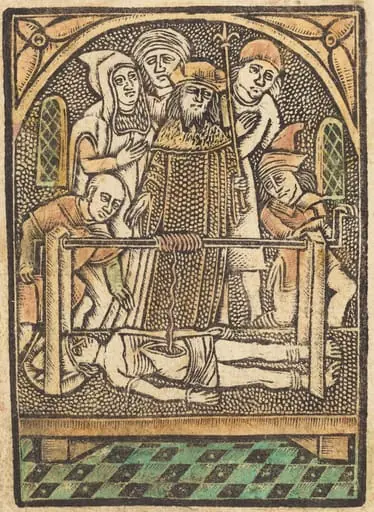 Saint Erasmus
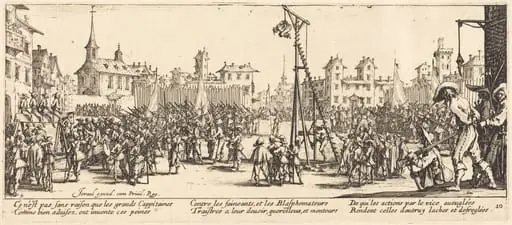 The Strappado
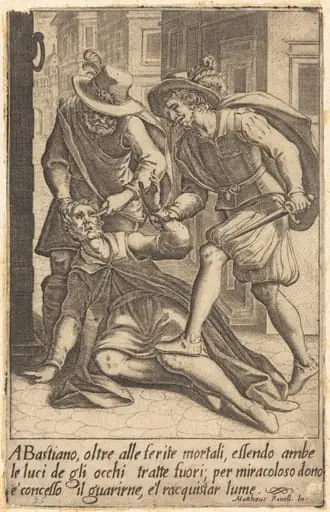 Bastiano
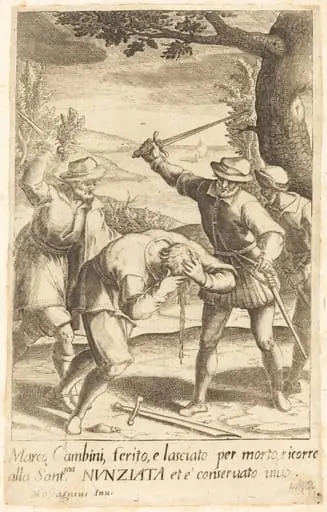 Marco Cambini
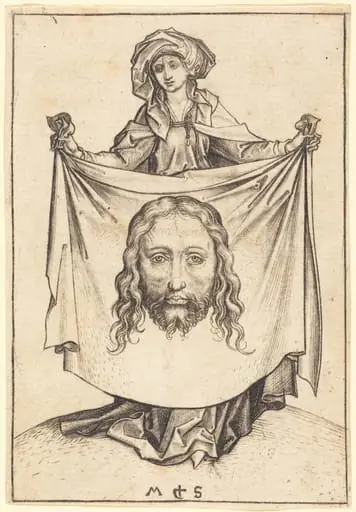 Saint Veronica
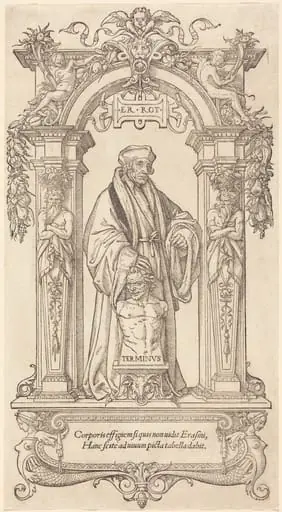 Erasmus of Rotterdam
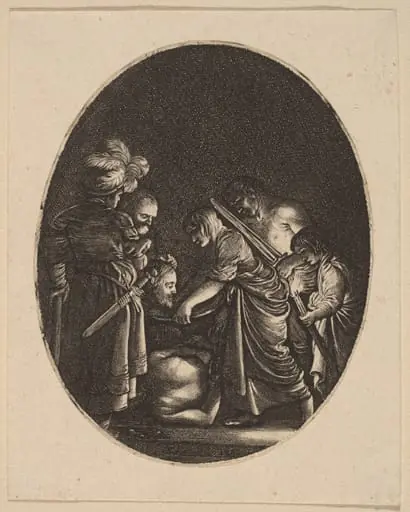 Beheading of Saint John the Baptist
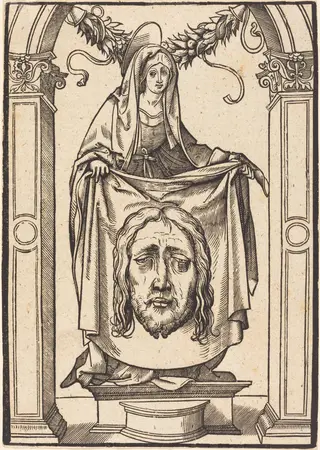 Veronica
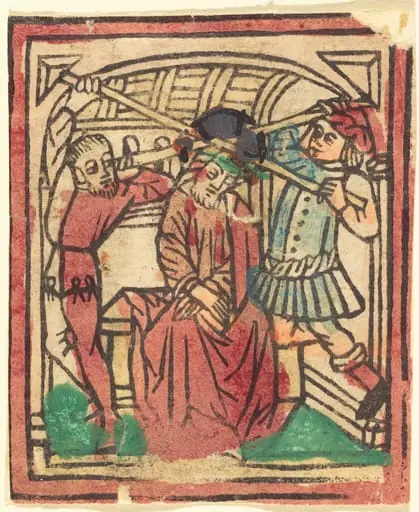 The Crowning with Thorns
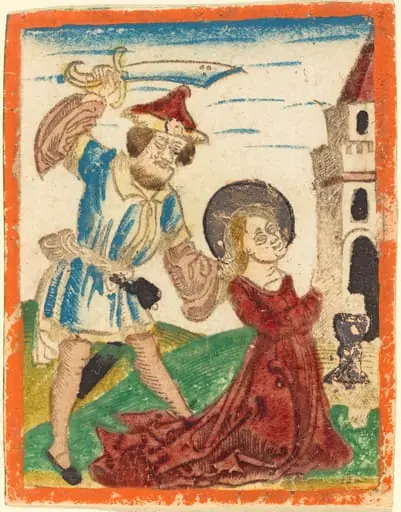 The Martyrdom of Saint Barbara
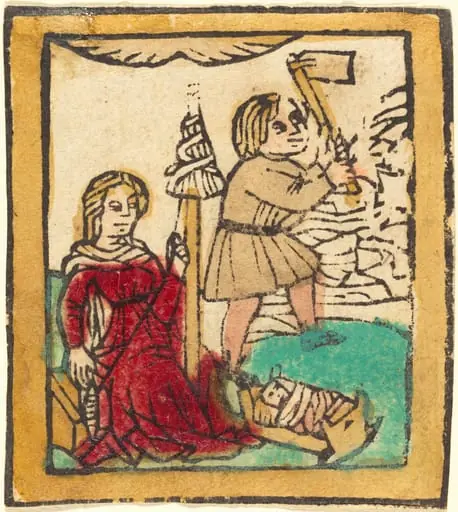 Adam and Eve
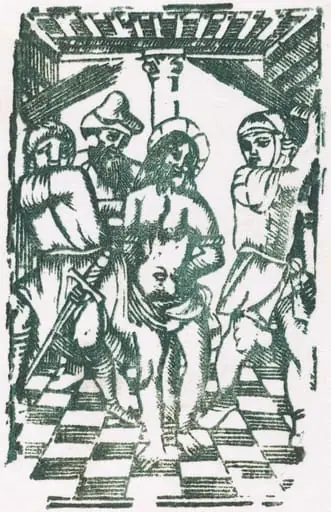 The Flagellation
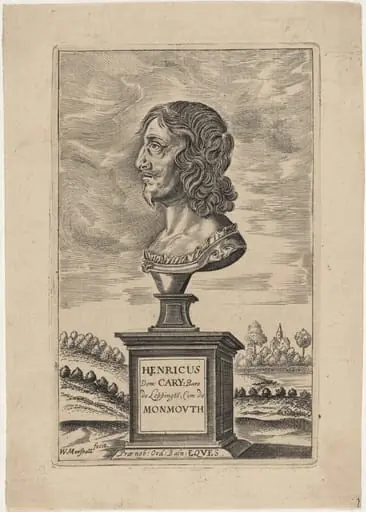 Henry Cary, Earl of Monmouth
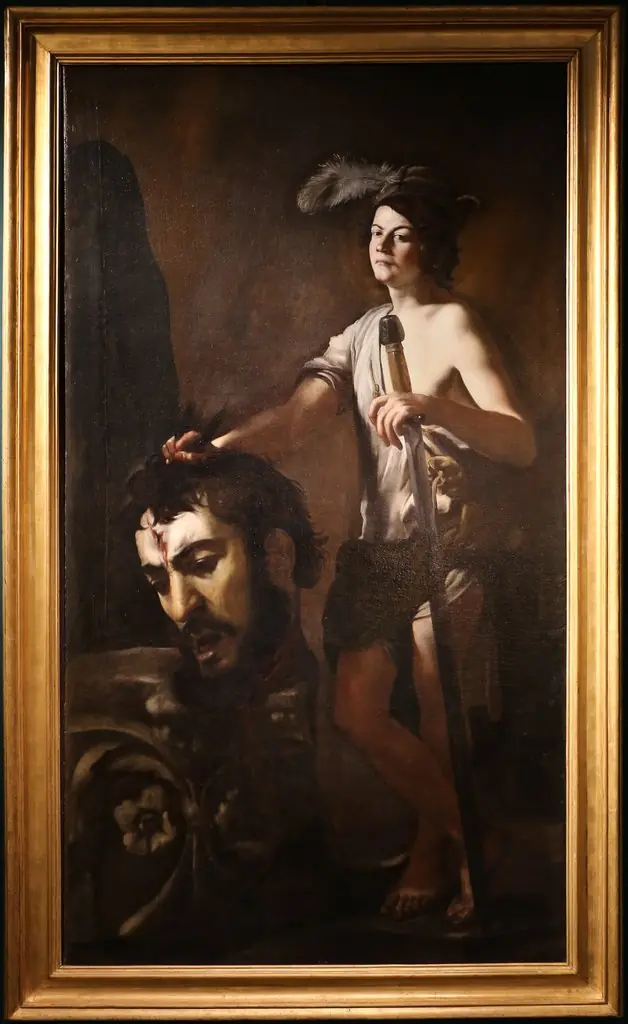 David with Goliath's head
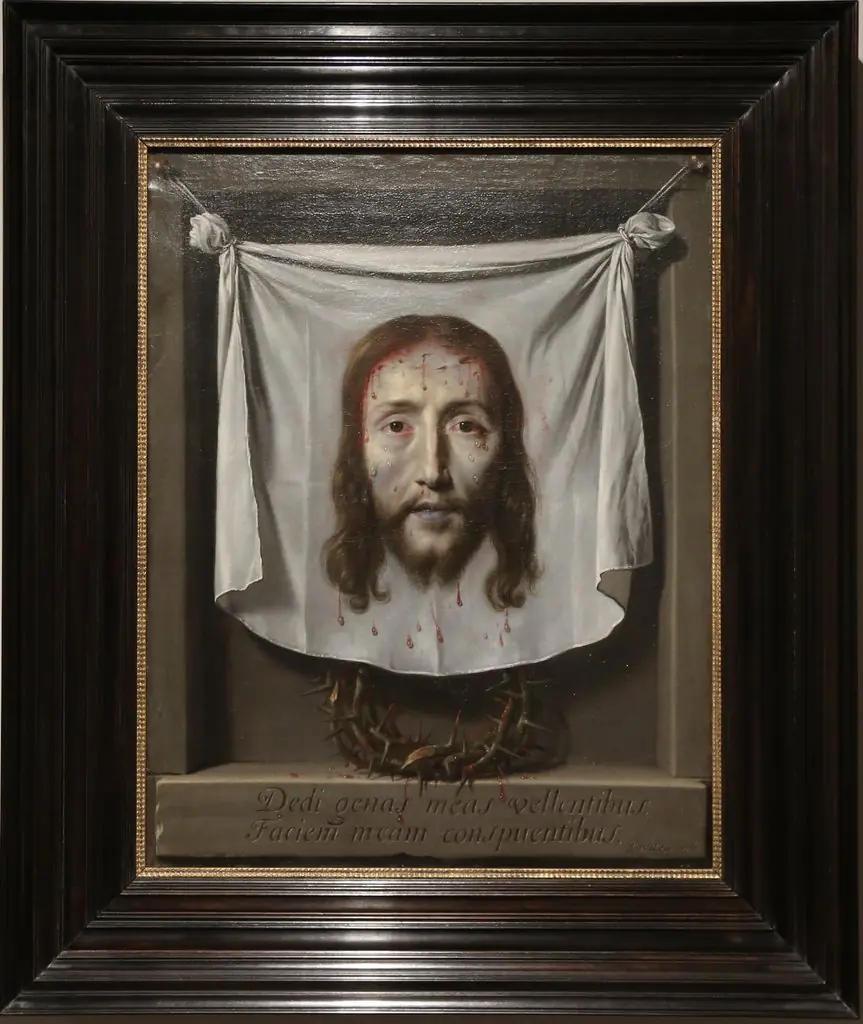 Le Voile de sainte Véronique
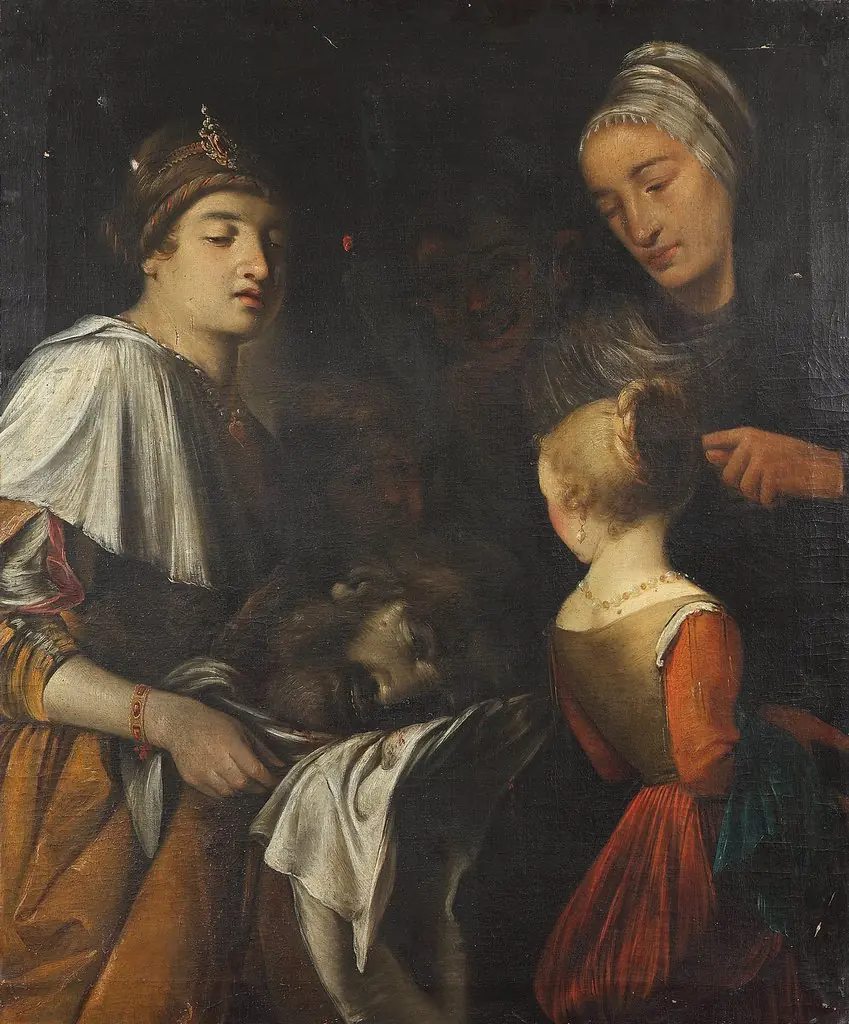 Judith with the Head of Holofernes
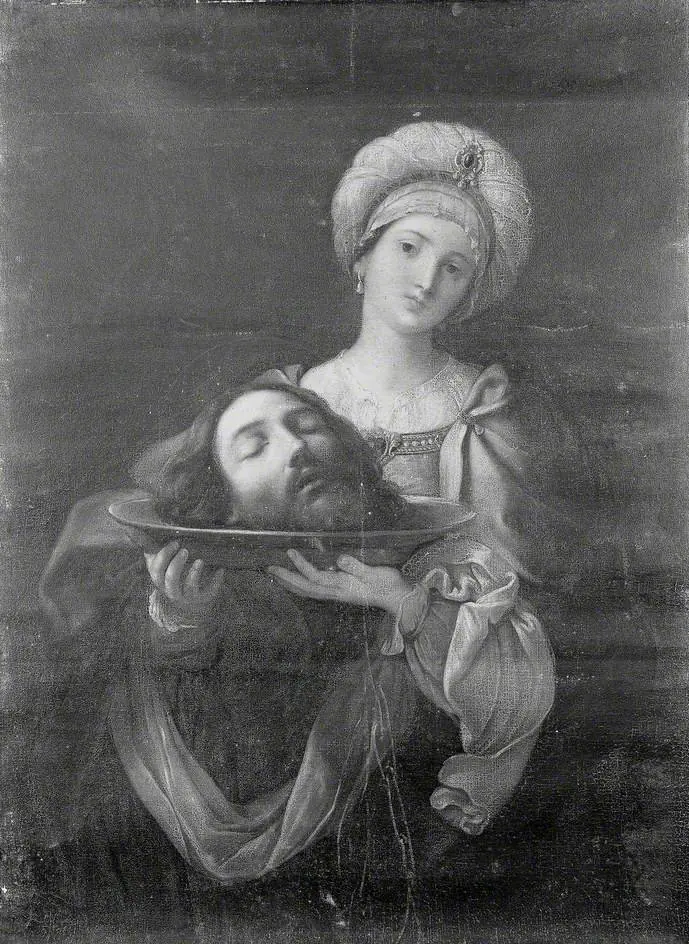 Salome with the Head of St John the Baptist
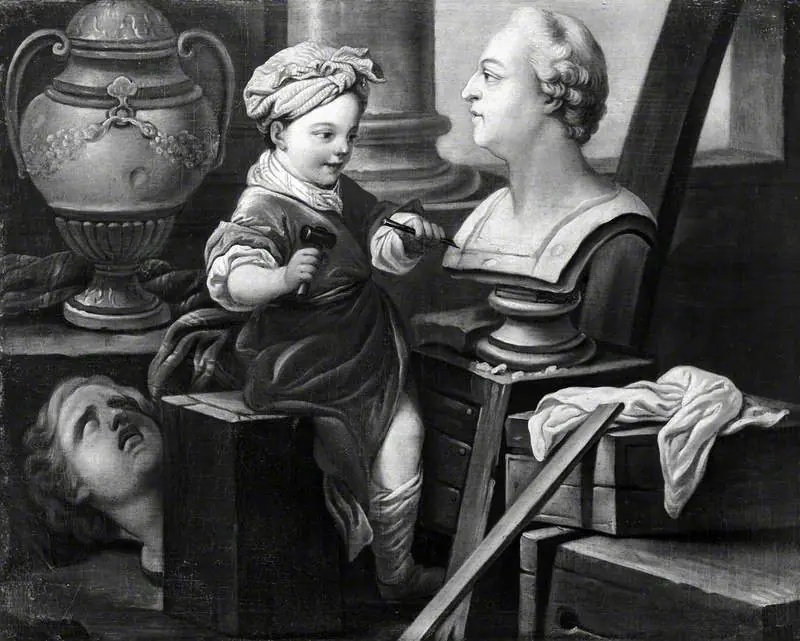 An Allegory of Sculpture
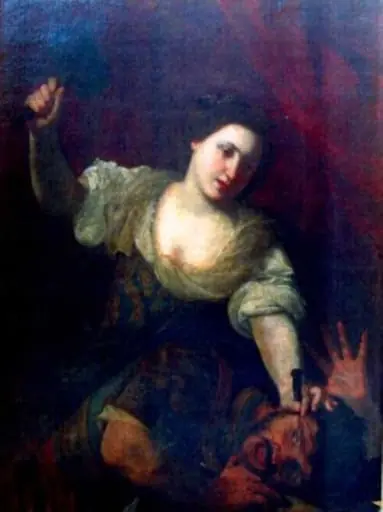 Jahel omorând pe Sisara
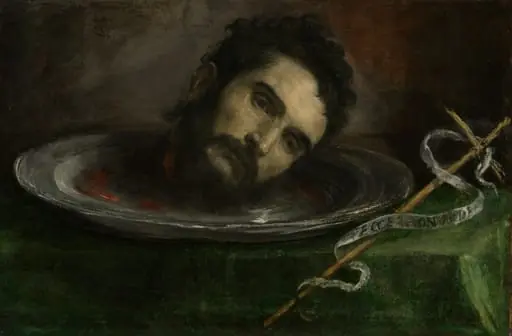 Head of Saint John the Baptist
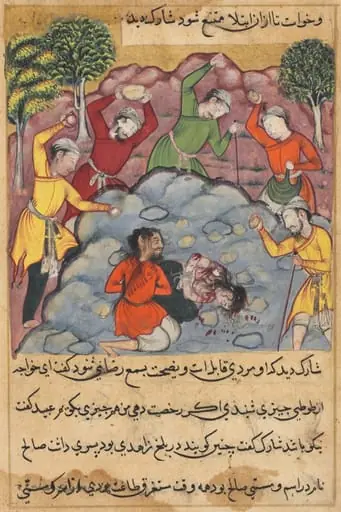 The Raja’s daughter and her lover stoned to death for adultery, from a Tuti-nama (Tales of a Parrot): Forty-Second Night
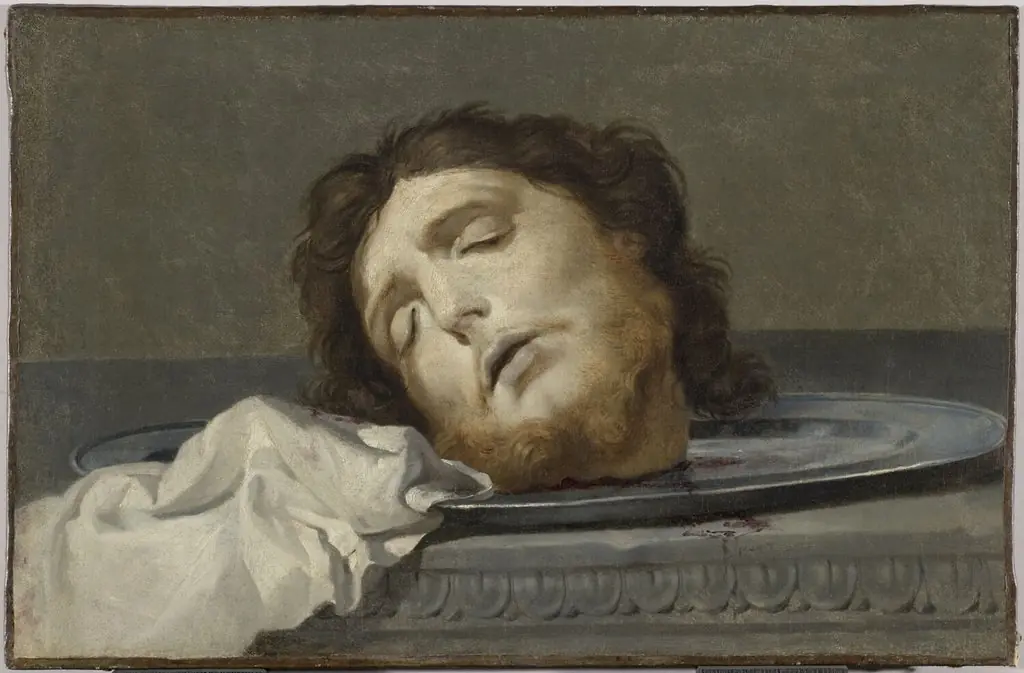 Le Chef de saint Jean-Baptiste
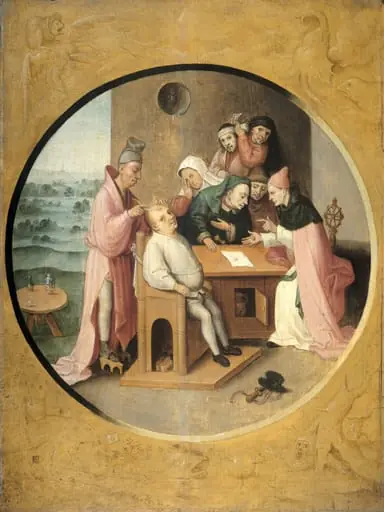 'Removing the Rocks in the Head'
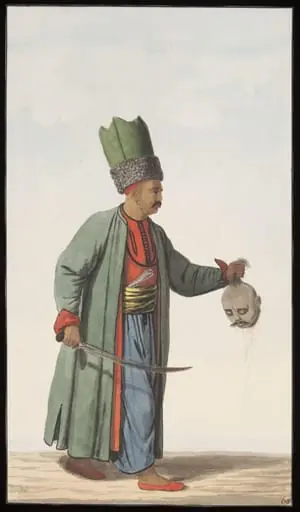 Cellâd or Executioner
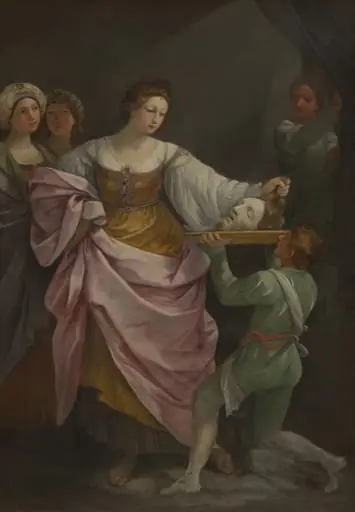 Salome with the Head of Saint John the Baptist
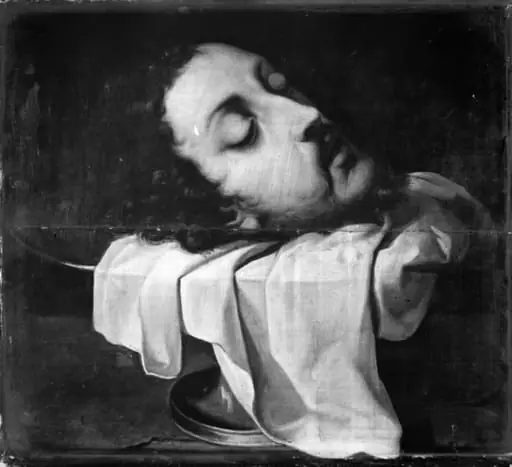 The Head of Saint John the Baptist
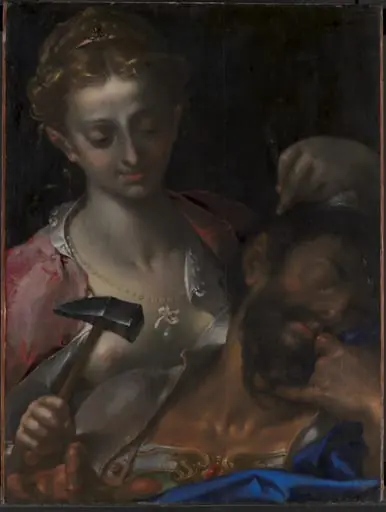 Jael Kills Sisera
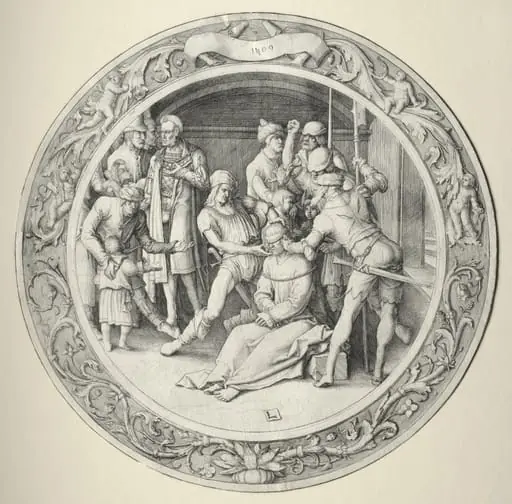 The Round Passion: Ecce Homo
 Suite of Vases: Plate 15
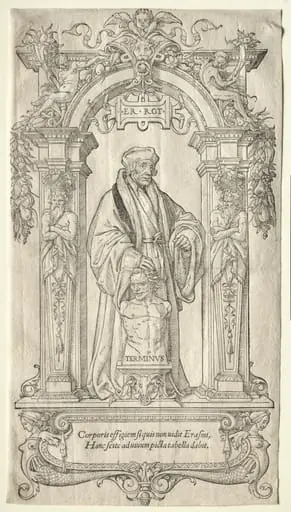 Erasmus of Rotterdam
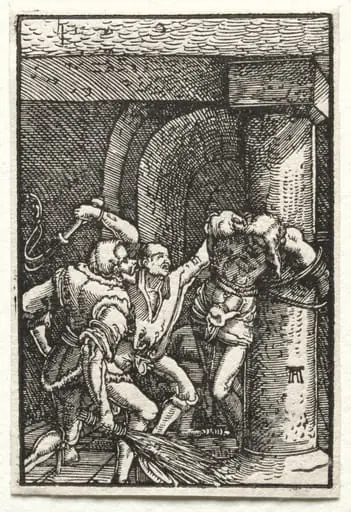 The Fall and Redemption of Man: Flagellation of Christ
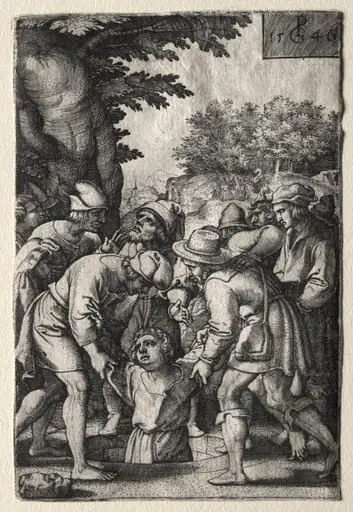 Joseph Lowered into a Well
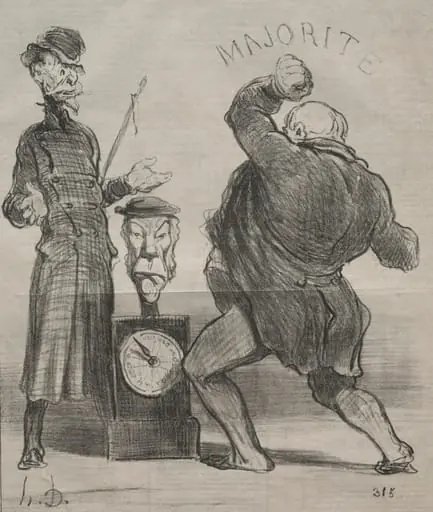 Testing His Strength
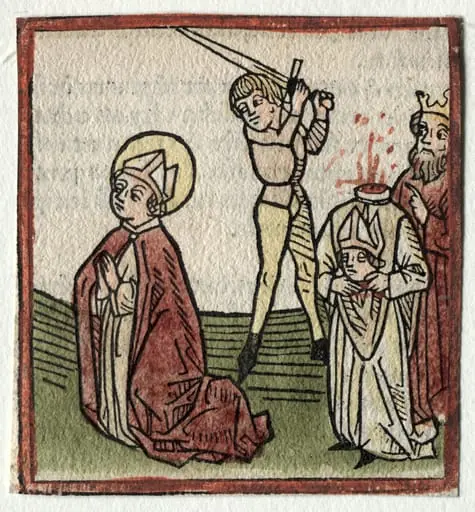 Sts. Theonestus and Albanus; or St. Pancrace
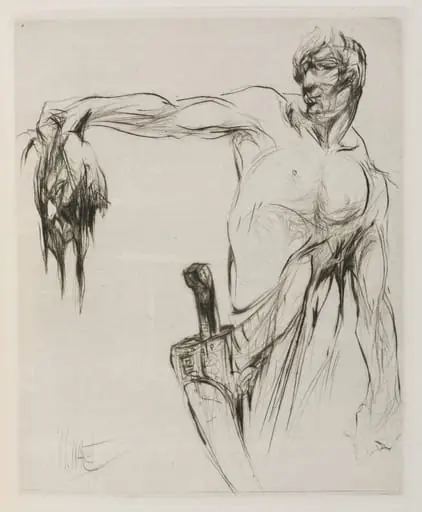 Herodias: Page 53, The head entered and mannaeus held it by the hair, at arm's length, proud from the applause
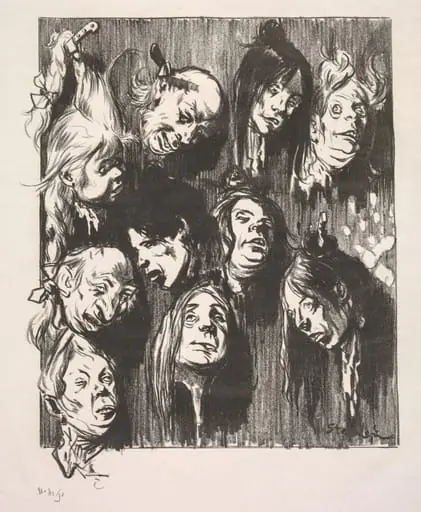 Ten Assassinations for a Penny
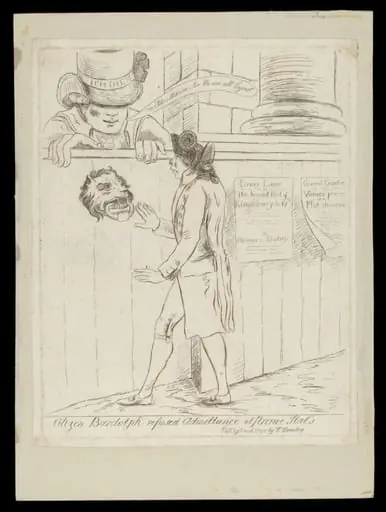 H Beard Print Collection
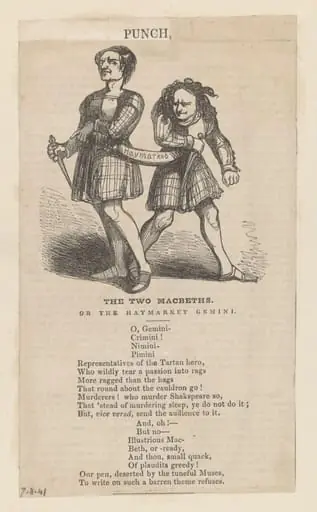 H Beard Print Collection
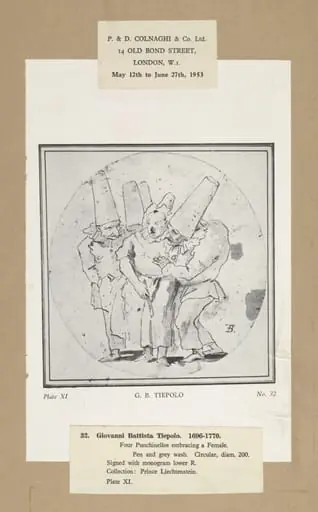 H Beard Print Collection
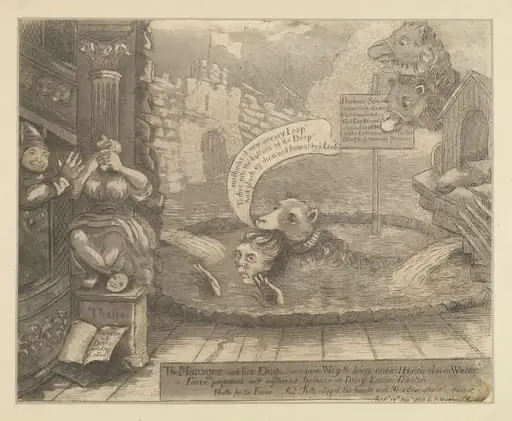 H Beard Print Collection
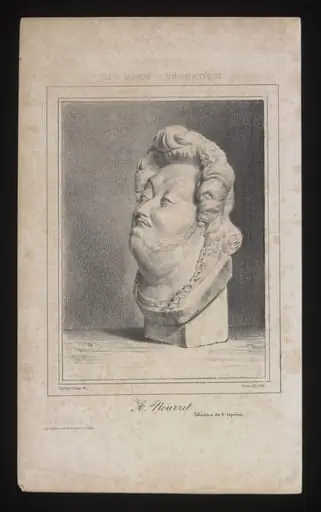 Untitled
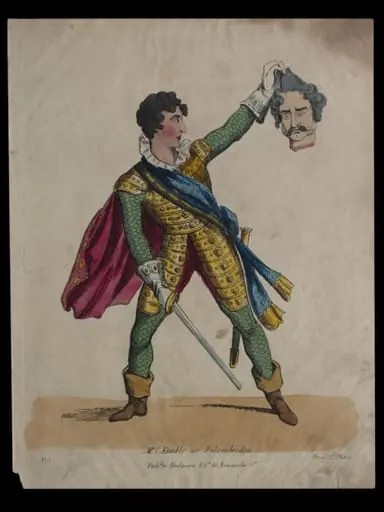 H Beard Print Collection
 Signorum Veterum Icones
 Untitled
Frequently asked questions
What is Beheaded Head?
Beheaded Head is a subject in art. head of a beheaded person
How many Beheaded Head works does Artifact World Gallery have?
Artifact World Gallery holds 174 public-domain Beheaded Head works, all free to view and download.
Who are the key Beheaded Head artists?
Key Beheaded Head artists in the collection include Titian, Caravaggio and David Teniers the Younger.
Where can I see Beheaded Head works?
Beheaded Head works in the collection are held by National Gallery of Art, Kunsthistorisches Museum and Cleveland Museum of Art.